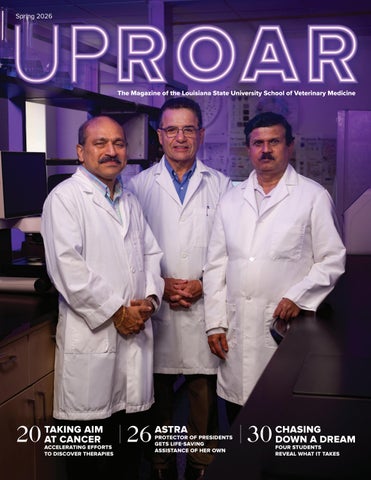
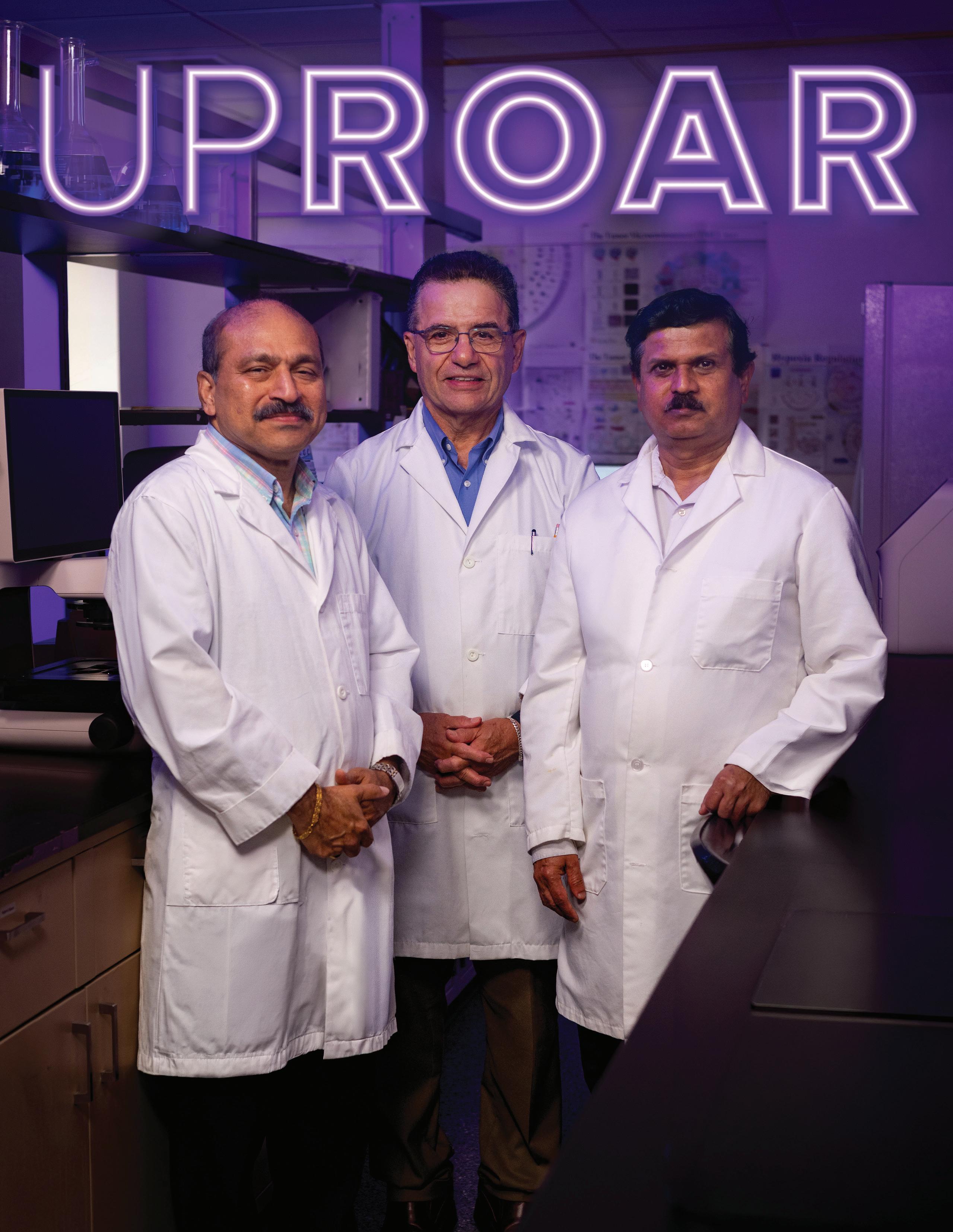
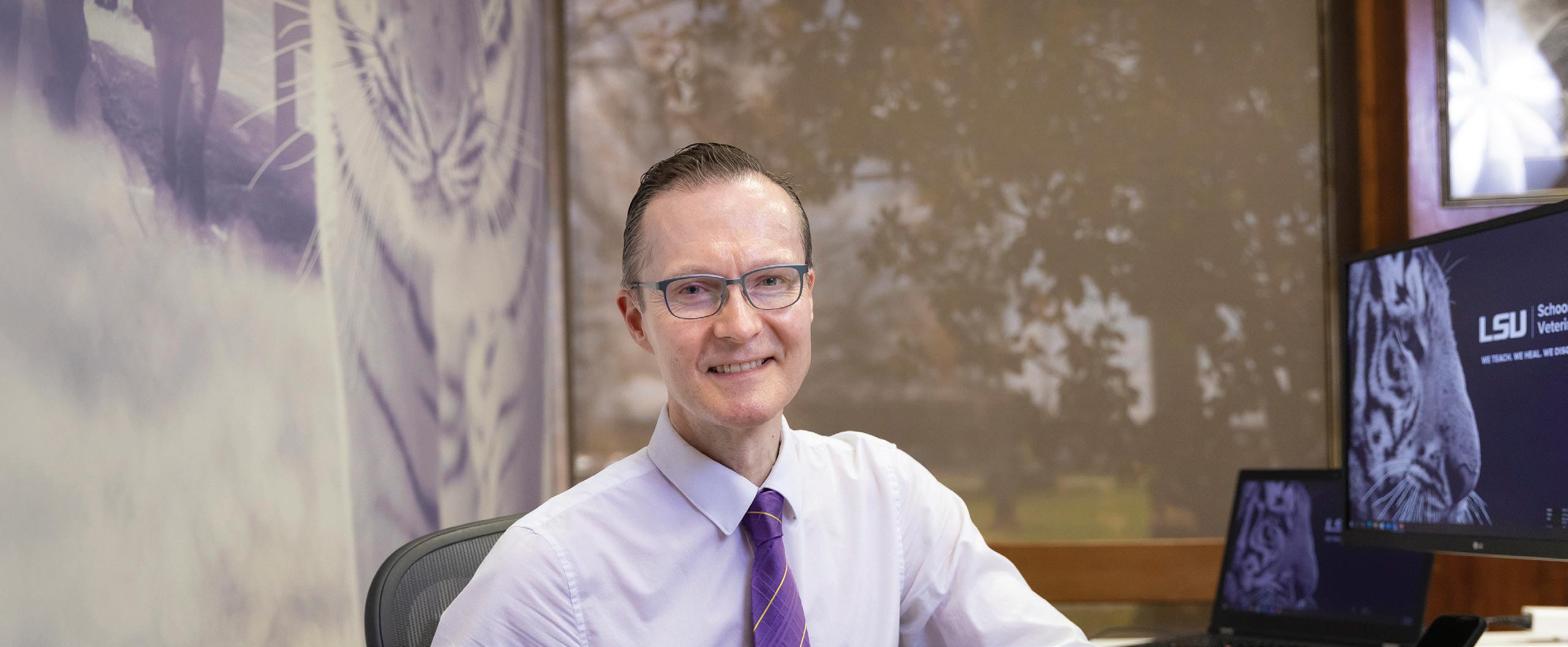
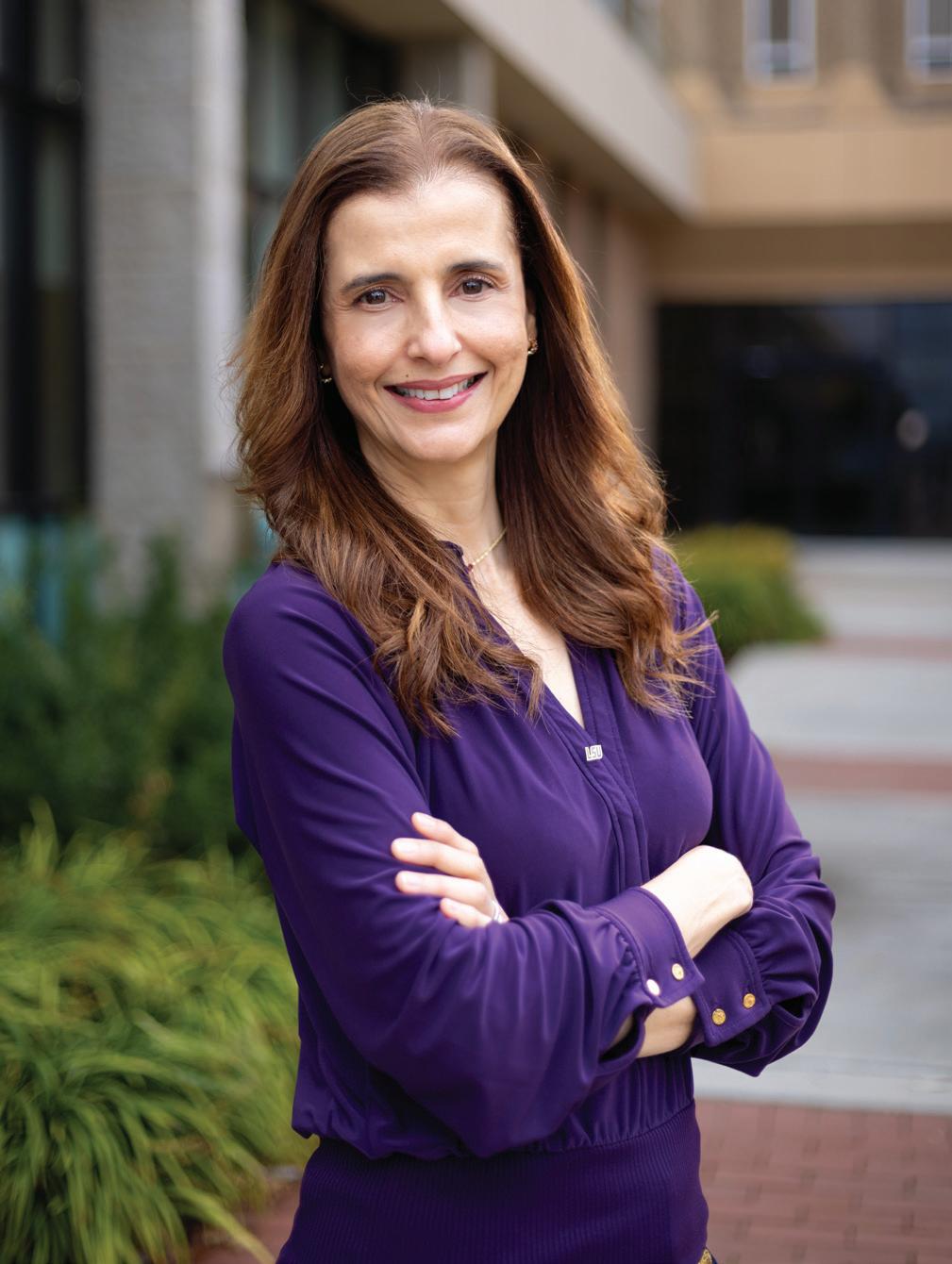
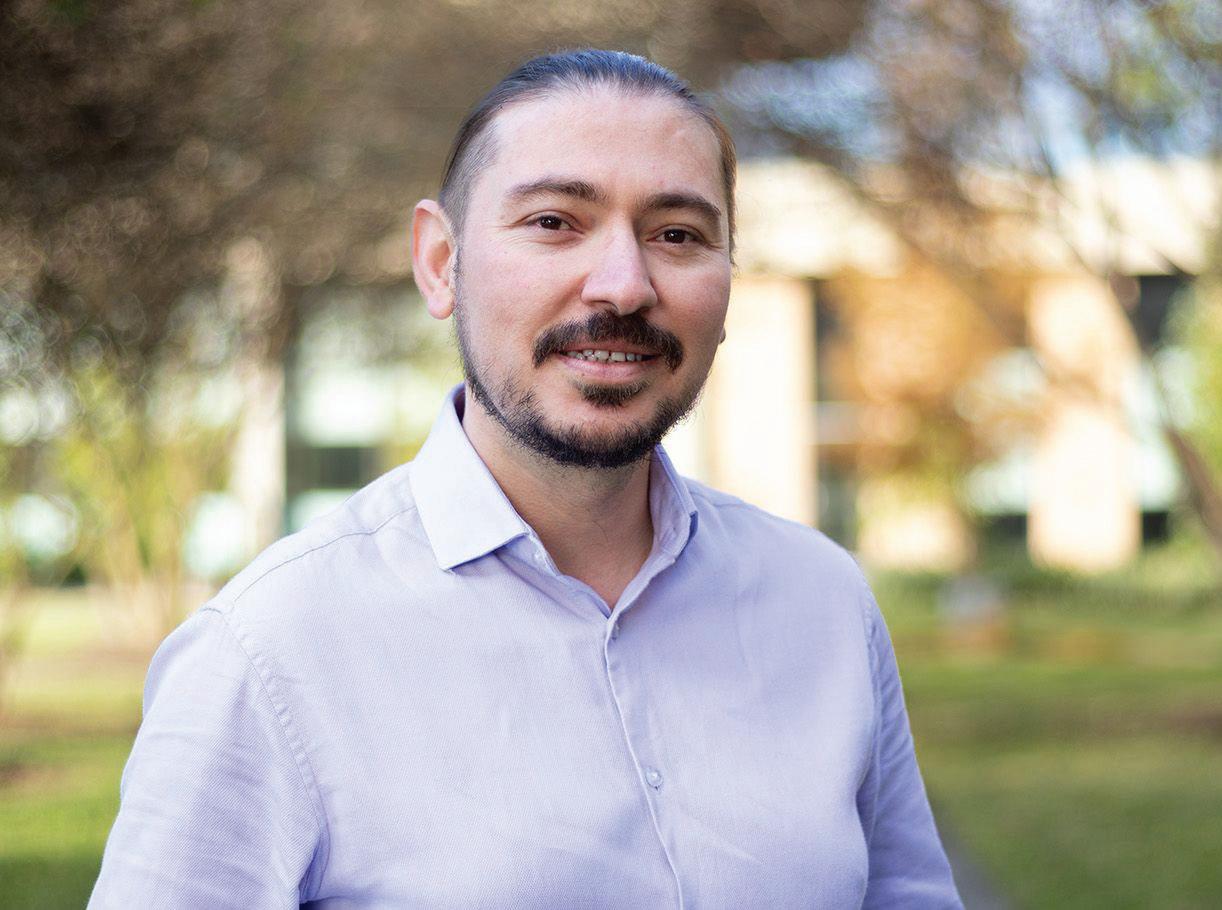
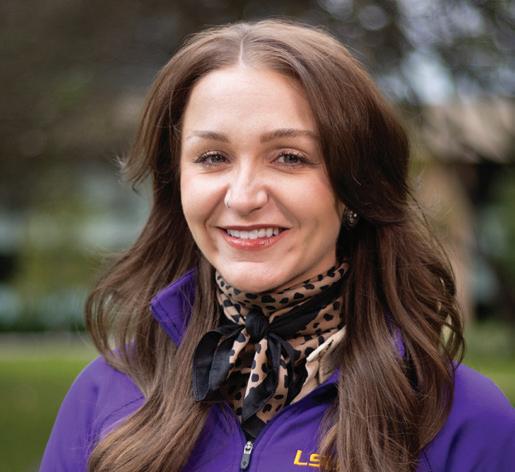
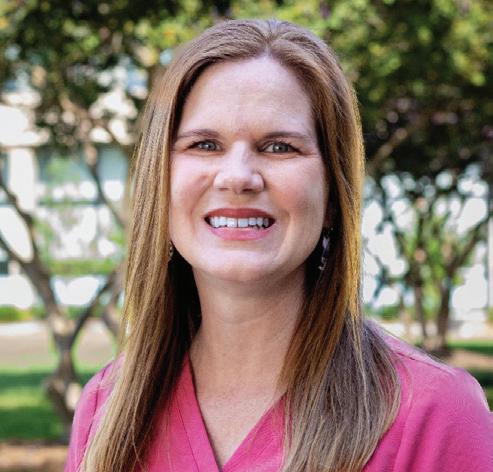
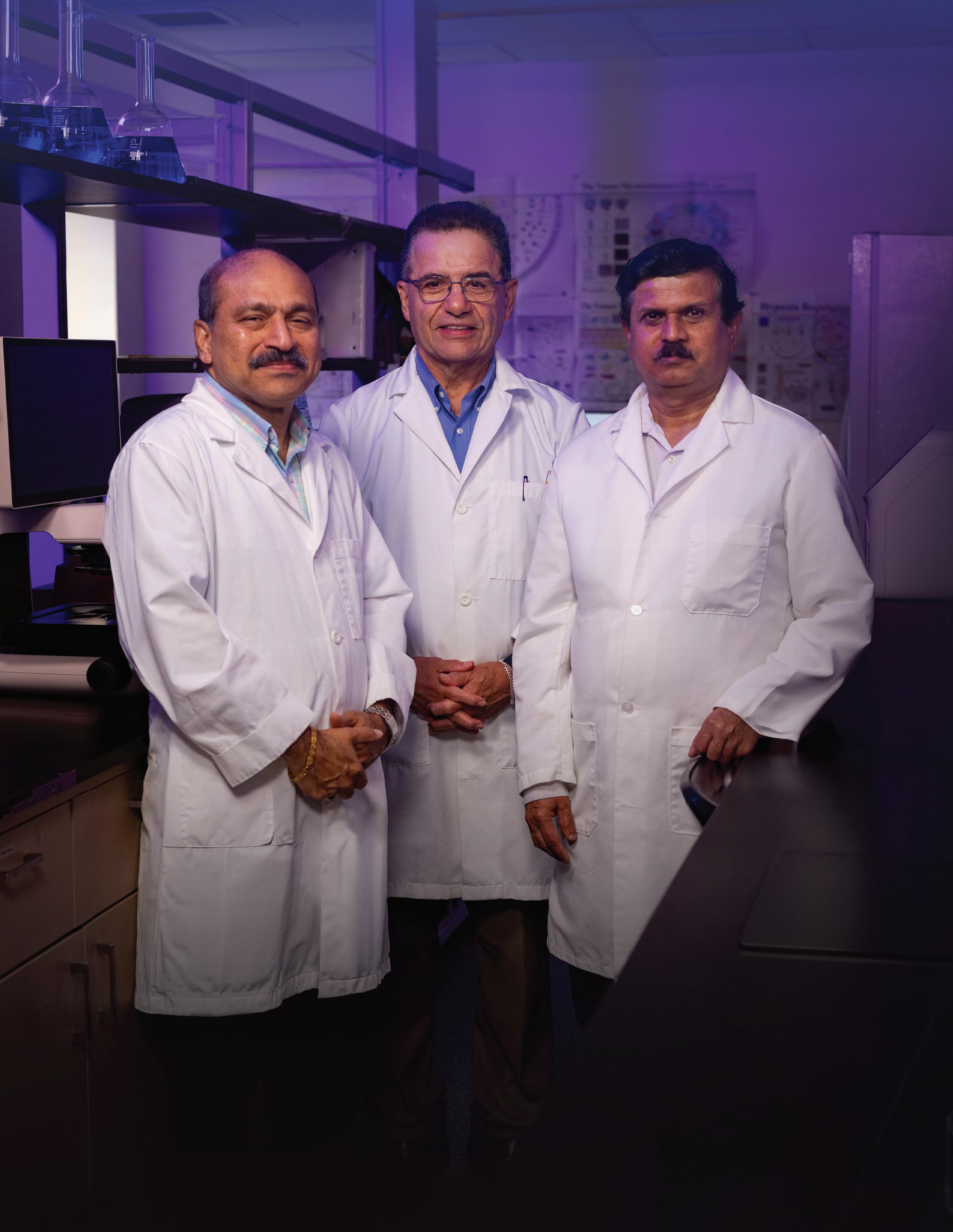
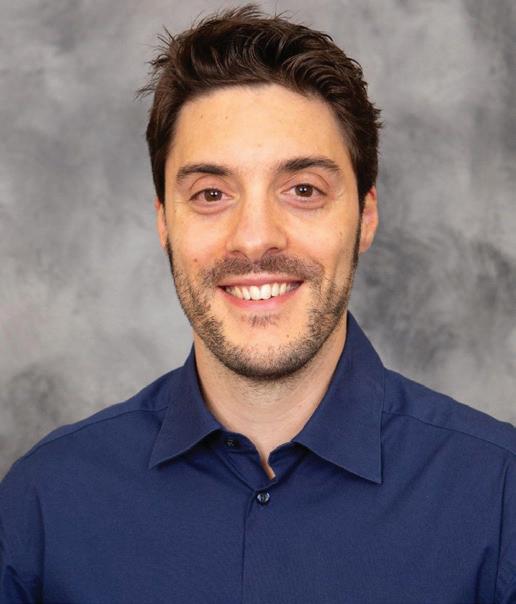
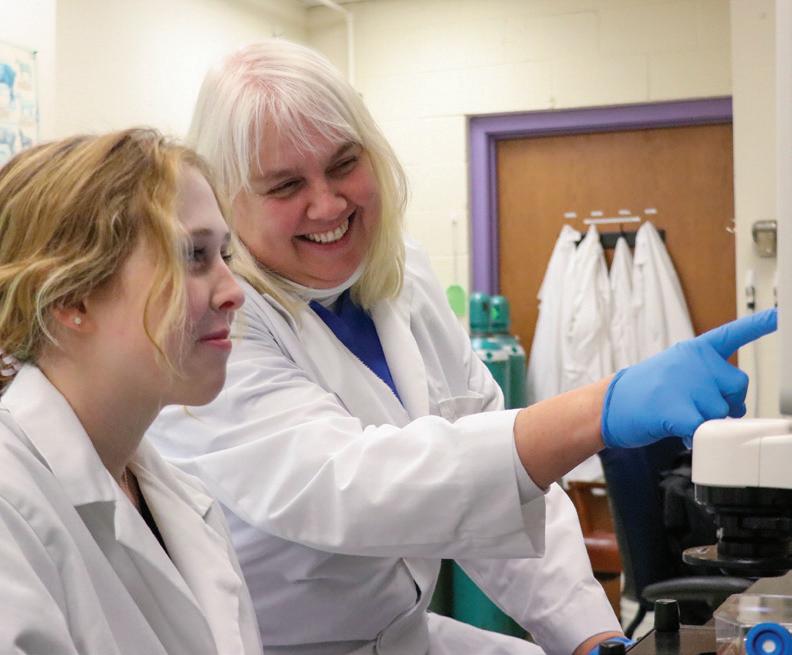
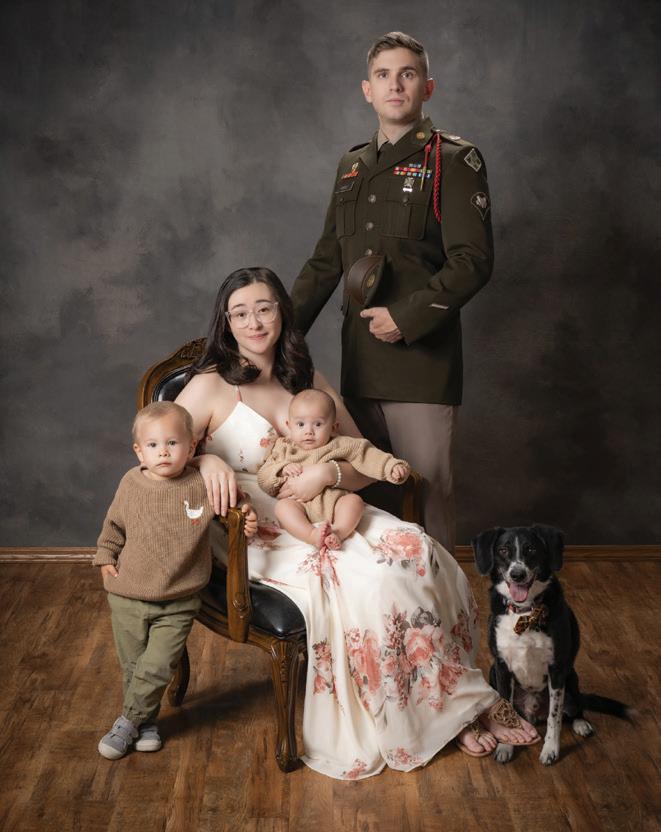
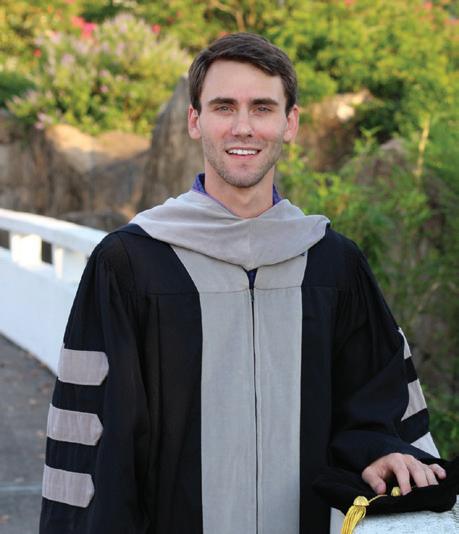
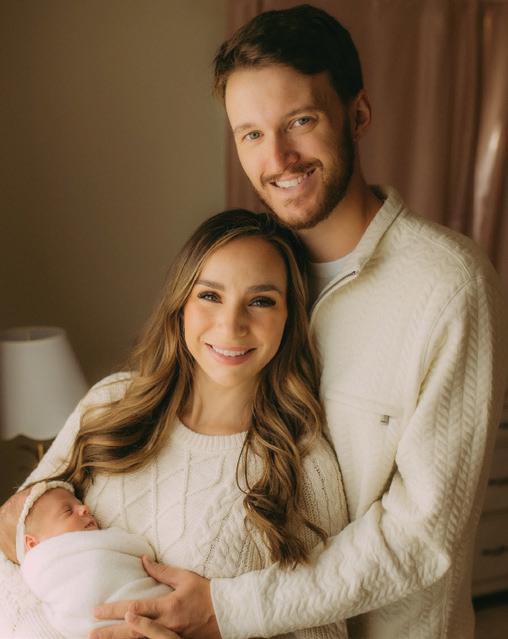
Drs. Joseph Francis, Konstantin Gus Kousoulas, and Seetharama Jois are leaders in accelerating efforts to discover effective cancer therapies in a remarkable convergence of scientific disciplines that could reshape how cancer is treated in both animals and people.
3
Dean’s Message
To everything there is a season
4 News Briefs
What’s going on
4 Students in rural Louisiana
5 Horses & friends lead to advancing vet med
8 Tune into new KLSU Tiger Talk podcast, Vet Med edition
10 When learning becomes service
38 Class Notes
News of each other
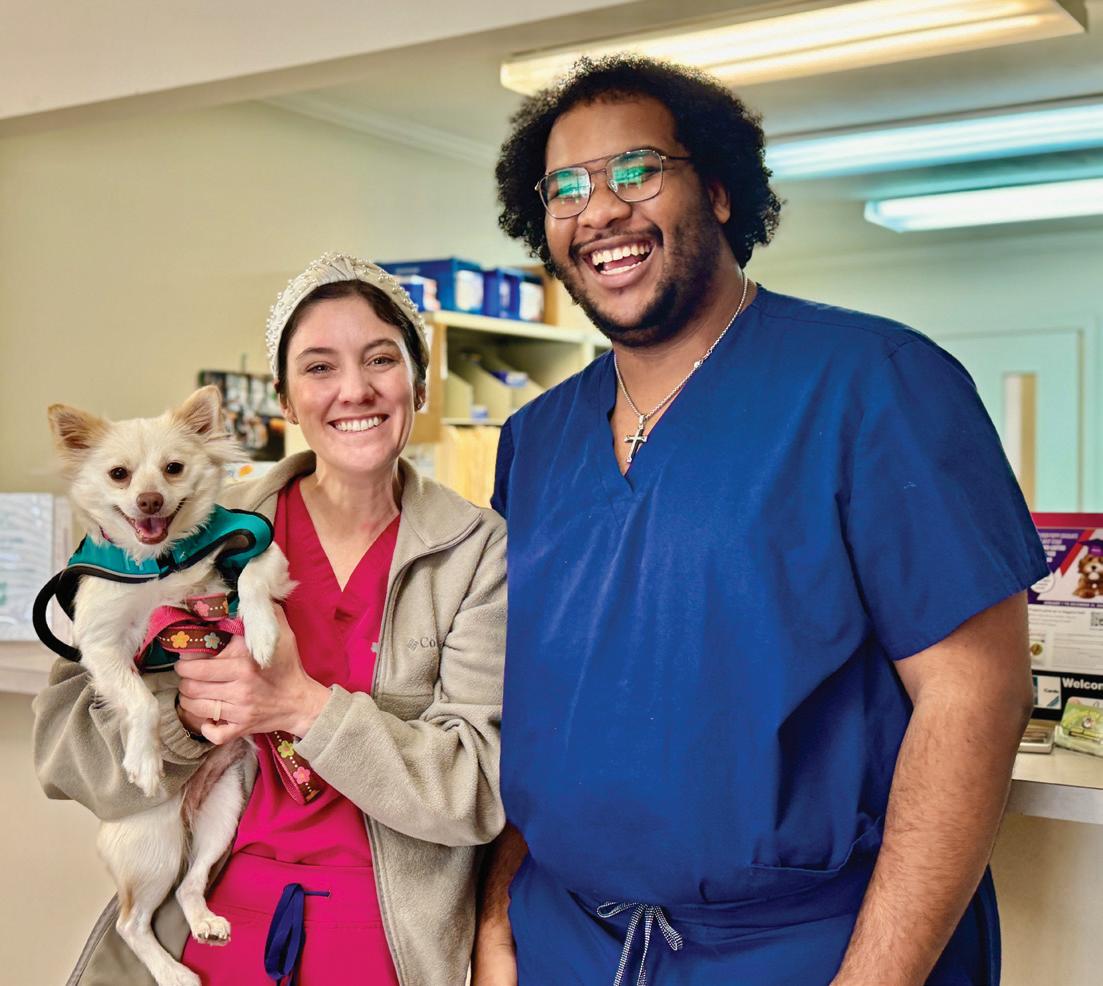
39 In the lap of love when it matters most: Emily Murray ‘18 and Amie Louque ‘21 serve with compassion
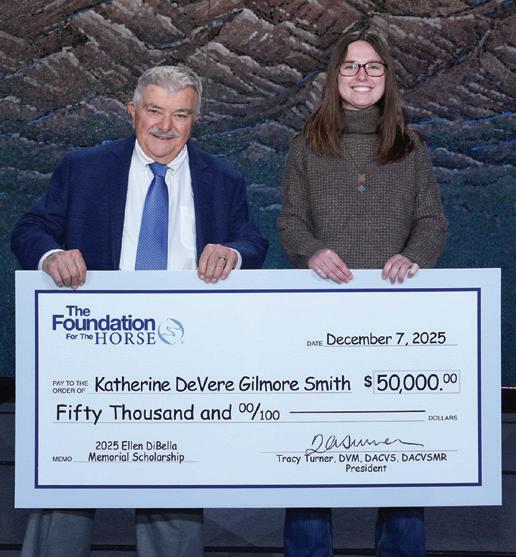
40 Dr. Wolfsheimer ‘87 creates scholarship; Katie Smith ‘27 is recipient
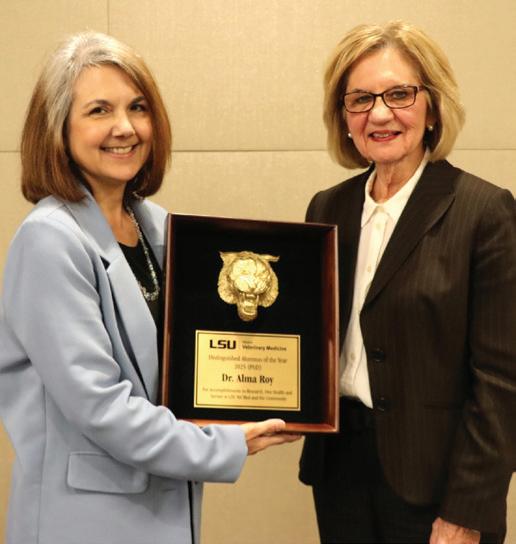
42 Meet our latest distinguished alumni
43 Alumni updates by class year
49 Parting Shot
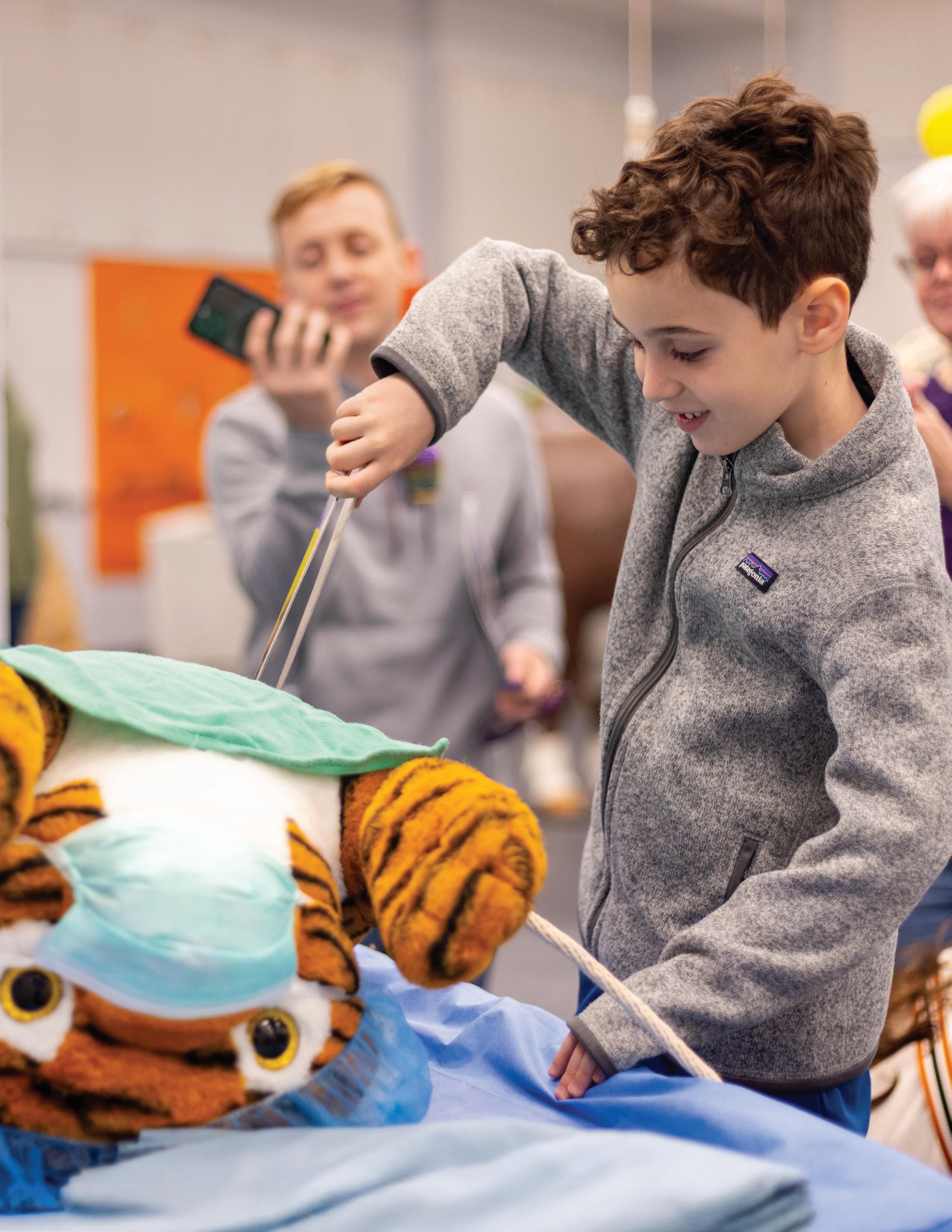
Families get a close-up, hands-on feel for vet med at popular Open House
20 Taking aim at cancer
Accelerating efforts to discover therapies
26 Astra, the military working dog
Protector of presidents gets life-saving assistance of her own
30 Chasing down a dream
Four students reveal what it takes
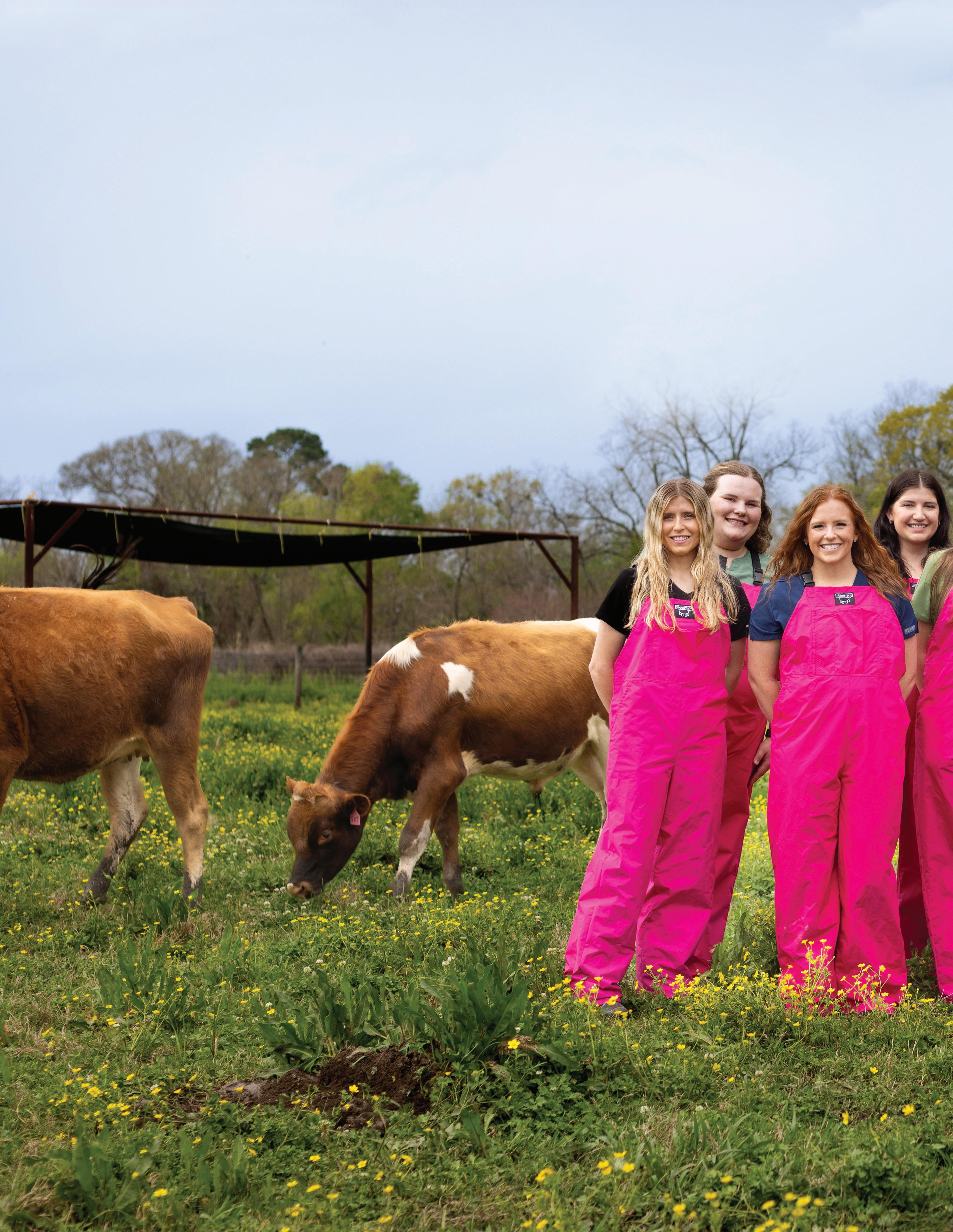
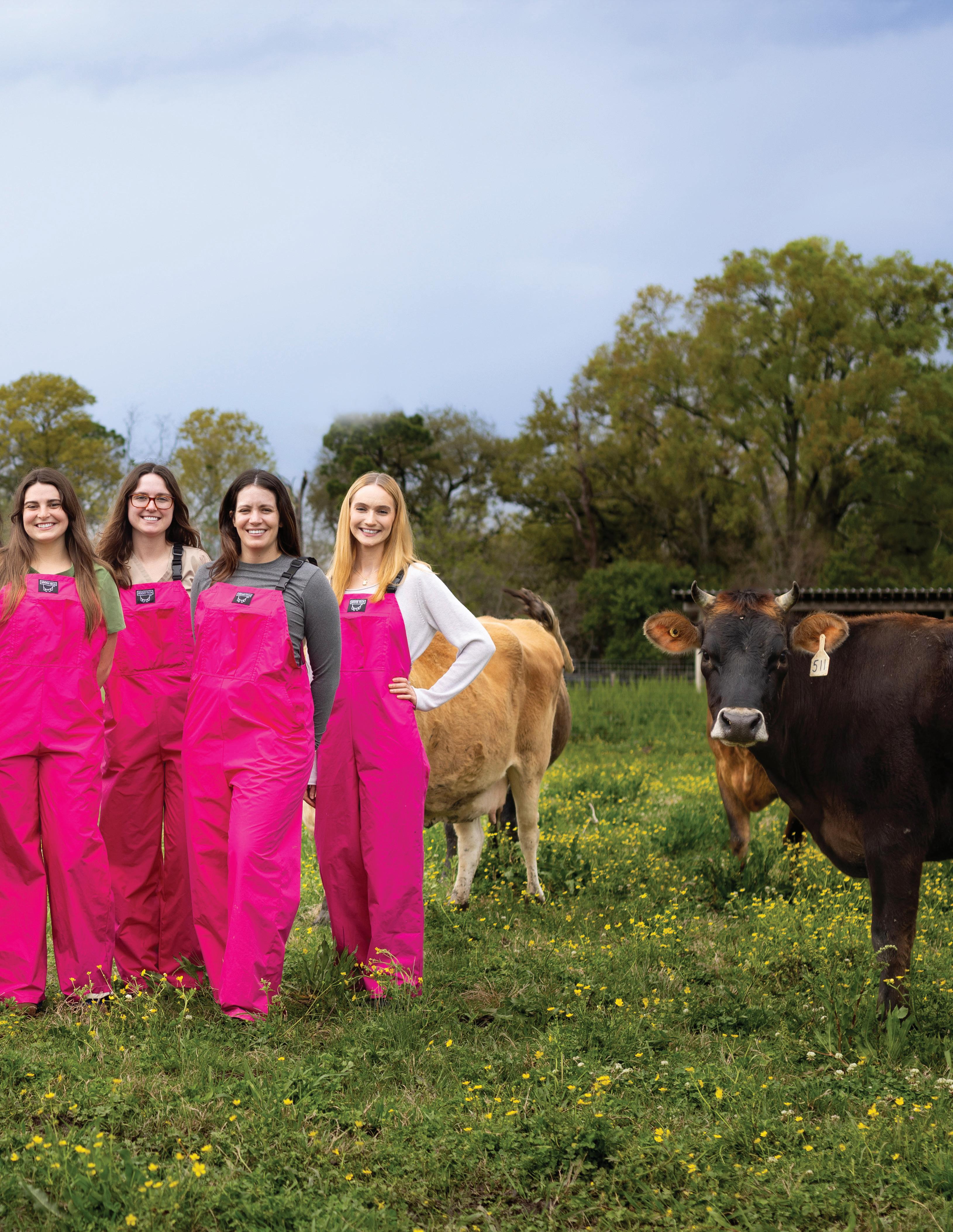
ON THIS PAGE During Women’s History Month in March, our Palpation Team made history as the school’s first all-women team. Selected through a competitive exam led by Dr. Clare Scully, the third-year veterinary students spent months honing their bovine reproduction skills—traveling each Saturday to the LSU AgCenter Southeast Research Station Dairy in Franklinton, La., to perform pregnancy checks, practice rectal palpation, and study advanced theriogenology—the physiology, pathology, and obstetrics of animal reproduction. The team competed at the Student American Veterinary Medical Association Symposium 2026, hosted by North Carolina State University, where they participated in written and hands-on challenges testing their knowledge and precision in bovine reproduction. Both LSU Vet Med teams placed in the top 10 nationwide in an exciting opportunity to showcase the precision, knowledge, and dedication they have developed all year long.
L to r: First
of Beekman, La., Sydney
of
row: Katelynn Lewis
Runnels
Seminary, Miss., Emily Texada of Mandeville, La., Rebeca Machado of Tampa, Fla. Second row: Josie Purvis of Albany, La., Tara Lamb of Wheatland, Calif., Katie Gilmore Smith of Fayetteville, Ark., Brooke Siegle of New Orleans, La.
Oliver Garden
Dean
Bonnie Boudreaux
Senior Associate Dean for Student Success
Henry Green
Associate Dean for Organizational Health and Mentorship
Tammy Dugas
Associate Dean for Research and Graduate Education
Britta Leise
Associate Dean for Staff and Faculty Advancement
Gretchen Delcambre
Assistant Dean for Student Outreach and Veterinary Admissions
Ernest Tanoos
Senior Assistant Dean for Finance and Administrative Services
Thomas Rooney
Assistant Dean for Strategic Communications and Marketing
Bunnie Cannon
Assistant Dean for Outreach and Strategic Initiatives
Hannah Gambrell
Director of Development, LSU Foundation
magazine
Sandra Sarr Editor
Natalie Kaiser Class Notes Editor
Ginger Guttner, Dr. Kielyn Scott
Contributing Writers
Tamara Mizell Proofreader
STUN Agency Graphic Design
Chris Jones Photography
Mele Printing Printing
School of Veterinary Medicine
Skip Bertman Drive Baton Rouge, LA 70803
Veterinary Teaching Hospital
Pets and small exotics:
225-578-9600
Horses and farm animals:
225-578-9500
Dean’s Office:
225-578-9900
Fax:
225-578-9916
vetmed@lsu.edu
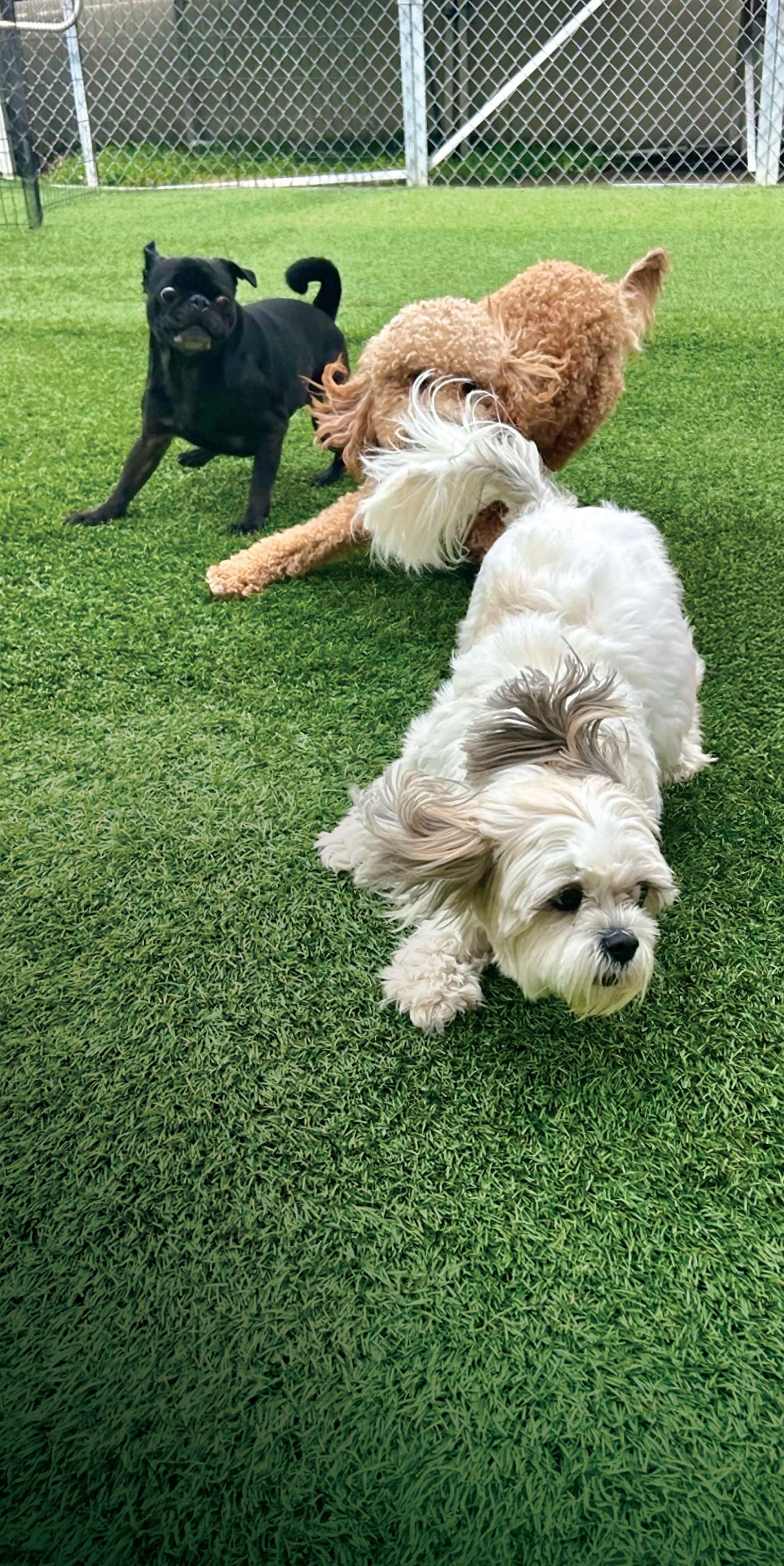
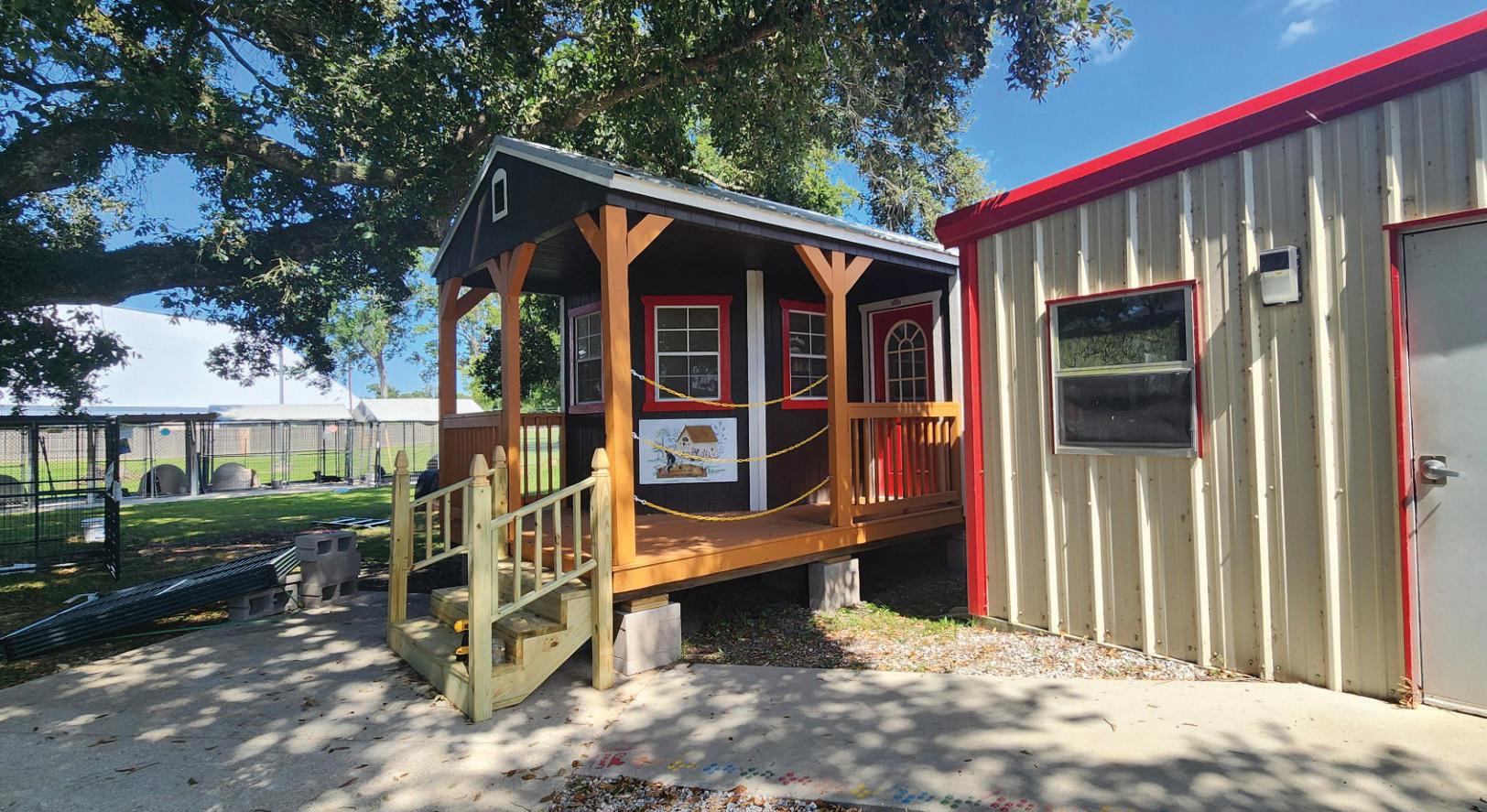
Some days, we suspect the pups at LSU Vet Med’s Dog Daycare have cracked the code on joy—and the evidence is hard to refute. If you’d like to see their curriculum in action (equal parts play, socialization, and unfiltered delight), come see in person or explore more at:
A Message from the Dean
To everything there is a season
OLIVER GARDEN BVetMed, PhD, FHEA, FCPP, FRCVS, DACVIM, DECVIM-CA
Commencement marks a major milestone for our students— and this year, a personal one for me as well. With deep affection for LSU Vet Med, this will be my final message to UPROAR readers. As of mid-May, my service as dean has concluded, and I have returned my full attention to scholarship and to several long-standing projects that have been waiting for this next chapter. This transition was not made lightly, nor does it diminish my enduring commitment to this school or my gratitude for the privilege of serving such an extraordinary community.
Leading LSU Vet Med over the past five years was the honor of a lifetime, shaped by a profound respect for the people and purpose that define this institution. Together, we advanced our mission in meaningful and measurable ways. Applications to our DVM program quadrupled, reflecting the strength of our reputation and the dedication of our faculty and staff. We launched a redesigned curriculum and expanded the Office of Admissions & Student Success, while also establishing a parallel Office of Graduate Student Success to better support all learners. Our graduate programs adopted a unified curriculum, and we implemented more rigorous, transparent processes for intramural research funding.
Our clinical and diagnostic enterprises expanded with a continued focus on student learning, client service, sustainability, and fiscal responsibility. Research flourished, with a 12% annual increase in expenditures and a rise in our national standing, jumping up from #9 to #6 in
the nation among veterinary schools in the Blue Ridge Institute for Medical Research rankings. At the same time, we strengthened outreach and community engagement, elevating the visibility and impact of LSU Vet Med across diverse audiences.
We also invested in the spaces where learning and discovery take place. All teaching facilities— including the Surgical Training Center—were renovated to world-class standards, with additional enhancements underway. Just as importantly, we created new ways to recognize and celebrate the talents and contributions of every member of our community, while addressing long-standing infrastructural challenges and helping secure a more stable financial future.
My strong connection to LSU Vet Med remains unwavering. I am fully invested in its success! Ensuring a smooth and thoughtful transition to new leadership ranks among my highest priorities.
Thank you for your trust, your collaboration, and your steadfast support. These years were among the most meaningful of my life, and I will always carry with me a deep pride in—and affection for—this remarkable school, its people, and the many lives it serves.
With my warmest wishes to you all,
news briefs
New program addresses food animal veterinary shortage in rural America
A NEW PROGRAM AT LSU Vet Med is giving first-year veterinary students from rural communities a structured, handson pathway back to the places that need them most. The initiative is supported by a $250,000 Education, Extension, and Training grant from the National Institute of Food and Agriculture Veterinary Services Grant Program, one of just eight awards nationwide aimed at addressing shortages of food animal veterinarians in underserved areas. The funding supports rural veterinary clinics as well as expanded education and training opportunities for veterinary students, veterinarians, and veterinary technicians.
A growing shortage of food animal veterinarians—especially in rural communities—threatens both animal health and the safety and security of the food supply. With support from the grant, LSU Vet Med is working to address that gap by
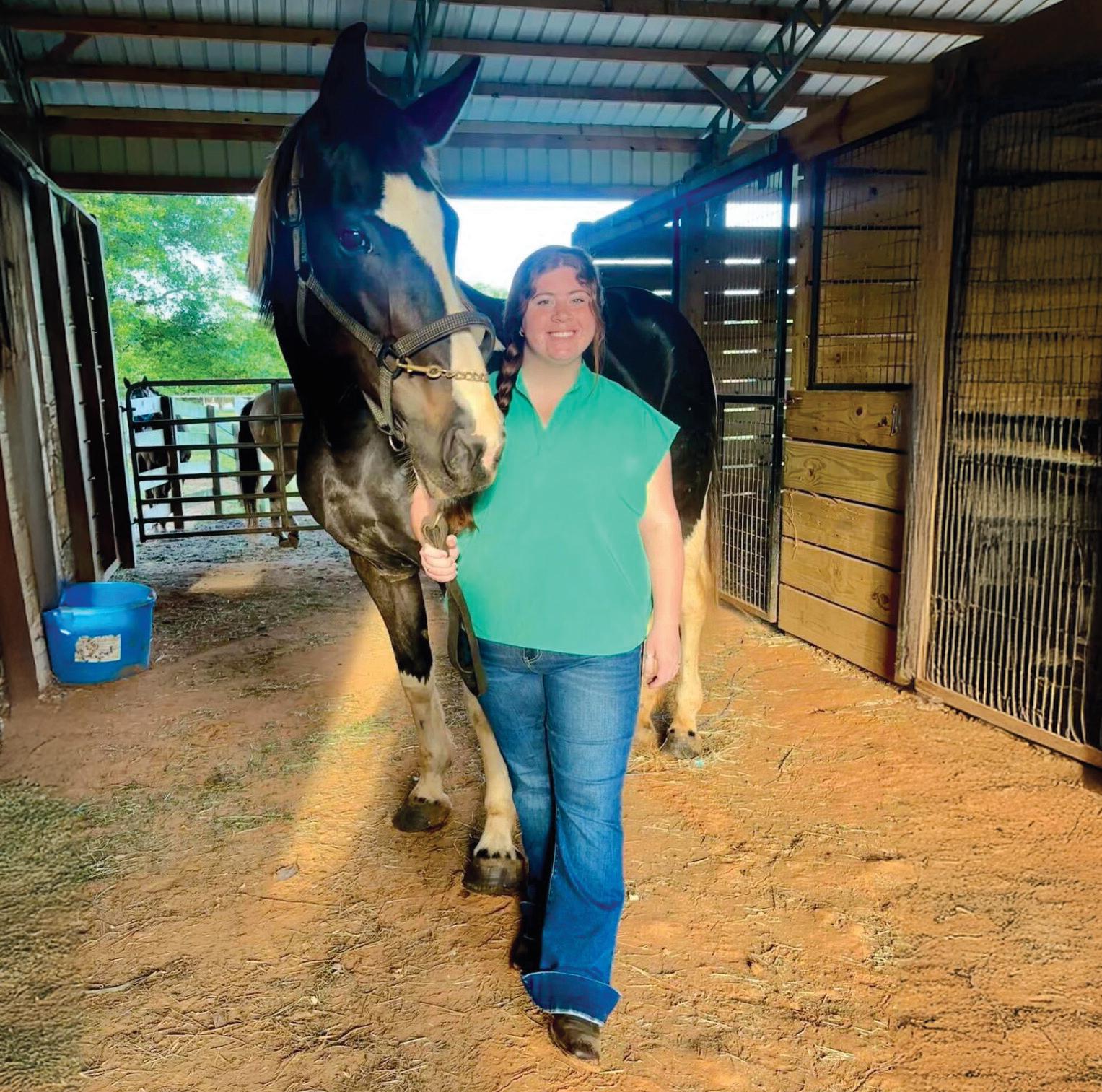
McCaelyn Beuschel, program participant, completed a two-week clinical immersion experience in Covington, La., with Greene, Lewis & Associates, a mixed animal practice specializing in small animal and equine.
connecting veterinary students during their first year of training with real-world practice in rural communities throughout Louisiana.
From April 6–19, 11 firstyear students from the entering class of 2025 traveled to six rural Louisiana veterinary clinics and high schools, spanning eight different parishes. During the two-week experience students participated in the health of rural communities shadowing rural veterinarians and meeting with high school students to promote careers in rural veterinary practice. These experiences will continue for students entering in 2026 and 2027. Over a three-year period, the program will support rural experiences for up to 54 students.
Program leaders are also studying how these
experiences influence career directions. Students complete a voluntary survey at the start of veterinary school, at the end of the first academic year, and at graduation, to assess their perceptions of rural practice. The survey measures factors such as social opportunities, professional isolation, and access to personal support systems.
“We have found that students from rural settings initially show interest in working in rural areas,” said Dr. Emily Erwin, associate professor of curricular analytics, who oversees the program. “But after completing vet school, their interest tends to fade. To better understand that shift, the program will track responses from students from both rural and non-rural backgrounds. Additionally, responses from those who participate in rural experiences like these and those who do not will be evaluated to help determine how willing students are to pursue rural practice.”
The student field experience is led by Dr. Trey Neyland, a 2021 LSU Vet Med graduate and assistant professor of livestock practice at Arkansas State University College of Veterinary Medicine.
“Looking beyond this three-year program, we’re hoping to extend these experiences to our second, third, and fourth-year students,” Dr. Erwin said.
Horses, friendship, and a gift that advances
BY SANDRA SARR
equine care
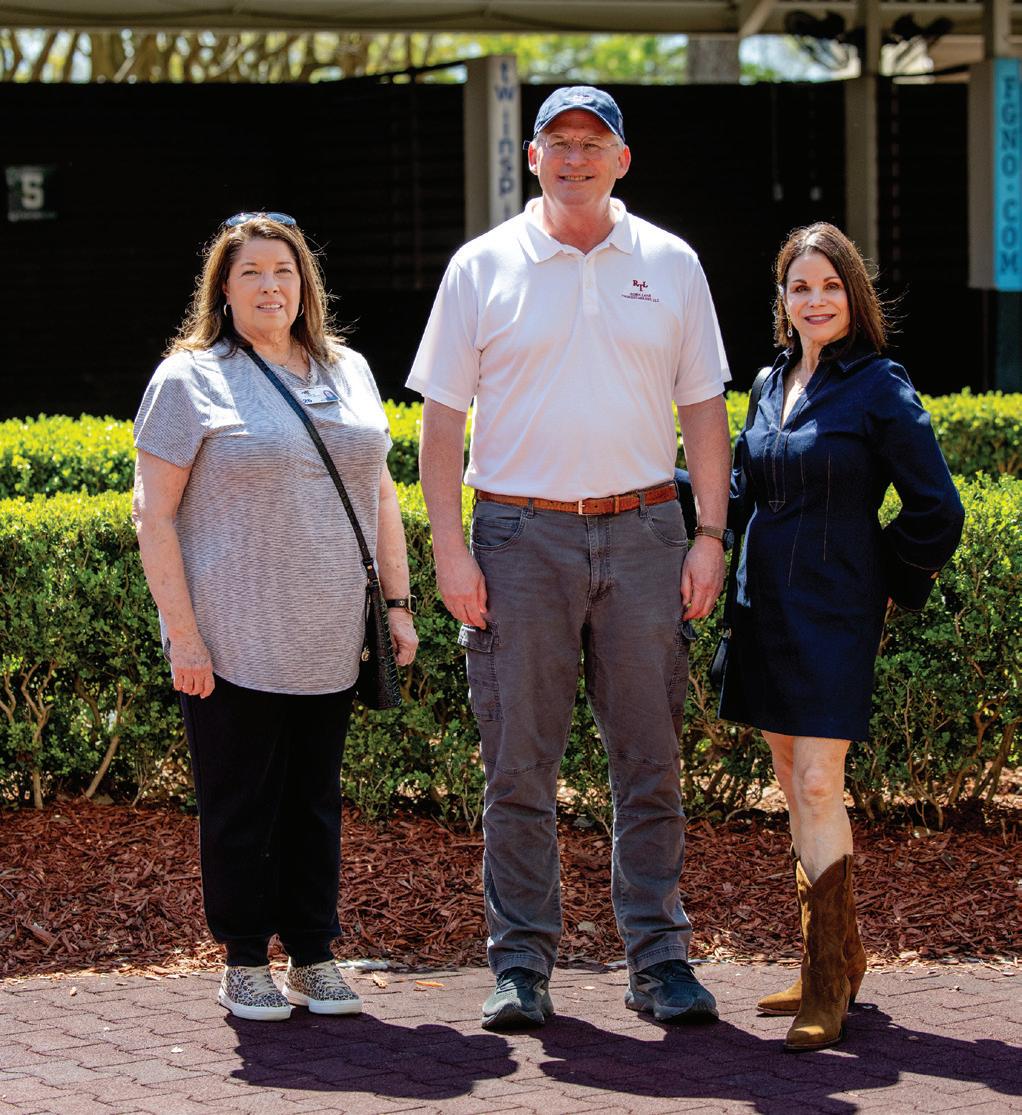
L to r: Monia Bos, Daniel Hughes, and Michelle Hughes
AFTER CONSISTENTLY EXPERIENCING THE
excellent care horses receive at LSU Vet Med, Daniel and Michelle Hughes are making a new $30,000 gift to support the school’s Equine Health Studies Program (EHSP), a premier equine biomedical center in the southern United States. The program conducts leading-edge research, trains future veterinarians and scientists, and provides diagnostic and therapeutic care for critically ill and injured horses. The Hughes gift also honors a longtime friend whose life revolved around horses.
The Donald K. Bos and Robin Lane Thoroughbreds, LLC Equine Support Fund is named for lifelong horseman Donald “DJ” Bos, whose horse training career spanned decades training AQHA halter, race, and pleasure horses as well as managing breeding and showing farms in Texas and North Carolina. “He valued the best care of horses, friends, and family as demonstrated in the beautiful way he lived and loved,” Hughes said. “DJ’s positive spirit as a founder of Robin Lane Thoroughbreds was instrumental in establishing the success and values of the stable that proudly remembers him with every foal and every race.”
Hughes and Bos became close friends through Bos’s wife, Monia, a longtime colleague of Hughes. In 2016, they founded Robin Lane Thoroughbreds and purchased three Louisianabred Thoroughbred yearlings at a Louisiana sale. The decision launched a shared pursuit that involved frequent road trips from Alabama to Louisiana, where the horses were kept on farms in Folsom and raced at tracks across the state.
“The Louisiana Thoroughbred community is full of outstanding horsemen and women, many of whom have become great friends,” said Hughes. “The breeding program is excellent and Louisiana-bred horses have shown they can compete nationally,” Hughes said.
Robin Lane Thoroughbreds’ first win came in 2017 with a horse named Future Ruler purchased at the Equine Sales of Louisiana 2016 Yearling Sale. He went on to win over $100,000 in Louisiana racing. They also raced Mike J, who placed in five stakes races.
As Hughes became more involved in the Thoroughbred industry, he came to appreciate the specialized veterinary care racehorses require. Because these athletes undergo intense physical exertion, maintaining the health of their musculoskeletal systems and overall well-being requires careful, expert management.
Hughes previously donated $30,000 to the EHSP in 2021. With this new gift, he also hopes to encourage support for the school’s planned Equine Center of Excellence.
Although he had never owned horses before buying the first three in 2016, Hughes now owns 45 Thoroughbreds and regularly travels to the Fair Grounds Race Course in New Orleans, Louisiana Downs in Bossier City, and Evangeline Downs in Opelousas.
“They are fun places to visit. I enjoy getting up early and watching the horses work out,” he said. “It’s amazing to be a part of the Thoroughbred community—to watch a horse be born, broken to saddle, trained, race, and be at the finish line. To stand in the winner’s circle is thrilling. It takes years to make a moment that lasts forever.”
“NOT ENOUGH PEOPLE KNOW HOW IMPRESSIVE LSU VET MED IS,” HUGHES SAID. “IT’S A TREMENDOUS ASSET FOR LOUISIANA AND THE EQUINE INDUSTRY.”
DJ Bos passed away in 2020, and Hughes’ support of LSU Vet Med’s equine efforts continues to honor both their friendship and Bos’s lifelong commitment to horsemanship.
“Dr. Britta Leise at LSU has been especially helpful and has tended to our horses through the years,” Hughes said. “She provides bestpractices advice to the people on the farms where our horses live. It’s not just transactional at LSU. Veterinarians don’t just treat the horse—they’re an ongoing resource. They help us think things through for the best outcome.”
Because the care Robin Lane’s horses received at LSU Vet Med often involved students, interns, and residents, Hughes and his wife, Michelle, are also making a $25,000 gift to establish a support fund for the Office of Admissions and Student Success. Named in memory of Michelle Hughes’ late father, the Mike J. Rosato Student Success Fund will support the office’s efforts to help veterinary students succeed. Hughes, of Titus, Ala., is founder of two real estate businesses and an outdoor media company. He began his career as an investment banker specializing in housing and economic development.
WE HEAL
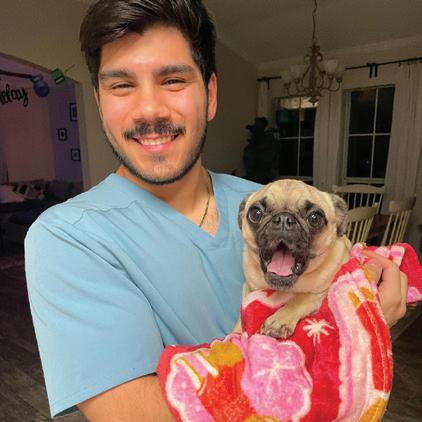
BUG MUSHROOM, a 2-year-old pug, was found along a roadside, unable to walk, in a rural area north of Shreveport. Ninna’s Road to Rescue brought her to Benton Animal Hospital, where Dr. Susan St. Pierre, LSU Vet Med Class of 1999, identified severe spinal malformation. Dr. St. Pierre referred Bug to LSU Vet Med Neurology service, where clinicians formulated a complex surgical plan complicated by the high risk of placing even the smallest implants into a narrow corridor within the 9 lb. dog’s spinal bones. There was a risk that the implants could puncture the lungs, the spinal cord, or result in a significant life-threatening hemorrhage if not performed with absolute precision, according to Dr. Colleen Embersics, who performed Bug’s surgery. The benefits and risks of this procedure were explained to the rescue, and they immediately approved surgery to give Bug a chance to walk again.
Surgery was successful, and Bug is expected to move closer to walking over the next weeks and months. Yan Zermeno, then a fourth-year student, took Bug home as a medical foster which led to him adopting Bug. He said she tries to use her back legs more each day and is the perfect patient.
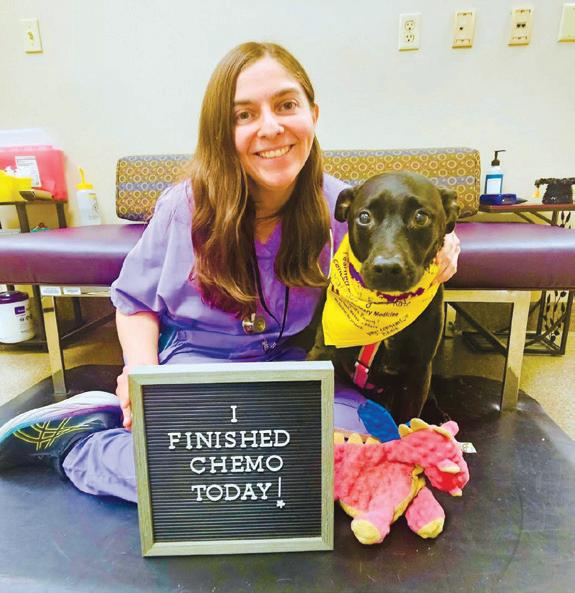
EMMY, the terrier–Labrador mix, was diagnosed with B-cell lymphoma in 2023. The news was devastating for her owner DeAnna Charett, a disabled veteran on a fixed income who feared she might not be able to afford lifesaving treatment for her best friend. Emmy had helped DeAnna cope with PTSD and other health challenges over the years. Hope came through a Petco Love/Blue Buffalo grant, which covered nearly half the cost of Emmy’s first round of chemotherapy at LSU Vet Med. Emmy responded well, entering remission and regaining her playful spirit—before the cancer returned in 2025. Thanks to a second round of treatment and the dedicated care of LSU Vet Med’s Oncology Service, including Dr. Brittany Hodgkiss, Emmy was given another chance. For DeAnna, the grant
and the care team meant priceless extra time with the dog who never gave up on her. Together, Petco Love, Blue Buffalo, and LSU Vet Med are helping give pets like Emmy—and the people who love them—more time, comfort, and hope.
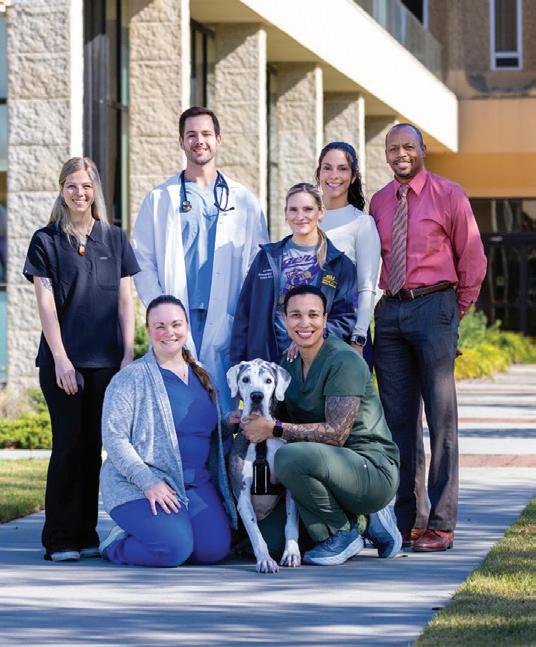
ZATANNA, a Great Dane, arrived at our ER unable to stand or walk due to weakness in all four limbs. She was diagnosed with both cervical disc disease and an inflammatory condition affecting her brain and spinal cord. Her case became critical when she developed aspiration pneumonia, requiring ventilator support. A collaborative team across multiple specialties— neurology, emergency and critical care, internal medicine, anesthesia, cardiology, and integrative medicine—worked quickly to get Zatanna the care she needed. The presence of multi-drug-resistant E. coli and Pseudomonas aeruginosa made treatment especially challenging. Immunosuppressive therapy was carefully timed and initiated alongside antibiotics to balance infection control with prevention of neurologic decline. Despite a guarded prognosis, Zatanna, her devoted owners, and her team never gave up. After two weeks, she was able to go home—and eventually walk again.
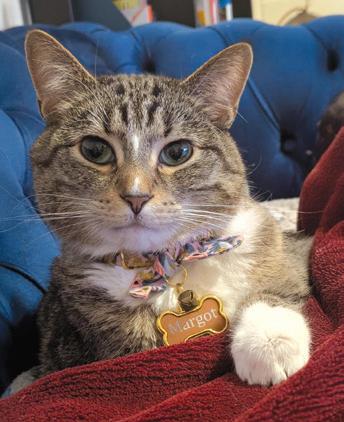
MARGOT the cat was suffering from a progressive cough. After testing, she was diagnosed with asthma and began oral steroids before moving on to inhaled steroids. Over time, Margot’s asthma became controlled, and she was on inhaled medications about every other day. Collaborating with Integrative Medicine, her owner, who is a small animal internal medicine resident, Dr. Enjolie Levengood, became interested in combining new approaches to further reduce Margot’s asthma symptoms. So, Drs. Kielyn Scott and Lorrie Hale Mitchell in Integrative Medicine began acupuncture treatment on Margot, choosing points to support her lungs and immune system.
With these combined approaches, Margot went from coughing multiple times a day to coughing only a few times a year—allowing her relief as a patient and to serve as a teaching model for students. We call that a winning team!
WIZARD the dog was diagnosed with B-cell lymphoma when his owner, Shania Worfel, found lumps on his neck. Her regular veterinarian referred her to LSU Vet Med’s Oncology service. After discussing options, she chose a 25-week CHOP treatment protocol, an effective multi-drug treatment for canine lymphoma. Thanks to a Petco Love/Blue Buffalo grant covering 75% of the cost, Shania was able to pursue care she says would not have been possible otherwise. Wizard is now undergoing a second round of treatment and is dealing with it like a champ, according to his owner, Shania.
Strengthening graduate education at LSU Vet Med
AS PART OF THE ongoing expansion of our Graduate Program support at LSU Vet Med, the administrative core now includes a coordinator for graduate student success. Emily Ngandjui Moukam fills the key position, which is central to the Office of Graduate Education, located within the Dean’s Suite.
Moukam reports to Dr. Stephen Costin of the Office of Research and Graduate Education, which oversees research at LSU Vet Med and graduate degrees—MS and PhD—in biomedical and veterinary medical sciences. Moukam’s core focus is serving the needs of our graduate student community. She collaborates with Dr. Costin to develop and coordinate a new summer undergraduate research program that serves as a pathway into graduate study at LSU Vet Med. Utilizing the skills she developed in the Office of Organizational Health, she is launching an Individual Development Program for LSU Vet Med. Originally launched by National Institutes of Health
(NIH), this program offers a personalized roadmap for mentoring students for career success. The program has been utilized nationwide for boosting graduate student success.
Under the leadership of Associate Dean for Organizational Health and Mentorship and Associate Professor of Veterinary Cardiology Dr. Henry Green, Moukam continues to serve the LSU Vet Med Mentorship Program, connecting current veterinary and graduate students with alumni and faculty for personalized career and life guidance, with a focus on academic support, career clarity, and professional growth through flexible, online interactions.
Moukam helps facilitate oneon-one relationships, allowing mentees to seek advice and mentors to share experiences, fostering meaningful connections within the LSU Vet Med community to help students navigate their paths in professional and graduate education. She continues to lead the successful Insights into LSU Vet Med Program, an immersive two-week summer experience designed to open
pathways for undergraduate students who might not otherwise have considered veterinary medicine as a career trajectory.
Scan QR code for more information about graduate education at
LSU Vet Med
LSU Vet Med is a biomedical research institution as well as a veterinary school. We offer MS and PhD degrees in biological and veterinary medical sciences.
New KLSU Radio-LSU Vet Med podcast debuts with Dr. Taylor Strickland
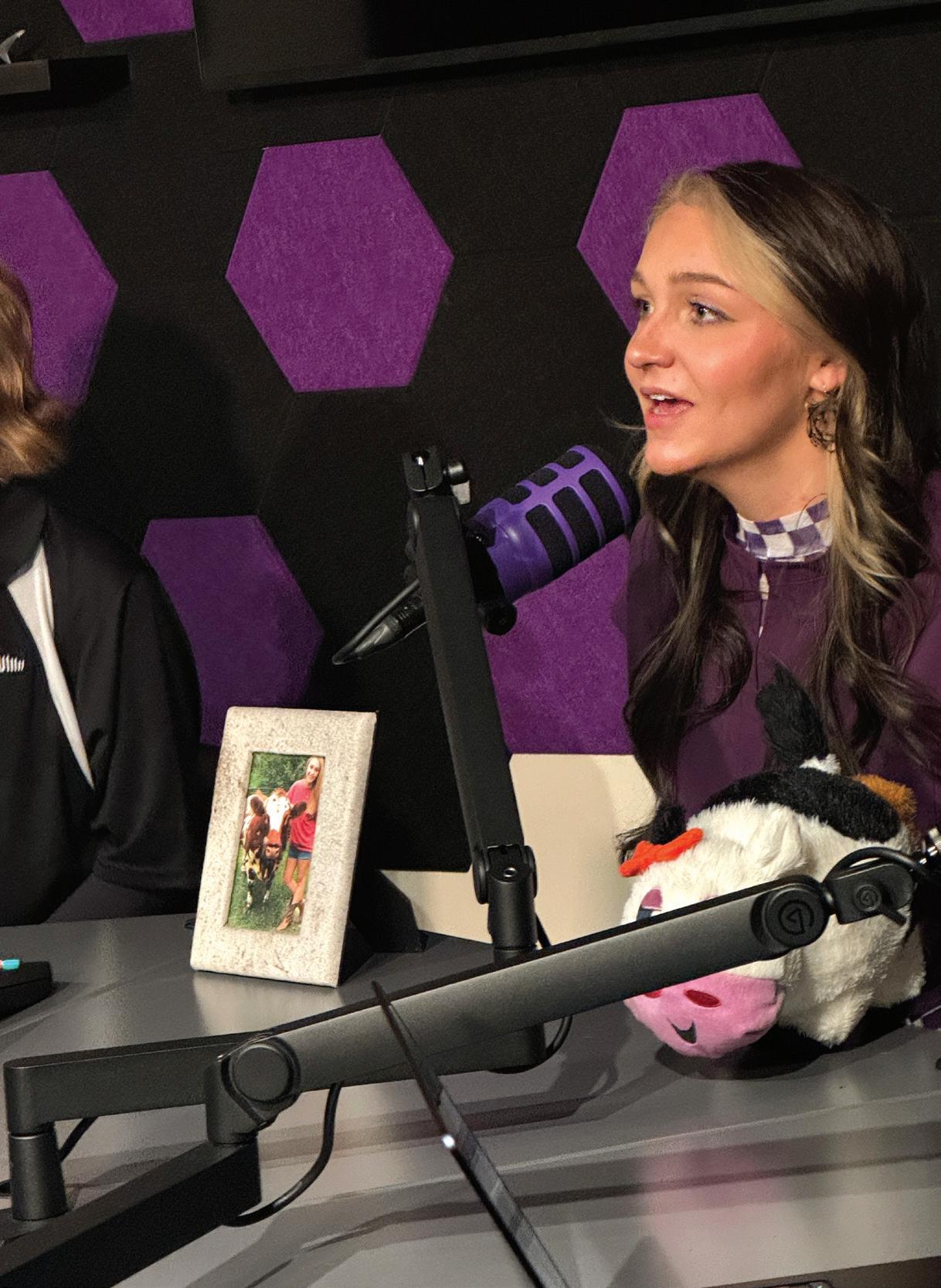
STARTING IN EARLY 2026, KLSU Radio’s “Tiger Talk” podcast began featuring LSU Vet Med guests, bringing fresh, monthly perspectives on animal, human, and environmental health. The series debuted with guest Dr. Taylor Strickland, assistant professor of food animal medicine and surgery, who discussed the vital role of animal health and its impact on human health in Louisiana and beyond.
“Tiger Talk” is produced by the KLSU Radio student journalist news team. LSU Vet Med’s participation stems from a special collaboration sparked by discussions between KLSU News Director Kierra Evans and LSU Vet Med Communications Manager Sandra Sarr, establishing a regular guest series. The partnership also reflects a full-circle moment—Sarr previously mentored Evans in the 2025 LSU First-Gen Program before Evans became news director, and now they are collaborators on the podcast.
“Tiger Talk” episodes are distributed across platforms including YouTube, Spotify, iHeartRadio, Apple Podcasts, and LSU’s official channels, extending expert insights on animal health, wildlife research, scientific advances, and clinical success stories to a broad audience.
Check out these highlights from Dr. Taylor Strickland’s episode. You might be surprised by what you learn and how it impacts your life.
Q: WOULD YOU PLEASE INTRODUCE YOURSELF AND WHAT YOU DO?
A: I’m Dr. Taylor Strickland. And, probably what you’ll learn through this is I like cows a lot, and that’s mostly what I do. I’m a cow doctor. I serve as an assistant professor of food animal medicine and surgery, which means I care for a wide range of hoofed animals—cows, goats, sheep, pigs, llamas, and alpacas—if you have a giraffe, bring it!
Q: WHAT DOES A TYPICAL DAY LOOK LIKE FOR YOU?
A: My days start by checking in with interns and students who evaluate patients overnight. From there, we move through treatments, procedures, and the occasional emergency. You never know when your goat’s not going to be able to go to the “bathroom” anymore or when your potbelly pig is going to eat a sock. I also get to teach while I practice, which is one of the best parts of working in academia. On any given day, I might be trimming cow hooves, delivering goat babies, or even calming animals. You do what you’ve got to do. The unpredictability is what makes it exciting.
Q: WHAT INSPIRED YOU TO GO INTO THIS FIELD?
A: I grew up in a rural part of southwest Georgia with a small herd of cattle. Showing cattle from a young age shaped my path. I loved being around the animals and the people who cared for them. Eventually, I realized I could combine my interests after asking and answering myself, “How can I be a doctor and also just be with cows all day. It was like, well, then, be a cow doctor.”
Q: HOW WOULD YOU EXPLAIN FOOD ANIMAL MEDICINE?
A: It’s a broad and evolving field. Traditionally, it focuses on keeping animals healthy so they can safely contribute to the food supply. But it has expanded. We now care for animals that are part of food systems, companions, and even athletes. For example, some cattle are high-value show animals or “bovine athletes” in rodeos. These animals receive specialized care—nutrition, chiropractic work, and
MANY CONSUMERS ARE DISCONNECTED FROM THE SYSTEMS THAT PRODUCE THEIR FOOD, AND FOOD ANIMAL MEDICINE
HELPS ENSURE FOOD
IS SAFE.
more. The field spans production, companionship, and performance.
Q: HOW IMPORTANT IS POPULATION HEALTH IN YOUR WORK?
A: It’s central. In food animal medicine, we don’t just look at one animal—we look at the whole herd. We rely on epidemiology and data to track disease and understand how it spreads. I can’t just look at one animal versus looking at the herd, you know, as a whole. My training includes both population health and internal medicine, so I’m constantly shifting between the big picture and individual care.
Q: WHEN DO ANIMALS BEGIN PRODUCING FOOD PRODUCTS, AND HOW LONG ARE THEY RAISED?
A: It depends on the system. Dairy cows begin producing
Scan QR code to view the video interview:
milk after their first calf, usually around two years old, and may remain productive for six to eight years. Beef cattle raised for meat are typically processed younger, often around one year old. There are also cases where injured animals can still be safely used in the food supply. Throughout, the goal is efficiency and respect for the animal, using as much of it as possible—everything from meat to byproducts like leather, gelatin, and even components in everyday products.
Q: IS CLIMATE CHANGE AFFECTING LIVESTOCK PRODUCTION?
A: It’s an ongoing conversation. There’s increasing focus on improving efficiency—using less water, optimizing feed, and reducing emissions. Researchers are exploring ways to adjust feed and digestion processes to lower methane output. While livestock are part of the discussion, they are not the sole contributors to climate change. The key is continuing to study and improve practices while maintaining food production.
Q: DOES FOOD ANIMAL HEALTH CONNECT TO HUMAN HEALTH?
A: Absolutely. Herd health principles mirror human public health. Disease can
spread quickly through populations, and individual actions impact others. The pandemic highlighted this connection. There’s also a growing need to reconnect people with where their food comes from. Many consumers are disconnected from the systems that produce their food, and food animal medicine plays a role in ensuring that food is safe and responsibly produced.
Q: HOW DO VETERINARIANS ENSURE FOOD SAFETY?
A: A big part of my work involves pharmacology and regulation. We carefully select medications and follow strict guidelines, including withdrawal times— how long after treatment an animal must wait before entering the food supply. There are certain drugs that have an absolute zero tolerance. These safeguards ensure that food products are free of harmful residues and safe for consumption.
Q: WHY IS THIS WORK ESPECIALLY IMPORTANT IN LOUISIANA?
A: Louisiana has a diverse food system that includes livestock, wildlife, and aquaculture. Veterinarians help monitor diseases that could impact wild game, like avian influenza, and oversee health in farmed fish and seafood. These industries are vital to the state’s economy and culture, and veterinary oversight helps protect them.
Q: WHAT CAN THE PUBLIC DO TO SUPPORT FOOD ANIMAL HEALTH?
A: The most important step is education. People should stay curious about where
their food comes from and think critically about the information they encounter. Just going a step further and getting involved with where your food comes from is important—and also having that critical-thinking lens. Even small actions like asking questions and learning more can make a difference.
Scan QR code to watch the Tiger Talk Podcast playlist
Service learning opens doors to community engagement and career pathways
BY DR. KIELYN SCOTT
FOR STUDENTS AT LSU VET
MED, learning extends beyond classrooms and clinics. It happens by design in animal shelters and rescues, on farms, in museums, and wherever there is a perspective to be gained and a community to serve. Over the past two decades, service learning has emerged as a powerful approach to education, applying classroom knowledge to make meaningful, community-driven contributions and open career pathways.
Rather than volunteering based solely on what a participant wants to offer, service learning emphasizes immersion in a community and responding to needs identified by that community. This model allows students to learn through handson experiences while contributing in meaningful ways.
At LSU Vet Med, the first-year curriculum includes experiential learning where students are encouraged to participate in activities that address animal-related needs in their communities. These experiences may include volunteering with animal organizations, working alongside veterinarians, or developing educational programs that share animal-based knowledge with the public, depending on the semester. The goal is to create a mutually beneficial partnership: students gain practical experience and professional insight while communities benefit from their time, enthusiasm, and growing expertise.
Students have created some amazing experiences and have had an important impact in Baton Rouge and beyond. Locally, students have volunteered at BREC’s Baton Rouge Zoo, Cat Haven, Companion Animal Alliance, and animal rescues. We encourage them to immerse themselves with species that they haven’t worked with before and to explore new areas of veterinary medicine. Others have chosen to complete projects in their hometowns, expanding the reach of the program to communities across the country—from California to Puerto Rico. Many students also use this opportunity to explore different areas of veterinary medicine through shadowing experiences. They have spent time in both small and large animal hospitals, observing clinical practice and client communication. Some have explored food animal medicine and learned how working dairies operate, while others have examined the veterinarian’s essential role in food safety and public health.
What began as an open-ended opportunity for students to design their own projects has grown into a course that challenges them to think more intentionally about their future
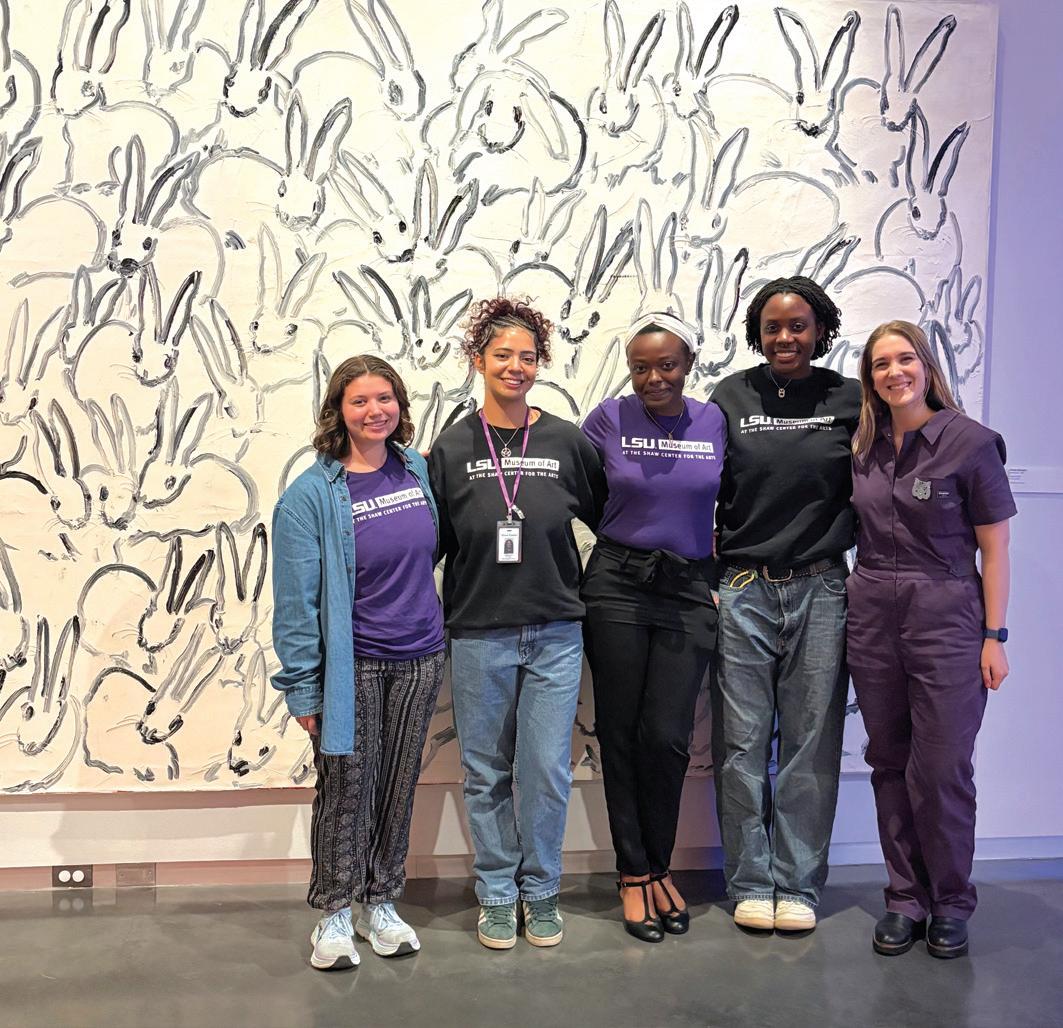
Service learning doesn’t just teach future veterinarians—it reshapes how they see their role in the world. Pictured (center) is LSU DVM student Shadayah Muhammad, who shared fascinating animal facts along with insights from other LSU students during an LSU Museum of Art gallery tour in October 2025.
careers. One key theme we now emphasize is that veterinarians become educators from the moment they graduate. Every client interaction involves teaching: explaining diagnoses, treatments, and preventive care in ways that are understandable.
Teaching various age groups has become a central component of many projects. Students have introduced preschool children to basic
concepts such as animal behavior and the importance of keeping pets healthy. Others have worked with middle school students to explain parasites or helped high school classes review anatomy while discussing preparation for college. College audiences have participated in sessions about veterinary school admissions and professional pathways. Students have also participated in therapeutic animal programs, including hippotherapy, supporting children and adults in the community through animalassisted activities.
At the end of the course, students write reflections and express how transformative the experience can be. Many students begin the course unsure of what to expect but finish with a deeper appreciation for the role veterinarians play in education and community engagement.
One student wrote, “I have found that everything I’ve learned is more significant than I would have originally guessed when starting the course. It has pushed me to explore more options in the veterinary world.” Another wrote about how impactful teaching was during their experience and being able to combine animals, teaching, and philanthropy was one of their favorite things. A third shared that it was “like touching grass” when he was able to work with horses and help the owner manage laminitis in a sanctuary. He said that getting out of the classroom for a real-world experience offered a reminder of his ‘why’ for being in vet school. One student participated in a collaborative opportunity with the LSU Museum of Art, helping lead a special tour where he discussed the animals depicted in the artwork while art students discussed the artwork and artist.
As students continue to challenge themselves through community involvement, we are creating opportunities for them to develop lasting habits of service. By valuing community engagement early in their careers, these future veterinarians may one day welcome students into their own practices and encourage the same spirit of learning, curiosity, and service.
Veterinary Teaching Hospital gets new leader
DR. PATRICIA QUEIROZ-WILLIAMS,
a longtime LSU Vet Med faculty member and clinician, was named chief veterinary medical officer in February 2026, taking on leadership of the clinical and educational missions of the LSU Veterinary Teaching Hospital.
Dr. Queiroz-Williams has been a member of the LSU faculty since 2007 and has served as a professor and service chief of veterinary anesthesia and analgesia. Over the past year, she has led the hospital as interim director, guiding day-to-day operations across one of the region’s busiest veterinary hospitals.
Dr. Queiroz-Williams began her training in Brazil, earning her DVM and a master’s degree before completing a residency in veterinary anesthesia and analgesia at the University of Tennessee. Since arriving at LSU, she has played a key role in advancing patient care while mentoring students, residents, and interns.
sarcoma, a case that required intense planning and teamwork across multiple clinical services.
In her new role, she will set strategy for the Veterinary Teaching Hospital, fostering ongoing advancements in both patient care and education.
Dr. Kielyn Scott, assistant clinical professor of integrative medicine and rehabilitation, teaches service learning at LSU School of Veterinary Medicine.
She is known for a steady, team-centered approach— something she has emphasized throughout her career. In a hospital setting where cases can quickly become complicated, she points to communication as the foundation of effective care, particularly when multiple services are involved and treatments require constant coordination.
Her work has also encompassed some of the school’s most visible cases. In 2016, she played a key role in the treatment of Mike VI’s spindle cell
“Dr. Queiroz-Williams brings exceptional clinical expertise, a deep commitment to patient safety, and a collaborative leadership style to this role,” said Dean Oliver Garden. “Her ability to unite teams across disciplines while advancing excellence in education, clinical care, and research makes her the ideal leader for our Veterinary Teaching Hospital and clinical programs.”
Dr. Frank Andrews represents LSU Vet Med at a global equine conference in Hong Kong
IN DECEMBER 2025, Dr. Frank Andrews, professor of equine medicine and director of the LSU Equine Health and Sports Performance (LSU EHSP), represented LSU Vet Med at the inaugural Hong Kong Jockey Club (HKJC) Equine Welfare Research Foundation International Conference in Hong Kong. Along with Dr. Andrews, there were delegates from 25 countries in attendance with over 220 speakers and poster presenters.
The HKJC Equine Welfare Research Foundation, responsible for co-organizing the event, funds research involving the health and welfare of Thoroughbred racehorses, spanning their racing careers to their retirement. The foundation also provides scholarships to support young scientists in conducting research on equine welfare.
Dr. Andrews is a member of the HKJC Equine Welfare Research Foundation’s Veterinary Advisory Board, where he evaluates and reviews potential foundation-funded research grants, provides input on ongoing funded research studies, and tracks progress and resulting publications and their application to horse health and welfare.
“LSU EHSP and the HKJC Welfare Research Foundation have overlapping visions—to constantly improve the quality of life of Thoroughbred racehorses throughout and after their racing careers and to educate the public about equine health and welfare,” Dr. Andrews said.
LSU EHSP, led by Dr. Andrews, plays a vital role in maintaining and protecting the horse industry in Louisiana, which has a $3 billion impact on the state’s economy.
Ahead of the conference, delegates and speakers attended the Longines Hong Kong International Races 2025.
The three-day conference involved horse, specifically racehorse, research presentations focused on bridging the gap between scientific best practices with racing industry practitioners. Titled, “Applying Science to the Care of the Thoroughbred Racehorse,” the conference represented the global desire to protect equine wellbeing within the racing industry and promote horse welfare throughout the horse’s life.
“LSU EHSP is committed to the health, well-being, and performance of horses through veterinary research, education, and clinical and public service. I was proud and humbled to represent EHSP and LSU Vet Med and showcase our commitment to global horse welfare,” Dr. Andrews said.
Phi Zeta Day highlights research excellence
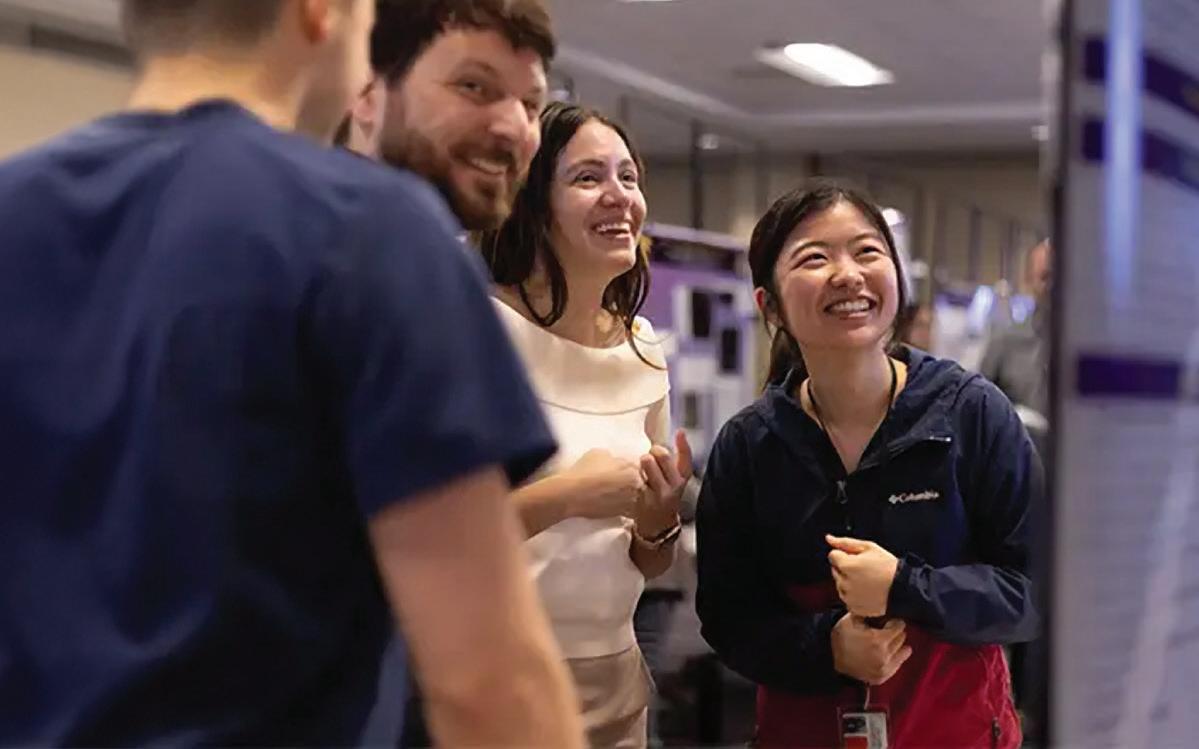
LSU VET MED HOSTED its annual Phi Zeta Research Emphasis Day, an event established to promote research in schools of veterinary medicine and to recognize research conducted by veterinary students, House Officers (residents and interns), graduate students, post-doctoral fellows, and faculty. The event aims to encourage veterinary students to pursue research careers.
Phi Zeta is the national veterinary honor society, which recognizes and furthers scholarship and research in matters pertaining to the welfare and diseases of animals. To allow all students and House Officers to participate, the Veterinary
Hero cow saves lives, inspires painting
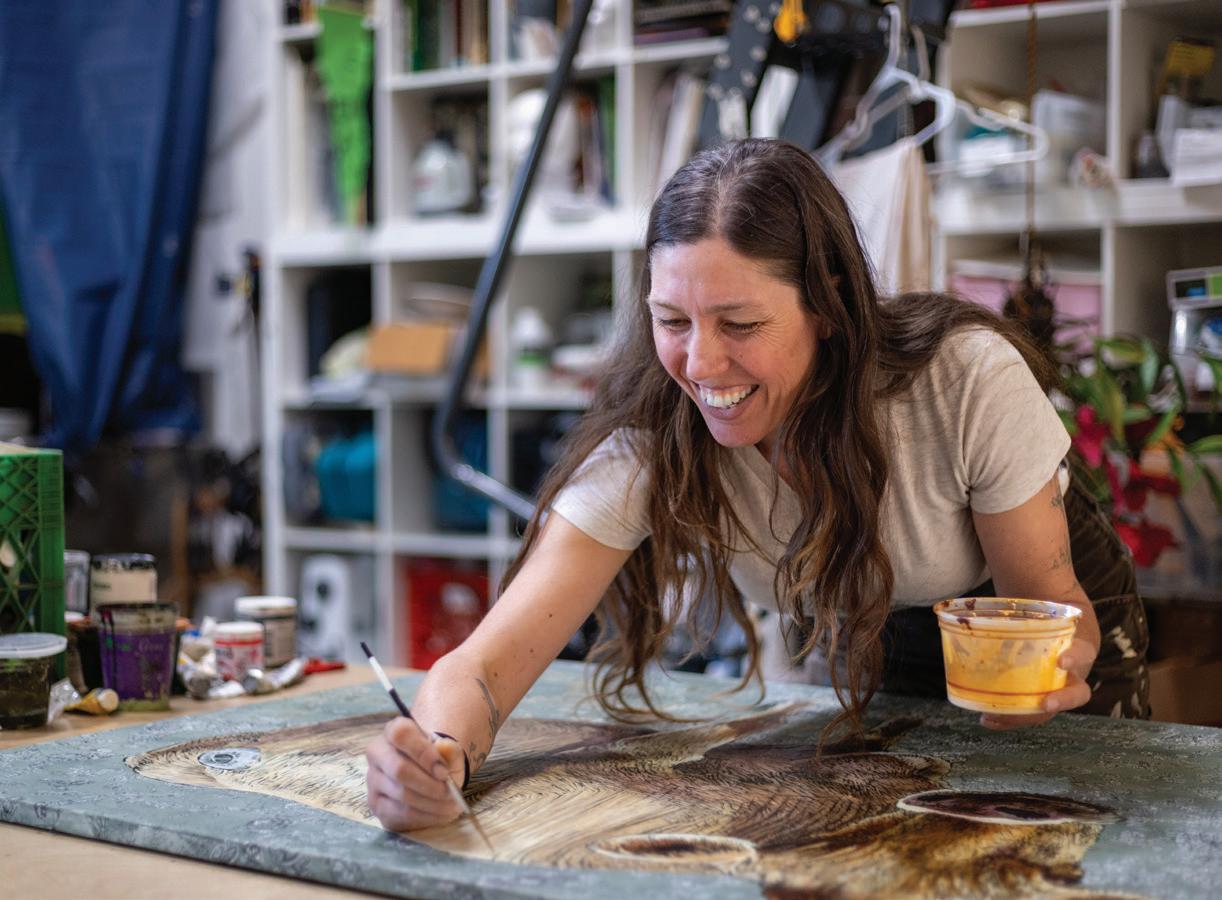
PIPPIN FRISBIECALDER, our 2025 artistin-residence, generously donated one of her works of art, “MilkDud,” to LSU Vet Med’s permanent collection as part of our Artist-inResidence Program. The silkscreen, acrylic, on canvas, 48.5 x 36 inches, was one of several pieces created during her residency and shown at a public exhibition at LSU Vet Med in November 2025.
Teaching Hospital is closed that day except for emergencies.
Phi Zeta Day provides a platform for national experts to share insights on research across various fields and present a global perspective on veterinary research. This year’s keynote speaker was Dr. Andrew Hoffman, Gilbert S. Kahn dean of veterinary Medicine at the University of Pennsylvania School of Veterinary Medicine.
Phi Zeta Research Emphasis Day includes a presentation by a biomedical scientist with veterinary experience, and posters are presented by undergraduate, DVM, MS, and PhD students, House Officers, postdoctoral fellows, faculty, and research associates. Posters are judged by a panel of veterinarians and/or scientists for awards in the following categories: post-doctoral researchers, dissertation (PhD) students, House Officers/ Residents (non-PhD/non-
master’s), veterinary students, undergraduate/master’s students, and case reports.
Veterinary students who participate in LSU Vet Med’s Summer Scholars Program enter their research projects for consideration on Phi Zeta Emphasis Day. Each year, veterinary students apply to participate in the Summer Scholars Program, in which they develop research proposals and conduct research throughout the summer under mentorship of faculty.
Pippin was inspired by MilkDud’s story of compassion, science, and service. MilkDud helps to save lives by sharing some of her microflora that aid in the digestion process of cows who aren’t as healthy.
Dr. Clare Scully, who oversees MilkDud’s care, said, “MilkDud’s life is a testament to the power of veterinary medicine, not just to heal, but to repurpose and uplift. She may not have been born to be a dairy cow, but she was absolutely born to be a hero. We love her and are so grateful to Pippin for choosing her as one of her subjects so that she will forever be memorialized for her contribution long after she is retired.”
Read about the poster competition winners and their research here:
Phi Zeta Research Emphasis Day is sponsored by the Tau Chapter of the Society of Phi Zeta, which was established in 1977. Phi Zeta is the abbreviation of the Greek word Philozoi, which means “love of animals.”
NOTE: Our 2026 artist-in-residence, joining us this fall, will be announced soon!
Pippin Frisbie-Calder, artist-in-residence, puts finishing touches on “MilkDud,” a painting she donated to LSU Vet Med.
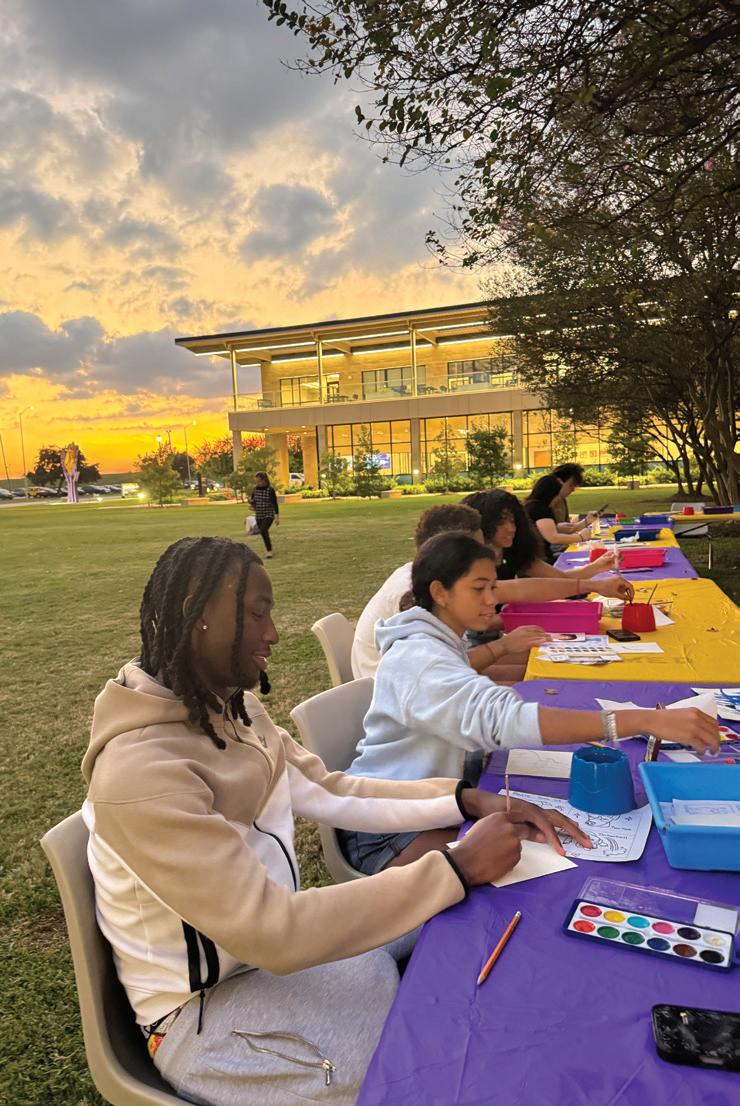
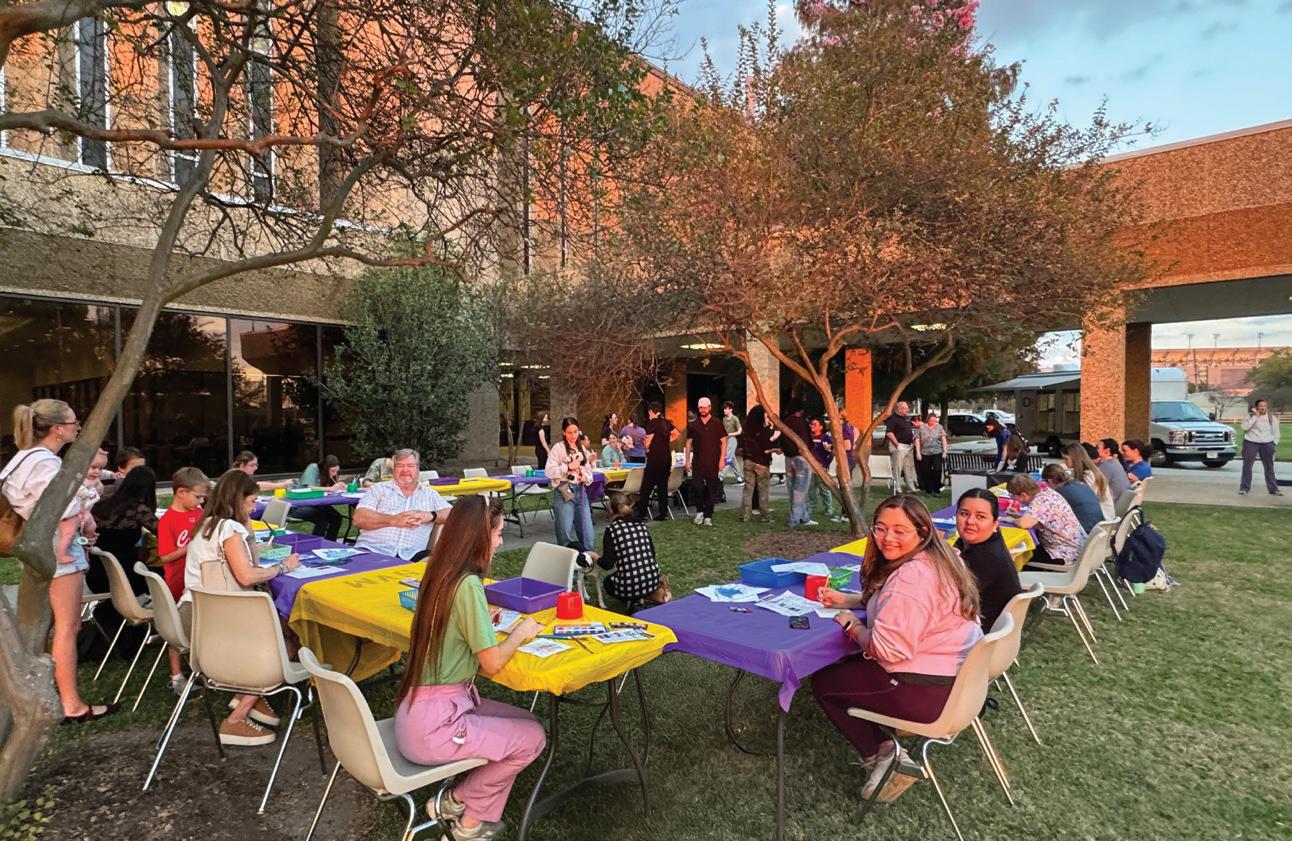
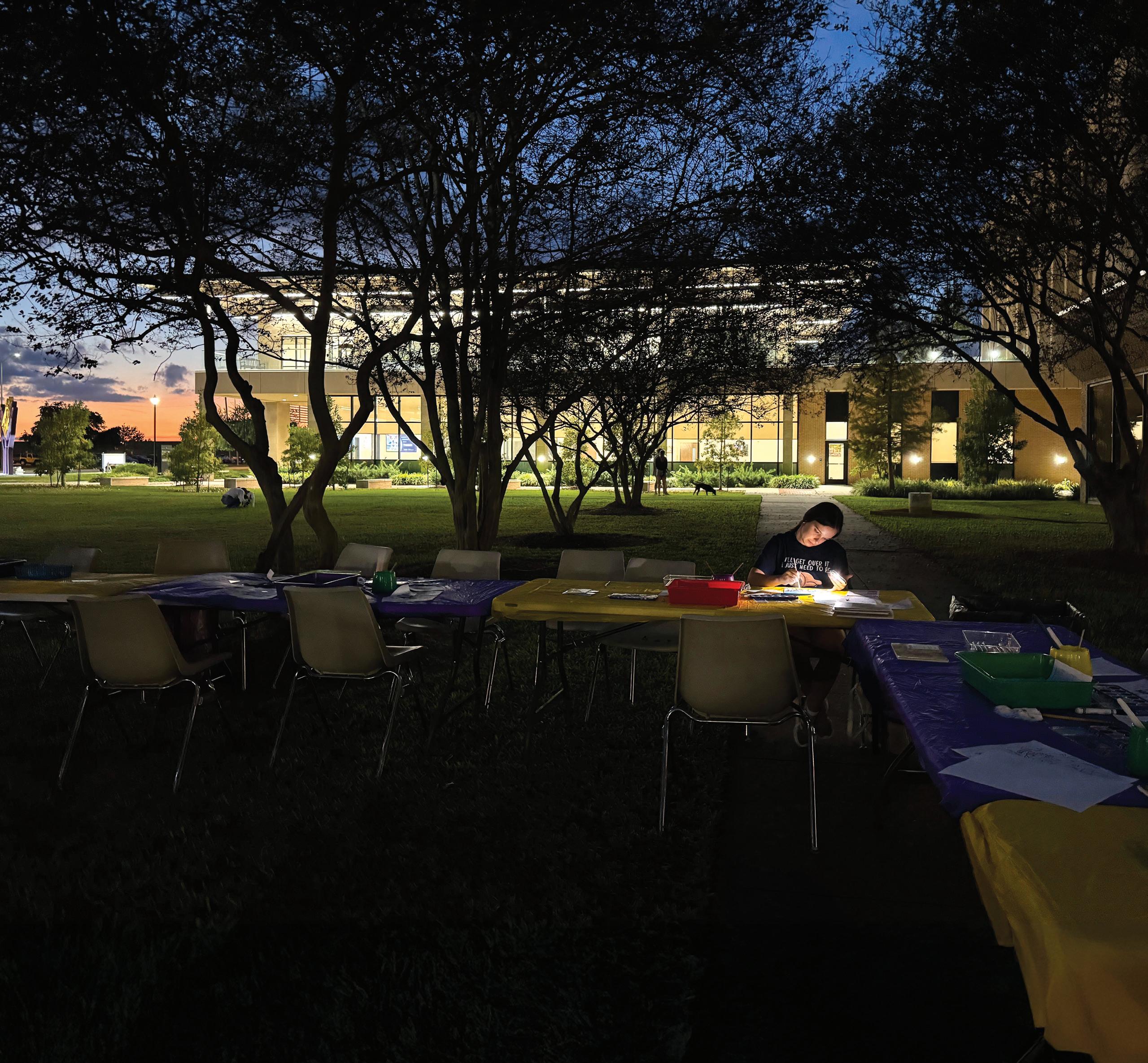
“Blue Dog Painting on the Lawn” drew the community together for fun
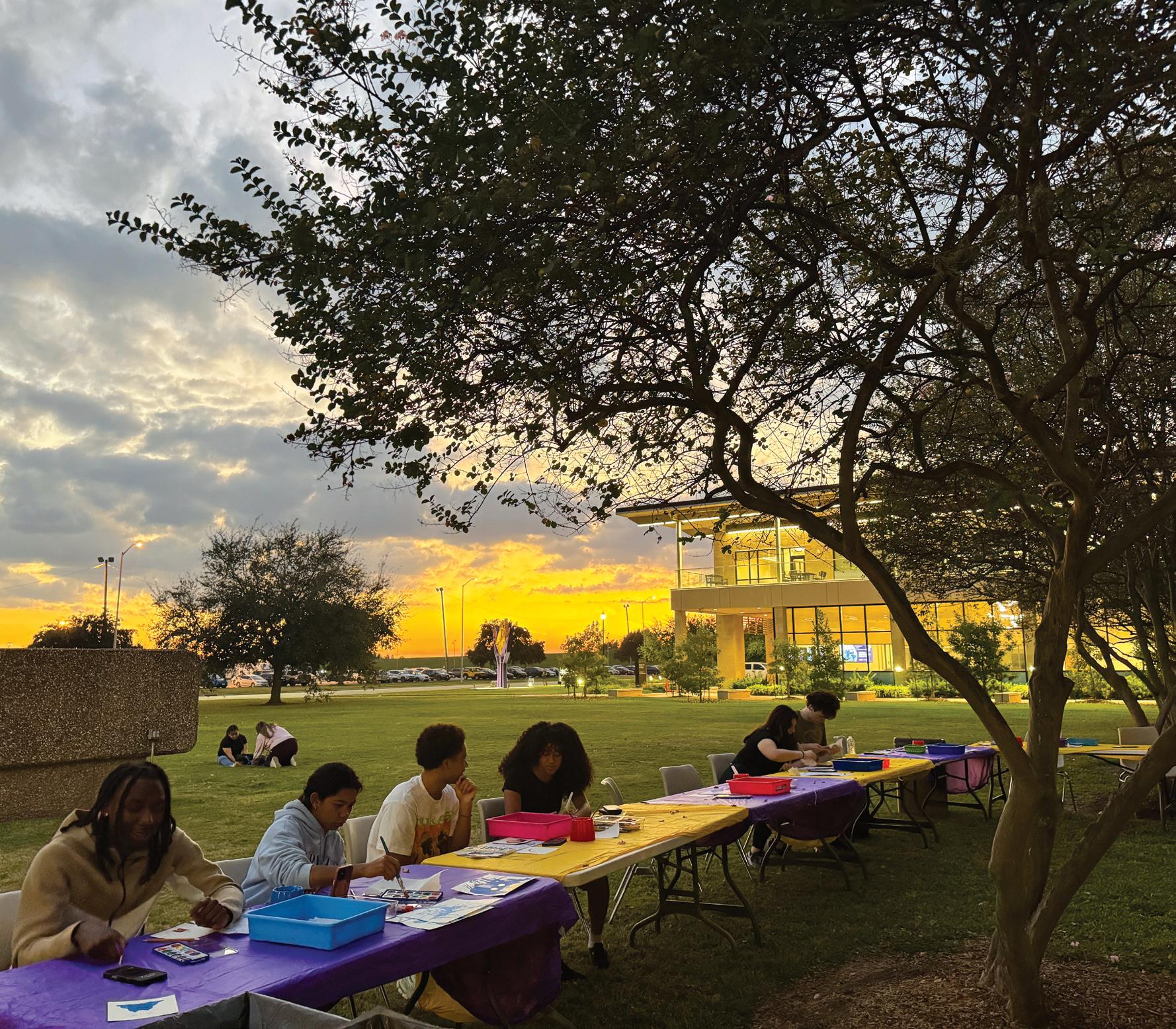
ON A SPECTACULAR
FALL evening, the Baton Rouge community came and painted with us on our front lawn at an event co-sponsored by the LSU Museum of Art (MOA), Companion Animal Alliance, and LSU Vet Med. Blue Dog
Painting on the Lawn was held in conjunction with LSU MOA’s exhibition, “A Bayou State of Mind,” which included the works of Louisiana’s iconic Blue Dog painter, George Rodrigue.
People of all ages created their own blue dog
masterpiece—or painted whatever they wished— with supplies provided by LSU MOA. Companion Animal Alliance brought available dogs for an evening out of the shelter and a chance at adoption as part of the event.
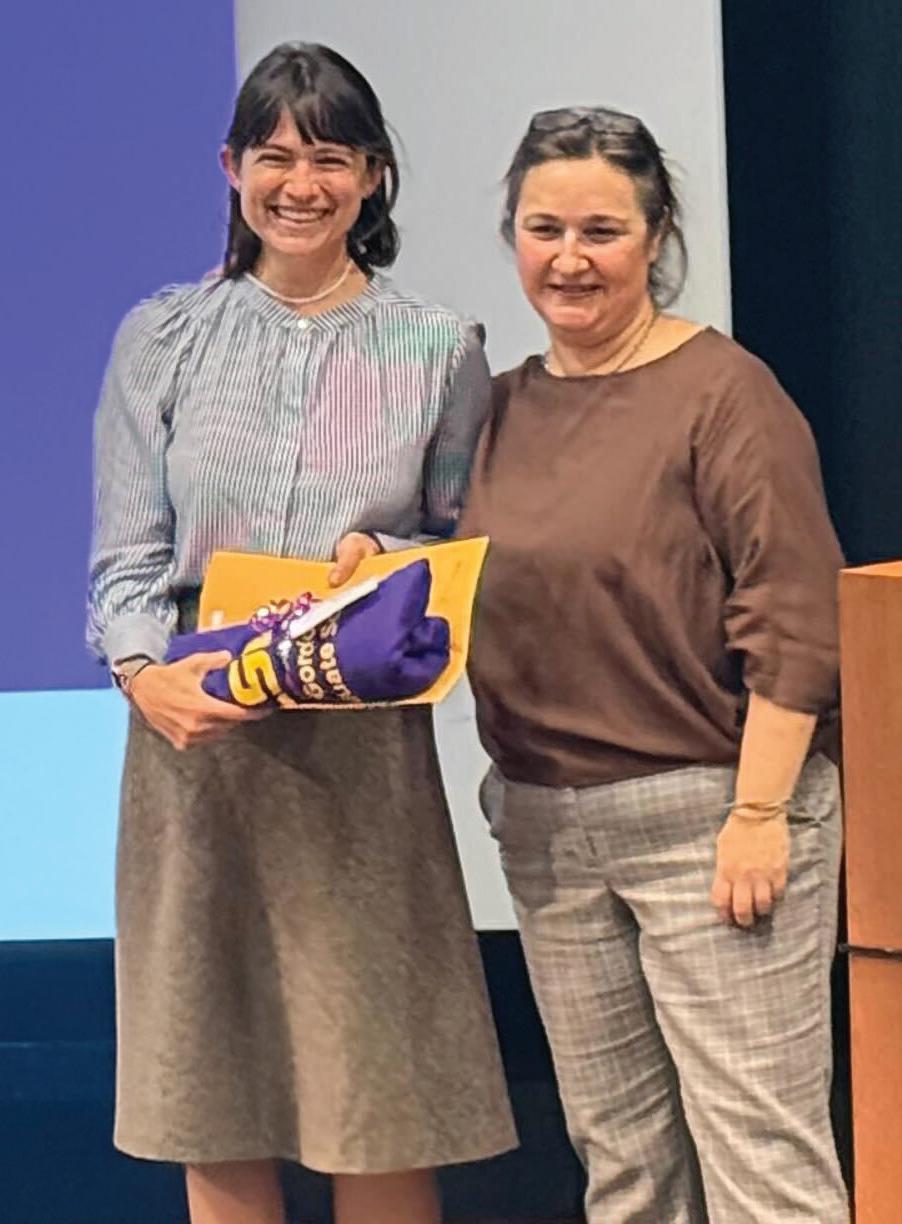
Graduate student Melanie Wilson excels in Three Minute Thesis competitions
MELANIE WILSON, PHD CANDIDATE in the Department of Comparative Biomedical Sciences, earned top honors in multiple Three Minute Thesis (3MT) competitions for her research on the effects on lead exposure on the brain. Her thesis, entitled “Invisible Threat, Visible Impact: How Lead Exposure
Disrupts the Brain’s Stress Response,” explores how lead exposure impacts the brain’s stress response. The 3MT event asks contestants to present a three-minute explanation of their research in a compelling, accessible way that anyone— not just scientists—can understand. Developed by The University of Queensland, 3MT cultivates students’ academic, presentation, and research communication skills. The 3MT Competition is held in over 900 universities across more than 80 countries worldwide.
At the LSU Pinkie Gordon Lane Graduate School 3MT Competition, Wilson won first place overall, competing with LSU campuswide graduate students. Fellow LSU Vet Med PhD candidate in the Department of Pathobiological Science, Md Imran Hossain, also competed in the competition. The next round of the 3MT competition, held at
the LA NEXT Conference, included graduate students from universities all over Louisiana, including LSU Health, LSU Shreveport, Louisiana Tech, University of Louisiana Lafayette, Southern University, and more. Wilson again won first place at the LA NEXT Conference 3MT Competition and went on to represent LSU at the regionals round at the Conference of Southern Graduate Schools in February.
Wilson’s many successes in the 3MT competitions showcase her dedication to making complex scientific research accessible through clear and impactful science communication.
Wilson accepts top honors in research competition.
LSU Vet Med hosted statewide biomedical researchers meeting
RESEARCHERS FROM ACROSS LOUISIANA
gathered at LSU Vet Med, where the 24th Louisiana Biomedical Research Network (LBRN) Annual Meeting took place in January 2026. The meeting featured keynote speaker Dr. Stefan Sarafianos of Emory University in Atlanta, presenting on antiviral drug discovery. Dr. Sarafianos holds the Nahmias-Schinazi Distinguished Professor endowed chair at Emory University, where he serves as associate director of the Laboratory of Biochemical Pharmacology. He also serves as co-director of the B-HIVE U54 Center at Seattle Children’s Hospital.
At the LBRN annual meeting, program participants, committee members, and administrators met to review individual research accomplishments and to discuss the overall program activity. Summer research faculty, undergraduate, and graduate students presented their LBRN-sponsored research, and presentations highlighted sponsored research projects from partnered campuses across the state.
LBRN was established in September 2001 with Biomedical Research Infrastructure Networks (BRIN) funding by the National Institutes of Health (NIH), through the National Center for Research Resources (NCRR). LBRN is committed to raising the research competitiveness of Louisiana researchers.
Melanie
Accolades Spring 2026
FROM GROUNDBREAKING RESEARCH TO national recognition and student leadership, LSU Vet Med students, staff, faculty, and alumni continue to make an impact across disciplines and around the world.
COMMUNITY CHAMPIONS OF THE MONTH, LSU VET MED RECOGNITION PROGRAM
Honorees included Bonnie Brocato, assistant director of facility operations; Joanne Sands, coordinator in the Office of Admissions and Student Success; Madison Williams, PhD student and teaching assistant in Comparative Biomedical Sciences; Dr. Holly Schwarzman, small animal rotating intern; and Gretchen Morgan, senior director of alumni relations and communications.
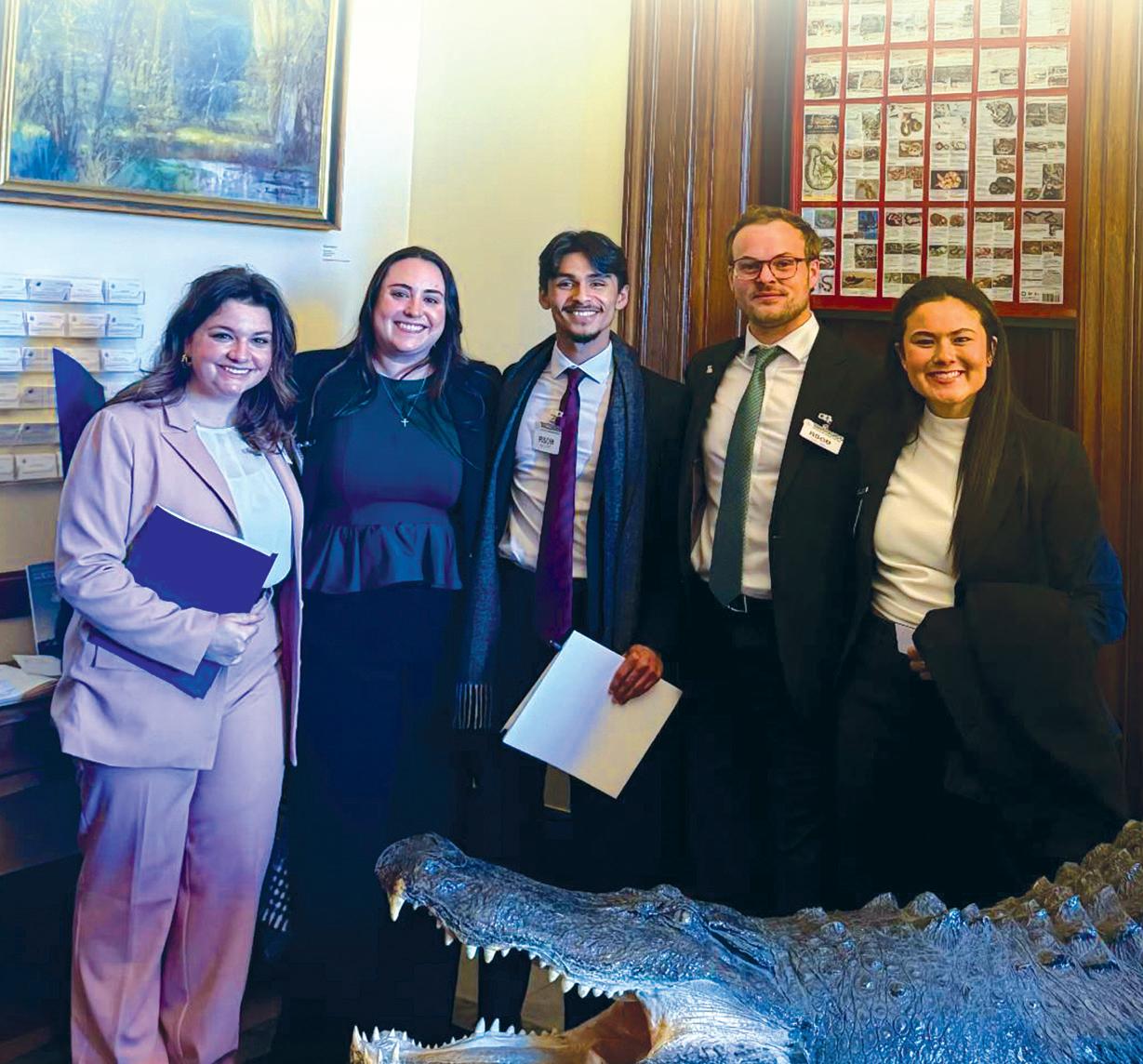
LSU VET MED DVM STUDENTS AND SAVMA REPRESENTATIVES Shaye Alost, Trevor Atkins, Armando Lopez, Brooke Javier, and Sophie LeBlanc participated in the AVMA Legislative Fly-In and represented LSU Vet Med in Washington, D.C., advocating for key veterinary issues.
The LSU VET MED PALPATION TEAM, consisting of thirdyear veterinary students, made history as the school’s first all-women team, competing at the SAVMA Symposium 2026 in bovine reproduction. They advanced beyond the first round, with top teams moving on for the opportunity to palpate cattle in the final round. Their performance reflected the precision, knowledge, and dedication they have developed throughout the year.
LSU Vet Med GIVING DAY: Community, faculty, staff, students, alumni, and supporters raised $184,400 with 106% participation to support the Wildlife Hospital of Louisiana.
GRACIELA AGUILAR, doctoral candidate in Veterinary Clinical Sciences, published multiple studies on amphibian anesthesia and conservation, co-authored invited publications
Students Shaye Alost, Trevor Atkins, Armando Lopez, Brooke Javier, and Sophie LeBlanc represented LSU Vet Med at the AVMA Legislative Fly-in in Washington, D.C.
on reptile infectious diseases, and successfully defended her dissertation.
DR. ETHAN ANDERSON, assistant professor in the Department of Comparative Biomedical Sciences, received the LSU Alumni Association Rising Faculty Research Award and a $2 million NIH R01 grant to study how addiction alters brain function and to develop therapies that reduce substance dependence. His lab also published its first study demonstrating that inhibiting the epigenetic enzyme G9a reduces alcohol consumption, identifying a promising therapeutic target for addiction.
DR. ROSE BAKER, associate professor of equine medicine, was elected to
the Certification Council of the American College of Veterinary Internal Medicine. She contributed to clinical skills research presented at the InVeST conference, and co-authored a national study on a multi-state equine botulism outbreak linked to contaminated feed.
DR. ELISE BARRAS published research on dubia roach nutrition and mortality, advancing knowledge for zoological and pet animal care. Dr. Barras completed a laboratory animal residency at LSU Vet Med in 2025.
DR. TONY CATUNDA, postdoctoral researcher in Veterinary Clinical Sciences, and Dr. Helosia Pedroza, research associate in Veterinary Clinical Sciences, presented equine health research at the International Veterinary Emergency and Critical Care Symposium.
DR. FABIO DEL PIERO, professor of veterinary
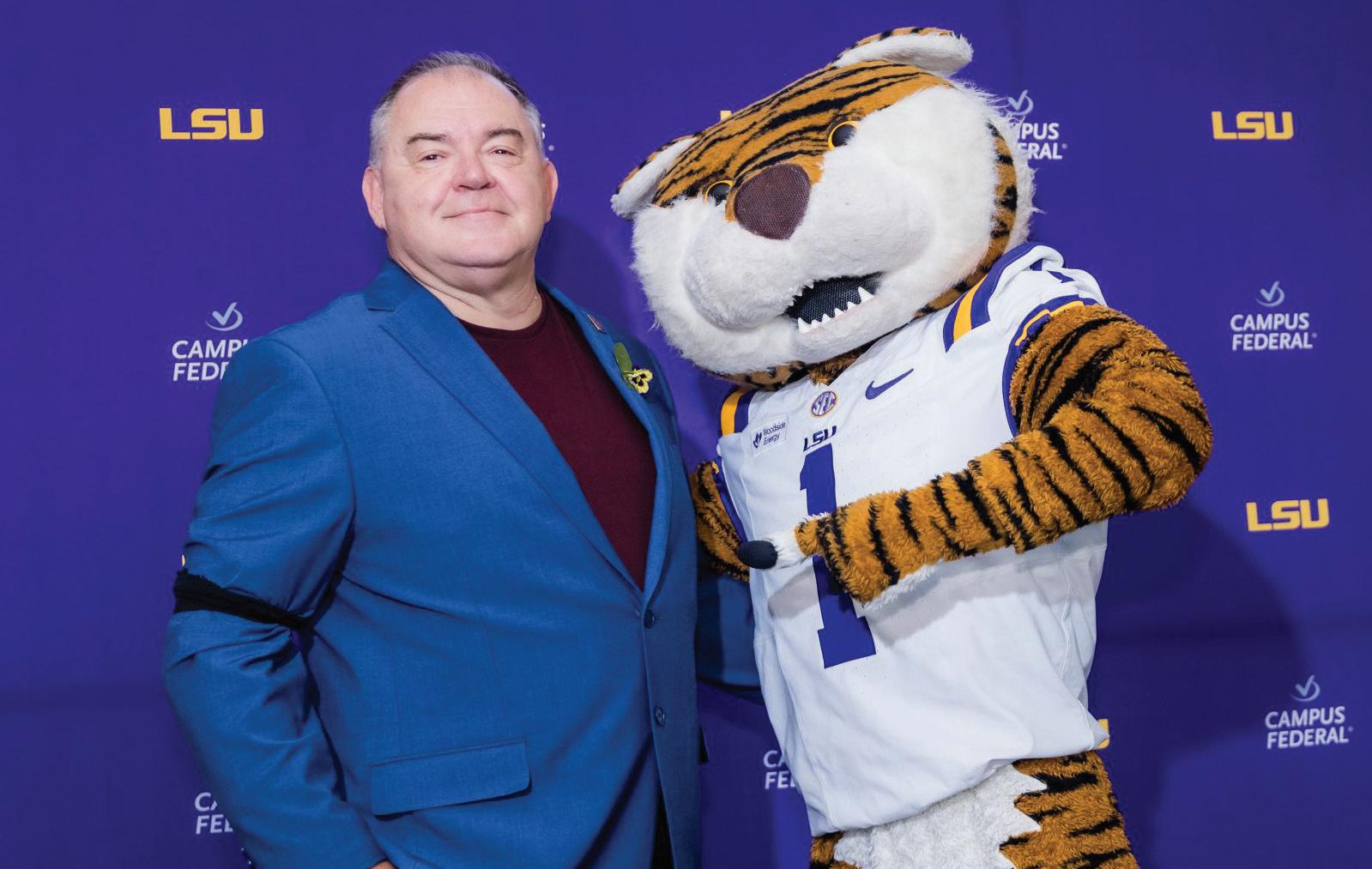
Dr. Fabio Del Piero is pictured with Mike the Tiger at the LSU Rainmaker’s Event.
pathology in Pathobiological Sciences, was named a 2025 LSU Rainmaker Senior Scholar in STEM by the LSU Council on Research and also received LSU’s prestigious Rainmaker Award, recognizing his contributions to research, scholarship, and One Health.
ASHLEIGH GODKE, first-year veterinary student, published research on vitamin D stability in reptiles, contributing to conservation and veterinary care knowledge.
DR. RABAB HASSANIEN, postdoctoral scholar, and DR. CESAR MENK, assistant professor of veterinary pathology and graduate student, presented research at the 2026 Conference of Research Workers in Animal Disease.
DR. WEISHAN HUANG, associate professor of immunology in Pathobiological Sciences, co-authored high-impact research on tumor immune microenvironments and vaccine responses and was selected for the third cohort of the Hevolution Foundation/American Federation for Aging Research New Investigator Awardees in Aging Biology and Geroscience Research. This competitive grant program supports early-career investigators in the U.S. and Canada advancing research in the basic biology of aging and geroscience, with an emphasis on translating laboratory discoveries to the clinic.
DR. DUANE JEANSONNE, research assistant professor in Pathobiological Sciences, received a 2026 American Association of Immunologists Travel Award for research
advancing understanding of immune responses in sepsis.
DR. KONSTANTIN “GUS” KOUSOULAS, professor and head of Pathobiological Sciences, received the LSU Distinguished Research Master Award in STEM, one of LSU’s highest distinctions for sustained research excellence and impact.
DR. ZOEY LEX (LSU 2023), wildlife medicine resident and PhD student, and DR. KATIE BAKALIS, zoological medicine resident and PhD student, published landmark bald eagle case reports advancing wildlife rehabilitation science.
YAU SI LOH, undergraduate researcher in the Huang Lab, was awarded a grant from LSU’s Distinguished Undergraduate Researcher Program to study influenza vaccine responses.
DR. MARK MITCHELL, professor of zoological medicine, collaborated across numerous research projects in exotic animal and wildlife medicine, mentoring students and trainees on multiple publications.
DR. ALEXANDRA NOËL, associate professor in Comparative Biomedical Sciences, and DR. GIANLUCA VEGGIANI, assistant professor in Pathobiological Sciences (with Weishan Huang, PhD), led and contributed to funded research on environmental health and CAR-T therapies, with Dr. Veggiani receiving a Louisiana Cancer Research Center award and an AAI Early Career Faculty Grant.
DR. HELEN RHIM, postdoctoral researcher in Veterinary Clinical Sciences, contributed to multiple publications in wildlife and exotic animal medicine, including research on hummingbird imaging, and
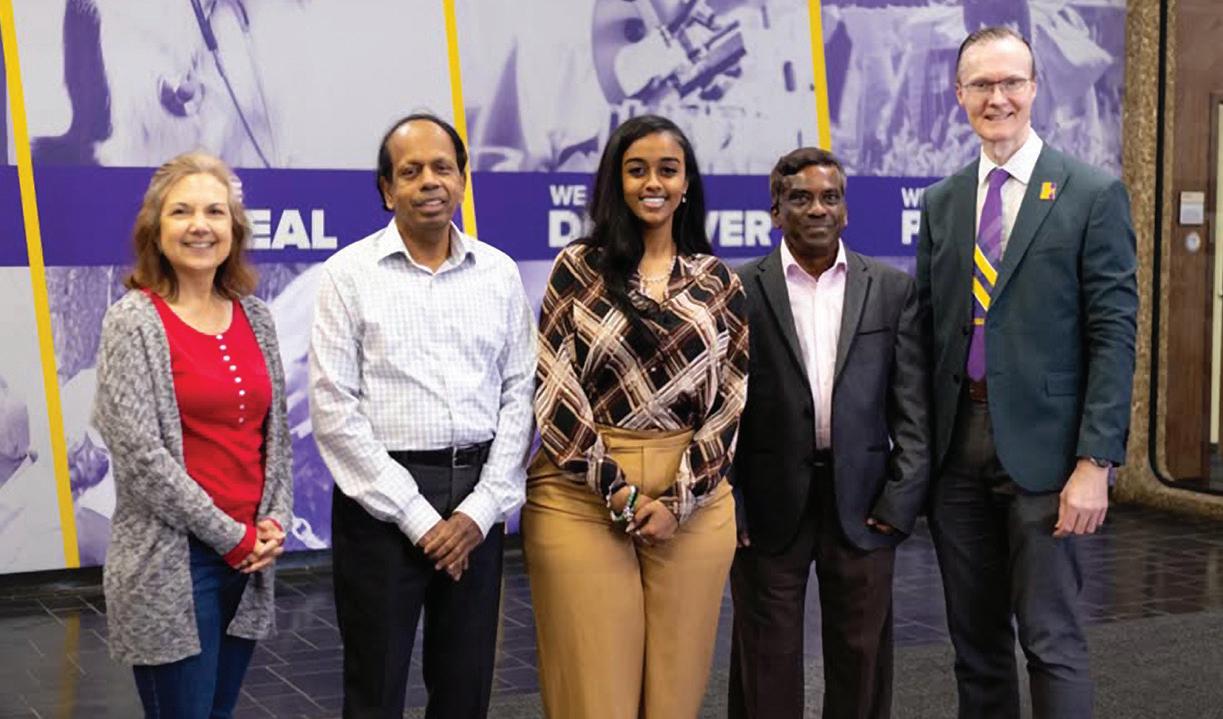
Balseba Tewalde pictured with her mentors Drs. Tirumalai Rangasamy and Samithamby Jeyaseelan and Associate Dean for Research and Graduate Education, Dr. Tammy Dugas.
mentored student research; her work also received regional and national media coverage.
PRAJESH SHRESTHA, graduate student in Pathobiological Sciences, was selected for a special oral presentation at the American Association of Pharmaceutical Scientists meeting.
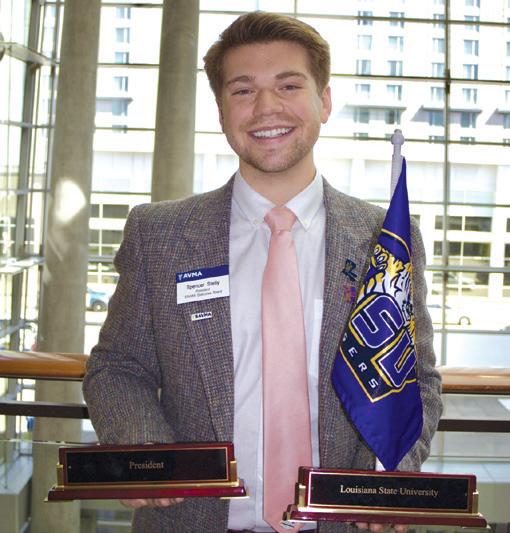
SPENCER STELLY, thirdyear veterinary student, was elected national president of the Student American Veterinary Medical Association (SAVMA).
DR. BRENT STANFIELD, assistant professor of viral oncology in Pathobiological Sciences, was named a subcontract principal investigator on a major NIH/NIAID antiviral research initiative.
BALSEBA TEWELDE, undergraduate researcher, received the LSU Distinguished Undergraduate Researcher Award for work on pneumococcal pneumonia.
DR. THOMAS TULLY (LSU 1986), professor of zoological medicine, published research on humane euthanasia methods in chickens, advancing animal welfare practices.
ALLISON VESTALLABORDE, teaching associate in Comparative Biomedical Sciences and PhD student in Renewable Natural Resources, published a comprehensive global review of coronaviruses in wild birds.
Spencer Stelly pictured at the 2026 SAVMA Symposium at North Carolina State University where he was elected president.
New Faculty
DR. ALMA ROY HAS been named director of LSU Diagnostics (Louisiana Animal Disease Diagnostic Laboratory), the school’s fullservice, accredited laboratory that provides critical diagnostic services for Louisiana and surrounding states. In this role, Dr. Roy will oversee laboratory operations, customer service, and strategic growth, ensuring continued excellence and innovation in support of the state’s animal industries and veterinary community.
Promotions
Dr. Roy brings more than five decades of experience in veterinary medicine, research, and diagnostics. Her research has focused on West Nile virus ecology and control, avian-mosquito transmission, equine and human disease, and vaccine development. She previously served as executive associate director of the diagnostic laboratory from 2005–2017 and as a consultant from 2018–2024. During the COVID-19 pandemic, she served as CLIA laboratory director, leading efforts to secure certification for human diagnostic testing. She was named interim director in November 2024.
“LSU Diagnostics is essential to protecting the health of Louisiana’s animals, its agricultural economy, and the people who depend on both,” said Dean Oliver Garden. “Dr. Roy’s experience, expertise, and vision will position LSU Diagnostics for continued growth and success.”
Dr. Roy earned her bachelor’s degree in medical technology from LSU, a master’s degree in health care administration from the College of St. Francis, and a PhD in Veterinary Medical Sciences from LSU Vet Med. She is certified as a Clinical Laboratory Scientist by the American Society of Clinical Pathology.
DR. ENGIN BERBER is research assistant professor in the Department of Pathobiological Sciences. His research focuses on viral immunology, immunometabolism, and vaccine development, with the goal of designing vaccines that elicit durable protective immunity while minimizing immunopathology.
DR. TAYLOR STRICKLAND is assistant professor of food animal medicine and surgery. Dr. Strickland earned her DVM from the University of Georgia and has established herself as a rising leader in food animal health, with multiple clinical awards recognizing her commitment to excellence in care.
DR. PATRICIA QUEIROZ-WILLIAMS
has been named chief medical officer. A professor and service chief of veterinary anesthesia and analgesia, she has served as interim hospital director since February 2025. In her new role, she will lead the Veterinary Teaching Hospital in advancing patient care, education, and clinical excellence.
(See story on page 11.)
JENNIFER BRIDGES has been appointed internal logistics and supply chain operations manager. Her leadership and operational expertise will continue to strengthen hospital operations.
As part of ongoing efforts to strengthen graduate education, EMILY NGANDJUI MOUKAM has been promoted to coordinator for Graduate Student Success. Reporting to Dr. Stephen Costin in the Office of Research
and Graduate Education, she will support graduate students and help develop new initiatives, including a summer undergraduate research program designed to create pathways into LSU Vet Med graduate programs. She will also expand the LSU Vet Med Mentorship Program and lead development of an Individual Development Program to support student success and professional growth. (See story on page 7.)
Above: Dr. Alma Roy, Dr. Engin Berber, Dr. Taylor Strickland
Jennifer Bridges
Retirements
AFTER
20 YEARS OF dedicated service,
DR. FREDERIC GASCHEN, professor of small animal medicine, has retired. Since joining LSU Vet Med in 2006, Dr. Gaschen has educated generations of veterinary students while contributing as a clinician, researcher, and mentor. He earned his Dr.med.vet. and Dr.habil. from the University of Bern and is a diplomate of both the American and European Colleges of Veterinary Internal Medicine.
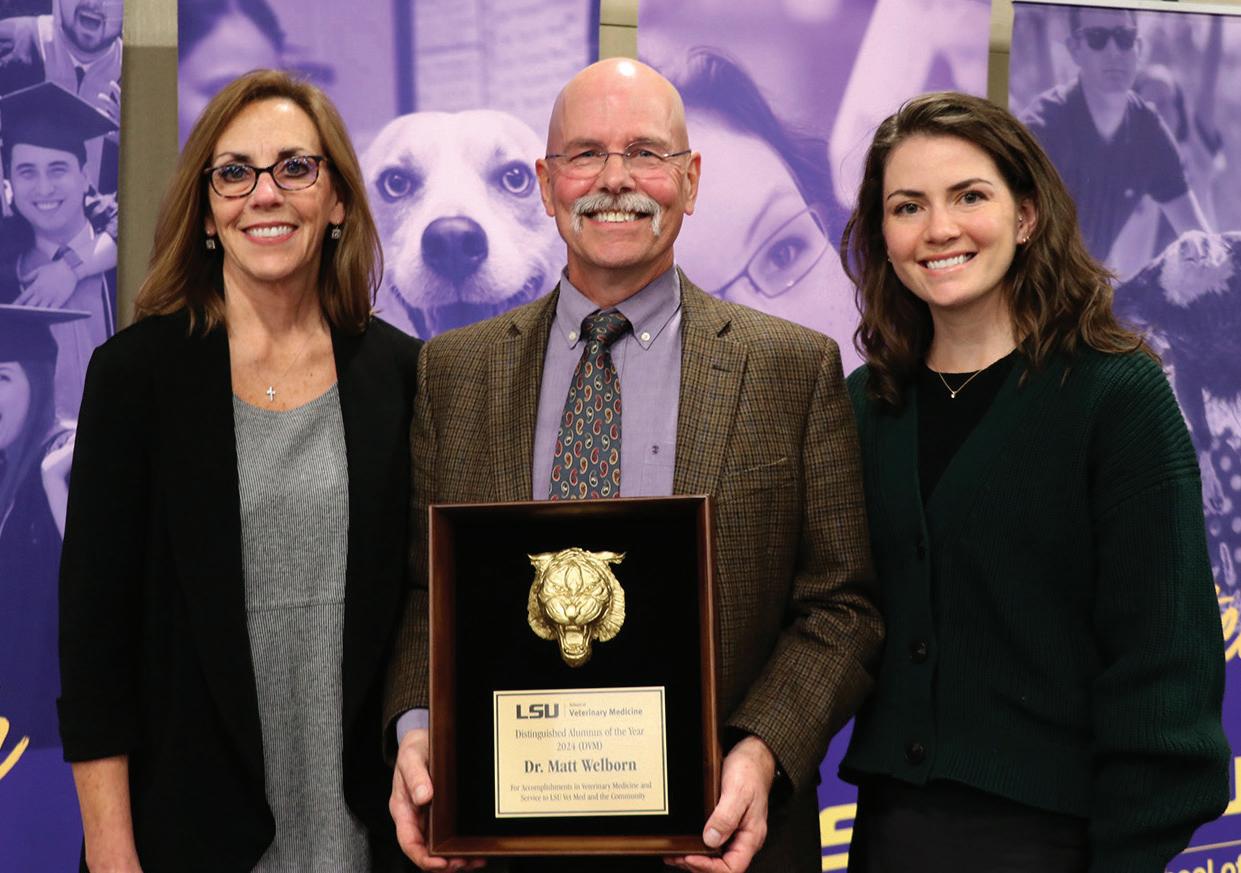
DR. MATT WELBORN, professor of food animal health maintenance, has retired after more than 14 years on the LSU Vet Med faculty and a distinguished career in veterinary medicine. A 1987 LSU Vet Med graduate, Dr. Welborn completed his residency at LSU before serving on the faculty at the University of Tennessee, where he also earned an MPH. He returned to LSU Vet Med in 2012 and was named food animal hospital clinical service chief in 2015. A diplomate of the American College of Veterinary Preventive Medicine, he has been recognized on the Dean’s Teacher Merit Honor Roll every year since 2013 and received the LSU Vet Med Distinguished Alumnus Award in 2024.
Top to bottom: Dr. Frederic Gaschen, Dr. Matt Welborn, Dr. Masami Yoshimura, Gretchen Morgan, and Lisa Roundtree
affects innate immune responses in the lung.
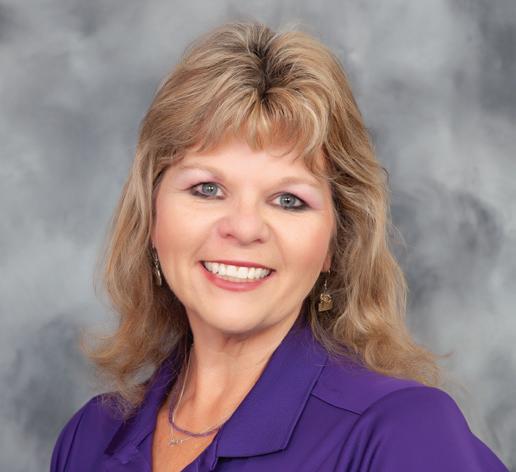
After more than 26 years of service, GRETCHEN MORGAN, senior director of alumni relations and communications, will retire this summer. Her LSU Vet Med career began in the early 1980s as a necropsy technician. After returning to the school in 2003, she served in multiple roles supporting alumni engagement and institutional advancement. In her current role, she has strengthened connections between alumni, students, and the school, serving as a trusted ambassador for LSU Vet Med.
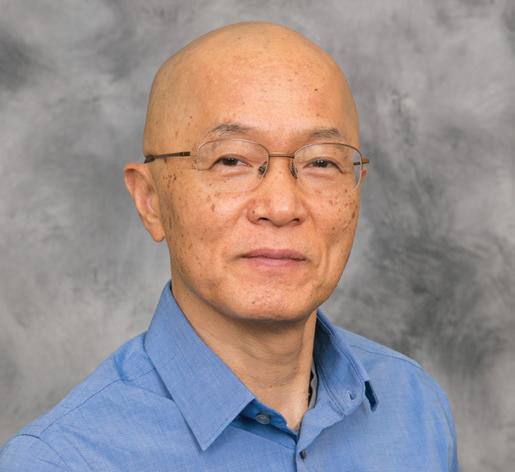
Comparative Biomedical Sciences, joined the faculty in August 2005 and retired effective March 31, 2026, after more than 20 years of service to LSU Vet Med. He received his BSc in 1979, his MSc in 1981, and his DSc in 1984, all from Kyoto University in Japan. His research sought to elucidate the role of adenylyl cyclase type 7 and how alcohol consumption
LISA ROUNDTREE retired in November 2025 after more than 35 years of service. She joined LSU Vet Med in 1990 as a veterinary technician in the Dermatology Service, where she provided exceptional patient care and taught veterinary students. Throughout her career, she received multiple staff awards in recognition of her contributions.
SUBMIT NEWS
DR. MASAMI YOSHIMURA, associate professor in SANDRA SARR sarr1@lsu.edu
Drs. Joseph Francis, Konstantin “Gus” Kousoulas, and Seetharama Jois
Fighting the good fight
TOGETHER
LSU Vet Med researchers are taking aim at cancer and leading a collaborative approach to discoveries for animals and people
BY SANDRA SARR
Taking Aim at
Cancer remains one of the leading causes of death worldwide, and yet fewer than 5% of anti-cancer drugs successfully move from pre-clinical research to become effective human therapies. Louisiana faces an especially severe cancer burden, with more than 25,000 new cases diagnosed each year and persistent health disparities affecting many communities. In the face of these urgent challenges, LSU School of Veterinary Medicine is accelerating its efforts to discover effective cancer therapies in a remarkable convergence of scientific disciplines that could reshape how cancer is treated in both animals and people.
These multifaceted efforts by world-class researchers at LSU Vet Med are expanding and building a powerful collaborative network taking aim at cancer. Backed by an $11 million federal grant awarded in 2021 and poised for Phase II, LSU Vet Med’s Center for Pre-Clinical Cancer Research, part of a Center of Biomedical Research Excellence (COBRE) is investigating the molecular roots of how tumors form, using cutting-edge platforms like miniature lab-grown tumors built from patients’ own tissue. Researchers are engineering viruses that selectively hunt and destroy cancer cells. A structural biologist is using natureinspired peptides derived from sunflower seeds to design drugs that could outsmart lung cancer resistance.
And a newly approved Center for Comparative Oncology is forming a hub connecting scientists, veterinarians, physicians, and translational researchers across LSU and partner institutions. A current clinical trial treating dogs with squamous cell carcinoma using targeted intra-tumor injections, rather than systemic chemotherapy, is already generating data that could inform future human treatments.
Work is underway to achieve the goal of National Cancer Institute designation for Louisiana that would support research that better captures the biological complexity of cancer in patients, unlock clinical trials, provide major research funding, and offer broader access to advanced cancer care.
BUILDING THE FOUNDATION: THE PRECLINICAL CANCER COBRE
A major driver of LSU’s expanding cancer research enterprise is the Center for Pre-Clinical Cancer Research, part of a Center of Biomedical Research Excellence (COBRE), established at LSU Vet Med to strengthen research infrastructure focused on understanding how cancer begins and grows. A proposal to extend the program for an additional five-year Phase II period will be submitted this year.
The COBRE program investigates the molecular mechanisms of tumorigenesis—the cellular changes that cause cancer to develop—and advances translational therapeutics, which move discoveries from the laboratory toward targeted treatments for patients.
To achieve this goal, the Center integrates innovative experimental systems designed to better predict how tumors respond to therapies. By combining both in vitro and in vivo models, researchers can examine fundamental aspects of cancer biology while developing new therapeutic strategies.
COBRE investigators are currently studying several major cancers—including osteosarcoma, breast cancer, liver cancer, and prostate cancer—to identify clinically relevant disease mechanisms and improve early-stage therapeutic testing. A cornerstone of the
WE ARE TRANSFORMING
HOW WE UNDERSTAND, PREDICT, AND ULTIMATELY TREAT CANCER—BRIDGING
THE CRITICAL GAP BETWEEN DISCOVERY AND PATIENT CARE.
initiative involves advanced experimental platforms that more closely replicate real disease, including three-dimensional tumor spheroids (spherical clusters of cancer cells that recreate the complex environment of tumors), patient-derived organoids (miniature labgrown models created from a patient’s own tumor tissue), and complementary animal models that help researchers study disease progression and treatment response.
Together, these systems allow investigators to study tumor growth, drug resistance, and therapeutic responses in environments that more closely resemble cancer in the body. By improving the accuracy and reproducibility of pre-clinical research, these tools help bridge the gap between laboratory discovery and clinical application.
The COBRE program also established a specialized
Pre-Clinical Evaluation Core (PCEC) that provides scientific expertise and technical support to cancer researchers across LSU. Using advanced 3D cell-culture models, scientists can generate translational insights that help predict how tumors behave in the body, test how cancer cells respond to new drugs, and identify treatments that may be effective in animals or humans. PCEC is directed by Dr. Joseph Francis who has strong experience in both cell culture and animal models for cancer investigations. PCEC works closely with the Molecular and Immunopathology Core (MCBC) of the COBRE directed by Dr. Konstantin G. Kousoulas. MCBC employs sophisticated Next Gen sequencing technologies and advanced immunopathological analyses to assist cancer researchers.
The COBRE initiative strengthens research collaborations across Louisiana, including partnerships with Southern University and LSU Health New Orleans, while supporting long-term efforts to establish a National Cancer Institute (NCI)-designated cancer center in the state.
In addition to advancing research, the Cancer COBRE plays an important role in developing the next generation of cancer scientists. Junior investigators
receive mentorship, access to shared research facilities, and collaborative opportunities with senior faculty while building independent research programs capable of securing national funding and advancing cancer solutions.
DESIGNING TARGETED THERAPIES FOR LUNG AND COLORECTAL CANCER
Within LSU Vet Med’s Department of Pathobiological Sciences, Dr. Seetharama D. Jois, professor of cancer immunology and computational and structural biology, focuses on designing new molecules to treat cancer and inflammatory diseases.
One major focus of his work is non-small-cell lung cancer (NSCLC), which accounts for nearly 85% of lung cancer cases. Despite the development of targeted therapies known as tyrosine kinase inhibitors, survival rates for NSCLC patients have not improved significantly in more than a decade.
Dr. Jois’ research seeks to design molecules that block epidermal growth factor receptor (EGFR) dimerization, a critical step in tumor development. His laboratory uses nature-inspired peptides derived from sunflower seeds to build drug-like molecules capable of interfering with cancercausing protein interactions.
Taking Aim at
These small peptide structures are unusually stable—resistant to heat, chemical degradation, and enzymatic breakdown— making them promising candidates for therapeutic development. By modifying the peptides with functional chemical groups, researchers are creating molecules that may one day serve as orally available drugs, particularly valuable when tumors develop resistance to existing treatments.
Dr. Jois also collaborates with Dr. Graça Vicente, LSU Boyd Professor and Charles H. Barré Distinguished Professor of Chemistry, to develop near-infrared (NIR) fluorescent molecules for cancer imaging.
Because most body tissues naturally emit green fluorescence, traditional imaging approaches can make it difficult to distinguish tumors from surrounding tissue. Near-infrared light, however, produces much lower background signals and penetrates tissue more effectively.
By combining NIR fluorescent molecules with targeted peptides, the researchers have created compounds capable of identifying small colorectal tumors that may otherwise go undetected in early stages. These molecules can also be used in photodynamic therapy, in which light-
activated compounds destroy cancer cells.
When a compound can both detect and treat tumors, it is known as a theranostic approach—combining therapy and diagnostics within a single platform.
Supported by funding from the National Cancer Institute, Dr. Jois has published more than 120 peer-reviewed papers and contributes to teaching and mentoring students in structural biology and drug design.
HARNESSING VIRUSES TO FIGHT CANCER
Another promising strategy under development at LSU Vet Med involves oncolytic virotherapy, an emerging cancer treatment that uses genetically engineered viruses to selectively infect and destroy cancer cells while stimulating the body’s immune response. This work is led by Dr. Kousoulas, professor and head of the Department of Pathobiological Sciences, and director of the Division of Biotechnology & Molecular Medicine.
Building on more than two decades of research in herpes simplex virus type-1 (HSV-1) molecular biology, Dr. Kousoulas and his team engineered an attenuated viral platform known as VC2. These modified viruses can replicate in tumor cells while
COLLABORATIONS ARE TAKING PLACE WITH INVESTIGATORS ACROSS LSU CAMPUSES, THE LSU HEALTH SCIENCES CENTER
IN NEW ORLEANS, AND REGIONAL BIOMEDICAL PARTNERS.
remaining highly restricted in normal tissues. The viruses attack cancer in two ways. First, they directly destroy tumor cells as infected cells rupture and die. At the same time, the process releases tumor antigens that stimulate immune cells to recognize and attack remaining cancer cells. Current researchers are taking the herpes virus (the kind that causes cold sores) and modifying it in a lab so that when it infects a tumor, it also releases a chemical signal that wakes up the immune system and tells it to attack the cancer more aggressively.
In pre-clinical studies, these virus-based therapies have demonstrated highly promising results against aggressive cancers including melanoma, breast cancer,
and pancreatic ductal adenocarcinoma. By infecting tumor cells, the viruses trigger tumor cell lysis and release tumor antigens while simultaneously recruiting and activating immune cells within the tumor microenvironment. This dual mechanism, direct tumor destruction combined with immune activation, offers a promising strategy to overcome resistance to conventional therapies and improve patient outcomes. Through collaborations with investigators across LSU campuses, the LSU Health Sciences Center in New Orleans, and regional biomedical partners, Dr. Kousoulas’ work integrates virology, immunology, and translational cancer biology— helping position LSU as a leader in virus-based immunotherapies.
CAR-T therapy has revolutionized treatment of certain blood cancers, however, many patients relapse after initial remission because CAR-T cells lose function (“exhaustion”) and lose their ability to fight cancer or chronic infections due to persistent stimulation. Drs. Weishan Huang and Gianluca Veggiani, faculty members in the Department of Pathobiological Sciences and members of the Cancer COBRE, focus on reprogramming the internal signaling of CAR-T cells, particularly through targeting
IL-2–inducible T cell kinase (ITK). Their studies show that modifying or removing ITK can reduce T-cell exhaustion, improve persistence of CAR-T cells in vivo and lead to better control of tumor relapse. Their work involves engineering immune cells for therapeutic purposes that can work more efficiently alone or in combination therapies with other cancer drugs.
COMPARATIVE ONCOLOGY: BRIDGING ANIMAL AND HUMAN CANCER
In January 2025, the Louisiana Board of Regents approved the creation of the Center for Comparative Oncology (CCO) at LSU, led by the School of Veterinary Medicine under the direction of Dr. Joseph Francis, professor in the Department of Comparative Biomedical Sciences.
Comparative oncology offers a promising approach to improving outcomes. The field studies naturally occurring cancers in companion animals, particularly dogs and cats,
Drs. Weishan Huang and Gianluca Veggiani
whose tumors often closely resemble human cancers in genetics, tumor biology, disease progression, and treatment response.
Because pets share the same environments as their owners, they are exposed to many of the same environmental risk factors. As a result, naturally occurring cancers in animals provide highly relevant models for studying disease biology and evaluating new therapies.
The new Center integrates these naturally occurring cancers with advanced experimental platforms such as patient-derived tumor organoids, three-dimensional tumor spheroids, and advanced preclinical models.
The Center serves as a collaborative hub connecting scientists, veterinarians, physicians, and translational researchers across LSU and partner institutions, including the LSU Health Sciences Centers, LSU Agricultural Center, and Pennington Biomedical Research Center.
Together, these approaches allow researchers to study cancer in ways that more accurately reflect the complexity of disease in patients.
Operating within a One Health framework, the Center strengthens Louisiana’s cancer research infrastructure while training the next generation of cancer scientists.
The Center serves as an important link in the long-term goal of achieving National Cancer Institute designation for a Louisiana cancer center—an achievement that would expand clinical trials, research funding, and access to advanced cancer care across the state.
FROM LABORATORY DISCOVERY TO CLINICAL TRIALS
The translational nature of LSU’s cancer research extends to clinical trials involving veterinary patients. LSU’s Center for Clinical Innovation is conducting an ongoing clinical trial for dogs with non-metastatic squamous cell carcinoma.
Traditional chemotherapy is typically administered intravenously, allowing the drug to circulate throughout the entire body. In this study, researchers are testing direct intra-tumor injections of chemotherapy, delivering the drug precisely to the tumor site.
The study follows participating dogs over 11 visits over four months, including physical examinations, laboratory testing, imaging, and tumor measurements to evaluate treatment response.
The goal is to determine whether localized drug delivery can improve treatment effectiveness while reducing systemic side effects.
Such clinical trials not only provide new treatment options for veterinary patients but also generate valuable insights that may inform future cancer therapies for people. More information is available at Center for Clinical Innovation: CCITrials@lsu.edu.
At LSU Vet Med, cancer research across laboratories, clinics, and collaborative research centers is making significant inroads with a shared goal: discovering and transforming cancer treatments to save and better the lives of humans and animals.
Information about clinical trials is available by emailing the Center for Clinical Innovation at CCITrials@lsu.edu.
a military working dog who protected U.S. presidents and helped save lives in the Middle East got life-saving assistance of her own at LSU Vet Med
BY SANDRA SARR
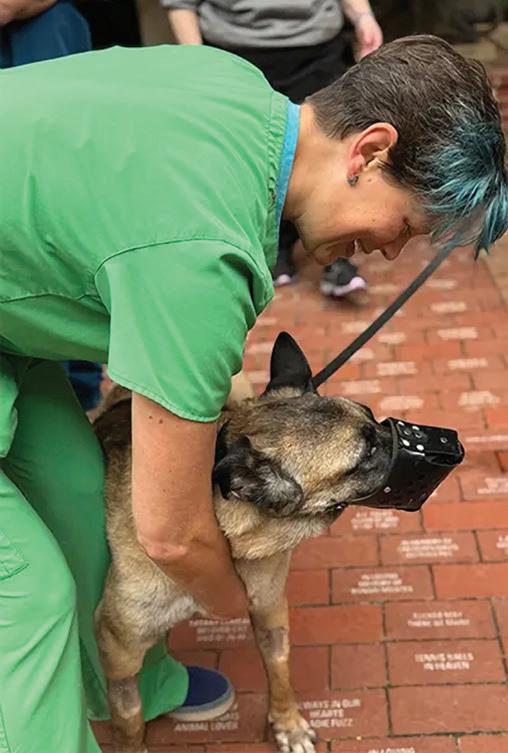
Astra, a military working dog (MWD) who has deployed on Secret Service missions to protect U.S. presidents and assisted soldiers in Middle East war zones, faced a life-threatening crisis of her own in December.
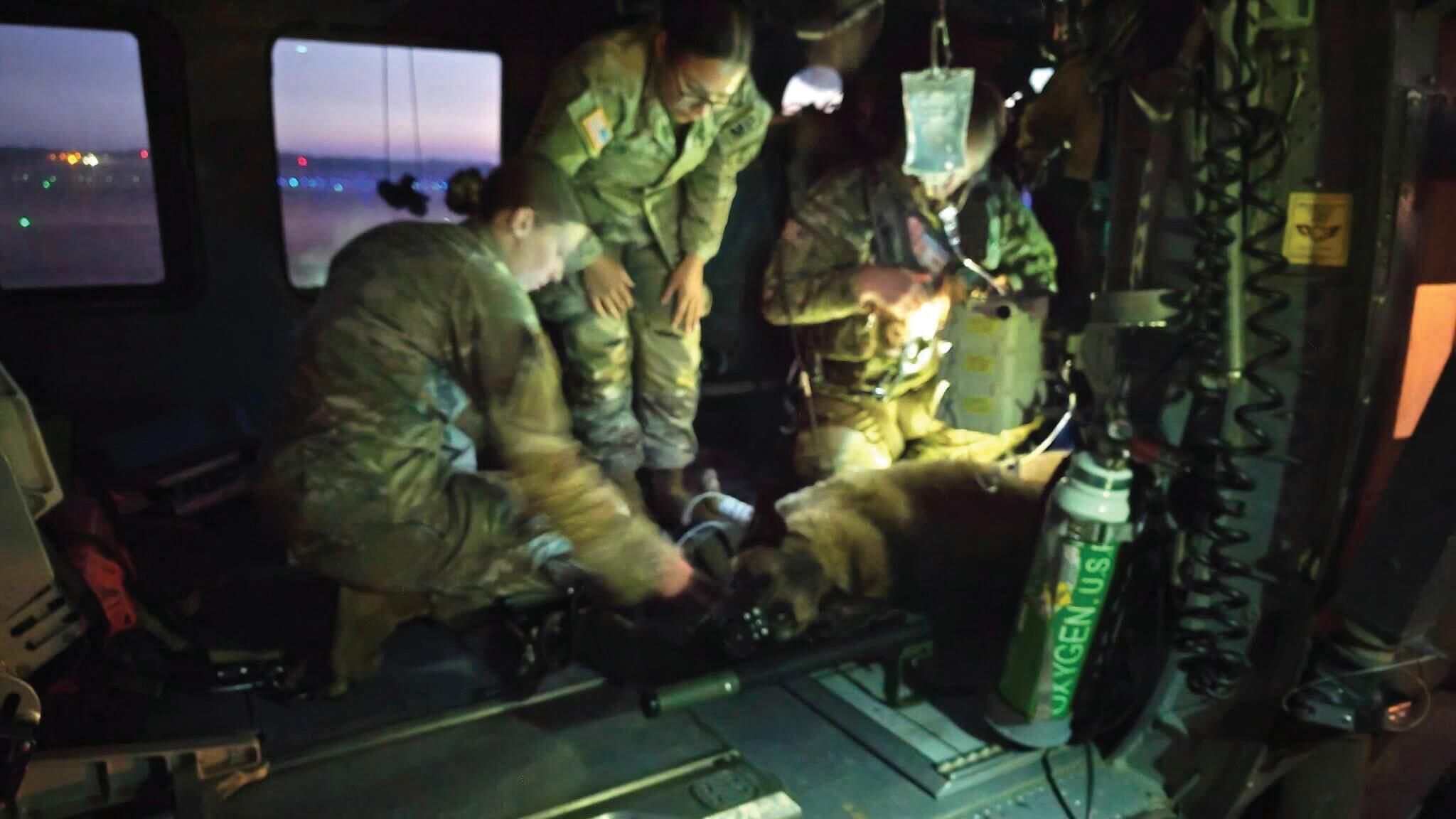
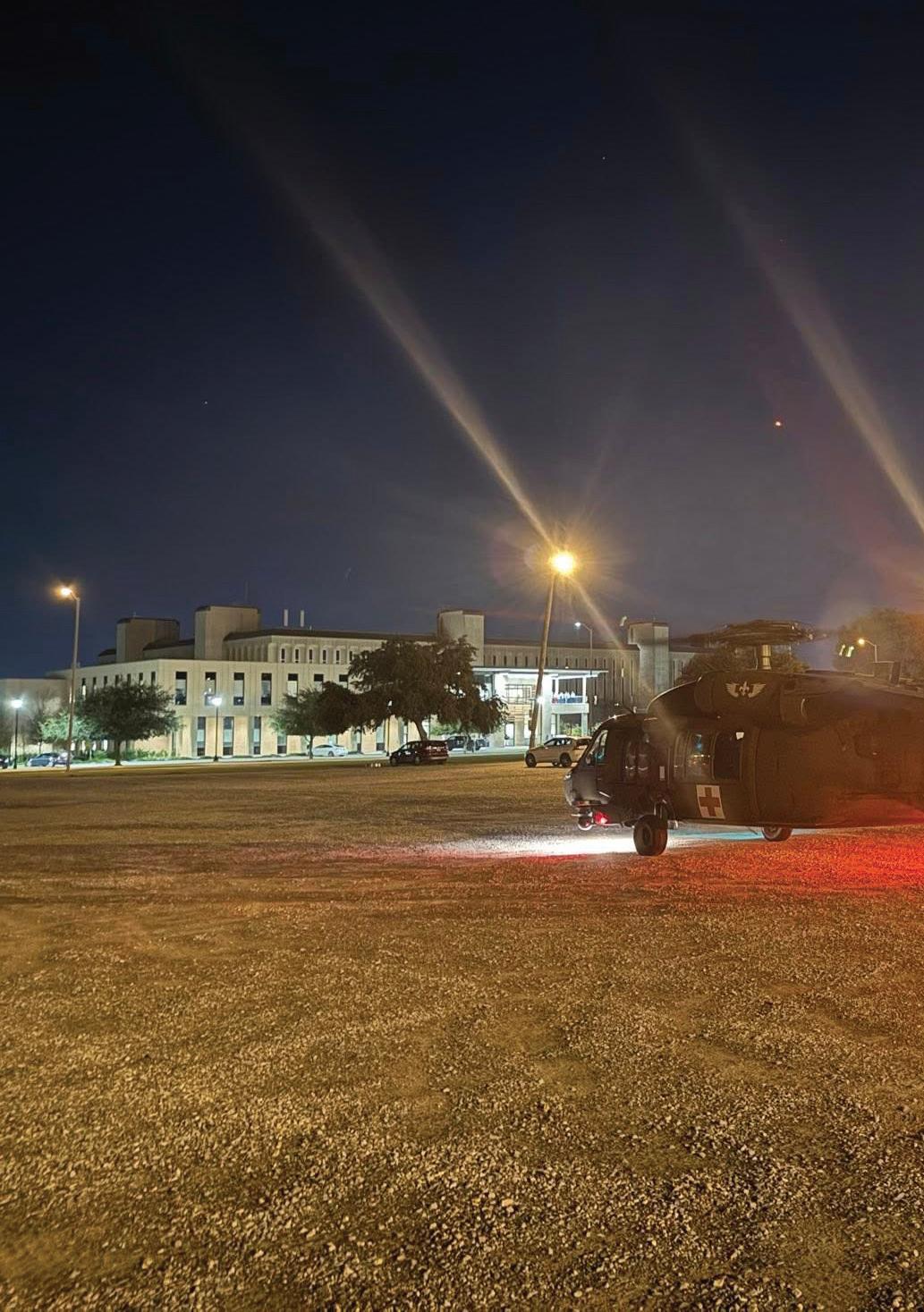
The Patrol Explosive Detector Dog was airlifted from the Joint Readiness Training Center & Fort Polk (JRTC & Ft. Polk) to the LSU School of Veterinary Medicine the evening of Wednesday, Dec. 10, in a medically equipped Black Hawk UH60 helicopter to the LSU Veterinary Teaching Hospital’s front door, where she was rushed into the Emergency & Critical Care service in the throes of hypovolemic shock.
“Our decision was to medevac her to LSU. We wanted the best and fastest
care for her,” said Sgt. Pierce Getner, squad leader who trains, handles, and maintains dog teams at the JRTC & Ft. Polk, a U.S. Army training base in Vernon Parish, Louisiana.
Astra, an 8-year-old Belgian Malinois, was suffering from a continuously elevated heart rate, lethargy, anorexia, and vomiting. CPT Isabel Grazian-Hobbs, DVM, military veterinarian on duty and 2023 LSU Vet Med graduate, worked with her unit, Veterinary Readiness Activity, Fort Hood, and Bayne-Jones Army Community Hospital
to help Astra and determine the best course of action to save Astra. CPT GrazianHobbs briefed the flight crew on what medications and support equipment would be needed in flight. Once the helicopter—staffed with a flight surgeon, handlers, pilots, and crew members— touched down, she was rushed on a gurney into LSU Vet Med’s Emergency Service, where an Emergency clinical team led by Drs. Jack Lee and Leslie Serrano went to work on saving her life.
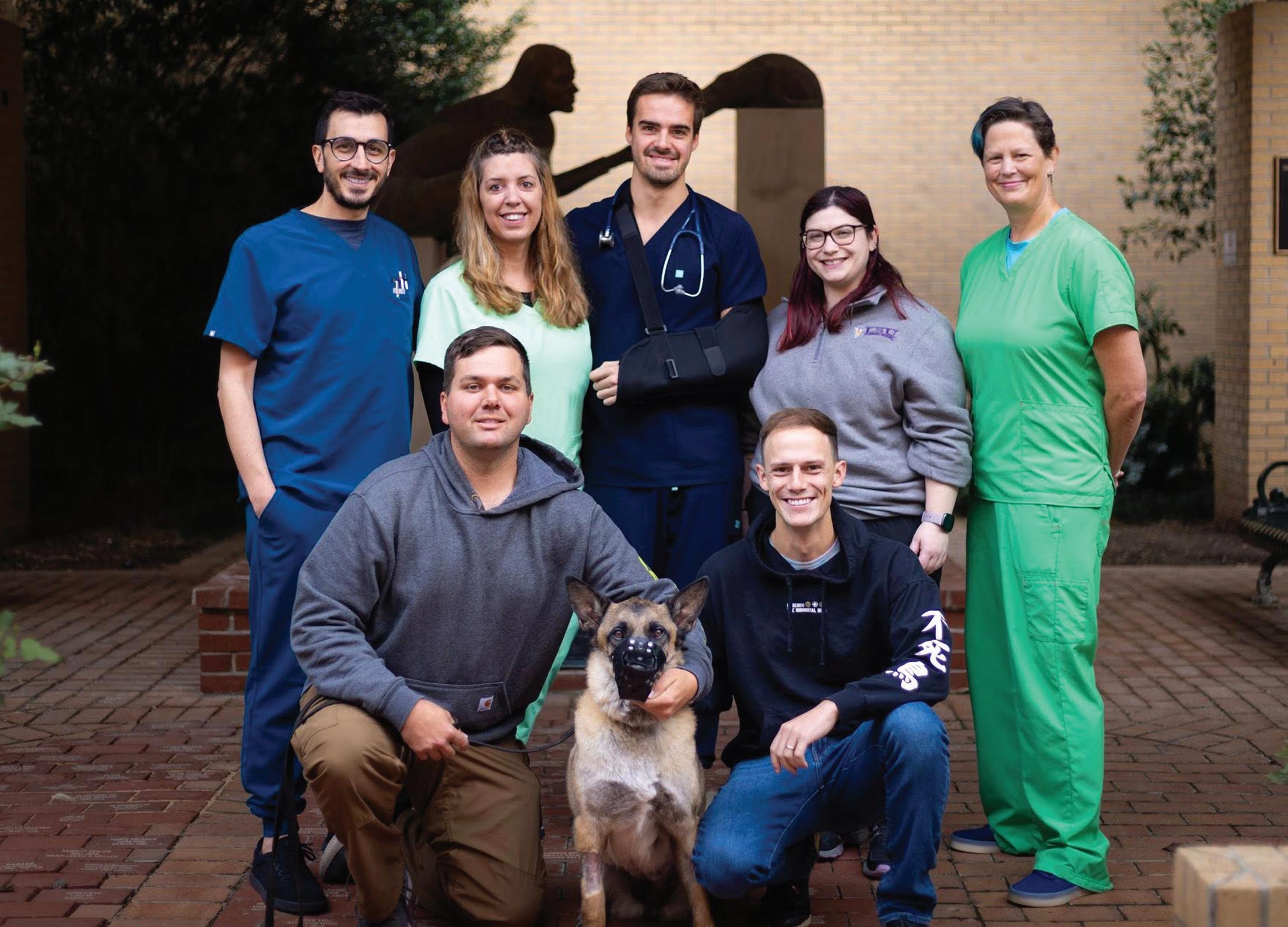
Back row from left, Assistant Professor of Small Animal Internal Medicine Dr. Agostino Buono, Veterinary Technician Ashley Benjamin, Small Animal Internal Medicine Resident Grégor Boot, Senior Veterinary Student Katherine Woolf, and Professor of Small Animal Internal Medicine
Patty Lathan. Bottom row, from left, Staff Sgt. David Tatterson, MWD Astra, and Sgt. Pierce Getner.
Astra was in a lifethreatening Addisonian crisis—later confirmed by tests—involving severe dehydration, electrolyte imbalances (low sodium, high potassium), low blood sugar, and collapse, requiring immediate emergency treatment with fluids and steroids to save the dog’s life. A severe lack of cortisol and aldosterone (a hormone that controls blood volume and electrolyte concentrations) in dogs with Addison’s disease directly leads to the crisis.
“The ER team stabilized Astra. They were most important in her acute care, which allowed her to be seen by Internal Medicine to get at the root problem. It was a team effort,” said Dr. Gregor Boot, resident, Small Animal Internal Medicine, who was called in to take over the case early Thursday morning.
Testing with rapid results was crucial to determining
the root cause of her illness. Maria Smith in LSU Diagnostics delivered the test results within one hour to Dr. Patty Lathan, Internal Medicine service chief, who interpreted the results that led to the definitive diagnosis.
Astra was diagnosed with Addison’s disease, which affects both dogs and humans, according to Dr. Lathan, who is an expert in Addison’s and also has the disease herself. Addison’s has earned the moniker of “The Great Pretender” because it results in clinical signs that could be caused by many different reasons. The clinical signs can come on suddenly and severely or chronic signs can emerge gradually resulting in the dog becoming very sick.
Military regulations require that handlers of MWDs stay with the dogs at all times. Sgt. Getner and Staff Sgt. David Tatterson drove from the
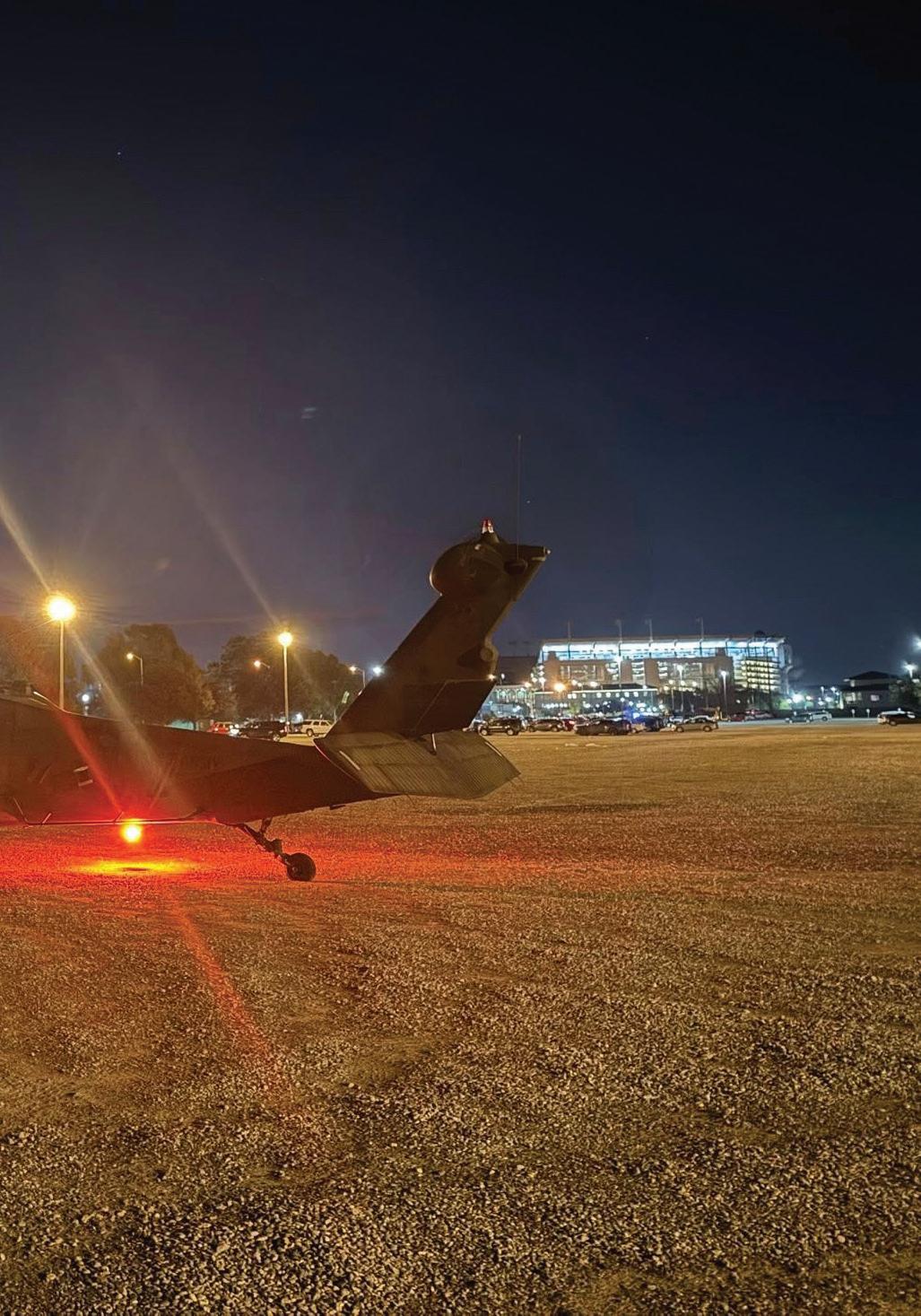
A medically equipped Black Hawk helicopter lands across the street from LSU Vet Med, where a clinical team awaited.
JRTC & Polk to LSU Vet Med to be with Astra. They slept next to her in her kennel to watch over her during nights in ICU as she recovered. When the ICU clinicians heard that the soldiers planned to sleep inside the kennel, they provided blankets to make their stay as comfortable as possible.
“Overall, it was a fantastic experience at LSU Vet Med. They were so accommodating,” Sgt. Getner said.
Astra with inflight medical team inside the transport helicopter.
Military Working Dogs (MWDs) are highly trained canine service members in the U.S. Armed Forces and are essential for roles like explosives and narcotics detection, patrol, sentry duty, and search and rescue while using specialized gear and saving lives. The dogs form deep bonds with their handlers and are often considered fellow warriors deserving of expert care. Belgian Malinois is a favored breed for drive and agility. Astra has served side-byside in combat zones with a handler who received the Combat Action Badge, which is earned by U.S. Army soldiers who personally engage the enemy in active combat in a hostile fire zone.
“We ask a lot of these dogs. Astra was in a bomb shelter for a whole month during hostile fire while deployed in Iraq for nine months. She’s been deployed more than most MWDs, and
WE ASK A LOT OF THESE DOGS.
ASTRA WAS IN A BOMB
SHELTER
DURING HOSTILE FIRE. WE WANT TO SEE HER ENJOY LIFE.
it’d be hard to imagine her putting in all of that work and not get to reap the rewards of her efforts. We want to see Astra retire, relax, and enjoy life knowing she did a good job. We want the best for her,” said Sgt. Getner, who is handler of a different MWD. “It is impossible to describe the bond you have with your dog. With my own, we were newly partnered and deployed overseas, not yet fully trusting each other. Almost overnight, we both realized, ‘It’s just me and you,’ and everything changed. We rely on each other.”
“Handlers of MWDs like Astra are great clients because they can tell us specifically what is going on with their dogs. They are so attuned to them,” Dr. Lathan said.
The disease is significantly more common in dogs than in people. According to Dr. Lathan, LSU Vet Med diagnoses approximately one case of Addison’s per month in dogs brought to LSU. She notes that more Addison’s cases are confirmed when testing in LSU Diagnostics is done for other veterinarians in the region.
Astra was discharged from the hospital in December 2025. She will be on lifelong medications: prednisone and desoxycorticosterone to replace the cortisol (stress hormone that Addison’s prevents her body from making) and aldosterone. The medications will be adjusted over time and are expected to protect her from further
episodes like the one that landed her at LSU Vet Med. She is expected to recover fully. She will retire pending her disposition evaluation, which determines a dog’s suitability to transition to a different role like retirement.
“Astra should have a good quality of life for the rest of her days,” Dr. Lathan said.
Dr. Patty Lathan interacts with Astra before she is discharged.
Chasing down a dream year by year
Four veterinary students share the grit, grace, and glory involved in pursuing their goals
BY SANDRA SARR
Blayne
YEAR 1
From the first wide-eyed days of anatomy labs and self-doubt to the moment concepts click and confidence is forged in clinics, the veterinary school experience is a progression marked by discovery, resilience, and an everdeepening sense of purpose.
Blake
Blayne has wanted to be a veterinarian for as long as she can remember. “I always knew,” she said. Now she is pursuing that dream alongside her mother, who is a first-year veterinary student at Kansas State University College of Veterinary Medicine. The two went through undergraduate school together at the University of South Alabama and made the decision to apply to veterinary school at the same time.
“I originally thought I’d transfer to my mom’s school, but I really like it here at LSU!” she said.
She remembers the moment she was accepted to LSU Vet Med. “It was a Friday night. I was in the barn when I saw on my phone I got an email. I got my laptop and sat on the bed with my mom and twin siblings. Accepted! I was in shock for an hour,” she said.
Her advice for admitted students is to enjoy their summer before vet school, don’t panic about stress, and start reviewing the anatomy of dogs. “You’ll
hear that it’s hard. Don’t put that in your mind,” she said.
Blayne grew up on a farm near Mobile, Ala., first with horses, then dairy goats that her family bred, and she showed throughout the U.S. She helped milk goats morning and night, pulling 70–90 baby goats during springtime, and helping to bottle feed them. “Our veterinarians always made sure we were involved in our animals’ vet care,” Blayne said. After graduation, Blayne plans to go to work as a large animal veterinarian. “People need to understand why they want to pursue this work. It takes grit,” she said.
Here at LSU Vet Med, most days begin with morning lectures on various topics—form and function, evidence-based veterinary medicine, professional development—followed by anatomy lab, clinical skills, immunology, and communication skills. Comparing notes with her mother, Blayne has found LSU’s curriculum both intense and deeply meaningful.
Despite the workload, she has found a strong sense of community among her classmates, whom she describes as friendly and inclusive. Her biggest personal challenge has been being away from her family for the first time, but she has built a support system—cooking with friends and spending time with her cat, Quinn.
“You’ll hear that it’s hard. Don’t put that in your mind.”
Saige Annison
YEAR 2
Saige had an early relationship with horses that set her on a long, demanding path to veterinary medicine, one defined by persistence and steady progress. Now in her second year, she has completed Phase 1 of her DVM coursework and is preparing to begin a threeyear PhD program in January 2027 as part of a dual-degree track. She plans to finish the PhD in December 2029 before returning in January 2030 to complete her clinical rotations.
For Saige, the sustained dedication required of pairing a DVM with a PhD is worth the effort. The dual degree will help her to connect scientific discovery with real-world clinical application. Mentored by her MS adviser, Dr. Britta Leise, she has found a model for the kind of career she is working to build—one that bridges biomedical science and patient care, with an interest in sports medicine and internal medicine. She’s particularly drawn to studying macrophages—key immune cells that help regulate inflammation and tissue repair.
Her research pursuits began early. In 2024, she earned her MS degree from LSU Vet Med, studying how cellular communication systems may contribute to laminitis, a painful and often chronic hoof condition in horses. Her interest in the disease emerged from the 2016 flood in Denham Springs, where her horse Rex developed severe laminitis after standing in floodwaters. His long recovery and the care provided by LSU veterinarians left a lasting impression.
Raised in the world of competitive three-day eventing, Saige grew up riding, training, and caring for horses. “Horses are the ultimate teacher,” Saige said. “You may be hurting after competition, but you still have to care for them. They don’t know the score—you just tell them they’re the best.”
The discipline of the sport and organizations like the United States Pony Club instilled in her a strong sense of responsibility and horsemanship. That foundation extended beyond riding. She even interned with a farrier to better understand hoof care. “No hoof, no horse,” she said, sharing that a horse’s health
and survival depend on the strength and health of its feet.
Her academic path to veterinary school differs from many of her peers. Since arriving at LSU in 2018, she has earned a BS in animal science, shifted to complete her MS, and entered the DVM program—all while building a clear vision for her future.
The transition into veterinary school was intense. “The first year was overwhelming,” she said. But by her second year, she found her footing. “I adapted and kept going. One day, things just clicked.”
Through it all, one constant has made vet school manageable: her classmates. “We lean on each other a lot,” she said. “We’re going through this together.”
“I adapted and kept going. One day, things just clicked.”
Ben Kuntz
YEAR 3
Ben was drawn to LSU Vet Med for its exotics and wildlife programs. “I didn’t have bird experience, but I went to a raptor club meeting, and it was one of the best decisions I’ve ever made. I went through two interviews to be selected as a raptor co-chair doing hands-on work with birds that come from our Wildlife Hospital. I’ve learned so much from Dr. Mark Mitchell,” Ben said.
Ben enjoys the collaboration and teaching newer students to help rehabilitate birds and take them into the community as ambassadors. He also appreciates the trust placed in him to help heal injured birds by developing and implementing surgical plans under the mentorship of Dr. Mitchell. “He is inspiring and motivational. He is one-of-a-kind,” he said.
“Seeing how the Wildlife Hospital clinicians and students help so many every day and try their hardest to get them back into the wild has changed the way I view veterinary medicine. We give every creature brought to us a chance at life,” he said.
To round out his technical skills, explore career paths, and build professional networks, Ben has initiated a series of two-week externships at a small animal clinic with a nearby raptor center in Alaska, Texas Parks and Wildlife Department, University of Illinois Wildlife Hospital, and the Nashville Zoo.
After graduation, Ben will likely return to Illinois, where he grew up helping his grandfather on a farm tending beef cows, sheep, and horses, and eventually become a wildlife veterinarian. He graduated from a tiny rural high school an hour south of Chicago and from Ohio State University in 2023 with a degree in zoology with a minor in humananimal interaction. His parents, an accountant and an electric company dispatcher, inherited his grandfather’s farm in St. Anne, Ill., where they grow corn and soy crops. “They encouraged me to be the best I could be and helped me enjoy animals,” he said.
Prior to LSU Vet Med, he had never lived in the South. “It was a big adjustment—the weather, not knowing anyone, learning how to study. I’ve made friends. We’re here to help each other. We’re in it together,” he said.
“Year 3 is weird! It’s half and half—classroom and a transition into the hospital. Once you get this far, you’ve seen things a few times. I’m more confident, and I’m excited to be in clinics on rotations with different species,” he said.
For fun, he runs the Mississippi River levee and keeps his eye out for resident eagles— some of whom he may have helped release back into the wild.
What would he tell his first-year self? “Keep pushing through, try your hardest, and you’ll make it. Enjoy people,” he said.
“Once you get this far, you’ve seen things a few times. I’m more confident.”
Kristi Haakma
YEAR 4
Kristi came to LSU Vet Med knowing what she wanted to do in her second career: veterinary oncology. After six years as an elementary school teacher in Iowa and California, she made a life-changing decision to pursue her passion for animals. None of her previous degrees—a BS in elementary education and an MEd in early childhood education—counted toward veterinary school prerequisites. Still, she completed the required coursework during the COVID-19 shutdown and applied to 10 veterinary schools before choosing LSU Vet Med.
When Kristi began in 2022, she was 29 years old—and the only student in her class with a child. Her son, Coen, was just one year old. “I felt lonely at times. Everyone else went home to decompress or study. I’d go home and turn on my mom role,” she said. “I would begin studying at 10 p.m. and continue as long as I could stay up.”
She brought her toddler to class on a few occasions when her wife was sick or had appointments. “He sat in the back row with me, and my classmates saw the reality of me being a mom,” she said. “Some professors even held him while lecturing. He has grown up here, and now his sister, Cali, who’s a year old, has too. This community has really embraced me and my family.”
Academically, the adjustment was just as challenging. In her first course—an accelerated, two-week cell biology class— she earned a D. “I cried and asked the dean of student success if I should even be here,” she said. The answer she received: keep going. Kristi adapted, learning to study more efficiently and work through setbacks.
Her perseverance paid off in the clinic. In one satisfying case, she created a radiation treatment plan for a dog, mapping out tumor location and beam placement. “I was able to see that dog go through radiation therapy and graduate from treatment three weeks later,” she said.
Kristi remains grounded in her goal: veterinary oncology. Her passion stems from a personal experience—her own dog was diagnosed with nasal adenocarcinoma, and her veterinarian’s compassion left a lasting impression. For the past four years, Kristi
has shadowed Dr. Jayme Looper, radiation oncologist, and even conducted strontium-90 radiotherapy research with her. They are aiming to publish their work next year.
“I have learned that I am more capable than I think I am, and connecting with people has always been a strength. In oncology, it’s important to be able to walk with clients especially through every step,” she said.
Now, as she looks ahead to her internship, Kristi is eager to put what she has learned into practice and continue doing what drew her here in the first place: helping animals who cannot speak for themselves to heal.
“I have learned that I am more capable than I think I am.”
class notes
“BEFORE THE RAIN” is an award-winning photograph taken by Dr. Cherie Truesdell, artist, equine veterinarian, and 2001 graduate of LSU Vet Med. While working as a mobile equine vet, Truesdell took this photo on a client’s farm in 2010 in between house calls. “It was early spring, and the lone tree, illuminated by the setting sun, stood out against the cloudy
sky. As I walked up with my camera, the accommodating horse walked away down the fence line, enabling me to capture it at the perfect moment,” Truesdell said.
"Before the Rain” was selected for the Professional Photographers of America’s 2012 Loan Collection, an honor representing excellence in image creation. Her work has been exhibited in 11 states, featured on the
home design show, “Buying it Blind,” and was featured on the cover of a book of poetry.
Truesdell worked as a mobile equine vet for 10 years. For the next several years, she worked part-time doing regulatory equine ambulatory work, along with photography. In 2015, she was hired by the American Humane Society to act as an animal safety representative. For six years, she worked
on more than 100 film and television sets—including Stranger Things, Ozark, and Marvel movies—helping to keep animals and their human handlers safe. When the COVID-19 pandemic hit, Truesdell worked as a COVID tester on television sets. Currently, Truesdell is working on a bachelor’s degree in psychology, minoring in biology and anthropology at Kennesaw State University.
LSU Vet Med alumnae provide much-needed at-home hospice care in Baton Rouge
BY NATALIE KAISER
WHILE
MANY VETERINARIANS OPT for practicing veterinary medicine in a clinic, a growing number of veterinarians are choosing a less traditional path: providing at-home veterinary care. Dr. Emily Murray and Dr. Amie Louque are just two of those veterinarians practicing veterinary care in clients’ homes in Baton Rouge, La.
They are the city’s two veterinarians for Lap of Love Veterinary Hospice, a national network of approximately 400 vets providing compassionate end-of-life veterinary care. They serve an important role in providing critical access-to-care needs in Baton Rouge for both pets and their owners.
“Apart from the obvious luxury of having pets feel comfortable in their own homes, there is also an entire population of pet owners who many forget to consider—people with mobility challenges, people with lack of transportation, rural residents, people who are immune-compromised or have a chronic illness, and the elderly,” said Dr. Murray, who is a 2018 LSU Vet Med graduate. “All of these pet owners deserve companionship and access to care.”
In addition to addressing accessibility issues, part of the appeal of in-home vet care for Dr. Murray lies in the contrast to the traditional pace of a general practice clinic. “Quiet drives, longer appointment times, and patients and families who are less afraid are a nice change from the hectic nature of a hospital,” Dr. Murray said.
For Dr. Louque, who graduated from LSU Vet Med in 2021, athome veterinary care always interested her due to the personal touch offered to the pet and their family. “It is such a special perspective to see the pets with their families in their home. It really reveals a more human-animal bond perspective of medicine than what I experienced in the clinic,” Dr. Louque said. “I think it is so special. We are serving both the pets and their people.”
While the Lap of Love team also provides quality-of-life assessments, pain and anxiety management, and end-of-life consultations, peaceful euthanasia in the comfort of home is at the center of what they do.
“More than half the time, families say goodbye with ‘Scrubs’ or ‘Seinfeld’ on the TV. It sounds weird for such a sad moment, but they want their pets to fall asleep for their final time the way they would have always fallen asleep, curled up on the couch with mom and dad watching sitcoms,” Dr. Murray said.
At-home care is also a vital option for anxious pets who struggle to thrive and cooperate in a clinical setting. “I can’t list how many times in clinic I had clients say, ‘he’s not like this at home’ with pets that are lashing out. I love to see how different and more relaxed pets are in their home,” Dr. Louque said.
While the reasons for practicing at-home vet care vary, the purpose of Dr. Murray and Dr. Louque’s work remains largely the same: to provide a necessary service while prioritizing comfort for both the pet and the owner.
“Veterinarians care about people too! We want pet owners to walk away feeling cared for and listened to. Mobile practice creates an
environment that makes that so much easier,” Dr. Murray said. “There isn’t another pet in the back that needs our attention. We aren’t multitasking or shuffling appointment times around in our heads while speaking to the owner. It’s oneon-one time.”
Drs. Murray and Louque are just two of many LSU Vet Med alumni across the country helping redefine veterinary care. Through their work, they are expanding access while making difficult moments more comfortable and compassionate for both pets and their owners.
Top: Dr. Emily Murray ‘18 pictured with her dog Lucy who has since passed away. Bottom: Dr. Amie Louque ‘21 pictured with her dog Kaiser.
Advancing the future of equine medicine: LSU Vet Med alumna-funded scholarship goes to thirdyear student, Katie Smith
BY NATALIE KAISER
KATIE SMITH, A THIRD-YEAR
veterinary student, has been named the 2025 recipient of the Ellen DiBella Memorial Scholarship. The award is presented by The Foundation for the Horse and provides $50,000 over five years to support the recipient’s journey from veterinary school to practice while advancing equine health. The scholarship was founded in 2023 by LSU Vet Med alumna and former faculty member Dr. Karen Wolfsheimer and her husband, Dr. Frank Wolfsheimer.
Smith earned the scholarship in recognition of her outstanding academic achievement, leadership, and commitment to improving equine health in underserved communities. She has been a member of both the equine and theriogenology club and is a former a student technician in the Large Animal Hospital. In December 2025, she was officially awarded the scholarship at the American Association of Equine Practitioners Annual Convention in Denver, Colo.
“When I found out I received the award, and that it was funded by Dr. Karen Wolfsheimer, I was touched and my sense
Drs. Frank and Karen Wolfsheimer with their two Dalmatians on their farm in Micanopy, Fla.
diagnosed with insulin dysregulation or pituitary pars intermedia disease. She assists owners with dietary management and the interpretation of diagnostic test results.
of community was strongly reinforced,” Smith said.
Dr. Wolfsheimer got her PhD in veterinary endocrinology at LSU Vet Med in 1987 after obtaining her DVM from the Auburn University College of Veterinary Medicine and completing a small animal medicine and surgery internship as well as a small animal internal medicine residency. For two decades, Dr. Wolfsheimer remained a faculty member at LSU Vet Med, where she started a clinical endocrine diagnostic laboratory and taught endocrinology.
In 2010, she moved to Micanopy, Fla., to live out her dream of living on a horse farm while teaching veterinary endocrinology. Today Dr. Wolfsheimer continues to consult owners of horses
“When I went to veterinary school back in the ‘70s, tuition and the cost of living were relatively inexpensive compared to today,” Dr. Wolfsheimer said. “The transition from school to practice can be a challenging time financially, and these challenges along with the especially unique challenges of equine practice have contributed to a shortage of equine veterinarians.”
The equine veterinarian shortage is an issue close to both Dr. Wolfsheimer and Smith’s hearts, both longtime horse owners. For Dr. Wolfsheimer, her love of horses started at age 6 when she rode (and fell off) her first horse. By age 12, she had saved up enough lunch money to buy her own horse. For Smith, her love of horses started young as well, as a self-proclaimed “horse girl” growing up.
“Having owned a horse and lived in several rural areas, I have seen firsthand just how difficult and frightening it can be to worry that your best friend will not be able to receive the care they need,” Smith said. “I think incentives like the Ellen DiBella Memorial Scholarship will help chip away at the equine
Katie Smith officially received her Ellen DiBella Memorial Scholarship in December at the American Association of Equine Practitioners Annual Convention in Denver, Colo.
veterinarian shortage and, in time, alleviate the heavy burden on rural large animal veterinarians.”
The scholarship’s namesake, Ellen DiBella, was a lifelong equestrian and Morgan horse owner whose influence on equestrian sport is profound.
Dr. Wolfsheimer first met DiBella in 2001 when she bought a Morgan horse from her, beginning a friendship that lasted decades. In 2023, DiBella passed away, leaving behind a legacy of passion for horses and their owners.
“Ellen DiBella’s devotion to horses and their people has motivated me to be a better veterinarian. I hope the recipients of this scholarship will carry on that love and devotion to horses and their owners,” Dr. Wolfsheimer said.
Immediately after graduation, Smith plans to complete an equine rotating internship in the Southeast, with the goal of joining a large, multi-doctor practice afterward to develop skills and expand professional connections. After a few years of expanding her knowledge, Smith plans to return to her home state of Arkansas, where she hopes to help alleviate the vet shortage in underserved communities.
“I am honored to have been awarded this scholarship, and it means even more that it was funded by an LSU Vet Med alumna,” Smith said. “Attending LSU does not just come with a degree—it comes with a lifelong network of support.”
Longtime associate acquires 45-year veterinary practice
BY SANDRA SARR
DR. DANIELLE FAZIO
’16 has purchased Siegen Lane Animal Clinic in Baton Rouge, the practice where she has worked for the past 10 years alongside founder Dr. Philip Waguespack ’80, who owned the clinic for 45 years. “I feel fortunate that Dr. Waguespack hired me so that I could stay in Baton Rouge where I grew up,” Dr. Fazio said.
Dr. Waguespack will remain involved in the practice, continuing to see patients one day a week and on select weekends.
Since assuming ownership, Dr. Fazio has updated the clinic with new dental X-ray equipment, expanded treatment space, and a renovated reception area. “We are looking to grow,” she said.
That growth includes adding new team members. In July 2026, Dr. Fazio will hire Dr. Haley Honoré ’25, who is completing a shelter medicine internship at LSU Vet Med. “Our goal
is to keep Dr. Honoré throughout her veterinary career so that our clients and patients have continuity in who treats their pets,” she said.
The clinic will also continue to support veterinary students. In August 2026, Cassie Kuplesky, a member of LSU Vet Med’s Class of 2027, will complete an externship at Siegen Lane Animal Clinic. “In smaller practices, new and aspiring veterinarians have the opportunity to receive personalized mentorship in a slower-paced, less-stressful environment,” she said. That approach to mentorship is reflected in the experience of LSU Vet Med student Jashawn “Jay” Ferrand, pictured with Dr. Fazio. He first visited the clinic as a high school student during a Career Day, later joined the team as a veterinary technician, and is now on track to graduate in 2028 with a veterinary degree.
Also pictured is Blondie, now Birdie, who was adopted by the owners of Elsie’s Plate & Pie in Baton Rouge. The clinic provides two local rescue organizations with discounted veterinary services in an effort to help the community’s homeless animals get adopted. “Dr. Honoré has a passion for shelter medicine, and she will be able to provide these important services, along with seeing our other patients, in our community,” Dr. Fazio said.
Honoring three 2025 Distinguished Alumni Award recipients
LSU SCHOOL OF VETERINARY MEDICINE
has announced three recipients of the 2025 Distinguished Alumni Award: Dr. Alma Roy, Dr. Mustajab Mirza, and Dr. Phillip Pickett. These awards celebrate alumni who exemplify outstanding achievements in veterinary medicine, research, education, and public service.
The Distinguished Alumnus/Alumna Award, open to all graduates of Louisiana State University, acknowledges individuals whose contributions to veterinary science and community service reflect the highest standards of professional excellence and compassion.
DR. ALMA ROY, PHD AWARD RECIPIENT
Dr. Roy is an alumna of LSU, having earned her bachelor’s degree in medical technology in 1968, followed by a master’s degree in healthcare administration from College of St. Francis in 1990. In 2000, she obtained a PhD in veterinary medical sciences from LSU Vet Med.
Dr. Roy is a credentialed clinical laboratory scientist and holds a board certification from the American Society of Clinical Pathology. She has delivered exemplary service to the Department of Pathobiological Sciences and to the Louisiana Animal Disease Diagnostic Laboratory (LSU Diagnostics) in several roles, including as director of the Arboviral Surveillance Laboratory, section chief of microbiology, associate director, and later executive associate director of the entire enterprise. More recently, she has served as director of the Clinical Laboratory Improvement Amendments (CLIA) program. Since 2024, she has served in the role of interim director of LSU Diagnostics and was named director of LSU Diagnostics in 2026.
Dr. Roy has devoted more than 50 years to LSU Vet Med, not only accomplishing her goals with a calm determination and resolve that translates into impressive actions and outcomes, but also positively advancing the careers of countless students, staff, and faculty. She has impacted the lives of more than 3,600 alumni, as well as hundreds of staff and faculty.
DR. MUSTAJAB MIRZA, MS AWARD RECIPIENT
Dr. Mirza graduated from veterinary school in Lahore, Pakistan, in 1992 before continuing his training at LSU Vet Med, where he earned a master’s degree from the Department of Veterinary Clinical Sciences in 1998. After serving as an
equine specialist in Florida, he returned to LSU Vet Med in 2006 as an assistant professor of equine surgery. Throughout his career at LSU Vet Med, Dr. Mirza has focused on equine emergency and critical care, a demanding specialty that requires rapid decisionmaking and long hours caring for some of the hospital’s most critically ill patients. In addition to helping horses in the veterinary hospital, Dr. Mirza has also played an important role in veterinary education. He teaches and mentors DVM students during the preclinical phase of their training and works closely with interns and residents pursuing advanced clinical training. His commitment to mentorship and handson learning has helped shape the clinical skills and professional development of many future veterinarians.
Dr. Mirza has also contributed to LSU Vet Med’s research mission through collaborative studies focused on equine health. His work has included research on intestinal ischemia and reperfusion injury, as well as investigations into therapies that support
Award recipients Drs. Alma Roy and Mustajab Mirza
recovery from soft tissue injuries in equine athletes. Through his clinical expertise, research contributions, and dedication to teaching, Dr. Mirza continues to make a meaningful impact on the advancement of equine medicine and the training of the next generation of veterinarians.
DR. PHILLIP PICKETT, DVM AWARD RECIPIENT
Dr. Phillip Pickett graduated with his DVM from LSU Vet Med in 1980 before heading to University of Wisconsin–Madison College of Veterinary Medicine to complete a residency in comparative ophthalmology. A board-certified veterinary ophthalmologist, he spent much of his career at the Virginia-Maryland College of Veterinary Medicine (VMCVM) at Virginia Tech, where he served as a professor in the Department of Small Animal Clinical Sciences.
During his decades on the faculty, he contributed significantly to the advancement of veterinary ophthalmology through both
clinical practice and scholarly work. His research focused on improving understanding and treatment of ocular diseases in animals, and he authored numerous peerreviewed publications, book chapters, and other scholarly contributions, advancing the field of veterinary ophthalmology.
Dr. Phillip Pickett
In addition to his research and clinical responsibilities, Dr. Pickett is deeply committed to teaching and mentorship. Over his 35 years at University of Wisconsin and VMCVM he taught over 3,400 students. Of the 594 members of the American College of Veterinary Ophthalmologists, Dr. Pickett taught 33 of them. Following his retirement from active teaching, he was honored with emeritus status in recognition of his many years of service, scholarship, and leadership in veterinary education. His career reflects a lasting commitment to advancing animal health, supporting veterinary students, and strengthening the profession through research, clinical excellence, and mentorship.
Above: Mike Strain reuniting with his new dog, Hootie, after some overseas travels. Right: Mike Strain on a recent trip out of the country as part of his position as Louisiana’s commissioner of agriculture and forestry.
1983
Mike Strain is the Louisiana commissioner of agriculture and forestry, and the job has recently taken him overseas on trade missions to the United Kingdom, Ireland, and Africa. The missions are focused on building overseas relationships with the goal of expanding opportunities for Louisiana. While Mike has enjoyed his recent travels, it’s been bittersweet for him as he recently added a new member to his family, a basset hound named Hootie.
Donna Shaw reports that, over the years, three of her fellow class of 1983 classmates have received the honor of Arkansas veterinarians of the year: Mike Beard in 2013, Mike Oates in 2017, and Donna herself won the award in 2015.
1985
Gregory Rich, along with fellow class of 1985 alumni, reunited at Mike Andersons before the LSU versus Arkansas football game. “We are on our way to developing a scholarship for future LSU Vet Med students,” he said.
Members of the class of 1985—Ken Allen, Bob Apple, Steve Brocklehurst, John Cali, Margaret David, Bob Marshall, Tom Biggs, Al Henry, Mac Law, Rebeka Roberta McKowen, and Paula Drone—enjoyed dinner together.
1986
David Zeman was awarded the South Dakota Veterinary Medical Association (SDVMA) Distinguished Service Award at the annual SDVMA meeting in August 2025. The Distinguished Service Award is the highest award made by the SDVMA, recognizing an individual whose contributions to the community bring distinction to the veterinary profession. In addition to a DVM, David has a PhD in veterinary pathology with board certifications in diagnostic and research pathology. He spent 31 years in academia at South Dakota State University in the Department of Veterinary and Biomedical Sciences with 20 of those years acting as the associate director and director of the South Dakota Animal Disease Research and Diagnostic Laboratory. Since his retirement in 2013, David has continued
Joey Landry, class of 2004.
work in diagnostic research and development veterinary pathology and currently serves as the executive director of the American Association of Veterinary Laboratory Diagnosticians and the South Dakota Poultry Industry Association. In 2024, David received the Distinguished Alumnus Award at LSU Vet Med, where he obtained his PhD.
1992
Dina Duplantis was appointed as the director of equine operations at Farr Park for the Recreation and Park Commission for the Parish of East Baton Rouge (BREC), the organization’s first position of its kind. In this position, Dina oversees BREC’s equestrian facilities as well as employee management, event organization, and horse welfare.
2002
Maria Mitchell is now officially a grandmother. Maria’s daughter, with whom she started vet school in 1998, Megan Mitchell Sanders, gave birth to Charlotte Louis Sanders on June 8, 2025. Along with her husband, Nick Sanders, Megan and Charlotte reside in Asheville, N.C.
2003
Carrie Schultz is the Houston market lead at Loved Veterinary Services, which offers in-home end of life services in Northwest Houston, including quality of life consultations, peaceful euthanasia, and aftercare services.
2004
Joey Landry is closing in on a year since the appointment of his position as the medical director and surgeon for the Society for the Prevention of Cruelty to Animals East Texas (SPCA ETX). SPCA ETX is a nonprofit organization dedicated to providing care and shelter for rescued animals in East Texas. Through their Snippet Clinic, where Joey works, the SPCA ETX helps in decreasing overpopulation by providing affordable spay and neuter services to the community.
2006
Jenna Ahr is a veterinarian at Crossroads Animal Hospital and also provides affordable veterinary care for Barking Wishes Senior Pet Rescue and Sanctuary, a nonprofit rescue and sanctuary focused on providing senior dogs with care and/ or homes.
2011
Daniel Dorbandt was elected in the fall of 2025 to the Board of Regents, the American College of Veterinary Ophthalmologists’ (ACVO) governing body. “It is truly a humbling experience to represent my peers at the highest leadership level within the ACVO,” Daniel said.
Jenna Ahr, DVM, at Crossroads Animal Hospital in Central, La.
David Zeman pictured with his wife, Colleen, and their family friend, Ashley, at the annual SDVMA Awards
Brennan Pitard speaking at the LSU Vet Med graduation ceremony in May 2025.
2016
Brennan Pitard is the owner of a mixed animal veterinary practice in his hometown of El Dorado, Ark., where he has been practicing since 2019. The past year has been a particularly full and rewarding season professionally. After serving on the executive board for 3 years, Brennan served as President of the Arkansas Veterinary Medical Association, a role that also gave him the honor of speaking at the LSU Vet Med graduation ceremony in May 2025.
In addition to his leadership work, just this last year, Brennan continued to grow his practice by welcoming two associate veterinarians to the team and partnering in the opening of a new boarding and grooming facility, Paws & Relax, located next door to his clinic. With so much happening over the past year, he’s especially looking forward to reconnecting with classmates and celebrating the LSU Vet Med Class of 2016’s 10-year reunion in the fall.
in Colorado Springs, Colo. At her graduation, she proposed to her now husband, Gabriel, and they have since had two boys, Alex and Ashton. Gabriel is an active-duty soldier in the U.S. Army, which brought them to Colorado on military orders, but since then, they have decided to stay.
“Life has been quite crazy, but I love where it has taken me in the past few years,” Stephanie said. “I am still fiercely loyal to LSU and am forever proud to be a Tiger!”
2022
2020
Kristen Young Wade and her husband Joel welcomed their daughter, Victoria, into their family in June. Kristen is a veterinarian at Broadmoor Animal Hospital in Shreveport, La., where her special interests include parasitology, dermatology, dentistry, and soft tissue surgery.
2021
Rachel Ham and her husband Blake welcomed a new baby girl, Eloise “Elsie” Caroline Ham on Nov. 18, 2025. She joins her big sister, Millie.
Stephanie Daigle is opening her own low-cost dentistry-exclusive practice, Springs Veterinary Dentistry
Montana Oubre is a senior veterinarian at Cobb-Vantress, a premier poultry genetics company responsible for the foundational genetics that make global production possible. He supports the pedigree, greatgreat-grandparent, and grandparent lines—the elite stock up to four generations removed from the end consumer. Montana’s work is centered on maintaining the highest standards of biosecurity, vaccine management, and animal welfare to protect the pure genetic lines, ensuring they remain disease-free for the global supply chain. He is responsible for Cobb-Vantress’ Arkansas,
Rachel and Blake Ham with their daughter, Eloise. Eloise and Millie Ham.
Missouri, Oklahoma, and Texas operations.
“My interest in poultry started when I was young, so stepping into this role feels like a full-circle moment. I’m honored to be in a position where I can work to improve poultry health and play a vital role in ensuring a sustainable and secure food supply for the world’s growing population,” Montana said.
Stephanie Daigle, her husband Gabriel, their two sons Alex and Ashton, and their border collie mix, Scoobie.
Kristen Young Wade and her husband Joel pictured with their daughter Victoria.
In Memoriam
Theresa Gosik passed away on Oct. 17, 2025. She was 56 years old.
Theresa’s passion for animals led her to the field of veterinary medicine. She graduated with her DVM from LSU Vet Med in 2006. After graduating, she practiced veterinary medicine in Pennsylvania until 2009, when she bought the Ark Veterinary Clinic in Donaldsonville, La. Until her passing, Theresa owned and operated the Ark Veterinary Clinic and provided emergency veterinary services to Cypress Lake Animal Hospital in Prairieville, La. Theresa enjoyed traveling, gardening, spending time with her loved ones, and dancing. Over the years, she assisted many animal rescue and welfare organizations. Theresa will be remembered for her love for animals and dancing and for her services to the community.
Janyce “Jan” Seahorn passed away on Oct. 21, 2025. She was 69 years old. Jan was a distinguished educator with board certifications with the American College of Veterinary Internal Medicine, Veterinary Anesthesia and Analgesia, and Veterinary Emergency and Critical Care. Jan joined the LSU Vet Med faculty in 1990 as a professor of anesthesia. During nearly a decade at LSU Vet Med, Jan won two teaching awards— the Norden Teaching Award and the LSU Distinguished Teaching Award.
In 1999, Jan moved to Georgetown, Ky., and continued practicing veterinary medicine across the U.S. through consulting and private anesthesia casework. While in Georgetown, she also was a member of the First United Methodist Church of Georgetown where she taught Sunday school for many years. Jan will be remembered for her faith, passion for her work, and her mentorship to many.
Lee Ann Eddleman passed away on Nov. 6, 2025. She was 59 years old.
Lee Ann’s love for animals led her into obtaining an associate degree in veterinary technology in 1990. When she had the opportunity to rebuild and run the small animal intensive care unit at LSU Vet Med in 1997, she took it. In 2012, she became director of nursing at LSU Vet Med and helped build the new position, as there were few other veterinary schools with one. In 2024, Lee Ann retired after over a decade as director of nursing.
For nearly 30 years, Lee Ann was an integral part of our hospital and a leader of our nursing team. Through her example, she set the standard for compassionate, high-quality care. Her influence could be felt in every corner of the hospital—in the way our teams care for patients, teach our students, and help one another. She will be remembered for her love of art and baking and for her passion for animals.
William “Bill” L. Jenkins, dean emeritus of LSU Vet Med and president emeritus of LSU, passed away on Nov. 26, 2025. He was 88 years old. William was born on a farm in South Africa and earned his DVM at the University of Pretoria before coming to the U.S. and receiving his PhD from the University of Missouri in 1970. He joined the LSU family in 1988 as dean of the School of Veterinary Medicine, and served in that role until 1993, strengthening the school’s academic foundation and statewide reach. William then served as LSU’s executive vice chancellor and provost beginning in 1993, chancellor in 1996, and system president in 1999, a role he served with honor and dedication. He retired as president emeritus in 2007 but returned from retirement to serve again as interim president of the system and interim chancellor of the Baton Rouge
campus during a crucial transitional period (2012–2013), demonstrating once more his deep and unwavering commitment to the LSU community.
William was a mentor, a bridge-builder, and a believer in the power of higher education and its ability to transform lives. His name lives on at LSU Vet Med in the William Jenkins Professorship, awarded to faculty whose work advances our understanding of health and disease—an honor that reflects the values he brought to LSU Vet Med and to the entire LSU system.
Robert “Bob” Penchman III passed away on Jan. 19, 2026. He was 81 years old.
Bob dedicated his life to veterinary medicine, more specifically, veterinary radiology. He was involved with professional organizations like the American College of Veterinary Radiology and the International Veterinary Radiology Association. Bob spent over 50 years in academia positions at colleges like Ohio State University, Auburn University, Louisiana State University, and Oklahoma State University, where he mentored countless students.
His impact was particularly felt here at LSU Vet Med, where he taught for two decades before retiring as professor emeritus in 2005. Bob was a student favorite due to his humor, his wide range of knowledge, and deep commitment to student success. He will be remembered for his love of his cats and traveling, and his dedication to veterinary radiology.
Richard Hidalgo passed away on March 12, 2026. He was 87 years old.
Over the years Richard held many positions in academia at Texas A&M and Mississippi State University (MSU) where he contributed to forming the MSU School of Veterinary Medicine. He moved to LSU in 1985 as associate dean of the School of Veterinary Medicine. He also spent 20 years at LSU where he served in the position of director of computer resources and other administrative positions.
During his academic career, Richard conducted research and published books and scientific publications on various animal diseases and served on numerous state and national committees. He will be remembered for his commitment to research and academics as well as his impact on LSU.
Dan Burba passed away on March 17, 2026. He was 61 years old.
Dan joined the LSU Vet Med faculty in 1990 and served our students and hospital for more than two decades before retiring in 2014. A Diplomate of the American College of Veterinary Surgeons and a graduate of Auburn University, he was a respected surgeon, teacher, researcher, and mentor to countless veterinary students, interns, and residents. After retiring from LSU Vet Med, he continued his dedication to veterinary education as a faculty member at the veterinary school at Oklahoma State University.
Many will also remember Dan for his leadership during LSU Vet Med’s response to Hurricane Katrina in 2005, when students, staff, faculty, and alumni worked tirelessly to care for animals displaced by the storm. In honor of Dan’s legacy and his many contributions to LSU Vet Med, the school plans to place a plaque in the LSU Vet Med Serenity Garden in his memory.
COUPLES: DID YOU MEET AT LSU VET MED?
Please share your stories and pictures with us for an upcoming UPROAR feature,
“We met in vet school,” using the QR code or by emailing sarr1@lsu.edu. (Thanks to those of you who have already sent us your photos and stories!) Don’t get left out of this fun feature!
Pictured are Erin Roof-Wages and Aaron Wages, who both graduated from LSU Vet Med in 2008. They met on the very first day of vet school when a professor told the class to pair up, and by their second year, they began dating.
Giselle Doucet Memorial Cat House installed at St. Martin Animal Shelter
MOTHER-DAUGHTER VETERINARIANS, Jackie
Simon and Megan Simon, led an effort to donate a cat shelter to the St. Martin Animal Shelter in St. Martinville, La. The new building allows the shelter’s cats more space to roam freely and to interact with potential adopters. The building honors Dr. Giselle Doucet, who was set to graduate from LSU Vet Med in May 2024, along with her brother Jean-Luc Doucet, set to graduate from LSU School of Engineering at the same time. They, along with their father Lucius “Tre” Doucet, passed away in an airplane accident shortly before Giselle and Jean-Luc's graduation ceremonies. The cat shelter is named “Solembum’s Sanctuary,” a reference to the Doucet’s favorite book series, The Inheritance Cycle by Christopher Paolini.
As the shelter has no on-staff veterinarian, both of the Simons provide veterinary care to the cats when they can. Dr. Jackie does the cats’ health certificates and rabies vaccinations. Dr. Megan does weekly checkups on all cats at the shelter to help prevent disease and parasite outbreaks.
“Giselle and Jean-Luc were both amazing souls and loved cats, along with all animals. The shelter was a way for me to do something in their honor, a place where people can go and visit with the cats, enjoy their company, and rest their souls,” Megan said. “The building is decorated with photos of them, as well as some artwork by Giselle. The three of them were family to me and the most well-rounded, intelligent people I have ever known.”
SHARE YOUR NEWS WITH US!
UPROAR readers love hearing from each other! Scan the QR code to send us your news and photos, including career news, retirements, marriages, births, and other milestones for publication in our Fall 2026 issue.
Parting Shot
OPEN HOUSE 2026 welcomed 5,000 visitors for a full day of hands-on learning and family-friendly activities for behindthe-scenes looks at veterinary medicine and biomedical science. The event is an intergenerational, longstanding tradition.
Louisiana State University, Baton Rouge, Louisiana 70803
The Night Painter
As the sun sets over the Mississippi River, one lone student paints by the light of her phone. A woman walks her dog near the clinic, where the painter will become healer.