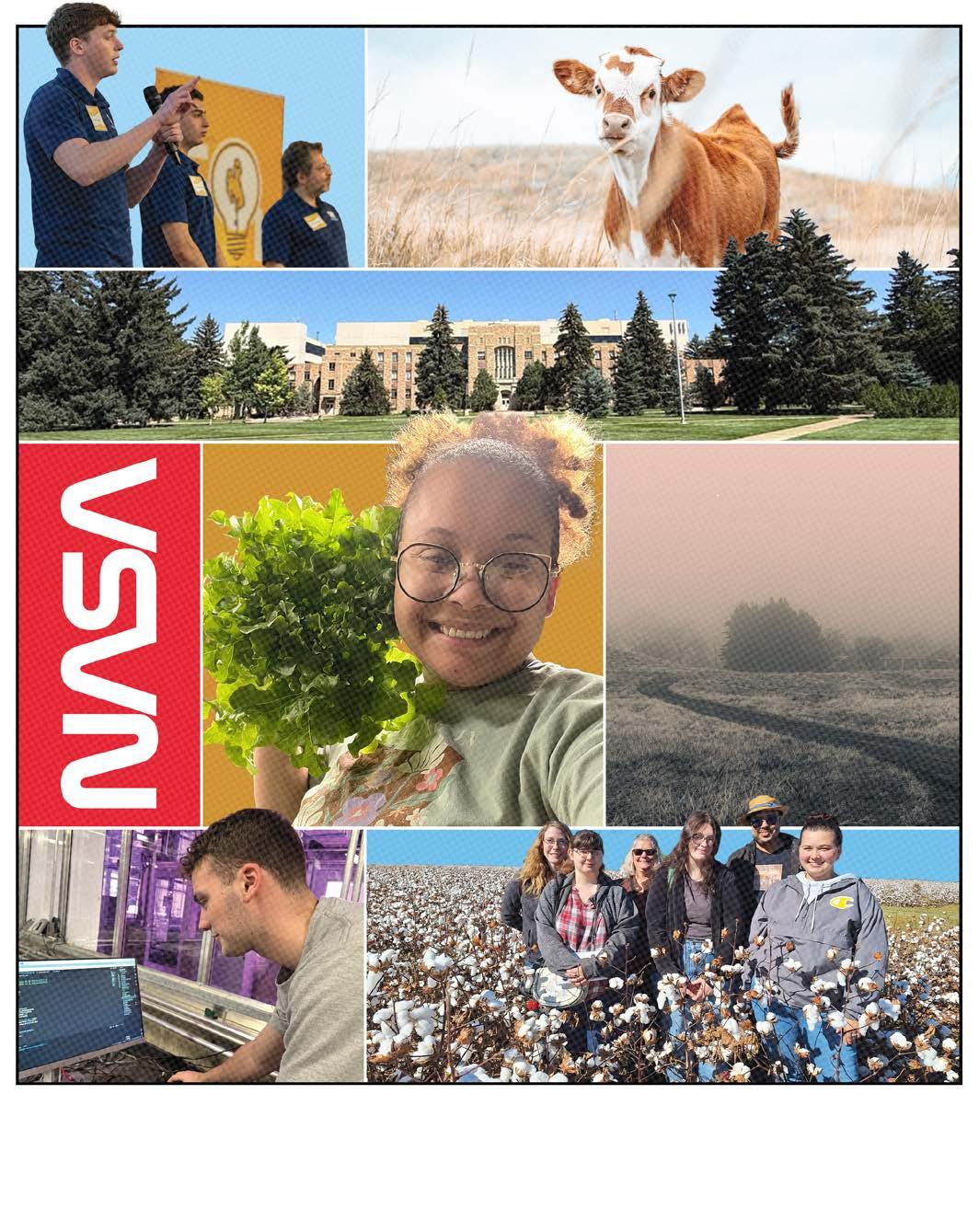
UW Undergrad’s NASA Research May Help Astronauts Grow Veggies in Outer Space
New UW Extension Program Encourages Outdoor Exploration
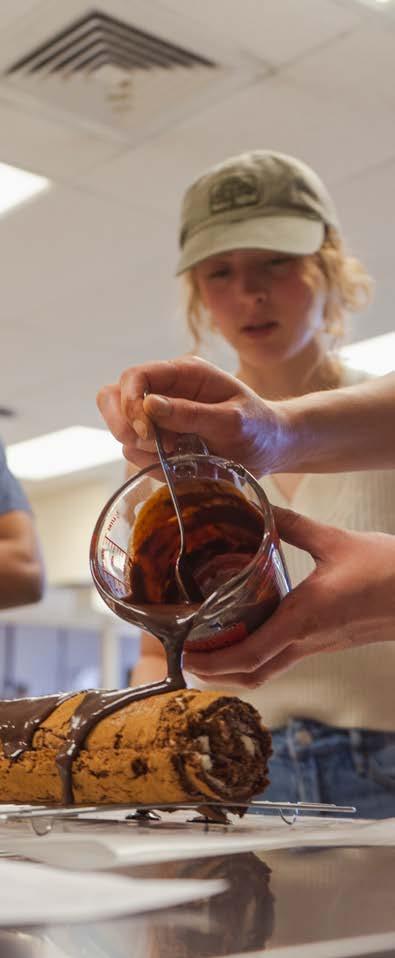
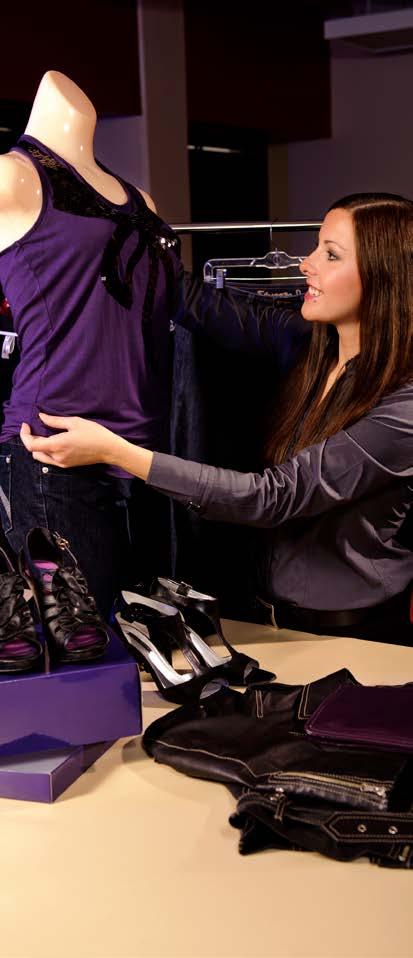
Family and Consumer Sciences integrates the fundamental components of human life—food, shelter, clothing, human relationships, and family—with larger societal systems. Through programs in textiles, apparel, and design; food and nutrition; and human development and family sciences, our department prepares learners to meet the opportunities and challenges of today’s complex world.
A MESSAGE FROM THE DEAN
Iam proud to share with you the second issue of Roots & Ranges, a publication that highlights our college’s impacts and recognizes the extraordinary people who make things happen at the College of Agriculture, Life Sciences and Natural Resources (CALSNR).
This year’s edition is filled with stories of incredible young people doing incredible things. From launching entrepreneurial ventures to conducting groundbreaking research, Wyoming youth are taking what they learn and applying it to real-world challenges. Their curiosity and innovation, nurtured by our exceptional educators, inspires action.
Like Wyoming’s landscapes, our college provides learning pathways where inherent challenges create unique opportunities. Our programs vary in disciplinary focus, but all are experiential, career-focused, and deeply relevant to the workforce needs of Wyoming communities. CALSNR students engage in hands-on learning and collaborative research across a wide range of fields—from exploring livestock health and sustainable food systems to advancing conservation, public health, and even NASA missions.
In every program, strong faculty mentorship and interdisciplinary connections equip our students with the skills to tackle complex challenges and lead with purpose. Many CALSNR students go on to serve right here in Wyoming, contributing to the health of our communities, the strength of our economy, the resilience of our wildlife, and the stewardship of our natural resources. Others become trailblazers in national and international arenas, shaping industries, leading cutting-edge research, and informing policy.
While campus life can sometimes seem distant from everyday concerns, CALSNR remains close to home. The research we conduct and the education we provide are grounded in Wyoming realities. True to our land-grant mission, our teaching, research, and extension efforts support the success and resilience of communities across Wyoming.
As you read through this issue, I hope you’ll feel a sense of pride in the work being done here and excitement for what lies ahead. Thank you for being part of the CALSNR family, and for your continued support of our mission and our people.
Warm regards,
Kelly K. Crane Farm Credit Services of America Dean College of Agriculture, Life Sciences and Natural Resources
ROOTS & RANGES
Farm Credit Services of America Dean
Kelly K. Crane
Senior Creative Coordinator
Lindsay Conley-Stewart
Editors
Brooke Ortel
University of Wyoming Extension
Maya Gilmore
University of Wyoming Extension
Layout & Design
Jeremy Cain
University of Wyoming Extension
The Roots & Ranges annual edition is a cooperative effort of the University of Wyoming College of Agriculture, Life Sciences and Natural Resources, the University of Wyoming Extension, and the Wyoming Agricultural Experiment Station. This collaboration reflects UW’s commitment to the land-grant mission, serving Wyoming residents and communities through teaching, research, and extension.
Please direct magazine inquiries to Lstewar9@uwyo.edu.
For the latest news, visit uwagnews.com On the cover: Composition by Lindsay Conley-Stewart.
FEATURES ROOTS & RANGES
Controlled Environment Agriculture Class Provides Hands-On Experience in a Dynamic Industry
Re-forming Fast Fashion: UW Course Examines Textile Recycling Challenges
UW Undergrad’s NASA Research May Help Astronauts Grow Veggies in Outer Space
Using Viruses and Maple Compounds to Combat Cavities: UW Undergrad Conducts Oral Health Research, Helps Found Company
UW Volunteers Assist in Disaster-Mapping Efforts After Hurricane
UW Student Uses Artificial Intelligence to Study Risk Factors for Heart Disease in Cattle
UW Zoology Student Helps Document Bison Conservation on the Wind River Indian Reservation
Wyoming’s Top Ag Official Leverages UW Education to Advocate for His Home State
New UW Extension Program Encourages Outdoor Exploration UW Outreach Program Pilots an Artistic Approach to Science Education
UW Extension Educators Help Linford School Garden Grow New Roots
Johnson County 4-H’er Becomes Buffalo’s Youngest Professional Photographer
Ag Appreciation Awards
CONTROLLED ENVIRONMENT AGRICULTURE CLASS PROVIDES HANDS-ON EXPERIENCE IN A DYNAMIC INDUSTRY
written by Maya Gilmore , University of Wyoming Extension
In summer 2024, the University of Wyoming launched its first controlled environment agriculture class.
Put simply, controlled environment agriculture (CEA) is producing food in controlled environments, from traditional greenhouses to indoor farms. CEA aims to optimize space and resource use, and it can provide local, fresh produce to communities in remote areas.
The new summer course, currently funded by the Wyoming Innovation Partnership, offers a unique opportunity to start building a skilled CEA workforce in the state of Wyoming.
“Interdisciplinary classes like this are key to shaping the next generation of growers, and this could actually attract CEA businesses to our state,” says Carmela Guadagno, associate director of the UW Center for CEA and director of the UW Plant Growth and Phenotyping Facility (PGPF).
INTERDISCIPLINARY EXPERIENCES
Guadagno coordinated the first summer CEA course in collaboration with a team of UW faculty members who helped teach and plan lab activities. Participating departments and programs included Electrical Engineering
and Computer Science, Botany, Plant Sciences, Family and Consumer Sciences, and Accounting and Finance, as well as the School of Computing, the Center for Blockchain and Digital Innovation, and the Science Initiative.
The class also featured guest lectures delivered by Wyoming CEA business representatives and collaborating institutions, including Wyoming and New Mexico community colleges.
“This course offered a multidisciplinary approach to the CEA industry, which is highly appealing for aspiring entrepreneurs like me,” says Romy Agrawal, a student in UW’s computer science master’s program who plans to start an agri-tech company.
During the inaugural summer course, students gained hands-on experience with hydroponics in the PGPF greenhouses. Students also developed individual CEA research projects with host labs in different departments on campus.
Finally, the class partnered with a vertical farming business based in Laramie. Through this partnership, students experienced the entire production cycle of commercial hydroponic produce and met with industry researchers during a two-week internship.
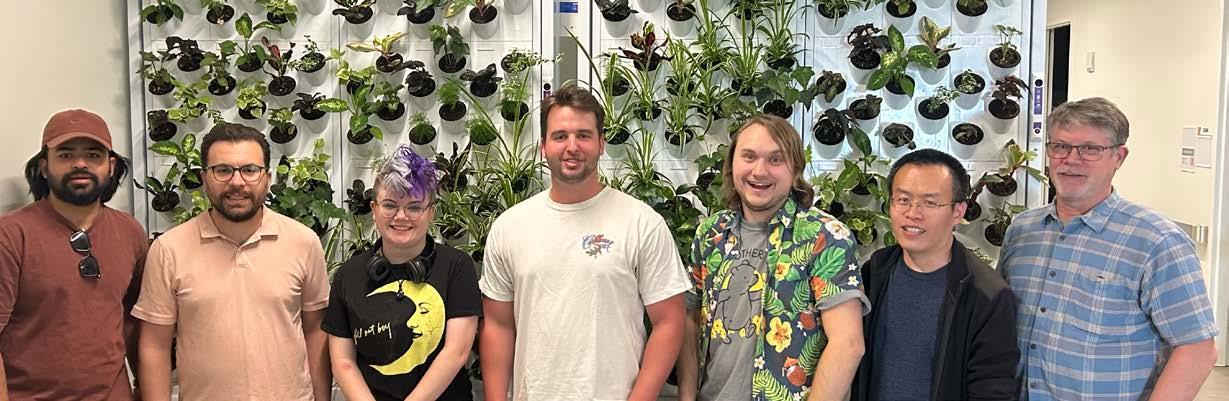
Above: Part of 2025’s CEA class. From left: Iqbal Hossain, Farshad Gorbanishovaneh, Leo Lybarger, Nathan Warner, Jalon Tyndall, Justin Wang, and Cliff Krug. This year the class had a total of ten students: two students from Sheridan College and Central Wyoming College, one out-of-state student, and seven UW students.
Photo courtesy of Carmela Guadagno.
Nine undergraduates and one graduate student in fields from agricultural economics to petroleum engineering participated in the new course. “We got a very diverse group of individuals that largely knew nothing about the industry or how their areas of study might be relevant,” says Mike Baldwin, facility manager for the PGPF, who served as co-instructor and lab coordinator for the 2024 course. “Coming out of it, more and more, the students are getting a feel for the diversity of jobs and roles within the industry, how these skill sets are applicable across the board.”
TRAINING A WYOMING WORKFORCE
Several students were hired to continue work on research projects initiated during the CEA class. The course also sparked several interdepartmental collaborations between faculty members.
Jack McKinley, a student in the School of Energy Resources, says, “With everything I’ve learned in this class, when I graduate, I will look for open positions with [CEA] companies...rather than just jobs in the energy sector.”
As a result of the class, in summer 2025, McKinley found a two-month paid internship
with a collaborating CEA business in Ohio. Two other UW students secured paid internships with Wyoming producers.
Guadagno believes the course could expand Wyoming’s capacity to conduct cutting-edge, multidisciplinary research. “The class actually made [the students] feel different about agriculture and how Wyoming’s agriculture can change in the future with more potential job opportunities in the state,” she says.
A second cohort of students took the class in summer 2025. The Wyoming Innovation Partnership extended funding to provide students with stipends of $1,300. Students from out of state were eligible to receive funding for lodging and food.
The second session of the course brought in more external lecturers from diverse CEA businesses. Program leaders hope to continue providing students with real-world experience and creating more job opportunities inside and outside Wyoming. n
To learn more, contact Guadagno at cguadagn@uwyo.edu
After taking the CEA
in
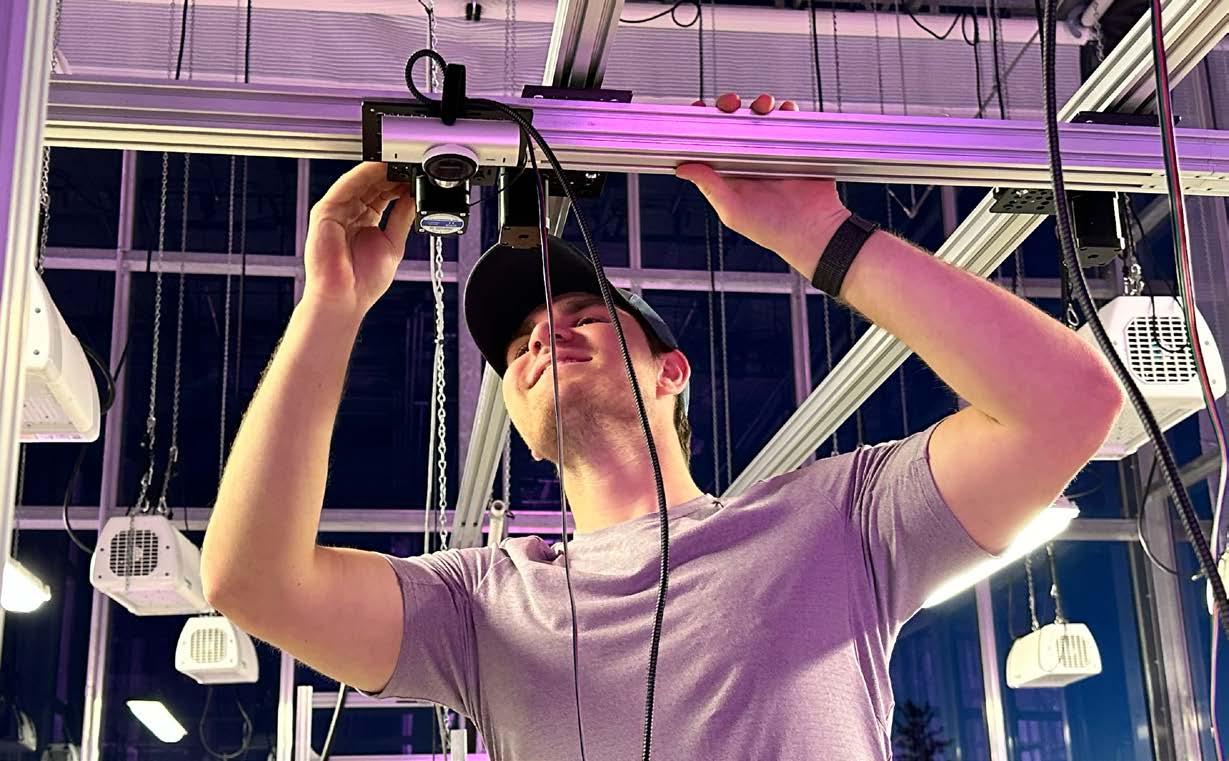
UW undergraduate student Jack McKinley deploys a camera onto a small gantry system at the Plant Growth and Phenotyping Facility.
class
2024, McKinley has been working for Guadagno and Jian Gong, a research scientist in the School of Computing, to improve data collection in CEA. Photo courtesy of Carmela Guadagno.
In the Classroom
For their final projects, students created a product prototype, including this battery-powered fabric clock.
Keto.
RE-FORMING FAST FASHION UW COURSE EXAMINES TEXTILE RECYCLING CHALLENGES
written by Maya Gilmore , University of Wyoming Extension
In today’s world, we’re bombarded by thousands of cheap clothing options. It’s easy to pick up new clothes for the summer—and it’s easy to dispose of these items, too. When we wear holes through our pants or deem a new purchase scratchy and uncomfortable, we can simply donate it or throw it away.
But in associate professor Jennifer Harmon’s Introduction to Textile Science class, UW undergraduates learn that disposing of clothing and other textiles is not as simple as it seems.
COTTON IN THE CURRICULUM
Introduction to Textile Science has always featured hands-on activities, but in 2024, Harmon created new ways for students to explore textile recycling. To help support these activities, Harmon secured a grant from Cotton Incorporated, a not-for-profit company established to support the U.S. cotton industry by researching and sharing knowledge about using cotton.
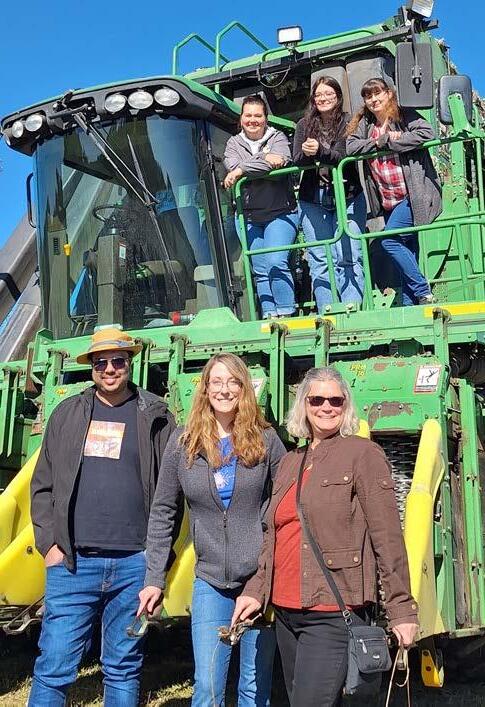
As part of the grant, a group of Harmon’s students visited Cotton Incorporated’s headquarters in North Carolina. The trip gave students a chance to talk with textile industry leaders, tour a family-owned cotton farm, and see the cotton production cycle from start to finish. Most textile production facilities focus on just one part of the production cycle, but at
Cotton Incorporated, students could watch the whole process, from cleaning cotton to spinning yarn to knitting a sweater.
Back at UW, students experienced what happens after a garment is worn out. They broke down cotton T-shirts into paper and tried out fabric mâché. To create fabric mâché, textiles are cut up into pieces, then mixed with water and glue to form a paste, which can then be molded into new shapes.
During their final project, the students aimed to develop commercially viable recycled fabric products. Students came up with unique ideas like a fabric mâché clock, chess pieces, and even artificial nails.
“I tend to get positive feedback on those exercises and how it has helped [students] think about textile recycling in a different way, and how they didn’t really realize before how complex it was,” Harmon reflects.
WHY IS RECYCLING TEXTILES SO DIFFICULT?
Like Harmon’s students, most textile recycling operations use mechanical recycling methods. The fibers of the item are cut or shredded into lint, then re-formed into new fibers and fabrics.
This process reduces the strength and quality of the resulting fibers, limiting the items that
Photo by David
can be created. In addition, mechanical recycling tends to work poorly for items that are made from a mix of fiber types. For example, a shirt that contains rayon, cotton, and polyester fibers would be very difficult to recycle mechanically.
Chemical recycling can break down textiles that contain a mix of fiber types. But this process typically requires an industrial setup to avoid polluting surrounding areas with chemical byproducts. In addition, many textiles are treated with “forever chemicals” designed to make them water, oil, or stain resistant. Most chemical recycling processes are not built to handle these chemicals, so recycled materials may end up contaminated with chemicals that can cause health issues.
“Textile recycling technology itself is really in its infancy,” says Harmon.
CAST-OFF FASHION
Recycling textile waste is difficult—but the alternative may be worse.
Harmon comments, “We view clothing like any other disposable good, but it really doesn’t behave that way when we follow it after it’s disposed of.”
Many thrift shops don’t sell all of the clothing donations they receive—at least they don’t sell them in the U.S., Harmon explains. Instead, clothing items are often shipped to
other countries to be resold in overseas markets. Unfortunately, the exported items are often incinerated or dumped in open-air landfills because there are far too many castoffs to sell.
Many of these landfills are not lined, which means microplastics, dyes, bleaches, and other chemicals from the clothing can leach into the soil, creating health risks for nearby communities. Incinerating clothing pollutes the air.
Not all discarded textile waste comes from consumers. Companies also create many clothing items that are never sold. Harmon predicts that companies will eventually be required to recycle the clothing they create, just like mines must have a reclamation plan for the land they disturb.
In the meantime, Harmon recommends if you have a ripped or stained article of clothing, think twice before donating it to a thrift shop. First, try repairing it, reusing it by cutting it into rags, or even throwing it away. At least if you toss the item in the trash, it will end up in an American landfill designed to avoid contaminating the local area.
As Harmon’s students learned, buying fewer textiles or buying sustainably produced, longlasting items is one of the most effective ways to prevent textile waste. Even finding items that are made of just one type of fiber, especially natural fibers like cotton, can make a difference. n
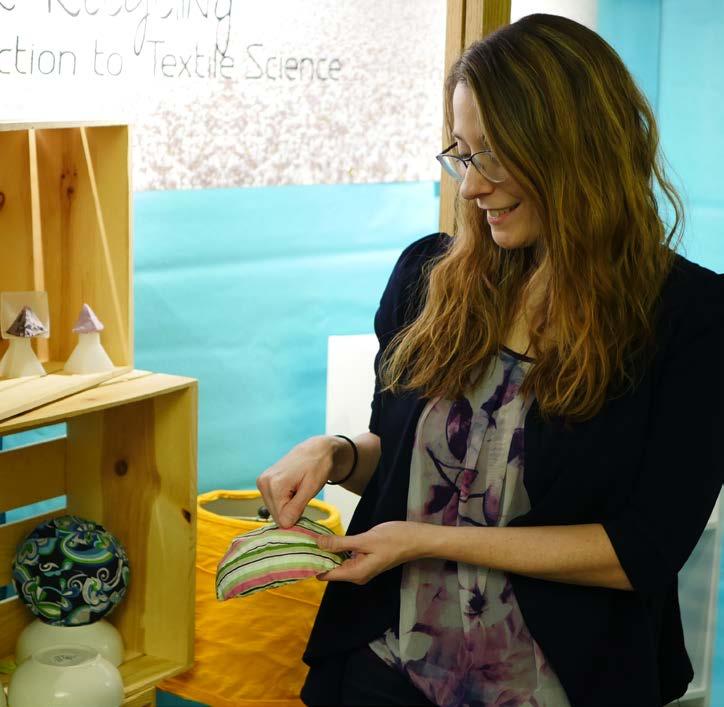
student project made in Introduction
All projects, including a fabric mâché bowl, pyramid paperweight, and writing paper, were made from recycled cotton fabric and fibers.
Left: Students, Jennifer Harmon, and assistant professor Amy ShaneNichols tour a familyowned cotton farm during their visit to Cotton Incorporated's headquarters in 2024.
From left to right, Tristen Morrison, Izzy Nichols, Sheridan Rudziewicz (first row) with Imranul Islam, Harmon, and ShaneNichols (second row).
Photo by Amy ShaneNichols.
Right: UW associate professor Jennifer Harmon holds a
to Textile Science.
Photo by David Keto.
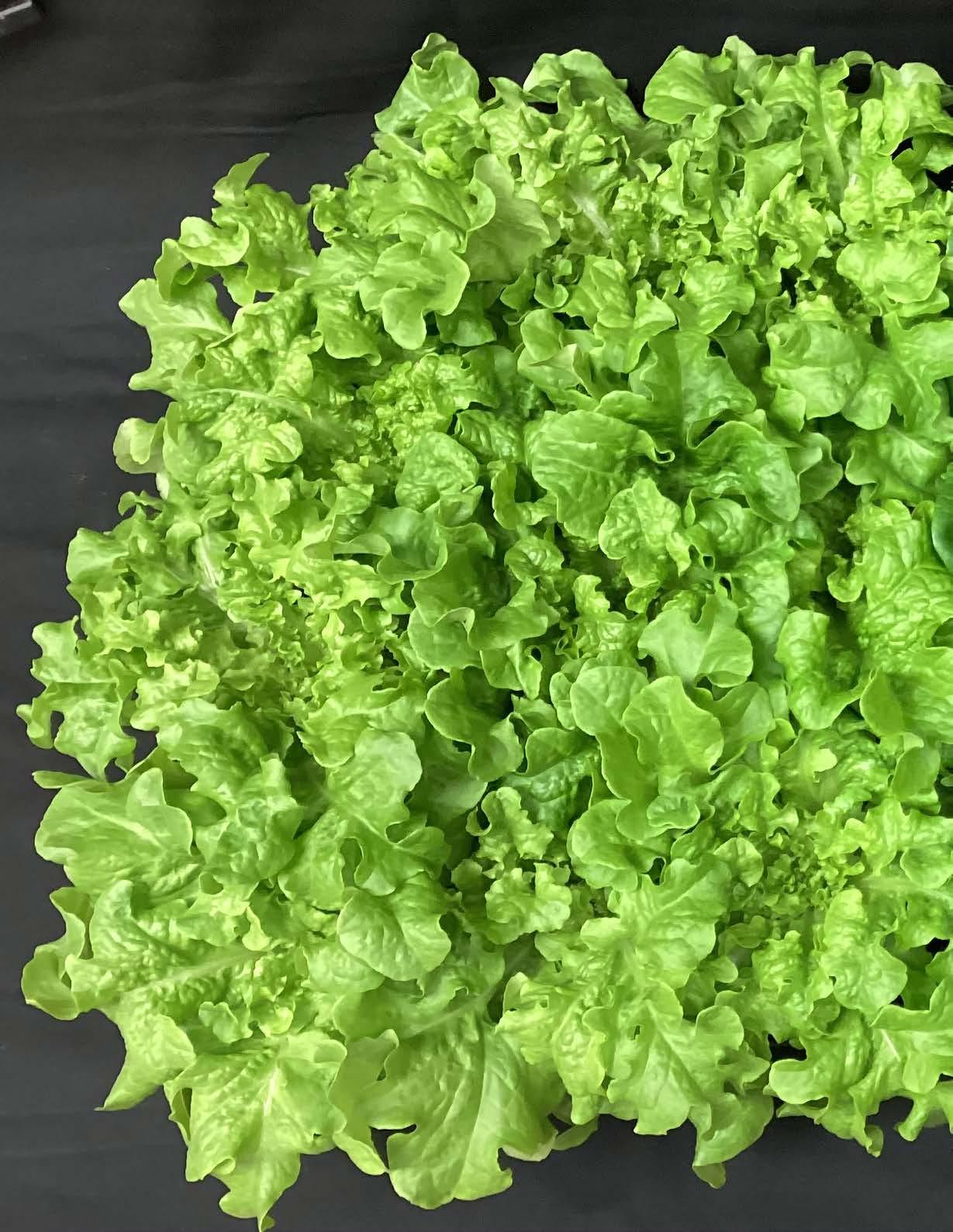
'Salad Bowl' lettuce grown at the Laramie Research and Extension Center. Photo by Bree Drew.
UW UNDERGRAD’S NASA RESEARCH MAY HELP ASTRONAUTS GROW VEGGIES IN OUTER SPACE
written by Brooke Ortel , University of Wyoming Extension
If you ask someone on planet Earth what their favorite food is, lettuce probably isn’t the most common answer. But for astronauts aboard the International Space Station, fresh lettuce is a delicacy.
NASA’s vegetable of choice grows rapidly and can be cut back and grown again, yielding more fresh produce with fewer inputs than other plants. In addition to its nutritional benefits, the cheerful, leafy green may also boost astronaut morale.
While lettuce production aboard the space station has proved successful (and popular among astronauts), there’s room for improvement.
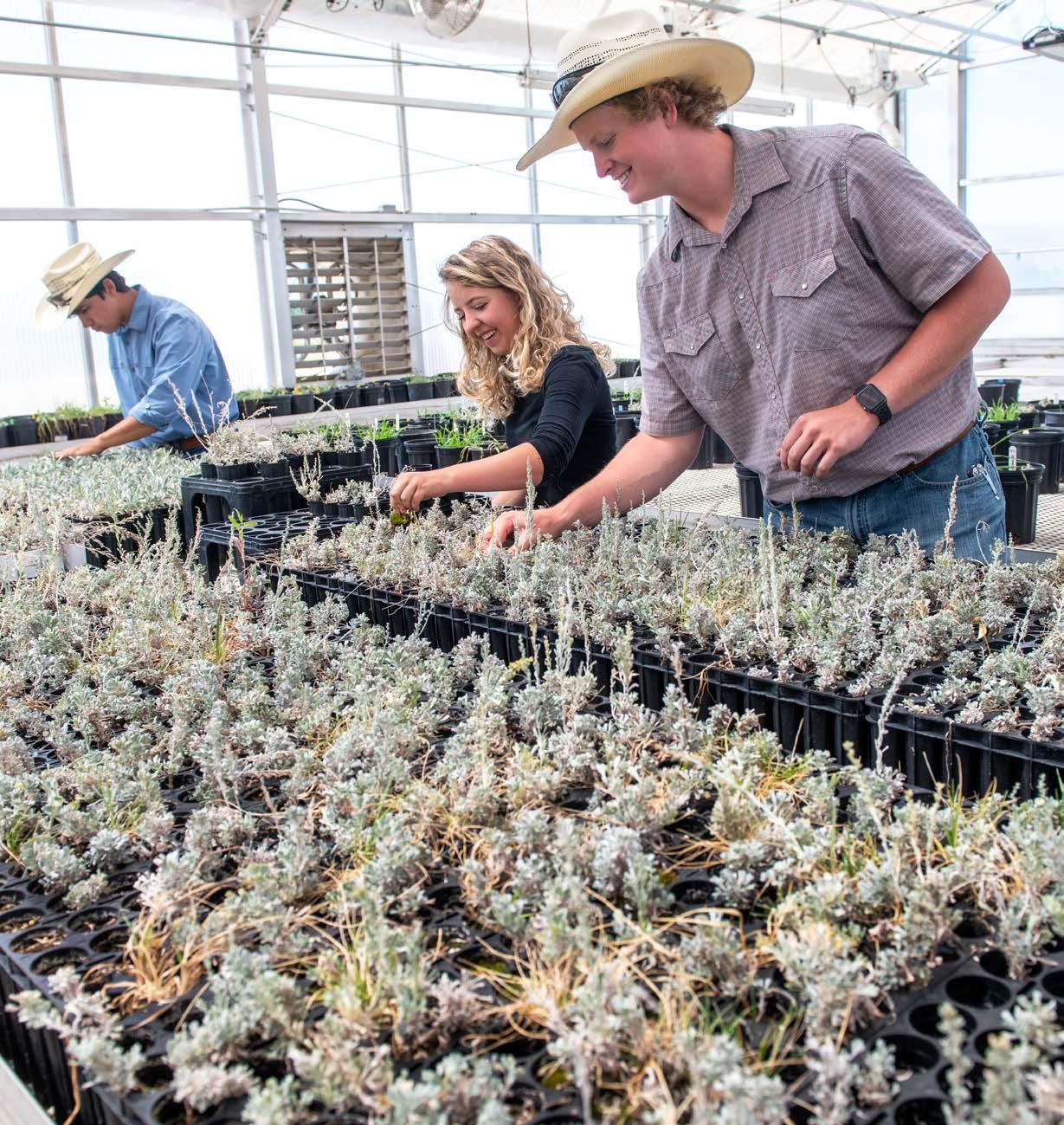
As a NASA research fellow, UW undergraduate Bree Drew tested which lettuce varieties and harvest methods might be most efficient—and yield the tastiest product—to better serve astronauts far from home.
FROM STUDIO ART TO NASA RESEARCH
Drew is one of the first students in UW’s plant sciences department to receive a fellowship through the Wyoming NASA Space Grant Consortium.
But when she first arrived at UW, Drew wasn’t planning to conduct scientific research, let alone venture into NASA’s space plant biology program. An artist and musician, she’d earned an associate of arts from Northwest College before moving to Laramie to pursue a studio art degree at UW.
Like many of her peers in the art department, Drew took courses in illustration, printmaking, and metalsmithing. But she also signed up for classes in agroecology, landscape design, and plant breeding.
“As an art major, I really enjoyed the art, but I wished that I could get my hands back out in
nature,” she says. “I like the idea of combining art and landscape because you have to design things just how you would design an art piece. The more technical side of breeding, what cultivars go together in order to breed successful generations, has been super fun [too].”
Drew credits Liz Moore, instructor of her horticultural sciences class, and plant breeder Donna Harris with inspiring her to double major in plant sciences. Along the way, Drew also connected with JJ Chen, an assistant professor of plant sciences who ultimately encouraged her to apply for the NASA fellowship program.
“No matter where you come from or what your background is, as long as you are interested and passionate about plant sciences, we have a pretty good supporting team here to help you succeed,” Chen says. “Even though we’re in the College of Ag, that doesn’t mean you can only work on the Earth. You can also chase dreams with NASA.”
One of Drew’s long-term dreams is helping the Laramie community achieve food security. “Overall, I want to be able to feed my community, so I started to look for similar topics to that with NASA,” she explains. “One of them was trying to figure out how to increase their yield of lettuce… It’s very similar to what I want to do with the community I live in now—how can I increase yield for people to eat and grow stronger?”
With Chen and Moore’s help, Drew successfully navigated the Wyoming NASA Space Grant Consortium grant proposal process, securing a yearlong fellowship that began in May 2024.
“I was a bit unsure, because I’m not always confident in myself,” Drew admits. “And then I got awarded that [NASA] award. It was mind-blowing.”
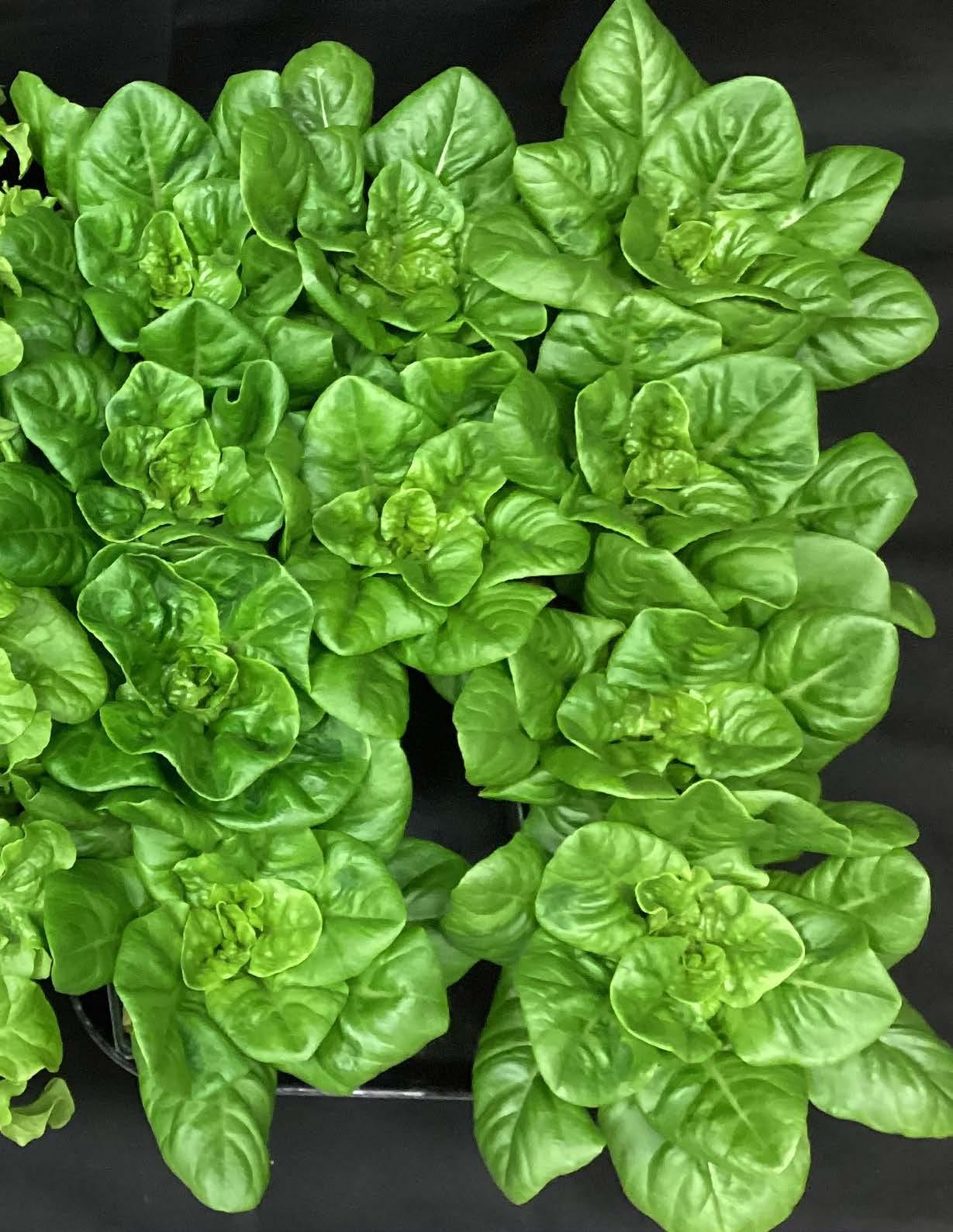
'Little Gem' lettuce.
Photo by Bree Drew.
GROWING “SPACE LETTUCE”
Moore and Chen served as co-advisers for Drew’s NASA research, which involved testing different lettuce varieties and harvest techniques to improve yield and quality.
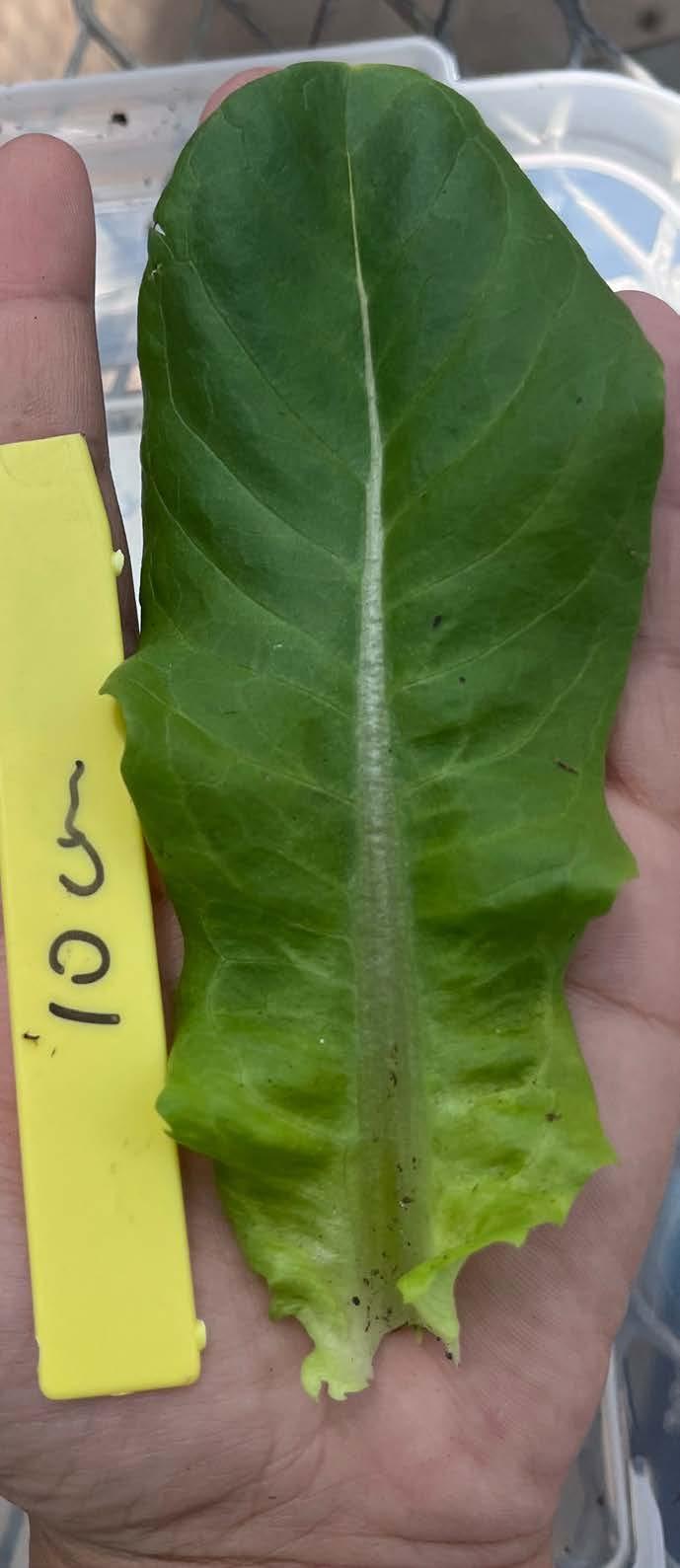
Currently, astronauts use what’s called the “cut and come again” harvest technique. This practice involves sowing a lettuce seed, harvesting two to five 10-centimeter-long leaves, then letting the plants continue to grow. Once the leaves reach 10 centimeters in length again, the astronauts reap another harvest, repeating the process a total of three times.
In the current model, the astronauts plant new seeds after the third harvest (about 60 days after initial planting). After three harvests, the lettuce plant’s reproductive cycle begins, meaning it devotes less energy and resources to producing tasty leaves.
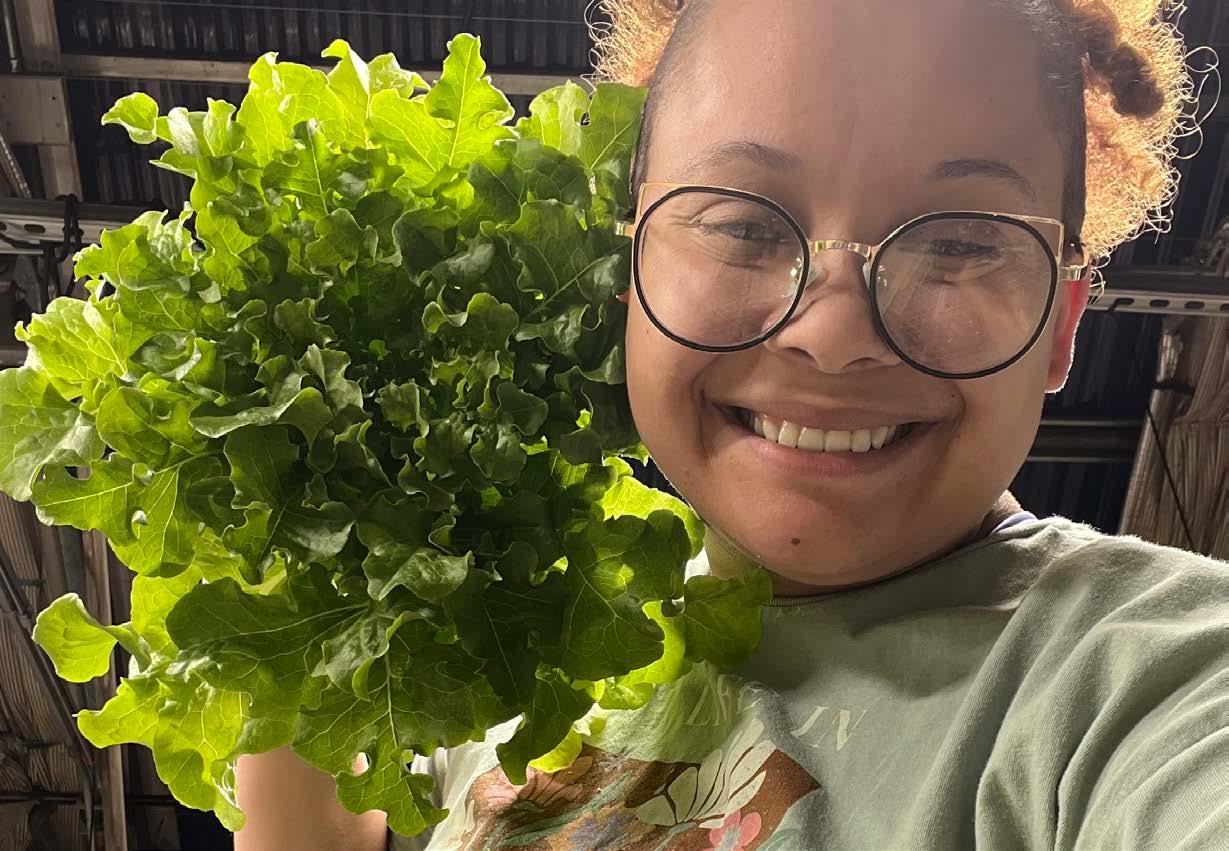
Drew wondered if an alternative harvest method, known as “cut and sow,” might produce higher (and maybe even tastier) yields. Using the cut-and-sow process, lettuce plants are allowed to grow all the way to maturity before harvest
takes place. Immediately after all the aboveground growth is harvested, a new lettuce seed is sown right where the original plant grew.
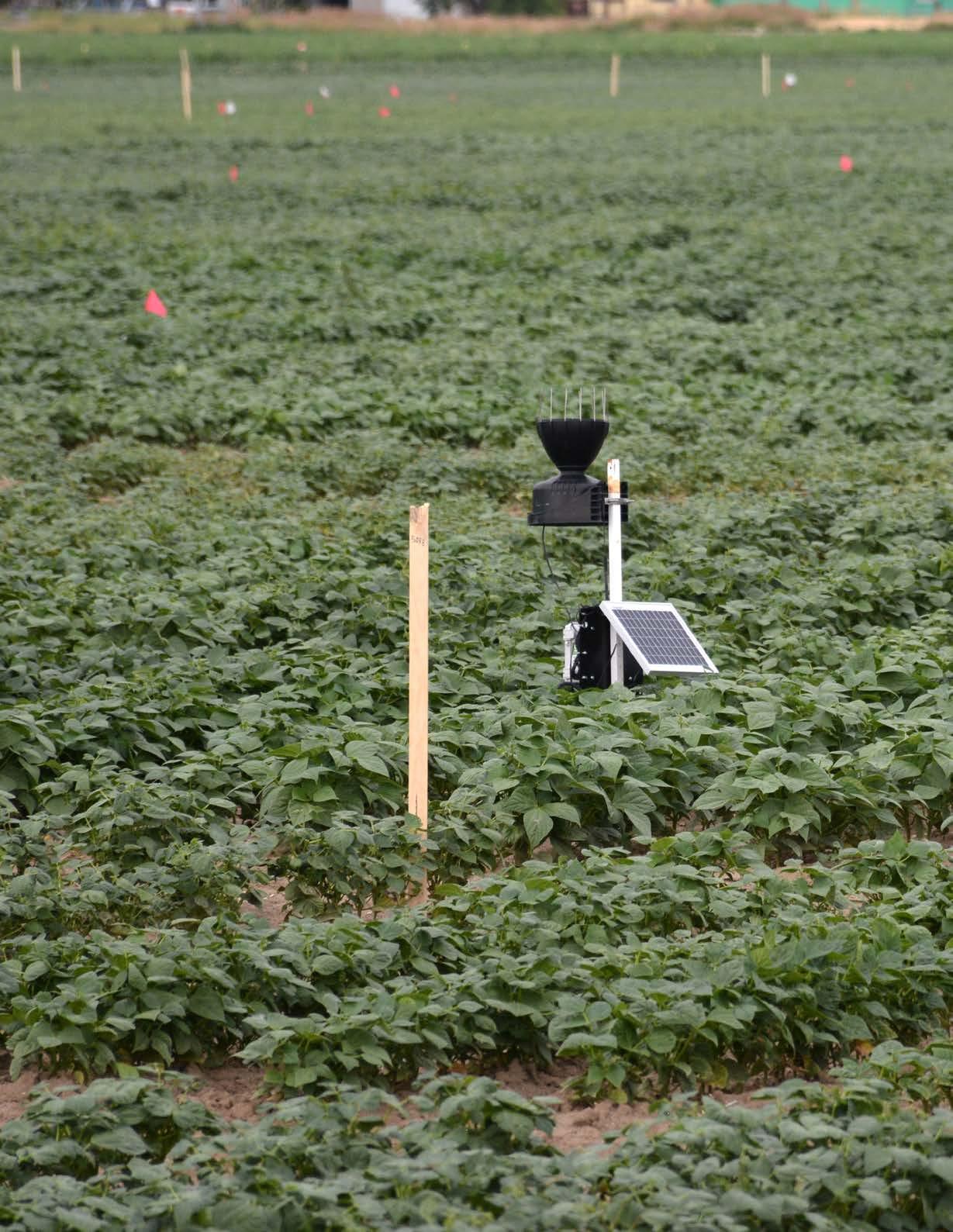
In summer 2024, Drew launched her experiment. She planted, watered, and monitored hundreds of lettuce plants in a greenhouse at the Laramie Research and Extension Center.
To replicate the astronauts’ three-harvest procedure, Drew tracked the plants’ growth for a 60-day period. Some of the plants were harvested using the traditional cut-and-come-again procedure, while others received cut-andsow treatment.
Drew tested two varieties of lettuce—‘Little Gem’ and ‘Salad Bowl’—to see how different varieties interacted with different harvest techniques. She also experimented with different growing substrates and watering techniques (by hand, overhead irrigation, and subirrigation).
The latter is a promising avenue for further study, Drew notes. All of the growing substrates contained slow-release fertilizer, but different combinations of irrigation and harvest methods resulted in different pH, nitrate, and salinity
Above: Bree Drew holds a lettuce head of 'Salad Bowl' she harvested using the “cut-and-sow” harvest method. Photo by Bree Drew.
levels. Using overhead irrigation and the cutand-sow method, for instance, resulted in higher pH, nitrate, and salinity levels, likely because the fertilizer was reactivated each time water poured onto the soil from above.
WHAT WORKED (AND TASTED) BEST?
In addition to tracking harvest yield, Drew collaborated with Jill Keith, an associate professor of human nutrition and food, to assess consumer preferences for different lettuce varieties and harvest techniques.
“Come to find out, it [the cut-and-sow method] doesn’t exactly provide the high yield I proposed, but the palatability—how it tastes, how it feels in the mouth—was much more pleasant than the cut and come again,” Drew notes. “I think this was due to the high nutrient levels.”
Keith and Drew conducted eight rounds of sensory testing with more than 30 consumers. Volunteers included local community members as well as UW students and faculty.
The testing wasn’t just about whether the lettuce tasted good, Drew explains. Participants were also asked about each sample’s appearance, smell, and “mouth feel.” Overall, ‘Little Gem’ lettuce harvested using the cut-and-sow method was most popular.
That was Drew’s favorite, too. “It just had that bright crispness,” she says.
A WHOLE NEW WORLD
For Drew, the NASA project has been a transformative adventure—her first foray into self-guided scientific research with realworld implications.
“As an undergrad, it can be very intimidating to step into what seems like a whole new world,” she says. “You’re having to go from little studies that you do one test round on to having to do multiple [trials], while keeping up with the graduate students in an actual lab. I hope if I go forward with more studies, I have a similar lab like this, where everyone was willing to help everyone.”
As Drew prepares her results for publication, she can’t help but think of different possibilities for future research, especially when it comes to irrigation techniques for improving veggie production in outer space. But she also hasn’t forgotten her goal to help improve food security on her home planet.
“There’s a lot of ways for me to go,” Drew says. “I don’t know exactly what I want to do, but I know it has to do with plants.” n
A 10-centimeter-long 'Little Gem' lettuce leaf. Photo by Bree Drew.
USING VIRUSES AND MAPLE COMPOUNDS TO COMBAT CAVITIES
UW UNDERGRAD CONDUCTS ORAL HEALTH RESEARCH, HELPS FOUND COMPANY
written by Maya Gilmore , University of Wyoming Extension
Few undergraduate students can say they’ve been the lead author on a research paper in a peer-reviewed scientific journal. Even fewer can claim they’ve helped found a business. But pre-dental student Lucas Wall has done both.
Wall, a rising senior in UW’s molecular biology department, has received regional accolades for his research on cavity-causing bacteria. He also collaborated with molecular biologist Mark Gomelsky, business management student Leo Gomelsky, and postdoctoral researcher Ahmed Elbakush to launch MayPall, a company that helps consumers fight cavities using a unique maple-based mouthwash.
Wall’s accomplishments may help pave the way for novel strategies to protect teeth from cavities.
TARGETED TREATMENTS
Cavities are caused by the bacteria Streptococcus mutans, which clings to teeth surfaces. When you consume sugar products,
Strep. mutans eats that sugar too, and creates lactic acid as a byproduct. Lactic acid forms cavities by eroding teeth enamel.
Right out of high school, Wall wanted to study a subject related to oral health. He decided to examine the relationship between Strep. mutans and bacteriophages, which are viruses that attack bacteria. Specifically, he studied how Strep. mutans defends itself against these viruses.
Most anti-cavity products use chemicals like fluoride, alcohol, or peroxide to wipe out bacteria. But these chemicals do not discriminate between harmful and beneficial oral microbes.
In contrast, bacteriophages are viruses that can specifically target Strep. mutans with laserlike precision. In principle, these viruses could allow humans to destroy Strep. mutans and the cavities they cause without collateral damage.
Although bacteriophages offer a promising targeted approach to preventing cavities, scientists must understand how Strep. mutans responds to these viruses before such treatments could become available on the market.
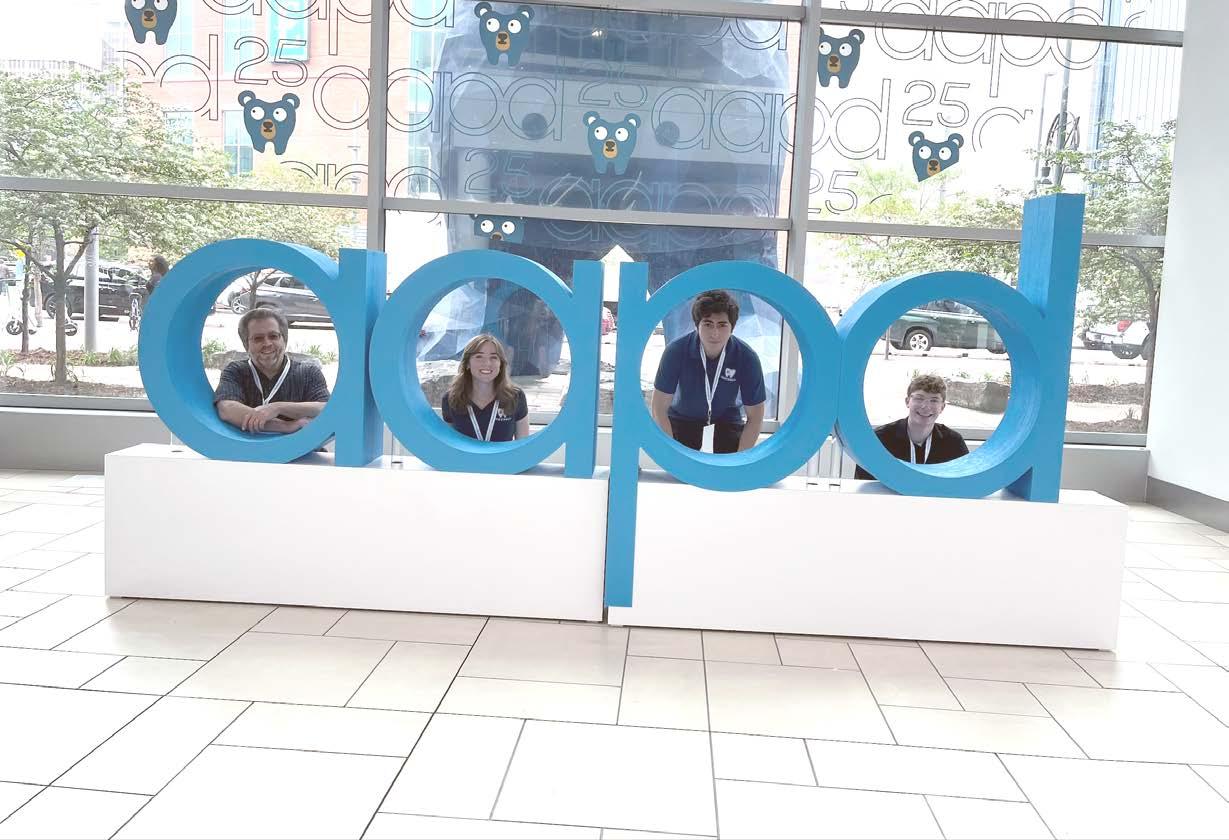
Above: From left to right, Mark Gomelsky, Rachel Stephens (MayPall intern), Leo Gomelsky, and Lucas Wall at the May 2025 American Academy of Pediatric Dentistry (AAPD) Annual Meeting in Denver. Photo courtesy of Lucas Wall.
UNDERSTANDING BACTERIAL DEFENSES
To get inside bacterial cells, viruses first bind to receptors on the cell’s surface. Each strain of virus has a specific “key” for a particular bacteria’s receptor “lock,” allowing these bacteriophages to target certain bacteria without harming others.
Bacteria can prevent viruses from infecting them by changing the receptors on their cell surface. Once the bacterial cell has changed its receptors, the virus can no longer fit the “lock” unless it adapts and changes its “key.”
The receptors are crucial for Strep. mutans’ ability to stick to teeth and other oral bacteria. Wall found that receptors are also essential for the bacteria to properly replicate itself and grow. Changing the “locks” can keep viruses out, but this change can also hinder the bacteria’s ability carry out basic life functions.
Strep. mutans also has another way of resisting viruses. Bacteria have evolved an adaptive immune system, analogous to the human immune system, that they use to recognize and destroy specific viruses that they have previously encountered. Wall’s research examined how and when Strep. mutans uses this system, called CRISPR.
Wall found that, in some cases, a Strep. mutans bacterium changing its receptors to escape viruses prevented that bacterium from being able to effectively form cavities. On the other hand, Strep. mutans cells that used their adaptive immunity system instead of changing receptors were still able escape viral infection and form cavities.
Wall’s research is an important first step in understanding how Strep. mutans defends against viruses.
OPPORTUNITIES FOR UNDERGRADS
Wall co-authored his Strep. mutans research with Dan Wall, chair of the Department of Molecular Biology. Their research was published in the journal Microbiology.
As a junior in college, becoming the lead researcher of a paper published in a leading journal is an almost unheard-of honor.
“I feel like at a lot of other large institutes, it can be difficult to get involved in interesting research, let alone research that you want to do and are passionate about,” says Wall. “UW is really unique because it’s super easy to get involved in these type[s] of opportunities.”
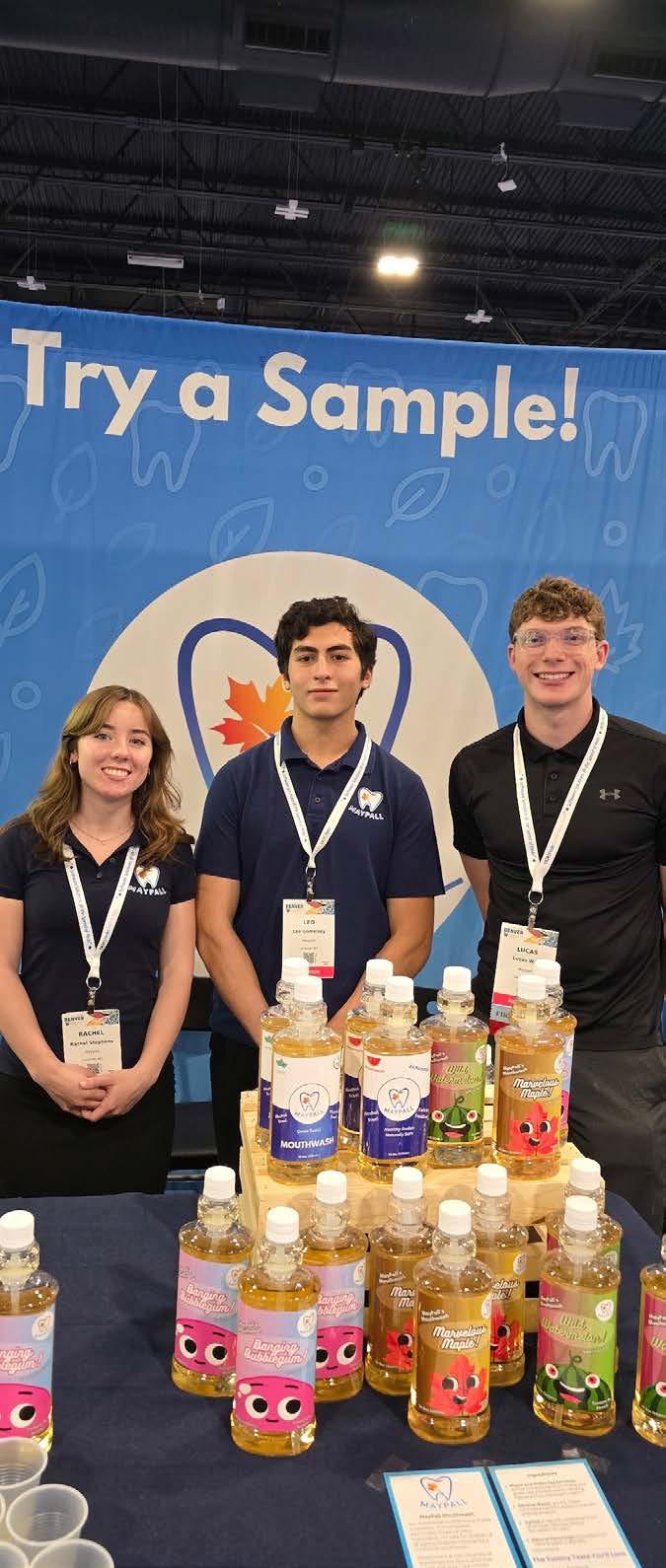
From left to right, Rachel Stephens, Leo Gomelsky, and Lucas Wall represent MayPall at the AAPD Annual Meeting. Photo courtesy of Lucas Wall.
Wall has taken advantage of multiple opportunities. He took part in a Wyoming IDeA Networks of Biomedical Research Excellence1 (INBRE) research fellowship and the Wyoming Research Scholars Program fellowship, both of which offer mentorship and financial support for exceptional student researchers.
Wall won first place for his undergraduate oral presentation at the American Society for Microbiology’s 2025 Rocky Mountain branch conference.
FROM CANTALOUPE TO CAVITIES
Wall isn’t the only person who’s conducted groundbreaking research in UW’s molecular biology department.
Bacteria sticking to a cantaloupe rind shipped from California to Wyoming would ordinarily perish of dehydration during transportation. But with the help of a polysaccharide “coat” made of specialized sugars, bacteria can survive dehydration and even treatment with disinfectants.
The coat protects bacteria from their surroundings and helps them cling to surfaces and other bacteria. Bacteria and the coat they produce are called a biofilm.
A decade ago, Mark Gomelsky’s laboratory at UW discovered that listeria, a deadly foodborne pathogen, forms protective biofilms, especially on fresh produce. Ahmed Elbakush, a postdoctoral fellow in the Gomelsky laboratory, later stumbled upon compounds found in maple sap that prevent listeria from forming biofilms.
Listeria is genetically related to Strep. mutans, and they both form biofilms that help them cling to surfaces. Mark Gomelsky wondered, “What if the same maple compounds work on the polysaccharide coat that helps cavity-causing bacteria, Strep. mutans, attach to teeth surfaces and keeps them protected?”
Mark Gomelsky wasn’t an expert on Strep. mutans, but he knew Wall was studying these bacteria. He also knew Leo Gomelsky, an undergraduate in the management and marketing department, was searching for a business project.
Mark Gomelsky and Elbakush’s recent discovery, Leo Gomelsky’s business acumen, and Wall’s experience with Strep. mutans aligned. They began working together to develop an anti-biofilm mouthwash designed to keep Strep. mutans off teeth.
CREATING THE COMPANY
In 2024, Mark and Leo Gomelsky, Elbakush, and Wall won second place in the John P. Ellbogen $50K Entrepreneurship Competition, receiving about $17,000 to launch their company, MayPall.
MayPall mouthwash is safe to swallow, since the natural compounds in it have been consumed for centuries in foods like maple syrup. It offers an alternative to products containing toxic antimicrobial chemicals or alcohol. It’s especially useful for young children—the American Dental Association recommends that children under the age of six should not use traditional mouthwashes, due to the risk of swallowing.
“Surprisingly, what we’ve realized is more than anything what [parents] needed is something that their kids are willing to use,” Wall says. “Parents always say that their kids love how [MayPall mouthwash] tastes, and they have no problems getting their kids to use it. It’s actually something their kids can look forward to in their oral health routine.”
“According to national statistics, about half of American kids by age eight or nine have developed cavities,” adds Mark Gomelsky. “We hope to make a difference for the oral health of our kids and also save their parents money and anguish associated with extra visits to dental offices.”
MayPall mouthwash can be purchased online from MayPall, Walmart, and Amazon. It’s found in some grocery stores in Laramie and Fort Collins, and over 1,000 samples have been distributed to dental offices in Wyoming, Colorado, and Utah.
MayPall is a unique, research-based company that developed in Wyoming because of the opportunities that UW offers. “Smart and entrepreneurial people live everywhere. They just need a little bit of help and training and a little bit of money to get their ideas off the ground,” says Mark Gomelsky.
In the near future, he hopes that Leo Gomelsky and Wall will take full leadership of the company, allowing him and Elbakush to focus on new research discoveries.
Wall plans to stay involved with MayPall, even as he moves on to dental school and, eventually, his own dental practice. n
1 The IDeA, or Institutional Development Award, program was established in 1993 by the National Institutes of Health as a means to support biomedical research. The IDeA Networks of Biomedical Research Excellence (INBRE) Program supports statewide biomedical research developments in IDeA-eligible states, including Wyoming.
Lucas Wall presents about MayPall at the 2024 John P. Ellbogen $50K Entrepreneurship Competition. Photo by Caleb Cockrum.
Our Botany and Biology majors prepare you for the science careers the world needs, from health care to environmental and conservation solutions.
BOTANY
A small, close-knit program exploring evolution, ecology, plant biology, and the role of plants in sustaining life, which is ideal for careers in conservation, environmental consulting, agriculture, education, and research.
BIOLOGY
A large, dynamic major building a strong foundation in life sciences—launching careers in health care, biotechnology, conservation, land management, and other careers where foundational science solves future problems.
• Learn from expert faculty.
• Build networks through small or large cohorts.
• Gain real-world experience in labs, the field, and independent research.
YOUR FUTURE IN SCIENCE STARTS HERE.
Uncover how life works—from DNA to deserts, forests to human health—and prepare for careers in science, health care, and the environment.
Visit www.uwyo.edu/botany to learn more.
UW VOLUNTEERS ASSIST IN DISASTER-MAPPING EFFORTS AFTER HURRICANE
written by Brooke Ortel , University of Wyoming Extension
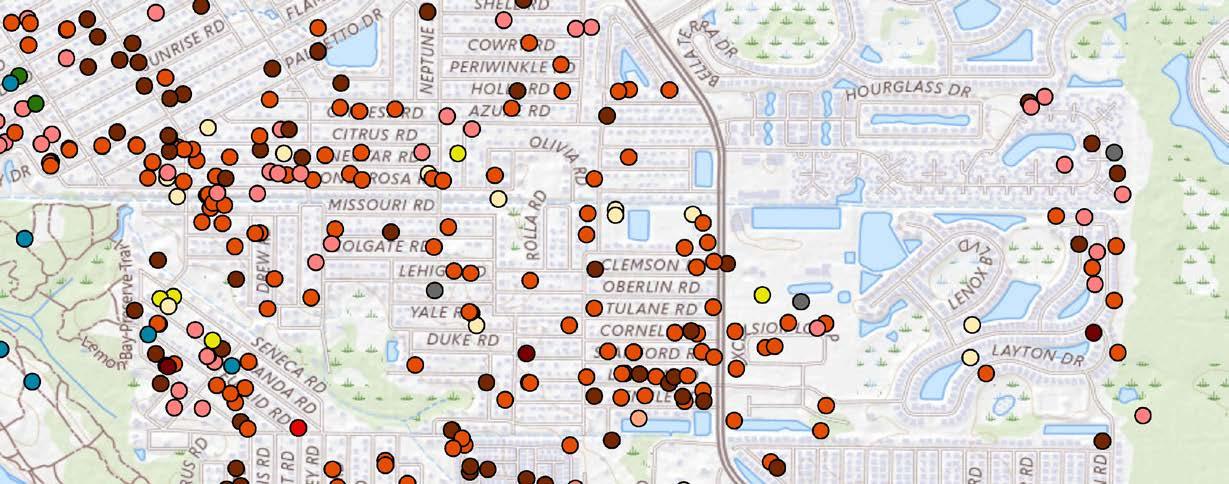
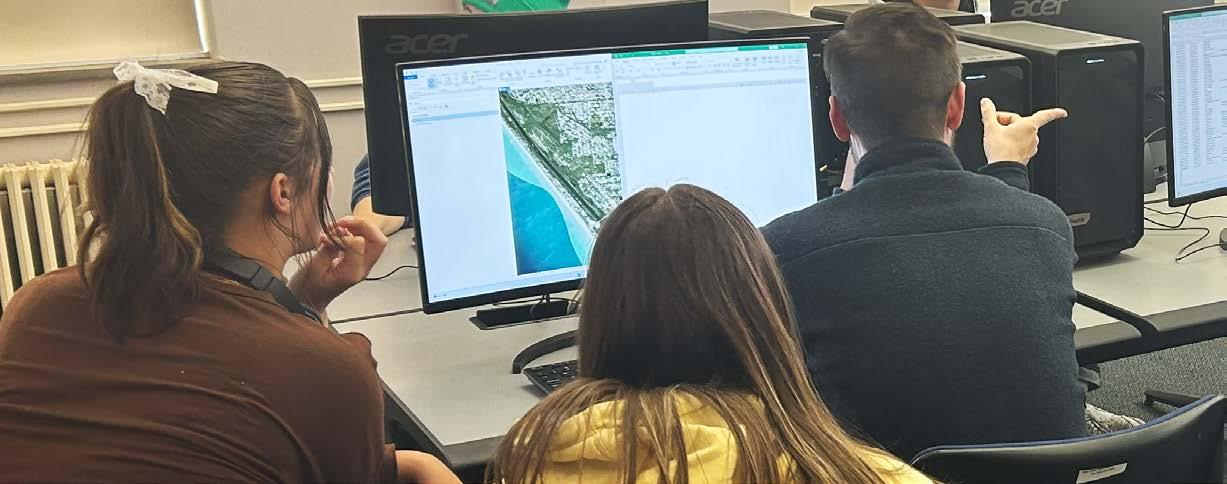
Above: UW student and staff volunteers used USGS satellite imagery and NOAA aerial images to generate disaster maps that identified damaged structures in southeast Florida post-Milton. To view the maps they created, visit https:// bit.ly/milton-maps-uw Image courtesy of the International Charter Space and Major Disasters.
Graduate student Jack Alford studies wildlife populations in the arid, high-elevation landscapes of southern Wyoming. But his roots trace back to the humid, hurricane-prone Florida coast.
When Hurricane Milton swept across his home state in October 2024, Alford was thousands of miles away. But he quickly became involved in relief efforts from afar, working with a team of UW faculty and students to provide disaster-mapping services.
JOINING THE DISASTER-MAPPING TEAM
Under the guidance of Ramesh Sivanpillai, an instructional professor in the School of Computing and Wyoming Geographic Information Science Center (WyGISC), Alford and 31 fellow volunteers combed through thousands of images to identify damaged homes and structures in five Florida communities.
In total, they recorded more than 3,400 points of damage using images provided by the U.S. Geological Survey. The disaster maps they generated, which displayed the locations and
types of damage, were used by federal and state management agencies during field visits.
“We were helping out people on the ground by going through these images and finding sources of damage so FEMA and other organizations could allocate their assets to the best of their ability to the areas where they’re needed most,” Alford explains.
Sivanpillai regularly leads disaster-mapping efforts coordinated by the International Charter Space and Major Disasters. When the organization contacted him in the wake of Hurricane Milton, Sivanpillai quickly mobilized and trained a group of volunteers.
At the time, Alford was enrolled in Sivanpillai’s introductory remote sensing class. As a grad student in the Department of Ecosystem Science and Management, he planned to incorporate satellite images and remote sensing tools into his research, which examines how sage-grouse may interact with future wind energy infrastructure.
Then, “Professor Sivanpillai reached out about an opportunity to get involved with this storm damage classification,” Alford recalls. “It
was a strong motivator because I’m a Florida native and in 2018 I went through the eye of Hurricane Michael.”
Alford and his family experienced the Category-5 hurricane and its aftermath firsthand. He knew what it was like to weather both a devastating storm and the recovery process that followed.
INTERPRETING IMAGES
In fall 2024, Sivanpillai led five disastermapping sessions to help identify structures damaged by Hurricane Milton. Student volunteers contributed a total of more than 250 hours to the effort.
During each session, volunteers viewed designated areas in ArcGIS, a geospatial data analysis software, and compared pre-Milton satellite imagery with post-Milton images taken via airplane. They painstakingly zoomed in and out to inspect potential damage to homes, pools, docks, and even boats.
When volunteers spotted a damaged or displaced structure, they recorded the site’s geographic coordinates and assigned it to one of 16 damage categories. Damaged or missing roofs were the most commonly observed types of damage, but Sivanpillai’s team also noted the locations of structures and debris swept up by the hurricane and deposited in roadways and backyards.
The task wasn’t always straightforward. A boat stranded in a backyard, for example, may have initially been placed there by a resident preparing for the storm, not hurled through the fence by the hurricane. If they had any doubts, volunteers added notes in the comments section.
In cases where they noticed flooding or leaks, volunteers also noted the potential for internal damage. In a humid environment like the Florida
coast, it’s crucial to address these issues as quickly as possible to avoid secondary damage like mold, Alford explains.
Since the post-hurricane images were taken up to a week after the storm, volunteers had to keep an eye out for initial cleanup efforts that might've masked the full extent of the storm’s destruction. They also had to watch out for issues that could have been caused by a previous storm; in some cases, for instance, a house’s roof might have been covered by a tarp before Milton even hit the area.
THE VALUE OF VOLUNTEERING
Since Alford had experienced hurricane wreckage firsthand, he was well equipped to spot damage that others might overlook. In fact, he even helped train fellow volunteers.
“The recovery from these storms really does take a village,” he comments. “When you go through these images, it may be every house in a neighborhood that has damage…That really adds up and puts it into perspective just how lifechanging of an event these huge storms can be.”
Although he was busy with classes and preparation for his second season of field research, Alford prioritized volunteering, attending four of the five disaster-mapping sessions Sivanpillai organized.
“As someone who went through a situation like this, knowing that it was possible someone did this for my situation…I felt compelled to come in and help as much as I could," Alford explains. He encourages other members of the UW community to volunteer when the opportunity arises. n
To view the disaster maps generated by UW volunteers, visit https://bit.ly/milton-maps-uw
Taryn Day and Samantha Bemis (both biology majors) listen as Jack Alford describes the types of damages that can be interpreted from aerial images.
Photo by Tom Musselman.
UW STUDENT USES ARTIFICIAL INTELLIGENCE TO STUDY RISK FACTORS FOR HEART DISEASE IN CATTLE
written by Brooke Ortel , University of Wyoming Extension
In the cattle industry, AI usually means artificial insemination. But, for one groundbreaking UW scientist, AI in beef production also refers to artificial intelligence.
A native of Wheatland, Wyoming, PhD student Chase Markel has been involved in cattle production for as long as he can remember. It’s his heritage, his passion, and his primary area of study as a university researcher.
CONGESTIVE HEART
FAILURE IN CATTLE
Markel completed both his undergraduate and graduate degrees in the UW Department of Animal Science. As a master’s student, he studied pulmonary hypertension, also known as highaltitude disease or brisket disease, in cattle.
Through this research, Markel became especially interested in congestive heart failure, a condition that’s linked to pulmonary hypertension and has become a growing issue in finishing beef cattle.
“It’s a tricky disease, and there’s no easy solution,” he says. “The more that you learn, the more that you realize you don’t know.”
Markel’s research indicates that subclinical cases of pulmonary hypertension, in which an animal is affected by high-altitude disease but survives, may have larger economic impacts than direct profit losses incurred when an animal dies before harvest.
“The main economic impact of this disease likely is not just death loss, but more so the loss of these production efficiencies in terms of live animal growth performance, carcass quality,
and then sensory attributes of the final beef product,” he explains.
The size and shape of a cow’s right ventricle is a telltale indicator of pulmonary hypertension and risk of congestive heart failure. As the disease causes increased pressure in the right ventricle, the muscle becomes increasingly thick and misshapen.
If Markel wanted to understand how risk factors associated with congestive heart failure affected beef production, he’d need to examine as many bovine hearts as possible.
IMPROVING EFFICIENCY WITH AI
Tim Holt, a professor at Colorado State University and one of Markel’s close collaborators, had already developed a 1–5 scoring system to assess the risk of pulmonary hypertension. In Holt’s system, a score of 1 means the heart appears normal, while a heart with a score of 5 resembles a deflated volleyball.
Collecting this type of data typically involved hunching over the offal lines in a beef-processing plant, frantically categorizing the hearts zipping past. But, Markel wondered, what if the researchers could just take photos of the hearts and then train a computer to sort those images into the correct category?
As an animal scientist and lifelong cattle producer, Markel knew far more about artificial insemination than artificial intelligence. But, inspired by a conversation with anthropologist Sean Field, he decided to apply for a fellowship in UW’s School of Computing.
Field, an assistant professor in the School of Computing, had developed AI models to analyze satellite images for topographic features
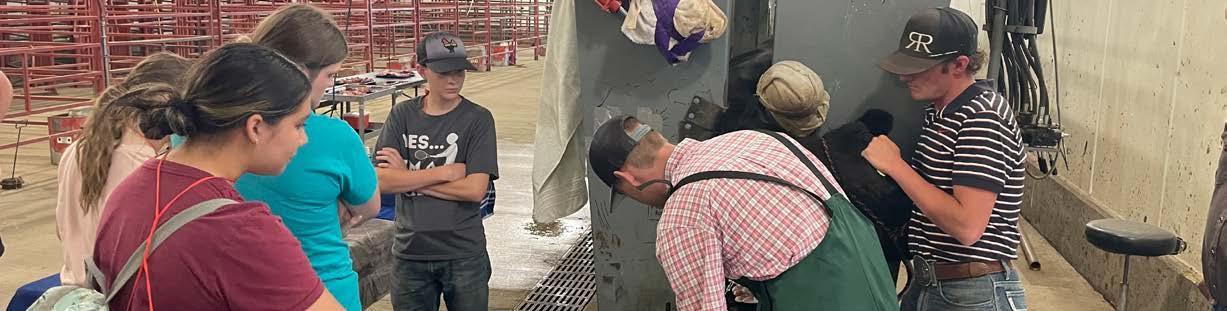
Above: Chase Markel (center) demonstrates how to conduct a pulmonary arterial pressure (PAP) test at the Laramie Research and Extension Center. PAP tests are used to assess a living animal’s risk of heart failure by measuring blood pressure in the artery between the heart and lungs. Photo by Hannah Cunningham-Hollinger.
associated with ancient structures. If that was possible, Markel thought, maybe an AI model could be used to more efficiently detect bovine heart abnormalities.
At the time, he didn’t know what an image classification model was, let alone how to build one of his own. But, with the help of mentors in the School of Computing, Markel ultimately created an artificial intelligence model that uses heart images to evaluate the presence and severity of risk factors for congestive failure in cattle.
First, though, Markel painstakingly scored thousands of hearts by hand using photos taken in commercial processing plants in Nebraska and Colorado. To build the image classification tool he’d envisioned, Markel not only needed to create an AI model—something he’d never done before—but also train it to accurately score hearts.
ANALYZING THOUSANDS OF HEARTS
As a School of Computing fellow, Markel has fed nearly 1,000 scored heart images into the AI model he developed, training it to evaluate images using Professor Holt’s scoring system.
So far, the experiment has been a success. The model has already achieved 92% accuracy—in other words, given an image it’s never encountered before, the AI model assigns the correct score 92% of the time.
That’s an impressively high degree of accuracy, but Markel intends to continue refining the model. It might sound crazy, he admits, but his goal is to expand the dataset to 15,000 images. “There’s all types of shapes and sizes of hearts,” he says. “Things look very different in different plants with different lighting and different animals.”
While he’s pleased with the model’s performance, Markel acknowledges that the tool has limitations. It’s been trained solely on Markel’s image scores, which are inherently subjective. To strengthen the model, he’d need to train it using scores assigned by other researchers as well.
Still, Markel considers his work a successful proof of concept. “Hopefully someday somebody can actually use this in the industry,” he says.
TRANSFORMING DATA ANALYSIS IN PRODUCTION AG
Production agriculture is a data-heavy industry, but sometimes the sheer volume of information can be unwieldy for both researchers and industry professionals.
Meat-processing plants, for example, are “really good at collecting data relevant to what services their bottom line, or has traditionally serviced their bottom line,” Markel comments.
But current systems don’t capture subclinical conditions, which may have economic implications for both plants and producers.
Once Markel has gotten a better idea of how many, and to what degree, cattle show signs of congestive heart failure risk, he hopes to determine how these risk categories interact with live animal performance, carcass quality, and other economically relevant factors.
“I think there’s a huge opportunity for these plants to incorporate either this image classification system or some [other] type of classification system into their pre-existing model,” he says. “I think this type of analysis could bring a lot of value in trying to pinpoint exactly which carcasses are adding value, which carcasses are not adding value, and is there some disease involvement there.”
While Markel’s current model is best suited for application in processing plants, he hopes that future iterations will benefit Wyoming producers more directly.
Producers themselves collect data every day, he points out. “They might do it on the back of a piece of notebook paper, but that data has a lot of value. What I’ve noticed in animal science and with producers around the state, is [that] we have so much data—and we rely on traditional methods to analyze these data.”
Those approaches have worked well for a long time, but Markel sees opportunities for researchers and producers to more effectively apply data with the assistance of AI models and machine learning.
“As researchers, we need to start incorporating those tools into our research and try to help build that technology so producers and people out in the industry can actually utilize those tools and help improve their bottom line,” he concludes. n
A) A raw image of the pluck (heart and lungs) immediately after removal from the carcass.
B) A grad-CAM (gradientweighted class activation mapping) heat map, which highlights the regions of the image that are most important to the AI model’s classification process.
C) The heat map layered over the raw image, which allows visualization of the anatomy that is most important to the AI model. Images courtesy of Chase Markel.
UW ZOOLOGY STUDENT HELPS DOCUMENT BISON CONSERVATION ON THE WIND RIVER INDIAN RESERVATION
written by Inna Willis , UW Department of Communication and Journalism
Bison sustained Indigenous communities for generations by shaping their traditions and spirituality, as well as providing food, clothing, and shelter.
After more than 130 years of near extinction, they are being brought back to tribal lands on the Wind River Indian Reservation.
UW student Elsa Freise, a zoology major who minored in journalism, spent last summer working alongside the crew of the Wind River Tribal Buffalo Initiative and documenting its efforts in conservation.
Freise, who is from Buffalo, Wyoming, was a recipient of the 2024 Larsh Bristol
Photojournalism Fellowship. The annual fellowship, hosted by the Department of Communication and Journalism and named for UW alum Larsh Bristol, supports strong visual storytelling projects led by UW students.
Friese’s journey began in a UW photojournalism class, where she discovered a passion for visual storytelling and an opportunity to connect with people she might have never met otherwise.
“Photojournalism gives you a way to step into someone else’s life, gain new perspectives, and understand the world in deeper ways,” Freise says. “It has the power to make us pause, photograph what often gets overlooked, and connect.”
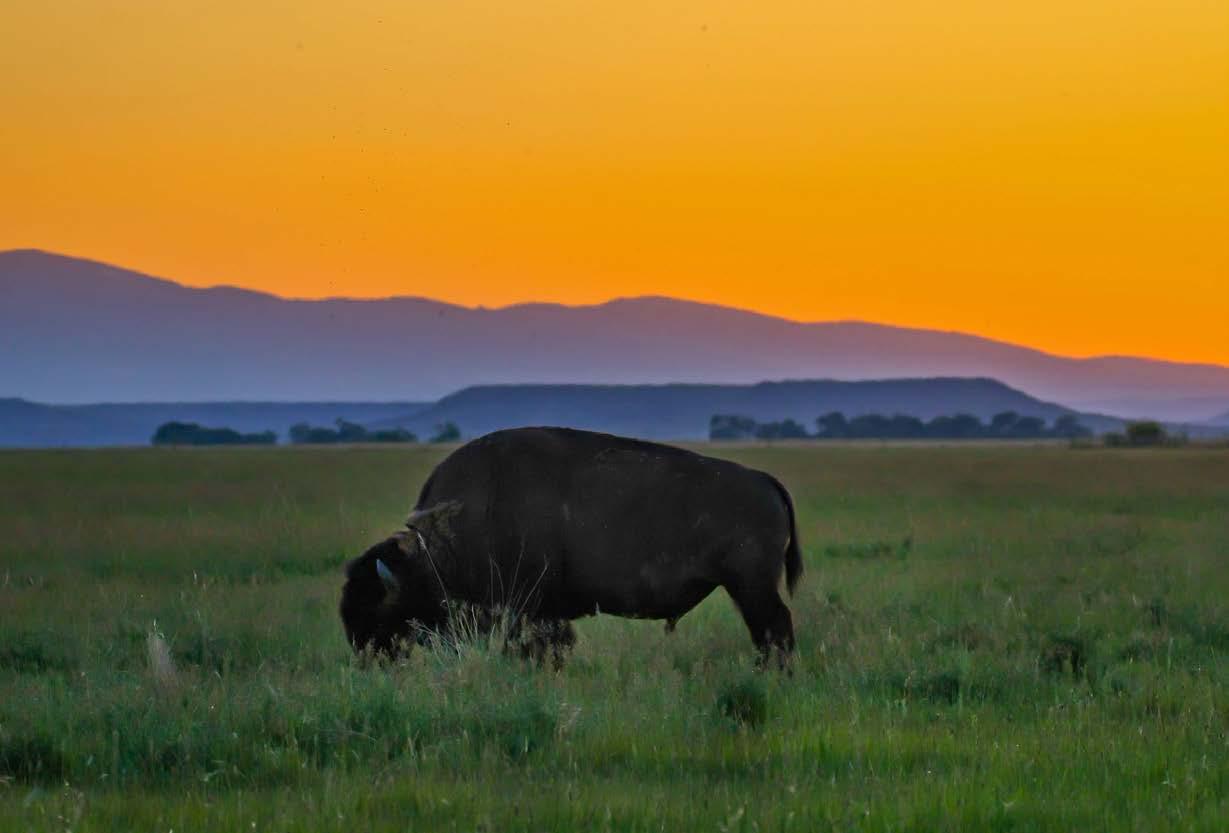
Above: A bison stands on the Wind River Indian Reservation as part of a historic reintroduction of the species after more than 130 years of near extinction. This photo was part of the Larsh Bristol Photojournalism Fellowship presentation by Elsa Freise Feb. 21, 2025, at UW. Photo by Elsa Freise.
Freise wanted to tell a story that would be historically significant to Wyoming and focused on its people.
“As a zoology major, I have always been intrigued by our state’s mammal, the bison,” she says. “Additionally, Indigenous and marginalized communities are often disproportionately affected by climate change, yet their leadership in conservation is crucial for equitable policies.”
Freise was determined to be more than a passive observer—she wanted to fully engage with the community. She reached out to Jason Baldes, executive officer and board president of the Wind River Tribal Buffalo Initiative, and traveled to the Wind River Indian Reservation, where she helped by tearing down fences and preparing meals.
“This summer was a dream come true,” Freise says. “I’ve always wanted to travel nomadically, and this experience allowed me to do that while working on something meaningful.”
Freise hopes her project will shed light on the history of Wyoming and the negative effects of bison extirpation, which reshaped the Great Plains and disrupted both ecosystems and the lives of Indigenous communities.
“There also are many misconceptions about the Wind River Indian Reservation,” she says. “Through this project, I wanted to highlight the good work happening there—the strength, resilience, and dedication to conservation and cultural revitalization.”
The Larsh Bristol Photojournalism Fellowship gave Freise an opportunity to travel, meet new people, and contribute to Wyoming conservation. Most important, it helped her recognize her inner strength and what she’s capable of.
“When I told people I was going to the Wind River Reservation alone, I was met with fear and doubt,” she says. “Solo travel can be intimidating, especially as a woman. But I learned that we often build things up in our heads to be much scarier than they actually are. Post-graduation, I know I am capable of going anywhere in the world and finding people to connect with because of what I accomplished this past summer.” n
For more information about the Larsh Bristol Photojournalism Fellowship, email Shane Epping, UW Department of Communication and Journalism assistant professor, at sepping@uwyo.edu
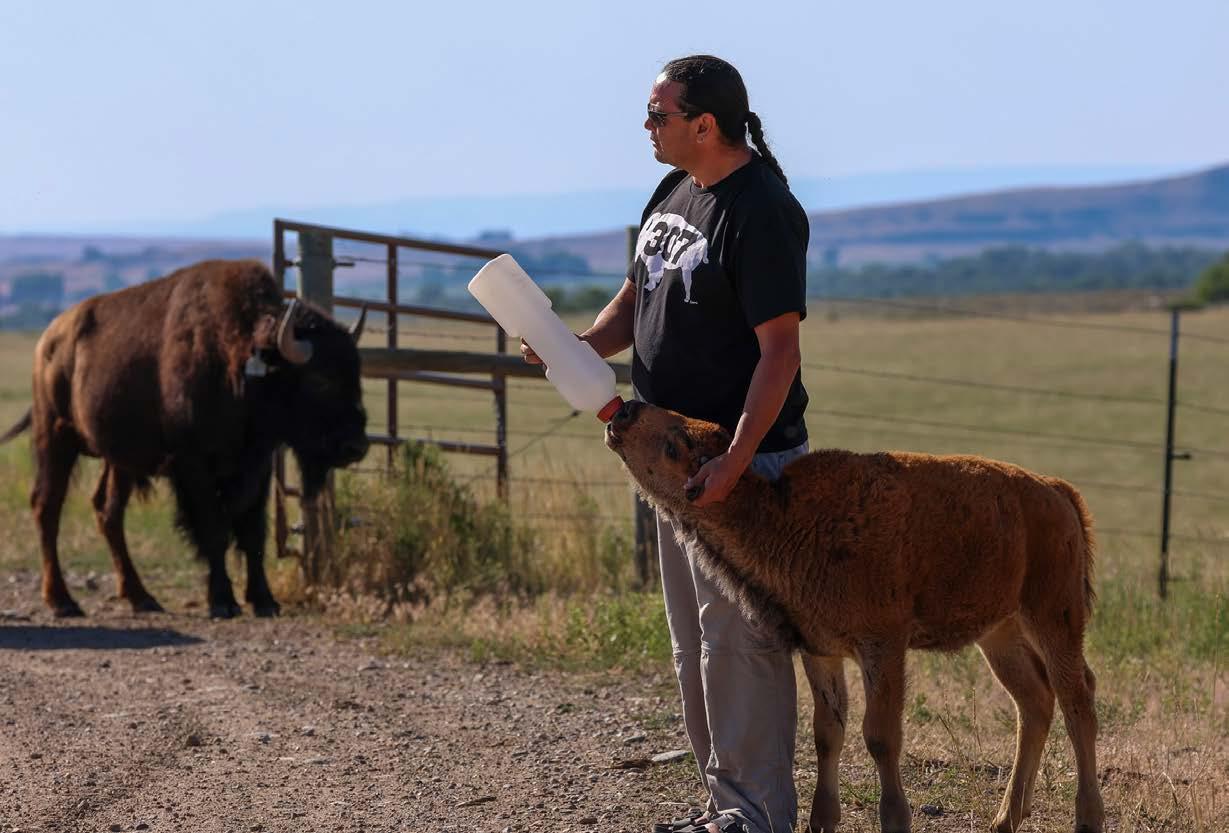
Jason Baldes, executive officer and board president of the Wind River Tribal Buffalo Initiative, feeds a bison calf on the Wind River Indian Reservation.
written by Maya Gilmore , University of Wyoming Extension
For thousands of years, humans have been breeding plants to help feed their families. Nowadays, this ancient profession uses genetic engineering and other modern tools to modify crops—but at its heart, plant breeding is still about feeding communities.
In 2018, the National Association of Plant Breeders (NAPB) created the Borlaug Scholarship Program to support and mentor promising plant breeders. Every year, the scholarship is awarded to about 25 college students who demonstrate exceptional character, scientific achievements, and leadership.
In 2025, Grace Vinarao, a doctoral candidate in the plant sciences department, became the first UW student to win the prestigious award.
WHY PLANT BREEDING?
Vinarao grew up in the Philippines, where her parents farmed and sold produce at the local market. Vinarao woke up at 5 a.m. some days to begin harvesting with her father and then trekked to the market by 7 a.m. to help her mother run their booth.
Vinarao credits her upbringing with her interest in plant breeding. “Up to this day, [my father] still grows herbicide-tolerant hybrid corn, which gives good yield and helps control pests, and so do many other farmers in my community,” she says. “That’s a result of crop improvement, and I have seen its impact firsthand. It made a big difference not only to my family but also to many families just like mine globally.”
Vinarao chose to attend UW in part because of Donna Harris, assistant professor of plant breeding and genetics, whose career has included work with the University of Georgia, Monsanto, and Bayer—huge names in the plant breeding world.
At UW, Vinarao’s hard work, generosity, and scientific expertise quickly won over the whole Department of Plant Sciences, especially Harris.
“Grace is a team player, but she’s also a natural leader. We hire quite a few interns in the summer, and throughout the season they gravitate towards her when I’m not around to figure out what to do,” says Harris. “I’m just so happy to have her in my lab.”
INTERNATIONAL RECOGNITION
The Borlaug Scholarship Program pairs scholars with experienced plant breeders who serve as mentors. Vinarao’s mentor, Caio Vieira, is a soybean breeder at the University of Arkansas. This year, Vieira will meet with Vinarao once a month to provide feedback on her research and help her navigate potential career choices.
The scholarship also supports a visit to the annual meeting of the NAPB. In May 2025, Vinarao visited Kona, Hawaii, to network, learn about new plant breeding techniques and trends, and hear from other plant breeders.
“Just having that recognition among plant breeders, basically globally, is going to be very advantageous to her moving forward and whatever she wants to do for her career,” says Harris.
FIELD PEAS AND CASSAVA
At UW, Vinarao is studying drought resistance in field peas and the genetics of prairie junegrass, which may be useful for reclamation work. During her master’s and work experience at University of the Philippines Los Baños, she studied cassava, yam, and sweet potatoes.
Vinarao is flexible about the crops she studies, where she lives, and even whether she’s working in industry or academia—as long as she’s helping people.
“[Plant breeding] gives farmers better options, helps them deal with drought and other problems, and supports food security,” says Vinarao. “For me, it’s a tool to survive and to face climate change. It’s about making life better around the world.” n
Grace Vinarao presents her research on drought resilience in field peas at the 2025 National Association of Plant Breeders annual meeting in Kona, Hawaii. Photo courtesy of Grace Vinarao.
FIND
YOUR
FUTURE IN THE FIELD, GARDEN,
OR
GREENHOUSE
with a B.S. in plant production and protection.
Feed your community. Manage the landscapes you love.
Whether you’re interested in starting an agricultural operation, working for a land management agency, or breeding the next generation of crops, we’ve got you covered.
• Gain real-world experience with internships and research apprenticeships.
• Connect with faculty mentors in the classroom, lab, and field.
• Choose from 4 optional concentrations: agroecology, agronomy, horticulture, or integrated pest management.
Your career in plant sciences starts here. Learn more at https://bit.ly/plant-production-protection.
Already chosen a major? We also offer minors in agroecology, agronomy, horticulture, and plant protection.
WYOMING’S TOP AG OFFICIAL LEVERAGES UW EDUCATION TO ADVOCATE FOR HIS HOME STATE
written by Brooke Ortel , University of Wyoming Extension
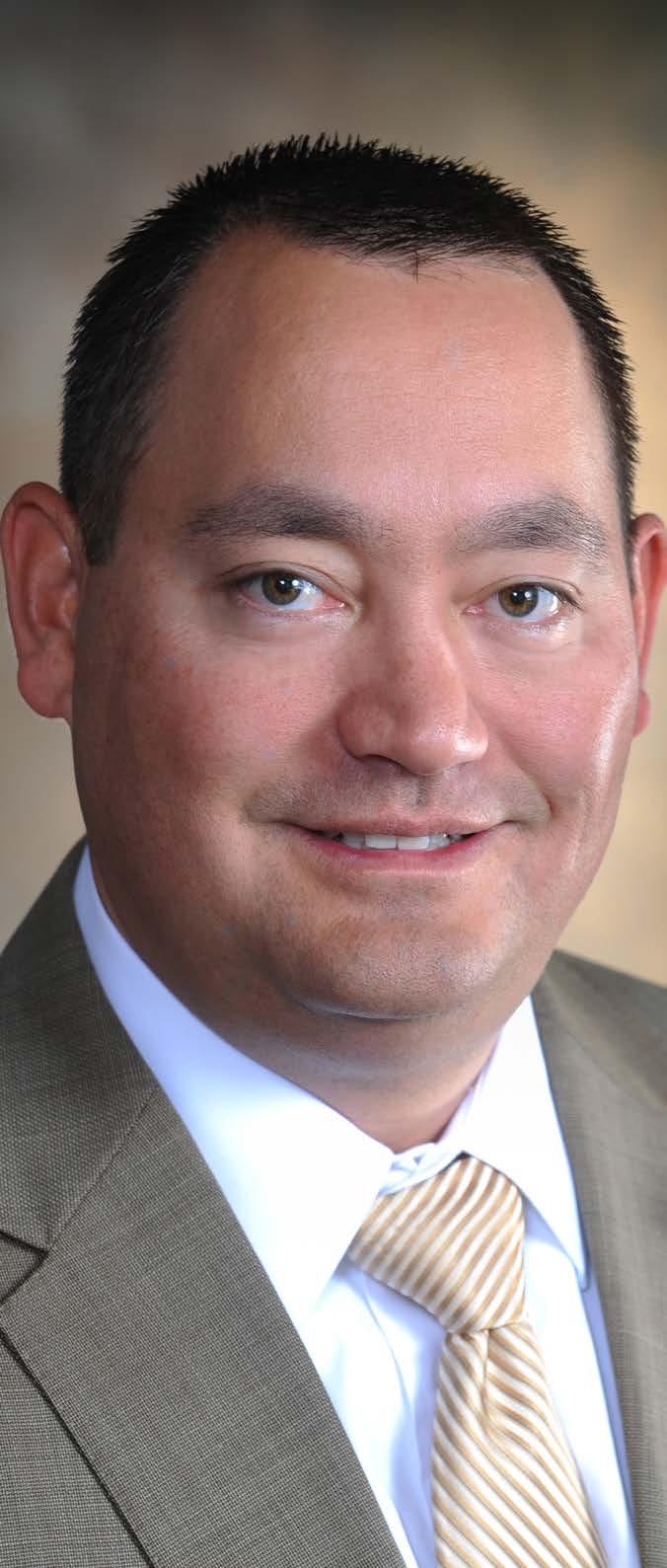
AWyoming work ethic, UW education, and lifelong passion for agriculture. That’s Doug Miyamoto’s recipe for success.
As director of the Wyoming Department of Agriculture (WDA), Miyamoto is an internationally recognized advocate for the agricultural community. Motivated by a powerful connection to Wyoming people and places, Miyamoto has advocated tirelessly for his home state throughout his career.
AN AFFINITY FOR AGRICULTURE
As a Wyoming native and third-generation UW graduate, Miyamoto is proud of his heritage. “Everything that I’ve done has been centered around the state of Wyoming and that’s where I essentially got all of my upbringing, all of my influence,” he says. “It all comes from this state and this place.”
From Miyamoto’s perspective, Wyoming culture is inseparable from agriculture. “The cowboy culture in this state is one that has been given to us by generations of people that are all involved in agriculture, and they still provide the backbone of the industry and its identity today,” he observes.
Born and raised in Rawlins, Miyamoto didn’t grow up on a farm or ranch, though many of his friends did. His parents were science teachers, not producers, and he was a competitive swimmer, not a rodeo champion. But he was drawn to agriculture from an early age.
“I always liked agriculture, wanted to be involved in it,” he recalls. “For those of us that aren’t born into a family operation, you have to figure out how you can contribute. For me, it was through the sciences. I used academics as my pathway to a career in agriculture.”
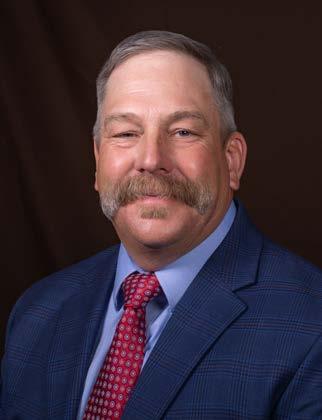
Doug Miyamoto, director of the Wyoming Department of Agriculture. Photo courtesy of Doug Miyamoto.
RANCHING RESEARCH
For Miyamoto, there was never a question of where he’d go for college. “The University of Wyoming has always been a major influence on my development,” he says. “That consistency of [UW] being there from a very early age all the way through my career has been really fun.”
Miyamoto attended UW on a swimming scholarship, competing in NCAA Division I athletics while earning an undergraduate degree in rangeland ecology and watershed management. He graduated in 1996 and later completed a master’s degree in the same field.
Miyamoto’s graduate research, completed on a ranch in southeastern Wyoming, incorporated both soil science and range management. His project assessed the long-term efficacy of rangeland renovation efforts undertaken two decades before, in the 1970s.
The goal was to determine whether rangeland renovation techniques could be used to improve soil quality—and if so, how long did that improvement last?
The original study suggested that furrowing and ripping had boosted native cool season plant growth, improving winter forage quality. Miyamoto was tasked with determining whether those benefits extended into the present.
In addition to sampling plant communities, he measured carbon and nitrogen concentrations in thousands of soil cores to see if nutrient levels remained elevated, even after 20 years.
Ultimately, Miyamoto’s results suggested that some benefits from the original treatment remained, though to a lesser degree than he predicted.
THE POLICY PIPELINE
As a scientist, Miyamoto didn’t set out to pursue a career in policy. But it turned out he had a talent for advocacy as well as research.
From 1999 to 2011, Miyamoto worked for the USDA’s Natural Resources Conservation Service (NRCS) in various roles. One of his first forays into the policy realm involved partnering with conservation districts across Wyoming to plan and implement watershed improvement efforts. “We were trying to come up with a voluntary, incentive-based, and local way of improving water quality in impaired watersheds,” he explains.
One day, Miyamoto got a call from the Western Governors’ Association, an organization that represents governors of the 22 westernmost U.S. states and territories. They were looking for a USDA liaison to help guide policy development for the latest Farm Bill,
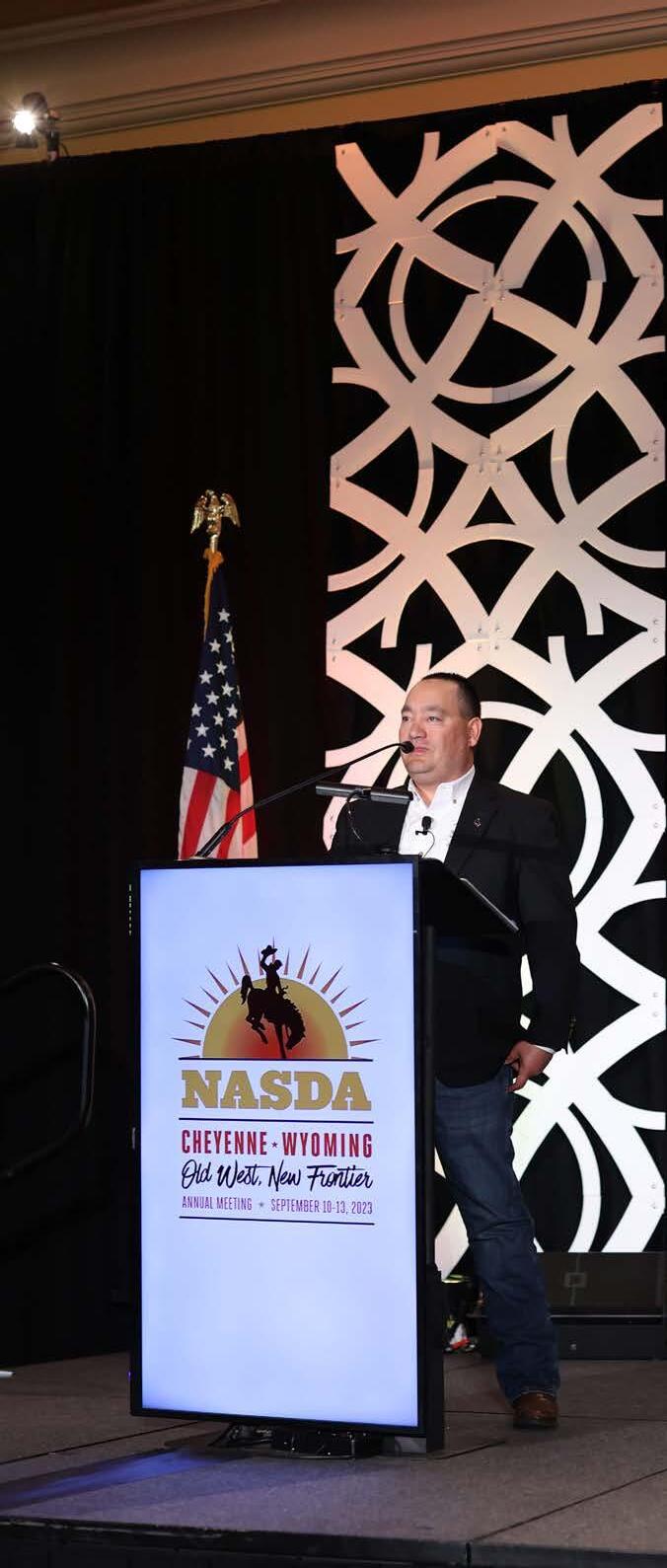
As president of the National Association of State Departments of Agriculture (NASDA), Miyamoto brought the organization’s annual convention to Wyoming for the first time. Photo courtesy of Doug Miyamoto.
which included controversial topics like sagegrouse conservation.
Miyamoto agreed to help. Soon, he’d gained valuable experience in not only Farm Bill legislation, but also Endangered Species Act reform, Clean Water Act and Clean Air Act issues, renewable energy policy, and more. Along the way, he also earned a reputation for his leadership skills and aptitude for building partnerships.
Miyamoto was named deputy director of the Wyoming Department of Agriculture in 2011.
In 2013, the Wyoming Livestock Board asked him to temporarily serve as director of their agency as well.
Miyamoto was a bit hesitant about taking on the position—after all, his background was in range science, not animal health, brand law, or law enforcement. He had, however, earned respect in both state and federal agricultural circles as a thoughtful, effective leader.
STATE, FEDERAL, AND INTERNATIONAL ADVOCACY
In 2015, following a successful stint at the Wyoming Livestock Board, Miyamoto was appointed director of the WDA.
“My job as the director of the Wyoming Livestock Board and the director of the Wyoming Department of Agriculture has been much more meaningful than anything else that I’ve done in my career,” he says. “You’re a lot closer to the farm and ranch in these jobs in the state of Wyoming…than if I would have stayed purely on the policy side of the federal government.”
In addition to his strong ties within the state, Miyamoto is quick to acknowledge the importance of regional and national collaborations.
“Probably the most influential things that I’ve been able to do in these jobs has been to be able to work with my counterparts—other directors, secretaries, commissioners of agriculture from across the United States—to advocate for farmers and ranchers,” he says. “Directly, and as a group, we carry a pretty powerful message, and I think that that’s been very helpful in both Farm Bill development and the ability to get policy initiatives and trade initiatives across the finish line in Congress.”
In 2023, Miyamoto was elected president of the National Association of State Departments of Agriculture (NASDA), an organization that brings together top agricultural officials in every U.S.
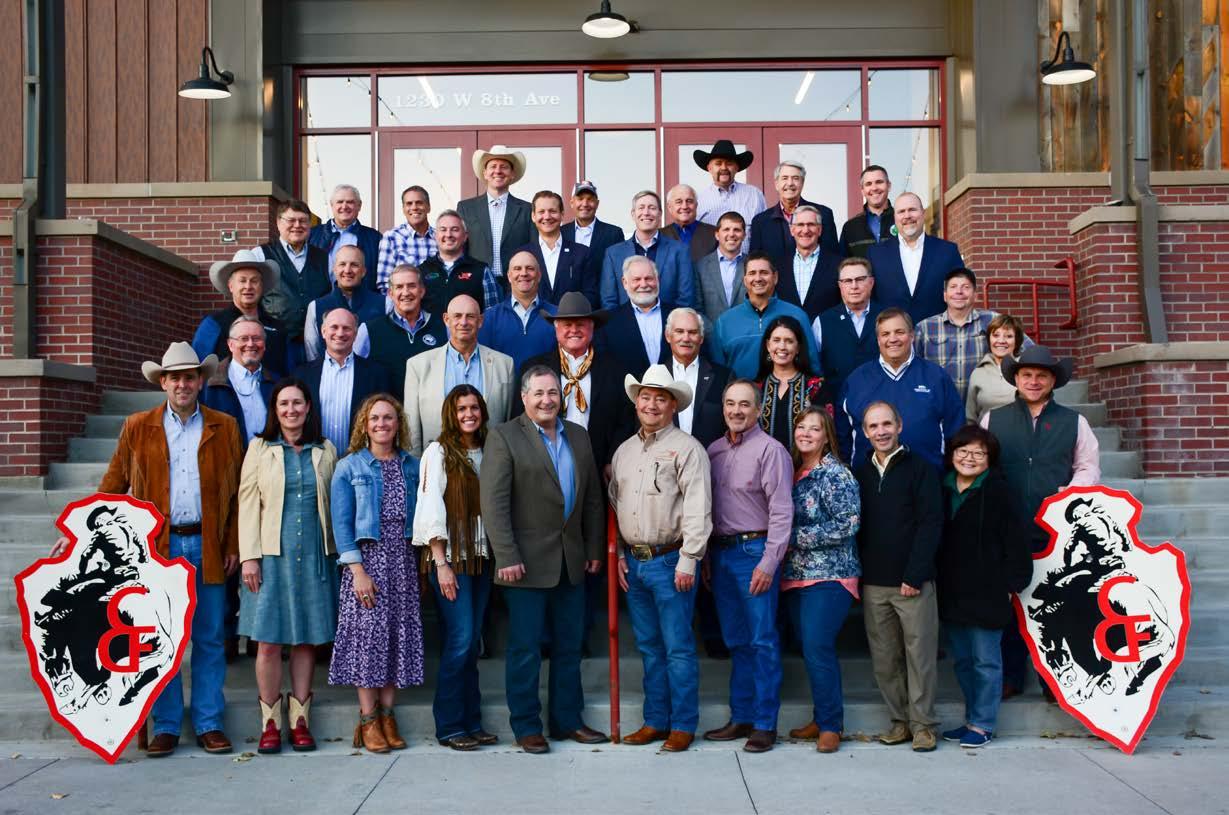
In 2023, fellow directors, secretaries, and commissioners of agriculture joined Miyamoto (first row, sixth from left) at Cheyenne Frontier Days to attend the President’s Dinner and Wyoming Colleges Exhibition Rodeo.
Photo courtesy of Doug Miyamoto.
state and territory. It was an exciting opportunity, he says, because it meant he had the chance to advocate for agriculture at the international level.
As NASDA president, Miyamoto also brought the organization’s annual convention to the state of Wyoming for the first time. It’s an accomplishment he’s proud of, especially since many of his peers had never experienced agriculture in the West firsthand.
“Agriculture in Wyoming is so different because we’re the highest, driest, coldest, least populated state in the Union,” Miyamoto notes. “To be successful in agriculture out here, you have to be tough. We have a lot of variability and a lot of conditions that most other people in agriculture don’t have to contend with.”
But Miyamoto likes a challenge. In fact, it’s his favorite part of the job.
“The Wyoming Department of Agriculture is a regulatory entity,” he explains. “But we also get to do advocacy for farmers and ranchers, and that’s the part that I enjoy the most—advocating for our farmers and ranchers and trying to help them become more profitable, more sustainable, and to have a good shot at a solid living out here in the arid West.”
OPPORTUNITIES FOR THE NEXT GENERATION
From Miyamoto’s perspective, the future of Wyoming agriculture looks promising. He’s particularly excited to see how advances in biotechnology and precision agriculture can help advance the industry.
As a UW alum and member of the Agriculture Dean’s Advisory Board, Miyamoto also looks forward to seeing how the next generation of UW students will contribute as scientists, ag professionals, and advocates.
“Because Wyoming is the least populated state in the Union, and because our landscapes are more rugged than most, I do think that provides more opportunity for young people in agriculture than it does in most other places,” he says.
Miyamoto encourages the next generation to volunteer for tasks that might not be the most fun or glamorous—to get comfortable with being uncomfortable. “Be on the lookout for the path that seems hard and not very appealing—and give it a second look,” he recommends. As he has experienced firsthand, “sometimes it can make all the difference in the world to tell somebody that you’ll do it when nobody else will.” n
“
Be on the lookout for the path that seems hard and not very appealing— and give it a second look. ”
UW OUTREACH PROGRAM PILOTS AN ARTISTIC APPROACH TO SCIENCE EDUCATION
written by Brooke Ortel , University of Wyoming Extension
Erin Bentley teaches attendees of the Kaleidoscope Science “Dimensions of Rarity” event in December 2024. Photo courtesy of Kaleidoscope Science.
Erin Bentley studies native plants and outreach education. Lars Roeder teaches and creates art, specializing in printmaking. Dave Tank directs the Rocky Mountain Herbarium and investigates plant biodiversity and evolution.
Despite their different areas of interest and expertise, these three educators share a commitment to unconventional, hands-on education. Together, they’ve piloted Kaleidoscope Science, a program that helps students of all ages understand science through artistic creation.
BLURRING THE LINE BETWEEN ART AND SCIENCE
“Science and art aren’t exclusive,” says Bentley, a PhD student in UW’s botany department and the Program in Ecology and Evolution (PiEE). “They’re just lenses through which we view the world, which is the idea behind Kaleidoscope Science. By integrating multiple lenses in this kaleidoscopic approach, you can get
a more holistic view of whatever it is that you’re researching or studying or interacting with.”
This transdisciplinary approach goes beyond interdisciplinary methods of study, she explains. Interdisciplinary methods might be described as a chunky vegetable stew, in which different fields of study—like botany and printmaking—work together, but remain distinct.
In contrast, “transdisciplinary is when you’re literally transcending the boundary of your disciplines,” Bentley explains. “You’re creating new methods, not just ‘stealing’ methods and utilizing them in a different place.”
In other words, instead of making stew, Kaleidoscope Science incorporates different disciplines to create a well-blended carrot cake.
PLANTS AND PRINTS
The Kaleidoscope Science team uses screen printing to introduce participants to both the Rocky Mountain Herbarium and the art of printmaking.
Located on the UW campus, the herbarium is a constantly evolving library of plant specimens. With more than a million specimens and records stretching back to the 1890s, it’s a key resource for researchers studying plant biology and biodiversity.
However, many Wyoming residents don’t realize that the herbarium exists, or that it’s open to the public. By incorporating herbarium specimens into its programming, Kaleidoscope Science encourages community members of all ages to engage with this valuable resource.
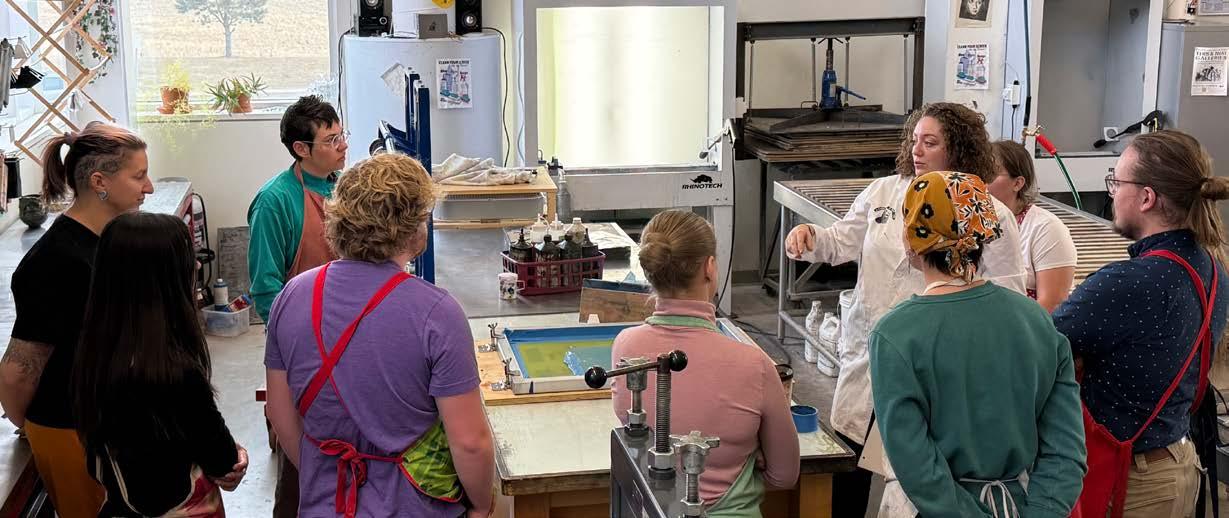
After an introduction to the herbarium, Kaleidoscope Science participants break out into groups and research a topic, such as the Wyoming paintbrush, from four different lenses: history, art, science, and culture. Each lens is assigned a specific color and each participant makes a screen print in the color associated with their assigned lens. Then, they switch groups and share what they learned with participants who researched the plant through different lenses. At the end of the session, participants take their artwork—and newfound knowledge—home.
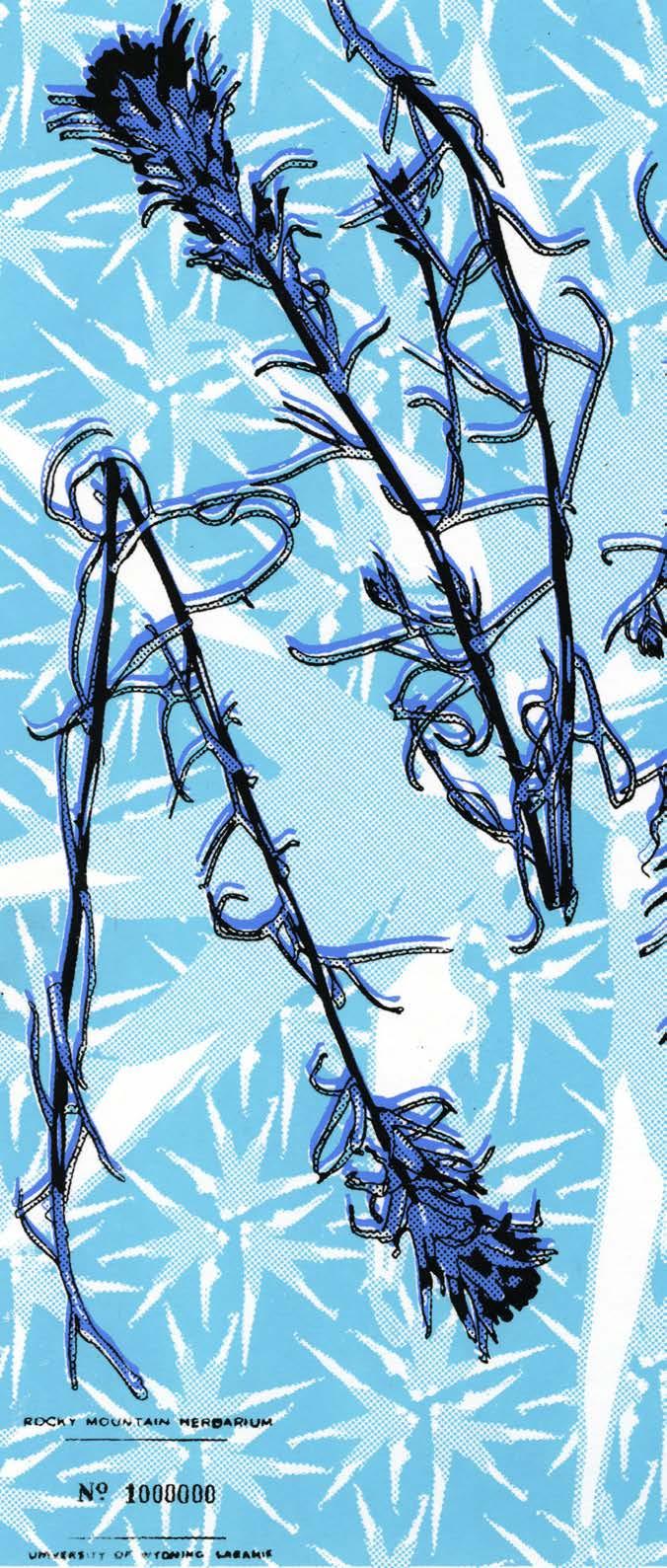
Kaleidoscope Science screen prints often feature the Rocky Mountain Herbarium’s millionth specimen: Wyoming’s state flower, the Wyoming paintbrush.
But why this art form? Screen-printing equipment isn’t easily transportable, and most Kaleidoscope Science events take place in community settings. However, despite the logistical challenges, Roeder believes screen printing is well suited to community education. “It’s the most accessible, efficient printmaking process,” he explains.
An assistant professor of printmaking, Roeder was the first faculty member to bring screen-printing classes and equipment to UW. He describes the art form as “inwardly collaborative and outwardly distributed.”
While Bentley may have created the template, each Kaleidoscope Science participant makes their own print and contributes to the dissemination of art and scientific knowledge, Roeder explains. Each colorful print carried home in a student’s backpack is “a printed multiple, but conceptually each is a unique, stand-alone artwork.”
EDUCATION FOR ALL AGES
The Kaleidoscope Science team has found that pairing scientific education with screen printing appeals to participants of all ages.
“The first [event] was actually very simple,” says Tank, a botany professor and director of the Rocky Mountain Herbarium. “We got together
A screen print of the Rocky Mountain Herbarium’s millionth specimen, the Wyoming paintbrush, made at a community event hosted by Kaleidoscope Science. Photo by Lars Roeder.
with the [UW] Botany Club to teach them about non-native clovers that everybody knows, and our native clovers that people don’t know about…and to see what screen printing was like for showcasing biodiversity, plant diversity, and the herbarium.”
The pilot program was a resounding success. Soon, the Kaleidoscope Science team was engaging with local elementary schools, the UW Innovation Wyrkshop, and even universities in other states.
Kaleidoscope Science also helps university scientists consider their research from new angles. The program’s “expert events” use printmaking to introduce transdisciplinary study and facilitate discussion between specialists in different fields.
Feedback from participants suggests that these events have sparked thoughtful conversations, a renewed interest in artistic expression, and even the formulation of new research questions.
EXPANDING THE IMPACT
Kaleidoscope Science participants aren’t the only ones learning at the events—the facilitators are also gathering information to inform future workshops.
Both community programs and expert events provide opportunities to identify the most effective techniques for using art to enhance science education. “They are research projects into how we can use art to effectively communicate about science to different audiences,” Tank notes.
Ultimately, the Kaleidoscope Science team hopes to document their findings and inspire others to experiment with transdisciplinary learning.
At both community and expert events, participants are asked to fill out pre- and post-event surveys to assess their learning. Bentley looks forward to quantifying and sharing these results as part of her PhD research.
Meanwhile, Tank is excited to continue fostering public engagement with the Rocky Mountain Herbarium. Personally, he’s found that art is a great way to connect with non-scientists and share the herbarium’s value as a community resource.
As for Roeder, he hopes to encourage art students to expand their horizons and engage with collaborators outside their field.
Most importantly, the Kaleidoscope Science team hopes to continue inspiring creativity and curiosity through both art and science. n
To learn more about Kaleidoscope Science, visit www.kaleidoscopescience.org or contact kaleidoscopescience.wyo@gmail.com
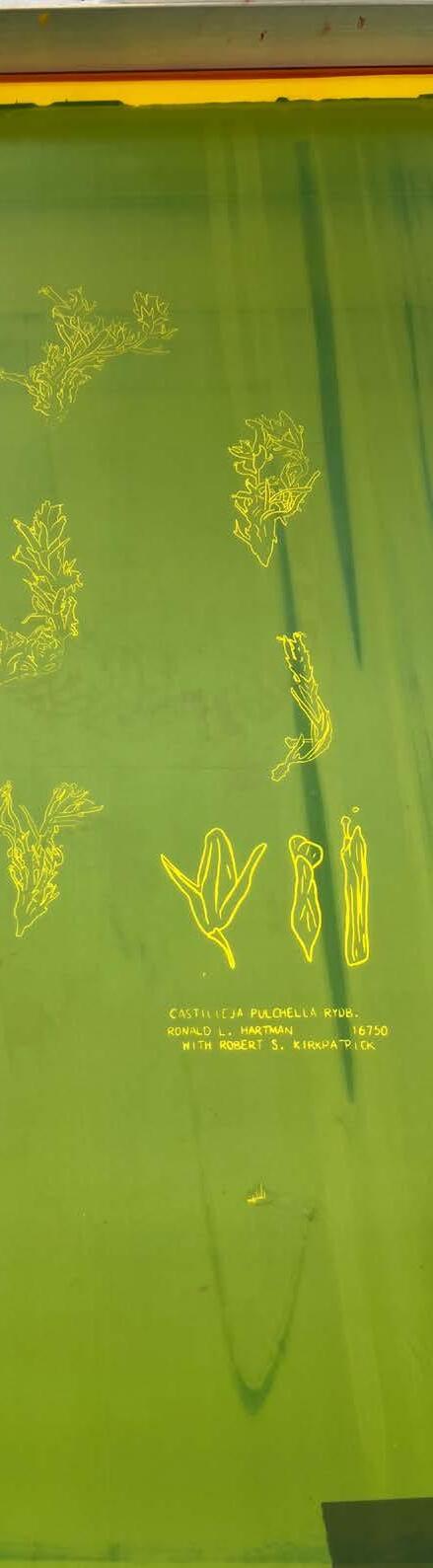
A screen-printing screen post-wash, with a Castilleja pulchella line layer design exposed onto it.
Erin Bentley lines up a layer of the screen print with the paper underneath.
Photo courtesy of Kaleidoscope Science.
Photo courtesy of Kaleidoscope Science.
The University of Wyoming Extension is here to serve you. For over 100 years, we’ve helped Wyoming communities thrive in this place we all call home. Connect with us and see what we can do together!
our programs, publications, and online resources at www.uwyo.edu/uwe.
Wyoming 4-H helps set our youth up for success. At county and state fairs, camps, and clinics—and even on international trips—Wyoming 4-H’ers develop lifelong leadership skills through mentorship, service, and hands-on learning. The Wyoming State 4-H Foundation relies on donations, gifts, and sponsorships to help make these opportunities possible.
To support Wyoming youth at the local, county, or state level, visit https://bit.ly/4h-donate.
NEW UW EXTENSION PROGRAM ENCOURAGES OUTDOOR EXPLORATION
written by Maya Gilmore , University of Wyoming Extension
In 2024, the University of Wyoming Extension created a new program designed to inspire outdoor adventures and encourage families to spend time together.
The “Ready, Set, Explore” program is a free annual program open to all Wyoming residents. It’s not just for parents with young children, explains Josh Bliss, one of the program’s organizers. Any group of people who care about each other can participate.
From October 2024 to April 2025, registered participants received a list of activities every month via email. Each packet included outdoor and seasonal activities, tips about health and nature, a handout on a natural resource, a snack idea, and a journal prompt.
The activities are designed to help families to connect to each other and to nature. November’s activities, for example, included creating a fall wreath, reading a book about nature, and going on a gratitude walk.
“Reading, health, movement, snacks, and time together [are] so important for our family and the activities help us do all of that! It gives our oldest tricks and activities to use when she babysits other families too,” comments participant Lexie Scherr.
Ready, Set, Explore is led by Bliss and fellow UW Extension educators Gretchen Gasvoda, Jedidiah Hewlett, Joddee Jacobsen, Dagan Montgomery, and Hailey Sorg.
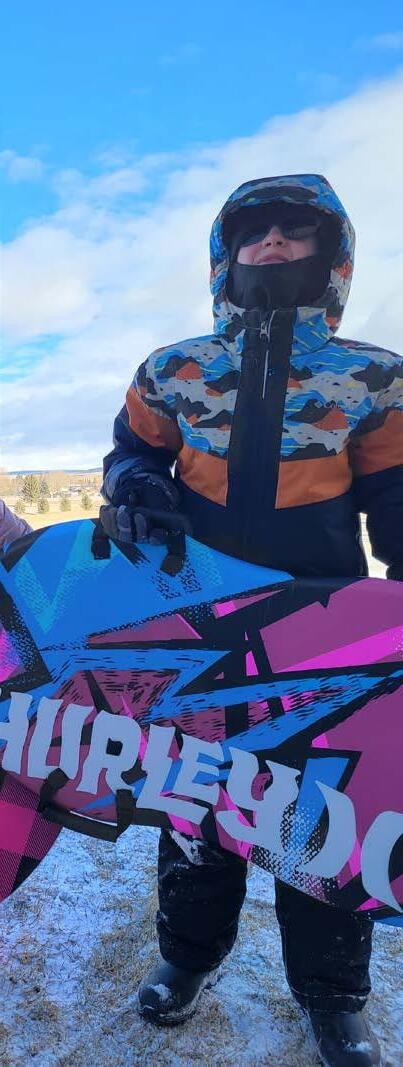
Ready, Set, Explore participants prepare to go sledding as one of their January activities.
Photo courtesy of Kristin Dale Lanouette.
Bliss emphasizes the program’s flexibility. “You have the freedom to do these activities at your own pace throughout the month,” he says. Participants can receive a small outdoorsthemed prize every month for completing at least four activities and reflecting on their experience with these activities.
Families who participate in Ready, Set, Explore for at least four of the seven months are awarded an annual day-use pass for Wyoming state parks. The pass covers day-use fees for one vehicle for all Wyoming state parks and historic sites. It does not cover other fees, such as camping fees.
The organizers of Ready, Set, Explore look forward to running the program again in 2025.
“Ready, Set, Explore gave families a reason to slow down, step outside, and connect—with nature and with each other,” says Sorg. “We’ve heard from participants how much joy and calm it brought to their busy lives, and we’re excited to bring that back in 2025.”
The Ready, Set, Explore program is supported by Wyoming State Parks, Wyoming’s Office of Outdoor Recreation, the Wyoming Game and Fish Department, and the Wyoming Bureau of Land Management. n
To learn more, visit https://bit.ly/ready-set-site. Contact Bliss at jbliss2@uwyo.edu for more information.
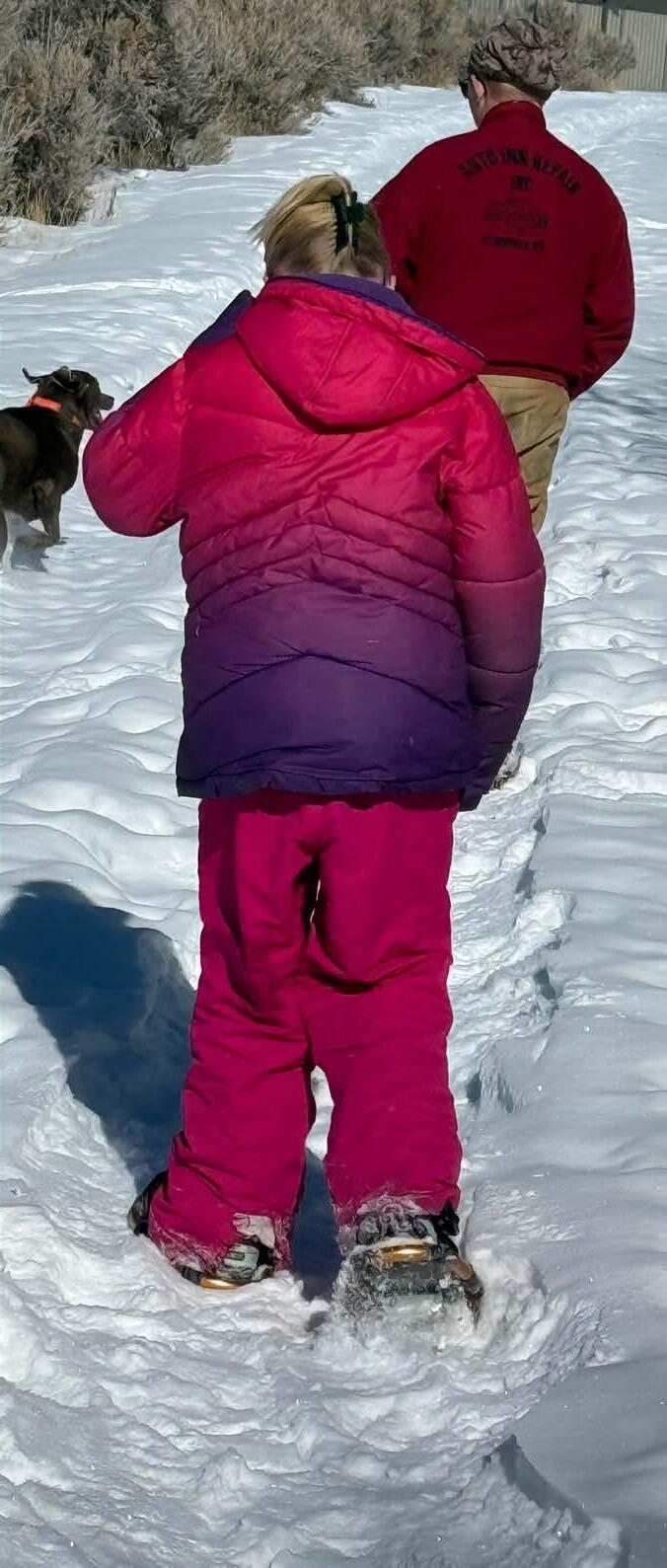
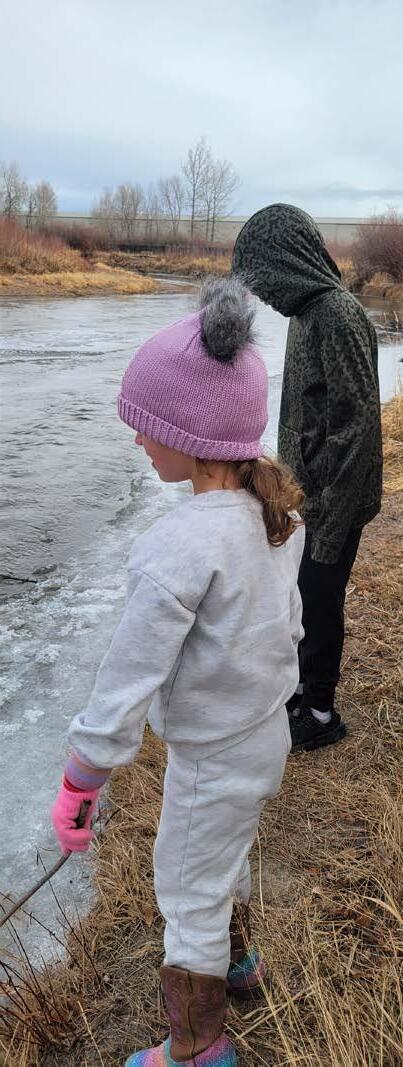
Center: Two participants visit the Laramie River for a winter nature walk— their favorite activity in January.
participant's
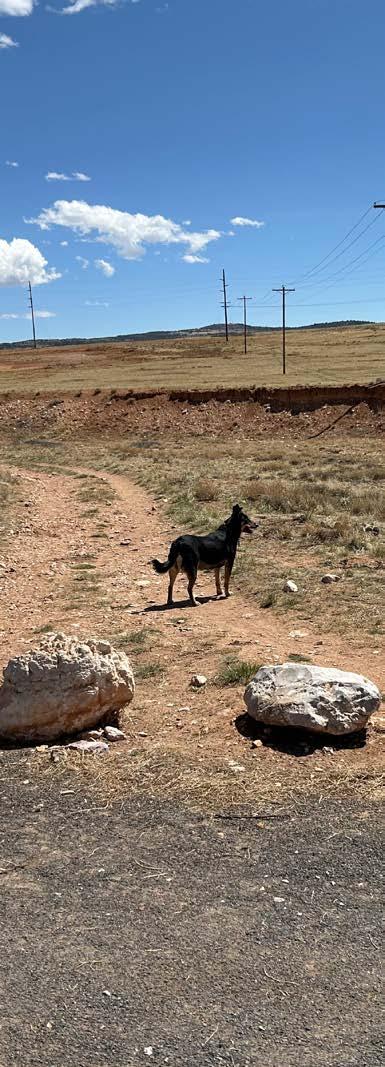
Left: Ready, Set, Explore participants snowshoe with their dog, enjoying a beautiful, sunny day in Uinta County. Photo courtesy of Annemarie Albins.
Photo courtesy of Kristin Dale Lanouette.
Right: A
dogs are ready for an adventure on Pilot Hill trails in Albany County.
Photo courtesy of Cindy Price Schultz.
UW EXTENSION EDUCATORS HELP LINFORD SCHOOL GARDEN GROW NEW ROOTS
written by Kali McCrackin Goodenough , University of Wyoming Extension
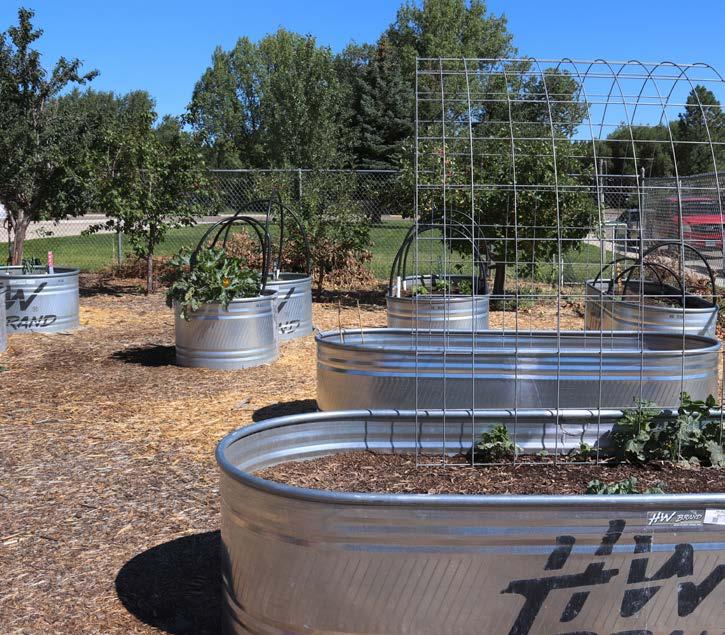
For the last few years, the garden at Linford Elementary School in Laramie has been dormant. With Laramie’s short growing season that spans the months when school is out of session, it’s been a challenge to keep the garden going.
In 2024, Linford librarian Stefanie Hunt and UW Extension Cent$ible Nutrition Program educator Ruth Lake decided to revive the program.
SOWING NEW SEEDS
“I’ve helped with the garden in the past, and it was kind of in shambles the past couple years,” says Hunt. “So, we wanted to partner with Ruth and Albany County 4-H. They came to me with ideas about adding more garden troughs and getting kids together to help us.”
As a Cent$ible Nutrition Program (CNP) educator, Lake provides nutrition education and facilitates community partnerships to help Wyoming residents achieve food security. “The counselor at Linford is trying to get a food pantry started in the school, and so we wanted to help provide produce…that the kids grew themselves,” she explains.
Once the Linford PTO (parent-teacher organization) approved the project, Lake and Albany County 4-H educator Amanda Dougherty jumped in, hosting several seed-starting activities before summer break. They invited both Linford students and Albany County 4-H members.
As part of rehabilitating the garden, new soil donated by Big Huhnks Excavation Company
CNP educator Ruth Lake (left) and Linford librarian Stefanie Hunt (right) stand at the entrance to the revitalized garden at Linford Elementary School. Photo by Kali McCrackin Goodenough.
was added to the garden beds. Fresh wood chips donated by Lodgepole Products were laid down throughout the garden area to keep the weeds down. This community support was essential to restarting the garden.
Many Linford students helped with transplanting and garden upkeep during the growing season, coming back week after week to see how their seeds progressed to seedlings and then to plants. “They wanted to be part of their own garden,” says Lake.
In the fall, students formed a garden club and participated in weekly harvests. The produce was donated to Linford’s new food pantry.
When Lake showed up to work in the garden at the end of the school day, the garden club participants were always eager to join her. “I think they feel ownership and pride in the garden,” she says.
A COLLABORATIVE EFFORT
In addition to Lake and Dougherty, Brenna Litynski, a UW Extension agriculture and natural resources educator in Albany County, joined in to share her expertise.
“I think it’s helpful to have multiple perspectives and skill sets on a project like this,” she says. “There were times where our leaves were getting eaten on one of the plants and Ruth sent me a picture…As an agriculture and natural resources educator, I could try and find the reason for that and come up with some kind of solution.”
Lake, Dougherty, and Litynski are all newer members of the Albany County extension office.
The Linford Garden project helped bring them together on an effort that’s already making a difference in the community.
“As someone who’s super new to the job, this project let me network with the community and learn about the things that are going on in Laramie,” Litynski comments.
“We learned a lot from this first year and will go forward from there,” says Lake. “That’s the part that has me excited. This is not just a one-year thing. This is going to be an ongoing project.”
Going forward, Hunt hopes more students and teachers will get involved. Even students who aren’t directly involved in the project could benefit from visiting the garden, she says. Whether it’s starting seeds, pulling weeds, or keeping a science notebook, the Linford Garden offers new educational opportunities for Laramie youth.
If the students working in the garden before and after school are any indicator, the new roots at Linford’s garden have been a success. “We got a lot more accomplished this summer than I think we ever have,” Hunt reflects.
“I hope that our excitement and enthusiasm can be realized and other people can grab on to that and want to be a part of this,” Dougherty adds. n
To learn more about gardening opportunities for youth in Laramie, contact Lake at rlake4@uwyo.edu or Dougherty at afluegel@uwyo.edu.
The garden at Linford Elementary School includes two indoor growing spaces (left) as well as outdoor raised beds (right). Photo by Kali McCrackin Goodenough.
Johnson County 4-H’er Marco Monterastelli always has his camera at the ready. Here, he pauses for an impromptu roadside photo shoot outside Buffalo. Photo by Amanda Monterastelli.
JOHNSON COUNTY 4-H’ER BECOMES BUFFALO’S YOUNGEST PROFESSIONAL PHOTOGRAPHER
written by Brooke Ortel , University of Wyoming Extension
At 16 years old, Johnson County 4-H member Marco Monterastelli might be the youngest photographer in Wyoming with a press pass.
A rising sophomore in high school, he already owns and operates his own photography business, Marcello Monterastelli Photography. He’s also a regular contributor to his hometown newspaper, the Buffalo Bulletin, and an awardwinning contestant in the annual Wyoming State Fair photo competitions.
On any given day, you might find Monterastelli behind the camera at a local rodeo, 4-H camp, high school cross-country meet, or wedding. Recently, he even traveled to Los Angeles to serve as a professional photographer for a national flag football event.
FINDING HIS SPARK
Monterastelli’s photography journey began with Wyoming 4-H. He joined the Johnson County program at age 8, starting out with livestock projects and cake decorating. But, from an early age, he was captivated by the photos taken by older 4-H members. He remembers thinking, “I want to take pictures like that.”
In fifth grade, Monterastelli took his first step toward that dream, borrowing a camera from a family friend and embarking on his first 4-H photography project. As with many Wyoming 4-H’ers, caring mentors were key to his success.
“4-H is all about a positive youth learning environment and giving kids resources to find their sparks—their interest areas, the things that make them go,” says Bryce McKenzie, Johnson County 4-H educator. “Marco genuinely desired to do photography and that made his learning path easier, his progression quicker. Kids learn better when they enjoy doing it.”
With McKenzie’s help, Monterastelli connected with local photojournalist Jessi Dodge, who worked at the Buffalo Bulletin at the time. She quickly proved to be an excellent mentor, exemplifying 4-H’s mission to facilitate hands-on learning opportunities for youth.
BECOMING A PROFESSIONAL
“It opened a lot of paths for me,” Monterastelli notes. “I see the world in a different way because I’m always looking for what would be a good picture. Like, how could I get a very unique picture rather than something just
like everybody else would take. I think it’s helped shape me as person.”
Johnson County 4-H’ers don’t shy away from Monterastelli’s camera, which means he gets some great action shots, even of kids who might usually back away from a photographer.
“Marco spent a lot of time behind the camera and we rely on him at [4-H] Mountain Camp,” says McKenzie. “At one point, the photography was a 4-H project, but now he’s giving back to us.”
As Monterastelli honed his skills at 4-H events and sports games, Johnson County residents began asking where they could view—and purchase—his photos.
Eventually, Monterastelli decided it was time to launch a business. He reached out to Dodge for advice, and she coached him through the initial website setup. Today, Monterastelli runs the site himself, with minimal assistance from his parents. (He does, however, enlist his mother’s help for photo shoots that require a fog machine.)
After a few years and many hours of practice, Monterastelli has gone from a quiet kid with a borrowed camera to a young professional with a growing business. In addition to capturing landscapes, livestock, and 4-H activities, he also takes dozens of senior photos for Buffalo High School students and is a fixture at local sporting events.
“I bring my camera everywhere,” Monterastelli says. “I enjoy editing pictures and seeing how they turn out. I also really like seeing the client’s reaction…It’s really rewarding to see work you’ve put in make someone happy.”
A CLOSE-KNIT COMMUNITY
From his parents and 4-H mentors to Lanna Wing, the photographer who loaned him his first camera, Monterastelli has received lots of enthusiastic support from his family and community.
“I think that having all of these really good mentors throughout my journey has really helped,” he reflects. “They’ve been really supportive and helped promote me, and then all of the kids…have been really kind and helped promote me, reposted my pictures. It really helps that we live in a small community.”
Besides, he adds, “I feel like just about everybody knows someone in the Monterastelli family.” Monterastelli’s siblings, parents, and grandparents have all actively participated in the Johnson County 4-H program. In fact, his best advertising scheme is organic and unpaid—a product of his older brother’s enthusiastic and ongoing word-of-mouth campaign.
Especially during the week of county fair, Monterastelli is constantly on the move, quietly scooting up close to get photos of every event
A familiar face at local sporting events, Monterastelli enjoys capturing athletes in action, like this Buffalo High School swimmer. Photo by Marco Monterastelli.
possible. In one case, his mother recalls, the judge welcomed her son right into the show ring so he could get closer to the action—practically beside the pig’s snout.
“We have somebody here who is willing to be on the ground level with the pigs,” McKenzie says. “He’s in the [4-H] program and that makes it even better.”
Monterastelli still manages to show his own pigs as well. After all, selling market pigs is a good way to help fund new camera gear. When he heads into the ring to show livestock, another local photographer fills in to make sure Monterastelli isn’t left out of the event photos.
Of course, Monterastelli also enters the photo contests in county and state fairs. When pressed for details, he humbly admits that he’s won quite a few ribbons over the years.
As a professional with his own business, Monterastelli now enters his photos in the open class of the professional category in addition to competing with other 4-H’ers. Often, that means going up against photographers who have decades more experience than he does.
“I think sometimes people don’t take him as seriously because he is only 16,” says his mother, Amanda Monterastelli. “But we have always said that it doesn’t matter if you’re 16 or 50. If it’s a good picture, it’s a good picture.”
WHAT’S NEXT?
After receiving a grand champion ribbon in the open class photo competition at State Fair last year, Monterastelli has been working hard to improve his shot at first place in the 4-H competition. While he still loves capturing athletes in action, he’s been practicing landscape photography in preparation for the contest.
Recently, Monterastelli has also begun experimenting with videography. In spring 2025, he entered a video production competition organized by Future Business Leaders of America.
The topic was how tourism affects your town or state, he explains, so he worked with local business owners to assemble a series of clips showcasing downtown Buffalo. Once again, Monterastelli’s hard work and talent, paired with the support of his family and community, led to success. His video was selected for entrance in a national competition.
Regardless of what Monterastelli’s future holds, McKenzie is confident he’ll excel in whatever he chooses to do next. “Marco is a quiet talent that allows his actions to speak for him,” the 4-H educator remarks. “What he does, he does well. That goes for all aspects of life.” n
Monterastelli earned a grand champion ribbon at the 2024 Wyoming State Fair for this photo of a longhorn calf near his home in Buffalo. Photo by Marco Monterastelli.
AWARDS
Every year, the UW College of Agriculture, Life Sciences and Natural Resources recognizes exceptional alumni, valued partners, and generous supporters of the college. The 2025 Ag Appreciation Award recipients are outstanding alumni Alan Knapp, Dolly Watson, and Wes Watson; corporate partner Western EcoSystems Technology, Inc.; and legacy donor Farm Credit Services of America.
OUTSTANDING ALUMNI AWARD: UW ALUM RECOGNIZED AS GLOBAL LEADER IN RANGELAND ECOLOGY
Alan Knapp earned both his master’s and doctoral degrees in botany from the University of Wyoming. At UW, he laid the foundation for a career that would change how researchers understand and manage rangelands on a global scale. Osvaldo Sala, professor at Arizona State University, describes Knapp as “the most influential rangeland ecologist of this generation.”
Knapp is currently a University Distinguished Professor at Colorado State University. Known for his groundbreaking research on topics like precipitation variability and land use, Knapp has published over 300 peerreviewed papers and his research has been cited more than 48,000 times.
As a lifetime member of the UW Alumni Association, a mentor to Wyoming scientists, and a past board member of the Program in Ecology and Evolution (PiEE), Knapp remains deeply connected to UW.
OUTSTANDING ALUMNI AWARD: LIVESTOCK ENTOMOLOGIST DEVELOPS INNOVATIVE PEST MANAGEMENT SOLUTIONS
Wes Watson, a native of Rawlins, Wyoming, earned his master’s in livestock entomology from the University of Wyoming in 1984. Livestock entomology is the study of livestock insect pests, like bot flies or sheep ticks.
“[Watson] is an innovator and a leader—tackling emerging problems and pushing our science into unexplored areas,” says Phillip Kaufman, professor at Texas A&M University. For example, Watson’s graduate research on cattle lice still informs FDA protocols today. Watson also helped develop new pest management options, including a walk-through fly vacuum system that provides a way for organic livestock producers to control cattle pests.
Prior to retirement, Watson served as president of the Entomological Society of America and head of the Department of Entomology and Plant Pathology at North Carolina State University.
OUTSTANDING ALUMNI AWARD: RESEARCHER DEVELOPS NEW METHODS FOR STUDYING SOIL MICROBIOLOGY
Dorothy “Dolly” Watson earned her bachelor’s degree in botany from UW in 1976 and a master’s in agronomy in 1987. Her graduate committee chair, UW Professor Emeritus Stephen Williams, still uses methods Watson outlined in her master’s thesis.
Watson’s research focused on arbuscular mycorrhizal fungi, microscopic soil organisms that connect to plant roots to improve nutrient uptake and soil health. Her research helped confirm the importance of these organisms to plant health and she was often called upon to identify samples for researchers across the country.
“Dolly brought not only technical expertise to our team but also an unwavering dedication to scientific integrity and discovery,” says Michelle Schroeder-Moreno, director of the Center for Environmental Farming Systems at North Carolina State University.
Alan Knapp
Wes & Dolly Watson
OUTSTANDING PARTNER AWARD:
INDUSTRY PARTNERSHIP SUPPORTS STUDENT SUCCESS,
SCIENTIFIC DISCOVERY
Western EcoSystems Technology, Inc. (WEST) has been an outstanding corporate partner for the University of Wyoming and the College of Agriculture, Life Sciences and Natural Resources. WEST offers environmental and statistical consulting services both nationally and internationally for projects focusing on ecology. The company’s specialties range from environmental permitting, vegetation, and reclamation to wetlands, water, and wildlife research.
WEST was co-founded in 1990 by two researchers at the University of Wyoming: Lyman McDonald, a now-retired professor of statistics and zoology, and Dale Strickland, who earned a PhD in ecology from UW in 1975. WEST has employed 43 UW alumni over the years and has engaged in research collaborations with UW on at least 10 different projects. WEST has also provided philanthropic support to UW through the WEST Graduate Student Enrichment Fund for Quantitative Research in Wildlife and Fisheries Ecology.
LEGACY AWARD:
MISSION-DRIVEN FINANCIAL COOPERATIVE HELPS SECURE FUTURE OF WYOMING AG
In a bold and transformational commitment to the University of Wyoming’s land-grant mission and Wyoming’s agricultural legacy, Farm Credit Services of America (FCSAmerica) has established the Farm Credit Services of America College of Agriculture, Life Sciences and Natural Resources Deanship at UW.
Endowed deanships are among the most prestigious and impactful gifts a university can receive. They empower academic leaders to drive innovation, support faculty and student success, and respond quickly and effectively to challenges and opportunities. For the College of Agriculture, Life Sciences and Natural Resources, this means expanded support for high-impact teaching, research, and community engagement across critical areas such as natural resource management, food systems, environmental stewardship, and rural resilience.
As Dean Kelly Crane notes, “Endowed deanships are game changers,” allowing the college to attract exceptional talent and lead with vision. The Farm Credit Services of America Deanship not only elevates the college, but also strengthens the university’s role as a national leader among land-grant institutions.
This investment builds on FCSAmerica’s long-standing commitment to education and rural prosperity in Wyoming and neighboring states. As a mission-driven financial cooperative, FCSAmerica has always understood that the future of agriculture depends on strong leadership. Its support of UW affirms a shared belief in preparing the next generation of agricultural innovators and problem-solvers.