SERVING WYOMING
THE LAND-GRANT MISSION IN ACTION

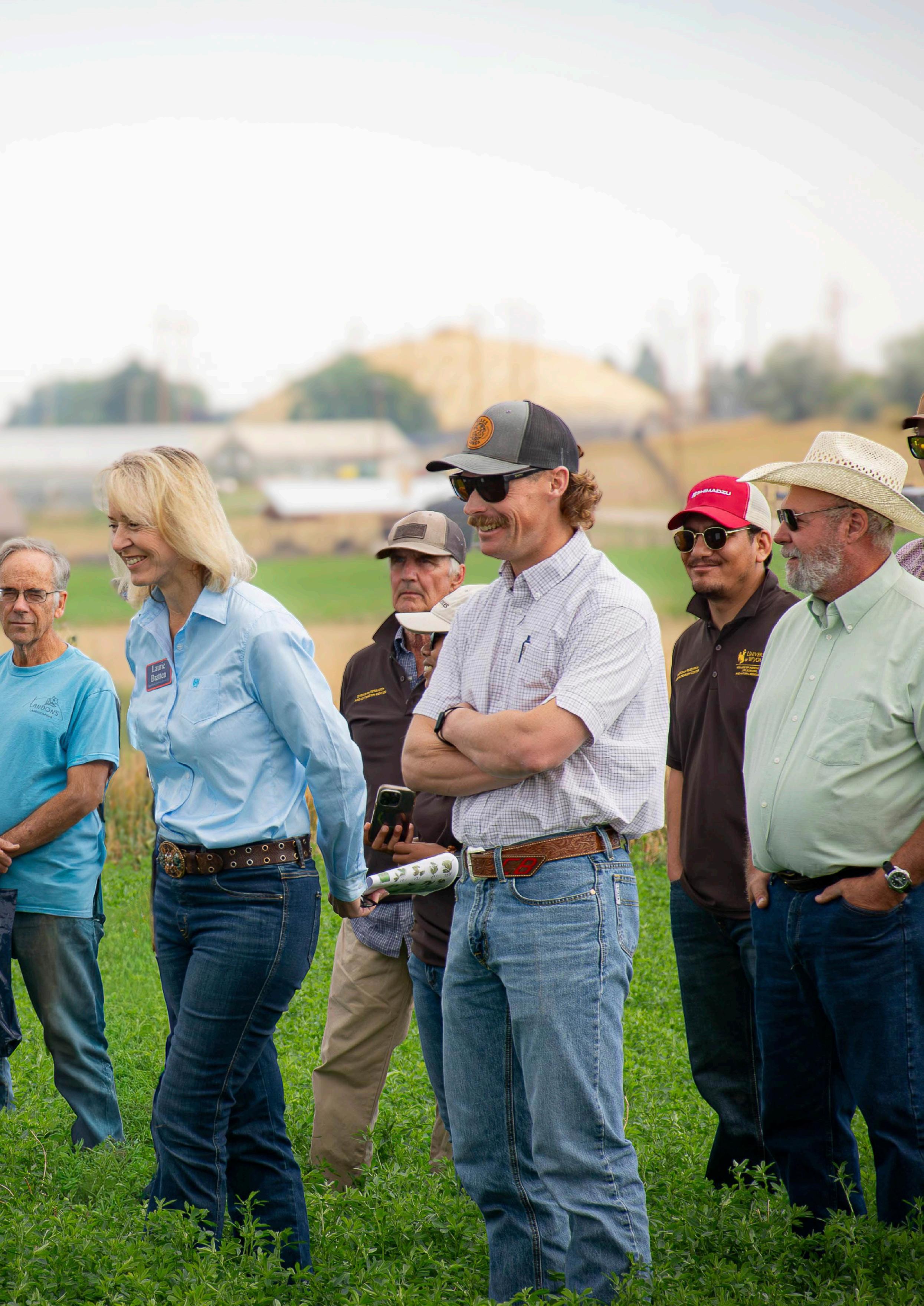
The strength of Wyoming lies in people who know the land, understand its challenges, and show up to solve them—together.
The strength of Wyoming lies in people who know the land, understand its challenges, and show up to solve them—together.
The land-grant vision began with President Abraham Lincoln’s signing of the original Morrill Act of 1862 and expanded through the Hatch Act of 1887 and the Smith–Lever Act of 1914. Together, these landmark acts established a national network of universities committed to three enduring principles:
• Providing practical, accessible education
• Advancing research that addresses real-world challenges
• Serving communities through Extension
At the University of Wyoming, the College of Agriculture, Life Sciences, and Natural Resources (CALSNR) embodies this mission in action. We educate Wyoming’s future workforce, conduct research that strengthens agriculture and natural resources, and deliver Extension programs that support families, youth, and communities across all 23 counties and the Wind River Reservation.
Today, as Wyoming faces rapid change, emerging industries, and increasing pressures on working lands and rural economies, the land-grant mission has never been more essential.
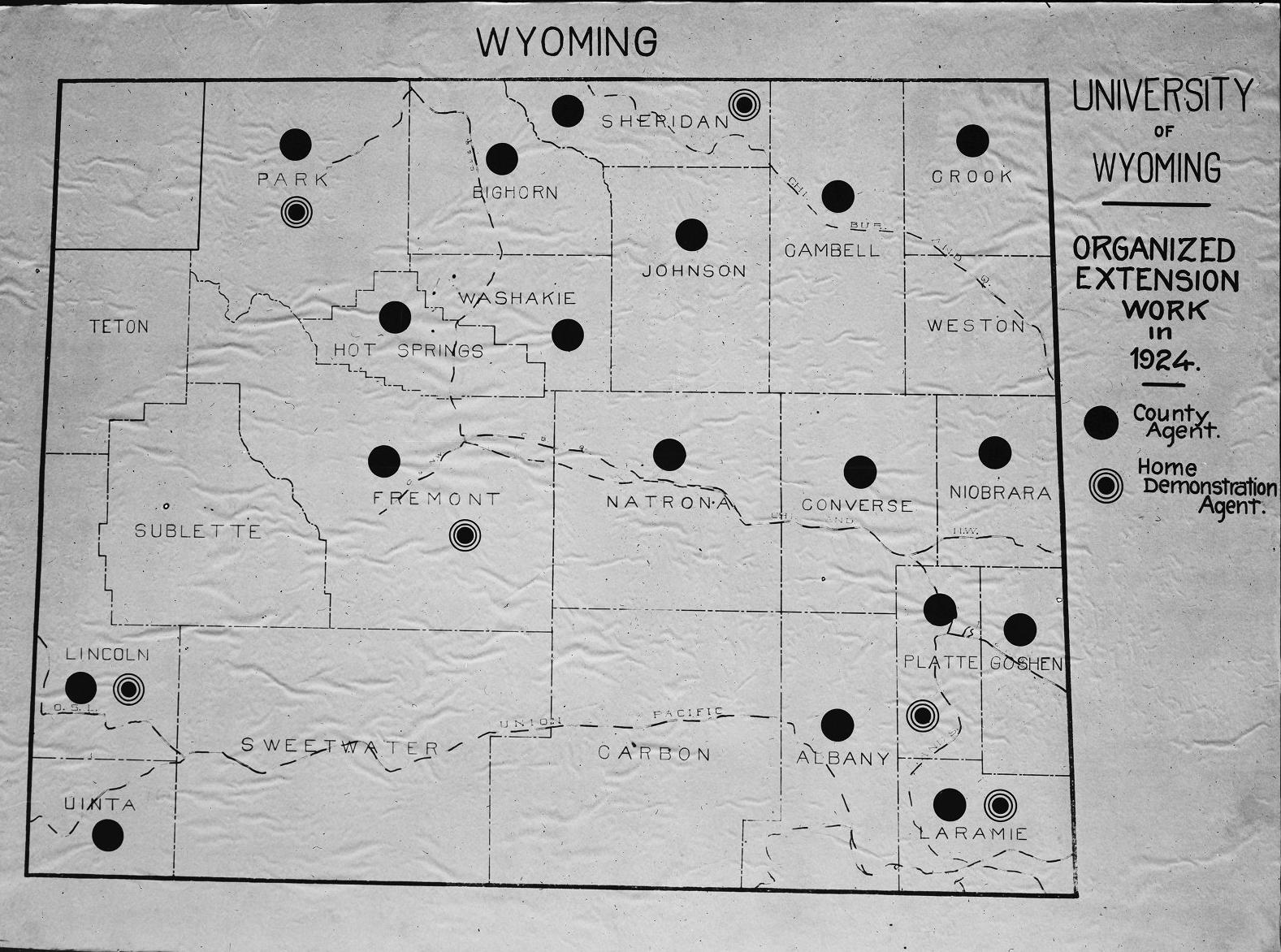
Wyoming’s communities are navigating profound and interconnected challenges:
• Workforce shortages in rural regions
• Increasing pressure on water, soil, and rangeland health
• Rising costs for livestock and crop production
• Drought, wildfire, invasive species, and changing ecosystem dynamics
• Limited access to healthcare and essential services
• The need to create viable futures for young people in small towns
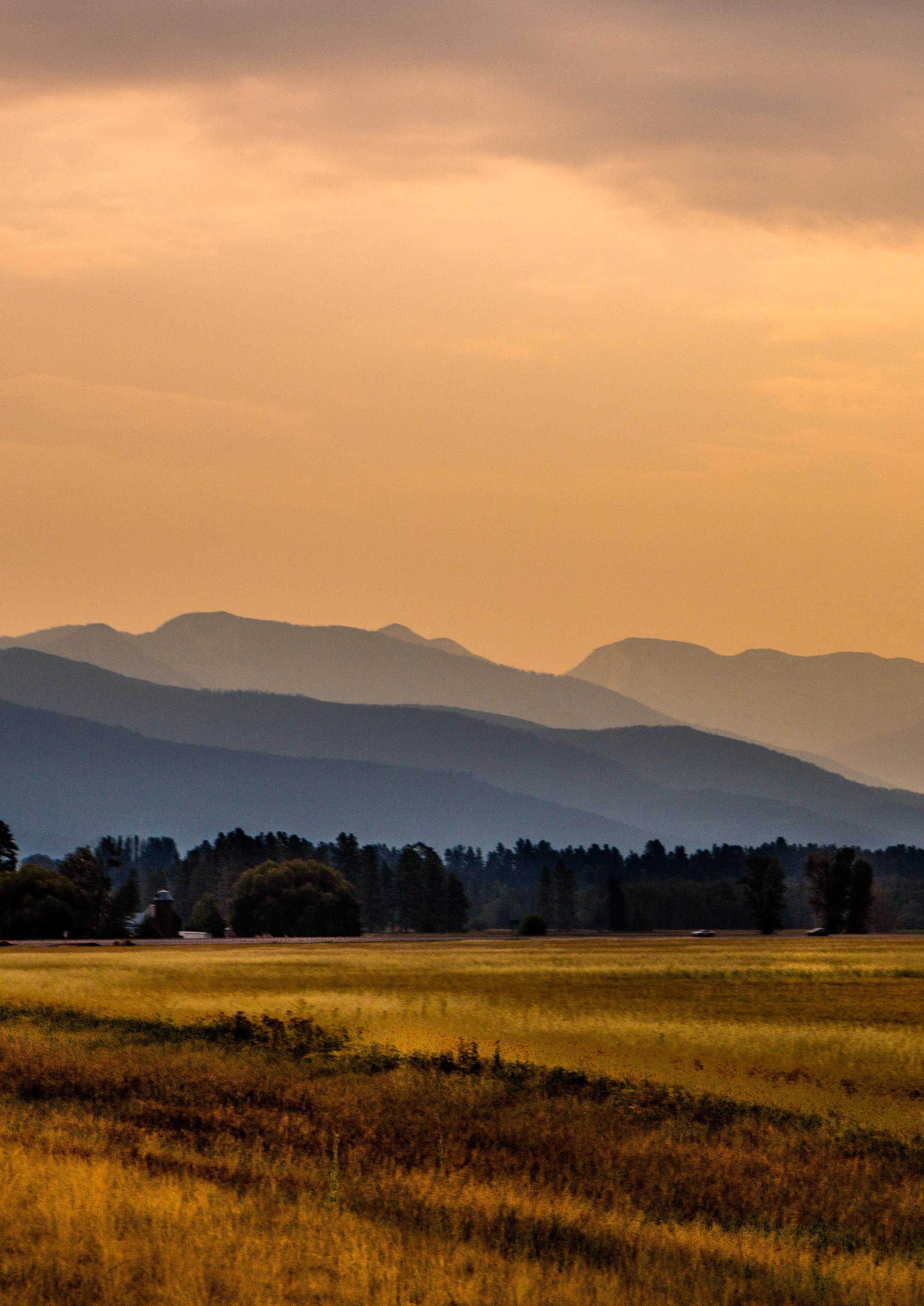
Together, these challenges shape the work of CALSNR—guiding how we teach, discover, and serve across the state. Our efforts strengthen ranching and farming, support wildlife and natural resource management, improve public health, nurture youth leadership, and help build durable economic pathways for rural communities.
CALSNR translates the land-grant mission into measurable outcomes that serve Wyoming’s people, industries, and landscapes.
TEACHING
14:1 Student-Faculty Ratio
• 1,427 STUDENTS ENROLLED
• 30+ ACADEMIC PROGRAMS
• 351 FIRST-GENERATION STUDENTS TO ATTEND COLLEGE
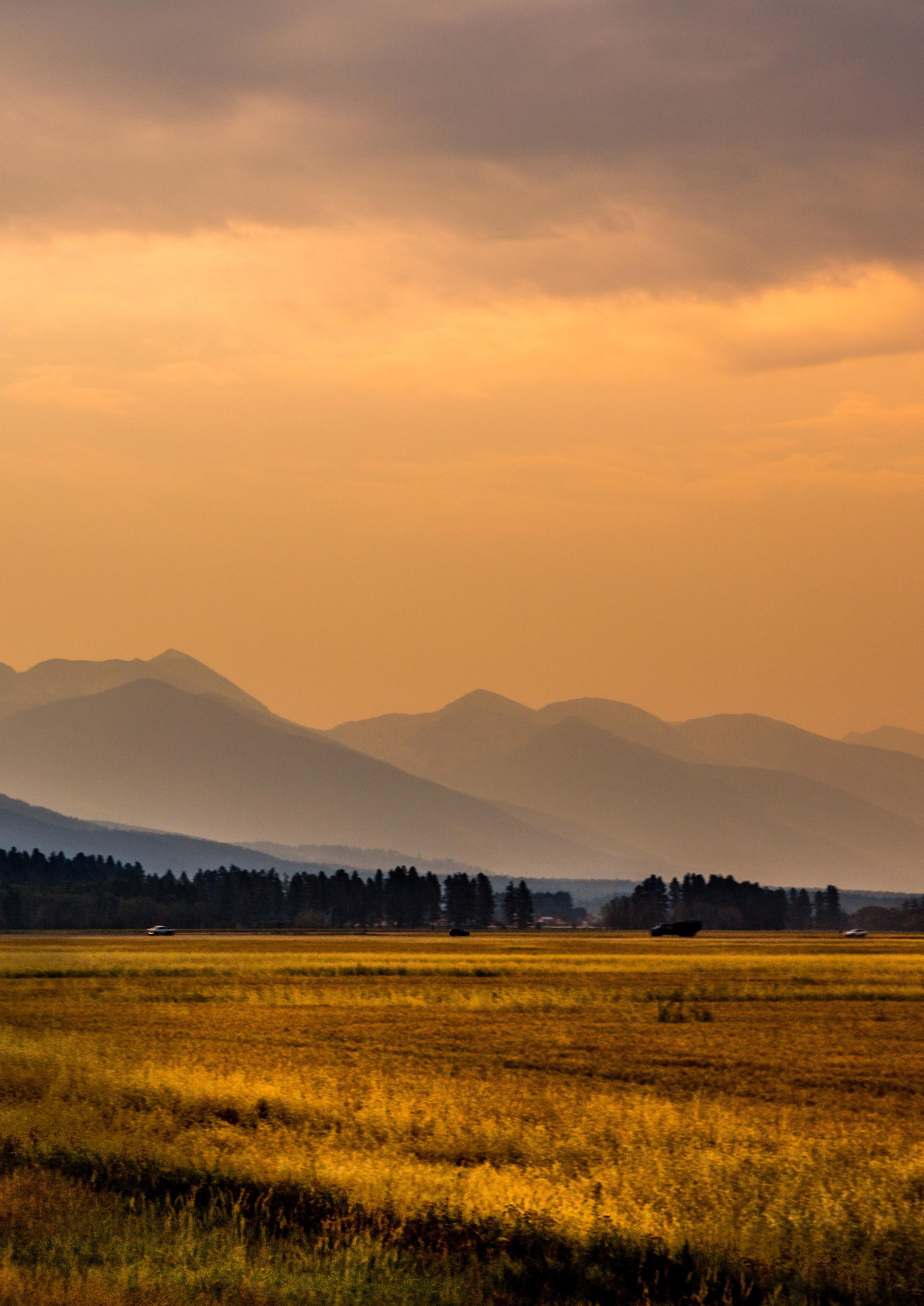
$37,912,890 Research Grants
• AGRICULTURE & NATURAL RESOURCES
• BIOTECHNOLOGY
• NEUROSCIENCE & PHYSIOLOGY RESEARCH
• WILDLIFE & FISHERIES
• ECOLOGY
11,457 Instructional Hours
• 4,811 PROGRAMS DELIVERED STATEWIDE
• 71,790 ADULT EDUCATIONAL INTERACTIONS
• 55,162 YOUTH CONTACTS EXTENSION
PARTNERSHIPS & SUPPORT
A leader in donor and industry support at UW
• 118 NEW DONORS
• INCREASED ANNUAL GIVING BY $385,153
• OVER $9 MILLION IN TOTAL DONOR SUPPORT

To fulfill the University of Wyoming’s land-grant mission, CALSNR operates through a connected network of county Extension offices, research and extension centers, and campus partners. Each location functions as an active collaborator— conducting field-based research, delivering education and workforce training, supporting industry and career development, and responding directly to local community needs.
This statewide network ensures that knowledge, expertise, and practical solutions reach Wyoming’s people where they live and work.
Where people live, we are there. Where challenges emerge, we respond.
WIND RIVER RESERVATION
Locations shown by county to reflect CALSNR’s statewide service model.
TEACHING
Main Campus
Satellite Campus



Research and Extension Center
Research and Outreach

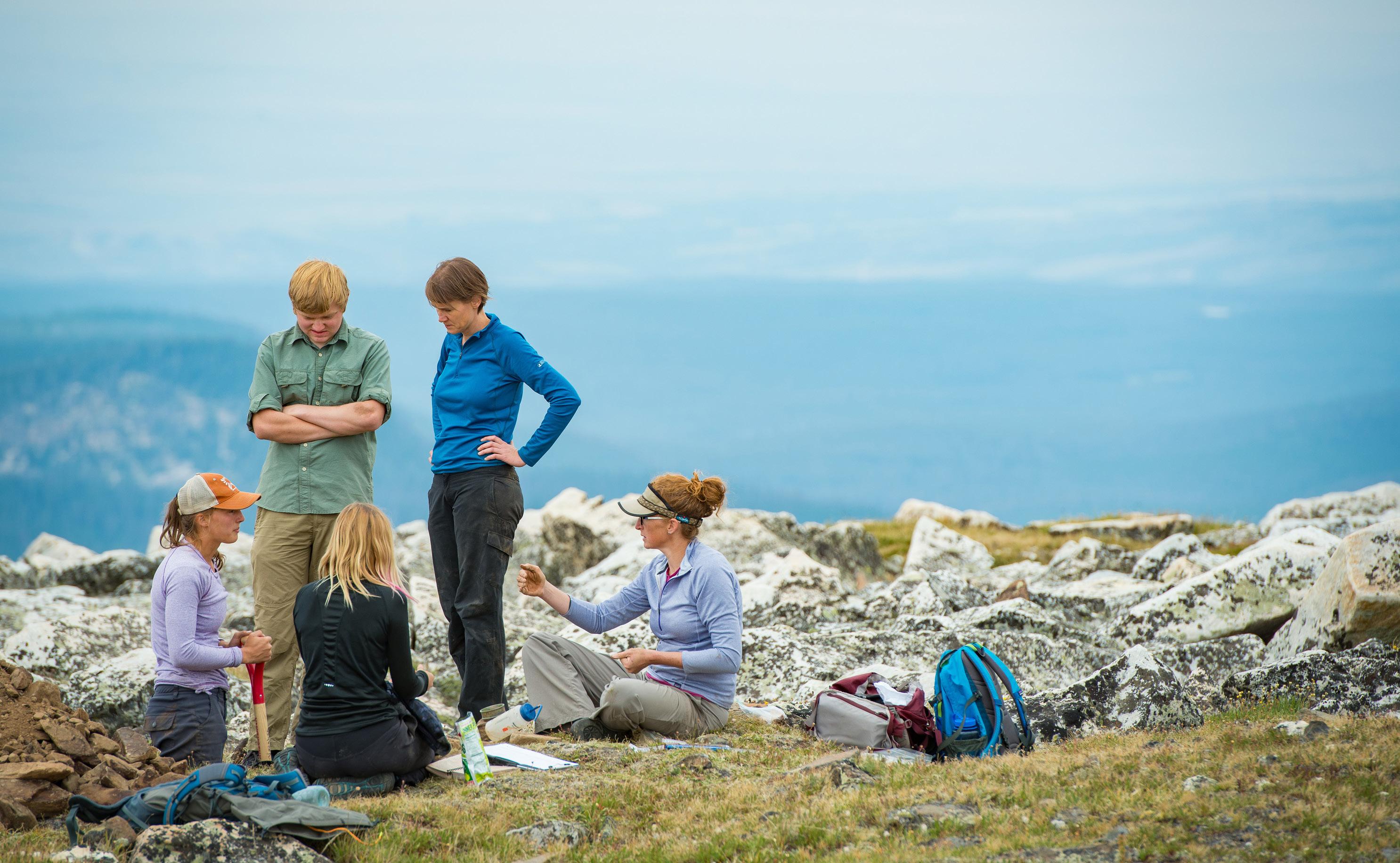
EMPOWERING STUDENTS. STRENGTHENING WYOMING.
CALSNR prepares students to thrive in agriculture, natural resources, and the life sciences by connecting classroom learning with real-world discovery. Students work alongside researchers, industry partners, Extension educators, and community organizations—developing the skills Wyoming employers need today and the leadership the state will need tomorrow.
173 Incoming Transfer Students 31%
1,254 First Generation Undergraduates 28% Graduates
With 14:1 faculty mentorship, students gain individualized academic support and access to hands-on research at UW’s statewide facilities. Incoming First-Time Students 69% Undergraduates
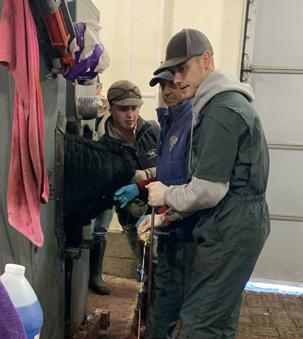
Students train artificial intelligence models to detect heart and lung disease in cattle, gaining specialized experience while advancing tools that protect Wyoming’s beef industry.
Learn more: bit.ly/4q3uWim
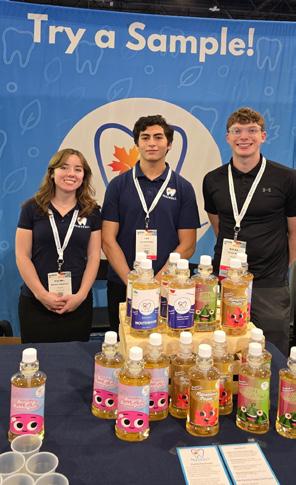
Undergraduate researchers helped uncover how cavity-causing bacteria resist treatment—leading to development of a new maple-based mouthwash and demonstrating how CALSNR students convert scientific discovery into public benefit and entrepreneurial opportunity.
Learn more: bit.ly/44uNkIJ
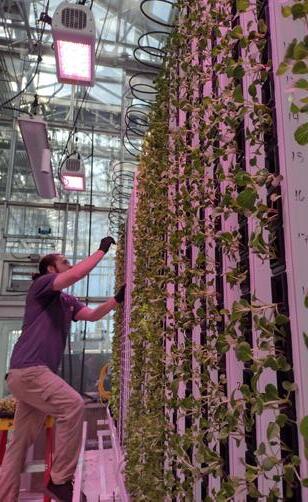
Launched in 2024, this interdisciplinary course trains students to operate hydroponic and vertical farming systems—preparing a workforce for Wyoming’s growing interest in resilient, locally produced food systems.
Learn more: bit.ly/4aj1ksK
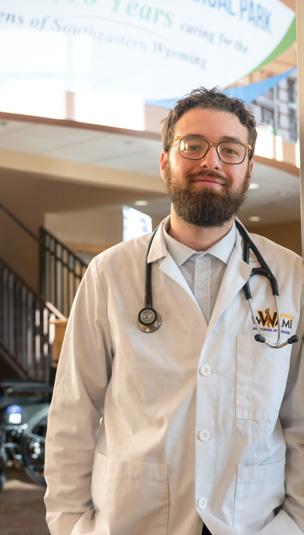
CALSNR faculty lead core biomedical instruction in Wyoming’s WWAMI program, biology and physiology majors – preparing future physicians and strengthening healthcare workforce capacity statewide.
Learn more: bit.ly/4qmMqqE
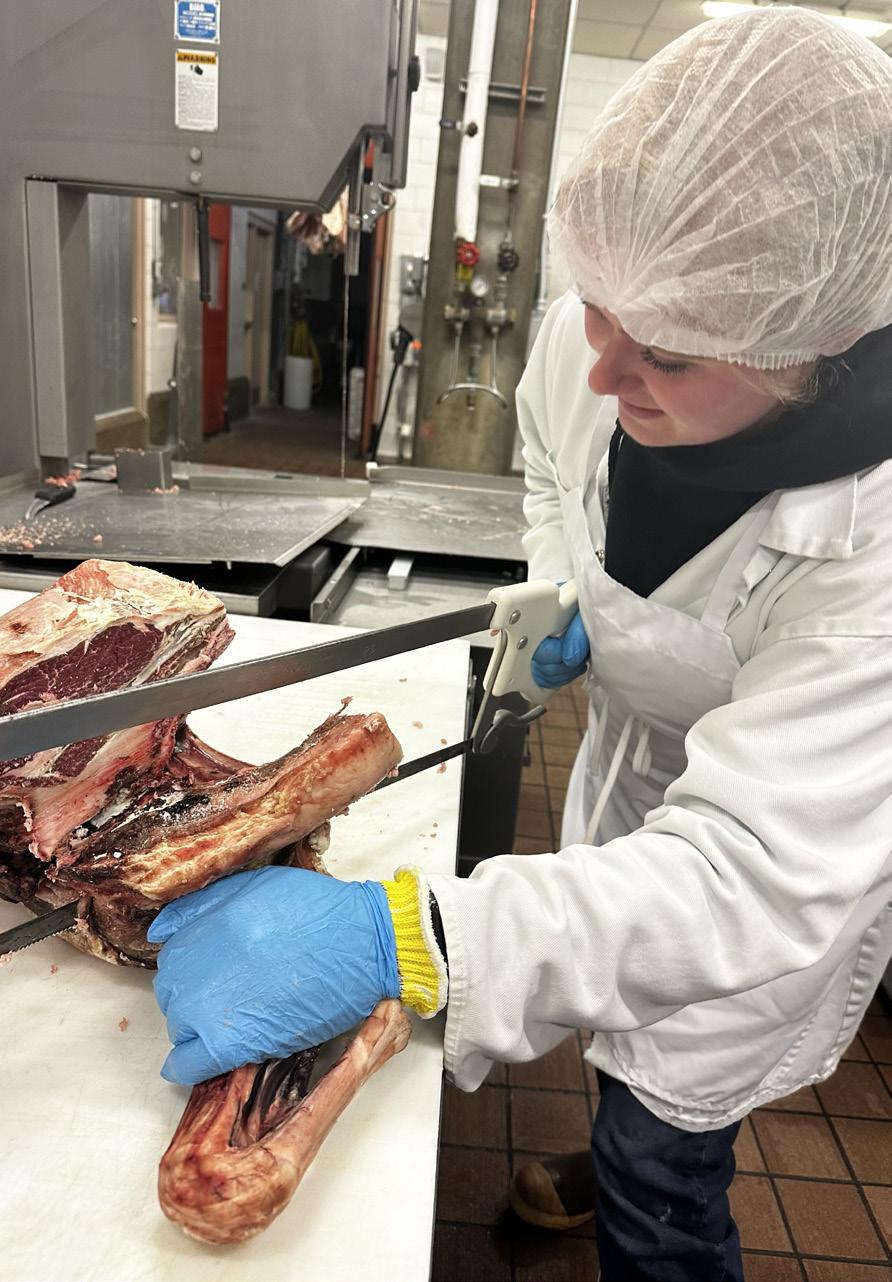
UW’s meat processing course provides hands-on training in food safety, curing, and value-added meat production. Working in the UW Meat Lab, students develop practical skills for careers in meat science, processing, and ranch-based enterprises—strengthening Wyoming’s food system through safe, value-added production.
Learn more: bit.ly/4iVhA5k
No matter where you come from or what your background is, as long as you are interested and passionate, we have a good supporting team here to help you succeed.”
Dr. JJ Chen | Plant Sciences

Over the past five years, CALSNR has awarded more than 1,350 degrees across agriculture, life sciences, and natural resources.
live and work in the region
86% employed in their field of expertise 55%
$81,400
Estimated average wage potential for CALSNR graduates
$40,000–$42,000
Average wage potential without a college degree
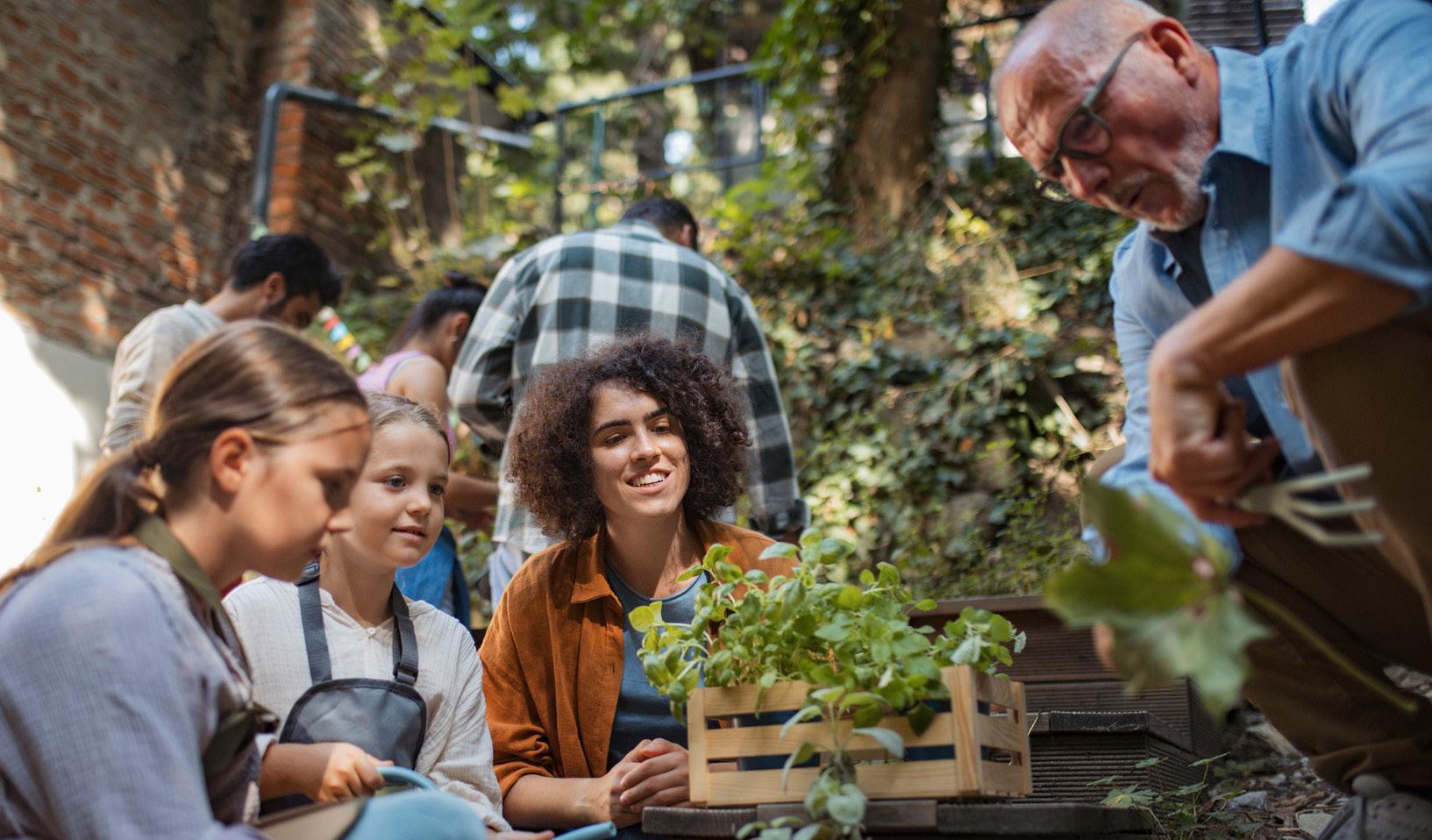
CALSNR graduates carry their education into daily work across Wyoming, applying practical skills and local knowledge in agriculture, natural resources, and public service to support working lands, trusted institutions, and the communities that depend on them.
Kelcey Christensen
B.S., Animal & Veterinary Sciences
After more than a decade managing UW’s Meat Lab, Kelcey Christensen founded 307 Meat Company to help meet Wyoming’s local meat-processing needs. His work supports small producers, expands local processing capacity, and strengthens rural food systems—helping keep value-added agriculture rooted in Wyoming communities and giving producers more options close to home.
Joe Reed | Ph.D., Microbiology
Joe Reed directs chemical testing, microbiology, and preparedness programs at the Wyoming Public Health Laboratory. A UW graduate, he supports statewide public health and emergency response efforts, providing reliable science that protects communities during everyday operations and times of crisis. His work helps ensure Wyoming remains prepared, resilient, and responsive to public health challenges.
Tanner Warder
Kerin Clark
B.A., Agricultural Communications
With nearly three decades of experience in agricultural communications and youth leadership, Kerin Clark serves as a leading advocate for Wyoming agriculture. As Executive Vice President of the Wyoming Farm Bureau Federation she helps connect producers, policy, and education— strengthening agriculture’s voice and representation across Wyoming.
Embere Hall | Ph.D., Ecology
A UW Ph.D. graduate, Embere Hall helped establish Wyoming Game and Fish’s first dedicated research program. She now leads statewide efforts to improve wildlife management through better data, monitoring, and long-term planning. Her work strengthens how science informs decision-making that affects Wyoming’s landscapes, wildlife populations, and public trust.
B.S. Wildlife & Fisheries Biology & Management
Raised in Big Horn, Wyoming, Tanner Warder turned a lifelong connection to open spaces into public service. As a UW undergraduate, his field research documenting mule deer migration gained national attention. Today, he applies hands-on experience to habitat monitoring, fence retrofitting, and wildlife conservation projects across the Bighorn region.
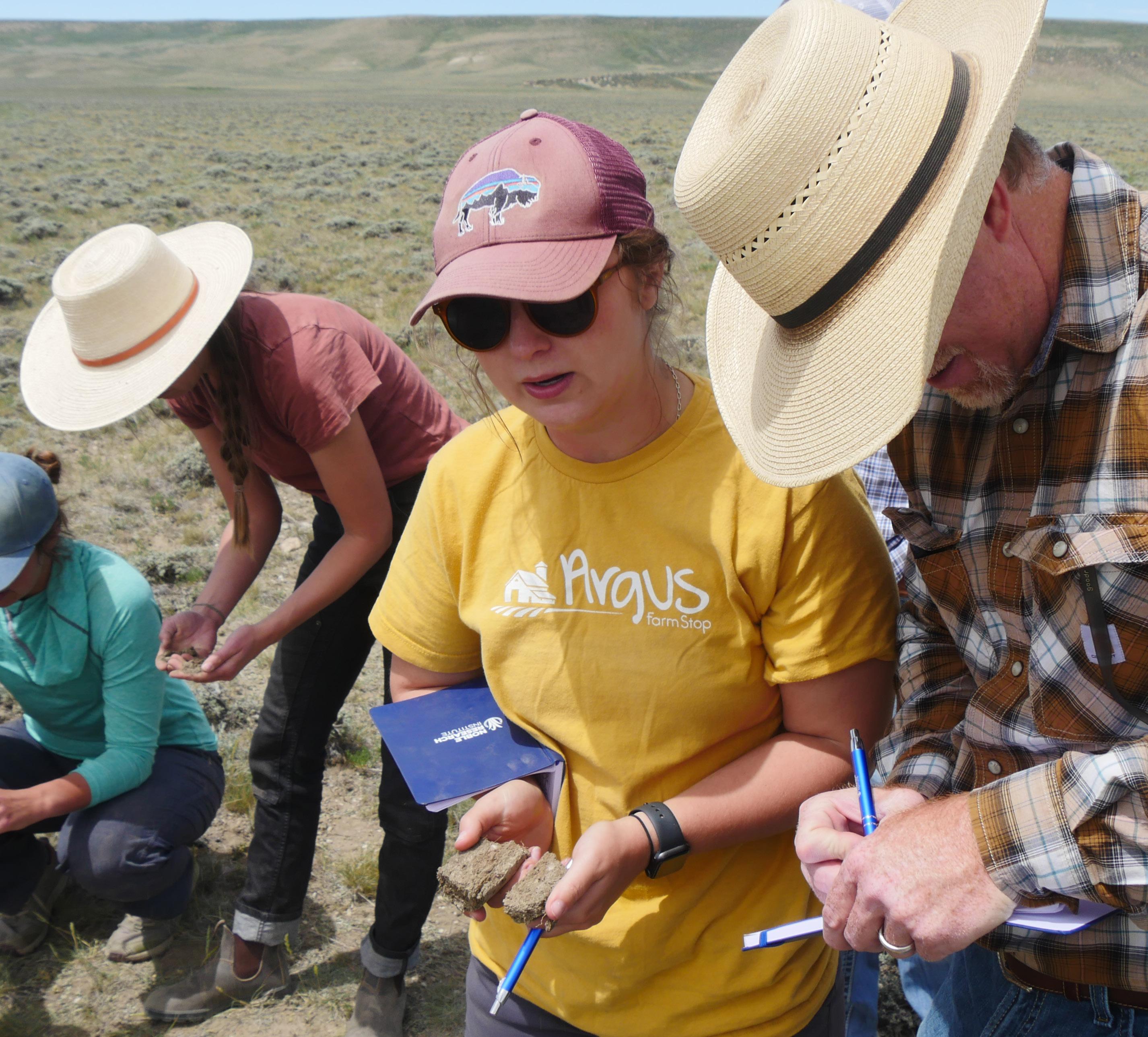
We are a group of problem solvers. . .working with partners to answer questions that matter.”
Dr. Brian Mealor | Interim Associate Dean & AES Director
While CALSNR prepares students to lead Wyoming’s future, our research teams work to solve the state’s most urgent challenges today. Grounded in Wyoming’s landscapes, industries, and communities, this work delivers practical solutions—from animal health and invasive species management to water, wildfire, and rural well-being.
Through trusted partnerships, CALSNR brings federal resources and national expertise to Wyoming to address challenges across land, livestock, wildlife, water, and rural communities. In FY2024, these efforts resulted in $37.9 million in new research grants supporting applied research and collaboration statewide.
The initiatives below are just a few examples that reflect how partnerships turn research into work that matters to Wyoming.
IMAGINE
Managing Invasive Annual Grasses
Purpose
Reduces invasive annual grasses to improve rangeland health, wildfire resilience, and long-term land stewardship statewide.
Partners
Wyoming Agricultural Experiment Station Bureau of Land Management · USDA ·
Wyoming Weed and Pest Councils
Wyoming Migration Initiative
Purpose
Supports conservation of Wyoming’s wildlife migrations while balancing habitat connectivity with working lands.
Partners
Wyoming Game and Fish Department · U.S. Geological Survey · Bureau of Land Management · Private Landowners
Wyoming INBRE
Biomedical Research Network
Purpose
Expands Wyoming’s biomedical research capacity by supporting faculty, students, and shared research infrastructure.
Partners
National Institutes of Health · IDeA
Program University of Wyoming · Regional Research Institutions
Noble Research Institute
3M Project
Purpose
Measures and reduces methane in grazing systems while supporting productive, economically viable livestock operations.
Partners
Noble Research Institute · University of Wyoming · USDA · Industry Collaborators
WyACT
Purpose
Helps communities and land managers plan for environmental change using applied research and decision tools.
Partners
National Science Foundation · University of Wyoming · State and Local Agencies
WyCHEx
Purpose
Builds drought resilience by strengthening Extension capacity and producer decision-making around weather, water, and land.
Partners
NOAA National Drought Information System Northern Plains Climate Hub Wyoming Climate Office · USDA Farm Service Agency
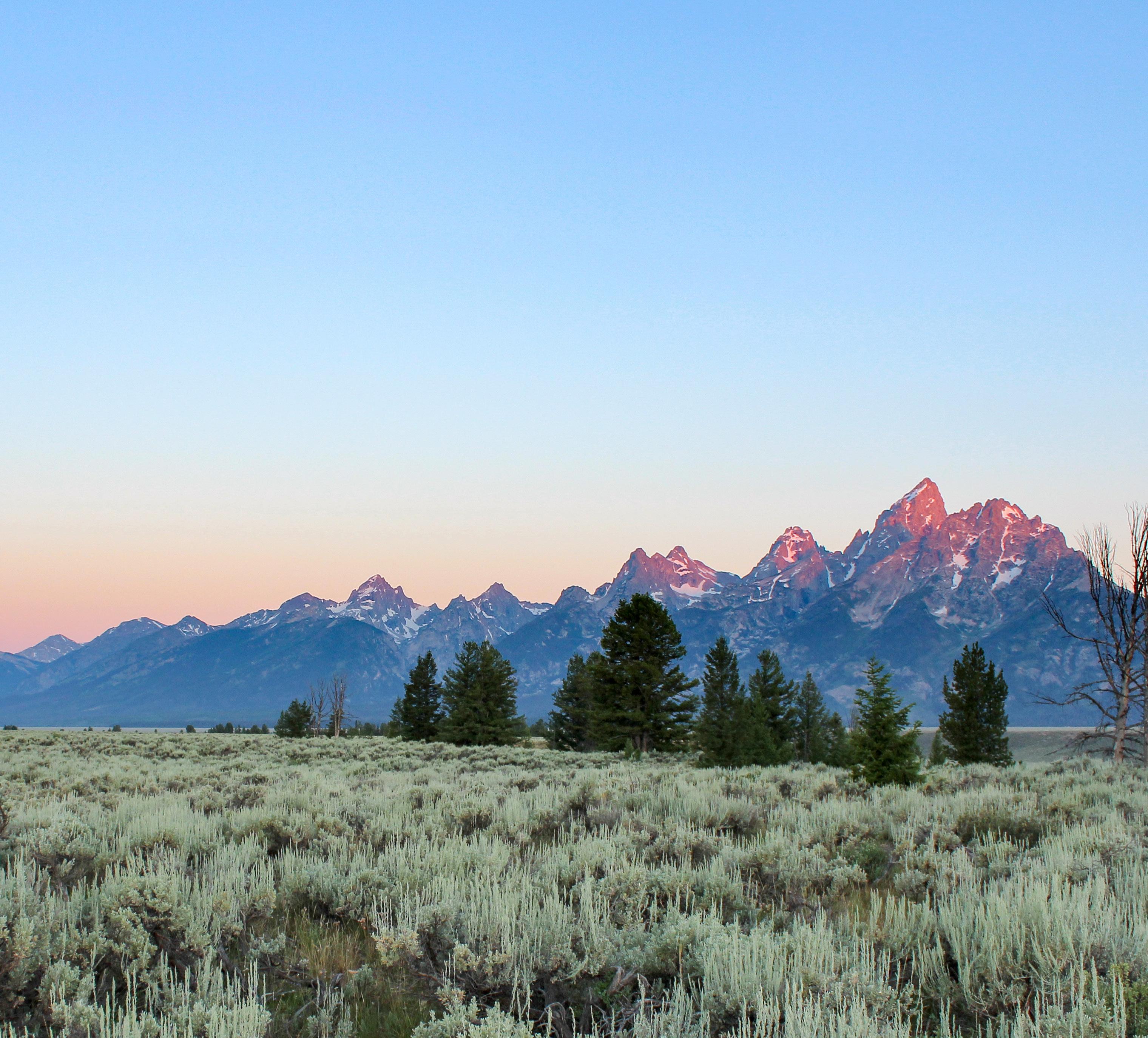
CALSNR research begins with the realities producers face—weather, markets, land conditions, and time—and focuses on knowledge that can be applied directly in working operations. The result is critical insights that sustain productive lands, healthy livestock, and resilient agricultural businesses across Wyoming.
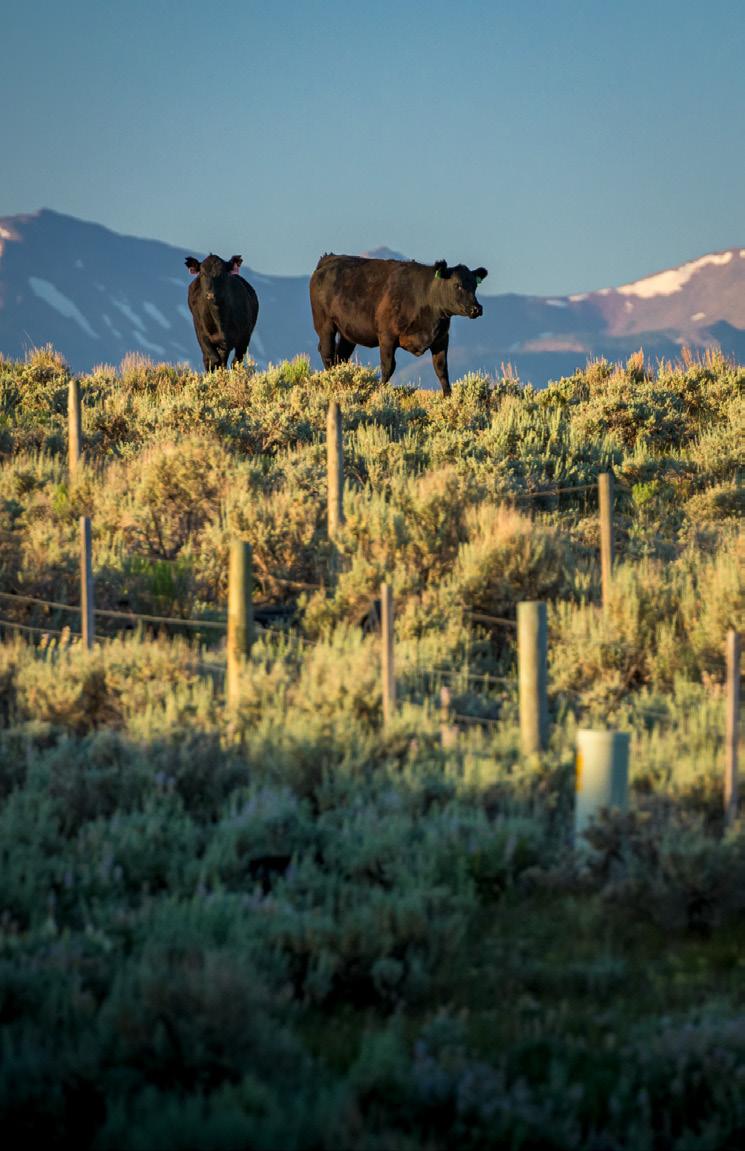
Animal Science researchers use high-altitude bull testing to translate performance data into practical breeding decisions, strengthening herd outcomes and producer confidence across the Mountain West.
Learn More: bit.ly/3Kzikk3
Rancher-Led Innovation
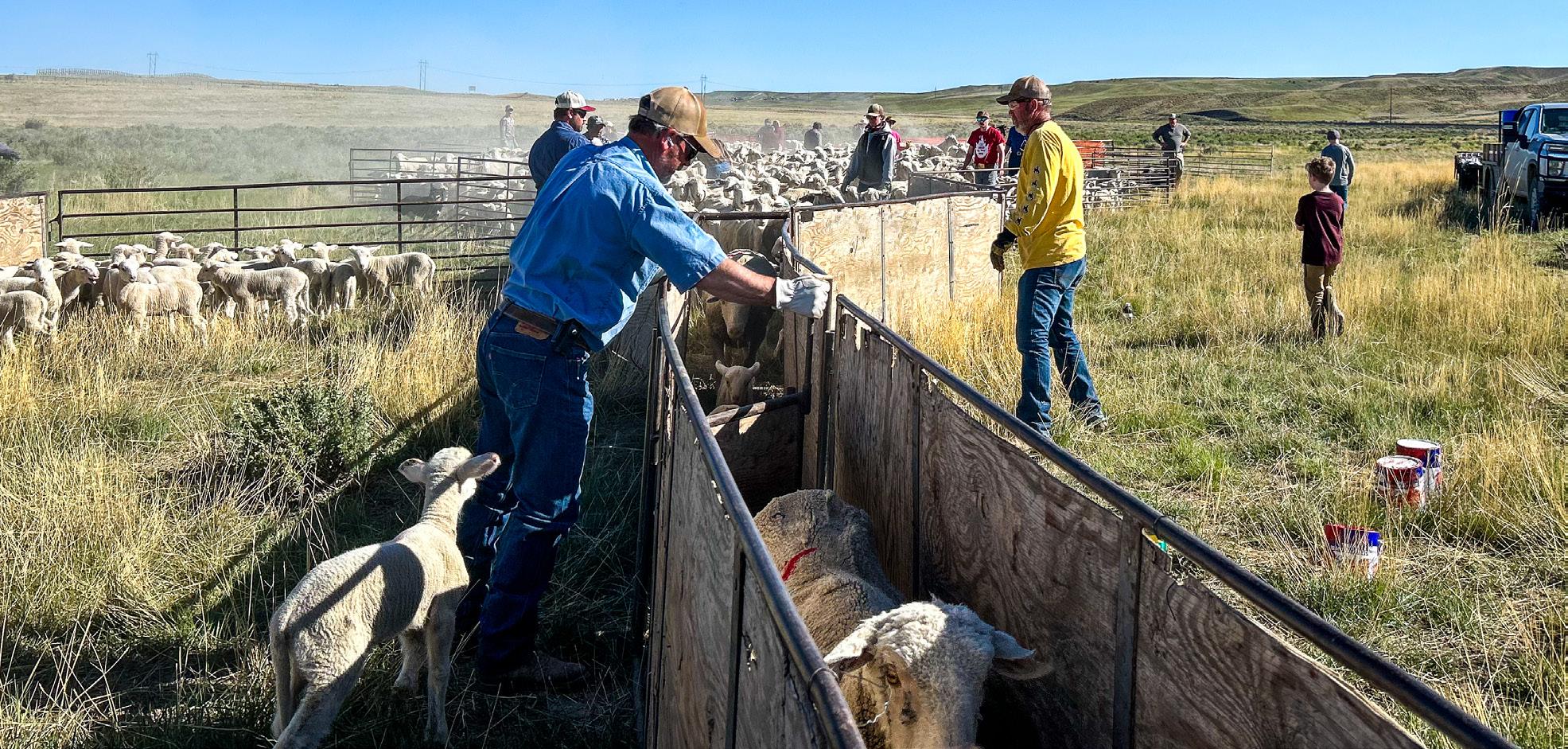
Animal Science researchers work alongside producers to test practical approaches to nutrition, grazing management, and predator challenges— producing results that integrate directly into ranch operations.
Learn More: bit.ly/3KOplO0
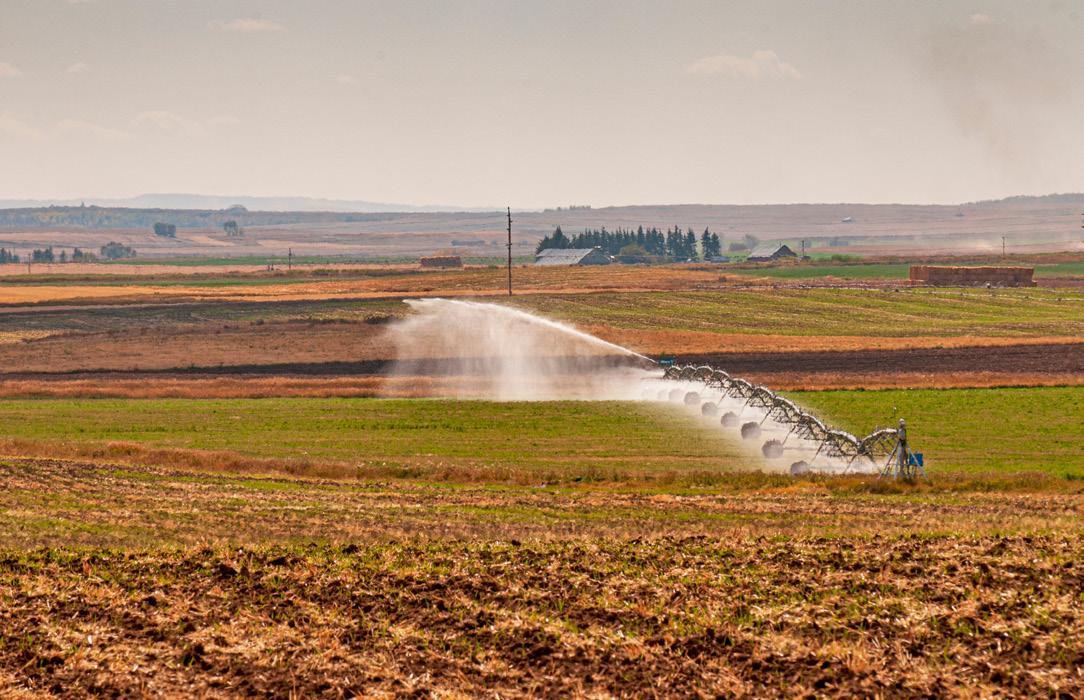
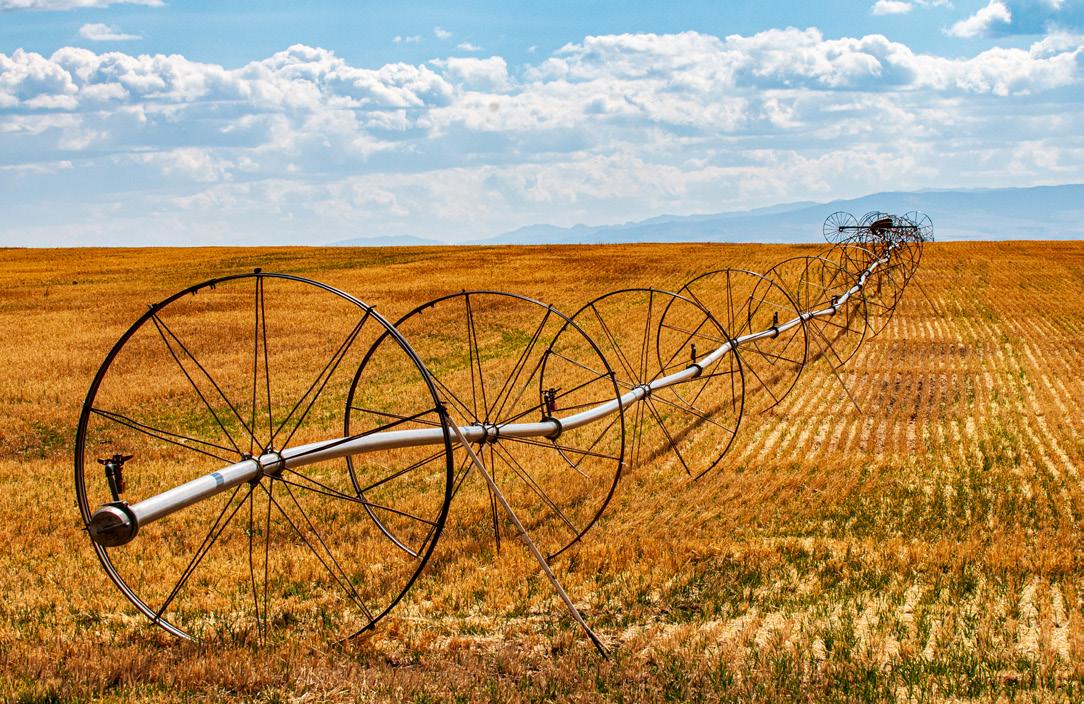
Ecosystem Science and Management researchers show how irrigation timing affects evaporation and water-use obligations—guiding producers toward more efficient practices.
Learn More: bit.ly/49cb5I2
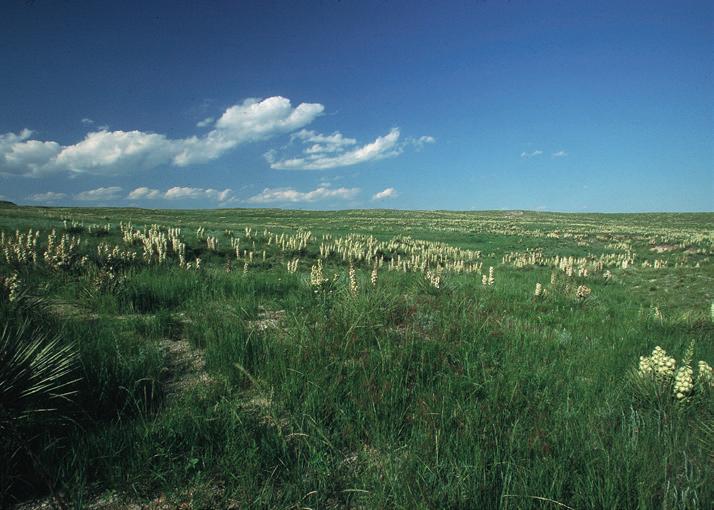
Plant Science researchers lead statewide strategies to control invasive annual grasses—protecting forage, wildlife habitat, and ranching livelihoods.
Learn More: bit.ly/4qeaM5j
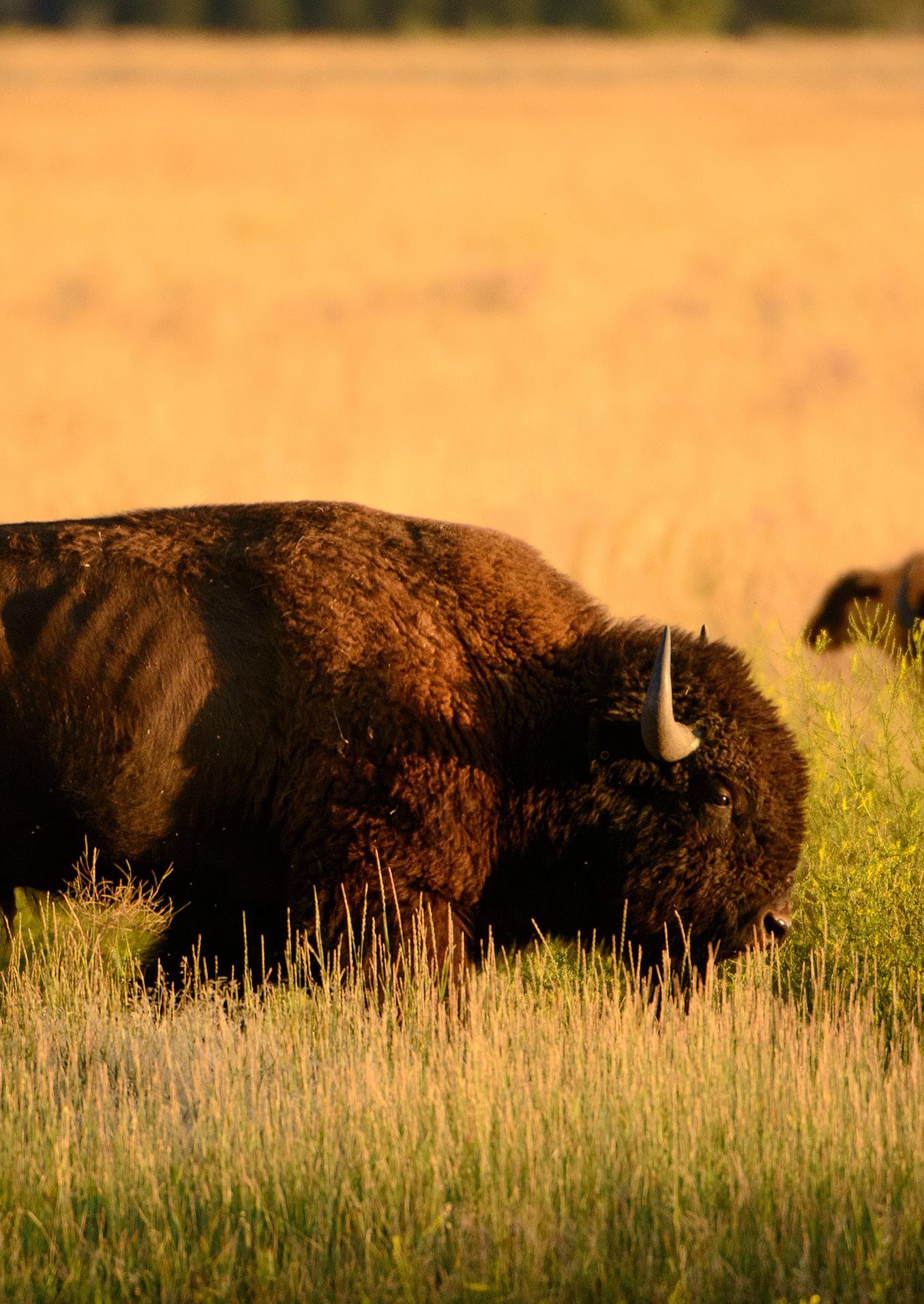
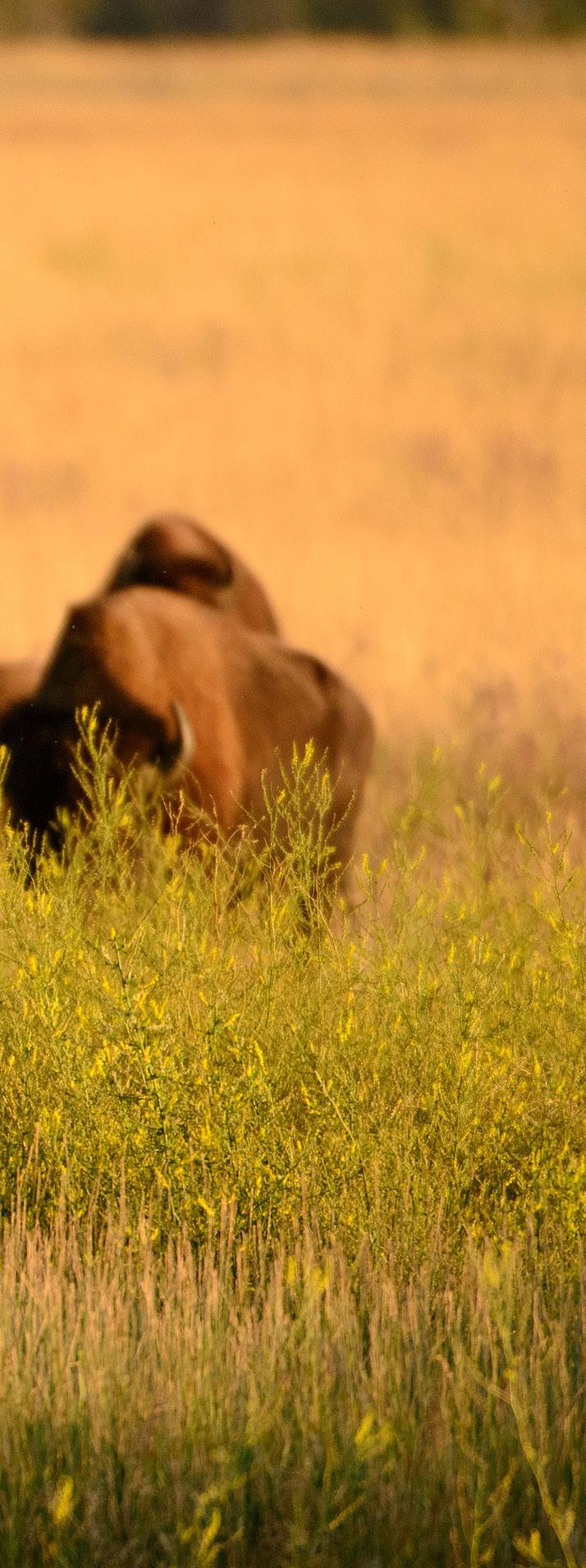
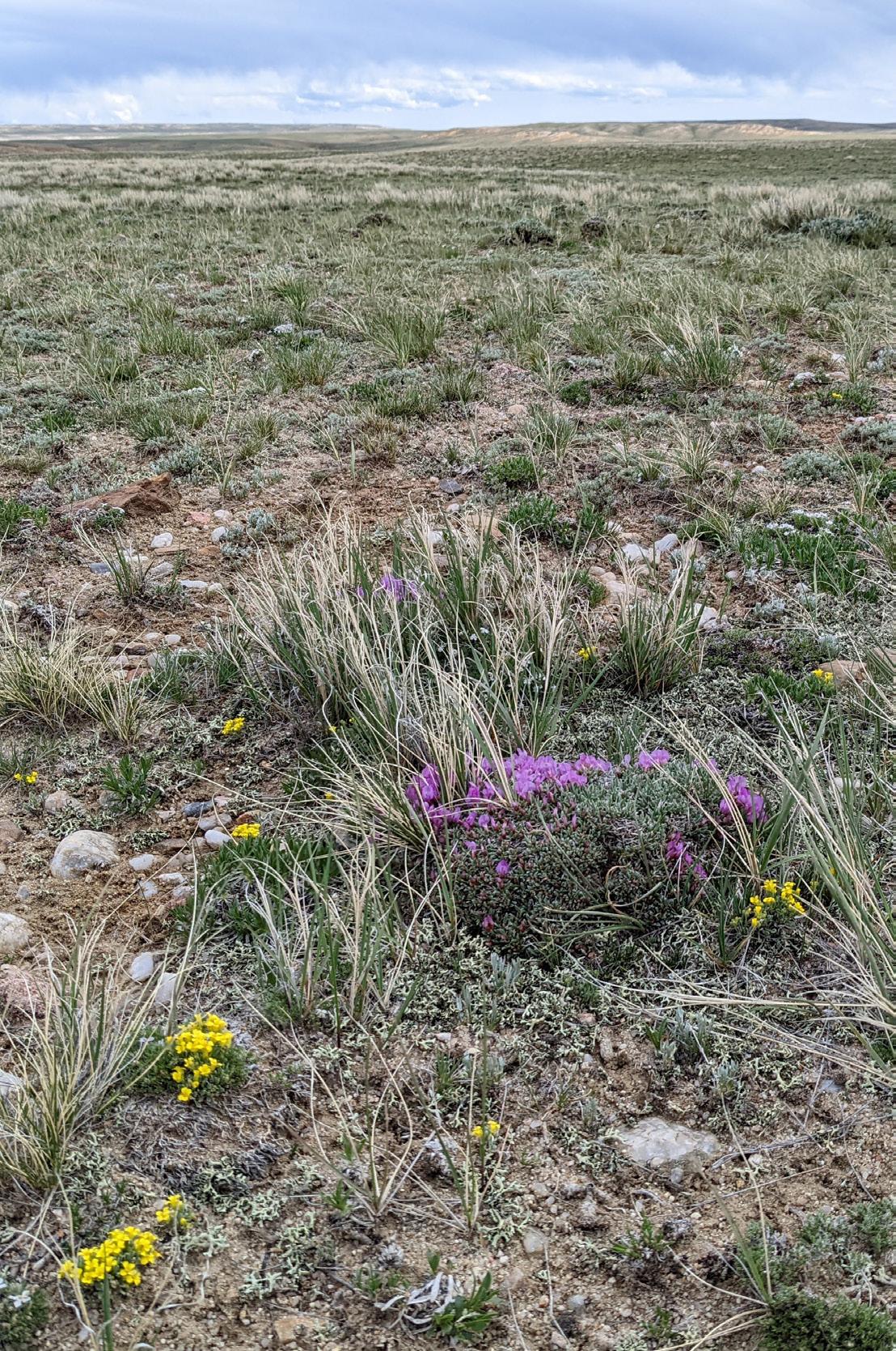
Wyoming’s landscapes support many uses at once—wildlife habitat, working lands, recreation, and communities. CALSNR research helps make sense of how these systems interact and where thoughtful management can make a difference. By studying movement, habitat, water, and restoration at the scale they occur, this work provides decision-makers with information they can trust to care for Wyoming’s land, wildlife, and natural resources over the long term.
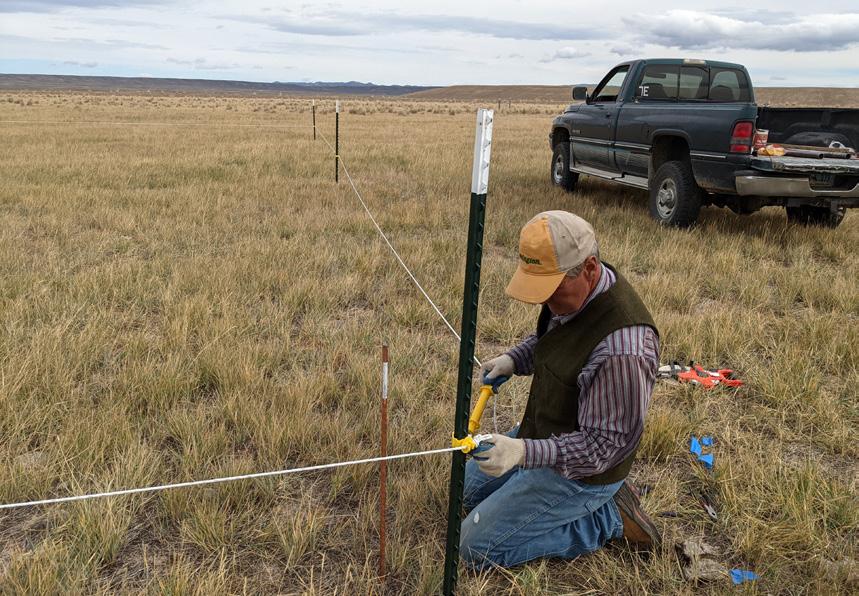
Researchers from Ecosystem Science and Management and Agricultural and Applied Economics lead an NSF-funded study to improve mine reclamation—reducing erosion and enhancing long-term landscape recovery.
Learn More: bit.ly/44s62k7
Improving Chronic Wasting Disease Detection
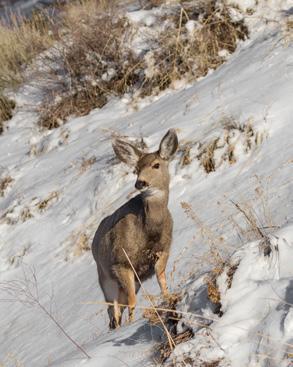
Veterinary Science researchers partner with Wyoming Game & Fish to develop more sensitive diagnostics that support wildlife health.
Learn More: bit.ly/4blTija
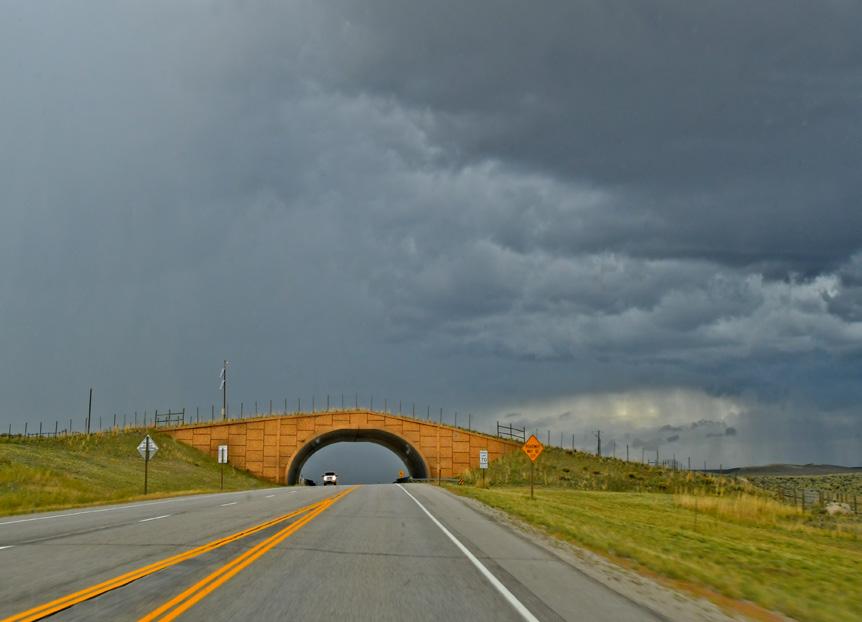
Wildlife Migration & Roadway Solutions
Migration Initiative researchers identify how mule deer and pronghorn use new wildlife crossings—informing future conservation and highway planning.
Learn More: bit.ly/4almaYw
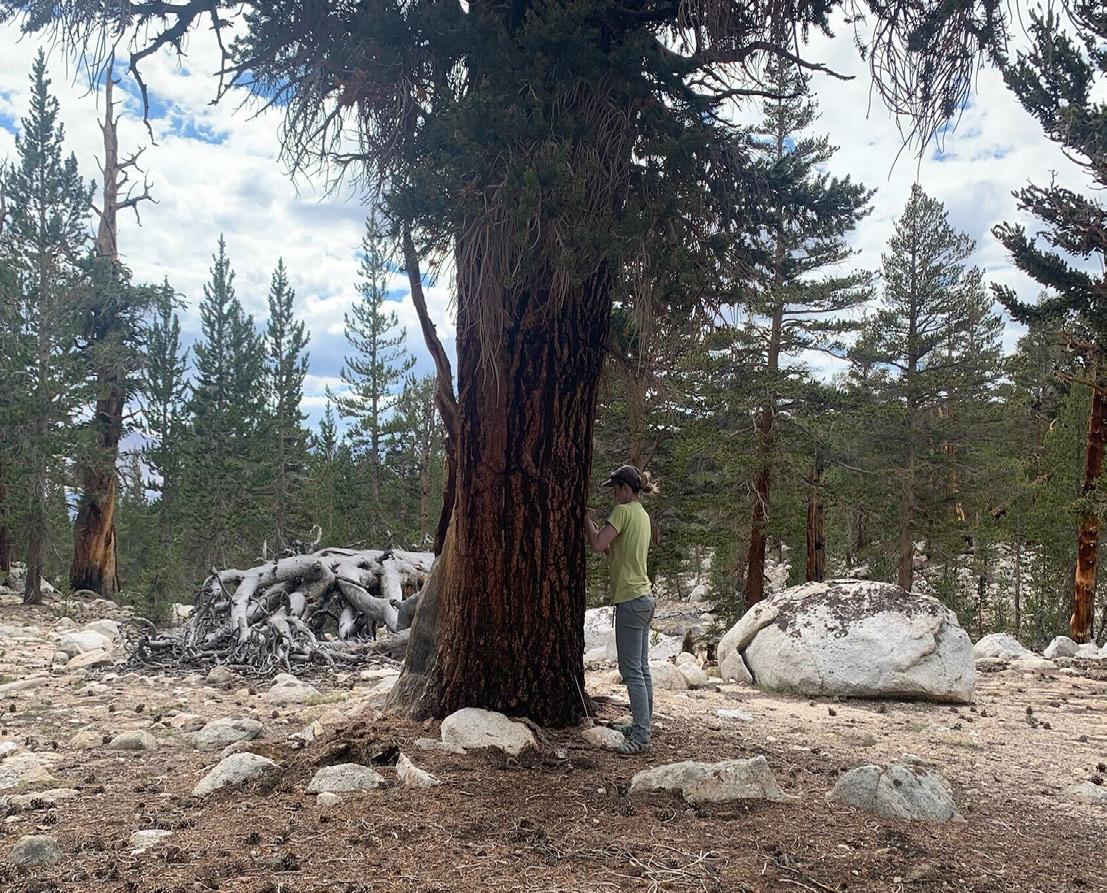
Botany researchers used more than a century of tree-ring data to show that whitebark pine populations are increasingly responding to drought and weather extremes in sync— insights that enable land managers to identify and prioritize resilient forests.
Learn More: bit.ly/4aq4I5a
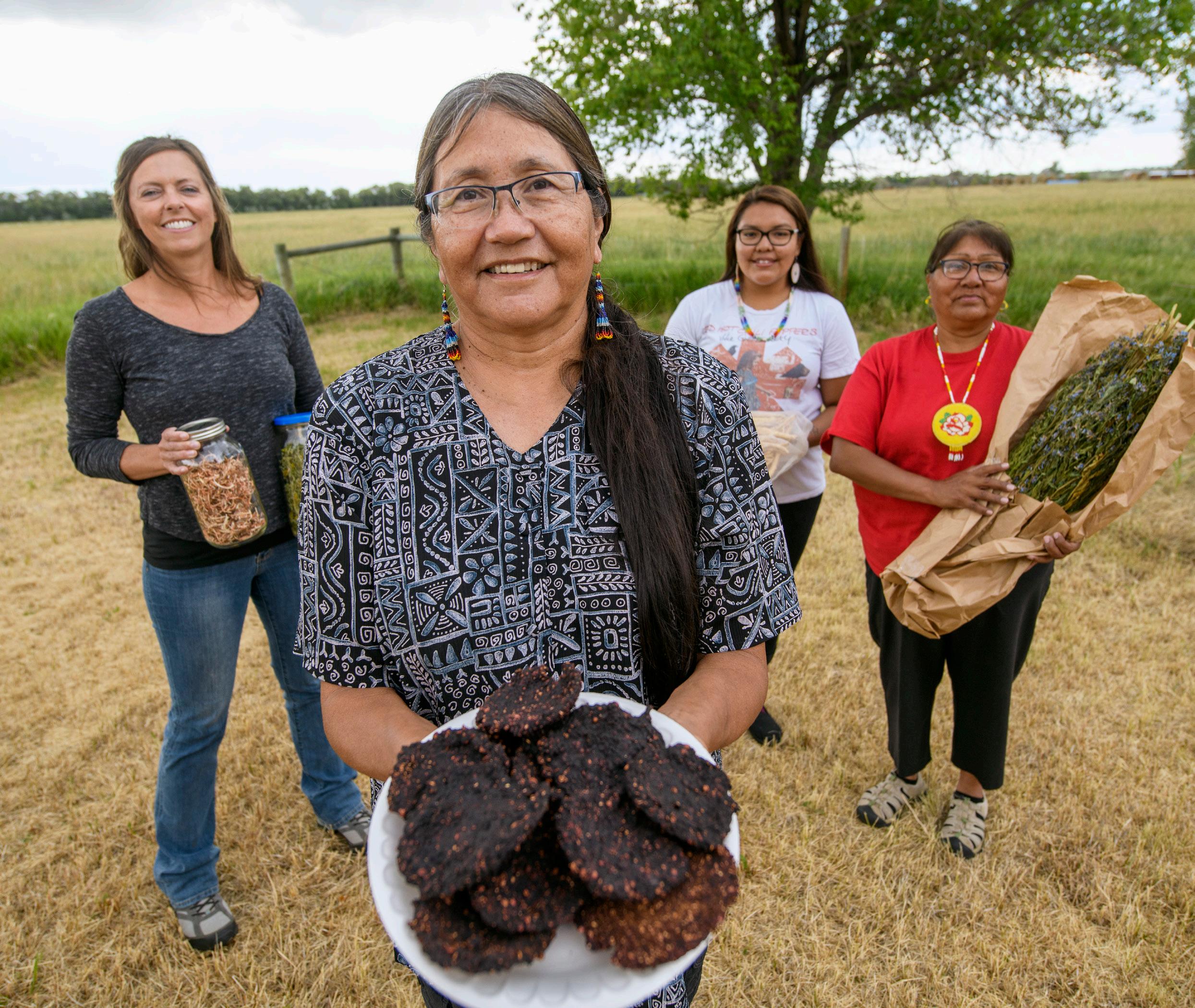
Healthy communities rely on systems that work—safe and accessible food, clean water, and early awareness when risks emerge. CALSNR research focuses on strengthening these systems before they are strained. Through applied science and close collaboration with partners, this work helps protect public health and food security, supporting Wyoming communities that are informed, prepared, and resilient.
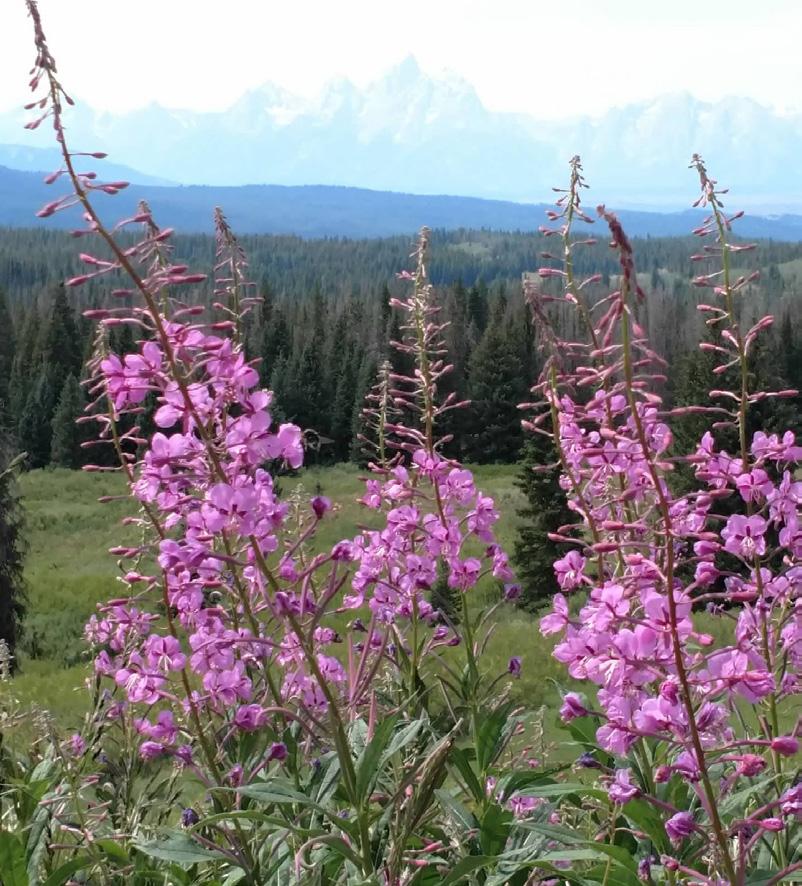
Strengthening Indigenous Food Sovereignty
Plant Sciences & Family Consumer Science researchers evaluate cultivation practices for edible native berries, helping restore culturally important foods in Wyoming.
Learn More: bit.ly/3YtF0VU

Empowering Youth Nutrition
Family Consumer Science researchers evaluate nutrition apps for Wyoming teens, providing data that may help reduce Type 2 diabetes risk.
Learn More: bit.ly/45WYoNg
Agricultural and Applied Economics researchers lead a national project on rural healthcare access, providing insights that help Wyoming communities plan for long-term resilience.
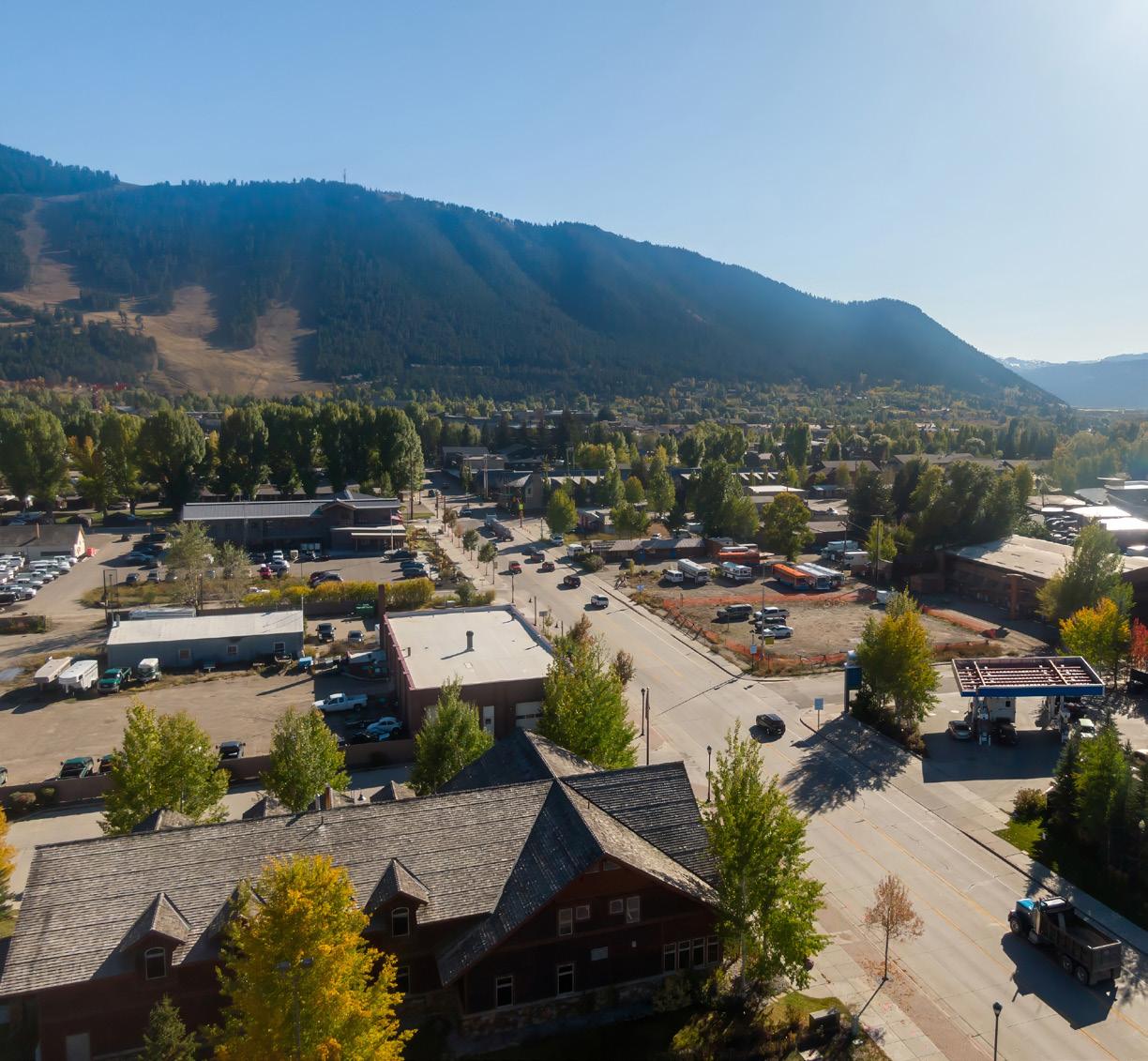
Protecting Wyoming’s Water Resources
Researchers from Zoology and Physiology, and Animal Science track fecal pollution sources in Wyoming rivers, informing safer recreation practices and water management decisions.
Learn More: bit.ly/4iXnCCq
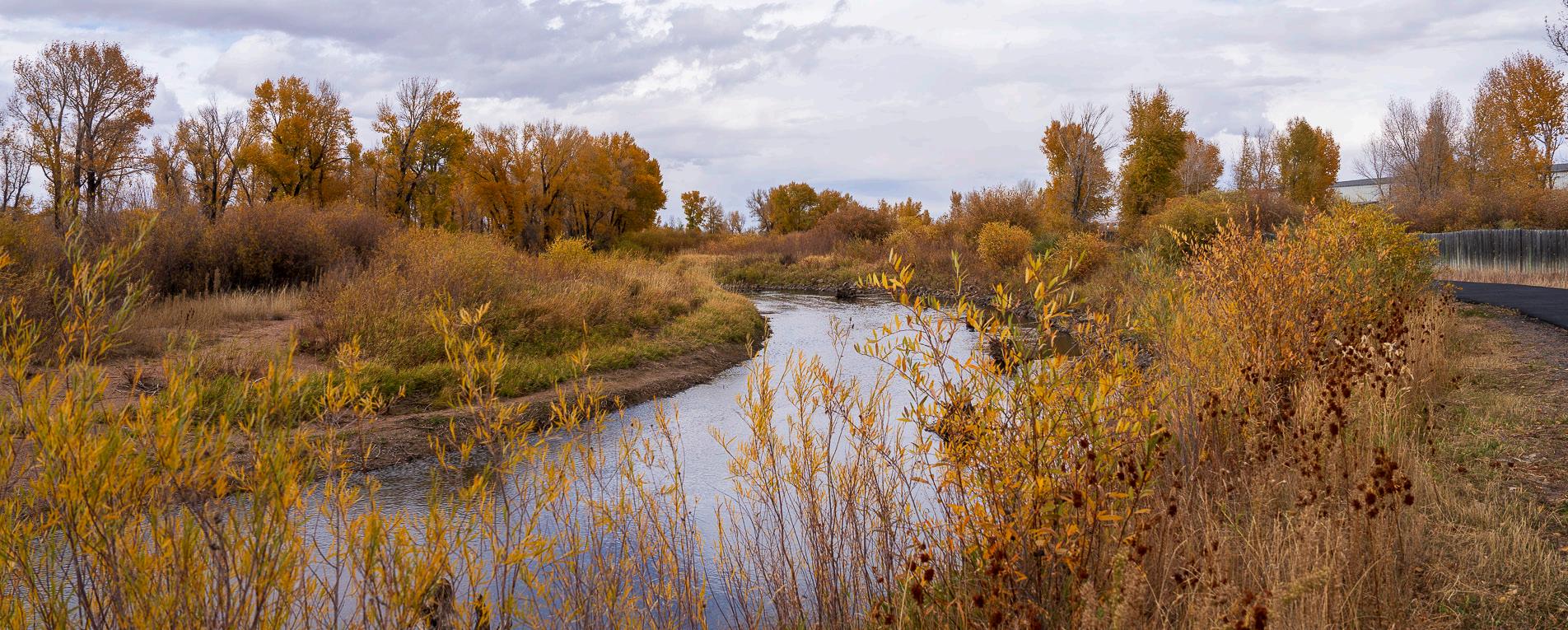
Extension’s strength lies in its people—educators who live and work alongside the communities they serve.”
Dr. Mandy Marney | Associate Dean & UW Extension Director
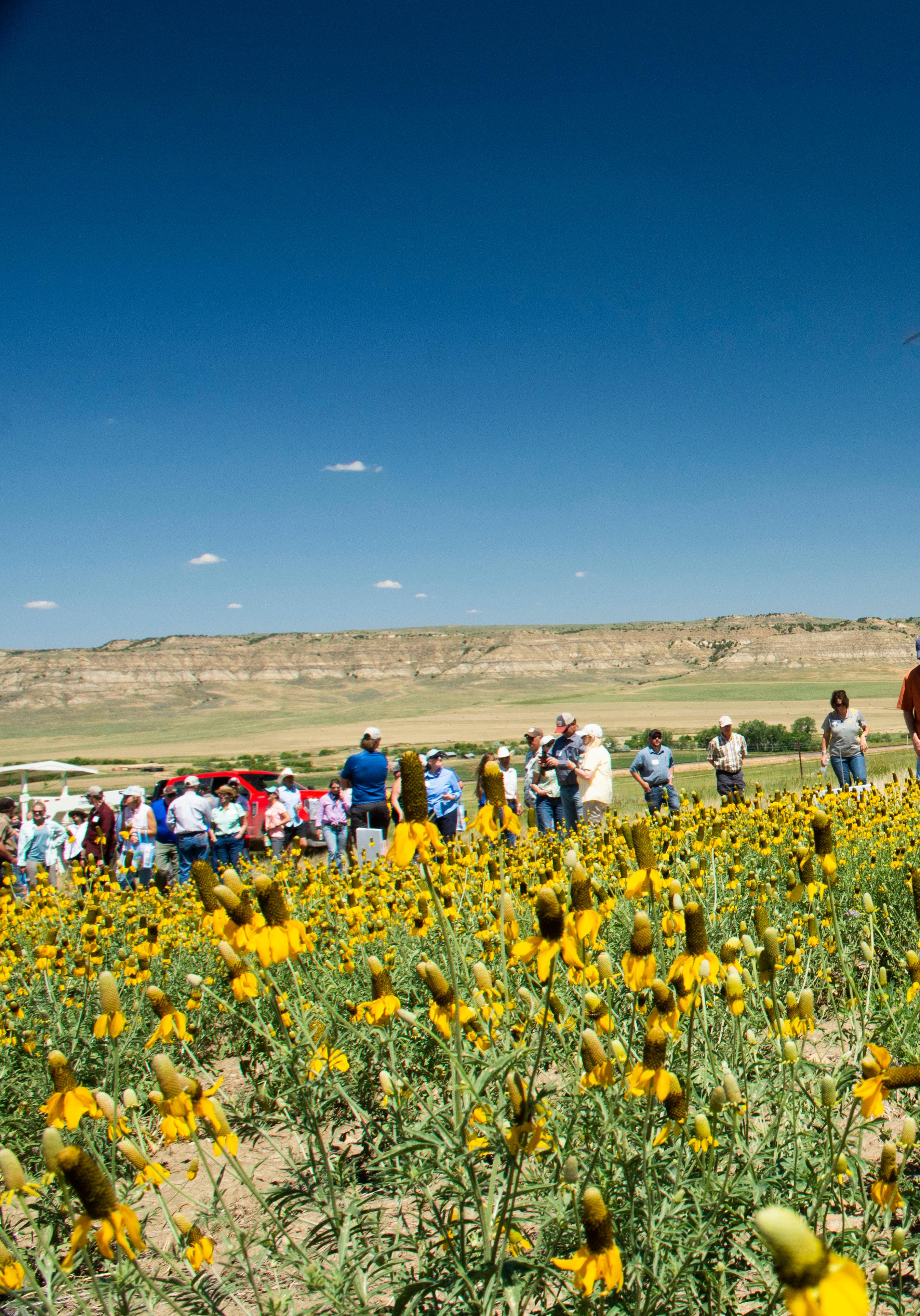
WHERE WYOMING’S LAND-GRANT MEETS EVERYDAY LIFE
Extension is where Wyoming meets its land-grant university. Through research efforts that form a scientific base that directly informs Extension programming, local Extension educators, embedded in every county and the Wind River Reservation, supports agriculture, youth development, families, businesses, and community leadership.
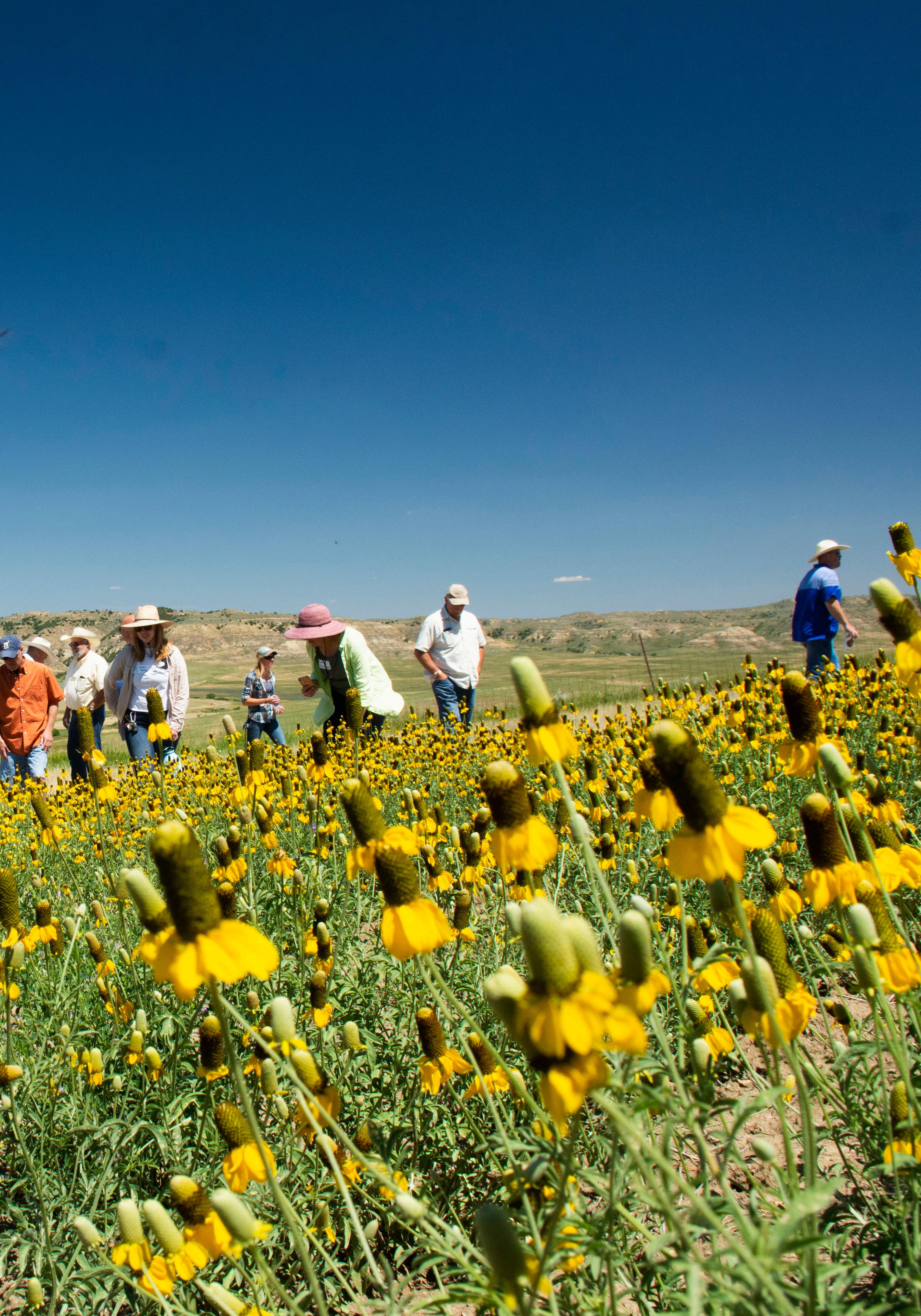
EXTENSION SNAPSHOT
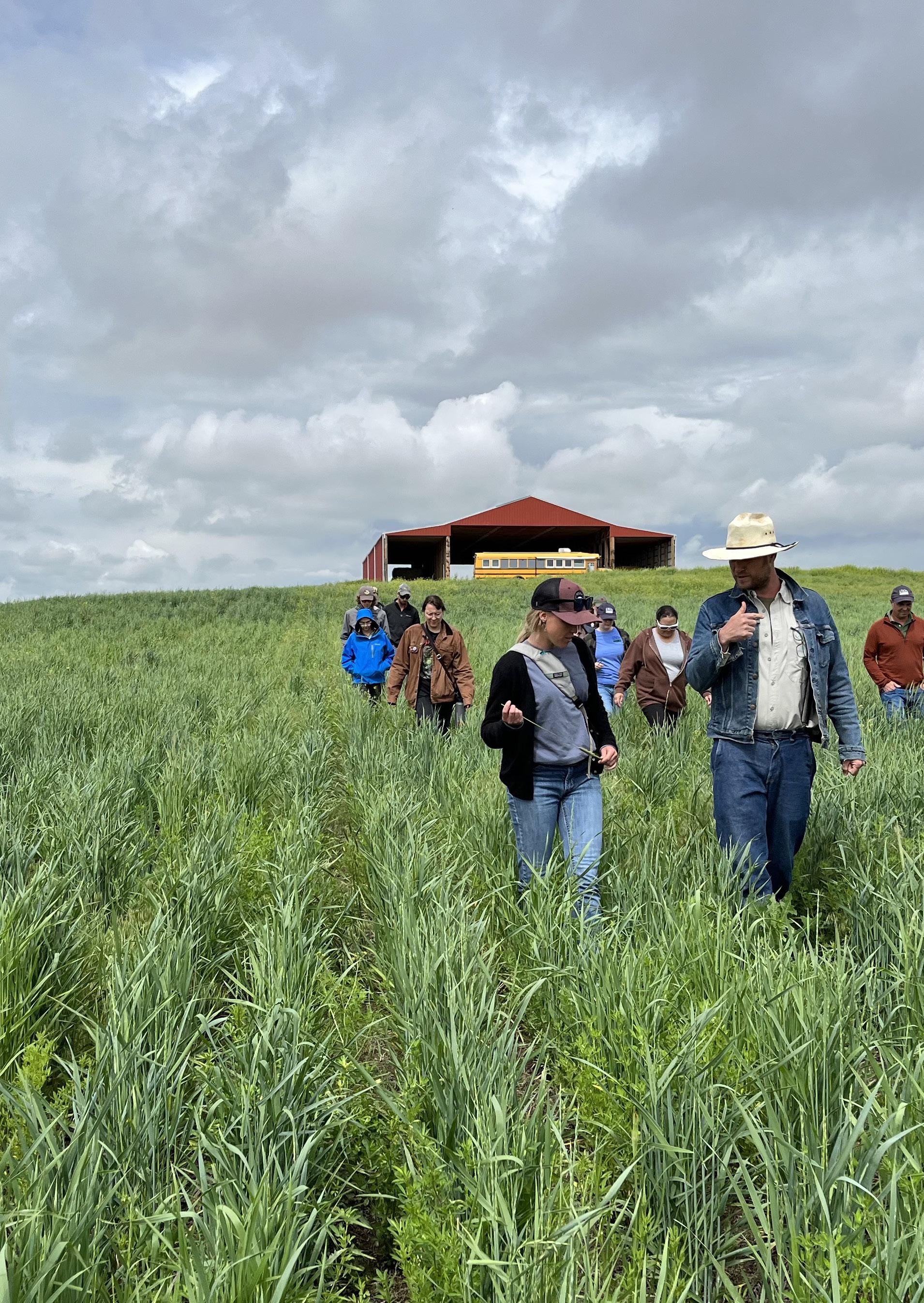
educational programs
4,811 instructional hours
126,952
11,457 total educational contacts
More than 13,000 youth participate in hands-on learning through 4-H, gaining leadership, science, agriculture, and citizenship skills.
These numbers reflect thousands of workshops, consultations, field days, leadership trainings, and youth programs delivered by Extension educators who live and work in all 23 counties + Wind River Reservation.

Encouraging Wyoming Families to Explore Outdoors
The “Ready, Set, Explore” program offers free statewide outdoor activities that strengthen family well-being and connect people to Wyoming landscapes.
Learn More: bit.ly/4oVQpsw

Supporting Aging Wyoming Residents
UW Extension developed the Aging Well in Wyoming (AGE) resource to help older adults, caregivers, and families access clear, Wyoming-specific guidance on health, finances, housing, and caregiving—supporting independence and informed decision-making in rural communities.
Learn More: bit.ly/4j0M4mn
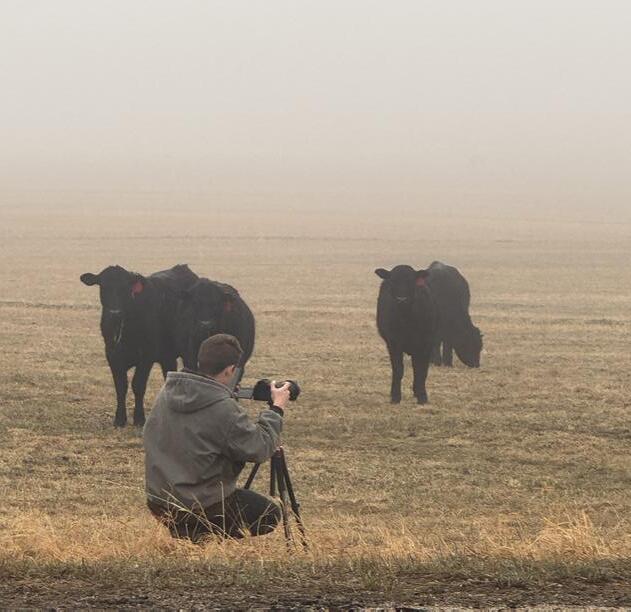
Johnson County 4Her transformed a photography project into a thriving business—an example of how 4-H helps Wyoming youth build confidence and contribute to their communities.
Learn More: bit.ly/4nKulBp
UW Extension conducted a statewide agricultural needs assessment to help producers, communities, and decision-makers identify priorities, anticipate challenges, and plan for Wyoming’s agricultural future.
Learn More: bit.ly/491jI7f
Building Local Capacity
Extension revitalized an internship program that places students in county offices—strengthening summer programming and developing future educators.
Learn More: bit.ly/3KZVAK5
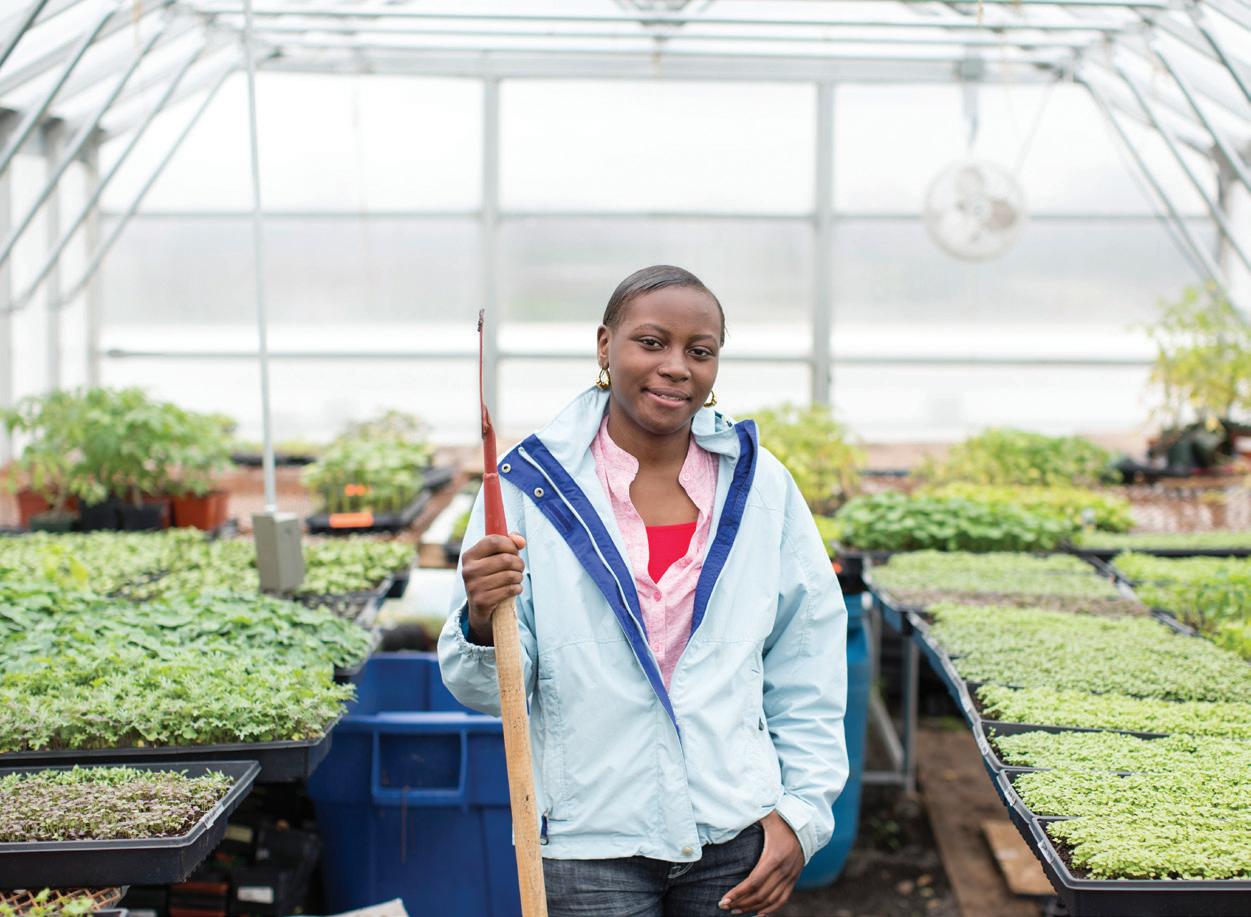
Wyoming’s challenges are not abstract. They are shaped by weather, distance, land, water, and the people who depend on all of it working together. As Wyoming’s landgrant college, the College of Agriculture, Life Sciences, and Natural Resources exists to meet those realities— preparing students to serve, advancing research that solves real problems, and delivering knowledge where it is needed most.
Across classrooms, rangelands, laboratories, county offices, and communities, the work reflected in these pages shares a single purpose: strengthening Wyoming’s future by showing up—consistently, practically, and in partnership with the people who call this place home. This is the land-grant mission at work—not as an idea, but as a daily commitment to being relevant, responsive, and accountable to the needs of Wyoming.
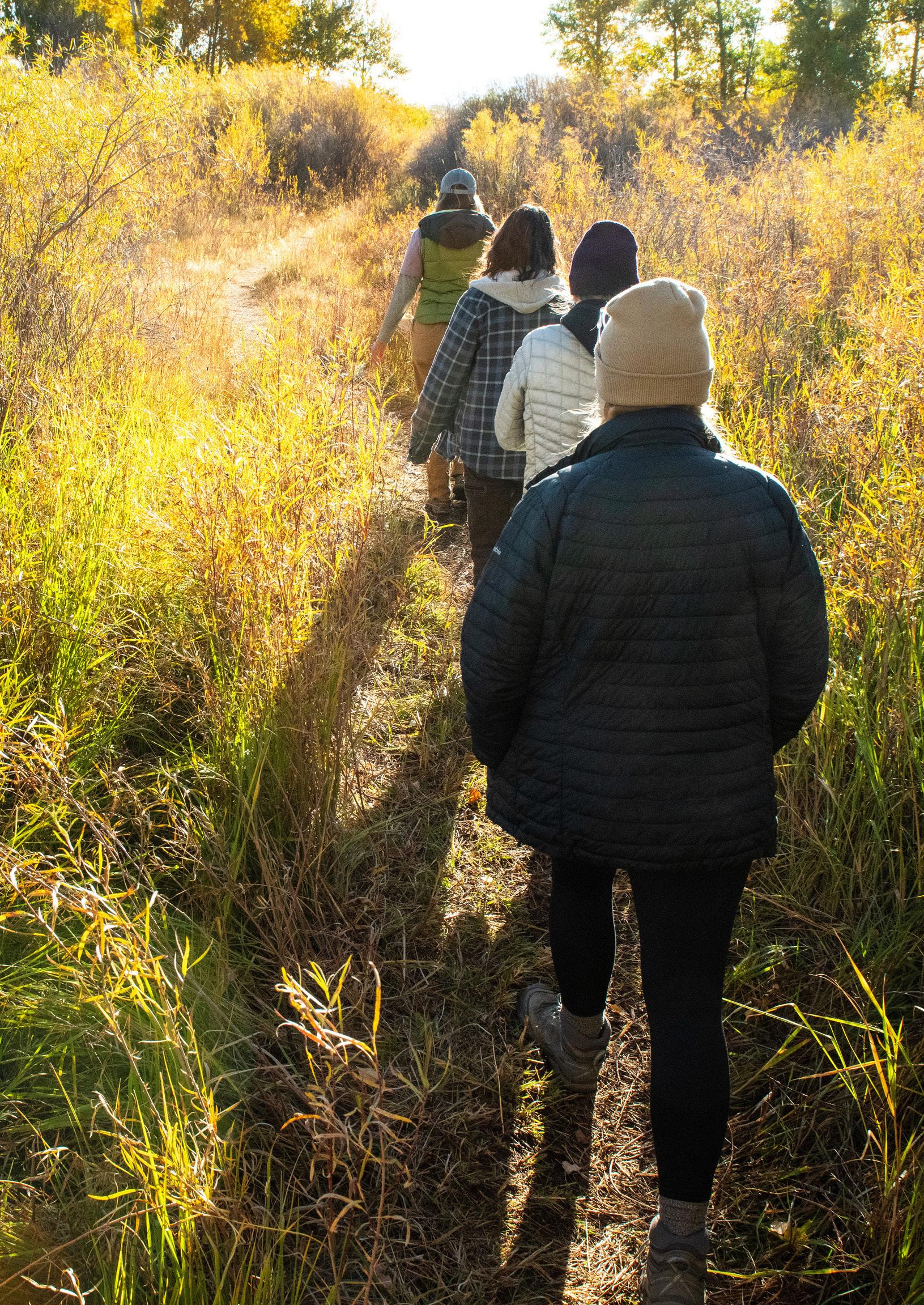
The College of Agriculture, Life Sciences, and Natural Resources is guided by a collaborative leadership team committed to advancing Wyoming through education, research, and outreach. Led by Dean Kelly K. Crane and supported by associate deans spanning academic programs, research, and Extension, the college integrates local expertise with a statewide perspective. Together, this leadership team stewards CALSNR’s land-grant mission—connecting students, communities, and partners to practical solutions that strengthen Wyoming’s people, landscapes, and industries.




Kelly K. Crane Farm Credit Services of America Dean College of Agriculture, Life Sciences, and Natural Resources University of Wyoming
Mandy Marney Associate Dean & Director of Extension College of Agriculture, Life Sciences, and Natural Resources University of Wyoming
Brian A. Mealor Interim Associate Dean & Director Wyoming AES College of Agriculture, Life Sciences, and Natural Resources University of Wyoming
Christine Wade Associate Dean Academic and Student Programs College of Agriculture, Life Sciences, and Natural Resources University of Wyoming
ACKNOWLEDGEMENTS
This publication was produced by the University of Wyoming College of Agriculture, Life Sciences, and Natural Resources. Writing, design, and layout by Lindsay Conley-Stewart, Sr. Project Coordinator, Dean’s Office. Photography sourced from University of Wyoming AgNews, Roots & Ranges, UW Institutional Marketing, and the American Heritage Center.
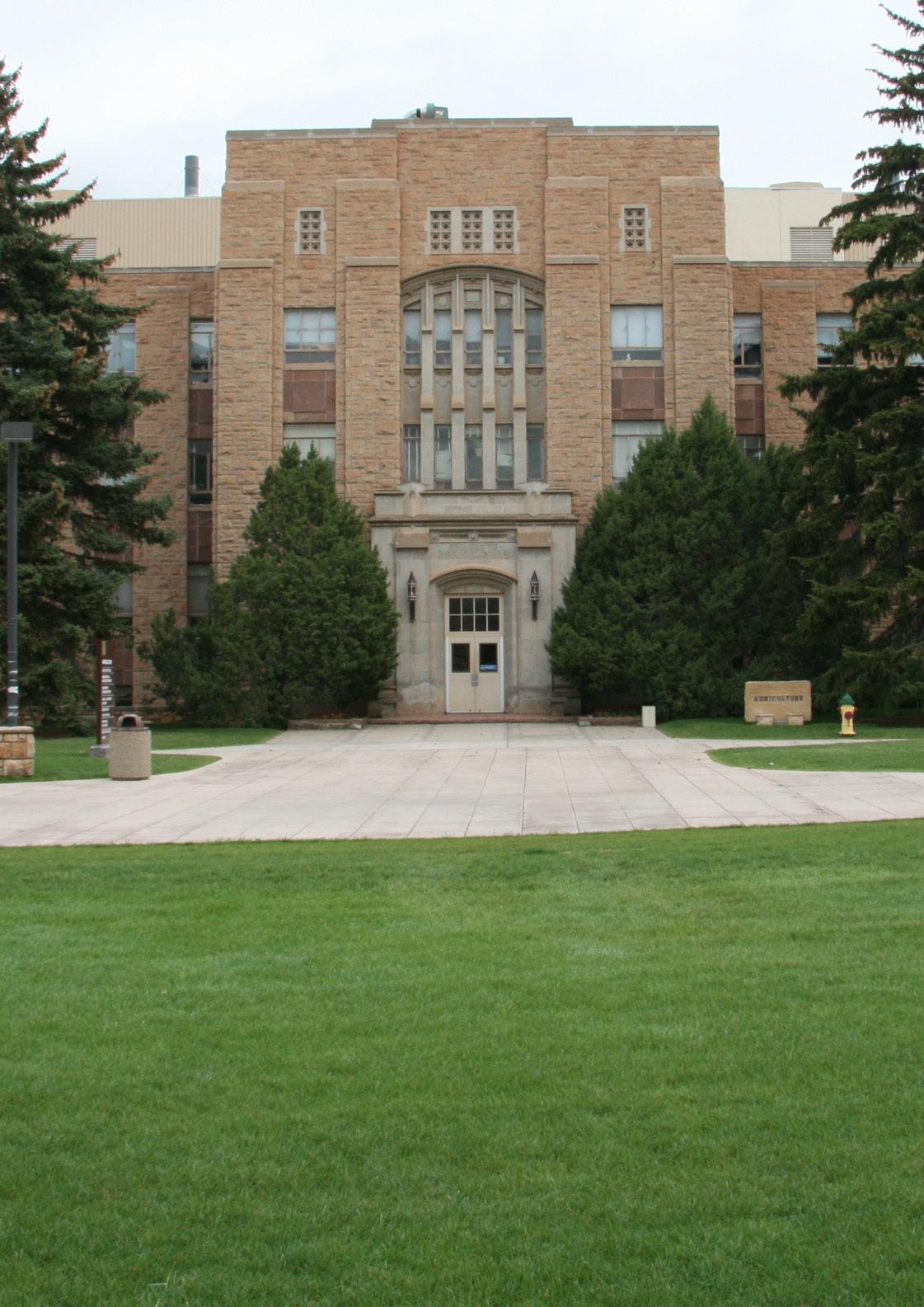
Visit uwyo.edu/uwag/news-and-publications, to explore stories, research, and news through UW AgNews, Reflections, Roots & Ranges, and more.