By Mike Bodenchuk For Lone Star outdoor newS
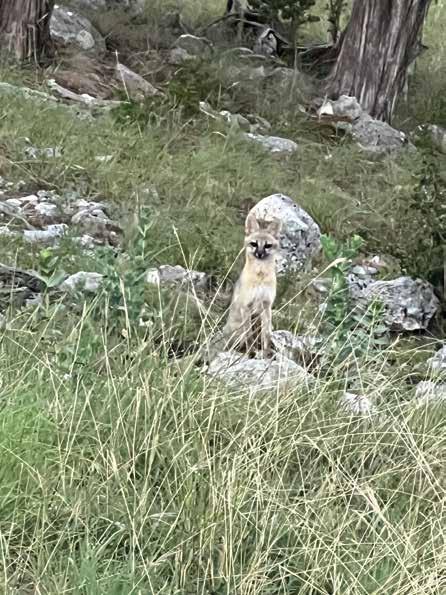
Hunters in the Texas Hill Country are being warned about rabid gray fox in what is an interesting twist of science. Rabies in the Hill Country is hardly new. The book Old Yeller was written about boyhood experiences in Mason County. But this new episode is an interesting development in rabies management.
Rabies is a viral disease that has numerous variants, typically named for the host species. In Texas, there are a number of bat variants and the South-Central skunk variant. Traditionally, there was also a Texas gray fox variant and a canine-coyote variant. The latter two were eliminated in Texas through oral rabies vaccination campaigns. What’s important is that these variants typically circulate within the host species and

Trout and redfish bite heating up on moving tides
By Nate Skinner For Lone Star outdoor newS
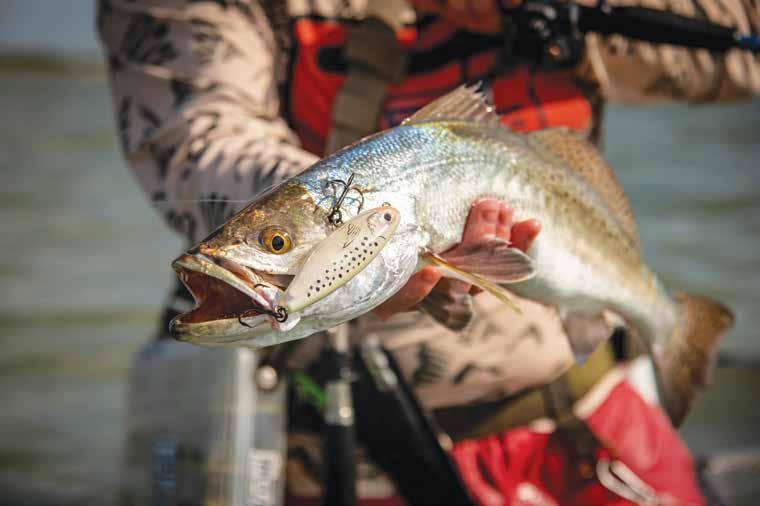
Speckled trout and redfish continue to be the focus for many inshore anglers targeting coastal bays and marshes.
Live shrimp, soft plastics, and top-water lures have been hard to beat, while other presentations have been bringing fish to hand, as well. Redfish have been found in shallow and deep water, and specks have been concentrating along main bay flats and shorelines, as well as around mid-bay structure.
Redfish tournament angler Tim Young has been chasing
reds along the marshes and back lakes surrounding Sabine Lake, where he said the fish have been cruising in pods, chasing small baitfish. Top-water lures have produced the most consistent strikes for Young in these shallow areas.
“I’ve been keying on stretches of water with scattered oyster shell,” Young said. “Grassy points and windblown banks have also been holding a lot of activity.
By Nate Skinner For Lone Star outdoor newS
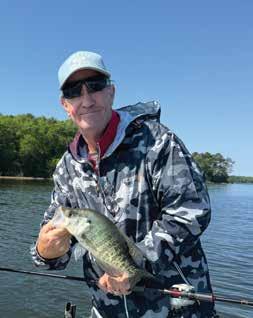
With late-spring patterns in full force, the majority of crappie across Texas’ inland lakes have completed their spawning season and are stacking up over brush piles, timber, and other structure in 10- to 25-feet of water.
Good numbers of fish are being
found in a plethora of areas and hotspots. Covering water to locate schools of aggressively feeding, larger caliber crappie has been the key, and both jigs and minnows are producing plenty of bites.
Fishing guide Paul Payne of Paul’s Guide Service, said most of the crappie on Lake Palestine are in a post-spawn pattern. He’s been focusing on brush piles, lay downs, and shallow timber in 10- to 18-feet of water, and his anglers have been consistently catching fish on live
minnows rigged on a jig.
“We’ve been catching crappie up to 14 or 15 inches in length, and on average, most are in the 11- to 14inch size range,” Payne said. “Mov ing from spot to spot until you find some fish that are willing to feed aggressively is the best tactic. Some days certain areas are producing better than others, for whatever reason.”
Payne said casting across and over brush piles has been drawing more strikes than setting up right
The reds have really been keying on swarms of small shad, and I’ve been able to sight-cast to them in areas where they are busting the baitfish along the surface.” Young said the key to catching fish has been focusing his efforts during windows of peak tidal movement. The bite has been dying down when the tide slacks off. Most of the reds have been in the mid- to upper-slot range.


By Dr Ryan O’Shaughnessy roLLing PLainS QuaiL reSearch Foundation
The rapid expansion of artificial intelligence and data centers across the Rolling Plains — particularly around Abilene — signals a profound shift in how this landscape is being used. While these facilities represent technological progress and economic investment, their unchecked growth in native rangelands raises serious concerns for quail and the ecosystems they depend on.
Bobwhite and scaled quail
By Nate Skinner
For Lone Star outdoor newS
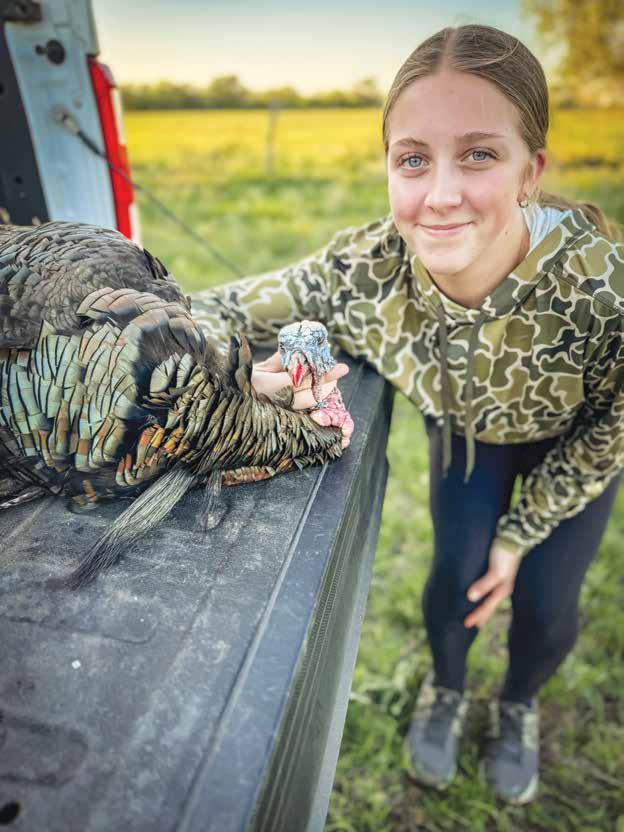
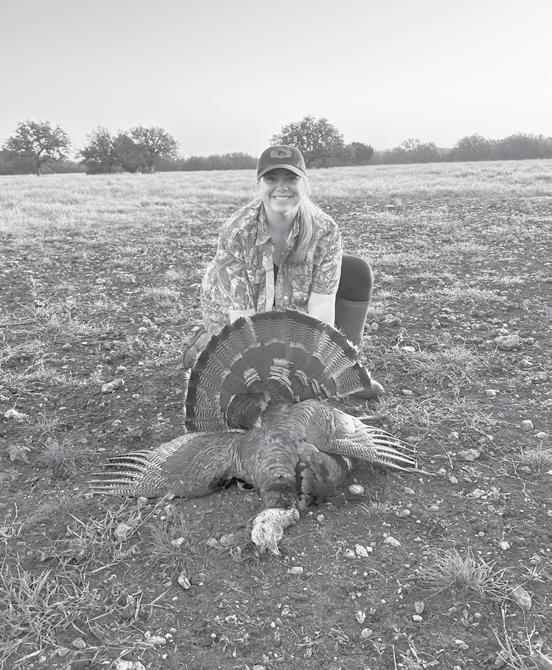
During the late youth-only weekend for the South Zone spring turkey season, Ainsley McDowell hit the field in pursuit of her first turkey with her dad and a family friend near Kosciusko. The 14-year-old first time hunter ended up putting a tag on a gobbler. Not only was this her first animal to harvest and her first turkey, but the Tom also sported two beards.
McDowell said they set up at the edge of a field, about 100 yards away from a creek bottom. They were tucked under some trees in the shade and had been sitting there about 45 minutes when they heard the first gobble.
“The turkey sounded like he was several hundred yards behind us when he sounded off,” she said. “My dad’s buddy started yelping with a mouth call, and the Tom immediately responded.”
The young hunter said the bird gobbled several more times and got louder and louder as he closed the distance.
“Then all of a sudden I could hear him drumming, and I tried not to move,” McDowell said.
The bird ended up coming out from the right but would not cross in front of her toward the decoys. There was a hen in the brush, and the Tom would not leave his maiden to challenge their jake look-alike.
“It was becoming more and more difficult not to move,” McDowell said. “The Tom was just standing there in full strut to my far right, and my shotgun was on a tripod pointed directly out in front of me toward the decoys. I had been sitting there for several minutes, which seemed like forever, trying not to spook the turkey. I was in an awkward position and wasn’t sure how much longer I could sit still that way.”
Then, all of a sudden, McDowell’s dad whispered quietly, getting her attention. Out of the corner of her eye she caught movement. She
are species finely tuned to the rhythms and structure of intact rangeland. They rely on a delicate mosaic of grasses, forbs, and shrubs that provide nesting cover, brood habitat, and protection from predators. When large tracts of land are converted for industrial development, this mosaic is fragmented or eliminated entirely. Unlike some wildlife, quail cannot easily adapt to altered landscapes dominated by pavement, buildings, and constant human activity.
One of the most pressing con-
cerns tied to data centers is water use. These facilities require substantial amounts of water for cooling, often drawing from the same aquifers and surface resources that sustain native vegetation. In a region already prone to drought and water scarcity, increased demand can reduce soil moisture and limit the growth of critical plant communities. For quail, this means fewer insects for chicks, less cover from predators, and diminished nesting success.
Equally concerning is the pace and scale of development. When
projects move forward without thoughtful land-use planning or ecological consideration, they can create a patchwork of habitat loss that compounds over time. Roads, transmission lines, and supporting infrastructure further fragment the landscape, isolating quail populations and making recovery more difficult. There is also the issue of indirect impacts. Increased traffic, noise, and light pollution can disrupt normal wildlife behavior. Invasive species often follow development, outcompeting
Persistence and patience key for late season turkey hunters
By Nate Skinner For Lone Star outdoor newS
Many turkey hunters who were willing to stick it out to the bitter end were able to put tags on mature gobblers at the tail end of the spring season. In some areas, the birds were pretty vocal, while in other regions, the gobblers were reluctant to gobble much at all. Above all, patience and persistence proved to be the best combination of tactics for those that were able to score a boss bird.
Charlotte Schuster of the Texas Dove Hunters Association made a morning hunt with her husband and father-in-law in Kerr County on the last day of season in the North Zone and tagged a mature gobbler. What made the hunt even more special, is that it was also Mother’s Day and she was eight months pregnant with her second child.
“There’s nothing like waiting ’til the last minute to make a hunt,” Schuster said. “Turkey hunting with my husband and father-in-law has become a tradition over the last decade, but it seemed like this season, we always had something going on. I’m glad we were finally able to get out and chase some birds, even if it was the final day of the season. And as an out-
doors-loving mom, it’s hard to beat harvesting a long beard on a day designated to celebrating moms everywhere!”
Schuster said they were surrounded by talkative Toms all morning long. They had birds gobbling in all directions on the limb before they flew down from their roosts, and the gobblers continued to sound off once they hit the ground.
“We saw about 15 different gobblers throughout the course of the hunt, while waiting for the right shot opportunity,” Schuster said. “Two groups of Toms came in right off the bat to our calls, but they stayed out past our decoys, just out of range.”
A lone Tom finally came in and put on a show. Schuster said she could hear
DUMB RUNNER
It was a busy weekend for Texas Game Warden K9s in East Texas.
What started as a routine fishing license check on the Sulphur River in Bowie County on Saturday, May 9, quickly turned into a foot pursuit.
A game warden contacted a man fishing from a kayak and discovered he did not have a life jacket, which is required by law on paddle craft.
While checking the man’s information, the warden learned he was wanted on an outstanding probation violation warrant on a class A misdemeanor warrant for theft.
Before the warden could take him into custody, the man fled on foot.
K9 Jake and his handler, who were patrolling nearby, responded to assist. Jake tracked the suspect for approximately 1.5 miles before wardens spotted him along the riverbank. When ordered to stop, the man jumped into the river and attempted to swim to the opposite shore.
Additional Texas Game Wardens were waiting on the other side and took him into custody without further incident.
CAUGHT ROBBERS
Texas Game Wardens, including K9 Roux, her handler and an Unmanned Aircraft Systems Program pilot, were called to assist in the search for two armed robbery suspects in Van Zandt County.
The suspects were involved in an armed robbery in Heath, a city east of Dallas. One suspect was apprehended while the other two fled into a wooded area following a vehicle pursuit.
K9 Roux and the UAS tracked the two suspects for nearly five miles, pushing them toward a roadway where Texas Department of Public Safety troopers
were waiting. Through the coordinated efforts of all agencies involved, all three suspects were taken into custody.
Opening morning of spring turkey season in Gray County didn’t go as planned for two out-of-state hunters.
Texas Game Wardens were patrolling along the North Fork of the Red River when they heard multiple gunshots about a mile downstream. Moving into the area, they spotted a pickup in the river bottom with two individuals in full camouflage.
When contacted, both hunters claimed they were only patterning their shotguns and not yet hunting. During the conversation, a warden noticed blood on one hunter’s hand.
After separating the hunters and continuing the investigation, one hunter admitted they had been shooting birds and eventually acknowledged they were turkeys.
Further investigation revealed the two non-resident hunters from Arkansas had killed four Rio Grande turkey gobblers and concealed them near a pond in the river bottom. Neither possessed a valid Texas hunting license.
Wardens located all four birds along with spent shotgun hulls matching the firearms in the hunters’ possession.
Both individuals were cited for:
• Hunting without a valid license
• Possession of untagged Rio Grande turkeys (4 birds)
Civil restitution charges were also filed for all four turkeys.
—Texas Game Warden Facebook page
Team Ruger's Gordon Carrell and Randi Rogers traveled to Orchard, Texas and competed at the 2026 Texas State Open Championship with their Ruger RXM pistols.
Carrell secured a first-place finish overall in the Production division, earning a remarkable final score of 259.01. This performance showcased Carrell's skill and confidence with his RXM pistol during time-pressured stages.
"The RXM pistol with the 4.5" barrel was easy to shoot close targets at speed and provided the accuracy to shoot long targets with confidence," Carrell said.
Meanwhile, Rogers performed well with her RXM pistol in the Carry Optics division, earning first place in the unclassified category and second High Lady.
"I'm getting more comfortable with the RXM and the red dot optic sight," stated Rogers. "The Texas State Open is a great match, where any shooter of any ability can compete. Each stage offers plenty of room to be a hero or score a zero based on how you choose to complete the stage."
—Staff report
Safari Club International honored Jeff Crane with the Safari Club International Hunting Advocacy Award during the SCI President’s Dinner on Friday, May 15, recognizing a career spanning more than 40 years dedicated to advancing conservation policy, protecting hunting traditions, and strengthening the communities that rely on both.
Throughout his distinguished career, Crane played a defining role in shaping conservation policy at the state, federal, and international levels. From his early work in the U.S. Congress to leading one of the nation’s most well-known conservation organizations, he consistently championed sciencebased wildlife management and the essential role of hunters in conservation.
Crane was instrumental in establishing the Maryland Legislative Sportsmen’s Caucus — an effort that became the model for a nationwide network of bipartisan legislative caucuses supporting hunters and anglers.
As President and CEO of the Congressional Sportsmen’s Foundation for nearly two decades, Crane expanded a network that now includes thousands of current and former state and federal lawmakers and governors. Under his leadership, the organization became a cornerstone in bridging the gap between the sporting community and policymakers at all levels of government.
Beyond policy, Crane’s experience spanned wildlife habitat development in the United States and Africa, guiding hunts as a licensed professional hunter, and advancing sustainable-use initiatives that connected conservation to economic and community benefits. He also chaired federal advisory councils and worked alongside leading conservation organizations, maintaining a focus on ensuring conservation remained rooted in science, access, and responsible use.
Also at the dinner, SCI recognized Armand and Mary Brachman as recipients of the prestigious SCI Family Legacy Award.
Rooted in a deep respect for stewardship, the Brachman's' legacy reflects a long-held principle: the value of the natural world lies not only in what it provides today, but in what is preserved and strengthened for future generations. Their work embodied the belief that responsible conservation required both protection and thoughtful engagement.
Over the years, the Brachman's made significant contributions to SCI's mission through steadfast support of advocacy, conservation, and education initiatives. Their efforts helped strengthen wildlife populations, influence policy, and expand opportunities for individuals and families to connect with the outdoors.


By Tony Vindell For Lone Star outdoor newS
Seven boats took off from South Padre Island to the waters of the Laguna Madre on a recent day early this month. But none of the more than 100 passengers fished for any of the popular species like redfish, specked trout or red snapper. They were all there to bid adios to Capt. Patrick Murphy, 57, who died suddenly on April 25. He left a legacy as one of the smartest and funniest charter boat captains people knew around here.
Three of the vessels — the Murphy’s Law, Hard Bottom Too and Thunderbird — belong to the family-owned Murphy Charter Services, one of the oldest guiding businesses found in this part of the Texas Gulf Coast.
By Vivian Leopold or Lone Star outdoor newS
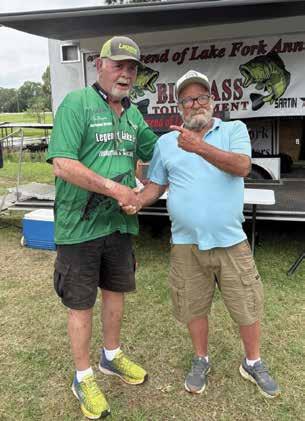
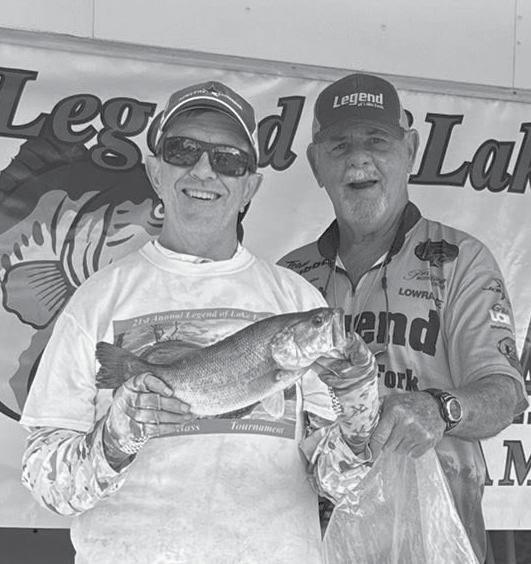
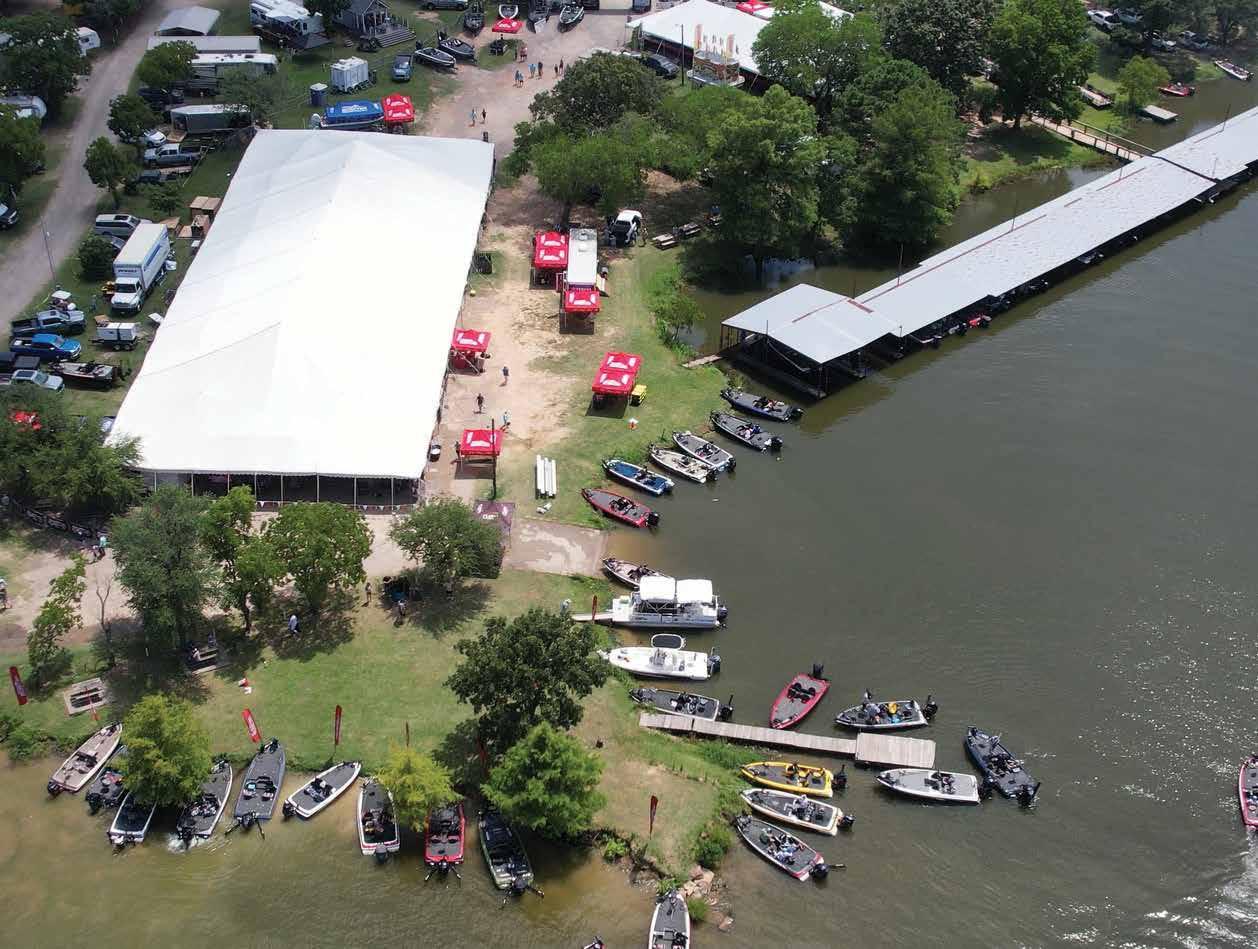
Shane Smith of Texarkana won $40,000 with his 10.50-pound over-the-slot bass at the 21st Annual Legend of Lake Fork tournament May 17 in Yantis. He caught the winner in 18 feet of water with a 6-inch worm. When asked what part of the lake he caught it, Smith would only disclose “the east side.”
High winds and whitecaps made the 3-day tournament more challenging.
During the 11 o’clock hour on Day 2, the first fish wasn’t weighed in until 40 minutes into the hour. The tournament paid out more than $185,000, including 10 spots each hour.
More than 800 anglers registered to participate, and 477 fish, including 14 overthe-slot (24 inches or more) were brought to Lake Fork Sportsman’s Association’s live release boat. Five fish in distress were saved by fizzing.
Yantis resident Tim Bolton had the biggest bass under the slot (less than 16 inches)
winning $30,000. Not bad for a 2.57-pound fish caught in 18 feet of water next to the Highway 2946 bridge.
This tournament has an added $20,000 random drawing open to anglers who registered early and were present to win. Fort Worth angler Royce Farmer Sr.’s name was drawn. Tournament director Don Hampton had to draw four times as the other three people had already left.
More than just a competition, the event supports the “Wish to Fish Foundation”, helping share the joy of fishing with those who might not otherwise get the chance.
The other four were from acquaintances who participated in an hourlong “Celebration of Life” ride that started at the marina and stopped past the tips of the SPI and the Boca Chica jetties. Once there, each of the passengers dropped red, blue and white roses on the water. Some had tears running down their checks, while others just shouted, “Goodbye, Captain Patrick!”
Eric Hanstad, a retired schoolteacher who moved to the Island from Oklahoma about two decades ago, said he met Murphy on an offshore fishing trip 16 years ago.
“Captain Patrick was my captain,” he said as a group of boat riders met on the boat’s bow to reminiscence about the boat captain. “It will never be the same without him.”
Hanstad said Murphy had a habit to call him whenever he needed a deckhand in a pinch.
“I said yes, but only if it was during a weekend,” he said. “My teaching job did not allow me to go just like that.”
When he heard the news about Murphy, Hanstad said he was in Oklahoma and immediately made plans to go to the Island to attend the funeral services.
“I drove for eleven hours, “he said. “I wouldn’t miss this for nothing in the world.”
About 25 other friends and fellow
By Cory Byrnes For Lone Star outdoor newS
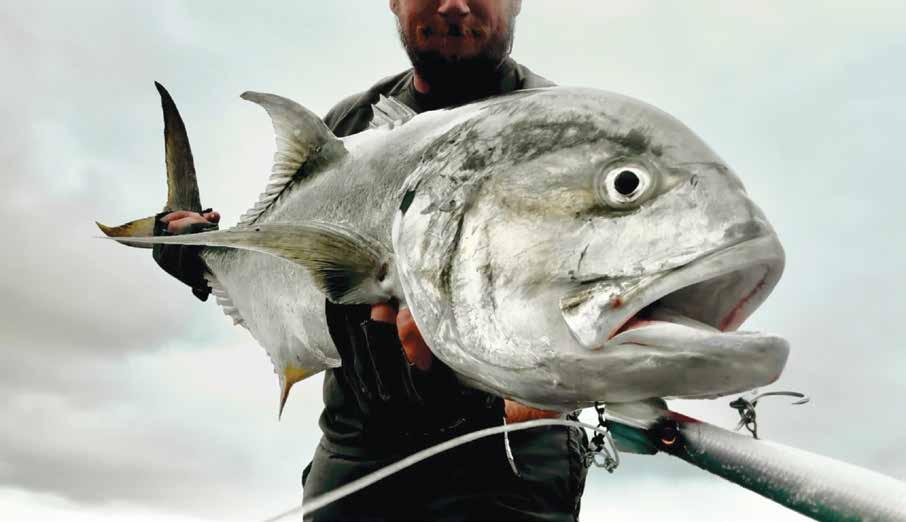
Annually at the beginning of summer, the pelagic species of offshore fish come back to the Texas coast, with the jacks leading the way, and fishing has been good the past few weeks.
The bite typically kicks off on the national seashore first before moving up toward Galveston. In the Corpus Christi area, the fishing has been on fire.
“This year, they have been
running the surf pretty hard,” said Tim Hill with Silver Spoon Fishing. “They’ve been pretty steady for the whole coast.”
Hill has been on a top-water bite lately.
“They have been hanging out in the first gut going into the second, so top-water has been kind of key,” Hill said.
Most of his success has come on a New England-style pencil bait in white, yellow, and green, depending on the bait color.
“I was having a lot of success with white when the mullet
are in,” Hill said. “I target rip currents with these poppers, where I let the current pull the bait out before starting to work the bait back. I’m using striper techniques from the East Coast to reach them. Basically, you’re throwing a top-water, being loud, and being visible.”
The key is to remain mobile.
As the season progresses, Hill will size up when other anglers will size down.
“The bigger jacks they tend to want to eat once,” Hill said.
“You would think they weren’t
By Cory Byrnes For Lone Star outdoor newS
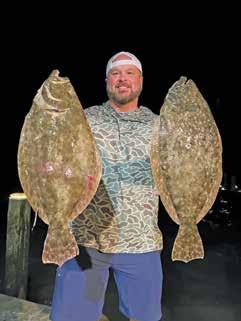
It still isn’t clear if the updated flounder regulations have had an impact with TPWD gill net sampling still suspended. But anglers are reporting a good spring flounder bite.
The fishing in West Bay has been good.
“This time of year, the fishing starts to get pretty hot,” angler Josh Ashcroft reported.
Ashcroft is targeting muddy bottoms along the shoreline with transitions within casting range.
“I usually try to find drop-offs,” he said. “I’ll scan the area and see if there are birds or action on the water and stop in there and see what I can find. There are a variety of bottoms around here that you can target.” Anglers should look for color changes in the water, as they are clues to water depth changes.
there, but I am throwing a 170mil popper meant for yellowfin tuna, and they will come and inhale it. You would never know they were there because they wouldn’t eat a spoon.”
Along the national seashore, anglers are seeing bigger jacks than earlier in the season.
“It’s been good. We have had two phases. We had a burst of them, and they were kind of the smaller-sized ones,” said Sami Khalil with Everyday Beach Life said. “As the water temperatures rose a little bit. It started
By Cory Byrnes For Lone Star outdoor newS
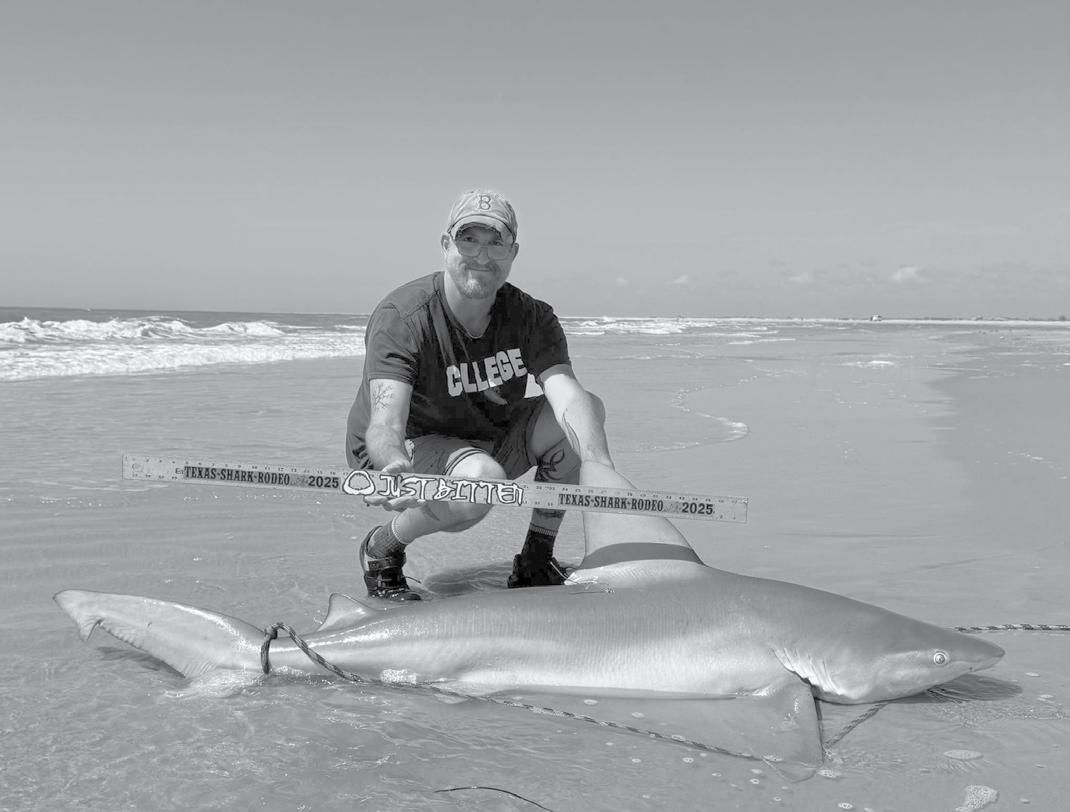
The Texas coast has some of the best land-based shark fishing in the Gulf.
Out of the Matagorda and Sargent area this year, the fishing started off slow, but it is picking up.
“I found that the bite this year has been pretty slow. Of course, now things have started to pick up to where it normally is this time of year,” said Walter Colton with Just Bitten Fishing Tackle said. “I fully anticipate that it is going to pick up.”
Right now, Colton has seen a lot of bull sharks caught.
“I have seen a lot of bull sharks caught and not as many blacktips as I am used to seeing this time of year,” Colton said.
He isn’t sure why that may be. He speculates that it might be due to all the rain recently or the water temperatures.
For bait, Colton takes what the surf will give him.
“I use what’s fresh. I use the triple-drop bait rig. A lot of the time, I go to the beach with no bait, and whatever I catch is what I use for bait,” Colton said. “What you’re catching is what they’re eating right now.”
With the recent clarification from TPWD on drone use for bait dropping, to get his baits in the shark zone, Colton is dropping by kayak or recently with a remotecontrolled boat.
“I don’t fish as deep as other shark fishermen,” Colton said. “I like to vary my baits at 50 yards, then one at 100, then at 150, and then at 200. If nothing bites after a while, then I’ll start over again and keep moving out until I find them.”
Colton expects the blacktips to arrive in numbers.
“The warmer water temperatures will bring back the blacktips. That’s when you can go to the beach and catch 12 to 15 sharks over a 24-hour period,”
Colton said. “Be patient and look for subtle differences in the surf for your setup.”
Farther to the north in the Boliva Peninsula and Galveston beach areas, the fishing has been on fire, reported Josh Diaz with Gulf Gear Fishing.
“This year, shark fishing has been wild. We have seen sharks since January 1, and they haven’t let up,” Diaz said.
He and his clients have landed and tagged 100 sharks already this year.
“Peak season hasn’t even started,” he said.
Diaz and his clients will run 3 to
4 rods at a time with hooks ranging from 16/0 to 24/0, depending on the bait.
“Some of my all-time favorite baits are whole sheepheads. But second would be cownose stingrays,” Diaz said. “The way we typically work is we are using whatever we can catch right there in the surf. If we are catching big whiting, catfish, stingrays right in front of us, that’s what’s going out. We always try to match the hatch.”

Diaz is constantly scanning the surf before setting up.
“We like to stay as far away from people as we can. That determines a lot for us. Then we start looking at the surf. We usually are looking for nice, clean water coming in closer, wave patterns looking for larger guts and structure. If you can see anything on the (Google) maps beforehand, even better,” he said. “Look for rips and water that doesn’t break like normal over the
sand bars. Those are indicators of guts and structure underwater.”
Once Diaz and his clients set up, they vary the bait drops. The bigger baits go the farthest out, and the smaller baits he will drop after the third gut or closer.
“If we start seeing a consistent area they are running, we will adjust the other rods near that area,” Diaz said.






Continued from page 4
him drumming before she saw him. When he popped out into her view for the first time, the bird wasn’t more than 10 feet from her.
“He was so close, I felt like I couldn’t even move my shotgun to take a shot,” Schuster said. “Then he walked out of view for a few minutes, and I wasn’t sure if he had decided to move on, or what was about to hap pen.”
The Tom finally came back into her view, giving her a clear shot, this time at a much more ideal distance. Schuster waited for him to walk past a tree and then took her shot and dropped the gobbler.
Tyler Petoskey said the gobblers on a property he leases to hunt in Schleicher County were fairly tightlipped to close out the sea son. He said the most gobbling activity took place during the midmorning and midafternoon hours.
“The birds were pretty quiet on their roosts,” Petoskey said. “Toms could be found cruising through creek bottoms and along ranch roads along the edges of pastures in groups of two or three. Most of the hens seemed to be off doing their own thing, tending to their nests.”
Petoskey said the best tactic for getting within range of a long beard was patience. Sitting still in high-traffic areas the birds used frequently, and being extremely quiet and conservative in regards to calling, was the key to success.
Turkey hunters northwest of Abilene had similar experiences to close out the season. Some even reported aggressive action and plenty of gobbling from groups of jakes. The Toms were much quieter, and sitting patiently along travel corridors was the best tactic.
Many areas in the South Zone greened up right at the end of the season after receiving much-needed precipitation. Tyler Sekula said the birds seemed to really light off and get fired up after pastures became lush with spring weeds and grasses in Wilson and Karnes counties. He ended up harvesting a long beard on the last day of the season after spending hours in the field without getting within range of a Tom.
“I finally got a shot opportunity on the last morning, and it made all of my efforts throughout the season worth it,” Sekula said. “The birds finally got aggressive with the decoys, and the rest is history.”

Continued from page 6
“Some of the areas will get exposed during the tide changes. When that happens just be observant and you can see where the big channels are,” Ashcroft recommended.
Ashcroft is using a vari ety of baits when target ing flounder. “First and foremost, I pick up a pint of live shrimp when I go out,” he said. “That’s what I usually use when I target flounder. Storm pearl shad and chartreuse Gulps have been effective, as well.”
Ashcroft will target the days where the wind lays down the bay with tidal movement.
“I found also that sun rise is the best bite,” he said.
Out of Trinity Bay Area, Robert Lofthouse with Redemption Outdoor Gear reports the floun der fishing has been a bit of a mixed bag so far this spring.
“It has been a little hit and miss for me. Shallow areas in the early morn ing have seemed to be my key,” Lofthouse said.
He has been targeting the transition areas.
“Either shallow rock with a mud transition or shallow mud with a rock transition nearby. Usually right at that transition the flatfish will wait,” Lofthouse said. “Tide does not seem to matter for me; it’s the time of day.”
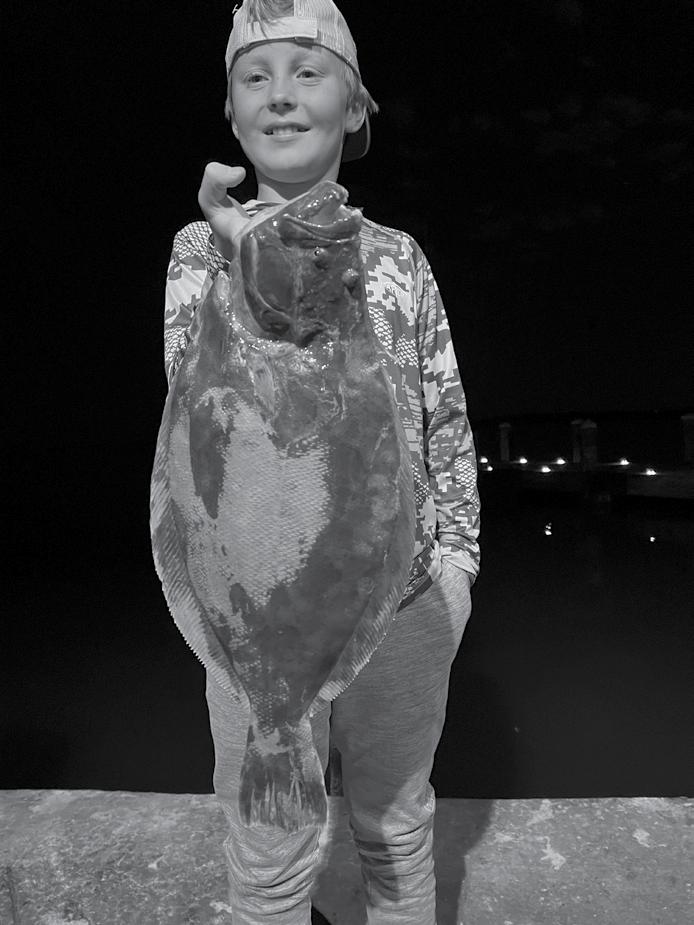
Lofthouse has been using a cork with 18 to 24 inches of leader.
“When you cast out, pay attention to the cork. If the bait is suspended properly off the bottom, the cork will be straight up and down,” he said. “A lot of the time, I’ll cast up into the shallows, and the cork will be leaning over. I slowly bring it out until it’s straight up and down, and that is my strike zone.”
Anglers should adjust the length of the leader as needed depending on where they are fishing and the water depth.
“You’ll start to see that cork start to slowly go down, and that’s when you know they have it,” Lofthouse said. “That’s why it is so important to wait.”
As the water continues to warm, he will follow the same patterns with the exception of targeting deeper water. He will also stay away from the shoreline rocks a bit.
“I’ll stay away from the rocks because they keep the water warmer all night long and stick mainly to mud flats,” he said.
Out of Rockport, the fishing for flounder has been very good according to guide Rick Hammond with Night Stalker Guide Service.
“I have been doing this for 22 years now, and there are just as many flounder today as there were 20 years ago. The gigging has been really good,” Hammond said.
Hammond and his clients have been targeting clear water with hard sand and mud bottoms.
“What has been working well lately is where there are grassy flats with small sandy potholes. The flounder will swim over the grass until they find one of those sandy pockets,” Hammond said. “The most consistent action has been at low tide. They tend to group up better in low tide. The high tide tends to spread them out. If you’re finding flounder in an area, they will stay there.”
Continued from page 4
quickly realized there were two other gobblers approaching their set-up from the left.
“I slowly shifted my position in order to aim at one of the Toms coming from the left,” she said. “It was hard to get a steady shot, because the bird I was aiming at wouldn’t stop moving.”
She finally squeezed the trigger. The bird was hit hard but didn’t go down. She was able to get another shell loaded into the chamber of the single shot .410, shot a second time, and sealed the deal on her first turkey.
They ran to where the gobbler had fallen to celebrate. When she finally got her hands on him, they realized she had just harvested a double-bearded Tom.
After an exciting and successful first hunt, McDowell’s father asked her if she would do it again.
“Yes,” she said. “That was intense, and so much fun.”
McDowell then learned how to clean and process a turkey, and with some instruction, did most of the handiwork with a knife herself. At the end of the day, she made a memory that will last a lifetime, and the hunting community gained another passionate hunter.
Continued from page 1
According to Young, there have also been good numbers of redfish along banks with rocks and rip rap, adjacent to drop-offs. He’s been chunking Bill Lewis square-billed crankbaits in these areas, along with small Rat-L-Traps. This tactic has seemed to produce reaction strikes from fish when the action has slowed down in the marsh during periods of little to no tidal movement.
Galveston Bay fishing guide Capt. Ryan Battistoni, said stretches of rocks and rip rap along lower Galveston Bay and the Texas City Dike have consistently been producing limits of trout for his anglers recently. Live shrimp rigged under a popping cork with a 2- to 3-foot leader has been hard to beat, but he said the fish have also been willing to strike soft plastics rigged on a jig head.
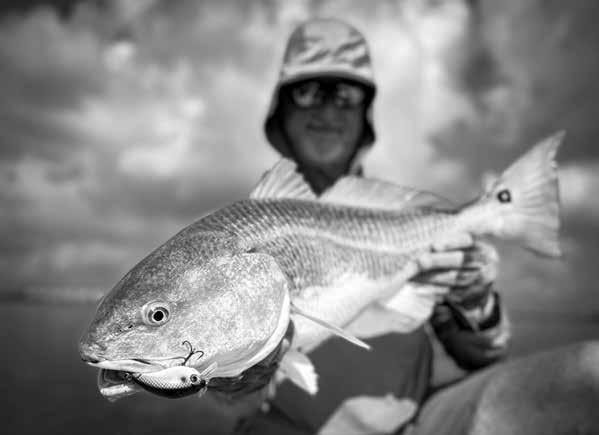
“There’s also been plenty of speckled trout to catch under the birds in lower West Galveston Bay and Chocolate Bay, especially during the midday and afternoon hours,” Battistoni said. “There are a ton of undersized fish feeding under flocks of working birds right now. You have to bounce around from one group of birds to another, until you come across a school of larger, keeper-sized trout.”
Battistoni said chunking top-water lures at schools of trout under the birds has also been producing strikes from larger fish. He said the larger profile surface presentation tends to keep the smaller fish from biting and gets the attention of bigger specks.
Marsh ponds and back lakes in East Galveston Bay have held consistent redfish action for Battistoni and his anglers, especially when tide levels have been up. Live shrimp rigged under a popping cork has been the ticket for catching mid to upper-slot redfish in these areas. Top-water plugs have also been drawing strikes from reds in these shallow stretches.
Anglers wade fishing in Baffin Bay reported consistent action from speckled trout in the 18- to 23-inch range on top-water baits and soft plastics. Some larger specks pushing 8 pounds or more have been in the mix, while redfish have seemed to be a bit more scattered.
Adam Higgins spent some time chasing trout in Baffin recently, where he found decent numbers of fish in thigh- to waste-deep water along the south shoreline over grass beds with scattered potholes. He also waded some stretches with muddy bottoms in the back reaches of the Baffin Bay complex, where he said the action from speckled trout was more sporadic.
His best luck came while throwing light-colored soft plastic swimbaits rigged on an 1/8-ounce jig head.
“I did catch some fish on junior-sized top-water baits,” Higgins said. “The top-water bite was real hit and miss. A lot of times, the fish would strike the lure but wouldn’t stay hooked up. The ones that did hit a topwater aggressively seemed to be better caliber fish.”
Continued from page 1
overtop of them.
“Slowly swimming or swinging a live minnow about 6 inches or so above the top of a brush pile has been the ticket,” Payne said. “The fish have been coming up from the bottom to strike the bait. If you let the bait go all the way down to the bottom, you’re likely going to draw a strike from a catfish.”
Lake Waco fishing guide Greg Culverhouse, said the crappie are done spawning and moving back over brush piles in 10- to 17-feet of water.
“The amount of small, undersized fish in the lake right now is impressive,” Culverhouse said. “You really have to work through catching these smaller fish to put some keepers in the boat right now. That being said, if you are persistent, there are plenty of larger fish in the 12- to 15-inch range to be caught. You just have to bounce around and cover water until you find them.”
Culverhouse said black and chartreuse jigs with a small profile have been drawing the most strikes.
“The key to catching the larger fish has been casting past the brush pile they are holding on and allowing the jig to swing or swim through the water column to them,” Culverhouse said. “A lot of times if you position the boat right overtop of them, they won’t bite.”
The larger fish on Waco have been staging close to the bottom, according to Culverhouse. He said the smaller crappie have been higher in the water column, and getting a jig down towards the bottom has been the key to catching keepers.
According to crappie guide Anthony Ruyle, postspawn patterns are setting in on Cedar Creek Reservoir and there are plenty of fish to be found over brush and timber in 10- to 22-feet of water. Live minnows have been the ticket, and his anglers have been able to put together near limits of crappie consistently.
“There are tons of perch mixed in with the crappie on the brush and timber right now, and they won’t hesitate to strike a minnow,” Ruyle said. “Sometimes, you have to weed through the perch to put crappie in the boat.”
Lake Conroe fishing guide Ray Hunt said crappie are beginning to stack up back out on brush piles in 14- to 25-feet of water.
“You can find fish in all depths right now, but the ones out deeper seem to be a bit more aggressive,” Hunt said. “Various colors of jigs have been producing and so have live minnows.”

By Chuck Uzzle For Lone Star outdoor newS
SABINE LAKE
• Water is mid 70s with good visibility
• Speckled trout bite is good on swimbaits and soft plastics along the east shoreline and structure bordering the channel
• Fish up to 6 pounds coming from deeper water near the jetty on topwater plugs and 5-inch soft plastics rigged on lighter jig heads
• Best colors have been pearl, bone diamond, and chartreuse. Redfish have been very consistent on soft plastics under Coastal Pro rattling corks rigged with Z-Man Prawn Star shrimp or Berkeley Gulp
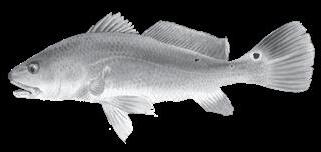
GALVESTON/TRINITY
• Water temp has been up and down with weather patterns, averaging upper 70s
• Water is in good shape along the shorelines despite the wind
• Soft plastics and top-waters are producing quality trout and redfish
• Good numbers of trout on the open reefs when the wind allows
• Beachfront has been very good for speckled trout in the 2- to 5-pound range on topwater plugs as the water clears
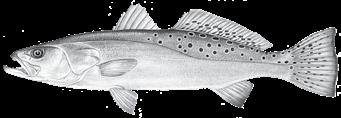
EAST MATAGORDA
• Water temp 78 to 80 degrees
• When the wind allows, trout action is good while drifting shell in 5 feet of water on Gulp Turbo Shrimp and Bass Assassins
• Midbay reefs have been producing some solid fish for waders throwing top-waters and soft plastics
• Speckled trout have been good on strawberry/white tail and roachcolored Hogie Major Minnows and Bass Assassin 4-inch Sea Shad over shell reefs in 3- to 8-feet of water
• Redfish action has slowed down considerably but there are still some being caught in the back lakes with the high tides
• Anglers are getting bites on cut mullet fished on bottom or soft plastics under rattling corks
• Flounder have been slow on rod and reel but the giggers are doing well
ROCKPORT
• Steady speckled trout bite when the wind allows around open water shell
• Redfish and drum have been spotty in the back lakes
• Some decent boxes being brought in by anglers using live or cut bait
• Higher tides have fish scattered in the shallower back lakes and ponds
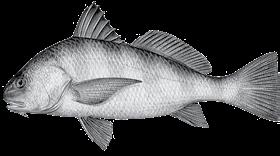
BAFFIN BAY
• Water temps in the low 80s with sandy green water due to high winds
• Good bite on speckled trout and redfish in 2- to 2.5-feet of water
• Soft plastic paddletails, white with silver, glitter and blue glitter fished on a steady retrieve around potholes has been the recipe for 3- to 5-pound fish, with some larger ones showing up daily
By Vivian Leopold For Lone Star outdoor newS
LAKE COLEMAN
• Water level is 2.95 feet below full pool at 86.3% full
• Water temps are about 77 degrees, clear to lightly stained
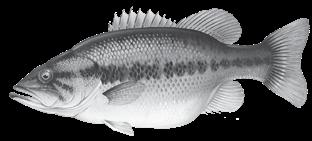
• Largemouth bass best early morning and late evening, transitioning to points, brush and deeper structure (8 to 20 feet)
• Use Texas-rigged worms, chatterbaits, shad-colored swimbaits and top-waters, best at dawn.
• Hybrid striped bass more productive around windblown points and open water chasing shad, especially during low light; try spoons, swimbaits and live bait
• Crappie moving toward brush and submerged cover, good with minnows or small jigs near structure
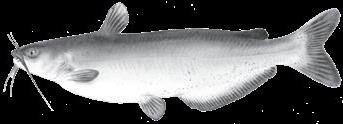
• Catfish consistent near creek channels or deeper water on cut bait or stink bait
CEDAR CREEK RESERVOIR
• Water level is 3.58 feet below full pool at 82.8% full; pay attention to submerged structure and shallow hazards when running; a kayaking fatality occurred Saturday when a 22-year-old capsized and didn’t resurface
• Water temps are around 77 degrees
• White bass and hybrid striper may be the hottest bite now
• Look for schools on main-lake
points, humps and midlake structure, likely following shad; birds diving or surface activity are the clues
• Use spoons, swimbaits, slabs or live shad
• Largemouth bass moving to docks, grass edges, creek channels and secondary points in the southern/ lower clearer end of the lake; bite is good early and late
• Choose Texas-rigged worms, chatterbaits, crankbaits and top-water lures
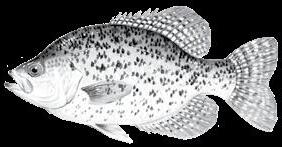
• Crappie good on small jigs and minnows, especially if you see grouped fish on electronics; fair to good around docks, brush piles and timber in 6 to 15 feet
• Catfish are consistently good
• Cut shad is outperforming prepared baits this time of year with blues and channels active around flats near bait, creek channels and windblown areas
• Water level is 0.62 feet below full pool at 97.1% full
• Water temps are about 81 degrees
• According to FishingBooker, May brings some of the hottest white and hybrid action; troll around humps or along the bottom
• Fast action reported when schools are located; Best baits are slabs, jigging spoons, swimbaits and live shad.
• Largemouth bass are setting up on docks, brush piles, grass edges, secondary points and offshore shad schools during post-spawn transition
• Sunrise to about 9 or 10 a.m. and again near sunset are best times
• Use top-water lures early, then chatterbaits, Texas-rigged worms, crankbaits and shad-pattern swimbaits
• Catfish conditions are very good; Use cut shad for blues, punch bait for channel cats; best bite along creek channels, flats and baited holes, often in deeper water
• Crappie are fair to good, holding on timber, docks, brush piles and bridge structures, deeper (12 to 24 feet) than spring spawning depths; Minnows are outperforming jigs
LAKE CORPUS CHRISTI
• Water level is 17.95 below full pool at 76.05% full; very low water levels due to drought making current fishing conditions slow to fair overall; Some ramps and shallow areas may be difficult to navigate
• Water temps are about 82 degrees, water stained
• Catfish are your best bet; focus on deeper river channels, drop-offs
and wind-blown banks using cut bait, stink bait or punch bait early morning or near sunset
• Largemouth bass are fair with fishing tougher than normal but still possible
• Likely concentrated around remaining submerged structure, points, creek channels and standing timber/cover in deeper water; use jigs, spinnerbaits, Texas-rigged worms or shad-colored crankbaits
• White bass are spotty but still can be found where there’s moving water or bait activity, especially near the Nueces River inflow or channel edges; If you can locate schools, small slabs, spoons or inline spinners may work
• Crappie are slow; Low water has made the bite inconsistent but deeper brush or submerged timber is where you should look; minnows may outperform artificials when conditions are tough
• Water level is 0.64 feet below full pool at 94.9% full
• Water temps are around 82 degrees, slightly stained to stained
• Best times to fish are sunrise to 10 a.m. and the last two hours before sunset
• Largemouth bass are fair to good around rocky banks, bluff walls, docks and shaded structure
• Lures having the most success are soft plastics, finesse worms, shaky heads and jigs; use top-waters early morning around shallow pockets
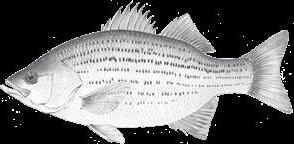
• White bass are scattered, but some moving upriver/current areas and near deeper points; better choices are small crankbaits, spoons and live minnows
• Crappie are slow to fair around brush and docks in deeper water, 12 to 18 feet; minnows are outperforming plastics lately
• Catfish found along channels and deeper structures, especially evenings and overnight; consistent bite on stink bait or cut bait




By Conor Harrison
Lone Star outdoor newS
Reserve Ranch’s Parker Stepan is a busy man.
When he’s not guiding hunters to world-class exotics and wing-shooting adventures on his family’s ranch in South Texas, the former recipient of the Dallas Safari Club Young Hunter of the Year Award and the Safari Club International Young Hunter of the Year Award, has been known to get the ranch ready for some special occasions.
“I haven’t been hunting much lately,” Stepan said while chuckling on a recent phone call. “We had a wedding on the ranch, and I had no idea how much work these things take. We’ve spent two weeks getting the place ready.”
Now that wedding season is coming to an end, Stepan is ready to put hunters on great animals this summer.
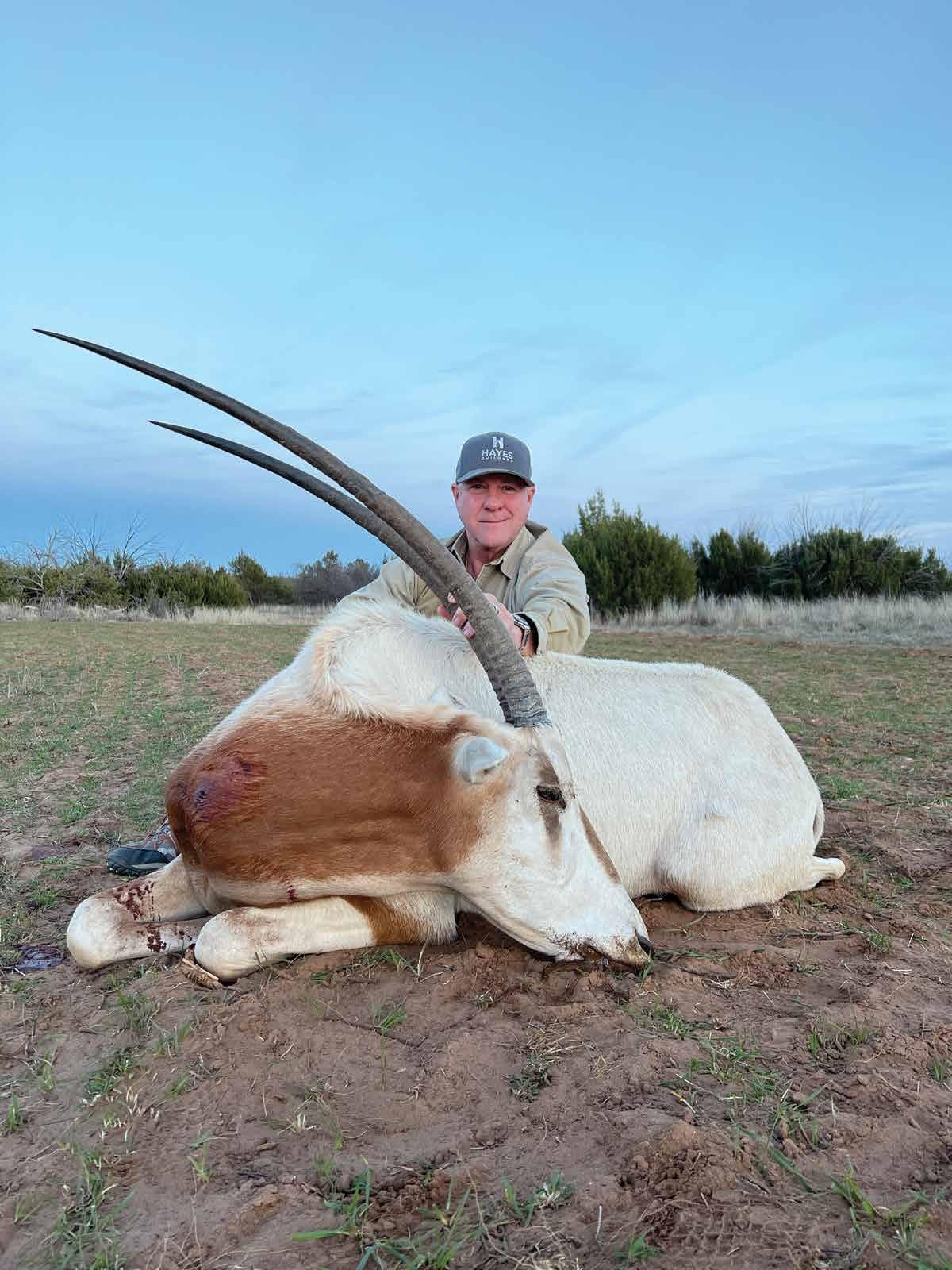
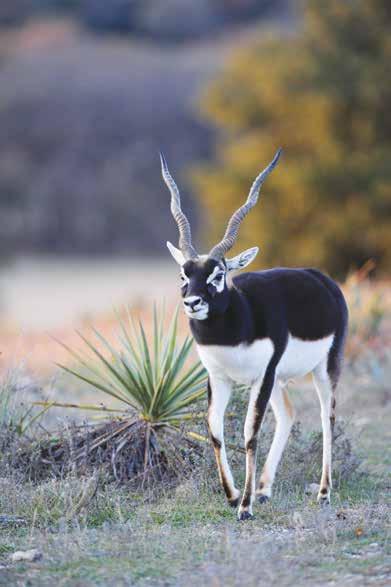
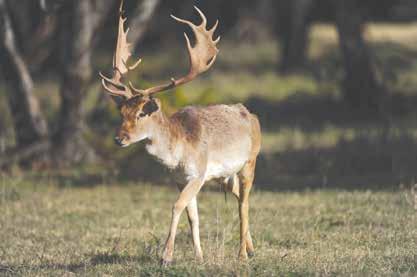
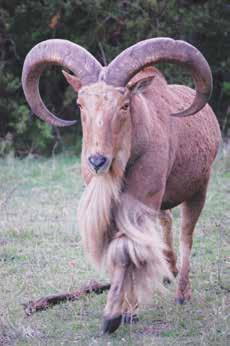
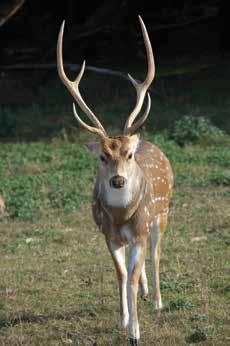
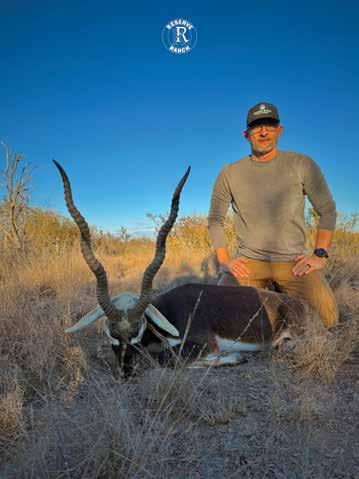
Encompassing five square miles of some of the best habitat in South Texas, the Reserve Ranch is bordered by 2.5 miles of one of the best stretches on the Nueces River. Herds of red stag, axis, blackbuck, fallow, and a host of other exotics roam the ranch, and summer is the time when attention turns to axis.
“It’s the best time of year for axis,” he said. “We tend to slow down a little bit each summer, because our focus has been on red stag and quail in the fall, but the axis hunting is tremendous. Each year, we take three to five bucks over 34 inches, and several over 36. We’ve just had really good success with our axis.”
Stepan expects a warm and wet summer and said the ranch had received sporadic rainfall this spring, although more would always be appreciated.
“We’ve had enough moisture that we will be able to hold birds until the fall,” he said. “Every little bit helps. The exotics are doing well.”
Along with the normal Texas exotic lineup, Reserve Ranch also has eland, sika, addax, gemsbok, white-bearded gnu, red and grey lechwe, Nubian ibex, Dama gazelle, Himalayan tahr and Trans-Caspian urial sheep.
Come fall, red stag will be the focus, and Stepan said the ranch holds a number of stag between 350 and 400 inches.




EWA Economic Impact Survey an important tool
Old data is useless these days.
The Exotic Wildlife Industry Economic Survey is still live, and Texas outdoorsmen’s input is critical.
This study, conducted by Texas A&M University’s Department of Agricultural Economics in partnership with EWA, will provide updated, researchbacked data that reflects the true scope and impact of our industry today.
The last comprehensive study was conducted in 2007, documenting $1.3 billion in economic activity and more than 14,000 jobs, primarily in rural communities, since then, our industry has grown substantially, and updated data is essential.
The survey takes a few minutes to complete, and every response makes a difference. You do not need to answer every question, please provide what you can. We also encourage you to share the survey with others in the industry, including non-members, to ensure the most accurate and complete results possible.
This data is essential as the EWA approach important policy discussions, address emerging issues like the potential return of the New World Screwworm, and prepare for the 2027 legislative session. Decision makers depend on credible economic impact figures when shaping policy, and right now, the only data available is 19 years old. Without updated information, the true value and impact of our industry cannot be fully demonstrated where it matters most.
Your participation is vital. Every completed survey strengthens the collective voice and helps ensure the exotic wildlife industry is represented with credible facts that carry weight where it matters most.
Go to myewa.org for more information.
—Staff report

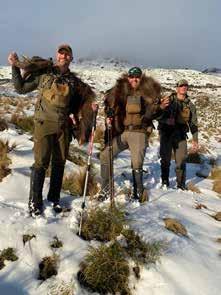
At Glen Dene Hunting & Fishing, every trip is about more than the hunt, it’s about a true connection to the surroundings. In between Lake Hāwea and Lake Wānaka, the landscape isn’t just scenery; it’s the heart of the experience. Immense high-country basins, rugged ridgelines, and clear South Island lakes pull you into a slower, older rhythm where the outside world doesn’t exist.
That connection deepens through the way you hunt. Glen Dene is proud of real, fair-chase hunting across vast private country, guided by locals who know these mountains intimately. Whether you’re tracking red stag, fallow buck, tahr, chamois or goats, the pursuit is earned step by step by reading the wind, moving with the terrain, and matching skills against wild country.
And just as memorable is the connection to people. As a family-run lodge, Glen Dene wraps each day in genuine Kiwi hospitality — tailored hunts, warm fireside stories, and meals built around local produce and hard-won venison. Add worldclass trout and salmon fishing to the mix, plus options for families and non-hunters, and you leave with something bigger than a trophy: a lived bond with this corner of New Zealand.
GLEN DENE
☎ +64 27 226 0983
✉
BOOKINGS@GLENDENEHUNTING.COM
GLENDENEHUNTING.COM









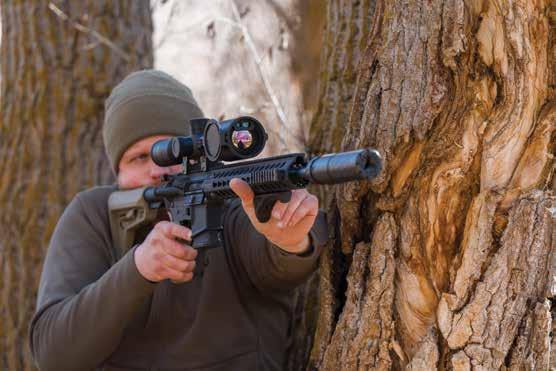
There’s something different about hunting at night. The world slows down. Sounds carry farther. Every movement matters. In those moments, you need equipment you trust without thinking about it.
The Pantera eX 640 was built for that kind of confidence.
From wide scanning to precise shot placement, it handles the entire process without compromise. With NETD sensitivity at or below 14 millikelvins, it picks up subtle temperature differences that other optics can miss. Heat stands out cleanly from the background. Animals separate clearly from brush and terrain. You spend less time guessing and more time making decisions.
The viewing experience feels natural and sharp. The upgraded 2560 by 2560 circular display creates a crisp, immersive image that feels closer to traditional glass than a digital screen. Integrated directly into the lens is a 1,000-meter laser rangefinder, giving you accurate distance without adding bulk or disrupting the scope’s classic profile.
In real hunting situations, small design details matter. The side focus knob lets you fine tune quickly while staying steady behind the rifle. Larger concave buttons follow the natural shape of your fingers and remain easy to use with gloves on. Power is handled by a dual battery system with a built in 21700 and a removable 18650, so long nights are not a concern and quick swaps are simple.
The image adapts to the environment. Six thermal color palettes let you choose what your eyes prefer. Three scene modes help optimize clarity whether you are in open country, timber, rain, or near developed areas. Multiple reticle shapes and color options allow you to set it up the way you like to shoot.
It is built to handle real use. The aluminum alloy housing is lightweight yet durable and rated IP67 for weather resistance. The magnetic lens cap stays quiet. Recoil activated recording captures the moment automatically and built in Wi-Fi makes it easy to view footage on your phone.
The Pantera eX 640 is not just another thermal optic. It is a tool designed to work when conditions are tough and the stakes are high.




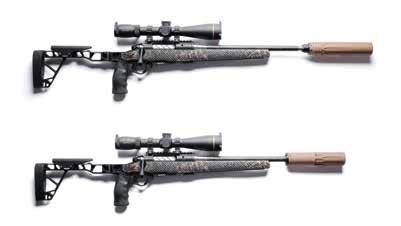
Dead Air Silencers, manufacturer of the next evolution in quiet, purpose-built suppressors, is once again pushing the boundaries of suppressor technology and innovation with the release of the new Nomad Ti OTB suppressor. The Nomad Ti OTB is a solution-driven variant of the company’s popular Nomad series huntinggrade suppressors that takes on-the-move field performance to a new level.
Rated for cartridge calibers up to .300 RUM and 7mm Backcountry, the new Nomad Ti OTB derives its name from its ingenious over-the-barrel configuration. Rather than positioning the blast chamber fully forward of the muzzle, as with conventional suppressor designs, the Nomad Ti OTB expands the blast chamber over the barrel which results in less backpressure and better sound suppression.
There are a couple of key advantages to this expanded blast chamber.
First, this configuration means that the suppressor adds only 4.6 inches to the overall length of the rifle assembly.
Reduced length translates to improved rifle maneuverability in tight quarters and in conditions with limited range of motion.
Second, shifting the weight bias back toward the shooter improves rifle balance and reduces fatigue when making off-hand shots or when mounted to the gun during long field positions.
The Nomad Ti OTB is built through an additive manufacturing process (3D printing) using 6Al4V Grade 9 Titanium, which accounts for the unit’s superior strength, light weight, and advanced gas management system for optimal sound suppression. It is also machined to accept Dead Air’s Xeno Radial Brake — a muzzle device made of 17-4 stainless steel and featuring a 5/8-24 thread pattern. This makes installation onto barrels up to 1-inch in diameter simple and repeatable to reduce point-of-impact shifts.



















































Adding just 4.6" to barrel length, the Nomad Ti OTB advances over-the-barrel suppressor innovation. Delivering the recoil reduction and sound suppression of a longer system, it maintains optimal balance and keeps the rifle compact for fast handling and confident control in the field.










Beretta is proud to unveil the first one-off creation celebrating its 500-year anniversary: the Beretta Titan in 6.5 Grendel. A visionary modern sporting rifle, the Titan embodies several true firsts for Beretta and introduces unexplored solutions within the firearms industry, both from an aesthetic and a technical perspective.
Carlo Ferlito, CEO & general manager of Fabbrica d'Armi Pietro Beretta S.p.A., has declared: "In recent years a new innovative category of firearms has gained space in the international arena: the modern sporting rifles. This new category takes inspiration from the tactical world, translating accuracy and performances in contemporary design and ergonomics. Beretta now launches its interpretation of this exciting category.
Inspired by functional genetics and aeronautical-grade materials, the Beretta Titan is born to be a natural extension of the user and pushes to new limits its features of modularity, versatility, and accuracy. For the first time Beretta conceives a product that combines stateof-the-art materials like magnesium, titanium, and carbon fiber, in a synthesis of performance, elegance and manufacturing excellence."

The X80 BT LITE Camera is a proven solution that combines cutting-edge technology, rugged durability, and unmatched convenience, making it ideal for quick deployment and continuous monitoring in any setting. Great for researchers, ranches, airports, farming operations, perimeter surveillance, hunting leases and more.
To the eye, you won’t notice a difference between the X80 BT LITE and the original X80 BT model. The differences lie in the software features that you will use the most. Packed with features, the X80 BT LITE Camera is engineered for clarity day and night. It’s equipped with a high-performance single lens along with an IR cut filter, that delivers vibrant photos and videos—no matter the lighting conditions.
The durable injection-molded enclosure, Bluetooth connectivity, and built-in repeater provide both reliability and ease of use for comprehensive monitoring.
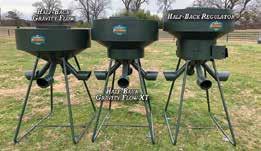
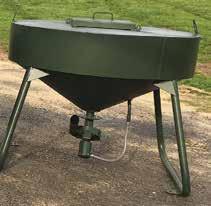
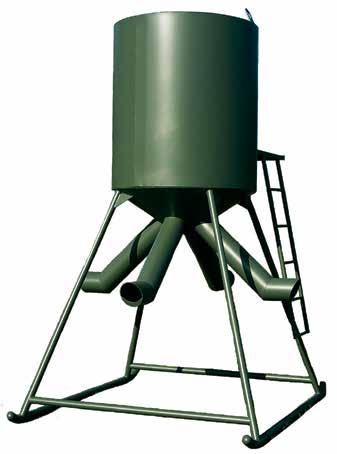
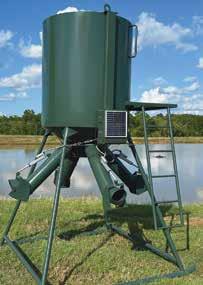
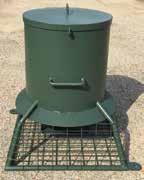
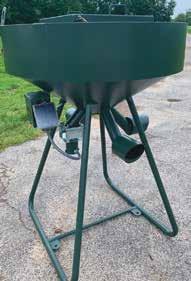
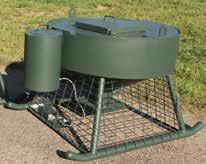
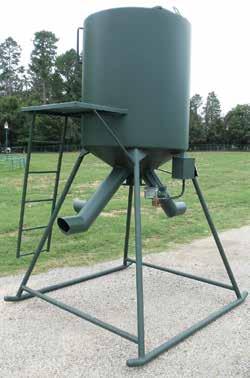
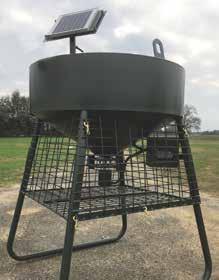
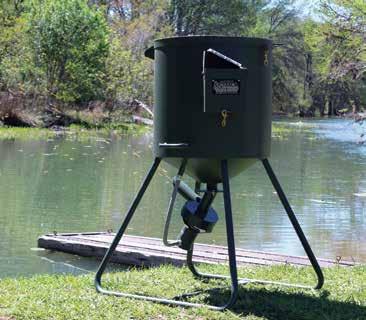
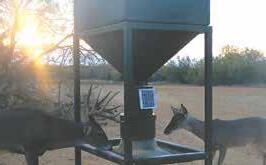
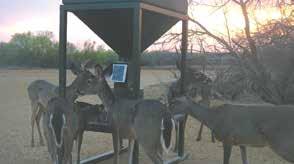
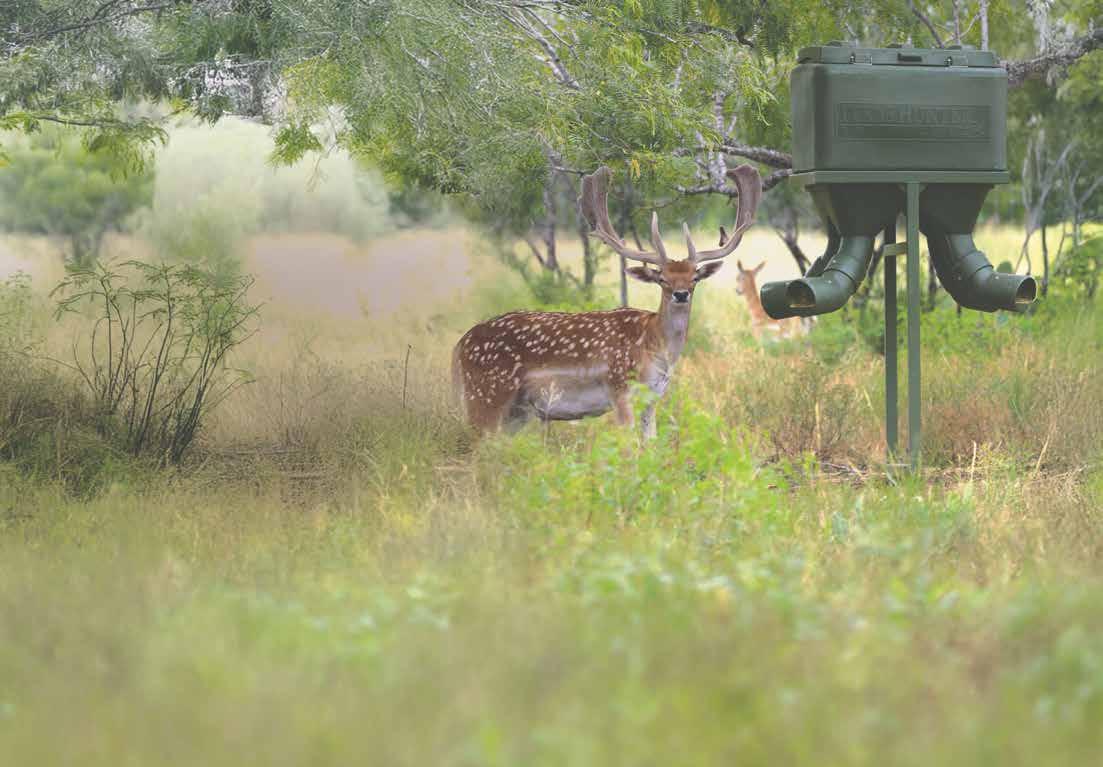
Choose from three models — all available in three sizes: 400-, 600- and 1000-pound capacities. The Half-Back Gravity Flow model is the shortest of the series. The Half-Back Gravity Flow XT is six inches taller, allowing for more antler clearance. The Half-Back Regulator lets you control how much feed is dispensed at your specified times. The dispensed feed is still maintained inside the feeder and not dumped into an open trough. The same Outback quality and durability at a much lower cost.
Designed to be fed to white tail deer and a variety of exotic species as a supplement to their natural forage and habitat. Feed to deer and exotic species as a supplement to their natural diet when limited browse and forbs are available.
Nutrients Level
Crude Protein 20%
Crude Fat 3%
Crude Fiber 20%
Calcium 1.6% - 1.8%
Phosphorus 0.6%
Salt 0.4% - 0.8%
Zinc 80 ppm
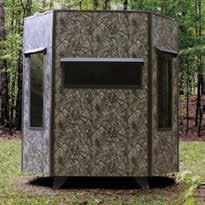
It's Texas Hunter's Hide-A-Way Camo
Hunting Blinds featuring TrueTimber Camo, where almost real isn't real enough. Key features include TrueTimber camo aluminum exterior. The walls and ceiling are fully carpeted for your comfort and warmth.
Provides added insulation with sound and scent barrier. Roomy and spacious 5- by 7-foot interior. Flip-open Hide-AWay windows with concealment panels designed to bypass each other and slide silently in a dual track. It's the most effective window system ever designed for hunting blinds. This blind features a combination of rifle and bow windows, shooters shelf with accessories included, and powder-coated 7-inch ground legs included.
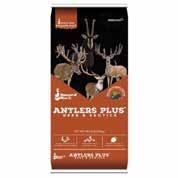
Vitamin A 10,000 IU/lb
Vitamin E 20 IU/lb
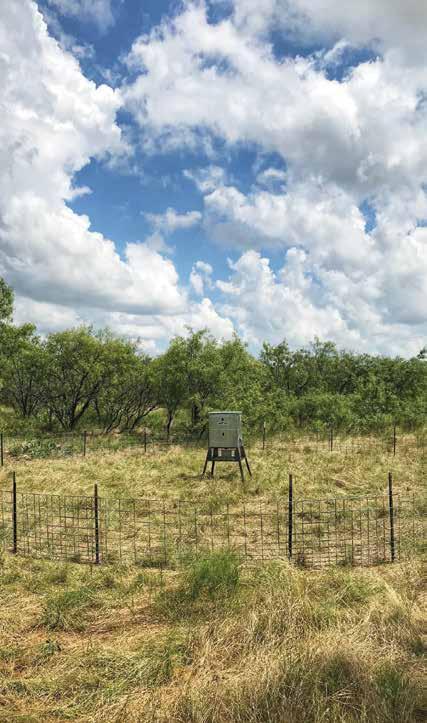
By Conor Harrison Lone Star outdoor newS
One of the coolest things about hunting the Texas Hill Country on a low-fence ranch, is you just don’t know what will step out at any given moment.
One second you are hunting a white-tailed doe for camp meat, and the next thing you know a 400-pound red stag could step out and the game completely changes.
One such memorable hunt was in Kerr County about 25 years ago. I was new to Texas, and not quite aware of just what roamed the cedar-choked draws and limestone canyons that dotted the small ranch I was hunting north of Kerrville. Bow in hand, I made my way to the ground blind set up 20 yards downwind of a feeder, with a steep slope behind dropping down into several hundred yards of almost impenetrable cedar and scrub oak.
The afternoon started off like most, with a few does and yearling whitetails coming to the feeder within minutes of corn being thrown. I was there looking for several mature bucks that I knew were around the area. Although not big by South Texas standards, these Hill Country deer were numerous and fun to chase with a bow.
Several young bucks filtered in, followed by several axis does.
“Those are pretty neat,” I thought as the axis pushed the native deer around the feeder. I had never hunted axis at the time, but thought their spotted patterns looked beautiful in the late afternoon sun.
I hadn’t spoken with the ranch owner about shooting anything other than a whitetail, so I sat back and enjoyed the show as more deer filtered in.
As dark approached, I began to expect one of the older bucks to make an appearance. I soon heard the tell-tale sound of hooves clicking rocks as I anticipated a big buck stepping out into the clearing. What I got was one of the biggest, darkest animals I had ever seen appearing before me. I knew what a red stag was. This was not a red stag.
Nor was it an elk. It had smaller antlers that looked stag-ish, but I had no idea what I was looking at. The animal fed for a few minutes, well within bow range, but I just marveled at this big-bodied creature in front of me.
No white-tailed bucks were going to come in with that big animal there, so I watched until he fed off at dark back down the hill from where he came.
As I spoke to the ranch owner later that evening describing what I saw, he exclaimed, “That’s the big sika we’ve been trying to kill for years! Why didn’t you shoot him? They are great to eat.”
I could only shake my head and laugh. My freezer and my wall missed out on a golden opportunity, but that is what hunting in the Hill Country is all about. You just never know what might step out.







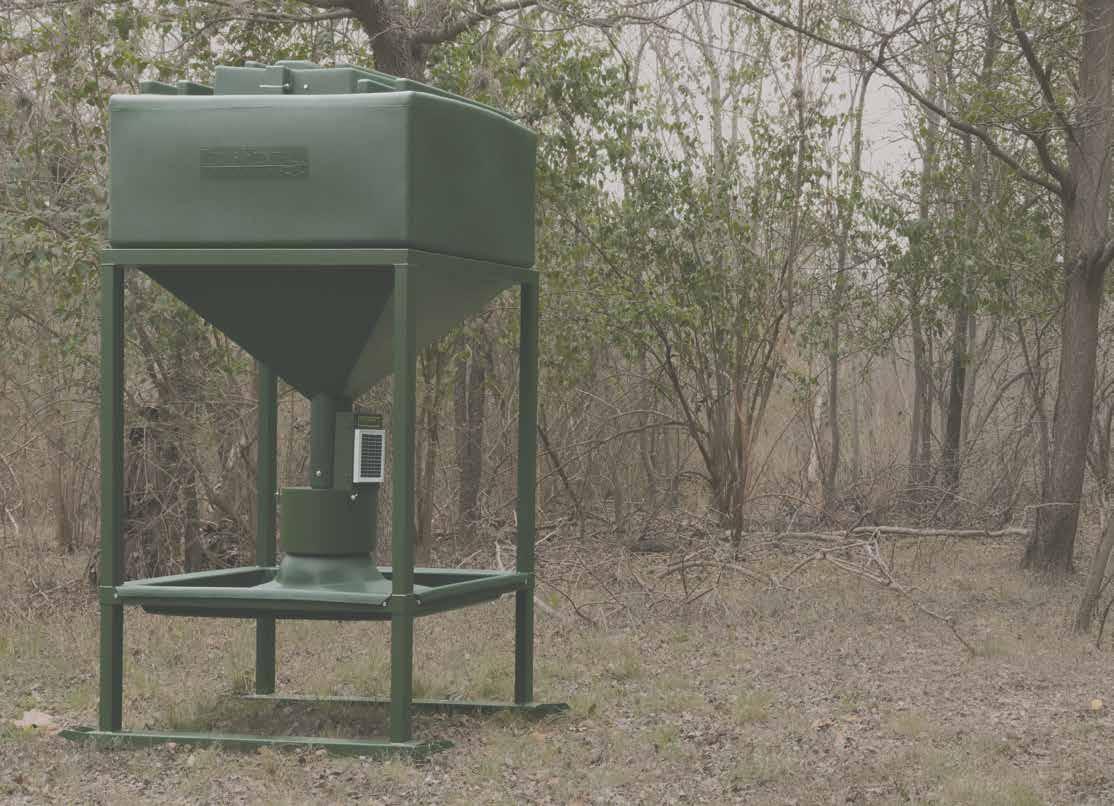
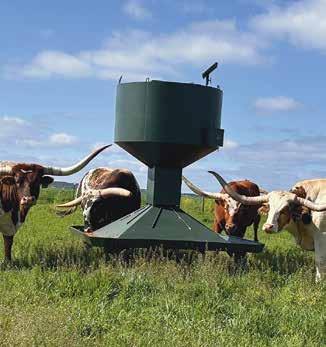
Consistent Feeding for a Healthier Herd
Time-Dispensed Unit and Trough
Regulates Feed Use - Saving Money
Reduces Waste - Saving Money
Promotes Daytime Feeding
Durable Roto-Molded Hopper - Will Never Rust
Heavy-Duty Powder-Coated Steel Skid & Frame
Solar Panel & Rechargeable Battery Included
Feeds 1 to 9 Times Daily - For 1 to 60 Seconds
EZSet Digital Timer w/ 5-Year Warranty








Continued from page 6
bringing the big ones now.”
Khalil has been targeting with fish gum, shrimp, and cut mullet.
“Really, the fun way to target them is with lures and spoons,” Khalil said. He has been casting to the second gut and ripping it in. “Most of them, I caught in the first gut. Super shallow, I mean, I would see them right in front of me,” Khalil said. “So, I am looking out there (the 2nd gut), and once I see them, I’ll start casting. Then the bait movement would change, and as the
only occasionally spill over into other animals. When that occurs, the other animals become rabid, but scientists don’t typically see the variant start circulating in spill-over species. Rabies is always fatal in wild animals.
In this most recent case, the skunk variant has spilled over into gray fox, and it is being perpetuated in fox, passing from fox to fox. While the complete impact of this host shift is yet unknown, scientists worry the virus may be mutating and the new variant may be more difficult to manage, even to the point where vaccines are no longer effective. Such spill-over events have occurred twice in Arizona, but have not been seen in Texas before.
The current outbreak appears to be centered in the eastern Hill Country, from Burnet County on the north, Travis County on the east, Bexar County on the south and Mason County on the west. Gray foxes, however, have a remarkable dispersal range and as the current crop of pups matures, the affected area may increase.
Gray foxes are abundant in the Hill Country and wild-acting foxes pose no real risk. Rabid foxes are aggressive, growling and attacking blindly. In advanced cases, animals are neurologically affected — they lose their balance and have difficulty walking. Other
bait comes into the first gut, they would follow them.”
Anglers should focus on the bait. Get your spoon in the middle of them regardless of gut, and you will find success. The morning has been more productive.
More importantly, “the best identifier of action going on is the birds,” Khalil said. “Keep moving up and down the beach. Once you see birds within casting distance, get out there.

than the aggressive behavior, the symptoms of rabies are similar to distemper, which also circulates in foxes.
According to the San Antonio Express News, a rabid fox attacked a woman in San Marcos in March. More than a dozen rabies cases have been reported in that area in the past 12 months.
If a hunter or rural landowner encounters a suspect animal, they should dispatch it safely. The virus remains infective in bodily fluids (blood and saliva are the most common sources) until the carcass cools or the blood dries. Wear protective rubber or latex gloves when handling any gray fox. Urban homeowners in the affected area should call their local police or county health department. Any exposure to people or pets should be reported to your physician, veterinarian or the county health department. Post-exposure vaccines are necessary to prevent human or pet rabies. Hunters contribute to rabies monitoring by submitting samples when appropriate. Various predator calling contests have collaborated with health officials by allowing the collection of samples. If a rabid animal is found, localized population reduction can help prevent the spread or perpetuation of the disease.













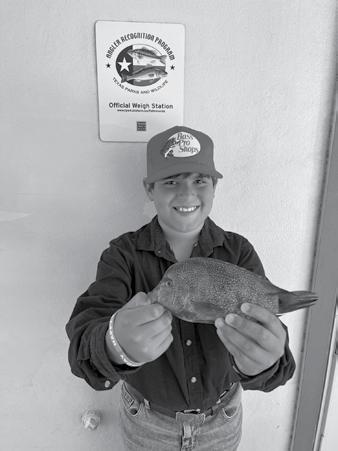

Rodriguez submitted his Rio Grande Cichlid from Oakes Street in San Angelo for the pending waterbody record. His fish weighed 0.4 pounds and was 8 inches in length.






26
30
31
02
3:56

TPWD staff is urging the TPWD Commissioners to adopt a new mandatory reporting system for mountain lions in the state. The proposed amendment would create a new subsection to require a person who takes a mountain lion to report the take within 24 hours via the department’s website or mobile application.
The public can submit comments on the TPWD website on all proposals until 5 p.m. on May 27.
According to TPWD, “staff seeks adoption of the proposed amendment to rules governing mountain lions. The proposed amendment would establish harvest reporting requirements for mountain lions.
Under Texas Parks and Wildlife Code section 67.002, Texas Parks and Wildlife Department (TPWD) is required to develop and administer management programs for nongame wildlife, which may include conducting scientific investigations and surveys of nongame species for better protection and conservation. In November 2025, the Mountain Lion Research and Monitoring Plan was presented to the Texas Parks and Wildlife Commission (Commission) … Staff recommends that the Commission adopt a mandatory harvest reporting requirement for mountain lions to enable accurate population estimation.”
A link to submit comments can be found at LSONews.com.
Staff seeks adoption of an open season on public hunting lands for the 2026-2027 season, and authorization for specific public hunting activities on units of the state park system for the 2026-2027 season.
TPWD staff recommends that the commission adopt the following motions:
Motion 1: “The Texas Parks and Wildlife Commission authorizes an open season on public hunting lands to run from September 1, 2026, to August 31, 2027.”
Motion 2: “The Texas Parks and Wildlife Commission authorizes the public hunting activities described in Exhibit A to take place on units of the state park system.”
Go to the public comment section on the TPWD website for a full list of the parks the above motion would cover.
By Conor Harrison
Lone Star outdoor newS
That didn’t last long. If gun enthusiasts didn’t jump on the return of the Colt BOA immediately, they might have missed their chance.
Due to unprecedented demand following the official unveiling at the 2026 NRA Annual Meetings & Exhibits in Houston, CNC Firearms is no longer accepting direct orders for the Colt BOA. In just five days, demand exceeded CNC Firearms & Colt's expectations.

As originally promised, the Colt BOA will remain a true limited-edition offering and will not enter mass production. Preserving the exclusivity, collectability, and long-term significance of the BOA has remained a central focus throughout the project's development.
All available inventory has now been allocated through authorized CNC Firearms dealers and select industry distributors. Customers interested in securing a Colt BOA are encouraged to contact their preferred local firearm retailer or an authorized CNC Firearms dealer.
Authorized distributor partners carrying the Colt BOA include:
• Sports South
• Orion Wholesale
• Chattanooga
• Iron Valley
• Nation's Best Sports
• Camfour
• Lipsey's
• Davidson's
The Colt BOA marks one of the most significant modern Colt revolver releases in recent history. Faithfully recreated from the original 1985 configuration, each revolver is manufactured as a 100% factory Colt firearm and offered in limited quantities in both 4.25-inch and 6-inch barrel configurations chambered in .357 Magnum.




Solution on Page 18

1. Elegant dabbler
9. Tuna torpedos of the sea
10. Young hunter affliction
11. Where the journey often starts
12. _____ Game Bird Stamp
13. Will make a shooter adjust his aim
14. Deer meat
15. Communal spot in a deer camp
19. U-shaped formed by river
20. Archery hunters hope for a good one
21. Federal season opens May 22
22. Used to fool a Tom
25. Mottled and Banded Rock are two
26. Mud and sediment help make a river this
27. A hired hunting guide
29. Summer season is best time to hunt these
30. A place to hang deer
32. Shallow-water boat name
33. Primitive weapon
34. Used to pack into wilderness areas
35. Raises fish for release
2. Animal artform
3. Slang for trophy bass
4. Herds in the Panhandle and Trans Pecos
5. The science of how projectiles move
6. Protective rifle sheath
7. Male bear
8. Contains highest peak in Texas
9. Young deer name
13. Helps get deer moving
16. Building to preserve food
17. Small group of birds
18. Created when water drops sediment causing buildup
21. Where turkey sleep
23. Helpful for a hunter to know
24. A young anglers pride and joy
25. Can be copper or bronze with a black spot or two
26. Early season mule deer haunts
28. Dragging a large net
31. Keeps bass alive until the weigh-in

Colt's Manufacturing Company LLC appointed Kristin Marlow as head of marketing, bringing over 25 years of marketing leadership experience. Marlow previously served as chief marketing officer at Staccato and fractional chief marketing officer at CCW Safe.
WOOX, an Italian-American manufacturer of premium gunstocks, axes, and knives, is expanding its Hickory, North Carolina facility with groundbreaking planned for late 2026. The expansion aims to meet growing customer demand while reviving local woodworking craftsmanship traditions in the region.
The Rocky Mountain Elk Foundation is recruiting an experienced general counsel to serve as a key advisor to leadership and the board of directors. The position, based in Missoula, Montana, requires a JD, legal licensure, and ten or more years of experience in nonprofit law, land acquisitions, environmental law, and corporate governance.
Cody Bassuener of MWS Associates, Inc. received the Gold Standard Sales Award from Wildlife Research Center for exceptional sales performance and retail partnership excellence. The award recognizes his outstanding
customer service, market understanding, and role in expanding brand presence across his region.
We Buy Guns, a national online firearm purchasing platform owned by Chris Wing, announced it has surpassed 1,000 five-star customer reviews while purchasing over 11,500 firearms across all 50 states and issuing $5.4 million in payments to sellers.
North Dakota is accepting applications for district game warden positions with exams scheduled in June at locations in Minot, West Fargo, Bismarck, and Dickinson. Applicants must register by May 27 through the North Dakota State Job Openings website and meet requirements including a bachelor's degree, valid driver's license, and peace officer license eligibility.
The Second Amendment Foundation, National Rifle Association, Firearms Policy Coalition, and two private citizens filed a lawsuit challenging Virginia's new assault weapons and large-capacity magazine bans signed by Gov. Abigail Spanberger. SAF Executive Director Adam Kraut and founder Alan M. Gottlieb argue the banned firearms are commonly owned and constitutionally protected.

*email LSON your favorite recipe to editor@lonestaroutdoornews.com.
6-9 crappie fillets
1 1/3 cup corn meal
1/4 cup flour
2 tsps. salt
1 tsp. garlic powder
2 tsps. lemon pepper
1 Tbsp paprika
1/2 tsp. cayenne pepper Corn tortillas
Cooking oil for frying Heat oil to 350º-375º. In a large Ziploc, add corn meal, flour, garlic powder, salt, lemon pepper, and cayenne. Shake to mix well. Add your fish fillets and shake to coat, once coated evenly place directly in oil and cook until golden brown on each side, remove from oil and drain. Grill or fry up your tortillas. Place a piece of crispy fish fillet in each tortilla, topped with your favorite sauce and your favorite toppings like purple cabbage, white onions, and jalapenos.
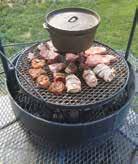
1 bone-in wild boar shoulder (5–7 pounds)
2 Tbsp. yellow mustard (binder)
1/4 cup brown sugar
2 Tbsps. kosher salt
2 Tbsps. black pepper
2 Tbsps. smoked paprika
1 Tbsp. garlic powder
1 Tbsp. onion powder
1 tsp. cayenne pepper
Trim any excess silver skin or overly thick fat from the shoulder. In a bowl, mix brown sugar, salt, pepper, paprika, garlic powder, onion powder, and cayenne. Coat the shoulder generously with the rub, pressing it into the meat. Use mustard as a binder. Preheat your smoker to 250°F using hickory or oak wood. Place the shoulder fatside up on the grates. Smoke for 4–5 hours until internal temp reaches around 165°F.
Continue smoking until the internal temp hits 195–203°F. This could take 2 to 3 more hours, depending on the size. Remove, wrap in a towel, and rest in a cooler or warm oven for at least 1 hour. Shred the boar with your hands or meat claws. Remove bones and excess fat. Toss in juices from the wrap for flavor. Serve on a bun with pickles and onions.
—Staff report
As a response to shocking decreases in wild turkey populations throughout various portions of the eastern US, Turkeys for Tomorrow is leading the charge by supporting a four-year predator-prey study to assess the impact of predators on wild turkey numbers.
"This predator-prey study is needed because there is a lack of credible information to suggest predator management might be needed to reverse the decline in wild turkey populations," said TFT CEO Jason Lupardus. "I feel that, with everyone coming together and trying to figure out what the issues are, we're hoping to come up with some solid solutions for the future."
"We have 11 sites in 9 states, and each site is approximately 1,500 acres," said Criag Harper from the University of Tennessee. "We are using arrays of remote cameras and automated recording units to monitor relative abundance of wild turkeys and predators — including nest predators and those that prey on adult birds."
The nine participating states include Alabama, Arkansas, Florida, Kentucky, Mississippi, Oklahoma, Pennsylvania, South Carolina, and Tennessee. There are two study sites in Tennessee and Florida and one study site in the other states.
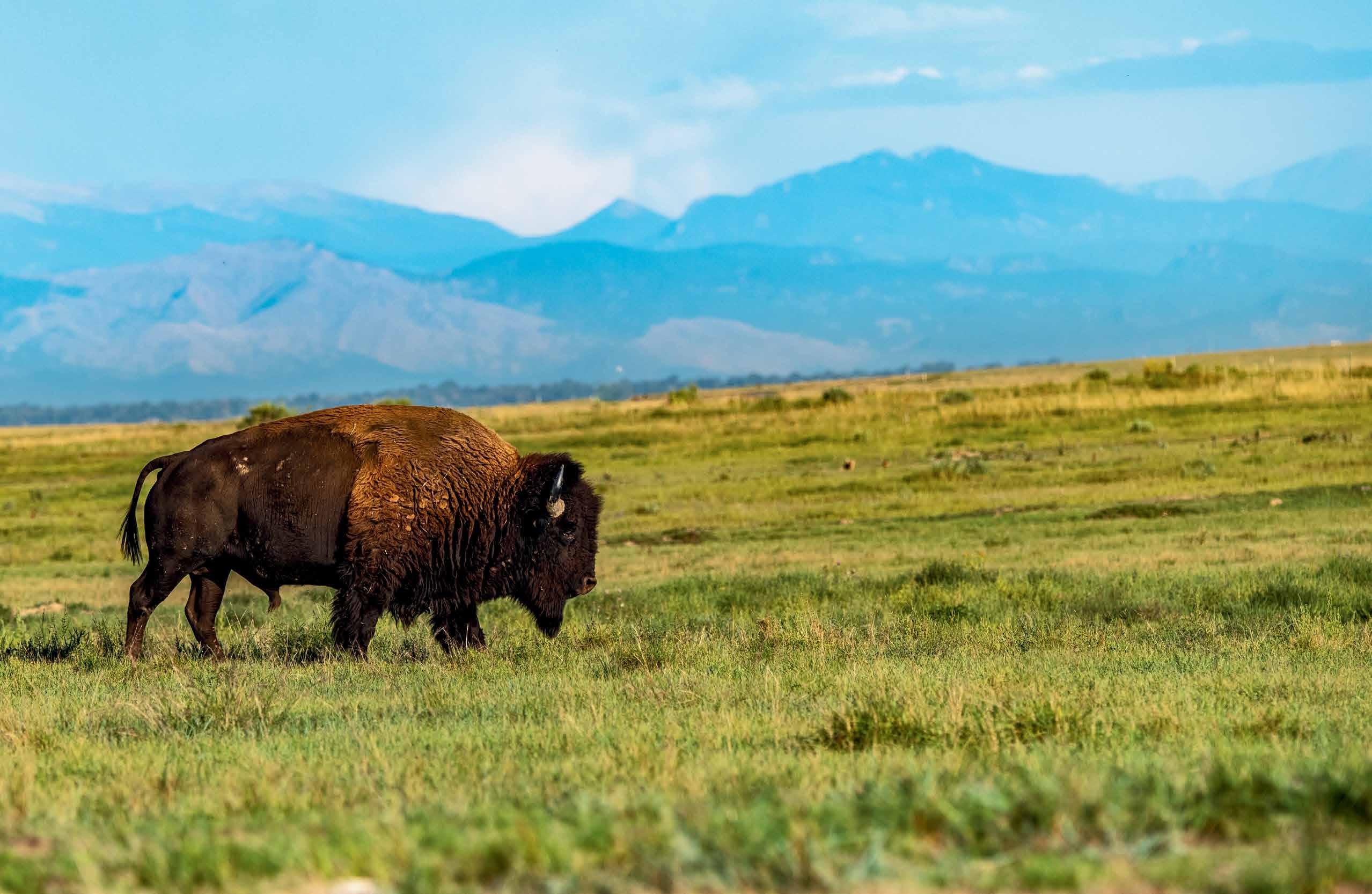
Hunters can now check the drawing results for Montana moose, bighorn sheep, mountain goat and bison licenses.
There are a few ways to get your drawing results.
Visit fwp.mt.gov, click on MyFWP Login in the upper righthand corner, then click on "Lookup Draw Results, Register for Lists" tab on the left-hand menu, or login to your MyFWP account. You can also sign up for an account at fwp.mt.gov/MyFWP. Applicants can also call any FWP regional office or the licensing office at (406) 444-2950.
—MFWP
Wild turkey hunters across Ohio have taken 13,496 birds so far during the 2026 spring season, according to the Ohio Department of Natural Resources Division of Wildlife.
Hunters checked an average of 12,713 turkey by the corresponding date in the previous three seasons (2023 to 2025) and reported 12,451 birds at this point in 2025.
The 10 counties with the highest totals for wild turkey harvest so far during the 2026 season: Tuscarawas (380), Belmont (363), Adams (360), Highland (358), Monroe (358), Gallia (358), Guernsey (334), Ashtabula (328), Brown (318), and Harrison (308).
This year's statewide total represents 16 days of hunting in the 83 counties that comprise the south zone, nine days of hunting in the northeast zone (Ashtabula, Cuyahoga, Geauga, Lake, and Trumbull counties), and the 2,058 turkeys checked during youth-only hunting dates.
—ODNR
The Arizona Game and Fish Department is accepting applications for 2026 hunt permittags issued through the draw process for deer,
turkey, javelina, bighorn sheep, bison, and sandhill crane.
Applicants must possess a valid license at the time of application submission and on the deadline day of the application period (June 2). Hunting or hunt/fish combination licenses only — short-term licenses are not valid.
—AZGFD
UTAH
The Walk-in Access Program was launched in Utah in 2005 as a way to provide public access on private land for additional hunting and fishing opportunities. Now, more than 20 years later, the program has expanded, and in 2025, it offered public access to 49,597 acres of private land for hunting and fishing.
In 2025, 49,597 acres were enrolled in the Walk-In Access Program, including 39.4 miles of stream and 221 acres of flat water. A total of 116 properties enrolled in the program, with the majority located in northern Utah.
Hunters and anglers can gain access to these properties by obtaining a free Walk-in Access Authorization number. The number is required when individuals are on the property, and must be obtained annually. Individuals can find the properties enrolled in the program on the DWR website and should be aware of the specific activities allowed on each property before visiting.
—UDNR
The Coalition to Save Catalina Island Deer delivered more than 30,000 petition signatures recently to Governor Gavin Newsom and California Department of Fish and Wildlife Director Meghan Hertel.
The Californians who have signed their names on this petition vehemently oppose the Catalina Island Conservancy's proposal to eradicate 100% of the mule deer population on Catalina Island.
"SCI is committed to standing side by side with hunting, conservation, and sportsmen's advocacy organizations in our fierce opposition to the unconscionable eradication of mule deer on Catalina Island," said W. Laird Hamberlin, CEO of Safari Club International. "With today's delivery of more than 30,000 signatures opposing California's decision, we hope to underscore the public's demand for sound, science-backed conservation policies. California's wildlife depends on it."
—CSCID
The Arkansas Game and Fish Commission gathered with its conservation partners in Siloam Springs last Friday to celebrate the official opening of the Upper Illinois River Water Trail, the first Arkansas Water Trail in Northwest Arkansas.
In addition to being the first Arkansas Water Trail in this corner of the state, the Upper Illinois River Water Trail is the first in the AGFC's list to span two states. It begins at Chamber Springs Access near Pedro, and continues through Siloam Springs Kayak Park, eventually ending at WOKA Whitewater Park in Oklahoma. The entire trail is 15.5 miles long.
Continued from page 6
anglers rode the Murphy’s Law for the ride held Thursday afternoon, May 7 — the same day the church services and a reception were held for Murphy.
Shane Murphy was not related to the late boat captain but knew Patrick for quite a while and said he was always making people laugh with his constant jokes.
Island resident Frank Shisler said he fished with Murphy many, many times.
“Patrick was a teacher (of the sea) and was easy going,” he said. “He was always having fun taking people on a boat.”

When the Port of Brownsville tours company added to its line of services several years ago, Murphy was the boat’s captain during the nearly 40-mile round trip from the jetty to the Brownsville Ship Channel Turning Basin.
He knew and explained everything along the route, including the history about the Laguna Madre, the natural and artificial reefs, the local shrimp industry, the shipyard, the names of every U.S. Navy decommissioned ship that came down to be turned into scrap metal and on and on.
Murphy is survived by his wife, three sons, two daughters, and 11 grandchildren.
native plants that quail depend on. Over time, these cumulative pressures can tip the balance against sustainable quail populations in the Rolling Plains.
This is not an argument against progress, but a call for balance. Strategic siting of data centers, water-use accountability, and conservation-minded planning can help ensure that economic development does not come at the expense of our natural heritage. The Rolling Plains is one of the last strongholds for wild quail, and its preservation requires foresight and stewardship.
The future of quail — and the legacy of this region — depends on the choices we make today.





(817)
PUREBRED GSP FOR SALE IN AUSTIN
(512) 626-5911
BIOLOGIST 4 HIRE, LLC. Fish & Wildlife Habitat Consulting, 1-D-1 Wildlife Agriculture Valuation, Conservation Land Assessment & Management Plans, Drone Mapping Services. Chad E. Simmons USDA NRCS TSP B-19-22936 chad@biologist4hire.com (972) 837-0392
TEXAS TROPHY WHITETAILS Axis, Blackbuck, Hogs Free range whitetail and exotic hunts in Sonora, TX HuntTexasWhitetails.com (717) 512-3582
TEXANS ARCHERY CLUB
Network of Archery Ranges For One Membership! TEXASARCHERY.INFO
HUNTING CAMP FOR LEASE
Between Rocksprings and Del Rio 3 Bedroom Cabin 4 blinds One year lease (612) 723-1323

361 FISHING
Get the Texas saltwater fishing app (iOS) that has it all. Bite times, top 5 spots right now, real-time weather and local intel from guides. Focused on artificial and fly, use the app to determine where to go, when to go and what to throw to increase your fishing success. Free trial to get started.

MAY 28
DUCKS UNLIMITED Corpus Christi Sponsor Dinner CC Yacht Club (361) 739-6372 ducks.org/events
MAY 29
DUCKS UNLIMITED
Matagorda Chapter Banquet Bay City Civic Center (979) 216-6818 ducks.org
MAY 30
ROCKY MOUNTAIN ELK FOUNDATION Houston Big Game Banquet Houston Distributing Center (832) 655-3180 rmef.org
JUNE 5
DSC EAST TEXAS CHAPTER Chapter Banquet Nacogdoches Civic Center etscmembership@gmail.com
JUNE 5-7
SKEETER OWNERS’ TOURNAMENT Lake Fork (817) 439-3274 basschamps.regfox.com
JUNE 12-13


SAN ANTONIO RODEO WILDLIFE COMMITTEE Hill Country Game Fair Joshua Creek Ranch (210) 225-5851 sarodeo.com/wildlife
JUNE 15
DUCKS UNLIMITED 2026 Texas State Convention Texas A&M Hotel and Conference Center, College Station ducks.org
JUNE 18
ROCKY MOUNTAIN ELK FOUNDATION East Texas Chapter Banquet Rose Garden Center, Tyler (573) 694-6081 rmef.org
JUNE 19-21
GOD AND THE GREAT OUTDOORS EXP Maude Cobb Convention Center, Longview (903) 574-1911 godandthegreatoutdoors.com
JULY 23-26
DALLAS SAFARI CLUB Summer Expo & Foundation Gala Gaylord Texan Resort, Grapevine (972) 980-9800 biggame.org
JUNE 25
FLOATING CABIN
Permit for Sale Tide Gauge Bar Baffin Bay 42’x17’x12’ Serious Inquires Only (713) 254-8166


HOT Cash out every Tuesday @10 am Atascosa Livestock Exchange Pleasanton Hauling Available Call (210) 289-7698


Puzzle solution from Page 16


DUCKS UNLIMITED 2026 Texas State Convention Texas A&M Hotel and Conference Center, College Station ducks.org/events
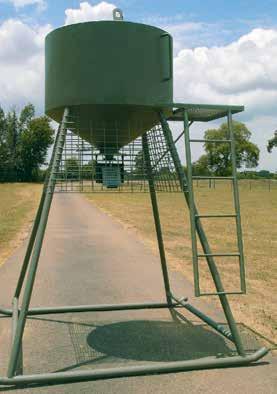
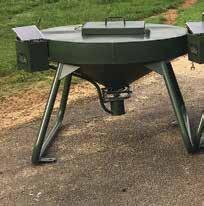
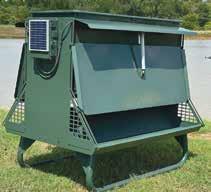
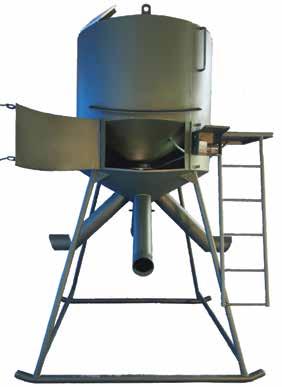
TheRegulator utilizes“TheTimer”allowing controlofthefeedamountwhilemaintaining dispensedfeedinsidethefeederhousing andtubes.Youprogramtodispensefeed uptosixtimes/dayattherateof2lbs./ second&360lbs./daymaximum.