



Welcome to your June 2026 Volunteer Newsletter.
This edition is extra special as its landed in your inbox during volunteers week. What is volunteers week you ask? Volunteers’ Week is an annual UKwide campaign held from the first Monday in June to celebrate and recognise the contributions of volunteers and where would we be without you all!
Not only is it volunteers week, this year is also Leicestershire and Rutland Wildlife Trusts 70 year anniversary 70 amazing years we have had championing for wildlife with your help and what help you have been! During the last financial year, you contributed around 28,000 hours of volunteering, wow!
You have all contributed in so many ways and we are so thankful for your support, so from the bottom of our hearts, thank you!
As well as it being the 70 year anniversary or the trust, we are also celebrating 50 years of Rutland Water Nature Reserve and 30 years of the Rutland Osprey project, they do say these things come in threes. These anniversaries are not just celebrations of the past, but a reminder of what’s possible when people come together for wildlife.
This anniversary year is the perfect moment to look back at our journey together and remember the contributions of those amazing volunteers who are no longer with us. Their legacies will forever be recognised and celebrated.
Once again, thank you to each and every single one of you!
The In Focus store, located in the Anglian Water Bird Watching Centre, Rutland Water is offering LRWT volunteers a 15% discount.
This discount is only on Viking products and their prices rage from £40 - £500.
Maximum of one purchase per year of a given type - e g 1x binocular, 1x scope
ID is required, so if you are wanting to place a purchase, please email Paige, Volunteer Coordinator on volunteering@lrwt.org.uk and she will provide you with a letter confirming you are a volunteer.
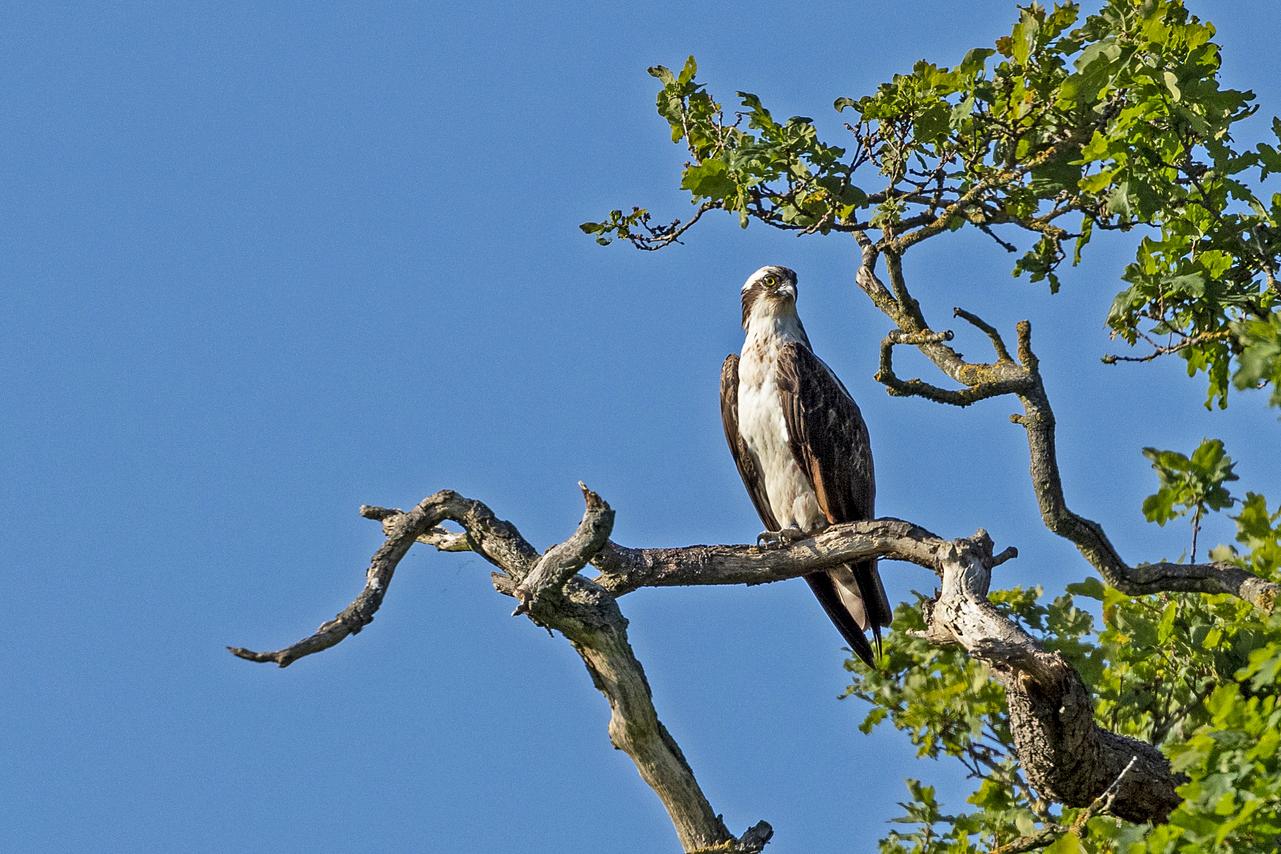
For the past 30 years, Leicestershire and Rutland Wildlife Trust has worked with Anglian Water, and many other partners, to reintroduce Osprey to Rutland Water and beyond Reaching a well-established breeding population as well as being an integral part of the species’ distribution across both the UK and Europe, the Rutland Ospreys continue to soar and inspire.
Last year, we celebrated the 300th successfully fledged Osprey chick from Rutland Water This year we celebrate 30 years of the Rutland Ospreys As we plan for the next 30 years, your donations and support can ensure that the Rutland Ospreys continue to be protected.


We want to say a massive thank you to everyone involved in the Osprey project and those who have donated so far.
Please continue to spread the word about these amazing birds and the Wings for the Future appeal
Here is the link to the website page -
https://www.lrwt.org.uk/wings-futureosprey-appeal
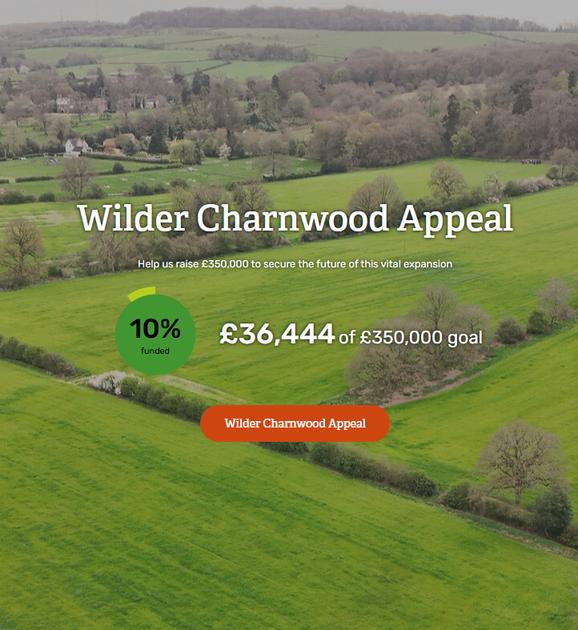
As you may have seen, we currently have the Wilder Charnwood Appeal happening, where we are asking people to help us raise £350,000 to secure the future of this vital expansion on Charnwood.
This is an exceptional opportunity to expand the Charley Wood nature reserve, significantly increasing the space for wildlife in one of the most important landscapes for nature across Leicestershire and Rutland.
A massive thank you to everyone who has contributed so far and please do conitue to spead the word about this appeal.
More information can be found on our website -
https://www.lrwt.org.uk/appeals/wildercharnwood-appeal
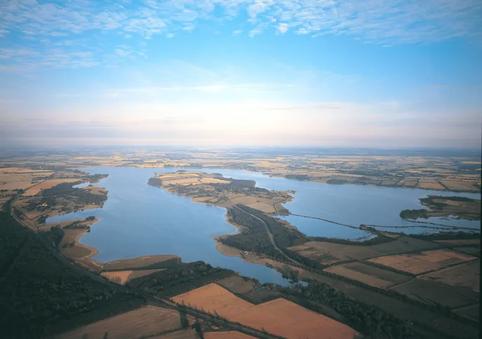
50 years of Rutland Water Nature Reserve
ust celebrates seven decades ery across Leicestershire and decades of Rutland Water e, and three decades of duced to Rutland.
triple anniversary provides a lect upon the conservation so far, but also the work still to be done, to ensure the wildlife of our two counties flourishes and remains.
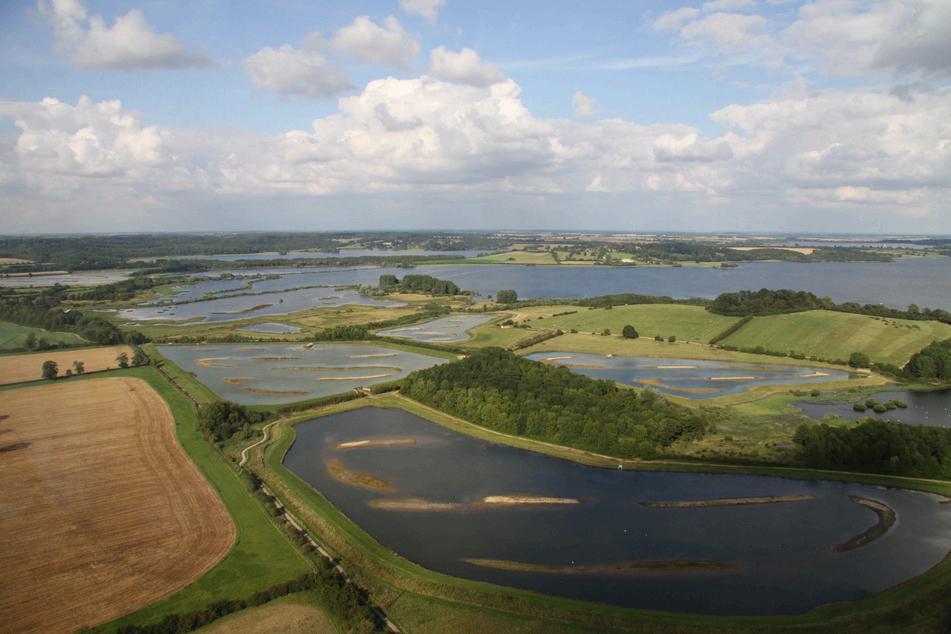
We have an updated page on the website all about the history of Rutland Water Nature Reserve, do check it out!
https://www.lrwt.org.uk/history-rutlandwater
Diversity, Equity and Inclusion – Our Statement of
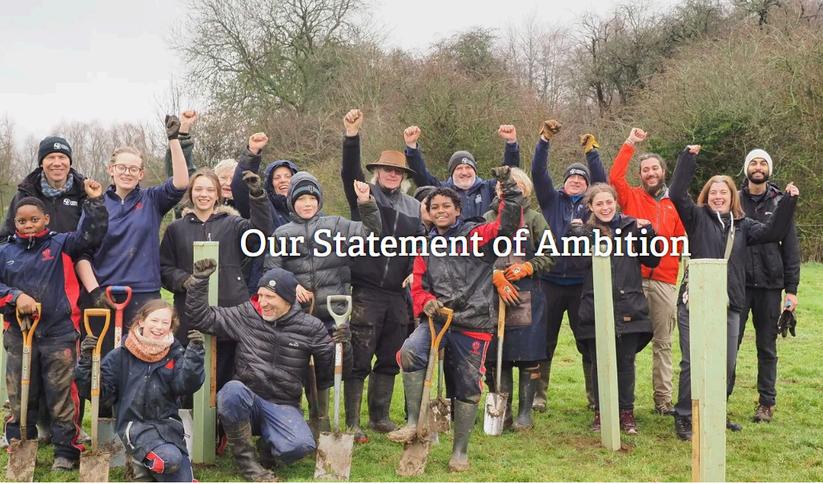
We believe that nature is fundamental to life, wellbeing and resilience and that it should be accessible to everyone. As part of the wider UK conservation movement, we recognise that protecting and restoring wildlife cannot be separated from the people and communities who impact, depend on and care for it
We have recently been working on what EDI looks like for us and out statement of ambition.
This is just the start of what we aim to do, but please do have a read.
https://www.lrwt.org.uk/our-statementambition
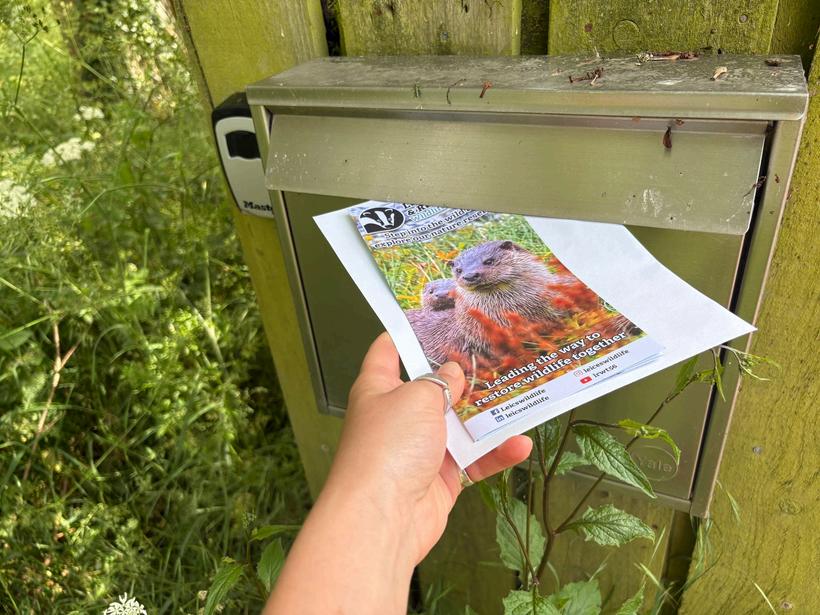
Ready for the opening of the James Adler Nature Reserve, we are looking for a group of volunteers who can help distribute membership leaflets around Market Harborough, Would you be interested in this volunteer role?
This is a really flexible role where you will be dropping leaflets in your local area and making a huge difference!
You can cover as many streets as you like (the more the merrier!) and fit it around you. We do ask that you do this during daylight hours if going alone.
If this role if of interest to you, please email volunteering@lrwt.org.uk
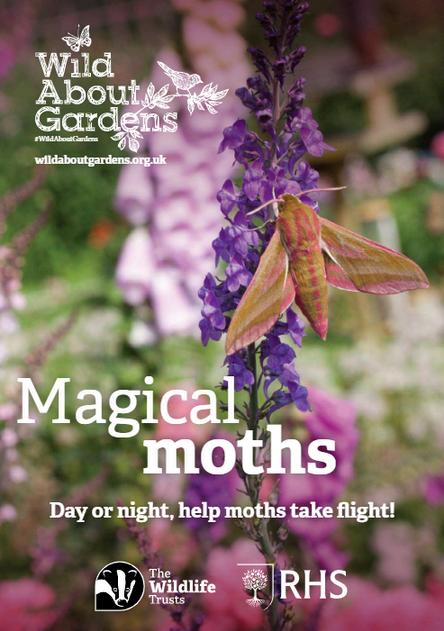
For June, we are focusing on moths! RSWT has released a lovely booklet to encourage people to help moths in their area.
Did you know there are around 2,500 moth species in the UK? They come in an incredible variety of colours, patterns and shapes. Many fly at night, but more than 150 can be seen during the day. Moths are important pollinators, a vital food source for other wildlife and a valuable indicator of the health of their environment
Sadly, many of our moths are struggling The good news is, you can help! Our gardens and balconies can be a haven for both flying adults and their hungry caterpillars.
Any new member will get this guide in their pack, existing members can access it onlinehttps://www.wildaboutgardens.org.uk/
30 Days Wild is back!
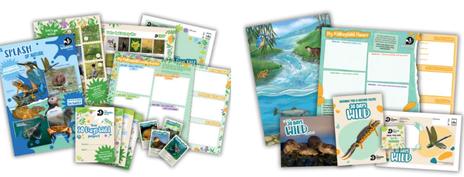
30 Days Wild is the UK's biggest nature challenge This June, choose one wild thing a day (or a few each week) - from giving nature a helping hand to simply noticing the wild on your doorstep.
Sign up today to receive your free pack in the post and by email. Join thousands of people connecting with nature, feeling better and making a positive difference for nature.
Find out more on our websitehttps://www.lrwt.org.uk/30-days-wild-3
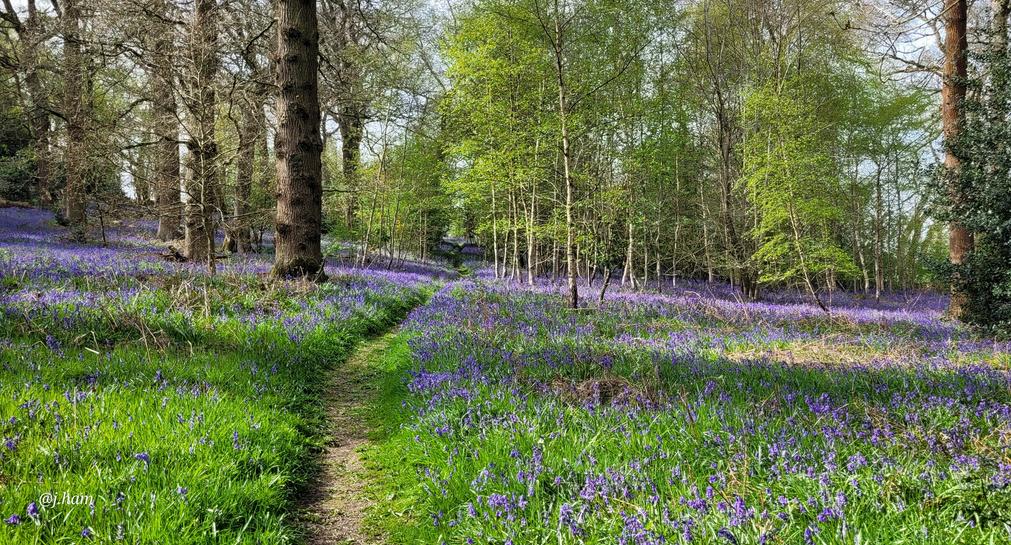
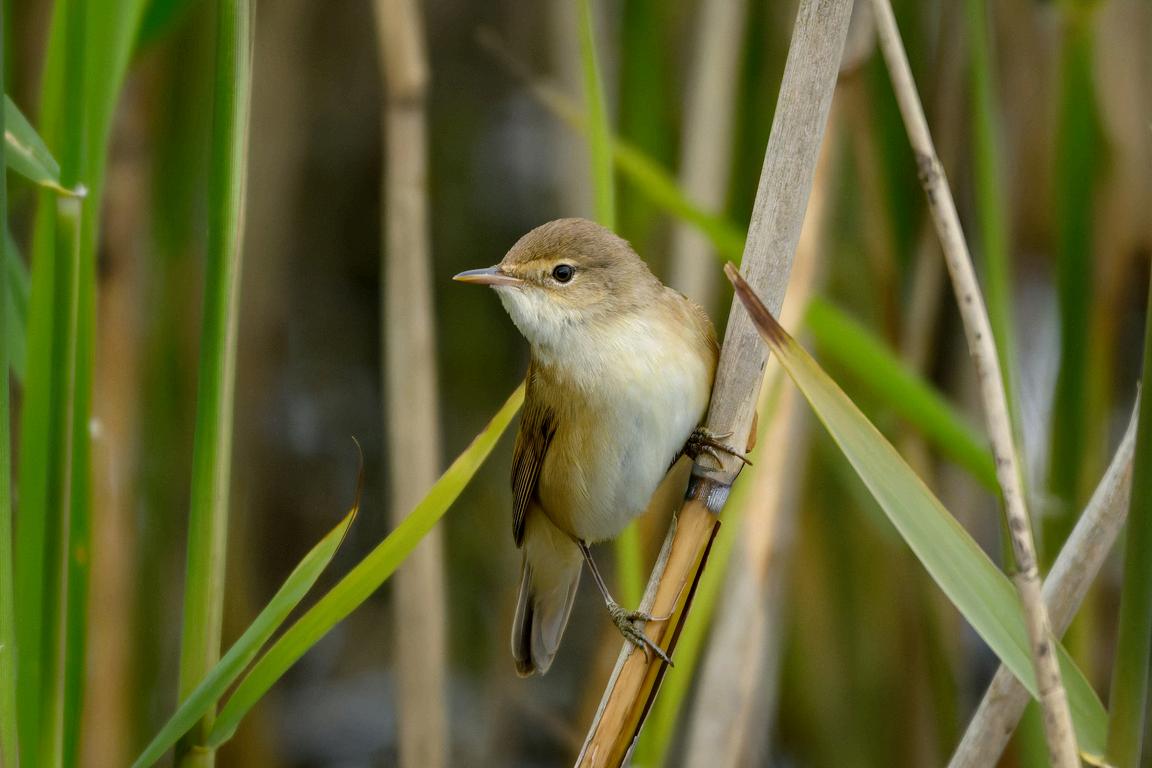
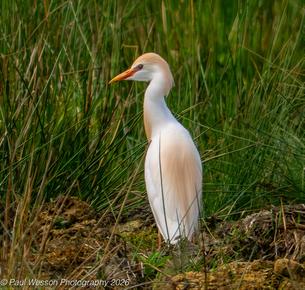
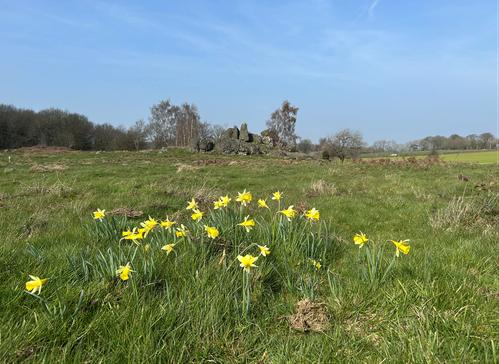
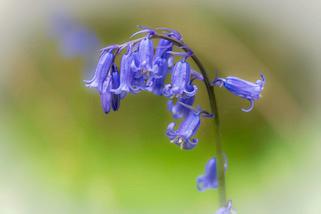
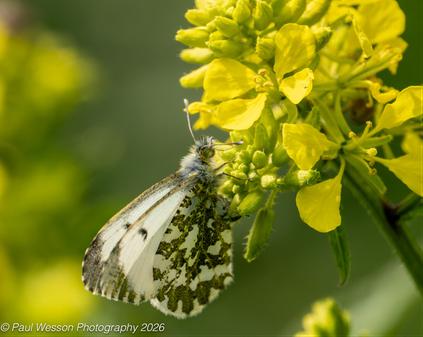
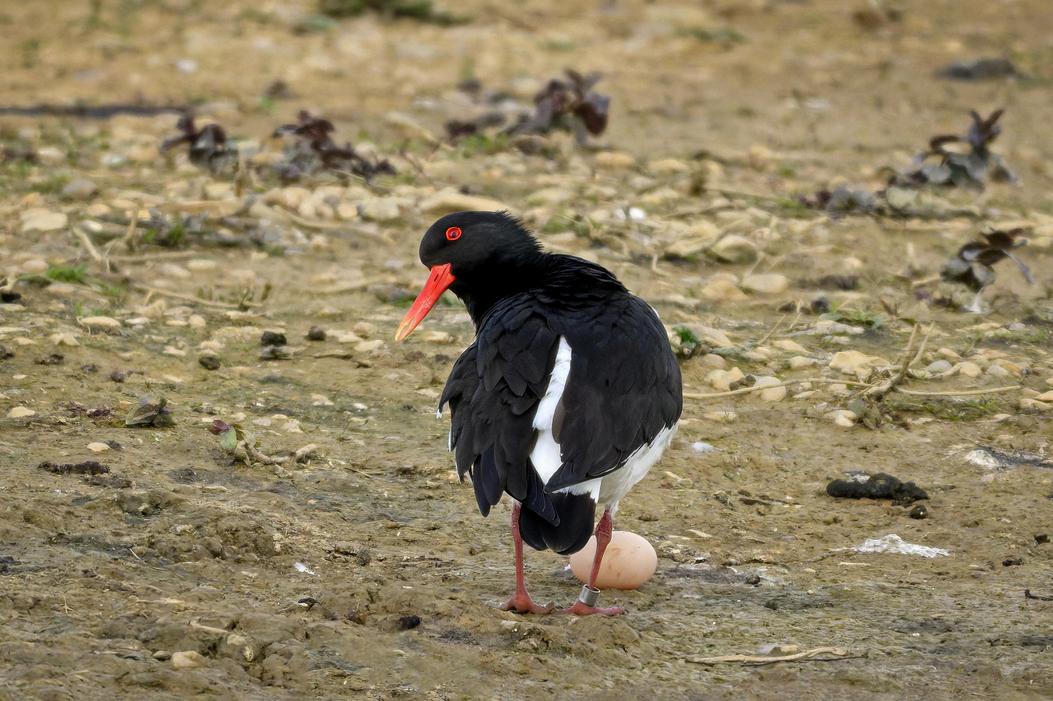
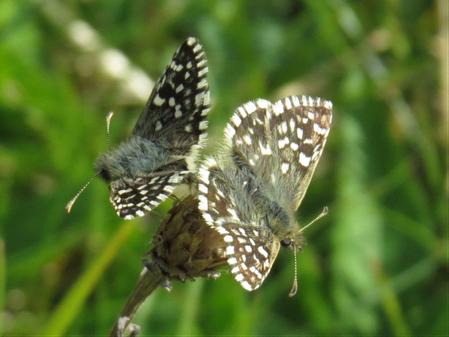
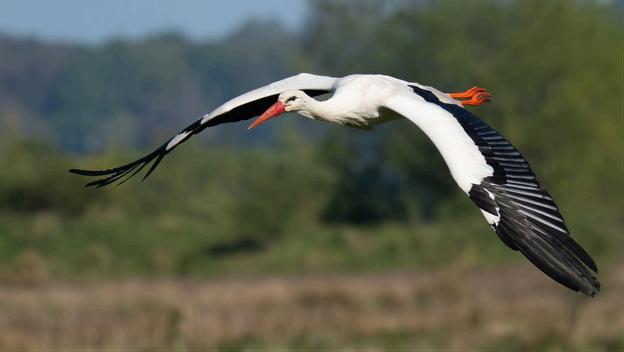
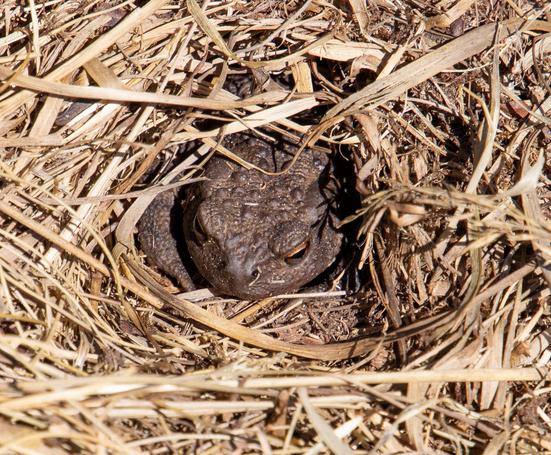
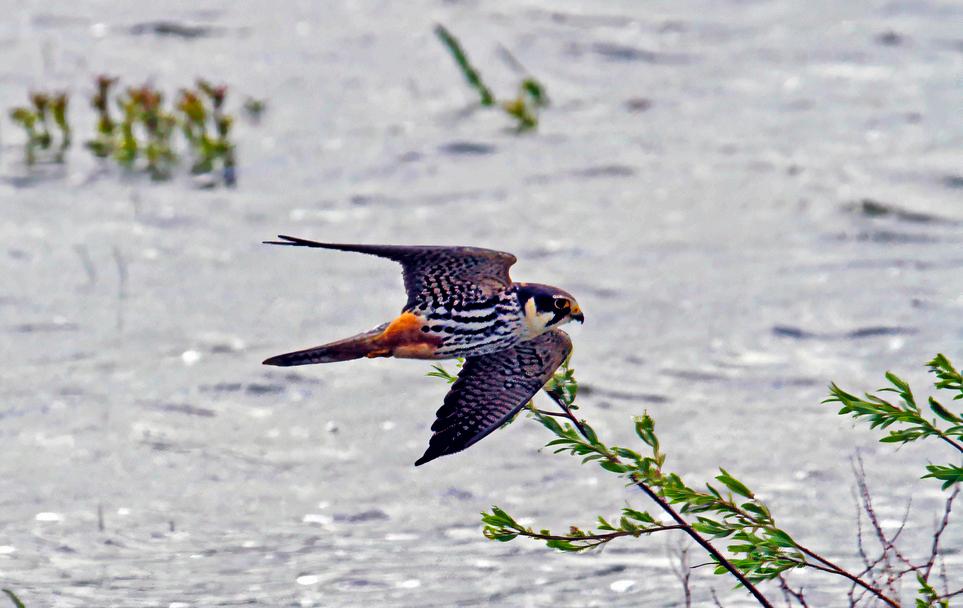
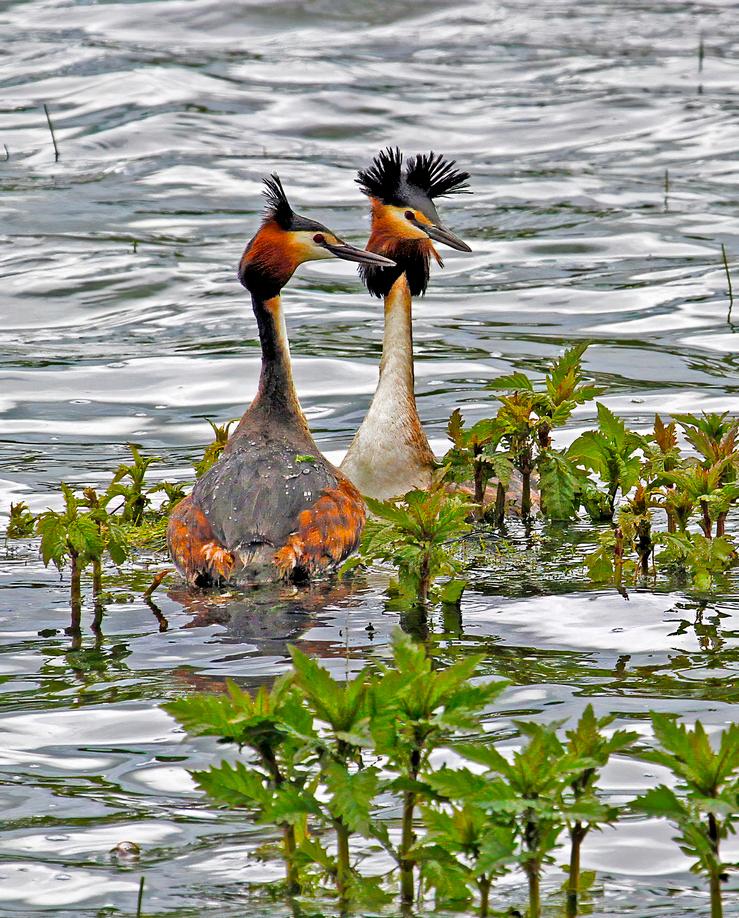
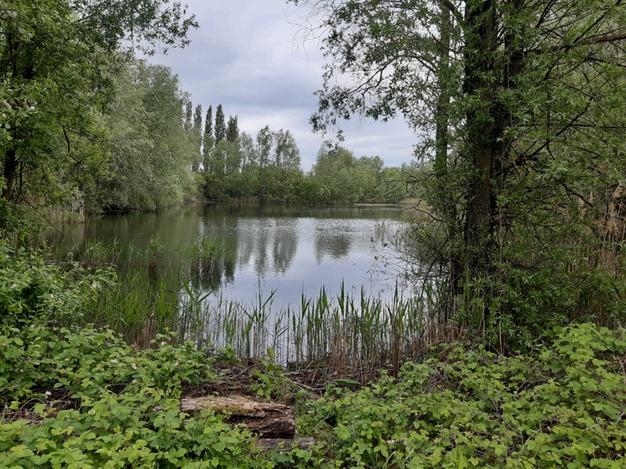
A selection of photographs taken accross Leicestershire and Rutland Wildlife Trust reserves by volunteers
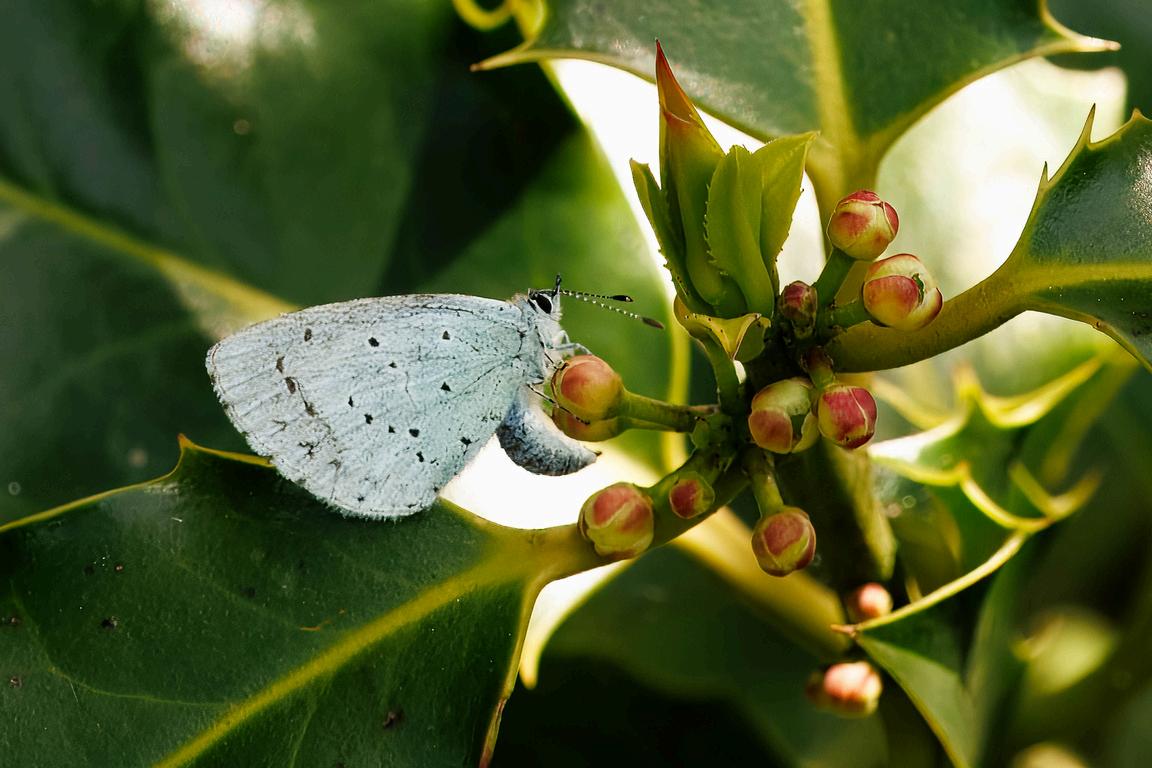
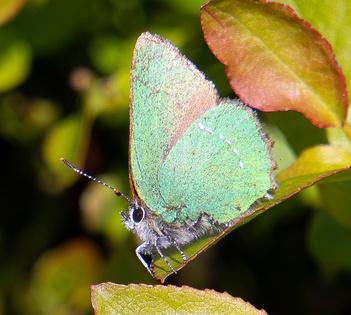
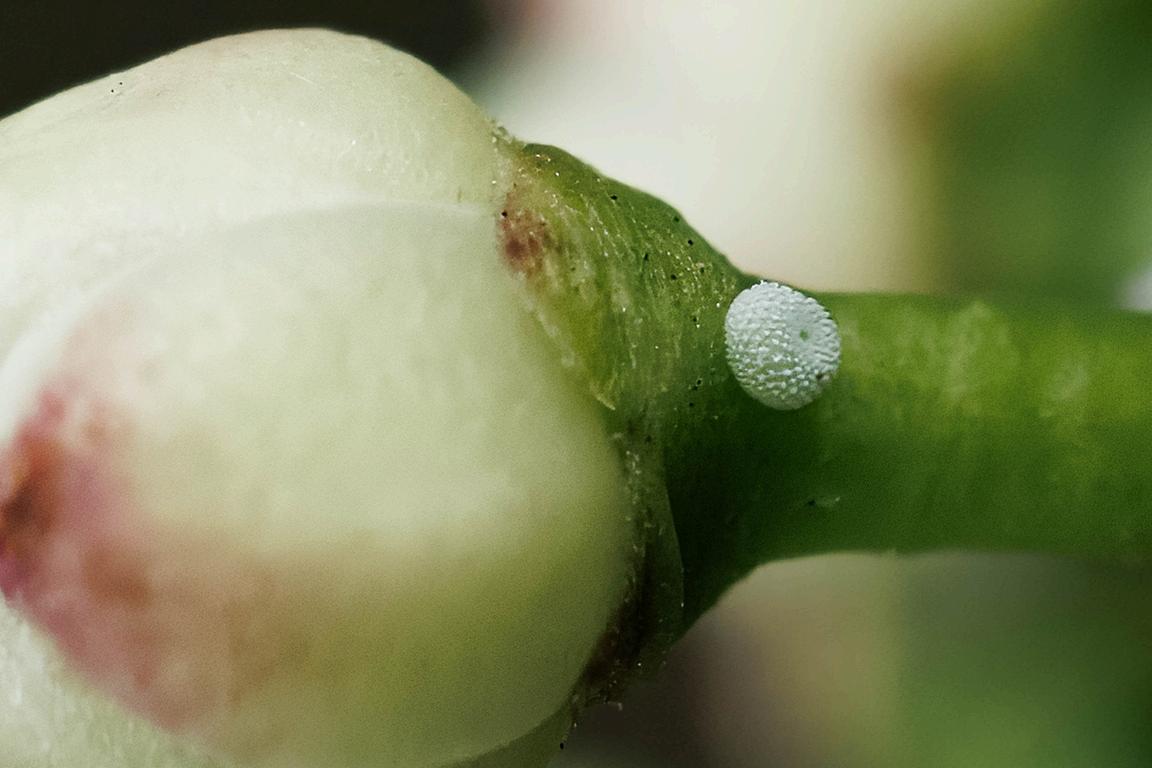
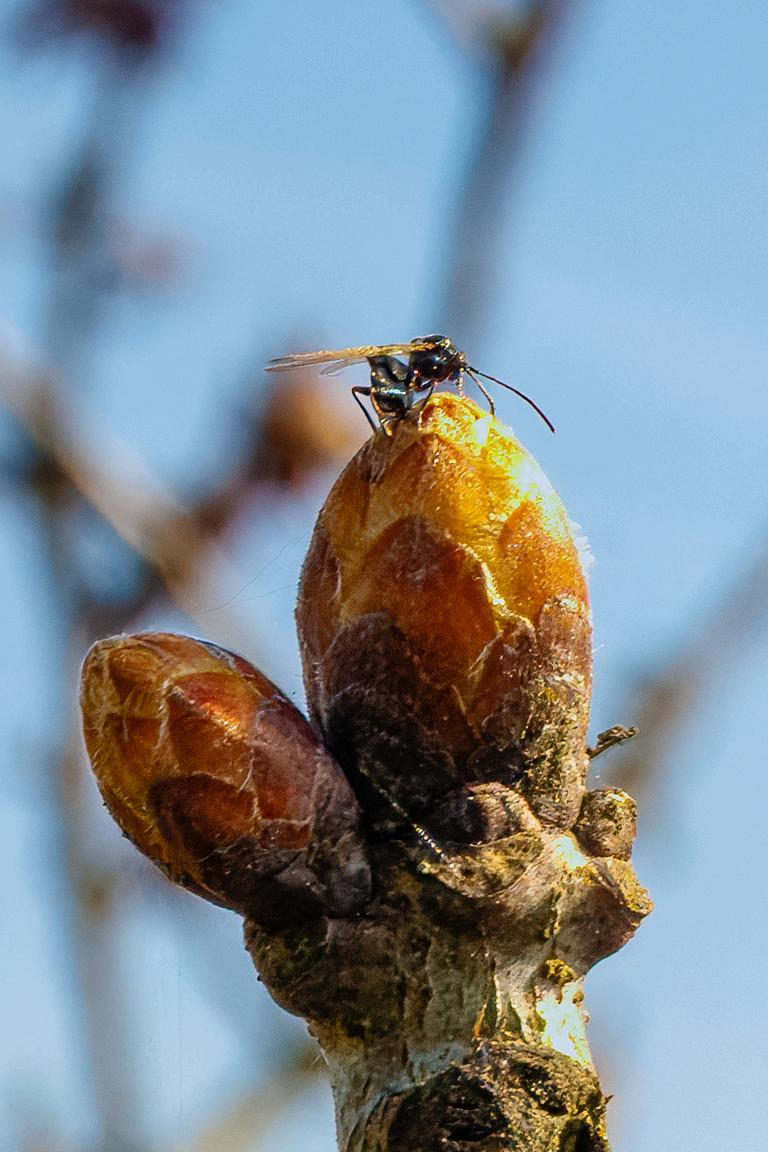
Joe Davis - Head of Reserves
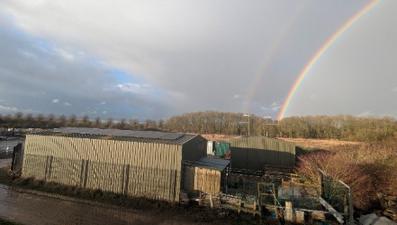
Thanks to Augean community fund and the King’s Cliffe and Thornhaugh Environmental Associations the Leicestershire and Rutland Wildlife Trust recently received a grant for £49,000. Thanks to this funding we have successfully installed renewable energy technologies at our Volunteer Training Centre at Rutland Water Nature Reserve. This fantastic project has enabled us to bring renewable energy and sustainable transport to our operations.
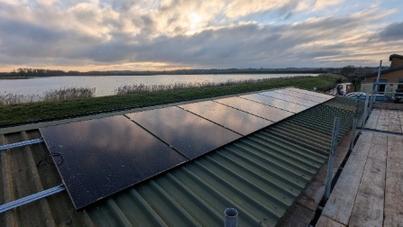
We have installed Solar Photovoltaic Panels on our 2 Barns, so we can generate up to 18 kilo watts of clean electricity for the building's operations and vehicles.
We have Electric Vehicle Charging Points – To support the transition to low-emission transport for both operations on site, visitors, volunteers and staff.
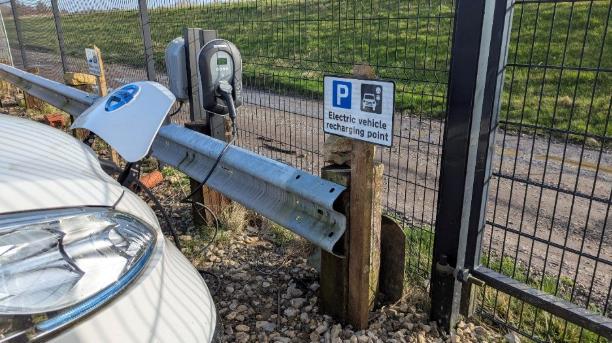
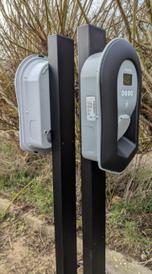
We have installed a new Air Source Heat Pump and hot water storage. Which has helped us move away from fossil fuels (Liquid Gas) and provide efficient, low-carbon heating and utilise the energy we are generating from our Solar Panels.
We are able to store 20 KW of power generated in the daytime from the Solar Panels to be available during the night to charge machinery and vehicles.
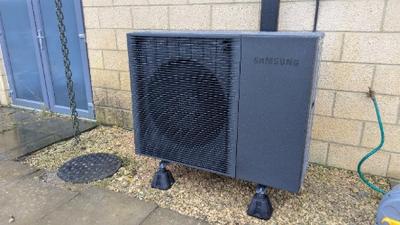
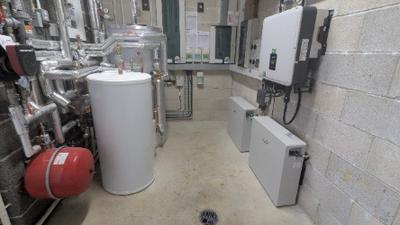
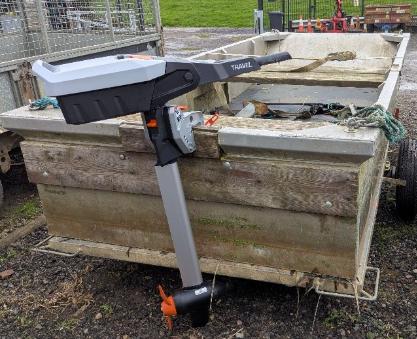
We have also acquired an electric outboard motor for managing our 1000 acre Nature Wetland Nature Reserve, that we can charge up using on site produced energy. This enables us to maintain islands, monitor ospreys and provide great conditions for breeding common terns.
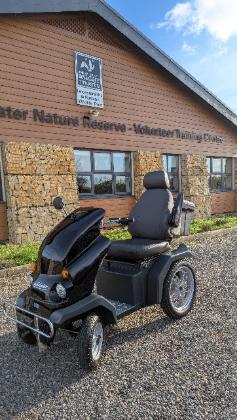
The Project has also funded an all terrain Electric Mobility Scooter - This has enabled our less able visitors to access Rutland Water Nature Reserve year-round even when its muddy.
These upgrades have not only reduced our carbon footprint but also enhanced the way we support volunteers, wildlife, and visitors across Leicestershire and Rutland
It’s a huge step forward in making our conservation work more sustainable, cost effective and impactful.
Chris Hill West Reserve Officer
We have had some marvellous weather of late, and this has resulted in an impressive turnout from our wonderful volunteers. Nice to see a few new faces as well and I look forward to seeing them all again.
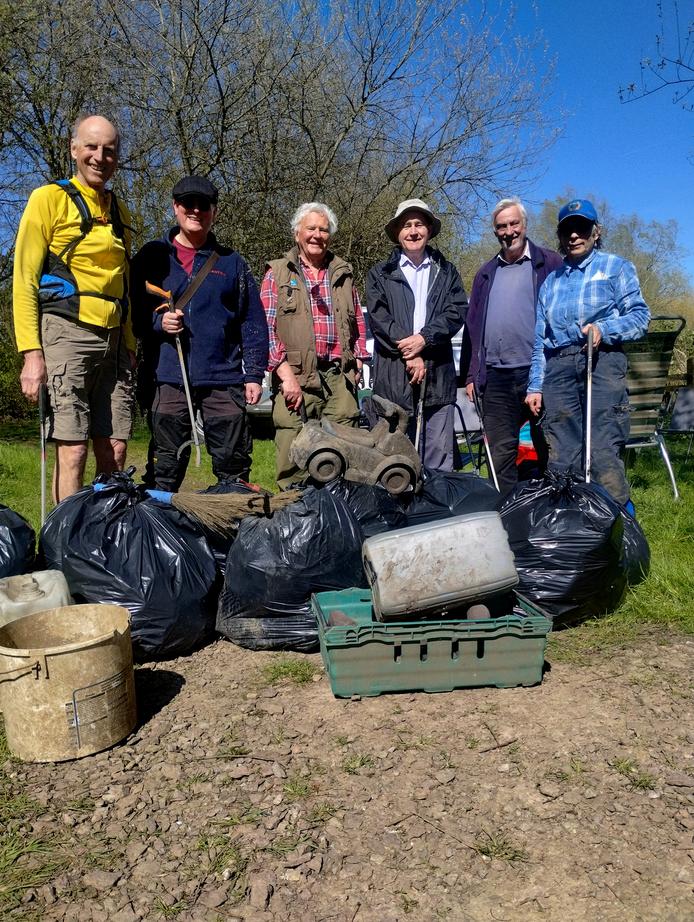
Wanlip Meadows was the location for a good litter picking session in early April The weather had been fantastic and dare I say it, the amount of litter on the reserve was down on previous years.
Of course, this is great news and is a trend that I hope will continue year on year. Although I feel I’m being optimistic.
A large amount of beer cans lines the opposite bank and I’m sure if I was to avert my attention, Mary would have waded out to recover them.
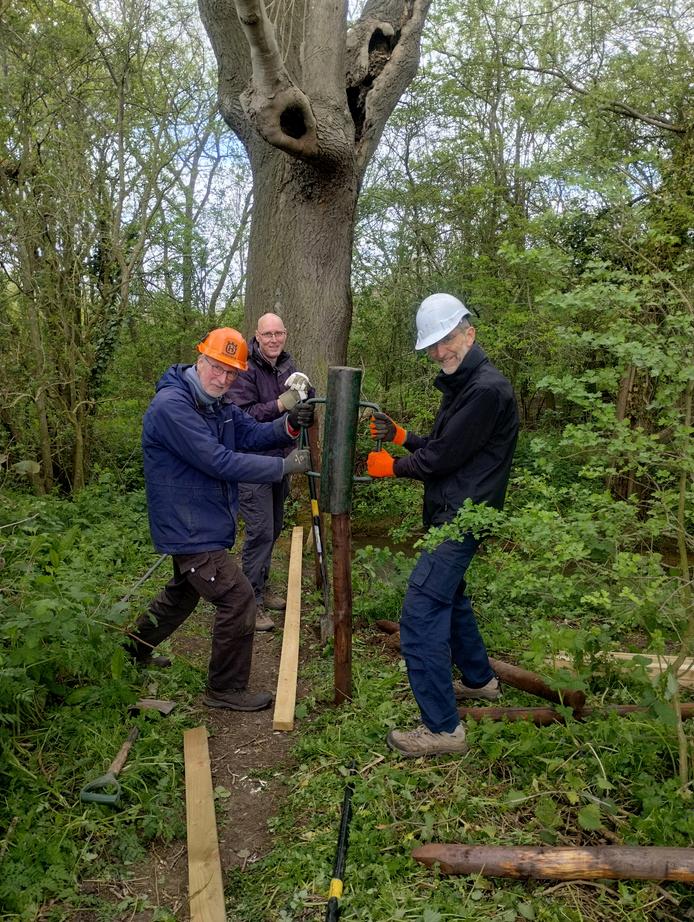
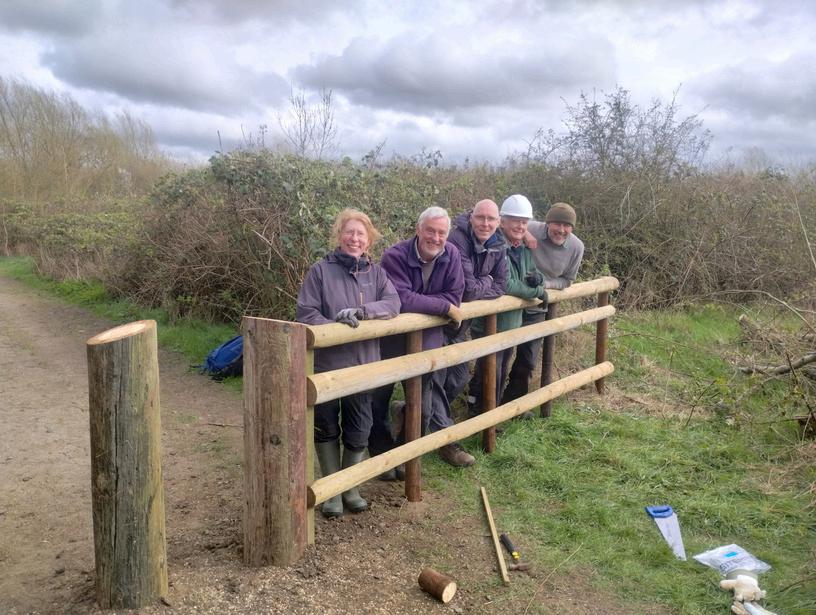
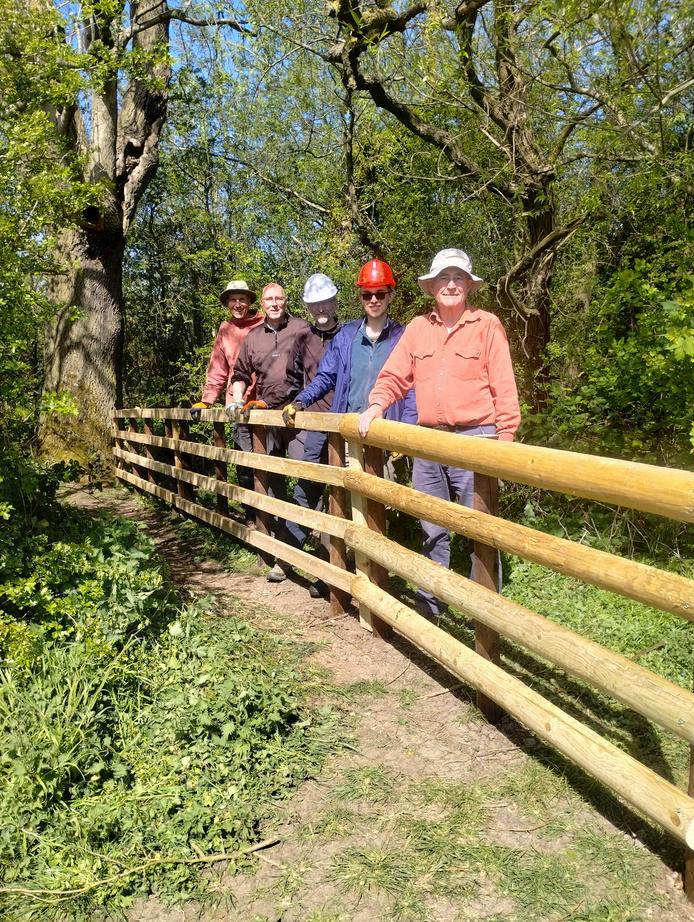
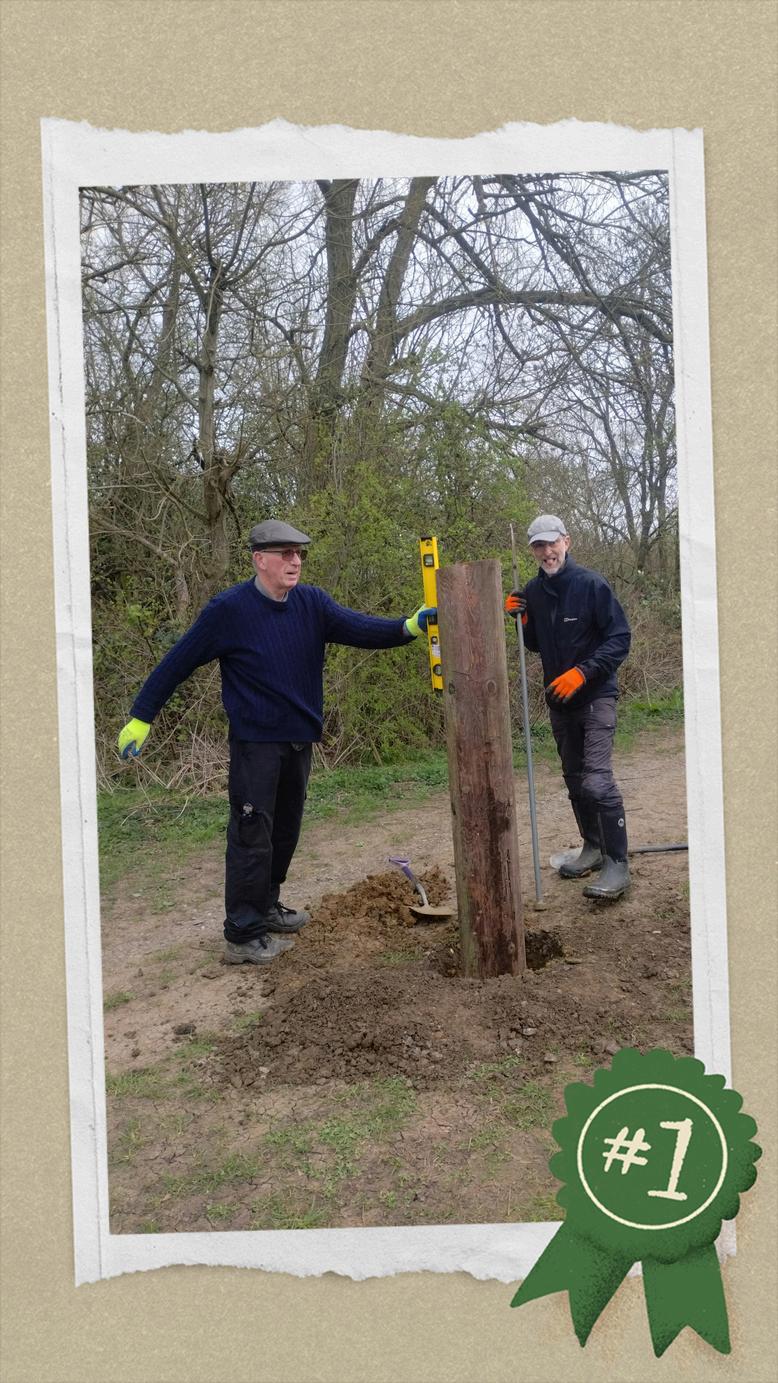
To make Cossington Meadows accessible for visitors that cannot walk up the main track and view the lakes, we have been busy adapting existing gates to allow motorised wheelchairs the space they require.
Our volunteers have been busy erecting the post and rail fencing either side of the gates and I will say they are looking great. It isn’t easy fencing at Cossington Meadows as you can normally find a few bricks and lumps of concrete under your spade. But we are nearing the finish line now with just one more gate to install
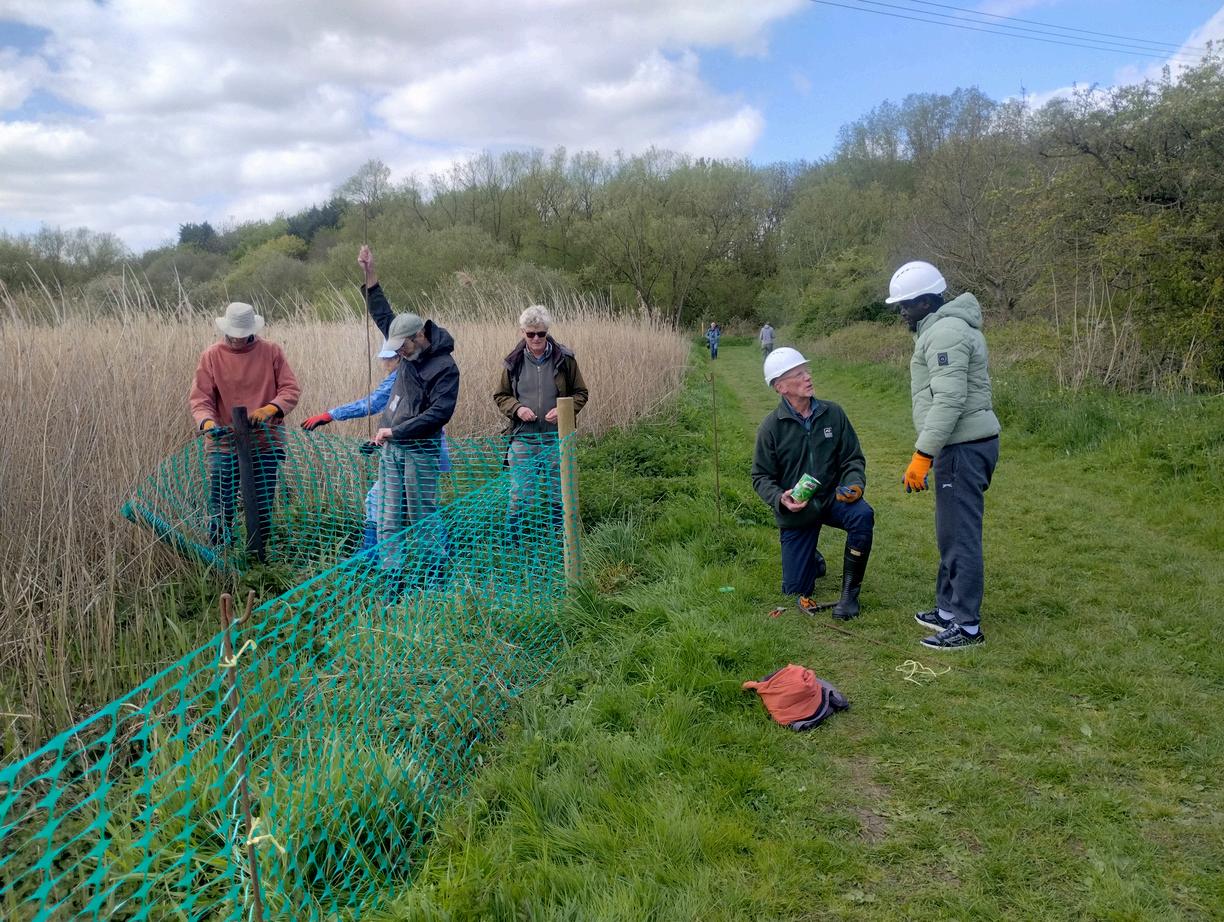
Staying at Cossington, the rare and elusive bittern has once again, been heard booming (albeit in a low-key way) in Moor Pool reedbed Unfortunately, unresponsible dog walking results in unnecessary disturbance and could prevent any attempt of breeding by the birds. Therefore, I decided to ask the volunteers to erect 170m of temporary fencing. They made a great job of it, and I can proudly say that a visiting birdwatcher took a super photo of a bittern in the reedbed.
Thank you to every volunteer that has made such a great effort and it is very much appreciated by me (Chris)
Sally Pearce Community Engagement and Training Development Officer
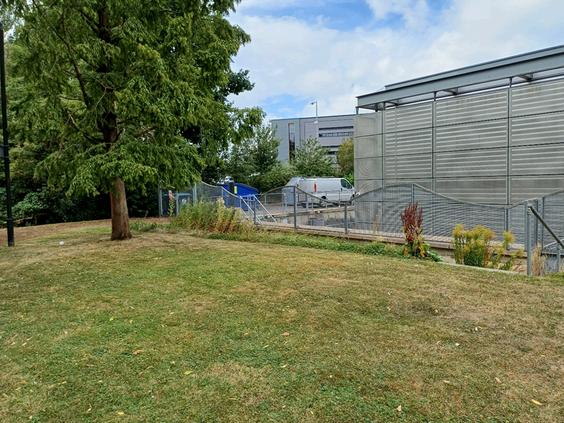
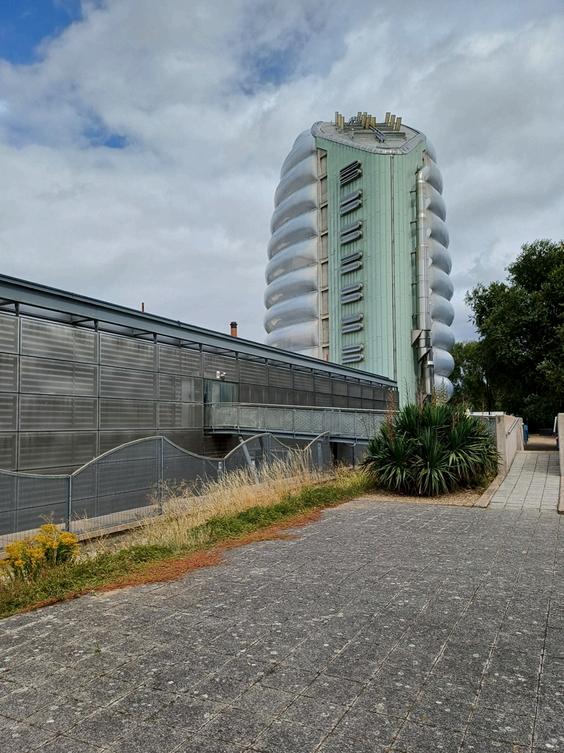
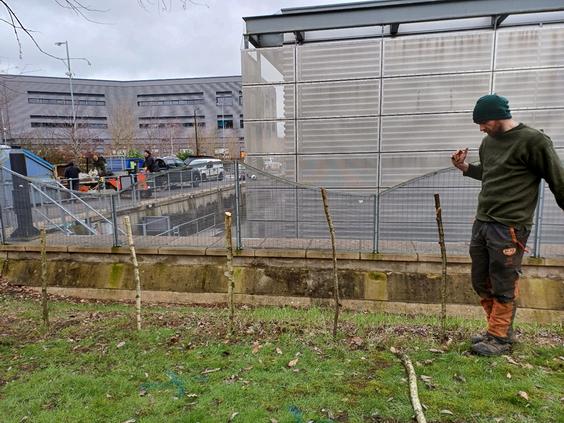
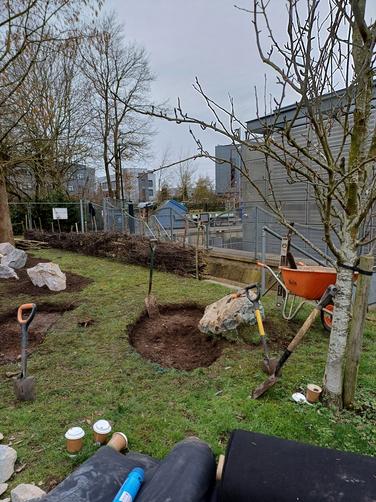
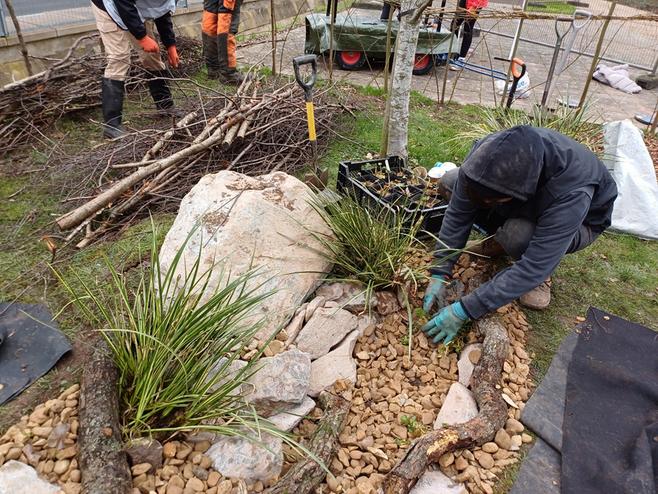
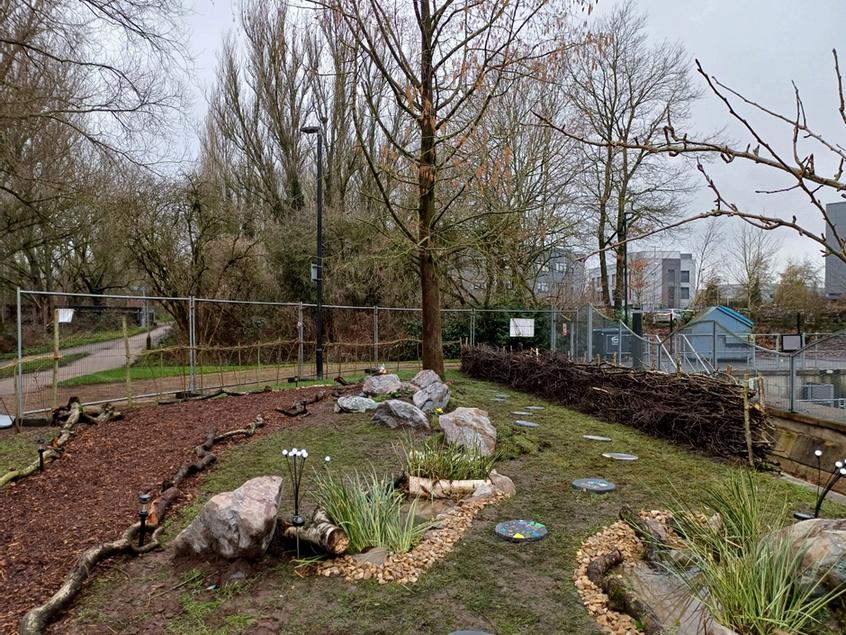
National Space Centre, we have been working with since last year, have kindly shared their summary of the Space to Grow Project, which Sally and Andy were lucky to be involved in. Please see Darcy Kitchener –Community Engagement Manager –summary and kind comments about the impact of the garden.
Opening in early spring, our Space to Grow is an example of meaningful community engagement, building confidence and connection amongst 10 young people from a highly deprived area of our city, located right by the river and our centre. The impact of the project has been felt widely. We have had contact with a schoolteacher and parent commenting on the newfound confidence, purpose and sense of belonging of our youngest participant on the programme, who suffers greatly with a speech impediment and social anxiety
One young participant stated the pond installation day to be "the best day of their life"! We have seen a significant decrease in littering in the immediate vicinity around the garden and have had multiple members of the community go out of their way to extend thanks and gratitude for this new community space. We have been enjoying a family of blue tits that moved straight into the bird box, watching the living willow hedge start to shoot, and have loved seeing books and seeds being swapped in and out of our community library box. We have even had an ESA astronaut come and plant some Cosmos seeds!
Helen Case
West Trainee Reserve Officer
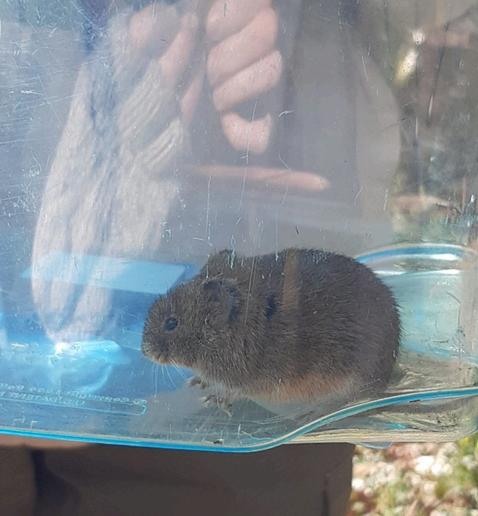
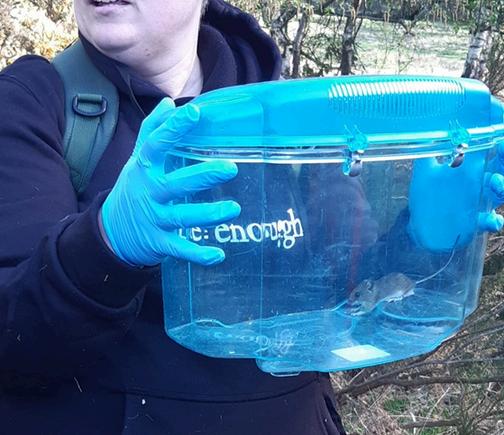
In April, during National Mammal Week, the Leicestershire and Rutland Mammal Group held a small mammal ID training day at Charnwood Lodge during which we used Longworth traps and footprint tunnels to identify the presence of wood mice and bank voles there
We have been litter picking at various sites, including quite a few bin liners full from Alter Stones reserve!! Fences and gates have been installed/repaired/replaced in several places too.
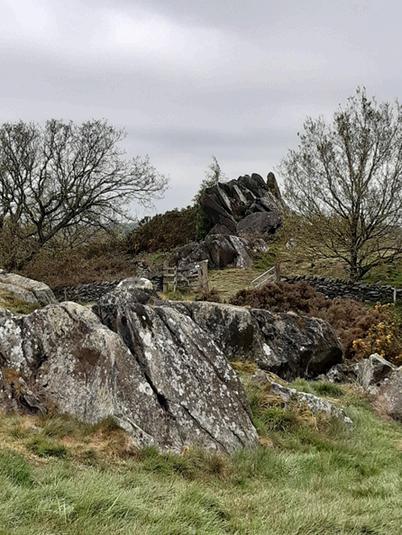
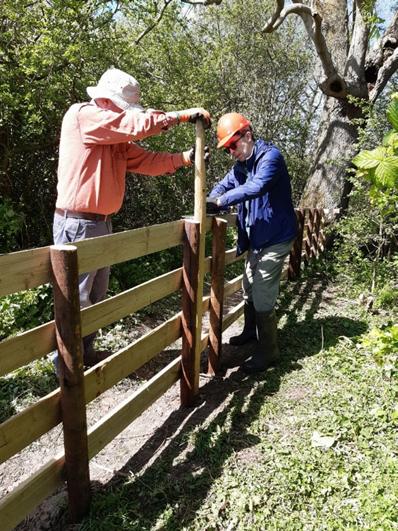
Path maintenences and tidying fallen trees by degrees ‘The’ tree on new Charley land
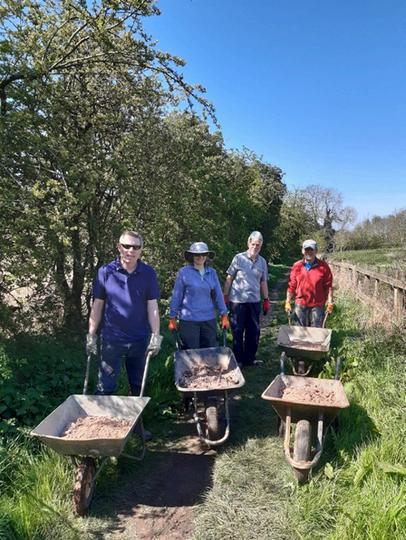
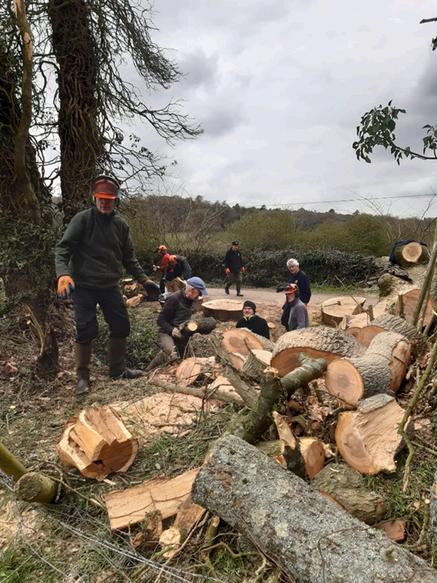
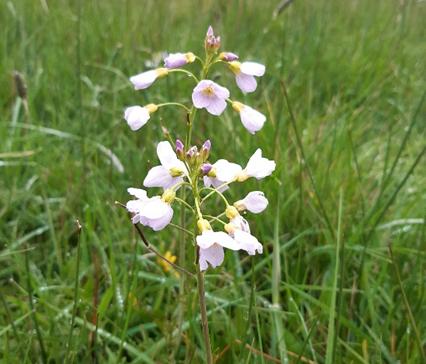
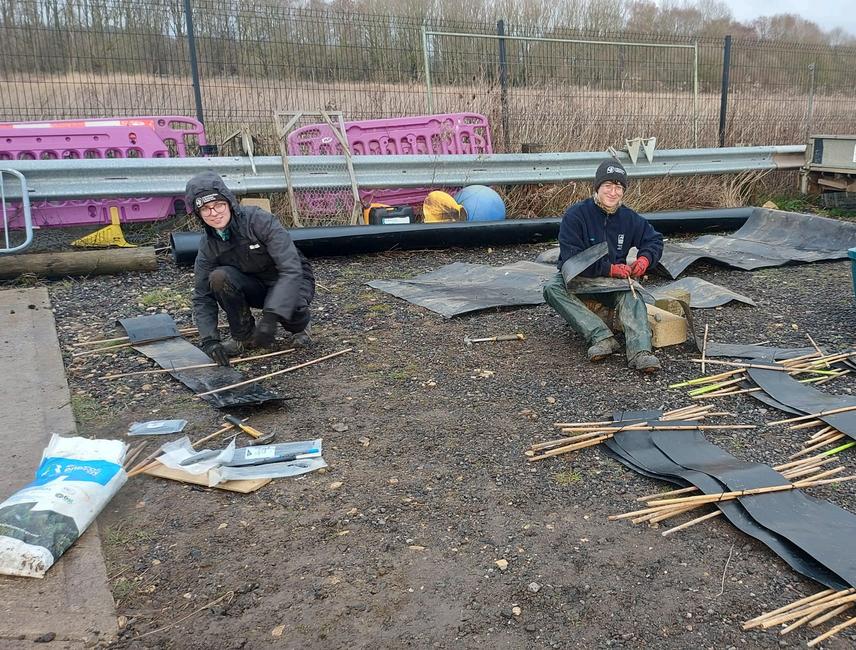
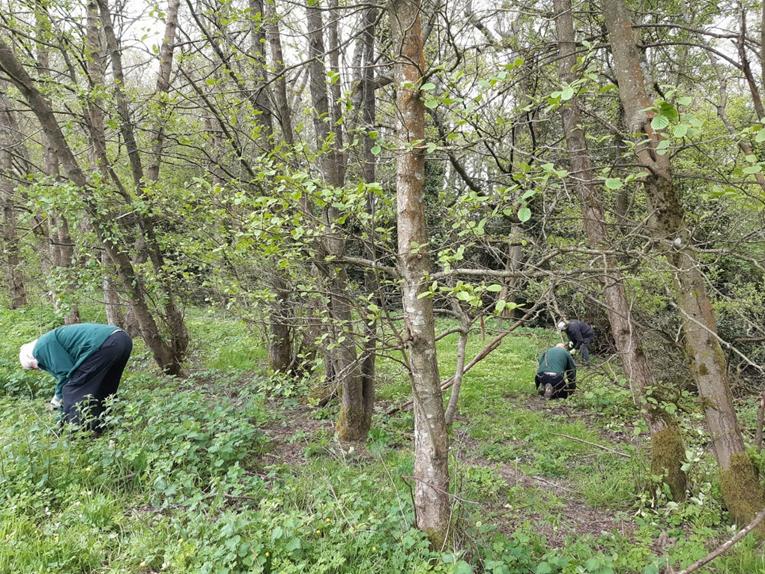
Beginnings of Himalayan Balsam removal Removing old tree guards at Syston Lakes and Meadow
Lastly, but not least, I would like to personally say a big ‘thank you’ to all the volunteers who give their time, experience and enthusiasm to help in everything we do. Your efforts certainly do not go unnoticed. I genuinely think you are stars!!
Thank you so much!
Sophia Attwood Clarke West Reserves Officer
As ever, our volunteers have spent the winter and spring doing the glamorous side of conservation: dragging brash, wrestling fences, barrowing gravel, and trudging across enough mud to earn their advanced welly-wading certification. Somehow, they continue to do it all with good humour, endless patience, and a worrying enthusiasm for tea breaks in horizontal rain.
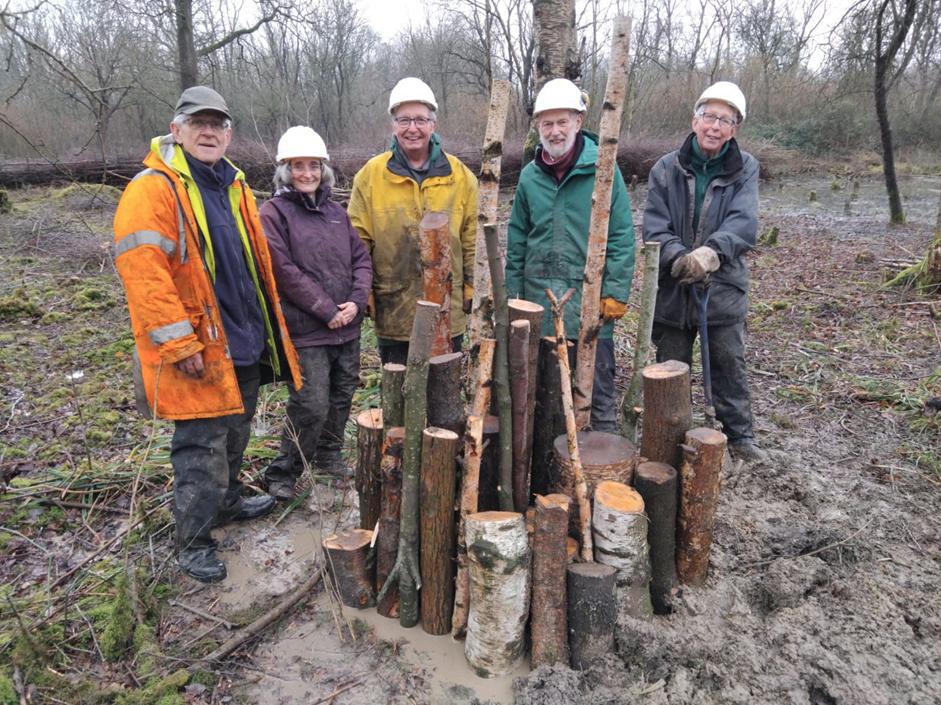
At Cloud Wood SSSI, we wrapped up the winter works just before the birds decided it was time to start nesting and shouting at everyone. A 0.32ha coppice coupe was completed in the central block adjacent to last year’s coupe, maintaining the woodland’s rotational coppice structure and continuity of habitat. Along the ride running parallel to Top Brand, volunteers also undertook nearly 350 metres of ride-edge thinning and scalloping, carefully creating a more varied edge structure and allowing more light into the woodland floor to encourage understorey growth and biodiversity. Dead hedges and log piles were created from the arisings too, proving once again that in conservation, which wildlife will no doubt appreciate far more than our tidier instincts do
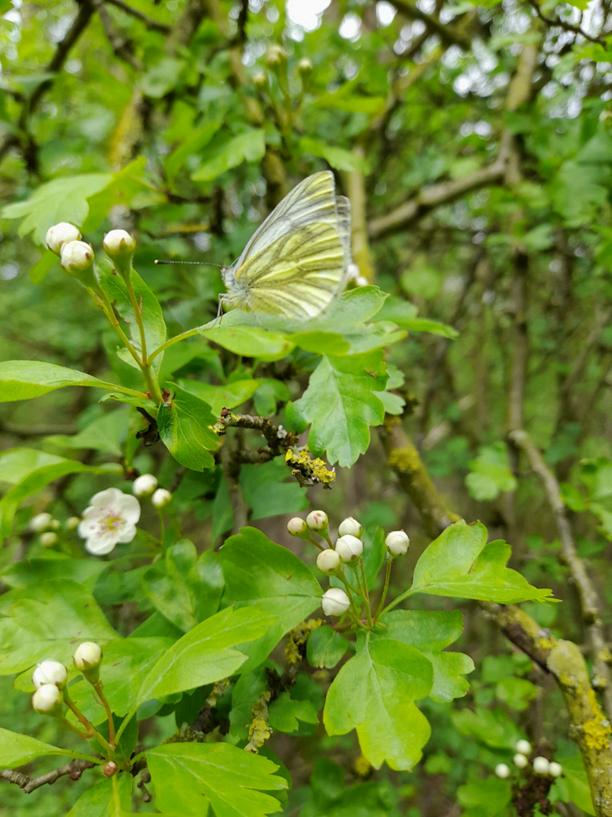
The butterfly transect restarted at the beginning of April, with our brilliant volunteers leading and curating the weekly walks according to the weather Which, as anyone familiar with British springtime will know, involves the forecasting skills of a seasoned meteorologist and the optimism of someone who believes “it might brighten up later.”
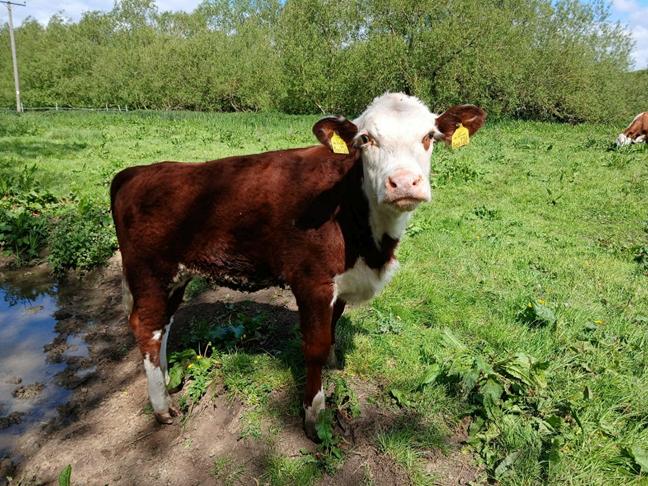
Over at Croft Pasture SSSI, the grazing boundary was repaired before the cows made their annual comeback. Fallen trees over the boundary were cleared, with the deadwood retained as valuable habitat Some of you may remember the rather substantial dent in the field gate at the entrance to Croft, presumably caused by a heifer simply too excited by the prospect of lush pasture. I’m pleased to report the gate has now been replaced with a shiny new version, currently dentfree and enjoying what we hope will be a long and peaceful life.
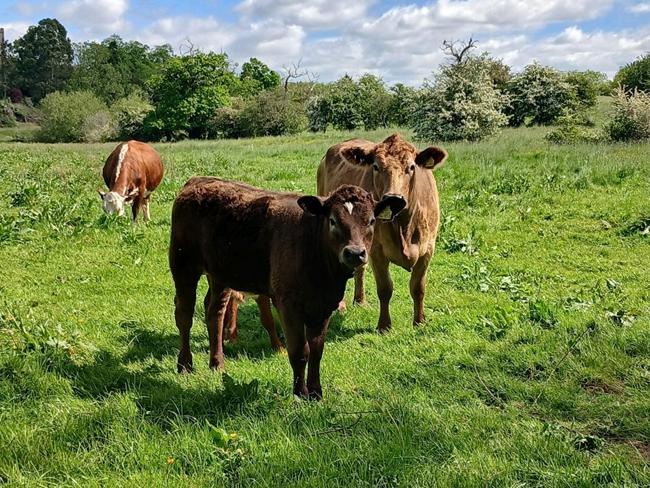
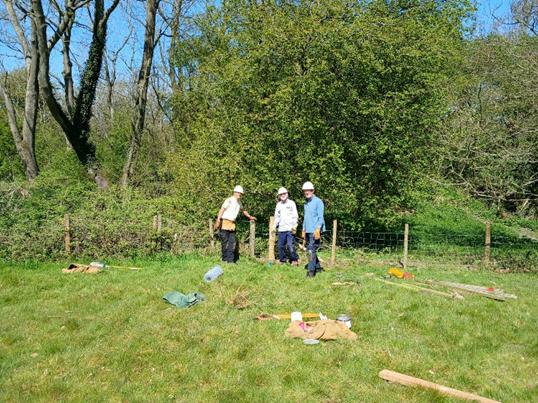
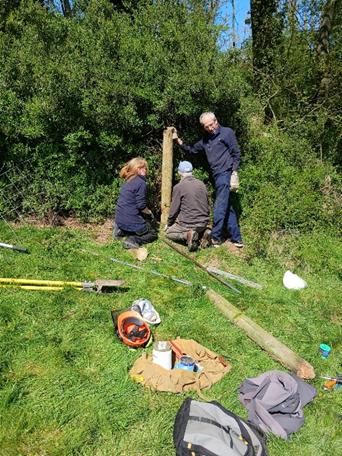
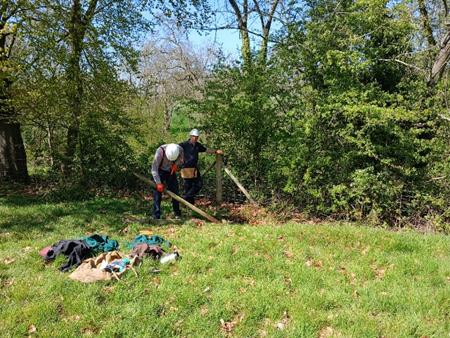
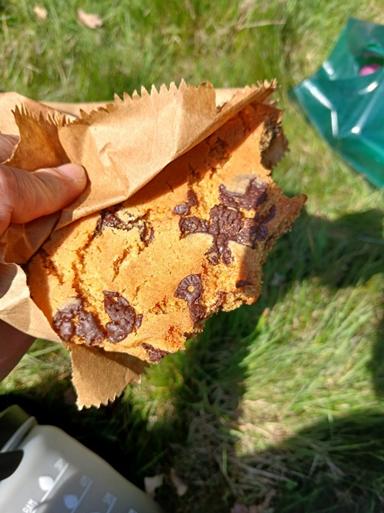
There are grazing boundary repairs… and then there are Dimminsdale grazing boundary repairs. The two meadows, spanning more than 17 hectares, are fenced to facilitate cattle grazing between May and October, while the brook running through the centre of the site is also fenced to protect it from poaching. This means there are always endless repairs to tackle and an astonishing amount of walking in between them. This year, I spent much of the work parties off-roading between volunteer groups with tools, supplies, and occasional moral support. Those who have off-roaded with me before will know that I am not a fan of bobbing about on undulating terrain on wheels, but I persevered, fuelled almost entirely by a vegan cookie from Garry Boorman roughly the size of my head. Most importantly, thanks to our volunteers, the GS13 and GS6 prescriptions can continue to be met through grazing management, and the cattle remain exactly where we would like them
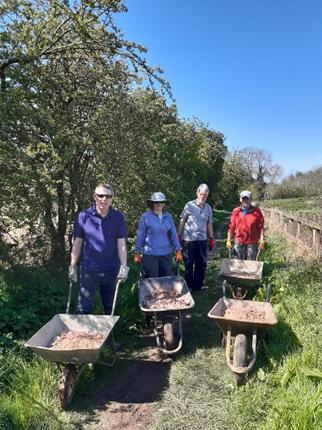
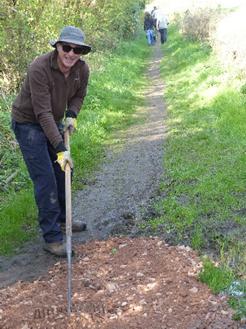
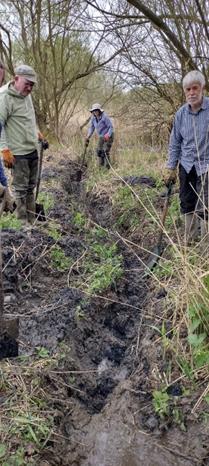
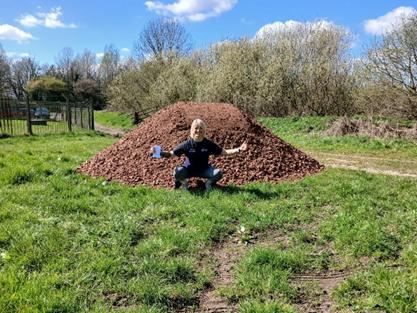
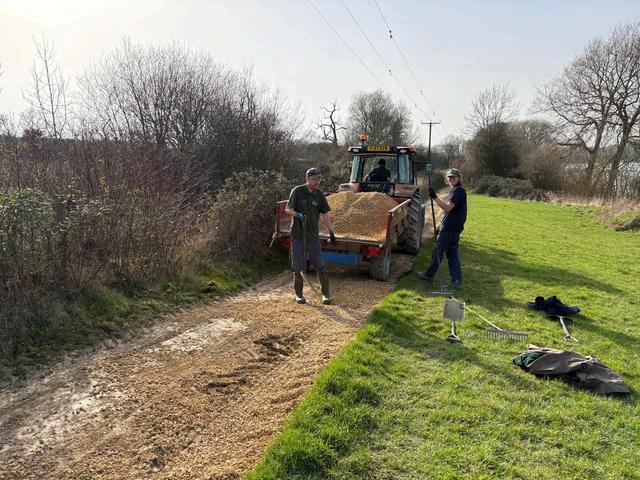
At Kelham Bridge, volunteers have donned wellies and waders to clear ditches and improve water flow across the reserve. A 20-tonne delivery of gravel arrived on site earlier this year, and our brawny volunteers helped shovel and barrow an impressive quantity of it to improve the reserve paths The hirundines have now returned and have been swooping overhead catching insects while we work Alongside the regular sightings of otter and kingfisher at Kingfisher Hide, a terrapin was also spotted enjoying the scrape recently but the less said about that, the better.
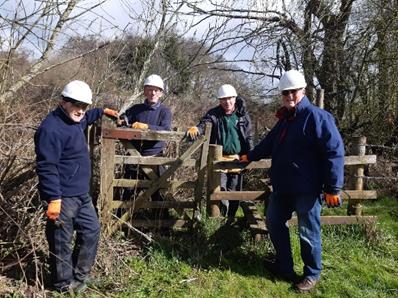
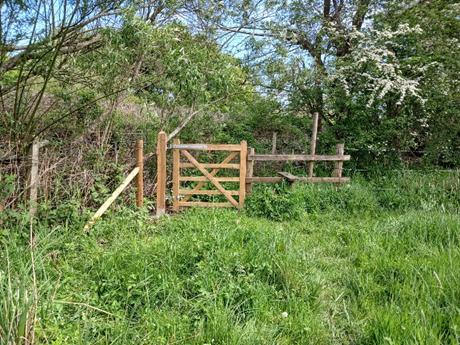
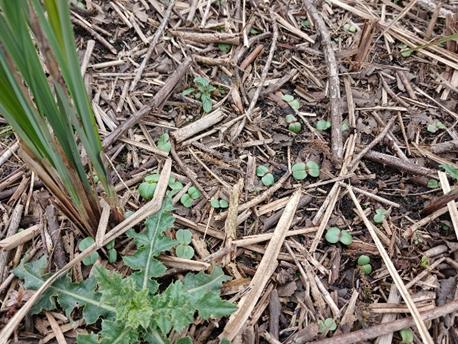
Finally, at Narborough Bog, the grazing boundary was in serious need of some TLC after repeated assaults from crack willow and ancient ash limbs. The pedestrian gate into the SSSI meadow was replaced, and the access widened enough to accommodate the powerscythe should grazing levels ever prove insufficient. Naturally, the volunteers tackled the work cheerfully between periodic outbreaks of hail and rain Since then, I’ve been monitoring the balsam growth during site checks. What began as a carpet of innocentlooking little seedlings is rapidly transforming into a formidable teenage invasion. By the time you read this, it will likely be all systems go for balsam control: a task our volunteers somehow continue to approach with smiles every single year, despite the sheer scale of it It genuinely wouldn’t be possible without them
To everyone who has volunteered across the sites this season: thank you. Whether you’ve hauled timber, repaired fencing, surveyed butterflies, shifted gravel, cleared ditches, battled balsam, or simply turned up on a cold wet morning with good humour intact, your efforts make an enormous difference. These sites simply would not be what they are without your time, energy, expertise, and willingness to laugh through the muddiest bits
Matt Heaver
Rutland Water Reserve Officer
Over the last couple of months the Rutland Water volunteers have been enjoying the fruits of their labours. Our breeding birds are all back on site and the reserve has been a cacophony of bird song. Spring migration has also been excellent, with the prime lagoon habitat, expertly maintained by our volunteers, attracting in a wide variety of waders and even a Glossy Ibis out of the VTC windows as I write this!
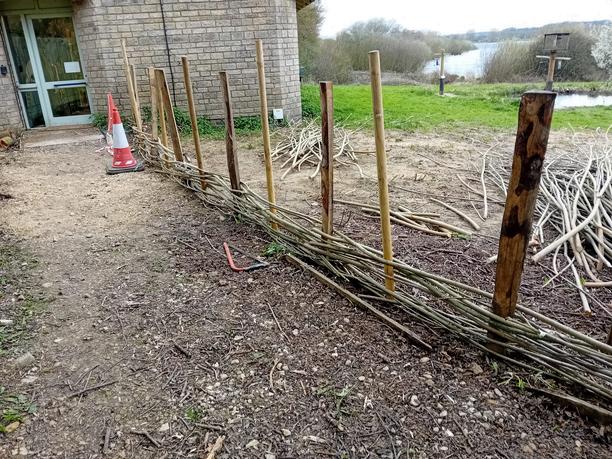
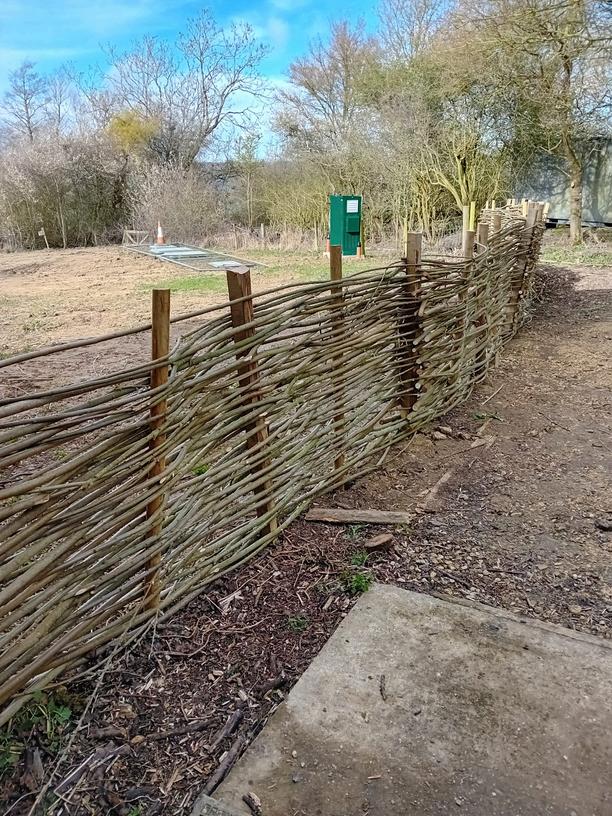
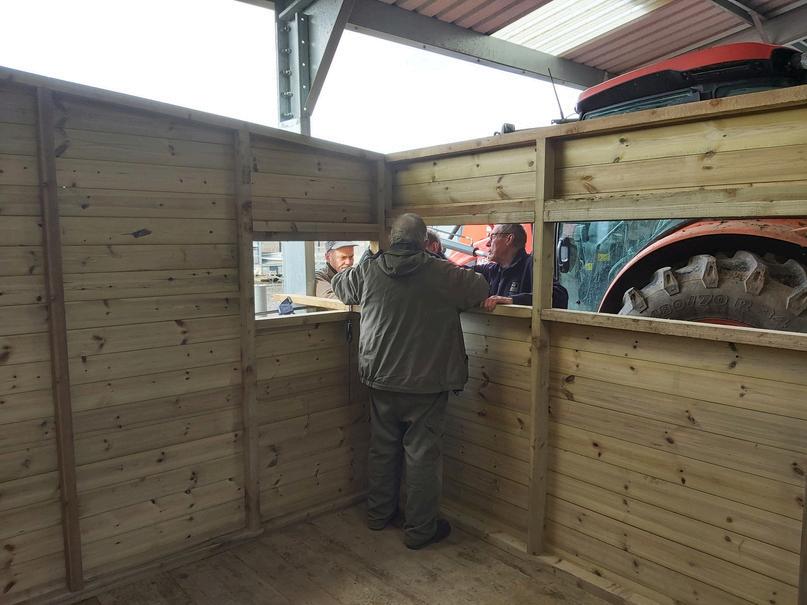
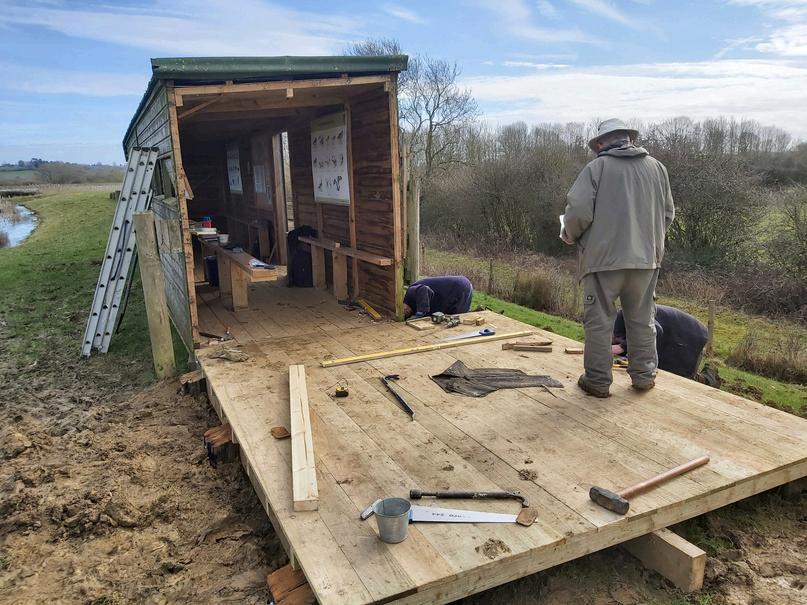
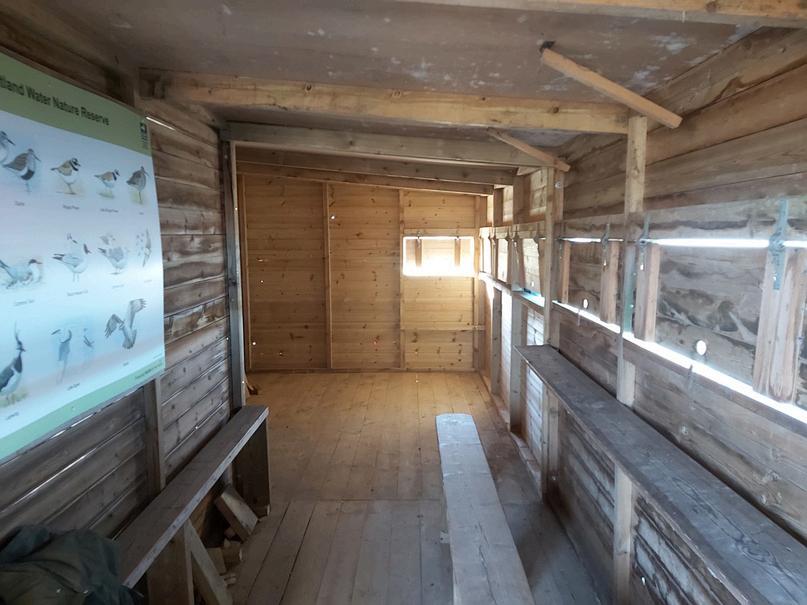
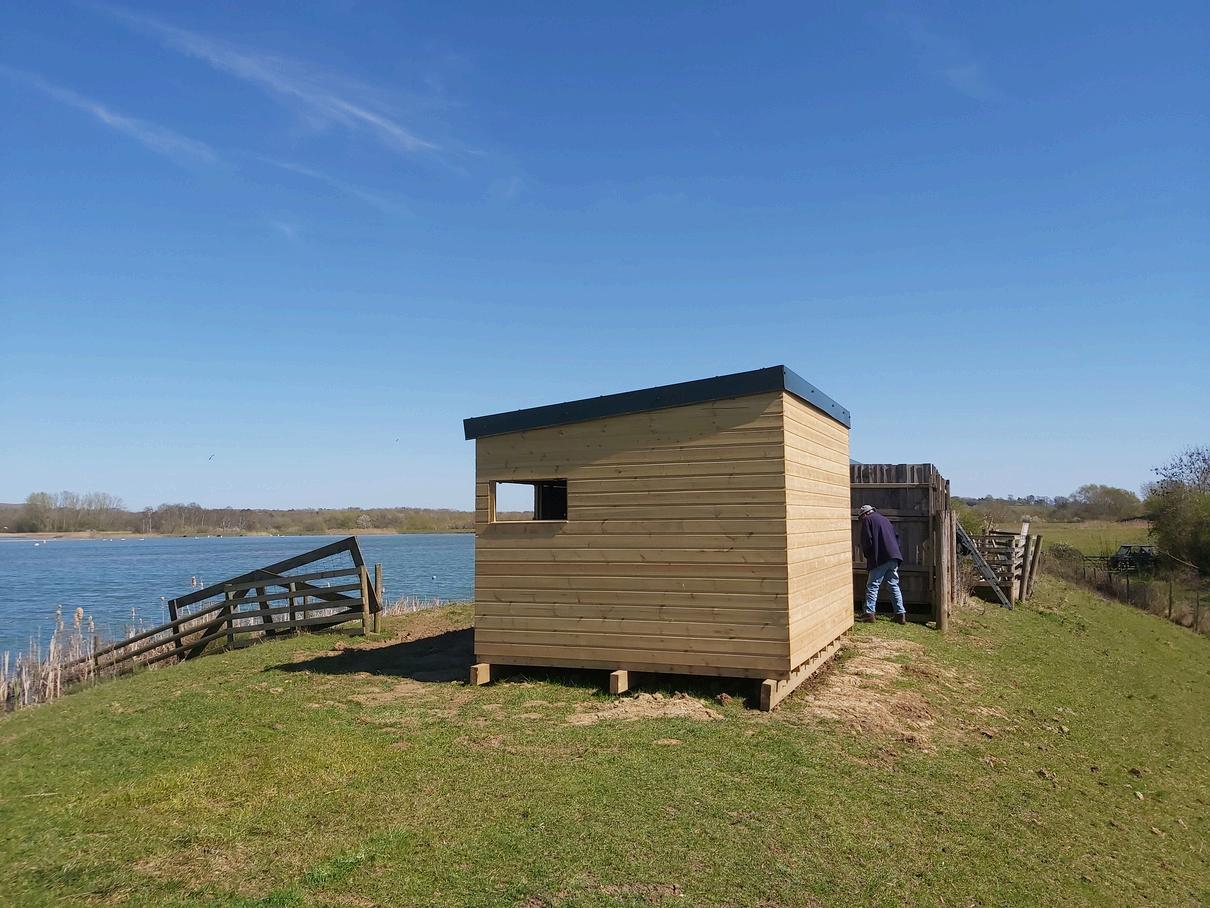
At this time of year, we can take a step back and enjoy the reserve looking its best with the frantic winter habitat work now completed That doesn’t mean to say the volunteers haven’t been busy with an extension to Dunlin hide being completed and lots of little infrastructure improvements such as a new fence at the reserve entrance and some willow weaving fencing near Lyndon visitor centre. It is nice to be able to make the entrance areas of the reserve look more inviting to the thousands of visitors we receive each year.
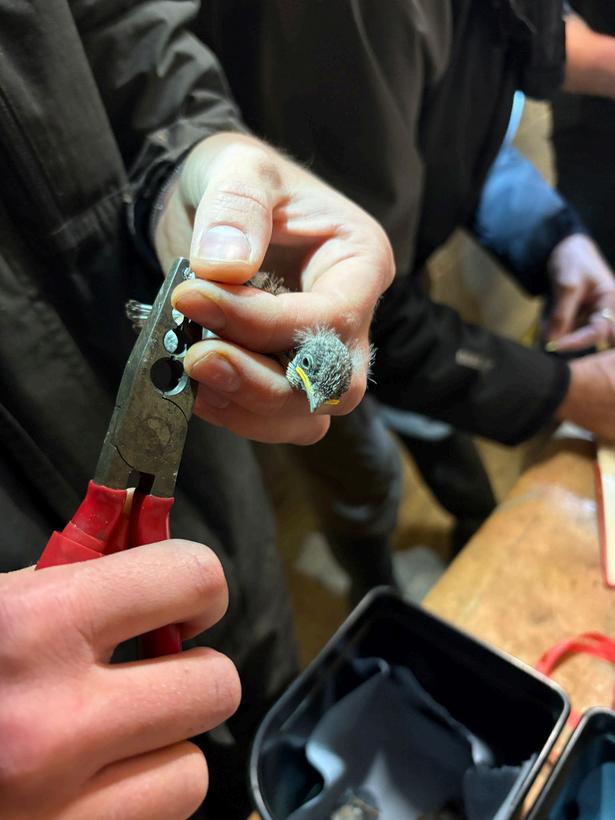
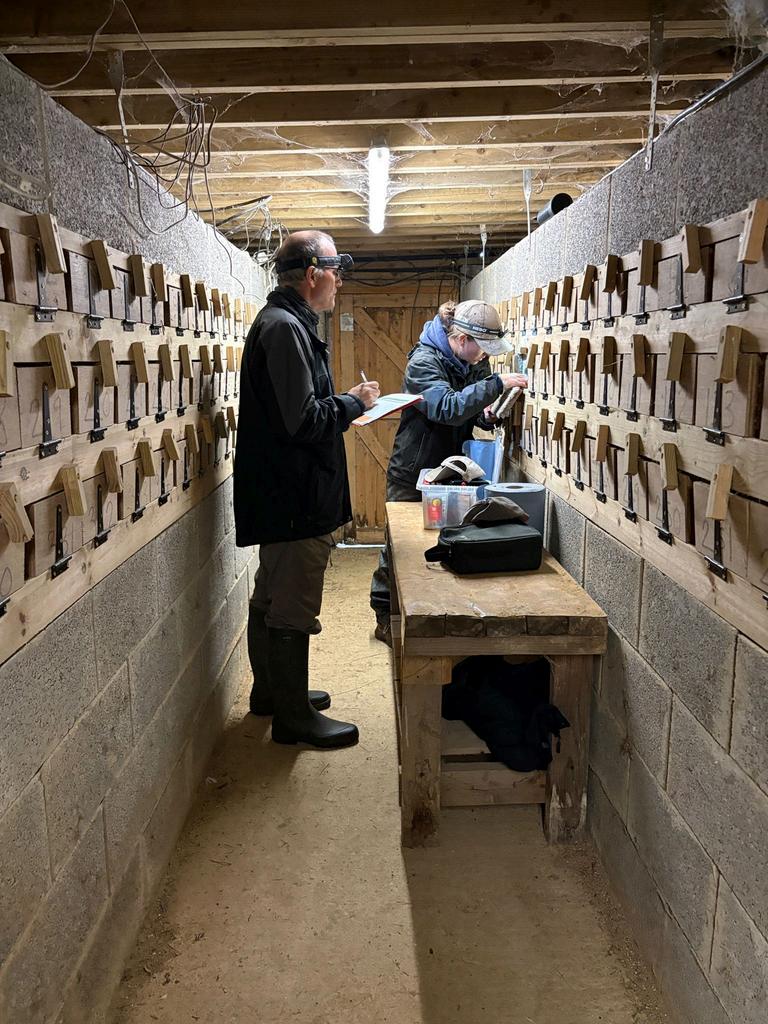
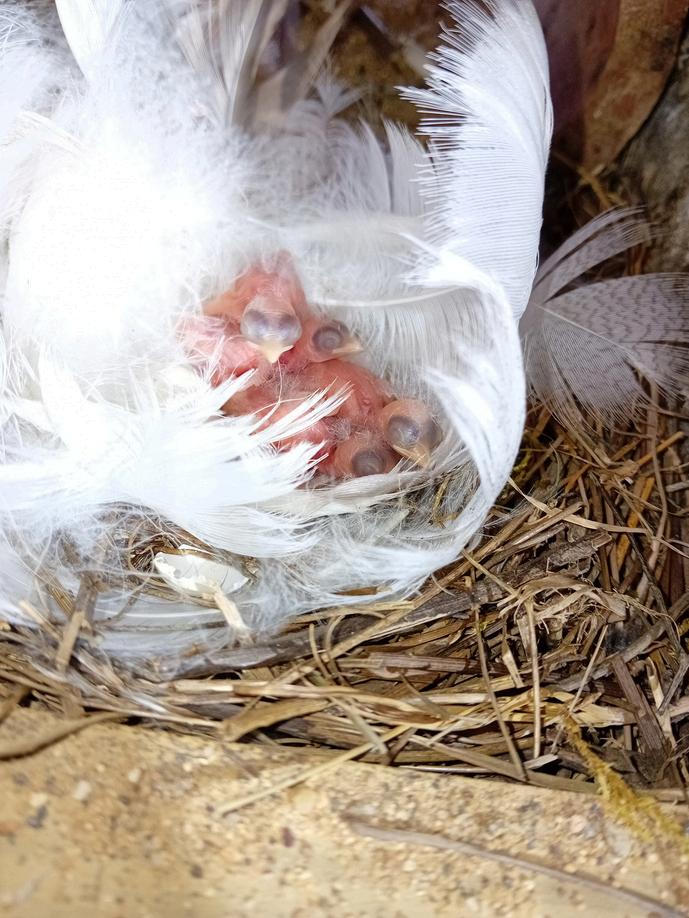
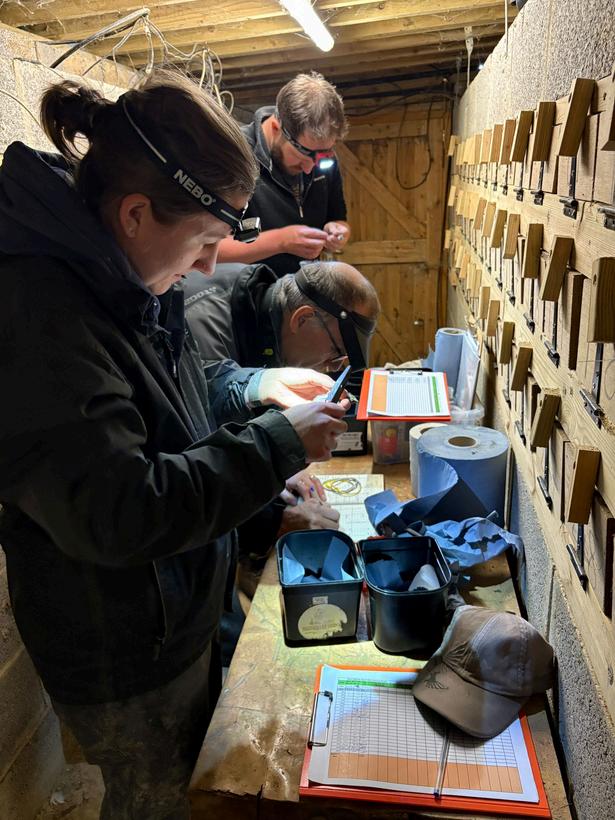
At the beginning of May, the sand martin nesting season is underway and a team of dedicated volunteers goes out to the artificial banks on lagoons 2 and 5 each week to inspect and ring any chicks. Despite the copious amount of bird poo, spiders, mites and flat flies, volunteers continue to get stuck into this task. Each of the 832 nesting chambers are carefully inspected each week and egg and chick numbers recorded As I write this, we have just had an exceptionally busy couple of days with 222 chicks ringed from 49 nests so it is looking like it will be a good season for them.
Thanks to all our volunteers. We couldn’t do our work without all your hard work and determination to get stuck in!
Andy Neilson West Senior Reserves Officer
Hello wild ones! It’s very fitting that this newsletter will go out in the middle of Volunteers Week which gives me an ideal opportunity to wholeheartedly thank each and every one of you for all that you do for us. Within my role I simply wouldn’t be able to manage my reserves without your help. Whether it be roaming the heaths trying to find our cattle, grubbing up massive rhododendron stumps by the roots or surveying the wildlife out on the reserves, your help means that we can achieve so much more than our staff base allows Our reserves and our wildlife are in a much better place thanks to your input and we really couldn’t do it all without you!
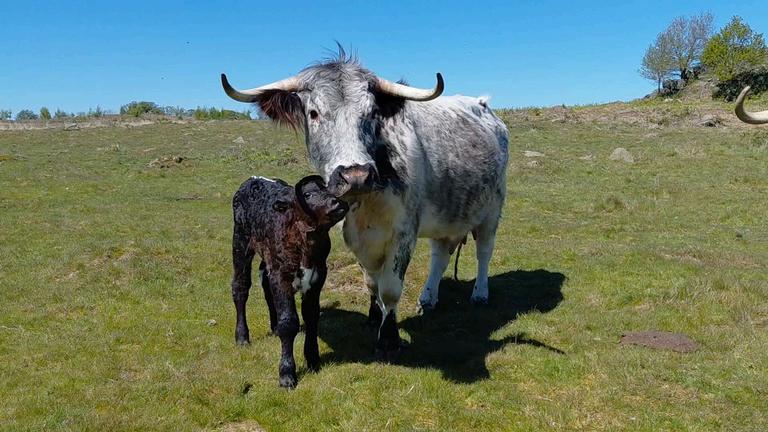
Since my last update in February the work we’ve been doing has certainly changed. The winter work is all about improving our reserve habitats; often with the help of chainsaws and bonfires, but the bird breeding season meant that we put our chainsaws and firelighters away in March and began our infrastructure season. Springtime is a great time of year to undertake our fence repairs, pathworks and any other odd jobs left over from the winter season, and with very little habitat work possible in the spring, its an ideal set of jobs to keep our volunteers nice and busy until its time to start clobbering bracken, balsam and thistles in the summer months
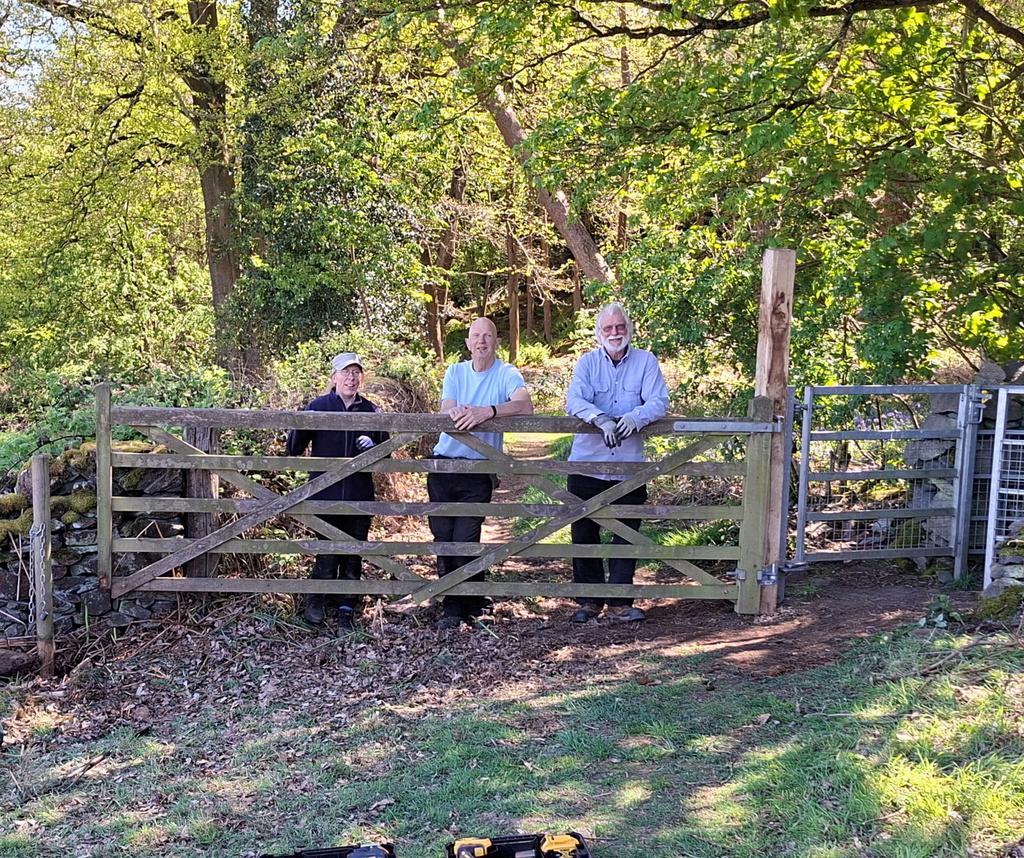
Across the West we have been looking at improving the accessibility of our reserves Outside of Rutland Water there were no other reserves that offered wheelchair access and this needed to change! We are still in the beginning phases of making our sites more wheelchair-friendly so there is still work to be done, but with RADAR kissing gates now installed at Charnwood Lodge and Cossington Meadows, we have begun to make changes for the better. The old “speedbumps” along the track at Charnwood had to be removed as part of this process, with the volunteers digging in some fabulous surface drains to fix the problem of runoff along that track during periods of heavy rainfall. We’ve had our first wheelchair users use both reserves and whilst there has been some constructive feedback on things we can improve, the general consensus has been really positive so thanks to everyone who helped with the installation over the last few months.
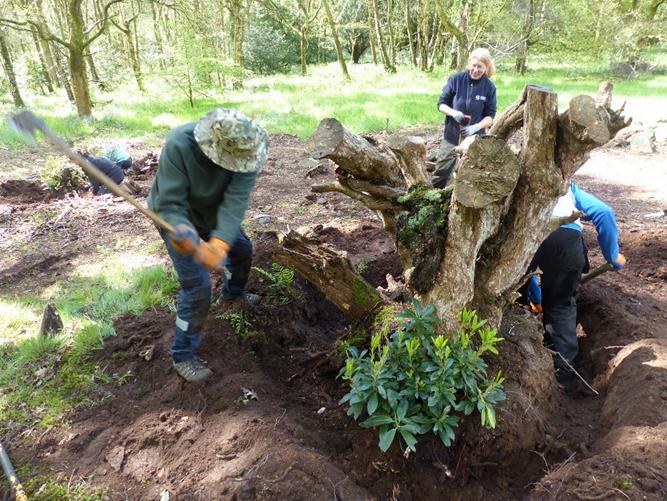
As part of our continued woodland restoration efforts at Charnwood we’ve continued to wage war with the rhododendron in Gisbornes Gorse too. We haven’t been actively clearing anything for the last few weeks, but the (massive) stumps left over from the coppicing remained. We could have left them in-situ, but the pesky blighters keep trying to regrow (even with repeated doses of herbicide), so we’ve been channelling our inner-JCB with the Charnwood Thursday team and grafting them out by hand using a wide range of diggy-things and our ever helpful felling winch (Tyrone the Tirfor)
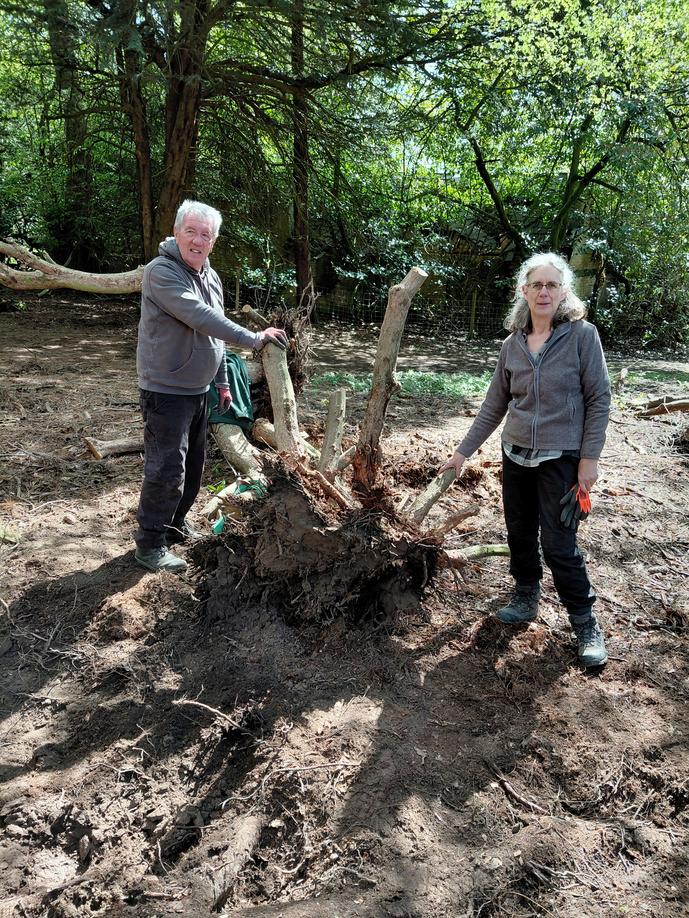
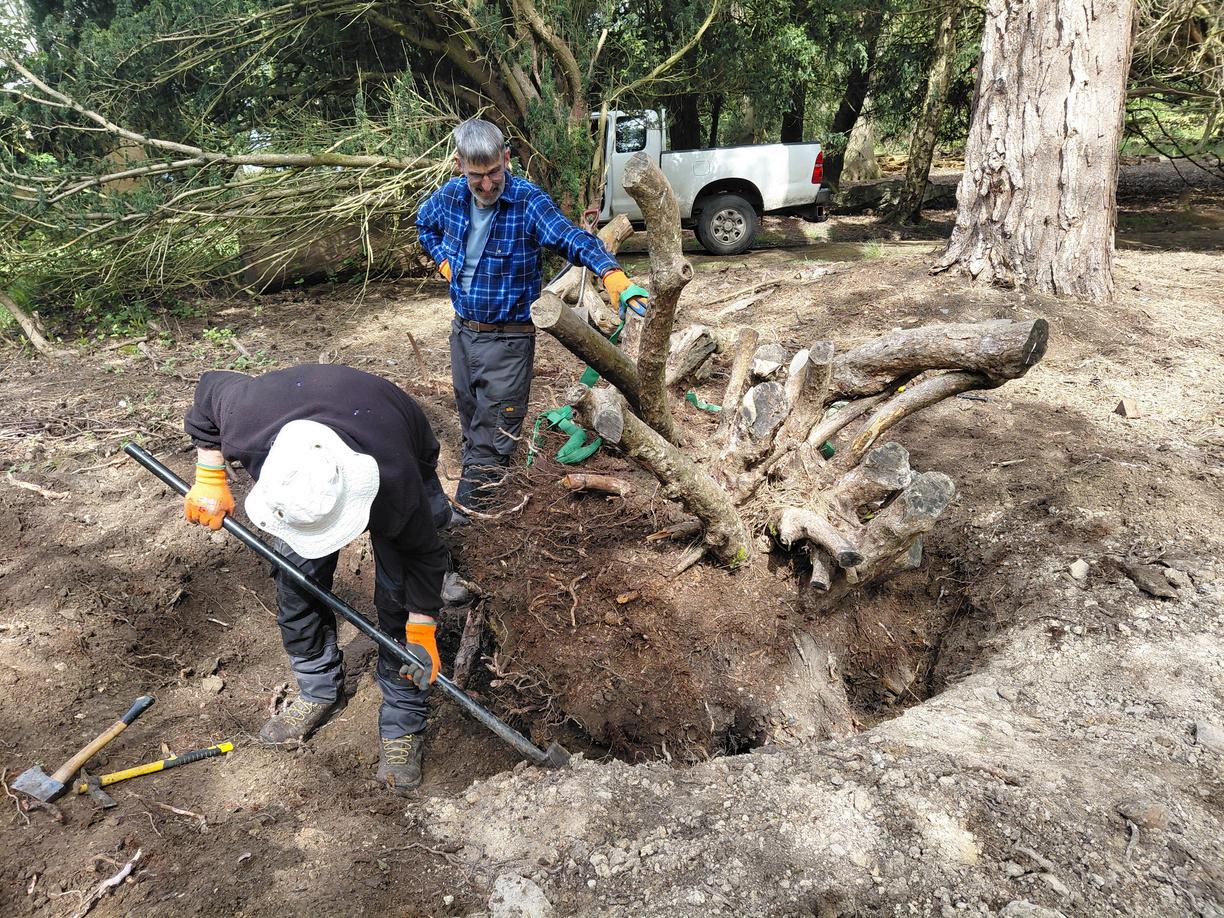
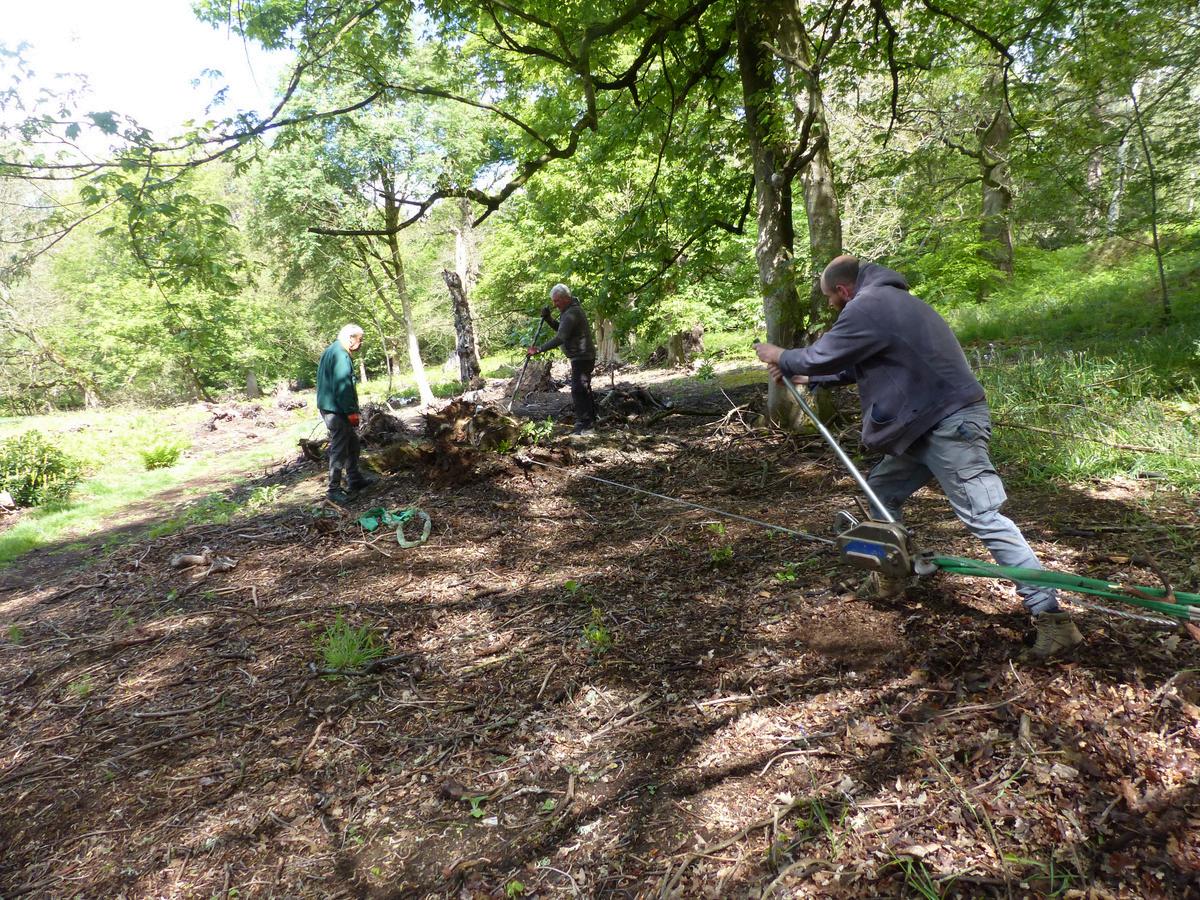
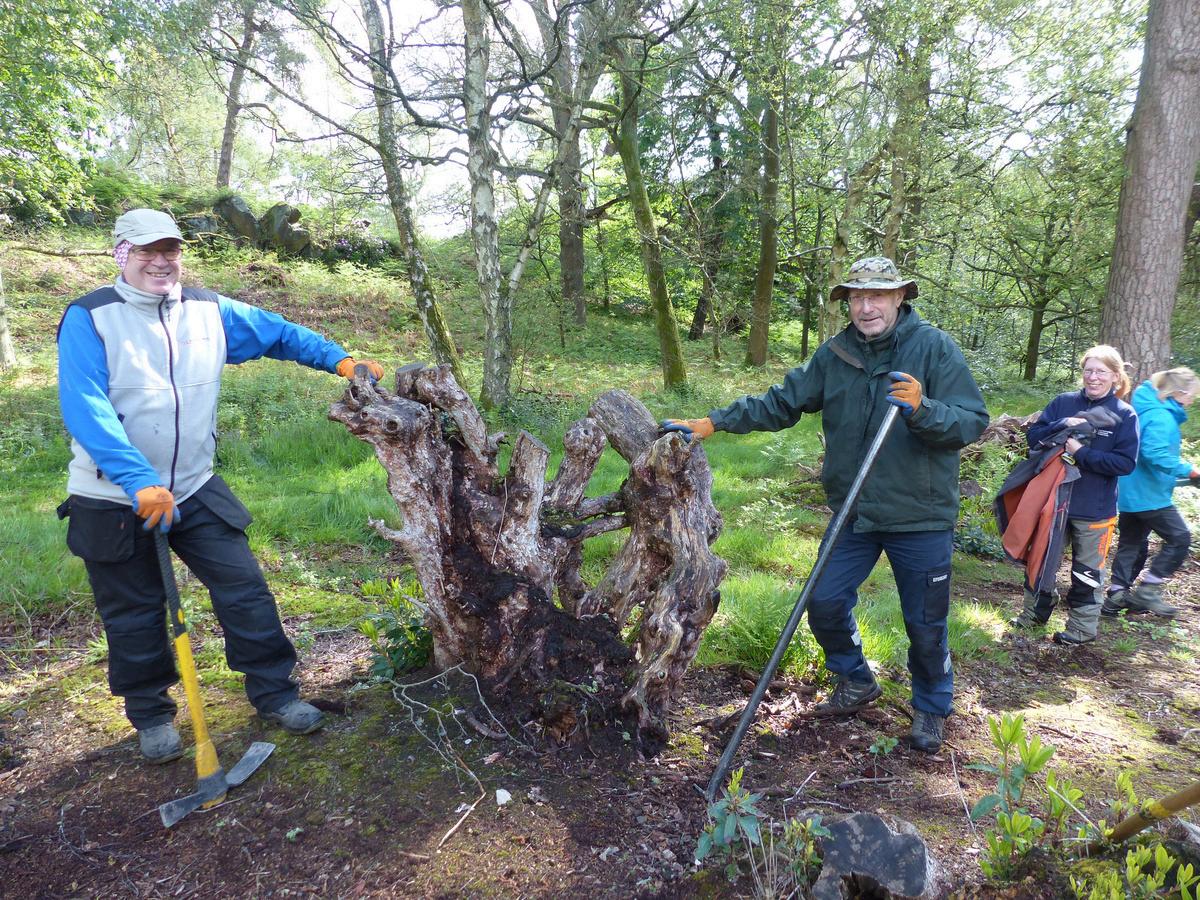
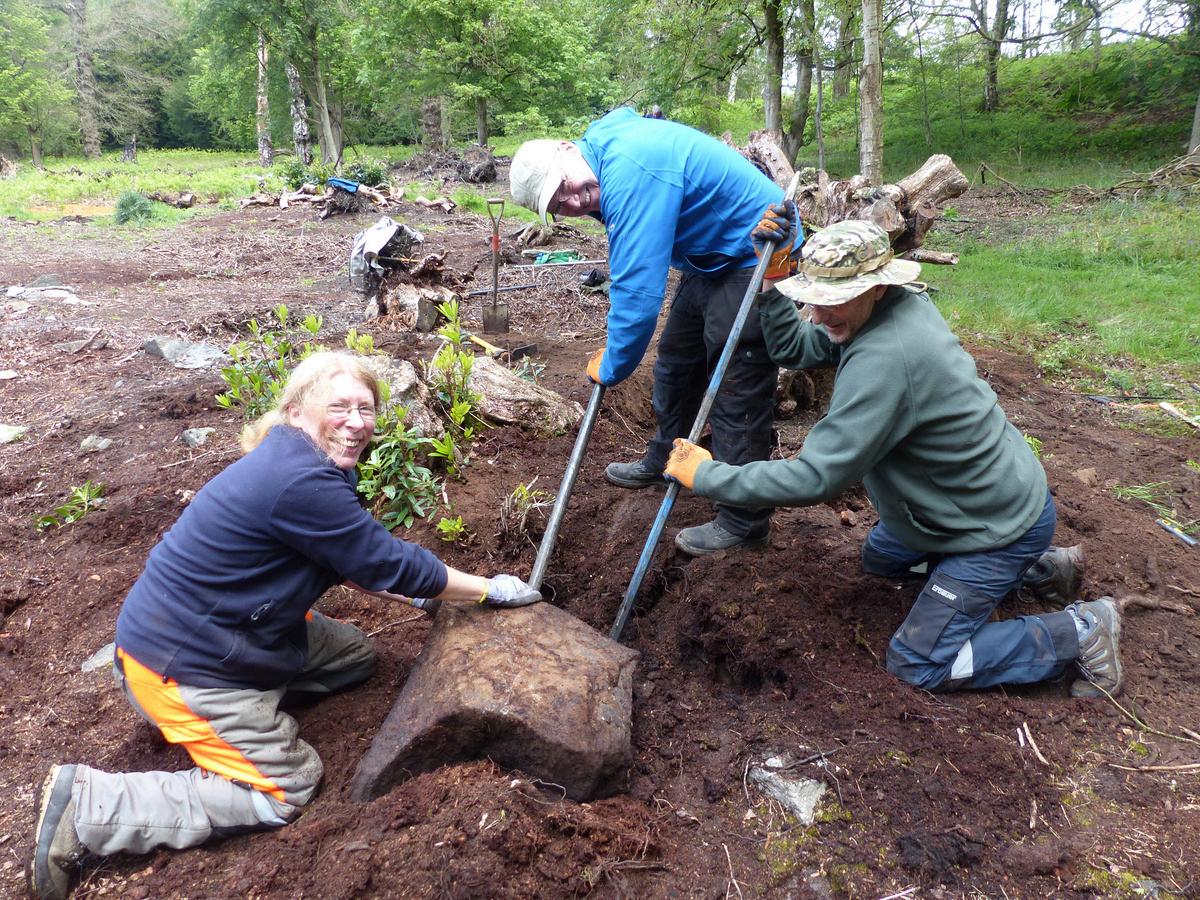
The site of the old hunting lodge is starting to look like a warzone with piles of twisted wood and many “bomb craters” littering the landscape, but it’s the beginnings of restoring the area back to native deciduous woodland, and should allow for the spread of the daffodils and bluebells over the coming years.
Away from Charnwood Lodge we’ve had a quieter few months on my other Charnwood sites, but a morsel of infrastructure work has been undertaken at Ulverscroft, with some repairs to the bridge at Lea Meadows also planned for the coming weeks.
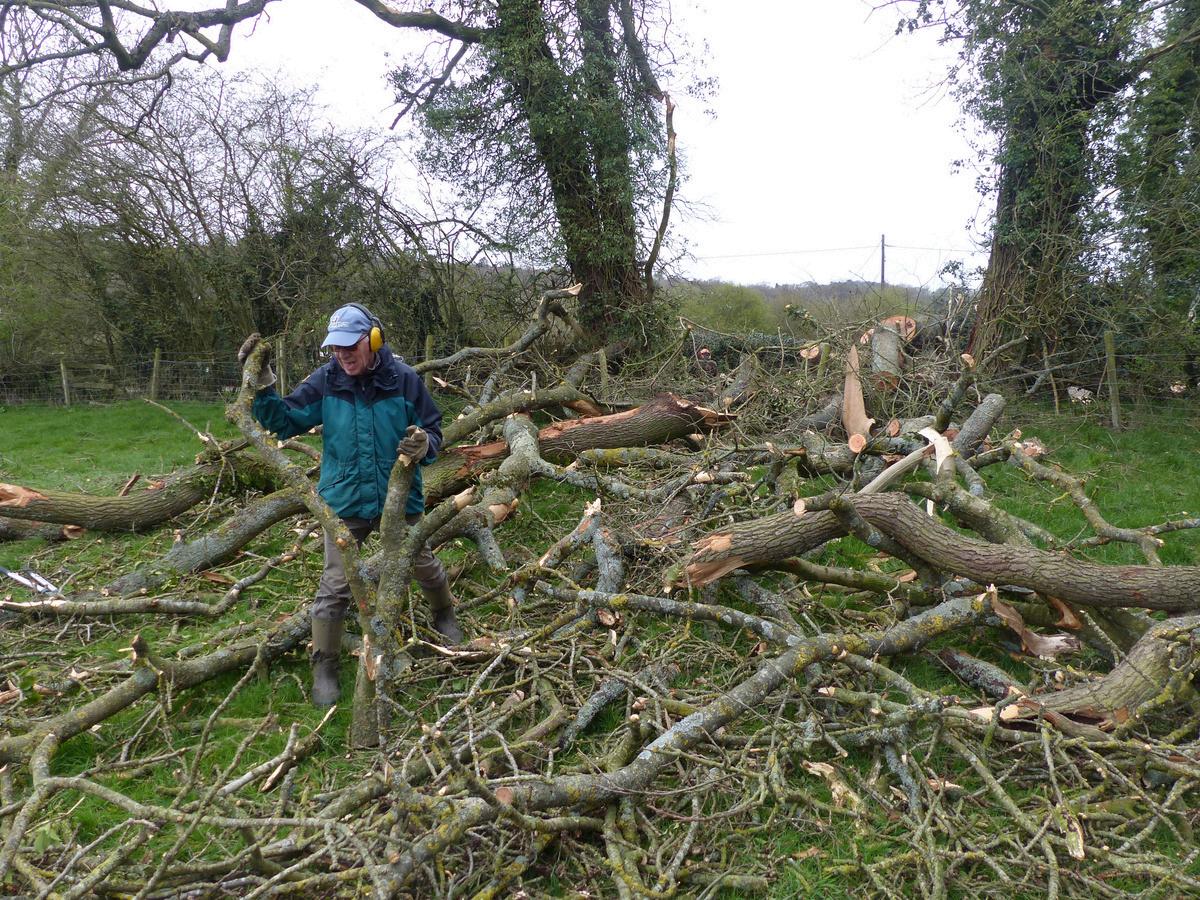
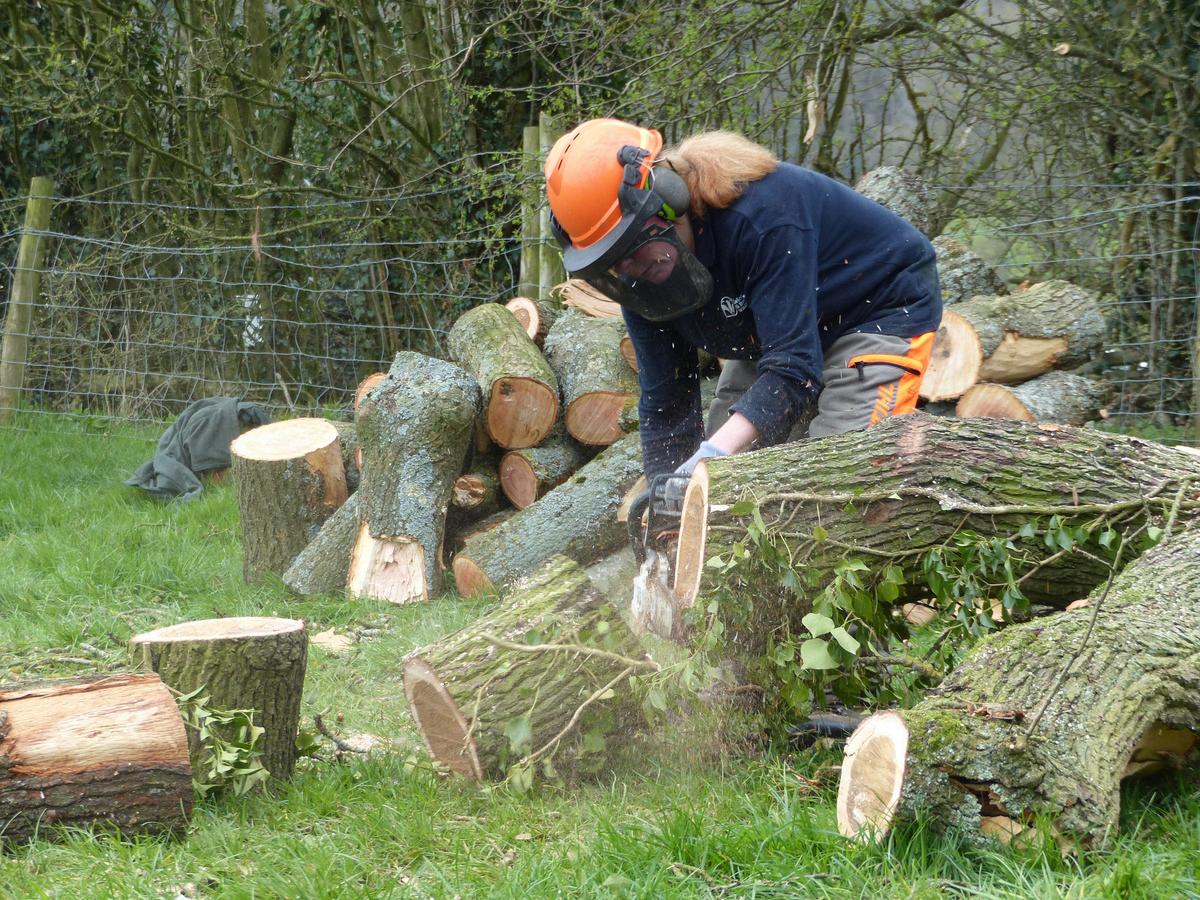
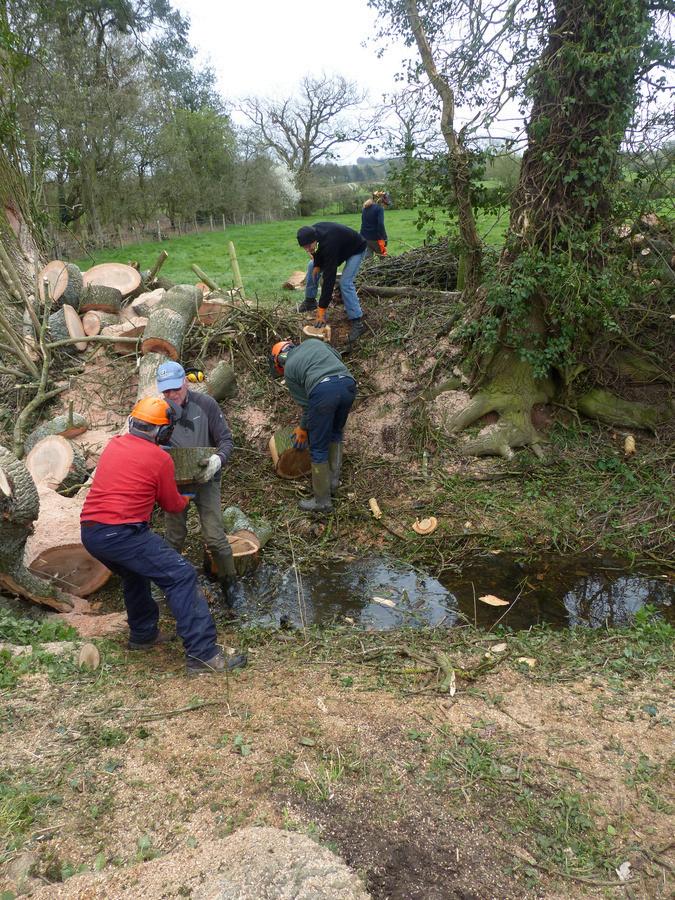
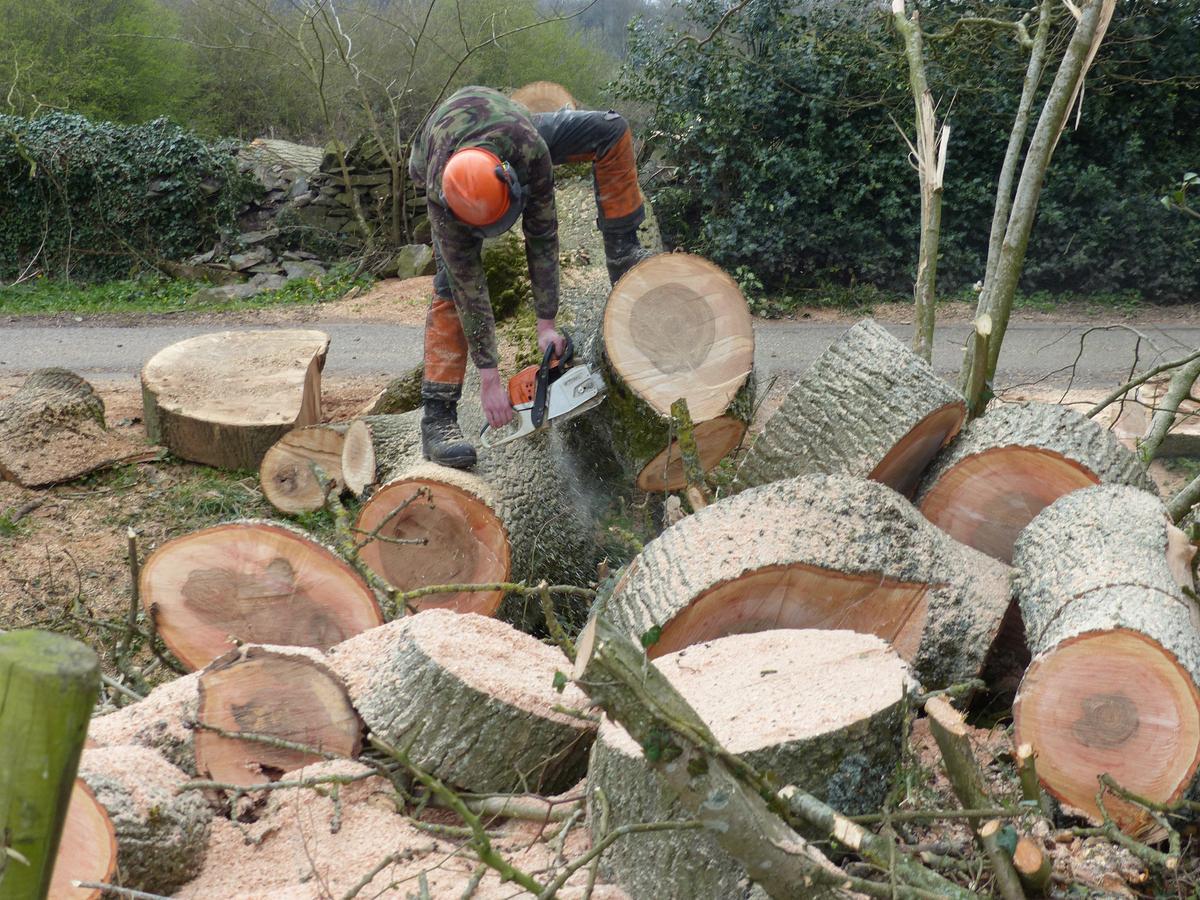
One task that certainly kept the team busy (and worn out!) was the clearance of a very large ash tree which unfortunately fell out of our new land at Charley and blocked a private road quite spectacularly one day in early April. The tree truly was vast, and had knocked down a wall, blocked a road and also smashed down several metres of a neighbours fence all in one go – it would have been quite impressive if we didn’t have to tidy it all up! Thankfully the Wednesday team were happy to be diverted from their planned task that week and turned up full of vigour ready to shift tonnes of timber all day – thanks so much!
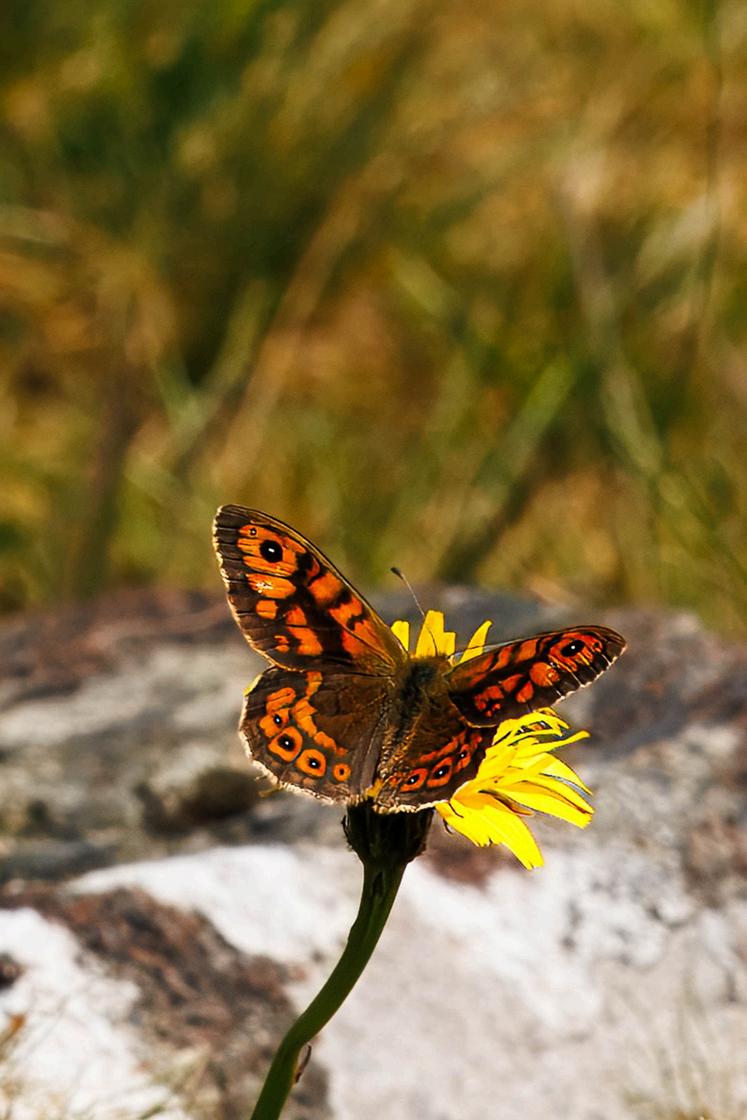
Away from the practical work on the reserves we’ve had an excellent spring for wildlife sightings on the Charnwood reserves Charnwood Lodge is known as an excellent site for passage migrants, and early during April we were treated to several ring ouzel and lots of wheatear sightings up on the Warren Hills A pied flycatcher also took up residence at Charnwood Lodge for a week in mid-April which was really exciting as it was exhibiting breeding behaviour and if it has stayed to breed would have been the first breeding record in Leicestershire since the mid-90’s. Sadly it didn’t attract a mate and appeared to move one, but was still lovely to see and generates a lot of hope for successful breeding in the future!
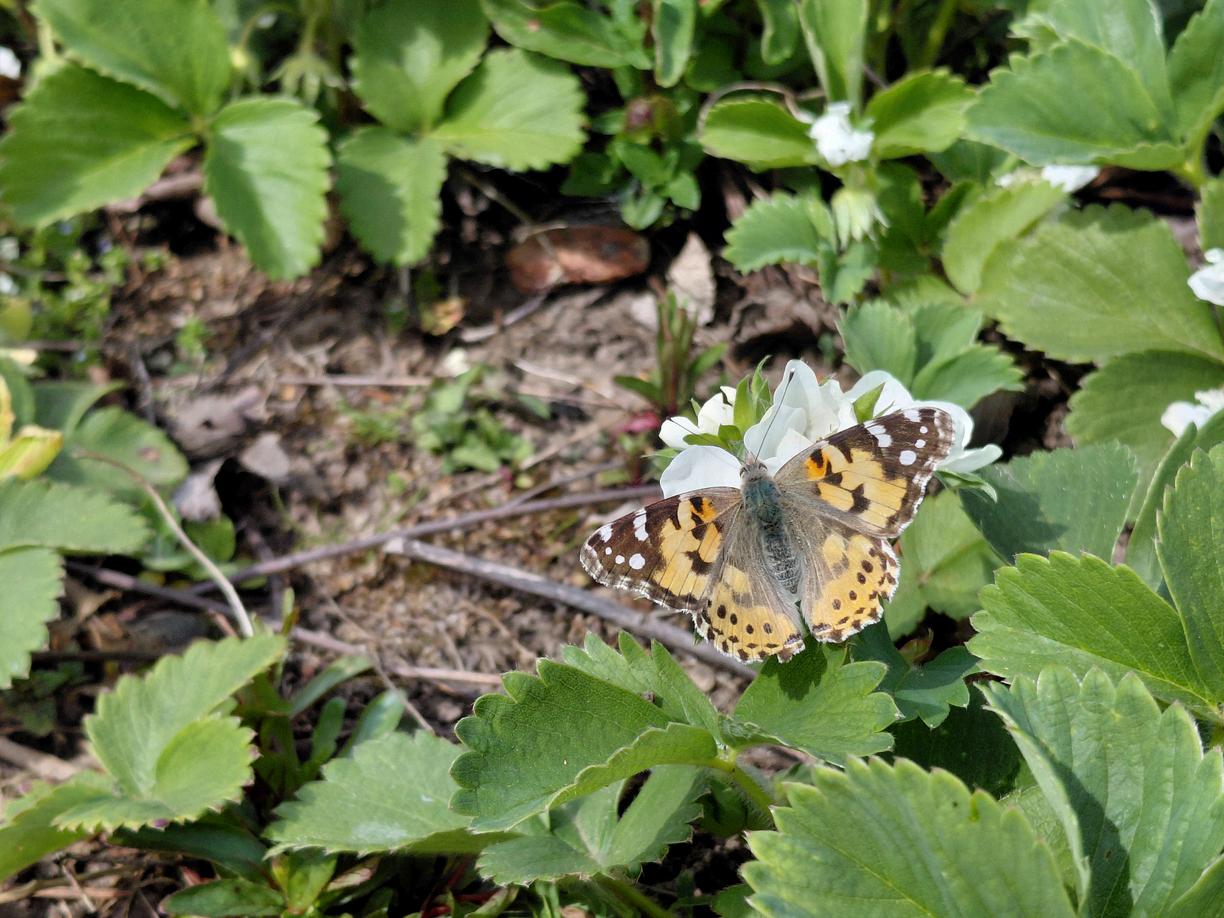
Butterflies have been well represented this year too, with a very healthy emergence of green hairstreak on the hills this year, and several wall brown sightings came through at the start of May which is tremendous news for this threatened butterfly. A clear influx of well-travelled painted ladies have been very much in evidence over the past couple of weeks too which are always great to see – there’s something about long-distance migration in insects which absolutely astonishes me; it still amazes me how a butterfly can travel such large distances isn’t nature great!?
Speaking of things that are great; you lot are all too!
See you out on the reserves soon. Stay Wild
Sarah Bedford East Senior Reserve Officer
Legends, one and all!
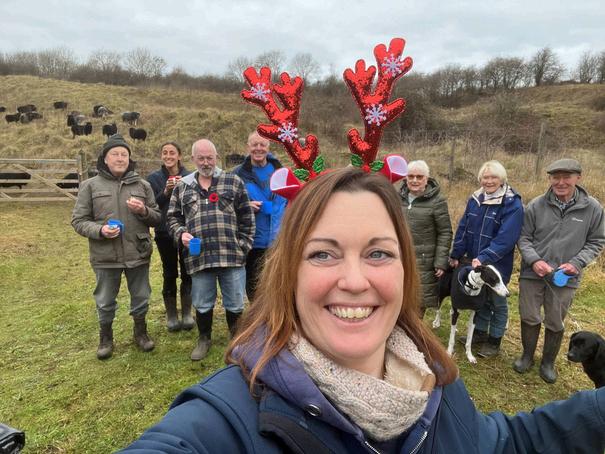
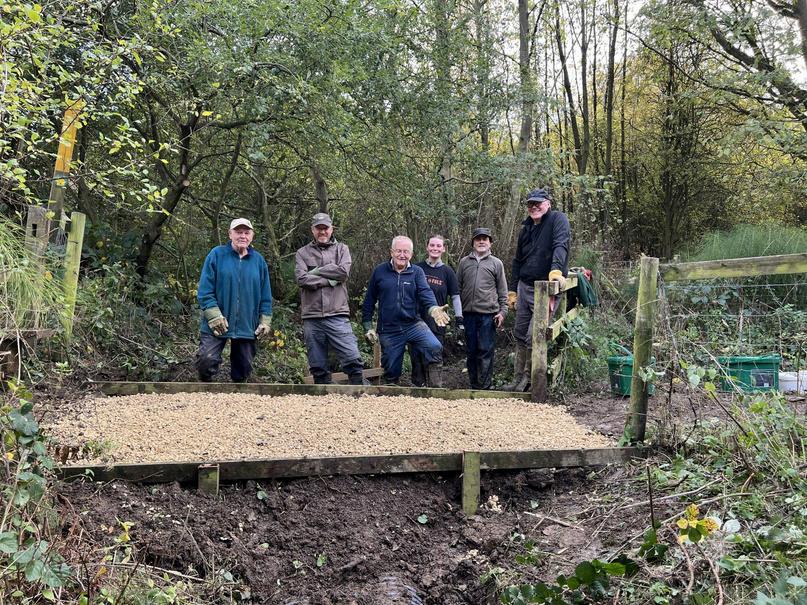
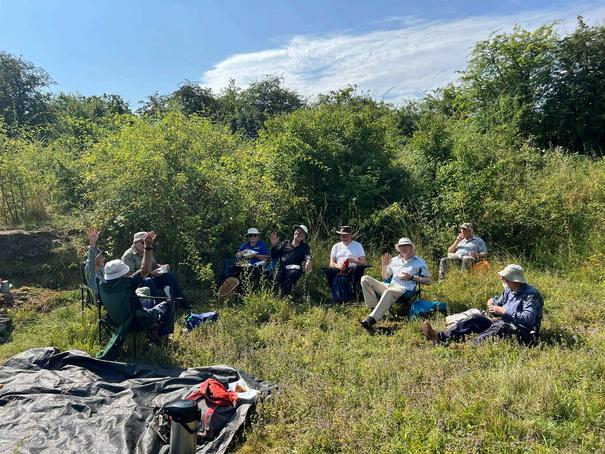
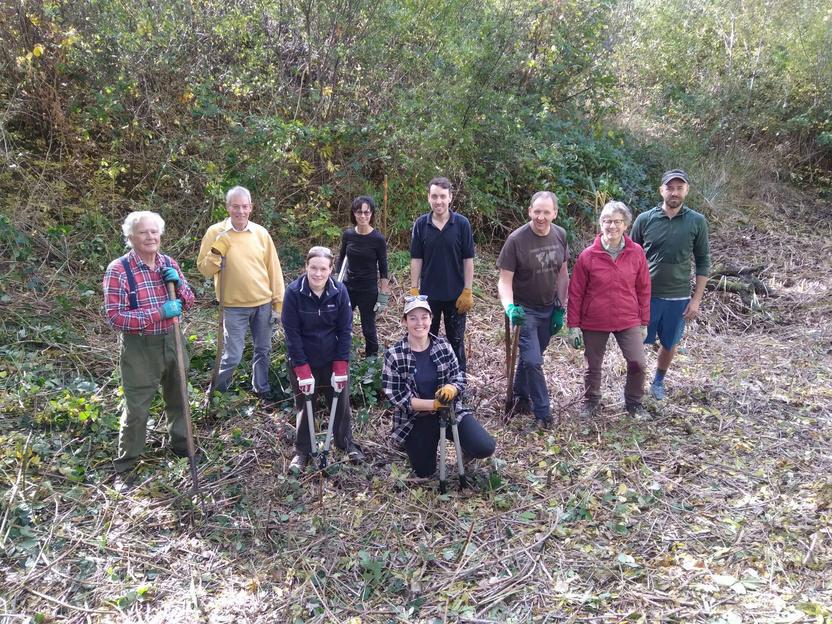
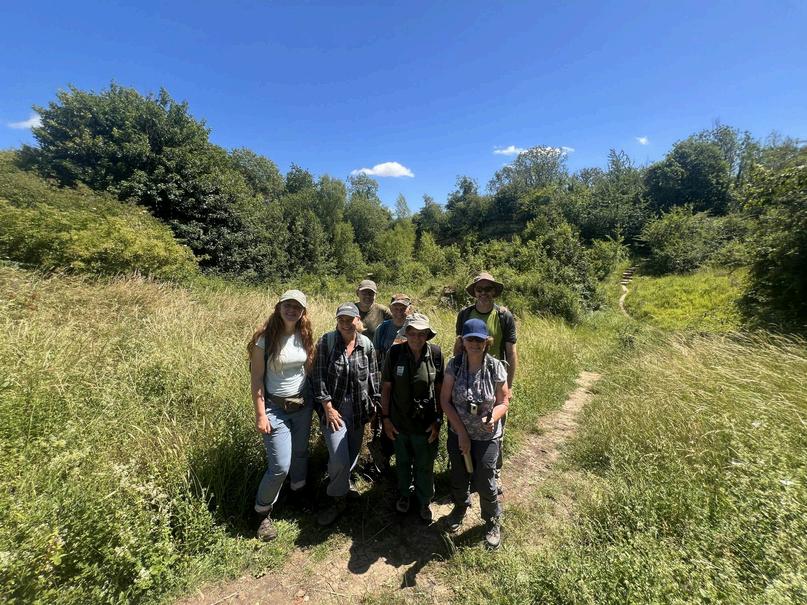
Life recently seems to consist of a series of messages from my phone’s “Control Centre” telling me there is no space left in my phone’s memory. I initially assume this means I will have to go and search for all the accidental screenshots and gifs that are taking up space and have a tedious session deleting them. What I actually find, is that it’s the hundreds of photos taken over the last five and a half years of working for Leicestershire and Rutland Wildlife Trust that are giving my phone a meltdown. Of course there’s plenty of indecipherable photos of habitat changes, muddy verges, broken tree branches and endless fencelines across our reserves, but hundreds more are photos of the brilliant volunteers we work with, to achieve everything we do.
Across the Trust, over 20,000 volunteer hours are contributed to our organisation’s work per year It’s no lie when we say we couldn’t do our jobs without you In the East, imagine how long it would take us to pull ragwort, put up fences, remove scrub or handle our livestock without the assistance of our volunteers. The East Team habitat volunteers annually clock up around 4000 hours per year.
The tally of hours doesn’t really do the role justice. We don’t count the hours you spend travelling to and from our nature reserves, nor the hours you spend cleaning your clothes and cars after you’ve been to site – especially in the winter! We are regularly beneficiaries of your home baking, tools that you’ve crafted and ideas that you’ve come up with to solve unique problems on our remote sites. We can’t monetise or count the sense of camaraderie and belonging we get from working with you in some of the counties’ most wonderful natural spaces.
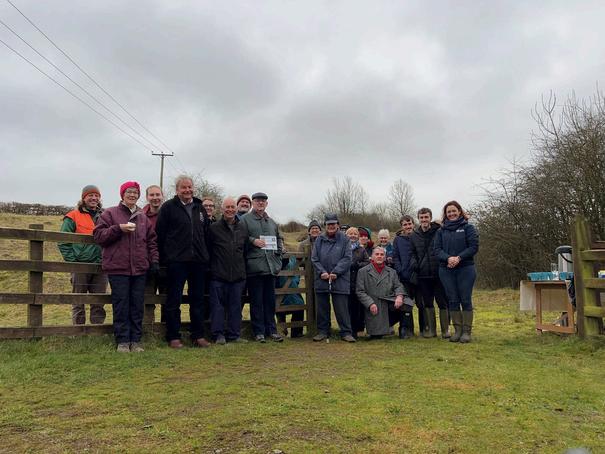
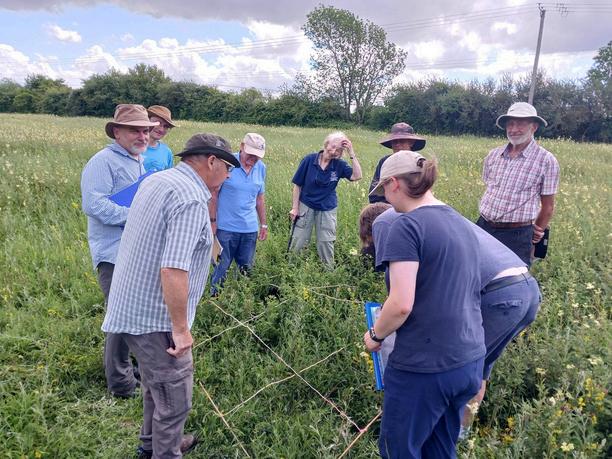
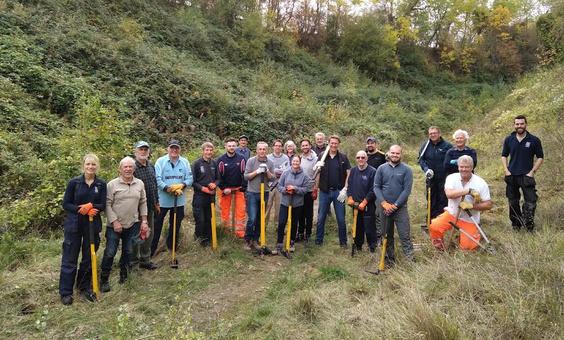
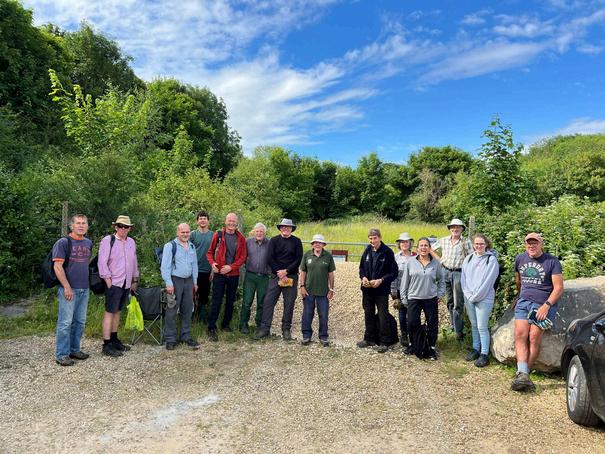
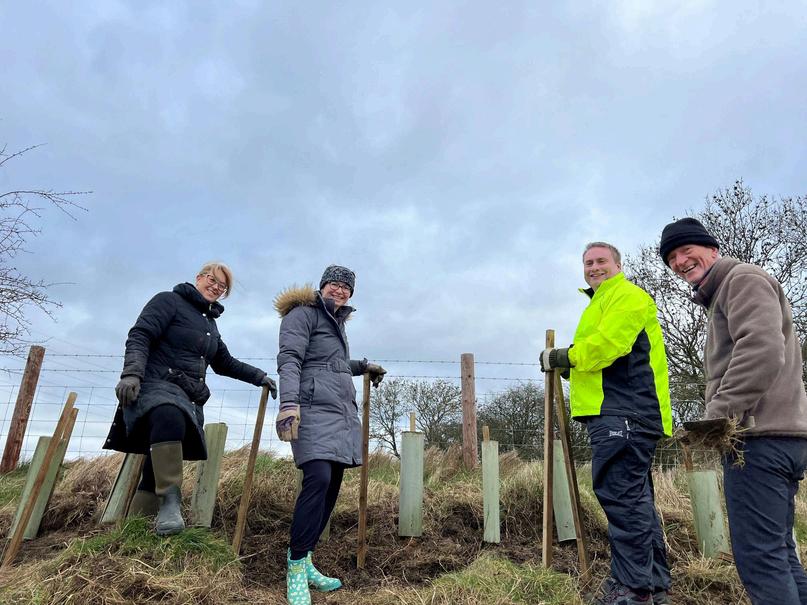
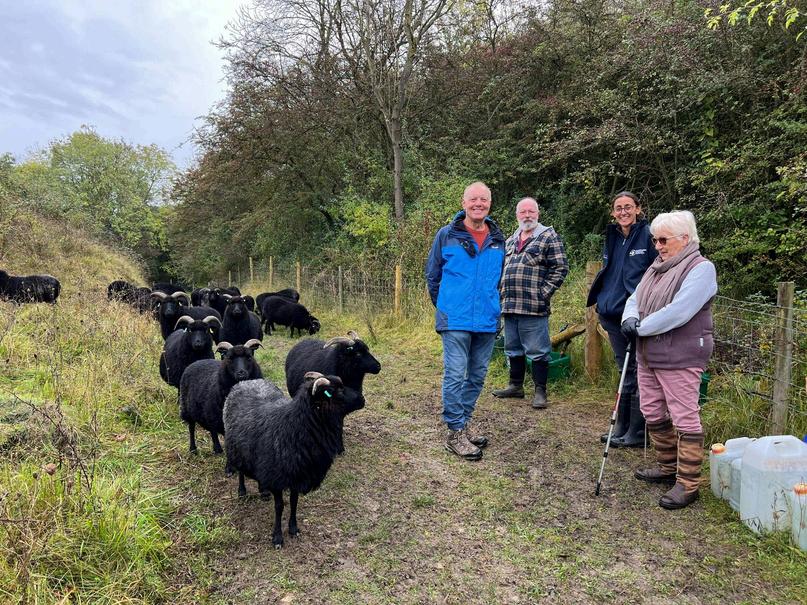
You show us every day that you’re passionate in supporting us, as we work to preserve, improve and protect the wildlife sites we care for. Thank you for your hard work and also for supporting us as staff and colleagues, and for keeping a sense of humour and goodwill when you’re up to your ankles in mud, and we announce we’re going to carry on the work party for twenty more minutes after lunch!
Here are some of those photos taking up space on my phone, and I look forward to taking many more with you on our sites.
Rick Wilson Information Assistant
With many of the birds delaying their migratory return, due to the storms off the coast of West Africa and over the south of the Iberian Peninsula, things got off to a slow start But that all changed on 15 March For the fourth year running, it was female 25(10) who got the 2026 osprey season got well and truly underway, if only for just a few minutes on Mother’s Day She returned to the Manton Bay nest for longer periods two days later Her own nest is just a short distance away and her breeding partner, 11(10), returned shortly after her, so they quickly settled down at their regular site. th
A week after 25(10)’s arrival, another local osprey spent some time at Manton Bay before going off to her usual nest. The Argyll BTO-ringed female was identified thanks to the power of our new highresolution camera, as we could zoom in to see the BTO ring and read its number.
th
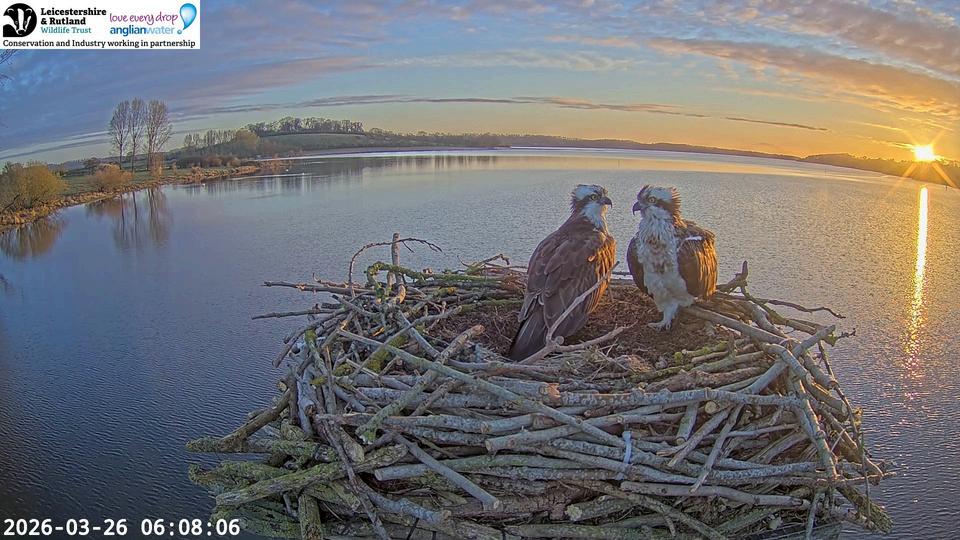
Then, on 24 March, an action-packed day began to unfold just after dawn. An unringed female landed on the nest at 06:28. Could this be Maya? We quickly ascertained that it wasn’t but then, to add to the day’s excitement, 33(11) landed at 07:17. The first of our Manton Bay residents was back!
Just a handful of hours later, at 14:30, Maya arrived back from migration, proudly carrying a large trout to the nest. 33 was straight onto the nest to greet her, but the unringed female was still around and tried to muscle in on the action. Maya was having none of it and literally bumped her off the nest, twice (just a few minutes apart). Maya and 33 soon began mating and continued building up the nest.
Meanwhile, over on Lagoon 4, our nest platform has now been fitted with cameras in anticipation of the return of a pair that showed interest in the nest last year. Rutland-born 359 (male, a 2021 chick) and Rutland-born 3H9 (female, 2023) got together late in the season last year, so we had high hopes for their return and 359 came back to the nest late on Sunday 29 March, with 3H9 a few days later, but both have now moved on to other nests.
th
th th th th
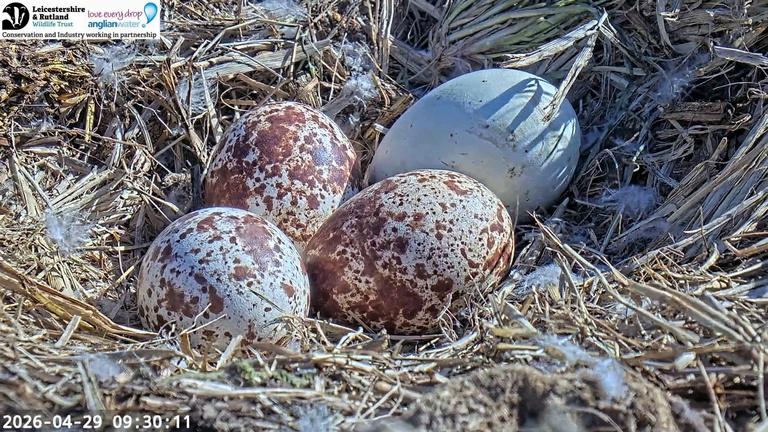
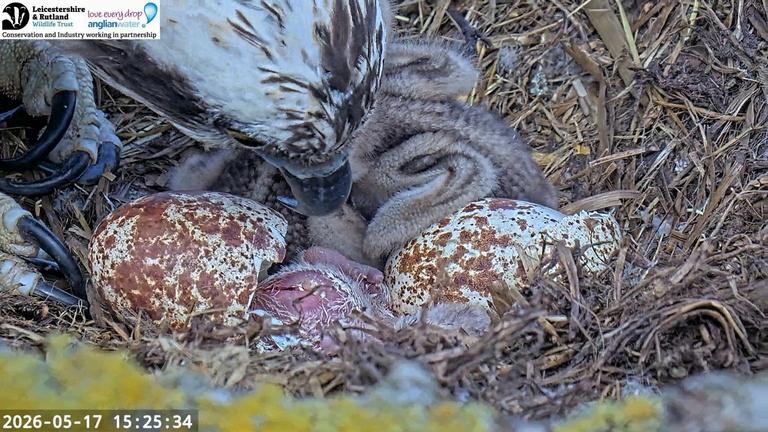
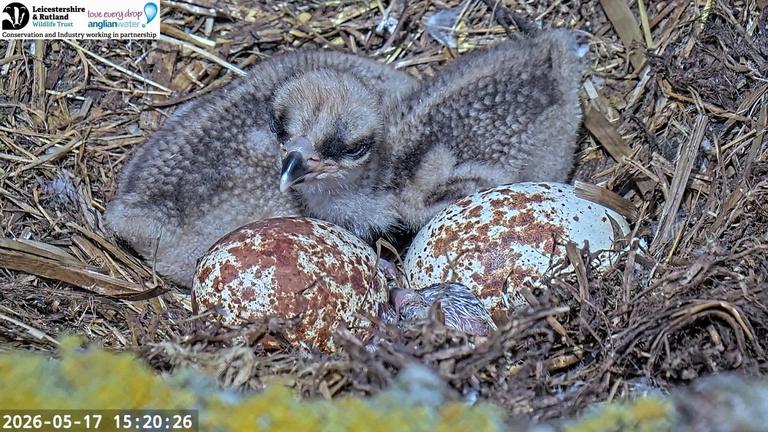
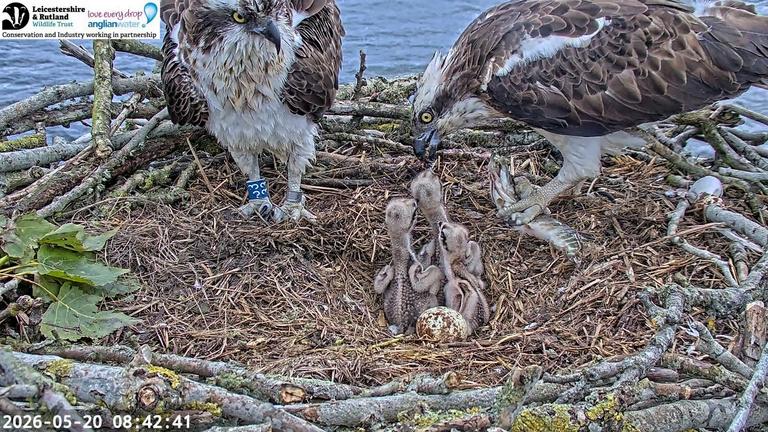
Eggs were soon laid on the Manton Bay nest and the first arrived on 5 April, with a further three neatly following at 3-day intervals. The first of these hatched on 12 May, then two more followed on 14 and 17 May, but the fourth egg has failed to hatch.
All three chicks now growing very fast and 33 is increasing his fish deliveries to match the demand of our trio of hungry youngsters As our Osprey Cruises have now started, this is very timely to keep the paying punters entertained The first, on 23 May, wasn’t hugely successful, with no birds observed other than Maya at 33 being present at Manton Bay. Both subsequent cruises have been more successful though, with good activity observed on both occasions near the sailing club, including what we think was 33 diving for a fish in relatively close proximity to the boat on the 30 May
rd th
With ringing day fast approaching, we’re looking forward to the fledging in early July, when the skies around Manton Bay will be even busier!
Ruth Potter
Rutland Trainee Reserve Officer
It’s been almost a year since I started as a trainee reserve officer at Rutland Water, and sadly my time here has come to an end. I have got a job with the National Trust in Northern Ireland, working as a ranger at Murlough Nature Reserve. Murlough is a coastal nature reserve, mainly made up of sand dune and salt marsh habitat, so it will be a bit of a change from Rutland Water!
I have really enjoyed my time at Rutland Water, and it has been great to experience almost a whole year of habitat management and surveys. I have been trained in a wide range of skills including tractor driving, brushcutting, chainsaw and fencing, as well as taking part in different wildlife surveys on the reserve.
Some highlights have included learning to use the chainsaw, helping with the freshwater surveys, and leading volunteers on my own project, a shoreline coppice at Lyndon. It has also been great to see many rare bird species around the reserve One advantage of living at the Volunteer Training Centre for the year was that I was able to see many of them without leaving my house!
Thanks to everyone, staff and volunteers, for helping me to have such a great year. I have been able to learn so much from the people I’ve worked with, and I really appreciate the patience and support that I’ve received as I’ve progressed through my training. I will definitely miss working at Rutland Water, but hopefully I will be back to visit the reserve at some point in the future.