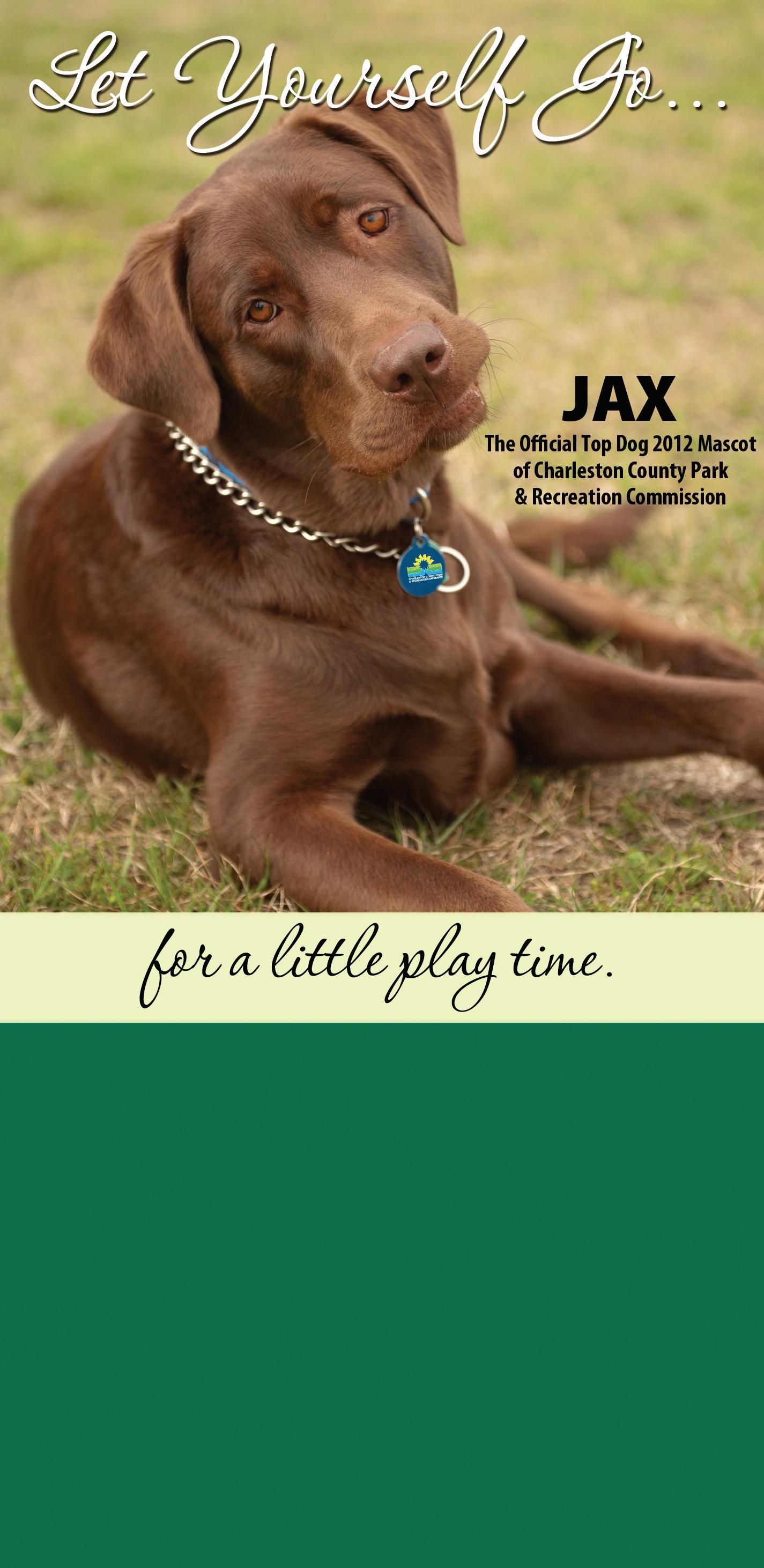
Lowcountry Dog’s mission is to be the leading local resource for dog owners regarding regional events, health and wellness information, trends, style and lifestyle choices. We also strive to be a mouthpiece to the public for various dog related non-profits and promote pet adoption and other responsible pet care practices.
Dog lovers can pick up the bimonthly magazine for free at most area veterinarians and pet stores throughout the lowcountry, as well as numerous restaurants, coffee bars and retailers. A full distribution list is posted to the magazine’s web site, lowcountrydog.com. Subscriptions are also available. Please call 843-478-0266 for more information.
The entire contents of this magazine are copyrighted by Lowcountry Dog Magazine with all rights reserved. Reproduction of any material from this issue is expressly forbidden without permission of the publisher. Lowcountry Dog Magazine does not endorse or guarantee any product, service, or vendor mentioned or pictured in this magazine in editorial or advertising space. Views expressed by authors or advertisers are not necessarily those of the publisher.
october/november
fido’s friends 4 Dr. Matthew Murrin the economics of saving lives 6 camping canines 8 local club teaches schutzhund 10 real men love dogs 14 calendar of events 21 health and wellness 22 Blanner Heath training 24
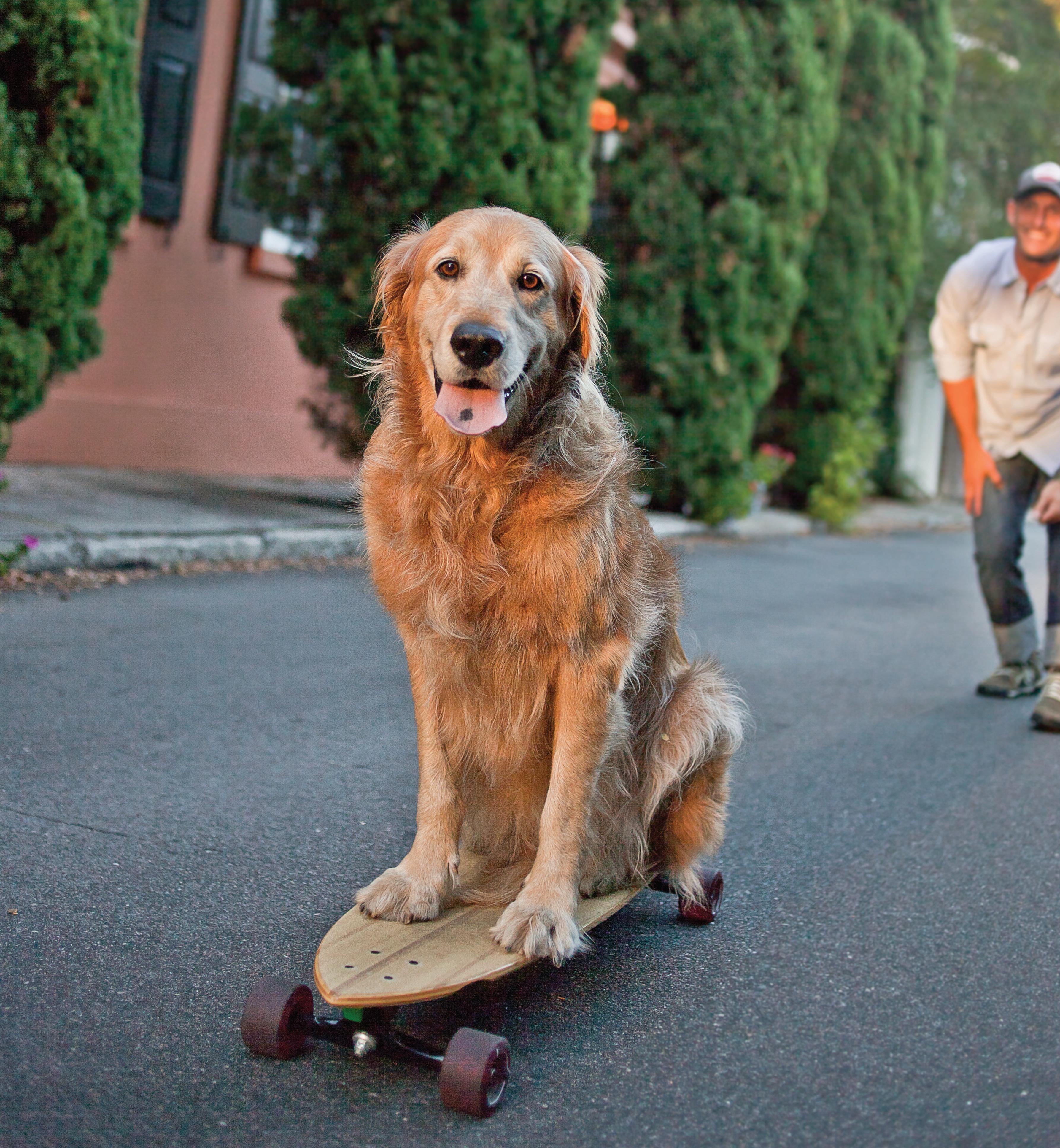
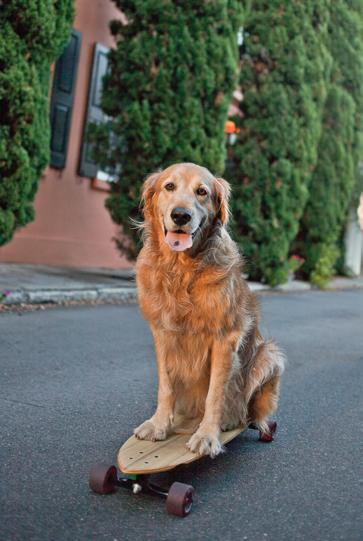
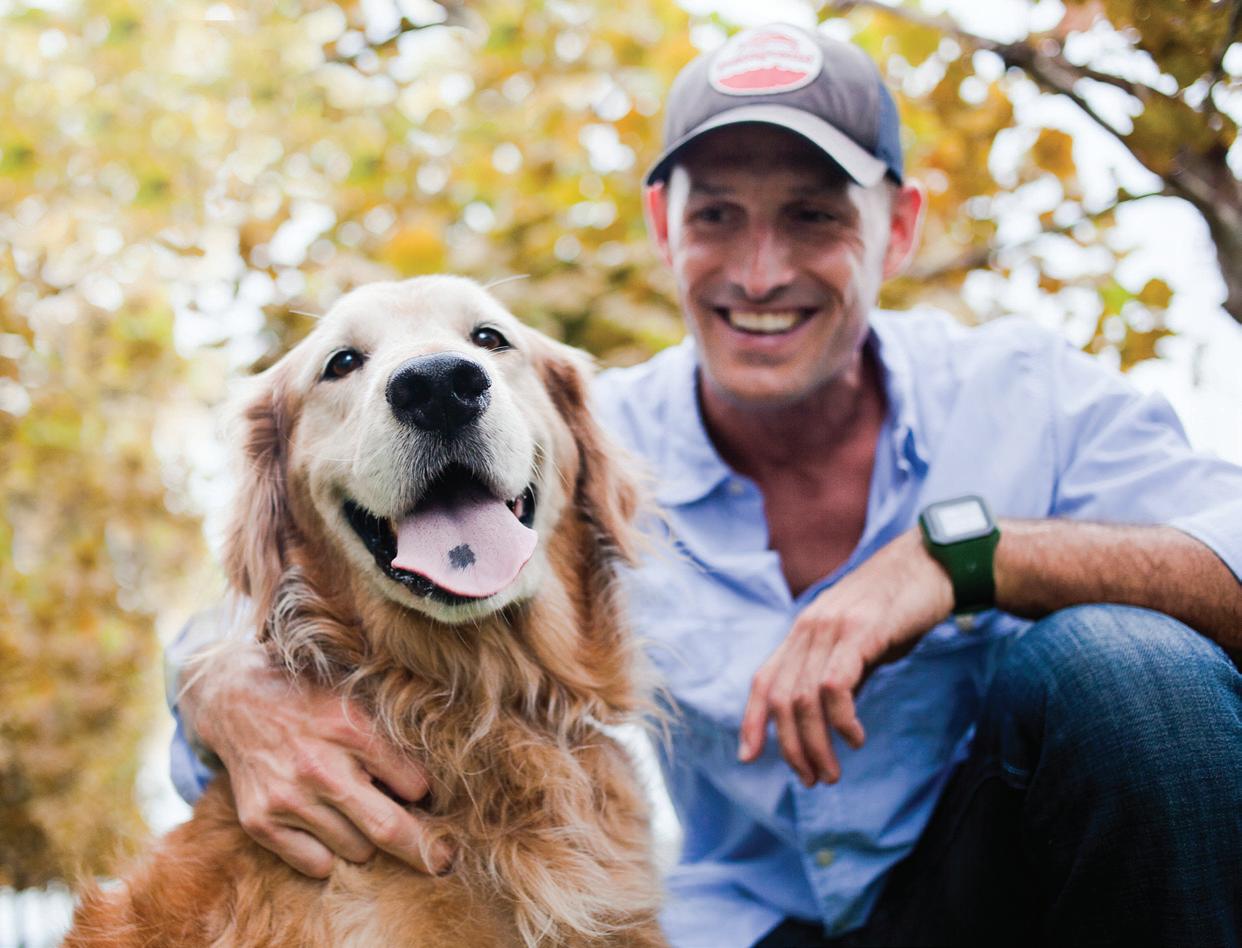
a rescued Golden, shows his adventurous side on our cover. Cover image and 1st & 3rd Table of Contents photos by Laura Olsen Imagery. This magazine is printed on 100% recycled paper. Continue the green process by recycling this copy
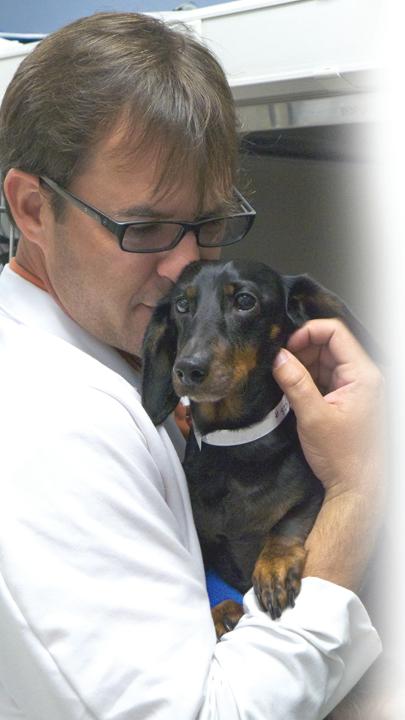
Fido’s Friends dr. matthew murrin
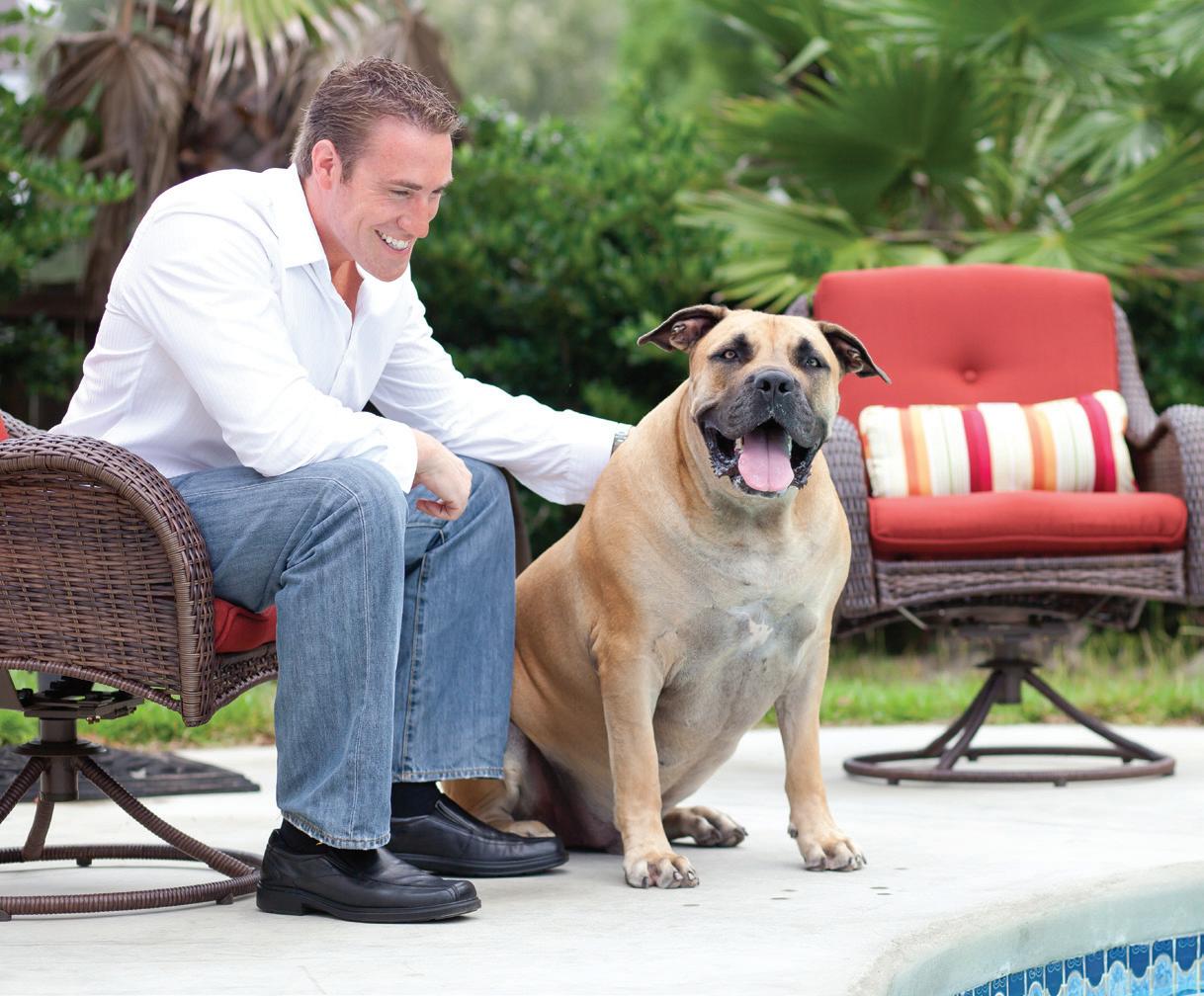
Occupation: Chiropractor
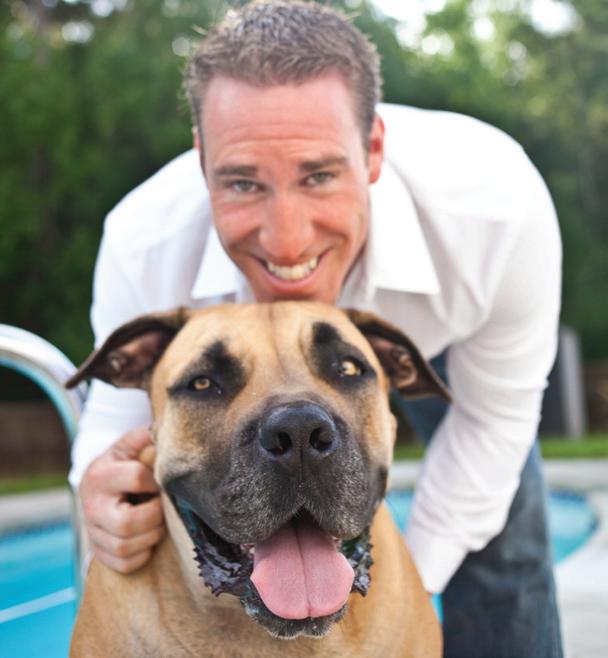
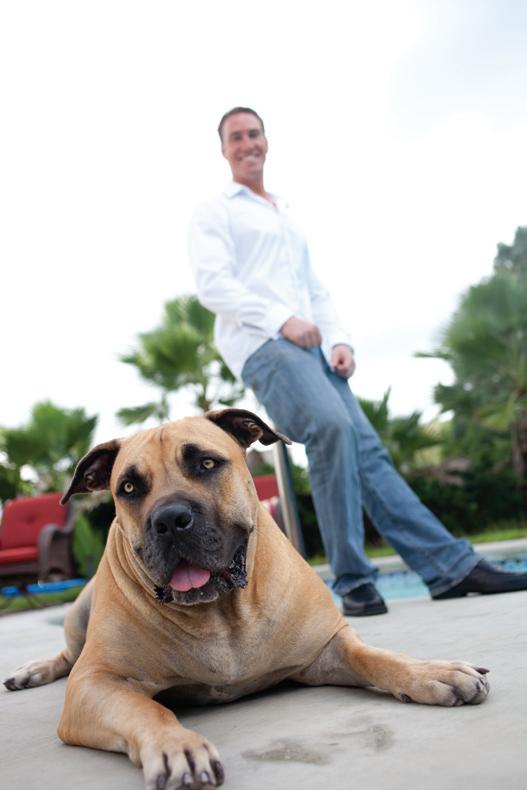
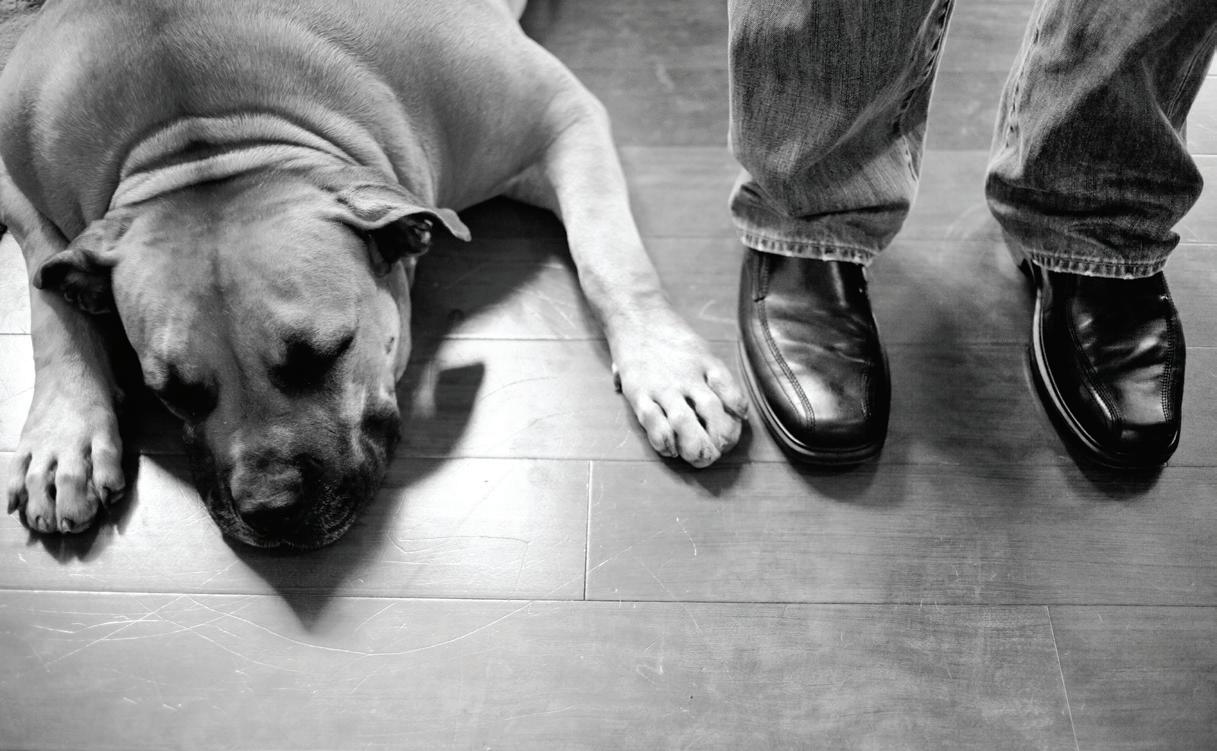
Dogs in Household: One Named: Atlas Lives: Mt. Pleasant
1. What’s the best thing about owning a dog?
Atlas is my best buddy. He goes everywhere with me, and is at his happiest when we are together.
2. What do you find the most frustrating about your dog, or struggle with as a dog owner ?
I love to travel, especially internationally, yet Atlas is too large for travel and that does place restrictions on my frequency of travel. Atlas and I compromise by travelling locally and seeing what the surrounding areas have to offer.
3. All time favorite memory of your dog?
The very first time I brought him to the beach as a puppy. The moment his feet hit the sand it was as if he experienced a whole other world. We have never looked back and make a beach visit at least once a week.
4. Favorite place to hang out with your dog in Charleston? Sullivan's Island.
5. With what aspect of your dog’s personality do you most identify?
I would have to say our social skills. Atlas is very outgoing and thinks that everyone is his best friend. He has never met a stranger.
6. In your opinion, what’s the one item all dog owners must have?
If you have a 202 lb. dog like me, you must have a giant Kong.
7. If your dog were some other sort of animal, what would he be? No question… a Bull.
8. How does your dog inspire you? Or what has your dog taught you about life and work?
I am a very busy, Type A, competitive person. However, thanks to Atlas I have slowed down quite a bit. Atlas is very chill and mellow, so he has taught me to relax, stop and smell the roses, and truly enjoy the present.
9. How do you KNOW you and your dog are best friends?
He is my shadow. I cannot go anywhere without him being glued to my hip. Whether it is in my house or off-leash at the beach he doesn’t leave my side.
10. What’s your favorite thing about Lowcountry Dog Magazine?
I love seeing other dog owners, their love for their dog and their experiences as a dog owner… and of course the great pictures!
photos by Laura Olsen Imagery
The Economics of Saving Lives
Joe Elmore, CAWA, CFRE, PHR Chief Executive Officer, Charleston Animal Society
local animal shelter. I was able to care, and ultimately save, animals on my own schedule, and I didn’t have to worry about their medical expenses or the burden of administrating an organization. Of course, by fostering instead of rescuing, I understood that I would not have control over the animals. However, I was able to save many more than I would have on my own, and for me, saving more lives was my ultimate goal.
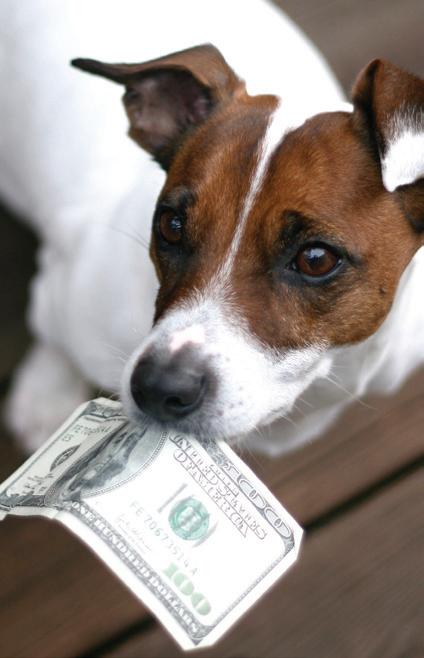
There are a number of published costs of pet care. Rescuing or fostering animals with special needs, mostly medical, multiply those costs. Americans invested a record $13 billion on vet care in 2011 – up 89% from a decade ago, according to the American Pet Products Association. Contributing to that surge is that animals today are eligible for everything from MRIs to stem-cell treatments.
“These days, pets have the same medical opportunities as humans,” says veterinarian Emily Pointer of the American Society for the Prevention of Cruelty to Animals.
As a result, over the life of an animal you can now spend into the tens of thousands, particularly if your pet develops a chronic illness. This compounds the financial burden on animal organizations, whether they are large animal shelters or small rescue organizations.
To put this in perspective, Charleston County, an ASPCA Partner Community, eclipsed the 70% Live Release Rate this past summer. It far outpaces all communities in South Carolina and most across the South. As spay/neuter initiatives continue to mitigate the population of canines and felines, more animals with serious conditions, both medical and behavioral, are being successfully treated, though at a significant cost. Saving animals is not cheap!
When was the last time that you heard about a new rescue organization in the Lowcountry? Difficult to remember, isn’t it? On the other hand, we see more folks joining the foster volunteer ranks each week. The outcome that both rescue groups and foster parents strive for is the same – to give unwanted, at-risk animals a good chance of survival.
While many breeds of dogs are in trouble, the American Pit Bull Terrier is our community’s most at-risk breed. Yet the Lowcountry’s last remaining Pit Bull rescue ceased operations last year. This added pressure to animal shelters’ efforts to save these animals.
Are the economics of assuming all expenses and administrative responsibilities when rescuing animals practical in today’s economy? Should one instead consider becoming part of an army of foster parents working with a local shelter?
Having rescued and fostered animals prior to entering the animal care and control profession, I’ve been able to utilize both strategies to save animals. The best choice for me came down to how many animals I had time and financial resources to save. At the end of the day, I could not continue caring for animals while also paying for their medical expenses and administrating the entire endeavor.
Thus, I decided to enter the foster volunteer program at my
For example, Charleston Animal Society, the Lowcountry’s largest open admission shelter, will spend an estimated $500,000 on the treatment of thousands of animals this year, half of the costs accounting for medications. In addition to treating animals within the shelter, Charleston Animal Society’s foster program maintains upward of 200 animals and beyond in foster homes at any given time, a Herculean administrative undertaking.
• Visit www.SaveMoreLives.org
• Call CAS 843.747.4849 Pet Helpers 843.795.1110
• Foster
• Volunteer
• Donate
• Spread the Word on Facebook
• Blog about Fostering & Adoption
We encourage rescue individuals and organizations to talk with your local animal shelter about the costs of rescuing vs. fostering before getting in over your head, whether you’re a newcomer to this or have been doing it for years. Perhaps there are win-win alternatives that will save the lives of more animals, which is what all of us want. Let’s work together and optimize our volunteer efforts to save animals.
Both Pet Helpers and Charleston Animal Society offer fostering opportunities supported by the ASPCA. Please call one or both of us and participate in fostering. You won't regret saving a life!
Camping Canines
Let us first be as simple and well as Nature ourselves, dispel the clouds which hang over our brows, and take up a little life into our pores.
- Henry David Thoreau"Walden"
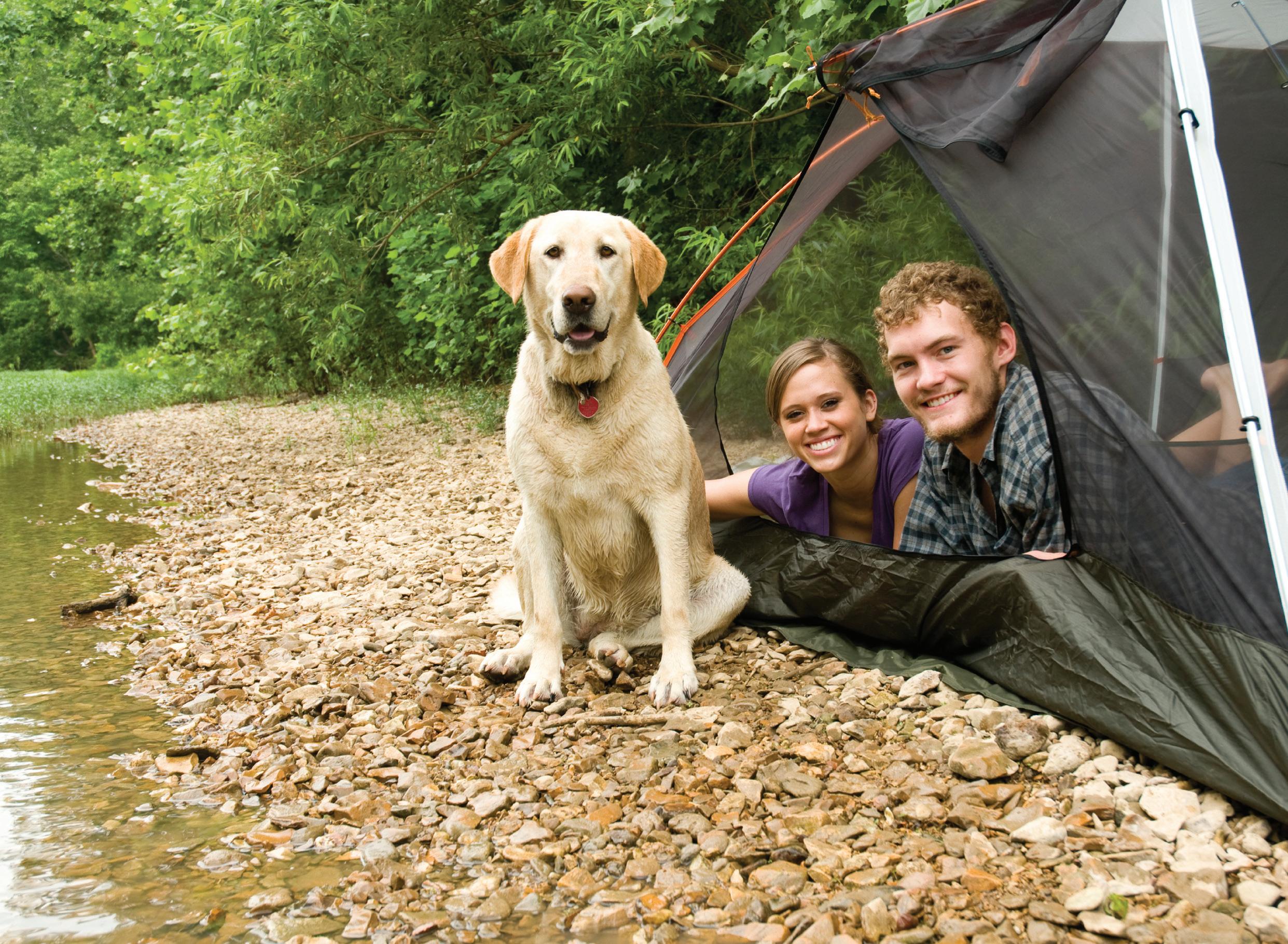
As temperatures fall, many of us will head outside with our pets for adventure in the great outdoors. For dogs there's nothing closer to heaven than a camping trip with their beloved owner. A dog can be a dog on the trails; the sights, smells and woodland sounds are so exciting for them. We humans love it because it's a great bonding experience with our travel mates, both human and canine alike.
If you're planning to include Fido in your camping trips this Fall, it's important to outfit your gear with a few basic things every camping pet parent should have.
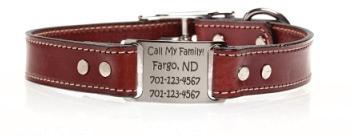
Regular ID tags are prone to snagging on branches, so we encourage you to consider a collar with a flat ID tag embedded in the collar itself. Because collars can also come off, please microchip your animal and make sure your contact information is up to date on the chip.
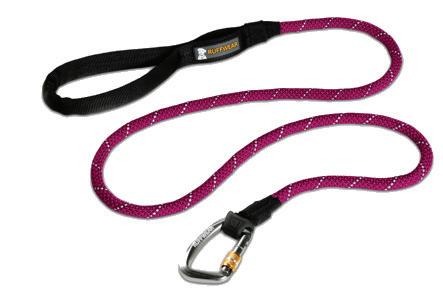
Other preparations to make before the trip include making sure your dog is current on all vaccinations, and giving them their monthly dose of flea, tick and heartworm preventative. Write down the number for the emergency vet clinic closest to your camping site, just in case. Be honest about your dog's abilities off leash. If Fido is not under strict voice control, please leash them. A leashed dog is less likely to get lost, and also doesn't cause problems for others who might be camping in the area. Bring two leashes in case you lose one. Our favorite leashes for rugged activity have carabineer style clasps. Tethers are also a good way to allow your dog to freely roam around the camp site, without getting too far.
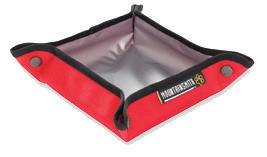
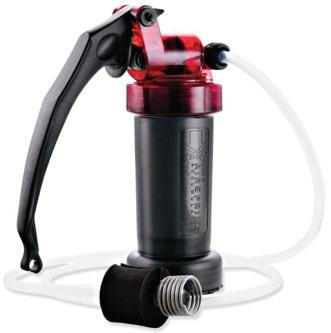
Clean, fresh drinking water is essential to everyone. Instead of lugging around enough water for the entire trip, purchase a water filter and stop often at streams. A collapsible bowl makes water breaks easy for your pooch.
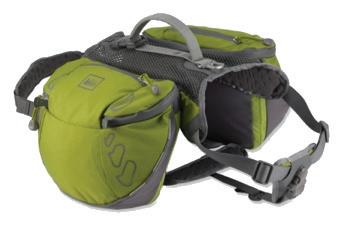
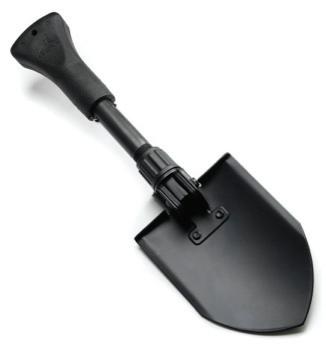
A dog backpack is another essential item worth the investment. Your dog can carry their own food and water to the camp site, as well as a foldable shovel for disposal of their waste. Bury waste 8 inches deep, 200 feet from trails, camp, and water sources, and in a place that will not drain into water during the next storm.
One of the most important items to have in your dog's pack is a Canine First Aid Kit.
Pet Boarding & Doggie Daycare
It’s the playtime that makes all the difference Six indoor play areas. Two outdoor runs with real grass.
Mon-Fri: 7-12 and 2-7 Closed 12-2 Sat: 8-1 and Sun:1-4
Private Training Day Training Behavior Modification Group Classes Cindy Carter, CPDT-KA 843-906-9997 mindfulmanners.net mindfulmanners@me.com
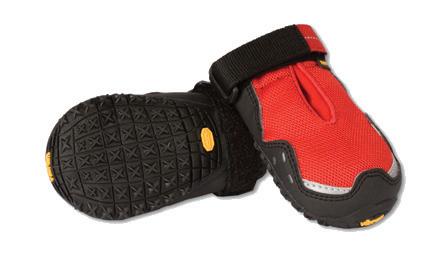
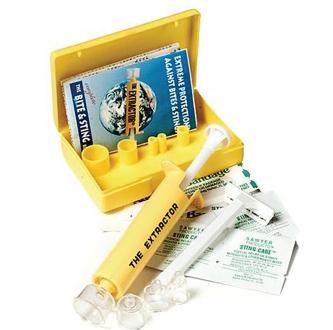
Snake bite kits, Benadryl, triple antibiotic, tweezers (for ticks), Kwik stop, butterfly bandages, vet wrap and waterproof surgical tape are must have items. Also bring along coated aspirin, but give it only if absolutely necessary. Many injuries that happen to dogs in the wilderness are paw injuries. Consider protective booties as a preventative measure, though test your dog's tolerance of them before your trip. Flashlights are needed for late night walks, and we've also been told that glow sticks wrapped around collars are a nice way to keep track of dogs once the sun goes down. Just be careful the glow sticks aren't chewed as the substance inside could be toxic!
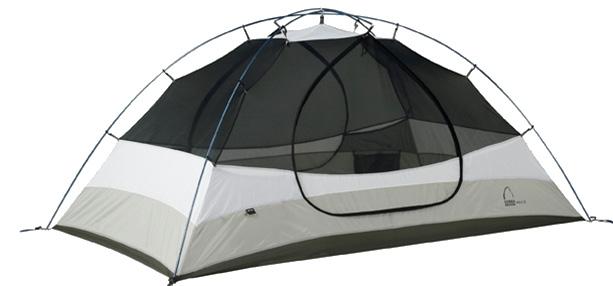
When you're ready to retire for an evening under the stars, you better hope you brought along a big enough tent for you and your dog. Many dogs lose their courage at night, and would much rather be snuggled up next to you inside the tent than on their own outside. Look for tents that have large footprints, extra length, and are tough enough to withstand a dog's nails. If there are three of you including
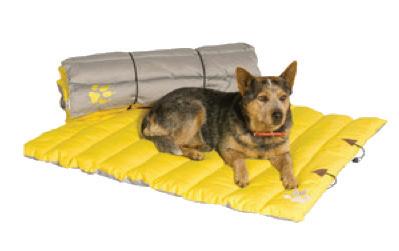
your dog, consider springing for a three person tent. You'll thank us later. Some dogs are fussy about surfaces and have trouble settling at night, even inside the tent with their owners. Bringing along a plush foldable pet bed will help your dog "ruff it" in comfort.
Happy Trails!
Featured GEAR
Sawyer Extractor Pump Snakebite Kit, Ultra Dog Pack, MSR MiniWorks EX Water Filter and Camping Shovel available through REI.
Knot-A-Leash & Grip Tex Boot by Ruffwear. Available at many local outfitters.
K-9 Backbowl available at Mountainsmith.com
Leather Scrufftag nameplate collar available at DogIds.com
The ribbed design and draw string enables the Kakadu Pet Adventure Mat mat to be rolled up and taken with you. Available at www. kakadupet.com
The Zolo 3, with an eight-foot-long footprint, is a three person tent available through SierraDesigns.com
Chewie
commanded to do so.
Local Club Teaches Schutzhund
by Jennifer White
The Charleston Working Dog Club was founded in 2009 when a few like-minded dog owners of high drive dogs came together with a desire to learn more about the sport of Schutzhund and to eventually compete. Not all members are die-hard competitors with high-level titles in their sights, but each member is supportive of the club as a whole and willing to jump in and help any fellow club member meet their goals. You see, when you have a high drive working breed, throwing the ball or taking them to the dog park just doesn’t cut it. They need mental stimulation and challenge as well as a lot of physical activity! Otherwise they will drive you crazy with a spit covered ball in your lap every 2 seconds when you want to relax after a long day at work, or at worst will become vocal or develop behavioral issues. I can’t tell you how many times we’ve been able to correct behavior issues just by giving the dogs what they desire most - to please their person!
Schutzhund, which is now called IPO (Internationale Prüfungs-Ordnung) and goes by international rules, is a sport that is misconstrued by many. It consists of three general phases: Tracking, Obedience, and Protection. The Protection portion of the sport has an unwarranted negative reputation, as many who are unfamiliar see it as “attack training.” Schutzhund is securely founded in obedience and control of the dog’s natural drives and instincts. The dog’s happiness is something that the judge looks for and an unhappy dog that has been pressured to do something that they are ill suited for will not succeed in this sport. People may ask, “why do you teach your dogs to bite?” but the truth is all dogs know how to bite. In Schutzhund, we teach our dogs when, what and where to bite, and most importantly, to “Out” when
Schutzhund originated as a breed suitability test for the German Shepherd Dog in Germany in the early 1900s and was and still is a requirement for breeding. Its purpose was to evaluate our German Shepherds’ innate ability and drive as well as temperament and capacity for work thus ensuring that we perpetuate every aspect of the breed, not just conformation. Since that time, it has become a popular sport with people of all ages and dogs of all breeds from around the globe. Schutzhund clubs are generally places where you will find the whole family (including the non-furry kids) working and supporting one another in a friendly, social, and sportsman-like way.
A Schutzhund trial starts with a temperament test, in which the judge observes the dog around strangers and the dog's reaction to being approached while on a loose lead. Dogs that demonstrate aggression or are skittish in any way are immediately dismissed from the trial. This test must be successfully completed before any trial at any level and helps to ensure that the dogs are safe with strangers and crowds. In order to receive a Schutzhund title (SchH1-3) the dogs must successfully complete all three phases of the sport with a score of at least 70 out of 100 points.
Tracking is our first phase and because scent is the first sense that our dogs develop, can be the easiest to train. Usually practiced early in the morning, Schutzhund tracking is sometimes referred to as “footstep tracking,” as our dogs must keep their noses on the ground, rhythmically moving from footstep to footstep indicating small articles on the track. This is pretty tough, as you never know what the wind will do and what the weather conditions may be the day of the trial. Like anything else, practice makes perfect!
The second phase is obedience. In high-level competition, the dogs are quick, responsive and must be absolutely perfect in their exercises. It is really exciting to watch. One dog will be on the side of the field in a long down while the owner is 30 paces away with their back turned. Meanwhile, another team takes the field to do their routine, which is all off lead and includes
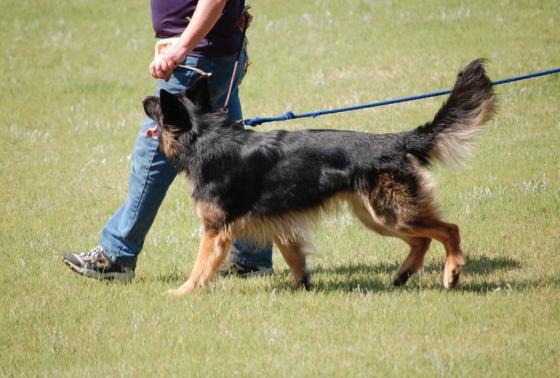
Alyvia White poses with GSD Niko. Photo by Shannon Huffman Slaman. Above Right: John Piurkowsky and his dog Orik perfect focused heeling. Photo by Robyn Sparks.
healing, retrieves with a dumbbell over a jump, an a-frame, and on the flat, as well as a send out. A gunfire test will be done during the routine. Once each team has performed the routine, they will stand in front of the audience and the judge will give a critique and score. One key difference you will see in our obedience is that the commands are all verbal, which is actually quite a bit more difficult for dogs to learn than hand and body signals.
In training obedience we use the dog’s most desirable reward and markers to perfect each exercise. Often times you will see us with a ball on a string being whipped around our bodies while the dogs fly after them, eventually catching their “prey” and playing tug with us as the final reward for a job well done!
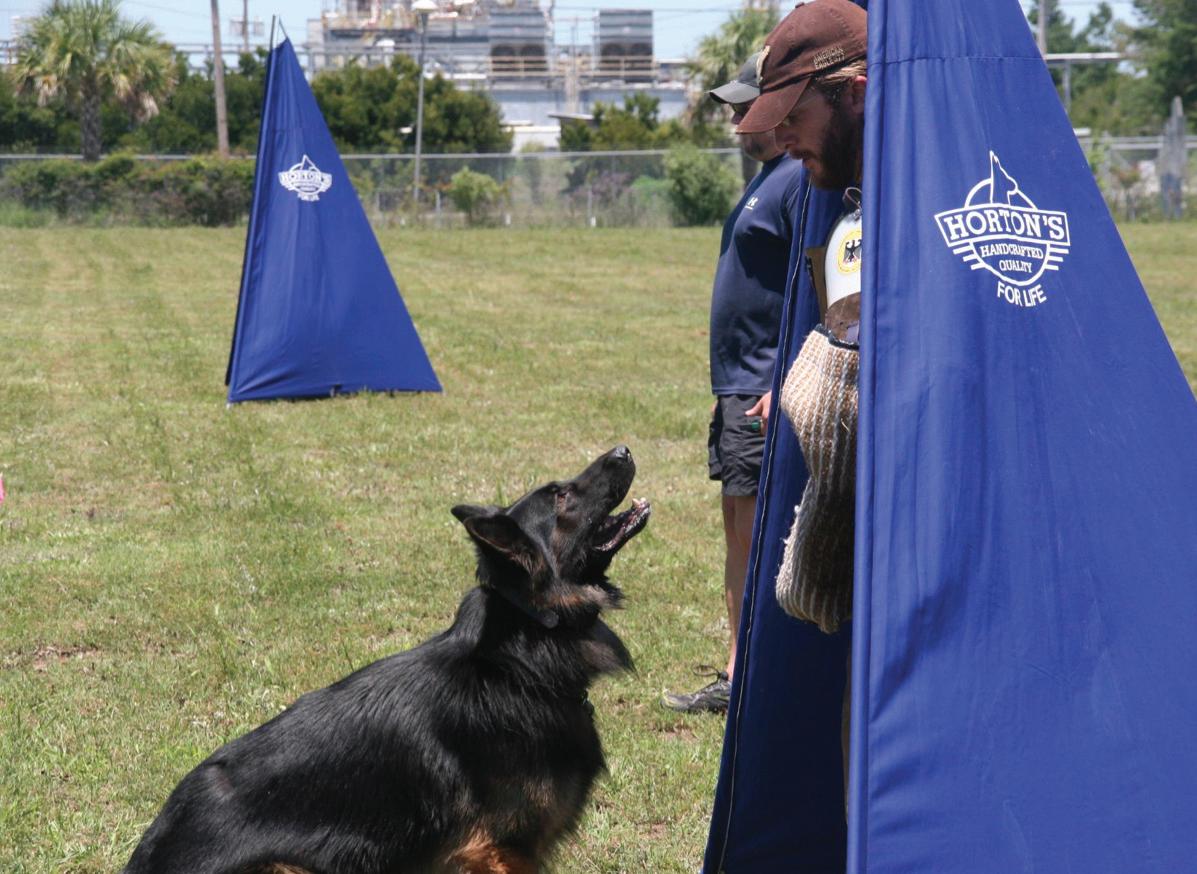
The final phase in competition is protection. Keep in mind this is all simulation and even though this is the pinnacle of fun and excitement for our dogs, they must show absolute control in their exercises or else points will be deducted. In a Schutzhund 3 (SchH3 or IPO3) Protection routine, the dog must run around 6 blinds that are set up on the outside of the field. These blinds look like fabric Tee-Pees. The dog, at the command of the handler will search each blind for the helper, the “Decoy” or “Bad Guy.” Once found, the dog will sit in front of the helper without touching him and bark rhythmically (Bark and Hold) to alert their handler that they have found and cornered the helper. The dog is trained to only bite a jute covered bite sleeve that the helper wears and should not bite unless an escape is made or the helper simulates an attack on the dog’s handler. The judge is constantly taking notes and awarding points for an escape bite, attack on handler, courage test or long bite as well as finally assisting their handler to transport the helper to the judge. Points will be deducted for failure to "out" on command, lack of control, or lack of courage.
This is a very exciting phase and really entertaining, but we couldn’t make it possible without the assistance of a good helper! A helper’s job is to present the dog to the judge so that the judge can assess how well the dog grips or bites the sleeve, and protect the dog and himself from injury. Helpers come in all shapes and sizes. We don’t see as many women, because in order to lift a 70 plus pound dog with your non-dominant arm/shoulder, you have to be very physically strong! In training, our helpers are invaluable, as the protection phase cannot be taught solo. It is exhilarating and an incredibly good workout. We are always looking for strong backs with a desire to learn and there are certainly perks, like discounted membership awarded to certified helpers.
This October we will be hosting the 2012 Southeast Regional Conformation Show for our parent organization, the United Schutzhund Clubs of America. Meow, Bark & Board, presents this event and proceeds will benefit Animal Rescue and Relief, the United Schutzhund Clubs of America’s Youth Scholarship Fund as well as members of our Rescue Village. The event will be held at Palmetto Islands County Park in Mt. Pleasant on October 13th and 14th, and we are flying in Herr Rainer Mast from Germany
as our expert guest judge. The weekend will kick off with a club IPO trial Friday, which is open to spectators and is a great opportunity to see what we train so hard for! Please see our www.2012SERegionalShow.com for more information.
Our goal when we started this club was to create a welcoming, non-threatening environment where people could learn, have fun, and develop an everlasting bond with their dogs. In a sport that is primarily dominated by men, our club has an equal ratio of women to men and a range of fantastically talented people. We also strongly encourage junior handlers and currently have two young ladies who are club members at 10 and 17 years old. They are the future of our sport, and there is something so remarkable about watching a child handle a dog.
We train at the Mead Westvaco-Kapstone Park in Hanahan on Thursday nights and Saturday mornings. If you are interested in joining our club, the first three sessions are free so we can properly evaluate your dog. Please see our club website for additional information, www.CharlestonWorkingDogClub.com
Jennifer White is the President of the Charleston Working Dog Club.
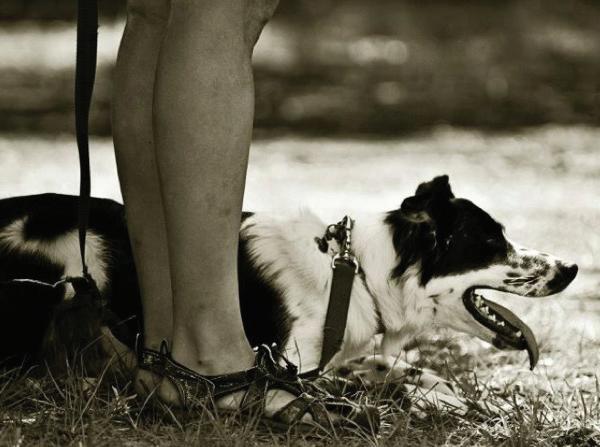
Above: Orik practices a bark and hold in the blind with Frank Hutto. Photo by Robyn Sparks. Below, Fawkes the Border Collie rests beside his handler. Photo by Joanna Wolf.
Real Men LOVE DOGS
text by Jennifer Heisler photography by Laura Olsen Imagery
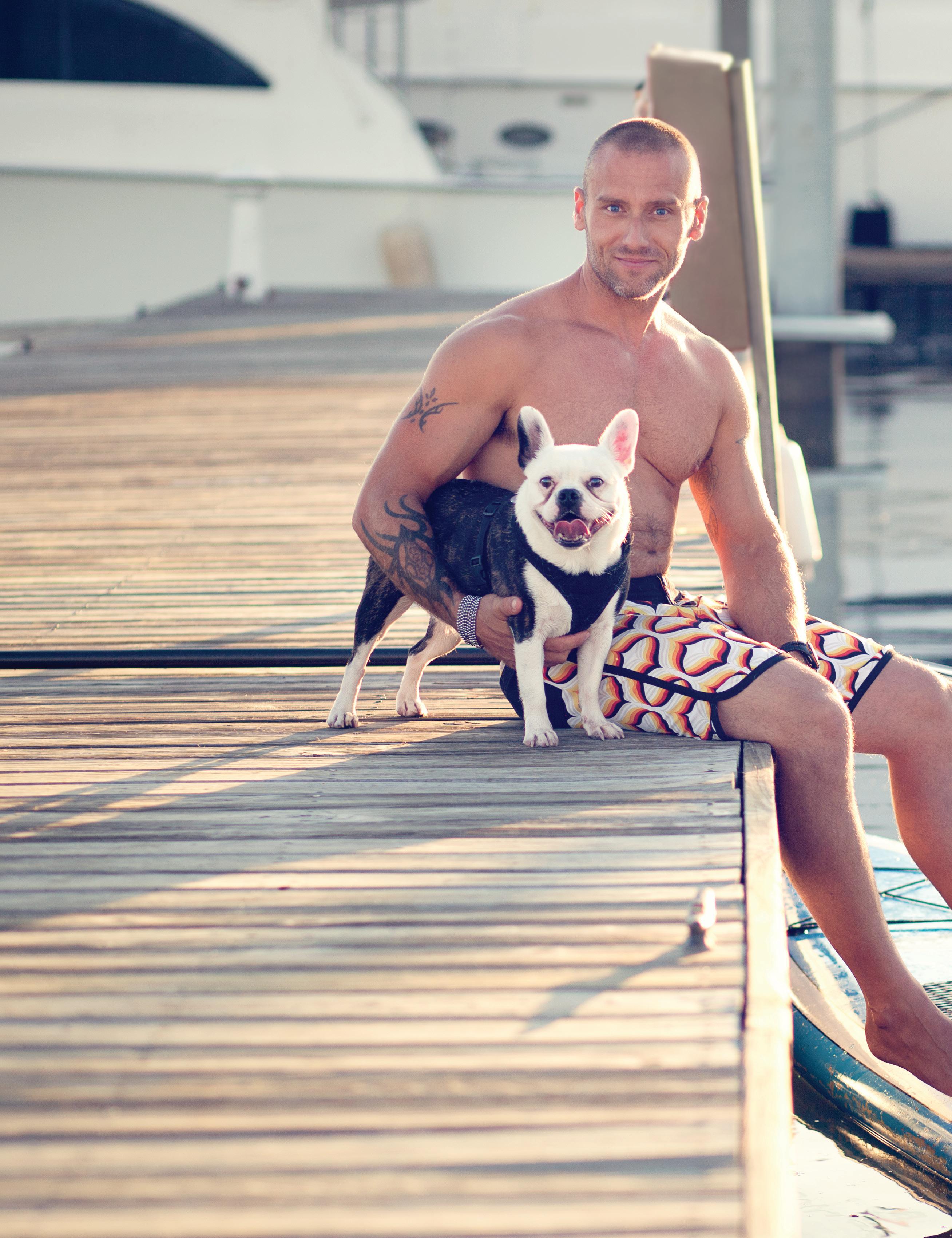
Dean & Daisy
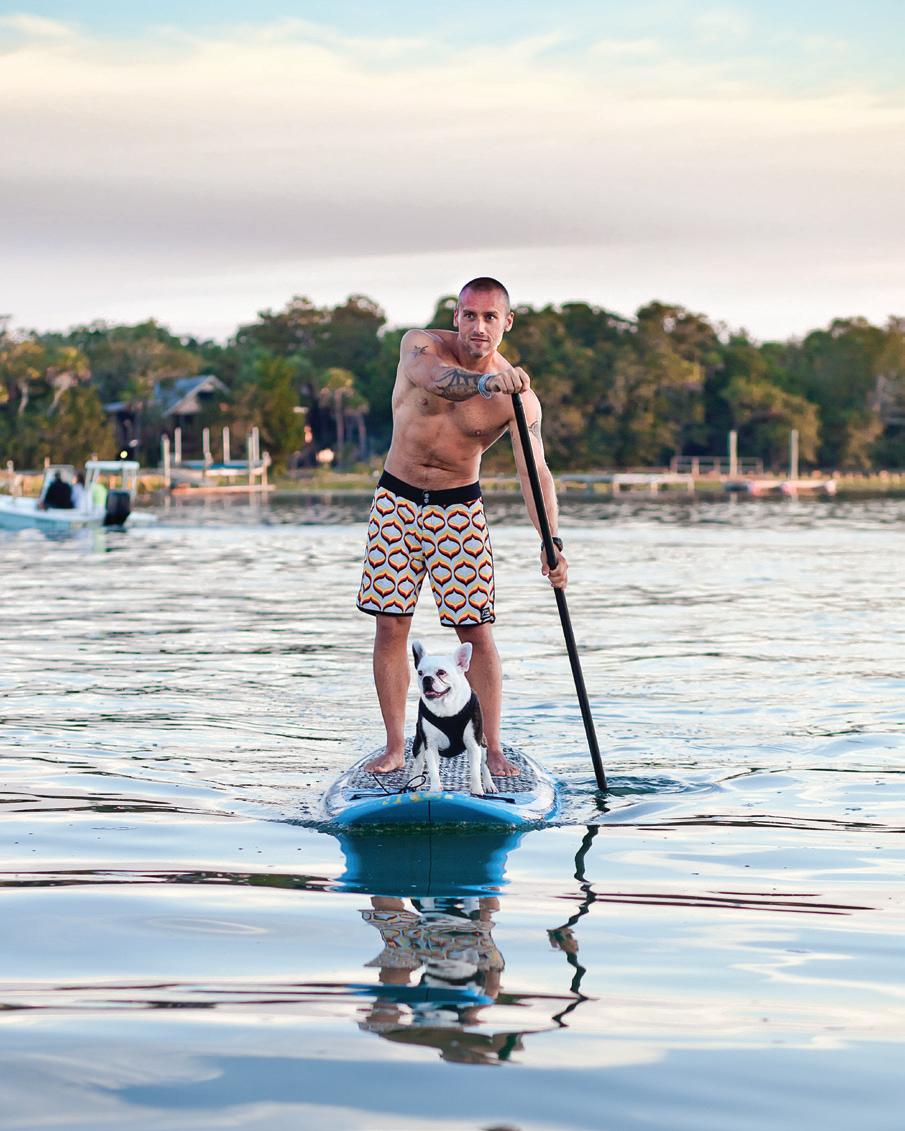
Dean Johnson doesn’t just enjoy paddling the waters of the Lowcountry, he’s made it into a career as the owner of Dean Watersports. It only makes sense that his dog Daisy loves the water too. This four-year-old blend of Boston Terrier and French Bulldog found her way into Dean’s heart when she was just eight weeks old. “She was running around with a deer leg bone in her mouth,” he says of the moment he knew that Daisy was going to be in his life. “She was awesome!”
Daisy’s favorite activity is playing in the surf and waves with Dean. As soon as she sees the water, that is all this little spitfire of a dog can focus on. “One of my favorite things about Daisy is her love for the water,” says Dean. "She really gets stoked about surfing!” Besides being his partner on the water, whether swimming, surfing or SUP, Daisy has also helped Dean appreciate the love that animals have to share. He is positive that the future “can only bring more appreciation, compassion and love because of my Daisy! Plus many great surf sessions together!”
Cory & Kain
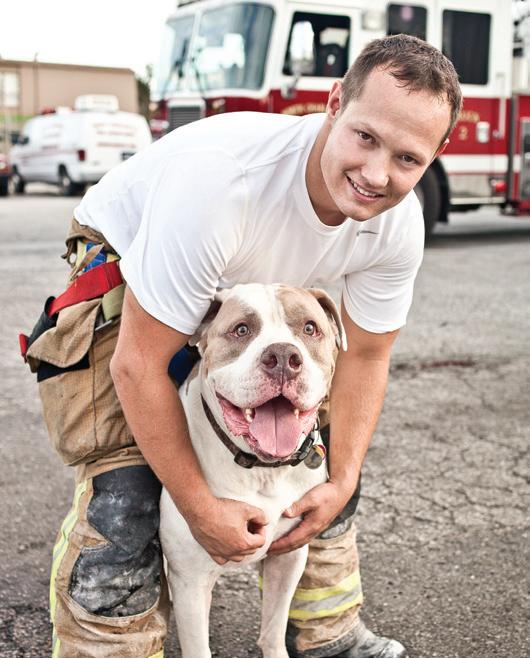
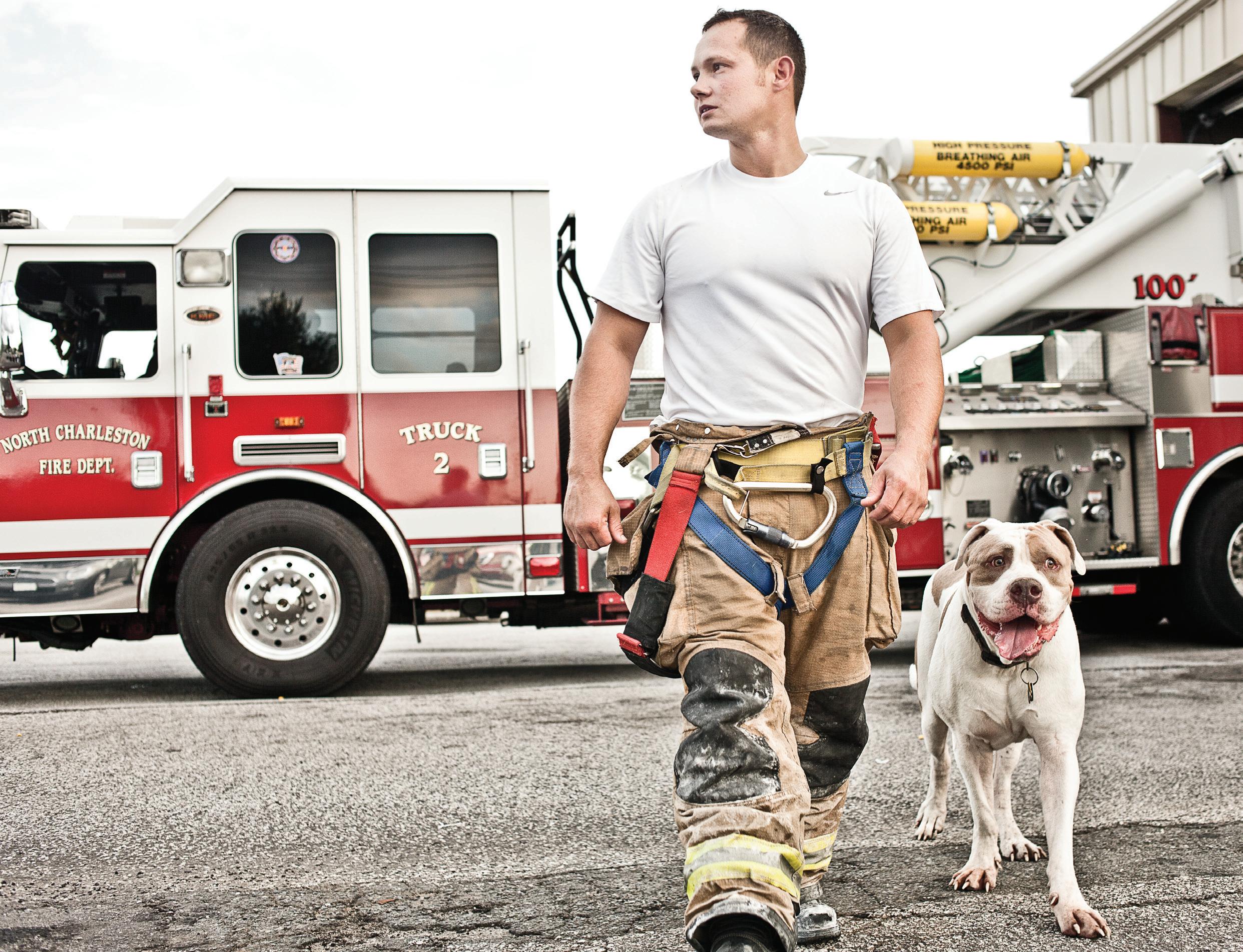
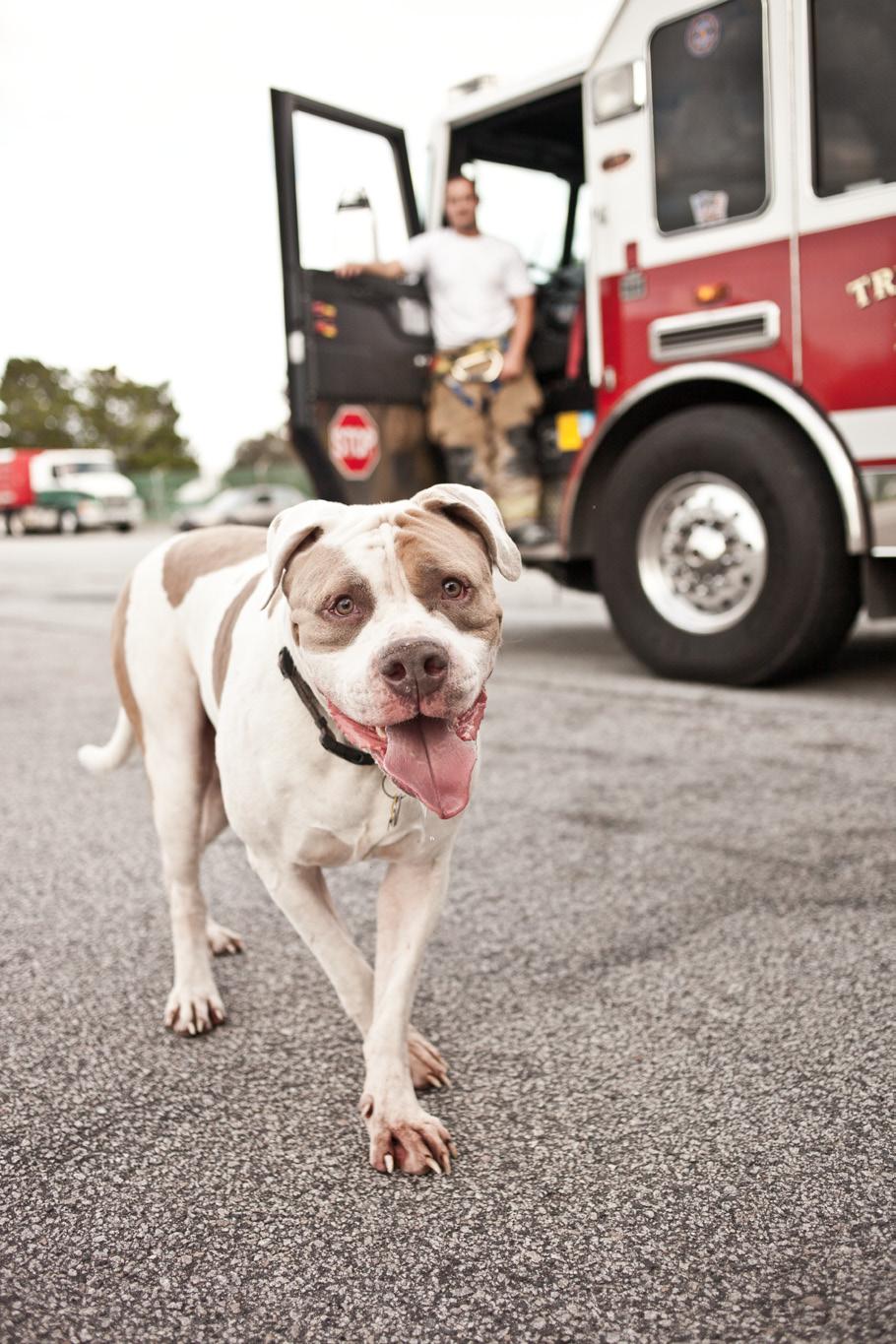
Cory Cash always knew that he wanted an American Bulldog as part of his family. He grew up with his parents breeding American Bulldogs and after Corey spent several years away in college and in the Navy, his family decided to breed one last litter. Kain was born right after Christmas and Cory finally had met his match.
Cory describes Kain as “a giant cartoon goof,” and with Kain's 143 pounds it's easy to understand why. Kain is constantly trying to engage anyone he meets in a game of tug-of-war, even Cory’s fellow firemen in the North Charleston Fire Department. He’s always ready to join Cory in a wrestling match or to hop in the truck and go for a ride. One of their favorite destinations is the beach so that Kain can carry his own leash and splash in the water.
Kain has made Cory a more responsible person in many ways, not the least of which is caring for Kain. Cory explains, “Kain helps me understand unconditional love. I've never seen someone so excited just to see me come home from work. You can't help but laugh and feel better after a stressful day.”
The pair is looking forward to a long, fun life of wrestling matches and acting goofy with no real worries. And from the grin on Kain’s bulldog face, he sure seems to be enjoying his life with Cory.
Spencer
& Dawson - Reader's Choice!
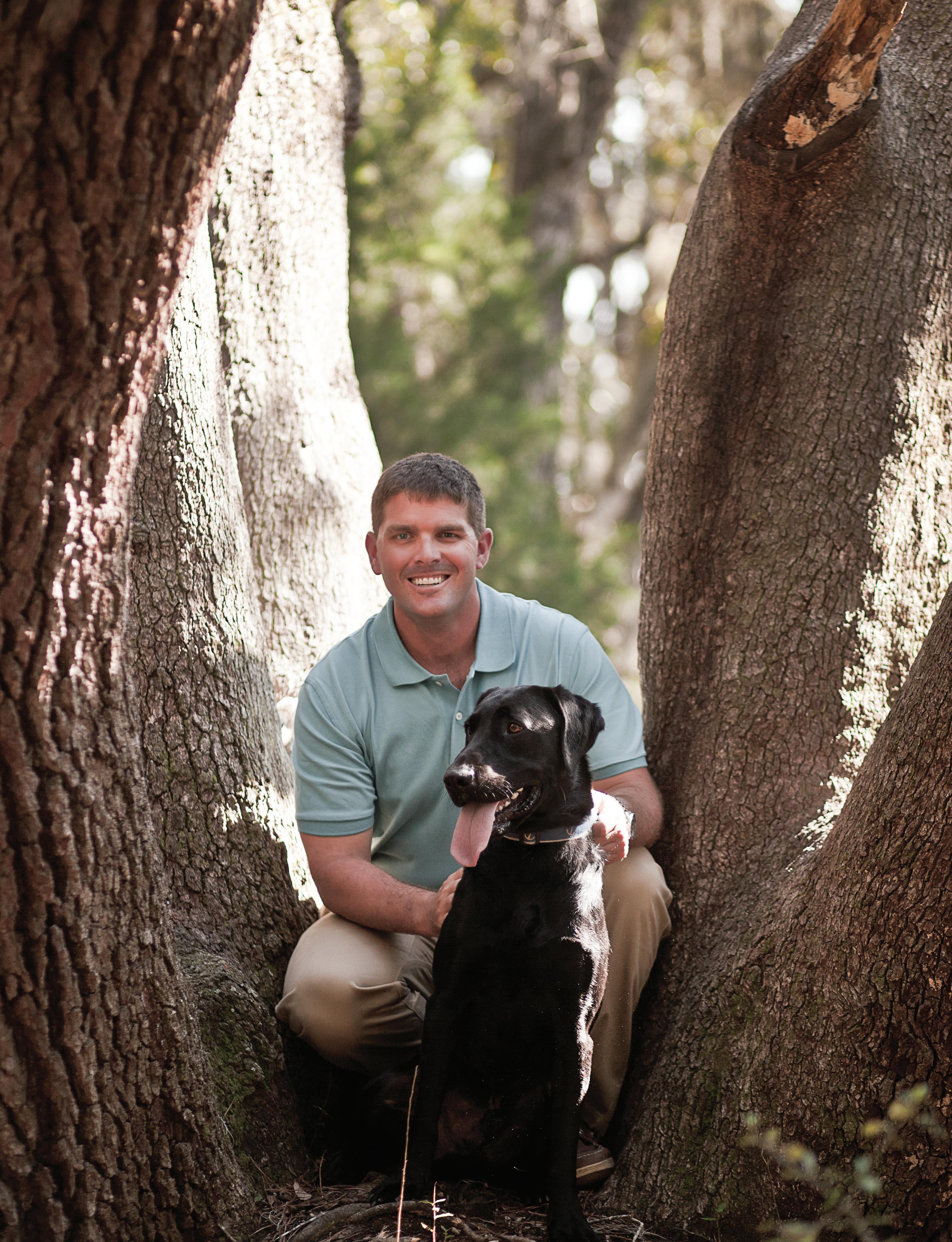
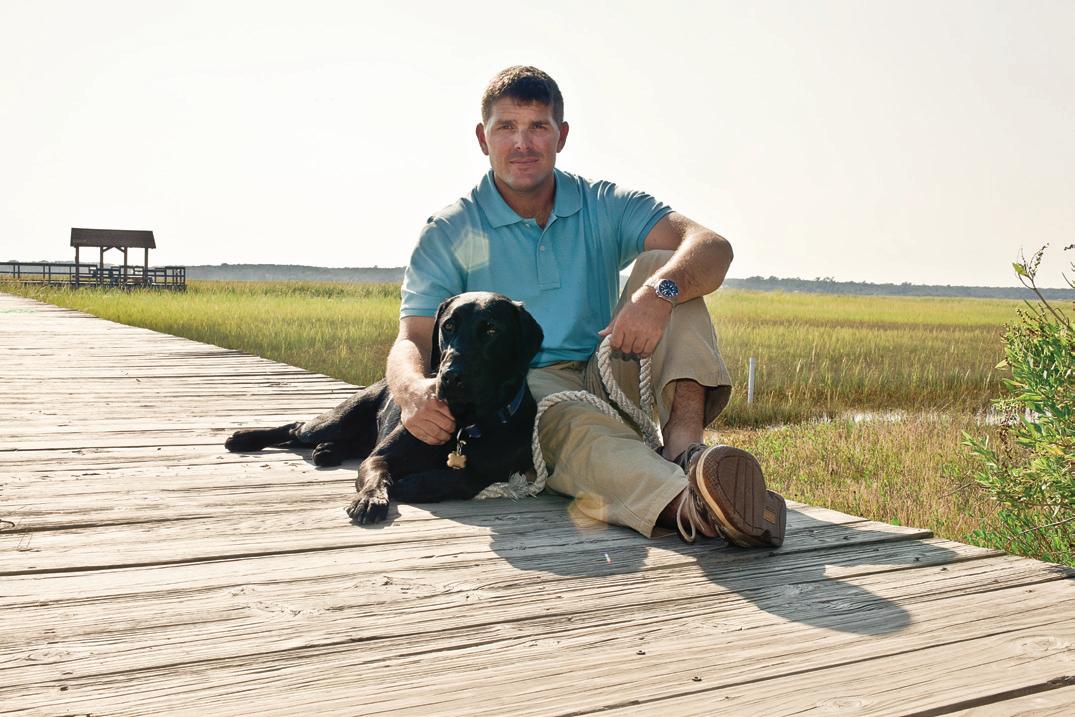
Spencer Williams and his dog Dawson are the epitome of the phrase “a dog is man’s best friend.” Interestingly, Spencer didn’t choose Dawson, rather his fiancée Ashton found the personable black Lab and brought him home. Since that day the pair have been inseparable. As Spencer jokes, "Dawson has to know what is going on all the time.”
Since returning home from a tour of duty in Iraq, a favorite activity Spencer shares with Dawson is boating. Spencer laughs as he recalls a recent adventure. “The other day I took him out in the boat for a fishing trip. I was catching bait in my cast net and as soon as I made my first cast he jumped right on top of the net and got tangled up. Apparently, he thought it was a game that he couldn’t miss.”
Spencer describes Dawson as “a bit of a goofball” but at the end of the day, he says, “Dawson’s loyalty is unmatched. Rain or shine Dawson is always there for me.” Dawson has taught Spencer a lot about just being a good person. “His always positive personality is certainly something I’ve paid attention to.” While they aren’t sure what tomorrow will bring, Spencer and Dawson are living it up while they have the chance.
Xan & TAJ
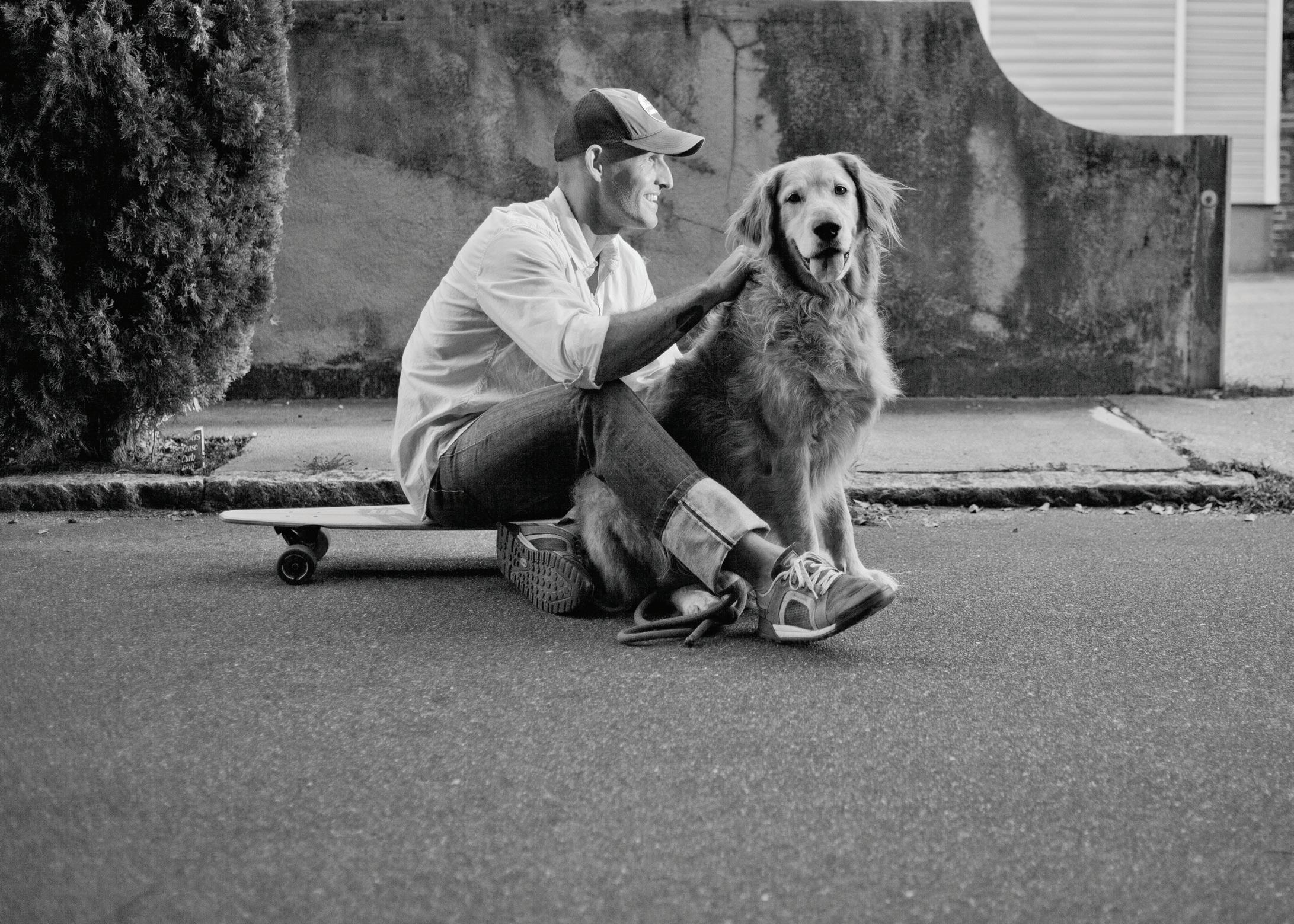
There’s a gleam in TAJ’s eyes that is mirrored in his human’s eyes. It’s a playfulness and desire for adventure that keep this outdoorloving pair looking forward to each and every day together. Xan Grayson rescued TAJ, now a 7-year old Golden Retriever (and part Orca, evidently), after the dog began his life tied outside and ignored on Pawley’s Island. Xan, having grown up with Goldens, knew he wanted a 4-legged partner who would be by his side both here in the Lowcountry and wherever his travels as an adventure travel guide might take him.
“He’s always there for me, a great shadow to have,” says Xan. Since TAJ can unlock any door, gate, and fence, climbs ladders and obsessively collects tennis balls, it’s a good thing that he gets along with everyone--human and dog.
Many of their activities focus on the water. If Xan goes surfing, TAJ isn’t content to sit on the shore. He’ll punch through a wave and fully submerge his head to join in the fun. Xan also loves to duck hunt and so does TAJ. One day Xan took Taj out to a hunt and without training, he just started retrieving ducks. "He even found the downed foul the other seasoned bird dogs couldn't seem to find," Xan proudly recounts.
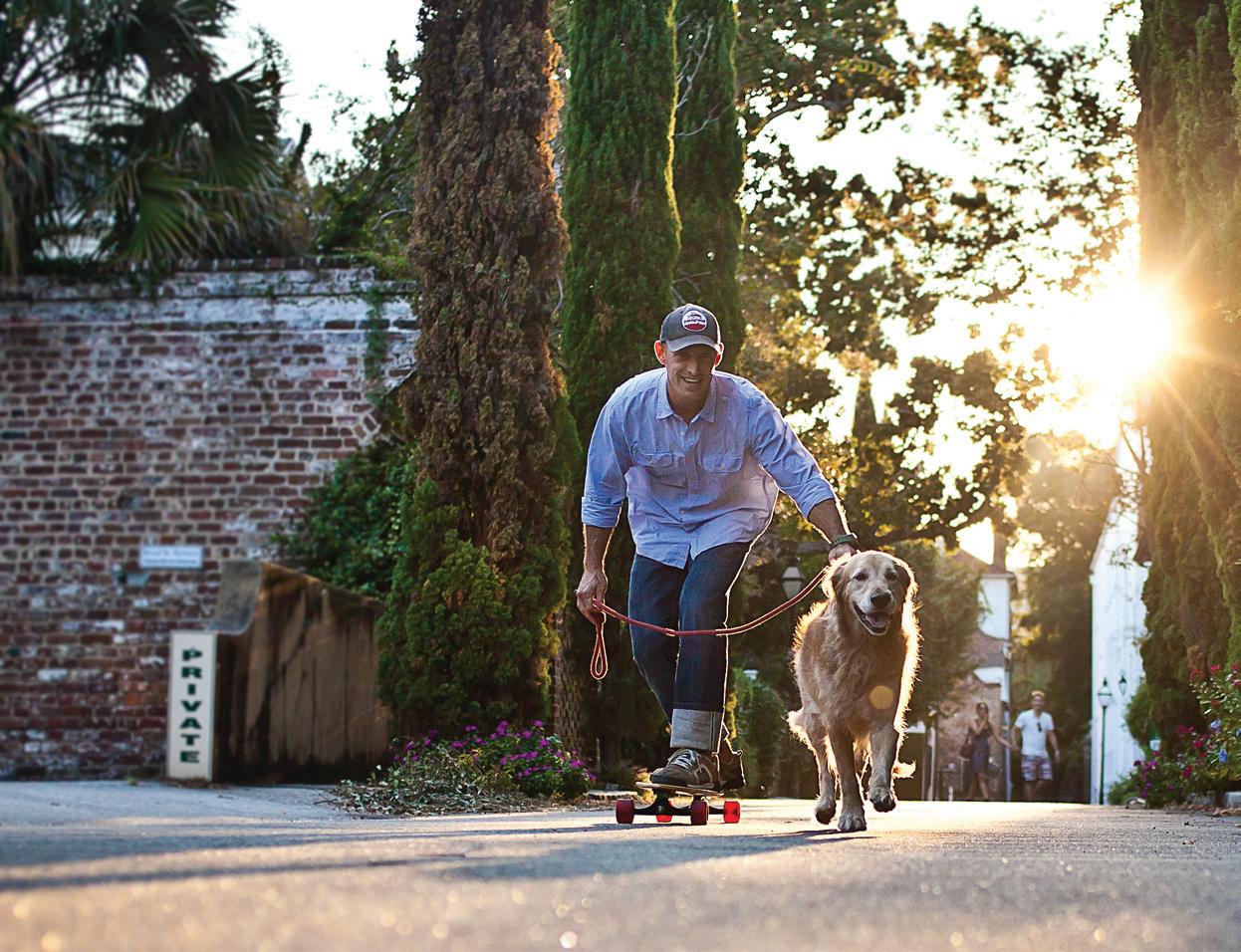
The adventures haven’t stopped for Xan and TAJ. They still skateboard through the streets of Charleston and travel as often as possible. Xan thinks that TAJ has shown him that “being positive and focusing on the good is all that matters. No matter what happens, there’s always tomorrow.” And for this pair, no one knows what adventure is just around the corner.
every saturday pet helpers adoptions at petco, west ashley. www.pethelpers.org for more info.
every saturday cas adopt-a-thon at petsmart mt pleasant. www. charlestonanimalsociety.org for more info.
october frwspca adoptahons 20th-21st frwspca adoptathon at summerville petsmart, november 17th at pet lovers warehouse, and november 27th at summerville petsmart.
october 6th blessing of the beasts. The Friends of Colleton County Animal Shelter (FoCCAS) along with St. Anthony’s Catholic Church will host a Blessing of the Beasts. Father Kendall will give the traditional blessing at 10:00, 12:00 and 2:00. Donations of paper towels, Dawn dishwashing liquid or money will be accepted to help the animals in the shelter. St. Anthony's Catholic Church, 925 South Jefferies Blvd, Walterboro, SC 29488
october 7th 12:00pm fore! paws! charity golf tournament. Shotgun start at 12 noon at the Miler Country Club in Summerville, SC. Captain's Choice tournament with all proceeds going to the Foster Medical Fund at the Frances R. Willis SPCA. Click to www.summervillespca.org
october 12th-14th schutzhund se regional show, breed survey & club ipo trial. Hosted by the Charleston Working Dog Club. Saturday: SE Regional Conformation Show with SV Judge Rainer Mast. Click to www. charlestonworkingdogclub.com for more info.
october 12th-14th frwspca 40 year anniversary celebration! Take $40 off on ALL adoptions. Join in on the fun and bring home a forever friend!
october 13th 10:00am grateful goldens rescue 1st walk in charleston. Walking history tour of
the Historic District and pot luck picnic. Reservations may be made by phoning 866709-8687. Suggested donation is $20.
october 14th 4:00pm pet safety sunday: pet basic first aid. november 4th: pet cpr. Learn how to help at home before transport to the veterinarian: Choking, lacerations, broken toe nails, wounds, snake bites, approaching an injured pet, how to transport an injured pet, seizures and more. This is NOT a certification course. Call Veterinary Specialty Care at 843-6069100 to register.
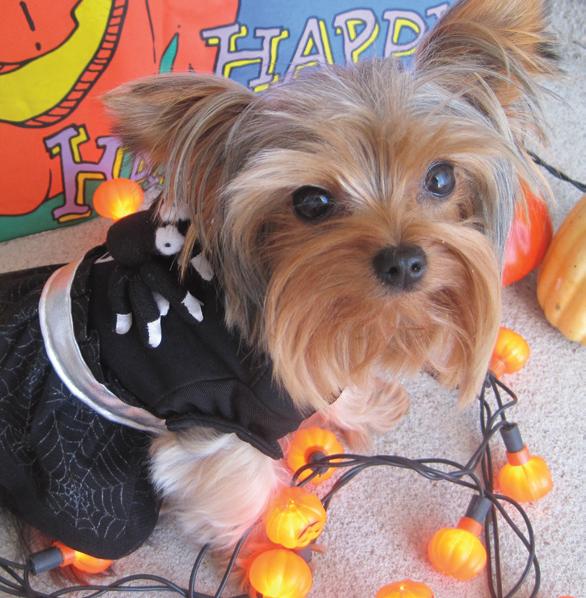
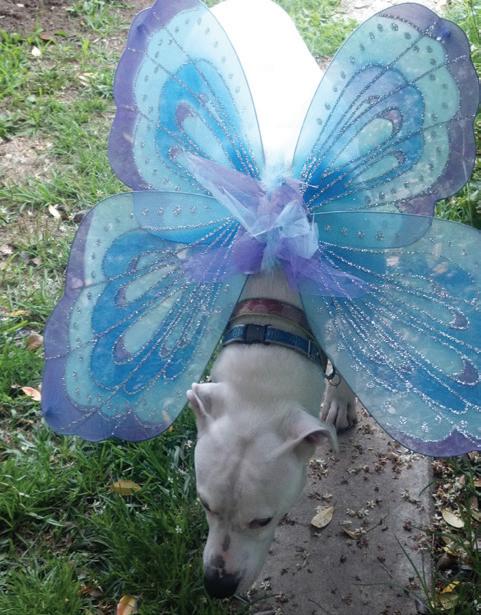
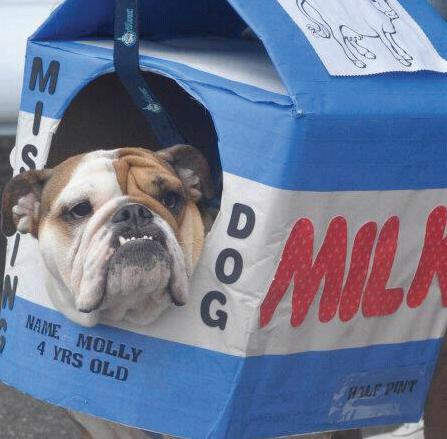
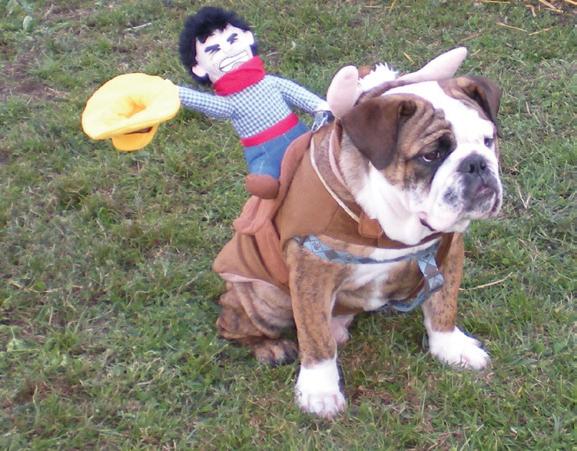
october 20th 1:00pm-6:00pm dogtoberfest. Attention, pets of the Lowcountry! Put on your best Halloween costume, and bring yourself and your human to our annual Dogtoberfest wine tasting and pet expo at Freshfield's Village! This event will benefit local animal rescues, with organizations on site to answer questions and display a selection of adoptable pups. Wine tasting tickets are $15 per person. To purchase tickets please contact jessica.richardson@kica.us
october 27th & 28th 8:30am lowcountry dog agility judy reilly seminar. Open to beginner dogs who have not yet earned a title and advanced dogs. The cost will be $100/per day. Register at www. lowcountrydogagility.com
october 27th 1:00pm hairy winston & pet helpers annual costume contest. Register starting Oct. 15th at Hairy Winston with a $10 donation to Pet Helpers. Great prizes and lots of costume categories!
october 28th 4:00pm- 6:00pm my three dogs howl-o-ween party. Treats, free food and drinks. Prizes will be awarded for the people and canine costume contest.
november 2nd the 8th annual pet helpers fur ball! "the roaring ‘20s." Marriott Hotel on
events
Lockwood, Crystal Ballroom. $150, all inclusive. Live entertainment; Silent and live auctions (including the chance to bid on a Lowcountry Dog cover story about the topic of your choosing). Click to www.pethelpersfurball.com for more information and to purchase tickets.
november 3rd, 12:00pm-4:30pm introductory therapy dog workshop. The course, presented by the Southeastern Therapy Animal Resources, will take place at Franke Home (1885 Rifle Range Road, Mount Pleasant, SC 29464). Class size is limited. For registration, contact fluffydogtherapy@comcast.net or 843-991-6723.
november 4th 2:00pm-5:00pm 3rd annual pooches for patriots. The public is invited to the 3rd Annual Pooches for Patriots to be at the Charleston Rifle Club. Proceeds from the event will go directly to support the training of service dogs for placement with veterans with disabilities. Tickets are available for purchase in advance at www. PoochesForPatriots.com for $10/person.
november 10th & 11th at 8:30am lowcountry dog agility stuart mah seminar. Beginners to advanced. The cost is $130/per day. Register at www. lowcountrydogagility.com
november 17th 1:00pm the 13th annual cas celebrity chili cookoff & oyster roast. Witness the spirited rivalry between local celebrities and other notables while tasting the award winning chili, shucking endless oysters, enjoying local beers from Palmetto Brewery, listening to music from amazing local musicians, and supporting a great cause. Tickets are just $35 in advance for adults and $10 for kids.
Questions? Comments? Call 843-478-0266. Want to submit event information? Visit www.lowcountrydog.com and click on Add an Event. We will do our best to include your event as space allows. Our online calendar lists all events in full.
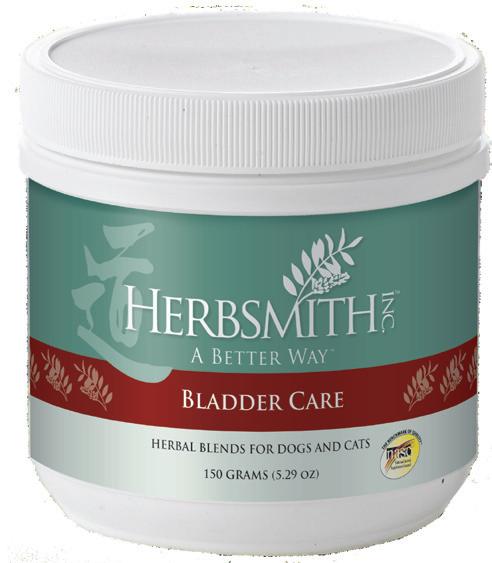
Bladder Health
by Chris Bessent, DVM
When bladder and urinary tract infections occur in pets, a veterinarian’s first reaction is to prescribe antibiotics with a prescription diet and send them on their way. However, holistic veterinarians have a variety of means including herbal formulas and dietary recommendations to not only treat bladder and urinary tract infections, but to support healthy bladder function.
Chinese theorists conjecture that bladder infections are due to damp heat in the bladder, meaning there is swelling to the tissue of the bladder. Typically this swelling can be attributed to changes in the pH of the urine. The pH changes create an environment in the bladder favorable for bacteria to “set up shop” and create an infection.
The best way to treat and prevent these infections is to drain the damp heat and change the internal environment of the bladder.
Types of Stones
Before discussing products to help treat and prevent bladder and UT infections, we have to take a look back at the types of crystals and stones created when damp heat is present.
Struvite stones are the most common cause for obstruction in the urinary tract and are nearly impossible to pass. These struvite stones are composed of magnesium, ammonium and phosphate and are primarily caused by dietary
magnesium. They also thrive in high pH alkaline environments. Prescription diets lower the pH and magnesium levels, which is helpful to prevent struvite formation. However, because we have created a more acidic environment in the bladder by lowering magnesium levels and not resolving the base problem associated with the damp heat, pets have started to develop more calcium oxalate crystals, which thrive in acidic environments. By the late 2000’s we started to see a fairly even amount of struvite and oxalate stones. So by acidifying the urine, we changed the type of stones that were developing.
When veterinarians realized that the calcium oxalate stones thrived in acidic environments, they took a look back at the composition of the prescription diets to try to combat the now stronger calcium oxalate stones. By changing the prescription diets yet again, the number of calcium oxalate stones decreased, and we are once again seeing a higher percentage of struvite stones. It’s an unfortunate predicament.
There are several other types of stones including urate, cystine, and silicate, which form in acidic environments and calcium phosphate stones, which form in alkaline environments. However, these stones only occur in about two percent of the cases and are primarily genetically based.
There a number of available holistic means available to not only treat UTIs when they occur, but also to support bladder health and maintain a cool, dry bladder environment.
Herbs to Support Bladder Function
Holistic veterinarians use a variety of Chinese herbs to help treat bladder and urinary tract infections as well as help support bladder function. These formulas help to prevent bladder infections by maintaining a cool environment in the bladder and supporting the urinary tract system. Several formulas are also used to
directly treat UTIs when they occur.
Akebia is a flowering plant known for its draining and cooling abilities. It aids in eliminating damp heat from the bladder as well as promotes healthy urination.
Plantago seed and Talcum powder both promote healthy bladder function and drain damp heat. Talcum is also helpful in calming the pain associated with urination. Other cooling and draining ingredients include polygonum, dianthus, gardenia and licorice root.
Rhubarb root is known for its natural ability to empty the system of waste. Its fiber content supports colon function along with healthy bowel movements.
Another supportive Chinese herb is rush pith. Besides clearing heat from different areas of the body, rush pith is also a mild diuretic, especially helpful in treating painful dribbling.
In addition to the aforementioned herbs that are used to both treat and support bladder health, cranberries acidify the urine, making it an unfavorable environment for most types of bacteria to survive in. Cranberries also have the ability to attach to bacteria such as E-coli and prevent it from attaching to the bladder wall. Another added benefit of cranberries is that they contain salicyclic acid, a natural anti-inflammatory.
D-Mannose is a simple sugar that works in a similar way to cranberries by also decreasing the ability for bacteria to adhere to the bladder wall.
Another method holistic veterinarians have found effective in supporting bladder health in cats is oral glucosamine. A portion of glucosamine enters the urinary tract system to be urinated out and forms a mucus coat on the bladder wall. In turn, bacteria, such as e-coli, cannot adhere to the wall. Unfortunately in cats, struvite can occur without any infection present.
You Are What You Eat
In addition to herbal formulas, Chinese theories promote the food energetics idea, “you are what you eat.” A pet’s nutrition supports organ function throughout the body, and the correct diet can make all the difference. Thus, the most important way to support a pet’s bladder health is to monitor their nutrition.
Dietary magnesium is looked at to
Canine Rehab by Artise
Interest in pet physical therapy began in the late 1980’s and early 1990’s when owners started demanding better quality care for their pets. Many humans were undergoing surgery and being sent to rehabilitation, so why was this not available for their pets? At the same time many veterinary organizations and some human physical therapy organizations started publishing research and forming interest groups related to canine physical therapy. In 1999, the first physical therapy certification program in the US was established at The University of Tennessee, which taught their students about different modalities, techniques, and sciences behind physical therapy in animals.
Since the 1990’s, the technology and interest in animal rehabilitation has skyrocketed. Just as in human rehabilitation, the goals of animal rehabilitation are to restore function, increase mobility, promote balance, decrease pain, encourage healing, facilitate circulation, and enhance conditioning. Today there are a multitude of conditions in which rehabilitation is used: orthopedic injuries such as cruciate disease, spinal cord injuries such as intervertebral disc disease, fractures, neurologic conditions such as degenerate
diseases, trauma, wound therapy such as burns, arthritis, obesity, sporting injuries, and agility conditioning. Just to name a few!
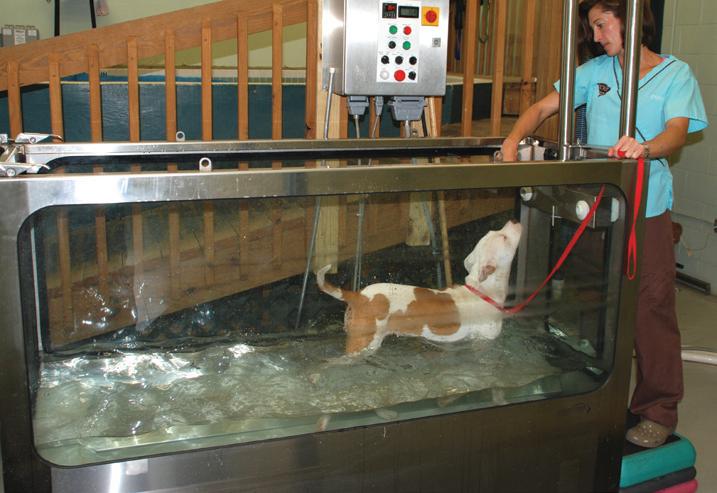
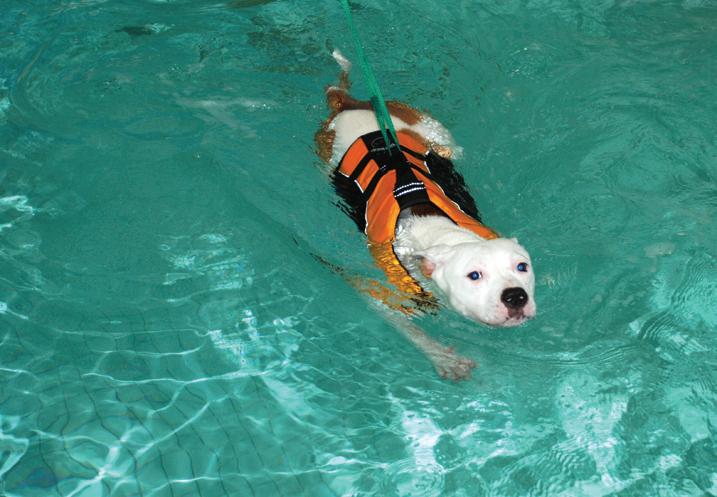
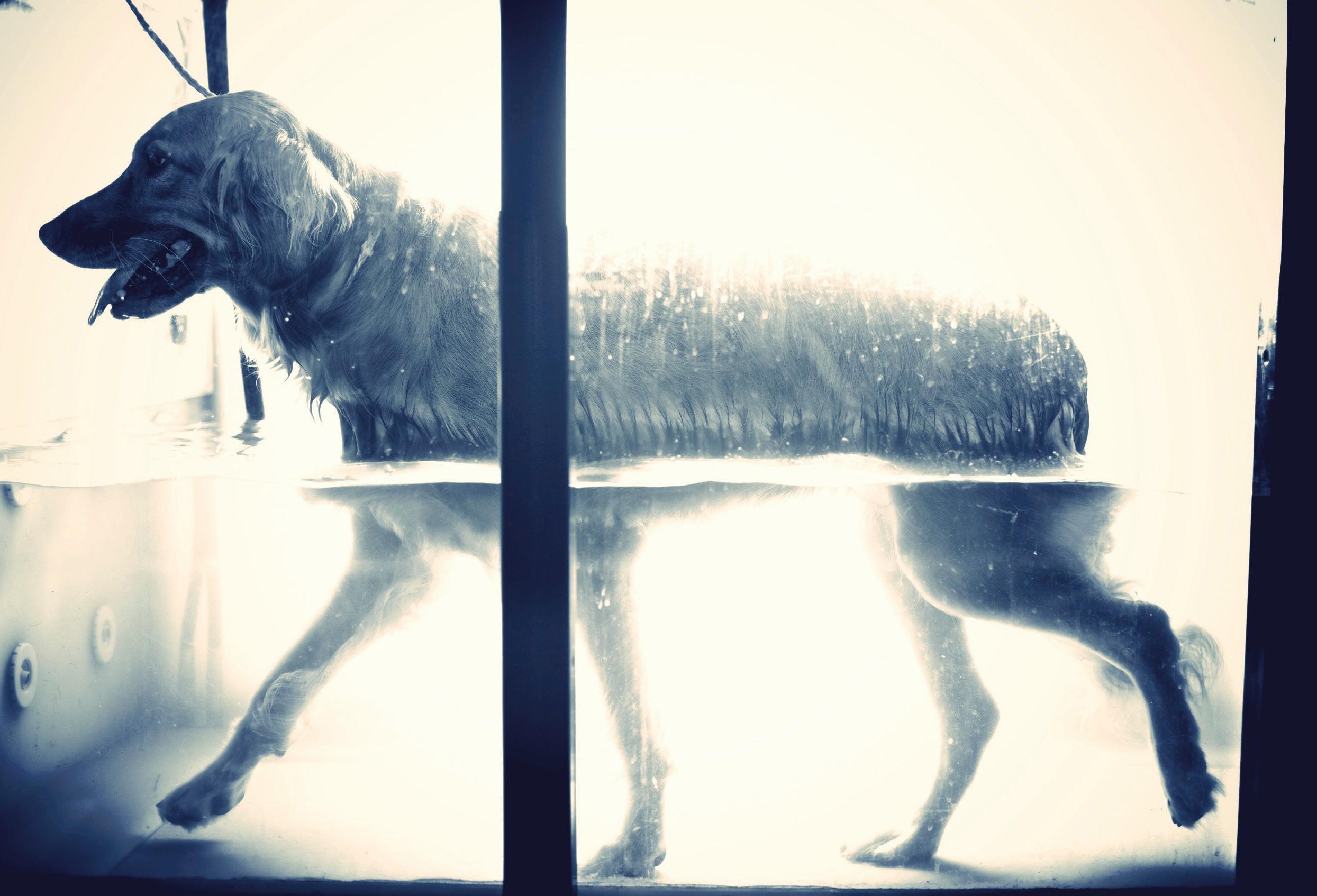
New techniques and technologies are constantly becoming available in animal rehabilitation. The most commonly known rehabilitation therapy is aquatic therapy. This may include swimming or walking on an underwater treadmill. A variety of conditions such as neurologic diseases, obesity, and osteoarthritis can benefit from aquatic therapy. Aquatic therapy is also very helpful for pets that may be in discomfort when bearing weight on the affected leg. Most pools are heated which also provides a certain degree of pain control, especially for those dogs with osteoarthritis.
One of the newer modalities to veterinary medicine and rehabilitation is laser therapy. Therapeutic lasers do emit a small amount of heat but work by releasing photons, which stimulate the cells in the body. A whole series of cellular reactions occur which help to accelerate healing and reduce inflammation. Laser therapy also induces endorphin release and blocks some of the nerves that detect pain. This helps to alleviate pain from acute conditions such as post-surgical pain and chronic conditions such as
osteoarthritis.
Therapeutic exercises are also a form of animal physical therapy, which are most commonly performed at a rehab session and then used as home exercises. There is lots of fun equipment such as large physioballs, balance boards, tunnels, cavaletti rails, balance disc, and bosu balls. Most of these exercises are used for strengthening, stretching, and balance control.
There are also many other modalities, which are used today in our pets for physical therapy such as neuromuscular electrical stimulation, transcutaneous electrical stimulation, therapeutic ultrasound, acupuncture, thermotherapy, and shock wave therapy. As the interest in physical rehabilitation grows, so will the modalities that are used for different conditions. Today physical rehabilitation has become the gold standard for not only general veterinarians but also for veterinary neurologist and surgeons. We know the value that is placed on physical therapy in people and the same is true in the benefit our pets receive from physical therapy.
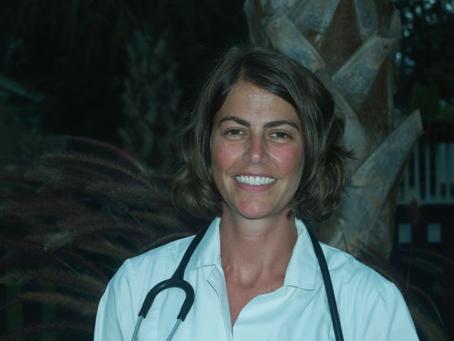
Dr. Artise Stewart graduated with her DVM from The University of Tennessee in 2005 and worked as an associate veterinarian in Seattle and Boston before moving to Charleston in 2010. After experiencing many clients who wanted alternative therapies for their pets with osteoarthritis, Dr. Stewart became interested in pursuing a certification in physical therapy and rehabilitation. Through her training she learned rehab techniques for sports injuries, surgical repairs, neurologic conditions, weight loss, and osteoarthritis, amongst others. Dr. Stewart is part of the team of specialists at the Charleston Veterinary Referral Center, and is working closely with the surgery and neurosurgery departments, in addition to seeing referrals from area veterinarians. Day 3, we discovered why the out of sight
Stewart, DVM
Photo by frank3.0, FLickr Creative Commons
Photo taken at the LSU Vet School.
photography school
student work
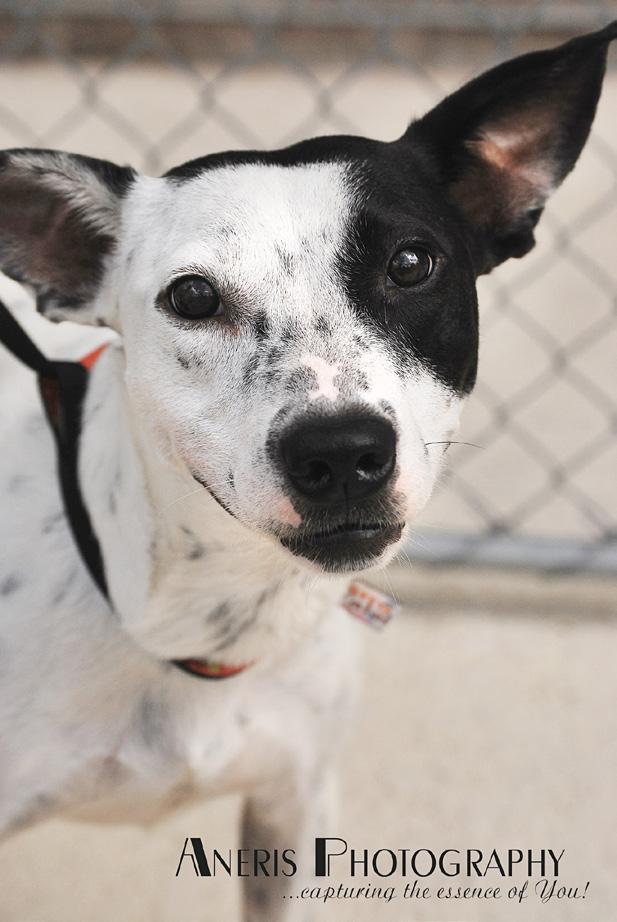
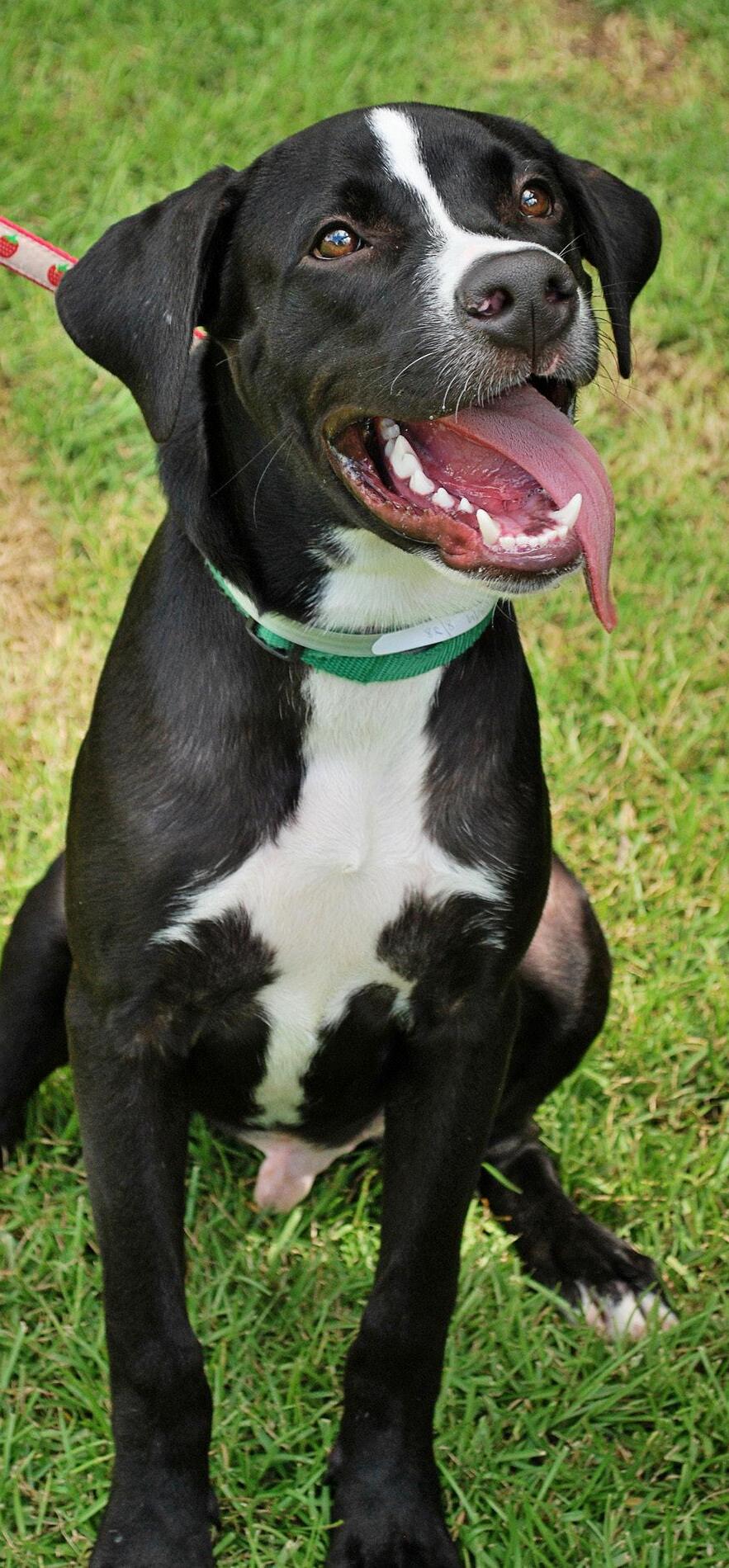
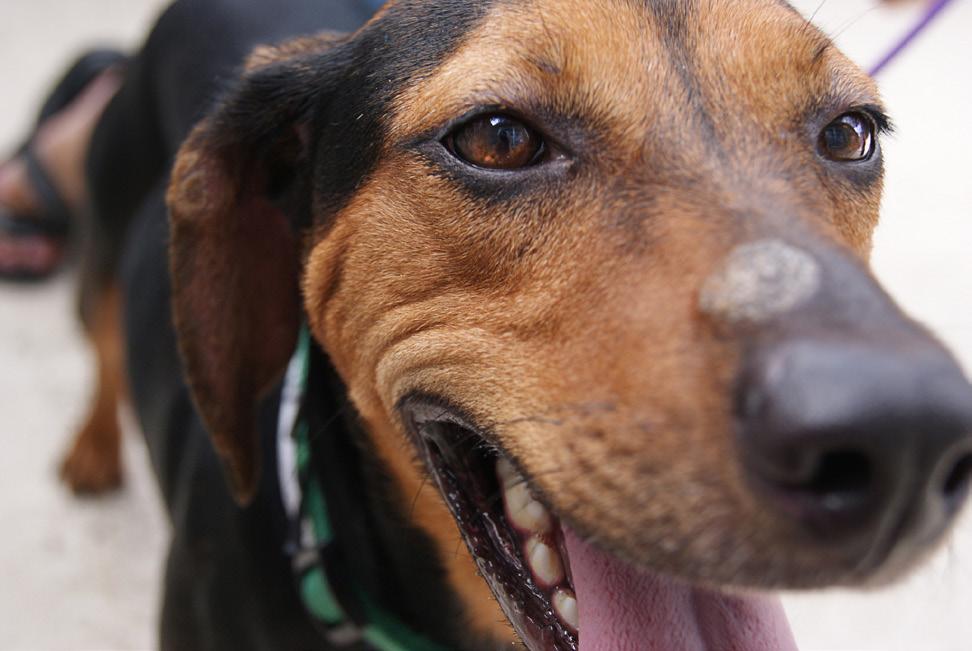
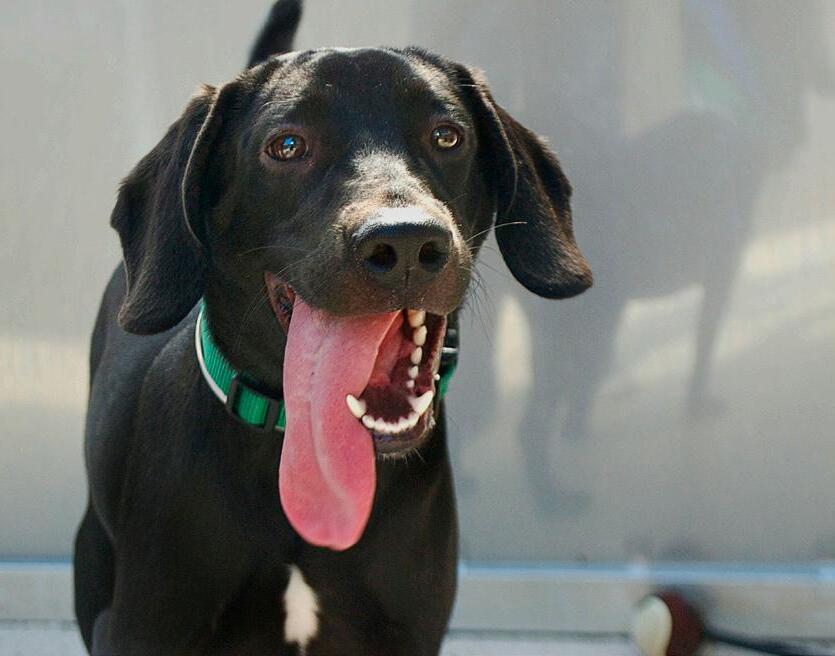
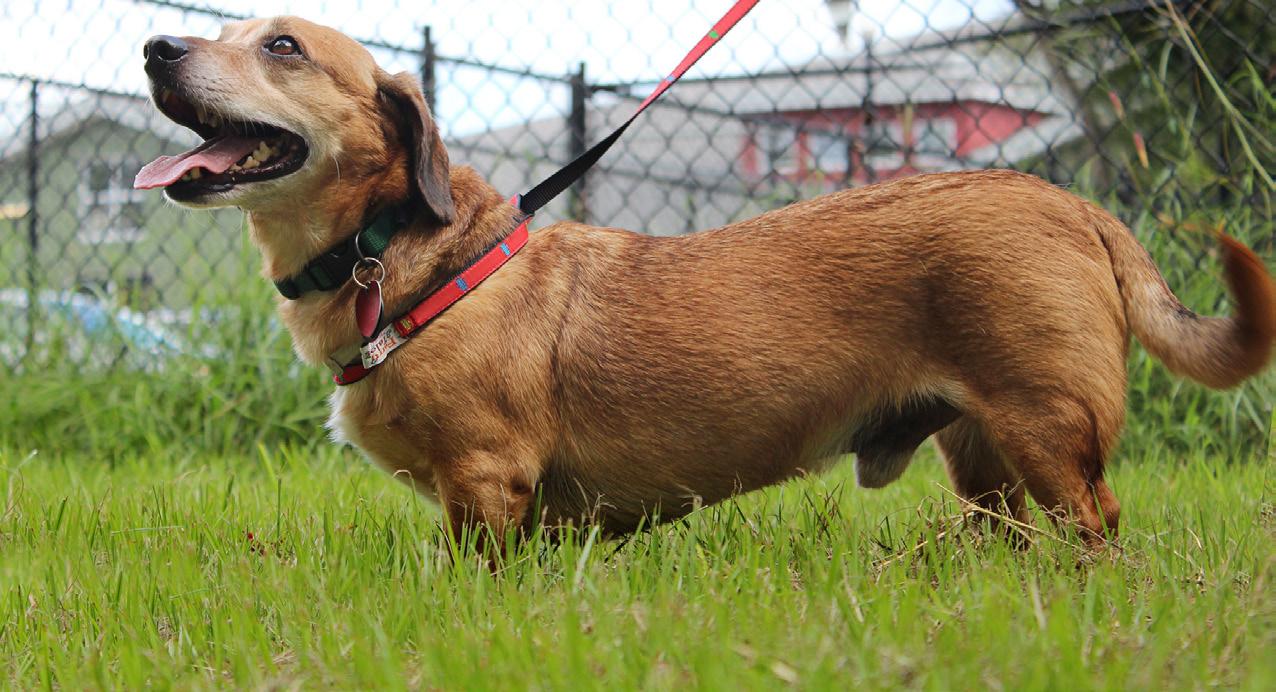
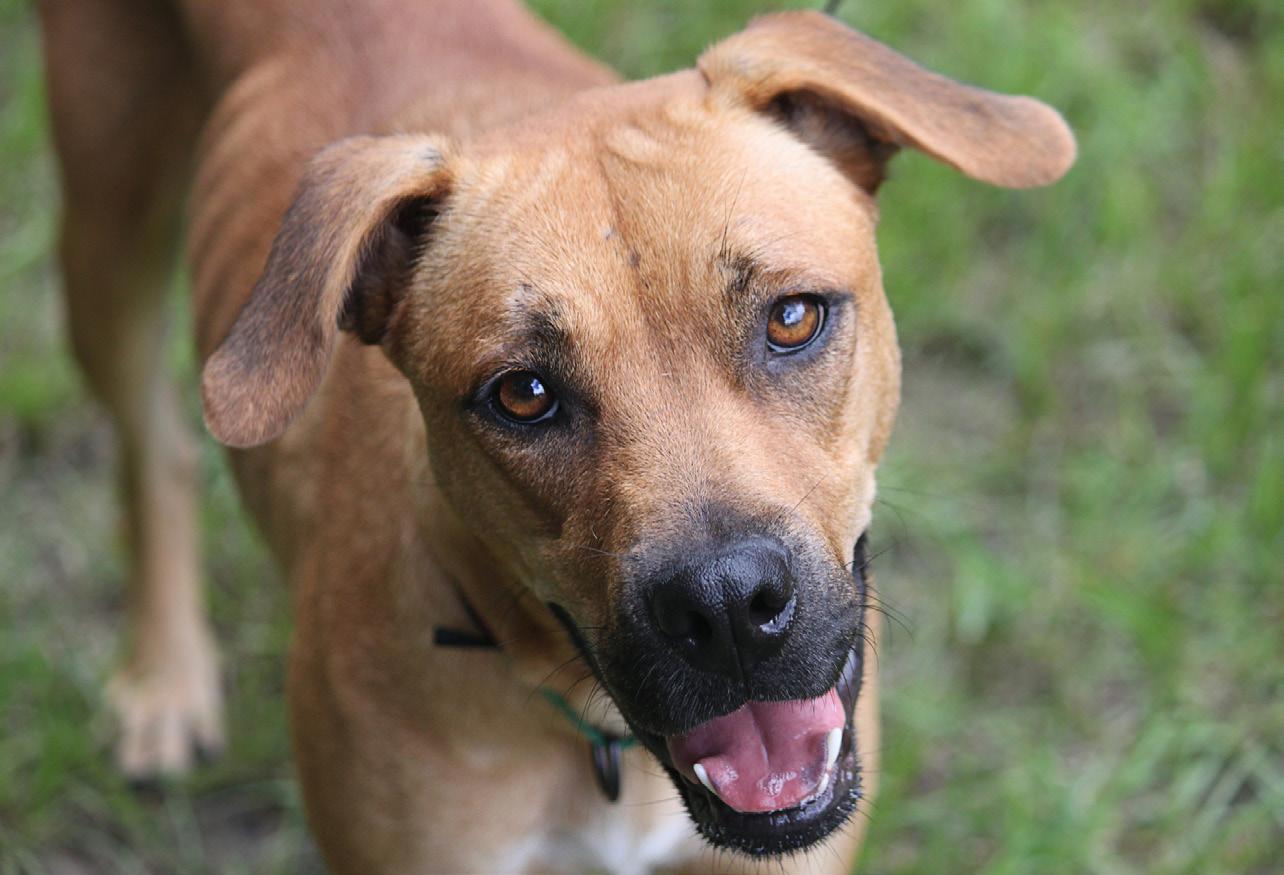
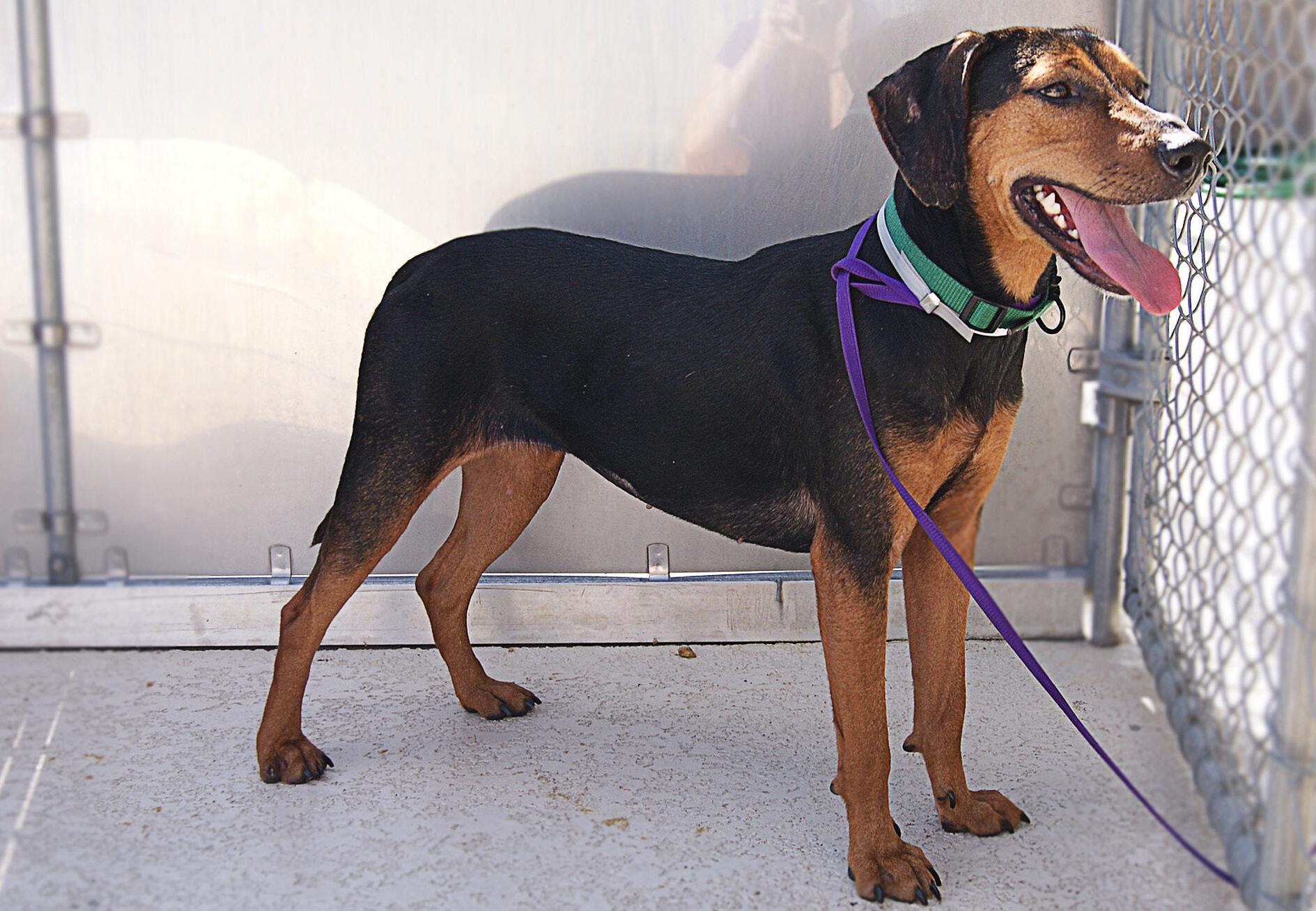
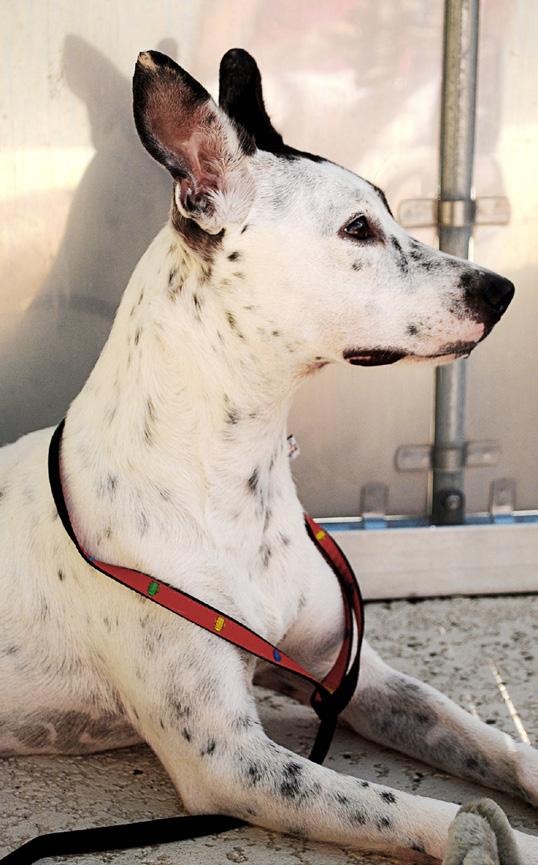
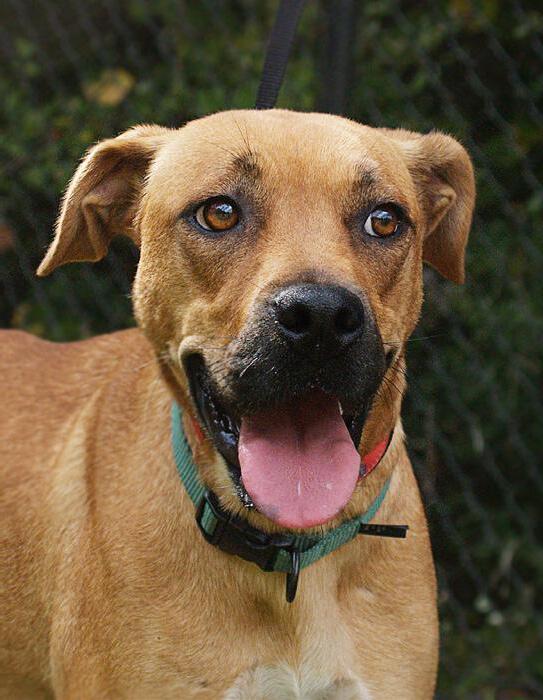
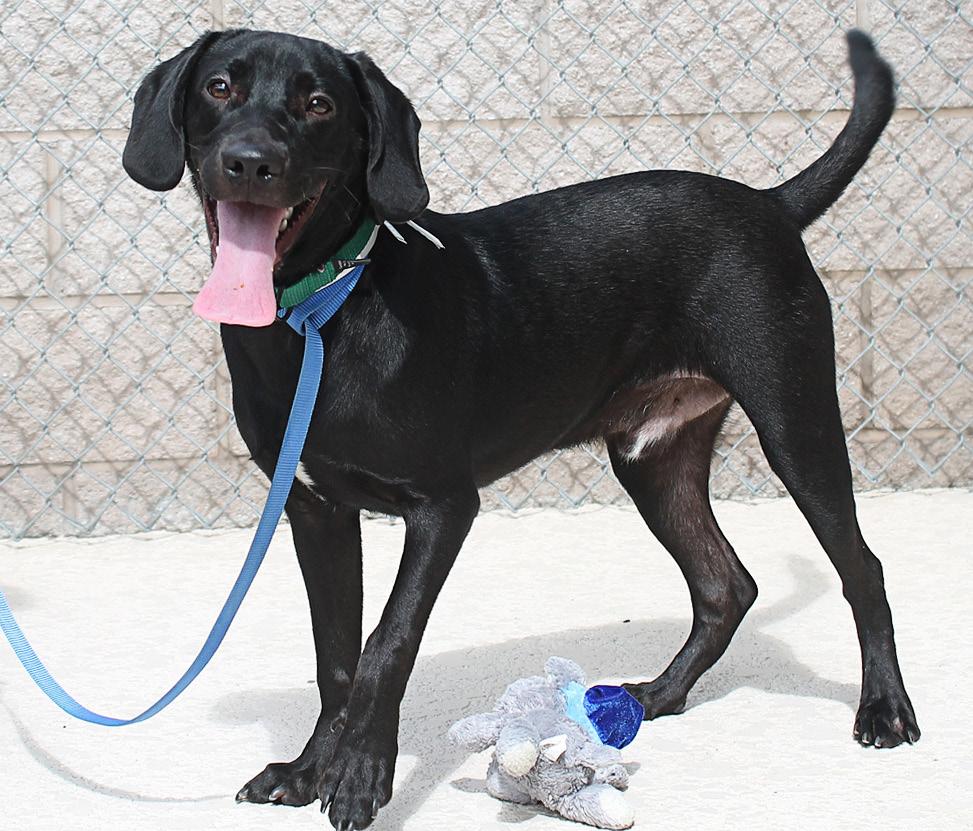
Students from the Lowcountry Dog Photography School's first DSLR course practiced their new skills on these adoptable animals at The Charleston Animal Society. Many of the students were shooting on manual mode for the first time. Let's give them and instructor Laura Olsen a big round of applause! The Photography School's mission is to arm more people with the knowledge to take better photographs of their own pets, and to encourage students to volunteer with their local rescue or shelter. Quality, consistent photography of adoptable animals is an essential element in raising adoption rates. If you are interested in adopting one of the animals pictured, please contact The Charleston Animal Society at (843) 747-4849. To learn more about our Photo School courses and to register for an upcoming class, call 843-478-0266.
joey, by leahengland
joey, by weim761
diamond, by candorpics
walter, by bassetgirl
carla, by edisto21
diamond, by
braylen, by melissa limehouse
sinclair, by kristen & chad
sinclair, by lynnb3179
carla, by edisto21
Furlife German Shepherd Rescue
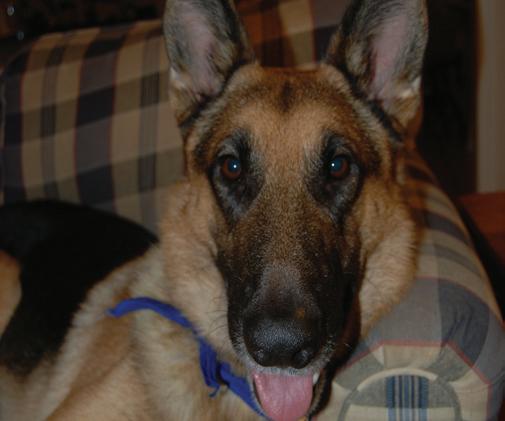
Furlife German Shepherd Rescue has a passion for saving the lives of less fortunate German Shepherd Dogs, and strives towards finding each one of them a home where they can be loved and cared for.
Our mission is to educate and protect. We want to educate the public about how GSDs make outstanding family dogs! We teach dog bite prevention and want everyone to understand the responsibilities of owning any dog. We inform the public about animal cruelty, how often it takes place, and how we can help stop it.
We take in GSDs from high kill shelters, abuse and neglect cases, strays, and dogs with health issues, including seniors and dogs with special needs. If you think you may be able to help, please contact us. Every little bit counts! Learn more at www.furlifegsr.org , or contact us at FurlifeGSR@yahoo.com or 843-225-6188 if you are interested in any of our amazing foster dogs.
WISH LIST: Pedigree Dog Food, Metal Dog Food and Water Bowls, Dog Crates (Size L/XL), Paper Towels, Laundry Detergent, Large Collars, Dog Shampoo, Towels, Blankets, Advantix Flea Meds, Heartworm Pills, Monetary Donations, Volunteers, Foster Homes
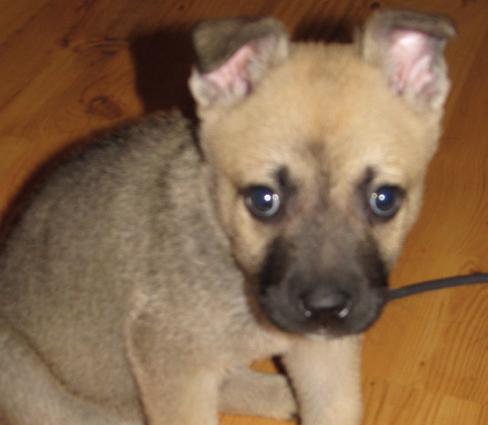
My name is Ollie. My 3 brothers and I are about 7 weeks old and will be available when we are 10 weeks old. Our rescue wants to make sure that we get all the socialization that we can get before we are placed. Our mom was a purebred German Shepherd and our dad was a German Shepherd Lab mix. We are incredibly sweet and already housebroken! Our foster parents say that we are incredibly intelligent. We will be waiting for you!!
Sam I am! I am 4 years old and such a sweetheart! I have a great temperament. I love dogs, cats, kids, and just adore people! I am housebroken, obedience trained and have amazing manners. I am a hermaphrodite which means I have both male and female reproductive organs, though I am predominantly female. I do not have any health issues associated with this; I don't know any different! If you will open your home to me, we can be best pals!
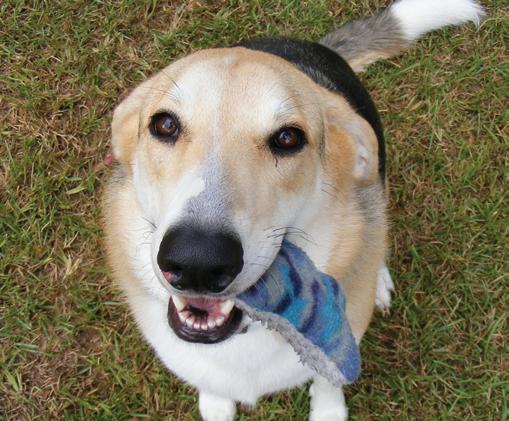
I'm Kaiser! I am 1 year old and have a ton of personality! I am a German Shepherd Hound mix, that is just waiting to find a place to call home. I love other dogs, cats, people, and even kids! I am housebroken, leash trained, and obedience trained! I come prespoiled, up to date on my shots, and neutered! What could be better? Won't you open your hearts to me? I promise to be yours Furlife!
Who is looking to adopt a love bug? I am Howie and I am 4 years old. I am such an incredibly amazing dog, or so I hear them say! I love all people, dogs, cats, kids, and everything in-between. I am housebroken, crate trained, and know all my manners. I would love it if I heard "welcome home Howie." It would mean so much to me to have a Furlife home. Could I be yours?
Ya'll!! My name is Savannah! I am about 8 years old and sweet as pie! I am an angel! Housebroken, leash trained, great with dogs, kids, and people. I do tend to think cats are fun to chase so no kitty friends for me! I know my manners in the house. No jumping, or countersurfing, no getting in the trash, you know stuff like that. I know all of my obedience. Won't you consider giving me an amazing home?
I'm Jasper, and I have great manners! I am house broken and I love my crate. My foster mommy has been taking me to obedience classes and I am doing great in training. I may be 10 years young, but I am looking for an active family! I am great with other submissive, playful dogs and I love children. I think cats are a little too much fun, so for the cat's safety, I prefer not to be placed with a cat. I promise you will never regret giving me a home!
Hey
be one of the main contributors to urinary struvite formation. High grain carbohydrates present in most generic dry pet food brands are high in magnesium. Therefore, holistic veterinarians conjecture that because dogs and cats are naturally carnivorous animals, a raw diet, which is low in magnesium, promotes healthy bladder and urinary function. It is also important for pet owners to feed a diet that combats obesity, as obesity is seen as another contributor to frequent UTIs. Male obese cats are the most likely to contract bladder and urinary tract infections. And most importantly, access to fresh water, is essential.
Chris Bessent, D.V.M., founder of Herbsmith, practices holistic veterinary medicine, utilizing Chinese herbs, acupuncture, food therapy and chiropractic on all animals. After more than a decade of using Chinese herbal combinations in her practice, Dr. Bessent channeled her wealth of knowledge and experience into Herbsmith, Inc.