This magazine is printed on 100% recycled paper. Continue the green process by recycling this copy.
Lowcountry Dog’s mission is to be the leading local resource for dog owners regarding regional events, health and wellness information, trends, style and lifestyle choices. We also strive to be a mouthpiece to the public for various dog related non-profits and promote pet adoption and other responsible pet care practices.
Dog lovers can pick up the bi-monthly magazine for free at most area veterinarians and pet stores throughout the lowcountry, as well as numerous restaurants, coffee bars and retailers. A full distribution list is posted to the magazine’s web site, lowcountrydog.com. Subscriptions are also available. Please call 843-478-0266 for more information.
The entire contents of this magazine are copyrighted by Lowcountry Dog Magazine with all rights reserved. Reproduction of any material from this issue is expressly forbidden without permission of the publisher.
Lowcountry Dog Magazine does not endorse or guarantee any product, service, or vendor mentioned or pictured in this magazine in editorial or advertising space. Views expressed by authors or advertisers are not necessarily those of the publisher.
june/july 2011
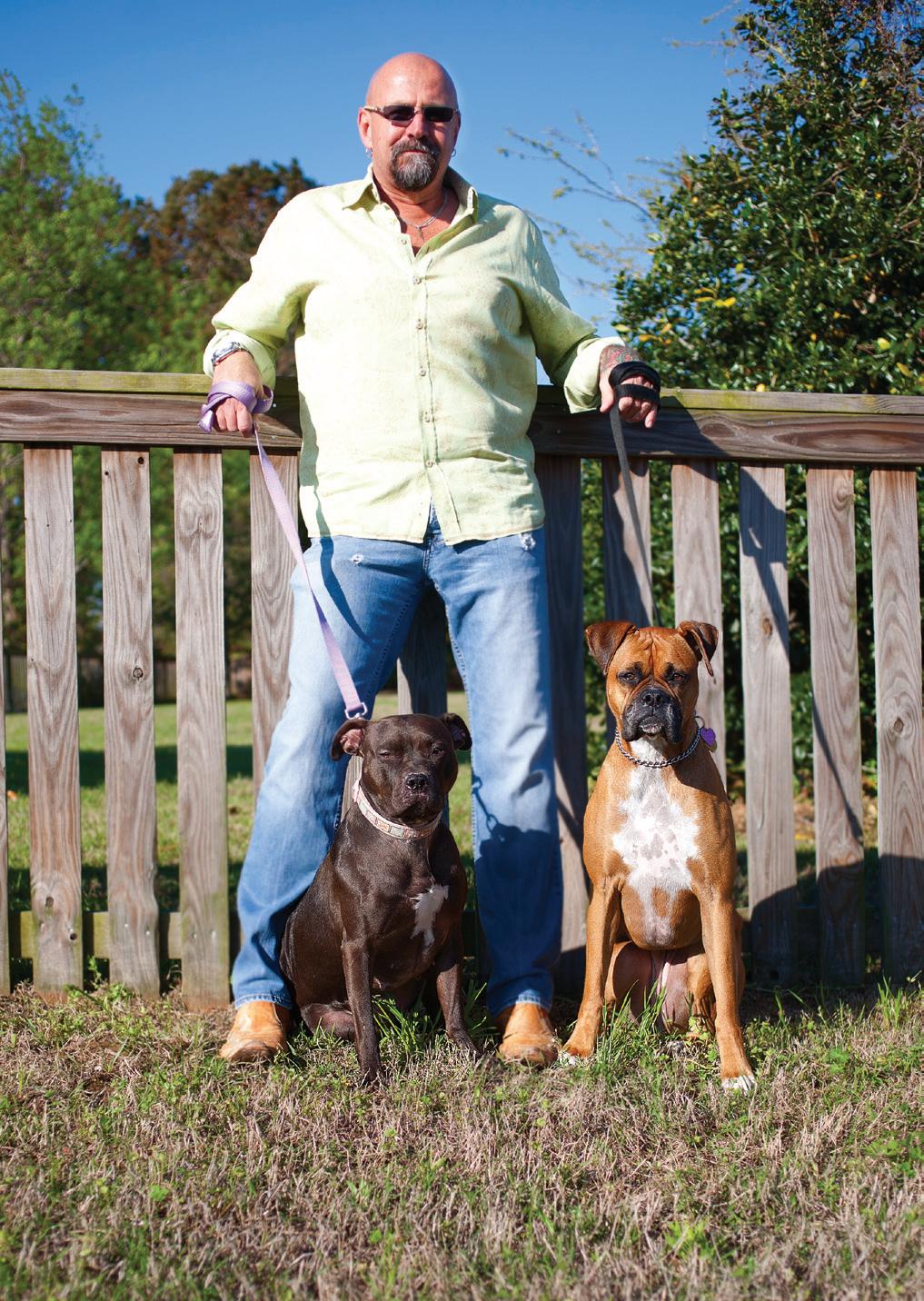
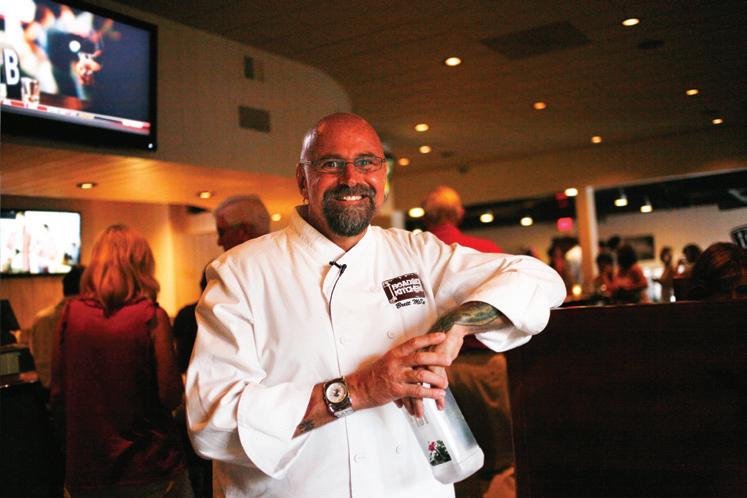
fido’s friends 4 Chef Brett McKee
top stories on lowcountrydog.com 8 free on bail! 11 Coalition Proposes New Laws to Protect Abused Animals a family affair 14 calendar of events 21 health and wellness 22 Hip Dysplasia training 24 K-9 Nose Work adoption 26 Charleston Animal
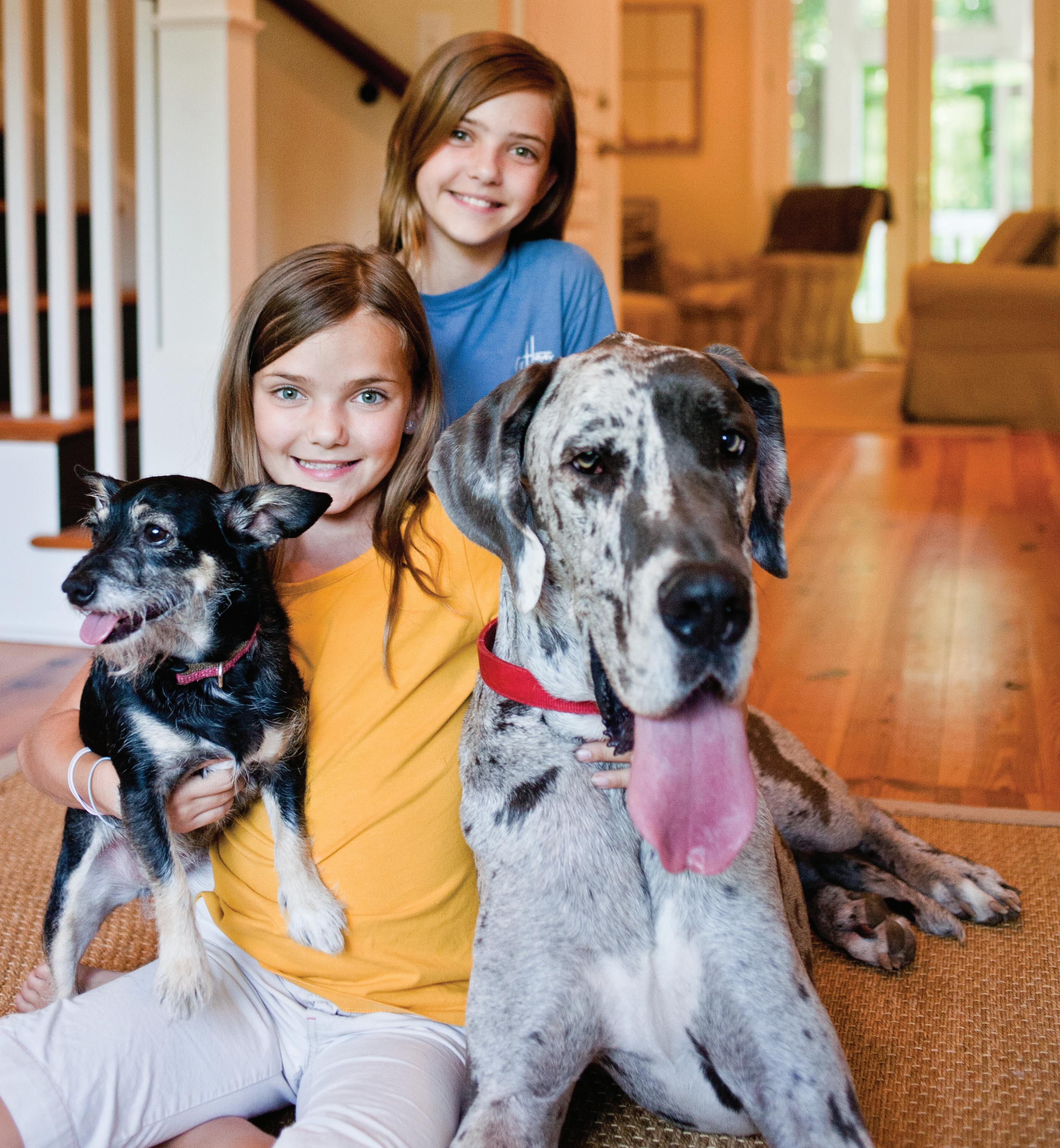
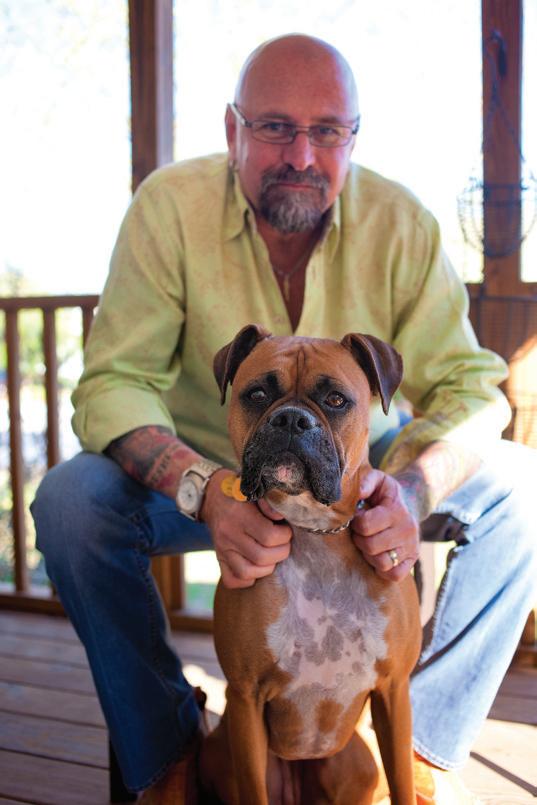
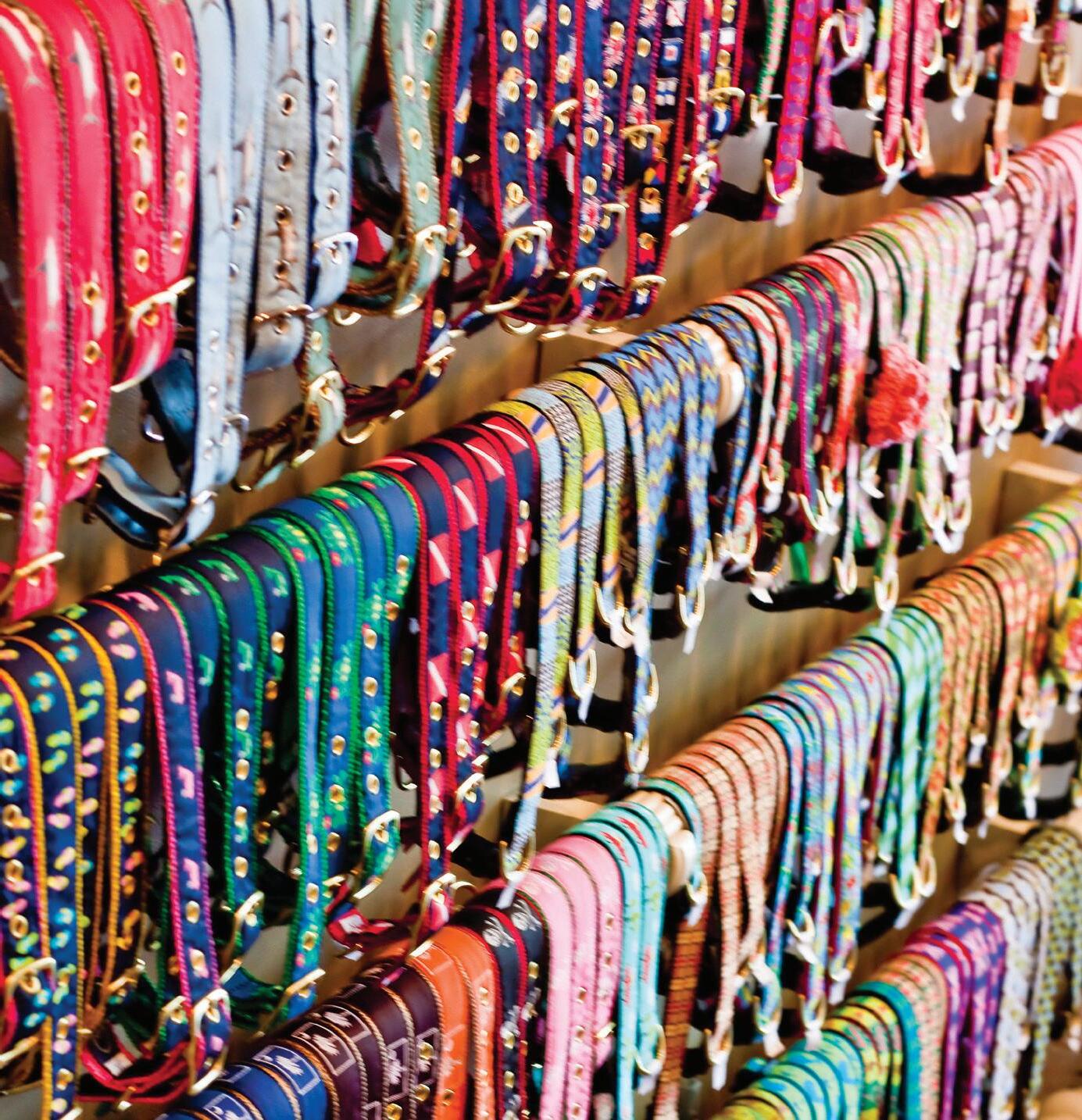
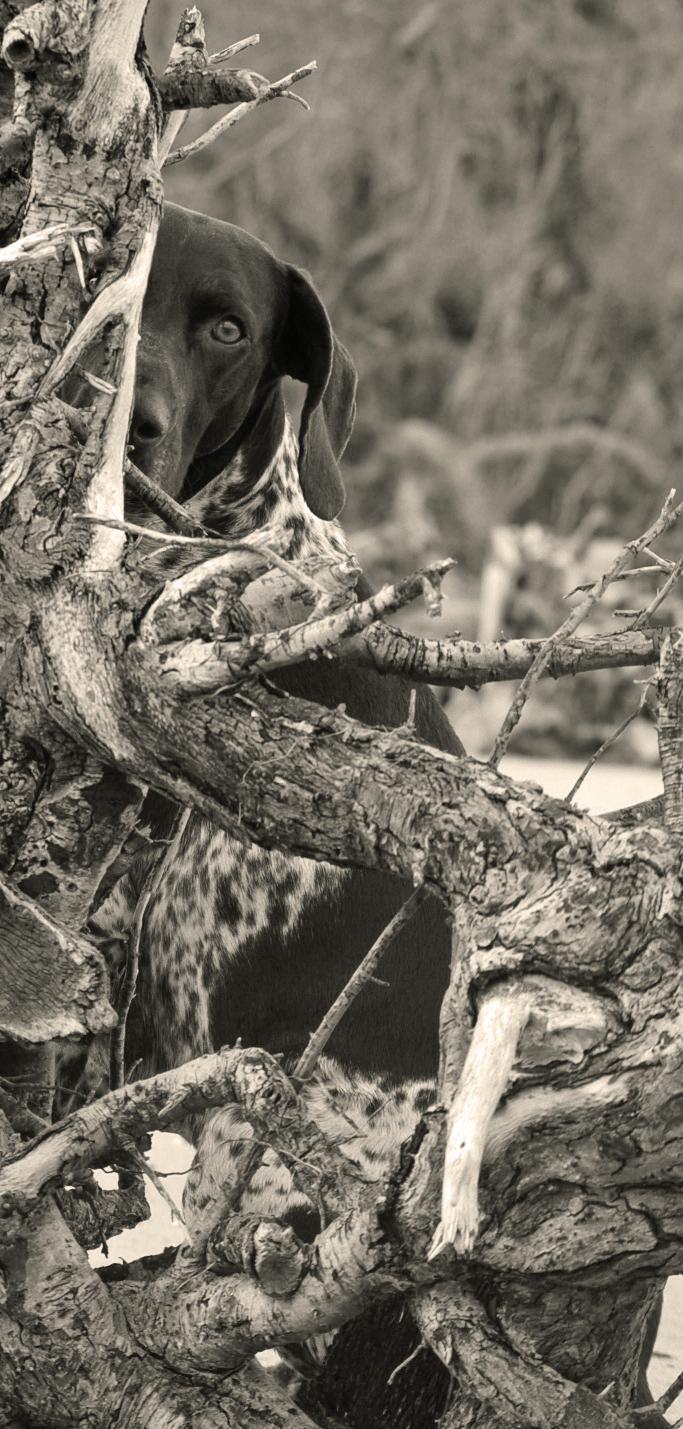
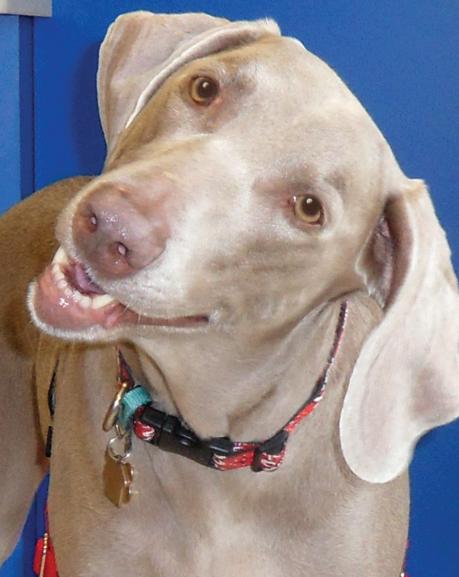
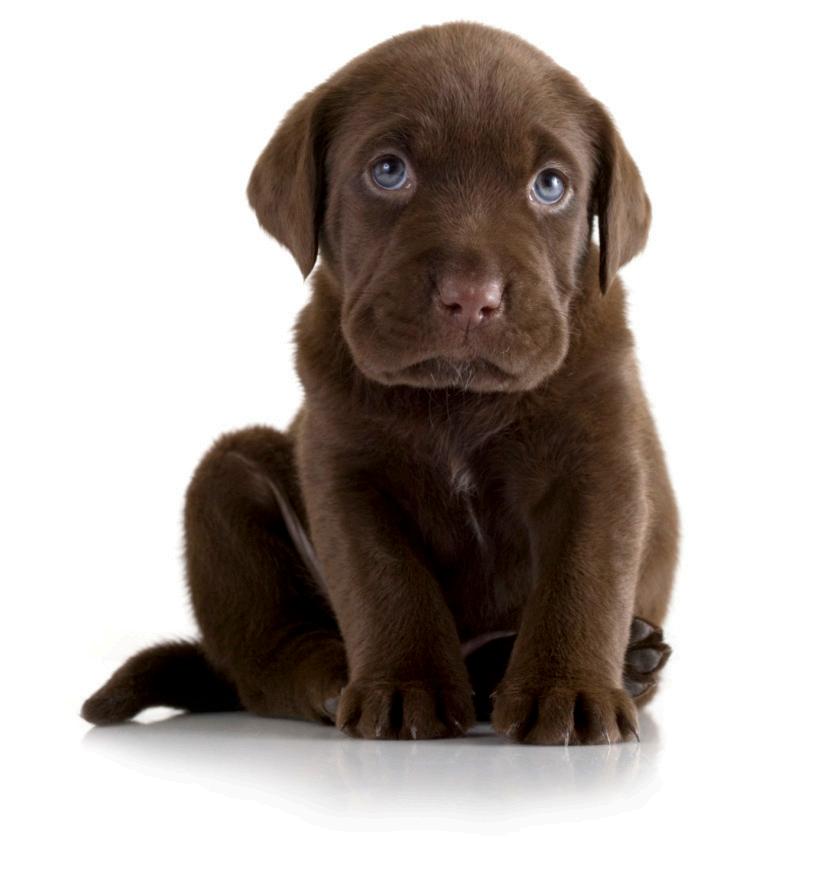
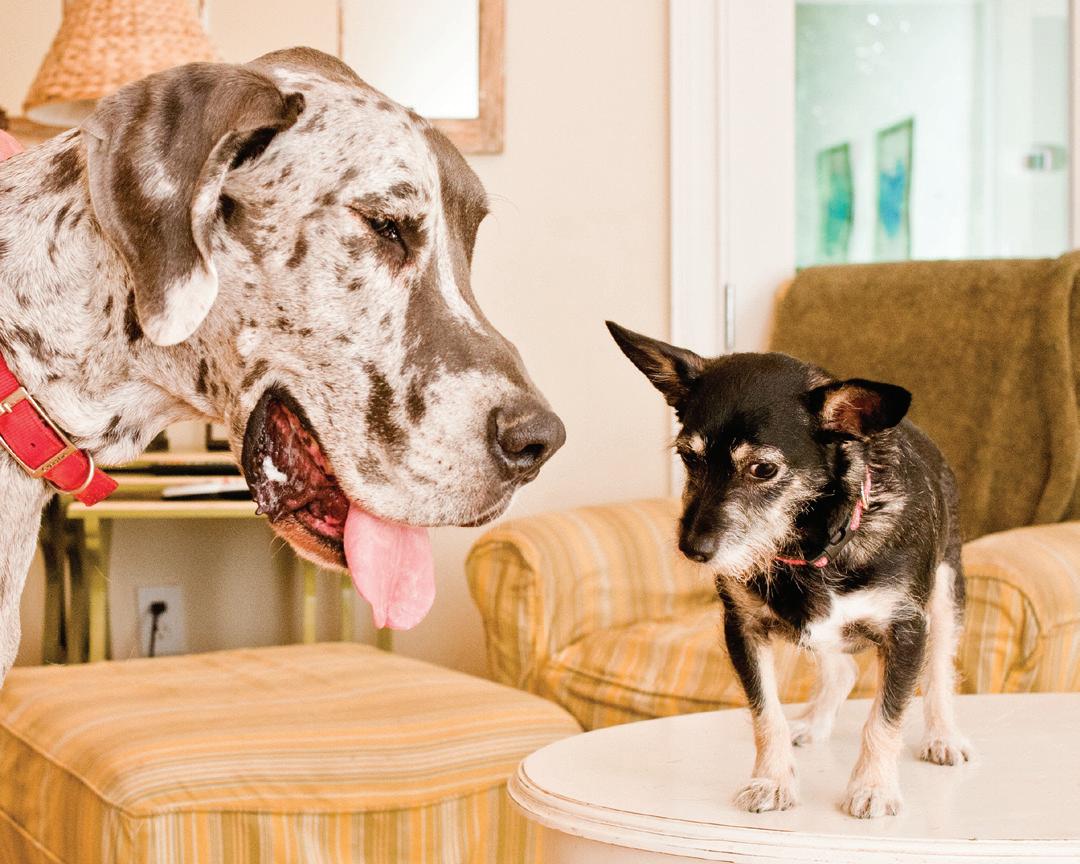
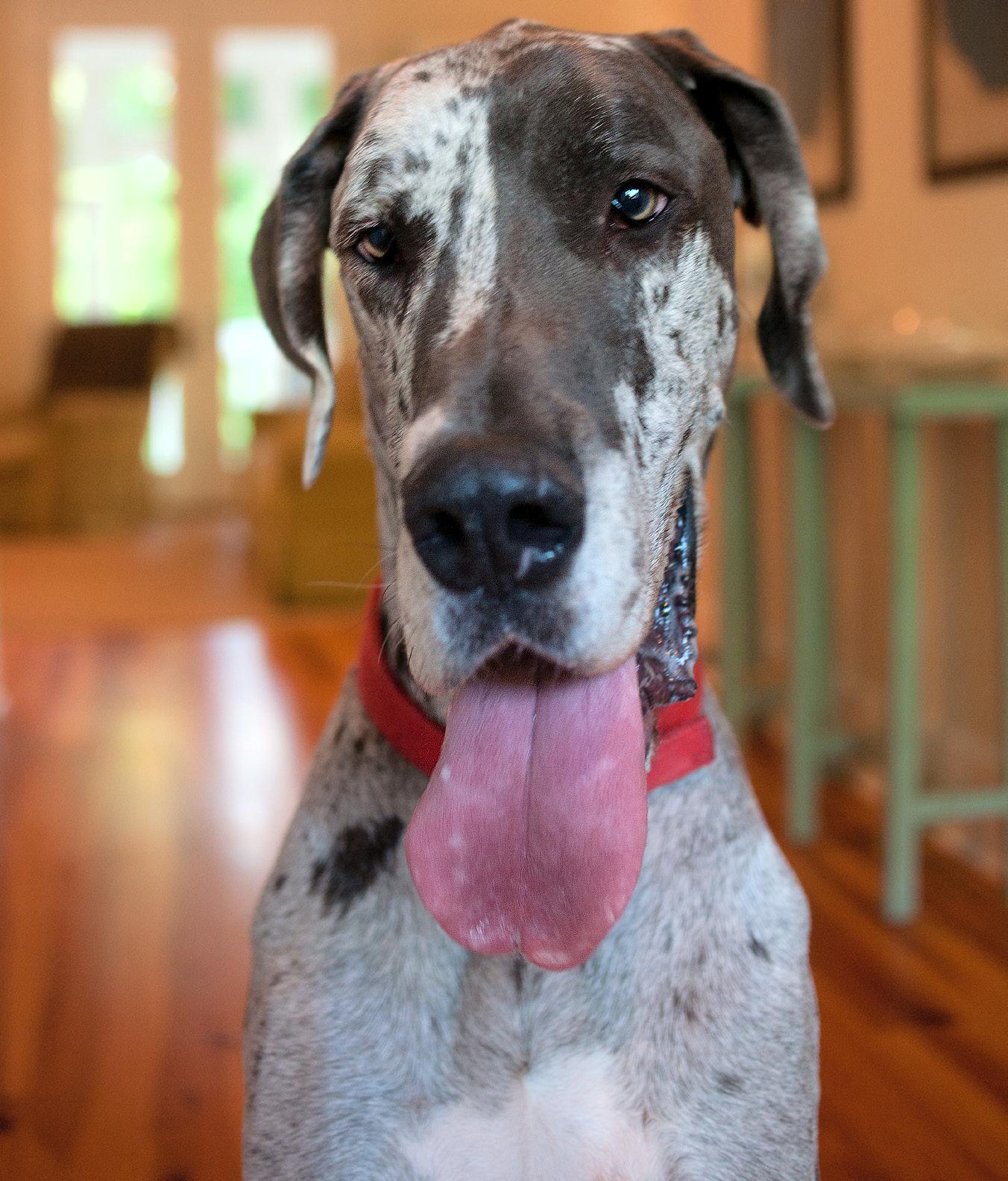
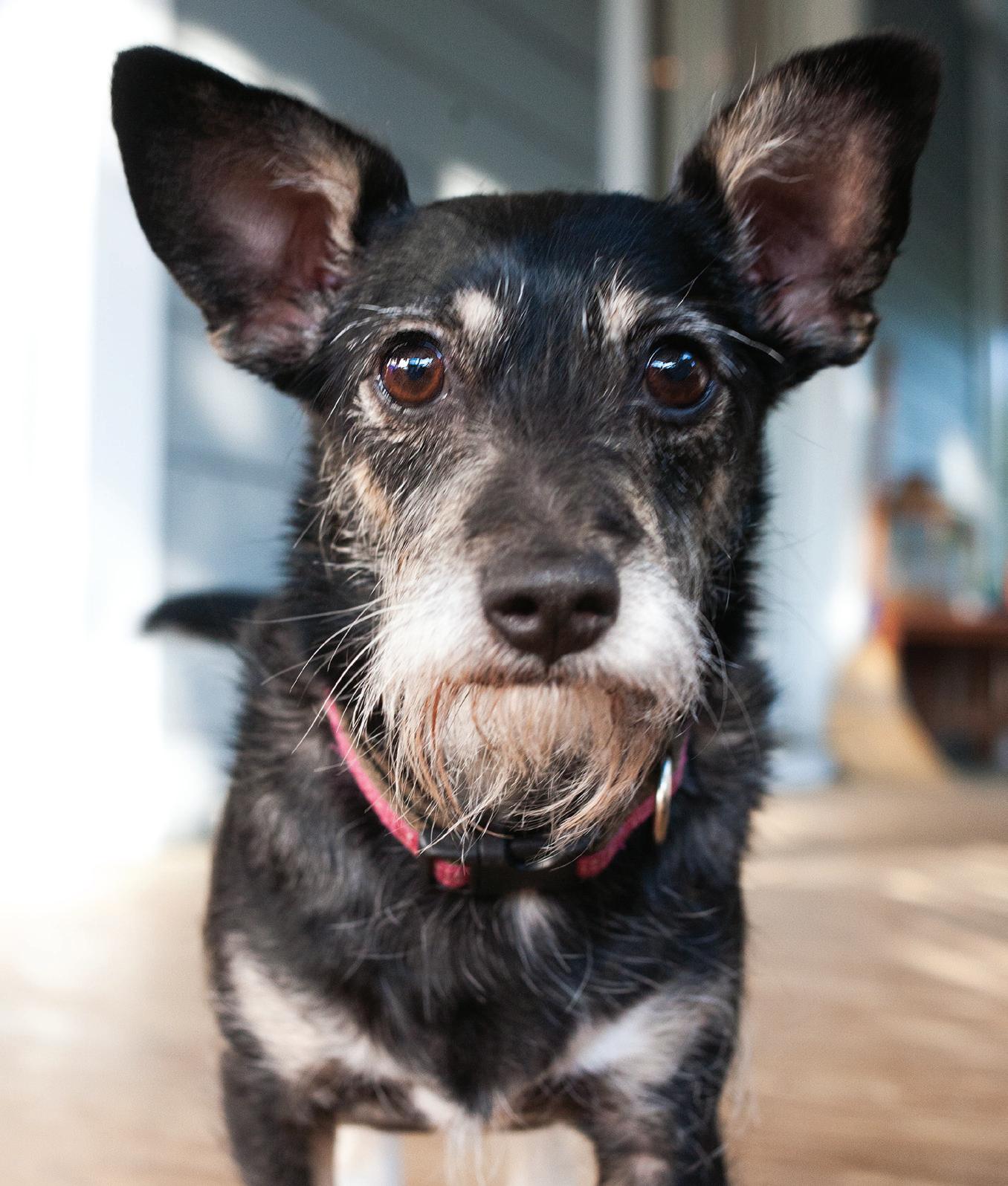
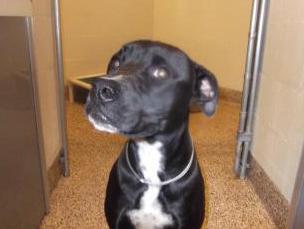
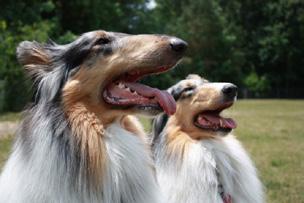
Cover photo by Laura Olsen, Olsen Imagery. 1st and 3rd Table of Contents photos above also by Olsen Imagery. 2nd photo by Kay Hyman from the Charleston Animal Society.
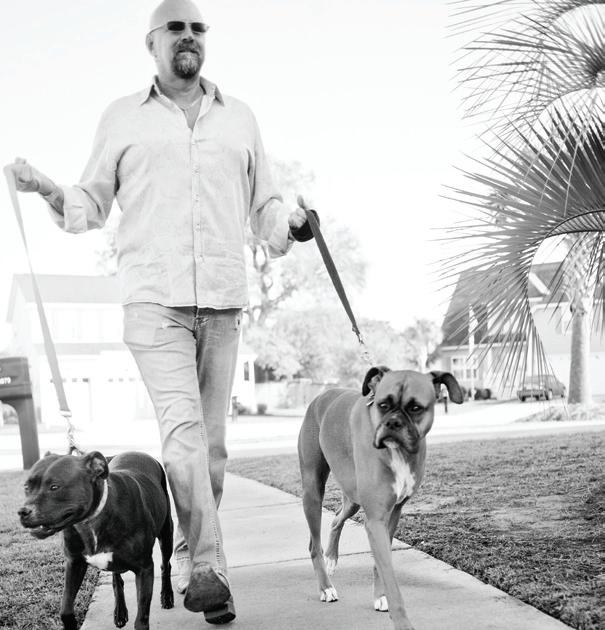
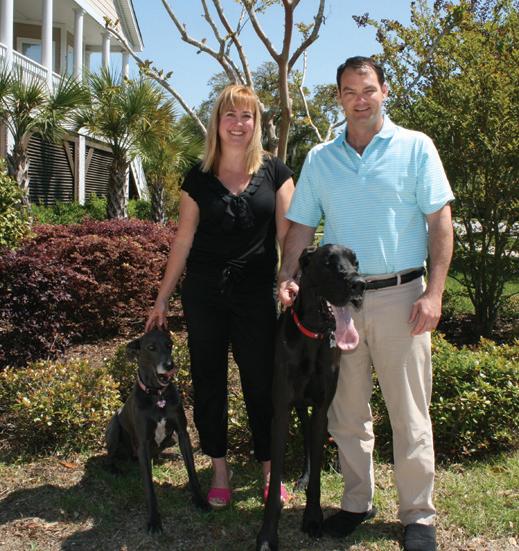
Fido’s Friends CHEF BRETT MCKEE
Occupation: CORPORATE CHEF & PARTNER in roadside kitchens
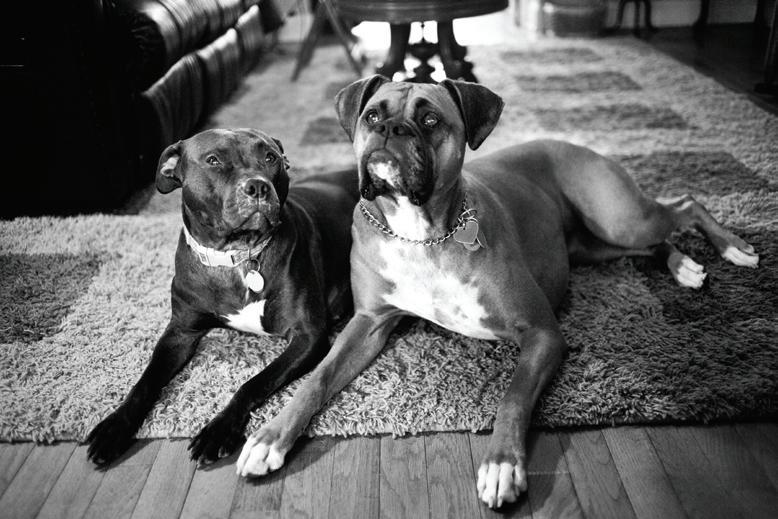
Dogs in Household: TWO
Named: CHANEL (boxer) & SAGE(rescued pit bull)
Lives: JAMES ISLAND
1. What’s the best thing about owning a dog?
The unconditional love only an animal can give. The constant companionship. My dogs will do anything for our family.
2. What do you find the most frustrating about your dog, or struggle with as a dog owner ?
The poop! No seriously, our rescue has given us some trouble with our smaller animals. She sees them as prey, so it’s a big challenge socializing her. And we’re busy people, so sometimes it can be a challenge giving them the time they need.
3. All time favorite memory of your dog?
When Sage first had trouble with our smaller animals, we took her back to Pet Helpers. But then I had a health scare, and was given a second chance. So I went back for her and gave her a second chance, with more emphasis on training this time.
4. Favorite place to hang out with your dog in Charleston?
Either the beach on Folly in the off-season, or the James Island Dog Park.
5. With what aspect of your dog’s personality do you most identify?
They can both be chameleons and I feel I do the same thing. We’re like soldiers who go where we are needed. When we need to be loving, we’re loving. When the family needs protection, we protect. When it’s time for fun, we have a blast.
6. In your opinion, what’s the one item all dog owners must have?
A very hard rubber ball, one that can not be punctured or destroyed. Lacrosse balls are great.
7. If your dog were some other sort of animal, what would he/she be?
Chanel should be a deer because she’s a very athletic jumper. Sage would be a tame wolverine.
Super loyal, very protective. Watch her when her claws come out!
8. How does your dog inspire you? Or what has your dog taught you about life and work?
That no matter how much life pushes you, what obstacles you face, how many past mistakes you’ve made, you can wind up in the right place, with the right people, in a life you love.
9. How do you KNOW you and your dog are best friends?
Even on my worst days, they adore me. There’s an unbreakable bond – and they have that bond with each of my family members.
10. What’s your favorite thing about Lowcountry Dog Magazine?
It’s great to have a local magazine that showcases and fosters the amazing relationship we have with our pets.
All photos by Laura Olsen Imagery.
Photos by Tiffany Benford Photography
On it’s website, the Humane Society of the United States writes, “While breed is one factor that contributes to a dog’s temperament, it alone cannot be used to predict whether a dog may pose a danger to his or her community.” Though most dog owners would agree with that sentiment, many insurance companies aren’t willing to hedge their bets.
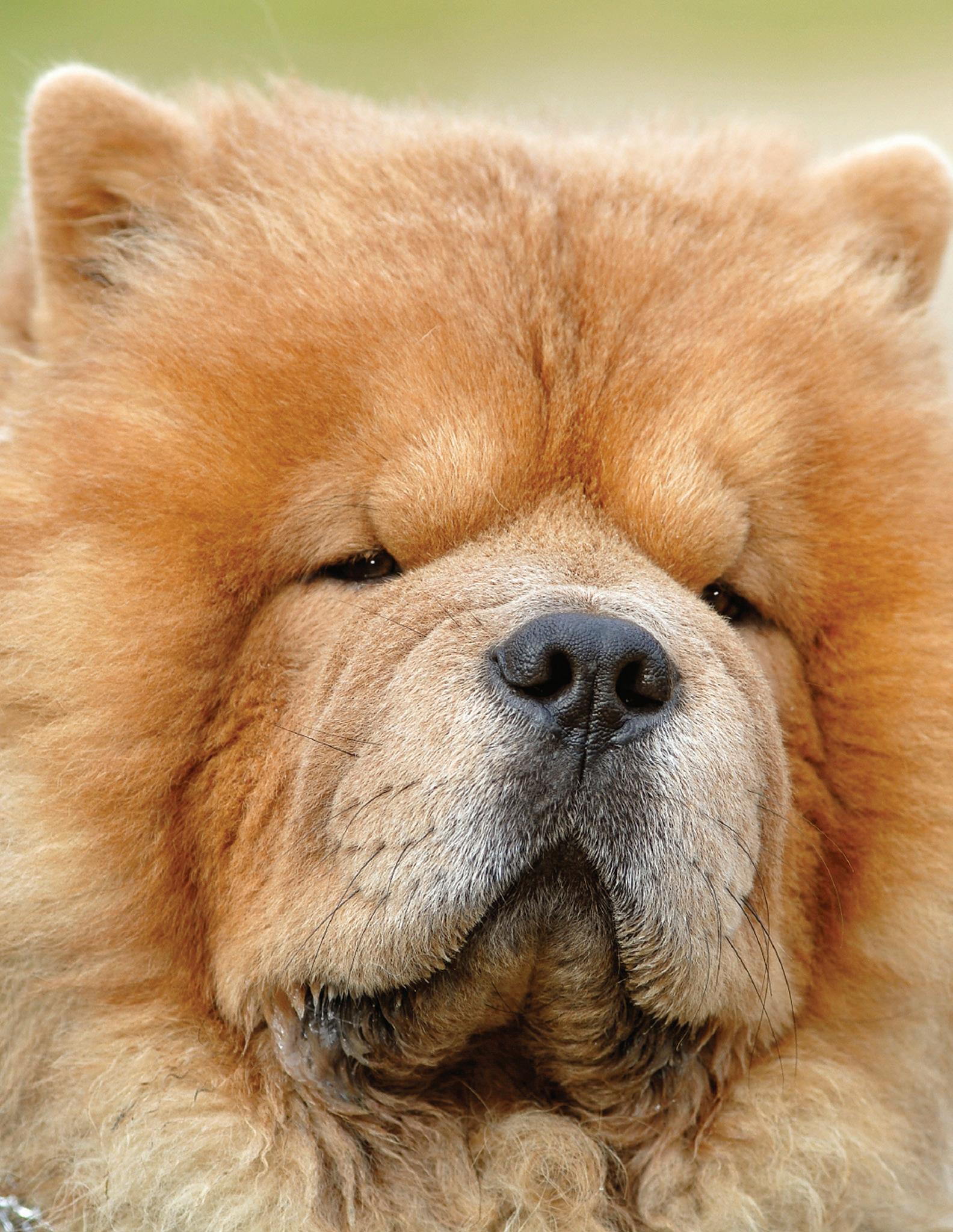
Dog bites account for over $1 billion in losses each year to policy owners. In response to huge settlements and plunging profits, many insurers discriminate against various breeds in order to lessen the company’s risk. The breeds most commonly considered high risk by some insurers are: Pit Bull, Rottweiler, Chow Chow, German Shepherd, Siberian Husky, Malamute, Doberman Pinscher, Persa Canario, Great Dane, Boxer, and Akita.
Though a movement of dog owners are rallying for change in such policies, in the meantime it still leaves many dog owners unsure of where to turn for home owner’s or renter’s liability coverage.
While this is not an extensive list, and there may be some exclusions, from our research we have found that the insurance companies listed below do NOT have extensive breed restrictions.
AllState (some restrictions, also limits number of dogs per household)
Farmers Insurance
Farm Bureau
State Farm
Fireman’s Fund
Chubb Group
USAA
Amica
PEMCO
Travelers
Kemper
Sunny SoCal Insurance Service
The Hartford
Auto Owners Insurance Company
Special Liability and Dog Bite Coverage
Evolution Insurance Brokers
Lester Kalmanson Agency
Xinsurance.com
Insuring the “Dangerous Dog”
Insider’s Tips
• Policies are not always nationwide, and sometimes even the neighborhood in which you reside can determine if a breed restriction is placed on your coverage.
• Be prepared for higher premiums. You might be able to get coverage, but your costs will be higher than a dog owner with a breed not on the dangerous dog list.
• Have your dog obtain their Canine Good Citizenship. Many insurers waive higher premiums with this certification, or even give discounts!
• If you are adopting a mixed breed from a shelter, make sure their paperwork emphasizes the “non-threatening” element of their heritage. If your dog is a Shepherd/ Lab mix, make sure the paperwork only says “Lab mix.” Most breed types on adoption paperwork are just guesses anyway.
• If you bundle all your insurance with one company, they may show you some leeway.
• If the local insurance agency says they DO have restrictions in your area, double check with the national branch just to be sure. Sometimes local agents will set certain restrictions even if they are not required by the head office.
• This article is for informational purposes only. Buyer Beware.
@
lowcountrydog.com
The Story of S.W.A.T
Vinnie, an abandoned dog living under a trailer, inspired a group of local women to establish a new animal welfare fund-raising group. Click to http://bit.ly/jPXajt
Filed under: Local News
Run of the Mill: Canine Treadmill Basics
Determine if a canine treadmill is a good choice for your dog’s exercise needs, plus how to train them to walk on it! Click to http://bit.ly/izPqIc
Filed Under: Training
A Favorite Reader Comment
Preparing for the Loss of a Canine Companion
Sometimes the best way to honor our pet’s memory is to prepare ahead of time for their passing. Click to: http://bit.ly/jsAxDS
Filed under: Health & Wellness
New Feature: Reviews
We have 6 new taste testers and product reviewers letting you know if the latest thing is worth woofing about. Most reviews have a giveaway too! Click to http://bit.ly/cwR7iR Filed Under: Reviews
I enjoyed reading your article and identify with the opening sentiment. In my house the cuddly little puppy that moved in last summer has turned in an elephant in the room. Everything rotates around the dog. My wife is buying him top branded non-sparkling water. Life was simple once. Beware of cuddly puppies with big eyes and droopy ears. Greg, in response to Basic Fido-Friendly Home Remodeling
What’s in a Wellness Exam?
Many veterinary specialty colleges are now recommending an increased frequency of veterinary checkups for dogs. Find out what happens in a Wellness Exam. Click to http://bit.ly/laIn2R
Filed under: Health & Wellness
The Considerate Canine: Angry Lap Dog
Mindful Manners trainer Cindy Carter answers a reader’s question about her overly protective Chihuahua. Click to http://bit.ly/kaz7qf
Filed under: Training
What’s the Diagnosis?
This super scientific & interesting series of mysterious cases is compliments of the Charleston Veterinary Referral Center. Think of it as a episode of “House,” but about dogs! Click to http://bit.ly/lxn05K Filed Under: Health & Wellness
Aya the Entlebucher Mountain Dog
Photo by Flickr user Tambako the Jaguar, creative commons
By Stratton Lawrence
photo by Flickr user Delaque79, creative commons
If you’re an attorney defending someone arrested on animal cruelty charges in South Carolina, the last thing you want is a quick trial. Take David Tant, for example, the infamous Charleston County dog-fighting kingpin who served six years in prison for his role in raising pit bulls to fight.
During Tant’s trial, his 47 dogs were held by the Charleston Animal Society (CAS) for eight months, at a cost to the county of about $150,000.
“A common ploy of the defense is to keep the dogs in the shelter, putting the pressure on the government to pay their food and veterinary bills,” explains Charles Karesh, the CAS President. “If somebody gets their animals confiscated, the burden has always been on shelters to hold the animals.”
Another case required the Humane Society in Columbia to spend hundreds of thousands of dollars caring for abused horses. Last year, the potential of more costly situations like these led to the creation of a coalition of animal advocacy groups in S.C. They joined together to encourage updated legislation, protecting themselves and the animal victims of cruelty and neglect cases.
The group, which includes CAS, Pet Helpers, and the Doc Williams SPCA in the Lowcountry, hired a lobbyist to promote their agenda in Columbia. Starting out, the group intentionally chose uncontroversial issues to push.
“What we want to do this year is just get organized and get some reasonable things passed, so these legislators see we’re reasonable animal people,” explains Karesh. “We’ve distanced ourselves from people who want extreme things passed.”
First up on their agenda is Senate Bill 200, a law that requires the owner of an animal taken into custody due to criminal or civil violations to pay a bond providing for the care of their animals, or surrender their ownership. “Then they can’t say, ‘Let’s drag this thing out,’” explains Karesh. “You either post bond for the animal or you sign them over and the shelter can adopt them out or rehabilitate them.”
session, missing the deadline to pass over to the House. The coalition hopes it can clear the Senate this summer or autumn, moving on to the House next year.
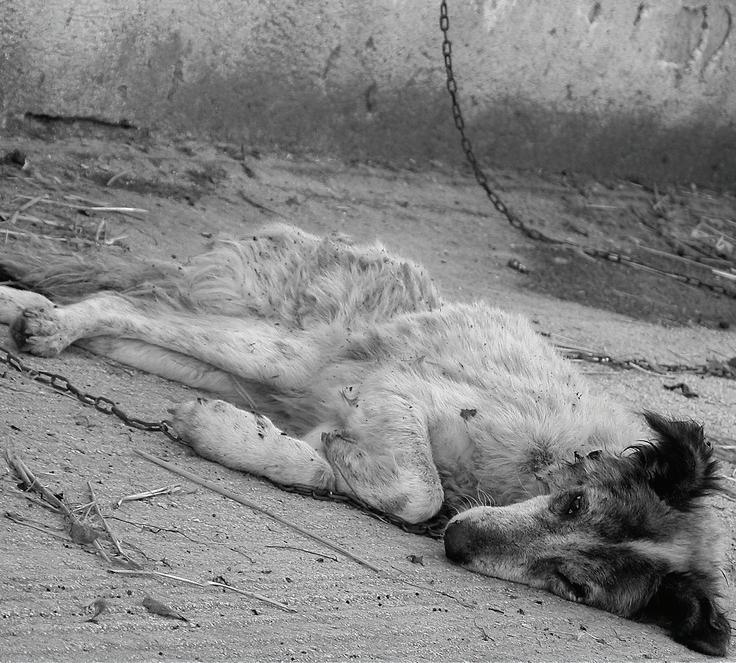
The bill includes other provisions as well, including a restructuring of the misdemeanor animal cruelty charges. Currently, a three-tiered system limits penalties for first-time offenders. But that means a person who leaves their dog in a car for half-an-hour can be charged the same as a person who puts a collar on a puppy and never takes it off, allowing it to embed as they grow and creating a disgusting, difficult-to-heal wound.
“What we’re trying to do is give the judges more latitude, and bring this to a two-tiered system,” explains Sandy Christiansen, the president of the Spartanburg Humane Society, a coalition member.
Under the proposed new law, judges could issue fines of up to $1,000 and a year in jail for a first offense, and $2,000 or two years for a second offense. The idea is to allow judges more flexibility to fine a person differently for leaving their dog tied to a tree than for starving a dog almost to death, even
Similar laws exist in other states, including in North Carolina. Sponsored by Senators Joel Lourie and Phil Leventis, the bill has sat in the Senate’s Agriculture and Natural Resources committee all spring during this year’s relatively unproductive
photo by Flickr user monsieurmellow, creative commons
photo by Flickr user natashalcd, creative commons
photo by Flickr user furry-photos, creative commons
though the law they’ve broken is the same.
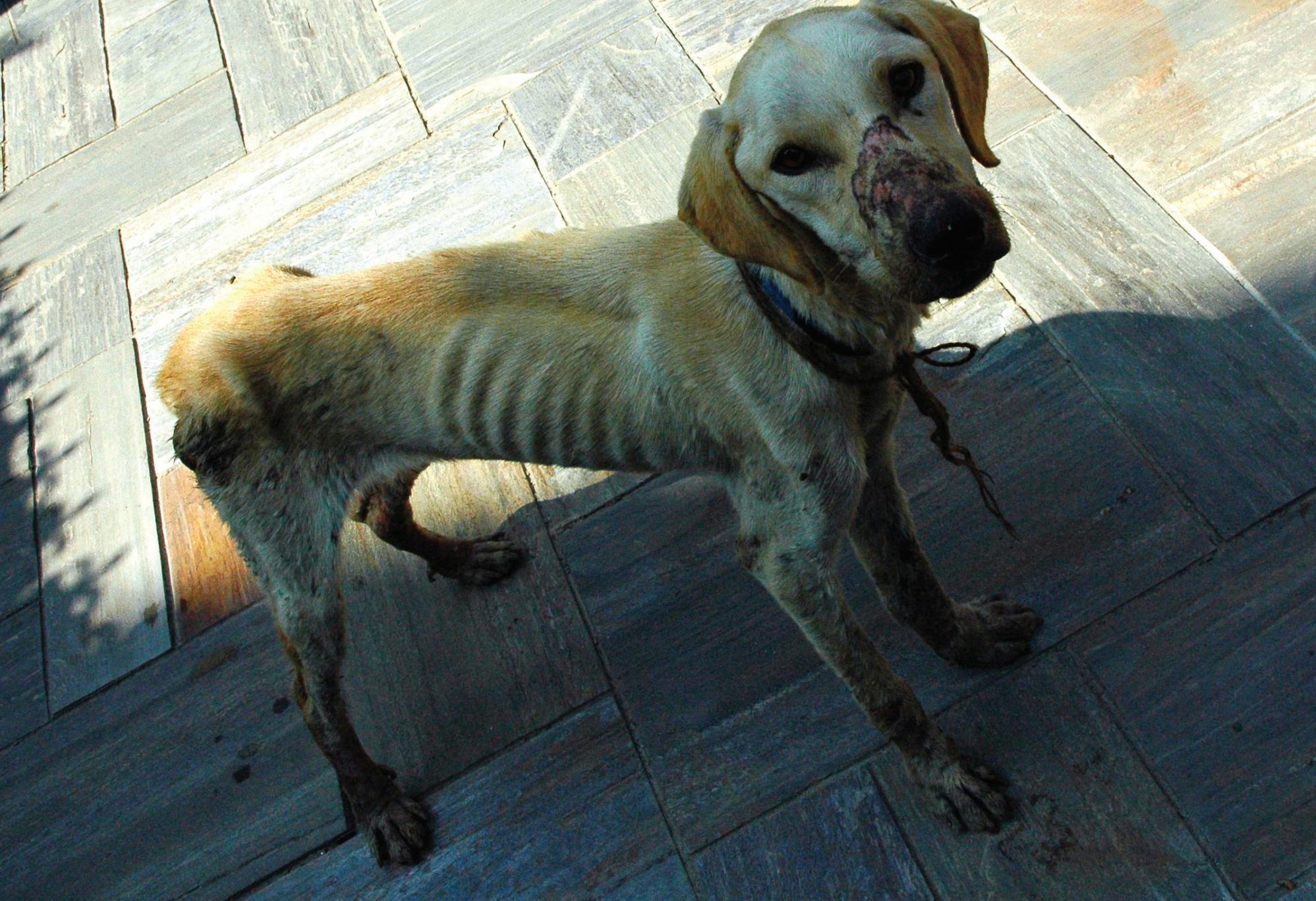
Christiansen cites one example of a dog so badly malnourished that his rib cage was spontaneously fracturing, yet the owner’s maximum penalty was $500.
“In this case, the judge can say, ‘You have so grossly mistreated this dog, that even though it’s not a felony for intentional flogging or burning, you have gone almost to that point, and we’re going to punish you more severely,’” says Christiansen. “It gives the judge more discretion in handing out sentences to defendants.”
Finally, the bill allows judges to restrict or prohibit the future ownership of animals after a conviction.
“Now they can say, ‘For the next five years, you can’t have a dog,’” explains Christiansen. “That’s kind of a no-brainer.”
In arguably minor cases, like a dog left in a car while someone runs into a store, both the police officer and the judge have discretion to determine if the owner is at fault. Even if a charge is given, the low end
of the penalty range doesn’t change under the new law, allowing a judge to fine a violator as little as $100.
Last year, a simpler version of the law passed through the Senate but got hung up in House committee. Without the support of an organized group of animal welfare advocates behind it, progress was slow. This time, the new coalition literally sat down around a table and discussed their priorities, crafting the legislation into a bill they hoped would be uncontroversial and pass without strong objections.
Operating as a subcommittee of the South Carolina Animal Care and Control Association (SCACCA), the coalition hopes this bill is the beginning of several new measures to catch our state up with more progressive places regarding animal rights. Discussions of future efforts include strengthened mandatory spay and neuter practices, more stringent pet licensing, and tighter regulations for shelters and animal control facilities.
For now, other issues remain better regulated at a county level, says Christiansen. In more affluent areas, tying a dog to a tree all day seems unthinkable, while some lawmakers from rural areas may do it themselves.
“At the state level, we’re essentially trying to get several hundred people with diverse backgrounds and expectations to agree on something. It’s not easy,” says Christiansen. “What seems like it might be a perfectly easy thing to do in an upscale suburb may be completely impossible to do in an agricultural community. If an individual community wants to prohibit or restrict something, they can do that.”
Karesh acknowledges that the bonding bill doesn’t have a lot of ‘pizzazz,’ but he sees it as an important piece of legislation and a great way to build momentum for the newly organized coalition.
“The thought is to get some wins under our belt,” says Karesh. “Then we’ll get some respect, and we can be a little bolder in what we ask for.”
photo by Flickr user furry-photos, creative commons
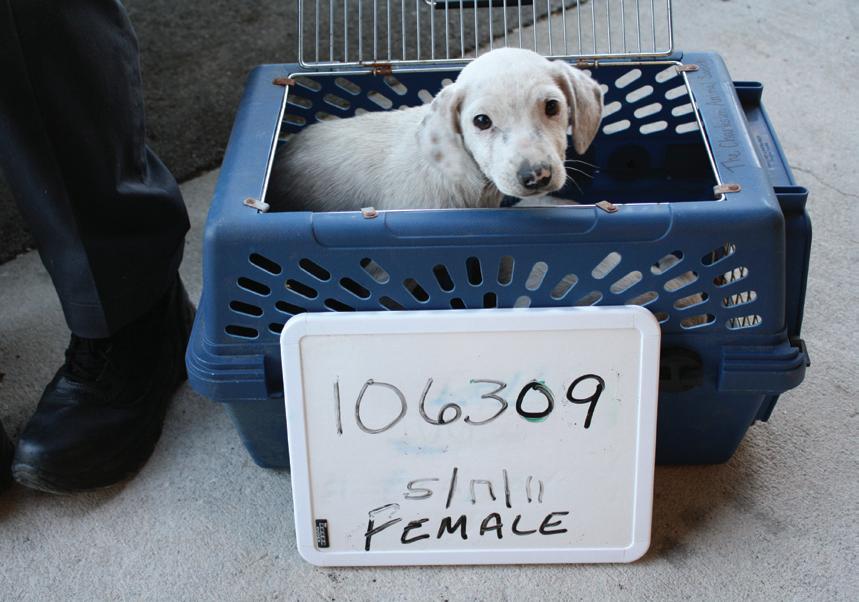
Just prior to the publication of this article on the new animal welfare legislation coalition, Animal Control officers from the Charleston County Sheriff’s Department were alerted by other agencies to investigate a residence in Huger for possible neglect involving numerous animals.
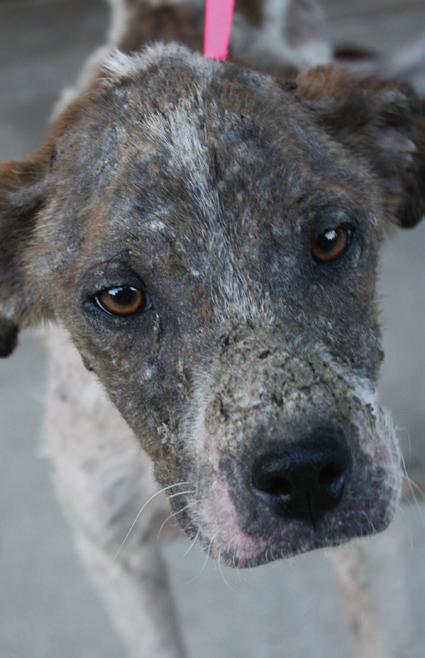
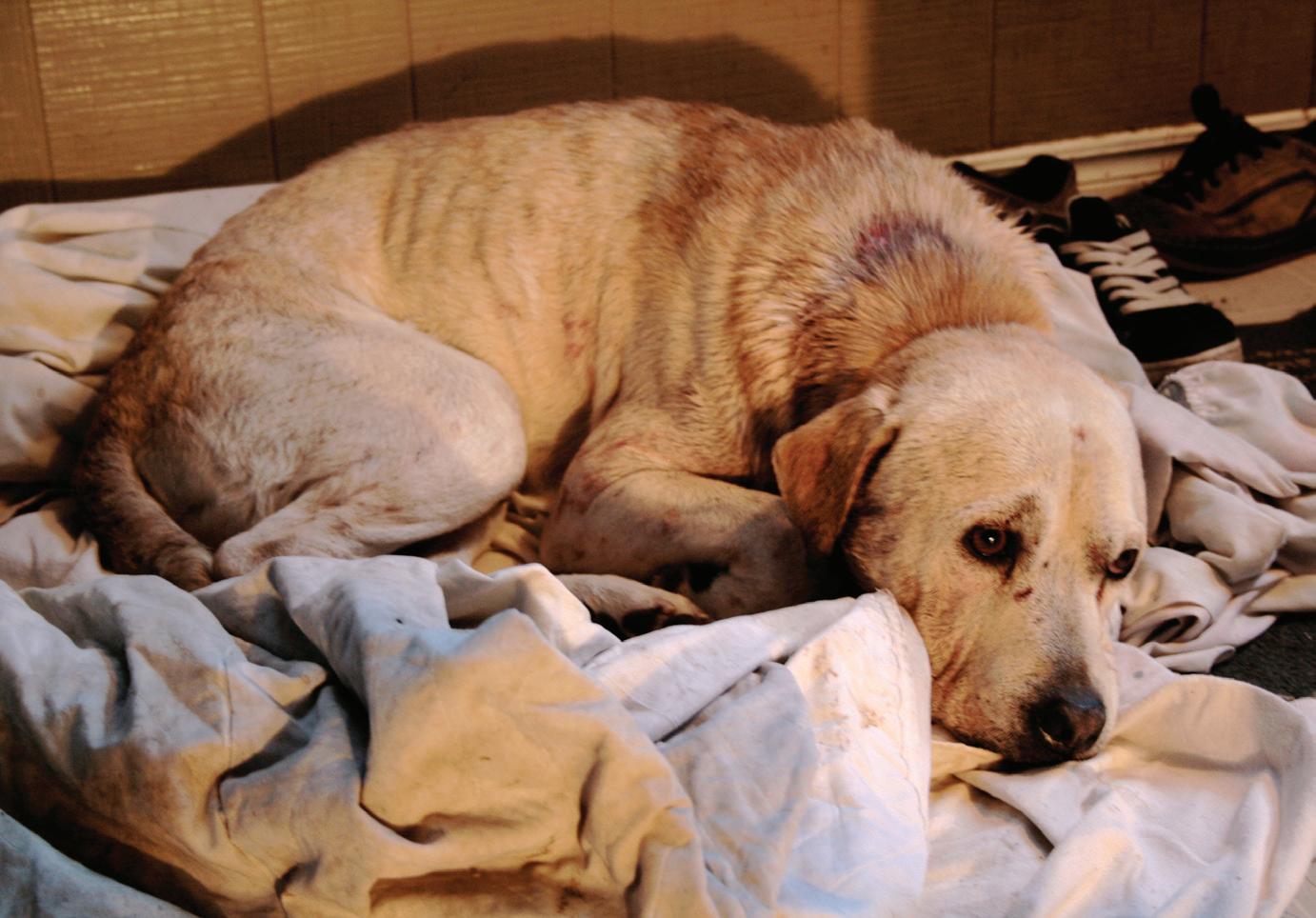
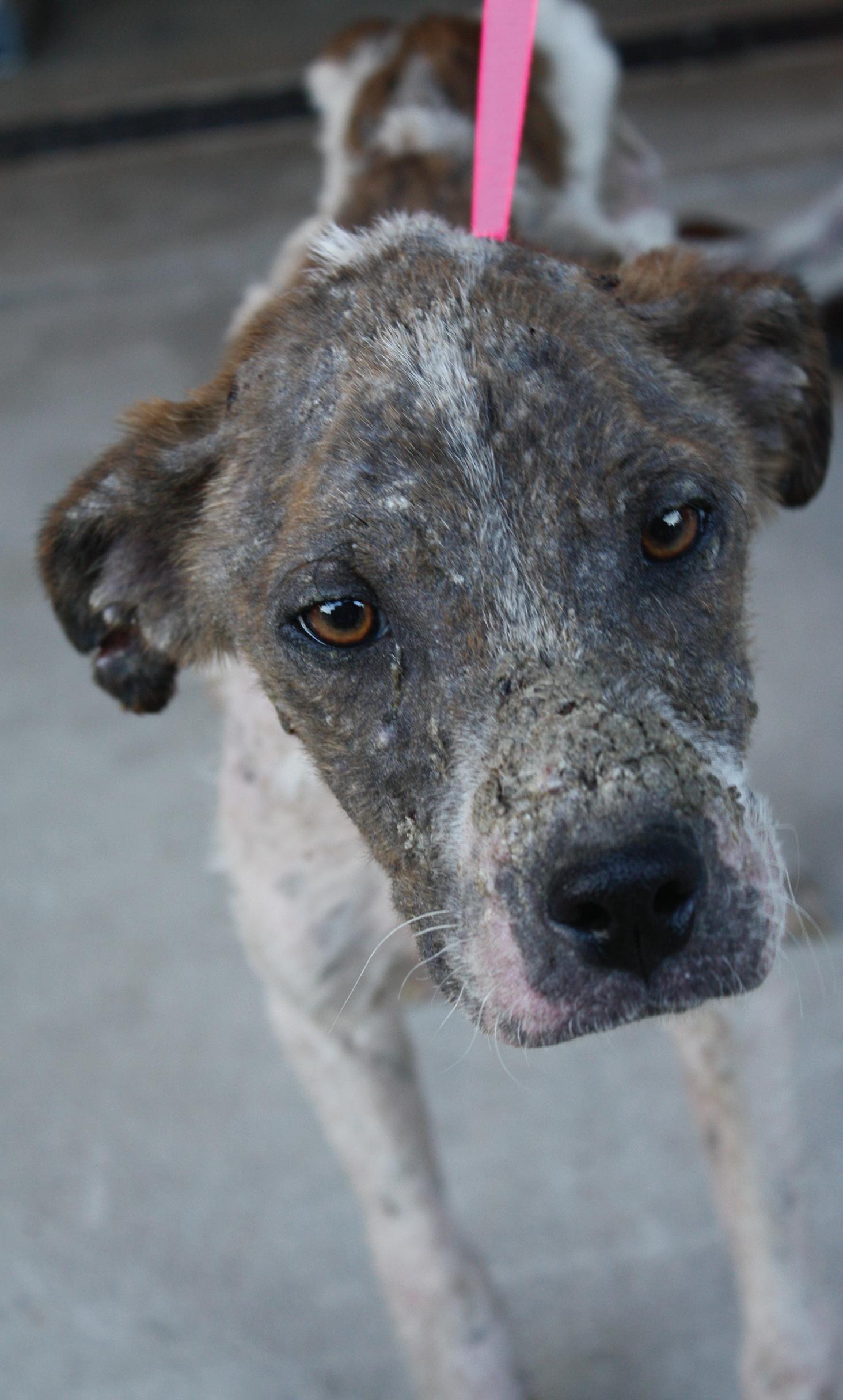
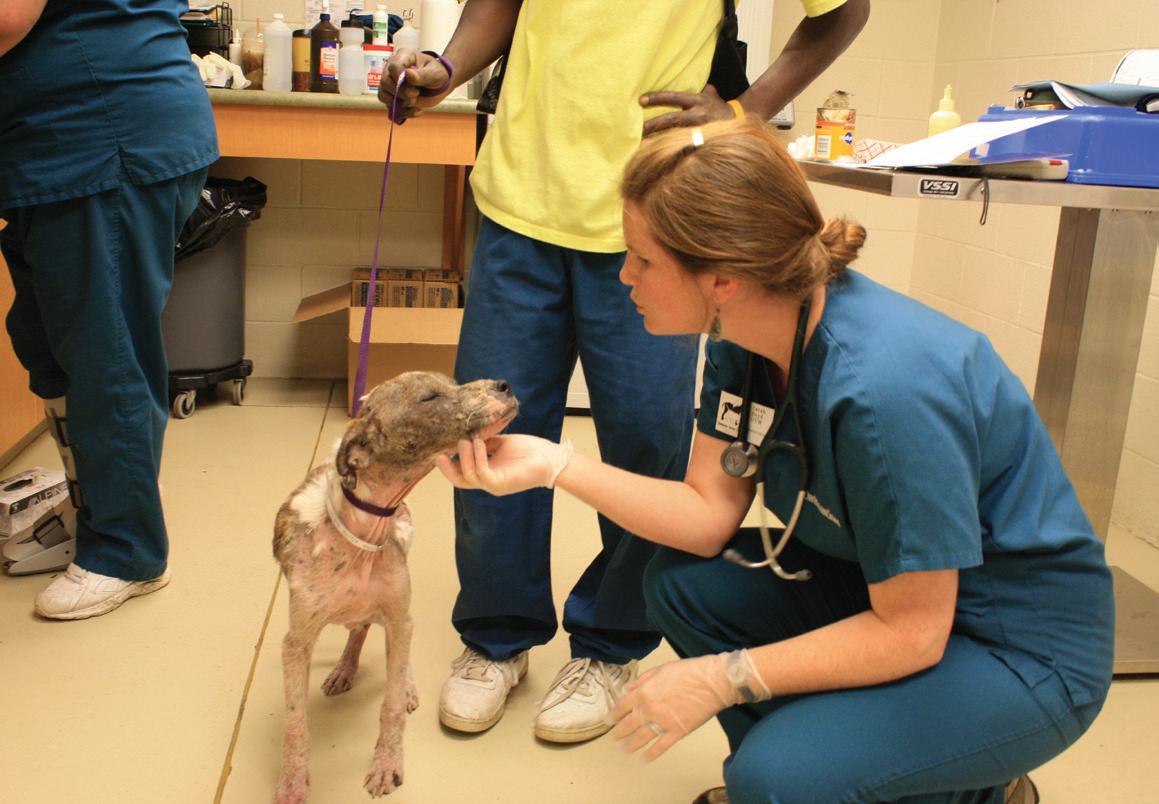
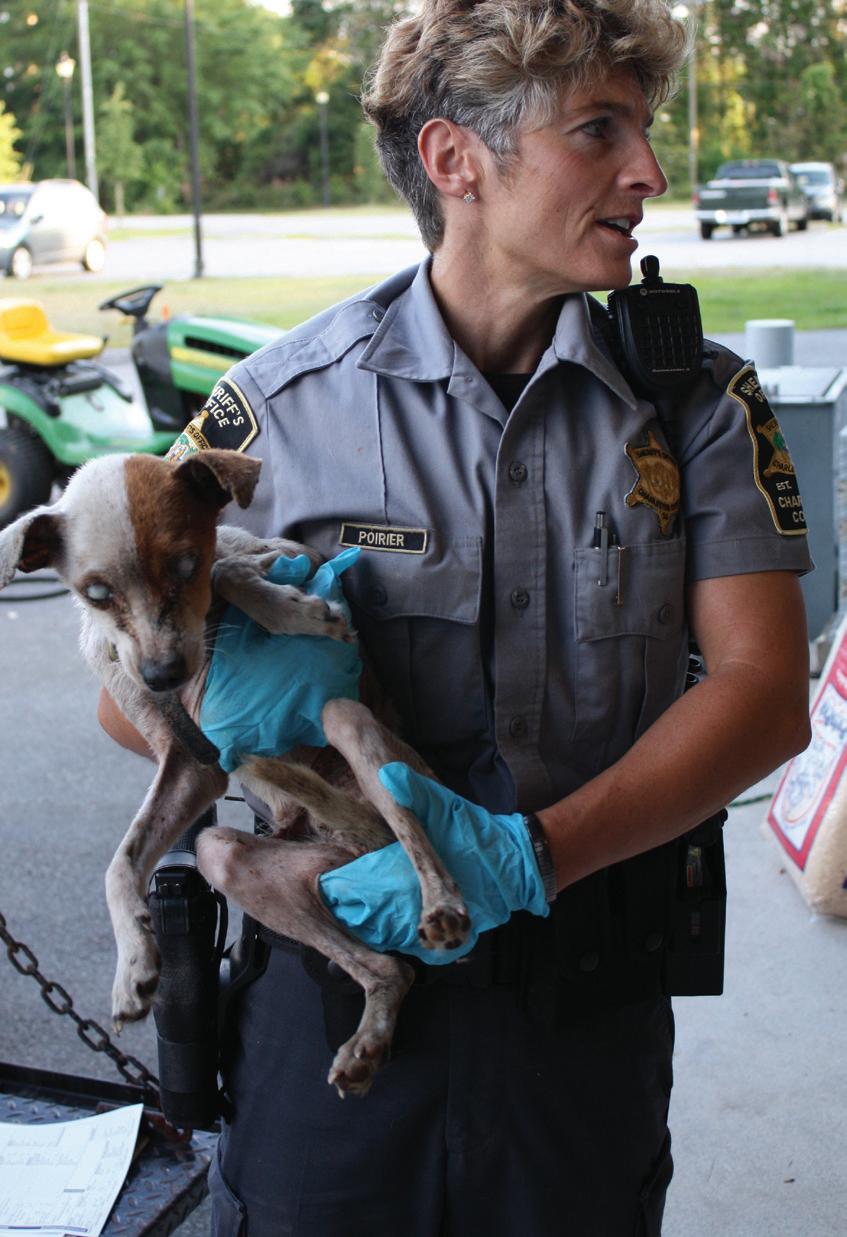
Officers found a variety of animals in various stages of neglect, and living in mud and excrement. Officers confiscated 55 animals from the scene, including a goat, a horse, a pig, 15 dogs, a cat, various fowl and a dead turtle. The dogs were covered in fleas, had internal parasites, external parasites and some were emaciated. Several of the dogs had heartworms and mange. The horse was severely underweight and its hooves terribly overgrown. The chickens’ feet were deformed due to standing in their own feces for long periods of time. Their guardian stated they were well fed, but evidence shows they were feeding the animals rock hard bread and twinkies from the day old bread store.
Kay Hyman, Director of Marketing and PR for the Charleston Animal Society was there the day of the raid. She says that almost all of the dogs have sweet dispositions and happily greeted their saviors despite many of them being near death. One dog in particular moved Kay to the core, “There was a sweet little terrier, badly emaciated and his blind eyes were horrifically infected. He was so ill and in pain that his body was shutting down, so we had to humanely euthanize him. I still think of him at night.”
Cases like this, which happen every day right here in our own communities, are a concrete example of why we need stronger and more effective animal welfare legislation in South Carolina.
To learn more about the coalition striving to improve animal welfare in our state, visit their website at www.scacca.org.
If you suspect animal abuse, neglect, hoarding, or a dog fighting ring in your community, call your local animal control.
To help with the long term recovery of the animals involved in the Huger case, go to www.charlestonanimalsociety.org
the huger case
photos
by Kay Hyman
A FAMiLY AFFAIr
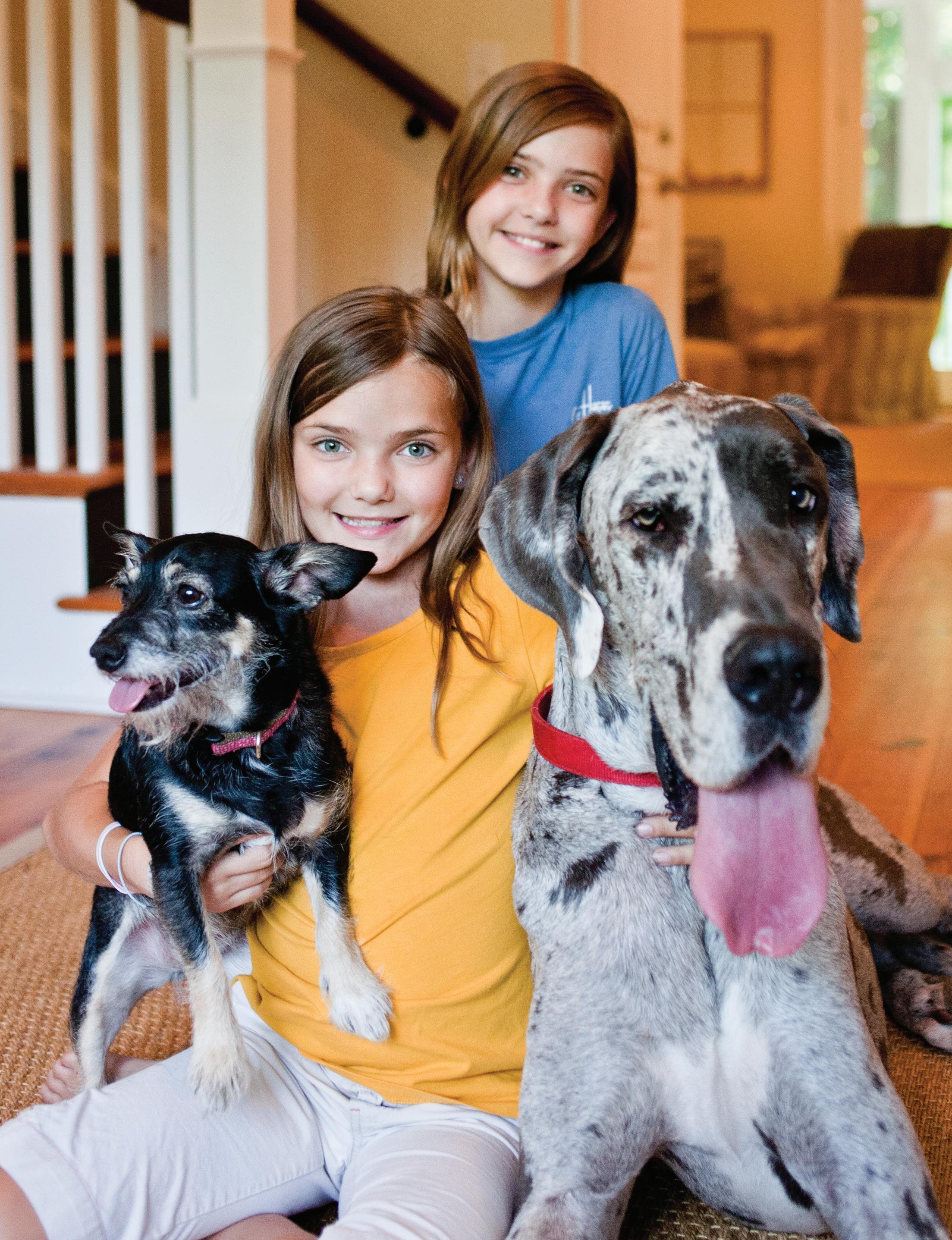
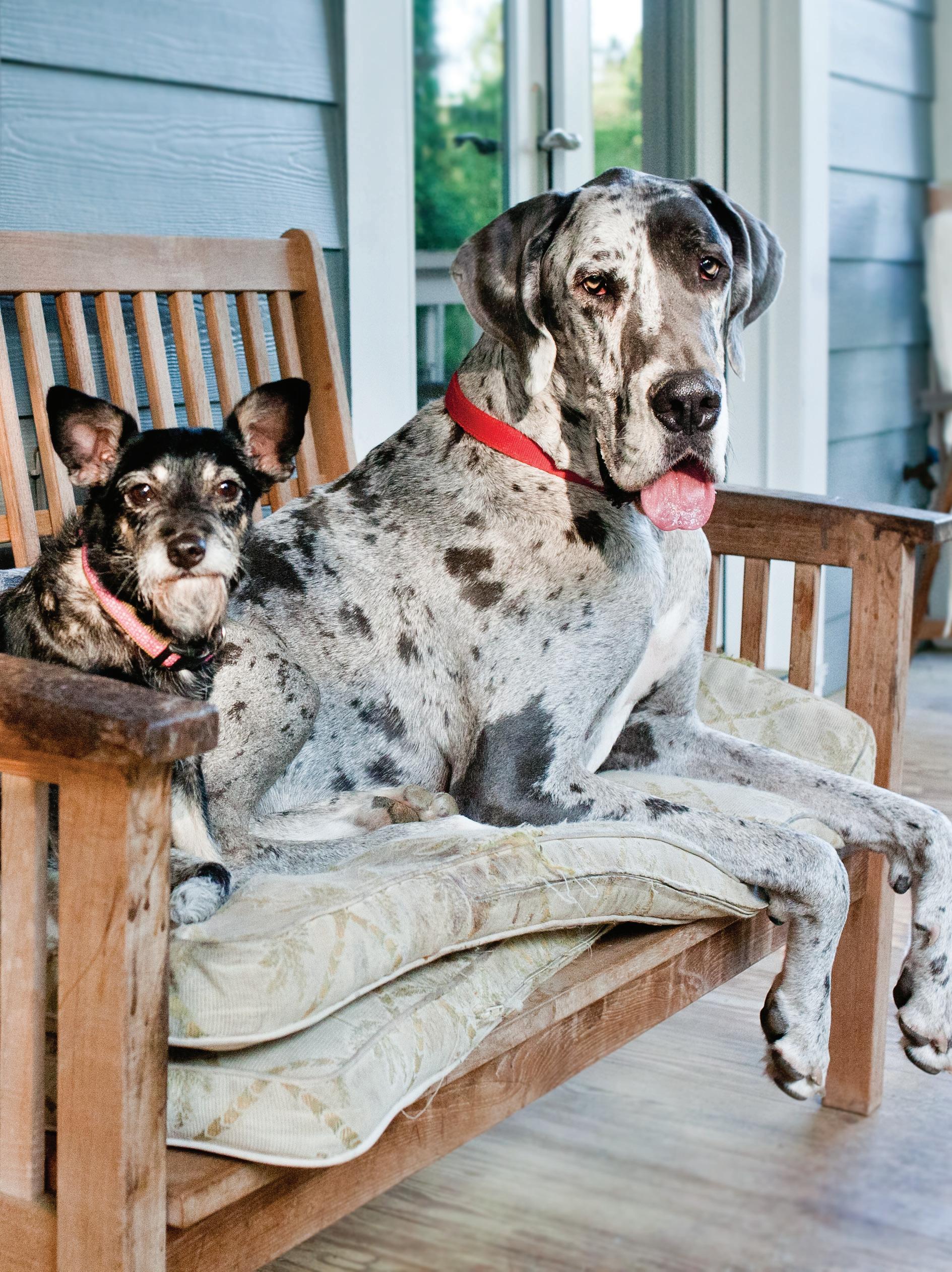
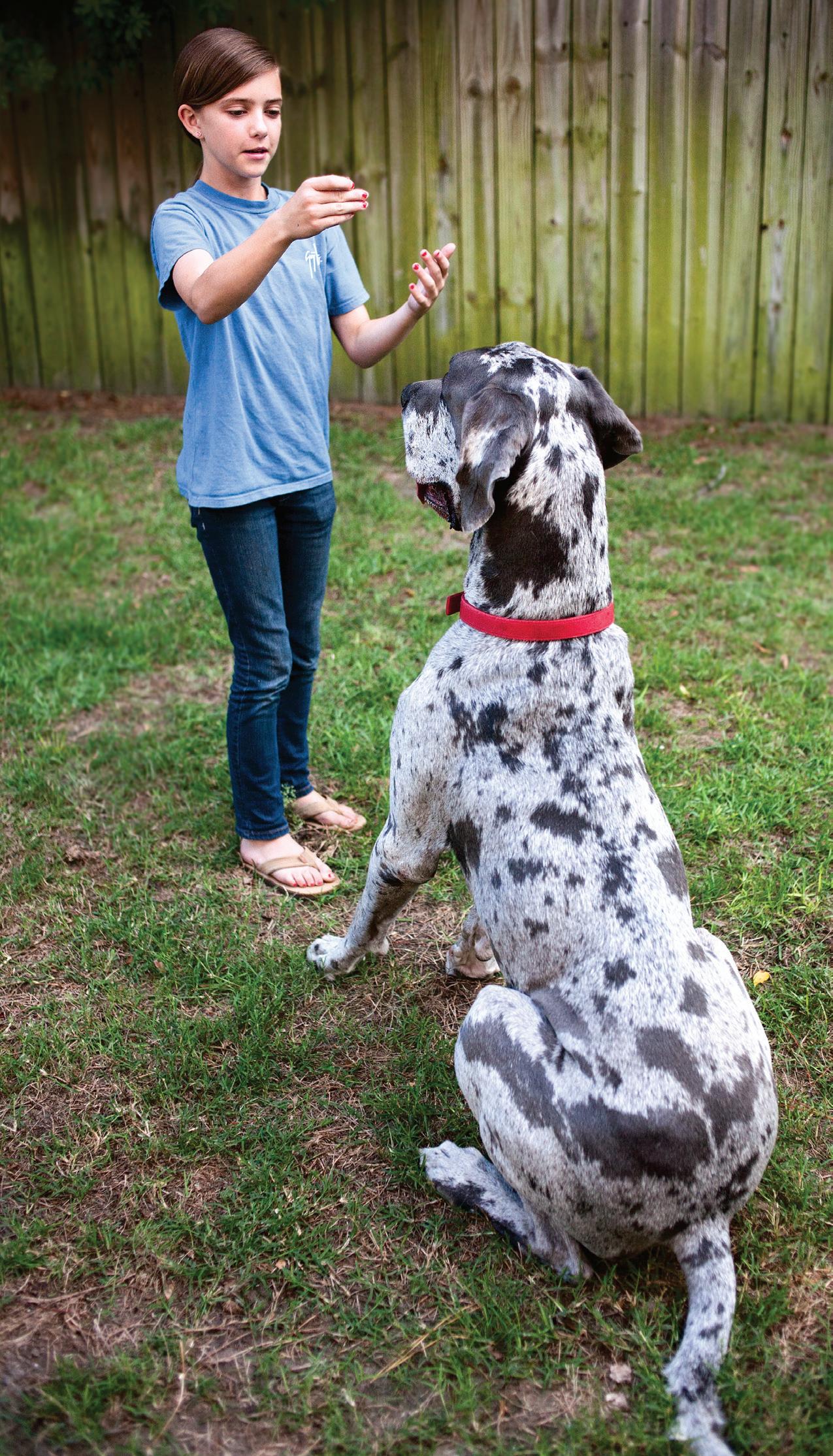
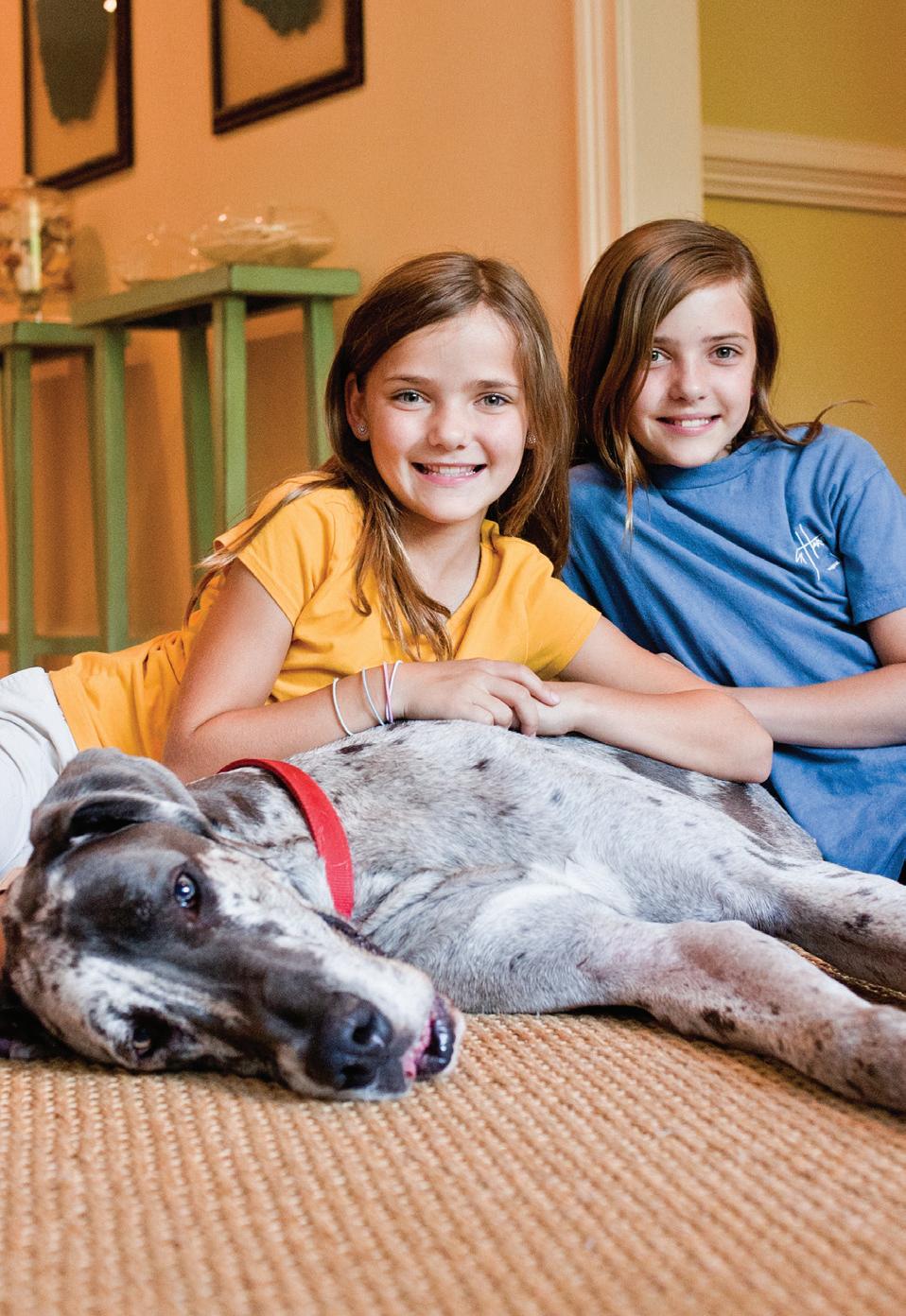
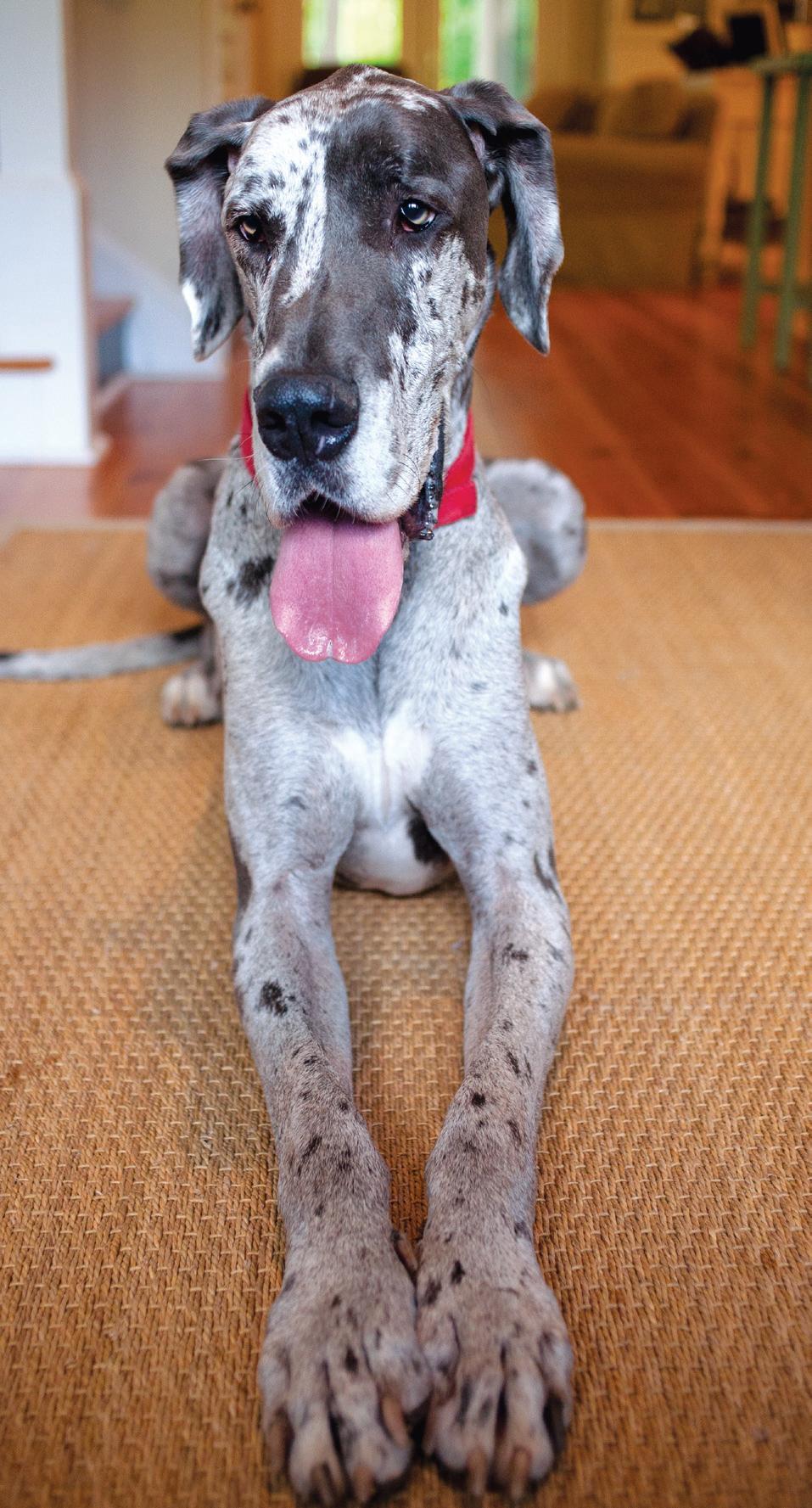
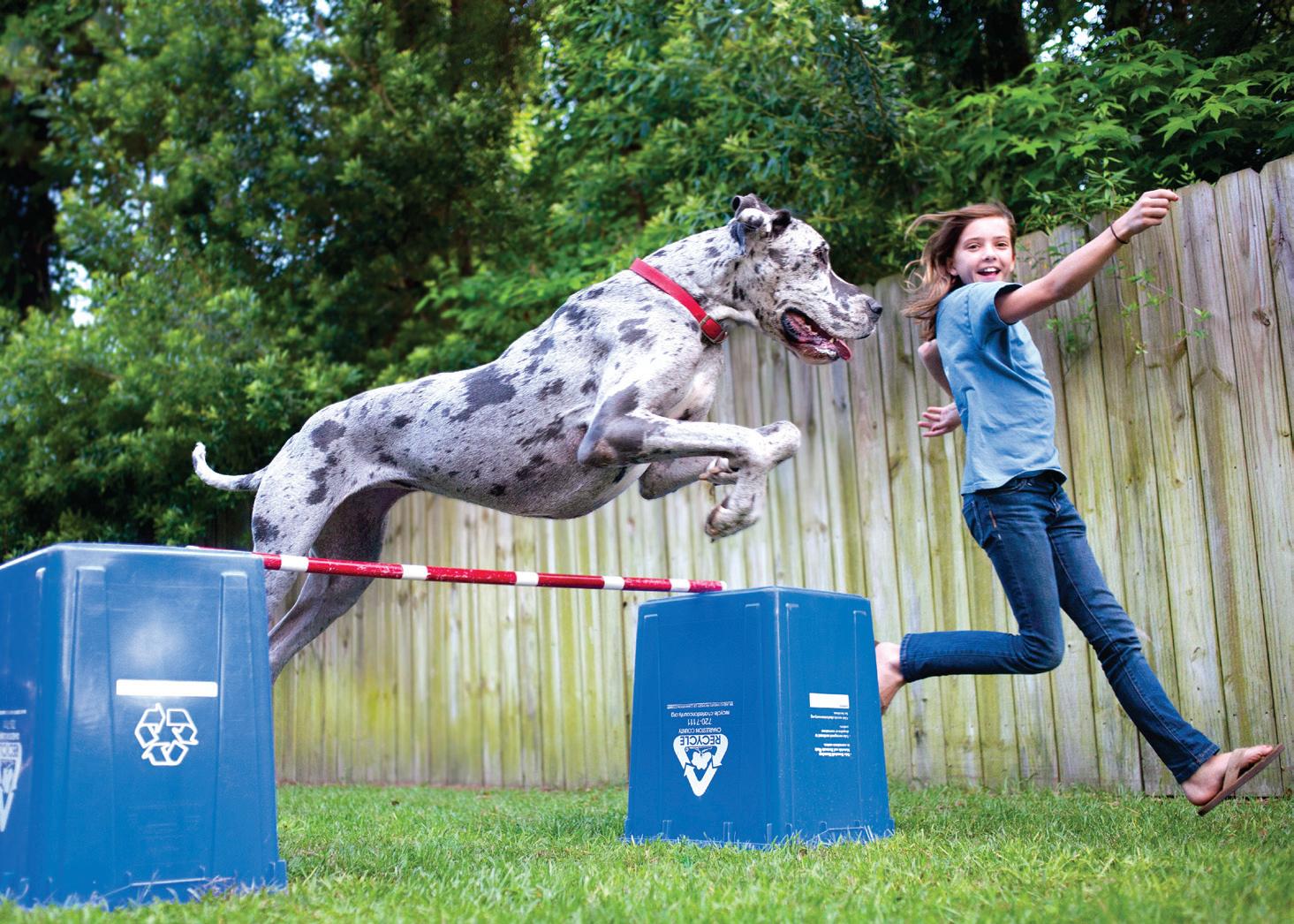
When Kevin Townsend rescued a one-year-old Great Dane named Duke he felt he was saving the dog from an unsure future. Duke and his original family’s Boxer had not been getting along, so Duke was destined for the shelter where intimidating dogs aren’t adopted as quickly as sweet, small puppies. “I knew right away he was a big goofball who was just having a personality conflict with another male dog. He was perfect for me and my daughters, Lexi and Mairin,” says Townsend. As we hear so often in adoption stories, the dog did the true rescuing. “Duke’s future was uncertain before he met us, and so was ours. Our family was going through a painful divorce, but that dog saw us through the difficult times.”
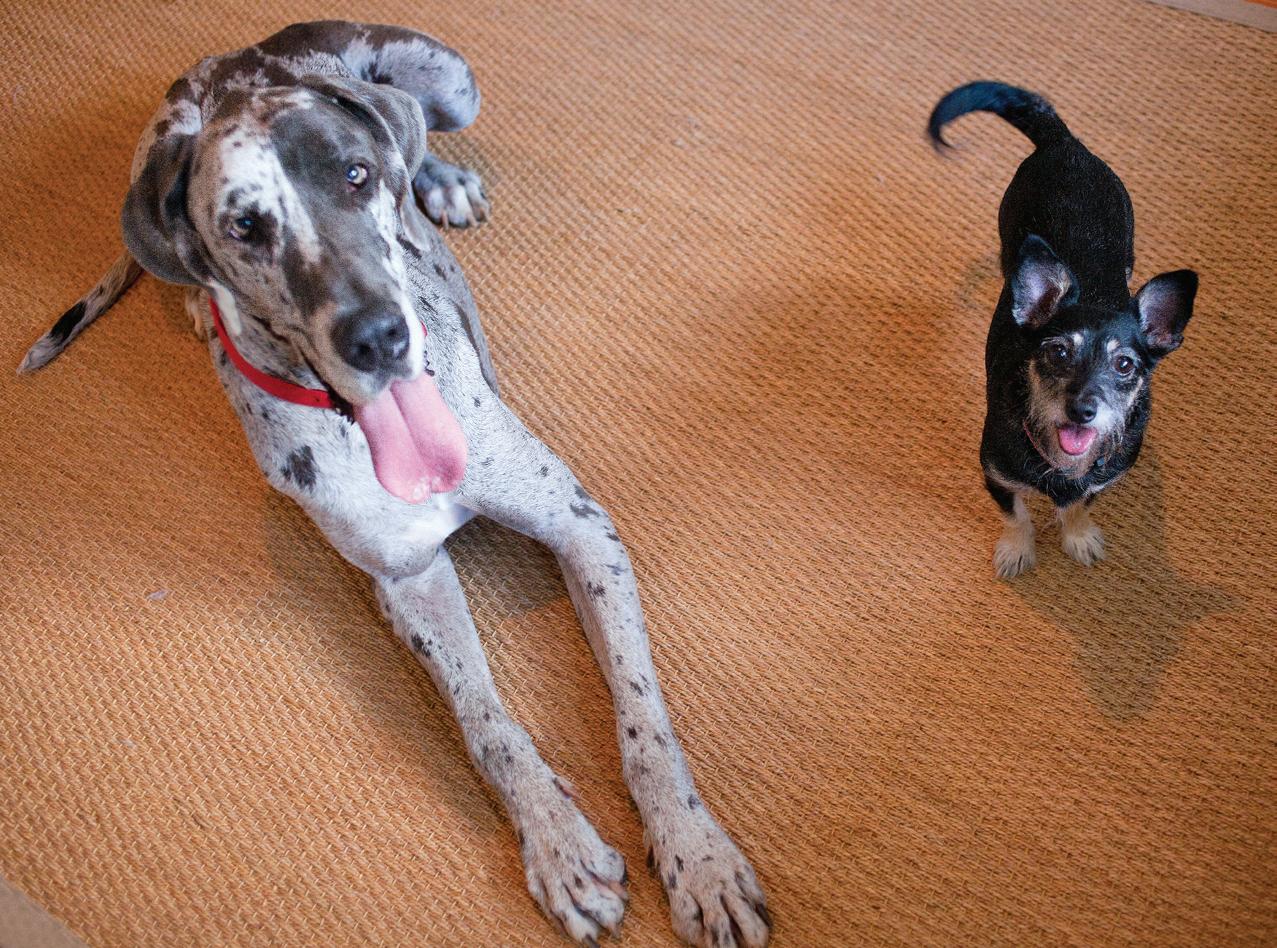
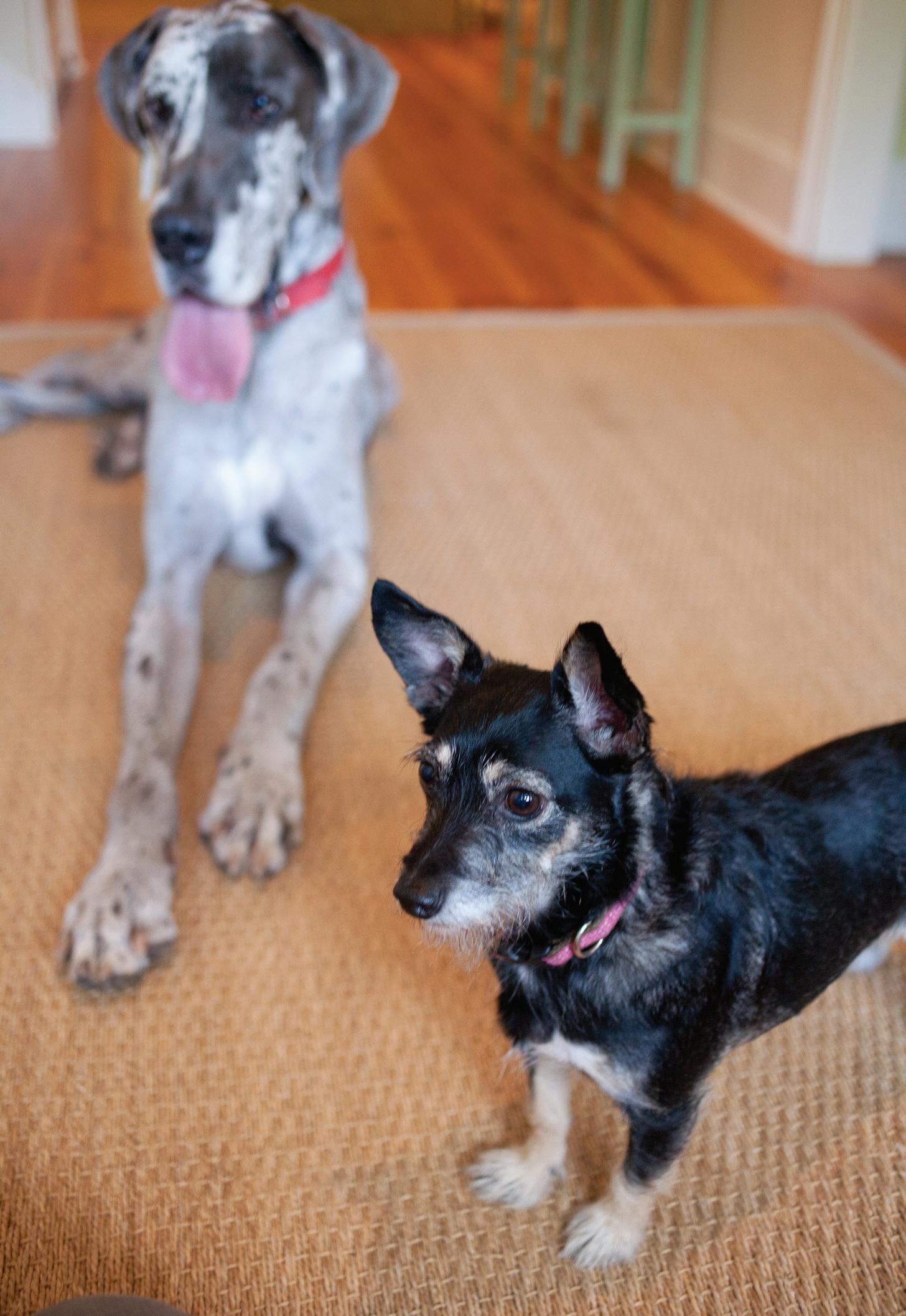
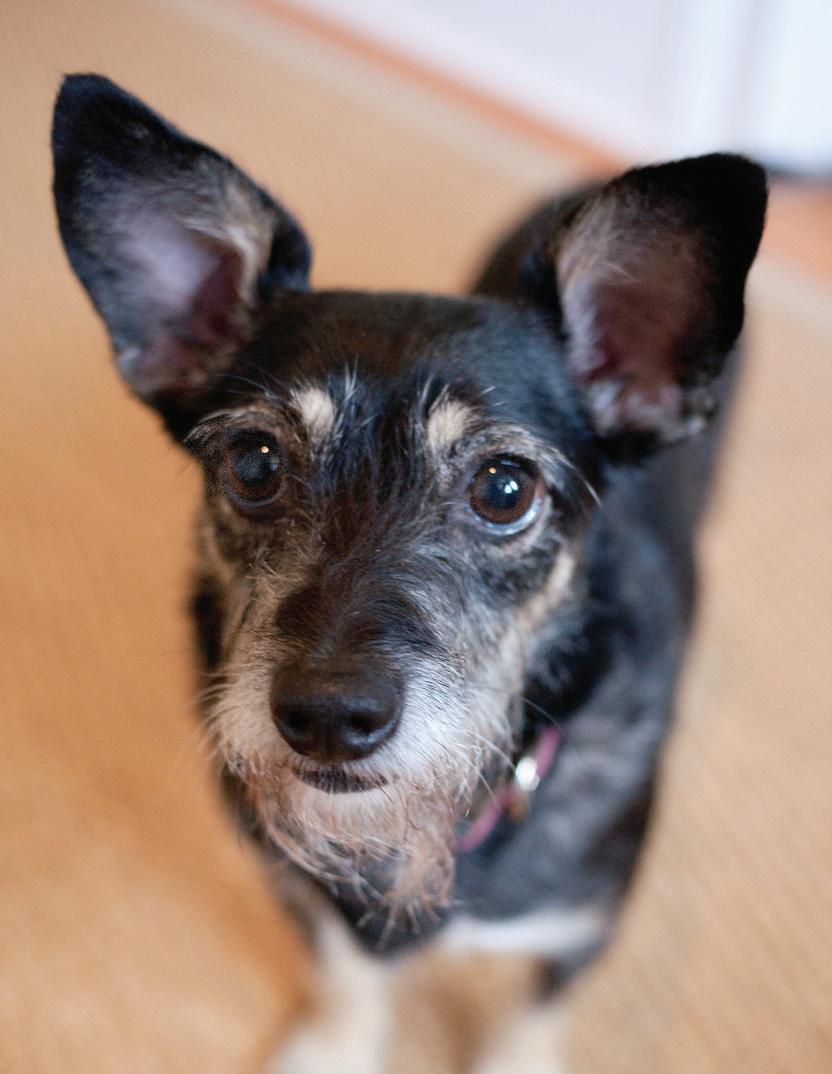
Fast forward a year or so and Lexi and Mairin were ready to add a lap dog to the family. “It was the last thing I wanted,” says Townsend who thought of himself as more of a big dog kind of guy, “but it’s near impossible for me to say no to my girls.” When Tina Brookshire Vaughn a friend and adoption advocate forwarded Kevin the sad photos and story of Tess, an abused and neglected Rat Terrier, his heart went out to the pitiful creature. “She was the ugliest thing I had ever seen, emaciated, heartworm positive, covered in ringworm and mange, so obviously unloved. But I knew my girls, Duke and I could change all that.” With the help of stellar veterinary care provided by Dr. King of The Pet Vet, the family soldiered through Tess’ recovery and marveled at her blossoming personality. A once unhealthy, skittish 7 pound dog now rules the roost, winning games of tug of war with 150 pound Duke, using what Townsend calls the “psychological warfare” of the most ferocious growls her little body can muster.
Balancing Tess’ recovery and socialization, as well as the needs of a dog weighing 140 pounds more than the little dog, was no easy task. Townsend gives his girls a good bit of the credit. Lexi and Mairin taught Duke how to be gentle with Tess, and made sure Tess wasn’t developing too much of a Napoleon personality. They take both dogs to the dog park as much as they can, and go on several leashed walks a day. The girls also rotate who gets which dog in their beds at night. “I’m so pleased my girls love animals, and that they take a genuine interest in the dogs’ care. I know that the lessons learned from saving an abused animal like Tess will follow them into their adult lives.”
And has Townsend, the self- described big dog kind of guy come around to owning a lap dog? “ I love that little Tess. What a shame that she was so ill treated, because she really is the perfect dog.” Yes it seems the entire Townsend clan has a love affair with animals.
When asked if he’ll be adding any more dogs to his family, Townsend replies. “ I hope not! This place is a zoo! Have I not told you about all the other other critters running around this place?” Of his menagerie of animals, including a horse, two guinea pigs, and a fish, in addition to the two dogs, Kevin says, “I’m constantly taking the girls out to riding lessons on the horse. It took $700 in veterinary care to clear up the nine-dollar guinea pig’s skin issues. The dogs have all but destroyed the backyard and hardwood floors inside the house. The walls are covered in Duke’s slobber. But you know what? We wouldn’t have it any other way.”
Adding a New Dog, of Any Size, to Your Home
by Kristie Allen
Before you add a new dog to your household your existing dog must be trained and socialized as well as view you as his leader.
Different sex dogs typically live more harmoniously together, so consider a dog of the opposite gender.
Your dog may react differently to a dog entering his house than he does at the park, so it’s best for the first meeting to be on neutral territory.
When the meeting occurs, have each dog on lead with a relaxed adult handler. As the dogs approach each other, watch their body language closely. The dogs may need to do a little posturing or make a little noise. If one or both of the dogs seem stiff, anxious or fearful, a face to face greeting is not recommended. Use the dog’s name recognition command and/or “let’s go” to guide him away. Keep greetings short and sweet. If they try to play by pawing or play bowing with their legs stretched out in front of them, they may want to be best friends. Allow them to sniff each other, and give praise for a nice greeting. Take them for a walk together, stopping occasionally to allow them to sniff and investigate each other. If they stiffen their bodies and stare into each other’s eyes with their hair up and their teeth bared, they probably aren’t going to become fast friends. If they lunge at each other and try to fight, separate them and don’t try further introductions without help from someone with experience in dog training and behavior.
If the meeting on neutral territory goes well, bring them back to your home, allowing them some time in the yard, then enter the house. All food bowls, toys, balls, etc. should have already been picked up and put away. Keep both dogs on leash, but remember to keep the leashes relaxed. If the dog pulls and makes the leash tight, direct him in the opposite way and try again. Ask for a sit and calm him down using commands he already knows. Allow the new dog to investigate the house and praise him for desired behavior and redirect him for undesired behavior.
Let the dogs become acclimated with each other at the rate they are comfortable with. You can’t force them to be friends – this is one thing they can decide on their own.
Kristie Allen owns The Learning Canine. Learn more at www.thelearningcanine.com
Special thanks to the Townsend family, who purchased this article and photo spread as an auction item during the Pet Helpers Fur Ball. The LCD Cover Story auction item raised $2700 for the shelter, and was the highest single auction item of the event!
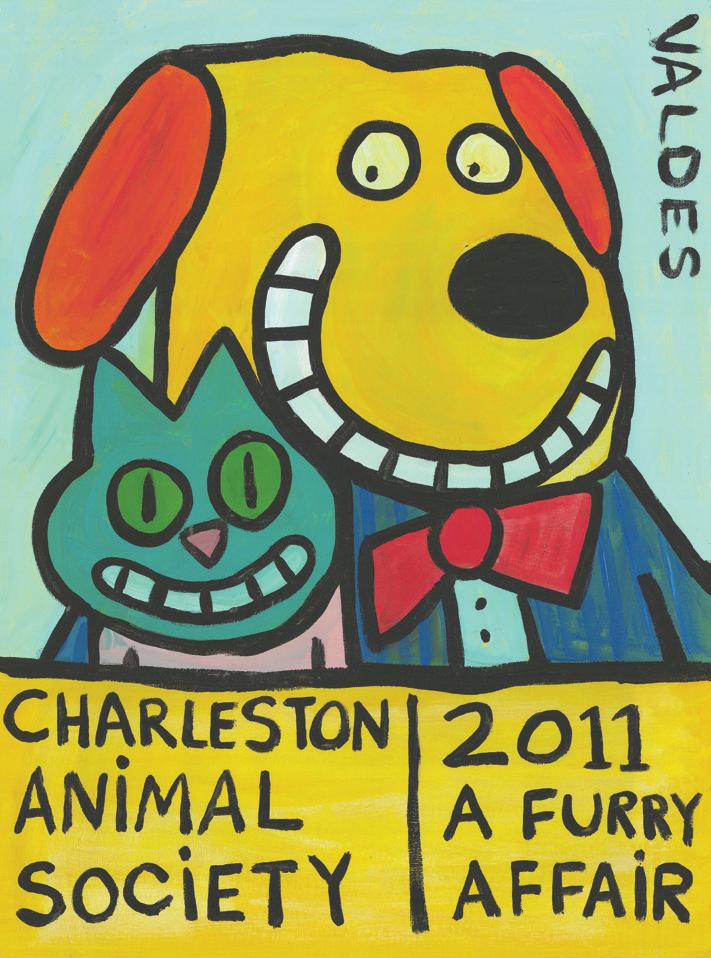
JOIN US FOR OUR 7TH ANNUAL FURRY AFFAIR
JUNE 25, 2011 6:00pm-10:00pm MEMMINGER AUDITORIUM, DOWNTOWN CHARLESTON
There’s something for everyone! Join us for a live and silent auction to help save the lives of animals in the Lowcountry. The evening will include fantastic food from Cafe Catering, a Live Auction emceed by Tom Crawford and Miss South Carolina United States, Valarie Kobrovsky and a silent auction with over 200 items to bid on!
This is one of the Charleston Animal Society’s largest and most exciting fund-raising events. There will truly be a wide variety of auction items for every personality type and price range. Don’t miss this opportunity to have fun and save lives!
Tickets are $75 and include beer, wine, hors d’oeuvres and bidding! Purchase your tickets today!
To learn more or purchase tickets online visit, www.charlestonanimalsociety.org/furryaffair
second saturday of every month. 11:00am-2:00pm frances r willis adopt-a-thon. All is Well, 440A Trolley Road, Summerville. Call 871-3820.
every saturday in the spring and summer. cas adoption event at downtown farmer’s market. Meet adoptable animals at the Marion Square Farmer’s Market!
june 4th 7:00am green & lean 5k. The USA TF certified 5k begins at Brittlebank Park. Race proceeds benefit Keep Charleston Beautiful. Strollers and leashed dogs are welcome. Awards for the first stroller and first dog across the finish line. More info at www.greenandlean5k.com
june 4th 9:00am-1:00pm vaccine/ microchip clinic & dog wash. Come on out to the Tractor Supply Co. in Summerville to benefit Carolina Coonhound Rescue. Vaccines $10 each, microchips $20 each, dog wash $5, nail trims $5, ear flush $3.
june 5th pet helpers mutts ‘n movies. Come join Pet Helpers for an outdoor movie at Cinebarre, Mt. Pleasant. Jumanji will be playing and DJ Ric Rush will be there too! Food and drink available, dog play yard, jump castle, etc. $5 suggested donation. Check www.pethelpers.org for more info.
june 5th, 12:00pm to 1:30pm frwspca bully walk. Location is TBD. www.summervillespca.com for more info.
june 7th 6:30pm best friends class for kids and their dogs. Taught by Purely Positive Dog Training, the class will take place at Dolittle’s West Ashley and teaches children how to train their family dogs using positive reinforcement. $120. Visit www.purelypositive.com for more info.
june 11th 10:00am-3:00pm passion for paws. Roper St. Francis Healthcare/ Charleston Animal Society Passion for Paws Adopt-a-thons! Roper
St. Francis Mount Pleasant Hospital –Mount Pleasant. Adopt-a-Dog for $105 (includes spaying/neutering). Visit www. charlestonanimalsociety.org for more info.
june 11th and july 9th 3:00pm carolina coonhound rescue meeting. Come to Perkins Restaurant in N. Charleston to learn about coonhounds in need. More info at www.carolinacoonhoundrescue.com
june 15th 6:30pm dogs and storks workshop. Held at Dolittle’s West Ashley. This is a prenatal workshop that prepares parents for life with dog and baby. $45. Visit www.purelypositive.com for more info.
june 18th 11:00am-2:00pm pet lovers warehouse frwspca adoptathon. 620 Bacons Bridge Rd. Summerville, SC. Call 843-871-3177 for more information.
june 22nd 5:00pm pour it forward. The Square Onion Too! and Earthly Artifacts are hosting “Pour It Forward.” The dog friendly event is held at 411 Coleman Blvd, Mount Pleasant. $10 donation is requested for libations, music, snacks and more. The donation will go to Warriors Wear Pink.
june 22nd 6:30 diapers and dogs class. Dolittle’s West Ashley. This training class is for parents with a new baby! Dogs are taught to walk with the stroller and go to their bed while the baby is changed or fed, etc. Six week class; $120. More info at www.purelypositive.com
june 25th punt, pass, play for Pets. The family event, held at Blackbaud Stadium benefits Pet Helpers and the Charleston Outlaws, Charleston’s Men’s Rugby Team. Teams of four will compete in different events (including a football throw for distance). Prizes awarded to the top teams. Time is TBA. Contact www.pethelpers.com for more info.
june 25th frwspca foster medical fund garage sale. The sale will be located at 215 South Magnolia, Summerville, SC.
june 25th 1:00pm-3:00pm freefurr-all toy breed play group. The goal of the Toy Breed Play Group is to help Toys better interact and be comfortable around other dogs, people, and different environments. Sticky Fingers, 341 Johnnie Dodds Blvd, Mt.Pleasant.
june 25th and july 16th 3:00pm6:00pm carolina coonhound rescue meet & greet at hairy winston. Bring home a forever friend! Visit www.carolinacoonhoundrescue.com
june 25th 6:00pm-10:00pm the charleston animal society a furry affair. Memminger Auditorium. Live & Silent Auction, music, hors d’oeuvres, beer & wine.Tickets are $75. Visit www.charlestonanimalsociety. org/furryaffair to purchase tickets.
july 9th 3:30pm-7:30pm beginners control unleashed® workshop. in West Ashley. $75 for participants. $40 for auditors. Visit www. mindfulmanners.net for more info.
july 18th and july 25th pet helpers paws camp (protecting animals who suffer). Kicks off during the weeks of July 18-22 and July 25-29. Open to students in 6th-12th grade. Visit www.pethelpers.org for more info.
july 23rd 10:00am-2:00pm hunters day dog wash. True Value Monks Corner. Benefits Carolina Coonhound Rescue. Dog washes $5. Nail trims $5.
july 30th 1:00pm-3:00pm freefurr-all toy breed play group. Join us for socializing, food & fun at Daniel Island Grille (DIG). Come enjoy the fun while helping to better socialize your Toy. For more info call (843)5664377 or join us on www.meetup.com
Questions? Comments? Call 843-478-0266. Want to submit event information? Visit www.lowcountrydog.com and click on Add an Event. We will do our best to include your event as space allows. Our online calendar lists all events in full.
HIP DYSPLASIA inYOUNG DOGS
The term ”hip dysplasia” often brings to mind the image of a rickety old Labrador, Golden Retriever, or perhaps German Shepherd that has difficulty rising, climbing into the car or is bunny-hopping around on it’s rear legs. But hip dysplasia is not just an affliction of older pets and actually begins its onslaught when pets are young in body and spirit. The hip is a ball-and-socket joint where the ball (femoral head) fits snugly into the socket (acetabulum). Hip dysplasia begins in immature dogs when the hip fails to develop normally causing a general looseness and poor fit between the ball and socket. However, since changes within an animal’s hips are a result of chronic joint instability over time, scarring, arthritis and painful inflammation of the joint generally do not become apparent until the dog reaches one year of age. Knowing that hip dysplasia often
By Jason M. Balara, DVM, DACVS
begins while a dog is still young and physically immature, it is possible to detect and treat young dogs to prevent the onset of debilitating pain later.
Early Detection
The early symptoms of hip dysplasia are the same for both older dogs and younger dogs. One of the most common signs is that the dog may show lameness in one or both of the rear legs. Some may even resort to a “bunny hop” in which both legs are moving simultaneously. Many dogs show reluctance to participate in a variety of activities—from exercise in general to walking, using the stairs or any other movement—unless it is absolutely necessary. For example a young puppy that used to love a game of fetch may become unwilling to play. Another common sign of hip dysplasia is a stiffness of the back legs. Unfortunately, most owners will not necessarily notice the stiffness or dismiss it. It may also be very difficult for the dog to stretch its hind legs.
A dog showing any clinical signs of discomfort should be examined for hip joint laxity, and radiographs of the pelvis obtained at the earliest opportunity. Often it is not until an animal is severely clinically affected or arthritis has set in that the owner or family veterinarian knows there is a problem. At this point, it is generally too late for anything but
salvage procedures (Femoral Head & Neck Ostectomy or Total Hip Replacement).
In the past it has been extremely difficult to diagnose new puppies with hip dysplasia, as traditional hip screening methodology (OFA) is not available until a dog reaches 2 years of age. PennHIP screening has been developed by the University of Pennsylvania Veterinary School as an earlier and more accurate predictor of hip dysplasia and arthritis progression. PennHIP x-rays include a distraction view of the hips, which shows true laxity that may not be evident on traditional OFA x-rays. Additionally, PennHIP screening x-rays can be performed as early as 16 weeks of age. Treatment for Puppies
Interestingly enough, a great number of effective surgical options are available to younger animals. If arthritis has not developed, a Juvenile Pubic Symphysiodesis (JPS) or Triple Pelvic Osteotomy (TPO) surgery can be performed to improve the fit of the ball and socket joint and thereby preserve the joint and prevent arthritis from developing.
Juvenile Pubic Symphysiodesis (JPS) is a less invasive surgery in which one of the pelvic growth plates is fused, changing the angle of the hips. JPS causes the hip socket to rotate “naturally” and improves the contact with the ball of the femur. By surgically fusing a portion of the pubic growth plate, JPS alters the normal growth of the pelvis and allows the other bones to fully develop in a correct manner, minimizing the effects of hip dysplasia later in life. Continued growth forces the socket to rotate and better cover the femoral ball improving joint function. Results indicated that
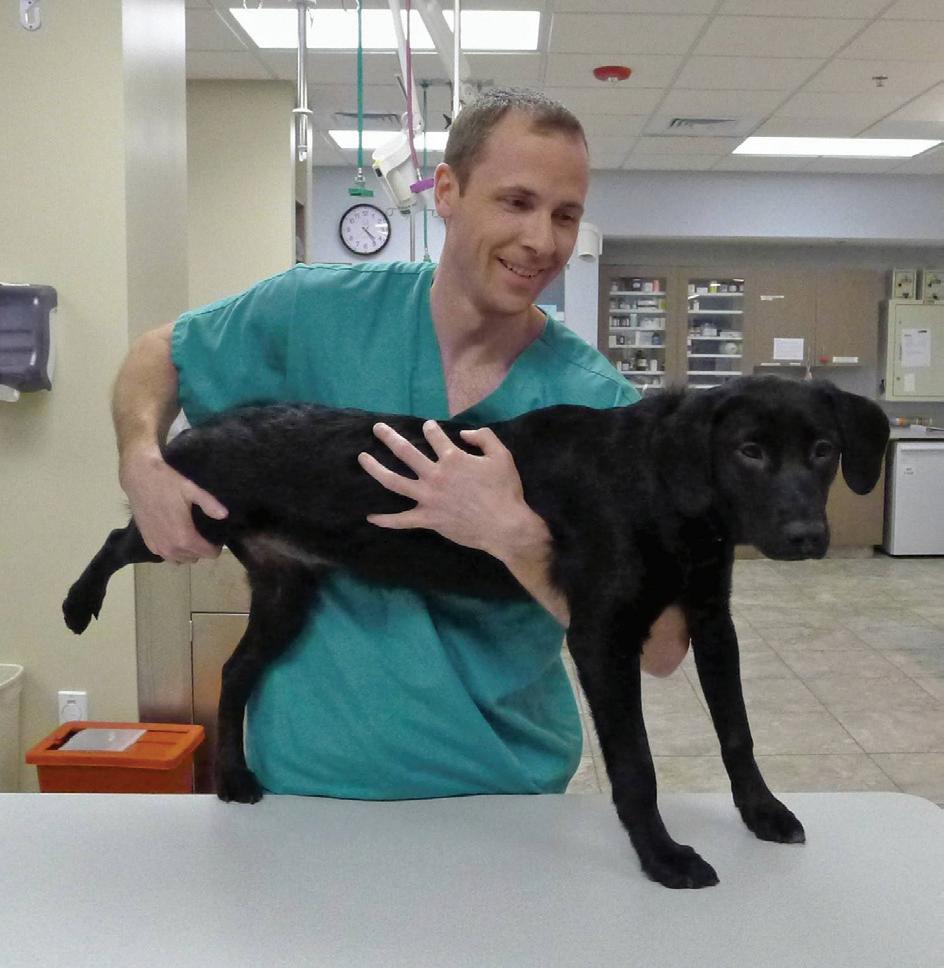
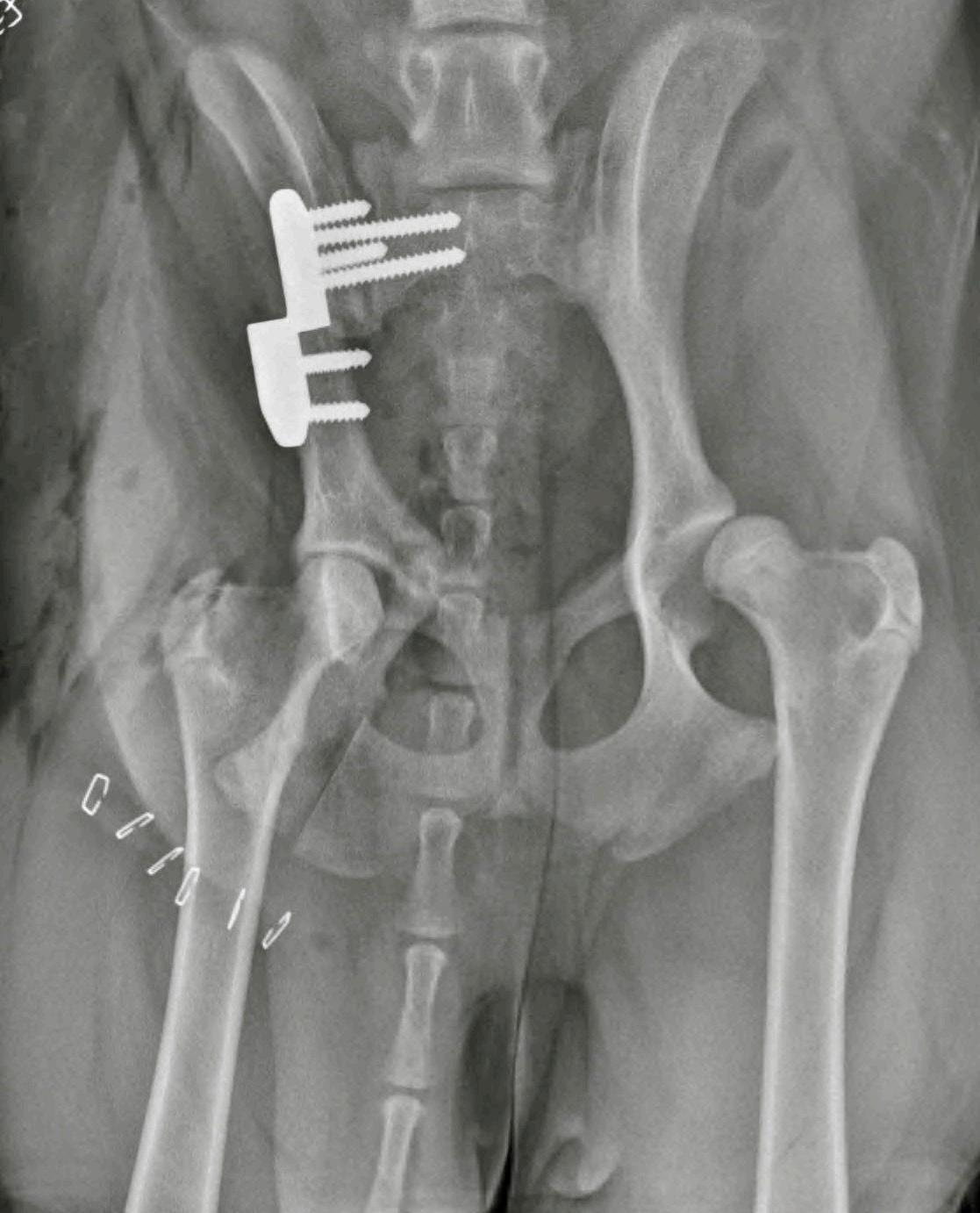
Top: Dr Balara performing a hip exam on “Jerry” a 5 month old black Lab puppy
Bottom: A young Labrador cross with lax (loose) hips after Triple Pelvic Osteotomy.
the greatest benefit from JPS was achieved in puppies 16-20 weeks of age.
Juvenile Pubic Symphysiodesis is considered to be a prophylactic procedure since most dogs do not display clinical signs of hip dysplasia until they are older than 6 months of age. PennHIP screening and JPS should be strongly considered in puppies of proper age at risk for hip dysplasia. Some institutions have gone as far as to recommend PennHIP and JPS for puppies of any breed potentially at risk for hip dysplasia (Labrador retrievers, Rottweilers, German Shepherds, Golden retrievers, etc).
Triple Pelvic Osteotomy (TPO) can be used in dogs that are 6-12 months old. TPO surgery involves surgically cutting the pelvis in three places in order to realign the bones. The pelvis is then positioned in such a way that restores an ideal joint surface conformation that can bear the dog’s weight. It is important to remember that with TPO, both hips must be corrected in more than 90% of the cases because hip dysplasia is almost always bilateral. A high level of expertise is required to successfully perform either of these procedures; therefore, specialists in veterinary surgery should be consulted and will most often perform these procedures in young animals. Pet owners should be sure to contact their regular veterinarian before pursuing any form of treatment for this or any other concern they may have regarding their pet’s health.
Dr. Jason M. Balara received his Doctorate of Veterinary Medicine (DVM) in 2004 from Tufts University School of Veterinary Medicine (Grafton, Mass) and achieved his board certification in Small Animal Surgery from the American College of Veterinary Surgeons in February of 2009. His professional interests include hip and elbow dysplasia, fracture repair and minimally invasive surgery. Dr. Balara is the head of surgery at Charleston Veterinary Referral Center. For more information about Dr. Balara, visit www.CharlestonVRC.com.
OLDER DOGS WITH HIP DYSPLASIA
For older dogs affected by hip dysplasia, medical and surgical management options are available. Medical management is simply an attempt to relieve pain. It must be emphasized that this form of therapy will not make the dog normal, but only more comfortable. Medical management of hip dysplasia involves a 3-pronged approach:
1. Weight loss is effective in pets that are overweight since some of their pain and discomfort arises from the excessive weight the abnormal joints have to bear. The excess weight creates more pain and discomfort than what ordinarily would be present.
2. Exercise moderation consists of some form of behavioral changes that maximizes the dog’s comfort. In the case of the “couch potato pet,” too much inactivity results in difficulty rising and a stiffness to the gait. Usually these animals improve once they are encouraged to move around a bit. The opposite extreme is the “weekend warrior pets,” who overextend themselves and return to work Monday morning with a multitude of sore muscles and joints. Such unrestricted play results in aggravation of the arthritis and worsening clinical signs, interestingly, at the time the activity has subsided.
“Everything in moderation” is the appropriate adage.
3. A variety of prescription drugs (non-steroidal antiinflammatory medications such as Rimadyl, Previcox, Deramaxx, and Metacam) are readily available for treatment of inflammation associated with hip dysplasia. A word of caution is in order here as most over-the-counter antiinflammatory medications commonly used in people (Motrin, Advil, Tylenol, etc.) should NOT be used in the dog as they can cause major toxic side effects. In dogs that
are unable to tolerate NSAIDs or that need additional pain relief, there are several other drugs available for acute pain relief
4. Chondroprotective compounds can also be used to protect and nourish the joint cartilage in effected animals. Common protective agents such as Cosequin, Dasequin and Glycoflex contain glucosamine chondroitin as an active ingredient and generally require a full 4-6 week course of administration before reaching full effect.
Pet owners should be sure to contact their regular veterinarian before pursuing any form of treatment for this or any other concern they may have regarding their pet’s health.
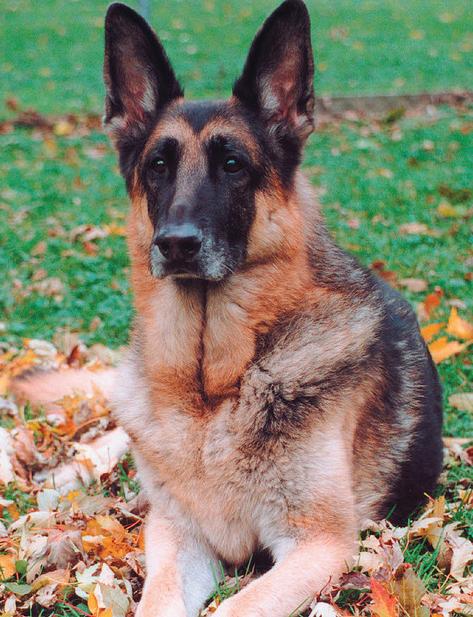
The German Shepherd breed is one of many prone to hip dysplasia. This is Amber, a 12 year old Shepherd photographed by Flickr User jn2race, Creative Commons.
K9 Nose Work by
Susan Marett
What sport can dogs enjoy no matter their age, breed, athleticism, or ability? The answer is K9 Nose Work. K9 Nose Work is fast becoming popular with dog owners looking for a challenging and fun activity and for hobbyists who enjoy competition. This urban sport builds confidence and burns off mental and physical energy.
The sport of K9 Nose Work was founded by Ron Gaunt, Amy Herot, and Jill Marie O’Brien (www.funnosework.com).
Inspired by K9 detection training, Nose Work uses some of its elements to develop a dog’s scenting ability. It is a great fit for every type of dog: newly rescued dogs who lack confidence, exuberant and energetic sporting breeds, senior dogs, or dogs with physical limitations. Moreover, any dog owner can participate. Both experienced handlers and new dog owners can enjoy the learning process.
The only obedience required in Nose Work, to quote founder Ron Gaunt, is “odor obedience.” Sniffing and seeking behaviors, discouraged in a regular training class and even on a casual walk around the block, are channeled productively and encouraged.
Its popularity has also soared because getting started with your dog is simple and straightforward. Although outdoor areas are used later in training, it is best to start indoors. Enclosed outdoor space is unnecessary. This is great news for Lowcountry dog owners. We can appreciate a challenging sport that can be trained inside our homes or other buildings during hot summers.
Equipment is basic as well. Beginning K9 Nose Work requires the use of containers to keep scent concentrated during a training session. Handlers need only five
to six cardboard boxes to get started – both easy and cost effective. Using boxes only allows a dog to quickly learn the game. The boxes themselves become a cue. With a little experience, the presence of the boxes become an occasion setter; the dog understands that he’s playing the scenting game.
Another benefit of cardboard boxes is that they most typically have lids or flaps that allow changes in ventilation. Changing ventilation will dial up or dial down the level of difficulty in a search. More ventilation is appropriate for beginning dogs so that the odor can be easily found. If your dog is frightened of flaps or lids, and reluctant to put his head into the box, use a cardboard flat or lid to build confidence. He’ll quickly learn that it’s fun to explore the boxes you’ve put out for training.
photo by Flickr user Cynr, creative commons
Also be sure to mark the box you’ll be using for the find. Making a large “x” with a Sharpie is a good way to keep track of where you’ve placed it. In this way, you can avoid contamination. Always place the find in the same box, and store that particular box away from the others. Other types of containers commonly used are Tupperware containers with holes punched in the top, flowerpots, buckets, and shoeboxes.
Getting Started
First find a great motivator for your dog. This could be treats or a toy – but it must be extremely rewarding and exciting.
As you begin a training session, have another person hold your dog, or tether him to a sturdy spot nearby. Pretend to hide his treats or most beloved toy in one of the boxes. Think of the training session as a shell game. You’ll be using the same box each time, but moving the box around.
In the beginning, you might have a straight line of boxes. Sometimes the find box will be first, sometimes it will be third, sometimes it might be last in the line. Even though this may seem simple to us, it’s always interesting to our dogs. Repeating successful searches will build our dogs’ confidence and drive.
When ready, allow your dog to explore the boxes. If he is unsure of what to do, or concerned about the boxes, casually walk around the line-up so that he moves around a bit more. Try to avoid pointing at the boxes to encourage him, or repeatedly telling him to “find it.” Limit obedience commands altogether. If necessary, start looking into the boxes yourself! Make sure to leave the find box alone.
As soon as your dog shows interest in the box with reward, run to the box and reward exactly at that location --- in the box! Praise your dog generously and either toss additional treats into the box, or play with the toy while it is still in the box. Rewarding at the source of the odor is allimportant.
Difficulty can gradually be increased by adding more boxes, closing up the boxes, raising the find box off the floor, adding other objects to the search, and changing other variables in the environment such as air flow and temperature.
K9 Nose Work Classes
Training in a group class is valuable for a continued on page 27
adoption
Charleston Animal Society
The mission of the Charleston Animal Society is to promote responsible guardianship of domestic animals and advocate the compassionate treatment of all animals. In order to accomplish our mission we: strive to promote temporary sanctuary to lost, abandoned or abused domestic animals; promote adoption; provide medical care to indigent pets; eliminate overpopulation of animals with aggressive spay/neuter and education programs; provide education about responsible pet guardianship; reunite lost pets and their owners; and reduce cruelty through stronger ordinances; investigations, partnerships and education.
Please make plans to attend our biggest annual fund-raiser, the art gala A Furry Affair. The evening of food, music, art and fun will be held on June 25, 2011 from 6:00 p.m. to 10:00 p.m. at the Memminger Auditorium. Learn more and order tickets at www.charlestonanimalsociety.org/furryaffair
Raven is a two year old Staffordshire mix. She likes curling up on the couch with a good book and dirty socks. Her adoption includes a CAS Canine College Scholarship, “Where it’s Cool to Drool and Sit Happens”
London is a 1 year old female terrier/pit bull mix. I see you! Come and visit the shelter to see me. You’ll want to bring me home and be your forever pet.
Gene is a 5 month old male hound mix. Look into my eyes…You want me. You know you want me. Come and pick me up and I’ll be your best friend.
Spot is a young energetic fun loving furball just waiting for you. He is a Staffordshire terrier mix with all the benefits of being neutered, microchipped and up to date on all his shots. Come play with him at our shelter 2455 Remount Rd., or visit him and his friends 24 hours a day online at www. charlestonanimalsociety.org
Buddie 2 year old Hound mix. He loves to play and run on the beach. Staff and volunteers say he is the sweetest dog in the shelter.
Tippy is a 5 year old female terrier, Staffordshire Bull mix. I could be the perfect addition to your home; come and meet me!
continued from page 25
number of reasons. In K9 Nose Work classes, searches are always done one dog at a time, allowing dogs to develop focus and confidence, and owners to learn how to read their dog’s body language and signals.
Getting feedback from an instructor and from fellow students can also help us to learn at a faster rate. Problems in training and handling can be identified with other sets of eyes observing so that our dogs progress and develop with fewer mistakes on our part.
Group classes are also fun. Camaraderie develops between students as weeks pass. Everyone roots for the dog who is searching -- group cheers erupting when a dog makes a find.
Competition
If you enjoy competing, the founders of K9 Nose Work have set up the National Association of Canine Scent Work (NACSW) for those wishing to train for a standard and earn titles. Handler and dog teams must first pass an Odor Recognition Trial (ORT) to enter competition. In an ORT, the dog must correctly identify the target odor for his level: sweet birch (NW1), aniseed
It’s Too Darn Hot!
(NW2), and clove bud (NW3). Elements of competition include box drills, interior building searches, exterior area searches, and vehicle searches. Practicing for competition can be done anywhere and will prepare each team well. For more information please visit www.nacsw.net
In conclusion, K9 Nose Work is a terrific outlet for our dogs’ natural abilities. So much of their training is focused on inhibiting or stopping specific behaviors. Finally our dogs can truly go where their noses lead them. Using their ability to scent allows them to revel in their talents
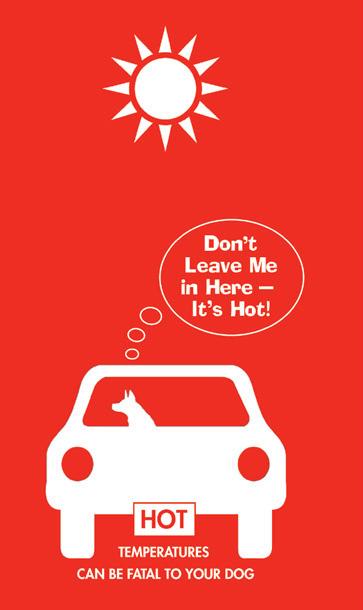
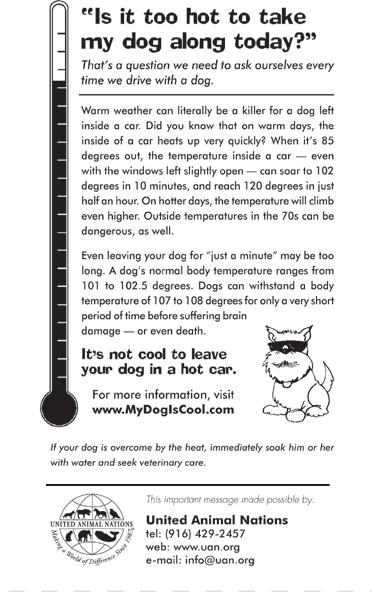
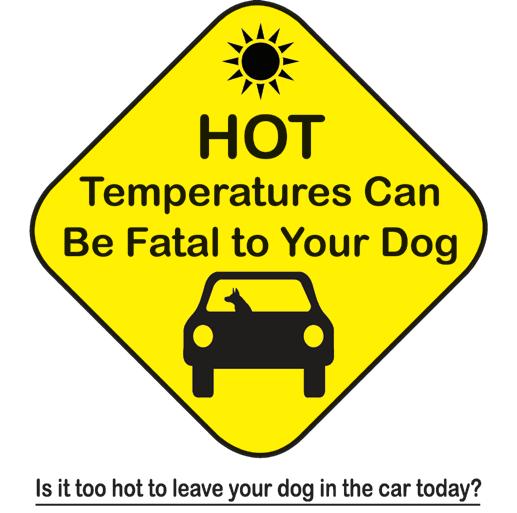
Did you know leaving a dog in a hot car, even for just a few minutes, can be deadly? Dogs cool off by regulating heat only through the pads of their feet and by panting, so their bodies can not withstand high body temperature for very long. Leaving a dog in a hot car makes them susceptible to nerve damage, heart problems, liver damage, brain damage and even death.
In a study by San Francisco State University, when it was 80 degrees outside, the temperature inside a car rose to 99 degrees in 10 minutes, and 109 degrees in 20 minutes. Even on a mild 72 degree day, a car’s internal temperature climbed to 116 degrees within one hour. Cracking the windows proved to be an inefficient way of keeping the car’s internal temperature down.
During the super hot summer months we experience here in Charleston, it’s best to leave your dogs at home, even if you are running quick errands. Leaving your dog in the car for a “just a minute” can prove to be fatal.
Signs a dog is in heat distress:
Excessive panting
Excessive drooling
Trouble breathing Disorientation
Loss of consciousness Seizure
Increased heart rate
Overly red gums
Respiratory arrest
to detect and find odor. For us, Nose Work creates a window into our dogs’ minds and a training environment in which we learn to trust our dogs. We need our dogs in this process much more than they need us.
Susan Marett has been training dogs and their owners in the Lowcountry for fifteen years. She is the owner of Purely Positive Dog Training and began offering Nose Work classes last year. New Nose Work classes will be starting in June. For more information, please visit www. purelypositive.com.
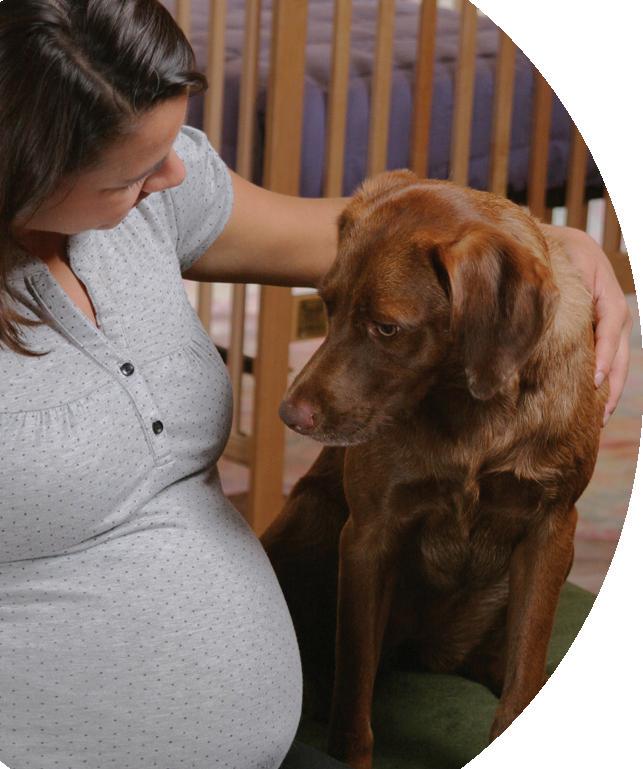
The first national program that prepares families with dogs for life with baby!
Group presentations, private consultations, and ongoing support
Offers positive, practical, and fun solutions for families preparing for baby’s arrival
If you see a distressed dog in a hot car, call 911. Yell out for the owner of the car, or go inside the closest business and see if an announcement can be made over the PA system.
The website www.mydogiscool.com offers these neat downloadable flyers you can put on people’s windshields and put up in places of business. Many people don’t mean to be bad dog owners, they are just uneducated. Flyers like these help to spread the word so more people know just how dangerous it can be to bring Fido along for a car ride on a hot day.