Targeting the Emperor: Evolving therapeutics and the future of cancer treatment
Hope Through Access: Bringing the future of cancer care closer to home
The Future of Regenerative Medicine: From bench to bedside
What you need to know as a primary care provider.
Earn free online Continuing Medical Education (CME) credits developed by the Texas Department of State Health Services and physician experts on Alzheimer’s disease and related dementias. These courses will keep you up to date on the latest validated assessment and screening tools, help you direct patients to community resources, and reinforce your role in helping patients and their families manage symptoms throughout the disease process.
Learn more at dshs.texas.gov/alzheimers-disease/provider
PUBLISHER: Louis Doucette louis@travelingblender.com
BUSINESS MANAGER: Vicki Schroder vicki@travelingblender.com
GRAPHIC DESIGNER: Jennifer Nelson jennifer@travelingblender.com
ADVERTISING
Sandy Weatherford sandy@travelingblender.com
ANTONIO: Gerry Lair gerrylair@yahoo.com
San Antonio Medicine is the official publication of Bexar County Medical Society (BCMS). All expressions of opinions and statements of supposed facts are published on the authority of the writer, and cannot be regarded as expressing the views of BCMS. Advertisements do not imply sponsorship of or endorsement by BCMS
EDITORIAL CORRESPONDENCE:
Bexar County Medical Society 4334 N Loop 1604 W, Ste. 200 San Antonio, TX 78249
Email: editor@bcms.org
MAGAZINE ADDRESS CHANGES: Call (210) 301-4391 or Email: membership@bcms.org
SUBSCRIPTION RATES: $30 per year or $4 per individual issue
ADVERTISING CORRESPONDENCE: Louis Doucette, President Traveling Blender, LLC.
A Publication Management Firm 10036 Saxet, Boerne, TX 78006 www.travelingblender.com
For advertising rates and information Call (210) 410-0014
Email: louis@travelingblender.com
SAN ANTONIO MEDICINE is published by SmithPrint, Inc. (Publisher) on behalf of the Bexar County Medical Society (BCMS). Reproduction in any manner in whole or part is prohibited without the express written consent of Bexar County Medical Society. Material contained herein does not necessarily reflect the opinion of BCMS, its members, or its staff. SAN ANTONIO MEDICINE the Publisher and BCMS reserves the right to edit all material for clarity and space and assumes no responsibility for accuracy, errors or omissions. San Antonio Medicine does not knowingly accept false or misleading advertisements or editorial nor does the Publisher or BCMS assume responsibility should such advertising or editorial appear. Articles and photos are welcome and may be submitted to our office to be used subject to the discretion and review of the Publisher and BCMS. All real estate advertising is subject to the Federal Fair Housing Act of 1968, which makes it illegal to advertise “any preference limitation or discrimination based on race, color, religion, sex, handicap, familial status or national origin, or an intention to make such preference limitation or discrimination.
SmithPrint, Inc. is a family-owned and operated San Antonio-based printing and publishing company that has been in business since 1995. We are specialists in turn-key operations and offer our clients a wide variety of capabilities to ensure their projects are printed and delivered on schedule while consistently exceeding their quality expectations. We bring this work ethic and commitment to customers along with our personal service and attention to our clients’ printing and marketing needs to San Antonio Medicine magazine with each issue.
Robert Leverence, MD, UT Health Medical School Representative
Cynthia Cantu, DO, UT Health Medical School Representative
Ronald Rodriguez, MD, UT Health Medical School Representative
Melody Newsom, BCMS CEO/Executive Director
George F. "Rick" Evans, Jr., General Counsel
BCMS SENIOR STAFF
Melody Newsom, CEO/Executive Director
Brissa Vela, Chief Membership & Development Officer
Yvonne Nino, Controller
Betty Fernandez, BCVI Director of Operations
Phil Hornbeak, Auto Program Director
Al Ortiz, Chief Information Officer
Jacob Hernandez, Advocacy and Public Health Specialist
PUBLICATIONS COMMITTEE
Jennifer C. Seger MD, Chair
Shiv Goel, MD, Member
Animesh Chidanandrao Gour, MD, Member
James Mayberry, MD, Member
Rajam S. Ramamurthy, MD, Member
Adam V. Ratner, MD, Member
Patrick Todd Reeves, MD, Member
Amith Skandhan, MD, Member
Francis Vu Tran, MD, Member
Elizabeth Allen, Volunteer
Rita Espinoza, DrPH, MPH, Volunteer
Melissa Rosales, Volunteer
Andrea Wazir, MS, Volunteer
Ayomide Akinsooto, Student
Youyou Cheng, Student
Gabrielle Holliefield, Student
Michael Hueste, Student
Kreny Savaliya, Student
Gabriella Bradberry, Staff Liaison
Trisha Doucette, Editor
Louis Doucette, Consultant
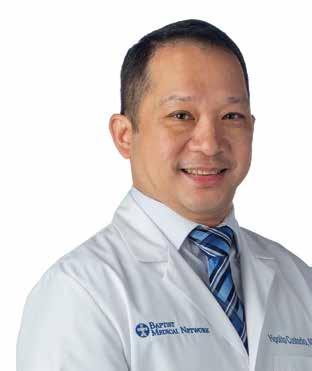
Welcome Our Newest Provider
Areas of Interest:
• Low-risk and high-risk pregnancy management
• Preventive care
• Minimally invasive gynecologic surgery
• Treatment of complex benign gynecologic conditions
Dr. Custodio is fluent in English and Filipino.
In the Dream of an Immigrant, There Are…
My grandmother bent low over endless rice fields, stretched as long as her weary days.
With calloused hands she gathered grain, just enough to sustain her family through the haze of one more day.
Her steps were slow, measured, ears attuned to bombs rumbling near — treading with care, so survival might bear her children into tomorrow, and the tomorrow beyond.
She sacrificed, crawling on all fours to reap the rice her face pressed into the muddy earth, seeing more darkness than sunlight — yet she persisted, endured.
So that my mother could sit, back curved by the weight of years, sewing stitch by stitch, month into year. Her face lifted farther from the soil, her eyes catching more light — enough to behold me fully, enough to embrace me wholly.
Her education cut short, halted by the Vietnam War's thunderous roar. Yet her thirst for knowledge never waned — devouring every page she could claim, mastering remedies, the quiet doctor of our family.
With nimble hands she sewed shirts and pants, hoarding remnants, piecing scraps with care so I would never taste hunger, never shiver in the chill of bare despair.
Upon that same ground, my mother sat through endless, aching years…
So that I could stride upright, clutching books and pens, bathed in light that sought me out. My chest lifted, my gaze unafraid, chasing the dream I once only whispered.
So that I could run unbound, so that I could soar — across the Pacific’s endless blue, set foot on the other side of the earth, and do what once seemed impossible.
My mother does not know these words spill from my pen. Even if I placed them in her hands, she would not understand.
But that is all right, Mẹ ơi — for you have already carried forward the story of your mother, and written, with quiet strength, the resilient chapters of your own life.
You have given me the gift of being a small part of that tale, a slender thread woven onward, a future your hands began, in the dream of an immigrant — I am.
Linh Nguyen, OMS-IV
University of the Incarnate Word School Of Osteopathic Medicine
Revolutionizing Cancer Care
By Jennifer Rushton, MD, President, Bexar County Medical Society
Dear friends and colleagues,
This month’s theme hits close to home for me. Cancer was responsible for my early interest in medicine. As a young girl, my grandfather lived with us as he suffered from prostate cancer. I watched as it slowly took over his body, and I was with him as he took his last breaths in the hospital. More recently, as my uncle suffered the same fate, I had the difficult task of helping my family understand the doctors’ words when they told us there were no more treatments left to try. Despite the devastation that cancer wreaks, there is reason for optimism. Survival rates continue to improve, and precision medicine is becoming increasingly sophisticated.
While training in Anatomic and Clinical Pathology at Baylor College of Medicine, I was inspired to complete a fellowship in Molecular Genetic Pathology. Specific molecular characteristics were already defining leukemias and lymphomas in my other chosen specialty of Hematopathology, and it was only a matter of time before solid tumors followed. The field promised to revolutionize pathology and fulfill the promise of personalized medicine.
Today, I diagnose cancer every day, but modern pathology extends far beyond identifying malignant cells under the microscope. Pathologists integrate molecular diagnostics, biomarker testing, genomic profiling and augmented intelligence technologies to provide precise information that helps select the most effective therapies for each individual patient. The close partnership between pathologists and treating physicians ensures patients receive care tailored to the biology of their disease rather than a one-size-fits-all approach.
Genomic markers offer the potential to further identify subsets of patients, adding to classic histology and staging. Biomarkers can help determine which treatments a patient should or should not receive, which treatments will have fewer toxicities, and whether resistance mutations are present. Next generation sequencing also allows us to perform molecular profiling of a tumor at the time of biopsy or resection and then test the patient’s blood for circulating tumor DNA at regular intervals post-treatment to identify a recurrence or metastasis earlier than we would be able to with traditional imaging or biomarker testing.
Lung cancer has become an example for precision oncology. The identification of driver mutations to inform targeted therapy selection has resulted in significantly prolonged life expectancy for patients with advanced lung cancer. At Baptist Health System, we have a proactive pathologist-driven testing workflow, whereby pathologists initiate genomic testing in specified patients as soon as the diagnosis is made rather than waiting for a treating clinician to place the order. Years ago, we recognized there was variability in the process of ordering tests, including delays in receiving orders for genomic testing, which translated to delays in initiating treatment. To facilitate our workflow, we formed a multidisciplinary subcommittee to the Cancer Committee that determines which tests should be ordered reflexively once a spe-
cific cancer diagnosis is made. This collaborative process ensures all patients receive the appropriate biomarker testing in a timely manner. For example, all newly diagnosed non-small cell lung cancer specimens are sent for comprehensive genomic analysis as soon as the diagnosis is made, so that results are available at the patient’s first follow-up visit.
Cancer remains one of the leading causes of death in the United States, but the story of cancer over the past half century is also one of medicine’s greatest successes. Screening programs have dramatically reduced deaths from cervical and colorectal cancer. Vaccination against HPV offers the possibility of preventing several cancers. Many cancers that were once rapidly fatal are now chronic conditions. However, the best cancer care begins with prevention, early detection and equitable access to care.
Unfortunately, the burden of cancer is not shared equally across our community. In Bexar County, significant differences in cancer mortality and screening rates persist across neighborhoods and racial and ethnic groups. These disparities are not solely driven by biology but also by access, education and trust in the healthcare system. Too many patients still encounter barriers to screening, timely diagnosis, transportation and insurance coverage.
The Bexar County Medical Society is working to remove barriers that stand between patients and lifesaving cancer care. The Texas Medical Association has policy that strengthens immunization programs, expands access to preventive services, and reduces unnecessary administrative burdens such as prior authorization, so that treatment decisions remain grounded in clinical evidence rather than insurance obstacles.
As physicians, we have the privilege and responsibility to bring both science and compassion to caring for patients with cancer. The advances in cancer diagnosis and treatment give us real hope, but that hope must reach every patient in every part of our community. By supporting prevention, early detection, research and policies that expand access to care, we can help ensure that more patients live longer and better. Thank you for the work you do every day for our patients, our profession and our community.
With gratitude, Jennifer
R. Rushton, MD
Jennifer R. Rushton, MD, 2026 President of the Bexar County Medical Society, is a partner at Oculus Pathology and the Medical Director of Pathology and Laboratory Medicine for the Baptist Health System. She is board certified in Anatomic and Clinical Pathology, Hematopathology and Molecular Genetic Pathology. Dr. Rushton currently serves as Chief of Staff for Baptist Medical Center Hospital. She is a long-time member and co-chair of the BCMS Legislative Committee, serves on the TMA Council on Healthcare Quality, and is a Texas Delegate to the AMA.
Physician Wellness Resources
The Bexar County Medical Society is committed to helping our members find personal balance and improve general well-being.
BCMS Physician Wellness Program
Resources and services provided to help BCMS members maintain a healthy and well-balanced lifestyle through confidential counseling, educational resources, local events, webinars and more.
Lifebridge
A BCMS provided resource for physician members who seek counseling from Texas-licensed professionals, discretely and confidentially through BetterHelp. Free 30 days counseling.
Wellness Coaching Webinars & Events
Nora Vasquez, MD, an Internal Medicine Doctor and Advanced Certified Physician Coach, helps physicians and healthcare professionals overcome burnout so that they can lead with joy and confidence while creating a more harmonious work-life balance that is fulfilling!
BCMS Find a Doc
Utilize our free Find a Doc service when looking for a new physician. Our members can be found by the specified tabs provided to narrow down your preferred physician.
Physician Support Line (888) 409-0141
Psychiatrists are available to help physicians and medical students navigate the balance of a personal and professional life. Free, confidential and anonymous. No appointment necessary. Call for any issue, not just a crisis.
Physician Coach Support
Free Confidential Physician-to-Physician support line. A group of volunteer physicians using their own personal development skills and life coaching certifications to support other physicians!
Physician Health & Rehabilitation Program
Confidential advocacy group of BCMS physicians that identify and facilitate recovery success for physicians with substance use disorder (Alcohol and/or Drugs) and depression, through support and monitoring.
Please scan QR code for more information and available resources for BCMS Members
A Caregiver Survivor’s Journey Through Alzheimer’s
By Rudy Gomez, Jr, AE, BBA, MBA
I consider myself a caregiver survivor — not because I was prepared for the journey, but because, as fate would have it, I was blessed to be surrounded by Nurse and Doctor Angels who appeared when I did not know what I did not know.
At first, I told myself, I can fix this. I can handle this alone; was I wrong.
As a retired administrator from the UT Health San Antonio School of Nursing, where I dedicated 41 years of service in a variety of non-clinical leadership and support roles, I was often the “go-to” person. Faculty, staff and students regularly came to my office with challenges, questions and problems needing solutions. I would listen, offer guidance, and do my best to fix whatever challenge came my way. Over time, I began believing I could fix almost anything.
Then Alzheimer’s entered our lives.
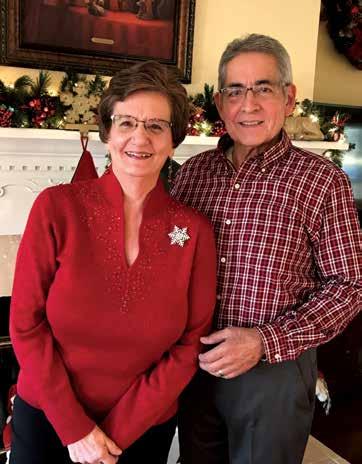
My wife Barbara and I were blessed with three children, six grandchildren and three great-grandchildren. We shared nearly 51 wonderful years of marriage before her passing in May 2023.
Shortly after my retirement in 2014, our children and extended family began noticing subtle cognitive changes in Barbara. At first, I dismissed many of the signs as normal aging. She occasionally misplaced things, repeated stories, or became forgetful during conversations. But over time, the changes became more concerning. Barbara began getting lost while driving familiar routes and struggled with simple daily activities that had once come naturally to her.
Our family strongly encouraged me to seek a medical evaluation. In 2016, Barbara was formally diagnosed with Alzheimer’s dementia. That diagnosis marked the beginning of what became our seven-year Alzheimer’s journey.
Like many families facing dementia for the first time, we quickly learned that Alzheimer’s affects far more than memory alone. It changes routines, relationships, finances, future plans and emotional well-being. Initially, Barbara did not want anyone outside our immediate family to know about her diagnosis. The stigma society often attaches to Alzheimer’s disease created fear, embarrassment and uncertainty. I respected her wishes while quietly trying to educate myself about a disease I knew very little about.
I had absolutely no idea what caregiving responsibilities lay ahead. No one truly prepares you for becoming a full-time caregiver for someone you deeply love.
As Barbara’s disease progressed, I found myself navigating an unfamiliar healthcare system while simultaneously managing medications, appointments, transportation, safety concerns and increasing emotional stress. Like many caregivers, I placed Barbara’s needs above my own physical and mental health. Over time, the isolation, exhaustion, uncertainty and anticipatory grief became overwhelming.
One of the greatest challenges I encountered was learning how fragmented dementia care can feel for families. Caregivers are often expected to coordinate medical appointments, legal planning, home safety adaptations, financial decisions and long-term care planning
while simultaneously coping with the emotional pain of slowly losing the person they love.
I eventually came to realize that caregivers themselves need support, education and survivorship planning just as much as patients do.
Research consistently shows that family caregivers experience significantly higher rates of depression, anxiety, chronic illness, burnout and social isolation than the general population. Studies involving dementia caregivers report depressive symptoms in more than 60% of caregivers, with prolonged caregiving associated with increased mortality risk, emotional collapse, severe physical decline and even suicidal ideation. Without self-care, respite, education and emotional support, caregiving can become emotionally, physically, mentally and spiritually devastating.
Caregiving was the hardest thing I have ever had to do. There were moments when I honestly thought I could not continue.
Some caregivers tragically die before their loved ones because of chronic stress and declining health. Others emotionally walk away because they become completely overwhelmed and depleted. Still others experience severe depression and hopelessness. These difficult realities are not discussed nearly enough in healthcare.
That is why I strongly believe caregiver survivorship care plans should begin at the time of diagnosis — not years later when exhaustion and crisis overwhelm families.
Fortunately, during our journey, Barbara and I found guidance and support through the Caring for the Caregiver Program at the UT Health San Antonio School of Nursing and the Glenn Biggs Institute for Alzheimer’s and Neurodegenerative Diseases. Through caregiver education programs, support groups, counseling resources and compassionate healthcare professionals, I discovered a community that truly understood the realities of caregiving.
I often refer to these programs as “San Antonio’s best-kept secret.”
These programs helped me survive caregiving emotionally, mentally, physically and spiritually. They reminded me that caregivers matter, too.
For me, survivorship did not begin after Barbara passed away. It began during the caregiving journey itself — learning how to endure emotionally while continuing to provide compassionate care day after day.
At a recent men’s caregiver support gathering, I shared a deeply personal and spiritual love letter I wrote to Barbara for Valentine’s Day about our life together. Not the kind of love letter you write at 20, but the kind you write after 51 years of marriage, seven years of Alzheimer’s, and a lifetime of dancing together through all of life’s hills and valleys.
Barbara and I first met in dance classes during college and immediately “hit it off like a match made in heaven.” Dancing became symbolic of our partnership throughout life.
As Alzheimer’s slowly progressed, Barbara’s lifelong love for children revealed itself in unexpected ways. Years earlier, as a stay-at-home mother, she had transformed our home into a registered daycare filled with neighborhood children. Later, during dementia, she surrounded herself with dolls and stuffed animals, lovingly caring for them as though they were real children. She would rock them, kiss them, whisper to them, and take them everywhere — to the store, in the car, to doctor appointments and eventually even into our bed when she could no longer walk. I remember pushing shopping carts while Barbara cradled dolls in public places and noticing curious glances from strangers. But what was really happening was simple: love.
The latter stages of Alzheimer’s brought sleepless nights, wandering, confusion and eventually the loss of speech and mobility. I became Barbara’s full-time caregiver — feeding her, bathing her, dressing her, fixing her hair, and playing her favorite music because I believed she could still feel love through music long after words disappeared.
So, we played her favorite songs. I would feed her, bathe her, dress her, and do my best to brush and fix her hair and apply her makeup just the way she liked it. It probably was not perfect, but I did my best.
I also learned that humor became essential to survival.
When Barbara lined up her “babies” as though she were running daycare in Heaven, I laughed with her. Because if you do not laugh sometimes, you break.
Somewhere along the way, nurse angels — real ones — entered our lives. They taught me how to care for Barbara, how to preserve her dignity, and reminded me that I did not have to be strong alone.
Through the support of caregiver programs, healthcare professionals, family members, friends and respite resources, I learned one of healthcare’s most overlooked truths: caregivers themselves require care.
Barbara passed peacefully in 2023. Along with profound grief came relief knowing she was no longer suffering.
Barbara, please forgive me for feeling relief when you quietly passed into Heaven. I truly believe you are now whole again with your angel wings and finally at peace.
Despite the pain, Barbara gave me an unexpected gift during those seven years — a new purpose.
She opened doors in my heart I did not even know existed. She taught me that love is not just romance and dancing. Love is staying. Love is lifting. Love is pushing a shopping cart while your wife rocks stuffed animals without worrying about who is watching.
Today, I willingly share our story in hopes of helping first-time caregivers feel less alone and better prepared for the difficult road ahead. Through participation on several caregiver advisory councils — including the Dementia Caregiver Advisory Council, the Latino Caregiver Advisory Council at the UT Health San Antonio School of Nursing and the Caregiver Bootcamp Advisory Council at Emory University — I advocate for greater caregiver education, emotional support, culturally sensitive services and recognition of caregivers as essential members of the healthcare team.
Caregivers need education, emotional support, respite care, financial guidance, legal planning resources and permission to ask for help without guilt or shame.
One of the greatest lessons caregiving taught me is this: the only constant in life is change. So why not make the best of it by embracing change and growing with the flow?
Near the conclusion of my reflection to Barbara, I shared words that now resonate deeply with caregivers everywhere:
Barbara — my soulmate, my partner, my rock — thank you for dancing with me for 53 years. Thank you for trusting me with your final journey. Until we meet again, my love… save me a dance.
Rudy Gomez, Jr, AE, BBA, MBA, is a caregiver survivor and retired Associate Dean of Finance and Administration, UT Health San Antonio School of Nursing; Former President of the American Association of Colleges of Nursing Business Officers Networking Group; and Current President of the Association of Retired Faculty and Associates (ARFA) at UT Health San Antonio, with 41 years of service in a variety of non-clinical support positions. He and his wife Barbara are blessed with three children, six grandchildren and three great grandchildren. They were happily married for nearly 51 years before Barbara’s passing in 2023.
We invite our physician members to share their personal stories and perspectives — your voice enriches our community and strengthens the practice of medicine. To submit an article or request more information, please email Editor@bcms.org.
Targeting the Emperor: Evolving therapeutics and the future of cancer treatment
By William "Trey" Jones, III, MD
One of my favorite books is Siddhartha Mukherjee’s odyssey through the human history of cancer, The Emperor of All Maladies. The story is an epic, brutal and deeply human account of how cancer has shaped medicine, science and society for centuries. Early efforts to battle cancer relied on rudimentary surgery, salves and elixirs. Later, anatomical understanding, anesthesia and surgical technique allowed increasingly aggressive operations. Yet even radically disfiguring surgery, such as the Halsted radical mastectomy, could not guarantee cure. The discovery of cytotoxic chemotherapy produced occasional dramatic responses, but these were often short-lived. The original 2010 book concluded with the promise that the Human Genome Project and The Cancer Genome Atlas would unlock an era of new therapies. We are now writing those next chapters.
By contrast, immunotherapies work primarily by helping the body’s own immune system to recognize cancer cells as abnormal and mount an anti-tumor response, often by overcoming mechanisms tumors use to hide from immune surveillance. Immune checkpoint inhibitors, CAR T-cell therapies, bispecific antibodies and cancer vaccines have shown that the immune system can be activated, redirected, or released from inhibitory signals. In melanoma, lung cancer, renal cell carcinoma, bladder cancer and certain lymphomas, immunotherapy has produced durable responses that were uncommon in the chemotherapy era. Although immune-related toxicities can occur, this class of drugs continues to revolutionize cancer care. Immunotherapy is one part of the broader movement toward precision oncology, but some of the most important changes now occurring in radiation oncology involve theranostics and stereotactic body radiation therapy.
The genomic era helped transform our understanding of cancer. Imatinib, which turned chronic myeloid leukemia from a frequently fatal disease into a manageable chronic condition for many patients, became an early symbol of targeted therapy. We now recognize cancer not simply as a disease of isolated gene mutations, but as a disease of deranged pathways controlling growth, repair, differentiation and cell death. These pathways resemble an intricate Rube Goldberg machine directing cellular behavior. In malignant cells, multiple components of that machinery fail, leading to dysregulation and, in some cases, cellular immortality. This complexity makes clear that no single drug can treat “cancer,” because cancer is not one disease. Treatment increasingly requires an individualized approach based on tumor biology.
Targeted therapies, such as trastuzumab for HER2-positive breast cancer, exploit specific molecular abnormalities that help drive cancer growth. Only a subset of breast cancers overexpress HER2, but for those that do, clinicians have an effective weapon. Targeted therapies now include monoclonal antibodies, small-molecule inhibitors, antibody-drug conjugates, angiogenesis inhibitors, signal transduction inhibitors, and other agents designed to interfere with cancer-specific vulnerabilities.
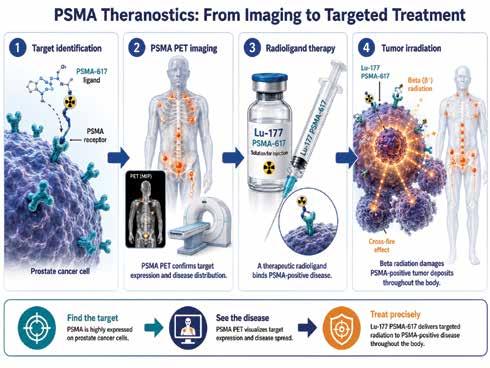
Advances in molecular imaging are ushering in a new era of treatment with the ability to identify, image, track, and treat cancer based on unique biological features. Theranostics is emerging as a new branch of cancer care that combines imaging, targeting and treatment. The term combines “therapy” and “diagnostics,” referring to paired agents that can identify cancer cells and then deliver treatment. A radiotracer first images a molecular target expressed by the cancer cells. A related radioactive compound can then deliver therapeutic radiation to cells expressing that same target. The concept is elegant: first prove that the cancer expresses the target via imaging, then directly deliver radiation to that target.
Prostate cancer has become one of the leading examples. Prostate-specific membrane antigen, or PSMA, is highly expressed in many prostate cancers. PSMA PET imaging allows clinicians to visualize disease that may have been invisible on CT, MRI or conventional imaging by using a radiolabeled small molecule with high affinity for PSMA. Once PSMA expression is confirmed, a targeting molecule that binds PSMA can be linked with a therapeutic radioactive isotope, such as lutetium-177 or actinium-225, to seek out PSMA-expressing disease throughout the body and deliver radiation directly to metastatic deposits. This is a molecular form of radiation oncology, delivering targeted ionizing radiation on a cellular level with the goal of maximizing tumor kill while limiting normal tissue toxicity.
The implications are enormous. Historically, radiation oncology has been thought of primarily as a local or regional treatment. A patient with cancer in an organ or region of the body was treated with radiation to a defined target volume while surrounding normal tissues
were spared as much as possible. Theranostics expands that concept. Radiation can now be guided by molecular imaging and directed against disseminated disease throughout the body.
Theranostics also reinforces an emerging theme in modern cancer care: imaging is no longer just a staging tool but also a treatment selection tool. PSMA PET, DOTATATE PET for neuroendocrine tumors, and emerging tracers for other malignancies allow clinicians to define disease biology in real time. Two patients with the same histologic diagnosis may have very different molecular imaging profiles and therefore divergent treatment options. Traditional imaging asks, “Where is the tumor?” Molecular imaging asks, “What is the tumor expressing, and can that expression be exploited therapeutically?”
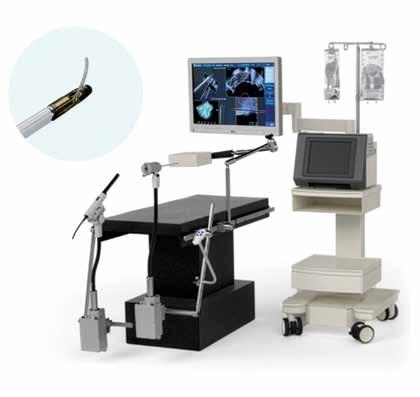
Integrating theranostics into current treatment paradigms will require multidisciplinary collaboration and ongoing research to optimize patient selection, sequencing and timing with surgery, systemic therapy and external beam radiation. As surgery has advanced with robotic techniques to reduce morbidity, both radiation and systemic therapy have become increasingly important partners in comprehensive cancer care.
Technological advances continue to dramatically transform external beam radiation therapy, most notably with stereotactic body radiation therapy (SBRT). Instead of treating large fields over six or seven weeks, SBRT allows radiation oncologists to ablate small tumors in a focused, efficient and highly precise manner. SBRT delivers very high doses of radiation over one to five treatments. Its precision relies on accurate imaging, motion management, steep dose gradients and rigorous quality assurance.
SBRT has already changed the management of early-stage nonsmall cell lung cancer, especially for medically inoperable patients or poor surgical candidates. For many of these patients, SBRT offers high local control with limited treatment burden. A patient who might not tolerate lobectomy can receive a short course of outpatient, highly targeted radiation. This is a powerful example of technology changing not only outcomes, but also patient experience.
The importance of SBRT extends beyond early lung cancer. It is increasingly used in prostate cancer, liver tumors, pancreatic cancer, kidney cancer, spine metastases, adrenal metastases and oligometastatic disease. Some patients with only a few metastatic deposits, typically one to five, may benefit from aggressive treatment to all visible sites. This represents a philosophical change. For decades, even one or two metastatic lesions were considered evidence of widespread disease, reserving radiation for palliation of symptoms. SBRT challenges that belief by emphasizing the importance of local control to delay or prevent progression.
Multiple clinical trials suggest that metastasis-directed therapy can improve symptom control, delay systemic therapy, improve progression-free survival, and in selected patients even improve overall survival. The key phrase is “carefully selected.” SBRT is not appropriate for every patient with metastatic disease, but it has created a new category of treatment intent between purely palliative and definitively curative.
These changes also raise new responsibilities. Precision treatment is not automatically better simply because it is more technologically advanced. SBRT requires careful patient selection, meticulous planning, motion management, dose constraint adherence and long-term toxicity monitoring. Theranostics requires thoughtful sequencing, marrow and renal evaluation, dosimetry and attention to cumulative radiation exposure. The future of cancer care will depend not only on innovation, but also on evidence, safety, equity and multidisciplinary judgment.
The next chapters of TheEmperorofAllMaladies we are currently writing will describe a more intelligent war against cancer in which treatment is (directed?) guided by biology, (molecular expression/ genomics) anatomy, imaging and patient goals. Immunotherapy has shown that the immune system can be a powerful ally. Theranostics demonstrates that radiation can be delivered systemically and molecularly. SBRT shows that external beam radiation can be condensed, sharpened and used with ablative intent even in settings once considered only palliative. Writing these chapters requires a comprehensive and multidisciplinary patient-centric effort to individualize and optimize cancer care.
William "Trey" Jones, III, MD, is a board-certified radiation oncologist at the San Antonio Cancer Center with a special interest in advancing precision oncology through emerging treatment modalities and theranostics. He is an advocate for multidisciplinary collaboration and strives to integrate diagnostic and therapeutic technologies to personalize treatment and improve patient outcomes. Dr. Jones is a member of the Bexar County Medical Society.
The Promise of Finding Cancer Earlier
By Melissa Ann Crawley, MD
Over the last 20 years, we have seen great strides in cancer diagnosis and treatment. Although trends in cancer incidence vary by sex and cancer type, the overall cancer mortality rate has declined steadily. These gains reflect a combination of reduced exposure to important risk factors, advances in treatment and increased screening for colorectal, breast, lung and cervical cancers, allowing some malignancies to be detected when they remain curable with local therapies.1 Even patients with metastatic disease are benefitting from new treatments such as immunotherapy and targeted treatments, which have prolonged survival.
And yet, there is still much work to do. The United States Preventive Services Task Force has established recommendations for breast, colorectal, cervical and lung cancer.2 The last cancer type to receive a positive screening recommendation was lung cancer in 2013. There have been changes in eligibility that have increased accessibility, but some of the deadliest cancers still lack an effective screening test. In fact, based on projected 2026 incidence data, approximately 34% of cancers diagnosed in the United States each year arise from the four categories covered by the current USPSTF screening recommendations.3
Non-invasive screening tests have long garnered attention as a potential avenue for early detection. Illumina, a company which developed a noninvasive prenatal test, detected genetic abnormalities in pregnant patients that were not related to the health of their children,
and were ultimately determined to be cell-free DNA from cancer that had not yet been detected. This led to a new research entity, GRAIL, which developed the Galleri test, currently in trials for early detection of multiple tumor types.4
The NHS-Galleri trial, which was presented at ASCO 2026 in June, attempted to show the utility of one such multi-cancer early detection (MCED) test. This randomized controlled trial assigned nearly 143,000 patients ages 50 to 77 to annual testing versus control arms over three annual visits. The patients who had positive MCED test results were referred into the NHS for further workup.5
The primary endpoint of the study was reduction in diagnosis of late-stage (stage III/IV) diagnoses, with metastatic disease detection as a secondary endpoint. Although the assay increased four-fold the number of screen-detected cancers, it did not meet its primary endpoint of decreasing the numbers of late-stage diagnoses; the published abstract noted that the number of patients presenting with stage IV disease and emergent presentations was reduced. Practically speaking, this study offers some hope for earlier diagnosis of cancers that do not have established screening protocols, but more information is needed to weigh the potential benefits to widespread adoption of this test and the risk of MCED testing.
The US REACH/Galleri-Medicare study, currently in progress, will study real-world impact in a large cohort of Medicare patients. If this study meets its primary endpoint of reducing incidence of stage IV
cancers, it may lead to Medicare coverage of the Galleri MCED.6 However, questions will remain about the generalizability of its findings, the frequency with which testing should be repeated and the diagnostic resources required to evaluate positive results.
The commercial MCED landscape is also expanding. Following its acquisition of Exact Sciences, Abbott has promoted CancerGuard, another laboratory-developed MCED test that has not been cleared or approved by the Food and Drug Administration. CancerGuard differs from Galleri in several important respects. It combines DNAbased and protein biomarkers, reports a positive or negative cancer signal, and does not identify a predicted tissue of origin. Other MCED platforms are in development or are commercially available in selected markets, but the assays vary considerably in their biomarkers, performance characteristics, intended populations and proposed diagnostic pathways.
The practical reality is that these tests are here, and patients have already started asking for them. CancerGuard even allows people to purchase gift cards to cover the $689 cost to test their loved ones. In my own practice, I have had a handful of patients whose primary care physicians ordered Galleri testing. Most of these patients had testing ordered in a concierge care setting and referred after a positive test. Sadly, most of these patients, although asymptomatic when they underwent testing, were ultimately diagnosed with aggressive, later-stage cancers.
Ultimately, there is tremendous potential for commercially available MCEDs to identify asymptomatic patients when they may have lower-stage disease, hopefully leading to higher rates of earlier intervention and cure. However, whether this promise translates to improved outcomes is yet to be seen. Medicare coverage would certainly allow for testing in a wide swath of older adults, and for cancers that do not have established treatment protocols — but will Medicare cover annual screening as was utilized in the Galleri-NHS study? Will private insurers cover a test that, at least for the moment, is a high-dollar test that is repeated annually? Will coverage of the test impact patients’ ability to access other subtypes of cancer screening that are currently recommended by USPSTF guidelines? Moreover, will these tests provide a potentially false sense of security for patients who, with a negative blood test result, may forgo established screening tests for breast, cervical, lung and colorectal cancers?
Physician judgment and patient education will remain paramount in the era of commercially available MCEDs. None of these blood tests replaces a validated screening test for an eligible patient. A negative test does not exclude a cancer diagnosis. A positive result does not absolutely indicate a diagnosis of cancer — and for a patient with a positive blood test but negative imaging, optimal reimaging timing has not been established.
One proposed algorithm suggests that after a positive MCED test, patients should undergo clinical evaluation, then CT neck/chest/ abdomen/pelvis. If negative, then a PET scan is suggested, and if no cancer diagnosis results, that MCED-positive tests should be treated as an incidental finding and patients should continue with USPSTF-recommended cancer screening.7 Such algorithms require further validation, and repeated imaging may introduce additional cost, radiation exposure, anxiety and the possibility of invasive procedures prompted by incidental abnormalities.
Additionally, although current MCED tests are generally marketed to adults in their 50s and older, an important need remains for improved cancer detection among younger adults. The incidence of several early-onset cancers is rising, while most younger adults remain ineligible for population-based screening other than cervical cancer screening and colorectal screening beginning at age 45. MCED assays have not yet been adequately evaluated as a solution for this population.
MCED testing represents one of the most promising developments in cancer screening in decades, but promise should not be mistaken for proven clinical benefit. Until prospective studies demonstrate improved cancer-specific or overall mortality — and until standardized diagnostic pathways, coverage policies and safeguards against displacement of established screening are in place — these tests should be used cautiously. Physicians who offer them must be prepared not only to explain their limitations, but also to manage the uncertainty and downstream consequences created by their results.
References:
1. Sherman RL, Firth AU, Henley SJ, et al. Annual report to the nation on the status of cancer, featuring state-level statistics after the onset of the COVID-19 pandemic. Cancer. 2025;131(9):e35833. doi:10.1002/cncr.35833
3. National Cancer Institute. Cancer stat facts: cancer of any site. Surveillance, Epidemiology, and End Results Program. Updated 2026. Accessed July 21, 2026. Calculation based on projected 2026 cases of female breast cancer, lung and bronchus cancer, colorectal cancer, and cervical cancer: 723,660 of 2,114,850 total cases, or 34.2%
4. https://grail.com/about-us/#our-history
5. Robert Charles Swanton et al. NHS-Galleri: Primary results from a randomised controlled trial to assess the clinical utility of a multi-cancer early detection (MCED) test in population screening.. J Clin Oncol 44, LBA100-LBA100(2026). DOI:10.1200/ JCO.2026.44.17_suppl.LBA100
7. Kisiel JB, Ebbert JO, Taylor WR, Marinac CR, Choudhry OA, Rego SP, Beer TM, Beidelschies MA. Shifting the Cancer Screening Paradigm: Developing a Multi-Biomarker Class Approach to Multi-Cancer Early Detection Testing. Life (Basel). 2024 Jul 24;14(8):925. doi: 10.3390/life14080925. PMID: 39202669; PMCID: PMC11355654
Melissa Ann Crawley, MD, practices hematology and oncology, and is an Area Medical Director and partner at Texas Oncology - San Antonio. Her professional interests include cancer prevention, early detection, improving access to evidence-based screening in community practice and hematologic care of pregnant patients. Outside of medicine, she enjoys cooking, travel, birding and spending time with her husband and their English bulldogs. Dr. Crawley is a member of the Bexar County Medical Society.
Hope Through Access: Bringing the future of cancer care closer to home
By Amita Patnaik, MD, FRCPC
When I began my career in oncology, the landscape for cancer treatment looked quite different than it does today.
Therapeutic options for patients with advanced cancers were far fewer, and early-phase clinical trials were often viewed primarily as studies designed to establish safety rather than as opportunities to provide meaningful clinical benefit. Nearly all these trials were conducted at large academic medical centers, where the specialized infrastructure required for first-in-human (FIH) research was concentrated.1,2
That model served an important purpose and helped advance many of the therapies we rely on today. However, it also created an unintended consequence. Most patients with cancer receive their care in community
settings, so gaining access to investigational therapies often required traveling hundreds of miles to an academic institution. For many patients and their families, participation simply was not feasible.3
As physicians, we are taught to ask whether a patient is medically eligible for a treatment. Increasingly, I found myself asking a different question: Should geography determine whether a patient has access to innovation? For me, the answer has always been "no."
That belief ultimately became the foundation of what we now call "Hope Through Access" at The START Center for Cancer Research (START): the simple but powerful idea that every patient, regardless of where they live, deserves the opportunity to participate in innovative cancer research.
A Vision That Began in San Antonio
What began as a single research center in San Antonio has since grown into the largest community-based early-phase oncology research network in the world, spanning 16 clinical research sites across the United States and Europe and bringing together more than 40 principal investigators dedicated to early drug development. Yet despite our growth, our mission has remained remarkably consistent.4
Every decision we make ultimately comes back to one question: How can we provide more patients with access to tomorrow's therapies today?
The Evolution of Early-Phase Research
Cancer research is evolving at an extraordinary pace. Oncology represents a substantial share of global clinical trial activity, and the science behind these therapies has become increasingly sophisticated. We are no longer evaluating chemotherapy alone. Today's clinical trials investigate targeted therapies directed at specific molecular alterations, antibody-drug conjugates capable of delivering treatment directly to cancer cells, cellular therapies and immunotherapies that harness the body's own immune system to fight cancer. We are simultaneously offering more personalized therapeutic approaches based on real-time genomic testing.5
Just as importantly, Phase I clinical trials have evolved. While safety remains their primary objective, many now demonstrate meaningful therapeutic activity, offering patients access to innovative treatments at much earlier stages of development than was previously possible.2
This evolution has fundamentally changed the importance of access. Clinical trials are no longer simply advancing science; they are increasingly becoming an integral part of patient care.
When Hope Became Reality
Perhaps no example better illustrates the power of early-phase clinical research than the development of pembrolizumab, now known around the world as Keytruda.
Today, pembrolizumab is one of the most widely used immunotherapies in oncology, with landmark studies demonstrating activity across melanoma, lung cancer and other malignancies. It is difficult to imagine modern oncology without it.6-8
What many people do not realize is that the first patient in the world to receive pembrolizumab was dosed here in San Antonio at START as part of its FIH clinical trial.4,6
I still remember caring for Eddie, a gentleman from West Texas who came to us after being told he had exhausted every available treatment option for his metastatic melanoma. His disease had progressed despite surgery, chemotherapy and immunotherapy. He and his wife arrived at our clinic looking for what they described as "even the smallest glimmer of hope."4
Eddie became one of the earliest patients in the world to receive pembrolizumab. Within just two weeks of treatment, his large, painful tumor had dramatically regressed. The change was so profound that our entire team gathered in disbelief as we witnessed what felt like a
turning point, not only for Eddie, but for the future of cancer care. Eddie ultimately lived many additional years, traveling the world with his wife and remaining cancer-free until his passing from an unrelated illness.4
Stories like Eddie's are why our mission has endured for more than three decades. Yet what is most meaningful to me is that this is not simply a story about the past; it continues every day.
Today, I think about patients like Rickie, who, after exhausting multiple standard therapies for metastatic prostate cancer, enrolled in an early-phase clinical trial at START Midwest in Grand Rapids, Michigan. What stayed with me was not simply the investigational therapy he received, but something he said afterward: "I feel thankful that I got a chance to do it. If it can help me or help other people too down the road, then it makes me happy."4
Rickie also reflected on something we sometimes take for granted. Instead of traveling for hours to another city, he was able to receive an investigational therapy less than 10 miles from his home. As he put it, "For most clinical trials, you may have to go to Ann Arbor or Chicago... but they had it right in my backyard."4
Bringing Research into the Community
One of the greatest misconceptions about early-phase clinical research is that it can only be conducted safely within large academic medical centers. In reality, what determines the quality of a research program is not its zip code, but its people, infrastructure and commitment to scientific rigor.
At START San Antonio, our physicians dedicate their careers exclusively to early drug development. Our research nurses, pharmacists, regulatory specialists, laboratory professionals and data management teams are all focused on the unique demands of Phase I oncology trials. Every protocol undergoes careful scientific review before activation, and every patient is cared for by teams with extensive experience managing investigational therapies.4
By embedding this expertise within community oncology settings, START has shown that it is possible to conduct extremely complex early-phase research while allowing patients to remain close to their families, their support systems and the physicians who have cared for them throughout their cancer journey.4
This approach has also created meaningful benefits for drug development itself. Pharmaceutical companies can activate studies more efficiently, enrollment can occur more rapidly and patients participating in research can better reflect the communities we ultimately hope to serve. Scientific rigor and patient access are not competing priorities; rather, they strengthen one another.4
We have had the privilege of working with more than 50 compounds in early-phase trials that subsequently received approval from the U.S. Food and Drug Administration and/or the European Medicines Agency, many of which have had a transformative effect on patient care. Among the agents our physicians helped investigate, we are especially proud of therapies such as abemaciclib and pembrolizumab, which moved from early clinical development into treatment regimens that now prolong survival and, in some settings, are used with curative intent.4,6-9
One of the most exciting areas of investigation in pancreatic and other cancers is KRAS-targeted therapy. KRAS was considered an undruggable target for decades because of its complex molecular characteristics. After years of rigorous investigation, researchers at START and institutions around the world have helped characterize the safety and antitumor activity of new KRAS inhibitors, including the RAS(ON) multiselective inhibitor daraxonrasib and the next-generation KRAS G12C inhibitor olomorasib.10,11
The Privilege of Caring for Research Patients
Perhaps the greatest lesson I have learned throughout my career has come not from the therapies themselves, but from the patients who choose to participate in clinical research.
Every patient who enrolls in a clinical trial does so with hope that an investigational therapy may help them, but also with the hope that their experience may help someone they may never meet. That willingness to contribute to something larger than themselves is one of the most extraordinary acts of generosity I witness as a physician.
Recently, I had the privilege of contributing to research published in Nature examining casdatifan, a novel HIF-2 alpha inhibitor for advanced clear cell renal cell carcinoma. While publications and scientific recognition are deeply meaningful, they are never the true measure of success. Every publication represents patients who chose to participate in research, countless physicians and research professionals working together and years of scientific collaboration aimed at answering a single question: How can we do better for patients?
12
Those are the moments that remind me why this work matters.
Looking Ahead
The future of oncology will undoubtedly bring therapies we can scarcely imagine today. Augmented intelligence, molecular diagnostics, precision medicine and increasingly sophisticated biologic therapies will continue to transform how we treat cancer.
While a cure has been elusive for solid cancers, which are a highly heterogeneous group of diseases, I often return to a lesson from my mentor, Dr. Daniel D. Von Hoff: we must never stop searching for one. Indeed, the past three decades have taught me that humble early-phase trials of novel agents can pave the way for better therapies that not only prolong survival in the metastatic setting, but can also be administered earlier in potentially curative regimens.
But innovation has little value if patients cannot access it.
As physicians, our responsibility extends beyond developing new treatments. We must also ensure those treatments are available to the people who need them most. Expanding clinical research into community settings is one of the most important ways we can fulfill that responsibility.3
For 20 years, START has worked to demonstrate that world-class early-phase oncology research can thrive outside traditional academic environments without compromising scientific excellence. That journey began here in San Antonio, but its impact now extends to communities around the world.4
References:
1. Von Hoff DD, Turner J. Response rates, duration of response, and dose response effects in phase I studies of antineoplastics. Invest New Drugs. 1991;9(1):115-122. doi:10.1007/BF00194562
2. Horstmann E, McCabe MS, Grochow L, et al. Risks and benefits of phase 1 oncology trials, 1991 through 2002. N Engl J Med. 2005;352(9):895-904. doi:10.1056/NEJMsa042220
3. National Cancer Institute. NCI Community Oncology Research Program (NCORP). Accessed July 20, 2026
4. The START Center for Cancer Research. Organizational data, program records, patient stories, and historical milestones. Internal records; accessed July 2026
5. IQVIA Institute for Human Data Science. Global Oncology Trends 2024: Outlook to 2028. IQVIA; 2024
6. Patnaik A, Kang SP, Rasco D, et al. Phase I study of pembrolizumab (MK-3475; anti-PD-1 monoclonal antibody) in patients with advanced solid tumors. Clin Cancer Res. 2015;21(19):4286-4293. doi:10.1158/1078-0432.CCR-14-2607
7. Hamid O, Robert C, Daud A, et al. Safety and tumor responses with lambrolizumab (anti-PD-1) in melanoma. N Engl J Med. 2013;369(2):134-144. doi:10.1056/NEJMoa1305133
8. Garon EB, Rizvi NA, Hui R, et al. Pembrolizumab for the treatment of non-small-cell lung cancer. N Engl J Med. 2015;372(21):2018-2028. doi:10.1056/NEJMoa1501824
9. Patnaik A, Rosen LS, Tolaney SM, et al. Efficacy and safety of abemaciclib, an inhibitor of CDK4 and CDK6, for patients with breast cancer, non-small cell lung cancer, and other solid tumors. Cancer Discov. 2016;6(7):740-753. doi:10.1158/2159-8290. CD-16-0095
10. Wolpin BM, Park W, Garrido-Laguna I, et al. Daraxonrasib in previously treated advanced RAS-mutated pancreatic cancer. N Engl J Med. 2026;394(18):1790-1802. doi:10.1056/NEJMoa2505783
11. Murciano-Goroff YR, Hollebecque A, Heist RS, et al. Pan-tumor activity of olomorasib, a next-generation KRAS G12C inhibitor in KRAS G12C-mutant advanced solid tumors: a first-in-human study. Nat Commun. 2026;17:3834. doi:10.1038/ s41467-026-69943-7
12. Choueiri TK, Merchan J, Patnaik A, et al. Casdatifan shows durable response linked to HIF-2alpha biology in kidney cancer. Nature. Published online July 1, 2026. doi:10.1038/s41586-02610718-x
Amita Patnaik, MD, FRCPC, is Co-Founder and Co-Director of Clinical Research for The START Center for Cancer Research (START), the largest global network of fully dedicated early-phase oncology clinical trial sites. She is also co-lead of START San Antonio, where her clinical focus is Phase I drug development and malignancies of the breast and colorectum. Dr. Patnaik is a Fellow of the Royal College of Physicians of Canada (FRCPC) and a Diplomate of the American Board of Internal Medicine and Medical Oncology, and is a member of the Bexar County Medical Society.
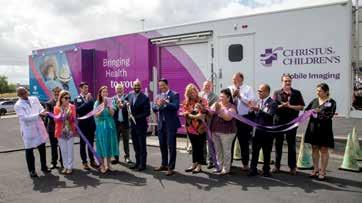
CHRISTUS Children’s Launches Mobile Imaging Unit Expanding Cancer Care
Courtesy of CHRISTUS Children’s
CHRISTUS Children’s announced the addition of a new mobile PET-CT imaging unit made possible by a $2.5 million gift from Valero. Valero has been a longtime partner contributing more than $11 million to support pediatric care over the past four decades. The mobile unit will expand access to advanced imaging for patients with cancer, while also supporting additional clinical needs, including pediatric epilepsy care.
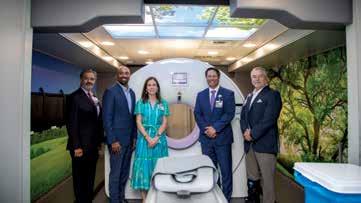
PET-CT combines metabolic and anatomical imaging to help physicians detect, stage and monitor cancer with greater precision. The technology can identify active disease earlier, guide treatment decisions and evaluate response to therapy, all while helping to reduce the need for multiple tests. “Every child with cancer deserves access to the most advanced tools available to guide their care,” said Dr. Parth Subhash Mehta, division chief of pediatric hematology and oncology at CHRISTUS Children’s. “Our new unit brings cutting-edge imaging directly to the children and families we serve, allowing us to see disease more clearly, assess response in real time, tailor treatments more precisely, and reduce the need for additional travel.”
The unit will serve both adult and pediatric patients across San Antonio, New Braunfels and San Marcos. "The state-of-the-art PETCT unit will revolutionize the care of our cancer patients, dramatically improving our ability to pinpoint tumor location and make precise treatment decisions,” said Dr. Ian Thompson, Jr., president and chief development officer, CHRISTUS Children’s Foundation, and urology oncologist. “Having treated cancer patients for more than 45 years, this advancement is one of the most impactful I have seen in my career. Ultimately, lives will be saved. We are so grateful for this new unit.”
The mobile imaging unit also enhances care for children with complex neurological conditions. It can locate the source of epileptic seizures, enabling surgical intervention for patients who have not responded to medication. With the recent recruitment of a specialized neurosurgeon, the technology strengthens CHRISTUS Children’s ability to deliver advanced, multidisciplinary care in San Antonio.
“This investment reflects our commitment to deliver integrated, accessible care for every child and family we serve,” said Cris Daskevich, CEO, CHRISTUS Children’s and SVP – maternal and pediatric services, CHRISTUS Health. “By bringing advanced imaging directly
L-R: Parth Mehta, MD; Steve Chen, CFO, CHRISTUS Santa Rosa Health System; Seymour Battle III, Senior Vice President of Communications, Valero; Grant Wicklund, CEO, CHRISTUS Santa Rosa Health System; Cris Daskevich, CEO, CHRISTUS Children's; Sarah Gaye Blades Conner, Chair of the CHRISTUS Children's Foundation Board; Gray Foster, CEO, CHRISTUS Santa Rosa Hospital – Westover Hills; Derrick Cuenca, President, CHRISTUS Santa Rosa Hospital –Westover Hills; Chris Henderson, MD; Josh Rendon, Vice President, CHRISTUS Children's Foundation; Kevin Anderson, CFO, CHRISTUS Santa Rosa Hospital – Westover Hills; Manica Isiguzo, MD, CMO, CHRISTUS Santa Rosa Hospital –Westover Hills; and Richard Broyles, Director of Clinical Services
to our community through a mobile model, we remove barriers, improve coordination across our system, and ensure more patients receive the right care at the right time.”
Valero’s support continues a more than 40-year partnership that has advanced pediatric inpatient services and critical programs across CHRISTUS Children’s. The new mobile unit represents the latest step in expanding access to high-quality, specialized care in South Texas.
“San Antonio is Valero’s home and we believe in uplifting the community where we live and operate,” said Seymore Battles, SVP of communications, public relations and engagement. “There’s no better way to do that, than to partner with CHRISTUS to bring better treatment, earlier diagnosis and better outcomes to individuals in our community.”
To learn more about CHRISTUS Children’s cancer care, visit www.ChristusHealth.org/locations/childrens-hospital/ cancer-blood-disorders
L-R: Parth Mehta, MD; Seymour Battle III, Senior Vice President of Communications, Valero; Cris Daskevich, CEO, CHRISTUS Children's; Derrick Cuenca, President, CHRISTUS Santa Rosa Hospital – Westover Hills; and Grant Wicklund, CEO, CHRISTUS Santa Rosa Health System
Not Just a Nightcap: Melatonin as a cancer-cell wrecker
By Kreny Savaliya, OMS-III, and Ramaswamy Sharma, MS, PhD
Melatonin (N-acetyl-5-methoxytryptamine) is the classic “sleep hormone” that most of us still think of in the context of circadian rhythm and jet lag. However, in recent years, published data related to melatonin has quietly transformed it into a multitasking mitochondrial molecule that may help fight cancer, inflammation and metabolic disease, but without the usual toxicity baggage. What changed?
Historically, melatonin has been thought to be a pineal-derived hormone released exclusively at night. However, recent data suggest that more than 95% of melatonin is synthesized within mitochondria of all somatic cells, pointing toward multiple physiological and biological roles. Given that the mitochondrion also is the biggest generator of reactive oxygen species (ROS) within the human cell, melatonin is thus strategically located to function as a local antioxidant and metabolic stabilizer. Its cellular availability helps reduce oxidative DNA damage by scavenging highly reactive free radicals such as the hydroxyl radical generated during ionizing radiation. Because hydroxyl radicals are among the most damaging products of radiation exposure, they contribute substantially to single- and double-strand DNA breaks that may promote carcinogenesis. Melatonin can also stimulate the expression and activity of endogenous enzymes such as glutathione peroxidase, glutathione reductase and catalase, which remove ROS before they can cause damage. Besides ionizing radiation, other factors can contribute to genetic damage responsible for cancer initiation. These include environmental pollutants, toxic drugs and chemicals, and exposure to heavy metals. Melatonin binds aluminum, cadmium, copper, iron, lead and zinc in a concentration-dependent manner to neutralize their effects.
In addition to its antioxidant properties, melatonin also functions as a pro-oxidant in cancerous cells. While moderate levels of ROS promote tumor proliferation and cell growth through the activation of PI3K/AKT pathway and angiogenesis, excessive levels of ROS suppress tumor growth and function by inhibiting cell proliferation and enhancing cell death. Melatonin induces apoptotic cell death in cancer cells through both intrinsic and extrinsic pathways and selectively promotes elimination of cancer cells while exhibiting minimal toxicity on normal tissues. Intrinsically, melatonin increases the expression of the pro-apoptotic Bax protein while decreasing the expression of the anti-apoptotic Bcl-2 protein, inducing the release of cytochrome c, consequently activating the enzymes caspases-9 and -3, which cleave intracellular material within cancerous cells. Extrinsically, it upregulates death receptors, which leads to activation caspases-8 and -3 further promoting apoptosis.
Melatonin also has anti-angiogenic effects; it reduces the expression of HIF-1α and vascular endothelial growth factor (VEGF). By lowering HIF-1α, melatonin diminishes the transcriptional activation of pro -angiogenic genes, including VEGF, which are critical for new vessel formation. Similarly, melatonin treatment is associated with decreased VEGF mRNA and protein levels in breast, prostate, ovarian and other cancers. This reduction leads to impaired endothelial cell proliferation, migration and capillary-like tube formation, ultimately limiting tumor angiogenesis. Importantly, melatonin can directly affect endothelial cells by reducing their responsiveness to angiogenic stimuli. This includes decreased expression of angiogenic receptors and reduced signaling through pathways such as PI3K/AKT and MAPK, which are important for endothelial survival and sprouting.
Additionally, by reducing oxidative stress and inflammatory signaling in the tumor microenvironment, melatonin can indirectly lower the production of angiogenic factors from tumor and stromal cells. This creates a less supportive environment for angiogenesis and metastasis since it deprives tumor cells of essential nutrients.
One of the most exciting recent developments is melatonin’s potential to counteract the Warburg effect, wherein cancer cells prefer to use aerobic glycolysis over oxidative phosphorylation, thereby rendering them insensitive to chemotherapies. Warburg metabolism is a hallmark of cancer: it relies on high mitochondrial ROS, altered glucose handling and signaling pathways involving HIF-1α and pyruvate dehydrogenase kinase (PDK) to sustain growth. Recent data suggest that intramitochondrial melatonin can lower mitochondrial ROS generated during glycolysis, restore mitochondrial pyruvate entry into the mitochondria, and interrupt metabolic pathways that support tumor proliferation. Thus, melatonin can function as a metabolic reprogramming agent that helps push cancer cells toward a less aggressive phenotype. The anti-Warburg effect of melatonin may explain its selective toxicity against cancer cells while protecting normal tissues.
Clinically, melatonin exhibits synergistic anti-cancer activity when combined with conventional therapies, promoting tumor cell death while reducing toxicity in normal tissues. For example, in breast cancer, melatonin potentiates the effects of chemotherapeutic agents such as doxorubicin, arsenic trioxide and vitamin D3 by increasing intracellular reactive oxygen species (ROS) levels within cancer cells, activating stress-related signaling pathways such as p38/JNK, and amplifying apoptotic markers such as caspase activation and mitochondrial depolarization. It can also potentiate radiation therapy used in breast cancer treatment through similar effects.
In ovarian cancer, melatonin synergizes with cisplatin to induce cell death while protecting normal ovarian cells from cytotoxicity. In prostate cancer, melatonin inhibits the proliferation of both androgen sensitive and hormone refractory prostate cancer cells, and reduces the size of xenograft tumors in vivo. These effects are both mediated via receptor-dependent and receptor-independent mechanisms. Activation of melatonin receptor (MT1) stimulates signaling pathways including the activation of protein kinases A and C, leading to upregulation of cell cycle inhibitors and suppression of cyclin D1 expression, thereby inducing cell cycle arrest. Melatonin also enhances p53 stabilization and phosphorylation in response to stress, promoting transcription of pro-apoptotic genes such as BAX and increasing the Bax/Bcl-2 ratio, which favors cytochrome c release from mitochondria into the cytosol followed by caspase activation. In p53-competent tumors, this p53-dependent amplification of apoptosis contributes to melatonin's anti-proliferative effects, while in p53-deficient contexts, melatonin can still exert anti-tumor activity through mitochondrial and receptor-mediated pathways.
Unlike current chemotherapies and other anticancer agents present, melatonin exhibits low toxicity while maintaining its antioxidant property and enhancing the efficacy of chemotherapy. Melatonin decreases chemoresistance by inducing cancer cells to switch from Warburg-type metabolism to more conventional glucose processing, suppressing the PI3K/AKT/mTOR pathways, normalizing autophagy levels, inhibiting thymidylate synthase, regulating microRNAs, elevating DNA methyltransferase, inhibiting multi-drug resistance gene expression, and normalizing extracellular matrix cellular com-
position. Thus, melatonin may be particularly valuable in cancers that have become resistant to standard therapies.
Overall, melatonin may serve as a potential adjunct in oncology, particularly when mitochondrial dysfunction and oxidative stress contribute to pathology. It’s not just a sleepy pill. It’s a mitochondrial defender that can help fight cancer while preserving normal tissue function, making it a uniquely safe option for combination therapy in clinical practice.
References:
1. Tabil WH. Melatonin and cancer hallmarks. Molecules. 2018;23(3):518. doi:10.3390/molecules23030518
2. Reiter RJ, Rosales-Corral SA, Tan DX, Acuña-Castroviejo D, Qin L, Yang SF, Xu K. Melatonin, a full-service anti-cancer agent: inhibition of initiation, progression and metastasis. International Journal of Molecular Sciences. 2017;18(4):843. doi:10.3390/ijms18040843
3. Reiter RJ, Mayo JC, Tan DX, Sainz RM, Alatorre-Jiménez M, Qin L. Melatonin as an antioxidant: under promises but over delivers. Journal of Pineal Research. 2016;61(3):253-278. doi:10.1111/jpi.12360
4. Reiter RJ, Tan DX, Manchester LC, Paredes SD, Mayo JC, Sainz RM. Mechanisms of cancer inhibition by melatonin. Journal of Pineal Research. 2004;37(4):213-214. doi:10.1111/j.1600079X.2004.00165.x
5. Favero G, Moretti E, Bonomini F, Reiter RJ, Rodella LF, Rezzani R. Promising antineoplastic actions of melatonin. Frontiers in Pharmacology. 2018;9:1086. doi:10.3389/fphar.2018.01086
6. Reiter RJ, Tan DX, Galano A. Melatonin: Exceeding expectations. Physiology. 2014;29(5):325-333. doi:10.1152/physiol.00011.2014
7. Reiter, R J, Sharma, R, Loh, D, Chuffa, LG de A, Bai, Y, Zuccari, DAP de C, Galano, A, & Manucha, W (2026). Melatonin Targets Mitochondrial Redox Homeostasis: Optimizing the Intracellular Microenvironment. International Journal of Molecular Sciences, 27(10), 4496. https://doi.org/10.3390/ijms27104496
8. Acuña-Castroviejo D, Escames G, Venegas C, Diaz-Casado ME, Lima-Cabello E, Lopez LC, et al. Extrapineal melatonin: sources, regulation, and potential functions. Cellular and Molecular Life Sciences. 2014;71:2997-3025. doi:10.1007/s00018-014-1579-2
9. Damian E. Extra-pineal gland sources of melatonin. Endocrinologie. 1977;15:65-66. doi:10.1203/00006450-199404000-00002
10. Reiter RJ, Sharma R, Bai Y, et al. Function of intramitochondrial melatonin and its association with Warburg metabolism. Cellular Signalling. 2025;131:111754. doi:10.1016/j.cellsig.2025.111754
Kreny Savaliya, OMS-III, is a medical student at the University of the Incarnate Word School of Osteopathic Medicine, Class of 2028. She is deeply interested in children’s health and pediatric surgery, with a passion for improving outcomes in vulnerable populations. She aspires to provide compassionate, high-quality medical and surgical care to communities that lack adequate access to healthcare services. Kreny serves on the BCMS Publications Committee.
Ramaswamy Sharma, PhD, MBA, MS, HDSE, is a Professor of Pathology. He is interested in delineating the multiple molecular and cellular roles of melatonin in maintaining our health and quality of life.
The New Era of Breast Cancer Care: From prevention to precision medicine and personalized care
By Prathibha Surapaneni, MD, and Amy Lang, MD
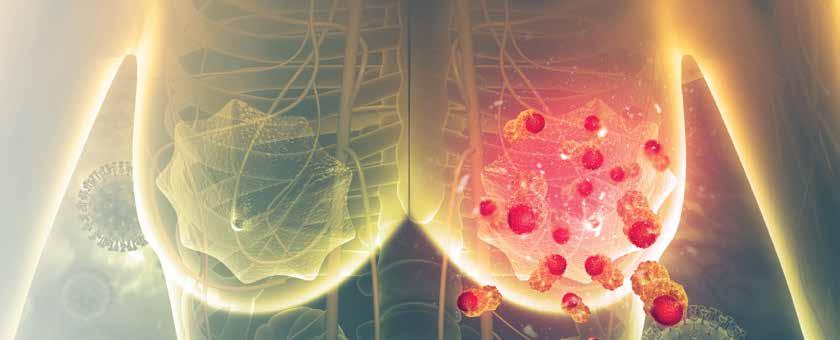
Although breast cancer mortality has steadily declined over the past three decades — driven by advances in early detection and precision medicine — breast cancer remains the most diagnosed cancer among women worldwide.
Proactive Risk Assessments
Despite the gains in improved outcomes, the incidence of breast cancer continues to rise. By integrating family history, genetic predisposition and reproductive and lifestyle factors, along with validated risk assessment models, clinicians can identify people who may benefit from enhanced breast imaging screening, genetic counseling (when applicable) and risk-reducing interventions. High-risk breast clinics tailor the best interventions to individuals’ personal risk.
Among modifiable risk factors, obesity has emerged as one of the most important. High BMI not only increases the risk of developing breast cancer; it leads to higher recurrence risk and poorer outcomes among survivors. Weight reduction through healthy lifestyle interventions and, more recently, GLP-1 receptor agonists, has proven to significantly lower an individual’s risk of developing breast cancer.
Evolution of Breast Cancer Therapies
The evolution of breast cancer treatment has been defined by continuous and relentless research and innovation. Beginning with the approval of tamoxifen in 1973, the first targeted endocrine therapy, interventions have progressed into an era of precision oncology, where treatment is tailored to each unique subtype of breast cancer. Indeed, the most extraordinary discoveries have occurred within the past decade, leading to accelerated approvals, with advances in molecular tumor profiling, immunotherapy, antibody-drug conjugates, PARP inhibitors, and the de-escalation of chemotherapy, surgery and radiation strategies.
Hormone-positive Breast Cancer
For decades, anti-estrogen therapy has been the foundation of treatment for hormone receptor–positive breast cancer. Between 2015 and 2017, CDK4/6 inhibitors transformed the management of met-
astatic estrogen-driven disease, producing substantial improvements in response rates and overall survival. These gains accelerated research into the early-stage setting and led to the integration of CDK4/6 inhibitors with standard endocrine therapy for select patients with higher risk, early-stage cancer.
A SABCS 2025, a novel oral selective estrogen receptor degrader (SERD) emerged as one of the most exciting developments in early-stage breast cancer, outperforming standard of care. FDA approval is anticipated later this year and is expected to improve patient outcomes and quality of life.
Triple-negative Breast Cancer (TNBC)
Triple-negative breast cancer (TNBC) represents one of the greatest therapeutic challenges in breast oncology. Due to the absence of estrogen receptor (ER), progesterone receptor (PR) and HER2 expression, TNBC lacked targetable pathways for drugs, leaving cytotoxic chemotherapy as the primary systemic treatment.
The therapeutic landscape began to shift in 2019, when the FDA approved the addition of immunotherapy to chemotherapy for TNBC, greatly improving response rates and survival. Further, we have seen the development of several active antibody-drug conjugates (ADCs), which deliver chemotherapy directly to cancer cells, limiting exposure to normal tissues.
HER2
Prior to the era of HER2-directed targeted therapy, this subset of breast cancer was synonymous with aggressive biology, brain metastasis and low survival rates.
Trastuzumab, a monoclonal antibody targeting HER2, was approved in 1998 and revolutionized the treatment of HER2-positive breast cancer, making it one of the most treatable breast cancer subtypes. In the intervening decades, multiple anti-HER2 agents have emerged in the neoadjuvant, adjuvant and metastatic settings, which dramatically improve outcomes and often offer patients a chemotherapy-free treatment option.
Multidisciplinary collaboration with cardio-oncology helps optimize cardiac surveillance and manage rare treatment-related cardiotoxicity.
De-escalation of Local Therapies
For decades, breast cancer surgery was guided by the belief that more extensive surgery translated to better cancer control and outcomes. Fortunately, management of the axilla has undergone a dramatic evolution. Patients who once routinely underwent axillary lymph node dissection may now be managed with the less extensive sentinel node biopsy, significantly reducing risks of lymphedema, shoulder dysfunction and chronic pain. Furthermore, some older patients with favorable tumor biology and early-stage disease may now safely omit sentinel lymph node biopsy and even radiation therapy altogether, reflecting a more individualized, patient-centered approach.
In many ways, knowing when to do less has become one of the greatest advances in doing more for our patients.
The Critical Role of Clinical Trials
In past decades, clinical trials were positioned late in a patient’s cancer journey. Now, patients can access groundbreaking therapies many years before FDA approval. Our center has seen the development of 50 drugs brought to market, and hundreds of patients have benefited from earlier adoption of these medications. We discuss clinical trial options early in the treatment course to help patients understand the importance of finding the best treatment that targets their cancer with the least toxicity.
Finding Strength Together Beyond Medicine
Although choosing the right treatment approach for a patient is critical, the reality patients face is often not fully appreciated by their care team. Patients live with so much more distress than the disease itself, and the weight they carry cannot be reflected in the medical record.
Behind every diagnosis is a patient wondering how to explain cancer to her family, manage her job, keep her health insurance, and lean
Beyond the Therapies: Why nutrition and exercise belong in a cancer treatment plan
For decades, the greatest advances in oncologic care have focused on surgery, radiation, chemotherapy and targeted therapy. But too little attention has been given to the impact that exercise and nutrition can have — not only in our patients’ quality of life, but in their ultimate survival.
The CHALLENGE trial (NEJM June 2025) showed that stage III and high-risk stage II colon cancer patients who followed a structured exercise program had a 37% reduction in overall mortality and a 7.1% absolute improvement in overall survival. The WINS trial (Cancer Epidemiol Biomarkers Prev. 2021) showed that women who followed the dietary intervention had a 24% relative risk reduction in breast cancer recurrence.
Studies consistently demonstrate that patients who exercise show reduced treatment toxicity, improved responses to immunotherapy, and improved well-being. Tailored nutrition interventions reduce inflammation, improve weight management, and increase survival. But getting our patients to implement such changes can seem futile. For years, we educated patients about this critical — and relatively accessible — intervention, only for implementation to be thwarted by barriers to change, like expenses, stigma and more.
on a family-become-caregiver. A cancer diagnosis touches every aspect of a person's life, as well as their family's lives.
For this reason, we strongly advocate for engagement in support groups. San Antonio has several communities of cancer survivors who have navigated these paths or are walking through parallel journeys. Within these groups, patients find reassurance, practical advice, hope and the comfort of knowing they are not alone. The connection becomes especially meaningful when a patient hears, “I've been where you are. You will get through this.”
Conclusion
The most profound transformation in cancer care has come from something deeper: a fundamental shift in philosophy. We no longer simply find cancer earlier; we understand it better. Today, prevention strategies, treatment decisions, and survivorship care are all shaped by the unique biology of each patient's disease — including the patient’s genetic inheritance, individual risk profile, personal goals and tumor’s molecular biology. What was once a one-size-fits-all approach has given way to medicine that is as individual as the patient it serves.
Prathibha Surapaneni, MD, is a breast medical oncologist at the START Center for Cancer Care in San Antonio, Texas. Her clinical practice is dedicated exclusively to breast cancer and leads the High-Risk Breast Program — focusing on inherited genetics, individualized risk assessment, early detection and evidence-based prevention along with risk-reduction strategies. Dr. Surapaneni is a member of the Bexar County Medical Society.
Amy Lang, MD, is the medical director of the breast program at the START Center for Cancer Care. In 2007, she founded ThriveWell Cancer Foundation, an organization dedicated to improving the lives of cancer patients throughout the San Antonio area. Dr. Lang is a member of the Bexar County Medical Society.
San Antonio’s Answer: ThriveWell Cancer Foundation’s Diva and Dude Program
In 2007, ThriveWell Cancer Foundation launched the DIVA program (Deriving Inspiration and Vitality through Activity) to address this gap in care. Today, the program provides over 3,500 free classes annually to thousands of cancer patients in San Antonio, including strength training, yoga, water aerobics, Zumba dancing, Tai Chi and more. The program also provides free nutrition classes for patients to improve their weight, their recurrence risk and their overall quality of life. Further, ThriveWell offers individual and group counseling for patients and caregivers. The program is open to all genders with any cancer diagnosis at no charge.
ThriveWell also provides financial assistance for patients facing the unaffordable costs of cancer care. Over $16 million has been provided to over 15,000 patients, plus over 200,000 rides to and from doctors’ visits. ThriveWell has covered over 25,000 bed nights in local hotels to patients who must travel to San Antonio for their treatments. Further, over $1 million has gone to local cancer research studies.
Join the movement by donating today at www.ThriveWell.org/donate-today/
Prostate Cancer: Staying cutting edge in Bexar County
By Naveen Kella, MD
Historically, physicians faced a relatively binary choice when consulting patients with newly diagnosed, clinically significant prostate cancer: radical open surgery or conventional external beam radiation therapy (EBRT). Both paths, while oncologically sound, routinely presented patients with sobering quality-of-life trade-offs, particularly regarding urinary continence and erectile function.
New developments aim to achieve oncological control while fiercely preserving functional outcomes for appropriate patients.
1. Advanced Diagnostics: The Evolution to Transperineal MRI-Ultrasound Fusion Biopsy
Accurate treatment selection is dependent on an accurate diagnosis. For decades, the standard transrectal ultrasound (TRUS) guided biopsy was the norm. Still, it carried inherent limitations: blind systematic sampling that frequently missed anterior or apical tumors, and a small but real risk of infectious complications due to passing the needle through the rectal wall. Sepsis rates range around 5%, and up to 25% of post-biopsy sepsis cases require ICU admission. This is a staggering statistic considering the prevalence of prostate biopsies.
To resolve these challenges, the regional standard of care in Bexar County has increasingly transitioned toward transperineal prostate biopsy (TP). Our practice has transitioned to 100% transperineal, having successfully performed nearly 1,000 such procedures. Clinical outcomes across the country, including at our center, have consistently mirrored the findings of trials like the TRANSLATE study, which indicates a clinically significant increase in detection of prostate cancer as well as superior infection-free rates (less than 1%):
• Near-Zero Infection Rates: By accessing the prostate through the perineal skin rather than the rectum, the risk of introducing fecal bacteria into the prostate is virtually eliminated.
• Improved Antibiotic Stewardship: Instead of the heavy, multi-day courses of broad-spectrum fluoroquinolones required for transrectal biopsies, which contribute to global resistance and carry black box warnings, our transperineal patients do not routinely require antibiotics.
• In-Office Comfort and Sedation Options: Modern practices are attentive to patient comfort. To optimize patient comfort, protocols offer nitrous gas or CRNA-administered IV sedation, significantly improving the experience for interested patients.
• MRI-Ultrasound Fusion Target Precision: For appropriate patients, high-field multiparametric MRI (mpMRI) images can identify possible cancerous lesions. Technology fuses the patient’s mpMRI images with real-time transrectal ultrasound. This allows us to target specific, suspicious lesions.
By targeting the core of the suspected tumor, we can reduce false-negative rates and provide an accurate Gleason score on the first attempt. This significantly reduces patient anxiety regarding the classic fear of a missed diagnosis and repeated biopsies.
2. High-Volume Robotic Prostatectomy: The Foundation of Surgical Precision
For patients undergoing surgical intervention, the literature clearly emphasizes the perioperative advantages of robotic surgery
over open surgery. NCCN guidelines state that high-volume surgeons generally provide better outcomes. With our 20-year experience exceeding 3,500 robotic prostatectomies, our program’s focus remains on achieving good oncological outcomes with reduced perioperative complications. Robotic technology brings immersive 3D vision and tremor-free movements into the small area of the pelvis. Appropriate patients can go home the same day.
3. MRI-Guided Focal Therapy: TULSA and Vanquish
One of the larger shifts in urologic oncology is the ongoing validation of focal therapy for low- to intermediate-risk localized disease. Rather than treating the entire gland and risking collateral tissue damage, we can now ablate specific malignant lesions while leaving healthy prostatic tissue and critical structures intact for appropriate patients.
Vanquish
Clinical guidelines classify focal therapy as an experimental and emerging technology. Our focal offerings arose from our participation in clinical research studies. Patients seeking focal treatment are counseled on the risk of recurrence. Having lower-risk disease confined to one part of the prostate is an important factor in identifying appropriate focal candidates. Our active pipeline of clinical trials has successfully introduced two cutting-edge, minimally invasive focal modalities to our patients:
Transurethral Ultrasound Ablation (TULSA)
The TULSA procedure is an incisionless, outpatient treatment performed entirely within an MRI bore. Using MRI, the surgeon maps focal areas or the entire gland for treatment.
• Mechanism: A catheter is introduced transurethrally. Under computer control, the device emits directional thermal ultrasound energy outward into the prostate.
• Real-Time Monitoring: MRI can calculate tissue temperature. This thermometry allows tissue ablation with millimeter precision and a lower risk of harm to the rectum, sphincter and neurovascular bundles.
• Clinical Efficacy: The Urology Place led significant enrollment for the CAPTAIN study — the first fully enrolled randomized controlled trial comparing ablative vs radical prostatectomy. Results showed that TULSA was superior to prostatectomy for the primary endpoint of preserving continence and erectile function at six months. An earlier study (TACT) showed 80% of patients free of significant disease one year after TULSA. Long-term oncological results are being collected for future presentation.
A new option for focal therapy, the Vanquish system harnesses convective energy to treat localized lesions. It does not require an in-bore MRI treatment and can be completed quickly in an outpatient setting. A few drops of sterile water vapor is needle injected into prostate tissue, killing cells but typically respecting the border of the prostate. This minimizes collateral damage to nerves or the rectum. The Urology Place participated in the VAPOR-2 study. 91% of eligible patients showed a negative biopsy of targeted prostate tissue at six months following a single Vanquish procedure. 93% of patients reported being satisfied or extremely satisfied. Commercial treatment has started while data continues to bve collected for a planned premarket approval submission for an expanded indication for the management of clinically localized prostate cancer.
4. Modern Multi-Disciplinary Care: Low Dose Rate (LDR) Brachytherapy
Radiation oncology remains a cornerstone of prostate cancer treatment. Still, conventional external beam radiation therapy (EBRT) requires multiple weeks of daily clinic visits and exposes a wide field of healthy pelvic tissue to ionizing radiation.
To provide a more targeted, efficient alternative, our urology practice has partnered with Dr. Ankit Agarwal, currently one of the world’s most experienced radiation oncologists specializing in intraoperative prostate brachytherapy. Together, we provide Low Dose Rate (LDR) Brachytherapy, a relatively inexpensive radiation treatment option.
• The Procedure: Performed in under an hour as a one-time outpatient procedure, LDR brachytherapy involves the permanent transperineal implantation of tiny, radioactive seeds (typically Palladium-103 or Iodine-125) directly into the prostate.
Dr. Naveen Kella and team - The Urology Place
• Intraoperative Real-Time Adaptive Planning: Utilizing ultrasound guidance, the team maps out the patient’s prostate anatomy live in the operating room. Dosing software and extensive experience help dynamically adjust seed placement, effectively sculpting and escalating the radiation dose to the tumor areas while maintaining exposure to the adjacent rectum and bladder wall at as low a level as possible.
• Recovery and Safety: Because the radioactive seeds decay over several months and travel only a very short distance within tissue, the treatment is highly localized. Patients go home the same day, experience minimal to no pain, and may return to most daily activities within a few days. Typically, there is no catheter. Irritative and obstructive symptoms (frequency, urgency, dysuria, weak stream) may occur and typically peak at one month and generally resolve by 12 months. Long-term data show oncological control is comparable to or superior to that of surgery or radiation. In addition, compared to EBRT, LDR brachytherapy has less GI toxicity. GU toxicity is higher, but can be reduced with modern techniques and the exclusion of patients with bothersome BPH symptoms. Compared to surgery, brachytherapy is associated with significantly less incontinence. Erectile dysfunction (ED) is also less likely with brachytherapy, although ED rates of surgery and brachytherapy patients converge after 10 years.
• Proven Utility for High-Risk Patients: For patients with unfavorable intermediate- or high-risk disease, brachytherapy can also serve as a powerful complement to external beam radiation. The landmark ASCENDE-RT trial demonstrated that adding an LDR brachytherapy boost to a shortened EBRT course (roughly half the fractions) significantly improved 9-year biochemical control rates (83% vs. 62%). The American Urological Association recognizes this combination treatment
as a strong recommendation. Beyond reducing the number of daily radiation visits, the brachytherapy boost may also allow for a shorter duration of androgen deprivation therapy — approximately 12 months versus the 18–36 months typically recommended with EBRT alone — a meaningful benefit given the well-known metabolic, cardiovascular and quality-of-life consequences of prolonged hormonal suppression.
• Bottom Line: By placing radioactive seeds directly within the prostate, brachytherapy delivers a highly conformal dose escalation that EBRT alone cannot safely achieve, effectively intensifying treatment where it matters most. Literature shows that implant quality — as measured by post-implant dosimetry — is the single most important controllable factor affecting longterm cancer control after brachytherapy. Higher physician case volume is directly associated with better implant quality and lower recurrence rates.
5. Protecting the Rectum from Radiation Using Temporary Spacers
While LDR brachytherapy and external beam radiation are highly effective, the close anatomical proximity of the anterior rectal wall to the posterior prostate gland still presents a permanent risk of radiation-induced proctitis, rectal bleeding and bowel bother. Many clinicians are unaware that rectal spacing technology has revolutionized how we mitigate this risk. The procedure is done in the office before radiation. Hydrogels are injected transperineally into a surgical space between the prostate and rectum to push the rectum away from the radiation field temporarily. Our practice has also adopted an FDA-approved Balloon Spacer — a biodegradable balloon implant that addresses some downsides of gels.
Long-term, 48-month clinical trial data confirms that patients receiving the biodegradable balloon spacer experience dramatically lower rates of acute and late Grade 1/2 gastrointestinal and urinary toxicities. Radiation-induced proctitis can lead to hematochezia, fecal incontinence, pain and devastating fistula. Also, notably, multi-year data shows a statistically significant preservation of patient-reported sexual function in spacer arms compared to control arms.
Summary
Prostate cancer presents in a myriad of ways. Safely reaching a more accurate diagnosis and presenting more personalized treatment options are major evolutions in the prostate cancer landscape.
Naveen Kella, MD, is a board-certified urologist and is fellowshiptrained in Urologic Oncology. He is the founder of The Urology Place and has been in practice in San Antonio since 2005. He is the Vice-President of the American Prostate Cancer Foundation, a 501(c) (3) nonprofit organization. The Urology Place offers general urology care as well as specialized treatment for men with prostate conditions such as BPH or prostate cancer. The Urology Place runs a robust clinical trials division, with a focus on prostate care. As partners in the San Antonio and Bexar County medical communities, their goal is to ensure that patients have access to the entire spectrum of modern prostate cancer care. Dr. Kella is a member of the Bexar County Medical Society.
Francis Medical Vanquish System
An Invitation to Your SHARE STORY An Invitation to Your SHARE STORY
Every physician carries a story — moments that shaped you, challenges that tested you and insights that continue to guide your practice. These experiences hold tremendous power, not only for personal reflection but also for inspiring colleagues who walk similar paths.
We invite you to contribute your personal stories, professional challenges or accomplishments, and unique viewpoints to our “Perspectives” collection in San Antonio Medicine magazine for the Bexar County Medical Society — a column created by doctors, for doctors. Whether it’s a breakthrough moment, a difficult lesson, an unexpected joy or a perspective that changed the way you practice medicine, your voice matters.
Your contribution will help build a space where physicians can learn from one another, feel seen, and find renewed purpose in the work you all share.
If you’re willing to participate, please submit your story to editor@bcms.org. Submissions can be brief or in-depth — whatever feels authentic to you.
Thank you for considering this opportunity to uplift and inspire fellow physicians. Your experience could be exactly what someone else needs to hear.
Personal Cancer Risk Guides Researcher’s Focus
The question that drives him: If metabolic health is central to cancer prevention, could GLP-1 therapies help prevent colorectal cancer?
By Claire Kowalick
For Colton Jones, MD, a first-year fellow in the Division of Hematology and Medical Oncology at the Joe R. and Teresa Lozano Long School of Medicine at The University of Texas at San Antonio, the question of cancer prevention has never been abstract.
Dr. Jones has spent much of his adult life aware that colorectal cancer and metabolic disease run in his family.
“I’ve known my entire adult life that I’m at higher risk. It’s affected how I think about food, health and long-term decisions,” Dr. Jones said.
That awareness shaped his relationship with health long before he entered medicine. It also shaped his future.
With a strong genetic predisposition to colorectal cancer and a family history of Type 2 diabetes, which is a risk factor for colorectal cancer, Dr. Jones grew up understanding that prevention was essential. As
he advanced through medical training and chose oncology as his specialty, he questioned whether there was a way to prevent cancer before it ever started.
That question guided his research into colorectal cancer risk prevention, which has now gained national attention.1 Dr. Jones recently presented his findings at the American Society of Clinical Oncology 2026 Gastrointestinal Cancers Symposium. Those findings suggest that glucagon-like peptide-1 (GLP-1) receptor agonist drugs may significantly reduce the risk of developing colorectal cancer.
From Personal Risk to National Stage
GLP-1 receptor agonists have revolutionized metabolic healthcare, offering effective treatment for Type 2 diabetes and obesity. As their use expanded across the country, early studies began to show favorable side effects, including anticancer effects.
Colton Jones, MD
Photo courtesy of UT Health San Antonio
This potential immediately caught Dr. Jones’ eye. “When I saw the early data suggesting these drugs might have anticancer properties, the first thing that came to mind was my family. I thought, what if this actually works?” he said.
Under the mentorship of Sukeshi Patel Arora, MD, a gastrointestinal oncologist at the Mays Cancer Center at UT Health San Antonio and professor in the Division of Hematology-Oncology in the Long School of Medicine, Dr. Jones studied whether GLP-1 receptor agonists were associated with reduced colorectal cancer incidence.
“This study highlights how medications developed for metabolic disease may have far broader implications for oncology. Dr. Jones approached this question thoughtfully, and the findings open the door for future research that could reshape prevention and treatment strategies,” said Dr. Arora.
Using records from a large national medical database, Dr. Jones and his team analyzed outcomes from more than 280,000 patients. They compared people prescribed GLP-1 receptor agonists with a group taking aspirin. Aspirin has long been the standard medication studied for colorectal cancer prevention. To reduce bias, patients were balanced by demographic factors, underlying health conditions and cancer history.
Dr. Jones remembers the pivotal moment the data began to take shape. “When we first ran the analysis, we thought maybe weight loss would explain the effect, so we adjusted for [body mass index]. But the effect was still there. Then we adjusted for diabetes. We ran it again and again across subgroups, and every time we saw the same result,” he said.
Across multiple analyses, patients taking GLP-1 receptor agonists were 36% less likely to develop colorectal cancer than those taking aspirin. The benefit held, regardless of weight loss, BMI or diabetes status. The effect was strongest among people ages 18 to 44.
For Dr. Jones, that finding was particularly important. Colorectal cancer is now the leading cause of cancer-related death among people under age 50 in the United States. Many scientists believe worsening metabolic health is playing a role. “To see the strongest benefit in younger people was incredible,” Dr. Jones said.
New Angle on Cancer Prevention
GLP-1 receptor agonists may influence cancer risk through multiple pathways. The drugs reduce obesity-related inflammation, and they also improve insulin sensitivity, addressing some of cancer’s known metabolic drivers.
GLP-1 receptors are also expressed in the colon, where activation may improve the gut microbiome and reduce inflammatory signals linked to tumor development. Emerging scientific evidence suggests the drugs may inhibit the mechanistic target of rapamycin (mTOR) pathway, a key driver of cancer cell growth. “The drug’s effect appears to be multifactorial with both indirect metabolic benefits and a direct anticancer effect,” Dr. Jones said.
Implications of these findings are significant. More than 20 million Americans are currently taking GLP-1 medications for diabetes or obesity. If future studies prove the association is causal, thousands of people may already be receiving cancer-prevention benefits. “For decades, we’ve focused on treating cancer once it appears, and prevention has lagged behind. That’s discouraging when rates of many kinds of cancer are on the rise,” Dr. Jones said.
His hope is that future longitudinal studies can follow participants over five to 10 years to determine whether GLP-1 therapies truly prevent colorectal cancer. If confirmed, the findings could influence national guidelines and regulatory recommendations.
Differences Among GLP-1 Medications
Various GLP-1 medications, including semaglutide, liraglutide and dulaglutide, were each associated with a significant reduction in colorectal cancer risk. Liraglutide demonstrated the largest effect, followed by dulaglutide and semaglutide.
Tirzepatide, a newer dual GLP-1/glucose-dependent insulinotropic polypeptide (GIP) agonist, did not show a benefit in this analysis, which Dr. Jones said may be due to its more recent approval and smaller sample size.
The protective association was also not observed in participants who used tobacco or those with atherosclerotic disease.
Future Defined by Prevention
Dr. Jones plans to pursue a career in academic and community medicine with a focus on gastrointestinal oncology and metabolic-driven cancer prevention. For him, metabolic health is central to cancer prevention. “In Western countries especially, the metabolic factors driving diabetes and obesity are also driving cancer risk. If we can control those factors, we could potentially lower cancer incidence globally,” he said.
At UT San Antonio, Dr. Jones says he found an environment where early-career physician-scientists are encouraged to ask ambitious questions and pursue data-driven answers. “This kind of research doesn’t happen without mentorship and institutional support,” Dr. Jones said.
Still, the motivation behind his research remains personal. Every analysis, model or late-night data review carried a sense of urgency, not just for his patients, but also for his family, who first shaped his awareness of cancer risk. “I thought about how can this benefit my patients, but also how can it benefit my family and the world? That’s what drives me,” Dr. Jones said.
For him, cancer prevention research holds the key to a world where the growing threat of colorectal cancer will someday be a thing of the past.
Claire Kowalick is a science writer and senior public relations specialist at The University of Texas at San Antonio’s Health Science Center. She is a graduate of the University of North Texas. As a science writer, she combines her passion for writing with a deep appreciation of biomedical science to tell people about the groundbreaking research and novel discoveries happening at South Texas’ largest academic research institution.
The Future of Regenerative Medicine: From bench to bedside
By Gabriel Bietz, MD, and Rajvi Patel, OMS-III
Regenerative medicine is an interdisciplinary field aimed at repairing, replacing, or regenerating damaged tissues and organs. This field is transitioning from being characterized by experimental stem cell transplantation and tissue engineering to development in stem cell biology, genome editing and bioprinting. The goal of these therapies is to restore cellular function, modify disease biology, and achieve durable tissue replacement in some cases. As of 2025, more than 40 cell and gene therapy products have received FDA approval, with over 10,000 clinical trials registered worldwide. Despite this progress, scientific innovation has outpaced clinical implementation due to challenges surrounding immune rejection, manufacturing scalability, long-term safety, vascularization of engineered tissues and economic accessibility, all of which are essential for widespread adoption. This paper reviews the key technological pillars shaping the future of regenerative medicine, evaluates recent clinical milestones, and identifies the barriers to overcome to achieve scalable therapies to restore function rather than merely manage disease progression.
Stem Cell Therapies: Clinical Maturation
Stem cell-based therapies remain the cornerstone of regenerative medicine. Induced pluripotent stem cells (iPSCs) were first generated by Yamanaka in 2006 and have progressed from laboratory trials to early clinical application. A 2025 review identified 10 published clinical studies and 22 ongoing registered trials utilizing iPSCs-derived products across cardiac, ocular, neurological and oncologic indications, encompassing more than 100 patients with no serious adverse events attributable to the cellular intervention. Among neurological disorders, Parkinson's disease is one of the most compelling targets for stem cell replacement therapy. Parkinson's
degeneration is relatively localized to dopaminergic neurons within the substantia nigra, so replacement of a discrete cell population can be sufficient to restore function and see clinically meaningful results. Early phase clinical studies using iPSC-derived dopaminergic progenitors have demonstrated graft survival, dopamine production and favorable safety profiles providing significant support for neuronal replacement.
Similarly, Type 1 diabetes has become a leading model for functional tissue replacement. Stem cell-derived pancreatic islet therapies restore physiologic insulin production by replacing dysfunctional β-cells rather than relying on pharmacologic insulin supplementation. Clinical studies have demonstrated restoration of C-peptide production and reduction in hypoglycemic events, which further emphasizes the advanced application of stem cell-based regenerative therapy for diabetes.
Mesenchymal stem/stromal cells (MSCs) are the most investigated cellular product, with over 1,900 clinical trial evaluations. A key milestone was reached in December 2024 with the FDA approval of remestemcel-L (Ryoncil) for steroid-refractory acute graft-versus-host disease in pediatric patients, demonstrating a 70% overall response rate at Day 28. Globally, 12 MSC therapies have now received regulatory approval. However, MSC’s efficacy gap is limited in that it does not directly translate to clinical efficacy due to inter-donor variability, inconsistent manufacturing, poor engraftment (approximately 5% of transplanted cells survive beyond 24 hours), and limited long-term cell survival. There is growing evidence suggesting that MSCs provide therapeutic effects primarily through transient paracrine signaling rather than durable tissue integration, creating further interest in engineered cell products and cell-free therapeutic alternatives.
CRISPR Gene Editing: A Transformative Tool
The integration of CRISPR-Cas9 genome editing has been fundamental in expanding the scope of regenerative medicine. The first CRISPR-based therapy approved by the FDA was Casgevy (exagamglogene autotemcel) in December 2023 for sickle cell disease. Casgevy was able to achieve vaso-occlusive crisis-free status in over 90% of patients with sickle cell disease with fetal hemoglobin levels reaching 43.9% of total hemoglobin at six months. The mechanism for this was editing the BCL11A erythroid-specific enhancer in autologous hematopoietic stem cells.
Beyond ex vivo applications, in vivo CRISPR editing has entered clinical testing. The first clinical proof of concept for systemic in vivo genome editing is provided by the NTLA-2001 trial for hereditary transthyretin amyloidosis. This demonstrated that lipid nanoparticle-delivered CRISPR components could achieve substantial dose-dependent reductions in serum transthyretin protein directly in the liver. CRISPR is increasingly being applied not only to correct disease causing mutations but also to engineer next generation regenerative products. For instance, in diabetes, gene-edited pluripotent stem cellderived islets are being developed to evade immune recognition by knocking out HLA genes and inserting immune evasion molecules. This creation of "universal" hypoimmunogenic stem cell could enable off-the-shelf allogeneic cell therapies without lifelong immunosuppression. Similar approaches are being navigated to create donor cell lines for neurological and cardiovascular applications.
3D Bioprinting: Engineering Living Tissues
Three-dimensional bioprinting enables the layer-by-layer fabrication of biometric tissue constructs using bioinks composed of living cells, extracellular matrix components and supportive biomaterials. Bioprinted tissues that have promising potential include cartilage, bone, skin, vascular grafts and simplified cardiac and hepatic models. In preclinical studies, 3D-bioprinted cartilaginous constructs implanted subcutaneously in animal models demonstrated stable cartilage formation with glycosaminoglycan and Type II collagen production at 60 days without any ossification, fibrosis or tumor development over extended follow-up periods. In situ bioprinting, which is direct printing at the injury site, has emerged as a promising frontier. A 2025 study demonstrated the first successful application of a standard 3D bioprinter fabricating tissue directly within living animal bone with successful bone regeneration compared to controls. However, fabrication of fully functional solid organs at transplantable scale has not yet been achieved. Cardiovascular disease is a prime example that illustrates both the promise and limitations of current tissue engineering approaches. While bioprinted patches with cardiomyocytes, endothelial cells and supportive stromal populations have demonstrated improvement in preclinical models, effective clinical translations are dependent on several barriers related to vascularization, electrical coupling, tissue maturation and long-term graft integration.
Interest in exosome-based cell-free therapies has been rapidly growing after MSCs’ therapeutic effects through paracrine signaling
has been increasingly recognized. MSC-derived exosomes carry bioactive proteins, microRNAs and lipids that have the ability to modulate inflammation, promote new blood vessel formation, and improve tissue repair. Additionally, exosomes have several advantages over whole-cell therapy such as no tumorigenic potential, decreased immunogenicity and enhanced storage and scalability. In a systematic review of 21 clinical reports, EV-based therapy was concluded to be safe, with a serious adverse event incidence of only 0.7% (95% CI: 0.1–5.2%). As of 2025, 64 registered clinical trials have preliminarily validated MSC-EV safety across multiple disease indications. The emergence of exosome therapies may represent a broader shift in regenerative medicine. Instead of transplanting entire cells, future interventions may focus more on engineered biological signals through cell-free platforms. Despite these findings, numerous challenges remain regarding standardization of isolation methods, maintaining consistency of batches, and development of GMP-compliant production protocols.
Organoids: Miniature Organs for Regeneration & Discovery
Organoids are self-organizing three-dimensional structures derived from stem cells that recapitulate key aspects of organ architecture and function. Their development for the brain, liver, intestine, kidney, retina, heart, lung and pancreas can be applied to disease modeling, drug discovery and regenerative medicine. Transplanted organoids have been functionally integrated in animal models involving hepatic, intestinal, pancreatic and retinal tissues. CRISPR-corrected organoids derived from patients with cystic fibrosis have restored CFTR protein functionality, which further supports the potential for autologous gene-corrected organoid transplantation. Pancreatic organoids capable of glucose-responsive insulin secretion are also being explored emphasizing the relevance of regenerative therapeutics for diabetes. Despite these advances and published outcomes, clinical translation remains limited by numerous challenges including batch variability, inadequate vascularization and reliance on animal-derived extracellular matrices.
Barriers to Clinical Translation
Despite significant scientific progress, numerous systemic barriers impede widespread clinical adoption. A substantial factor is cost, as approved gene therapy prices range from $200,000 to $3.3 million per treatment. Economic challenges are highly affected by the complexity of manufacturing, quality control requirements and individualized production processes. Global development is also complicated due to regulatory heterogeneity across jurisdictions. While there are programs like the FDA’s Regenerative Medicine Advanced Therapy designation (RMAT) that provide accelerated approval mechanisms, universal international acceptance is incomplete. Although current regenerative approaches have acute positive outcomes, there are still concerns regarding long-term safety. A recent case report documented the first confirmed case of a neoplasm associated with AAV, triggering instant reassessment of vector longevity. Additionally, there are challenges around manufacturing scalability, protocol standardization and proliferation of unregulated direct-to-consumer stem cell clinics.
SAN ANTONIO MEDICINE
Future Directions
The next phase of regenerative therapies is unlikely to form from a single technological platform but instead will arise from a convergence of stem cell biology, genome engineering, biomaterials science, augmented intelligence and advanced manufacturing. This is because of the focus on evolving from cell replacement to integrated biological systems that can adapt and restore tissue function in various environments. Some examples are CRISPR-engineered hypoimmunogenic iPSC lines for bioprinted scaffolds, exosome-laden smart biomaterials that respond to physiological stimuli and organoid-on-a-chip platforms for personalized therapeutic development. Augmented intelligence is widely being applied to optimize cell differentiation regulations, predict patient-specific responses, and accelerate clinical trial design. The development of 4D bioprinting introduces a temporal dimension to tissue engineering as it allows constructs to change shape and function over time in response to environmental stimuli. Collectively, these advances show promising advances for the future regenerative therapies to resemble biological systems instead of single products.
Conclusion
Regenerative medicine has begun to transition from proof-of-concept experimentation to early clinical implementation, anchored by milestone approvals in stem cell and gene-edited cell therapies. With an expanding global clinical trial landscape, there are several factors that affect the field’s trajectory such as the ability to solve vascularization in engineered tissues, establish manufacturing scalability, and regulate frameworks and long-term safety data. The most significant advances are formed by intersecting technologies rather than individual ones. The convergence of stem cell biology, genome editing, tissue engineering, biomaterials science and augmented intelligence create efficient regenerative systems that restore tissue function with extreme precision. Current advances in diabetes and Parkinson's disease are areas in which regenerative medicine is progressing towards therapies that restore human disease.
References:
1. CRISPR Technologies for Stem Cell Engineering and Regenerative Medicine. Hsu MN, Chang YH, Truong VA, et al. Biotechnology Advances. 2019;37(8):107447. doi:10.1016/j. biotechadv.2019.107447
2. The Interface of Gene Editing With Regenerative Medicine. Farag VE, Devey EA, Leong KW. Engineering (Beijing, China). 2025;46:73100.doi:10.1016/j.eng.2024.10.019
3. CRISPR Innovations in Tissue Engineering and Gene Editing. Razavi Z, Soltani M, Souri M, van Wijnen AJ. Life Sciences. 2024;358:123120. doi:10.1016/j.lfs.2024.123120
4. Insights of CRISPR-Cas Systems in Stem Cells: Progress in Regenerative Medicine. Dilip Kumar S, Aashabharathi M, KarthigaDevi G, Subbaiya R, Saravanan M. Molecular Biology Reports. 2022;49(1):657-673. doi:10.1007/s11033-02106832-w
5. Disease Modeling and Stem Cell Immunoengineering in Regenerative Medicine Using CRISPR/Cas9 Systems. Antao AM, Karapurkar JK, Lee DR, Kim KS, Ramakrishna S. Computation-
al and Structural Biotechnology Journal. 2020;18:3649-3665. doi:10.1016/j.csbj.2020.11.026
6. Current Approaches in CRISPR-Cas9 Mediated Gene Editing for Biomedical and Therapeutic Applications. Bhattacharjee G, Gohil N, Khambhati K, et al. Journal of Controlled Release : Official Journal of the Controlled Release Society. 2022;343:703723. doi:10.1016/j.jconrel.2022.02.005
7. Highly Efficient Genome Editing via CRISPR-Cas9 Ribonucleoprotein (RNP) Delivery in Mesenchymal Stem Cells. Han AR, Shin HR, Kwon J, et al. BMB Reports. 2024;57(1):60-65
8. Therapeutic Genome Editing and in Vivo Delivery. Ramirez-Phillips AC, Liu D. The AAPS Journal. 2021;23(4):80. doi:10.1208/s12248-021-00613-w
9. CRISPR/Cas9 Genome-Editing System in Human Stem Cells: Current Status and Future Prospects. Zhang Z, Zhang Y, Gao F, et al. Molecular Therapy. Nucleic Acids. 2017;9:230-241. doi:10.1016/j.omtn.2017.09.009
10. Advance Genome Editing Technologies in the Treatment of Human Diseases: CRISPR Therapy (Review). Alagoz M, Kherad N. International Journal of Molecular Medicine. 2020;46(2):521534. doi:10.3892/ijmm.2020.4609
11. "Genetic Scissors" CRISPR/Cas9 Genome Editing Cutting-Edge Biocarrier Technology for Bone and Cartilage Repair. Li C, Du Y, Zhang T, et al. Bioactive Materials. 2023;22:254-273. doi:10.1016/j.bioactmat.2022.09.026
12. Recent Advances in CRISPR/Cas9 Delivery Approaches for Therapeutic Gene Editing of Stem Cells. Lotfi M, Morshedi Rad D, Mashhadi SS, et al. Stem Cell Reviews and Reports. 2023;19(8):2576-2596. doi:10.1007/s12015-023-10585-3
13. In Vivo Delivery of CRISPR-Cas9 Genome Editing Components for Therapeutic Applications. Huang K, Zapata D, Tang Y, Teng Y, Li Y. Biomaterials. 2022;291:121876. doi:10.1016/j. biomaterials.2022.121876
14. Ex Vivo Cell-Based CRISPR/Cas9 Genome Editing for Therapeutic Applications. Li Y, Glass Z, Huang M, Chen ZY, Xu Q. Biomaterials. 2020;234:119711. doi:10.1016/j.biomaterials.2019.119711
Gabriel Bietz, MD, is a board-certified vascular surgeon and Chairman of the Board for San Antonio Surgical Center of Excellence. He is a partner at Texas Cardiac and Vascular Institute, serving patients across San Antonio, Seguin and Corpus Christi. He is recognized for his expertise in both open and endovascular procedures, along with his leadership in advancing patient-centered vascular care. In addition to his medical career, Dr. Bietz is a serial entrepreneur with ventures spanning healthcare and private investments. Dr. Bietz is a member of the Bexar County Medical Society.
Rajvi Patel, OMS-III, is a medical student at the University of the Incarnate Word School of Osteopathic Medicine, Class of 2028. She is interested in pursuing a career in cardiopulmonary health, and is passionate about leading global mission trips to provide medical care in underserved areas.
Strength, Resilience and the Design of Independence: A surgeon’s perspective on musculoskeletal longevity
By Jamie Lynch, MD
In my clinic, the patients who worry me most are not always the ones with the worst MRI. They are the ones who quietly stopped doing things months ago. They stopped reaching overhead, stopped sleeping on one side, stopped walking hills, or stopped getting up from a chair without using their hands. By the time they describe the problem as pain, they have often already lost strength, confidence and options. The most consequential moment in a patient’s musculoskeletal journey is rarely the operating room. It is the office visit they had, or did not have, 18 months earlier.
As primary care physicians, internists and family medicine physicians, you are positioned at the front door of musculoskeletal health. What happens at that door determines whether a patient rebuilds capacity or quietly erodes it. This is not a pitch for more surgical referrals. The useful distinction for a referring physician is when conservative management is appropriate, when it is time-sensitive and when delay measurably changes outcomes.
The
Case for Strength
Muscle does more than move joints. It is metabolically active tissue that affects glucose control, balance, fall risk and functional longevity. The landmark work of Studenski and colleagues, published in JAMA in 2011, demonstrated that gait speed, a proxy for integrated lower extremity strength and neuromuscular coordination, is strongly associated with survival in older adults.1 This finding reframed muscle function as a vital sign, not a rehabilitation afterthought.
The EWGSOP2 consensus definition of sarcopenia, updated in 2019, codifies what orthopaedic surgeons observe clinically every day — patients with low muscle mass and poor strength experience higher rates of fracture, delayed recovery from injury and greater functional decline following surgical intervention.2 When a 68-year-old presents to your clinic with shoulder pain and a BMI of 31, the joint is only
half the question. The other half is whether the muscle architecture surrounding it can still absorb mechanical load and protect the articular surface. The same holds all over the body. Strength is the scaffolding about these joints and when it fails, then there is pain.
The Shoulder: Pain Is Often a Late Signal
Shoulder pathology in the aging population is not limited to impingement syndrome. Glenohumeral osteoarthritis, rotator cuff tendinosis and rotator cuff tendon tears are progressive, destructive conditions that may be underappreciated in primary care settings, often because shoulder pain is dismissed as a sleeping position or a minor strain, and the imaging that would clarify the diagnosis is delayed.
Radiologic finding of glenohumeral osteoarthritis affects roughly 16 to 20% of the middle-aged and elderly population11 and is one of the leading indications for shoulder arthroplasty worldwide.3 Unlike hip and knee arthritis, which patients and clinicians tend to recognize and act on, shoulder arthritis frequently presents with a more insidious course: gradual loss of internal rotation, progressive stiffness, night pain and a characteristic loss of the smooth arc of motion on examination. By the time many patients are referred, they have significant posterior capsular contracture, glenoid bone loss and profound periscapular muscle atrophy from months or years of disuse.
Shoulder pathology is often minimized compared with hip and knee disease, yet the shoulder is essential to independence. It allows patients to dress, bathe, cook, drive, work, and sleep comfortably.
Rotator cuff disease is one of the most common causes of shoulder pain and dysfunction in adults. Many degenerative tears deserve an initial trial of nonoperative care, including physical therapy, activity modification and anti-inflammatory strategies when appropriate. But rotator cuff tears are not always static. Prospective data on degenerative rotator cuff tears show that tears can enlarge, symptoms can progress
and muscle degeneration can develop over time. This matters because tendon quality, tear size, fatty infiltration and muscle atrophy influence treatment options and prognosis.
Delayed recognition costs more than added pain. It can leave a less repairable tendon, weaker muscle and fewer biologically favorable choices. If patients arrive in a delayed fashion, they have large, retracted tears, muscle atrophy and entrenched compensatory movement patterns. The whole shoulder girdle has reorganized itself around the dysfunction.
I do not believe every painful shoulder needs an MRI, but I do believe declining shoulder function deserves attention.
There is a difference between a patient who is sore and improving, and a patient who is adapting their life around loss of motion, night pain and weakness. That second patient is not stable. They are compensating, and with no response to a structured conservative trial, prolonged observation does very little for them. A subspecialty conversation about what comes next, and when, may be needed.
The Lower Body: Where Deconditioning Becomes a Diagnosis
Below the waist, decline tends to compound. Knee and hip pathology limits far more than the joint; it limits the patient’s entire physical engagement with life. Slemenda and colleagues demonstrated in the Annals of Internal Medicine that quadriceps weakness both precedes and accelerates symptomatic knee osteoarthritis, acting as an independent risk factor for progression rather than merely a consequence of pain.5 That distinction matters clinically, and in many patients the weakness is driving the disease, not a result of it.
Patients with moderate knee or hip osteoarthritis who are losing strength and cutting back activity sit on a well-documented path toward loss of functional independency. Less loading accelerates osteoporosis, less muscle activation accelerates sarcopenia, and less ambulation accelerates cardiometabolic decline. These problems do not run in parallel; they feed one another in a cascade that the joint pathology sets off.
The same applies to patients recovering from lower extremity injury, including meniscal tears, ligamentous injuries and hip pathology, who are never referred or are managed with rest alone. Rest alone is not rehabilitation, and a patient told to avoid activity without a structured pathway back to function will decondition in ways that outlast the original injury and complicate any future treatment.
Clinically, the signal to act is the pattern over snapshot. A single office visit captures a moment. A patient whose strength is measurably declining, whose walking tolerance is contracting and whose activity is decreasing is a patient whose choices are narrowing, regardless of current symptom intensity.
The GLP-1/GIP Receptor Agonists: Weight Loss That Can Cost Muscle
A new variable now sits inside almost every musculoskeletal encounter, and most orthopaedic referral conversations have not caught up to it. GLP-1 receptor agonists and the dual agents have moved from diabetes management into widespread use for weight loss, and they work. The problem is what comes off with the fat.
Weight loss in general and from these medications is not pure fat loss. Across the registration trials and the body composition analyses that followed, the share of total weight lost that comes from lean mass ranges widely, from roughly 15% to as high as 60%, depending on the agent, the dose and the population.8,9 Keep in mind lean mass does NOT equal muscle mass, it includes fluids, water in fat, bone and internal organs. In the STEP 1 trial of semaglutide, lean mass accounted for approximately 40% of the total weight lost.4 With tirzepatide in SURMOUNT-1, the lean fraction was lower, roughly 25% of the weight lost.7
In practice, a meaningful portion of the weight on the scale of total weight loss may come from lean mass, which can include muscle yes, but also water, organ mass, bone and other non-fat tissue muscle. However, that fraction of muscle is more notable in older patients that often start out with less. This indicates the patient must prioritize resistance training to preserve muscle and stimulate bone density. Appetite is suppressed on these agents, so the patient has to be deliberate about protein intake and should consider supplementation of vitamin D and calcium.
The picture is not uniformly negative. As a proportion of total body composition, lean mass often improves because fat is lost preferentially, and at least one prospective 2025 study reported that handgrip strength improved and the prevalence of sarcopenic obesity actually fell over 12 months of treatment.10 Losing weight is good for arthritic joints. Lower mechanical load on a degenerative knee or a worn glenohumeral joint is a real benefit.
The orthopaedic concern is narrower and more specific. Consider the patient example in this article: the 68-year-old with shoulder or knee pathology, already drifting toward sarcopenia, whose muscle and bone reserve are extremely important for a good surgical outcome. Put that patient on a GLP-1 agent, allow rapid weight loss with no resistance training and inadequate protein intake and you accelerate the exact muscle loss and bone loss that we identify as the initiating event in functional decline. The weight chart looks like progress. The surgical reserve is slowly disappearing.
These medications can be a useful tool but must have a muscle and bone plan attached. The mitigation is not mysterious. Progressive resistance training and adequate dietary protein, commonly cited in the range of 1.2 to 1.6 grams per kilogram per day during active weight loss, are the evidence-based controls for preserving lean mass while fat comes off.8 A patient losing 15% of body weight without lifting anything heavier than a coffee cup is the patient I am concerned about treating in my OR.
These drugs remove fat. Building the muscle back is a separate job, and it still belongs to the patient working with guidance from their physician.
Longevity Is a Structural Problem
The conversation about longevity in medicine has shifted, appropriately, toward cardiovascular optimization, metabolic health and cognitive reserve. Musculoskeletal health belongs in that conversation at the same level.
In 2020, musculoskeletal disorders were the second-highest ranked cause of non-fatal disability and affected more than 1.63 billion peo -
ple worldwide, including low back pain and osteoarthritis.6 The downstream consequences, including reduced physical activity, accelerated sarcopenia, depression, social withdrawal and increased fall risk, are systemic rather than musculoskeletal in isolation. A patient who stops walking because the knee hurts is not only an orthopaedic problem; that patient’s cardiometabolic risk profile has just changed.
Independence in older adults is maintained through a predictable triad: joint integrity, muscle strength and neuromuscular coordination. When any one of these fails, the others compensate, and compensation has a cost. The patient who offloads a painful knee develops contralateral hip pathology. The patient who guards a deteriorating shoulder loses periscapular control and develops cervical strain. The body works as one system, so a local problem tends to produce consequences elsewhere.
The Cost of Waiting
One of the most important concepts in musculoskeletal medicine is that waiting is not always neutral.
Patients often adapt so gradually that the decline becomes invisible. They stop sleeping on one side, give up tennis, stop walking hills. Stairs get avoided. Someone else lifts the bag into the overhead bin. They call themselves “fine” because they have quietly redesigned life around the limitation.
However, breakdown and deconditioning do not pause because a patient is coping. A rotator cuff tear can enlarge, muscles can undergo fatty infiltration and shoulder arthritis can progress with increasing stiffness and bone loss. Knee pain drives quadriceps inhibition, weakness and reduced ambulation, and lower extremity deconditioning then accelerates sarcopenia, fall risk and loss of independence.
The cost of waiting is rarely measured only in pain scores. It is measured in lost strength, motion, confidence and options. This does not mean every patient needs advanced imaging or surgery. It means physicians should recognize the difference between a stable condition and a declining course.
A patient who is improving with appropriate conservative care should continue that path. A patient who is losing function despite reasonable treatment deserves a deeper evaluation. Orthopaedic referrals are best understood not as a failure of conservative care but as a tool for diagnosis, planning and preserving choices.
A Framework for Referral Timing
My framework for referral timing rests on three keys.
Function over anatomy: Imaging findings alone do not drive referral. A patient with glenohumeral arthritis who is pain-free and functional does not need a surgeon. A patient with moderate disease who is losing motion, strength and independence does.
Failure to improve: A patient not improving after six weeks of appropriate structured therapy deserves subspecialty evaluation. Not because conservative care has failed, but because the diagnosis may need refinement and the care plan may need revision.
Pattern over snapshot: Declining strength, contracting function and narrowing activity are concerning — consider the trend of this patient’s mobility and function more than one moment in time.
Closing
The patients who do best after surgical intervention are not necessarily those with the most straightforward pathology. They are the ones who arrived with preserved muscle health, realistic expectations and enough residual function to participate in their own recovery. That outcome is built, or lost, in the months and years before surgery is ever discussed.
Strength is not merely a good surgical outcome. It is a precondition for one.
Reference:
1. Studenski S, et al. Gait speed and survival in older adults. JAMA 2011 Jan 5; 305(1):50-8
2. Cruz-Jentoft AJ, et al. Writing Group for the European Working Group on Sarcopenia in Older People 2 (EWGSOP2), and the Extended Group for EWGSOP2. Sarcopenia: revised European consensus on definition and diagnosis. Age Ageing. 2019 Jan 1;48(1):16-31
3. Ibounig T, et al Glenohumeral osteoarthritis: an overview of etiology and diagnostics. Scand J Surg. 2021 Sep;110(3):441-451
4. Wilding JPH, et al. Once-weekly semaglutide in adults with overweight or obesity (STEP 1). NewEnglandJournalofMedicine. 2021
5. Slemenda C, et al. Quadriceps weakness and osteoarthritis of the knee. Annals of Internal Medicine. 1997 Jul 15;127(2):97-104
6. Gill T, et al. Global, regional, and national burden of other musculoskeletal disorders, 1990–2020, and projections to 2050: a systematic analysis of the Global Burden of Disease Study 2025. The Lancet Rheumatology, 5, e670-e682
7. Jastreboff AM, et al. Tirzepatide once weekly for the treatment of obesity (SURMOUNT-1). New England Journal of Medicine. 2022;387:205-216
8. Neeland IJ, et al. Changes in lean body mass with glucagon-like peptide-1-based therapies and mitigation strategies. Diabetes, Obesity and Metabolism. 2024 Sep; 26 Suppl 4:16-27
9. Linge J, et al. Muscle mass and glucagon-like peptide-1 receptor agonists: adaptive or maladaptive response to weight loss? Circulation. 2024 Oct 14; 150 (16)
10. Alissou M, et al. Impact of Semaglutide on fat mass, lean mass and muscle function in patients with obesity: The SEMALEAN study. Diabetes Obes Metab. 2026 Jan;28(1):112-121
11. Davies MR, et al. Glenohumeral Osteoarthritis: Disease Burden, Current Understanding, and Gaps in Knowledge and Treatment. Orthop J Sports Med. 2025 May 19;13(5)
Jamie Lynch, MD, is a board-certified fellowship-trained orthopaedic surgeon with over a decade of experience in treating orthopaedic disorders and sports medicine injuries of both the upper and lower extremities. As a member of the AAOS, ASES, AOSSM and AANA, Dr. Lynch speaks nationally sharing her techniques and expertise in shoulder surgery. She sits on the board of the Texas Medical Liability Trust and is an active member of the Forum. She is co-founder of TruOrtho, a supra-subspecialized all-women orthopaedic practice in San Antonio, Texas and she is a wife and devoted mother of four young girls. Dr. Lynch in a member of the Bexar County Medical Society.
Congress: Texas Families Can’t Wait Longer for Care
By Ezequiel “Zeke” Silva III, MD, Originally printed in the San Antonio Express News
Searching high and low for a doctor? You’re not alone.
Now more than ever, Texans are finding it harder to get care, with some having to wait months for an opening and many being told the local doctor’s office can’t take on new patients.1 On average, patients wait 31 days for an appointment.2 This could grow, as Texas Health and Human Services estimates a shortage of 10,000 physicians across the Lone Star State.3 To make matters worse, insurance company barriers further disrupt patients’ access to necessary treatments.
Few of us, it seems, are exempt from this challenge. I’m a doctor, and I’ve struggled to get care for my own family. Even after multiple calls to colleagues searching for an opening, it was difficult to find a physician who could accept new Medicare patients like my parents. And when my wife had breast cancer, her insurance company initially denied the MRI she needed to plan her surgery.4 We appealed and it was eventually approved, but the delay she faced was frustrating and unnecessary.
When I think about the Texans who don’t have the time, knowhow or resources to navigate this broken system, I worry about the care they may forgo or delay. Because in the end, it is a failure of our healthcare system when patients aren’t able to get the care they need.
Today, prior authorization by big health insurance companies is out of control. When insurers delay or deny care that doctors prescribe, patients suffer. According to recent data from the American Medical Association, about 80% of physicians say prior authorization leads patients to abandon treatment.5 Consequently, one-infour doctors report having patients that suffered serious harms due to the process. Insurance company barriers have downstream effects, too: prior authorization forces doctors to spend more time on paperwork and less on direct care, and hire new staff just to appeal for our patients. Simply put, prior authorization raises costs for everyone.
But that’s only part of the problem. At the same time, physician practices lack the financial stability to expand services, invest in new technology, offer new treatments, and yes, accept new patients due to rising costs. Add on the years of Medicare cuts Washington policymakers have imposed, and it’s little wonder that many small towns and rural communities continue to struggle to recruit and retain physicians.6 When patients can’t access care locally, delays in diagnosis and treatment become more likely.
So, what can be done to improve Texans’ access to care?
First, Congress must pass the Improving Seniors’ Timely Access to Care Act, which would streamline the prior authorization process and put important guardrails in place.7 With overwhelming bipartisan support, there’s no reason this should not be signed into law this year to help patients.
Second, Medicare policy must provide stability and predictability for physician practices. As Congress works to strengthen rural healthcare, there must be solutions that support independent
physician practices, which are small businesses and pillars of the community. This should start by linking Medicare reimbursement to inflation, instead of imposing cut after cut. Meanwhile, small technical reforms that would prevent automatic, across-the-board reductions would make it easier for practices to stay afloat.8
The decisions that affect patient care are often made far from the exam room. They are made in boardrooms, state capitols and the halls of Congress. Often, I’m the only doctor in the room during policy discussions and I feel a responsibility to tell my patients’ stories so that our decisions improve their lives. As I help mentor the next generation of Texas medical students, I’m excited by their enthusiasm and optimism to change our healthcare system for the better. I’m looking forward to them staying in our state to practice in local communities.
And that is why policy is so important.
Only by addressing the factors that limit access to care and fuel the physician shortage can our leaders make Texas an even healthier place to live and work. With thoughtful changes from Congress, I believe we can cut through unnecessary red tape, strengthen the physician workforce, and ultimately improve care.
Because at the end of the day, what I want for my family is what I wish for yours: to be able to get the right treatment at the right time so you can truly thrive.
8. https://murphy.house.gov/media/press-releases/murphy-introduces-legislation-improve-medicare-reimbursement-stabilityOrthop J Sports Med. 2025 May 19;13(5)
Ezequiel “Zeke” Silva III, MD, is a diagnostic and interventional radiologist practicing in San Antonio. He serves as member on the Council on Medical Service at the American Medical Association and is a Past President of the Bexar County Medical Society.
The 1853 Club Luncheon July 14, 2026
The Bexar County Medical Society hosted its most recent 1853 Club luncheon on July 14, 2026. These luncheons, held on a quarterly basis, serve as an opportunity for retired members to reconnect with colleagues and friends while becoming informed on various topics presented by guest speakers.
This luncheon’s guest speaker was Rudy Gomez, a caregiver survivor and retired administrator for the UTHSCSA School of Nursing. Shortly after retirement, Rudy’s late wife, Barbara, was diagnosed with Alzheimer’s Dementia, marking the formal beginning of their 7-year Alzheimer's Journey. Today, Rudy Gomez shares his story and education regarding the responsibilities and challenges of caring for someone with Alzheimer’s through the Caring for the Caregiver Program at UT Health San Antonio School of Nursing. Learn more about Rudy and Barbara Gomez’s story in “A Caregiver Survivor’s Journey Through Alzheimer’s” on page 10.
If you are a retired or life BCMS member and are interested in joining the 1853 Club, please reach out to our membership department by emailing membership@bcms.org or by calling 210-301-4391.
Guest speaker, Rudy Gomez
Bexar County Medical Society Business Partners Program
As a BCMS member, you can find exclusive discounts on premium products and services that you and your practice use every day.
Shop Businesses Who Support BCMS
ACCOUNTING FIRMS
Sol Schwartz & Associates P.C. (HHH Gold Sponsor)
Sol Schwartz & Associates is the premier accounting firm for San Antonio-area medical practices and specializes in helping physicians and their management teams maximize their financial effectiveness.
Christopher Davis, CPA 210-384-8000, ext. 118 cbd@ssacpa.com www.ssacpa.com
“Dedicated to working with physicians and physician groups.”
CLA - CliftonLarsonAllen LLP (HH Silver Sponsor)
Transform complexity into opportunities. Work with professionals who understand the specific financial, operational, clinical, and strategic needs of physician practices and medical groups. Our team is made up of knowledgeable, accessible, and responsive individuals devoted to the healthcare industry.
Bryan Garcia, CPA Principal 210-298-7924 (direct) Bryan.Garcia@CLAconnect.com www.CLAconnect.com "Right there with you"
ASSET WEALTH MANAGEMENT
Aspect Wealth Management (HHH Gold Sponsor)
We believe wealth is more than money, which is why we improve and simplify the lives of our clients, granting them greater satisfaction, confidence and freedom to achieve more in life.
Michael Clark President 210-268-1520 (direct) MClark@aspectwealth.com www.aspectwealth.com
Atlas Retirement Strategies LLC is a comprehensive financial planning firm dedicated to serving the unique needs of the medical community. We offer customized strategies in business planning, retirement planning, risk management, wealth preservation, estate planning, and wealth transfer –empowering healthcare professionals to achieve long-term financial security, clarity, and peace of mind.
David M. Webb, Ph.D., MSM, CLF, CLTC, LACP
Founder & Principal 210-281-4400 (office)
David@atlas-plans.com www.atlas-plans.com
BANKING
Bank of Texas (HHH Gold Sponsor)
Bank of Texas, powered by BOK
Financial, is a top U.S.-based financial services company, offering sophisticated wealth, commercial, and consumer products and services. Still, we do business one client at a time—focused on delivering thoughtful expertise and tailored advice—because we know that when our clients succeed, we succeed.
Healthcare banking experts with a private banking team committed to supporting the medical community.
Thomas M. Duran
SVP, Private Banking Team Lead 210-283-6640 (direct) TDuran@broadway.bank www.broadway.bank
“We’re here for good.”
Texas Partners Banks (HHH Gold Sponsor)
Our private banking team specializes in healthcare banking and will work with you to craft and seamlessly integrate financial solutions for you and your practice, including practice loans, lines of credit and custom local lockbox solutions headquartered in San Antonio. Maria Breen 210-807-5562 (direct)
We believe that any great relationship starts with five core values: Attention, Accountability, Appreciation, Adaptability and Attainability. We work hard and together with our clients to accomplish great things.
Eric Johnston
SVP, Private Banking Team Lead 210-343-4485 (direct)
For more than 125 years, First Citizens Bank has served the financial needs of our clients and communities with specialized support and an emphasis on service. We bank on a first-name basis, taking a genuine interest in our clients' well-being. Our values-driven approach combines deep sector expertise with high-touch service, helping clients achieve their financial goals and aspirations.
Jorge Saenz Jr.
VP Business Banker III 210-749-3022 (cell) Jorge.SaenzJr@firstcitizens.com
Robert Moreno
VP Business Banker II 210-310-8411 (cell) no@firstcitizens.com www.firstcitizens.com “Forever First”
South State Bank (HH Silver Sponsor)
In healthcare, success depends on precision, expertise and smart financial management. At SouthState Bank, our dedicated healthcare banking team combine industry knowledge, tailored products and relationship-focused service to deliver forward thinking financial solutions that help your practice thrive.
Looking for low loan rates for mortgages and vehicles? We've got them for you. We provide a full suite of digital and traditional financial products, designed to help physicians get the banking services they need. Synergy FCU Member Services 210-750-8333 (office) info@synergyfcu.org www.synergyfcu.org
“Once a member, always a member. Join today!”
BUILDING /CONTRACTOR SERVICES
Huffman Developments (HH Silver Sponsor)
Building spaces that inspire success. Huffman Developments specializes in custom commercial and medical projects from concept to completion. With over 40 years of experience, our team delivers high-quality, long-lasting facilities tailored to each client’s vision and business goals.
Bexar Credentials Verification, Inc. (HHHH 10K Platinum Sponsor)
Bexar Credentials Verification Inc. provides primary source verification of credentials data that meets The Joint Commission (TJC) and the National Committee for Quality Assurance (NCQA) standards for healthcare entities.
Betty Fernandez Director of Operations
210-582-6355 (direct)
Betty.Fernandez@bexarcv.com www.bexarcv.com
“Proudly serving the medical community since 1998”
FINANCIAL ADVISORS
Avid Wealth Partners (HHH Gold Sponsor)
For over 15 years, Avid Wealth Partners has been the trusted financial partner for local physician specialists and practice owners. We specialize in physician-focused financial advising, offering proactive tax planning, customized investment strategies, and comprehensive risk management solutions. Our approach addresses every aspect of your financial life, protecting your hard-earned assets and building lasting wealth. With a team of credentialed specialists, we simplify complexity so you can focus on what you do best—caring for patients 210-864-3333 (office)
MDWealth@avidwp.com www.avidforphysicians.com
Elizabeth Olney with Edward Jones (HHH Gold Sponsor)
We learn your individual needs so we can develop a strategy to help you achieve your financial goals. Join the nearly 7 million investors who know. Contact me to develop an investment strategy that makes sense for you.
We believe wealth is more than money, which is why we improve and simplify the lives of our clients, granting them greater satisfaction, confidence and freedom to achieve more in life.
At Graystone Consulting, an institutional consulting business of Morgan Stanley, we are focused on providing you with holistic, objective advice and strive to be your trusted partner by delivering the best of two worlds to you: the personalized service of a consulting boutique, and the resources of a global financial powerhouse. We offer a wide spectrum of investment consulting solutions designed to meet your desired level of service and discretion. And we can provide all the intellectual capital, specialized resources, and analytical tools you need to help implement a successful, personalized investment strategy.
Since the late 1800s, Hancock Whitney has embodied core values of Honor & Integrity, Strength & Stability, Commitment to Service, Teamwork and Personal Responsibility. Hancock Whitney offices and financial centers in Mississippi, Alabama, Florida, Louisiana and Texas offer comprehensive financial products and services, including traditional and online banking; commercial, treasury management, and small business banking; private banking; trust; healthcare banking; and mortgage services.
UT Health provides our region with the most comprehensive care through expert, compassionate providers treating patients in more than 140 medical specialties at locations throughout San Antonio and the Hill Country.
UT Health San Antonio
Laura Kouba
Business Development Manager
210-265-7662 (cell) NorrisKouba@uthscsa.edu
Appointments: 210-450-1000
UT Health San Antonio 7979 Wurzbach Road San Antonio, TX 78229
HOSPITALS/PRACTICE SERVICES
Golden Billing & Benefits
(HHH Gold Sponsor)
Golden Billing is owned and operated for over 20 years in Houston, TX. The owner, Marcus Yi, is focused on creating a partnership with clients. We are dedicated to optimizing the small business doctor’s productivity and maximizing practice cash flow by accurate claims coding and timely processing. Call today for a free consultation. If you don’t want to use us at lease maybe we can help you fine tune your decision. Marcus Yi 713-263-0054 (office) MYi@goldenbilling.com www.goldenbilling.com
Practice Care Plus
(HHH Gold Sponsor)
We understand that your practice has real constraints: time, staffing, compliance risk, and revenue pressure. Practice Care Plus connects you to a curated network that can handle the business side of medicine, from targeted fixes to larger operational upgrades. You stay in control of scope and move at the pace that fits your schedule. What to expect from Practice Care Plus: Clear scope before any work begins, Direct contact with preferred partners, Support for practices of many sizes.
Judy Brown Principal info@practicecareplus.com 817-686-3949 www.practicecareplus.com
Start your practice assessment today.
Equality Health (HH Silver Sponsor)
Equality Health deploys a wholeperson care model that helps independent practices adopt and deliver value-based care for diverse communities. Our model offers technology, care coordination and hands-on support to optimize practice performance for Medicaid patients in Texas.
Cristian Leos Network Development Manager 210-608-4205 (cell)
CLeos@equalityhealth.com www.equalityhealth.com “Reimagining the New Frontier of Value-Based Care.”
Physicians Connection (Previously known as DialOPS) (HH Silver Sponsor)
Dialops is a trusted U.S.-based medical answering service and virtual receptionist solution designed specifically for healthcare practices. We provide 24/7 live call handling, HIPAA-compliant messaging, appointment scheduling, and reliable after-hours and overflow support. Our medically trained agents answer every call with professionalism and care— just like your in-office staff—ensuring your patients always feel heard and supported. From solo providers to busy clinics, Dialops helps reduce missed calls, ease front desk overload, and improve the patient experience—all at a fraction of the cost of hiring in-house. Rachel Caero Rachel@dialops.net 877-2-DIALOPS/210-699-7198 www.dialops.net
SpeedE'z (HH Silver Sponsor)
For over three decades, SpeedE’z has been Bexar County’s truly local partner for answering service, contact center and courier solutions. R.N. owned and family-led, we combine compassionate care with professional expertise. Our HIPAA Certification, SOC 2 Type II Compliance and Woman-Owned HUB status reflect our commitment to integrity and security. Ranked Top Ten nationally in the ATSI Award of Excellence, our team delivers results that stand out –rooted right here in San Antonio!
Lauren Garza Vice President 210-615-0964 (office)
Lauren@speedez.com www.speedez.com
Continued on page 42
BCMS Business Directory
HOSPITALS/PRACTICE SERVICES
Straight Edge Technology (HH Silver Sponsor)
Straight Edge Technology is a San Antonio-based IT company that works with medical practices to manage their technology, security and compliance needs. With a methodical, partnership-driven approach, we work closely with practices to keep patient data protected and technology running smoothly behind the scenes, so providers can stay focused on patient care and practice optimization. We proudly support several members of the Bexar County Medical Society and welcome the opportunity to discuss how we can help safeguard your practice's IT infrastructure and help your business run smoother.
Brooke Hernandez
Director of Business Development 210-213-6189
BHernandez@straightedgetech.com
Healthcare IT - Straight Edge Technology
INSURANCE
TMA Insurance Trust
(HHHH 10K Platinum Sponsor)
TMA Insurance Trust is a full-service insurance agency offering a full line of products – some with exclusive member discounts and staffed by professional advisors with years of experience. Call today for a complimentary insurance review. It will be our privilege to serve you. Wendell England Director of Member Benefits 512-370-1746 (direct) 800-880-8181 (toll-free) Wendell.England@tmait.org www.tmait.org
“We offer BCMS members a free insurance portfolio review.”
INSURANCE/MEDICAL MALPRACTICE
Texas Medical Liability Trust
(HHHH 10K Platinum Sponsor)
With more than 20,000 healthcare professionals in its care, Texas Medical Liability Trust (TMLT) provides malpractice insurance and related products to physicians. Our purpose is to make a positive impact on the quality of healthcare for patients by educating, protecting and defending physicians.
Patty Spann
Director of Sales and Business Development
512-425-5932 (direct)
Patty-Spann@tmlt.org www.tmlt.org
“Recommended partner of the Bexar County Medical Society”
MedPro Group (HH Silver Sponsor)
Rated A++ by A.M. Best, MedPro Group has been offering customized insurance, claims and risk solutions to the healthcare community since 1899. Visit MedPro to learn more.
Eliminate all liabilities caused by non-compliance with state and federal regulations and enjoy true peace of mind. Protect your practice by becoming audit proof as a subscriber to our compliance software that’s affordable and guaranteed. We have been protecting physicians for over 27 years and in 2013 were selected as the exclusive vendor of choice for compliance and medical waste by the 2nd largest Medical Association in the nation.
We work with certified experts who understand the specific compliance requirements imposed by OSHA, HHS/OCR (HIPAA), Boards, DOT, EPA, DTSC, CMS & many more. Everything we do, say, or develop for is guaranteed against fines and backed by our insurance policy that covers all our clients for up to $2 Million per occurrence. This is true peace of mind that is invaluable.
Julian Goduci
Founder/CEO
650-655-2045 or 888-323-0583 (office)
JulianG@enviromerica.com www.enviromerica.com "Providing True Peace of Mind."
MEDICAL SUPPLIES AND EQUIPMENT
Henry Schein Medical (HH Silver Sponsor)
From alcohol pads and bandages to EKGs and ultrasounds, we are the largest worldwide distributor of medical supplies, equipment, vaccines and pharmaceuticals serving officebased practitioners in 20 countries. Recognized as one of the world’s most ethical companies by Ethisphere.
Kelly Emmon
Field Sales Consultant
210-279-6544 (cell)
Kelly.Emmon@henryschein.com www.henryschein.com “BCMS members receive GPO discounts of 15 percent to 50 percent.”
PHYSICIAN ORGANIZATIONS
Methodist Physician Practices (HH Silver Sponsor)
Methodist Physician Practices is committed to providing exceptional care for patients in greater San Antonio and South Texas. As part of Methodist Healthcare, we are dedicated to raising the standards of performance excellence while advancing the health and well-being of the communities we serve. Our extensive network of highly-skilled primary care physicians, specialists and surgical care providers ensures patients receive comprehensive, coordinated and compassionate care. As part of the Methodist Healthcare System, our physicians are committed to delivering personalized, high-quality services that meet the diverse needs of our patients. At Methodist Physician Practices, we go beyond healthcare — providing hope, healing and unwavering support for each individual we serve.
“Our Focus is People” Our mission is to support the people who propel the healthcare and bioscience industry in San Antonio. Industry, academia, military, nonprofit, R&D, healthcare delivery, professional services and more! Kevin Barber
President 210-308-7907 (direct) KBarber@bdo.com
Valerie Rogler Program Coordinator
210-904-5404 (cell) Valerie@thehealthcell.org www.thehealthcell.org “Where San Antonio’s Healthcare Leaders Meet”
San Antonio Medical Group Management Association (SAMGMA) (HH Silver Sponsor)
SAMGMA is a professional nonprofit association with a mission to provide educational programs and networking opportunities to medical practice managers and support charitable fundraising.
Jeannine Ruffner President info4@samgma.org www.samgma.org
REALTOR SERVICES
JLL (HH Silver Sponsor)
Lee N. McKenna, MHA Managing Director, Healthcare 210-293-6842 (direct) Lee.McKenna@jll.com www.jll.com/en-us/ “See a brighter way.”
Serving the Texas healthcare community since 1981, Favorite Healthcare Staffing is proud to be the exclusive provider of staffing services for the BCMS. In addition to traditional staffing solutions, Favorite offers a comprehensive range of staffing services to help members improve cost control, increase efficiency and protect their revenue cycle.
San Antonio Office 210-301-4362 (office) www.favoritestaffing.com
“Favorite Healthcare Staffing offers preferred pricing for BCMS members.”
MICROPRACTICE SERVICES
This program is designed for companies and organizations looking to connect with our physician members and the broader medical community. It offers a strategic opportunity to showcase your products and services while fostering business growth within the healthcare sector.
JOIN TODAY
2026 Maybach Mercedes SL680
2026 Maybach Mercedes SL680
By Stephen Schutz, MD
By Stephen Schutz, MD
Around 30 years ago, the father of the modern Volkswagen Group, Ferdinand Piech, decided that there was a lot of market space just above the then top luxury car, the Mercedes S-class sedan. He envisioned many cars selling for 20 to 30% more than the most expensive S-class, and with that in mind, he purchased Bentley in 1998, and it became a highly successful luxury brand for the Group.
Meanwhile, BMW purchased Rolls Royce and made that expensive brand super successful, and, oddly, the former top dog Mercedes found themselves playing catch up.
In 2004 Mercedes responded by launching Maybach as a stand-alone brand to compete head-to-head with Bentley and Rolls Royce, but it didn’t succeed as well as those other two marques did. So, Mercedes pulled the plug on Maybach as a separate division and moved to make it a Mercedes sub-brand similar to AMG.
And that move seems to be working. Maybach Mercedes now sells luxury versions of the EQS BEV SUV, GLS SUV, S-Class sedan, and SL convertible. I tested the SL recently.
The SL, which can trace its roots to the legendary 1950s 300SL sports car, is a 2+2 convertible that adds two very small back seats to a top-shelf luxury drop top. Pricing starts at $112,550 — definitely not an entry level number — but for customers who don’t mind spending more to stand out, Mercedes offers the $226,050 (before options) Maybach SL.
And make no mistake, the Maybach SL does stand out. My press car had cherry red
paint with a black top and, yes, no joke, a black hood. Oh, the fabric roof features many small Maybach emblems — you can’t miss it.
By the way, the current generation SL, which launched in 2022, was the first nontwo-seater SL ever. I applaud Mercedes for adding tiny rear seats even if they’re only good for small children or luggage, and even if they did it purely to better compete with the Porsche 911.
Anyway, back to the Maybach SL, which takes an already very luxurious SL and turns the luxury up to 11. For the record, the copious luxury in the Maybach SL is British Footballer/ American rapper luxury more than it is landed gentry luxury. Think Louis Vuitton trunk with LV symbols all over it rather than British Royal Family approved Globe Trotter bag.
Consider that the above noted Cherry red exterior (Garnet Red is the official Mercedes color name) with Obsidian black hood are matched with a mostly white interior including white carpeting. It looks fabulous when you first get into it, but OMG that carpet gets dirty fast. If you have a member of your entourage assigned to cleaning your interior regularly, you’re all good, but otherwise, you’ll wish you specced a black interior.
Obviously, the tech and user interface aspects of the Maybach SL are excellent. The large main screen sits in the center console and is front and center in exactly the way you want it to be. It uses the latest MBUX operating system, which is nice, but knobs and buttons have been mostly banished, which I regret.
Driving the Maybach SL is a pleasure. It’s very fast — 0-60MPH in 4.0sec fast — and the 577HP 4.0L twin turbo V8 sounds amazing. The engine is loud though, so if you’re hoping for a more hushed experience like the prior pre-2022 SL had, you’ll be disappointed. The same goes for the ride, which used to be more plush and is now firmer. Again, it seems that Mercedes has benchmarked the latest SL against the Porsche 911 rather than earlier generation SLs, and the same goes for the Maybach versions.
For that reason, driving around town and on B-roads is now the sweet spot for the Maybach SL rather than the interstate. It’s not bad on the open road, of course, but it does better running errands and driving to the next town than it would taking a 6-hour road trip.
Fuel economy is a discouraging 13MPG City/20MPG Highway. I suspect most buyers won’t care even a little bit about that.
If you want a top shelf “boulevardier” drop top 2+2, it’s hard to beat the Maybach Mercedes SL680. It’s as luxurious as a car can be. But keep in mind that it’s highly extroverted and will get you noticed, very expensive, and doesn’t have as plush of a ride as it used to.
Stephen Schutz, MD, is a boardcertified Gastroenterologist who lived in San Antonio in the 1990s when he was stationed here in the U.S. Air Force. He has been writing auto reviews for San Antonio Medicine magazine since 1995.
GUNN ACURA
11911 IH 10 West San Antonio, TX 78230
Coby Allen
210-725-5447
GUNN HONDA
14610 IH 10 West San Antonio, TX 78249
Mark Hennigan 210-941-4556
RECOMMENDED AUTO DEALERS
• We will locate the vehicle at the best price, right down to the color and equipment.
• We will put you in touch with the right person at the dealership to handle your transaction.
• We will arrange for a test drive at your home or office. We make the buying process easy!
• When you go to the dealership, speak only with the representative indicated by BCMS.
AUDI DOMINION 21105 West IH 10 San Antonio, TX 78257
Rick Cavender 888-901-8483
MERCEDES BENZ OF BOERNE
31445 IH 10 West Boerne, TX 78006
William Taylor 830-981-6000
NORTHSIDE CHEVROLET
9400 San Pedro Ave. San Antonio, TX 78216
Emilio Gonzalez 210-341-3311
NORTHSIDE FORD 12300 San Pedro San Antonio, TX 78216
David Starnes 210-319-5684
NORTHSIDE HONDA 9100 San Pedro Ave. San Antonio, TX 78216
Daniel Garcia 210-988-9644
NORTH PARK LEXUS
611 Lockhill Selma San Antonio, TX 78216
Jose Contreras 210-308-8900
NORTH PARK TOYOTA
10703 SW Loop 410 San Antonio, TX 78211
Justin Boone 833-669-2401
Kahlig Auto Group of Boerne of San Antonio
MERCEDES BENZ OF SAN ANTONIO 9600 San Pedro San Antonio, TX 78216
James Godkin 210-366-9600
PORSCHE OF SAN ANTONIO 9455 IH 10 West San Antonio, TX 78230
Jordan Trevino 210-738-3499
CAVENDER TOYOTA
5730 NW Loop 410 San Antonio, TX 78238
Spencer Herrera 210-862-9769
NORTH PARK LEXUS AT DOMINION 25131 IH 10 W Dominion San Antonio, TX 78257
James Cole 210-816-6000
NORTH PARK SUBARU 9807 San Pedro San Antonio, TX 78216
Steven Markham
726-226-0028
NORTH PARK LINCOLN 9207 San Pedro San Antonio, TX 78216
Sandy Small 210-341-8841
NORTH PARK SUBARU AT DOMINION
21415 IH 10 West San Antonio, TX 78257
Phil Larson 888-718-9510
As of March 31, 2026, our loan rate will be
ProAssurance has the experience, financial resources, and network of defense litigators you can rely on.
For five decades, ProAssurance has stood alongside physicians and healthcare professionals through some of the most complex and challenging moments in medicine.
We were founded during a time of profound change in healthcare liability. Since then, the industry has evolved—but our focus has remained the same. Through experience gained, cases defended, and trust earned, we have remained committed to supporting good medicine with strength and stability.
As we mark our 50th year, we honor the physicians, partners, and professionals who shaped our story.
A New Way To Save On Group Health Insurance
A New Group Health Option To Help Practice Owners With Staff Reduce Their Costs
Running a practice today means managing rising costs across the board. For many practice owners, employee health coverage remains one of the largest expenses. It’s why affordability has become such a central focus.
At TMA Insurance Trust, we continually evaluate the market to identify options that help Texas physicians provide quality coverage with affordability in mind.
If your practice experienced an increase in the cost of your group health insurance this year, maybe it’s time to think about a new option we are offering Texas physicians for the first time – an option that offers real savings while maintaining the quality of your group’s coverage.
Ready to explore our new option? Scan the QR code to speak with one of our advisors, call us at 800-880-8181 Monday – Friday, 8:00 AM – 5:00 PM CST, or visit us at tmait.org.