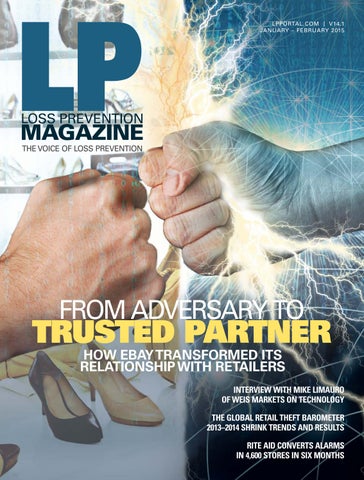
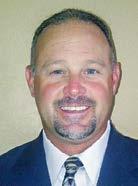
INTERVIEW WITH MIKE LIMAURO OF WEIS MARKETS ON TECHNOLOGY
THE GLOBAL RETAIL THEFT BAROMETER 2013–2014 SHRINK TRENDS AND RESULTS
RITE AID CONVERTS ALARMS IN 4,600 STORES IN SIX MONTHS
Get a complete view of your business with March Networks Searchlight ™
Searchlight combines video + analytics + transaction data to deliver high accuracy metrics, allowing you to analyze conversion rates, workforce management and product placements to optimize business results and customer satisfaction.
Learn how to turn your video surveillance into video-based business intelligence. Contact us at (800) 563-5564 x5448 or at info@marchnetworks.com.
SEE MORE at marchnetworks.com/LP
PUBLISHER’S LETTER
A Powerhouse
When we decided to start Loss Prevention magazine in 2001, we wanted to offer the magazine free to LP practitioners in order to get the widest possible distribution because our mission was to impact every level of the retail organization. The only way to offer a free publication is to have advertising revenue to support the magazine.
“Though small in stature, she has a giant personality. Bonnie is like a ray of positive sunshine; always a smile and a hug. Seeing her in the expo hall was the high point of dozens of trade shows. Somehow the LP conferences won’t be the same without her.”
– Jeff Welch, Palmer, Reifler and Associates
“Bonnie has always been a ray of sunshine at LP Magazine, which was needed to balance Jim. She was the ultimate professional, but wonderful partner and friend. I wish her all the best.”
– Hedgie Bartol, Axis Communications
“Bonnie has been a wonderful resource and friend throughout my eleven years of working with her at the magazine. She has this uncanny way to put a smile on your face no matter what. I will miss our ‘power lunches’ at every trade show, people watching and shooting the breeze. Bonnie’s friendship has been a blessing. I wish Bonnie the best in her next chapter.”
– Kris Vece, Security Resources
“Bonnie will be missed greatly. I hope she enjoys her well-deserved time off. I was going to say ‘rest,’ but I know she won’t be resting at all; just on to new projects.”
– Tom Rittman, The Retail Equation
“It has been a great pleasure working with Bonnie all these years. She has been a dedicated, tenacious professional, but always pleasant in her disposition. LP Magazine is a great company made up of wonderful people, and it will be slightly less so without Bonnie. Her enthusiasm and unparalleled energy will be missed.”
– Carlos Perez, Checkpoint
Jim Lee provided the LP expertise and contacts in the industry. I provided the publication and marketing background. But somebody else needed to provide the critical advertising sales role.
Fabi Preslar, who has provided the graphic design and production services since our first issue, told me, “I think you should talk to someone I’ve worked with. Her name is Bonnie Dodson. She’s a powerhouse in media sales.”
So I met with Bonnie. What Fabi didn’t tell me was this “powerhouse” inhabited a hobbit body. Bonnie must only be four-foot-something and probably doesn’t weigh much more than a sack of potatoes, which is an apt analogy. But like the hobbit hero of the Lord of the Rings trilogy, Bonnie lives and works large.
For the past thirteen years, Bonnie has represented the magazine in the Eastern US. She knew nothing about loss prevention before taking on this task, but that only energized her to the challenge. And does she have energy!
Bonnie picked up the phone and started calling many of you right out of the blue, and quickly started getting results. For the last decade she has been responsible for managing the majority of advertising in our magazine.
Last year Bonnie decided to retire with her husband, David, in the mountains of Western North Carolina, where she’s lived and worked this entire time. When she wasn’t on the phone with advertisers, she was tending her garden and chickens, or cooking and canning the harvest. I’ve been the lucky recipient of her pickles and jellies most every Christmas.
Of course, those of you who know Bonnie understand that “retire” doesn’t mean “slow down” for her. Like her mother who is a youthful octogenarian, Bonnie will likely outlast us all.
Thank you, Bonnie, for all your contributions to LP Magazine. Jim and I and the rest of the magazine team wish you the best. And keep the jellies coming.
Jack Trlica Editor and Publisher
700 Matthews Mint Hill Rd, Ste C Matthews, NC 28105
704-365-5226 office, 704-365-1026 fax
EDITOR AND PUBLISHER
Jack Trlica JackT@LPportal.com
EXECUTIVE EDITOR
James Lee, LPC JimL@LPportal.com
EDITORIAL DIRECTOR, DIGITAL
Jacque Brittain, LPC JacB@LPportal.com
CONTRIBUTORS
Robert L. DiLonardo
Dave DiSilva
Read Hayes, Ph.D., CPP
Richard C. Hollinger, Ph.D. Walter Palmer, CFI, CPP, CFE
Gene Smith, LPC
Shane G. Sturman, CFI, CPP
David E. Zulawski, CFI, CFE
CHIEF OPERATING OFFICER
Kevin McMenimen, LPC KevinM@LPportal.com
DIRECTOR OF MARKETING
Merek Bigelow MerekB@LPportal.com
DIRECTOR OF DIGITAL OPERATIONS
John Selevitch JohnS@LPportal.com
SPECIAL PROJECTS MANAGERS
Kat Houston, LPQ
Justin Kemp, LPQ Karen Rondeau
DESIGN & PRODUCTION
SPARK Publications info@SPARKpublications.com
704-844-6080
CREATIVE DIRECTOR Larry Preslar
ADVERTISING
ADVERTISING MANAGER
Ben Skidmore 972-587-9064 office 972-692-8138 fax BenS@LPportal.com
Send change of address forms to Loss Prevention Magazine P.O. Box 92558 Long Beach, CA 90809-2558
Get the most out of your video
Record it... analyze it... manage it!
Chances are, your business has systems in place for many different things including POS, marketing, human resources, security, marketing, weather monitoring. ClickIt offers a complete line of NVR, HVR, DVR and Embedded video solutions that collect and manage your data in the most demanding environments. Our Analytics at the Edge releases untapped potential of your video data to deliver value to all levels of your organization. ClickIt’s Central Management provides a unique opportunity to truly manage your video systems by monitoring the health and well being of your video assets right down to the camera level. And, our Smart360 now provides H.264 support making 360 video an excellent alternative.
For more information regarding our complete line of Digital Video Solutions give us a call at 631-686-2949 or email us at info@clickitinc.com
ON THE WEB EDITORIAL BOARD
There is a lot going on in the magazine’s digital space. Everything from original articles from LP practitioners to videos to archived webinars. Visit LPportal.com often to see the latest.
2014 Year in Review
In case you missed the final 2014 issue of the LP Insider weekly e-newsletter, we published the highlights of the year based on your favorite articles. Check it out at LPportal.com/year-in-review.
Top Ten Retail LP Stories
Top Five Digital Articles
Top Ten ORC Stories
Top Five EyeOnLP Videos
Top Ten Technology Stories
Top Ten Business Travel Tips
2015 Product Showcase and Resource Guide Online
Our latest guide to loss prevention products and services is available throughout the year online at digital.lpportal.com/i/427973 or via a link on our homepage. Solutions providers offering everything from alarm monitoring to civil recovery to video surveillance are featured in this 16-page catalog.
Tina Sellers Talks about Getting Your Personal Life in Order
Tina Sellers, director of loss prevention for Delhaize America, thinks it’s important that both younger and older LP professionals make sure their personal lives are in order relative to finances, wills, retirement savings, as well as continuing education. Check out her comments on the EyeOnLP page of LPportal.com.
EYEONLP
Download Version 2.0 of the Magazine App
The newest version of the LP Magazine app includes in-app videos, podcasts, bookmarking, more news categories, and links to the latest association conferences and events across the industry. It’s our way to get more relevant LP news to you—when you want it. The new version is available on both iPhone and Android devices. If you already have the app, it’s a quick update. If you don’t have the app, well then, what are you waiting for? Catch up! Scan the QR code here to find links to the version you need.
Leo Anguiano, LPC Senior Director, Asset Protection, Rite Aid
Jim Carr, CFI Senior Director, Global Loss Prevention, Rent-A-Center
Francis D’Addario Emeritus Faculty Member, Strategic Influence and Innovation, Security Executive Council
Charles Delgado, LPC Vice President, Asset Protection, Meijer
Patti Felz Corporate Vice President, Internal Audit and Asset Protection, Polo Ralph Lauren
Scott Glenn Chief Security Officer, Sears Holdings
Tim Gorman Divisional Vice President, Loss Prevention, Asset Protection and Business Continuity, Walgreens
Barry Grant Chief Operating Officer, Canadian Images
Bill Heine Senior Director, Global Security, Brinker International
Frank Johns, LPC Chairman, The Loss Prevention Foundation
Gary Johnson Vice President, Loss Prevention, The Vitamin Shoppe
Paul Jones, LPC Senior Director, Global Asset Protection, eBay
Mike Lamb, LPC Vice President, Asset Protection & Safety, Walmart Stores U.S.
Karl Langhorst, CPP, CFI Corporate Director, Loss Prevention, The Kroger Co.
Bob MacLea Senior Vice President, Loss Prevention, TJX
John Matas Vice President, Loss Prevention, Investigations, & Technology, Macy’s
Chris McDonald Senior Vice President, Loss Prevention, Compass Group NA
Randy Meadows Senior Vice President, Loss Prevention, Kohl’s
Melissa Mitchell Director of Loss Prevention, LifeWay Christian Stores
Dan Provost, LPC Vice President, Global Loss Prevention, Staples
Tina Sellers Director of Loss Prevention, Delhaize America
Mark Stinde Vice President, Asset Protection, 7-Eleven
Paul Stone, LPC Vice President, Loss Prevention and Risk Management, Best Buy
Claude Verville, LPC Vice President, Loss Prevention, Safety & Hazmat, Lowe's
Stanley Welch, LPC Vice President, Director of Loss Prevention, JCPenney
Keith White, LPC Senior Vice President, Loss Prevention and Corporate Administration Gap Inc.
Not Everyone Is Hannibal Lecter: Part 2
In our last column we discussed psychopaths and their vision of the world. While we are addressing the issue of interviewing a psychopath, sociopath, or some other form of antisocial personality, let’s be clear—we will rarely have a clinical diagnosis to rely on prior to an interview. While a layman may observe some of the patterns associated with these types of personalities, it requires a diagnosis by skilled clinicians to determine the scale of the disorder. There is a range to these personalities, and rather than worry about a clinical definition, let’s address them all as non-emotional offenders.
It is extremely unlikely our usual emotionally based interview approaches will work since these individuals are not motivated by emotion, nor are many able to feel emotions in the way that someone with a normal personality is able to. However, their personality and outlook on life allows the interviewer a number of other opportunities to be successful in obtaining admissions.
Rapport
While the idea of rapport building is encouraged in almost all interviews it can be somewhat problematic when dealing with the non-emotional offender. The idea of rapport is effectively creating a relationship between two people that is based on trust. The non-emotional offender uses rapport in a much different way than one would in a normal conversation. The non-emotional offender often uses rapport to manipulate and influence another for his own benefit, rather than trying to create a long-term relationship based on trust the normal population experiences.
Rapport during a normal interview may be established by identifying common ground with the other person that later becomes the foundation for a relationship. This will rarely be true with the non-emotional offender. In fact, divulging personal information to the non-emotional offender may simply result in helping him to influence and manipulate the conversation to further benefit himself.
This is not to say that establishing rapport is an unimportant component of the conversation, but rather to alert the interviewer there may be two entirely different desired outcomes of the rapport-building process. The non-emotional offender is intent on influencing and manipulating the investigator for his own gain. When
by David E. Zulawski, CFI, CFE and Shane G. Sturman, CFI, CPP
we consider the narcissistic component of many of these individuals, they see themselves as the sun around which the planets revolve. So the interviewer may use this view of the world to make the conversation much more about the suspect and his thoughts rather than focusing on components of the investigation.
This type of offender also may consider himself to be smarter and worldlier than the investigator. The non-emotional offender often has the ability to read another with tremendous accuracy, focusing on those parts of the individual which are vulnerable. For example, if the non-emotional offender senses nervousness or uncertainty in the interviewer, he may use this to control the conversation, directing it in ways that benefit him or conclude the investigation is not as certain as the interviewer claims.
Collusion
It is not unusual that psychopathic personalities may partner with another person who has antisocial tendencies. This is a relationship of convenience and one that can often be one-sided with the self-centered narcissistic personality playing the dominant role and using the other individual for his purposes. In these types of situations, it is often useful to interview both parties at the same time using two interviewers and separate rooms. The self-centered, non-emotional offender seeks to protect one person and one person alone—himself. This may result in the subject implicating his partner while shifting the blame and minimizing his participation in the event.
In some instances driving a wedge between the two parties may be successful, causing the non-emotional offender to lessen his culpability by placing the majority of the blame on his partner. The interviewer can then use this information to obtain additional admissions from the other person that, in turn, may be used to generate additional admissions from the non-emotional offender.
Charisma
Many non-emotional offenders have a personality that can charm others and make themselves seem very likable, but this may switch at a moment’s notice to become aggressive. The more sociopathic individuals may feel confident they can handle any situation because of
Trade your fisheye for a bird’s eye.
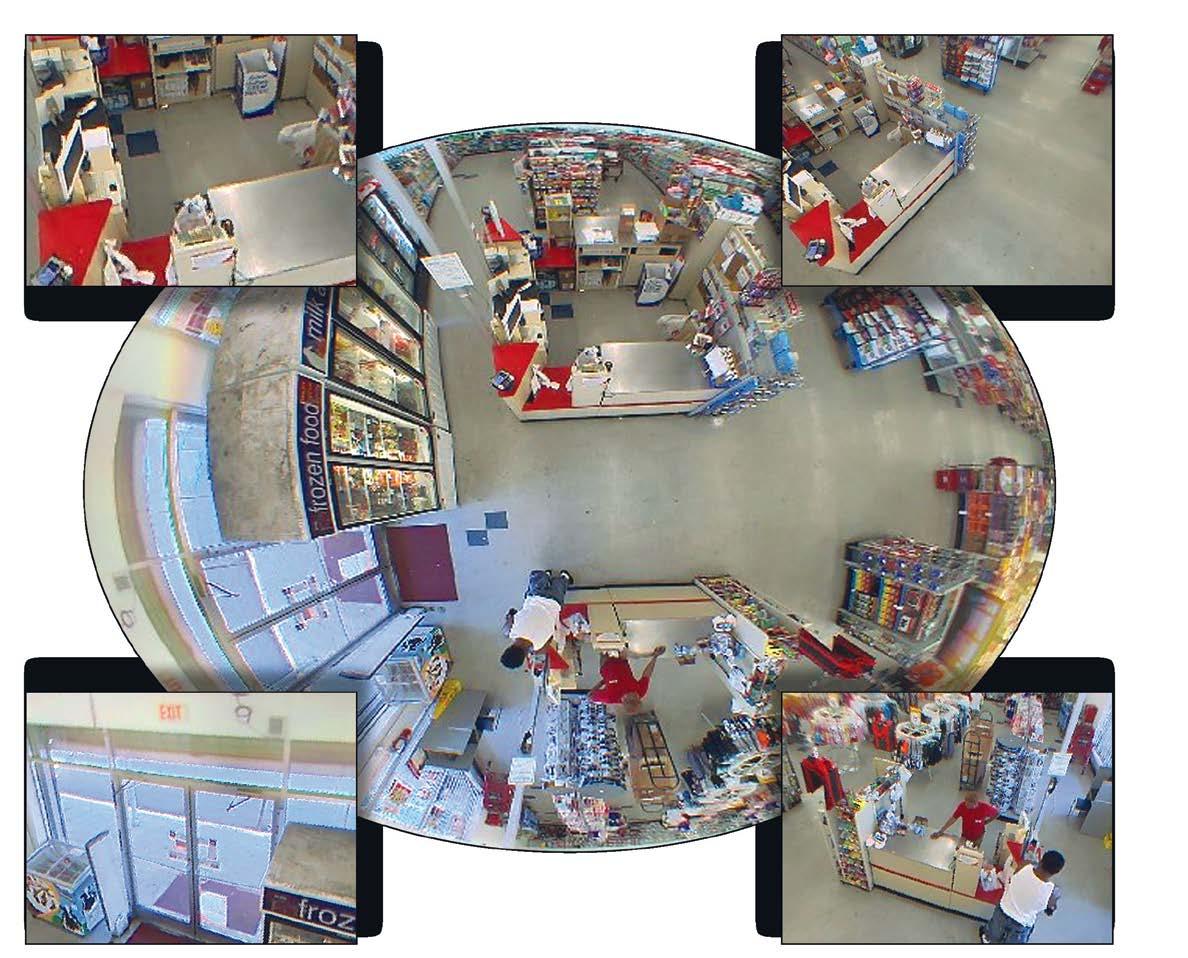
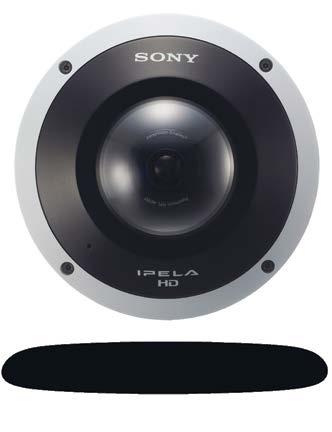
Say farewell to poor resolution at the image periphery. Say hello to Sony’s SNC-HM662. Tightly integrating Sony’s 5 megapixel Emxor® CMOS sensor to an ImmerVision Enables® Panomorph™ 360° lens that enables up to 30 percent more pixels than a traditional fisheye lens, the camera minimizes blind spots. You’re also free to create multiple view windows with full electronic pan, tilt and zoom in real time or after the fact. So you can track, detect and analyze as never before. Experience the SNC-HM662 hemispheric view camera for yourself. And leave the fisheyes to the fish.
Learn the Five Essentials of Surveillance Cameras at sony.com/security.
Actual images
their success in doing so in the past. They often view the investigator as dull and unable to deal with their intelligence and may actually enjoy the mental challenge of dealing with the interviewer. The interviewer should plan to deal with this aggressive change of behavior.
This suspect’s superior view of the world may actually be a chink in the armor that an investigator may use to bring the case to a successful conclusion. The non-emotional offender’s willingness to engage in a conversation in hopes of manipulating and persuading the investigator can actually be turned into an advantage for the interviewer. Keeping the suspect talking, the interviewer uses the suspect’s own words to trap him as he weaves lies that have served the suspect well in past.
Cognitive Interview
Unlike normal personality types, the non-emotional offender is often willing to lie since this has served him well during previous brushes with investigators. This impulsive lying and the individual’s lack of remorse often lead to statements that can be disproved by investigation, thus destroying the suspect’s credibility. This also can be turned into an advantage for the interviewer who has concealed the results of the investigation. The non-emotional offender can be susceptible to a factual approach once he has been backed into a corner through a careful interview approach.
In the early years of its development, the cognitive interview was an interviewing approach to assist victims and witnesses in retrieving information and details observed during a crime. Recently, these interviews have proven effective in identifying suspects in the crime.
Using the cognitive interview, the investigator obtains an open, untainted narrative from the suspect. The interviewer then breaks the story into parts and begins to drill down the untainted narrative into ever-increasing details surrounding the alibi or sequence of events. This provides the interviewer with two important components—first, the suspect has to commit to a number of details that can be proved or disproved through investigation, and, second, these statements may be contradicted by existing evidence.
Since the cognitive interview is a non-confrontational approach that is designed to simply help victims and witnesses retrieve memories, there is little the suspect can say to dissuade the investigator from “helping” the individual remember what transpired. The problem for the suspect is he has no idea what the investigation has determined or the evidence available to the interviewer. This by itself may increase the individual’s apprehension and potentially his behavioral leakage as the fear of detection rises. Unlike a normal individual, the non-emotional offender may require a higher level fear of detection before the investigator sees behavioral changes.
A careful interview of the non-emotional offender drilling down into the details of his story or alibi may help to identify the individual’s true status. In two recent studies of the cognitive interview, the interviewers were able to identify the guilty suspects accurately 100 percent of the time, and in a later study 85 percent of the time. The investigator now goes out to prove or disprove what the subject has told him.
Participatory Accusation
The non-emotional offender can sometimes become aggressive as we mentioned earlier if pressed by the investigator. The subject’s “pushback” can cause the interviewer to lose control of the conversation and bring the interview to an early close.
The beauty of a participatory accusation is its non-confrontational collaborative nature that keeps the suspect talking. In investigations where evidence has been collected, the interviewer conceals this evidence until late in the conversation. The interviewer leads the suspect though a series of conversations trying indirectly to have the suspect introduce topics of interest. Once these topics have been introduced, the interviewer begins to lock away possible explanations the suspect might use to explain away evidence.
For example, in a large fraud the suspect might be asked to discuss purchasing and the vendors used to provide different products. This will lead to a company that is believed to be paying kickbacks, and then later to the introduction of evidence contradicting the suspect’s previous statements.
The non-emotional offender uses rapport in a much different way than one would in a normal conversation. The non-emotional offender often uses rapport to manipulate and influence another for his own benefit, rather than trying to create a long-term relationship based on trust the normal population experiences.
By the time the evidence is introduced, the suspect has backed himself into a corner with lies that are easily disprovable with existing evidence. Like all criminals, the non-emotional ones also confess because they believe they have been caught and to preserve their self-image. The investigator can now shift blame to life circumstances, co-conspirators, or financial reasons for the participation in the incident.
The real key to handling these types of offenders is to anticipate who they are in terms of personality, the likely countermeasures they might employ, and to develop the investigation strategy to support a non-confrontational approach to the interview. Careful planning and anticipating the pitfalls can make these interviews as successful as those of the emotional offenders.
By John J. Selevitch
It is late November 2014 in the Broward (County, Florida) Sheriff’s Office and Operation Holiday Steals—a joint operation of retailers, credit card companies, and law enforcement—is underway. Working side-by-side with the sheriff’s department and retailers, four members of eBay’s asset protection team provide seamless support and expertise. This exceptional partnership enables law enforcement to zero in on an estimated $4.5 million to $5.5 million in stolen retail goods.
Millions in recovered goods is a tremendous accomplishment, but the amazing part of this story is the transformation of the relationship between retailers and eBay that made this operation possible. Five years ago there was a common perception among retailers that eBay was an adversary that allowed the sale of stolen goods and profited at the demise of retailers. This article explores how this transformation happened and is told
by the retail leaders and others who bore witness to this change.
The landscape was very different in 2009. Previous attempts to improve relations between eBay and retailers had proven unsuccessful in fostering a cooperative partnership. Both sides had a mutual distrust of the other’s motives. eBay was viewed as a poor partner, soft on crime, and unwilling to address organized retail crime (ORC) issues. While retailers thought eBay was reluctant to crack down on the sale of stolen goods, many on the eBay side believed that retailers accused its users in an attempt to control retail distribution channels and limit competition. Misunderstanding of each other’s motives was the linchpin in the ongoing stalemate between the parties. The battle was largely being fought in the media and the halls of Congress. It would take a significant change to break the cycle of frosty relations and
bridge the gap between eBay and retailers. eBay made the first move and sought to hire a leader with credibility in the retail community. In April 2009 they selected Paul Jones, then the vice president of loss prevention for the Retail Industry Leaders Association (RILA), to lead their criminal law enforcement function. In addition to his experience working with the 400 retail members of RILA, Jones brought an extensive, broad-based career in retail loss prevention, including senior positions with Federated Department Stores, Sunglass Hut/Luxottica, and Limited Brands. He would prove to be the catalyst to spark the transformation and improve retailer relations.
Evaluating the Situation
Jones’ first step was to evaluate the situation. “When I joined eBay I felt it was a company that absolutely wanted to do the right thing,” said Jones, “and through the interview process it was clear that eBay has zero tolerance for crime. I was an experienced eBay seller, but felt eBay had room to improve in helping retailers with their organized crime issues.” eBay’s senior leadership provided Jones a green light to fix their relationship with retailers and attack the organized retail crime issue.
The evaluation began with key industry leaders to solicit their opinions of eBay. Working with Joe Larocca and Rhett Asher, both then executives with the National Retail Federation (NRF), Jones documented the criticisms and the issues behind them with the aspiration of developing working retailer partnerships. He agreed that eBay should be a focal point in helping retailers solve organized crime issues. The meetings led to a partnership between eBay and NRF to foster working relationships with its members.
eBay investigator Christian Hardman (right) runs reports on suspected organized retail criminals.
Paul Jones, LPC, Senior Director, Global Asset Protection, eBay
“While others in the online space hide behind emails and do not partner, eBay has a strong track record of helping both retailers and law enforcement. They are a trusted partner.”
– Sergeant Richard Rossman, Broward Sheriff’s Office
Jones proceeded to meet with dozens of retailers to take note of their concerns and personally advise them that eBay was committed to fixing the organized retail crime issues and retailer relationships. These meetings helped identify the root causes of the
problems facing eBay and the retailers as well as signaled a transformative shift in the eBay approach. The most communicated issues were “the anonymous sellers” and a general lack of transparency. Feeling confident in his grasp of the concerns and the
barriers to retailer relations, Jones was ready to develop his plan.
Jones began an internal review to evaluate what was being done on the eBay side to curb organized retail theft and if there was a more efficient way to do it. He realized quickly
Protect the widest range of packaged merchandise with Alpha’s Spider Wraps:
• Available in Mini, Standard and XL
• Fastest application and removal
• Front locking mechanism
• Protected speakers with 95 dBA alarm
• 7 x 7 strand aircraft grade cable
the need to focus eBay’s efforts. He consolidated two disparate teams into one new asset protection team. This exercise identified another weakness—analytical information. Throughout the capabilities review Jones found it difficult to locate quantitative information that could be utilized to identify exceptions and address organized criminals. Jones called out the informational weakness to senior leadership and was able to secure funding for a global data analytics team. This team would provide new capabilities by assembling meaningful analytical reporting used to initiate criminal investigations and identify trends.
Building a World-Class Asset Protection Program
Now with the NRF and retail leaders on board with eBay’s new collaborative approach, a restructured asset protection team, and the support of eBay’s leadership, it was time to build a world-class asset protection program. The program needed to
foster collaborative partnership to jointly attack organized retail crime. Jones developed the following mission statement to reflect the purpose of the team: Support eBay Inc. commerce communities by developing systems and procedures to protect our users and global assets; address risk through the prevention and reduction of criminal activity; and foster strategic relationships with retailers, law enforcement, and government. With that mission in mind, the task of developing a world-class asset protection program began in earnest. Jones and his team engaged the eBay leadership on many different teams to solicit ideas,
incorporate successful methods, and expand capabilities. Two areas Jones sought to bolster were investigations experience and retail knowledge. Jones recruited several experienced retail asset protection professionals to his team. John Mearls, a seasoned retailer who held senior leadership roles with leading retailers, including Lowe’s and Kmart, was added to manage the EMEA Dublin, Ireland, investigative team.
Dave DiSilva, who previously held retail LP leadership roles in analytics, shortage control, and e-commerce, was added to assist with retailer relations.
Providing Retailers Meaningful Value
Jones and his team sought to find a way to deliver a meaningful value and impact on organized retail crime that would motivate retailers to collaborate with eBay. Several asset protection investigators had been formed into a tiger team and worked directly with assigned retailers. This early effort, led by Stoney Burke, laid an effective foundation for eBay investigators to work on suspected criminal retail issues with a select number of retailers. However, to be impactful and provide meaningful value, they needed to expand the participating retailers. eBay leadership agreed with Jones, and the program dramatically increased the participating retailers. Impactful Analytics. The initial exception reporting built by the asset protection team proved valuable in detecting criminal sellers. Jones envisioned creating a suite of reports
Retail investigators prepare their findings for Operation Holiday Steals.
John Mearls, Director, Investigations EMEA & NA, eBay
Dave DiSilva, Manager, Global Asset Protection, eBay
Stoney Burke, Senior Manager, PROACT, eBay
based on the foundation of retail exception reports. Working with his team, exception reports were developed in partnership with retail partners to detect organized crime issues based on a combination of seller metrics and merchandise sold. The expanded reporting provided impactful analytics
“The roadmap used by eBay to help retailers address ORC problems should be adopted by other online companies. Engagement and partnership always leads to a better solution.”
– Scott Sanford, Director of Investigations and Training, Barnes & Noble
and focused limited resources on true issues. Demonstrating the value of the reporting, Jones collaborated with internal eBay teams responsible for blocking and filtering suspicious listings to include the notable findings. The internal collaboration resulted in more effective preventive measures.
Efficiency Gains.
Because the asset protection team handled thousands of law enforcement requests that consumed substantial resources, they developed an automated tool to process the requests electronically. This change delivered an efficiency gain that freed up resources to work directly with law
enforcement on organized retail crime matters. Feeling substantive changes had been made in the effort to address organized retail crime; Jones launched a directed communications effort.
How to Work with eBay. This exercise served to communicate the new collaborative approach and encourage retailers’ collaboration.
eBay’s asset protection team developed a clear message to deliver to retailers and law enforcement through national retail conferences, regional organized retail crime meetings, LP Magazine, and LinkedIn. The message was straightforward—eBay proactively partners and collaborates with retailers and law enforcement to stop organized retail crime.
Communications included specific details on how to work with eBay on organized retail crime issues. The messaging often included a successful collaboration with a retailer and or law enforcement. The communication initiative was successful and resulted in a rapid increase in collaborative retailers from ten to hundreds focused on organized criminal activity.
Current eBay Asset Protection Initiatives
Today eBay’s asset protection efforts are very different from just a few years ago. The team is
fully invested in the asset protection community though its support of the Loss Prevention Foundation, LP Magazine, and NRF’s Fusion Center.
The team continues to focus on engagement, enrollment, and taking the message to retailers at industry trade conferences, but has evolved in other areas. The asset protection team expanded its law enforcement outreach and now conducts frequent on-site training.
On-Site Law Enforcement Training. Initially the law enforcement training focused on ORC activity, but has evolved into a best-in-class approach to fighting crime on any of eBay’s business platforms. Some of the groups that have attended eBay’s training include:
■ Los Angeles Police Department
■ Salt Lake City Police
■ Federal Bureau of Investigations
■ United States Secret Service
■ Los Angeles Organized Retail Crime Association
■ Secret Service Fraud Seminar in their Brooklyn New York Office
■ Polk County Organized Retail Crime Training
Global Technical Investigations (GTI). eBay’s asset protection team added an elite group of technical investigators in 2014. This team of skilled investigators is a complimentary addition to eBay’s asset protection
“NRF and eBay’s partnership to fight ORC together was a game changer for the retail industry. We have seen significant net positive results since 2009.”
– Joe Larocca, former National Retail Federation executive
team that proactively tackles issues of phishing, spoofing, cyber-crime, and carding scams. The GTI team maintains a global presence with investigators in the US; Amman, Jordan; Bucharest, Romania; and Dublin, Ireland, and conducts technical criminal investigations applying the fundamental principles and methods of the asset protection team.
LERS for Retailers. eBay now provides retailers with the ability to submit requests through their Law Enforcement e-Request System (LERS) protocol. This system allows requests to be made electronically through an eBay portal. The change improves efficiency that is used in proactive investigations.
Looking to the Future
As the eBay asset protection team continues to evolve, it is continually monitoring emerging issues that may impact the LP community. Following are just a couple of the more significant developments that eBay is assessing.
Chip-and-Pin Card. This technology change improves the security of credit cards when used in a physical establishment, but has an unintended effect of forcing criminal fraud to online retailers. Europe saw a 150 percent increase in online fraud as physical location fraud dropped as this technology was implemented. As the US
continued on page 22
The 230X MAX locking device. A new level of tough.
A Detex exclusive, our multi-point hardware raises the bar on back-door security.
So big and strong that it’s tested to withstand 16,000 pounds of pull force, this lock has heavy-duty, three-bolt construction that takes panic hardware to a whole new level of toughness and eases your back-door security worries.
How tough is it? The bottom bolt goes 5/8-inch deep into the floor, preventing peeling up the bottom of the door. The largest side deadbolt in the category resists crowbarring. And at the top corner, the solid steel deadbolt provides needed stability.
Life safety and code compliant, the Detex 230X MAX serves as both panic hardware and a maximum-strength locking device. Ask us how this new generation of life safety and security hardware can make a powerful difference at your back door.
from page 20
moves to chip-and-pin cards, retailers should prepare for the implications of this new technology shift and evaluate company fraud models.
Triangle Fraud Issues. This common scam takes place when a criminal seller lists items for sale on their own website, a classifieds site, or auction site. When a buyer purchases the merchandise, the fraudster purchases the item from a retailer using stolen credit card information and has the retailer ship direct to the unsuspecting buyer. Ultimately the account holder of the stolen credit card will dispute the purchase and the card company or retailer incurs the loss. This scam is gaining traction based on input from asset protection professionals around the country. It’s important to review your company’s layered approach to preventing this scam.
It Takes a Company and a Community
For eBay nothing is more important than trust. Without trust, their marketplace could not function. As such they take trust very seriously and work diligently to maintain trust in their systems and among the parties that rely on their platform.
The asset protection team collaborates with many partner groups within eBay
“Paul Jones and his team are committed to the advancement of the LP industry not only though their partnerships with retailers, but also their participation and partnership with the LP Foundation. Paul leads the Foundation’s new diversity committee, which is an issue he is passionate about.”
– Gene Smith, President, Loss Prevention Foundation
to ensure they maintain the most trusted site for their customers. eBay’s Global Managed Marketplaces, Brand Protection, Customer Experience, and Legal departments are all working with the asset protection team to resolve criminal retail issues. The end result is that trust is maintained for eBay users and earned from the retailers through collaborative efforts like Operation Holiday Steals.
Operation Holiday Steals Wraps Up
It’s late in the November afternoon now, and Operation Holiday Steals is wrapping up. After reviewing how eBay transformed its asset protection program, it really should not be surprising that the retailers engaged in this operation are working together with eBay investigators in close partnership. They share a better understanding of each other and have seen the collaboration work. Following are some of the final results:
■ Several online and off-line fencing operations were identified using advanced analytics from eBay.
■ Sheriff’s deputies conducted raids that resulted in shutting down multiple illegal operations.
■ One operation is still under investigation by the Secret Service, because of its international activity.
■ Over fifty arrests, many for felony offenses, were made during this successful operation.
■ It is estimated that these operations were responsible for dealing in $4.5 to $5 million in stolen retail goods.
LP Magazine would like to thank Sergeant Rich Rossman and the Broward Sheriff’s Office for their efforts and for allowing the magazine to be a part of this outstanding task force. LP Magazine was the only LP industry news team invited to participate and had a busy several days. In addition to eBay, the participating major retailers included Macy’s, Walgreens, JCPenney, Target, Home Depot, Walmart, Publix, Saks Fifth Avenue, and CVS. Credit card and financial institutions involved included Discover, American Express, and Capital One.
JOHN J. SELEVITCH is director of digital operations for LP Magazine. He has been with the magazine for over five years after an extensive career in retail loss prevention for several major retailers. Selevitch was point person on the ground in Florida for the magazine’s coverage of Operation Holiday Steals. He can be reached at 704-246-2406 or via email at JohnS@LPportal.com.
ASSOCIATIONS IN ACTION
Critically Assessing Your 2015 Approach to Asset Protection
Asset protection is a profession grounded in the concept of mitigating risk. At the same time, it has evolved into a career calling beyond the boundaries of theft and fraud, and requires a holistic approach that reaches into the core operations of the business. Our role isn’t just changing—it has changed—and with it comes new responsibilities and a new level of accountability.
As a result our way of thinking has to stretch from the perspective of a support function for inclusion in the retail model to a mindset that recognizes our role as an integral aspect of a comprehensive business strategy. Businesses are in business to
This year’s Asset Protection Conference, March 9–12 in Memphis, will include topics such as professional development, crisis management, risk mitigation and safety strategies, data analytics, compliance, workplace violence, data security, and other subjects most critical to the thought leaders in our industry.
make money and turn a profit, and we should be part of that effort. Our customers and employees should feel safe, protected, and welcome in our stores. Our records should be accurate, our losses should be managed, and our data must be secured. This is all a product of a total risk mitigation strategy and a compass for the future of the profession.
About the Food Marketing Institute
Representing food retailers and wholesalers across the country, FMI develops and promotes policies, programs, and forums; conducts research; and provides education supporting its members, supplier partners, and customers in the areas of government relations, food safety and defense, public and consumer information, research and education, and industry cooperation. By pursuing these goals, FMI provides innovation, leadership, and advocacy for the food distribution industry in order to meet the needs of consumers. Specific asset protection initiatives
by Rhett Asher
Asher is vice president of asset protection, data security, and crisis management for the Food Marketing Institute. He began his career in retail operations with various companies, including Best Products, Herman’s and Modell’s Sporting Goods, Cort Furniture, and Ross Stores. Asher moved into the association world initially with the Retail Industry Leaders Association and later the National Retail Federation. He also helped found the non-profit Loss Prevention Foundation. Asher can be reached at 202-220-0774 or rasher@fmi.org.
include safety, risk and crisis management, cyber-security issues, theft issues, as well as other related functions.
This is a business that operates in small margins and mass volume. Risks are exponentially magnified due to the nature of the business and the types of products that are sold. In addition to many of the traditional loss prevention issues, food items are susceptible to spoilage and contamination. Many food retailers have pharmacies, with the associated risks and compliance concerns related to this aspect of the business. Others have alcoholic beverages and a whole different set of concerns. A simple stroll through any grocery store will uncover a wealth of opportunities to the trained eye of an asset protection, safety, or risk management professional.
Crisis management is also a critical aspect of the business. The most basic items, such as food, water, and emergency supplies, take on a whole new meaning when disasters, harsh weather, and other unfortunate incidents strike.
Taking on the Industry’s Biggest Challenges
FMI recognizes that the best way to prepare yourself and your company is to anticipate and identify resources before a crisis happens. One of FMI’s dedicated resources is its annual Asset Protection Conference, and as this platform has continued to grow and develop, we have diligently worked to take a lead role in educating our industry professionals on the topics most relevant to the evolving role of the “risk mitigating” professional.
This year’s conference will include topics such as professional development, crisis management, risk mitigation and safety strategies, data analytics, compliance, workplace violence, data security, and other subjects most critical to the thought leaders in our industry.
While this annual event incorporates key learnings and education from FMI’s asset protection, loss prevention, safety, and risk management focus areas, many of these same subjects and strategies apply to every aspect of the retail enterprise and can provide fresh perspectives and innovative opportunities that will benefit a variety of business professionals throughout the retail industry.
I invite all of our retail partners to attend our annual event that will be held in Memphis March 9–12. I anticipate this educational opportunity will lead to critical thinking and motivation to make an immediate and profound impact on your company’s financial well-being.
My 2015 goals include inviting you to get more involved with FMI, stay better informed, and further your knowledge and education. Let’s make a plan together to confidently serve the food retail industry and its dedicated professionals.
INTERVIEW
EXTENDING LP TECHNOLOGIES TO THE ENTIRE ENTERPRISE
AN INTERVIEW WITH MIKE LIMAURO OF WEIS MARKETS
By James Lee, LPC, Executive Editor
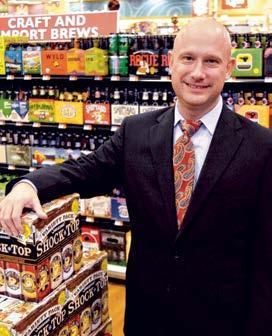
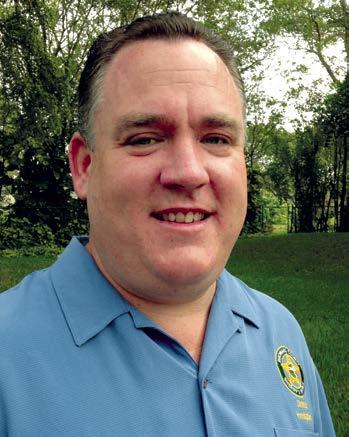
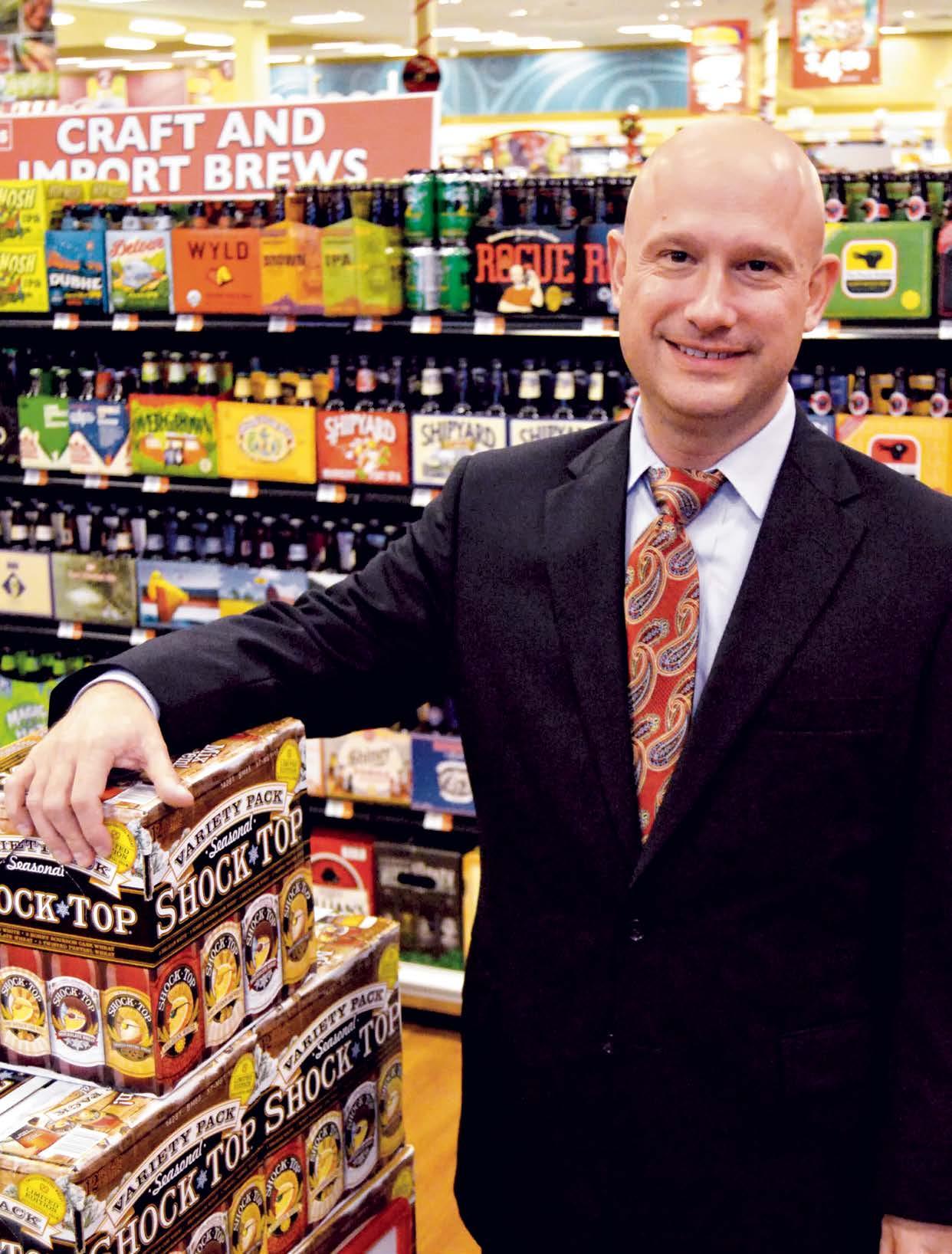
EDITOR’S NOTE: Mike Limauro is vice president of asset protection for Weis Markets, where he is responsible for loss prevention, safety, risk management, insurance, food safety, and quality control. Limauro has held a number of LP positions with companies such as Neiman Marcus, Lord & Taylor, Kmart, and Supervalu. He was also the owner of an Allstate insurance agency for several years. Limauro serves on the Asset Protection Council of the Food Marketing Institute, is a member of the editorial board for Integrated Solutions for Retailers, and chairs the Requirements and Exceptions Committee for the Loss Prevention Foundation.
EDITOR: Let’s start at the beginning and tell our readers how you got started in loss prevention.
LIMAURO: I went to Northeastern University and studied criminal justice. Initially, I thought I wanted to work
for the federal government, so I got an internship with the Drug Enforcement Administration. I had a professor who had retired from the FBI and went to work for Sheraton hotels. He convinced me that the private sector had much more to offer. Between his recommendation and working with the federal government, I decided on retail loss prevention. Shortly after, I completed my master’s degree in private security management at the University of New Haven. It was the closest thing to an asset protection or loss prevention degree that colleges had to offer at the time.
EDITOR: Where was your first job in retail?
LIMAURO: I started out as a store detective with Big V ShopRite in Connecticut. There I learned a lot about basic loss prevention and in-store operations. After that I worked for Neiman Marcus and Lord & Taylor, which gave me some upscale department store experience. Then
I think there are still companies out there that are focused primarily on malicious activity given this industry evolved from a private policing concept. The progressive folks out there today, however, are looking at total loss. They want to get involved with anything that can cause a loss to the company, and that’s where workers’ comp, public liability, safety, and all of our other disciplines come in.
I went to Super Kmart where I eventually managed the asset protection program for all of their supercenters in the US and all Kmart stores in the Caribbean. I’ve been in the grocery segment since.
EDITOR: How long have you been with Weis Markets?
LIMAURO: I’ve been here now for about three and a half years.
EDITOR: Tell us a bit about Weis.
LIMAURO: I’m very proud of Weis Markets. The company has been in business for more than 100 years, which is pretty amazing in itself. We’re a publicly-traded company, but the family is still very influential here, so it has a family atmosphere. We currently operate 163 stores that generate more than 2.7 billion dollars in sales, and we’re in five states—Maryland, West Virginia, New York, New Jersey, and Pennsylvania.
In addition to our retail stores, we also have our own distribution network. This includes a 1.2-million-square-foot distribution center that we are in the process of enlarging and a fleet of tractor trailers.
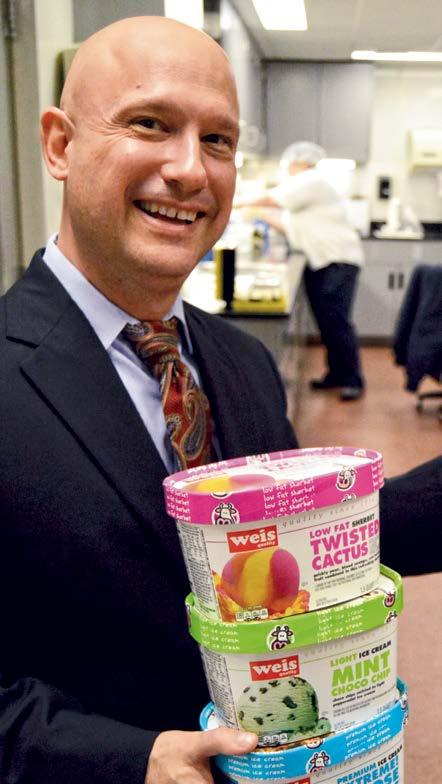
We also do a ton of manufacturing. In fact, right here next to the office we make seventy flavors of some of the best ice cream you’ll ever taste. When I find a candidate I really want to hire, the first thing I do is bring them down to the ice cream factory for a sample and tell them, “This is truly the happiest place on earth.”
We also manufacture our own water bottles, bagged ice, and dairy products. So there’s this element of manufacturing that from an asset protection standpoint adds an entirely different dimension to our business.
Additionally we are proud of our “green” efforts. In one year we reduced our overall carbon footprint by 3 percent. That’s equivalent to removing 197,441 cars from the road. We just re-lamped our distribution centers, which reduced our energy usage by 30 percent, and have installed special idling controls on our trucks to make them more environmentally friendly. We’ve recycled 23 tons of cardboard in a year and 826 tons of plastic bags. We’re part of the EPA’s Green Chill program, which to even qualify requires a store to reduce
their refrigerant usage by 50 percent compared to the average American supermarket. So it’s no small undertaking, but these are just a few things that show our commitment to the environment.
Hand-in-hand with that, we also have many local initiatives. We buy approximately 25 million pounds of produce from about 150 local farmers every year, and all of our Weis Quality dairy products come from Pennsylvania farms. There’s a very strong commitment by the family and by the company to support local production.
EDITOR’S NOTE: To read more about Weis Markets, see “Weis Markets—100 Years of Innovation” in our March-April 2012 issue or online at LPportal.com.
EDITOR: How is your department organized?
LIMAURO: Under my umbrella I have three distinct but aligned divisions. The first is asset protection that encompasses
all of the traditional aspects of loss prevention but goes far beyond. By inserting ourselves into the entire business, our mission is to amplify profits rather than just protect them. This is the area of our business we refer to as “The Profit Hub.” By taking a holistic approach to profitability, we offer solutions to enhance the other departments’ primary functions rather than just limiting ourselves to a traditional LP role.
The second division is safety, risk management, and insurance. That includes claims management, all of our property and casualty insurance, and the implementation and management of our safety programs.
The third division is food safety and quality control. Food safety is critical on the store side of the business, and when you manufacture so many products, quality control becomes an essential part of the process. It is our top priority to provide only safe products of the highest quality to our customers.
EDITOR: Do the directors of each of those divisions come from a loss prevention
background or were they specialists in risk, safety, and quality control?
LIMAURO: They all have an asset protection background. I was very specific about hiring people who had experience overseeing all three areas. The supercenter environment was a great learning ground for this stuff, because it all fell under our umbrella. Early on I recruited a few individuals with supercenter experience as I knew they would be versatile.
My director of asset protection is Chris Harris, who comes with many years of experience from Sears, Kohl’s and Kmart. My director of risk, safety, and insurance is Chris De Tray, who came from Harris Teeter and Super Kmart. And my director of food safety and quality control is Rob Wynn, who also came from Harris Teeter and Super Kmart. All three of these individuals started as regional directors, but have since been promoted to director positions running their own divisions.
EDITOR: Have you always had all three of these areas reporting to you?
LIMAURO: No, I came in as the vice president of loss prevention and only had
LP. When we started to show results in loss prevention, they allowed me to change the name to asset protection and gave me safety. Again, when we proved that we could make an impact in safety, they gave me risk management and insurance. Finally, they gave me food safety and quality control. My team is always hungry to take on additional responsibility. It keeps the job interesting and helps us add value throughout the entire organization.
EDITOR: Do you have any LP personnel in the stores?
LIMAURO: Although we have some, this isn’t where our focus is. Of course, catching bad guys is part of what we do, but it’s not the main contributor to our loss, especially in the grocery business. We’ve trained every manager in every store on how to prevent shoplifting, and even trained them on how to deal with shoplifters should they need to. Since we’ve done that, our shoplifting detentions have actually gone up dramatically, while our lawsuits, bad stops, and injuries have disappeared. In two-and-a-half years since we’ve implemented strict guidelines in the field, we haven’t had any serious incidents.
EDITOR: That’s remarkable.
LIMAURO: Of course, we’d much rather have them prevent a situation from happening in the first place, but we don’t want our store operators to feel defenseless. I’ve seen it before when the stores say, “Corporate won’t let us do anything” or “My hands are tied.” So, we gave them an avenue to make a detention, but we taught them how to do it the right way, to keep them safe, to keep our customers safe, to keep the bad guys safe, and protect our reputation.
EDITOR: What’s involved with that training, and how did you get the buy-in from stores and operations?
LIMAURO: Well, I tricked them, of course. [Laughter] All kidding aside, I would hold meetings and tell the store managers that they were coming in for shoplifting training. People are always excited to learn about how they can catch shoplifters. But I was really there to teach them about shrink. I would start my presentation with, “Can anybody tell me what two
departments in your store contribute the most dollars to shrink?” Of course, I knew exactly what they were going to say. They would say health-and-beauty products, meat, cigarettes, or beer—all the high-theft stuff, right? But then I would put the numbers on the board and show them that the produce and deli departments topped the list by a mile. The room would go silent. I got this down to a tee—the reaction and the response was the same in every single class. They couldn’t argue with the numbers, so we’d talk about it. “Why do you think it’s produce? Are people stealing your produce?”
There are a lot of assumptions out there about shoplifting and shrink, so every slide was designed to put theft into perspective. We showed articles and news media clips about things that have happened at other retailers, whether it was a death or bad press, lawsuits, or an injury due to an apprehension. Then we talked about
Say you go into a grocery store and walk up to the bakery, but they closed down 20 minutes early. Or you go in the morning to get seafood, but the person behind the seafood counter is late opening up. We’re experimenting with our video analytics to send an alert anytime one of these critical departments closes early, opens late, or if there’s a customer waiting with no associate there to help them.
how many dollars we had recovered in shoplifting versus the total shrink number. It was about perspective and placing our emphasis in the right place. The other point we made was convincing them to take the emotion out of the whole idea of shoplifters. Our associates work extremely hard, so I understand that when somebody comes in to mess that up, they want to catch them. But that’s emotion. We’re running a business and need to make smart decisions that are for the good of our customers, associates, and company. So, I disguised a meeting on shrink education as a meeting on shoplifting detention. Of course, we did teach and certify them on how to detain shoplifters as well.
EDITOR: How do you define the components of shrinkage in food retailing?
LIMAURO: I think the question of what gets put into the shrink bucket is really continued on page 30
an important issue for the entire loss prevention industry. It’s very difficult to compare shrink between companies because we’re all defining it differently. We use different accounting practices, which result in different measures.
At Weis there are three main components that contribute to the total shrink number. They include known loss, invisible shrink, and price adjustments. We use the retail method of accounting for our center store departments and don’t capture all price increases and decreases from an inventory standpoint, so price adjustments have to be factored into our equation.
EDITOR: When it comes to technology, what direction have you taken Weis?
LIMAURO: Our department loves technology and innovation, but we always make sure that our culture comes first. We want to ensure the technology is right for our company and that it will actually get used to generate an ROI. We also challenged every strategy
and every bit of technology from the past to make sure that it’s still relevant in today’s environment.
We’ve revamped our CCTV strategy completely. When I arrived, our CCTV systems were used exclusively to catch bad guys. We said, “We need to design a system that also focuses on elements of workers’ comp,
ONE SOURCE MORE SOLUTIONS
safety, and public liability.” We did that, but we still weren’t content.
CCTV is a huge investment. Why wouldn’t I make the system beneficial to our merchants and operators—to everybody that will find value in using it. When you add analytics to the cameras, you open the doors to a lot of new uses for your operations
Data mining drove our transition into The Profit Hub
concept. I have merchants come to me and ask, “How can I make more money by adjusting my shelf space allocation?” Now you might ask, “How does that tie into loss prevention?” Well, it’s easy because our data-mining tool is telling us exactly which products should be pulled and which products should be added based on sell-through and profitability.
and merchandising counterparts. The possibilities are endless.
EDITOR: Explain that.
LIMAURO: Say you go into a grocery store and walk up to the bakery, but they closed down 20 minutes early. Or you go in the morning to get seafood, but the person behind the seafood counter is late opening
up. We’re experimenting with our video analytics to send an alert anytime one of these critical departments closes early, opens late, or if there’s a customer waiting with no associate there to help them.
Another thing we’re doing from an analytics standpoint is looking at our in-stock position. Our cameras are telling us that, for example, a soda vendor is out
of stock in store X. What’s that worth to the soda vendor? If I can instantly notify them every time their product is out-of-stock on my shelf, that’s got to be worth something to them. In addition, it’s worth a lot to us because as long as there’s no product on that shelf, we’re losing sales.
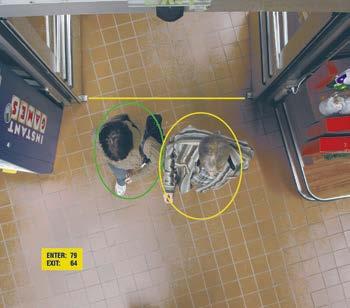
Another thing that we’re experimenting with is using our cameras to keep count of the number of people in the store. What happens at any retailer today when the checkout lines back up? Somebody will call “code 2 to the front end,” or “all hands on deck.” But at that point it’s too late. What our cameras will do is tell the store manager that X number of people just came through the door, therefore your checkouts are going to start to get busy in the next 15 minutes, so you should open two registers ahead of time to be ready. Combined with conversion rate and some additional calculations, we will be able to tell how many registers a specific store should have open at any given time.
Some of these projects are in an experimental phase right now because we’re kind of making it up as we go
WE UNDERSTAND THE CHALLENGES RETAILERS FACE WHEN IT COMES TO THEIR KEY MANAGEMENT… OR MORE COMMONLY, LACK THEREOF.
Are you tired of…
• Inconvenient & Costly Locksmith Callouts?
• Inopportune IC Core Swap Holdups & Delays?
• Unauthorized Key Duplication?
InstaKey® provides a solution to all your keyed access needs with:
• Restricted Keys That Cannot Be Duplicated
• Serialized Keys That Can Be Monitored
• Simple & Cost-Effective Single Key Turn Rekeys
• 24/7 Web-Accessible Software
• Key Quantities Reduction
• Improved Staff Accountability
along with help from our video partners i3 International and Trans Alarm. But this creates so much potential for us to embed asset protection into other areas of the company.
EDITOR: How do you do that?
LIMAURO: When I came to Weis this was very much a bad-guy-focused department. I think there are still companies out there that are focused primarily on malicious activity given this industry evolved from a private policing concept. The progressive folks out there today, however, are looking at total loss. They want to get involved with anything that can cause a loss to the company, and that’s where workers’ comp, public liability, safety, and all of our other disciplines come in. But what we’re trying to do is to take that to the next level—what I mentioned earlier, The Profit Hub. What that means to us is that instead of trying to just protect the company’s profits, we’re trying to amplify them. And there’s a big difference. Because of this approach, we’re now able to add economic value to every other department in the company, whether it’s merchandising, pricing, operations, or the front end. They’re coming to us for things that are under their area of responsibility, things they are the expert on, but they’re coming to us for help. Part of that transformation has occurred because we’ve started to use technology in a different way. When we buy technology we want everybody to benefit from it. For example, data mining drove our transition into The Profit Hub concept. I have merchants come to me and ask, “How can I make more money by adjusting my shelf space allocation?” Now you might ask, “How does that tie into loss prevention?” Well, it’s easy because our data-mining tool is telling us exactly which products should be pulled and which products should be added based on sell-through and profitability. This is a way for asset protection to say, “We can help increase sales and profit in a literal sense.” For example, we can identify our top-selling products that all of a sudden have a sharp sales decline over a 13-week period in a single store. We then get in touch with that store to find out why. We often find out
that the store was producing the wrong product or neglecting to replenish. From there, we can help them adjust. Another example is that we monitor all items shipped to our stores and not sold after a specific period of time, compared to other stores in the same geographic area who are selling the product. This has enabled us to identify merchandise that was left in the back room or displayed in the wrong place. To be able to go to our senior executives and say, “We can help you with sales,” is just an awesome thing. And we’re doing it through LP technology.
EDITOR: Are you telling me, Mike, that there’s more to this business than just chasing ORC problems?
LIMAURO: ORC exists and we address it. It’s a given. However, there’s just so much more to talk about when you think of all the other important things we can do to make a substantial impact and help our business thrive. We have buyers coming to us and saying, “Can you tell me when my product was most profitable?” “Can you help me identify which items should be removed from a particular set in a specific store?” We are able to do all of this by using traditional LP tools in a different way.
EDITOR: Do you have another example?
LIMAURO: Your typical data-mining solution uses data from the POS, right? And typically in a company maybe five or ten people have access to the data-mining solution, which is often used to detect theft on the front end. They build exception-based reports to catch bad guys. Sometimes they use it for front-end training. What we did is say, “Why not add inventory data to that? Why not add invoicing, billing, shipping, and receiving data to that?” Now all of a sudden those exceptions turned into these giant, crisp pictures. And the depth of that potential is basically limited by only your imagination. Because of this versatility and the efficiency of prescriptive analytics, we have about 600 associates using our software throughout the company. And they are all using it for something different.
EDITOR: Are these systems developed internally or were they purchased from a third party?
LIMAURO: We use Profitect. We chose them because they had a great product that fell in line with our vision of adding value to the entire organization. In addition, they are extremely easy to work with. It was an eight-week implementation from start to finish, which is unheard of from an IT standpoint. Before we even had visibility to the tool, they said, “We think you have a profit-erosion issue,” and they showed us examples of negative sales transactions where specific products combined with a series of coupons and discounts resulted in us owing the customer money, which was then automatically deducted from other items in the transaction. That was before we even had the product in hand. I also have a business intelligence associate who uses the tool to reverse engineer every profit erosion, shrink, or sales issue that comes to our attention, whether it’s theft or not. For example, he found that a cashier on an overnight shift used a coupon at a self-scan register to create a negative transaction by scanning coupons without purchasing anything and just took the cash. So, he just tells the system, “I want to know anytime a coupon is used while no merchandise is purchased between the hours of midnight and 8:00 a.m.” It’s automatic from that point on, and you never have to search for that issue again. The problem can occur again, but only once before it is flagged. It can’t continue to happen over and over because you’ve actually resolved the issue within the system and asked to be notified any time it occurs.
EDITOR: As your ability to analyze various data has gotten better, has that caused employee theft investigations and apprehensions to go up or down?
LIMAURO: Dramatically up. We’re at the point now where we’re doing a lot of things to prevent people from stealing rather than just continuing to catch them. But yes, when we started using prescribed analytics, it was kind of an explosion of productivity. For new associate orientations, we’re about to start exposing a lot of the AP tools we have to new hires. We’re going to show them our hand in the hopes
that they understand there’s a great probability that eventually they will get caught and, hopefully, prevent them from ever trying anything malicious.
There has been e-learning and e-orientations for a while. What we’re working on right now, which will be part of my presentation at the FMI asset protection conference in March, is combining mobile orientation with something called “augmented reality.”
Envision you are a new hire at Weis Markets. We hand you an iPad, you sign in, and your mobile host says, “Let’s learn about organized retail crime. Go find the baby formula and hold your iPad up to the Enfamil.” When you go to that aisle, you’ll hold the iPad up with the camera on, and you’ll see the baby formula on the screen along with whatever else is going on in the aisle in front of you. This triggers the augmentation where perhaps a virtual shoplifter walks into the picture on the screen. You’ll still see the shelf
and the real customers and whatever else is going on. But on the screen, the shoplifter will begin to steal baby formula. Then the shoplifter will look directly at you and tell you who they are, what they do, why they do it, show you how they do it, and tell you what they can do to prevent them from stealing. Then he’s going to steal more formula, turn back to the screen, and quiz you on what you learned.
You can do the same sort of thing to train somebody to safely use the deli slicer, clean a spill, or any number of other things. I don’t know of anybody that’s doing this yet, but I can tell you we’re really excited about it, and we’re going to premier it at FMI.
EDITOR: Did you develop that with your training people?
LIMAURO: No, we work with a company called Catalyst. They do all of our AP branding, our awareness program, e-learning modules, and our digital certification programs.
EDITOR: Tell us about your association with the Food Marketing Institute and the presentation you’ll be giving this year.
LIMAURO: I am on the Asset Protection Council at FMI lead by Rhett Asher, who I truly enjoy working with. We share a lot of the same philosophies. We both want industry professionals to think differently in order to drive progress in our field, so I’m always on board with anything I can do to help.
For this year’s presentation, I will be talking about the branding of asset protection. It’s a bit of a different twist on how to communicate and sell your program. One of the first things we did here at Weis to completely change how people viewed our department was to brand our program. We brought in Catalyst, who acted as an advertising agency and creative consultant in a sense. After spending time in our stores with our associates and managers, they created our logo and our brand, called “AP Link.” When any associate in the company sees that red-and-blue AP Link logo, they
know that it’s a food safety, risk, or asset protection-related message. Catalyst then helped us build an awareness program and e-learning modules around the brand. We reach about 14,000 store-level associates every month through our AP Link digital awareness site alone.
So at the FMI conference, we’re going to talk about branding your department and program. From there we’ll talk about how to change the organizations’ culture through modern awareness programs and how that led us to dramatically improved results. Then we’ll talk about e-learning and e-certification. I would like to finish with our mobile orientation using augmented reality. [For more information on the FMI conference, see page 24.]
EDITOR: You are also involved with the Loss Prevention Foundation. What is your relationship with that organization?
LIMAURO: I currently chair the Requirements and Exceptions Committee. My relationship started with the foundation because Gene Smith and I share a common goal, which is the advancement of asset protection as a career, a curriculum, and as an industry. We are trying to help develop business professionals and create a standard method of measuring their understanding of asset protection. It’s also about elevating the level of talent we bring in and promote throughout the industry. For many years Gene has been a mentor to people working in our field, so I was honored when he asked me to participate.
I’ve always thought that a business is only as good as its people. I can tell you that if I’ve done anything right since I’ve come here, it was to focus a lot of time and energy on bringing in great people and investing in them when they got here. I believe it’s important to offer learning opportunities that they will use here at Weis, but will also benefit them throughout the rest of their career. I offer LPQ or LPC scholarships to any associate on my staff that would like to earn their certification. We always have a continuous list of people who are going through the program at any given time.
In order to help recruit future talent, we also have an internship program with Penn State and a few other colleges.
We’ve trained every manager in every store on how to prevent shoplifting, and even trained them on how to deal with shoplifters should they need to. Since we’ve done that, our shoplifting detentions have actually gone up dramatically, while our lawsuits, bad stops, and injuries have disappeared. In two-and-a-half years since we’ve implemented strict guidelines in the field, we haven’t had any serious incidents.
Because the curriculum is so detailed, they give the students six college credits upon completion of the three-month program. In addition, we pay them a decent wage to be here, which is truly a reflection on Weis since many internships are non-paid programs.
EDITOR: You obviously believe in mentoring and professional development. Over the course of your career, are there individuals who have been especially influential to you or have helped move you in this direction?
LIMAURO: Absolutely. From an LP industry standpoint, Dan Faketty has been very instrumental in where I am today. Dan gave me a lot of opportunities, and I learned a lot from him. Brian King and Mark Wyand were also great mentors. I worked for Brian at Super K where he
taught me the importance of taking pride in each and every task I was assigned. He also taught me about courageous leadership. Mark hired me at Super Kmart twenty years ago. Today he’s one of my regional directors. I will tell you that I step back as often as I can and listen to what he has to say because I continue to learn from him. It’s a real privilege to have him on my team.
On the personal side, I’ve learned a lot from my father. He ran the Winchester factory in New Haven, Connecticut, making rifles and shotguns, so he had a strong business background. He taught me an awful lot about work ethic and managing people. I remember when I got my first management position at Super K, I probably called him daily for advice. And I still use that advice to this day. He’s been a huge influence on helping me get to where I am.
Loss Prevention Lockers 101
LockUp employee lockers are the foundation of a solid loss prevention strategy. Clear, polycarbonate locker doors show everything stored in employee lockers and the patented, manager flex key puts locker control in the hands of store management, not employees. LockUp offers secure, personal storage for employees and concrete loss prevention for stores.
Preventing and Dealing with Crime Events
Retail stores often seem to take the brunt of whatever malady that occurs—storms, flooding, hacking, and, of course, civil disobedience. Media headlines, communities, police, and retailers continue to deal with fallout from police officers’ physically dealing with individuals who they believe are resisting their enforcement efforts. No matter where any particular American stands on what, why, and how specific incidents occurred or should have transpired, it seems the topic of protective process and decision-making is always very relevant to loss prevention.
This column should not be considered definitive or comprehensive. How individuals, communities, and organizations should best protect lives, property, and reputation is rapidly evolving and absolutely requires much more research. But this writing is simply designed to provide discussion material to loss prevention decision makers continually developing their programs.
Decisions and Choices
First off, it seems some lawyers, media members, and others insist on defining crime and crime response discussion points and choices in isolation, when scientists and LP practitioners alike realize context is also critical. The notion that events are simplistic or isolated is generally not the case. People and places influence behavior. Actions and reactions flow and trigger each other.
And it is in this complex context that organizational executives must make decisions on how to protect their people and other assets. It is also in this context that offenders make their proactive and reactive decisions as well. These dynamics interact and drive each other over time. They are not mutually exclusive.
LP Focus
This specific discussion deals more with organizational and individual employee decisions than with offender decisions, but both are interdependent. In actuality, it is offenders themselves who decide to become offenders and, then, to actually offend. Genetics, childhood experiences, peer interactions, current financial and relational circumstances, mood, intoxicants, proximate environment, and situational crime opportunities come together in place and time to create a particular type of behavior.
But regardless of how much each of these factors shape an individual and, in part, their behavior, it is the offenders themselves who personally decide to commit a crime, to actually initiate that crime, to continue a crime attempt despite anti-crime hurdles, and, if relevant, to resist efforts to detain them for their crime.
As this column has previously stated, asset protection is mostly about reducing crime and loss by attempting to cost-effectively shape the vulnerabilities and capabilities of the retail environment, as well as influencing crime and other poor decisions on their properties. Other than with employees, retailers generally can’t select visitors to their locations, so they must do the best they can to persuade people to behave themselves on property.
Tough Choices
Retail organizations face difficult asset protection choices. Ignoring or ineffectively addressing ongoing crime and loss exposure and problems can result in death and injury, crippling losses, and financially destructive avoidance behavior by shoppers. On the other hand, taking preventive and responsive LP action creates responses like any intervention does and can result in damaging liability claims, detrimental media coverage, harmful social dialogue and actions, and other damaging business effects. These tough choices mean retailers must do the best they can with limited available scientific evidence to carefully design their protective response to inevitable crime. Retailers continue to shape what they do to prevent crime and loss, and how they respond to crime and loss events; learning from research, testing, and others. Most retailers strive to implement a focused protection process. This process can differ greatly since retailers sell so many different types of merchandise in so many different store sizes and shapes, and in so many different parts of the country. Regardless, most LP programs aim to help their businesses thrive by deterring, detecting, responding, and documenting problematic people and incidents. They should also continuously analyze impact and cost-benefit while improving their LP people, programs, and systems.
Protect Or Not Protect
Retailers respond to the constant and evolving crime threat, but should part of that response include detaining offenders? Each retailer decides the answer to this question based on their own analyses. The previously mentioned tough choices dilemma means this decision is carefully weighed. One argument for many retailers continuing to apprehend offenders is the “DODO concept.” The non-technical DODO term simply stands for “dumb or determined offenders.” In other words no matter how much a retailer does to deploy anti-theft people, processes, and technologies, many offenders don’t notice or care about them, so harmful losses and other problems continue and often at an unacceptable rate.
This reality leads many retailers to decide to apprehend theft offenders in order to continue to operate. Communities have the same issue since their family support and crime prevention activities only reduce crime, they don’t eliminate it. Chronic and high-impact criminals and “criminogenic” places are targeted for special enforcement activities to reduce more serious offending and consequences and to allow honest, productive people to live in safer communities.
There is no broadly accepted “model” offender-handling process, but most contain some version of the following topics:
■ Detection of probable offenders or actual theft attempts,
■ How to observe and confirm a theft,
■ Criteria needed to decide whether to break off an observation or engage a shoplifter,
■ Handling the actual detention,
■ How to handle offender resistance,
■ How to properly document the crime, and
■ How to criminally and civilly process offenders.
BDP Concept
The National Retail Federation team recognized the need for retailers to conduct meaningful discussion and research around better ways to identify and deal with theft offenders, particularly in light of profiling concerns, and commissioned a special general session on the topic at their 2014 loss prevention conference. It was as part of preparing for this session that I tried to develop a quick and easy term to help guide the first part of the theft offender handling process—actual detection and prioritization.
Real-world theft detections and apprehensions can unfold very quickly and are fluid and often unpredictable. And, of course,
they’re sometimes dangerous. Regardless of this complexity, LP operatives should always strive to act professionally, objectively, and without malice or prejudice. Be smart, be in charge, and lead by example no matter how stressful the situation. So the proposed term “BDP” is designed to be easy to recall, simple to follow, and help reduce unhealthy bias or inappropriate detentions.
BD means behavioral detection since we primarily use observed behaviors as cues to decide who to initially pay more attention to, while the P means prioritization, since the protocol helps decide who to continue watching, especially if there are multiple people exhibiting interesting in-store cues. Following are some BDP specifics discussed in an earlier LP Magazine issue for more detail.
Store employees are constantly picking up cues from shoppers and looking for patterns that might mean a theft is underway. The important thing to remember, however, is there should be a logical, non-biased suspect pick-up and observation process. And we believe that process means this:
■ We should only respond to logical cues (discussed more below).
■ Cues shouldn’t occur solo, but rather appear in clusters.
■ Cue clusters should occur in proper context.
In other words, stealers versus non-stealers can in part be identified by clusters of cues taken in context. No single behavior such as repeatedly “looking around” signals theft every time. Someone could be looking for a friend or restroom. But a group of behavioral and enabling cues like (1) frequent looking around, (2) standing at an extreme angle and (3) very close to a fixture (4) filled with small, high-loss items (5) with their hands down, (6) while holding a shopping or other bag in hand should prompt an employee to more closely watch that individual.
OUR BEST TO YOU.
On behalf of the dedicated team of attorneys and legal professionals at Palmer, Reifler & Associates, we wish you a happy, safe and We wish to thank our clients for putting their trust in our law firm. Rest assured, we will continue to give our very best in representing your brand in matters of Civil Recovery Law.
We’re looking at further categorizing cues into behavioral actions and reactions, and non-behavioral enablers or tools as part of the logical offender actions and needs for successful theft.
■ Theft actions include head and hand positions, in-store travel speed and direction, distance and angles to displays, signaling to others, diversion actions and tests (to put us off or to see if we’re watching).
■ Theft stress reactions include flushing, yawning, stretching, and grooming or other nervous gestures.
and others insist on defining crime and crime response discussion points and choices in isolation, when scientists and LP practitioners alike realize context is also critical. The notion that
or isolated is generally not the case.
■ Theft enabling cues include carrying bags or other conveyances, athletic footwear for rapid escape, theft tools like cable or package cutters, special lined bags to defeat EAS systems, and false receipts.
As mentioned, these cues should appear in clusters, and the context of the situation should add power to the overall prediction.
Detention and Resistance
Next comes another difficult decision sequence. If a trained employee uses their BDP protocol, observes a theft, and decides to engage and detain a suspected thief, they are expected to try and follow their employer’s apprehension guidelines to minimize chances of problems. Detentions can suddenly become violent at any point during the process, sometimes making strict procedural compliance difficult. Regardless, thorough and repeated training and testing on properly handling the variety of more common shoplifter detention reactions help store-level people become more proficient and ultimately support the LP mission while minimizing negative outcomes. Safety of store employees, bystanders, and offenders is the priority.
Retailers often seek experienced, thoughtful trainers to provide initial and periodic training. Like anything we need to get right and stay effective on, detecting, observing, and apprehending offenders should be constantly rehearsed with multiple scenarios. Get good, and stay good. Always be ready and able.
Loss prevention like law enforcement is tough, real, and important. Logical and, whenever possible, evidence-based protective programs help protect assets and people from harm and make shopping and working at a given store safe and fun.
THE GLOBAL RETAIL THEFT BAROMETER
SHRINK TRENDS AND PERFORMANCE RESULTS
By Ernie Deyle
It probably comes as no surprise that shrink remains a significant operational challenge for retailers around the world. That’s one top-line conclusion of the latest Global Retail Theft Barometer (GRTB), the first and only statistical research on global theft, which was undertaken by the author in 2014 with The Smart Cube, via an independent grant by Checkpoint
and advanced organized retail crime (ORC) tactics. Now, more than ever, retailers must continually enhance product protection tactics to reduce exposure to this ever-growing cause of loss.
Summary of US Results
In 2013–2014 the US shrink rate decreased by 2 basis points to 1.48 percent of the region’s sales. The total shrink stood at $42 billion.
In 2013–2014 the US shrink rate decreased by 2 basis points to 1.48 percent of the region’s sales. The total shrink stood at $42 billion. North America recorded the highest shrink rate in the world, as it has the highest concentration of retail stores and significantly lower retail loss prevention spend than other regions under consideration.
Systems. This year’s report provides an even more comprehensive view of global shrink trends.
The study was based upon in-depth phone and written survey interviews conducted in 24 countries among 222 retailers representing $744 billion in sales in 2013. As with last year, the findings are based upon a combination of online surveys completed by key retail decision makers in those countries, as well as personal, in-depth interviews with retail executives.
The performance results captured in this year’s report are interesting in many ways, constituting elements of improvement and of concern. Globally, the business model governing retailers is in a transition phase on many fronts. As business evolves, retailers are asked to do more with less and be creative in how they deliver better value to consumers, along with driving performance for shareholders, while creating a culture where their associates can thrive.
Compositely, external theft continues to plague the industry in terms of traditional shoplifting-related activities
2013-2014 Loss Prevention Solutions in Use by US Retailers
EAS antennas, labels, and hard tags are seen as the most popular and effective solutions for loss prevention for 49% of retailers.
Usage of keepers, safers, locked boxes, and 3-alarm accessories for high theft items are also widely used by 23% of retailers.
North America recorded the highest shrink rate in the world, as it has the highest concentration of retail stores and significantly lower retail loss prevention spend than other regions under consideration.
Shrink across Store Types. US discounters (2.78%), pharmacies/
drugstores (2.16%), and supermarkets/ grocery retailers (1.38%) witnessed the highest shrink rates owing to shoplifting, dishonest employee theft, and organized retail crime together with a low level of loss prevention spend. Almost all types of retail stores in the US were affected by dishonest employee theft and shoplifting. The lowest shrink rates were in department stores (1.11%), home improvement and gardening stores (1.10%), and apparel specialist retailers (0.84%).
Shrink Sources. In 2013–2014 dishonest employee theft was the major reason for shrink in the US. The proportion of shrink attributed to dishonest employee theft increased to 42.9 percent. Dishonest and fraudulent employees were responsible for $18.01 billion (by value) of shrink. Key reasons of dishonest employee theft include the mismanagement of sales reducing activities (SRA) events, ineffective pre-employment screening, a diminishing focus on training and development of assistant and store managers, coupled with the lack of management stability within the store. Shoplifting is the second-largest source of retail shrink in the US. In 2013–2014 it accounted for 37.4 percent ($15.70 billion) of shrink, up from 34 percent in the previous year.
Flawed or lack of a sound product protection strategy, ease in selling stolen merchandise, deployment of fewer employees on the sales floor for servicing customers, and reduction in social stigma are the major reasons contributing to the growth of shoplifting in the US.
Finally, administrative and non-crime losses, including accounting mistakes, poor budgeting practices, pricing errors, and process failures specific to inbound and outbound inventory control accounted for 10.8 percent ($4.53 billion) of shrink, down from 26 percent in 2012.
Demographic Profile of Shoplifters. Adults in the 18–30 years age group constitute 42 percent of shoplifters in the US, followed by people falling in the 30–45 years bracket (25%). High involvement of the younger generation in shoplifting incidents is quite prevalent across the regions covered.
Furthermore, 32 percent of survey respondents (retailers) in the country claimed that 25–50 percent of shoplifters were male. An equal proportion (32%) of respondents expressed an inability to identify a shoplifters’ demography, indicating the lack of a proper system to monitor and prevent in-store theft.
Dishonest employee theft and shoplifting—accounting for more than 75 percent—were the key reasons for shrink across retailers, except home improvement and gardening stores, where administrative losses accounted for most (45%) of the shrink. Supplier fraud accounted for the least shrink across retailers, moderately impacting non-grocery retailers (12%) and home improvement and gardening stores (15%).
Inventory Visibility. In 2013–2014 retail employees in the US spent 38.2 minutes daily of their eight-hour shifts counting inventory. Although the US average inventory counting time is higher than the global average of 37.8 minutes, survey respondents claim that retail staff members in the country still occasionally fail to locate products they believed were in stock. This resulted in low inventory visibility for retailers in the US, which affected North America’s shrink rate.
The DIY home improvement, apparel, grocery, and mass merchant industries have the biggest challenges as far as what they face. Electronics would probably be next on the list. The more broad-based a company is with regard to its service offerings, the more asset protection challenges it has.
Cost of Retail Crime and Retail LP Spend.
The cost of retail crime separates non-crime retail losses (losses caused by incorrect pricing and accounting mistakes) and accounts only for losses incurred due to crime (dishonest employees, shoplifting, and supplier fraud) and spend on loss prevention.
In 2013–2014 the cost of retail crimes in the US stood at $49.35 billion, accounting for 1.7 percent (up from 1.37% in 2012) of the total retail revenue. The increase in the cost of crime is primarily attributed to a surge in shoplifting and dishonest employee theft incidences in the country, along with lower loss prevention spending by US retailers than others abroad.
• RFID inventory tracking—monitor back room activity
• Employee training and awareness—communicate shared responsibility, outcomes
In 2013–2014 US retailers spent an average of 0.42 percent of retail sales, or $12.02 billion, on loss prevention. Although the country increased loss prevention spend over the previous year, it still lags behind most countries considered, as well as the global average of 0.80 percent. The lower loss prevention spend helps explain why the country has one of the world’s highest retail shrink rates.
Loss Prevention Solutions. Key solutions deployed by US retailers to prevent loss of the most vulnerable product lines include fixtures designed to provide delayed access, electronic article surveillance (EAS) antennas,
labels, and hard tags (49%), and locking and securing products in cabinets or shelves (13%). Keepers/safers, locked boxes, and product alarms were used to secure 23 percent of most-stolen items.
Other popular loss prevention solutions include three-alarm accessories (12%) and non-alarmed chains and cables (6%). Four percent of merchandise was not displayed in the store’s selling area, but held in a
stockroom, and the customer bought a dummy carton or used a ticket system to purchase the item.
Apart from the aforementioned technological interventions, the respondents felt that imparting product knowledge and spreading awareness among the store staff to keep them motivated is highly beneficial. Regular training imparted to enhance customer service and staff interaction with customers can lead to lower shrink as well.
In the US source tagging continues to gain momentum with 50 percent of retailers source tagging or planning to increase the number of source-tagged SKUs. Retailers prioritize high-risk merchandise and source tag them either at the point of manufacture or at their distribution centers.
Most-Stolen Items. Shoplifters and dishonest employees in the US primarily targeted products that were easy to conceal and resell in the market, resulting in increased pilferage of accessories. In 2013 shoplifters preferred to steal fashion and mobile accessories over fashion clothing and mobile handsets, respectively. Other frequently pilfered products included power tools, wines, and cosmetic products.
Retailers believe more granular and in-depth analysis with respect to shrink contributors increases the probability of success in mitigating shrink. Retailers planning to deploy loss prevention solutions believe that it is important to assess the return-on-investment of each solution and the value they bring to the organization.
There is an overall perception that shrink is not well managed
Globally, the business model governing retailers is in a transition phase on many fronts. As business evolves, retailers are asked to do more with less and be creative in how they deliver better value to consumers, along with driving performance for shareholders, while creating a culture where their associates can thrive.
Countries with the Highest Shrink Rates: 2013-2014
in the country and there is scope for improvement. Retailers believe that to eradicate it from the system, suppliers and retailers need to work collaboratively.
Q&A with Ernie Deyle
In late November LP Magazine hosted a webinar with Ernie Deyle to present the findings of the 2013–2014 Global Retail Theft Barometer. The archived webcast is available to readers by visiting the webinar page on the magazine website, LPportal.com, where you will find a registration form that will provide the link to the 60-minute presentation. The second half of the webcast was devoted to a live question-and-answer period where the author responded to listeners’ questions. A portion of that Q&A follows.
One of the findings was that newly launched products were more
likely to be targeted by shoplifters. Are there best practices around protecting them?
The short answer is collaboration and thinking outside the box. Using a personal example from my tenure in the chain drug sector, we put together a consortium called the ILRT. We were thinking outside the box and collaborating with suppliers in order to achieve some success or limit risk on opportunities and loss. Our organization collaborated with P&G, J&J, Pfizer, and GlaxoSmithKline to align and put in place a process where new items can be launched in collaboration with visual merchandising at each one of the companies to make sure that the packaging wasn’t going to drive a theft pattern that was unusual and could result in loss that we couldn’t defend ourselves against. In the past we were quite successful in working with our suppliers to help reduce the loss, because the POS
system drove inventory movement and thus the replenishment system.
Today there are more factors at play, so collaboration with suppliers is more important. In fact, we’re now seeing retailers and suppliers work collaboratively on initial packaging to help protect products before they even reach the store. This collaboration provides a platform for both the retailer and the supplier to determine the balance between the two core elements of product protection, which are presentation and protection.
You mentioned that retailer/ supplier collaboration will help increase strength during peak season. Can you provide other examples of how retailers have worked with suppliers?
It goes back to the collaboration element of the equation and the core four attributes of product protection that must be considered. These attributes vary in who has initial accountability, but, big
picture, these attributes include, but are not limited to the following:
■ Performance—Financial expectations have been determined/pro-forma with sales, margin, promotions, and loss measurement criteria defined.
■ Packaging—Item design, visual merchandising, and item risk assessment.
■ Placement—Item maturity, both primary and alternative location, and governance.
■ Protection—Define the product protection variants within a risk mitigation matrix.
This is based on the type of item and the item’s age in the market place, meaning a new item versus one that has established patterns of behavior specific to sales and loss. That said, seasonality also plays a major role in protection strategies. The tactical approach will change or evolve depending on the variables just mentioned. New item launches vary by item type and retail vertical. For example, consider a grocer introducing a new salsa or a specialty
electronics retailer launching a new mobile device. While these two launches are dramatically different, each loss prevention executive using the four attributes will apply the same principles to their specific need.
Looking at the better performing countries, what would you say are the more effective strategies they use?
The one big difference between countries is the use of technology. The US tends to be on the forefront of the technology in general, but there are different nuances in retail technology use when comparing the US and the UK, for example. We may be a little further bit behind the UK and Japan, for example, in the use of retail theft technology, such as visible source
tagging and EAS infrastructure. For instance, many grocery retailers in Europe have EAS pedestals at each checkout, as opposed to the exit door, and have extended asset protection programs to mobile checkout and self-checkout. So that would be one of the first, most obvious and logical places where I would go. And culturally, it may be less acceptable to steal in some other countries as well.
Is there a particular type of retailer that has suffered more on stock loss, for example food or fashion?
The DIY home improvement, apparel, grocery, and mass merchant industries have the biggest challenges as far as what they face. Electronics would probably be next on the list. The more broad-based a company is
with regard to its service offerings, the more asset protection challenges it has.
Let me expand on that. When retailers add product categories outside of their core competency, it’s more difficult to manage that category, both operationally and financially. Moreover, these decisions are often made in a vacuum. Thus, in some cases, a decision was made not fully comprehending the risk associated with this new offering, both in terms of the expected outcomes and the reality of the actual results. More often than not, this will have a domino effect on other core business offerings as attention is diverted to manage the new offering. And the ripple effect of these decisions can be significant.
continued on page 46
Make sure employees see your message clearly. Effective communication, consistent messaging, and measured results are in sight with Contact. We share your vision for increased awareness.
Visit us at www.contactinc.com to learn more!
from page 44
Looking at the better-performing countries, were you able to pick out particular effective strategies that were being used in those countries?
It boils down to the management team and how they approach the business from a day-to-day perspective. Retailers in some countries tend to think further out and proactively manage their business from loss prevention in-store to the entire value chain. They’re monitoring shrink outside the store, such as vendor fraud and diversion. They also have a tendency to be more informed about the upcoming behavioral trends so they can limit their loss exposure. So, it’s not just about the technology tools, but it’s also about the organization and the acumen of the people who are executing on those tools that actually make the difference.
Do you believe that US retailers may be underreporting the external theft category due to not having a grasp on ORC activities?
The short answer is we miss a lot of the cases because we don’t see them. It’s transparent to us as retailers, but we only know about it after the fact. And sadly after the fact it’s getting bucketed or categorized improperly, so we don’t have a true accounting or measurement of said loss. It’s anecdotal at best. So, that’s an opportunity for everybody in retail—be it apparel, jewelry, hard goods, or grocery—to be more focused on what is the root cause and analysis of external loss.
We must remain vigilant on all fronts. We must keep our heads on a swivel so to speak. We must continue to raise awareness within our own organization as well as our competitors. As LP officers, we must maintain a degree of communication
Compositely, external theft continues to plague the industry in terms of traditional shoplifting-related activities and advanced organized retail crime (ORC) tactics. Now, more than ever, retailers must continually enhance product protection tactics to reduce exposure to this ever-growing cause of loss.
with our peers, with law enforcement, and with those businesses that are collateral ORC touch points, including low-budget hotels, rental car agencies, and those Internet channels that assist in the moving of merchandise through alternative channels. We’re also seeing retailers and manufacturers collaborate on tamper-resistant labels that are difficult to remove and, if removed, make products unattractive for resale.
What are your thoughts on Omni-channel and how that’s changing the landscape of retail?
With Omni-channel online orders are now flowing through the stores, and stores are not always compensated for fulfilling those orders. If the orders create more work with less reward, internal shrink is a potential result. The other thing we are seeing is that store operations are getting over-burdened with order fulfillment and store-to-store transfers, regardless of how they are compensated. This takes time away from loss prevention and sales activities.
Was there any correlation between the number of times inventory is undertaken within a company and internal shrink?
Most retailers count inventory at least once a year. If you’re doing it the right way, if you take your entire company and
you do the average window from the last physical to the current physical, you should be averaging right around 10.8 months per inventory window, because you do need to. If you’re doing it once a year, you do need to have some supplemental counts to project what your budget is going to look like for next year as well as have the ability to take care of that store that had a count misstep that you need to recalculate, or a significant case from an internal loss or external loss standpoint that you need to re-index so you get an accurate count moving forward.
As more retailers adopt RFID technology, cycle counts are happening much more frequently—once or twice a week. When properly designed, the planned cycle counts can provide valuable insight as to trends, forecast corrections, and ultimately performance. In some retail verticals, RFID technology and counts can be a significant tactical tool to drive performance and, more importantly, maintain the results achieved once improvements have been realized financially.
The side benefit is that retailers are not only getting inventory and shelf replenishment under control, but loss prevention as well, since they can automatically compare what leaves the store against what actually gets sold. This also impacts internal shrink, since if inventory is being tightly managed, employees know that missing items are more likely to be noticed.
ERNIE DEYLE currently manages the business consulting practice for Sysrepublic. He has served in a variety of roles including COO and vice president of loss prevention for consulting firms Cap Gemini and Arthur Andersen as well as Kroger and CVS Caremark. Deyle’s thirty-plus years in retail loss prevention and business risk mitigation has made him a leading expert in performance improvement programs that impact the corporate bottom line. He can be reached at ebdeyle@mac.com.
Profit Protection through the World of Advanced Data Analytics
This webinar will discuss how data can provide a 21st century foundation for your “holistically minded” loss prevention, profit enhancement program. Below are a few of the highlights that will be addressed:
• The capabilities of data and modern systems
• Globalization of analysis based upon the needs of your business
• 360° analytics—a complete approach that addresses employee activity, customer behavior, systemic controls, and business culture
• Leveraging the use of holistic data to provide essential operational intelligence for partners throughout your organization, including operations, HR, merchandisers, and buyers
• Much, much more.
Live Tuesday, January 27, 2015, at 11:00 a.m. EST
Archived at LPportal.com through April 2015
Shannon
Stilwell,
CPP, CFE, Vice President, Sysrepublic
Stillwell has over 20 years of retail loss prevention experience in both field and corporate positions for leading retailers Gottschalks, Hollywood Video, Borders Books & Music, and Kohl’s Department Stores. She is passionate about analytics and investigating through data. Stillwell shares this passion through her teachings at the University of Northern Michigan where she serves as an adjunct professor for an online loss prevention data analysis course. She also leads the EBRgroup, an industry networking and educational group designed to improve the data acumen and analytical expertise of loss prevention professionals.
Hosted by
i ntroducing summit series
the next generation of cloud-based cash management systems
• Intuitive touch pad interface
• Web-based reporting
• Complete remote management suite
• Plug and play installation
• Solid state architecture
• Blowfish cipher encryption for secure communications
• Integrated high speed thermal printer
• Dual bill validators with standard or high-capacity cassettes featuring single note or bulk note feeds
• Self clearing capability
• Modular hot-swap service design
• Compact footprint
to learn more, contact us at: (800) 342-3033 ext. 5335 info@apunix.com
A Look Back, a ForwardGlimpse
There were many different kinds of stories that dotted the digital landscape in 2014, many highlighting the scope and reach of loss prevention in the new age of retail. Headlines dominating the digital space spanned both the globe and the imagination as loss prevention issues remain a prominent focus of retail dialogue. Some topics were new and fresh, some felt more like repeats of stories past, and still others will ultimately influence the culture and evolution of retail for years to come.
But one constant is that things tend to move quickly in the digital space, which also means that there are times when we may need to slow things down and take a closer look. While the headlines tend to catch our attention, there are often messages in the details that strengthen our resolve and give us insights on what is yet to come. Let’s take a closer look at a couple of those stories from late 2014 and explore some of those key messages.
Data Dilemmas
As might be expected, data breaches were a dominant story in 2014. With cyber-criminals coercing their way into retail data vaults across the globe, these incidents are reshaping not only our protection strategies and the boundaries of loss prevention, but also our very approach to the way that we pay for goods and services. Banks, credit card companies, and retailers alike are searching for more effective ways to protect critical information and the lifeblood of retail commerce. However, perhaps the data breach that will have one of the more impactful long-term influences on the retail industry would not be classified as a retail-specific data breach.
The unprecedented hack of Sony Pictures may be the most damaging cyber breach ever inflicted on an American business. Attacking the core of Sony’s business operations, the fallout forced Sony to cancel the widespread release of a major studio film. But in addition to the financial losses inflicted due to lost box-office revenue, Sony also faces astounding scrutiny as a landslide of sensitive emails and private and confidential documents were released online by the hackers.
The studio’s reputation is in shambles as embarrassing revelations spill from tens of thousands of leaked emails and other company materials. There will be the cost of defending the studio against lawsuits by ex-employees angry over the breach, the impact on moviegoers angered by the quagmire of raw comments and poor decisions, and the potential damages as the result of actors who might refuse to work with the studio. Political tensions have even mounted in the wake of
By Jacque Brittain, LPC
Brittain is editorial director, digital, for LP Magazine. Formerly a director of learning design and certification, Brittain managed the development of the LPC and LPQ certification programs in collaboration with the Loss Prevention Foundation. Prior to that he was vice president of operations for the industry’s largest executive search and consulting firm. In his thirty-plus years in the LP industry, he has helped build and enhance many learning initiatives and provided career counseling for thousands of industry professionals. Brittain can be reached at jacb@lpportal.com or by phone at 704-246-3143.
the breach. Sources claim that losses could easily eclipse $200 million as a result of the fallout.
Federal investigators believe there is a direct connection between the Sony hack and the spoof movie The Interview, which is the film debut that was cancelled. The movie features a pair of journalists who are asked by the CIA to assassinate North Korea’s leader Kim Jong Un. While some may argue the “artistic” merits of filming a movie with such a distasteful premise or the intelligence of mocking a proud nation regardless of their political pitfalls, there is very little argument regarding the disastrous result.
What Does This Have to Do with Retail?
The answer lies in the reason for the attack. While the breach resulted in significant financial losses for the studio, the specific reason for the attack was not intended to be for the financial gain of the perpetrators—the incentive was retribution. The alleged hackers, who call themselves “Guardians of Peace,” have also made threats of violence if movie theatres show the film. They claim the film is the reason for the breach.
The crystal clear reminder to the retail community is that those attempting to compromise our information resources may have incentives beyond financial gain. While the protection of financial and payment data is absolutely critical, we cannot afford to lose sight of the value—and potential liability—that can be tied to all of our sensitive information.
It’s certainly not out of the realm of possibilities that a disgruntled customer or employee might attempt to hack into our systems to release sensitive information that could cause significant damage and embarrassment to the organization. That also points to the need to remain diligent with the policies and practices designed to protect us from such insults and maintain critical security perspective in every area of the business.
Customers are looking at retail operations through a more critical eye, which threatens to change spending habits and personal choices in retail providers based on factors beyond the quality of our products. As a result we must always keep in mind that many of the challenges are much more far-reaching when it comes to the protection of our resources and the security of our data. Brand protection has added a new dimension in the face of company response. Customer service takes on a different perspective as well in light of threats that can jeopardize personal bank accounts as well as consumer preferences. All of this will lead to significant changes in continued on page 50
SYED RAZA, CFI WAS PROMOTED TO LP DIRECTOR OF HOME SERVICES AT SEARS HOLDING CORPORATION - SHAUN GILFOY, CFI WAS NAMED DIRECTOR REGIONAL SECURITY NORTH & SOUTH AMERICA FOR LEVI STRAUSS & CO - EDDIE FOLEY, CFI WAS PROMOTED TO DIRECTOR OF INVESTIGATIONS AND LP OPERATIONS FOR TRACTOR SUPPLY COMPANY - BRANDON MATHEWS, CFI IS NOW PROGRAM DIRECTOR FOR INTERVENTION COMMUNITY CORRECTIONS - GINA GUARDAMONDO, CFI, LPC IS NOW DIRECTOR OF LOSS PREVENTION AT FINISH LINE - BRIAN KIRBY CFI, LPC IS NOW DIRECTOR OF LOSS PREVENTION AT COLUMBIA SPORTSWEAR - DUARTE MONTEIRO, CFI WAS NAMED DIRECTOR OF LOSS PREVENTION AT CATHERINE’S - LISA BENSON, CFI WAS NAMED DIRECTOR, ASSET PROTECTION - INTERNAL INVESTIGATIONS FOR SAKS FIFTH AVENUE - CARMEN DUBOSE, CFI WAS PROMOTED TO REGIONAL VICE PRESIDENT OF LOSS PREVENTION FOR HIBBETT SPORTS - JEREMY BAILEY, CFI WAS PROMOTED TO REGIONAL VICE PRESIDENT OF LOSS PREVENTION FOR HIBBETT SPORTS - BRIAN STROMBERG, CFI IS NOW REGIONAL VICE PRESIDENT OF LOSS PREVENTION, NORTH CENTRAL REGION AT MACY’S - RICHARD ZAPATA, CFI IS NOW PRESIDENT, NEW BUSINESS DEVELOPMENT AT ICON BUILDING SOLUTIONS - JOHNNY CUSTER, LPC, CFI WAS NAMED VICE PRESIDENT, SOLUTIONS RESEARCH AND MARKETING SYSREPUBLIC - JEREMY BAILEY, CFI WAS PROMOTED TO REGIONAL VICE PRESIDENT OF LOSS PREVENTION FOR HIBBETT SPORTS - DON WUCHTER, CFI WAS PROMOTED TO DIRECTOR OF LOSS PREVENTION EASTERN DIVISION FOR SHERWIN-WILLIAMS - GARY MONCUR, CFI WAS NAMED LOSS PREVENTION DIRECTOR FOR COMPASS GROUP - JOSHUA PHILLIPS, CFI WAS PROMOTED TO DIRECTOR OF LOSS PREVENTION FOR LIMITED BRANDS - STEVEN PALUMBO, CFI WAS PROMOTED TO GROUP DIRECTOR SECURITY - OPERATIONS AND MANUFACTURING AT TIFFANY & CO - MICHAEL HAGENBUSH, CFI, CFE WAS PROMOTED TO DIRECTOR OF LOSS PREVENTION - MID-WESTERN DIVISION FOR SHERWINWILLIAMS PAINTS - JOHN GREGG, CFI IS NOW REGIONAL DIRECTOR, SAFETY AND LOSS PREVENTION AT DOMINO’S PIZZA - DION DAVIS, CFI WAS PROMOTED TO DIRECTOR OF LOSS PREVENTION FOR JOS. A. BANK CLOTHIER AND THE MEN’S WEARHOUSE - MARGIE MANTO, CFI WAS PROMOTED ZONE DIRECTOR - LOSS PREVENTION FOR LIMITED BRANDS - JOHN LUBIN, CFI IS NOW ASSET PROTECTION DIRECTOR EUROPE FOR RALPH LAUREN - SERGIO MARTINEZ, CFI IS NOW DIVISION 6 LOSS PREVENTION DIRECTOR AT DOLLAR GENERAL - JEFF MCPIKE, CFI WAS NAMED DIRECTOR OF LABOR AND PROCESSES (OPERATIONS) FOR NIKE INC - PAUL WHYTE, CFI IS NOW INTERNATIONAL ACCOUNT DIRECTOR - EMEA AT SECURITAS AB - ROBERT SANCHEZ JR, CFI WAS NAMED DIRECTOR, OPERATIONS/LOSS PREVENTION FOR AMTEL, LLC - SERGIO MARTINEZ, CFI WAS PROMOTED TO DIVISIONAL LP DIRECTOR FOR DOLLAR GENERAL - CELIA CORTES, CFI, PCI WAS NAMED DIRECTOR OF SECURITY AT BRANDON HALL SCHOOL - MARK REEVES, CFI WAS NAMED DIRECTOR OF LOSS PREVENTION/FIELD AUDIT - NORTH ZONE FOR PAYLESS SHOE SOURCE - TIM LAPINSKI, CFI WAS NAMED DIRECTOR OF LOSS PREVENTION FOR HELZBERG DIAMONDS - STEVE WALKER, CFI WAS PROMOTED TO MARKET LOSS PREVENTION DIRECTOR FOR WALGREENS - TOM STEIN, CFI WAS NAMED DIRECTOR OF RISK MANAGEMENT AND LOSS PREVENTION FOR AREAS USA, INC - DAVID GEORGE, CFE, CFI NAMED VICE PRESIDENT OF ASSET PROTECTION FOR DOLLAR GENERAL CORPORATION - KEVIN GOLLNER, CFI WAS PROMOTED TO VICE PRESIDENT AND CHIEF COMPLIANCE OFFICER FOR RUSH ENTERPRISES - JASON COREN, CFI WAS NAMED DIRECTOR OF LP & SECURITY NORTH AMERICA AT AMAZON - MATT LINCOLN, CFI WAS PROMOTED TO SENIOR DIRECTOR OF LOSS PREVENTION & SAFETY FOR PETSMART - KRISTINA B. FULLERTON, MSCJ, CFI IS NOW DIRECTOR OF USER SERVICES, ITS AT UNIVERSITY OF NEW ENGLAND - GREGG SMITH, CFI WAS NAMED SENIOR DIRECTOR OF LOSS PREVENTION FOR FIVE BELOW, INC - KEVIN ROBINSON, CFI WAS NAMED DIRECTOR OF LOSS PREVENTION FOR ALTAR’D STATE - ERIC CHASE, CFI WAS PROMOTED TO DIVISIONAL DIRECTOR FOR CARMAX
SYED RAZA, CFI WAS PROMOTED TO LP DIRECTOR OF HOME SERVICES AT SEARS HOLDING CORPORATION - SHAUN GILFOY, CFI WAS NAMED DIRECTOR REGIONAL SECURITY NORTH & SOUTH AMERICA FOR LEVI STRAUSS & CO - EDDIE FOLEY, CFI WAS PROMOTED TO DIRECTOR OF INVESTIGATIONS AND LP OPERATIONS FOR TRACTOR SUPPLY COMPANY - BRANDON MATHEWS, CFI IS NOW PROGRAM DIRECTOR FOR INTERVENTION COMMUNITY CORRECTIONS - GINA GUARDAMONDO, CFI, LPC IS NOW DIRECTOR OF LOSS PREVENTION AT FINISH LINE - BRIAN KIRBY CFI, LPC IS NOW DIRECTOR OF LOSS PREVENTION AT COLUMBIA SPORTSWEAR - DUARTE MONTEIRO, CFI WAS NAMED DIRECTOR OF LOSS PREVENTION AT CATHERINE’S - LISA BENSON, CFI WAS NAMED DIRECTOR, ASSET PROTECTION - INTERNAL INVESTIGATIONS FOR SAKS FIFTH AVENUE - CARMEN DUBOSE, CFI WAS PROMOTED TO REGIONAL VICE PRESIDENT OF LOSS PREVENTION FOR HIBBETT SPORTS - JEREMY BAILEY, CFI WAS PROMOTED TO REGIONAL VICE PRESIDENT OF LOSS PREVENTION FOR HIBBETT SPORTS - BRIAN STROMBERG, CFI IS NOW REGIONAL VICE PRESIDENT OF LOSS PREVENTION, NORTH CENTRAL REGION AT MACY’S - RICHARD ZAPATA, CFI IS NOW PRESIDENT, NEW BUSINESS DEVELOPMENT AT ICON BUILDING SOLUTIONS - JOHNNY CUSTER, LPC, CFI WAS NAMED VICE PRESIDENT, SOLUTIONS RESEARCH AND MARKETING SYSREPUBLIC - JEREMY BAILEY, CFI WAS PROMOTED TO REGIONAL VICE PRESIDENT OF LOSS PREVENTION FOR HIBBETT SPORTS - DON WUCHTER, CFI WAS PROMOTED TO DIRECTOR OF LOSS PREVENTION EASTERN DIVISION FOR SHERWIN-WILLIAMS - GARY MONCUR, CFI WAS NAMED LOSS PREVENTION DIRECTOR FOR COMPASS GROUP - JOSHUA PHILLIPS, CFI WAS PROMOTED TO DIRECTOR OF LOSS PREVENTION FOR LIMITED BRANDS - STEVEN PALUMBO, CFI WAS PROMOTED TO GROUP DIRECTOR SECURITY - OPERATIONS AND MANUFACTURING AT TIFFANY & CO - MICHAEL HAGENBUSH, CFI, CFE WAS PROMOTED TO DIRECTOR OF LOSS PREVENTION - MID-WESTERN DIVISION FOR SHERWINWILLIAMS PAINTS - JOHN GREGG, CFI IS NOW REGIONAL DIRECTOR, SAFETY AND LOSS PREVENTION AT DOMINO’S PIZZA - DION DAVIS, CFI WAS PROMOTED TO DIRECTOR OF LOSS PREVENTION FOR JOS. A. BANK CLOTHIER AND THE MEN’S WEARHOUSE - MARGIE MANTO, CFI WAS PROMOTED ZONE DIRECTOR - LOSS PREVENTION FOR LIMITED BRANDS - JOHN LUBIN, CFI IS NOW ASSET PROTECTION DIRECTOR EUROPE FOR RALPH LAUREN - SERGIO MARTINEZ, CFI IS NOW DIVISION 6 LOSS PREVENTION DIRECTOR AT DOLLAR GENERAL - JEFF MCPIKE, CFI WAS NAMED DIRECTOR OF LABOR AND PROCESSES (OPERATIONS) FOR NIKE INC - PAUL WHYTE, CFI IS NOW INTERNATIONAL ACCOUNT DIRECTOR - EMEA AT SECURITAS AB - ROBERT SANCHEZ JR, CFI WAS NAMED DIRECTOR, OPERATIONS/LOSS PREVENTION FOR AMTEL, LLC - SERGIO MARTINEZ, CFI WAS PROMOTED TO DIVISIONAL LP DIRECTOR FOR DOLLAR GENERAL - CELIA CORTES, CFI, PCI WAS NAMED DIRECTOR OF SECURITY AT BRANDON HALL SCHOOL - MARK REEVES, CFI WAS NAMED DIRECTOR OF LOSS PREVENTION/FIELD AUDIT - NORTH ZONE FOR PAYLESS SHOE SOURCE - TIM LAPINSKI, CFI WAS NAMED DIRECTOR OF LOSS PREVENTION FOR HELZBERG DIAMONDS - STEVE WALKER, CFI WAS PROMOTED TO MARKET LOSS PREVENTION DIRECTOR FOR WALGREENS - TOM STEIN, CFI WAS NAMED DIRECTOR OF RISK MANAGEMENT AND LOSS PREVENTION FOR AREAS USA, INC - DAVID GEORGE, CFE, CFI NAMED VICE PRESIDENT OF ASSET PROTECTION FOR DOLLAR GENERAL CORPORATION - KEVIN GOLLNER, CFI WAS PROMOTED TO VICE PRESIDENT AND CHIEF COMPLIANCE OFFICER FOR RUSH ENTERPRISES - JASON COREN, CFI WAS NAMED DIRECTOR OF LP & SECURITY NORTH AMERICA AT AMAZON - MATT LINCOLN, CFI WAS PROMOTED TO SENIOR DIRECTOR OF LOSS PREVENTION & SAFETY FOR PETSMART - KRISTINA B. FULLERTON, MSCJ, CFI IS NOW DIRECTOR OF USER SERVICES, ITS AT UNIVERSITY OF NEW ENGLAND - GREGG SMITH, CFI WAS NAMED SENIOR DIRECTOR OF LOSS PREVENTION FOR FIVE BELOW, INC - KEVIN ROBINSON, CFI WAS NAMED DIRECTOR OF LOSS PREVENTION FOR ALTAR’D STATE - ERIC CHASE, CFI WAS PROMOTED TO DIVISIONAL DIRECTOR FOR CARMAX
RAZA, CFI WAS PROMOTED TO LP DIRECTOR OF HOME SERVICES AT SEARS HOLDING CORPORATION - SHAUN GILFOY, CFI WAS NAMED DIRECTOR REGIONAL SECURITY NORTH & SOUTH AMERICA FOR LEVI STRAUSS & CO - EDDIE FOLEY, CFI WAS PROMOTED TO DIRECTOR OF INVESTIGATIONS AND LP OPERATIONS FOR TRACTOR SUPPLY COMPANY - BRANDON MATHEWS, CFI IS NOW PROGRAM DIRECTOR FOR INTERVENTION COMMUNITY CORRECTIONS - GINA GUARDAMONDO, CFI, LPC IS NOW DIRECTOR OF LOSS PREVENTION AT FINISH LINE - BRIAN KIRBY CFI, LPC IS NOW DIRECTOR OF LOSS PREVENTION AT COLUMBIA SPORTSWEAR - DUARTE MONTEIRO, CFI WAS NAMED DIRECTOR OF LOSS PREVENTION AT CATHERINE’S - LISA BENSON, CFI WAS NAMED DIRECTOR, ASSET PROTECTION - INTERNAL INVESTIGATIONS FOR SAKS FIFTH AVENUE - CARMEN DUBOSE, CFI WAS PROMOTED TO REGIONAL VICE PRESIDENT OF LOSS PREVENTION FOR HIBBETT SPORTS - JEREMY BAILEY, CFI WAS PROMOTED TO REGIONAL VICE PRESIDENT OF LOSS PREVENTION FOR HIBBETT SPORTS - BRIAN STROMBERG, CFI IS NOW REGIONAL VICE PRESIDENT OF LOSS PREVENTION, NORTH CENTRAL REGION AT MACY’S - RICHARD ZAPATA, CFI IS NOW PRESIDENT, NEW BUSINESS DEVELOPMENT AT ICON BUILDING SOLUTIONS - JOHNNY CUSTER, LPC, CFI WAS NAMED VICE PRESIDENT, SOLUTIONS RESEARCH AND MARKETING SYSREPUBLIC - JEREMY BAILEY, CFI WAS PROMOTED TO REGIONAL VICE PRESIDENT OF LOSS PREVENTION FOR HIBBETT SPORTS - DON WUCHTER, CFI WAS PROMOTED TO DIRECTOR OF LOSS PREVENTION EASTERN DIVISION FOR SHERWIN-WILLIAMS - GARY MONCUR, CFI WAS NAMED LOSS PREVENTION DIRECTOR FOR COMPASS GROUP - JOSHUA PHILLIPS, CFI WAS PROMOTED TO DIRECTOR OF LOSS PREVENTION FOR LIMITED BRANDS - STEVEN PALUMBO, CFI WAS PROMOTED TO GROUP DIRECTOR SECURITY - OPERATIONS AND MANUFACTURING AT TIFFANY & CO - MICHAEL HAGENBUSH, CFI, CFE WAS PROMOTED TO DIRECTOR OF LOSS PREVENTION - MID-WESTERN DIVISION FOR SHERWINWILLIAMS PAINTS - JOHN GREGG, CFI IS NOW REGIONAL DIRECTOR, SAFETY AND LOSS PREVENTION AT DOMINO’S PIZZA - DION DAVIS, CFI WAS PROMOTED TO DIRECTOR OF LOSS PREVENTION FOR JOS. A. BANK CLOTHIER AND THE MEN’S WEARHOUSE - MARGIE MANTO, CFI WAS PROMOTED ZONE DIRECTOR - LOSS PREVENTION FOR LIMITED BRANDS - JOHN LUBIN, CFI IS NOW ASSET PROTECTION DIRECTOR EUROPE FOR RALPH LAUREN - SERGIO MARTINEZ, CFI IS NOW DIVISION 6 LOSS PREVENTION DIRECTOR AT DOLLAR GENERAL - JEFF MCPIKE, CFI WAS NAMED DIRECTOR OF LABOR AND PROCESSES (OPERATIONS) FOR NIKE INC - PAUL WHYTE, CFI IS NOW INTERNATIONAL ACCOUNT DIRECTOR - EMEA AT SECURITAS AB - ROBERT SANCHEZ JR, CFI WAS NAMED DIRECTOR, OPERATIONS/LOSS PREVENTION FOR AMTEL, LLC - SERGIO MARTINEZ, CFI WAS PROMOTED TO DIVISIONAL LP DIRECTOR FOR DOLLAR GENERAL - CELIA CORTES, CFI, PCI WAS NAMED DIRECTOR OF SECURITY AT BRANDON HALL SCHOOL - MARK REEVES, CFI WAS NAMED DIRECTOR OF LOSS PREVENTION/FIELD AUDIT - NORTH ZONE FOR PAYLESS SHOE SOURCE - TIM LAPINSKI, CFI WAS NAMED DIRECTOR OF LOSS PREVENTION FOR HELZBERG DIAMONDS - STEVE WALKER, CFI WAS PROMOTED TO MARKET LOSS PREVENTION DIRECTOR FOR WALGREENS - TOM STEIN, CFI WAS NAMED DIRECTOR OF RISK MANAGEMENT AND LOSS PREVENTION FOR AREAS USA, INC - DAVID GEORGE, CFE, CFI NAMED VICE PRESIDENT OF ASSET PROTECTION FOR DOLLAR GENERAL CORPORATION - KEVIN GOLLNER, CFI WAS PROMOTED TO VICE PRESIDENT AND CHIEF COMPLIANCE OFFICER FOR RUSH ENTERPRISES - JASON COREN, CFI WAS NAMED DIRECTOR OF LP & SECURITY NORTH AMERICA AT AMAZON - MATT LINCOLN, CFI WAS PROMOTED TO SENIOR DIRECTOR OF LOSS PREVENTION & SAFETY FOR PETSMART - KRISTINA B. FULLERTON, MSCJ, CFI IS NOW DIRECTOR OF USER SERVICES, ITS AT UNIVERSITY OF NEW ENGLAND - GREGG SMITH, CFI WAS NAMED SENIOR DIRECTOR OF LOSS PREVENTION FOR FIVE BELOW, INC - KEVIN ROBINSON, CFI WAS NAMED DIRECTOR OF LOSS PREVENTION FOR ALTAR’D STATE - ERIC CHASE, CFI WAS PROMOTED TO DIVISIONAL DIRECTOR FOR CARMAX
CFI’s
41 CFI’s
Comprehensive certification for career-minded interviewers. What does it mean to be elite? It means mastering the most effective and up-to-date interview and interrogation skills and having the credentials to prove it.
Public and Private sector interviewers can have their expertise certified through the Certified Forensic Interviewer (CFI®) program. CFI® certification can help you
A
business ideologies, performance models, and company planning and structure as businesses respond.
Looking at how this will potentially impact the evolution of the loss prevention profession, it becomes critical that we are active participants in the solutions process. Rather than simply reacting to decisions, we should seek out ways to proactively contribute to the process as such decisions are being developed. Whether this involves reaching out and improving our partnerships, improving our base of knowledge, learning new skills, taking on new responsibilities, or simply sharing our thoughts and ideas, we will be expected to step up to the plate. It’s always better to prepare and lead the way rather than to wait and hope for the best.
Ferguson, Missouri
The recent events in Ferguson, Missouri, have resulted in debates all over the world and sparked many demonstrations and subsequent protests against racial injustice. To briefly summarize, a police officer attempted to stop two young men suspected of being involved in a strong-arm robbery at a local store. The situation quickly escalated resulting in a confrontation between the officer and one of the suspects, and a young man was killed. The young man was African-American and unarmed. The veteran police officer was Caucasian.
When it comes to managing incidents in our stores, there are reasons why we have policies and practices regarding how to handle these situations. There are reasons why we don’t want our employees confronting shoplifters. There are reasons why we tell our employees that there is nothing in the store worth someone getting hurt. Is that a stretch? Ask Officer Darren Wilson or the family of Michael Brown.
In the months since the incident, we have heard conflicting accounts of what happened, how it happened, and why it happened. There have been heated discussions regarding the motives of the parties involved, the actions and intentions of the young men who were stopped, and the reactions of the police officer who responded to the scene.
In November a grand jury failed to indict the involved officer as a result of the incident, leading to additional tensions and response. While some chose to protest peacefully, others
chose a different course. Retail malls have been the target of many protests. Retail shopping was disrupted on Black Friday. Unfortunately, discord spilled into the streets of Ferguson, escalating to incidents of violence, destruction of property, looting, and other acts of impropriety. In New York, a gunman recently ambushed and murdered two police officers, allegedly a revenge killing as a result of the incident in Ferguson and another incident in New York.
What led to the incidents that took place? Was it racism? Was it a lack of respect for the legal authority and a failure to appropriately respond to an officer simply trying to do his job? Was it an overzealous response by the officer or the overly aggressive behavior of the young man? Was the officer trying to protect himself? Was the young man trying to surrender? Was it anger or panic? If so, who was angry and who panicked? Regardless of personal beliefs and public opinions, there are some definitive facts—everyone involved made some extremely poor decisions, and a young man was tragically killed as a result.
For those who believe that the response of the officer wasn’t justified in this and other recent events, is it right to hold the entire law enforcement community responsible for the poor decisions of a few misguided individuals? For those condemning the actions of a few thugs that use these tragic incidents as an excuse to pillage, steal, and abuse their communities, is it right to hold those that are simply mounting peaceful demonstrations seeking awareness and change in the same light? Aren’t the answers to those questions similar to the ones that brought us here in the first place?
Taking It Full Circle
On Saturday, August 9, 2014, two young men were allegedly involved in a shoplifting incident for the theft of cigarillos from a Ferguson, Missouri, convenience store. The incident quickly escalated to a strong-arm robbery when the men were confronted by a store manager, and the manager was assaulted as they left the store with the stolen items. This simple, foolish act is what set the events in motion. Fifteen minutes later, a young man is dead, a family shattered, a community in turmoil, and a nation still looking for answers.
It seems like insanity to imagine that shoplifting a couple of dollars’ worth of tobacco products could be at the heart of such a tragic series of events; yet here we are. What does it mean? Who knows? But it does serve as a stern reminder that every incident that occurs in our stores can lead to unpredictable results. There is no such thing as a “routine” encounter with a shoplifter, and there are no limits to how quickly things can get out of hand.
Clearly, many of the issues are much more deeply rooted, and there are no easy answers or quick fixes to the problems that face our society as a whole. The best that we can hope for is to make smart decisions and stand by our own principles.
But when it comes to managing incidents in our stores, there are reasons why we have policies and practices regarding how to handle these situations. There are reasons why we don’t want our employees confronting shoplifters. There are reasons why we tell our employees that there is nothing in the store worth someone getting hurt. Is that a stretch? Ask Officer Darren Wilson or the family of Michael Brown.
WINNING THE SUPER BOWL OF ALARM CONVERSIONS
RITE AID CONVERTS NEARLY 4,600 STORES IN SIX MONTHS
By Lee A. Pernice, LPC
Headquartered in Camp Hill, Pennsylvania, Rite Aid is the third-largest drugstore chain in the US. It operates nearly 4,600 stores in 31 states and the District of Columbia and employs more than 89,000 associates. The retailer recently embarked on a project to convert many of its locations into Wellness Stores as part of its continuing transformation into a growing, retail healthcare company.
The drugstore chain grew in part through acquisitions resulting in diverse security platforms and system configurations with multiple product manufacturers. When Rite Aid set out to convert its outdated intrusion alarm systems in all of its locations, Rite Aid’s Group Vice President of Asset Protection Bob Oberosler and his team knew it would be a challenging project.
“We recognized the fact that over the footprint of our organization, we had as many as ten to twelve different alarm panels, many of which were obsolete and no longer supported by the manufacturer and at risk of not being actively monitored,” stated Oberosler. “Because we are a highly regulated industry, if the alarm systems failed, that would mean we could not operate our pharmacies without deploying guard services. We knew we had to upgrade and standardize our approach, and we needed to do it soon.”
The drugstore industry has stringent guidelines and regulations in place as it relates to security systems. Some states’ boards of pharmacy will not allow a pharmacy to operate without a working security system. This industry is not only responsible for the safety and security of its customers and employees, it must also safeguard high-demand, high-dollar controlled substances and confidential information, including patient medical records, prescription histories, credit card numbers, and insurance
Rite Aid’s growth attributed in part to acquisitions resulted in a cornucopia of intrusion alarm panel types and brands. More than one-third of the intrusion detection systems were legacy systems that were no longer manufactured or would no longer have the capability of being monitored or supported.
information. Furthering the demand on the security systems, the pharmacies are often targets of burglaries and robberies.
The competitive retail environment posed an added complexity to this large-scale, physical-security project. Drawing customers into the stores and providing a positive customer experience needed to be maintained while executing a quick and seamless conversion of the systems.
Rite Aid’s growth attributed in part to acquisitions resulted in a cornucopia of intrusion alarm panel types and brands. More than one-third of the intrusion detection systems were legacy systems that were no longer manufactured or
would no longer have the capability of being monitored or supported.
With the drugstore chain’s large footprint and accelerated installation timelines, the asset protection team needed a partner who could provide them with a strategy to accomplish this without sacrificing quality and customer experience.
The Six-Month Challenge
With the objective of undertaking this nationwide conversion program to suit both immediate and long-term needs, Rite Aid engaged Protection 1 Security Services. Prior to executing the contract, Oberosler and his team held numerous meetings with the solution provider’s executive staff and team members from all parts of the organization to fully vet the project and agree on an execution plan.
“The executive staff, including CEO Tim Whall, took the time to personally meet with me and my team to fully understand our goals and our technology roadmap for the future,” said Oberosler. “They made a commitment to being a partner and building a program that could capitalize on the technology that our asset protection team was investing in.”
Oberosler’s goal was to complete the conversion in a timeframe of six months, within budget, and with no disruption to store operations.
“I needed this project done as quickly as possible to minimize the impact on our stores,” stated Oberosler. “That is when I put forth the challenge—or more succinctly, the requirement—to complete the conversion in six months.”
A project of this magnitude would typically take upwards of twelve months’ time, but in order for the stores to maintain active monitored systems, the timeline needed to be cut in half. Once the two companies reached an agreement, both acknowledged they would have to define a different approach in order to support the project from an installation and deployment perspective to complete the conversion in the timeframe defined by Rite Aid.
Jim Shepherd, Protection 1’s national account manager, said of the challenge,
Bob Oberosler
“We knew we would have to do something different in our approach in order to meet the deadline and maintain the level of service committed to Rite Aid.”
Expect the Unexpected
While the immediate concern was ensuring all intrusion systems were operable and current, the security team also considered future needs beyond alarm systems. If they could stretch the operating budget expenditure to provide future scalability and the capability to integrate other systems, that would be an important incremental benefit.
Completing the conversion without any disruption to store operations and processes was of utmost concern to Rite Aid. Store employees needed to focus on servicing customers, and work being done on the premises could have served as a distraction.
As the project commenced, Oberosler identified a number of challenges or complexities that the team would have to take into consideration and overcome. These complexities are important factors that any LP executive should take into consideration when taking on a transition of technology of this magnitude in a short amount of time. Oberosler’s message to his fellow LP colleagues was simple—“Expect the unexpected.”
The first step in the process was to categorize the conversion into three parts:
Customization became a common recurring theme during every step of the project. Rite Aid required a comprehensive strategic plan for the conversion that included constant communication and personalized execution to ensure the project would be completed on time and within budget.
■ Those stores that could be reprogrammed electronically,
■ Those that needed their keypads and panels changed out by an on-site technician, and
■ Those locations that needed a total replacement.
Adding to the first set of complexities, due to the age of some of the alarm systems, the master codes to reprogram the panels were no longer available. This required a more complex approach to handle these locations.
The next priority was to upgrade approximately 500 stores that were running on an outdated server that was at risk of failure. If the servers failed, those locations would not have a working security system and would not be able to operate without a manned guard service. The installation team had a forty-five-day window to complete the conversion in these stores.
Inception of the Seal Team
Quality, consistency, and speed were key factors in the success of the conversion. Protection 1 decided to train a designated group of experienced technicians to execute the Rite Aid project. It recognized that in order to accomplish the installation in nearly 4,600 locations in a six-month window and, more importantly, convert the approximately 500 at-risk locations in
forty-five days, a different approach would be required to be successful.
This group was given the name “Seal Team” in recognition of the need to be quick, efficient, and mobile to accomplish the task. The installation team was brought together and trained specifically on all Rite Aid profiles so it could deliver an installation experience that was uniform across Rite Aid’s footprint.
The Seal Team was furnished with a new fleet of trucks to support the rapid mobility from city-to-city and state-to-state. To meet the needs of Rite Aid, the team was able to deploy quickly to any area, at any time, oftentimes working on weekends and odd hours. This unique operation essentially gave Rite Aid a dedicated installation technician team, tailored to meet the unique needs of the project.
Project Implementation
Customization became a common recurring theme during every step of the project. Rite Aid required a comprehensive strategic plan for the conversion that included constant communication and personalized execution to ensure the project would be completed on time and within budget.
Training. Once the Seal Team was chosen, it traveled to Detroit where a high concentration of Rite Aid stores existed, to undergo intensive training and preparation for the project. The team learned about every existing legacy alarm model that it would encounter, how to reprogram the systems, and how to ensure they would integrate with other existing systems, such as lighting, HVAC, and fire systems.
At the same time the conversions would be taking place, Rite Aid was remodeling several stores to feature its new Wellness Stores format, which included investments in new technology that would have to integrate with the alarm systems. This would require the Seal Team to have a good grasp of the dynamics of each location so that the end result was a fully integrated system. Hands-on training allowed the team members to model the work that would be required to be performed in the stores.
Rite Aid deploys separate alarm panels in its pharmacy suite. The pharmacy often operates hours independent from the store, for example closing at an earlier time.
Rite Aid needed to have the ability to activate the alarm in the pharmacy without turning off store lighting.
Conversion. A test team was deployed to Kentucky to complete twenty-eight sites. After a successful run, the remainder of the team was initiated, and over 500 sites were converted in the first month.
During the inspection process, the Seal Team found that some stores’ systems did not require replacement as initially presumed. Some existing panels had the capability to be reprogrammed, so only a fraction of the alarm systems required full replacement. At these sites the installation technicians performed the necessary reprogramming work, helping Rite Aid avoid unnecessary system replacement and realize cost savings to the bottom line.
Customization. Each system was customized to meet the needs of the individual store, requiring additional
programming and technical work from the Seal Team. Some systems had multiple communication paths for the intrusion system. Because a majority of stores participate in a green program, which negotiates lower electric bills for stores that have lighting controls activated with arming and disarming of the alarm system, the intrusion-detection systems also required integration with the lighting systems.
“We chose a Digital Monitoring Products (DMP) solution for stores that required an alarm-panel replacement,” explained Shepherd. “We worked with the manufacturer to customize the panel to provide a number of personalized capabilities, including the capability of PIN-code management via an online data management portal application.”
This online portal allows Rite Aid to manage security data for all of their stores, such as viewing open/close schedules and reports, viewing incidents and alarm activity, and running custom exception reports.
Rite Aid deploys separate alarm panels in its pharmacy suite. The pharmacy often operates hours independent from the store, for example closing at an earlier time. Rite Aid needed to have the ability to activate the alarm in the pharmacy without turning off store lighting. This
problem was solved by working with DMP to customize the panel software and design a system that could arm the pharmacy alarm independent from lighting controls.
As the conversions proceeded, Oberosler added additional requirements to the project. While the stores were being converted, he wanted to review the alarm history at each location for false-alarm activity and fines. This information gave the installation team an opportunity to change the basic layout of the systems to improve performance.
“We also found along the way, that in most locations, we lacked documentation or diagrams for the existing systems, further adding to the complexities of the project,” noted Oberosler, “As the team continued with the installations, they were also generating the documentation for each location such as users guides and operating procedures for future use.”
Constant Communication. A key reason the project was successful was the
Now that the conversion is complete, Rite Aid is reaping the benefits from the project. Its security systems are now up-to-date, and this has translated into lower false alarms and the resulting reduction in false alarm fees across its footprint.
constant and proactive communication. Protection 1 assigned dedicated project team members at their National Account Operations Center (NAOC) in Dallas to communicate daily with the Seal Team to receive project status updates, timely plan subsequent store conversions, and resolve issues. This center was created specifically to support large, complex deployments for national customers.
“One of my top priorities was weekly status meetings between the implementation team and the key stakeholders from Rite Aid,” said Oberosler. “This was not just an asset protection project, but one that touched many different factions of our company. We needed to make sure we had clear communications between areas that ranged from our network staff to field and store managers.”
During the calls, the two teams would go through a detailed check list of action items that needed to be addressed.
“I also received an updated project management report on my desk every
morning that provided me with a detailed status of the roll-out up to three weeks out,” continued Oberosler. “There were a few stumbles at the beginning, but the bugs were quickly worked out, and at any given day I knew exactly where we were in the process.”
Rapid Progress Yields Results
After just the first month, the installation team was able to covert over 500 sites. The peak number of systems converted in one month reached 740. Within four months, over 2,000 sites were completed. As of January 31, 2014, a total of nearly 4,500 store conversions had been completed and are actively monitored. More than 380 stores that were originally classified as locations that could not be converted due to outdated technology were also updated with new equipment in the conversion. The project was completed and delivered within the budget and timelines promised.
“With the size, scope, and timelines of the project, we had to get creative to ensure we met expectations. It was a good experience for all of us involved that really expanded our thinking in how to approach such large-scale conversions in the future,” observed Brenden Smith, Protection 1’s vice president of customer installation.
“I was pleased with the efforts of everyone involved in the conversion, including my team who really stepped up to the plate to make this happen. I have no reference, but I certainly feel that this conversion was done better than any other in the history of the alarm industry,” said Oberosler. “Not only was the project done on time, but it actually came in under budget even with the added layers of complexities that were discovered as the project evolved. To sum it up, the installation team won the Super Bowl of conversions.”
Future Improvements
At the outset of the project, while the immediate concern for Rite Aid was ensuring all intrusion systems were operable and current, the security team also wanted the new systems to be scalable, to accommodate the retailer’s future needs beyond alarm systems.
Common occurrences in the drugstore industry are audits from outside agencies, including state pharmacy boards and other government agencies.
With consistent reporting capabilities, Rite Aid is able to quickly access information from the security system that provides detailed accounts of what occurred should a question arise during the review period.
Shepherd explained, “Because we planned for the capability of integrating with systems, such as video and access control, Rite Aid has the potential to realize further benefits, such as protection
against internal theft and inventory shrinkage, as well as making progress towards thwarting organized retail crime.
“We are working with Rite Aid to beta test a video integration project that would allow a central station operator to ‘voice down’ or communicate with the premises remotely, which could help a retailer mitigate losses, reduce shrinkage, and enhance ROI for the overall security investment,” Shepherd said.
“The project went way beyond a ‘simple’ upgrade of our electronic security system. Now we have the foundation to integrate new technologies such as remote monitoring, temperature control on an enterprise level, and integration of our camera technology,” added Oberosler.
The Results
Now that the conversion is complete, Rite Aid is reaping the benefits from the project. Its security systems are now up-to-date, and this has translated into lower false alarms and the resulting reduction in false alarm fees across its footprint.
Because the systems are more uniform, the data extracted can be used across a number of departments and projects. Common occurrences in the drugstore industry are audits from outside agencies, including state pharmacy boards and other government agencies. With consistent reporting capabilities, Rite Aid is able to quickly access information from the security system that provides detailed accounts of what occurred should a question arise during the review period. Administering the new security system also provides Rite Aid with cost savings through reduced labor and associated costs.
But perhaps the biggest benefit is the ability to provide a safe, secure, and protected environment for Rite Aid’s customers and associates.
LEE A. PERNICE, LPC is a freelance writer with more than twenty years’ experience in the retail loss prevention industry. She has held director-level positions with leading high-tech and security solutions providers specializing in the areas of communications and marketing. Pernice is LPC certified and has a thorough understanding of the technologies used to reduce shrink and improve profits for retailers. She can be reached by email at leepernice@gmail.com or 954-682-8551.
Understanding the PictureBigger
This is another in a series of interviews with working LP professionals who have earned their LPQ or LPC certifications from the Loss Prevention Foundation (LPF) to hear in their own words why they pursued certification, and how it benefited their careers.
Why did you decide to pursue certification?
I saw certification as a means to validate my knowledge and understanding of the business and how I approach what I do. However, after fourteen years in the profession, I also saw a means to expand my skills and knowledge base beyond my own experiences. I wanted to seize the opportunity to learn from the brightest minds in the industry. I completed my LPC certification in April 2014.
Was the course what you expected?
It was exactly what I expected it to be. It challenged me on relevant topics that can help craft anyone into a more well-rounded business leader, not just an LP professional. In some courses, you can get lost in theory with no practical application, but this course offers real-world perspective. Throughout the course, you can imagine yourself in the situations and think through how you would react.
I was extremely excited by the opportunity to jump into learning the material, passing the exam, and earning my certification. I dedicated my lunch breaks a few times per week to reviewing modules. In the evenings I would spend time after the kids went to bed, and I spent a couple of weekends pushing through the material.
I really enjoyed delving into the content focused on the creation of a team. While I felt comfortable with the basics of LP, the key aspects of safety, the principles of business continuity, learning more about the development of a team and the implementation of a program from the ground floor was both very exciting and eye opening.
The quizzes at the end of each chapter were a very helpful part of the process. If I missed a question, I would retake all ten questions until I got 100 percent. I would recommend this approach, as it reinforced the messages within the lessons and helped ensure I learned the material.
After I completed all of the course content, I scheduled the exam for the soonest possible date. While waiting for the exam date to arrive, I rotated between the pre-test review and the Study Gopher questions to help me prepare. When exam day arrived, I felt confident that I not only could answer the
Interview with Brent Smerczynski, LPC
Brent Smerczynski, LPC, is the corporate asset protection manager for operations for 7-Eleven. Prior to his time at 7-Eleven, he held various roles in the public and private sector, including serving as an OSHA safety consultant for the Oklahoma Department of Labor and holding district-level positions in safety, asset protection, and operations for ten years at The Home Depot.
exam questions, but also fully grasped the concepts, which is the greatest difference between the exam and the reviews.
Looking at your own personal development, what information within the course has helped you the most?
It really helped give me a better perspective of the big picture. Early in your career, your focus can be narrowed based on the role you are in. As your knowledge and experience grow, you begin to see things in a different light—you see the big picture. The course reminds you that while the details are important, you cannot get lost in the details if you want to find success on a global scale.
Accept the challenge to certify. I truly believe that you won’t have a true picture of what you don’t know until you jump into the process. While it will validate and reinforce much of what you already know, you will also realize that learning never ends.
I believe that becoming certified has made me a better LP professional. Now that I’ve completed the course, I take the steps to make sure that my focus, my team’s focus, and our work product are all aligned with the company objectives. I look at the effect my decision-making will have on the field and the operators in the stores. If it is not the right call for the company or does not align with our shared goals, then I have to step back and reassess.
By taking this path, we have ensured continuity, partnership, and support regardless of the road we go down. We are all aligned with a common purpose, making the team and the company more efficient and productive.
Would you recommend certification to others?
Absolutely. Regardless of how long any of us have been in the profession, there is much that we can learn from each other. There are many concepts that can help make you better at what you do, and you might just pick up a few new tricks
along the way. The LP profession touches almost every facet of business, and the opportunities are almost endless. Certification shows that you are vested in your own growth, and you are committed to the improvement of the profession as well.
Accept the challenge to certify. I truly believe that you won’t have a true picture of what you don’t know until you jump into the process. While it will validate and reinforce much of what you already know, you will also realize that learning never ends. Either way, the learning experience will help you grow as a professional. I know that if there was another level above LPC, I would jump right in.
Newly Certified
Following are individuals who recently earned their certifications.
Recent LPC Recipients
Lisa Albers, LPC, DICK’S Sporting Goods
Nelson Badillo, LPC, Bealls
Vernon Bales, LPC, Pep Boys
William Borer, LPC, American Eagle Outfitters
Zakare Brownlee, LPC, CFI, Bealls
Jeffrey Coburn, LPC, Walmart
Denise DeLorey, LPC, Sobeys
Allison Entsminger, LPC, Delhaize America
Javion Hutchinson, LPC, Walgreens
Stephen Hyle, LPC, AFA Security Services
Stephen Kellison, LPC, 7-Eleven
Peter Owen, LPC, Shoppers Drug Mart
Byron Smith, LPC, 7-Eleven
Fiordaliza Ventura-Edwards, LPC, Walgreens
Recent LPQ Recipients
Troy Bostick, LPQ, Dynamic Security
Merete Ciafone, LPQ, Hermes of Paris
Astor Concepcion, LPQ, American Eagle Outfitters
Patrick Courteau, LPQ, Goodwill Industries of Seattle
Denise Coyle, LPQ, Publix Super Markets
Sasha Dean, LPQ, Sobeys
Michael Ferrell, LPQ, QVC
Kevin Franklin, LPQ, Goodwill Industries of Seattle
Justin Gingery, LPQ, 7-Eleven
Jolene Halbach, LPQ, Festival Foods
Christopher Havis, LPQ, 7-Eleven
Mary Krieger, LPQ, Panera Bread
Craig Laprath, LPQ, Ross Stores
Galina Pluto, LPQ, Swarovski
Rachael Prieto, LPQ, Genesco
Andrew Radak, LPQ, Rite Aid
Lizette Sandoval-Bishop, LPQ, Staples
Ryan Scherschell, LPQ, 7-Eleven
Ryan Slagle, LPQ, American Eagle Outfitters
Jennifer Sleeter, LPQ, AMF Bowling Centers
Denis Sunderland, LPQ, Prairie North Co-op
Tomasz Szustak, LPQ, eBay
Michael Tanner, Sr., LPQ, USCG
Michael Trella, LPQ, Binny’s Beverage Depot
It’s 10 p.m. Do You Know Where Your Package Is?
If you grew up in the 1970s, you may remember this popular public-service announcement for parents that asked, “It’s 10 p.m. Do you know where your child is?” The statement seems almost nonsensical, but shared an important message for parents to ensure that they always make a conscious effort to know the whereabouts of their children.
Similarly, how is it that loss prevention practitioners can so often be ignorant as to the whereabouts of online consumer orders as they move through the supply chain?
The evolution of e-commerce in retail has been accelerating exponentially over the last five years. With the ability for consumers to order anything from anywhere using a smartphone, Americans are now spending over $200 billion annually online. This is challenging retailers to keep up with the demand, and without their own transportation fleets, they must rely on third-party entities to get merchandise to their customers.
What does that mean for retail loss prevention? If you don’t have a clear understanding of how a package moves through the supply chain, your ability to investigate in-transit losses will be virtually impossible.
A General Lack of Involvement
In today’s environment I have found that most retail loss prevention professionals have a very limited knowledge of their supply chain. In most companies this is something that is typically managed by the transportation or operations department. Contracts are negotiated with multiple freight carriers, and loss prevention rarely has any involvement with those negotiations or contract review. Furthermore, if freight is lost or stolen, claims are often filed unbeknown to LP and, in most instances, settled without the benefit of an investigation being conducted at all.
This way of doing business is standard. When you consider the immensity of the global supply chain, it becomes very clear why it’s so difficult to obtain actual loss rates for freight that has been stolen in-transit. This standard reflects the notion that whoever handles the freight last is ultimately responsible for paying a loss claim. If multiple carriers are involved, those claims will continue to be filed and paid until ultimately a company at the end of the transportation line will be stuck incurring the loss. This basically equates to kicking the can down the road, and retailers are not typically concerned about the problem as long as they are made whole on the loss.
Eroding the Customer Experience
But what is the real cost here? The customer never received their original order, forcing them to contact the retailer and
By Glenn Master
Master is the director of loss prevention and safety for Newgistics and chairman of the International Supply Chain Protection Organization. He has over seventeen years of LP and security management experience both domestically and internationally. Master is also an adjunct professor with Texas Christian University, teaching courses in criminal justice and serves as student Liaison for the Loss Prevention Foundation. His educational background includes a BA in criminal justice from the University of Texas-Arlington and a MS in criminal justice from the University of Cincinnati. He can be reached at 972-966-5458 or gmaster@newgistics.com.
complain. The retailer then has to initiate another order in the system, which results in additional labor costs when the merchandise has to be re-picked and shipped once again. And more importantly, the customer experience has been eroded because they did not receive their order in the first place.
We have all ordered products online and know exactly what it feels like not to receive the order on time. We understand the frustration that mounts when we have to contact the retailer and complain. Now imagine if that customer’s order was stolen, perhaps with similar thefts occurring with other customer orders in the same geographical area. If all your company is doing is filing a claim for the lost packages and not involving loss prevention to investigate the matter, how are the thefts going to be stopped? They won’t…and therein lies the problem. This is why it is so crucial that retail loss prevention becomes an active participant in the supply chain aspect of the business.
The Transportation Process
The first step is to gain an understanding of the process. As mentioned earlier the majority of retailers that do business online do
In today’s environment I have found that most retail loss prevention professionals have a very limited knowledge of their supply chain. In most companies this is something that is typically managed by the transportation or operations department. Contracts are negotiated with multiple freight carriers, and loss prevention rarely has any involvement with those negotiations or contract review. Furthermore, if freight is lost or stolen, claims are often filed unbeknown to LP and, in most instances, settled without the benefit of an investigation being conducted at all.
not have their own transportation infrastructure. This means they have to contract out transportation companies to move freight. One of the most costly services in business is transportation. Therefore, most companies will look for the most cost-effective way to move that box from the warehouse to the client.
This cost will vary greatly depending on several factors, which would include the time it takes to deliver the package, the distance the package has to travel, and the method of delivery. Typically, the more convenient the process is for the customer, the higher the transportation cost will be for the retailer. As a result most companies will look for a balanced approach that will satisfy both the customer expectation and the costs associated with transporting the order.
This is where the choice of a transportation provider will come into play. Some providers have a large, global network with their own state-of-the-art warehouses and a comprehensive global fleet comprised of both trucks and airplanes. Furthermore, these companies often have comprehensive loss prevention programs that include both personnel who can investigate loss and physical security that meets industry standards. Because this method can accommodate the convenience of all shipping requirements, costs are normally higher.
In addition the ability to negotiate claim payment if the package is lost or stolen can also become more difficult. In essence you’re placing a lot of trust that the package will transit through the network without a problem. If it is lost or stolen, there is little recourse for the retailer because such contracts are often worded in such a manner that payment will not be pursued on claims unless a predetermined loss percentage threshold is met.
Because of the claim payment restrictions, the retailer may then consider contracting with a third-party (3PL) transportation provider as an alternative method to collect the merchandise from the warehouse, consolidate with other freight throughout the client’s network, and complete the delivery process. These carriers are generally regionalized using an independent contractor model for their driver base. This means that the drivers are not the transportation company’s own employees, and in turn, they contract the route out to a provider that works for them. That route owner, or “Independent Contract,” then may have several contracted drivers working for them, covering multiple routes within the 3PL.
Taking it even a step further, the company might subcontract all the routes to a fourth-party transportation company with a similar model, totally unbeknown to the retailer. These companies are designed to move freight at the parcel level and specialize in last-mile delivery to the customer. The problem these carriers face is their operations rarely have any loss prevention personnel on the payroll. They lack basic security standards, such as CCTV, burglar alarm systems, key control, or criminal background checks completed on their contractors. They also lack basic inventory-control practices to monitor the retailer’s freight within their network or when it’s turned over to the driver.
This is a recipe for disaster when it comes to theft, and you will often find high-percentage losses when dealing with these carriers. While they are very willing to pay loss claims to retailers, they rarely have methods to determine the root-cause of the losses. Furthermore, the loss issue is only resolved after thousands of dollars of losses have occurred, and the carrier is threatened with losing the retailers’
The supply chain can be a very confusing entity and one that many retail loss prevention professionals avoid. But the more we learn, the easier the process is to manage. Rather than assuming that a package is safe once it leaves the confines of your four walls, get engaged in the process. You may be surprised to find that with a little effort and some planning, your ability to identify these losses and work with the carriers that handle your freight is a relatively easy process.
business. This is why it is so crucial for retail loss prevention to be involved in the transportation process from the beginning.
Building a Proactive Plan
Following are some key steps that should be taken to build a proactive plan.
■ Have a strong relationship with your transportation department and be part of the carrier approval process.
■ Develop a comprehensive security protocol that the carriers must adhere to and ensure that protocol is added in the contract with the transportation provider.
■ Visit some of the locations and conduct an audit of their operations. This should include evaluating their security and, more importantly, the operational controls in handling your freight.
■ Develop loss analytics that can identify loss trends before you start receiving customer complaints about loss. These analytics should identify trends by carrier and driver route.
■ Be proactive in meeting with the carrier’s facility management so they understand your expectations, loss trending analytics, and method of investigation. You will be surprised how receptive they will be for your help to identify problems before they get out of hand.
■ While visiting provider locations, see what other clients’ freight they are moving. If losses are occurring with your freight, they are probably occurring with other retailers’ freight as well. This allows a perfect opportunity to work a joint investigation with other loss prevention peers.
The supply chain can be a very confusing entity and one that many retail loss prevention professionals avoid. But the more we learn, the easier the process is to manage. Rather than assuming that a package is safe once it leaves the confines of your four walls, get engaged in the process. You may be surprised to find that with a little effort and some planning, your ability to identify these losses and work with the carriers that handle your freight is a relatively easy process.
INDUSTRY NEWS
Apple Pay Could Spell Trouble for CurrentC
Apple Pay, the new mobile payment system from Apple, went live in late October. The application lets consumers pay at participating retailers using an iPhone 6 or 6 Plus. A fingerprint sensor on the phone, called Touch ID, acts as the authorization mechanism. iPad Air 2 and Mini 3 users can participate as well. Apple Pay employs near field communication (NFC) technology, so users will be able to pay by accessing credit card information located in the phone’s Passbook application. Apple isn’t going to collect payment history or track purchase activity.
As of this writing the early signs of consumer adoption appear positive in several big-name retailers in the US. The New York Times reported that Whole Foods registered more than 150,000 Apple Pay transactions across its 384 stores in the first three weeks following launch in October. McDonald’s reported that more than half of its mobile payment transactions were processed via Apple Pay at its US stores over the same time period. And Walgreens said mobile payments have doubled since the launch.
This could spell trouble for the CurrentC mobile pay application project currently under development by the Merchant Customer Exchange (MCX), which is a consortium of large retailers spearheaded by Walmart. Participant retailers include Target, Best Buy, CVS, Shell Oil, Darden Restaurants, HMSHost, Hy-Vee, Lowe’s, Michaels, Publix Super Markets, and Sears.
In theory if enough retailers adopt the CurrentC system, they could avoid paying the 2 to 3 percent credit card fees by processing payments through Automatic Clearing House (ACH) transactions through banks charging smaller fees. CurrentC would also help retailers by encouraging loyalty and providing customer intelligence.
The news is Apple has been such a commercial juggernaut over the past few years, MCX should be concerned that CurrentC will be obsolete before it is even launched. Here is a brief comparison of the two systems and a summary of the current situation.
The Good
As proposed the CurrentC application has a number of features that aren’t available (yet) from Apple Pay:
■ iOS and Android applications are currently available in the app stores, but can only be used by people with an “invite code.”
■ Users will be able to add retailers’ loyalty credit cards or gift cards as payment methods.
■ Rather than transmitting financial data, transactions trigger the transmission of a token placeholder. This is then securely converted by the financial institution to process the ACH payment and charge the user.
■ CurrentC includes a merchant map for finding participating retailers.
by Robert L. DiLonardo
DiLonardo is a well-known authority on the electronic article surveillance business, the cost justification of security products and services, and retail accounting. He is the principal of Retail Consulting Partners, LLC (retailconsultingllc.com), a firm that provides strategic and tactical guidance in retail security equipment procurement. DiLonardo can be reached at 727-709-6961 or by email at rdilonar@tampabay.rr.com.
■ Discounts and coupons will be automatically applied to the purchase, and any loyalty program points will be automatically added to the customer’s account.
The Bad
The payment process with CurrentC will be comparatively time consuming. Users have to open their phones, open the CurrentC application, open the scanner, scan the code provided by the cashier, and wait for the transaction to be confirmed. That will undoubtedly be more annoying and less secure than paying with a credit card. It is certainly much more complex than a Touch ID verification and tap on Apple Pay.
The Ugly
Apple Pay is already hitting the mainstream, while CurrentC is still under development. This will make it much more difficult for CurrentC to establish itself as the “go to” mobile payment application. While CVS and Rite Aid have already declined to offer Apple Pay, Meijer announced that it will support both systems.
Android has been using NFC technology for payments for over three years and is already a success in markets such as Japan, South Korea, Taiwan, and Hong Kong. CurrentC uses quick response (QR) codes displayed on a cashier’s screen. QR codes are widely viewed as “old” technology.
iPhone aficionados are trashing CurrentC in app store reviews. Here are two of the more reasoned comments:
“I want a unified receipt. I also want my credit card connected to my loyalty card—one swipe, no key rings. But I also want to pay with my credit card. ACH is checking account only. Starbucks has had the best solution for years, except that it’s tied to basically your gift card. If Apple can get loyalty and receipts integrated, it’s over. I’m already considering leaving CVS permanently now, and I’m not even an iPhone 6 user yet. The next twelve months could be very interesting in the retail payment space.”
“It is not just that it [CurrentC] uses QR codes that makes it bad, but because it ties directly to your checking account. Now I do not know about you, but I will NOT trust any retailer with direct access to my checking account. We have seen how that has played out with PayPal where resolving issues is a pain. But we also know that retailers do not keep their systems clean from malware. Plus skimmers are a real problem as well. Systems like Apple Pay resolve these issues. This system [CurrentC] is like going back to the 1990s in technology, not moving forward.”
Nobody knows exactly what is going to happen. But it’s hard to bet against Apple, and perhaps a bit foolhardy to bet against the wishes of the consumer—especially as it relates to his or her pocketbook.
PEOPLE ON THE MOVE
Caglar Ari was appointed District Manager AP Germany and Netherlands for Abercrombie & Fitch.
Jeff Graybill is now Director of LP for Academy Sports and Outdoors.
Leigh Kohlhaas was made an Area LP Manager for A.C. Moore.
Ben Lockhart, CFE, CFI is now a National Sales Director for Blue Dot Safes.
Jason Curnow is now a Regional LP Manager for Burlington Stores.
Robert Duran was appointed Senior Regional Asset and Profit Protection Manager East Coast and Brazil for Burberry.
Eric Chase, CFI was appointed a Division LP Director for CarMax.
Eric Koopmeiners is now Regional LP Manager Great Lakes for Carter’s.
Andrew Hines, CFI, LPQ was made LP Systems Manager for Compass Group NA.
David Jones, CPP was appointed VP Global Security Lead and Regional Head Latin America for DHL Supply Chain.
Michelle Hahn is now a District LP Manager for H&M.
Jamie Bourne was made Corporate ORC Manager for The Home Depot.
Kohl’s made the following changes: Mike W. Murphy to District LP Manager, Catherine Bramble to LP Manager, and Gregory Bramble to LP Supervisor.
Manny Johl was appointed a Regional LP Manager for L Brands.
Eric Mendez is now a Regional LP Manager for L Brands/Victoria’s Secret.
Donna Ferraro was made Regional Director of LP, and Ana Hernandez was made a District LP Manager for National Stores.
Nathan Hamblin, CORCI was made an LP and Safety Manager for PetSmart.
Matt Dowling and Robert Williams are now District AP Managers for Rite Aid.
Ken Cox is now an Area LP Manager for Ross Stores.
Brian Broadus was appointed Senior Director Safety/Food Safety/HazMat for Sears Holdings.
Ken Gladney, CFI was appointed Director of Security for Taco Bueno Restaurants.
Jason Vennettilli was named an Executive AP Team Leader, and Bobby DeAgostino was appointed Store Team Leader for Target.
John Baschoff was made a Regional AP Manager for Toys“R”Us.
Michael Segreto was appointed Regional LP Manager for Tractor Supply Company.
Nicole Baber is now a Regional LP Manager for True Religion.
Mary Ellen Anastas, CFI was appointed LP Director for Veterans Canteen Service.
Jaime Saenz, LPC is now an AP Manager/Market Retail Security Expert for Walgreens.
Carlos Bacelis was appointed Director of AP for Walmart.
Joe Frasca is now the Director of Recovery Services for The Zellman Group.
To stay up-to-date on the latest career moves as they happen, sign up for LP Insider, the magazine’s weekly e-newsletter, or visit the People on the Move page on the magazine’s website, LPportal.com.
Information for People on the Move is provided by the Loss Prevention Foundation, Loss Prevention Recruiters, Jennings Executive Recruiting, and readers like you. To inform us of a promotion or new hire, email us at peopleonthemove@LPportal.com.
January 11 – 13, 2015
National Retail Federation
104th Annual Big Show
Javits Center, New York City bigshow15.nrf.com
February 17 – 19, 2015
Secure Stores Forum
The Biltmore Hotel Miami, FL securestoresforum.com
February 22 – 25, 2015
Retail Industry Leaders Association
Retail Supply Chain Conference
Gaylord Palms Resort & Convention Center Orlando, FL rila.org
March 3 – 5, 2015
Jeweler’s Security Alliance
37th Annual Security Seminar and Expo
Marriott North, Fort Lauderdale, FL jewelerssecurity.org
Merchant Risk Council e-Commerce Payments & Risk Conference Aria Resort, Las Vegas, NV merchantriskcouncil.org
April 15 – 17, 2015
ISC West
Sands Expo & Convention Center Las Vegas, NV iscwest.com
April 29 – May 1, 2015
International Organization of Black Security Executives
Annual Spring Conference
Hosted by The Home Depot Atlanta, GA iobse.com
May 3 – 6, 2015
Retail Industry Leaders Association
Asset Protection Conference
Gaylord Palms Resort & Convention Center Orlando, FL rila.org
June 23 – 25, 2015
National Retail Federation
NRF PROTECT Conference & EXPO
Long Beach (CA) Convention Center nrfprotect15.nrf.com
Subscribe for Free ADVERTISERS
MAGAZINE
LP Magazine is available free to loss prevention and retail professionals throughout the US and Canada. There’s no excuse for anyone interested in keeping up with the LP industry to not get the magazine.
To sign up for a free subscription, go to www.myLPmag.com. It’s simple. Takes only a minute. Or fax the completed form below to 714-226-9733.
❍ Yes, I would like to receive/continue to receive LP Magazine FREE of charge. ❍ No thanks.
Please fill out completely:
International Subscription. LP professionals outside the US and Canada can either read the digital magazine free or receive the print version for $99 per year. Visit the Subscription page at www.LPportal.com to purchase an international subscription.
❍ Yes, I would also like to receive/continue to receive your e-newsletter FREE of charge. ❍ No thanks.
You must answer both questions to receive LP Magazine
1. What is your company’s primary business? (Check one only)
2. What is the primary focus of your job? (Check one only)
Retail Loss Prevention/Security
❍ (10) Corporate/regional/district manager
❍ (11) Store LP manger/investigator/ associate
❍ (12) DC/logistics/supply-chain manager ❍ (19) Other LP manager
Other Retail
❍ (20) Corporate operations/store manager
❍ (21) Finance/HR/legal/IT/training manager
❍ (29) Other retail manager
Non-Retail
❍ (30) Vendor executive/owner/ manager
❍ (31) Consultant
❍ (32) Sales/marketing manager
❍ (33) Police officer/active military
❍ (34) Educator/student/librarian
❍ (39) Other non-retail manager Fax to 714-226-9733
VENDOR SPONSORS
Agilence
Pedro Ramos
Vice President, Strategic Accounts
Alpha
Diane Wise
Global Marketing Manager
Axis Communication
Hedgie Bartol
Business Development
Manager, Retail
Bass Security
Paul Fisher
Vice President, Sales & Marketing
Best Security Systems (BSI)
John Gantenbein
President
Checkpoint
Carlos Perez
Senior Director, Global Marketing
ClickIt Inc.
Jim Paul Director of Sales
James Currey
Senior Vice President
FireKing Security Group
VENDOR ADVISORY BOARD
Milestone Systems
Trenton Thoms
Retail Sales Manager
Palmer, Reifler & Associates
Jeff Welch
Executive Director
Cash Management Solutions
Corrective Education Company
Jeff Powers
Chief Operating Officer
Detex
Ken Kuehler
National Account Manager
InstaKey Security Systems
Cita Doyle, LPQ Director of Sales & Marketing
Intelligent Loss Prevention
Joerg Niederhuefner
Director, Business Development
Protos Security
Patrick Henderson
Vice President
The Retail Equation
Tom Rittman
Vice President, Marketing
Salient Systems
David Miller
Business Development
Manager, Retail
Security Resources, Inc.
Kris Vece
Business Development
Sysrepublic
Christopher D'Amore Owner/Partner, Global Sales
Turning Point Justice
Lohra Miller
President and CEO
Tyco Integrated Security
Kevin E. Lynch, LPC
Executive Director
Universal Surveillance Systems
Anthony Oliver
Chief Marketing Officer
Chief Technology Officer
Verisk Retail
David Duhaime
President
Verisk Crime Analytics
PARTING WORDS
Unforgettable People
My list of all-time favorite songs includes a title by Nat King Cole and Natalie Cole titled “Unforgettable.” When I hear it, I can’t get it out of my head. In the same light there are a lot of people whom I have met in this business that I would classify as “Unforgettable,” and I can’t seem to get them out of my head either. I see that as a positive, as most are good people with good messages associated with them.
I often think about my list of unforgettable characters, and have tried to emulate some of their unique behaviors. As we turn the page on another year, I’d like to reminisce on some of the characters that I’ve bumped into. Here’s a peek inside my list. I’ll bet that you have a list as well.
Leading off is Mr. Unforgettably Funny—the one with a grand sense of humor. Here’s a guy that makes everyone around him feel good. In fact, he tends to sacrifice his own stature to make you feel more important in the conversation or setting. Meetings and dinners are always more productive with this person, and that’s his objective. Unforgettable.
Batting second is Unforgettably Humble. Some might say meeting anyone in this business with the quality of humility is a rarity. This particular guy has nothing to be humble about. He was an accomplished athlete, playing on an undefeated national championship team. He traveled in a circle of athletes where confidence, arrogance, and competitiveness were typical traits. He’s had a successful career as a vendor in our world, where both confidence and the spirit of competition are essential qualities. But this individual always manages to make you feel like you’re exceptional…and a champion. He has been to the mountain, and I believe he enjoys watching others make the climb.
Next up is Unforgettably Kind. I have always enjoyed watching this guy’s ability to make others just light up. Being kind to others simply makes his day. “Here by the grace of God go you and I” must be this man’s mantle for life. He has never forgotten his rather modest beginnings and wants everyone around him to enjoy a bite of the apple.
Jim Lee, LPC Executive Editor
And then there’s Unforgettably Self-Centered. Not everyone on my list is on my good list. I once accused this guy of being devious in his dealings with me. His response was that he was only being “manipulative, not devious.” I have tried very hard to stay clear of this guy ever since. If he does something you dislike, he simply claims, “It’s business, not personal.” Apparently in some circles that’s okay, and as a result he makes my Unforgettable list.
Let’s not forget Unforgettably Brilliant. He was the smartest person I ever met in business, and I had the good fortune to have him as a boss. Well, most of the time it was good fortune. He could listen to a problem, dissect it, and come up with solutions with the snap of a finger. Part of that was brilliance and part was experience—you need both. The problem with this person was that every time I sat down to update him, he would multi-task right there in front of me, going through his mail, shuffling papers, and even taking calls. He never skipped a beat reacting to me or answering my questions. Unforgettable. Batting clean-up on my team is Unforgettably Disciplined. I would watch this person literally complete everything on his daily to-do list each and every day. He would take time to visit with peers and subordinates, and be both responsive and attentive. He would find time to take classes in higher education or industry-specific classes and excel. He would then manage to carve out time for family and pleasure. I never heard him say he was “too busy.” Unforgettable. You can learn a lot from unforgettable characters in your daily travels. Sometimes they are your bosses, your peers, friends, or people who have worked for you. This can offer many models that can be used to build your own unforgettable behaviors. As the Coles sing in the song, “It’s incredible that someone so unforgettable thinks that I am unforgettable too.” So stay on guard because you may have made someone’s unforgettable list—whether good or bad—as well.
Visibility keeps lost sales from multiplying. Don’t let lack of visibility result in lost opportunities. Our solutions give you the real-time sightline you need to help keep your inventory accurate, your customers happy and your profits high. Visit www.tycois.com/retail, today.
¿Sabes los beneficios del Etiquetado en Origen (EO) con etiquetas Radiofrecuencia (RF)
• ¿Cúantos productos pueden ser etiquetados con RF en origen por hora?
• ¿Cuales productos son los que más se protegen en origen?
• ¿El EO con RF afecta negativamente el proceso productivo? ¿Y en tienda?
Producto protegido con Aplicación Automática (AA) desde origen con etiqueta anti-hurto RF, manteniendo el proceso de producción y producto intacto en anaqueles.
Hasta 30,000 (sin alterar el producto) Cárnicos, quesos, vinos, licores, aceites, productos de belleza, ropa, etc. No
Por el contrario, deje que su fuerza de ventas se concentre en atender al cliente.
Producto etiquetado desde origen
¡Es más fácil de lo que te imaginas!
Etiqueta anti-hurto RF invisible al cliente (Protección invisible-Efecto paraguas)
Etiqueta de marca permanece intacta (Visual Merchandising-Accessible)
Producto protegido con Aplicación Automática (AA) desde origen con etiqueta anti-hurto RF, manteniendo el proceso de producción y producto intacto en anaqueles.
¡Es
más fácil de lo que te imaginas!
VISIBILIDAD DE LA MERCANCÍA
VISIBILIDAD DE LA MERCANCÍA
Los detallistas que utilizan nuestras soluciones de disponibilidad de mercancía ven una
Los detallistas que utilizan nuestras soluciones de disponibilidad de mercancía ven una
reducción del 30% en el out-of-stock y un incremento hasta del 10% en las ventas.
reducción del 30% en el out-of-stock y un incremento hasta del 10% en las ventas.
Con la solución RFID de Checkpoint, nuestro inventario perpetuo esta exacto. Ahora nuestros clientes pueden encontrar lo que están buscando.
Las soluciones de Alpha ayudan a reducir las pérdidas, incrementar las ventas y ofrecer un retorno de inversión EN MENOS DE
Las soluciones de Alpha ayudan a reducir las pérdidas, incrementar las ventas y ofrecer un retorno de inversión EN MENOS DE
12 MESES
12 MESES
Checkpoint de México info-mx@checkpt.net
Checkpoint de México info-mx@checkpt.net
Tel: (52)55 5281-8940
Tel: (52)55 5281-8940
www.CheckpointSystems.com.mx
www.CheckpointSystems.com.mx
Esta tienda solía ser un blanco fácil para los ladrones como yo, pero ahora que están utilizando productos de Alpha, tendré que ir a otro lugar.
Encuentre las 7 diferencias
• F allo s de det e cción
• F als as alarmas
• Errore s de de s ac t iv ación.
• No ade cuadas p ara c ont ac t o c on aliment o s .
• Re ac t iv ación e sp ont áne a de las et iquet as .
• Sin prot e cción ant ie s t át ic a
• Sin la garant ía de un líder
A lt o índic e de det e cción que re duc e e l hur t o
A lt a en las alarmas
Rat io s de de s ac t iv ación c erc ano s al 10 0 %.
ISEG A p ara c ont ac t o c on aliment o s .(*)
D e s ac t iv ación p ermanent e.
Prot e cción ant ie s t át ic a p ara aplic ación aut omát ic a
G arant ía C he ck p oint
Una buena etiqueta R F antihur to se dis tingue por las ventajas que ofrece.
Checkpoint es un referente mundial en etiquetas de seguridad, porque dispone de un proceso continuo de investigación + desarrollo y somete cada etiqueta a un estric to control de calidad.