




















Ihope everyone had a wonderful Easter holiday and enjoyed a fun or relaxing spring break. Taking time to focus on what matters most—family, friends, and personal well-being—is always worthwhile.
I’m excited to share May’s issue of My City Magazine, which is filled with a diverse mix of engaging local stories and inspiring local residents.
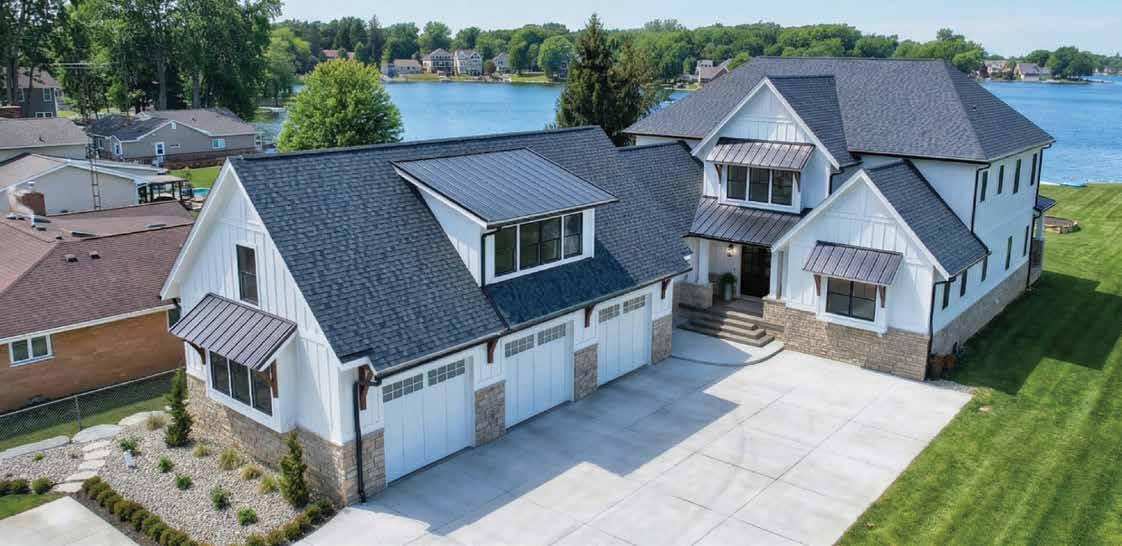
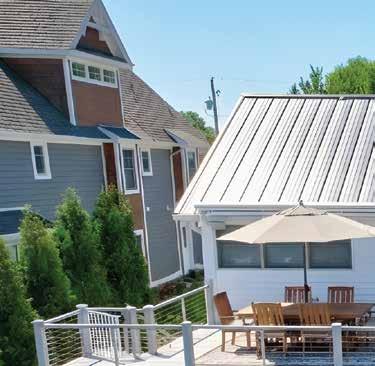
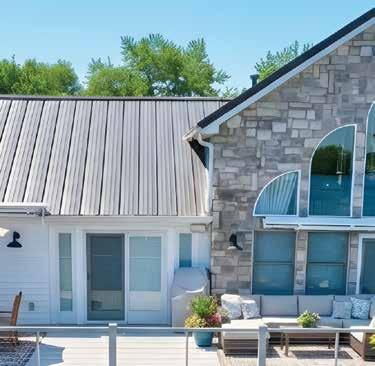
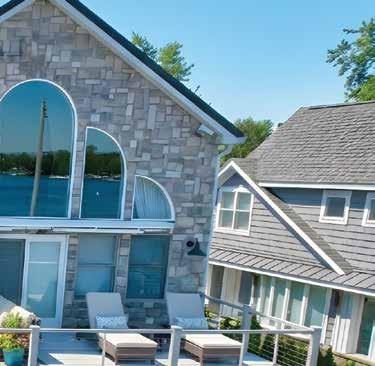
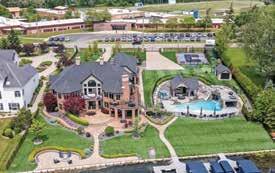
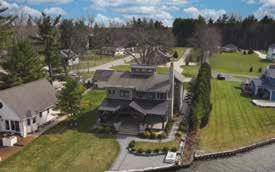
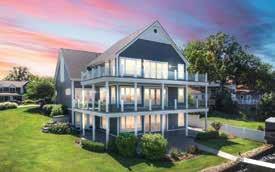
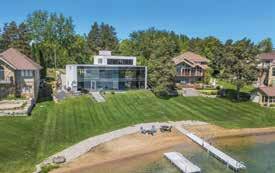
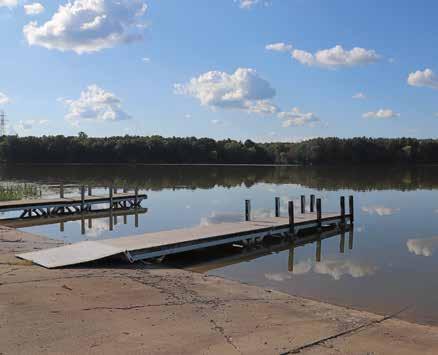
This month features our final spring Home & Garden section, with a focus on Luxe Living and creating the perfect modern Michigan lake home. Beginning on page 16, you’ll find beautiful photography and stories designed to inspire your next home project. Be sure to take note of the featured local businesses in this section that can help you transform your dream home projects into reality. My City writer Keegan Deloney has also compiled a helpful guide to boat launches throughout Genesee County; perfect for making the most of the season.
If you’ve ever visited Gaines Jewelry, you likely know Mic Goulet. This year marks Mic’s 50th anniversary with the shop, an incredible milestone. Don’t miss his story.
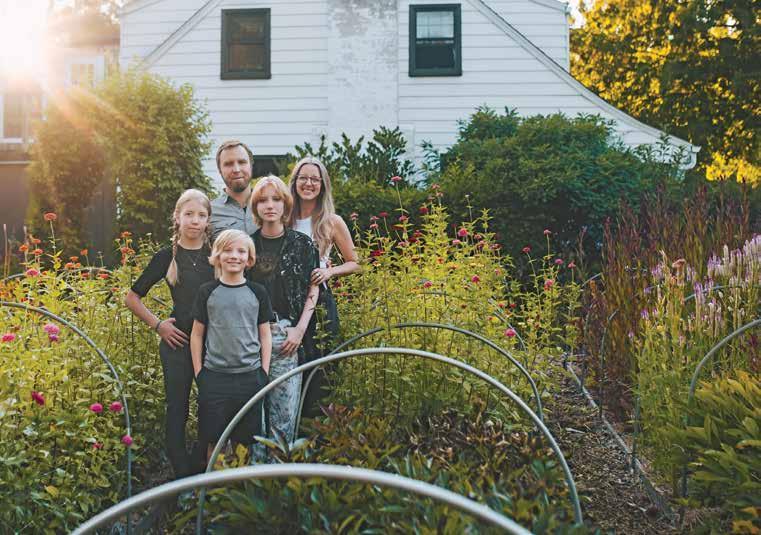
You’ll also read about Janie Case Beuthin, a Flint resident who has transformed a vacant lot next to her home into a thriving garden and blossoming business, Twig End Farm. You can find her products at the Flint Farmers’ Market.
Our monthly Eats feature spotlights Battle Alley Brewing Co. in Holly. Discover how two married couples joined forces to create a welcoming space offering delicious homemade food, craft beer, and more.
In “In Zinn We Trust,” My City writer Mark Spezia profiles Averie Zinn, a Genesee High School senior who has broken varsity basketball records and plans to continue her athletic career at Wayne State this fall.
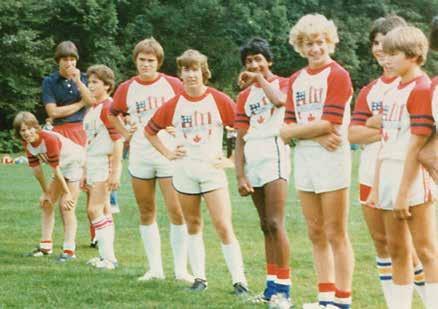
Also in this issue, My City writer Gary Fisher explores the history of soccer in Flint. Local readers will recognize many of the individuals featured. Be sure to check out his story on page 46.
I’m continually grateful for our talented columnists, whose thoughtful perspectives cover a wide range of topics. I hope you enjoy their contributions as much as I do.
As we welcome warmer weather and sunnier days, let us also take time this month to honor our military veterans. Many communities will host memorials and parades in observance of Memorial Day on May 25, a meaningful opportunity to remember and give thanks.
Sharon
Stone Editor in Chief
Fenton’s Open
105 W. Shiawassee Ave. Fenton, MI 48430
810.629.8000

Publisher Laura Constable
Editor in Chief
Sharon Stone
Freelance Writers
Keegan Deloney
Mark Spezia
Contributing Writers
Brice P. Carter
Dr. Christopher Douglas
Gary Fisher
Dr. Shan Jackson
Alexandria Nolan-Miller
Noah Morgan
Mark Rummel
Leslie Toldo
Shannon White
Stacy Sawyer
Erin Morris
Contributing Artist Design2pro
Accounting/Circulation
Carolyn Golota
Account Executive
Terese Allen
COVER ART Shane Adams Group
ISSN#1559-3436 is published monthly by My City Magazine, 1032 N. Leroy St., Fenton, MI 48430. Canadian Mail Agreement #41971515. For back issues, inquire for availability. Editorial Correspondence: Address product information and inquiries to: Editorial Department, My City Magazine, 1032 N. Leroy St., Fenton, MI 48430, phone 810.215.3900. To authors, photographers and people featured in this publication: All materials, articles, reports and photographs in this publication are the property of My City Magazine and cannot be used without written permission. The opinions and conclusions recited herein are those of the respective authors and not of My City Magazine. My City Magazine is not responsible for returning unsolicited manuscripts, photographs or other materials. Every effort will be made however, to return rejected manuscripts, etc., if they are accompanied by sufficient firstclass postage, but the Publisher will not be responsible for any loss of such material.












hat was once an empty, uninhabitable property in Flint has been transformed into a thriving space filled with color, creativity and community, thanks to the vision of local entrepreneur Janie Case Beuthin.
Beuthin, a Flint native and the owner of Twig End Farm, has been growing and selling specialty cut flowers with a whimsical, wildflower feel since 2018. As a woman-owned and operated small business, Twig End Farm reflects both her artistic approach to floral design and her deep roots in the Flint community.
Janie’s husband, Ryan, is the heavy gardener at Twig End Farm and helps run the Flint Crepe Company. He’s also the operations director for the Flint Freedom
Schools Collaborative and works with Michigan Rehabilitation Services.
This spring marks an exciting new milestone for Beuthin and her growing business. For the first time, Twig End Farm will offer its locally grown flowers at the Flint Farmers’ Market. Opening day is set for May 9, the Saturday before Mother’s Day, with weekly appearances under the pavilion continuing each Saturday through mid-October. Customers can expect fresh-cut flowers, dried arrangements, farm merchandise and a curated selection of handmade jewelry.
But the story of Twig End Farm is as meaningful as the blooms themselves.
The land where the farm now flourishes once held a condemned


THROUGH EACH BOUQUET, CLASS AND MARKET APPEARANCE, BEUTHIN CONTINUES TO BUILD SOMETHING ROOTED NOT ONLY IN FLOWERS, BUT IN PLACE, DEMONSTRATING HOW SMALL, THOUGHTFUL INVESTMENTS CAN TRANSFORM A NEIGHBORHOOD SPACE INTO SOMETHING VIBRANT AND SHARED.
house next to Beuthin’s home. After the structure was removed by the Genesee County Land Bank in 2015, Beuthin adopted the lot through the Adopt-A-Lot program. She later purchased the property and began cultivating what would become Twig End Farm.
In place of what was once derelict, there is now an abundance of flowers, rows of seasonal blooms that reflect Beuthin’s vision of natural, expressive arrangements inspired by wildflowers and Michigan’s landscape.
offering participants a chance to learn the art of floral design in a welcoming, creative environment. During the fall, winter and spring, classes are held at Queens’ Provisions, while warmer months bring guests to the farm itself in Flint’s historic Mott Park neighborhood for tours and outdoor workshops.
Through each bouquet, class and market appearance, Beuthin continues to build something rooted not only in flowers, but in place, demonstrating how small, thoughtful investments can transform a neighborhood space into something vibrant and shared.
Twig End Farm stands as a reflection of her commitment to Flint: growing beauty where it’s planted and inviting others to be part of the experience.
Although she’s extremely busy preparing for her opening at the Flint Farmers’ Market, Janie took some time to answer My City’s 7 questions.
When I was growing up, I wanted to be two things. I wanted to be a stay-at-home mom who worked every single day in her gardens. And I wanted to be a florist. So I guess you can say I’ve created the job of my dreams.


My biggest risk is not wearing safety glasses while using power tools. Please don’t tell my dad!


3
I’ve always wanted to do a walking tour of England, hiking from hamlet to hamlet, village to village.
L. M. Montgomery, one of my very favorite authors. She wrote utterly beautiful and heartwarming stories about a world on the cusp of great change. Her words immortalized a magical place and time now beloved by millions.
Most recently, watching old Mr. Bean episodes with my teen, my tween and my nine-year-old.

WARNING: dives deep into odd subjects and is willing to talk about them, ad nauseum.
I’d have the ability to fly and time travel simultaneously, landing safely in faraway places and times, returning home at the end of an adventure without having disrupted the natural flow of history.
BONUS QUESTION
People would never guess that I delivered my third baby with my own hands, unassisted. But I did.
BY LISA MARIE SZUKHENT
What if knee replacement surgery could be tailored as precisely as a fingerprint, designed specifically for your body, your movement, and your life? At Hurley Medical Center, that future isn’t years away; it’s happening right now. With the introduction of cutting-edge robotic technology, patients facing knee replacement surgery can feel more confident than ever that their care is personalized, precise, and built for better outcomes.
At the heart of this innovation is the TMINI® system, a surgeon-controlled robotic technology that is transforming the way total knee replacements are performed. Unlike what some might imagine, this isn’t a robot performing surgery on its own. Instead, it’s a powerful tool that enhances the surgeon’s expertise, bringing together advanced planning and realtime precision in the operating room.
Every knee replacement at Hurley starts with a personalized plan. Before surgery, doctors use advanced imaging to get a clear picture of the patient’s knee and map out the procedure step by step. This helps ensure the surgery is designed specifically for each individual.
During the procedure, the surgeon uses a handheld, wireless robotic tool to guide the process. The technology provides realtime feedback to help place the implant accurately, while the surgeon remains in full control at all times.
Hurley orthopedic surgeon Dr. Paul Telehowski explains, “TMINI has added the next step in advancement for knee reconstruction. It allows for detailed imaging and planning based on CT scans, giving us greater customization for each patient. This helps achieve a more accurate, best-fit knee replacement. As a result, patients may experience a quicker recovery

DR. PAUL TELEHOWSKI MD-Board Certified Orthopedic Surgeon
TMINI has added the next step in advancement for knee reconstruction. This helps achieve a more accurate, best-fit knee replacement. As a result, patients may experience a quicker recovery and a more natural-feeling knee.
and a more natural-feeling knee. This is now accomplished with handheld robotic technology that works with powerful software in the operating room, creating a more streamlined process compared to earlier robotic systems.”
That accuracy matters. Proper placement of the implant can make a significant difference in how the knee feels and functions
after surgery, impacting comfort, stability, and long-term results. The system also gives surgeons more flexibility. With access to a wide range of implant options, they can select what works best for each patient’s body, needs, and lifestyle, helping people return to movement more comfortably.
For many patients, deciding to undergo joint replacement surgery can feel like a big step. Catherine Metz, service line administrator of Hurley’s Center for Joint Replacement, recognizes those concerns. “The bone cuts the surgeon makes, because they are guided by the robot, are incredibly precise, less than a millimeter, which leads to better implant alignment, stability, and longevity. Unlike other joint replacement robots, TMINI is not tied to one implant brand, allowing our surgeons to choose what’s best for each patient. The TMINI robot is state-of-the-art. Its miniature, handheld design eliminates the need for large robotic arms, improving operating room efficiency without limiting precision. It offers exceptional accuracy while still allowing the surgeon to make adjustments as needed.”
Robotic-assisted technology like TMINI® isn’t about replacing the human touch; it’s about supporting it. By combining careful planning, surgeon expertise, and advanced precision tools, Hurley Medical Center is helping patients feel more confident as they move toward recovery and improved mobility. As healthcare continues to evolve, Hurley remains focused on what matters most: helping patients move more comfortably, feel better, and return to the everyday moments they enjoy. To learn more about this groundbreaking procedure or to schedule a consultation, call Hurley’s Center for Joint Replacement at (810) 262-6339.

BY DAVID OLEJARZ, REGIONAL COMMUNICATIONS DIRECTOR, AMERICAN RED CROSS MICHIGAN REGION
PHOTOS COURTESY OF THE AMERICAN RED CROSS
The American Red Cross impacts lives every day in Michigan, across the country, and around the world. We comfort people affected by disasters big and small, provide about 40% of the nation’s blood supply, teach lifesaving first aid skills, deliver international humanitarian aid, and support military members and their families through the challenges of service. The Red Cross is not a government agency; we are a registered 501(c)(3) nonprofit organization that depends on volunteers and the generosity of the American public to deliver our mission.
In Michigan, our vast network of humanitarian and biomedical services is provided through six Red Cross chapters and nine blood and platelet donation centers in strategic locations. Our East Central Bay
We comfort people affected by disasters big and small, provide about 40% of the nation’s blood supply, teach lifesaving first aid skills, deliver international humanitarian aid, and support military members and their families through the challenges of service.
Chapter, located at 1401 S. Grand Traverse Street in Flint, is led by Executive Director Becky Gaskin, who manages a dedicated team of volunteers and employees committed to serving people in Flint and 10 surrounding counties.
Blood donations to the Red Cross help ensure that new moms, premature babies, people with sickle cell disease, cancer patients, and accident victims have access to safe, lifesaving blood. With the help of volunteer donors, the Red Cross distributes blood products in Michigan and across the country every day. Eligible donors can schedule an appointment at the Flint Red Cross Blood and Platelet Donation Center, 1401 S. Grand Traverse St., by visiting www. RedCrossBlood.org or calling 1-800-RED CROSS.
We work closely with community partners and first responders to help communities prepare for, respond to, and recover from disasters. During a disaster—local or national—we provide safe shelter, food, emergency relief supplies, emotional support, health services, and recovery assistance to those in need.
The Red Cross responds to about 65,000 disasters nationwide


each year, with home fires being the most frequent. In the first three months of 2026, our East Central Bay team responded to nearly 90 home fires and assisted more than 300 individuals. Through our Home Fire Campaign, we install free smoke alarms and help
families create fire escape plans to prevent fatalities and injuries. East Central Bay volunteers and employees also deploy to large-scale disasters in other parts of the country, including hurricanes, floods, and wildfires, which are becoming more frequent and intense due to a


BOARD CHAIR SHERYL THOMPSON DEPLOYED TO A NATIONAL DISASTER RELIEF OPERATION AFTER HURRICANE IAN DEVASTATED FLORIDA IN
SHE IS SEEN HERE SERVING AS A SHELTER VOLUNTEER.

Saving lives is at the heart of the Red Cross mission. For more than a century, we have trained people in first aid and other lifesaving skills. Our training provides the knowledge and confidence needed to act in an emergency. On average, more than 6.5 million people each year receive Red Cross training in first aid, water safety, and other essential skills. Sign up for a course at www.redcross.org/TakeAClass.

VOLUNTEER PATRICE HATCHER DEPLOYED TO ALASKA IN DECEMBER 2025 TO SERVE THE COMMUNITY AFTER TYPHOON HALONG LEFT COASTAL VILLAGES INHABITABLE.
worsening climate crisis. Most recently, they have supported disaster operations in Alaska, California, Florida, Kentucky, North Carolina, South Carolina, and Washington.
The Red Cross has supported military members and their families for well over a century. From
the first day of enlistment to life after service, dedicated team members provide a continuum of care to the military community. The Red Cross operates 45 overseas offices, maintains a presence on 150 military installations and deployment sites, and offers services on-site at more than 120 medical facilities and over 160 veterans care facilities worldwide.
The Red Cross is proud that an average of 90 cents of every dollar spent is invested in providing care and comfort for people in need. Every donation makes a difference. Visit www.redcross.org/donate to contribute.
Every day, Red Cross volunteers— your neighbors—provide a wide
range of vital services to people across Michigan. Learn about opportunities to support those who rely on the Red Cross during their most vulnerable times. Visit www. redcross.org/Michigan.
Learn More
Visit www.redcross.org/Michigan.

For David Gaines, president and owner of Gaines Jewelry, Inc., that admiration runs deep.
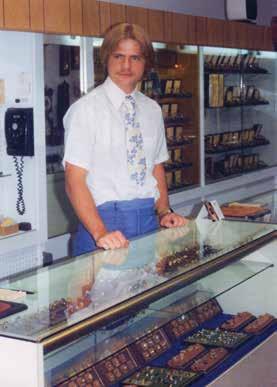
Some people don’t just work a job, they become part of the place itself. For decades at Gaines Jewelry, that person has been Mic Goulet.
Ask anyone who knows him, and the answer comes easily. Mic isn’t just respected, he’s loved. He’s the kind of person people naturally gravitate toward, the one whose laugh carries across the room and whose presence makes everyone feel a little more at ease. It’s not something you can teach. It’s just who he is.
“Mic and my dad (Bob) are my professional heroes,” he says. “As long as I’ve known him, he’s been someone everyone just wants to be around.”
That connection goes back further than the jewelry counters and showcases. David first met Mic when he was just 8 years old. What he remembers isn’t business, it’s something much simpler.
Mic, now 74, was born and raised in Flint. He spent his early years at Holy Redeemer and he graduated from Ainsworth High School in 1969. He was hired into Max Davis
He’s the kind of person people naturally gravitate toward, the one whose laugh carries across the room and whose presence makes everyone feel a little more at ease.
Jewelers that same year, while attending Mott and waiting for basic training in July 1970. He and his wife of 56 years, Debi, were high school sweethearts and married in 1970.
Mic drove a small MG convertible, the kind that turns heads even today. And riding along with him was a Great Dane, no small detail when you’re a kid. The dog’s head rose above the windshield as they drove, an unforgettable image burned into memory. Somewhere along the way, there was ice cream. For an 8-year-old, that was enough to make a lasting impression.
“I mean, I thought he was cool,” David recalls.
Years later, that same man would become a cornerstone of the family business.
Mic said, “I was very fortunate to have Bob as a friend and mentor in my life. My father died when I
was young, Bob taught me things my father never had a chance to.”
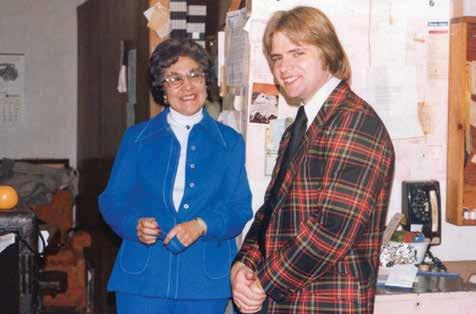
Today, Mic works just a couple of half days a week at Gaines Jewelry, but his presence still fills the store. Customers continue to stop in hoping to catch him during those hours, not just for his expertise, but for the experience of talking with him.
Fifty years in the jewelry industry gives Mic something few others have: perspective. There’s almost no question he hasn’t heard, no situation he hasn’t handled. But it’s not just knowledge that makes him invaluable, it’s how he shares it.
“He’s always treated the business the same way I have,” David says. “He wants every single customer to feel respected and welcome. That’s rare.”

A legacy isn’t built alone, it’s shaped by generations of family and the people


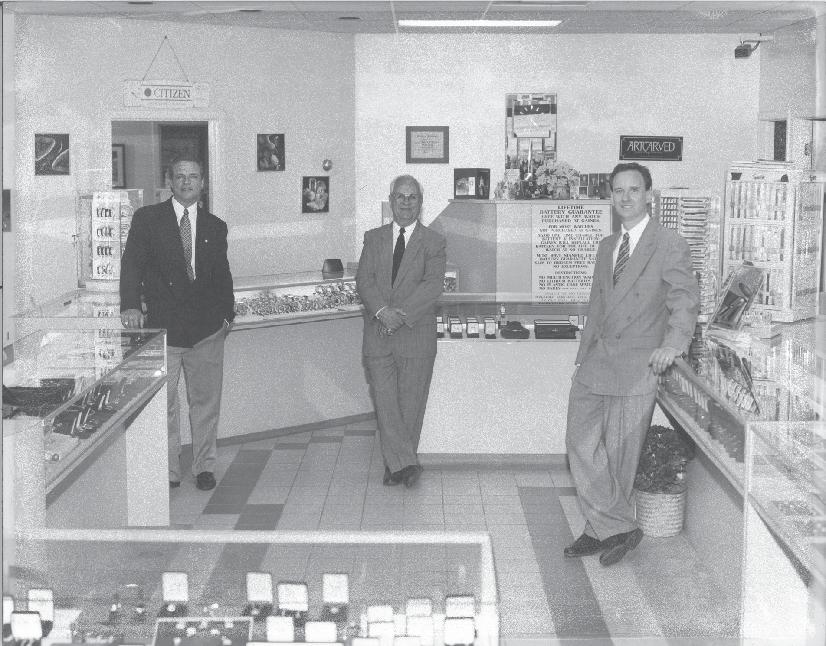




In an industry built on trust and relationships, that mindset matters. And at Gaines Jewelry, it’s part of the culture, one Mic helped shape.
“We have dealt with a lot of business and a lot of life together,” Mic said. “We could not be more like brothers. I am thankful everyday for Bob and David. They helped me shape my life to what it is today.”
David said that on the days Mic works, there’s a different energy in the store. Laughter comes easier. Conversations last longer. For David, those are the days he looks forward to most.
“His sense of humor just ensures it will be a fun day,” David says.
So why hasn’t Mic retired?
The answer isn’t complicated.
He enjoys it.
He enjoys the people, the conversations, the familiar faces who have walked through the doors for years, sometimes decades. He enjoys the team, too, a group that doesn’t feel like coworkers as much as it feels like family.
“There’s nothing better than being able to do what you enjoy with people you enjoy doing it with,” David says. “That’s not common. We have that here.”
And so Mic keeps showing up, not because he has to, but because he wants to.
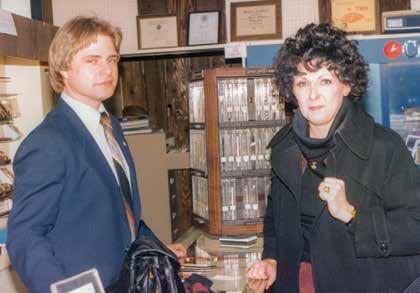

In a world that often moves too fast, where careers come and go, there’s something quietly powerful about that kind of loyalty. About a man who built relationships that lasted a lifetime. About a place where history isn’t just remembered, it’s still walking through the door a few days each week, ready with a smile, a story and maybe, if you’re lucky, a laugh that fills the room.
Some legacies are measured in years.
Others are measured in the people who keep coming back just to see you.
Looking back over his career, Mic said, “I never set out to spend more than 50 years in the jewelry business. In fact, when I started, I was just a young guy trying to learn a trade and not break anything too expensive. Somewhere along the way, the work stopped being a job and became
I showed up, I listened, and I did my best to make sure whatever left my hands was worthy of the story it was about to join.
– Mic Goulet
a privilege, one day at a time, one customer at a time.
“I’ve been pretty lucky. I had mentors who were patient, customers who trusted me with their most meaningful moments, and a community that kept opening the door and saying, ‘Mic, I need your help with something.’ That’s really how you build a career; not through big

achievements, but through thousands of small conversations across a counter.”
Mic said that people sometimes ask what kept him in it so long. “The truth is simple: I enjoyed helping people mark the important chapters of their lives. Engagements, anniversaries, new babies, repaired heirlooms that brought someone to tears — those moments stay with you.
Jewelry might be the business, but the relationships are the real legacy.
“If there’s anything I’m proud of, it’s that I tried to do right by people. I showed up, I listened, and I did my best to make sure whatever left my hands was worthy of the story it was about to join. Fifty years went by faster than I expected, but I’m grate ful for every one of them — even the days when the loupe made my eyes cross.
“If I’ve helped make someone’s milestone a little more special, that’s more than enough for me.”



Winter Ends. Engines Start. The Community Returns.
There is something special about that first warm day in Michigan. The snow is gone, the sun finally feels strong again, and across garages and driveways, the familiar ritual begins. Car covers come off. Batteries are charged. Engines turn over for the first time in months.
For car enthusiasts, this moment only means one thing ... it is time for Dust ’Em Off.
Back to the Bricks® is proud to partner with Genesee County Parks and Crossroads Village & Huckleberry Railroad to bring you the sixth annual Dust ’Em Off Swap Meet and Car Show, taking place on Saturday, May 16 and Sunday, May 17, from 10AM to 3PM.
More Than a Car Show
Dust ’Em Off is not just about the cars. It is about the people, the stories, and the shared passion that brings this community together year after year.
It is the handshake you have not had all winter. It is the conversations that pick right back up where they left off. It is families walking together, kids pointing at their favorite cars, and proud owners sharing the history behind every detail.
Set within the historic charm of Crossroads Village, this event offers a one-of-a-kind backdrop where classic cars will line the streets, and the sounds of laughter, music, and revving engines fill the air on Sunday, May 17.
to Expect
Visitors will experience a swap meet on Saturday, free parking and entrance. Come see the parts and enjoy the first outdoor swap meet of the year. Then come back Sunday, May 17, for a wide variety of classic cars, hot rods, and custom builds, all shining in the spring sun for the first time this season. The day begins with a heartfelt opening ceremony, including a blessing of the cars and recognition of our Veterans, setting the tone for a day rooted in both celebration and appreciation.
From long-time collectors to first-time attendees, everyone is welcome. Whether you are bringing a vehicle or simply coming out to enjoy the atmosphere, the vendors, the food vendors, there is something for everyone to take in and enjoy.
Community Tradition
For many, Dust ’Em Off marks the true beginning of summer. It is the first cruise, the first show, and the first chance to reconnect with a community that shares a love for automotive history and culture. It is where memories are made, stories are shared, and traditions continue.

Sunday, May 17, 2026
10AM – 3PM
Crossroads Village & Huckleberry Railroad
Free Admission and Parking
Start Your Season the Right Way
After a long winter, there is no better feeling than getting back behind the wheel and surrounded by people who share your passion.
Dust off your ride, gather your friends and family, and come be part of a day that reminds us all why we love this community so much.
Learn more at backtothebricks.org
Back to the Bricks® Celebrating Community, Cars, and the Road Ahead






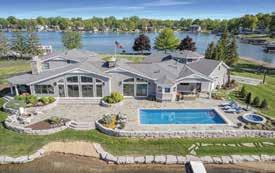
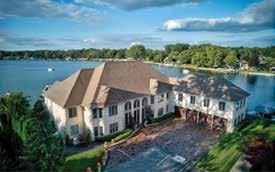
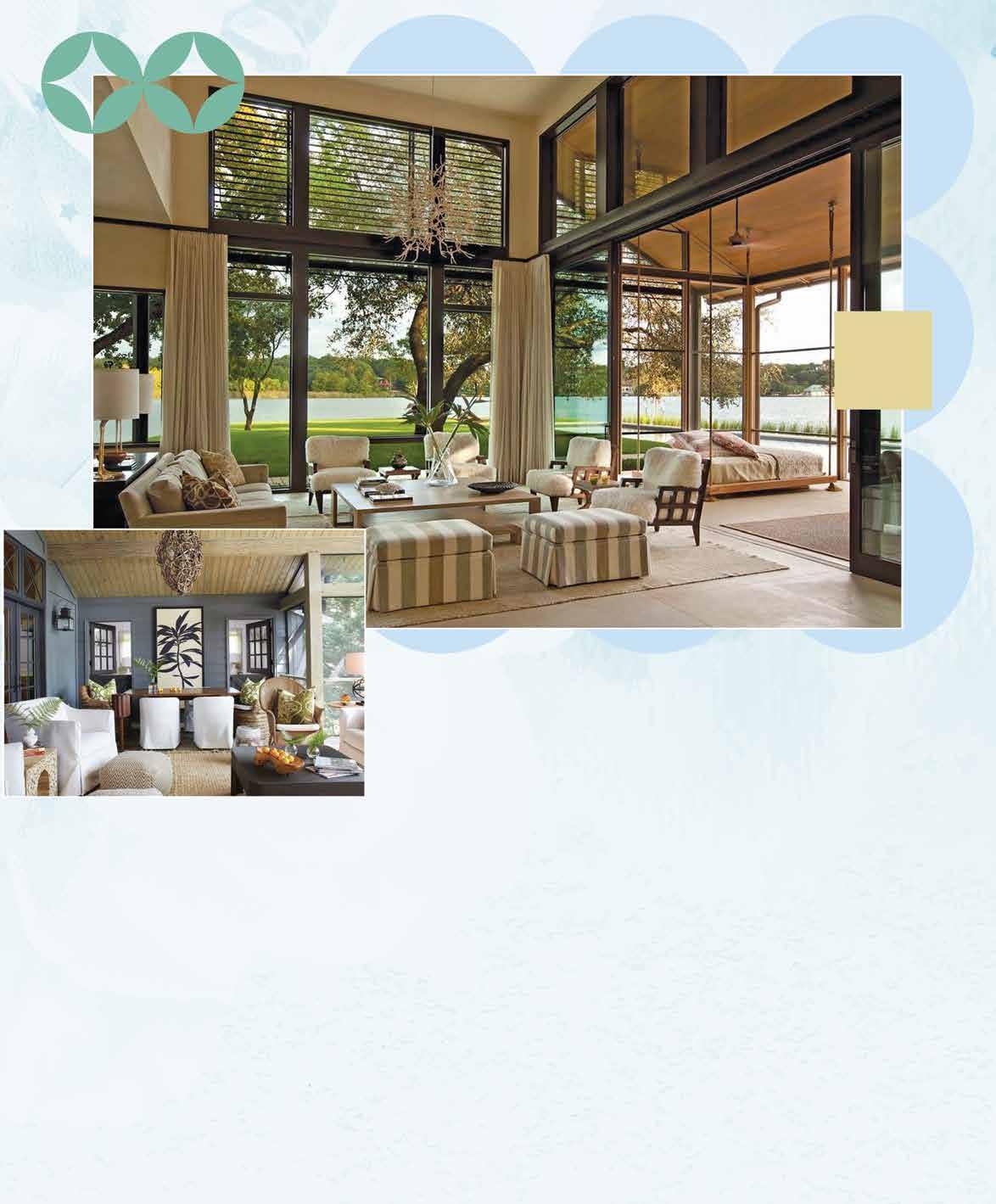
Life on the lake has always been about slowing down and reconnecting with nature. But today’s Michigan lake homes are redefining that tradition, blending timeless waterfront charm with modern design that prioritizes views, gathering spaces and year-round comfort.
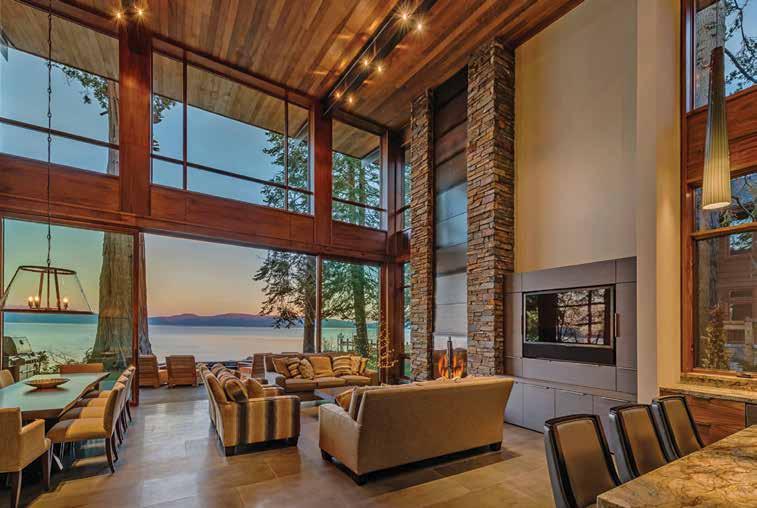
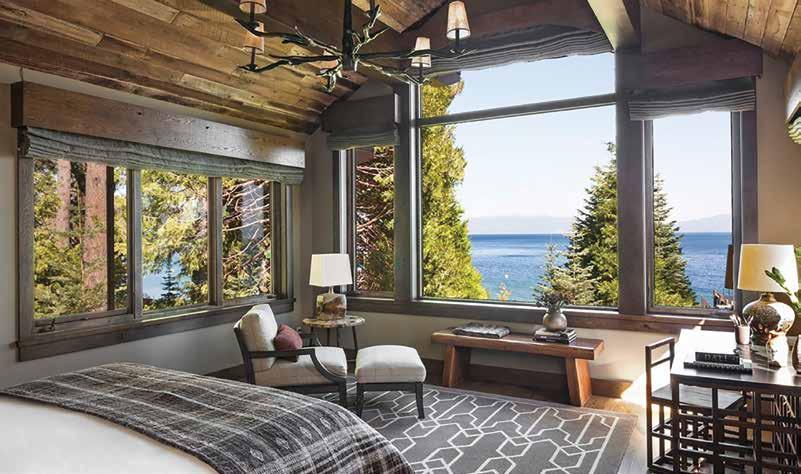
At the heart of the modern lake home is a deep connection between indoors and outdoors. Architects increasingly design homes so that living spaces face the water, ensuring that daily life unfolds with the lake as a constant backdrop. Expansive windows, often floor-to-ceiling, bring
natural light into the home while framing sweeping views of the shoreline and surrounding natural areas. In many new builds, glass walls and sliding doors allow the living room, kitchen and deck to merge into one continuous space during warm months.
This emphasis on visibility goes beyond aesthetics. Window placement and orientation are carefully planned to capture sunrise and sunset views while managing glare and seasonal weather. High-performance glass helps regulate temperature and light, allowing homeowners to enjoy those panoramic vistas year-round without sacrificing energy efficiency.
Inside, entertaining has become a central design principle. Open-concept layouts remain
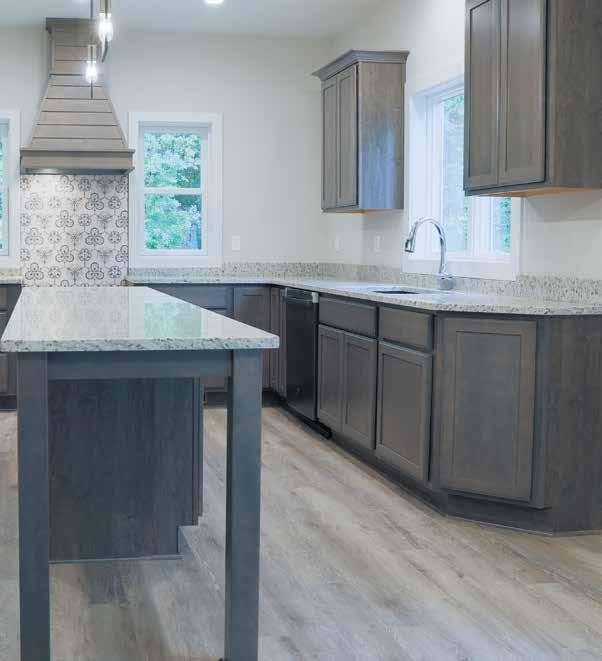
a defining feature of modern lake homes, with kitchens flowing seamlessly into dining and living areas. Large islands and lake-facing cooktops allow hosts to prepare meals while staying connected with guests and enjoying the scenery. These spaces are often anchored by natural materials, stone fireplaces, warm wood tones and textured finishes that echo the surrounding landscape.
Outdoor living areas are equally important. Decks and patios now function as extensions of the home, complete with outdoor kitchens, built-in seating and fire pits for lakeside evenings. Covered porches, retractable glass walls and heated patios allow homeowners to continue using these spaces well into fall and winter. In the Midwest, where seasons can change quickly, multi-season outdoor rooms have become one of the most popular design elements in waterfront construction.
Another growing trend is the rise of multigenerational lake homes. Families are building larger residences designed to accommodate grandparents, adult children and visiting
friends under one roof. Thoughtful layouts include main-level primary suites for aging homeowners, bunk rooms for grandchildren and private guest wings that provide both connection and privacy. Mudrooms with storage for towels, life jackets and water gear help keep the flow of lake activity organized.
Yet even as lake homes grow in size and sophistication, designers are also carving out smaller, quieter spaces within them. Window nooks, reading alcoves and cozy sitting areas provide places to pause and enjoy the view. These intimate corners balance the scale of open gathering areas and reflect a broader shift toward homes that support both socializing and solitude.
Ultimately, the modern Michigan lake home is about harmony, with the landscape, the seasons and the people who gather there. By combining expansive views, flexible living spaces and thoughtful design, today’s lake houses elevate the experience of waterfront living while preserving the relaxed spirit that makes lake life special.
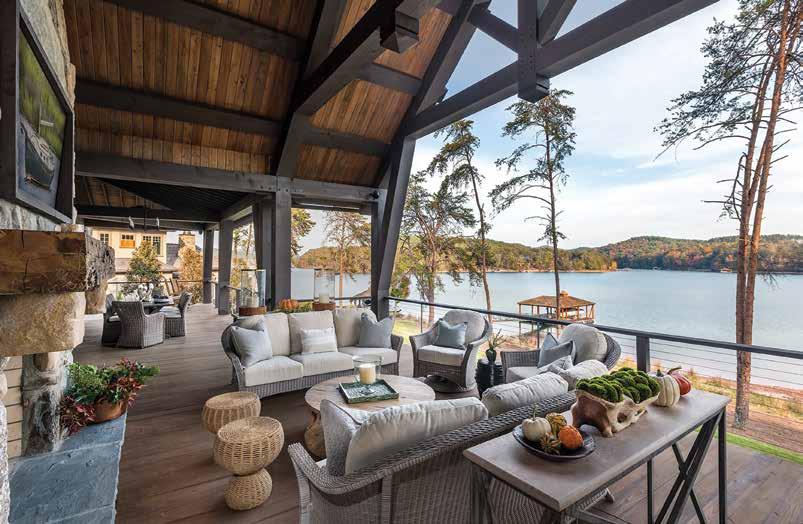
There’s something about lake life that naturally draws people together. Whether it’s the shimmer of water at sunset or the easy rhythm of boats returning to the dock, lakeside homes are designed for gathering. Today’s waterfront homeowners are taking that tradition a step further, creating outdoor spaces that seamlessly connect the lake, patio and home while making entertaining effortless from dock to dinner.
At the center of modern lakeside entertaining is the outdoor kitchen. No longer limited to a simple grill, today’s outdoor cooking spaces often include built-in grills, pizza ovens, beverage refrigerators and prep counters. Positioned to face the water, these kitchens allow hosts to cook while still engaging with guests lounging on the deck or returning from a swim. Bar seating and raised counters provide a natural place for sunset cocktails while dinner is prepared. Durable countertops made from stone or
high-performance porcelain help these spaces withstand moisture, sun and fluctuating temperatures common in lakeside environments.
Just beyond the kitchen, gathering zones help define the flow of an outdoor entertaining area. Fire pits and fireplaces have become essential features, creating a focal point where guests can gather after the sun sets. Circular seating arrangements, including deep lounge chairs, outdoor sofas and weather-resistant sectionals, encourage conversation while maintaining a clear view of the water. Gas fire tables are also gaining popularity, combining warmth with a sleek, modern look that works well on smaller patios or decks.
Lighting plays a critical role in shaping the evening atmosphere. Thoughtfully layered lighting allows homeowners to extend entertaining long after sunset while maintaining the tranquil feel of the waterfront. Soft path lighting guides guests safely between the house, patio and dock. Low-profile deck lights highlight
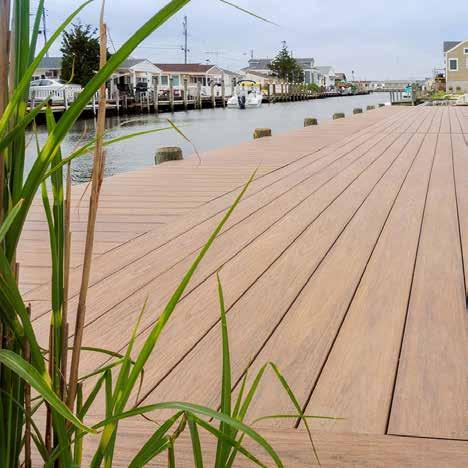
Composite decking and porcelain pavers provide slip resistance while standing up to heavy foot traffic and wet feet. Outdoor furniture made from powder-coated aluminum, teak or high-performance synthetic wicker offers the look of luxury while remaining resilient against sun and humidity.
Equally important is the transition from water to home. A well-designed lakeside property considers the path guests take after stepping off the dock. Wide steps or gently sloped walkways help guide traffic toward patios or decks while maintaining a natural flow. Many homeowners are also incorporating outdoor rinse stations or small “wet zones” near the back entry where swimmers can quickly wash off lake water before heading inside.
steps and seating areas without overwhelming the view of the lake. Overhead string lights, pendant fixtures above outdoor bars and subtle uplighting on nearby trees create a warm glow that reflects beautifully off the water.
Because lakeside homes face unique environmental conditions, materials must be both durable and stylish. Designers often recommend marine-grade stainless steel for outdoor appliances and hardware to resist corrosion from moisture.
Inside the home, the mudroom becomes one of the most functional spaces in a lake house. Built-in benches, cubbies and hooks keep towels, life jackets and water shoes organized and within reach. Waterproof flooring such as luxury vinyl plank, tile or sealed concrete helps handle dripping swimsuits and sandy feet without worry. Nearby storage closets or cabinets provide dedicated space for paddleboards, fishing gear and other lake essentials.
The goal of modern lakeside design is simple: remove barriers between the water and the home. By thoughtfully combining outdoor kitchens, inviting gathering zones and practical transitions from dock to door, homeowners can create spaces where entertaining feels natural, relaxed and unmistakably lakeside.
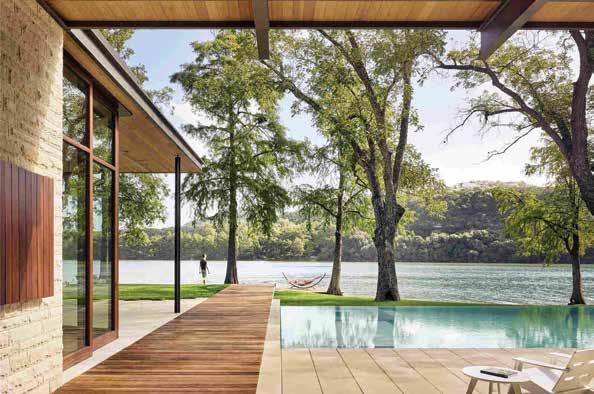

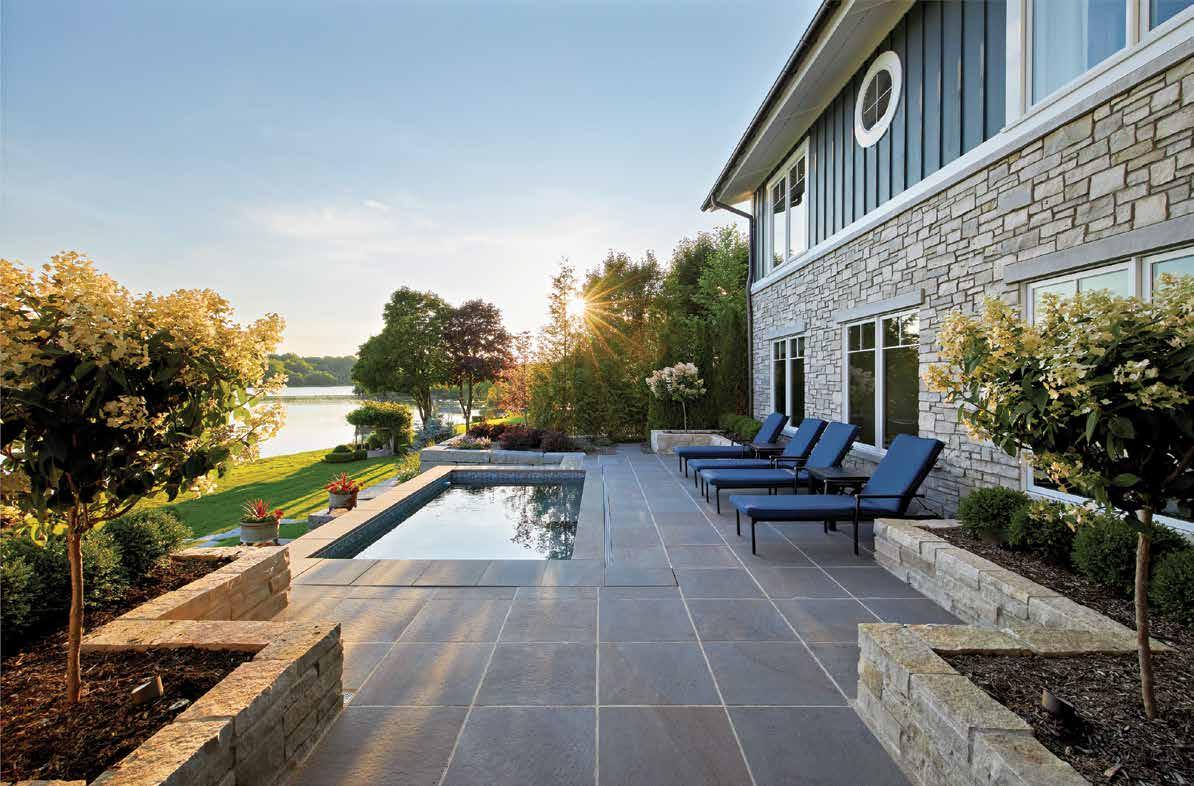

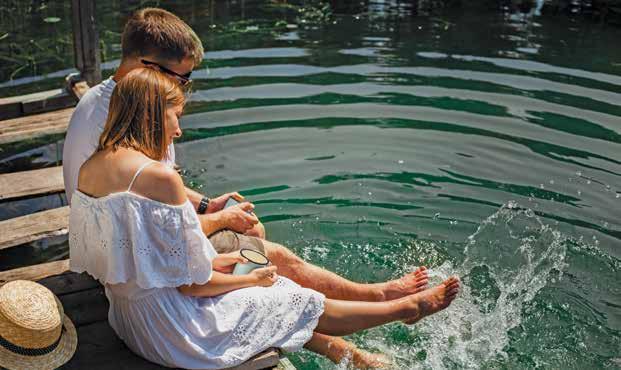
Summer in Michigan has its own rhythm. It begins with the first warm breeze across the water and unfolds in long, golden evenings where time seems to stretch just a little farther. For generations, lake living has been part of the state’s identity, but in recent years it has taken on new meaning as homeowners discover how time spent near water can improve wellness, productivity and the overall pace of daily life.
Scientists and wellness experts often point to what researchers call “blue space,” natural environments that include water, as having measurable benefits for mental health. Studies have shown that spending time near lakes, rivers or oceans can help lower stress levels, reduce anxiety and improve mood. The gentle sound of water and the open horizon both play a role, giving the brain a chance to slow down and reset after the constant stimulation of everyday life.
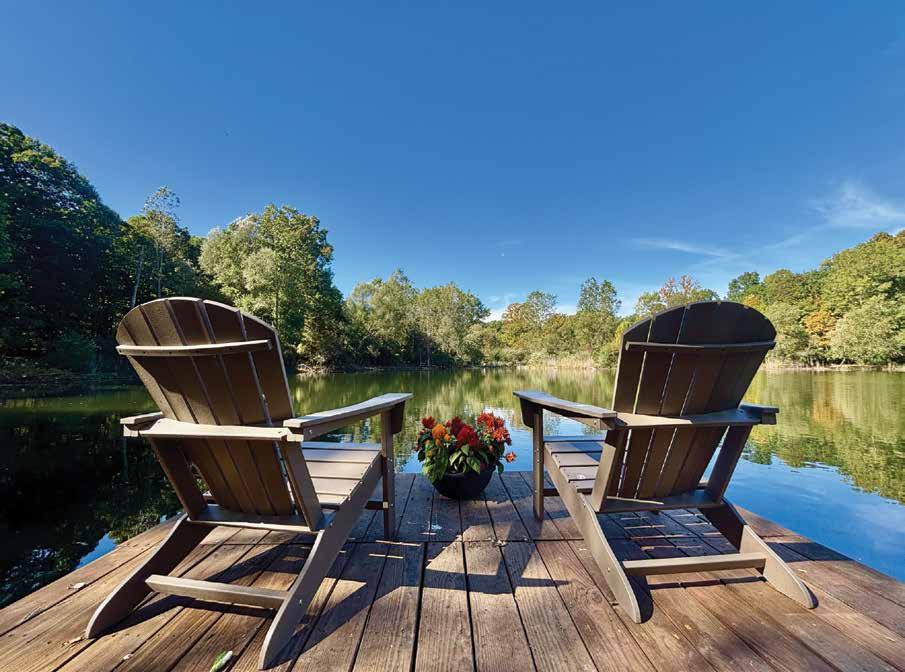
Michigan, with more than 11,000 inland lakes and the largest freshwater shoreline in the United States, offers an ideal setting for this kind of restorative environment. A morning paddle across still water or a quiet walk along the shoreline provides a simple form of mindfulness. Even sitting on a dock with a cup of coffee can help shift attention away from screens and toward the natural world.
That connection to nature has become even more valuable as remote work continues to reshape how people live. With laptops replacing office cubicles for many professionals, lake homes are no longer used only for summer vacations. Increasingly, they function as hybrid spaces where work and leisure coexist. A dining table overlooking the water becomes a temporary office. Afternoon breaks might

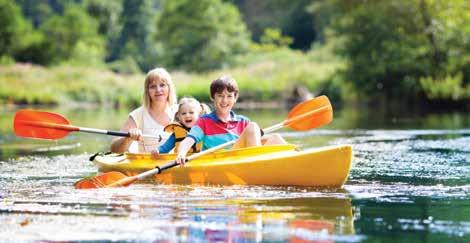
include a swim, paddleboard ride or quick walk through nearby trails.
The result is a workday that feels less confined and more balanced. Natural light, fresh air and outdoor views have been shown to boost focus and creativity, making lake environments surprisingly productive places to work. For many homeowners, the ability to blend work responsibilities with moments of outdoor activity creates a healthier rhythm than the traditional office schedule.
Of course, lake living is also about the simple rituals that define a Michigan weekend. It might begin early Saturday morning with fishing from the dock while the lake is still glassy and quiet. Later in the day, families gather for pontoon rides, kayaking or floating in the shallows as children jump from the swim platform.
IN A WORLD DEFINED BY SCHEDULES AND NOTIFICATIONS, THE LAKE OFFERS SOMETHING INCREASINGLY RARE: PERMISSION TO SLOW DOWN.
Afternoons often drift into impromptu gatherings. Friends arrive with coolers and folding chairs, and conversation stretches across the patio while the sun moves slowly toward the horizon.
Dinner may be grilled outdoors, followed by a boat ride timed perfectly for sunset. When darkness settles in, a lakeside fire pit becomes the evening’s final gathering place.
What makes lake living unique is not just the scenery but the pace it encourages. Tasks take a little longer, conversations last a little deeper and the day rarely feels rushed. In a world defined by schedules and notifications, the lake offers something increasingly rare: permission to slow down.
For many Michigan residents, that slower rhythm is the real luxury of summer, a reminder that sometimes the best way to recharge is simply to sit by the water and watch the day unfold.



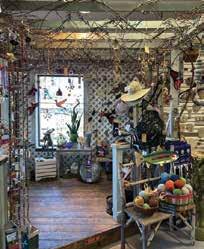



The Manors at Pine Hollow is a one-of-a-kind, prestigious residential community in southern Genesee County, now under new ownership.
Our newest phase offers a fully custom home building experience, including site selection, architectural guidance, and professional project planning and construction management. Residents enjoy a world-class lifestyle featuring:
• Award-winning custom homes by Signet Residential
• Over 200 acres of scenic common areas
• Spacious home sites of an acre or more
• Grand Blanc Community Schools
The exclusive builder, Signet Residential, has been crafting homes where quality, detail, and purpose come together. The Signet signature represents a commitment to superior craftsmanship and thoughtful design, ensuring each home reflects your vision and stands the test of time.
Call us today at 810.695.9901 to learn how you can be welcomed home at The Manors at Pine Hollow.

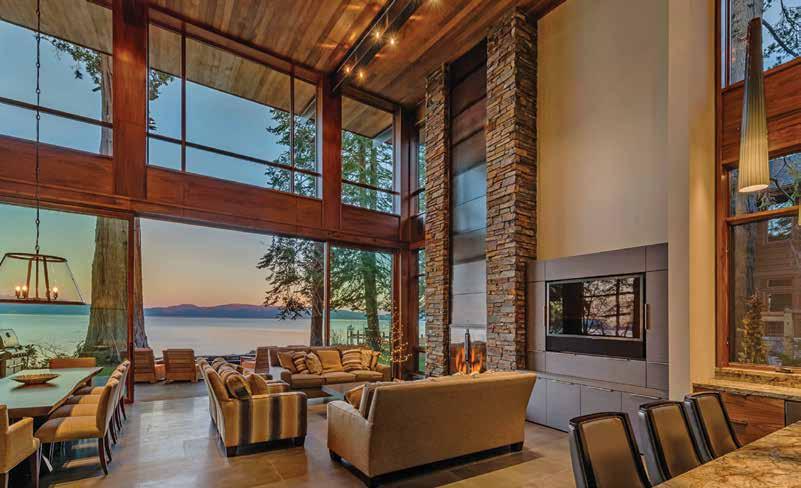
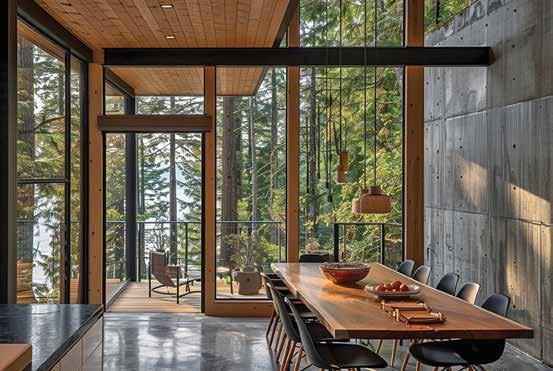
In Michigan, water isn’t just scenery, it’s a way of life. With more than 11,000 inland lakes, including nearly 80 lakes in Genesee County, and thousands of miles of Great Lakes shoreline, the state offers one of the most diverse collections of waterfront properties in the country. From quiet wooded lakes to vibrant resort communities, lakefront homes continue to attract buyers who see these properties as both a lifestyle upgrade and a long-term investment.
Demand for waterfront real estate has remained consistently strong in recent years. Limited supply is one of the main reasons. Unlike traditional housing developments,
lakefront property is inherently finite — there are only so many homes that can sit directly on the shoreline. As a result, these properties tend to hold value well and often appreciate faster than comparable homes located farther inland.
Real estate professionals across Michigan note that buyer trends have shifted in ways that further strengthen the lakefront market. Many buyers today are seeking homes that serve multiple purposes: a vacation destination, a remote work retreat and a family gathering place all in one. Advances in highspeed internet and flexible work schedules have made it possible for professionals to spend extended
time at the lake while maintaining their careers.
Secondly, home ownership is a major factor driving lakefront demand. For many Michigan residents, owning a cottage or lake house is a long-standing dream. Buyers are increasingly choosing properties within a few hours of major metropolitan areas such as Detroit, Grand Rapids and Lansing so they can easily travel between work and their waterfront retreat.
Unlike traditional vacation homes that might sit empty for much of the year, modern lake properties are often designed for four-season use. Improved insulation, energy-efficient windows and updated heating systems allow homeowners to enjoy the lake during fall colors, winter snowfalls and early spring thaws. This expanded usability makes the investment more practical while increasing the property’s overall value.
Another growing trend is the rise of generational lake homes, properties purchased with the intention of staying in the family for decades. Parents see lake homes as places where traditions can take root: summer barbecues on the deck, fishing trips at sunrise and evenings around a fire pit watching the sunset over the water. Over time, these homes become gathering places that connect multiple generations of a family.
At the same time, some buyers are exploring lakefront properties as income-producing investments through short-term rentals. Platforms such as vacation rental marketplaces have made it easier for homeowners to generate revenue during weeks when they are not using the property themselves. Waterfront homes, particularly those located near popular recreation areas, often command strong rental demand during the summer season.
However, prospective buyers should carefully consider local regulations and homeowners association guidelines before purchasing with rental income in mind. Many lake communities have specific rules regarding short-term rentals in order to preserve neighborhood character and maintain quiet enjoyment for residents.
Despite those considerations, waterfront real estate continues to stand out as one of Michigan’s most compelling investments. It offers a rare combination of tangible financial value and intangible lifestyle benefits. Beyond appreciation and rental potential, lakefront homes provide something that cannot be easily measured: a place where families reconnect, memories are created and the pace of life naturally slows.
For many buyers, that balance between investment and lifestyle is what makes lakefront property truly special, and why the appeal of living by the water continues to endure.



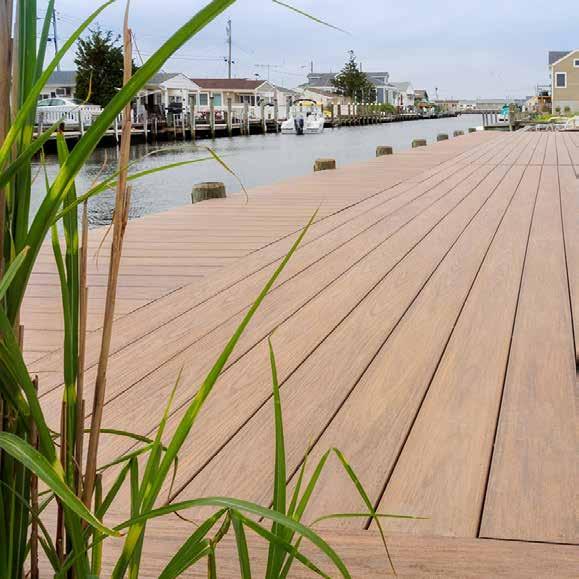






Lake living has always influenced the way Michigan homes look and feel, but today’s lake-inspired interiors are moving beyond predictable nautical themes. Gone are the anchors, rope motifs and overly literal beach décor. In their place is a more refined aesthetic, one that captures the calm, natural beauty of the water while embracing modern comfort and understated luxury.
Designers often refer to the look as “coastal, Michigan style.” It borrows the airy lightness associated with coastal design while grounding the palette in the textures and landscapes of the Midwest. The result is a relaxed, sophisticated environment that feels equally at home on an inland lake or along the Great Lakes shoreline.
Natural materials are at the center of this trend. Wood—especially white oak, maple and reclaimed timber—adds warmth and authenticity to interiors that might otherwise feel too minimal. Woven textures such as rattan, seagrass and cane appear in everything from light fixtures and bar stools to accent chairs and storage baskets. Stone, linen and ceramic
finishes further reinforce a connection to nature, echoing the shoreline’s mix of sand, rock and driftwood.
Color palettes also reflect the surrounding environment. Instead of bright marine blues or bold stripes, today’s lake homes lean toward soft neutrals and muted tones. Cream, sand, pale gray and warm whites form the foundation, layered with subtle shades of lake blue, sage green and weathered wood. These lighter palettes allow natural light, often abundant in lake homes with large windows, to move freely through the space.
The overall effect is what many designers call “relaxed luxury.” It’s a style that feels elegant without appearing overly formal. Furniture is comfortable and welcoming, encouraging long conversations after dinner or quiet afternoons with a book. Upholstered sofas and lounge chairs often feature soft, tailored lines paired with deep cushions designed for lingering.
Because lake homes are designed for real life, wet swimsuits, sandy feet and frequent guests, durability is just as important as aesthetics. That’s where performance fabrics come in.
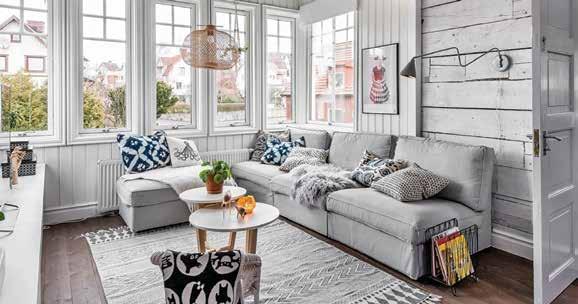
High-quality indoor and outdoor textiles are now engineered to resist stains, moisture and fading while still offering the look and feel of traditional upholstery. These fabrics make it possible to use lighter colors and plush materials without worrying about everyday wear.
While the foundation of the space may feel calm and understated, accessories provide the finishing touch that truly defines lake living.
Textiles are often the easiest way to bring seasonal warmth to a room. Lightweight throws in natural cotton or linen, striped pillows inspired by lake horizons and textured rugs help soften living spaces while maintaining the relaxed feel of a summer retreat.
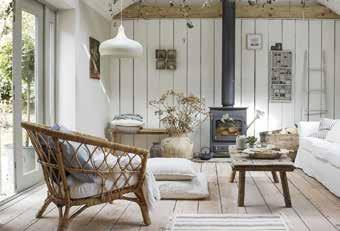
Outdoor décor plays an equally important role. Lanterns, ceramic planters and woven trays can transform patios and decks into inviting gathering spaces. Soft outdoor lighting, whether through candles, solar lanterns or subtle string lights, extends evenings outside while reflecting gently off the water.
Entertaining pieces also become part of the design story. Handcrafted serving boards, stoneware pitchers and oversized bowls make casual meals feel special, whether it’s a dockside lunch or an evening gathering on the patio.
Many homeowners are also seeking out artisan pieces from Michigan makers, from hand-thrown pottery and locally crafted wood furniture to textiles inspired by the region’s landscapes. These pieces add character while celebrating the creativity rooted throughout the state.
Ultimately, coastal Michigan style isn’t about recreating the beach — it’s about capturing the feeling of the lake itself: calm, welcoming and timeless.



Not only will we keep everything running at full capacity but we will o er insight on what you can do to keep your unit maintained between visits.
Why choose us:
Expert Technicians: Not only will we keep everything running at full capacity but we will o er insight on what you can do to keep your unit maintained between visits.
Customer Satisfaction Guaranteed: We serve both residential and commercial clients and o er a variety of money-saving solutions. We combine our use of the highest quality parts and equipment, and our dedication to delivering exceptional service to provide you with top quality service. Warranty included with all services and installations.
Individualized HVAC Options: We will work with you to find HVAC solutions that fit your heating and cooling needs. We will provide you with a full consultation to explain all of your available options so that you can choose the system that’s right for your home or business. Ultimately for us, it’s always about the customer. We understand that service should remain personal, so we never give generic, one-size-fits-all service to our customers—we cater to your needs.
Residential & Commercial Installation and Service of • Furnace/AC • Heat Pumps • Generators • RTUs Quarterly Residential and Commercial Maintenance Programs Available
Air Quality: Avoid common household allergens with a scheduled filter replacement, damper adjustment, zoning system, or whole home in duct air purifier.
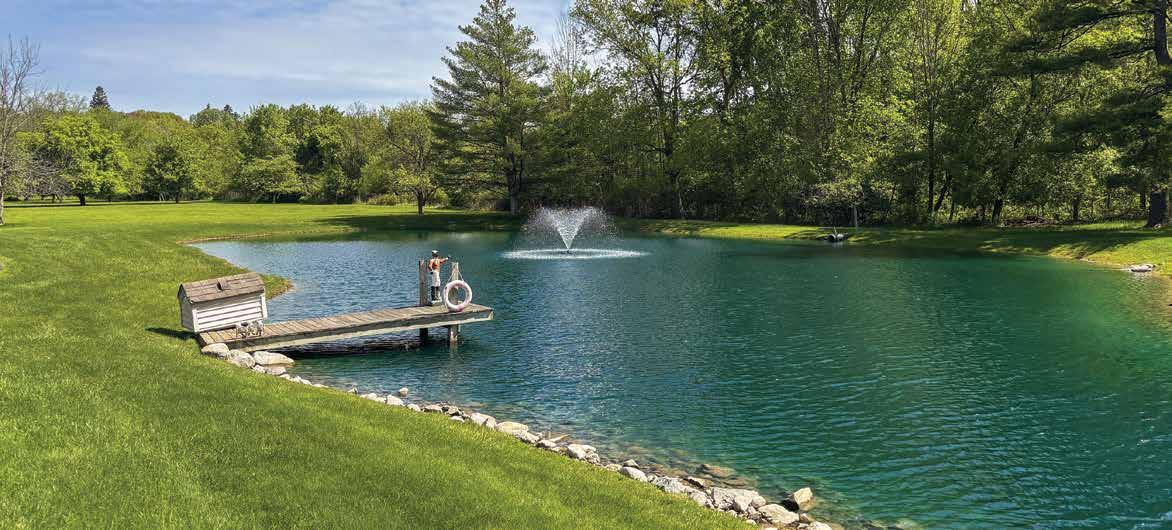
In the quiet communities and lakefront neighborhoods of southeast Michigan, the health of a pond or small lake often defines the quality of life around it. From backyard fishing spots to HOAmanaged waterways, maintaining these ecosystems requires both technical expertise and a personal touch, something Zach Goodheart has built his company around.
As founder and president of Michigan Lake & Pond, Goodheart
brings two decades of industry experience to a business rooted in both science and relationships. He entered the aquatic management field in 2005, later serving as a general manager for a Michigan-based application company and as national sales manager for one of the country’s largest aquatic herbicide distributors. Those roles exposed him to best practices nationwide and helped shape the company he leads today, one grounded in
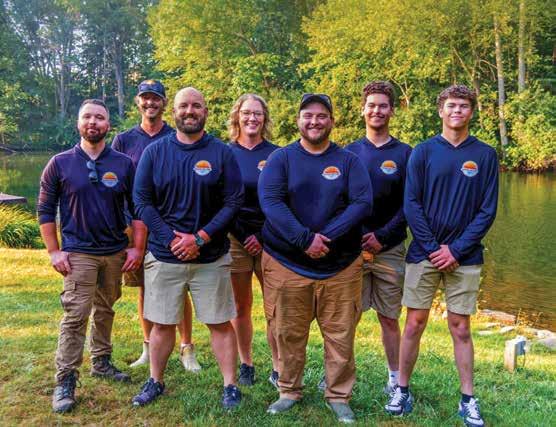
strong customer service, effective management strategies, and a deep professional network.
Based in Fenton, the family owned company services southeast Michigan along with the Bay and Thumb regions. While larger public lakes often operate under exclusive treatment permits, Michigan Lake & Pond has carved out a niche working closely with private pond owners and homeowner associations. Roughly 70% of its work focuses on ponds, with the remainder dedicated to smaller lakes.
That focus has influenced more than just logistics, it has defined the company’s approach. Working
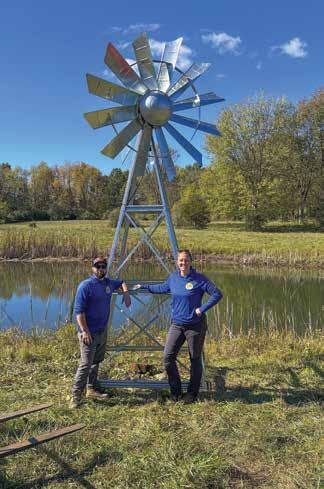
MICHIGAN LAKE & POND SPECIALIZES IN PRIVATE POND OWNERS AND HOMEOWNER ASSOCIATIONS. PONDS MAKE UP 70% OF ITS BUSINESS, WITH THE REST FOCUSED ON SMALLER LAKES.
with individual homeowners or small groups allows the team to build direct relationships, offering tailored solutions and ongoing education about waterbody health.
“Communication is one of our core strengths,” Goodheart emphasizes, and it shows in how the company collaborates with clients on longterm management plans.
Most calls the company receives stem from a common frustration: nuisance plant growth. Thick mats of algae, invasive weeds, and murky water can quickly diminish both the beauty and usability of a pond. Homeowners typically want cleaner water for aesthetic reasons, safer swimming conditions, and better recreational opportunities. To meet those needs, Michigan Lake & Pond often implements monthly service programs running from April through September, while lake management tends to follow a more flexible, survey-based approach.
Beyond plant control, water movement plays a crucial role in maintaining a healthy aquatic environment. Decorative fountains, a popular choice among property owners, provide visual appeal
while adding oxygen to the water. However, for those prioritizing ecological health, bottom aeration systems, commonly called bubblers, are often the better option. These systems circulate oxygen throughout the entire water column, supporting fish populations and reducing the likelihood of issues like winter fish kills. They can even be positioned to keep areas ice-free during colder months.
For more localized concerns, such as clearing debris near docks or swimming areas, dock-mounted water movers offer a practical solution. By pushing weeds and sediment into deeper water, they give homeowners greater control over specific sections of shoreline.
Before installing any of these systems, access to a reliable power source is a key consideration, along with deciding whether visual impact or long-term efficiency is the
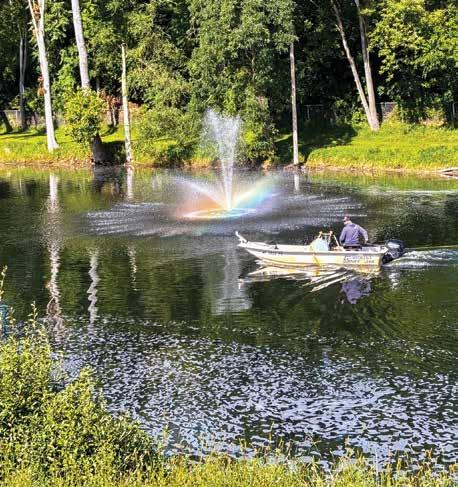
priority. Fountains, while attractive, require seasonal maintenance and winterization, whereas aeration systems tend to be lower-maintenance and can operate year-round.
At the heart of Michigan Lake & Pond’s philosophy is a proactive,
environmentally conscious approach. By focusing on nutrient control, using natural bacteria and phosphate binders, the company aims to reduce the conditions that fuel excessive plant growth, minimizing reli-
ance on herbicides and targeting only problematic species.
For Michigan property owners, that approach offers more than just cleaner water, it provides a sustainable path toward healthier, more enjoyable outdoor spaces.

On a summer morning in Michigan, the lake wakes slowly. A light mist drifts across the water, the sun climbs over the treeline and the first boat glides quietly from the dock. For many lakefront homeowners, boating isn’t just recreation, it’s part of the rhythm of life on the water. Today’s boats are evolving to match the modern lake lifestyle, blending technology, comfort and social design in ways that are transforming time on the water.
One of the most noticeable trends across Michigan’s lakes is the rise of luxury pontoons. Once considered simple cruising boats, pontoons have become floating living rooms with plush seating, high-end sound systems and integrated coolers. Many models feature wraparound loungers, adjustable captain’s chairs and extended swim platforms that make it easy to move between the water and the boat. With powerful outboard engines capable of speeds exceeding 40 miles per hour, modern pontoons combine comfort with performance, making them one of the fastest-growing segments in the boating industry.
Wake boats have also surged in popularity, especially among families who enjoy watersports. Designed
with specialized hulls and ballast systems that create larger waves, wake boats allow riders to wakeboard, wakesurf or ski behind the boat with professional-quality conditions. Digital controls allow drivers to adjust the size and shape of the wake at the push of a button, creating a customized experience for beginners and experienced riders alike.
Alongside these performancefocused vessels, a quieter revolution is happening in the form of electric boats. As battery technology improves and interest in sustainable recreation grows, more manufacturers are introducing electric-powered models designed for calm lakes and environmentally sensitive waterways.

These upgrades reflect another growing trend: entertaining on the water. Boats are increasingly designed as social spaces where families and friends gather for relaxed afternoons or sunset rides. Spacious decks, premium sound systems and built-in tables make it easy to share drinks, snacks and conversation while drifting across the lake. Marinas and boat dealerships are responding with expanded service, storage and seasonal maintenance programs for recreational boaters.
Electric boats operate almost silently, producing no direct emissions and far less vibration. For early morning cruising or sunset rides, that nearsilent operation adds a new sense of tranquility to time on the water. Comfort has become a defining theme across nearly every category of watercraft. Designers are prioritizing features that encourage longer days on the lake. Shaded canopies, built-in refrigerators, touchscreen navigation systems and ergonomic seating are becoming standard on many models. Some boats now include convertible seating that transforms into sunbeds, while integrated lighting systems create a welcoming glow for evening cruises.

Yet boating is only one part of the broader outdoor recreation culture that defines Michigan’s lakes. Many homeowners are embracing activities that begin right at the shoreline. Stand-up paddleboarding has become one of the most popular lake pastimes thanks to its accessibility and full-body workout. Early mornings often bring paddleboarders gliding across glassy water, turning the lake into a peaceful fitness studio. Kayaking and fishing remain timeless favorites, offering quieter ways to explore coves, wetlands and hidden stretches of shoreline while connecting with the natural environment.
Together, these experiences represent what lake life is truly about: the freedom to move between adventure and relaxation, all within a few steps of the dock. Whether it’s a wake boat carving waves or a paddleboard drifting across calm water, Michigan’s lakes offer endless ways to enjoy life outdoors.



Since 1991, Signet Residential has built spaces where quality, detail, and purpose come together. The Signet Signature of Quality ensures every project reflects your vision with lasting craftsmanship and design.
Whether you’re building or remodeling, our team provides a full range of design services:
• Crafting Custom Homes
• Delivering Quality Renovations
• Offering Personalized Consulting
• Interior Design Expertise

BY KEEGAN DELONEY
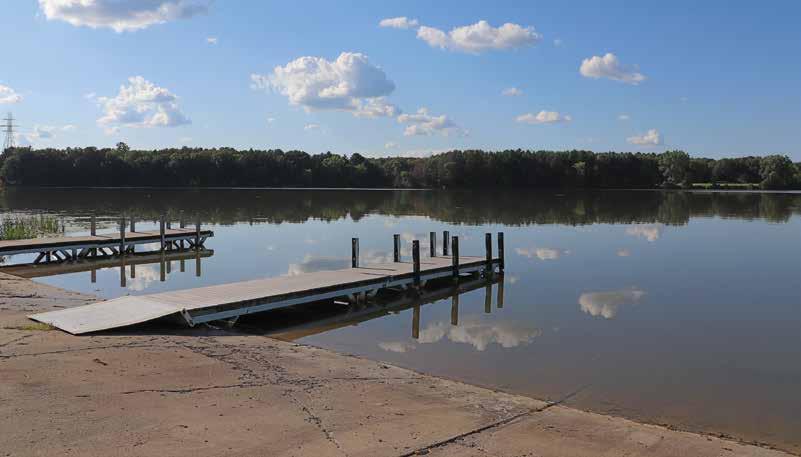
As the year grows into warm and sunny weather, time on the water is a great way to embrace it. Included below are 10 boat launches in Genesee County where you can set off with your kayaks, sailboats, and other watercraft. Just remember to follow all state boating laws and regulations while you enjoy yourselves on the water.
For any DNR launches, visit their website at www.michigan.gov/dnr/ buy-and-apply/rec-pp to learn more about the Michigan Recreation Passports necessary for entry and how to obtain them.
Bluegill Boat Launch (Flint)
Bluegill Boat Launch is open for boating, fishing, and kayak rentals. Boat launch permits for this year are valid from April through September, so remember to display them on your car window when you arrive.
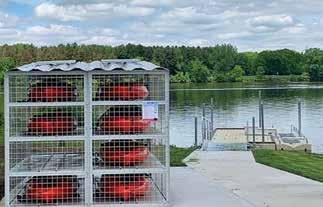
Vehicle permits may be purchased in March at the Genesee County Parks Administrative Offices during regular business hours or at the boat launches during the boating season.
→ Annual Parking Pass: $45 for residents, $60 for non-residents, $30 for seniors
→ Daily Parking Pass: $15 for vehicles, $10 for seniors
Buell Lake Boat Launch (Clio)
Just east of Buell Lake County Park is a boat launch and lake perfect for no-wake boating, kayaking, and fishing!
Byram Lake Public Boat Launch (Linden)
Located in Linden County Park, this boat launch is open for free Friday through Sunday, the last two weekends in April and the first two weekends of October. Just keep in mind that fishing is prohibited on the beach.
Lake Fenton Boat Launch (Fenton Township)
This DNR boat launch features multiple ramps and docks suited for medium-sized boats. Just make sure you have your Michigan Recreation Passport affixed to the lower right of your windshield inside your car.
craft, this DNR launch site is located roughly a mile southwest of Lobdell Lake Boathouse Marina, with a quick transport to the ramp. Just make sure you have your Michigan Recreation Passport affixed to the lower right of your windshield inside your car.
Strom Park Boat Launch (Fenton)
Need to paddle the day away? Strom Park is not only a free-to-access park, but also a kayak launch point into the Shiawassee River Water Trail.
Walleye Pike Boat Launch (Davison)
This Genesee County Park leads straight into Holloway Reservoir and offers different launch docks for kayaks and smaller boats, as well as
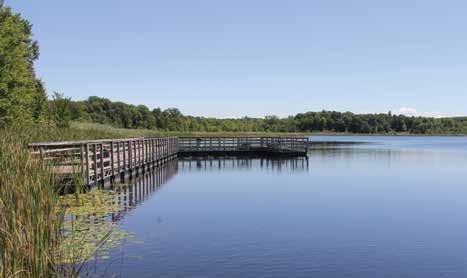
Lake Ponemah Boat Launch (Fenton Township)
Located on Eastview Drive off North Road, this DNR launch includes parking, restrooms, and a ramp suitable for medium watercraft. The only fee is your Michigan Recreation Passport.
Linden Mill Pond Launch (Linden)
Suitable as a carry-in launch point for small boats like kayaks or canoes, this pond is a great place for paddling in peace.
Lobdell Lake Boat Launch (Linden/Argentine Township)
A public launch point with a hard ramp suitable for medium water-
larger boats needing a 45-foot dock, all perfect for boating and fishing. Parking pass costs are listed below as follows, with launch fees payable April through September at the boat launch or at the Genesee County Parks Administrative Offices during regular hours.
→ Annual Parking Pass: $45 for residents, $60 for non-residents, $30 for seniors
→ Daily Parking Pass: $15 for vehicles, $10 for seniors
Zemmer Park (Lapeer)
This hidden gem of a Genesee County Park is a great place for quiet fishing and medium watercraft via gravel ramp, open 8AM to sunset daily.











Lake living in Michigan has long been rooted in tradition — summer cottages, screened porches and days measured by sunlight and shoreline. But as lifestyles evolve, so too does the way people design, use and invest in their waterfront homes. Looking ahead, the next decade of lake living will be defined by innovation, flexibility and a deeper commitment to both sustainability and year-round comfort.
One of the most significant shifts shaping the future of lake homes is a growing focus on sustainability. Homeowners are increasingly aware of their impact on the fragile ecosystems that surround inland lakes and the Great Lakes shoreline. As a result, new construction and renovations are incorporating environmentally responsible materials, energy-efficient systems and shoreline-friendly landscaping. Native plants are replacing traditional lawns
to reduce runoff, while permeable pavers help manage stormwater more effectively. Solar panels, geothermal heating and high-performance insulation are also becoming more common, allowing lake homes to reduce energy consumption without sacrificing comfort.
At the water’s edge, innovation is transforming the traditional dock. The rise of smart docks reflects a broader trend toward connected living. Today’s advanced dock systems can include integrated lighting, remote-controlled boat lifts and app-based monitoring that allows homeowners to check conditions, adjust settings or prepare for arrivals before they even reach the lake. Some systems are also designed with fluctuating water levels in mind, offering modular or adjustable components that improve durability and long-term usability.
Equally important is the shift
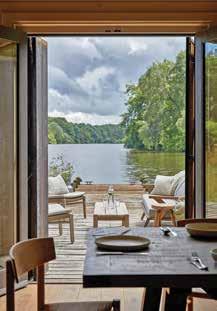
toward year-round lake homes. What was once considered a seasonal retreat is increasingly becoming a four-season residence. Advances in building technology have made it easier to design homes that remain comfortable through Michigan’s cold winters and variable spring and fall weather. Triple-pane windows, radiant floor heating and energy-efficient fireplaces allow homeowners to enjoy lake views even when the shoreline is frozen. Winter recreation, from ice fishing to cross-country skiing, adds a new dimension to lake living, extending the lifestyle well beyond summer. This transition to year-round use is closely tied to another defining trend: remote-work migration. As more professionals gain the flexibility to work from anywhere, lake communities are seeing an influx of full-time or extended-stay residents. Homes
are being designed with dedicated office spaces that maximize natural light and lake views, creating environments that support both productivity and well-being. Reliable high-speed internet, once considered a luxury in rural areas, is now essential infrastructure for modern lake living.
The blending of work and leisure is also influencing how homes are designed internally. Flexible spaces that can shift between office, guest room and recreation area are becoming increasingly valuable. Outdoor living areas are being adapted for all seasons, with covered patios, heaters and wind barriers that allow homeowners to spend more time outside regardless of the weather.
At its core, the future of lake living is about balance, between technology and nature, efficiency and comfort, solitude and connection. Michigan’s lakes will always offer an escape, but that escape is evolving into something more integrated with everyday life.
In the years ahead, the most successful lake homes will be those that honor the natural beauty of their surroundings while embracing thoughtful innovation. By combining sustainability, smart design and year-round functionality, the next generation of Michigan lake homes will not only preserve the spirit of waterfront living, they will elevate it.






















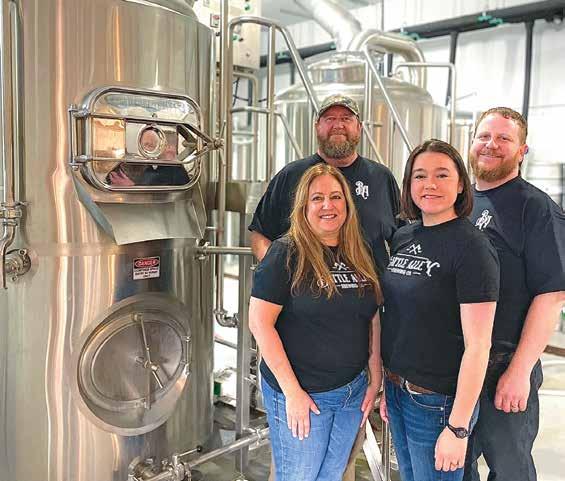
OWNERS LAURA AND DAVE ELLIOTT, ALONGSIDE BARBIE AND CORY FERNELIUS
Tucked into the historic heart of Holly, Michigan, Battle Alley Brewing Co. isn’t just another stop on the state’s ever-growing craft beer trail, it’s a place built on passion, partnership, and the simple joy of bringing people together. At the center of it all are two husband-and-wife teams: Laura and Dave Elliott, alongside Barbie and Cory Fernelius. What began as a
shared dream between two couples has evolved into a thriving, family run brewery and restaurant where every detail, on the plate and in the glass, reflects their collective vision.
The story of Battle Alley Brewing Co. is really the story of two journeys converging.
For Dave and Laura Elliott, the love of breweries dates back decades.
Fans of the craft scene since the 1980s, they always imagined owning a brewery someday. After retiring from General Motors, Dave took that dream a step further, attending brewing school with plans to enter the industry.
For Cory and Barbie Fernelius, the path was a bit more recent, but no less passionate. Their love for craft beer took hold around 2010, and by 2013, Cory had begun homebrewing. What started as a hobby quickly grew into something more serious. He co-founded the Genesee County Homebrewers group and immersed himself in the science and artistry of brewing. But for Cory, beer was never just about the process, it was about connection.
“Whenever I brewed, I’d have something on the smoker,” Cory recalls. “Friends would come over to eat, hang out, and—most importantly—help drink the beer so I could make more.”
That sense of community would later become the backbone of Battle Alley.
In 2015, Cory entered the professional brewing world, quickly rising from assistant brewer to head brewer. Along the way, he crossed paths with Dave while helping open
another brewery. After working side by side, it became clear they shared the same goal: to create a place centered on great beer, great food, and a welcoming atmosphere in a community they loved.
Battle Alley Brewing Co. was the natural result.
While Cory serves as head brewer, pitmaster, and operations lead, overseeing everything from the kitchen and taproom to events and social media, the brewery runs on a true team effort.
Dave manages finances and frontof-house scheduling, while Barbie plays a hands-on role in the taproom, ensuring every guest feels welcomed and cared for. In the kitchen, Head Chef Evan Scheller leads the culinary team, developing monthly specials and executing a menu that keeps guests coming back.
Even the extended family plays a role. Cory’s parents, Dave and Cathy Fernelius, handle maintenance, seasonal décor, and landscaping, helping create the warm, inviting atmosphere that defines the space.
While many breweries lead with beer, Battle Alley Brewing Co. proudly flips the script.

“We’re a restaurant first and a brewery second,” the team says.
The menu is rooted in scratchmade comfort food—think barbecue, burgers, stacked sandwiches, and indulgent mac and cheese. Everything is designed to be hearty, satisfying, and full of flavor.
One standout? The Battle Alley Brisket Melt, a towering creation of slow-smoked brisket, thinly sliced and piled high on toasted sourdough with melted provolone, caramelized onions, and garlic herb aioli, served alongside house-made au jus. It’s been described, fittingly, as “a grilled cheese French dip on steroids.”
Another fan favorite is the buildyour-own mac and cheese, where guests can pile on toppings to create their own comfort food masterpiece.
And while the core menu delivers classic crowd-pleasers, the kitchen’s monthly specials offer room to get creative; introducing bold, unexpected dishes that keep the experience fresh.
Behind the bar, the same philosophy applies: variety and accessibility.
Battle Alley Brewing Co. offers a wide range of house-made craft beverages, from crisp, easy-drinking light beers to hop-forward IPAs, rich stouts, sours, and reds. Standouts include the “Bevins Coast”


THE MENU IS ROOTED IN SCRATCH-MADE COMFORT FOOD—THINK BARBECUE, BURGERS, STACKED SANDWICHES, AND INDULGENT MAC AND CHEESE. EVERYTHING IS DESIGNED TO BE HEARTY, SATISFYING, AND FULL OF FLAVOR.
West Coast IPA and the B.A. Classic Light, an approachable brew designed for everyone.
Beyond beer, the beverage program continues to expand. Guests will find house-made ciders, eight flavors of seltzers, wine, and a growing lineup of non-alcoholic options.
Among them is the Back Alley Soda Company, featuring craft sodas made in-house. The flagship,


Perhaps the most distinctive event is their annual anniversary celebration, to be held May 16. Each year, the party leans into the lore of Holly’s historic district with a playful circus theme, complete with creative food specials and unique beer releases.
This year’s highlight? A bold 16% blood orange IPA, alongside a lineup of specialty taps designed to mark the occasion in unforgettable fashion.
E & D’s Old Fashioned Root Beer, holds special meaning, created by Cory alongside his daughter, Ellery.
Battle Alley’s atmosphere is as important as its menu. Designed to be family friendly and relaxed, it’s equally suited for casual dinners, game days (thanks to multiple bigscreen TVs), or private events.
From birthday parties and wedding rehearsal dinners to celebrations of life, the space has become a go-to gathering place for the surrounding communities, just minutes from Fenton and Grand Blanc.
The team also hosts regular events throughout the year, reinforcing their commitment to creating experiences, not just meals.
At its core, Battle Alley Brewing Co. is about more than food and drink. It’s about the moments that happen around them—the conversations, the laughter, the sense of belonging.
It’s the result of years of dreaming, learning, and building, brought to life by a family dedicated to creating something meaningful for their community.
Whether you come for the brisket, the beer, or the atmosphere, one thing is certain: at Battle Alley Brewing Co., you’re not just a customer, you’re part of the story.
Battle Alley Brewing Co. is at 806 N. Saginaw St., Holly, Michigan. Phone: 248-382-5004. Visit: Craft Brewery & Restaurant | Holly, MI Local Bar & BBQ Food
Presented by




Kingsley Pace is a senior at Goodrich High School. In addition to academics and athletics, she manages the Martian Student Section social media page. “I love being part of creating memorable moments and sharing school spirit,” she said.
What are your favorite classes? Film Appreciation!
What sports are you active in?
I have played volleyball for Goodrich High School and on the club team for the last four years. I also play varsity tennis for Goodrich. I love to ski and golf for fun, too!
What do you like most about Goodrich schools?
I love our small community and the family like atmosphere. Our school is special in that way. There are so many amazing families who take care of each other and make you feel loved.


Who has been most influential in your life?
My coach, Jackie. I faced some challenges during my senior season, and she pushed me because she knew what I was capable of. I changed positions because it was needed for the team, and it was an experience that taught me so much about myself. I accomplished some lofty goals, and her pride in me at the end made me feel incredibly proud of myself.
Do you have a college picked out, or do you plan to do something different?
I am a dual-enrolled student and have completed a majority of my prerequisites. However, I am still deciding which school I will attend in the fall. I plan to study Fashion Management.
Where do you see yourself career-wise in 10 years?
I’d love to be working as a buyer for a major retailer. I hope to travel the world and find all
the best beaches. I will no doubt be living life to its fullest with my family and friends.
What advice would you give to freshmen entering high school?
Get close now, don’t wait! Be welcoming and inclusive. Don’t be afraid to take safe chances. Make the memories!
Is there anything else you’d want to share about being a senior at Goodrich High School?
The year goes by so fast—savor it.
SCAN HERE!
Do you know a standout student in athletics, academics or the arts? Nominate them to be featured in an upcoming issue!







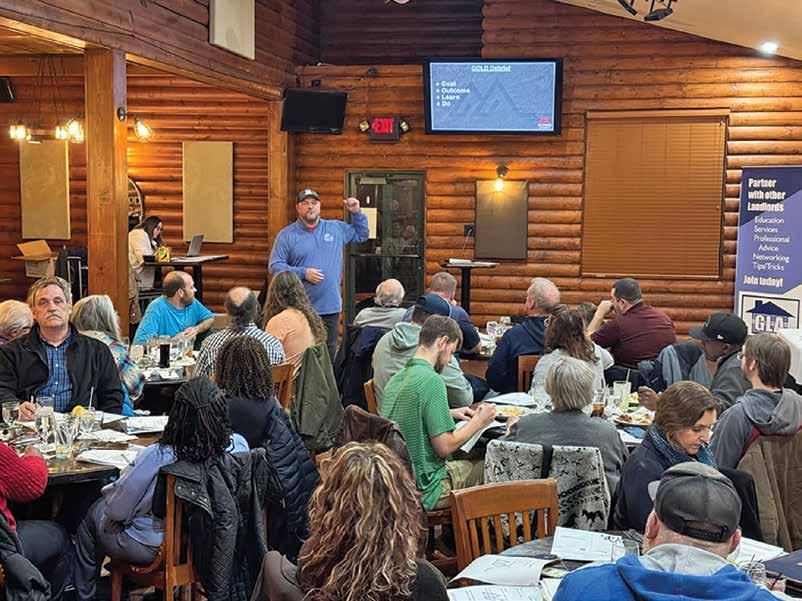
For more than five decades, the Genesee Landlords Association (GLA) has served as a steady voice for property owners in Genesee County, championing their interests, providing critical resources, and fostering a strong sense of community.
Founded in 1974 under the leadership of its first president, Emery Wenzel, the association began as a grassroots response to proposed licensing and rental inspection requirements in the city of Flint. With modest seed funding and a clear mission, a small group of landlords came together to ensure their voices would be heard.
That mission quickly gained traction. The organization’s first meeting, held at the Board of Realtors office on Court Street, drew a full room and resulted in approximately 30 founding members. From the beginning, GLA established a tradition of monthly meetings featuring guest speakers, while also actively advocating on behalf of landlords at the local level.
By May 1978, the association had formally incorporated as a nonprofit. Membership grew steadily in the years that followed, eventually peaking at around 700 members. Today, GLA maintains an engaged base of
nearly 300 members, continuing its work with the same commitment that defined its early years.
Among those who have shaped the organization’s legacy is Terry Hanson, a founding member who has served in multiple leadership roles, including president, and currently holds the position of treasurer. His long-standing involvement reflects the continuity and dedication that have helped sustain the association over time.
At its core, GLA is guided by three central pillars: education, advocacy, and camaraderie. The organization equips landlords
GLA hosts two regular meetings each month to keep members informed and engaged
with up-to-date knowledge on industry trends and best practices, advocates against policies that may negatively impact property owners, and creates opportunities for members to connect and support one another.
One of the association’s most valuable tools is its extensive database of landlord-tenant court records in Genesee County. Updated monthly and containing more than 10,000 entries, this resource helps landlords make informed decisions when screening prospective tenants. Members also have access to credit reporting services, legal forms, and experienced guidance to help navigate the complexities of property management.
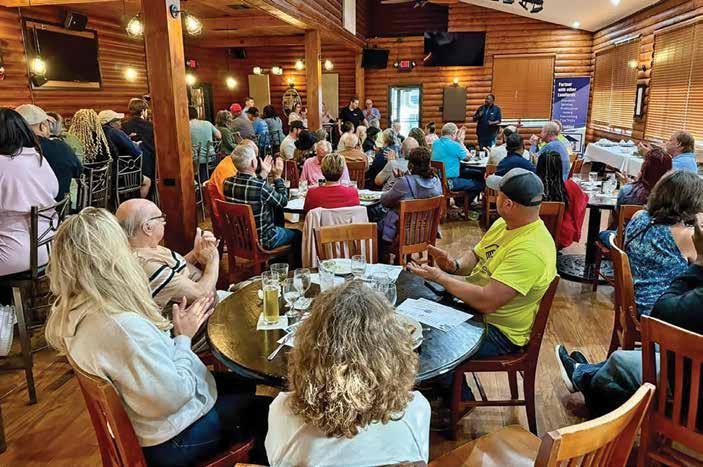
GLA hosts two regular meetings each month to keep members informed and engaged. An evening meeting at Redwood Steak House in Flint offers attendees a complimentary meal alongside presentations from expert speakers. A second, more informal morning gathering at IHOP on Miller Road provides an additional forum for discussion and networking. Prospec-


tive members are invited to attend up to two meetings at no cost.
Beyond its regular programming, the association organizes an annual Vendor Appreciation Night, an event that connects landlords with contractors and service providers in a relaxed, no-cost setting. Members also receive a monthly newsletter covering industry updates, legal developments, and organizational news. Through its affiliations with state and national real estate investment organizations, GLA provides access to additional training and educational opportunities.
Like many in the housing sector, GLA members face ongoing challenges. Hanson notes that concerns around inspection practices and regulatory compliance remain top of mind. He emphasizes the importance of thorough tenant screening, encouraging landlords to utilize available tools such as court records, credit reports, and references.
GLA’s membership reflects a broad spectrum of experience, from individuals exploring their first investment property to seasoned professionals managing large portfolios of up to 2,500 units. This diversity contributes to the association’s collaborative environment, where knowledge-sharing is a key benefit.
Membership also includes practical advantages, such as discounts from major suppliers, insurance providers, tenant screening services, and self-directed IRA programs.
As the housing landscape continues to evolve, the Genesee Landlords Association remains a trusted resource and unified voice for property owners throughout the region, grounded in its history, yet focused firmly on the future.
For more information, contact the GLA office at 810-767-3080. Hanson can be reached at 810-767-2500.
How and when did you first meet?
We were working in the same building but didn’t really know each other. We started playing an online trivia game on our phones against each other and became friends. That eventually turned into going to lunch together all the time, and after a few months, I finally agreed to go on a date with him.
Tell us about the proposal
It wasn’t very romantic, but it was very us. We had been to-
gether for almost a year, and one day while we were driving down the road, Jeremy mentioned that we should buy a house together. I laughed and said I would never buy a house with someone if we weren’t married. He said, “Okay, let’s get married,” and I said, “Okay.” Before I knew it, we had picked out a ring and started wedding planning and house hunting.
Tell us about the wedding
The thought of walking down an aisle terrified me. I wanted all



the fun of a wedding, but not the stress of everyone watching our ceremony. We ended up having a small wedding in the backyard of our new house with just our closest friends and family members. The next day, we had a traditional reception with bridesmaids and everything—and we had a blast.

What do you cherish most about each other?
My favorite thing about us is how easy it is to be together. We’ve always had a strong mutual love and respect for one another, which has helped us work together and overcome life’s obstacles.
HAVE A LOVE STORY THAT DESERVES THE SPOTLIGHT?
Apply now to be featured.
Scan the QR code to submit your story.







BY MARK SPEZIA
PHOTOS PROVIDED BY WILDFLOWER PHOTOGRAPHY AND MCINCHAK FAMILY PHOTOGRAPHY
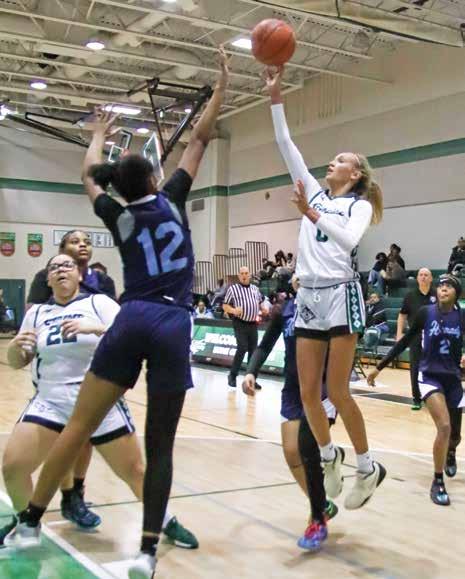
Every point Averie Zinn scored against visiting Clio on Jan. 14 sent the crowd at Genesee High School into more of a frenzy. They were about to witness history, after all.
Many were perfectly dressed for the occasion, wearing T-shirts with the words “In Zinn We Trust” and her picture on the front. The back read “2000 Points.”


Averie Zinn, a three-time firstteam All-State guard whose name litters the Michigan high school girls basketball record book, entered the game 19 points shy of becoming just the third Genesee County girls player to reach 2,000 career points. During the second quarter, the senior achieved the milestone in a manner so typical of her fierce competitive nature.
Anticipating Clio’s next move, she rushed forward, knocking down a pass attempt near the top of the three-point line and securing possession of the ball. Cheering seemed to grow ever louder as Averie, all alone, dribbled toward the basket. The crowd erupted when she left her feet for an easy layup.
Teammate Kaprice Miner was the first to embrace Averie when
she came back down. Soon, the rest of Averie’s teammates were swarming her. Next, her father and Genesee head coach Mike Zinn met his daughter on the court for a heartwarming, congratulatory hug. The longest embrace, however, was reserved for her mother, Megan, also the Wolves’ assistant coach.
“Averie has always been one of those kids who wants to conquer everything she does, which led to the hard work and determination that are a big reason for everything she’s accomplished,” Mike Zinn said. “Averie’s other-level dribbling and court vision set her apart because she sees things other high school players don’t see on the floor, like little gaps and openings.”
The 5-foot-10 Averie, a four-year varsity starter, continued climbing the state’s career scoring list. On Feb. 3, the Genesee crowd again went berserk when she reached
The crowd erupted when she left her feet for an easy layup.
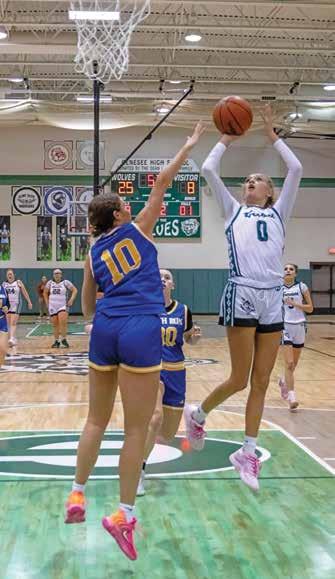
2,308 points during a win over Flint Beecher, surpassing former Flint Northwestern standout, University of Tennessee All-American and WNBA All-Star Tonya Edwards as Genesee County’s all-time leading scorer.
Averie finished the season with 983 points and her career with 2,676. Only one girl in state history has scored more points in a season and just three have managed more career points.
When the Wolves captured their second straight district title with a win over International Academy of Flint, Averie surpassed former Burton Atherton standout Deborah Stevens to become the state’s all-time steals leader, finishing her career with 692. Averie’s 240 steals this season is the second-highest total ever and she ranks sixth for most steals in a game (18). She finished fifth in state history in career free throws (529) and tied for sixth in free throws made during a single season (192 in 2024-25).
Along the way, she broke several school records previously held by older sister Ryleigh Zinn, a 2023 Genesee graduate who now plays for Mott Community College.
“Growing up watching my sister establish those records, I knew I had some shoes to fill when she graduated, but I was really motivated by wanting to break all of her records and I let her know that,” Averie said. “I just kept going once I did break them and worked toward setting all-time records for the Flint area. This has been about all my hard work showing up on the court, but to move past somebody like Tonya Edwards is pretty incredible.”
Among many other marks, Averie also boasts Genesee County records for points in a quarter (22 against International Academy of Flint in December) and a game (57 against Flint New Standard in January). Only one other girls player has scored more points in a quarter in state history. Averie’s 57
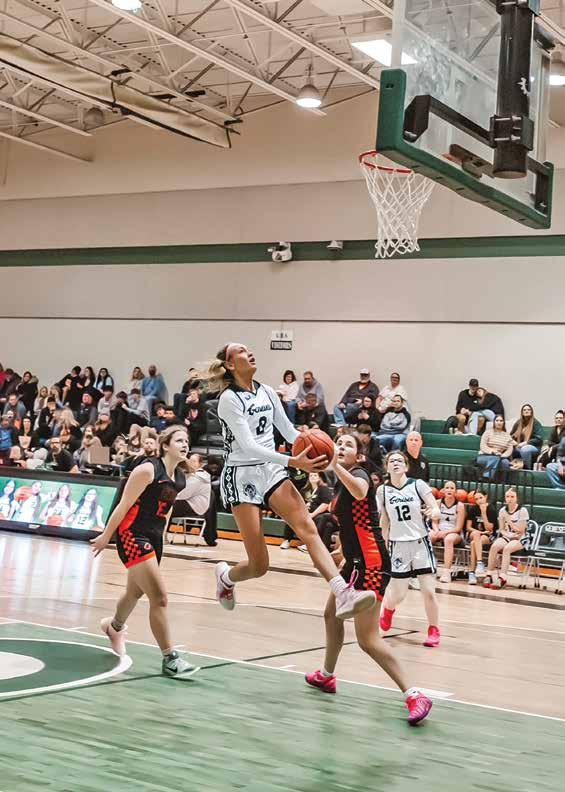
points is the seventh-highest singlegame total ever.
“Obviously, I could not be prouder of Averie as a dad and coach because she has earned all the records and recognition,” Mike said.
That continuous drive for improvement made Averie more productive than ever this season. She averaged 39.3 points, nearly seven more than last season, 9.6 steals, 7.4 rebounds, 4.2 assists and 1.1 blocked shots per game as Genesee finished with an 18-7 record and a Genesee Area Conference championship.
There is no denying all the factors responsible for Averie’s success, beginning with her teammates.
“None of this is going to happen without the great teammates, which
I’m lucky to have,” she said. “They will steal and get the ball to me or we’ll trap together (on defense) and force turnovers which lead to scoring opportunities.”
Averie’s most productive teammates this season were Reginae Randle, who averaged a team-best 13.1 rebounds per game along with 6.2 points. Miner averaged 7.8 points. Averie was named firstteam All-Genesee Area Conference for the third straight year while Randle and Miner also made the first team. Kiera Little and Rebekah Jones were named to the second team and Anijah Jones was honorable mention.
The Zinns have spent past springs and summers commuting to Fort Wayne, Indiana, so Averie
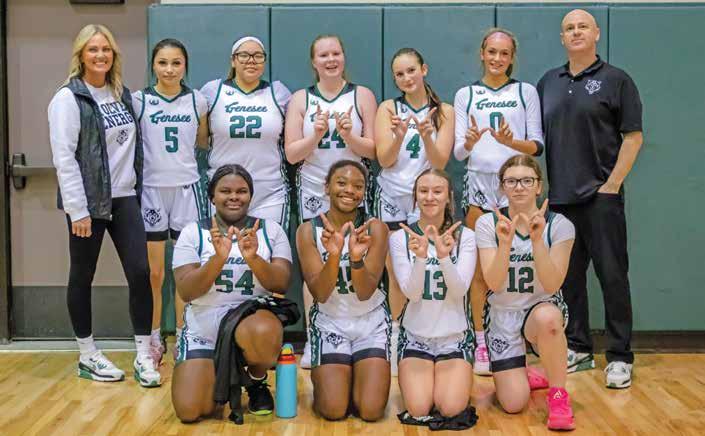
could be part of the Always 100 AAU program. “Always 100 has really done so much for my game and helped build me into a stronger player,” she said. “It’s certainly a different kind of basketball down there. Working with the coaches and playing games against other AAU programs has really shaped me as a player.”
Mike Zinn especially credits Always 100 coach Chris Paul, also the former head coach at NCAA Division I Indiana-Purdue Fort Wayne. “When Averie started at Always 100 she was a 15-year-old on a team of 17-year-olds trying to find her way,” he said. “Coach Paul had his established offensive players but pushed Averie to perfect her defense and that’s how she found her way to the court during games.”
Averie has also worked regularly with trainer and Beecher legend Malik Ellison since her sophomore year with a focus on utilizing her size and further elevating her game.
“As she grew older, Averie wanted to hear from different voices about how to become better
and Malik is a big voice,” Mike said. “He works Averie hard, but you can see how much that is paying off for her.”
Averie, also a three-year varsity volleyball player, finds time to squeeze in sessions of putting up 500 shots as well.
Mike Zinn fondly recalls how Averie’s passion for the sport was ignited from the time she hit her first basket playing in a co-ed league while in second grade. Roughly a year later, he was almost in disbelief watching her execute a spider drill, a high-repetition ball-handling exercise involving dribbling the basketball in a frontfront-back-back pattern.
“Averie became a basketball guru from that first game in the co-ed league, eagerly learning everything she could,” Mike said. “I posted a video of her doing the spider drill on social media and people responded about how crazy it was to see Averie doing that at such a young age. I knew right then how special she could be.”
High school sweethearts Mike and Megan Zinn both played for Genesee as well. Megan helped
“None of this is going to happen without the great teammates, which I’m lucky to have.”
- Averie Zinn
the Wolves capture a district title in 1996. They didn’t win another until Ryleigh’s junior season in 2022. Mallory (Zelley) McCreedy, Averie’s aunt, was an honorable mention All-Stater in 2003 and 2004.
“My family certainly gave me plenty of role models to look up to and see what level I wanted to be at and then exceed,” Averie said. “My family is competitive when it comes to, well, everything. I’ve always been impressed by Ryleigh, who is my best friend, and having two coaches at home with my parents has been big for me too.”
After earning second-team AllGAC honors as a freshman while teammates with Ryleigh, Averie blossomed as a sophomore, averaging 30.2 points, 8.1 steals, 7.0 rebounds and 3.5 assists per game. Last season, she averaged 32.7 points, 8.4 steals, 6.7 rebounds and 3.6 assists while leading the Wolves to a 17-9 record and a regional championship game berth.
Averie, who does not turn 18 until October, is taking her talents to NCAA Division II Wayne State University. She committed
to the Warriors last summer but first caught the attention of head coach Carrie Lohr as an eighth grader while draining long 3-pointers during a team camp. Averie drew interest from several Division I programs, especially Ball State University, before choosing Wayne State, which has made the Division II national tournament six times since 2013.
The Warriors will need to replace four of their top five scorers next season. “The potential to play right away and getting a full-ride scholarship offer made Wayne State the best fit for me,” she said. “Coach Lohr has always been so welcoming, and I already feel like Wayne State is my home away from home.”
Averie will begin working with assistant coach Andy Ayrault and her new teammates this summer.
“Wayne State is perfect for Averie because the ultimate goal when choosing a college is finding a place where you feel comfortable and not like a number,” Mike said. “Sometimes, at bigger schools, you commit and then don’t hear from the coaching staff for a long time, but coach Lohr has stayed in constant contact. It’s also a good situation playing-time wise and we love that it’s so close to home.”

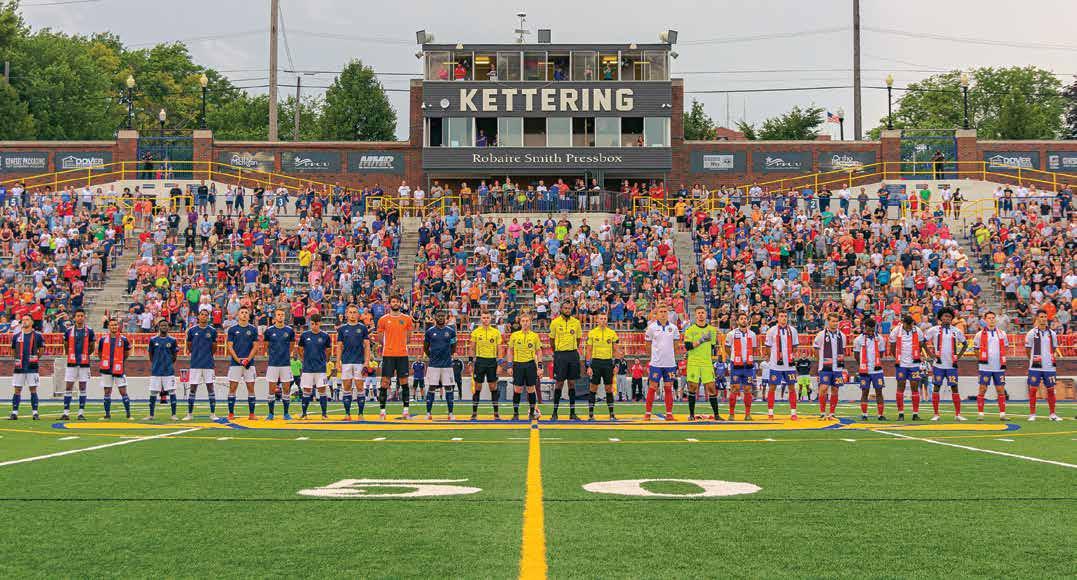
BY GARY FISHER
PHOTOS COURTESY OF GENESEE COUNTY HISTORICAL SOCIETY
The rich history of Flint sports is well known across the country. From Ricky Leach, Glen Rice, and Jimmy Abbott to Mateen Cleaves, Grant Fisher, Geena Gall Levoe, Pam Stockon Brady, Deanna Nolan, Claressa Shields, and Mark Ingram Jr., it’s an unbelievably long and distinguished list — almost hard to believe for a city the size of Flint and Genesee County.
Recently, the U.S. Olympic hockey gold medal reminded Flintarea sports fans of our connection to the great “Miracle on Ice” team of 1980, led by Flintstone Ken Morrow, and reignited discussion about

Flint sports history. Morrow, in fact, credits his Flint heritage with developing the innate toughness that led not only to his gold medal, but also to an astounding four straight Stanley Cups that followed.
Flint has dominated in everything from roller skating competition (in the late ’70s, Flint was the dominant national leader) to motorcycle racing, with a string of world champions like Bart Markel, Scotty Parker, and Jay Springsteen, and even race car champions going all the way back to Louis Chevrolet and “Wild Bob” Burman with the old Buick Racing Team, and more recently Erik Jones in NASCAR.


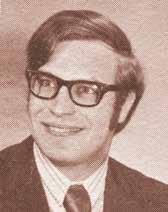
Despite this outsized history, there is one local sport that is often left out of the conversation. That’s kind of strange because it happens to be the most popular sport on the planet, and the Flint area has been very good at it for a long time: football—not the American kind, but the kind the rest of the world plays, the sport we call soccer.
The history of the game is long and proud in Flint, and it starts pretty much where all sports in Flint took off, with General Motors teams. When the factories began to grow, they needed workers, and they needed them fast. This included a significant influx from the South and from Europe. Into this melting pot, sports entered the scene as the ultimate team-building social lubricant.
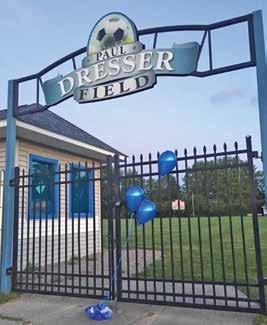
Mengle brought a deep knowledge of the game rooted in European traditions and helped introduce more structured, technical approaches to soccer in the Flint area.
The infrastructure and culture they created paved the way for the growth of all sports at the factory level, including soccer. By the 1960s and beyond, Flint already had a well-established recreation system in place. This made it possible for soccer programs like the Olympian Games and CANUSA Games to thrive, offering structured competition and international exposure to young athletes. Soccer benefited from this environment, as it easily integrated into an existing network of leagues, facilities, and community support.
Into this foundation came several pioneers of Flint-area soccer. One of the first was Gerhard Mengle. He is one of the most important behind-the-scenes figures in the history of soccer in Flint and Genesee County. While he isn’t widely known outside the region, his local impact is significant, especially in building the structure that allowed soccer to grow. Mengle was part of the wave of European influence on American soccer, which is key to understanding his role. The community also supported the sport significantly, especially the heavily European St. John’s neighborhood, situated in a pie shape between the sprawling Buick plant, the Flint River, and the East Side just across the river. Mengle brought a deep knowledge of the game rooted in European traditions and helped
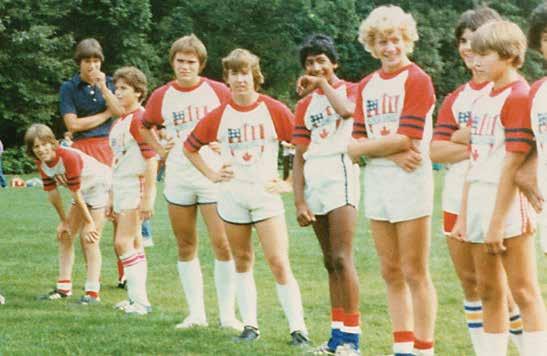
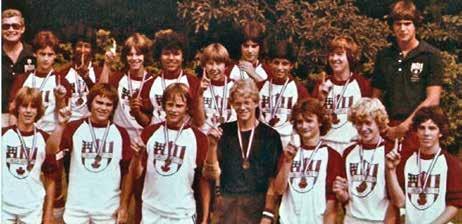
introduce more structured, technical approaches to soccer in the Flint area. Much of the expertise came from immigrants and first-generation Americans. Mengle’s biggest contribution wasn’t as a player; it was as a builder and organizer. He was heavily involved in establishing local soccer clubs and leagues, promoting youth participation in summer soccer, and supporting the integration of soccer into existing recreation systems.
As the sport grew, it was powered by youth soccer, including summer teams that evolved into Olympian Games competitors and ultimately CANUSA all-star teams that competed against Canadian all-stars from Hamilton, Ontario. The international, Olympic-style competition pitting Flint against Canada included many sports, but it wasn’t until 1976 that Flint finally broke through with its first victory. And it wasn’t just a win, it was a dominant performance at
Flint’s premier sports venue, Atwood Stadium. The Flint side did not allow a single shot on goal. Despite being a youth-level win, it was a major turning point, showing that Flint was catching up with the Canadians. The leader of that team was a young soccer standout named Tom Saxton, who would go on to have even more influence on the local game than anyone before him. A graduate of Flint Northern, Saxton had been traveling throughout the Flint Community Schools system teaching soccer skills at elementary schools. He was tasked with coaching that CANUSA team and many more to follow. Saxton would later lead the Michigan State University women’s team for more than 30 years.
Youth soccer became a vibrant part of the city’s sports scene, largely led by Community School Directors (CSDs) like Dave Babieracki at Washington Elementary and Eisenhower schools. He also created the
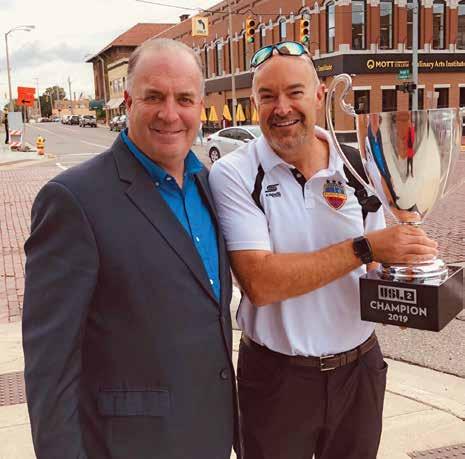
area’s first soccer-specific athletic supply store, Kick It Around Sporting Goods. Travel soccer marked the next stage of growth, led by the Concordia ’76 teams and Flint Sports Soccer Club. These squads brought together the best players in the county and competed against top teams from the Detroit area.
In 1980, the Flint Sports Soccer Club, led by coach Stan James, finished second in a tough metro Detroit league, losing 2–1 to a strong squad made up entirely of foreign-born players, predominantly from Ukraine. That result


championship. His program also produced professional players Greg Robertson, Jeff Dresser, and Rob Collins.


signaled a significant rise in talent level. That same year saw the first city school soccer teams, with Whittier Junior High, coached by Mike Wilson, finishing unbeaten and unscored upon.
Up to that point, many of the best soccer players in Genesee County came from the inner city of Flint. However, Flint did not have varsity soccer at the high school level. That changed in the 1980s when suburban schools like Carman and Grand Blanc established strong programs. That effort was led by coaches including Rick Trainor, Doug Burroughs, Ken Cole, Jim Whitinger, and most notably Paul Dresser.
According to Andy Zinn, who grew up in the Flint soccer system and played at Carman under Dresser, “Paul Dresser was the driving force in bringing soccer to the Carman community. He developed the youth program for all ages and formed both the boys’ and girls’ teams. He was incredibly influential.” Zinn later captained the Central Michigan University soccer team.
Dresser’s influence was so impactful that Carman captured the 1980 Michigan state soccer
The quality of players from the area increased significantly in the 1980s. The 1981 Flint CANUSA 16-and-under team featured eight players who earned college scholarships and four who captained their teams. That squad was so strong that even backup goalkeeper Xan Garlick went on to become a starter at Dartmouth.
Top players included Tom Doherty, who won a national championship at Indiana, and Kris Sirchio, who won a national title at Duke. The growing talent pool also produced Mali Walton of Flint Northern, the only area soccer player enshrined in the Greater Flint Area Sports Hall of Fame. Other standout teams included the Lady Strikers, a premier women’s team at both the local and travel levels for nearly a decade.
Walton later played for the Flint City Bucks, where his legacy is still celebrated, and he now serves as a coach. The Bucks represent the professional culmination of Flint’s


soccer history. Founded in 1995 as the Mid-Michigan Bucks, the team eventually moved to Flint. The rebrand to “Flint City” included a new logo featuring an arrowhead, honoring the city’s automotive heritage.
The franchise has won four national championships, 17 division titles, and 11 conference championships. In 2019, they delivered a defining Flint soccer moment with a national championship in front of nearly 8,000 fans at Atwood Stadium. Since then, Flint City AFC has been established as a women’s pre-professional team, also playing at Atwood.
Flint and Genesee County soccer might not be the first sport that comes to mind when people think of the area’s athletic legacy, but it is certainly worthy of being included in the conversation when discussing the very best.
Gary L. “Fish” Fisher is President of the Genesee County Historical Society. Born and raised in Flint, he has lived in the area most of his life and his family has been a part of the Flint area for over 115 years. His fascination with the history of the city has existed as long as he can remember. In addition to writing, he is the President of G.L. Fisher Capital Management, LLC , an investment and financial planning firm he founded in 1992. He asserts that Flint has produced the best cars, athletes and coney islands the world has ever known – and the toughest people! Fisher can be reached at ply2win2006@aol.com.
When it comes to money, you need someone you trust. Someone like Jason.
At ELGA Credit Union, our people are the ones that make a difference. They’re here for our members. They take the time. And they’re always ready to help.
Meet Jason today.
Jason Wilson Branch Manager, Burton



COMPILED BY KAREN PIACENTINI






May is the perfect time to rediscover the simple pleasure of reading. As spring settles in and summer approaches, life slows just enough for quiet moments. Warmer days, blooming trees, and longer evenings invite us to step outside, open a book, and unwind. Reading this time of year feels different. Whether on a porch, in a park, or on a beach towel, it becomes less about rushing and more about savoring stories. In a busy season, reading offers a gentle pause. It lets the mind wander as the world comes alive, making books simple, calming companions.


AsMay arrives in Michigan, the crisp spring air begins to carry the faint, unmistakable scent of freshwater. It is the unofficial starting gun for the Great Lakes boating season. After months of heavy coats and snow boots, Michiganders are ready to trade their parkas for nautical ropes, crisp navy-and-white stripes, and pops of vibrant red. This transition isn’t just about getting the boat in the water; it’s a lifestyle shift that brings the spirit of the shore into our homes and wardrobes.
BY SHANNON WHITE




The return to “Lake Life” begins with a visual palette as classic as a sunset over Lake Michigan. To truly embrace the festive spirit of the season, look no further than the iconic American hues of red, white, and blue.
For those chilly mornings on the dock or sunset cruises, a nautical sweater from



Pink Pineapple is a Michigan essential. Known for whimsical yet classic designs, these knits, often featuring anchors or bold stripes, provide the perfect layer against the lingering lake breeze. Carry a canvas boat tote packed with an insulated tumbler for drinks, and bring along a white or blue jean jacket to toss over a red or navy dress, white pants (a May-approved staple), or a great T-shirt to keep up with Michigan’s ever-changing seasonal weather.
Accessorizing the look requires a nod to the craftsmanship of the sea. Nautical rope bracelets from Allison Cole, sold at SHIFT in Fenton, offer a refined take on sailor’s knots. Handbraided and available in a variety of coastal colorways, these bracelets serve as a wearable reminder of the rigging and lines that define a day on the water.
WHETHER YOU’RE HOSTING BRUNCH ON THE PATIO OR DINNER IN THE GALLEY, YOUR DÉCOR SHOULD REFLECT THE RUGGED ELEGANCE OF MICHIGAN’S COASTLINE.
Bringing the nautical theme home is all about the details.
Whether you’re hosting brunch on the patio or dinner in the galley, your décor should reflect the rugged elegance of Michigan’s coastline.
Start with your table setting. TAG brand napkins are a fantastic way to introduce texture and pattern. Opt for linen or cotton collections featuring nautical plaids, Americana handkerchief prints, or subtle maritime motifs. These high-quality linens ground the table, making even a casual lunch feel like a celebration of the season.
If you’re a fan of paper napkins, choose boats and buoys to stay on theme, and grill your favorite dishes with a matching printed apron. Serve cocktails with buoy stir sticks, or skewer garnishes and meal accompaniments with buoy picks for a playful finishing touch.
To complete the “Festive Lake Life” aesthetic, incorporate décor inspired by the functional beauty of the harbor.
In Michigan, May is more than a month, it’s a mood. It’s the sound of canvas snapping in the wind and the sight of the first sails on the horizon. By surrounding ourselves with the colors of the flag and the textures of the sea, we bridge the gap between the last thaw and the long, sundrenched days of July.
Whether you’re outfitting your cottage or refreshing





your suburban living room, these nautical touches evoke the freedom of the open water. This season, let red, white, and blue guide you toward a summer filled with “Pure Michigan” memories. Grab your sweater, snap on your rope bracelet, and get ready—the lake is calling.

Bruno may be 5 years old, but his heart is as young and loving as ever. This handsome pit mix is patiently waiting for someone to give him the second chance he truly deserves. He is already neutered, up to date on all of his vaccinations, and ready to become a devoted companion. Bruno’s adoption fee is $125, and every bit of it helps support animals just like him who are waiting for a new beginning.
Bruno is the kind of dog who will greet you with a wagging tail and a gentle personality. He enjoys spending time with people, soaking up attention, and simply being near the ones he loves. Whether it’s going for a walk, relaxing at home, or just being your loyal best friend, Bruno is ready to make someone’s life a little brighter.
Right now, Bruno is also bravely going through treatment for heartworm disease. Heartworm is a serious but treatable condition caused by worms that live in a dog’s heart, lungs, and blood vessels. It is spread through mosquito bites, which means even well-cared-for dogs can become infected. Without treatment, heartworm can damage the heart and lungs over time. The good news is that, with proper veterinary care and medication, many dogs recover and go on to live happy, healthy lives.
Bruno is currently receiving the care he needs and would benefit greatly from a loving home while he continues his journey to recovery.

Bruno’s story is exactly why awareness matters, especially with National Rescue Dog Day coming up on May 20. This special day reminds us of the thousands of incredible dogs in shelters who are simply waiting for someone to see how special they truly are. Rescue dogs like Bruno are loving, grateful, and ready to give their whole hearts to the right person.
If you’ve been thinking about adding a dog to your family, consider giving Bruno the forever home he deserves. He has so much love left to give, and with the right person by his side, his best days are still ahead of him.
Every shelter animal has a story ... Let’s change their ending.
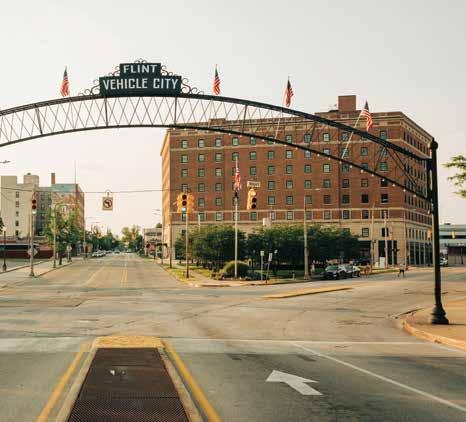
7 Adult & Teen Nature Workshop: Planning a Raingarden
Presented by Genesee County Parks at For-Mar Nature Preserve and Arboretum 6-8PM. $5 per person.
8 Flint Artwalk
Presented by Greater Flint Arts Council at Flint’s Downtown Entertainment District. Recurring monthly on 2nd Friday
8-10 Mother’s Day Bounce Bash
Presented by Mundy Sportsplex, Flint 10AM-7PM. Fun activities for family and friends. $10 each, kids 0-1 free.
9 Mom & Me: Nature Treasure Hunt
Presented by Genesee County Parks at For-Mar Nature Preserve & Arboretum 1-3PM. $5 per person.


16
FIM Flint Symphony Orchestra: Mystery & Reverie

13
Fenton Winery & Brewery Fundraiser
Presented by Golden Retriever Rescue of Michigan Tickets $30. Cash bar. Bring your Golden or any pup with a Golden heart. Mingle, sip, and enjoy a fun night with fellow dog lovers. 6PM
15 Frog and Toad Night Hike
Presented by Genesee County Parks at For-Mar Nature Preserve & Arboretum 8:30-9:30PM. Free. Pre-registration required.
Presented by Flint Institute of Music at The Whiting. Final concert of classical series features Abdiel Vazquez, piano and the Flint Symphony Chorus. 7:30PM
Spring Into Fitness
Presented by Powered by Grace Community-centered 5K run/walk to bring people together through faith and fitness. Price $25-$45. 9:30AM-1PM
22
DeRay Davis
Presented by FIM at The Capitol Theatre DeRay Davis has developed and honed a hip, sardonic, streetwise mentality and parlayed it into the comedy club circuit. 8PM
23
Clio Can Do Freedom 4 Veterans Race
Run/Walk 4 mile course or walk 1-mile course around Clio. Proceeds benefit five local nonprofits helping children and families. 9AM

23-25
Honoring American Veterans: Opening Weekend
Presented by Genesee County Parks at Crossroads Village & Huckleberry Railroad. 11AM-5PM
25
Fenton Memorial Day Parade
Presented by Fenton VFW, 10AM Linden Memorial Day Parade
Presented by Linden VFW, 10AM Burton Memorial Day Parade, 2PM
Holly Memorial Day Parade
10AM to Lakeside Cemetery Davison Memorial Day Parade
10:30AM
29
Randy Houser
Presented by FIM at The Capitol Theatre With an inimitable voice, Randy Houser has racked up more than one billion streams with his country hits. 8PM
Mott Foundation Centennial Family Fun Days at the Flint Cultural Center Campus. The Charles Stewart Mott Foundation and the Flint Cultural Center invites the Flint community for a weekend full of fun and celebration.
BY ERIN MORRIS
DO YOU EVER LOOK IN AWE AT THE EXPANSE OF THE NIGHT SKY THAT STRETCHES BEYOND HUMAN COMPREHENSION?

Have you viewed pictures from the Hubble Telescope, like the Tapestry of Blazing Starbirth or the Ring Nebula, that light up the darkness with bursts of magnificent color? Have you pondered the quantity of stars—too numerous to count?
Have you paused to wonder what it’s all for? What are we to learn or understand from it? Is there purpose in it all? Is there something, or someone, out there?
The Bible answers this question with a resounding yes. It asserts that the vastness and majesty of space are not simply to provoke wonder and awe, but to serve as a declaration of truth to humanity. Psalm 19:1–3 says, “The heavens are telling of the glory of God; and their expanse is declaring the work of His hands. Day to day pours forth speech, and night to night reveals knowledge.”
Everything you see in the sky, in space, and in the world around you declares the existence of God and reveals the knowledge of His glory. Creation is the very work of His hands, from the intricate snowflake to the complexity of the human body to the incomprehensible depths of outer space. God’s fingerprints are evident in all of creation.
The awe and wonder that inspire us when we behold the night sky or take in a breathtaking sunset are meant, in a small way, to reflect back to God, who is majestic in glory and incomparable in power. It is a subtle invitation that
Everything you see in the sky, in space, and in the world around you declares the existence of God and reveals the knowledge of His glory.
beckons you to look beyond the beauty of creation and seek the face of the God who created it all. Though God is infinite in power and majesty, He is not distant or detached. In fact, Scripture reveals a God who is intimately acquainted with every step you take. He sees your worries and doubts, your fears, triumphs, and failures. He loves you with an everlasting love that cannot be tarnished or diminished. Beyond this, He is accessible to each of us, and He invites you to know Him just as He knows you.
In Jeremiah 29:13, God states, “You will seek Me and find Me when you search for Me with all your heart.”
If there’s something deep in your soul longing to know your Creator, seek for Him as you would search for a prized treasure. Ask Him to reveal Himself to you and He has promised He will do so. That longing in your soul cannot be satisfied with any earthly thing; only God can quench its thirst. Seek Him with all your heart, and you will find Him.
To learn more about this God, text truegospel to 97000.


BY DR. SHAN JACKSON | HEALTHY JUST FEELS RIGHT
If you’ve ever watched a child bounce off the walls after a sugary snack and then suddenly crash into a cranky mood an hour later, you’re not imagining things. Many parents have noticed it. One moment their child is full of energy, laughing and running around, and the next they’re irritable, tired, or struggling to focus.

manage emotions and maintain steady energy. For some children, frequent sugar highs and lows may contribute to:
→ Mood swings
→ Difficulty concentrating
→ Increased irritability
→ Hyperactivity followed by fatigue
→ Trouble regulating emotions
While sugar has long been discussed in relation to cavities and weight gain, there’s another important conversation happening today: how sugar may affect children’s mental health.
More parents and health professionals are connecting the dots between nutrition, brain health, and emotional wellbeing. What children eat doesn’t just fuel their bodies—it also shapes how their brains function, how they regulate emotions, and how well they concentrate.
The brain runs on fuel, and that fuel comes from food. When children eat foods high in refined sugar, like candy, soda, sugary cereals, and many packaged snacks, their blood sugar levels rise quickly, creating a short burst of energy.
Soon after, blood sugar levels drop just as quickly, leaving children tired, irritable, or unable to focus. This cycle of spikes and crashes can make it harder for children to
Another piece of the puzzle is the relationship between the gut and the brain. Inside the digestive system lives a community of beneficial bacteria that help regulate mood and digestion. Diets high in sugar can disrupt this balance. When the gut microbiome becomes unbalanced, it may influence mood, stress levels, and emotional regulation.
This is why nutrition is increasingly part of the broader conversation around children’s mental wellness. A balanced diet supports both physical health and emotional resilience.
Many parents worry about attention and focus, especially in school. While sugar does not directly cause attention disorders, large amounts of sugary foods can make focus more difficult for some children. After a sugar spike, the crash may leave kids feeling sluggish or distracted.
Over time, frequent sugar-heavy meals may contribute to inconsistent energy levels that affect concentration and learning. Children tend to do best with steady, balanced fuel throughout the day.
The goal is not to eliminate sugar entirely but to focus on meals and snacks that support steady energy and healthy brain development.
Whole Fruits Instead of Sugary Snacks — Fruit provides fiber, vitamins, and antioxidants that help slow the release of sugar into the bloodstream.
Protein-Rich Snacks — Protein helps stabilize blood sugar and keeps kids fuller longer.
Whole Grains — Foods like oats, brown rice, and whole grain bread provide long-lasting energy.
Healthy Fats — Avocados, nuts, seeds, and fish support brain development and emotional balance.
Plenty of Water — Even mild dehydration can affect mood, focus, and energy.

Parents often feel pressure to overhaul their child’s diet overnight, but meaningful change happens through small, consistent steps. Swapping sugary drinks for water or including protein with breakfast can make a noticeable difference.
Focusing on balance rather than restriction also helps children develop a positive relationship with healthy foods—habits that are more likely to last into adulthood.
Nutrition is just one piece of the mental health puzzle. Sleep, physical activity, supportive relationships, and a stable environment all play important roles.
By paying attention to what fuels children’s bodies and brains, we can help create a foundation for both physical health and emotional balance.
Because when children are nourished well, they’re better equipped to learn, grow, and thrive.
Owner and CEO of Healthy Just
is a certified holistic mental health and wellness specialist, book author and motivational speaker. She has a passion for nutrition and loves to cook, develop recipes and write about health and wellness. Dr. Jackson aims to help individuals and families transition to a healthier lifestyle by incorporating more fresh foods into their diets. She believes that food can play an important role in managing chronic health issues, symptoms of depression and other mood disorders without using medications that can have harmful side effects. To discover more creative and fun ways to inspire a healthier lifestyle, visit healthyjustfeelsright.com.
BY MARK RUMMEL
Our nation needs three million more residences than are available today, across all price ranges, to meet the exploding demand for homeownership. That includes starter houses, condominiums, and fixer-uppers, as well as larger, higher-priced homes in every region of the United States.
News sites such as Bridge Michigan say Genesee County needs about 7,000 more housing units, part of Southeast Michigan’s shortage of 50,000 places to hang our hats. That’s just part of Michigan’s current need for 200,000 additional residences especially for low- and moderate-income families, observers say.
One major problem behind these housing shortages is that purchase prices have skyrocketed. Many would-be homebuyers simply can’t afford the limited supply available.

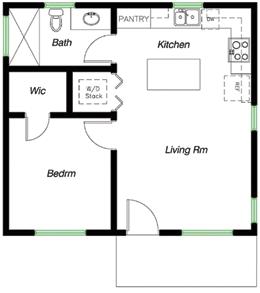

Today’s loan interest rates are also discouraging buyers.
The smartest remedy possible is to build two residences on one home site, thanks to accessory dwelling units (ADUs) or “granny pods.” These can be basement apartments, backyard cottages or even garage conversions, and their popularity is growing. A typical ADU is simply a small apartment. Most include three rooms; a living room and small kitchen/dining area, a bedroom with closets and a handicapped-equipped bathroom. The best units have a separate entrance for privacy, and some include a parking space or even a garage for the ADU resident’s use.
Some local governments are streamlining paperwork and reducing zoning hurdles, making it faster and more affordable to build additional housing. These changes can produce meaningful results while lowering costs. The Florida Legislature now requires municipalities to allow ADUs in all single-family residential areas, making such expansions easier.
These self-contained units could greatly reduce housing shortages all over the nation. Adding an ADU increases a home’s value because
it is so versatile. Whether an older family member moves in or whether you rent the ADU to a stranger, you’ve got more housing options under one roof. An ADU can also become a home office, she-shed or guest suite, too.
In Japan, families often bring aging relatives into the home rather than placing them in expensive senior living communities. Cultural traditions support multigenerational living, and many older adults prefer having their own space rather than living in the center of a busy household.
It’s expensive to live in Canadian cities such as Toronto, so thousands of homeowners have created separate ADU living spaces in a basement, upstairs or garage. That also provides rental income to help owners pay off their home mortgage. Some homes have converted basements AND upstairs areas to double rental income.
Construction costs today can range from $100,000 for a basement conversion to $350,000 for a detached backyard build in the U.S.


And, recent data shows properties with a permitted ADU can sell for an average of 35% more than comparable homes without one.
If I were in charge, I’d start to relieve our nation’s housing shortage by requiring that all remodeling projects must include adding an ADU. This could be a low-risk strategy for long-term wealth building and housing security.
Plus, wives would always have a convenient place to send their husbands to sleep alone for the night, after a major family feud!
W. Rummel is a lifelong news guy who has worked in communications since 1972. Along the way, the Fenton, Michigan, resident and his wife Sally even worked for the Walt Disney Company. They opened and operated the Mancino’s of Fenton restaurant in 1998 and now enjoy traveling and spoiling their grandkids. Mark always appreciates your comments at MarkWRummel@gmail.com
BY NOAH C. MORGAN
There’s an old line from one of our favorite bands: “Time is on our side.” It sounds nice, but it’s not true. Time isn’t on our side; it just keeps moving. For most of us running businesses, raising families, and trying to stay upright, it moves fast. The question isn’t whether we have enough of it. The question is what we’re actually doing with the time we have.
Look around, and you’ll notice something familiar; we’ll spend hours researching a vacation, scrolling listings, and comparing reviews, yet we’ll push off thinking seriously about our financial future.
That’s not laziness; it’s simply human nature. We’re wired to prioritize what feels good right now over what matters later. Economists call it “present bias.” Most of us just call it life.
In Flint and the surrounding communities, there’s a certain type of business owner you’ve probably seen. They’re not flashy. They’re not chasing attention. You won’t find them bragging about numbers over coffee. They’re the ones sponsoring a local team, sitting on a nonprofit board, or showing up early to open the shop.
And behind the scenes, they’re building real wealth, not because they hit some lucky break or found a shortcut, but because they are committed to something simple and, frankly, a little boring: they spend less than they earn, and they
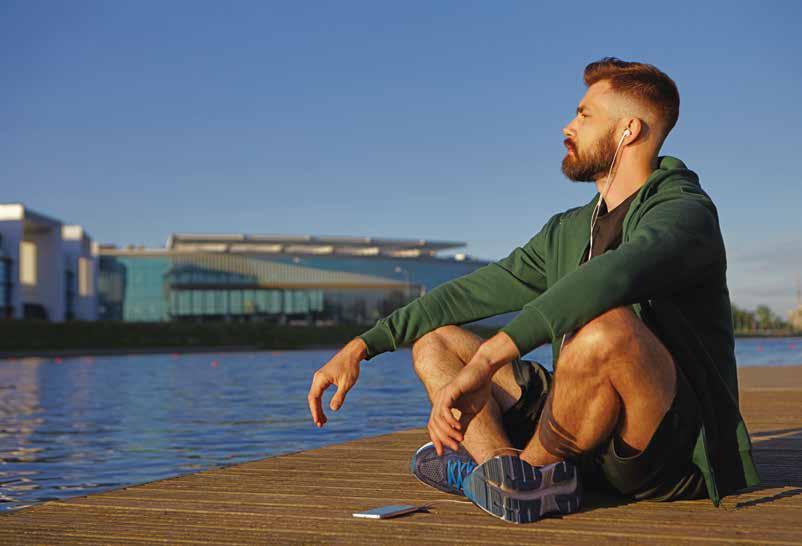
No magic investment. No perfectly timed decisions. Just discipline, patience, and a clear sense of what they’re working toward.
do it for a long time. I refer to this as the real secret to building wealth.
That’s the whole playbook. No magic investment. No perfectly timed decisions. Just discipline, patience, and a clear sense of what they’re working toward. Think less “sprint,” more “routine.”
If you want a better comparison, don’t look at Wall Street; look at the local gym. The people who stay in shape year after year aren’t the ones doing extreme programs for 30 days and disappearing. They’re the ones who show up regularly, eat with intention, and treat it like part of their lives.
Money works the same way. It’s not about intensity; it’s about consistency.
Research backs this up: people who automate saving, set boundaries around spending, and tie their financial decisions to personal values tend to build more wealth over time than those who simply earn higher
incomes. In other words, what you do with your money matters more than how much you make.
Owning a business means you’re always moving. There’s always another decision, another expense, another opportunity, and another problem to solve.
It’s easy to look up after a few years and realize you’ve been reacting instead of planning. The business owners who get this right think differently. They don’t just ask, “Can I afford this?” They ask, “Does this move me closer to what I actually want?”
They build with intention and leave room. Room in their budgets. Room in their schedules. Room for family, health, and the parts of life that don’t show up on a balance sheet.
Time isn’t slowing down. You don’t get to flip the hourglass over and start fresh. What you do get is today, and whatever you choose to do with it.
The legacy most business owners care about isn’t just a number in an account. It’s stability for their family. It’s a business that means something to the community. It’s knowing they used what they built wisely. That doesn’t happen by accident. It happens through small, consistent decisions made over time, usually when no one’s watching.
If you’re like most successful Flint business owners, already working hard and building something, keep being that example. And thank you for what you do to keep the wheels turning in our community.


BY DR. CHRISTOPHER DOUGLAS
The economic impact of a war with Iran is likely to be significant. The Strait of Hormuz, off the Iranian coast, is one of the world’s most critical supply bottlenecks. Roughly 20 percent of global crude oil consumption, as well as refined petroleum products, passes through it each day. Among these products is nitrogen fertilizer, a key agricultural input whose production has already been disrupted by the war in Ukraine. The United States imports fertilizer that moves through the Strait, meaning disruptions could drive food prices higher domestically.
Any closure or disruption of the Strait threatens consumers with rising food and energy prices, compounding post-pandemic inflation. Higher fertilizer costs during the spring planting season would likely translate into higher food prices in the fall, while increased oil prices would raise the cost of travel and transported goods. Summer vacations would become more expensive, and the price of everyday goods shipped
by truck would climb. In short, the most immediate effect would be another surge in inflation.
A higher price of oil will threaten an economic slowdown. Nearly all postwar recessions, aside from the COVID-19 recession, have been preceded by a sharp increase in the price of crude oil. Economic and job growth have been weak even before this war, so the higher energy prices may tip the economy into a recession.
History offers a useful comparison. The stagflation periods of 1973–75 and 1980 were both triggered by oil price shocks, first from the Middle East oil embargo and later from the Iranian Revolu-
If the conflict persists, energy production will likely face additional long-term damage and repairs to already damaged infrastructure delayed.

tion. Each led to severe recessions, with unemployment nearing 10 percent alongside elevated inflation. A return to 1970s-style stagflation would represent a worst-case scenario for the U.S. economy. There are, however, factors that may mitigate the impact. The U.S. economy is much more energy-efficient today than it was in the 1970s. For example, vehicles then averaged around 10 miles per gallon or less, compared to more than 25 miles per gallon today. In addition, the United States is now a net exporter of oil. While higher prices would strain household budgets, they would also boost profits for domestic energy producers. This may offer some buffer against the broader economic fallout, even if it provides little immediate relief for consumers.
Unlike the temporary energy shocks of the 1970s, the current situation could prove more prolonged. The oil embargo ended in March 1974, and the effects of the Iranian Revolution subsided in the early 1980s, followed by a steady decline in oil prices. In contrast, energy infrastructure damaged in
a modern conflict may take years, and billions of dollars, to repair. For example, Qatar has estimated that 17 percent of its liquefied natural gas capacity could remain offline for up to five years due to Iranian attacks. Meanwhile, Goldman Sachs has projected that oil prices could exceed $100 per barrel through 2027. If the conflict persists, long-term damage to energy production, and delays in repairing critical infrastructure, could sustain elevated prices.
If the conflict persists, energy production will likely face additional long-term damage and repairs to already damaged infrastructure delayed. Expect inflation, particularly with food and energy prices, and an economic slowdown.

Dr. Christopher Douglas came to the University of Michigan-Flint in 2006. He earned a B.S. in Electrical Engineering and a B.S. in Economics from Michigan Technological University in 2001, and his Ph.D. in Economics from Michigan State University in 2007. As Professor of Economics, he teaches Principles of Microeconomics, Principles of Macroeconomics, International Economics, Public Finance and Sports Economics.
BY LESLIE TOLDO
Inthe summer of 2015, a friend invited a few of us over to her house to kayak. Although I had lived across the street from Marl Lake in Fenton for a few years, I had never tried it. I decided to go almost all in and bought an inflatable kayak.
My friend Wendy and I had a hard time inflating it, but we got it “full enough” for me to take it out on the lake. After about half an hour on the water, I felt like I was really finding my groove. I loved this kayaking thing— where had it been all my life? Then, out of nowhere, my kayak deflated. I started taking on water and descended into the rather murky canal, which was mercifully close to shore.
I emerged covered in mud from head to toe. As I stood in a stranger’s backyard, a man ran toward me from the yard next door with two paper towels. Seeing me up close, he quickly headed back to his house and returned with a full roll. I cleaned myself up just enough to hop into my friend’s car. She and my other friends had paddled back to Wendy’s so they could drive over and pick me up.
As I sat in the car picking mud out of my hair, I smiled and said, “I can’t wait to go back out!”
Wendy was surprised by this revelation; she had assumed I would never want to get in a kayak again. But something had happened to me before I sank—I had felt completely at one with the wa-
KAYAKING, S’MORES, AND A NICE YARD FOR OUR DOGS TO PLAY IN— THIS WAS LIVING.
ter, gliding across the lake. It was exhilarating, and I was hooked.
I bought a real kayak. My neighbor across the street let me store it at his dock and told me I was free to go for a paddle anytime. I was there nearly every day, paddling the lake, often heading to the middle and simply resting there in my kayak, pondering the state of the world. It didn’t matter what kind of day I was having; going for a paddle made everything seem okay.
When the coldest days of fall arrived and I had to put my kayak away for the season, I was heartbroken. I worried about what

might happen the next year to come between me and my new love. What if my neighbor moved? I vowed that someday, somehow, my husband and I would live directly on the water.
Three years later, we found a place on the Linden Millpond. I now had the Shiawassee River at my disposal, along with access to three good-sized lakes just a 20-minute paddle upstream. We bought a second kayak and built a fire pit in our backyard.
Kayaking, s’mores, and a nice yard for our dogs to play in—this was living. In 2020, we got a small
deck boat. It was zippy and fun, but it just wasn’t the same. There’s a feeling I get gliding down the river, a cooler strapped to my kayak, communing with the beavers, fish, and turtles that I simply can’t find anywhere else.

An Emmy-nominated anchor/meteorologist/reporter at FOX66 and NBC25, Leslie Toldo recently retired from TV news after a career of over 30 years, nearly 20 in Flint. She is a blogger, writer, wedding and funeral officiant. Born and raised in Baton Rouge, LA, she graduated from the University of Wyoming. An avid kayaker, boater and runner, Leslie lives in Linden with her husband, Ellie the cat and three dogs: Henry, Gus and Lucy.
BY ALEXANDRIA NOLAN-MILLER
We recently ventured down to South Padre Island for a getaway. Honestly, I wasn’t sure what to expect. When I was in high school, it was a popular destination with my peers. In Michigan, that made it seem like the island must be something special — why choose it over anywhere else if it wasn’t spectacular?
It is not an easy place to travel to, especially if you are flying. The closest larger airports are hours away, with only small regional options nearby. From our house in Houston, it was a six-hour drive, punctuated by pit stops at gas stations of varying cleanliness. But it was a straight shot. We had a podcast playing, and my son was settled in with his Nintendo Switch and a tablet full of shows.
At first glance, all was well. It seemed like a normal vacation spot: sea views, hotels, plenty of junky souvenir shops. We rolled into our hotel and everything looked promising — water features in the lobby, marble floors, welldressed staff.
And then… the cracks began to show.
The waivers we were given to sign were concerning. Lots of “the hotel is not responsible for…” and “we do not respond to complaints during Spring Break.” It seemed as if Spring Break was
At first glance, all was well. It seemed like a normal vacation spot: sea views, hotels, plenty of junky souvenir shops.
lawless, no rules enforced. Most people checking in were families, though, so I thought, how bad could it really be?
It could be pretty bad.
That became apparent after exiting the lobby and driving around to the hotel buildings. I had booked a beach bungalow, right on the water. Instead, it was more like a tired motel — peeling paint, rusty hinges, general disrepair. The balcony chairs looked ready for the curb.
Still, the bed was large, the room was clean, and it was a place to sleep. I shook off the disappointment and changed for the pool. This is where the place almost redeemed itself: two large pools, hot tubs, and nearby bars. The sun was warm, the water cool — for a moment, it felt like vacation.
Except…the details kept creeping in. The lounge chairs were fad-
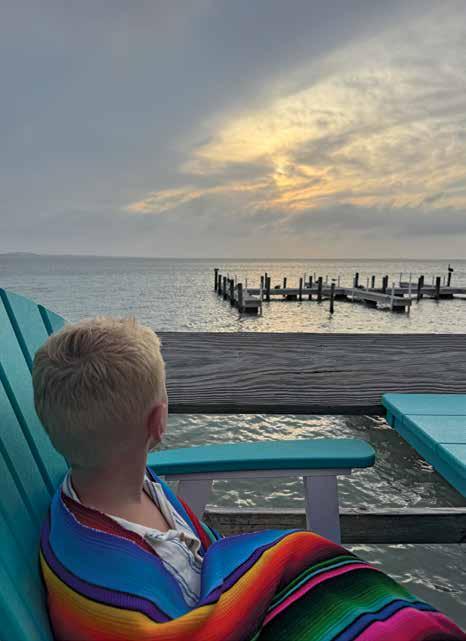
ed. The umbrellas flipped uselessly in the wind. I had to stop reading constantly to reapply sunscreen on my husband and son. And then, around 2 p.m., the music started.
This wasn’t relaxing poolside music. It was a rave — loud, relentless, with a DJ shouting commentary. It was a lot. But I tried to stay positive. It was Spring Break, and I had a glass of Pinot Grigio and a good book.
That optimism didn’t last long. When we returned to our room, it hadn’t been cleaned. There were no pool towels either — they “don’t do that during Spring Break.”
“Light cleaning” turned out to mean emptying the trash and nothing more. It was starting to feel less like a vacation and more like extra work with a pool nearby. By day four, my husband and son were badly sunburned. The pool had lost its appeal. The beach
was windy. The novelty had worn off. So, we packed up early. When we told the front desk we were leaving early — due to noise, lack of upkeep, and the sunburn situation — the girl behind the desk just laughed and said, “That’s Spring Break!”
And maybe for some, that’s true. But next year, I’m looking for calm days, cool water, turn-down service, and cocktails served on a tray.

is a misplaced Michigander navigating the
with
husband and young
contributing her insights and experiences to various print and digital publications. As the author of historical books rooted in Michigan, Alexandria brings the past to life through her writing. When not on the road, she can be found immersed in books, teaching, sharing stories, and chasing new adventures to inspire her next piece.




MILLIONS OF ITEMS MILLIONS OF ITEMS








The month of May carries a special kind of energy, one that blends renewal, community, and a slower, more meaningful pace of life. As winter fades and the landscape turns green, the region comes alive with opportunities that are both exciting and reflective, rooted in family, faith, creativity, and a shared sense of remembrance.
At the heart of it all are the county’s natural spaces. With more than 11,000 acres of parks, trails, and waterways, the Genesee County park system offers ways to reconnect with nature. Places like For-Mar Nature Preserve & Arboretum invite peaceful walks, birdwatching, and quiet reflection, while Crossroads Village & Huckleberry Railroad blends history with outdoor charm, making it a destination for families.
Spring events begin to fill the calendar, offering something for

BY SHARON STONE

every interest. Car lovers gather at the “Dust ’Em Off” car show, a celebration of classic vehicles set against fresh spring air. Festivals and community gatherings bring people together in ways that feel nostalgic and new. From food truck rallies to small-town celebrations, May marks the start of festival season in Flint and the surrounding communities.
Family friendly events are abundant, but at the center of the month stands Memorial Day, a time not only for gathering, but for honoring the men and women who gave their lives in military service. The Davison Farmers Market hosts themed festivals, while Memorial Day weekend brings parades and ceremonies to towns like Burton and Swartz Creek. These events carry deeper meaning beyond celebration; they are moments of remembrance, where communities pause together in gratitude and respect.
Faith-based activities also play a role in the rhythm of May. Churches throughout Genesee County host
outdoor services, community meals, and seasonal celebrations that emphasize togetherness and gratitude. Around Memorial Day, many services offer prayers for those who served and reflections on sacrifice and unity. These gatherings reflect the county’s strong sense of connection and shared values.
Creativity flourishes as well. Local arts organizations and galleries showcase exhibits, performances, and activities that invite participation. Whether it’s live music in a park, a community theater production, or an art walk in downtown
Flint, the creative spirit of the region is on display, often incorporating patriotic themes during the holiday weekend.
Outdoor recreation ties everything together. Families paddle canoes on Mott Lake, explore wooded trails, or enjoy a picnic under the warming sun. Events like the Canoe Mobile Festival encourage residents to engage with nature, while Memorial Day brings families together outdoors, gathering in appreciation of the freedoms made possible by those who served.
What makes May so special is not just the variety of activities; it’s the feeling behind them. There’s a sense of slowing down, of appreciating simple moments: a walk in the woods, laughter at a festival, or a shared silence during a memorial ceremony.
In a world that often feels rushed, this month offers something deeper, a chance to remember, reflect, connect, and appreciate both life’s simple pleasures and the sacrifices that help make them possible.
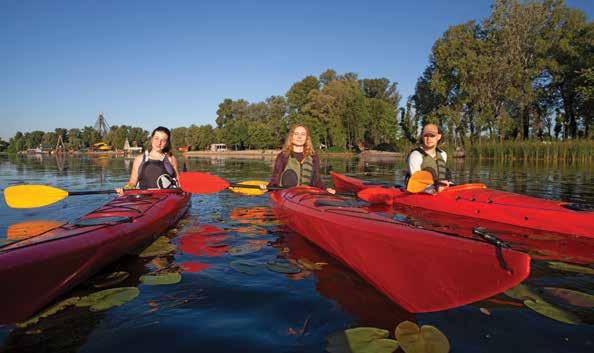
May 16 – Sept 13
Explore the world of impossibility and illusion through more than 150 artworks including woodcuts, lithographs, mezzotints, drawings, studies, and printmaking material by Dutch artist M.C. Escher (1898–1972). The exhibition takes you through his artistic development, from his early Italian landscapes and book illustrations to his most iconic prints of impossible architecture, tessellations, and metamorphic imagery.




Friday, May 29, 2026
8:00 pm
Capitol Theatre
Up
May 1-2 Flint School of Performing Arts Festival of Dance
May 1 Flint School of Performing Arts Jazz at MacArthur Recital Hall
May 1 Rumours: The Ultimate Fleetwood Mac Tribute Show
May 2 Gazillion Bubble Show
May 5 STOMP
May 6 Flint Repertory Theatre
Ghost Light Cabaret Series Battle of the Stephens: Schwartz vs Sondheim
May 7 George Lopez
May 16 Flint Symphony Orchestra Mystery & Reverie: A Night of Ravel
May 22 DeRay Davis
May 29- Flint Repertory Theatre
Jun 14 Green Day’s American Idiot
May 29 Randy Houser
Jun 3 Flint Repertory Theatre
Ghost Light Cabaret Series
I Am Who I Am: Flint Rep Celebrates Pride