PORTFOLIO I’m Lorenzo Lanzoni, an Industrial Designer 2024
My design approach
1) Research
2) Development
3) Manufacturability
× Study the problem
× In-depth research
× Planning a brief
× Find inspirations
× First sketches
× Concept definition
× First 3D modelling to get in touch with possible suppliers
× Production method and choise of materials
× Program digital parts
× 3D Printing
× Prototyping
× Shop drawings
× Production line optimisation
× Crates and Packaging
× Publicize it
× Make flyers / brochures
× Coordinated image
4) Mock-up phase
5) Roll-out phase
6) Advertising
Index
Working Experiences
× dv8 id Studio
× Lorenzo De Bartolomeis Studio
× IHD Studio
× Design4parents | Maker faire Rome
× Fabcare | DDMP
× Sky | Academy
Master & Bachelor Degrees
× Icaro [Appliances]
× O Craft [Vehicles]
× Sollievo [Healthcare]
× EyeAse [Healthcare]
Personal Projects
× Icon [Master degree thesis]
× High school [Teaching course]
× Medium school [Teaching course]
3D Modeling
× Rhinoceros
× CREO
× Solidworks
× Inventor
× Alias
WORKING EXPERIENCES
Projects from Collaborations and Contests
Vin E - Apple Store [Design consultant]

Abstract Tools Phases
As design consultants, our responsibility was to follow the Innovation design team and, through the use of 3D models, show the development of a new family of shops and how the components of the various suppliers would be assembled together. This operation was done starting from the first mock-ups untill the opening of the first shops.
Furthermore, the direct relationship with one of the suppliers and its productions was strictly followed.
projectunderNDA projectunderNDA projectunderNDA projectunderNDA projectunderNDA projectunderNDAprojectunderNDA projectunderNDA
01
Partners projectunderNDA
Shallow avenue
Pickup/Genius bar
Experience room
× dv8 id [2021-24]
Studio Group Tysons corner (VA)
projectunderNDA projectunderNDA projectunderNDA projectunderNDA projectunderNDA projectunderNDA projectunderNDA projectunderNDA projectunderNDA projectunderNDA projectunderNDA projectunderNDA projectunderNDA projectunderNDA projectunderNDA projectunderNDA projectunderNDA projectunderNDA
× Fritze Torsten
× Klein Johannes
× Usuaev Rodion
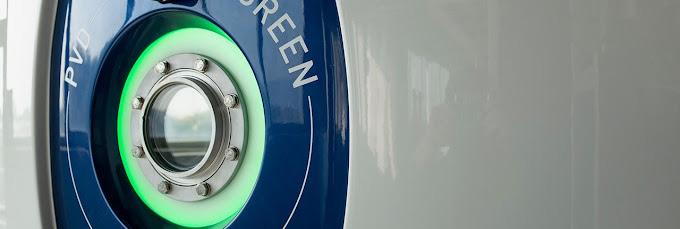
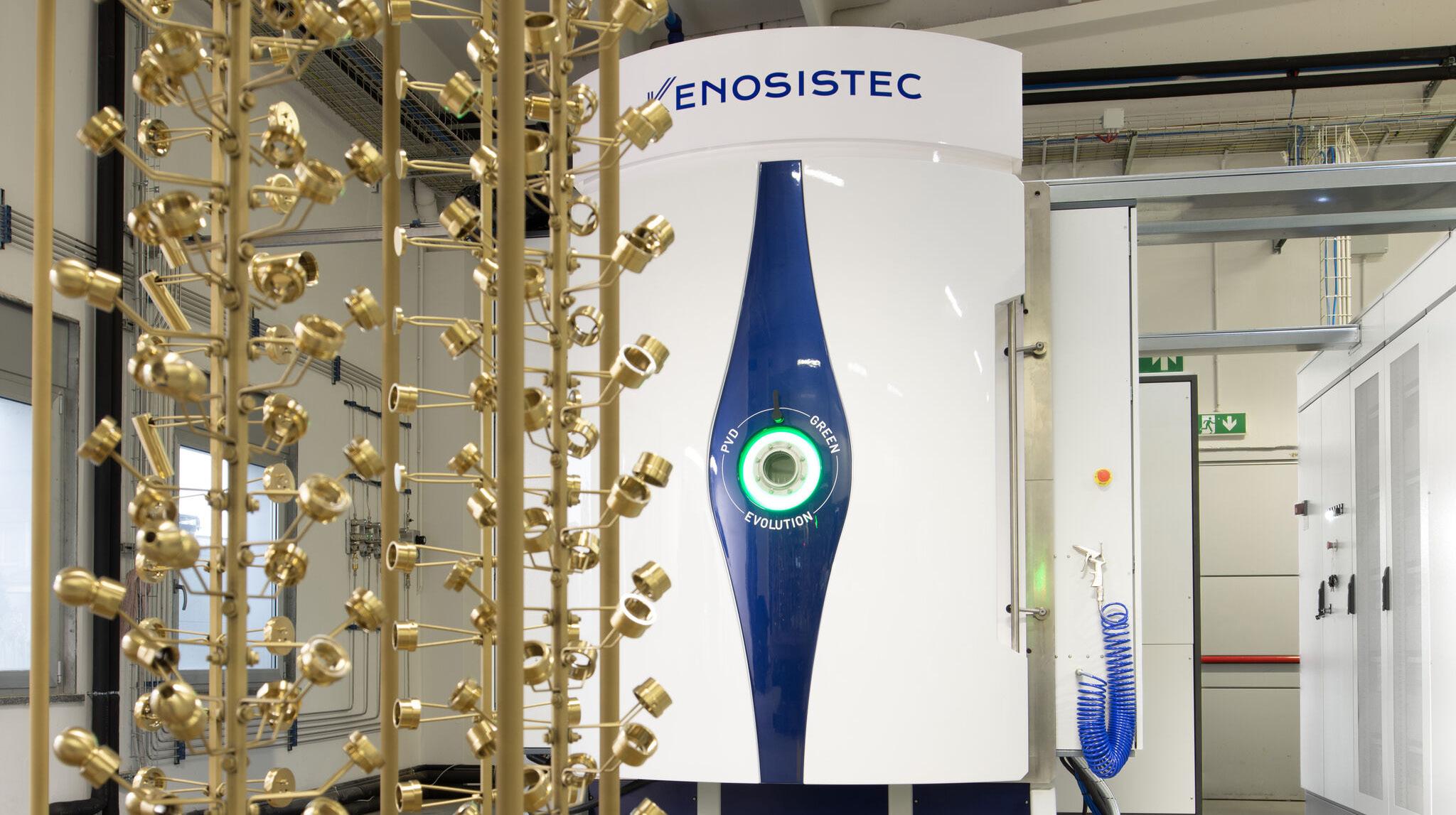
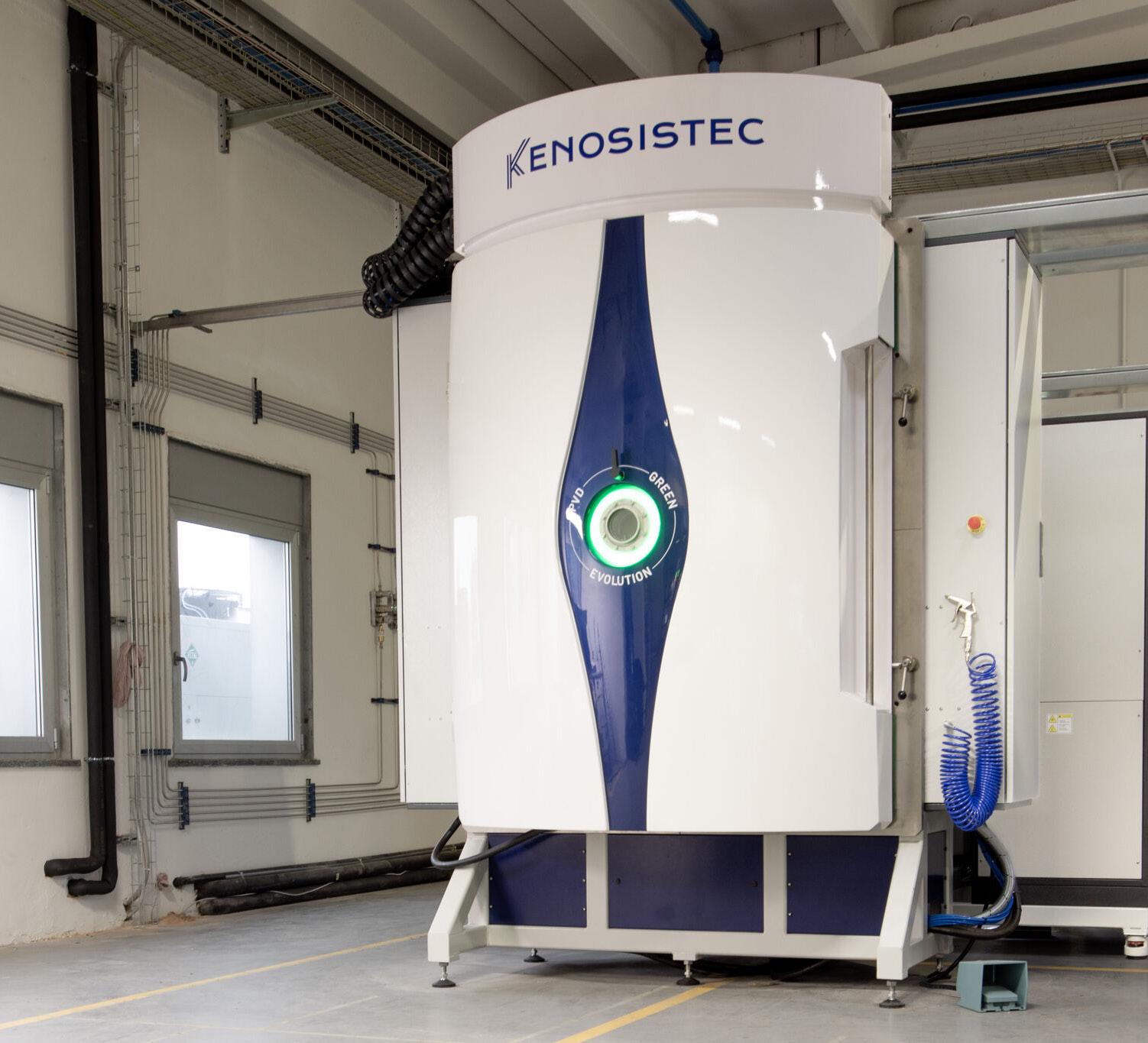
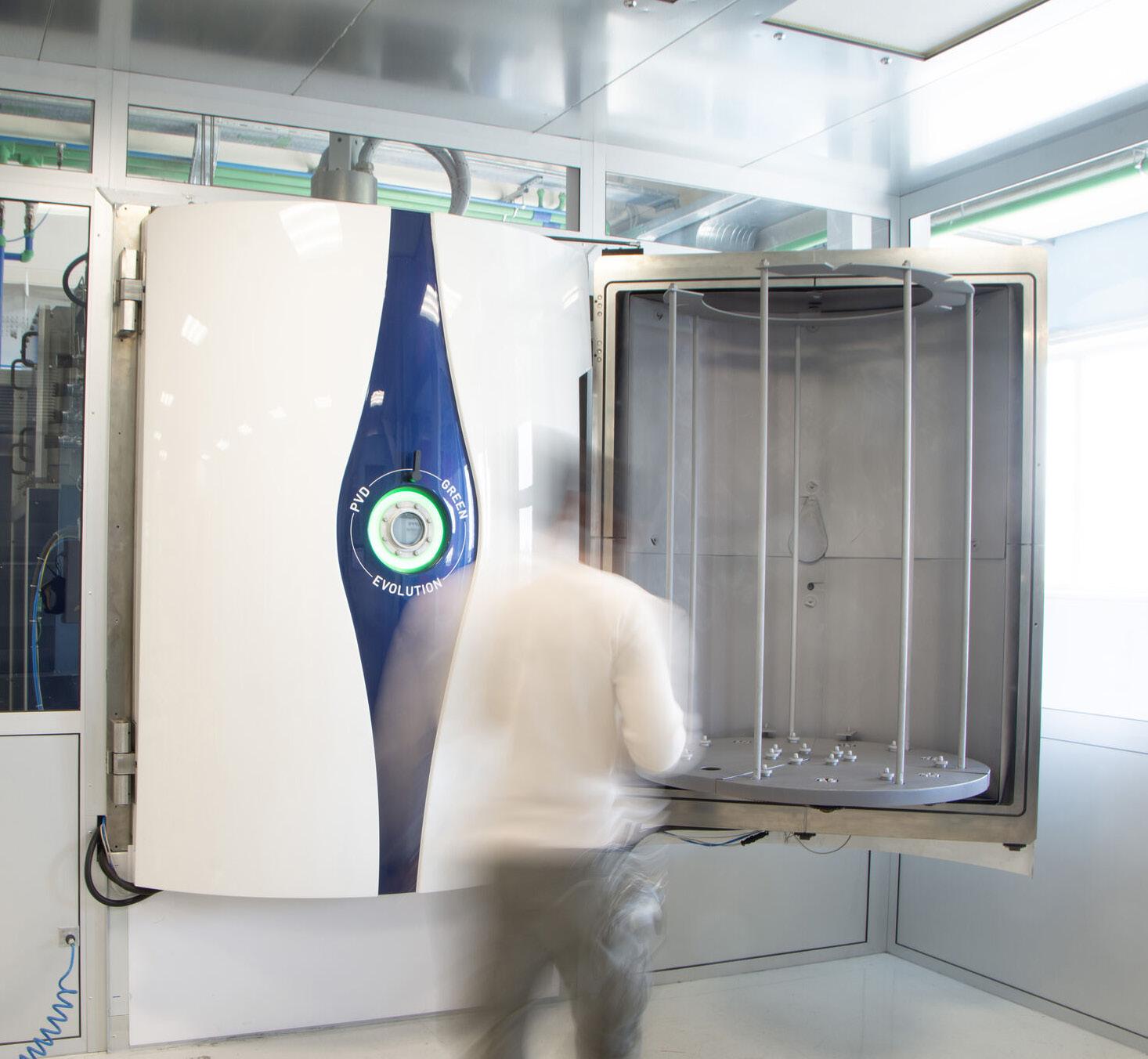
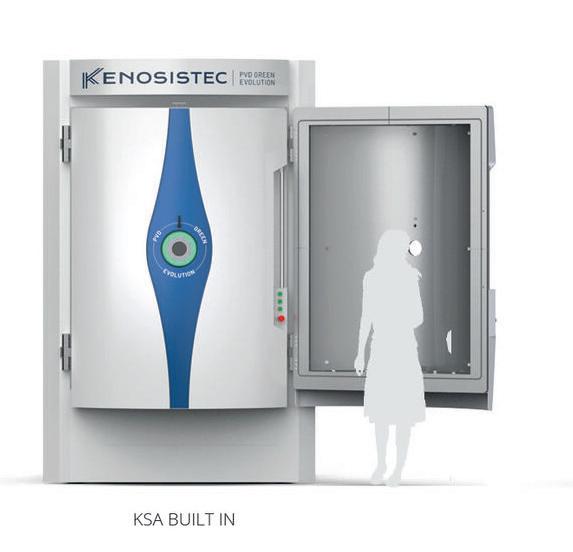
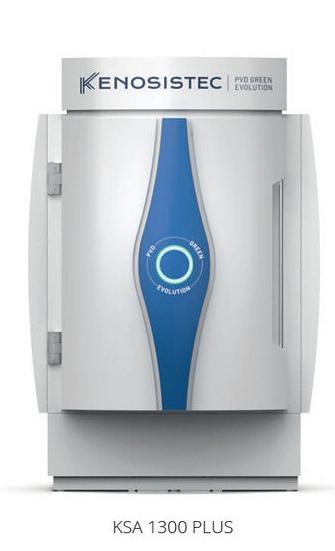
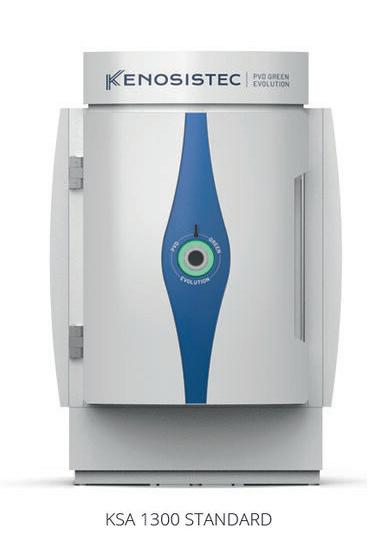
PVD KSA [Industrial machines] Partners 01


Abstract Tools Phases
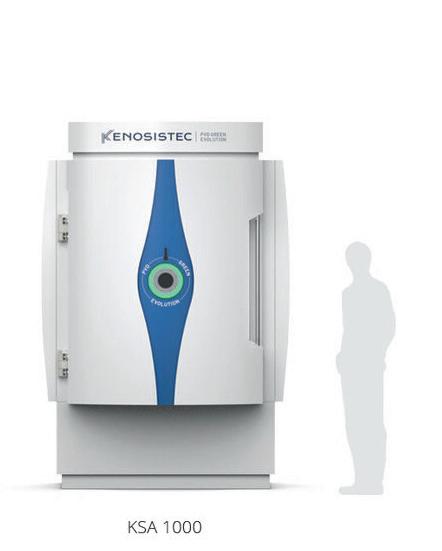
KSA is an industrial thin film deposition system - PVD - for decorative use suitable for high volume production.
It is designed to replace polluting industrial decoration processes, to promote energy savings and reduce material consumption.
The initial stages of study and concept were closely followed up to the selection and presentation of the concept to be developed.
Stand alone version In
Built in version
× Lorenzo De Bartolomeis Studio [2021-22]
× De Bartolomeis Lorenzo
× Musso Andrea
use
Studio Group Complete system
Ines [Furniture accessories] Partners


Abstract Tools Phases
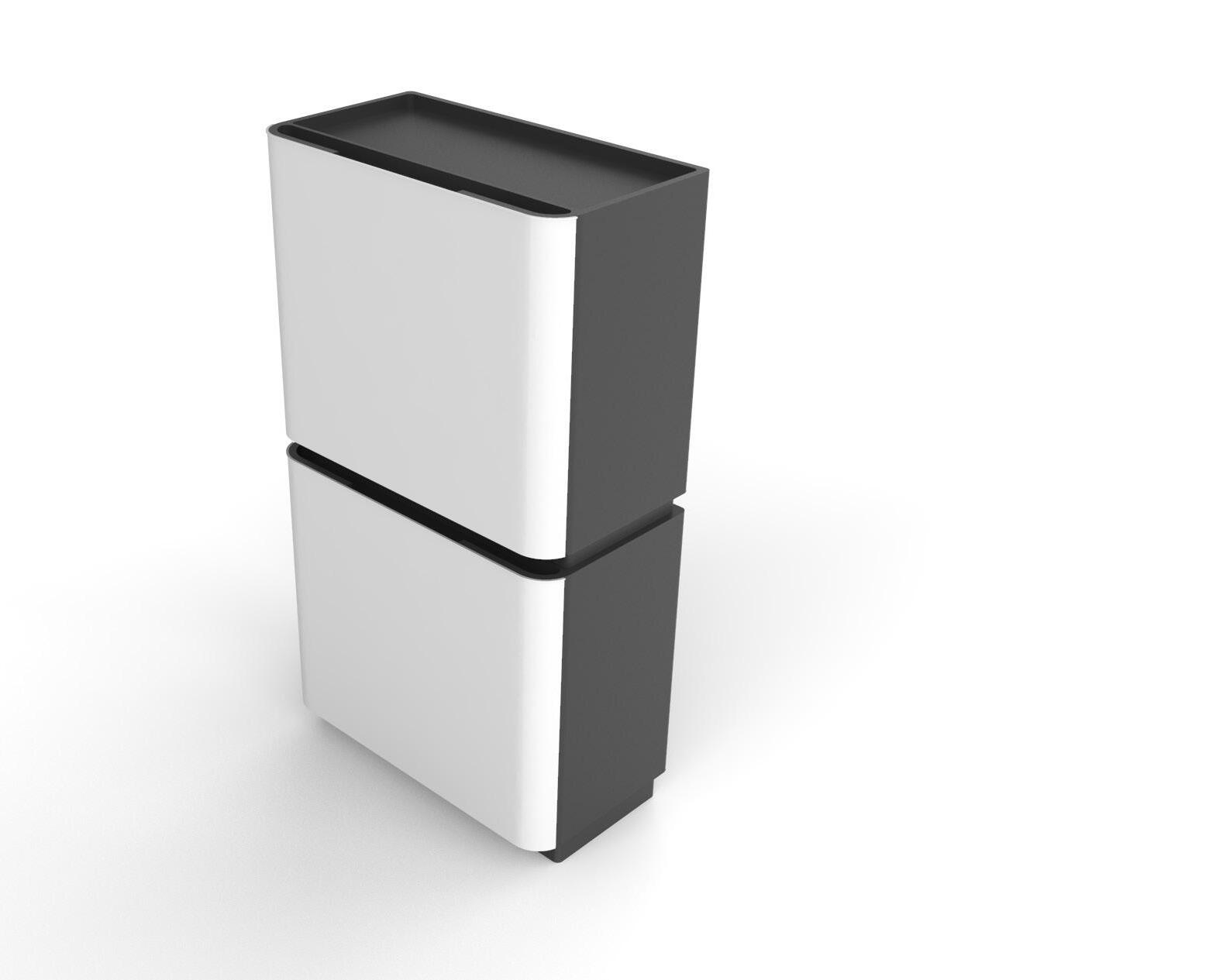
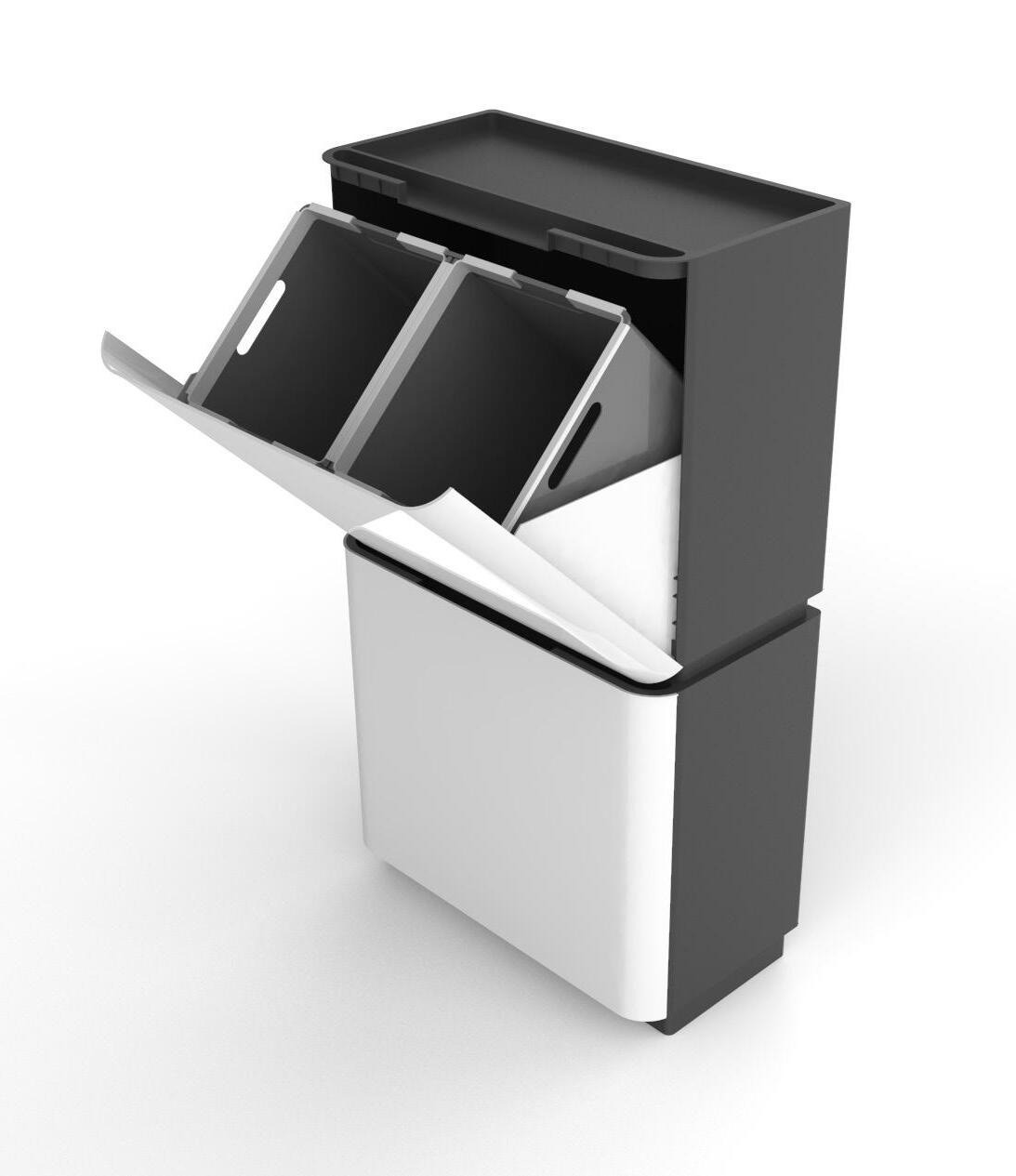
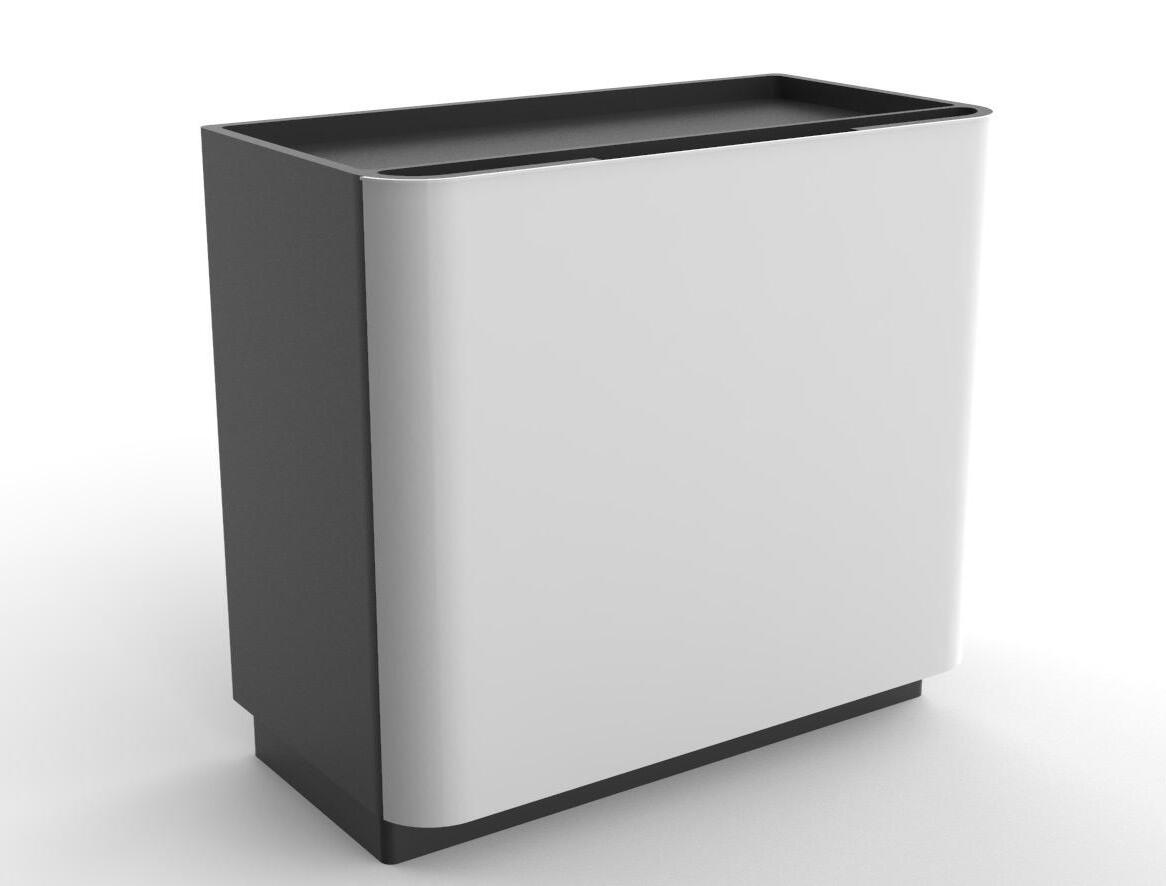
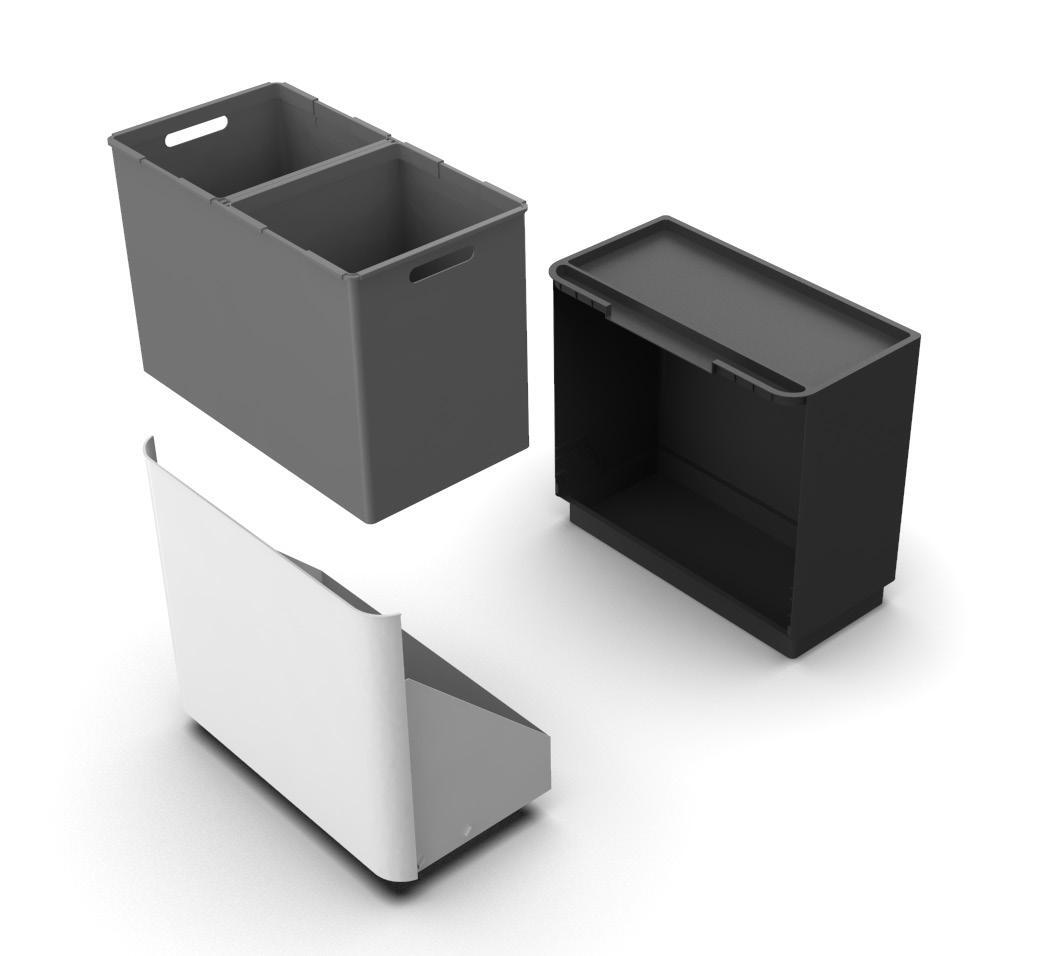
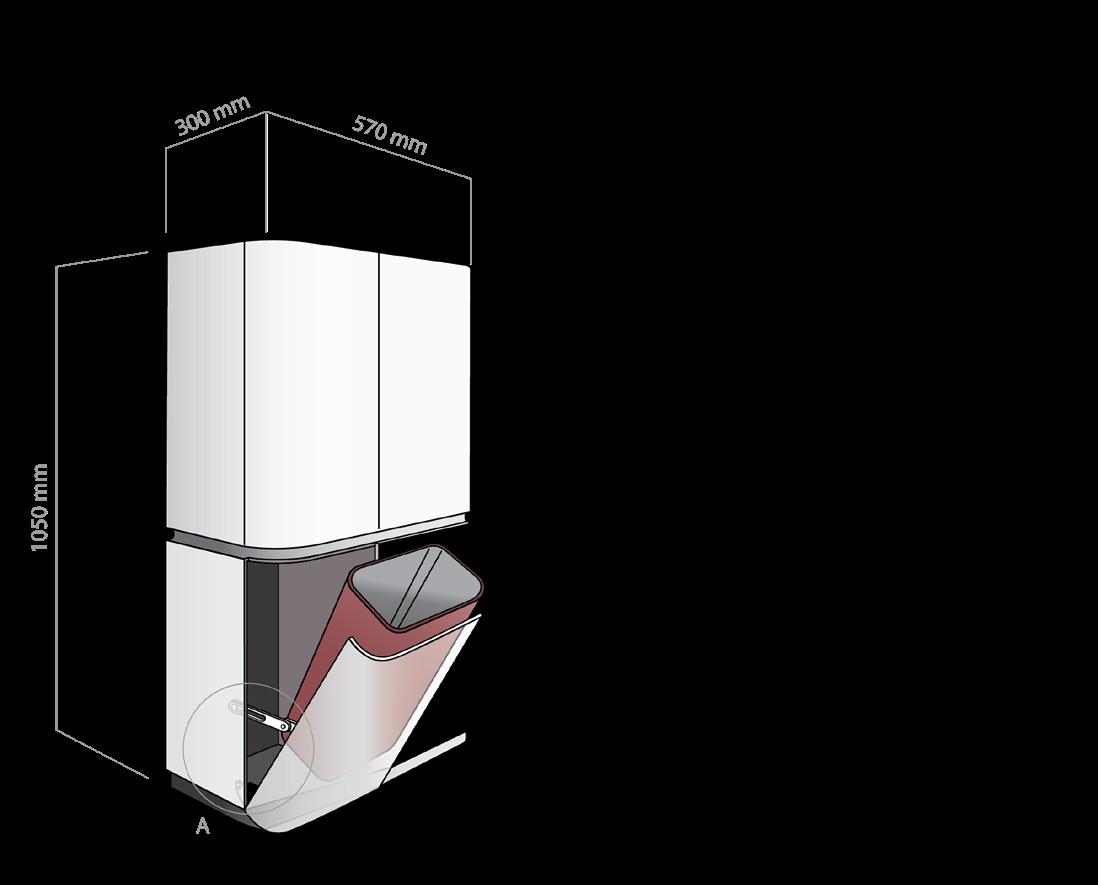
The project concerns the design of a waste bin with a folding mechanism. The object was designed to appear soft and simple, as well as easy to use and adaptable to the user’s needs. The conjugation of these keywords gave rise to Ines, the stackable container, which has a structure inside the bin that can be modulated by the user, who can choose how much space to use for his or her waste. An alternative use of Ines is as a basket for toys, or even as a laundry basket.
Isao Hosoe Design
01

Initial sketch
× Isao Hosoe Design [2020]
× De Bartolomeis Lorenzo
× Musso Andrea
Components In use
Studio Group Single unit
WIL_036 [Infant devices] Partners
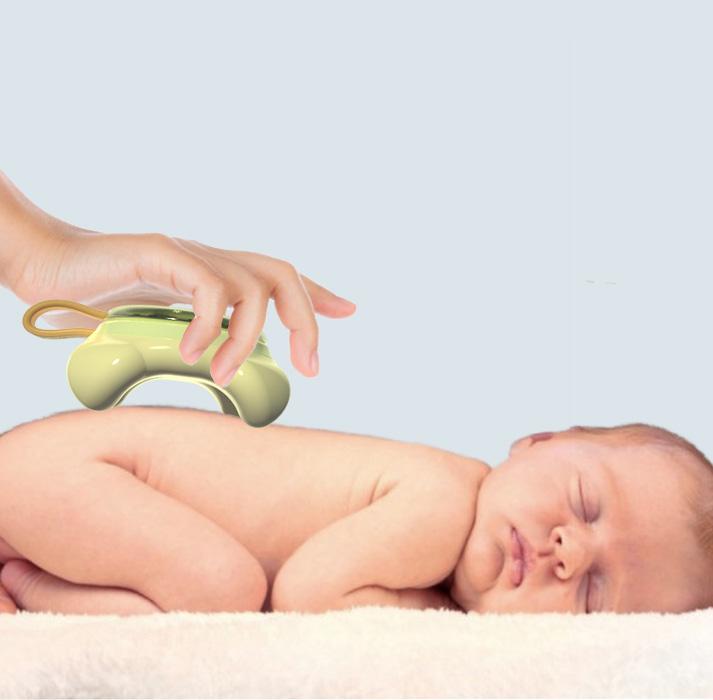
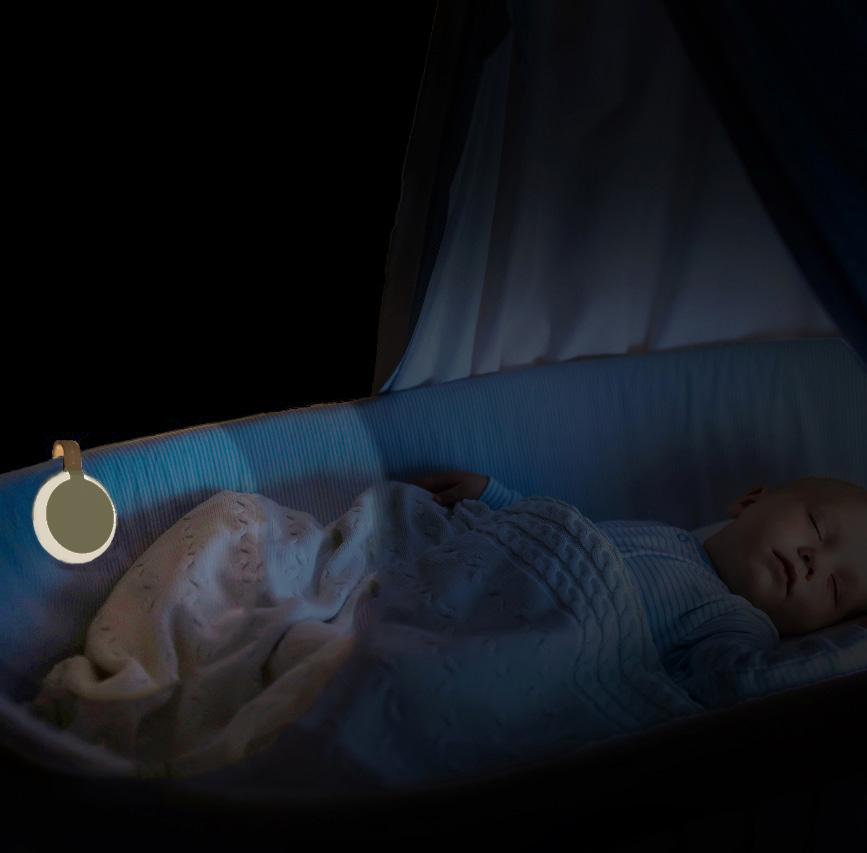
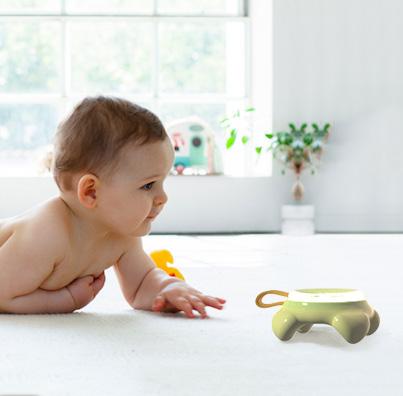




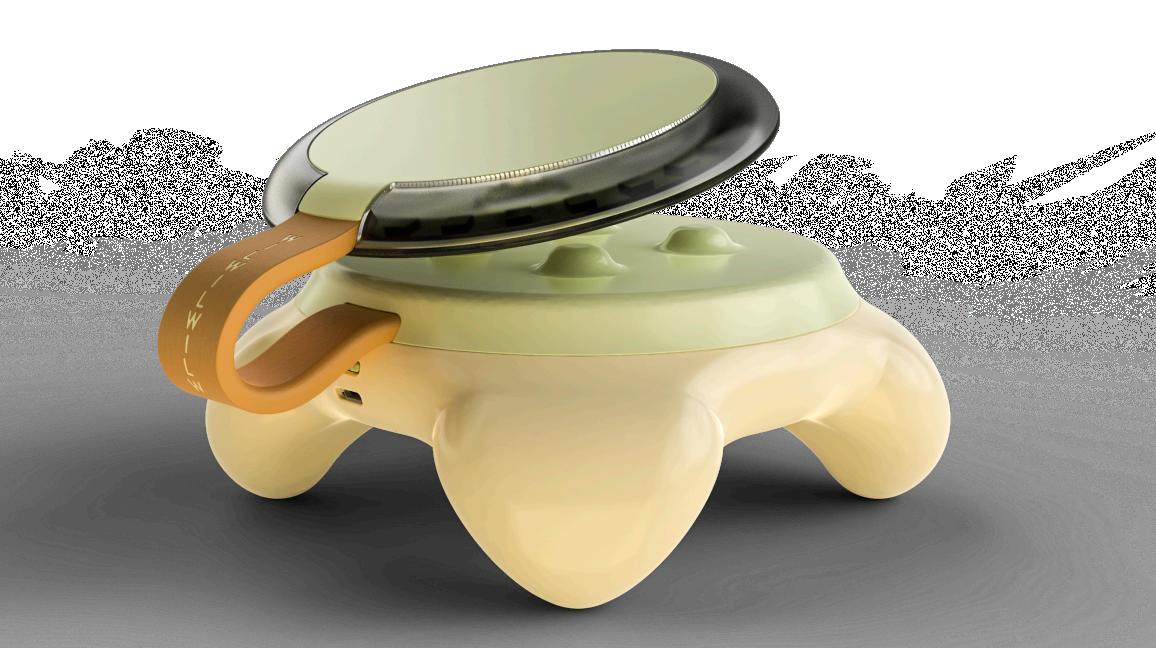
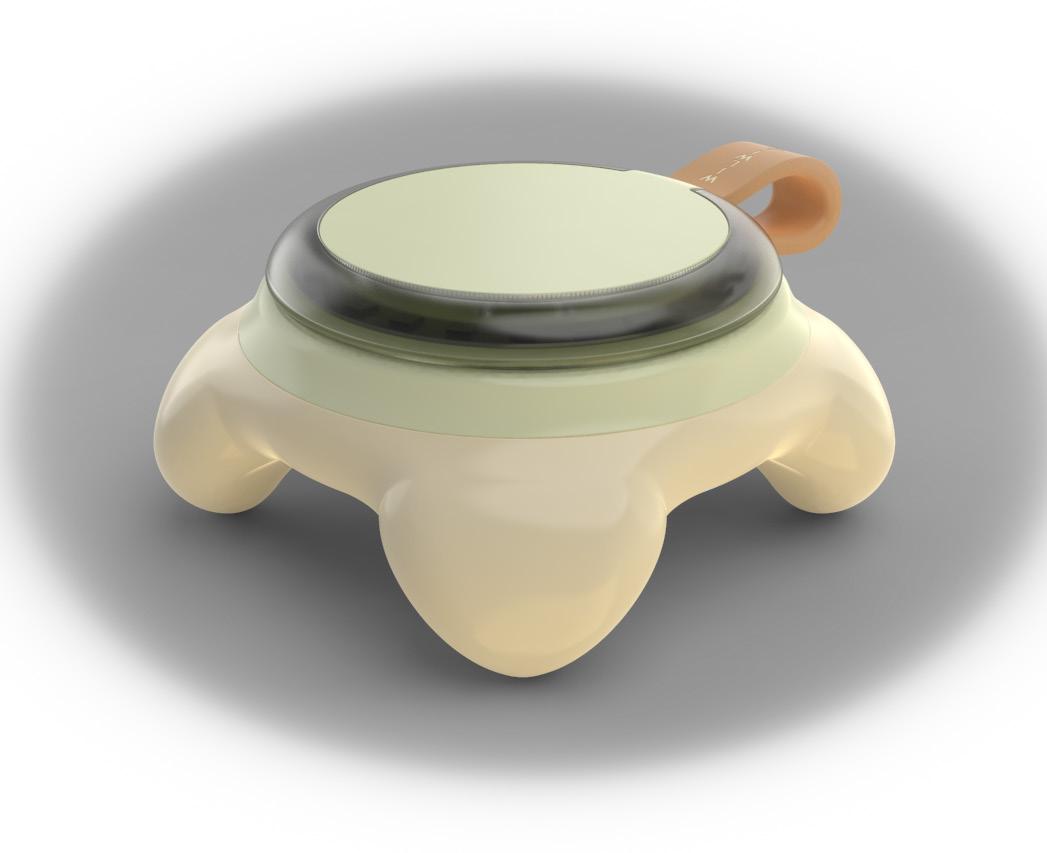
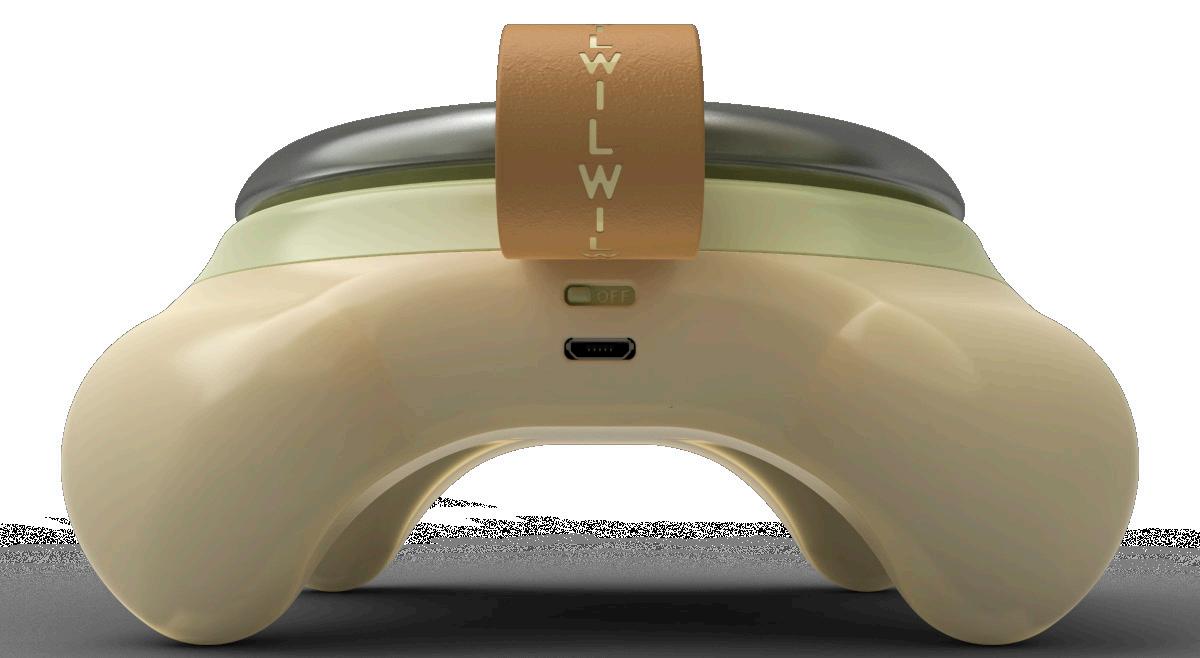
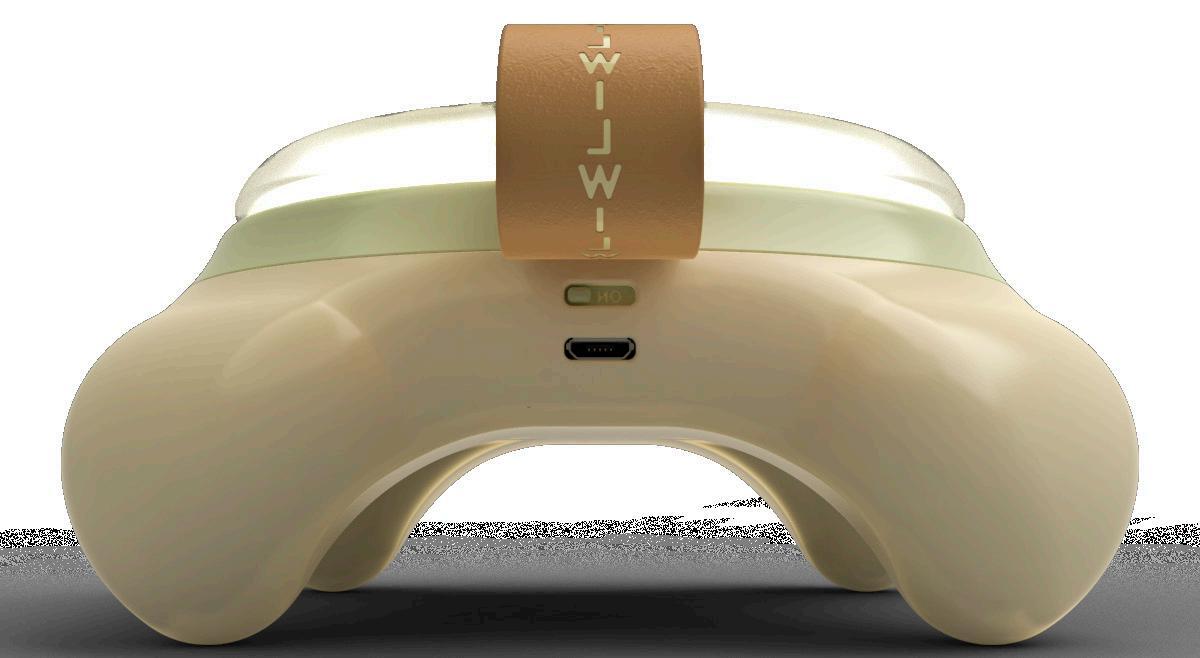
The object is intended to become a meeting point, thus going to develop the interaction between the parent and the infant. It will be possible to choose the most appropriate mode from: Massage / Night / Play.
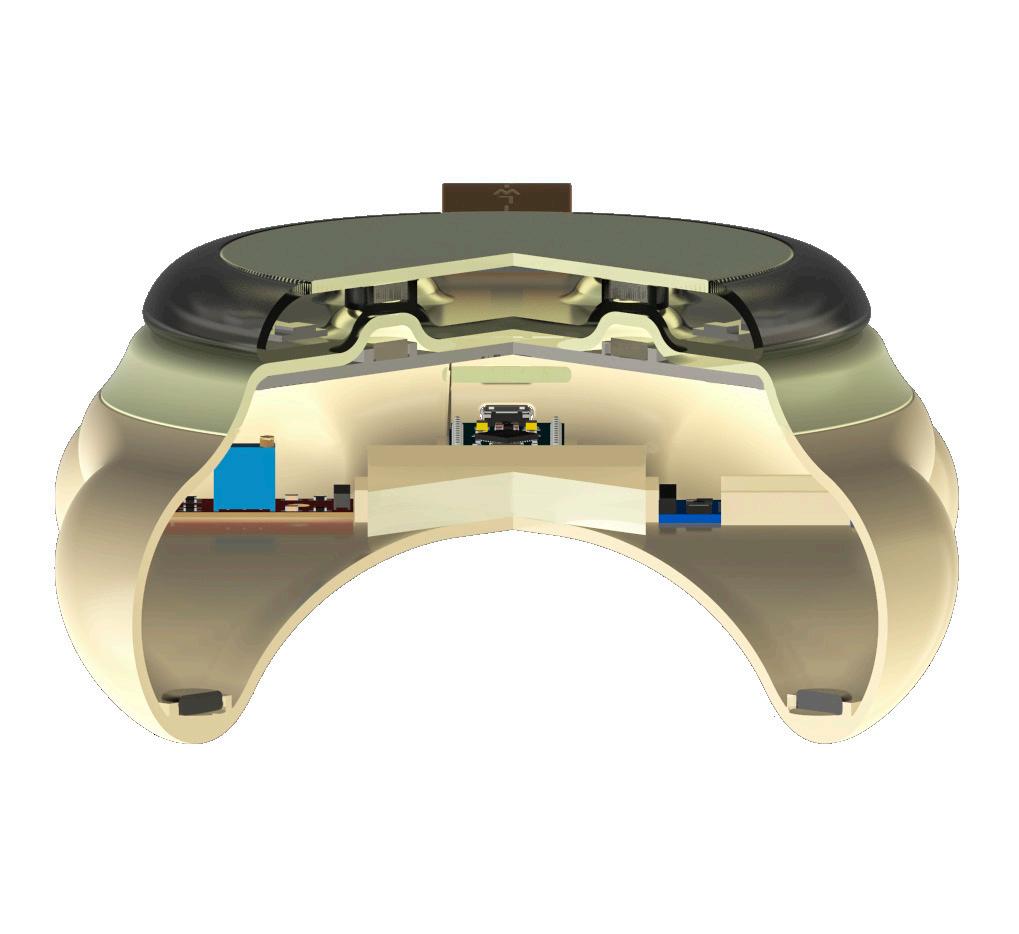
The project is designed to be fully realizable in FabLab using easily attainable technologies, such as a microcontroller and sensors/modules that can be connected to it, and shells that can be made by 3D printing. Abstract Tools Phases
03
01
 × “Design4Parents” project for Filo / Maker faire Rome [2020]
Openable lid Section On/Off Contest Single unit
Zero2 [Healthcare items] Partners


Abstract Tools Phases
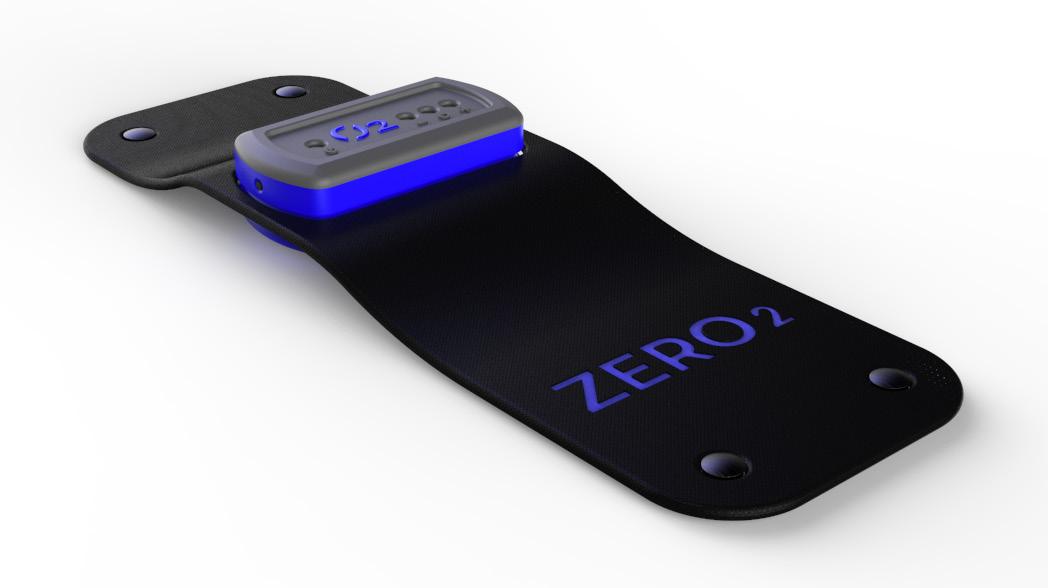
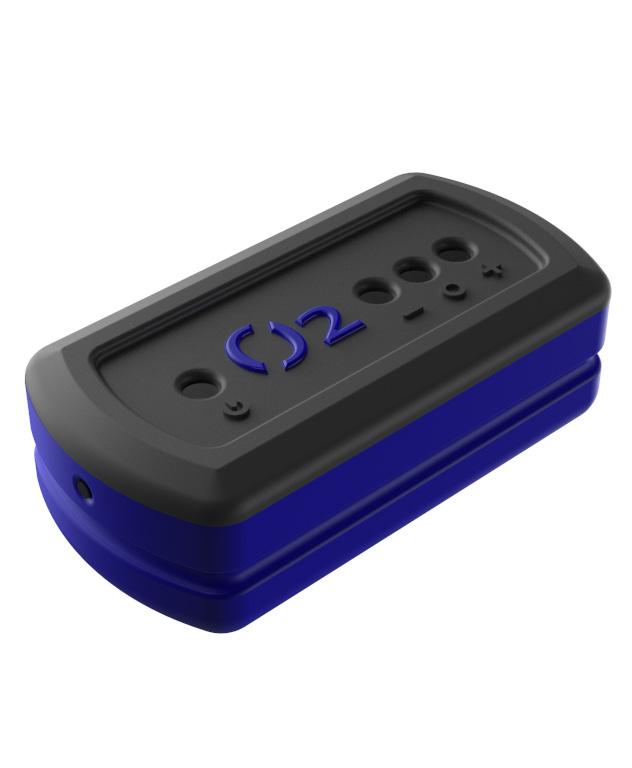
The Zero2 innovatively solves the problem of oxygen wastage during oxygen therapy for patients with chronic respiratory failure.
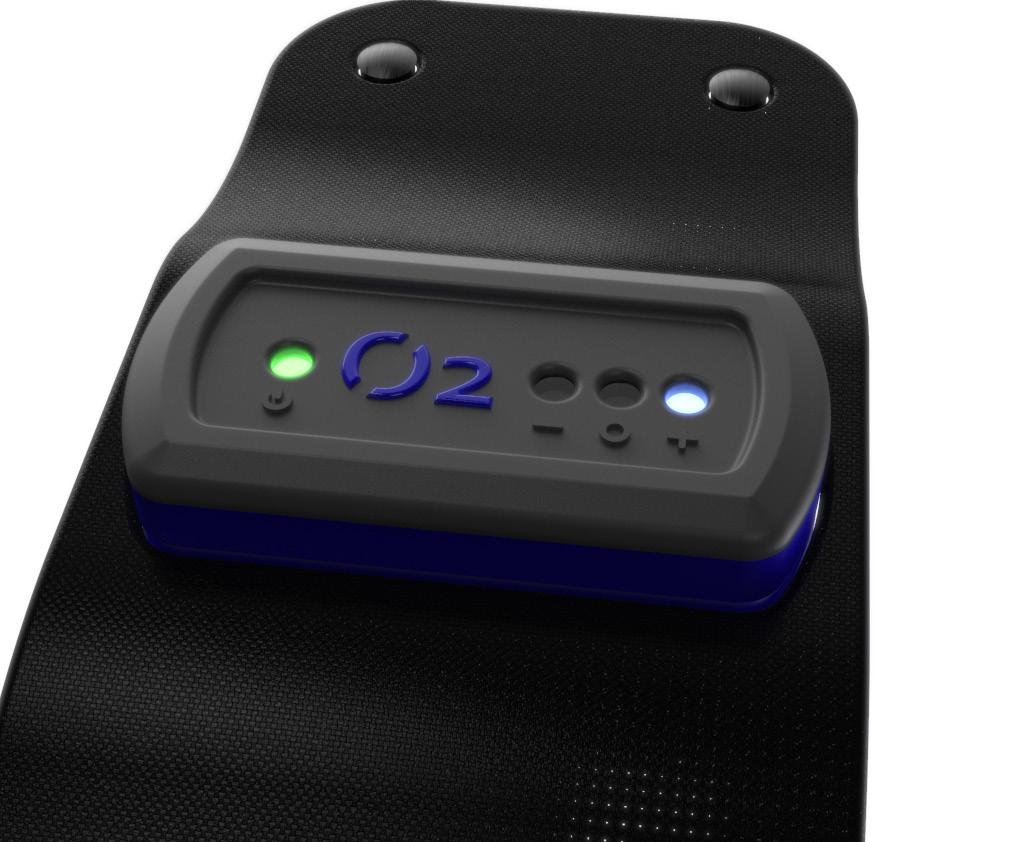
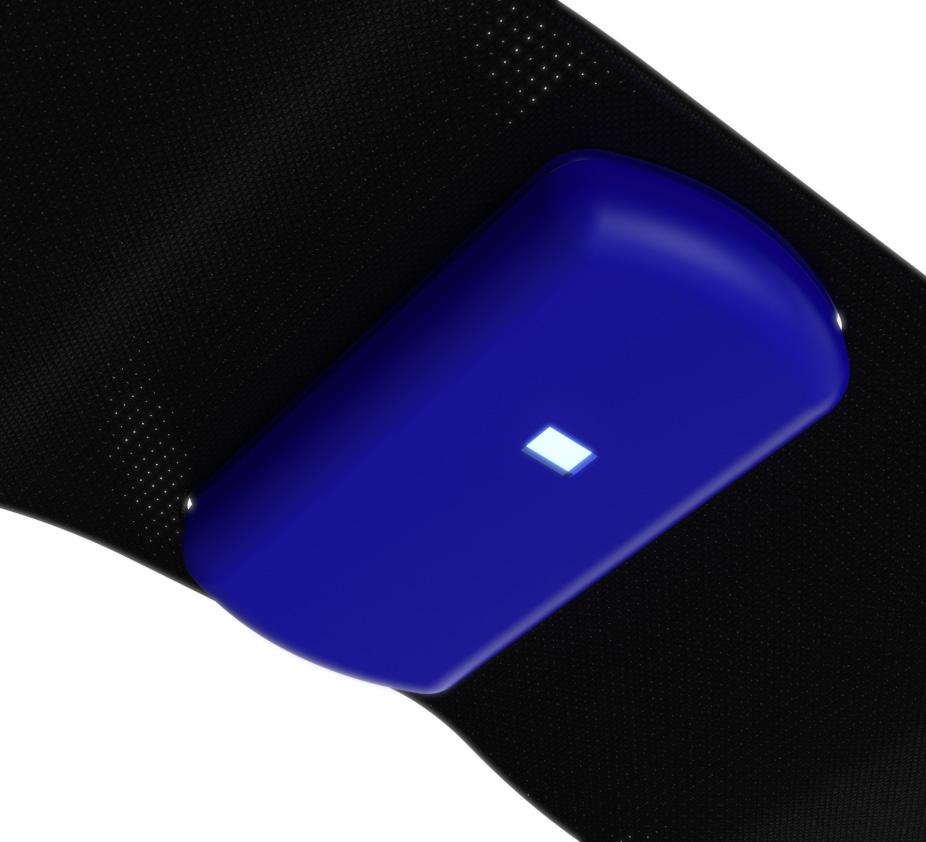
Thanks to an accurate control of the fluctuations of haemoglobin in the blood, the pulse oximeter will be able to define the right amount of oxygen the patient needs at that moment and will display, through the use of luminous LEDS, a very simple flow adjustment command. In this way the user will be alerted in case of excessive/low flow and can adjust it.
01
× FABCARE contest design competition [2018]
× Brioschi Tommaso
× Fidone Giovanni Luca
& Cuff
Case
Pulse oximeter Interface Contest
Group Case
TrainING [Sports equipment] Partners
Abstract Tools
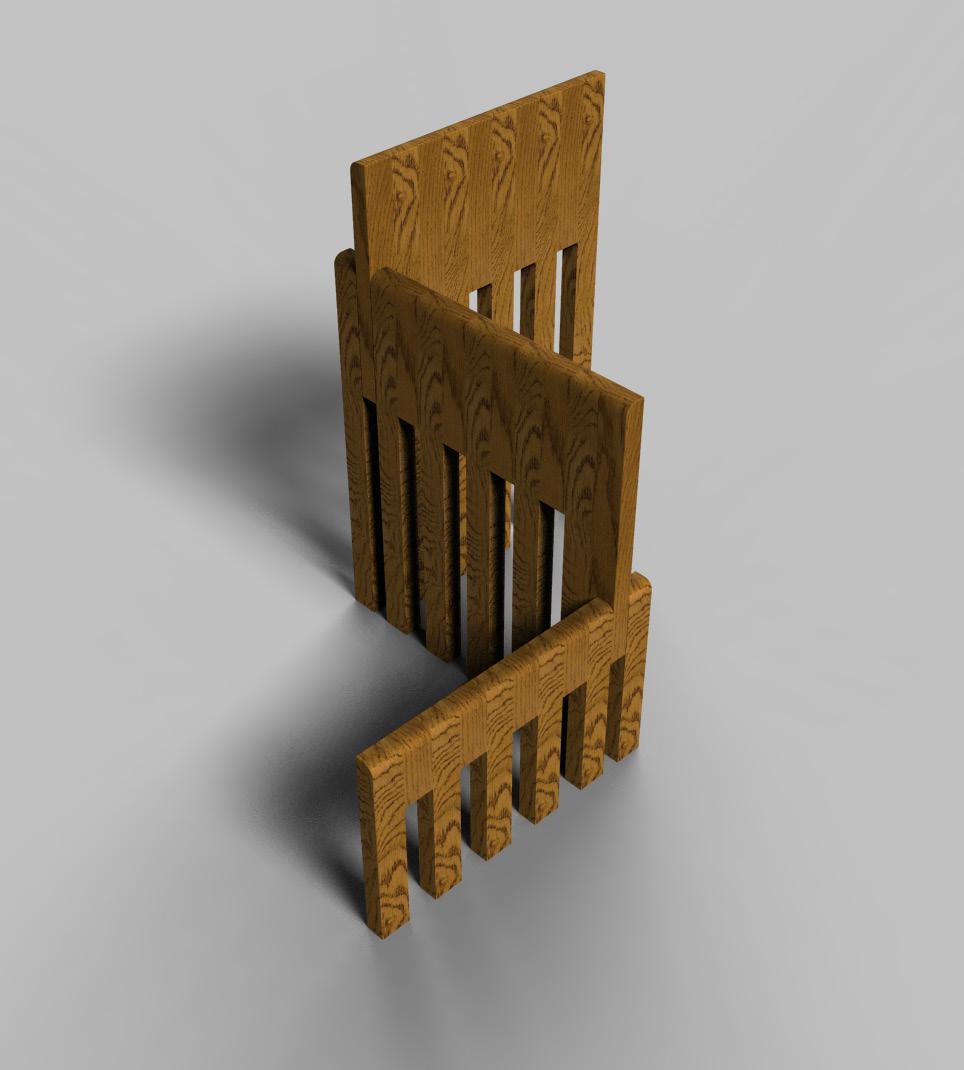
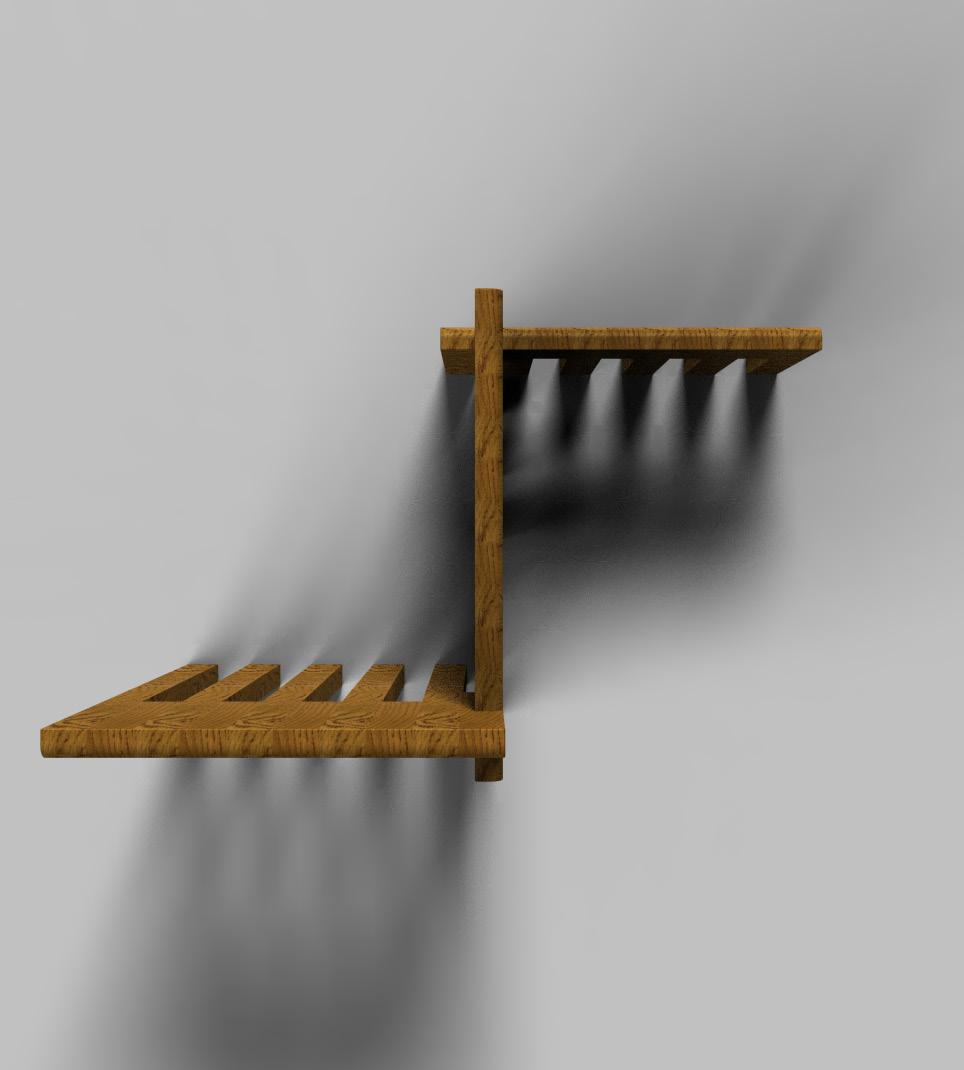
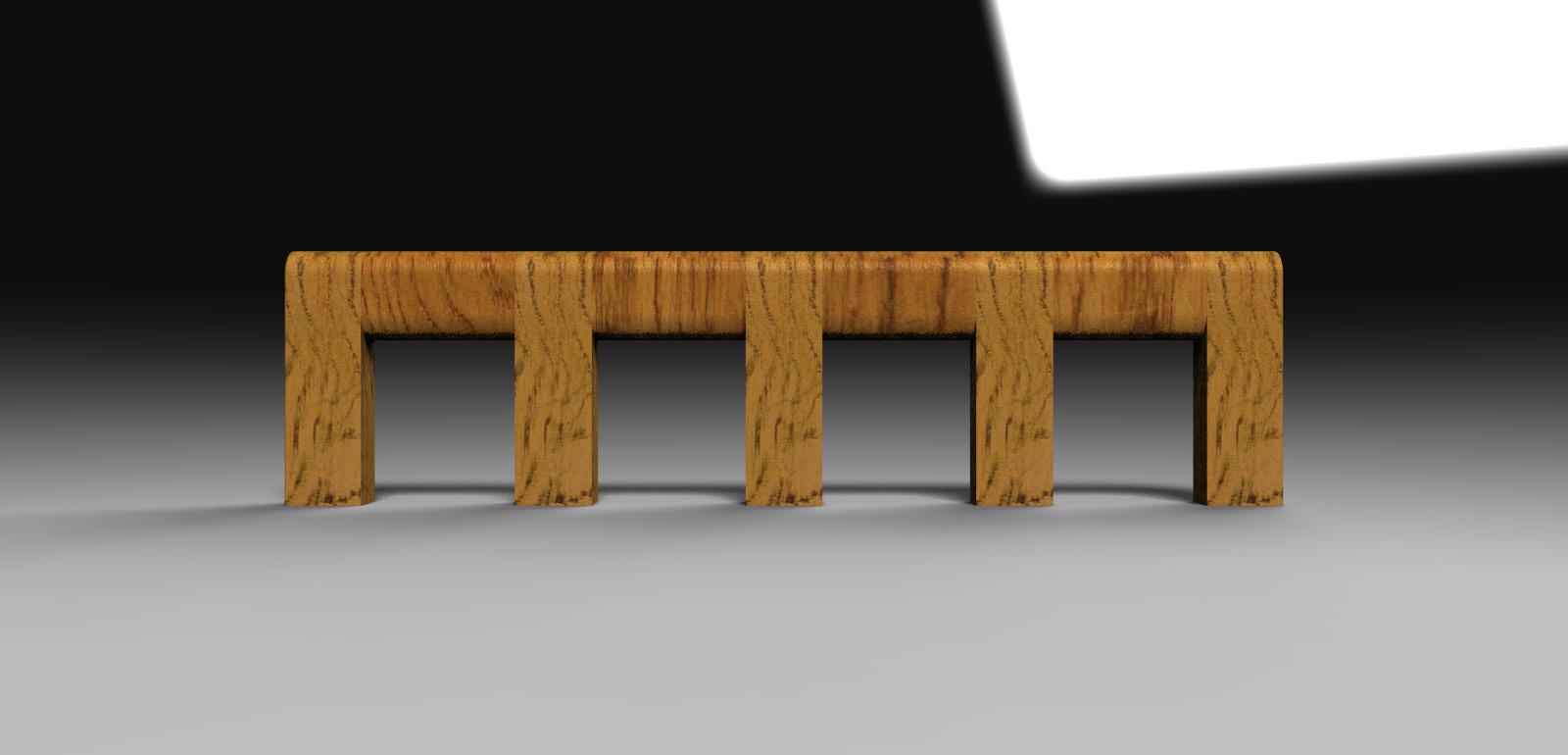
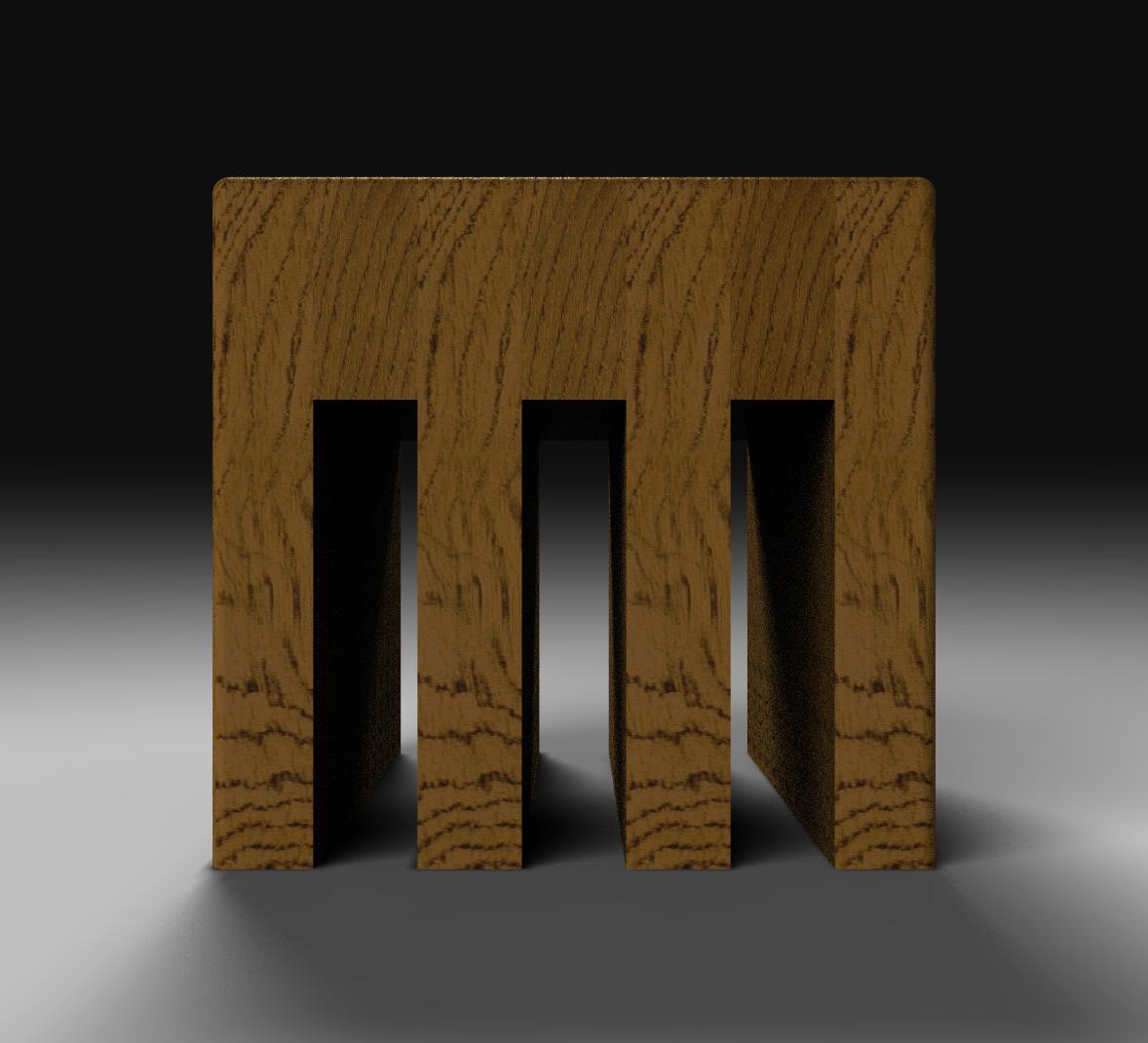
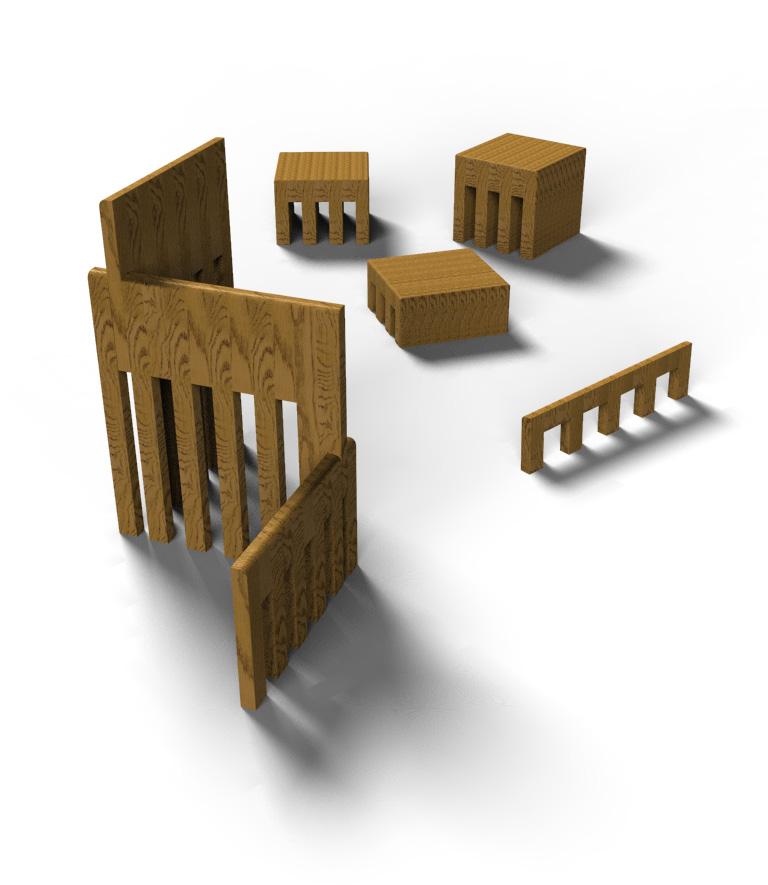
Training is a set of sports tools available to citizens to provide adequate support during their urban training. The product, consisting of 3 modules, allows the user to perform muscle strengthening, toning and flexibility activities. A common element of the 3 products is the use of wooden strips measuring 40x60 mm and of variable height. The access/exit portal is combined with the equipment, arranged in such a way as to create a circular path. Also designed to be used as the starting and finishing point of the Milan marathon.

Phases
03
01
Stretching tool
Step tool
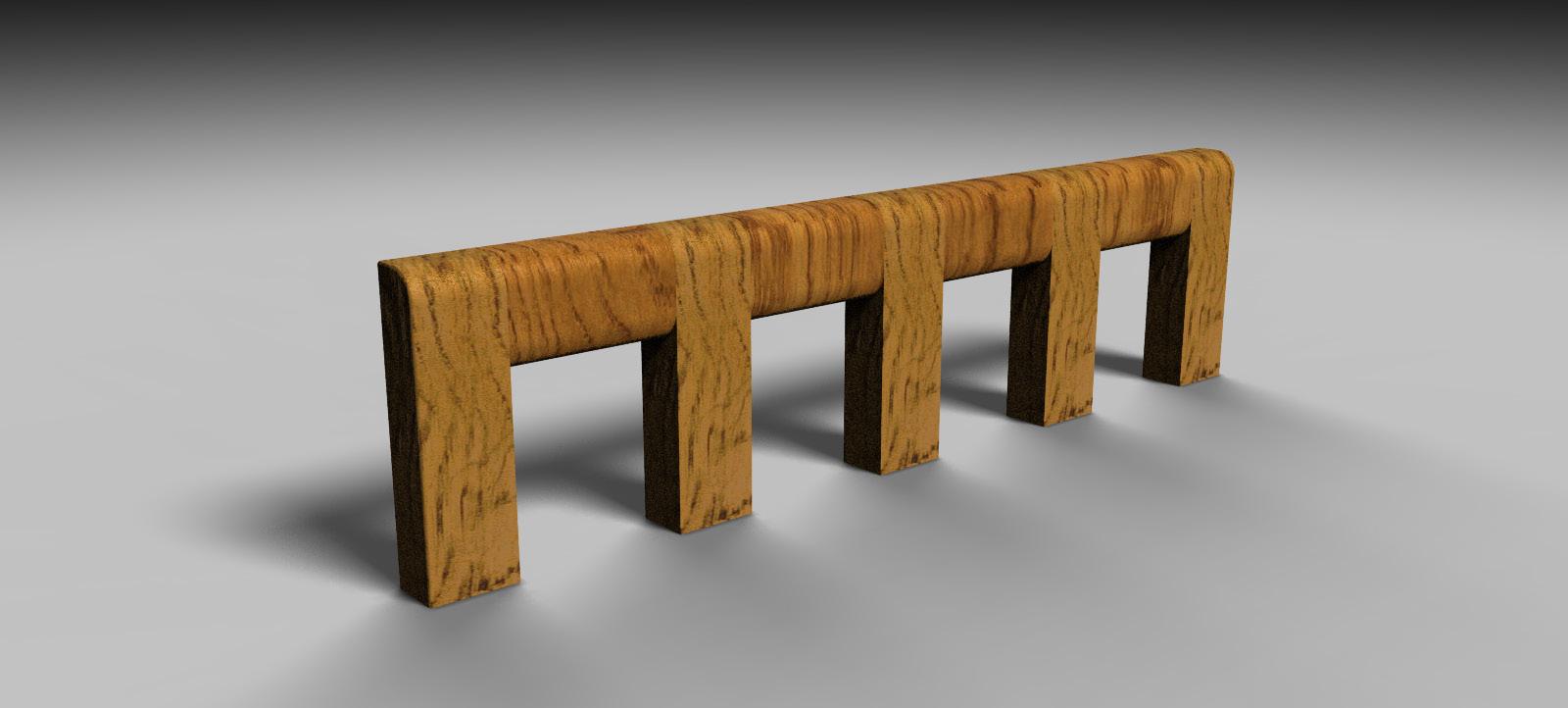
Pull up tool
Complete system
Contest
× “Dall’albero al design”
project for SKY academy [2018]
Group
× Bultrini Letizia
× Scarpa Fiorenza
MASTER & BACHELOR DEGREES
Projects from Design Engineering & Product design
Icaro [Appliances] Partners

Abstract Tools Phases
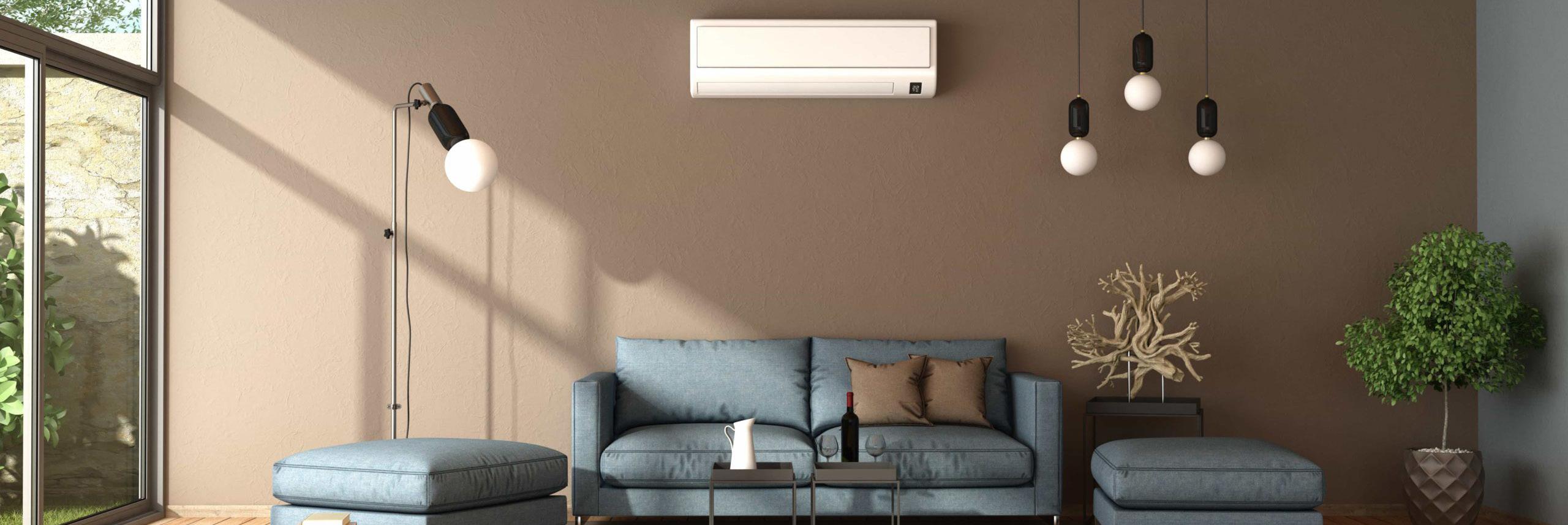
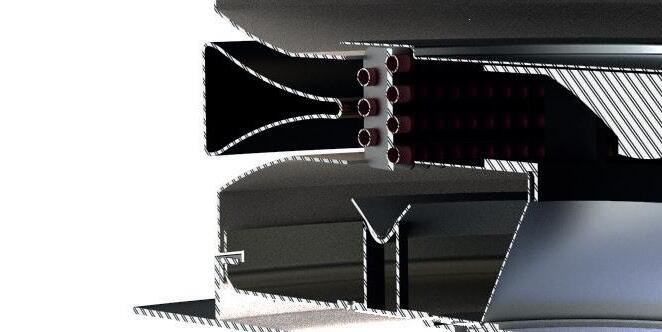
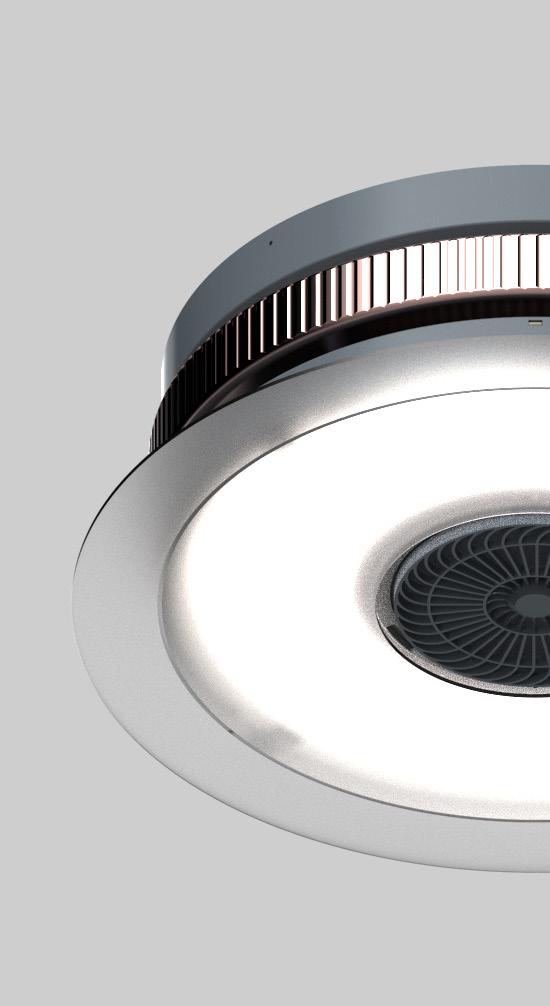
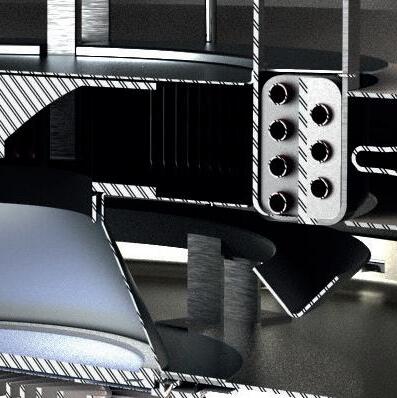
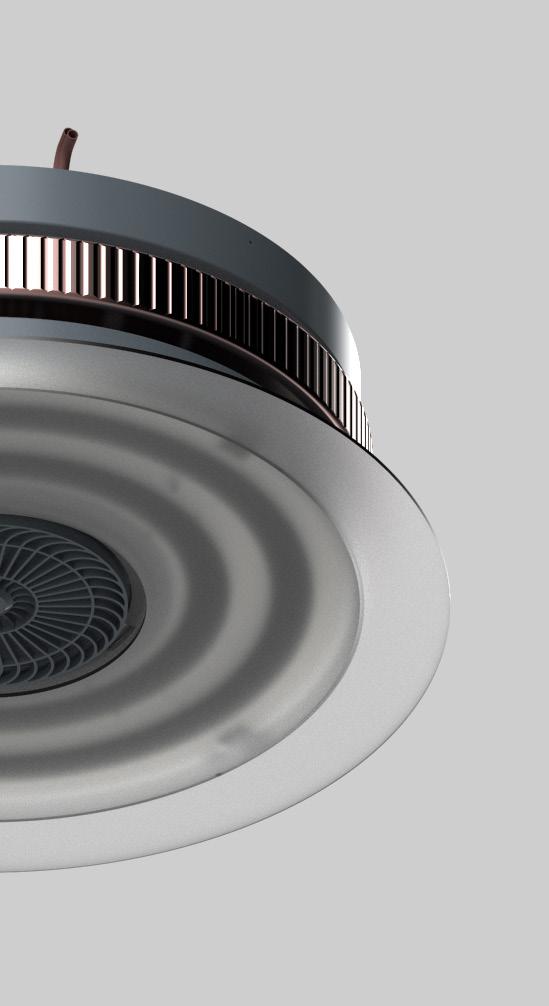
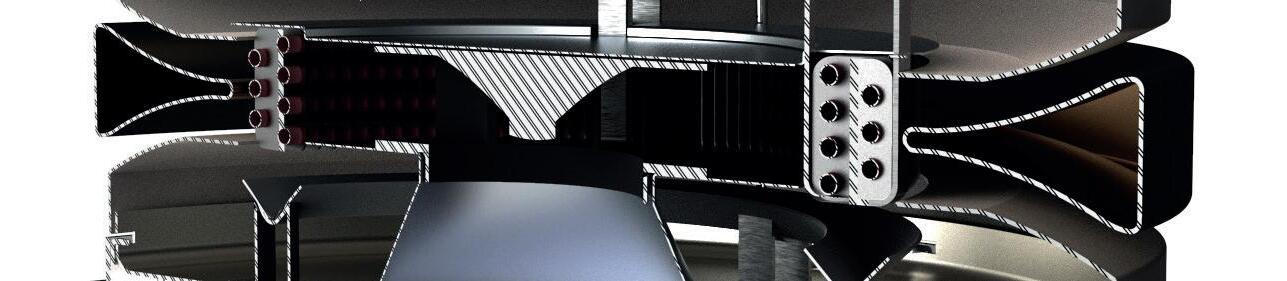
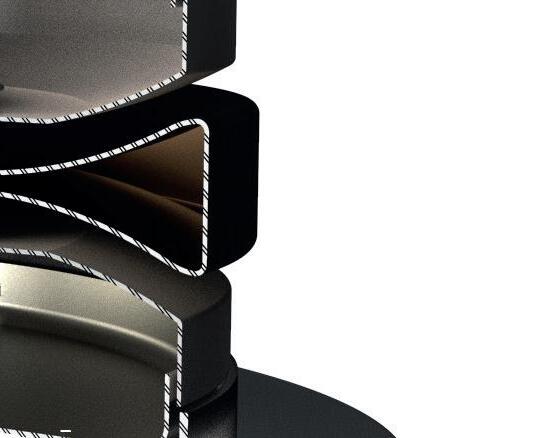
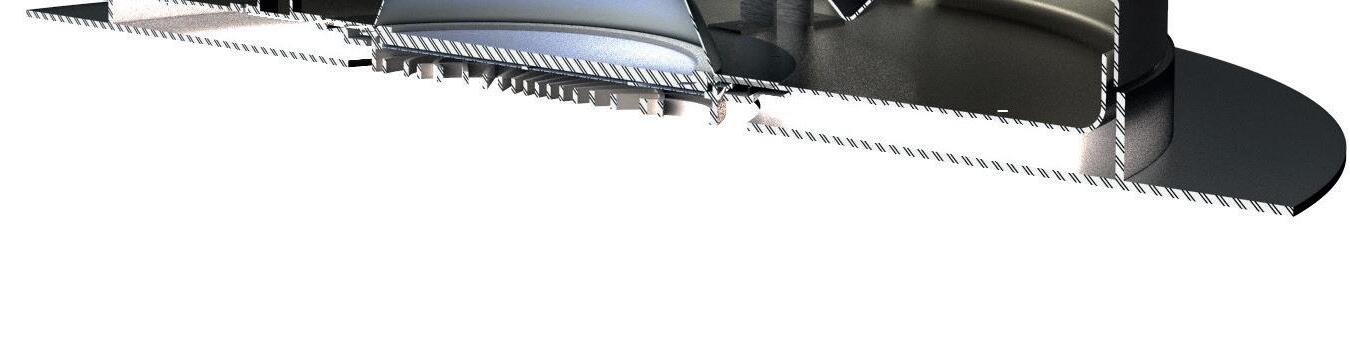
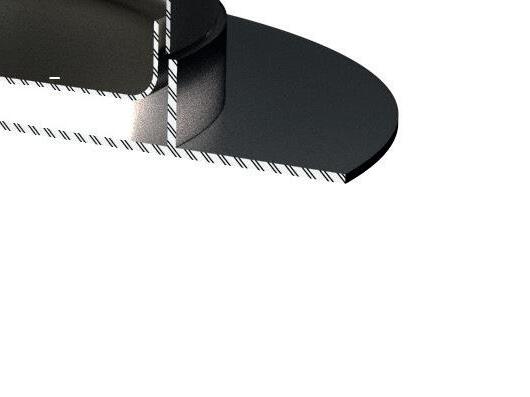
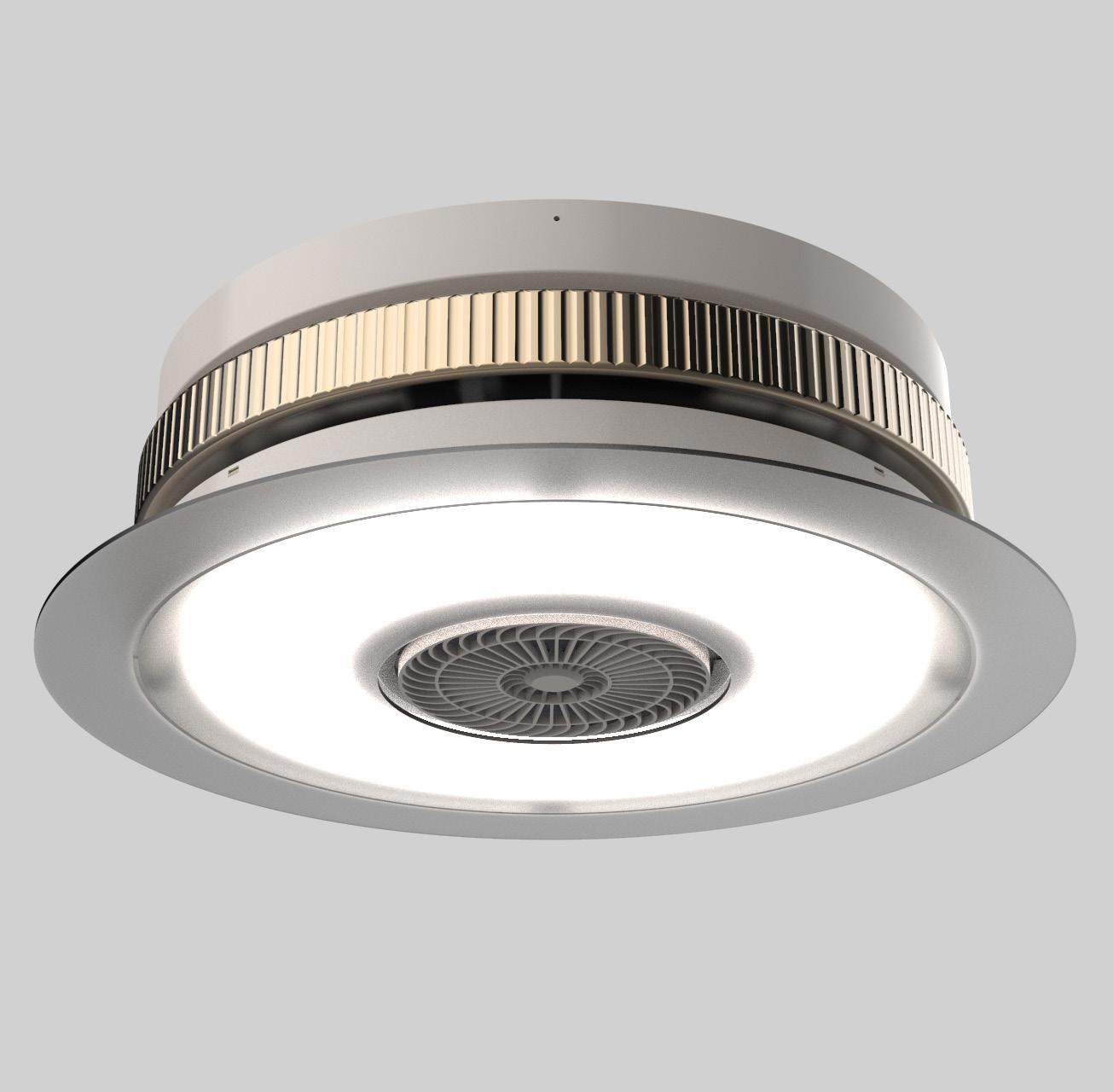
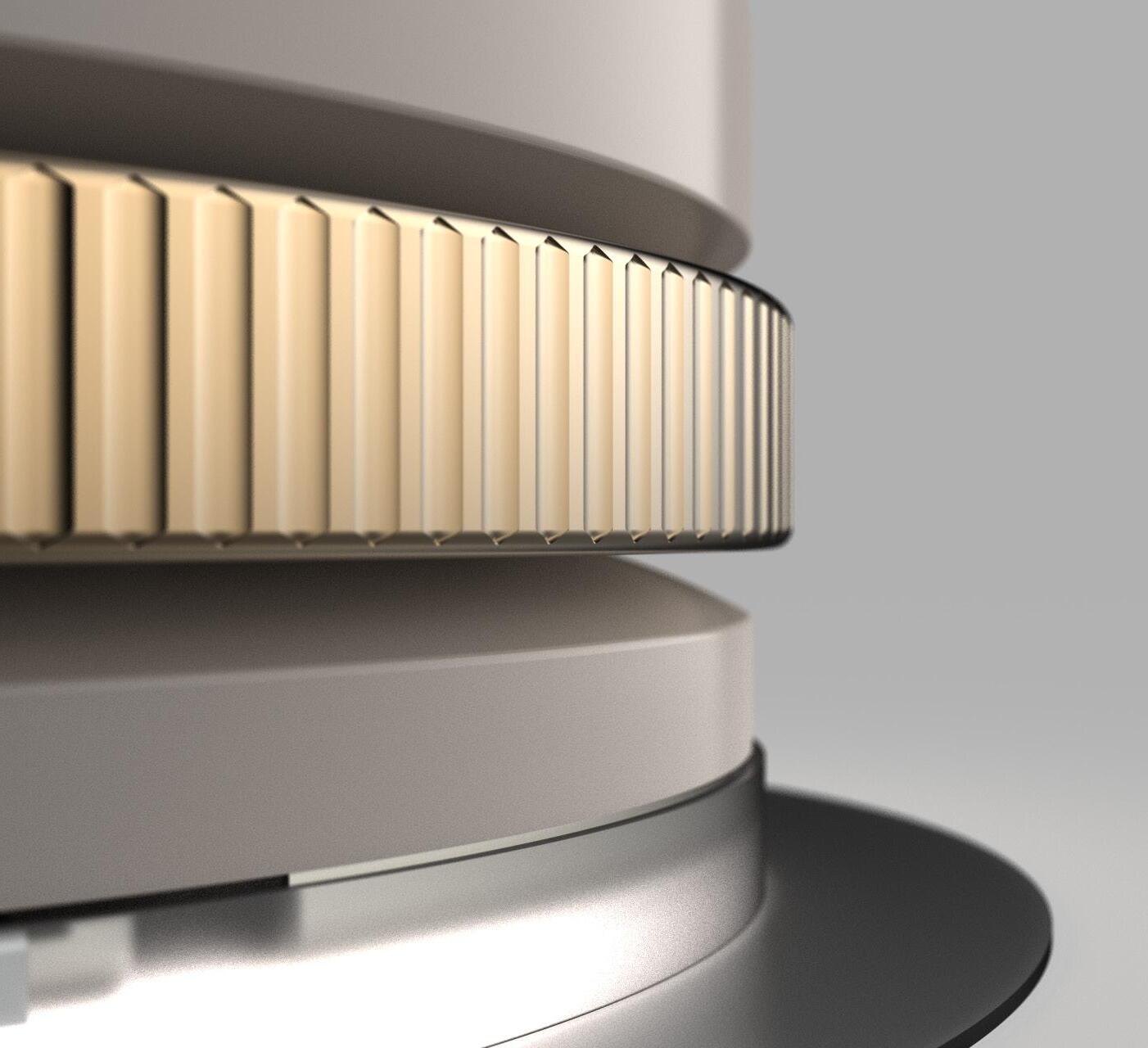
Icaro is a new generation of ceilingmounted air conditioners for residential spaces, which ensures the correct air conditioning of rooms thanks to a 360° directional air supply according to the chosen function (heating/cooling). LED lighting is also integrated in the air conditioner, allowing it to replace the main source of lighting in the room. The installation of the product has been designed with the aim of reducing steps and simplifying methods. The product is also equipped with its own control panel.
02
















































































































× Product development design studio 2 [2020]
× Brioschi Tommaso
× Marchese Federico
× Marinelli Sofia
Ventura Alice
×
Section with air flows Texture On/Off Laboratory Group In use
Pearl [Kitchen] Partners 02


Abstract Tools Phases
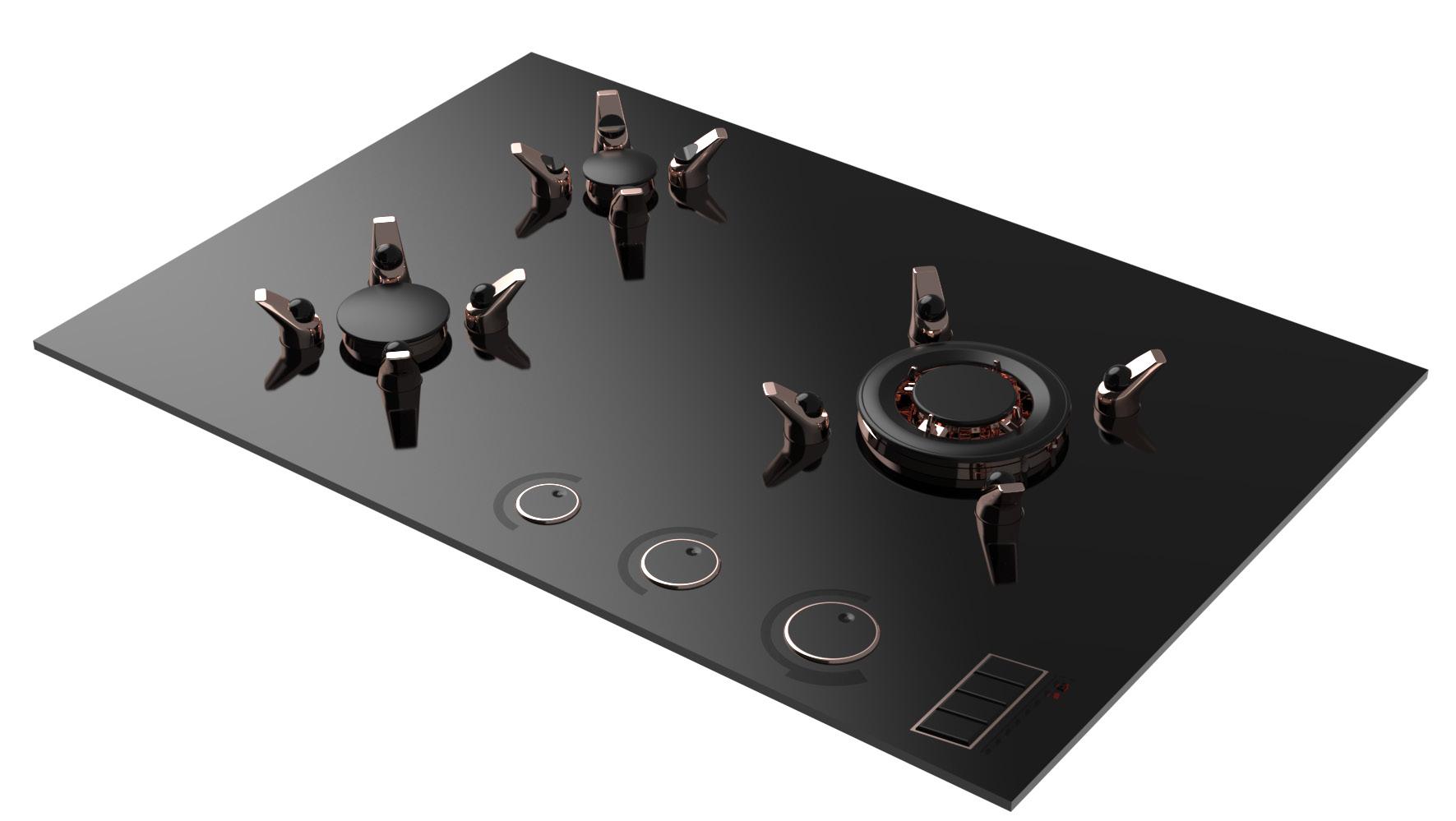
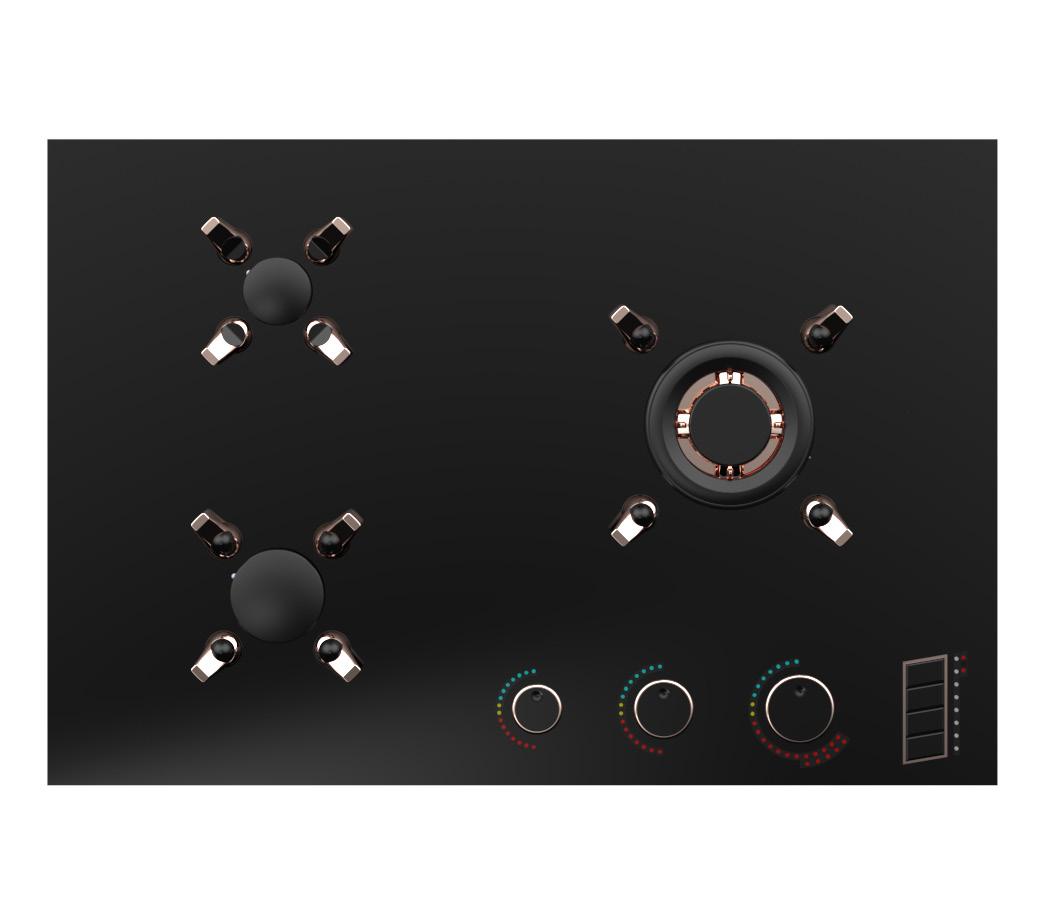
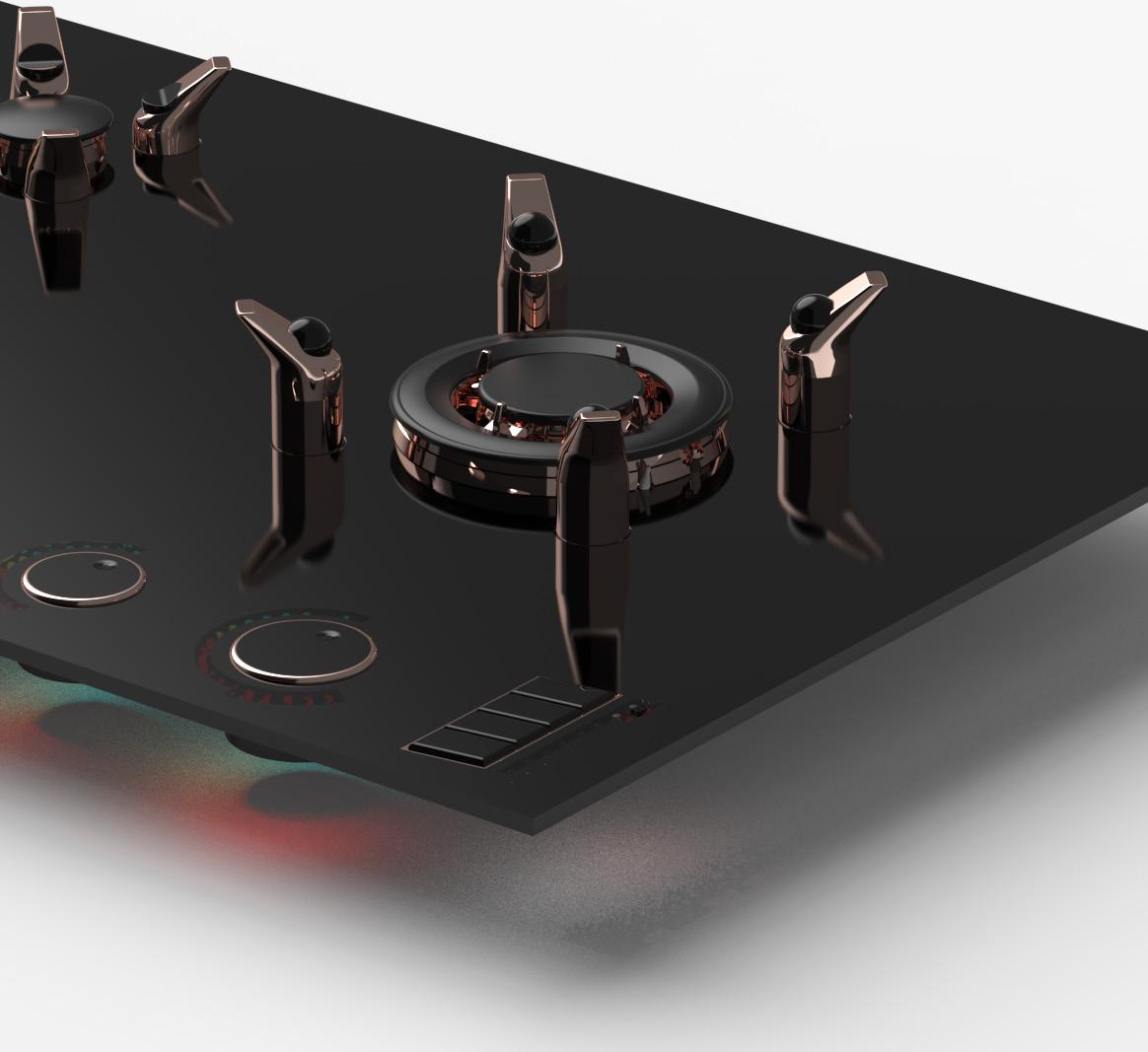
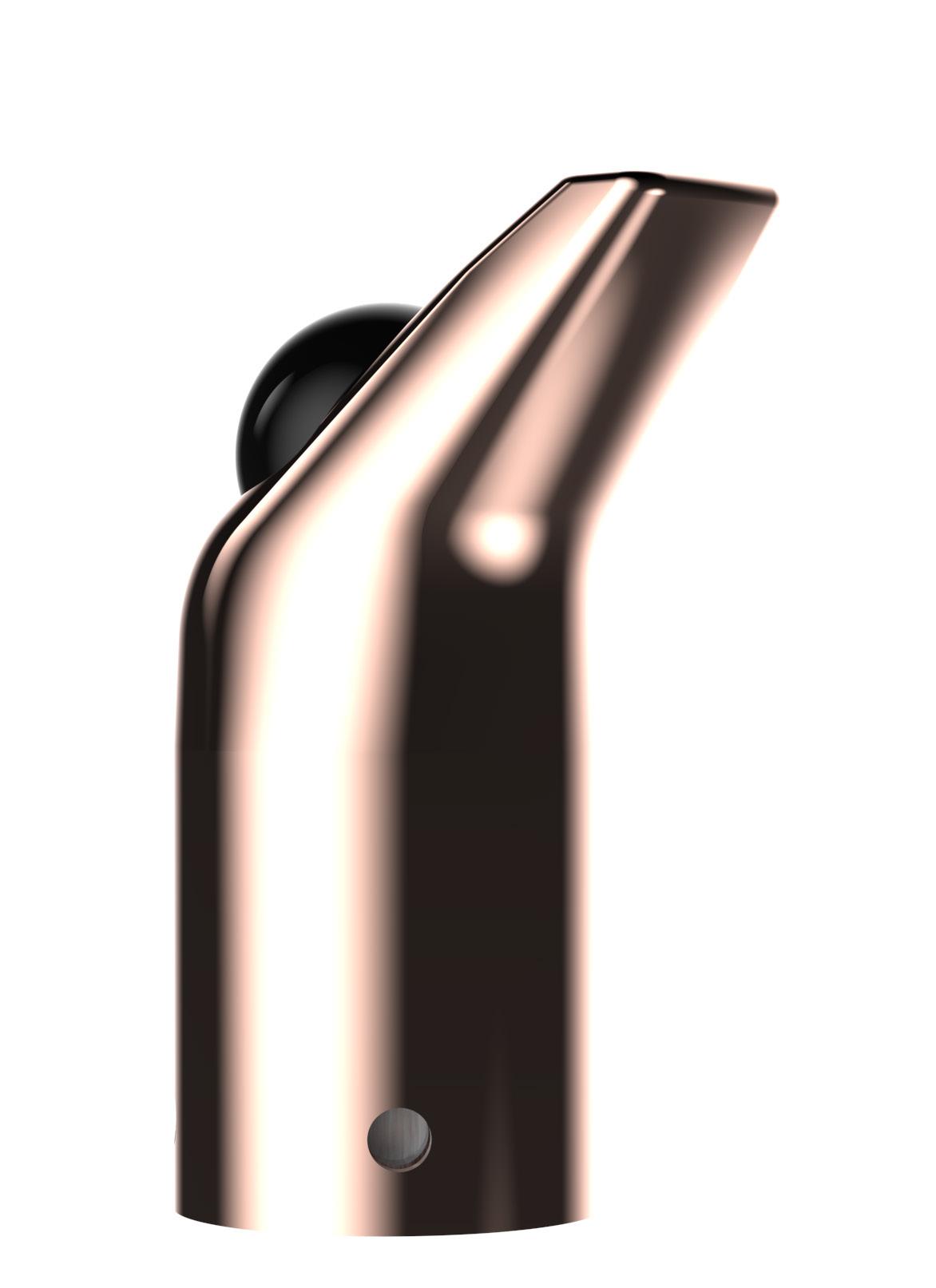
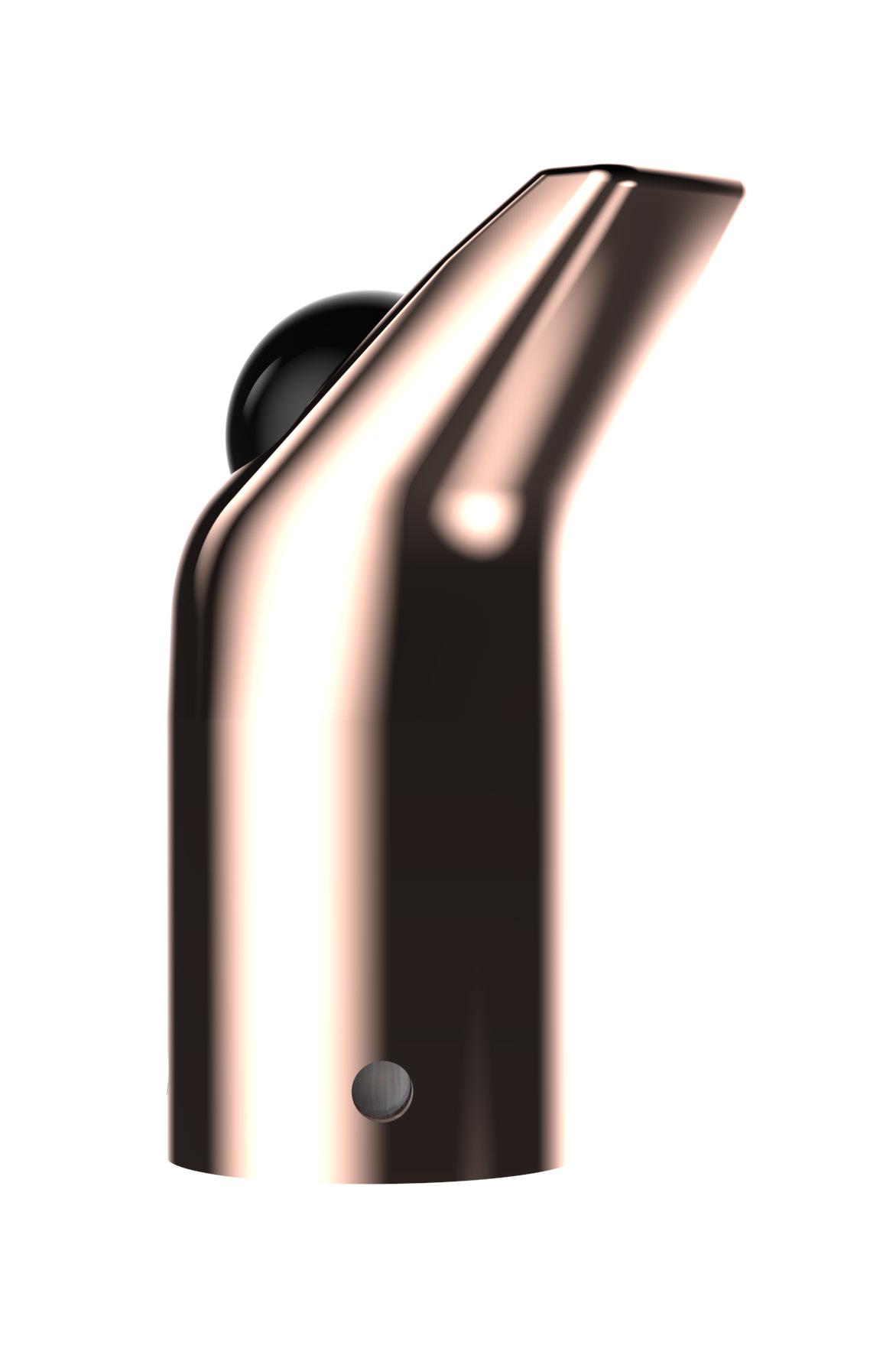
In this project, we started with an indepth analysis that led us to develop an innovative hob that allows the user to experience multi-ethnic cooking. Thanks to the configuration of the hobs, it will be possible to cook using both Occidental and Oriental cooking methods. The large and medium-sized grills are equipped with rotating spheres to follow the dynamic movements of oriental cooking; for wok use, the central grill of the hob can be raised to use a higher fimma than the normal one.
Movement
Top view
In use
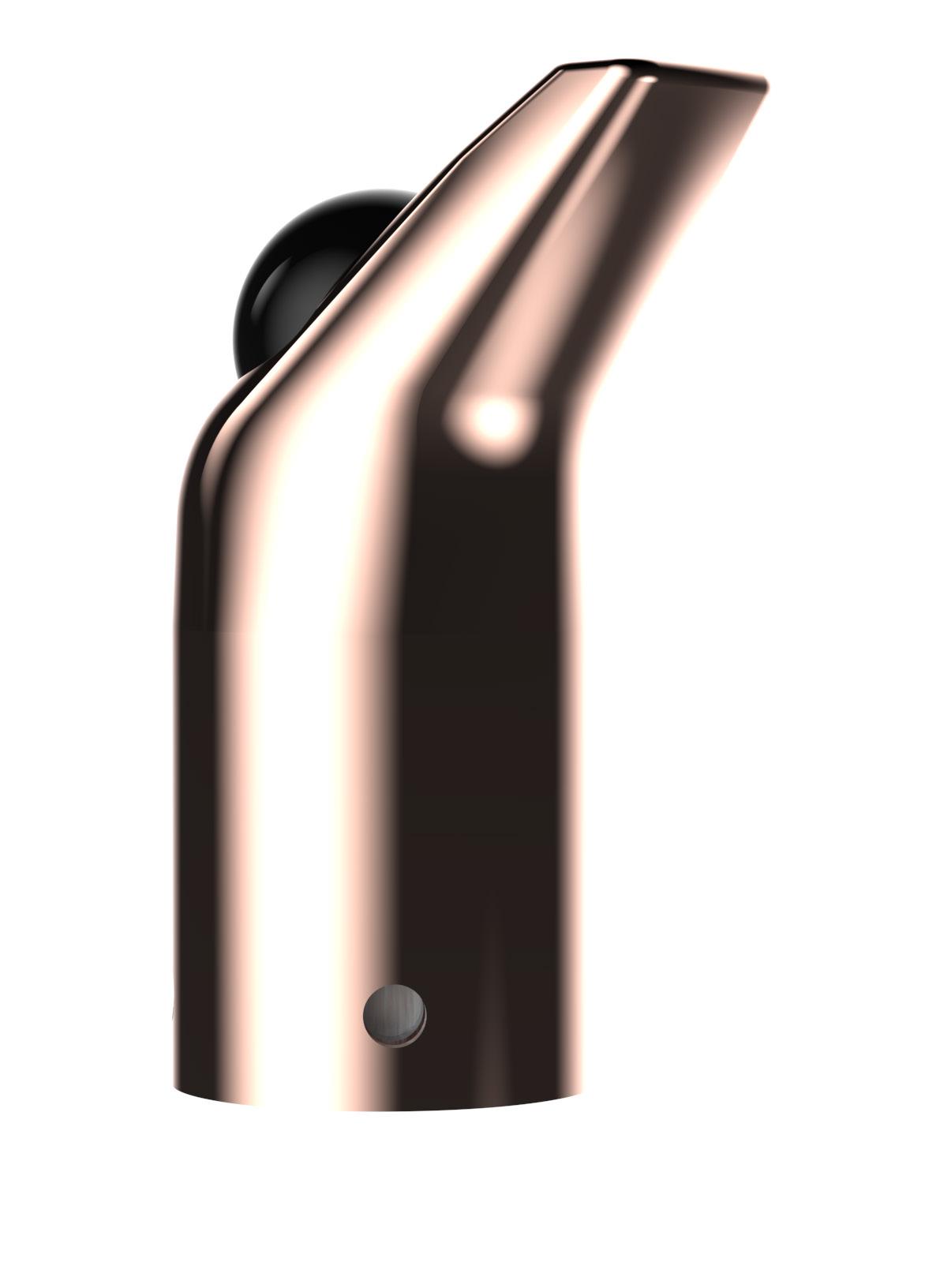
Laboratory
× Product development design studio 1 [2019]
Group
× Brioschi Tommaso
× Marchese Federico
× Marinelli Sofia
× Ventura Alice
Wok support








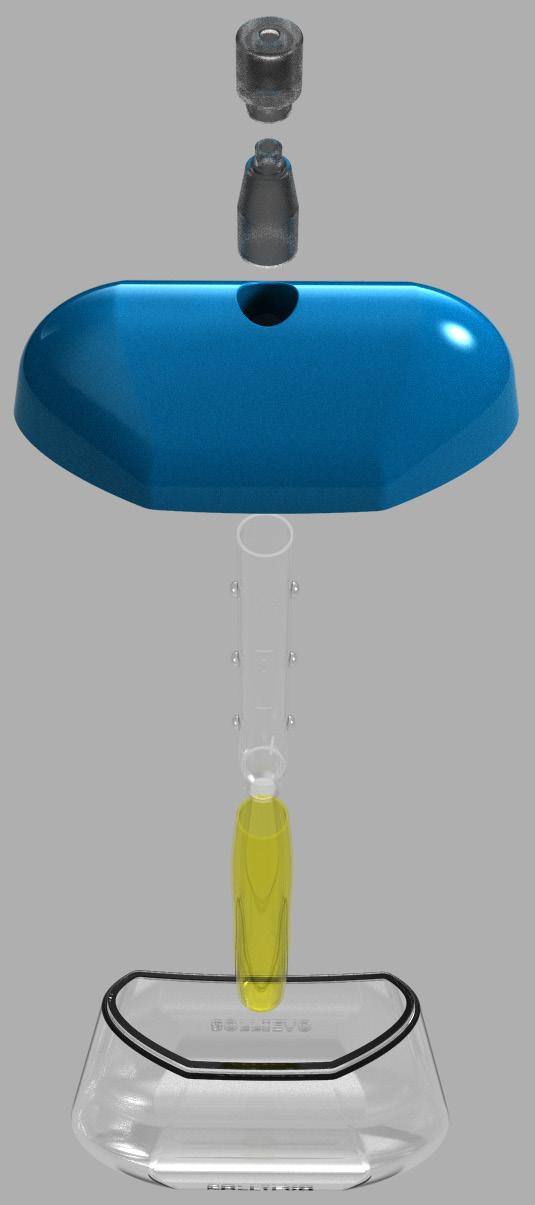
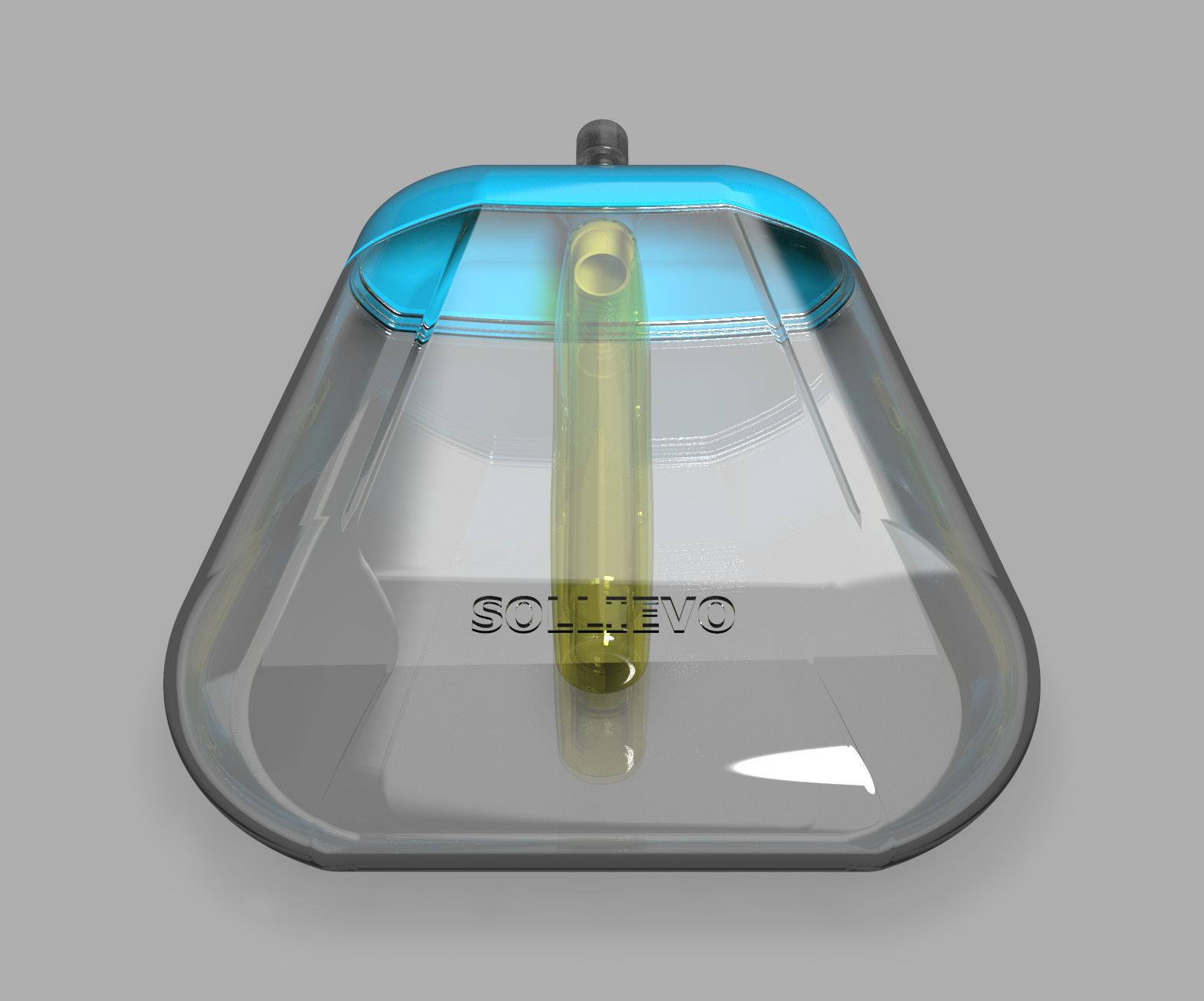
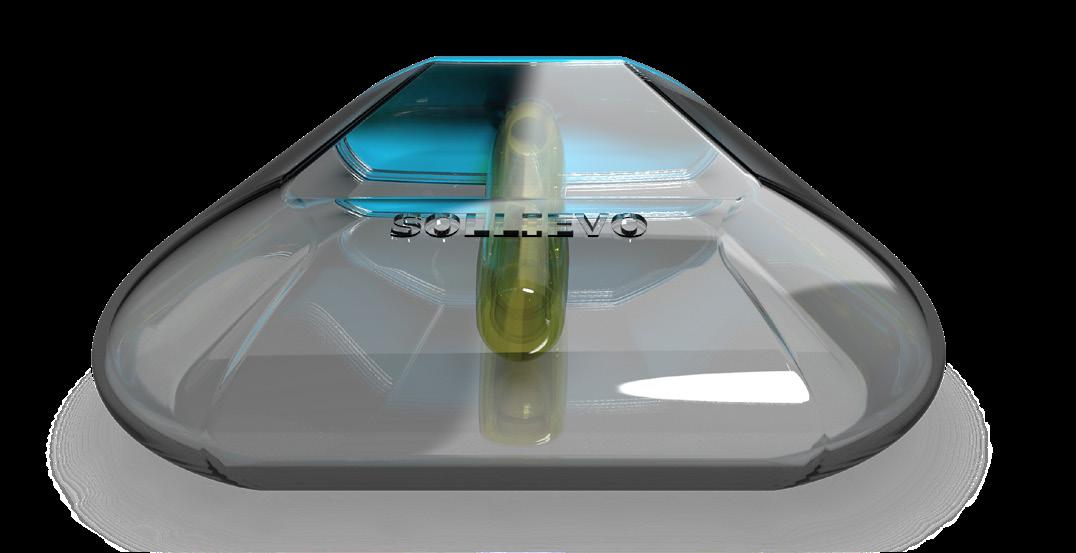
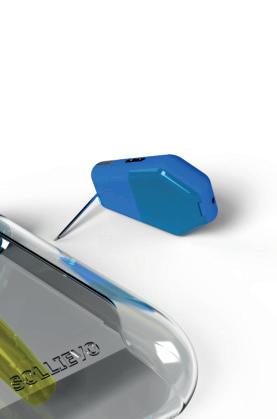
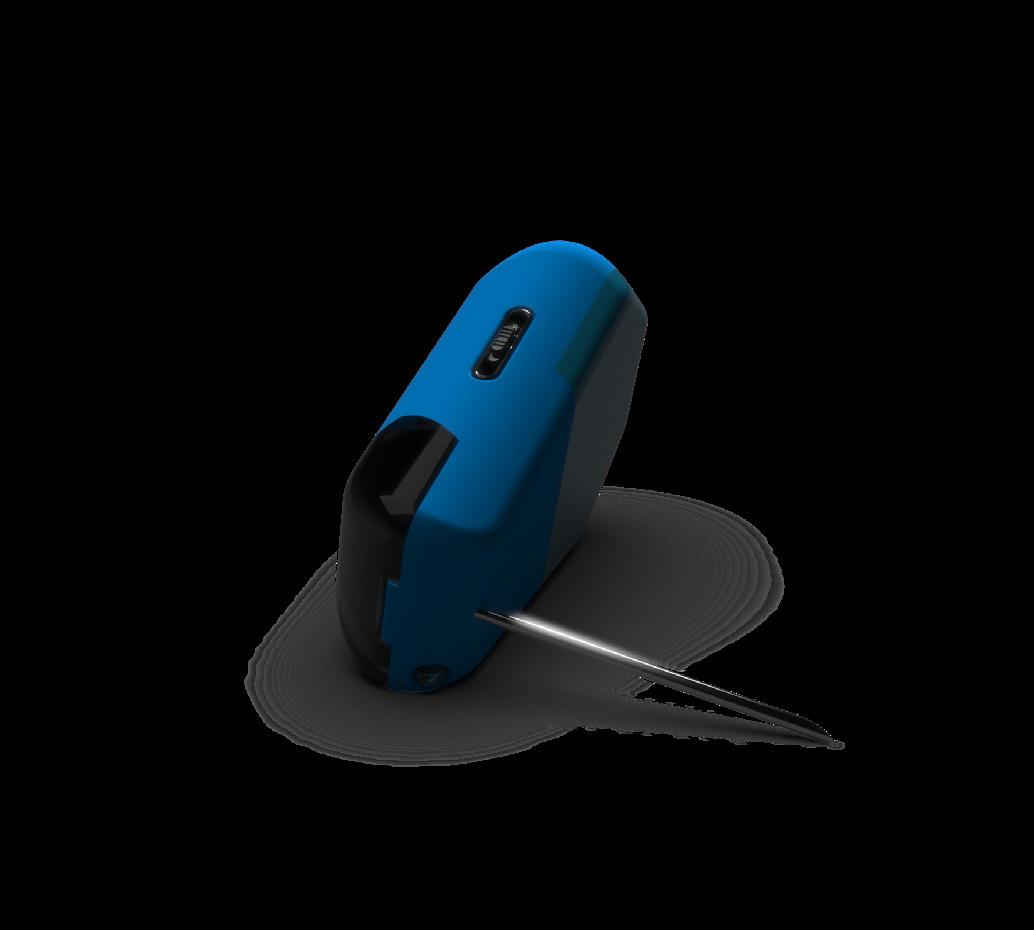
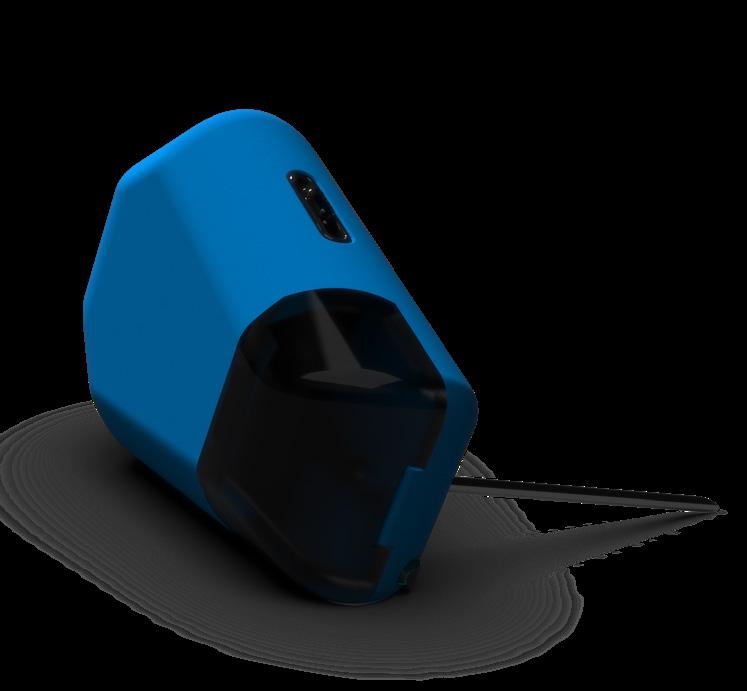
Sollievo is a portable elastomer infuser designed to be used during cancer pain therapy. The device is divided into two components: the case (used to contain the painkiller) and the uber needle (with electronic flow control guaranteed by MP6 Micropump). The new electronic configuration has made it possible to give an innovative shape to the object, compared to the common elastomeric pump, thanks to an ergonomic study aimed at improving both the grip and the transportability by the patient.
A B S A l u m i n u m E l a s t o m e r T P U P L A P V C 02
Abstract Tools Phases Materials Sollievo [Healthcare]

Led On/Off
Laboratory
× Project for Bachelor degree thesis [2018]
Professors
× Bianchini Massimo
× Bruno Davide
× Villani Emmanuele
Exploded view Case
Case & Needle
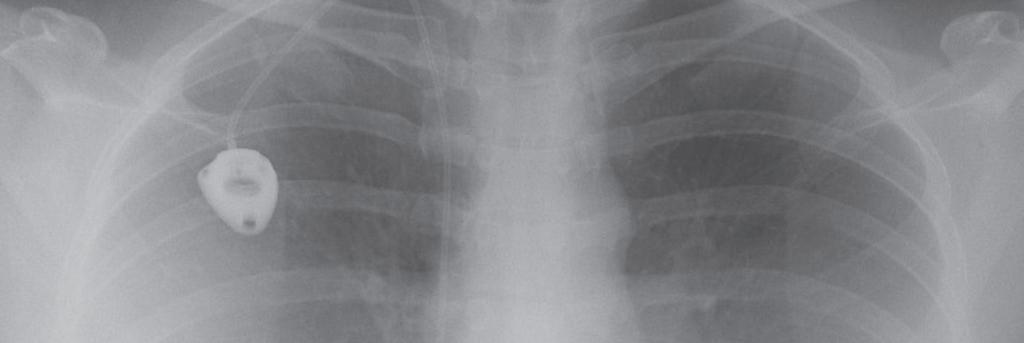



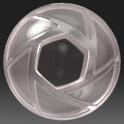
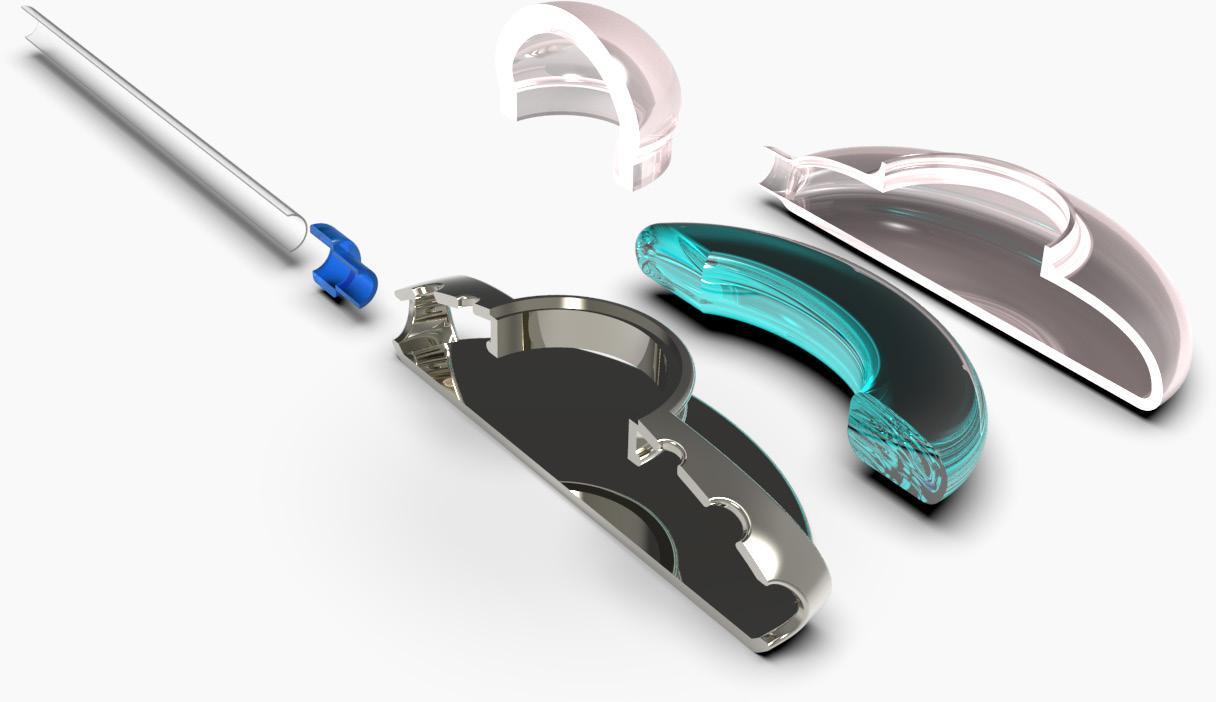
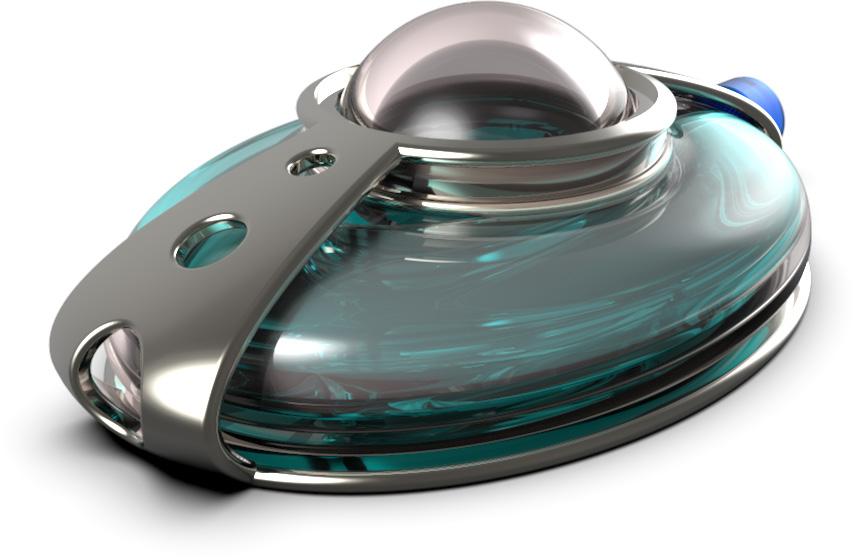
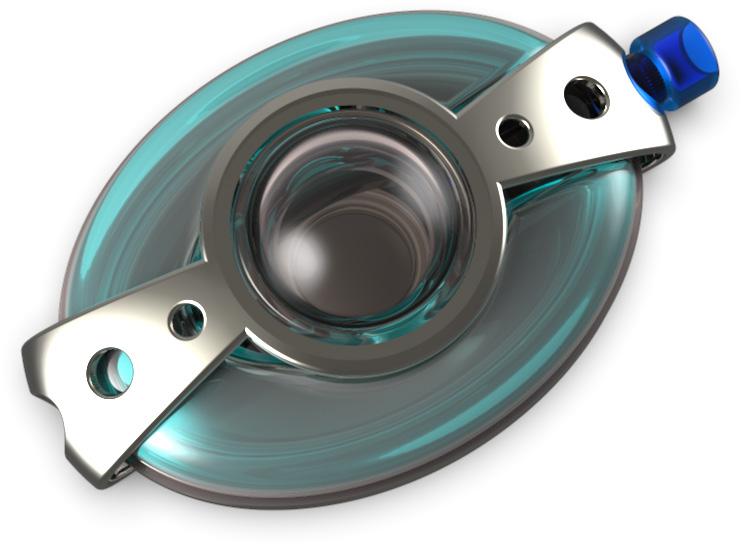
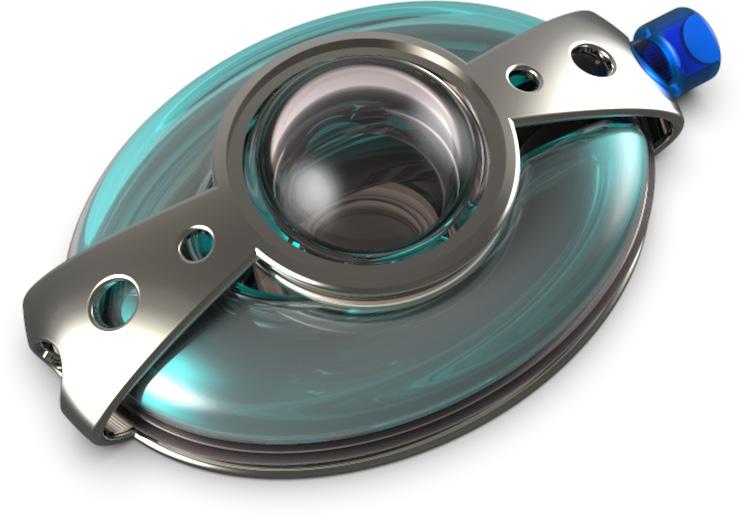
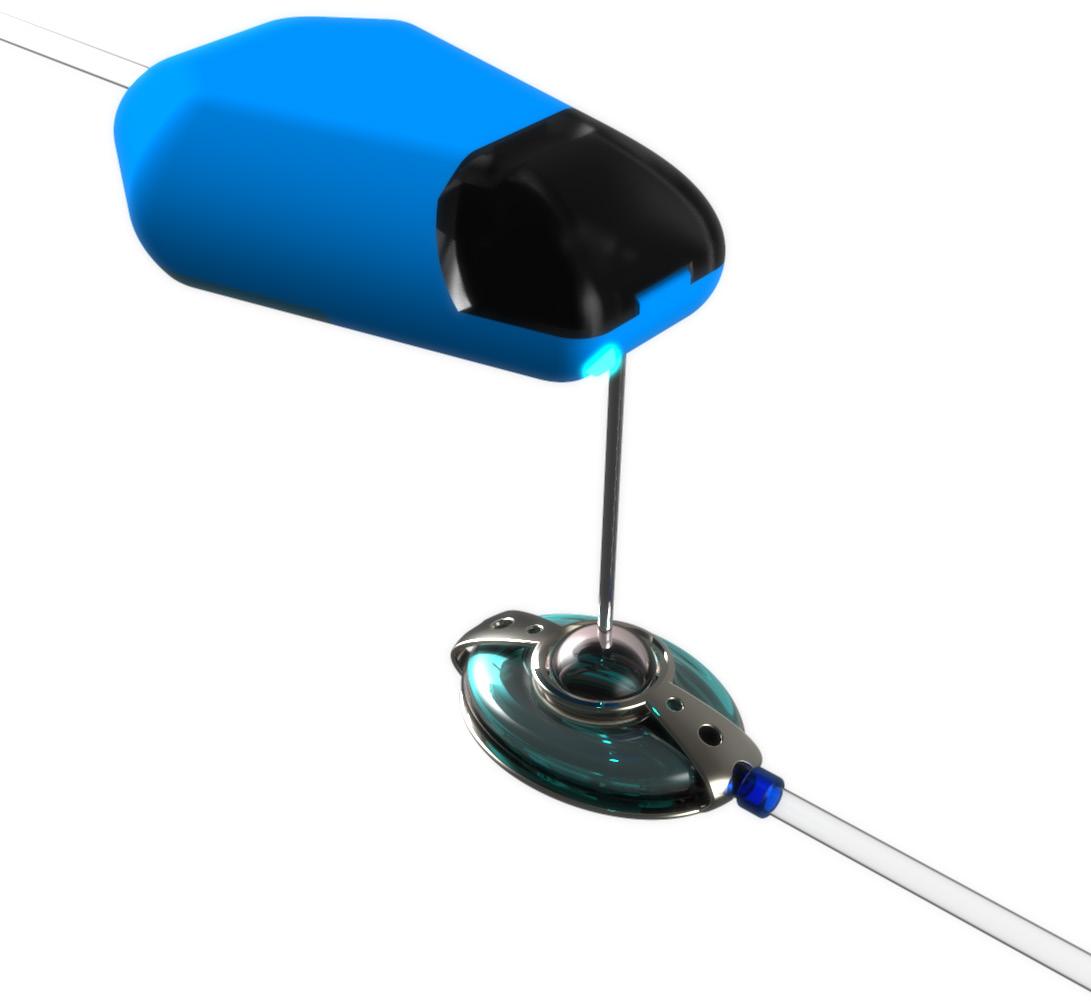
Eyease is a portacath that allows longlasting venous access for patients requiring continuous, long-term infusions (e.g. chemotherapy/pain therapy). The redesign of the R8 class III device (implantable, long-term drug delivery) meant that the port had a smaller volume (making it less invasive). In addition, the use of hydrogel makes it possible to reduce the amount of drug stored inside the silicone housing (which would otherwise stagnate). Abstract
A l u m i n u m H y d r o g e l P L A S i l i c o n P V C 02
Tools Phases Eyease [Healthcare] Materials
Exploded view
× Biomaterials for prosthetic devices [2018]
× Greco Caterina
× Scarpa Fiorenza
In use
Perspective views Laboratory Group Portacath
PERSONAL PROJECTS
Projects from Myself
Master degree thesis
Abstract
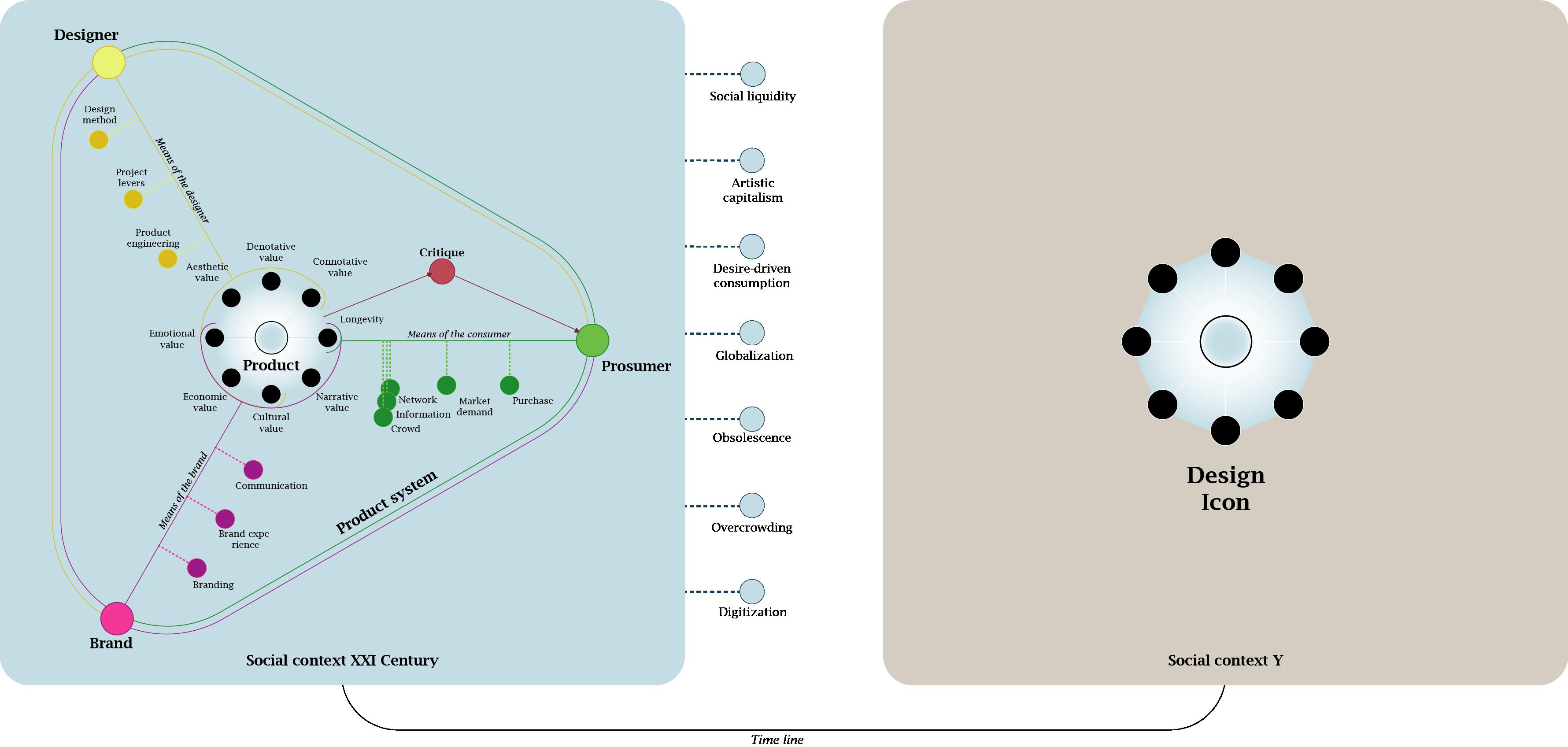
If the icon is a fortuitous occurrence, are there any factors that can help determine its creation or recognition as such? My thesis investigated the motives that can influence the recognition of an iconic object. In a first part, I gathered extensive documentation on the concept of icon, through the study of literature and the analysis of critical and commodity success factors of design products. Another important tool to deepen the topic was to develop a series of interviews and case studies that allowed me to fill in the gaps left by the literature. This made it possible to compose a critical reading grid capable of shedding light on the complexity of the topic. The answer to my thesis question is thus given by the set of factors and roles, circumscribed within the critical reading grid, at work in determining the recognition of an iconic product. However, icon recognition cannot in any way be predicted by the grid itself.
Indeed, the icon may be recognised as such in a forthcoming social context (thus taking into account an additional temporal variable) if ever its values succeed in representing the society of its era in a sufficiently synthetic and direct manner and, if ever, the object succeeds in being interpreted in a correct and coherent manner by the forthcoming observer.
03
Critical grid of factors involved in the creation of an icon
× Politecnico of MilanDesign Engineering degree [2021]
× Mangiarotti Raffaella
× Trabucco Francesco University Professors
High school teaching course
Description
This course was created with the intention of bringing high school students closer to the world of design, making them experience first-hand the design methodology used by designers during their work. The objective was to lead the students (divided into teams) to the generation of a product system capable of innovating their school. The lessons were divided into:
× Theoretical lessons on tools and notions useful for good design, and to learn about the history of basic design
× Classroom reviews/workshops with presentations of the design phases by the students.
Product system
The product system relates to the world of technology, society and environment:
× Exchange value
× Relation value
× Value of use
03
Projectual phases followed Other professors
× Scientific high school Ariosto Spallanzani (RE) [2018]
× Valli Marco School
Medium school teaching course
Description
The remedial Summer class goal was to let the students to create a scale model of the Museum of 900 in Milan, using the different softwares they had been taught during the year and creating also visuals and presentations about the history of that museum.
The course was set up by dividing the class into different groups in order to:
× Increase team building activities and create the rules of being in class
× Increase the development of responsibility and help for classmates with more difficulties
Mock-up phase
The final mock-up was build up using the following softwares:
× Adobe suite
× Fusion 360
× Inkscape
03
Projectual phases followed
× Scuola Cova ETS (MI) [2021] School
3D MODELING
Projects from Modeling programs
Program Evaluating

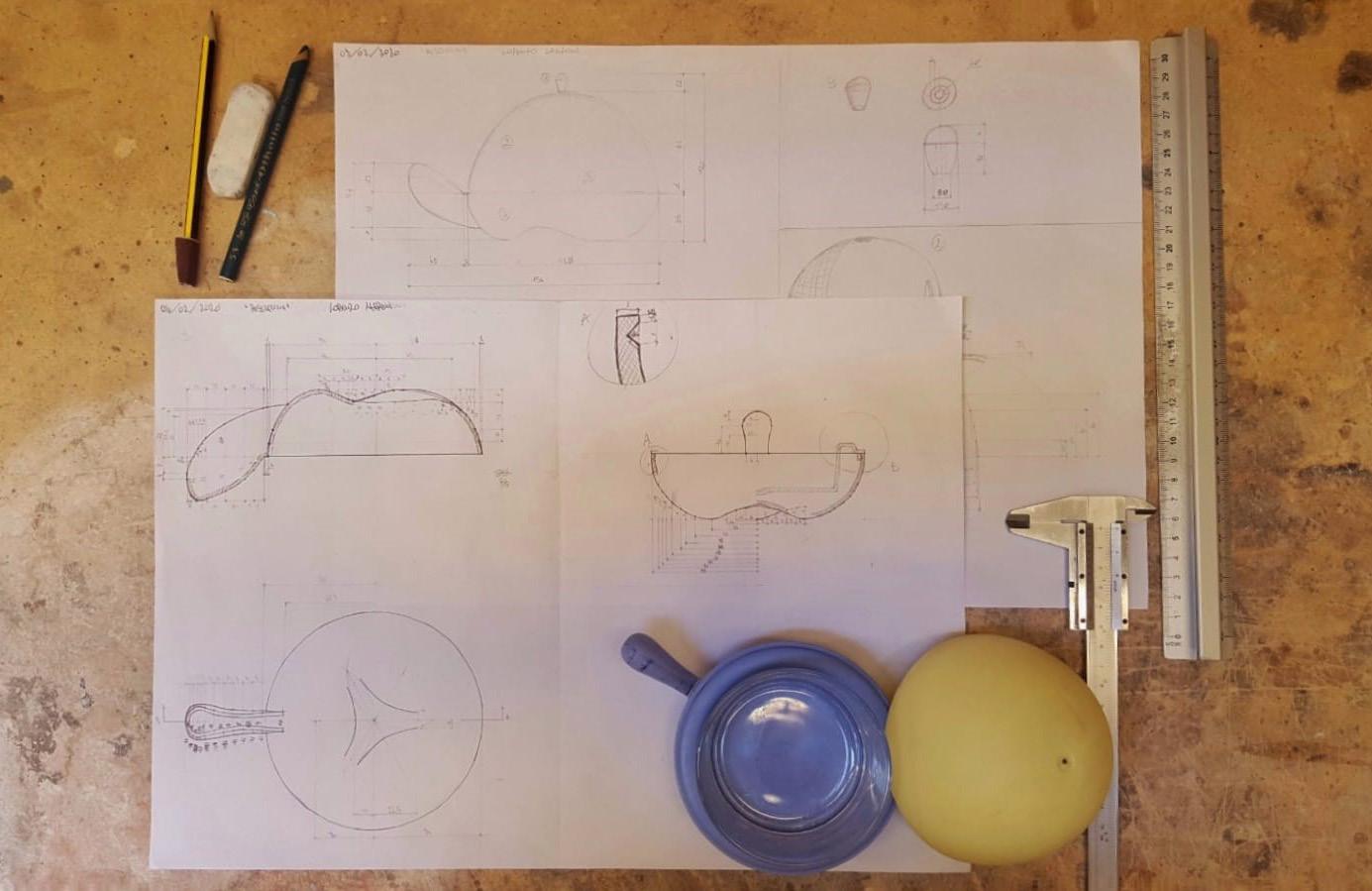
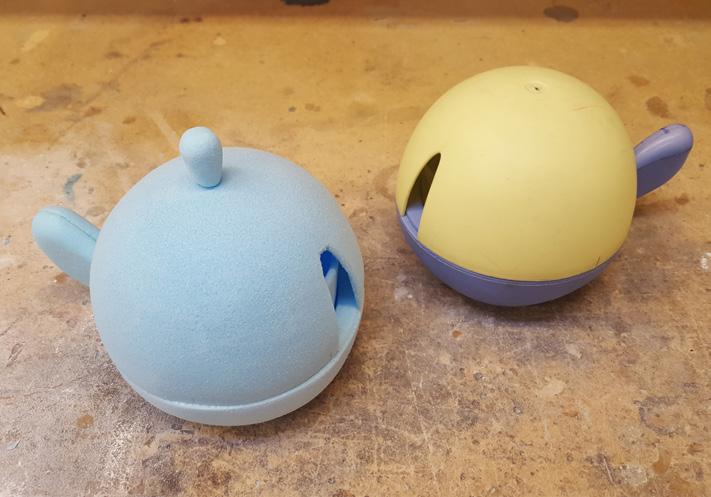
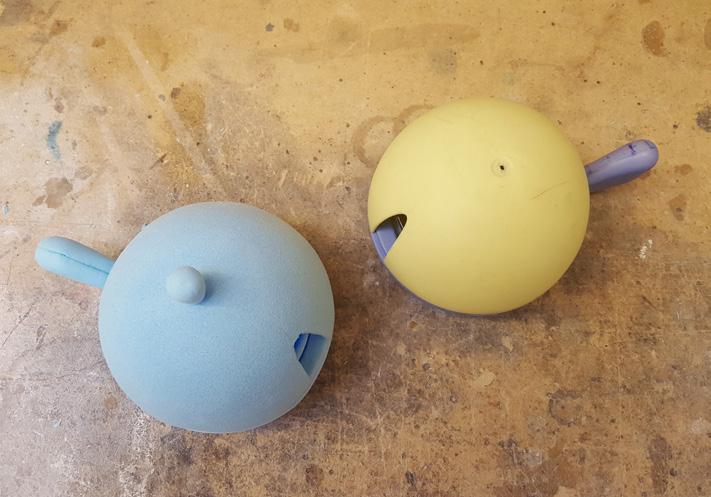
The first part of the reverse engineering process starts from the component analysis (material and production process). This analysis will be useful to identify the manufacturing guidelines, which give us certain indications that the piece will follow (Ex: plastic injection molding - constant thickness) thus providing us with the first data for the drawing.
Phases
Technical drawings
Once you know the production method and the material used, you can start with technical drawings. To do this it is useful to use tools, such as the caliber. However, the complexity of this component lies in the curves, which, in order to be represented, must be divided into points and then calculated the distance of them from a fixed reference.
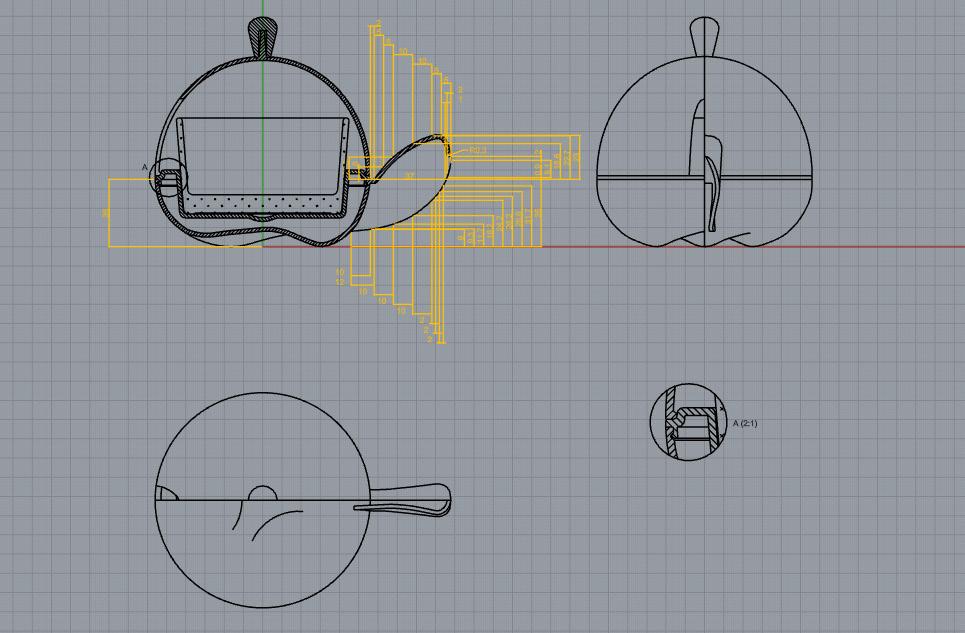
04
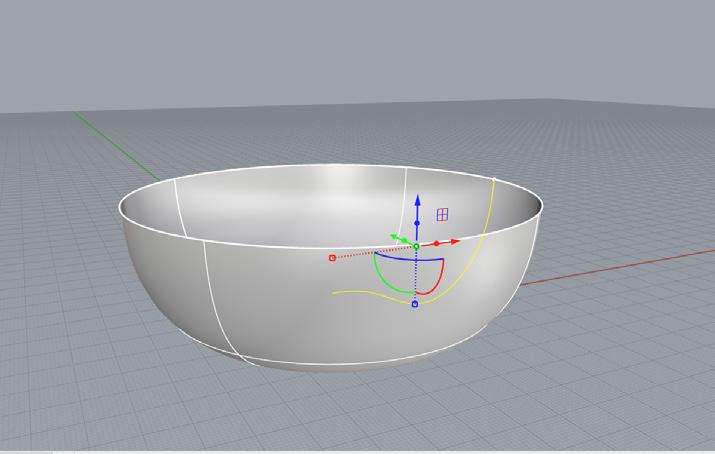
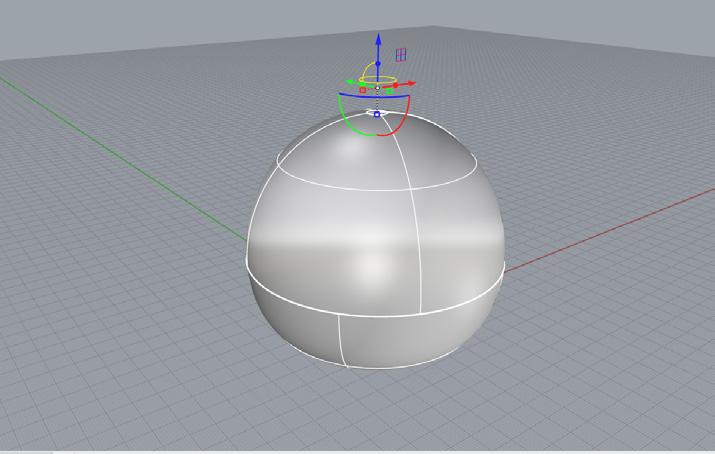
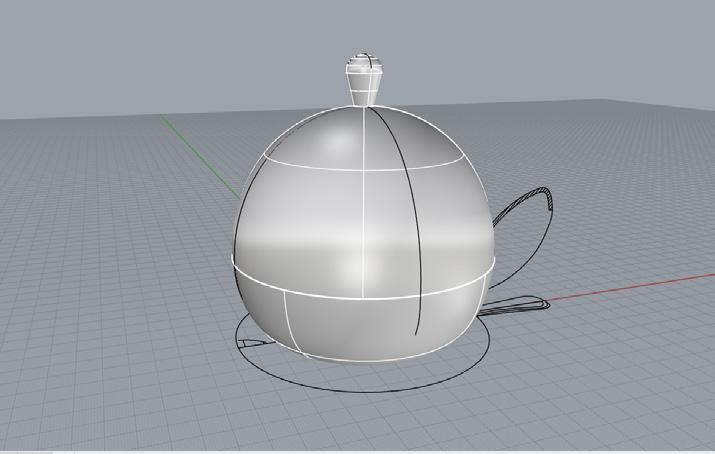
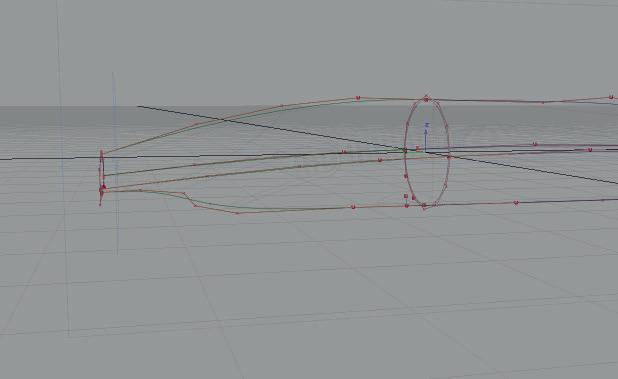
Surface modeling
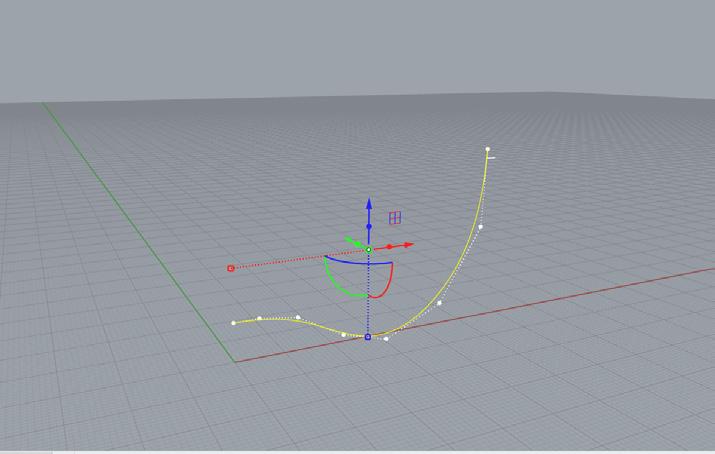
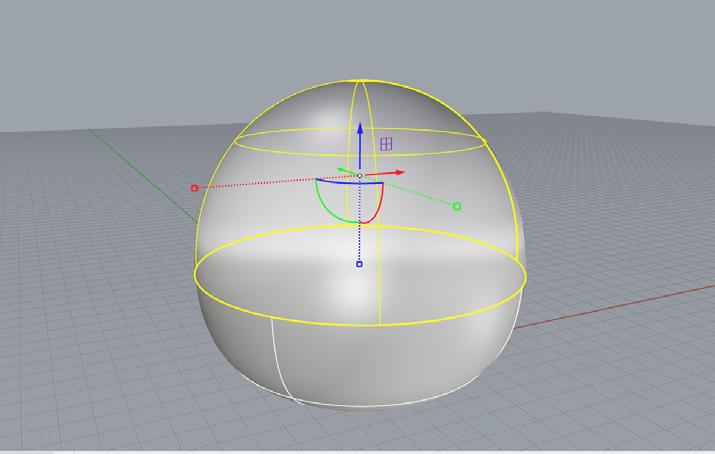
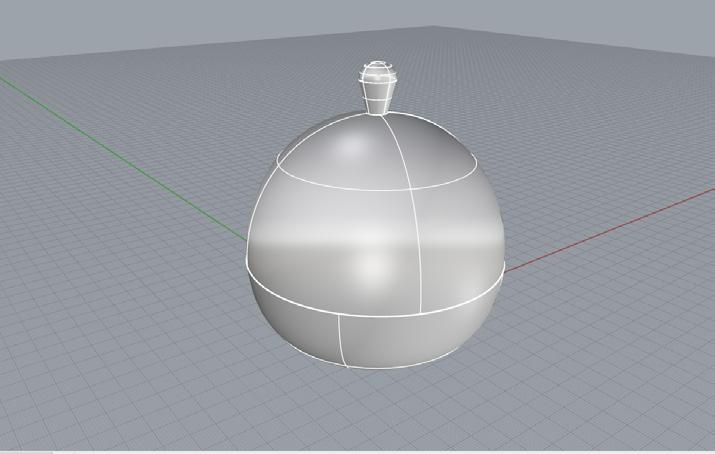
Once all the orthogonal views have been represented, and also the assessments on the interlocking parts (drawn on the table through the use of sections) have been made, all that remains is to use the lines drawn to reproduce the 3D model of the object analyzed. For the representation of the latter, having a very soft shape, we opted for a modeling for surfaces: in order to provide a continuity of shape between the various components.
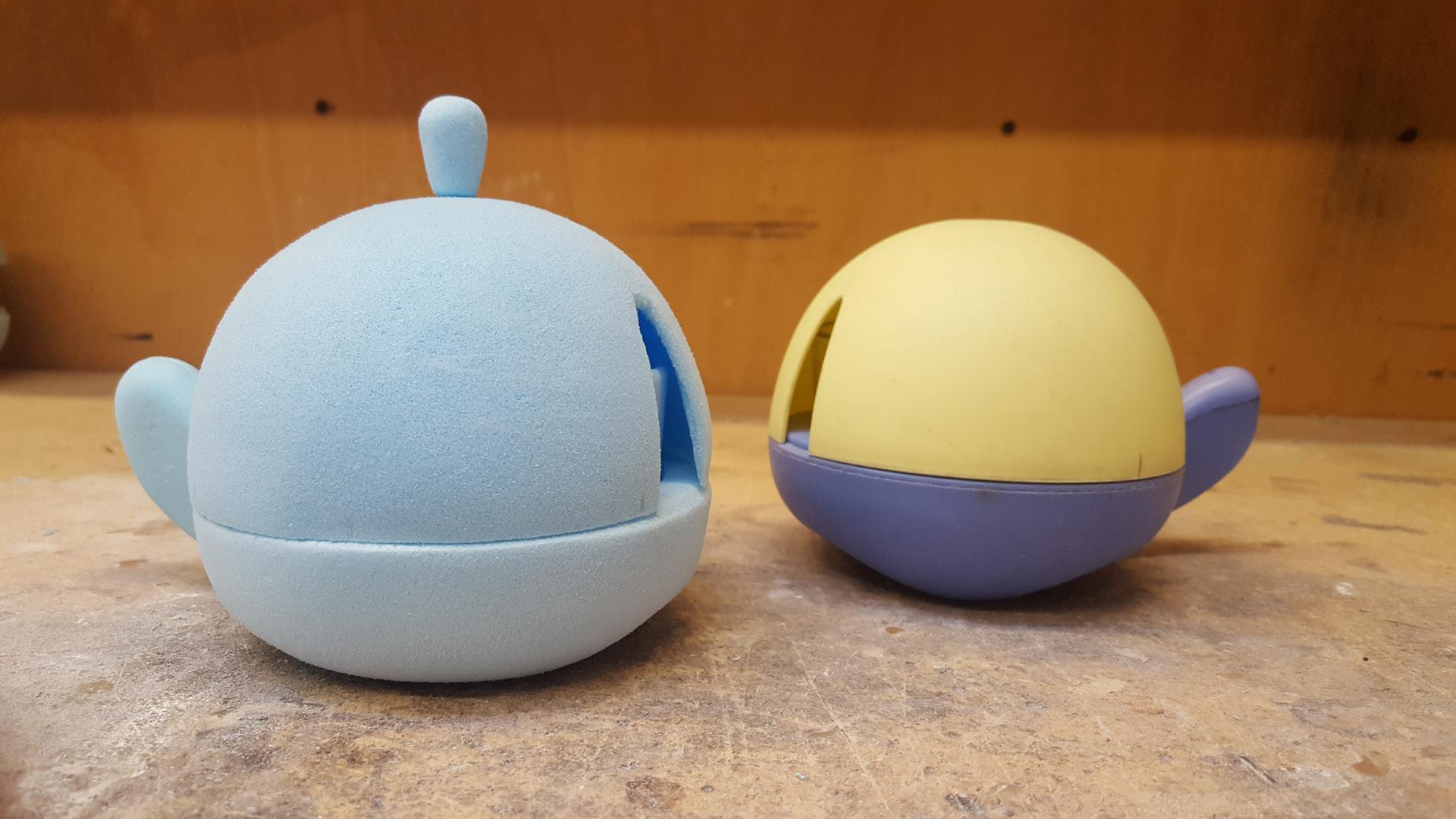
Physical model

 × Isao Hosoe Design [2020]
× De Bartolomeis Lorenzo
× Musso Andrea Studio Tutor
Program Evaluating

Phases
Genesis assembly 04
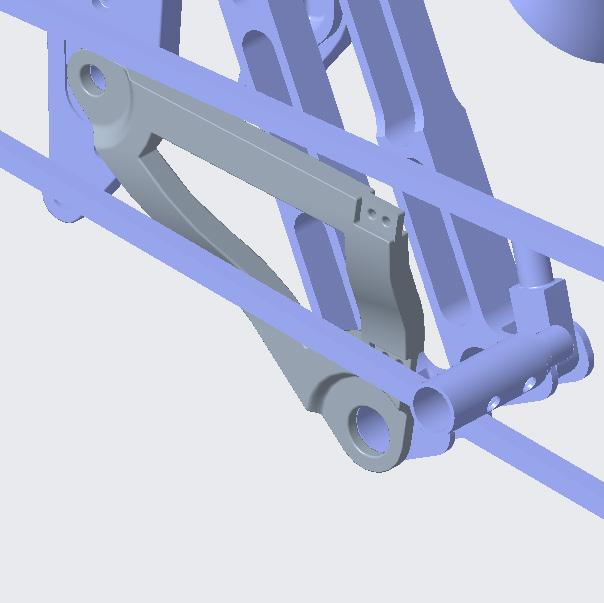
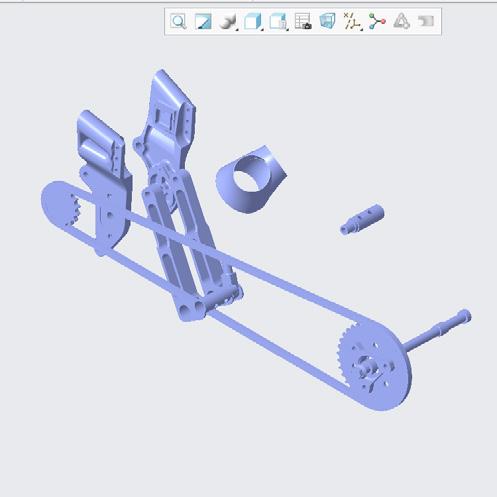
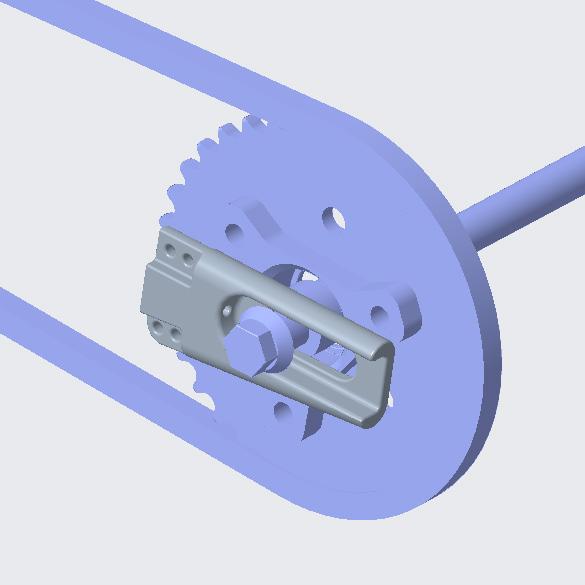
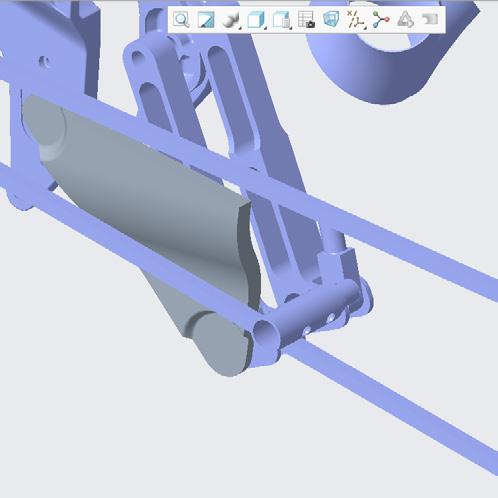
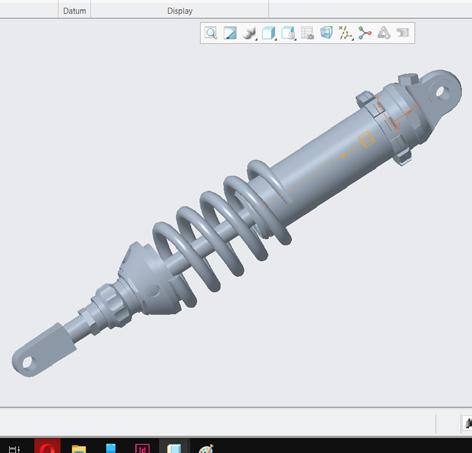
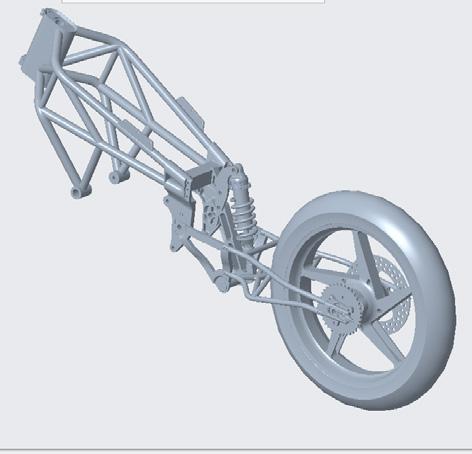
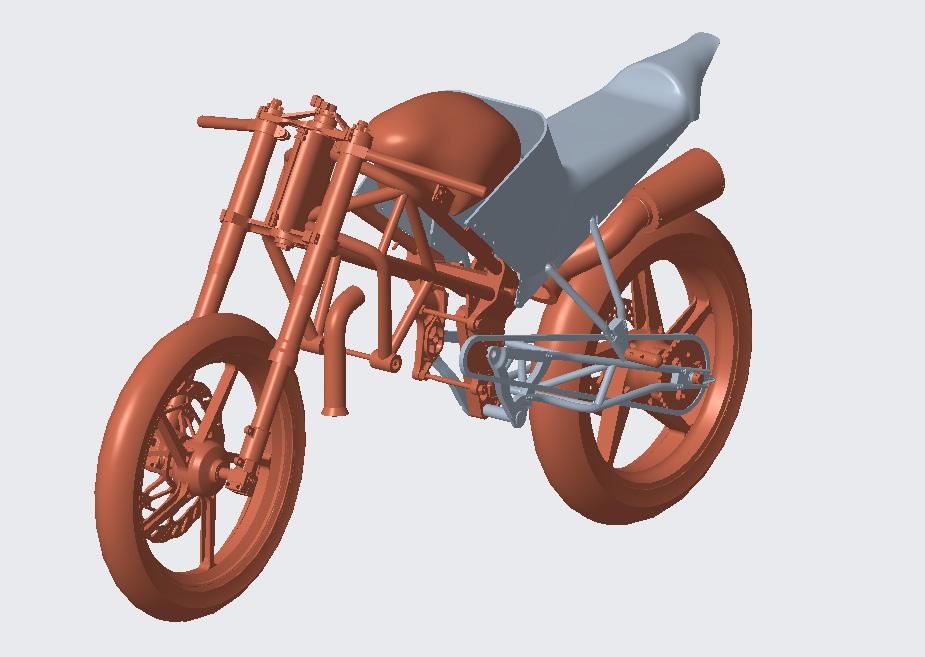
The evaluation and the initial study were conducted on the race motorcycle belonging to the Politecnico of Milan team. The request was to redesign the rear part of the motorcycle, in particular: the fork, the saddle and the footrests. Being careful that there was no interference in the kinematics.
(Ex: chain - swingarm)
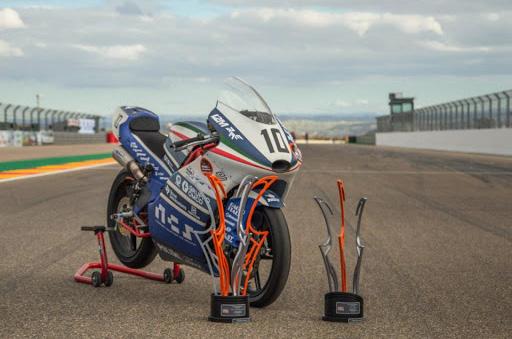
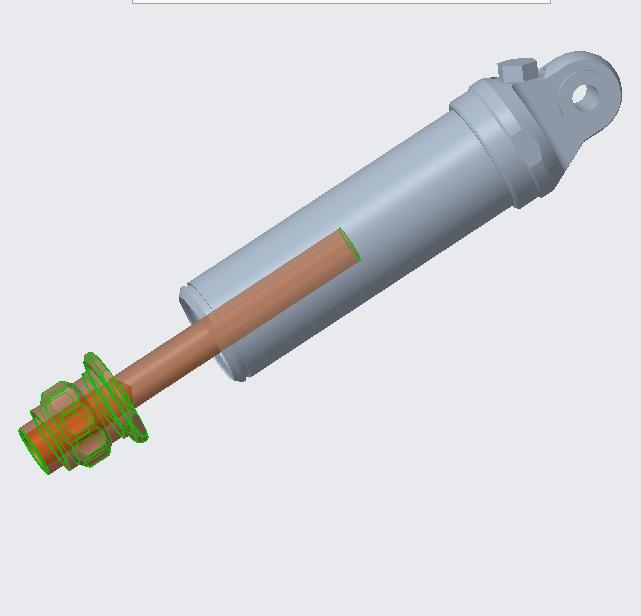
To model the swingarm components, based on the standard model, must start using the “Publish geometry” command. Once published on the new Part, these copied geometry can be used as a basis for modeling, or through surfaces or via solids (the program allows the use of both), the new component.
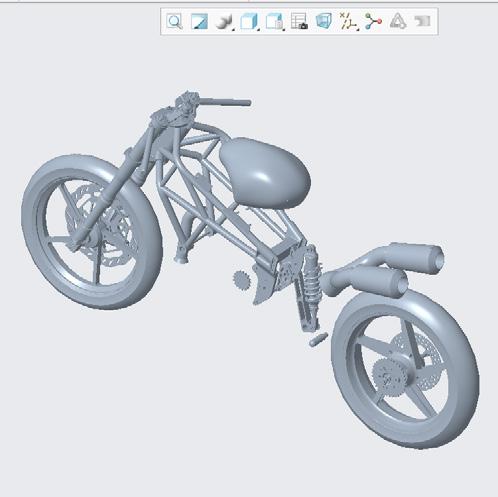
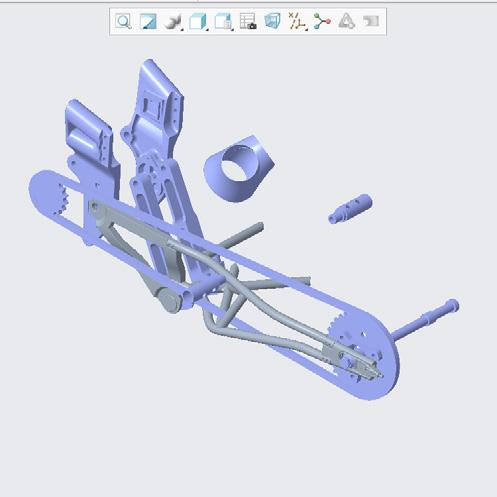
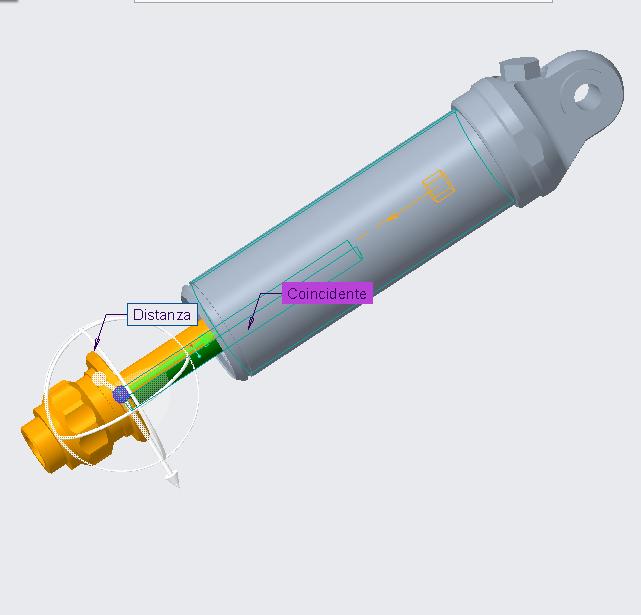
Kinematic assembly
Once the Genesis assembly has been modeled (static), another assembly must be made to have the possibility of movement: Kinematic assembly. Within the kinematic assembly, the individual components of which we want movement must be constrained by movement constraints (axial translation, rotation, etc.), defining the limits of the movement itself. In this way we can see the realistic movement of the rear wheel.
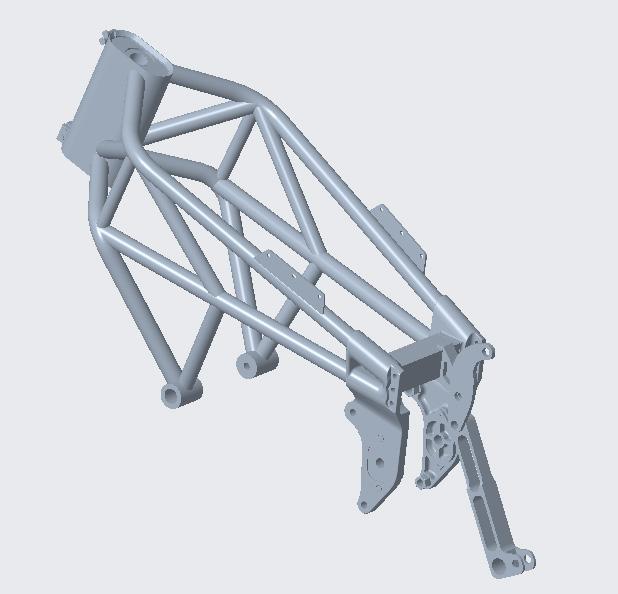
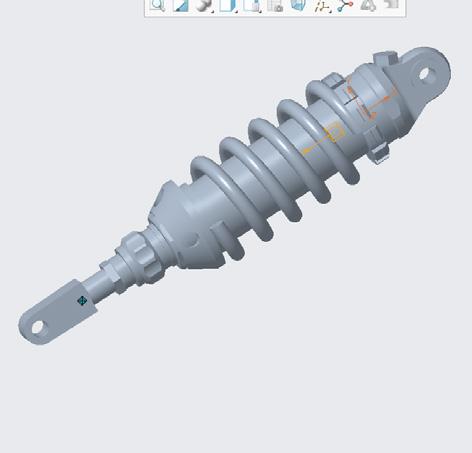
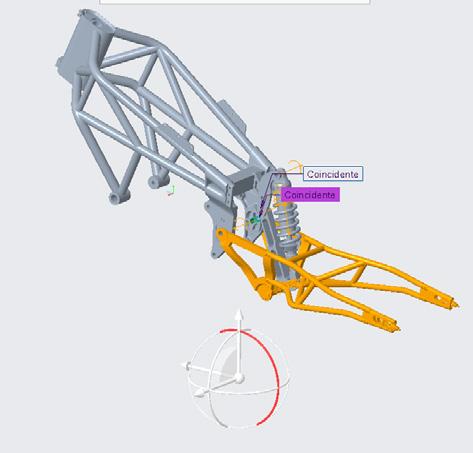
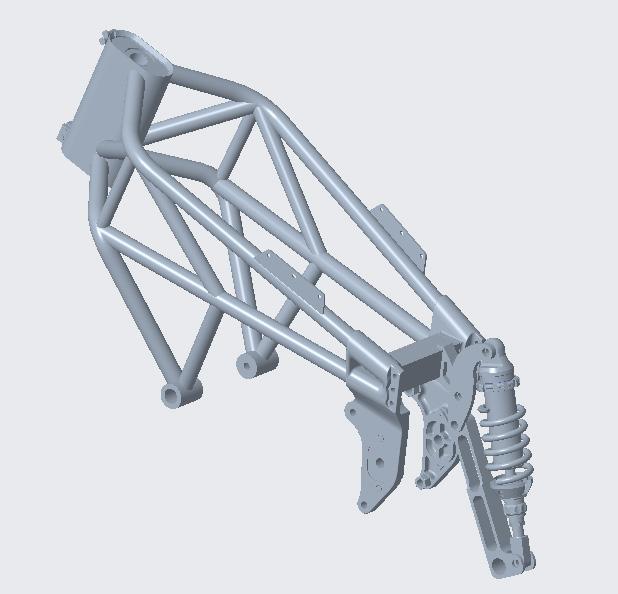
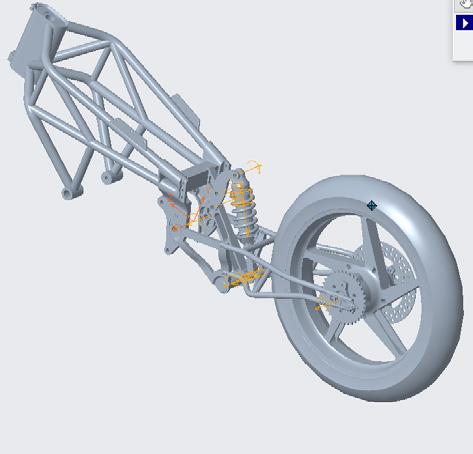
Rendering
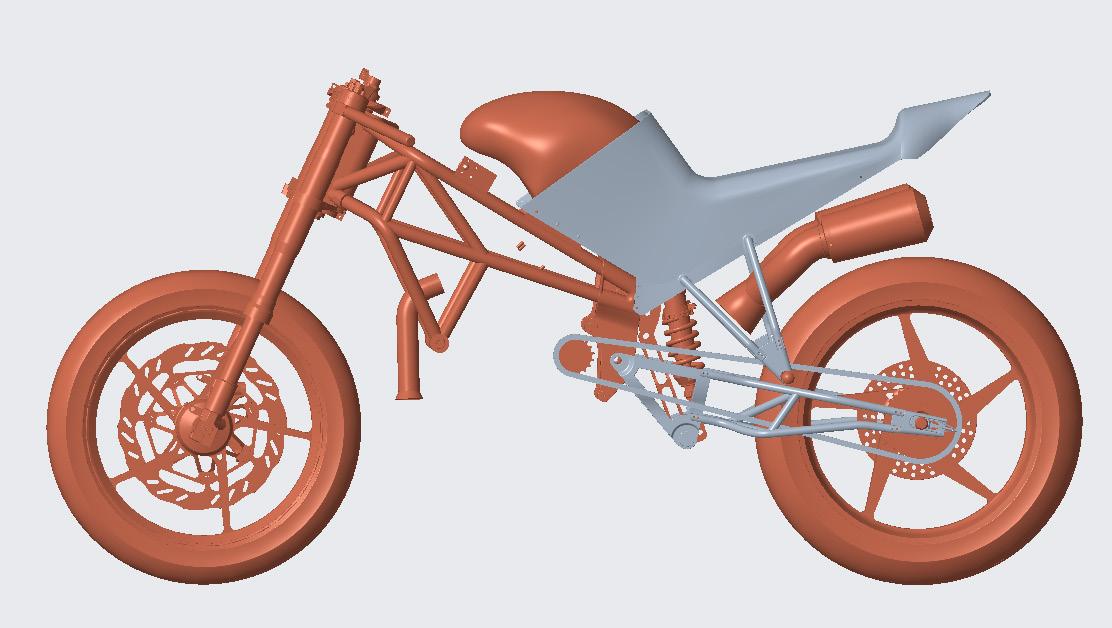
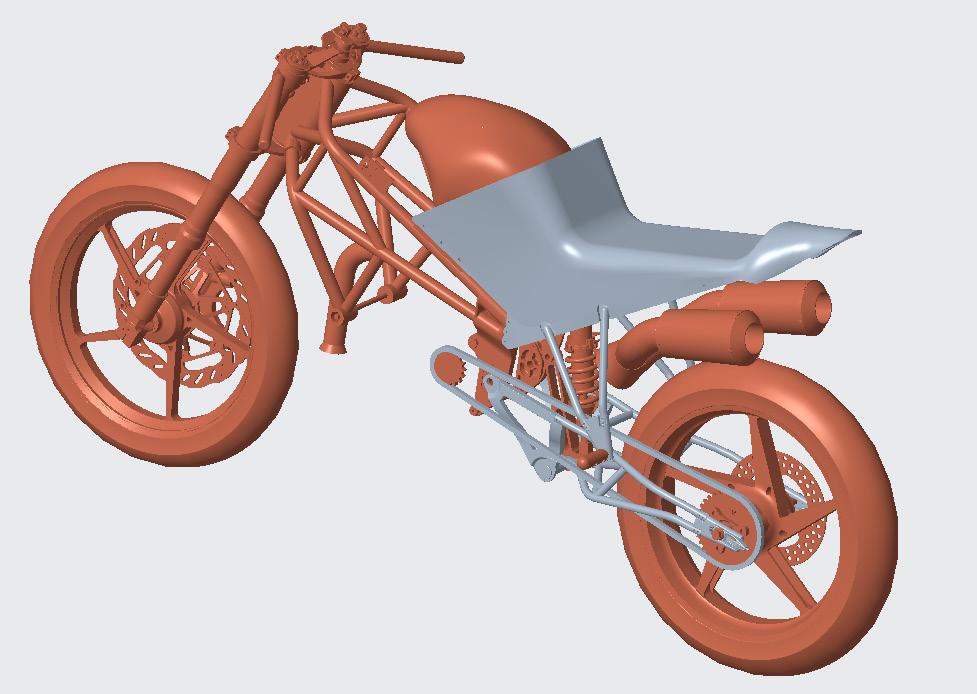
 × Parametric representation methods [2020]
Laboratory
Professor
× Gatti Riccardo
Program Evaluating

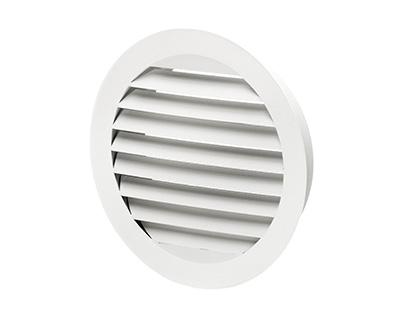
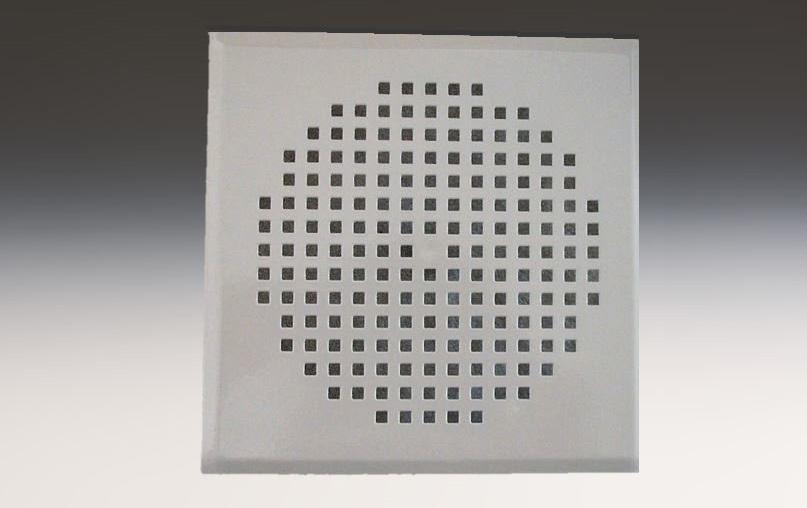
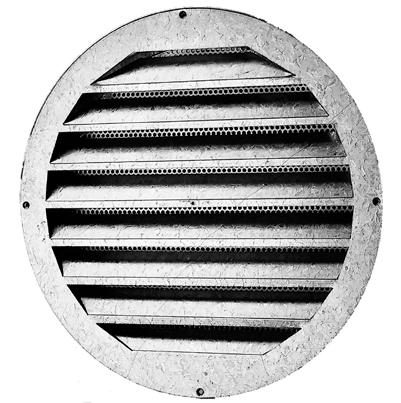
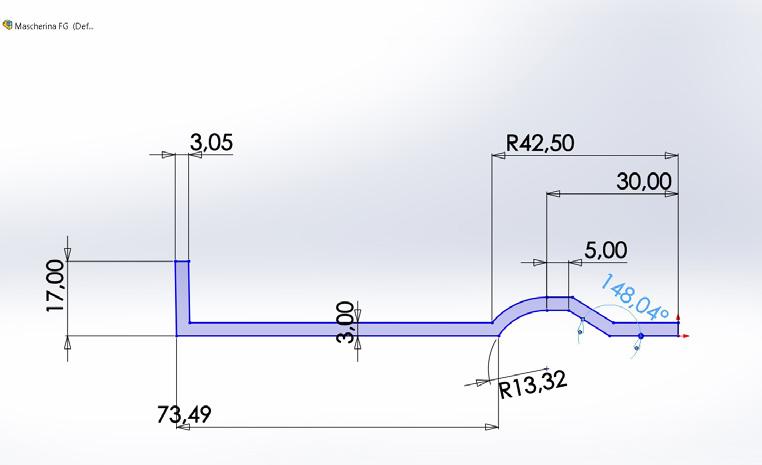
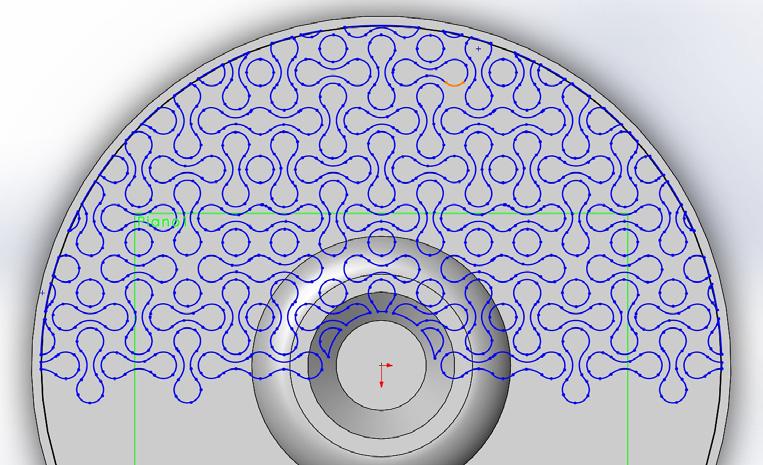
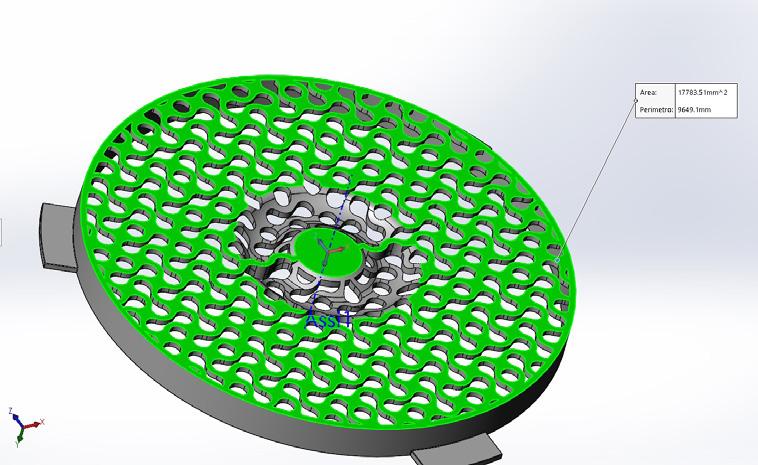
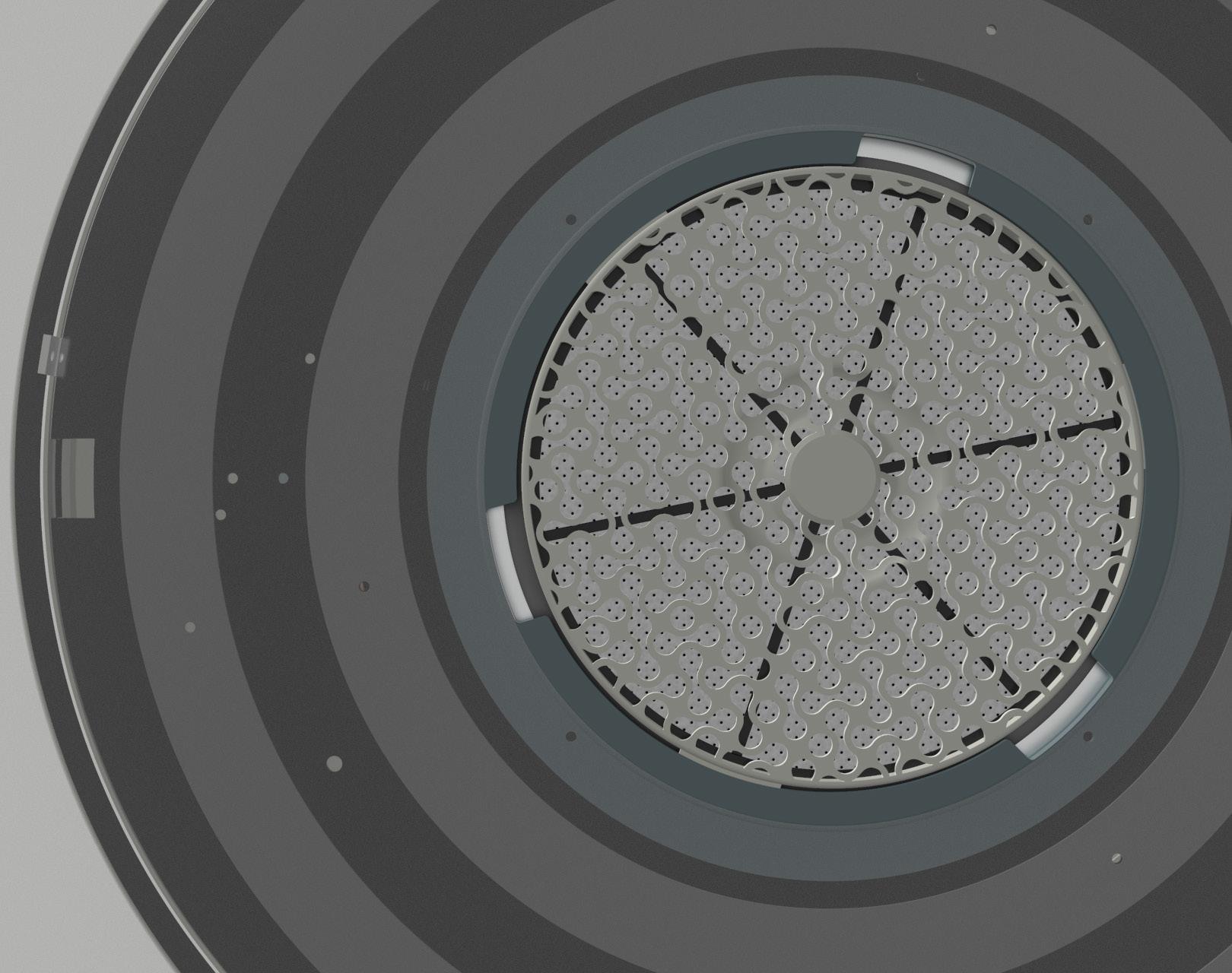
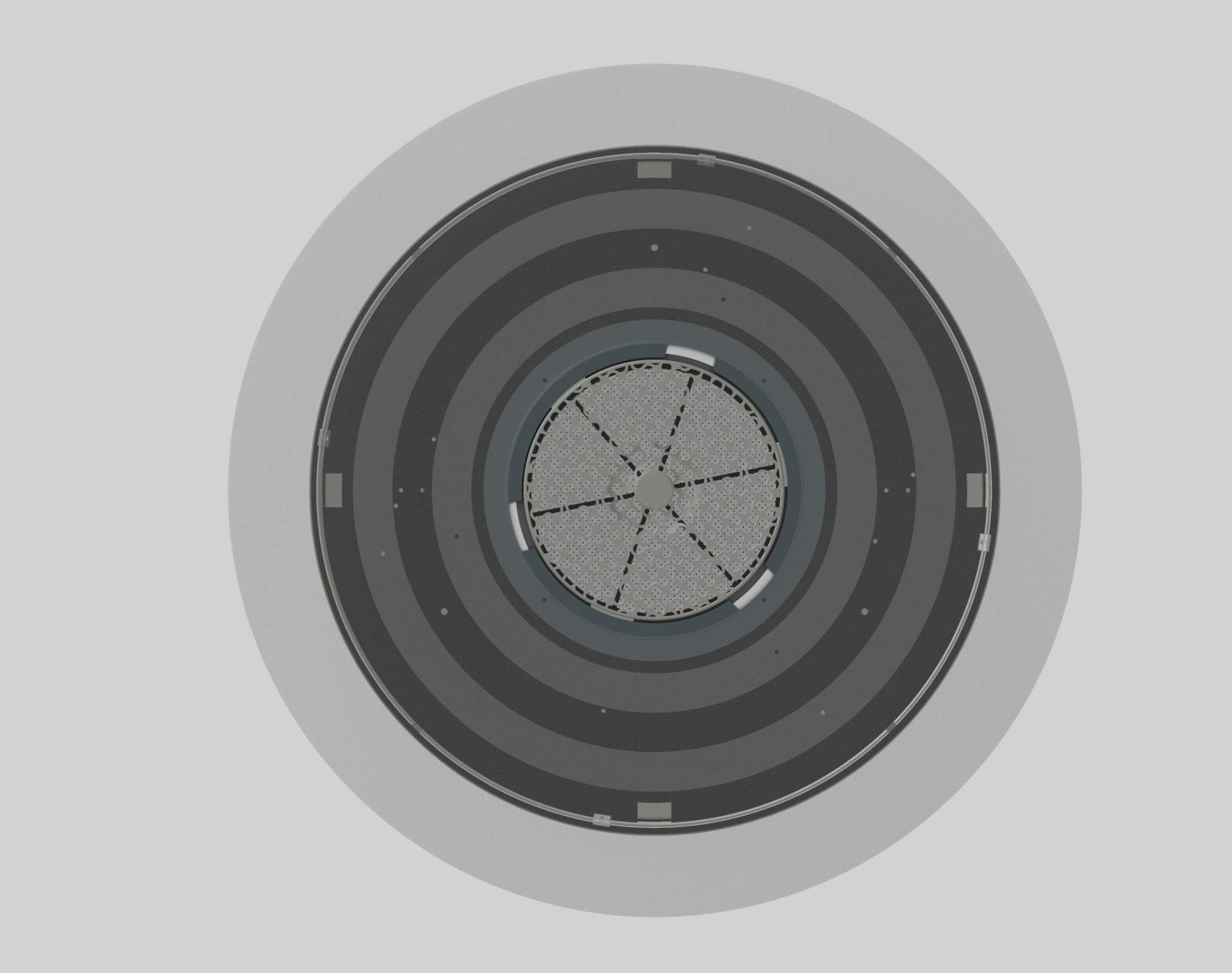
The evaluation of this component was made starting from competitors already on the market. Through research, we have understand the geometric relationships to be maintained (between hollow area, occupied by the pattern, and full area), as well as having an indepth view on the possible materials to be used.
Phases
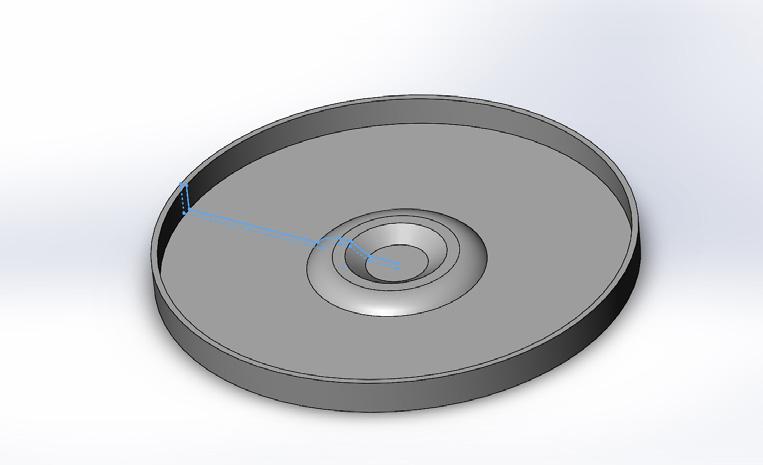
Solid modeling
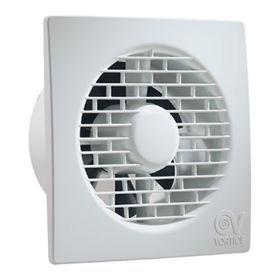
Once understood the geometric constraints to respect, we had to shape the component to ensure that it was compatible with our project. The project in question is an air conditioner and the piece taken into analysis is its air outlet. The main complexity was the pattern design, due to the constrain to have 60% of the face free for a correct air flow
04
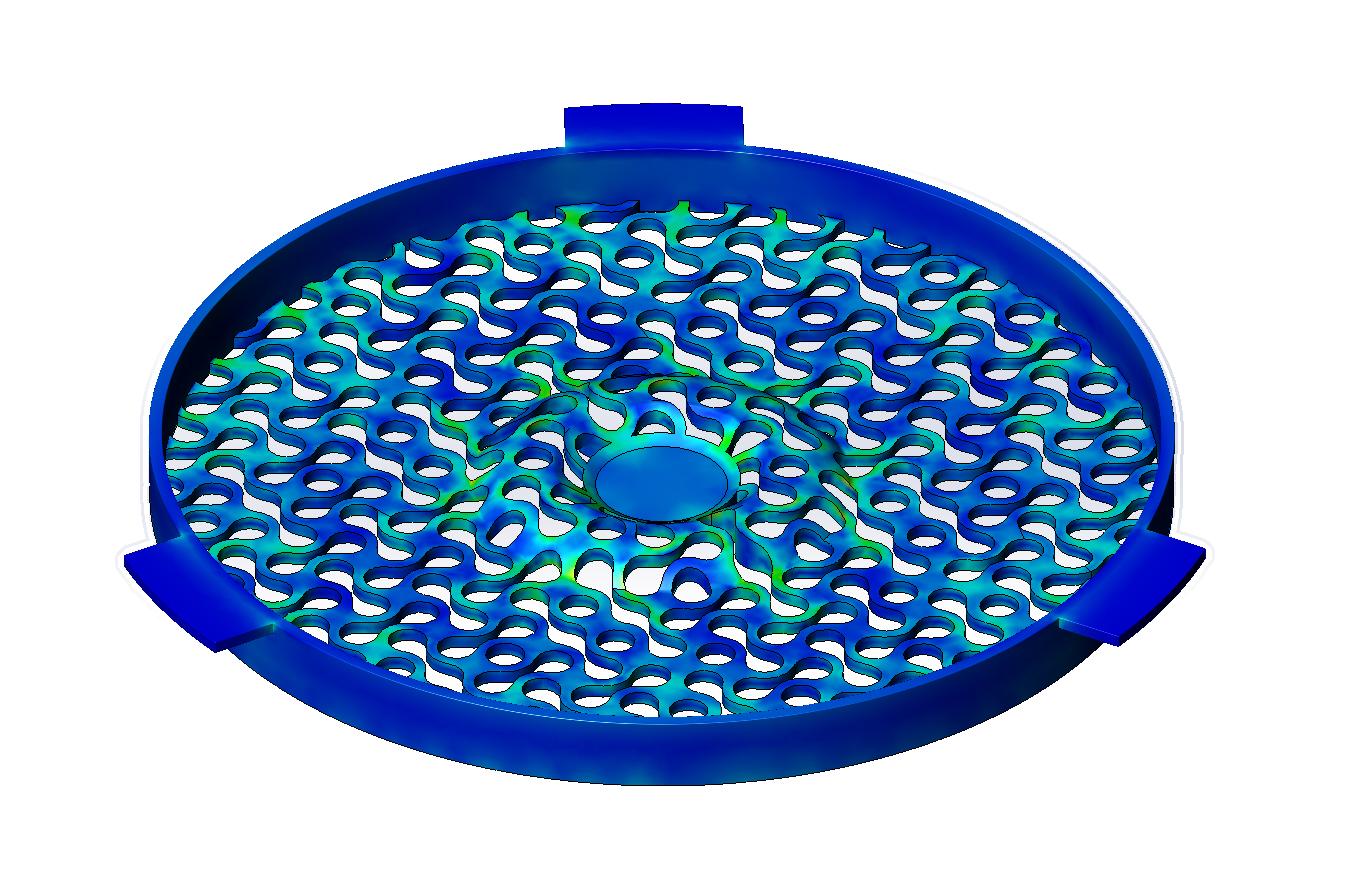
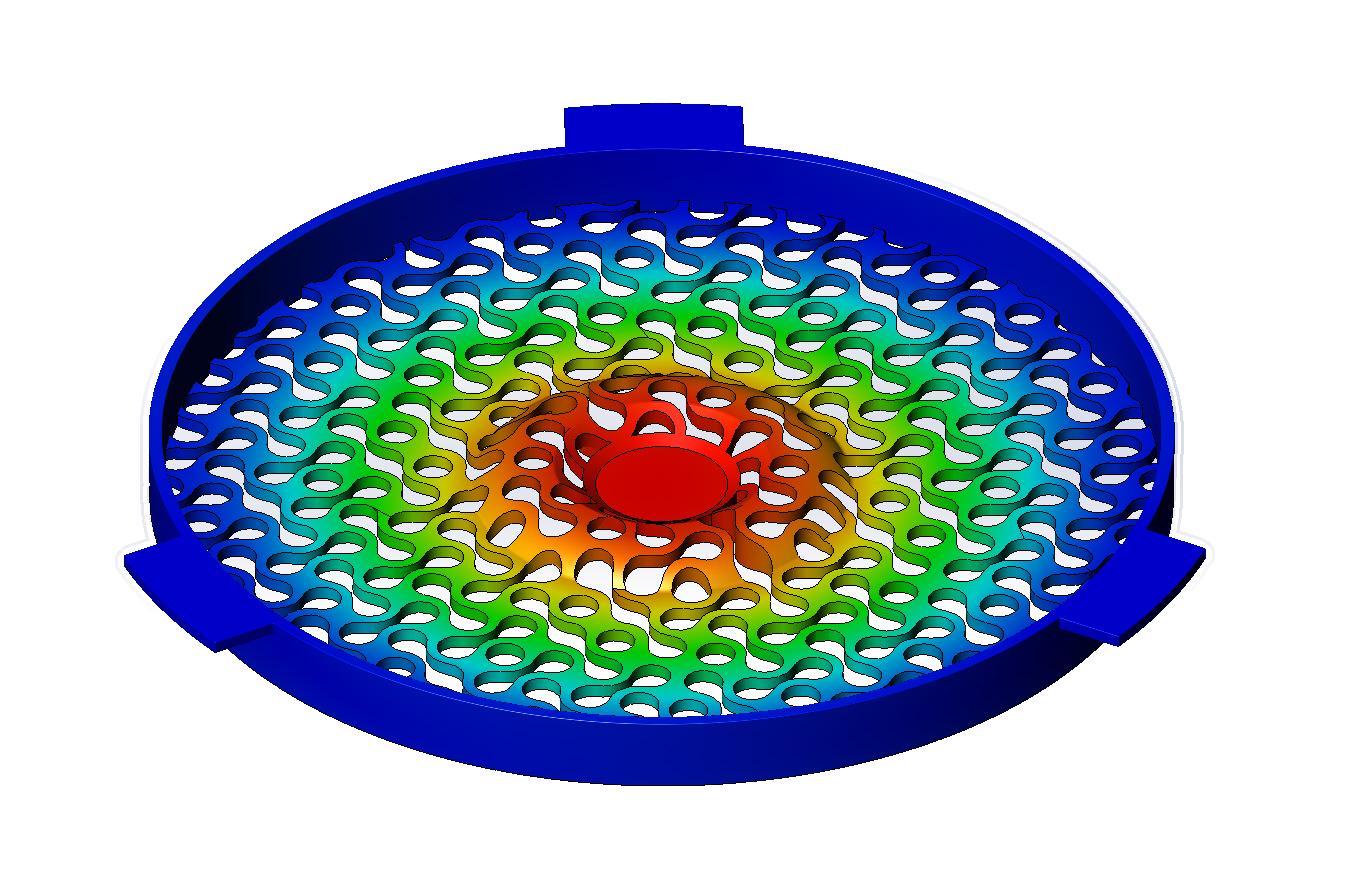
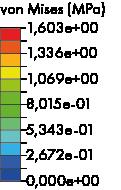
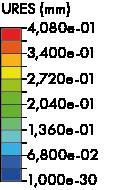
For the component, an individual analysis was carried out by inserting the constraints and forces acting on each of them; obtained the analyzes we verified both that the condition.
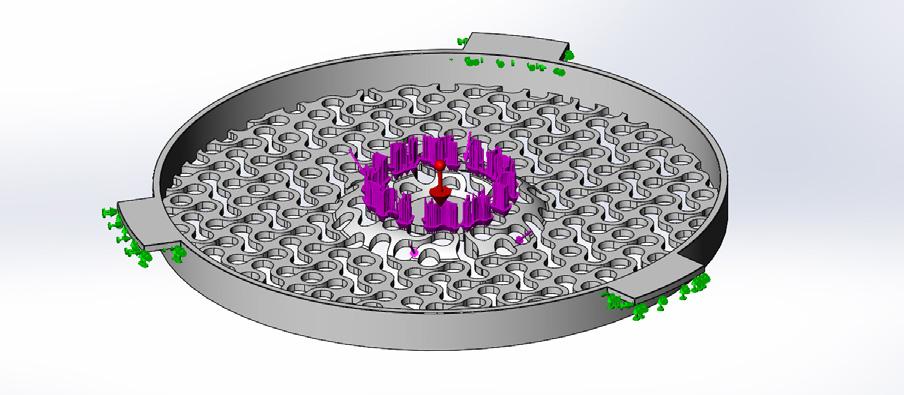
oymax < oy/K was respected for each component, whether the measured deflections were suitably contained.
 Rendering Laboratory Group
FEM
× Final project work [2020] × Brioschi Tommaso × Marchese Federico × Marinelli Sofia × Ventura Alice


Program Measuring

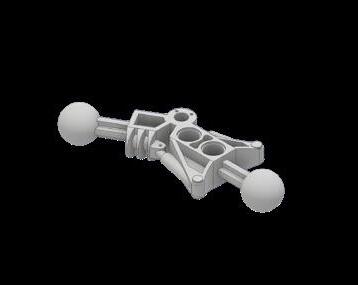
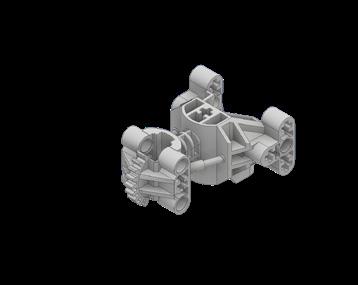
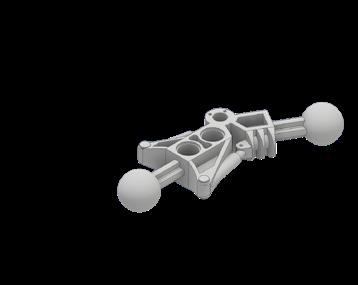
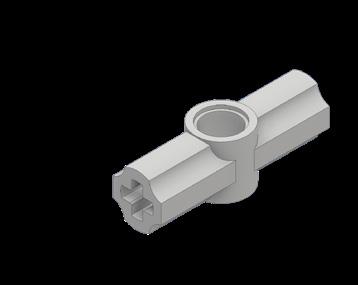
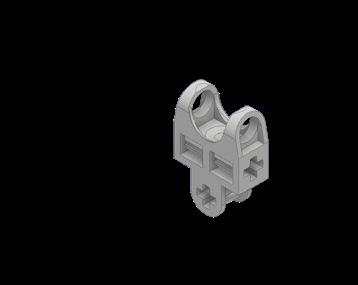
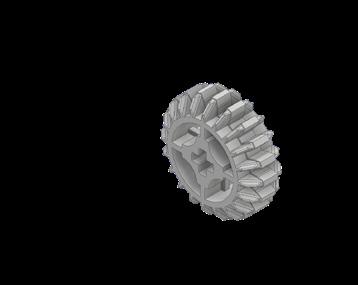
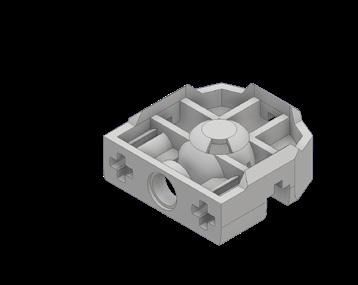
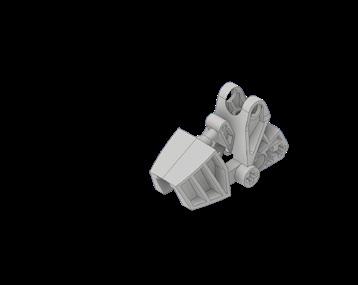
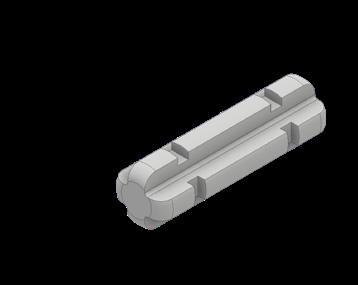
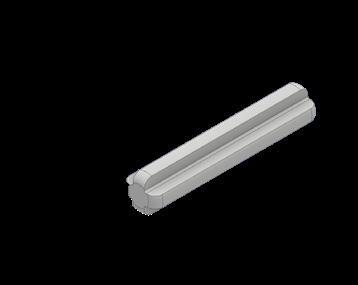
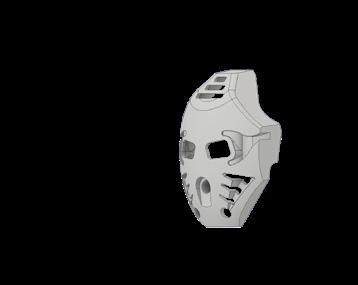
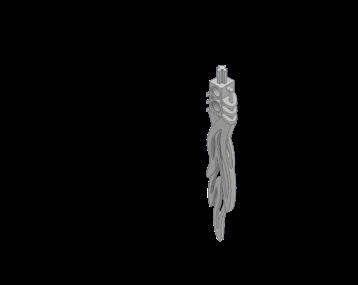
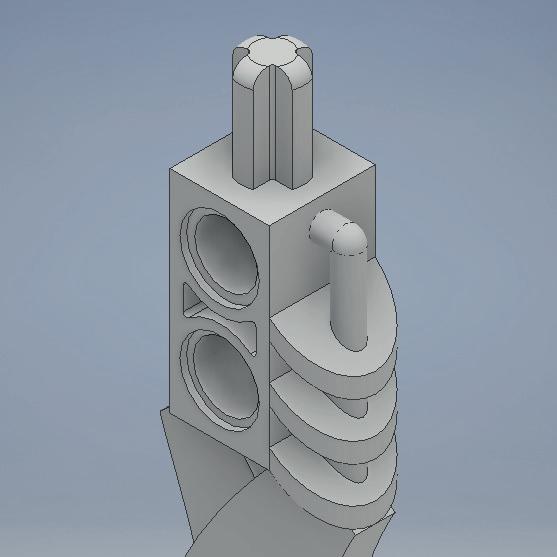
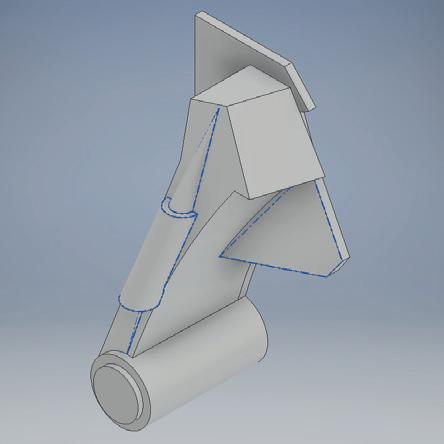
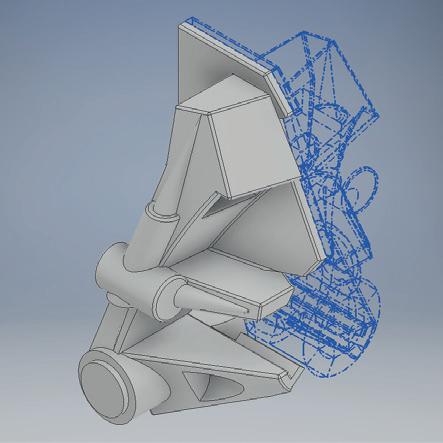
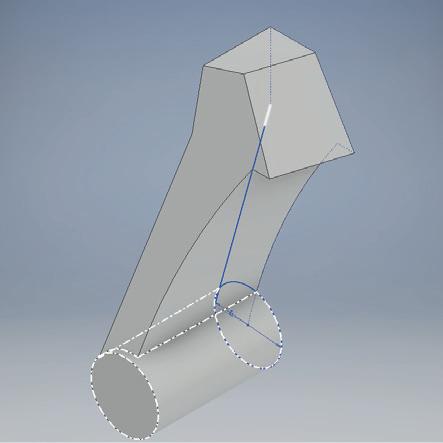
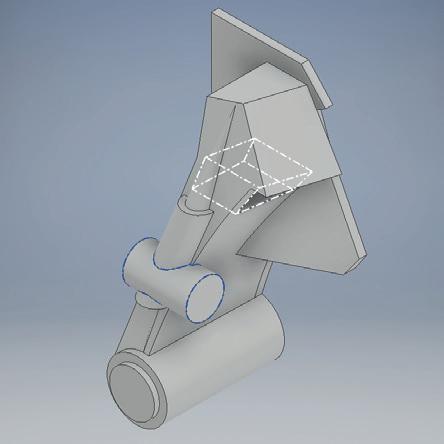
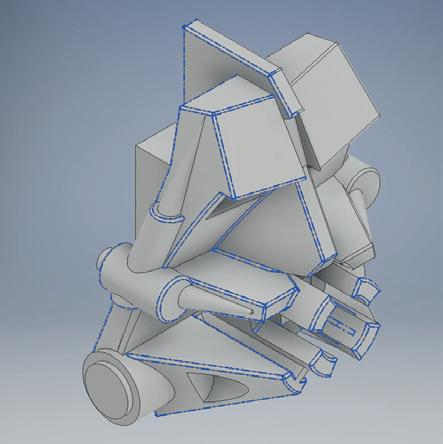
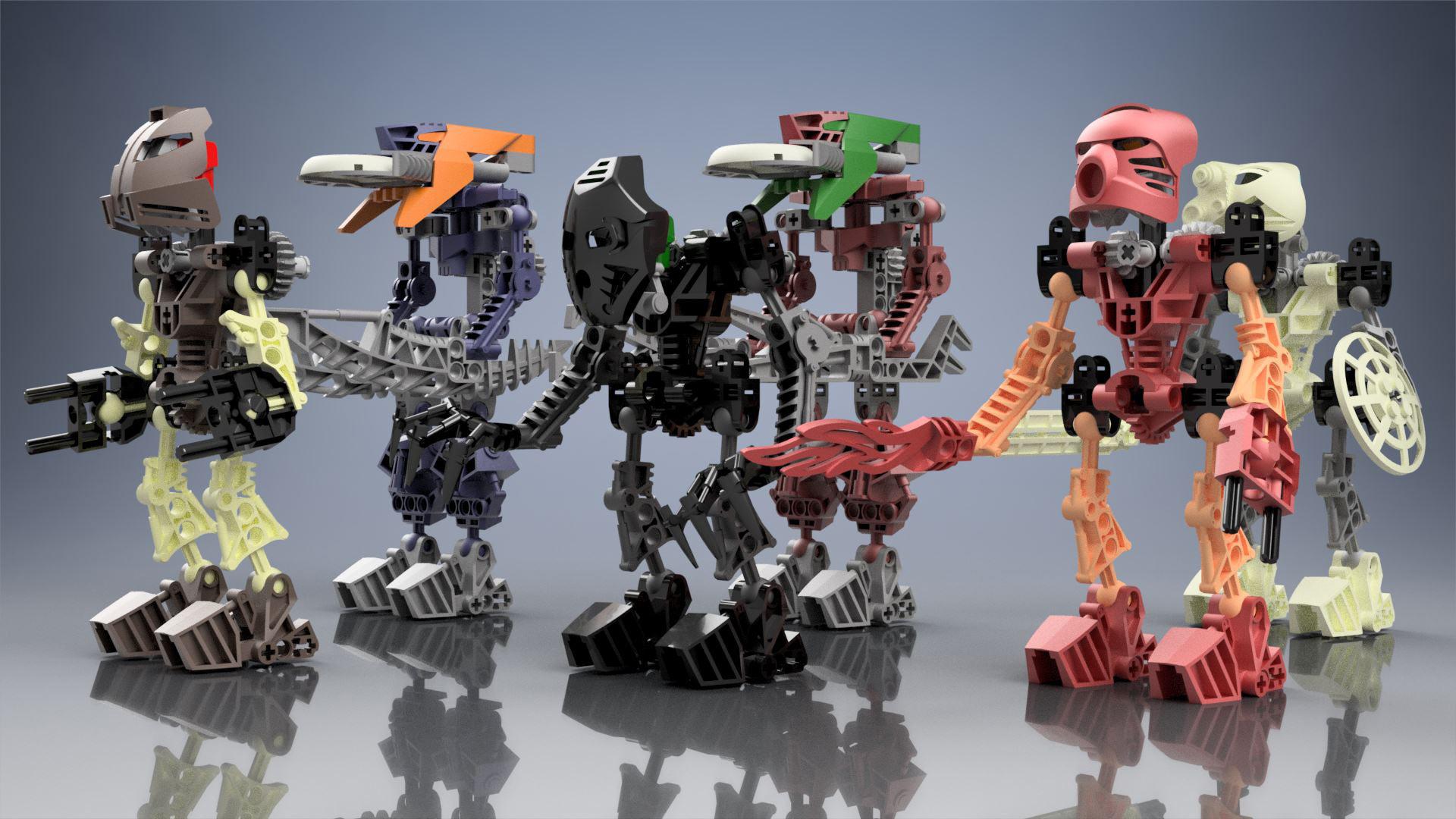
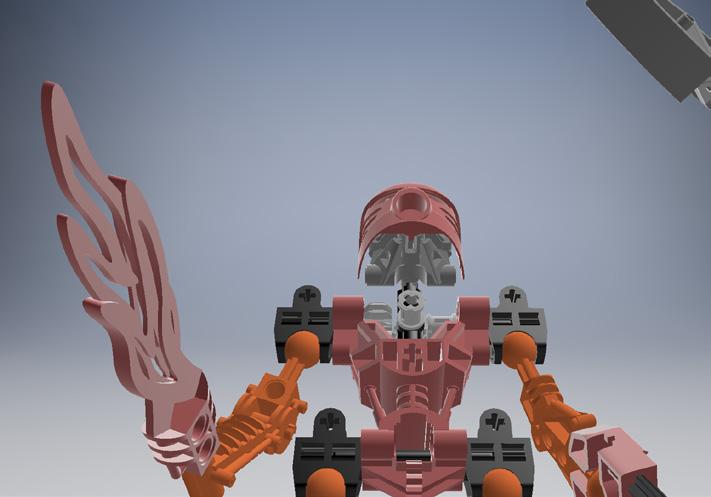
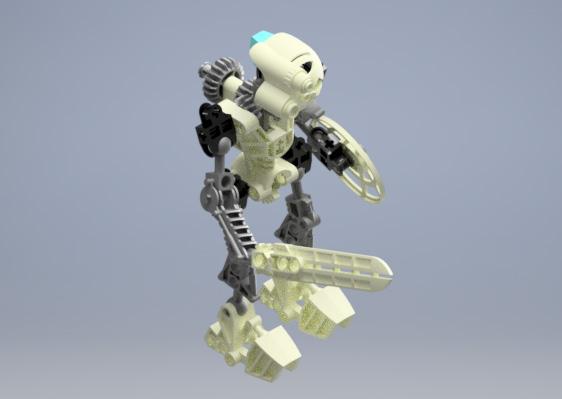
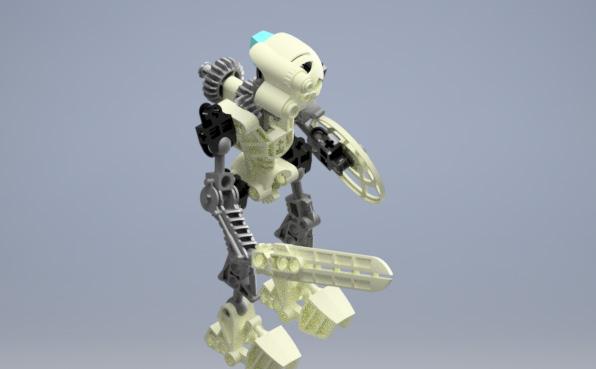
3D Inventor CAD software offers professional tools for mechanical design, documentation and 3D product simulation. We used it for the creation of 2 different family of bionycles (LEGO).
We started by cataloging and measuring the pieces one by one through the use of the caliber.
Phases
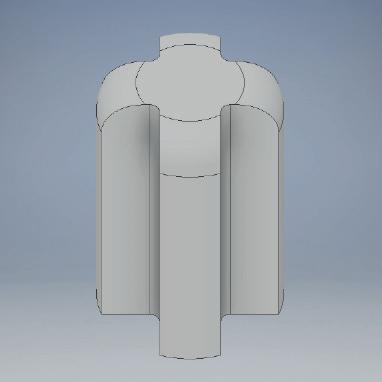
IFeatures



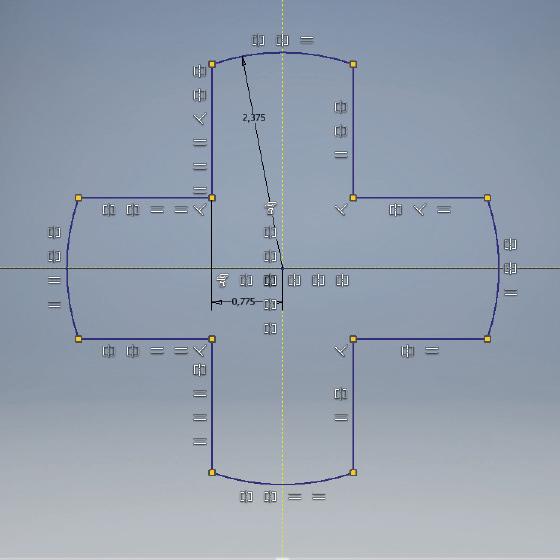
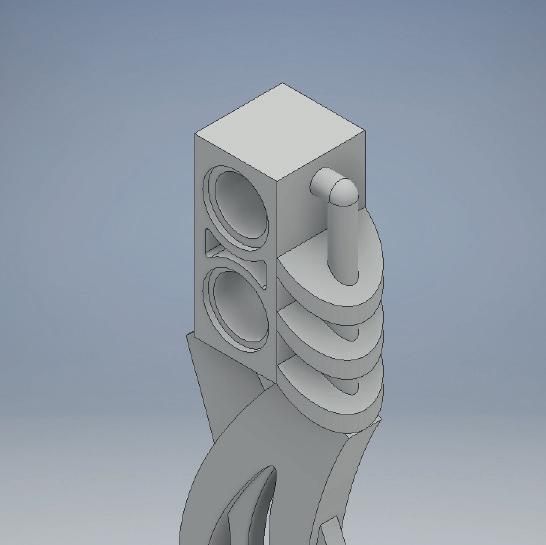
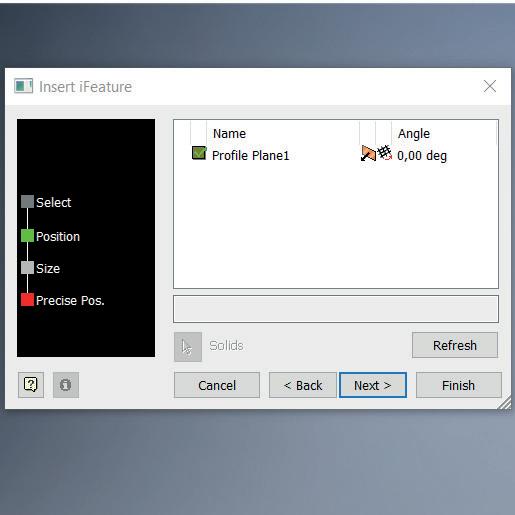
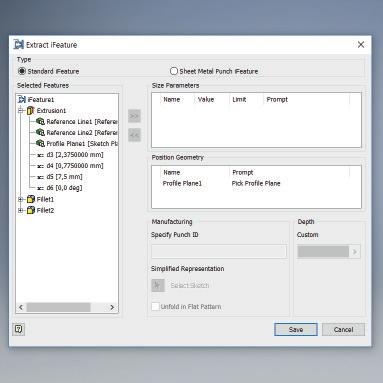
For iFeature we mean a machining or a group of processes that can be saved and reused in other projects. You can create an iFeature from an iPart or a group of features useful for other designs.
The Extract iFeature option allows you to extract a sketch work or sketch and save it in a catalog to be able to reuse it.
C F B E A D
04
Solid modeling
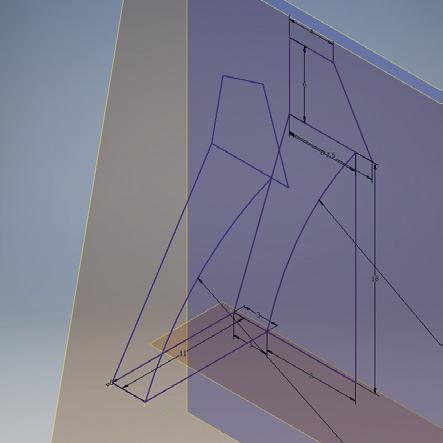
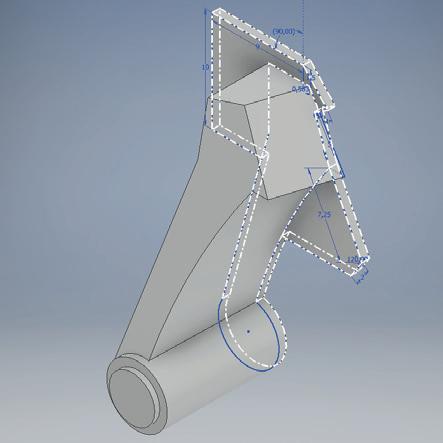
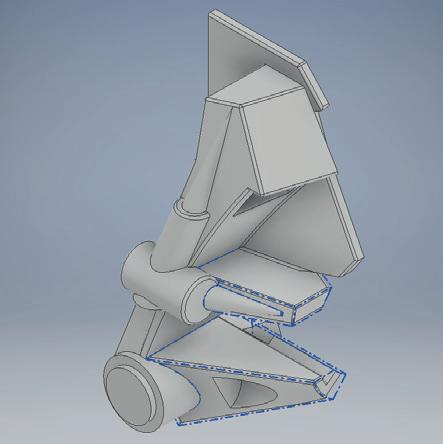
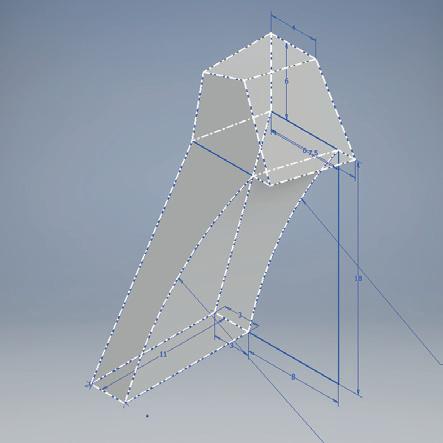
Starting from the simple volumes of the single parts we have faithfully reported the measurements of the pieces with 1/4 mm approximations. To realize the head, given the great presence of complex and articulated geometries we had to use many lofts and extrusions in negative, working in symmetry. Being a fairly singular piece it was not possible to use ifeatures during the piece modeling. Rendering


× CAD /Inventor
Laboratory Group
Modeling [2017]
G H I L M N O P Q × Ceriani Alessandro × Ceruti Marco × Ciarfuglia Paolo

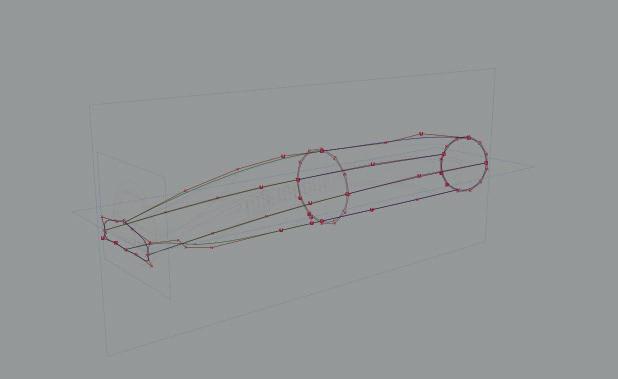
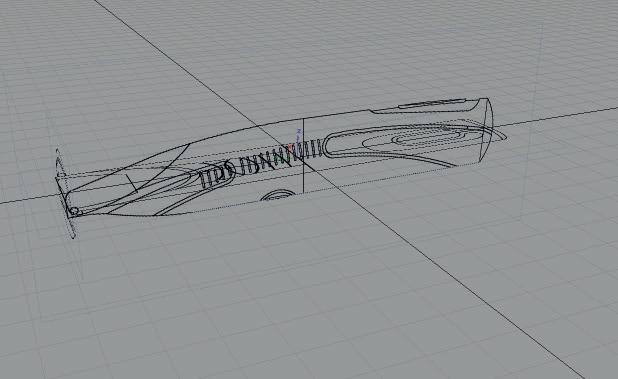
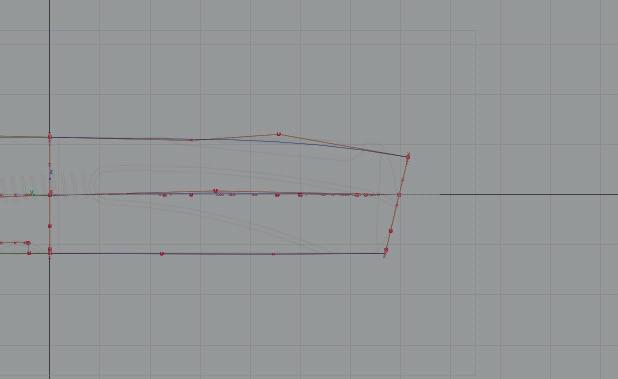
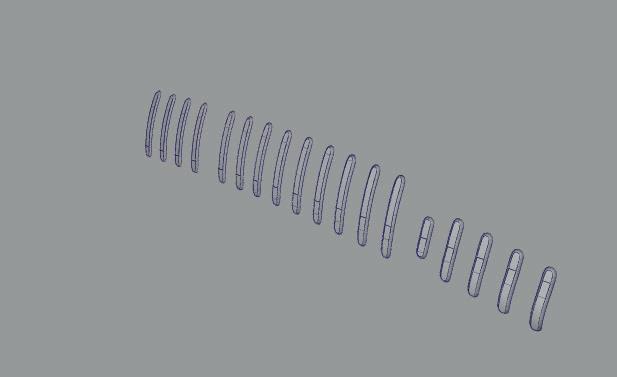
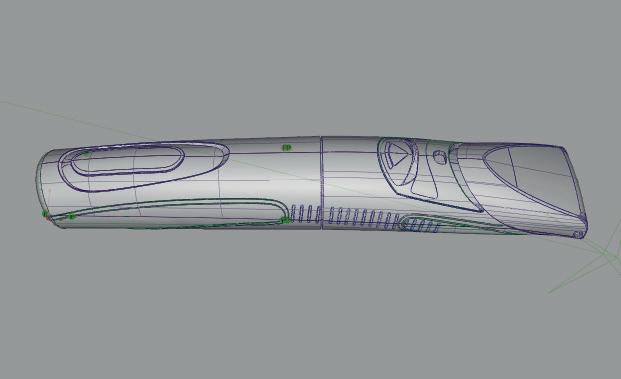
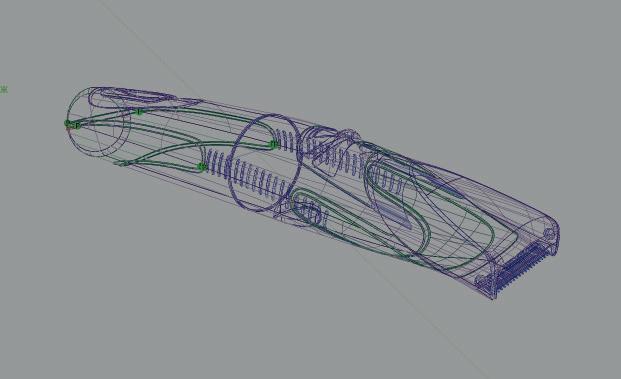
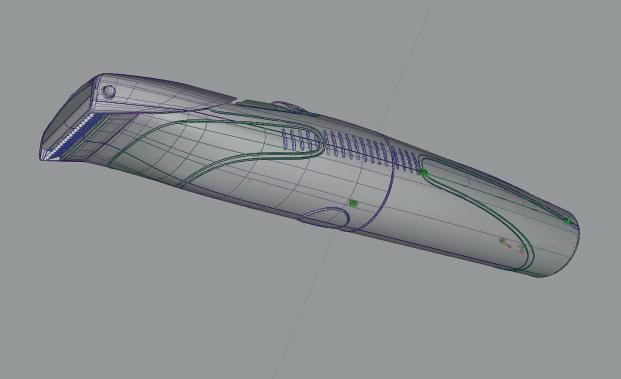
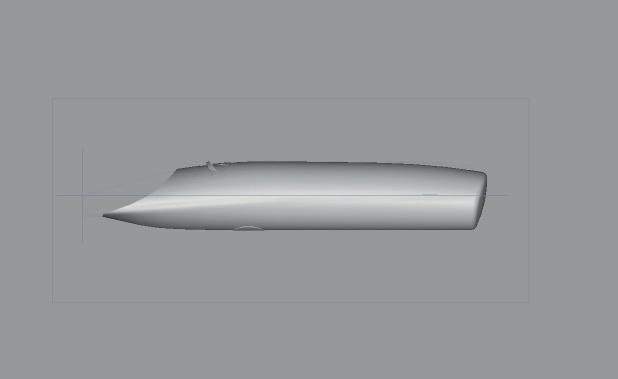
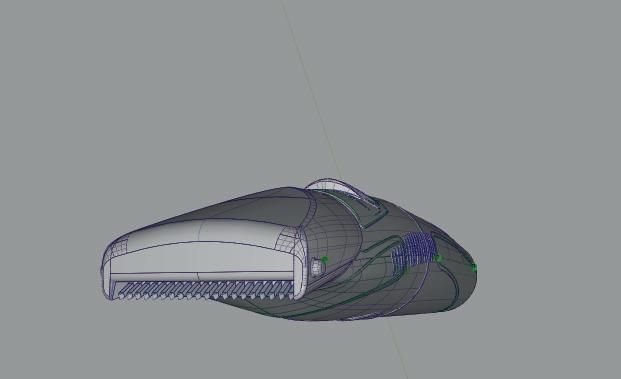
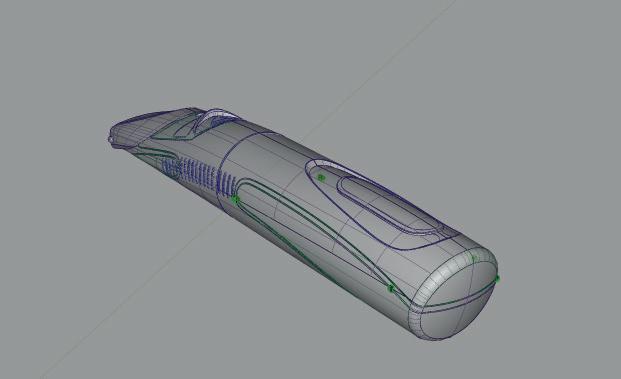
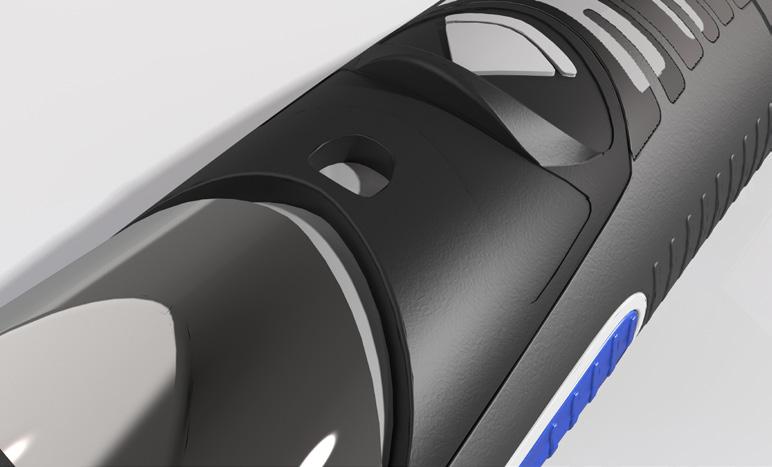
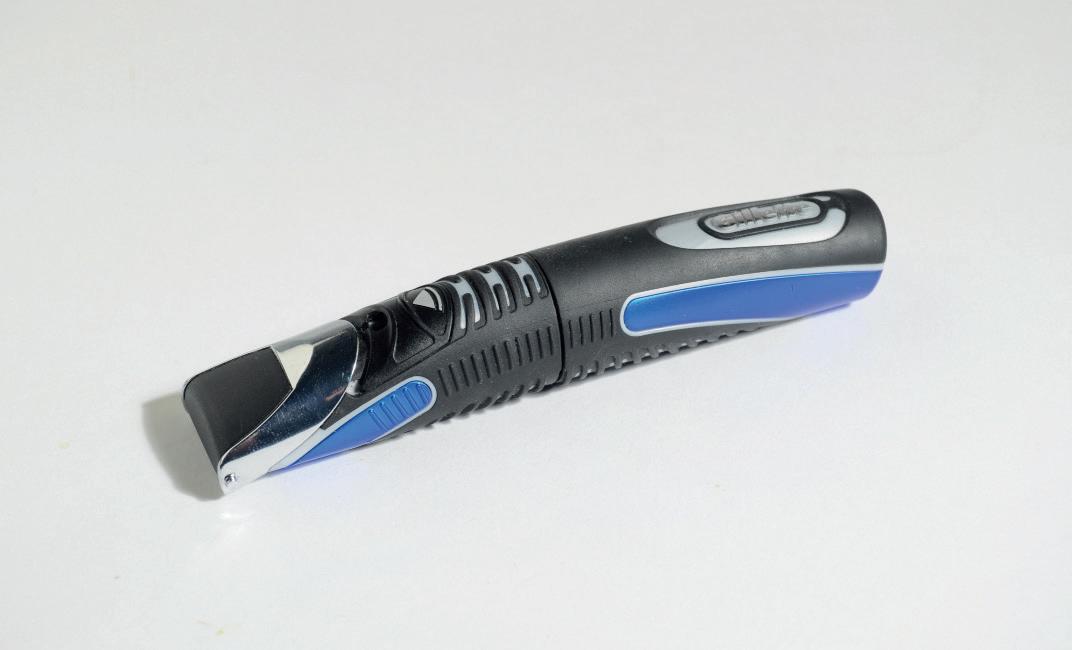
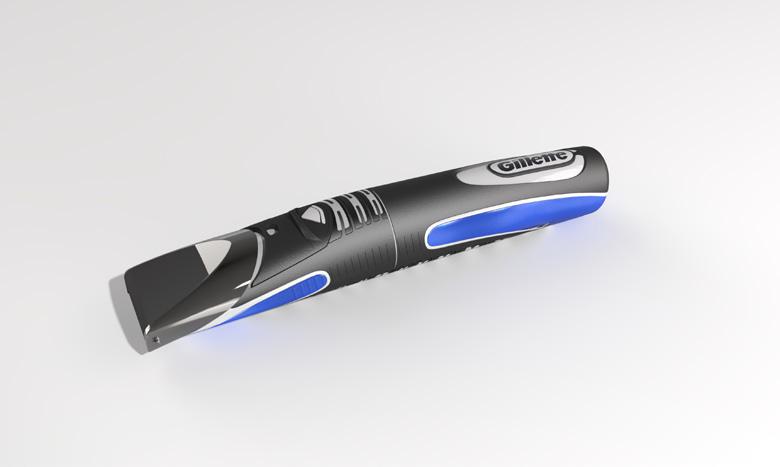
Alias offers tools for creating sketches, conceptual modeling, surface creation and visualization for industrial, vehicle and product design. We used it for the creation of the Gillette model starting from these canvases drawn on Illustrator after the detailed measurement of the object.
Phases
Surface modeling
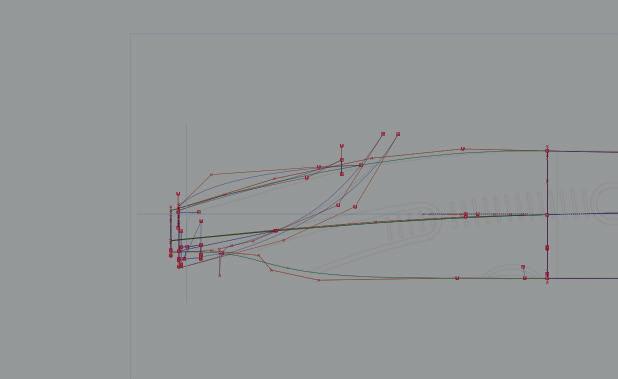
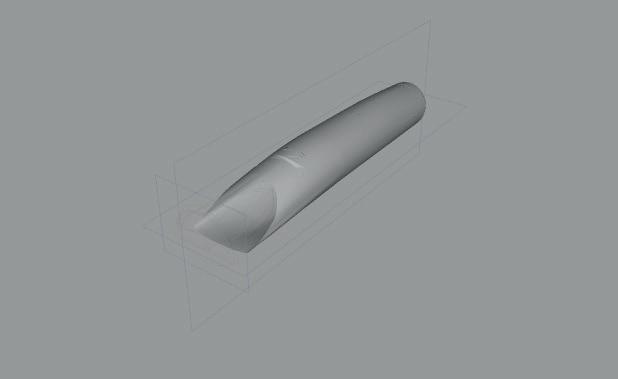
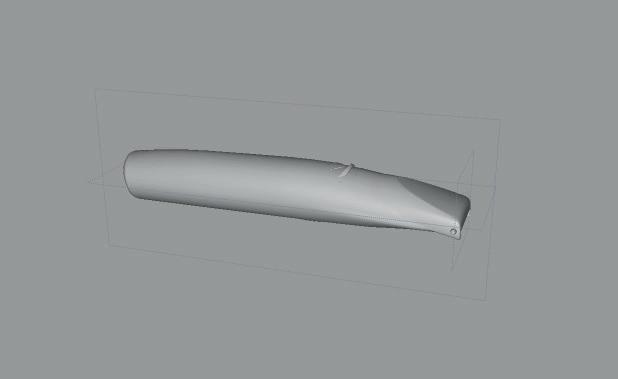
In the first phase we started working on the sections, dividing the model into two trunks. We have joined the sections with curves that placed in continuity of tangency between them to reflect the desired shape. Once the surfaces were obtained, we immediately realized that the front part created tensions.
Program Measuring
22 26 30 18 34 66 135 40 25 10 15 23 9 43 60 4 8 61 46 Ø2 A B C D
04
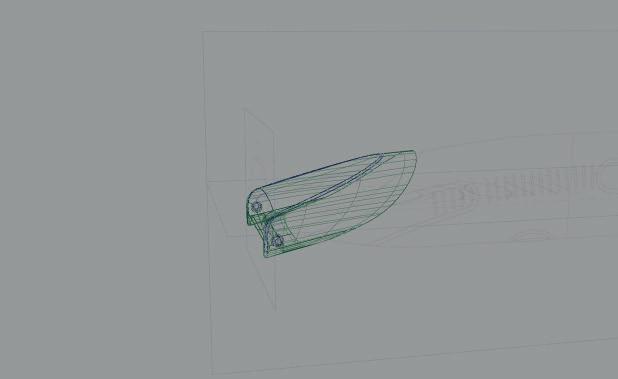
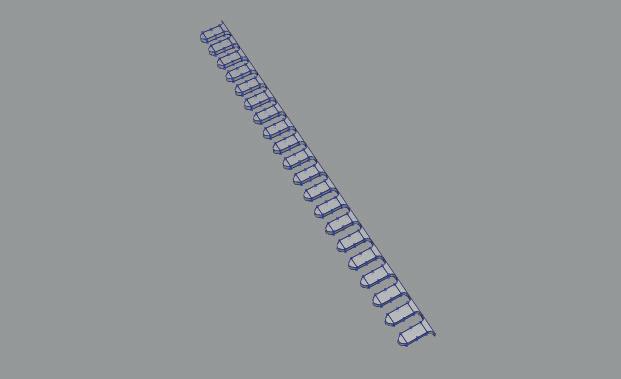
So we decided to cut the surface near the beginning of the front head creating a new section to be used for the creation of the latter. Once we got to the created head, we started adding details giving priority to the shape details of the main surfaces. Arrived at a quantity of detail deemed acceptable, we divided the surfaces of the model for materials and thus be able to start the rendering phase on Keyshot.
Shooting
Camera:
× Nikon D5000 (2)
Target:
× 1855 r1 3.5 6.5 g II bil. white tungsten
Light source:
× Spotlight Elinchrom style 1200 s (3)
× Diffused light Elinchrom mini s (1 - 4)

Laboratory
× Laboratory of digital representation [2017]
Group
× Bellussi Dario
× Falzoni Nicolò
× Parisi Andrea
P M G J N E H K O F I L
1 2 3 4
CONTACT ME T: (+39) 3460608185 M: lollolanz@gmail.com IG: lorenzolanzoni_designer
