Committee member withholding common property access keys
Page 8 | Bluestone OCM Pty Ltd
Can an owners corporation on-charge a lot owner for security reprogramming
Page 10 | Chambers Russell Lawyers
How do we restart a dormant owners corporation? Page 22 | TOCS
About Us
Welcome to the latest issue of The LookUpStrata Magazine!
For over a decade, LookUpStrata has been Australia’s premier resource for everything related to strata living. Our mission is to keep strata communities informed and connected, providing thousands of lot owners, strata managers, and professionals with reliable, unbiased, easy-to-understand information to help you solve your strata problems and make informed decisions.
The VIC Strata Magazines, published monthly, are just one of the many ways we’re dedicated to supporting you. They’re packed with articles from industry experts and include our comprehensive printable strata directory.
Beyond these pages, we also offer:
• Q&A Service: Our team of leading strata specialists answer hundreds of your questions every month, which helps shape the magazine topics we cover.
• Newsletters: Our weekly newsletters deliver timely updates on legislative changes and the latest strata news straight to your inbox.
• Webinars: Join our founder, Nikki Jovicic, for weekly webinars where she hosts and partners with industry experts to discuss key topics.
• The LookUpStrata Directory: A free resource that showcases hundreds of trusted strata service professionals nationwide. You’ll find it at the end of every magazine and on our website.
• Website: Find all our resources, articles, and news in one convenient location, accessible 24/7.
Subscribe now at no cost. To enjoy unrestricted access and connect with our strata community simply click here
Stay Connected - follow us on LinkedIn, Facebook, and YouTube.
Thank you for being a vital part of what makes our community so vibrant and trusted.
Nikki Jovicic Managing Director I Founder lookupstrata.com.au
Do owners need separate insurance to rent a storage cage in strata?
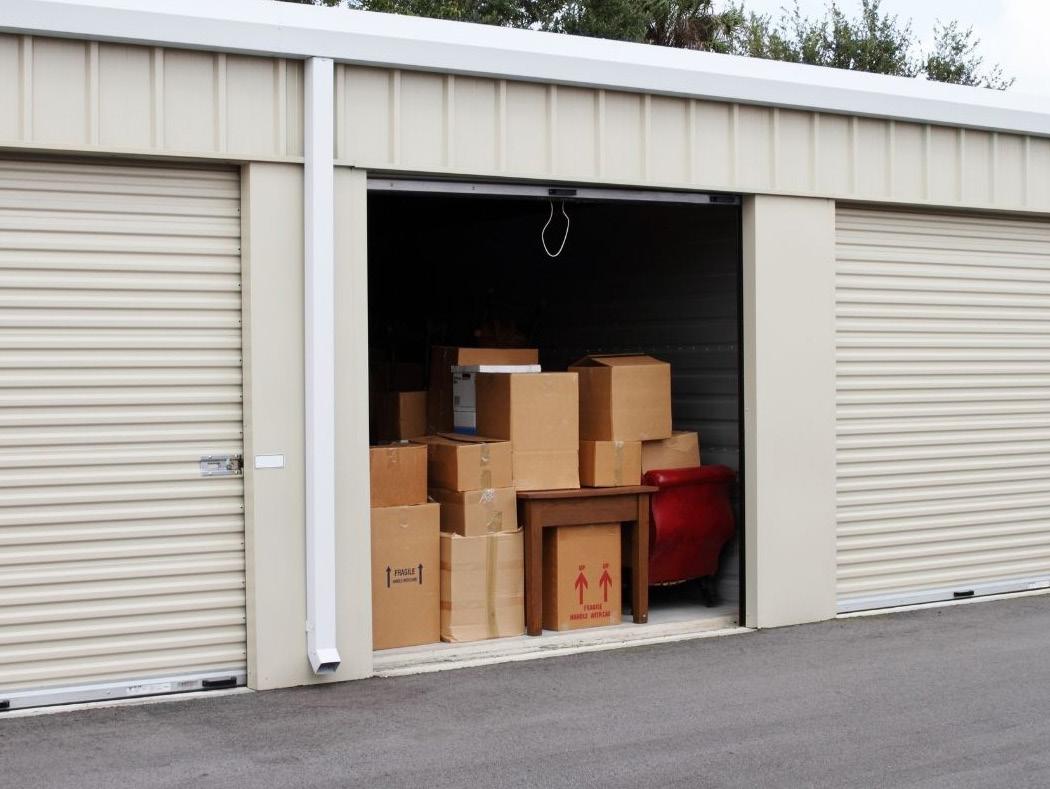
Can a strata committee rent out unused storage cages? Are the renting owners required to take out insurance?
Our strata scheme has eight unused storage cages in the garage. Some owners have expressed an interest in renting the cages.
The committee agree, in principle, to rent them out for a small fee. Our strata management company requires each renter to take out an insurance policy for $10,000,000 before renting a cage.
Is it reasonable or required for the committee to impose this insurance requirement? If renters do not take out insurance, could the owners corporation or committee be exposed to liability?
From the committee’s perspective, the key issue is risk management rather than mandating a specific insurance product.
It is not necessarily standard or required for each lessee of a storage cage to take out a separate $10,000,000 public liability policy. In many cases, lot owners (or tenants) will already hold appropriate cover under an existing contents or landlord insurance policy, which typically includes a public liability component.
What is important is whether their existing policy responds to this specific use — i.e. storing personal belongings in a rented storage cage on common property at the address they are also residing at. This is something the individual should confirm with their insurer. If the cover extends to this situation, there would generally be no need to arrange a separate standalone liability policy.
From the committee’s perspective, the key issue is risk management rather than mandating a specific insurance product. The owners corporation should already carry public liability insurance covering common property, which would respond where the owners corporation is negligent (for example, failure to maintain the building area, being common property, leading to injury or damage).
Conversely, if a loss arises due to the actions or negligence of the storage cage user (for example, unsafe storage of items causing damage or injury), liability may rest with that individual.
Because liability is always determined based on the specific facts of an incident, it isn’t possible to prescribe a one-size-fits-all outcome in advance.
In this instance, I would recommend first checking with your contents or landlord insurer to confirm whether this use is covered under your existing policy and if it is, reverting to the strata manager to clarify whether it meets the requirements.
Mention this offer when requesting a quote from us, and we will provide a discount off our standard fee for service of $250 (GST Inc) for buildings with 10-25 lots or $500 (GST Inc) for buildings with more than 25 lots for the first year you insure with Strata Insurance Solutions
To redeem this offer email a copy of your current policy schedule to Strata Insurance Solutions within 1 month of the publication of this magazine Your policy can expire any time in the next 12 months However we can only provide quotes 30 days prior to the expiry of your policyif your policy is not due now, we will schedule a quote at the appropriate time To ensure we apply this offer to our quotes, please specifically mention you would like to redeem the "LookUpStrata Special Offer"
Take the test todaysee how much you can save.
NOTHING!
The most expensive thing an owners corporation can do.
A decision not to act is still a decision.
You’re deciding to do this ‘later.’ And later will almost always cost you more.
Across Victoria, owners corporations are facing a perfect storm: rising costs, ageing buildings. This is not unique to our state. What is unique is the degree of difficulty in taking action in a state with Australia’s highest voting hurdles for raising a special levy or taking out a loan to get things done. This makes it harder than anywhere else in Australia to gain owner approval for necessary works and finance.
The result is predictable. Motions get voted down. Decisions get deferred. And while committees deliberate, project scopes grow and costs climb –turning what started as a manageable repair into a major, unplanned capital works project.
Is The Cost of Delay Purely Financial?
Rarely. Kicking the can down the road tends to compound the initial problem and blow out the budget with:
• growing repair scopes
• urgent compliance pressures
• stress on committees and strata managers
• greater risk in the long-term condition and value of the building
The stakes grow and costs will only continue to rise.
Why Are Strata Repair Costs Rising?
Over the past five years, construction costs in Australia have surged by nearly 50% thanks to labour shortages, COVID-era supply chain disruptions and now geopolitical tensions in the Middle East. Sustained pressure on petrol and freight costs will continue to directly affect the cost of building materials, logistics and contractors for some time to come.
For many Victorian apartment owners, this has meant significant and unexpected increases in repair and maintenance costs.
How Doing Nothing Turned
a $250,000 Repair into a $1 Million Project
One of our Victorian clients learned firsthand how costly doing nothing can be.
A Melbourne property first approached us in 2022 looking to fund $250,000 of necessary repair works. They chose to do it ‘later’. It cost them an additional $750,000.
Two years later, when they chose to act, continued deterioration combined with rising labour and material costs pushed the same project to nearly $1 million –almost four times the original estimate.
The delay didn’t just defer the cost. It multiplied it.
Defects don’t patiently wait while owners and committees deliberate. They spread, they sprawl, they worsen and cost your community more.
This is not an isolated case. Across Australia, delayed maintenance and necessary works are routinely escalating into costly, large-scale projects they weren’t prepared for.
Acting Early Protects Your Building… and Your Budget
Australia is now home to more than four million people living in strata – in buildings collectively worth over an estimated $1.4 trillion. With infrastructure ageing and compliance regulations tightening, proactive maintenance is no longer optional. It’s essential!
Tackling necessary works now stops small problems from becoming big, costly ones. Committees can proactively plan, make more informed decisions and prioritise the right projects to protect and grow the value of owners’ assets.
Is Having a Maintenance Fund Enough for Strata Works?
Many apartment owners think their maintenance fund will be able to finance necessary works. But in most cases, it simply doesn’t keep pace with the cost of the works it’s supposed to cover.
By law, tier one and tier two owners corporations must operate a maintenance fund that is held in accounts with approved banking institutionsmeaning low risk, low returns and slow growth. The same protections that keep your money safe also keep it from growing, making a maintenance fund one of the least cost-effective ways to fund capital works in strata.
What Happens when Rising Costs Outpace
Your Maintenance Fund?
In simple terms, it means the real value of your maintenance fund is quietly shrinking. The money you contribute today will buy less tomorrow – and in the current rising cost environment, the gap will only get bigger.
You save. Costs rise faster. Your fund falls behind. The repair and maintenance bill continues to grow… then what?
Are Special Levies the Best Option for Capital Works in Strata?
No, not always. In today’s economic climate, special levies can create significant delays and financial stress for owners. However, special levies have an important role to play in strata and are the default first option considered by most strata communities. There are better ways to fund.
Not every household has $5,000 or $15,000 to spare at short notice. Household budgets are already strained, particularly for retirees and families facing rising living costs. Investors managing multiple properties have their own cash flow pressures.
Concerns about affordability often result in delays. Delays increase costs and reduce affordability, compounding the stress and the concerns they were trying to avoid.
For many owners corporations, a Lannock Strata Loan is the faster, more flexible way to fund capital works – without the delays, the stress or the burden of a large, unexpected lump sum.
The Real Cost of Doing Nothing
“We’ll deal with that later” is one of the most expensive sentences in strata.
It really means “we’ll be paying a lot more for it later”.
Delays almost always equal higher costs. The damage and impact go beyond the budget. Deferred decisions create uncertainty, stress and unexpected costs for all owners down the line.
The funding decisions owners corporations make directly impact:
• Community wellbeing and livability
• The cost and tax liabilities for owners
• Each owner’s return on investment
Buildings do not repair themselves. Issues don’t wait patiently... they escalate. They compound. They multiply.
But timely, informed decisions can positively change the outcome. The hurdle for owner approval may be higher than other states, but the case for prompt action is compelling.
For Victorian owners and owners corporations, the message is clear: acting early isn’t just responsible… it’s economical
Josh Klemm Business Development Manager Victoria
P 0400 006 988
E joshua@lannock.com.au
W www.lannock.com.au
Committee member withholding common property access keys
Can a committee member withhold common property access keys, leaving the owners corporation unable to access essential areas?
We have a committee member who refuses to hand over access keys for our block’s common property. We currently have no access to the stairwell, roof hatch, power board or smart meters. The issue stems from a dispute between the committee member and another owner.
The committee has largely been unresponsive. What are our rights, and what can we do to get access restored?
Access keys for common property should be held by the owners corporation manager or in a secure on-site key safe, not by individual committee members.
Access to restricted areas on common property, such as the roof and services cupboards, usually requires permission from the owners corporation manager to a service provider who requests and requires access for work. The owners corporation needs to ensure that the person accessing the common property holds the proper insurance and licences to carry out the work and to ensure their safety, as the owners corporation is classified as a workplace under Occupational Health and Safety legislation.
The keys should be held in a key safe that is kept in a secure location on common property, with the code held by the manager to provide to service providers and contractors upon receipt of the required information.
In some instances, the chairperson can hold a master key to allow access in the event of an emergency. However, the manager will likely also have a set of keys for the restricted access areas.
In the future, we suggest you contact the manager if access is required. Your service provider can collect the keys from their office or access the on-site key safe (if any). If your owners corporation engages an after-hours emergency hotline, the company will hold the building’s access details if a contractor is required in an emergency.
In relation to the stairwell, access from your floor into the stairwell should not be impeded, as this is a fire escape. The stairwell allows a safe path of egress to the ground floor or your main emergency exit in the event of a fire. Access is usually restricted internally at each level of the fire stairwell. This is a safety measure during a building fire to prevent people from re-entering levels, which could lead to loss of life if they get trapped.
Further, any works to the stairwell would be classified as common property works. Lot owners should not carry out any works to any part of the common property unless the owners corporation has voted to grant permission to do so.
Can an owners corporation on-charge a lot owner for security reprogramming
Is it a breach to leave your building access fob in an unlocked car, and can the OC on-charge for costs associated with this?
One of our lot owners had their building access fob and keys stolen from their unlocked car in our private car park. The owners corporation (OC) decided to on-charge the lot owner for reprogramming building access for every resident, real estate agent, and owners corporation manager. Our standalone security system won’t allow an individual lot to be wiped, though it’s being upgraded soon.
Our AGM minutes state that we have the right to on-charge any lot owner for costs resulting from a breach of the Owners Corporations Act 2006 (the Act), the Owners Corporations and Other Acts Amendment Act 2021, the Owners Corporations Regulations 2018 (the Regulations) and the Model Rules. Is it a breach to leave your access fob in an unlocked car, and can the OC on-charge for costs associated with this?
It is far from certain that VCAT would uphold the on-charging of the full reprogramming cost to one owner if challenged.
There is nothing in the Act, the Regulations or the Model Rules that expressly requires an owner to store their access device in a particular way. Unless the OC has adopted a
special rule specifically requiring access devices to be kept secure at all times, it is difficult to characterise leaving a fob in a car, whether locked or unlocked, as a breach.
The question of whether the OC can on-charge the cost of reprogramming the building’s access system to the individual lot owner is more complicated. Section 23 of the Act allows an OC to levy annual fees, but these must be raised according to lot liability unless the additional cost arises from the particular use of a lot. Losing a fob is arguably not related to the “use” of a lot, so section 23 does not provide a clear pathway for on-charging the cost to a single owner.
Section 23A permits an OC to recover costs arising from damage to common property where the damage is caused by a culpable or wilful act, gross negligence, or where insurance does not cover the damage or it falls below the excess. These provisions are aimed at situations in which an owner’s deliberate or negligent conduct directly causes physical damage or an insurance impact. Here, it seems the OC intends to reset the system before any such damage or insurable event occurs. Importantly, there is no suggestion that the action was wilful or constituted gross negligence (being a severe, reckless disregard for safety). While there are limited authorities on the scope of section 23A, we consider that VCAT would be reluctant to treat one-off carelessness as falling within these categories. Repeated instances may result in a different outcome.
Sections 24 and 49, known as the benefit principle, provide a pathway for apportioning
costs to one or more lots if the expenditure is substantially for the benefit of those lots. There is the argument that security risks are a shared hazard of communal living and that the cost of maintaining a secure building is a shared benefit and collective responsibility. Even if some residents feel they are “paying for” another owner’s mistake, they still benefit from a safer building and reduced risk of unauthorised access. VCAT also tends to look closely at proportionality. Charging a standard replacement fee for a lost fob is common and generally accepted, whereas levying the full cost of reprogramming the entire building’s system to one owner is more contentious, particularly if the cost is high or appears punitive.
It is also relevant that the current security system cannot be reprogrammed on a per-lot basis. This makes it harder to argue that the expenditure is substantially for the benefit of one lot. The fact that the system is soon to be upgraded to allow individual reconfiguration
may also suggest that a single owner should not bear the current system’s limitations. The Tribunal may take the view that the cost arises partly from the OC’s own infrastructure choices, not solely from the owner’s negligence. The competing fairness arguments make this a genuinely tricky issue. Committees often
Helping the strata community
navigate their building concerns
BUILDING CONSULTANCY
• Defect reports and forensic engineering
• Scope of works
• Dilapidation and risk surveys
• Dispute mediation and expert witness
• Contrator procurement and cost validation
• Construction management
• Capital works funds / maintenance plans
• Digital capability
• Façade assessments
REPAIR SOLUTIONS
• Emergency make safe
• Fire water damage restoration
• Leak detection
• Contamination response
• Building repairs
• Cost validation services
• Digital capability
Strata properties are made up of privately owned lots and shared common property
While lot owners maintain their individual spaces to their own standards, the responsibility for maintaining common property
sits collectively with the ownership group.
Although there is a clear obligation to maintain
common property, there is often no consistent or clearly defined approach to how this should be done in practice
Why Maintenance Often
Becomes Reactive
Maintenance is often approached without a structured plan or defined standard Over time, this lack of direction can lead to a familiar pattern - responding to one issue after another, often only once problems become urgent or costly.
As buildings age, this reactive approach frequently results in:
Ongoing cycles of repairs
Unexpected major works
The need for special levies to fund
unplanned expenses
What Drives Maintenance
Costs
It’s Not Just About the Price Tag
Maintenance discussions are often driven by
cost alone. However, focusing only on cost can
overlook what actually drives it.
Understanding cost drivers allows for a more
effective maintenance approach
For example, repainting a building is largely driven by labour costs, while the cost of paint
itself is relatively minor. Given that painting is often one of the largest expenses for a building, extending the life of paintwork can significantly reduce long-term costs
This can be achieved through:
Regular cleaning and wash-downs
Monitoring the condition of painted surfaces
Addressing minor issues early
Repainting within warranty periods
A proactive approach helps maximise value and reduce the frequency of major expenditure
1 3 0 0 3 0 9 2 0 1
w w w . q i a g r o u p . c o m . a u
i n f o @ q i a g r o u p . c o m . a u
The Value of Regular
Assessment
Why Ongoing Building Reviews Matter
Regular assessment of common property plays
a critical role in effective maintenance.
By inspecting the condition of the building over time, owners can:
Identify early signs of deterioration
Detect minor issues before they escalate
Establish a baseline understanding of the
building’s condition
Maintain the durability of key building elements
Without this visibility, issues can develop
unnoticed until they require significant repair.
How a Building Maintenance
A Building Maintenance Assessment provides a clear and practical way to manage both routine
maintenance and potential defects
The report:
Identifies building condition issues
Separates general maintenance from more
serious concerns
Provides guidance on how and when to address issues
Recommends appropriate specialists where required
This ensures that maintenance is managed
efficiently, and that specialist investigations are only undertaken when necessary
A QIA Group Building Maintenance Assessment
includes:
On-site visual inspection by a qualified
professional
Categorisation of issues into:
General wear and tear
Potential defect-related concers
Maintenance recommendations and required
frequencies
Prioritisation of repairs and further
investigations
Guidance on appropriate contractors
Full colour photos highlighting key issues
A clear summary schedule for easy reference
This structured approach allows owners to
prioritise works and clearly understand the
condition of their building.
Assessment Report Helps What the Report Includes A More Proactive A
Maintenance
Without a structured approach, maintenance can become unpredictable, costly and difficult to manage
By focusing on early identification and structured planning strata schemes can move away from
reactive maintenance and towards a more
controlled approach.
Looking to better manage building maintenance?
Contact QIA Group to learn more about Building Maintenance Assessments. Get In Touch
Recovering repair costs from lot owners in the magistrates court
Can an owners corporation recover the cost of repair work to private property in the Magistrates Court, or must it go to VCAT?
Our owners corporation understands that recovery of levies in arrears must now go to VCAT. We want to know whether recovering the cost of repair work carried out on lot property is treated differently.
Recovering
repair costs from a lot owner is still a debt owed to the OC and must be pursued through VCAT.
There are now a number of Magistrates’ Court of Victoria cases following the decision in Buckley that provide that VCAT has exclusive jurisdiction to deal with levy recovery proceedings. One of the reasons why the Magistrates’ Court says they don’t have jurisdiction is because of section 30(2) of the Owners Corporation Act 2006 which provides that sections 31 and 32, and Division 1 of Part 11 apply to the recovery of money owed to the owners corporation by a lot owner.
Whilst section 48(4) provides that an owners corporation may recover as a debt from a lot owner the cost of repairs, maintenance or other works carried out under 48(3), that amount is still an amount due by a lot owner to an owners corporation.
What is strange about the situation is that by this logic, when there is a debt, the owners corporation must issue a fee notice and final fee notice first in order to trigger the requirement for VCAT proceedings to be initiated.
Unless and until the Parliament changes the legislation, the safest course would be to issue an application in VCAT only when there is money owing by a lot owner to an owners corporation.
Phillip Leaman | Tisher Liner FC Law ocenquiry@tlfc.com.au
E x p e r t
O w n e r s
C o r p o r a t i o n
L a w y e r s
Providing quality and cost effective legal services to Owners Corporations, committees, lot owners and managers of Owners
Corporations across Victoria and the ACT
Our Service:
Adverse possession and easements
Amendments to plans of subdivisions
Building Defect and Water Act claims
Advice on repairs and maintenance issues
Interpreting Subdivision Plans
Leases
Levy recovery
VCAT representation
Creation and enforcement of OC Rules (including short stay rules)
Does an owners corporation manager have to recommend a maintenance plan
Our owners corporation manager has never suggested we get a maintenance plan. Are they required to?
Our owners corporation manager has managed our property for years and never suggested the need or benefit of a maintenance plan Why is this, and does the owners corporation manager have a responsibility to raise the need for a maintenance plan with the committee?
Unless a maintenance plan is legislatively required, a manager has no legal obligation to recommend one.
Because there was (and still is) no requirement under section 36 of the Owners Corporations Act 2006 for all owners corporations to obtain a plan, it is likely why they never offered it. Good management should offer a maintenance plan regardless of the legislative obligation or not. Otherwise, how does anyone know when and what to repair and maintain? The old thought mentality of “special levies as and when required” was probably used for some time.
In short, though, you would have no recourse against the manager at this time for simply not suggesting the plan that is not required. It does give you cause to think about whether you are getting value for money. Also, I wouldn’t rule out the fact that it was offered early on but rejected by older owners.
Joel Chamberlain | Horizon Strata Management Group joel.chamberlain@horizonstrata.com.au
A Refreshing Approach to Strata Management
Experienced and Professional Owners Corporation Managers in Melbourne
At Horizon Strata, we make sure the job gets done properly without all the fuss.
Owners Corporation management requires expert knowledge as well as forward logical thinking to allow residents to live harmoniously, and owners to have peace of mind.
Horizon takes great pride in operating under these principles. This allows us to provide premium and transparent management for any strata-titled property.
Together with the day to day running of your Owners Corporation we provide comprehensive services which support owners through some of the most difficult & complex projects.
We are experienced in handling:
• Combustible Cladding
• Building Defects
• Financial Management
• Insurance Matters
Horizon does not take commissions or rebates from any supplier or Insurance provider. Our buildings under management range from 20 to 400 Lots so you can be assured we have the capability to manage your Owners Corporation, no matter the size.
Do mismatched roof tiles affect the external appearance of the lot?
If a lot owner can’t match old roof tiles, does this affect the external appearance of the lot? Can the owners corporation refuse on appearance grounds?
A lot owner is having trouble matching their roof tiles because they are so old. New tiles don’t match the existing ones, which would affect the lot’s external appearance. I’ve suggested putting the new tiles on the side of the roof that can’t be seen from the street and using the old tiles from the rear on the presentation side.
Alternatively, are sustainable roof tiles exempt from Model Rule 5.2 if the owner replaces the whole roof?
If there is no restrictive covenant, the owners corporation may find it difficult to refuse consent to the change.
The Owners Corporations Act 2006 (the Act) provides that a sustainability item includes a roof with colours having a particular solar absorption value. However, the owner must take into account any registered rules or restrictive covenants requiring the use of specific colours. Under section 138B of the Act, if there is no restrictive covenant, the owners corporation may find it difficult to refuse consent to the change.
Subject to the issue of sustainability items, it is unlikely to be unreasonable if the owners corporation directs that certain tiles be used at the back instead of the front, if that maintains the colour scheme of the development and is practical to do so.
Phillip Leaman | Tisher Liner FC Law ocenquiry@tlfc.com.au
Can my brother attend the AGM as my proxy?
Can I nominate my brother, who doesn’t own in our complex, as my proxy to attend and speak on my behalf at the AGM?
I own one property within a 100-unit complex. I can’t attend the AGM and want to nominate my brother to attend, vote and speak on my behalf. He doesn’t own a unit in our complex.
He’d also like to put his hand up for the owners corporation committee. Can he do that too?
You absolutely can nominate your brother as your proxy. It’s best to be explicit on the degree you are empowering them.
This is a fairly straightforward answer – ‘yes’, you absolutely can nominate your brother as your proxy, to attend and vote for you, and to be on the committee for you. The prescribed statutory proxy form has all of the options clearly laid out on it, and your manager will include a copy as part of the AGM notice.
Three important points to remember:
1. It’s best to be explicit on the degree you are empowering a proxy. If you mean for them to represent you on all matters, note that on the appropriate section of the form ‘authorised to speak and vote on all matters’, OR, if you have specific instructions for a particular item, add that in, ‘…other than item 17, the fence replacement, to which I vote in favour of quote XYZ’.
2. Appointing a proxy doesn’t change the need for you to remain financial at all times. If your financial status changes, your proxy can no longer vote and/or will be suspended from the committee, just as you would be.
3. Specify the date of your proxy having effect, noting it has a maximum of 12 months. You may need to update it before the next AGM. Maintaining the authorisation is important and should be the lot owner’s responsibility, rather than the manager’s or committee’s.
Alex McCormick | SOCM alex@socm.com.au
Excellence Transparency Partnership
Contact SOCM for a free and confidential assessment of your owners corporation functions, or a formal proposal for your management needs.
W socm.com.au E info@socm.com.au T 03 9495 0005
OWNERS CORPORATION MANAGEMENT SERVICES
At SOCM, we have developed an approach that focuses on delivering personalised service of the utmost quality and demonstrating exceptional professionalism in every aspect of our work. Our impressive property portfolio and positive testimonials serve as evidence of our position as a top Owners Corporation Management company in Victoria. We consistently maintain this position by prioritising comprehensive communication and promptly responding to our clients’ needs.
ACCOUNTING & FINANCIALS
COMMISSION FREE INSURANCE
DOCUMENTATION
MEETINGS & BALLOTS
LEGISLATIVE ADVICE & GUIDANCE
MAINTENANCE
“SOCM has provided an extensive service in Owners Corporation Management for more than a decade.”
How do we restart a dormant owners corporation?
Our owners corporation has been inactive for years, with no insurance, no meetings and no records. How do we get it up and running again?
I own a unit in a block of four. There should be an owners corporation, but all the owners are elderly and have allowed things to lapse for some years. We have no insurance, we don’t meet, and we keep no records. I can’t find information about the original owners corporation or any historical records. What do we need to do to get the owners corporation functioning again? Can we meet and elect a chairperson, or is there more to it?
A dormant owners corporation never ceases to exist and can be brought back into compliance by convening a meeting, electing office holders and addressing key obligations.
Does the owners corporation still exist?
The short answer is yes, it likely never “lapsed”. It became dormant.
Under the Owners Corporations Act 2006 (the Act), an owners corporation (OC) is automatically created when a plan of subdivision is registered. It doesn’t cease to exist just because it’s inactive or non-compliant. So the block of four units almost certainly has a legally existing OC. It’s just not functioning properly.
How to find historical and official records
You won’t usually find owners corporation records centrally stored, but you can reconstruct things from land records:
• Search the plan of subdivision through Land Use Victoria. This will show the owners corporation number, the common property, and lot entitlements and liabilities.
• Order a title search for one unit. This will often list the owners corporation number.
• Check with the local council. They sometimes hold planning and subdivision records. There will likely be a relatively small cost to obtain these records.
Legal
obligations currently being breached
The owners are likely not complying with several duties under the Act, including:
• Insurance: Required under section 59 of the Act (building insurance for multi-unit developments).
• Holding meetings: An annual general meeting must be held as per section 69 of the Act.
• Record keeping: The OC must keep records as per section 144 of the Act. These include, but are not limited to, minutes of meetings, financial statements, insurance policies and a lot owner register.
• Maintenance of common property: Required under section 46 of the Act. This is mandatory, not optional, even for small informal blocks.
How to restart the owners corporation
There’s no special reinstatement process. The owners can meet and elect a chairperson, but they must also address broader compliance issues.
1. Identify all lot owners: Use title searches if needed.
2. Call a meeting
• Any lot owner can convene a general meeting as per section 7(2)(d) of the Act in the absence of a committee.
• Give proper notice as per section 72(1) of the Act (typically written notice to all owners).
3. Hold the meeting: At the general meeting, the owners should:
• Elect office holders: chairperson, secretary and treasurer (optional).
• Decide whether to appoint an owners corporation manager (recommended).
• Set the annual fee (levies).
• Address urgent compliance issues, including insurance and maintenance.
Do we need an owners corporation manager?
Whilst not legally required for a small OC, it is strongly recommended if the owners are elderly or there has been long-term noncompliance.
A manager can arrange insurance, keep records, issue notices and ensure legal compliance and due process is being maintained.
For a small 4-lot block, the biggest risks right now are: no insurance, no financial structure, and no decision-making process.
In summary, while the OC has been dormant, it has never ceased to exist and can be brought back into compliance by taking relatively straightforward, practical steps. The key is for the lot owners to take immediate action, particularly to obtain appropriate insurance, establish a basic governance structure, and begin keeping proper records in accordance with the Act and Owners Corporations Regulations 2007. By convening a general meeting, electing officeholders, and addressing these core obligations, the owners can restore the proper functioning of the owners corporation and significantly reduce their legal and financial risks in the future.
Ben Quirk | TOCS ben.quirk@tocs.co
READ MORE HERE
Is a digital-only portal legal for owners corporation management?
Our owners corporation manager has switched to a digital portal only, with no human contact, and says any errors are the owners responsibility. Is this legal?
Our owners corporation manager has told us we’re now using a digital portal. There is no human contact, and all correspondence and notices are accessed through the portal. We also have to accept terms and conditions stating that any errors are the owners responsibility, not the owners corporation manager’s. Is this legal?
An owners corporation manager cannot use a digital portal or contract terms to override their statutory obligations under the Act.
There is nothing in the Owners Corporations Act 2006 that prevents an owners corporation manager from using a digital portal as the primary communication method.
However, the owners corporation (OC) still has statutory obligations regarding records access, notices and service of documents, and a management company cannot contract out of statutory duties required under the Act.
So there will still be some notice service issues requiring action outside the portal, and resolutions for the OC to consider and adopt formally through resolutions, such as consent to electronic service.
A blanket statement that “any errors are on the owners” would not override statutory obligations or consumer protections.
An owners corporation manager cannot simply shift responsibility if the error relates to a range of situations delegated to the manager by the
OC, including failure to properly issue notices, keep accurate records, or comply with the Act or Regulation. The owners corporation management contractual terms cannot override statutory duties the manager performs on behalf of the OC.
When interviewing or appointing a manager, it is important to ask what software package they utilise and the features it offers, together with which features the manager then uses and offers to their clients.
Your owners corporation manager’s service offer, including in their fee, is based on the owners corporation manager’s service offering and then the OC’s acceptance.
The OC, typically being represented by the committee, selects the manager.
The owners corporation manager acts under delegation from the committee, and the service model forms part of the management contract.
If owners are dissatisfied with the service model, the proper avenue is through the committee.
Your owners corporation management company’s directive that there will be no human contact, and access to all correspondence, notices, and communications is via the owner portal, is not common practice across the industry, particularly given owners corporation management is considered a customer service industry. However, it would have been discussed and agreed between the owners corporation manager and your committee when the committee appointed the owners corporation manager.
So you would be best to discuss this aspect and the owner’s desired service levels with your committee, so they understand owners’ expectations and needs.
Some owners will like self service and lower fees, others will want standard fees and service on call.
Whilst the committee is delegated to make decisions on behalf of all owners, check if they consulted owners for more input before making this decision, or could in the future.
No doubt the owner’s corporation manager’s level of service would be reflected in their negotiated fee.
It should be noted under Sections 134 and 135 of the Owners Corporations Act 2006, owners are responsible for notifying the OC of their postal address within one month if they sell their lot, or buy a lot within the OC, or if they are not occupying their lot for more than three months. Obviously, having all of an owner’s various contact details is significantly beneficial for effective communications.
An owner portal offers owners a self-serve ability to access documents 24/7 that owners may otherwise have had to request from their owners corporation manager. It assists in ease of access, document library, notices, historical information and transparency.
The owners corporation management industry is still highly driven by pricing, with many OCs often selecting their manager based primarily on price point, rather than expertise and service offering considerations.
So while efficiency gains and cost savings are beneficial, especially in these cost-of-living and housing crisis times, it must be balanced against the OC’s actual service needs and wants.
With the ongoing emergence of AI and other technological innovations in the industry, we can expect to see more diverging service models and options offered.
Can a former lot owner be reappointed as secretary by proxy
Can someone who has sold their lot be reappointed as secretary of the owners corporation through a proxy?
Our secretary recently sold their apartment but has since been appointed secretary again by proxy from another related lot owner. Is this legal?
A former lot owner can be coopted back onto the committee as secretary if they hold a valid proxy from a current lot owner.
The secretary is a committee position, so before selling their lot, your secretary would have been elected to that role at an Annual General Meeting.
Any lot owner may appoint a proxy for a maximum of 12 months. Any lot owner, or their valid proxy, is eligible to serve on the committee.
When your secretary sold their lot, their committee position became vacant. If a vacancy occurs and at least three committee members remain, the committee may either leave the position vacant or co-opt a member of the owners corporation. This is a committee decision and does not require a vote of the owners corporation
In your case, the committee has likely coopted the former secretary back onto the committee using the proxy they now hold.
In many situations, this is a positive outcome. A knowledgeable, experienced, and engaged committee member can be of great value to the owners corporation.
This arrangement will continue only until the next AGM, when the committee must be re-elected. If the secretary wishes to renominate, they will need to be granted a new proxy to represent that lot owner.
The Knight ella@theknight.com.au
Grow & Sell With Real Estate Dynamics
Interested to Know What Your Strata Business Is Worth?
35,000+ buyers on file
13,000+ lots transferred
2,000+ properties transferred
22+ years’ experience
Nationwide exposure
Current opportunities available in Melbourne and Sydney
Whether you are considering acquiring, selling, or you simply wish to have a confidential conversation, we can assist.
Do members vote on uncontested committee nominations at an AGM
At an AGM where there is only one nominee for the committee, do members need to vote, or are they automatically appointed?
A practical approach works best — read the room, accept uncontested nominations without a formal vote where possible, and guide the meeting to a workable outcome within the requirements.
I would generally take a practical approach and read the room at the AGM.
If there is only one nominee, I would usually put it to the floor by asking if there are any objections to that person being appointed. If there are no objections, I would treat them as accepted without needing a formal proposer and seconder or a full vote.
If the owners corporation is Tier 1, 2 or 3, a committee is required, so I would lean towards accepting the nomination unless there are objections. If someone does object, then move to a more formal process, call for any further nominations from the floor, and if needed, put it to a vote, given a committee must be formed.
If the owners corporation is Tier 4 or 5, a committee is optional. I would still ask if there are any objections to the nominee. If there are objections and no one else is willing to nominate, I would then suggest that the owners corporation proceed without a committee and put that as a motion to the meeting.
In practice, it is a bit about reading the room and guiding the meeting to a workable outcome while staying within the requirements.
Suzanne Herbert | The Business Ladies in Red suzanneh@thebusinessladiesinred.com