




Peter Mallett Staff Writer
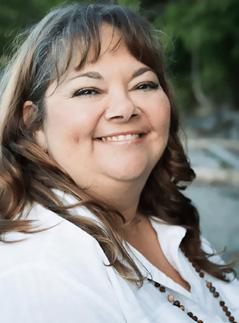
Monique Gray Smith shared her journey with the Formation on Sept. 19 with her presentation, Weaving Love and Joy into the Journey of Truth and Reconciliation
The award-winning author and psychiatric nurse kicked off observances of the National Day of Truth and Reconciliation with an event that drew in approximately 170 attendees from across Canada and elsewhere, and was co-hosted by the MARPAC Health and Wellness Strategy (MHWS) and the Defence Indigenous Advisory Group (DIAG).
“When we speak about Truth and Reconciliation, we need to know what the actual truth is, even though the truth is not the gentle part of our history,” says Smith. “Each and every one of us has the ability to change hearts, minds and spirits and a big part of Truth and Reconciliation is that we must weave love into that journey.”
Smith is of Cree, Lakota and Scottish descent and grew up in the Qu’Appelle Valley in southwestern Saskatchewan. She has been a consultant for government agencies and community organizations since 1990. She has focused on weaving history, resilience, and trauma-informed training for educators, social workers, librarians and early childhood teams.
During her hour-long presentation and 30-minute question and answer session, Smith shared readings from her books and details of how her personal Truth and
Reconciliation journey has transformed her life.
Part of that journey, she says, is tied to her book Braiding Sweetgrass for Young Adults and the adaptation, which she worked on with author Robin Wall Kimmerer. It received the Sigurd F. Olson Nature Writing Award in 2022.
A key message from the book is its fundamental premise of gratitude, based on the centuries-old Haudenosaunee Thanksgiving Address by the Iroquois Nation. Haudenosaunee Thanksgiving is a prayer of appreciation for the natural world and all living things, and an approach Smith believes is fundamental in the reconciliation process.
She then asked her audience to imagine the life of families and communities before colonialization and conflict.
“Children and families were raised with love and joy, and animals, salmon and plants were seen as gifts and harvested with love and gratitude,” she explained.
All of that began to unravel in the years following first contact. She shared an undated picture of one Residential school near her former home and its modern four-story brick structure towering against the landscape.
Standing in the foreground is a small circle of tents at the edge of the school’s property. The tents, she says, were set up in a faint hope by families that they could somehow glimpse their children from a distance, even though they had lost hope of ever being together with them again.
Several of Smith’s family are survivors of the Residential school system, which began in 1851 and concluded in 1996.
“Our family life, connection to the land and our languages were disrupted and dismantled,” she said. “There was threat to our languages, and it is so important that we revitalize them; merely understanding this process also becomes an act of reconciliation.”
But all hope is still there, she says. Smith fought back the tears of sorrow and joy when she said she believes today’s generation of Canadians is being told the truth about the Residential school system. This, she says, pushes the prospects for reconciliation light years forward.
“Because they know the truth about what happened, they will make different decisions,” she said. “I hope their decisions will not be rooted in hate or disgust and this is why there is now cause for us to truly begin our journey towards reconciliation.”
Continued next page ...

From previous page ... DIAG reacts
“Each and every one of us has the ability to change hearts, minds and spirits, and a big part of Truth and Reconciliation is that we must weave love into that journey.”
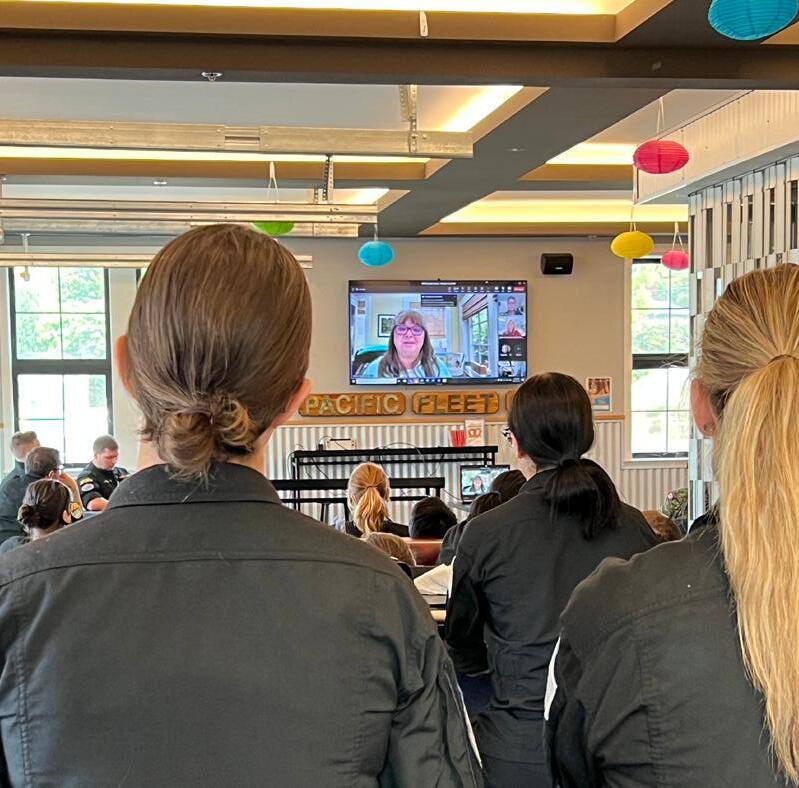
Approximately 20 participants watched Smith’s presentation from the Pacific Fleet Club at CFB Esquimalt, who hosted a viewing party with coffee and bannock bites to those in attendance. Captain (Navy) Kevin Whiteside, Base Commander and Champion for the Defence Indigenous Advisory Group, and Ken Hall, DIAG Chair, both provided welcome messages to Smith and the territorial acknowledgement to the Songhees and Esquimalt Nations.
Hall said he was incredibly impressed with Smith’s presentation, saying she was not alone in her sorrow for the past and optimism for the future.
“Monique Gray Smith is a gifted storyteller whose presentation of Truth and Reconciliation evoked deep thought and emotion,” he said. “I can’t speak for everyone who attended but I know that I was not dry-eyed for the entirety of her presentation, and hearing other’s stories really helps us in our healing process and personal reconciliation journeys.”
~Monique Gray Smith
In 2019, Smith received the City of Victoria Leadership Award for Reconciliation. She is an appointed member of the Board of Directors of Royal Roads University, the Minister’s Advisory Council for Indigenous Women for the Government of B.C., and the elected President of the Board of Directors for the Victoria Native Friendship Centre.
Smith’s presentation was recorded and viewed via an internal link on the Splash Page.

Peter Mallett Staff Writer
Ahead of the National Day for Truth and Reconciliation, The Lookout interviewed Defence Indigenous Advisory Group (DIAG) Civilian Co-Chair Ken Hall. The DIAG is one of five employment equity advisory groups serving Canadian Armed Forces members and the Department of National Defence public service employees. The position of Military Co-Chair is currently vacant, and Hall and the DIAG encourage military members to step forward and get involved. Hall is from Langley, B.C., and a member of the Nedut’en-speaking Grizzly Bear Clan of the Lake Babine Nation. He works as an Administrative Assistant to the Base Commander.
What does the National Day for Truth and Reconciliation mean to you, and why should all Canadians understand its importance?
The National Day for Truth and Reconciliation is meant to recognize how deeply the residential school system has affected the Indigenous community throughout Canada.
To my family, the National Day for Truth and Reconciliation is a day to attend ceremonies throughout Greater Victoria, discover local Indigenous artists and writers, and take extra time to learn the language that was taken from my family, Nedut’en (Carrier Dialect).
It is imperative to remember that this day is less a celebration and more a day to remember the children who were taken from their families
The Lejac residential school that my grandmother, Rita MacDonald, was forced to attend had been criticized for their ‘excessive use of corporal punishment’.
This day is a time to remember the children who were forced to live in foster homes. My Mother, Aunt and Uncle were taken from their home during the ‘60s Scoop and placed in foster care for a large part of their childhood to remove them from their cultural background.
All Canadians need to understand that the residential school survivors suffered. This unawareness of how deeply the parents’ experiences affected them without the necessary resources to deal with it is also known as intergenerational trauma, which I can attest to. Many of my formative years were spent enduring the result of unresolved trauma, pain and anger, and it did not help that direct and loud racism was commonplace at school. Truth and Reconciliation is about remembering the past and working towards a better future where we can all live together in peace and harmony.
What can non-Indigenous people do to improve the process of Truth and Reconciliation and push things forward?
Non-Indigenous Canadian Armed Forces members and civilian employees can learn about the Truth and Reconciliation Commission of Canada and call to action, support local Indigenous businesses, and be open to learning about Canada’s history
and its relationship with Indigenous people. Attending ceremonies such as the South Island Powwow and participating in cultural events also helps. What progress has there been in Truth and Reconciliation, and does it offer hope for the future?
There has been progress in bringing to light the truth of what was done to the Indigenous people of Canada, with apologies from the Canadian government and the Pope, but there is still a very long way to go to advance this goal of ‘Truth’.
Reconciliation has also seen progress, with the Government of Canada signing DRIPA, the Declaration on the Rights of Indigenous Peoples Act, for example.
What does the DIAG job involve?
I assist with identifying systematic employment barriers, provide unique perspectives to affect change and directly advise local and national leadership on issues that adversely affect their communities.
Why is DIAG a relevant and essential group to be involved with?
I joined the DIAG as soon as I found out the organization existed. I was so excited to learn the Federal Government is taking steps towards a more equitable and inclusive workplace. The DIAG is an excellent way for senior leadership to hear the voices and advice of members. It shows that steps are underway to ensure future policies are inclusive for all.
PO1 Steve Morrison National DIAG Co-Chair
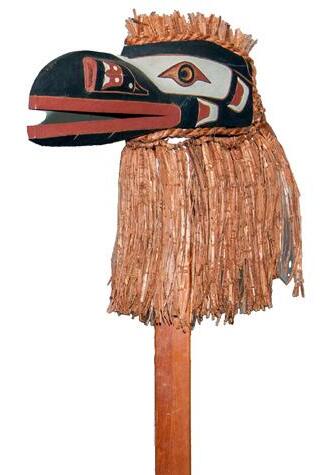
Many upcoming Truth and Reconciliation events around CFB Esquimalt will feature a certain Raven Mask.
The Mask belongs to the Raven course and is from the Kwakiutl Nation from northern Vancouver Island. Raven (Kwekwaxa’we) is the cultural hero of the Kwakiutl and other Northwest Coast tribes. He is a benevolent figure who helps people but is a trickster at the same time.

Many Kwakwaka’wakw stories about Raven talk about his frivolous or poorly thoughtout behaviour getting him into trouble.
The Kwakwa̱ka̱ʼwakw (IPA: [ˈkʷakʷəkʲəʔwakʷ]), also known as the Kwakiutl (/ ˈkwɑːkjʊtəl/; “Kwakʼwalaspeaking peoples”) are one of the Indigenous peoples of the Pacific Northwest Coast. Their traditional territory is northern Vancouver Island, near smaller islands, including the Discovery Islands and the adjacent mainland. They are politically organized into 13 band governments.
These people share many common cultural customs with neighbouring nations. They share beliefs in many of the same spirits and deities, although they speak different languages. Some spirits are, however, unique to one or two cultures and are not

universally known throughout the Northwest Coast. Each tribe has a personal history, practices, and stories. Some origin stories belong to only one specific tribe, while another tribe has its own stories. But many traditions, rituals, and ceremonies occur throughout Kwakwaka’wakw culture and, in some cases, neighbouring Indigenous cultures.

The Kwakwaka’wakw creation narrative states the world was created by a raven flying over water, who, finding nowhere to land, decided to create islands by dropping small pebbles into the water. He then started trees and grass, and after several failed attempts, he made the first man and woman out of wood and clay.
U’melth is the Raven that brought the Kwakwaka’wakw people the moon, fire, salmon, the sun and the tides. He and other artifacts have been with the RCN for many years.
































The Annual Base Commander’s Golf Tournament returns this week. Kicking off on Wednesday, the event will feature a performance from The Naden Band, 18 holes of golf at Olympic View Golf Course, friendly competitions on the course thanks to participating sponsors, and a luncheon with prize giveaways including a free trip courtesy of WestJet.
the event is one of the most popular events on base, selling out soon after opening registration every year.


Top sponsors for this year’s event include Seaspan, Canada’s long-term strategic ship-building partner of the Canadian Coast Guard and the Royal Canadian Navy; Babcock Canada, delivering engineering support for Canadian military, civil and commercial marine, and aviation organizations; and Pomerleau, a Canadian leader in the construction industry at the fore front of innovation building the living environments of tomorrow.
“We appreciate all who are coming to spend the day on the greens with us in support of Community Recreation, and morale and welfare for military members and the extended Defence community,” says Gillian Larsen, Manager of Community Recreation with CFMWS. “A big thank you to our sponsors as this tournament and so many other events would not be successful with their support.”
Additional sponsors for this event include The Royal Canadian Legion BC/Yukon Command, Royal Roads University, SeaShell Consulting, Grainger Canada, Golf Town, SISIP, Absolute Therapy and Friends of Dorothy.
Are you interested in sponsoring future morale and welfare events and activities? Reach out to us at jazmin.





Hosted by Community Recreation, a department of Personnel Support Programs with Canadian Forces Morale and Welfare Services (CFMWS),
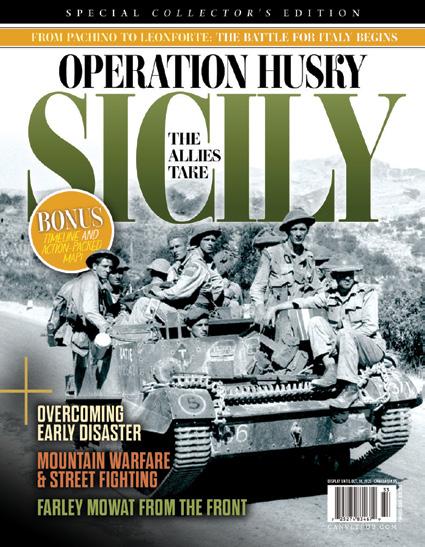
Operation Husky: The Allies take Sicily
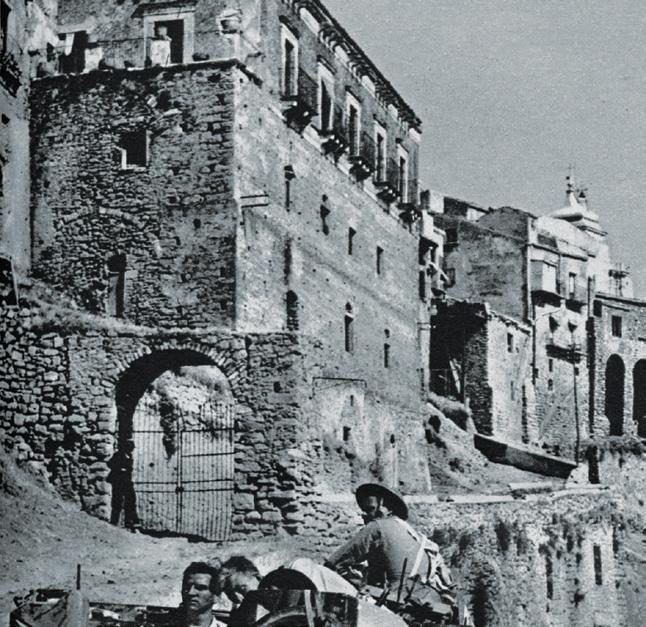
For almost four years, the forces of Nazi Germany have occupied Europe while the Allies fought in Africa and the Pacific. Now, on July 10, 1943, Canadian, British and American forces invade Sicily, a hot, mountainous, enemy-occupied island off Italy’s south coast. The Allied liberation of the continent has begun.
available on newsstands across Canada! Pick up your copy today!



Michael McWhinnie NTG
There is an ebb and flow to our personal and professional lives. Those times when new investments or capabilities come to fruition are infrequent; they seem all the more special.
Such was the case when training staff took delivery of the eight Orca-class patrol vessels when the local ship maintenance and repair community observed the construction of the modern Fleet Maintenance Facility Cape Breton, or currently, as we all observe, the jetty recapitalization project taking form.
That same sense of good fortune, albeit on a much more modest scale, is beginning to resonate with Naval Fleet School Pacific (NFS(P)) staff as an important milestone in their sail training vessel replacement program approaches.
There is a tangible sense of anticipation at NFS(P), especially at the Campus Support Division, which relies on the boats to run the Royal Canadian Navy (RCN) Sail program.
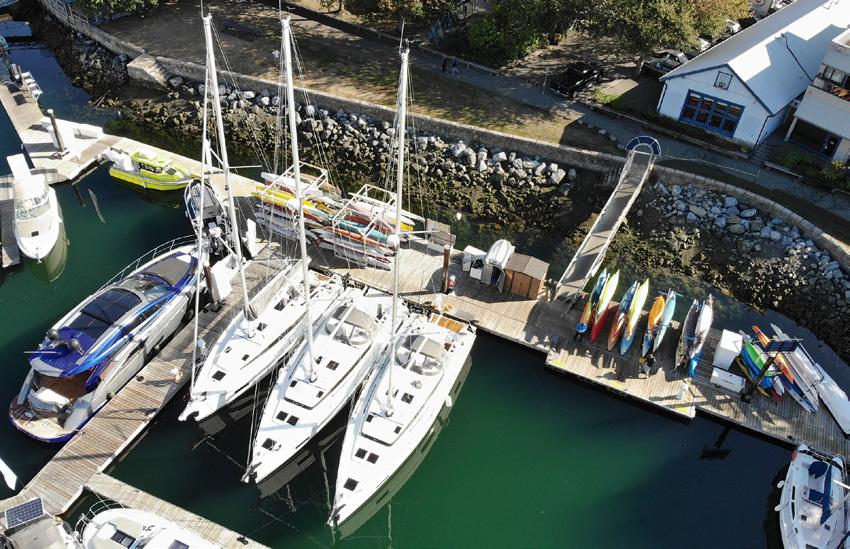
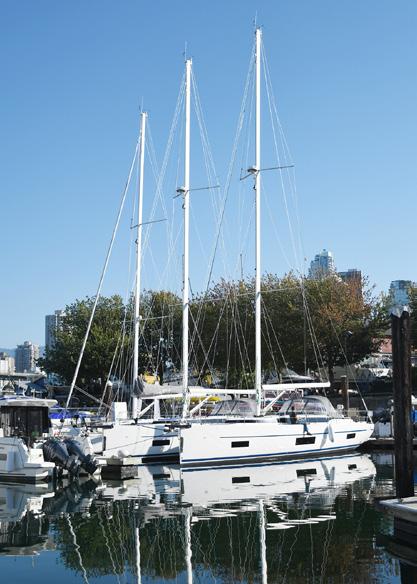
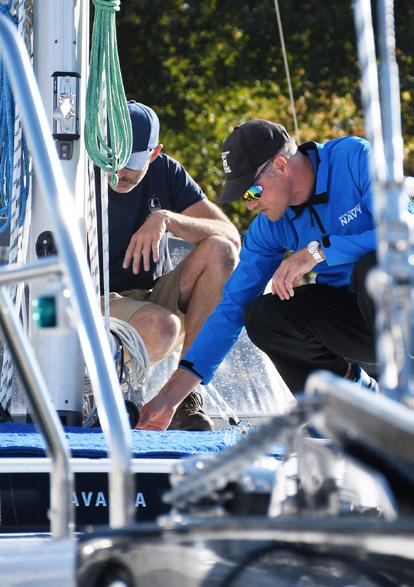
“We’ve known for a while the new boats were coming, but now that they’re being rigged in Vancouver, they are no longer just an idea: they’ve become something tangible,” said Lieutenant (Navy) (Lt(N)) Ellery Down, RCN Sail Program Coordinator, during a recent inspection of the two yet-tobe-named Bavaria C45
sailboats at a contractor facility on Granville Island.
There is a strong and vibrant sailing community at CFB Esquimalt due largely to RCN Sail. The community is a driving force that fosters interest in sailing, attracts new members, and imparts essential knowledge and skills to participants.
Lt(N) Down is excited at the prospect of managing the new boats on behalf of NFS(P). Not only will their size double the unit’s training capacity, but the potential for increased crew size will also allow greater flexibility in how they employ them.
“With everything proceeding on schedule, we should be taking delivery of the boats in Esquimalt before the end of September,” he adds. “They will be a great asset for decades to come.”
The new sailboats will eventually replace STV Tuna and STV Goldcrest, two CS36s built in 1985 and presently operated by RCN Sail.
As these are modern and very capable vessels, they are bound to attract much attention, Lt(N) Down said. He hopes their acquisition will help promote sail training opportunities amongst the local Defence Team.
“The vessels will hopefully generate some interest and excitement about the Navy when Canadians see the RCN identifiers while we train, compete, or conduct outreach activities in the coastal waters of Vancouver Island,” he concluded.





MANAGING EDITOR
Jazmin Holdway jazmin.holdway@forces.gc.ca
EDITOR
Kate Bandura
WRITER
250-363-3130 kateryna.bandura@forces.gc.ca
Peter Mallett mallett.peter@cfmws.com
PRODUCTION
Leslie Eaton
250-363-8033 workstation3@lookoutnewspaper.com
ACCOUNTS/RECEPTION
Trina Winters
ADVERTISING
Joshua Buck
250-363-3127
778-977-5433 NEW military.base.advertising@gmail.com
EDITORIAL ADVISORS
Captain Christopher Dubé
Ashley Evans
Rodney Venis
FRENCH EDITORIAL ADVISOR
250-363-4006
250-363-7060
A/Slt Alexandre Springer alexandre.springer@forces.gc.ca
Published each Monday, under the authority of Capt(N) K. Whiteside, Base Commander.
Le LOOKOUT est publié tous les lundis, sous l’égide du Capv K. Whiteside, Commandant de la Base.
The editor reserves the right to edit, abridge or reject copy or advertising to adhere to policy as outlined in PSP Policy Manual. Views and opinions expressed are not necessarily those of the Department of National Defence.
Le Rédacteur se réserve le droit de modifier,de condenser ou de rejeter les articles, photographies, ou annonces publicitaires pour adhérer au Manuel des politiques des PSP. Les opinions et annonces exprimées dans le journal ne réflètent pas nécéssairement le point de vue du MDN.

Understand the process of the ‘all-or-nothing’ mind

Thomas Goenczi
We tend to want to have everything and more, and when we don’t get it, or if it doesn’t fulfill us like we thought it would, we often discard any desire for what we initially wanted.
nothing’ mind, we can use that mental energy rather than stay in servitude and live in the same impotent behaviour patterns.
So, how does the ‘all-or-nothing’ attitude process gets activated? Initially, it occurs when we find something that piques our interest. The interests that prompt the ‘all-or-nothing’ outlook are far-reaching and touch all areas of life, including financial endeavours, relationships with others and ourselves, and even the spiritual and religious communities.
not recognizing the third option: pausing and reflecting.
The ‘nothing’ is a dark head space to which we withdraw to not burden others because of our perceived ineptitude. The berating inner dialogue of ‘you’re a failure’ constantly echoes in this state of mind. It becomes the primary narrative and often evokes a heightened depressive and anxious state. Our self-esteem is bottomed out here.
Circulation: 2,000 plus 300 pdf downloads per week Follow us on Facebook, Twitter and Instagram to join our growing social media community.
A Division of Personnel Support Programs
CFB Esquimalt, PO Box 17000 Stn. Forces Victoria, BC V9A 7N2 Web: www.lookoutnewspaper.com Fax: 250-363-3015
Canadian Mail Product Sales Agreement 40063331
The constant inner battle of good vs. evil, left vs. right, everything vs. nothing: that beautiful harmony of opposites often gives way to viewing the world through a black-and-white lens. Why is it so hard for us to live in the in-between? The root cause of our strife is the inescapable law of opposites, manifesting through an ‘all-or-nothing’ attitude toward life.
This ‘all-or-nothing’ mentality plagues our minds at a very early age in life. How do we shake the dualistic thought that perpetuates this attitude?
This duality is stitched into our psychological fabric; nevertheless, everyone can become aware of these psychological opposites, thus allowing us to make choices rather than being dictated by our unconscious impulses. Once we become aware of the ‘all-or-
Once our curiosity is engaged, we pour valuable time and energy into whatever piqued our interest. This sometimes manifests as a heightenedfocused state of mind with an amplified capacity to use our will because of how enriching the interest is. There is no ‘all-or-nothing’ without a piqued curiosity and an effective will, where the interest is the fuel, and the will is the ignition that fires up the mental engine.
Now for the ‘nothing’ part. After some time passes, our curiosity will meet a resistance point, a bump in the road. When we begin to feel intensity crashing in the ‘all-or-nothing’ mode, we have only two options: intentionally pressing forward despite the bump or collapsing psychologically and wallowing in our failure. The problem is
And, then, for one reason or another, we get a little spark, a glimmer of light, and sometimes we take it and use it. And when we do, we find ourselves with the same energy we once had and activate the ‘all’ again.
Being conscious of where you are in the ‘all-or-nothing’ cycle will allow you to stop a massive burn-out.
Thomas Goenczi is an RCN Veteran and MA Clinical Counsellor with Private Practice: Well Then Therapy.
The content is not intended to substitute professional advice, diagnosis, or treatment. Always seek the advice of your mental health professional or other qualified health provider with any questions regarding your condition.
Wilson Ho HMCS Oriole PAO
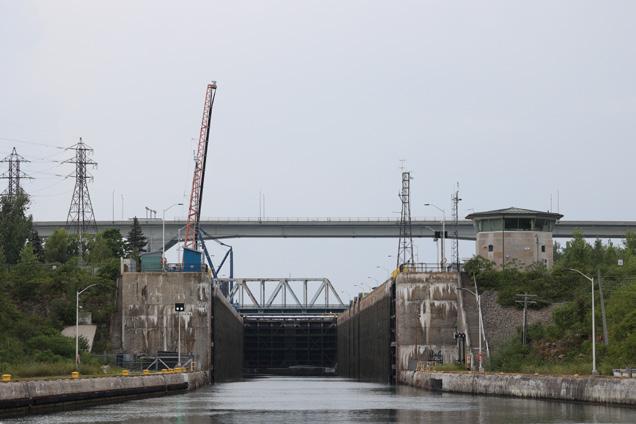
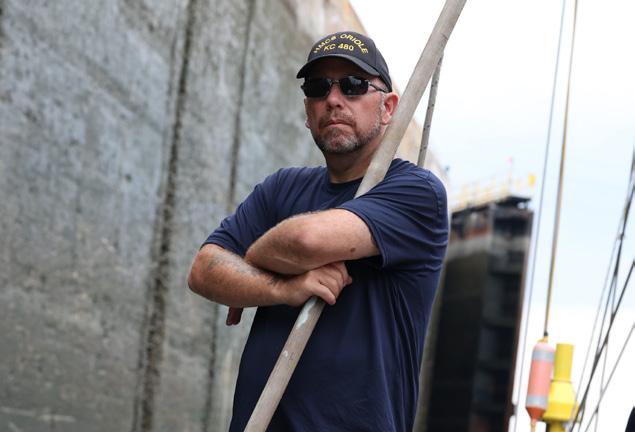
In early August, His Majesty’s Canadian Ship (HMCS) Oriole transited through the Saint Lawrence Seaway locks while participating in the Royal Canadian Navy’s (RCN) annual Great Lakes Deployment (GLD) 2023. The deployment brings the RCN closer to non-coastal Canadians, who are traditionally not exposed to Navy personnel and operations. This opportunity allows Canadians to speak to sailors and recruiters to learn more about a career in the RCN. The GLD serves as an opportunity to pique interest in maritime life service at sea through ship tours, outreach activities and presence in Canadian communities.
From Aug. 10-11, HMCS Oriole transited through the Montreal-Lake Ontario section of the Saint Lawrence Seaway, famous for being a system of locks, canals, and channels in Canada and the United States that permits oceangoing vessels to travel from the Atlantic Ocean to the Great Lakes of North America.
There are seven locks: the Côte-St. Catherine and St. Lambert (2 locks), the Beauharnois (2 locks), the Eisenhower and Snell (2 locks), and the Iroquois (1 lock). The Montreal-Lake Ontario section of the Saint Lawrence Seaway was completed in 1959 and was a feat of engineering between Canada and the United States—the Côte-St. Catherine and St. Lambert, the Beauharnois, and the Iroquois are Canadian, while the Eisenhower and Snell are American.
It took two days for HMCS Oriole to transit through the seven locks. On the first
day, after transiting through the Côte-St. Catherine and St. Lambert Lock and the Beauharnois Lock, the ship came to anchor in the Saint Lawrence Seaway, giving the crew time to rest after a long transit.
On the second day, HMCS Oriole transited the Eisenhower and Snell Lock, and the Iroquois lock and then continued sailing overnight until it reached Brockville on Aug. 14. The exterior lock towered over the crew of HMCS Oriole while it entered each of the Montreal-Lake Ontario section of the Saint Lawrence Seaway.
HMCS Oriole’s main mast stands 102 ft tall, and while getting in position and before the ship was raised to the next section, only the very top portion of the mast peeked above the lock.
“The teamwork is essential for success,” said Lieutenant-Commander (LCdr) JeanPaul Barrette, the Command Development Officer posted onboard HMCS Oriole, who was given control of the ship’s movements by the Commanding Officer of HMCS Oriole through much of the transit through the Montreal – Lake Ontario section of the Saint Lawrence Seaway. “Throughout the transit every member plays a key part, and I am fortunate the Captain has trusted me with the ship and crew to complete the mission.”
Now that HMCS Oriole is sailing in Lake Ontario, the ship will continue its Great Lakes Deployment and visit multiple coastal ports in Ontario and Quebec before finally returning to Canadian Forces Base (CFB) Halifax in early October. For more information and to follow HMCS Oriole along its deployment, visit: canada.ca/en/navy/campaigns/hmcs-oriole-greatlakes-deployment.htm






the same time.
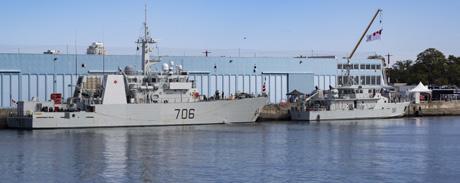
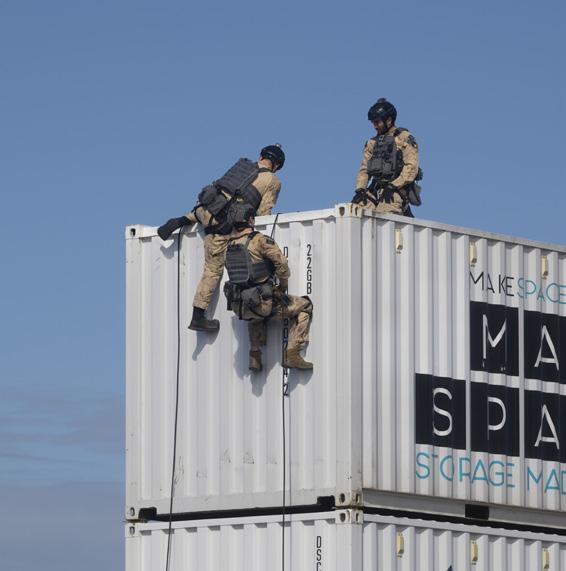
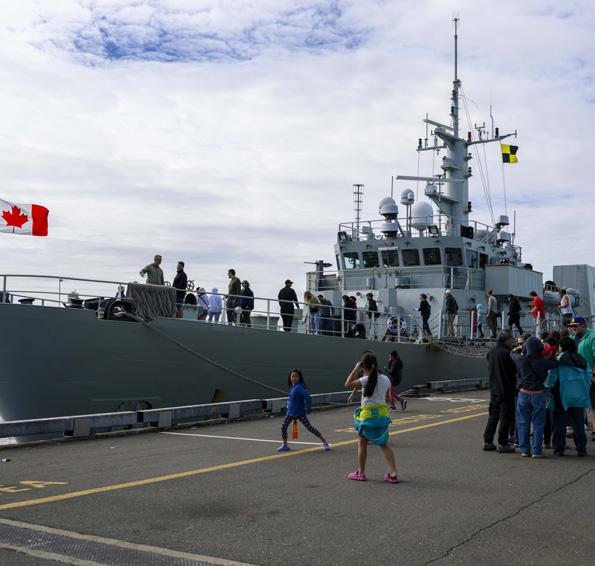
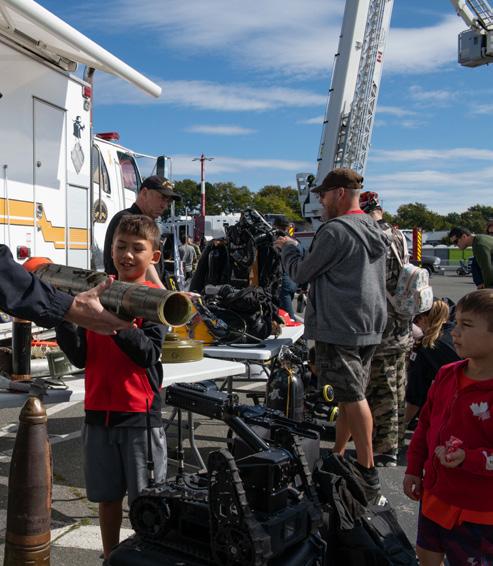
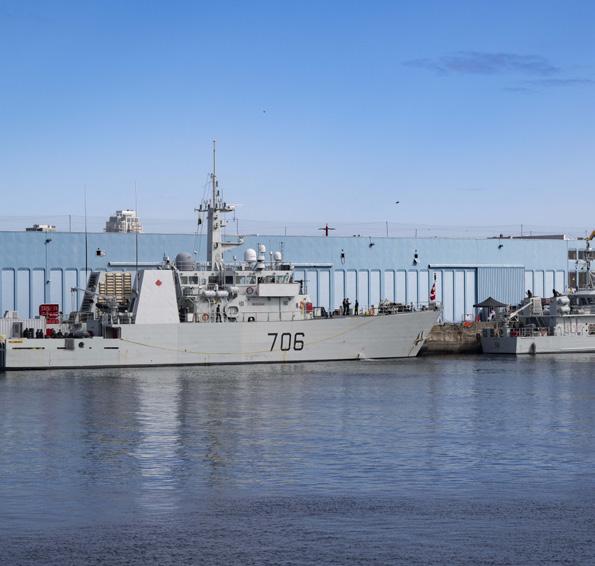
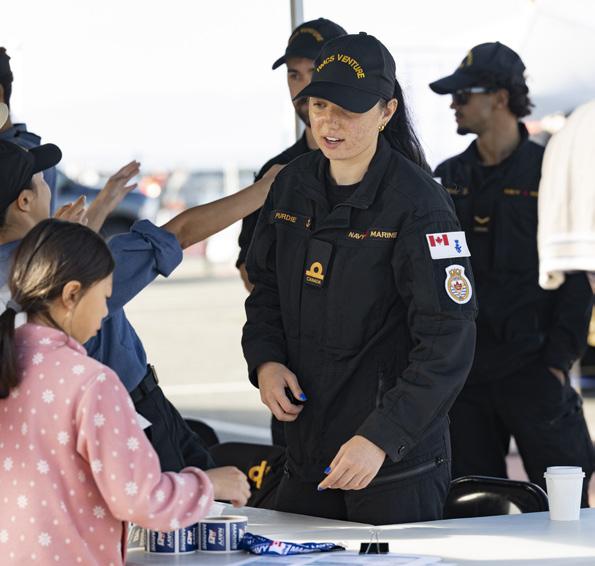
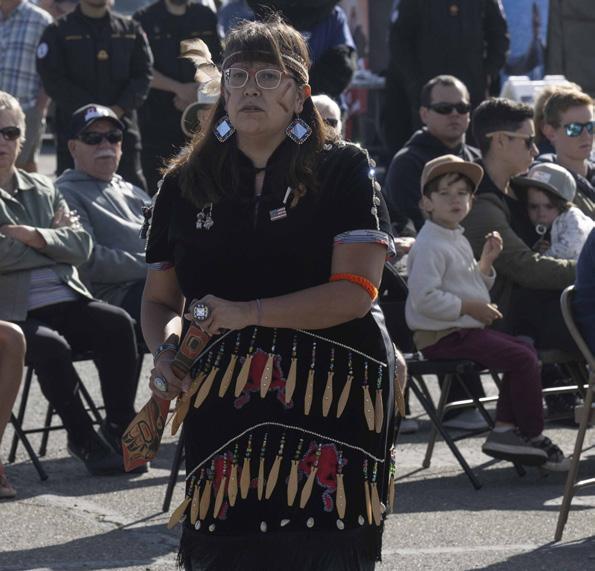
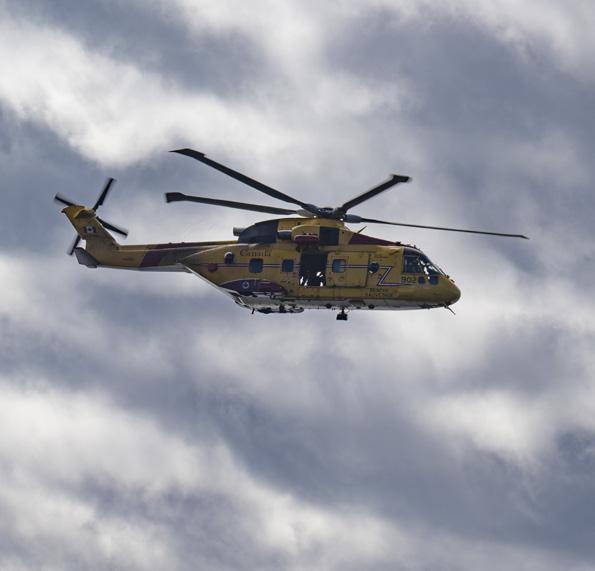
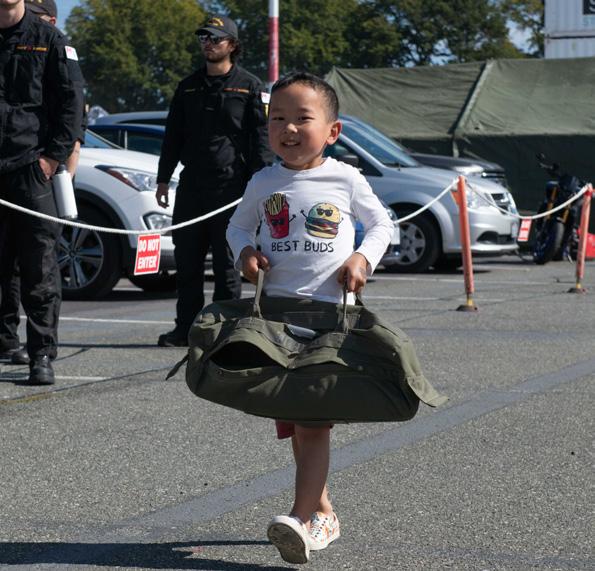
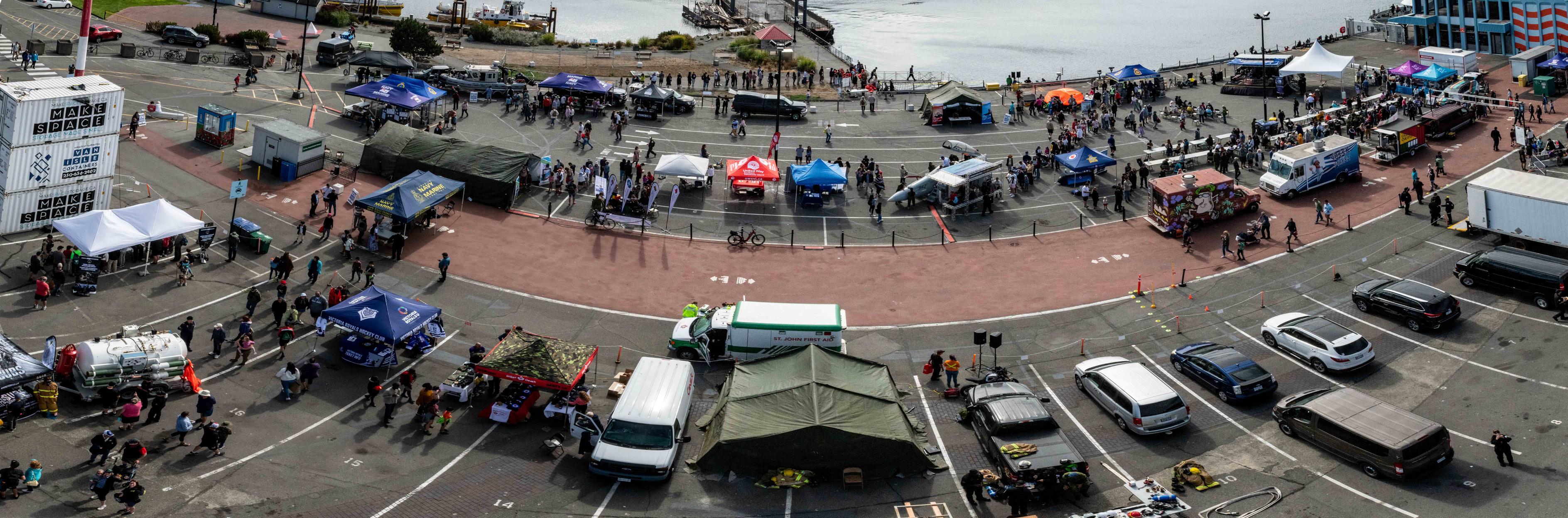
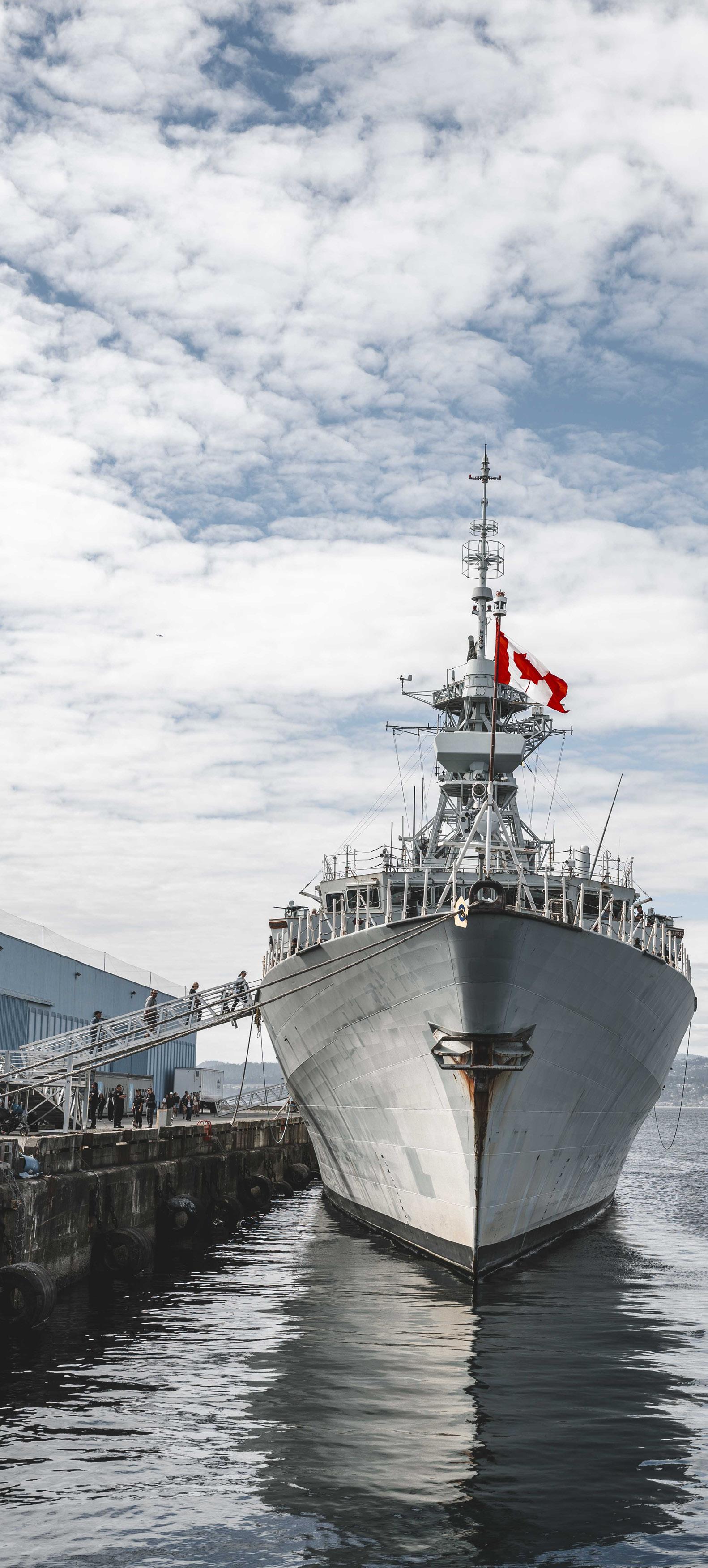
But HMCS Winnipeg HMCS Yellowknife, and PCT Raven all basked in attention at the fourth iteration of Defence on the Dock on Sept. 17. The event invited the community to better understand what takes place at CFB Esquimalt.
and brought his family to see what he and other military members do.
“My best moments were, of course, watching my young sons enjoy all the displays and dancing to the bands’ music,” he said.
The sailors enjoyed talking face-to-face with interested attendees and answering questions about life onboard RCN vessels.
Sailor First Class (S1) Brandon Crawford, a Material Management Technician with the Canadian Submarine Force (CANSUBFOR), said seeing the public’s support and interest in submarine operations thrilled the crew.
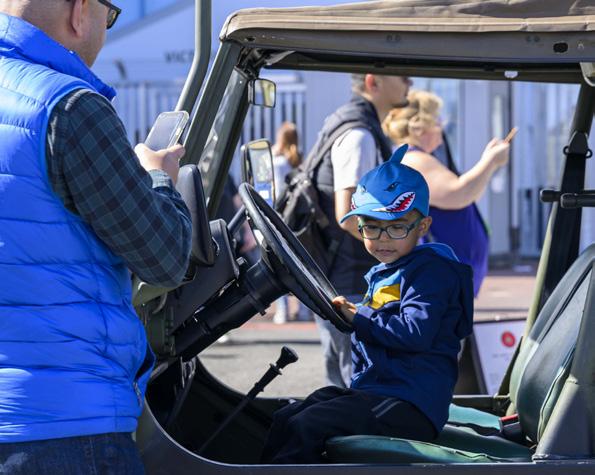
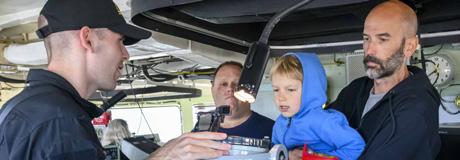
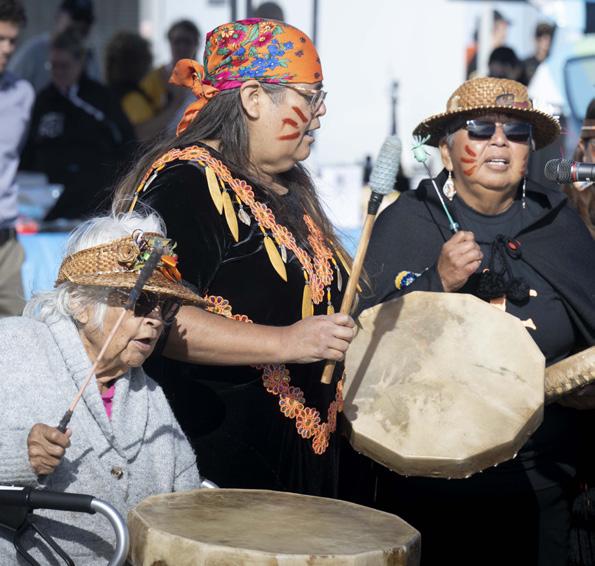
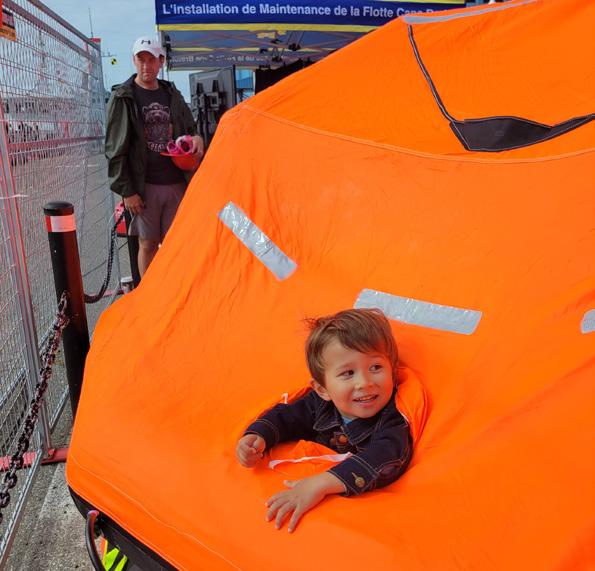
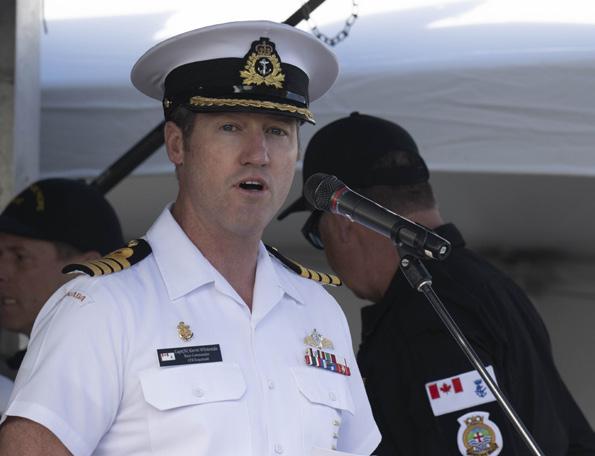
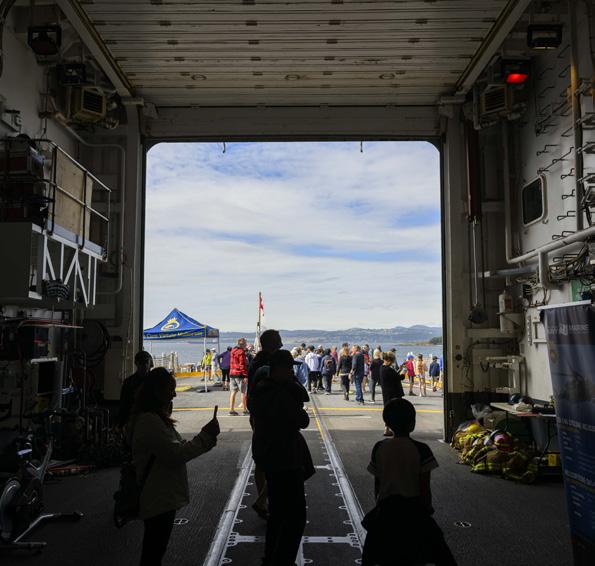

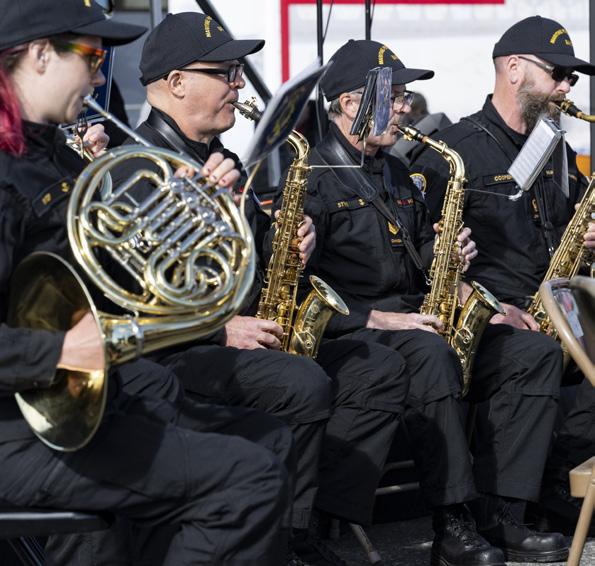
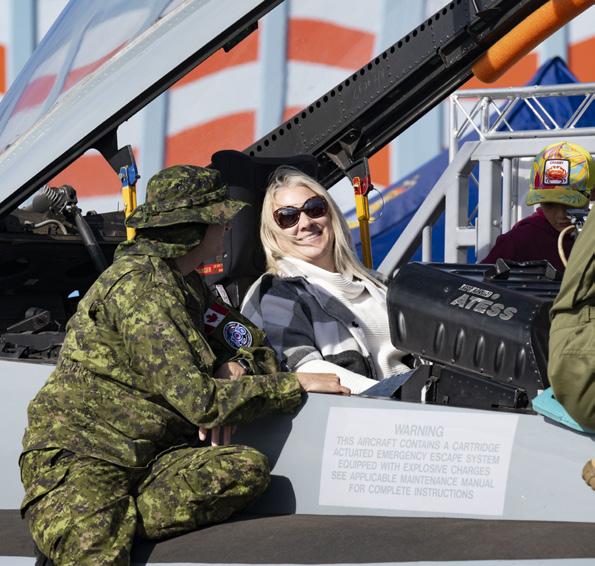
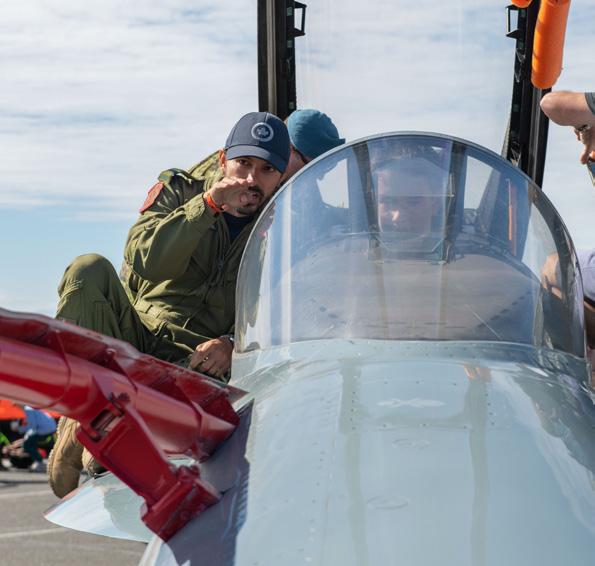
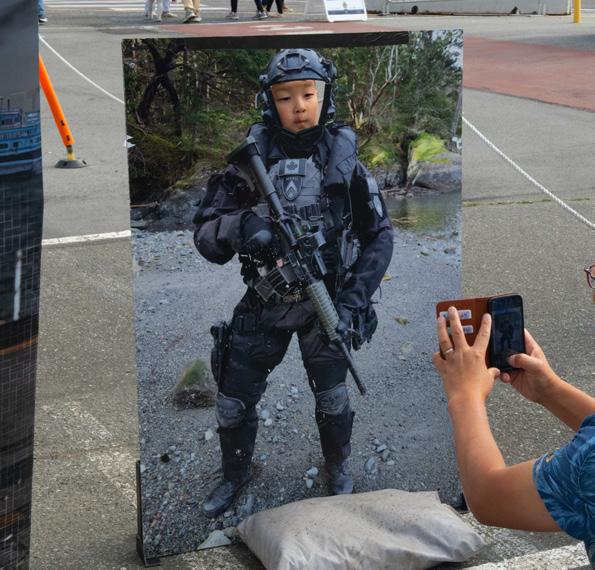
Defence on the Dock combined fun activities such as performances by Canadian Armed Forces (CAF) bands with hands-on opportunities including interactive knottying workshops and fighter jet cockpit displays to showcase the CAF’s capabilities.

“The hope is people will gain a better appreciation of the Navy and its sailors,” said Lieutenant (Navy) (Lt(N))
Graham Arlett, Plans Officer onboard HMCS Winnipeg HMCS Winnipeg provided a ‘Ship Open to Visitors’ to raise the Navy’s profile and build ties within the community. The Winnipeg was one of the crowd favourites.
Judging by the size of the crowd, Lt(N) Arlett said the tours were successful.
“My highlight was engaging with the public and witnessing their keen interest in CANSUBFOR,” S1 Crawford said. “Despite the extensive planning involved in these events, the payoff is the public’s enthusiastic engagement and curiosity about our operations as well as all the smiles we get.”










































“There was a steady flow of people on the upper decks throughout the day,” he said. “Introducing sailors and connecting with citizens in this way helps to showcase the human side of the military. The hope is this leaves a positive impression with the public and gains support for the CAF in general.”
Defence on the Dock was an opportunity for CANSUBFOR to provide a taste of what the submariners’ life is like below the waves and away from the public eye. The unit presented the submarine portable hyperbaric recompression chamber, two orange individual escape suits, an individual life raft, an oxygen generator, CO2 absorption canisters, some firefighting gear as well as a training pod used for emergency life saving systems.
Defence on the Dock was not only an opportunity for the sailors to increase the public’s awareness of the CAF’s mission, but also to grow as a team.





Besides showcasing the frigate, Defence on the Dock displayed an RCN capability that is rarely highlighted.
“Our small patrol vessels don’t get a lot of attention, even though we provide up to 1,300 days of at-sea training per year,” said Lt(N) Mike Makow, a Naval Warfare Officer posted to Patrol Craft Training Unit (PCTU). “Many Canadians, especially on the coast, are aware of the Navy, but usually only hear about deploying units, and those are usually the MCDVs and frigates.”

For Acting Sub-Lieutenant (A/SLt) Shayne Gordon Gilmar, Naval Warfare Officer with HMCS Yellowknife witnessing his shipmates sharing experiences with the public was inspiring.
“You get to know your shipmates very well within the confines of a ship, but I genuinely believe it is through our stories that we truly learn about one another,” he said. “I could see the lights on the faces of both my fellow crew and the public as true connections were formed.”
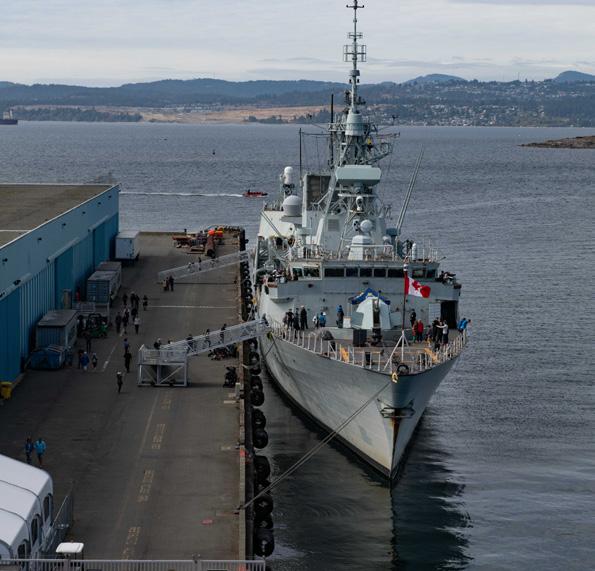
PCTU puts ships to sea to provide realworld training for junior naval officers, where they practise their classroom knowledge at sea.



















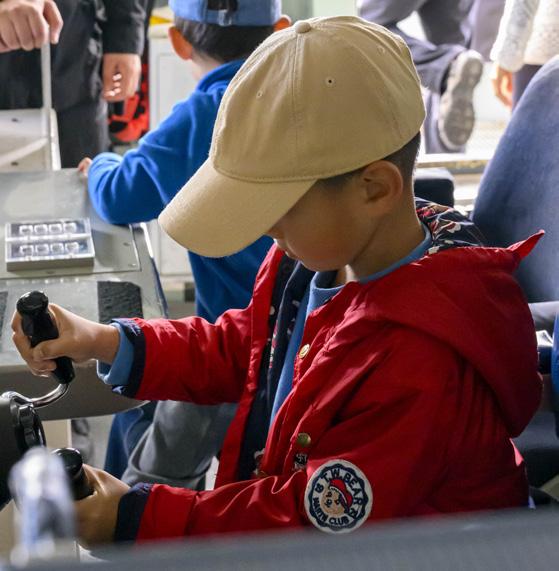
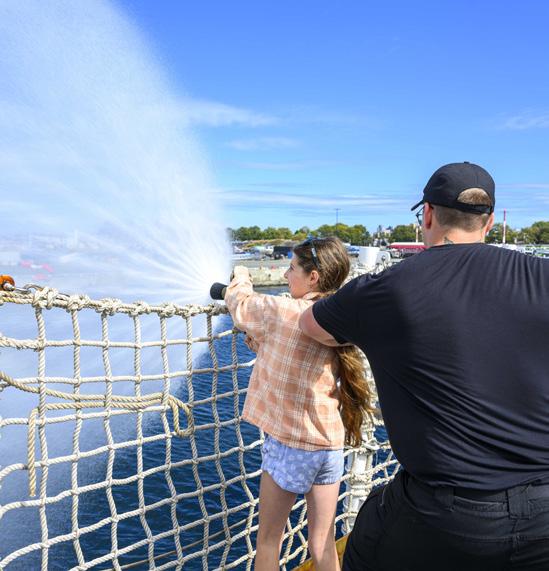
The unit showcased Raven an Orcaclass patrol vessel, allowing the public to get on board a real patrol ship to see the conditions the sailors live and train in, and a chance to put their hands on the equipment such as fire hoses and navigational radars.
Lt(N) Makow attended as a visitor
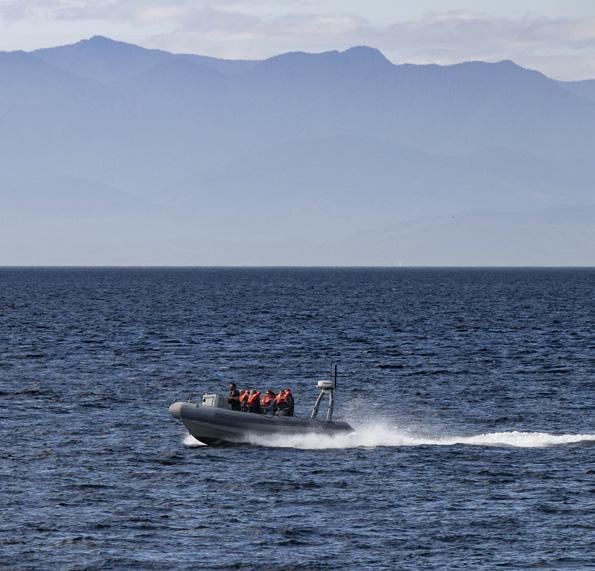
HMCS Yellowknife provided tours of the vessel to increase public interest and engagement, offered a brief day sail to special guests and showcased the vessel’s unique maneuverability with a thrilling demonstration. According to A/SLt Gilmar, the Kingstonclass MCDVs are unique warships within the fleet, as its Z-Drive thrusters provide an impressive degree of maneuverability that truly needs to be experienced to be appreciated.
“It was a particular joy of the sail for me to see the vessel driven aggressively to showcase its abilities,” he said. “Part of our mission for this sail was ‘Force Generation’; that does not simply mean the training of junior personnel but also inspiring future generations of CAF members.”
Summarizing the wrap-up of this year’s Defence on the Dock, Matt Carlson, Project Officer with CFB Esquimalt Public Affairs, said the event helped establish ties with the community and raise the RCN’s profile with the Canadian public.
“I enjoyed working with so many talented, knowledgeable and hardworking people leading up to and during our signature community relations event,” Carlson said. “Thanks to all who made the trip to the Ogden Point Breakwater District, and we look forward to seeing you again in the future.”
Peter Mallett Staff Writer
HeroWork, the charitable organization that united volunteers and local businesses to renovate and transform buildings that house local non-profits, is no more.
Paul Latour, HeroWork Founder and CEO, announced on Aug. 31 that his non-profit faces increased construction costs, reduced returns on fundraising, and successive financial losses on renovation projects.
“HeroWork is winding up its operations as a result of these changing market conditions and economic downturn,” Latour said. “I have put my heart and soul into this organization for more than ten years; we had plans to get through these challenges, but the financial tables turned on us very quickly.”
Latour said the volunteerism of military members from CFB Esquimalt was crucial to seeing many of their projects through.
“Canadian Armed Forces members were with us from the beginning and worked with
us on every single HeroWork project over the years,” said Latour. “Without the involvement of hundreds of volunteers from the military, our capacity to achieve our goals would have been greatly diminished.”
Latour also thanked Canadian Forces Morale and Welfare Services charity Boomer’s Legacy for its annual grants essential to completing many of HeroWork’s projects. Some of HeroWork’s more notable renovations across the Greater Victoria area included transforming an old youth detention center in View Royal into a homeless shelter for Our Place, building a food distribution hub for Mustard Seed, renovating the Downtown Community Centre for the Victoria Cool Aid Society and the Indigenous Perspectives Society, and many more. Its latest project to benefit non-profit Power To Be and its Prospect Lake property was suspended before completion. However, many of HeroWork’s volunteer and sponsors are working together with Power To Be to complete the project.






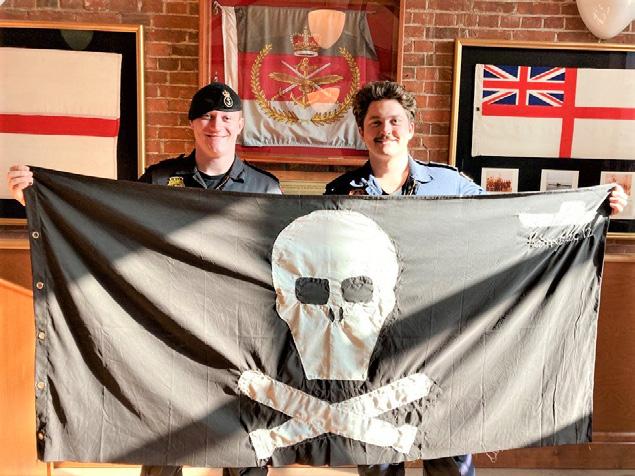
SLt Matt Ladouceur CANSUBFOR
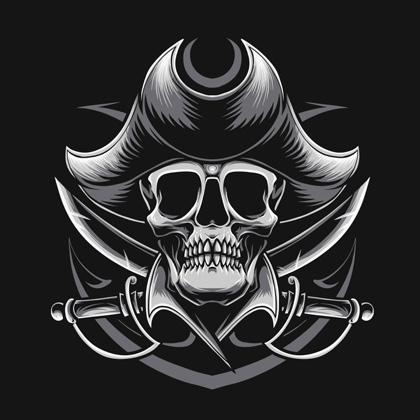
‘Joli rouge’ – a sardonic label the French assigned to the flag pirates brandished when no prisoners were to be taken. The plain red flag underwent successive redesigns during the 18th century until settling on the standard we recognize today in its anglicized term ‘Jolly Roger’.
that will serve us well as we journey to the future force.”
As introduced at the RIMPAC IPC, the RIMPAC Logo Contest is an exciting opportunity for partner nations to design the official logo for RIMPAC 2024, to be unveiled at the MPC in December 2023. This logo will be printed on all RIMPAC exercise materials and merchandise and widely used across social media.
We look forward to seeing your logo designs by Sept. 30!
But what comes to mind when you visualize skull and crossbones? Bad things, pirates, a poison warning on a label?
What about submariners?
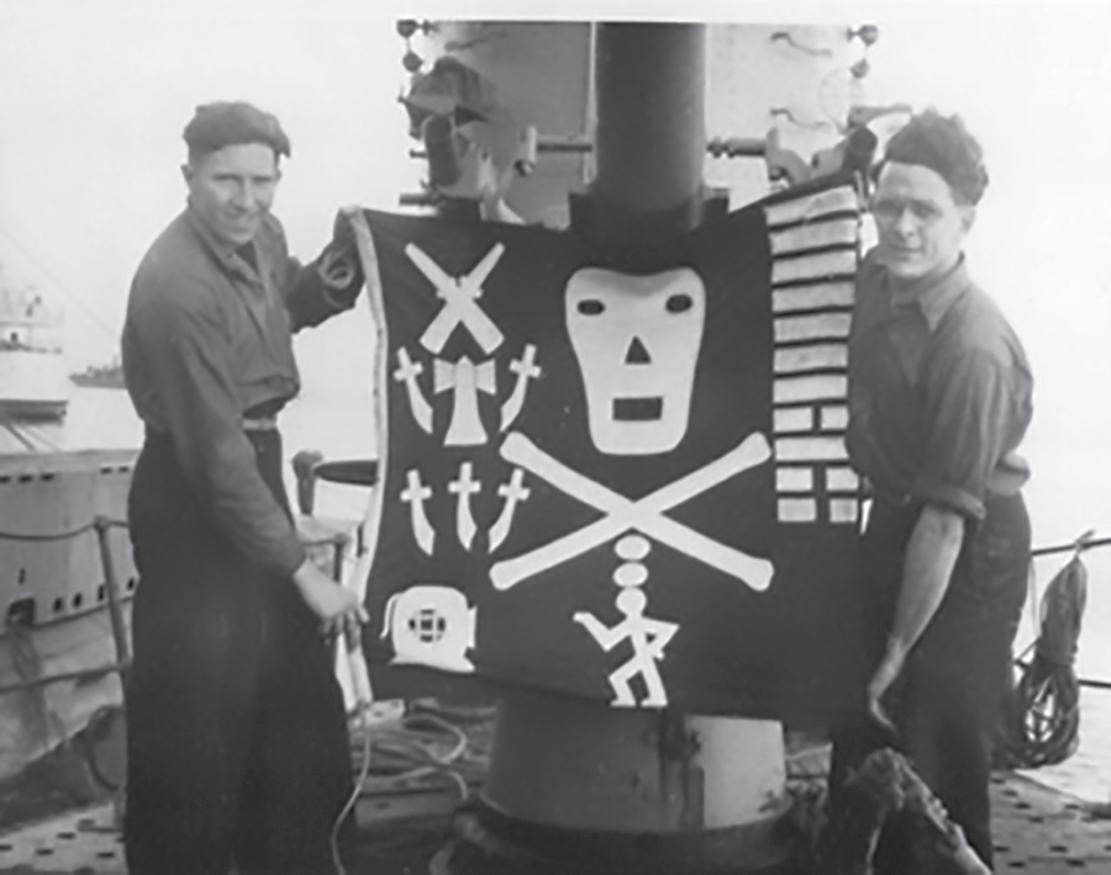
Few know the longstanding link between the submarine community and the Jolly Roger. As with most Royal Canadian Navy traditions, this one traces its origin to the British, more precisely, to comments made by the First Sea Lord, Admiral Sir Arthur Wilson. He referred to the advent of submarine warfare as ‘underhanded, unfair, and damned un-English’ and argued that enemy submariners should be hanged as pirates upon capture.
Of course, he wasn’t referring to Royal Navy (RN) submariners, but they delighted in the characterization and readily adopted the Jolly Roger. One of the earliest examples occurred on the morning of Sept. 13, 1914, when the RN submarine His Majesty’s Ship (HMS) E9 torpedoed and sank the German cruiser SMS Hela in the Helgoland Bight. To mark their achievement – and one suspects, to thumb their collective noses at the Admiral’s characterization – E9's captain Lieutenant-Commander Max Horton proudly and, perhaps defiantly, flew the Jolly Roger while returning to port.
“The Jolly Roger has become a symbol associated with the Canadian and other submarine communities,” remarked Captain (Navy) Alex Kooiman, Commander Canadian Submarine Force. “It’s an emblem we identify with and helps to distinguish us. It connects us with our past, shapes our presentday culture and bolsters an esprit-de-corps
The standard Jolly Rodger underwent many submarinerspecific modifications during the Second World War. RN submarines would alter their flags following successful missions using a series of coded representations. A white bar was added for sinking an enemy merchant vessel; for a warship, the bar was red. The letter ‘U’ denoted a destroyed U-boat. Clandestine operations earned a ‘dagger’. Squadron commanders could present flags, but they were customarily crafted by boat crews using material on hand. For example, the original HMS Upholder’s Jolly Roger was sewn from blackout curtains used during a port visit to Malta.
The Jolly Roger’s use continues to this day among Commonwealth navies. During the Falklands War, it appeared on HMS Conqueror following that submarine’s sinking of the Argentine Navy’s General Belgrano. More recently, the crew of HMCS Victoria hoisted the skull and crossbones to mark the successful firing of war shot Mark 48 torpedo when they sank the hulk of the USNS Concord during the multinational exercise RIMPAC in 2012.
Our Australian cousins on His Majesty’s Australian Ship Oven similarly hoisted the flag after their first live firing of a Mark 48 torpedo. It’s even been brandished by our neighbours to the south and was spotted flying from USS Jimmy Carter twice in Puget Sound in 2017, for reasons unknown.
The contemporary Canadian submarine community continues to embrace the tradition of the Jolly Roger. One may observe the iconic skull and crossbones logo adorning morale patches, in mess decor, crew merchandise and inked into the skin of many a submariner. To that small and close-knit community, the Jolly Roger is a visual identifier as unique as the submarine service.
In our previous issue in the article titled "Aviator makes new connections in Tribal Journey", we published an incorrect name of the nation who sang the song that originated from the T’Sou-ke Nation. The correct name is Nisqually, who were the host of the Tribal Journey in 2018.