Preparing Your Vehicle for Summer
Words by: Keith Spence
After more than three decades in the automotive repair business, I can predict with reasonable accuracy which vehicles will end up on a tow truck in July. They belong to drivers who assumed everything was fine in May simply because nothing appeared wrong in the driveway.
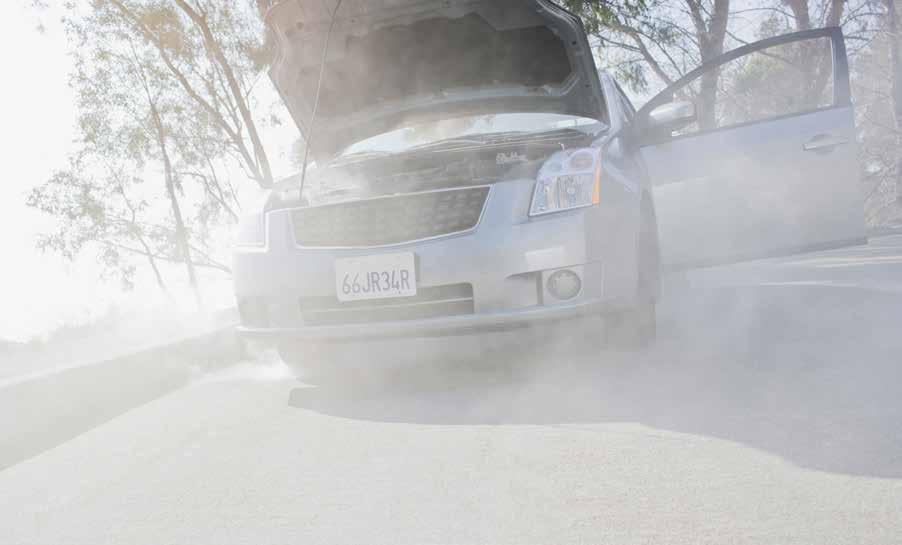
Heat affects a vehicle differently than cold weather. Cold exposes problems immediately. Heat conceals them until a driver finds himself stranded on the shoulder of an interstate, hours from home, with the hood raised and the temperature gauge buried in the red.
The cooling system deserves attention first. Coolant breaks down over time and becomes corrosive, gradually damaging the radiator, water pump, and heater core from the inside out. If you cannot recall the last time the system was flushed, the service is overdue. Inspect the coolant color when the engine is completely cold. Rust-colored or murky fluid indicates contamination. While the hood is open, check the radiator hoses for firmness. Hoses that feel soft, swollen, or unusually hard have reached the end of their service life.
Tires require equal attention. Elevated road temperatures cause the air inside to expand, and an under-inflated tire flexes excessively, generates additional heat, and becomes prone to catastrophic failure at highway speeds. Check pressure before the vehicle has been driven, using the specification listed on the driver's door jamb rather than the maximum rating printed on the sidewall. Inspect tread
depth and look closely at the inner edges for uneven wear, which typically indicates an alignment issue that will only worsen with continued use.
Batteries are commonly associated with winter failures, but summer heat is far more destructive. High under-hood temperatures accelerate internal corrosion and shorten battery life significantly. Any battery beyond the three-year mark should be load tested before a long trip. Most parts retailers offer this service at no charge.
Air conditioning performance also warrants verification before departure. A system that produces cool rather than genuinely cold air on a moderate day will likely fail entirely under sustained heat and load. Address weak performance before it becomes a complete loss of function in conditions where it matters most.
Finally, equip the vehicle for the unexpected. Carry a gallon of water, a quart of the correct engine oil, jumper cables, a flashlight, and a properly inflated full-size or compact spare. Confirm the spare actually holds air rather than assuming it does.
Schedule a pre-trip inspection two weeks before departure, not the day before. That window allows time to address whatever the inspection reveals without the pressure of a deadline. The cost of preparation is always less than the cost of a breakdown. LL