Log Home Chats

Don’t Let Summer Pests Move In
How Do I Know When It’s Really Time to Restain?

Don’t Let Summer Pests Move In
How Do I Know When It’s Really Time to Restain?
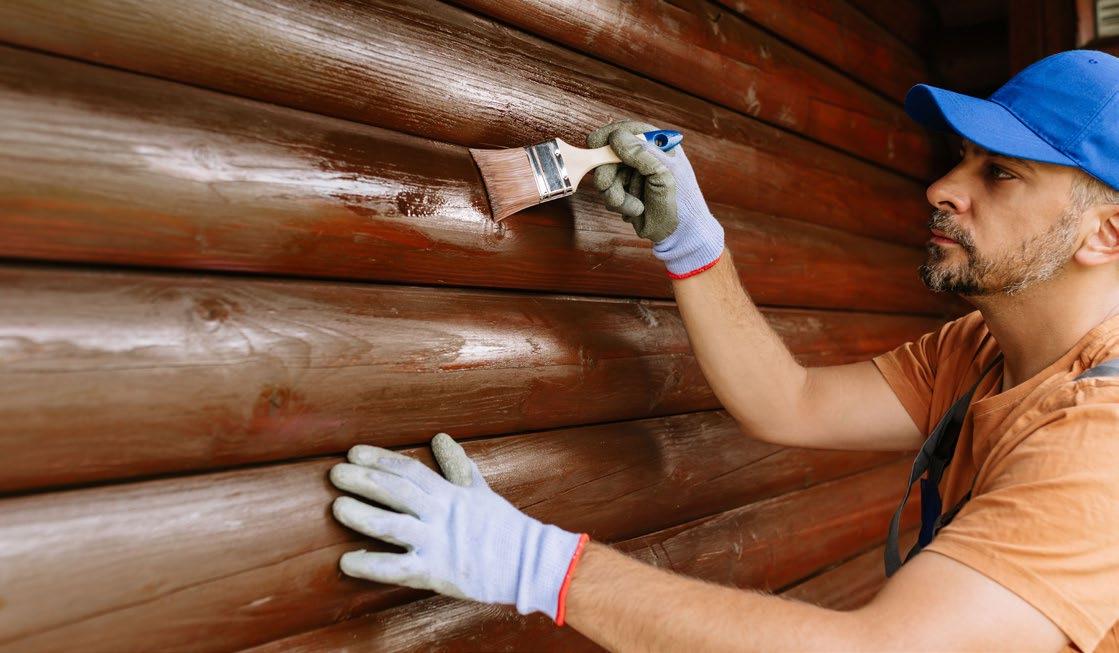
Summer’s warm, stable weather creates the perfect window for restaining your log home. Steady temperatures and lower humidity let stain cure properly and bond deep into the wood fibers, building lasting protection.
But that same sun working in your favor is also working against you. Constant UV exposure breaks down pigment and resin all season, fading your finish and leaving logs vulnerable to moisture. The longer you wait, the more ground you lose.
Take stock of your finish now while the weather cooperates. Scheduling your restain today means your logs enter fall fully protected, before shorter days and cooler nights close this year’s window. ■

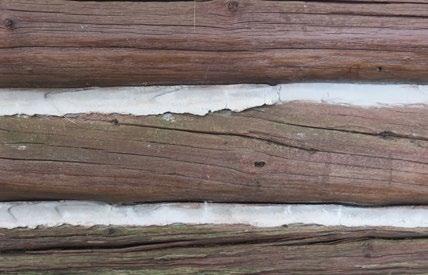
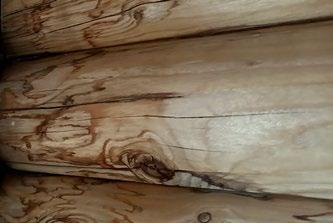
Chalking is the powdery, faded residue that appears as UV rays break down a finish’s pigment and resin. It’s a clear sign a coating has reached the end of its life and the wood needs fresh protection.
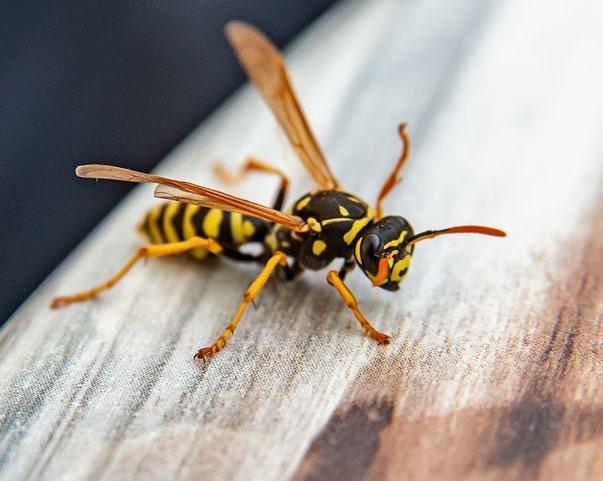
Paper wasps and hornets are summer’s biggest nuisance, building papery nests under eaves, in soffits, and inside gaps in your siding. Watch for nests shaped like upside-down umbrellas and heavy buzzing activity near your roofline.
Never disturb an active nest yourself. Call a licensed pest control professional for safe removal. Once it’s gone, inspect the area and seal any gaps in your chinking or caulking to discourage wasps from rebuilding in the same spot next season. ■
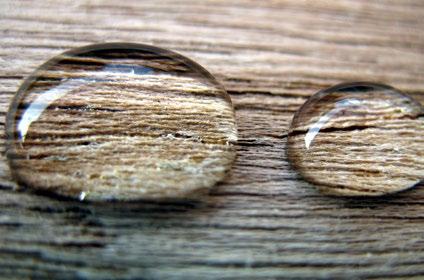
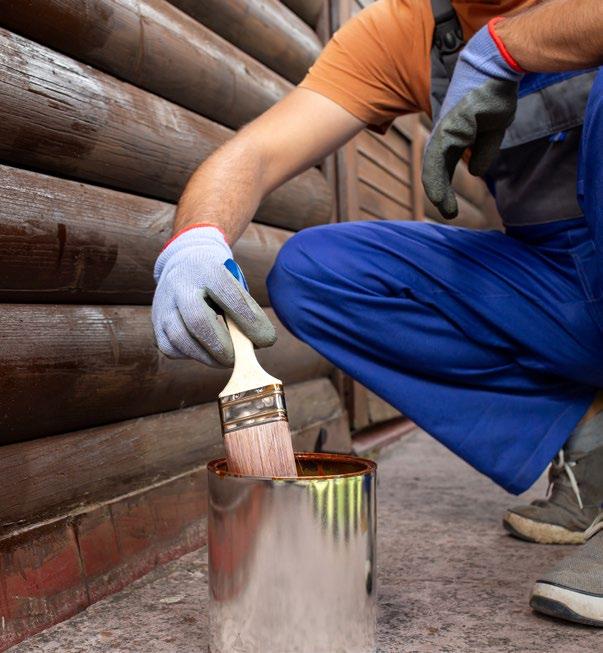
The water-bead test tells you exactly when your finish needs attention. Pick a few test spots, paying special attention to south- and west-facing walls, which take the most sun. Pour a small amount of water onto the wood and watch what happens. If it beads up and rolls off, your finish is still protecting the logs. If it soaks in within a few minutes, it’s time to recoat that area.
Test sun-exposed walls first, since they typically wear out before shaded sides. If you’re ever unsure what you’re seeing, reach out to us before assuming you need a full restain. ■
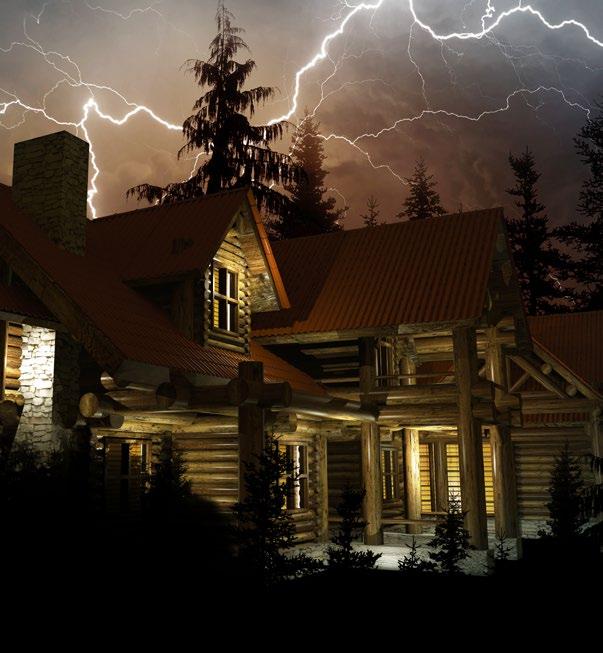
Summer thunderstorms test every seam in your home’s exterior.
After a storm, check your roofline and gutters for wind-driven debris, then inspect chinking and caulking seams for gaps that let driving rain reach the wood. Check window and door seals while you’re at it, since summer heat can dry out and crack older sealant.
Pay close attention to the lower logs near your foundation for splash-back damage, and trim back vegetation that blocks airflow. Logs that dry quickly after a storm are far less likely to develop rot. ■
“My logs on the south side look gray and dull. Is this normal?”
That’s typically chalking, caused by extra UV exposure on that elevation. It’s cosmetic, not rot, but it does mean the finish there is depleted. Run a quick waterbead test on that wall, and plan to recoat it first, even if the rest of your home isn’t due for a few more years. LogBuildingMaintenance.com