Log Home Chats
Defending Against Carpenter Bees
Why the Spring Wash Is Your Most Important Task

Defending Against Carpenter Bees
Why the Spring Wash Is Your Most Important Task
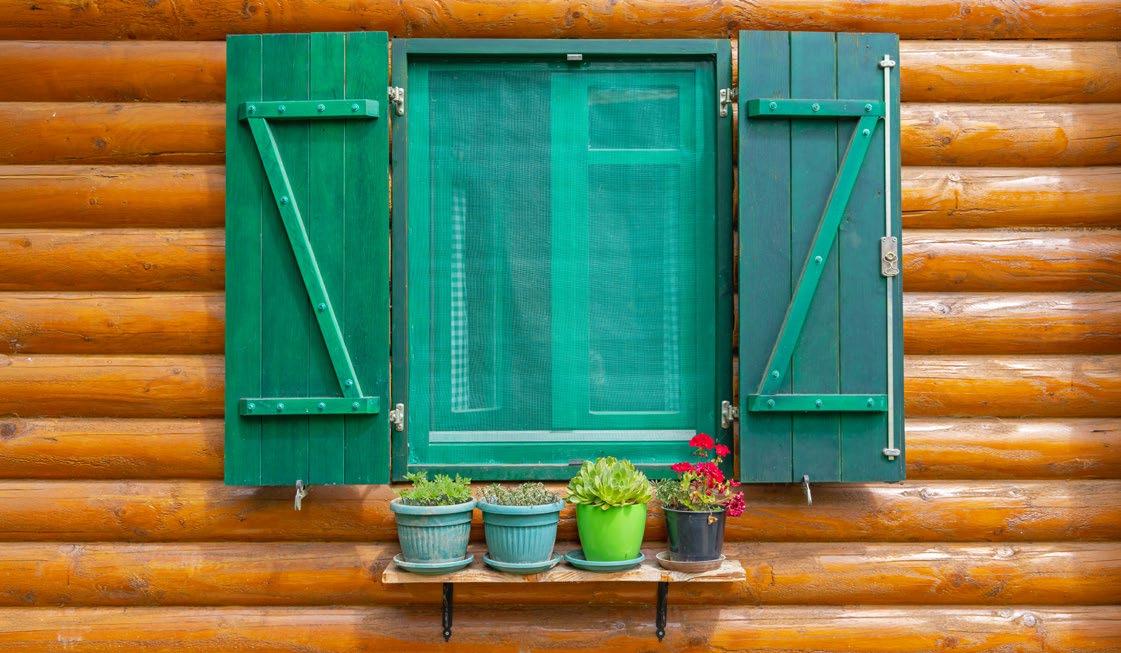
Your log home needs a fresh start as winter fades. Over the colder months, dirt, salt, and mold spores accumulate on the surface. These contaminants degrade your finish if left alone. A thorough spring wash is the most critical maintenance step you can take. While washing, use the opportunity to inspect your logs closely. Look for areas where water might be soaking in instead of beading up. Check for new cracks or failed sealant. Using a gentle cleaner like Log Wash™ removes contaminants without damaging the wood fibers. This proactive cleaning restores your home’s luster and gives you a clear view of any maintenance needs before the summer heat arrives. ■



Spring Cleaning and Protection Essentials Log Wash Bug Juice CPR Log Brightener
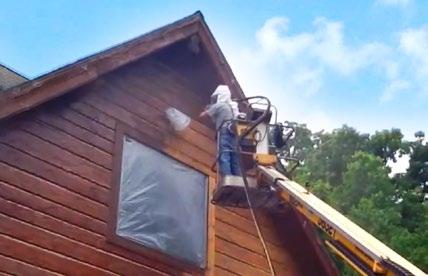
Media blasting is a dry technique used to strip old finishes from logs. It uses materials like crushed glass or corn cob to safely reveal bare wood, creating a perfect surface for a new, long-lasting stain.
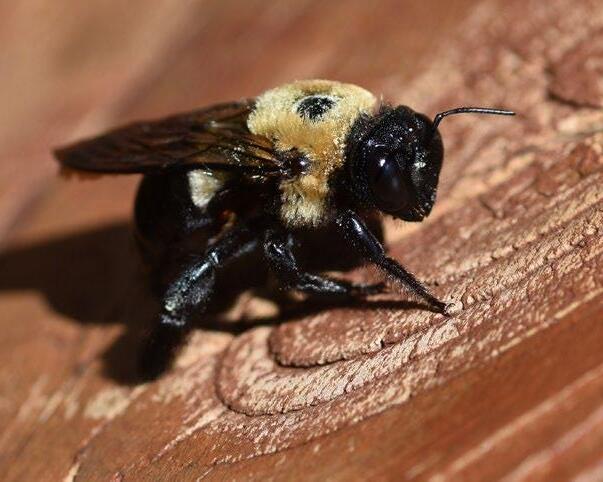
Carpenter bees emerge in spring to burrow and nest in soft wood. Look for perfectly round halfinch holes and piles of fresh sawdust on your decks or eaves. To stop them, treat active holes with a registered insecticide and plug them with wood dowels or sealant.
To help deter them during the peak season, add an additive like Bug Juice® to your finish. This provides a temporary barrier while the bees are most active. Taking these steps now helps protect your wood throughout the season. ■

Soft washing is the safest way to clean your logs.
Start by applying a specialized cleaner from the bottom up to prevent streaking. Then use a soft-bristled brush on stubborn spots, and rinse thoroughly from the top down.
Professional crews use specialized pressure washing equipment at a safe distance to ensure a deep clean without damaging the wood. For DIY maintenance, a low-pressure garden hose is often sufficient. This approach removes contaminants while preserving the integrity of your finish and protecting the wood’s natural beauty. ■
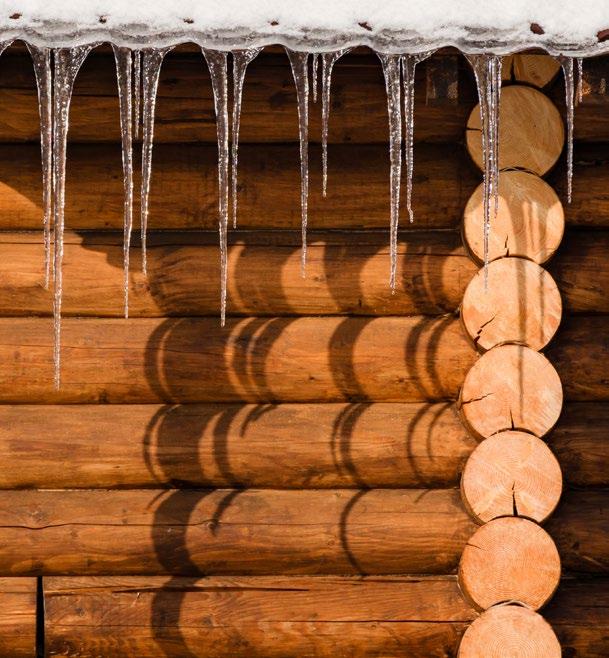
Winter’s extreme temperatures and heavy snow loads take a toll on your home’s exterior.
Start your spring assessment by checking the areas where ice dams formed. Look for signs of water intrusion or loosened shingles and inspect all chinking and sealant joints. The expansion and contraction from freezing can cause them to pull away or tear. And pay special attention to the lower logs near the foundation for splash-back damage.
Identifying these small issues now prevents them from turning into costly repairs during the summer months. ■
“I see some dark spots on my logs after the snow melted. Is this rot?”
Usually, these are surface mold or mildew spots caused by damp winter conditions. A proper spring cleaning with a specialized wood cleaner typically resolves the issue. But if the wood feels soft or spongy to the touch, contact us for a professional evaluation to ensure structural integrity.