







diamond in the rough




DONALDSON GROUP THE


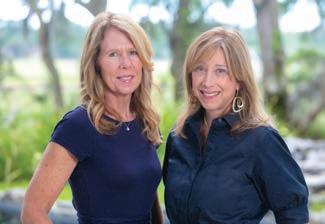
Catherine Donaldson has represented the Sotheby’s International Realty brand for over 17 years. Her commitment to the brand is FIERCE. Call her today to discover why.
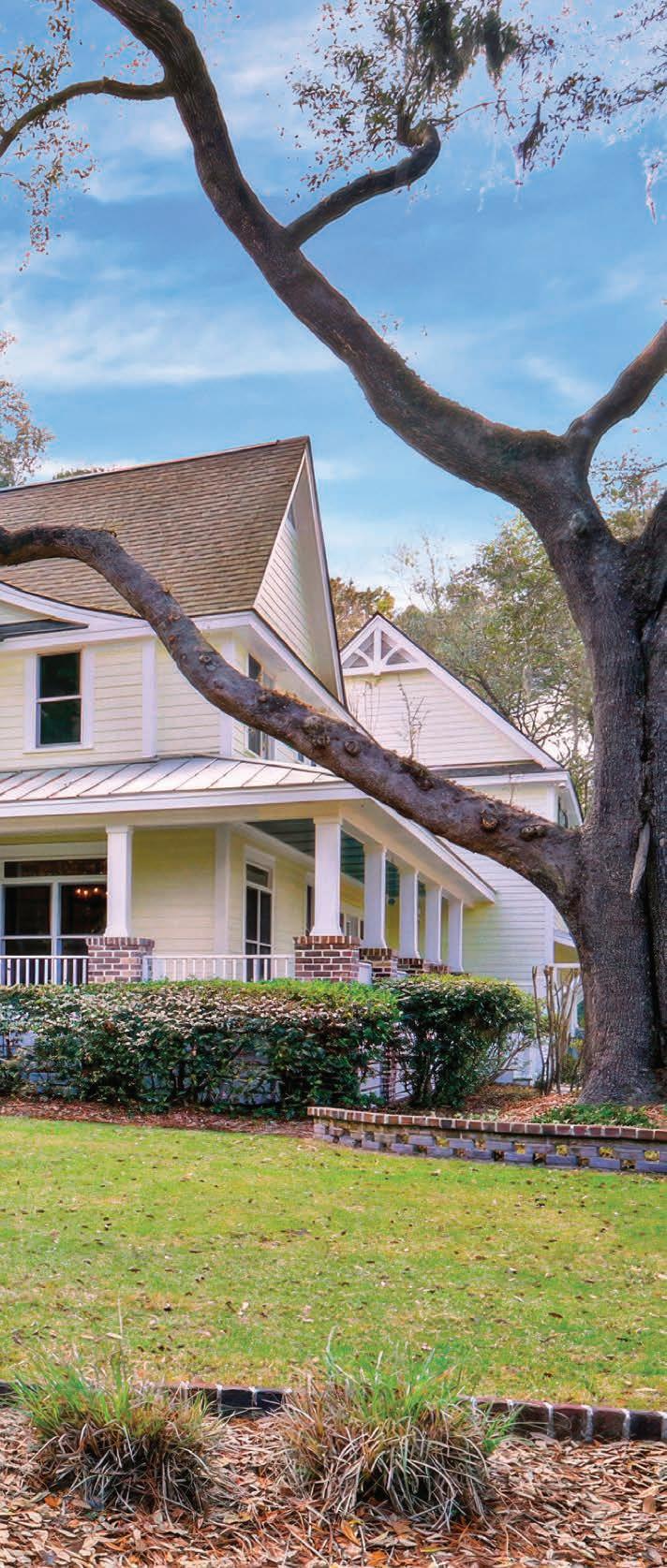
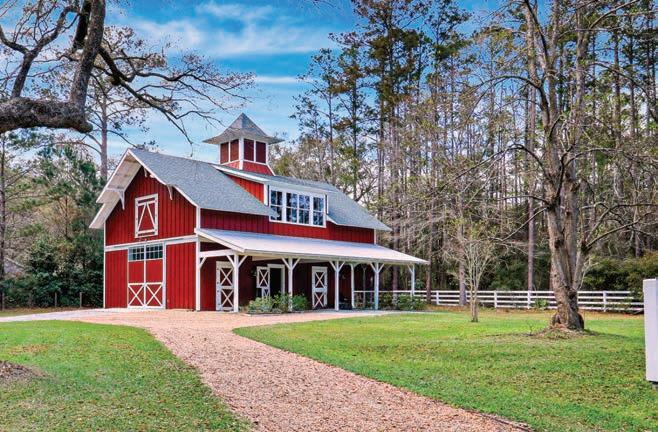
Rose Dhu Creek Plantation Drive
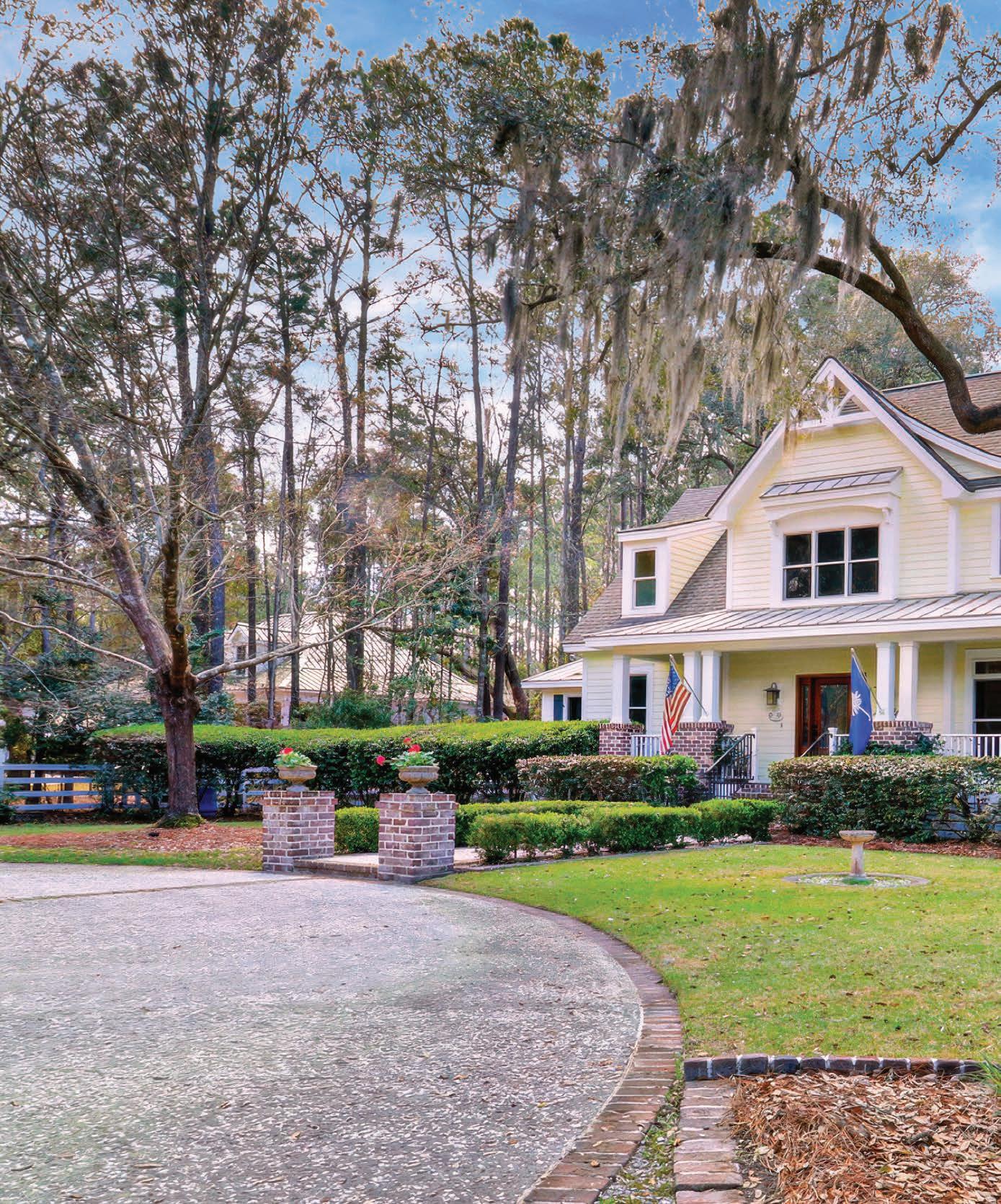
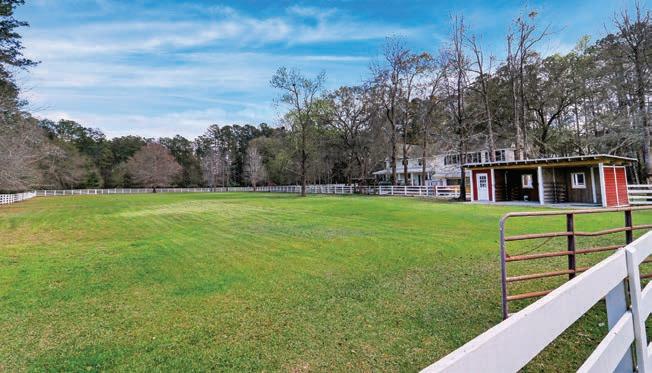
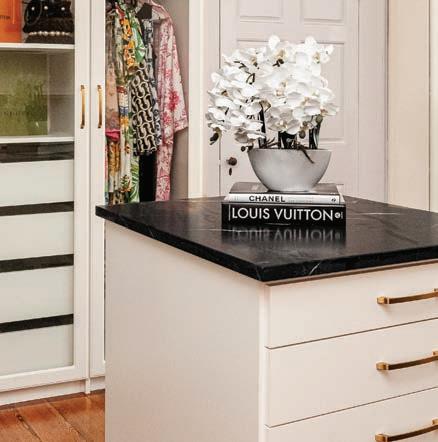
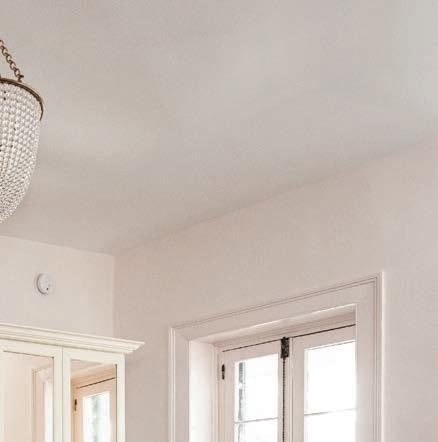
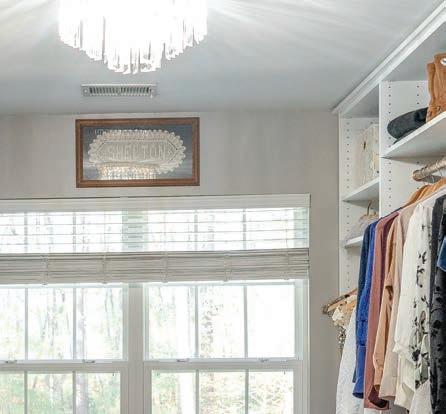
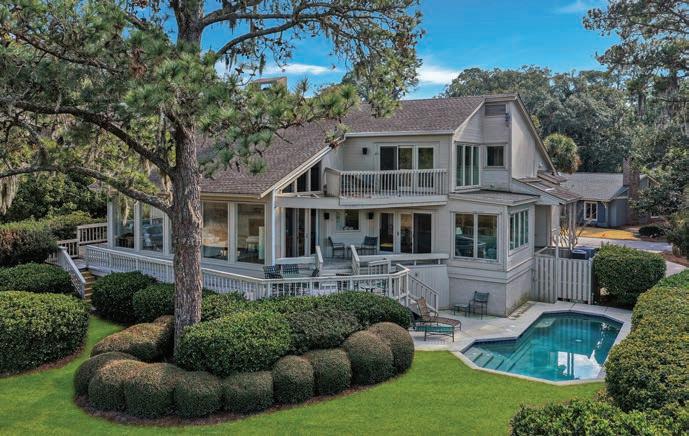
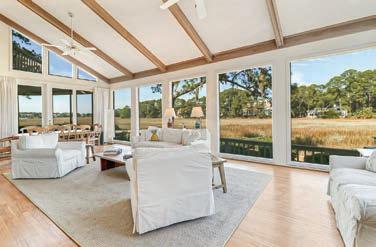
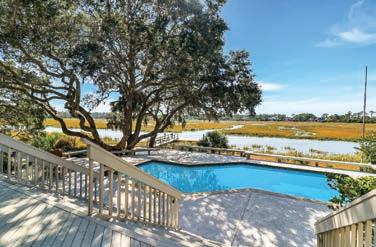
Arguably one of the most coveted estates in Rose Dhu Creek Plantation, 82 Rose Dhu Creek Plantation Drive spans nearly four breathtaking acres in one of Bluffton’s most desirable settings. Encompassing approximately 3,950 square feet, the residence has benefited from recent mechanical and cosmetic improvements, offering its next owners both refined comfort and exceptional peace of mind. A striking post and beam barn, completed in 2023, enhances the property’s appeal and overlooks a nearly two-acre fenced paddock with an atmosphere of remarkable serenity. Equestrian-ready estates of this caliber are extraordinarily rare in Bluffton, making this offering as compelling as it is fleeting.
















































































































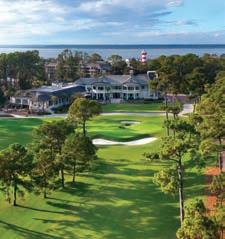
Lowcountry golf at its finest, where tall pines and moss -draped oaks fringe 18 pristine holes, perched on the marsh overlooking the Calibogue Sound.
Driving range, practice greens, and short game area. Indoor instruction bay and simulator.
The most gracious amenities for golfing members and their guests.

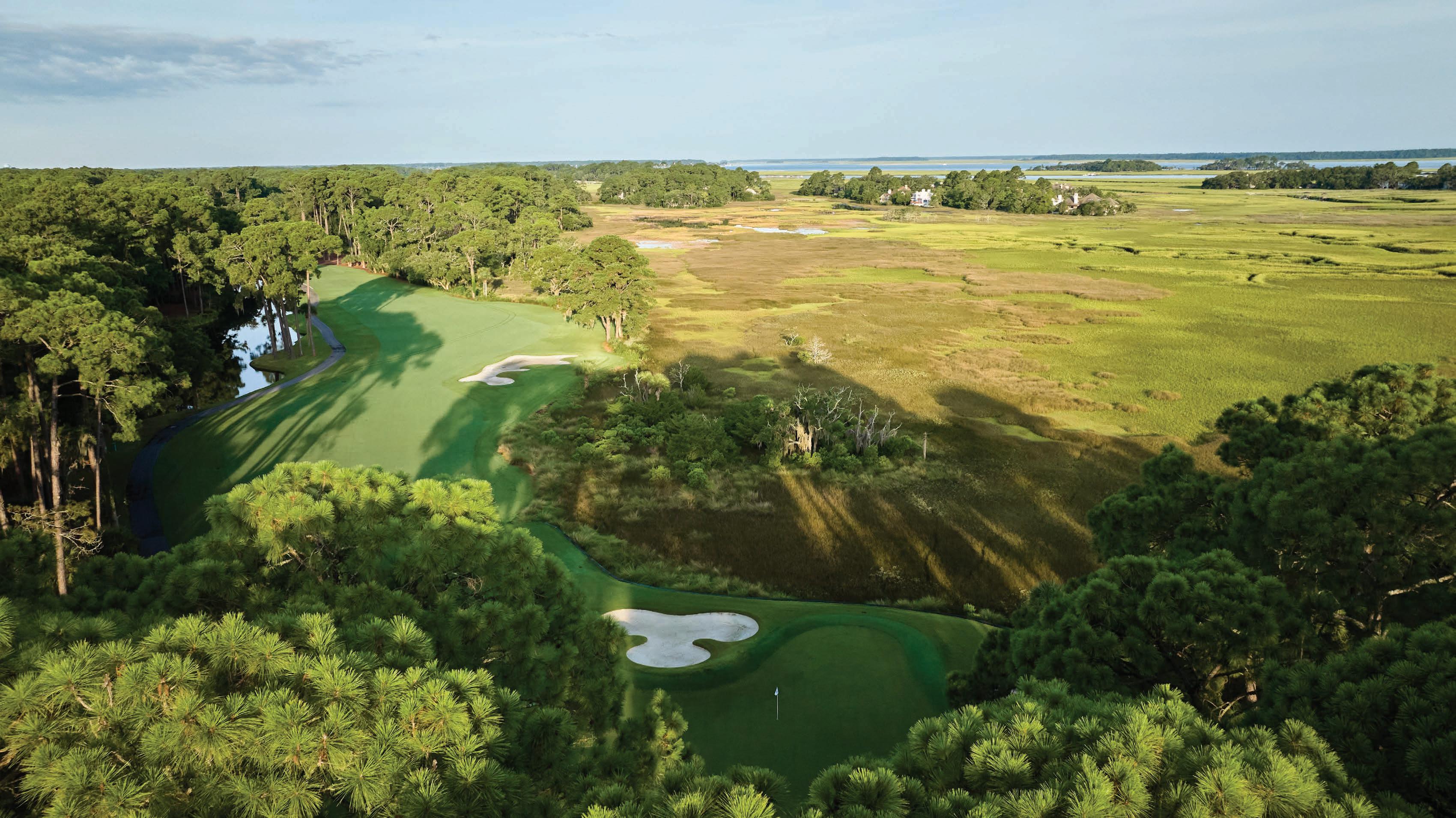







































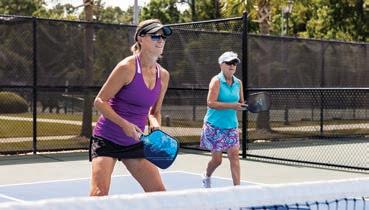




At Hampton Hall, mornings begin on a Pete Dye Signature golf course, afternoons unfold on the pickleball courts or beside the pool, and evenings gather around exceptional dining. This is more than a club. It is home.

























NestledinSouthCarolina’sLowcountry, BerkeleyHallisaprivate,member-owned golfcommunitywhereLowcountry architecturemeetsworld-classamenities.




What’s the wildest thing you’ve ever seen in the Lowcountry?
“I love the osprey.”
- LORI
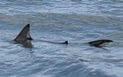
“Sharks feeding in my favorite swimming areas.”
- LANCE

PUBLISHER
Lori Goodridge-Cribb (Local since 1986) lori.goodridge@wearelocallife.com
EDITOR-IN-CHIEF
Lance Hanlin (Local since 2007) lance.hanlin@wearelocallife.com
- JEREMY
“A bobcat jumped out of the preserve when I was running down Sawmill Creek Road. Needless to say, I picked up the pace.”
“A copperhead latched on to my heel.”
- CHARLES
“A coyote came right up to me, sniffed me and then ran off.”
- ASHLAN
“I always look forward to nightly visits from Ross (the opossum) and Larry (the raccoon).”
- BAILEY
“A family of dolphins while kayaking Broad Creek.”
- ALEA
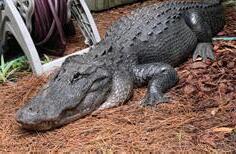
“That time when a nearly 10-foot gator was hanging out in my garden.”
- REBECCA
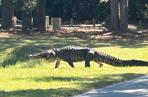
“An alligator on the golf course. I always thought that only happened in the movies.”
- KENNY
“Surfers out catching waves in tropical storms.”
- LISA
“Armadillos in our yard.”
- LEAH
“Seeing dolphins strand feeding at Bluffton Oyster Factory Park in the fall at low tide.”
- BRUCE








ART DIRECTOR / DESIGNER
Jeremy Swartz (Local since 2003) jeremy.swartz@wearelocallife.com
DESIGNER
Charles Grace (Local since 1997) charles.grace@wearelocallife.com
AUDIENCE & CONTENT DEVELOPMENT
Ashlan Saeger (Local since 2016) ashlan.saeger@wearelocallife.com
EDITORIAL ASSISTANT
Bailey Gilliam (Local since 2020) bailey.gilliam@wearelocallife.com
WRITER / CONTENT CREATOR
Alea Wilkins (Local since 2024) alea.wilkins@wearelocallife.com
SALES REPRESENTATIVE
Rebecca Kerns (Local since 1999) rebecca.kerns@wearelocallife.com
DIGITAL ACCOUNT MANAGER
Kenny Brister (Local since 2023) kenny.brister@wearelocallife.com
PHOTO EDITOR
Lisa Staff (Local since 2003) lisa@lisastaffphoto.com
SUBSCRIPTIONS & FINANCE
Leah Ortega (Local in spirit) leah.ortega@wearelocallife.com
DISTRIBUTION & LIST STRATEGIST
Bruce Wolff (Local since 2002) info@wearelocallife.com
Main Street Hilton Head Island, SC, 29926 843-802-2258 + LocalLifeSC.com













GOOD DESIGN LISTENS FIRST

Since 1986, we’ve been making sure each of our designs fit you, not our portfolio. No two J. Banks projects are alike because no two clients are alike. Learn about our process at jbanksdesign.com








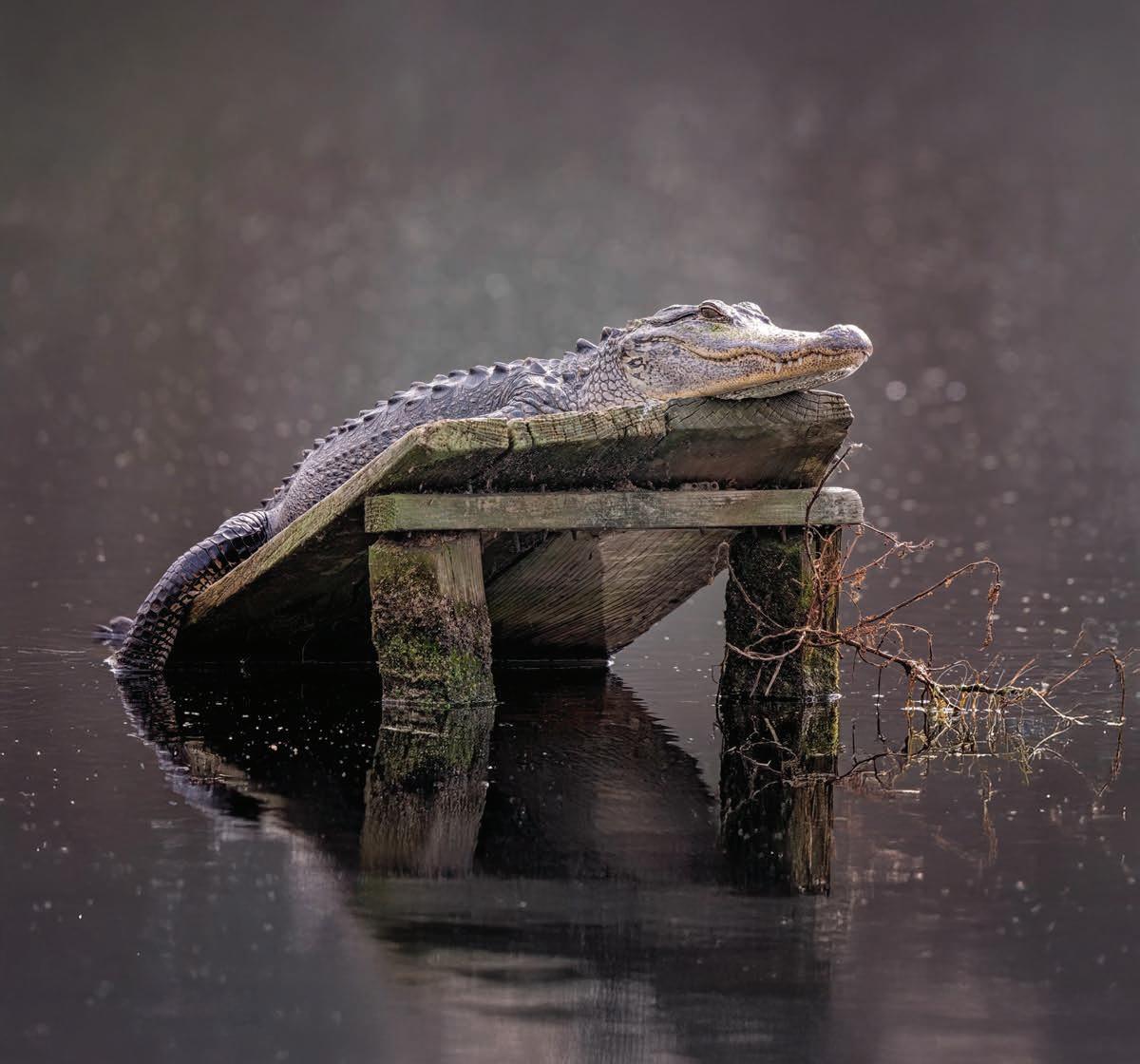













Wild things live here. Alligators drift through quiet lagoons, dolphins break the surface of winding creeks, and brilliant birds flash through the maritime forest.
This spring issue celebrates the animals, habitats and conservationists who help keep our coast wonderfully untamed. In the pages ahead you will discover places where nature still leads the way, meet the creatures that share our landscape and see the region through the eyes of local photographers and artists who capture its beauty. Here, the wild is never far away. It is simply part of life.
RESERVED SEATING Photographer Jeff Kramer captured this alligator claiming the best seat in the house on a basking ramp at a private plantation in Beaufort County. See page 90 for a practical guide to understanding Lowcountry alligators, why spring brings more sightings and how to live safely beside these ancient neighbors.
90
Wild escapes
Wild islands, swamps and trails just beyond your front door
Lagoon legends
Why gators show up in spring and what locals should know
104
Native buzz
Native bees powering gardens, crops and coastal ecosystems
150 30 54
Snake sense
Which local snakes are dangerous and which are harmless
96
Baby boom
Spring brings newborn wildlife to forests, marshes and backyards
114
Tide lessons
How rising and falling tides reshape a Broad Creek paddle
Tide to table
How the marsh powers the seafood that defines us
161
Wild cocktails
Fresh herbs, citrus and local spirits shake up spring flavors





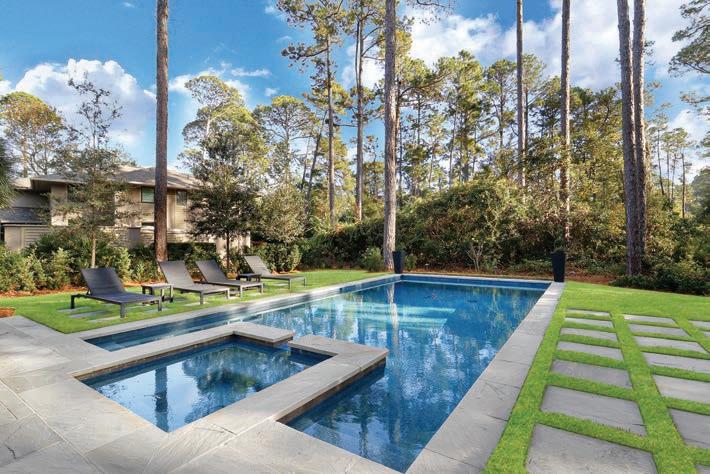
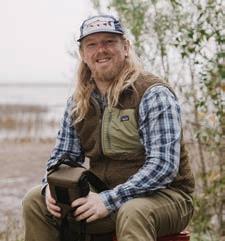
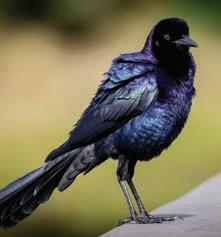
Très chic
Dive into the French-inspired pool trend that is making a splash in the Lowcountry.

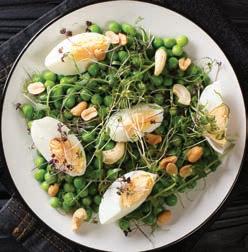



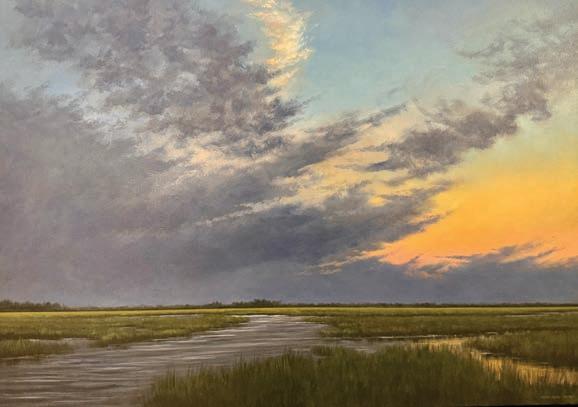


In this corner of the coast, nature is never far from the front porch
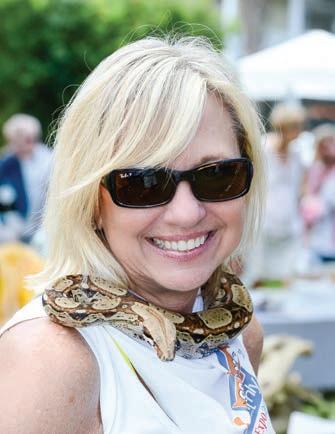
SNAKE CHIC LOCAL Life publisher Lori Goodridge-Cribb tries on a red-tailed boa “necklace” during a past Critter Meet and Greet at the Coastal Discovery Museum. Native to Central and South America, red-tailed boas are often featured in wildlife education programs. Visit coastaldiscovery.org for spring and summer programs and opportunities to get up close with Lowcountry wildlife and other fascinating species.

SCAN TO SUBSCRIBE
Don’t miss an issue of LOCAL Life. Scan this QR code to subscribe to the upscale lifestyle magazine of Hilton Head Island, Bluffton, Beaufort and beyond.
iIn the Lowcountry you rarely have to go looking for nature. A bottlenose dolphin surfaces beside your boat in Broad Creek. A great blue heron glides across the marsh at sunset. An alligator slips quietly into a neighborhood lagoon. Moments like these remind us that no matter how much the region grows, the natural world remains part of everyday life.
Our coastal waters support an incredible cast of characters. River otters slip along creek banks while mink move through marsh grass. Blue crabs scuttle across oyster beds that anchor and filter the estuary, and diamondback terrapins glide through tidal creeks and marshes. Each summer loggerhead sea turtles crawl ashore to nest on our beaches before returning to the sea. Beyond the shoreline, the blue-gray Atlantic helps fuel the food chain that draws so much life to our coast.
Step onto land, and the story continues. Bobcats move silently through maritime forests. Red and gray foxes prowl field edges and wooded corners. Marsh rabbits dart through grass along tidal creeks and golf course edges. In many parts of the Lowcountry you might even spot a fox squirrel, a larger and more colorful cousin of the gray squirrel.
Life here also comes with a bit of an edge. Along with alligators, no-see-ums and palmetto bugs, copperheads and other venomous snakes sometimes slip through backyard landscapes. Hawks, eagles and owls circle overhead, watching for movement below. Shark fins may appear beyond the breakers while jellyfish drift with the tides. In the shallows, rays remind beach goers to do the familiar stingray shuffle. It is all part of living in a place where nature still sets many of the rules.
Yes, the Lowcountry has grown dramatically in recent decades. Yet this region remains defined by water and wilderness. Salt marshes stretch toward the horizon. Tidal creeks wind through the landscape. Barrier island beaches shift with the wind and tide. Maritime forests of live oak and palmetto offer cool shade, while longleaf pine forests, swamps and wetlands remind us that much of the Lowcountry still moves to nature’s rhythm. Here nature is not tucked away in a distant national park. It lives beside us, sometimes in dramatic ways, other times quietly in the rustle of spartina grass, the flash of movement along a creek bank or the chorus of frogs after sunset.
That spirit inspired this Wild Issue. Inside these pages you will discover places where nature still leads the way and meet the creatures that share our landscape. The Lowcountry is not just a place where we live. It is a place we share. And that untamed spirit is part of what makes it home.

LORI GOODRIDGE-CRIBB PUBLISHER lori.goodridge@wearelocallife.com
April brings one of the busiest stretches of the year to Hilton Head Island. Many schools schedule spring break during the last weeks of March and the first weeks of April, filling beaches, bike paths and restaurants with a steady stream of visiting families and college students. The excitement builds even more during RBC Heritage (April 13-19), when Harbour Town Golf Links hosts one of the PGA Tour’s most beloved tournaments. Played each year just after the Masters, the Heritage draws tens of thousands of golf fans to Sea Pines and blankets the island in its signature red tartan. Together spring break and Heritage Week create a lively kickoff to the Lowcountry’s outdoor season.
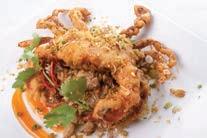
In the Lowcountry, softshell crab season typically falls between mid-March and June, when warming water temperatures trigger blue crabs to molt. During this brief stage, the crabs shed their hard shells and remain soft for only a short time, making them a prized seasonal delicacy along the coast. Locals typically enjoy them deep fried, sautéed or grilled. To catch their arrival each spring, keep an eye on the Facebook pages of local seafood markets and restaurants, which often announce when the first batches come in. Find easy ways to prepare them at home at LocalLifeSC.com


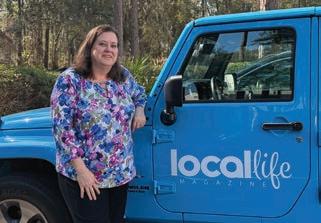
GOOD FOOD FORWARD Have you spotted the LOCAL Life Jeep around town? This month we rolled up alongside Amy Colin, executive director of Second Helpings, a nonprofit food rescue and distribution network that delivers rescued food at no cost to 57 local pantries and partner organizations. Learn more, or get involved at secondhelpingslc.org



Sarah Williams Photographer
FUN FACTS: I’ve been a homeschool teacher and mom for almost 20 years. We have used the National Park Service in our homeschool, and my kids have completed well over 100 Junior Ranger programs in all 50 states. FOR THIS ISSUE: Parting Shot, Dawn on the Dunes HOMETOWN: Richmond, Virginia LOCAL CONNECTION: Frequent visitor WHAT DO YOU LOVE MOST ABOUT THE LOWCOUNTRY? What’s not to love? The beautiful scenery, delicious food and friendly people. HHI is one of our very favorite places. FAVORITE LOCAL PLACES: Ocean Oak Resort, our home away from home; Lowcountry Celebration Park; Park Plaza Cinema; The G-Free Spot; Giuseppe’s; Skull Creek Boathouse; Pirate’s Island Golf HOBBIES: Traveling, beachcombing, photography, thrifting and dog walking with my youngest entrepreneur BEST ADVICE YOU HAVE RECEIVED: What is popular is not always right; what is right is not always popular. WHAT IS THE WILDEST THING YOU HAVE SEEN? Seeing snow skiers at the top of a mountain and then lava flowing in the national park the next day on the Big Island of Hawaii. WHAT WILD ANIMAL FASCINATES YOU MOST? Humpback whales. The migration, singing, breaching and feeding of such a massive creature is amazing. WHAT DO YOU LOVE MOST ABOUT SPRING? The longer days, warmer weather and flowering trees and bushes that come with the season.

FUN FACTS: Full-time professional painter; invited to exhibit a painting in the 2018 Birds in Art show, considered the No. 1 bird art show in the world. FOR THIS ISSUE: Local art, Oh, Please HOMETOWN: Hilton Head Island CURRENT HOME: St. Simons Island, Georgia WHAT DO YOU LOVE MOST ABOUT THE LOWCOUNTRY?


Growing up on Hilton Head Island, I was surrounded by the ocean, inlets, marshes, wildlife, sunrises and sunsets. You can’t help but fall in love with the Lowcountry for those reasons and more. WHAT DO YOU MISS MOST ABOUT THE OLD DAYS? At one time, Hilton Head and Bluffton were not packed with people, cars and traffic. I miss when it was quieter and less hectic. HOBBIES: I was a competitive runner for years. I’m in the Hilton Head High School Athletic Hall of Fame for track and cross country. Golf is also a wonderful hobby. BEST ADVICE YOU HAVE RECEIVED: One foot in front of the other, and never give up. WHAT IS THE WILDEST THING YOU HAVE SEEN? I was running on a wooded trail when a very large deer came out of nowhere and ran beside me for at least half a mile. WHAT WILD ANIMAL FASCINATES YOU MOST? Birds. I was drawing birds before I even knew what a bird was. I have now painted hundreds of birds for clients around the world.





OTHER CREDS: Treasurer, Island Writers Network FOR THIS ISSUE: Local poem, Avian Urgent Care HOMETOWN: Born in Clinton, Illinois, Land of Lincoln CURRENT HOME: Bluffton FAVORITE LOCAL PLACES: Side Hustle, R-Bar, Lot 9, British Open Pub and Jacob’s Pottery CURRENT OBSESSION: Shrinking and The Pitt BEST ADVICE YOU HAVE RECEIVED: My dad told me that sometimes it’s better to ask forgiveness than permission. WHAT IS THE WILDEST THING YOU HAVE SEEN? Oct. 27, 2011, World Series, Game 6, 11th inning, two outs, full count — David Freese’s walk-off home run for a Cardinals 10-9 victory. WHAT WILD ANIMAL FASCINATES YOU MOST? Raccoons. I took this picture when one was stealing sugar water from my hummingbird feeder. WHAT DO YOU LOVE MOST ABOUT SPRING? Baseball begins. Hope springs eternal. FAVORITE RBC HERITAGE MEMORY: I saw Tom Watson hit one in the lake and double-bogey 14. It was raining, and he was walking under an umbrella. I won’t forget his facial expression: “Get me out of here.”
PHOTOGRAPHERS Ryan Bassett + Gwen Callas-Miller + Arno Dimmling + Matt Garbade + Eric Horan
Bill Hornstein + Chris Klonowski + Jeff Kramer + Rebecca Lehde + John McManus + Izzy Miller
Jeanne Paddison + Bill Pender + Molly Rose + Mary Alice Tartler
WRITERS Suzanne Barton + Daisy Dow + Becca Edwards + Denise Friday + Barry Kaufman + Carolyn Males
Margaret Pearman + Michele Roldan-Shaw + B.C. Rausch + Richard Thomas + Belle Whitfield
CONTRIBUTORS Amanda Castillo + Marcia Cornell + Jennifer Kenwell + Brantley King + Jean Meaney Wheatly
Laura Sterling + Rudy VanBlaricum + Tiffany VanBlaricum












Lowcountry Wedding: Planning a local wedding? Our guide has everything you need. Explore the digital issue, browse top local vendors, or request a complimentary copy at weddings.locallifesc.com
1 Spring migration fills marshes and forests with color and song
2 Why spring allergies hit harder in the Lowcountry
3
Low-maintenance herbs to grow for Asian cuisine at home





Want more LOCAL Life? Have our three newsletters delivered to your inbox each month. The Dish Best local bites for the weekend
The Buzz LOCAL Life’s latest must-reads The Nest Home trends and tips






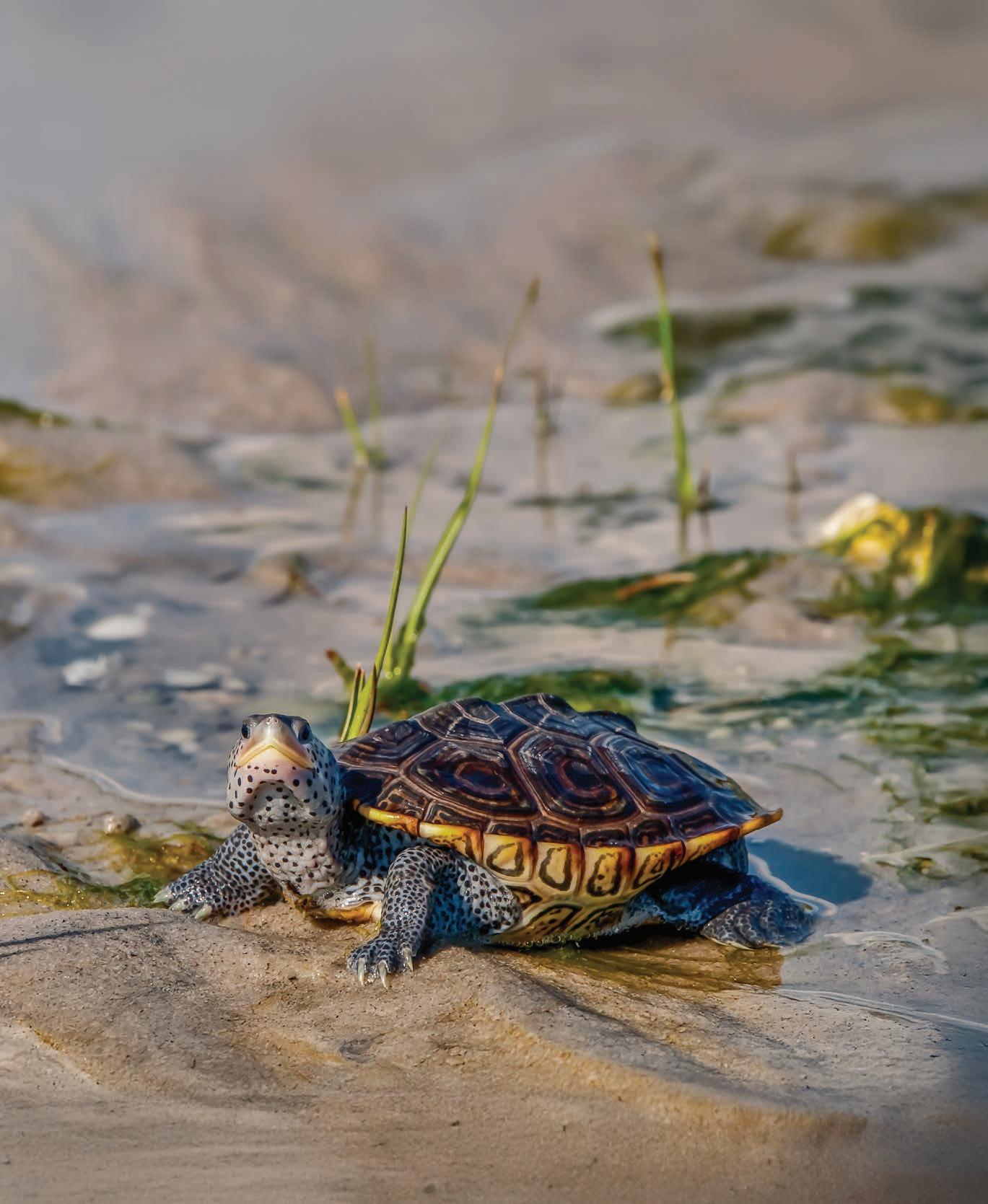
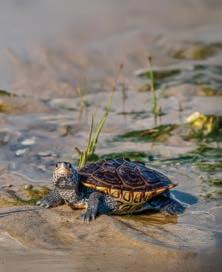
In the Lowcountry the wild often hides in plain sight. This diamondback terrapin, photographed by Jay Ondreicka, rests on a sunlit mudflat, its patterned shell and speckled skin perfectly adapted to life where salt and fresh water meet. The only turtle in North America that lives exclusively in estuaries, it is a true native of South Carolina’s marshes and tidal creeks. Once abundant, terrapins were heavily harvested for food and their shells, and their populations have never fully recovered. Today they remain at historically low levels and are considered a high-priority species for conservation in South Carolina. Elusive and often overlooked, they play a quiet but essential role in the marsh, a reminder that the Lowcountry’s wild beauty is fragile and worth protecting.













With a proven track record of selling homes quickly and achieving top-dollar results, the Drake Real Estate Team has helped countless clients like you achieve their real estate goals. Our personalized approach and deep knowledge of the local market ensure every selling experience is a positive one.







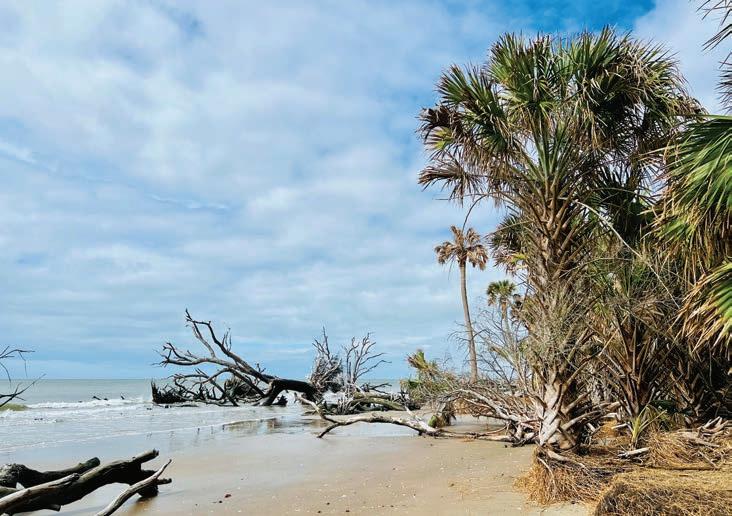
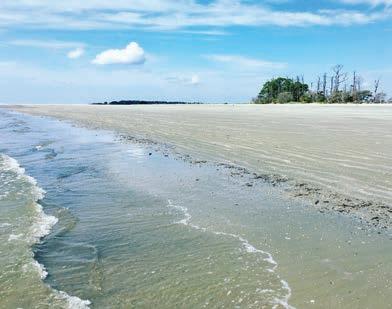
BONEYARD BEAUTY Botany Bay Heritage Preserve on Edisto Island is a nature lover’s paradise, where quiet trails wind through maritime forest and open onto secluded beach coves along one of the Lowcountry’s most unspoiled stretches of coastline.
DISCOVER THE LOWCOUNTRY’S MOST UNTOUCHED OUTDOOR ADVENTURES WITHIN AN EASY DRIVE
There is nothing like the total reset that comes from leaving behind technology, civilization and stress to get deep into the heart of nature. Here in the Lowcountry we’re fortunate to have some wild places close at hand that are easy to access yet feel satisfyingly remote. Whether you want to swim on untouched barrier island beaches, hike through subtropical forests and salt marsh habitat, paddle through ancient swamps or simply have a quiet picnic somewhere pretty, it’s all within an easy day trip. You will come home wondering why you don’t make time for this more often.
The adventure: Drive the grounds of this gorgeous wildlife preserve formed by two colonial-era plantations. Choose whether to picnic at Bleak Hall ice house, the ruins of Sea Cloud manor or the wild boneyard of Botany Bay Beach.
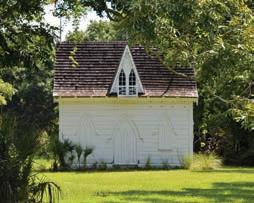
Why it’s awesome: This property has been preserved for maximum nature and minimum development. All the layers of local history, from Native American life to colonial agriculture and slavery to modern hunting and recreation, are contained in Botany Bay.
Get there: Botany Bay Road, Edisto Island; about a two-hour drive from Hilton Head. Pro tip: Download a driving tour on the SCDNR webpage for Botany Bay. Pit stops: Make time for the nearby Edisto Island Serpentarium for venomous viper displays, live alligator feedings and rattlesnake “milkings,” then pick up picnic-ready seafood from Flowers Seafood Company’s food truck.
The adventure: Take a Coastal Expeditions ferry from St. Helena Island to St. Phillips, a pristine barrier island once owned by billionaire media mogul and conservationist Ted Turner. His former vacation home, the Turner House, is now available to rent through the S.C. State Parks website ($11,000 for a five-night stay). For day-trippers the boat ride ($65) doubles as an eco-tour, and once landed, you can hike forest trails or take an interpretive tram ride to the beach for your picnic lunch. Why it’s awesome: St. Phillips is one of the few barrier islands never logged or farmed, so the virgin maritime forest is absolutely stunning, with giant magnolias and palmettos as tall as pine trees. The beach is okay, but don’t miss the trails.
Get there: Coastal Expeditions’ St. Helena Island Outpost near Hunting Island State Park, about an hour from Hilton Head. Visit coastalexpeditions.com to check availability and book.
Pro tip: Go in cool weather. The forest becomes a battleground of bugs, mud and reptiles in summer. Pit stops: Make the drive to Hunting Island part of the adventure. Pull over at u-pick staples Barefoot Farms and Dempsey Farms to load up on produce, then round out your picnic with takeout from Beedos or the legendary Shrimp Shack, feeding hungry locals since 1978.
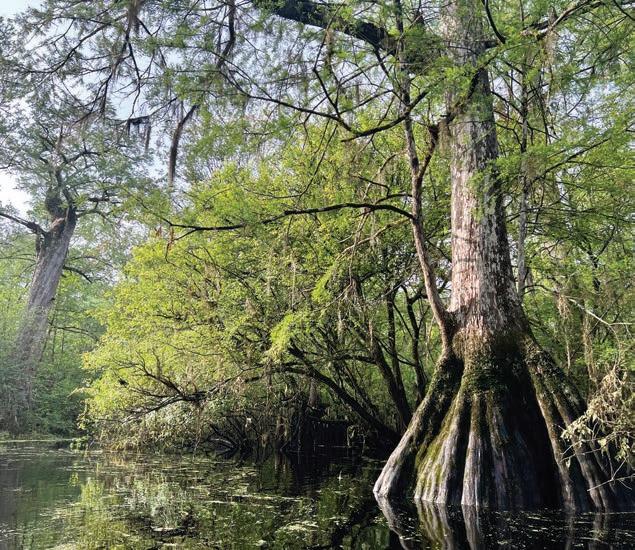
The adventure: Drop straight into the heart of a rare old-growth blackwater ecosystem and paddle to the creek’s confluence with the Savannah River. Along the way you’ll marvel at behemoth bald cypresses and tupelo trees, spot wildlife such as alligators and ibises, and bask in the eerie silence of the swamp.
Why it’s awesome: Ebenezer offers world-class paddling right here in our backyard, with maximum payoff for minimal effort. The slow-moving, hazard-free waters make it suitable for beginner paddlers.
Get there: Put in at Tommy Long Boat Ramp in Rincon, Georgia, about an hour’s drive from Hilton Head.
Pro tip: The Savannah River has strong currents, so be careful venturing out of the creek.
Pit stops: Nearby is the site of the pioneer settlement New Ebenezer, with cabins, a church and an old cane press. The Georgia Salzburger Society Museum has limited hours, but you can walk the grounds anytime.

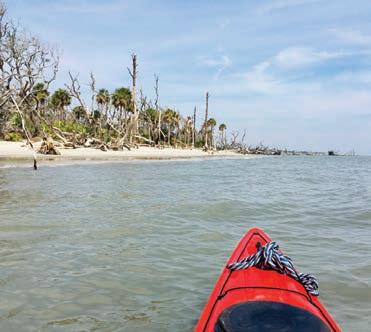
Tybee, Wassaw and Ossabaw islands
The adventure: Book an all-day tour through Savannah Canoe and Kayak to one of these pristine Georgia barrier islands. Tours are $105 for five hours. Why it’s awesome: There is nothing quite like the feeling of being at the wildest, most remote edge of our continent, where the elements of wind, wave, sun and sand scrub you bare. Plan on some pretty serious paddling, a swim in summer, and, depending on which tour you book, maybe a maritime forest hike, too.
Get there: Launch sites vary by tour but are usually within an hour’s drive of Hilton Head in the greater Savannah area. Savannah Canoe and Kayak provides the exact meeting point after booking, since departure locations change with tides and island conditions. Reserve at savannahcanoeandkayak.com.
Pro tip: Don’t skimp. Pack yourself a nice lunch and ask the guide to put it in their cooler bag.
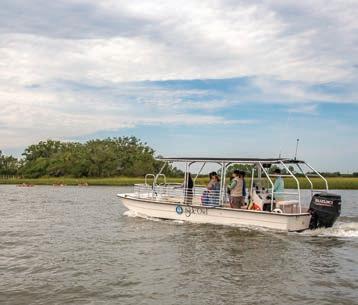
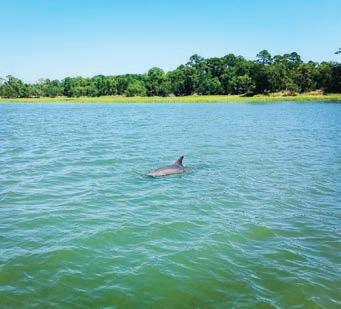
The adventure: Cruise by private boat to secluded Page Island, a protected wilderness behind Daufuskie owned by Outside Brands, then slip into a kayak to explore winding tidal creeks and untouched salt marsh. Guided by a local naturalist, you’ll paddle through spartina-lined channels. Watch for dolphins, herons and oystercatchers and step ashore on a stretch of coastal wilderness few visitors ever experience.
Why it’s awesome: Page Island blends an easy scenic boat ride with gentle marsh paddling and a private island landing, delivering big wildlife sightings without the crowds or the strain of a long open-water trip. Get there: Book the 4.5-hour Private Outback Tour at outsidehiltonhead.com (from $695). Tours depart from Shelter Cove Harbour & Marina. Pro tip: Bring water, snacks, sunscreen and shoes you don’t mind getting muddy, and keep your camera ready. Dolphins often surface when you least expect it.


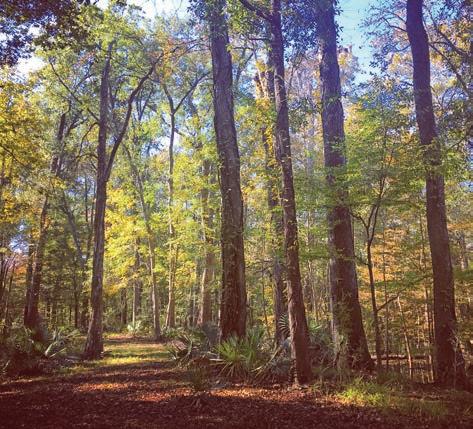
The adventure: This four-mile outand-back hike through swamp and floodplain forest takes you all the way to the Savannah River (that is, if you don’t mind a little bushwhacking at the end). The solitude of the forest and the ruggedness of the trail will truly make you feel like you’ve gotten away. Why it’s awesome: The Webb Wildlife Center is an undiscovered gem way out in the country, mostly known only to hunters, so you’ll likely have it all to yourself. There are some beautiful oldgrowth trees in the swamp, pretty new greens in spring and nice foliage in fall. Watch for charming fox squirrels in the avenue of oaks on the way in.
Get there: Drive to the Webb Wildlife Center in Garnett, about an hour and 20 minutes from Hilton Head. From the wildlife center, drive straight back on Bluff Lake Road, passing the kiosk and continuing to the end, where you will find the trailhead.
Pro tip: There is no hunting on Sundays on public lands in South Carolina, so this is the best day to avoid scheduled hunts. Don’t go if it’s been raining a lot unless you want to paddle the trail in a canoe instead of hiking it. Sometimes, the Webb Wildlife Center has live baby gators you can handle. Pit stop: Stretch your legs at Sergeant Jasper Park, a peaceful lakeside park just beyond Hardeeville, with shaded walking trails, peaceful wetlands and one of the last easy restroom stops before the road turns rural and the real backcountry begins.
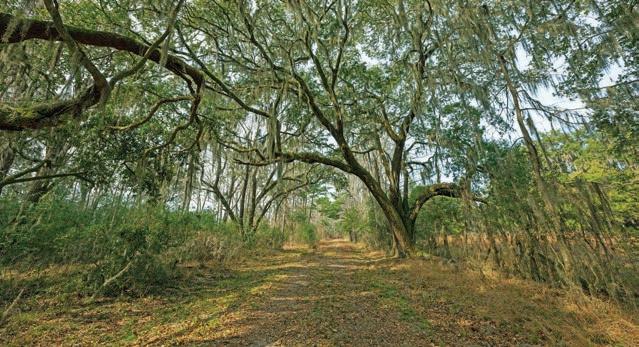
The adventure: Walk grassy dikes threading through historic rice fields and tidal canals where alligators sun on the banks and wading birds patrol the shallows. Keep your distance, stay alert, and maybe avoid smelling like chicken.
Why it’s awesome: The vast ACE Basin is a true wilderness and one of the few unspoiled estuaries on the East Coast. Most of it you will never see, and that’s a good thing. The swamp ape needs somewhere to hide.
Get there: Drive to the Ernest F. Hollings ACE Basin National Wildlife Refuge near Hollywood, S.C., about an hour and 40 minutes from Hilton Head.
Pro tip: Start your hike at the Grove Plantation House, built in 1828, which is one of only three antebellum mansions to survive the Civil War and now serves as the refuge headquarters. Pit stops: Get shrimp and grits, she-crab soup or fried green tomato tacos at Roxbury Mercantile in the nearby town of Meggett.
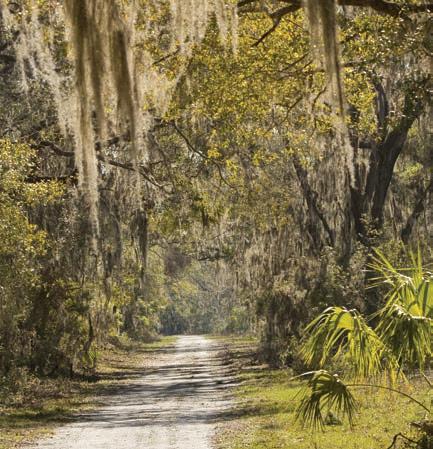
The adventure: Ride the refuge’s 20-plus miles of trails through diverse habitats, including fields, forests, salt marsh and freshwater impoundments. Spot wildlife such as deer, bobcats, alligators, snakes, turtles, butterflies, foxes, egrets, ducks, ibis, roseate spoonbills and wild turkeys.
Why it’s awesome: Harris Neck holds many little surprises waiting to be discovered. There’s a historic cemetery, old bunkers, an airstrip and the ruins of a romantic garden. It’s also just a quiet place to enjoy solitude, a slow pace of life, and a peek at yesteryear in the Lowcountry.
Get there: Drive to Townsend, Georgia, about an hour and a half from Hilton Head. Follow Harris Neck Road all the way to the refuge entrance.
Pit stops: Just a bit further down the road is Skipper’s Fish Camp, a meat-and-three-sides-for-Sunday-brunch-type place on the waterfront with fresh local seafood. Historic downtown Darien is fun, too.
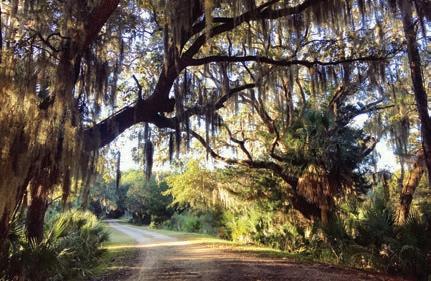
The adventure: Cruise the 14-plus miles of trails through saltwater marsh, subtropical woods, open fields and ponds teeming with wildlife. Don’t be afraid to ditch the bike and strike out on foot through the wilds.
Why it’s awesome: Pinckney is the untamed backyard of Hilton Head and Bluffton. If you’ve never ventured past its rookery pond or off its gravel roads, you’re missing the thrill of exploration. At the very least, clamber down to the marsh edge and sit on a tree overlooking the creek for a while.
Pro tip: Taking bikes to the very end at White Point, then continuing on foot over the sand and shell reef is a great way to see the whole length of the refuge.



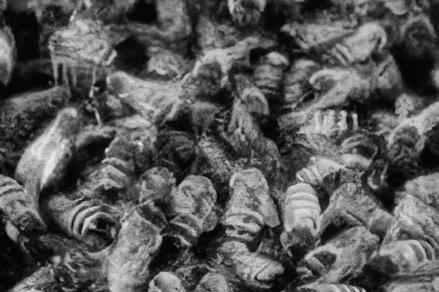
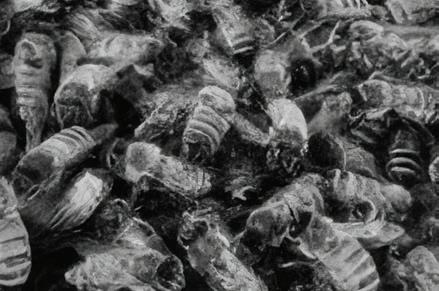

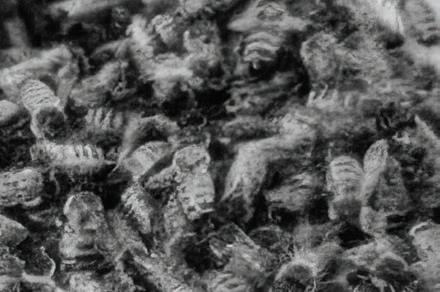
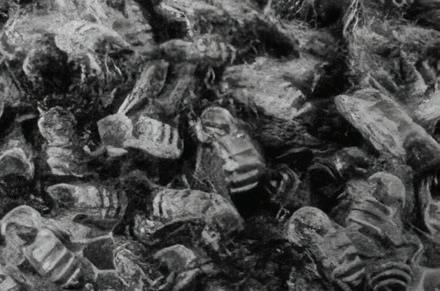
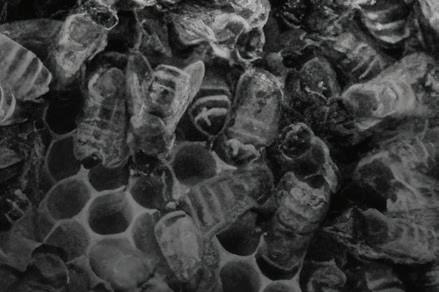
Harvested from the home beehives of Sound View’s managing partner, right here in our community.

There’s a lot to do in life. Through comprehensive wealth management, our team helps people focus on what matters most. We are a fiduciary partner, whose sole focus is your financial well-being — and the peace of mind that comes with it.







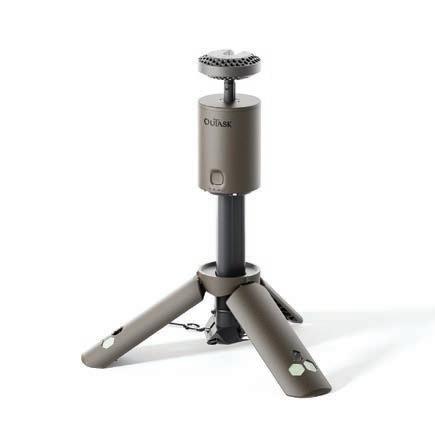
Outask TD1 portable outdoor light
Part lantern, part telescoping tripod, the TD1 raises bright light overhead or collapses neatly for easy packing. Designed for camping, backyard gatherings and emergency use, it delivers full 360-degree illumination, doubles as a fast-charging power bank and is waterproof enough to handle heavy rain or brief submersion. One light. A lot of uses. outask-td.com. $199

Tactacam Reveal X Gen 2 cellular camera
Keep tabs on property, wildlife or remote areas without constant visits. This weather-tough cellular camera delivers fast trigger speeds, sharp night images and automatic photo delivery straight to your phone through an easy app. Set it, forget it, and let it watch for you. safevaultpros.com. $119
communicator
Garmin inReach Mini 2 satellite communicator
Small enough for a glovebox or backpack but powerful enough for serious travel, the inReach Mini 2 offers two-way satellite messaging, live tracking and SOS emergency alerts anywhere you go. If your adventures lead beyond reliable cell service, this pocket-size device adds major peace of mind. Small device. Big safety net. garmin.com. $399
Smart gear to explore farther, stay comfortable and enjoy the outdoors





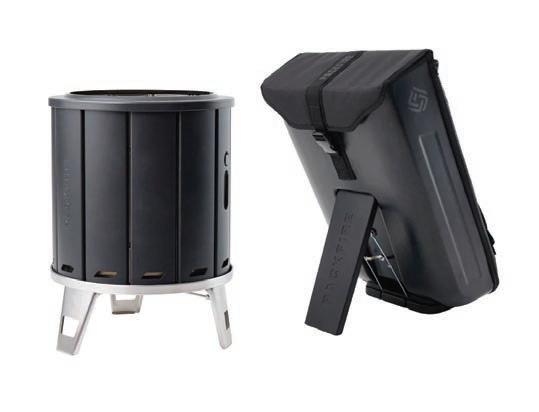

Packfire portable firepit
Love campfires but hate smelling like one? Packfire’s 360-degree reburn airflow system heats quickly while dramatically reducing smoke. Lightweight and fully collapsible, it packs small enough for backpack travel while still delivering dependable warmth in places where traditional fires are restricted. Campfire comfort without the smoky aftermath. packfire.com. $399
Thermacell E90 rechargeable mosquito repeller
A silent, scent-free mosquito repeller that creates a 20-foot protection zone without sprays or flames. Rechargeable and compact, it’s ideal for marsh walks, porch dinners and sunset beach nights when Lowcountry mosquitoes clock in for work. thermacell.com. $55


BeachBox portable camping shower
This compact shower holds about 1.3 gallons and delivers a steady 4–5 minute rinse using a hand pump that produces consistent pressure. Five spray modes and an insulated neoprene sleeve help keep water warmer for longer, making it perfect for beach days, camping trips or muddy adventures that need a quick reset. Fresh feels better. thebeachbox.com. $120




Want to know exactly what you’re spotting without lowering your binoculars? The AX Visio uses built-in AI to identify birds and wildlife in real time, displaying details directly inside the viewer. Image capture and GPS tracking let you log sightings, map locations and learn more about the world around you, all through the lens. Birdwatching just leveled up from hobby to high tech. swarovskioptik.com. $5,499
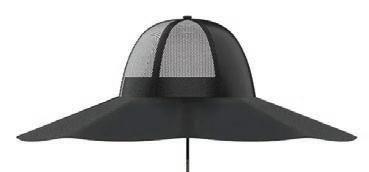
EcoFlow power hat
Shade and charging in one surprisingly practical package. This lightweight, breathable hat uses flexible solar panels to capture sunlight from multiple angles and convert it into usable power for your phone or small devices. Ideal for hiking, beach walks or long festival days when outlets are nowhere in sight. Stay cool. Stay powered. us.ecoflow.com. $129














Beyond auto cleaning, detailing and storage — A1 brings your investment past showroom condition to show-ready condition... and helps you keep it that way!
Pro-Clean detailing— certified-professional services!
Exterior
• Deluxe 12-Step / Ultimate 18-Step hand wash
• Clay bar decontamination, all painted & glass surfaces
• Multi-stage body panel machine polishing
• Machine-applied Carnauba wax
• Plastic/rubber surfaces cleaned & treated
• Wheels removed, cleaned, treated
Interior
• Vacuume, clean, polish, condition, all surfaces
• Carpet/upholstery/cloth shampoo & protection
• Window cleaning & treatment
• Engine/trunk compartment cleaning & dressing
Pro-Tect applications— advanced protection!
• Hand and Machine applied polymer sealants
• Ceramic Pro® 9H Clear Coat Shield application
• LLumar Valo®, super-hydrophobic shield film wrap
• Headlight restoration & treatment
Pro-Serve storage— preserving your investment!
• Stable, protected interior storage
• Routine tire pressure check
• Weekly engine start-up
• Weekly fluid check
• Battery disconnect and maintenance
• Scheduled vehicle movement within our protected facility




STORY BY LANCE HANLIN
Spring in the Lowcountry is peak wildlife season. Birds return, turtles nest, dolphins cruise the creeks, and backyard feeders suddenly feel like nature documentaries in real time. Whether you’re walking Pinckney Island, kayaking Broad Creek or just watching the marsh from your porch, a few simple tech tools can help you spot more, learn more and capture the wild moments happening all around you.







1. Turn on the grid
Go to Settings → Camera → Grid and switch it on. The grid divides your screen into nine sections using the rule of thirds. Placing a bird, animal or horizon along these lines often creates a more balanced and visually appealing photo.
2. Use the level tool
When the grid is enabled, your iPhone can also show a level line when shooting. This helps keep horizons straight, especially when photographing marshes, beaches or lagoons where tilted horizons can be distracting.
3. Enable “View Outside the Frame”
This setting allows your iPhone to show a little extra area around the edges of your photo. If an animal suddenly moves or spreads its wings, you’ll have more flexibility to crop and adjust the image later. For wildlife photography, this setting can be helpful and is generally worth leaving on.
4. Turn off mirror front camera
The Mirror Front Camera setting affects selfies, but if you occasionally use the front camera for quick shots, turning this off ensures your images aren’t flipped backward. It helps keep text, patterns and natural orientation correct.
5. Use AE/AF Lock when focusing
When photographing wildlife through branches or grass, tap and hold your subject until AE/AF Lock appears on the screen. This locks focus and exposure so the camera doesn’t jump to leaves or background objects.
6. Shoot at the highest quality
Under Settings → Camera, choose the highest resolution available for photos and 4K video. Higher resolution captures more detail, which is helpful when photographing distant animals.
7. Avoid the flash
Wildlife photos look best in natural light. Flash can wash out colors and startle animals, so it’s best to leave it off.
8. Stabilize your shot
Zooming in on wildlife makes even small movements noticeable. Holding the phone steady or using a small tripod can help keep your images sharp.

Let Merlin Bird ID become your backyard guide If you download only one wildlife app this spring, make it Merlin Bird ID. Created by the Cornell Lab of Ornithology, it identifies birds from photos, descriptions or even recorded songs, often in seconds. The soundID feature is especially magical in the Lowcountry, where marshes, lagoons and maritime forests can feel like surround-sound bird concerts in April. Open the app, tap "record," and watch species' names appear in real time as birds call around you. It turns any walk into a guided wildlife tour without needing prior expertise.
1. Turn your phone into a wildlife ID expert
When something flutters, crawls or splashes past you, apps like Merlin Bird ID, Seek by iNaturalist and Google Lens can instantly help identify what you’re seeing. Snap a photo or record a bird call, and the app suggests species in seconds. It’s like walking the trails with a naturalist in your pocket, and it makes every hike or neighborhood walk feel more interactive.


2. Use smart alerts to track migration and local sightings Bird migration peaks in spring, and real-time alert tools make it easier to catch the action. Apps like eBird notify you when rare or seasonal birds are spotted nearby, while local wildlife Facebook groups or park alerts can tip you off to nesting activity, dolphin sightings or hatchling season. A simple notification can turn an ordinary afternoon into a front-row wildlife moment.
3. Capture better wildlife photos automatically Modern smartphones already include wildlife-friendly camera tools: you just have to turn them on. Use burst mode for moving animals, enable motion tracking or subject lock-in camera settings, and shoot in early morning or late afternoon for softer coastal light. Even beginners can capture sharp shots of herons, deer or marsh rabbits by letting the phone handle the focus and exposure adjustments automatically.

4. Create a backyard wildlife camera setup
You don’t need a nature-show budget to see what visits your yard at night. Affordable motion-triggered trail cameras or smart outdoor cameras let you quietly monitor feeders, ponds or wooded edges. Many connect directly to your phone so you can review clips of raccoons, foxes, owls or wandering armadillos without disturbing them.
5. Build a digital nature journal Spring sightings add up fast, and logging them turns casual walks into a personal wildlife archive. Use Notes, Notion or a simple photo album labeled “Wild Lowcountry 2026” to track what you see, where and when. Over time you’ll start noticing seasonal patterns, favorite bird return dates and which marsh trails produce the best surprises.







where nothing is quite what it seems
Denise Friday, a social worker at Hilton Head Island Elementary School and mother of twins, finds both escape and reflection in a good book. Her April picks feature twisty mysteries filled with secrets, lies and murder.



THE SECRET LIVES OF MURDERERS’ WIVES BY ELIZABETH ARNOTT
Beverly, a mom of two who needs to control everything around her; Elsie, a reporter trying to make a name for herself in the newsroom; and Margot, glamorous and blasé, pretending everything is just fine. Three very different women share one thing in common: their husbands have been convicted of unspeakable acts. Each is attempting to move forward under intense public scrutiny. Yet when a slew of new murders hits the news, who better to help solve the mystery than these three underestimated wives of killers?
DARK PLACES BY GILLIAN FLYNN
Libby Day was only seven when her entire family was murdered in her home. Her older brother was convicted of the crime and sentenced to life in prison. Twenty years later, she is approached by a group of obsessive true-crime investigators who strongly believe her brother is innocent. While she has dealt with her share of conspiracy theorists, this group, called the Kill Club, seems convincing, even after she has long accepted that her brother is a murderer. Libby must return to that painful time to finally learn the truth. A master of suspense, Flynn excels at creating realistic, flawed yet sympathetic characters.

ANATOMY OF AN ALIBI BY ASHLEY ELSTON

Camille comes from a wealthy family and is married to prominent Baton Rouge defense lawyer Ben Bayliss. She suspects he has been involved in shady dealings for years and secretly wants out of the marriage, but investigating him is difficult when he controls her every move. She crosses paths with Aubrey Price, who lost her parents in a tragic car crash ten years earlier and believes Ben has information about it. The women agree to switch identities one night to investigate, but by morning Ben turns up dead. Only one of them has an alibi, and both are in serious trouble.
Babs Dionne lives in Waterville, Maine. She is a loving grandmother, protective mother, proud French American and respected member of the community. She is also a drug kingpin and crime boss. When a rival drug lord believes his territory is being threatened, he sends someone to investigate. When Babs’ youngest daughter goes missing, her wrath is unleashed at a vicious pace. The result is a gritty and heartbreaking tale of addiction, PTSD, fierce family loyalty and Sopranos-style justice delivered by an all-female crew.


Lucy and Savvy were best friends growing up in a small Texas town. One night Lucy is discovered wandering the streets covered in Savvy’s blood, with no memory of what happened. Except for her sweet grandmother, the entire town believes she is a murderer. Years later she has moved to Los Angeles for a new life. When a crime podcaster decides to investigate Savvy’s death, Lucy must return to the place where she is not welcome, to uncover the truth about her best friend’s murder, even if the truth points back to her. Fast-paced and fun, this one is hard to put down.






LOCAL Life’s Rebecca Kerns shares her take on Not Quite Dead Yet by Holly Jackson in her video book review series, Rebecca’s Reading Room Chat. In this twist-filled mystery, a woman learns she has only days to live and sets out to solve her own murder before it happens. Watch the review on LOCAL Life’s YouTube channel: youtube.com/@locallifesc





ACROSS
2. Time of many outdoor Easter services
6. Small color-shifting lizard seen on fences and walls
10. Burrowing armored mammal spreading across the Southeast
12. Adaptable canine often heard howling at night
14. Harbour Town restaurant overlooking Calibogue Sound
16. Red-and-yellow plaid jacket of the RBC Heritage
19. Sea Pines drive leading to the Forest Preserve
20. Welcome check many tax filers hope to receive
21. Last name of the defending RBC Heritage champion
DOWN
1. April birthstone prized for brilliance and strength
3. Traditional centerpiece of many Easter dinners


4. Ancient armored crab spawning along beaches each spring
5. Southern shrub bursting into vivid bloom each spring
7. Fish-diving raptor commonly nesting in April
8. Honored worldwide with a special day on April 22
9. Swamp reptile more active as temperatures rise
11. Elusive spotted predator roaming coastal woods
13. Tax break used to reduce taxable income


15. What April famously brings to help May flowers grow

17. Zodiac sign that begins in late April
18. Religious season observed in the weeks before Easter









Put your skills to the test and solve this Mensa quiz.




1. Debbie was in charge of the office party. She sold the first batch of tickets for a total of $100. Then, with everyone's permission, she reduced the price by $1 and sold another 25 tickets for an additional $100. How many people bought tickets at what price?
2. Milton left half his estate to his favorite charity and one-third of the rest to each of his grandchildren. Each grandchild inherited $17,500. How much did the charity get?
3. What two words, formed from different arrangements of the same six letters, can be used to complete the sentence below? It is very ________ that children who get ____________ as presents can build them successfully without help.
4. A popular proverb has been put into a fancy language below. Can you put it back into its original form? If it were possible to peer to the rear of a floating mass of condensation, it would be obvious that the interior would contain an observed section of precious metal.
5. Take a word that means "convenient" and change one letter to find a delicious treat.


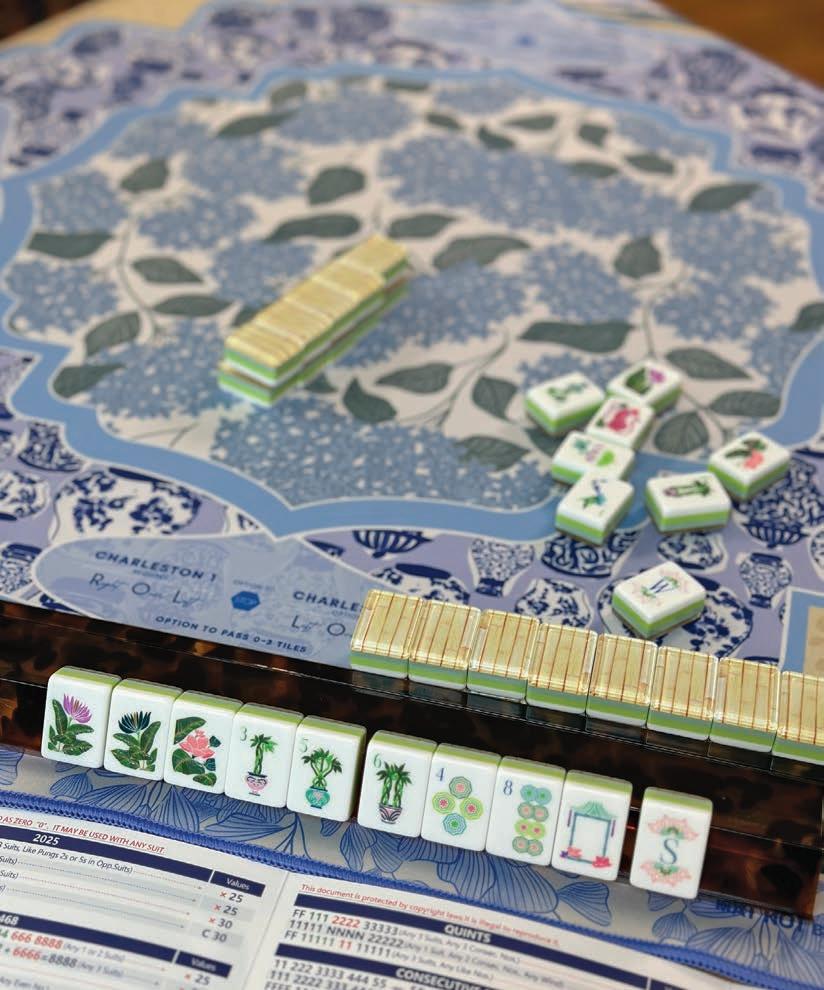
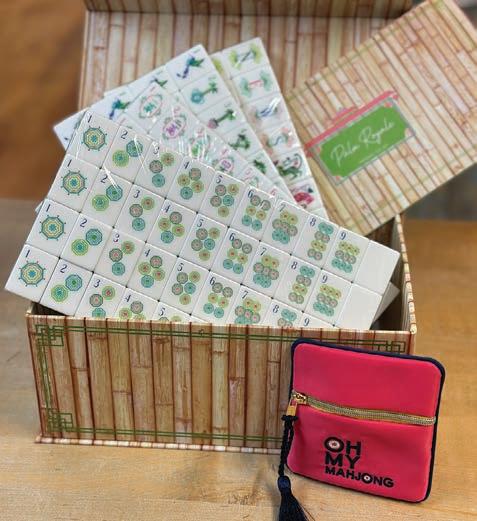
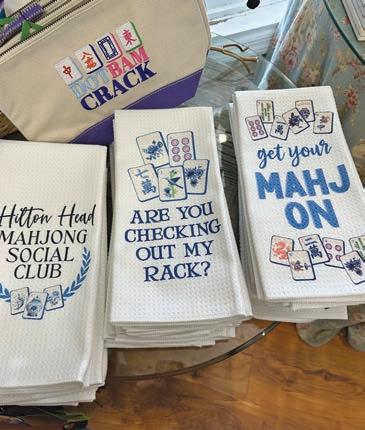
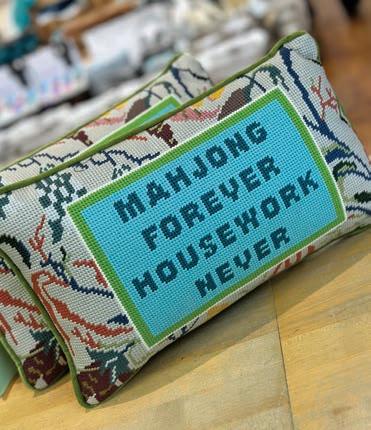
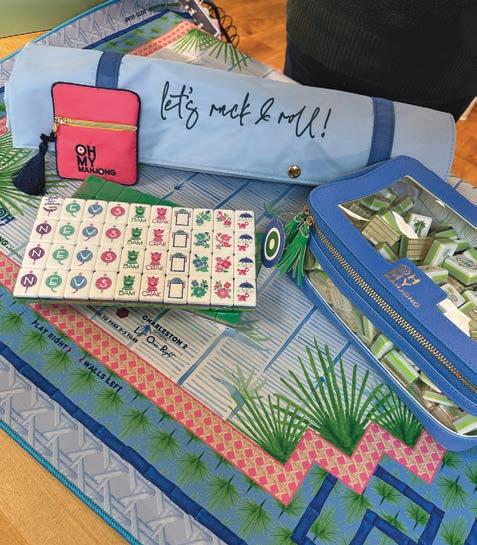
Beginner or seasoned strategist, consider this your invitation to think like a pro. You’re looking at your first hand in the Charleston and must pass three tiles. Which tiles would you choose and why?














When it comes to the very latest cutting-edge technologies and unparalleled patient outcomes, eye care experts around the world look to the Lowcountry and the passionate eye care pioneers at Bishop Eye Center. The best of the best in superior compassionate eye care are right here in Hilton Head, Sun City, and Bluffton.













Our picks: 1 Crak, 8 Bam and West Wind






What would you do — pass the same tiles or different ones and why? Is there a section on the 2025 NMJL card that the tiles steer you to and why? For a closer look at the strategy behind this pass, watch Mahjong instructor Jennifer Kenwell of @PinkPalmettoMahjong break it down on Instagram or Facebook (@locallifesc).



















SELECTIONS BY DAISY DOW
NETFLIX Straight to Hell (drama) Japanese fortune teller Kazuko Hosoki (Erika Toda) captured the attention of a nation. Over the course of her career she penned more than 100 books, routinely appeared on television programs and cultivated an extensive audience. She turned the art of fortune telling into a massive entertainment enterprise, but behind the mask she wore for the public, her fortune in life was its own kind of roller coaster. Release date: April 27
PEACOCK The Miniature Wife (sci-fi) Les (Matthew Macfayden) and Lindy Littlejohn (Elizabeth Banks) share the weight in their marriage. That changes when Lindy stumbles upon her husband’s secret experiment, which he’s told her is going to change the world. She scoffs at what looks like a toy and playfully pulls its trigger, striking herself with its power. Lindy shrinks down to a few inches in height, and the fantastical promise of Les’ invention becomes all too real. The only issue other than the height difference? Les doesn’t have a way to reverse the shrinking. Release date: April 9
APPLE TV+ Margo’s Got Money Troubles (drama) Margo (Elle Fanning) was always told she was capable of anything. When she becomes pregnant, everyone changes their tune. Now she’s told she’s ruined her life and set herself up for failure. Yes, she is struggling to pay for diapers, but having a baby didn’t deprive her of the wits that were once applauded. Margo turns to some less-than-conventional outlets for income and finds support from an eccentric but empowering network. Release date: April 15
ESPN/CBS The Masters (golf) Consider it the perfect warm-up for the RBC Heritage. The year’s first major championship returns to Augusta National, with Rory McIlroy back as the defending champion and the world’s best golfers in the field. It’s also a great way to brush up on the players before many of them make the short trip to Hilton Head Island the following week for the RBC Heritage. Tee times: April 9-12
The Drama (dark comedy) Emma (Zendaya) and Charlie (Robert Pattinson) are a nauseatingly cute couple. In fact, they won’t stop gushing about how perfect they are for one another in the lead-up to their wedding. During what should have been a casual dinner with friends, Emma shares a secret that infuriates and disturbs everyone in attendance. Charlie can’t see her the same way anymore, and the day and hours leading up to their vows become increasingly dramatic. Release date: April 3
You, Me & Tuscany (romantic comedy) After meeting a charming Italian in a bar, Anna (Halle Bailey) impulsively travels to his empty villa in Tuscany when she suddenly finds herself without a place to live. When his family discovers her there, she pretends to be engaged, after slipping on a ring she finds in the house. The lie spirals into an elaborate cover-up as Anna unexpectedly falls for one of her fake fiancé’s relatives (René-Jean Page).
Release date: April 10
Fantasy Life (drama) At 34, Sam (Matthew Shear) has little to show for himself after dropping out of law school. When he takes a job babysitting his psychiatrist’s three granddaughters, his awkward charm slowly wins them over. As he helps their overwhelmed mother, Dianne (Amanda Peet), she begins to rethink her career, marriage and what true partnership looks like. Release date: April 3



The Ending Writes Itself By Evelyn Clarke (fiction) Six struggling mystery writers receive unexpected invitations to a remote Scottish island. There they learn the famed novelist Arthur Fletch has died, leaving his final book unfinished. Challenged to write the novel’s last chapter for a chance at a major payday and career breakthrough, the writers soon reveal their rivalries, ambitions and secrets. As tensions rise, the competition begins to turn dangerously real. Release date: April 7
The Rough Side of the Mountain By Keisha Lance Bottoms (nonfiction) Former Atlanta mayor Keisha Lance Bottoms reflects on her rise from law school to judge to leading the city through the pandemic and the protests following George Floyd’s death. After serving as a senior adviser to the President, she stepped away from politics to reconnect with her roots and reflect on the experiences that shaped her values and leadership.
Release date: April 21
Ghost Town By Tom Perrotta (fiction) From the bestselling author of Little Children and The Leftovers comes a darkly funny story about life, death and unfinished business. A recently deceased suburban father finds himself caught between worlds, watching the family and town he left behind as secrets emerge and loyalties shift.
Release date: April 29






Release date: April 3





























STORY BY BAILEY GILLIAM
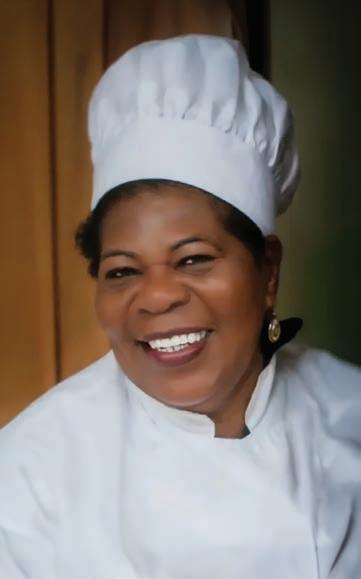
Sheila Livingston has never waited for permission to rise. She builds her life the same way she builds her recipes — with patience, boldness and the belief that what she creates will stand on its own. Raised by her grandmother in Jamaica, Sheila took on adult responsibilities early. When her grandmother suffered a stroke during Sheila’s teenage years, she left school to care for her. The future she imagined shifted overnight.
“I have to make it,” she told herself. It wasn’t a slogan. It was survival.

KITCHEN TO COMMUNITY
Jamaica’s first certified female executive chef, Sheila Livingston, now calls Bluffton home. After decades in professional kitchens and classrooms, she has launched Sheila’s Authentic Jamaican Jerk BBQ Sauce, blending Caribbean heritage with Lowcountry determination. The sauce is now available at Publix Buckwalter in Bluffton, marking a major milestone after rigorous safety testing and strong local support. It can also be purchased online at sheilabehickleyardandabroad.store.
She worked odd jobs, attended evening classes and refused to stop moving forward. That persistence led her to the University of Technology in Kingston, Jamaica, where she graduated in 1996, proof that setbacks would not define her story. Soon after, she became Jamaica’s first certified female executive chef, breaking barriers in a male-dominated industry. Her career took her through premier Caribbean hotel kitchens, into culinary classrooms mentoring future chefs at the Culinary Institute of America and the University of Technology, and into Jamaica’s national spotlight as a culinary pioneer.
Even while building that career, something personal was taking shape.
“I don’t like traditional BBQ sauce,” Sheila says. “I wanted something that tasted natural.”
She created Sheila’s Authentic Jamaican Jerk BBQ Sauce, bold, balanced and distinctly her own. Years later, after moving to Bluffton to help raise and homeschool her granddaughter, she stepped away from executive kitchens, but the sauce stayed with her. One afternoon she brought burgers to the Bluffton Fire Department. After one bite, the crew didn’t hesitate. They told her she needed to bottle the sauce. Family and friends soon echoed the same message. What had always been personal suddenly felt possible. To move forward, Sheila submitted the sauce to a professional review board
in West Palm Beach for safety and shelf-stability testing. “They told me I had four chances,” she recalls. “I told them I only needed one.”
The sauce passed. One judge called it the best he had ever tasted.
As Sheila began launching her business, a major life transition strained her household finances. A conversation with a client advocate at Bluffton Self Help changed her path. Through Bluffton Self Help, she accessed The Market, reducing grocery costs and freeing funds to invest in her business. She also enrolled in the Getting Ahead program, gaining structure, financial clarity and long-term planning. Working with her advocate, Sydney, Sheila refined her website, strengthened branding and prepared for wider distribution. Then came the moment that made everything tangible. Her sauce earned a place on the shelves at Publix Buckwalter, lined up beside national brands she once only saw from the other side of the cart. Not an idea. Not a test run. A real product. On a real shelf.
From a teenager caring for her grandmother in Jamaica, to a history-making executive chef, to a Bluffton entrepreneur, Sheila’s journey is built on resilience. Bluffton Self Help did not create her drive, but at the right moment, it gave her the support to keep moving forward. And the words that carried her through everything remain the same. “I have to make it.” Today, standing in front of her sauce on a Publix shelf, that statement sounds less like a hope and more like a declaration. She didn’t need four chances. She only needed one.
Bluffton Self Help provides neighbors facing financial hardship with practical resources, personalized guidance and programs that build longterm stability. Support the mission by volunteering, donating or shopping local entrepreneurs connected to the program. Learn more at blufftonselfhelp.org


















Chronic stress can increase inflammation and slow the body’s ability to repair tissue. Over time, this may contribute to joint pain and slower recovery.
At Fraum Health, our physicians take a restorative approach that supports the body’s natural healing systems through advanced diagnostics and physician guided care.




Every patient begins with a comprehensive clinical evaluation. Based on that evaluation, our providers develop an individualized treatment plan designed to support joint function, mobility, and overall system balance.


Schedule a private consultation with Dr. Hinshelwood today:
Patients often seek care for concerns such as knee or back pain, shoulder injuries, hip stiffness, tendon issues, and inflammation related to osteoarthritis.
Rather than focusing only on symptoms, our approach considers the underlying systems involved in healing, including joint stability, tissue health, circulation, and nervous system balance.
CHIROPRACTIC CARE









adjective. lo·cal | lō-kəl
OYSTER RAKE VIEW
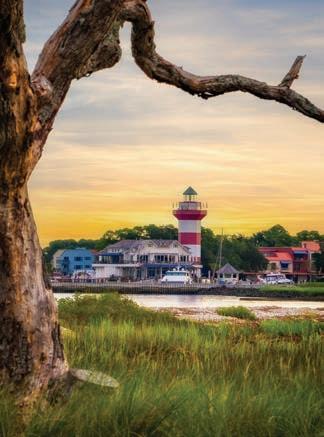
Framed by a weathered marsh tree, the Harbour Town Lighthouse glows at sunset in this perspective captured by Pender from an oyster rake beyond the marsh near the 18th fairway of
1: characterized by or relating to position in space: having a definite spatial form or location 2: of, relating to, or characteristic of a particular place: not general or widespread: of, relating to, or applicable to part of a whole 3: primarily serving the needs of a particular limited district of a public conveyance: making all the stops on a route
After exploring the far corners of the globe, Bill Pender still finds his most inspiring scenes in the Lowcountry
STORY BY BECCA EDWARDS

pCAPTURING THE COAST
Hilton Head Island
photographer Bill Pender specializes in fine art photography of nature, landscapes and portraits. He also offers free photography lessons, asking only that students consider donating to the Sea Pines Forest Preserve Foundation. See more of his work at 3bphotography.com.
Photographer Bill Pender has traveled the globe in search of remarkable landscapes and wildlife, visiting places as remote as Antarctica, Papua, the Galápagos Islands and the headwaters of the Amazon. Yet after decades of exploring far-flung destinations, he still considers the Lowcountry his favorite place to photograph. The region’s marshes, forests and waterways offer the quiet solitude he seeks, with places like the Sea Pines Forest Preserve and Pinckney Island National Wildlife Refuge providing natural beauty close to home. Pender has called Hilton Head Island home since 1993. What began as a three-week visit quickly became permanent. Within three days, he and his wife, Jo, bought their first house in Sea Pines on the spur of the moment and decided Hilton Head would ultimately be the place they would call home. The beaches, leisure trails and abundance of outdoor activities continue to make the island an ideal place for both living and photographing the natural world.
Q: How did you get into photography? A: My first real introduction came in high school. Throughout my career as a civil engineer, I stayed engaged with photography and technological developments as a hobby. As retirement approached, I focused on improving my skills so photography could become one of my primary pursuits.
Q: Why is it important to you to capture the beauty of the Lowcountry? A: I always try to add my own style to my photography by mastering available light and
controlling my lens apertures to highlight my subjects and backgrounds. The Lowcountry gives me endless opportunities not only to showcase wildlife but also to capture it in very natural and picturesque surroundings.
Q: Do you have a favorite bird you like to photograph? A: Most of my favorite birds fall into the raptor category, including eagles, hawks, ospreys and owls. The bald eagle is my favorite, and I regularly track and photograph the pairs that nest in Sea Pines. I also enjoy the painted buntings that visit our backyard feeders throughout the breeding season from April through September.
Q: Has working with nature taught you anything about yourself or life? A: My love of nature began when I was a Boy Scout. I have always enjoyed the outdoors and spend a great deal of time outside, especially in the Sea Pines Forest Preserve. I currently serve as chairman of the preserve’s advisory board and donate my time, photography and charitable contributions to the Sea Pines Forest Preserve Foundation, a nonprofit that supports the preserve. It is one of the ways I like to give back to the community.
Q: What is your motto in life? A: If you really want to do something, just do it, and do not dwell on it. Our decision to buy our first house on Hilton Head is a good example of following that motto.
Q: What is one fun fact about you that no one else knows? A: I am learning how to bake sourdough bread. LL


















STORY BY BAILEY GILLIAM
Spring is a season of fresh starts, and across the Lowcountry that energy shows up in bright storefronts, new signage and construction crews hard at work. From locally owned startups to major community investments, this month’s Business Buzz rounds up the openings, announcements and future projects shaping where we shop, work and live..

The team behind Evergreen Pet Lodge is expanding with Evergreen South, now open in the former Red Rover space on the island’s south end. The new facility mirrors the brand’s reputation for attentive, high-quality care, offering royal, luxury and standard dog suites, plus a dedicated cat cattery with upscale feline accommodations. Spacious outdoor play yards with premium canine turf and full-service grooming round out the experience. With north and south locations now operating, Evergreen makes trusted pet care easier than ever for island families.
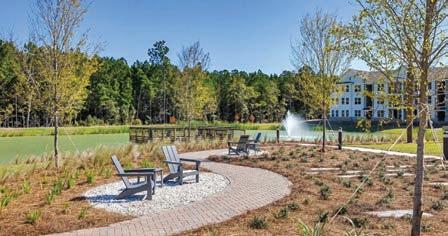
Outdoor living gets a design-forward upgrade with the launch of LowcountryLA, a boutique landscape architecture firm founded by longtime local designer Jesse Solomon. With 15 years of experience in the region, Solomon focuses on sustainable, site-sensitive designs that feel naturally at home in the Lowcountry. From intimate garden spaces to full-property transformations, each project is personally guided from first sketch to final installation.
Coastal Haven Insurance has opened its Bluffton office with a simple mission: make insurance easier to understand and more tailored to real life. As an independent agency, the team works directly with homeowners, drivers and business owners to build coverage that fits, whether preparing for hurricane season or planning long-term protection. Clear guidance and responsive service lead the approach.




Main Street Village, Hilton Head
A new wellness concept is preparing to open at Main Street Village. Hydrate IV Bar will offer spa-style vitamin infusions administered by registered nurses under medical supervision. Owned by longtime residents Stuart and Brecken Campagna, the business combines clinical oversight with a calming, lounge-style environment designed for recovery, rehydration and proactive wellness.
COVE, Bluffton
Bright Beginnings Academy will soon open at 97 Progressive Street, bringing a new early-learning option to The COVE. Serving children ages 6 weeks to 5 years, the center features a play-based curriculum, development-focused classrooms and trained educators, including autism-awareness instruction developed with the Lowcountry Autism Foundation. Safe play areas, nutritious snacks and a nurturing atmosphere complete the program.
Washington Square, Bluffton
High Tide Pediatric Dentistry, led by Dr. Melissa Connell, is preparing to open its permanent Washington Square location at 5 Mott St. The practice is built around creating a positive, low-stress dental experience for young patients and their families. While construction continues, patients are being seen at a temporary location ahead of the opening.

VA Outpatient Clinic Ribaut Road, Port Royal
Plans are moving forward for a $30 million community-based outpatient clinic at 1844 Ribaut Road in Port Royal. The two- to threestory facility, projected to open in 2028, will expand access to primary care, mental health services and specialty treatment for Lowcountry veterans, replacing the existing clinic at Naval Hospital Beaufort. Beyond healthcare access, the project is expected to generate jobs and support continued development along the Ribaut Road corridor.

Circle Center, Hilton Head
A third Publix is on the way to Hilton Head Island. The new 48,000-square-foot store will fill the former Bi-Lo space at 70 Pope Ave. near Coligny Beach Park and anchor a redesigned Circle Center plaza. Plans call for a refreshed layout and improved retail mix, adding another convenient grocery option for both residents and visitors.




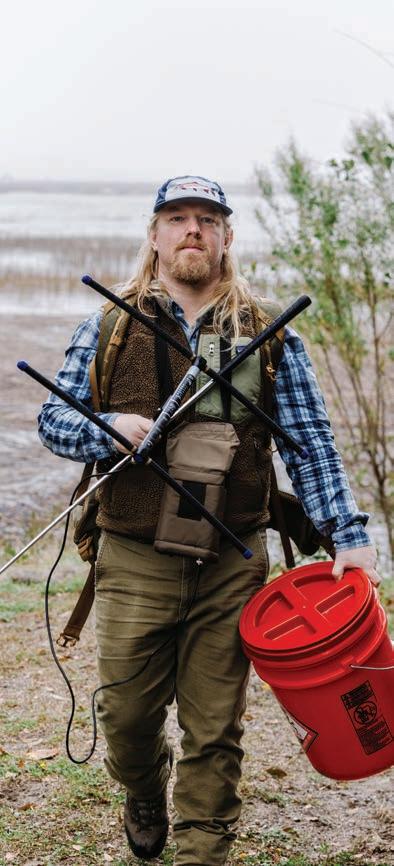

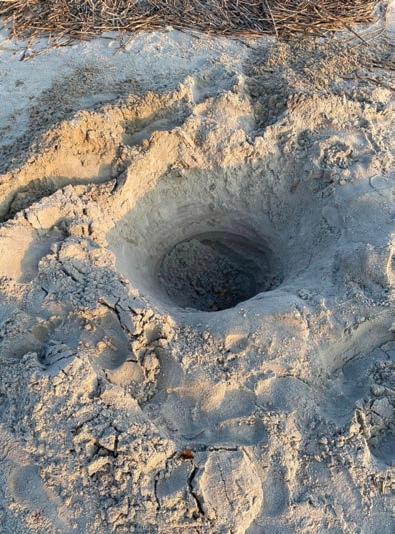
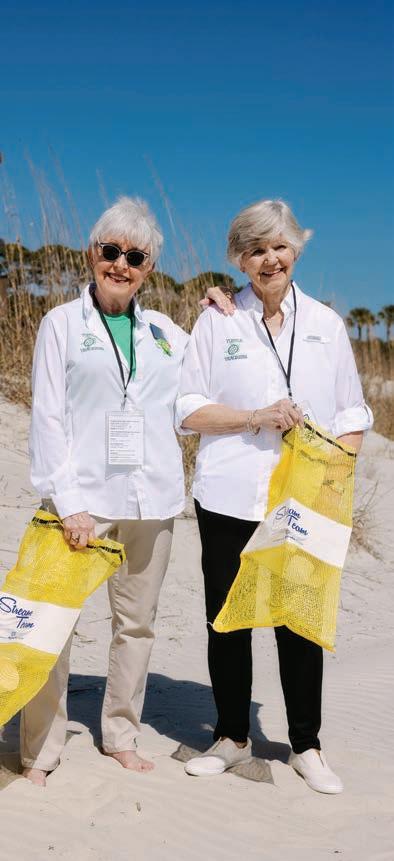
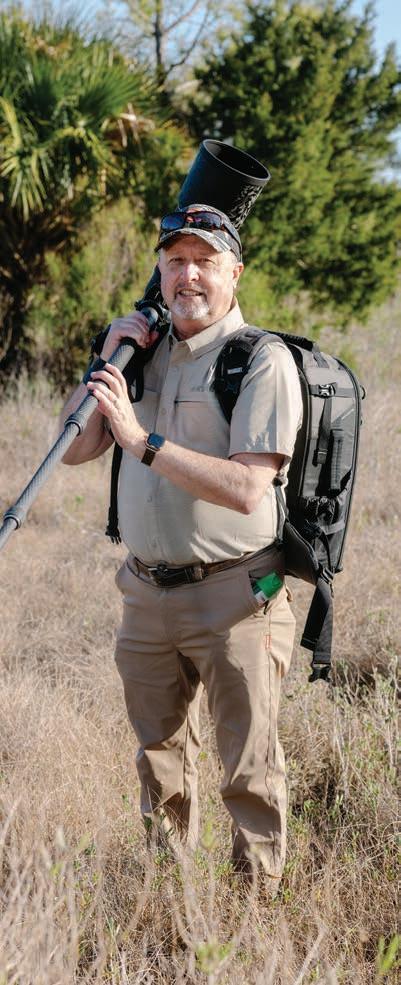
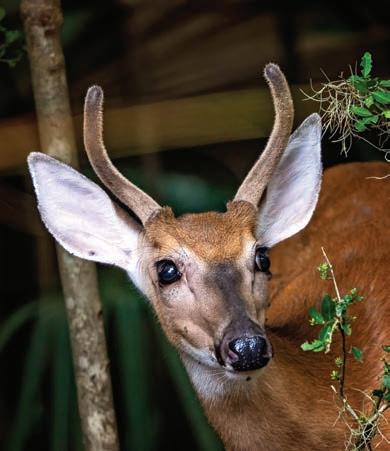
From tracking snakes to protecting sea turtles and photographing wildlife, these four locals live where nature leads
STORY BY BARRY KAUFMAN PHOTOGRAPHY BY LISA STAFF
sSome of us grew up in the vast suburban sprawl of the North, where a vast ribbon of pavement gets you where you need to be, and everything else serves as mere scenery during the drive. Some of us grew up in a more concrete jungle, where a single tree growing between slabs of pavement was the only reminder of the natural world.
But one way or another, we transplants found ourselves drawn by the call of the wild to the Lowcountry, to a place where nature isn’t just relegated to scenery or manufactured green space. We all answered that call to live our lives at the edge of the map, where rivers still run as wild as they did when the glaciers first carved them, and forests preserve populations of native creatures that were here long before humans.
To some locals this wild isn’t just what drew them here; it has come to define their lives. From the creatures that soar in the sky to those that ply the mysterious depths, this wild Lowcountry has become their own.

Taking an academic view toward the Lowcountry’s most misunderstood denizens
aAmong the first aspects of anyone’s orientation to Lowcountry living is learning how to deal with snakes. Or, more accurately, how to stay as far away from them as possible. We learn fairly quickly never to trust a pile of wood or pine straw in spring, to watch our step in fallen leaves that could camouflage copperheads, and to make tracks when red touches yellow.
Dr. Ryan J. Hanscom, on the other hand, offers a slightly different form of education. As an assistant professor of ecology and evolutionary biology at the University of South Carolina Beaufort, he has made a career of finding all the places these snakes call home and getting uncomfortably close in the name of science.
“I spent a lot of my childhood out in the woods looking for turtles, snakes and salamanders,” said the Massachusetts native. “As I got older and started figuring out a career path, I didn’t really know that becoming a professor and doing research was a possibility.”
The snake lab at Framingham State University opened that door for him, allowing him to continue his childhood fascination in a more clinical environment, as well as out in the field on the Outer Banks, where he began his studies with freshwater turtles. It was while working toward his master’s degree at Tennessee State University that he found himself drawn back to snakes.
“I’d never really left the Northeast, so having the opportunity to go to North Carolina, the first thing I wanted to do was find a cottonmouth,” he said. “I found one in a few days and ended up finding all the venomous snakes in both North Carolina and Tennessee.”
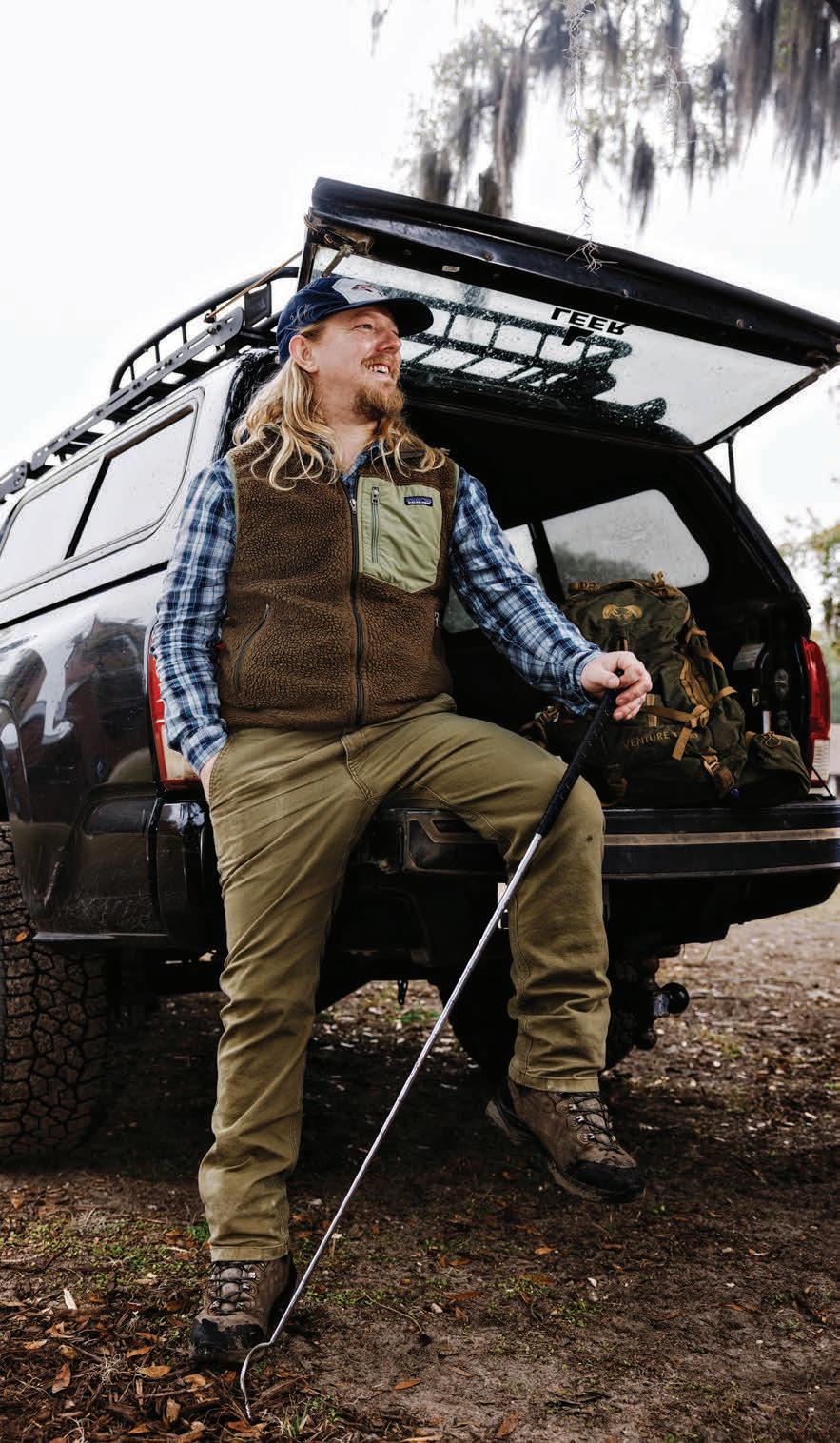
And that’s how he found himself in the South Carolina Lowcountry, where copperheads, cottonmouths and rattlesnakes are just another part of daily life. Surrounded by his herpetological subjects, he has made a name for himself as the snake professor at USCB, taking students into the field to get up close and personal.
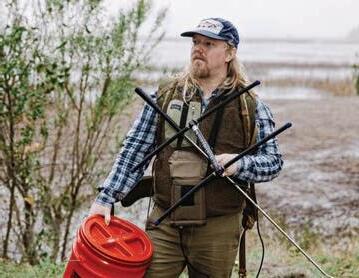
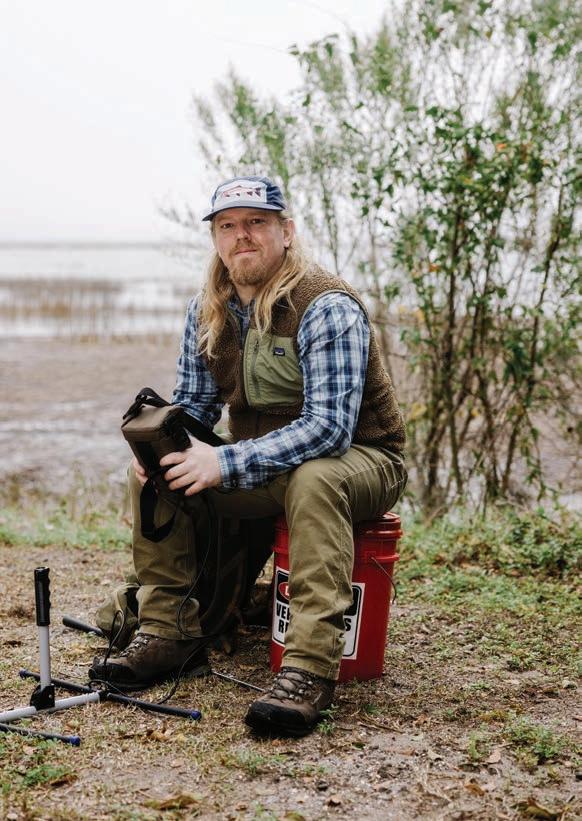
“What we do is find snakes, take them in and implant them with a bio-logger, which allows us to track the animals through radio telemetry. We’re also using new technology to log internal temperatures and measure different physiological parameters,” he said. “People have been doing this across other taxa, but not in snakes yet.”
For those not as well versed in the syntax of science, this technology essentially allows Dr. Hanscom to watch snakes’ movements from afar. This is obviously safer than hanging around a potentially lethal animal all day, and it paints a clear picture of their behavior when humans aren’t around. When they hunt, how far they travel and their movement patterns all deepen our understanding of snakes.
“For local snake populations, we actually have a project with cottonmouths now,” he said. “We’ve uncovered some pretty cool results in terms of how the moon affects their prey and how different environmental parameters may shape different behavioral strategies. We’re able to observe the unwatchable.”


Main Street Medical is a premier urgent care and family practice serving individuals and families in Hilton Head, South Carolina. Led by Joel Johnson III, MD, the team aims to treat all their patients with dignity and compassion by providing comprehensive medical care services that promote a healthy community.
Main Street Medical has a large team of healthcare professionals who provide a wide range of services, including primary and urgent care. In addition to adult and pediatric care, the team also provides women’s care, x-rays, laboratory services, medication assistance, annual wellness exams, and immigration and employment physicals.


wWe’re all very aware that we share the Lowcountry with an untold number of snakes. Or at least we should be. This is still an area largely unclaimed by humans, and it provides hospitable territory for the slithering serpents who were here long before us. Even those of us in the more developed areas of the Lowcountry know better than to go digging around in pine straw in spring. And while we’ve begrudgingly accepted them as neighbors, we may not always give snakes the respect they deserve. Dr. Ryan J. Hanscom aims to change that.
“A lot of the animals they eat are vectors for diseases and ticks. They help maintain the balance of the ecosystem through their predator-prey interactions,” he said. “And they’re not going to chase you.”
These snakes want to save their venom for something that can eventually fill their bellies. As such, they don’t think you’re worth the effort unless you force the issue.
“The only time they’re actually going to defend themselves is if you’re trying to hurt them or accidentally step on them,” he said. “Most snake bites in the U.S. happen to males in their early 20s with alcohol involved.”
So while they don’t necessarily want to bite you any more than you want to be bitten, there are several ways to keep snakes far enough away to avoid an encounter. The simplest way is to keep your yard clear of debris where they can hide. And if a bite does happen, ignore almost every urban legend you’ve ever heard.
“If a person or a dog were to get bitten, there’s no such thing as a snake bite kit. You’re not going to suck the venom out, you can’t sleep it off, and you’re not going to help things by wrapping a tourniquet around it,” he said. “You just need to remain calm to keep your heart rate down and go right to the hospital, or get your pet to the vet.”
And while we’re busting myths, copperheads don’t smell like cucumbers, and cottonmouths won’t chase you. If you see a snake, don’t attempt to kill or handle it. Instead, follow the doctor’s advice: “If you do see one, relish that moment.”
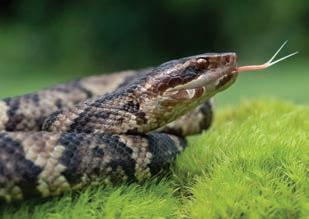
The Lowcountry’s marshes, forests and lagoons are home to many snakes. Most are harmless, though a few are venomous. Knowing where they live and how to react if you encounter one helps make time outdoors safer.
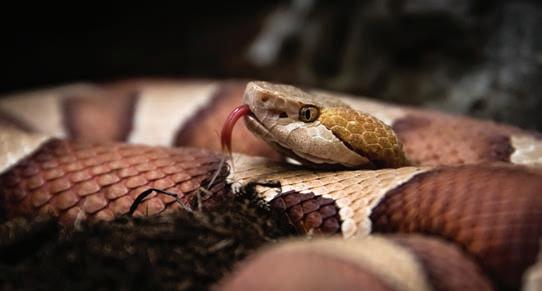
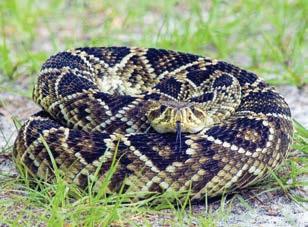
The largest venomous snake in North America, the Eastern diamondback once dominated the coastal plain but is now rarely seen due to development. It still lives in remote maritime forests and pine flatwoods in Beaufort County. Sightings happen mostly from spring through early fall when snakes bask near sandy paths or palmetto thickets. Stay on trails, and keep your distance. If bitten, call 911 and seek hospital treatment for anti-venom.
The Lowcountry’s only semi-aquatic venomous snake, the cottonmouth lives around freshwater ponds, lagoons and slow creeks. Around Hilton Head and Bluffton they are often seen near neighborhood lagoons and golf course water hazards. Active from late spring through early fall, they may open their white mouths as a warning. Give them space near water. If bitten, seek emergency medical care immediately.
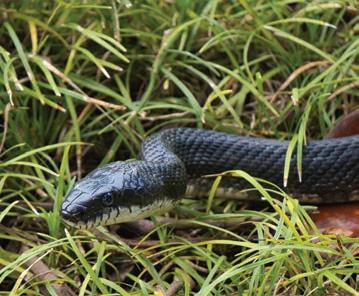
Also called the black rat snake, this large constrictor thrives around wooded neighborhoods, barns and sheds where rodents gather. Excellent climbers, they are often seen in trees or on fences. When threatened, they may vibrate their tails in leaves. Bites are rare and harmless.
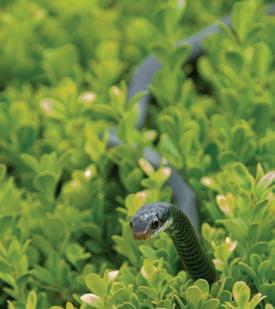
Black racer
The snake most often seen in local yards. Slim, glossy and fast, racers prefer sunny areas such as gardens, golf courses and roadsides. Active during the day from spring through early fall, they help control rodents and insects. They usually flee when approached. Bites are harmless.
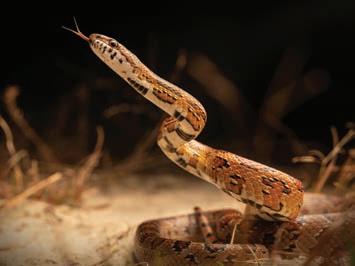
A colorful, gentle snake found in pine forests and rural areas, its reddish pattern sometimes causes it to be mistaken for a copperhead. Active from spring through fall, it hunts rodents at dusk. Non-venomous and beneficial.

If not, it may be time for a change, and we’re here to help.
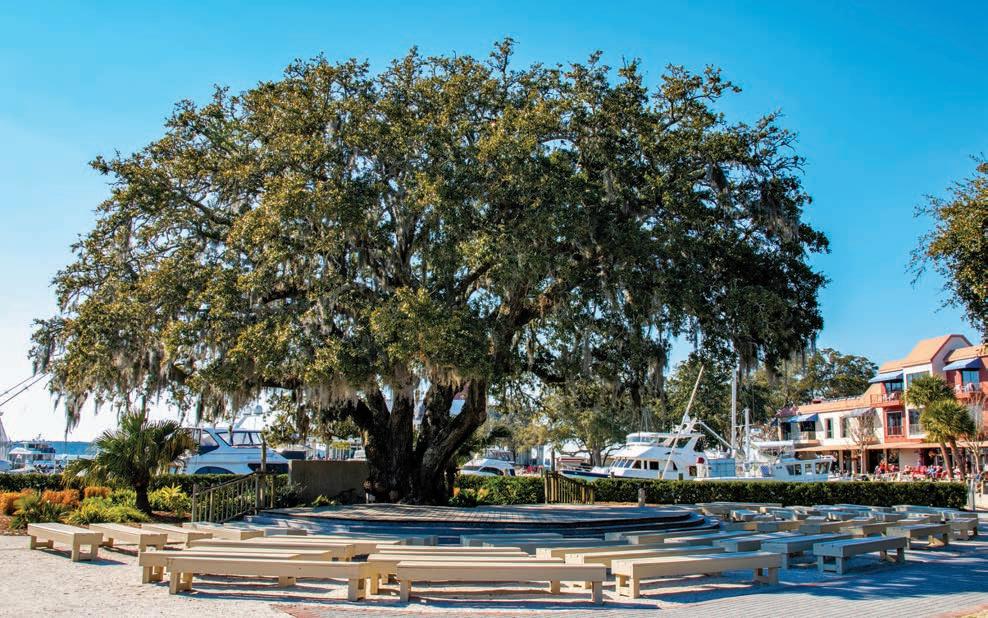
If you’ll be on the Island for the RBC Heritage Golf Tournament, please stop by and visit us at our tent at Liberty Oak on your way into the tournament.
Not in town during tournament week? The next time you’re on the Island, stop in to our
We’d love to show you around and give you a tour of our new space!
Let’s talk about what your property should be earning!










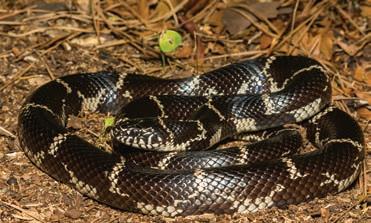
Eastern kingsnake One of the Lowcountry’s most helpful snakes, the kingsnake eats rodents and even venomous snakes. Recognized by its black body with a white chain pattern, it prefers pine forests and sandy roads. Non-venomous and rarely aggressive.
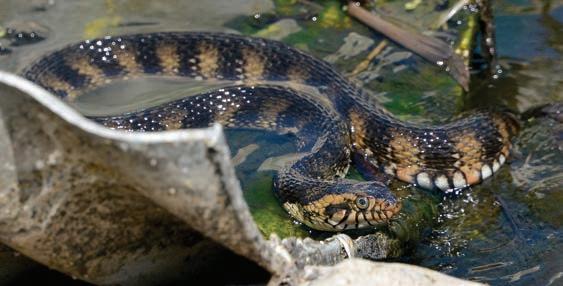
mistaken








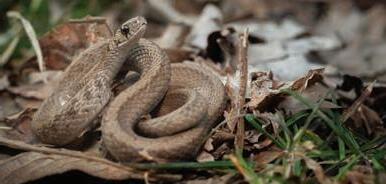
Dekay’s brown snake
A small garden snake often found under mulch, logs and flower beds, it feeds on slugs and earthworms and is frequently seen after rain. Completely harmless.
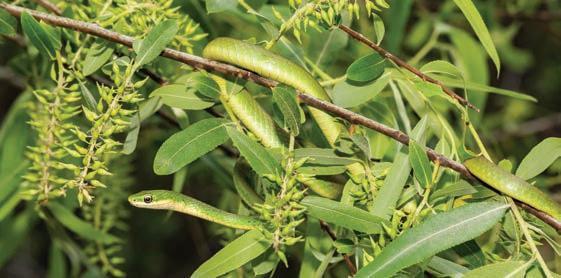
A slender, bright green tree snake that blends into shrubs and branches near water and is active in warm months. It feeds on insects and is shy and harmless.


























At Beaufort Memorial, our nationally recognized team of orthopedic and spine care specialists is dedicated to helping you live life to the fullest—free from pain.
Our board-certified, fellowship-trained surgeons bring exceptional skill and experience to your care. Using the latest technologies and diagnostics—including Mako SmartRobotics™ and VELYS™ robotic-assisted joint replacement—as well as a personalized recovery plan, we’re with you every step to get you moving like yourself again.


Visit BeaufortMemorial.org/Ortho and get back to enjoying each of life’s moments.


At Beaufort Memorial you’ll also find:
• Joint preservation therapies
• Numerous non-surgical treatment options
• A personalized approach to restoring mobility and joint function
• Pre-operative education classes that engage patients and caregivers in the healing process
• An Optimization Program that follows you through the process to ensure the best outcomes
• Outpatient and in-home rehab services to get you back to doing what you love faster
Creating a safer beach for sea turtles, one stretch at a time
tThere’s a Mark Twain quote that Karen Kindermann is reminded of when she thinks back on the last 10 years: “The two most important days in your life are the day you are born and the day you find out why.”
For her, perhaps that day came when she was taking an early morning walk along the beach and came across a woman pulling what Kindermann thought were ping-pong balls from a hole in the sand. Those ping-pong balls were actually sea turtle eggs, and the woman handling them was Sea Turtle Patrol HHI’s marine biologist, Amber Kuehn.
“I literally didn’t know what a sea turtle was. Amber was nice enough to pause what she was doing and answer my kindergarten questions, and I was fascinated.”
Kindermann didn’t just learn about sea turtles. She learned that Sea Turtle Patrol HHI was, at that time, having difficulty making inroads into Sea Pines. As a Sea Pines resident, Kindermann saw an opportunity to do more. She rallied a few members of the Sea Pines Women’s Club, including Mary Ryan and Melissa Krauss, plus her friend Jackie Rosswurm, and they decided to arrange for Amber to give one of her entertaining turtle talks to get Sea Pines residents “turtle-excited.”
That team was able to secure a spot on the top floor of the Sea Pines Beach Club, which entailed, according to Kindermann, “persistent contacts with management, and finally, we succeeded with a ‘yes’ from Rob Bender for the use of the upstairs room that held 135 people.”
Plastering fliers island-wide on their own dime and time, the group was pleasantly surprised when 155 people showed up, even if one of the attendees was the fire marshal.
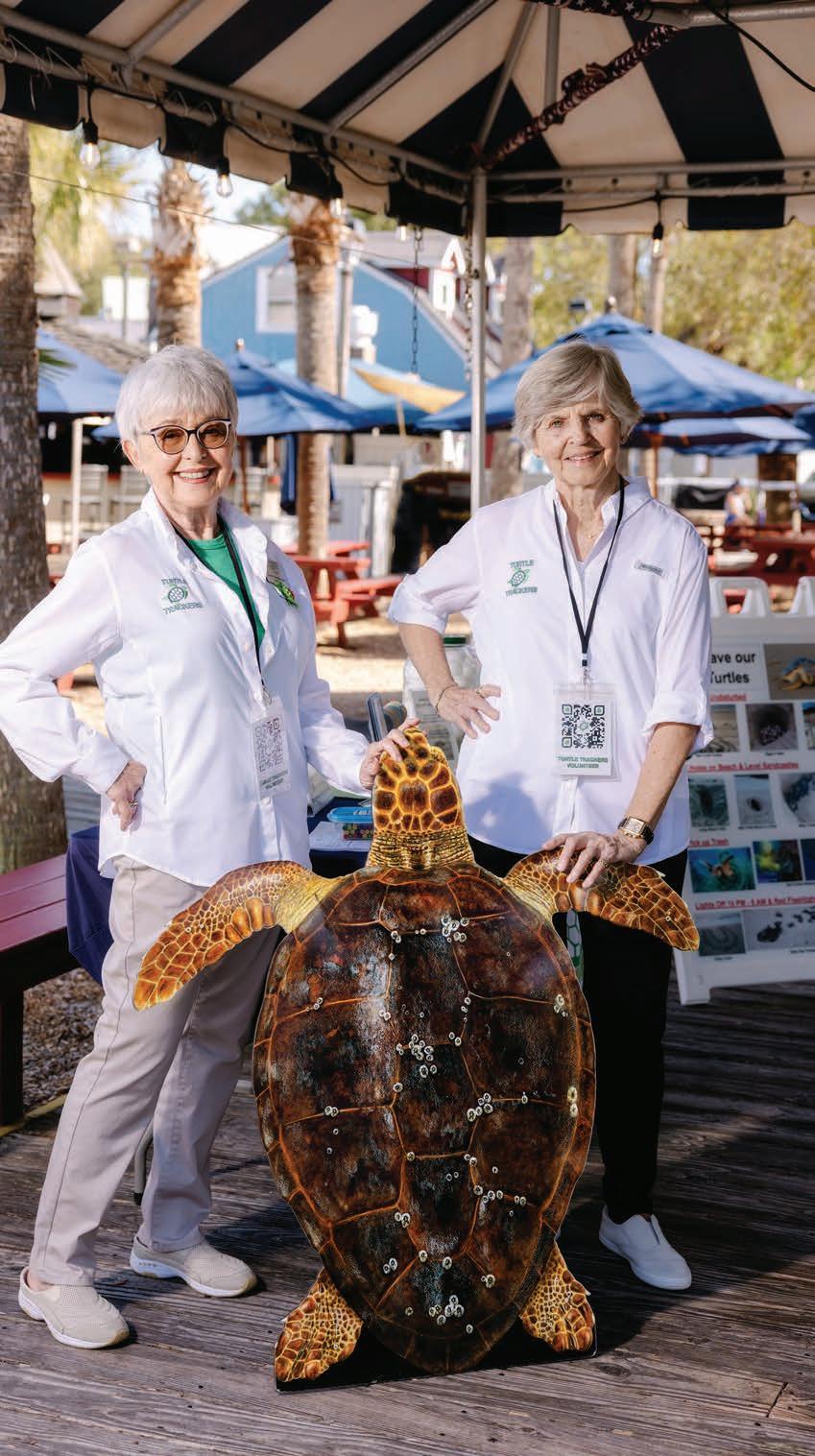
That single, one-off event to create “turtle excitement” in Sea Pines took place June 8, 2016. Interest flared after the event, accelerated by an Island Packet front-page article by David Lauderdale. Subsequently, a generous donation from Salty Dog’s Bob Gossett of $5 from the sale of each “Be Cool, Keep the Turtles in the Dark” T-shirt, along with a donation from Endangered Arts Gallery, sealed the deal for Turtle Trackers to become a fund of the Community Foundation of the Lowcountry. That led to Turtle Trackers becoming a full-fledged nonprofit organization, a 501(c)(3).
“We went from eight of us to 20, and today there are 180 members in Sea Pines,” said Rosswurm. “That’s on top of hundreds of members in the greater Hilton Head Island area.”
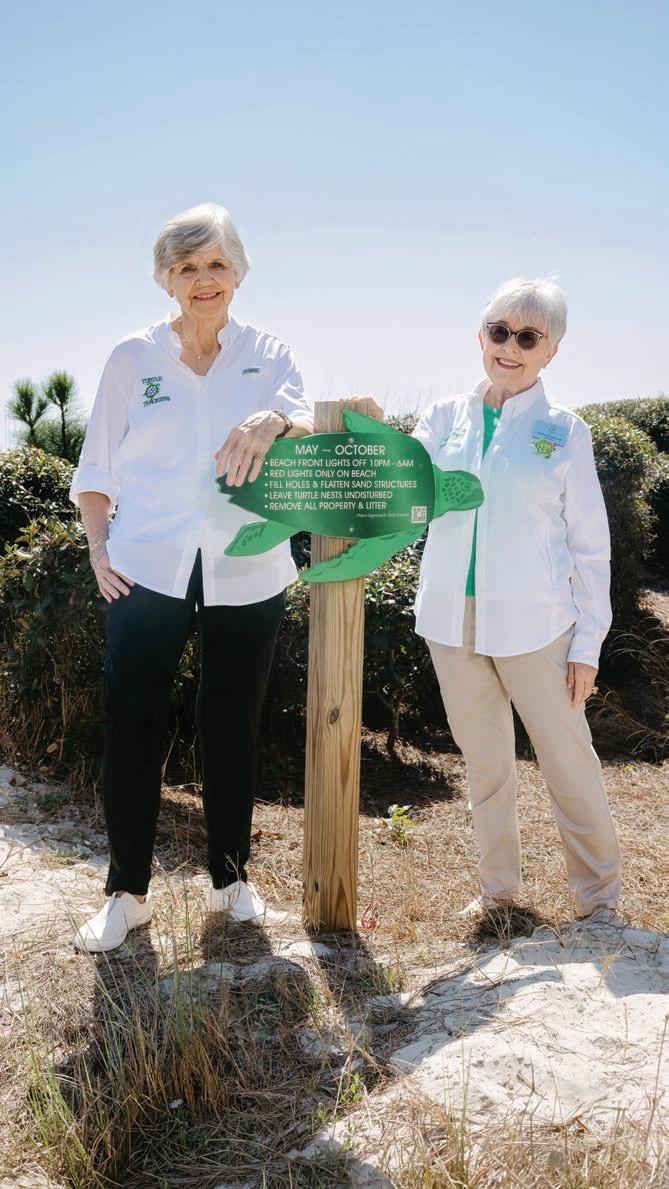
You’ll find those Turtle Trackers up and down our beaches during nesting season, helping to “put the beach to bed,” making the beach turtlesafe by filling in holes and clearing debris. Off the beach you will find them at learning stations island-wide, developing sea turtle awareness and motivating protection of this endangered species.
With 10 years in, their cause is more important than ever. While Kindermann, now emeritus, limits her beach heavy lifting, like Rosswurm she is still an active participant helping to grow Turtle Trackers.
“Because we’ve grown so large, and because we have funds, one of the things we work very hard on is making sure that we are the organization people have allowed us to become,” said Rosswurm. “It’s a matter of allowing us to continue with the same sort of enthusiasm we’ve always had. People who come here are just so enthralled with the sea turtles, and I think that really rejuvenates all of us.”
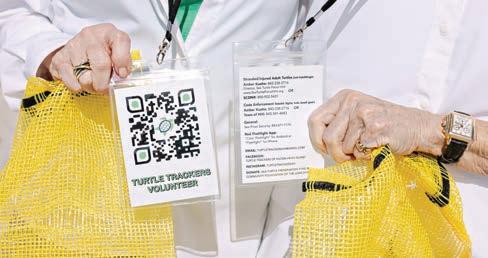







wWhile Sea Turtle Patrol HHI holds the permits and monitors nests to ensure the safety of nesting mama turtles and the thousands of baby sea turtles born on our beaches each year, the role of Turtle Trackers is broader. As a group, they helped with the adoption of the Beach Lighting Ordinance and the effort to ban plastic bags in Beaufort County, hoping to reduce garbage that can prove lethal to sea turtles, as well as limit the size of shovels used on the beach.
Their informative signs, scattered up and down the island’s beaches, help create greater awareness of the impact we have on sea-turtle nesting patterns. And through their learning stations, volunteers help provide context to curious tourists about the fascinating creatures that lay their eggs on our beaches.
“The whole island has really embraced the desire to protect these turtles and get on board with the idea of ‘putting the beach to bed,’” said founder Karen Kindermann. “It’s become kind of a town mantra.”
But the fun part? That would be getting out every day during nesting season and making sure the beach is safe and clean for nesting mamas and baby turtles making their way to the sea.
“You’ll see us out there every day during turtle nesting season (May through October) cleaning up and flattening out the beach,” added charter member and former vice president Jackie Rosswurm. “The biggest thing we usually see is people who have dug holes. We’ve had many that were waist-deep. And a lot of people just do not understand why the holes need to be filled in.”
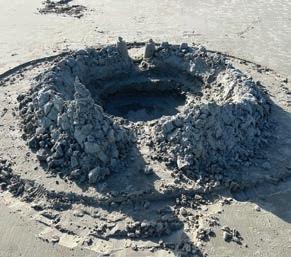
The answer, obvious to many of us but perhaps not to tourists, is that these holes trap nesting mamas and hatchlings, stranding them as they try to reach the water. Local ordinances limiting the size of shovels on the beach have made a huge difference, but sometimes it’s not the size of the shovel that creates the problem.
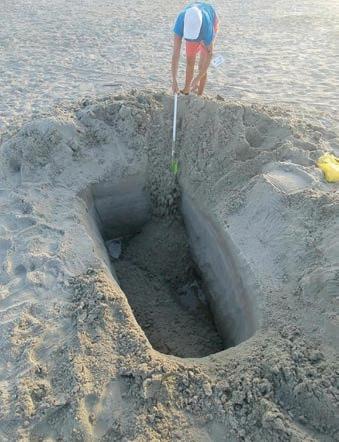
“There was a person who created amazing sand sculptures and then dug a huge moat around them to keep the waves out,” said Rosswurm. “We did have to ask it all to be dismantled, and that was a challenge.”
Then, of course, there is the debris that careless beach visitors leave behind, including when celebrating our independence.
“Beach cleanups after July 4 in particular are always a big deal because of the fireworks debris,” said Kindermann. “Other times it’s a lot of cigarette butts, drink containers, bottle caps, paper wrappings, etc., but the disallowed fireworks are interesting.”
If your pup got a little too excited on the walk and your ankle or wrist paid the price, we’re here to help you feel better fast. Walk in today for same-day orthopedic injury care that treats sprains, strains and those surprise “pulled a bit too hard” moments.
Find a location near you at NovantHealth.org/OrthoNow






Your vision should keep up with the life you love. Whether it’s boating, walking along the waterfront, or simply enjoying time with family, cataracts shouldn’t hold you back.
At Beaufort Eye Center, we o er advanced cataract surgery with precision technology and premium intraocular lenses—helping patients regain vibrant, confident vision.

A board-certified ophthalmologist, specializing in advanced cataract surgery and premium intraocular lenses. A graduate of the University of South Carolina School of Medicine and Chief Resident during his ophthalmology training at the University of Texas Health Science Center in Houston, Dr. Webster brings the latest surgical technology to the Lowcountry—including the UNITY Cataract System, LenSx Laser, ORA guidance, and modern lenses such as the Vivity® IOL.

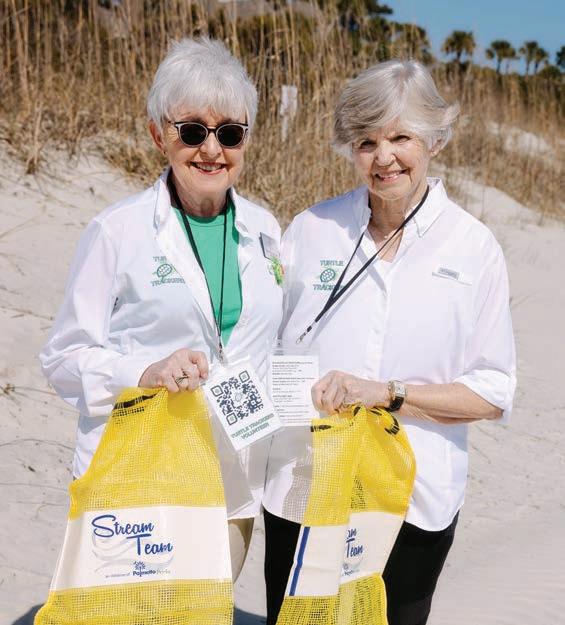
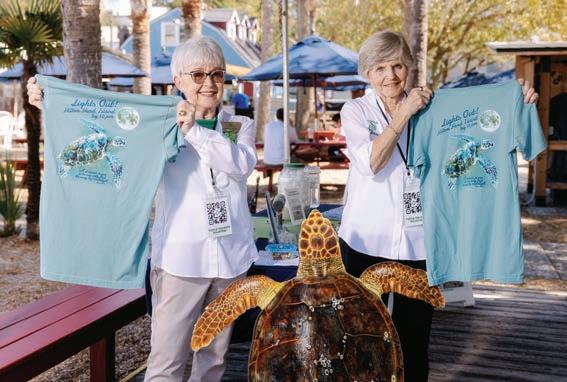
Turtle Trackers gather from May through October to help protect the loggerhead sea turtles that nest along Hilton Head Island’s 12 miles of shoreline. Beach ambassadors patrol the shoreline each day, sharing vital information about protecting turtle nests, nesting mothers and emerging hatchlings. Each evening during nesting season, volunteers also “put the beach to bed.” They flatten sandcastles, fill in holes, remove litter and smooth the sand to create a safe, unobstructed path for turtles heading to and from the ocean. To learn more about joining the team, visit turtletrackershhi.org



therapies, clinical trials and nationally certified specialists in the heart of the
If you thought you have to travel a great distance for high-quality cancer care, think again.
St. Joseph’s/Candler’s Lewis Cancer & Research Pavilion in Bluffton and Hilton Head offers passionate cancer care by highly-trained medical oncologists in a nationally recognized and certified cancer program — all close to home.
For more information, please visit us online at cancerpavilion.com



Finding the beauty in the wild side of nature
eEach of Jeff Kramer’s numerous photos of wildlife carries an undercurrent of passion. Not just for the graceful form of a bird in flight, the silent power of a bear’s brawny stance or the prehistoric mystique of an alligator emerging from floating duckweed. His is a studied eye for these creatures, borne as much from his skill with a camera as from his wealth of knowledge about their biology.
“I always wanted to be in the medical profession, but I knew getting into med school can be hard sometimes. I needed a good fallback, and since I love wildlife, I figured I’d major in wildlife biology. That way if things didn’t work out, I’d be happy being a wildlife biologist.”
That love of wildlife came from his upbringing in Hampton, South Carolina, where Lake George Warren served as a favorite fishing spot as well as a place to see native species. Interestingly enough, he found a passion for photography around the same time, although it would be years before he brought the two together.
“During high school, my future wife, Rachel, and I were on the annual staff as photographers. I had a camera in my hand long before I was taking pictures of wildlife,” he said.
The merging of his enthusiasm for wildlife and his skill with the camera was put on hold for a time as he secured a spot at the Medical University of South Carolina College of Medicine. That’s not to say he didn’t try.
“I didn’t have a lot of time in med school to go out, but I still enjoyed it,” he said. “I had a darkroom set up at school where I’d develop and print my own pictures.”
Once graduation was behind him and his successful career as a physician allowed him to afford the kind of lenses and cameras he had long dreamed of, he finally
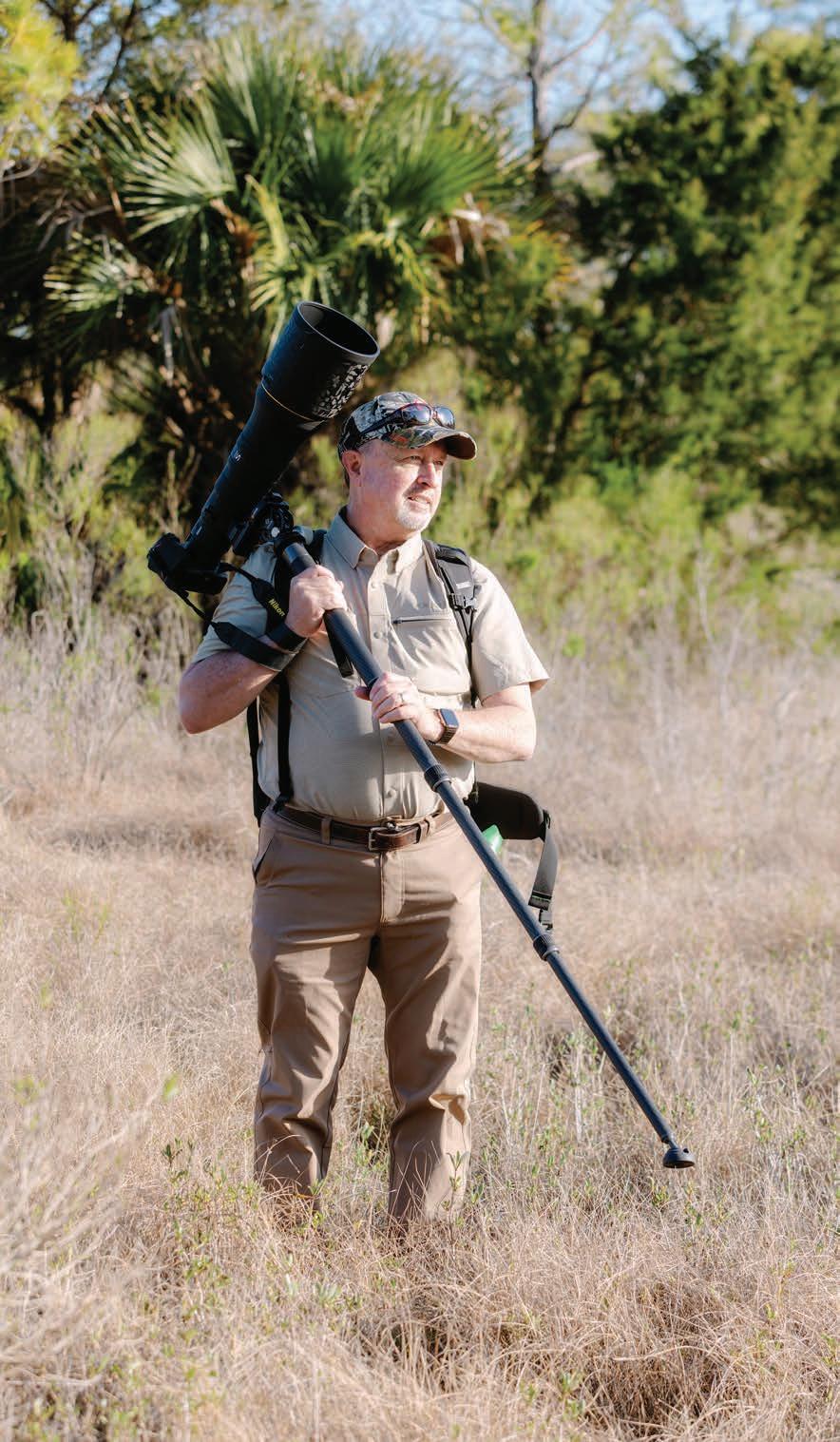

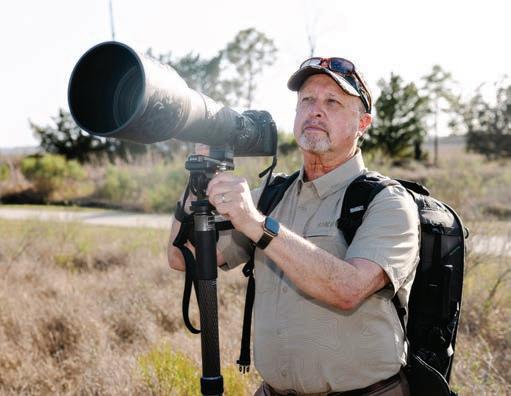





began aiming his shutter at the animals that had always fascinated him. Having a wife who not only supported his hobby but also loves to travel didn’t hurt either.
“I give Rachel a lot of credit for keeping the honey-do list short, allowing me the time to do the things I like to do,” he said. “My wife loves to cruise, and wherever we end up, my camera’s in the bag.”
These excursions have let him photograph everything from whales in Alaska to sloths in Costa Rica, from migratory birds in Europe to reptiles in the Caribbean.
“My favorite trip was probably Yellowstone,” he said. “When we were there they had what they call a bear jam. Someone sees a bear and everyone for miles around runs up to try and get a picture, which is dangerous. People just kept coming, and the bears were going this way and that while the rangers were trying to direct people to stay away. Finally the bear just turned around and walked straight toward us. I could have reached out and petted it when it walked by.”
But some of his favorite places to capture wildlife are right around the corner.
“I go to the Cypress Wetlands a lot this time of year when the rookery is in full swing. They’re starting to compete for nesting sites, and it’s always fun to hear the birds,” he said. “The snowy egrets really put on a show.”



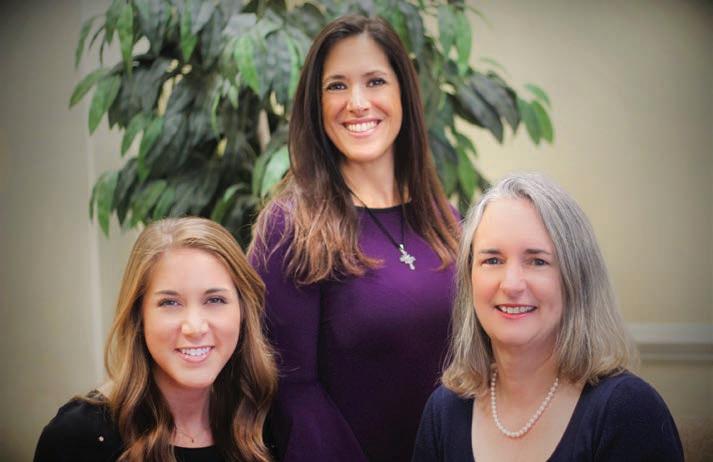
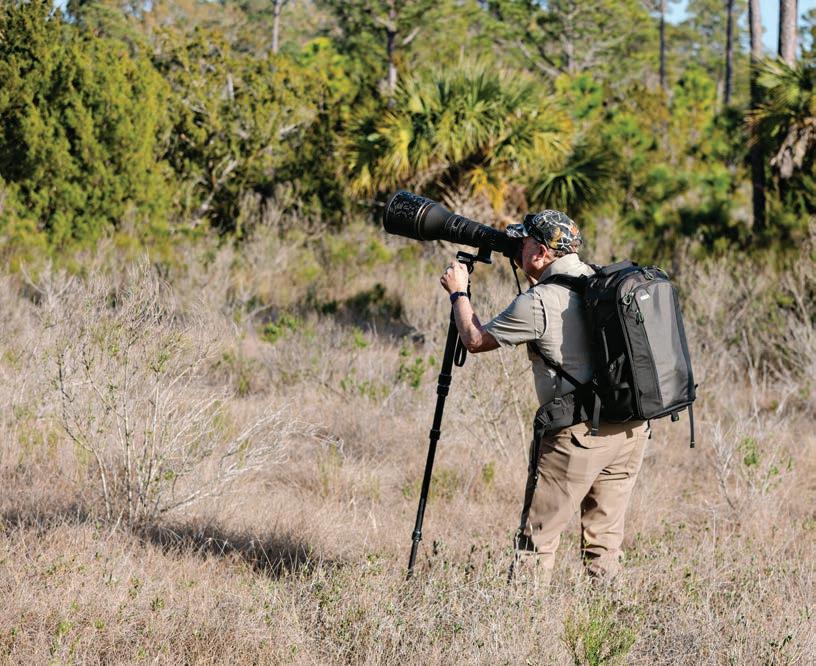
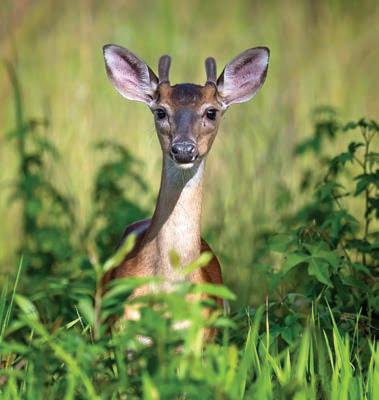

Jeff Kramer has spent nearly his entire lifetime honing his craft as a wildlife photographer, both learning the art of the camera and majoring in wildlife biology at Clemson. But for those looking to join him in the hobby, he insists that level of preparation is secondary to simply putting yourself out in nature.
j“Even if you don’t have anything but a cell phone, just get out there. You don’t need a fancy camera,” he said. “If you go to the Cypress Wetlands, the birds are not at all shy.”
That’s not just his advice as a photographer. It’s also his advice as a practicing internal medicine doctor.
“Everyone spends too much time inside,” he said. “As a physician, I like seeing people get out and get some exercise. And the more you’re out there, the better chance you’re going to see something to photograph.”
Here is a collection of local wildlife images Kramer has captured at Pinckney Island National Wildlife Refuge, Jarvis Creek Park, Hunting Island, Cypress Wetlands and Widgeon Point Preserve.
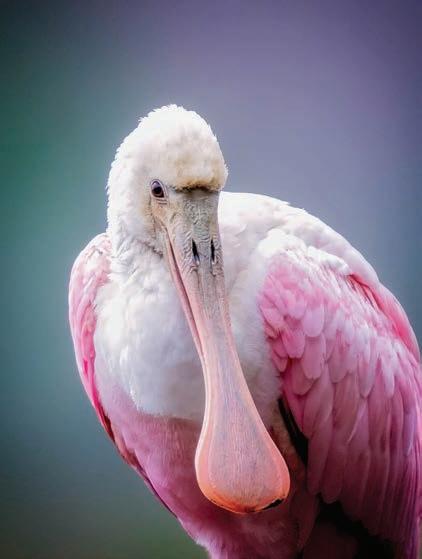
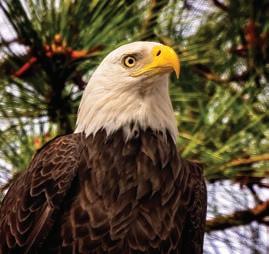
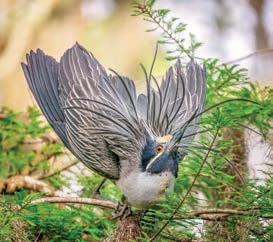

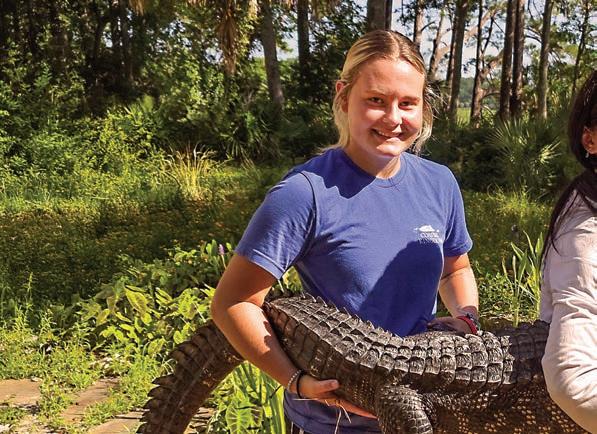


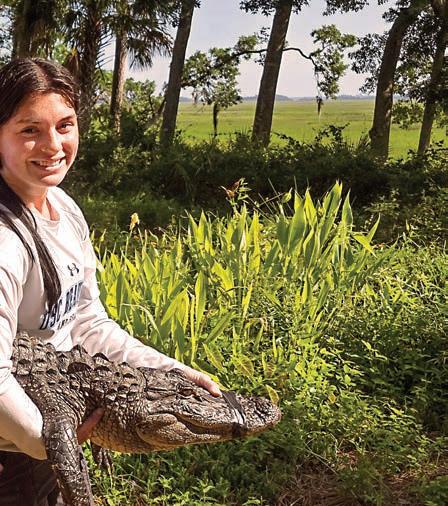






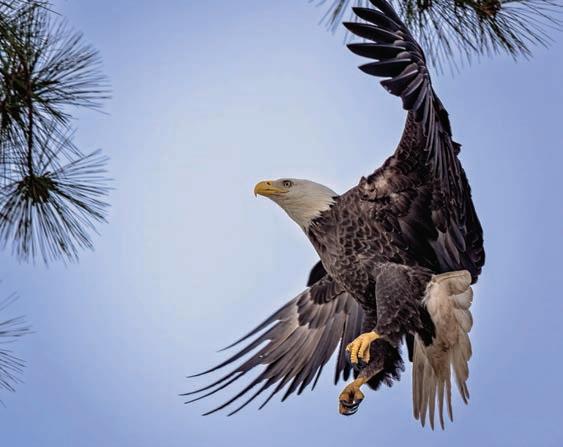
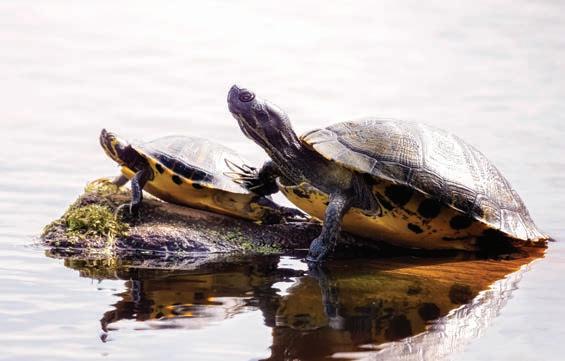
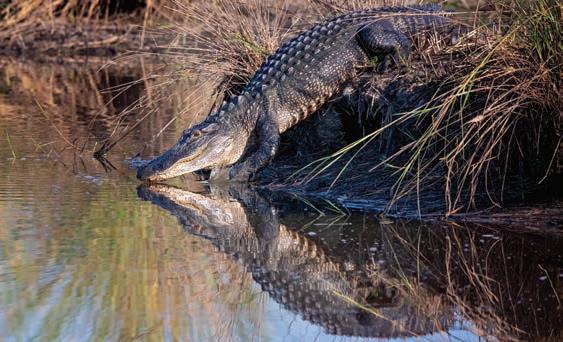


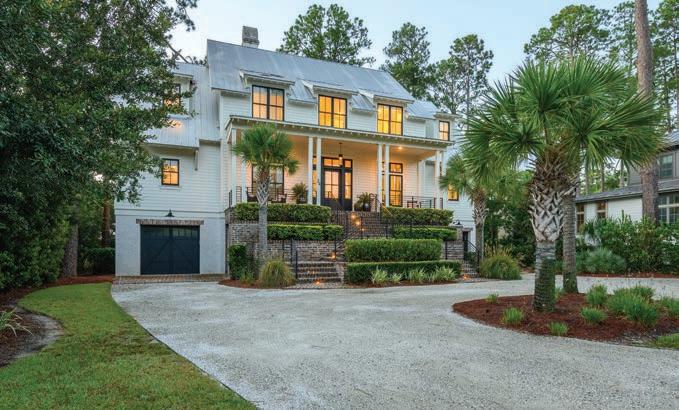










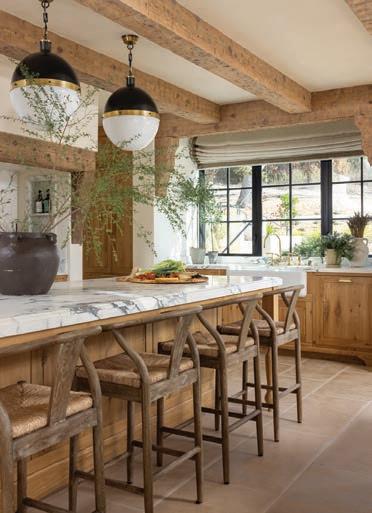

A Hilton Head designer brings global inspiration to a Lowcountry homeowner’s California retreat
STORY BY ALEA WILKINS PHOTOGRAPHY BY MOLLY ROSE
Tucked into the rolling hills of Carmel Valley, California, this second home of a Lowcountry resident reflects a life shaped by travel. Designed by Hilton Head Island firm J. Banks Design, the retreat gave executive interior designer Sharon Cleland the opportunity to transform the homeowner’s favorite destinations into one cohesive sanctuary.
Cleland and the J. Banks team made frequent trips west over six years to bring the vision to life. Along the way, the designer gathered the homeowner’s travel inspirations into one unified space.
“I’m a firm believer in injecting soul into homes,” she says.
The project, set on a private threeand-a-half-acre property, began with an extensive renovation of a dilapidated house already on site. The structure was taken down to the studs and rebuilt with several additions. New rooms expanded the main residence, a cabana rose across the yard, and a swimming pool filled the space between. Over years of collaboration and cross-country travel, Cleland and the homeowner created a retreat shaped by influences from around the world.
“We should not be dictated to by the materials we choose just because we live in a certain area,” Cleland says.
The result is a home guided by personal taste rather than geography.


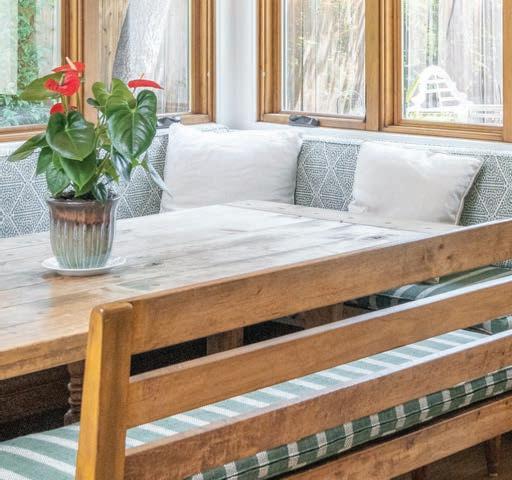

Born and raised in England, the homeowner wanted to capture the European vacations of her childhood in the design of her second home. Recalling trips to the Spanish island of Majorca, she envisioned a Mediterranean farmhouse aesthetic.
“That was our vision, and we chose both hard materials and soft furnishings to create that warm, textured, lived-in patina,” Cleland says.
Though additional global influences eventually found their way into the design, the sun-soaked spirit of the Mediterranean set the tone for the home’s overall character.
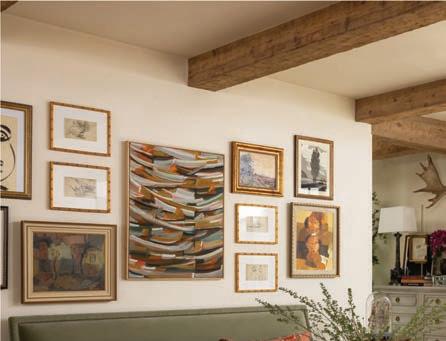

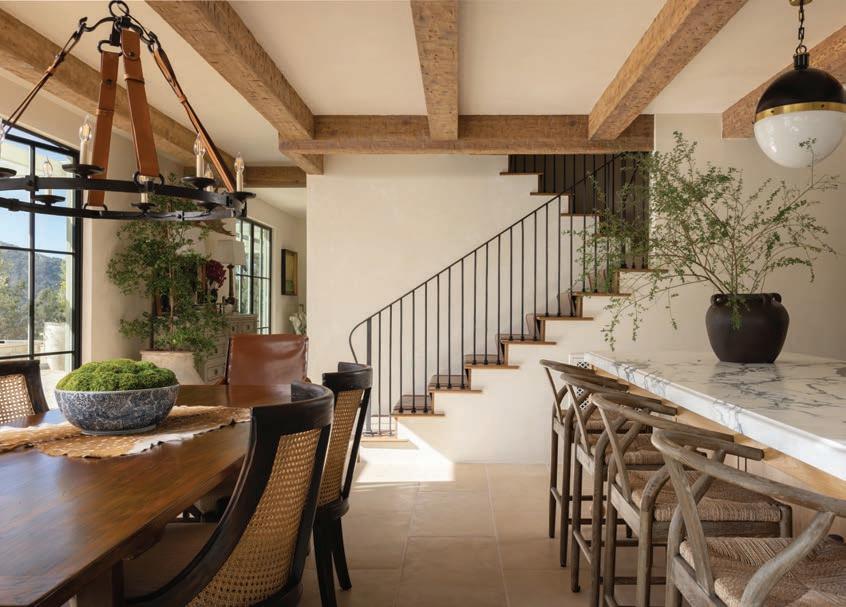

hang beside contemporary prints. A framed United States flag occupies the stairwell, while mural-style wallpapers transform entire rooms.
Cleland also collaborated with artisans to create custom pieces, including a bedframe inspired by antique French design. The draperies, trimmed with custom detailing, remain one of her favorite elements.
“The combination of all those extra details, mixed with the view, becomes part of the story,” she says.


Beyond architecture and materials, Cleland wanted the interiors to reflect the homeowner’s personality. Art played a central role in that effort. Having worked with the client before, Cleland understood what pieces would resonate.
“There’s a piece of the client in everything we selected,” she says. “Since I know her so well, I can be selective in the things I gather for her approval.”
The pair occasionally went antiquing together across the South, visiting markets in North Carolina, Charleston, Atlanta and Texas. The result is a layered collection spanning centuries and regions. Traditional paintings

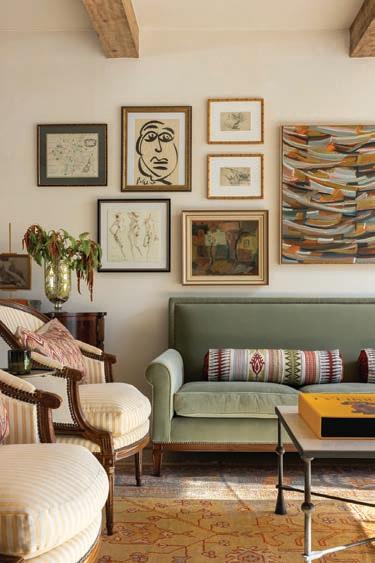

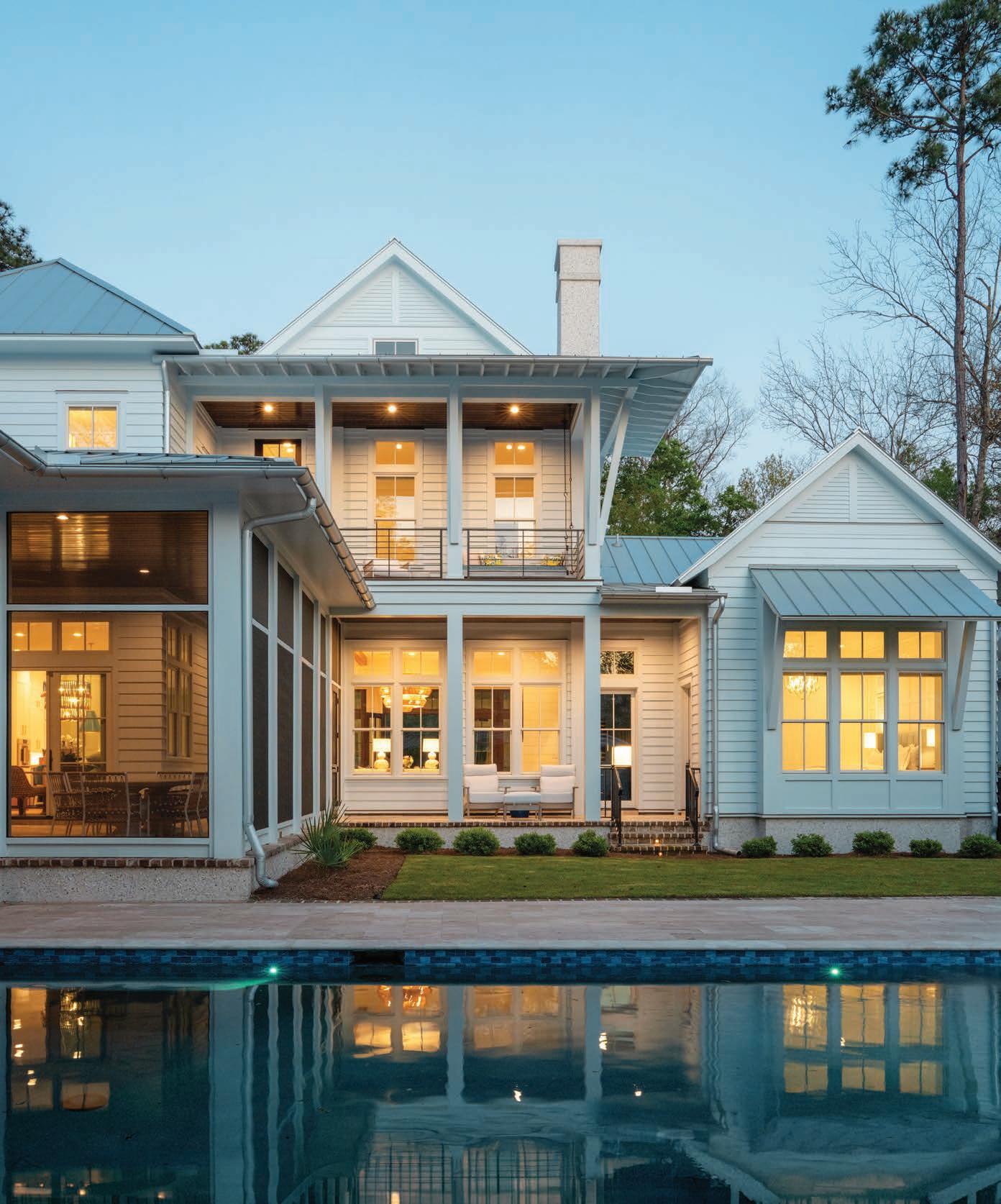
From international architecture to resort-style amenities, the home embodies the spirit of a private getaway. Cleland says the homeowner’s favorite ways to unwind shaped the design.
“She is very focused on wellness: fitness, Pilates, relaxation and massage,” Cleland says.
To support that lifestyle, the property includes a pool and hot tub in the backyard. Above the garage sits a fully equipped gym, and a secluded outdoor bath is tucked into the cabana bedroom.
Other parts of the homeowner’s life also found space in the design. Across from the pool, a conference room with a television and minibar accommodates work events. Inside the main residence, hidden sleeping areas allow the home to host large family gatherings. A row of green cabinetry opens to reveal a Murphy bed.
“Everything was very intentionally designed,” Cleland says. “The client had criteria, and we met it all so the home could function for family life as well as corporate gatherings.”
With extended family often visiting the owner from Europe, the design team maximized every square inch to make hosting easy and comfortable.
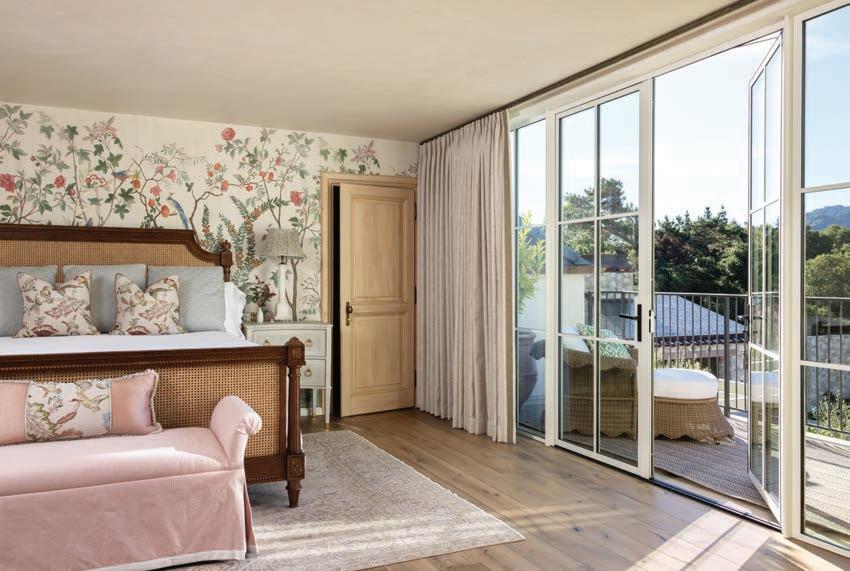

A blend of favorite places and personal memories, this retreat gathers the homeowner’s travels into one remarkable setting. European charm, American antiques, wellness spaces and welcoming gathering areas all share the same address in Carmel Valley.
After years of planning and cross-country collaboration, Cleland says the finished project reflects exactly what the homeowner hoped to create.
“It’s about following your heart and choosing what brings your soul into a home,” she says. “Location should never limit that.” LL
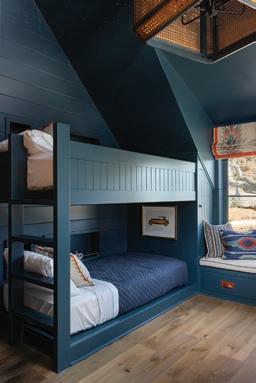


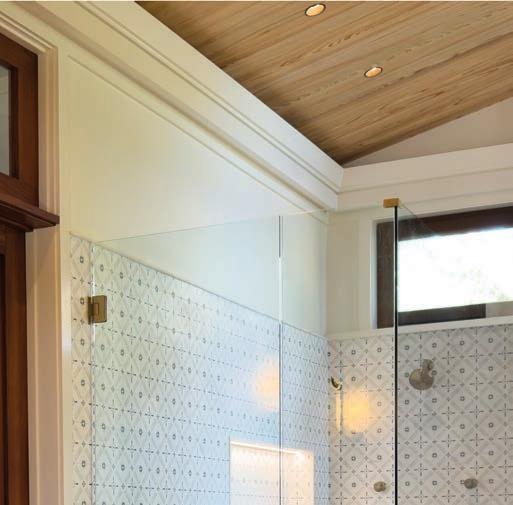




STORY BY ALEA WILKINS+ PHOTOGRAPHY BY MOLLY ROSE
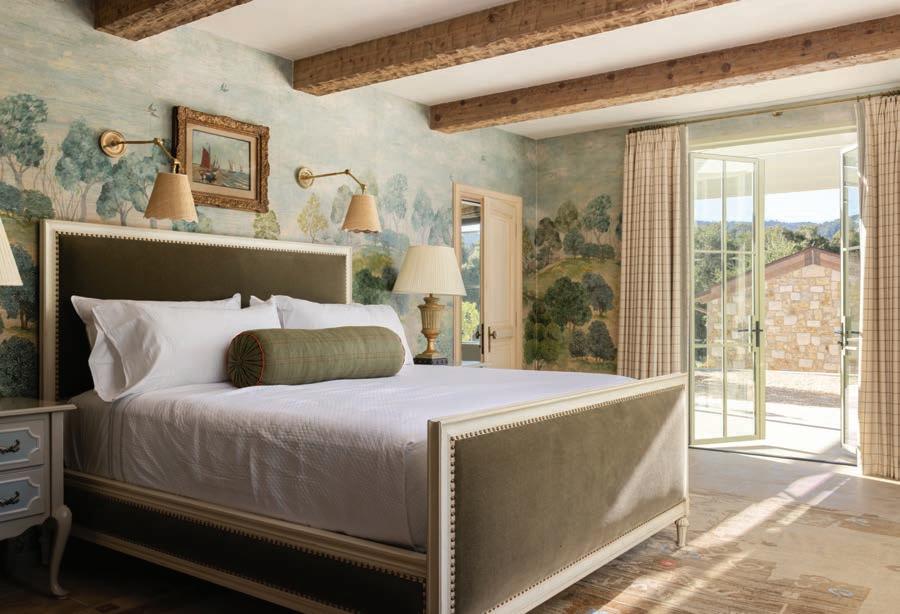



lLike a fresco from Renaissance Italy, the walls of this Carmel Valley master bedroom transform the second home of a Lowcountry resident into a work of art.
Look closely at the bend of a tree branch or the haze of a distant sky, and it becomes difficult to believe the scene is wallpaper. To Sharon Cleland, executive interior designer at J. Banks Design, that level of craftsmanship takes the space from ordinary to enchanting.
“The mural wallpaper elevates a room far more than regular paint or a geometric wallpaper,” she says.
The sweeping landscape complements the room’s otherwise understated furnishings, which were selected in a matching palette to maintain a cohesive and natural look. Paired with the sweeping valley views beyond the windows, the walls are a living masterpiece.
“The walls become the artwork,” Cleland says.
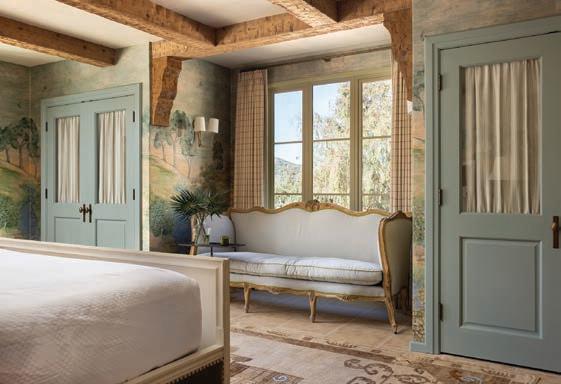
Overlooking the picturesque Carmel Valley landscape, the master bedroom mirrors the beauty of the outdoors. The mural wallpaper appears almost handpainted across the walls, its tree-lined scenery blending with the view beyond the windows.








In the 1980s, John Antunes founded AGM Imports with one mission: to source the world’s most beautiful and exotic natural stones. His restected stone-selection expertise soon built trusted relationships with quarries around the globe, giving AGM access to exclusive, one-of-a-kind natural treasures.
Today, his son John and team carry that legacy forward — traveling the globe, strengthening quarry partnerships, and personally handselecting nature’s finest surfaces. While our footprint has grown, our commitment to quality, rarity, and value remains steadfast.

More than stone… “We Import Possibilities.”
Hilton Head / Hardeeville 199 Marble Road, Hardeeville, SC 29927
843-784-4400 • hiltonhead@agmimports.net
Additional AGM locations:
Atlanta 770-903-3850
Atlanta@AGMimports.net
Charlotte 704-588-1950
Charlotte@AGMimports.net




Charleston 843-747-0088
Charleston@AGMimports.net
Raleigh 919-867-6244
Raleigh@AGMimports.net
Visit an AGM showroom! Directions, learn more: www.AGMimports.com



Built for work, exercise, entertainment and rest, this backyard has it all
STORY BY ALEA WILKINS+ PHOTOGRAPHY BY MOLLY ROSE
When designing the outdoor spaces for this Carmel Valley retreat, executive interior designer Sharon Cleland of Hilton Head’s J. Banks Design approached the project with the same philosophy she brings to coastal homes in the Lowcountry.
Set on a private 3.5-acre property, the outdoor spaces include a veranda, pool, spa, cabana and fire pit. Each area serves a different purpose. Together they create a backyard designed for relaxation, exercise and entertaining. Morning yoga sessions can unfold beside the stone fire pit. Business gatherings transition easily to outdoor dinners. The cabana’s secluded bath offers a quiet place to unwind after a long day.
According to Cleland, the approach to outdoor living should not be limited by geography.
“Just because you live in a subtropical or tropical environment should not dictate material selections or outdoor features,” she says.
Instead, she encourages homeowners to design spaces around the activities they love. For this homeowner, a dedicated Pilates area was essential, along with ample room to host extended family. Here both coexist easily in a backyard designed for connection, comfort and celebration.
Designed for gatherings large and small, this outdoor dining area features tables crafted to resemble antique French pieces. Together they seat up to 24 guests, while a nearby scullery inside the main house allows catering teams to keep service seamless and organized.





































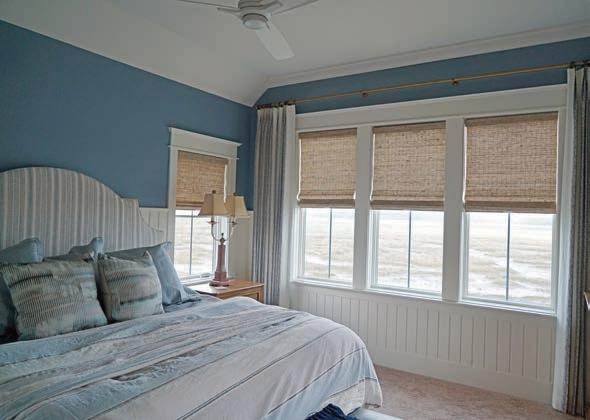

























PRIVACY MEETS WARMTH In the bedroom the shades temper early light for a calm, restful feel. In the bath they balance daylight and privacy, carrying the home’s relaxed coastal look into every windowed space.


Woven wood shades tie this Belfair home together while framing its marshland views
iSTORY BY ALEA WILKINS PHOTOGRAPHY BY IZZY MILLER
In this Belfair home, the marsh is not just the view. It is the design starting point. With wetlands stretching beyond the windows, the homeowner wanted interiors that complement the landscape rather than compete with it. Their unifying solution: woven wood shades that echo the marsh’s texture and tone.



Originally from the North, the homeowner fell for the Lowcountry’s subtle rhythm, where grasses shift from green to gold, and tides redraw the horizon daily. Inside, earthy greens, coastal blues and warm neutrals create rooms that feel calm and connected to nature.
Seaglass Windowscapes sourced Provenance Woven Wood Shades from Hunter Douglas for windows throughout the home, including the piano room, bedroom and bath. Made from natural reeds, woods and grasses, the shades filter sunlight, preserve privacy and mirror the organic weave of marsh grass outside.
Carried from room to room, they create a cohesive thread. They soften light around the grand piano, warm the bedroom and add spa-like texture in the bath. The result is a home where every window feels intentional, and every space remains grounded in the landscape just beyond the glass.
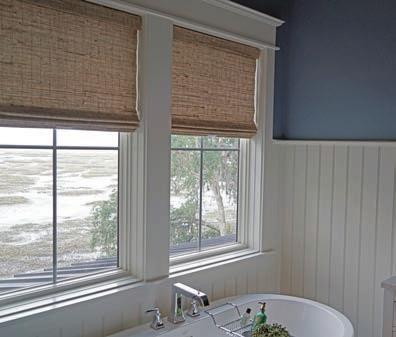
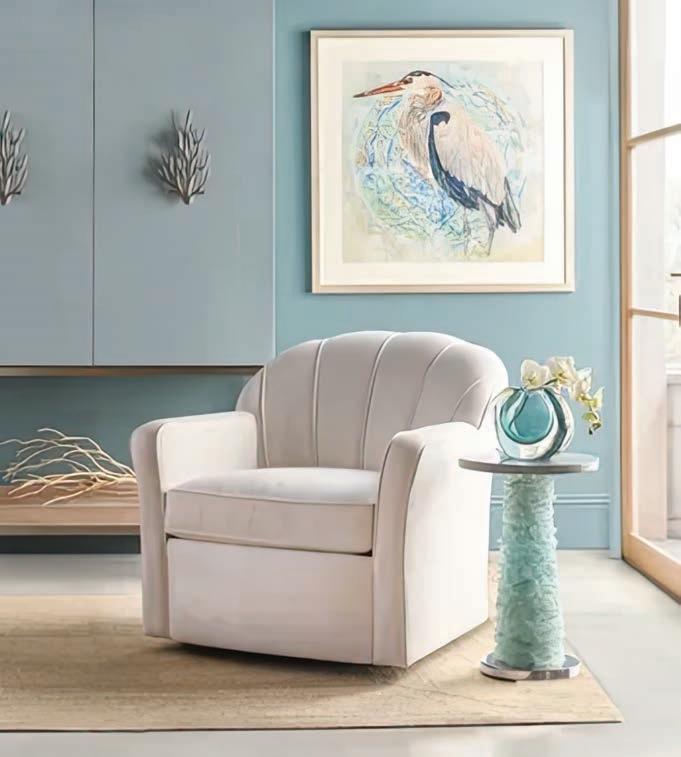



BUDDING POTENTIAL
With its flowering, golden lamppost, this light fixture makes the case for adding a little whimsy to the workplace. Combined with other playful decor, it transforms the space from mundane to magical.
Interior shutters offer a peek at the beautiful outdoor view, with enhanced privacy and comfort. Their rows of wooden panels gently let the sunlight in while preventing onlookers from peering into the office, granting total peace of mind to focus on what’s important.

PICTURE-PERFECT
STORY BY ALEA WILKINS + PHOTOGRAPHY BY JOHN MCMANUS
Maybe Mondays wouldn’t be so dreadful if you were surrounded by your favorite things. Treasures from unforgettable trips line the shelves instead of overflowing binders, and a coastal theme makes the mood a lot sunnier. This Hilton Head Plantation home office, designed and decorated by Group 3 Designs with accessories from Pyramids, inspires productivity through the power of joy.




For the perfect finishing touch, this picture frame sets the scene for cherished beach memories. The gold, bamboo-like border glows with tropical warmth, but the photos inside make the biggest splash.

WORK OF ART
Above the desk a collage of coastal tchotchkes decorates the top shelf, and this coral sculpture acts as the centerpiece. In its organic simplicity, it breaks up the arrangement of smaller shells and figurines, keeping the space from feeling cluttered while continuing the beach theme.




BEACH GLASS
This coral-stained Vietri vase fits naturally in a coastal setting. Its translucent, ruffled form appears almost like a jellyfish, but it’s subtle enough to let floral arrangements and nearby tabletop displays have their moment.

TAKE A SEAT
Comfortable seating is key to an effective office, and this magenta armchair delivers with flair. Whether sitting down with a colleague or settling in for hours of quiet reading, its plush design is a delight to see and feel.
Balancing the room’s bold decor, this minimalist wooden desk doesn’t let the beach theme get carried away. Its light stain resembles driftwood for a subtle coastal note, while its practicality keeps the space focused and productive.

OCEAN VIEW
The office’s wallpaper instantly transports viewers to the ocean in a surprisingly vibrant color scheme. Instead of classic blues, bright green and pink appear like a coral reef, creating a tropical ambience that doesn’t quite go with the flow.















The French-inspired pool trend that is making a splash in the Lowcountry
STORY BY ALEA WILKINS + PHOTOGRAPHY BY MATT GARBADE
Leave it to the French to make the avant-garde effortlessly chic. In masonry, a French pattern, also known as a Versailles pattern for its roots in the famous palace, refers to a repetitive arrangement of different-sized tiles. Though eccentric, it’s a look that, according to the experts at Year Round Pool Company, is en vogue. For the pool deck of this Long Cove backyard, French-pattern tiles appear at once high-end and low-key. When done in heavy-duty materials like marble, they have the staying power to last season after season. Discover why Lowcountry homeowners are opting for French-pattern tiling to create their dream outdoor spaces.

PATTERN PERFECT In this Long Cove backyard, French-pattern marble uses varied stone sizes to create subtle movement, strong geometry and a pool deck built for Lowcountry heat, rain and years of barefoot traffic.
French-pattern tiles are traditionally forged from heavy materials, making them a natural choice for outdoor spaces. Resistant to weather and scratches, they can withstand years of wear, even in high-traffic areas of the home. This deck, composed of light gray marble tiles, speaks to the stone’s enduring popularity. Year Round Pool Company notes marble has been a top choice for homeowners in recent years, and it continues to grow more widespread for its durability and polish.
Like quintessential Parisian elegance, the tiles don’t need to shout for attention. They have an inherent je ne sais quoi. Upon first glance, their complexity garners immediate intrigue, sprawling into a mosaic of tiles that appears almost haphazard, but a closer look reveals a precise configuration designed down to the millimeter. The pattern evokes understated luxury that feels right at home in the Lowcountry’s lush setting.

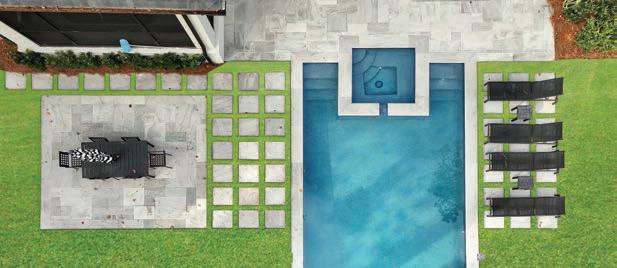
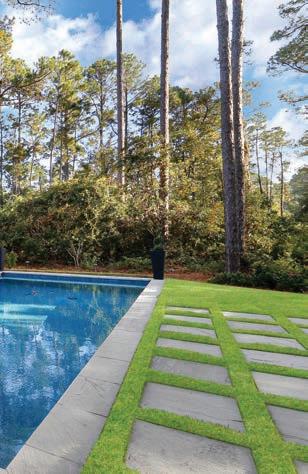
Despite their polished appearance, French-pattern tiles come with a major drawback: the cost. To install them, professionals need to carefully measure a space to guarantee a proper fit; however, this step isn’t expensive on its own. Quality materials like marble are the real cost driver. For a more costeffective alternative, choose French-pattern tiles made of travertine. They scratch more easily than marble, but they’re more forgiving on your budget and are just as weatherproof. No matter which material you choose, French-pattern tiles bring undeniable glam to your home, wherever it may be. LL
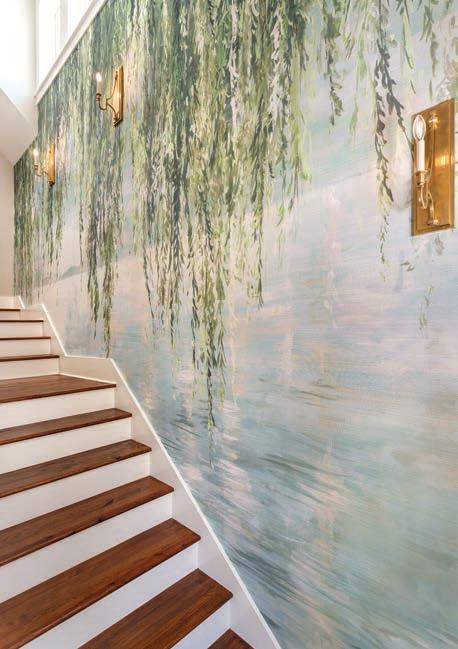
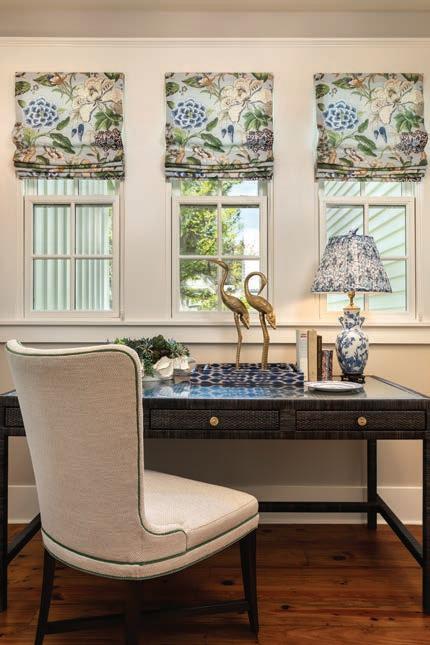
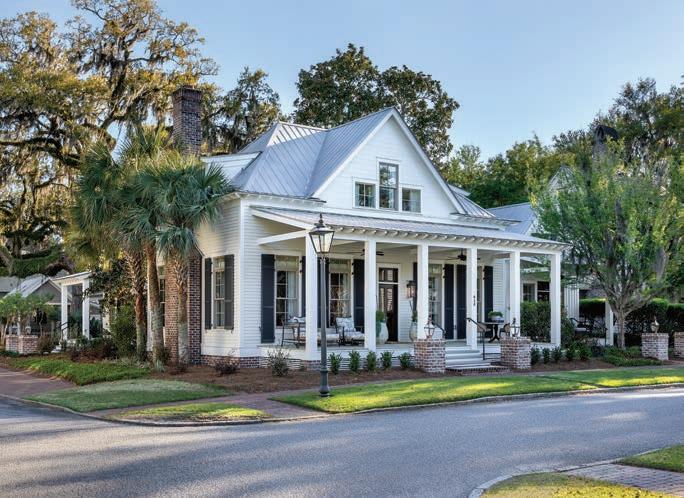


The Renovations Team at Dillard-Jones specializes in thoughtful transformations—redefining spaces while enhancing how you live and connect with the ones you love most. For major renovations and additions, our all-inclusive approach delivers a seamless experience. With award-winning interior design, architecture, and custom cabinetry, we bring creativity, craftsmanship, and lasting beauty to every project.
STORY BY ALEA WILKINS + PHOTOGRAPHY BY REBECCA LEHDE
Any time is tee time when the golf course lives at home. Golf simulators, realistic digital sporting experiences, bring the thrill of long drives and nail-biting putts to any home-entertainment space. Like a media room or a personal library, this project by Dillard-Jones Builders and Tribus Interior Design showcases the favorite pastime with high-tech innovation and decorative flair. Balancing spatial demands and meticulous installation, the designers created a space that welcomes all guests to gather around, tee up and unwind.

Another consideration Young recommends taking note of: noise. “Hitting a ball with a golf club can potentially get loud,” he says. To remedy this, he suggests planning any recreation rooms away from quieter areas of the home, like bedrooms or offices, or looking into soundproofing options. For this show home, the basement worked out as the perfect location. It’s removed enough to let guests feel the excitement of friendly competition without disturbing the upstairs peace. Situated next to a downstairs bar and lounge, the party never has to end.


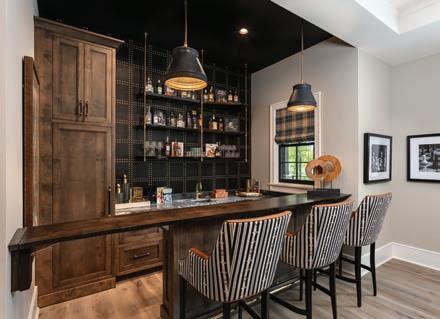


Early in the construction of this Cashiers (N.C.) show home, the owner wanted to add a space that provided unparalleled entertainment. They approached designer and principal architect Stefan Young of DOMA Architecture about the possibility of incorporating a golf simulator into the home. In some cases, designers may hesitate to undertake such a large-scale addition after construction is already underway. Golf simulators take up a considerable amount of room, with this Full Swing Pro 2.0 model spanning 17 feet wide. Luckily, the home had the perfect lower-level space waiting to be filled. “Most of the golf simulators on the market need between 9 and 10 feet of ceiling height. This home actually has 11-foot lower-level ceilings, so we had more height to work with,” he says. Young emphasizes this as essential for successful gameplay. “It’s important because, as you swing a golf club, you want to give yourself enough room to follow through and not worry about hitting the ceiling or the walls,” he says. Especially when investing in such a high-tech (read: expensive) simulator, ensuring that a space can accommodate the full system of cameras and monitors will guarantee the best experience.
THE INDOOR FAIRWAY A Full Swing Pro 2.0 simulator anchors this show home's entertainment space, projecting world-class courses onto a 17-foot-wide screen. The generous 11-foot ceilings give golfers plenty of room for a full swing, while rustic wood walls and layered flooring create a warm, lodge-like setting for friendly competition and movie nights alike.
fairway
While golf leads its design, Young assures this area is meant for all types of entertainment. In the corner, a Pac-Man machine awaits a new high-score, and the simulator itself is as versatile as it is high-powered. Beyond golf, users can practice their quarterback skills with a football simulator or engage in a spirited game of zombie dodgeball. The projector is also compatible with streaming services and video-game consoles. Arrange a few comfy chairs around the screen, Young suggests, and movie night transforms into a truly cinematic activity. “It’s a focal point for entertaining, so it’s important that people feel like they’re getting a richer experience,” he says. This luxurious space does exactly that. LL

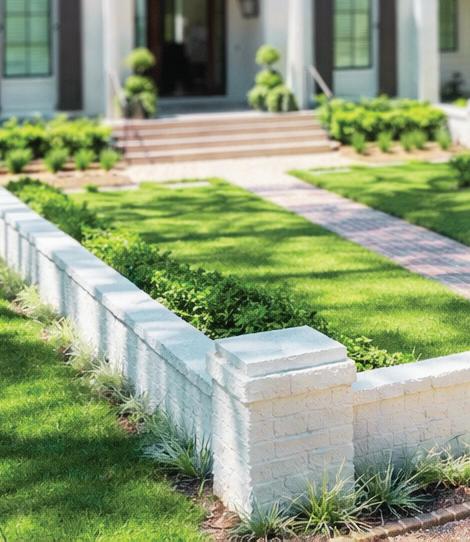


Yourhome'sexteriorshouldbemorethanjustgreeneryandpavement; itshouldbeahead-turningmasterpiecethatcapturesyourstyle.



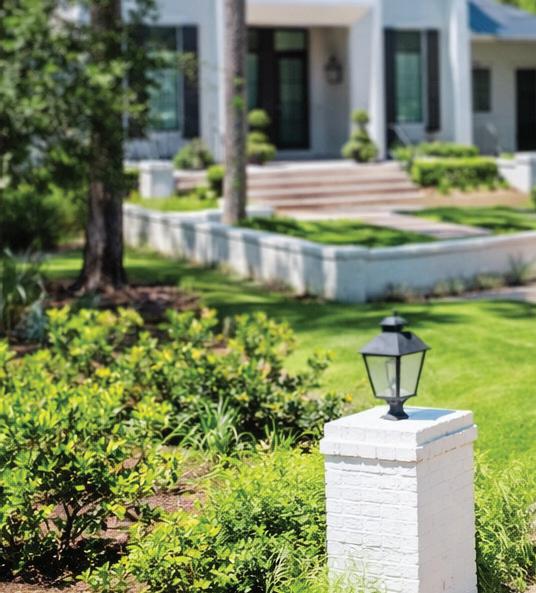


STORY BY LANCE HANLIN
oOpen-plan kitchens set the rhythm of the house. From rushed breakfasts to evenings with friends, they call for colors that feel welcoming and built for real life. In April the Lowcountry offers plenty of inspiration when everything turns green. Lawns brighten, marsh grasses fill in, and the perfectly striped fairways of the RBC Heritage remind us how a rich, confident green can anchor the landscape. This contemporary kitchen brings that same idea indoors with restraint. Painting an entire kitchen deep green can make a space feel smaller and heavier, but using the color strategically adds depth without closing the room in. Treat green as the anchor of the room, not the envelope, and it will add depth without shrinking the space.

Start with the walls. Picture-frame molding is a smart way to elevate a flat drywall surface without committing to full paneling or shiplap. It’s architectural detail without drama, which is exactly what keeps the space feeling modern.
Keep the cabinetry simple. Light cabinets paired with wood countertops strike a practical balance between polished and livable. A butcher-block surface or wood-look top introduces warmth and texture, preventing a bright kitchen from feeling stark.
Choose open shelving. A black metal frame unit offers storage without blocking sightlines and creates a place to style rather than stack. Mix plates, glassware and a few trailing plants, but leave breathing room between pieces. Negative space is what makes shelves feel collected instead of cluttered.






SHERWIN-WILLIAMS CITY LOFT (SW 7631)





Soft and versatile, this warm greige provides just enough contrast to highlight molding and architectural lines without feeling heavy. In daylight it reads calm and contemporary, making it an ideal backdrop for rooms that rely on both natural light and subtle detail. An eggshell finish preserves the color’s softness while offering durability for everyday living.






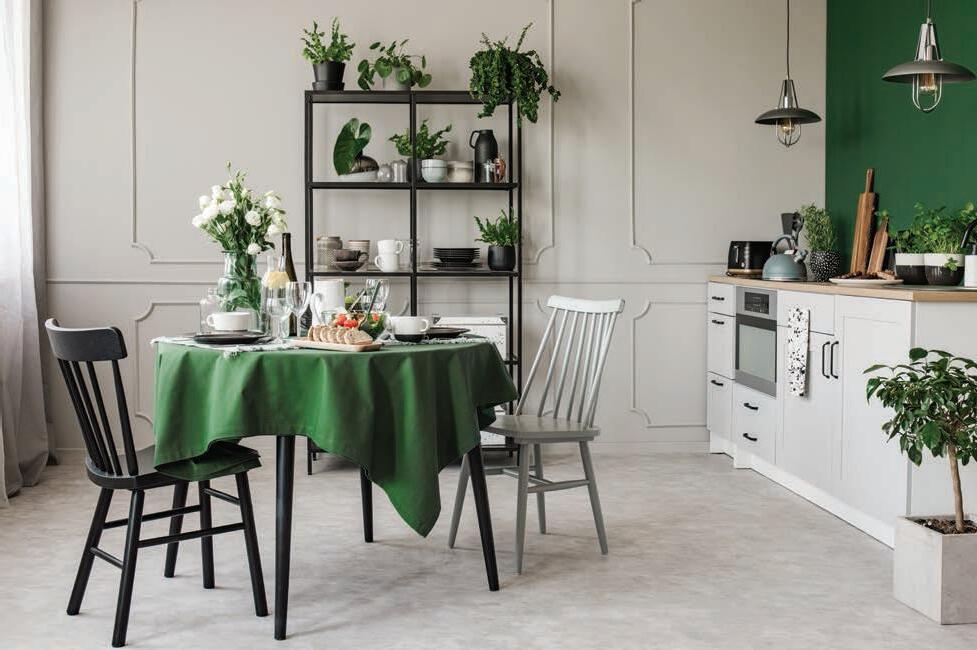


Let the lighting add a little edge. Industrial-style metal pendants with exposed bulbs bring contrast to the softness of the walls and cabinetry. Their darker finish ties together the shelving, table legs and hardware.



SHERWIN-WILLIAMS HUNT CLUB (SW 6468)

This deep, nature-driven green introduces the “wild” element into the room, echoing the dense greens of Lowcountry marsh, palmetto fronds and shaded forest paths. Rich but balanced, it anchors the kitchen visually while still feeling organic rather than dramatic. A matte finish enhances the depth of the color and prevents glare, allowing the green to feel layered and natural





Allow the furniture to feel collected. A round dining table encourages conversation, and spindle-back chairs keep the space relaxed. In open-plan kitchens a slightly mismatched look feels intentional and lived-in.
Finally, bring in life. Potted herbs on the counter, leafy plants on shelves and a floor plant in the corner soften the straight lines and make the room feel rooted in the season. Greenery is the simplest way to echo what’s happening outside without repainting a thing.





STORY BY BAILEY GILLIAM + PHOTOGRAPHY BY ARNO DIMMLING
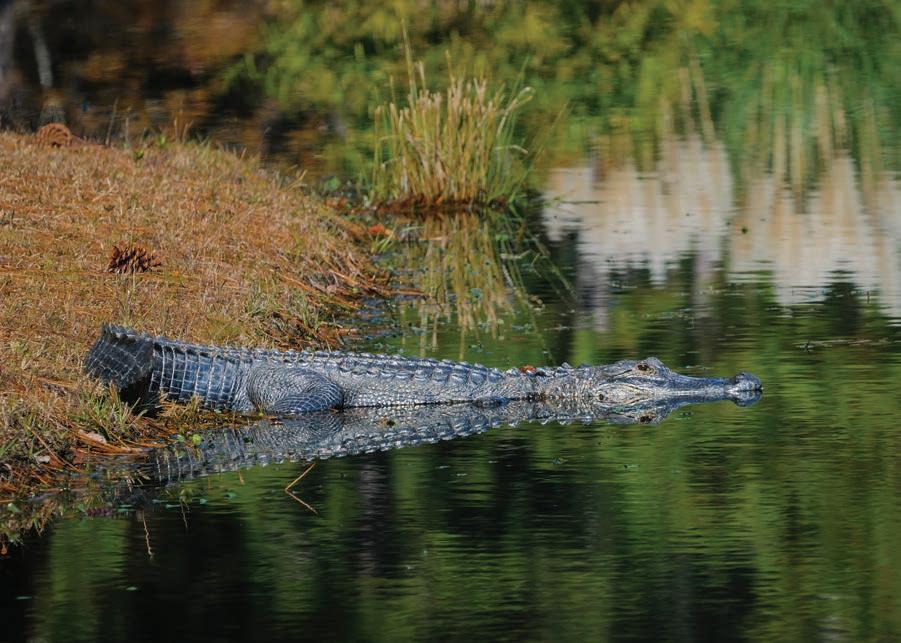
Spring in the Lowcountry means azaleas, pollen, warmer tides and the annual reminder that we share this place with dinosaurs. Alligators here are not rare visitors. They are permanent residents, and understanding how they behave is the key to living safely beside them.
As temperatures climb, sightings naturally follow. A slow glide across a lagoon. A surprise crossing on a golfcart path. A social media post that starts with, “You won’t believe what was behind my house this morning.” Sightings may feel sudden, but the behavior behind them rarely is.
For many residents the reaction is immediate concern. But according to marine biologist Amber Kuehn, most of the fear surrounding alligators isn’t rooted in facts. It’s rooted in misunderstanding. Alligators follow predictable seasonal patterns, especially in spring. Understanding those patterns replaces assumption with science.
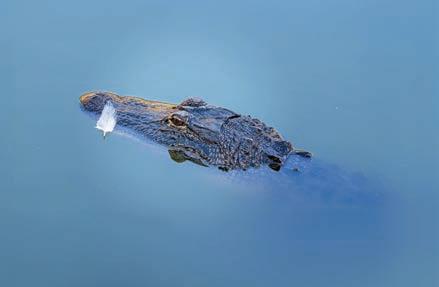
American alligators are protected under federal law. It is illegal and dangerous to feed, entice, harass or kill one.
“They are protected because of their similarity in appearance to the American crocodile,” Kuehn explains. “They are both protected because the crocodile is endangered, and in the Florida Everglades they live alongside alligators.”
Although alligators recovered from heavy overhunting in the 1950s and ‘60s and are no longer endangered, federal protections remain in place to prevent accidental harm to the endangered crocodile. There are no crocodiles in the Lowcountry, but the law applies nationwide. That reality makes managing populations and dealing with so-called nuisance alligators more complicated than many people realize.
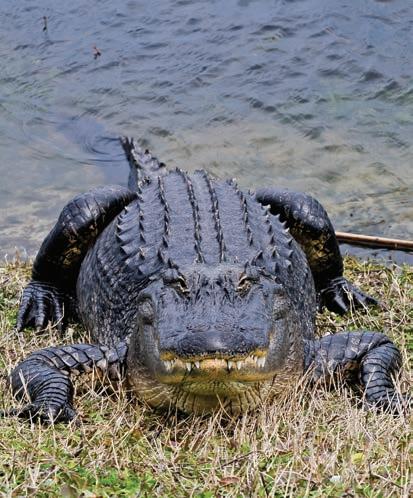
So what actually turns an alligator into a nuisance?
According to the S.C. Department of Natural Resources, it is not simply one that appears near people. A nuisance alligator is one that has lost its natural fear of humans — often because it has been fed — and may pose a threat to people or property; or it has become trapped somewhere it does not belong.
“You always hear, ‘a fed alligator is a dead alligator,’” Kuehn says. “But any interaction makes them familiar.”
Even tossing fish scraps into the water can teach an alligator to associate humans with food. Once conditioned this way, wildlife officials warn, alligators may begin approaching people, expecting a meal. That behavior almost always leads to the animal being euthanized.
Actual attacks on humans remain extremely rare. Since 2000 South Carolina has recorded only about two dozen incidents, despite a population of more than 100,000 alligators statewide. Pets, however, are taken far more often. Dogs near the shoreline can resemble natural prey, which is why keeping pets leashed and away from pond edges is one of the most important safety rules here.
Relocation is rarely a solution. Alligators have strong homing instincts and may travel miles, crossing highways and neighborhoods, to return to familiar territory. Moving them elsewhere also can trigger territorial fights, spread parasites or disease, and remove breeding animals from the population.









Simply seeing an alligator in your yard, neighborhood, on the beach or even briefly in the ocean does not make it a nuisance. Most of the time, it is simply passing through.
Spring movement is largely driven by mating season.
“Obviously they are in freshwater,” Kuehn says. “They can go in salt water, but they can’t live there.”
A common myth claims alligators enter saltwater to remove algae from their backs.
“A lot of people have heard that, but it’s not true,” she says.
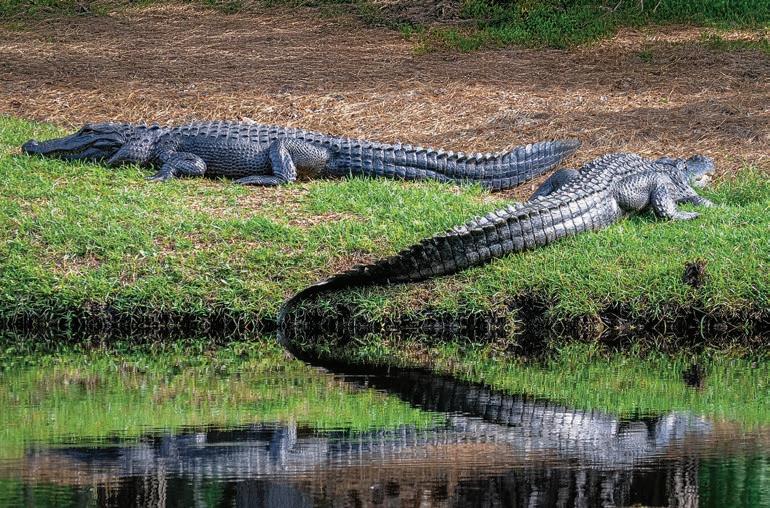
During mating season, males travel in search of territory and opportunity.
“They have to migrate to mate. They have to leave the pond they are inhabiting so they don’t get killed by the alpha male,” Kuehn explains. “The alpha male alerts all the males that they have to leave because the females belong to him. They fight over females if one refuses to leave. That’s when you hear that bellow during mating season. The male is enforcing his territory.”
Traveling between freshwater ponds often requires crossing brackish creeks and sometimes even stretches of shoreline. When alligators appear on the beach, wildlife officials note they are typically using the coast as a highway between freshwater habitats.
If one is spotted on the roadside and not obstructing traffic, the best course of action is simple: leave it alone. It will almost always move on.
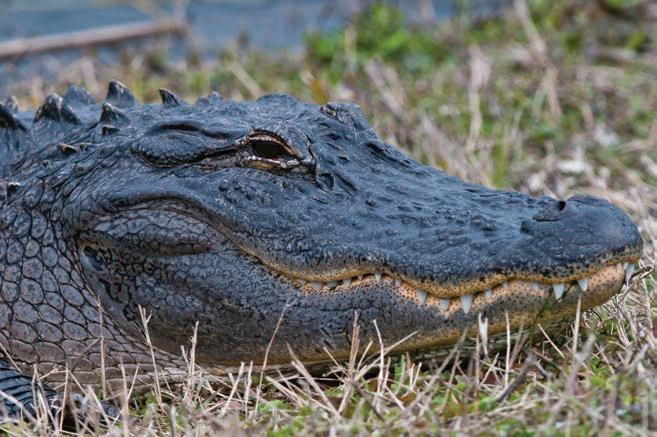
Spring also brings nesting season. Alligators lay eggs on land, and like sea turtles, the temperature of the nest determines the sex of the hatchlings.
“Warmer incubation produces males, and colder, females,” Kuehn notes. “Sea turtles are the opposite.”
Once hatched, the babies remain near their mother for up to two years.
“They are an ancient reptile that has not lost their maternal instinct,” Kuehn says. “The mother is very protective of the young because the male will eat the hatchlings.”
If you hear chirping near the water’s edge, leave immediately. The sound can resemble birds or crickets, but near a lagoon it is a warning. Hatchlings are nearby, and a defensive mother likely is too.
The freshwater edges around us are where alligators live, mate and raise their young. They are not intruding. They are simply carrying out their life cycle beside us.
If alligators seem to show up in our neighborhoods, it’s largely because those neighborhoods were built where their wetlands once stood.
“Ponds and lagoons — we don’t have them. They are all man made. It’s not their natural habitat,” Kuehn says.
Historically, alligators occupied vast wetlands once known as the Great Swamp, most of which now lies beneath Sun City Hilton Head.
“Developers filled in a swamp and ejected alligators from their natural habitat,” Kuehn said.
Today’s retention ponds were engineered for flood control, not habitat.
“The reason retention ponds are there is so properties don’t get flooded,” Kuen explains. “It’s to redirect water so it doesn’t flood your house. The alligators had to go somewhere.”
Wherever freshwater exists, they persist.
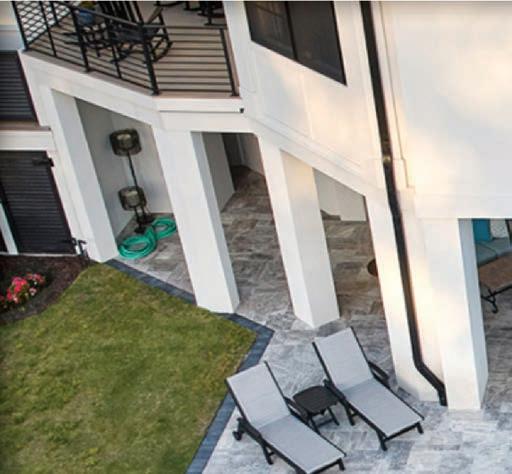
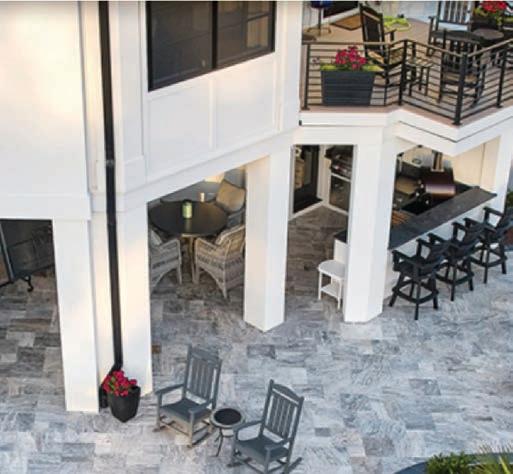

















Their diet depends largely on size.
Alligators eat frogs, snakes, turtles, fish, crabs, raccoons, opossums, wading birds and occasionally deer, even smaller alligators. In healthy ecosystems, fish are preferred prey. But in manmade ponds with limited circulation, biodiversity suffers.
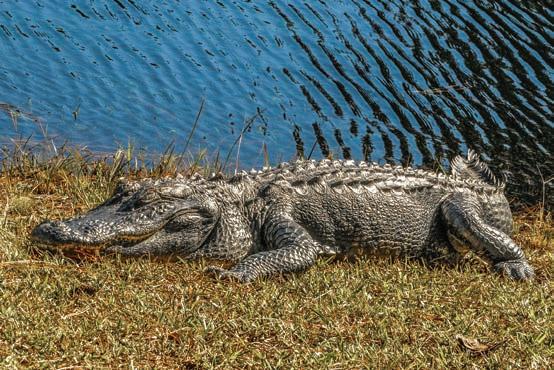
PORCH VIEWS For a gator, the shoreline is prime real estate. Basking on land lets them absorb heat and regulate body temperature, something cold-blooded reptiles can only do with help from the sun.
“They’d prefer fish, but when you have a man-made pond with no circulation, the fish will die,” Kuehn says.
Herbicides applied to remove algae further weaken the food chain.
“The algae supports the fish. And if there are no fish, what are they going to eat? Something in their size range at the edge of the pond.”
It is opportunistic behavior, not aggression.
Living alongside these ancient reptiles ultimately comes down to awareness. Keep pets leashed and away from pond edges. Teach children basic water safety. Remember that alligators are ambush predators.
“If they’re going to hunt something that’s on land, they will be in the water with their eyes looking out,” Kuehn says. “If something comes into the edge of the water, they will lunge and drag it in. They don’t do that because they’re mean. That’s just how they hunt.”
Even bending down to retrieve a golf ball can make you appear smaller.
“If you’re going near a pond, you’re putting yourself in a situation that’s not good,” she says. Wildlife officials reinforce that alligators do not hunt people on land. When out of the water, they are usually basking or traveling. If encountered, back away slowly and give the animal space.
In the Lowcountry, living with alligators isn’t about fear. It’s about understanding the landscape we chose to share with them. LL
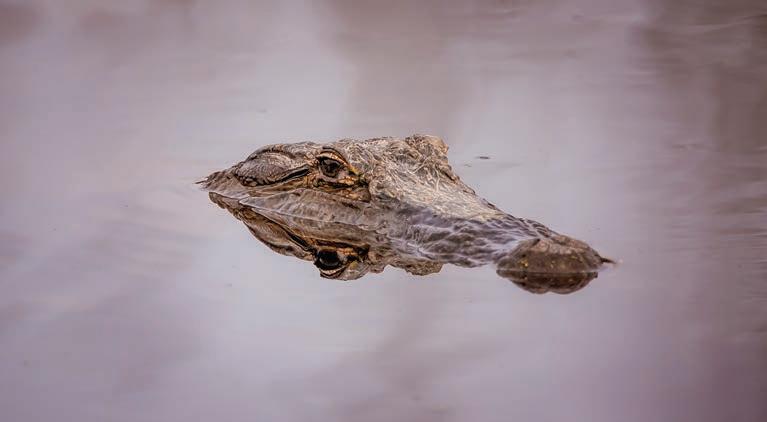


At Front Light, we believe a home should reflect the people who live in it—their lifestyle, values, and sense of comfort. Each residence is thoughtfully designed with care. Whether fully custom or move-in ready, every home reflects our commitment to thoughtful design, exceptional craftsmanship, and a refined living experience.
STORY BY BAILEY GILLIAM
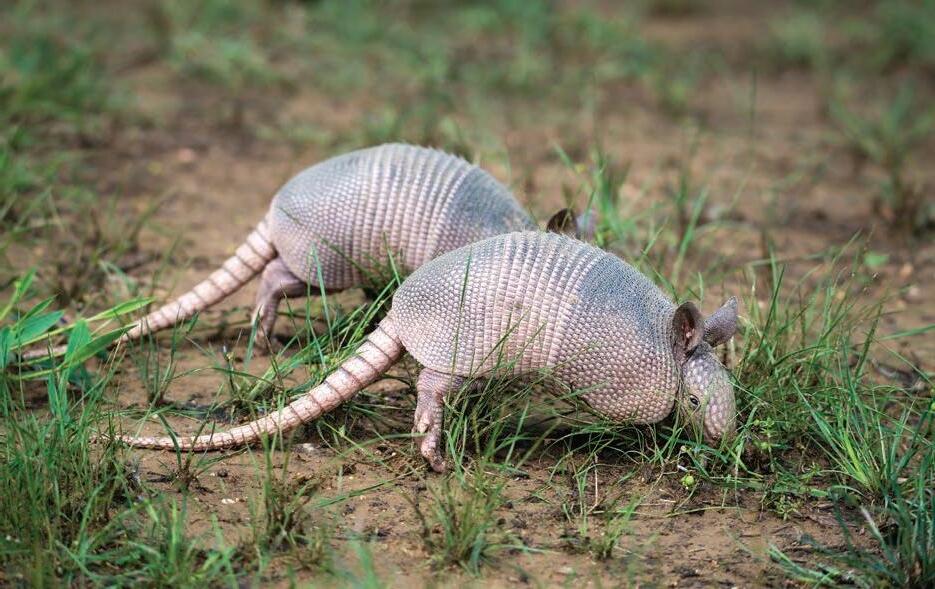
Spring in the Lowcountry is about more than azaleas and longer days. It is the season when marsh grass rustles with hidden movement, burrows wake beneath sandy soil, and a new generation of wild neighbors enters the world. Most arrive unseen, but if you know where to look, spring reveals one of the region’s most remarkable transformations: baby season. And chances are, some of them are already closer than you think. Based on information from the S.C. Department of Natural Resources, this guide follows the region’s spring mammal babies, from opossum joeys no bigger than a honeybee to spotted fawns resting motionless in backyard grass, offering a closer look at when they are born, where they live and how they grow.
If you spot fresh digging in sandy soil this spring, a mother armadillo may already be raising her young nearby. In the pine flatwoods and sandy soils of the Lowcountry, nine-banded armadillos give birth in March to one of the most unusual litters in the animal world. The nine-banded is the only armadillo species found in the United States. Females always produce four identical quadruplets from a single fertilized egg that splits into four embryos sharing one placenta. Born weighing just a few ounces, the pups have soft shells that gradually harden as their armor develops. They remain hidden in burrows for two to three months before venturing out to forage alongside their mother.

On creeks and ponds, spring often brings an increase in splashes and small wakes behind swimming adults. Beaver kits arrive in May and June, usually in litters of three or four. Already furred at birth and capable swimmers within 24 hours, the young still spend their early weeks safely inside the family lodge. They nurse for six to eight weeks and remain with their parents for nearly two years, learning how to build dams and shape wetlands that define many Lowcountry waterways.
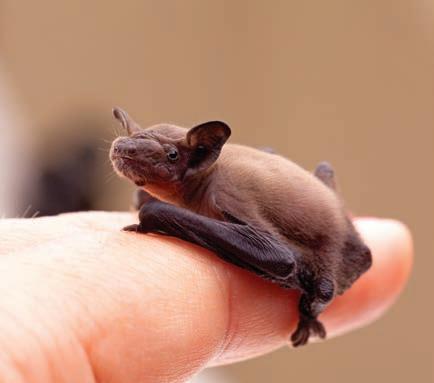
Bat pups
That faint chirping or fluttering in an attic during late spring may signal bat nursery season. Pupping season in South Carolina runs from May through July, with most of the Lowcountry’s bat species giving birth in May or June. Born hairless, blind and pinkskinned, pups cling to their mothers for warmth before being left in nursery roosts while she hunts insects. They typically learn to fly within three to five weeks and become independent by late summer. Wildlife experts advise against sealing attic openings during this period, as flightless pups could be trapped inside.

Most people never see bobcat kittens, but spring is when they are there. Hidden in moss-lined dens inside thick brush or hollow logs, litters of two to four kittens are born after a roughly two-month gestation. Blind at birth, their eyes open around 10 days, and by four weeks they begin exploring cautiously. Raised solely by their mother, they learn to stalk and hunt through summer and are typically independent by fall.








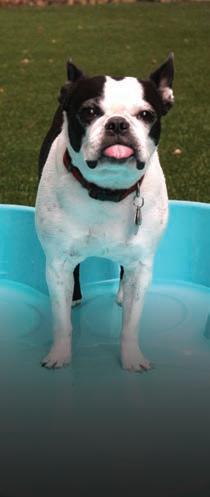

The team behind Evergreen Pet Lodge is proud to announce the opening of its second location this April. The new facility, Evergreen South, will be located in the former Red Rover space on the South end, creating both a North and South location to better serve the community.
Designed with local pet families in mind, Evergreen South is a state-of-the-art facility o ering Royal Suites, luxury suites, and standard boarding for dogs, as well as a dedicated cat cattery featuring luxury and Presidential Suites for feline guests.
Expanded outdoor yards with top-of-the-line canine grass provide a safe and enriching environment for boarding and daycare, and professional grooming services round out the full-service experience.
We’re the only boarding facility in the area with a 24/7 livein attendant and vet on site — so your dog is never alone.
With two convenient locations, the Evergreen team looks forward to continuing to deliver trusted, personalized care to pets across the community.


If nighttime howling sounds louder or more frequent in spring, it may be coming from a den full of growing pups. Coyotes mate in late winter, with litters of about six born in April or May.
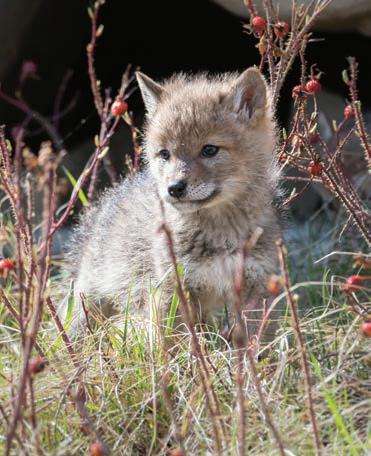
Born blind and weighing less than a pound, pups begin exploring outside the den after three to four weeks. Unlike many predators, both parents help feed and train them. By fall, many young coyotes begin dispersing to establish their own territories.
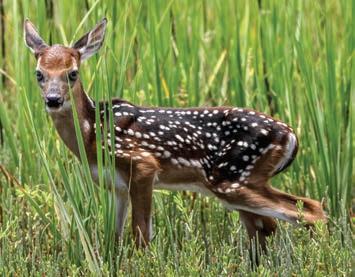
Each spring on Hilton Head Island wildlife officials receive countless calls from residents worried they have found an abandoned fawn. In almost every case, the deer is exactly where it should be. Whitetailed fawns are born from late May through early June. On Hilton Head they belong to the distinct subspecies Odocoileus virginianus hiltonensis, found only here. Does usually give birth to twins, and for the first two to three weeks the spotted newborns rely on stillness as their primary defense. They lie motionless in grass, pine straw or backyard landscaping while their mother feeds nearby and returns periodically to nurse them. By three to four weeks they begin following her, and within a couple of months they are fully weaned.
In wooded edges and maritime forests, gray fox kits arrive in April or May inside dens hidden in hollow logs or dense thickets. Weighing only a few ounces at birth, their eyes open around 10 days, and they begin venturing outside after about a month. Unlike many wild canines, gray fox parents typically share duties, bringing food and teaching hunting skills throughout summer.





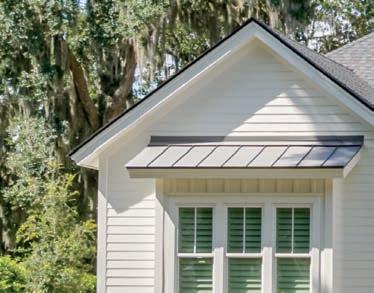
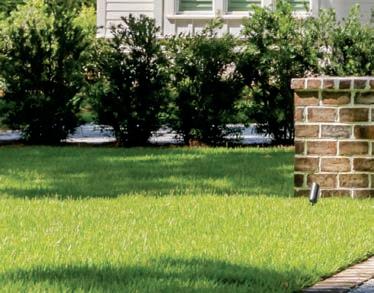



Though less commonly noticed along the immediate coast, groundhogs still inhabit fields, roadside banks and rural clearings across the region. After breeding in early spring, females give birth to litters of two to six pups. Born blind and hairless, the young are weaned by early summer and soon leave the burrow system, which may stretch dozens of feet underground.
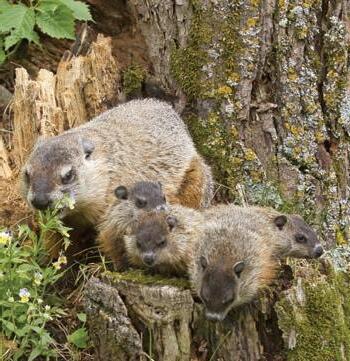
Secretive and rarely seen, minks nevertheless raise their young each spring along freshwater marshes and shaded creek banks. Females typically produce three or four kits, each weighing only a few grams at birth. Blind and dependent at first, they begin swimming by six to eight weeks and soon practice hunting while staying close to their mother.

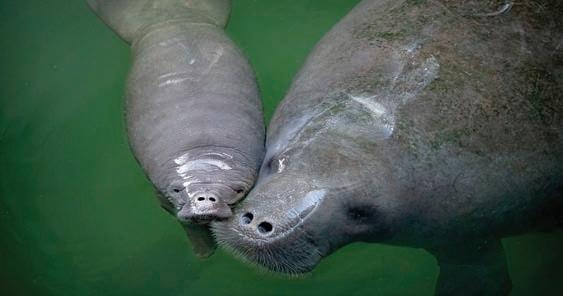
When Lowcountry waters warm above 68 degrees, manatees begin appearing in tidal creeks, rivers and marinas, sometimes accompanied by calves. After a year-long gestation, females typically give birth to a single calf about four feet long and weighing around 60 pounds. Within minutes the calf can swim and soon nurses under water beside its mother. Mothers raise their young for up to two years, teaching migration routes and feeding areas along the coast.
Few mammals arrive quite as dramatically as opossums. After a gestation of just 11 to 13 days, females give birth to litters that may exceed 20 joeys, each tiny, pink and no larger than a honeybee. The newborns crawl into the mother’s pouch, where they remain attached for nearly two months. Later they often ride on her back while she forages through neighborhoods and wooded areas. Because breeding season increases road crossings, wildlife officials advise checking deceased opossum for surviving joeys. If any living joeys are found, contact a licensed rehabilitator.

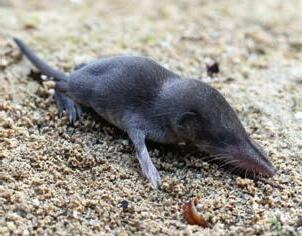
Those fresh soil mounds appearing in lawns each spring may signal a nearby mole nursery. After breeding in late winter, females give birth to litters of two to seven pups in underground chambers lined with dry vegetation. The blind, hairless young develop quickly, opening their eyes at about three weeks and dispersing roughly a month after birth.
A shallow patch of flattened grass in a yard may actually hide a rabbit nest. Eastern cottontails give birth in small grasslined depressions, typically producing four to eight kits. Marsh rabbits, common in wetlands, also breed frequently and build woven grass nests. Both species’ young develop quickly and leave the nest within weeks, relying on camouflage and stillness to survive.
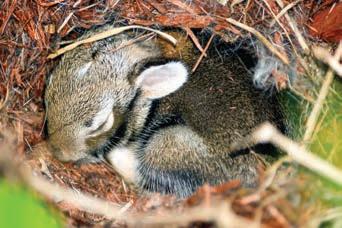

Spring attic noises often turn out to be raccoon families. After winter breeding, females give birth to two to four kits that remain in the den for about three months. Blind and deaf at birth but already showing their signature mask, the kits gradually begin exploring outside with their mother, learning feeding routes before separating in fall.


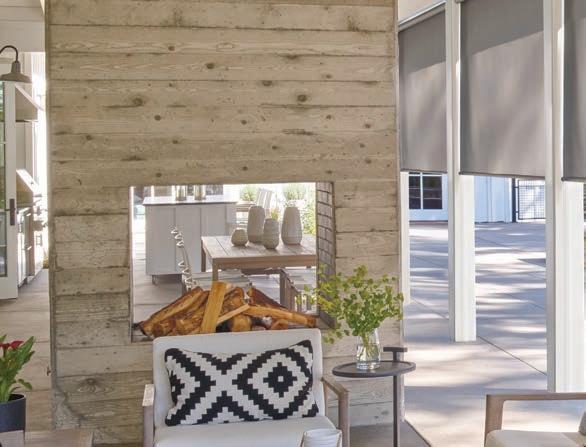








Red fox kits, usually born in litters of four to eight, spend their early weeks hidden in dens dug into sandy banks or wooded edges. Both parents help raise them, first feeding regurgitated food and later bringing live prey so the young can practice hunting. By five weeks they begin exploring outside the den and remain with their parents through summer.
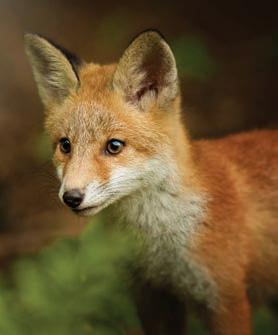
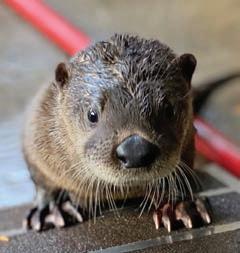
One of the most beloved sights in Lowcountry lagoons and tidal creeks is a family of river otters, and spring is when their pups begin to appear. Usually born in late winter or early spring in dens along creek banks, litters typically include two to four pups. Born blind and helpless, they begin swimming at about two months old, often riding on their mother’s back at first. Playful wrestling, sliding and chasing behaviors help them develop the coordination needed for life in the water.
High above the ground in tree cavities or leafy nests, squirrels are already raising their spring litters. Born hairless and blind, the tiny kits remain in the nest for several weeks before venturing out. By about three months they begin living independently, becoming the energetic backyard squirrels familiar across the Lowcountry.


Striped skunks give birth in May to litters often numbering five to eight kits. Blind at birth but already furred, they open their eyes around three weeks and stay with their fiercely protective mother through summer, learning to forage before dispersing in fall. LL









STORY BY MICHELE ROLDÁN-SHAW
You may have heard the rallying cry “Save the bees.” Perhaps you’re aware that the crisis bees face has serious implications for the planet, since without pollination our crops would fail, and entire food chains would collapse. Honeybees remain vital agricultural pollinators, but scientists increasingly emphasize that protecting native bees is just as important for ecosystem health. And the cute, fuzzy honeybees we love to champion — in part because their sweet golden nectar is an ancestral food we’re wired to crave — are only part of the pollinator story.
The fate of many American plants — including food crops like squash, pumpkins, blueberries, eggplants, tomatoes, peppers and sunflowers — rests with our native bees. Species like squash bees, blueberry bees, miner bees and carpenter bees have coevolved with local plants over millennia to become remarkably effective pollinators. Some grow long tongues to reach deep into tubular flowers. Others vibrate their bodies to shake pollen loose, a trick honeybees cannot do. (The sound made by “buzz pollination” is actually how bumblebees got their name.) Some forage early to catch freshly opened blossoms, while others go out late to gather from night-blooming plants. Many native bees are “messy,” meaning they get dusted all over with dry pollen grains that easily fall off into other flowers. For some plants, this makes native bees more efficient pollinators than honeybees, which mix pollen with nectar to make a paste they carry in tidy packages on their legs.
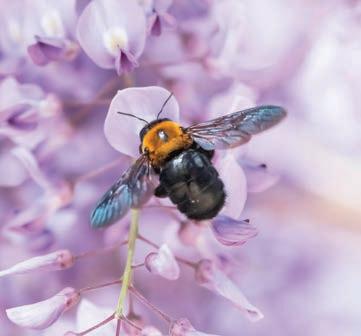
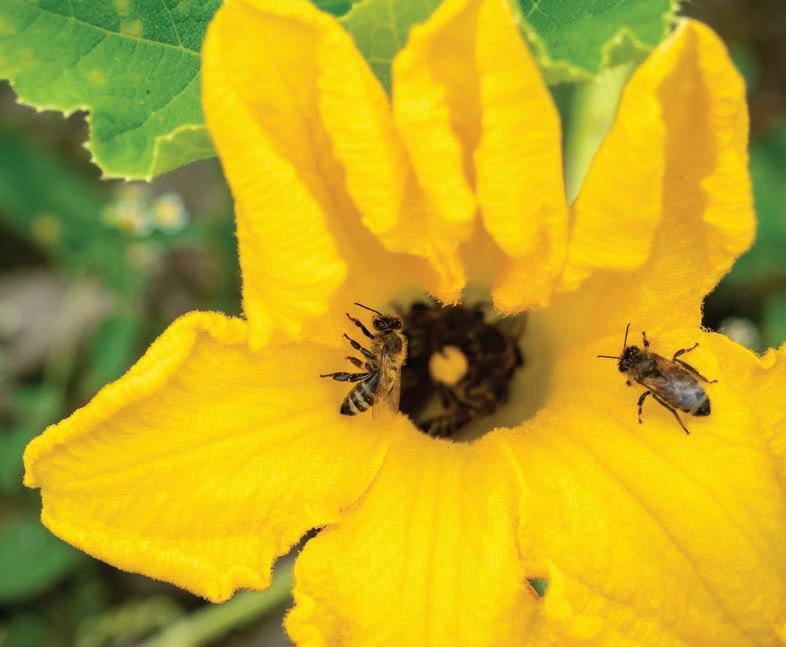
BLOSSOMS FOR BREAKFAST Squash bees are solitary, ground-nesting pollinators, slightly larger and hairier than honeybees, with black-and-yellow striped bodies. They focus almost entirely on squash, pumpkin and gourd flowers, foraging in the cool early morning when the blooms first open.
Carpenter bees are large, solitary native pollinators known for nesting in untreated wood. Despite their intimidating size, they are important flower visitors that help pollinate many garden and native plants across the Lowcountry.
Most native bees live solitary lives, nesting in plant matter or in the ground rather than in hives or colonies. They don’t make honey, but that doesn’t mean they’re not interesting. Metallic green sweat bees lick salt off humans. A certain type of mason bee commandeers empty snail shells for its home. Leafcutter bees snip perfect circles out of leaves and use them to make a sort of sleeping bag for their brood. The cellophane, or polyester, bee secretes a special waterproof substance used to line its nest, which scientists are studying as a biodegradable alternative to plastic. The 4,000 bee species native to North America have only begun to be studied. What other fantastic secrets lie waiting to be discovered?
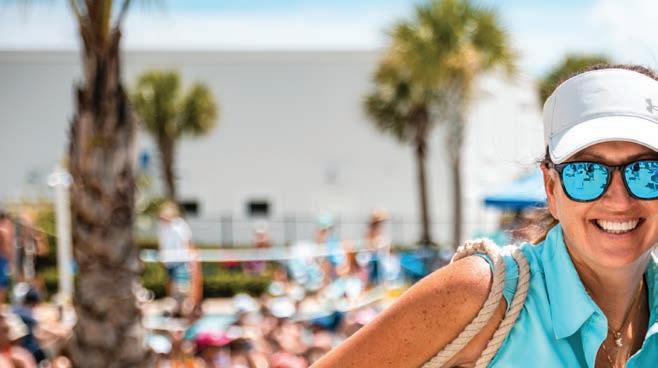























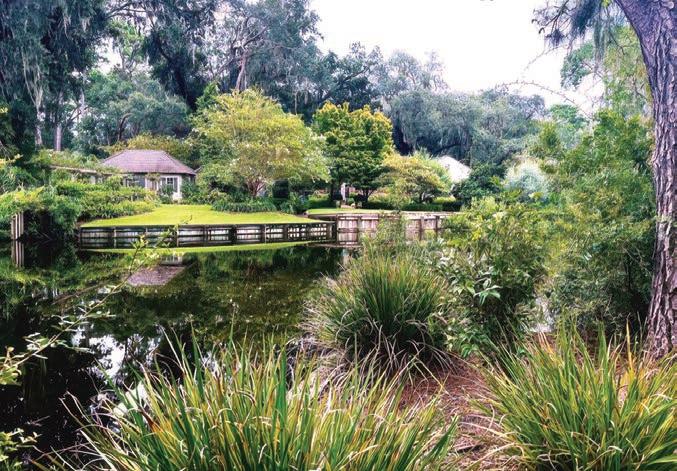



BURROW BUILDERS
Cellophane bees are solitary, ground-nesting native pollinators that dig burrows in sunny, sandy soil, often leaving small chimney-like mounds at the entrance. Gentle and active in late winter and early spring, they are among the season’s first bees, helping pollinate blueberries, fruit trees and other early blooms.
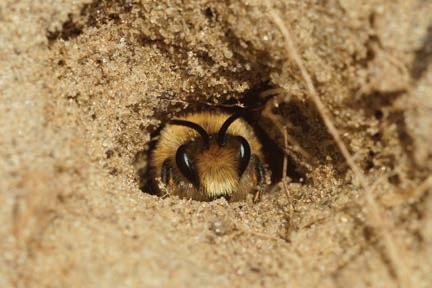
Long before European honeybees were brought to America and managed as livestock, native bees ensured that humans could forage or grow food here in abundance. (And that’s to say nothing of all the other wildlife species that depend on bees too.) Managed honeybee colonies remain widespread globally, yet many native bee species are declining. Scientists point to habitat loss, pesticide exposure and reduced floral diversity as major causes. Some researchers also caution that in certain environments, very high densities of managed honeybees may compete with native pollinators for limited floral resources, and large-scale migratory beekeeping operations can contribute to the spread of disease among bee populations.
All this has an upside, though. Concern for honeybees has helped raise awareness about pollinators in general. Many of the threats affecting honeybees — such as habitat destruction and toxic pesticides — also harm native species. So the same measures used to support honeybees will help native bees too. By taking an interest in native species — both plants and pollinators — you can help ensure a healthy, diverse ecosystem for generations to come.
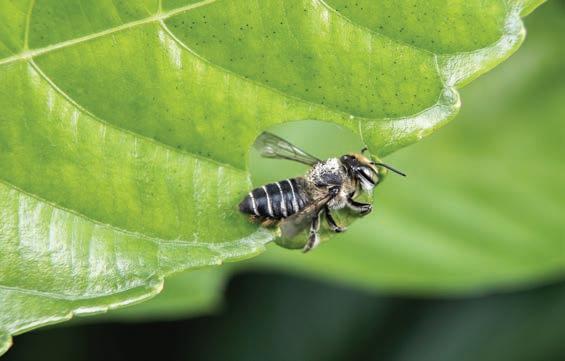
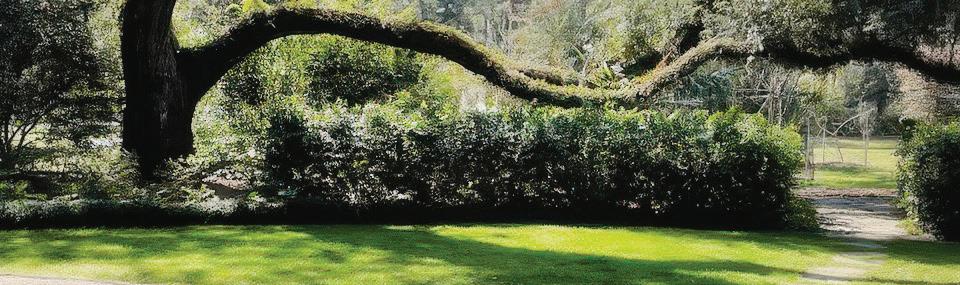
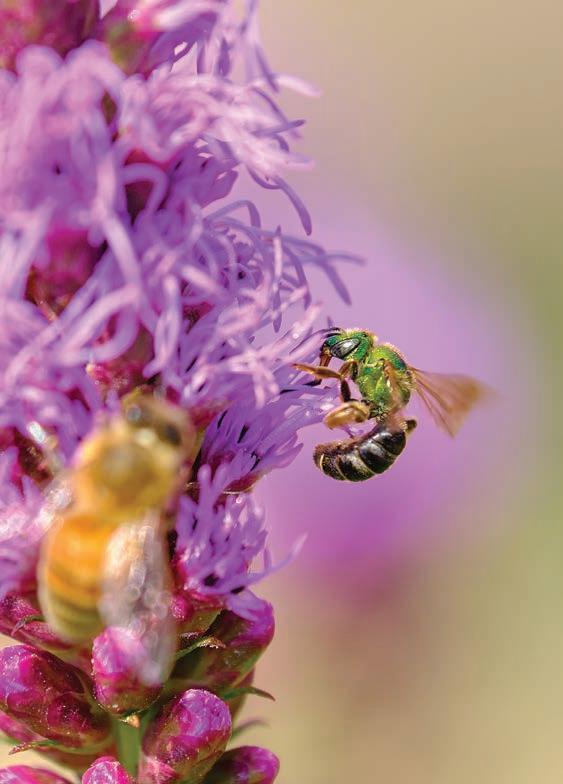
What you can do to help native bee species
Plant native wildflowers such as butterfly milkweed, blazing star, purple coneflower, goldenrod, aster and bee balm.
Rewild your yard. Instead of keeping it pristinely manicured, leave a few leaves and sticks where they fall, let the grass grow a little taller, and allow weeds to go to seed now and then. Keep downed wood and stumps in place to provide habitat for cavity-nesting bees, and leave patches of bare, dry ground to offer sites for ground nesters.
Paint or stain wooden structures to prevent carpenter bees from nesting there. If you already have a nest, before exterminating, try relocating the bees first by disrupting their home with strong scent repellents, noise from wind chimes or vibrations from a box fan. Reduce or eliminate pesticide use. Garden organically, trim or remove pest-infested plants by hand, and introduce beneficial insects like ladybugs. If you absolutely must use a pesticide, learn best practices to minimize harm to pollinators (such as using liquid applications rather than dust, which is especially lethal to bees because it mimics pollen).
Get kids involved by teaching them about native bees and helping them plant pollinator gardens. That way, the next generation grows up already invested in protecting pollinators and the planet. LL


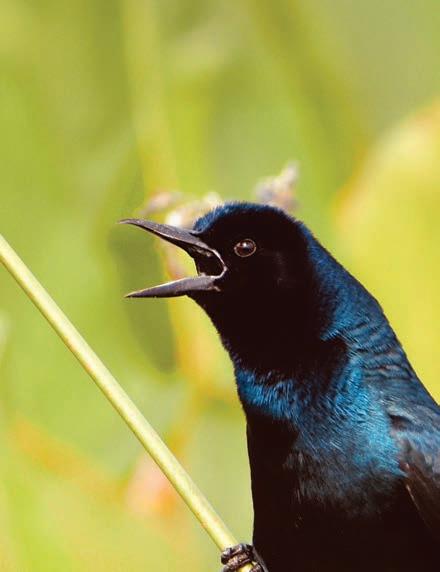
Join the owners of Wild Birds Unlimited Hilton Head for every aspect of backyard birding. From equipment and outings, to solutions and resources.
Most active in the morning and late afternoon, boat-tailed grackles are best lured to a feeder with cracked corn. The love it and it's inexpensive. Bread scraps, rice, or table scraps scattered on the ground or a platform feeder also work well.
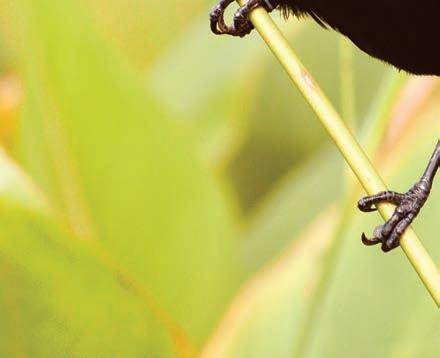





The boat-tailed grackle rules the coast with a dramatic tail, metallic calls and a social system flipped upside down
STORY BY BAILEY GILLIAM

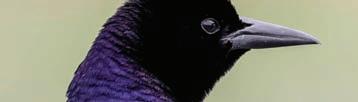
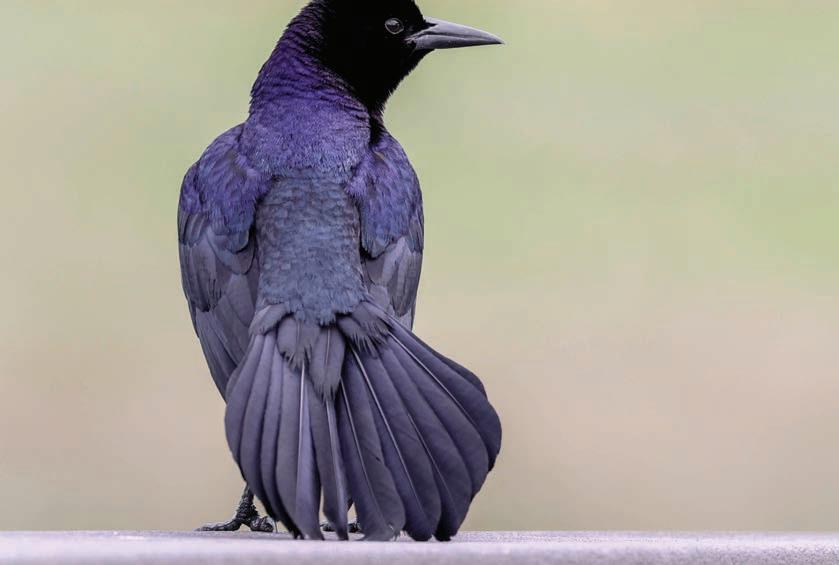
Scan this QR code to hear the call of the boat-tailed grackle.

Boat-tailed grackles are shameless opportunists. They eat almost anything: seeds, insects, shoreline crustaceans and plenty of human leftovers. They strut through parking lots, beaches, parks and dumpsters with the confidence of birds who think they personally financed the development. Coastal growth has only helped them, supplying steady food and fewer predators.
During nesting season, the noise spikes. Colonies pack tightly as males flutter and advertise, battling to control clusters of females in a system known as harem-defense polygyny. DNA reveals the twist. Dominant males sire only about a quarter of the chicks. Females choose additional partners, quietly reshaping the hierarchy. After mating, males fade from the picture. Females pick the site, build the nest, incubate and feed the young alone. Smaller and brown, they handle the real work, often leaning more on neighboring females than territorial males. LL
“Boat-tailed grackles are the noisy ‘beach bums’ of the bird world. Whether they’re along saltwater looking for fish, crabs and shrimp, or inland chasing insects like caterpillars, grasshoppers and beetles, they adapt fast to whatever food is available. If your feeders are stocked with sunflower seeds, cracked corn or suet, they will happily help themselves. Their powerful beaks are built for cracking tough shells that smaller birds cannot manage. And if you keep a birdbath filled, expect to see them dunking food to soften it before swallowing."
– Mary Alice Tartler, Audubon master birder
If you have ever eaten lunch near a local marina, walked a marsh boardwalk or parked near the beach, chances are a boat-tailed grackle has already sized you up for snacks. Boat-tails are unusual birds, even by grackle standards, and grackles already set a high bar. Members of a highly social blackbird family known for iridescent feathers, long tails and metallic calls, boat-tails somehow manage to be louder, flashier and far harder to ignore than the rest.
Boat-tailed grackles were once grouped with great-tailed grackles, but scientists officially split the species in the 1970s after discovering the two overlapped along the Gulf Coast without interbreeding. Boat-tails proved to be coastal specialists, sticking close to marshes, beaches and tidewater. Despite the name, they were not dubbed “boat-tailed” because they hang around boats. The title comes from the dramatic shape of the male’s tail, which can make up nearly half his body length and forms a sharp V like the keel of a ship. Add long legs, a pointed bill and a willingness to loudly comment on absolutely everything, and you have a bird that demands attention. Their bold behavior and tolerance for people make them one of the most visible marsh birds in coastal South Carolina.

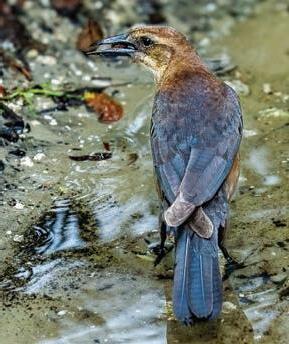
Get everything you need for backyard birding at Wild Birds Unlimited in the Festival Centre at Indigo Park on Hilton Head Island.

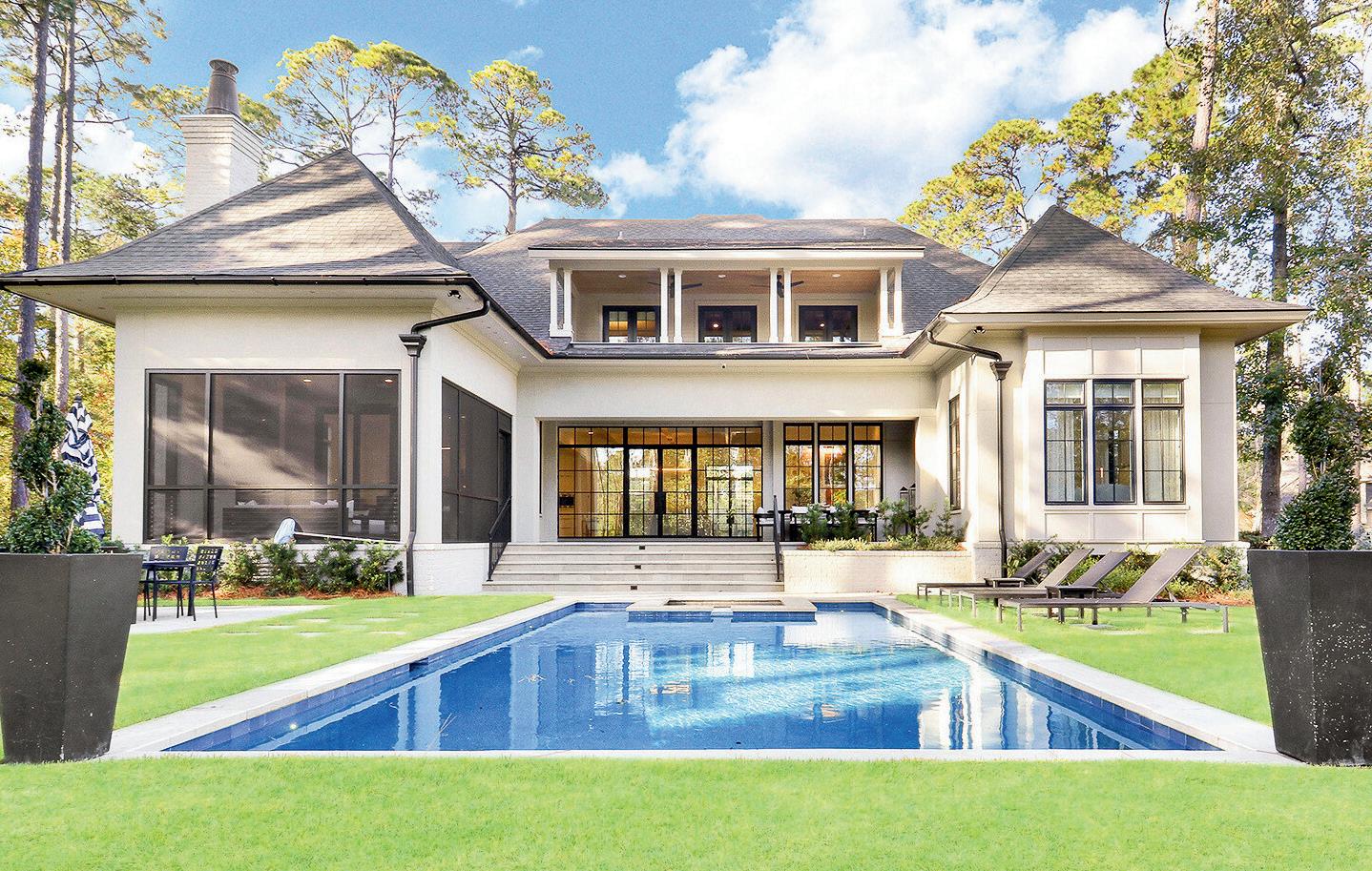




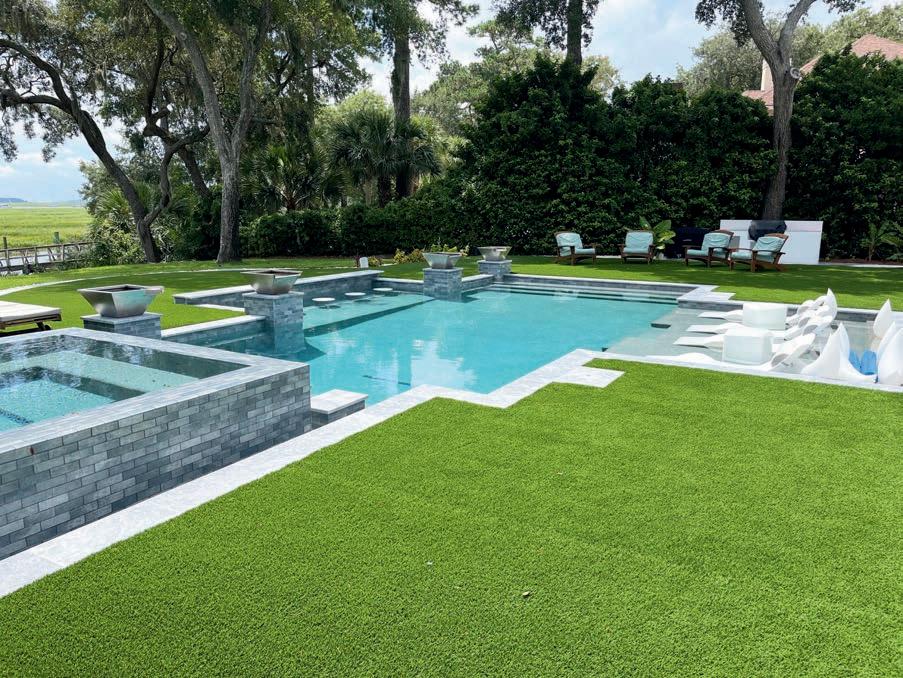
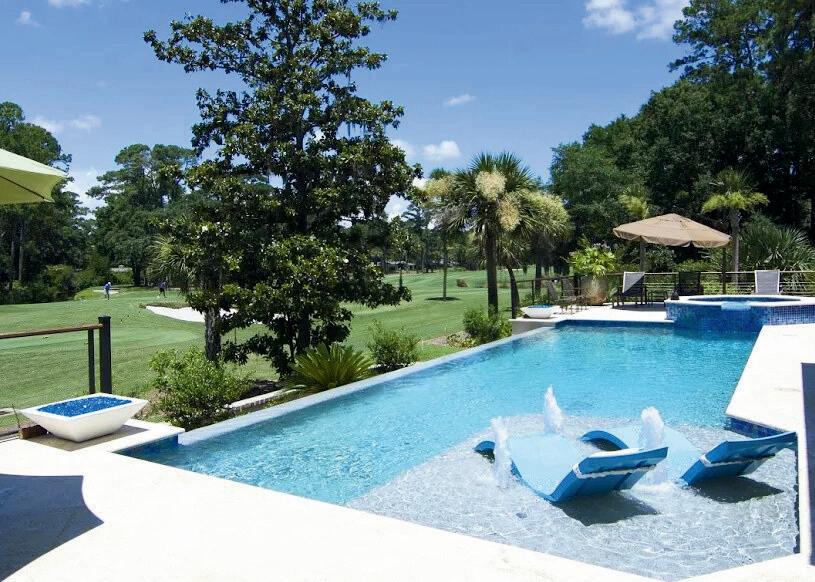

STORY BY BAILEY GILLIAM
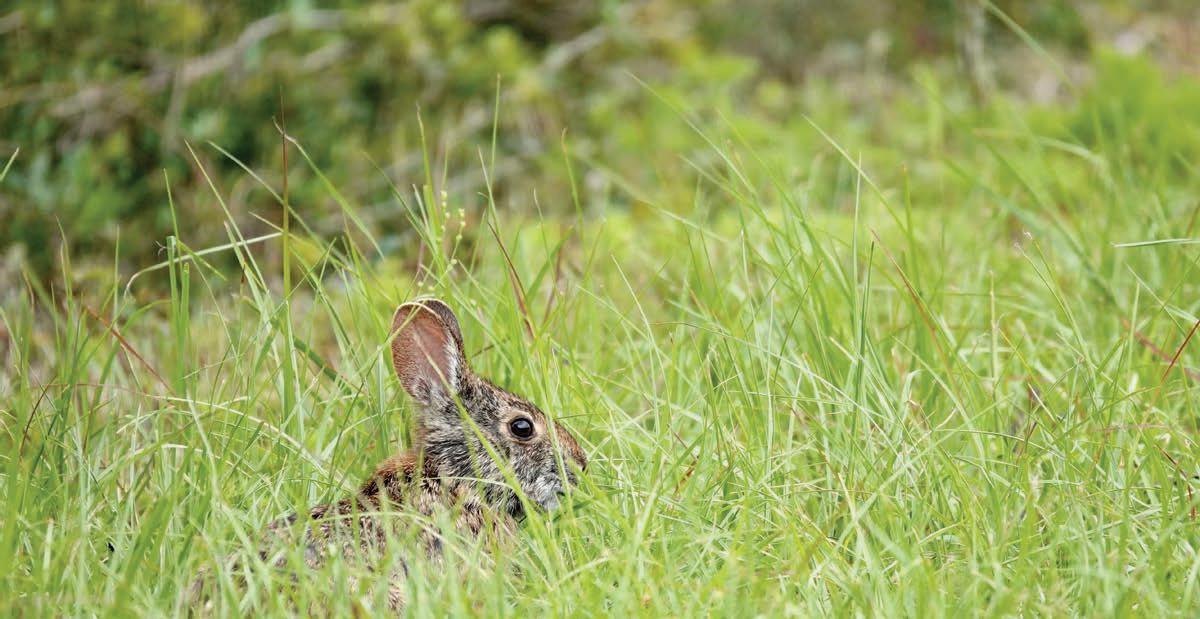
April’s lengthening days pour more sunlight across the Lowcountry, stretching the hours for gardening, outdoor adventures and watching the natural world come alive.
Sunrise: 6:37-7:10 a.m. (earlier each day)
Sunset: 7:42-8:03 p.m. (later each day)
SOME BUNNY’S WATCHING A marsh rabbit hides in sunlit grass at Pinckney Island National Wildlife Refuge in this photograph by Chris Klonowski. April is one of the best times to explore the refuge when wildflowers bloom and young wildlife begins to appear. The refuge marks its 50th anniversary, with a free community celebration from 9:30 a.m. to 4 p.m. Saturday, April 11, featuring a rare drive-in opportunity, live music, guided walks, demonstrations and food trucks. Learn more at fws.gov/refuge/pinckney-island.
aApril’s arrival in the Lowcountry means true spring when longer days, warmer temperatures and bursts of color pull everyone back outdoors. Named for aperire, the Latin word meaning “to open,” April has long been tied to growth, renewal and fresh beginnings, a promise that feels especially real here as the landscape transforms almost overnight. With guidance from the 2026 Old Farmer’s Almanac and Grow Great Vegetables South Carolina, this month’s almanac helps you savor spring’s arrival and plan for a flourishing season ahead.
April delivers warm, mostly sunny days that feel made for getting outside, all without summer’s heavy heat and humidity.
Average temperature: 67 degrees (3 degrees above average)
Rainfall: 1 1/2 inches (2 inches below average)
FORECAST BY WEEK
April 1-12: Sunny, warm
April 13-17: Thunderstorms, cooler
April 18-28: Sunny, warm, then turning cooler
April 29-30: Scattered thunderstorms, cool

April’s night sky brings bright spring constellations and one of the season’s most reliable meteor showers.
April 2: The full moon, traditionally called the Pink Moon, rises. The name reflects the early-spring blooming of a pink wildflower. April 17: New moon. Darker skies make this an excellent time for stargazing, especially away from development.
April 22-23: The Lyrid meteor shower peaks as Earth crosses the dust trail of Comet Thatcher. Look after midnight for the best chance of spotting fast, bright streaks.
April is one of the busiest months in the Lowcountry garden when warmer soil, longer days and steady sunlight support rapid growth.
PREP Monitor indoor seedlings, install supports for peas and pole beans, thin greens and root crops, hill potatoes, weed perennials, and set up drip irrigation.
PLANT
Indoors: Harden off tomatoes, peppers, eggplants, celery and celeriac two weeks before transplanting. Move lettuce and remaining seedlings into larger pots if needed.
Outdoors: Direct sow snap beans, cucumbers, sunflowers, edamame and sesame. Plant peanuts, lima beans and sweet corn once soil reaches 65 degrees. Sow okra, cantaloupes and sweet potatoes when soil reaches 75 degrees.
HARVEST Asparagus, collards, garlic greens, herbs, kale, lettuce, mizuna, onions, radishes, early raspberries, rhubarb, strawberries, senposai and spinach.
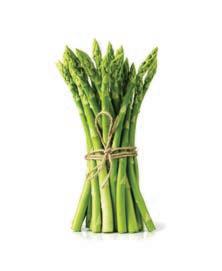

Stay in step with the Lowcountry coast. Scan this QR code for up-to-date tide and current predictions from NOAA.

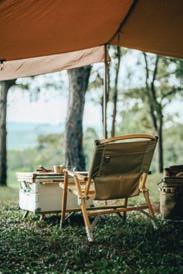
According to lunar timing, these April dates favor: Tides & currents
Pull off a prank: April 1
Go fishing: April 1, 17-30
Start that beach-body diet: April 6, 15
Go to the dentist: April 26-27
Go camping: April 6-7
Day drinking: April 18
Clean out the garage: April 25
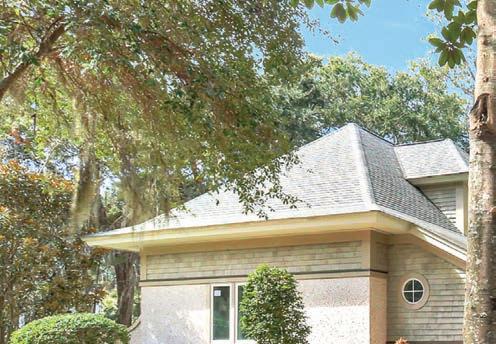

4 bedrooms . 4.5 baths . 4,577 square feet . $2,050,000






English-inspired elegance meets Lowcountry charm in this stunning 4-bedroom, 4.5-bath home plus Study located within the private Long Cove community. Thoughtfully designed with beautiful architectural details throughout, the home offers a warm, inviting atmosphere filled with character and style. Step outside to extraordinary outdoor living, featuring a breathtaking infinity-edge pool and spa overlooking sweeping 180-degree lagoon views. A spacious covered porch creates the perfect setting for entertaining, complete with a summer kitchen and cozy fireplace — ideal for enjoying Hilton Head Island's year-round coastal lifestyle. Owners use only as a second home and will consider selling completely furnished.



Richard MacDonald (843) 384-8797

richard@rmacdonald.com
Joey Doyle (843) 290-5055
joeydoyle@charteronerealty.com
Sanders MacDonald (843) 816-4800
sanders@charteronerealty.com












STORY BY ALEA WILKINS AND SUZANNE BARTON
[LL] I’d like to grow some fresh veggies this summer, but my POA doesn’t permit vegetable gardens. What can I do instead? [SB] While you can get a plot in a community garden, long waiting lists can feel like too much hassle when you only want to plant a few vegetables. An easy workaround is to grow them in containers. Take any five-gallon container, fill it with a lightweight, well-draining soil, top it with shredded hardwood mulch and vegetable fertilizer, and voila, you have your own little garden on your patio. Summer vegetables that grow especially well in containers are tomatoes, basil and some pepper varieties. If you’re short on space, try Tiny Tim tomatoes. They only grow to be about a foot tall, and they’re perfect for warm-weather salads, pastas and more.
When the blooms fade, don’t forget your azaleas. A light trim, consistent watering and a fresh layer of mulch help the plant recover, encourage healthy new growth and set the stage for next year’s show.

April in the Lowcountry is when everything hits its stride, from championship fairways to backyard beds. Red geraniums light up the RBC Heritage grounds and island porches, winter crops are ready for harvest, and warmweather plants are waiting in the wings. To help you keep the momentum going, certified professional horticulturist and The Green Thumb manager Suzanne Barton shares practical tips for bringing your backyard into peak season
[LOCAL Life] I can’t wait for RBC Heritage, and I’d love some red geraniums to celebrate. What’s the easiest way to get them? [Suzanne Barton] Red geraniums are a beautiful homage to the tournament. Everyone wants them this time of year. In fact, local nurseries grow thousands of them in preparation for RBC Heritage. Even with all the extra red geraniums, suppliers can run out, so order early to ensure you have yours on time.
RED ALERT On Hilton Head April is red geranium season. As the RBC Heritage approaches, locals snap them up for porches and patios, turning neighborhoods into a sea of tournament-ready color.
Tiny Tim tomatoes are a micro-dwarf variety that produces bright red, sweet-tart cherry tomatoes. Perfect for containers, windowsills and other small spaces, they ripen quickly, usually in 45 to 60 days.
[LL] My azaleas are in bloom. How should I care for them? [SB] Once your azaleas have finished blooming, it’s time to prune them. For some folks, this might be a little later than usual since our winter was so cold (by Lowcountry standards), but April is typically when you complete this task. Trim carefully around the shrub to help spur new growth and maintain blooms as long as possible.
April’s birth flower is the humble daisy, a cheerful bloom that practically invented the phrase “fresh as a daisy.” With bright petals and an easygoing nature, it brings youthful energy and spring renewal wherever it grows.
Available in a rainbow of colors, daisies thrive as hardy garden perennials, happily inviting butterflies to drop in, and they look just as good in a bouquet, making them a safe bet for April birthdays, anniversaries or last-minute “I totally didn’t forget” gifts.



• Improved air exchange between soil and atmosphere
• Improved drainage and soil water rate absorption
• Improved fertilizer uptake and use
• Stronger turfgrass roots and root growth
• Reduced soil compaction
• Reduction of the thatch layer
• Healthier more durable lawn
• Allows room for grass to fill in thicker

• Increased growth and color of your lawn
• Reintroduces micro-organisms and organic matter back into your lawn
• Reduces stress fromfoot traffic
• Helps lawn fill into thinner areas
• Helps retain nutrients in soil and delivers them to the plant.
Plant or transplant shrubs or trees before the end of April so they can establish before the Lowcountry summer heat.
Perennials and summer-flowering or foliage-type bulbs and tubers, such as caladiums, cannas, agapanthus and gladiolus, can be planted now.
Fertilize turfgrass in mid- to late April, following the recommendations in your Clemson Lab soil test report and the HGIC maintenance calendar for your turfgrass type. Find more information at hgic.clemson.edu.
Once spring-flowering shrubs, such as azaleas and loropetalum, have finished blooming, they can be pruned for size or shape to open them up for improved air circulation and sunlight penetration. Be sure to do so before mid-June, when they set their flower buds for next year.
Annual seeds such as cosmos, zinnia, poppy and tithonia may be broadcast over prepared soil. Mix seed with a handful of sand to spread them more evenly, then gently press them into the soil.
Excerpted from Lowcountry Gardening, written and published by the Lowcountry Master Gardener Association. Grab a copy of this handy guide to all things Lowcountry gardening for $5 at The Greenery, Bruno Landscape & Nursery, The Green Thumb, or the Master Gardener booth at the Bluffton and Port Royal farmers markets. For more information, visit LowcountryMGA.org
• Sand helps to fill in low spots, prevent waterlogging, and promote healthier, more resilient turf.
• Aids in breaking down thatch and improving soil aeration.


STORY BY BELLE WHITFIELD
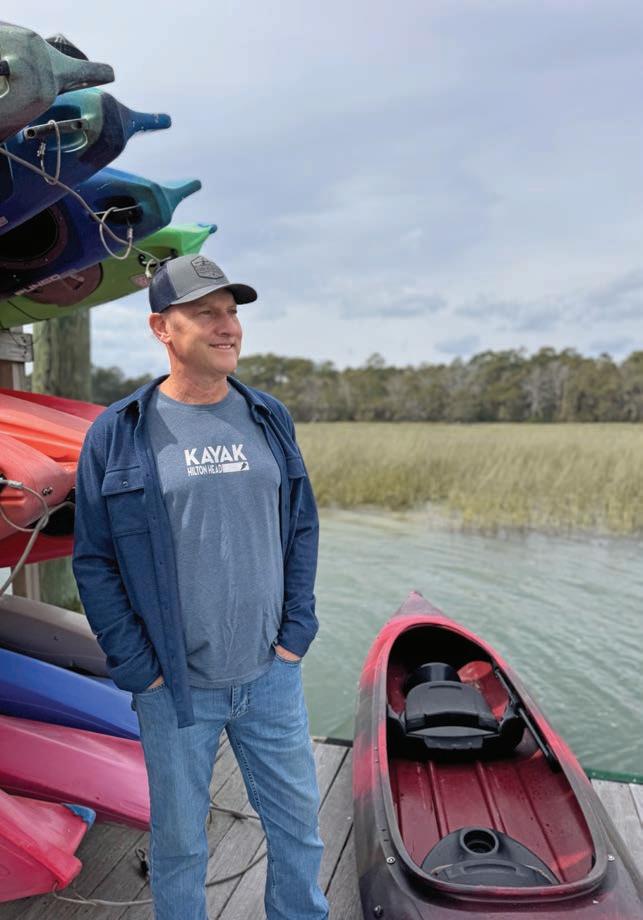
The paddle slips quietly into water that looks deep enough to swallow the marsh whole. At high tide spartina grass bends at the surface, creek edges disappear, and Broad Creek feels wide, open and almost endless. Hours later that same stretch of water drains away, revealing oyster beds, rippled mud and a buffet line for birds. Twice a day the marsh rewrites itself. Here in Broad Creek tides typically swing six to 10 feet, and during full and new moons they can approach 11 feet. That dramatic rise and fall is driven by lunar pull and amplified by the shape of our coast. As ocean water funnels into creeks and rivers before retreating again, it reshapes habitat in real time, shifting where fish feed, where birds gather and where paddlers can explore.
“High tide and low tide can offer completely different experiences,” says Dave Kerns, owner and longtime guide at Broad Creek Marina with Kayak Hilton Head. “Same route. Totally different feel.”
Many of his regular local customers intentionally alternate between tides, paddling once at high water and again at low, not because the schedule demands it, but because the marsh looks and behaves differently each time.
When the tide is high, water spills into the grass and fills narrow side channels that would otherwise sit shallow or dry. Kayaks glide easily through winding creeks that seem to stretch farther than they should. Reflections double the sky. Sound softens. The marsh feels continuous.
“Some people prefer high tide because they can explore more territory,” Kerns explains.
High tide invites curiosity. You can slip deeper into shaded cuts and around oyster points without worrying about scraping bottom. It is often the easiest paddle for beginners, especially during the calm first tours of the day. Wildlife, however, can be more dispersed. As fish and shrimp push into flooded grass to feed, birds spread out. The action is there, just less concentrated.


Dolphins remain the exception. At high tide they often work deeper holes and bends where bait gathers. Their dorsal fins roll slowly through calm water, sometimes appearing close enough to hear a breath before slipping beneath the surface again. Even when the marsh appears still, it is never empty.


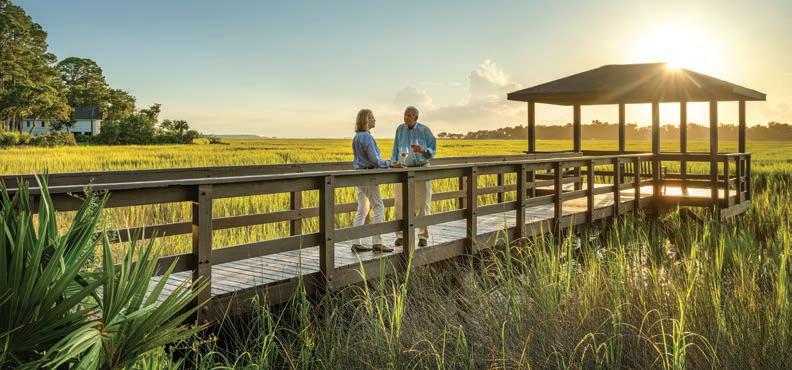
A lifestyle ripe for pursuing your passions as well as rewarding new experiences. A five-star culinary program. And all of it unfolding in a community celebrated for its hospitality. Thatˇs life as a member at TidePointe, a Vi Community. Bring your best retirement into focus by calling one of our sales counselors today.
• $315,000 – $335,000• 1,002 sq. ft. • 1 bedroom, 1.5 bathrooms + den • Covered parking; climate-controlled walkways connect villas and clubhouse

If high tide feels expansive, low tide feels intimate. As water drains from the grass, the hidden structure of the marsh emerges. Mudflats glisten. Oyster reefs catch the light. The smell of pluff mud drifts on the air. Shrimp snap and flick in the shallows.
“Low tide, on average, has more visible wildlife activity,” Kerns says. “There’s simply more happening in plain sight.”
With shrimp and small fish concentrated in shallow channels, birds gather to feed. Snowy egrets shuffle quickly across exposed flats. Great blue herons stand motionless before striking. Osprey circle overhead, scanning for movement. And then there are the shrimp.
“At low tide, alarmed shrimp start jumping out of the shallow water,” Kerns says. “Sometimes they even land in the kayak.”

Stingrays glide like shadows just below the surface. Whelk shells dot the mud. Oysters snap shut as water recedes. Dolphins shift tactics as well. In skinny water they may use powerful tail slaps to stun fish before circling back to feed. For guides, low tide often becomes the favorite, simply because there is so much to point out.
No matter the tide, Broad Creek rarely disappoints. Dolphins are present year-round, often most active during early tours when boat traffic is light and water lies smooth. In warmer months manatees drift into the creek, surfacing near docks from mid April through early October. Bald eagles soar above both high and low water. Blue crabs stir in warm shallows. Guides sometimes lift a crab trap to show children the estuary’s armored residents before lowering it back again.
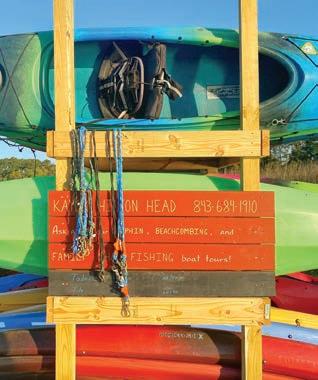
Morning tours at 8 a.m. in summer and 9 or 10 a.m. in cooler months typically offer the calmest conditions and softest light. Evenings bring golden reflections across the spartina, though summer storms can build late in the day. But the real magic, Kerns says, is not about statistics or guarantees.
“In 25 years of running guided tours, we’ve had dolphins jump in front of the kayaks and manatees gently bump into us,” he says. “The people who enjoy it most are the ones who put their phones away and just take it in.”
A kayak moves without a motor. There is no wake, no roar, just the quiet rhythm of paddle and breath. The marsh responds differently at high tide than it does at low, but in either state it has a way of slowing you down. The route may not change. The water does. So the next time you launch into Broad Creek, the question is not whether you should go. It is which tide you choose.
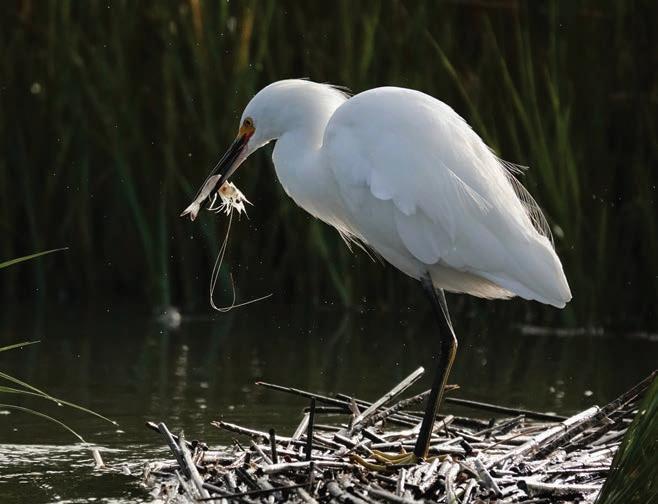
Bottlenose dolphin: Look for rolling dorsal fins in deeper bends and holes, especially during moving tides. Calm mornings make them easier to spot.
Snowy egret: Scan exposed mudflats at low tide. Their bright white feathers pop against dark marsh mud.
Great blue heron: Watch for tall, motionless figures along shallow edges before they unfold into flight.
Osprey: Listen for sharp whistles, and look for dramatic dives into open water.
Brown pelican: Keep an eye on feeding schools. Pelicans fold their wings and plunge headfirst.
Blue crab: Peer into shallow water near docks and oyster beds in warm months.
Eastern oyster: At low tide, exposed beds line the creek. You may hear shells snap shut as water recedes.
Bald eagle: Scan tall pines and open sky for a broad wingspan and white head.
West Indian manatee: In warm months, watch marina slips and shoreline edges for a rounded snout or slow swirl in still water.
Cownose ray: Look for dark, diamond shaped shadows gliding beneath clear, calm water.
Roseate spoonbill: Search shallow pools at low tide for a flash of pink, sweeping side to side.
LUCKY SIGHTINGS
River otter: Paddle quietly near grassy banks at low tide, and listen for playful splashing.
Mink: Keep your eyes low along muddy edges at dawn or dusk. They move quickly and stay close to cover.
Loggerhead sea turtle: On glassy days, watch for a rounded head surfacing briefly before slipping below. LL

STORY BY BAILEY GILLIAM
The siren wails down William Hilton Parkway. Your dog answers. A squirrel darts across the yard beneath a live oak. Your dog freezes mid-step. You close the bathroom door. A nose appears in the crack. These moments feel modern. They are anything but.
Dogs were the first animals domesticated by humans, joining us somewhere between 15,000 and 30,000 years ago. Early wolves lingered near human camps, drawn by scraps and opportunity. Over generations they adapted to life beside us. Domestication reshaped behavior, but it did not erase what evolution had already written into their biology. Beneath the collar and memory-foam bed lives a creature shaped by wind, hunger, pack bonds and survival. In many ways, your couch companion is proof that evolution does not forget.

If dog ownership often feels like asking, “What do you have now?” there is a reason. Dogs are opportunistic eaters, hardwired to seize calories wherever they find them. Digging in the yard, investigating trash cans after a backyard oyster roast, chewing sticks or hoarding socks all trace back to a scavenger’s mindset.
Wild canines survived by hunting when they could and scavenging when they had to. Food was never guaranteed. Passing it up was not an option. Burying treats in the backyard or tucking them beneath couch cushions mirrors the practice of caching food for lean times. Carrying a prized chew to a crate or bed reflects the impulse to transport prey back to a secure den where it could be consumed safely or shared. Even the dramatic “I haven’t eaten in weeks” performance at dinnertime is biology talking. Survival once depended on never refusing a meal.
Unpleasant behaviors have evolutionary logic as well. In the wild, consuming waste could help keep dens clean and reduce scents that might attract predators. It was not refined. It was practical. The instincts we see in pet dogs are not mistakes. They are behaviors that once kept their ancestors alive. We did not remove those drives. We redirected them. The scavenger remains, even if dinner now arrives in a stainless steel bowl.


On a walk through the neighborhood, your dog suddenly locks in. Tail straight. Ears forward. Eyes fixed on something you have not even noticed yet. That stillness is encoded. Long before tennis balls and squeaky toys, survival depended on spotting movement, tracking quietly and reacting fast.
The sequence remains embedded: orient, stalk, chase, grab.
Fetch is not just entertainment. It is rehearsal. Squeaky toys resemble the highpitched distress sounds of prey. The vigorous side-to-side shaking mirrors the efficient neck motion wild canines use to dispatch animals quickly. Tearing into plush stuffing may look chaotic, but it completes a deeply ingrained pattern. Even proudly parading a toy across the living room has roots in prey transport. In the wild, animals were often carried back to a den site. Today your dog may drop that slobbery prize at your feet, waiting for approval rather than pack acknowledgment. What looks like play is actually a preserved hunting sequence, softened by domestication but still deeply satisfying to the brain that evolved for it.
To a dog, the Lowcountry is less a landscape and more a library. Every marsh trail, palmetto trunk, driftwood-strewn beach access and fire hydrant is layered with information. With noses far more powerful than ours, dogs can tell who passed by, when and in what condition. That is why beach walks often involve more stopping than strolling.















Marshpuppy’s hand-designed apparel celebrates everything that makes us the Lowcountry. Made for locals and anyone who feels at home here.

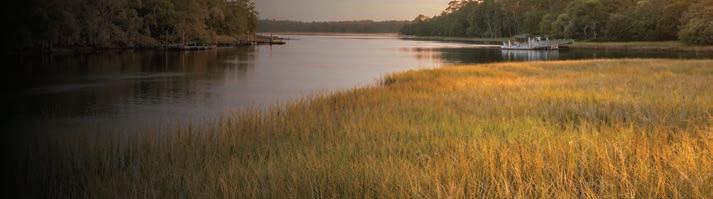




Tuesday thru Friday 10 until 5 Saturday 10 until 4
Sniffing other dogs, especially rear ends, is not rude. It is efficient communication. Scent glands provide rapid data about age, sex and social status. Marking behavior adds to the conversation. Lifting a leg sends scent higher and farther. Kicking dirt after defecating releases pheromones from glands in the paws, layering additional signals into the message.

IMMERSED IN INFORMATION Rolling in the grass helps mask scent, collect new ones and carry messages back to the pack. It may smell terrible to us, but to a dog, it makes perfect sense, well, scents.
Even the dreaded roll in something foul serves a purpose. Wild canines used scent rolling to mask their odor during hunts or to carry information back to the pack. What makes you reach for shampoo makes perfect sense to them. The smells that wrinkle your nose are chapters in a story your dog instinctively understands.


Dogs are social animals. In your home, you are the pack. That drive shapes everything from their shadow-like loyalty to their anxiety when left alone. In the wild, separation meant vulnerability. Staying close meant safety. So when your dog follows you from kitchen to porch to bathroom, it is not clinginess. It is cohesion.
Protective behaviors stem from this group dynamic as well. Guarding toys, food or even favorite humans is rooted in defending shared resources. Herding behaviors, such as circling children at the beach or nudging guests into orderly lines, reflect the same organizing principle. Keep everyone together. Maintain structure. Reduce risk. Even licking faces carries ancestral meaning. Today it often functions as affection or appeasement, reinforcing connection and hierarchy within the household group.
Before settling down, many dogs spin in circles, paw at blankets or scratch their beds. It may look fussy. It is adaptive. Wild canines trampled grass and leaves to create a smooth, secure resting place while scanning for hidden threats. The circling and rearranging were safety checks.
Curling tightly against you, tucking tails over noses or pressing close for warmth reflect denning behavior carried forward through generations. In the wild, huddling conserved heat and reinforced bonds. Security came from proximity. So when your dog claims the corner of the couch or your side of the bed, they are not simply seeking comfort. They are recreating a den. And in their mind, you are part of it. LL








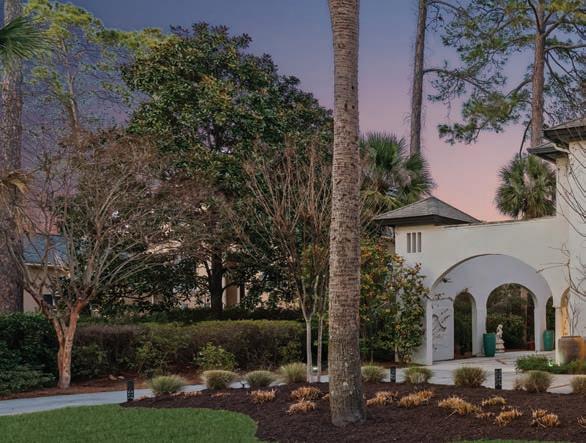




& Marketed by Christina

52 Wexford Club Drive, Wexford
4 Beds | 4 Full Baths | 1 Half Bath | 3,900 Sqft MLS# 504739 | Offered for $3,350,000
A Reimagined Wexford Harborfront Masterpiece with Unrivaled Views
Commanding one of Wexford’s most spectacular long-harbor views, this fully reimagined 2022 residence blends European-inspired architecture with modern luxury. Graceful arches, soaring three-story cathedral ceilings, exposed beams, and walls of glass frame breathtaking harbor vistas. The chef’s kitchen features Sub-Zero refrigeration, Thermador gas cooktop, Café double ovens, walnut island, leathered granite, walk-in pantry, and beverage cooler. The private primary suite wing offers a spa bath and custom closet, while three guest suites and covered outdoor living spaces complete this exceptional harborfront retreat.

Experience the Charter One Legacy of Excellence in Coastal Lowcountry Real Estate: Generations of Expertise. A Future of Trusted Guidance.


fPHOTOGRAPHY BY LISA STAFF STYLED BY BAILEY
GILLIAM
Fashion meets the wild side at Laura’s Critter Barn in Bluffton with effortless looks that are as practical as they are polished. Our models aren’t just posing with animals. They’re wildlife rehabilitators who dedicate their time to caring for injured and orphaned creatures before returning them to the wild. Surrounded by rescued critters and the rustic charm of the barn, these outfits showcase easygoing style with a touch of adventure. While you might not wear these looks for everyday barn chores, they prove that even in the most unexpected places, great style can still shine.
At Laura’s Little Critter Barn, owner Laura Sterling shows that style can thrive in even the most unexpected settings. Wearing a look from Outside Hilton Head, she pairs lightweight blue athletic-style pants with a crisp white button-down accented by delicate blue florals. The relaxed, comfortable silhouette feels polished yet practical as she pauses on the barn steps with Kevin the tortoise for a quick photo.
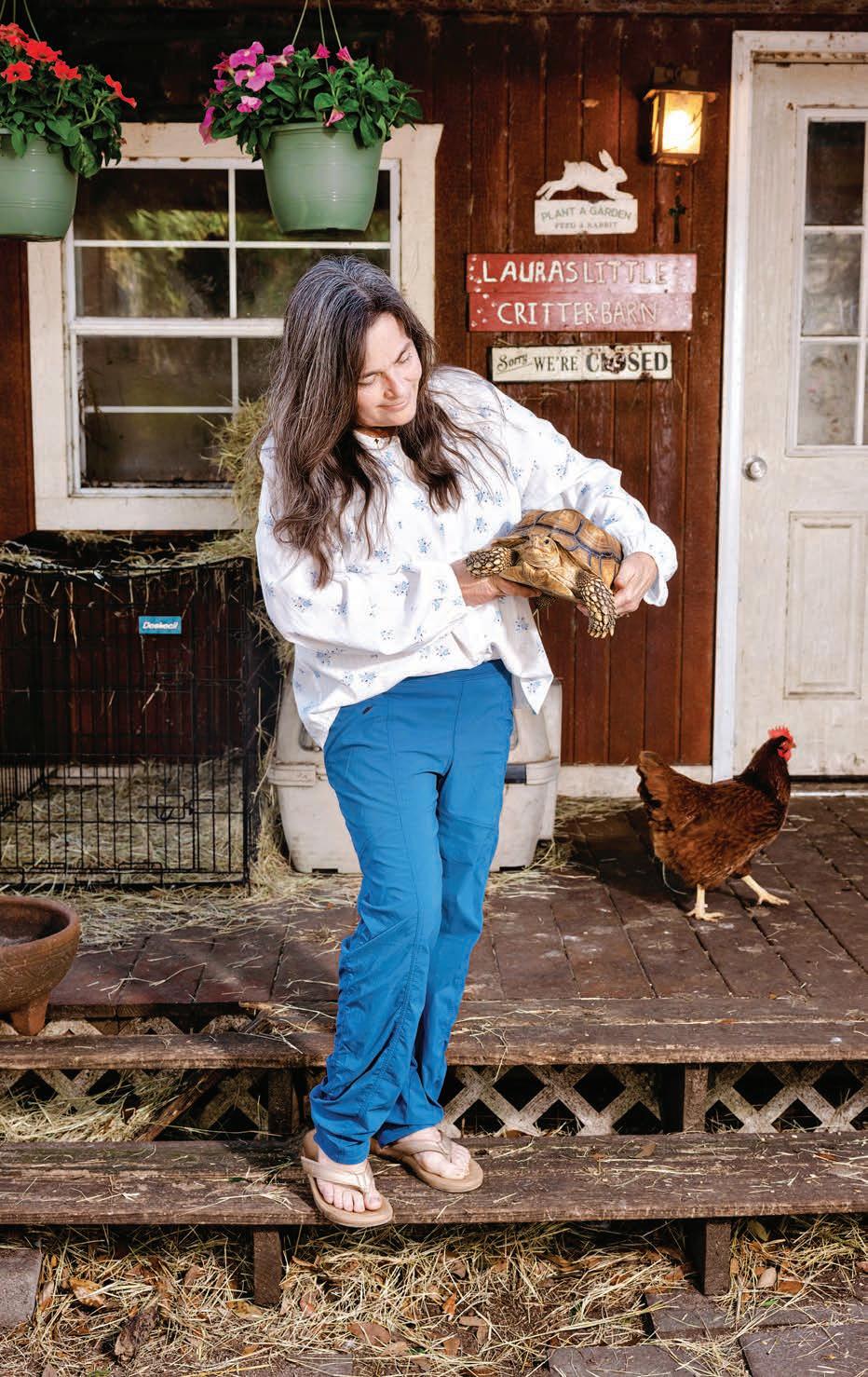
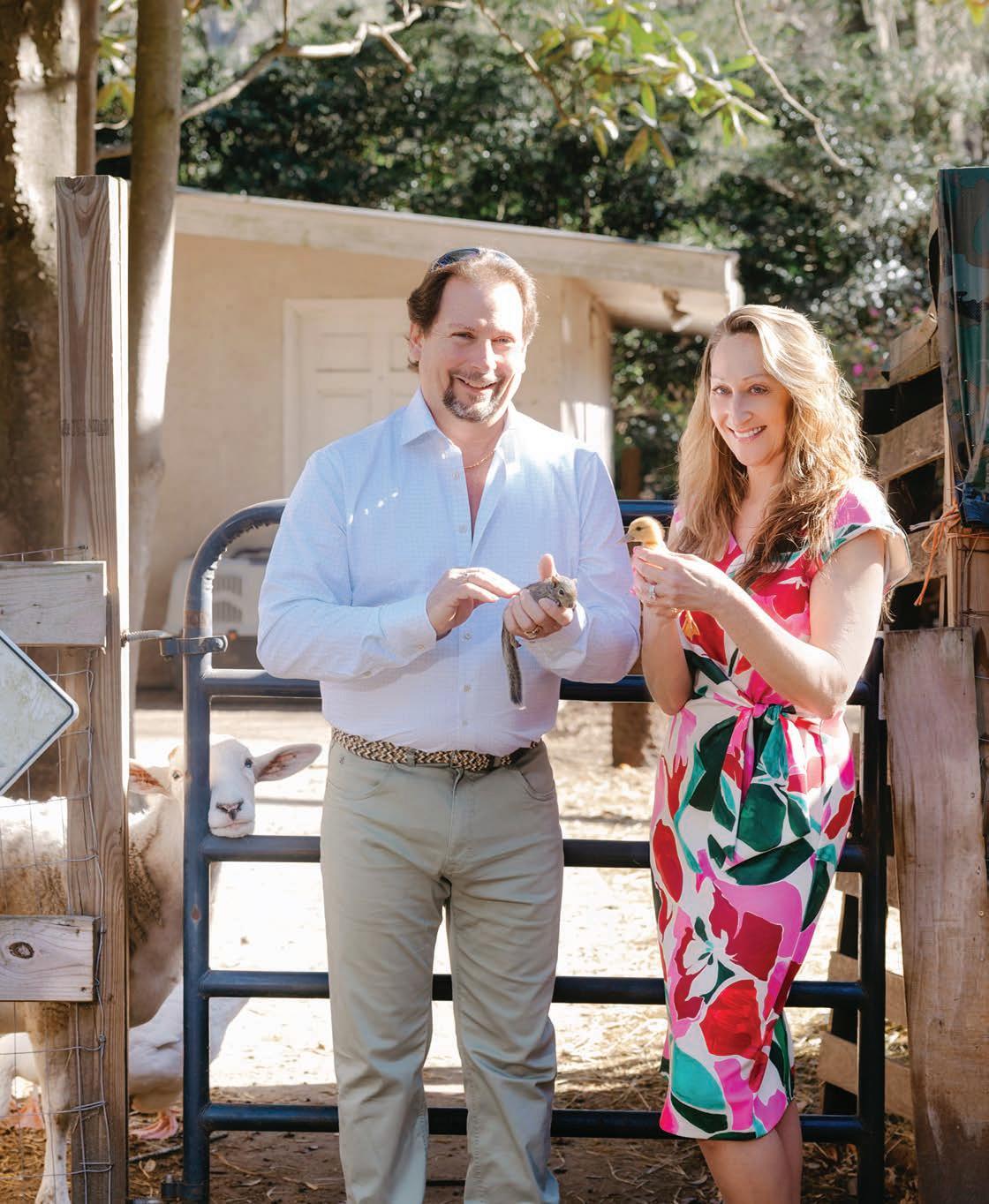
Wildlife rehabilitators Rudy and Tiffany VanBlaricum bring heart and personality to the scene as they care for two tiny arrivals: a baby duck and a young squirrel named Rocky. Rudy keeps things classic in a look from John Bayley Clothier, pairing tan slacks with a crisp light button-down and a braided belt for a clean, relaxed finish. Tiffany complements the moment in a bold floral dress from The Back Door, where short sleeves and a cinched waist create a flattering silhouette, and the below-the-knee length adds an easy, graceful flow, even while holding a tiny feathered friend.


















Life in the Lowcountry means sunshine, salt air and plenty of humidity, all of which can affect how your hair looks and behaves. From fighting frizz to protecting strands from the elements, many locals share the same haircare questions. Here are simple, practical tips to help both men and women keep their hair healthy, manageable and looking its best year-round.

Q: Why does my hair get so frizzy?
A: Humidity is the biggest culprit. When moisture in the air interacts with dry or porous hair strands, it causes them to swell and frizz. Using hydrating shampoos, smoothing creams and anti-frizz serums can help seal the hair cuticle and keep styles looking polished even on the most humid days.
Q: How can I protect my hair from sun and saltwater?
A: Just like skin, hair benefits from protection against UV exposure. Wearing a hat, using leave-in conditioners with UV protection and rinsing hair with fresh water after swimming can help prevent dryness and damage from the sun and salt.

Q: How often should I wash my hair in this climate?
A: That depends on your hair type and activity level. Many people find that washing two to three times a week works well, especially if they’re spending time outdoors or at the beach. Using a gentle shampoo and a nourishing conditioner helps maintain balance without stripping natural oils.

Q: What’s the best way to fight flat hair in humidity?
A: Lightweight volumizing products can help add lift without weighing hair down. Blow-drying with a round brush at the roots or using a texturizing spray can also create body that holds up better in humid conditions.
Q: What’s the most important step for healthy hair?
A: Consistent conditioning. Regular deep-conditioning treatments help restore moisture, strengthen strands and protect hair from environmental stressors like sun, heat styling and humidity.

Q: Can men and women use the same shampoo and conditioner?
A: Absolutely. Hair care products are designed for hair type and scalp needs, not gender. Whether someone has curly, straight, thick or fine hair matters far more than whether the bottle is marketed to men or women. The key is choosing formulas that address your hair’s texture, moisture needs and any specific concerns such as dryness, frizz or color protection.
Q: Should I change my hair products between summer and winter?
A: Often, yes. Seasonal changes can affect how your hair behaves. During the warmer months in the Lowcountry, humidity, sun exposure and saltwater may call for lighter products that control frizz and protect against UV damage. In cooler months, when air tends to be drier and indoor heating is common, richer shampoos, conditioners and deep treatments can help restore moisture and keep hair healthy.
Myofascial Therapy
Therapeutic Massage Golf Massage • Fascia Facial
Kathryne McCracken offers therapies based on the latest research in Innovative Aging, making her the Lowcountry’s premier anti-aging Licensed Massage Therapist.
“I chose to pursue a graduate degree in “Innovative Aging” because in my many years of experience, I have seen so many of my clients turn back the hands of time through therapeutic bodywork treatments. Not only do they look and feel younger, but they can get back to enjoying their favorite activities and sports”. Services and Treatments include: Lymphatic Therapy
ABOUT KATHRYNE MCCRACKEN
Kathryne is a science-based Licensed Massage Therapist and LANA Certified Lymphedema Therapist with a Graduate Certificate from the University of Florida School of Medicine in Innovative Aging. The focus of Kathryne's study was the causes and effects of premature aging, and the focus of her work is the prevention and reversal of said effects.
Kathryne McCracken, LMT, CLT-LANA,



The RBC Heritage is as much about style as it is about sport, at least we fashionistas like to think so. Breezy silhouettes and polished accessories strike that perfect balance of Southern charm and coastal ease. Worn by Tiffany VanBlaricum, this look from local boutiques pairs a fresh palette with playful details and effortless pieces that carry you from morning errands to sunset cocktails without missing a beat.








Statement earrings from Evelyn & Arthur bring a hint of shine to the ensemble. Designed with layered gold and silver elements that resemble delicate leaves or petals, they add movement and a subtle floral touch that ties beautifully into the dress.


Comfort matters when you’re spending the day strolling the course, and these wedge sandals from Palmettoes strike the perfect balance. The slip-on style features a crisp white upper with a buckle detail, offering an easy, polished finish that pairs effortlessly with spring dresses.
This Lilly Pulitzer stretch midi dress from S.M. Bradford Co. sets the tone with a vibrant green-and-white horse print that feels right at home at a golf tournament. The fit-andflare silhouette features paneled construction, adjustable straps and bodice cups for a flattering shape, while thoughtful details like side-seam pockets and a delicate flower appliqué add charm and functionality.
Off the course, a few well-chosen accessories tie it all together with equal parts style and function.



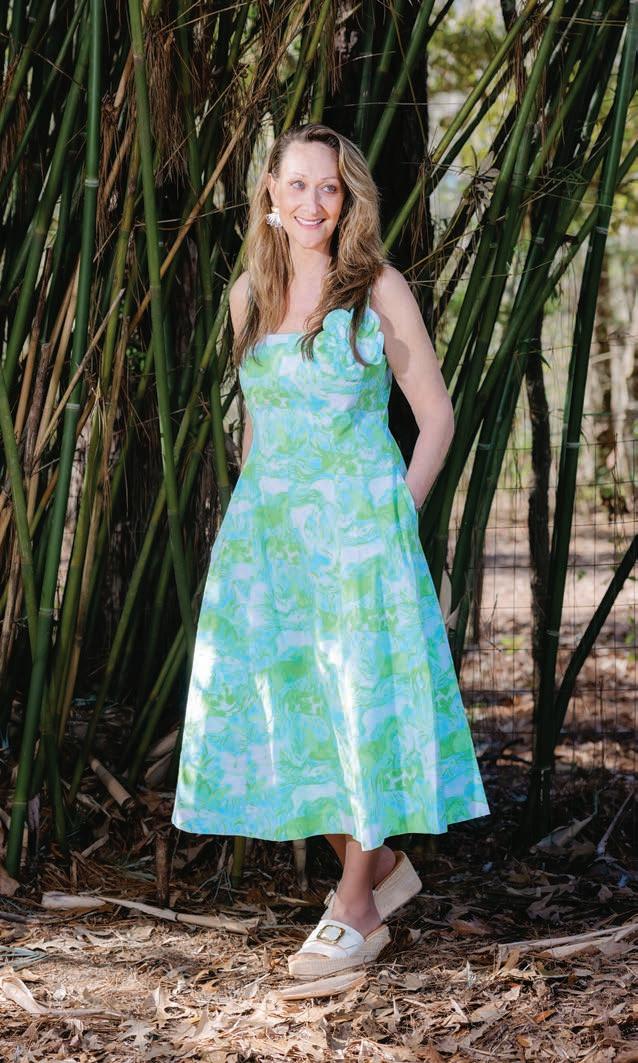

A standout pair of frames can elevate any tournament look. These green eyeglasses from Eyeland Optique add a pop of color and personality while bringing a polished finishing touch to the outfit.


The white bucket bag from Jean-Pierre Klifa brings timeless polish to the look. A favorite shoulder bag silhouette since 2002, this design reimagines the classic hobo with a sleek, feminine shape that feels both elegant and easy to wear.

The RBC Heritage isn’t just about watching great golf. It’s also the perfect excuse to lean into classic tournament style. From plaid accents that nod to the event’s signature pattern to comfortable footwear made for walking the course, these fresh finds from local boutiques offer easy ways to add a little Heritage flair to your outfit. Whether you're spending the day by the 18th green or heading to an after-party, these pieces bring personality and polish to the occasion.
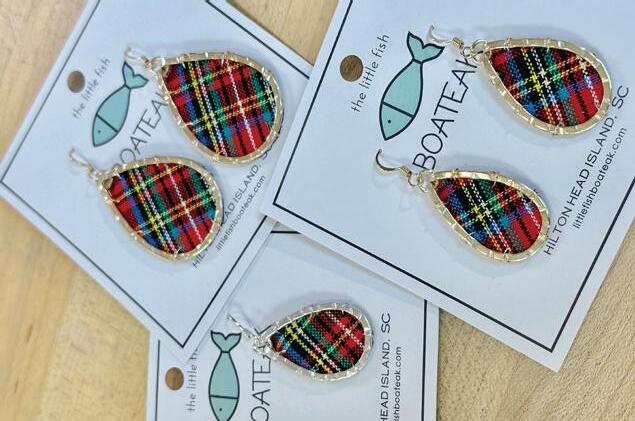
coastal
These Heritage plaid earrings from Gifted bring the tournament’s signature pattern to life in a fun, wearable way. Designed in a teardrop shape and finished with gold edging, they add a festive pop of color and a subtle nod to one of the Lowcountry’s most beloved traditions.

This crossbody bag from Spartina 449 blends Lowcountry texture with polished details. The wicker-style body brings a breezy, coastal feel, while the white leather strap and buckle closure add structure and sophistication. It’s a lightweight, stylish companion for a day on the course.

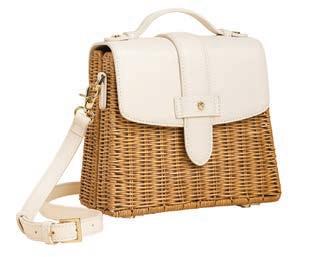

These OluKai sneakers from Maggie & Me bring an elevated take on the classic white court shoe. Crafted from premium full-grain leather, they feature a drop-in heel, allowing them to be worn as a traditional sneaker or an easy slide. With clean lines and exceptional comfort, they’re a stylish choice for navigating the tournament grounds.

Brims on the Bluff puts a Heritage-ready spin on its signature hat with plaid accents tied around the crown. The classic silhouette paired with the iconic pattern creates a refined accessory that feels perfectly suited for sunny days at the tournament.









With over 75 years of combined experience in the jewelry industry, our knowledgeable staff specializes in matching your personality and style with jewelry that you will love wearing for years to come.



YOU’RE SO SWEET
Serve up tasty treats and bite-size eats in style with this elegant two-tiered sweet stand from MacKenzie-Childs.
Available at Forsythe Jewelers
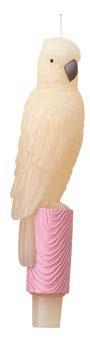
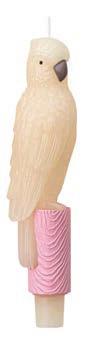
STILL AS A STATUE
This eye-catching statue paired with bright spring florals makes the perfect centerpiece for any spring-time event.
Available at Pyramids
This dinnerware set is perfect for any dinner party. Each piece is unique, telling a different story of a traditional country estate.
Available at J. Banks Design


WAX POETIC
Add a little island charm to your table with these handcrafted, unscented parrot taper candles. Playful yet polished, they’re perfect for dinner parties, cocktails or a stylish Mahjong night.
Available at Coastal Home












Spring time is the perfect time for hosting friends. Make your gatherings special with this beautiful and unique collection of home decor.
Add a touch of coastal flair to your gatherings with this set of oyster-inspired dishes and bowls.
Available at Marsh on the May

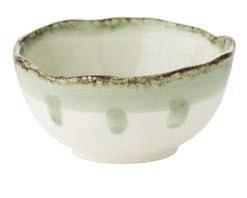

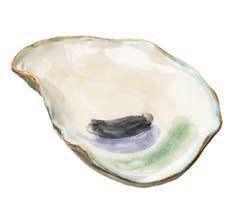
Beautifully crafted from a single piece of natural olive wood, these bowls are perfect for salads, pasta, rice and everyday servings.
Available at Hilton Head Oils & Balsamics
GATHER ROUND
Host a game night with all of your friends with this stunning Mahjong set, featuring a pretty blue design.
Available at Gifted

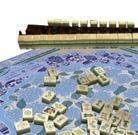



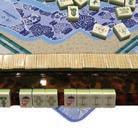

FAUNA
These dishes from Juliska feature a whimsical garden of watercolor florals. Perfectly designed for spring entertaining.
Available at Le Cookery

The strategic bluff at Braddocks Point drew warriors, privateers, cotton barons and high society
tSTORY BY RICHARD THOMAS
Richard Thomas is an owner and guide for Hilton Head History Tours and is the author of Backwater Frontier: Beaufort Country, at the Forefront of American History.
The Stoney-Baynard Ruins in Sea Pines occupy one of the most strategically significant natural features on the southern sea islands: an abrupt 25-foot rise above the surrounding coastal plain. From this elevated position and with cleared slopes, one could observe the southern maritime approaches, including traffic entering the mouth of the Savannah River and Calibogue Sound. Long before the tabby mansion whose ruins remain today, this prominence served as a lookout point for early settlers. As early as 1685, Scottish settlers on nearby Port Royal Island stationed Yemassee warriors there as an early warning post against Spanish incursions from the south. After the Yemassee War, Hilton Head militia continued to use the site as a guard station, reflecting its enduring military value.
During the American Revolution, Hilton Head Island’s shoreline was a contested frontier. Its plantations were exposed to plunder, its waters functioned as conduits for intelligence and supplies, and ownership of the land itself was reshaped by the conflict’s aftermath. Calibogue Sound, directly below the site, became a highway for provisions, privateers, pirates and partisan violence. Even when major military campaigns moved inland, the Sea Islands remained vulnerable, turning everyday coastal life into a militarized contest over food, livestock, enslaved labor and access to deepwater docks.
Hilton Head was a Patriot stronghold, but it was geographically isolated from other Patriot-controlled areas. British naval patrols and Loyalist raiding parties frequently targeted the island, burning homes, seizing supplies and carrying off enslaved people. It was in this volatile environment that John Stoney Sr.,
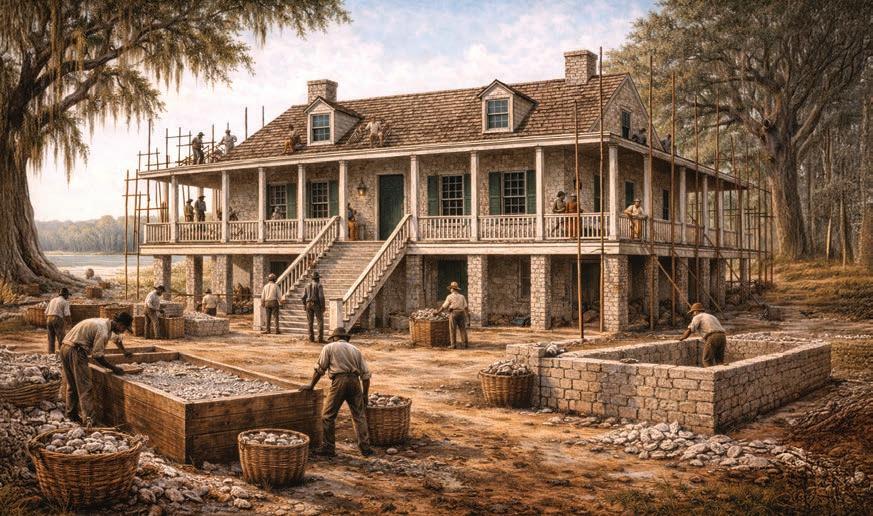
BEFORE THE RUINS This illustration
at Braddocks Point in 1793. Today, the
landmarks, drawing both locals and
known as “Captain Jack,” emerged as one of the most consequential figures associated with Hilton Head Island.
In 1776, Stoney, a Charlestown maritime merchant and privateer, purchased the Braddocks Point land from Beaufort merchant André Verdier. At the same time, he acquired and developed Otterburn Plantation along Broad Creek’s western shore. There, he moored his merchant vessel, later armed as the privateer Saucy Jack, at a deepwater dock. Operating primarily off Beaufort and south toward St. Augustine, especially near
the entrance to the Savannah River, Stoney disrupted British shipping and earned a reputation as a formidable enemy. When not at sea, he served as a leader of Hilton Head’s mounted dragoon militia unit.
Stoney’s wartime success as a privateer enabled him to expand his landholdings after the Revolution. By the early 1790s, he and his sons converted their Hilton Head acreage to the cultivation of Sea Island cotton, a crop that would drive South Carolina’s coastal economy until the Civil War. In 1793, Stoney transferred Otterburn to his son James and began constructing a grand tabby house at Braddocks Point intended, as family tradition held, as “a proper home” for his wife.
Stoney’s maritime career did not end with the Revolution. During the War of 1812, he armed a second privateer, the schooner Governor Middleton, and became one of the most prolific raiders along the southeastern coast. A third vessel, Jack’s Favorite, is often attributed to him, though conclusive documentation remains elusive. Known in his later years as “Old Jack” to distinguish him from his son, Stoney lived at the Braddocks Point mansion until his death in 1821 as the result of a hunting accident.
Afterward, the family’s fortunes gradually declined. James Stoney managed the cotton factorage office in Savannah while living at Braddocks Point with his mother and sister, and John Jr. operated the Charleston office. Following James’s death in 1827, John Jr.’s poor investments and reputed gambling habit left the family deeply indebted. In the 1830s, the Stoney properties, burdened with debts totaling $400,000, were foreclosed upon by the Bank of Charleston.
In 1845, the Braddocks Point estate was purchased from the bank by William Edings Baynard for $10,000. A 25-year resident of Hilton Head at the time, Baynard believed the site’s exposure to prevailing sea breezes from three points of the compass made it healthier than low-lying plantations thought to harbor disease. Although he maintained a palatial residence in Savannah, Baynard chose the Braddocks Point location as his primary home, improving the Stoney house and restoring it as an active center of social life. Guests arrived by boat from Savannah and Beaufort, and by land from Hilton Head’s north end, making the plantation a frequent destination for elite coastal society.
Baynard died in 1849 in Savannah and was returned by boat to Braddocks Point for his wake before being interred at Zion Chapel of Ease Cemetery. His heirs sustained cotton cultivation until the Union occupation of Hilton Head in November 1861 forced them to flee inland. Although the family later reclaimed the land, the postwar economy rendered Sea Island cotton unprofitable due to the newly required cost of paid labor.
By the late nineteenth century, the property passed to northern land speculators and eventually fell into obscurity. Rediscovered during timbering operations in 1950 and later preserved by Charles Fraser during the development of Sea Pines Plantation, the Stoney-Baynard Ruins now stand at the heart of a 13-acre heritage preserve, silent witnesses to more than 230 years of conflict, commerce and transformation along Hilton Head Island’s once-contested shore. LL









She always begins with the eyes.
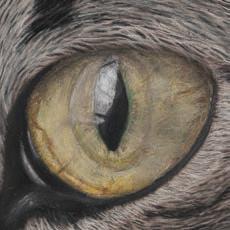

UP CLOSE Instead of drawing wide scenes, Avery prefers close-up animal portraits that allow her to focus on the intricate details that make each species unique. “I like drawing portraits because I can add more detail,” she said.
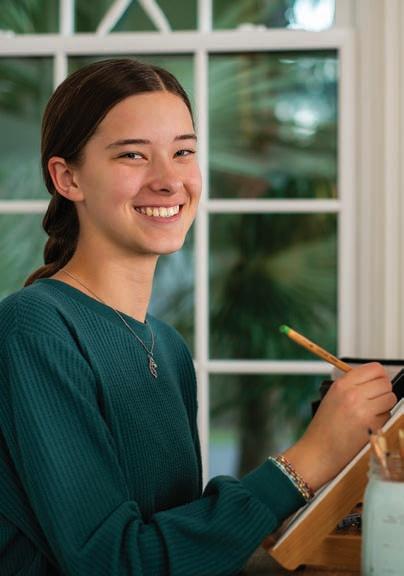
For 14-year-old Avery Bassett, artistic talent appeared early. Her father, Ryan, an art collector, remembers noticing her natural sense of composition when she was just three years old. As she grew older, her drawings quickly became more detailed and sophisticated.
“She was doing things at 11 that most kids that age couldn’t do,” Ryan said.
Avery is entirely self-taught and has never taken formal art lessons. Since she began taking her work seriously at age 11, her skills have flourished. Today she focuses on detailed wildlife portraits that capture both the beauty and personality of animals.
When it’s time to draw, Avery follows a simple routine. A glass of tea sits nearby, music plays softly in the background, her iPad displays a reference photo, and her pastels are arranged beside her. She works primarily with pastel pencils on colored or darker shades of Clairefontaine Pastelmat, creating close-up portraits filled with intricate detail.
Her love for wildlife art began with one of her earliest detailed animal drawings, a hummingbird.
“I’ve always loved looking at wildlife and observing their natural behaviors,” Avery said.


YOU’RE

April 11, 2026 10 am - 4 pm THE SOCIETY OF BLUFFTON ARTISTS SOBA Gallery & Art School SOBA Gallery & Art School 10 am - 12 pm: High School Student Art Reception at Bluffton Public Library Student artwork for sale — 100% supports the young artists
Celebrate art. Celebrate students. Celebrate community. 12–4 pm:
Reopening Celebration at SOBA Gallery + Art School 90+ local artists, lawn artists, refreshments, hands-on art 1 pm: Ribbon Cutting




Animals have been the focus of her work ever since.
Much of Avery’s inspiration comes from simply watching them. She enjoys observing wildlife around her neighborhood and often studies animals through live cameras from around the world. Wildlife livestreams are a regular part of the Bassett household, including wolf cameras from the International Wolf Center and African wildlife cameras that show animals roaming their natural habitats.
Her mother, Caris, jokes about Avery’s growing expertise.
“She is our nature guide,” Caris said. “She knows all the animals.”
When starting a new piece, Avery begins with a careful sketch, studying the direction of the animal’s fur or feathers to create realistic texture. She prefers pastel pencils rather than thicker pastels because they allow her to add extremely fine details.

She always begins with the eyes. Color and detail are built there first, bringing the portrait to life before she gradually works outward in small sections. Layer by layer, she adds color and texture until the animal begins to emerge from the page. Because of this meticulous process, and the interruptions of schoolwork and other daily responsibilities, each drawing can take anywhere from two weeks to two months to complete.
Like many artists, Avery occasionally faces moments of frustration. Staying focused long enough to finish a piece can be challenging, and mistakes can be discouraging.
“Once you see it, you can’t unsee it,” she said.
Still, she pushes through until each portrait is complete.
For now, Avery’s goal is simple: keep improving and enjoy the process. The most rewarding moment, she says, is when others appreciate her work. One day, she hopes her passion for wildlife art may grow into a career
See more of her work online at averybassett.com. LL
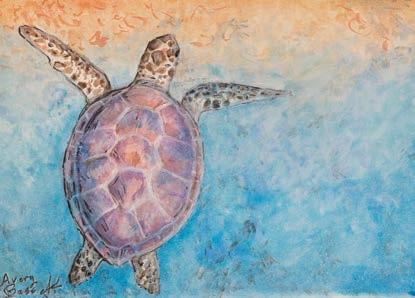
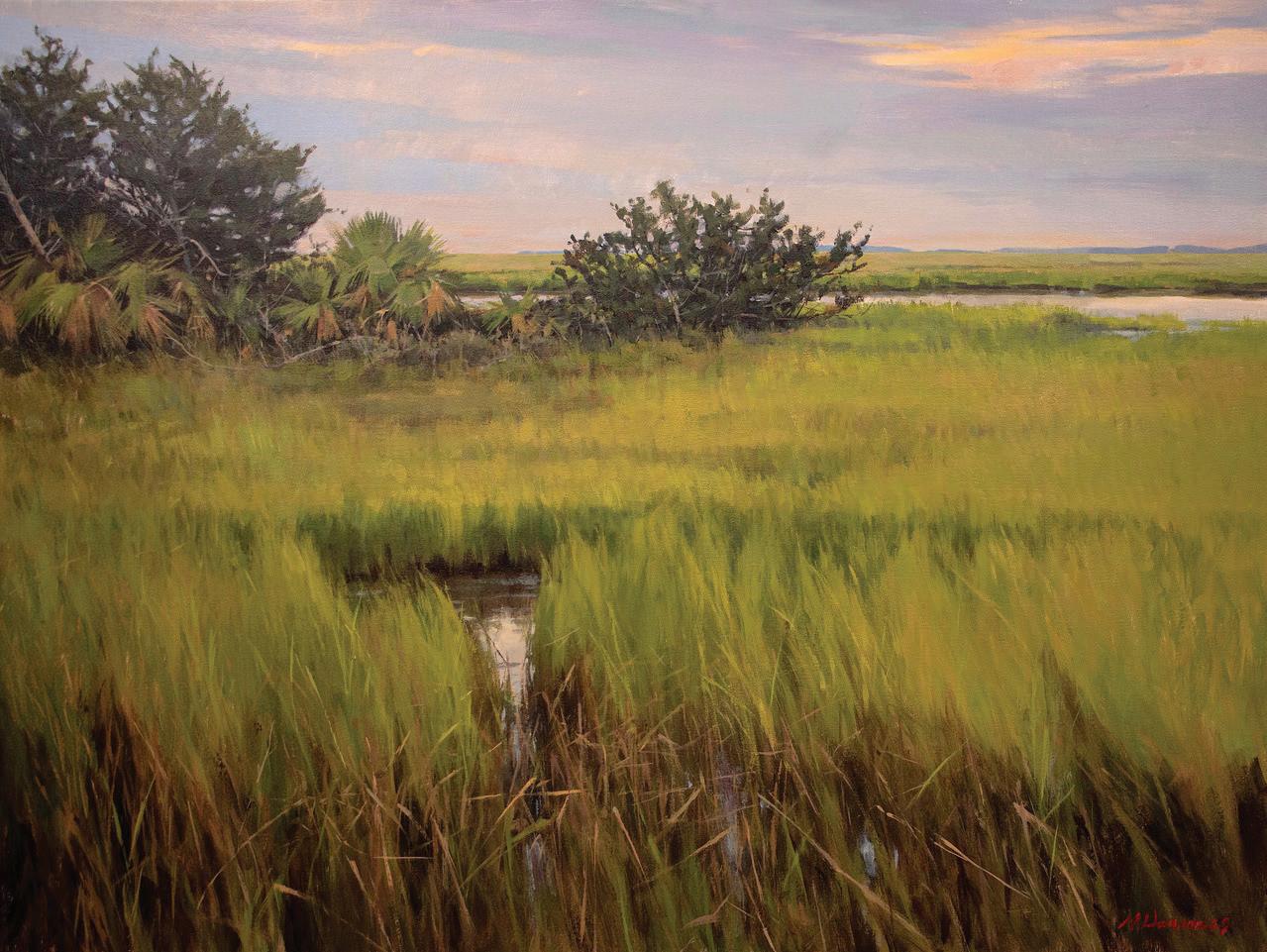







A wood stork in his wheelchair bald eagles that desire hair an owl who can’t remember things a mourning dove with broken wings.
Rosy spoonbills not in the pink wild turkeys prone to drink pelicans with raw, sore throats from eating waste off tourist boats.
Hummingbirds can’t find the words that they would like to sing. Even cheerful robins find that they have lost their spring.
There’s a buzzard with a tumor, loons without a sense of humor. Too many birds are getting sick. Careless spreads like oil slick.
Is there a doctor anywhere? The environment needs urgent care.
— Phil Lindsey
ABOUT THE POET Phil Lindsey is a retired accountant who swapped spreadsheets for stanzas after moving to Bluffton in 2016. An active member of Island Writers Network, where he serves as treasurer, Lindsey’s work has appeared in the organization’s anthologies and along Hilton Head Island’s Poetry Trail, a town-wide literary installation that invites readers to scan QR codes to discover poems and meet the poets behind them. His piece “A Little Tipsy” can be scanned at Rollers Wine & Spirits.






“Dr














STORY BY BAILEY GILLIAM
Silky, bright and unmistakably fresh, this creamy pea soup captures the sweet flavor of spring in every spoonful. Blended until perfectly smooth and finished with a drizzle of olive oil and crunchy croutons, it’s light enough for lunch but elegant enough to open a seasonal dinner.
INGREDIENTS
2 tablespoons olive oil, plus more for finishing 1 small onion, finely chopped
2 garlic cloves, minced
4 cups fresh green peas
3 cups chicken broth
1/2 cup heavy cream
1 teaspoon lemon juice
Salt and freshly ground black pepper
Croutons
Fresh herbs
and quick sautés.
For many Americans green peas come with baggage. Blame the canned peas simmered into army-green mush, the forced childhood side dishes or the unforgettable baby-food purée. Somewhere along the way, peas lost their reputation. Fresh peas, however, tell a completely different story. Sweet, tender and unmistakably springlike, they shine for a brief window each year, and that moment is now. In the Lowcountry green peas reach their peak from mid-April through May, making this the perfect time to enjoy them straight from the garden, market or kitchen. So forget those old pea grudges. It’s time to give these little green powerhouses a fresh start.
DIRECTIONS [1] Heat olive oil in a large saucepan over medium heat. Add the onion and cook for about 5-6 minutes, until soft and translucent. Stir in the garlic and cook 1 minute more. [2] Add the peas and broth. Bring to a gentle simmer and cook 5-7 minutes, just until the peas are tender and bright green. Avoid overcooking, which dulls the color. [3] Remove from heat and blend the soup until completely smooth using an immersion blender or countertop blender. [4] Return to low heat and stir in the cream and lemon juice. Season generously with salt and pepper. Warm gently but do not boil. [5] Ladle into bowls and finish with a drizzle of olive oil, a few croutons and freshly cracked pepper.
Before we go any further, let’s be clear: we’re talking about green peas, also known as garden or English peas. Not snow peas or sugar snap peas. Green peas grow inside round pods that are too fibrous to eat, so you shell them and enjoy the sweet, starchy peas tucked inside. Snow peas have flat, tender pods with tiny undeveloped seeds, and the whole pod is eaten. Sugar snap peas are a cross between the two, with thick, crunchy, very sweet edible pods. This month we’re celebrating the classic shelled green pea. Dare we say, the original great. The OG pea.
Green peas are one of the world’s oldest cultivated crops. Archaeologists have uncovered peas dating back to the late Neolithic era in parts of modern-day Greece, Syria, Turkey and Jordan, along with Bronze Age finds in Switzerland and even peas discovered in an Egyptian tomb in Thebes. During the Middle Ages peas were eaten almost exclusively dried and simmered into thick stews known as pease porridge, a nod to the old Anglo-Saxon word “pise,” immortalized in the nursery rhyme “Pease porridge hot, pease porridge cold.” Eating peas fresh and green did not become popular until the 16th and 17th centuries, when botanists in Belgium, Germany and England began developing sweeter varieties. By the 17th century fresh green peas had become wildly fashionable in France and England. Louis XIV and his court were famously obsessed with them. Peas crossed the Atlantic with early colonists and thrived in American soil. Thomas Jefferson grew more than 30 varieties at Monticello. From medieval porridge to backyard staple, the humble green pea has had a surprisingly glamorous journey.

THURSDAYS 12PM – 4PM










Farm, fresh local produce, flowers, meats, dairy, seafood, honey, baked goods, pastas, sweets, specialty foods, & prepared food to enjoy at the market or take home.
Educational lectures, community outreach, kids activities, yoga, & more! Fun for the whole family!












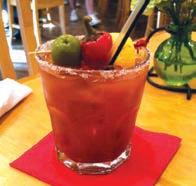















Green peas may be tiny, but they’re packed with nutrition. A cup of cooked peas provides plant-based protein, fiber and key nutrients like vitamin K, folate, vitamin C, iron, magnesium and potassium, all for about 134 calories. Their protein and fiber support muscle health, digestion, weight management and steady blood sugar levels, while antioxidants and carotenoids help support eye health, heart health and overall wellness. Whether steamed, sautéed or eaten raw, green peas are an easy way to boost the nutritional value of any meal.
According to Clemson Cooperative Extension (HGIC), green peas are frost-tolerant, cool-season crops best planted as early in spring as the soil can be worked. Sow seeds from February 1 to March 15 or August 15 to November 30, choosing reliable varieties like Alaska, Maestro, Wando or Lincoln. Plant in full sun, 1 to 1 1/2 inches deep and 1 to 2 inches apart, with rows spaced about 2 feet apart. Provide trellising for support. Clemson recommends maintaining a soil pH of 6.0 to 6.5, watering deeply (especially during pod development), mulching to keep roots cool and harvesting every 1 to 3 days once pods mature, typically 55 to 70 days after planting, for the best flavor and quality.
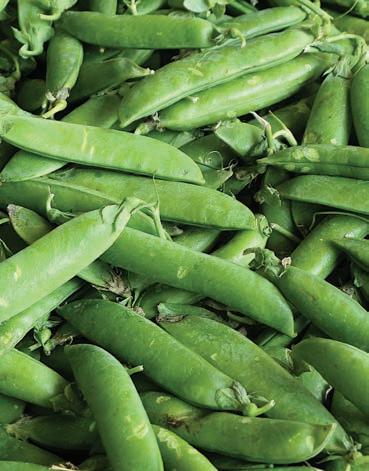
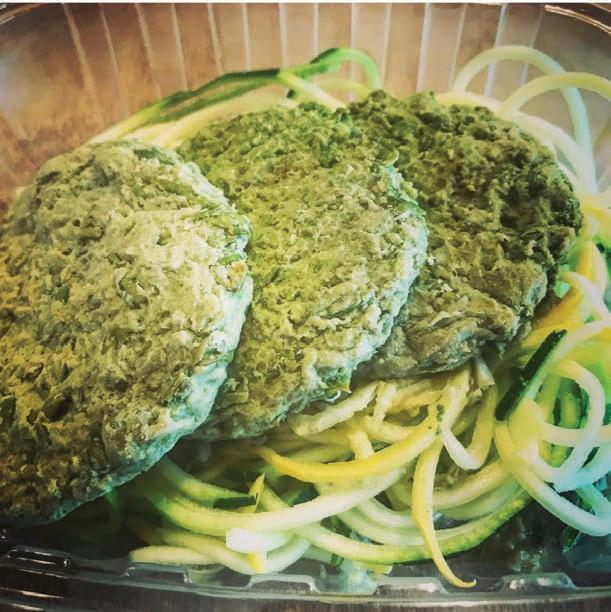
When selecting fresh peas at the store or market, look for pods that are bright green, firm and plump, with clearly defined shapes of peas inside. Avoid pods that are yellowing, limp or overly large, since these tend to be starchy or past their prime. Medium-sized pods with a crisp feel and a fresh green stem are ideal. Gently shake a pod. If it feels tight with little empty space, the peas inside are likely sweet and tender.
Fresh peas are best eaten immediately but can be stored in the pod in an airtight container or perforated bag in the refrigerator’s crisper drawer for 2 to 5 days. To maintain sweetness, keep them in the coldest part of the fridge, away from ethylene-producing fruits. For long-term storage, shell and blanch them for 1 to 2 minutes before freezing. And, yes, you could store them under your mattress like the Princess and the Pea. But they’ll stay tastiest in the fridge or freezer.
Green peas are bright, sweet and slightly starchy, with a tender texture that makes them a spring favorite. They shine when eaten raw, steamed with butter, tossed into salads, stirred into risottos or pastas, blended into pesto or simmered into creamy soups. To preserve their color and sweetness, avoid overcooking, use them within a few days of harvest, or reach for frozen peas picked at peak freshness. Pair them with potatoes, bacon, lemon zest or Parmesan to highlight their natural sweetness. Here are a few quick ways to cook them:
Boil: Drop shelled peas into boiling salted water for 1 to 3 minutes until bright green and just tender. Steam: Steam for about 2 minutes until tender.
Sauté: Cook in olive oil or butter with garlic or shallots for 3 to 4 minutes. Grill: Toss whole pods in oil, and grill 2 to 3 minutes until lightly charred. LL
Light, flavorful and packed with plantbased protein, these Green Pea Cakes from Teresa Brandow are as versatile as they are wholesome. The owner of Caring Companion with Teresa and the former owner of Avocado Bleu shares this vegan, gluten-free recipe as a go-to for easy meals that don’t skimp on taste. “They taste so good in a healthy salad, a sandwich, lettuce wrap or as the main entrée,” she says, adding they’re especially delicious topped with red pepper purée or served over zoodles. Whether panseared until golden or baked until tender, these savory pea cakes make a fresh and satisfying addition to any table.
INGREDIENTS
1 pound fresh or frozen green peas
6 tablespoons almond flour
1 tablespoon chia seeds + 2 1/2 tablespoons water (mix and let sit 30 minutes)
1/2 cup chopped onion
1 small garlic clove, finely chopped
1/8 teaspoon cumin
1/8 teaspoon turmeric
1/8 teaspoon nutritional yeast
Salt and pepper to taste
DIRECTIONS [1] Simmer peas in lightly salted water for about 3-5 minutes until tender. Drain and cool. [2] Sauté onions in olive oil over medium heat for about 5 minutes until soft. Add garlic and seasonings and cook 1 minute more. [3] Purée the cooled peas in a food processor with the onion mixture and almond flour. [4] Add the chia mixture. Blend about 2-3 minutes until combined. If loose, add more almond flour. [5] Form into patties. Either sauté in oil over medium heat 4-5 minutes per side until golden, or bake at 375 degrees for 20-25 minutes, flipping halfway.

STORY BY BAILEY GILLIAM
In the Lowcountry some of the best flavors begin just beyond the kitchen door. Gardens, forests and farms quietly shape what ends up on the table, offering ingredients that change with the seasons and reward a little curiosity. From crisp vegetables preserved at their peak to ingredients discovered in the woods or passed down through family recipes, cooking here often follows the rhythms of the land. It’s a tradition rooted in resourcefulness and a willingness to experiment. When cooks let the natural world guide them, the result is food that feels both familiar and a little wild.
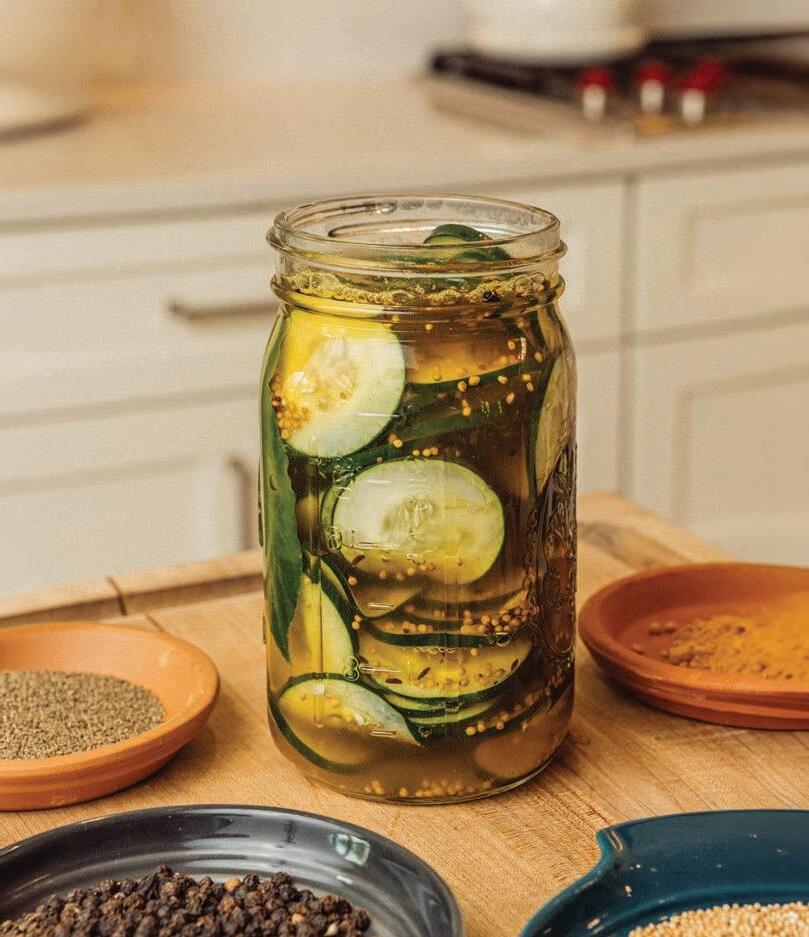
At Palmetto Bluff a little wildness is always close at hand, especially on the community farm that supplies the kitchens with fresh, seasonal ingredients. Chef Beth Cosgrove of the Palmetto Bluff Club often looks to the farm’s harvest for inspiration, working alongside fellow chefs and the farm team to plan what will be planted and how it will appear on the menu. One delicious way Cosgrove and Chef Rhy Waddington capture that just-picked flavor is through pickling. “Pickles add acid, crunch and sometimes sweetness to dishes,” Cosgrove says, creating a bright, puckery contrast that adds complexity to a plate. These classic bread-and-butter pickles highlight crisp cucumbers and onions in a sweet-tangy brine made with honey and warm spices. The result is a simple way to preserve the garden’s bounty while adding a little wild, seasonal zing to sandwiches, burgers and salads.
INGREDIENTS
4 1/2 pounds pickling cucumbers
1 1/2 pounds onions
1/3 cup Morton’s pickling salt
2 1/4 cups apple cider vinegar
2 1/4 cups water
1 1/4 cups honey
1 tablespoon mustard seeds
1 teaspoon ground turmeric
1 teaspoon celery seeds
1 teaspoon black peppercorns
1 teaspoon coriander seeds
1 dried hot chili, whole 4 cloves garlic, peeled
DIRECTIONS [1] Cut the ends off the cucumbers, and slice the cucumbers and onions into 1/4-inch rings using a mandolin or sharp knife. [2] Cover the vegetables with salt and mix, pressing lightly to massage the salt into them. Let sit at room temperature for 2 hours. [3] Rinse the vegetables under cold running water to remove the salt, then drain well. [4] In a large pot, combine the vinegar, water, honey, pickling spices and garlic. Bring to a boil, stirring until the honey dissolves. [5] Place the rinsed vegetables into jars or containers for storage. [6] Immediately pour the hot pickling liquid over the vegetables, and secure the lids. Let cool at room temperature, then refrigerate.


PERFECT PAIRING Honeyed bread-and-butter pickles add a bright, sweet-tangy crunch to crostini topped with cured ham, balancing the richness of the meat.
Charcuterie boards: Their sweet-tangy bite cuts through rich cured meats and creamy cheeses.
Deviled eggs: Finely chop and fold into the filling for extra crunch and brightness.
Potato salad: Stir in chopped pickles or a splash of the brine for a lively twist.
Grilled cheese: Layer a few slices inside for sweet-acid contrast with melted cheddar.
Fried chicken plates: Serve alongside crispy chicken to balance the richness.
Fish tacos: Add slices for a refreshing crunch with grilled or blackened fish.
Egg salad: Mix diced pickles into egg salad for sweetness and texture.
Hot dogs: A few slices add classic deli-style flavor. Tuna salad: Chop and fold into tuna for a sweet, tangy upgrade.

Relish shortcut: Roughly chop and spoon over burgers, brats or grilled sausages.
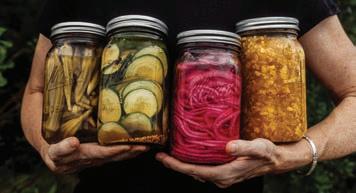
Pickling is one of the oldest culinary techniques in the world, dating back more than 4,000 years to ancient Mesopotamia. Early cooks discovered that soaking foods in brine or vinegar preserved them longer while deepening their flavor. The practice spread across ancient cultures, including the Egyptians, Greeks and Romans. By the Middle Ages pickling was essential for surviving long winters and sea voyages. Today nearly every cuisine has its own version. Korea has spicy kimchi, Japan crisp tsukemono, Germany tangy sauerkraut and India boldly spiced achar. Across the Americas, cooks pickle everything from jalapeños to okra and green tomatoes, proving this ancient preservation method remains endlessly versatile.

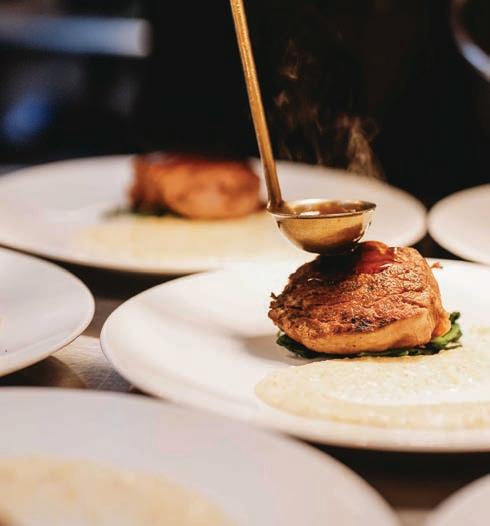







We asked local chefs their favorite wild ingredient:

“For fresh herbs, I especially like tarragon. It has a unique, sweet-herbal flavor, which pairs well with foods like chicken and eggs, and it’s a key herb in French cuisine.”
– Chef George Casalicchio
HAMPTON HALL CLUB
“I really like fiddlehead ferns. They are basically the sign that spring is here, and their season is so short, you can miss it if you blink. But they are crisp, grassy and herbal, with an asparaguslike note. Just add them to a salad or a super quick saute, and pair it with a white flaky fish.”
– Chef John Huffenberger
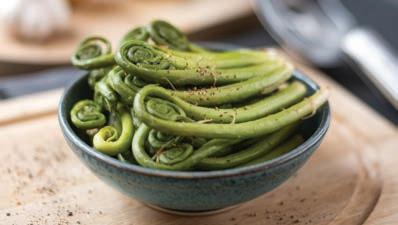

“The world is a delicious place! Currently, I’m madly in love with raspberry rose. When made into a compote or sauce, it’s other worldly.”
– Chef Donna Mello
WEXFORD
“Fresh gingerroot. A definite sleeper, this root is not only essential for any/all Asian-style dishes but brings depth to everyday preparations such as simple sauteed vegetables, homemade soups, hot tea, marinated cut items to be grilled and French toast batter. This is probably my all-time favorite seasoning for food.”
– Chef Robert Wysong

The RBC Heritage is building a culinary legacy, one burger at a time
aAt The Masters, champions gather each spring for the famed Champions Dinner, where the defending winner chooses the menu. On Hilton Head Island the RBC Heritage is building a tradition of its own. Since 2023 Fraser’s Tavern has invited each reigning champion to design a signature Past Champions’ Burger, choosing the meat, bun and toppings that reflect his taste. Here’s how the lineup stacks up.















Davis Love III (2025) “It’s beautiful for breakfast!” The DLIII Burger is a hearty creation that is anything but ordinary. Featuring rich Tillamook pimento cheese, perfectly caramelized Vidalia onions and smoky black pepper bacon layered on a toasted brioche bun, it reflects the simple yet bold taste of the tournament’s five-time champion.
Justin Thomas (2025) After capturing the 2025 RBC Heritage Presented by Boeing, his 16th PGA Tour title, Thomas designed a bold, indulgent stack. His custom house-blend patty of short rib, brisket and chuck sits on a toasted hearthbaked sesame seed bun, topped with crispy Applewood bacon, smashed avocado and a fried egg, then finished with pepper jack cheese and Southwestern aioli.
Scottie Scheffler (2024) The 2024 RBC Heritage champion opted for a flavorful blend of short rib, brisket and chuck, served on a sesame seed bun with crispy bacon. In a nod to his Texas roots, he added pepper jack cheese, fried jalapeños and onions, all finished with Old Bay aioli.
Matt Fitzpatrick (2023) Fresh off his memorable playoff victory over Jordan Spieth in 2023, Fitzpatrick created a refined combination of short rib, brisket and chuck, topped with Applewood smoked bacon, Emmental Swiss cheese and garlic herb aioli on a hearth-baked sesame seed bun.
So which one do you choose? No matter your pick, everyone wins. One dollar from every burger sold supports a charity chosen by the Heritage Classic Foundation, proving that this growing food tradition is about more than great taste.


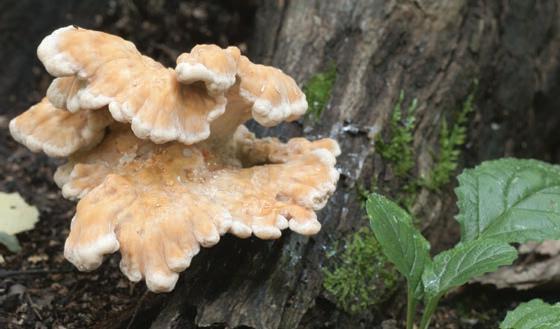
fForaging for wild mushrooms is one of the most rewarding ways to connect with the Lowcountry’s natural landscape, but it also requires experience, patience and caution. Michael Anthony’s Cucina Italiana Chef de Cuisine Robby Colson knows this firsthand. A native of Maine and a licensed mushroom forager, Colson has spent years learning how to safely identify and harvest wild varieties. His advice for beginners is simple: be careful and be educated. Consuming the wrong mushroom can be dangerous or even deadly, so proper knowledge is essential before attempting to forage on your own. Still, whether gathered in the forest or sourced through trusted suppliers, mushrooms remain one of the most versatile ingredients in the kitchen. For chefs like Colson, the connection between the forest floor and the dinner plate is part of what makes them so special.
According to Colson, the best time to begin looking for mushrooms in the Lowcountry is late spring. After winter moisture and steady spring rains saturate the forest floor, underground fungal networks known as mycelium begin producing mushrooms. By late May, conditions are often ideal for several species to emerge.
“Around the end of May is when I usually go inland where there are a bunch of oak trees,” Colson says. “These oak trees are the heart of my foraging for more than 10 species and varieties.”

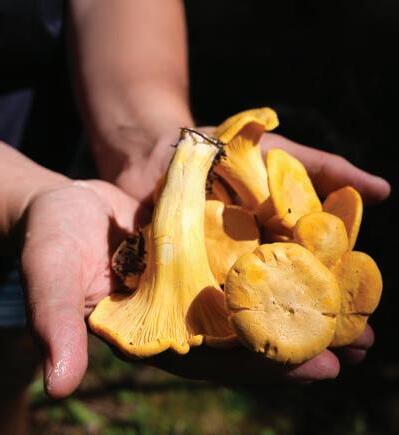
Chanterelle mushrooms, prized for their golden color and delicate, earthy flavor, often appear in Lowcountry forests in late spring and summer, especially near oak trees. Their trumpet shape and ridged undersides make them a favorite among chefs and foragers, but caution is essential. Toxic lookalikes such as the jack-o’-lantern mushroom also grow in the region, making proper identification critical before harvesting.
Under and around these trees, foragers may find chanterelles, chicken of the woods and lion’s mane, all of which thrive in the shaded, nutrient-rich soil beneath the canopy.
Early morning is often the best time to forage. Temperatures are cooler, and mushrooms are easier to spot before the day’s heat and humidity set in. In South Carolina’s climate, the combination of humidity and rising temperatures, can make foraging physically demanding later in the day.
“I spend the early morning getting mushrooms because the heat and humidity can be intense,” Colson says. “But you still run into pests like mosquitoes, spiders, ticks and snakes.”
Proper clothing, insect protection and awareness of your surroundings are essential for a safe outing.
Once mushrooms are brought home, proper storage helps preserve their flavor and texture. Colson recommends keeping them in a cool, dry place such as the refrigerator, with plenty of air circulation. Paper or cloth bags work well, as do containers lined with paper towels. Avoid the crisper drawer, which tends to be too humid. It’s also best not to wash mushrooms until you’re ready to cook them, since rinsing too early can shorten their shelf life.
Many mushrooms Colson works with appear regularly in Italian cooking. Among the most common varieties used in professional kitchens are portobello, shiitake, chanterelle, oyster, morel and porcini mushrooms. Each offers its own flavor and texture, from the rich, beefy taste of portobellos to the earthy brightness of chanterelles. Because mushrooms naturally contain a lot of water, they cook quickly. Overcooking can cause them to lose flavor and develop a soft texture.
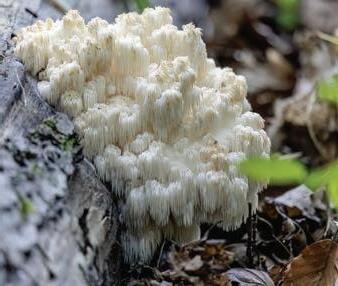
Lion’s mane mushrooms grow in cascading white clusters on hardwood trees and fallen logs. Known for their delicate, seafood-like flavor and shaggy appearance, they are prized by foragers and chefs alike for both their unique texture and culinary versatility.

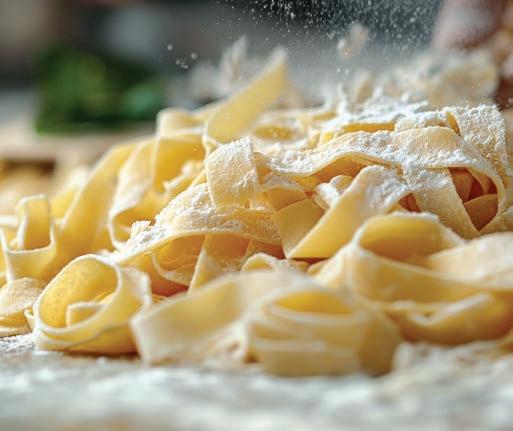










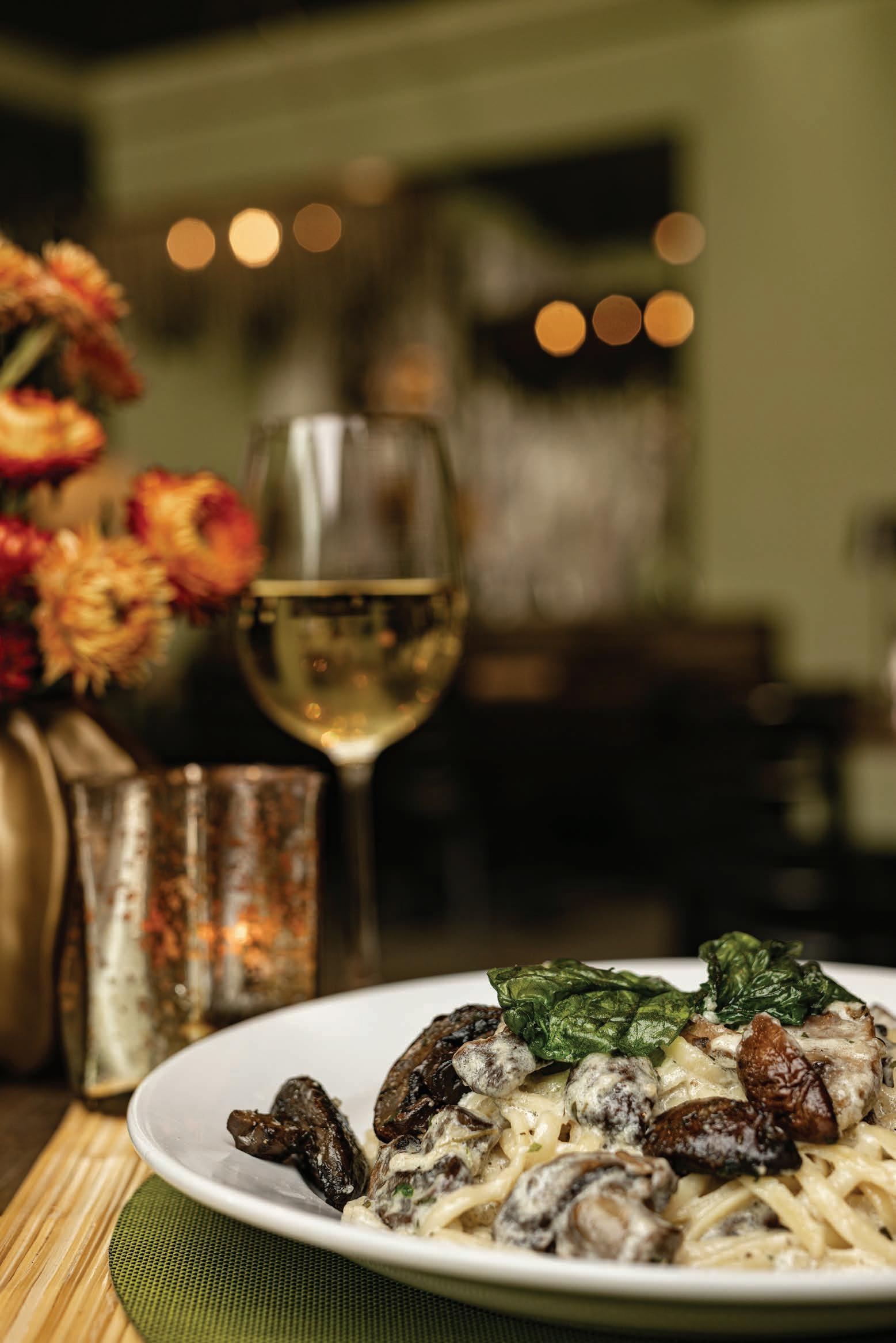


Every cook has that one recipe. It’s the dish friends always request, the one that appears at family gatherings or the meal they know by heart. LOCAL Life’s new Signature Dish feature celebrates those recipes by spotlighting a favorite dish from someone in the local community each month. After sharing their recipe and the story behind it, that person nominates someone else to pass along their own signature creation. Think of it as a culinary chain, with one home cook, chef, neighbor or friend connecting to the next through the dishes they love to make and share.
First up is Hilton Head Island resident and Billy Wood Appliance

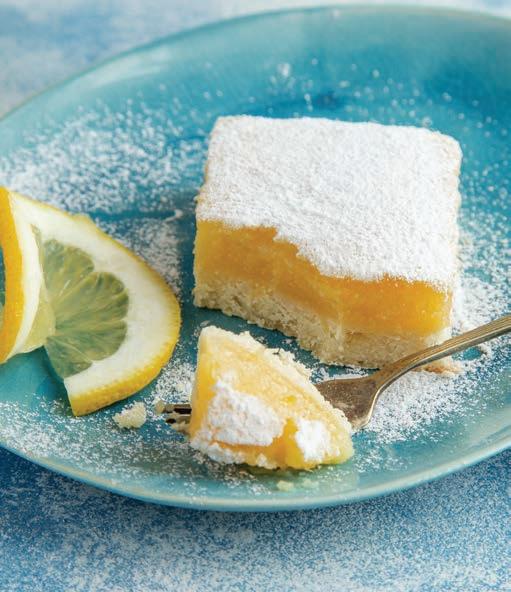
FINAL FLOURISH Let the lemon squares cool completely before finishing with a light dusting of confectioners’ sugar for a picture-perfect touch.

For Brantley King, lemon squares are more than a sweet treat. They’re a family tradition. “My grandmother, Sybil Brantley, passed this recipe down to my mother,” she says. “Of course, I’ve continued the tradition.” What sets these apart is the crust, which Brantley describes as “like an amazing shortbread cookie that never gets soggy like some lemon squares I’ve had.” Topped with a bright citrus filling that, as she says, “screams spring and Easter,” the bars are a favorite for gatherings with friends and family. For larger parties she likes to offer guests a choice. “I pair these with my mint icing brownies so people can choose fresh citrus, chocolate, or one of each.” Her final tip: let the lemon squares cool completely before sprinkling them with confectioners’ sugar.
INGREDIENTS
1 cup butter
2 cups sifted flour
1/2 cup confectioners’ sugar
2 cups sugar
4 tablespoons flour
1 teaspoon baking powder
4 eggs
6 tablespoons fresh lemon juice
Pinch of salt
DIRECTIONS [1] Heat oven to 350 degrees. Melt butter, then add sifted flour and confectioners’ sugar. Mix well and press into an ungreased 9×13-inch pan. Bake 15 minutes. [2] Mix sugar, flour and baking powder. Add eggs one at a time, then lemon juice and salt. [3] Pour mixture over the hot crust and bake 25-30 minutes. [4] Cool completely, cut into small squares, and sprinkle with confectioners’ sugar. Yields about 4 dozen.
































STORY BY BELLE WHITFIELD
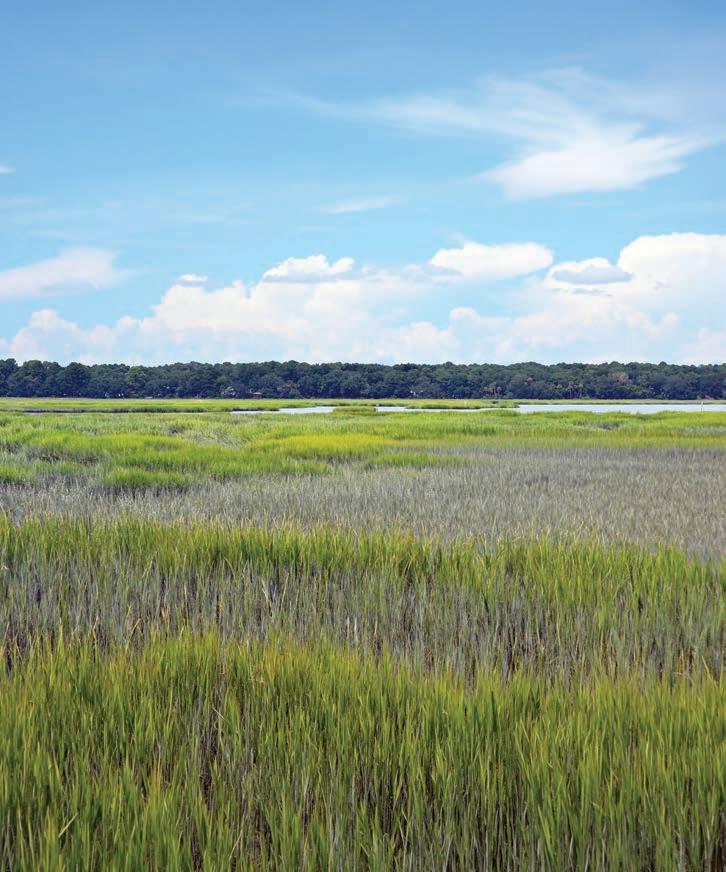
tThe Lowcountry marsh prepares food long before it ever reaches a kitchen. Dockside lunches and trips to the seafood market for the latest catch are weekly rituals for many locals. Seafood is so central to life here that Hilton Head celebrates it with a major festival each February. But long before shrimp boats return to the dock or clusters of oysters reach the bucket, a powerful force of nature is already at work.
The true chef of the Lowcountry is the tide. Twice a day the Atlantic Ocean flows in and out across the salt marsh, shaping both the ecosystem and the region’s food culture. High tide floods the spartina grass. Low tide reveals the pluff mud. These daily movements do far more than change the scenery. They push shrimp into rivers, bring redfish deep into the marsh and position oysters perfectly to feed. Few ecosystems on the East Coast match the productivity of the Lowcountry’s tidal marsh.
“This type of salt marsh is preferred for a lot of Atlantic species as reproductive grounds because it has the same salinity as the ocean,” explains Rex Garniewicz, president and CEO of the Coastal Discovery Museum.
Because of that balance, species such as redfish and blue crab, both vital to the ecosystem and the local table, depend on the rhythm of the tide.
“The marsh isn’t separate from the ocean,” Garniewicz says. “It is the ocean just slowed down and spread across land.”
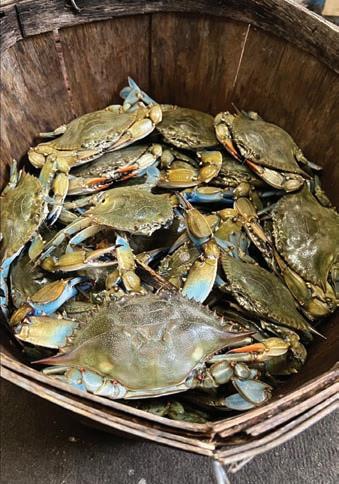
The tide does more than move water. It powers an entire food chain. When the tide rises, a remarkable chain reaction begins in the marsh grass.
“Marsh periwinkles climb up the spartina to get away from blue crabs,” Garniewicz says. “They’re the favorite food of the blue crab.”
MARSH TO MARKET Blue crabs tell a larger story about the reach of the Lowcountry marsh. “A large population of our blue crabs goes by truck to Maryland and is sold as Chesapeake crabs,” Hudson says. With shortages in the Chesapeake region, buyers increasingly source from the Southeast, proof that the Lowcountry marsh feeds far more than its own backyard.
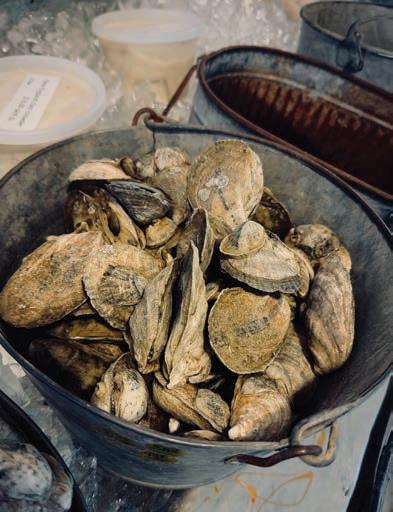
Farmed oysters grow as singles, Garniewicz explains, while wild oysters form dense clusters on natural reefs. Commercial growers lease statepermitted waters to raise their crops.
The periwinkles feed on spartina. Blue crabs feed on the periwinkles. Then redfish move in with the tide and feast on the crabs. It is a perfectly balanced food web, driven entirely by the rising and falling water.
“Without the tides,” Garniewicz says, “none of that would happen.”
In summer the Lowcountry fills with visitors, many seeing the marsh for the first time. One of the most common misconceptions appears in the water itself.
“People drive by and think it’s just a wet field,” Garniewicz says. “But it is the breeding ground for the Atlantic.”
During the warmer months, marsh water turns a deep brown color. Visitors often assume the water is polluted. In reality, the opposite is true.
“When the water turns brown in the summer, that means it’s healthy,” Garniewicz says.
The color comes from nutrients released by decomposing spartina grass. Those nutrients feed plankton and bacteria, the foundation of the marsh food chain. Plankton thrives in warmer water, typically in the 60s and 70s. When temperatures drop in winter, production slows, and the water clears. It may look prettier, but it becomes far less productive.
“The marsh feeds itself before it feeds us,” Garniewicz says.
If the tide is the chef of the Lowcountry, oysters are its filtration system.
“When people grow most seafood or crops, there is usually some environmental impact,” Garniewicz says. “With oysters, the opposite happens. The more oysters you have, the cleaner the water becomes.”
A single oyster can filter up to 20 gallons of water each day. But oysters face a challenge in the Lowcountry. The marsh floor is made of soft pluff mud. Without something solid to attach to, oyster larvae simply sink. To grow successfully, they need hard material such as old shells. That is why shell recycling programs are so important.

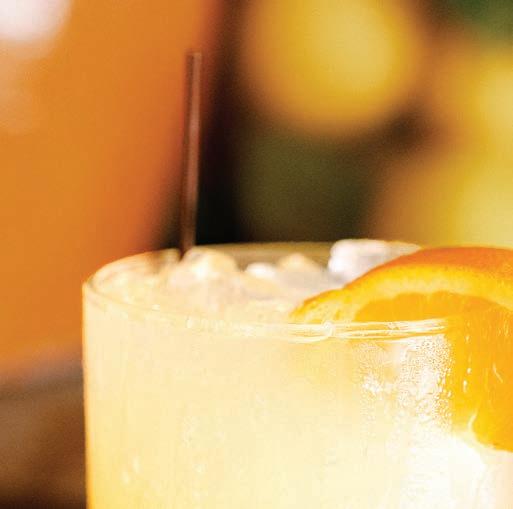





“People donate used oyster shells so we can build new reefs,” Garniewicz says of the oyster shell recycling bins at the Coastal Discovery Museum, operated by the Outside Foundation. “It’s a simple cycle, recycling shell to grow more oysters.”
The oyster growing season also follows a specific cycle. Summer is a time of growth, when warm, nutrient-rich water helps oysters gain weight. Harvest typically comes later in the year before spawning begins in spring. Local oysters also spend part of their lives exposed to the air.
“They are intertidal,” Garniewicz explains. “If they stayed underwater all the time, parasites in the water would destroy them.”
Garniewicz explains the science of the marsh. Tonya Hudson sees its results every day. Hudson owns and operates Benny Hudson Seafood Market, which has had a strong local following for five decades and counting. Harvesting oysters, she says, remains one of the toughest jobs on the water.
“It was all done by hand. And it still is,” Hudson says. “It’s a very labor-intensive process.”
Her family once leased far more oyster beds than exist today.
“In the ‘50s and ‘60s my family had over 400 acres of oyster beds,” she says. “Now there’s not even that much available to lease.”
Labor shortages also reshaped the industry.
“There just isn’t a labor force for that anymore,” Hudson says.
Still, oysters remain one of the defining flavors of the Lowcountry.
“All oysters are is a filter,” she explains. “They filter everything that’s in the water around them. Because our salinity is so high, the first thing people notice is the brininess.”
Restaurants often serve both local and imported oysters, offering different sizes and flavor profiles. But the taste of a Lowcountry oyster is unmistakable.
Shrimping presents its own challenges.
“There’s what we call a day boat,” Hudson says. “They shrimp all day and unload in the afternoon or evening.”
Other vessels stay at sea for much longer.
“Freezer boats can stay out five, 10, 15, even 20 days,” she explained.
From day boats unloading each afternoon to longer 20day trips, the region’s shrimp harvest follows the unpredictable rhythms of tide and temperature.
On those boats shrimp are processed immediately and placed into a saltwater brine freeze, preserving thousands of pounds at a time. Soft-shell crab season, for example, can vanish almost overnight.
“People think crab season lasts months,” Hudson says. “Sometimes it lasts four days, and it’s over.”
A small drop in water temperature can halt molting completely.
“All we can do is go by the cycles of the past,” she says.
The Lowcountry also has two local shrimp seasons. White shrimp tend to be slightly sweeter, while brown shrimp are smaller and richer in flavor. Those differences come largely from habitat and diet shaped by the marsh. Many customers do not realize the difference between imported shrimp and local catch.
“It’s not that people don’t care where their shrimp comes from,” Hudson says. “They just don’t know there’s a difference.”
Until they taste it.
“It has a special sweetness and a firm texture,” she says. “Almost like a baby lobster.”
After that first bite, many people never go back.
Both Garniewicz and Hudson agree on one thing that makes the Lowcountry unique: the harvest never truly stops. When oyster season slows, crab season begins. When crab season fades, shrimp arrive.
“There is always something in season,” Hudson says. Few coastal regions enjoy that kind of year-round abundance.
Understanding where seafood comes from changes how you see it. The tide shapes the marsh. The marsh shapes the food. And the food shapes the Lowcountry. What looks like quiet scenery along the water’s edge is actually a living system that feeds an entire region. Long before the first shrimp boat returns to the dock, the marsh has already prepared the meal.
Warming waters bring a changing mix of seafood to Lowcountry markets.
Soft-shell crabs: A prized spring delicacy that appears when blue crabs molt, typically arriving in local markets as water temps rise.
Flounder: A mild, flaky fish that begins moving inshore in spring, with increasing availability as the season progresses.
Sheepshead: Commonly caught around docks and oyster beds, this striped fish is a reliable spring staple at local seafood counters.
Black drum: Often available in smaller sizes, this firm, mild fish is a steady presence in spring catches.
Oysters (season ending): Still legal to harvest through May 15, but quality declines as waters warm, and many locals consider April the end of oyster season.
Other fishing targets: Redfish, speckled trout, tripletail (early arrivals), cobia (late April)
SOURCES: CERTIFIED SOUTH CAROLINA SEAFOOD AND LOCAL SEAFOOD MARKETS

Dive into fresh flavor all season long at Russo’s Fresh Seafood Bluffton. Choose from oysters, wild-caught local fish, shrimp, crab, and all the essentials to craft an unforgettable seafood feast. Pair them with handpicked wines, craft beers, and sparkling champagnes for a dining experiencelike no other.
Russo’s Fresh Seafood Bluffton brings you the best the ocean has to offer.
246 Red Cedar Street, Bluffton, SC 29910 russosfreshseafood.com feast. beers, experience like no other. the
STORY + PHOTOGRAPHY BY ALEA WILKINS

sSpring in the Lowcountry calls for garden-fresh produce, cold glasses of iced tea and meals best enjoyed on the porch. This month strawberries are ripe for the picking, and LOCAL Life publisher Lori Goodridge-Cribb’s favorite way to use them is in her strawberry goat cheese salad, which is equal parts sweet and savory. Fresh butter lettuce and arugula serve as the base, but the toppings, a medley of juicy strawberries, creamy goat cheese and toasted pecans, steal the show. Add salmon or chicken to make it a full meal, or enjoy it with crostinis for a satisfying first course. A homemade strawberry basil vinaigrette brings it all together, marrying the flavors for a taste of the season in every bite.
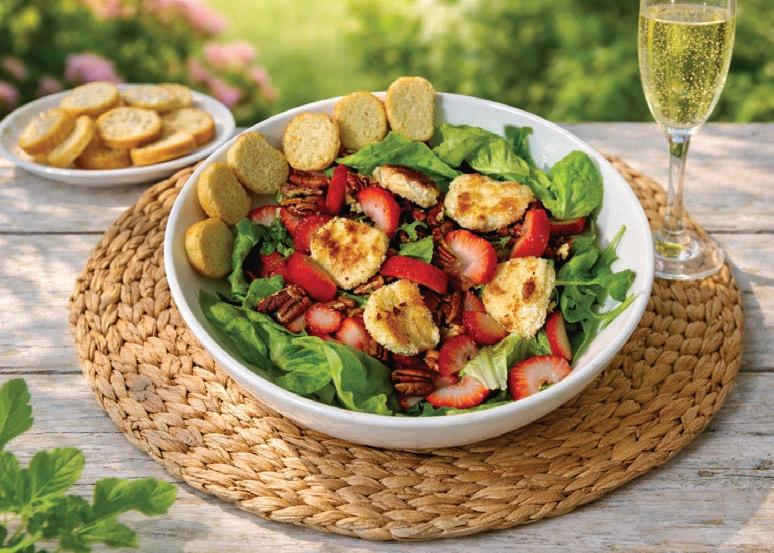
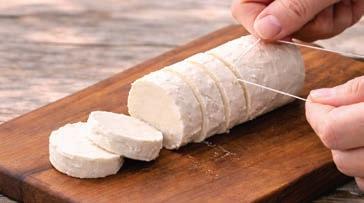
Goat cheese has a habit of sticking to knives, leaving you with more smear than slice. The simple fix? Dental floss. Pull it taut between your fingers and slide it through the log for perfectly clean rounds.
Watch & learn
Watch Lori prepare this dish “From Scratch” on LOCAL Life’s YouTube Channel @LocalLifeSC
INGREDIENTS
1 1/2 cups butter lettuce, torn into 1- to 2-inch pieces
1 cup arugula, roughly chopped 1/2 cup fresh strawberries, sliced 1/3 cup whole pecans
2 oz (about 1/4 cup) goat cheese
White of 1 large egg 1/2 cup breadcrumbs
DIRECTIONS [1] Heat oven to 350 degrees. Spread pecans on a large baking sheet. Toast pecans for 5 to 10 minutes, until lightly browned. [2] While pecans are toasting, add butter lettuce and arugula to a large serving bowl. Slice strawberries and add to the bowl. [3] Slice goat cheese and coat in egg whites and breadcrumbs, then fry on the stovetop with a neutral oil until golden, about 2 to 3 minutes on each side. [4] Toss salad and top with toasted pecans, fried goat cheese and strawberry basil vinaigrette. Lori recommends serving it with crostinis and a glass of prosecco.

INGREDIENTS
1/4 cup crushed strawberry balsamic vinegar (Hilton Head Oils and Balsamics)
1/4 cup basil extra-virgin olive oil (Hilton Head Oils and Balsamics)
1 teaspoon salt
1 teaspoon ground black pepper
DIRECTIONS Add all ingredients to a Mason jar, and shake to combine.


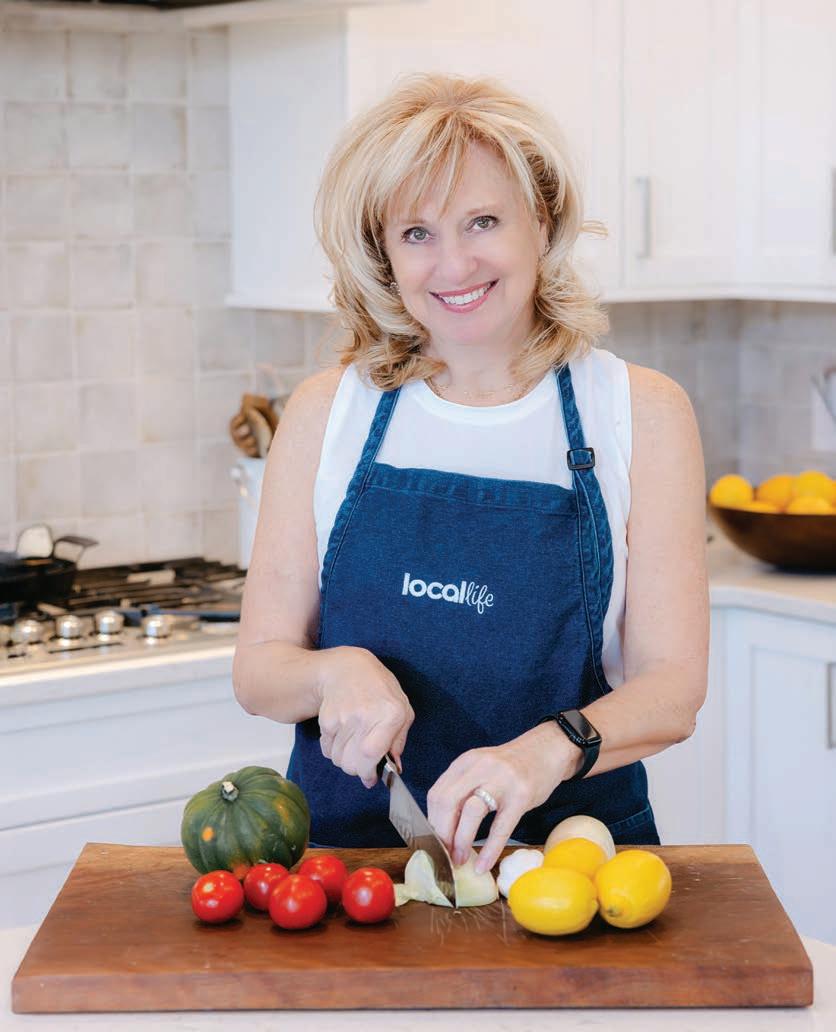


an online video cooking series featuring publisher Lori Goodridge-Cribb







COMPANY’S COMING. The table needs setting. The oven is warming up. And LOCAL Life publisher Lori Goodridge-Cribb is right there with you. Each month on From Scratch, Lori invites readers into her kitchen to share a seasonal recipe made for gathering. She believes the best memories happen around the table, and she is happy to show you exactly how she brings it all together. For April, she is preparing a bright, spring-ready strawberry basil salad.

Follow the recipe on the left, then head to LOCAL Life’s YouTube channel at @LocalLifeSC to watch the full episode. You will pick up smart kitchen shortcuts, simple hosting ideas and a few well-earned stories from Lori’s years of cooking for family, friends and anyone lucky enough to pull up a chair.


To see Lori in action and watch every episode of “From Scratch,” scan the QR code or visit LOCAL Life’s YouTube channel at @LocalLifeSC.









BY BAILEY GILLIAM
Spring has arrived in the Lowcountry, and the restaurant scene is blooming right along with it. April brings a wave of openings, fresh concepts, renovations and seasonal updates, as chefs and restaurateurs tap into the energy of the season. From longtime favorites evolving with the times to brand-new ventures stepping onto the stage, there is plenty happening behind kitchen doors.
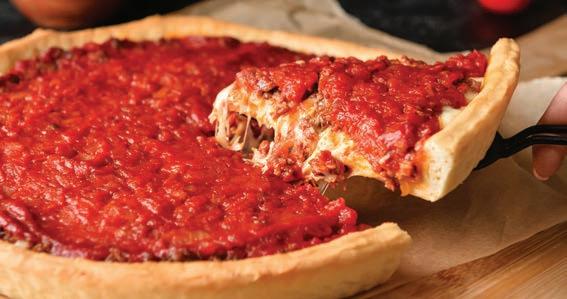
LAGOON ROAD, HILTON HEAD
A new casual pizza spot inspired by Chicago flavors is coming to Hilton Head’s south end. Capri Pizza HHI, from the family behind Coastal Capri Ristorante at South Island Square, is expected to open this spring in the former Dive Bar & Grille space near Coligny Plaza. The menu will feature Chicago-style deep-dish pizza, thin-crust pies, Italian beef sandwiches and other casual Italian favorites served in a laid-back setting with indoor and outdoor seating.
Dunkin’
KITTIES CROSSING, BLUFFTON
Coffee runs in Bluffton will soon get a little easier.
Dunkin’ is planning a new freestanding location at 1002 Fording Island Road in Kitties Crossing Shopping Center, in front of Buffalo Wild Wings and Jimmy John’s.
The 2,240-square-foot café will feature the brand’s modern “next generation” design with a dual-lane drive-through, indoor seating and an outdoor patio. An opening date has not been announced, but caffeine lovers already have something to look forward to.

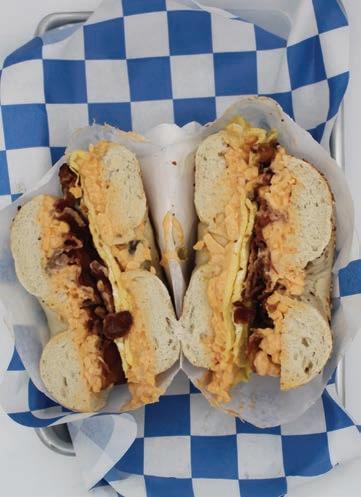

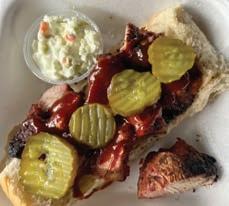
Hilton Head’s bagel game is about to get stronger. Nosh NY Bagels plans to open its second location this spring at Village at Wexford in the former Odd Birds space. Known for authentic New York-style bagels with that perfect chew, the shop will serve breakfast and lunch favorites, from stacked bagel sandwiches to plenty of cream cheese-laden creations. The team says Hilton Head can expect the same “Eat Greedy” energy that made the original location a hit.
A beloved local food truck is putting down permanent roots in Beaufort. Mother Smokin’ Good BBQ, led by pitmaster Marquith “Roscoe” Green, plans to open its first brick-and-mortar location in mid-May at 101 Scott St. near the waterfront playground. Green, who grew up in nearby Lobeco and started smoking meat as a teenager, built a loyal following with his rolling smoker and the motto “Follow the Smoke.” Since launching the food truck in 2014, the operation has earned national attention, including a feature in Travel + Leisure, a winning rib appearance on Moonshiners: Smoke Ring, and a visit from James Beard Awardwinning author Michael Twitty.



Beaufort Station will soon welcome another dining option. Freddy’s Frozen Custard & Steakburgers announced plans to open a location in the shopping center later in 2026. Known for cooked-to-order steakburgers, crispy shoestring fries and rich frozen custard treats, the fast-casual chain will bring a mix of classic American comfort food and sweet desserts to the Beaufort community.
















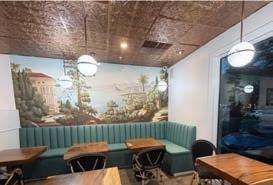

Nonna Marie’s Gelato & Coffee Bar is back open on Hilton Head Island after a recent refresh. The shop spent late February updating its space and is now welcoming customers again for house-made gelato, coffee drinks and sweet treats. Just in time for spring, the refreshed setting gives locals and visitors a bright new spot to stop for a scoop or a caffeine fix.
The Sea Pines Resort is mixing things up behind the scenes with several leadership updates across its food and beverage team.
Alex Dinerstein has been promoted to food and beverage operations manager after nine years with the resort, most recently as general manager of Links, an American Grill. Nick Osterfoss steps in as the general manager of Links, while Brendan McGuire has been promoted to general manager of Harbourside. Eric Haley has taken on a new role as assistant operations manager at Fraser’s Tavern. Together the team will help guide some of the resort’s most popular dining spots into the busy spring and summer seasons.




The smoker is fired up at Bordertown BBQ in Beaufort, which is now open and serving its signature slow-cooked barbecue.
Harbourside in Sea Pines and Boujee Bowls in Beaufort reopened, bringing back waterfront views and fresh bowls just in time for spring.
Sandy Bottom Boards in Beaufort has closed.
The Greenhouse Restaurant in Bluffton is expected to debut later this month, adding another fresh dining option to the growing Bluffton scene.
Old Oyster Factory on HHI unveiled a new patio space, giving diners another scenic spot to enjoy a meal overlooking the marsh.
Spring is showing up on plates all across the Lowcountry. As local waters warm and farms burst back to life, chefs are leaning into the season with dishes that celebrate fresh seafood, bright produce and a little creative flair.

At Charlie’s L’Etoile Verte, the spotlight occasionally shifts away from the ocean and onto freshwater ponds and lakes. Freshwater trout arrives with crisp edges and flaky perfection, topped with lump crab meunière for a rich coastal flourish.
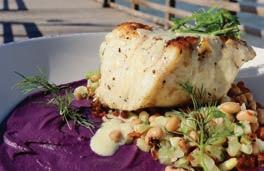
Panini’s on the Waterfront in Beaufort puts a globe-trotting spin on shrimp and grits. Wild-caught Atlantic shrimp rest atop creamy pancetta polenta with butter, onions, olives, tomatoes and basil. The result is a dish that feels both familiar and fresh.
At Nectar Old Town Bluffton, the Octopus Carpaccio proves that sometimes the simplest dishes make the biggest impression. Whisper-thin slices of tender octopus are finished with olive oil, fresh lemon, a peppercorn medley, smoked sea salt and delicate micro carrot tops.

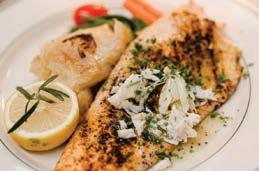
The Quarterdeck serves up South Carolina wreckfish with a plate full of regional flavor. Palmetto Purple sweet potato, black-eyed peas, roasted corn with Benton’s shaved ham and white spring onion soubis grown in the state create a dish that feels both comforting and refined.




At Maine Cafe in Moss Creek Village, the Fickle Flounder brings bold flavor and plenty of personality. Beer-battered haddock tacos come piled high with peach salsa, chow chow, pickled red onion, banana peppers and citrus crema. Each bite delivers crunch, tang and a pop of sweetness that makes the dish as fun as it is flavorful.
Sister Sister Deli in Beaufort is leaning into spring with its Orange Blossom Rice Crispy. Bright orange zest is folded into marshmallow crispies and finished with a sprinkle of fragrant orange blossom sugar. Light, citrusy and nostalgic, it tastes like sunshine in dessert form.
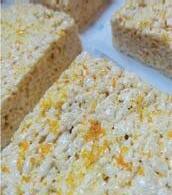
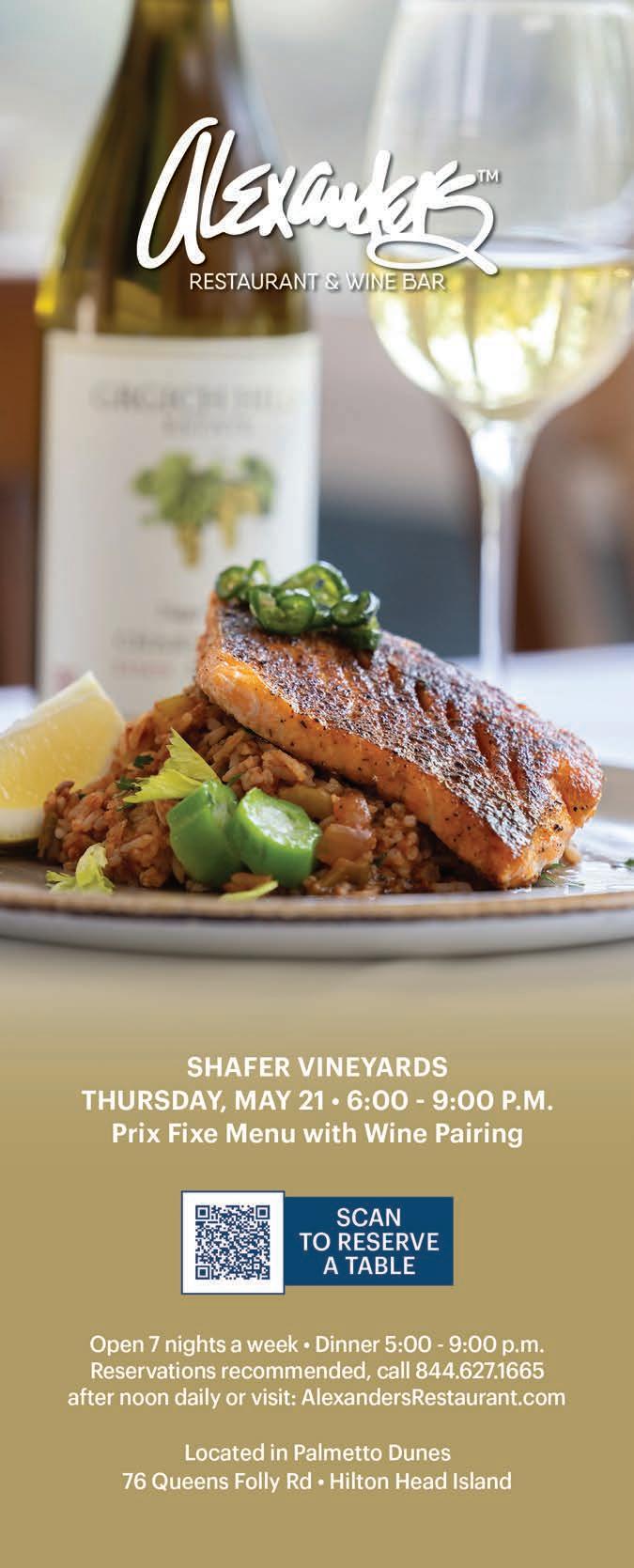



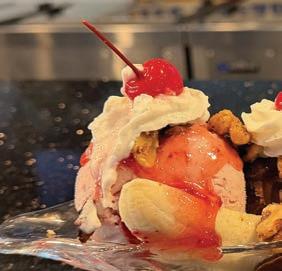
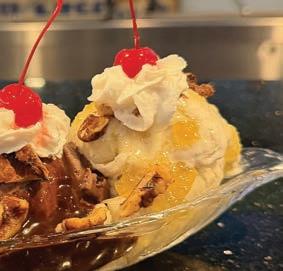


Margaret Pearman, a certified sommelier with the Court of Master Sommeliers, curates the acclaimed wine list at Charlie’s L’Etoile Verte. For April, she highlights two Littorai wines that capture the ever-changing character created through native yeast fermentation.
In the rolling hills of Anderson Valley and the Sonoma Coast, where Littorai Winery sources its grapes, winemaker Tom Lemon is redefining what it means to craft authentic wine. At the heart of his philosophy is a method as old as winemaking itself: wild, or native, yeast fermentation.


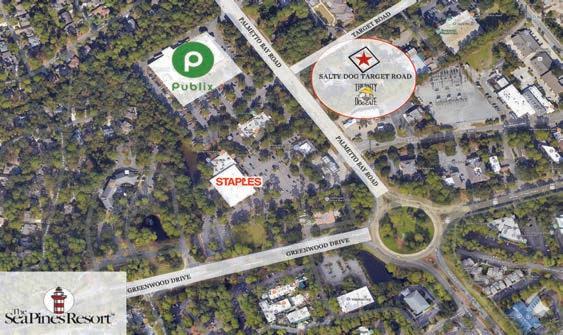




Unlike commercial yeasts bred for predictability and uniformity, wild yeasts are the naturally occurring microorganisms found on grape skins and in the winery’s environment. While many modern winemakers rely on additives and cultured yeasts to ensure consistency, Lemon takes the opposite approach, embracing native yeasts as a way to highlight the individuality of each vineyard and vintage.
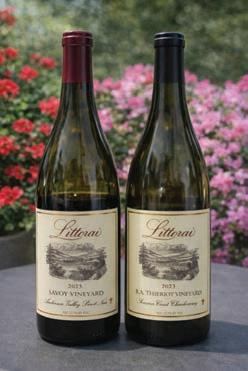
During harvest, Lemon brings in hand-picked chardonnay and pinot noir grapes, taking care to preserve their natural bloom. In the cellar he resists adding cultured yeasts, allowing native populations to begin fermentation on their own timetable. The process demands patience and careful monitoring, since wild fermentations can be unpredictable. For Lemon, that unpredictability is precisely where the magic lies.
The result is wine that feels alive with place. Littorai’s chardonnay reveals layers of minerality and vibrant texture, while the pinot noir develops nuanced aromas and flavors often muted by commercial yeast strains.
“Wild yeast fermentation brings out the vineyard’s true voice and adds a subtle, ever-changing character to each bottle,” Lemon says.
For Lemon and Littorai, letting nature take the lead is not just a technique. It is a philosophy that ensures every vintage tells its own story.
STORY BY BAILEY GILLIAM
When spring wakes the wild across the Lowcountry, our cocktails answer the call. Fresh herbs, tangy citrus and bold local spirits take over the glass, reflecting the season’s return to life, from a botanical gin shaken with rosemary and mint to a tropical rum punch layered with fruit and spice.
Bright, herb-driven and built for warm-weather sipping, Burnt Church Distillery’s Spring Fever delivers the taste of Lowcountry spring in one tall glass. Devil’s Elbow Original Gin meets lemon, simple syrup and ghost bitters for a mix that’s citrusy, lightly spiced, and shaken with rosemary and mint for a fresh botanical lift. It’s crisp, lively and perfectly timed for the season.
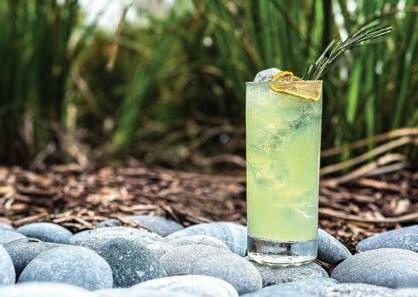
1 1/2 ounces Devil’s Elbow
Original Gin
1/4 ounce lemon juice
1/2 ounce simple syrup
1/2 ounce ghost bitters
DIRECTIONS [1] Combine all ingredients with rosemary and mint in a cocktail shaker.
[2] Fill with ice and shake vigorously. [3] Pour into a Collins glass over fresh ice.
[4] Garnish with a dehydrated lemon and a sprig of rosemary.
If spring had a rebellious side, it might taste like Hilton Head Distillery’s Punch Drunk Pirate. Created for this year’s Seafood Fest, the layered mix of dark, spiced and toasted coconut rums charges into pineapple, bright citrus and almond-rich orgeat, finished with a dash of Angostura bitters and an optional float of overproof rum for extra kick. It’s tropical, bold and built for good trouble.
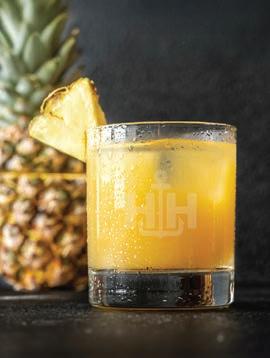
1 ounce HHD Extra Special Dark Rum
1 ounce HHD Spiced Rum
1/2 ounce HHD Toasted Coconut Rum
2 ounces pineapple juice
1/2 ounce lime juice
1/2 ounce orange juice
1 ounce orgeat (almond syrup)
1 dash Angostura bitters
Splash of overproof rum (optional)
DIRECTIONS [1] Combine all ingredients in a shaker tin. [2] Add ice and shake vigorously. [3] Strain into a tiki mug or large glass filled with ice. [4] Float a splash of overproof rum on top using the back of a spoon, if desired. [5] Garnish with a mint sprig or pineapple wedge.

STORIES BY B.C. RAUSCH
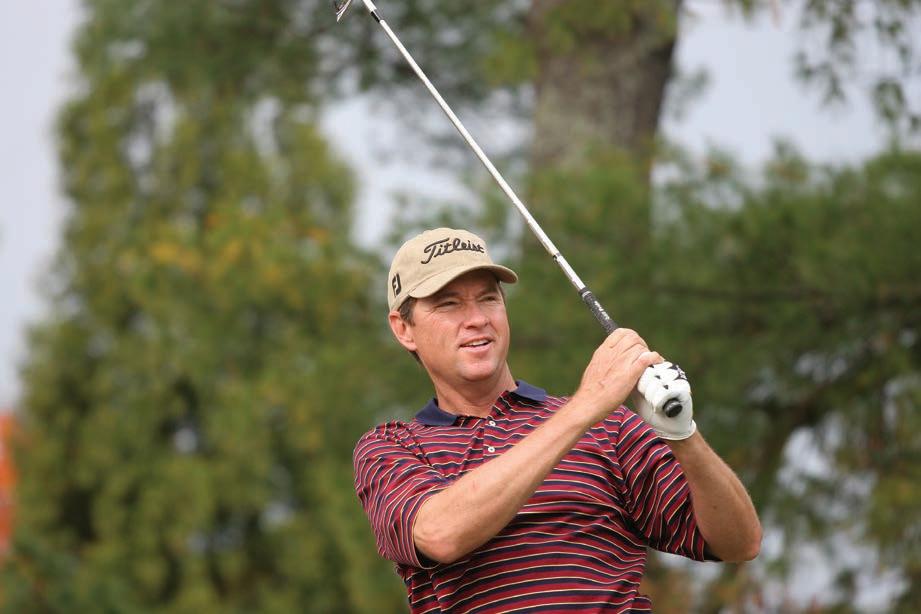


No stranger to Harbour Town Golf Links, Davis Love III is a fivetime winner of the RBC Heritage and served as player-consultant on the 2025 restoration project. He grew up on the Southeast’s coastal islands, and his company, Love Golf Design, designed another course at The Sea Pines Resort, Atlantic Dunes by Davis Love III.
Love’s introduction to Harbour Town Golf Links came long before his professional golf career started. His father was a golf professional and played in the first Heritage Classic in 1969, memorably won by Arnold Palmer. It was the first time the world saw Pete Dye’s now-iconic design, which is widely regarded as one of the best courses in the country.




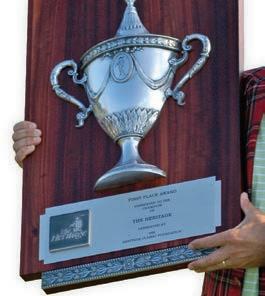








“I clearly remember being here for that tournament because I went into the marsh looking for golf balls and got stuck in the mud. I don’t remember anything about my dad playing or much else about that first trip to Hilton Head, except for marsh mud. It’s very sticky!”
Love went on to play in the Junior Heritage, which started his path of playing in events at Harbour Town. For the renovation, Love said the team’s mantra was, “what would Pete (Dye) want us to do now?”




Q: What makes Harbour Town so special, not just to the PGA Tour pros but to the resort guests?
DLIII: Well, I think it's iconic golf course architecture. You know, it's obvious that Pete was busy back then and was a noted architect. But I think this one is special because upon opening, it immediately had a PGA Tour event. It obviously had Jack Nicklaus as a co-designer when he was just getting into the business. And I think it made a statement. So many things may make this a special place for so many golfers. And, you know, it's like a Pebble Beach of the East Coast. It's a place that you really want to see and play and has so much history.
Q: You have done these types of restorations before. What was your anxiety level when you took this job, knowing the history here?
DLIII: There's pressure at every club we go to, whether it's a new course or an existing golf course. But coming to Harbour Town, we had Pete Dye and the RBC Heritage, and so much history for our family. When I walked out and met Sonny (contractor) on the 18th green the first day they started, he was digging up the spot that I chipped in from one time in the Heritage. I'm like, wow, this is hitting home.























THE ROAD TO FIVE Davis Love III celebrates one of his record five victories at Harbour Town Golf Links. With wins in 1987, 1991, 1992, 1998 and 2003, he cemented one of the most dominant runs in Heritage history.


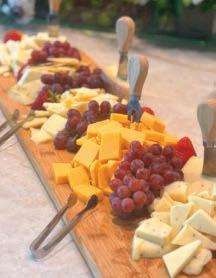

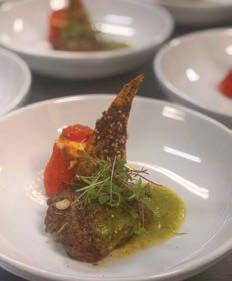
Monday Closed • Tuesday 8-6
Wednesday - Friday 8-8
Saturday 8-6 plus brunch all 3 menus
Sunday 8-2 brunch all 3 menus
Live music Wednesday and Friday

Q: What are the PGA Tour players going to say about the restoration? DL III: What we heard from PGA Tour players is "Don't change it. Don't mess it up." We all had our goals and desires, and we all concluded, ‘Alright, this is what Pete would do.’ Because we all made a list of things that we felt like we needed to do and protect, the team came up with a great plan, following the mantra, ‘plan your work and work your plan.’ And I think we planned it very well.
Q: How would you describe the scope of the work that you envision? DL III: The strategy: you either appreciate it, or it frustrates you. Lee Trevino didn't like courses that didn't fit his golf ball, but I think what Scottie Scheffler loves about this golf course is if you hit it in the right side of the fairway on one, you're rewarded. You hit it on the left side of the fairway on two, you're rewarded. The pros are interested in the quirky things. They're like, 'okay, are you really putting the bunker back on 14, the sod bunker?' Yes, we are. One day we met up with a group of members who were on 14. One hit it pretty far left of the green, one was just on the fringe, one was just on the green, but they were all short and left. They all putted it up through the fringe or up to the hole, and they all made 3 or 4. I said, do you guys always hit it short? Yes, we always hit it short of the tree, and we always hit it to the left. So, we put a bunker up there. If the pros try to challenge the back hole locations now and they pull it, they'll be in this pot bunker again.
Q: That brings up an interesting point, finding the balance between designing for the pros and for the amateurs DL III: We think about the pros, of course, and we listen to them, but we designed for the other 51 weeks of the year. For the members and the guests who are playing here every day, you don't want it to be easy. I think Pete Dye would tell you there are supposed to be some hard holes, and there are supposed to be some easy holes, and you're supposed to be challenged. You don't want every day to be the same. You want it to be challenging and exciting, to bring you back and motivate you.











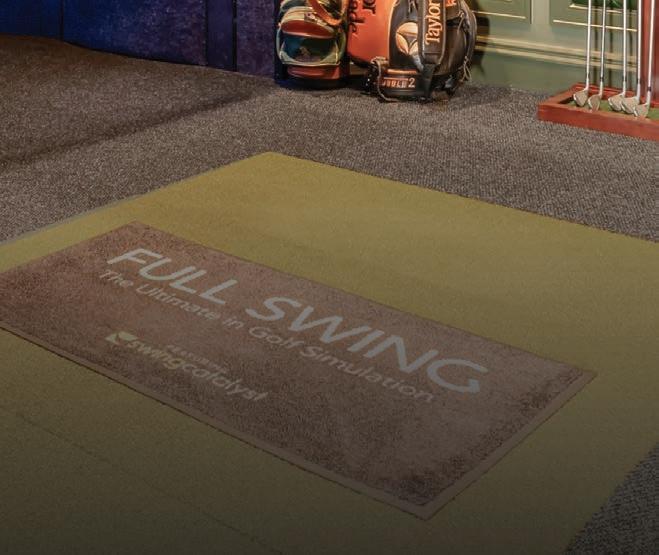

Designed by renowned architect Pete Dye with his wife, Alice, and assisted by Jack Nicklaus, Harbour Town Golf Links has been the home of the PGA Tour’s RBC Heritage Presented by Boeing since it opened in 1969. It is widely regarded as one of Dye’s best and most iconic creations, among the early masterpieces of his long and brilliant career, enjoyed by Tour players and amateur golfers alike.
When Sea Pines management first proposed renovating the course, the goal was to update its infrastructure and ensure championship-caliber conditions year-round. They soon realized it also presented an opportunity to restore elements of Dye’s original design and guarantee that one of the country’s most recognizable layouts would stand the test of time. Most of the work is out of sight: improvements to agronomy and maintenance, along with rebuilding all greens, bunkers, tees and bulkheads.
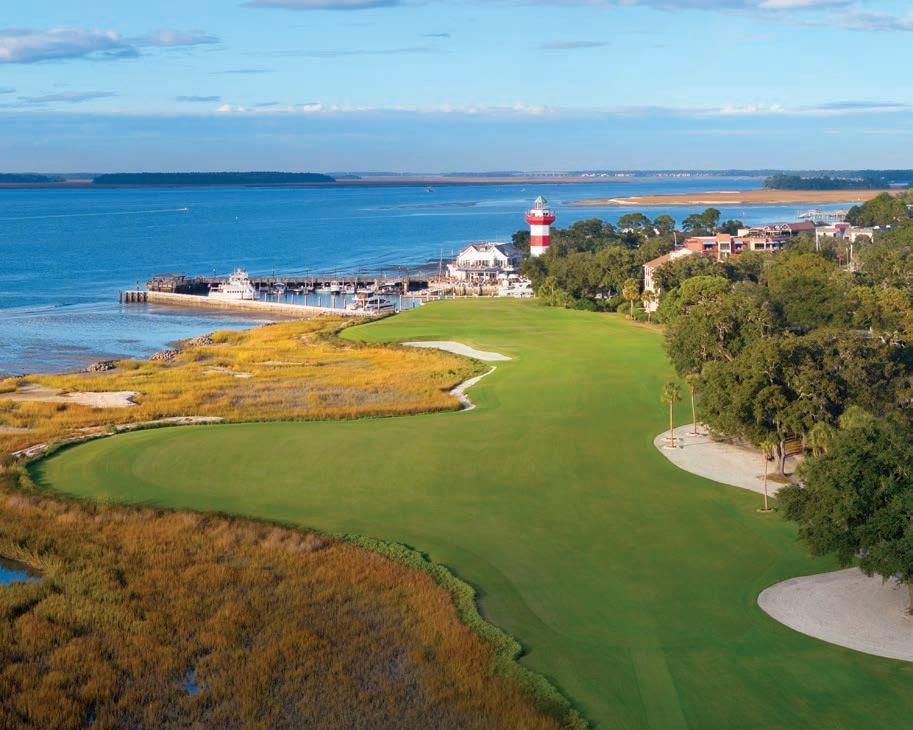
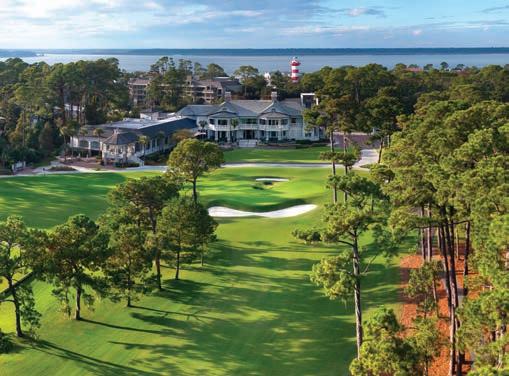

The turf species — TifEagle on the greens and Celebration Bermuda on the fairways, tees and rough — remain the same.
The design changes will be difficult to detect, even for experienced Harbour Town players. Some greens were returned to their original shapes, restoring hole locations that had been lost as surfaces shrank over time. The same is true for certain greenside bunkers which, after years of play and edging, no longer abutted the greens.
“There won’t be places where people say, ‘Oh my goodness, where did this come from?’” said John Farrell, director of sports operations for The Sea Pines Resort. “Most changes will have to be pointed out to people, whether they are the Tour pros who come back once a year or our members. Every ‘change’ we made had documentation, images or video showing what it was like previously.”
Davis Love III — five-time Heritage champion, successful course architect and someone familiar with Harbour Town since it opened — was brought in to provide a Tour player’s perspective. According to Farrell, Love understood management’s desire to keep the course fun, exciting and challenging 52 weeks a year: the week the world’s best golfers compete and, just as importantly, the other 51 weeks when it is enjoyed by resort guests, property owners and locals.
“There’s no ego here. There’s no one saying, ‘I want to show what I’ve got,’” Farrell said. “The job here is to honor Pete Dye.”
Along with the infrastructure improvements mentioned above, here is how each hole at Harbour Town Golf Links was restored:
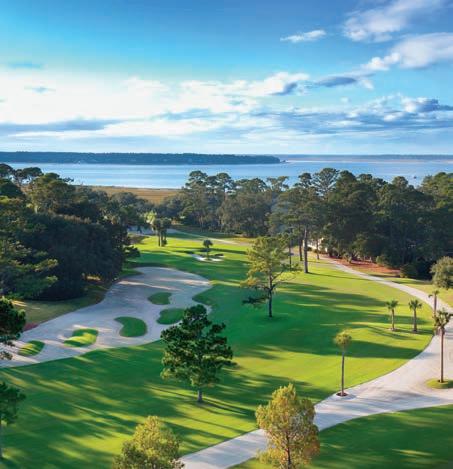
HOLE NO. 1
• Added 10 yards
• Moved greenside cart path 14 yards away from the green’s edge
HOLE NO. 2


• Moved fairway bunker 7 yards into the fairway and steepened bunker face
• Added new bunker at the back of the green
• Added stacked-sod bunker face to existing bunker
• Added 200 square feet to the green complex
HOLE NO. 3
• Replaced fairway cart path with crushed sand and shell (removed asphalt)
• Reduced left greenside bunker size by 35 percent
• Reshaped right greenside bunkers to original, larger size and positioned them closer to the green complex
HOLE NO. 4
• Expanded all tee complexes
• Removed bridge crossing lagoon 50 yards short of the green complex
• Rerouted cart path to the right side of the lagoon and hole
• Added stacked-sod bunker behind green
HOLE NO. 5
• Removed cart path crossing the middle of the fairway
• Expanded left lagoon 10 feet closer to the fairway (where the cart path was)
• Added waste-area cart path on right side
• Added stacked-sod greenside bunker on left side of green complex
• Lowered green complex 16 inches and restored it closer to original shape
• Moved live oak on right side of green 18 feet closer to fairway, with canopy extending to the right third of the green complex



















No one can predict the future - that’s why we have insurance.







As an independent insurance agency, we do the di cult work of finding the best rates and coverages for your specific needs. We want you to spend less time worrying if you’re properly insured and more time enjoying your life. No one can predict the future, but Kinghorn Insurance Agency can make sure it’s protected.







Community Foundation of the Lowcountry is proud to partner with the Heritage Classic Foundation (HCF) for the Heritage Classic Foundation Scholarship Endowment Fund. Every year, HCF awards scholarships to 11 deserving high school seniors from Beaufort or Jasper County. Since the program began in 1993, HCF has distributed $5.8 million in scholarships to over 400 students.
The scholarship endowment fund’s purpose is to increase needs based scholarships available to local students, while ensuring HCF Scholar Program’s growth and longevity.
You can make an impact on local students by supporting the Heritage Classic Foundation Scholarship Endowment Fund.

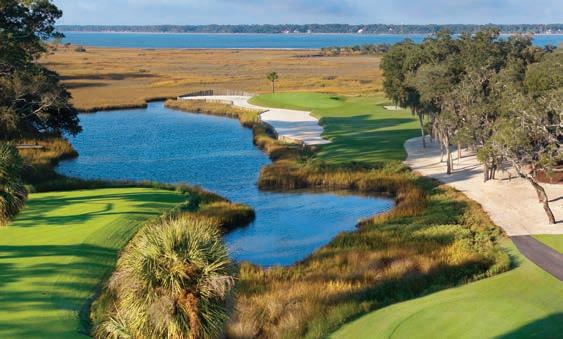
HOLE NO. 6
• Expanded back of green
• Reshaped greenside bunkers
• Added stacked sod to existing left bunker
HOLE NO. 7
• Removed bridge and rerouted cart path around right side of hole
• Added bulkhead around pond
• Expanded bunker around green to edge of bulkhead
• Expanded back-left portion of green
HOLE NO. 8
• Expanded left greenside bunker to edge of bulkhead closest to tee
HOLE NO. 9
• Raised entire green complex 14 inches
• Added stacked sod to two bunkers behind green
HOLE NO. 10
• Removed cart path and created waste-area cart path on right side of fairway
• Changed front-right bunker to stacked sod
• Expanded back portion of green
• Added trees on right side of fairway

HOLE NO. 11
• Removed cart path from middle of hole to 40 yards short of green
• Created waste-area cart path on right side of fairway
• Changed front-right bunker to stacked sod
• Expanded back portion of green
HOLE NO. 12
• Enlarged bunkers to original shape and size
• Removed cart path from middle of hole to 14th tee
• Created waste-area cart path on left side of fairway
• Lowered green surround to align more closely with cypress planks bordering bunker short of green
HOLE NO. 14
• Doubled size of raised Heritage tee
• Changed existing greenside bunker to stacked sod
• Added additional pot bunker; both bunkers are stacked sod
• Removed cart path near green
HOLE NO. 15
• Removed cart path in middle of hole
• Created waste-area cart path on right side of fairway
• Slightly reshaped green to create more hole locations without changing square footage
HOLE NO. 16
• Expanded fairway waste bunker approximately 10 feet toward fairway on right side
• Changed existing pot bunkers to stacked sod
• Converted right cart path to waste-area cart path
HOLE NO. 17
• Slightly expanded back of green
HOLE NO. 18
• Added retaining wall around back portion of tee
• Moved tee approximately 10 yards back and left, closer to the marsh
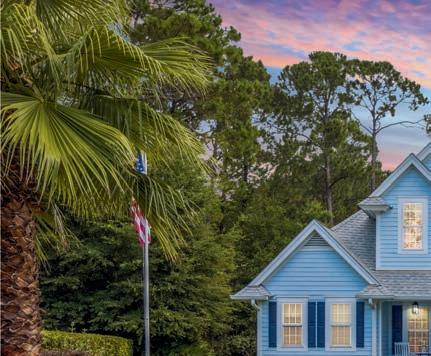









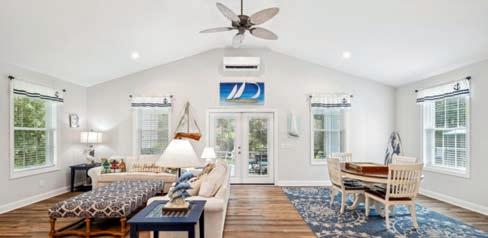




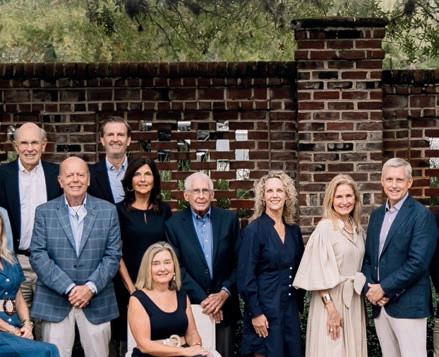




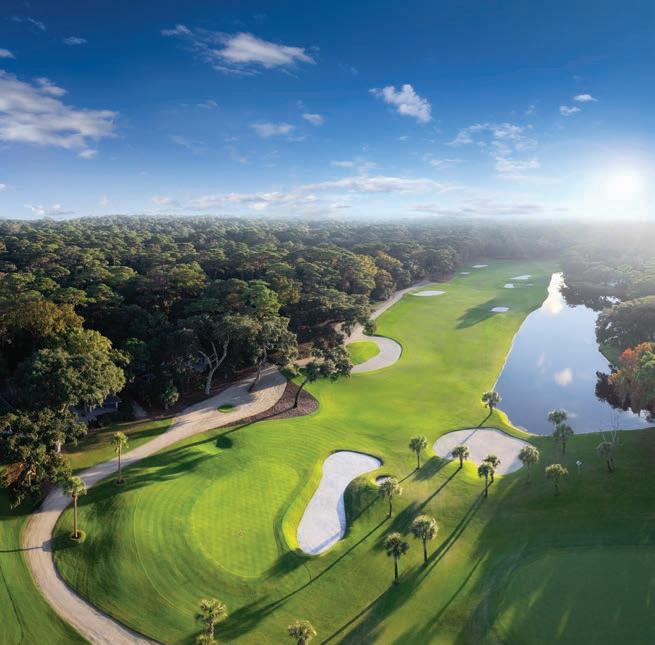
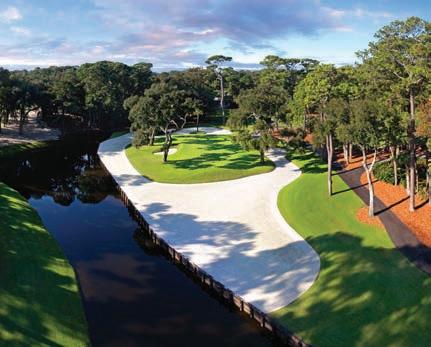
When the PGA Tour arrives for the RBC Heritage Presented by Boeing, and the world’s best golfers play Harbour Town Golf Links for the first time since its refresh, will they notice anything different? The best answer: maybe.
“Generally speaking, the changes to the golf course would be considered very subtle, very modest,” explains John Farrell, director of sports operations at The Sea Pines Resort. “They’re apt to say something about a few holes, for sure, and all for different reasons. For example, there are 11 bunkers on the course that were pot bunkers before but are now stacked sod, which gives them a steeper face.”
LOCAL Life asked Farrell which holes are most likely to draw the pros’ attention.
On No. 2, the bunker on the left side of the fairway, about 260 to 270 yards off the tee, has been shifted slightly to the right by only three to four yards. In addition, a back-right hole location that had been lost as the green shrank over time has been restored.
On No. 5, the layup landing area has been considerably tightened by moving the lagoon as much as 30 feet closer on the left and shifting the bunker about 50 yards short of the green approximately 15 feet closer on the right. In keeping with the goal of restoring Pete Dye’s original strategy, the fifth green was also lowered to its 1969 height when the course first opened. “The players are all younger now, so they don’t remember it,” Farrell says. “But we certainly do.”
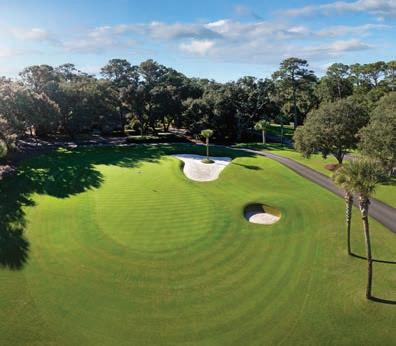
The bridge that once crossed the middle of the lagoon on No. 7 has been removed, a change that affects aesthetics more than playability. The shot values remain intact, but the look is different. Bulkheading was also added around the entire lagoon, another primarily visual update.
They will likely notice what’s new on No. 10, where seven trees were added on the right side of the landing area. Four of those trees, Farrell notes, will significantly affect shot values.
On No. 14, the championship tee, known as the Heritage Tee, was enlarged to allow for varied yardages across all four days of the tournament. That expansion gives the PGA Tour setup team more flexibility in how the hole is played.


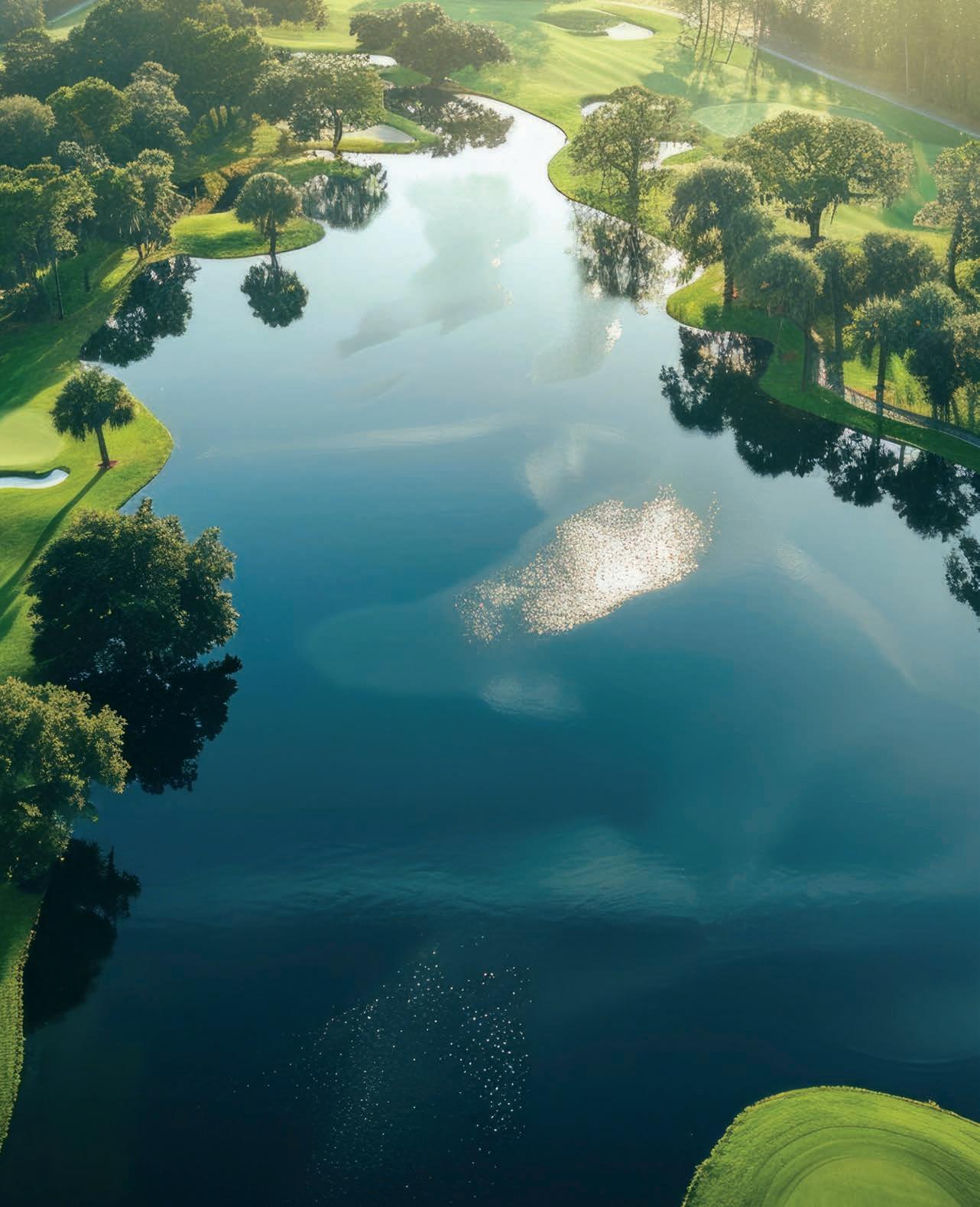

After Augusta’s intensity, the RBC Heritage offers a breath of Lowcountry air
fFor players and their families, the RBC Heritage is a welcome respite on the spring schedule. Coming on the heels of the pressure cooker that is the Masters, the golf season’s first major, the laid-back, beachy feel of this tournament allows competitors to relax and spend precious time with their families.
Farrell says one of his favorite parts of tournament week is to “see the players finish their rounds, meet their families and go for a bike ride on the beach. Or they walk down to the harbor for ice cream, holding hands. They’re coming to experience Sea Pines the way we get to see it yearround and really embrace it. We’re a family-style resort with an atmosphere and a feeling that’s a little more relaxed.”

FAMILY
and their
to the cannon ceremony the year after his dramatic 2014 victory. Unlike many stops on the PGA Tour schedule, the RBC Heritage often feels like a family affair, with players bringing loved ones along to enjoy a relaxed island vacation between rounds.
That’s not to say the golf isn’t taken seriously at Harbour Town. After all, this is a PGA Tour Signature Event, which means a limited field, a larger purse of $20 million, including $3.6 million to the winner, and 700 FedExCup points.
The tournament addresses nearly every need a player might have, a benefit that is especially appreciated in the smaller, more intimate setting. Ease of access, on-site lodging and the beach at your doorstep are just the beginning. As Farrell explains, “We’re more of a small ballpark for them, and they love it. They enjoy the intimacy of the resort.”
Of course, players receive red-carpet treatment from the moment they arrive and throughout the event. From personalized lockers and VIP services to specialized menus with an emphasis on healthy eating, an on-site barbershop and a fitness trailer that travels with the PGA Tour, every creature comfort is considered.
Farrell added, “The relationship between the Heritage Classic Foundation and The Sea Pines Resort is remarkable. There’s an unselfishness. We collaborate on everything we do.”
And it’s not just the players who enjoy first-class service. The hosts focus on every aspect of the guest experience, from parking and concession lines to restrooms and viewing areas. “Everybody coming to the tournament gets the same level of consideration and thoughtfulness,” Farrell said. The event is a weeklong celebration rooted in Southern hospitality.
It’s no surprise that the RBC Heritage has been named the most fan-forward event on the PGA Tour.
We are committed to providing expert care close to home. Whether you are looking for a primary care physician or a specialist, Novant Health is the neighbor you can count on. Let us care for all your healthcare needs.

Family medicine
Cindy Steinberg, MD
Hilton Head Island
Novant Health Hilton Head Primary Care
843-682-2004

Internal medicine
Tore Flavin, FNP
Bluffton
Novant Health New Riverside Primary Care
854-235-2840

Vascular surgery
Christopher Wixon, MD
Bluffton
Novant Health Heart & Vascular - Persimmon
854-235-2810

Internal medicine
Kyle McMillen, DO
Bluffton
Novant Health New Riverside Primary Care
854-235-2840

Interventional cardiology
Donald Yakel Jr., MD
Hilton Head Island & Okatie
Novant Health Heart & Vascular - Physicians Plaza
843-682-2800

Vascular surgery
Melissa Brown, FNP-C Bluffton
Novant Health Heart & Vascular - Persimmon
854-235-2810

Internal medicine
Paige Wooten, AGPCNP-BC
Bluffton
Novant Health Westbury Park Primary Care
854-235-2830

Cardiology
Vicki Wild-McLeod, NP-C
Hilton Head Island & Okatie
Novant Health Heart & Vascular - Physicians Plaza
843-682-2800

Internal medicine
William Kyle, DO
Bluffton
Novant Health New Riverside Primary Care
854-235-2840

Electrophysiology
Mark Liwanag, DO
Hilton Head Island
Novant Health Heart & VascularPhysicians Plaza
854-235-2730
Find your care team at NovantHealth.org/Doctors




Tuesday, April 14: Opening ceremony, noon, 18th green
Wednesday, April 15: RBC Heritage Pro-Am, 7 a.m.
Thursday, April 16: First round, 7:30 a.m.
Friday, April 17: Second round, 7:30 a.m.
Saturday, April 18: Third round, 7:30 a.m.;
Plaid Nation Games, noon, Heritage Lawn
Sunday, April 19: Sunrise Service, 7:30 a.m., Liberty Oak; final round, 7:30 a.m.; trophy presentation following play, 18th green
The 2026 RBC Heritage tournament is set to enhance the spectator experience with a range of new and expanded hospitality venues at Harbour Town Golf Links. Fans can look forward to more amenities, premium viewing locations and exclusive culinary offerings throughout the event.
Spectator alert. There will be grandstands available on all 18 holes of Harbour Town Golf Links at this year’s tournament. Anyone with a general admission ticket will be able to access these seating areas. Grab your plaid, and take a seat.
Gallery or stands? Longtime golf watchers have varied viewing strategies. Some like to pick a group and follow them for all 18 holes, while others select a hole and settle in for the duration.
Bonus: There’s a new concessions deck called the SCEL Lounge, open to the public, located between holes 17 and 18.
The Lighthouse Club: Located on the iconic 18th green, this two-story, open-air sky box is available Thursday through Sunday. Guests enjoy complimentary lunch buffets, full-service bars and spectacular views, making it one of the most coveted viewing spots on the PGA Tour.
Heritage Lawn Club: The newest private venue, open Thursday through Sunday, features stunning 360-degree views of Calibogue Sound, the 18th tee and the Heritage Lawn. Each ticket includes two complimentary drink tickets, with additional food and beverages available for purchase.
Ultimate Patron Pass: Starting at $1,500, this pass grants access to the Calibogue Club, Lighthouse Club, Doc’s BBQ at 15, two satellite hospitality locations and the tournament grounds. For every two tickets purchased, on-site parking is included, offering ultimate flexibility for fans.





— Carol M. (Patient)
— Dan D. (Patient)



A beautifully crafted Shoreline Construction home offering four bedrooms and timeless Lowcountry charm in one of the South’s most coveted communities. Sited on a coveted corner lot in Palmetto Bluff’s River Road neighborhood, 35 Remington Road offers a uniquely private setting across from the preserved forest, while still conveniently close to neighborhood favorites like the lodge, dog park, pool, and gym.

4 bedrooms • 4.5 baths • 2,624 sq ft
Immaculately maintained, this thoughtfully crafted home blends timeless architecture with relaxed Southern living and desirable outdoor space. Featuring a welcoming great room, anchored by a charming fireplace, and a generous screened porch, the home is ideally equipped for entertaining or unwinding while enjoying the protected woodland views.
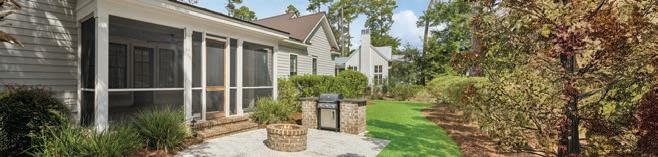

Calibogue Club: Starting at $600, this all-inclusive venue is open Thursday through Sunday between the 17th green and 18th tee, with a satellite location at the 8th green. Guests enjoy a climatecontrolled premium atmosphere, complimentary lunch buffet, full-service bar and outdoor stadium seating.
Doc’s BBQ at 15: Located behind the 15th green, this venue offers tiered seating, a casual lounge, a complimentary lunch buffet and full bar service from Doc’s BBQ and Southern Way. Tickets start at $400 and include tournament grounds access and free parking.
Tailgating, spectating, savoring and sipping — the RBC Heritage is one big social celebration, all centered around a PGA Tour Signature event.
Caymus Vineyards is the new wine sponsor of the tournament, and its wines will be served throughout the course in public and private venues. The Caymus Vineyards Wine Lounge is located behind the 7th green. The winery, established in 1972, is renowned for its signature, opulent Cabernet Sauvignon.
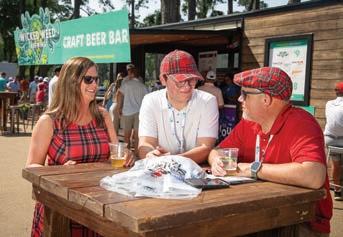
gathering spot.
Signature cocktails featuring ingredients from tournament supporters will be featured in private hospitality venues and available for purchase at Tartan Bars at the 6-7 Crossroads, the 17th tee and Fraser’s Tavern near the 10th tee.
The Mulligan by Elijah Craig: Elijah Craig Small Batch Bourbon, black tea, lemonade, lemon wheel garnish
Lunazul Paloma: Lunazul Blanco Tequila, ruby red grapefruit juice, splash of soda, lime wheel garnish
Mount Gay Fairway Fizz: Mount Gay Eclipse Rum, fresh pineapple juice, bubbles, lime garnish
Tito’s Transfusion: Tito’s Handmade Vodka, ginger ale, grape juice, lime juice, grape garnish
There is also a Wicked Weed Bar between the first and ninth holes, a Craft Beer Garden behind the 15th green and the Michelob Ultra Club on the Heritage Lawn.

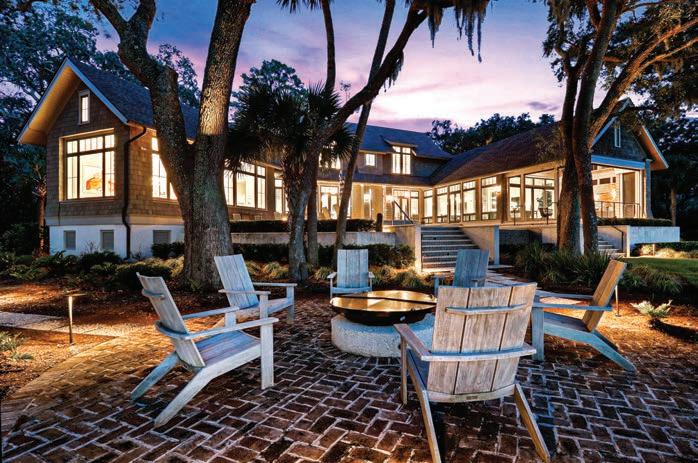
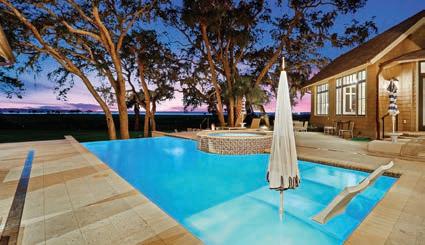
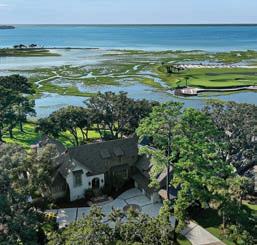











wWillie 3.0 is the third “Sir Willie,” the unofficial mascot of the RBC Heritage and the PGA Tour’s only mascot. His image and costume — red tartan cloak, frilled blouse, white knickers, white stockings, black-brimmed hat and buckle shoes — are prominently featured throughout the tournament grounds and on the website. Willie is named for Sir William Innes, an 18th-century historical figure who loved golf.
Q: How long have you been Sir Willie 3.0? A: Since the year of our Lord 2010, I have graced these fair Lowcountry grounds in my present incarnation. The Willie tradition, however, predates my current mortal form. I am but the third steward of a spirit far older — a lineage of red tartan and righteous enthusiasm stretching back to the very bones of the tournament itself. You see, Sir Willie is not so much “appointed” as summoned. When the palm fronds begin to stir and the bagpipes whisper on the breeze, I simply … appear. 3.0 is but a modern designation. The soul? Entirely 18th century.
Q: I understand you never break character when roaming the tournament grounds. Is that true? A: Break character? My dear friend. I am the character. There is no curtain call. No backstage. No secret zipper, even on the hottest of days. Believe me, I’ve looked. When I step upon those cobblestones of Harbour Town, when the cannon booms and the crowd roars, that is not performance. That is storied heritage. That is tartan tradition. That is destiny in white stockings. From first handshake to final sunset stroll, I remain Sir William Innes — golfer, gentleman, ambassador of cheer. One does not remove nobility like a pair of knickers.
Besides his omnipresence throughout tournament week, Sir Willie’s red tartan cloak, frilled blouse, white knickers, white stockings, black-brimmed hat and buckle shoes — or his silhouette — adorn a full array of merchandise, from blankets to yard flags, from socks to more.
Products are available on the Plaid Nation website (plaidnation.com) and at The Sunshine Shop at Pockets Full of Sunshine, 62 Orleans Road, Hilton Head (pocketsfullofsun.org).
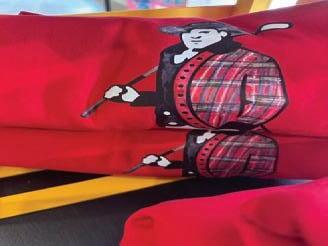

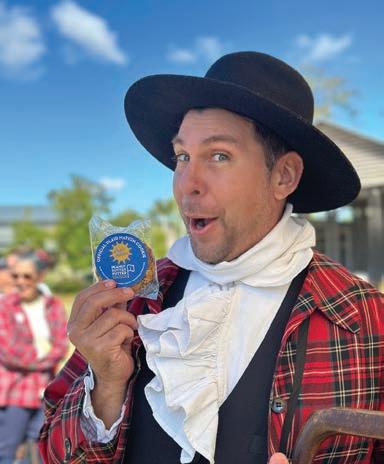
In full red tartan regalia, Sir Willie 3.0 delights fans and cameras alike, adding a wink, a bow and a bit of plaid pageantry to Heritage Week.
Q: Do you have a special technique or mantra that you employ so as not to break character? A: Indeed. I breathe in the salty air. I feel the weight of the cloak. I imagine the year 1780 whispering in my ear. Also, I never underestimate the power of a well-timed bow. When uncertain, bow. When amused, bow deeper. When someone asks for a TikTok dance … bow, then oblige with restrained Scottish enthusiasm. The tartan does the rest.
Q: What is the length of time for each shift during tournament week? A: Sir Willie makes his rounds in gallant intervals of various lengths. A gentleman must conserve his splendor, you see. One cannot dazzle indefinitely without a brief retreat to rehydrate and consult the royal mirror. The cloak, while magnificent, is no small undertaking in the Carolina sun. Even 18th-century nobility requires the occasional reprieve, preferably involving sweet tea and strategic shade.
Q: What is the strangest request you’ve ever had? A: Oh, where to begin? I have been asked to bless golf balls, to officiate mock weddings, to settle wagers between brothers. Once, a gentleman asked if I might adopt him into Scottish nobility on the spot. I knighted him with a stick and featheries.
Q: Guesstimate how many photos you pose for during tournament week. A: If I were to hazard a noble estimate? Several thousand. From sunrise practice rounds to the Sunday crescendo, Sir Willie’s likeness is captured more often than the lighthouse, I daresay. Families, players, caddies, corporate titans, toddlers in plaid. I stand for them all. By week’s end my cheeks ache from smiling, and my buckle shoes have logged more steps than a marathoner’s. And yet, I would pose for one more. Always.
Q: When you are not Sir Willie, what else do you do to pass time? A: My dear! I am always Sir Willie. But when the cannon quiets and Harbour Town returns to its gentle rhythm, I am known to wander the Lowcountry breeze with a club in hand, practicing my swing beneath the Spanish moss. I study the history of the game. I polish my buckles. I ensure the tartan remains tournament ready. I am a custodian of joy. A roaming ambassador of plaid. A reminder that golf need not be so terribly serious. For what is the RBC Heritage without a little fun? Without a wink? Without a gentleman in stockings tipping his hat and declaring, “Welcome, friends. Let us make memories.” And with that, I bid you good day.








If you’ve ever strolled the fairways of Harbour Town Golf Links during the RBC Heritage, you’ve felt it: the hum of organization beneath the cheers, the effortless flow of people and the unmistakable warmth of Southern hospitality. None of it happens by accident. Behind the scenes, coordinating nearly 1,800 volunteers, is Mike Manesiotis, the man described as the tournament’s “Commander of the Troops.”
Manesiotis’ journey to becoming head of volunteers didn’t begin with ambition or a formal application. It started, as many meaningful commitments do, with a phone call from a friend. When Steve Wilmot, president and tournament director of the Heritage Classic Foundation, reached out for help, Manesiotis didn’t hesitate. He knew exactly what was being asked and exactly why he was being asked.
“He knew I wouldn’t say no,” Manesiotis said, “and that I would dedicate the time needed.” That simple response reveals much about the man who would go on to oversee one of the PGA Tour’s most respected volunteer operations.

In 2008 Manesiotis stepped into the role of chair of the communications committee, a position that immersed him in the daily workings of the tournament. It was here that he learned how many moving parts are required to stage a world-class event, from resolving real-time issues to working closely with committee chairs across the organization.
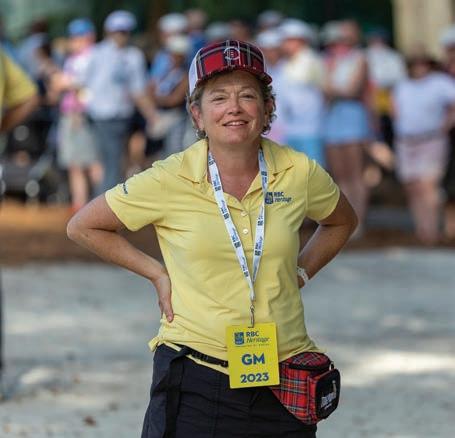



The role gave him a behind-the-scenes education and a deep respect for the staff and volunteers that make the tournament possible. More importantly, it gave him perspective: leadership isn’t about control. It's about coordination, appreciation and trust. Six years later, that experience culminated in his appointment as a Heritage Classic Foundation trustee (general chairman) with responsibility for the volunteer corps: 22 committees led by 70 chairs, all unified by a single goal of delivering the best possible tournament for players and fans alike.



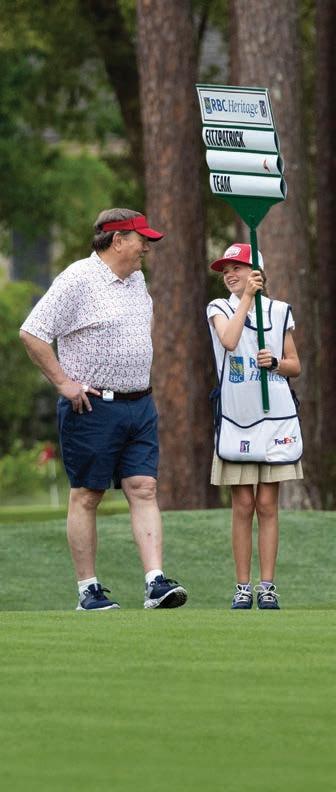








Mike


has spent years guiding the RBC Heritage’s volunteer corps, coordinating nearly 1,800 helpers who keep tournament week running smoothly. A longtime Hilton Head Island resident, he leads with a simple philosophy: make every volunteer feel valued because their dedication is what gives the Heritage its signature Lowcountry hospitality.



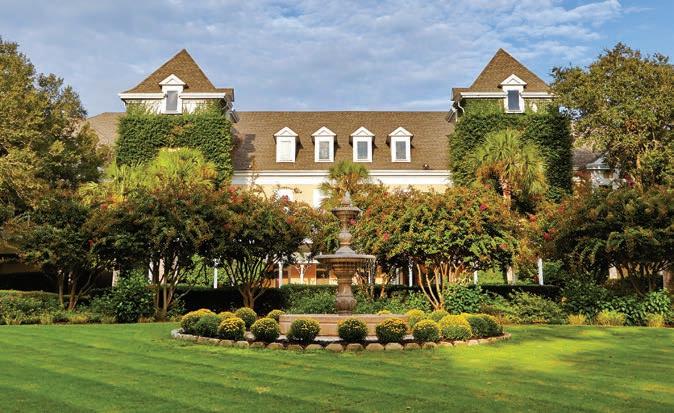
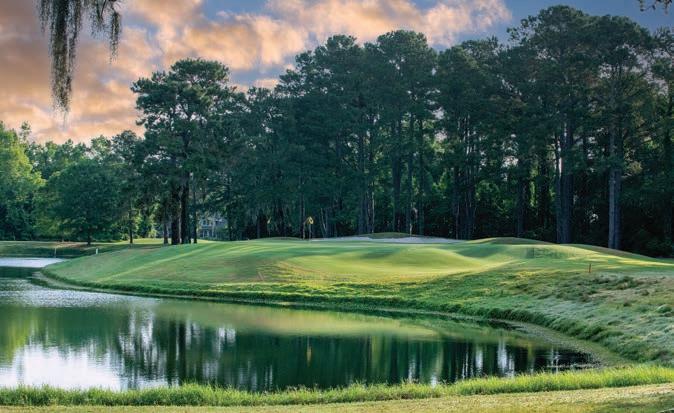
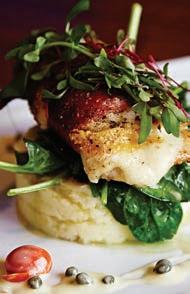
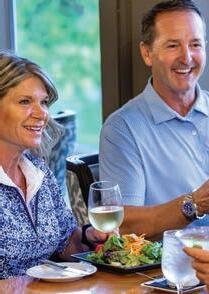





Brad Ellis
Mortgage Loan Officer bellis@coastalstatesbank.com
843-689-7828
NMLS# 780331
Kim Smith Mortgage Loan Officer ksmith@coastalstatesbank.com
843-689-7831
NMLS# 780344
Joey Ryan
Mortgage Loan Officer jryan@coastalstatesbank.com
843-422-1111
NMLS# 2149572
Lisa Henry Construction Lending SpecialistMortgage Loan Officer lhenry@coastalstatesbank.com
843-422-7105
NMLS# 918797
Lisa Souls
Mortgage Loan Officer lsouls@coastalstatesbank.com
843-705-1229
NMLS# 293972
Mark Brittman
Senior Bank Loan Officer mbrittman@coastalstatesbank.com
843-705-1211
NMLS# 655810

Ask Manesiotis what’s most important in his role, and he won’t talk first about logistics or systems. He talks about people.
The volunteers, he explains, genuinely want to be there. They want to contribute, to represent the tournament with pride and to ensure every visitor feels welcome. For Manesiotis, reinforcing that mindset is essential. Volunteers aren’t just filling shifts. They are ambassadors of the RBC Heritage and of the Lowcountry itself.
That philosophy has paid dividends. The RBC Heritage was named the PGA Tour’s “Most Fan-First Event,” an honor Manesiotis is quick to attribute directly to the volunteers and staff who bring the tournament to life each year.
Manesiotis has lived on Hilton Head Island for more than 40 years, and those deep community roots shape how he leads. During tournament week he walks the course daily, stopping to talk with as many volunteers as possible, listening to their feedback, answering questions and, most importantly, making sure they feel seen and appreciated.
“The key,” he says, “is to make everyone I see feel appreciated and emphasize that their roles are important to the success of the tournament.” It’s a simple idea, but one he practices relentlessly.
Recruiting volunteers has evolved over the years. What once required road trips, presentations and community events now benefits from the reach of social media and coordinated outreach. Thanks to a structured registration process and a strong culture, the tournament enjoys an astonishingly high volunteer return rate of about 90% year after year.
New volunteers are carefully integrated, often paired with veterans and supported by committee-specific training. Whether through in-person sessions or presentations during uniform pickup, the goal is consistent: make sure every volunteer feels confident, informed and valued from day one.




HELPING HANDS Each April nearly 1,800 volunteers from across the Lowcountry help bring the RBC Heritage to life, serving in roles that range from transportation and hospitality to scoring, child care, course operations and more. Many return year after year, making the volunteer corps one of the tournament’s most enduring traditions.
While there is a volunteer appreciation party and the undeniable thrill of being close to the world’s best golfers, Manesiotis believes the real reward runs deeper. Volunteers understand that their time and effort help raise millions of dollars for charity and directly benefit the community they call home.
“They are all working toward something bigger than themselves,” he says. That sense of shared purpose of tradition, service and pride is what keeps people coming back year after year, earning five-, 10and even 20-year service pins.
To Manesiotis, being head of volunteers isn’t about authority. It’s about stewardship. It’s about honoring a rich tradition, empowering people to do their best work and reminding them that what they do matters.
“Being part of our team is hard to explain but easy to understand,” he reflects.
And perhaps that’s the truest measure of his leadership: a role shaped not by titles or tasks but by relationships and the quiet confidence that when people feel valued, extraordinary things happen.
• 57 years: The tournament has been played on Hilton Head Island since 1969.
• $134.9 million: The annual economic impact generated for South Carolina by the RBC Heritage.
• $61.8 million: Total charitable donations distributed across South Carolina and Georgia since 1987.
• 120,000: Fans who attended the 2025 tournament at Harbour Town Golf Links.
• 1,700+: Volunteers who help run the tournament each year, coordinating everything from marshaling to hospitality.
• 70%: Spectators reporting annual household incomes above $100,000.
• 81%: Spectators who hold a four-year college degree.
• 57: The average age of RBC Heritage spectators.
• 28: Languages in which the tournament is broadcast worldwide.
• 200+: Countries outside the United States where the tournament is televised.
• $20 million: The purse awarded as part of the PGA Tour Signature Event status.



NEW YEAR, NEW HOME.
Upgrade your island lifestyle. Call for winter specials!
Schedule a Tour Today.








No matter how you get to the RBC Heritage, golf is the star of the show
During Heritage Week Harbour Town Golf Links draws fans from every direction. Some roll in on bicycles, others cruise up by boat, and a few just fly over. No matter the method, the destination is the same: great golf in plaid-clad Harbour Town.
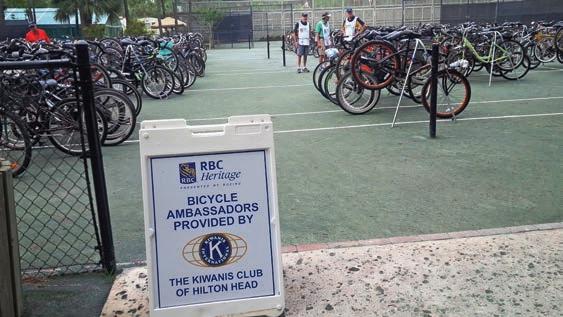
Two-wheelers, bicycles built for two and even the occasional unicycle. Bicycles are everywhere in Sea Pines during tournament week. For fans on the south end of Hilton Head Island, biking is an attractive option for getting into Sea Pines to spectate. Cyclists can enter through the main gate on Greenwood Drive or the Ocean Gate on South Forest Beach Drive. The key, of course, is where to park. Between 800 and 1,000 bikes arrive each day, nearly 5,000 over the course of the event. That’s a lot of wheels. Enter Bill Haley. Now in his 12th year coordinating the RBC Heritage bike parking program, Haley helped launch the Ride and Park project in 2014 after the PGA Tour suggested centralizing bicycle parking away from the course. Previously, bikes were scattered throughout the grounds.
In 2015, with help from tournament operations, two areas were designated for bike parking: the Harbour Town tennis courts and the 13th green area on Baynard Park Road. More than 80 volunteers staff the lots, primarily from the Kickin’ Asphalt Bike Club, Long Cove Club and the Hilton Head Kiwanis Club, helping riders park their bikes. Cyclists must show a valid digital ticket or volunteer badge for entry, and bringing a lock is recommended. Occasionally volunteers assist with small repairs such as fixing flat tires or adjusting seats. According to Haley, “We’ve never had a bike go missing, although leftover bikes the next morning are common.”

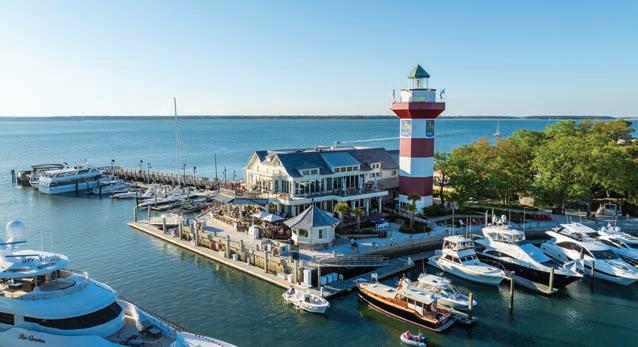
Music, laughter and the occasional hoot and holler carry across the water as you approach the Harbour Town Yacht Basin. Leslie Whitener, harbourmaster of the basin, has spent 42 years watching the waters off Hilton Head Island. During RBC Heritage week, the marina’s 100 slips are “absolutely full,” Whitener says. Reservations open in mid-February and fill steadily through tournament week. Years ago, professional golfers occasionally stayed onboard during the event, although none have in recent memory. Beyond the marina, more than 100 pleasure craft often anchor in Calibogue Sound to watch the action and enjoy the festivities, weather permitting. Boaters gather to be seen on television or shuttle ashore for the tournament. H2O Sports runs a boat shuttle to the marina throughout the week. Does Whitener’s team help arrange the onboard parties? “No,” she says with a laugh. “We simply provide the atmosphere. Get your plaid on!”


Few sights are more dramatic than an aerial view of Harbour Town Golf Links on a clear April afternoon. 2026 marks the 15th year Boeing has served as presenting sponsor of the RBC Heritage. The flyover has become a tournament tradition and a highlight for fans and players, typically taking place Saturday afternoon. While the aircraft for this year’s flyover has not yet been announced, previous years have featured the Boeing 787 Dreamliner assembled in North Charleston. The flight from North Charleston to Hilton Head Island takes about 15 minutes, though crews depart roughly an hour early to time the pass precisely. Onboard are two Boeing test pilots and a flight test engineer. No passengers are permitted. The crew uses the South Carolina coastline to line up the aircraft before entering the course airspace at the perfect moment. Selected for their training and qualifications, crew members perform the flyover while maintaining strict FAA safety guidelines. Aircraft may fly as low as 1,000 feet while maintaining safe distances. This year spectators may also see nods to Boeing’s celebration of America’s 250th anniversary of the Declaration of Independence.


monday-friday 10am-5:30pm saturday 10am-4pm




If you’ve lived on Hilton Head for any amount of time, you’ve likely noticed an unusual proliferation of plaid around town. It pops up on apparel, dangling earrings, umbrellas, pocket squares and even iconic Heritage Shortbread cookies. Local companies have stepped up to create specialty items available online through the Plaid Nation website, on the tournament grounds at Harbour Town Golf Links and at Lighthouse Kids Co. in The Shops at Harbour Town. Heritage Shortbread is handcrafted locally from a recipe passed down in Willow McGrain’s family for generations. The delicious shortbread evokes joyful memories and is guaranteed to be a crowd pleaser during tournament week and throughout the year.
Lissy Rawl, designer and creator of Little Fish BOATEAK, a handcrafted jewelry brand, creates designs from her Hilton Head studio. Drawing on her interior design background, Rawl incorporates fabric swatches, plaid included, into a collection inspired by texture, color and storytelling. The Sunshine Shop, located at 62 Arrow Road on Hilton Head Island, showcases crafts and screen-printed items made by adults with special needs. It is open to the public Tuesday through Friday from 10 a.m. to 2 p.m. The Rays at Pockets Full of Sunshine have created an array of Heritage-themed items, from Sir Willie blankets to hostess kits to yard flags. Additionally, on the tournament grounds and in resort shops, “mommy and me” outfits, pet bandannas and outerwear are available.
One of the most popular tournament keepsakes is also one of the most unexpected: a gnome. For the past three years the tournament has sold out of these whimsical characters. The 2026 version is a starter, dressed in classic starter style with a straw hat and clipboard in hand. The design was inspired by the familiar voice heard on the first tee box. Previous versions have paid tribute to spectators and caddies, whose indispensable role in the game is well documented. The gnomes, which stand 12 inches tall and 5.5 inches wide, are available for $65 in the main merchandise tent.
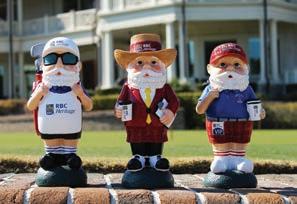
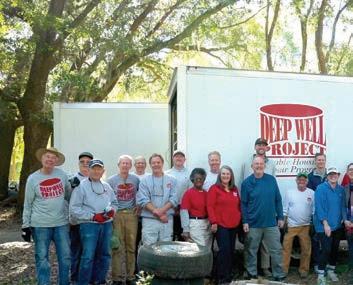

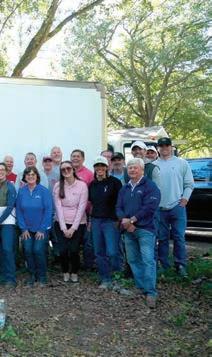
The Deep Well Project was named the 2025 PGA Tour Charity of the Year. Founded in 1973 to provide clean, safe drinking water on Hilton Head Island, The Deep Well Project has evolved into a vital source of emergency assistance for the local community. Today its primary focus is housing support for the workforce that powers the island’s hospitality-driven economy. The Charity of the Year award includes a $30,000 grant from the PGA Tour, which will support Deep Well’s Emergency Rent/Mortgage and Livable Housing Home Repair programs. The Heritage Classic Foundation, the charitable arm of the RBC Heritage, supports more than 90 registered charities in the local community across six pillars. The Deep Well Project falls within the Health and Welfare pillar. Since 1987 the Heritage Classic Foundation has raised and distributed $68.1 million to charities in South Carolina and Georgia.
“This recognition reflects the incredible impact The Deep Well Project has made in our community, and we couldn’t be prouder to support their mission,” said Steve Wilmot, president and tournament director of the RBC Heritage. “Their dedication and compassion inspire us all, and we look forward to standing beside them as they continue to change lives on Hilton Head Island.”

Can’t make it to Harbour Town? The RBC Heritage will be broadcast nationwide throughout tournament week. Early rounds air on Golf Channel, with weekend coverage shared between Golf Channel and CBS as the leaders chase the plaid jacket on Sunday afternoon. Streaming coverage is also available on PGA Tour Live on ESPN+, featuring marquee groups and key holes from morning tee times through the final putt. LL


When: Times vary, April 22-May 24
Where: Arts Center of Coastal Carolina
Details: Don’t miss the Tony Award-winning Hairspray, a crowd-pleaser known for its wit, warmth and uplifting message of acceptance and progress. artshhi.com








When: Times vary, April 17-26
Where: May River Theatre
Details: Intimate Apparel is set in New York City in 1905 and centers on a young African-American woman who travels there to pursue her dreams. mayrivertheatre.com

When: Times vary, April 22-25
Where: FLOW Gallery + Workshop
Details: Maureen Donohue Grable of the M Donohue Collection is this month’s featured artist. Purchase her work or attend a workshop. palmettobluff.com
OTHER EVENT
Spring Fine Art Show: 10 a.m.-3 p.m., April 11



When: Times vary, April 11-19
Where: USCB Center for the Arts
Details: “Always… Patsy Cline” is a heartfelt musical play based on the true story of the legendary country singer’s unlikely friendship with Houston housewife and fan Louise Seger. uscbcenterforthearts.com
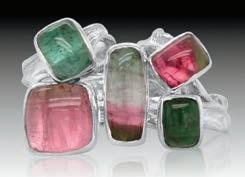
When: Times vary, April 25-26
Where: Coastal Discovery Museum
Details: Don’t miss one of the Lowcountry’s most anticipated juried fine art and craft shows, featuring more than 85 national and regional artists. coastaldiscovery.org
When: 10 a.m.-4 p.m., April 11
Where: Bluffton Public Library & SOBA Gallery and Art School
Details: The Society of Bluffton Artists invites the community to celebrate its grand reopening with a full day of art, student exhibitions and family-friendly activities in the heart of Bluffton. sobagallery.com
OTHER EVENT
Annual High School Art Show: Times vary, now-May 8
HEAD SYMPHONY ORCHESTRA
JOHN MORRIS RUSSELL, MUSIC DIRECTOR
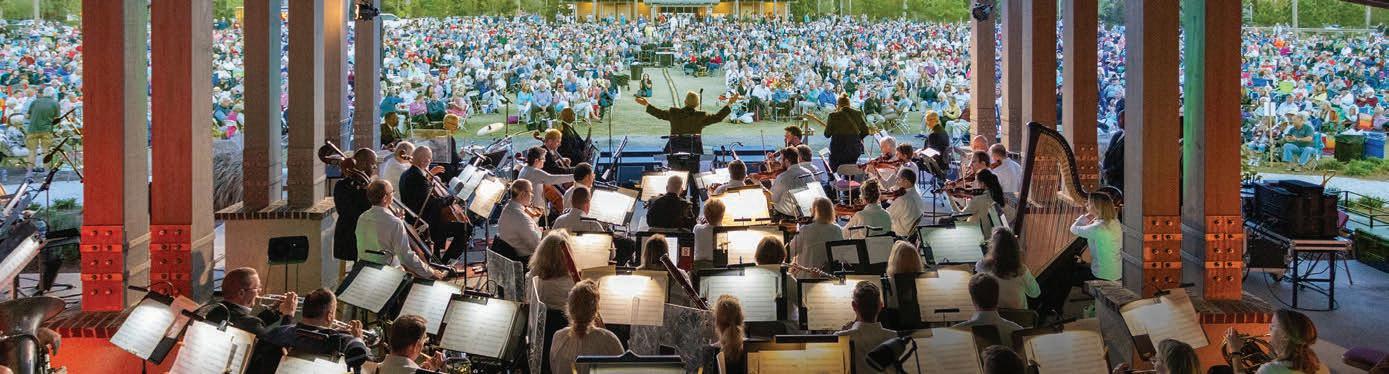
FREE SYMPHONY UNDER THE STARS “CELEBRATE AMERICA”
Lowcountry Celebration Park At Coligny

OPERA NIGHT
First Presbyterian Church 540 William Hilton Parkway









BRAHMS PIANO CONCERTO NO. 2 WITH JONATHAN MAMORA
First Presbyterian Church 540 William Hilton Parkway




When: 5-7 p.m., April 10
Where: The Red Piano Art Gallery
Details: See the work of artists Sonja Griffin Evans, Rhett Thurman, Betty Anglin Smith and Mark Kelvin Horton at this spring art show. redpianoartgallery.com




When: Times vary, April 14-May 15
Where: Art League of Hilton Head Gallery
Details: Debi West is the featured artist this month. See her work and attend the reception from 5-7 p.m., April 15. artleaguehhi.org
OTHER EVENTS
RBC Heritage Presented by Boeing Ticket Raffle: Now-April 10
Fine Art Print & Poster Sale: April 6-8
Hilton Head Island Plein Air Paint Out: April 9-10
Now-April 26: Out of the Dark – Into the Light at Beaufort Art Association Gallery
Now-April 30: Beyond the Sea at the Sea Pines Community Center
Now-May 5: Nikon’s Small World Photo Competition Exhibit at Coastal Discovery Museum
Now-June 20: The History and Archaeology of Fort Motte at the Morris Heritage Center
April 6-26: Beaufort County School District
Student Art Exhibit at USCB Center for the Arts
April 8: Sea Pines Montessori Spring Production at Hilton Head Preparatory School
April 11-19: Beaufort Theatre Company presents
“Into the Woods” at USCB Center for the Arts
April 23-25: “Aladdin JR.” at Hilton Head Christian Academy
April 24-May 3: “Anastasia” at Hilton Head Island High School
When: 11 a.m.-5 p.m., April 18
Where: Downtown Port Royal
Details: From fresh local seafood to live entertainment and children’s activities, this springtime event draws thousands to the waterfront for a day of flavors and community pride. portroyalova.com
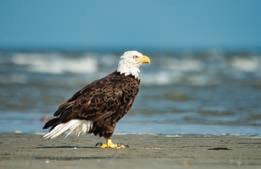
When: April 24
Where: Country Club of Hilton Head
Details: Hilton Head Island Land Trust’s 2026 annual meeting, fundraiser and BBQ dinner features guest speaker Aaron Palmieri with Palmetto Bluff Conservancy. hhilandtrust.org
Hilton Head Humane’s Annual Dog Walk on the Beach
When: 8:30 a.m., April 25 Where: Coligny Beach
Details: This tail-wagging tradition brings together people and pups for a great morning supporting Hilton Head Humane. hhhumane.org



When: 5 p.m., April 25
Where: Port Royal Sound Foundation Details: Libraries for Kids, International is holding its fifth annual charity event, featuring an immersive evening journey to Africa. dreamsunderserengeti.org


April 10: Town of Bluffton Movie Night at Oscar Frazier Park
April 11: Port Royal Police Department Spring Fling at Live Oaks Park
April 18: Hilton Head Humane Dog Adoption Event at Sea Island Animal Hospital in Beaufort
April 18: Adoption and Donation Event with Salty Dog of Bluffton at Lovable Paws Rescue
April 18: Paws & Pints Raskel’s Rescue Fundraiser at Side Hustle Brewing Co.
April 23: Annual Shred Day at Correll Insurance Group
April 24: 2026 Havana Nights Gala at the Parish Life Center
April 25: 2026 Release & Remember at Henry C. Chambers Waterfront Park
April 30: Memory Matters 2026 Spring Gala at The Westin Hilton Head Island Resort & Spa

Friday April 10
Art Walk 3-7 pm
Shops and galleries open late Refreshments served
Saturday April 11
11am-4 pm Live art demos at downtown galleries
Art Exhibits
Childrens Art Activities
Face Painting Ice Cream Color the Community! Look for blank canvases throughout town & become an artist for a day!
Sunday April 12
Brunch & Lunch
Around Town
Spring Fling Drinks at participating restaurants




shopoldtownbluffton.com


Enjoy wine dinners, tap takeovers and more this month at restaurants throughout The Sea Pines Resort. seapines.com/events
UPCOMING EVENTS
Tap Takeover: 5-8 p.m., April 21, Fraser’s Tavern Thursdays: Pint Night at Fraser’s Tavern
Learn how to make the perfect salad dressing, try new dishes or engage in friendly competition at one of these upcoming events. hiltonheadoils.com
UPCOMING EVENTS
Salad Dressing 101: 3 p.m., Thursdays Olive Oil & the Mediterranean Diet: 2 p.m., April 22


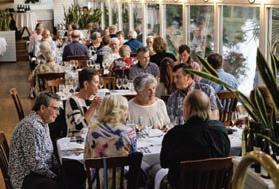
When: 6-9 p.m., April 23 Where: Alexander’s Restaurant & Wine Bar
Details: Enjoy a selection of Caymus wines, food and lively conversation at this wine dinner. alexandersrestaurant.com






































Dr. Dustin Ousley, Artistic Director Category V Brass from Columbia, SC




First Presbyterian Church, 540 William Hilton Pkwy, HHI








Rollers Wine & Spirits is the perfect place to try new libations. Sample and purchase new beers, wines and more at one of these weekly tasting events. rollerswineandspirits.com
UPCOMING EVENTS
Heritage Kickoff Brunch: 11 a.m.-1 p.m., April 12
Tasty Tuesdays: 5-7 p.m., Tuesdays
Thirsty Thursdays: 5-7 p.m., Thursdays

April 7: In-Store Cake Decorating Demo at Cassandra’s Kitchen
April 10: Fridays at the FOODseum with Cookbook Author Carrie Hirsch at TCL Culinary Institute of the South
April 11: Lowcountry Dry Fest 2026 at Burnt Church Distillery
April 12: Barre to the Bar at Shellring Ale Works
April 14: The Cocktail Affair at Burnt Church Distillery
April 16: Cigar Night at Shellring Ale Works
April 16: Chef in Residence Dinner Series at May River Manor
April 23: Sip & Grow Creative Workshop Series at Burnt Church Distillery
April 24: Hors d’Oeuvres Class at TCL Culinary Institute of the South
Tuesdays: Battles & Bread at Wine Time Bluffton


Wednesdays: Pasta Night at Wine Time Bluffton
Wednesdays: Wine Tasting at Wine Time Washington Square
Thursdays: Featured Wine Tasting at Wine Time Bluffton
Fridays: Friday Uncorked at Windhorse Gallery & Marketplace
Saturdays: Saturday Spotlight Wine Tastings at Sister Sister Deli
Sundays: Mimosas & Melodies at Windhorse Gallery & Marketplace

















































When: 9 a.m.-noon, April 13
Where: May River Chapel, Palmetto Bluff
Details: Palmetto Bluff is partnering with SC250 to mark the 250th anniversary of the American Revolution with a special presentation and walking tour honoring the people of May River Neck and exploring their role in the American Revolution. palmettobluff.com



When: Noon, April 14 Where: Belfair Clubhouse
Details: Join USCB Center for the Arts, and dine with author Allegra Goodman, author of “This Is Not About Us.” uscbcenterforthearts.com
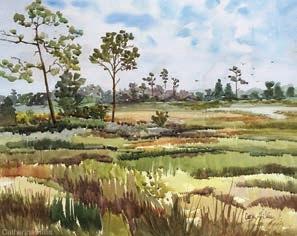
Learn a new skill and unleash your creativity with one of these workshops at the Art League Academy on Cordillo Parkway. For a complete list of classes, visit artleaguehhi.org
UPCOMING CLASSES
Plein Air Painting in Watercolor: 10 a.m., April 7
Stained Glass Butterflies: 10 a.m., April 18 & 19
Wine Down Wednesday: Layers of Life: 5 p.m., April 22

Head to the SOBA Gallery to learn a new artistic skill this month at one of these featured classes. For a complete list, visit sobagallery.com
UPCOMING CLASSES
Exploring Brusho Powdered Watercolor Paints: 1 p.m., April 10
Magnolia Flower Workshop: 1 p.m., April 16
Introduction to Watercolor: 10 a.m., April 16 & 17


When: Noon-1 p.m., Tuesdays
Where: Fraum Center for Restorative Health
Details: Attend a free educational event on the latest advancements in restorative medicine, with a complimentary lunch. Learn how you can help your body heal itself with highly effective, noninvasive solutions to chronic pain. fraum.com
LIBRARIES FOR KIDS INTERNATIONAL EVENTS:
April 20: Author Series with Jack Gannon
HILTON HEAD AUDUBON EVENTS:
April 11: Pinckney Island NWR Golden Anniversary Celebration at Pinckney Island NWR
April 25: Conservation Through Painting at SOBA Art School
COASTAL DISCOVERY MUSEUM EVENTS:
April 25: Sweet Basket Workshop
BEAUFORT COUNTY LIBRARY EVENTS:
April 8: Poetry Workshop with Miho Kinnas at the Hilton Head Branch
April 18: Local Authors Panel & Workshop at the Bluffton Branch
April 22: National Library Week Book Bedazzling at the Port Royal Branch
WACHH EVENTS:
April 10: Mary Thompson-Jones: The Arctic — Competition in the Melting North
April 24: Ajay Chhibber: India’s Rise in a Changing World
PAT CONROY LITERARY CENTER EVENTS:
April 23: Author Event with Robert Gwaltney and Bren McClain
April 25: An Afternoon with Author Greg Howard
HISTORIC BLUFFTON FOUNDATION EVENTS:
April 22: Dr. Emory Campbell Lecture
PORT ROYAL SOUND FOUNDATION EVENTS:
April 11: Native Plant Sale
April 18: Indigo Dye Workshop
April 25: Reptile Meet and Greet
BEAUFORT HISTORY MUSEUM EVENTS:
April 9: Revolutionary War Exhibit Grand Opening Ceremony
PINK PALMETTO MAHJONG EVENTS:
April 13: Introduction to Mahjong at Gifted
ARTS CENTER OF COASTAL CAROLINA EVENTS:
April 23: Design Your Own Fascinator! April 28: Sourdough: From Starter to Finish
WeAreInvested In:
•YourReal
•YourSatisfaction
•Your Future
Ken &Clay Provide:
• ExemplaryService
• Integrity & Trust
•C ommitment
• D ependability
• Support
• Knowledge
• Experience
•C ompetence
• Sincerity& H
•





















No matter which of our championship, Fazio-designed courses you choose to play on any given day - Devil’s Elbow South or Devil’s Elbow Northyou’ll soon discover that it’s in the details, and the immaculate and immediate attention our professional crews pay to each and every one of them, that combine to create an unparalleled Lowcountry private golf lifestyle experience. Perfected practice facilities, a professionally staffed and fully-equipped Golf Shop, and member tournament events are a matter of course when you live and play in Moss Creek.

Enjoy the local flavors of the Lowcountry at these regular farmers and art markets:
Bluffton Farmers Market: noon-4 p.m., Thursdays, 68 Boundary St.
Hilton Head Island Farmers Market: 9 a.m.-1 p.m., Tuesdays, Coastal Discovery Museum
Port Royal Farmers Market: 9 a.m.-noon, Saturdays, Naval Heritage Park
Forsyth Farmers Market: 9 a.m.-1 p.m., Saturdays, Savannah
Beaufort First Friday: 5-8 p.m., first Friday of each month, Downtown Beaufort
Hilton Head Community Market: 9:30 a.m.-12:30 p.m., Saturdays, Shelter Cove Community Park
Habersham Farmers Market: 4-7 p.m., Fridays, Habersham Marketplace in Beaufort
Farmers & Fishermen Sunset Market at Savannah Harbour: 4:30-8:30 p.m., first, third and fifth Saturdays, Hutchinson Island
Side Hustle Brewing Co. Farmers Market: 1-5 p.m., third Sunday of each month, Side Hustle Brewing Co.
Second Saturday Shop & Stroll: 10 a.m.-2 p.m., second Saturday of each month, The Shops of Paris Avenue
First Thursday Artisan Alley: 3-6 p.m., first Thursday of each month, Shops at Sea Pines Center











When: Times vary, April 10-12
Where: Old Town Bluffton
Details: Celebrate Bluffton’s art scene with live art demos, exhibits, activities, special drinks, extended hours and more.
shopoldtownbluffton.com

When: April 16-19
Where: Harbour Town Golf Links
Details: Shop Roberto Coin’s newest collections during the RBC Heritage at Forsythe Jewelers tent, located at the 1 & 9 Village near the clubhouse. forsythejewelers.biz





April 11: Artisan & Vendor Fair at Four Seasons at Carolina Oaks April 25: Port Royal Spring Fest 2026 at ZenDen












DIRECTED BY DAVID GRINDROD





In 1962 Baltimore, Tracy Turnblad has big hair and even bigger dreams: dancing on TV and winning the heart of teen idol Link Larkin. After becoming a local star, Tracy uses her fame to fight for integration—all without denting her “do.” Hairspray is an irresistible, feel-good musical guaranteed to have you dancing!



Life is better with music, so why not enjoy live music every day of the week?
Check their websites and Facebook pages for details.
DAILY SHOWS
Brother Shucker’s
Coast, Oceanfront Dining
Coligny Center Stage
Fishcamp on Broad Creek
FISH Casual Coastal Seafood
Frosty Frog
Harbourside
Kind of Blue


Prepare to be amazed, amused, and completely ba ed. World-class mentalist Matt Cooper invites you into a thrilling, high-energy show where the secrets of the human mind are brought to the stage.




JUN 8 – JUL 24
Summertime fun is ahead for ages 6+ with the Arts Center’s creative, action-packed summer camps. Dive in and create your ultimate summer with themed crafts and meaningful skill-building projects! PROFESSIONAL




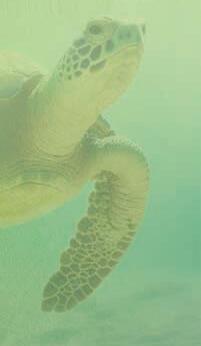


Lincoln & South Brewing Company
Luther’s Rare & Well Done
Quarterdeck
Ruby Lee’s
San Miguel’s
Scott’s Fish Market
Skull Creek Boathouse
The Boardroom
The Crazy Crab Jarvis Creek
The Jazz Corner
The Salty Dog Cafe
The Sandbar Beach Eats
The Studio
Tiki Hut
MORE GREAT SPOTS (SELECT NIGHTS)
A Lowcountry Backyard Restaurant (Mondays-Fridays)

Agave (Thursdays-Saturdays)
Big Bamboo Cafe (Mondays-Saturdays)
Black Marlin Bayside Grill & Hurricane Bar (Wednesdays-Saturdays)
Bluffton Oyster Co. Family Seafood House (Fridays & Saturdays)
Burnt Church Distillery (Thursdays-Saturdays)
Captain Woody’s Bluffton (Tuesdays)
Celeste (Fridays & Saturdays)
Cheap Seats Tavern 2 (Fridays)
Chophouse 119 (Fridays)
Hilton Head Brewing Co. (Mondays, Wednesdays & Fridays)
Hop Dog (Fridays)
Island Winery (Saturdays)
Lot 9 Brewing Company (Saturdays)
Nectar Farm Kitchen in Old Town Bluffton (Fridays-Sundays)
Okàn (Thursdays & Saturdays)
Pomodori Too! (Thursdays-Saturdays)
Red Fish (Tuesdays-Saturdays)
Reilley’s Grill & Bar (Wednesdays-Fridays & Sundays)
Rollers Wine & Spirits (Tuesdays & Thursdays)
Santa Fe Cafe (Wednesdays-Saturdays)
Shellring Ale Works (Fridays-Sundays)
Sprout Momma (Wednesdays)
The Clubhouse at Okatie Creek (Mondays, Tuesdays & Thursdays)
The Dunes House (Mondays-Fridays)
The Rooftop Bar at Poseidon (Wednesdays, Thursdays & Saturdays)
Tio’s Latin American Kitchen Bluffton (Fridays)

When: 7:30-9 p.m., April 13-15
Where: Harbour Town
Details: Hear entertainer Gregg Russell perform under the Liberty Oak in Harbour Town this month. seapines.com

Don’t miss these spectacular concerts presented by the Hilton Head Symphony Orchestra. For details, visit hhso.org
UPCOMING CONCERTS
Symphony Under the Stars – Celebrate America!: 7:30 p.m., April 7,
Lowcountry Celebration Park
Opera Night: 4 p.m., April 12 & 7:30 p.m., April 13, First Presbyterian Church BravoPiano! Recital Series Finale – Elliot Wuu: 7:30 p.m., April 17, SoundWaves
Season Finale – Brahms Concerto No. 2 with Jonathan Mamora: 4 p.m., April 26 & 7:30 p.m., April 27, First Presbyterian Church
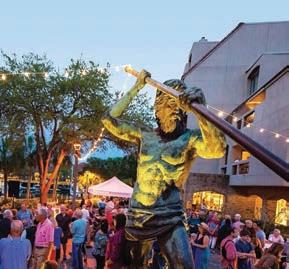
When: 6-9 p.m., Thursdays
Where: Shelter Cove Harbour & Marina
Details: Dance the night away on Thursday nights this spring at Shelter Cove Harbour & Marina, featuring local favorite bands, great food and plenty of room to dance. sheltercoveharbourfest.com
BAND LINEUP
April 2: Target & Headliner Horns
April 9: Deas Guyz
April 16: The Nice Guys
April 23 & 30: Deas Guyz
April 9: Evolution Big Band Youth Arts Benefit Concert at the Seahawk Cultural Center
April 19: Fripp Island Friends of Music: John McCutcheon at Fripp Island Community Center
April 23: Spring Music Concert at Hilton Head Preparatory School
April 24: 2026 Bluffton Sunset Party Kick-Off Concert at Oyster Factory Park
April 25: The Mary Green Chorale’s Vive la France! at Lowcountry Presbyterian Church
April 25: Towns in Tune at Stoneworks in Beaufort
April 26: USCB Chamber Music Series at USCB Center for the Arts
April 29: Seth Walker at The Roasting Room














Rose Hill Charity Polo Match
When: 2-6 p.m., April 12
Where: Rose Hill Equestrian Center
Details: This annual event, presented by Equus Charities of the Lowcountry, is a tradition bringing together friends, families and the community for an afternoon of polo. equuscharitiesofthelowcountry.ticketbud.com





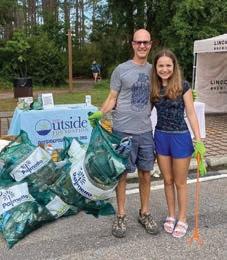
Earth Day HHI
When: April 22
Where: Locations vary
Details: Join The Outside Foundation for a litter cleanup of all 12 miles of beach and other natural spaces on Hilton Head to celebrate the 55th anniversary of Earth Day. earthdayhhi.com
April 11: Beaufort Water Festival Archery Tournament at 206 Springfield Road in Beaufort
April 11: Car Show & Garage Sale at Clearview Automotive

April 13: VIM Clinic William P. Stevens Jr. Golf Classic at Country Club of Hilton Head
April 25: Palmetto Rowing Club Open House at Old Oyster Factory
April 25: Beaufort Water Festival Pickleball Tournament on Fripp Island
April 25: Island Rec Center Cornhole Tournament at Lincoln & South Brewing Company
April 25: Boys & Girls Clubs of the Lowcountry Charity Clays Shoot 2026 at Turkey Hill Plantation
April 26: The Mindful Triathlon at Coligny Beach Park
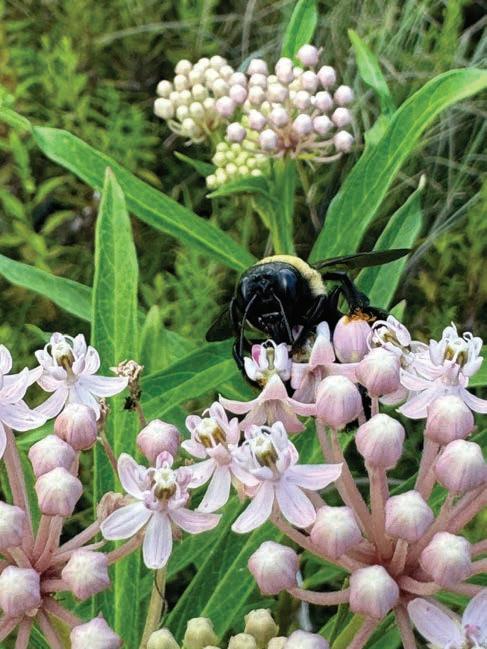
The PBC team facilitates tours, classes and workshops, programs, research and field trips to promote conservation. Visit palmettobluff.com/conservation for a complete list of events.
UPCOMING EVENTS
Edibles, Medicinals and Other Uses of Plants: River Road Preserve: 1-3 p.m., April 7
Brown Bag Lunch: Plant & Insect Symbiosis: noon-1 p.m., April 8

Sign up for one of these April races to support a good cause and stay in shape.
UPCOMING RACES
Sea Pines Dolphin Dash 5K: 8 a.m., Thursdays, Sea Pines Beach Club
Plaid Nation 5K: 9 a.m., April 11, Lowcountry Celebration Park
Turtle Trot 5K: 8 a.m., April 15, Palmetto Dunes (Dunes House)
PRC Spring Pub Run: 6 p.m., April 15, Lot 9 Brewing Co.
Flying Frog 5K/10K: 8 a.m., April 18, Beaufort Executive Airport
Cats Me If You Can 5K: 8 a.m., April 25, Historic Mitchelville Freedom Park


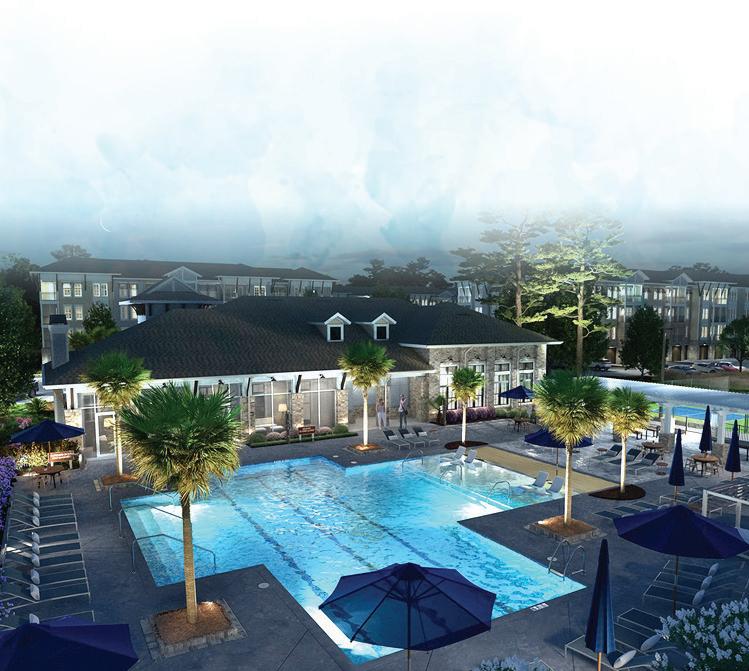














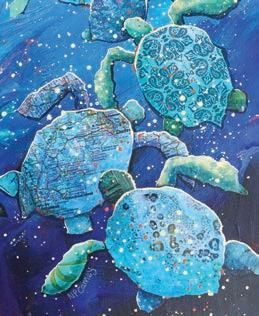






• Annual subscription to LOCAL Life ($20 value)
• Hilton Head Symphony Offer
• A free appetizer at The Sandbar.
• Complimentary tray of signature pretzel bites with beer cheese at Lincoln & South
• $50 gift certificate at Moor Spa
• $20 gift certificate at Black Marlin
• Hilton Head Soap Co. Offer
• Exclusive Local Guides
• Exclusive Online Content
And every Insider gets a birthday treat from Carolina Coffee and Crumbs.



April 9: Ali Wong at Johnny Mercer Theatre
April 10-11: Billy Strings at Enmarket Arena
April 11: Steve Martin & Martin Short at Johnny Mercer Theatre
April 11: Salute to American Composers at Savannah Ballet Theatre
April 12: Art Walk at City Market
April 17: Kamala Harris at Johnny Mercer Theatre
April 18-19: Inaugural Citywide Pottery Tour
April 23: Friends of the Owens-Thomas House Annual Garden Party at the Telfair Academy
April 25: Collective Soul at Johnny Mercer Theatre
April 25 & 26: Savannah Philharmonic’s Symphonie Fantastique at Lucas Theatre for the Arts
April 30: Crowder with Seph Schlueter and Patrick Mayberry at Johnny Mercer Theatre




Check out one of these artistic events this month at the Savannah College of Art and Design, the University for Creative Careers. scad.edu
UPCOMING EVENTS
SCADstyle 2026: April 13-15, locations vary
Family & Alumni Weekend: April 24-26, locations vary
SCAD Sidewalk Arts Festival: April 25, Forsyth Park
May 1: Pearls to Pluff Mud at Port Royal Sound Foundation
May 1: Safety Town at Jarvis Creek Park
May 1: Light the Night for Life Gala at Hilton Beachfront Resort & Spa
May 1: Steel Magnolias Opening Night at Coligny Theatre
May 1-2: Yacht Hop 2026 at Palmetto Bay Marina
May 1-2: Taste of Beaufort at Henry C. Chambers Waterfront Park
May 2: Beaufort Water Festival 5K/10K Run at Live Oaks Park
May 2: IACHH Bocce Tournament at Shelter Cove Community Park
May 2: Family Fun Day at Island Recreation Center
May 2: The Legacy Foundation of SC First Annual Golf Tournament at The Golf Club at Hilton Head Lakes
May 2: Annual Mother’s Day Event at Coastal Skin Studio
May 2: 60th Anniversary Diamond Jubilee at Hilton Head Preparatory School
May 3: Pedal HHI on Hilton Head Island
May 3: 24th Annual Humane Society for Greater Savannah Doggie Carnival in Forsyth Park
You may be able to post your event for free in our Happenings section. Head to locallifesc.com, click “Contact Us,” and include the event title, date, time, location, description, a link to the webpage and photos if possible.


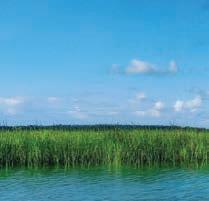
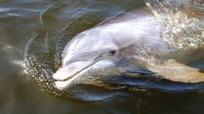
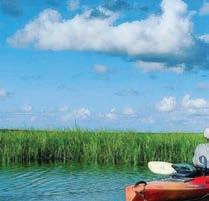


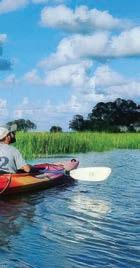
KAYAK HILTON HEAD Whether experienced or a first-time family group, going on a dolphin kayak tour will likely be a highlight of your vacation. Many dolphins are known by name. Founded in 2001, Kayak Hilton Head's knowledgeable and experienced guides have been showing guests a great time on the waters of Hilton Head for 25 years. Local Life Insider Tip: The early morning tours are our favorite! Reservations recommended. 18 Simmons Road, Hilton Head Island • 843.684.1910 • kayakhiltonhead.com






HILTON HEAD OLIVE OILS & BALSAMICS Bring a taste of the Island home. Each day the freshest extra virgin and high-phenol olive oils and uniquely aged balsamics are bottled and available to sample. They make a great gift for someone back home (or you!). LOCAL Life Insider Tip: Don't miss a chance to learn to make fresh salad dressings — a great activity for friends and family, every Thursday. 1000 William Hilton Parkway (Wexford Village) • 843.681.2722 • HiltonHeadOils.com LINCOLN & SOUTH BREWING COMPANY Delicious food paired with a local craft beer. From the signature house-made charcuterie boards featuring premium artisanal cheeses and meats to crispy onion rings, juicy burgers, stacked sandwiches, and flavor-packed tacos, there’s something to satisfy every craving. LOCAL Life Insider Tip: Pair a Blackened Shrimp Taco with a crisp Beach City Pilsner for that mix of spicy and chill. 138 Island Drive, Hilton Head Island • 843.715.3030 • lincolnandsouth.com



151 Gumtree Road, Hilton Head Island • firstteelowcountry.org/about/facility

FUN ON HHI The only website you need during your vacation. Used by visitors and locals. Exciting things to see and do; places to eat and shop; and rental options like bikes, beach equipment, golf carts, and Moke. Also a great resource to plan your next trip to HHI. Local Life Insider Tip: Download the Fun On HHI app for curated discounts and offers not available on the website sent directly to you. Plus an interactive bike map. 59B New Orleans Road, Hilton Head Island • 833.386.6644 • FunOnHHI.com
Our participation with the RBC Heritage again this year helps support vital educational programs, like the Hilton Head Island Rotary Scholarship.

Through our scholarship program, we proudly invest in students who are committed to learning, leadership, and service in our community. FIRST TEE — THE LOWCOUNTRY Experience golf on the Island with the only par-3 course — perfect for instruction, children and senior play. Driving range and putting green are open to everyone. $10 donation for adults, $5 donation for kids — all you can play. LOCAL Life insider tip: You don't need to bring clubs — the pros at First Tee will lend you a set at no charge.


While honoring nurses on March 5th, we were proud to see Tania Ramirez – our 2020 scholarship recipient – recognized by Novant Health, Hilton Head Medical Center for her outstanding care and compassion. She’s living proof of how our community invests in futures that come back to serve others.



Whether you’re a foodie looking to explore new culinary delights or a family seeking fun and engaging activities, these carefully curated selections of restaurants and activities have something for everyone. Check Us Out | Get Involved | Come to a Meeting | Participate Meetings are held on Thursday at 12:30 pm. Palmera Inn & Suites on 12 Park Lane, Hilton Head Island.
THE HILTON HEAD SYMPHONY ORCHESTRA brings world-class music to the Lowcountry, blending timeless artistry with a vibrant, contemporary spirit. From soaring symphonic works to intimate chamber performances, the HHSO engages both longtime patrons and new audiences, creating unforgettable musical experiences. Local Life Insider Tip: Enjoy a pre- or post-concert meal at one of the nearby waterfront restaurants. Lagoon Road, Suite 100, Hilton Head Island • 843.842.2055 • HHSO.org
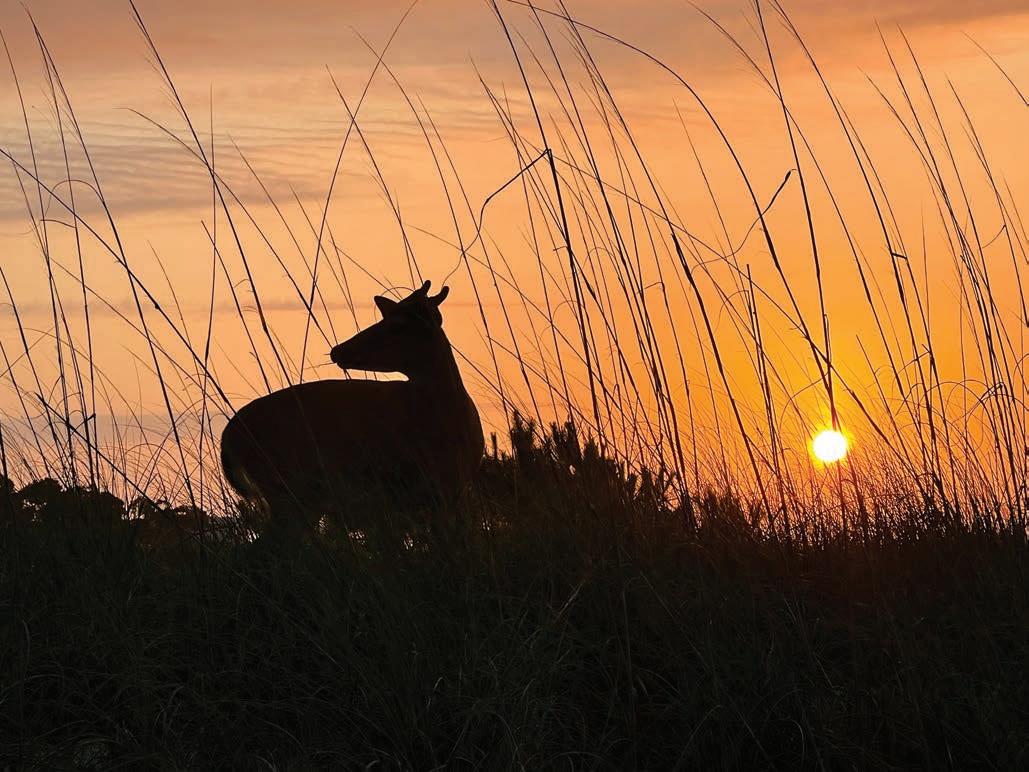
Heading out before sunrise along the pathway near Ocean Oak Resort, photographer Sarah Williams expected little more than the hush of waves and the first glow of morning. Instead, a whitetailed deer stepped from the sea oats, pausing just long enough for her to capture its silhouette against the rising sun. The island’s deer population has long established home ranges throughout Hilton Head, thriving in the maritime forests, lagoons and dune systems that shape the landscape. Most active at dawn and dusk, these adaptable mammals move easily between wooded neighborhoods and sandy corridors, a reminder to early risers that the wild still walks beside us.