Stroke Care and Recovery Guide for Patients and Families

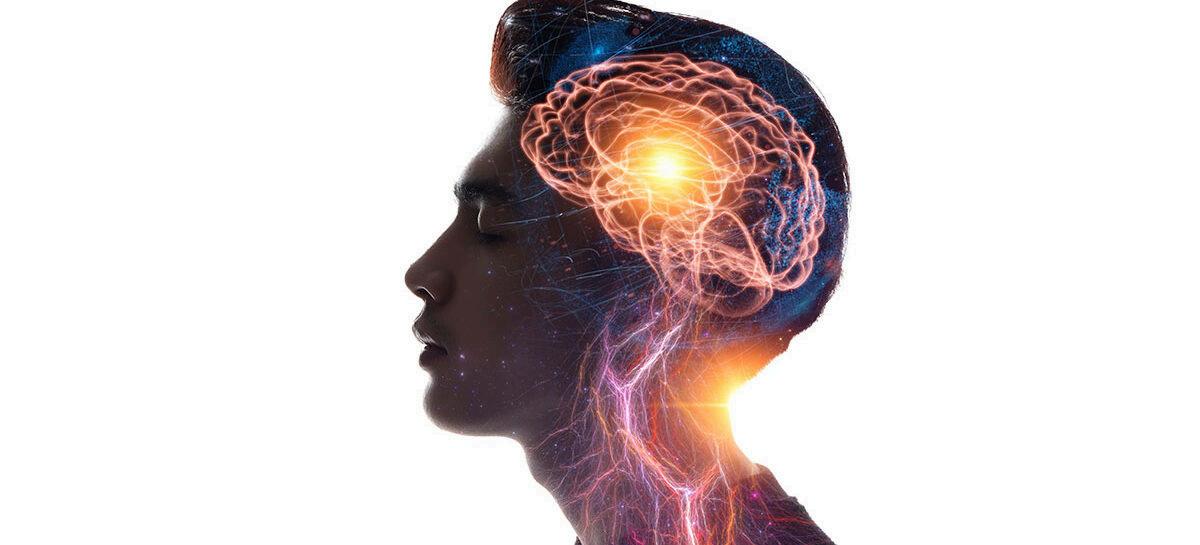
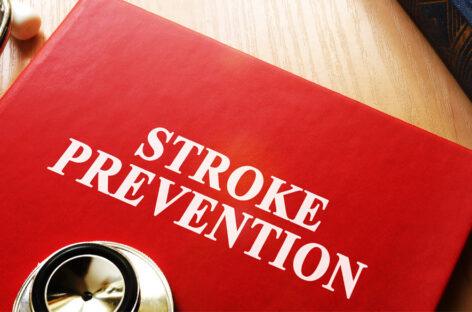
A stroke is a medical emergency that occurs when blood flow to the brain is interrupted, causing brain cells to lose oxygen and begin to die within minutes. Early treatment and proper rehabilitation significantly improve outcomes, making awareness and timely action critical for both patients and caregivers.

What are the different of strokes?
There are three major types of strokes. Ischemic stroke, the most common type, happens when a blood clot blocks an artery supplying the brain. Hemorrhagic stroke occurs when a blood vessel ruptures and causes bleeding inside the brain. A Transient Ischemic Attack (TIA), often called a mini-stroke, temporarily blocks blood flow and serves as an important warning sign of future stroke risk. Accurate diagnosis through brain imaging helps doctors determine the right treatment approach.
What are the early warning signs of a stroke?
Recognizing symptoms early can save brain function and even life.
Common warning signs include sudden weakness or numbness on one side of the body, facial drooping, difficulty speaking, sudden confusion, loss of balance, blurred vision, or a severe unexplained headache. The FAST method (Face drooping, Arm weakness, Speech difficulty, Time to act) is widely recommended for quick identification.
When should you seek emergency treatment for a stroke?
Emergency treatment should begin immediately when stroke symptoms appear, even if symptoms improve within minutes. Rapid treatment within the first 4.5 hours can allow clot-busting medications for eligible ischemic stroke patients, reducing long-term disability.
Choosing the Best Hospital for Stroke in Tirunelveli or a specialized stroke center ensures access to neurologists, advanced imaging, and emergency intervention.
How long does recovery take after a stroke?
Recovery varies depending on stroke severity, treatment timing, age, and overall health. Some patients improve within weeks, while others require several months or long-term rehabilitation involving physiotherapy, speech therapy, and occupational therapy to regain independence.
Yes. Managing blood pressure, controlling diabetes, quitting smoking, exercising regularly, eating a heart-healthy diet, reducing alcohol intake, and taking prescribed medications consistently can significantly lower the risk of future strokes and support long-term recovery.
Top Neurologists in Salem | Top Neurologists in Trichy |
Top Neurologists in Chennai | Top Neurologists in Tirunelveli