Patient Transfer Ambulance Services in Chennai Explained


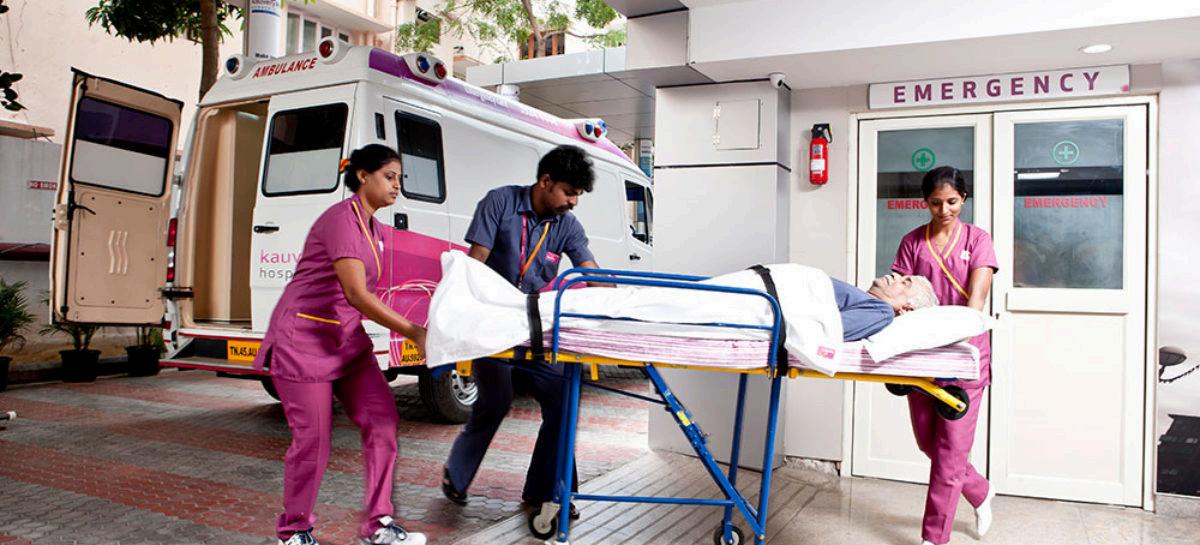
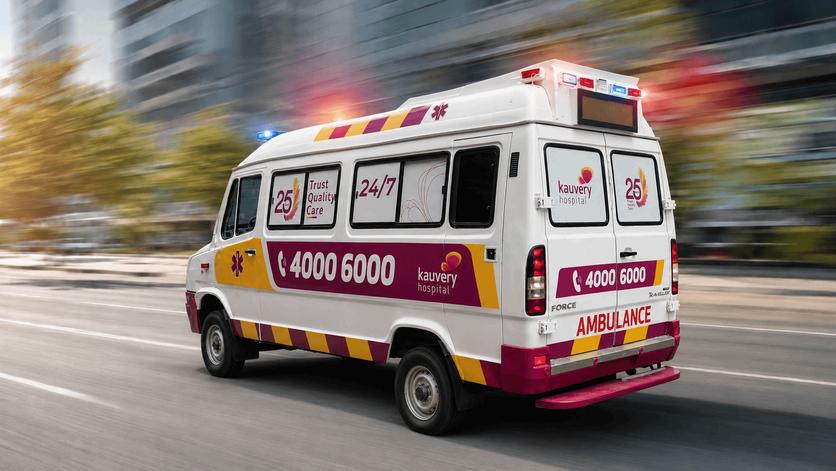
During a medical emergency, timely transportation can significantly improve a patient's chances of receiving appropriate care. Whether it is shifting a patient between hospitals, transporting someone after surgery, or responding to an accident, professional patient transfer services ensure continuous medical support throughout the journey. Reliable 24x7 Ambulance Services in Chennai are equipped to handle both emergency and nonemergency transfers with trained personnel and lifesaving equipment.

Why Are 24/7 Ambulance Services in Chennai Important During Emergencies?
Medical emergencies can occur at any time, and delays in reaching a healthcare facility may worsen the patient's condition. This is why round-the-clock ambulance availability is essential. Advanced Life Support (ALS) ambulances are staffed with trained paramedics and equipped with cardiac monitors, defibrillators, oxygen, suction devices, and emergency medications. Basic Life Support (BLS) ambulances are designed for patients who require monitoring but not advanced interventions. Having immediate access to 24x7 Ambulance Services ensures patients receive medical attention even before reaching the hospital.
How can you arrange a safe patient transfer ambulance in Chennai?
When arranging a patient transfer, contact a trusted ambulance provider and clearly explain the patient's medical condition, current location, destination hospital, and any special requirements such as oxygen support or ventilator care. Sharing accurate medical information allows the service to dispatch the appropriate ambulance with trained personnel. Coordinating with the receiving hospital in advance also helps ensure a seamless transfer without unnecessary delays.
What types of ambulance services are available for emergency care?
Ambulance providers generally offer different types of vehicles based on patient needs. Basic Life Support (BLS) ambulances are suitable for stable patients requiring routine monitoring.
Advanced Life Support (ALS) ambulances are intended for critically ill patients needing continuous cardiac or respiratory support. Some providers also operate ICU ambulances with ventilators, infusion pumps, and advanced monitoring systems for long-distance or high-risk transfers. Neonatal and pediatric ambulances are available in select centres for infants and children requiring specialized care.
What should you do while waiting for an emergency ambulance?
Call emergency services immediately and provide your exact location and contact details. Keep the patient calm, monitor their breathing and responsiveness, avoid giving food or drink unless medically advised, and follow any first-aid instructions provided by emergency dispatchers. Clear access to the patient so ambulance personnel can begin treatment without delay.
How do 24x7 ambulance services help save lives during emergencies?
Professional ambulance teams begin assessment and stabilization during transport, including oxygen therapy, airway management, bleeding control, and continuous monitoring when needed. Early pre-hospital care combined with rapid transport helps reduce complications and improves outcomes for patients experiencing trauma, heart attacks, strokes, and other medical emergencies.