How Robotic Surgery is Transforming Liver Transplant Procedures


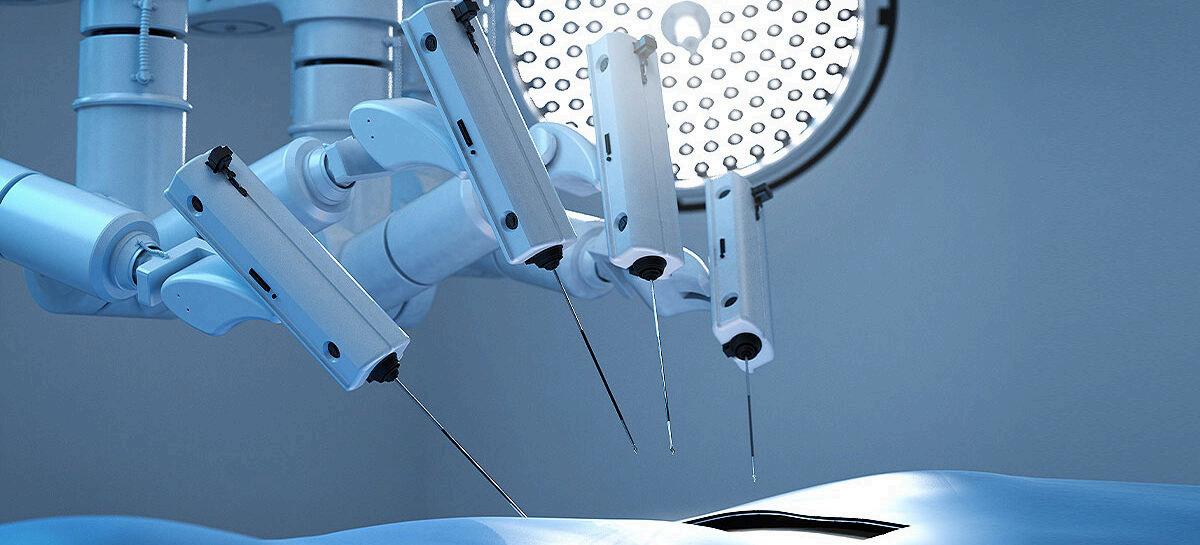


Liver transplantation has long been one of the most complex procedures in modern surgery, demanding extraordinary precision and multidisciplinary coordination. In recent years, robotic-assisted surgery has emerged as a transformative innovation, redefining how transplant procedures are performed.
Robotic systems enable surgeons to perform highly intricate steps of liver transplantation —such as donor hepatectomy and vascular reconstruction—with unmatched precision

Unlike traditional open surgery, robotic arms filter hand tremors and provide a magnified, three-dimensional view of delicate anatomical structures.
Recent advancements have even demonstrated the feasibility of fully robotic liver transplants, where both donor and recipient procedures are performed robotically in selected cases.
This shift toward minimally invasive transplantation is significant. Smaller incisions, reduced tissue trauma, and improved surgical control are collectively reshaping the standards of care in leading centers, including those regarded as the Best Liver Transplant Hospital in Chennai, where advanced robotics is increasingly integrated into clinical practice.
Clinical evidence suggests that robotic-assisted liver transplantation can lead to measurable improvements in patient outcomes. Studies have shown reduced blood loss, lower complication rates, and shorter hospital stays compared to conventional open surgery. In living donor procedures, robotic techniques have been associated with improved donor safety and lower morbidity—an essential factor given the ethical priority of protecting healthy donors. Additionally, early data indicates comparable or even improved graft survival and reduced postoperative complications in some cohorts undergoing robotic procedures.
The benefits of robotic liver transplantation extend beyond surgical precision: Minimally invasive approach: Smaller incisions result in less postoperative pain and faster recovery.
Reduced hospital stay: Patients often recover quicker, leading to shorter ICU and overall hospital durations.
Lower risk of complications: Reduced blood loss and infection rates contribute to safer outcomes.
Enhanced donor safety: Particularly important in living donor transplants, where preserving donor health is critical.
These advantages collectively improve both patient experience and clinical efficiency, making robotic surgery an increasingly preferred option.
Modern robotic liver transplantation employs highly specialized techniques, including robotic donor hepatectomy, fluorescence-guided imaging for bile duct identification, and precise microvascular anastomosis. These innovations allow surgeons to replicate—and in some cases surpass—the capabilities of open surgery. Furthermore, robotic platforms offer greater freedom of movement through articulated instruments, enabling complex maneuvers in confined anatomical spaces.