How Interventional Neurology Helps Treat Stroke and Complex Brain Disorders

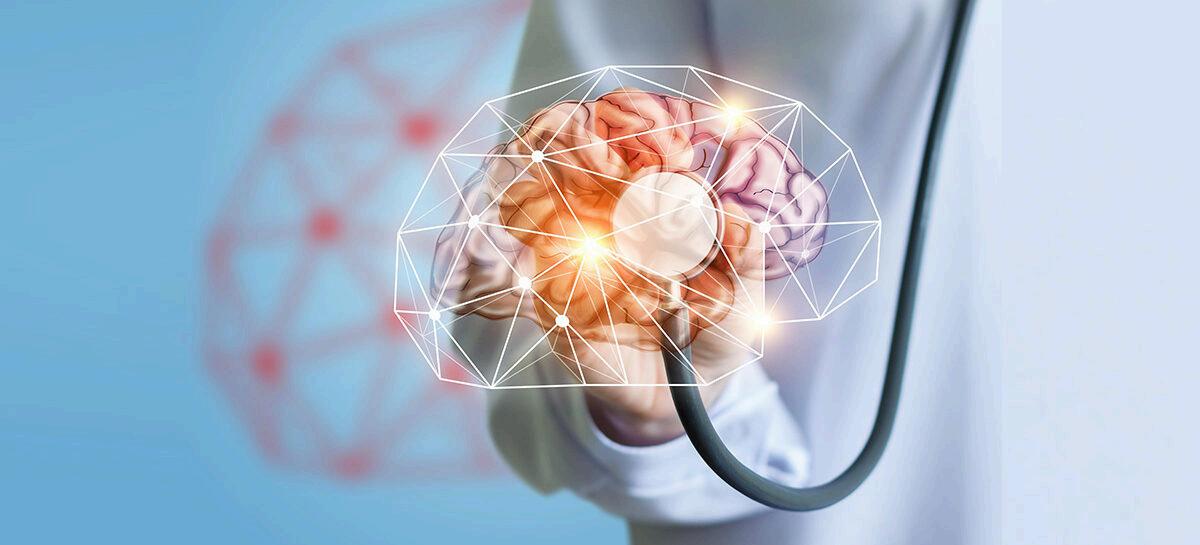
Interventional neurology is a rapidly advancing specialty that uses minimally invasive, image-guided techniques to diagnose and treat disorders of the brain, spine, and blood vessels. It plays a critical role in managing conditions like acute ischemic stroke, brain aneurysms, and vascular malformations—often improving outcomes that were once considered unattainable.

In stroke care, time is brain. Interventional neurologists use catheter-based techniques to quickly restore blood flow in blocked arteries. For example, in acute ischemic stroke caused by a clot, a procedure called mechanical thrombectomy allows specialists to physically remove the clot using devices inserted through a blood vessel in the groin or wrist. This approach is most effective when performed within a specific time window, typically up to 6–24 hours in selected patients based on imaging.
For hemorrhagic strokes or aneurysms, interventional neurology focuses on securing the bleeding vessel using coils or flow-diverting stents, preventing further damage.
Common procedures include mechanical thrombectomy, intra-arterial thrombolysis (delivering clot-dissolving drugs directly), aneurysm coiling, stent-assisted coiling, and flow diversion. Carotid artery stenting is also used to treat significant narrowing that increases stroke risk. These procedures are performed under advanced imaging guidance, ensuring precision and safety.
Benefits and recovery outcomes of interventional neurology procedures
Compared to traditional open surgery, these minimally invasive techniques offer shorter recovery times, reduced complications, and improved functional outcomes.
Studies have shown that timely thrombectomy significantly increases the chances of patients regaining independence after stroke. Early intervention often means less long-term disability and better quality of life.
Patients may require interventional neurology if they present with symptoms of stroke (sudden weakness, speech difficulty, vision loss), are diagnosed with aneurysms, arteriovenous malformations, or severe carotid artery disease. Rapid evaluation at a specialized center, often guided by a Best Neurologist in Salem or similar expert, ensures appropriate treatment selection.
Top Neurologists in Salem | Top Neurologists in Trichy |
Top Neurologists in Chennai | Top Neurologists in Tirunelveli