ECMO Treatment Support for Critical Heart and Lung Conditions

What
Extracorporeal Membrane Oxygenation (ECMO) is an advanced life-support system used for patients with severe heart or lung failure when conventional treatments are no longer effective. Often available at a Best ECMO Treatment Hospital in Chennai, this technology temporarily takes over the function of the heart and lungs, allowing these vital organs time to heal.

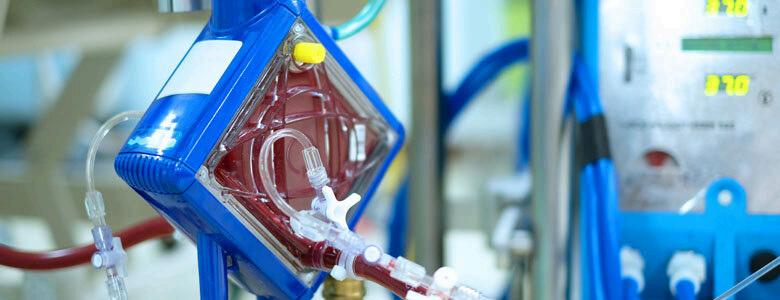
ECMO is a machine-based support system that circulates blood outside the body through an artificial lung called a membrane oxygenator. The machine removes carbon dioxide, adds oxygen to the blood, and pumps it back into the patient’s body
There are two main types of ECMO:
VV ECMO (Venovenous ECMO): Supports lung function in severe respiratory failure.
VA ECMO (Venoarterial ECMO): Supports both heart and lung function in critical cardiac conditions.
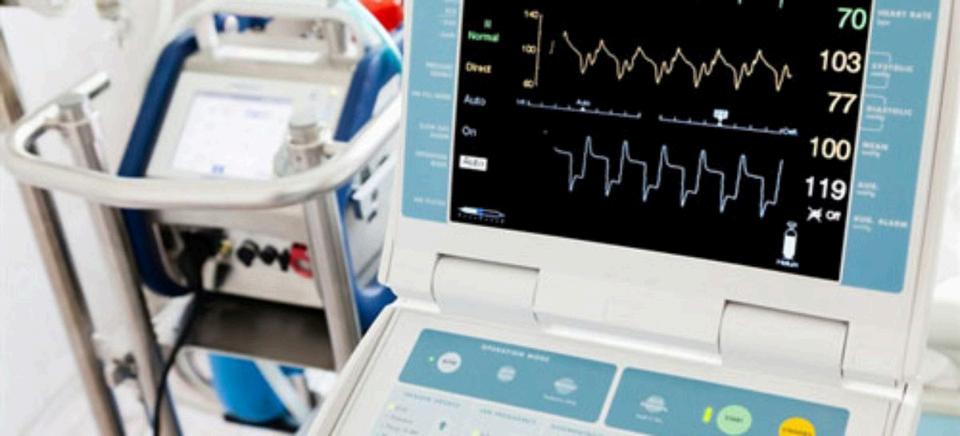
ECMO is usually managed in an intensive care unit (ICU) by a specialized team including cardiac surgeons, intensivists, perfusionists, and critical care nurses.
ECMO support is considered when a patient’s heart or lungs cannot provide enough oxygen to sustain life despite maximum medical therapy. It is generally used as a temporary bridge to recovery, surgery, transplantation, or other advanced treatment.
Doctors may recommend ECMO for patients experiencing:
Severe respiratory distress
Advanced heart failure
Cardiac arrest
Life-threatening infections affecting the lungs
Complications after major heart surgery
Life-threatening infections affecting the lungs
Complications after major heart surgery
Several critical illnesses may require ECMO treatment, including:
Severe pneumonia
Acute Respiratory Distress Syndrome (ARDS)
Pulmonary embolism
Myocarditis
Massive heart attacks
Severe COVID-19-related lung failure
Congenital heart diseases in newborns
The decision to initiate ECMO depends on the patient’s overall condition, age, organ function, and likelihood of recovery.
The recovery process after ECMO treatment varies from patient to patient. Once the heart and lungs begin functioning adequately, doctors gradually reduce ECMO support before removing the machine. Recovery may involve ventilator support, physiotherapy, nutritional care, and long-term rehabilitation.
Patients often require close follow-up to monitor heart and lung function, physical strength, and emotional well-being. Early intervention, expert critical care, and treatment at an experienced ECMO center significantly improve survival outcomes.