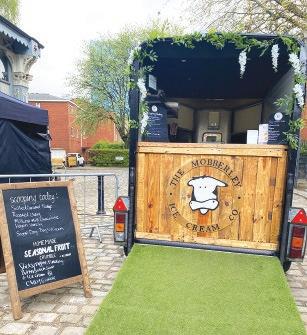
We offer wholesale to retail and hospitality Ice cream packages are available for wedding, corporate & birthday parties
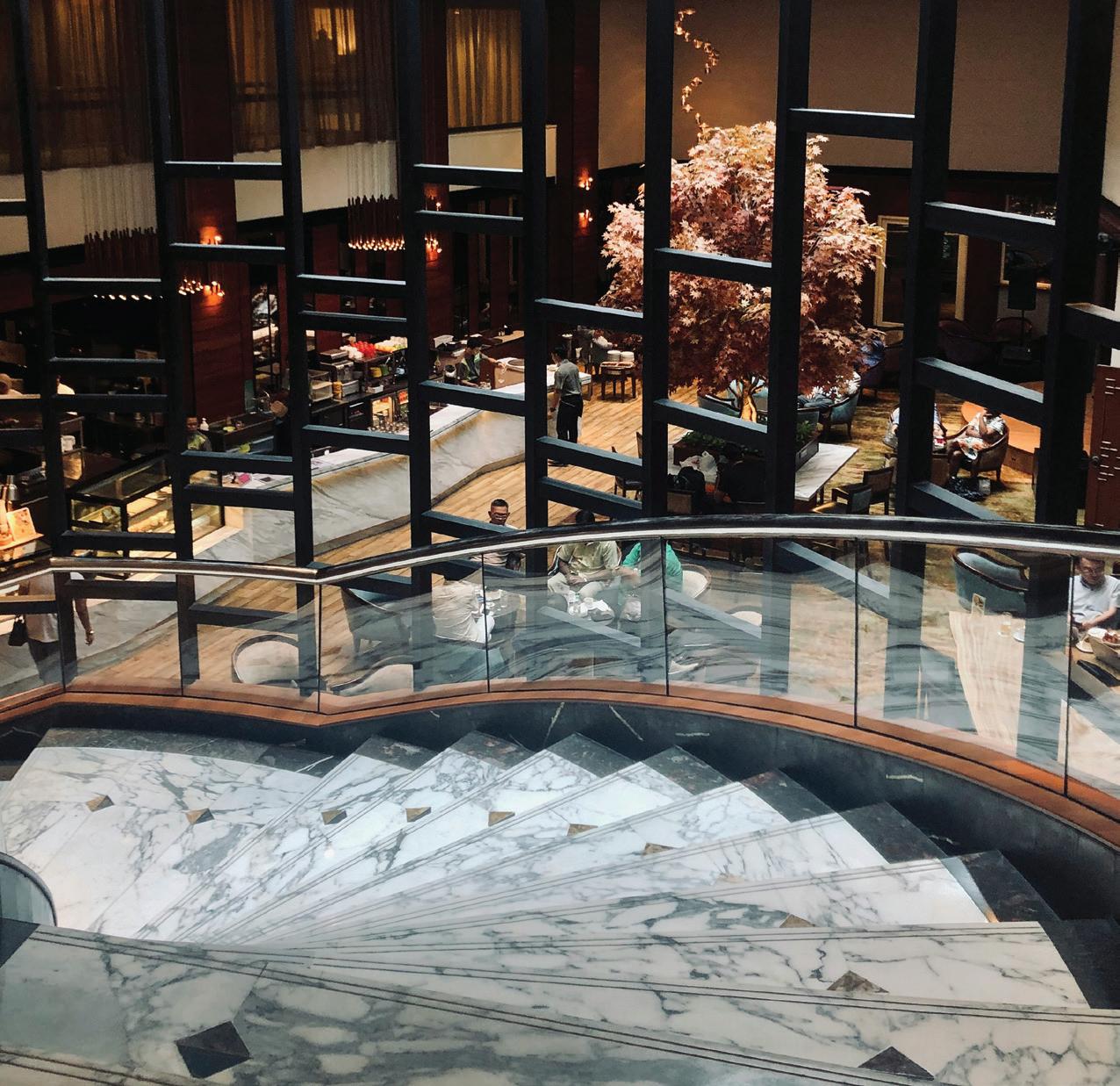
Mobberley Ice Cream Co crafts traditional small-batch ice cream using natural ingredients. The café serves breakfast, brunch, lunch, homemade cakes, and pre-booked afternoon tea. Guests can also enjoy artisan craft house coffee, perfectly paired with handmade ice cream for a comforting and indulgent experience. The Mobberley Ice Cream Company, Dairy Farm, Church Lane, Mobberley, Knutsford, WA16 7RA hello@mobberleyicecream.co.uk +44 7957 325710
The Big Branding Lottery for the chance to win a £5,000 rebrand
Lyfe Studio, an award-winning design agency, is teaming up with Cash for Kids, a fantastic local charity that supports vulnerable children in our community.
If your business enters for just £25, you could win a £5,000 rebrand! And guess what? All the proceeds from the lottery will go straight to the charity. How cool is that?
Only 200 tickets available!
8
8 Beyond the Classroom
Wilmslow Preparatory School
11 The Circle of Care
Caring for Children & the Elderly 14 Changing Solicitors?
Sinclair Law
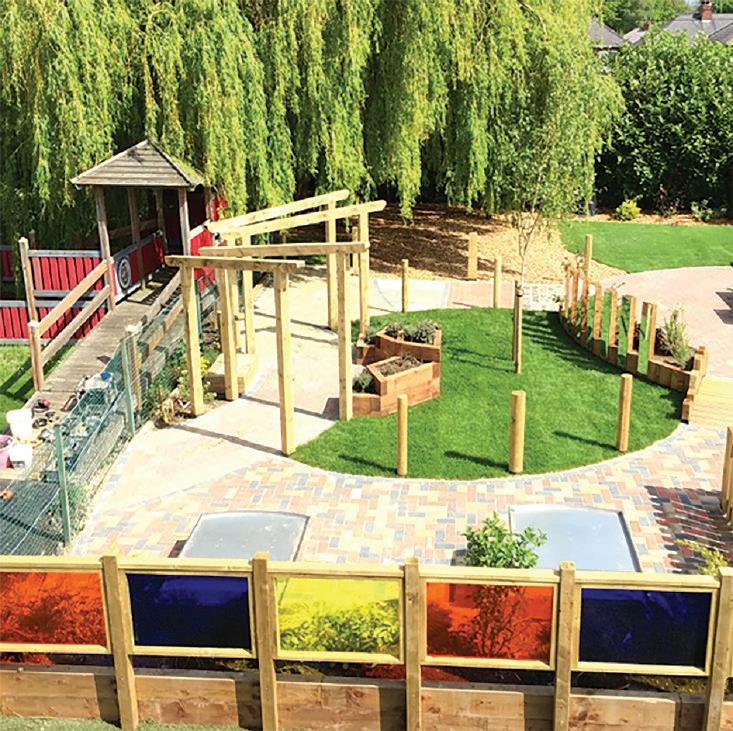
16 The Sensational Garden A Therapeutic Space
19 Five Minutes With:
Gem Bradley
22 The Right Fire Extinguisher
Francis Fire
24 Jay Allen
The Business Freedom Coach
Rise of the Rural Entrepreneur
Turning Wealth Into Happiness
Apogee Wealth Management
Legal Insight
Thorneycroft Solicitors
Workplace Wellness
Gut Health
The Sharp Star of Summer
Rhubarb Recipes
A Kitchen In Green
Growing Herbs at Home
The Heart of Luxury Living
The Curious Traveller
Inside Dubrovnik’s Walled City
Prestbury Travel
WELCOME...
As summer arrives in full bloom across Cheshire’s Golden Triangle, we are delighted to welcome you to another inspiring edition packed with the very best our vibrant community has to offer. From long sunny lunches and wellness inspiration to property expertise, family entertainment and luxury travel, this June is all about living well and making memories.
For families looking to nurture creativity and confidence, PQA Academy continues to shine with outstanding musical theatre, comedy, drama, film and TV lessons designed to inspire the next generation of performers both on and off the stage. Whether your child dreams of the West End or simply wants to build confidence and friendships, their energetic classes are a wonderful place to start.
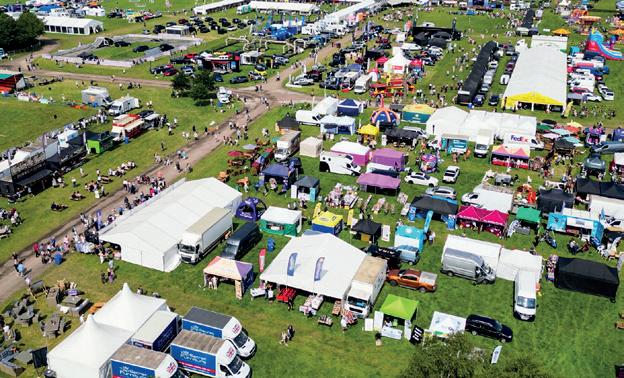
June also brings plenty of opportunities to get out and enjoy the community spirit that makes Cheshire so special. Join us for family fun at the County Show and at Happy Radio’s Party in the Park at Carnival Fields, Wilmslow — two fantastic events guaranteed to bring entertainment, laughter and unforgettable summer memories for all ages.
If wanderlust is calling, why not venture further afield with Prestbury Travel? Their expert team is helping readers plan unforgettable escapes this summer — and when you book your holiday, they’re even giving away a complimentary case of wine to toast your travels in style. Closer to home, we explore the growing focus on health, wellness and nutritious food and drink, showcasing the businesses and experts helping Cheshire residents feel their very best inside and out. We also feature trusted legal and financial specialists offering professional guidance and peace of mind when it matters most. And when it comes to property, Cheshire’s Golden Triangle is in expert hands. The renowned all-female team at Meller Braggins continues to earn glowing five-star reviews for selling homes with professionalism and care. Alongside them, My Mortgage Wizards are securing the right mortgages, conveyancing is expertly handled by Thorneycrofts, and surveys are provided by Andy at Home-Surveying –a complete property network of businesses you can truly trust.
If business networking is something you have always wanted to try, you are warmly welcome at one of our CGT Networking events. Discover more and explore everything happening across the region at cheshiresgoldentriangle.com
Here’s to a stylish, successful and sunshine-filled summer.
Jacqui & the CGT Team x
and
Registered
Cheshire Golden Triangle Magazine
CGT Networking
office: Courthill House, Water Lane, Wilmslow SK9 5AP. Cheshire’s
BEYOND THE CLASSROOM
LEARNING AT WILMSLOW PREPARATORY SCHOOL
At Wilmslow Preparatory School learning doesn’t stop at the classroom door. While strong academic results remain central to school life, it’s the range of experiences beyond the classroom that really helps our children to grow, thrive and become curious of the world around them.
Through outdoor learning, trips, residentials and community activities, our pupils are given the chance to explore, ask questions and build confidence in ways that simply aren’t possible sitting at a desk. These opportunities bring subjects to life, helping children connect what they learn in the classroom, with the world around them.
Our broad and ambitious curriculum is supported by an enrichment programme of clubs and activities to day trips and residential visits. Each experience is carefully designed to deepen understanding and spark curiosity, giving pupils a more meaningful and memorable education.
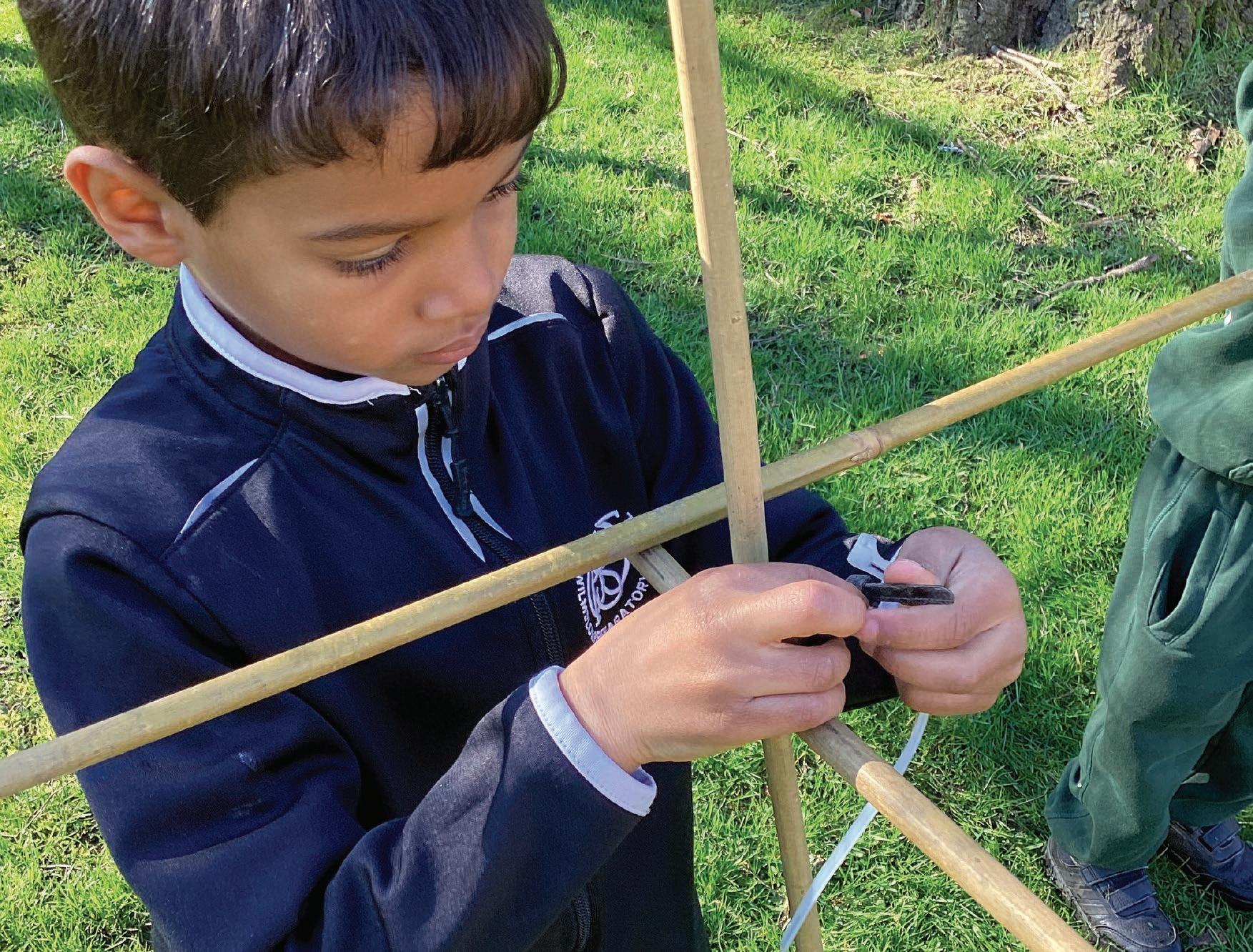
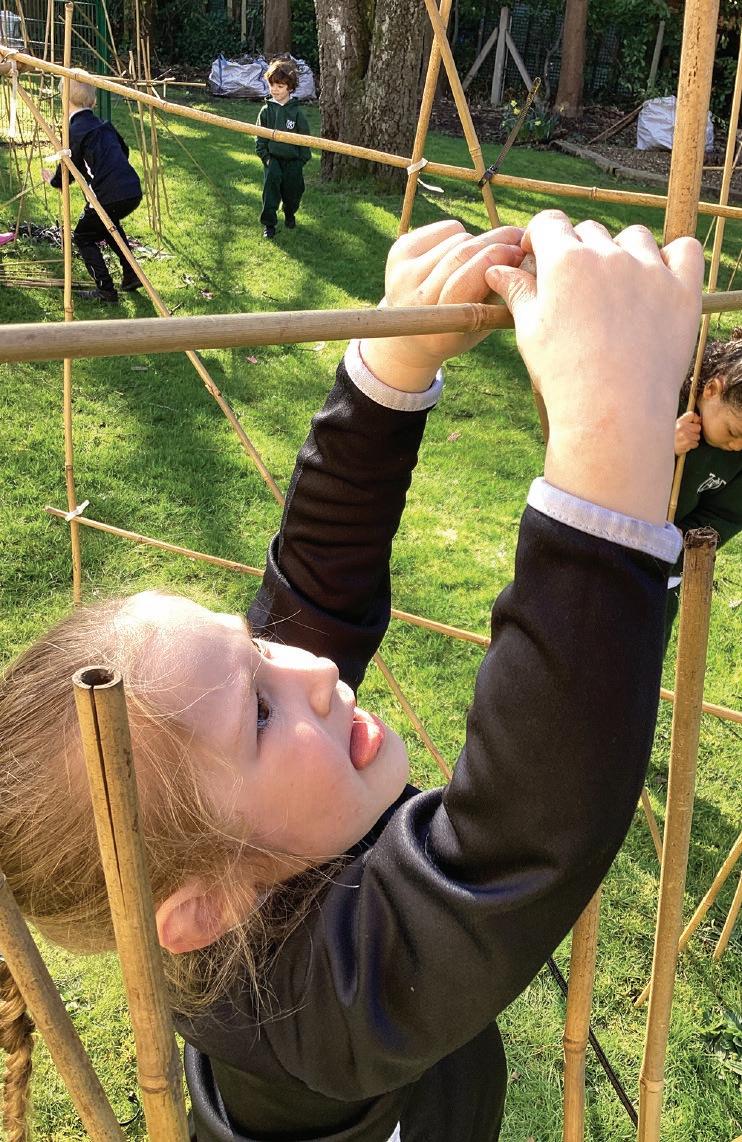
A key part of this is our Forest School area, where children can learn through hands-on experiences outdoors. Whether they’re building dens, spotting wildlife or tackling challenges together, pupils develop important life skills alongside their academic learning, from resilience and teamwork to independence and clear communication.
For younger children especially, time outdoors lays the foundations for creativity and collaboration. On World Happiness Day, our Kindergarten and Reception classes spent the morning building dens in the Forest School. Working together to construct a shelter big enough for everyone encouraged
teamwork, problem-solving and imaginative thinking. The session finished with hot chocolate and snacks inside their den, a simple moment, but one that perfectly captured the joy of learning outside.
Outdoor learning also plays an important role in supporting classroom topics. In Religious Education, our Prep 1 pupils explored the Creation Story and discussed the importance of caring for the environment during a walk around the Forest School. As they searched for signs of life, they discovered insects, birds, plants and more, prompting thoughtful conversations about nature and how we look after it.
Trips further enrich this experience by taking learning beyond the school grounds. Our Prep 1 and 2 pupils enjoyed a visit to Delamere Forest, where they met Forest Rangers and learned about their work. Through bug hunts, nature-based activities and creative tasks using natural materials, the children developed their understanding while enjoying a day of exploration and discovery.
For older pupils, these opportunities also help build independence, with our Prep 6 pupils visiting RHS Bridgewater Gardens. They researched edible plants, which they will grow back at school in donated planters. They’ll care for the plants, harvest them and eventually enjoy the results, a project that encourages responsibility, patience and an appreciation of sustainability during their final months at Wilmslow Preparatory School.
Challenge and adventure are just as important. Our Prep 5 and 6 pupils recently took part in a Schools Adventure Day with Outward Bound UK, completing activities designed to build confidence, teamwork and curiosity. Blending physical challenges with innovative virtual reality experiences, the day encouraged pupils to step outside their comfort zones and discover what they’re capable of.
At Wilmslow Preparatory School, opportunities like these aren’t an add-on – they’re a vital part of school life. By giving children the chance to learn in different environments and in different ways, we help them grow not just academically, but socially and emotionally too. It’s an approach that builds confident, curious learners who are ready to take on whatever comes next.
Visit us and find out more about how we inspire learning inside and beyond the classroom: https://www.wilmslowprep.co.uk/contact-us/
THE CIRCLE OF CARE
FROM FIRST STEPS TO GENTLE YEARS: CARING FOR CHILDREN AND THE ELDERLY IN CHESHIRE’S GOLDEN TRIANGLE
In the heart of the Cheshire Golden Triangle, family life often stretches across generations in beautifully complex ways. Many households find themselves caring for young children at the very beginning of life’s journey while also supporting older relatives who are moving into its later stages. Though these experiences may seem very different, they share more in common than we often realise.
Caring for children is rooted in growth, discovery and gentle guidance. Each day is shaped by small but meaningful milestones – first words, first steps, new friendships, and the steady building of confidence and independence. There is an energy to childcare that is forward-looking, filled with planning for education, nurturing curiosity, and creating a sense of safety and belonging. It is about helping a child understand the world while giving them the confidence to explore it.
Elderly care, on the other hand, often centres on continuity, comfort and preserving dignity. It can involve supporting daily routines, managing health needs, or simply being present to offer reassurance and companionship. Rather than focusing on growth
into something new, it is about honouring a lifetime of experiences and helping someone continue to live meaningfully in the present. The pace is often slower, more reflective, and deeply shaped by empathy and patience.
Despite these differences, the emotional heart of both forms of care is strikingly similar. Both children and older adults rely on trust, consistency and human connection. They thrive when they feel listened to, valued and included. Whether it is reading a bedtime story or sitting together over a cup of tea, the smallest shared moments often carry the greatest weight.
In households across Cheshire’s Golden Triangle, these responsibilities frequently sit side by side. Parents may be helping with homework while also arranging appointments for ageing relatives. This overlap can be demanding, but it also creates a unique sense of continuity within families, where care flows naturally across generations.
Another shared challenge is the emotional energy required. Caring deeply for someone – whether they are just beginning life or approaching its later
chapters – can be both rewarding and exhausting. There are days filled with joy and progress, but also moments that require patience, resilience and quiet strength. In both cases, carers often find themselves learning to adapt, to slow down, and to appreciate the present moment more fully.
Time is another common pressure. Childhood moves quickly, marked by constant change, while elderly care often involves adjusting to gradual shifts in health or independence. In both situations, carers are asked to be attentive to change – sometimes rapid, sometimes subtle – and to respond with care and sensitivity.
There is also a shared need for support. No one is meant to carry these responsibilities alone. Whether through family networks, friendships or community services, having space to rest and recharge is essential. In supportive communities like those found across Cheshire’s more established neighbourhoods, these networks often become an invaluable part of daily life.
Ultimately, caring for both children and the elderly is about love expressed through action –
through presence, patience and understanding. While the needs may differ, the essence remains the same: to help another person feel safe, seen and valued. In doing so, families in Cheshire’s Golden Triangle create something deeply enduring –a circle of care that connects generations and gives everyday life its quiet meaning.
Here’s what
you need to know THINKING ABOUT CHANGING SOLICITORS MID-CASE?
Changing solicitors during an ongoing legal case might sound daunting, but it is more common than many people realise. Whether it’s a divorce, child arrangements dispute or another family law matter, clients are entitled to switch legal representation if they feel their current firm is no longer the right fit.
For many people, the decision comes down to communication and confidence. Delayed responses, lack of clear advice or concerns about how a case is progressing can all lead clients to look elsewhere for support. In family law especially, where emotions often run high, having trust in your solicitor is essential.
Sharon Williams, Family Lawyer at Sinclair Law Solicitors, says: “People often worry that changing solicitors halfway through a case will create extra stress or delays, but in many situations it can actually help clients feel more supported and in control again.”
Sharon Williams
The good news is that changing firms is usually straightforward. A new solicitor can request the transfer of your file and continue handling the matter from where things left off. Clients may still need to settle fees for work already completed by the previous firm, but the process itself is designed to minimise disruption.
“One of the most important parts of any family law case is communication,” adds Sharon. “Clients should feel comfortable asking questions and confident that their concerns are being listened to.”
Family Lawyers advise anyone considering a change to act sooner rather than later. Leaving frustrations unresolved for too long can increase stress and make legal matters feel even more overwhelming. Before making a move, it is important to ask questions about communication, costs and experience to ensure the new solicitor is the right match for your situation.
Ultimately, clients should remember that they are not “stuck” with a solicitor who is not meeting their
needs. Legal cases can already be emotionally and financially demanding, so having the right support in place can make a significant difference to both confidence and peace of mind.
THE SENSATIONAL GARDEN
A THERAPEUTIC SPACE FOR CHILD SUPPORT
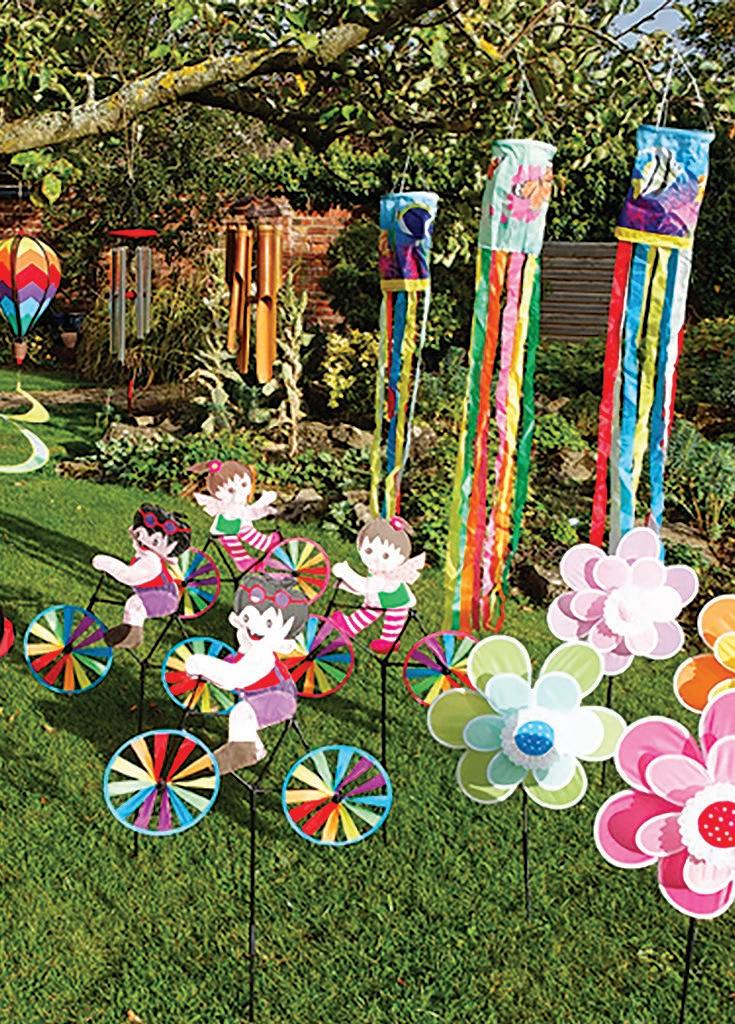
More than just flora, a garden is a vital sanctuary for holistic sensory engagement and deep pleasure, offering vibrant colours, evocative aromas, subtle tastes, and soothing birdsong. This environment, with its strong sense of space, is ideal for restorative relaxation, profound exploration, and social interaction.
Gardens as Catalysts for Development and Learning
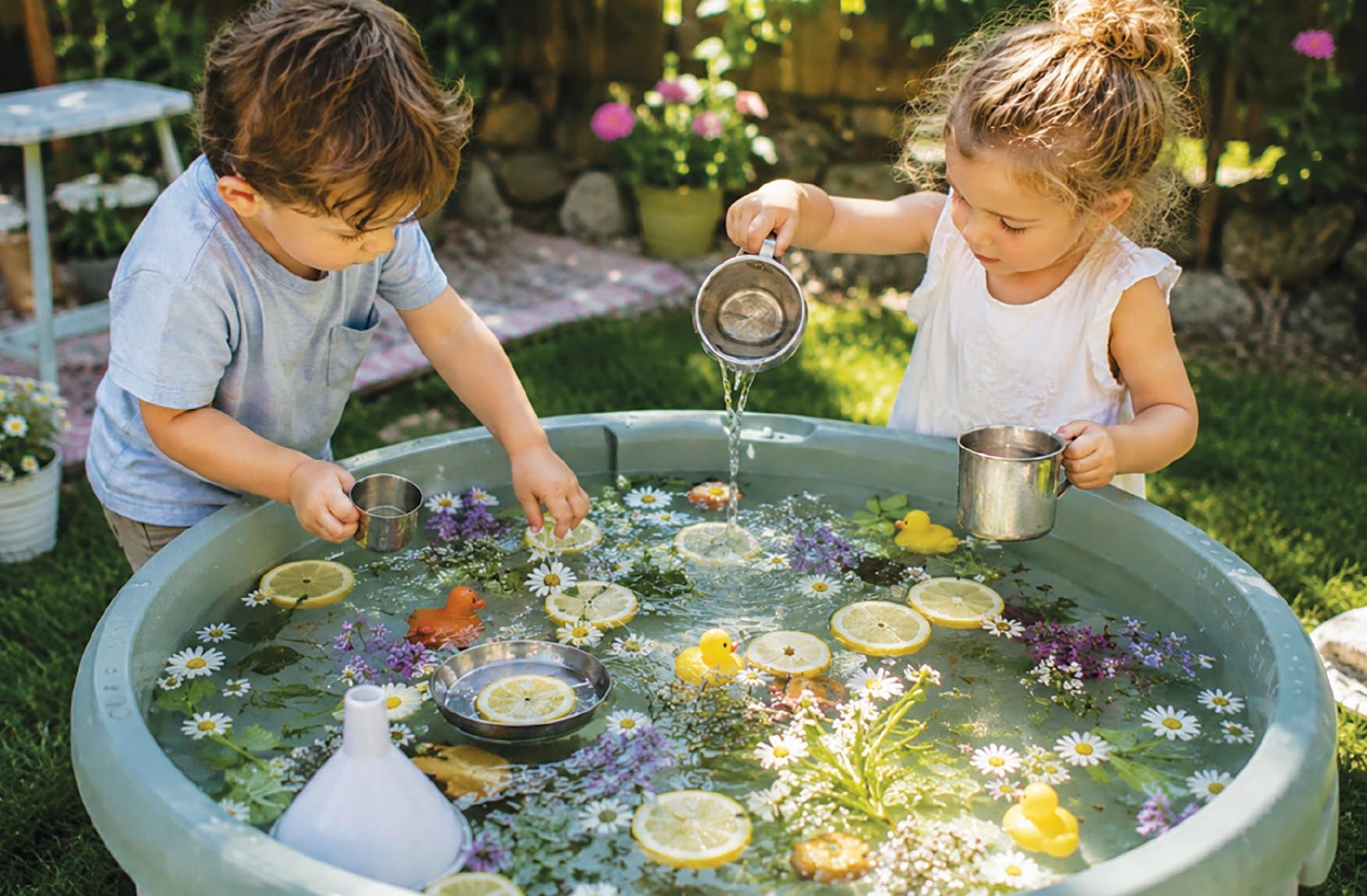
Gardens are crucial settings for children’s sensory play and early development. Features like sand pits (tactile), paddling pools (water play), trampolines (proprioceptive/gross motor), swings (vestibular), and climbing structures support integrated sensory-motor and healthy social development, promoting physical activity, coordination, and collaborative imaginative play.
Cultivating Essential Life Skills
Direct participation in gardening activities is a powerful, practical tool for helping children develop essential self-regulation skills. The process intrinsically promotes organisational abilities, planning, adherence to routines (such as watering and weeding), and the sustained flow of effort
needed to achieve a tangible, rewarding outcome, such as a harvest or a growing plant. This experience reinforces the value of consistent effort and fosters a positive sense of accomplishment.
Furthermore, a garden’s structured, nurturing environment offers children a safe, constructive space to process emotional challenges.
The routine of tending to plants from seed to maturity and consistently caring for visiting wildlife helps them
fundamentally grasp the necessary conditions – patience, consistency, and a supportive environment – required for their own emotional and physical growth. It provides a living metaphor for personal well-being.
Fostering Inquiry and Delayed Gratification
The garden uniquely facilitates the development of personal passions and focused inquiry. Children are empowered to follow their natural curiosity, whether by meticulously searching for annelids (earthworms) in the soil or by engaging in creative expression through floral chains. The garden is a living laboratory where personal interests are actively nurtured, and curiosity is rewarded.
Crucially, gardens serve an educational role by teaching children the concept of “delayed gratification.” Watching a seed slowly sprout and grow into a harvestable plant directly contrasts with the immediate rewards prevalent in modern media
and technology. It instils patience and provides a valuable understanding of cyclical processes and the ultimate reward of waiting.
Practical Application: The Sensory Garden Project
Gardening is currently utilised as a therapeutic activity, focusing on a multi-sensory, hands-on approach. This process involves deliberately examining and naming different textures (e.g., coarse, dry soil; smooth leaves; velvety petals).
The practical steps involve planting seeds or seedlings, adhering to specific multi-step instructions, and consistently watering.
To fully understand the horticultural journey, the process incorporates regular trips to the garden centre. These visits allow the child to be involved in selecting appropriate plants, thereby connecting the initial planning and sourcing with the final, living outcome. Importantly, the garden can be adapted to become an accessible and enjoyable space, especially for children facing physical and sensory challenges.
Written
by: Denise JemilOccupational Therapist, working with children and young people. email: contact@wstltd.co.uk or mobile: 07505 557 020
Based at the Alderley Edge Psychotherapy Clinic https://alderleyedgecounselling.co.uk/therapist/ denise-jemil/
GEM BRADLEY OF CHESHIRE PARTY PLANNER LTD Five Minutes With:
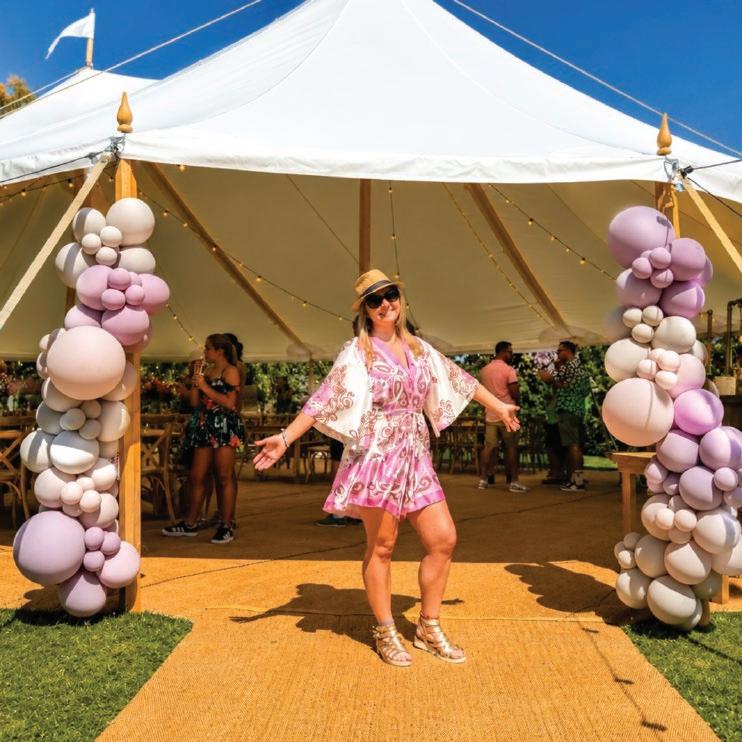
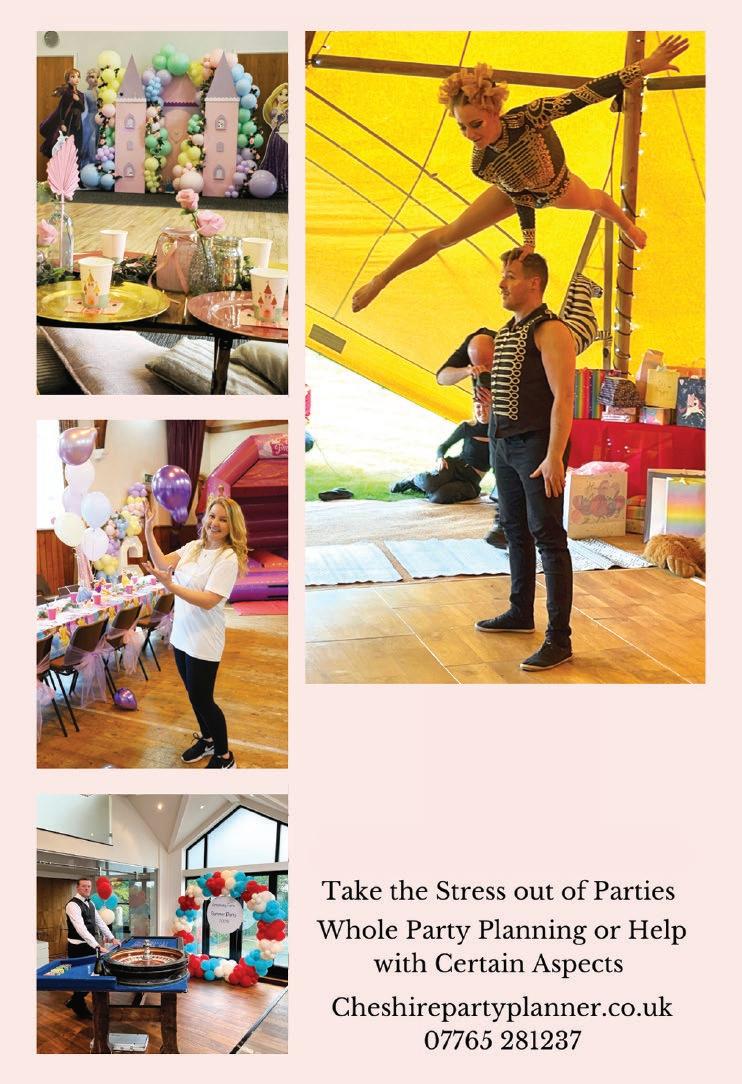
In the heart of Cheshire’s Golden Triangle – where elegance, discretion, and impeccable taste define the social scene – Gem Bradley has carved out a reputation as the go-to name for stressfree celebrations. As the founder of Cheshire Party Planner LTD, she brings over two decades of experience in entertainment and event design, seamlessly blending creativity with precision.
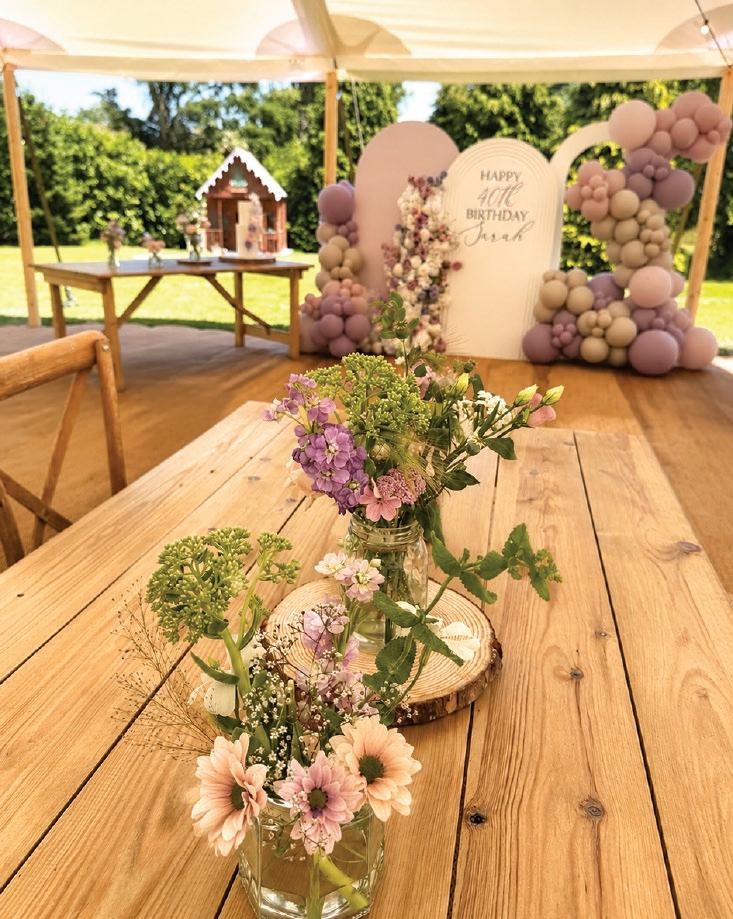
From intimate, beautifully curated gatherings to lavish, large-scale occasions, Gem is known for transforming her clients’ visions into immersive luxury experiences where no detail is overlooked. Her signature approach? Effortless creativity, deeply personal touches, and events that feel as exceptional as the people hosting them. Jacqui Priestley spends 5 minutes with Gem Bradley – The Queen of Celebrations in Cheshire’s Golden Triangle.
JP: You have so many events under your belt now. What’s a stand-out event for you?
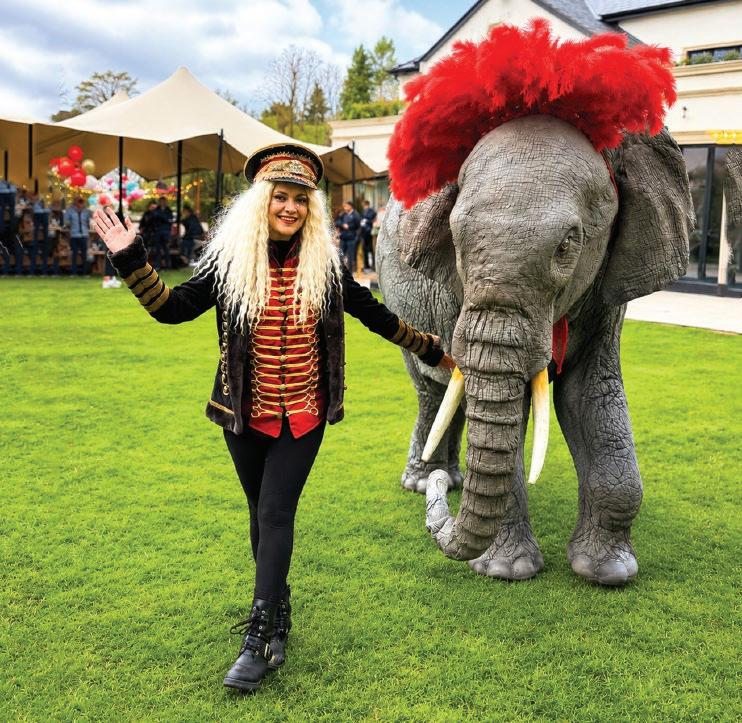
GB: It’s incredibly difficult to choose, as every event I plan is completely bespoke and meaningful in its own way. However, if I had to highlight one for its uniqueness, it would be the carnival party.
We created a full carnival-style experience, with themed food, immersive games, and 12 different
entertainers – including an animatronic elephant. The video is pinned at the top of my Instagram page, and to this day people still ask if it’s a real elephant!
JP: What makes you different?
GB: When I founded Cheshire Party Planner, I recognised a clear gap in the market – people are time-poor and often unsure where to begin. I wanted to create a service that removes that pressure entirely.
I work flexibly to suit all budgets, whether that’s full event planning or support with specific elements such as décor or catering. What truly sets me apart is that I take complete ownership of the areas my clients want me to manage for them. I handle the details that can otherwise become overwhelming – coordinating suppliers, logistics and communication seamlessly.
Alongside creativity and organisation, I bring a trusted network of suppliers I’ve built strong
relationships with over time – people I know will consistently deliver an exceptional standard.
JP: What do you enjoy most about being Cheshire Party Planner?
GB: The relationships I build with my clients are incredibly important to me – many naturally evolve into lasting friendships. In fact, one client booked me the very next day after our first brief meeting at a networking event – a lovely reminder of how quickly that trust can form.
Being invited into such meaningful moments in their lives is a genuine privilege. I create an atmosphere where clients can fully relax and enjoy time with their guests, knowing everything is taken care of. Creativity plays a huge part in that –from the overall concept down to the finest details, whether that’s cohesive styling or ensuring younger guests are just as engaged and entertained.
Many clients place a great deal of trust in me, often giving me the freedom to bring their vision to life in a way that exceeds expectations.
JP: You’re clearly a driven businesswoman who’s always evolving – what’s next for you?
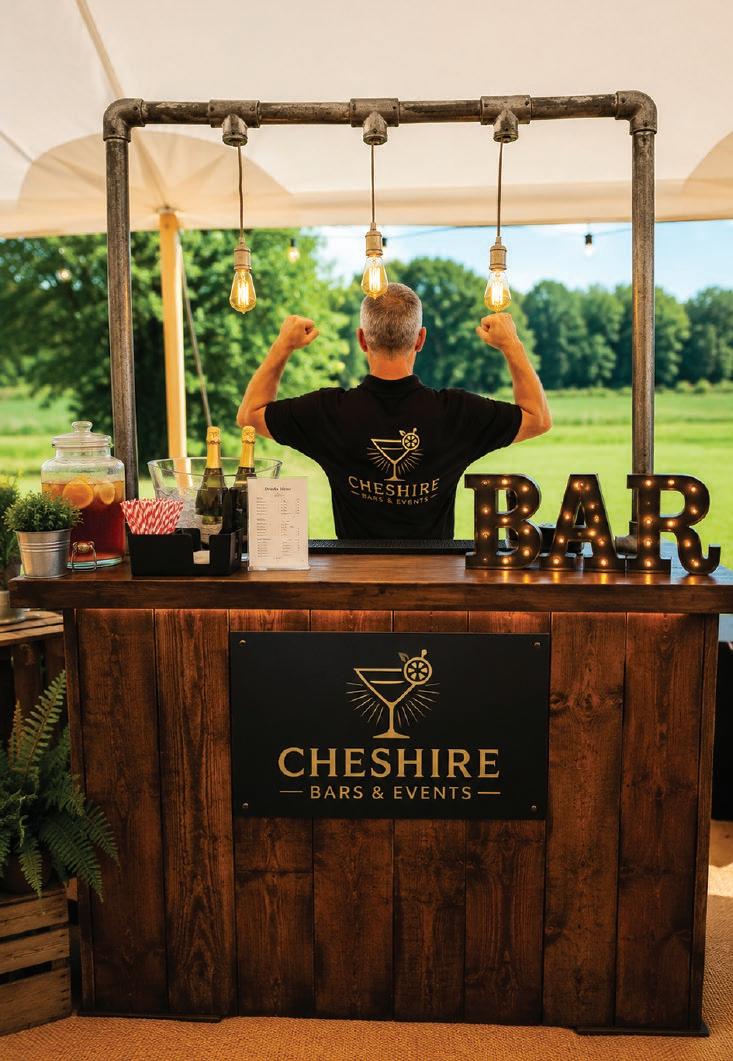
GB: Many people don’t realise that the bars at my events are run by our family team – Cheshire Bars & Events. There is always an experienced manager on site alongside myself, ensuring everything runs seamlessly. We provide a bespoke service with carefully selected wines, spirits, draught beer and non-alcoholic options, and one of our signature touches is that clients keep any unopened bottles after the event.
I also offer styling elements such as wildflower displays, which work beautifully for relaxed outdoor settings, as well as more meaningful celebrations, including end-of-life events that are becoming an increasingly personal alternative to traditional services.
As my client relationships grow, I’m increasingly asked to support beyond events. Personal shopping and gifting is something I already offer, particularly during the festive season. With a background in animal care and house sitting, I’m now expanding
into a broader concierge, lifestyle and business support service – offering the same trusted, high-level experience across different aspects of my clients’ lives.
JP: What are the top three reasons to book you?
GB: Attention to detail, a genuinely personable team, and a completely stress-free experience. Nothing is overlooked – from the overall vision through to the smallest finishing touches. My friendly team and I ensure every guest feels welcome, and when we’re there, clients can relax knowing everything is in safe hands. My reviews speak for themselves – I pride myself on delivering a personal, high-quality service every time.
With an instinct for detail and a deep understanding of what her clients want, Gem Bradley continues to set the standard for high-end event planning in Cheshire. Her ability to combine creativity, diligence, and flawless execution ensures that every celebration is not only memorable, but unmistakably bespoke. In a region where expectations are high, Gem proves that her client satisfaction lies in the experience –and in making every moment feel extraordinary.
To find out more about Gem and see her latest events, follow her page and channel @cheshirepartyplanner
THE RIGHT FIRE EXTINGUISHER
Get it right BEFORE it matters!
Imagine discovering your fire extinguisher isn’t fit for purpose when – to quote Basil Fawlty –you actually need the “bl**dy thing.” In any workplace, having the right fire extinguishers, properly maintained and serviced, can make all the difference in an emergency.
With several extinguisher types available, it’s not always obvious which is right for your premises. At Francis Fire, we help businesses choose, install, and maintain the correct equipment. Here’s a guide to the five most common fire extinguisher types.
Water Fire Extinguishers
Water extinguishers cool burning materials and are best suited to Class A fires involving wood, paper, textiles, and furniture. They’re commonly used in offices, schools, warehouses, and retail spaces. However, they should never be used on electrical fires or flammable liquids.
CO2 Fire Extinguishers
CO2 extinguishers work by displacing oxygen and suffocating flames. They are ideal for electrical fires
involving computers, servers, and machinery, as well as small flammable liquid fires. Because they leave no residue, they’re perfect for protecting sensitive electronics. They are less effective outdoors or on solid combustible materials.
Foam Fire Extinguishers
Foam extinguishers cool fires while creating a barrier that prevents re-ignition. They are suitable for Class
A and Class B fires, including flammable liquids like petrol and diesel. This makes them a versatile choice for garages, workshops, and warehouses. Unless specifically rated, they should not be used on live electrical equipment.
Powder Fire Extinguishers
Powder extinguishers interrupt the fire’s chemical reaction and are effective on Class A, B, and C fires involving solids, liquids, and gases. They are commonly used in industrial settings, vehicles, and outdoor environments. However, powder can reduce visibility and irritate breathing, making it unsuitable for most indoor spaces.
Wet Chemical Fire Extinguishers
Designed specifically for Class F fires, wet chemical extinguishers tackle burning cooking oils and fats by forming a cooling, soapy layer that prevents re-ignition. They are essential in commercial kitchens, cafés, and restaurants.
Maintenance Matters
Choosing the right extinguisher is only half the job. Businesses should carry out annual servicing, monthly visual checks, keep fire safety logbooks updated, and replace or refill extinguishers after use or at end-of-life. Proper fire safety equipment protects your premises, stock, staff, and customers — and can ultimately save lives.
Wayne Francis - Francis Fire
JAY ALLEN
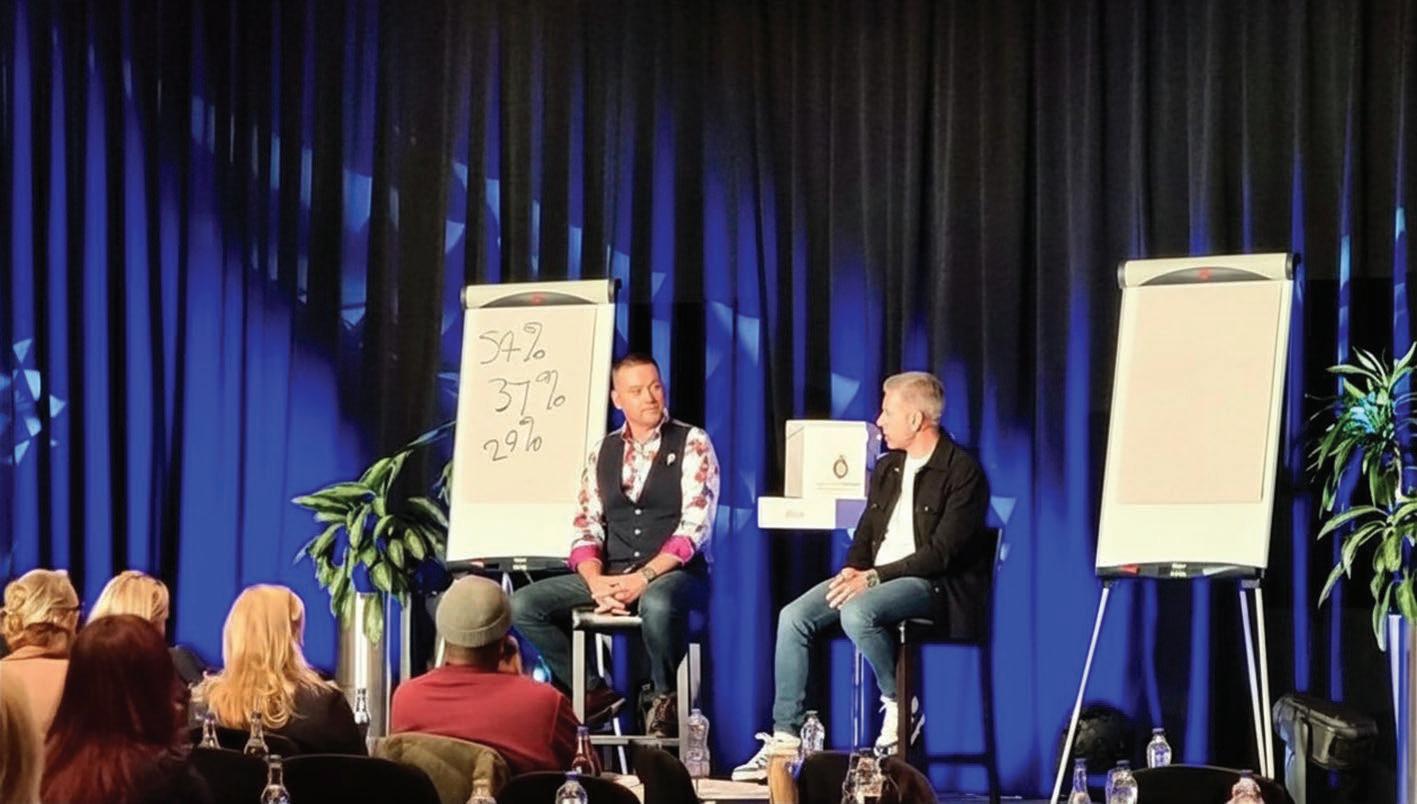
Jacqui of Cheshire’s Golden Triangle sits down with Jay Allen for a compelling and energising conversation, uncovering the truth behind business freedom, structural dependency, and what it really takes to reclaim your time, profit, and purpose.
For readers who haven’t met you yet, how do you describe what you do?
I work with business owners who are working too hard for what they’re being paid, and they know it. They started a business hoping to earn more, work less, and own their time again. Somewhere along the way the maths inverted. My job is to put it back the right way up: earn more, work less, get back to what matters most – while revenue, profit and future business value all move forward at the same time. Most assume those two things are a trade-off. They’re not.
Somewhere between “this is going well” and “I haven’t had a proper week off in three years”, the business has grown yet become more dependent on them than they ever intended. By most external measures, they’re winning. But they’re carrying the whole thing on their back.
“They call me a Business Freedom Coach. The work itself is closer to engineering than coaching –every client, every business, every circumstance is different, but the outcome is the same: Living your Legacy, not just leaving one.”
That gap between success on paper and the freedom they expected has a name: structural dependency.
What’s the most common mistake you see Cheshire business owners making right now?
Confusing being busy with being valuable. Cheshire is full of owner-managers running
brilliant businesses who quietly believe that if they stop being the centre of everything for even a week, it all collapses. So they don’t stop. They work harder. They take fewer holidays. They mistake the chaos around them for proof they’re indispensable. The truth is uncomfortable: a business that can’t function without you isn’t an asset. It’s a job you’ve given yourself, with all the overhead and none of the freedom.
You came into coaching via 12 years in the British Army –how does that shape the work?
Twelve years as a Rapid Deployment Combat
Medic with deployments to Bosnia, Kosovo and Sierra Leone teaches you that planning, systems and clear command structures save lives. That’s the foundation of how I work now.
The #ADDAZERO Methodology I’ve built takes those same military principles: Mission planning, Leadership architecture, Operational discipline, and applies them to scaling a civilian business. My motto from those years still signs off everything I do: In arduis fidelis – faithful through adversity.
What separates owners who actually break free from the ones who stay trapped?
Honesty about where they actually are. The owners who break free start by getting brutally clear on what’s load-bearing in the business, Which decisions only they can make, Which relationships only they hold, Which knowledge lives only in their head. Then we work together to architect those things out of them, deliberately, one at a time. The ones who stay trapped say “Once I’ve…” once too often as they keep waiting for the right hire, the right software, the right moment.
If someone reading this is recognising themselves, where should they start?
Start with your Business Freedom Score. It’s a free, ten-minute diagnostic that tells you exactly where in your business you’re trapped, what’s costing you most, and which structural changes would buy you back the most time fastest. No call, no pitch. You take it, you get your report, you decide what to do with it. www.mytruenorth.club/bfa is the link.
If you recognised yourself anywhere on this page, that’s where the work begins.
THE RISE OF THE RURAL ENTREPRENEUR
In Cheshire’s Golden Triangle, success is no longer defined solely by corporate boardrooms and city skylines. Increasingly, a new generation of rural entrepreneurs is reshaping the region’s business landscape – blending ambition with authenticity, and modern enterprise with countryside living. From Prestbury and Alderley Edge to Knutsford and Wilmslow, the rise of collaborative entrepreneurship is creating a thriving network of professionals who value connection just as highly as commercial success.
At the heart of this movement is a shift in mindset. Today’s rural entrepreneur is less concerned with traditional competition and more focused on community, collaboration, and long-term relationships. Business breakfasts replace formal board meetings, local partnerships drive visibility, and personal reputation carries just as much weight as digital presence.
Public speaker Jay Allan has become one of the voices championing this modern approach to success. Known for his motivational speaking and people-first philosophy, he regularly highlights the importance of resilience, mindset, and meaningful networking within the region’s business community. His work reflects the changing priorities of many entrepreneurs across Cheshire – where balance, wellbeing, and relationships are becoming integral parts of professional achievement.
“Today’s rural entrepreneur is less concerned with traditional competition
and more
focused
on community, collaboration, and long-term relationships. Business breakfasts replace formal board meetings, local partnerships drive visibility, and personal reputation carries just as much weight as digital presence.”
This collaborative spirit is also evident within the local media landscape. Platforms such as Happy Radio have helped create a more connected business community by giving local entrepreneurs, charities, creatives, and independent brands a platform to share their stories. In an era dominated by national media noise, hyper-local storytelling has become increasingly valuable, helping businesses establish trust and visibility within their own communities.
Equally influential is Kerry Burgess, whose work through Platinum Marketing and The Cheshire Directory has helped foster meaningful connections across the Golden Triangle and beyond. By bringing together entrepreneurs from different industries, Burgess has cultivated an environment where collaboration genuinely outweighs competition. Her events and platforms encourage business owners to share ideas, support one another, and recognise the value of collective growth.
It is this sense of shared ambition that defines the modern Cheshire business scene. Luxury no longer means isolation behind gates and private offices. Instead, there is a growing appetite for visibility, conversation, and community-led enterprise. Whether through local CGT networking events, charity partnerships, countryside showcases, or independent media collaborations, entrepreneurs are increasingly investing in relationships that strengthen the wider region.
“As
Cheshire’s Golden Triangle continues to evolve, its entrepreneurs are proving that success in today’s world is not simply about visibility or turnover. It is about building trusted networks, supporting local communities, and creating a lifestyle where ambition and authenticity can coexist. In this new era of rural entrepreneurship, collaboration is not just a strategy – it is becoming the defining characteristic of modern success.”
The appeal of Cheshire’s Golden Triangle itself also plays a significant role in this evolution. With its combination of beautiful countryside, excellent schools, luxury homes, and proximity to Manchester and easy access to London, the area attracts ambitious professionals seeking a better quality of life without sacrificing opportunity. Many entrepreneurs are consciously stepping away from fast-paced city cultures in favour of a lifestyle that offers both commercial growth and personal wellbeing.
This has led to the rise of a distinctly modern rural lifestyle — one where morning meetings take place at delightful venues, such as Brown’s of Wilmslow, collaborations are formed at wellness retreats and charity lunches, and business conversations continue during countryside walks or equestrian events. The boundaries between lifestyle and enterprise have softened, creating a more human and connected approach to success.
Importantly, this culture of collaboration is not only benefiting established businesses but also opening doors for emerging entrepreneurs and creatives. There is a noticeable willingness among local leaders such as CGT networking founders, Jacqui Priestley and Debbie Boardman, to mentor, promote, and champion one another. It is a refreshing contrast to
the more transactional business environments often associated with larger cities.
As Cheshire’s Golden Triangle continues to evolve, its entrepreneurs are proving that success in today’s world is not simply about visibility or turnover. It is about building trusted networks, supporting local communities, and creating a lifestyle where ambition and authenticity can coexist. In this new era of rural entrepreneurship, collaboration is not just a strategy – it is becoming the defining characteristic of modern success.
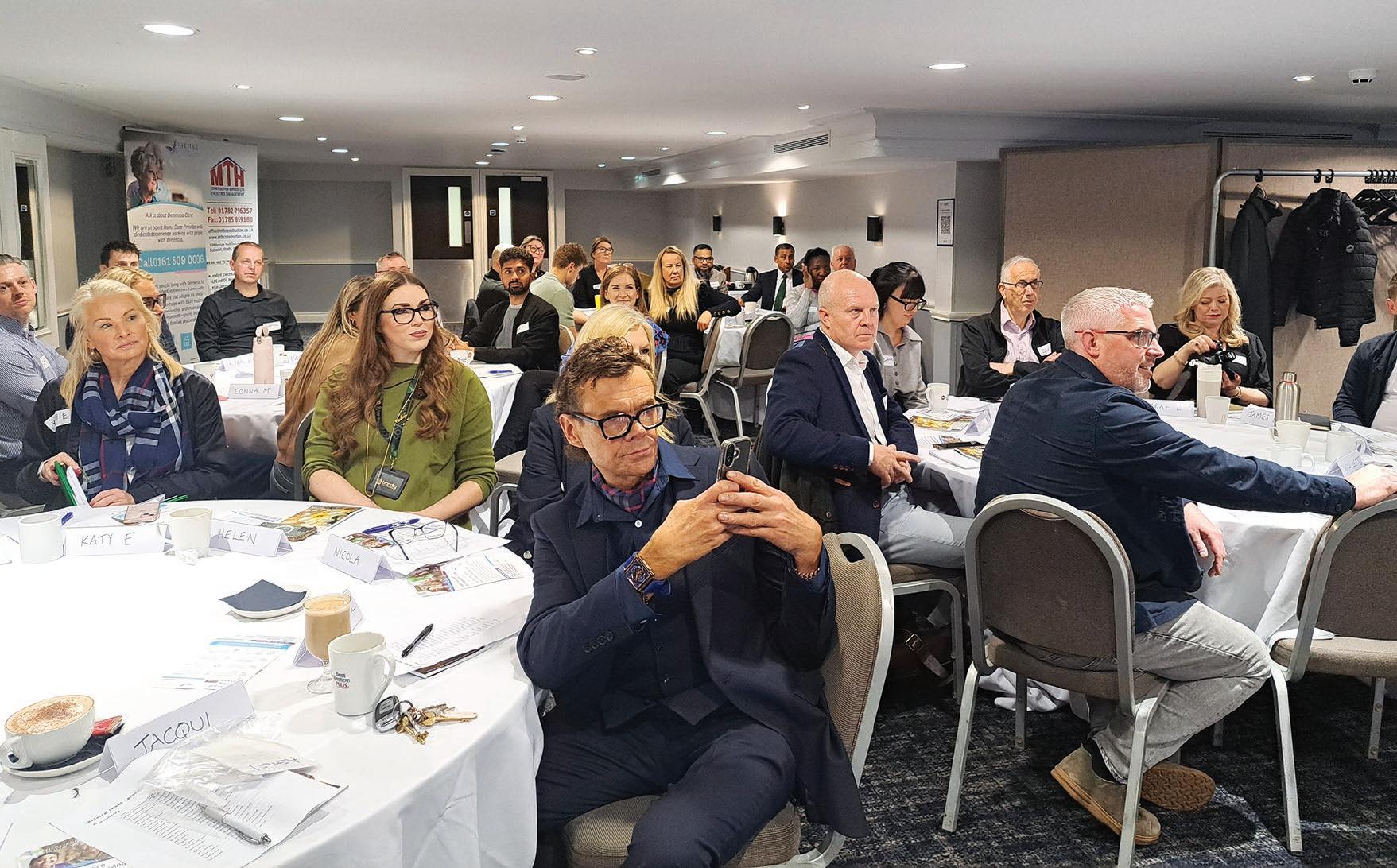
At the centre of this thriving entrepreneurial movement is CGT Networking, a community that has rapidly become one of the driving forces behind Cheshire’s modern business culture. In a region where lifestyle, ambition, and reputation naturally intersect, CGT Networking has created an environment where collaboration is valued above competition and relationships are built with authenticity and trust.
“As Cheshire’s entrepreneurial landscape continues to evolve, it is this sense of community and collaboration that is shaping the future –and CGT Networking sits firmly at the heart of it.’’
Jacqui Priestley
Equestrian Culture
Debbie Boardman, ‘Equestrian Estate Agent of Distinction’ part of the Wilmslow based Homes of Distinction group, embodies equestrian culture which remains at the very heart of life in Cheshire’s Golden Triangle, where countryside heritage and modern luxury living naturally intertwine. Horse culture is more than a pastime – it is a defining part of the region’s identity and social landscape. From private stables and countryside rides to dressage events and polo gatherings, equestrian life reflects the area’s appreciation for tradition, wellbeing, and outdoor living. For many entrepreneurs and professionals, time spent around horses offers balance away from increasingly fast-paced business lives, while also providing opportunities to connect socially within Cheshire’s close-knit rural community.
The equestrian world also supports a thriving network of local businesses, including country fashion brands, equine specialists, luxury vehicle providers, and rural estate services, all contributing to the region’s growing lifestyle economy. Importantly, Cheshire’s equestrian culture continues to evolve alongside modern rural living – blending heritage with contemporary aspiration and reinforcing the values of community, collaboration, and countryside prestige that define the Golden Triangle today.
Nowhere is this more visible than at the Cheshire County Show, where tradition, rural enterprise, and modern country life come together in one of the region’s most celebrated social events.
16th-17th June
‘THE KEYS TO CHESHIRE’S GOLDEN TRIANGLE LIVING’ WITH EXCEPTIONAL LOCAL EXPERTISE AND A HIGHLY PERSONAL 1-1 APPROACH, TOGETHER THEY HELP BUYERS AND SELLERS ACROSS CHESHIRE’S PRESTIGIOUS GOLDEN TRIANGLE ACHIEVE OUTSTANDING RESULTS THROUGH MELLER BRAGGINS, 99 KING ST, KNUTSFORD WA16 6EQ.
Emma James is Sales Director at the Knutsford office of Meller Braggins and brings nearly 30 years of experience in the property industry. Specialising in the sale of high-quality and individual homes, Emma is particularly well known across Cheshire’s Golden Triangle for her honest advice, personal approach and consistently strong results. As a resident of the Golden Triangle herself, she combines professional expertise with genuine local insight, offering clients a real understanding of both the market and the lifestyle. With a long-established network and a hands-on approach from start to finish, Emma is trusted to guide clients through every stage of the moving process with care, discretion and confidence.
Amy Loynton is a valued member of the Knutsford office at Meller Braggins, working alongside Emma James and Victoria Roscoe to deliver an exceptional level of service across Cheshire’s prestigious Golden Triangle. With a passion for property and a highly personable approach, Amy supports clients, ensuring each experience is handled with professionalism, care and attention to detail.
Amy began her career in property in 2018 and has gained extensive experience across both the local and international property markets, having spent six successful years selling homes in New Zealand. Her broad market knowledge, combined with a strong understanding of client needs, allows her to build lasting relationships and provide trusted guidance tailored to every individual move. Known for her approachable nature and commitment to delivering outstanding results, Amy works closely with buyers and sellers to ensure a smooth and positive experience from start to finish.
Working with Emma James from Meller Braggins has been an absolute pleasure. From start to finish, they demonstrated an exceptional level of professionalism, attention to detail, and commitment to ensuring the entire process went smoothly. Emma was always available to answer questions promptly, offered honest and informed advice, and handled every aspect with care and transparency. I particularly appreciated her conscientious approach – nothing was ever too much trouble, and she consistently went above and beyond to make sure we felt supported and well-informed. I would highly recommend Emma and Meller Braggins to anyone looking for an attentive, reliable, and genuinely professional estate agent. P Gibbons Testimonial Feb 26
Andy Singh at Home Surveying
Wilmslow based RICS Residential Surveyor and Valuer
RICS-qualified Surveyor with a background in the construction industry, providing Level 2 & 3 surveys, and valuations. Giving clients the guidance they need to make an informed decision when purchasing their property, across Cheshire and Manchester.
andy.singh@home-surveying.co.uk
I’m James Riley, a senior financial planner based in Wilmslow, with clients throughout Cheshire and the north-west.
I specialise in helping individuals and business owners who are:
� Looking at options around retirement
� Concerned about Income Tax or Corporation Tax
� Wanting to explore options around their Inheritance Tax liability
� Needing to review their existing pensions and investments
� Requiring advice on their business or personal protection.
5 important things you need to know about Apogee Wealth Management:
� A Chartered firm
� Independent, so can recommend products from the whole of the market
� Highly experienced team
� Head office in Knutsford
� Rated highly by our clients, with a score of 4.9 out of 5 on VouchedFor from more than 200 reviews
Get in touch with me
and explain
TURNING WEALTH INTO HAPPINESS
WHY A PLAN MAKES A DIFFERENCE – APOGEE WEALTH MANAGEMENT
The saying “money can’t buy happiness” is true. Wealth doesn’t automatically mean you’ll be happier, but it could give you the freedom to focus on the things you enjoy and boost your wellbeing as a result. How you use money is just as important as having it when assessing whether it would improve your happiness. Intentional financial decisions that are made based on your priorities and goals could promote a greater sense of joy.
How money could improve your happiness.
First, simply having money in the bank or a higher income could improve wellbeing. IIndeed, a survey carried out by Virgin Money (1 October 2025) suggests 89% of Brits experience money worries, with 1 in 3 stating they regularly worry about their finances. Not only can this cause financial stress, but it could also affect other areas of life, such as relationships with loved ones.
Feeling confident in your finances can ease concerns and enable you to focus on the things you enjoy.
Finances can also influence other areas that are important for wellbeing. A Harvard study (16 February 2023) has been tracking what makes
people happy for more than 85 years. A common factor among the happiest people – the ones who stayed healthy as they grew older and lived the longest – is that they had the warmest connection with other people. Indeed, the director of the study Robert Waldinger said: “In fact, good relationships were the strongest predictor of who was going to be happy and healthy as they grew old.”
The findings aren’t too surprising. When you ask people what is important to them, family and friends usually appear high on the list. Social connections are often essential for happiness. At first, it might seem like your finances have little influence over social connections. However, financial freedom could give you more time to spend with loved ones and the opportunity to enjoy new experiences with
them. Similarly, you might want to volunteer to meet new people and support your local community. Being able to reduce your working hours could allow you to pursue that goal.
Why a financial plan could provide direction.
So, money could support your happiness, but it isn’t a given. You need to consider what improves your wellbeing and how to use your wealth in a way that allows you to focus on that.
The good news is that’s the essence of a financial plan – bringing together your finances and aspirations to create a tailored plan. After working with a financial planner, you might find that you’re in a better position than you thought. Perhaps you’ve been daydreaming about exploring new locations, but you’ve held off booking anything because you were worried about how it would affect your longterm finances. You may discover you have enough to fly to exotic destinations already, and a plan
gives you the confidence to do it. In these cases, a financial plan could mean you don’t miss out on opportunities to improve your happiness because you’re unsure about your finances.
It’s also possible that you discover a gap, which could place your happiness at risk.
For example, if you want to travel in retirement, you might find you aren’t on track to achieve this.
Identifying the gap now could mean you’re in a position to make higher contributions to keep your plans on track and enjoy the retirement you’ve been looking forward to.
Get in touch if you’d like to build a financial plan that’s focused on your happiness and wellbeing, please contact us. We can work with you to build a tailored plan that suits your aspirations.
Please note: This article is for general information only and does not constitute advice. The information is aimed at individuals only. All information is correct at the time of writing and is subject to change in the future.
LEGAL INSIGHT
NAVIGATING CHESHIRE’S
GOLDEN TRIANGLE WITH THORNEYCROFT SOLICITORS
In this exclusive Q&A, Christine McClenaghan from Thorneycroft Solicitors offers insight into the legal expertise behind some of Cheshire’s most prestigious property transactions. From navigating the complexities of the Golden Triangle market to supporting clients with long-term wealth planning, she shares how the firm delivers a discreet, proactive, and highly personalised service tailored to high-net-worth individuals and families.
What sets Thorneycroft apart when handling high-value property transactions in Cheshire’s Golden Triangle?
What sets us apart is our combination of technical expertise and highly personalised service.
The Golden Triangle market demands discretion, precision, and a deep understanding of complex transactions – often involving significant value, bespoke contractual terms, and tight timelines
We are experienced in acting for high-net-worth individuals, business owners, and professional advisors, and we understand the importance of
confidentiality and efficiency. Our team takes a proactive approach, identifying potential issues early – whether relating to title, planning or rights of way – and resolving them before they can impact completion.
We also work closely with estate agents to ensure the entire transaction runs smoothly from instruction through to post-completion.
How do you help clients plan for Capital Gains Tax and other tax considerations when selling or acquiring prestigious properties?
The Thorneycroft Conveyancing team do not provide advice in relation to Capital Gains Tax (CGT), but we would be happy to put clients in touch with a financial specialist who can assist.
What legal challenges are unique to the Golden Triangle market, and how does your team navigate them?
The Golden Triangle – encompassing areas such as Alderley Edge, Wilmslow and Prestbury –presents a number of unique legal considerations.
Many properties are substantial, individually designed homes with complex planning histories, listed status, gated access, private roads, or shared amenities. We also frequently see transactions involving unregistered land, overage agreements, agricultural ties, or development potential. Our approach is thorough and pragmatic. We conduct detailed due diligence, raise targeted enquiries, and provide clear, commercially focused advice so clients can proceed with confidence. Where necessary, we negotiate bespoke contractual protections to safeguard our clients’ interests.
Beyond property, how does Thorneycroft support clients in protecting their wealth and legacy?
Beyond property matters, Thorneycroft Solicitors supports clients in protecting their wealth and legacy through a range of private client services designed to provide long-term security and peace of mind.
This includes advising on Wills and estate planning, helping clients ensure their assets are distributed in line with their wishes, we can assist with Lasting Powers of Attorney, enabling trusted individuals to manage financial or health decisions if a client becomes unable to do so themselves and provide guidance on probate and estate administration, supporting families through the process of dealing with a loved one’s estate. Through thoughtful planning and clear legal advice, the team helps clients safeguard their assets and protect their family’s future.
Our goal is to build lasting relationships, supporting clients not just for a single transaction but across different stages of life and business therefore providing a lifetime of legal care.
How has the Cheshire property market evolved in recent years, and what trends are your clients seeing?
The Cheshire market has shown resilience and continued demand for premium homes, particularly in the Golden Triangle. Post-pandemic lifestyle changes increased demand for larger properties with home offices, outdoor space, and privacy — trends that remain influential.
We are also seeing greater scrutiny from buyers, with more detailed due diligence and longer negotiation periods, particularly on higher-value transactions. Sustainability and energy efficiency are becoming increasingly important considerations, as are future development opportunities.
Despite broader economic fluctuations, prime Cheshire property remains attractive to entrepreneurs, professionals, and relocating families seeking space, connectivity, and quality of life.
WORKPLACE WELLNESS
Workplace wellness has become an increasingly important focus for businesses as employers recognise the close connection between employee wellbeing and financial health. Modern workplace wellness programmes now extend beyond physical fitness initiatives and healthy eating campaigns to include mental health support, financial education, and flexible working arrangements. The aim is to create a healthier, more productive workforce while helping employees manage the financial pressures of everyday life.
Financial stress is one of the leading causes of anxiety among working adults. Concerns about debt, rising living costs, and long-term financial security can negatively affect concentration, productivity, and overall mental health. These pressures often follow employees into the workplace, contributing to stress, burnout, and absenteeism. As a result, many organisations are beginning to view financial wellbeing as an essential part of employee support.
Government bodies and public organisations in the UK have increasingly highlighted the importance of linking financial health with workplace wellbeing. Guidance from GOV.UK and the Money and Pensions Service encourages employers to provide resources that help employees improve their financial confidence alongside their
physical and mental health. Local councils and public health organisations have also promoted workplace wellbeing strategies designed to improve morale, reduce stress, and create healthier working environments.
Financial institutions are also taking an active role in this area. Barclays is one example of a major bank that has developed a workplace wellness programme focused on employee wellbeing and financial health. Through its “Be Well” initiative, Barclays provides staff with financial education, budgeting support, retirement guidance, and mental health resources. The company has acknowledged that financial wellbeing can have a direct impact on both mental and physical health, reflecting a growing understanding that employee wellness involves more than traditional healthcare benefits.
The connection between workplace wellness and financial health demonstrates how closely personal wellbeing and professional performance are linked. Employees who feel financially secure and emotionally supported are often more motivated, engaged, and productive at work. For businesses, investing in employee wellbeing is no longer simply a benefit or incentive; it is increasingly seen as an important part of building a resilient, sustainable, and successful workplace for the future.
GUT HEALTH
MORE THAN A BUZZWORD by Bee Innes
Gut health may be everywhere right now, but it isn’t a passing trend. We should care because poor gut health has been shown to contribute to a wide range of conditions, including hormonal imbalances, mood disorders, autoimmune disease, skin conditions and even neurological illnesses such as Parkinson’s and ME.
My interest in gut health didn’t begin in a clinic – it began in my own body. Poor digestion was the starting point of my decline into chronic ill health. It began with bloating, progressed to acid reflux (GERD), and by the age of 23 I had my first endoscopy. A year later, following a virus, my immune system was so compromised that I lost 11 years of my life, eight of which I was virtually bedridden. That experience ultimately led me to retrain as a naturopathic nutritionist and functional medicine practitioner.
One of the most important lessons I learned early on is that there is no universal “gut-friendly” diet. What supports one person’s gut can significantly worsen another’s symptoms. IBS is a good example: advice depends entirely on what is driving it – yeast overgrowth, small intestinal bacterial overgrowth (SIBO), histamine issues or poor gut motility. Likewise, what I would recommend for Crohn’s disease looks very different to the support needed for GERD.
Naturopathic nutrition and functional medicine focus on identifying root causes rather than masking symptoms. This involves personalised nutrition, lifestyle changes, targeted supplementation and functional lab testing. We look closely at stomach acid, bile and enzyme production – all essential for breaking food down properly – and assess the balance of microbes in the gut, a delicate
ecosystem that influences immunity, inflammation and hormone regulation. So how do you know how your gut is functioning? Start from the bottom up. Your stools are one of the clearest indicators of digestive health. Ideally, bowel movements should be easy to pass, well-formed, mid-to-dark brown, sink, flush easily and occur one to three times a day. Bloating, reflux, pale or floating stools suggest imbalance. We normalise symptoms far too often, but symptoms are the body’s way of asking for support.
My Top 5 tips for supporting digestion:
● Drink fluids around an hour away from meals to optimise digestive juices
● Stimulate digestion at the start of meals with bitter greens such as rocket, watercress or chicory
● Chew food thoroughly – around 20 times per mouthful – and eat away from screens, including the TV
● Avoid snacking and allow at least four hours between anything calorific to support the gut’s natural cleansing cycle
● Gradually increase vegetable intake to around seven portions a day, choosing a wide range of colours and opting for low-FODMAP vegetables if you have IBS
Gut health isn’t about trends or extremes. It’s about understanding your body, respecting individuality and addressing imbalance before it becomes disease.
Bee Innes Naturopathic Nutritionist & Functional Medicine Practitioner HealthyBe Naturopathy
THE SHARP STAR OF SUMMER
WHY RHUBARB DESERVES YOUR JUNE SPOTLIGHT
In the quiet transition from spring to summer, when strawberries begin to blush and garden parties edge onto the calendar, one ingredient sits confidently at its peak, unapologetically bold and refreshingly different: rhubarb. Often misunderstood and occasionally overlooked, this vivid pink stalk is having something of a renaissance – and June is precisely when it shines brightest.
Though technically a vegetable, rhubarb has long claimed its place in the dessert world. Its natural tartness is its superpower, cutting through sweetness with a sophistication that feels perfectly suited to modern palates. This is not a shy ingredient. It demands attention, rewards balance, and, when treated well, delivers a flavour that is both nostalgic and strikingly contemporary.
By June, the delicate forced rhubarb of early spring has given way to its outdoor-grown counterpart. These later stalks are deeper in colour, more robust in texture, and carry a sharper, more assertive flavour. It is exactly this intensity that makes them so versatile. Whether folded into a buttery crumble, layered into a refined tart, or gently poached and served with cream,
rhubarb offers a complexity that elevates even the simplest dish.
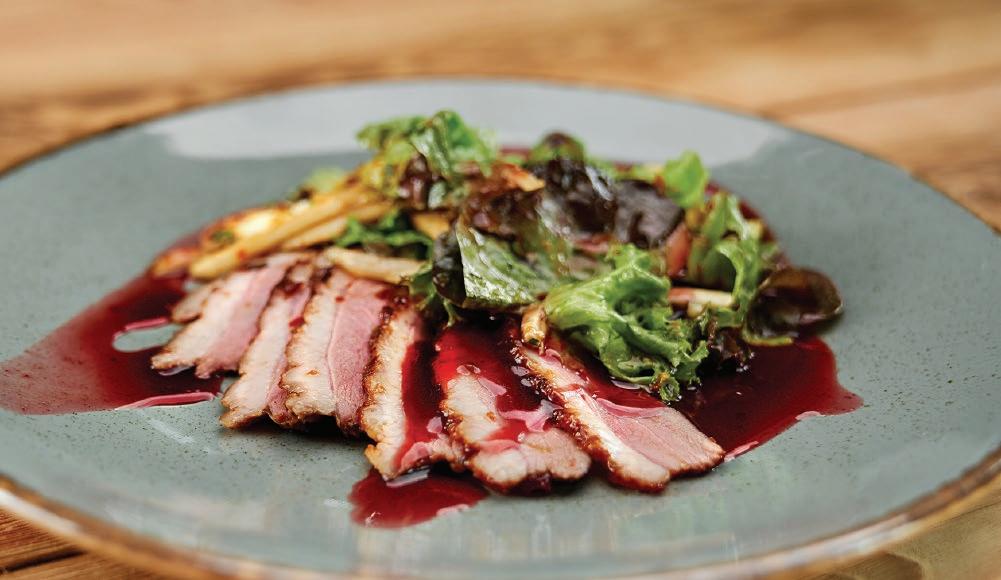
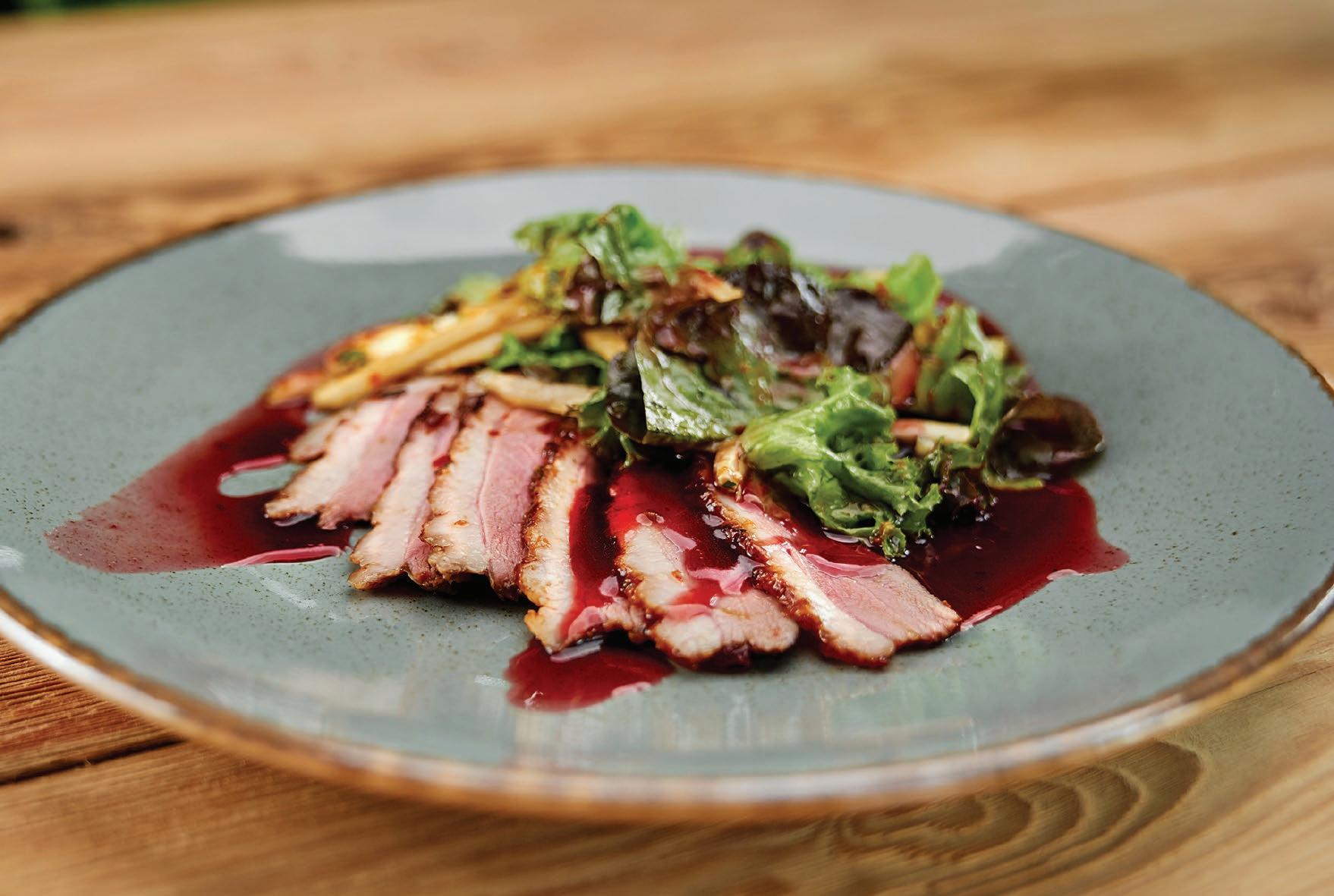
Yet rhubarb is no longer confined to puddings. Across Cheshire’s most stylish kitchens, chefs are embracing its savoury potential. Paired with rich meats such as pork or duck, it brings a bright acidity that cuts through fat beautifully. Reduced into a glaze or stirred into a chutney, it adds a distinctly British twist to contemporary dining. Even in cocktails, rhubarb is emerging as a seasonal favourite, lending its tang to spritzes and gin-based creations.
There is also something undeniably romantic about rhubarb. Its fleeting season makes it all the more desirable, a reminder to savour ingredients at their natural best. In a world increasingly drawn to provenance and seasonality, rhubarb feels perfectly of the moment – rooted in tradition yet endlessly adaptable.
So as June unfolds across Cheshire’s Golden Triangle, consider this your invitation to rediscover rhubarb. Bold, beautiful, and unapologetically sharp, it may just be the most compelling ingredient on the table this season.
ROASTED PORK WITH RHUBARB & GINGER GLAZE
This elegant yet simple dish captures rhubarb at its seasonal best, pairing its bright sharpness with rich, succulent pork for a beautifully balanced plate – perfect for a relaxed summer supper or a refined weekend lunch.
Begin by preheating your oven to 190°C. Take a good-quality pork tenderloin or a couple of thick pork chops and season generously with sea salt, freshly ground black pepper, and a drizzle of olive oil. Sear the pork in a hot pan until golden on all sides, then transfer to the oven to roast for around 15-20 minutes, depending on thickness, until just cooked through and still juicy. While the pork roasts, prepare the glaze. Chop three or four stalks of fresh rhubarb into small pieces and place in a saucepan with a thumb-sized piece of grated fresh ginger, two tablespoons of honey, a splash of apple cider vinegar, and a little orange zest. Cook gently over a low heat until the rhubarb breaks down into a soft, pulpy sauce. Taste and adjust – adding a touch more honey if needed, or vinegar for extra sharpness. The result should be a vibrant balance of sweet, tart, and gently spiced.
Once the pork has rested, slice and spoon the warm rhubarb glaze generously over the top. Serve with buttery new potatoes or a crisp green salad. The combination is unexpectedly luxurious: rich, tender meat lifted by the lively, tangy brightness of rhubarb – a true celebration of June’s finest ingredient.
CLASSIC RHUBARB & VANILLA CRUMBLE
A TIMELESS DESSERT
Let rhubarb take centre stage, this crumble is both comforting and quietly sophisticated – perfect for early summer evenings.
Preheat the oven to 180°C. Chop a few stalks of fresh rhubarb into even pieces and place in a baking dish with a splash of orange juice, a teaspoon of vanilla extract, and a generous sprinkle of sugar. Toss gently and bake for 10 minutes to soften slightly.
Meanwhile, rub together flour, cold butter, and sugar until you have a coarse, buttery crumble mixture. Stir in a handful of oats for extra texture.
Remove the rhubarb from the oven, scatter the crumble evenly over the top, and return to bake for 25-30 minutes until golden and bubbling.
Serve warm with thick cream or vanilla ice cream. The result is a perfect balance of tart, jammy fruit and crisp, buttery topping –simple, nostalgic, and utterly irresistible.
RHUBARB IN THE GLASS
THE SEASON’S MOST STYLISH POUR
Rhubarb’s bright, tart character makes it a natural star beyond the kitchen, lending itself beautifully to a range of elegant drinks. Its sharpness brings a refreshing edge that works just as well in soft cordials as it does in more refined cocktails. Historically rhubarb has long been used in pressed juices, sparkling sodas, and traditional cordials, often paired with ginger, orange, or vanilla to soften its acidity. More recently, it has found favour in artisanal spirits – rhubarb-infused gins and liqueurs offering a delicate balance of sweetness and bite. In cocktails, rhubarb’s versatility truly shines. It pairs effortlessly with citrus, herbs, and a variety of spirits, adding both colour and complexity. Its natural blush hue also makes it visually striking – perfect for summer entertaining.
For a refreshing twist, try a Rhubarb, Tequila & Lime Spritz. Begin by making a quick rhubarb syrup: gently simmer chopped rhubarb with sugar, a splash of water, and a strip of lime zest until soft, then strain and cool. In a shaker, combine 50ml tequila, 25ml fresh lime juice, and 20ml of your rhubarb syrup. Add ice and shake well until chilled. Strain into a glass filled with fresh ice and top with a splash of soda water.
Garnish with a thin ribbon of rhubarb or a lime wheel. The result is crisp, vibrant, and beautifully balanced – zesty lime, smooth tequila, and the unmistakable tang of rhubarb coming together in a drink that feels like summer in a glass.
For a longer drink, add lemonade for a refreshing ‘lemon-fizz’ sparkle!
A KITCHEN IN GREEN
THE ART AND JOY OF GROWING HERBS AT HOME
There is something deeply satisfying about growing herbs at home. Whether they sit on a sunny kitchen windowsill, line a balcony in terracotta pots, or flourish in a small garden patch, herbs bring fragrance, freshness, and practicality into everyday life. For beginners and experienced gardeners alike, herbs are among the easiest and most rewarding plants to cultivate.
One of the most popular choices is Basil, loved for its bright green leaves and unmistakable aroma. Basil thrives in warmth and sunlight, making it ideal for indoor growing during spring and summer. Fresh basil can transform simple dishes such as pasta, salads, and homemade pesto, while its fragrant leaves have long been associated with soothing digestive discomfort.
Equally easy to grow is Mint, a vigorous herb that quickly fills pots with lush greenery. Mint is widely used in teas, desserts, and refreshing drinks, and many people enjoy it for its cooling flavor and traditional digestive benefits. Gardeners often keep mint in separate containers because of how rapidly it spreads.
Mediterranean herbs such as Rosemary, Thyme, and Oregano are also favorites among home growers. These herbs prefer sunny conditions
and well-drained soil, requiring surprisingly little maintenance once established. Rosemary’s woody fragrance makes it especially appealing in kitchens, while thyme and oregano add depth to soups, roasted vegetables, and meat dishes. Traditionally, these herbs have also been valued for their comforting and antioxidant qualities.
For those seeking both beauty and fragrance, Lavender offers an elegant addition to any home. Its purple flowers and calming scent are often associated with relaxation and restful sleep. Meanwhile, Parsley and Chives provide reliable greenery for cooks who enjoy fresh garnishes and mild flavors throughout the year.
Growing herbs indoors does not require extensive space or expertise. Most varieties simply need several hours of sunlight, moderate watering, and containers with proper drainage. Regular trimming encourages fuller growth and provides a constant supply of fresh leaves for cooking and teas.
In an age where people increasingly value sustainability and simple pleasures, homegrown herbs offer both. They bring nature indoors, elevate meals with fresh flavor, and create a small daily connection to the rhythms of growth and care.
GARDENS: THE HEART OF LUXURY LIVING
COUNTRY CHARM MEETS ARCHITECTURAL AMBITION
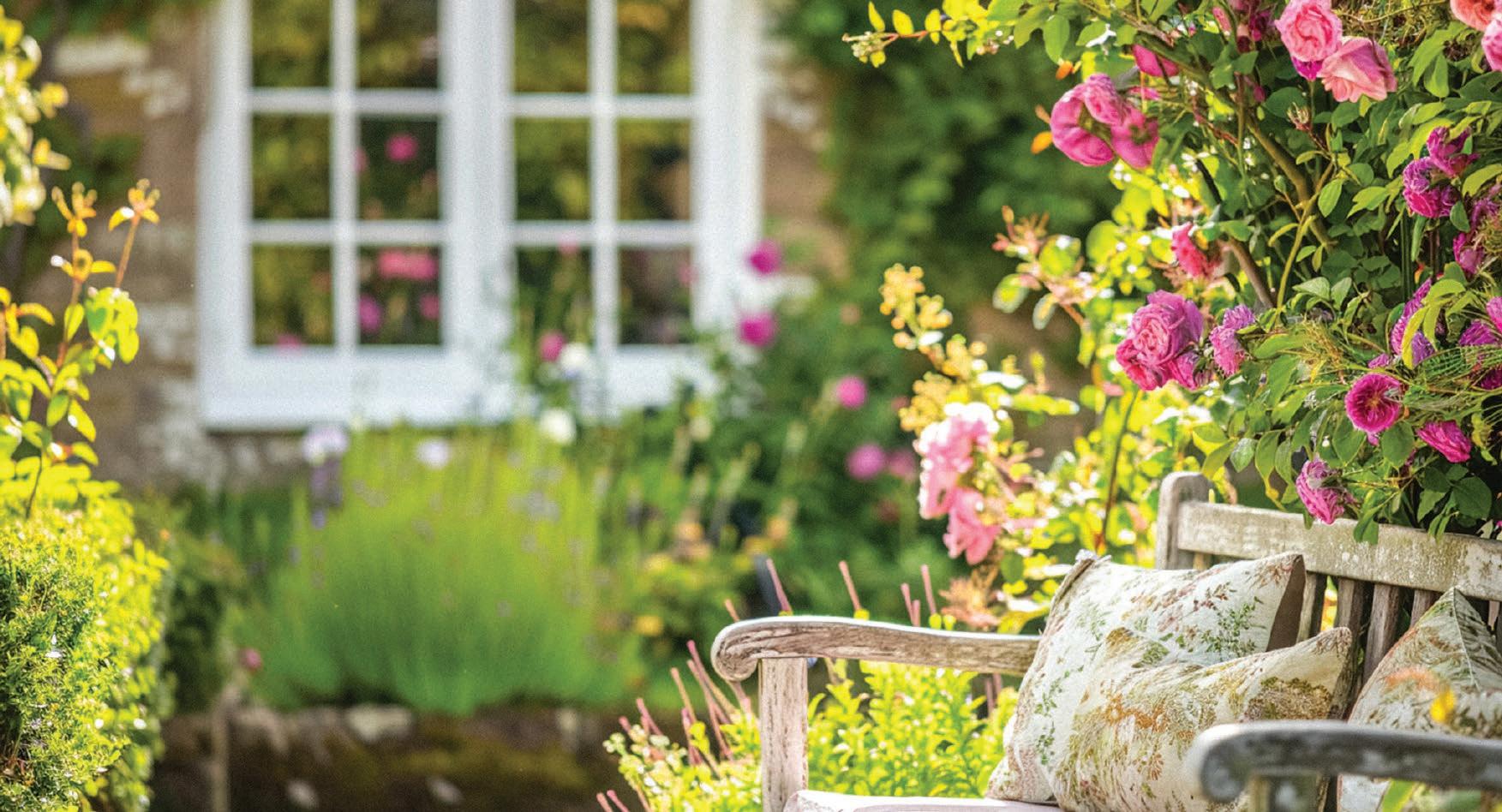
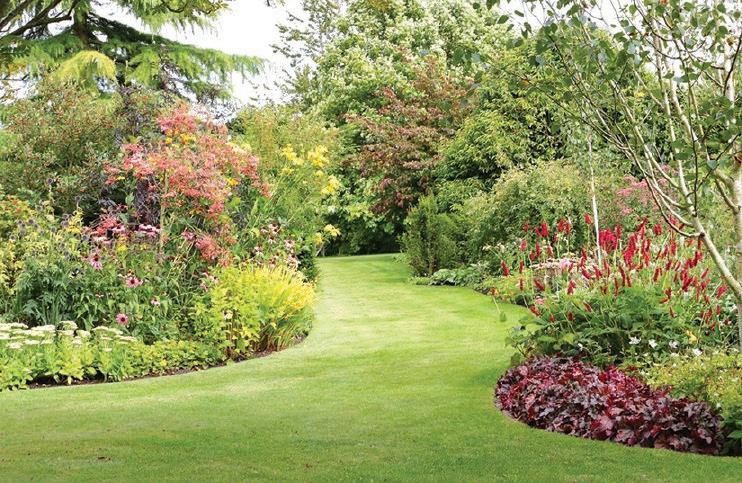
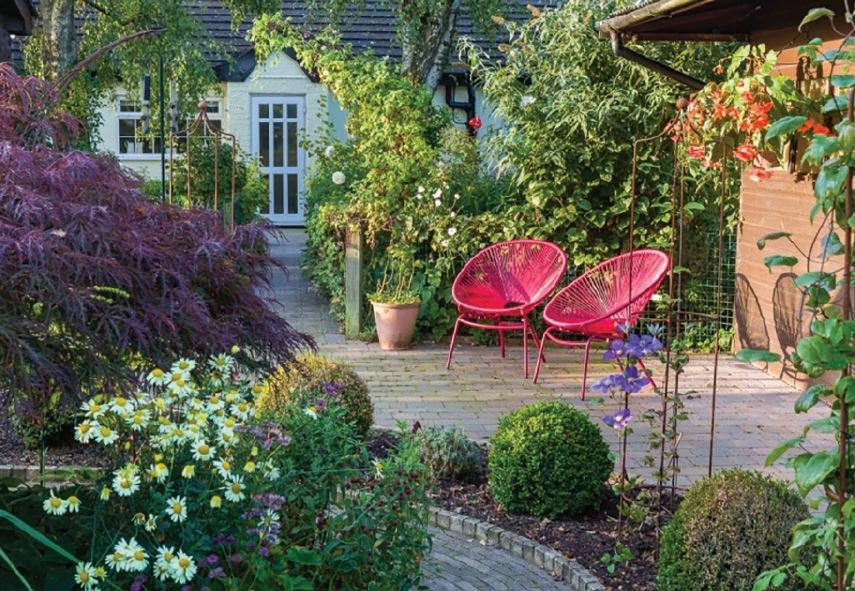
The Cheshire Golden Triangle – stretching through Knutsford to Alderley Edge, Wilmslow and Prestbury – has long been shorthand for a certain kind of English affluence, where countryside charm meets architectural ambition. But in 2026, something subtle yet unmistakable is happening across its lanes, estates and landscaped avenues: the definition of luxury living is being rewritten, not in marble lobbies or gated statements, but in gardens that feel like sanctuaries and homes that blur the boundary between indoors and out.
What’s emerging is less about display and more about experience. The most talked-about homes in the area are no longer simply the largest or most opulent; they are the ones that feel deeply considered, where architecture, landscape and lifestyle have been designed as one continuous narrative. Behind the manicured hedges and treelined drives, a quieter revolution is taking shape –one rooted in wellbeing, sustainability and a renewed appreciation for nature as the true marker of status.
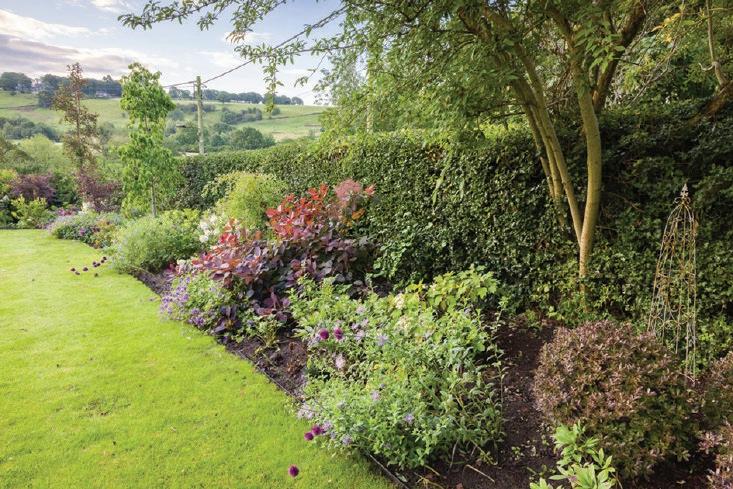
Nowhere is this more visible than in the garden. In previous decades, the quintessential Cheshire lawn might have been defined by symmetry and maintenance, a stage for summer entertaining and weekend gatherings. Today, that formality is giving
way to something far more expressive. Gardens are being treated as curated landscapes, almost like outdoor rooms with their own identity and emotional tone. Sculptural planting, layered textures and
architectural trees are replacing rigid borders, while water features are being used not as decoration, but as reflective, calming anchors within the space. There is a growing fascination with gardens that feel artistic rather than ornamental. Large private estates are commissioning designs that sit somewhere between landscape architecture and contemporary art installation, where pathways guide you through shifting scenes rather than static views. In one notable Cheshire example, a contemporary garden has been described by
design observers as a living artwork, where planting and structure interact in constantly evolving ways through the seasons. It reflects a broader desire among homeowners to create spaces that feel alive, responsive and immersive.
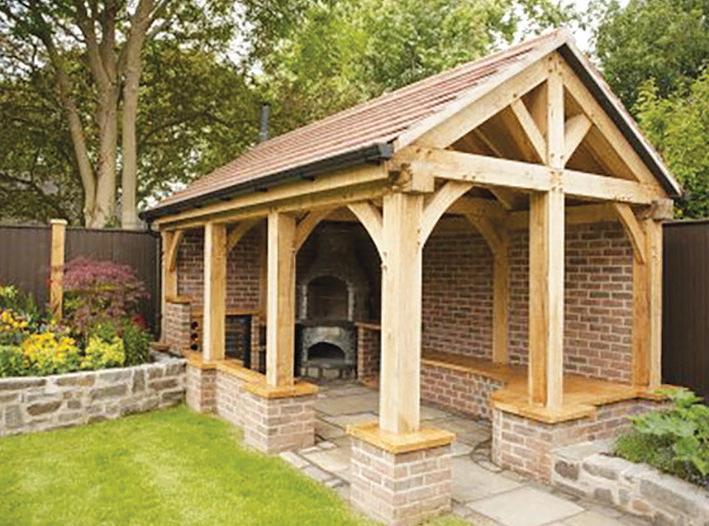
Yet alongside this artistic sensibility is a very practical shift in how outdoor space is being used. The garden is no longer seasonal. It is becoming an extension of the home in the most literal sense, functioning year-round as kitchen, office, retreat and social space. Outdoor dining areas are increasingly equipped with full cooking facilities, heating systems and integrated lighting schemes that allow them to operate as effortlessly in October as they do in July.
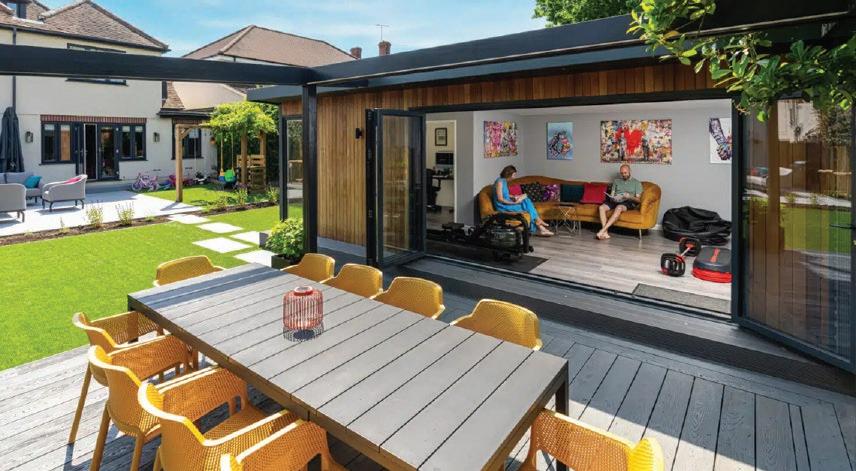
Garden rooms – once a novelty – have become almost expected in high-end developments, often serving as home gyms, studios or quiet workspaces that offer separation without disconnection.
This blending of indoors and outdoors has changed the rhythm of home life across the Golden Triangle. Expansive glazing, flush thresholds and consistent flooring materials are dissolving the physical divide between house and garden. What remains is a continuous flow of space, where the boundary between interior comfort and exterior atmosphere becomes almost imperceptible. It is a design philosophy that prioritises light, air and movement, and it is increasingly shaping both new builds and ambitious renovations across the region.
At the same time, sustainability has moved from optional consideration to defining principle. But unlike earlier versions of eco-conscious design, which often leaned toward the rustic or purely functional, today’s approach is aesthetic as much as ethical. Planting schemes are being rethought around resilience and biodiversity, with native species, drought-tolerant arrangements and natural drainage systems integrated seamlessly into the overall design language. The result is gardens that feel softer and more naturalistic, yet no less refined.
This shift also mirrors a broader change in interior design across the area. Inside many Golden Triangle homes, minimalism is giving way to warmth and character. Spaces are becoming more layered, with textured materials, curated antiques and a growing
emphasis on craftsmanship. Earthy tones, muted greens and natural woods dominate, echoing the palettes found just beyond the window. Rather than competing with the garden, interiors are now designed to reflect it, creating a visual and emotional continuity that runs through the entire property.
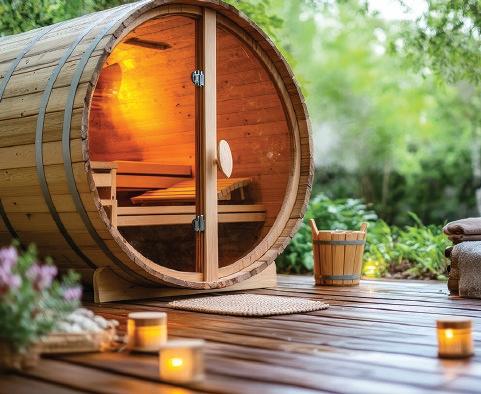
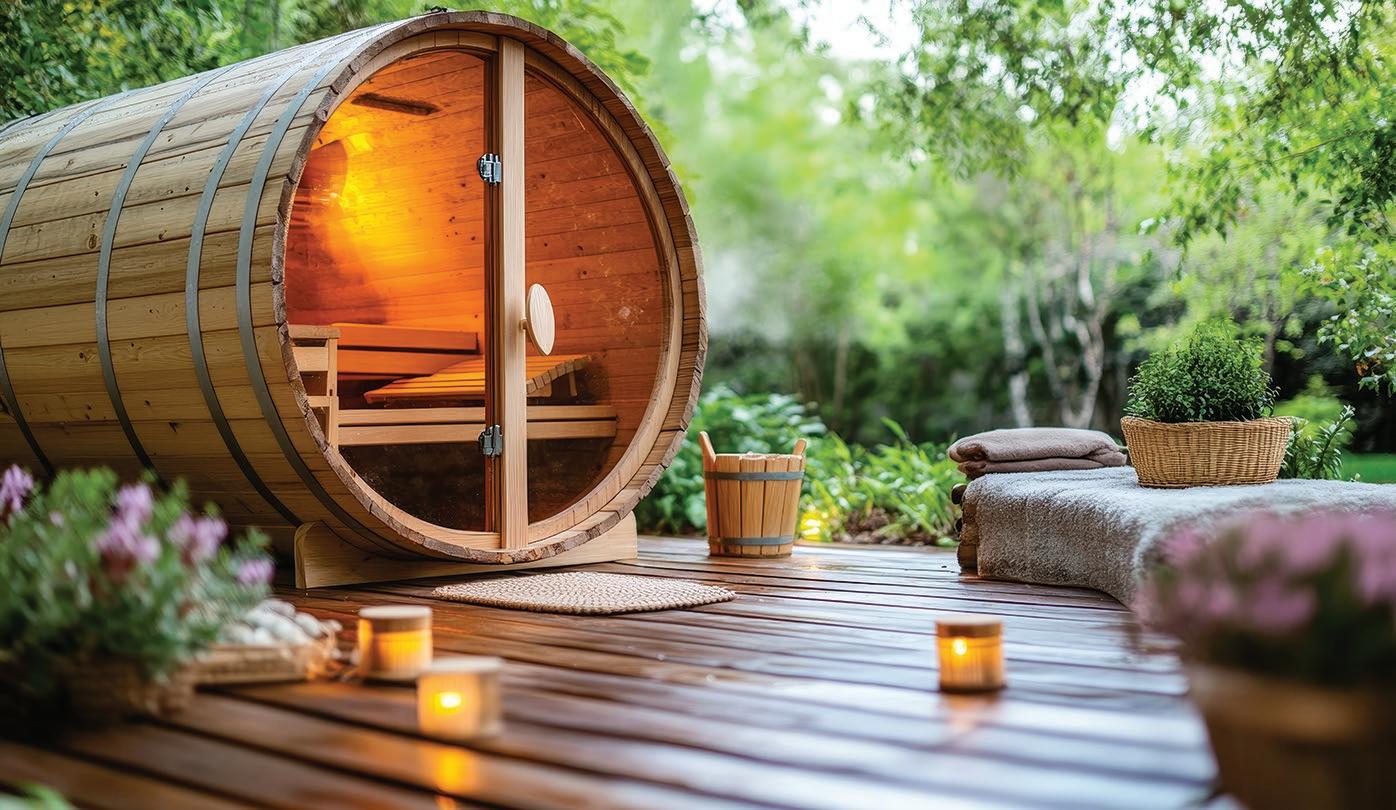
Perhaps the most striking development, however, is the rise of wellness as a guiding principle in residential design. Homes are increasingly being shaped around how they make people feel rather than simply how they look. Gardens now often include dedicated spaces for rest and reflection, from secluded seating areas tucked into planting schemes to more elaborate additions such as saunas, cold plunge pools and meditation zones. The emphasis is on slowing down, on creating environments that support mental clarity and everyday restoration.
Taken together, these shifts are redefining what it means to live in one of England’s most desirable residential enclaves. The Golden Triangle is still a place of significant architectural ambition and property value, but its current evolution suggests something more nuanced than traditional luxury. The new aspiration is not simply to own space, but to inhabit it meaningfully – to create homes
that are not just impressive, but restorative, adaptive and deeply connected to their surroundings.
In this sense, the gardens of Cheshire are no longer backdrops to prestige homes. They are becoming the main event: living, breathing expressions of how contemporary life is being reimagined at its most refined edge.
Walton Gardens
Win £20,000 CASH
We’re celebrating 20 years of excellence – and you could win £20,000 in our Anniversary competition! To enter, simply spend £500 or more with us between now and the end of August 2026.
For over 20 years, Cloudy2Clear, a trusted family-run business, has been the UK’s leading domestic glass replacement specialists, serving as your One-Stop Shop for all your glazing requirements – and now we’re marking this milestone with an exciting competition where one lucky customer will win £20,000! We take pride in generating our own leads, crafting tailored quotes, and manufacturing our own glass using only the highestquality materials to ensure exceptional results. Unlike competitors, we never use subcontractors—our team consists entirely of skilled, in-house professionals, guaranteeing consistent quality and reliability. Every glass unit we fit comes with a 25-year guarantee, complemented by comprehensive aftersales care, providing you with lasting peace of mind.
Why opt for costly full window frame replacements that lead to unnecessary redecoration expenses? By replacing
only the failed glass unit, we save you money and minimise disruption –perfect for qualifying for our £20,000 prize draw while upgrading your home. Join over 344,000 satisfied customers who trust our ethical, affordable service. Failed double glazing can compromise your home’s protection and energy efficiency, so check your windows today to avoid future costs.
Since 2005, Cloudy2Clear has been committed to saving customers money while supporting local communities. Manager Anthony Wagstaff explains, “Our focus is on replacing just the glass, not the entire window, which reduces costs and upheaval. As a One-Stop Shop, we manage everything—from lead generation to crafting premium glass with a 25-year guarantee and dedicated after-sales support—making us the smart, costeffective choice in any economy.”
For a free quote (and your chance to enter the competition), call 0800 61 21 118 or visit www. cloudy2clear.co.uk today!
(Prize draw 28/8/2026 - T’s&C’s apply. Visit www.cloudy2clear.co.uk for more information)
Janet Beard
THE CURIOUS TRAVELLER
Inside Dubrovnik’s Walled City and the Serenity of Lapad
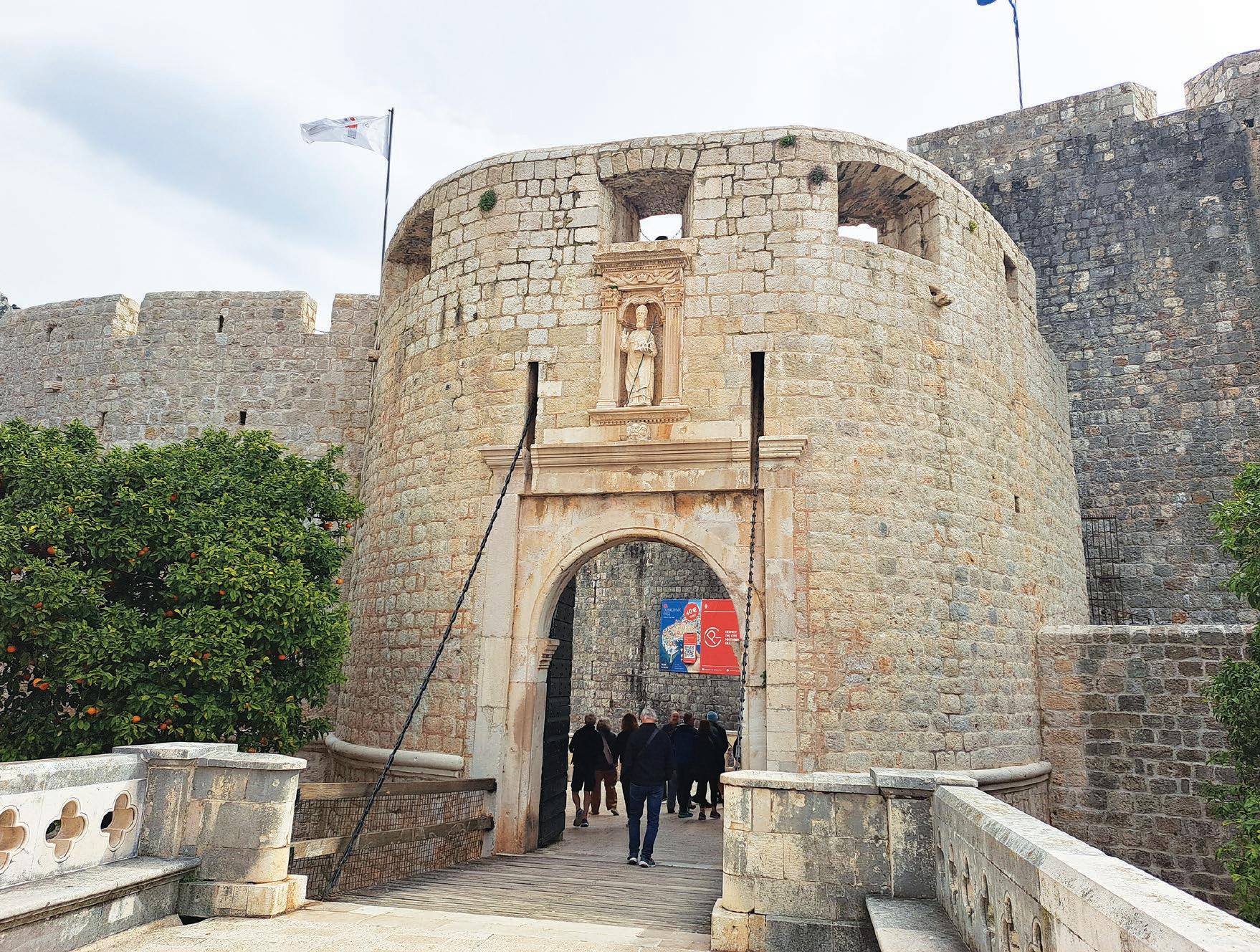
I arrive in Dubrovnik with the kind of curiosity that comes from having seen so many places described as “unforgettable” that I’ve learned to reserve judgment. But even I am unprepared for the first glimpse of the old city rising from the sea – its limestone walls glowing softly in the morning light, as though the sun itself is still learning how to touch them.
From a distance, the city seems almost suspended between rock and water. Below, the Adriatic Sea moves in slow, deliberate rhythms, pressing against the base of the fortifications like a patient storyteller repeating an ancient tale. I stand for a moment just outside Pile Gate, watching as the world funnels through a stone threshold into another century. Once inside, the shift is immediate. The modern world recedes behind me, and I find myself in a labyrinth of polished stone streets, each one worn smooth by centuries of footsteps. The Old Town is not simply preserved; it is inhabited, alive with
conversation, clinking cups, and the occasional burst of music that drifts out from hidden courtyards. I walk beneath laundry lines strung like informal flags between ochre buildings, and I feel, almost physically, the weight of history pressing in from every side.
Climbing the city walls, I understand the scale of what surrounds me. The ramparts are thick and uncompromising, built not for decoration but for survival. From above, I see the entire mosaic of the old city laid out: terracotta roofs clustered tightly together, church spires rising like punctuation marks, and narrow streets threading everything into a dense, intricate whole. Beyond it all, the sea stretches outward without hesitation, a vast blue counterpoint to the city’s compressed geometry.
I pause at one of the bastions, leaning against stone warmed by centuries of sun. Ferries carve pale lines across the water, and for a moment I imagine the city as it once was – a maritime republic guarding its independence with both diplomacy and sheer architectural resolve. The past feels less like something remembered here and more like something still in motion.
Back at street level, I let myself drift. There is no need for a map; the joy is in getting slightly lost. Cafés spill onto narrow squares where espresso cups catch the light, and artisans display delicate silver filigree beside jars of lavender. Every corner seems composed, as though the city is constantly arranging itself for admiration, yet never fully still.
And then, just when the intensity of the Old Town begins to feel almost overwhelming in its beauty, I make my way west toward Lapad.
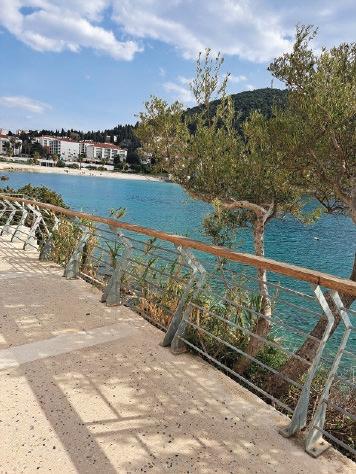
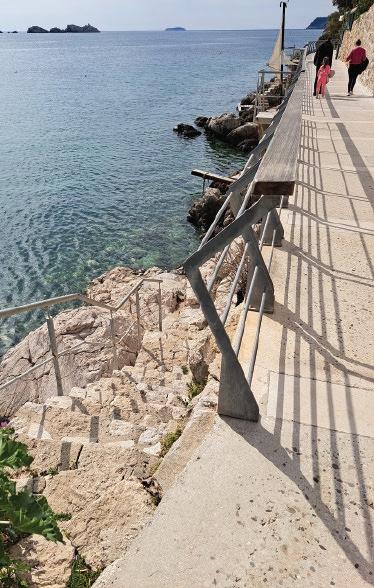
The change is immediate and almost restorative. In Lapad, the city seems to exhale. The streets widen, the pace loosens, and the horizon opens. Instead of enclosed stone passages, I find myself walking along a cliffside boardwalk where the land falls away into light and water.
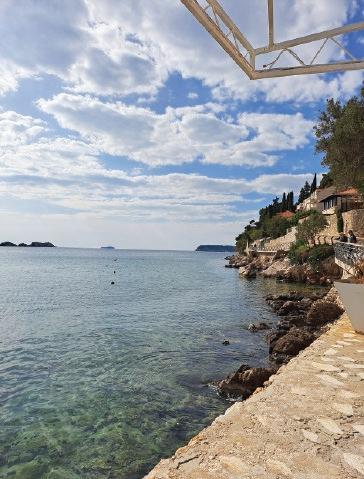
Here, the coastline is not a backdrop but the main event. The path curves gently above rocky coves and small, quiet beaches where the sea arrives unhurried. The sound of the waves replaces the echo of footsteps, and pine trees lean seaward as if drawn
by curiosity. Their scent mixes with salt air and the warmth of late afternoon sun.
I walk slowly, letting the rhythm of the place set itself in me. Joggers pass with an easy familiarity, families pause at railings to point out distant sailboats, and swimmers emerge from the water with the unselfconscious joy of people who belong entirely to the present moment. Cafés line the promenade, their terraces angled toward the horizon, where the light softens into gold.
Compared to the Old Town’s dense, almost theatrical beauty, Lapad feels elemental. Nothing here is preserved behind walls; everything is exposed to air and tide. I find a quiet bench overlooking the water and sit for a while, watching the sea shift through shades of blue that seem to change every few seconds.
As evening approaches, I reflect on how sharply the two halves of the city contrast. One is carved from history, disciplined and enclosed; the other is open, flowing, and immediate. Yet they are not
separate experiences so much as complementary ones, each giving shape to the other.
Dubrovnik, I realise, is not a single impression but a dialogue. It is the conversation between stone and sea, memory and movement, enclosure and openness. And as the light fades over Croatia, I understand that what stays with me is not just the view from either place, but the space between them.
Built by Mistake. Scaling by Design.
Helping Cheshire’s Accidentally Successful Business Owners Break Free from Founder Dependency.
You were good at what you did. People noticed. Work came in. You hired. You grew. And somewhere between “this is going well” and “I haven’t had a proper week off in three years,” the business became something you didn’t quite intend to build. Bigger than expected. More dependent on you than it should be. There’s a word for that. It’s not success. It’s structural dependency. That’s exactly what I fix.
As Cheshire’s Business Freedom Architect, I work with accidentally successful business owners to systematically remove themselves from the centre of their business, without it falling apart. Your Business Freedom Score is where it starts.
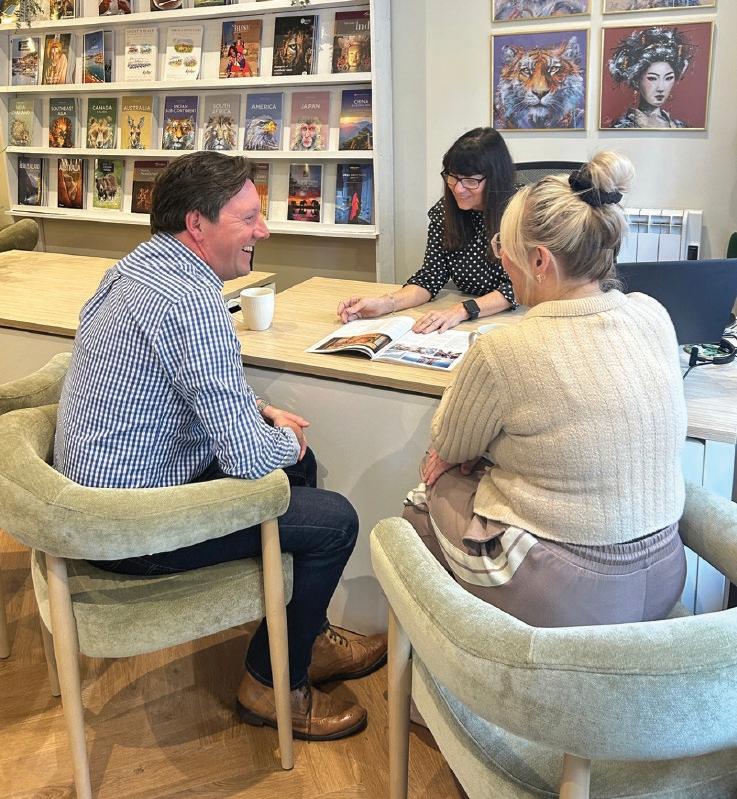
YOUR LOCAL TRUSTED TRAVEL EXPERTS IN THE HEART OF PRESTBURY VILLAGE
Prestbury Village has been home to Prestbury Travel since 1983, growing from a local independent agency into one of the UK’s few truly family-owned travel companies. More than 40 years on, we continue to combine trusted expertise with a fresh, modern approach to travel. We love to create personalised holidays for every generation, from first-time explorers and young families to seasoned travellers seeking something extraordinary. Today, Prestbury Travel remains in the heart of Prestbury Village featuring a fresh, welcoming space designed to inspire clients planning their next getaway. Whether it’s a weekend city break, a family beach holiday, a luxury honeymoon, an unforgettable safari, or an ocean or river cruise, the experienced team is on hand to create the perfect holiday for every client.
Leros
The branch now features its very own dedicated Cruise Lounge, an exciting new addition for both seasoned cruisers and those considering their first voyage. The Cruise Lounge will host a series of future cruise events, welcoming specialist representatives from leading cruise operators to share expert advice, destination inspiration, insider tips, and the latest developments from the world of cruising.
There’s a common perception that independent travel companies focus purely on luxury travel, but at Prestbury Travel, we believe exceptional holidays should be accessible to everyone; whether it’s a once-in-a-lifetime escape, a family getaway, or a perfectly planned week in the sun. The team believes travel should be accessible to everyone and caters for all budgets and styles of holiday. From affordable family escapes and allinclusive sunshine breaks to tailor-made adventures and once-in-a-lifetime experiences, every holiday is designed around what matters most to the client.
South Africa, Your Way
Families can also benefit from fantastic value offers, including FREE child places on selected holidays, while flexible tailor-made payment plans allow clients to spread the cost of their holiday in a way that suits them best.
What truly sets Prestbury Travel apart is its personal approach. Clients return time and time again because they know they are genuinely cared for by Loretta, Sarah and Alisha, who are always there to give expert guidance and support you
every step of the way. The girls take the time to understand exactly what each client is looking for and pride themselves on creating holidays that exceed expectations.
The knowledge and experience within the Prestbury Travel team is second to none. Between them, Loretta, Sarah and Alisha have travelled extensively across the globe and are passionate about sharing first-hand destination expertise and insider recommendations. From the moment a client first enquires to the moment they return home; every aspect of the journey is handled with care and attention to detail.
Clients can also book with complete confidence knowing their holiday is fully protected through ABTA and ATOL. Prestbury Travel works closely with trusted travel partners to secure the latest offers, exclusive savings, and exceptional value across a wide range of holidays.
Why not visit our branch in Prestbury Village and meet Loretta and her team? Whether clients know exactly where they want to go or are simply looking for inspiration, Prestbury Travel would be delighted to help plan the perfect escape.
To find out more, visit prestburytravel.co.uk, where clients can also read Prestbury Travel’s 5-Star Gold Awarded Feefo reviews and discover why so many travellers continue to trust Prestbury Travel with their holidays year after year.
Prestbury Travel is delighted to offer readers of Cheshire Golden Triangle Magazine an exclusive reader promotion...
Customers who make a holiday booking before 10th July will receive a FREE case of wine. Terms & Conditions apply.