
LNE & Spa—the magazine for skin care and spa professional July 2026

LNE & Spa—the magazine for skin care and spa professional July 2026
Delight the senses with the fresh, uplifting scent of strawberry and rhubarb.
Formulated with our multi-weight Botanical Hyaluronic Acid Complex, each product deeply moisturizes to visibly plump and smooth skin from head to toe. Infuse skin with dewy-fresh moisture and rediscover a refreshed, healthy-looking glow.
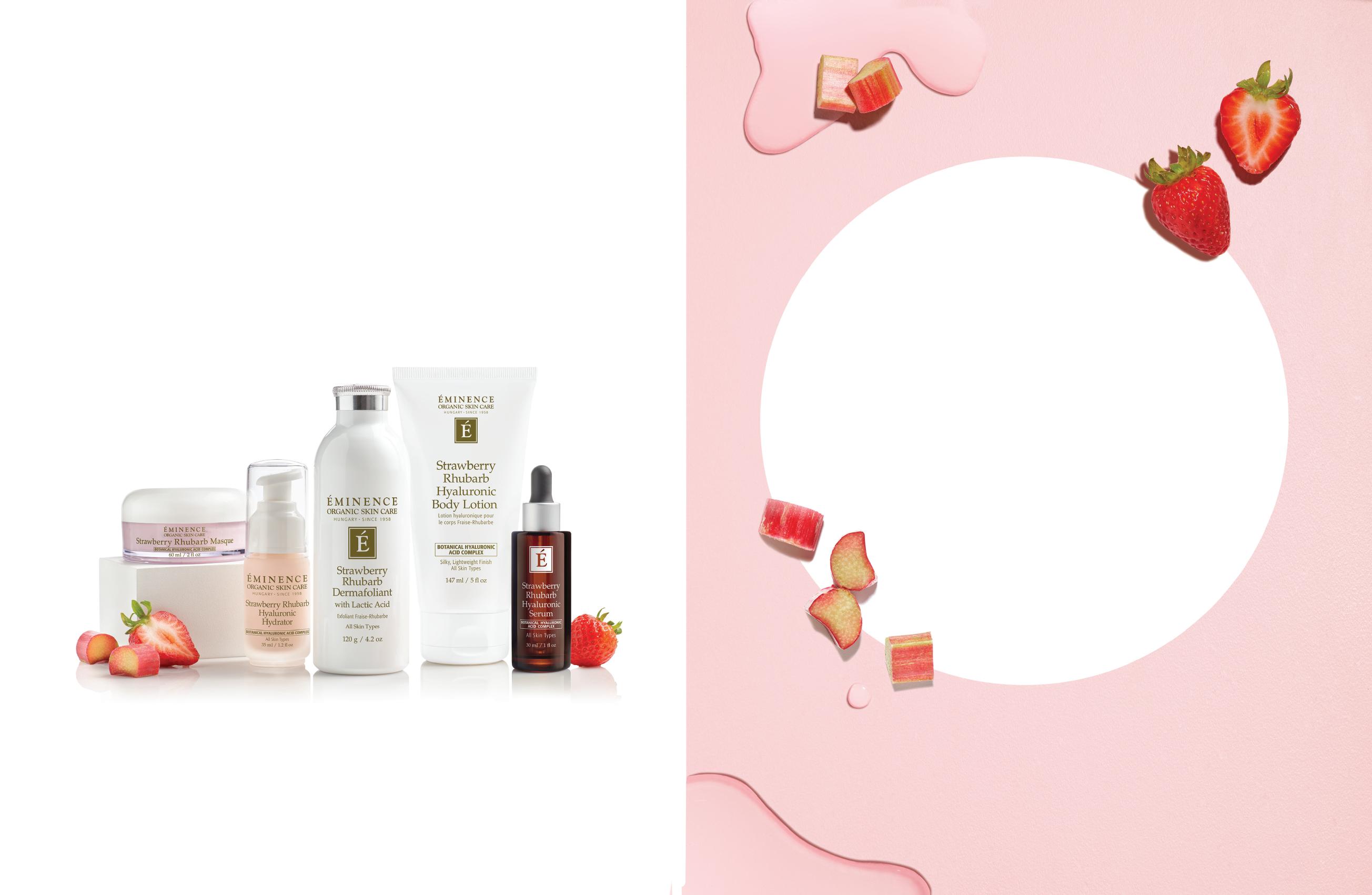
Hydrate & smooth with our Botanical Hyaluronic Acid Complex
Our Botanical Hyaluronic Acid Complex delivers a unique blend of multi-weight hyaluronic acid and marshmallow root that deeply hydrates and preserves moisture in the skin.”
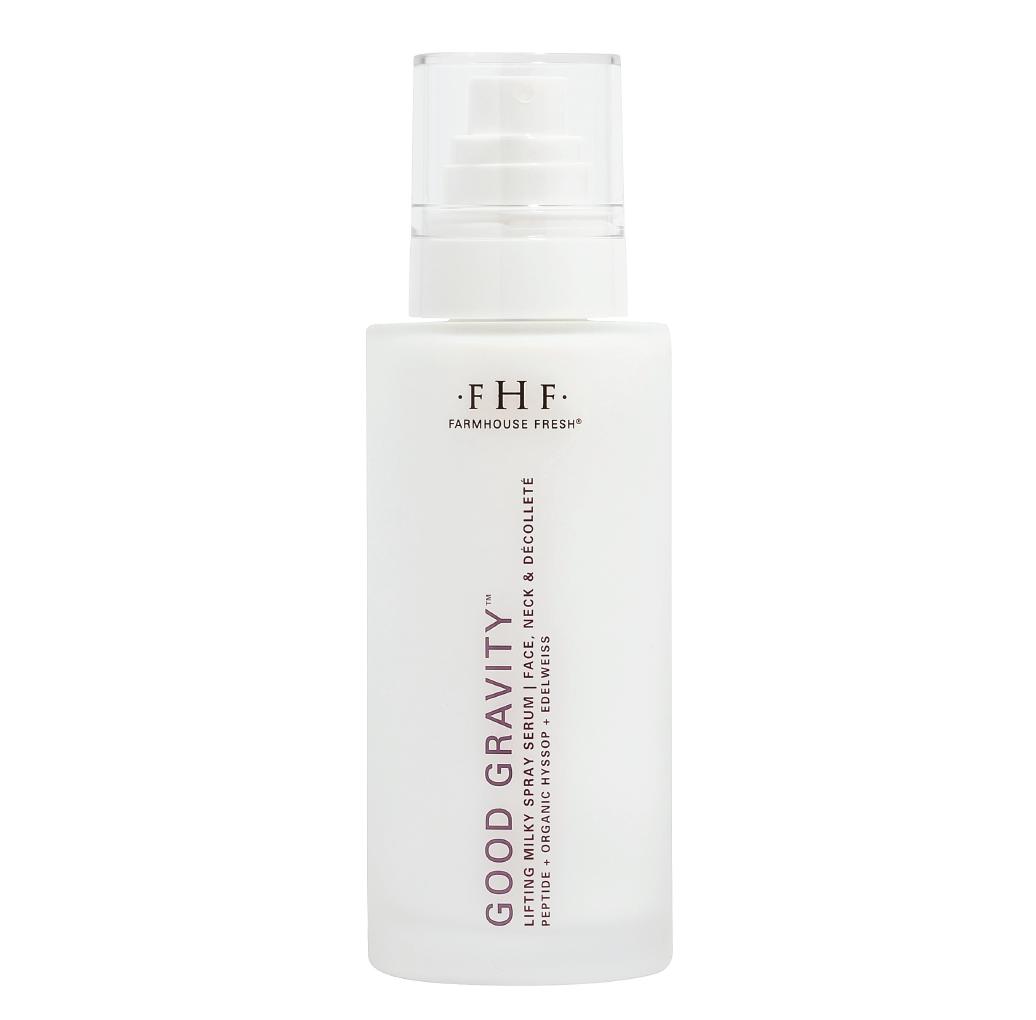
– BRIAN GOODWIN, International Educator
Ready to partner with Éminence Organics? Apply here.

3929 Ponce De Leon Blvd. Coral Gables, Florida 33134 USA: 800.471.0229. • Worldwide: 305.443.2322. Fax: 305.443.1664 • LNEonline.com
Managing Editor Samantha Garcia samantha@lneonline.com
Advertising Danni Boucher danni@lneonline.com
July volume 42 number 7

Success in esthetics isn't just about giving beautiful treatments. It's about building a business that allows you to keep doing what you love for years to come.
This month, we're focusing on the business side of beauty. Inside these pages, you'll discover how to understand the numbers that matter most, confidently price your services, create treatment plans that naturally increase homecare sales, and explore additional revenue streams that support long-term growth.
The beauty industry is evolving, and today's most successful estheticians are those who combine exceptional results with smart business strategies. Whether you're a solo practitioner or leading a growing team, investing in your business knowledge is just as valuable as investing in your technical education. Every intentional decision you make today lays the foundation for a stronger, more profitable tomorrow.
48 Editor’s Pick of the Month
Photo Feature 42 Brightening Solutions
Contributions
Samantha Garcia Aurora Solis
Kaelin Jutras
Jane Pham
As estheticians, we spend so much time investing in our education and perfecting our craft, but learning to think like a business owner is what transforms passion into a sustainable career. When you understand your value, track your progress, and create intentional systems, you're able to serve your clients even better while creating a business that supports the life you want.I hope this issue leaves you feeling inspired to work not only in your business, but on it.
SAMANTHA GARCIA Managing Editor samantha@lneonline.com
Maximize every appointment this summer.
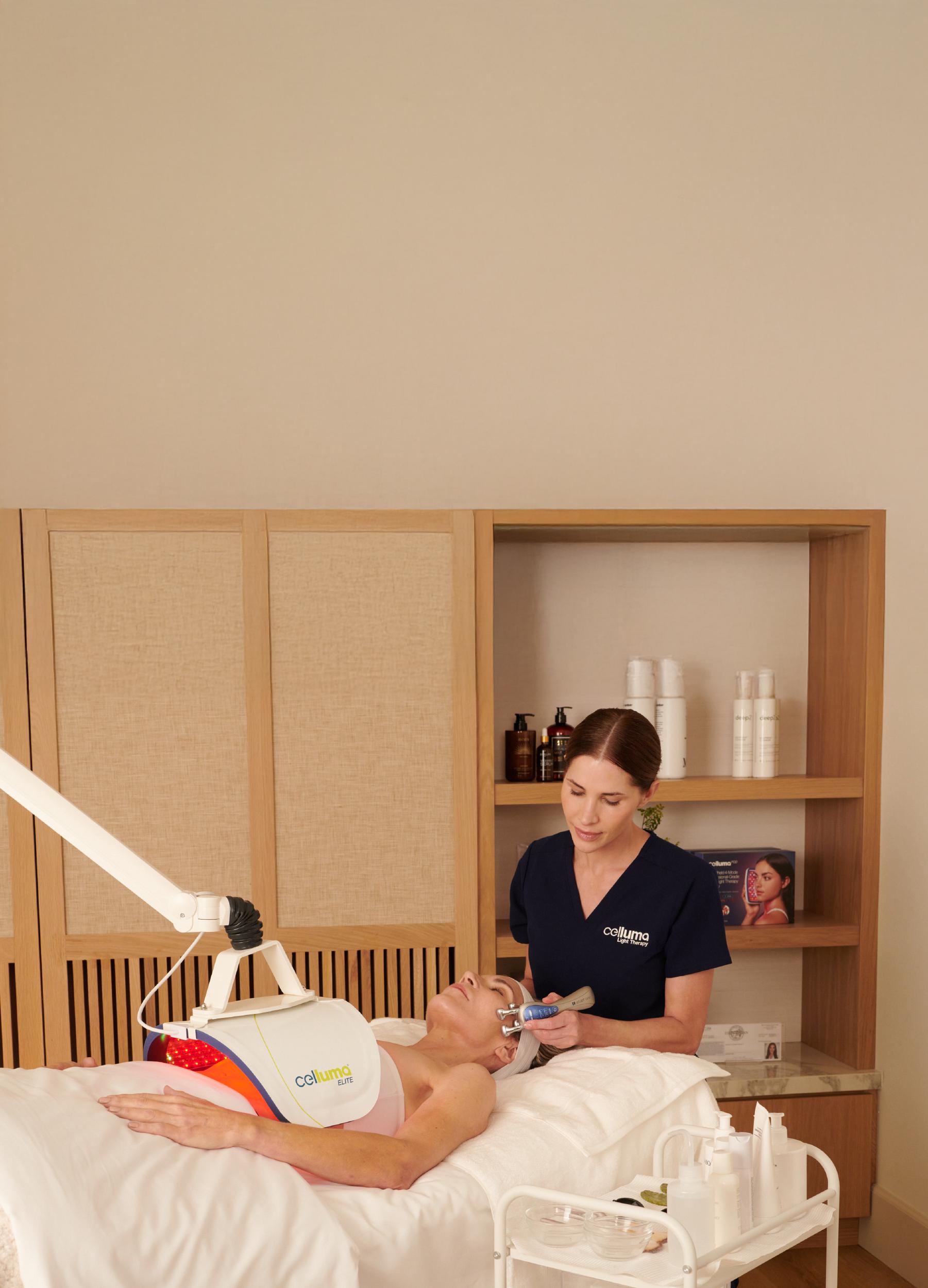
When your schedule is full, every minute matters. Celluma integrates seamlessly into your existing services — enhancing results while increasing value without adding time or complexity.
From acne to anti-aging to body contouring, one device delivers multi-treatment versatility your clients will keep coming back for.
Stay Booked. Stay Profitable.
by Melissa Mercado
For many years, professional esthetics centered primarily around facial treatments. While corrective facials, advanced exfoliation, and anti-aging services continue to dominate treatment menus, a significant shift has emerged within the skincare industry. Clients are increasingly seeking professional solutions for concerns affecting the body and intimate areas.
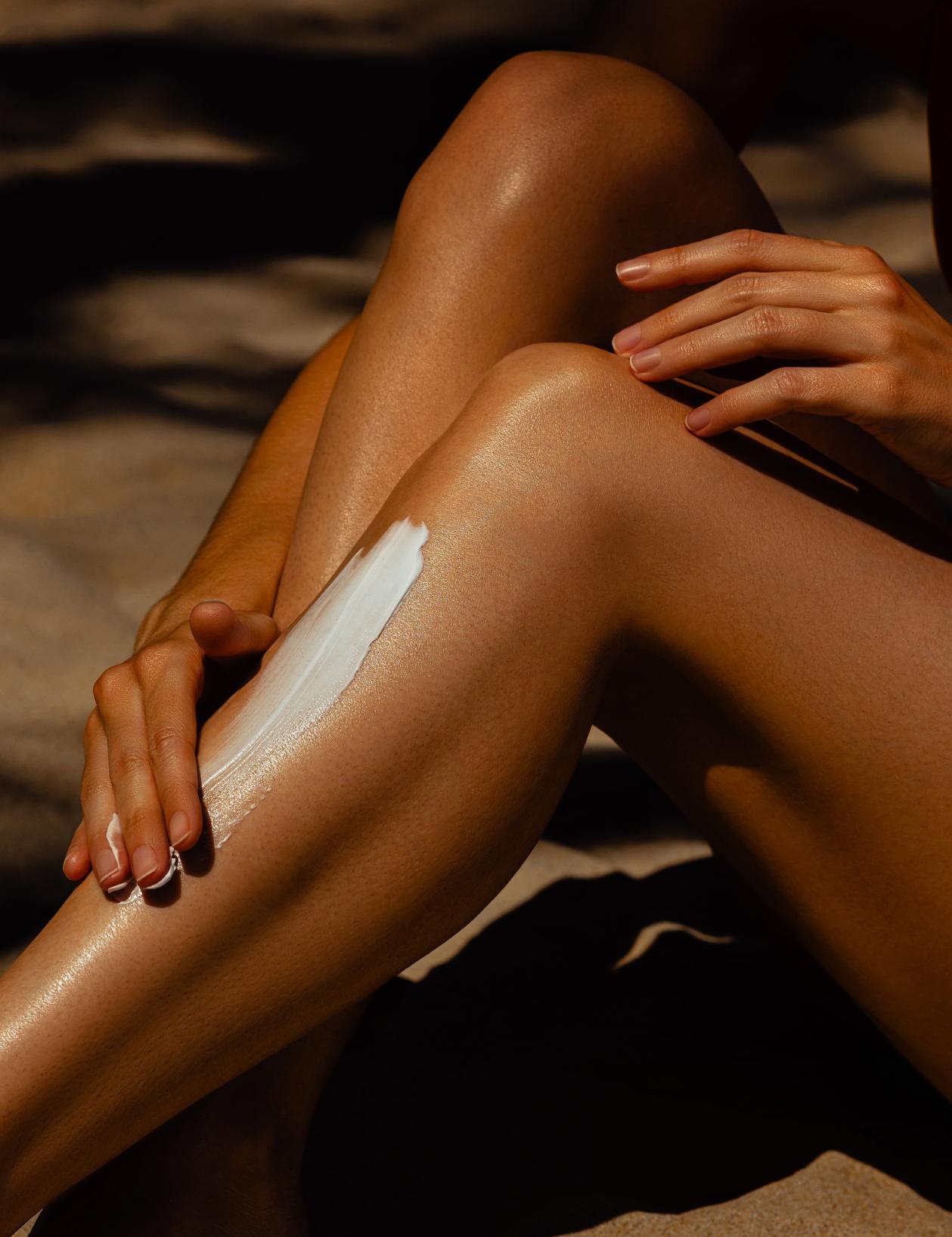
From ingrown hairs and folliculitis to post-inflammatory hyperpigmentation, body acne, sensitivity, and barrier disruption, our guests are now looking to estheticians for guidance and treatment options that extend beyond the face. As consumer awareness grows, body treatments and intimate skincare services have become an important and evolving category within the esthetics industry.
Traditionally, body treatments in spas were often marketed as relaxation services or luxury add-ons. Historically, many body treatments focused primarily on spa experiences rather than corrective skin health. Today, many estheticians are approaching these treatments through a more result-driven and educational lens.
With increased interest in waxing, sugaring, laser hair removal, rapid weight loss and social media beauty trends, the industry has seen a rise in bodyrelated skin concerns. Contributing factors may include tight clothing, friction, sweat, shaving, and overuse of active ingredients. These factors can compromise skin health in areas such as the bikini line, underarms, inner thighs, gluteal region, and back. There has also been a significant increase in body contouring and firming treatments due to rapid weight loss associated with medications such as GLP-1s.
Treatment room conversations surrounding body acne, discoloration, irritation, loss of firmness, and ingrown hairs have become far more common. As a result, many estheticians are expanding their knowledge and treatment offerings to support the health of the entire body and not just facial skin.

One of the most important concepts in body care is recognizing that the skin on the body behaves differently than the skin on the face.
Body and intimate areas are often exposed to repeated friction, occlusion, heat, moisture, and hair removal practices that can compromise skin function over time. These areas may also be more reactive due to hormonal fluctuations, sensitivity, or inflammation. Many individuals accidentally worsen these concerns through aggressive exfoliation, improper homecare, or social media trends promoting harsh scrubs
and products containing high-strength active ingredients. While these approaches may promise quick results, they often contribute to chronic irritation, sensitization, and increased skin reactivity. This is often due to a lack of consumer education, which is where the professional esthetician plays an important role.
Estheticians must approach body treatments with a strong understanding of skin physiology, inflammation, and barrier health. Corrective body care is not simply about exfoliating the skin aggressively. A successful treatment

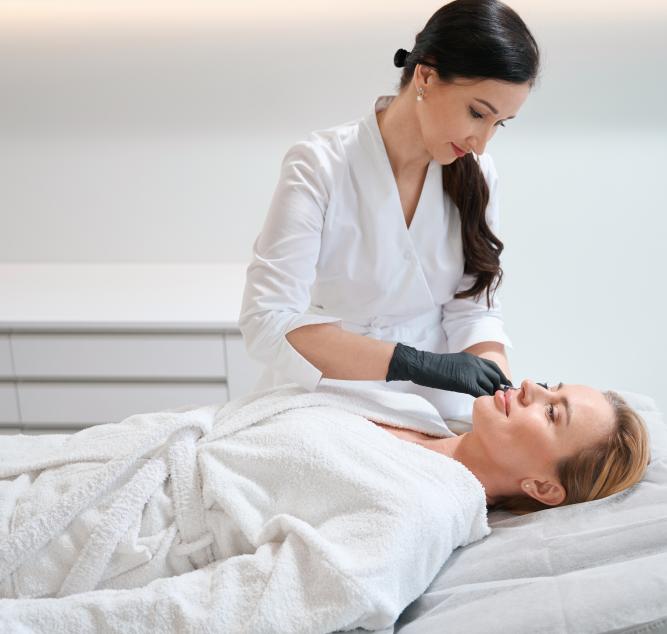
plan focuses on reducing irritation, calming inflammation, restoring balance, and improving long-term skin function.
This more mindful and skin-supportive approach has become increasingly important for both the face and body. Many people present with sensitized skin caused by overuse of acids, retinoids, mechanical exfoliation, and athome treatments and improper use of skincare devices..
As intimate care and body treatments become more common in the treatment room, education has become one of the most valuable tools an esthetician can provide to today's skincare consumer. Clients often arrive in the treatment room overwhelmed by conflicting information from social media, influencers, and online skincare trends. Many have attempted to treat concerns on their own without fully understanding skin anatomy, contraindications, or
the importance of maintaining overall skin health.
A thorough consultation allows estheticians to identify triggers, review lifestyle habits, and create customized treatment plans based on the client’s individual needs. Discussions involving exercise habits, clothing choices, hair removal techniques, homecare routines, and hormonal factors often play a significant role in treatment outcomes.
Education also includes helping individuals to understand realistic expectations. Concerns such as postinflammatory hyperpigmentation, chronic ingrown hairs, and folliculitis often require consistency and ongoing maintenance rather than quick fixes. It is also important to explain the value of a “less is more” philosophy when working with compromised or sensitized skin.
These considerations create an opportunity to build trust through client
education rather than simply performing a treatment.
Intimate and body care services require a heightened level of professionalism, communication, and confidence from the esthetician. Because these treatments can sometimes involve vulnerable areas of the body, creating a safe, respectful, and inclusive environment is essential. Proper draping, sanitation, consent, and clear communication help establish trust and maintain professional boundaries within the treatment room. Remaining professional throughout the entire treatment is essential, not only because of the areas being treated, but also because clients may have personal insecurities or past traumas that are unknown to the esthetician.
Estheticians must also remain aware of scope of practice regulations and understand when referral to a medical professional is advisable. Chronic inflammation, suspicious lesions, severe acne conditions, or persistent skin disorders may require collaborative care outside the esthetic scope.
Estheticians offering body services and intimate treatments should understand contraindications, infection control, ingredient interactions, and appropriate treatment progression for sensitive or compromised skin. Continuing education through professional training programs, industry educators, and brand partners can help build confidence and improve treatment outcomes.
In addition to addressing client concerns, body treatments and intimate skincare services also represent an opportunity for business growth.Many of these services encourage strong client retention because they often require
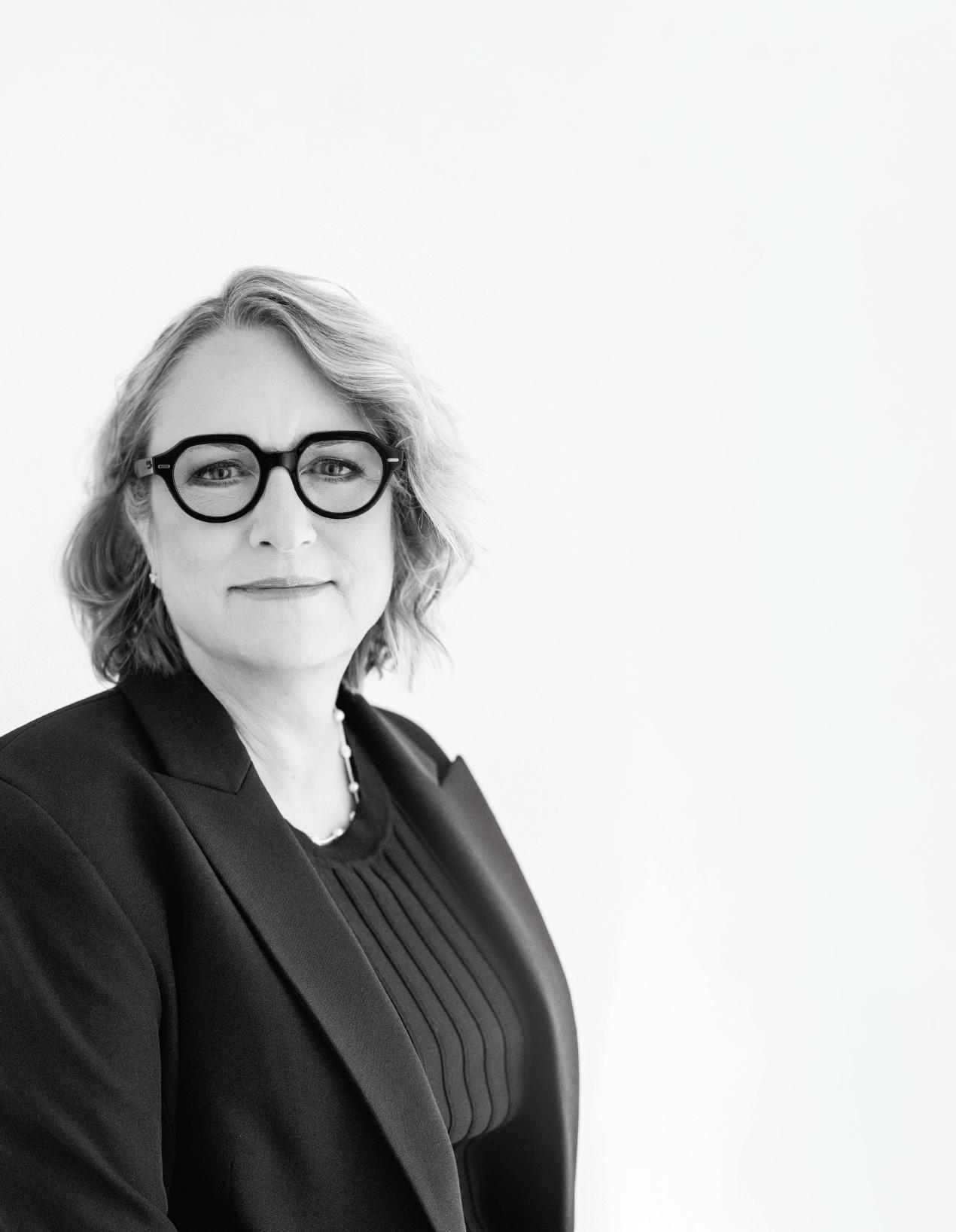
“I believe we have to stop confusing intensity with progress.
In skincare, and honestly, in life, pushing harder isn’t always the answer.
Some of the most transformative results I’ve seen didn’t come from doing more. They came from slowing down, calming inflammation, supporting the barrier, and allowing the skin to regain its strength. When you restore integrity first, everything that follows performs better.
That, to me, is real progress.”
– Kris Campbell, Founder & Owner
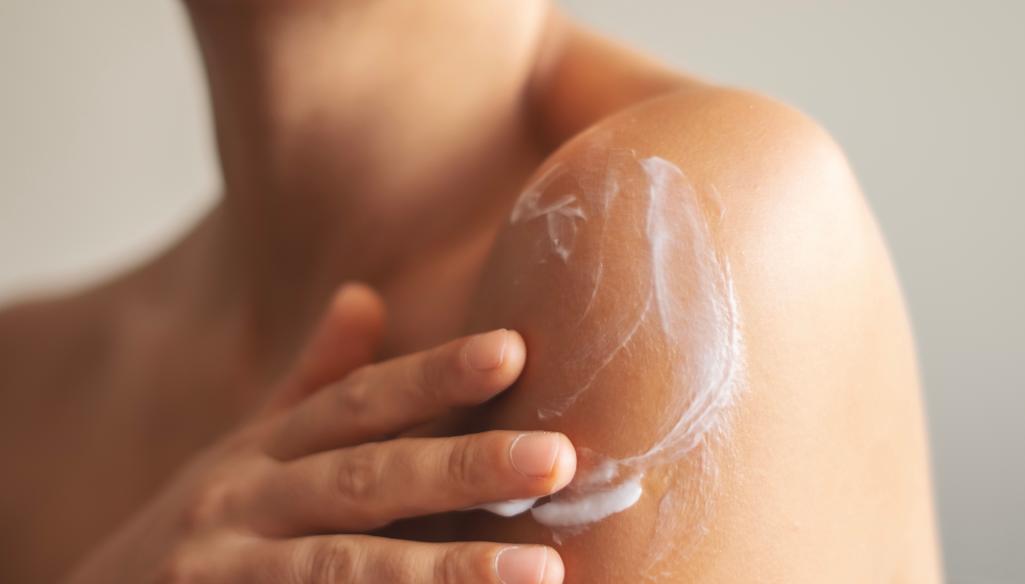
ongoing maintenance and long-term treatment planning. Individuals seeking solutions for body acne, pigmentation concerns, sensitivity, or ingrown hairs are more likely to return consistently when they see improvement and feel supported by their esthetician. Additionally, working on the skin of the body allows estheticians to diversify their treatment menus in an increasingly competitive industry. As more consumers seek full-body and intimate skincare solutions, estheticians who are educated in these treatments can position themselves as specialists in a rapidly expanding category of esthetics.
These services may also create opportunities for increased retail recommendations and package offerings. In many cases, products already incorporated into facial protocols can also be adapted for intimate and body services. Treatment series, membership and bundle packages, and customized homecare plans can further support client results while increasing treatment consistency and client retention.
The esthetics industry is continuing to evolve from beauty-focused services into a more comprehensive approach to skin health and wellness. Most individuals no longer view skincare as something limited to the face. Instead, they are seeking professional guidance for the health and integrity of the skin barrier, comfort for skin conditions, and the appearance of the skin on the entire body.
As this shift continues, intimate care and corrective body treatments are likely to become an even more important part of modern esthetics practices.For estheticians, this category represents more than a trend. It reflects an opportunity to provide customized treatments, barrier support, client education, and confidencebuilding results in a professional and informed way. The future of esthetics is no longer focused solely on facial skincare. It is centered on treating the skin as a whole.
Melissa Mercado is a licensed esthetician, award-winning skincare professional, and the lead educator for Hale & Hush, with more than 20 years of experience in the beauty and wellness industry. She is the owner of The Skin Bar, The Nail & Wax Room and The Skin & Body Network in Connecticut. Melissa is internationally recognized for her work in corrective skincare, advanced treatment techniques, body treatments, and esthetics education.
Throughout her career, Melissa has been passionate about elevating industry standards through education, professional advocacy, and client-centered care. As a frequent speaker, trainer, competition finalist, and industry contributor, she focuses on helping estheticians build confidence through practical treatment knowledge, consultation skills, and inclusive skincare approaches that support both skin health and overall client wellness.


August 23 & 24, 2026
Long Beach Convention Center - Hall A, B
The only all-inclusive educational experience for skin care and spa professionals. #ICESLongBeach2026 is the perfect opportunity to breathe new life into your career and services with fresh inspiration and insight from the best practitioners in the industry!
by Samantha Garcia
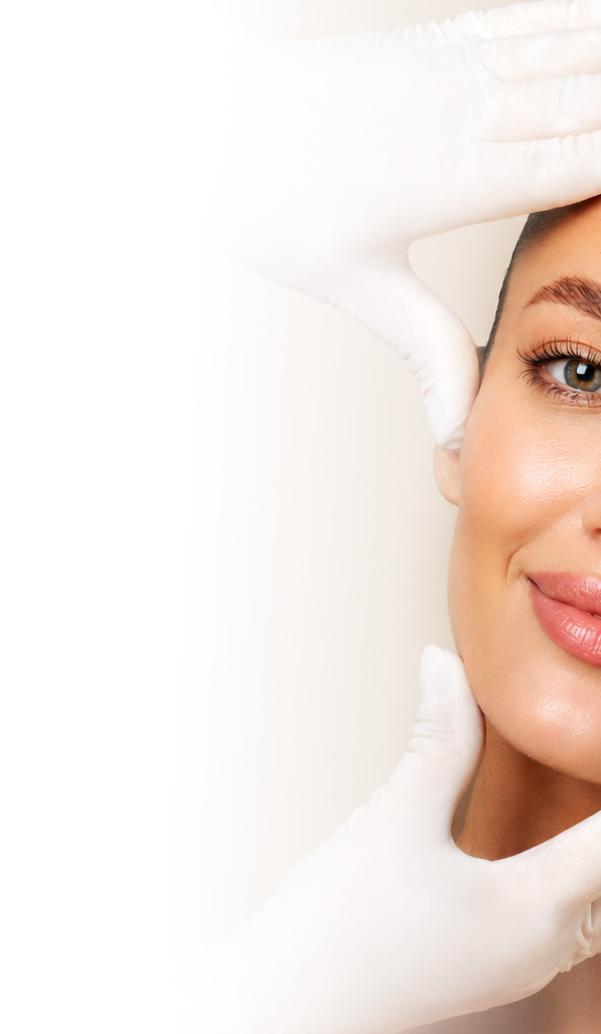
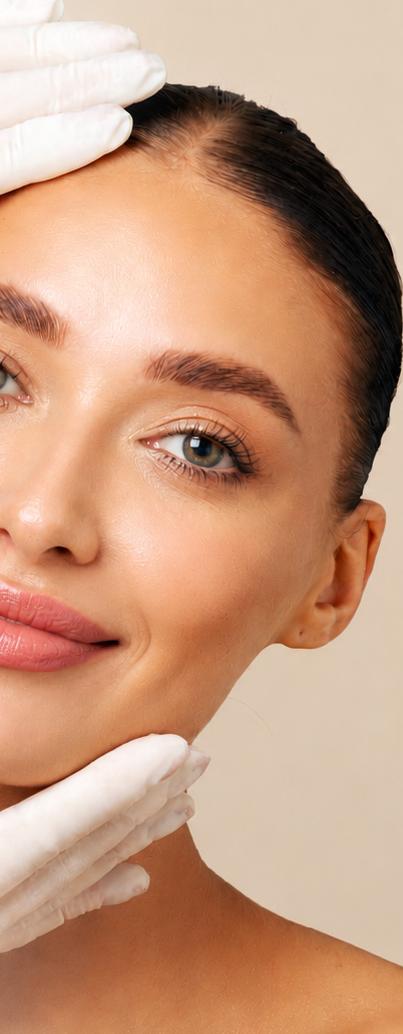
Retail has long been one of the most underutilized opportunities within the esthetics industry. While most skincare professionals understand the importance of homecare in achieving treatment outcomes, many still struggle with product recommendations. Some worry about appearing too sales-focused, while others feel uncomfortable discussing retail altogether. As a result, homecare often becomes an afterthought rather than an integral component of the client's skincare journey.
Yet the most successful estheticians rarely view retail as selling. Instead, they approach product recommendations as part of a larger treatment strategy designed to help clients achieve their goals. Their focus is not on increasing product sales but on creating comprehensive plans that support results both inside and outside the treatment room.
As clients become increasingly educated and invested in their skin health, the role of treatment planning has become more important than ever. A thoughtfully designed treatment plan not only improves treatment outcomes but also strengthens client trust, encourages long-term commitment, and naturally increases homecare compliance. When recommendations are positioned within the context of a client's goals, retail becomes less about transactions and more about transformation.
One of the biggest mistakes estheticians make when discussing homecare is focusing on products before establishing the desired outcome. Clients rarely purchase a cleanser, serum, or moisturizer simply because they want another skincare product. What they are truly investing in is the possibility of achieving healthier, clearer, stronger, or more youthful-looking skin.
When consultations begin with products rather than goals, recommendations can feel disconnected from the client's concerns. Conversely, when estheticians start by identifying what the client hopes to achieve, every recommendation becomes part of a larger solution.
A client struggling with post-inflammatory hyperpigmentation is not necessarily looking for a brightening serum. They are looking for more even skin tone and greater confidence. A client experiencing chronic sensitivity is not searching for a barrier repair cream. They are seeking relief from irritation and a skincare routine that no longer leaves their skin feeling compromised. Understanding this distinction allows estheticians to position products as tools that support specific outcomes rather than items that simply need to be purchased.
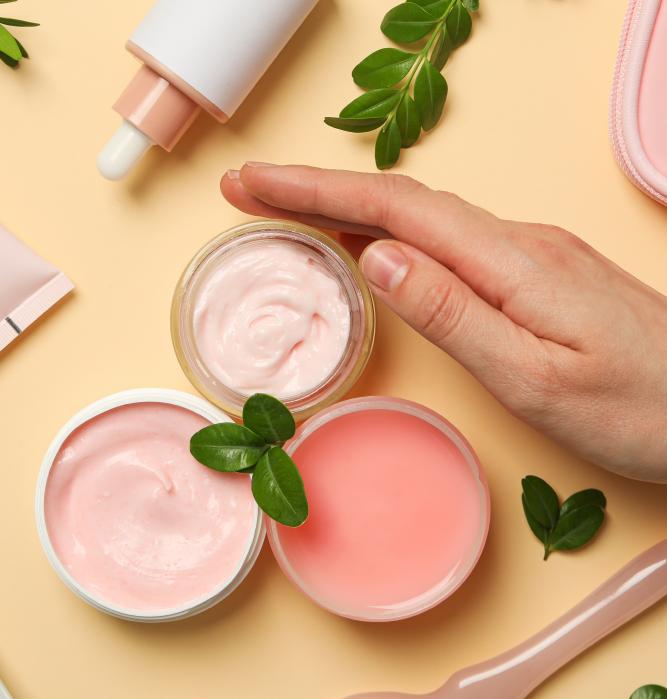
This shift in perspective changes the nature of the conversation entirely. Instead of asking clients whether they would like to add a product to their routine, estheticians can explain how a particular product supports the goals discussed during the consultation. The recommendation becomes part of the solution rather than a separate sales conversation.
One of the greatest challenges in skincare is helping clients understand that meaningful results rarely occur overnight. Many concerns commonly addressed in the treatment room, including acne, pigmentation, rosacea, aging, and barrier dysfunction, require consistency and time. While professional treatments play a significant role in this process, they represent only a fraction of the client's overall skincare experience.
A treatment plan provides structure and direction by transforming individual appointments into a cohesive journey. Rather than viewing each facial as an isolated service, clients begin to understand how each treatment contributes to a larger objective.
This approach often increases commitment because clients can see a clear path forward. They understand what is being addressed, why specific treatments are being recommended, and what role homecare plays in supporting their progress. The treatment room becomes less about quick fixes and more about long-term skin health. When clients understand the process, they are also more likely to remain consistent. They become invested in the outcome because they recognize that improvement is the result of cumulative effort rather than a single appointment. This mindset naturally creates greater accountability and stronger adherence to both treatment recommendations and homecare protocols.
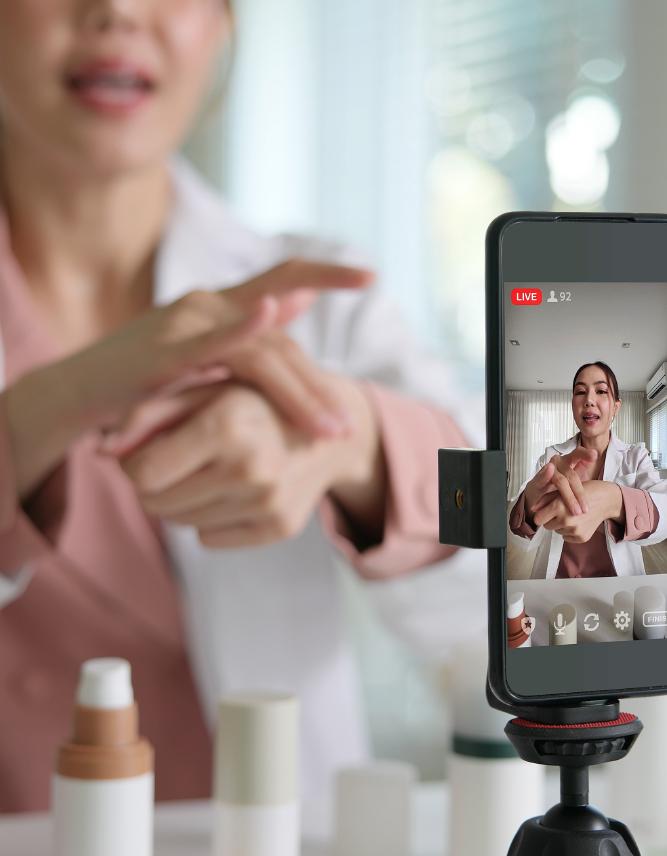
One of the reasons homecare recommendations are sometimes overlooked is that they are presented at the end of the appointment rather than woven throughout the client experience. The most effective treatment plans introduce homecare from the very beginning. During the consultation, discussions surrounding goals, lifestyle habits, current routines, and treatment timelines create opportunities to identify where professional products may support progress. As the treatment progresses, product recommendations can be connected directly to the services being performed and the outcomes being pursued.
For example, if a client is receiving treatments to address pigmentation, conversations about sun protection, brightening ingredients, and daily routine consistency become natural extensions of the treatment plan. Similarly, a client working to repair a compromised skin barrier may benefit from understanding how their at-home routine influences the success of in-office treatments.
When homecare is presented as part of the journey rather than an optional addition, clients are often more receptive. They begin to recognize that professional treatments and homecare are not separate entities but complementary components of the same strategy. This approach also helps eliminate confusion. Many consumers arrive at
appointments with extensive product collections accumulated from social media recommendations, influencer trends, and online shopping. While well-intentioned, these routines often lack structure and may contribute to the very concerns the client is trying to resolve. Treatment planning provides an opportunity to simplify, clarify, and create a routine that supports measurable progress.
Education remains one of the most powerful tools available to the professional esthetician. In an era where consumers have access to endless skincare information, professional guidance has become increasingly valuable. Clients are far more likely to invest in recommendations when they understand the reasoning behind them. Taking the time to explain ingredient selection, treatment progression, and realistic expectations helps clients make informed decisions while reinforcing the esthetician's role as a trusted expert.
Education also allows estheticians to correct common misconceptions that may be preventing progress. Many clients arrive believing they need stronger products, more active ingredients, or increasingly aggressive treatments to achieve results. In reality, some concerns require simplification, barrier repair, and a more strategic approach. When recommendations are supported by education, clients feel empowered rather than pressured. They gain confidence in both the products being recommended and the professional guiding their skincare journey. Trust deepens, compliance improves, and homecare becomes an extension of the treatment plan rather than an obligation.
This distinction is important because clients who understand why they are using a product are far more likely to




“When homecare is presented as part of the journey rather than an optional addition, clients are far more receptive.”
use it consistently. Consistency ultimately leads to better results, which further reinforces the value of professional recommendations.
While retail performance is often measured through sales figures, its true value extends far beyond revenue generation.
For clients, homecare supports treatment outcomes, accelerates progress, and helps maintain results between appointments. It allows them to participate actively in their skincare journey and creates continuity between professional treatments.
For estheticians, strong homecare compliance often leads to higher client satisfaction, improved retention, and stronger treatment outcomes. Clients who achieve visible results are more likely to remain loyal, refer others, and continue investing in professional care. Treatment planning also contributes to greater business stability. Rather than relying solely on appointment volume, estheticians can create additional revenue through products that genuinely support their clients' needs. This diversification becomes increasingly important in a competitive marketplace where sustainable growth depends on multiple income streams. Most importantly, treatment planning creates deeper relationships. Clients
feel supported, understood, and guided through a process designed specifically for them. This level of personalization is difficult to replicate through online retailers or social media recommendations alone.
As the esthetics industry continues to evolve, the conversation surrounding retail is shifting. Consumers are becoming more educated, more selective, and more focused on long-term skin health rather than quick fixes. They are seeking professionals who can provide expertise, guidance, and individualized solutions rather than simply recommending products.
This shift presents a significant opportunity for estheticians who are willing to embrace treatment planning as a central component of their practice. By focusing on outcomes rather than transactions, professionals can position themselves as trusted partners in their clients' skincare journeys while creating stronger treatment results and healthier businesses.
Ultimately, successful retail is not about selling more products. It is about helping clients understand what their skin needs, why it needs it, and how professional guidance can help them achieve their goals. When treatment plans are built around education, personalization, and results, homecare sales become a natural byproduct of exceptional client care.
In the modern treatment room, retail is no longer a separate conversation. It is simply part of the plan.

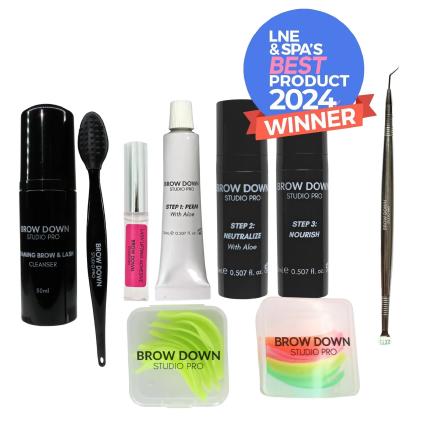
Formulated in Italy with gentle, high-performance ingredients, the Pro Lamination Lash Lift Kit creates beautifully lifted, curled lashes that last 6–8 weeks while maintaining the integrity of the natural lash. I love recommending this system because it delivers consistent, reliable results across all lash types and creates a naturally enhanced, eye-opening effect.
browdownstudiopro.com
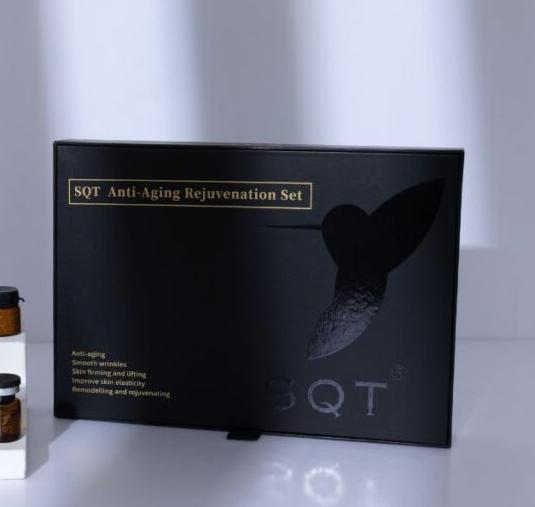
Designed to target visible signs of aging, the SQT® Anti-Aging Rejuvenation Set delivers intense hydration while helping to firm, lift, and smooth the skin for a more youthful complexion. I love using it in the treatment room because it visibly softens the appearance of fine lines and leaves mature skin looking refreshed, plump, and revitalized.
sqtinternational.com



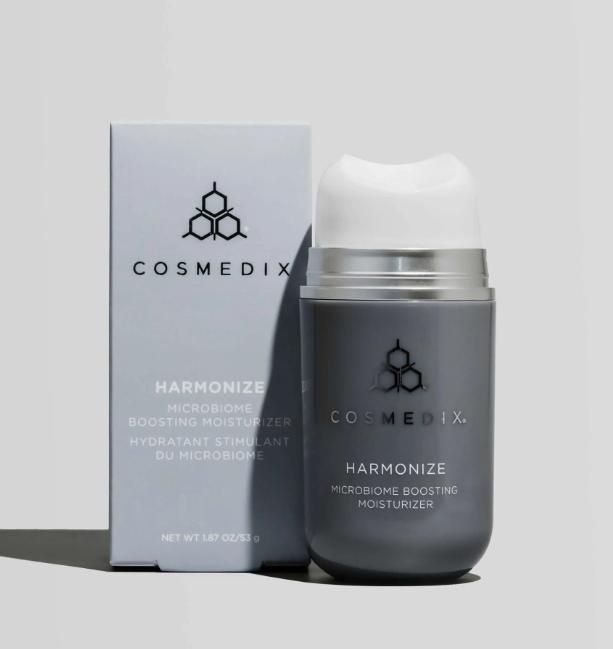
Formulated to support a healthy skin microbiome, Harmonize helps calm visible redness, strengthen the skin barrier, and deliver lasting hydration for a balanced, healthier-looking complexion. I love using it on sensitive or compromised skin because it leaves the skin feeling comforted, nourished, and beautifully resilient.
cosmedix.com
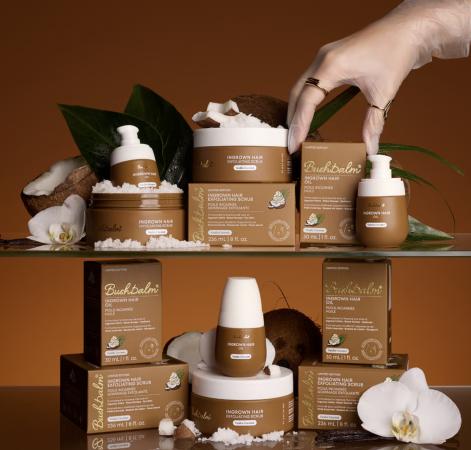
With the comforting scent of creamy vanilla and tropical coconut, this nourishing formula helps target ingrown hairs, bumps, and post-hair removal redness while keeping the skin soft and hydrated. I love recommending it as the perfect aftercare product because it extends treatment results and turns daily body care into a luxurious ritual.
pro.bushbalm.com


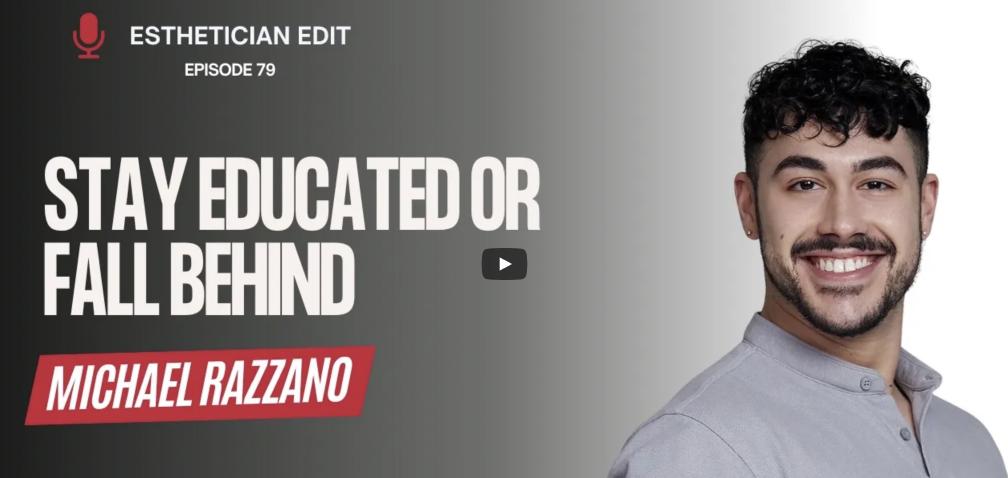
Prioritizing Mental Health as an Esthetician
Being an esthetician means more than helping clients feel beautiful, it means holding space for their emotions, energy, and stories day after day. While this work is incredibly rewarding, it can also be emotionally draining if you don’t have systems in place to protect your own mental health. Let’s talk about how to care for you, the heart behind the treatment room.

https://estheticianedit.com/prioritizing-mental-health-as-an-esthetician/



“Clients are not simply paying for treatment time. They are investing education, experience, knowledge, problemsolving abilities, and results.”

in experience, problem-
Why
by Aurora Solis
For many estheticians, determining what to charge for services can feel like one of the most challenging aspects of business ownership. While treatment protocols, product recommendations, and client care are often areas where professionals feel confident, pricing can quickly become a source of uncertainty. Questions surrounding whether prices are too high, too low, or aligned with industry standards are common at every stage of an esthetician's career.

often, it is a lack of clarity around the true cost of operating a business and the amount of revenue required to support both business expenses and personal income.
Unfortunately, many pricing decisions are made based on comparison rather than calculation. It is not uncommon for estheticians to look at neighboring treatment rooms, local spas, or competitors on social media and simply match what others are charging. While understanding market rates is certainly valuable, it rarely provides the complete picture. Every business operates under different circumstances, carries different expenses, and is built around different goals. What may be profitable for one esthetician could be completely unsustainable for another.
As the esthetics industry continues to evolve, more professionals are beginning to recognize that pricing should not be determined solely by what the market appears willing to pay. Instead, pricing should be rooted in a clear understanding of the financial realities behind operating a business. At the
center of this conversation lies one of the most important numbers every esthetician should know: their hourly worth.
One of the most persistent misconceptions within the beauty industry is the belief that a full schedule automatically translates into financial success. While being booked can certainly indicate strong client demand, it does not necessarily mean a business is generating the level of profit required for longterm sustainability.
Many estheticians find themselves working evenings, weekends, and extended hours in an effort to increase revenue, only to discover that despite seeing more clients than ever before, they are still struggling to achieve their financial goals. In these situations, the issue is rarely a lack of effort. More
Without understanding hourly worth, it becomes easy to fall into a cycle of constantly working harder rather than working more strategically. An esthetician may add more appointments to the schedule, extend availability, or continue offering services at outdated price points without realizing that the underlying business model is no longer supporting the life they are trying to build.
When clients purchase a facial, they often see a single price attached to that service. What they do not see are the countless expenses that exist behind the scenes.
The treatment room itself represents only one component of the business. Every appointment requires professional products, linens, sanitation supplies, booking software, insurance, equipment maintenance, utilities, continuing education, marketing efforts,
merchant processing fees, and countless other operational costs that accumulate throughout the year.
Beyond those tangible expenses lies another often overlooked factor: time. The reality is that estheticians are not simply performing treatments. They are responding to client inquiries, creating content for social media, managing inventory, reviewing consultation forms, completing treatment notes, processing retail sales, handling administrative tasks, and maintaining the overall client experience. These responsibilities consume a significant portion of the workweek, yet they are rarely reflected in service pricing.
When viewed through this broader lens, it becomes clear that the value of an esthetician's time extends far beyond the sixty or ninety minutes spent inside the treatment room.
One of the most eye-opening exercises for business owners is evaluating the difference between working hours and billable hours.
A professional may spend forty or more hours each week dedicated to their business, but only a portion of
that time is directly generating revenue through client appointments. The remaining hours are often devoted to tasks that support the business but do not produce immediate income.
This distinction is critical because many estheticians unintentionally calculate their earning potential based on total hours worked rather than actual revenue-producing hours.
For example, an esthetician may work forty-five hours each week but only spend twenty-five hours performing treatments. Those twenty-five treatment hours must generate enough revenue to support not only the esthetician's personal income goals but also the operational expenses associated with the business.
Understanding this relationship often reveals why so many professionals feel overworked despite maintaining seemingly healthy schedules.
Underpricing is one of the most common challenges facing estheticians, particularly those in the early stages of business ownership.
The desire to remain competitive, attract clients, or avoid discomfort around raising prices often leads pro -

fessionals to charge less than their services are truly worth. While lower pricing may initially help fill appointment books, it frequently creates long-term challenges that become increasingly difficult to overcome.
When services are underpriced, estheticians are forced to compensate through volume. More appointments become necessary to achieve income goals, which often leads to physical exhaustion, emotional burnout, and reduced capacity for business growth.
Over time, this approach can create a ceiling on profitability. There are only so many appointments available in a day, and once that capacity is reached, income growth becomes limited unless pricing, efficiency, or revenue streams evolve.
Understanding hourly worth helps eliminate much of the guesswork surrounding these decisions. Instead of relying on fear or comparison, business owners can evaluate pricing through a more objective and strategic lens. Expertise Carries Value
Another important consideration when determining hourly worth is recognizing the value of professional expertise.Clients are not simply paying for treatment time. They are investing in education, experience, knowledge, problem-solving abilities, and results.
An esthetician who has spent years refining consultation skills, studying advanced modalities, attending continuing education courses, and developing specialized treatment protocols brings significantly more value to the client experience than the treatment itself may suggest.
Whether specializing in acne management, corrective skincare, oncology esthetics, facial sculpting, pigmentation concerns, or advanced treatment technologies, expertise creates differentiation within the marketplace.
As consumer awareness continues to grow, clients are increasingly seeking professionals who can provide customized solutions rather than generic services. This shift allows estheticians to position themselves as trusted experts rather than simply service providers. When expertise becomes part of the value equation, pricing conversations often become much easier.
Many pricing challenges stem not from mathematics but from mindset.It is difficult to charge appropriately when an esthetician has not fully recognized the value of their own work. Feelings of imposter syndrome, fear of rejection, and concerns about client reactions can all influence pricing decisions.
Yet clients often take cues from the confidence of the professional providing the service. When an esthetician clearly communicates the value of their expertise, treatment approach, and cli-
ent outcomes, pricing becomes part of the overall investment rather than the sole focus of the conversation.
Confidence is built through understanding. The more clearly a business owner understands their numbers, expenses, and goals, the easier it becomes to stand behind pricing decisions with certainty.
Calculating hourly worth is ultimately about much more than determining a price point. It is about creating a business that supports long-term growth, financial stability, and professional fulfillment.
As the esthetics industry becomes increasingly sophisticated, successful professionals are recognizing the importance of balancing artistry with business strategy. Exceptional treatment skills will always remain at the heart of the profession, but understanding profitability is what allows
those skills to become a sustainable career.
A thriving esthetics business should not require constant overwork, financial stress, or endless appointment volume to survive. Instead, it should be structured in a way that reflects the true value of the professional behind it. Knowing your hourly worth provides the foundation for that structure. It transforms pricing from a guessing game into a strategic business decision and allows estheticians to build careers that are not only impactful, but profitable.
In an industry built on transformation, perhaps one of the most powerful transformations an esthetician can experience is shifting from simply performing services to fully understanding the value of the business they have created.

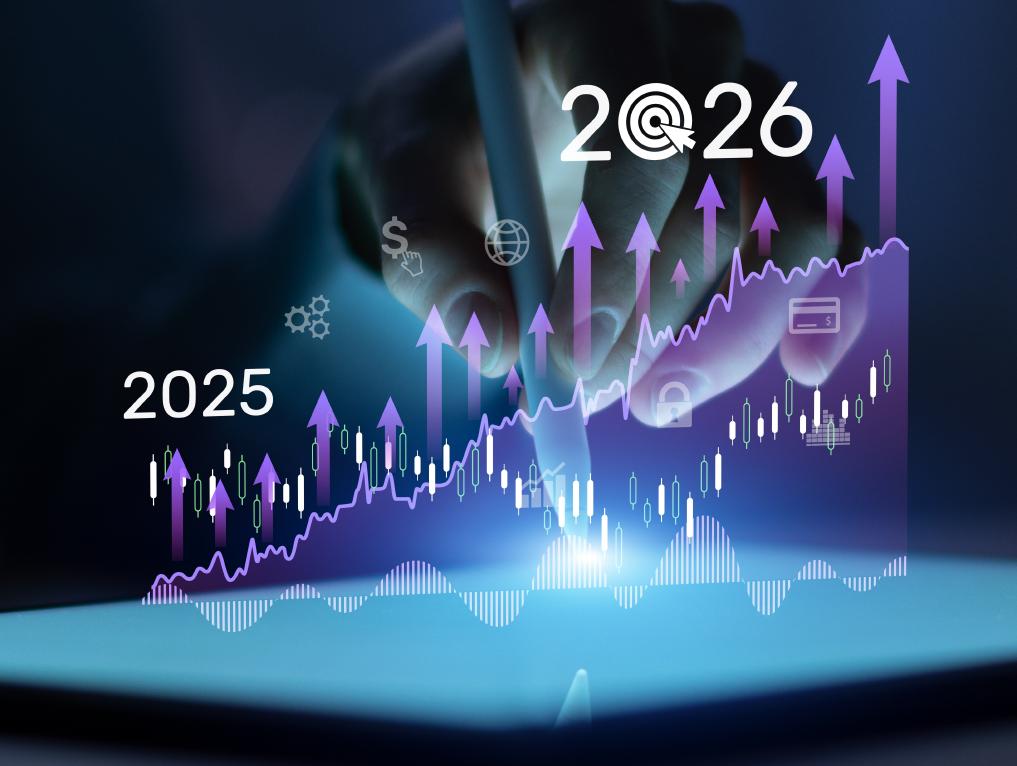
by Aurora Solis
Many estheticians enter the profession because they are passionate about skincare, wellness, and helping others feel confident in their own skin. Yet as rewarding as the treatment room can be, success in today's esthetics industry requires more than exceptional hands-on skills. It requires understanding the business behind the beauty.
One of the most significant shifts happening within the industry is the growing recognition that estheticians must also think like business owners. While social media followers, fully booked schedules, and glowing client testimonials may appear to be indicators of success, they only tell part of the story. The numbers behind a business often reveal a much clearer picture of its health, profitability, and long-term sustainability.
This is where Key Performance Indicators, commonly known as KPIs, become invaluable. KPIs are measurable metrics that help business owners evaluate performance, identify opportunities for growth, and make informed decisions. Rather than relying on intuition alone, successful estheticians use these benchmarks to understand what is working, what needs improvement, and where their attention should be focused.While there are countless metrics that can be tracked, several stand out as particularly important for esthetics professionals.
Most business owners naturally pay attention to revenue, and for good reason. Revenue provides an overview of how much money is being generated through services, retail sales, memberships, and other income streams. However, revenue alone rarely tells the complete story. An esthetician may generate impressive monthly sales while still struggling with profitability due to excessive expenses, poor retention, or ineffective pricing structures. Looking beyond total revenue allows business owners to gain a deeper understanding of their financial performance and overall efficiency.
One of the most insightful metrics an esthetician can track is average ticket value. This number reflects how much revenue is generated during the average client visit and provides valuable information about service pricing, treatment upgrades, and retail performance.
A higher average ticket value often indicates that clients are investing in comprehensive treatment plans rather than booking isolated services. It may also suggest that an esthetician has successfully integrated retail recommendations, add-on services, or advanced treatment options into the client experience.Increasing average ticket value can often have a greater impact on profitability than simply attempting to attract more clients.
While attracting new clients is important, retaining existing clients is often where sustainable growth occurs. Client retention measures how effectively a business maintains relationships over time. A client who returns regularly for treatments and follows a recommended skincare plan is significantly more valuable than a one-time visitor.
Retention often reflects the strength of the client experience, the effectiveness of consultations, and the trust built between esthetician and client. Businesses with strong retention rates tend to enjoy more predictable revenue and greater long-term stability.
Similarly, rebooking percentages provide valuable insight into client commitment. Clients who leave
with their next appointment already scheduled are more likely to remain consistent with treatment plans and achieve better results.
Retail remains one of the most underutilized opportunities within the esthetics industry. Many professionals hesitate to recommend products out of fear of appearing overly salesoriented. However, homecare is often an essential component of achieving treatment outcomes.
Tracking the relationship between retail and service revenue can reveal important patterns. Healthy retail performance often indicates that clients trust professional recommendations and understand the value of supporting their treatments at home.When viewed through the lens of education rather than sales, retail becomes an extension of the treatment plan rather than a separate transaction.
Another important KPI involves treatment room utilization. This metric examines how effectively available appointment hours are being filled. An underbooked schedule may indicate marketing challenges, pricing concerns, or gaps in client retention. On the other hand, a consistently overbooked schedule may signal an opportunity to raise prices, expand availability, or bring on additional team members. Understanding utilization helps business owners make strategic decisions about growth without relying on assumptions.
In today's competitive marketplace, marketing has become an essential component of business development. Whether an esthetician invests in
social media advertising, community events, referral programs, or digital campaigns, understanding the cost of acquiring a new client is critical. Many business owners focus solely on the number of new inquiries they receive. However, the more meaningful question is whether those marketing investments are generating profitable results.Tracking acquisition costs allows estheticians to identify which marketing channels produce the highest return and where future resources should be allocated.
Perhaps the most important KPI of all is profitability.Revenue may generate excitement, but profit determines whether a business is financially sustainable. A growing business that fails to generate profit will eventually face challenges regardless of how busy the schedule appears.
Profitability reflects the relationship between income and expenses. It provides the clearest indication of whether pricing, operations, marketing, and overall business strategy are working together effectively.Successful
estheticians understand that growth is not simply about generating more revenue. It is about building a business that remains profitable, sustainable, and aligned with long-term goals.
The modern esthetician is no longer just a skincare professional. Today's industry leaders are educators, entrepreneurs, marketers, and strategic decision-makers.By consistently tracking key performance indicators, estheticians gain the ability to make data-driven decisions that support both client outcomes and business success. While the treatment room will always remain at the heart of the profession, understanding the numbers behind the business allows estheticians to build careers that are not only impactful but sustainable.
In an industry that continues to evolve, knowledge may be one of the most valuable assets an esthetician can possess. And sometimes, the most powerful transformation doesn't happen on the treatment bed—it happens when a business owner finally understands their numbers.

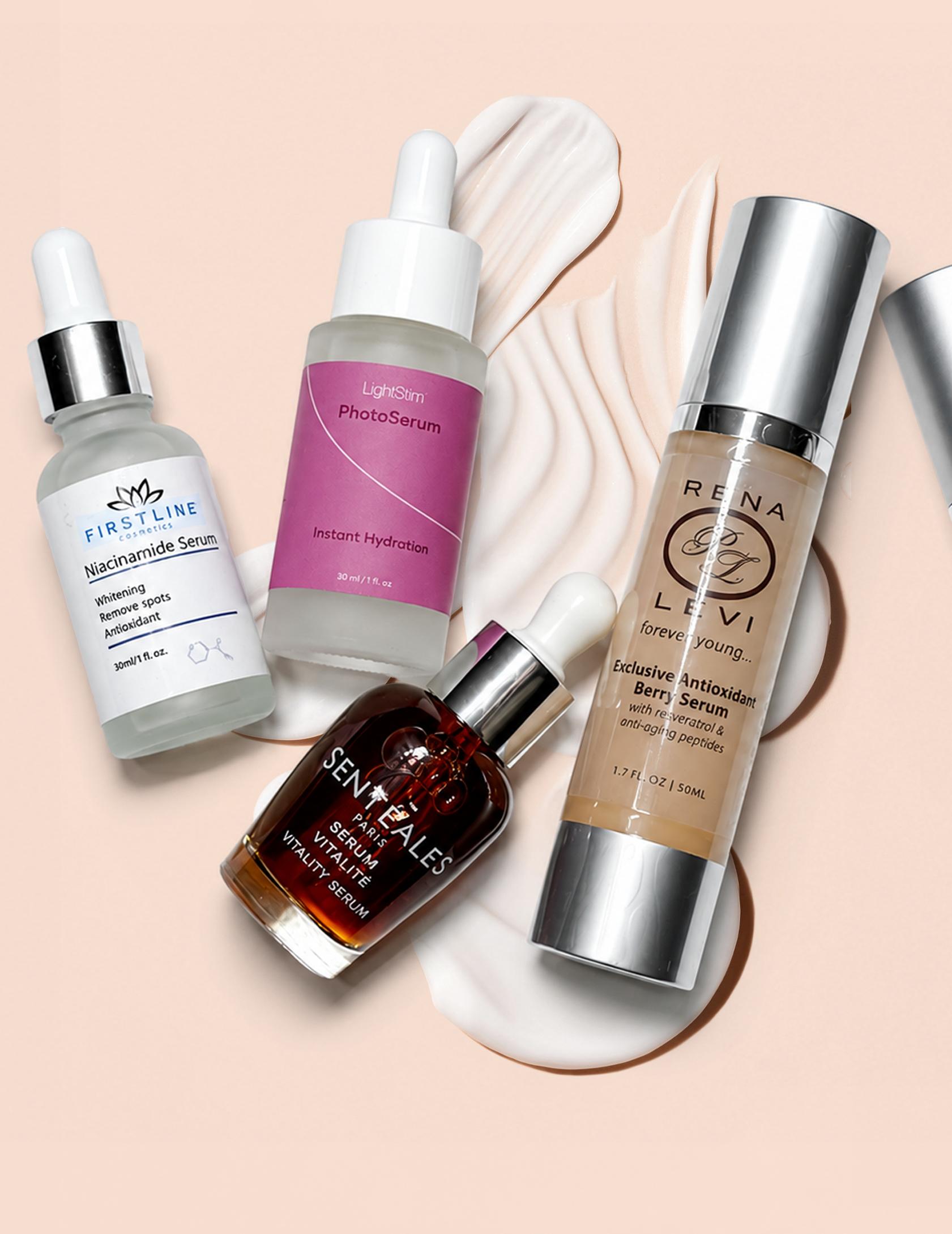
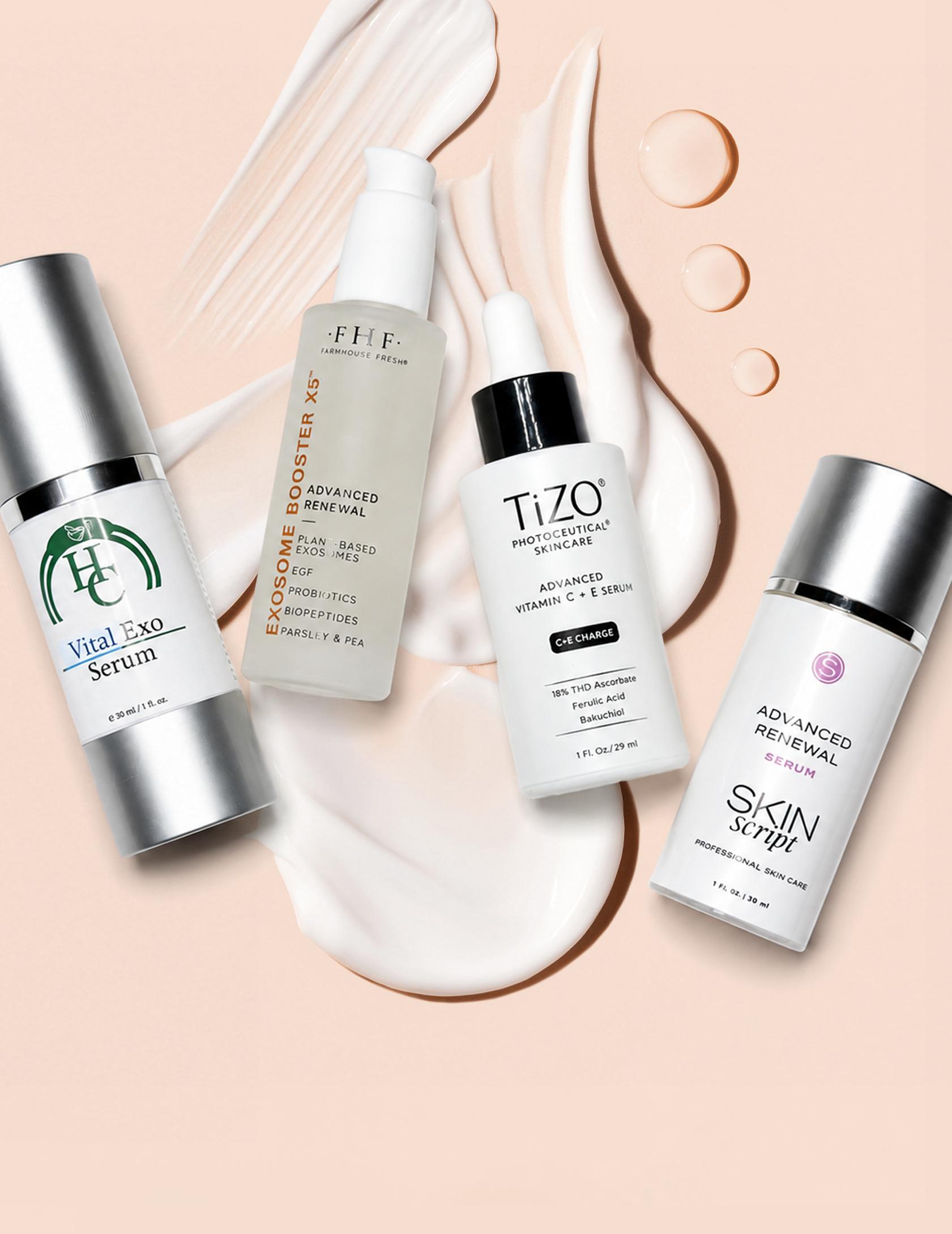
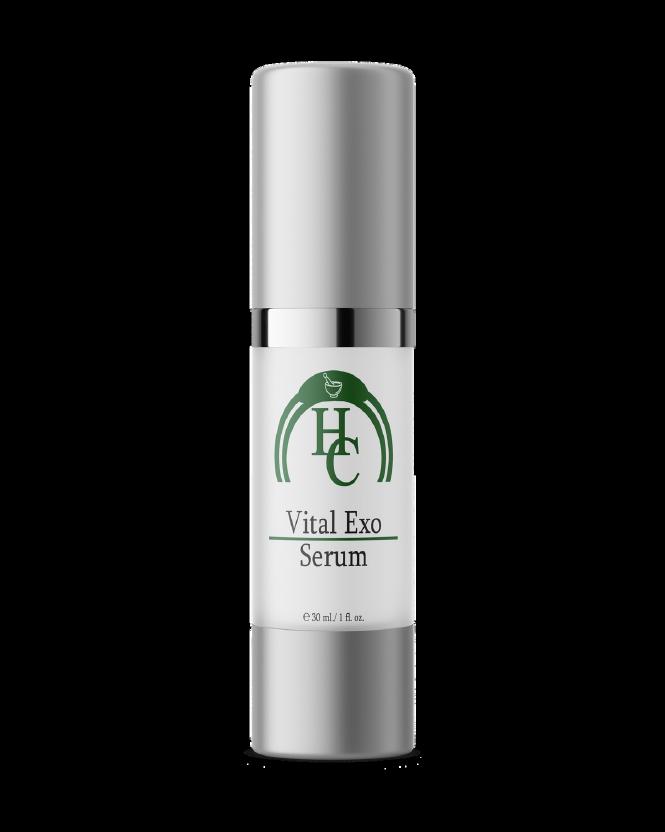
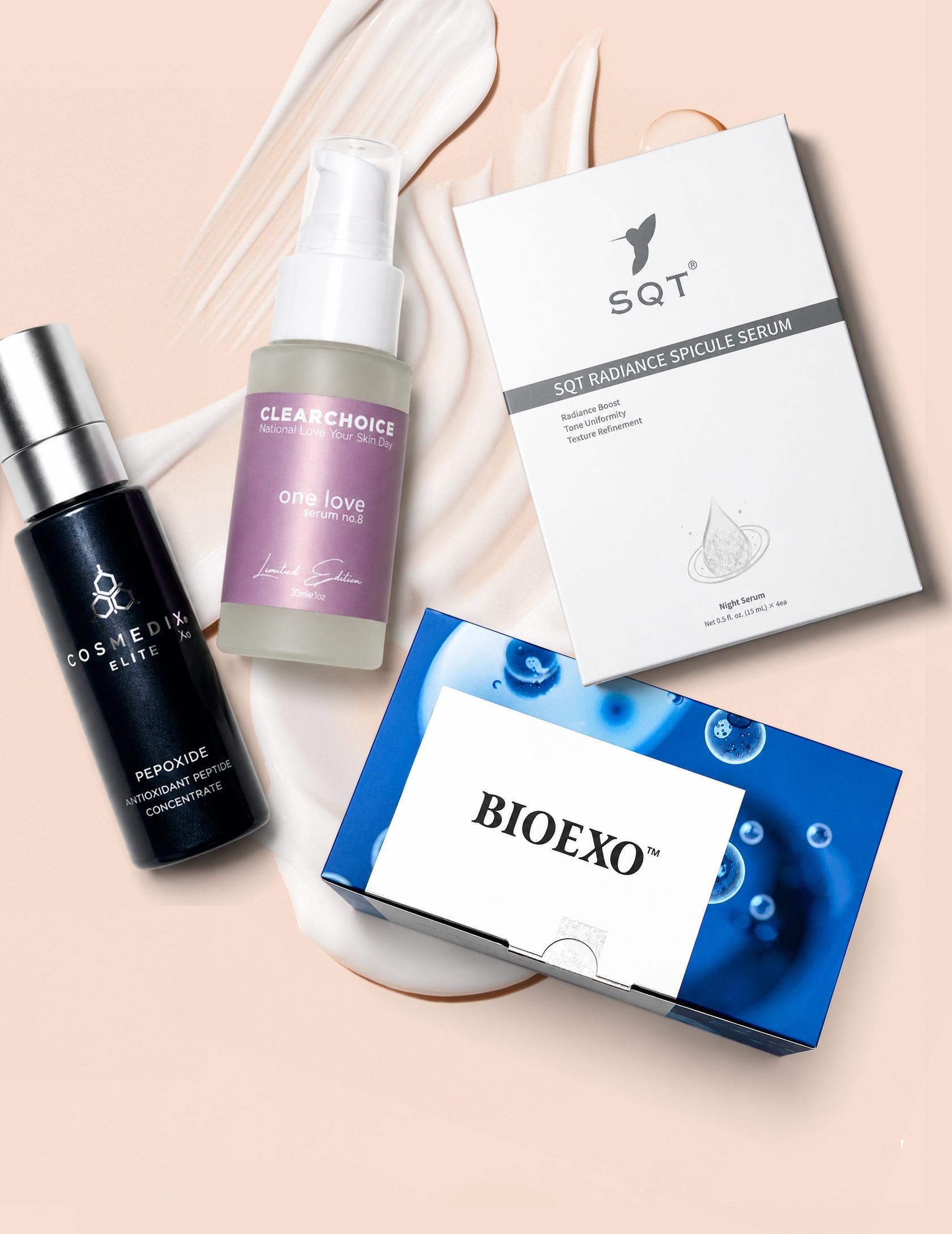
5. Hale Cosmeceuticals • Vital EXO Serum • https://www.halecosmeceuticals.com/ 6. Farmhouse Fresh • Exosome Booster X5 • https://farmhousefreshgoods.com/ 7. Tizo • Advanced Vitamin C & E Serum • https://tizoskin.com/ 8. Skin Script • Advanced Renewal Serum • https://skinscript.com/
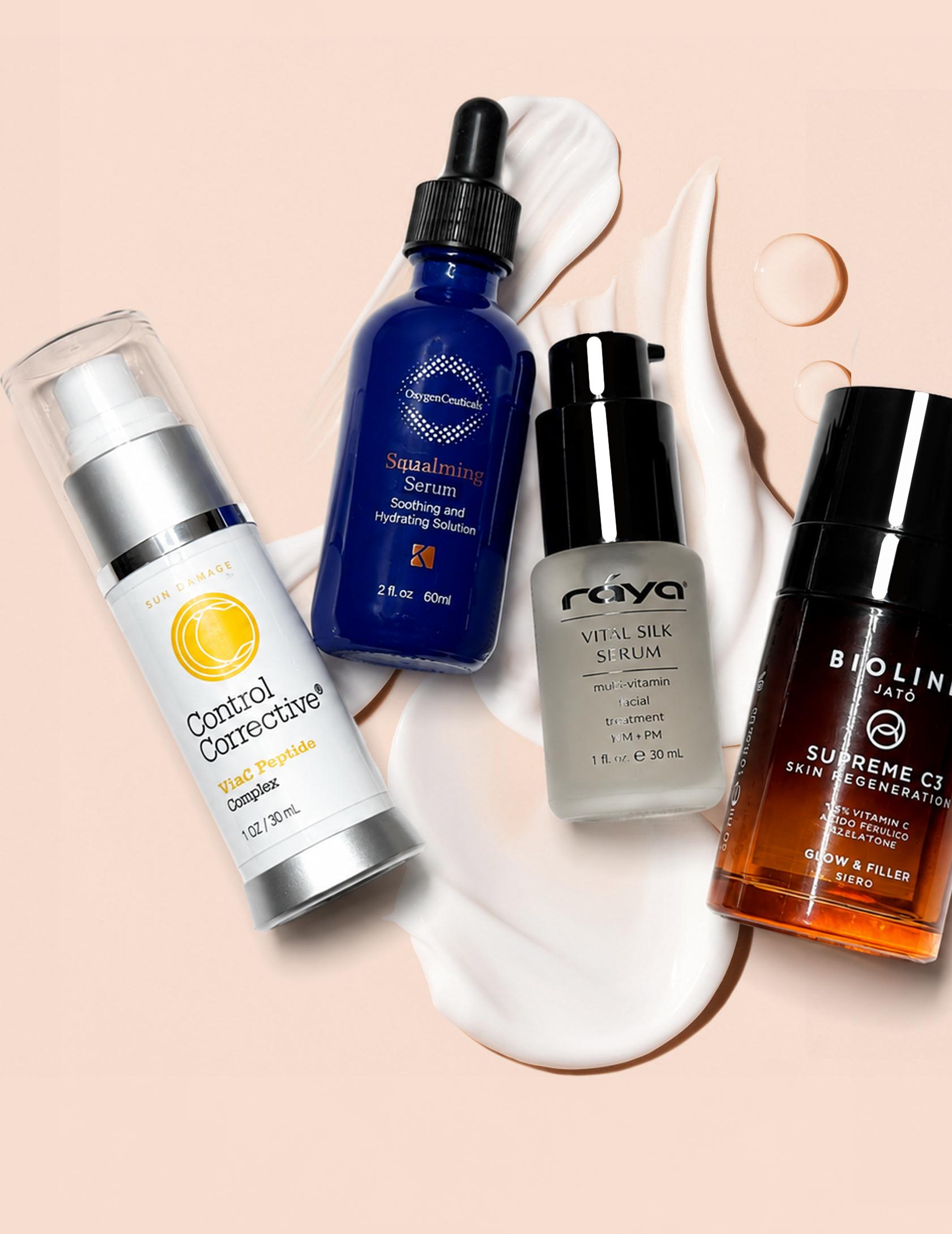
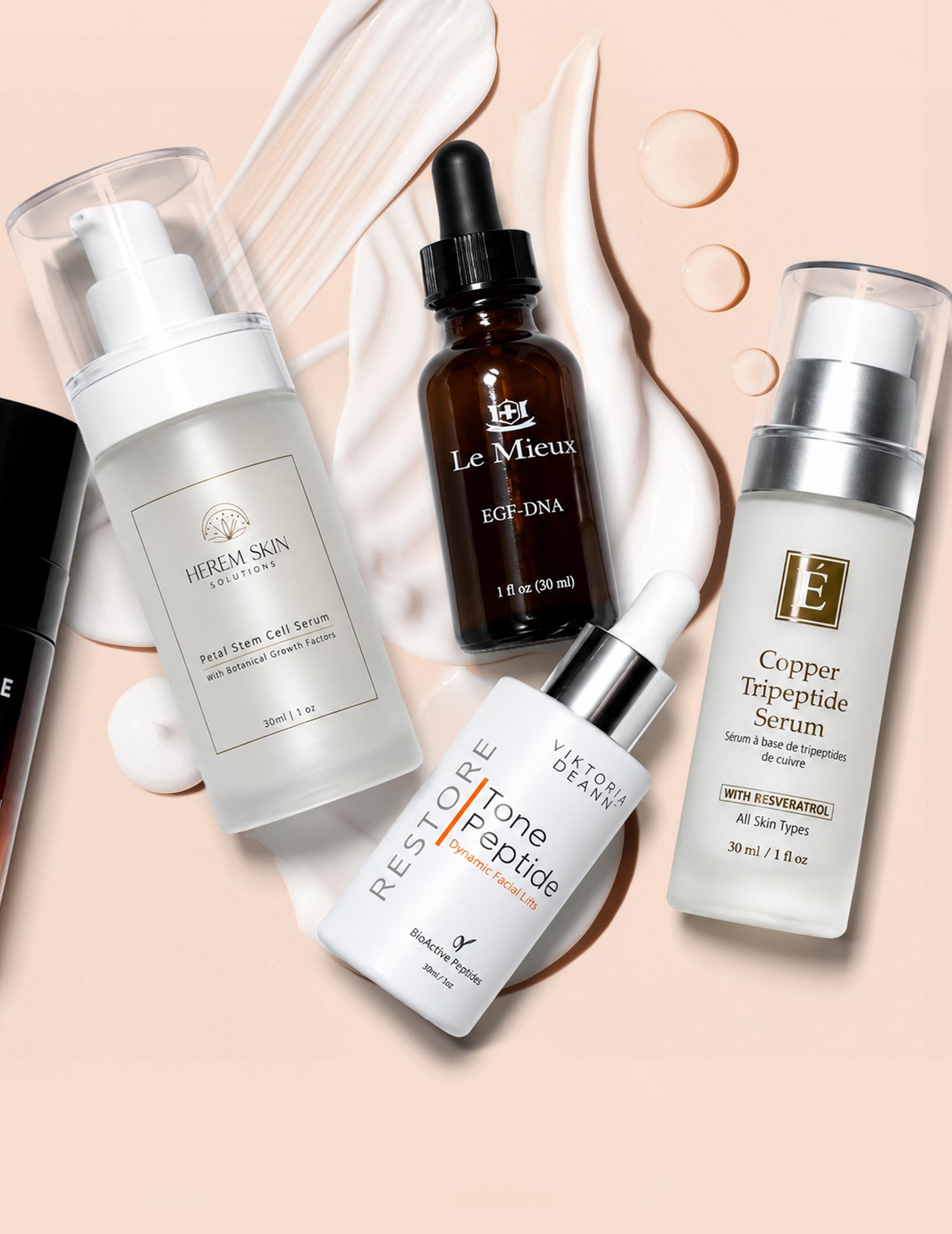
Le Mieux • EGF-DNA Serum • https://lemieuxskincare.com/
Viktoria Deann • Tone Peptide • https://viktoriadeann.com/
Eminence • Copper Tripeptide Serum • https://eminenceorganics.com/us/
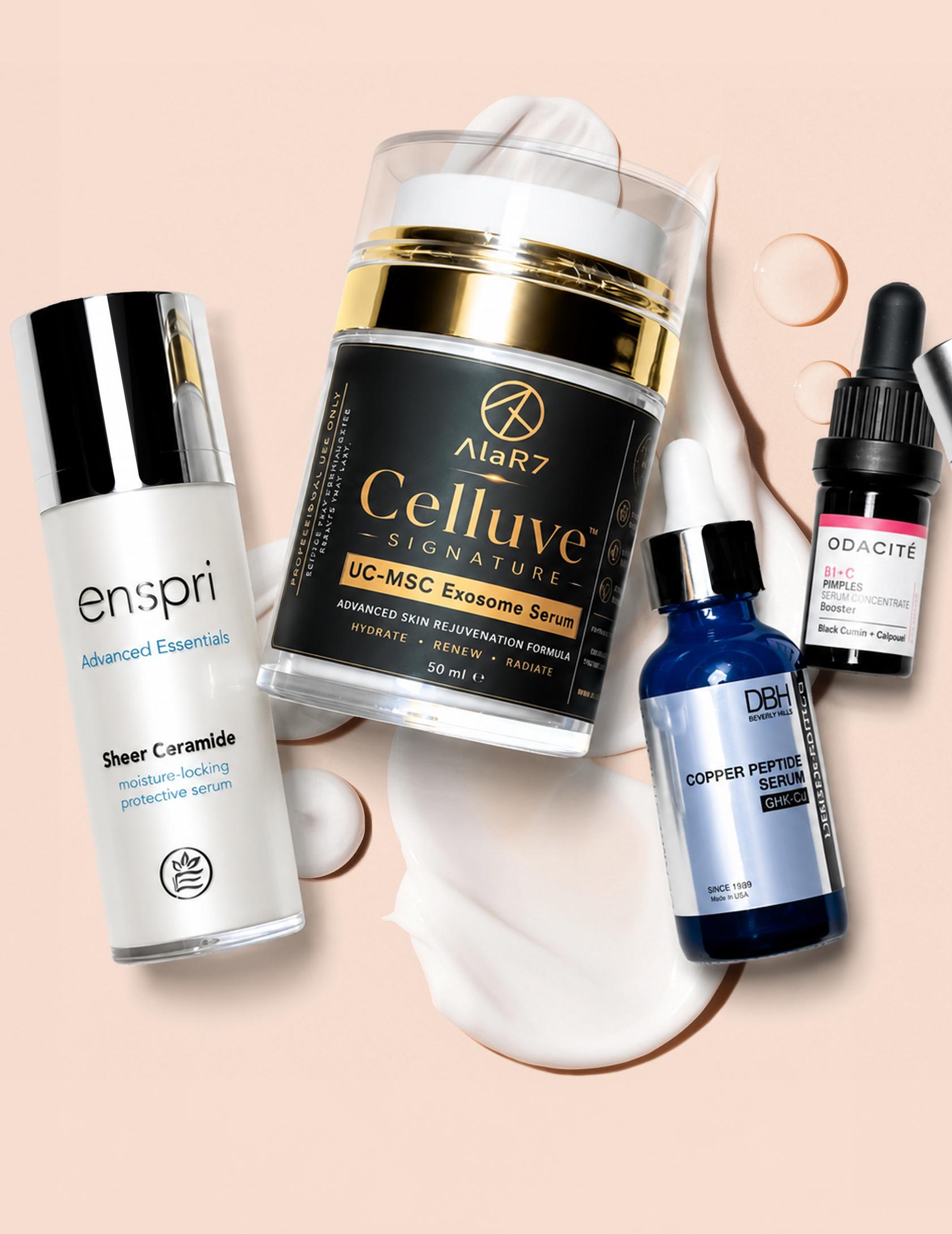
1. Enspiri • Sheer Ceramide • https://www.enspriskincare.com/
Alar-7 • UC-MSC Exosome Serum • https://alar-7.com/ 3. DermAesthetics • Copper Peptide (GHK-CU) 1% Serum • https://dermaestheticsusa.com/
Odacite • Bl+C Serum Concentrate • https://odacite.com/
Infused with Camellia Japonica, Sakura, Ectoin, Allantoin, Sodium PCA, and Hyaluronic Acid, this Japanese-inspired peel deeply hydrates while helping to smooth fine lines and restore a healthy, radiant glow. I love using it in the treatment room because it leaves skin instantly plumper, dewier, and luminous without compromising the skin barrier.
DehazSkincare.com


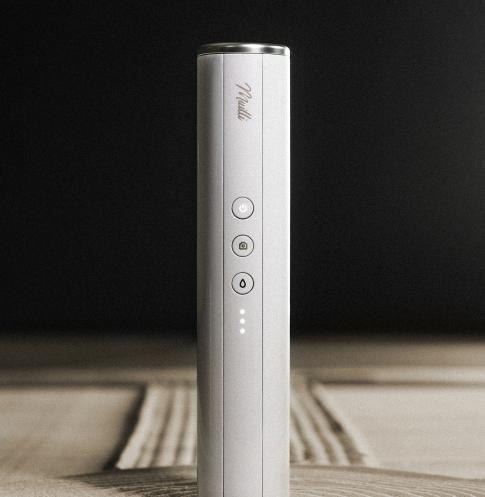
MUILLI™ AI Dermascope by SmartSKN
Combining high-resolution imaging with AI-powered skin analysis, the MUILLI™ AI Dermascope provides detailed insights into each client's skin, making consultations more personalized and results-driven. I love how it helps create customized treatment plans and pairs seamlessly with personalized Korean cosmeceutical formulations tailored to each client's unique skin needs.
SmartSKN.com

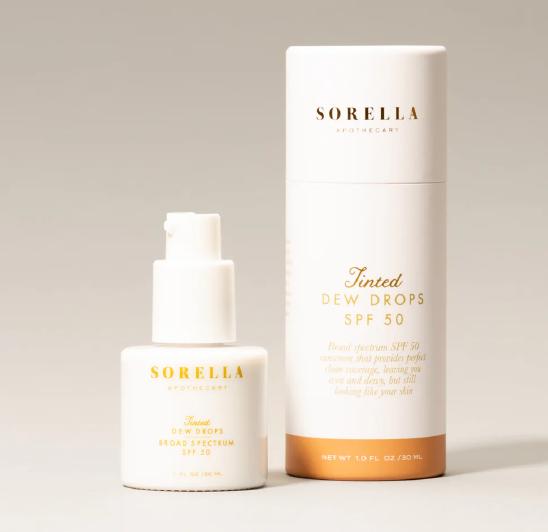
This mineral SPF 50 combines broad-spectrum sun protection with light-reflecting pigments, hydrating squalane, and antioxidant-rich green tea to protect the skin while delivering a healthy, radiant glow. I love recommending it because it provides beautiful light-to-medium coverage that evens the complexion without feeling heavy, making it the perfect everyday sunscreen.
sorellaapothecary.com
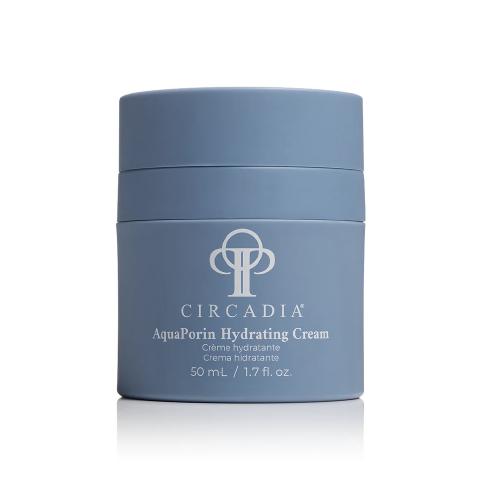
AquaPorin Hydrating Cream by Circadia
Powered by Diffuporine, Acqua Bio, and a nourishing blend of olive, macadamia, and avocado oils, this award-winning moisturizer delivers deep, longlasting hydration while supporting the skin barrier and improving overall skin resilience. I love using it in the treatment room to leave skin feeling soft, plump, and deeply replenished with a healthy, radiant glow.
circadia.com