

INCLUSIVE INNOVATION: WHY DEI IS A BUSINESS AND A MEDICAL COMMUNICATIONS IMPERATIVE
HARNESSING AI: A NEW ERA OF A NEURODIVERSE WORKFORCE
THE EQUITY EQUATION: WHO’S ACCOUNTABLE FOR INCLUSION IN CLINICAL RESEARCH?
REAL TALK: IT’S TIME TO GET REAL ABOUT PROSTATE CANCER
WE’RE THE FASTEST GROWING MINORITY YOU’VE NEVER HEARD OF ALWAYS ASK; NEVER ASSUME
THROWING THE BOOK AT CREATIVITY
ISSUE 07 //MARCH 2026
Editorial contacts
Mike Dixon, CEO, Healthcare Communications Association; Rick Evans, Social Strategy Director, Envision 90TEN; Stuart Mayell, Head of the Creative Difference, The Difference Collective; Edel McCaffrey, Independent Communications Consultant & HCA Board Member; Alister Sansum, Independent Communications Consultant & HCA Board Member;
Introduction
Inclusive innovation: Why DEI is a business and a medical communications imperative // AVRIL LEE, HON FCIPR
Harnessing AI: A new era of a neurodiverse workforce // DIANE WASS, D.PHIL
The equity equation: Who’s accountable for inclusion in clinical research? //SATINDER PHULL, MPH
Case study: Real talk: It’s time to get real about prostate cancer // PROSTATE CANCER RESEARCH & IPSEN LTD
We’re the fastest growing minority you’ve never heard of // BEATRIZ LACERDA RATTON








Diversity, equity, inclusion. Terms that might seem to have had their heyday or be an example of ‘peak woke’. Not to us at Innovation Uncovered.
Creative practice is the successful application of understanding of people and perspectives. This is especially the case in healthcare, where for too long it seemed the only audience we appreciated was the ‘worried well’ with all the stereotypes and clichés that includes. That’s why this edition places its focus on the imperative to reach all audiences, especially those which have historically been underserved.
We open this edition by making the business case for inclusion. Avril Lee is Chair of the Taylor Bennett Foundation, a charity that supports young adults from Black, Asian and ethnic minority backgrounds. She is excellently placed to show that there is economic strength in diversity. Think about getting involved with Taylor Bennett, or other charities like Working Options that help young people see career opportunities they might not have considered.
As ever in healthcare communications, where there is a commercial opportunity, innovative and nimble agencies spring up. You can hear from two of these trailblazers on underserved audiences. Beatriz Lacerda Ratton from Egality Health helps us see the importance of recognition, while Dr Jane Brearley, founder of Intent Health, reminds us all of the bad decisions we make when we don’t involve the people who matter: the communities and individuals we want to reach.
The source algorithms of many commonly available AIs have been criticised for inherent bias, so it is refreshing to read Dr Diane Wass’ article on how the machines can also be a tool to unlock the potential of a neurodiverse workforce.
Every Innovation Uncovered article is rooted in best practice and great ideas. So, at the heart of everything in this edition are great ideas, including Satinder Phull’s practical steps to equity for all and a deep dive into an award-winning campaign to reach Black men about prostate cancer.
And finally, this issue on inclusion comes to a conclusion with my reflections on book writing. That will seem strange, seeing as I’m a white middle-aged man and we’re hardly under-represented in academic and literary circles. So, I’ll leave you with the observation that the book is the culmination of all I’ve learned from the wise and not-so-wise people I’ve encountered in a 30-year career: Listen to everyone. Learn from everything.
AVRIL LEE, HON FCIPR // CHAIR OF THE TAYLOR BENNETT FOUNDATION
Innovation in healthcare communications thrives on diversity – of thought, experience and perspective. Yet, at a time when science and society are advancing at an extraordinary pace, the positive changes seen recently in diversity, equity and inclusion (DEI) are being challenged. Global shifts, political polarisation, technological change and economic headwinds have generated both progress and backlash. Amid this uncertainty, medical communications professionals play a vital role in ensuring that the stories we tell—about patients, science and society—are inclusive, authentic and grounded in equity to improve health outcomes.
For health and life sciences communications, the reality is that DEI remains critical for both the business of health and the health of the business. For leadership facing economic challenges and evolving audiences and channels, DEI commitments should be prioritised as a business imperative and not an optional Human Resources activity when times are good. When revenue is understandably the number one priority, leaders need to recognise that DEI remains deeply connected to business purpose and success. Indeed, in a sector built on trust and evidence, the case for inclusion-driven innovation and programme effectiveness could not be clearer, particularly in an age of personalised medicines and rare disease treatments. At the same time, in an industry always in search of the best talent, inclusive cultures are acknowledged as being fundamental to talent attraction. Lived values, leader followership and personal experience, are drivers of retention particularly for Gen Z and millennial employees. Research from McKinsey (2023) shows that companies in the top quartile for ethnic and gender diversity outperform others by up to 39% in profitability, while diverse teams are proven to drive innovation and resilience.
Over the past decade, DEI initiatives have helped reshape our industry – broadening access, strengthening representation and amplifying underheard voices. The Taylor Bennett Foundation has supported over 1400 candidates through training and mentoring programmes, and a third of those individuals are now in senior industry roles. But, despite major advances, research such as the Chartered Institute of PR’s Race in PR (2020) and more recently, the Black Comms Network’s 2024 report, highlight that there is still a white, middle-class monoculture in many workplaces, and significant barriers and unequal access persist.
2025 has brought an even more complicated picture, which for global communicators supportive of inclusion, can feel like a perfect storm. The reported ‘DEI backlash’ since President Trump’s dismissal of all things inclusive led to an apparent widespread dropping of all diversity initiatives, though both the reality of the dismissal and the response is not quite as negative as they first seemed. While Trump has continued to make negative comments on DEI
initiatives (but also celebrated Black History Month), the early executive orders cancelled activities that actively ‘lifted’ those with diverse characteristics (such as women!) by supporting and promoting them through affirmative action and quotas. In principle at least, other DEI-based work is still permitted. In the UK and many other countries, all of whom have very different histories, practices and cultural perspectives on diversity compared to the US, such activities have never been allowed based on equality legislation. Instead, we ‘level’ the playing field and work to ensure fair and equal access to opportunities for all.
Across different sectors, the response to Trump has been mixed, sometimes even within an organisation, with the US entity taking a completely different position from the UK affiliate. While some organisations have cut their DEI activities, others have doubled down and recommitted. Alongside this, many others have successfully continued, simply reframing or rebadging their DEI commitments and evolved the inclusion conversation. Terms like ‘belonging’, ‘inclusive culture’ and ‘equity’ are increasingly replacing ‘DEI’ and older terms like ‘diversity targets’. Many companies, such as Nationwide in the UK and Kohls in the US, are reframing their efforts as ‘Belonging, Respect and Fairness’, and ‘Inclusion and Belonging’, respectively; evidence that inclusion is becoming integral to how professionals view culture and value.
Anti-DEI sentiment is only one symptom of the shift to popularism in some countries, often accompanied by an extremely polarised political environment, which has seen the rise of the anti-migrant politicians and associated rhetoric, demonstrations and in the UK, mass flag protests. For leaders and managers, this societal change should be front of mind as it is impacting many from ethnic and minority communities. Supporting those employees and creating psychologically safe teams in the office is important, as shown by Harvard Business Review, and Google’s Project Aristotle, which demonstrated that psychological safety alone accounts for 43% of the reason such teams perform better than others.
Inclusion within enables inclusion outside
For those seeking to make their work more inclusive and accessible, while it may seem you can do this through external counsel and co-creation, the fact is that a diverse internal culture creates inclusive mindsets, which then positively shape the workplace and the work itself. The internal culture is critical, and leaders and managers are fundamental to this, while employee resource groups (ERGs) can be resources to inform both internal culture and external programmes.
Leadership drives culture. Yet many organisations still rely on monocultural leadership teams making decisions without lived insight. Education, reverse mentoring and leadership development are critical steps. Programmes such as the Taylor Bennett Foundation’s reverse mentoring scheme, where industry leaders are mentored by Black, Asian and minority ethnic public relations professionals, help principals gain first-hand understanding of barriers and opportunities for inclusion.
Critically, leaders should be measured not just on representation, but on inclusion; PwC UK (2025), for example, has made ‘leadership accountability’ a key pillar of its inclusion strategy, and linking opportunities for all to fair and objective processes across key areas, including performance, reward and recognition.
Beyond senior leaders, line managers deliver the dayto-day experience of inclusion, yet many receive little training in managing teams, let alone diverse ones. Organisations can start to address this by embedding inclusive management into appraisal criteria and recognising those who put inclusive policies into practice, such as supporting paternity leave, flexible religious holidays or cultural observances. This is now an urgent need, as Personnel Today reports that in 2025, 74% of UK companies have DEI programmes, but at the same time, according to Workday, fewer than 20% of global businesses measure business outcomes or policy use. Changing real-world practice requires accountability and visibility.

ERGs and open forums provide both powerful insights into, and partners for, organisational culture. When used strategically—not just socially—they can shape internal culture and as well as client programmes. Accenture’s ‘Culture of Equality’ programme offers a model: combining allyship training with data tracking on inclusion sentiment and employee experience.
ERGs are essential for guiding internal responses to the challenging political situation, helping leaders understand when acknowledgement and space, allyship or action is needed and when safety is more important than visible solidarity, for example. Employees from diverse communities can help those not affected to understand when working at home or an informal meeting to listen and connect is what’s needed, versus when the company should be visible and proactive.
Measurement brings credibility. Inclusion analytics can reveal not only who is in the room, but how they feel when they get there. Metrics might include belonging scores, participation in development schemes or uptake of inclusive policies.
Many leading global firms—including Barclays, Microsoft and EY—now systematically measure DEI metrics and leverage those metrics as part of their core business strategy. Evidence suggests that organisations with mature, data-driven DEI practices tend to achieve better employee engagement, faster innovation and improved business performance compared with peers.
For communications teams, this might mean tracking representation in campaigns and associated outreach.
For medical communicators, inclusion isn’t just about what happens in the office. Instead, it is a gateway to informed communications in a multicultural society. This not only improves relevance and accuracy, it helps to avoid cultural missteps and blind spots that erode trust. And with AI transforming how we communicate and amplifying in-built bias, diverse teams are the best defence against similar mistakes, and a way to ensure innovation is culturally aware. As Great Places to Work observed, ‘diverse teams drive success’. That statement has never been truer than in today’s digital healthcare ecosystem.
It should inform how we design campaigns and engage with stakeholders, particularly patient and patient advocacy leaders and groups. Inclusive storytelling means representing diverse communities accurately and respectfully, considering ethnicity, disability, community health perspectives and health literacy. Below are practical, evidence-backed ways to integrate DEI into daily practice, from campaigns targeting specific diverse communities to ensuring general public campaigns reflect the needs of diverse people.
Inclusion should begin at the briefing stage and run through insight generation, strategy and execution. Early consideration helps teams avoid retrofitting diversity at the end. Incorporate prompts to ensure broader thinking around the ask; questions such as who is missing from this narrative, which communities are disproportionately affected by this condition and how are we representing them? Ensuring these questions shape the brief results in more accurate insights, more relevant creative and content that reflects the real-world patient community.
Health beliefs, behaviours and access to care are shaped by culture, identity and lived experience. Working with communities, rather than speaking for them, strengthens the authenticity and impact of communications. Approaches include representative research, patient advisory boards, cultural insight sessions and user reviews during development.
ERGs provide lived insights and cultural guidance that can strengthen external-facing work. Their input can help to refine tone, language and creative, ensuring materials feel respectful and relevant. Medical writers and strategists can collaborate with ERGs to develop inclusive lexicons and sense-check planned activities. Their contribution should be acknowledged and used thoughtfully to avoid overburdening or tokenising members.
Communities access and trust information in different ways. Consider whether your planned channels align with audience preferences and historical experiences. Alongside mainstream channels, community-level or culturally specific routes—e.g. local radio, messaging platforms or faith centres—may increase reach and credibility.
Advisory boards, KOL panels and campaign assets should reflect the audience you aim to engage. Curating a more diverse expert bench and involving patient advocates and community representatives leads to richer scientific and patient narratives. Similarly, imagery and storytelling should reflect real populations and clinical professionals, avoiding stereotypes or tokenistic representation.
Clear communication is a core part of inclusive communication. Applying Plain English principles, National Health Service (NHS) accessibility information standards and the Web Content Accessibility Guidelines ensures materials are usable for people with varying literacy, cognitive or sensory needs. Providing content in multiple formats and testing with diverse users strengthens understanding and trust.
Scientific content should accurately reflect the diversity of patient populations. Highlight underrepresentation in clinical trials, use neutral and non-stigmatising language and avoid outdated descriptors. Publication planners and medical writers should work with DEI experts and ERGs to develop inclusive terminology and ensure narratives reflect the full spectrum of the patient experience.
Inclusive innovation in healthcare communications isn’t a ‘nice to have’ – it’s a business, ethical and creative imperative. As communicators, we sit at the intersection of science, society and storytelling; our influence can either reinforce barriers or dismantle them. And as a business serving a multicultural community in a world of political polarisation and AI disruption, inclusion offers a clear route to employee trust, corporate reputation and sustainable innovation. By embedding DEI into leadership accountability, everyday working culture and the content we create, medical communications professionals can ensure that every campaign, publication or patient story truly reflects the diversity of the communities we serve.
The landscape may be complex, but the opportunity is profound: inclusive communications build not only better workplaces, but better outcomes for patients and society.
Avril Lee is a senior communications consultant with more than 20 years’ experience in healthcare communications and previously CEO of a networked agency. Avril is the Chair of the Taylor Bennett Foundation, the only charity working to improve diversity in the communications and public relations industry, and the Chair of the Diversity & Inclusion Network of the Chartered Institute of PR. She is also a Trustee of Doctors of the World UK and a member of the DEI advisory board of Our Future Health.
SOURCES
1. Chartered Institute of PR, ‘Race in PR Report’ and other resources: https://cipr.co.uk/CIPR/About_Us/equity-diversity-inclusion-ciprresources.aspx
2. Black Comms Network, ‘One Step Forward, Two Steps Back’ Report: https://blackcommsnetwork.co.uk/research
3. Havard Business Review on overview on psychological safety: https://hbr.org/podcast/2019/01/creating-psychological-safety-inthe-workplace
4. Google, Project Aristotle: https://rework.withgoogle.com/intl/en/ guides/understanding-team-effectiveness https://www.aristotleperformance.com/post/project-aristotlegoogle-s-data-driven-insights-on-high-performing-teams
5. PWC Inclusion: https://www.pwc.co.uk/who-we-are/leadershipand-people/inclusion.html
6. Virgin Atlantic offers a good model combining Employee Belonging Networks that support communities and allyship with quarterly engagement surveys that track inclusion sentiment and employee experience. https://careers.virginatlantic.com/diversity-equityand-inclusion https://corporate.virginatlantic.com/content/dam/ corporate/gender-pay-reports/Gender-and-Ethnicity-Pay-GapReport-2024.pdf
7. Web Content Accessibility Guidelines: https://www.w3.org/WAI/ standards-guidelines/wcag/
We hear a lot about the potential for AI to create bias, and it’s important we safeguard against this, but how can we also harness AI to address in-built bias and unlock inclusion of a neurodiverse workforce? This was the topic of an AI Summit held by the IBM HQ and ADHD Foundation at the end of 2024. Dr. Diane Wass, CEO & Founder, Think Health Communications, and a Trustee of the ADHD Foundation, opened the session with a compelling vision for the future of using AI to support cognitive diversity in the workforce.
Neurodiversity is a concept that recognises the natural variations in human cognitive function and styles across the human population, with those in the middle of the normal distribution curve described as ‘neurotypical’ and those at either end of that average described as ‘neurodivergent’.1
Neurodiversity is increasingly recognized as the understanding that neurodevelopmental differences like autism, ADHD and dyslexia are not deficits but simply different ways of thinking and experiencing the world and in fact may bring unique, valuable skillsets to the diverse workforce. For example, a report by Deloitte found that teams with neurodivergent professionals can be up to 30% more productive than those without them.2 This productivity boost is often attributed to the unique strengths and perspectives that neurodivergent individuals bring to the workplace, such as exceptional focus, pattern recognition and creative problem solving.
It is estimated that up to 1 in 5 people in the UK are neurodivergent, encompassing conditions such as autism, ADHD and dyslexia.3 However, within the creative industries, this figure is thought to be potentially higher. A report by Universal Music’s ‘Creative Differences’ project found that individuals who identify as neurodivergent could make up as much as 40% of the creative sector workforce 4 Similarly, research from the advocacy group, Creative Equals, suggests that between 20% and 50% of creative professionals are neurodivergent 5 With significant employment disparities for neurodivergent individuals there is still a long way to go in harnessing this untapped potential. For instance, only about 29% of autistic adults are in any form of employment, a figure that starkly contrasts with the employment rate for the rest of the population.6 Similarly, individuals with ADHD face considerable workplace challenges, with one report indicating they are 60% more likely to be fired from a job,7 but they can also show ‘off-thecharts’ empathy and an entrepreneurial spirit, with it being estimated that up to 30% of entrepreneurs have ADHD.8 The same study found that 72% of surveyed business owners reported a diagnosis of a mental health condition or neurodivergence.8
As we move into the new AI-powered era, inclusion of people with unique thinking has inordinate potential to unlock business value. People with neurodevelopmental differences can often have ‘spikey’ profiles, where executive function, such as organisational skills and being punctual can be a challenge, but they can excel far beyond their neurotypical peers in other areas. AI can level the playing field and enable access. Partnering neurodivergent people with AI tools, such as Microsoft Copilot for organisation and calendar reminders, AI-powered speech to text for people with dyslexia or harnessing technology to communicate through the written word for non-verbal autistic people can facilitate inclusion and access, enabling people to leverage the strengths in which they truly excel. A strengths-based model of neurodivergence can include a mix of the following:
These individuals are characterised by their visionary thinking and ability to conceptualise the ‘big picture’. They are natural ‘outside the box’ thinkers, generating novel ideas and applications. Their empathy and strong storytelling abilities make them exceptional communicators and explainers, capable of translating complex insights into compelling narratives. They often exhibit fast thinking and hyper focus, crucial for intense problem solving and creative endeavours. This group excels at imagining new possibilities and transforming abstract insights into actionable strategies, identifying biases and applying ethical considerations.
These are the deep thinkers and analytical problem solvers. They possess acute attention to detail, are highly objective and are adept at anticipating both intended and unintended consequences. Their capacity to spot subtle trends in data and their commitment to evidence-based approaches are invaluable for data curation and ensuring transparency in all analyses. Their structured and analytical minds are perfectly suited for the rigour required in data science and programming within AI-enhanced strategy and healthcare communications.
This category encompasses individuals who bring genuinely different approaches to long-standing problems. They embody an entrepreneurial spirit, are inherently inventive and offer authentic strategic counsel that challenges conventional wisdom. Their distinct viewpoint can lead to groundbreaking solutions and a deeper understanding of complex issues. They can’t help but tell you the truth. We may not like to hear the truth without the social filter, but it is going to help your business in the long run.
END-TO-END WITH AI: A HOLISTIC APPROACH
AI’s potential to revolutionise inclusivity extends across the entire employee lifecycle, from initial recruitment to ongoing retention and continuous learning and development. The added bonus is it will have benefits for the whole workforce, which has a broad array of cognitive styles, neurotypical or neurodivergent.
“
The current practise of using AI to screen CVs or detect ‘use of AI’ has potential to ‘bake-in’ bias. It can create rigidity around desired profiles that lack diversity and put people who use technology to address neurodevelopmental challenges at a disadvantage. Employees in ‘the real world’ would be able to use these AI-enhanced tools and, for efficiency reasons, we probably want everyone to use them, even though ‘human-in-the-loop’ is still important for the final product. AI can also lack the ability to identify ‘transferable skills’ and experience that is relevant but not identical to the profile. As a result, many potential neurodivergent employees might not even make it over the threshold. If you want to benefit from people that think differently, ditch this practice.
Tech companies, such as Microsoft, are leading the way in a new approach of ‘show me with your hands’,9 where, for example, a coder is asked to address a coding challenge rather than just providing a list of academic qualifications, and they have even created ‘Minecraft worlds’ to assess team collaboration.10 Testing people on the actual skills needed for the job is one of the best ways of addressing systemic bias that began long before the neurodivergent employee landed on your doorstep.
Where AI-powered tools can add value to support inclusion is to share interview questions in advance and facilitate ‘no hidden surprises’ practice interviews via AI chatbots, allowing candidates to familiarise themselves with interview formats in a low-stakes environment prior to the interview. After all, we are trying to find out if they can do the job, not just how good they are at ‘spontaneous acting’, unless you are recruiting for improvised drama or comedy. Furthermore, interviewer AI-enhanced bias training and coaching can equip hiring managers with tools to recognise and mitigate unconscious biases during the selection process.
Another use of AI and smart technology is for creating optimal ‘Alexa style’ interview environment adjustments to tailor settings to individual needs, such as lighting or audio preferences, ensuring a more comfortable and accessible experience for diverse candidates.
A common error is to think inclusion stops after the interview and recruitment, but it is equally important for retention too. AI is rapidly enhancing a wide range of tools that facilitate access that can improve retention and performance. The clunky speech to text of even just a year ago is rapidly improving because they are using AI not just to recognise single words, but whole sentences to improve accuracy. Immersive readers can help both dyslexic and visually impaired users. Subtitles can be added for those hard of hearing or those with auditory processing difficulties. There is technology to support those who are non-verbal, selectively mute or speech impaired. AI note takers can summarise meetings and actions, and even prompt and follow up on actions. Tools for supporting executive function organisational skills are improving continually. Access-to-Work is a good port of call to assess and understand what supportive technology can support individuals. Over time, we may even see AI-enhanced workspaces where individuals can input their needs, and an AI assistant deploys the tools and environment tailored to their individual needs.

AI can also assist in gathering and analysing critical feedback from employees anonymously, performing NLP thematic analysis of employee insights to identify emerging trends and areas for improvement. This continuous feedback loop, enhanced by AI, enables agencies to proactively address challenges and optimise employee experience, fostering a more inclusive and supportive work environment.
Finally, AI offers transformative possibilities for creating truly inclusive and personalised learning experiences. AI can facilitate not only job tailoring and localisation and adapting learning content to specific roles and cultural nuances, but personalisation can also allow individuals to progress through learning modules at their own pace and in a style that best suits their cognitive profile and learning preferences. That could be text based, video based, a podcast or gaming adventure, virtual experience or a ‘Kahoot style’ quiz or a mix of formats based on individual learning preferences. ‘Digital twins’, which are essentially chatbots trained in natural and synthetic data, can act as personalised coaches that are ‘on hand’ to answer real-time questions, and through ‘Netflix style’ algorithms, they can even recommend the ‘next best action’ with personalised learning paths tailored for the individual.
In a world facing unprecedented and complex challenges, from climate change and the loss of biodiversity to global health crises and public health challenges, the imperative for ‘people who “think differently”, diverse teams and innovative solutions has never been greater’. AI emerges as the perfect partner in this endeavour, providing the tools to support access, and gain deeper insights and efficiency that amplify these unique human strengths and diverse cognitive profiles. The synergistic relationship between AI and a neurodiverse workforce is not just an opportunity; it is a potent force for innovation and problem solving in the modern era.
As St. Catherine of Siena stated, “Be who you were created to be, and you will set the world on fire” This ethos, championed at the IBM and ADHD Foundation AI Summit, encapsulates the boundless potential unleashed when individuals are empowered to bring their authentic, diverse selves to an AI-enhanced collaborative environment.
1. Genius Within. (2025). What is Neurodiversity? - Genius Within Accessed February 2026.
2. Deloitte. (2022). Neurodiversity in the workplace: A rising tide lifts all boats, January 2022. Neurodiversity in the workplace: Deloitte Insights. Accessed February 2026.
3. ADHD Foundation. (2025) ADHD Foundation The Neurodiversity Charity. Accessed February 2026.
4. Universal Music UK. (2020). Creative Differences: A handbook for embracing neurodiversity in the Creative Industries. Universal Music UK.
5. Hobbs L. (2025). Rethinking Inclusion: Practical Ways to Support Neurodivergent Talent in the Creative Industry. Rethinking Inclusion: Practical Ways to Support Neurodivergent Talent in the Creative Industry - Empower Up. Accessed February 2026.
6. National Autistic Society. (2024). The Buckland Review of Autism Employment is published. Accessed February 2026.
7. Barkley R, Murphy K, Fischer M. (2008). ADHD in adults: What the science says. Publisher: The Guilford Press.
8. Freeman M, et al. (2018). The prevalence and co-occurrence of psychiatric conditions among entrepreneurs and their families, Springer Nature Volume 53, pages 323–342. The prevalence and cooccurrence of psychiatric conditions among entrepreneurs and their families: Small Business Economics. Accessed February 2026.
9. Kirby A, Smith T. (2021). Neurodiversity at Work: Drive Innovation, Performance and Productivity with a Neurodiverse Workforce. 1st Edition. Publisher: Kogan Page.
10. Microsoft. (2021). https://education.minecraft.net/en-us/blog/ inclusive-hiring-programs-minecraft. Accessed February 2026.
SATINDER PHULL, MPH // MD HEALTH, POLICY & ADVOCACY LEAD
Equity in clinical trials is not just an ethical obligation – it is a scientific and strategic necessity. The demand for diverse and inclusive research is growing globally; regulators, healthcare professionals and patient communities are calling for trials that reflect the populations they aim to serve. Despite this, many clinical studies still fail to engage underrepresented groups effectively.
Populations around the world are becoming more diverse – not only in age, economic and social conditions and health literacy, but also in disability, gender identity, geography and digital access. Each of these factors shapes how individuals experience healthcare and their ability to participate in research. Ethnic and racial diversity is also evolving across many regions, particularly in Europe and North America, adding further complexity. Failing to reflect this diversity in trial populations undermines the generalisability and relevance of research findings.1
This article aims to support this paradigm shift by examining where exclusion occurs and how structural and procedural changes can enable more representative and equitable clinical trials. By exploring practical points of intervention, it highlights both the systemic nature of the challenge and the opportunity to address it through shared accountability. Everyone working in life sciences has a role to play in ensuring that inclusion is embedded as a core principle.
Efforts to improve diversity in clinical trials often focus on the recruitment phase: community outreach, tailored materials, local partnerships and awareness campaigns. These initiatives are essential, but they often start too late. By the time a trial is ready to recruit, we have already missed many of the most meaningful opportunities to shape inclusion.
The foundation for equity is laid much earlier, at the point when a treatment is being developed and key decisions are made about who the treatment is for. Who is considered the ‘typical’ patient? Whose needs are prioritised in the target indication? These early choices directly influence eligibility criteria, dosing regimens, endpoint selection and site strategy. If decisions are made without considering the diversity of real-world populations, the entire trial may be structurally exclusive from the start.
This lack of early-stage inclusivity is often reflected in the details:
• People with multiple chronic conditions are routinely excluded, despite multimorbidity being common in older populations and among those facing systemic disadvantage.2
• Individuals managing long-term treatment regimens may be excluded, even when clinically stable, and therefore, missing the opportunity to reflect real-work therapeutic complexity.3
• People with disabilities may be overlooked due to assumptions about their ability to comply with protocols or complete assessments.4
• Eligibility criteria that do not consider common comorbidities or medication use may unintentionally filter out people from underrepresented ethnic backgrounds.5
• Ethnically diverse populations are also often underrepresented due to persistent recruitment biases, lack of community trust and underinvestment in culturally competent engagement strategies.6
• Those without reliable digital access or adequate tech literacy may be excluded by default in decentralised or hybrid trial models.7
When recruitment teams are tasked with improving representation, a trial design that failed to consider equity from the outset becomes a major limiting factor. This places a disproportionate burden on outreach teams to ‘solve’ a problem rooted in early-stage decisions and is an unrealistic expectation that risks eroding trust with communities who are, rightly, sceptical of symbolic efforts.
If equity in clinical trials is to be real, and not aspirational, we must treat it as a systemwide responsibility.
Inclusion is shaped by every decision:
• Who is this treatment for?
• Who has been underrepresented in past studies of his condition?
• What barriers might prevent these groups from participating, and with whom should we partner to address the barriers from the outset?
• Where are trials being run, and who is being left out as a result?
• What data are analysed and how?
These are not just important questions – they require action. We must design systems and processes to support inclusion throughout, as early intent is crucial. That means embedding inclusive thinking into timelines, contracting decisions, feasibility planning, site strategy, data frameworks and cross-functional governance. Inclusion isn’t a separate initiative; it must be operationalised across the development lifecycle.
Despite this clarity of purpose, clinical development systems have yet to catch up. As the NIHR Clinical Research Network (North West London) notes, what’s needed is ‘a practical framework … to establish accountable clinical research systems that are trustworthy to the public and accessible to diverse communities’ – highlighting that inclusion has not been fully embedded into current approaches to governance, site strategy or data design.8 Similarly, a KPMG review found that ‘up to 96% of patients included in genome-wide association studies were of European ancestry’ – demonstrating that even foundational research continues to reflect narrow population defaults.9
This is not a matter of negligence. It reflects legacy systems that were never built with inclusion in mind. But the opportunity and expectation to change is growing. We need to redefine equity as a quality indicator rather than a mere checkbox.
The life sciences sector is built on progress. Across diagnostics, devices, digital tools and therapeutics, the aim is to deliver better solutions to the people who need them most. But without inclusion, even the most advanced interventions risk falling short of their potential.
There is clear evidence that outcomes vary across ethnicity, gender, geography and health literacy. People living with disabilities or multiple chronic conditions may experience interventions differently – and if they are not represented in trials, that difference remains invisible. The result is uncertainty that weakens both clinical confidence and commercial viability.
Inclusion enables us to design for complexity – not to control for it. It refines our assumptions, reveals hidden risks and ensures innovations are usable, acceptable and effective in the contexts they are meant to serve.
In this way, inclusion isn’t a barrier to innovation – it is a driver of it.
Equity in clinical research is not a new conversation. Communities have been raising these concerns for decades. Public health leaders, patient advocates and social scientists have called attention to the structural gaps that define who is included in research, whose data count and whose outcomes are prioritised.
What’s shifting—or has the potential to shift—is how these concerns are being recognised within the life sciences industry. The question is no longer whether equity matters, but how we build the systems and shared responsibility to act on it.
Achieving equity requires coordinated efforts across the entire development lifecycle, from research and development strategy and clinical operations to regulatory affairs, data science, market access and beyond. It cannot rest solely on those designing or recruiting for clinical trials. Inclusion must be embedded across functions, timelines and decisionmaking structures to become a sustainable reality.
1. Collister D, Song C, Ruzycki SM. (2024). Fostering diversity in clinical trials: need for evidence and implementation to improve representation. BMJ Medicine. 3(1): e000984. doi: 10.1136/bmjmed-2024-000984.
2. Milani L, van Leeuwen J, Mooijaart SP, van der Velpen I. (2024). Inclusion of older adults with multimorbidity in clinical trials: a scoping review of trial eligibility criteria. Trials. 25(1):49. doi: 10.1186/s13063-023-07695-3.
3. Khan MS, Goyal N, Patel RS, Yusuf S. (2023). Polypharmacy and clinical trial design: barriers to inclusion and implications for external validity. Lancet Health Longev. 4(2): e115–e123. doi: 10.1016/S2666-7568(23)00018-9.
4. Bowers A, Prain C., King K, Chouhan U. (2023). Disability exclusion in UK clinical research: an analysis of current barriers. BMJ Open. 13(8):e074912. doi: 10.1136/ bmjopen-2023-074912.
5. Elam AR, Strominger M, Sepulveda J, et al. (2025). Racial and ethnic representation in U.S. retina clinical trials. JAMA Ophthalmol. Published online April 2025. doi: 10.1001/jamaophthalmol.2025.0554.
6. Pardhan S, Sehmbi T, Wijewickrama R. et al. (2025). Barriers and facilitators for engaging underrepresented ethnic minority populations in healthcare research: an umbrella review. Int. J. Equity Health. 24(1)70. doi: 10.1186/s12939-025-02431-4.
If equity is to be more than a principle, it must become part of everyday decision-making. That means asking better questions, bringing in broader perspectives and being willing to sit with discomfort along the way. Here are a few starting points:
Work with people who understand inclusion. Inclusion isn’t just about language – it’s about context, credibility and trust. Collaborate with partners who can frame issues authentically, reflect lived realities and detect any blind spots.
Create space for honest questions. It’s okay to feel unsure. Choose to collaborate with people who welcome the questions that may feel uncomfortable or outside your usual frame of reference.
Bring inclusion in early. Don’t wait until outreach begins. Build equity into protocol design, feasibility assessments, site strategies and internal review points. It’s a lot harder to retrofit inclusion once key decisions have been finalised.
Be curious about barriers you may not see. Make certain whether trial burden, language access, consent formats or digital tools could be unintentionally excluding people. If unsure, look for viewpoints that can reveal any overlooked aspects.
Invest in relationships – not just recruitment. Build and sustain dialogue with communities even outside of active trial periods. Trust is built over time, and it cannot be rushed when timelines are tight.
7. Chu LF, Gentry MT, Mathur A, et al. (2024). Barriers to participation in decentralized clinical trials: digital access, health literacy, and patient engagement. NPJ Digital Medicine. 7(1):22. doi: 10.1038/s41746-024-00921-6.
8. NIHR CRN North West London. (2023). Embedding equality, diversity and inclusion in research delivery. National Institute for Health and Care Research. Available at https://local.nihr.ac.uk/documents/embedding-equality-diversityand-inclusion-in-research-delivery/34158. Accessed February 2026.
9. KPMG. (2022). Ethnic diversity in clinical trials: A global imperative. KPMG International. Available at https://assets.kpmg/content/dam/kpmg/xx/ pdf/2022/11/ethnic-diversity-in-clinical-trials.pdf. Accessed February 2026.
Real Talk is a campaign developed by Prostate Cancer Research, in collaboration with pharmaceutical company, Ipsen UK, to raise awareness of Black men’s increased risk of prostate cancer and to encourage them to talk to their healthcare team about having a PSA blood test. The amplification of the campaign has been partially funded by Ipsen Ltd.
Black men are twice as likely to die from prostate cancer as white men – and as many as 1 in 4 will develop the disease.1,2 The prostate-specific antigen (PSA) blood test can detect prostate cancer and only takes a few minutes to complete in a general practitioner surgery.3
Despite this, many Black men are unaware of the risk, and misconceptions prevail around the digital rectal examination, which is no longer common practice.
To address this head on, Real Talk aimed to break the stigma around discussing prostate cancer, encouraging more Black men to get tested and save lives.
In consultation with the Black community, Prostate Cancer Research (PCR) developed the campaign with support from Ipsen, with communications delivered by Envision 90TEN.

To identify the most effective approach, PCR crowdsourced insights from a Black community panel from at least 30 Black people—including Black men and Black healthcare professionals—with support from creative agency, Rhodium.
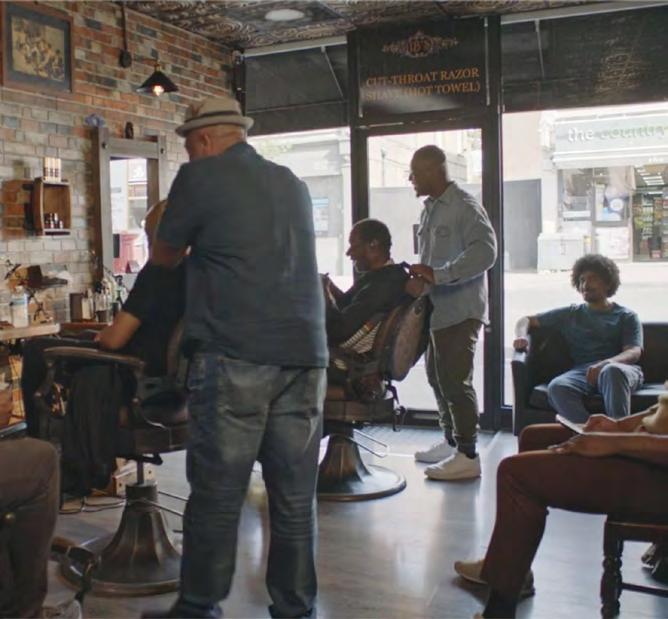
Feedback showed that a direct mode of address was essential and a comedic approach would help ‘break the ice’. A barbershop environment was identified as a location where Black men felt comfortable sharing personal information – the perfect setting for campaign content. A barbershop sketch video was developed with a script that was crowd-sourced with the Black community, using phrases and cultural references to authentically engage the audience.
Campaign ambassadors included comedian Aurie Styla—known for challenging Black stereotypes—former footballer Clinton Morrison and actor Colin McFarlane, who provided influential and relatable voices.
Mainstream media, sports outlets and Black community media were targeted for visibility and high relevance to the core audience. Case studies and celebrity interviews were pitched in which spokespeople could share their experiences and passion for the subject.
Clinton Morrison conducted a live interview with Sky Sports News, engaging audiences in a frank, unfiltered way. He kept the call-to-action front and centre, alongside clips from the sketch video to bring the campaign to life on national TV.
Case study interviews were pitched to stand out from the crowd with authentic real-life stories to bring the urgency of prostate cancer health inequalities to life. This included tailored pitching to Black community media and social affairs and race correspondents.
This approach led to 11 pieces of media coverage, including 4 national news items in The Independent, The Guardian, Sky Sports News and The Voice
‘As a Black man that has lived through prostate cancer, sharing my story to help others is really important to me. Hearing from real people in your community can be the wake-up call that facts and stats can’t deliver. I was proud to play my part’.
Clem Burford, prostate cancer patient
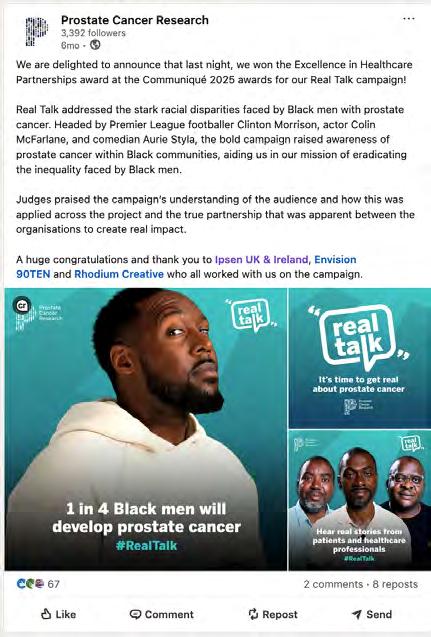
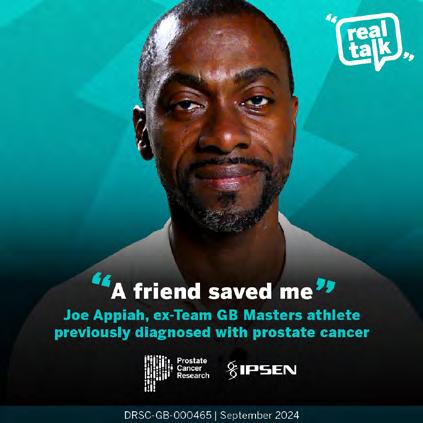


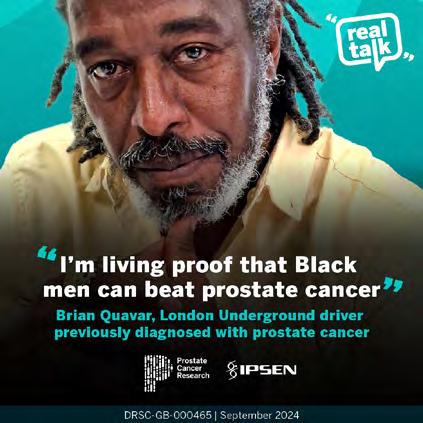
The barbershop video script was written to ensure that key moments and punchlines were available for social media – resulting in authentic engagement with overwhelmingly positive comments.
A paid social media campaign geotargeted men over age 45 in areas with a high Black population. A shareable campaign video was developed for easy dissemination, directing audiences to the campaign website for information on the PSA blood test – developed by Rhodium with copywriting from Envision 90TEN.
The barbershop sketch video and social media posts generated a total of 1.2 million impressions across all Real Talk campaign posts, and the geotargeted campaign in areas with a high Black population resulted in a total reach of 512,000 people, equivalent to approximately 50% of Black men aged 45 and over in the UK.4
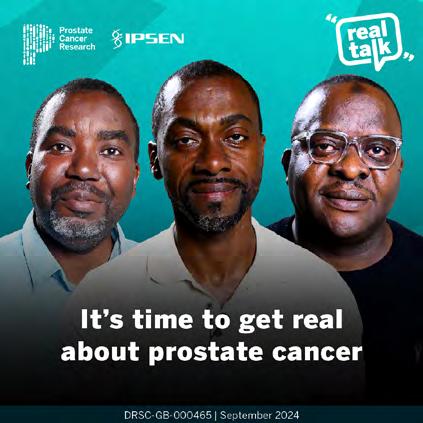


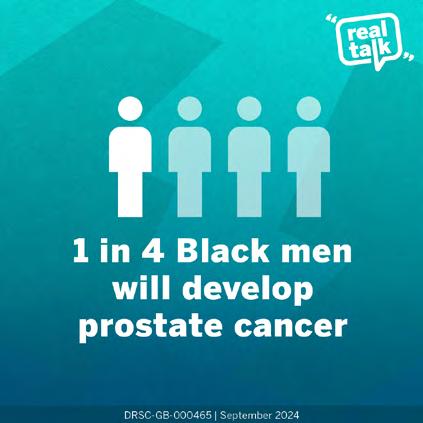
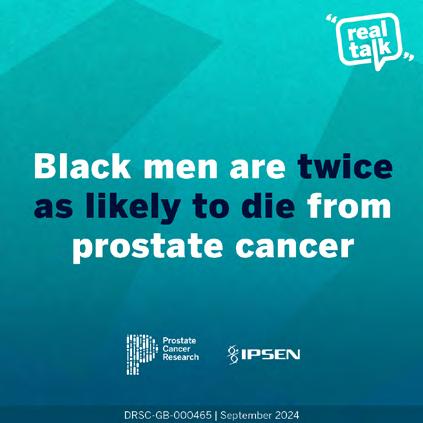
Google Trends data show that the second busiest period of 2025 for searches for ‘prostate cancer’ and ‘PSA test’ were during 20-26 October, at the height of the Real Talk social media campaign. Terms scored a value of 87 and 91, respectively (100 represents peak popularity in the year).
Anecdotally, during filming, open conversations about prostate cancer had a profound effect on Black crew members. Two even encouraged family members to get tested, leading to early detection of prostate cancer for one family member.
Following launch, Oliver Kemp, CEO of PCR, commented on Real Talk in an interview with The Guardian and with UK health policy publication, National Health Executive. The momentum and relationships created by Real Talk have boosted PCR’s ongoing campaigning for race equity in prostate cancer, including reports launched at the House of Commons.
EXCELLENCE IN HEALTHCARE PARTNERSHIPS COMMUNIQUÉ AWARDS 2025
‘This campaign was everything we’d hoped for and more. The national media and social media impact of Real Talk has opened doors and enabled us to further engage multiple stakeholders on the importance of collaboration across the health eco-system to tackle prostate cancer as a critical racial health inequalities issue’.
Oliver Kemp, CEO, Prostate Cancer Research

EXCELLENCE IN COLLABORATION AND PARTNERSHIPS PHARMACEUTICAL MARKET EXCELLENCE AWARDS (PMEA) 2025
1. Lloyd T, et al. Lifetime risk of being diagnosed with, or dying from, prostate cancer by major ethnic group in England 2008–2010. BMC Med. 13,171(2015).
2. Mayor S. Black men in England are twice as likely to get prostate cancer as white men, study shows. BMJ. 2015;351:h4138.
3. NHS. PSA Test. Available at https://www.nhs.uk/testsand-treatments/psa-test/. Accessed February 2026.
4. Census data of ethnic group by age and sex specifies this population as 1,022,440. Data tables available at https://www.ons.gov.uk/releases/ ethnicgroupbyageandsexenglandandwalescensus2021 Accessed February 2026.

Diversity and inclusion are the language of progress in health research, policy, and communications. From the UK’s National Institute for Health and Care Research to the International Federation of Pharmaceutical Manufacturers and Associations pledging more diverse clinical trials, inclusion is everywhere – at least on paper. But as the buzzwords multiply, I find myself asking, who is still missing from the picture?
Latin Americans are one of the fastest-growing migrant communities, with approximately 450,000 calling the UK home. I’m one of them: a Brazilian immigrant who moved here at age 7. Growing up, I saw how invisible we are in British society. There was no ‘Latin American’ category in either the 2011 or 2021 Census, nor on most NHS monitoring forms. At least one in six of us are not registered with a general practitioner, and seven in ten have never seen a dentist in the UK.
If you don’t name a population, you can’t design services for them. Nowhere is this clearer than in natal care. Conversations with RedMAMI—a London-based support network for Latin American mothers—show that our cultural approaches to parenting often clash with UK norms. A 2024 enquiry found that among recent migrant women whose babies died, 96% needed an interpreter but only 27% had one. When you can’t fully understand or question what’s happening in the birthing room, you lose agency. As Rubi, RedMAMI founder, told me:
‘I
would question the very notion of whether or not Latin American women do feel they have agency. Especially the most vulnerable ones. Those undocumented, those who don’t speak Spanish’.
Rubi’s experience reflects the systemic gaps research is only beginning to address. The OBS UK study trialled a new care bundle to reduce complications from postpartum haemorrhage (PPH) across more than 40 hospital sites across the UK. While its clinical goal was to reduce PPH, the study also recognised that communication and cultural understanding are critical to improving outcomes.
That’s where Egality’s work came in. We partnered with OBS UK to engage communities often left out of these conversations, including women from underserved ethnic groups and the LGBTQIA+ community. Through workshops, we explored barriers
to natal care, and co-created inclusive, accessible and culturally sensitive materials informing people about the study. We also developed a handbook for healthcare professionals with guidance on inclusive language, inequities and further training. This collaboration showed that equity in healthcare innovation goes beyond clinical protocols; it’s about supporting people to communicate and care inclusively.
So, if you’re working in the health space and your efforts aren’t achieving the transformative impact you hoped for, ask yourself, Who isn’t being seen, and why?
For me, innovation means ensuring Latin Americans are no longer the invisible ‘Other’ in UK healthcare. Because equity starts with recognition, and recognition starts with naming us.
1. Coalition of Latin American Organisations in the UK (CLAUK) & Latin American Women’s Rights Service (LAWRS). (2020). Written evidence submitted by the CLAUK and LAWRS (CVB0040) to the House of Commons Women and Equalities Committee: ‘Unequal impact? Coronavirus and BAME people’ Inquiry. Available at https://committees.parliament.uk/writtenevidence/8642/pdf/ Accessed February 2026.
2. International Federation of Pharmaceutical Manufacturers & Associations (IFPMA). (2022). Diversity and Inclusion in Clinical Trials: Bioethical Perspective and Principles. Position Paper, May. Available at https://www.ifpma.org/publications/diversity-andinclusion-in-clinical-trials-bioethical-perspective-and-principles/ Accessed February 2026.
3. Kenyon SL, Gallimore ID, Evans TC, Page GL, Felker A, Fenton, AC (eds). (2024). MBRRACE-UK Perinatal Confidential Enquiry: The care of recent migrant women with language barriers who have experienced a stillbirth or neonatal death: State of the nation report. Leicester: TIMMS, Department of Population Health Sciences, University of Leicester. Available at https://timms. le.ac.uk/mbrrace-uk-perinatal-mortality/confidential-enquiries/ confidential-enquiry-migrant-women.html#why-babies-died Accessed February 2026.
4. Magdelénat M. (2025). Transforming perinatal care for migrant women: A conversation with Rubi Rodríguez Nieto. The Fifth Wave Institute, 22 October. Available at https://www.fifthwaveinstitute. com/p/transforming-perinatal-care-for-migrant. Accessed February 2026.
5. National Institute for Health and Care Research (NIHR). (2022). Research Inclusion Strategy 2022-2027. Available at https:// www.nihr.ac.uk/about-us/who-we-are/research-inclusion/ strategy-2022-27 Accessed February 2026..
6. OBS UK. (2025). OBS UK | Mothers and Babies: Reducing Risk through Audits and Confidential Enquiries across the UK. Available at https://www.obsuk.org/. Accessed February 2026.
7. Turcatti D. (2022). “I returned to being an immigrant”: onward Latin American migrants and Brexit. Ethnic and Racial Studies 45(10):1888-1907. Available at https://www.tandfonline.com/doi/ full/10.1080/01419870.2022.2058884#abstract. Accessed February 2026.
DR. JANE BREARLEY // CEO & FOUNDER, INTENT HEALTH
In agency land, we are all familiar with the scenario. We get a brief from a client; we lock ourselves in a ‘pitch room’ for 2 days eating stale pizza and sticking endless Post-it notes on a board. We do some basic research then become absorbed by how clever we all are, waving felt tip pens and getting sucked into the vortex that is laughingly called ‘ideation’.
Then comes the BIG idea, THE campaign that is going to smash all the metrics, win all the awards and make us famous. We are giddy with anticipation and revel in our collective creative brilliance.
Eventually the campaign goes live … then silence. Nobody cares. The engagement is dire. We scratch our heads, why does no one like our shiny new platform? What’s not to love? It’s bright, bold and super smart.
People protest, we did the desk research right? But wait. There is no one in this room who has the relevant lived experience or who is part of our target community. No one to challenge our assumptions, ideas, bias or tactics.
At Intent Health, if we had a neon sign (which we don’t) it would read ‘DON’T ASSUME’.
We know that real—and useful—insights go way beyond desk research, so for every project, we enhance our understanding of diverse experiences by engaging community advisers to ensure cultural relevance, lived experience and genuine co-production.
WITH INFLUENCE: NO STONE UNTURNED – GENETIC KIDNEY DISEASE IN THE SOUTH ASIAN COMMUNITY
Raising awareness of a genetic disease you can’t see? It’s a tough gig. It’s even tougher when the genetic disease is rare (between 1 and 3 in every million people) and silently prevalent in a community already facing poor equity of access to care and poor kidney health outcomes.
Together with our client, Alnylam Pharmaceuticals, we challenged ourselves to translate complex health information on one such disease, Primary Hyperoxaluria Type 1 (PH1), with a hallmark symptom of kidney stones, into practical, community-led and creative materials to empower meaningful conversations about genetic kidney health, encourage appropriate general practitioner (GP) visits and improve kidney health within the South Asian community.
We worked with a mother whose first language was Urdu, nephrologist Dr. Shafi Malik, and Rozi Raja, a carer for her parents with kidney disease. Through social intelligence and focus groups, we learned from community members of South Asian origin to explore barriers, fears, and cultural nuances around genetics and health.
Research revealed key challenges: generational language divides, cultural taboos around genetic diseases, low awareness of genetic kidney disease and fragmented trust in health information.
Our strategy: Deliver simple, culturally sensitive messages on genetic kidney disease, including PH1, into the community, tailored by generation, using platforms and media that the community used daily and trusted.
We partnered with the National Kidney Federation (NKF) for expertise and in-language offerings and South Asian Health Action (SAHA) for grassroots reach.
We used a bespoke, multichannel media approach to engage specific generations and demographics, with each channel chosen and designed based on our co-production with our community advisers.
• All campaign materials directed users to a dedicated NKF homepage with resources in English, Urdu and over 50 other languages. The page featured a long-form video of Consultant Nephrologist, Dr. Shafi Malik, in conversation with Community Ambassador, Rozi Raja, who shared her lived experience as a carer.
• Real stories provided emotional resonance, while Dr. Malik’s presence added authority and trust. Presented in a conversational style with Urdu subtitles, the video became a trusted, communityled asset accessible across generations.
• We achieved a 99.08% engagement rate (percent of users who viewed the page for over 10 seconds, clicked on elements or visited multiple times) and received 222 visitor requests for Urdu translation— the highest seen by NKF—within the first month of launch.
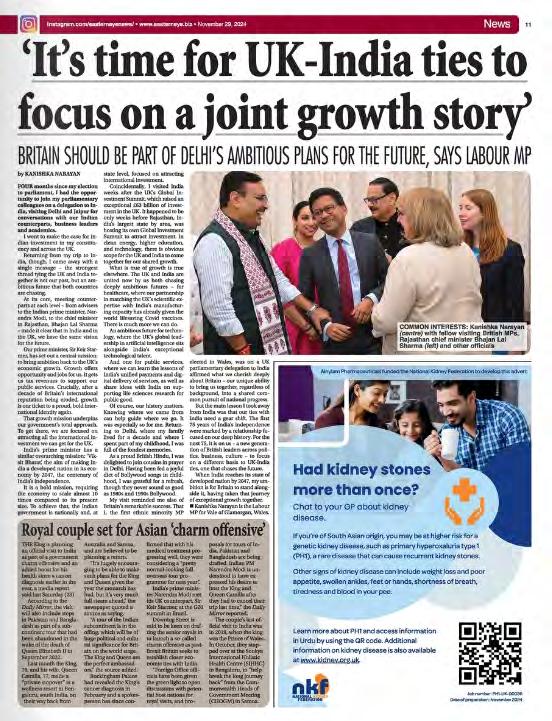
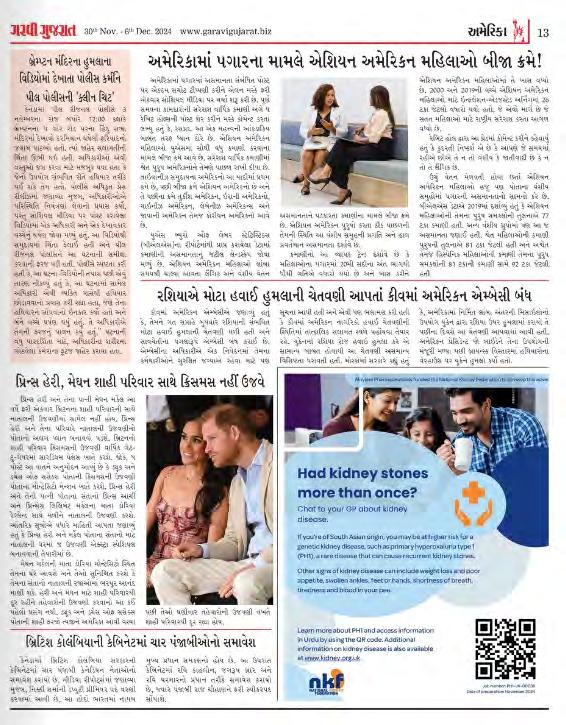
• Two publications were chosen to display accessible, eye-catching adverts: Eastern Eye and Asian Express. These publications had over 575,000 print copies distributed directly to homes and community hubs, such as places of worship, Asian groceries stores and takeaways. Our simple, direct headline: ‘Had kidney stones more than once?’ provided audiences with an easy to digest and distinguishable health message.
• The advertorials resulted in a 25% increase in Google searches for ‘PH1 and kidney health’ in 2 weeks after distribution.
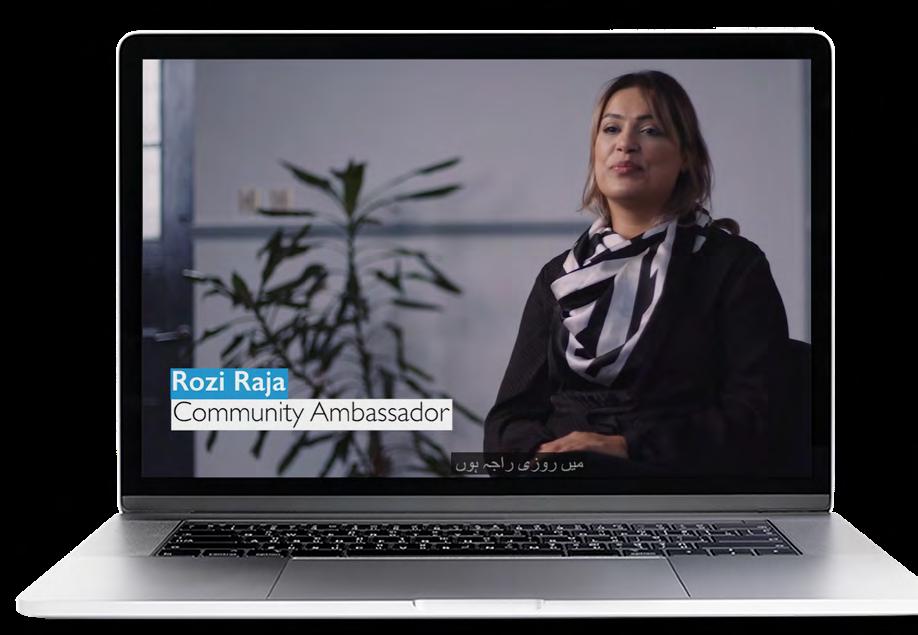
• Our radio campaign featured our two ambassadors, Dr. Shafi Malik, and carer, Rozi Raja, telling authentic stories and providing reliable advice. Segments were broadcast across radio channels, including Greatest Hits Radio, BBC Radio Asian Network, BBC Local Radio, and BBC Radio London, reaching a combined audience of over 8 million people via pre-recorded segments and live broadcast interviews.
• The live interviews proved so popular they created a ‘ripple effect’ of 41 additional plays on national and regional radio stations from original recording, demonstrating the power of authentic, expert-led conversation.
• There was a 20% increase in Google searches for ‘kidney health’ and 7% increase in searches for ‘PH1’ during the 6-week period the radio segments played.
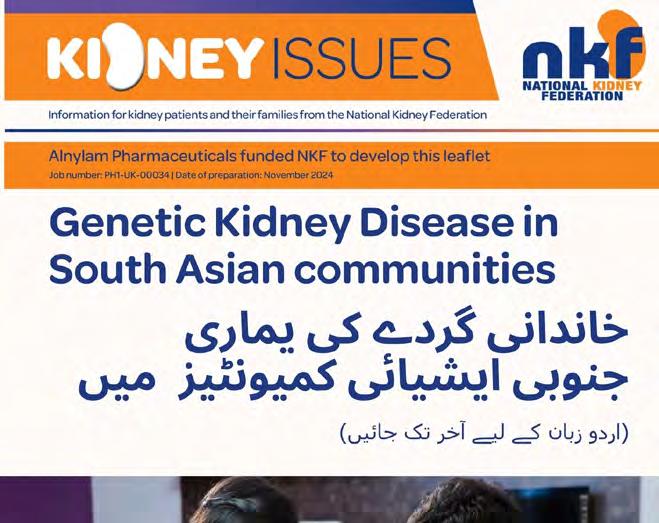
• Another cornerstone of our digital strategy was a video campaign on Meta and LinkedIn.
• In line with our community insight, we targeted English ads to under 40s on Instagram and Urdu ads to over 40s on Facebook, reflecting generational language and social media preferences. We were delighted to reach over 243,000 users and generate over 476,000 impressions.
• On LinkedIn, we targeted relevant physician specialties who practice in areas of high South Asian population with information to help raise their level of suspicion of PH1 among these community members.
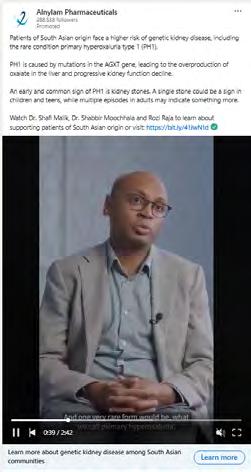
• To bring the campaign into a trusted health space, we placed educational leaflets in 177 GP practices in Bradford, Birmingham and London – all identified by the UK Census as being areas of high South Asian populations.
• The bilingual leaflet delivered health messaging with a lens of educating, empowering and advising readers to feel confident in approaching doctors proactively with any kidney concerns.
• The leaflets resulted in 17 searches a day for ‘PH1’ in Q1 2025 (an increase of 15% vs. Q1 2024).


Since launch, the campaign has driven a steady increase in referrals leading to new PH1 diagnoses, particularly in local regions with a high South Asian population that were strategically prioritised throughout the initiative. Our campaign blended trusted voices, community media and accessible language, empowering people with the information needed for better health outcomes.
At Intent Health, our approach is of course intentional in nature, and could not be achieved without a diverse team of consultants who are not afraid to call out the emperor’s new clothes, an approach that is centred on partnership and reciprocal value and our network of trusted community advisers who know through our hard-won reputation that we will always do what we say we will.
COLLECTIVE AND VISITING LECTURER AT UNIVERSITY OF WESTMINSTER
I’ve recently joined the ranks of those embarrassing people you see on video calls with copies of their own book prominently placed on their bookshelves. I am that smug so-and-so. Unsurprisingly, it’s a book about creativity in communications and public relations.
Getting there is no picnic though. An academic colleague and I ploughed the best part of 180,000 words into a manuscript that in its current form runs to 380 odd pages. Unless you’re Barbara Cartland, who could famously knock out a novel a fortnight, I quickly learned that writing for publication is hard work. Professional writing isn’t book writing.
Perhaps the most valuable thing to learn is the similarity between writing a book and the everyday world of ideation and innovation. It’s 1% inspiration and 99% perspiration, to borrow a cliché. But what else did the experience teach that could be helpful to others, whether they have a book in them or not?

You can spend nearly three decades working in an area and within minutes realise how little you know. Having the time to get your head deep into a subject is a great privilege.
Even something as seemingly formulaic as evaluating an idea is one more chance to build a better idea.
The future for creativity looks bright. Despite huge advances, AI cannot conjure amazing from the mundane in the way humans intuitively do on a daily basis. Whatever your role, there is an opportunity to be creative.
In just one example, the wealth of research and data on the impact and value of creativity in advertising is a priceless resource in making the case for innovation in a world of bland repetition. By staying purely in your lane, you miss so much inspiration from diverse sectors, such as FMCG and other continents and countries.
People’s generosity is as vital a part of writing books as it is to creativity. Be prepared to ask for help. Be prepared to give help when it is requested. There is always someone more expert or eloquent than you.
Whatever you achieve, be kind. Remember what your parents taught you: Always say please and thank you.
Hardly a roadmap for a successful literary career, but perhaps a rough guide to making a creative mark. And the book itself? It’s a deep dive into the full creative journey from briefings to ideation and evaluation. Beyond the practicalities, the book outlines the psychological underpinnings for human creativity, the opportunity and threat of AI, and even the ethics of ideas, because while ‘talent borrows and genius steals’ is a catchy line, it isn’t a defence you should try in court.
Creativity in PR and Communications; Concepts and Practices for Innovation written by Jon Cope, Stuart Mayell is available at: KognaPage.com.