




Liverpool John Moores University has a long-standing commitment to equity, diversity and inclusion, underpinned by sector-leading initiatives such as Positive Action training schemes and Reciprocal Mentoring programmes. As outlined in our People Plan, we strive to be the most inclusive university in the UK; open and transparent in how we address inequality, and respectful and celebratory of the cultures, talents and strengths that shape our community.

At both departmental and individual levels, our staff and students demonstrate courage in challenging institutional biases and ambition in delivering best practice in equity, diversity and inclusion across their disciplines. This document showcases just a small selection of the exceptional work taking place across the University, reflecting our shared ambition to inclusion and being a leading organisation in Liverpool City Region.
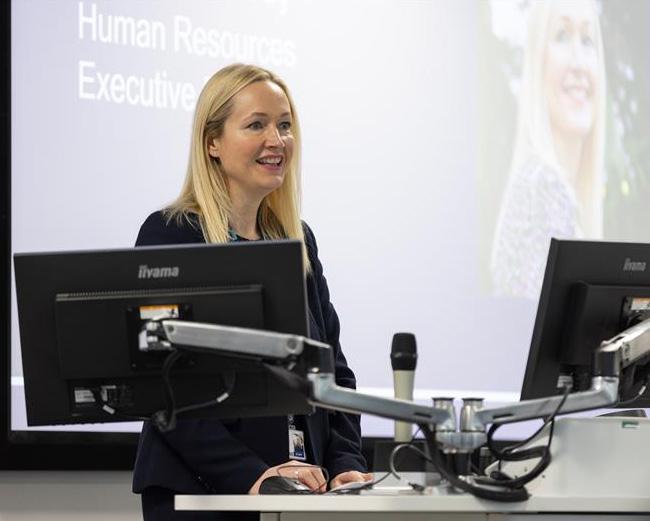
TINA PURKIS
Executive Director, Human Resources
Chair
of
the Inclusivity Board
Chair of Race Equality Charter Delivery Group

This guide brings together a sample of examples from across Liverpool John Moores University that demonstrate how colleagues are advancing Diversity and Inclusion in practice. It is intended to showcase impactful and innovative work taking place across our faculties and Professional Services, while encouraging the continued development of inclusive approaches across the institution.

“At LJMU, our staff, students and wider community are at the heart of our mission to be the most inclusive university in the UK. This guide reflects the commitment, creativity and care shown by colleagues across the institution in embedding inclusive practice in meaningful ways.
I would like to thank our Associate Deans of Diversity and Inclusion – Dr. Lorna Porcellato, Dr. Olatunde Durowoju, Dr. Denise Lee, Dr. Komang Ralebitso-Senior, Phil Bakstad and Dr. Graham Downes – for leading the development of this guide, as well as all those who contributed examples of practice. I hope this guide not only celebrates the work already taking place, but also inspires others to continue embedding inclusion in their own areas of work.”
Moni Akinsanya, Associate Director Diversity and Inclusion

Liverpool John Moores University asks for staff to continue to strive to achieve best practice across their departments. Staff and students can submit their examples of best practice through our digital form (see QR code above), or by emailing equality@ljmu.ac.uk
The Faculty of Health, Innovation, Technology and Science is based at the LJMU City campus and includes:
• Astrophysics Research Institute
• Public Health Institute
• School of Engineering and Built Environment
• School of Pharmacy and Biomolecular Sciences
• School of Nursing, Public and Allied Health
• LJMU Maritime Centre
• School of Biological and Environmental Sciences
• School of Computer Science and Mathematics
• School of Psychology
• School of Sports and Exercise Sciences
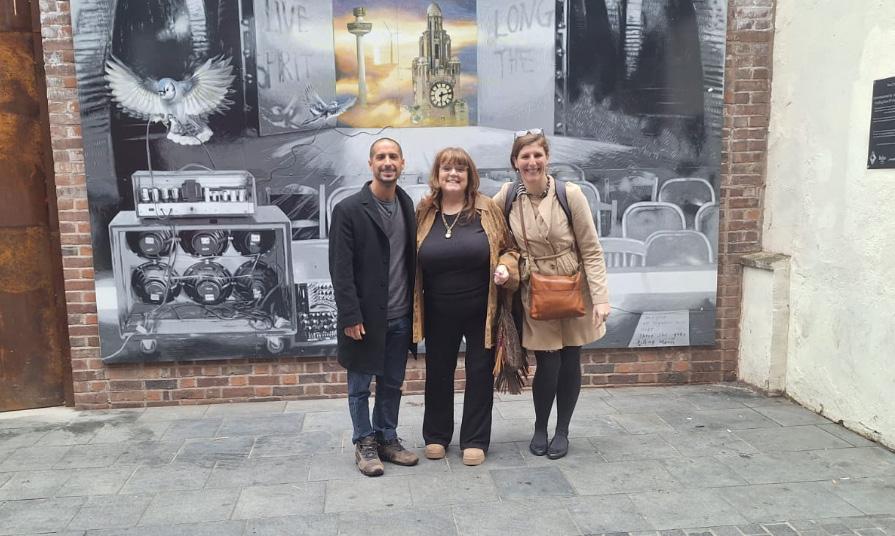
The Psychology programme at Liverpool John Moores University partnered with local community mental health services to create valuable work opportunities for students. This collaboration has had a positive impact on both the city and the wider Liverpool City Region, while also providing students with meaningful, real-world experience. Students from Levels 5 to 7, as well as PhD students, were invited to work within community settings to deepen their understanding of the mental health challenges affecting people across the region.
LJMU students participated in an intiative organised in partnership with Spider Project - an award-winning creative arts and wellbeing recovery organisation based on the Wirral to gain direct insight into the lived experiences of individuals within the mental health community.
Similarly, through placements with Talking Eating Disorders Liverpool, students worked alongside people managing eating disorders, giving them a clearer understanding of how mental health conditions can manifest in this context. These experiences not only enriched students’ knowledge but also contributed to the creation of inclusive, supportive environments where individuals felt listened to and valued.

The School of Biological and Environmental Sciences has been taking steps to increase staff and student awareness of decolonial thought and to apply this perspective to our curricula and pedagogy. This long-term initiative has been developed over several years.
Initial steps have included:
• Introductory talk from the School EDI Coordinator to raise awareness and stimulate discourse
• A School Repository with examples of subject-specific resources for all programmes
• A Seminar Series - Decolonising the Science Curriculum: Ideas for Biological Sciences
• A School-wide audit and action plan detailing how all taught undergraduate and Masters programmes have embedded or will begin to embed decolonial thought within modules at all Levels.
The Decolonising the Curriculum Working Group has also hosted a mini conference at the Student Life Building to bring together students and staff to share good practice in decolonial approaches to teaching and research. The event attracted strong engagement, with 50 LJMU staff and students joining 80 academics from more than 30 other institutions to share good practice and discuss ways in which we can embed decolonial approaches into our teaching and research.
LJMU’s Nursing and Advanced Practice programme facilitated a university-wide conference that brought together Advanced Clinical Practitioners from across the UK. The event featured 10 speakers and focused on strengthening and advancing the ACP workforce.
The conference, themed “Lifting as We Climb”, explored how to ensure diversity within the Advanced Clinical Practice workforce. It was hosted and organised by the LJMU postgraduate team for ACPs nationwide.
The aim of the event was to raise awareness of the hidden challenges faced within the ACP profession and to encourage attendees to play an active role in creating solutions.
More than 100 participants attended from organisations across the country. Sessions focused on improving fair access to funded ACP education and supporting clinical staff to transition into educational roles, helping to build a diverse community of educators within higher education institutions.
“And so, lifting as we climb, onward and upward we go, struggling and striving, we go and hoping that the buds and blossoms of our desires will burst into glorious fruition ‘ere long” - Mary Church Terrell
The Faculty of Society and Culture is based on LJMU’s Mount Pleasant campus and is made up of:
• Liverpool Business School
• School of Education
• School of Law and Justice Studies
• Liverpool School of Art and Creative Industries
• School of Humanities and Social Science
• Legal Advice Centre
• Liverpool Business Clinic
• Accounting Clinic

Led by the Liverpool Business School, this event brought together colleagues at Blackburne House, the historic home of the Women’s Technology Scheme established 40 years ago to recognise and celebrate the contributions of women across Liverpool John Moores University.
Through a series of powerful lightning talks and imagery, the Women’s Leadership Impact Symposium highlighted various achievements and impact of women across the university, placing their voices and leadership journeys at the forefront. The event also allowed attendees to engage with the LJMU readership and professorship criteria, using dedicated time to reflect on their development and consider
future applications within a supportive community.
Session topics covered persistence and determination, financial inclusion, and diversity in leadership.
The event created a supportive space where colleagues felt seen, encouraged, and empowered to pursue their leadership ambitions while contributing to a culture that values and uplifts women at all stages of their careers.
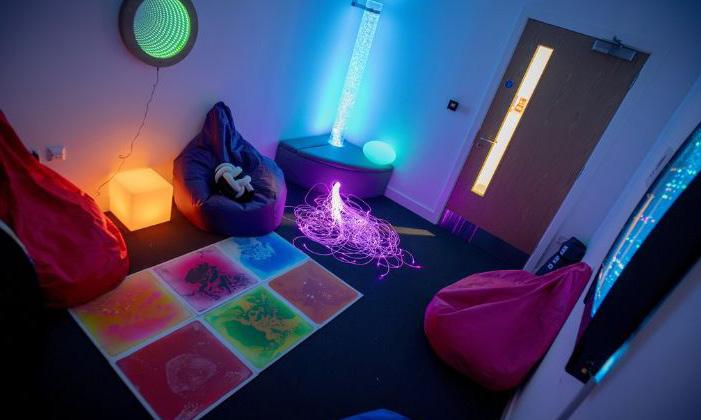
Our first sensory room is now open in the Education Building at our Mount Pleasant Campus.
The open-access Sensory Resource Hub provides neurodivergent students, and anyone who might find the university environment overwhelming, the space to decompress, to regulate their senses and to recharge in a calm and supportive environment.
The space has been co-designed by level 5 students on the Education and Special Educational Needs programme, alongside neurodivergent students, with help from Seaview Sensory, a family-run sensory business on the Wirral.
The project has been facilitated by School of Education PhD researcher, Libby Robinson, whose research aims to improve inclusivity and student mental health and wellbeing in higher education.
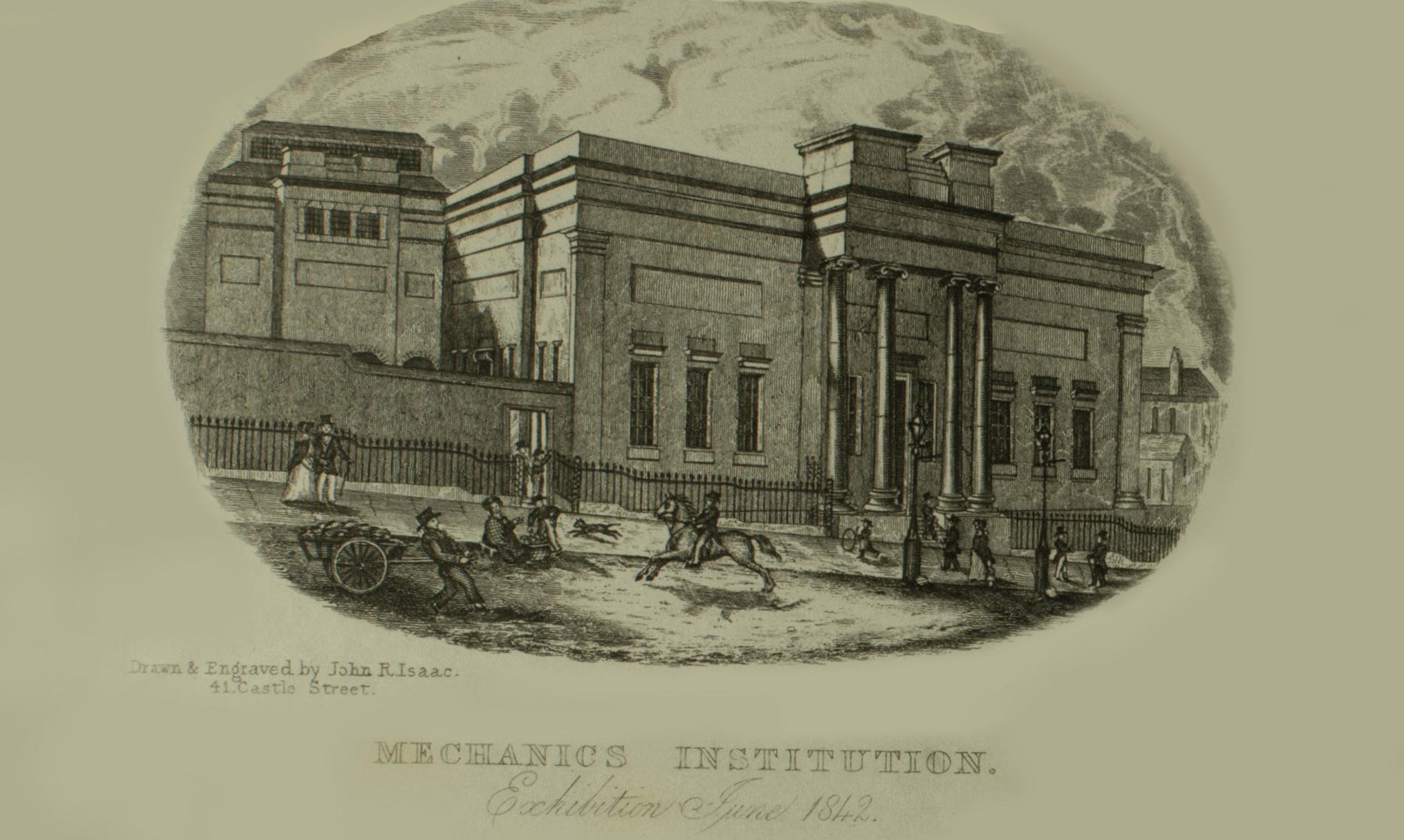
This project explores how LJMU’s early colleges were connected to enslavement, empire, and the circulation of racial science. Through transparent and ethically informed research, it seeks to examine this history to understand who we are and who we want to become in the future.
The project - led by the School of Humanities and Social Sciences - sits alongside wider work to decolonise the curriculum and widen participation for under-represented groups. It reflects LJMU’s commitment to engaging honestly with its institutional history, including its links to the economy of enslavement and the legacies of racial injustice.
Research begins with interrogation of Liverpool Mechanics’ Institute, founded in 1825. It includes:
• Studying the classes that were taught
• Studying the topics of public lectures
• Researching the identities of the donors and members for the construction of our Mount Street Building (now LIPA)
• Collaborating with local partners to build a digital resource on exhibitions held at Liverpool Mechanics’ Institution between 1840-1861
This project is funded internally by the Faculty of Society and Culture and has full support of the Vice Chancellor and Executive Leadership team.
Our Professional Services departments provide support to help deliver the University’s strategy.
Through work with our students, staff, partners and local communities, they play an invaluable role in realising our Diversity and Inclusion ambitions.
• Academic Registry
• Campus Services
• Corporate Communications and Stakeholder Relations
• Data Protection
• Doctoral Academy Team
• Estate Development
• Finance
• Human Resources
• International Relations
• IT Services
• Legal and Governance Services
• Research and Innovation Services
• Safety, Health and Environment
• Secretariat
• Sport and Physical Activity Student Experience
• Strategy Support Office
• Student Life and Wellbeing
• Student Futures
• Student Recruitment Marketing and Admissions
• Teaching and Learning Academy
• Library Services
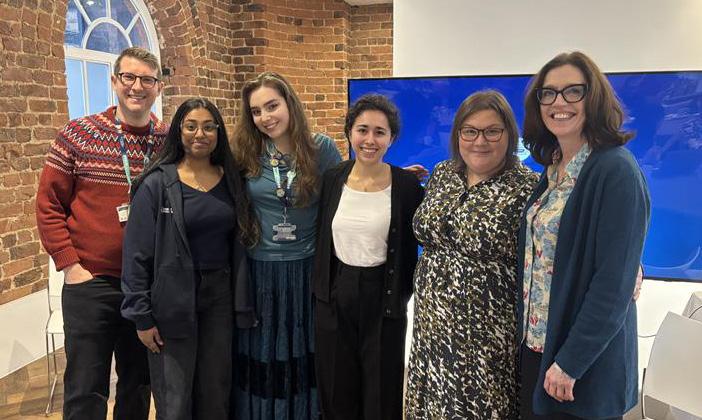
The ‘Student As Co-Creators’ workshop was co-created by the Diversity and Inclusion Team and Liverpool John Moores University students to explore how belonging and intersectionality shape the learning experience. It brings student voice to the centre and supports the development of more inclusive spaces where every learner feels they belong, matter, and can be their authentic self.
The student co-creation series has been a positive way to provide both an opportunity for current LJMU students to research and work on a real life project that has a meaningful impact on the university community.
By valuing lived experience and stories of students, this collaborative workshop reinforces LJMU’s commitment to being an inclusive, courageous, studentfocused institution; one that genuinely cares about its community and strives to create spaces where everyone feels seen, heard, and supported.

LJMU recognises the important role that physical and mental wellbeing plays in supporting every member of our community to achieve to their full potential.
Our Sport and Physical Activity Team has facilitated inclusive engagement with physical activity through the provision of Women’s Only exercise spaces and dedicated quiet periods in the Sports Building to support neuroinclusivity.
The Staff Wellbeing Team also provide a range of activities each academic year for colleagues to understand the
physical, emotional, and cognitive effects that menopause can have on women’s health. Their Menopause Yoga sessions have been running for years and will continue through the various wellbeing support programmes such as FeelFabFeb and Time to Talk Day.
Our participation in the LFC Foundation Ramadan Cup enabled staff and students that were taking part in Ramadan to participate in a football tournament alongside Liverpool Football Club (LFC). With eight teams participating in the football tournament, it became a chance for the Islamic Society, and all those taking part in Ramadan, to break their fast together.

LJMU’s IT department has contributed to efforts to tackle digital poverty across the Liverpool City Region. Recycled LJMU IT equipment has been distributed to local community groups in partnership with Bulky Bob’s, a local organisation committed to ending technology poverty. Based locally in Liverpool, they support unemployed people to develop skills, improve their job prospects, and reduce social isolation across the city region.
This has been an ongoing collaboration between LJMU and Bulky Bob’s, with thousands of items recycled so far.
As part of the Diversity and Inclusion Team’s Getting It Right campaign, ITS partnered with NameCoach, a cloud-based platform that enables students and staff to record the preferred pronunciation of their name. These recordings can be added to email signatures and accessed through Outlook by members of the University community, helping to ensure accurate and respectful name pronunciation.
The campaign encourages conversations about inclusive behaviours by providing students and staff with practical tools to embed them in everyday interactions.
The Equity in Doctoral Education through Partnership and Innovation (EDEPI) project is an initiative funded by Research England and Office for Students aimed at tackling persistent inequities in access to doctoral education for ethnically diverse groups. LJMU is one of the three core institutional partners, alongside Nottingham Trent University and Sheffield Hallam University.
EDEPI, led by the LJMU Doctoral Academy, is piloting a competency-based admissions framework - a major shift away from traditional criteria, such as degree institution or prior academic track record. This model aims to reduce systemic bias and increase fairness in doctoral admissions.
The University also contributes to workshops designed to improve retention, wellbeing, and progression of ethnically diverse postgraduate researchers.
These sessions aim to dismantle inequitable institutional practices and empower staff with tools to drive cultural change. LJMU delivers staff development programmes, such as the Designs for Inclusion workshop series, which equips doctoral supervisors and support staff with knowledge and practical strategies for race-equity–focused supervision and researcher support. Participants are encouraged to develop change initiatives within their schools or departments.

Over a focused three-week period, Student Futures dedicated a combined 140 hours to supporting the development of new LGBTQ+ careers and employability resources.
Their work centred on researching best-practice materials created by other higher education institutions and relevant external organisations, identifying themes, gaps and approaches that could strengthen Student Futures’ own provision.
Drawing on this research, the interns advised on content and structure for a set of web pages aimed at better supporting LGBTQ+ students and graduates as they navigate their career journeys.
This collaboration has helped ensure that the resources reflect real student insight and provide clear, accessible information on LGBTQ+ inclusive employers and supportive networks. The project also aligns with LJMU’s wider and ongoing commitment to creating an environment where individuality is valued, and where every student feels confident and empowered as they plan their next steps.
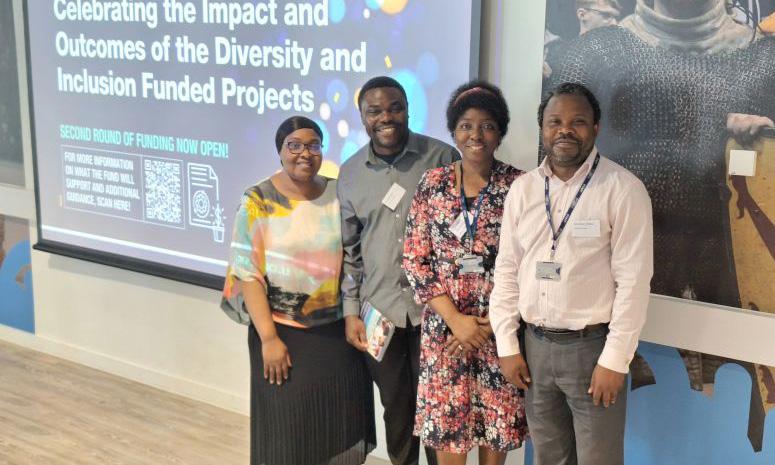
Over three years, LJMU’s Diversity and Inclusion Funded Projects programme has funded 31 projects led by students, staff, and external community partners to challenge inequality, promote representation, and embed inclusive practice across the university.
The programme has been recognised nationally, being shortlisted for the 2025 Times Higher Education Awards in the Outstanding Contribution to Equality, Diversity and Inclusion category, and the 2026 Educate North Awards in the Diversity and Equality and Inclusion category. A written article on the project has also been published in Times Higher Education’s online publication.
The projects spotlighted in this guide represent just a few of the many fantastic initiatives delivered thus far as part of the programme.
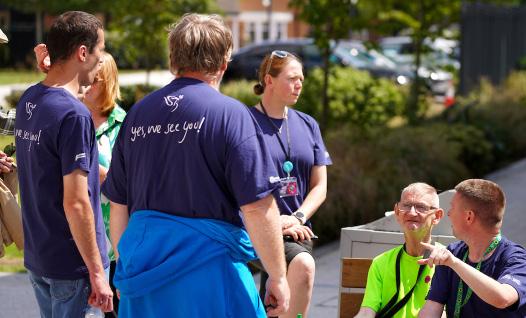
‘Yes We See You’ creates learning opportunities within LJMU for Mencap members, enabling them to develop skills and understanding to help them with their future lives, and to break down some of the barriers that can cause isolation for those with learning disabilities. They seek to provide valuable and highly relevant work-based-learning experiences for LJMU students who participate in the project. Activities are evaluated and findings disseminated through peer-reviewed journals and conference delivery.
The project has been funded for two years as a part of the Diversity and Inclusion team funded projects here at LJMU.
In the second year of the project, building on a successful pilot, this collaborative project with Mencap Liverpool & Sefton will deliver three new “mini-modules” giving Mencap members access to LJMU learning experiences. Modules codesigned around members’ interests and delivered with LJMU staff and student support.
The impact is captured through minidocumentaries, peer-reviewed outputs, and conference presentations.
Janette
Porter and Janine Melvin
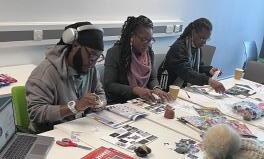
The Black Student Leadership Academy (BSLA) is a 7-week programme that empowers Black students through leadership development, culturallyinformed wellbeing sessions, careers support, and industry mentoring. Created in response to disparities in outcomes for Black students at LJMU, the programme strengthens progression, confidence, and belonging. This in turn is closing the degree awarding gap at LJMU,
BSLA includes training in professional navigation, networking, resilience, assertiveness, responding to workplace discrimination, and identifying future career pathways.
The programme concludes with a showcase where students reflect on their learning.
Students have reported feeling genuinely heard and supported, with the culturallytailored space enhancing their sense of safety and belonging. Students also formed valuable peer connections that strengthened their community within LJMU. Confidence in using LJMU support services has grown, and two students have been referred to the Start-up Hub for further guidance and potential funding.
Project Leads: Johanna Jonker and Vanessa Caddick
BUILD CONFIDENCE * KNOW YOUR WORTH * RISE ABOVE LIMITING LABELS.
Supportive women-only programme uses empowering movement alongside creative sessions to boost confidence, self-awareness, and explore key issues like relationships, boundaries, and protection of your personal power
Learn, move, create.

Discover your strength in every session.
The LJMU Women’s Empowerment Programme (WEP) is a dynamic, inclusive series designed to uplift and energise women students through self-discovery, movement, and creativity.
This programme offers a safe, supportive space to explore identity, overcome barriers, build confidence and embrace new opportunities.
A distinctive feature of the WEP is that the sports and creative exercises are intentionally matched with the psychoeducational content introduced in the sessions.
Session A introduces core themes to promote self-awareness and methods to use self-awareness to improve confidence, relationships and opportunities.
Sessions B and C use exercise and creative activities to reinforce these themes physically and emotionally.
The programme aims to leave students feeling energised, grounded, and equipped with practical strategies they can carry into their academic, personal, and professional lives.
Project Leads: Claire Kendrick and The LJMU Student Advice and Wellbeing Team
‘Living To Learn’ recognises the unique challenges faced by students who are studying at LJMU with a terminal diagnosis or life-limiting illness. The two primary outcomes of this initiative are:
• A written charter titled ‘Living to Learn Charter: Supporting LJMU Students with Terminal Illnesses’
• A customisable support plan designed for students impacted by these challenges
Collaboration with practitioners in the Liverpool City Region and surrounding communities has been key throughout the consultation, drafting, and promotion of the Charter.
The Cancer Support Ambassador project builds on the ‘Living to Learn Charter’ for students by developing specific support for staff affected by life-limiting or terminal diagnoses. In partnership with Cancer Support UK, the project pilots a network of 20 Ambassadors offering designated support for colleagues affected by cancer. Ambassadors host informal ‘cancer café’ support sessions, with options for face-toface or online meetings.
Evaluation has taken place to evaluate the impact on reducing isolation and strengthening care and belonging within our community.
Project Leads:
Dr Joanne Vincett, Dr Laura Dixon and Phil Bakstad
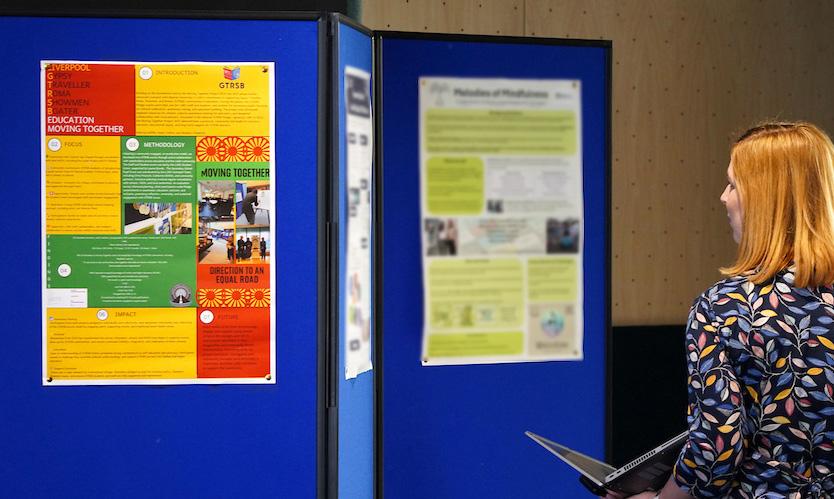
This research project investigates why Gypsy, Traveller, Roma, Showmen and Boater (GTRSB) pupils in Liverpool disengage from education and how to codesign solutions with the community.
Using a mixed-methods approach with surveys, interviews, and focus groups, the project will identify dropout triggers and explore alternative provisions such as hybrid attendance and travelling teachers. It involves local schools, NGOs, and community centres (for example AlGhazali, Kuumba Imani and Lauda Project) alongside national partners.
Expected outcomes include a validated dataset, a prioritised list of communityendorsed solutions, and policy briefings feeding into LJMU’s GTRSB EDI Research Excellence Framework impact case study.
In addition, the project has supported efforts to develop awareness and a package of support for GTRSB students and staff studying at LJMU, including becoming a signatory to the GTRSB Into Higher Education Pledge.
Project Leads:
Dr Patricia Jolliffe and Dr Helen Collins
Clues In The Cues investigates how the socio-cultural backgrounds of ethnically diverse students influence their learning behaviours, communication styles and help-seeking patterns. The project highlights that these culturally shaped behaviours - or “cues”- are often interpreted through a Western cultural lens by staff, which can lead to misunderstandings, misinterpretations (“wrong clues”), and ultimately a poorer student experience.
The project collected evidence on the experiences of ethnically diverse students at LJMU and used this to create practical resources such as scenario-based case studies, narratives, animation videos, and quizzes. These materials help staff better recognise, understand, and appropriately respond to non-Western cultural cues.
The project’s findings inform guidance for academic and Professional Services staff on providing more inclusive support. It also contributes to broader institutional goals related to improving student experience, employability, equality, diversity and inclusion, the Race Equality Charter, widening participation.
Overall, Clues In The Cues seeks to equip university staff with greater cultural awareness, reducing misinterpretation of student behaviours and fostering a more inclusive environment that supports the success and wellbeing of ethnically diverse students.
Project Lead:
Prof. Amos Fatokun
Diversity and Inclusion is embedded across the university through a variety of evidence-based, long-term initiatives including Charter Marks, Positive Action programmes and Staff Diversity Networks. These programmes act as powerful catalysts for change, ensuring that minoritised voices are amplified, barriers to progression are actively addressed, and inclusive practices are embedded across decision-making, culture, and leadership at all levels of the institution.
We recognise the importance of Charter Marks as a vital catalyst for change and are proud to have achieved the Advance HE Athena Swan Silver Award, Race Equality Charter Bronze Award and be recognised as a Disability Confident Employer.
Athena Swan Charter is a globally adopted framework designed to advance and transform gender equality within higher education and research.
LJMU was awarded the Athena Swan Bronze Award in both 2014 and 2017 and subsequently achieved an institutional Silver Award in January 2024, recognising the university’s ongoing commitment to promoting gender equality.
As part of the submission, LJMU developed a five-year action plan which reflected the university’s unwavering commitment to enacting a range of sustainable structural and cultural changes in order to advance gender equality, recognising that initiatives
and actions that support individuals alone will not sufficiently advance equality.
Seven LJMU Schools currently hold departmental Athena Swan awards:
• Sports and Exercise Science
- Silver award
• Astrophysics Research Institute
- Bronze award
• Liverpool Business School
- Bronze award
• Biological and Environmental Science
- Bronze award
• Pharmacy and Biomolecular Sciences
- Bronze award
• School of Law
- Bronze award
• School of Psychology
- Bronze award
Liverpool John Moore University has a vibrant, ethnically diverse staff network which plays a key role in advancing the University’s race equality agenda. The University’s Diversity and Inclusion Team has also hosted a series of conferences and events featuring national and international speakers to help raise the profile of race equality.
The Advance HE Race Equality Charter (REC), first developed in 2012 and fully launched in January 2016, aims to improve the representation, progression and success of ethnically diverse staff and students, while addressing racism within higher education institutions. Through a Self-Assessment Team, universities develop targeted initiatives and can apply for Bronze or Silver awards in recognition of their progress.
In June 2022, LJMU was awarded Bronze status under the Race Equality Charter, recognising its ongoing commitment to race equality. The University’s submission and accompanying action plan set out a series of priority themes to improve racial equity, including strengthening the representation of ethnically diverse staff and students; addressing structural barriers to recruitment, retention and progression; improving the inclusivity of curricula and assessment; enhancing data collection and transparency; and embedding race equality within wider diversity and inclusion strategy.
These focus areas underpin ongoing work across the institution, supported by clear governance, defined KPIs and strong leadership oversight.

LJMU is an accredited Disability Confident Employer, recognised for “going the extra mile” to ensure disabled people have fair and equitable access to recruitment, promotions, and development opportunities.
Key Activities and Commitments:
• LJMU participates in the UK Government’s Disability Confident programme, designed to support employers to recruit and retain disabled talent. Through this, LJMU demonstrates its commitment to remove barriers and ensure equal opportunity.
• LJMU indicates in its job advertisements that it is a proud Disability Confident employer. This includes the commitment to offer an interview to disabled applicants who meet the minimum essential criteria.
• LJMU hosts a dedicated Staff Disability and Neurodiversity Network, promoting peer support, advocacy, and visibility for disabled employees across the university.
• LJMU has also served as a host venue for broader regional events focused on disability employment, including an information session encouraging Liverpool City Region employers to join the Disability Confident scheme. These events promote awareness, recruitment support, and collaboration across sectors

The Navajo Merseyside & Cheshire Charter Mark is an equality accreditation, sponsored by In-Trust Merseyside and supported by local LGBTQIA+ networks. It recognises organisations that demonstrate good practice, awareness, and commitment to addressing the needs and challenges faced by LGBTQIA+ people.
The Charter Mark is based on ten assessment criteria, each requiring supporting evidence such as policies, monitoring forms, or details of staff training and procedures. Assessors from the Navajo Merseyside Panel support organisations through the process and provide training and consultancy to help them meet the standards.
LJMU was proud to be the first university to achieve the NAVAJO Charter Mark in 2017, as part of our ongoing commitment to LGBTQIA+ inclusion.
Achieving the Charter Mark provides organisations with accredited recognition that they meet statutory requirements and follow best practice in engaging with the LGBTQIA+ community. Benefits include support in improving accessibility, raising staff awareness, reviewing policies, identifying challenges, monitoring inclusivity, adopting effective practices, and understanding relevant legislation.
LJMU is a proud member of Stonewall’s Diversity Champions programme and has previously been ranked among the top 100 organisations in the country in the Stonewall Workplace Equality Index and one of only six universities to achieve full marks in Stonewall’s Gay By Degree report.
LJMU has hosted Nancy Kelley, then CEO of Stonewall, for an In Conversation event to mark LGBTQIA+ History Month. This event aimed to address curiosities around gender-identity, genderfluidity and sexual orientation, whilst sharing best practice for how to support others whom may be struggling with their own identity or those that may be living in isolation.
The university’s ongoing commitment to LGBTQIA+ inclusion is evidenced by our proactive Staff Network and long-standing support of Liverpool Pride. The university hosts an annual Pride Breakfast on the morning of the Liverpool Pride March, with more than 100 members of the LJMU community - including members of the Executive Leadership Team - joining the Staff Network for the Pride March.
LJMU is proud to have been awarded the Liverpool Bambis Breastfeeding Friendly Mayoral Award.
The award recognises LJMU’s commitment to supporting staff, students and visitors who are breastfeeding their children to feel welcome to do so across campus buildings.
11 buildings across campus are now equipped with expressing and breastfeeding areas.
In order to receive the quality mark LJMU has committed to:
• Welcoming breastfeeding in all public areas
• Offering breastfeeding mums a free drink of water, tea or coffee from campus cafes
• Identifying and providing private rooms and areas of privacy for mothers to breastfeed or express milk
• Promoting support services for breastfeeding, including through its own network of Parent Carer Advocates”
Leads: Dr Clare Maxwell (Subject Head School of Nursing, Public and Allied Health) and Amanda Mannion (HR Policy and Projects Manager)
LJMU has achieved Menopause Friendly Accreditation, making it the first university in the North West to achieve this standard, and only the fourth university in the UK. Menopause Friendly Accreditation was established by Henpicked in 2021 to certify high standards and proven practices that embrace menopause in the workplace.
In order to achieve the Menopause Friendly Accreditation, LJMU was assessed by an independent panel and was required to demonstrate evidence of its effectiveness in five key areas: culture, policies and practices, training, engagement, and working environment.
A ‘best in class’ marker, the Menopause Friendly Accreditation differentiates
employers who have demonstrated the positive impact of their actions in supporting people experiencing menopause.
LJMU has joined a select group of menopause-friendly accredited employers, ranging from FTSE 100 companies and charities to public sector bodies, high street retailers, global banking groups and football clubs. All proudly display their badge to show they have made adjustments to their working environment and implemented practices to change the lived experience of menopause in their workplace.
Lead: Amanda Mannion (HR Policy and Projects Manager)

The Armed Forces Covenant Defence Employer Recognition Scheme (ERS) encourages organisations to support the defence community and motivates others to follow their lead.
The scheme offers Bronze, Silver, and Gold awards to employers who pledge, demonstrate, or champion support for defence and the armed forces community, and who uphold the principles of the Armed Forces Covenant.
Liverpool John Moores University has achieved gold status under the Defence Employer Recognition Scheme, owing to the considerable progress made in supporting and championing the contributions of the Armed Forces community.
Armed Forces Covenant Lead: Dr Gus Ryrie (Armed Forces Champion)
The National Network for the Education of Care Leavers, (NNECL), is an awardwinning charity operating UK wide, dedicated to bettering the educational outcomes of young people with experience of being in care.
Liverpool John Moores University holds the NNECL Quality Mark in recognition of its enhanced levels of support for careexperienced and estranged students, becoming the first institution outside of pilot schemes to receive the benchmark.
Following a successful resubmission, LJMU’s NNECL accreditation was awarded for a further 3 years, with several areas of the institution being highlighted as providing ‘exceptional’ levels of support.
NNECL Quality Mark Lead: Yvonne Turnbull (Director: Student Life and Wellbeing)
LJMU holds accredited status for the Liverpool City Region Fair Employment Charter.
Accredited status requires employers to demonstrate the positive impact their processes, procedures and mechanisms have had on employees, customers, the organisation and the wider community. Liverpool John Moores University prides itself on being an organisation that provides fair pay for all employees.
LCR Fair Employment Charter Lead: Amanda Mannion (HR Policy and Projects Manager)

EDIpedia was created to address the long-standing focus within STEM curricula on contributors who do not reflect the full diversity of the historic and contemporary global research community, supporting the University’s wider Diversity and Inclusion agenda.
EDIpedia provides an accessible collection of profiles celebrating scholars from underrepresented groups who have contributed to the development of specific STEM disciplines.
Teaching staff are encouraged to reference these profiles when relevant subject content is taught, while students can explore them independently to learn more about these inspiring individuals.In doing so, EDIpedia helps raise awareness of the diversity of contributors within STEM and offers a broader range of role models for staff and students.
The initial set of profiles were compiled by nine student interns, and all members of the LJMU community are invited to submit short STEM biographies to EDIpedia.
EDI-PEDIA Lead: Dr Philip Denton
(Principal Lecturer, School of Pharmacy and Biomolecular Sciences)
‘THE
‘EXTRAORDINARY LEADERSHIP JOURNEY OF LJMU’S
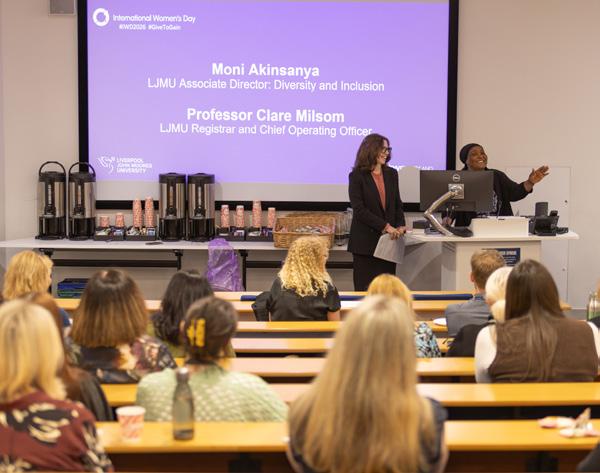
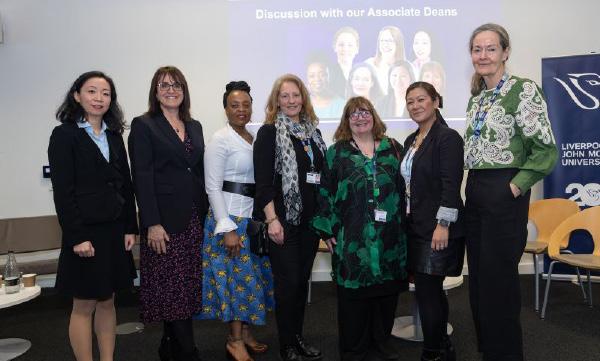
As part of International Women’s Day celebrations, seven of the university’s female Associate Deans invited students from various schools and colleges across Liverpool City Region to share their rich and extraordinary career paths.
Students aged 13-15 from The Academy of St Francis of Assisi, Childwall Sports and Science Academy, Life Sciences UTC and the Studio Liverpool, joined LJMU colleagues to hear from our Associate Deans on topics including courage during setbacks, going beyond the glass ceiling, and how to become an empowering female leader.
The event, hosted by the Diversity and Inclusion and Outreach Team, received amazing feedback from the schools. One said, “It was an absolute pleasure for our young girls to be able to listen to strong, empowering women.”
With a predominantly Year 8–10 audience, students were encouraged to reflect on their own lives and roles. This was then brought to the deans in a panel discussion.
One of the schools brought meaningful feedback to Professor Philip Vickerman when they said, “It was an absolute pleasure for our young girls to be able to listen to strong, empowering women”.
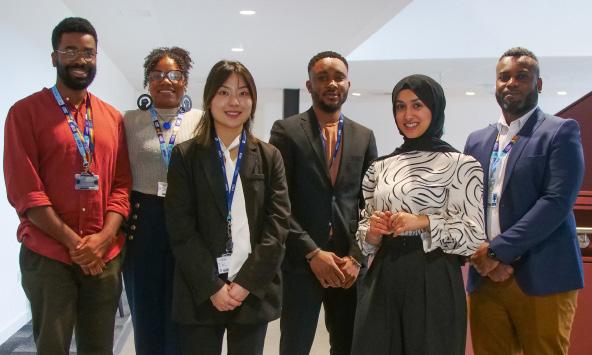
The Graduate Trainee Tutor programme is the second stage of LJMU’s Positive Action Programme whose first phase saw 12 trainees from ethnically diverse backgrounds complete a two year training programme within Professional Services.
In its second phase, six Graduate Tutor Trainees were recruited to a four-year programme at LJMU to gain invaluable teaching experience and strengthen the university’s representation of ethnically diverse staff.
During the programme the Graduate Tutor Trainees complete their PhDs and undertake a Postgraduate Certificate in Academic Practice (PGCAP) supported by of their respective departmental teams.
The six chosen trainees were selected from a field of 136 applicants, from ethnically diverse backgrounds, and two have already secured permanent academic posts in their chosen fields.
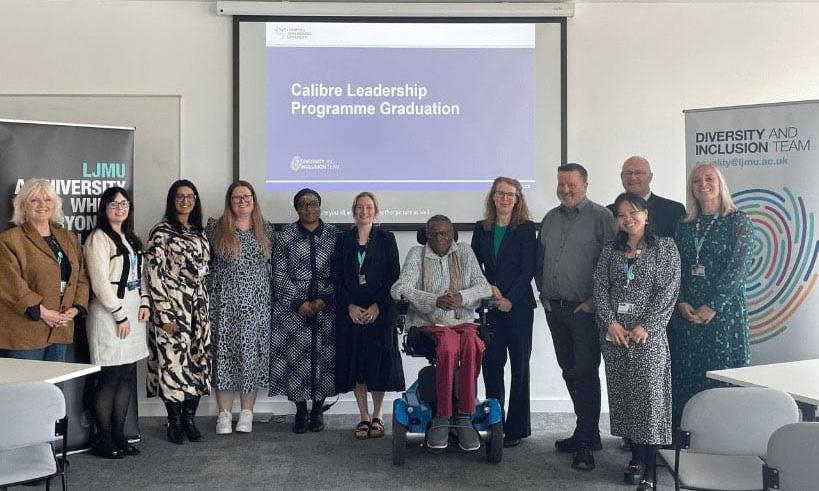
Calibre is designed to address barriers to progression experienced by disabled staff in the workplace. Taking a strengthsbased approach, the programme supports participants to recognise and articulate the value they bring to their roles while enabling greater participation across the institution. It was developed to support disabled employees and to offer an effective model that could be adopted by universities across the United Kingdom.
Facilitated by Dr Ossie Stuart and the Diversity and Inclusion Team, the programme created space for participants to share lived experience and reflect on positive influences, breaking barriers and authentic leadership.
Their achievement was marked by a celebratory ceremony attended by members of the LJMU community and the Pro-Vice-Chancellor for Student Experience, Professor Phil Vickerman, recognising the accomplishments of the seven graduating participants.
Delivered online over five weeks through half-day sessions, the programme also demonstrated the benefits of accessible design. Participants noted that the ability to record sessions and provide detailed transcripts was a significant advantage over face-to-face delivery, enabling them to revisit learning materials and engage in ways that best supported their needs.