THE CONRAD
© Sonja Mueller

MARCH
THE BAD PLUS* WITH CHRIS POTTER AND CRAIG TABORN
THURSDAY, MARCH 12, 2026 • 5:30 PM & 8 PM
Concerts @ The JAI
LE CONSORT: A TRIO SONATA SOIRÉE*
FRIDAY, MARCH 20, 2026 • 7:30 PM
Revelle Chamber Music Series
AUGUSTIN HADELICH, violin
FRANCESCO PIEMONTESI*, piano
SATURDAY, MARCH 21, 2026 • 8 PM
Recital Series
Doodle POP*
SUNDAY, MARCH 22, 2026 • 3 PM
The ConRAD Kids Series
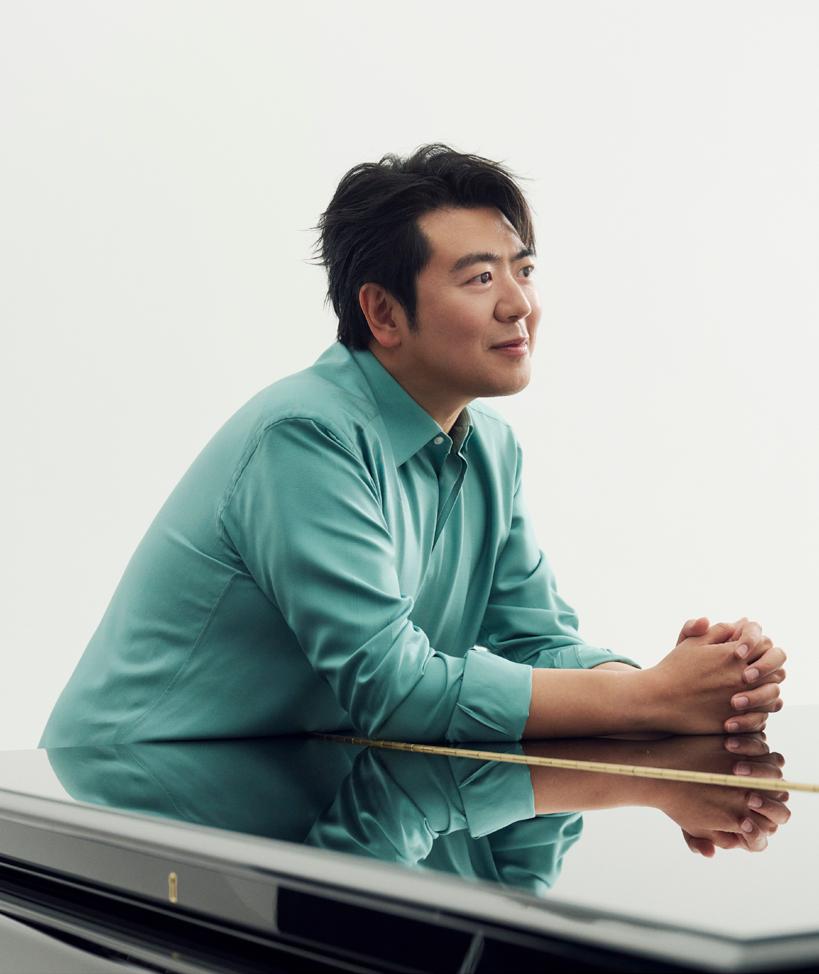
LANG LANG, piano
THURSDAY, MARCH 26, 2026 • 7:30 PM
Special Event · Jacobs Music Center
RAVI SHANKAR ENSEMBLE*
SUNDAY, MARCH 29, 2026 • 7 PM
Global Roots Series
APRIL 6−11
EMMET COHEN PRESENTS:
MILES AND COLTRANE AT 100 4 Performances
MONDAY, APRIL 6, 2026 • 5:30 PM & 8 PM
TUESDAY, APRIL 7, 2026 • 5:30 PM & 8 PM
Concerts @ The JAI: Jazz Mini-Festival
TERENCE BLANCHARD & RAVI COLTRANE*
MILES DAVIS & JOHN COLTRANE AT 100
THURSDAY, APRIL 9, 2026 • 7:30 PM
Jazz Series: Jazz Mini-Festival Balboa Theatre
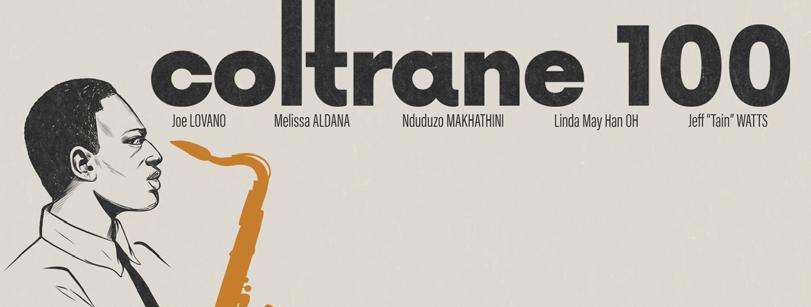
COLTRANE 100:
BOTH DIRECTIONS AT ONCE
SATURDAY, APRIL 11, 2026 • 7:30 PM
Jazz Series: Jazz Mini-Festival
DANISH STRING QUARTET
DANISH NATIONAL GIRLS’ CHOIR*
SUNDAY, APRIL 12, 2026 • 3 PM Revelle Chamber Music Series
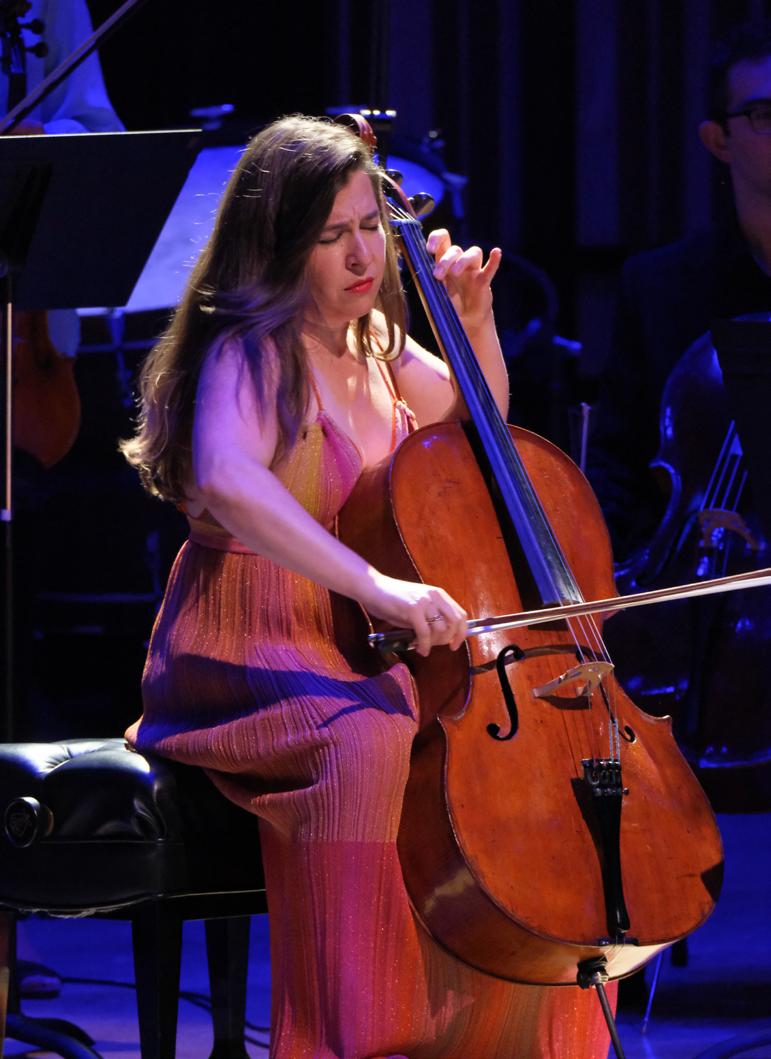
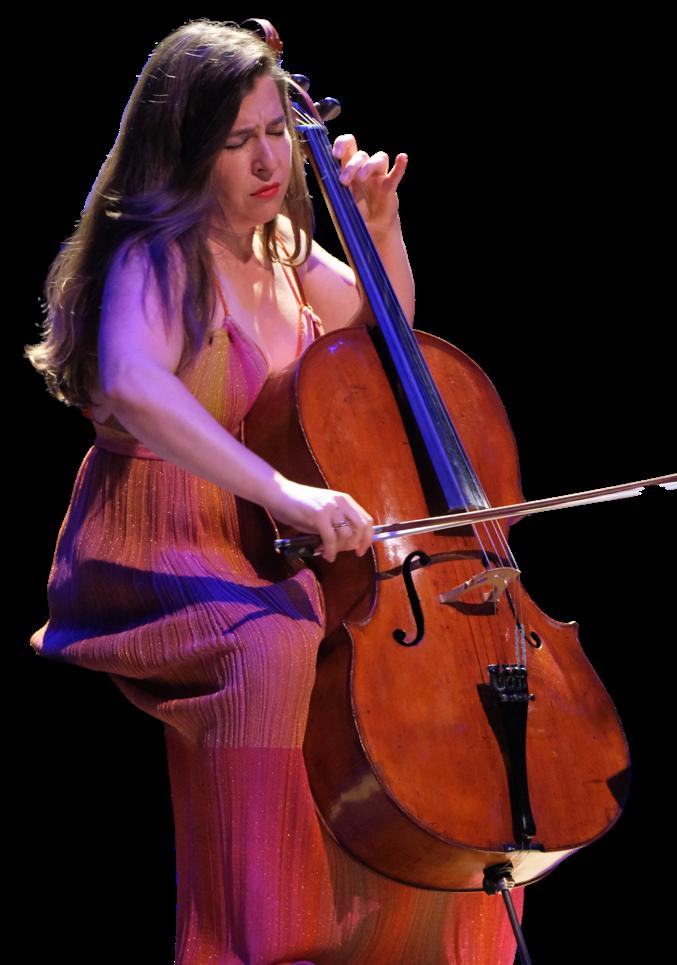
GAUTIER CAPUÇON, cello
JEAN-YVES THIBAUDET, piano
WEDNESDAY, APRIL 15, 2026 • 7:30 PM Recital Series
BENNY BENACK III*: THE MAGIC OF MANHATTAN
SATURDAY, APRIL 18, 2026 • 5:30 PM & 8 PM Concerts @ The JAI
ARISTO SHAM*, piano
VAN CLIBURN GOLD MEDAL WINNER
SUNDAY, APRIL 19, 2026 • 3 PM Discovery Series
AARON DIEHL TRIO
FRIDAY, APRIL 24, 2026 • 5:30 PM & 8 PM Concerts @ The JAI
ART OF ELAN: DANCING ON TIPTOES
SATURDAY, APRIL 25, 2026 • 10 AM & 11:30 AM
The ConRAD Kids Series • The JAI
ALEXANDRE KANTOROW*, piano
SATURDAY, APRIL 25, 2026 • 7:30 PM Piano Series
DAVID McLAIN*: BLUE ZONES UNLOCKING THE SECRETS OF LONGEVITY
THURSDAY, APRIL 30, 2026 • 7:30 PM Speaker Series MAY LUCÍA*
FRIDAY, MAY 1, 2026 • 5:30 PM & 8 PM Concerts @ The JAI
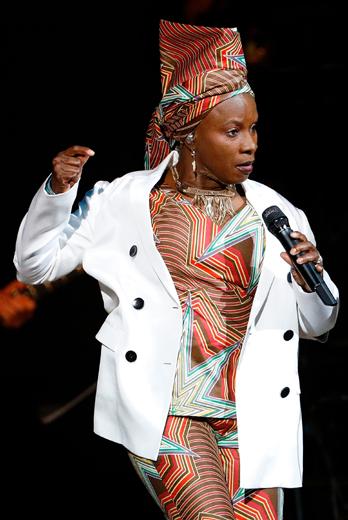
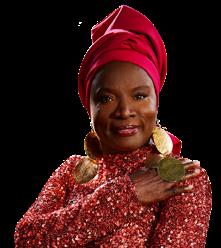
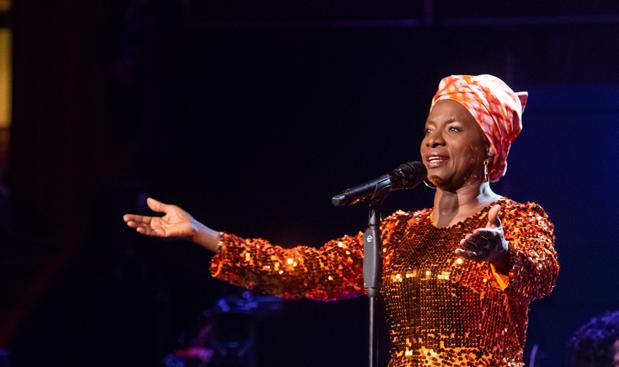
ANGÉLIQUE KIDJO*
SUNDAY, MAY 3, 2026 • 7 PM Global Roots Series
HAYATO SUMINO*, piano
SATURDAY, MAY 9, 2026 • 7:30 PM
ProtoStar Innovative Series
TRACY DRAIN*: COSMIC ADVENTURES
THURSDAY, MAY 14, 2026 • 7:30 PM
Speaker Series
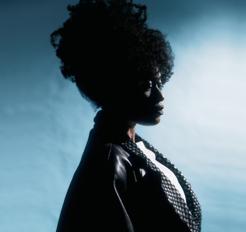
SHENEL JOHNS*
SATURDAY, MAY 16, 2026 · 5:30 PM & 8 PM
Concerts @ The JAI
STELLA CHEN*, violin
GILLES VONSATTEL, piano
SUNDAY, MAY 31, 2026 • 3 PM
Discovery Series
JUNE
JIHYE LEE ORCHESTRA*
SATURDAY, JUNE 6, 2026 • 5:30 PM & 8 PM
Concerts @ The JAI
CHUCHO VALDÉS & ARTURO SANDOVAL
LEGACY QUINTET
2 Performances
TUESDAY, JUNE 9, 2026 · 5:30 & 8 PM Jazz Series
*LJMS debut
Angélique Kidjo
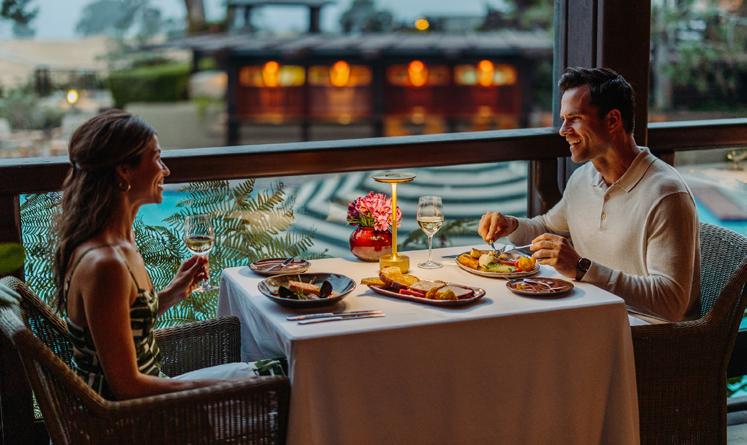
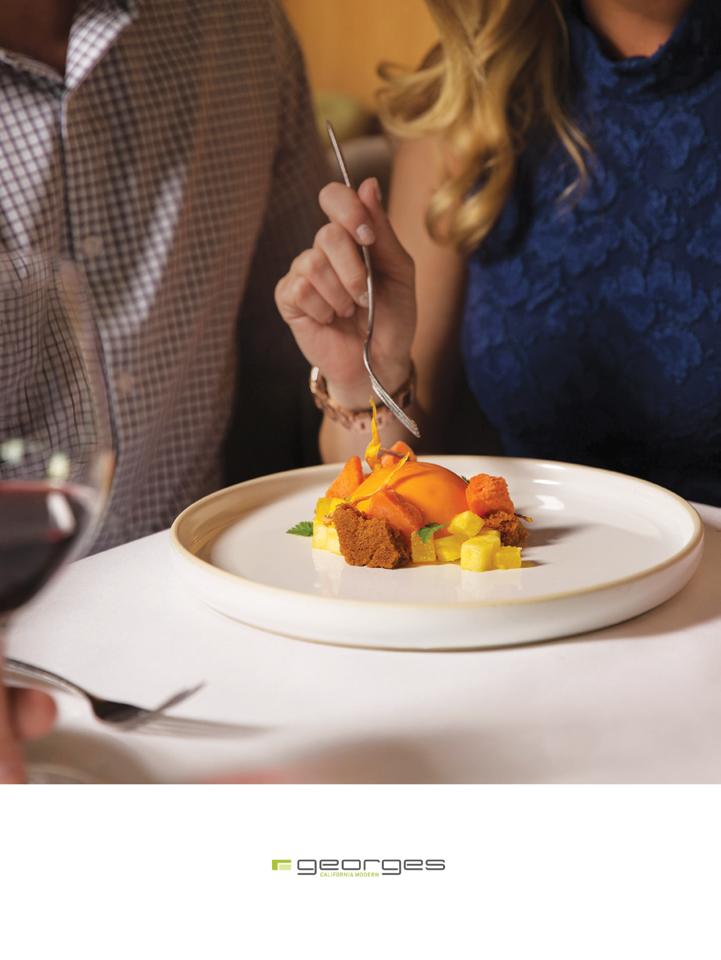
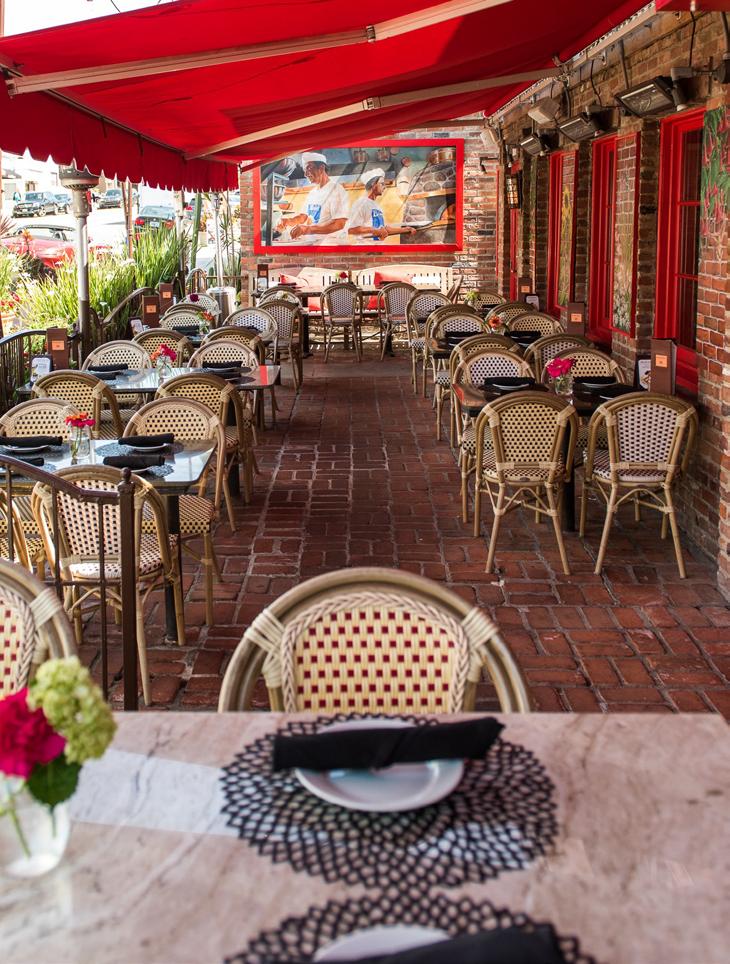
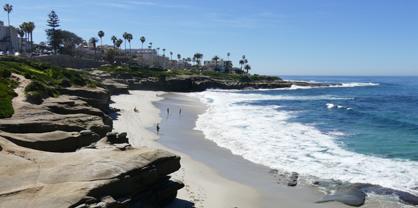
Locally sourced, regional cuisine with breathtaking views of the Torrey Pines Golf Course and stunning sunsets over the Pacific Ocean.


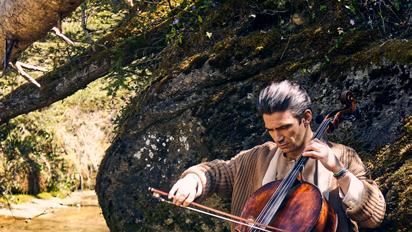
GAUTIER CAPUÇON, cello
JEAN-YVES THIBAUDET, piano
WEDNESDAY, APRIL 15 • 7:30 PM
The Baker-Baum Concert Hall
Recital Series
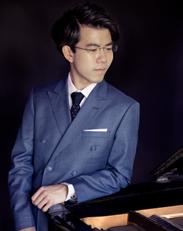
ARISTO SHAM, piano
SUNDAY, APRIL 19 • 3 PM
The Baker-Baum Concert Hall Discovery Series
Van Cliburn Gold Medal winner
A Musical Exploration of Melody, Movement, and Mood
SATURDAY, APRIL 25
10 AM & 11:30 AM
The JAI
The ConRAD Kids Series

BENNY BENACK III: The Magic of Manhattan
SATURDAY, APRIL 18
5:30 PM & 8 PM
Concerts @ The JAI
Overloaded with talent, charm, and star quality”
— Broadway World
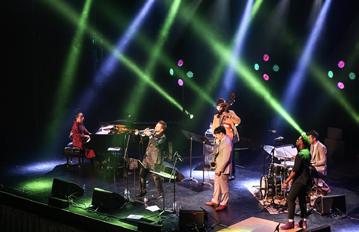
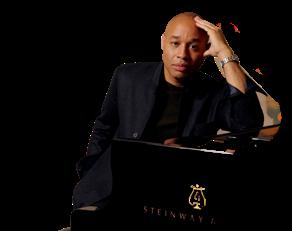
AARON DIEHL TRIO
FRIDAY, APRIL 24
5:30 PM & 8 PM
Concerts @ The JAI
Melodic precision, harmonic erudition, and elegant restraint”
— The New York Times
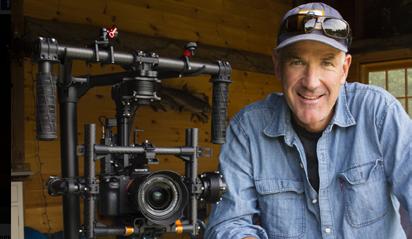
DAVID McLAIN
Blue Zones: Unlocking The Secrets of Longevity
THURSDAY, APRIL 30 • 7:30 PM
The Baker-Baum Concert Hall
Speaker Series
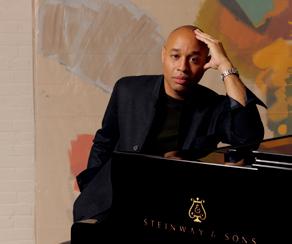
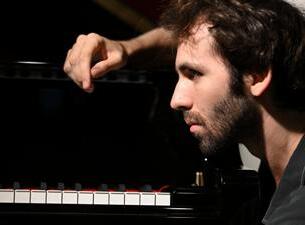
ALEXANDRE KANTOROW
SATURDAY, APRIL 25 • 7:30 PM
The Baker-Baum Concert Hall Piano Series
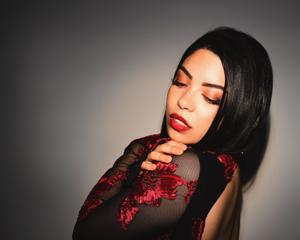
FRIDAY, MAY 1
5:30 PM & 8 PM
Concerts @ The JAI
Lucía’s voice is enriched by the confluence of jazz and sophisticated rhythms from Mexico’s Gulf Coast.”
— San Jose Jazz
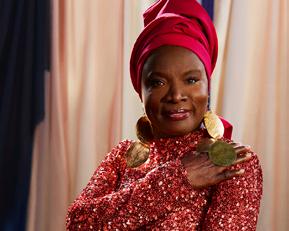
SUNDAY, MAY 3 • 7 PM
The Baker-Baum Concert Hall Global Roots Series
Africa’s premier diva” — TIME Magazine

TRACY DRAIN: Cosmic Adventures
THURSDAY, MAY 14 • 7:30 PM
The Baker-Baum Concert Hall Speaker Series
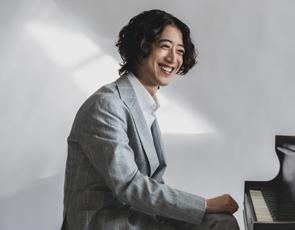
HAYATO SUMINO, piano
SATURDAY, MAY 9 • 7:30 PM
The Baker-Baum Concert Hall ProtoStar Innovative Series
Whenever he is on stage, something very special takes place.” — ClassicFM

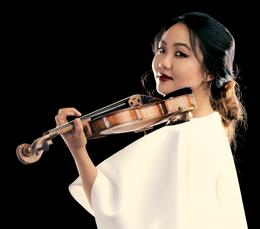
STELLA CHEN, violin & GILLES VONSATTEL, piano
SUNDAY, MAY 31 • 3 PM
The Baker-Baum Concert Hall Discovery Series
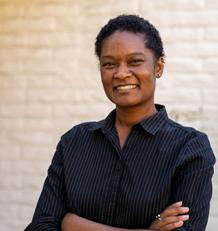
SHENEL JOHNS
SATURDAY, MAY 16
5:30 PM & 8 PM Concerts @ The JAI
History in the making” — The Boston Globe
VALDÉS & ARTURO SANDOVAL
LEGACY QUINTET
TUESDAY, JUNE 9
5:30 PM & 8PM
The Baker-Baum Concert Hall Jazz Series
JIHYE LEE ORCHESTRA
SATURDAY, JUNE 6
5:30 PM & 8 PM Concerts @ The JAI
One of the freshest and most distinctive composers on the New York scene” — Jazz Times

Monique Mead
Violinist and Artistic Director of Broadway Week
Adam Kantor
Broadway Star of Rent, Fiddler on the Roof, and The Band’s Visit
Stephen Neely
Carnegie Mellon Professor and Celebrated Vocal Coach
Michele de la Reza
Award-Winning Choreographer and Co-Founder of Attack Theatre
Van Kaplan Veteran Theatre Director and Producer
Nick Adams Award-Winning Star of Broadway, Film, and Television
Eden Espinosa
Tony-Nominated Star of Wicked, Rent, and Lempicka
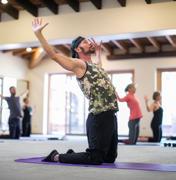
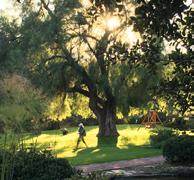

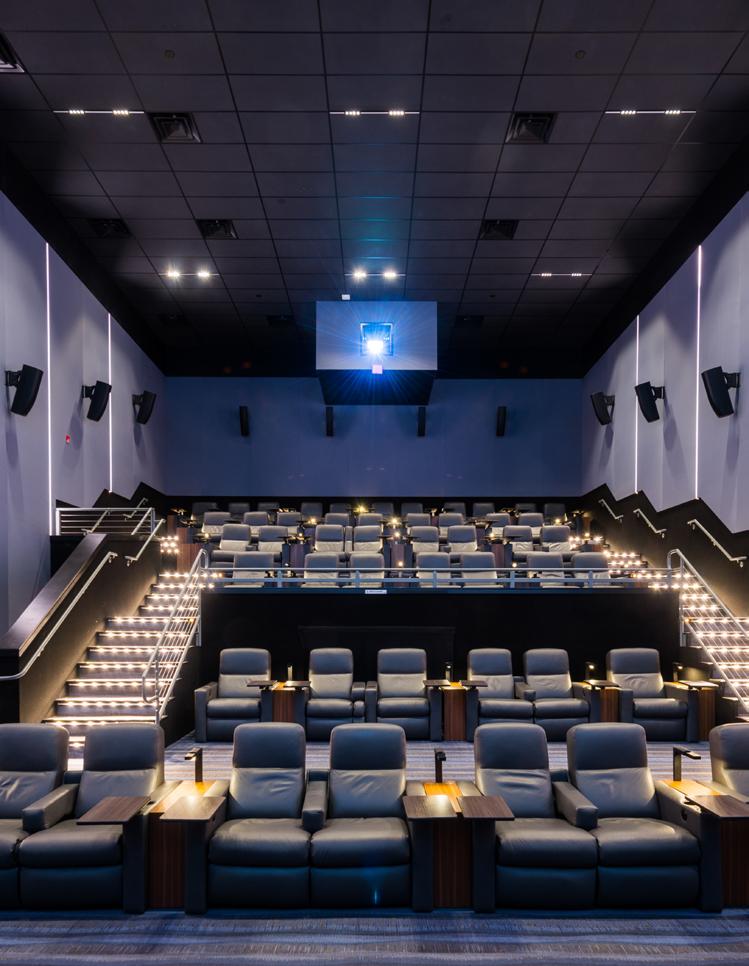

Our gratitude to these Medallion Society Pillars founding members who have made significant four-year commitments that will help us better serve all of the San Diego region. The Conrad can be a catalyst to bring thousands of adults and children together through a common appreciation of the performing arts, which enhance the artistic fabric of our community.
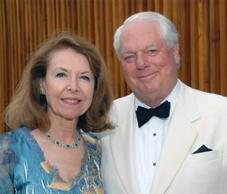
$1 MILLION and above
Brenda Baker and Steve Baum
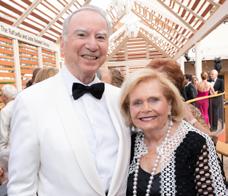
$1 MILLION and above
Irwin and Joan* Jacobs
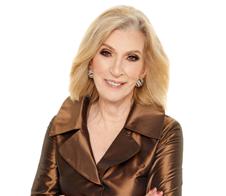
$1 MILLION and above
Dorothea Laub
$500,000 and above
Karen and Kit Sickels
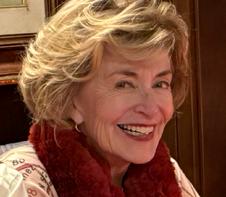
$400,000 and above
Mary Ellen Clark
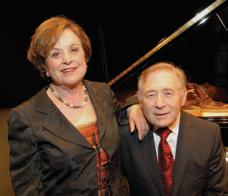
$400,000 and above
Raffaella and John* Belanich
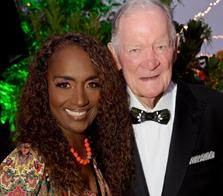
$400,000 and above
Eleanor and Ric* Charlton
$400,000 and above
Jacqueline and Jean-Luc Robert
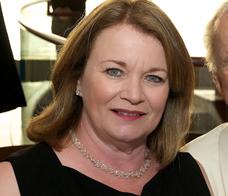
$400,000 and above
Debbie Turner
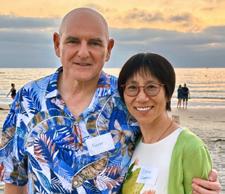
$400,000 and above
Marco Londei and Liqun Wang
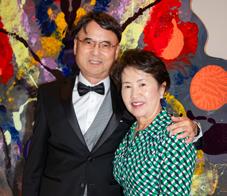
$200,000 and above
Keith and Helen Kim
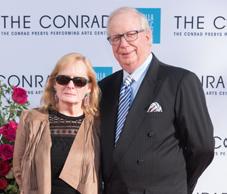
$200,000 and above
Julie and Bert Cornelison
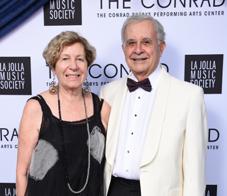
$200,000 and above
Angel and Fred Kleinbub
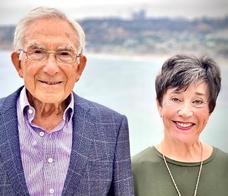
$200,000 and above
Herbert Solomon and Elaine Galinson
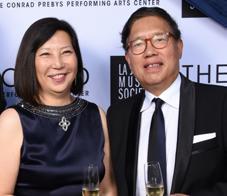
$200,000 and above
Vivian Lim and Joseph Wong
$200,000 and above
Haeyoung Kong Tang
Thank you to these Pillars in the community.
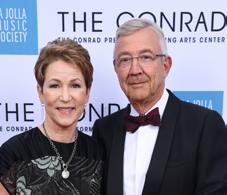
$200,000 and above
Sue and Peter Wagener
For information about supporting La Jolla Music Society through membership in the Pillars program, please contact Ferdinand Gasang at 858.526.3426 or FGasang@TheConrad.org.

Vision Statement
To transform lives through the performing arts, serving as a beacon of world-class artistic excellence, innovation, and inclusivity.
Mission Statement
From classical, jazz, and dance to global music, exciting speakers, and family concerts, each season
Artistic Director Leah Rosenthal brings the best artists in the world to the San Diego community. This season will feature more than 70 artists, including superstars like Lang Lang, Angélique Kidjo, MOMIX, Daniil Trifonov, Juan Diego Flórez, and many more. Join us at The Conrad as well as the Civic Theatre, Balboa Theatre, and Jacobs Music Center to see the best the world has to offer.
La Jolla Music Society’s acclaimed chamber music festival, curated by award-winning pianist and festival Music Director Inon Barnatan, celebrates its 40th anniversary in 2026. SummerFest engages more than 80 of the world’s finest musicians to perform at The Conrad throughout the month of August. In addition to remarkable mainstage performances, SummerFest offers over 50 free and open-to-the-public educational activities. To learn more, visit TheConrad.org/SummerFest.
To enrich the evolving cultural landscape of San Diego by curating a dynamic array of world-class performing arts programming, create meaningful learning opportunities, and build connections between artists and audiences. Follow Us
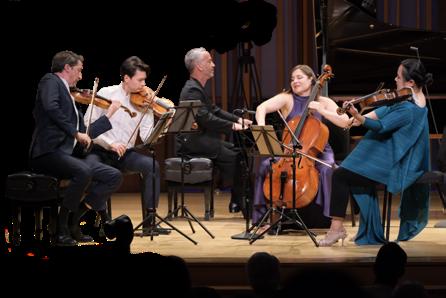

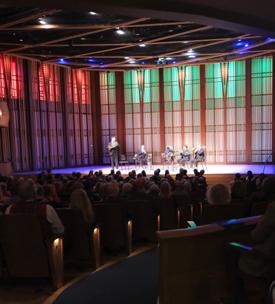
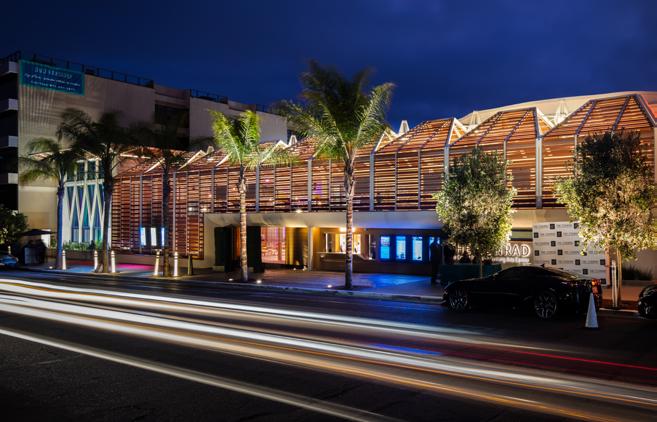
The Conrad opened in 2019 and serves as a gathering place for cultural, arts education, and community activity. As the permanent home of La Jolla Music Society, The Conrad hosts world-class performances presented by La Jolla Music Society and other local arts organizations in its four outstanding performance and activity spaces, The Baker-Baum Concert Hall, The JAI, The Atkinson Room, and the picturesque Wu Tsai QRT.yrd.
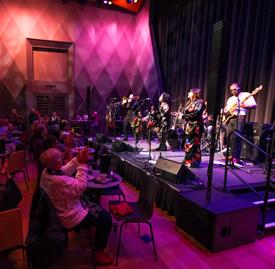
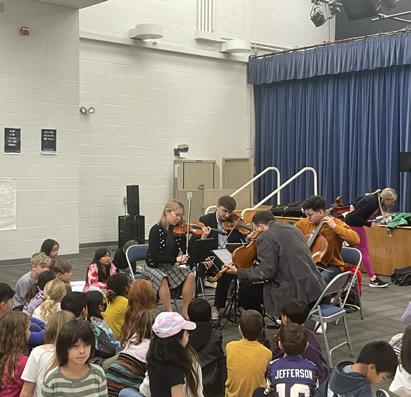
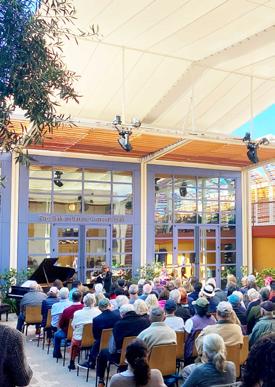
La Jolla Music Society’s award-winning Learning & Engagement Programming provides unmatched access and learning opportunities to more than 15,000 students and community members throughout San Diego County annually. With learning and engagement at the heart of our mission, we work closely with each visiting artist and ensemble to create outreach activities that highlight their unique talents and expertise at both The Conrad and in the community. With our state-of the-art video and streaming capabilities at The Conrad, we are able to provide live streaming for events such as our annual SummerFest and education events for free in our Digital Concert Hall.
The Conrad Prebys Performing Arts Center acknowledges the ancestral, unceded territory of the Kumeyaay people, on which The Conrad was built. We hold great respect for the land and the original people of the area where our performing arts center is located. The Kumeyaay continue to maintain their political sovereignty and cultural traditions as vital members of the San Diego community.
Vivian Lim – Chair
Bert Cornelison – Vice Chair
Mary Ellen Clark - Treasurer
Stacy Kellner Rosenberg - Secretary
Stephen L. Baum
David Belanich
Marla Bingham
Eleanor Charlton
Sharon Cohen
Ellise Coit
Peter Cooper
Ann Parode Dynes
Jennifer Eve
Debby Fishburn
Stephen Gamp
Lehn Goetz
John Hesselink
Todd R. Schultz
President & CEO
Leah Rosenthal
Artistic Director
Inon Barnatan
SummerFest Music Director
ADMINISTRATION
Casey McEnelly
Director of Finance
Brady Stender
Controller
Breanne Self
Human Resources & Finance Manager
ARTISTIC
Grace Smith
Artistic Planning & Operations Director
Anne-Marie Dicce
Artistic Planning Manager
George Pritzker
Artistic Operations Coordinator
Juliet Zimmer
Artistic Rentals & Partnerships Director
Braulio Fernandez-Flores
Artistic Rentals Coordinator/
Assistant Front of House Manager
John Tessmer
Lead Artist Liaison
Maggie de Lorimier
Artist Liaison
Isaac Pastrana
Artist Liaison
Dana Rossi
Artist Liaison
Eric Bromberger
Program Annotator
Teresa Hixson
David Kabakoff
Nancy Linke Patton
Diana Lombrozo
Sue Major
Richard A. Norling
Kazeem Omidiji
Arman Oruc
Tom Rasmussen
Sylvia Ré
Sheryl Scarano
Neal Schmale
Jeanette Stevens
Stephanie Stone
Peter Wagener
Liqun Wang
Lise Wilson
Jamie Coyne
Director of Production & Operations
Tyler Merrihew
Associate Technical Director
Dominic La Frantz
Technical Coordinator – Lighting Lead
Caren Heintzelman
Assistant Production Manager
Lauren Cernik-Price
Production Coordinator & Stage Manager
Sam Bedford
Technical Coordinator/Stage Manager
Jonnel Domilos
Piano Technician
Jason Martin Director of Facilities
Colin Dickson
Facilities Manager
Evan Calderon
Associate Facilities Engineer
Kim Chevallier
Security Guard
Allison Boles
Director of Learning & Engagement
Jade Lewenhaupt
Learning & Engagement Coordinator
Frida Ibarra
Music Education Programs Assistant
Max Weinzimer
Learning & Engagement Intern
Brenda Baker
Stephen L. Baum
Raffaella Belanich
Joy Frieman, Ph.D.
Irwin M. Jacobs
Joan Jacobs (1933—2024)
Lois Kohn (1924—2010)
Helene K. Kruger (1916—2019)
Conrad Prebys (1933—2016)
Peggy Preuss
Ellen Revelle (1910—2009)
Leigh P. Ryan, Esq.
Dolly Woo
Serafin Paredes
Community Music Center Director
Aimee Alvarado
Community Music Center
Administrative Assistant
Community Music Center Instructors:
Mariana Flores Bucio, Marcus Cortez, David Garcia, Saul Garcia, Ian Lawrence, Sofia Magallenes, Marko Paul, Eduardo
Ruiz, Juan Sanchez, Miguel Zazueta
Ferdinand Gasang Director of Development
Annie Stender
Individual Giving & Development Operations Director
Wadeaa Jubran
Donor Programs Manager
Wil Owen
Donor Services & Stewardship Coordinator
Nicole Slavik
Special Events & Catering Director
Vivian Vu
Special Events Coordinator
Sarah Wood Torrey
Institutional Giving Consultant
Mary Cook
Director of Communications, Marketing & Guest Services
Stephanie Saad
Communications & Public Relations Director
David Silva
Marketing Manager & Sales Director
Cristal Salow
Database & Analytics Manager
Katherine Jenswold
Digital Marketing Associate
Mariel Pillado
Graphic Designer
Marsi Bennion
Box Office & Guest Services Director
Patrick Mayuyu
Box Office & Guest Services Manager
Sam Crowley
Box Office & Guest Services Lead
Mitch Maker
Box Office Representative & Development Liaison
Veronica Eddings
Box Office & Guest Services Associate
Shaun Davis House Manager
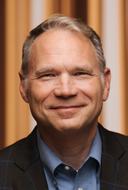
Dear Friends,
What a joy it is to look out from the stage and see our halls filled with such energy. Thanks to your support, audiences are growing, our visibility is rising, and the enthusiasm we hear from you every day affirms the impact of our work.
As we celebrate this momentum, we also look ahead. Studies consistently show that the most powerful driver of growth in the performing arts isn’t advertising—it’s you.
Our most devoted attendees are our greatest ambassadors. When you invite a friend, neighbor, or colleague to a concert, you provide a personal introduction that can lead to a lasting connection with the arts.
My request is simple: invite someone new to a performance.
A quick “you have to hear this” can make all the difference. Over time, these individual invitations create profound, collective impact. A larger, more engaged audience enables us to expand education programs, support emerging artists, and take bolder artistic risks. The more people who attend and give, the more we can do for the larger San Diego community.
Thank you for being part of our story and for helping us share the transformative power of live performance. I look forward to seeing you—and a new friend—at our next concert.
With gratitude,
Todd Schultz President & CEO, La Jolla Music Society
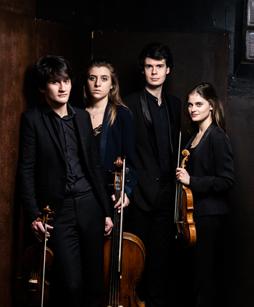
PRELUDE 6:30 PM
Lecture By Michael Gerdes
FRIDAY, MARCH 20, 2026 · 7:30 PM
THE BAKER-BAUM CONCERT HALL DE MONTÉCLAIR Plainte en Dialogue from Concert for Two Flutes No. 2 in E Minor (arr. for two violins) (1667–1737)
DANDRIEU Trio Sonata Opus 1, No. 4 in A Major (1682–1738)
Adagio
Allegro
Vivace
Largo
Vivace
ALBINONI Sonata in D Minor, Opus 1, No. 1 (1671–1751) Grave
Allegro
Largo
Allegro
TELEMANN Duet for Two Violins, “Lilliputsche Chaconne” (1681–1767)
Selections from Trietti Methodici, TWV 42: D2 Allegro from Trietto Terzo
Andante and Vivace from Trietto Secondo
VIVALDI Adagio and Allegro from Sonata Opus 1, No. 9 (1678–1741)
MARINI Sinfonia grave (a 3), Opus 1, No. 6, “La Zorzi” (1594–1663)
MERULA Ciaconna from Ballo detto Politico Opus 12, No. 24 (1595–1665)
REALI La Folia Opus 1, No. 12 (1681–1751)
BIBER Passacaglia for Solo Violin (1644–1704)
J.S. BACH
Prelude from Cello Suite No. 1 in G Major, BWV 1007 (1685–1750)
Trio Sonata in G Major, BWV 1039
Adagio
Allegro ma non presto
La Jolla Music Society’s 2025–26 Season is supported by The City of San Diego Cultural Affairs, California Arts Council, County of San Diego, Prebys Foundation, Farfy Foundation, The Lodge at Torrey Pines, ProtoStar Foundation, Vail Memorial Fund, Rancho La Puerta, Banc of California, ResMed Foundation, San Diego Theatres Foundation, Bright Events Rentals, Cafe Coyote, Rancho Coyote, GRNFC Hospitality Group, Ace Parking, Brenda Baker and Steve Baum, Raffaella Belanich, Gordon Brodfuehrer, Eleanor and Ric Charlton, Mary Ellen Clark, Bert and Julie Cornelison, Elaine Galinson and Herbert Solomon, Irwin Jacobs, Helen and Keith Kim, Angelina and Fred Kleinbub, Dorothea Laub, Vivian Lim and Joseph Wong, Jaqueline and Jean-Luc Robert, Marge and Neal Schmale, Karen and Kit Sickels, Jeanette Stevens, Haeyoung Kong Tang, Debra Turner, Sue and Peter Wagener, Liqun Wang and Marco Londei, Anna and Edward Yeung, Bebe and Marvin Zigman.
Le Consort appears by arrangement with David Rowe Artists www.davidroweartists.com www.leconsort.com
Adagio e piano
Presto
Larghetto from Concerto in D Major, BWV 972
VIVALDI Trio Sonata in D Minor, Opus 1, No. 12, “Follia” RV 63
Thème
Variation 1 Andante
Variations 2–6 Allegro
Variation 7
Variation 8 Adagio
Variation 9 Vivace
Variation 10 Allegro
Variation 11 Larghetto
Variations 12 & 13 Allegro
Variation 14 Adagio
Variations 15–19 Allegro
Le Consort
Théotime Langlois de Swarte, Sophie de Bardonnèche, violins; Hanna Salzenstein, cello; Justin Taylor, harpsichord
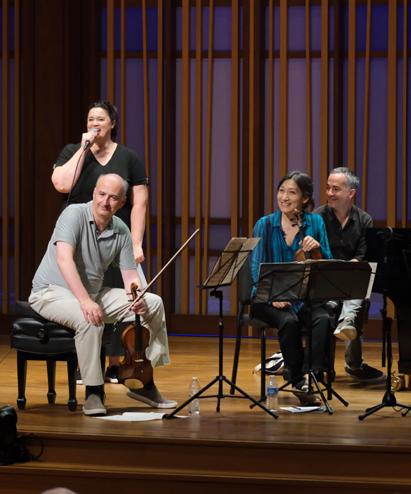
Théotime Langlois de Swarte and Hanna Salzenstein last performed for La Jolla Music Society in the Recital Series on March 22, 2025. This performance marks Sophie de Bardonnèche’s and Justin Taylor’s La Jolla Music Society debuts.
This program will begin with a Plainte for two violins by Montéclair in the tone of D minor, very intimate. Then we’ll interpret a Trio Sonata in A Major by Dandrieu that we particularly love. The sonatas of Dandrieu were featured on our very first recording. Dandrieu is known by scholars for his treatise on the basso continuo, but his trio sonatas for us really do deserve a place in the very front rank of the chamber music of the period. They show a mastery of style as well of a variety of astonishing character types. They are dances overflowing with energy, a playful spirited counterpoint between the three voices, phrasing, rhythm, sweetness, passion—full of life!
Then we will travel to Venice, with a Sonata Prima by Albinoni. The name of this composer is associated with a very famous piece, “Abinoni’s Adagio,” which was in fact composed and published in 1958 by an Italian musicologist! As for us, we will play a sonata by the genuine Tomaso Albinoni, not famous today but a not-to-miss Venetian composer. Telemann is the next composer of the programme. First, a short duet for two violins with a funny name: “Lilliputsche Chaconne,” and then four movements from his Trietti Methodici. These pieces are made remarkable by the fact that Telemann wrote all the ornaments in the scores. In this period, ornamenting the line would have been something quite typical, but would not have been written on the score; it would have been left to the interpreter’s decision. So, to have such ornaments by the composer is unique and precious. Influenced by the Italian style (even the title trietti is in Italian!), these movements are also very virtuosic.
Back to Venice with an Adagio and an Allegro by the famous Antonio Vivaldi. Then La Zorzi by Marini, a composer from Brescia who worked with Monteverdi, and two pieces by Merula: Ballo Pollicio and Ciaconna. These two compositions are full of rhythms, and the Ciaconna is a treasure of inventiveness and joyful writing. Then we will finish the first part of this concert by the Folia of Reali. Reali was an exact contemporary of Vivaldi in Venice, but definitively not with the same destiny. His life has remained shrouded in mystery. In his Folia, Reali adds an extra violoncello part to the two violins and continuo to enrich the mellifluous dialogue between the violins. He also introduces an extremely novel feature by altering the meter, changing the triple time of the Folia to double time for the last two variations. The effect is quite dramatic, making the performer increase the pace (well before the term accelerando had appeared in any score)!
The Passacaglia from Heinrich Biber is composed on a ground bass of four descending notes in the key of G minor, giving the piece a somber bearing. Through changes in pace, texture, and mood, Biber takes us on an emotional journey; the imagination is opened up to a panoply of different scenes, each of which evokes a different sensation in the listener.
The Prelude from the first Suite for cello solo by Bach is a masterpiece that needs no introduction. Then we’ll play the Trio Sonata in G Major BWV 1039 by the same composer. In four movements, Bach develops his extraordinary capacity for creating beautiful lines with incredible harmonies, vibrant and unique characterization of each movement: an intense moment of music.
The Larghetto BWV 972 by Bach was originally written by Vivaldi for violin in his opus called “L’estro Armonico.” Bach discovered the score and decided to transcribe it for his own instrument, the harpsichord. The Sonata No. 12, La Follia, by Vivaldi, is a masterpiece of the trio sonata repertoire, irresistible in its sheer momentum. The variations are built up impressively: by turns slow and fast, introspective and passionately fiery, they unfold organically with stylistic mastery, taking performers and listeners alike on a journey from intimacy to virtuosity.
— Sophie de Bardonnèche
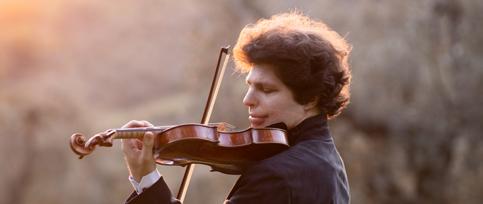

PRELUDE 7 PM
Lecture By Michael Gerdes
SATURDAY, MARCH 21, 2026 · 8 PM
THE BAKER-BAUM CONCERT HALL
DE GRIGNY Recit du Chant de l’hymne précédent (arr. Piemontesi) (1672–1703)
DEBUSSY
Sonata for Violin and Piano in G Minor (1862–1918)
Allegro vivo
Intermède: Fantasque et léger
Finale: Très animé
RAMEAU La Boucon (arr. Piemontesi) (1683–1764)
POULENC
Sonata for Violin and Piano (1899–1963)
Allegro con fuoco
Intermezzo
Presto tragico
INTERMISSION
GYÖRGY KURTÁG Tre Pezzi, Opus 14e (b. 1926)
Öd und traurig
Vivo
La Jolla Music Society’s 2025–26 Season is supported by The City of San Diego Cultural Affairs, California Arts Council, County of San Diego, Prebys Foundation, Farfy Foundation, The Lodge at Torrey Pines, ProtoStar Foundation, Vail Memorial Fund, Rancho La Puerta, Banc of California, ResMed Foundation, San Diego Theatres Foundation, Bright Events Rentals, Cafe Coyote, Rancho Coyote, GRNFC Hospitality Group, Ace Parking, Brenda Baker and Steve Baum, Raffaella Belanich, Gordon Brodfuehrer, Eleanor and Ric Charlton, Mary Ellen Clark, Bert and Julie Cornelison, Elaine Galinson and Herbert Solomon, Irwin Jacobs, Helen and Keith Kim, Angelina and Fred Kleinbub, Dorothea Laub, Vivian Lim and Joseph Wong, Jaqueline and Jean-Luc Robert, Marge and Neal Schmale, Karen and Kit Sickels, Jeanette Stevens, Haeyoung Kong Tang, Debra Turner, Sue and Peter Wagener, Liqun Wang and Marco Londei, Anna and Edward Yeung, Bebe and Marvin Zigman.
Opus 3 Artists
FRANCK
Aus der Ferne; Sehr leise; Äusserst langsam
Sonata in A Major for Violin and Piano (1822–1890)
Allegretto ben moderato
Allegro
Recitativo–Fantasia
Allegretto poco mosso
Augustin Hadelich, violin; Francesco Piemontesi, piano
Augustin Hadelich last performed for La Jolla Music Society at SummerFest on July 28, 2024. Francesco Piemontesi last performed for La Jolla Music Society at SummerFest on August 7, 2022.
Program notes by Eric Bromberger
Baptized September 8, 1672, Reims, France
Died November 30, 1703, Reims, France
Composed: 1699
Approximate Duration: 3 minutes
Born into a family of organists, Nicolaus de Grigny trained in Reims, worked briefly as an organist in Paris while in his early twenties, then returned to his native city, where he served as organist at the Notre-Dame de Reims. In 1699, when he was 27, de Grigny published his only work, Premier livre d’orgue, a collection of liturgical settings with organ accompaniment. De Grigny died at the age of only 31, and in 1711 his widow published a second edition, which proved extremely influential: J.S. Bach so admired it that he copied the entire book by hand.
The title Recit du Chant de l’hymne précédent translates “Recitative on the melody of the preceding hymn,” which in this case was the Pange, lingua, a thirteenth-century hymn attributed to Saint Thomas Aquinas (that title is sometimes translated “Sing, tongue, the Savior’s Glory”). De Grigny’s piece, essentially an organ interlude based on that hymn, consists of two melodic lines—played by the two hands—above a steady bass accompaniment played by the feet. The present arrangement for violin and piano was made by Francesco Piemontesi, the pianist at this recital.
Born August 22, 1862, Saint-Germain-en-Laye, France Died March 25, 1918, Paris
Composed: 1917
Approximate Duration: 15 minutes
Debussy’s final years were wretched. He developed colon cancer in 1909 and underwent a painful operation, radiation therapy, and drug treatment. It was all to no avail, and the disease took its steady course. The onslaught of World War I in 1914 further depressed him, but it also sparked a wave of nationalistic fervor, and he set about writing a set of six sonatas for different combinations of instruments. It may seem strange that the iconoclastic Debussy would return in his final years to as structured a form as the sonata, but he specified that his model was the French sonata of the eighteenth century and not the classical German sonata. To make his point—and his nationalistic sympathies—even more clear, Debussy signed the scores of these works “Claude Debussy, musicien français.”
Debussy lived to complete only three of the projected six sonatas: a Cello Sonata (1915); a Sonata for Flute, Viola, and Harp (1916); and the Violin Sonata, completed in April 1917. It was to be his final work, and it gave him a great deal of difficulty From the depths of his gloom, he wrote to a friend: “This sonata will be interesting from a documentary viewpoint and as an example of what may be produced by a sick man in time of war.” Debussy played the piano at the première on May 5, 1917, and
performed it again in September at what proved to be his final public appearance. His deteriorating health confined him to his room thereafter, and he died the following March.
For all Debussy’s dark comments, the Violin Sonata is a brilliant work, alternating fantastic and exotic outbursts with more somber and reflective moments. In three concise movements, the sonata lasts only about thirteen minutes. Debussy deliberately obscures both meter and key over the first few measures of the Allegro vivo, and only gradually does the music settle into G minor. The haunting beginning of the movement feels subdued, almost ascetic, but the dancing middle section in E major is more animated. Debussy brings back the opening material and rounds off the movement with a con fuoco coda.
The second movement brings a sharp change of mood after the brutal close of the first. Debussy marks it fantasque et léger (“fantastic [or fanciful] and light”), and the violin opens with a series of leaps, swirls, and trills before settling into the nearhypnotic main idea. The second subject, marked “sweet and expressive,” slides languorously on glissandos and arpeggios, and the movement comes to a quiet close. Over rippling chords, the finale offers a quick reminiscence of the very opening of the sonata, and then this theme disappears for good and the finale’s real theme leaps to life. It is a shower of triplet sixteenths that rockets upward and comes swirling back down: the composer described it as “a theme turning back on itself like a serpent biting its own tail.” There are some sultry interludes along the way, full of glissandos, broken chords, rubato, and trills, but finally the swirling energy of the main theme drives the music to its animated close.
Debussy may have been unhappy about this music while working on it, but once done he felt more comfortable with it, writing to a friend: “In keeping with the contradictory spirit of human nature, it is full of joyous tumult . . . Beware in the future of works which appear to inhabit the skies; often they are the product of a dark, morose mind.”
Baptized September 25, 1683, Dijon, France
Died September 12, 1764, Paris
Composed: 1727
Approximate Duration: 5 minutes
Jean-Philippe Rameau wished above all else to succeed as a composer of opera, though Rameau’s modern reputation rests largely on his harpsichord music. Rameau did not write in as disciplined a form as the keyboard sonata, but instead specialized in descriptive pieces, many with evocative titles. These pieces— short, lively, and beautifully written for the instrument—are often in dance forms, but Rameau also wrote a number of pieces to describe or evoke specific subjects. Some of the latter are descriptive music (he wrote pieces about knitters, a whirlwind, a person with a limp, chickens, Indians, and so on), and some suggest specific moods (triumph, indifference).
The present work sprang from a different inspiration entirely. One of Rameau’s harpsichord students was a young woman named Anne-Jeanne Boucon (1708–80); she was a superb musician who later married the French composer JeanJoseph Cassanéa de Mondonville. Rameau was not the only composer who admired the young woman, and several other composers wrote works dedicated to her. Rameau composed La Boucon about 1727, when Anne-Jeanne Boucon was 19, and he later included it in his Pièces de clavecin en concert, published in 1741. This affectionate portrait, which Rameau subtitled “Air gracieux” and which could be performed by various combinations of instruments, is heard at this concert in Francesco Piemontesi’s arrangement for violin and piano.
Born January 7, 1899, Paris
Died January 30, 1963, Paris
Composed: 1943
Approximate Duration: 19 minutes
Poulenc loved the sound of wind instruments. When he composed his Sextet for Piano and Woodwind Quintet, he referred to it as “an homage to the wind instruments I have loved from the moment I began composing,” and he wrote wonderfully for winds throughout his life. About stringed instruments, however, Poulenc was much less sure. In particular, the combination of a stringed instrument with piano—a combination that had seemed very natural to Beethoven and Brahms—gave Poulenc trouble. He noted that he did not like the sound of “the violin in the singular,” and he wrote only two string sonatas, the present violin sonata and one for cello. Yet both of these are impressive works.
A dark atmosphere hangs over the Violin Sonata. Poulenc composed it in Paris in 1942–43, during the German occupation, and dedicated it to the memory of the Spanish poet Frederico García Lorca, who had been murdered by the Fascists during the Spanish Civil War. Poulenc was the pianist at the première of the Violin Sonata, and the violinist on that occasion was the young French violinist Ginette Neveu. When she was killed in an air crash in 1949, Poulenc went back and revised the last movement of this sonata, which is pointedly marked Presto tragico
One should not approach this sonata thinking that it is all darkness and gloom, for it is not. The sonata is in the expected three movements, and Poulenc treats the piano and violin as equals. The aptly marked Allegro con fuoco is indeed full of fire. Poulenc marks the violin’s opening theme Très violent, and that marking will recur repeatedly throughout this sonata. The agitated beginning rides along a spiky energy that gives way to a more relaxed central episode, full of an unexpected sweetness; the opening material returns to drive the movement to a violent close. Poulenc attached a fragment of a quotation from Lorca to the slow movement—“The guitar makes dreams weep”— and we may hear something of the guitar, an instrument Lorca
played, in the violin’s pizzicato strokes here. This music has an exotic character, its long lyric lines full of dark swirls. The concluding Presto tragico returns to the manner of the opening movement, with a bristling energy and brilliant violin passages, including some for left-handed pizzicato. The ending is striking, and perhaps this is the section Poulenc refashioned after Neveu’s death: the energy dissipates on a cadenza-like flourish for violin, and the sonata vanishes on sharp strokes of sound.
Born February 19, 1926, Lugoj, Romania
Composed: 1979
Approximate Duration: 13 minutes
György Kurtág, whose hundredth birthday took place last month, has composed with extraordinary economy and concentration. Most of his works are miniatures, complete compositions that sometimes pass by in a matter of seconds— one of his works consists of a total of seven notes. Kurtág also works very slowly: in The New Grove Dictionary, György Kröo notes that in the fourteen-year span 1959 to 1973, Kurtág wrote a total of ninety minutes of music.
In 1978 Kurtág, then 52 years old and teaching at the Franz Liszt Academy in Budapest, traveled to Witten-Herdecke in western Germany for the première of one of his works. There he visited a Waldorf school and was impressed by their teaching methods, performances, and instruments. In response, Kurtág wrote a piece consisting of fifteen very brief movements that he titled Herdecker Eurythmie, Opus 14b. He scored it for the instruments on hand at the school—flute, violin, recitation, and lyre (or cimbalon)—and used those in various combinations across the span of the larger work.
The following year, in 1979, Kurtág pulled three movements scored for violin and piano (Nos. 7-8-9) out of the Herdecker Eurythmie and published them as his Tre Pezzi, Opus 14e. The three pieces are in a slow-fast-slow sequence and span about six minutes. The opening Öd und traurig (“desolate and sad”) features the violin playing doublestops without vibrato over quietly arpeggiated piano accompaniment. The static quality of this movement is underlined by the dynamic marking of triple piano and the instruction to both instruments to play with mute. The central Vivo is the shortest of the movements, lasting just over a minute. The violin’s pointillistic harmonic E’s give this music a spiky quality that suddenly turns violent. The Tre Pezzi conclude with a movement marked Aus der Ferne (“from the distance”). This music, spectral and disembodied, grows gradually slower as it proceeds and finally fades into silence.
Born December 10, 1822, Liège, Belgium
Died November 8, 1890, Paris
Composed: 1886
Approximate Duration: 28 minutes
Composed in 1886, the Sonata in A Major is one of the finest examples of Franck’s use of cyclic form, a technique he had adapted from his friend Franz Liszt, in which themes from one movement are transformed and used over subsequent movements. The Violin Sonata is a particularly ingenious instance of this technique: virtually the entire sonata is derived from the quiet and unassuming opening of the first movement, which then evolves endlessly across the sonata. Even when a new theme seems to arrive, it will gradually be revealed as a subtle variant of one already heard.
The piano’s quiet fragmented chords at the beginning of the Allegretto ben moderato suggest a theme-shape that the violin takes over as it enters: this will be the thematic cell of the entire sonata. The piano has a more animated second subject (it takes on the shape of the germinal theme as its proceeds), but the gently rocking violin figure from the opening dominates this movement, and Franck reminds the performers constantly to play molto dolce, sempre dolce, dolcissimo
The mood changes completely at the fiery second movement, marked passionato, and some critics have gone so far as to claim that this Allegro is the true first movement and that the opening Allegretto should be regarded as an introduction to this movement. In any case, this movement contrasts its blazing opening with more lyric episodes, and listeners will detect the original theme-shape flowing through some of these.
The Recitativo–Fantasia is the most original movement in the sonata. The piano’s quiet introduction seems at first a revisiting of the germinal theme, though it is—ingeniously—a variant of the passionato opening of the second movement. The violin makes its entrance with an improvisation-like passage (this is the fantasia of the title), and the entire movement is quite free in both structure and expression: moments of whimsy alternate with passionate outbursts.
After the expressive freedom of the third movement, the finale restores order with pristine clarity: it is a canon in octaves, with one voice following the other at the interval of a measure. The stately canon theme, marked dolce cantabile, is a direct descendant of the sonata’s opening theme, and as this movement proceeds it recalls thematic material from earlier movements. Gradually, the music takes on unexpected power and drives to a massive coda and a thunderous close.
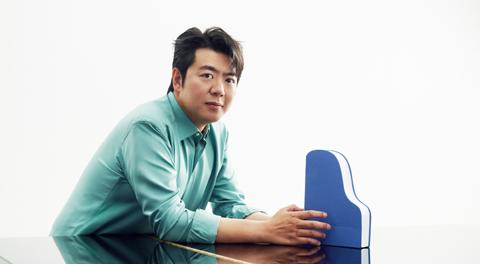
THURSDAY, MARCH 26, 2026 · 7:30 PM
Support for this program is provided by:
Anna and Edward Yeung
La Jolla Music Society’s 2025–26 Season is supported by The City of San Diego Cultural Affairs, California Arts Council, County of San Diego, Prebys Foundation, Farfy Foundation, The Lodge at Torrey Pines, ProtoStar Foundation, Vail Memorial Fund, Rancho La Puerta, Banc of California, ResMed Foundation, San Diego Theatres Foundation, Bright Events Rentals, Cafe Coyote, Rancho Coyote, GRNFC Hospitality Group, Ace Parking, Brenda Baker and Steve Baum, Raffaella Belanich, Gordon Brodfuehrer, Eleanor and Ric Charlton, Mary Ellen Clark, Bert and Julie Cornelison, Elaine Galinson and Herbert Solomon, Irwin Jacobs, Helen and Keith Kim, Angelina and Fred Kleinbub, Dorothea Laub, Vivian Lim and Joseph Wong, Jaqueline and Jean-Luc Robert, Marge and Neal Schmale, Karen and Kit Sickels, Jeanette Stevens, Haeyoung Kong Tang, Debra Turner, Sue and Peter Wagener, Liqun Wang and Marco Londei, Anna and Edward Yeung, Bebe and Marvin Zigman.
Lang Lang is managed by: Columbia Artists Music LLC www.camimusic.com
COLUMBIA ARTISTS MUSIC LLC 880 Third Avenue, 5th Floor, New York, NY 10022 (T) 212.841.9562
Lang Lang is an Exclusive Recording Artist of Universal Music Group and Deutsche Grammophon www.langlangofficial.com www.langlangfoundation.org
MOZART Rondo in D Major, K.485 (1756–1791)
BEETHOVEN
Piano Sonata No. 8 in C Minor, Opus 13 “Pathetique” (1770–1827) Grave; Allegro molto e con brio
Adagio cantabile
Rondo: Allegro
Piano Sonata in A-flat Major, Opus 110
Moderato cantabile molto espressivo
Allegro molto
Adagio ma non troppo; Fugue: Allegro, ma non troppo
ALBÉNIZ
Selections from Suite española, Opus 47 (1860–1909) Granada
Cataluña
Sevilla
Cádiz
Asturias
Cuba
GRANADOS Quejas, o La Maja y El Ruiseñor from Goyescas, Opus 11 (1867–1916)
LISZT Consolation S.172, No. 2 in E Major (1811-1886) Tarantella from Venezia e Napoli, S.162, No. 3
Lang Lang, piano
Lang Lang last performed for La Jolla Music Society in the Piano Series on March 18, 2022.
Program notes by Eric Bromberger
Born January 27, 1756, Salzburg
Died December 5, 1791, Vienna
Composed: 1786
Approximate Duration: 6 minutes
Mozart completed the Rondo in D Major on January 10, 1786, at a time when he was deeply involved with two operas: The Impresario, completed a few weeks later, and The Marriage of Figaro, which he would complete later that spring. The Rondo is remarkable for being based on a theme not by Mozart—he took the main idea from the first movement of the Quintet in D Major, Opus 6, No. 11 by Johann Christian Bach, the youngest son of Johann Sebastian Bach. As a boy of eight, Mozart had met the youngest Bach in London in 1764 and played duets while sitting in his lap. The music of Johann Christian remained a strong influence on Mozart, and it may well be that he intended the use of this theme as a tribute to the older composer, who died in 1782.
The form of Mozart’s brief piece has touched off a good deal of critical debate, for this does not seem to be a true rondo. It opens with an exposition complete with repeat, utterly atypical of rondo form, and several critics believe this music should more accurately be classified as a sonata-form movement that uses the same subject for both its principal and secondary themes; other critics describe it as a fusion of rondo and sonata forms. Whatever its form, this music takes its graceful main theme through a particularly gentle series of repetitions, bringing it back in different registers and harmonies. Of special interest are a connecting passage that looks ahead to a similar phrase in Eine kleine Nachtmusik (composed the next year) and the very end, which takes the main theme into unusually low registers.
Born December 17, 1770, Bonn, Germany
Died March 26, 1827, Vienna
Composed: 1799
Approximate Duration: 20 minutes
Quite unusually, it was Beethoven himself who contributed the famous nickname of this sonata: when it was published in Vienna on December 18, 1799 (two days after his 29th birthday) he called it Grande sonate pathétique. Beethoven understood Pathétique to mean intense or emotional, and those qualities saturate this powerful music, sometimes in quite different ways. Beethoven’s choice of key for this music is crucial: C minor was the key he turned to for his darkest and most dramatic music, and it would later be the key of the Fifth Symphony, Coriolan Overture, and the Funeral March of the Eroica. By 1799, Beethoven had already composed a piano trio, piano sonata, string trio, and string quartet in C minor, and while those are all firm-ribbed works, none of them approaches the stark power of Patheéique Sonata, the earliest great manifestation of Beethoven’s “C-minor mood.”
Beyond its emotional power, this music is remarkable for the young composer’s experiments with form. The Pathétique opens with a slow introduction (his first in a piano sonata) marked Grave, an indication of solemn import as well as slow speed. The powerful chordal writing leads to a sudden plummet down a run of 128th-notes into the main body of the movement, marked Molto allegro e con brio. The materials here are simple—the opening theme is essentially a run up the C-minor scale and Beethoven sets the music at a quiet dynamic—but into these simple elements Beethoven fuses vast power, and soon this music is rushing forward with a furious energy. The second subject, fleet and singing, is decorated with mordents, and all might seem set for what would be simply an unusually powerful opening movement, but Beethoven continues to spring surprises. At just the point the development should begin, the music comes to a stop, and back—in all their dark strength—come the imposing chords of the Grave introduction. Only then does Beethoven allow the development to proceed; this is climaxed by some remarkable harmonic progressions, and Beethoven brings back a reminiscence of the Grave introduction before the twelve-measure coda hurls the movement to its close.
The Adagio cantabile is built on a gorgeous melody—it has become almost too popular—and Beethoven sets this movement in rondo form: this opening melody is twice interrupted by brief episodes, and at the end Beethoven combines the triplet accompaniment of the second of these with his main theme in a graceful fusion of material. The key of this movement—Aflat major—sounds particularly warm and comforting after the C-minor furies of the opening movement, and it is to C minor that Beethoven returns for his rondo-finale, marked simply Allegro. That key, however, does not sound nearly so dark or violent in this finale. There is almost a delicacy to this rondo theme, which may be explained by the fact that Beethoven had originally intended to use it in a violin sonata. One of the unusual features of this finale is its brevity. In fact, the movements grow steadily shorter as this sonata proceeds: the Pathétique moves from a powerful nine-minute opening movement to a six-minute slow movement and concludes with a final rondo lasting barely four minutes. As a result, it feels heavily balanced to the front, and Beethoven was aware of this: when he wrote the Moonlight Sonata two years later, he set out to move the dramatic weight from the first movement to the finale.
The Pathétique is one of Beethoven’s most popular works, and this was true even in his own time. The pianist Ignaz Moscheles has left a wonderful account of the sonata’s effect on young musicians of the era (Moscheles was 10 when the incident he describes here took place): “It was about this time that I learnt from some school-fellows that a young composer had appeared at Vienna, who wrote the oddest stuff possible—such as no one could either play or understand; crazy music, in opposition to all rule; and that this composer’s name was Beethoven. On repairing to the library to satisfy my curiosity as to this so-called genius, I found there Beethoven’s Sonata pathétique. This was in the year 1804. My pocket-money would not suffice for the purchase of it, so I secretly copied it. The novelty of its style was so attractive to me, and I became so enthusiastic in my admiration of it, that I forgot
myself so far as to mention my new acquisition to my master, who reminded me of his injunction, and warned me not to play or study any eccentric production until I had based my style upon more solid models. Without, however, minding his injunctions, I seized upon the pianoforte works of Beethoven as they successively appeared, and in them found a solace and a delight such as no other composer afforded me.”
Composed: 1821
Approximate Duration: 19 minutes
The years 1813 through 1820 were exceptionally difficult for Beethoven, who virtually stopped composing in these years. There were several reasons for this: his deafness was now nearly complete, he suffered periods of poor health, and much of his energy was consumed with his struggle for legal custody of his nephew Karl And—perhaps most important—he had reached a creative impasse brought on by the exhaustion of his Heroic Style. Where the previous two decades had seen a great outpouring of music, now his creative powers flickered and were nearly extinguished. Not until 1820 was he able to put his troubles, both personal and creative, behind him and marshal his energy as a composer. At the end of May 1820 he committed himself to writing three piano sonatas for the Berlin publisher Adolph Martin Schlesinger; these would be Beethoven’s final sonatas. Although he claimed he wrote them “in one breath,” their composition was actually spread out over a longer period than he expected when he agreed to write them.
The Sonata in A-flat Major, completed in December 1821, shows some of the most original touches in a group of sonatas that are all distinguished for their originality. The first movement, Moderato cantabile molto espressivo, is remarkable for its lovely and continuous lyricism. Beethoven notes that the opening is to be played con amabilita, and that spirit hovers over the entire movement. The essentially lyric quality of this movement is underlined by the fact that the second theme grows immediately out of the first: the opening idea has barely been stated when the second seems to rise directly out of it. By contrast, the bluff Allegro molto is rough and ready: it is a scherzo with a brief trio section full of energy and rhythmic surprises.
The long final movement is of complex structure: it performs the function of both adagio and finale, yet even these elements are intermixed with great originality. The main theme of the Adagio, marked Arioso dolente, arches painfully over a steady chordal accompaniment before Beethoven introduces a fugue marked Allegro, ma non troppo. After a brief working out, the fugue comes to a halt and the Arioso theme returns. This time, however, Beethoven has marked it Ermattet, klagend (exhausted, grieving), and here the music seems almost choked and struggling to move. Yet gradually the music gathers strength and the fugue returns, but this time Beethoven has inverted the theme and builds the fugue on this inversion. The sonata ends with a great rush upward across five octaves to the triumphant final chord.
Born May 29, 1860, Camprodón, Lérida, Spain
Died May 18, 1909, Campô-les-Bains, France
Composed: 1886–89
Approximate Duration: 28 minutes
Isaac Albéniz found himself as a composer when he moved away from writing “conventional” virtuoso pieces and began to make use of Spanish material in his own music. He composed four of the eight movements that make up the Suite española in 1886, then completed the others over the following several years. Each of the eight movements depicts or was inspired by a particular place in Spain. Though Albéniz published these eight movements as a set, individual movements have become famous on their own and are often played separately. Many of Albéniz’ pieces for piano work particularly well as guitar music, and listeners will discover that they may know these movements in their arrangements for guitar. This recital offers six of the eight movements of Suite española. Granada was inspired by the city in southern Spain that flourished under both Moorish and Christian rule. Site of the Alhambra and the Generalife, Granada is also the final resting place of the monarchs Ferdinand and Isabella. The city inspired Albéniz not to some heroic depiction but instead a beautifully lyric piece that alternates two themes, the second an elaborate melody projected over supple rhythms. Composed for pianists, this piece has become a favorite of guitarists.
Cataluña is the Spanish name for Catalonia. Marked Allegro, the piece begins quietly, but slowly the basic 6/8 meter emerges, and the music dances along a dotted form of that meter. Rhythms are supple here, with the music sometimes holding back, then rushing ahead; after the gentleness of much of this music, its vigorous ending comes as a surprise. Albéniz dedicated this piece “To my beloved mother.”
Sevilla takes the form of a sevillana, a variant from Seville on the ancient seguidilla, a triple-time dance that had originated in Andalusia.
Cadiz is an ancient city, said to have been founded by the Phoenicians in 1100 B.C. Lying at the mouth of the Guadalquivir River, it was the entry point into Spain for the treasures taken from the New World. Albéniz gives his Cadiz the subtitle “Canción”— this genial, pleasing music is marked Allegretto ma non troppo Asturias is a province on the northern coast of Spain. Albéniz’ Asturias, which he subtitled Leyenda (“legend”), is in its outer sections a perpetual motion, with the theme pivoting around repeating D’s, all of this set off by great chords that make slashing attacks across the busy progress of the piece. All this energy gives way to a slow interlude, the opening material returns, and the music fades into silence.
The concluding movement, Cuba, is the one movement without a specifically Spanish inspiration. It has been called a nocturne, though Albéniz himself described it as a “Capricho.” The poised opening section is built on a characteristic 3+2 rhythm, while the subdued middle section flows along gracefully. A return of the opening section leads to a conclusion on two barely audible chords.
Quejas, o La Maja y El Ruiseñor from Goyescas, Opus 11
Born July 27, 1867, Lérida, Spain
Died March 24, 1916, English Channel
Composed: 1909–14
Approximate Duration: 14 minutes
Like many other young Spanish composers at the turn of last century, Enrique Granados was drawn to specifically Spanish topics, and in the years 1909–14 he composed a suite of six piano pieces inspired by the paintings of Francisco Goya, which he called Goyescas (“Goya-like”). While writing this music, Granados spoke of the charm of Goya’s paintings for him: “I fell in love with the psychology of Goya and his palette . . . that rosy-whiteness of the cheeks contrasted with lace and jet-black velvet, those jasmine-white hands, the color of mother-of-pearl have dazzled me.” Goyescas was an immediate success, and that success brought an unexpected result: the American pianist Ernest Schelling encouraged Granados to transform these piano pieces into an opera, and—with a libretto prepared by Fernando Periquet—Granados did just that. The one-hour opera, also called Goyescas, tells of the deadly collision of two couples: the noblewoman Rosario and her lover Fernando and the bullfighter Paquiro and his fiancée Pepa. The opera culminates in a duel in which Paquiro kills Fernando.
This recital offers two movements from Goyescas Queja o la maja y el ruiseñor (“Laments or The Maya and the Nightingale”) takes the (general) form of a series of variations on an old folk tune from Valencia, but more specifically it is an evocative nocturne that casts a seductive spell. Marked Andante malincolico and for the most part fairly restrained, this is nonetheless extraordinarily difficult music for the pianist, who must master its many changes of tempo and mood, as well as the complexity of the writing (parts of it are written on three staves)
The title El fandango de cantil translates as “The Candlelit Fandango.” A fandango is an old dance in triple time, perhaps of South American origin, and in the score Granados specifies that this is also a Gallardo, another lively dance in triple time. This is music of tremendous rhythmic spring, and the pulsing triplet heard in the first measure will continue almost throughout as this music builds through sultry interludes to its powerful conclusion.
Born October 22, 1811, Raiding, Hungary
Died July 31, 1886, Bayreuth
Composed: 1850
Approximate Duration: 3 minutes
In 1848, shortly after being named music director for the court at Weimar, Liszt began to compose a series of six brief piano pieces that he called Consolations; these were published in 1850. He took that title from a collection of poems published in 1830 by his lifelong friend, the French poet, novelist, and critic Augustin Saint-Beuve. A consolation is not a musical form, and Liszt chose that title simply to indicate the mood of this music: these six miniatures are all so quiet and subdued that Liszt might easily have called them nocturnes.
The Consolation No. 2 in E Major is a very gentle piece. Liszt marks the beginning cantando espressivo, and that mood will continue throughout. The opening flows along smoothly (Liszt rolls the chord on the downbeat of each measure), and while a second idea enters briefly, Liszt quickly returns to his opening melody. This rises to a climax marked appassionato (albeit a very gentle appassionato), then falls away to the quiet concluding chords.
Born October 22, 1811, Raiding, Hungary
Died July 31, 1886, Bayreuth
Composed: 1840/1861
Approximate Duration: 9 minutes
About 1840 Liszt wrote a collection of four pieces for solo piano that he called Venezia e Napoli (“Venice and Naples”). These were musical impressions inspired by Italy, and Liszt based them in part on themes by Italian composers. Venezia e Napoli was set up for publication in Vienna in 1840 but apparently never went to press. During the next decade, Liszt went on to write some of his finest piano pieces, and these were gathered as three books he published under the title Années de Pèlerinage (“Years of Pilgrimage”). Each was a collection of short pieces designed to evoke a particular country or atmosphere. Book II of Années de Pèlerinage was inspired by Italian works of art, and now Liszt went back and completely revised Venezia e Napoli, reducing the number of movements to three and publishing this as a supplement to Book II of Années de Pèlerinage in 1861.
The third piece of Venezia e Napoli is titled simply Tarantella Liszt based it on a theme that he had found in a collection of Neapolitan folk songs gathered by the composer Guillaume Louis Cottrau, a theme that Liszt knew under the title tarantelle napolitaine. But that theme is merely the starting point for Liszt, who turns it into a virtuosic tour de force—it is no surprise that the Tarantella has always been an audience favorite
The Tarantella begins with deep rumblings, and quickly leaps to life, dancing along its 6/8 meter and requiring some tricky fingering from the pianist. This gives way to a broadly singing Canzona Napolitano that Liszt marks cantando, and from there he simply alternates these two themes. But what makes this piece so brilliant—and so much fun—is what Liszt does with them: he decorates them with swirls and rhythmic sprays, sends them to the extreme ranges of the keyboard, and transforms them into music of incredible difficulties for the pianist, pausing along the way to offer two brief cadenzas in addition to all these difficulties. A Prestissimo coda drives the Tarantella to its grand close on massive torrents of sound.
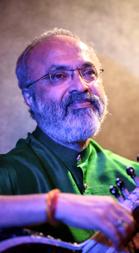
Hosted by Meghan Hynson
SUNDAY, MARCH 29, 2026 · 7 PM
La Jolla Music Society’s 2025–26 Season is supported by The City of San Diego Cultural Affairs, California Arts Council, County of San Diego, Prebys Foundation, Farfy Foundation, The Lodge at Torrey Pines, ProtoStar Foundation, Vail Memorial Fund, Rancho La Puerta, Banc of California, ResMed Foundation, San Diego Theatres Foundation, Bright Events Rentals, Cafe Coyote, Rancho Coyote, GRNFC Hospitality Group, Ace Parking, Brenda Baker and Steve Baum, Raffaella Belanich, Gordon Brodfuehrer, Eleanor and Ric Charlton, Mary Ellen Clark, Bert and Julie Cornelison, Elaine Galinson and Herbert Solomon, Irwin Jacobs, Helen and Keith Kim, Angelina and Fred Kleinbub, Dorothea Laub, Vivian Lim and Joseph Wong, Jaqueline and Jean-Luc Robert, Marge and Neal Schmale, Karen and Kit Sickels, Jeanette Stevens, Haeyoung Kong Tang, Debra Turner, Sue and Peter Wagener, Liqun Wang and Marco Londei, Anna and Edward Yeung, Bebe and Marvin Zigman.
SHANKAR Gurur Bramha (1920-2012)
Guru Vandana
Sandhya Raga
Tarana
Jaane Kaise
Spring
Joutshwari
Maj Khamaj
Fire Night
Raga Rasiya
Ravi Shankar Ensemble
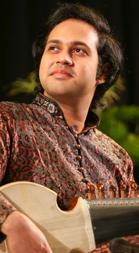
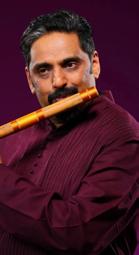
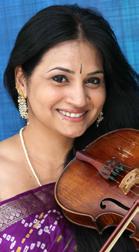
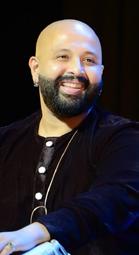
Shubhendra Rao, sitar; Ravichandra Kulur, flute; B C Manjanuth, mridangam; Anubrata Chatterjee, tabla; Padma Shankar, violin & vocals; Aayush Mohan, sarod & vocals
THIS CONCERT HAS NO INTERMISSION AND IS APPROXIMATELY 90 MINUTES.
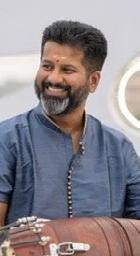
The Ravi Shankar Ensemble is a multi-generational collective of world class musicians dedicated to the masterful compositions and enduring legacy of the uniquely legendary musician, Ravi Shankar. In their debut tour, the ensemble presents a special program curated by Sukanya and Anoushka Shankar, featuring visual elements from the Ravi Shankar archives alongside a dynamic selection of Shankar’s soul-stirring music.
This performance marks Ravi Shankar Ensemble’s La Jolla Music Society debut.
Artistic Director & Curator
Sukanya Shankar
Curator
Anoushka Shankar
Lead Producer, VP & Creative Director, Schirmer Theatrical
Betsey Perlmutter
Ravi Shankar Archives
Cat Celebrezze
Technical Supervisor
Ed Matthew
Production Supervisor
Saloni Thakkar
Tour Manager
Myles Glover
The Ravi Shankar Centre
Sunil Singh, Amitavaa Ghosh, Anshu Ghosh, A. Manasa Ra
The Ravi Shankar Foundation
Wise Music Group
Robert Wise, Tomas Wise, Marcus Wise, John Castaldo, Gill Graham, Kevin McGee, Joe Giammalvo, Jeffrey Duncan, Fiona Warren, Will Adams
President, Schirmer Theatrical
Robert Thompson
Producer, Schirmer Theatrical
Alex Kosick
Artistic Operations Assistant, Schirmer Theatrical
Evie Miller
Front of House Engineer & Sound Design
Kean Grych
Head of Marketing, RPM Collective
Rachel Poston
Tour Marketing Management, Evergold
Michelle Szeto Piras
Booking Agency
outer/most
outer/most agency
Todd Walker, Kelly Deasy, Barbara Frum, Courtney Stevens
Arthur Makosinski
Oliver Craske
Olivia & Dani Harrison
Covey Law
Visual Designer & Editor
Adam Grannick
Visual Designer & Motion Artist
Kalyan Sura
Public Relations
Sacks & Co
Logo Design, NoisyBird Media
Ali Meah
Aisha Ahmad-Post
Shekar Viswanathan
Satish Vyas
Tim O’Donnell
The Ravi Shankar Ensemble is curated by Sukanya Shankar and Anoushka Shankar and produced by Schirmer Theatrical, part of Wise Music Group.

The Ravi Shankar Ensemble is traveling across America. Visit theravishankarensemble.com for upcoming dates!

PRELUDE 6:30 PM
Interview hosted by Robert John Hughes
The Jazz Mini-Festival is sponsored by:
Support for our jazz programs is provided by:
Dorothea Laub
La Jolla Music Society’s 2025–26 Season is supported by The City of San Diego Cultural Affairs, California Arts Council, County of San Diego, Prebys Foundation, Farfy Foundation, The Lodge at Torrey Pines, ProtoStar Foundation, Vail Memorial Fund, Rancho La Puerta, Banc of California, ResMed Foundation, San Diego Theatres Foundation, Bright Events Rentals, Cafe Coyote, Rancho Coyote, GRNFC Hospitality Group, Ace Parking, Brenda Baker and Steve Baum, Raffaella Belanich, Gordon Brodfuehrer, Eleanor and Ric Charlton, Mary Ellen Clark, Bert and Julie Cornelison, Elaine Galinson and Herbert Solomon, Irwin Jacobs, Helen and Keith Kim, Angelina and Fred Kleinbub, Dorothea Laub, Vivian Lim and Joseph Wong, Jaqueline and Jean-Luc Robert, Marge and Neal Schmale, Karen and Kit Sickels, Jeanette Stevens, Haeyoung Kong Tang, Debra Turner, Sue and Peter Wagener, Liqun Wang and Marco Londei, Anna and Edward Yeung, Bebe and Marvin Zigman.
THURSDAY, APRIL 9, 2026 · 7:30 PM
BALBOA THEATRE
Terence Blanchard, trumpet
Ravi Coltrane, saxophone
Charles Altura, guitar
Eden Ladin, piano/keyboard
David Ginyard Jr., bass
Oscar Seaton, drums
Works to be announced from stage
THIS PERFORMANCE HAS NO INTERMISSION AND IS APPROXIMATELY 90 MINUTES
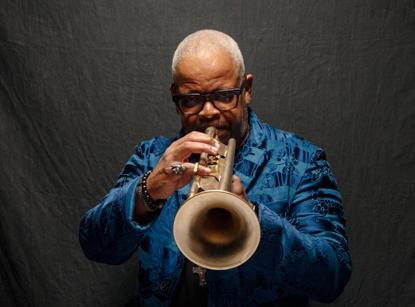
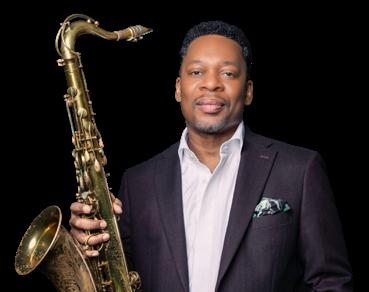
In a once-in-a-generation collaboration, saxophonist and composer Ravi Coltrane and trumpeter and composer Terence Blanchard will perform the music of Miles Davis and John Coltrane in a very limited number of live appearances. The tour is as much about the current legacy of jazz and its future over the next 100 years as it is a tribute to the past century of this art form, with reimagined tunes by both Miles Davis and John Coltrane.
Terence Blanchard last performed with La Jolla Music Society in the Protostar Innovative Series on January 19, 2025. This performance marks Ravi Coltrane’s La Jolla Music Society debut.
PM
Interview hosted by Robert John Hughes
SATURDAY, APRIL 11, 2026 · 7:30 PM
THE BAKER-BAUM CONCERT HALL
Joe Lovano, saxophone
Melissa Aldana, saxophone Nduduzo Makhathini, piano
The Jazz Mini-Festival is sponsored by:
Vail Memorial Fund
Support for our jazz programs is provided by:
Dorothea Laub
La Jolla Music Society’s 2025–26 Season is supported by The City of San Diego Cultural Affairs, California Arts Council, County of San Diego, Prebys Foundation, Farfy Foundation, The Lodge at Torrey Pines, ProtoStar Foundation, Vail Memorial Fund, Rancho La Puerta, Banc of California, ResMed Foundation, San Diego Theatres Foundation, Bright Events Rentals, Cafe Coyote, Rancho Coyote, GRNFC Hospitality Group, Ace Parking, Brenda Baker and Steve Baum, Raffaella Belanich, Gordon Brodfuehrer, Eleanor and Ric Charlton, Mary Ellen Clark, Bert and Julie Cornelison, Elaine Galinson and Herbert Solomon, Irwin Jacobs, Helen and Keith Kim, Angelina and Fred Kleinbub, Dorothea Laub, Vivian Lim and Joseph Wong, Jaqueline and Jean-Luc Robert, Marge and Neal Schmale, Karen and Kit Sickels, Jeanette Stevens, Haeyoung Kong Tang, Debra Turner, Sue and Peter Wagener, Liqun Wang and Marco Londei, Anna and Edward Yeung, Bebe and Marvin Zigman.
Linda May Han Oh, bass
Jeff “Tain” Watts, drums
Works to be announced from stage
THIS PERFORMANCE HAS NO INTERMISSION AND IS APPROXIMATELY 90 MINUTES
2026 marks the centennial of the birth of iconic saxophonist John Coltrane. Coltrane 100 brings together saxophonists Joe Lovano and Melissa Aldana, pianist Nduduzo Makhathini, bassist Linda May Han Oh, and drummer Jeff “Tain” Watts for a collective tribute reflecting Coltrane’s enduring influence across generations, geographies, and musical traditions.
The Coltrane 100 tour is produced with the approval of Jowcol Music LLC o/b/o Estate of John Coltrane
Joe Lovano last performed for La Jolla Music Society in the Jazz Series on April 11, 2025. This performance marks Melissa Aldana’s, Nduduzo Makhathini’s, Linda May Han Oh’s, and Jeff “Tain” Watts’ La Jolla Music Society debut.
2 PM
Lecture by Michael Gerdes
SUNDAY, APRIL 12, 2026 · 3 PM
THE BAKER-BAUM CONCERT HALL
CAROLINE SHAW
Allemande from Partita for 8 Voices (b. 1982)
Danish National Girls’ Choir
LOTTA WENNÄKOSKI Pige (Girl) (b. 1970)
Danish String Quartet
SCHUBERT
Andante con moto (theme) from String Quartet No. 14 (1797–1828) in D Minor, D 810 “Death and the Maiden”
Danish String Quartet
ANNA THORVALDSDOTTIR
Þann heilaga kross (On the holy cross) (arr. Bryla) (b. 1977)
SWEDISH TRADITIONAL
DANISH TRADITIONAL
Danish National Girls’ Choir
Kisti du kom (Kisti you come) (arr. Sørensen)
Dronning Dagmar ligger udi Ribe syg (Queen Dagmar lies in Ribe, sorely ill) (arr. Sørensen)
RUNE TONSGAARD SØRENSEN Once a Shoemaker (b. 1983)
Danish National Girls’ Choir; Danish String Quartet
La Jolla Music Society’s 2025–26 Season is supported by The City of San Diego Cultural Affairs, California Arts Council, County of San Diego, Prebys Foundation, Farfy Foundation, The Lodge at Torrey Pines, ProtoStar Foundation, Vail Memorial Fund, Rancho La Puerta, Banc of California, ResMed Foundation, San Diego Theatres Foundation, Bright Events Rentals, Cafe Coyote, Rancho Coyote, GRNFC Hospitality Group, Ace Parking, Brenda Baker and Steve Baum, Raffaella Belanich, Gordon Brodfuehrer, Eleanor and Ric Charlton, Mary Ellen Clark, Bert and Julie Cornelison, Elaine Galinson and Herbert Solomon, Irwin Jacobs, Helen and Keith Kim, Angelina and Fred Kleinbub, Dorothea Laub, Vivian Lim and Joseph Wong, Jaqueline and Jean-Luc Robert, Marge and Neal Schmale, Karen and Kit Sickels, Jeanette Stevens, Haeyoung Kong Tang, Debra Turner, Sue and Peter Wagener, Liqun Wang and Marco Londei, Anna and Edward Yeung, Bebe and Marvin Zigman.
The Danish String Quartet appears by arrangement with Kirshbaum Associates Inc. 307 Seventh Avenue Suite 506 New York, NY 10001 www.kirshbaumassociates.com
The Danish String Quartet is currently exclusive with ECM Records and has previously recorded for DaCapo and Cavi-Music/BR Klassik
Danish National Girls’ Choir (DR Pigekoret) is part of Danish Broadcasting Corporation (DR) and under the patronage of H.M. Queen Mary of Denmark.
ASTRID SONNE
How far (b. 1994)
CAROLINE SHAW
O’ CAROLAN
Danish National Girls’ Choir
And So (arr. Rowan)
Danish National Girls’ Choir; Danish String Quartet
Captain O’Kane (arr. Sjölin) (1670-1738)
Danish String Quartet
DANISH TRADITIONAL, Tit er jeg glad og et brudestykke
NIELSEN/INGEMANN (Oft I am glad, and yet I long to weep) (arr. Sørensen) (1865–1931) (1789−1862)
Danish National Girls’ Choir; Danish String Quartet
INTERMISSION
DAVID LANG in wildness (2026) (b. 1957)
Introduction to wildness
We wish to speak
No wealth can buy
We will talk
Nowadays
Old tree
The preservation of the world
We took a walk
Commissioned by the Danish National Girls’ Choir, with Co-Commissioning from UCSB Arts & Lectures, Stanford Live, La Jolla Music Society, Washington Performing Arts, the Philharmonic Society of Orange County, and Carnegie Hall
Danish String Quartet
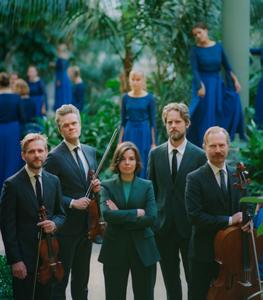
Frederik Øland, violin; Rune Tonsgaard Sørensen, violin; Asbjørn Nørgaard, viola; Fredrik Schøyen Sjölin, cello;
Danish National Girls’ Choir; Charlotte Rowan, choir conductor
Danish String Quartet last appeared with La Jolla Music Society in the Revelle Chamber Music Series on November 23, 2019. This presentation marks the Danish National Girls’ Choir’s La Jolla Music Society debut.
Over the past decade, our two ensembles have built a musical friendship that has opened new perspectives. Throughout our collaboration, we have been driven by curiosity—about the distinct qualities of our ensembles, about the musical expression that arises between us, and about what happens when 1,000 years of music history, 50 young voices, and a string quartet merge into one.
On paper, a girls’ choir and a string quartet may seem refined, even traditional. But we have never been interested in refinement for its own sake. We have pursued a tangible and raw power, insisting on presenting the fragile and uncompromising side by side—as well as the intimate and the fierce.
This concert has evolved from this shared curiosity, harnessing the power of a string quartet and a girls’ choir—and the collective force that emerges when multiple voices meet— creating movement and transformation.
In the first half, you will encounter strong female voices through Nordic folk melodies and new music by Icelandic composer Anna Thorvaldsdottir, Finnish Lotta Wennäkoski, American Caroline Shaw, and Danish electronical composer Astrid Sonne. Different musical languages, different sonic landscapes— yet united by the same impulse: to open a space and allow something new to unfold. You will also meet an early Danish power lady, Queen Dagmar from the 12th century, and hear the cracking voice of Marie Tang Kristensen, a Danish housewife whose songs were captured on wax cylinders in 1907.
In the second half, we present in wildness by Pulitzer Prizewinning composer David Lang. The piece is written especially for our two ensembles, and it is an extraordinary honor to present new music by one of the most significant composers of our time. in wildness draws inspiration from the writings of Henry David Thoreau and Hans Christian Andersen—two poets who, each in their own way and language, describe a movement away from established society and into nature, into the unknown. Not as an escape, but as a possibility. As a way of imagining a different world, and a different future.
in wildness is a co-commission between the Danish National Girls’ Choir, UCSB Arts & Lectures, Carnegie Hall, La Jolla Music Society, Philharmonic Society of Orange County, Stanford Live, and Washington Performing Arts.
To present this today feels like an invitation: to listen. To stay curious. To believe that new beginnings can emerge when we dare to step into the wild—together.
The journey begins tonight—with you. Thank you for stepping into the wild with us.
— Danish National Girls’ Choir —Danish String Quartet
Born: January 8, 1957
Composed: 2026
Approximate Duration: 30 minutes
“In Wildness is the preservation of the World”
This quotation is from the 1851 essay Walking by the American philosopher Henry David Thoreau. I read this essay in high school and it has stayed with me ever since. It is a rambling, mostly sunny but sometimes prickly text about the lessons we can learn, about society and ourselves, by walking through the natural world. In some places, the essay is more about what we should be walking away from than what we should be walking Towards.
A large part of this essay is about walking West, towards the setting sun, which in 1851 was still a less-tamed section of the United States. When Thoreau walks westward he is turning his back on “civilized” Massachusetts, with its cities and laws and politics and decorum, and walking towards the wilderness. Although his descriptions of walking are light and joyful they are given in the same spirit of rejection of the rules of society as found in his book Walden, or in his essay Civil Disobedience
Thoreau’s text has been heavily amended and reworked by me, and I apologize for the variances between my text and the original. I took out the historical examples, the digressions, and the archaic references to various nations and peoples that we now might find embarrassing or dated or offensive. Most of all, I took out the direct references to American exceptionalism. The society Thoreau is walking away from is, of course, American society, and the world he is walking towards is his imagined, potentially golden American future. One has to admire his optimism. As an ardent abolitionist, Thoreau was well aware that the wilderness he was so passionate about might soon be fought over, as politicians argued about how to divide the wilderness into free states and slave states. The “wildness” that Thoreau writes about in Walking is as much a political wildness as it is a personal or metaphoric one.
Thoreau’s essay is often interrupted by lyrics to old songs and poems. I took this as an invitation to interrupt my text with two poems by the Danish author Hans Christian Andersen, written roughly at the same time as Thoreau’s essay. Both of these poems are about walking in the woods, but I rewrote both significantly, in order to keep the woods front and center. I apologize for the variances between my text and the originals here too.
The biggest change I made to these texts is in who the narrators are, and how they speak to us. The original texts are messages to us from two notoriously cranky men from the 19th century. I hoped that converting these texts into a hopeful, direct address, from a group of modern, committed young women, might make these messages easier for us to hear, to pay attention to, and to believe.
—David Lang
Shaw
Allemande from Partita for
Partita is a simple piece. Born of a love of surface and structure, of the human voice, of dancing and tired ligaments, of music, and of our basic desire to draw a line from one point to another.
Most of Partita is wordless.
Þann heilaga kross
Þann heilaga kross vor herra bar, á holdi hans voru dauðleg sár. Fyrir oss alla hann fullnað gjörði, vér urðum ei keyptir með öðru verði.
Því hlýðið, kæru kristnir menn, hvað kennir oss öllum skriftin senn.
Þeir sem vist á himnum hljóta, herrans pínu þeir verða að njóta.
Einasta Guði sé æra og dýrð, er sinn son sendi hingað á jörð. Hann stýri og stjórni oss öllum saman, svo vér hann óttumst og elskum.
Amen.
On the holy cross our Lord, on his flesh were mortal wounds. For all of us he accomplished this, we were not redeemed for a lesser price.
Therefore, dear Christians, this we all teach of his scripture. Those who receive heavenly glory, the love of the Lord they must enjoy.
One God is glory everlasting, his song is sent here on earth. He leads and guides us together, we serve him with reverence and love.
Amen.
Swedish Traditional (arr. Rune Tonsgaard Sørensen)
Kisti du kom
Kisti du kom du nog vill du väl svänga
Ser jag rätt på dig så har du nog lust
Kisti du kom du nog vil du väl svänga
Ser jag rätt på dig så har du nog lust
Jam da di dej då da di di la di dej ja
Jam da dy dej da di di del la di då
Kisti du kom du nog vil du väl svänga
Ser jag rätt på dig så har du nog lust
Kisti du kom du nog vil du väl svänga
Ser jag rätt på dig så har du nog lust
Jam da di dej då da di di la di dej ja
Jam da dy dej da di di del la di då
Kisti du kom – ahhh
Uti vår hage där växa blå bär
Kom hjärtans fröjd
Vill du mig något så träffas vi där. Kom liljor och akvileja, kom rosor och salivia Kom ljuva krusmynta, kom hjärtans fröjd!
Kisti du kom du nog vil du väl svänga
Ser jeg rätt på dig så har du nog lust
Jam da di dej då da di di la di dej ja
Jam da dy dej da di di del la di då
Kisti, you come
Kisti, you come, you probably want to dance
If I read you right, you surely want to Kisti, you come, you probably want to dance
If I read you right, you surely want to
Jam da di dej då da di di la di dej ja
Jam da dy dej da di di del la di då
Kisti, you come, you probably want to dance
If I read you right, you surely want to Kisti, you come, you probably want to dance
If I read you right, you surely want to
Jam da di dej då da di di la di dej ja
Jam da dy dej da di di del la di då
Kisti, you came – ahhh
Out in our meadow where blueberries grow Come, heart’s delight
If you want to reach me, we’ll meet there. Come lilies and columbine, come roses and salvia Come sweet curly mint, come, heart’s delight!
Kisti, you come, you probably want to dance
If I read you right, you surely want to
Jam da di dej då da di di la di dej ja
Jam da dy dej da di di del la di då
Danish Traditional
Dronning Dagmar ligger udi Ribe syg (arr. Rune Tonsgaard Sørensen)
Dronning Dagmar ligger udi Ribe syg, til Ringsted lader hun sig vente; alle de fruer, i Danmark er, dem lader hun til sig hente. Udi Ringsted hviles dronning Dagmar.
De ledte hende ud, de ledte hende ind, det blev jo længer og værre: “Imedens det kan ej bedre vorde, I sender bud efter min herre!”
Dankongen slog det tavlbord sammen, at alle de terninger sjunge. “Forbyde det Gud i Himmerig, at Dagmar skulle dø så unge!”
Dronning Dagmar rejser sig af båren op, hendes øjne var blodige røde: “O ve, o ve, min ædelig herre! hvi gjorde I mig den møde?
Den første bøn, jeg eder beder, den vider I mig så gerne: alle fredløse mænd, dem giver I fred og alle fanger er jerne!
Den tredje bøn, jeg eder beder, den vider I mig så gerne: lader I Knud, min yngste søn, konning i Danmark være!
Nu er det tid, jeg farer herfra, jeg må ikke længer lide, nu ganger Himmerigs klokker for mig, Guds engle efter mig bide. Udi Ringsted hviles dronning Dagmar.
Queen Dagmar lies in Ribe, sorely ill, To Ringsted she is borne in pain; All noblewomen throughout the land She bids be brought to her again. In Ringsted now rests Queen Dagmar. They led her out and led her in, Her suffering grew deeper and graver: “Since no relief is granted me, Send word at once for my dear lord!”
The Danish King struck hard the board, Till all the dice rang clear and strong: “God in His heaven forbid this fate— That Dagmar die so young, so wrong!”
Queen Dagmar rose upon her bier, Her eyes were crimson, red with pain: “Alas, alas, my noble lord, Why have you brought me sorrow so great?
The first request I ask of thee, Grant it freely, grant it well: Give peace to all the outlawed men, And loose each captive from his cell.
The third request I ask of thee, Grant it freely, grant it well: Let Knud, my youngest, wear the crown, I pray, the King of Denmark be!”*
Now is the hour that I must go, here, I may endure no longer; The bells of heaven ring for me, God’s angels draw my soul ever nearer. In Ringsted now rests Queen Dagmar.
Note from Caroline Shaw:
The lyrics for “And So” are in conversation with Robert Burns’ “Red, Red Rose,” with the history of roses in poetry, and, in a way, with Gertrude Stein, Billy Joel, Shakespeare, and existentialism. I don’t want to explain the meaning of the song too much, since I’m still finding different corners in it and I like the ambiguity of certain lines and harmonies. It may be a song about love, or it may be about loss, or it may simply be about the act of writing and listening to music. The orchestral writing for “And So” is spare and quiet, almost like the sound of someone writing a simple song at the piano.
Rune Tonsgaard Sørensen
Once a Shoemaker
Wordless
Astrid Sonne
How far
Wordless
would a song by another name sound as sweet and true would all the reds be just the same or violets as blue if you were gone would words still flow and would they rhyme with you if you were gone would i still know how to love and how to grow and how the vowel threads through. and so they say the saying goes a rose is a rose is a rose is a rose is a rose is a rose is a tired rhyme but in the verse there’s always time. would scansion cease to mark the beats if i went away would a syllable interrupt the feet of tetrametric iambs when i am gone and it is calm listen and i will sing a tune of love and life and of the ocean’s prose and the poetry of a red, red, rose, that’s newly sprung in june. and so you say the saying goes a rose is a rose is a rose is a rose is a rose is a rose is how I’m keeping track of time. when a’ the seas rise high, my dear and the rocks melt with the sun will the memory of us still rhyme with anyone will we still tune our violins will we still sing of roses will we exist at all, my love, or will we fade to stanzas of the dust that i suppose is all we were and all we’ll be. and so the saying “so it goes” depends a lot on if a rose is a rose is a rose is a rose is a rose is a rose is a rose is a thing sublime and so we stay, on borrowed time
Carl Nielsen/B.S. Ingemann, Danish traditional (arr. Rune Tonsgaard Sørensen)
Tit er jeg glad og et brudestykke
Tit er jeg glad og vil dog gerne græde, thi intet hjerte deler helt min glæde.
Tit er jeg sorrigfuld og må dog le, at ingen skal den bange tåre se.
Tit elsker jeg, og vil dog gerne sukke; tit hjertet må sig tavst og strengt tillukke. Tit harmes jeg, og dog jeg smile må, thi det er dårer, som jeg harmes på.
Tit er jeg varm, og isner i min varme; thi verden favner mig med frosne arme.
Tit er jeg kold - og rødmer dog derved; thi verden slukker ej min kærlighed.
O du, som ene dele kan min glæde! du ved hvis barm jeg turde frit udgræde!
O, hvis du kendte, hvis du elsked mig, jeg kunne være, som jeg er - hos dig.
Tit er jeg varm, og isner i min varme; thi verden favner mig med frosne arme.
Tit er jeg kold - og rødmer dog derved; thi verden slukker ej min kærlighed.
David Lang in wildness
Oft I am glad, and yet I long to weep
Oft I am glad, and yet I long to weep, For no one shares my joy in fullness deep.
Oft I am sorrowful, yet still must smile, Lest any see my fearful tear awhile.
Oft do I love, and yet I softly sigh;
Oft must my heart in silence close and lie.
Oft I grow angry, yet I smile instead, For it is fools on whom my anger’s shed.
Oft I am warm, yet tremble in my fire, For frozen arms the world around me wire.
Oft I am cold—and blush in spite of this, For still the world cannot my love dismiss.
O you alone who share my joy’s true part, You know the breast where I could bare my heart.
O if you knew me, loved me as I am,
With you I could be wholly, simply, I.
Oft I am warm, yet tremble in my fire, For frozen arms the world around me wire.
Oft I am cold—and blush in spite of this, For still the world cannot my love dismiss.
(after texts by Henry David Thoreau and Hans Christian Andersen) introduction to wildness (instrumental)
we wish to speak we wish to speak a word for nature for absolute freedom and wildness we wish to be inhabitants a part of nature rather than members of society we wish to make an extreme statement an emphatic one for there are enough champions of civilization every one of you will take care of that we have met with few people in the course of our lives who understood the art of walking that is, of taking walks these days, most expeditions are but tours and come round again at evening to the place from which we set out half the walk is but retracing our steps we should go forth on even the shortest walk in the spirit of undying adventure never to return
if you are ready to leave your father and mother your brother and sister your husband your wife your son your daughter your friends and never see them again if you have paid your debts and made your will and settled all your affairs and are free then you are ready for a walk
no wealth can buy no wealth can buy the freedom which is the capital in this profession it comes only by the grace of god it requires a direct dispensation from heaven to become a walker
some people, it is true can remember some walks they took ten years ago in which they were so blessed to lose themselves for half an hour in the woods but we know very well they have confined themselves to the highway ever since
no doubt temperament and age have a good deal to do with it as we grow older our ability to sit still increases
we grow vespertinal in our habits as the evening of life approaches till at last we come forth only just before sundown and get all the walk that we require in half an hour the walking of which we speak has nothing in it akin to exercise but is itself the enterprise and adventure of the day if you would get exercise go in search of the springs of life those springs are bubbling up in far-off pastures unsought
we will walk our love, our life come with us it is so still it is so clear come with us we will walk in the forest among the fallen flowers the fresh smell of the forest the nightingale everything we want is here the forest is inside us the nightingale is inside us the stillness is inside us in the forest among the fallen flowers our love, our life come with us we are so still we are so clear come with us
in wildness (cont.) nowadays nowadays almost all the improvements so called the building of houses the cutting down of the forest deform the landscape and make it more tame more cheap
people and their affairs church and state and school trade and commerce manufactures and agriculture even politics
the most alarming of them all we are pleased to see how little space they occupy in the landscape politics is but a narrow field we pass from it as from a field into the forest and it is forgotten at present the best part of the land is not private property the landscape is not owned possibly the day will come when it will be partitioned off and walking shall be construed to mean trespassing on some gentleman’s grounds to enjoy a thing exclusively is to exclude yourself from the true enjoyment of it let us improve our opportunities, then before the evil days come
old tree
old tree let it stand until it dies of its old age it has seen so many things it could tell us we have seen it full of flowers old tree let it stand we are walking we know, we feel, we sense we know this walk will lead us home when this tree is full of flowers we will know that we are home old tree let it stand let no one cut it down
the preservation of the world in wildness is the preservation of the world every tree sends its roots forth in search of the wild
cities import it at any price we plow and sail for it from the forest and the wilderness come the tonics and the barks which brace us all we believe in the forest we believe in the meadow we believe in the night in which the corn grows give us a wildness whose glance no civilization can endure wild lands where none have settled we are ready all good things are wild and free there is something servile in the habit of seeking after a law which we may obey those of us who take the liberty to live are superior to all the laws
we took a walk
we took a walk the other afternoon we saw the setting sun such a light as we could not have imagined the air was so warm the air was so serene this was not a solitary phenomenon never to happen again it will happen forever and ever an infinite number of evenings and it will cheer and reassure the latest child that walks there we walked in so pure and bright a light gilding the withered grass and leaves so softly and serenely bright we thought we had never bathed in such a golden flood so we walk till one day the sun will shine more brightly than ever it has done till one day the sun will shine into our minds and hearts till one day the sun will light up our whole lives with a great awakening light as warm and serene and golden as on a river bank in autumn

Saxophonist and composer Melissa Aldana was born in Santiago, Chile. Both her father and grandfather were saxophonists and she took up the instrument at age six under her father Marcos’ tutelage. She performed in Santiago jazz clubs in her early teens and was invited by pianist Danilo Pérez to play at the Panama Jazz Festival in 2005. Aldana moved to the U.S. to attend the Berklee College of Music, and the year after graduating she released her first album, Free Fall, on Greg Osby’s Inner Circle label in 2010. In 2013, at 24, she became the first female instrumentalist and the first South American musician to win the Thelonious Monk International Jazz Saxophone Competition, in which her father had been a semi-finalist in 1991. Aldana’s 2019 album, Visions, earned the saxophonist her first-ever GRAMMY nomination, for Best Improvised Jazz Solo. Aldana was one of the founding members of ARTEMIS, the all-star collective that released their debut album, ARTEMIS, on Blue Note in 2020. Aldana began releasing her own leader albums on Blue Note in 2022. Her latest, 2026’s Filin, is a ballads album of songs drawn from Cuba’s Filin music tradition.
Born in New Orleans in 1962, Terence Blanchard is a musical polymath who launched his solo career as a bandleader in the 1990s. Since then, he has released 20 solo albums, garnered 15 GRAMMY® nominations, composed for the stage and for more than 60 films, and received 10 major commissions. He has been named an official 2024 NEA Jazz Master as well as a member of the 2024 class of awardees for the esteemed American Academy of Arts and Letters. An eight-time GRAMMY® winner and twice Oscar-nominated film composer, Blanchard became only the second AfricanAmerican composer to be nominated twice in the original score category at the 2022 Academy Awards. The Metropolitan Opera premièred Fire Shut Up in My Bones in 2021 to open its 2021–22 season, making it the first opera composed by an African American composer to première at the Met in its 138-year history. The recording of those performances received a GRAMMY® Award for Best Opera Recording. Fire returned to the Met for a second run in April 2024. Blanchard frequently performs with his band, E-Collective.

his music includes the traditional Farrukhabad Gharana and Lucknow styles of tabla as well as a modern touch in the presentation of his art with concepts like Beats & Pieces, The T20 of Classical Music. From Carnegie Hall to the Barbican in London, from Wigmore Hall in London, to the Esplanade Theatre in Singapore, Anubrata has performed at many prestigious venues and music festivals and has shared the stage with well-known artists globally, including Japanese Koto star Yumi Kurosawa, Wynton Marsalis, Amjad Ali Khan, Hari Prasad Chaurasia, Birju Maharaj, Ranjit Barot, and Shankar Mahadeyan. Anubrata has won several awards and accolades, among the most significant the President’s Gold Medal (2001), awarded by All India Radio; Pandit Nikhil Ghosh Memorial Award (2002); Pandit Basavaraj Rajguru Memorial National Award by Karnataka Government (2014), and Sangeet Natak Akademi Ustad Bismillah Khan Yuva Puraskar (2016).

Ravi Coltrane is a critically acclaimed GRAMMYnominated saxophonist, bandleader, and composer. In the course of a twenty-plus-year career, Coltrane has worked as a sideman to many, and recorded noteworthy albums for himself and others. Coltrane has released six albums as a bandleader: Moving Pictures, From the Round Box, Mad 6, In Flux, Blending Times, and Spirit Fiction. He also has collaborated on various albums, including Seraphic Light with Joe Lovano and David Liebman, In Movement with Jack DeJohnette and Matthew Garrison, and Blue Note’s 70th Anniversary recording, Mosaic: A Celebration of Blue Note Additional credits include performances as well as recordings with Elvin Jones, Terence Blanchard, Kenny Baron, Steve Coleman, McCoy Tyner, Jack DeJohnette, Matt Garrison, Jeff “Tain” Watts, Geri Allen, Joanne Brackeem, and The Blue Note 7, among others. Born in Long Island, the second son of John Coltrane and Alice Coltrane, Ravi was named after Indian sitar legend Ravi Shankar. Coltrane lives in Brooklyn, NY, and maintains a fast-paced touring, recording, composing, and performance schedule, and presides over important reissues of his parents’ recordings.
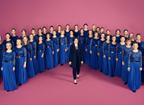
Since its founding in 1938, the Danish National Girls’ Choir has been synonymous with Danish song and the pure Nordic sound.
sound of young girls’ voices. Through a strong focus on educating children and youth in the choir tradition, this elite ensemble covers a broad repertoire encompassing Grundtvig’s hymns, modern compositions, and pop songs without losing its musical spark and infectious enthusiasm. The Danish National Girls’ Choir has also been on several tours to among other countries France, England, Russia, China, and Australia.
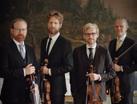
Frederik Øland, violin; Rune Tonsgaard Sørensen, violin; Asbjørn Nørgaard, viola; Fredrik Schøyen Sjölin, cello
The GRAMMYnominated Danish String Quartet is recognized for its vitality and programming, celebrating its 20th anniversary in 2024. The quartet has received prestigious honors including Denmark’s Carl Nielsen Prize, Musical America’s 2020 Ensemble of the Year, and the Borletti-Buitoni Trust. Their recordings include the PRISM series and folk albums like Last Leaf, which The New York Times and NPR named a top album. Their 2024 release, Keel Road, continues their focus on Scandinavian folk traditions. The quartet performs globally at venues such as Carnegie Hall and the Library of Congress. Their DOPPELGÄNGER initiative commissions new works from composers like Thomas Adès and Bent Sørensen, paired with Schubert pieces. They engage new audiences via their DSQ Festival and the “Series of Four” in Copenhagen, and were named BBC Radio 3 New Generation Artists and members of the Bowers Program.
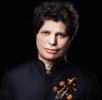
Anubrata Chatterjee is one of the leading tabla artists of his generation. He is the son and disciple of the world-renowned tabla maestro Pandit Anindo Chatterjee. Anubrata’s creative approach toward
Every year the choir sings more than 60 concerts in Denmark and is always met with great interest in full churches and concert halls. The choir tradition in Denmark is very strong, going back several centuries. This choir, which is considered one of the best girls’ choirs in the world, combines old song traditions with new music, always working to develop the choir tradition exploring the special
Augustin Hadelich recently gave concerts at the BBC Proms, in Aspen, La Jolla, Verbier, Tsinandali, Bucharest, and Salzburg and was soloist at the season opening concerts of the Orchestre National de France and the Czech Philharmonic Orchestra. He recently made debuts at Staatskapelle Dresden, Orchestra dell’ Accademia Nazionale di Santa Cecilia, Tonhalle-Orchester Zürich and the NDR Radiophilharmonie and solo recitals in Italy, Germany, and the USA. In 2016, Hadelich received a GRAMMY®Award for Best Classical Instrumental Solo for his recording of Dutilleux’s violin concerto “L’Arbre des songes.” Hadelich was awarded the Avery Fisher Career Grant in 2009, and a BorlettiBuitoni Trust Fellowship in 2011. He was named “Instrumentalist of the Year” by Musical America in 2018. In 2021 he was appointed to the faculty of the Yale School of Music. He plays a 1744 violin by Giuseppe Guarneri del Gesù, known as “Leduc, ex Szeryng,” on loan from the Tarisio Trust.
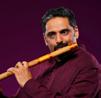
Ravichandra Kulur is an internationally acclaimed flute virtuoso. He began his training under his father Sri K. Raghavendra Rao and was later hailed as flute maestro by legend Pandit Ravi Shankar, who invited to join him for the 2005–06 concerts titled “Festival of India III.” He has performed over 1,200 concerts in 34 countries, gracing stages like Carnegie Hall, Kennedy Center, Royal Festival Hall, and Sydney Opera House, not to mention festivals including WOMAD, Roskilde, SF, Helsinki Festival, Bangalore Habba, and many more. Ravi’s music blends Carnatic classical, world music, and fusion jazz. In addition to Ravi Shankar, he has collaborated with Anoushka Shankar and AR Rahman.

Lang Lang is a leading figure in classical music today. As a pianist, educator, and philanthropist he has become one of the world’s most influential and committed ambassadors for the arts in the 21st century. Equally happy playing for billions of viewers at the 2008 Olympic Opening Ceremony in Beijing or just for a few hundred children in the public schools, he is a master of communicating through music. Lang Lang’s boundless drive to attract new audiences to classical music has brought him tremendous recognition: he was presented with the 2010 Crystal Award in Davos and was picked as one of the 250 Young Global Leaders by the World Economic Forum. In December 2011 he was honored with the highest prize awarded by the Ministry of Culture of the People’s Republic of China and received the highest civilian honors in Germany (Merit of the Federal Republic of Germany) and France (Medal of the Order of Arts and Letters).
Théotime Langlois de Swarte, violin; Sophie de Bardonnèche, violin; Hanna Salzenstein, cello; Justin Taylor, harpsichord Le Consort, formed in Paris in 2015, is dedicated to Baroque music, and more specifically to the trio sonata genre. Since its beginnings, this repertoire is one the group has intensively worked on, performed, recorded, and interpreted with enthusiasm, sincerity, and modernity. As the quintessence of chamber music during the Baroque era, its members strive to bring a personal, dynamic, and colorful interpretation to this genre. Le Consort has already developed numerous projects and collaborations and is considered “one of the major players on the French Baroque scene” (Diapason, October 2019). In June 2017, Le Consort won First Prize and the Audience Award at the Val
de Loire International Competition, chaired by William Christie. Since then, they have performed in numerous venues in France and Europe (Auditorium de Radio France, Elbphilharmonie in Hamburg, Auditori de Barcelona, La Roque d’Anthéron Festival, etc.). The Consort is in residence at the Royaumont Foundation, the Banque de France, and the Singer-Polignac Foundation.
GRAMMY-winning saxophonist, composer and producer Joe Lovano won a GRAMMY for his album 52nd Street Themes and has received 14 other nominations. He has
won DownBeat Magazine’s Critics and Readers Polls countless times as Tenor Saxophonist, Musician of the Year, Jazz Album of the Year and Triple Crowns from DownBeat. He has also received numerous awards from Jazz Times and the Jazz Journalists Association for Tenor Saxophone, Album of the Year, and Musician of the Year. Lovano has performed and recorded with a long list of jazz greats including Woody Herman, Dr. Lonnie Smith, Mel Lewis, Bob Brookmeyer, Paul Motian, Bill Frisell, Tony Bennett, Abbey Lincoln, Charlie Haden, John Scofield, Gunther Schuller, Elvin Jones, McCoy Tyner, Ed Blackwell, Herbie Hancock, Dave Holland, Hank Jones, Dave Liebman, Michael Brecker, Dave Douglas, Judi Silvano, Ravi Coltrane, Chucho Valdés, Ornette Coleman, Diana Krall, and many others. He has created an extensive body of work for his own ensembles including strings, woodwinds, his horn-rich Nonet, the Classic Quartet, Trio Tapestry, and more.
Nduduzo Makhathini is an award-winning pianist, improvisor, healer, and scholar from KwaZulu Natal in South Africa. He is a recipient of prestigious awards such as the Standard Bank Young Artist Award, South African Music Award (SAMA), and AFRIMA, among others, that have made him an influential figure. Makhathini has nine albums under his belt, with his last album, Modes of Communication: Letters from the Underworlds on Blue Note Records, and many as a sideman. He has performed and collaborated with the Jazz at Lincoln Center Orchestra with Wynton Marsalis. Moreover, he has performed with Busi Mhlongo, Zim Ngqawana, Azar Lawrence, Billy Harper, Nasheet Waits, and Logan Richardson, among many other greats. Makhathini has also performed at prestigious venues such as the Blue Note and Jazz at Lincoln Centre in New York. He was also in the line-up for this year’s Winter Jazz Fest. As an academic, Makhathini heads a music department at the historic University of Fort Hare while completing his PhD at Stellenbosch University. Makhathini’s work moves between jazz and improvisation while making connections to African cosmological aspects, with a strong focus on ritual.

B C Manjunath is a dynamic artist who revealed an innate musical talent and interest in percussion from a young age, encouraged by his father, legendary mridangam player Vidwan B K Chandramouli. Later he enlarged this musical perspective by training in Mridanga under Karnataka Kalashree K N Krishna Murthy and Sangeetha Kalanidhi Sri T.K. Murthy. Manjunath’s creative impulses have flowered in various forms, from classical to fusion and in solo and ensemble performances, accompanying many great artists from India and abroad, including Sangeetha Kalaratna, Sri R R Keshavamurthy, Sangeetha Kalaratna Sri H P Ramachar, Mysore M Nagaraj and Dr. Mysore M Manjunath (aka Mysore Brothers), Dr. Suma Sudhindra, and Chitraveena N Ravikiran. He has also shared the stage with international legends like Turkish Sufi singer Kani Karaca and trombonist Robin Eubanks. He has worked with composers Rafael Reina, Riccardo Nova, members of Bhedam and with Conservatorium of Amsterdam, The Karnatic Lab Festival, Zagreb Music Biennale, Fabrica Italy, Santander Percussion Festival (Spain), Perth International Festival, Roma Europe Festival, Milano Musica/John Cage Festival, Ictus Ensemble (Belgium), Quintetto Bibiena (Italy) and Het Nederlands Fluit Orkest. He has designed extensive online courses on Konnakol and Mridangam for rhythm enthusiasts on platforms like Livdemy and Shaale.
Aayush Mohan is one of the most acclaimed sarod players on the global stage. Known for his distinguished musicality and mastery of the Indian tradition, Mohan is a proud grand-disciple of Bharat Ratna Pandit Ravi Shankar. His training belongs to the revered Senia-Maihar Gharana, having learnt from Balwant Rai Verma, Sharan Rani, and Tejendra Majumdar. Apart from his sarod recitals, he often performs alongside his brother, sitarist Lakshay Mohan, the duo being known as the Mohan Brothers. Together, they performed at the prestigious GRAMMY Museum in Los Angeles at the opening of the exhibition, “Ravi Shankar: A Life in Music.” The duo received a historic endorsement when the Pandit Ravi Shankar, upon hearing them in 2012, launched them on their debut U.S. tour under his foundation. Mohan has performed at some of the most respected venues across the world, including Symphony Space in New York City, Berklee College of Music, Central Conservatory of Music in Beijing, the India Fine Arts Academy in San Diego, and Gasteig in Munich. A five-time TEDx speaker, Mohan has also presented lecture-demonstrations at esteemed institutions such as Wien State University in Detroit and University of the Arts in Philadelphia.
Based in New York City, GRAMMY Awardwinning Linda May Han Oh is a bassist/composer who has performed and recorded with artists such as Pat Metheny, Kenny Barron, Joe Lovano, Dave Douglas, Terri Lyne Carrington, Steve Wilson, Geri Allen, and Vijay Iyer. Born in Malaysia and raised in Perth, Western Australia, she has received many awards, including a 2022 Deutscher Jazz Preis, and was voted Bassist of the Year for 2018–21 and 2023–25 by the Jazz Journalists’ Association, as well as 2022 Bassist of the Year in Jazztimes. In 2023 she received the prestigious Herb Alpert Award for music and received an Honorary Doctorate from the Manhattan School of Music in 2024. Oh has released five albums as a bandleader to critical acclaim. Her latest is a quintet album, The Glass Hours, on Biophilia Records. Oh has written for large and small ensembles and for film, participating in the Sundance Labs at Skywalker Ranch. She was featured on bass in the 2020 Pixar movie Soul under the musical direction of Jon Batiste (The Late Show with Stephen Colbert), and was the model for the character in the film, bassist “Miho.”
Swiss-Italian pianist Francesco Piemontesi, a native of Locarno, has established himself as a leading interpreter of German classical and romantic repertoire.
Renowned for his subtle, mesmerizing interpretations of Schubert, Mozart, Beethoven, Brahms, and Liszt, his expansive repertoire also includes works by Bach, Handel, Debussy, Ravel, and contemporary composers like Unsuk Chin. Piemontesi frequently performs with prestigious ensembles including the Berlin, New York, and Los Angeles Philharmonics, and the London Symphony Orchestra, collaborating with distinguished conductors such as Zubin Mehta and Gianandrea Noseda. His artistic excellence is documented through award-winning recordings of Schubert, Debussy, and Mozart. Career highlights include residencies with the Orchestre de la Suisse Romande and the Dresden Philharmonic, alongside long-standing ties to the Schubertiade and Wigmore Hall, where he will perform Beethoven’s sonatas starting in 2025. A versatile chamber musician, he partners with artists like Renaud Capuçon and Janine Jansen. From Carnegie Hall to the Salzburg Festival, Piemontesi’s international presence is solidified by acclaimed appearances at the world’s most celebrated venues and festivals, confirming his status as a premier global soloist.
The founding conductor of the Danish National Girls’ Choir was Mrs. Lis Jacobsen. She headed the ensemble from 1938 right up to 1961. As of August 2023, English choral conductor Charlotte Rowan took over the baton as conductor for DR Pigekoret, becoming the eighth conductor in the choir’s history. Born and raised in Liverpool, Rowan grew up singing in the choir of Liverpool Metropolitan Cathedral, where she later became Organ Scholar (2012–14). During this time, Rowan also studied as a singer and conductor at the Junior Royal Northern College of Music in Manchester where her passion for conducting blossomed. She went on to study music at the University of Cambridge (MA Hons), where she continued her training as a Choral Scholar with The Chapel Choir of Sidney Sussex College (2014–17). Since 2018, Rowan has lived in Denmark, where she has furthered her education as a choral conductor at the Royal Academy of Music in Aarhus (2018–20) and held the position as Director of Music of Herning Boys’ Choir for three years (2020–23) before becoming the conductor of DR Pigekoret.
Padma Shankar is an acclaimed performer, composer, and educator, known for her evocative artistry and deep-rooted training in the South Indian classical tradition. A senior disciple of the legendary violin maestro Shri Lalgudi Jayaraman, Shankar carries forward his legacy with a nuanced blend of melody, rhythm, and emotional depth. With over three decades of professional experience, Shankar has performed extensively across India and internationally, both as a soloist and in major collaborative projects. Her work bridges classical, contemporary, and global genres, making her a sought-after voice in both experimental and cross-cultural music settings. Shankar has been honored with the prestigious Kalaimamani Award— the highest state recognition for excellence in the arts in Tamil Nadu—along with numerous other accolades for her contributions to Indian classical music. A dedicated educator, Shankar has guided a significant number of students worldwide and recently launched Swaraved, a platform offering selfpaced violin and vocal courses designed to empower independent learning.
Pandit Shubhendra Rao is an internationally acclaimed performer, composer, cultural entrepreneur and music educator. A protégé of Bharat Ratna Pandit Ravi Shankar, Shubhendra Rao’s relentless service in promoting Indian music
has made him a highly respected figure in the field of music and education across the world. As a composer, he pushes the boundaries of classical music across cultures, composing and collaborating with Chinese Pipa maestro Gao Hong, American Jazz Guitarist Freddie Bryant, Japanese legendary singer Ryoko Moriyama, Bilbao Symphony Orchestra, Brazilian Symphony Orchestra, and the Chinese National Orchestra, amongst others. He is also the Founding Director of Musikul Education Pvt Ltd and co-founder of the Shubhendra and Saskia Rao Foundation, together with his wife, Dutch cellist Saskia Rao-de Haas, transforming the way music is taught in schools in India. Together, they created Sangeet4All, India’s first early childhood music education curriculum, reaching over 80,000 children to date. As the Indian delegate of the Creative Youth Development Conference hosted by the Massachusetts Cultural Council, he collaborates with an international team of experts on creating effective international policies on Child & Youth Arts Education. Shubhendra Rao is the first recipient of the Atal Behari Vajpayee National Award for his contribution to Art and Culture and the 2019 recipient of the prestigious Art Karat Award for Excellence for his contribution in the field of Arts.
Jeff “Tain” Watts is one of the most in-demand jazz drummers in the world today. Watts majored in classical percussion at Duquesne University, followed by enrollment at the Berklee School of Music, where he pursued jazz studies alongside such talented players as Branford Marsalis, Kevin Eubanks, Greg Osby, Aimee Mann, Steve Vai, and Marvin “Smitty” Smith. Watts joined the Wynton Marsalis Quartet in 1981 and proceeded to win three GRAMMY Awards with the ensemble. Watts left Wynton Marsalis in 1988, and after working with George Benson, Harry Connick, Jr., and McCoy Tyner, he joined the Branford Marsalis Quartet in 1989. Watts has worked in the film and television industry as both a musician on The Tonight Show with Jay Leno and as an actor, in the role of Rhythm Jones in Spike Lee’s Mo Better Blues. Watts joined Kenny Garrett’s band upon returning to New York in 1995 and also continued to record and tour with Branford Marsalis as well as Danilo Perez, Michael Brecker, Betty Carter, Kenny Kirkland, Courtney Pine, Geri Allen, Alice Coltrane, Greg Osby, Steve Coleman, Gonzalo Rubalcaba, and Ravi Coltrane. Watts has an extensive discography as a sideman, as well as six albums as a bandleader. He was voted best drummer by Modern Drummer Magazine in 1988 and 1993 and was awarded a Guggenheim Fellowship for Music Composition in 2017.
Kristi Brown-Montesano, Piano Series lecturer
As a faculty member at the Colburn School Conservatory of Music from 2003–22, Dr. Kristi BrownMontesano served as Chair of Music History and helped shape the degree programs of the institution. Today, she is a Lecturer in Musicology at the UCLA Herb Alpert School of Music. She also collaborates with many of Southern California’s most distinguished musical organizations, including the Los Angeles Philharmonic, Los Angeles Opera, La Jolla Music Society, and the Philharmonic Society of Orange County. For more information, please visit kristibrownmontesano.com.
Michael Gerdes, Revelle Chamber Music and Recital Series lecturer

Michael Gerdes is Director of Orchestras at San Diego State University, where he conducts the San Diego State Symphony Orchestra, Chamber Orchestra, and Opera Orchestra. He earned his Bachelor of Music degree in Music Education and Bachelor of Arts Degree in Philosophy from Concordia College in Moorhead, Minnesota. Selected by the San Diego Union-Tribune as one of three “Faces to Watch in Classical Music” during his first year as Director of Orchestras, Gerdes is focused on creating a thriving orchestral community at San Diego State University.
Robert John Hughes, Jazz Series interviewer
Journalist, broadcaster, musician, author, and record producer Robert John Hughes has interviewed hundreds of musical artists in classical, jazz, pop, rock, R&B, and blues, including Sting, Wynton Marsalis, Bonnie Raitt, Paul Simon, B.B. King, Adele, and Peter Gabriel. As a record producer and member of the GRAMMY® Academy, Hughes has released
five albums of live performances by artists heard on San Diego FM station 102.1 KPRi. Hughes has hosted La Jolla Music Society Preludes since 2018.
lecturer

Professor Tiffany Kuo is a conservatory-trained pianist (Juilliard), and a liberal-arts educated musicologist (Stanford and NYU). Her interdisciplinary research and teaching integrate labor relations, economic inequality, and philanthropic patronage with musicological inquiry to offer culturally relevant perspectives on contemporary music-making. Currently, she holds faculty positions at Mt. San Antonio College, where she has taught since 2011, and the Colburn Conservatory, which she joined in 2019. As an affiliate scholar at the Los Angeles Opera and researcher, Kuo has contributed to scholarly publications, including Critical Historiographies of the Post-War AvantGarde, Dramaturgie Musicale Contemporaine en Europe, and Mitteilungen der Paul Sacher Stiftung. Her work at Mt. San Antonio College includes leading grant-funded initiatives supported by the California Community Colleges Chancellor’s Office and the U.S. Department of Education.

Molly Puryear brings passion for dance and nonprofit administration to her position as Executive Director of Malashock Dance. Puryear has worked with Malashock Dance since 2006, and previously served in the role of Education Director. She strategically aligns artistic and educational efforts to create a dynamic relationship between programs, the communities they serve, and the organization’s valuable funders. Puryear is committed to serving the San Diego community through the development and administration of vibrant dance programs. She believes that dance is an avenue for personal expression that engages people from all walks of life.
Preludes

A performing arts institution located in the heart of Los Angeles, the Colburn School trains students from beginners to those about to embark on professional careers. The academic units of the school provide a complete spectrum of music and dance education united by a single philosophy: that all who desire to study music or dance should have access to top-level instruction. Each year, nearly 2,000 students from around the world come to Colburn to benefit from the renowned faculty, exceptional facilities, and focus on excellence that unites the community. colburnschool.edu

Meghan Hynson, PhD, is an ethnomusicologist, music educator, performer, and sound healing enthusiast. She has spent over a decade living and studying music in Indonesia, particularly the performing arts of Bali and West Java. Before joining the University of San Diego, Dr. Hynson worked at Duquesne University, The University of Pittsburgh, and Monmouth University, where she taught Western art music history, directed gamelan ensembles, and offered globally oriented courses such as Musical Cultures of the World, Global Popular Music, Music and World Religions, and Music, Gender and Sexuality. Throughout her career, she has developed world music curricula and outreach programs for K-12 schools and worked with major museums and international world music festivals. She is an elected member on the council for the Society for Ethnomusicology and reviews submissions for the International Council for Traditional Music and the Smithsonian Folkways Recordings project on Global Learning Pathways.
Adagio · Italian: leisurely. “Adagio” designates a slow tempo.
Agitato · Italian: agitated, restless. In an agitated manner.
Allegro · Italian: merry, lively. “Allegro” designates a fast tempo. (“Allegretto,” a diminutive of “allegro,” is used to indicate a tempo slightly slower than “allegro.”)
Andante · Italian: at a walking pace. “Andante” designates a moderate tempo. (“Andantino,” a diminutive of “andante,” is used to indicate a tempo slightly quicker than “andante.”)
Appassionato · Italian: impassioned, passionate. A performance direction indicating an impassioned style.
Accelerando · Italian: a tempo that is gradually increasing in speed.In music.
Arpeggio (arpeggiated, arpeggiation) · Italian: the sounding of individual notes of a chord in succession rather than all at once.
Basso continuo · Italian: a crucial system of musical accompaniment from the Baroque era (c. 1600–1750) where a bass line is performed by a low instrument (cello, bassoon, viola da gamba) while a keyboard or plucked instrument (harpsichord, organ, lute) improvises chords over it.
Cadenza · Italian: a virtuosic passage at the end of a concerto or aria that is either improvised by the performer or written out by the composer.
Canon · A musical passage in which several instruments or voices state the same melody in succession.
Cantabile · Italian: songlike, singable.
Chaconne · a dance, built on a short phrase in the bass, that was often used by composers of the 17th and 18th centuries to end an opera in a festive mood.
Coda · Italian: tail; new musical material added to the end of a standard musical structure.
Con brio · Italian: with vivacity.
Con fuoco · Italian: with fire.
Concerto · Italian: an instrumental composition, written for one or more soloists accompanied by an orchestra or other ensemble.
Continuo (basso continuo) · Italian: continuous bass. Usually played by a keyboard and bass instrument (e.g., cello), it is used to accompany soloists or an ensemble.
Dolce · Italian: sweetly.
Fandango · Spanish: a lively Spanish partner dance and musical form, typically in 3/4 or 6/8 time, that originated in the 18th century and is characterized by a gradual increase in tempo.
Fantasia (Fantasy, Fantaisie) · A term used to describe a work whose form derives “solely from the fantasy and skill of an author who created it” (Luis de Milán, 1536).
Folia · Portuguese: one of the oldest, most enduring European musical themes, originating in the late 15th century as a fast, noisy Portuguese dance. By the Baroque era, it evolved into a stately, slow 3/4 time signature theme (usually in D minor) often used for variations.
Glissando · Italian: A sliding movement from one note to another.
Grave · French: serious, solemn. A tempo indication which in the seventeenth century meant very slow but which by the eighteenth came to mean the same as “Andante.”
Intermezzo · Italian: Originally, a musical interlude such as an entr’acte in a dramatic work. Since the nineteenth century, “intermezzo” has been used as a designation for independent works or individual movements within multimovement works. (French: intermède.)
Key · the tonal center for a song, defined by a specific scale (like C major or A minor) that provides the main group of notes and chords used, creating a sense of stability and resolution around a central “tonic” note.
Larghetto · Italian: a tempo marking meaning “rather slow” or “a little slow,” slower than andante but faster than largo.
Largo · Italian: a very slow, stately tempo, often with a sense of gravity, solemnity, and grandeur.
Meter · The rhythmic organization of a piece of music (e.g., 4/4 meter: ONE-two-three-four, ONE-two-threefour).
Mordent · a rapid musical ornament that “bites” into a melody by alternating a principal note with its upper or lower neighbor, adding rhythmic energy and flair.
Passacaglia · Italian: a Baroque musical form featuring continuous, often somber variations over a repeating bassline (basso ostinato) in triple meter.
Passionato · Italian: passionately.
Pizzicato · Italian: Played by plucking the strings of a stringed instrument.
Plainte · French: a 17th- and 18th-century musical term for a slow, mournful composition, often featuring minor modes, chromaticism, and a wailing, expressive character. It is frequently used for keyboard or instrumental pieces that lament a death or unhappy occurrence.
Prelude · A piece preceding other music; its function is to introduce the mode or key.
Presto · Italian: ready, prompt. “Presto” designates a fast tempo. (Prestissimo: very fast.)
Recitative · A style of writing, typically employed in opera and other vocal music, designed to imitate dramatic speech.
Rondo (rondeau) · A musical structure, commonly used throughout the Classical and Romantic eras, in which a main passage, called the refrain, alternates with episodes, which depart from the movement’s central musical material.
Rubato · Italian: literally “stolen,” a musical technique involving subtle, expressive rhythmic flexibility, where the performer slightly speeds up and slows down the tempo without altering the overall pace.
Scherzo · Italian: joke. A fast movement that came to replace the minuet around the turn of the nineteenth century. (Scherzando/scherzoso: playfully.)
Seguidilla · Spanish: an old Castilian folksong and dance form in quick triple time for two people with many regional variations.
Sinfonia · Italian: symphony.
Sonata · the most standard musical structure throughout the Classical and Romantic eras for first, and often final, movements of multimovement pieces composed for solo, chamber, or orchestral forces. In sonata form, musical ideas are organized into three sections: the exposition, in which the main themes are introduced; the development, in which the themes are transformed; and the recapitulation, in which the music restates each theme in the home key.
Tempo · Italian: the speed or pace of a composition, typically measured in beats per minute (BPM) or indicated by Italian terms like Allegro (fast) or Andante (walking pace).
Theme · the primary, recurring melodic idea or subject of a composition that serves as its structural foundation.
Variation · a standard musical form in which a main theme is followed by a succession of variations on that theme.
Vibrato · Italian: a natural, rapid, and slight oscillation in pitch (typically 5-7 times per second) that adds warmth and richness to singing and instrumental music.
Vivace · Italian: lively.
The Musical Glossary is based on a file provided by Music@Menlo Chamber Music Festival and Institute.
PG.2:
Benack & Co. © Eric Morgensen, A. Sham courtesy of The Cliburn, A. Diehl © Evelyn Freja, Art of Elan © Gary Payne, A. Kantorow © Sasha Gusov, D. McLain courtesy of presenter, Lucía © Shervin Lainez, A. Kidjo © Erwan Blaska, H. Sumino © Dario Acosta, T. Drain courtesy of National Geographic, S. Johns © Yunie Mo, S. Chen © Fay Fox, J. Lee Orchestra © Hoyeon Choi, C. Valdés & A. Sandoval © Martin Espino; PG.13: B. Pouliot, S. Porter, P. Wiancko, M. Rostad © Madi Nguyen; PG.14−15: The Conrad Prebys Performing Arts Center © Bradley Joslin, A. Kidjo © Michael Tubes, N. Bendix-Balgley, S. Jackiw, I. Barnatan, A. Weilerstein, T. Li © Ken Jacques, Canadian Brass © Ken Jacques, M. Ramos © Ken Jacques, Lori Bell Quartet courtesy of The Conrad, Balourdet Quartet courtesy of The Conrad, A. Boles, E. Dusinberre, H. Rhodes, I. Barnatan © Ken Jacques; PG. 17: T. Schultz © Jamie Dixx Photography; PG.18: Le Consort © Julien Benhamou; PG.20: A. Hadelich © Suxiao Yang, F. Piemontesi © Camille Blake; PG.24: L. Lang © Sonja Mueller; PG.28: P. S. Rao © Sanjit Debroy, A. Mohan courtesy of artist, R. Kulur courtesy of artist, P. Shankar courtesy of artist, A. Chatterjee courtesy of artist, B C Manjauth courtesy of artist; PG.30: T. Blanchard © Cedric Angeles, R. Coltrane © Erin O’ Brian; PG.31: Coltrane 100 Artwork courtesy of artists; PG.32: Danish String Quartet & Danish National Grils’ Choir © Caroline Bittencourt; PG.38: M. Aldana courtesy of artist, T. Blanchard © Cedric Angeles, R. Coltrane courtesy of artist, Danish National Girls’ Choir courtesy of artists, Danish String Quartet ©Caroline Bittencourt, A. Hadelich © Suxiao Yang, L. Lang © Sonja Mueller, Le Consort © Julien Benhamou, J. Lovano © Aquapio Films, N. Makathini © Anemone Taake, L. May Han Oh courtesy of artist, F. Piemontesi © Marco Borggreve, C. Rowan © Caroline Bittencourt, J. T. Watts © Vincent Lebrun
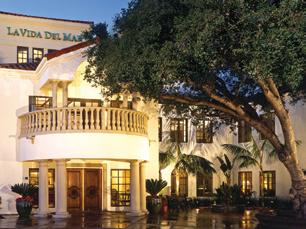
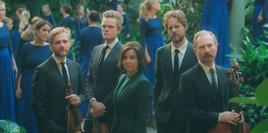
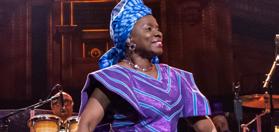
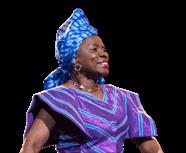
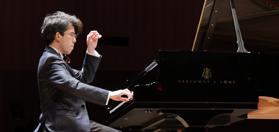
We are deeply grateful to the generous supporters who share our passion for the arts. It is our privilege to recognize the following donors, whose commitment makes it possible for us to present exceptional programming year-round.
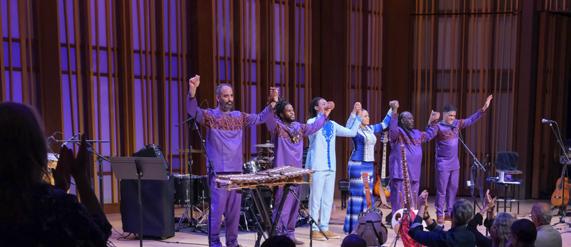
FOUNDER
($250,000 and above)
ANGEL
($100,000 - $249,999)
Brenda Baker and Steve Baum
Raffaella and John* Belanich
The City of San Diego Cultural Affairs
The Conrad Prebys Foundation
Eleanor and Ric* Charlton
Mary Ellen Clark
Farfy Foundation
Jaqueline and Jean-Luc Robert
Stacy and Don Rosenberg
BENEFACTOR
($50,000 - $99,999)
GUARANTOR
($25,000 - $49,999)
Wendy Brody Estate
Peter Cooper and Erik Matwijkow
Julie and Bert Cornelison
Teresa and Merle Fischlowitz*
Elaine Galinson and Herbert Solomon
Susan and Bill Hoehn
Helen and Keith Kim
Angelina and Fredrick Kleinbub
Mary Ann Beyster
Robert Black
Gordon Brodfuehrer
Eric Cohen and Bill Coltellaro*
Silvija* and Brian Devine
Barbara Enberg
Jennifer and Kurt Eve
Marla Bingham and Gary Gallagher
Lehn and Richard Goetz
Jeanne Herberger
John Hesselink
Nancy Linke Patton and Rip Patton
Joan* and Irwin Jacobs
Dorothea Laub
Ron Wakefield Estate
Anna and Edward Yeung
Karen and Kit Sickels
Debra Turner
Liqun Wang and Marco Londei
Clara Wu Tsai and Joseph Tsai
Vivian Lim and Joseph Wong
Sheryl and Bob Scarano
Marge and Neal Schmale
Elizabeth and Joseph* Taft Revocable Trust
Haeyoung Kong Tang
Vail Memorial Fund
Sue and Peter Wagener
Bebe and Marvin Zigman
The Lodge at Torrey Pines
Diana and Eli Lombrozo
Viviana and Enrique Lombrozo
Sue and John Major
Arlene and Lou Navias
Jeanne and Rick Norling
ProtoStar Foundation
Thomas Rasmussen and Clayton Lewis
Sylvia and Steve Ré
Mao and Doctor Bob Shillman
Jeanette Stevens
Lise Wilson and Steven Strauss
SUSTAINER ($15,000 - $24,999)
Judith Bachner and Dr. Eric L. Lasley
Banc of California | Stephen Gamp
Jeffrey Barnouw
Jasna and David Belanich
Jim Beyster
Café Coyote and Rancho Coyote Wines
California Arts Council
Sharon L. Cohen
Ellise and Michael Coit
Cushman Foundation
Jendy Dennis Endowment Fund
Martha and Edward Dennis
Ann Parode Dynes and Robert Dynes*
Pamela Farr and Buford Alexander
Debby and Wain Fishburn
Dr. Seuss Foundation
Ingrid and Theodore Friedmann
Hal and Pam Fuson
Teresa and Harry Hixson
Susan and David Kabakoff
Jo Kiernan
Elaine Lipinsky Family Foundation
Kathleen and Ken Lundgren
Jacqueline Mars
Miguel R. Mata MD
Gini and Dave Meyers
Kazeem Omidiji
Leigh P. Ryan
Maureen and Thomas* Shiftan
Robert Singer
Dagmar Smek and Arman Oruc
Reesey and David Shaw
Susan Shirk and Sam Popkin
Stephanie and Nick Stone
Greta and Steve Treadgold
SUPPORTER ($10,000 - $14,999)
Anonymous
Celeste and Timothy Bailey
Carolyn and Giovanni Bertussi
Abdul Bitar
The Blades Foundation
Robyn Bottomley and Glenn Gutridge
Raymond Chinn
Amy Corton and Carl Eibl
County of San Diego Community Enhancement Fund
Una Davis
Nina Doede
Dr. Seuss Foundation
Beverly Fredrick
Joy Frieman
Wendy Frieman
Sarah and Mike Garrison
Buzz and Peg Gitelson
Brenda and Michael Goldbaum
Margaret and Michael Grossman
Ingrid Hibben
Angela and Cory Homnick
Marilee and Peter Kovacs
Elaine and Doug Muchmore
ResMed Foundation
Mariko Sawa and Ulf Sundberg
Gloria and Joseph Shurman
Diane and DJ Smith
Annie So
Mary Sophos and William Pitts
Barbara and Sam Takahashi
Gwynn and Brian Thomas
Susan and Richard Ulevitch
Abby and Ray Weiss
Armi and Al Williams
Dolly and Victor Woo
Anonymous (2)
Judith Adler
Jadwiga Alexiewicz
($5,000 - $9,999)
Dr. Fred and Donna Berger
Emily and Barry Berkov
Deanna Bittker
Berenice and Jerry Blake
Karen and Jim Brailean
Benjamin Brand and Shara Williams
Isabel and Stuart Brown
Carol Carlisle
Lisa and David Casey
Michael and Cathy Casteel
Rachel and PJ Chryssostomides
Karen and Don* Cohn
Carolyn and Clifford Colwell
Lori and Aaron Contorer
Elaine Darwin
Stephen Davalos
The Hon. Diana Lady Dougan
George and Tallie Dennis
Sheryl and Michael Durkin
Jill Esterbrooks and James Robbins
Sue and Chris Fan
Diane and Elliot Feuerstein
Cheryl Hintzen-Gaines and Ira Gaines
Barbara and Joseph Giammona
Lisa Braun Glazer and Jeff Glazer
Deborah and Ronald Greenspan
Barbara and Paul Hirshman
Nancy and Stephen Howard
Elisa and Rick Jaime
Theresa Jarvis
Barbara Kjos
Bill and Sallie Larsen
Kate Leonard and Richard Forsyth
Ann and Gerald* Lipschitz
Sylvia Liwerant
Christine and Charles Lo
Barbara Loonin
Jain Malkin
Janine Marcus
Dennis A. McConnell
M. Margaret McKeown and Peter Cowhey
Andrea Migdal and Mike Tierney
Gail and Edward Miller
Tom and Nicola Miller
Betsy Mitchell
Cynthia and George Mitchell Foundation
Joyce and Ron Nelson
Robin and Hank Nordhoff
Marina and Rafael Pastor
Linda Platt
Ursula Pfeffer
Debbe and Jack Powell
Peggy and Peter Preuss
Carol Randolph and Robert Caplan
Vivien Ressler
Eva and Doug Richman
Catherine Rivier
Carole and Howard Robin
Colette Carson Royston and Ivor Royston
San Diego Theatres
Clifford Schireson and John Venekamp
Todd R. Schultz
Marivi and Ruey Shivers
Gerald and Susan Slavet
Iris Strauss
Gloria and Rod Stone
Shelby and Bill Strong
Gayle and Philip Tauber
Mary Ann Tilotta
Ayse Underhill
Mary L. Walshok
Susan Ward and Lawrence Gartner
Lynne and David Weinberg
Mary and Joseph Witztum
Sheryl and Harvey* White
Katrina Wu
Carol Young and Leonard Korneich
Jeanette and Jack Young
($2,500 - $4,999)
Anonymous
Arleene Antin and Leonard Ozerkis
Laura Applegate
Carson Barnett and Tom Dubensky
William Boggs
Aeria Chang and Scott Eisenberg
June Chocholes
Phyllis and Dan Epstein
Marilyn Colby
Melanie Cruz
Craig Dorval and Cynthia Webb
Marilyn and Ernie Dronenburg
Mary Duncan
Sharon Dunn
Virginia Graham
Cynthia and Tom Goodman
Cynthia King and John Graul
Tracie and Terence Hart
Linda Howard
Lulu Hsu
Marilyn K. James and Rick Phetteplace
Sheri Jamieson
Karen and Warren Kessler
Jeeyoon Kim
Wally Klein
Chantelle and Kenneth Labowe
Carol Lam and Mark Burnett
Mark Machina
Barbara Maggio
Eileen A. Mason
Douglas and Susan McLeod
Elinor Merl and Mark Brodie
Sandra Miner
Muchnic Foundation
Garna Muller
Virginia Oliver
Robert and Allison Price
Christine Purcell
Rancho La Puerta
Cynthia Rosenthal
Cristina and Victor Saldivar
Adriana and Brian Scott
Anne and Ronald Simon
Jean Sullivan and David Nassif
Yvonne E. Vaucher
Jo Weiner
Lisa Widmier
David A. Wood
Howard and Christy Zatkin
Bart Zeigler
ASSOCIATE ($1,000 - $2,499)
Anonymous (3)
K Andrew Achterkirchen
Albertsons-Safeway Foundation
Axel’s Gift
Christopher Beach and Wesley Fata
David Bennett
Nicholas and Samantha Binkley
Molly and Charles Brazell
Diane M. Brockington
James Carter
Carol and Jeff Chang
Guangli Chen
June Chocheles
Anthony Chong and Annette Nguyen
Linda Christensen and Gonzalo Ballon-Landa
Ann Craig
D’Addario Foundation
Carol Danks
Caroline DeMar
Marilou and Marty Dense
Gail Donahue
Karen Dow
Susan Dramm
Renee and James Dunford
Marianne and Robert Engle
Irene and Eduardo Feller
Nancy Forcier
Stephanie and Roman Friedrich III
Sally and Einar Gall
Girard Foundation|Debe and Mike Alpert
Kimberly and Jeffrey Goldman
John Gordon and Jane Burns
The Granada Fund
Marcia Green
Carrie Greenstein
Lee Ann and Jud Groshong
Jill Hall
Pamela Hamilton Lester
Nellie High-Iredale
Carol Harter and William Smith
Ted Hoehn and Matt Clermont
Ann Holt
Nancy Hong
and Dr. Ardem S. Patapoutian
Patricia and Kenneth C. Janda
Zella Kahn-Jetter and Gary Jetter
Dwight Kellogg
Stephanie Kogan and Lawrence Fritz
Dr. Haig and Susan Koshkarian
Kathleen Kovacs
Eliza Lee
Greg Lemke
Jenna Liu
Robin Luby
Stacey J. Lucchino
Ted McKinney
Maggie and Paul Meyer
Norman Needel
David and Judie Nielsen
Barbara and Donald Nieman
Charles Perrin
Dana and Stella Pizzuti
Barbara Rabiner
Jay Rosen
Barry Rosenbush
Arlene and Peter Sacks
Hermeen Scharaga
Doreen and Myron Schonbrun
David and Phyllis Snyder
Dale and Mark Steele
Lester and Elizabeth Stiel
Lee Talner
John Tauscher
Jennifer Tillman
N.B. Varlotta
Muffy Walker and John Reed
Karen M. Walter
Suzanne and Edward Weissman
Joyce Williams
Symphorosa Williams, MD
Lisa and Michael Witz
David A. Wood
Natasha Wong and Kevin Chen
Susan and Gavin Zau
Barbara and Michael Zelnick
Phyllis and Phil Ziring
($500 - $999)
Anonymous (3)
Robin Allgren
Paddi and Nicholas Arthur
Balloon Man Dan
Thomas H Bauer
Stephanie Bergsma and Dwight Hare
Carol and Bruce Boles
Margie Carroll
Alain J.-J. Cohen
Ana de Vedia
Linda and Rick Dicker
Kim Doren
Stanley Drosch
Z.E. Dziewanowsky, M.D. Ph.D.
Jeane Erley
Stephen Feldman
Melissa Foo
Foundation for the Children of the Californias
Beverly Fremont
Catherine Friedman
Ferdinand Marcus Gasang
Robert Gleason and Marc Matys
Beth Goodman
Lynn Gorguze and The Hon. Scott Peters
Andrea Harris
Nicole Holland
Gregory A. Jackson
Thesa Jolly
Nancy and Michael Kaehr
Carol Lynne Krumhansl and Jeffrey Roberts
Gabrielle and Jay Kunin
Laura Kyle
C.A. La Pierre
Lewis Leicher and Helen M. Shafir
Jennifer Luce
Peter and Susan Mallory
Linda and Michael Mann
Susan and Craig McClellan
Nita Mehta
Steve and Ellen Mitgang
Patricia Moises
Francie Murphy and Rick Mitchell
Joani Nelson*
Kyomi O’Connor
Sigrid Pate
John David and Mary Peters
Sharon Rearwin and Thomas Delman
Jodyne Roseman
Barbara Rosen and Robert Fahey
Gabriele and Nathan Rosenblatt
Marc Sacks
Tracy and Tim Sanford-Wachtel
Hannah Schlachet
Denise Selati
Alfred T. Smith
Annemarie and Leland Sprinkle
Anne Turhollow
Karen L. Valentino
Victor A. Van Lint
Jennifer J. Werner
Carol West
Suhaila White
Olivia and Martin Winkler
Tanya Young and Michael McManus
Sue Andreasen
Yulia Atoyan and Alexander Mirolyan
Sharon Bendall
Colleen Bingham
Joyce and Robert Blumberg
Sandra Boddy and Robert C. Smith
Chuck and Katie Boyer
Sed and Gloria Browne
Ron Campnell
Linda and Edgar Canada
Barbara Carey
Michael Casey
Kathy Chambery
Lana Cheng Lewin
Marjorie Coburn
Karen and Harris Cohen
Susan Crutchfield
Hugh Davies
Lesley and Roy Davis
Bernadette Dobbs
Barbara Edgington
Pamel and L. Michael Foley
Kathleen L. Fredman
Yoshiro Fukuoka
Margareta and Bruce Galanter
Renée and Tony Gild
Martha and Bill Gilmer
Diana and Tom Gingell
Patt and Jeff Hall
Mary and Rodger Heglar
Walter Hickey
Vivian and Greg Hook
Marilyn Powell Hulquist
David K. Jordan
Sofia and Leon Kassel
Kelley Keatly
Nancy Kennedy
Alexander Kirschner
Paul and Meg Krueger
Anne Ladu
Hugh Lawrence
Linda Low-Kalkstein
and Allen Kalkstein
Patricia Manners
John B. Marshall
Brigitte and Richard Obetz
Timothy O’Connor
Leah Ollman
Adam A. Padua
Grace Y. Park
Irina and Mikhail Prishchepa
Bill Purves and Don Schmidt
Hanna Reisler
Jessica and Eberhard Rohm
Patricia Rosenberg
Anne Rudolph
Carolyn Rynard
James F. Sallis
Nora and Fritz Sargent
Judith Springer
Alice and Brad Saunders
Marjorie Hansen Shaevitz
Debra J. Shannon
Julie Singletary
Esther Sluzky
Kinga S. Soni
Marie Tartar and Steve Eilenberg
Jordan Toellner
Richard Vasquez
Gonul Velicelebi
Jen-Yi Wang
Suzanne Weiner
Drs. Er-Kai Gao and Bien Zhang
Kevin Zheng
Carole Wilson
Jay Zybelman
monthly Ostinato donor
* in memoriam
This list is current as of February 1, 2026. We regret any errors. Please contact Wil Owen at WOwen@TheConrad.org or 858.526.3447 to make a correction.
Dorothea Laub
Elaine Galinson and Herbert Solomon
Bebe and Marvin Zigman
Amy Corton and Carl Eibl
Annie So
Ellise and Michael Coit
Jeanette Stevens POINTE
Anonymous
Carolyn and Giovanni Bertussi
We are grateful for each member for their passion and support of our dance programs.
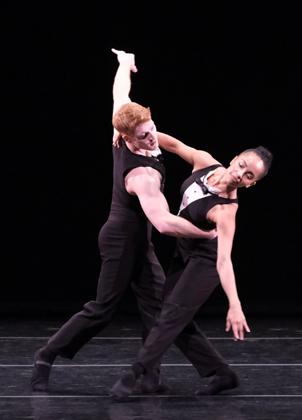
Tharpe Dance Company
In Memory of John Belanich:
Martha and Ed Dennis
Ferdinand Marcus Gasang
Sylvia and Steve Ré
Todd Schultz
In Memory of Ric Charlton:
Ferdinand Marcus Gasang
Sylvia and Steve Ré
Stacy and Don Rosenberg
Abby and Ray Weiss
In Honor of Maureen Clancy:
Lester and Elizabeth Stiel
In Honor of Bill Coltellaro:
Eric Cohen
Ferdinand Marcus Gasang
Barbara and Sam Takahashi
In Memory of Silvija Devine:
Ferdinand Marcus Gasang
Sylvia and Steve Ré
In Honor of Bob Dynes:
Sylvia and Steve Ré
In Memory of
Teresa and Merle Fischlowitz :
Camden and Rob Fischlowitz
In Honor of Ferdie Gasang:
Peg and Buzz Gitelson
Maggie and Paul Meyer
Mao and Doctor Bob Shillman
In Memory of Joan Jacobs:
Ferdinand Marcus Gasang
Sylvia and Steve Ré
Todd Schultz
John Venekamp and Clifford Schireson
In Honor of Wadeaa Jubran : Hermeen Scharaga
In Memory of Bob Kyle :
Laura Kyle
In Memory of Harlan Ochs :
Barbara Carey
In Honor of Marilyn Perrin: Charles Perrin
In Honor of Leah Rosenthal: Bart Ziegler
In Honor of Sheryl and Bob Scarano:
Susan and Craig McCLellan
In Honor of Todd Schultz:
Anonymous
Pam and Hal Fuson
Marilyn James and Rick Phetteplace
Hermeen Scharaga
In Honor of Maureen and Thomas Shiftan: Nicole Holland
In Memory of Thomas Shiftan:
Ferdinand Marcus Gasang
Susan and Richard Ulevitch
Sylvia and Steve Ré
Abby and Ray Weiss
In Memory of Joanne Snider:
Ferdinand Marcus Gasang
Jud, LeeAnn, and Tyler Groshong
Glenn Mosier
Kevin Pearson and Stephen Murphy
Renee Roth
Reissa Schrager-Cole and Hilary Cole
Kerry Symonds
Dolly and Victor Woo
In Memory of Ford Stone : Barbara Carey
In Memory of Dr. Steve Thomas : Barbara Carey
La Jolla Music Society stands at a pivotal moment in its history. As we look ahead to our 60th Anniversary Season in 2028—29, we have embarked on an ambitious $60 million endowment campaign to ensure a bold, sustainable, and artistically vibrant future.
This campaign is more than a commitment to stability—it’s about unlocking possibility to:
Present the world’s leading artists with creativity, boldness, and confidence
Deepen and expand our community impact far beyond the stage
Inspire lifelong learning through dynamic education and engagement programs
Advance San Diego’s future by building our national reputation as a beacon of excellence and opportunity
Sustain and enhance our state-of-the-art facilities
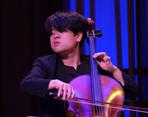
Endowment support is a powerful way to ensure that La Jolla Music Society continues to thrive—artistically, educationally, and culturally—for generations to come. Critically, it provides the stability to dream boldly, take creative risks, and welcome more people of all ages into the magic of live performance. With your support, we can ensure that every performance at The Conrad continues to astonish, inspire, and connect—now and far into the future.
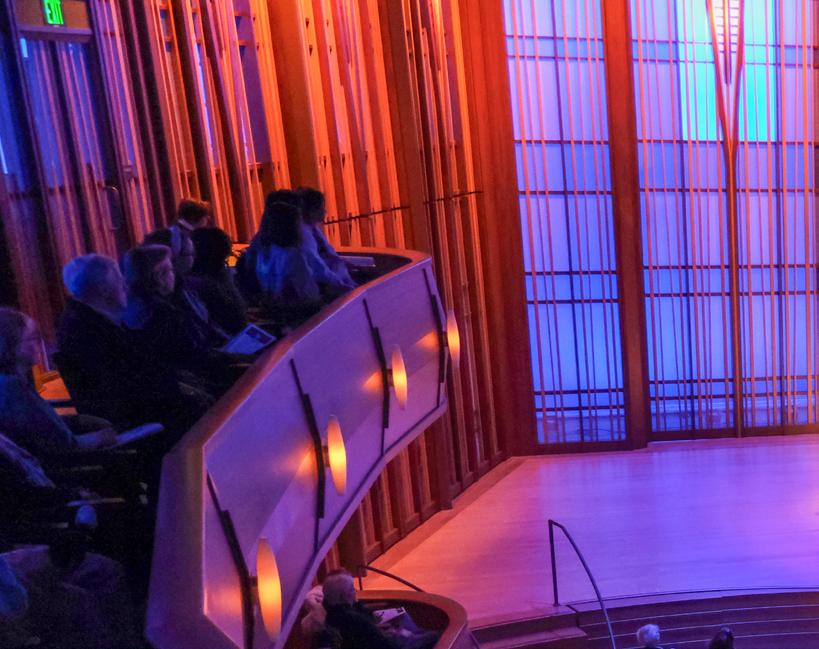
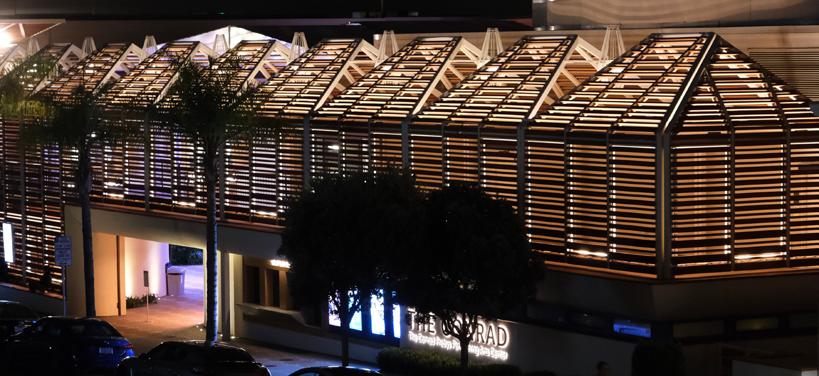
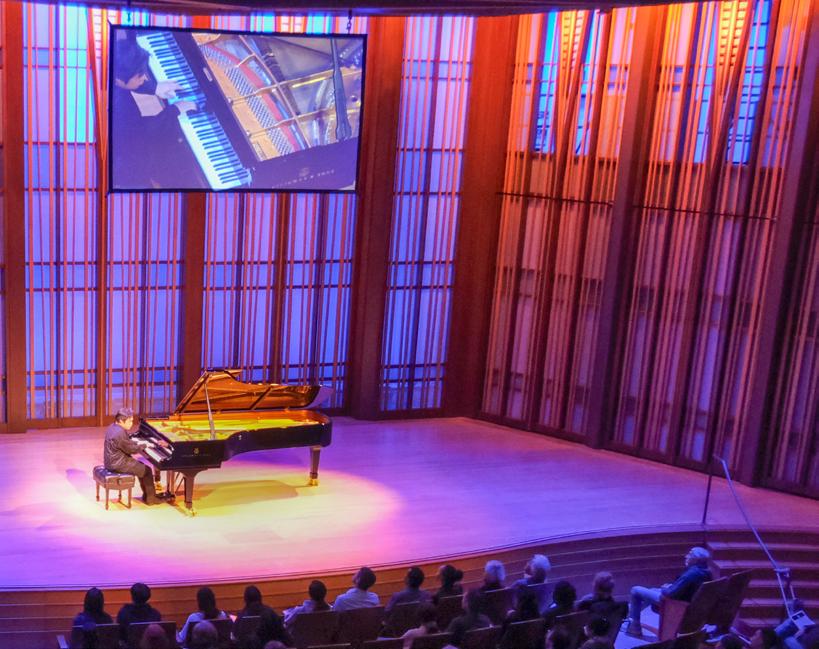
We are deeply grateful to the individuals listed below whose vision and dedication ensure that artistic excellence, educational impact, and cultural vibrancy will continue to thrive.
Judith Bachner and Eric Lasley
Steve Baum
Christopher Beach and Wesley Fata
Raffaella Belanich
Eleanor and Ric Charlton
Julie and Bert Cornelison
Elaine Galinson
Pati Heestand
Helen and Keith Kim
Vivian Lim and Joseph Wong
Nancy Linke Patton and Rip Patton
Sylvia and Steven Ré
Stacy Kellner Rosenberg and Don Rosenberg
Leigh P. Ryan
Sheryl and Bob Scarano
Marge and Neal Schmale
Todd R. Schultz
Reesey and David Shaw
Jeanette Stevens
Haeyoung Kong Tang
Debbie Turner
Sue and Peter Wagener
Bebe and Marvin Zigman
The following have made gifts or pledges to the endowment that have been fully or partially received.
$10 million or higher
Steve Baum
The Conrad Prebys Foundation
$1 million to $999,999
Wendy Brody*
Nancy Linke Patton and Rip Patton
Stacy Kellner Rosenberg and Don Rosenberg
Haeyoung Kong Tang
Sue and Peter Wagener
Bebe and Marvin Zigman
$999,999 and under
Jendy Dennis*
Teresa and Merle Fischlowitz*
Lynda Fox*
Ted and Ingrid Friedmann
Maxwell H. and Muriel S. Gluck*
Trude Hollander*
Helen and Keith Kim
Theodora Lewis*
Joani Nelson*
Jay W. Richen*
Leigh P. Ryan
Jack and Joan Salb*
Sheryl and Bob Scarano
Karen and Christopher Sickels
Ronald Wakefield*
The following have provided signed commitments of gifts in their estate plans that have not yet been received.
Judith Bachner and Eric Lasley
Christopher Beach and Wesley Fata
Raffaella Belanich
Eleanor and Ric* Charlton
Julie and Bert Cornelison
Elaine Galinson
Vivian Lim and Joseph Wong
Jaime z”l and Sylvia Liwerant
Sylvia and Steven Ré
Marge and Neal Schmale
Todd Schultz
Reesey and David Shaw
Jeanette Stevens
The following have indicated that La Jolla Music Society is in their estate plans.
Anonymous (2)
Brenda Baker
June L. Bengston*
Donna and Dr. Fred Berger
Joan Jordan Bernstein
Bjorn Bjerede* and Jo Kiernan
James C. and Karen A. Brailean
Gordon Brodfuehrer
Barbara Buskin*
Trevor Callan
Geoff and Shem Clow
George and Cari Damoose*
Sue Dramm
Joy and Ed* Frieman
Sally Fuller
Joan* and Irwin Jacobs
Maria and Dr. Philippe Prokocimer
Bill Purves
Darren and Bree Reinig
Johanna Schiavoni
Pat Shank
Joseph and Gloria Shurman
Marge and Neal Schmale
Elizabeth and Joseph* Taft
Norma Jo Thomas
Yvonne E. Vaucher
Lucy and Ruprecht von Buttlar
John B. and Cathy Weil
Karl and Joan Zeisler
Josephine Zolin
* in memoriam indicates donors who have made both planned gifts and endowment cash commitments.
If you have included LJMS in your estate plans, please let us know so we may recognize you.
Please contact Ferdinand Gasang at FGasang@TheConrad.org or (858) 526-3426.


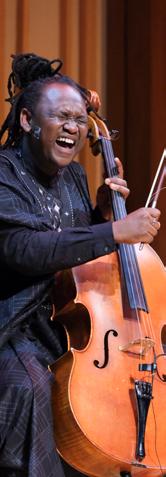
CROWN JEWEL
Brenda Baker and Steve Baum
Joan* and Irwin Jacobs
Dorothea Laub
DIAMOND
Raffaella and John* Belanich
Eleanor and Ric* Charlton
Mary Ellen Clark
Jaqueline and Jean-Luc Robert
Karen and Kit Sickels
Debra Turner
Liqun Wang and Marco Londei
RUBY
Julie and Bert Cornelison
Silvija* and Brian Devine
Elaine Galinson and Herbert Solomon
Helen and Keith Kim
Angelina and Fred Kleinbub
Vivian Lim and Joseph Wong
Neal and Marge Schmale
Haeyoung Kong Tang
Sue and Peter Wagener
Anna and Edward Yeung
EMERALD
Barbara Enberg
Arlene and Louis Navias
GARNET
Pam and Hal Fuson
SAPPHIRE
Virginia* and Robert Black
Raymond Chinn
John Hesselink
Kathleen and Ken Lundgren
Elaine and Doug Muchmore
Annie So
Elizabeth and Joseph* Taft
Bebe and Marvin Zigman
TOPAZ
Anonymous
Jeff Barnouw
Mary Ann Beyster
Abdul Bitar
James C. and Karen A. Brailean
Benjamin Brand and Shara Williams
Buzz and Peg Gitelson
Lisa Braun-Glazer and Jeff Glazer
Brenda and Michael Goldbaum
Margaret Stevens Grossman and Michael Grossman
Theresa Jarvis
Christine and Charles Lo
Barbara Loonin
Peggy and Peter Preuss
Don and Stacy Rosenberg
Leigh P. Ryan
Sheryl and Bob Scarano
Gloria and Joseph Shurman
Susan and Gerald Slavet
Diane and DJ Smith
Jeanette Stevens
Gloria and Rodney Stone
Susan and Richard Ulevitch
Dolly and Victor Woo
*in memoriam
We are honored to have this extraordinary group of friends who have made multi-year commitments to La Jolla Music Society, ensuring that the artistic quality and vision we bring to the community continues to grow.


























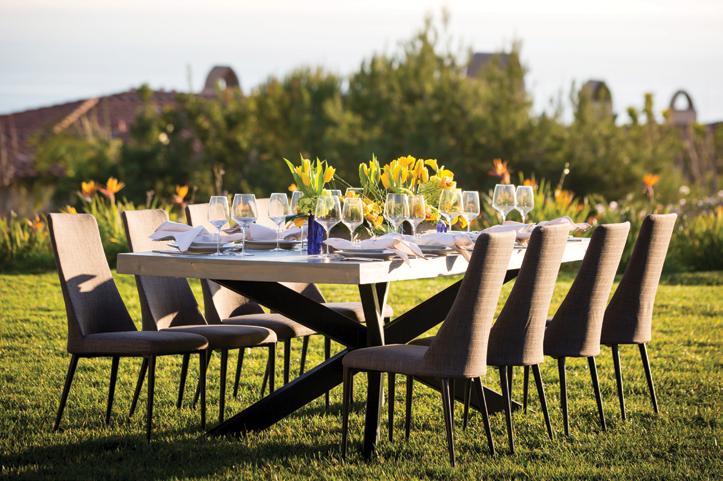
Edward A. Dennis, PhD Chairman
Mary F. Berglund, PhD Treasurer
Peter C. Farrell, PhD, DSc Secretary
Charles G. Cochrane, MD
Michael P. Coppola, MD
Anthony DeMaria, MD
Sir Neil Douglas, MD, DSc, FRCPE
Klaus Schindhelm, BE PhD
Jonathan Schwartz, MD
Kristi Burlingame Executive Director
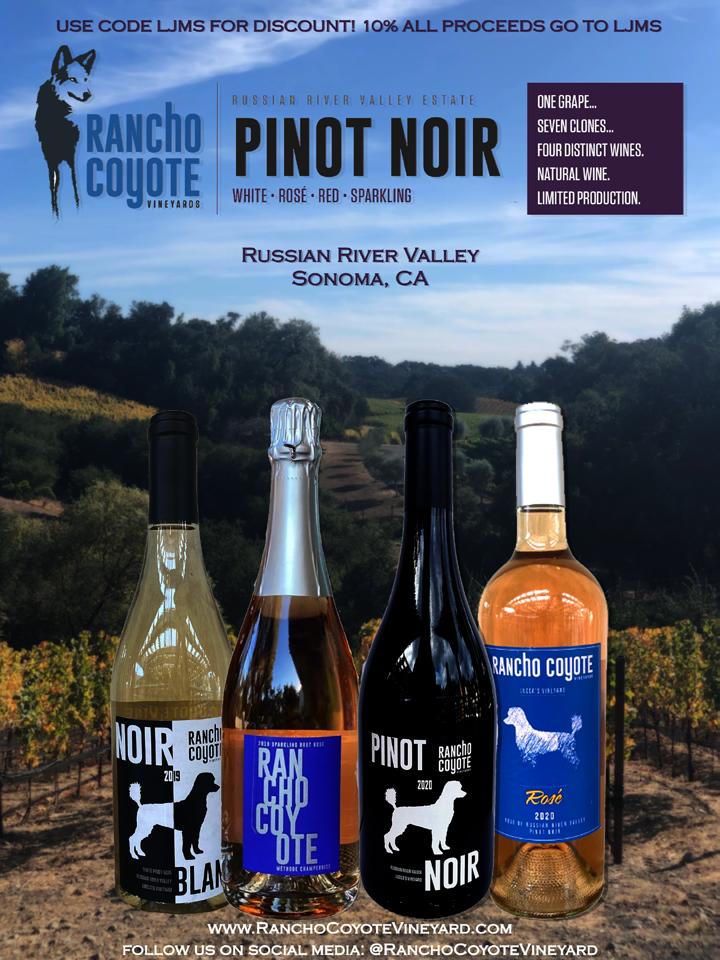
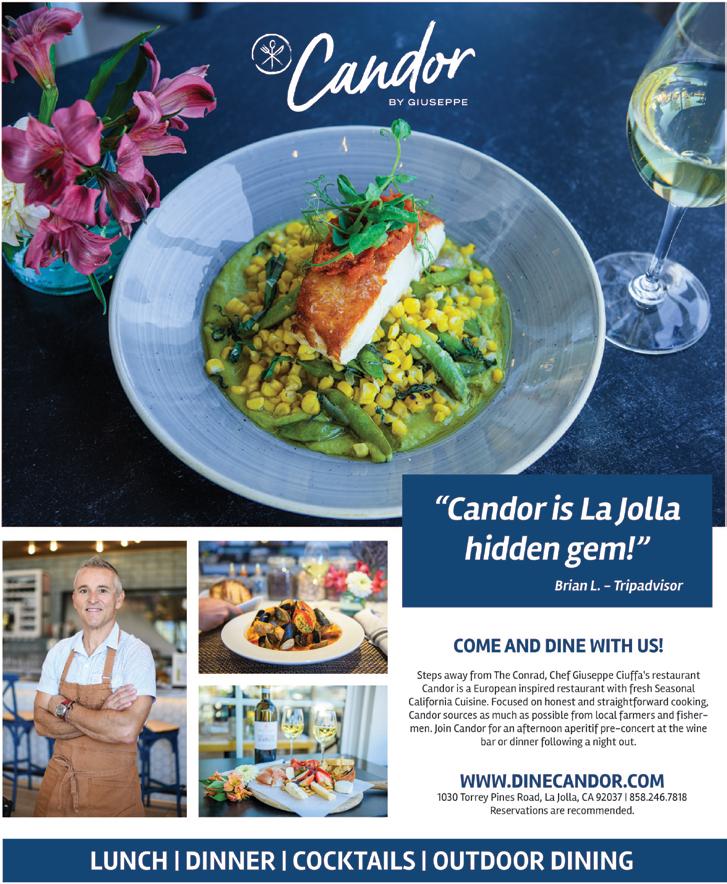
"Candor is La Jolla's hidden gem!"
Brian L. — Tripadvisor

SummerFest Celebrates Its 40th Anniversary July 31 - August 29
Over 100 musicians from across the globe converge at The Conrad for four exciting weeks of performances led by Music Director Inon Barnatan. This landmark festival will feature acclaimed artists Karen Gomyo, George Li, Alisa Weilerstein, Jonathan Biss, Randall Goosby, James Ehnes, Tessa Lark, Chris Thile, Chris Mehldau, Imani Winds, and more. Over 50 free learning and engagement events will expand your musical horizons. Mark your calendar now for this thrilling 40th anniversary festival, one of Southern California’s biggest musical events!
Subscriptions on sale Sunday, March 29!