“Education Unscripted. Freedom to Learn. Freedom to Grow.”
Our Learning Pillars Our Learning Pillars
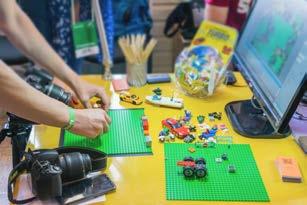
Play builds enthusiasm and wonder. Projects build skills. Passion builds identity.
wants community with other families that parent well?
believes school and learning are not synonymous?
has strong family values and expects them to be respected?
takes an active role in your child’s learning?
wants a child who loves learning, thinks critically and develops real world skills to prepare them for a powerful future?
believes in medical freedom, personal choice, and raising children without ideological pressure??
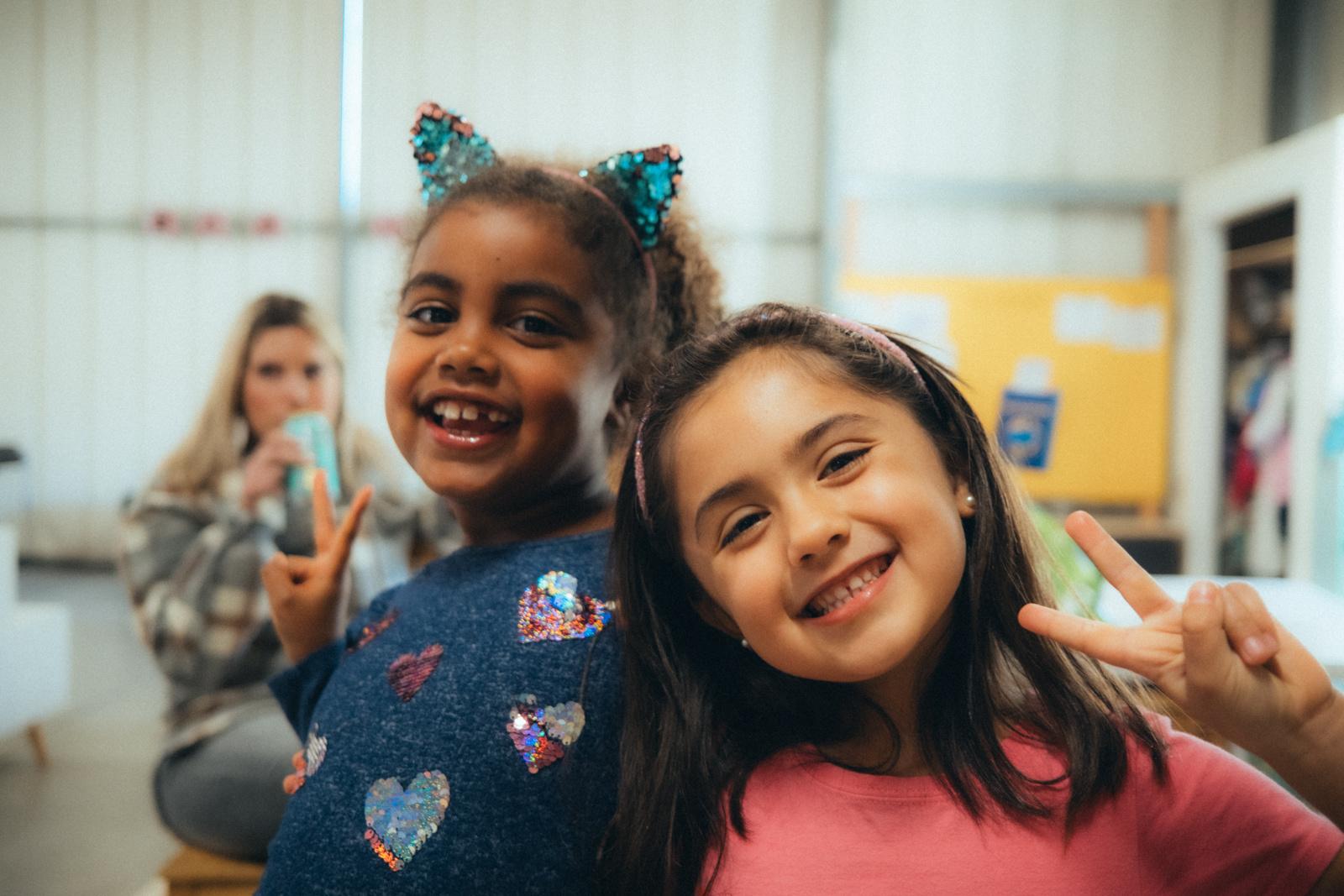
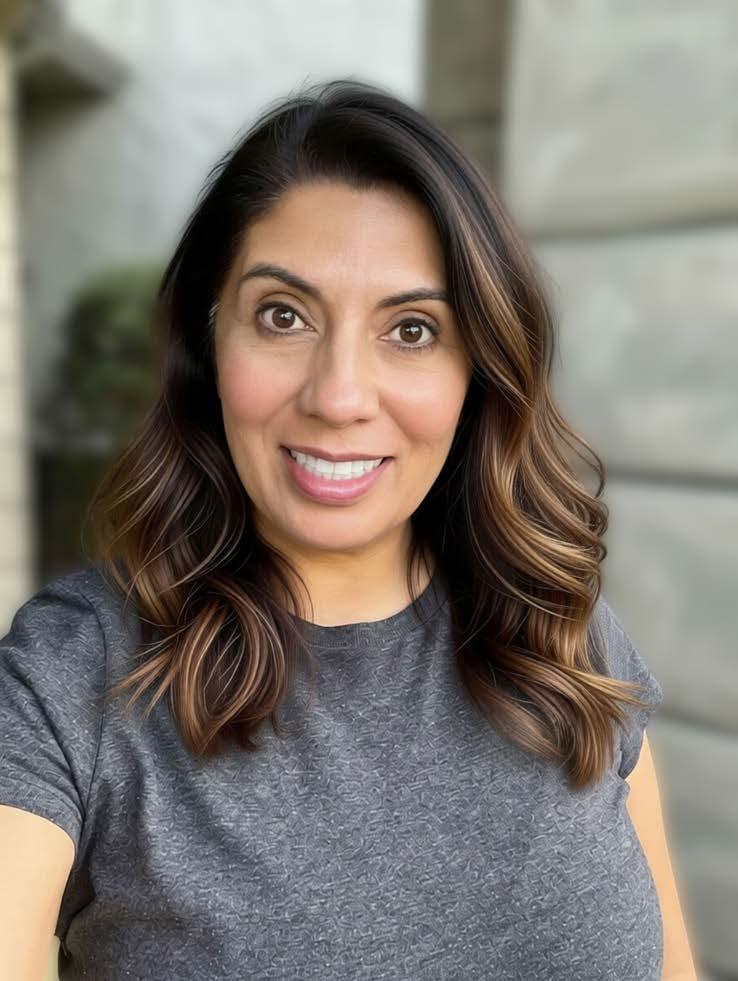
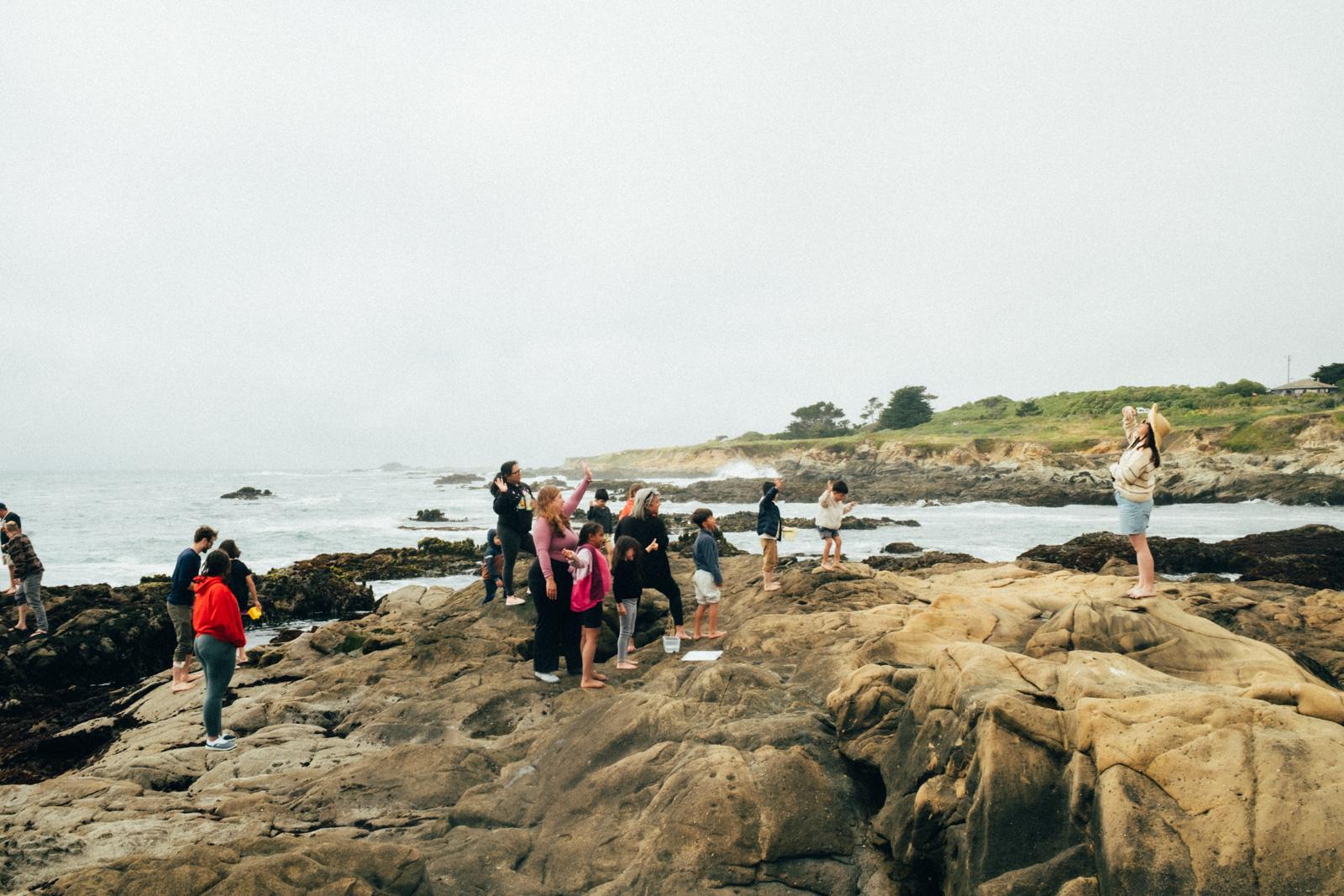
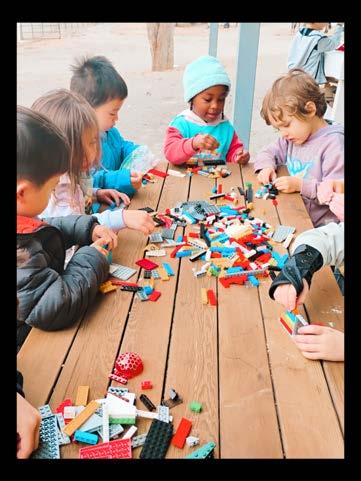
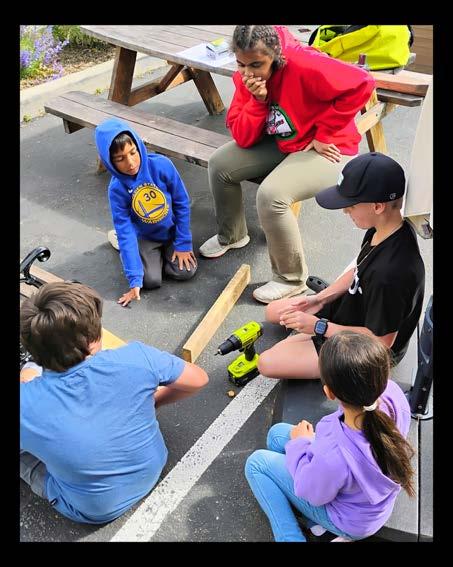
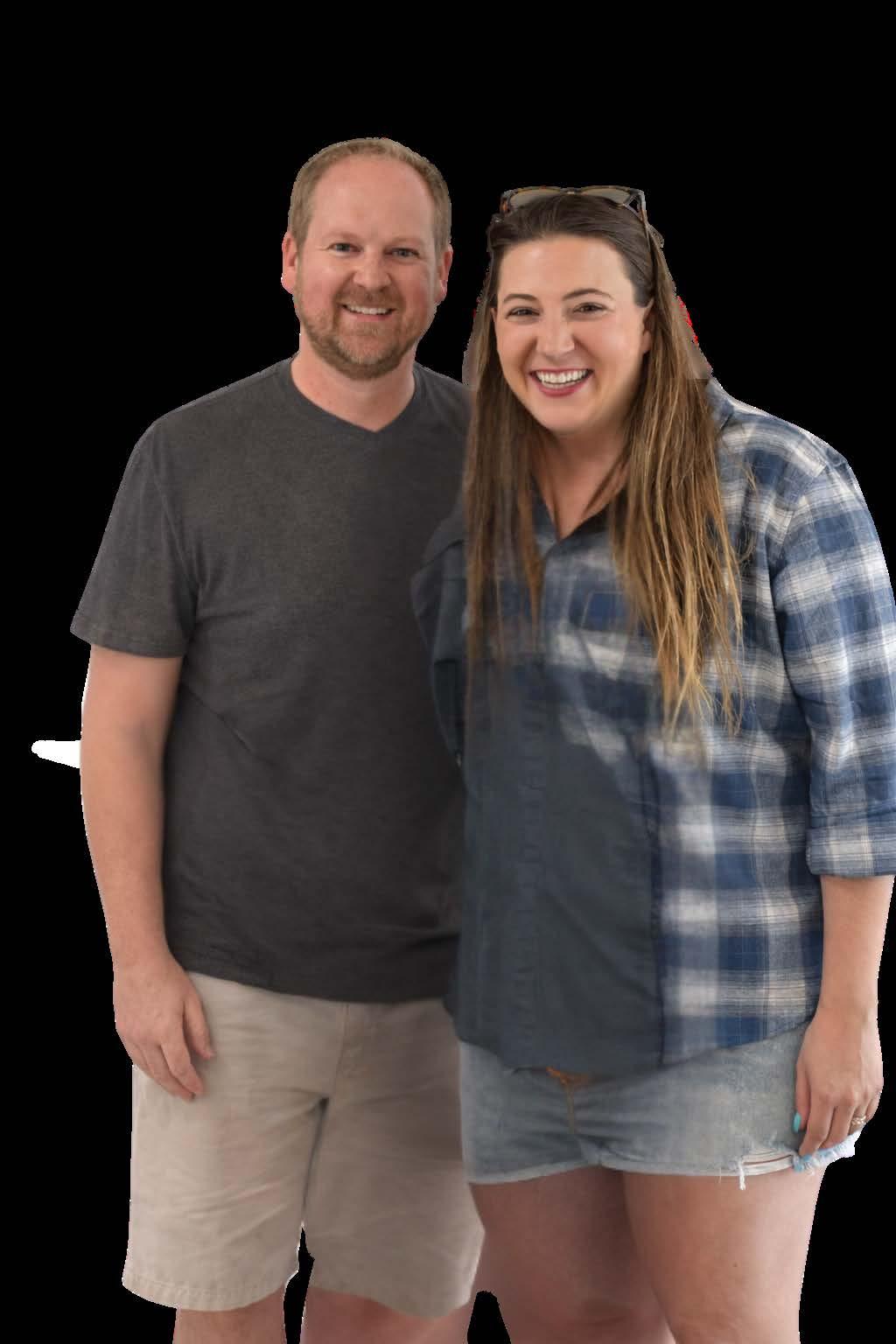
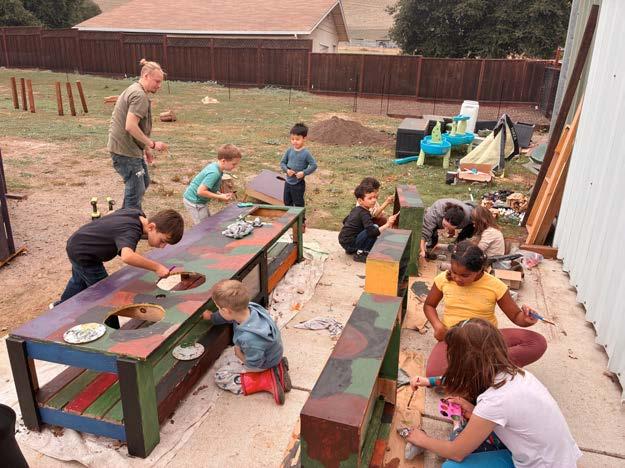
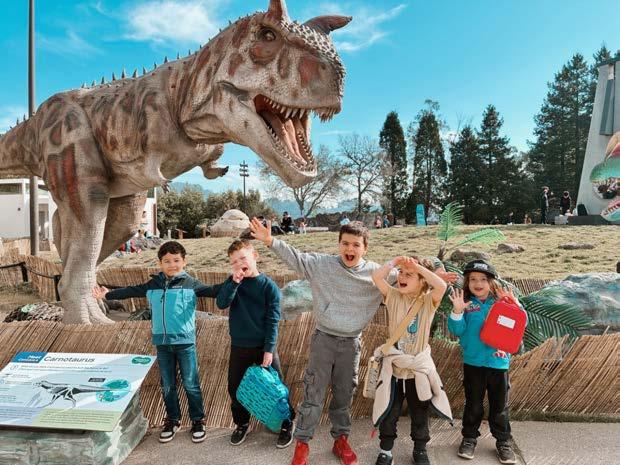
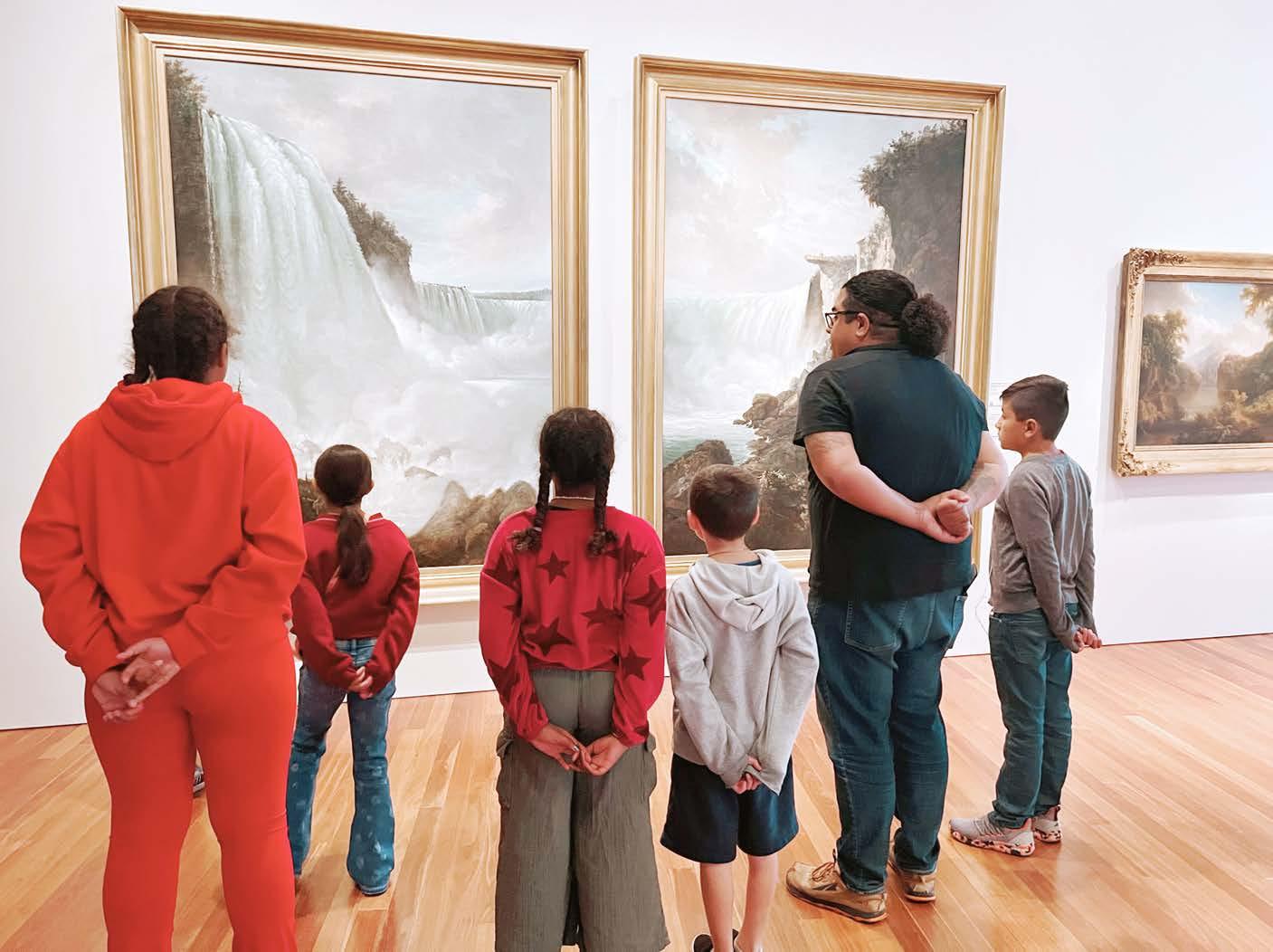
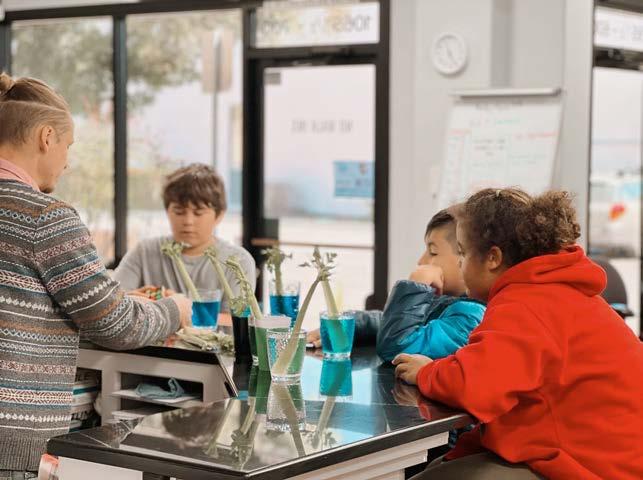
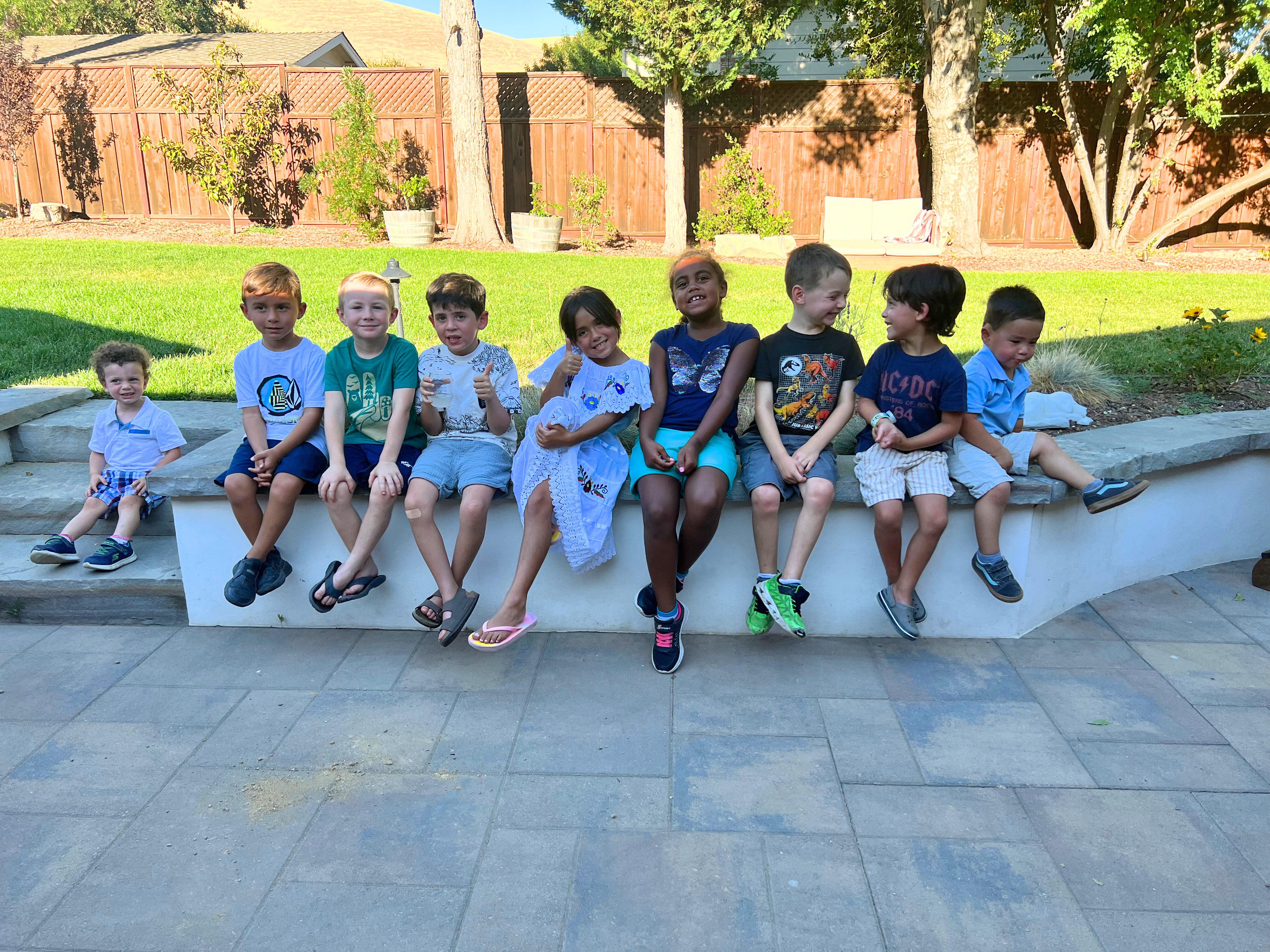
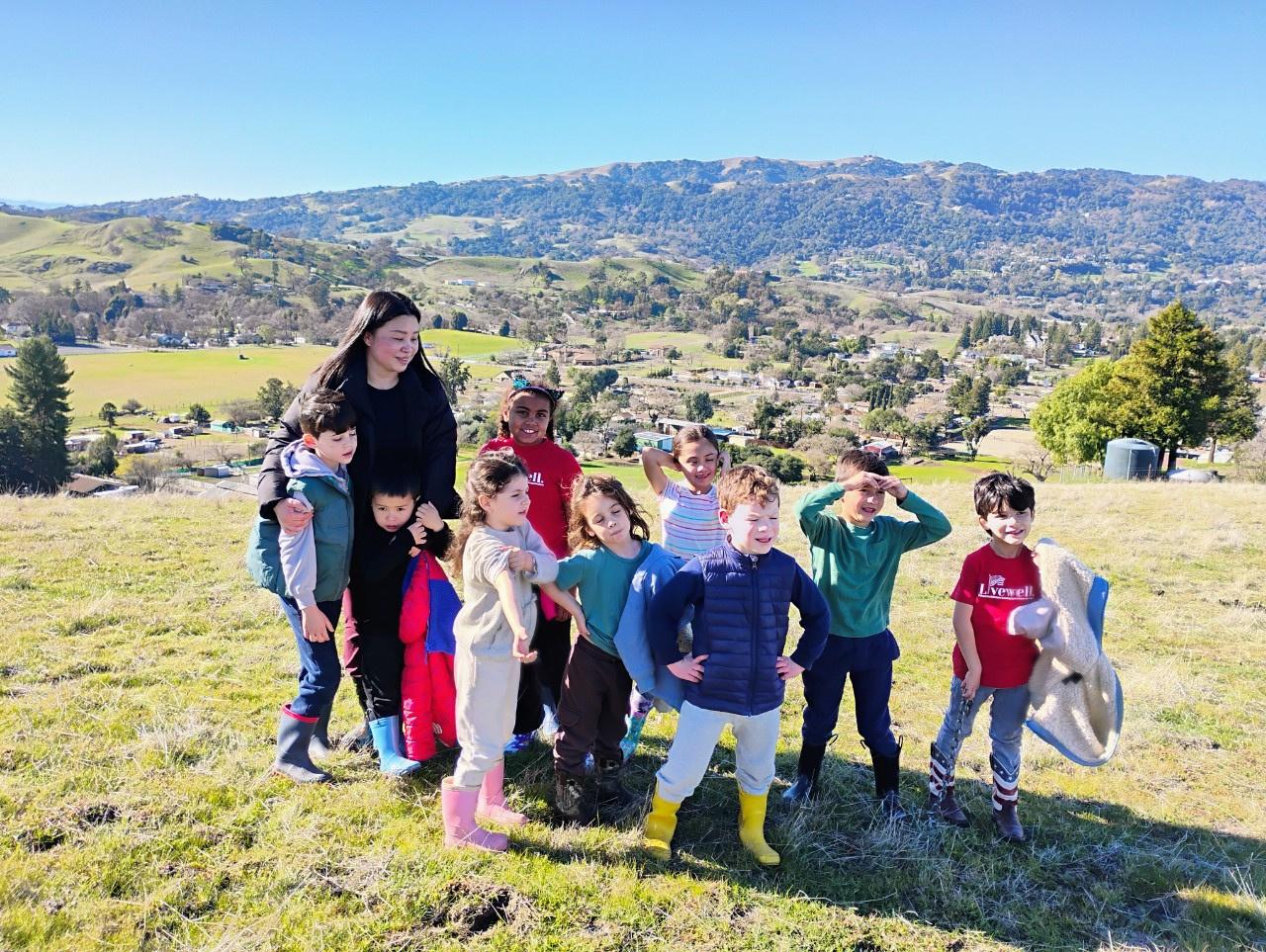
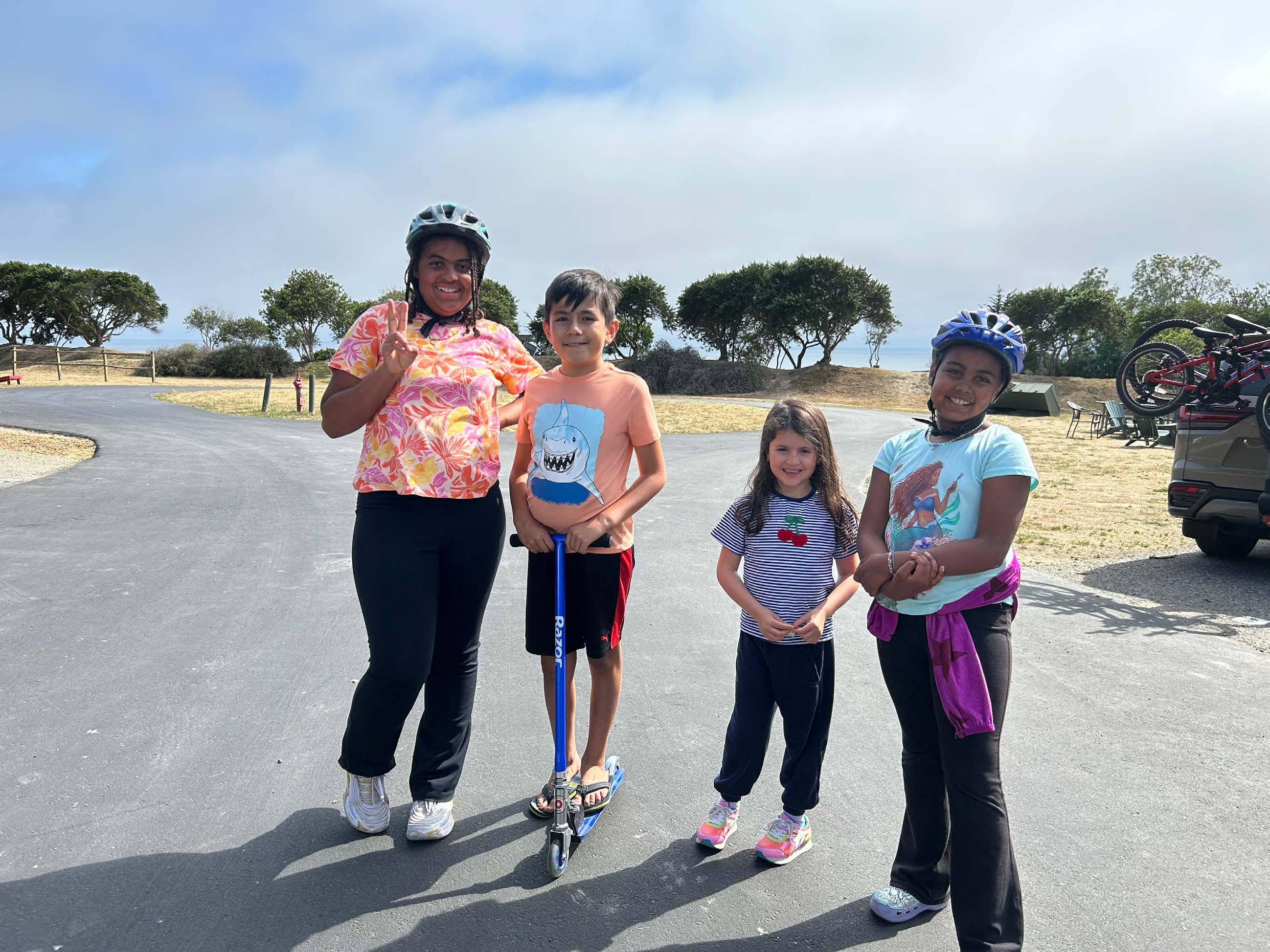
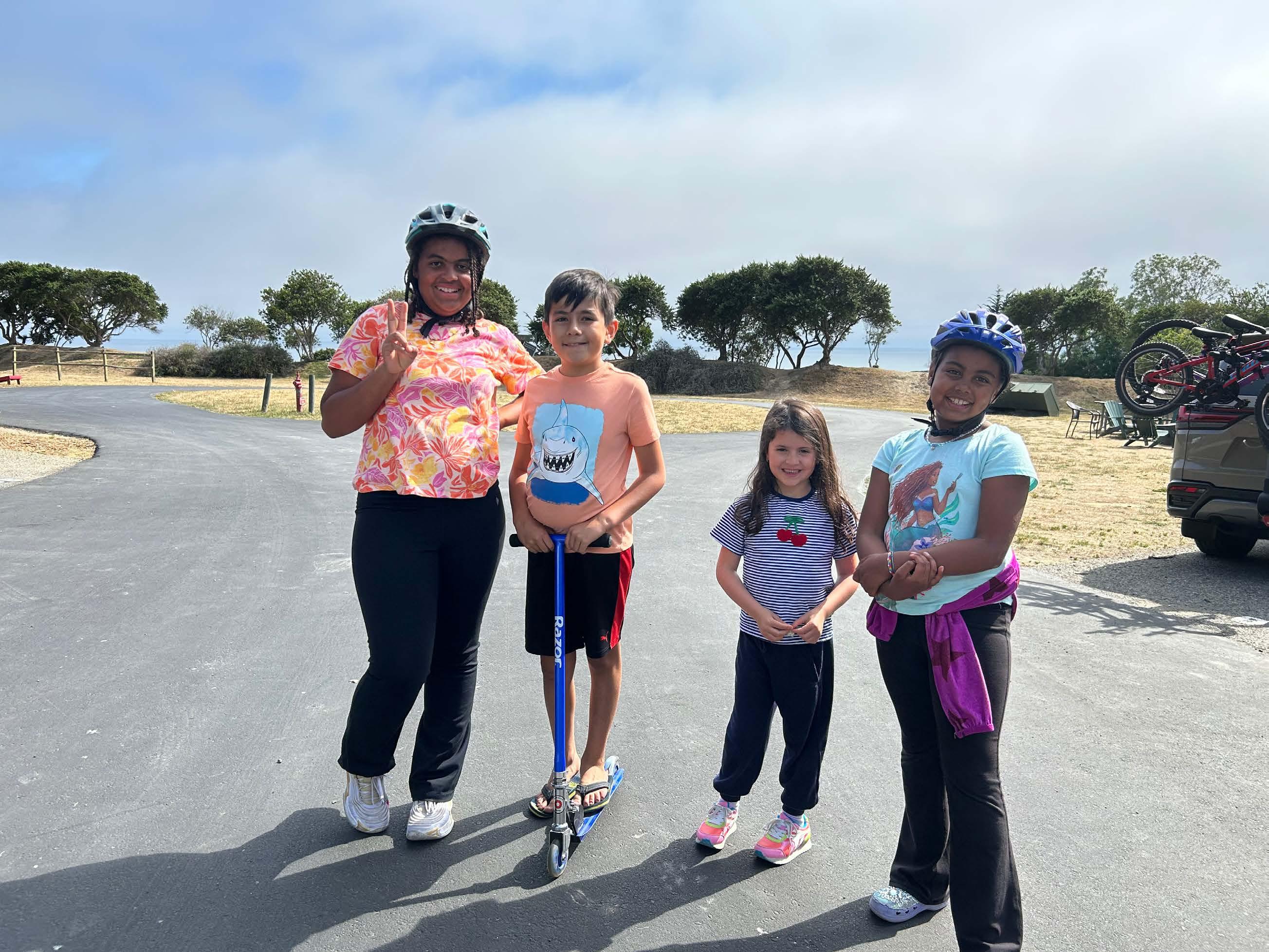
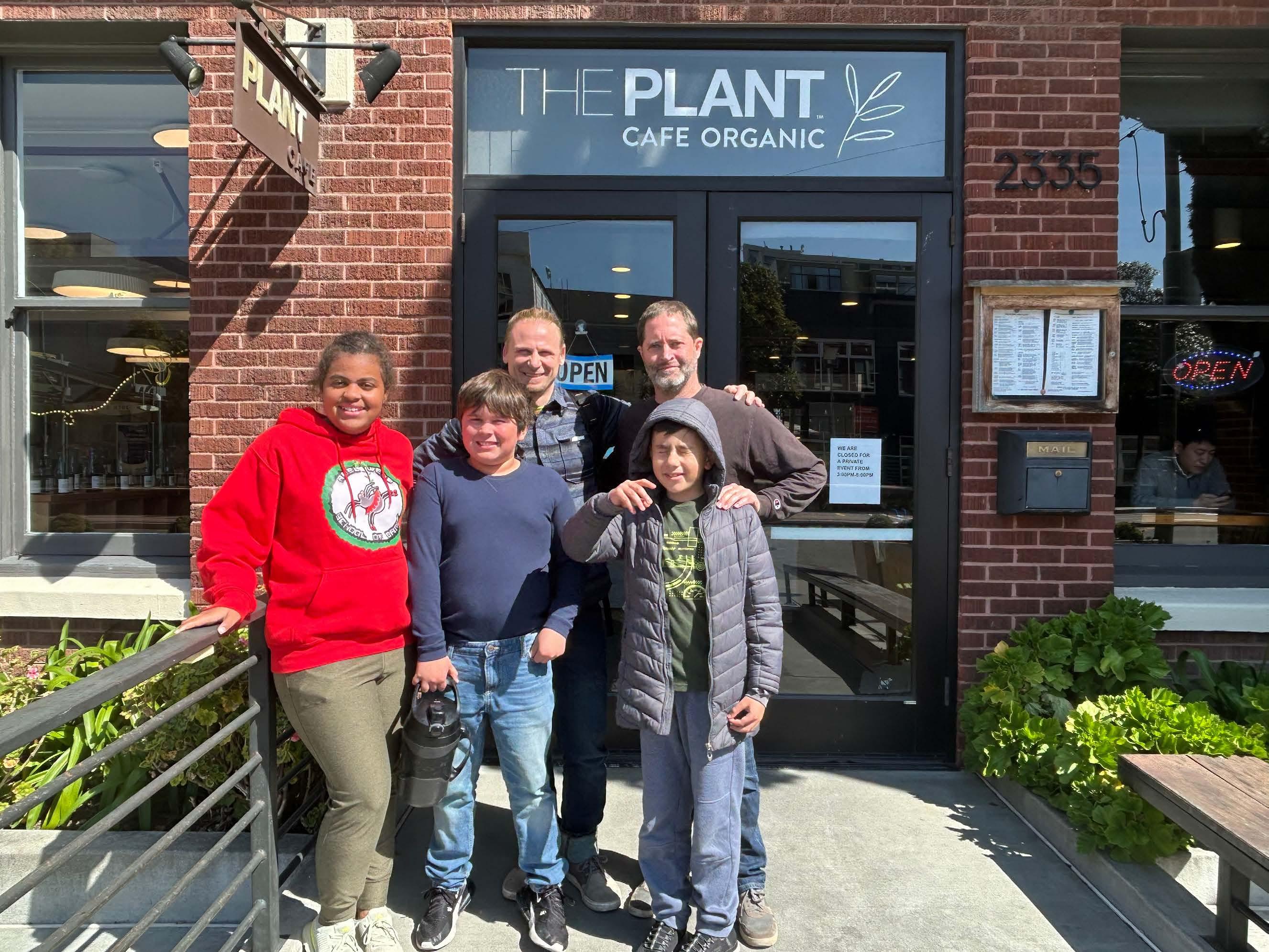
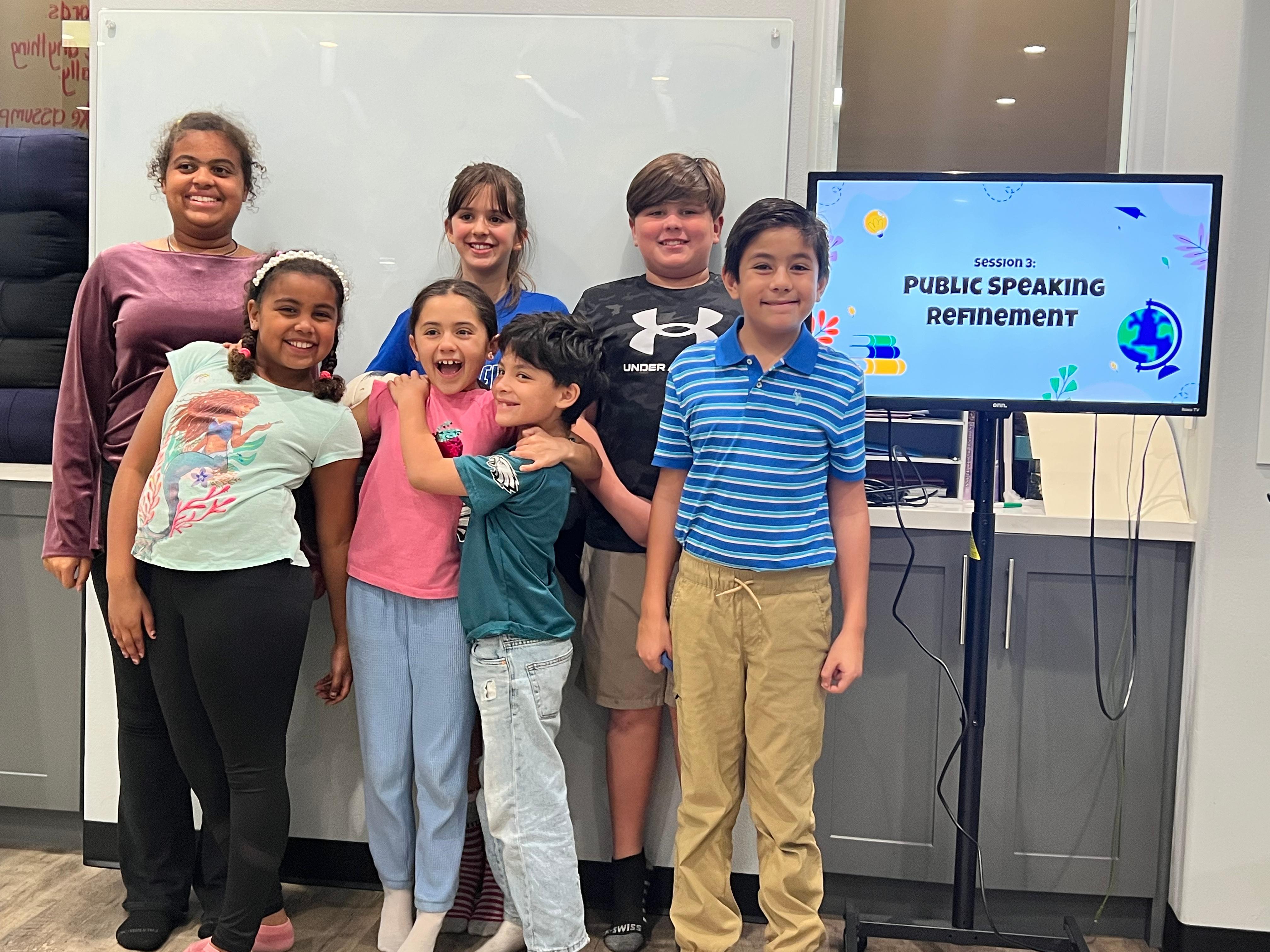
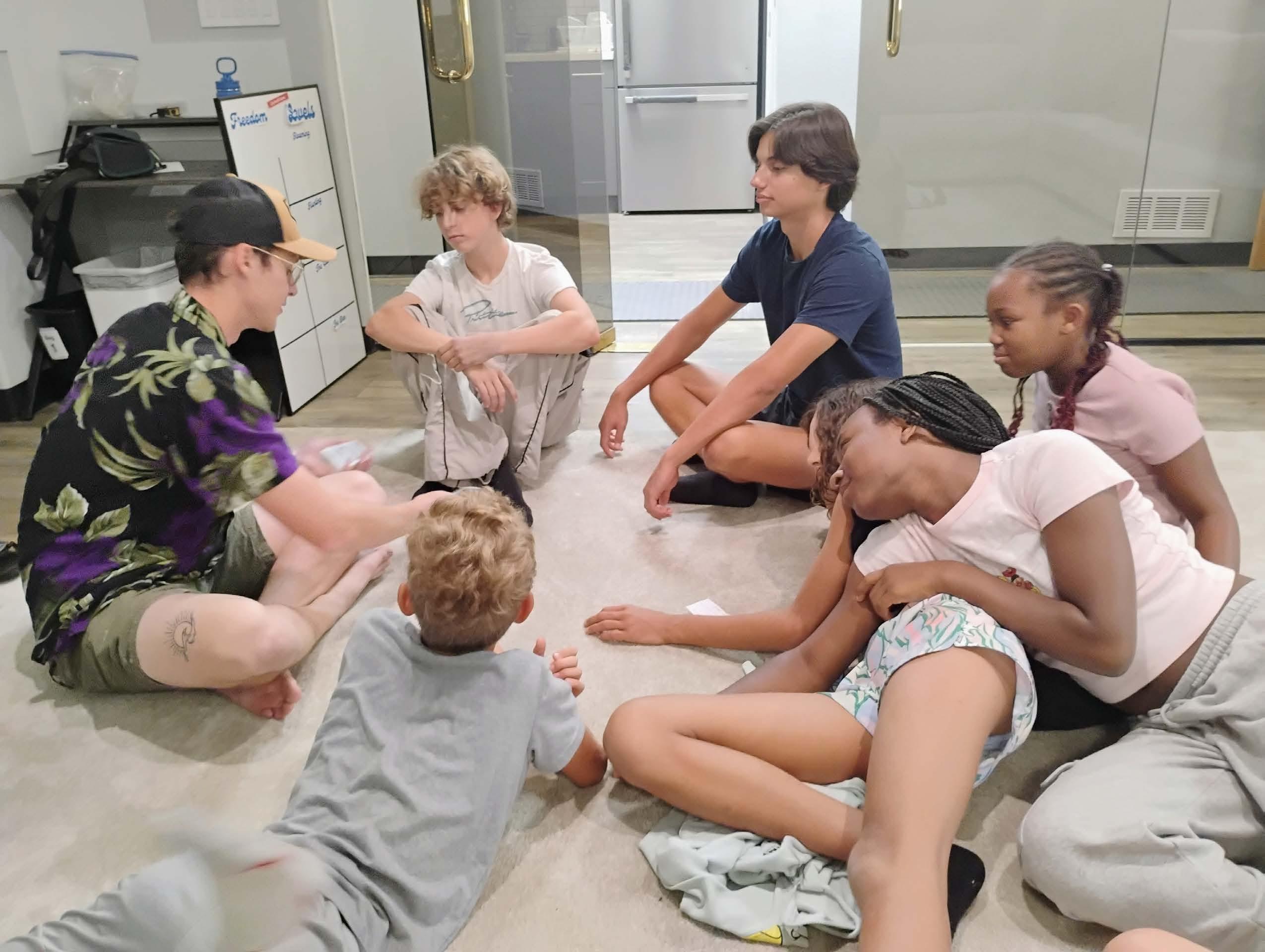
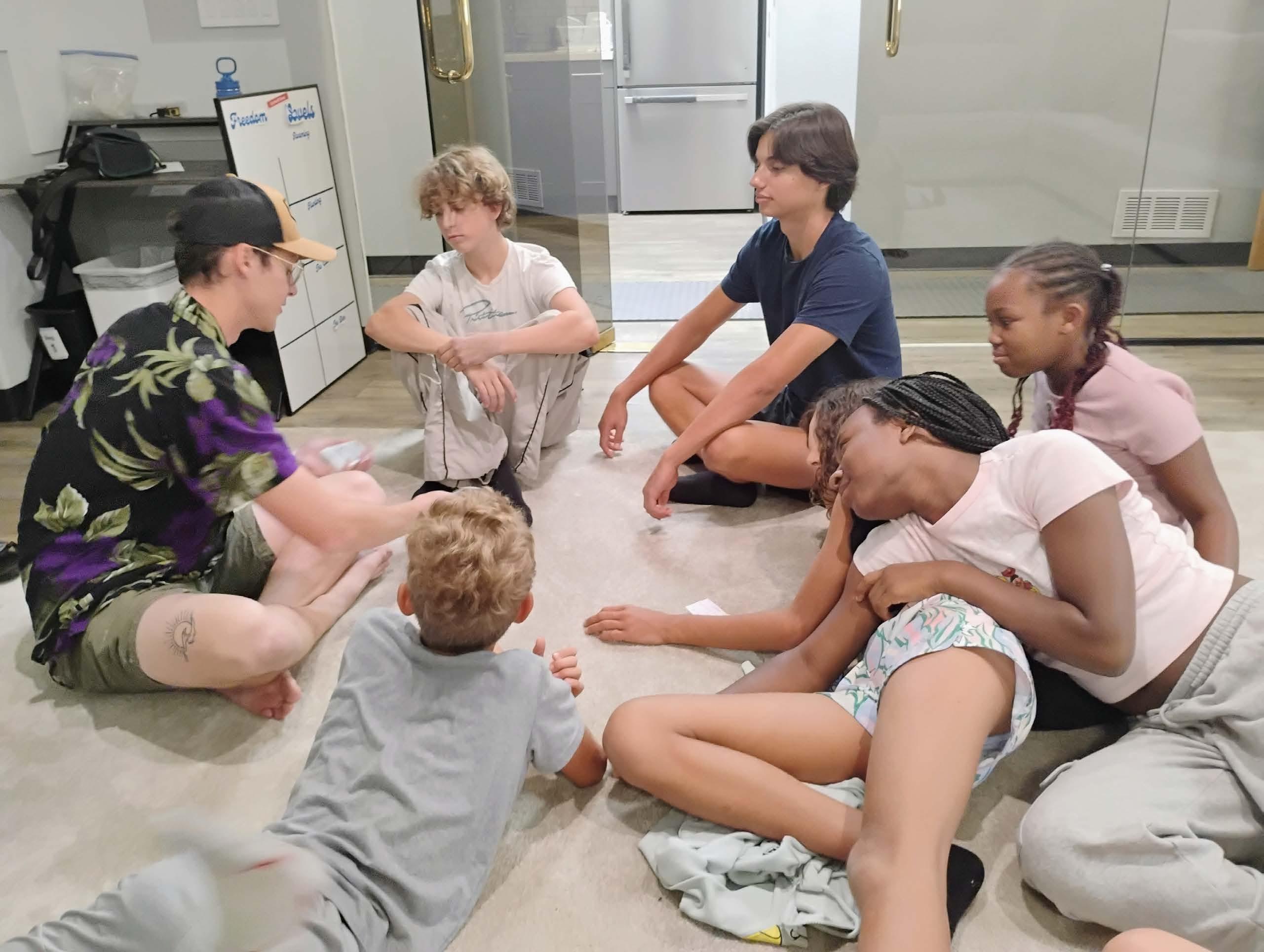
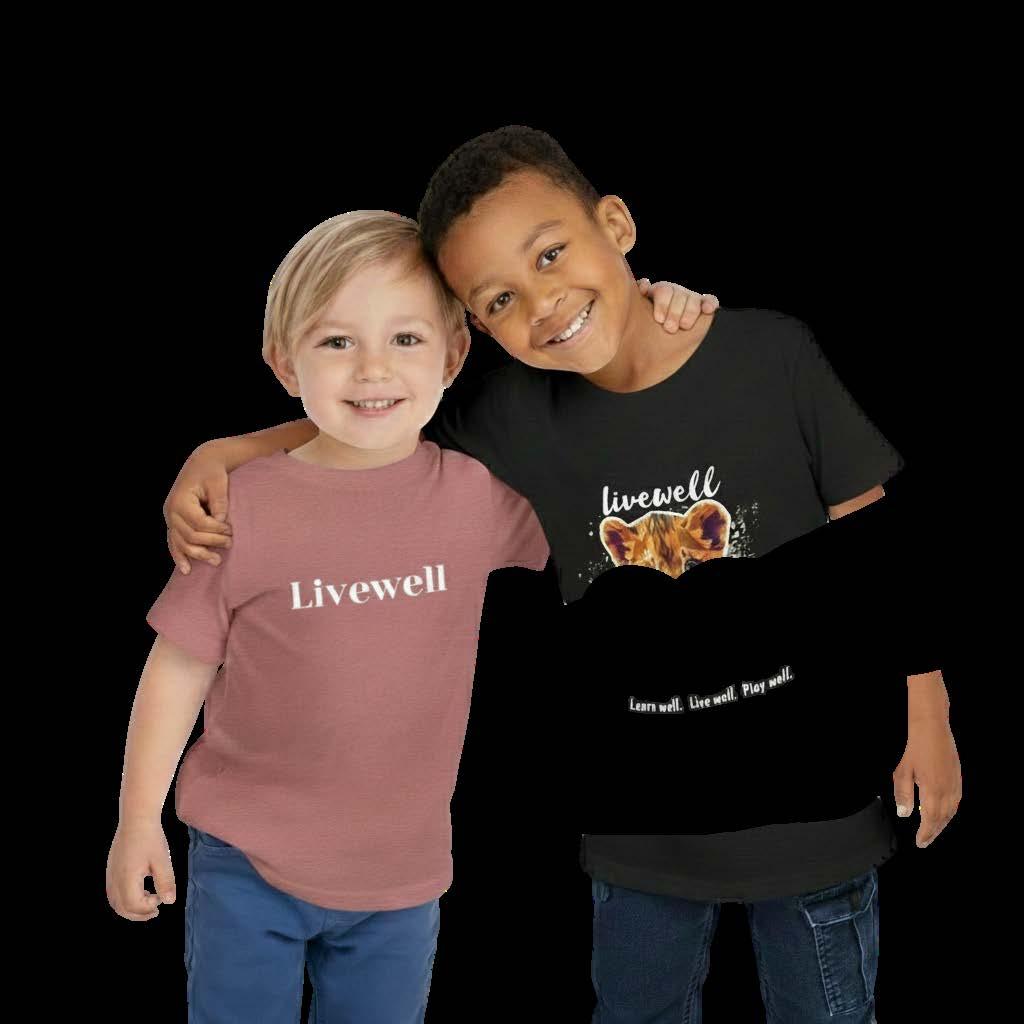
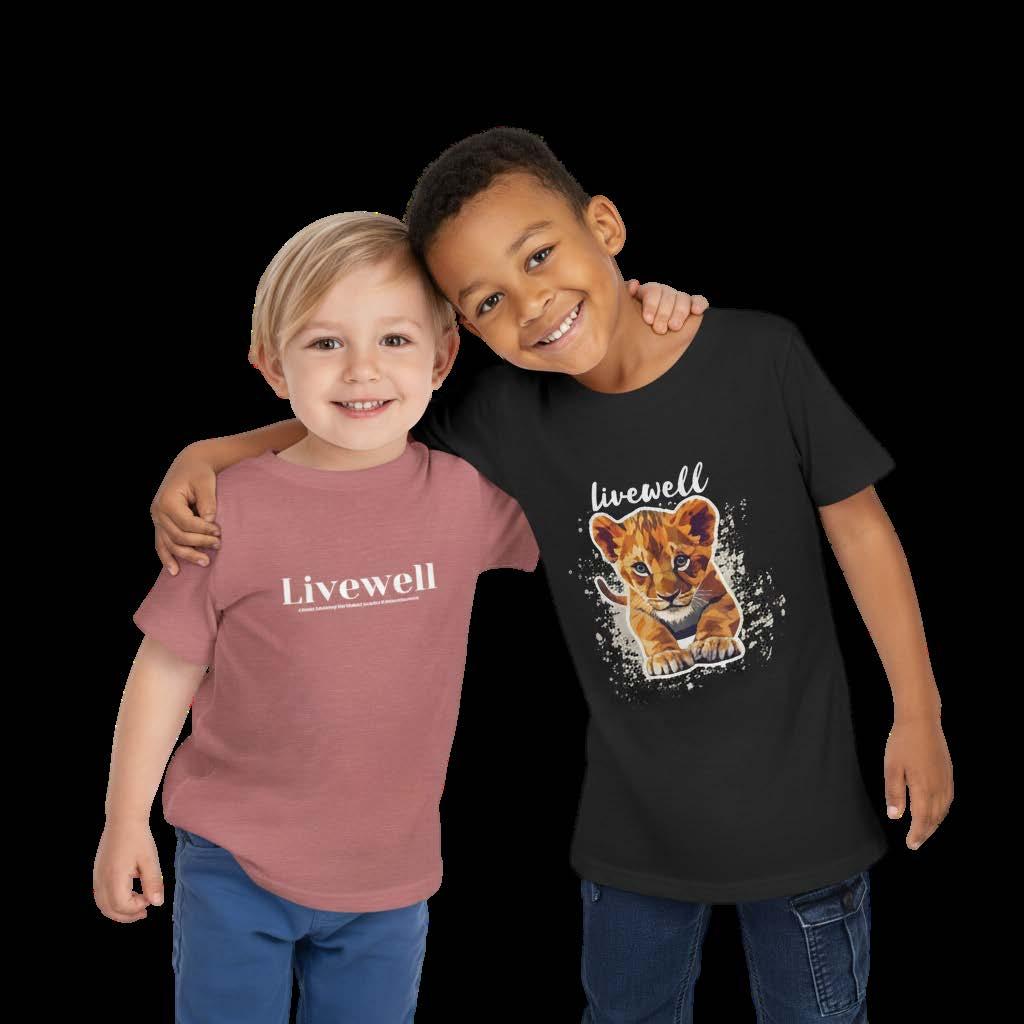
*Actual Livewell family pictured. Not models.
Livewell exists to make homeschooling easier, clearer, and more meaningful for families. Through intentional instruction, hands-on learning, and a valuesdriven approach, we support your child’s academic growth while giving you tools and structure for your home program.
Being the primary educator means you provide the vision behind your child’s learning. You see who they are becoming, what matters to them, and what your family hopes for their future. Your guidance helps tie every learning experience together in a way that feels whole and meaningful.
PARENT PARTNERSHIP WITH LIVEWELL
Establish foundational reading, writing, and math skills
Character/leadership development & refinement
Entrepreneurial & life skills
Development of critical thinking skills
Introduction to various topics and concepts (themes) to spark interest
Presentation, public speaking, and showcase skills
Continual learning and problemsolving through passion and project-based learning
Coaching and support for families with homeschool records and requirements
Set the foundation of worldview, values, faith, daily habits, and culture
Determine educational goals
Monitor growth & fill the gaps
Daily reinforcement & support of reading, writing, and math at home for mastery and retention
Cover traditional subjects, topics, lessons, and concepts that matter to your family & academic goals
Support Livewell Session
Themes and use them as a guide to create lessons that reflect your interests and values
File your Homeschool PSA and keep proper homeschool records
Ways We Support You
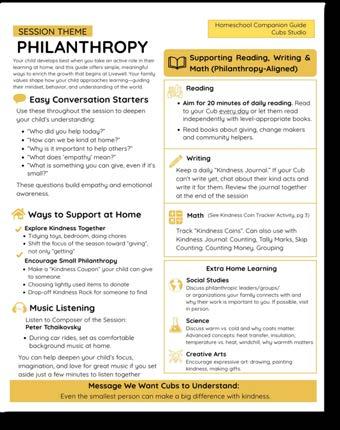
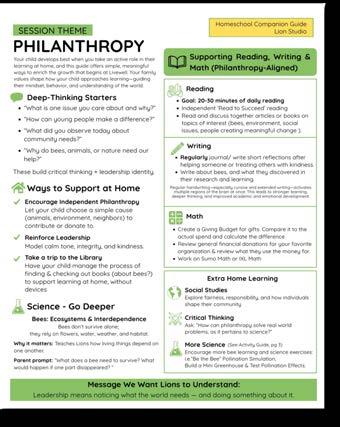
Use the Livewell Homeschool Companion Guide to support your home-learning program
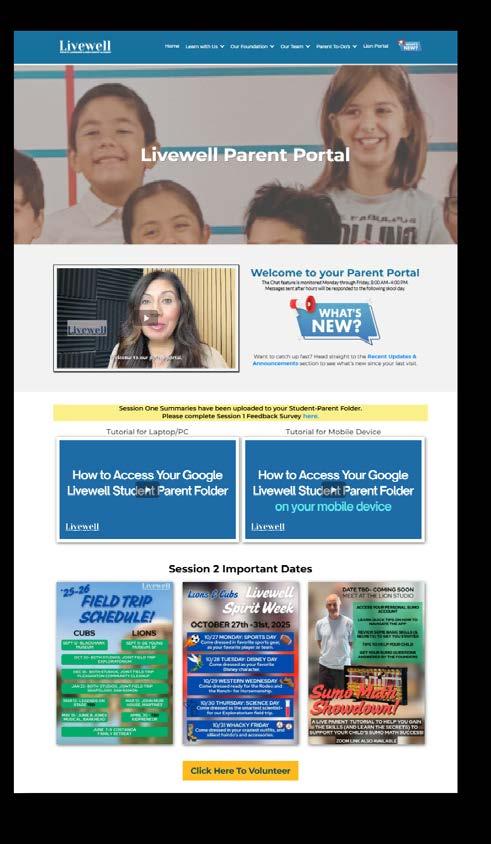
Visit the Homeschool Hub on the Parent Portal for tools to help you
Upgrade to Invata+ Membership for regular homeschool academic coaching
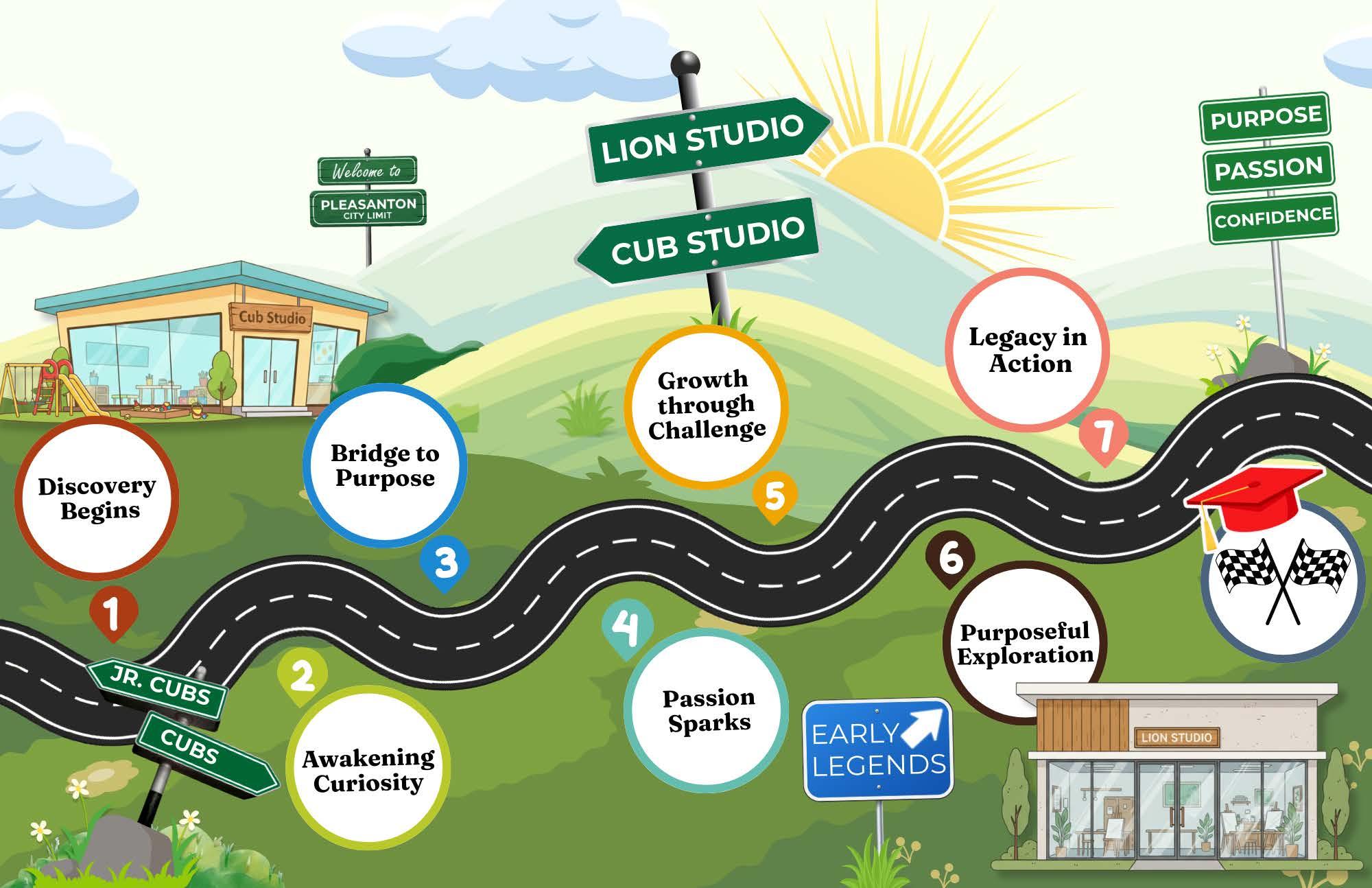
LIVEWELL LEARNING PROGRESSION: FROM JR.
CUB TO LEGEND
LEVEL 7
Mature Legend – Internships, mastery projects, future path planning, early college/ dual enrollment/ vocational courses GENERAL GRADE LEVELS
10th-12th
LION STUDIO
1st-3rd
3rd-6th
6th-8th
8th-10th
LEVEL 2
LEVEL 3
LEVEL 4
LEVEL 5
LEVEL 6
Early Legend– Civic literacy, leadership/ mentoring roles, builds accountability systems, early college/ dual enrollment planning
Mature Lion – Problem solving, longer-term planning, deeper projects, lead group projects, starts to own their learning
Early Lion – Strong reading/writing/math, engages in PBL and passion projects with support, deepens peer collaboration, intro to voice & choice
Mature Cub/ Jr. Lion – Increased responsibility, basic reading/writing, social maturity, begins PBL, experiences at Lion Campus
Cub – Foundational academics, project play, participates in community, sparks curiosity through projects & enrichment
LEVEL 1
Jr. Cub – Ready for group rhythm, follows adult direction and routines independently, practices social basics
CUB STUDIO
FOUNDATIONS OF LEARNING THROUGH PLAY & CURIOSITY
For Ages 4-8
We are focused on early discovery and joyful learning.
Learning is driven by imagination, sensory play, and creative expression. Play as a Primary Language
Curiosity-Fueled Exploration
Children are encouraged to ask “Why?” and “What if?” in a safe, wonder-filled space.
Emphasis is on collaboration, emotional literacy, and independence through routines. Emerging Social & Emotional Awareness
No pressure for academic performance, just natural engagement and connection. Environment-rich, Not Instruction-heavy
Every Day Feels Like an Adventure
The goal is to cultivate joy, trust, and a love of learning.
Foundations of Academics are Starting
Reading, Writing, and Arithmetic
The Cub Studio nurtures the roots of wonder and confidence.
The Lion Studio builds the wings of purpose and leadership.
For ages 8+
Where students start to learn how to lead their learning.
Passion Projects Drive Learning
Children dive deep into subjects that matter to them (pg. 30).
Scaffolded Autonomy & Self-Direction
Students work toward managing their own schedules, goals, and learning pathways with increasing independence (pg. 32)
Independent But Not Alone
Supportive guides provide just-right structure, coaching, and mentorship along the way.
Students begin seeing themselves as capable, responsible, and impactful.
LION STUDIO
Jr. Cub → Cub:
The earliest stage of belonging, where rhythms, routines, and relationships are gently introduced.
PreK-Kinder
Jr. Cub Level 1 DISCOVERY BEGINS
“Mychildislearningtolove learning.”
Children feel safe, seen, and free to explore. They develop foundational social-emotional skills through imaginative & free play, rhythm, and connection.
Cub Level 2 AWAKENING CURIOSITY Kinder-1st
Children begin asking deeper questions, observing how things work, and building early independence through hands-on play and story-based learning.
JR. CUB, LEVEL 1:
DISCOVERY BEGINS, AGE 4 (PRE-K/KINDER )
PLAY & EXPLORATION
Engage in sustained, purposeful imaginative play using diverse materials and roles.
Explore sensory materials and natural elements to observe properties and express curiosity.
SOCIAL SKILLS & CHARACTER DEVELOPMENT
Demonstrate secure attachment by seeking comfort and support from trusted adults in new or stressful situations.
Identify and label basic emotions in self and others using words or gestures.
Practice foundational social skills including sharing, turn-taking, and cooperative play.
READING & WRITING
Show sustained engagement with books and stories through attentive listening and interaction.
Recognize and name a growing set of letters and associated sounds, especially within own name and environment.
Use drawing, scribbling, and letter-like marks intentionally to represent ideas or stories.
MATH
Notice, count, and compare quantities in the environment using one-to-one correspondence.
Recognize and name basic 2D shapes; sort objects by shape, color, or size with increasing accuracy.
EARLY CUB, LEVEL 2:
AWAKENING WONDER, AGE 5-6 (KINDER-1ST)
PLAY & EXPLORATION
Demonstrate curiosity by asking questions and exploring cause-andeffect relationships through hands-on activities.
Engage in story-based and role play that builds narrative skills and understanding of sequence.
SOCIAL SKILLS & CHARACTER DEVELOPMENT
Show increasing independence in daily routines and self-help tasks with minimal adult support.
Recognize and respond empathetically to peers’ emotions and needs.
Begin to resolve simple social conflicts with adult guidance using words and cooperation.
READING & WRITING
Identify all uppercase and lowercase letters and associate them with corresponding sounds.
Blend and segment simple phonemes to decode and encode basic CVC (consonant-vowel-consonant) words.
Write letters and simple words legibly to express ideas or tell stories.
MATH
Count forward to 50 starting from any number and write numbers 0–20.
Solve addition and subtraction problems within 10 using objects, drawings, or number lines.
Identify, name, and describe properties of 2D and 3D shapes in the environment.
Kinder - 1st
Cub Level 2
AWAKENING CURIOSITY
1st-3rd
Mature Cub/ Jr. Lion Level 3 BRIDGE TO PURPOSE
“They’relearningtolisten,lead,and self-regulate.”
his is the bridge between early childhood and structured learning. Children demonstrate the ability to follow through, collaborate, and begin light project work.
Cub → Mature Cub: Children begin learning how to follow group norms, respect structure, and express emerging independence.
Mature Cub/ Jr. Lion Level 3
MATURE CUB, LEVEL 3:
CURIOSITY
DEEPENS & PASSION
SPARKS,
AGE 6-8 (1 - 3 ) ST RD
PLAY & EXPLORATION
Collaborate effectively with peers on multi-step projects, demonstrating planning and follow-through.
Independently plan and execute short activities, demonstrating persistence and problem-solving.
SOCIAL SKILLS & CHARACTER DEVELOPMENT
Follow multi-step classroom routines and procedures consistently and responsibly.
Use respectful communication and effective conflict resolution strategies in peer interactions.
Demonstrate leadership by supporting peers and taking initiative in group settings.
READING & WRITING
Read grade-level texts fluently with comprehension; identify main ideas and supporting details.
Write structured paragraphs with topic sentences, supporting details, and appropriate conventions.
Use capitalization, punctuation, and spelling conventions consistently.
MATH
Count forward to 100 by ones and tens; write numbers 0–50 legibly.
Understand place value for tens and ones; compose and decompose two-digit numbers.
Solve addition and subtraction problems within 100 using a variety of strategies.
Measure lengths using non-standard and standard units; compare and estimate measurements.
Organize, represent, and interpret data using charts, tables, and graphs.
MATURE CUB, LEVEL 3:
CURIOSITY DEEPENS & PASSION SPARKS, AGE 6-8
LANGUAGE & COMMUNICATION
Participate actively in group discussions; listen and respond respectfully to peers and adults.
Present ideas clearly and confidently using appropriate vocabulary and visual supports.
PROJECT-BASED LEARNING SKILLS
Begin to formulate guiding questions and plan simple projects related to personal interests.
Collaborate with peers to carry out short-term projects, contributing ideas and completing tasks.
Reflect on project progress and outcomes to identify successes and areas for improvement.
EARLY LION READINESS
Gradual introduction to the Lion Studio environment, rhythms, and expectations at a pace that honors each child’s readiness and confidence.
Increased exposure to structure and academic rigor while preserving the wonder, play, and curiosity essential to this developmental stage.
Flexible, year-long hybrid progression that allows Lion Studio days to increase over time as children demonstrate readiness, culminating in a natural transition into the Lion Studio.
LEASE REFER TO PAGES 48-50 FOR DETAILED LEVEL 3 LEARNING OBJECTIVES, OR ACCESS THIS DOCUMENT
Children begin using project frameworks to pursue what excites them. This is where they start to “learn how to learn,” practice curiosity-driven inquiry, and build real skills.
Mature Cub/ Jr. Lion → Early Lion: A gentle but clear transition from play-centered learning to purpose-driven exploration with real tools and frameworks.
Children begin using project frameworks to pursue what excites them. This is where they start to “learn how to learn,” practice curiosity-driven inquiry, and build real skills.
dents work through meaningful projects, collaborate with peers, engage in selfevaluation, and explore their personal learning style and leadership voice.
MATURE LION, LEVEL 5:
GROWTH THROUGH CHALLENGE (GRADES 7–8)
LEADERSHIP & CHARACTER DEVELOPMENT
Demonstrate resilience and growth mindset when facing challenges.
Take initiative and responsibility in group leadership and peer mentoring.
Navigate complex social dynamics with empathy and ethical awareness.
READING & WRITING
Analyze complex texts for themes, tone, and author’s purpose.
Produce multi-paragraph essays with clear thesis and coherent structure. Use advanced grammar, varied sentence structures, and precise vocabulary.
MATH
Apply ratios, proportions, and percent to solve real-world problems. Understand and use algebraic expressions and equations.
Interpret and analyze data using statistics and probability.
Explore geometric concepts including volume and surface area.
LANGUAGE & COMMUNICATION
Lead formal presentations with clarity, confidence, and audience engagement. Facilitate group discussions, synthesizing ideas and managing differing opinions.
PROJECT-BASED LEARNING SKILLS
Conduct sustained inquiry projects with independent research and evaluation of sources.
Critically evaluate arguments and multiple perspectives.
Reflect on project outcomes and personal growth to inform future work.
Mature Lion → Early Legend: Begins the shift to mastery-level thinking, deep inquiry, and big-picture problem solving.
Students work through meaningful projects, collaborate with peers, engage in selfevaluation, and explore their personal learning style and leadership voice.
Teens pursue self-directed work, passion projects, and inquirybased studies. They start to articulate their values, refine their voice, and develop futurefocused thinking.
Early Legend → Master Legend: Students are expected to be self- directed and self-driven, emotionally mature, and ready to make a meaningful contribution to the world.
Teens pursue self-directed work, passion projects, and inquirybased studies. They start to articulate their values, refine their voice, and develop futurefocused thinking.
10th-12th
LEGACY IN ACTION
“Theyknowwhotheyareand wanttomakeadifference.”
Students step into roles of leadership, mentorship, and mastery. They launch real-world projects, contribute to their communities, and prepare for life beyond Livewell.
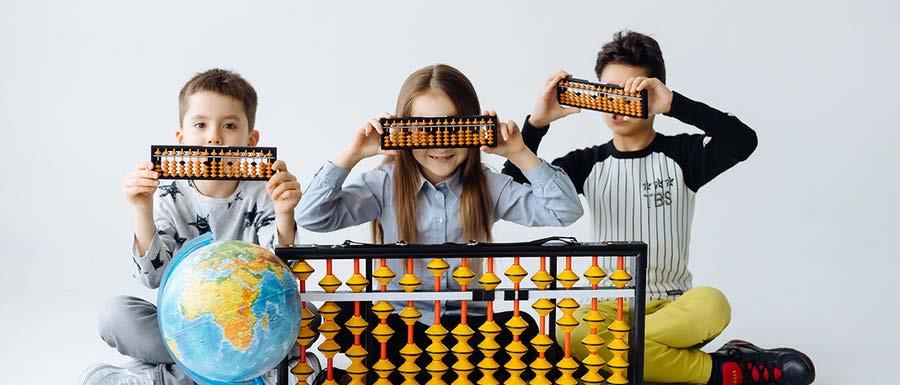
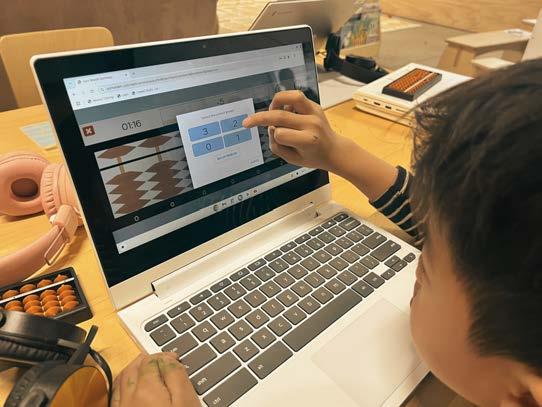
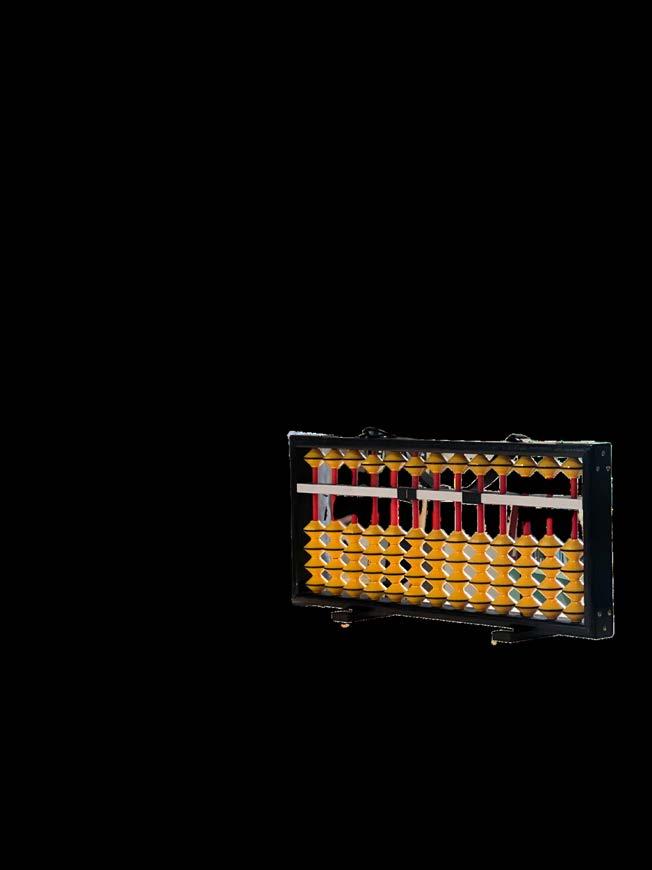
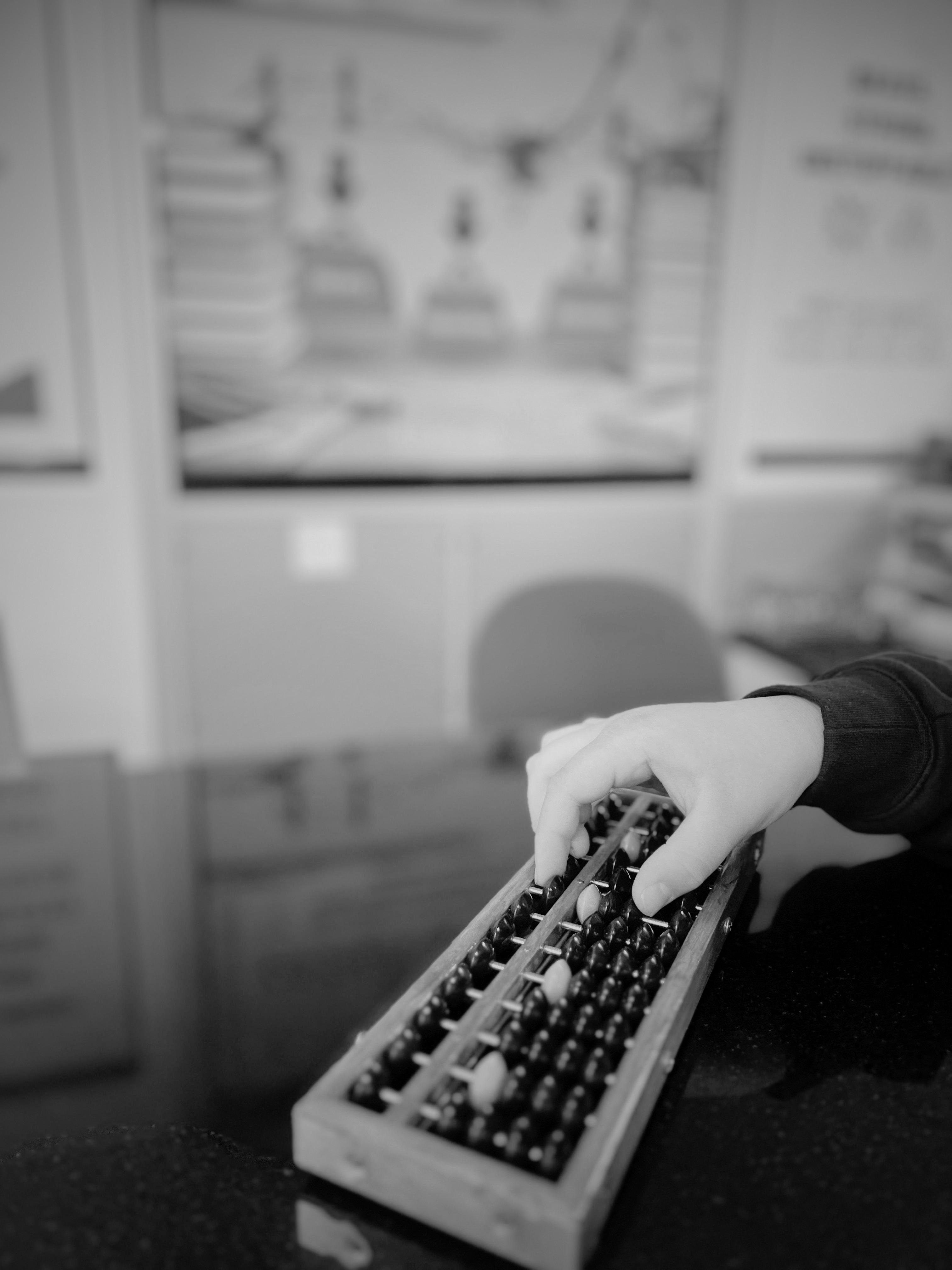
We offer guided Soroban skill development and traditional training Levels 10–1 in our studios for all of our students. Partnering with parents in their homeschool journey, we provide tools to support learning at home on days children aren’t at Livewell. Using our Sumo Math platform, children can continue their abacus training consistently. Just 15-20 minutes a day is ideal for building lasting math skills! (Ages 4+)
Why Asian Math Outperforms Western Math?
Asia (Japan, Singapore, China, Taiwan): Western/USA: Strongemphasison foundationalnumbersense
Result: Asian countries consistently rank at the top of international math assessments like TIMSS and PISA; they build math strength early through soroban and mentalmath training that makes numbers come alive.
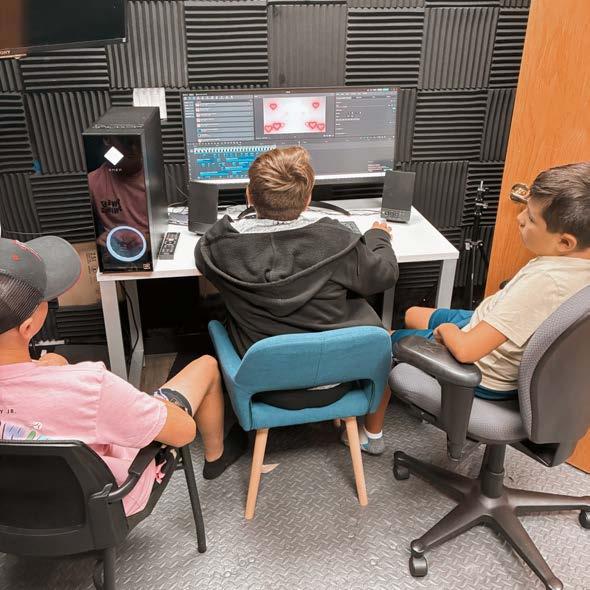
Passion Projects are LION student-driven explorations based on what a child loves. From Star Wars and gardening to fashion design or survival skills, these projects are designed to ignite joy and foster deep learning.
To nurture intrinsic motivation, creativity, and deep personal learning.
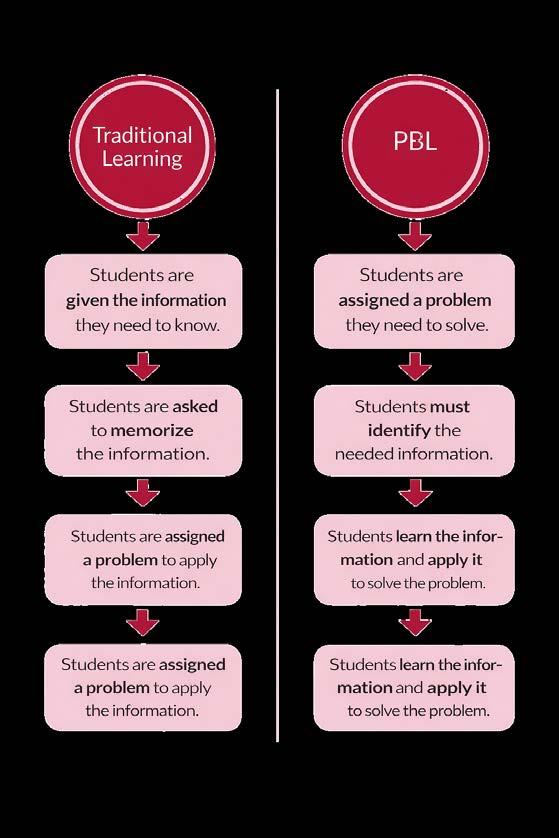
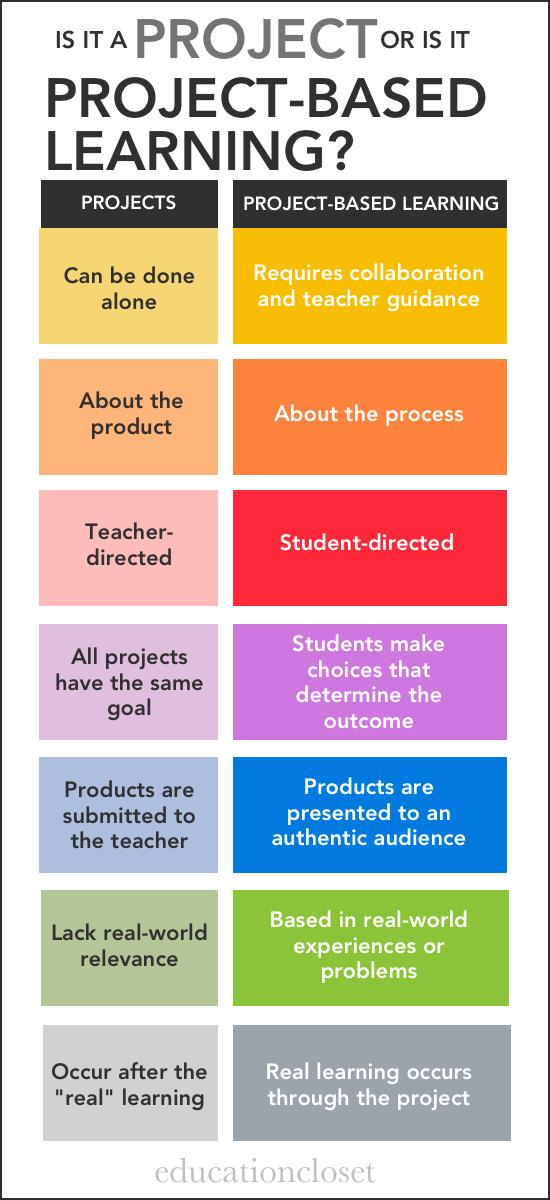
WHAT IS PBL?
Project-Based Learning
PBL is a teaching method in which children gain knowledge and skills by workingforanextendedperiodoftimeto investigate and respond to an authentic, engagingandcomplexquestion,problem orchallenge.
When our children engage in projectbasedlearning,theyareableto workona project from a week up to an entire session– engaging them to solve realworld problems or answer complex questions. As they get older, they will demonstrate their knowledge and skills bydevelopingapublicproduct,showcase orpresentationforarealaudience.
As a result, they will develop deep content knowledge, creativity, critical thinking, problem-solving, and communication skills in the context of completing a meaningful project. This process builds confidence, ownership, and a strong sense of purpose in their learning.
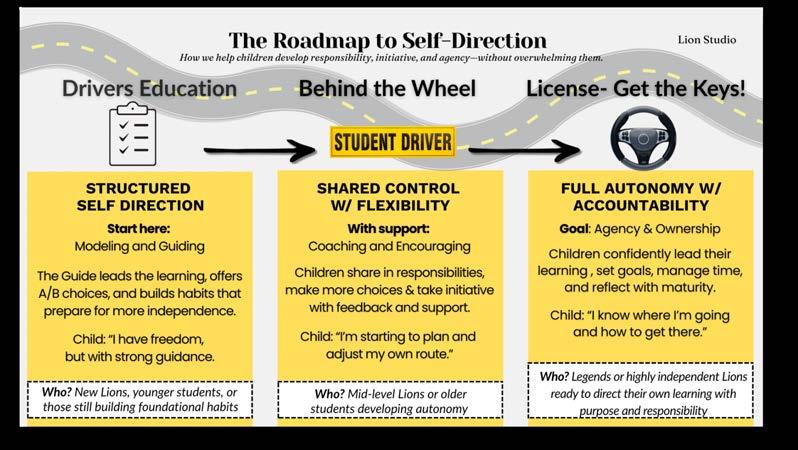
Autonomyandself-direction don’t happen overnight. We scaffold these skills step by step, giving students the tools,structure,andguidance they need to gradually build responsibility.
Early on, this may look like simple choices- selecting a project, organizing materials, or practicing follow-through with a task. Over time, these small moments accumulate, and Lion students begin to understand how to manage their time, set goals, and hold themselvesaccountable.
This approach can benefits childreninfourpowerfulways:
1
Prepares Them for the Real World – Whether in higher education, entrepreneurship, or personal life, the ability to direct one’s own learning and growthisoneofthestrongest predictorsofsuccess.
Our methodical progression is intentional. Each stage is designed to release more responsibility to the child over time, so that by the time they complete their Livewell Journey, they are prepared to thrive in the world as self-motivated, capable, andresilientyoungadults.
This foundation empowers them to navigate challenges with confidence,purpose,andintegrity.
❗ Jr. Guides don’t discipline — they redirect, support, and get Ms. Jenny when needed.
TRAINING + LEVEL UP
Here at Livewell, we use special words to describe our learning model, mindset, and culture. This glossary helps both parents and students understand what these terms mean and how they show up in our daily learning journey.
Tries different ways to build with blocks or complete puzzles.
Experiment with multiple ways to use materials and solve simple problems.
Introduction to other cultures, countries and backgrounds through session themes and virtual travels.
Shares own stories about culture, traditions, and travels
Understanding that everyone is different, but all are amazing.
Provide diverse materials and encourage inquiry questions
2: Early Cub
Level
Cub Studio
Awakening Curiosity, Age 5-7 (Approx. Kinder-1st Grade)
OBSERVABLE /
LEARNING OBJECTIVE
Use storytelling prompts and props to extend play
Child experiments with water, plants,or building materials. Asks “why” and “how” questions during play and exploration. Creates role-play based on stories or real-life experiences. Retells story events or sequences during play or discussion.
Demonstrate curiosity by askingquestions and exploring cause-and-effect relationships through hands-onactivities.
Play & Exploration
Teach routines explicitly; offer choices to build autonomy
Dresses self, follows multi-step routines with minimal help.
Use role-play and discussions about feelings
Comforts a peer in distress; shares or takes turns willingly.
Engage in story-based play that builds narrative understanding of sequence.
Demonstrate growing independence in self-help tasks and classroom routines . Show empathy by recognizing and responding to peers’ emotions.
Social Skills & Character Development
Model conflict resolution strategies, facilitate peer mediation and guide children to use respectful, solution-oriented language.
Uses words to express needs; negotiates with peers. Uses phrases like “let’s take turns” or “please stop” during disputes.
Begin to resolve simple social conflicts with adult guidance using words and cooperation.
Use multisensory letter activities and games
Names all letters and sounds in alphabet songs or flashcards.
Recognize and name all uppercase and lowercase letters.
Practice phonics with manipulatives and reading activities. Provide guided writing practice; support phonetic spelling
Last Updated: October 29, 2025
Reads simple words like “cat,” “dog,” “sun.” Writes own name and simple words; attempts sentences.
Blend and segment phonemes to decode simple CVC (consonant-vowel-consonant) words. Write letters to spell simple words; begin using spacing and punctuation.
Reading & Writing
Begin to manage impulses and emotions with minimal adult support. Count forward to 50; write numbers 0–20 legibly. Solve simple addition and subtraction (within 10) problems using objects or drawings. Recognize and create repeating patterns (AB, AAB, ABB).
Use flexible thinking to try multiple solutions to simple problems. Follow twoand three-step directions independently. Respect peers' cultural differences and traditions. Identify and describe 2D and 3D shapes (circle, square, triangle, cube, sphere).
Executive Function
Creativity & Problem
Solving
Cultural & Social Awareness
Level 2 continued
/ SCAFOLDED
Mature Cub/ Jr. Lion
3:
Cub Studio Level
Bridge to Purpose, Age 7-8 (Approx. 1st-3rd Grade)
OBSERVABLE / MEASURABLE
Assign group roles and support cooperative problem solving
Use visual project plans and checklists
Works with others to build, create art, or tell stories. Follows project steps to complete a task or presentation.
Reinforce expectations and provide positive feedback
Role-play social scenarios and facilitate peer discussions
Encourage classroom jobs and leadership opportunities
Use guided and independent reading with comprehension checks
LEARNING OBJECTIVE
Collaborate effectively with peers on short-term projects and group tasks.
Play & Exploration
Plan and carry out multi-step activities with increasing independence.
Completes daily tasks and transitions smoothly.
Follow classroom routines and instructions consistently.
Takes initiative in group work; helps peers when appropriate.
Answers questions about stories; summarizes key points.
Demonstrate respectful communication and conflict resolution skills.
Show responsibility and leadership in age-appropriate roles.
Social Skills & Character Development
Teach writing structure and provide scaffolds
Provide mini-lessons and peer-review activities
Produces multi-sentence writing on familiar topics. Edits own writing for basic grammar and punctuation.
Read grade-appropriate texts with comprehension, identifying main ideas and details. Write simple paragraphs with topic sentences and supporting details. Use capitalization, punctuation, and spacing conventions correctly.
Reading & Writing
Use manipulatives and number talks
Uses base-ten blocks, drawings or soroban abacus to represent numbers.
Understand place value for tens and ones; compose and decompose two-digit numbers.
Model multiple problem-solving methods
Encourage estimation and comparison discussions
Applies strategies like soroban mental math, abacus, counting on or using number lines. Measures classroom items with paper clips or blocks.
Solve addition and subtraction problems within 100 using strategies.
Measure lengths using non-standard units and compare objects.
Use real data from class activities
Creates simple bar graphs or tally charts to display data.
Teach goal-setting and self-reflection strategies
Completes assigned tasks and adjusts approach as needed.
Organize, represent, and interpret data using charts or graphs.
Plan and monitor progress on small projects with minimal adult support.
Reinforce self-regulation skills through practice
Uses coping strategies independently in challenging situations.
Demonstrate improved impulse control and emotional regulation.
Encourage brainstorming and reflection
Proposes multiple solutions during group work or challenges.
Apply reasoning skills to solve open-ended problems and generate ideas.
Active learning about other people from other cultures, backgrounds, abilities or unique needs.
Is kind, loving and supportive when learning about those who are different from them. And offering help to others when they need support.
Respect peers' cultural differences and traditions. Empathy toward peers with physical, learning, or social differences.
Model discussion norms; practice active listening and turn-taking.
Participate actively in group discussions; listen and respond respectfully to peers and adults.
Teach public speaking skills; use peer feedback and rehearsal.
Model inquiry process; use graphic organizers and project checklists. Facilitate teamwork skills; assign roles and encourage communication.
Delivers short presentations with visuals; engages audience. Generates questions; outlines basic steps for a project or investigation.
Teach reflection techniques; encourage goal-setting for next projects.
Discusses or writes about what worked and what can be improved. Works with others to complete projects; shares responsibilities.
Present ideas clearly and confidently using appropriate vocabulary and visual supports. Begin to formulate guiding questions and plan simple projects related to personal interests. Collaborate with peers to carry out short-term projects, contributing ideas and completing tasks. Reflect on project progress and outcomes to identify successes and areas for improvement.
Use literature and discussion prompts on diversity and empathy
Use guided reading and questioning strategies
Teach paragraph structure; provide writing templates
LEARNING OBJECTIVE
Identifies emotions; uses calming techniques in challenging moments.
Develop self-awareness and employ strategies to regulate emotions and behavior.
Leads or actively contributes; resolves conflicts constructively.
Collaborate respectfully and take leadership roles in group work and projects.
Leadership & Character Development
Answers literal and inferential questions; summarizes texts. Listens attentively; acknowledges different viewpoints in discussions.
Demonstrate empathy and respect for diverse perspectives and cultures.
Provide mini-lessons and peer-editing activities
Produces well-organized paragraphs on assigned topics.
Read grade-appropriate texts with comprehension; identify main ideas and make inferences. Write clear, structured paragraphs with topic sentences and supporting details.
Reading & Writing
Edits writing to improve clarity and correctness.
Use grammar, punctuation, and spelling conventions accurately.
Use manipulatives, timed drills, and word problems
Solves multiplication and division problems accurately.
Use fraction bars, number lines, and visual models
Compares fractions; converts between fractions and decimals.
Model problem-solving strategies; use diagrams and peer discussions
Explains reasoning and solves problems accurately.
Use hands-on measurement activities and real-world examples
Multiply and divide fluently within 100; understand factors and multiples.
Understand fractions and decimals; compare and represent them visually.
Math & Logical Thinking
Teach public speaking skills; provide presentation rubrics
Measures and computes perimeters and areas in projects.
Solve multi-step word problems involving all four operations.
Model discussion norms; practice active listening
Delivers oral presentations with visual aids; engages audience.
Calculate perimeter and area of basic geometric shapes. Present ideas clearly using appropriate vocabulary, visuals, and organization.
Language & Communication
Model inquiry and brainstorming techniques
Use project planners and regular check-ins
Contributes relevant ideas; listens and responds appropriately.
Generates questions guiding investigations and projects. Develops project steps and timelines; collaborates effectively.
Participate actively in group discussions with respectful listening and responses.
Use curiosity and questioning to explore topics of interest.
Critically evaluate arguments and multiple perspectives. Reflect on project outcomes and personal growth to inform future work.
Project-Based Learning Skills
Guide research design and source credibility
Teach critical reading and argument analysis
Develops hypotheses; uses credible sources; presents findings. Participates in debates; writes position papers.
Conduct sustained inquiry projects with independent research and evidence evaluation. Critically evaluate arguments and multiple perspectives.
Critical Thinking & Inquiry
Provide public speaking coaching and tech support
Teach facilitation and active listening skills
Delivers speeches; uses multimedia effectively.
Moderates discussions; builds consensus.
Lead formal presentations with clarity, confidence, and audience engagement. Facilitate group discussions, synthesizing ideas and managing differing opinions.
Design and conduct original research or inquiry projects connecting to real-world issues. Evaluate multiple perspectives and synthesize complex information.
Deliver professional-level presentations using diverse media.
Critical Thinking & Inquiry Communication & Presentation Skills
Teach facilitation and adaptive communication skills
Leads peer workshops; manages Q&A sessions.
Facilitate workshops or seminars, adapting communication to audience needs.
7: Mature Legend
Lion Studio Level
Action, Ages 16-18 (Approx. Grades 11–12 )
in
Legacy
/
OBSERVABLE / MEASURABLE EVIDENCE GUIDE
Provide advanced leadership opportunities and reflective practices
Support career and college readiness planning
Scaffold advanced reading strategies and critical analysis
Provide advanced writing mentorship and multiple revision cycles
Offer professional writing workshops and editing support
Navigate complex social, cultural, and professional interactions with diplomacy and confidence.
Lead original research or community projects demonstrating scholarly rigor and practical impact.
Coaches peers; leads seminars or workshops.
Mentor others in inquiry, leadership, and critical thinking skills.
Project-Based Learning Skills Language & Communication
Guide advanced research methods and ethics
Creates comprehensive portfolios; crafts personal mission statements.
Reflect on personal legacy and future goals to guide lifelong learning and contribution.
Publishes research; implements community solutions.
Lead original research or community projects with scholarly rigor and real-world application.
Thinking & Inquiry
Develop peer leadership programs
Coaches peers; leads seminars or workshops.
Mentor others in inquiry, leadership, and critical thinking.
Provide professional development in communication
Teach conflict management and intercultural communication
Manages negotiations; facilitates cross-cultural dialogue. Presents at conferences or public forums; develops portfolios.
Deliver professional presentations and communications tailored to diverse audiences. Navigate complex social and professional interactions with confidence and diplomacy.
Skills
Communication & Presentation
Level 7 continued
THE RISE OF ALTERNATIVE EDUCATION
Why More Families Are Rethinking School
In recent years, homeschooling and alternative education models have grown dramatically across the United States.
What began as a temporary shift during the COVID-19 pandemic has become a longterm change in how many families think about education. Today, approximately 4 million children in the United States are homeschooled- about 10% of the student population, significantly higher than prepandemic levels.
This shift reflects something deeper than circumstance. It reflects a growing desire among families to take a more active role in their children’s education.
Education is no longer one-size-fits-all.
“More families are recognizing that education can be personalized, flexible, and deeply connected to real life.”
Why Families Are Choosing Different Paths
Flexibility to meet their child’s needs
Individualized learning experiences
Stronger alignment with family values
Safer and more supportive environments
Alternatives to traditional school
Many Paths, One Goal
Homeschooling today looks very different from what it did even ten years ago.
Families now blend approaches such as: Montessori-inspired learning classical education project-based experiences unschooling hybrid learning communities
Rather than following a single model, many parents are building educational experiences that reflect their children’s needs, strengths, and interests.
Learning is becoming more human again.
The Future of Learning
Despite challenges such as time commitment, financial investment, and social planning, the future of homeschooling and alternative education appears strong.
More families are recognizing that education is not limited to classrooms, textbooks, or standardized timelines.
Learning can happen anywhere.
And for many families, it already is.
Where Livewell Fits
Livewell supports families looking for a different kind of education. Our community blends hands-on projects, leadership development, mentorship, and family partnership to create meaningful, real-world learning experiences. Children grow through curiosity, responsibility, and collaboration.
Every child learns differently. Livewell helps each one discover their unique path. Education is not limited to classrooms. It happens everywhere.
SUMOMATH EDITION
BEYOND TRADITIONAL MATH:
eeper numerical understanding
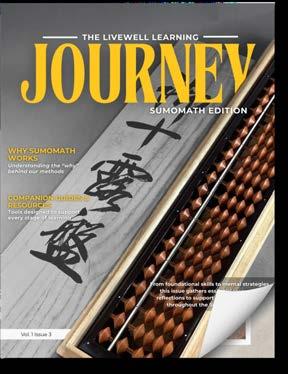
NEXT ISSUE
Understand the power of the soroban in our next Livewell publication, The Journey: SumoMath Edition From Tradition