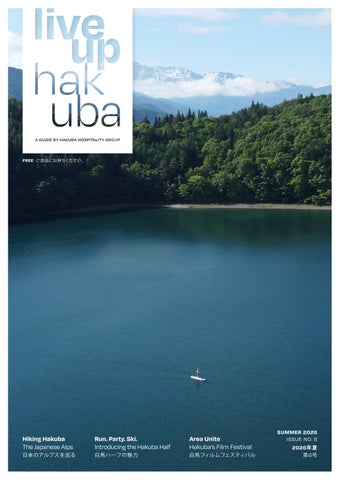
The Japanese Alps Run. Party. Ski. Introducing the Hakuba Half Area Unite Hakuba‘s Film Festival
MANAGING EDITOR
John Blagys
CONTENT MANAGER
Isabel Graf | Studio Graf
DESIGN DIRECTOR
Lisa Herljevic | Design Studio Anomali
PHOTOGRAPHERS
Henry Brant (Cover), Nina Robin Eielets, Kazuhige Fujita, Atsushi Nakatera, Ian Millar, Tasuku Yamaya
CREATIVE MANAGER
Henry Brant | Late2wenty
PROJECT MANAGER
Kanata Kondo
CONSULTING EDITORS
Laura Blagys, Ami Connolly
COPY EDITORS
Heather Sario Mahi, Megumi Wild, Caleb Blagys, Jack Larcheveque
PUBLISHER
Hakuba Hospitality Group 5090-1, Hokujo, Hakuba, Kitaazumi District, Nagano 399-9301, Japan
John Blagys john@hhgjapan.com +81 50 4560 1086
Live Up Hakuba is published by Hakuba Hospitality Group and is released twice a year. Unauthorized reproduction or storage of any portion of this publication, without the prior written permission of the publisher, is strictly prohibited. While utmost effort and care have been invested to maintain the accuracy of the information in this publication, neither the publisher nor its employees can be held responsible for errors or omissions, or for any consequences arising from reliance on this publication.
Live Up Hakuba was created to share and celebrate with you the stories, people, and culture that make the Hakuba Valley special. Beyond the landscapes and changing seasons, Hakuba is defined by the individuals who shape it every day: local business owners, artists, athletes, farmers, guides, chefs, long-time residents, and newcomers all bringing fresh energy to the valley.
As Hakuba continues to evolve, we believe it is important to celebrate not only where the village is going, but also the character and sense of community that make it worth protecting. With this edition we invite you to explore Hakuba more deeply and to discover the spirit of the valley through the people who call it home.
With gratitude,
HAKUBA HOSPITALITY GROUP
読者の皆さまへ
「 Live Up Hakuba」は、白馬を特別な 場所にしている歴史や人々、そして文化 を皆さまと共有し、ともに楽しむために 生まれました。美しい景色や移り変わる 季節だけでなく、白馬という場所は日々 この村を形づくる人々によって支えられ ています。地域の事業者、アーティスト、 アスリート、農家、ガイド、シェフ、長年こ の地で暮らしてきた住民、そして新たに 白馬に魅了され移り住んできた人々。そ れぞれが、この村に新たな活力をもたら しています。
HHG Supporting the Hakuba Happo-One Sake Project HHG Volunteers
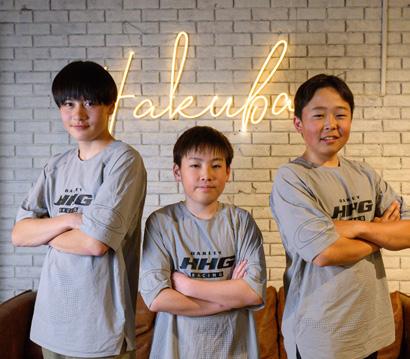
The HHG Racing Team
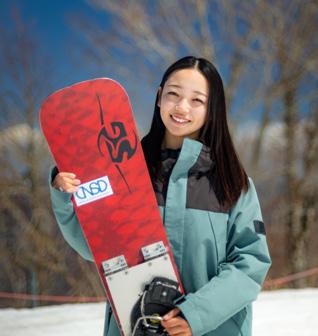
SponsoredHinanosnowboarder Oshima
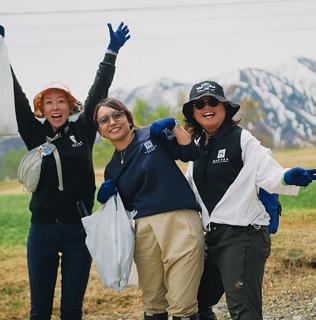
HHG Team at Happo One Clean Up
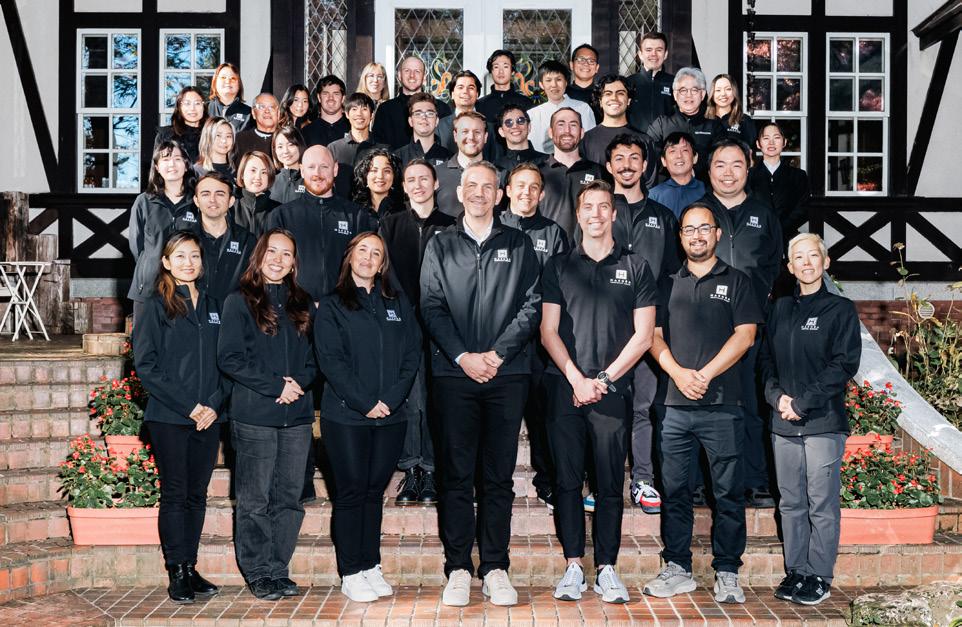
The Hakuba Half Marathon Team
“Live Up” encourages you to seize life as an adventure and as an expression of individual style. It embodies the thrill of a sunrise hike and the indulgence of alfresco dining under the stars. It is a plea to fully embrace the beauty and sophistication of the Hakuba Valley. Experience life at high altitudes with unmistakable style. Live Up.
The Japanese Alps 夢を追いかける若者たち MTBシーンを築く 日本のアルプスを巡る LIVE UP SPORTS
A Hakuba Trail Blazer HHG Racing
白馬・山岳の楽園 白馬のトレイルブレイザー HHGレーシング
Young Men with a Dream Building the MTB Scene
Hakuba Valleyを知る
The Hakuba Valley 12 16 60 70 Cool Off Where Forest Meets Sky Hakuba Goryu
手書きの美
An Artist in the Valley
世界で活躍する書道アーティスト
エリアユナイト ラン・パーティー・スキー 炎、そして雪 Resorts at a Glance
Hakuba’s Alpine Lakes Birds of Hakuba
涼をとる 森と空のあいだで 白馬五竜
A Living Story of Nature and Renewal リゾート紹介 湖でクールダウン 白馬で出会える野鳥 自然の息吹と巡るいのちの物語
Written by Hand Students Thriving 28 64 32 48 54
学びの中で成長する生徒たち
A Look at Hakuba International School
白馬インターナショナルスクールをのぞく
36 The Ultimate Taste Area Unite Run. Party. Ski. Fire and Snow
白馬の美食巡り
A Restaurant Guide
レストランガイド
Hakuba‘s Film Festival
白馬フィルムフェスティバル
Introducing The Hakuba Half Tradition and Community
白馬ハーフを知る 伝統とコミュニティ
Japan’sPremier
日本を代表する山岳フィールド・白馬連峰
TEXT BY EISHIRO MATSUZAWA PHOTOS BY HAKUBAKAN
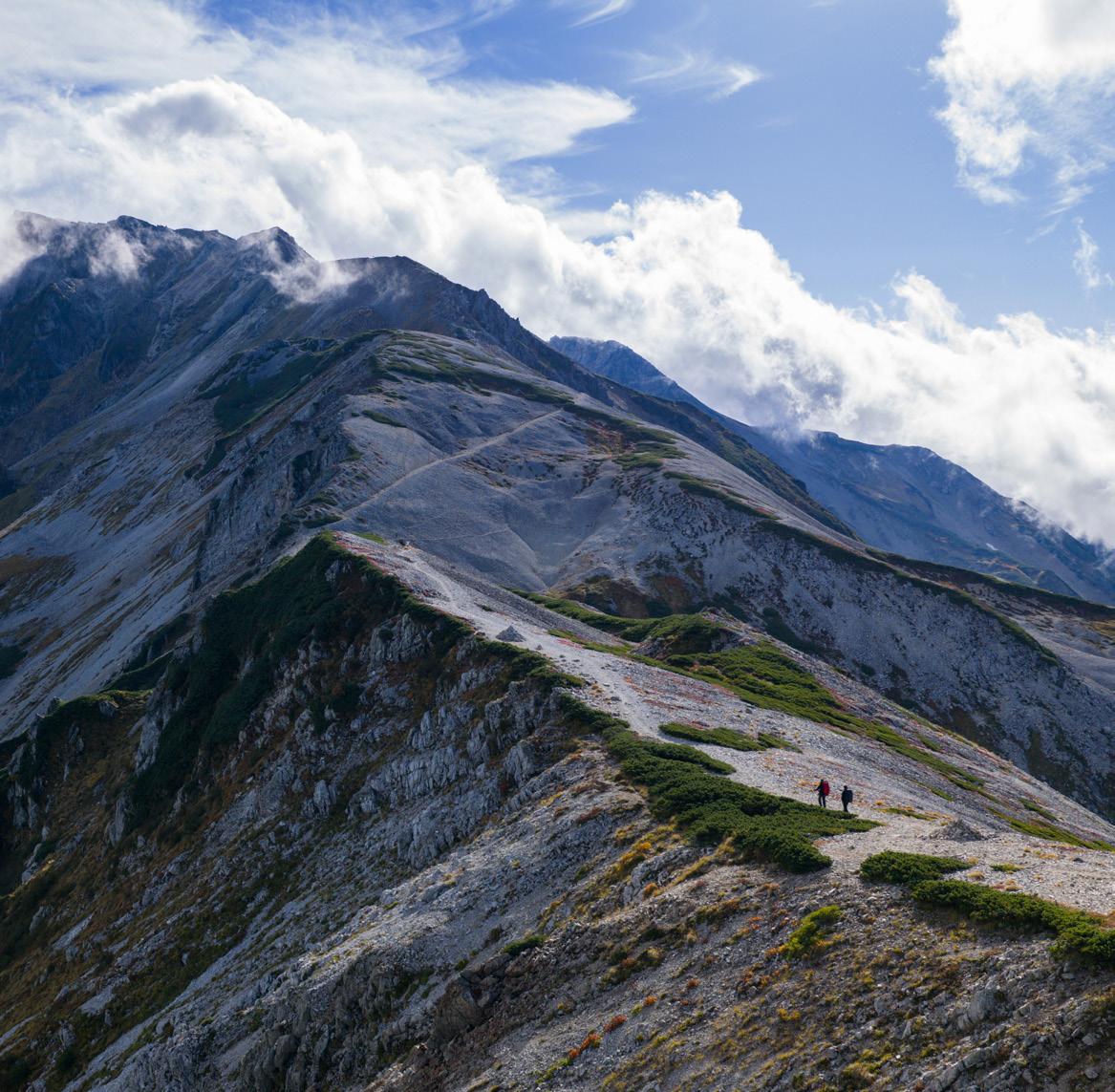
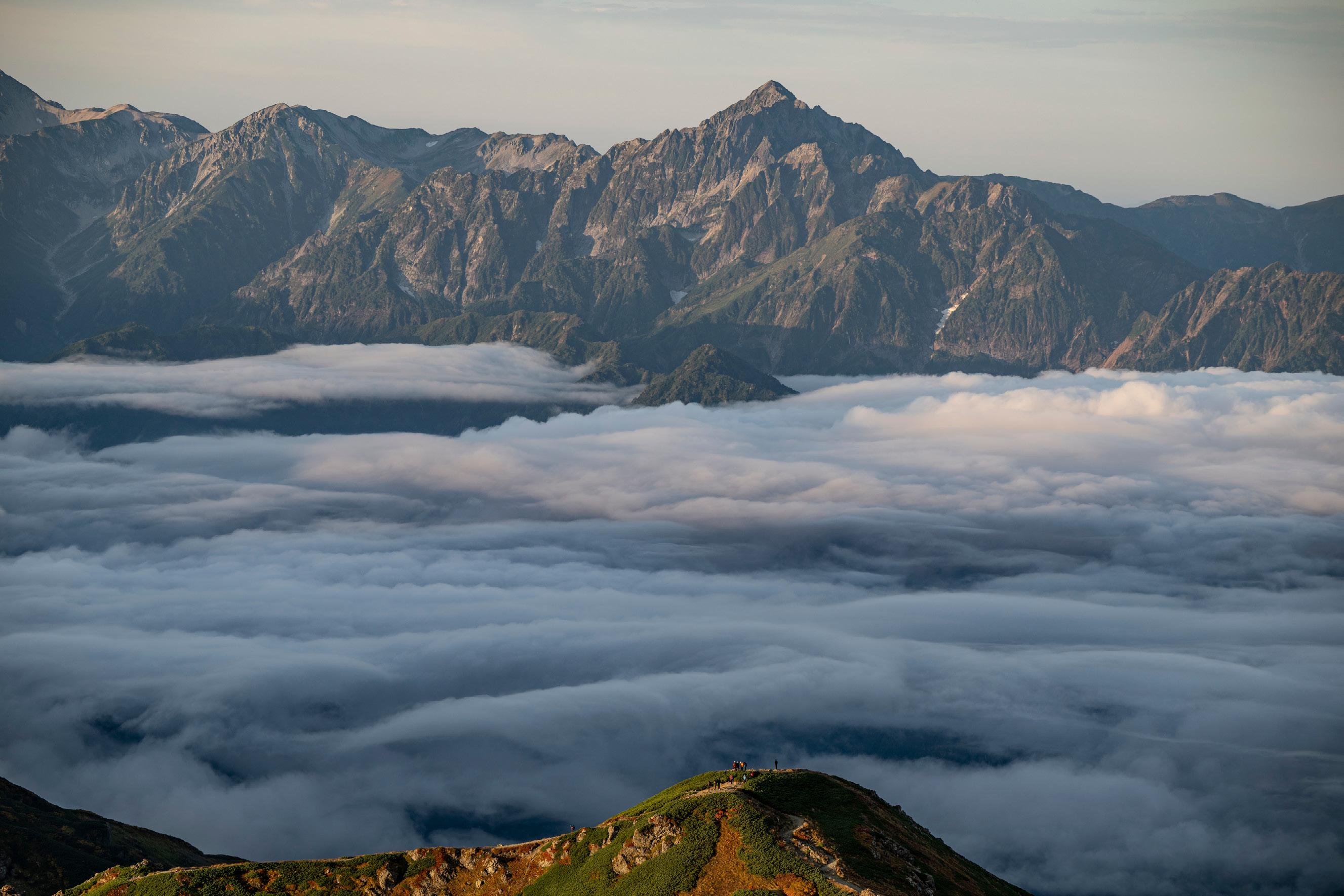
In the northern reaches of the Japanese Alps, the Hakuba Range stands as one of Japan’s most celebrated mountaineering destinations. This dramatic alpine landscape, recognized as a core area of the Chūbu Sangaku National Park, represents the very best of Japan’s natural heritage and is the birthplace of Japan’s mountaineering tradition. Here, you’ll find an extensive network of mountain huts dotting the high ridges and valleys, a uniquely Japanese hospitality system that transforms multi-day alpine adventures into comfortable, sociable experiences.
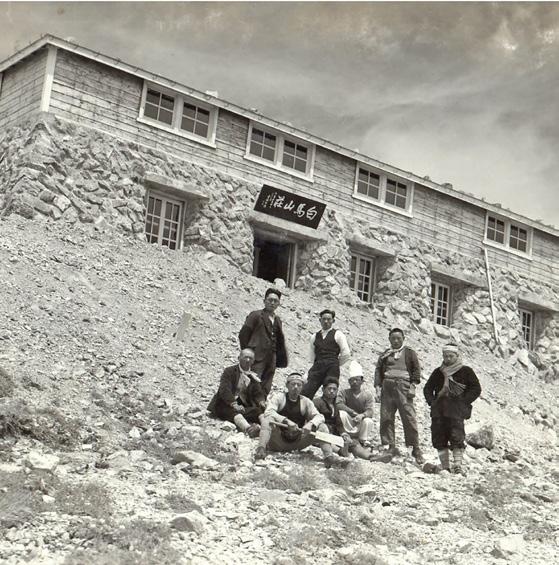
STAFF PICTURED OUTSIDE HAKUBA SANSO IN THE 1930S 1930 年代に白馬山荘の外で撮影されたスタッフたち
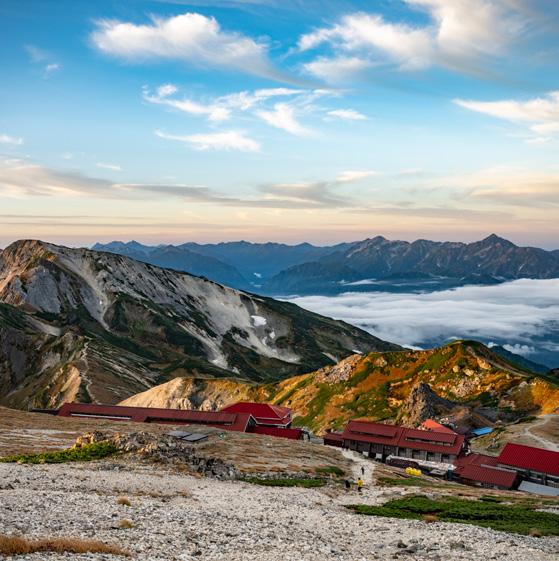
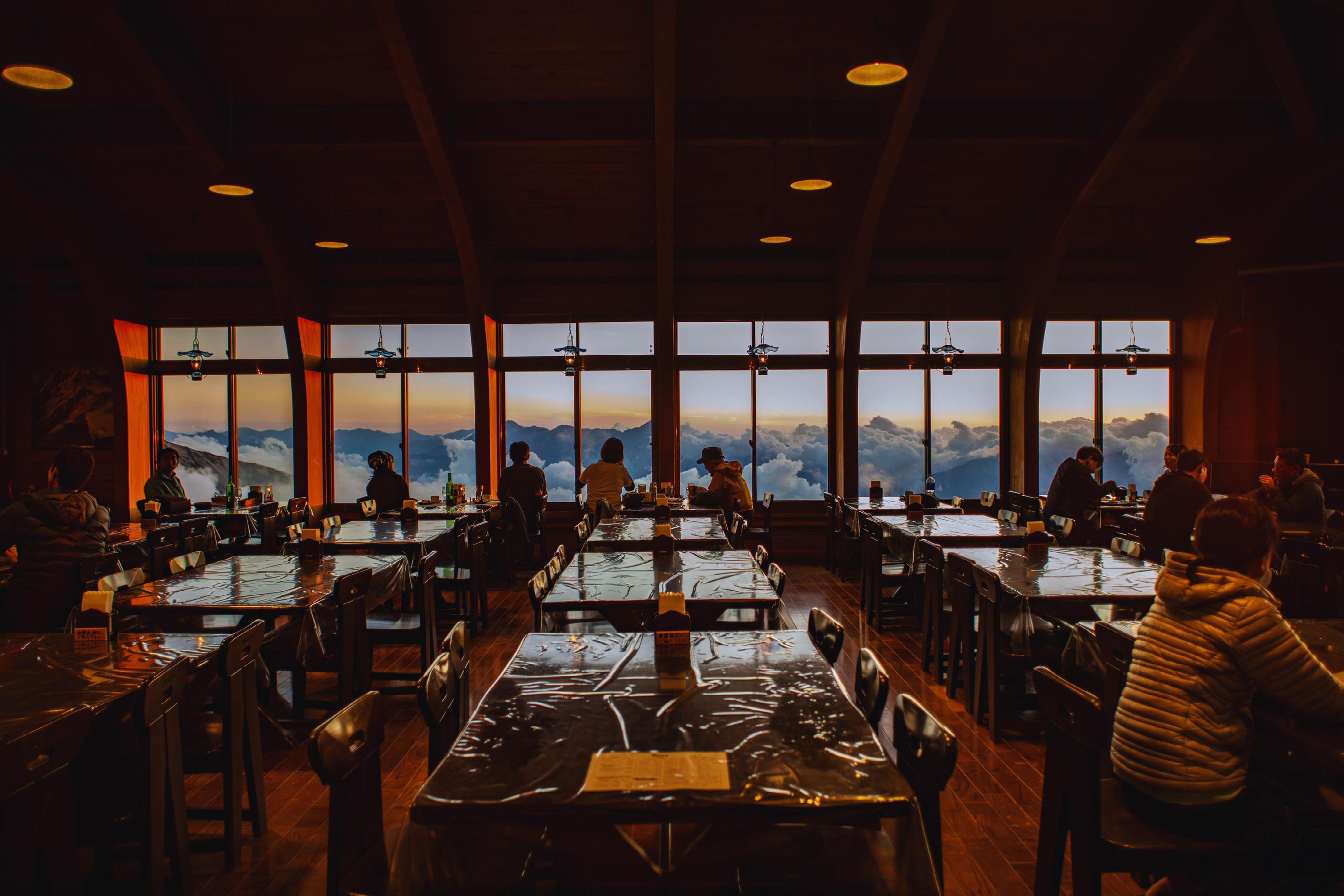
Among these legendary establishments stands Hakuba Sanso, Japan’s largest and oldest mountain lodge. Perched just below the summit of Mt. Hakuba, this iconic “hut” seamlessly combines rustic alpine charm with modern comfort. You can choose from a selection of private rooms and communal spaces, and the Sky Plaza Hakuba, its remarkable high-altitude restaurant, has views that rival the ascent itself.
THE ICONIC DAISEKKEI ROUTE AND BEYOND
The crown jewel of Hakuba mountaineering is Mt. Hakuba (Shirouma), at 2,932 meters, the highest peak of the Gosenji Range. The legendary Daisekkei (Big Snow Valley) route ascends through a dramatic 3.5-kilometer snowfield that persists well into summer—a pristine corridor of white against towering peaks.
Walking across this ancient snowscape feels like traversing a landscape frozen in time. However, changing climate patterns mean that seasonal conditions vary significantly, and hikers should always check current conditions before departure.
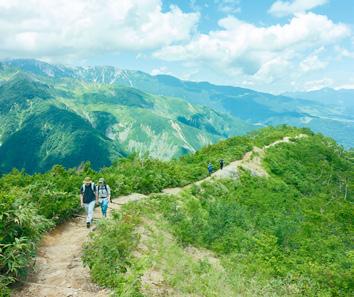
For those seeking an alternative approach, the Tsugaike Route offers an entirely different alpine experience. Beginning at Tsugaike Nature Park (accessed by gondola and ropeway), this trail ascends the ridgeline past Mt. Hakuba Norikaeshi and Mt. Shōrenkazuyama toward Mt. Hakuba’s summit.
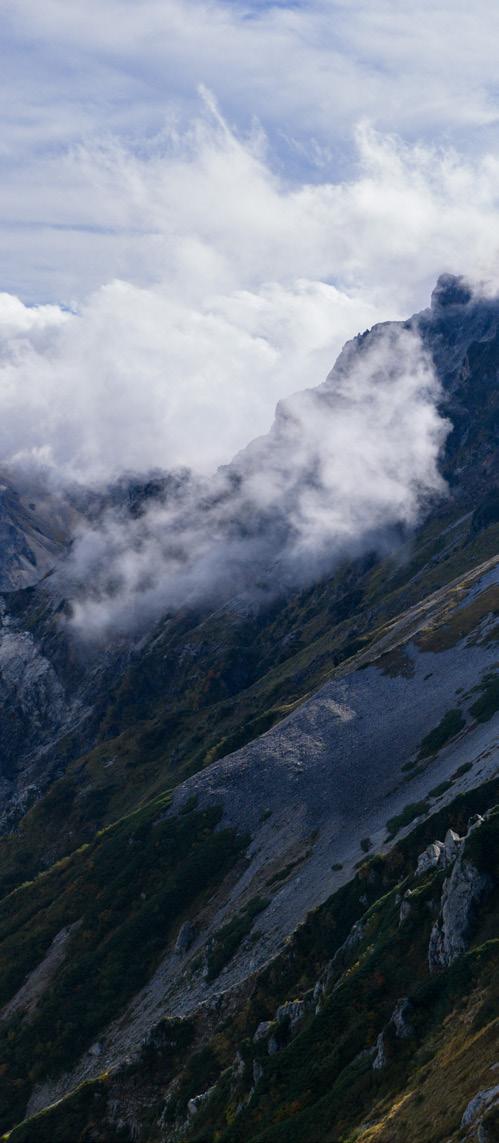
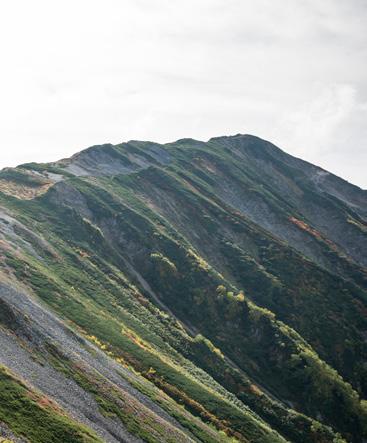
The ridge walk is magical. As you stroll along the spine of the mountain range, you experience the world falling away on both sides. Your path forward cuts through the clouds. In the summer, vibrant patches of emerald meadow contrast with lingering snowfields. Come autumn, the same ridge line transforms into a canvas of crimson and gold as the alpine vegetation shifts with the season.
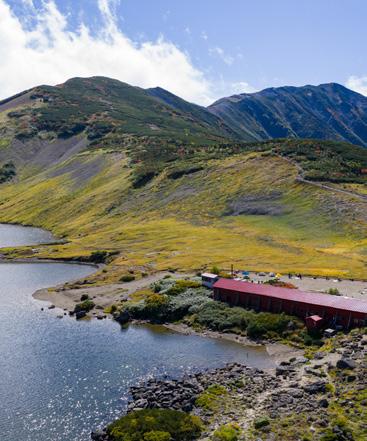
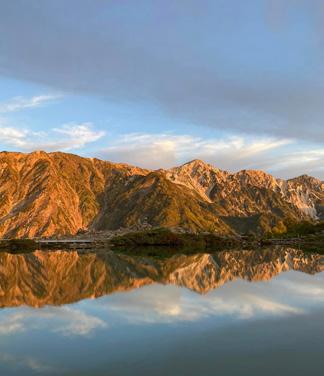
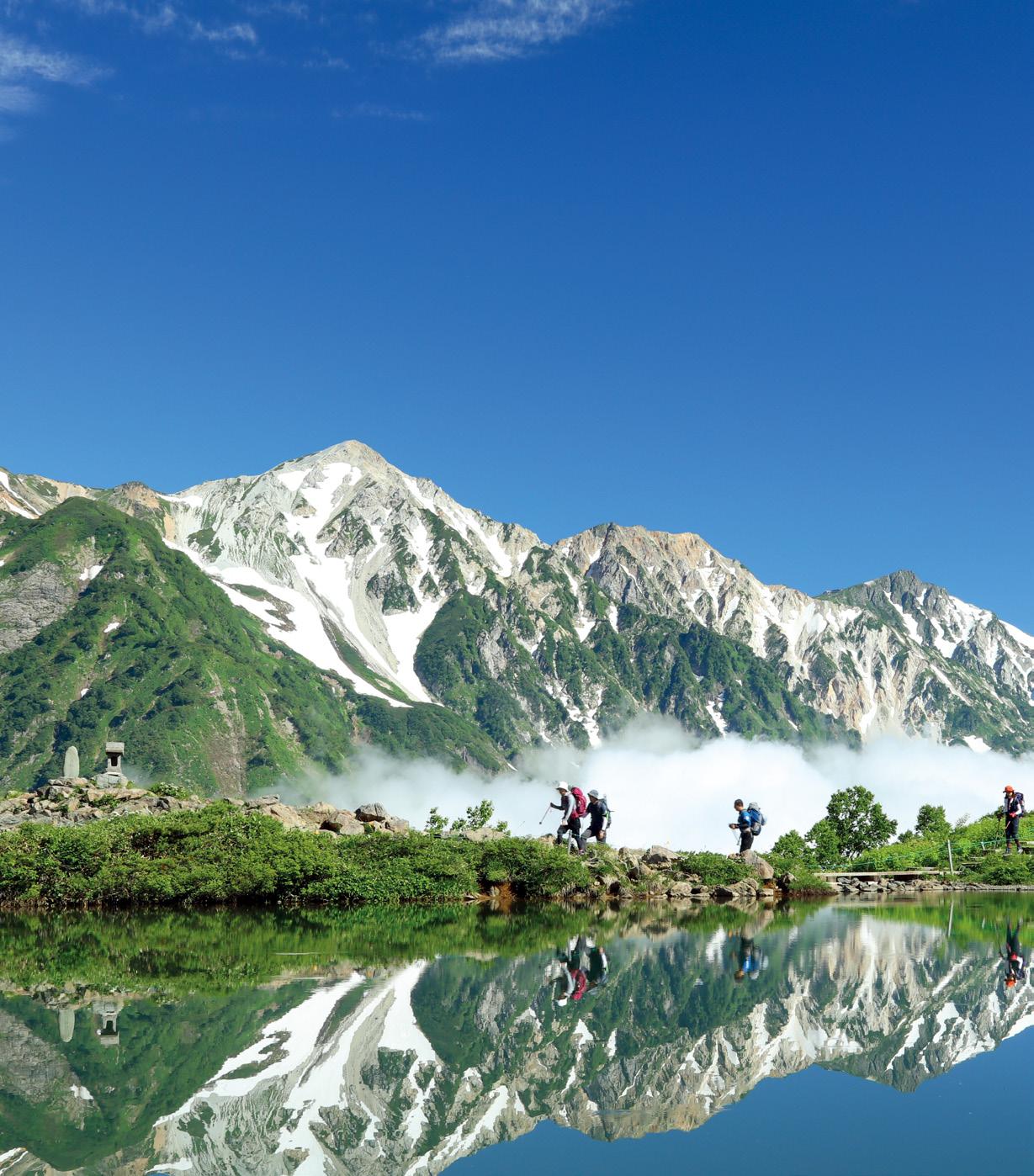
At the heart of this ridge lies Hakuba Oike, a rare alpine lake located at 2,380 meters. It is a place so serene that, on calm days, the surrounding peaks mirror perfectly in its glassy surface.
The Hakuba Range is a living museum of alpine flora. The high peaks are home to rare plant diversity that attract botanists from around the world.
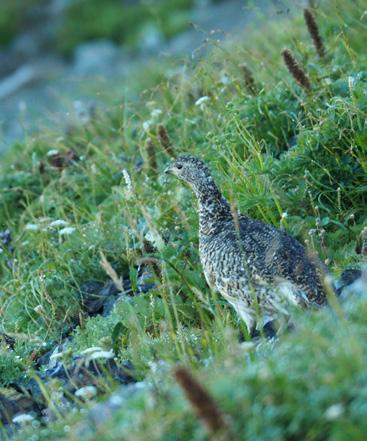
The alpine meadows surrounding Mt. Hakuba have been designated a Special Natural Monument, in part to protect and also celebrate these irreplaceable plant communities. As you hike, you may encounter the special Japanese ptarmigan (raichō), a bird famous for being unafraid of humans, given it evolved in remote alpine terrain.
These charming creatures, with their seasonal white plumage, are a highlight for many visitors, and a reminder that these mountains are home to wildlife uniquely adapted to this extreme environment.
BEYOND THE SUMMIT: HIDDEN TREASURES
The adventure doesn’t end at the peaks. From Mt. Hakuba, those seeking a different kind of mountain experience can venture toward Mt. Hakuba Yari and the legendary Hakuba Yari Onsen. This is one of Japan’s highest open-air geothermal baths, located at 2,100 meters.
Imagine soaking in steaming, mineral-rich waters while gazing across the Northern Alps. It’s an experience that perfectly captures the marriage of comfort and adventure that defines Hakuba mountaineering.
A RANGE FOR EVERY ADVENTURER
Whether you’re seeking a challenging alpine expedition, a dramatic ridgeline traverse, or an approachable day hike, the Hakuba Range delivers.
Mt. Goryu (2,814m), one of Japan’s 100 Famous Mountains, offers rewarding summit views and spectacular ridgeline hiking. The Takase Gorge provides a geothermal twist, where steaming hot springs bubble from the earth amid lush forests.
For those new to alpine mountaineering, the popular day hike to Happo Pond showcases why so many consider Hakuba the perfect introduction to Japan’s high mountains.
The Hakuba Range is a place where Japan’s mountaineering heritage comes alive—where world-class facilities meet pristine wilderness, and where every ascent promises not just a summit, but a transformation.
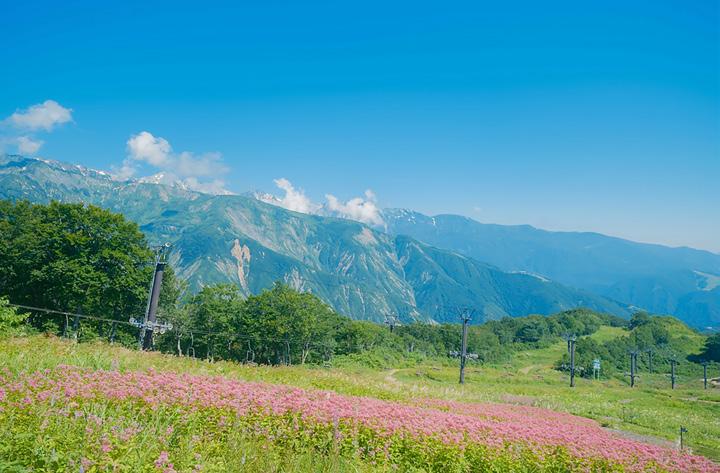
Happo-One is Hakuba’s most iconic mountain resort, known for its sweeping alpine views, Olympic heritage, and easy access to the Northern Alps. In summer, it becomes an ideal base for hiking, paragliding, and high-altitude sightseeing.
▶ HIKE TO HAPPO POND: A scenic trek leading to crystal-clear alpine waters.
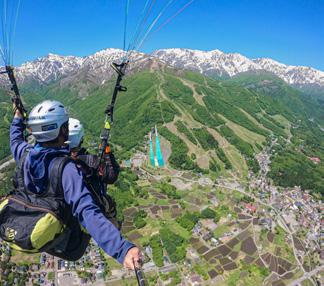
▶ PARAGLIDING: Experience the thrill of soaring over the Hakuba Valley.
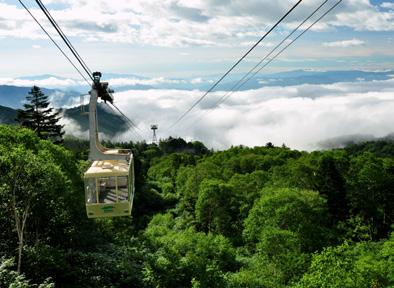
▶ HAPPO ALPEN LINE: Ride up through the mountains for panoramic views and crisp alpine air.
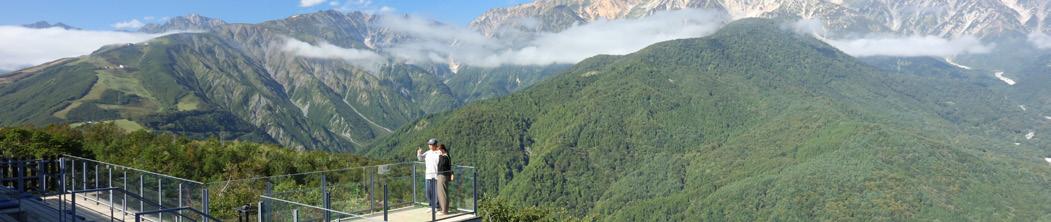
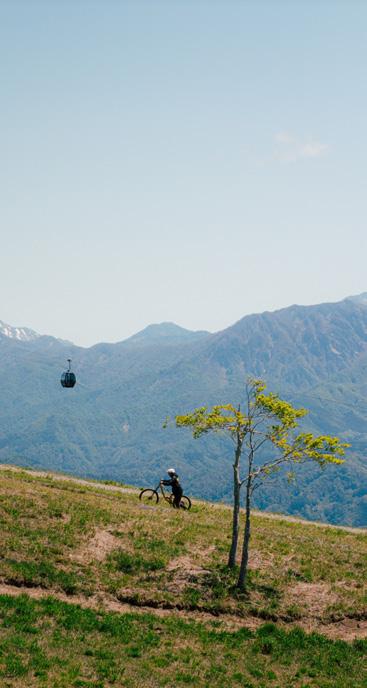
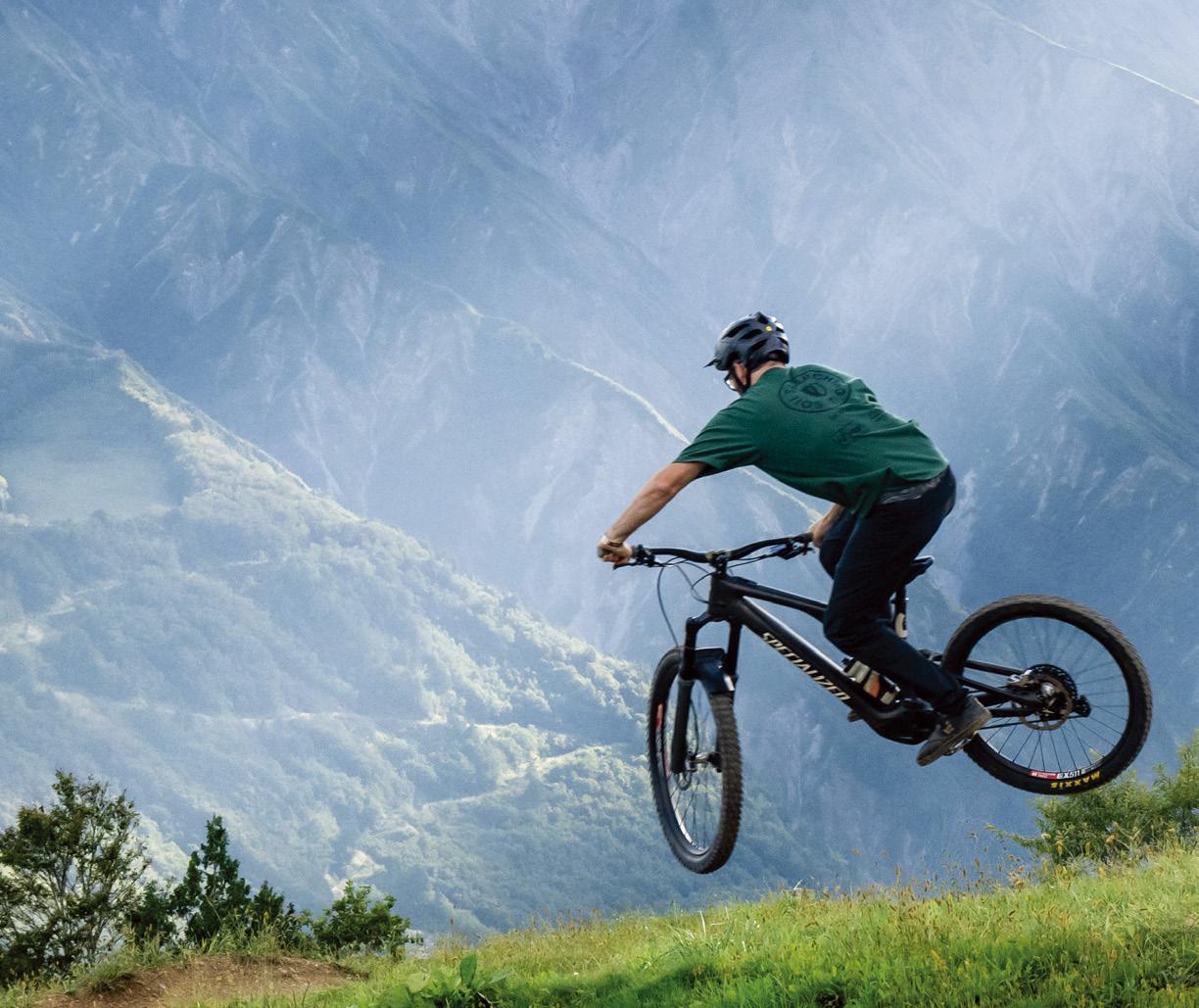
Hakuba Iwatake Mountain Resort features spectacular 360-degree mountain views and is Japan’s premier mountain biking destination. It boasts outdoor excitement, sophisticated mountain culture, and dog-friendly facilities.
▶ MOUNTAIN BIKE PARK: A rigorous collection of world-class downhill and flow trails for experienced riders.
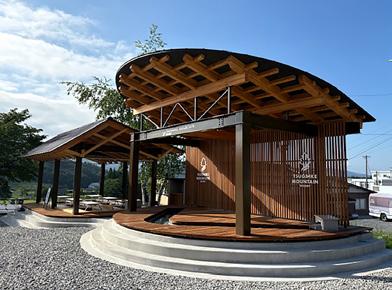
▶ HAKUBA MOUNTAIN HARBOR: The ideal spot to stop and linger, featuring the iconic THE CITY BAKERY café and staggering observation deck views.
▶ MOUNTAIN CART: A high-adrenaline three-wheeled dash down the slopes.
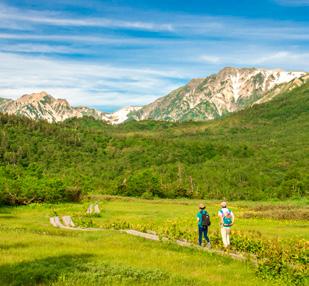
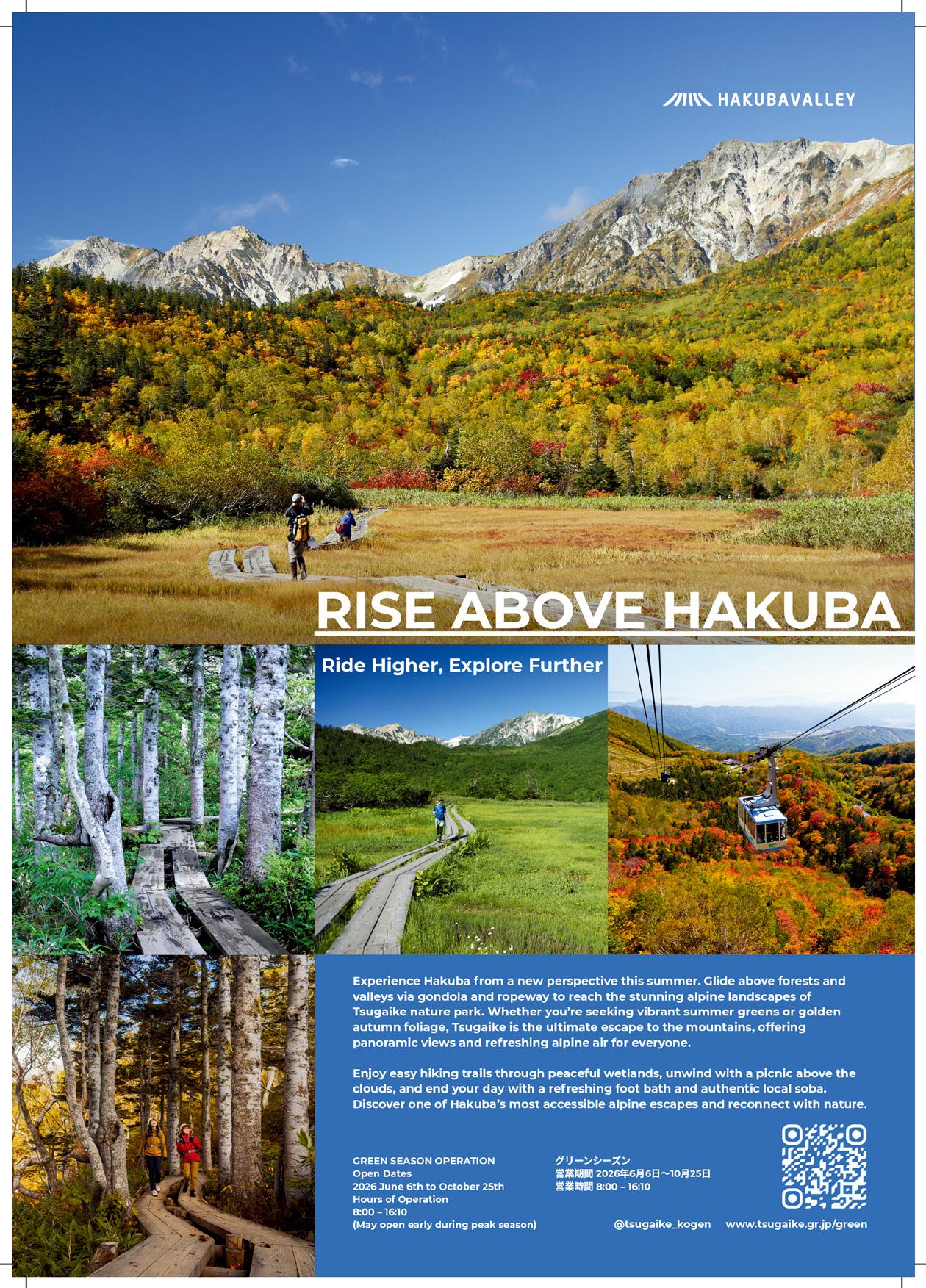
Tsugaike is ideal for nature lovers and families, with expansive alpine wetlands, panoramic mountain views, and scenic gondola and ropeway access. It offers a quieter, greener side of Hakuba, where gentle adventures and unforgettable moments in nature await.
▶ HAKUBA’S ONLY ROPEWAY: Ascend to breathtaking panoramic views and easy access to Tsugaike Nature Park.
▶ TSUGAIKE NATURE PARK: Wander through one of Japan’s most beautiful alpine marshes.
▶ ASHIYU FOOT BATH: Relax and soothe tired legs after a day of hiking and exploration.
Goryu
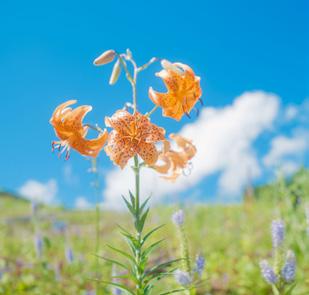
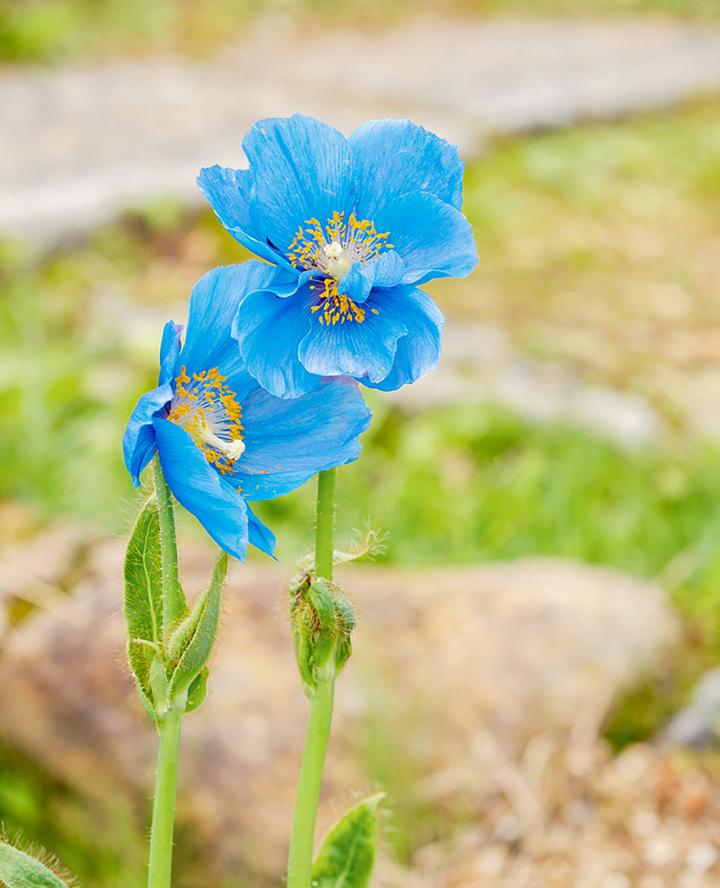
Hakuba Goryu is perhaps best known for its exceptional alpine botanical garden, meticulously cultivating over 300 species of rare high-altitude flora. It is a gentle, scenic choice for accessible mountain encounters.
▶ ALPINE BOTANICAL GARDEN: Discover diverse mountain flowers in full bloom.
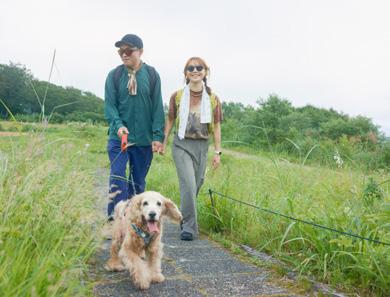
▶ PAWS ON THE MOUNTAINS: Pets now ride the gondola for free. Bring your beloved companion and enjoy the stunning scenery.
▶ MT. KOTOMI TREKKING: A beginner-friendly hike with rewarding views.
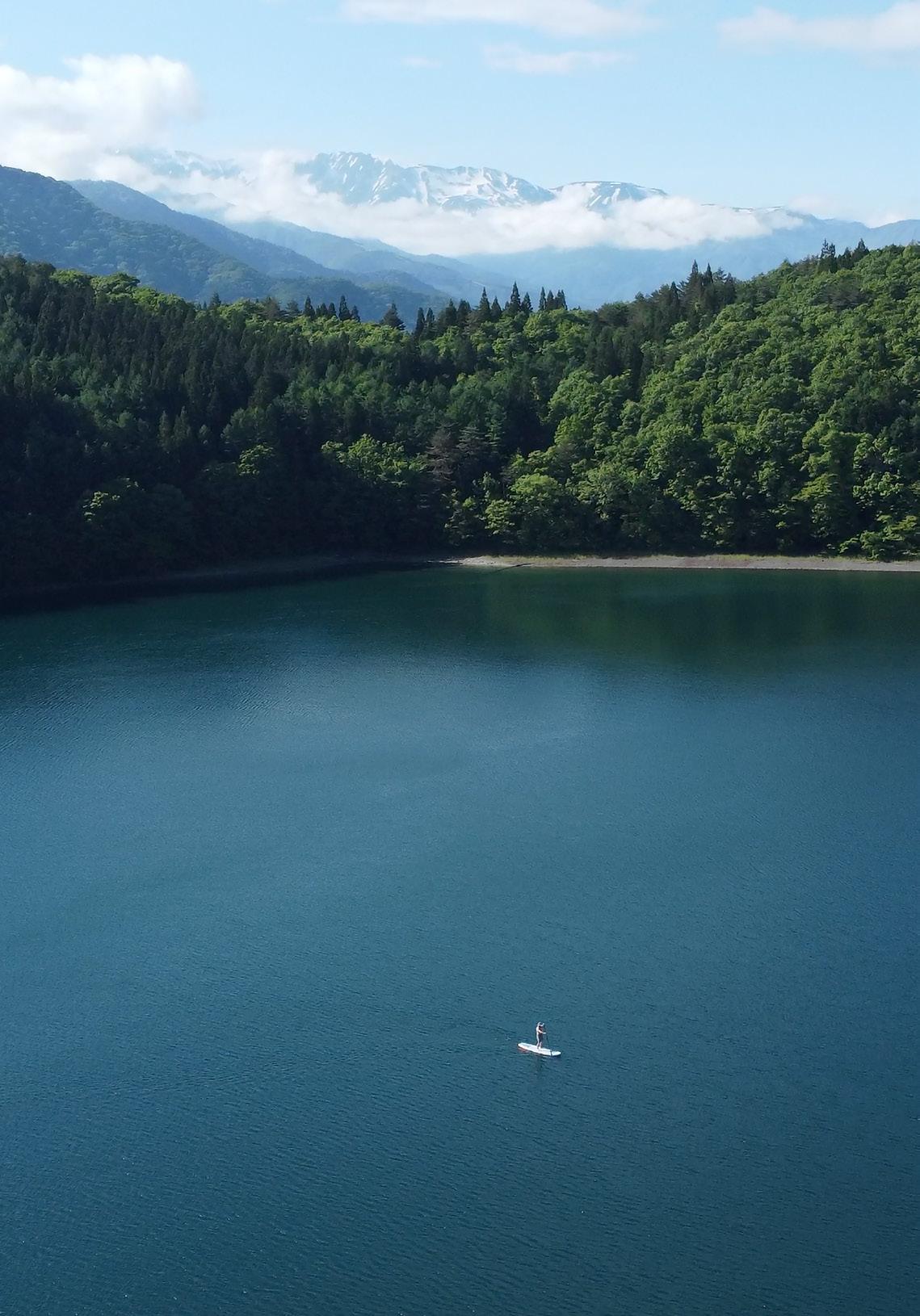
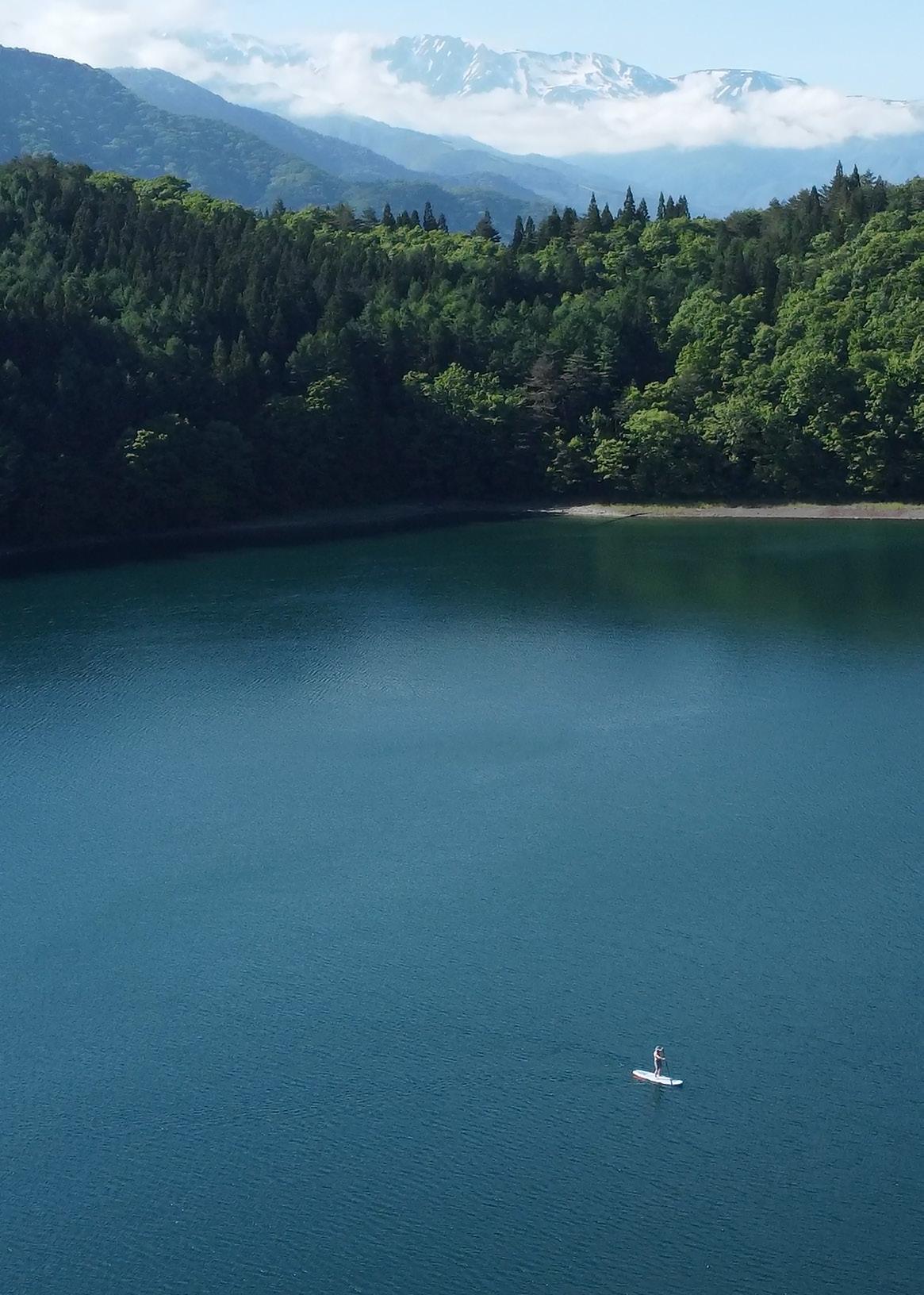
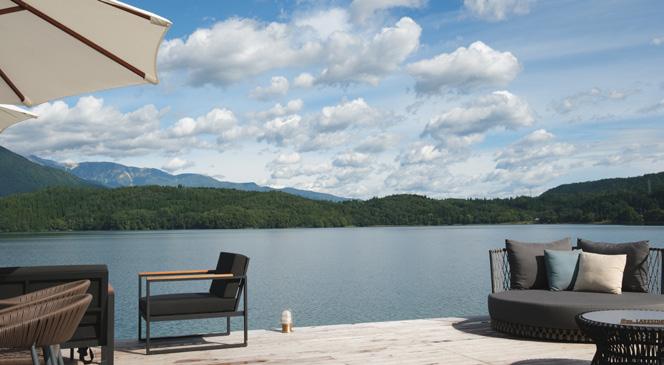
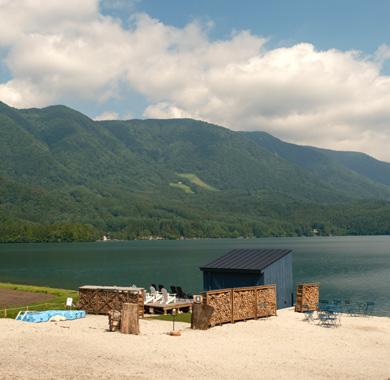
When Japan’s cities start steaming, escape to Hakuba and cool off in one of three alpine lakes beneath the Japanese Alps. With turquoise water and fresh mountain air, it feels more like Switzerland than Japan. Here are our suggestions to beat the heat this summer.
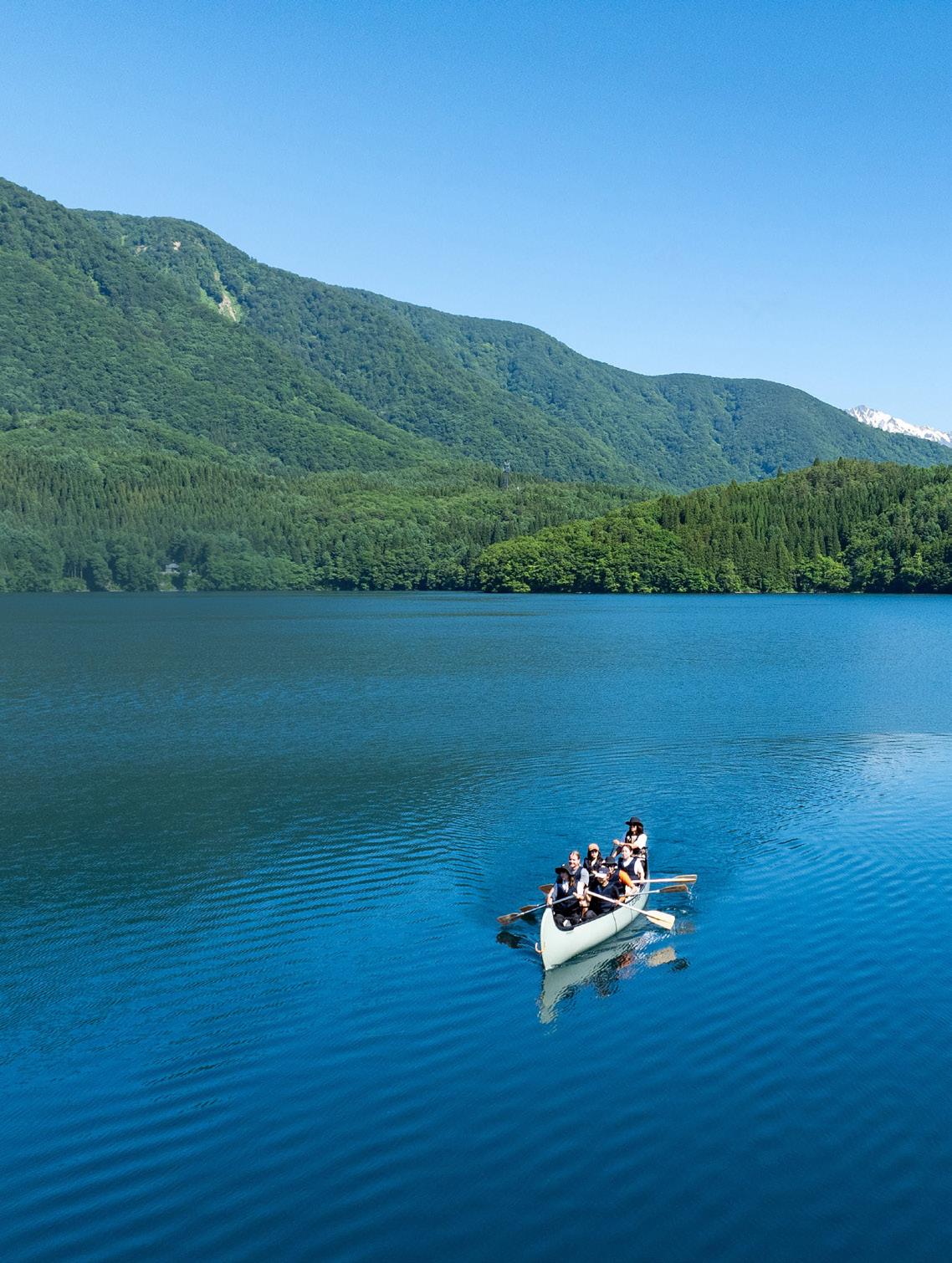
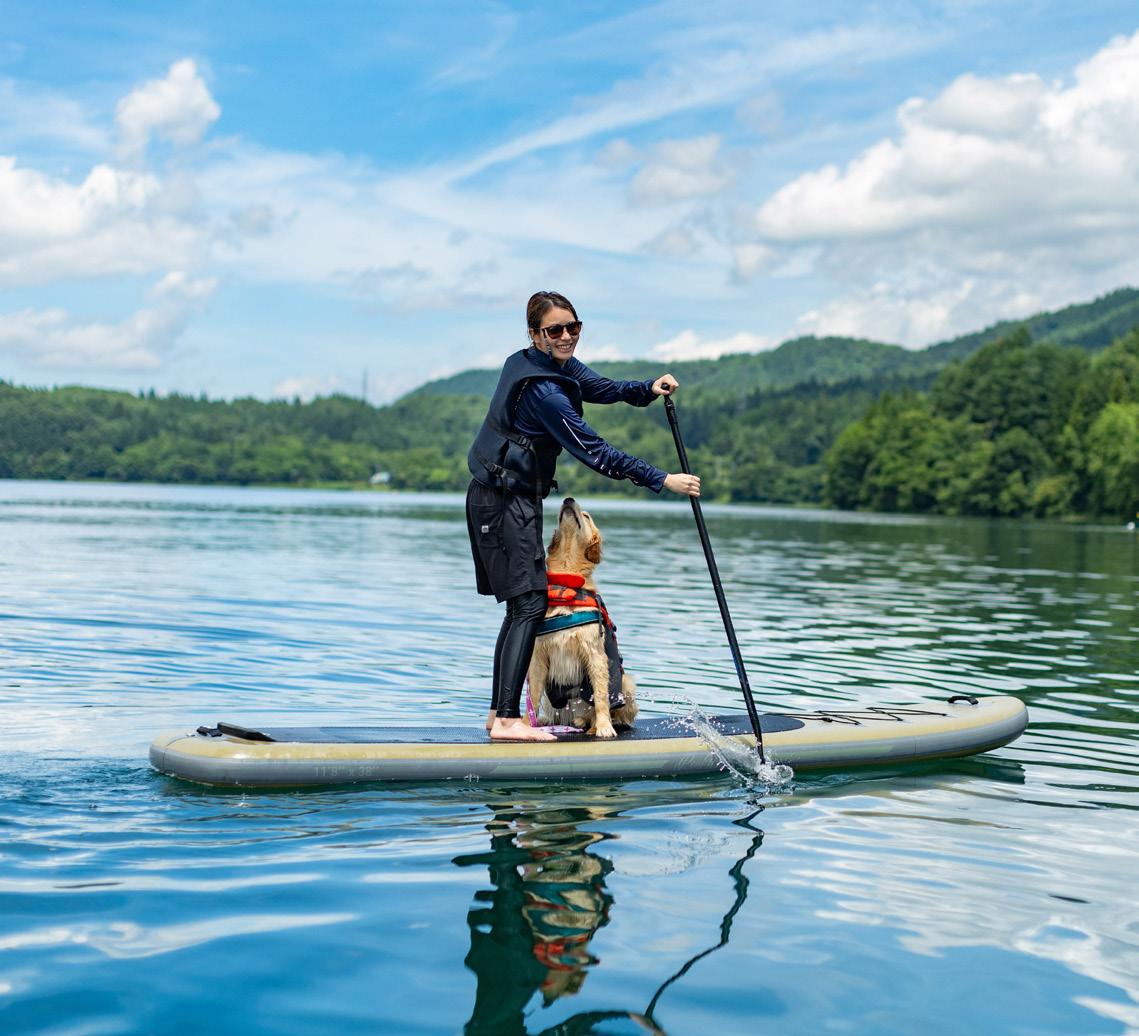
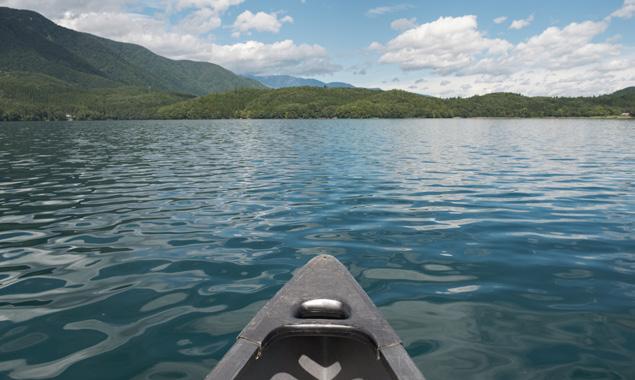
Spend the day paddling across the waters of Lake Aoki with family and friends, taking in the surrounding forests and mountain scenery. Or, head out after sunset and bask in the glow of dancing fireflies along the shoreline. Firefly tours are available in July and August.
Note: There is no public access to the Lake Aoki shoreline. Hakuba Lion Adventure offers rentals, tours, and lake access for visitors looking to experience Lake Aoki.
Enjoy the scenery while paddling across the cool alpine waters of Lake Aoki. Several lakeside operators provide rentals and lessons for both beginners and experienced paddlers.
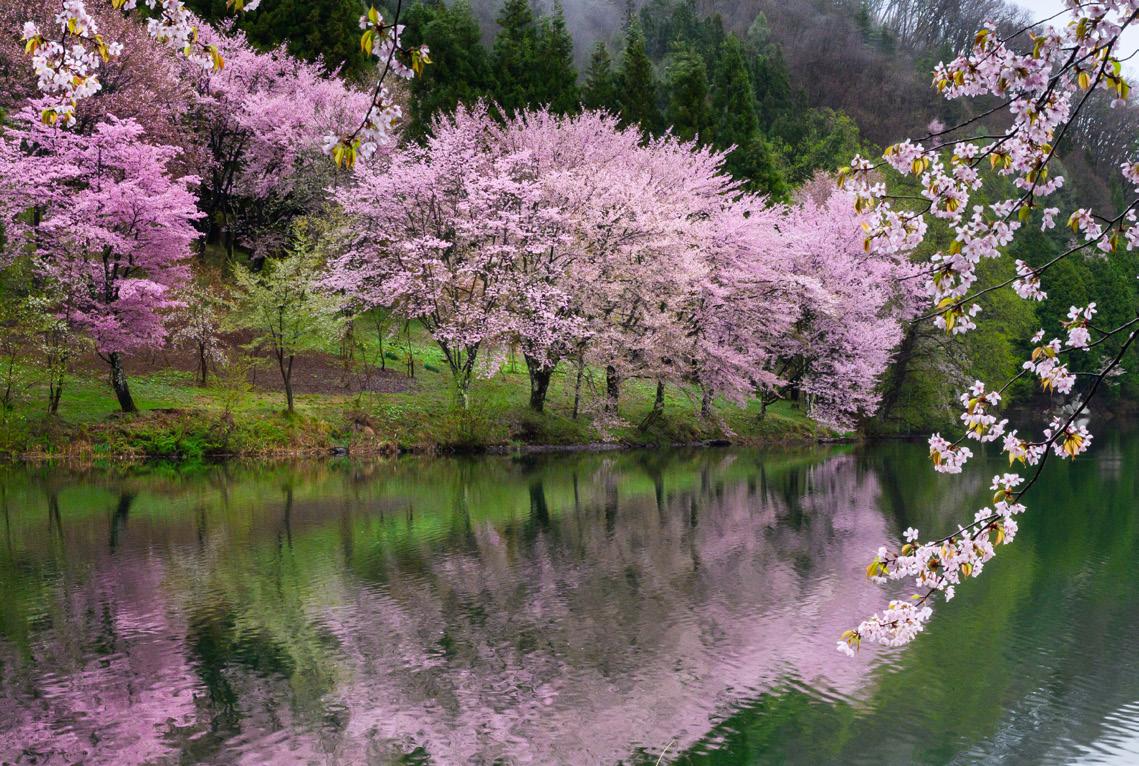
Lake Nakatsuna is the smallest of Hakuba’s lakes, known for its peaceful scenery, lakeside walking trail, and spring cherry blossoms reflected across the calm water.
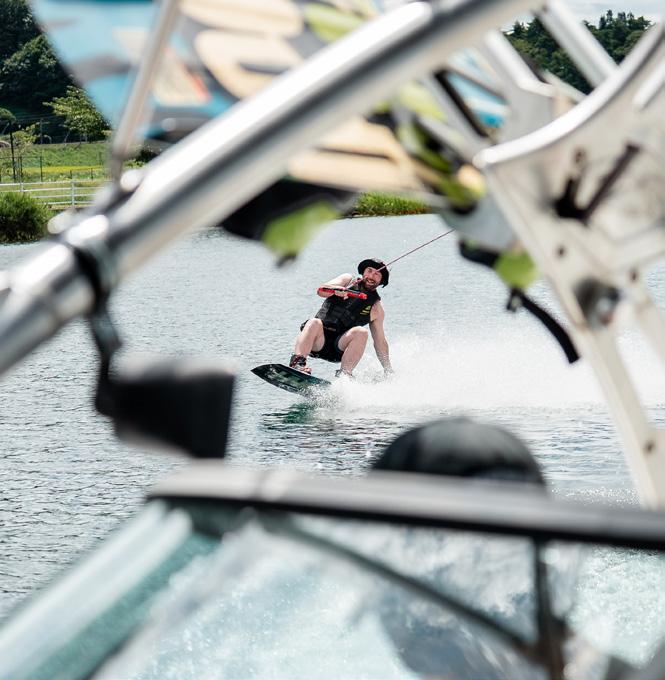
Charter a private boat, complete with driver, for a wakeboarding session on Lake Kizaki, the Hakuba Valley’s largest and southernmost lake. Tours operate from mid-June through mid-September.
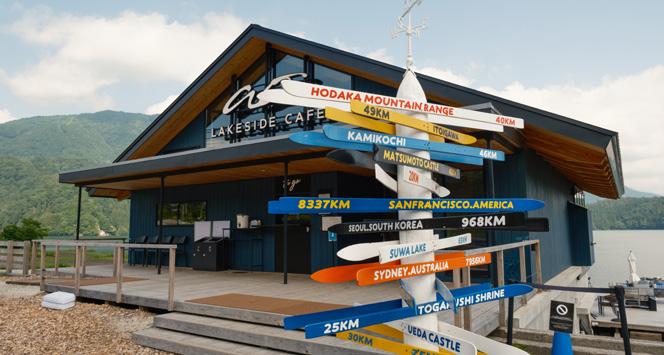
Set on the shores of Lake Aoki, ao Lakeside Cafe is a stylish all day restaurant with a spacious deck overlooking the water. It’s the perfect place for an iced latte, slow afternoon, or sunset drink by the lake.
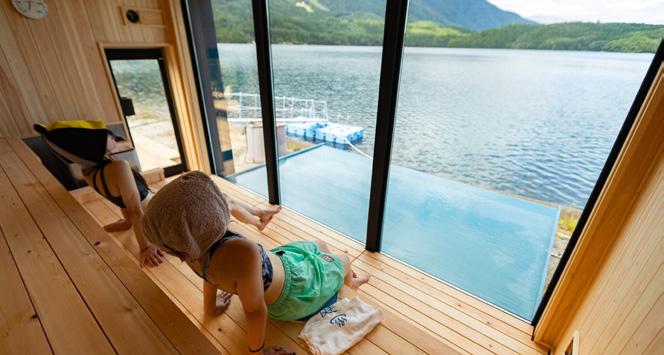
Saunas are amazing anywhere. But they’re even better beside an alpine lake. Sweat it out, then cool off with a refreshing plunge into Lake Aoki, surrounded by the fresh mountain air of the Japanese Alps.
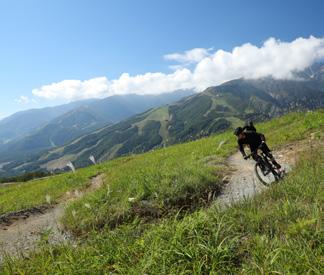
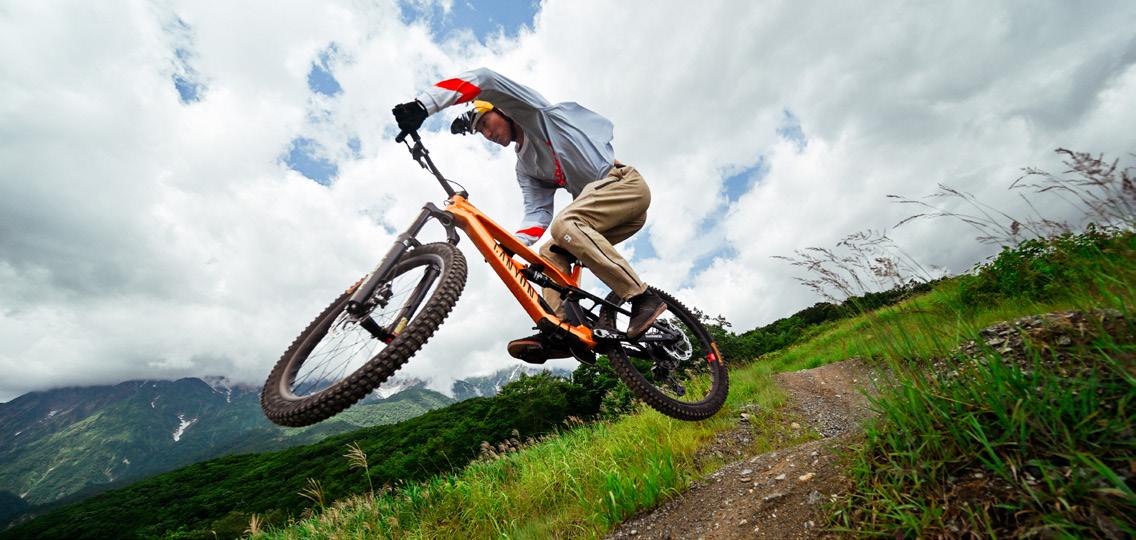
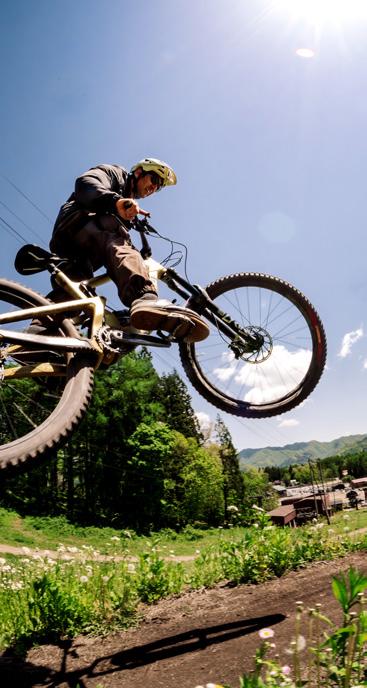
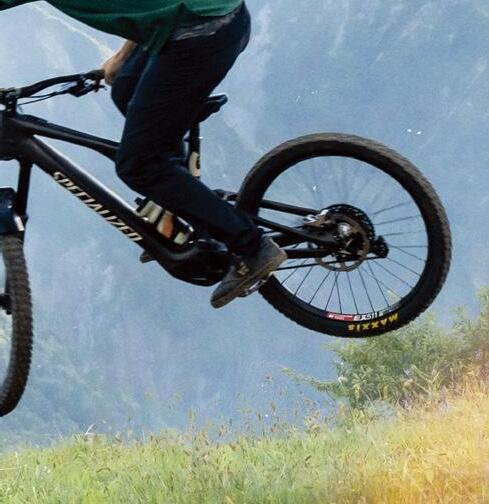
At the heart of Hakuba’s renowned mountain bike scene is the Hakuba Iwatake Mountain Bike Park, widely regarded as one of Japan’s premier downhill destinations.
Iwatake combines gondola-accessed trails, world-class downhill terrain, and sweeping views of the Northern Alps. From flowing berms, jumps, and rollers to steep, technical descents, it has something for every rider.
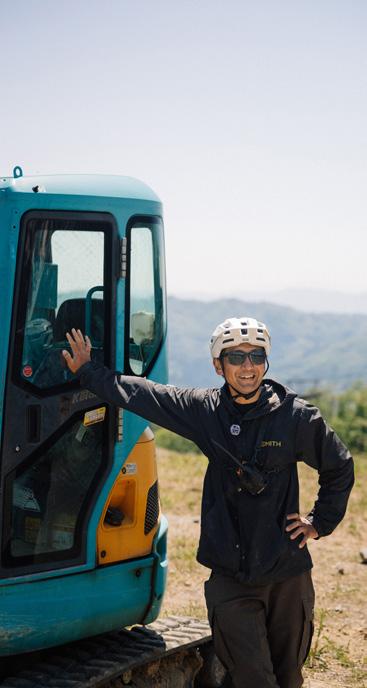
The Hakuba Valley has long been defined by the winter season. But over the last decade, mountain biking has become an increasingly important part of the valley’s identity. Much of that growth has centered around Hakuba Iwatake, where staff member Ryo Makimura has spent years helping shape the resort’s riding culture.
In winter, Ryo works as a ski patroller at Hakuba Iwatake. In summer, he is the head park builder maintaining the resort’s bike trails that now draw riders from across Japan. But not that long ago, there were no official mountain bike facilities in the Hakuba Valley at all.
Ryo first started building trails just ten years ago, long before Hakuba’s current bike park scene existed. At the time, he was simply creating places to ride with friends. “It was super illegal,” he laughs. He built jumps, berms, and whatever features felt fun, shaping the courses by instinct rather than design plans. Somewhere along the way, he realized he enjoyed building just as much as riding.
In 2017 Hakuba Iwatake opened its bike park operations, and Ryo’s passion led to his current role as head park builder.
Today, Hakuba Iwatake is known for its carefully built trails, technical features, and jump lines, which Ryo believes make it different from other parks in Japan.
“Every single turn has been shaped and refined by all of us together. That level of craftsmanship is different from other parks. And the jumps. Everyone loves jumps!”
Building trails in Hakuba comes with challenges. The same steep terrain that makes the area famous for skiing, along with its rocky landscape, can make mountain bike trail design difficult. “Hakuba has especially steep ski slopes,” Ryo explains. “And in Iwatake, there are rocks everywhere.” The name itself gives it away: iwa means rock in Japanese. Still, those natural features are also what give the trails their character. For Ryo, the perfect trail is one that works with the mountain rather than against it. “My ideal trail would be one where the land rolls and flows naturally,” he says. “A trail that’s beautiful even just to look at.”
As more riders discover Hakuba during the summer months, Ryo says the local bike scene is starting to resemble the valley’s ski culture—community-driven, welcoming, and built around a shared love of the mountains.
“Hakuba riders have their own style. People aren’t tied down by anything. It’s just this feeling of, ‘We’re out here, having fun.’”
Looking ahead, he believes Hakuba’s mountain biking future is still evolving. “Something beyond what we can currently imagine will grow out of it,” he says.
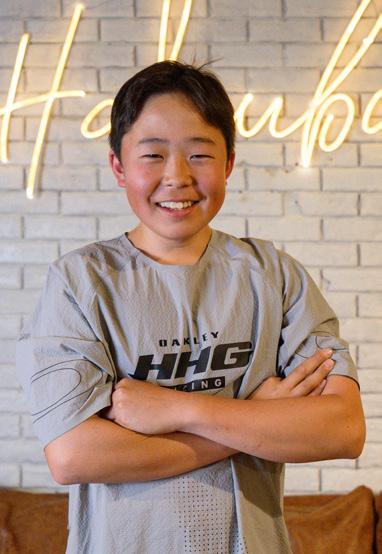
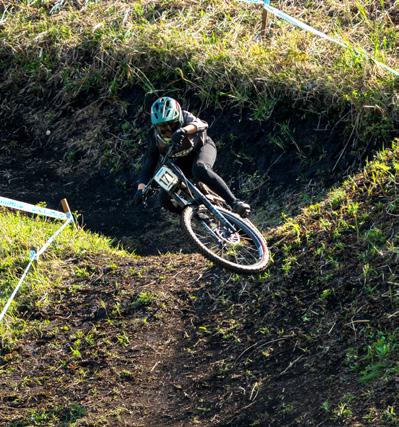
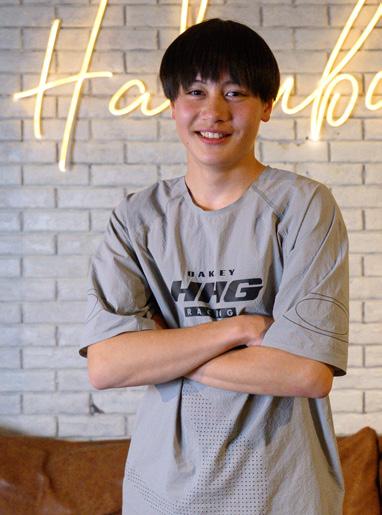
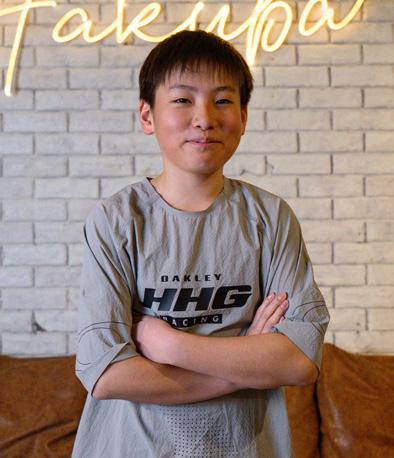
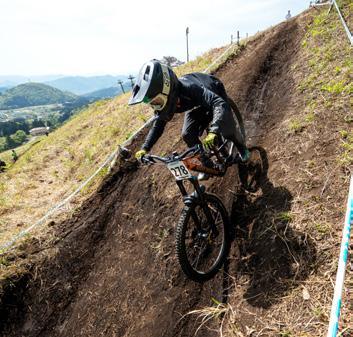
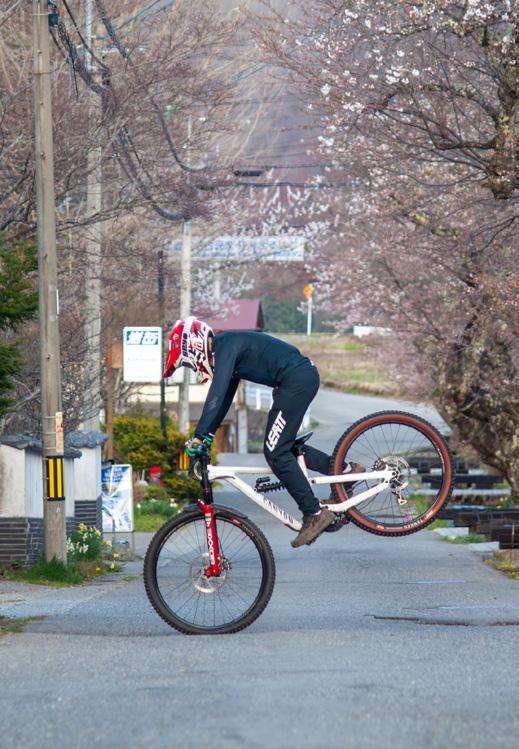
For a new generation of riders in Hakuba, mountain biking is becoming more than just a way to spend the summer. With access to an expanding network of trails, bike parks, and technical alpine terrain, young local athletes are beginning to push themselves onto the national racing scene and pursue bigger ambitions within the sport. We recently caught up with three emerging riders from HHG Racing: Zenta Watanabe (14), Naoyuki Shimizu (14), and Sosuke Yanagisawa (13). Competing across the nation, the young athletes are chasing bigger goals in the sport, including dreams of one day racing on the World Cup stage.
“First, I want to win nationals, get selected for the development team, and compete in the World Cup.” 「まずは全日本で優勝 して、強化指定に選ば れて、ワールドカップ に出たいです。」
HHG RACING IS A MOUNTAIN BIKE TEAM SUPPORTED BY HAKUBA HOSPITALITY GROUP, HELPING PROVIDE YOUNG RIDERS WITH OPPORTUNITIES TO TRAVEL, COMPETE, AND CONTINUE DEVELOPING WITHIN THE SPORT.
Post-race meal: Pasta or steak レース後の楽しみ(食事):パスタ、ステーキ Dream: Race in the World Cup 目標:ワールドカップ出場
When he’s not racing downhill events, Zenta is trail riding and training across the valley’s natural terrain. レース以外の日も、Hakuba Valleyの山々を 駆け抜けながら、トレイルライドを重ねてい る善太選手。白馬の自然そのものが、彼のラ イディングフィールドになっている。
Naoyuki Shimizu, 14 清水 哉幸(14歳)
Started riding: Beginning of junior high school, age 10 ライドを始めた年齢:中学入学頃 Focus: Downhill 種目:ダウンヒル
Favorite training spot: Fujimi Panorama お気に入りの練習場所:富士見パノラマ
Post-race meal: Pasta レース後の楽しみ(食事):パスタ
Dream: Race in the World Cup and work in the MTB industry 目標:ワールドカップに参戦し、 MTB業界で働きたい。
“What I like about Hakuba is that there are places close by where you can both snowboard and mountain bike.”
白馬のすきなところ は、スキーもマウンテ ンバイクもすぐ近くで 楽しめるところです。
Naoyuki is aiming to compete in as many downhill races as possible this summer, including the national championships. この夏は、全日本選手権をはじめ、できるだけ 多くのダウンヒルレースに挑戦したいと語る。
“I want to become a World Cup rider and work in mountain biking.” 「ワールドカップで 走れるライダーにな りたいです。」
Sosuke Yanagisawa, 13 柳沢 奏佑 (13歳)
Started riding: Elementary school, age 7 ライドを始めた年齢:7歳
Focus: Downhill
種目:ダウンヒル
Favorite training spot: Turning Japanese at Hakuba Iwatake
お気に入りの練習場所:白馬岩岳コース「タ ーニング・ジャパニーズ」
Post-race meal: Cup ramen
レース後の楽しみ(食事):カップラーメン
Dream: I want to become a World Cup rider and work in mountain biking.
目標:ワールドカップライダーになり、MTB に携わる仕事に就きたい。
Sosuke draws inspiration from pro rider and Red Bull athlete, Matt Jones, whose creative approach to riding continues to influence the next generation of mountain bikers.
Shimano Bikers Festival — Fujimi Panorama Shimano Bikers Festival
AUGUST 22–23
Round 5 — Niseko Annupuri MTB Park
SEPTEMBER 12–13
DHS Round 6 — Fujimi Panorama Resort
OCTOBER 3–4
DHS Round 7 — Azumino City Mountain Bike Course
NOVEMBER 28–29
Round 8 —
Trail Adventure Yoshinogari
DECEMBER 12–13
Round 9 — Sram Park
RESIDENT OF OMACHI
Written by Hand
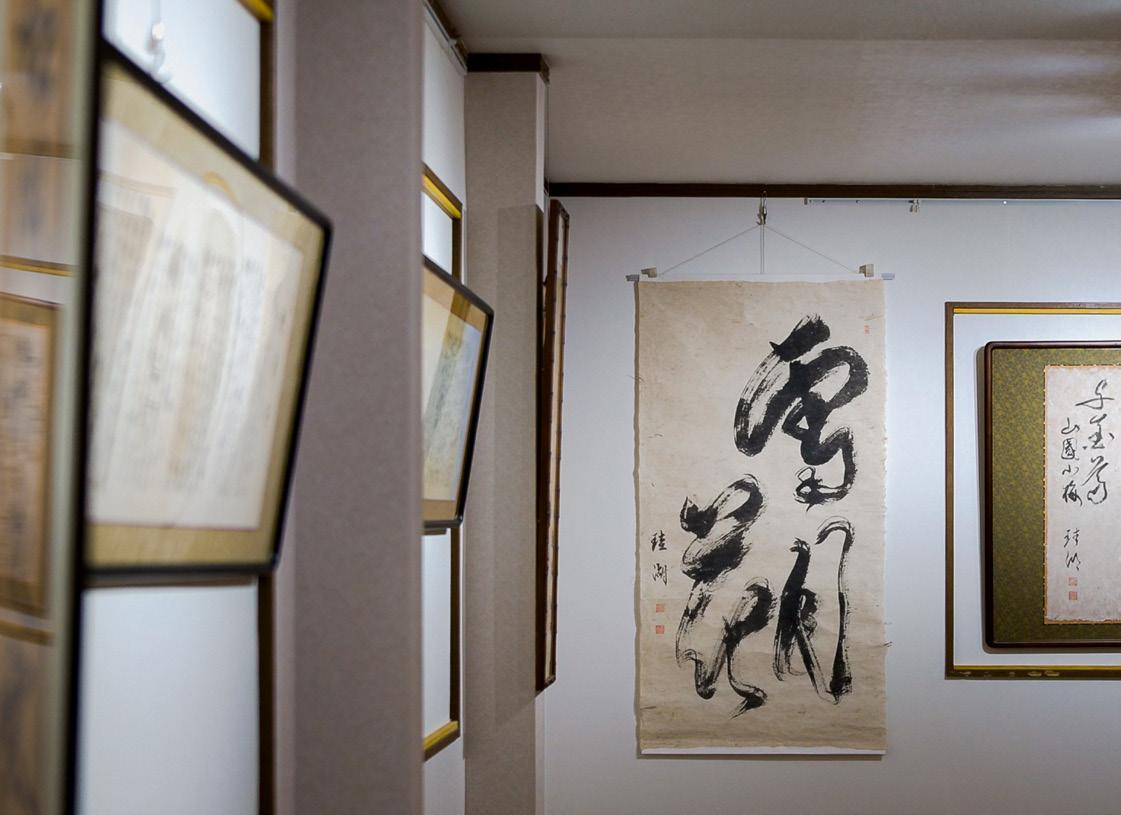
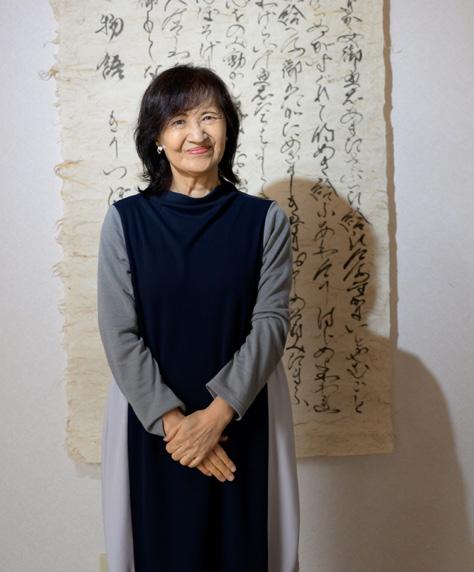
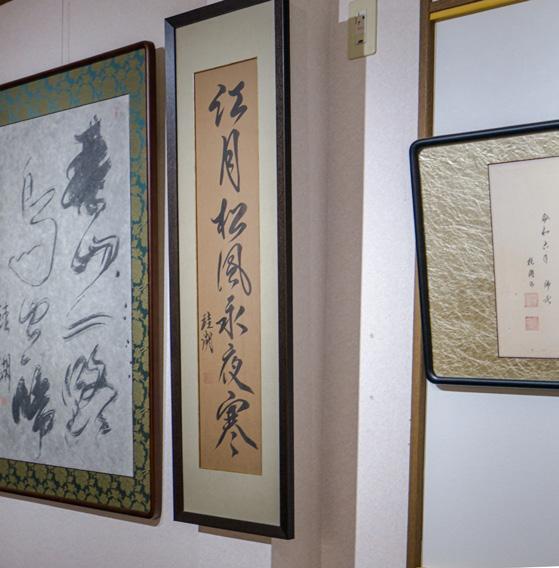
The Hakuba Valley is known for its mountains and outdoor culture, but it is also home to deeply rooted creative talent. At the southern end of the valley in Omachi, calligrapher Keiko Takei has dedicated more than 60 years to the art of handwriting.
Keiko is both a calligrapher and a professional hikkoshi—a traditional hand-lettering artisan who writes commissioned works by hand. While calligraphy focuses on artistic expression through line, rhythm, spacing, and form, hikkoshi requires a different kind of mastery: clarity, balance, speed, and flawless accuracy. Certificates, invitations, ceremonial programs, signboards, and name cards all demand elegant writing without inconsistency or error.
Her work moves fluidly between these two worlds. Some pieces are delicate and refined, while others are bold and expressive, often inspired by the natural landscapes of the Northern Alps. Everyday scenes such as sunrise and sunset frequently shape the mood and movement of her work.
Keiko began studying calligraphy in elementary school and later moved to Tokyo after marrying at age 24. Around the age of 30, she became a freelance professional scribe, working with hotels and department stores before eventually returning to her hometown of Omachi. At one point in her career, she wrote 100 unique invitations in a single day, each document requiring speed and absolute precision.
Since returning to Nagano, her work has been exhibited throughout Japan and internationally, including in New York and at the Embassy of Japan in Vienna. Today, she continues to create while also sharing Japanese calligraphy through live demonstrations and workshops.
Supporting her throughout this journey is her husband, Hidefumi Takei. With a background in architectural design, he oversees exhibition coordination, layout design, and business development, while constantly exploring new materials and creative ideas.
Together, their story reflects the enduring value of craftsmanship and creativity in an increasingly digital age—and serves as another reminder that the Hakuba Valley is home not only to world-class landscapes, but also to remarkable people and artistic talent.
A mountain stay at Mt. Hakuba, Japan Book your stay.
AREA UNITE
A CONVERSATION WITH TAKUMA OIKE
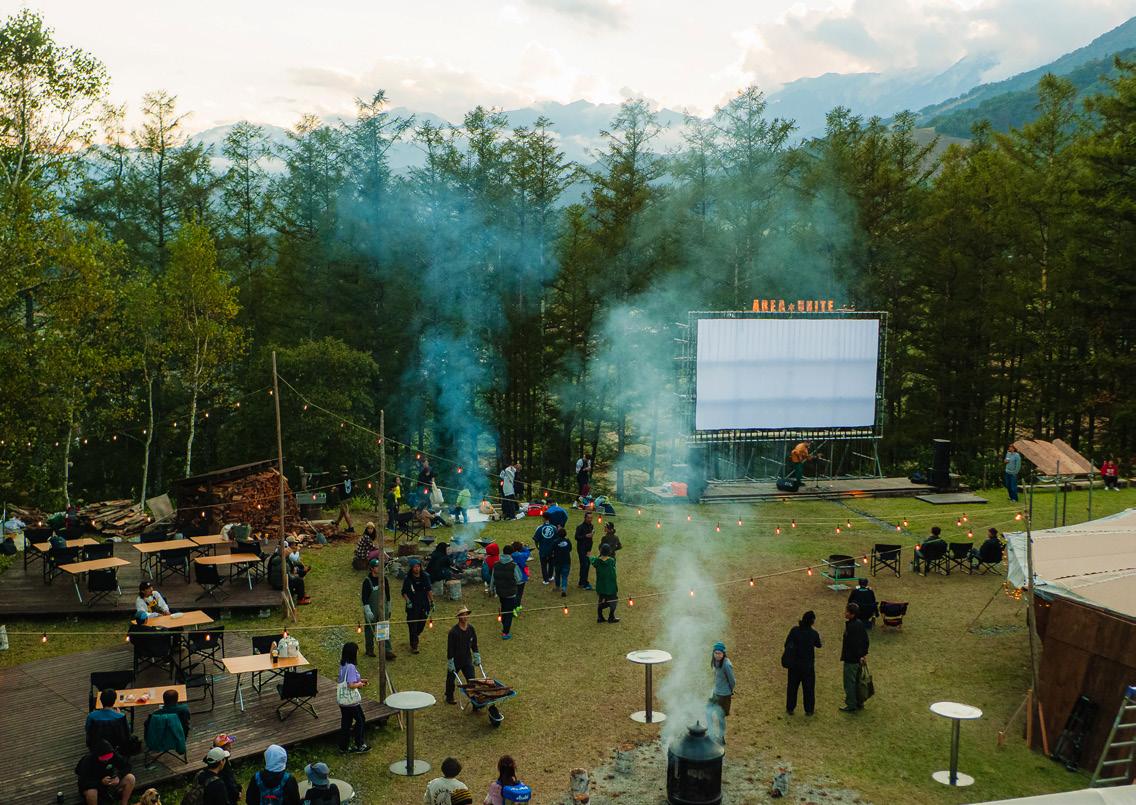
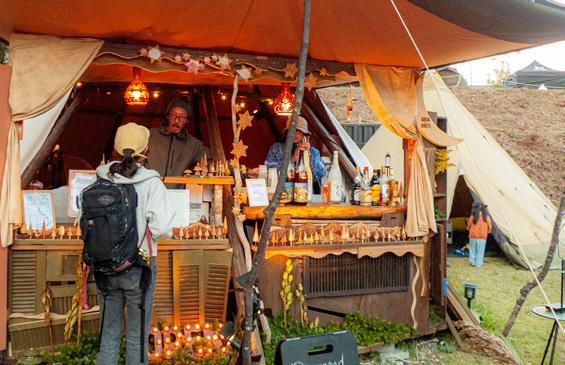
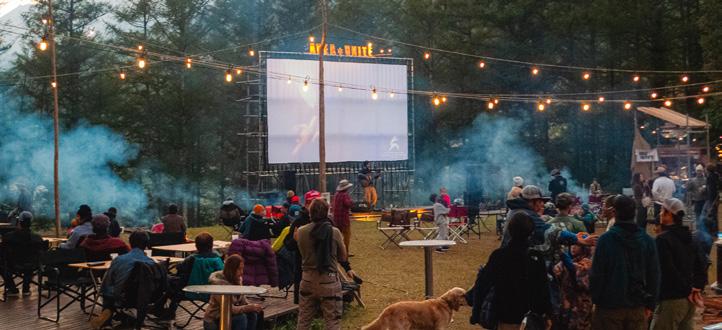
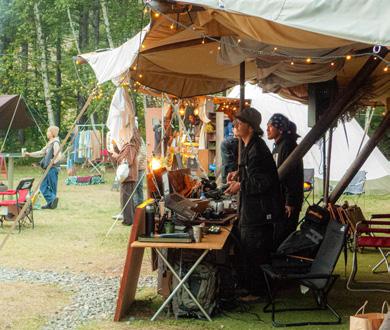
AREA UNITE is where Hakuba’s mountain culture comes together on screen. A film festival rooted in the local scene, it highlights the people who shape the Hakuba community on and off the mountain. Local creators direct their own films and screen them at the festival, giving the event a distinctly homegrown perspective.
AREA UNITEは、白馬のマウンテンカルチャーが映像を通 してひとつになる場所です。地域に根ざしたフィルムフェステ ィバルとして、山の上でも山の外でも白馬コミュニティを形 づくる人々にスポットライトを当てています。地元クリエイタ ーたちが自ら作品を制作し、このフェスティバルで上映するこ とで、このイベントならではの“白馬村への愛”からくる視点と 雰囲気が生まれています。
In recent years, the festival has grown significantly, attracting support from major sponsors such as Patagonia and Arc’teryx, while also drawing international attention. Athletes like Travis Rice have worked with the event’s organizers, including collaborating on the Japan premiere of Scored a Quiksilver film, during the winter season. We met with AREA UNITE’s founder and organizer, Takuma Oike, to explore how the festival started and how it continues to evolve.
COULD YOU START BY INTRODUCING YOURSELF?
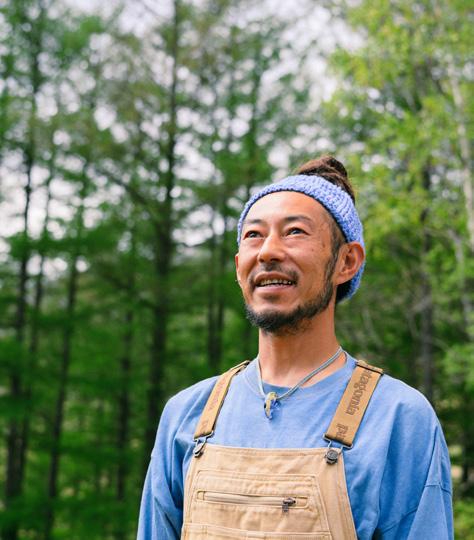
My name is Takuma Oike. I live in Otari Village, where I work as a professional skier while also running an accommodation business. Depending on the season, I lead river trekking tours, run a campground, and live surrounded by nature.
WHEN AND WHY DID YOU START AREA UNITE?
We started AREA UNITE three years ago. As professional skiers, we spend a lot of time in the mountains filming our riding, but there aren’t many places to showcase that expression. So we wanted to create a space where skiers and snowboarders based in Hakuba could come together and share what we do. It was about expressing ourselves and seeing what people might feel when they watch the films.
HOW HAS AREA UNITE EVOLVED SINCE ITS FIRST EDITION?
The kind of skiing I do is freeride, and challenging yourself is really important. I think that applies to this event as well.
It’s always about pushing forward. So rather than saying how it has evolved, I’d say it’s still evolving. AREA UNITE is something we build together. It grows through different perspectives, ideas, and people coming together. That process itself is what defines it.
WHAT HAS BEEN MORE DIFFICULT THAN YOU EXPECTED?
Honestly, almost everything has been difficult. But building something together is both challenging and interesting. There’s a kind of chemical reaction that happens when different ideas and people come together. You never really know what’s going to happen until you try. That unpredictability is what makes it both difficult and exciting.
HOW DO YOU CHOOSE WHICH FILMS OR WORKS TO SHOW?
At the beginning, it was about the energy of Hakuba’s mountains and creating a place for the people who live here to express themselves. From there, it naturally expanded through connections. No one is out in the mountains alone. We’re always working with others, and that network keeps growing. That same idea applies to the films. They’re connected through people, through nature, and through shared experiences. It’s not something we strictly select; it’s more that the right films naturally fit.
SO IS STORYTELLING THE MAIN FOCUS?
Not necessarily. Some works are story-driven, others are more about action. We don’t draw a strict line. It’s more about whether it feels like something that fits AREA UNITE.
WHAT DOES THE EVENT’S THEME OF “UNITE” MEAN TO YOU?
As professional skiers, we spend a lot of time in nature, and that feeling is incredibly powerful. When you’re in the mountains, you feel like you’re part of nature. You feel alive, like you’re truly living on this earth. We want to express that feeling through AREA UNITE. It’s about recognizing that humans are part of nature, and reconnecting with that idea. Bringing people together through that shared awareness is what the theme is about.
HOW DO YOU SEE THE FUTURE OF AREA UNITE? DO YOU SEE IT EXPANDING BEYOND HAKUBA?
Ultimately, the idea of Unite is what matters most. In every region, there are communities of people who care about nature, who want to express themselves, and who want to experience that kind of connection. So I’d like to see it expand beyond Hakuba and reach other places as well.
YOU HOSTED THE JAPAN PREMIERE OF TRAVIS RICE’S QUIKSILVER FILM IN HAKUBA. HOW DID THAT COME ABOUT?
A friend of mine, Yuta Kobayashi, who is a Quiksilver rider based in Hakuba, approached me. He said Travis was coming and asked if we could screen the film. If we were going to do it in Hakuba, I wanted it to be something where the local community and Travis could connect—where they could “unite.” So we built it together with the community, with support from places like Blizzard by HHG.
WHAT DID HOSTING SOMETHING OF THAT SCALE MEAN FOR AREA UNITE?
First of all, it was an honor. But more than that, AREA UNITE is something created by the Hakuba community. So being able to create a space where local skiers and snowboarders could connect with someone like Travis—that meant a lot. Of course, showing a world-class film was special, but what mattered most was that everyone—from locals to top-level athletes to casual riders—could come together and share that experience. That’s what made it meaningful for AREA UNITE.
HAKUBA IS CHANGING RAPIDLY. WHAT DO YOU HOPE DOESN’T CHANGE IN THE NEXT 10 YEARS?
The love people have for Hakuba. There are many different ways to express that love, but at its core, it means caring for the natural environment and for the people who live here. As long as that continues, Hakuba will keep moving in a good direction. That sense of respect—for nature and for people— is something I don’t want to see lost.
WHAT ROLE DOES AREA UNITE PLAY IN THAT?
Just like the name suggests, it’s about bringing people together. Hakuba is a place where many different cultures, perspectives, and styles come together. It’s important that people can respect and appreciate those differences. Through AREA UNITE, we create a space where people can gather, express themselves, and recognize each other. If we can do that, then I think it’s playing a meaningful role.
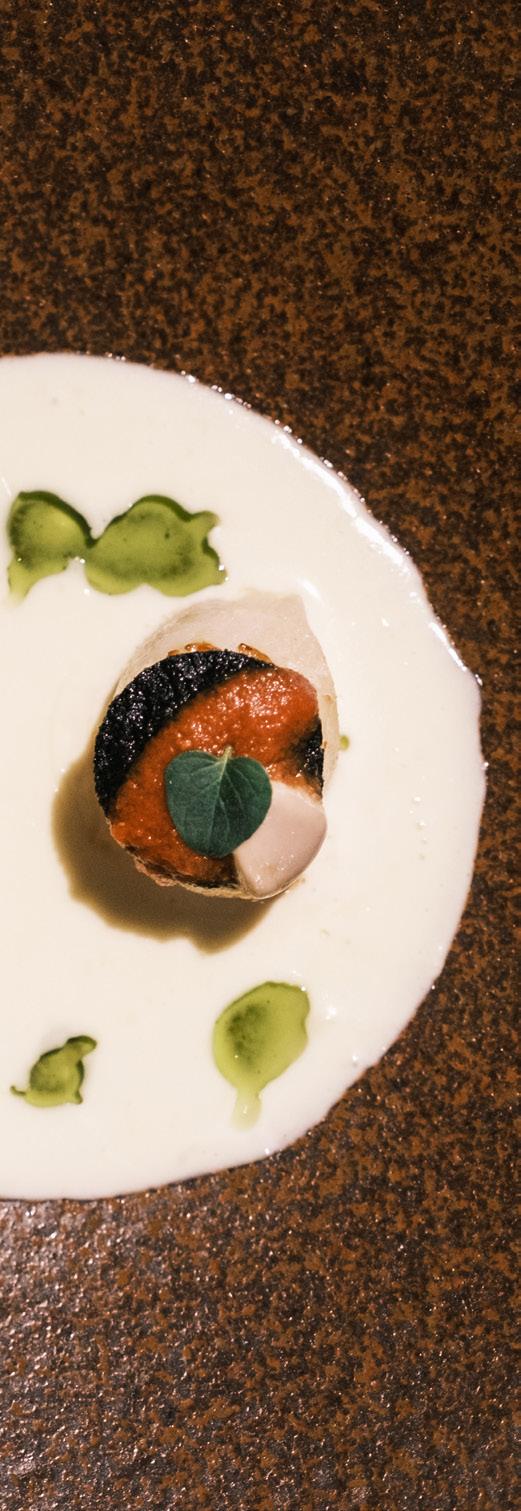
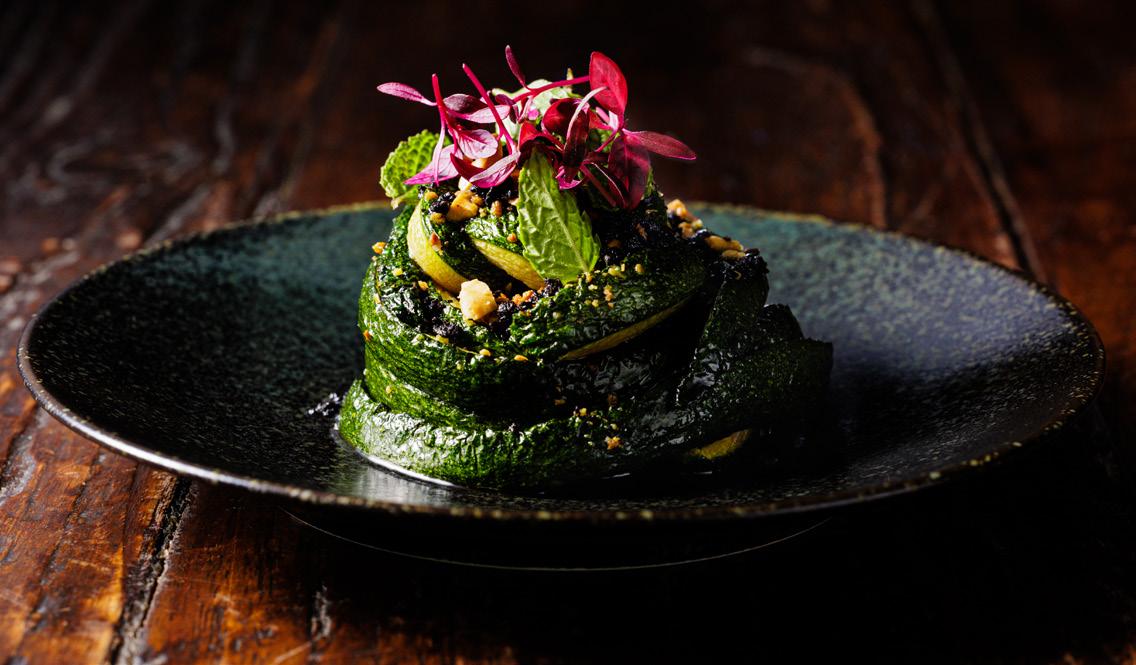
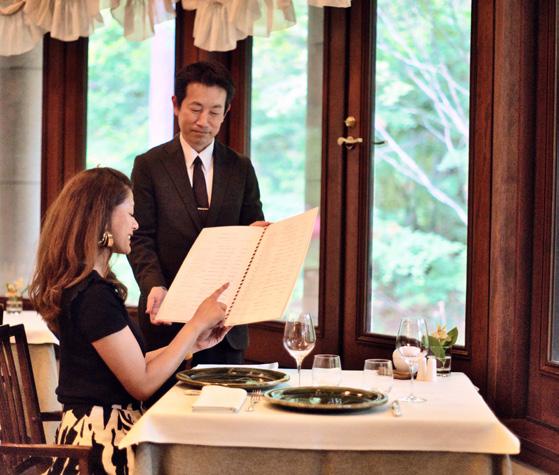
Dining in Hakuba has quietly become one of the valley’s defining experiences. Across the village, a new wave of restaurants is raising the standard, blending local ingredients with global influence in a way that feels both grounded and unexpected. In the following pages, we share a few HHG restaurants which cannot be missed.
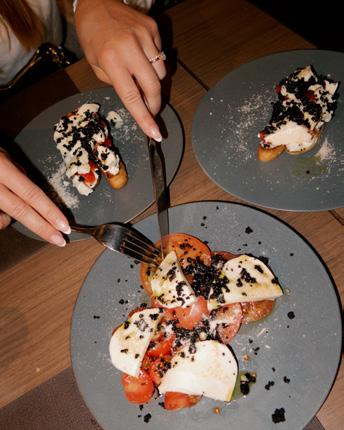
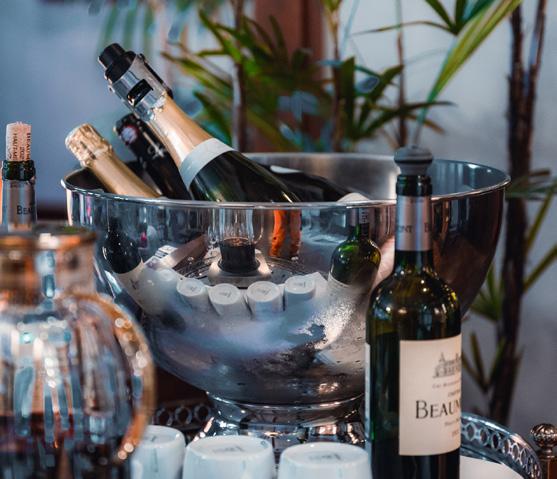
gio’s at THE HAPPO Hotel delivers a standout dinner experience, centered on expertly crafted dishes using the finest locally sourced ingredients. Enjoy authentic Italian cuisine, with freshly made pasta and signature plates such as Cacciatora and Beef fillet Rossini, all complemented by a carefully curated international wine list.
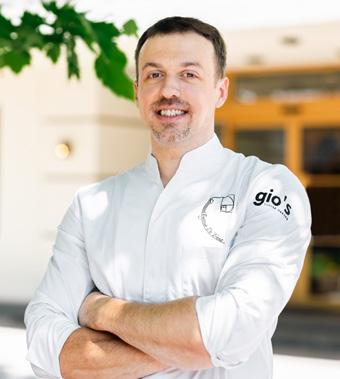
MEET THE CHEF: GIOVANNI DE TRANA
Giovanni De Trana is the creative mind behind gio’s. Giovanni has been a chef since his youth and has worked in some of the world’s finest hotels, including the Bulgari Hotel in Milan and Shangri-La Hotel, Tokyo. At the core of Giovanni’s culinary ethos lies an unwavering commitment to quality. From sourcing the freshest local ingredients to meticulously crafting artistic plates, Giovanni’s dedication to excellence shines through in every aspect of his work.
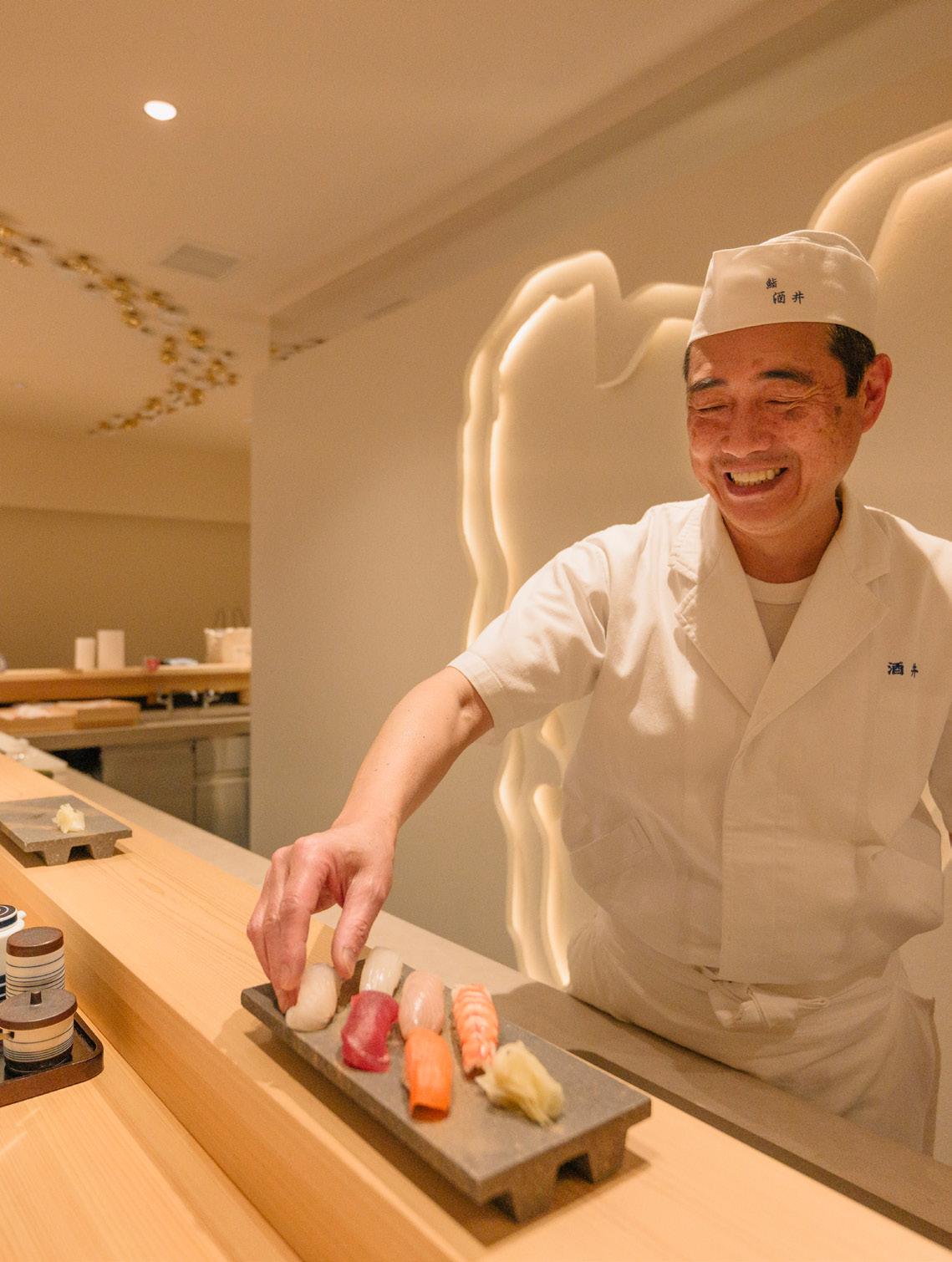
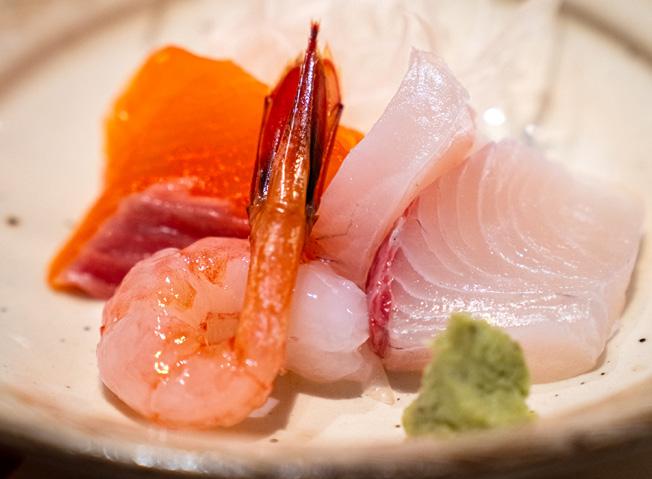
A truly extraordinary culinary experience, where every dish is crafted with the finest seasonal ingredients. Led by legendary Ginza sushi chef, Chef Sakai, this elegant and exclusive space features just 10 counter seats, allowing guests to witness the artistry of a true sushi legend.
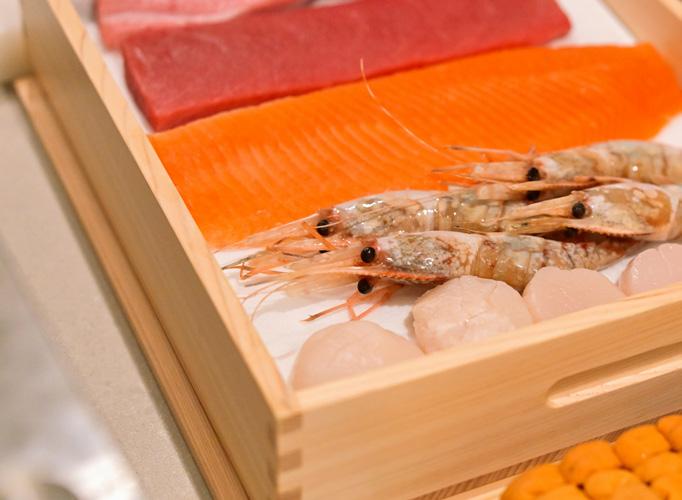
The omakase course showcases the freshest seasonal ingredients, meticulously prepared to highlight their natural flavors. Chef Sakai sources fish daily from Toyosu Fish Market in Tokyo, ensuring only the highest quality product is served.
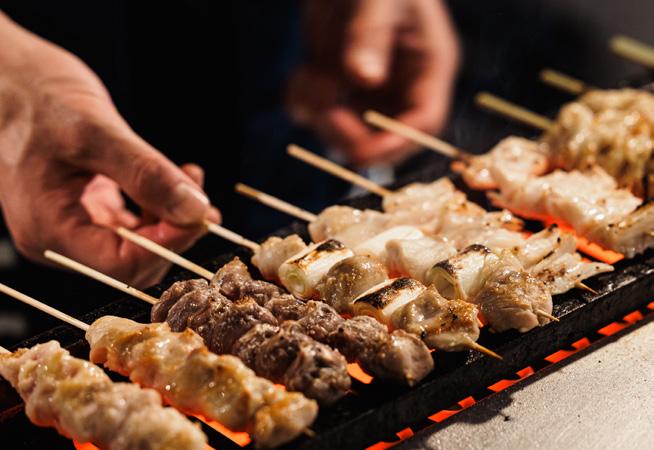
At Tori Co. yakitori skewers are only the beginning. While rooted in the classics, the menu also ventures into dishes you wouldn’t expect to find in a traditional izakaya, such as grilled onigiri with green curry or guacamole and chips.
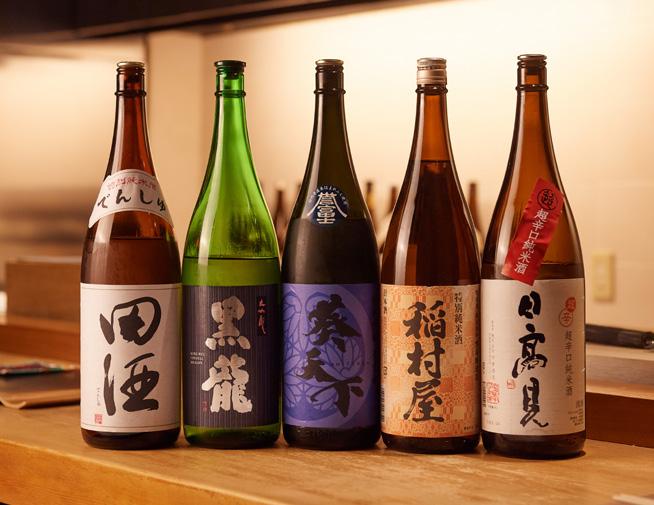
The drinks list spans draft beer, international wines, and a strong sake selection, including IWA Sake and the local Kurobishi Sake.
The Clubhouse is Hakuba’s go-to all-day venue for food, drinks, and entertainment, with one of the best outdoor dining spaces in the valley.
On weekends, it transforms into Hakuba’s only all-day brunch spot, serving mimosas and bites from 7am to 3pm. The lunch and dinner menu leans into Italian classics from the gio’s team next door, with pinsas and Italian sandwiches designed for easy, social dining.
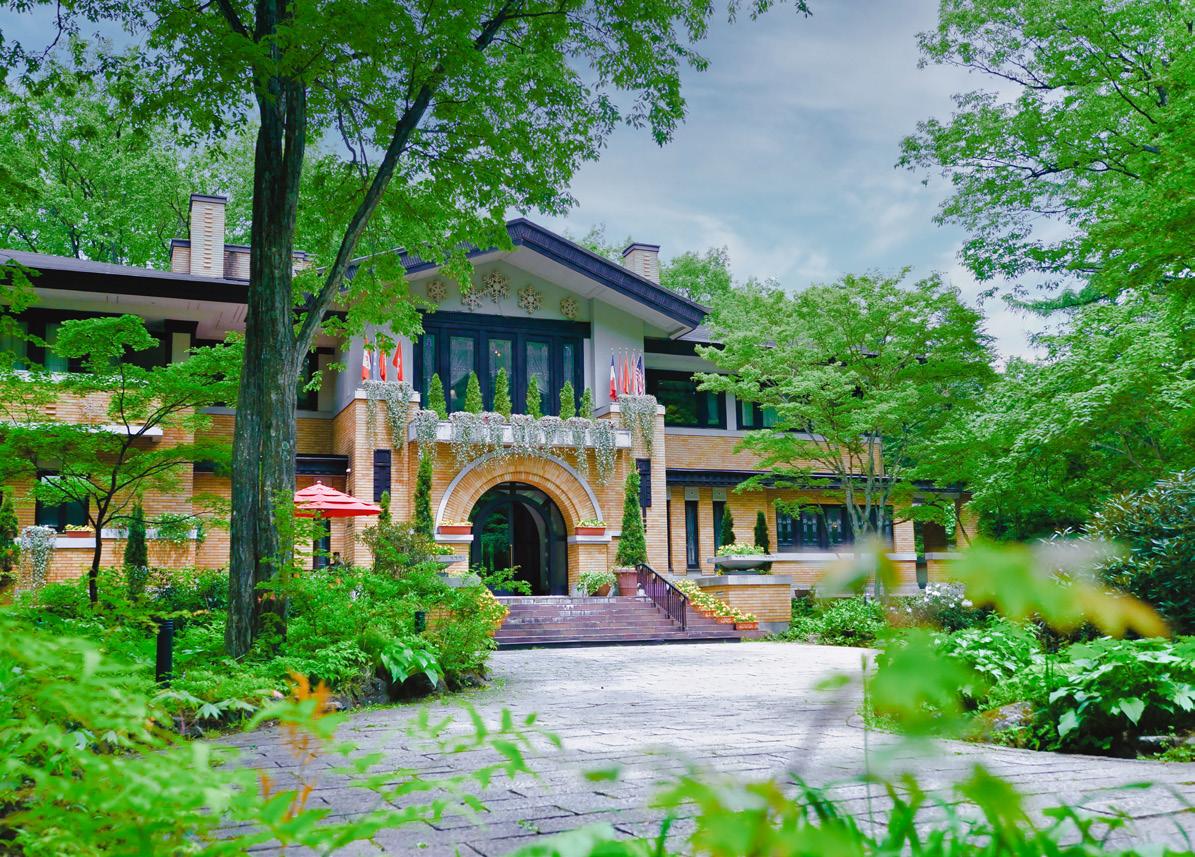
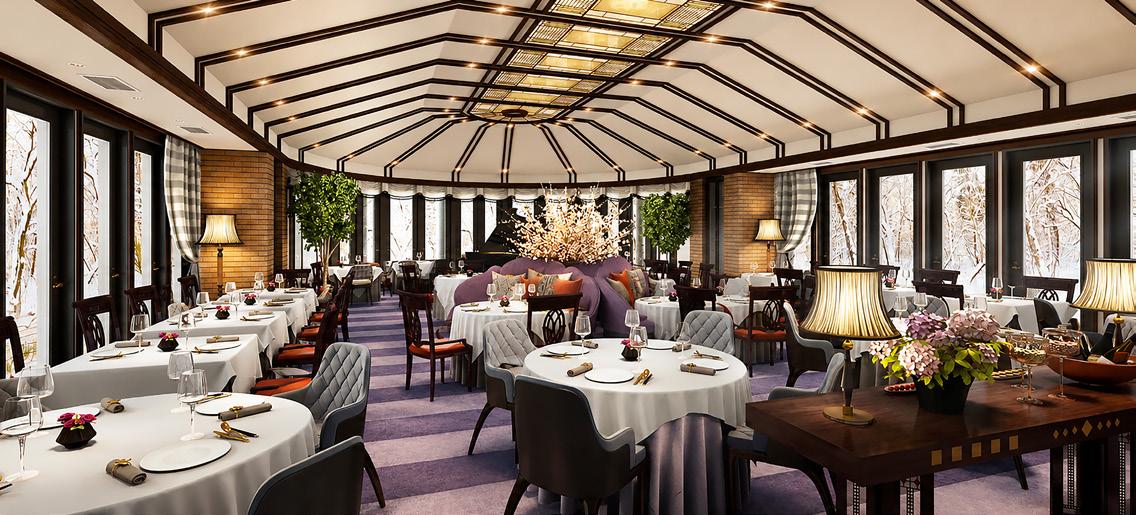
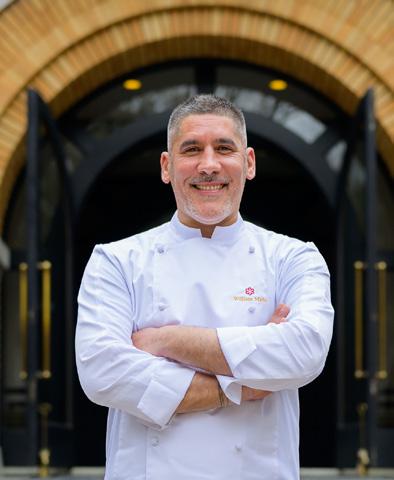
Sève is the signature restaurant at Hotel La Neige, led by Michelin-starred Chef William Mahi. The restaurant showcases his refined French cooking in a mountain setting, with menus shaped by the seasons, Shinshu produce, and carefully selected ingredients from France and beyond. Elegant, precise, and warm in spirit, Sève invites guests to experience fine dining at one of Hakuba’s most charming hotels.
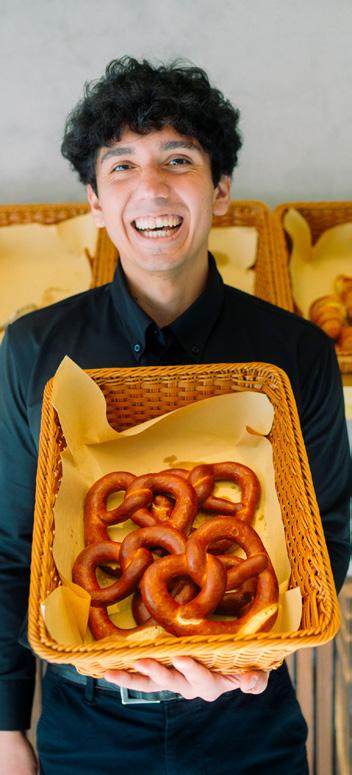
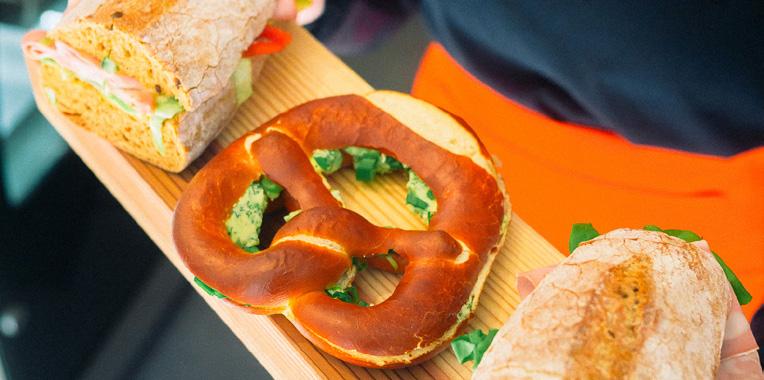
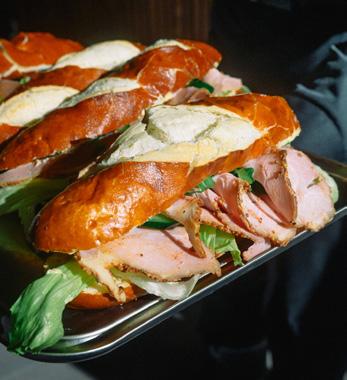
Berliner Bakery brings a simple taste of German comfort to Hakuba with freshly baked breads, pastries, and cool café vibes. Fresh sourdough loaves, buttery croissants, hearty sandwiches, and sweet treats are all made with care and authenticity. It’s the perfect spot to grab your morning coffee before a day of exploring or stop by for an afternoon pick-me-up.
Alongside its signature breads and pastries, the bakery also offers a small selection of convenient grocery items, making it an easy stop for both visitors and locals.
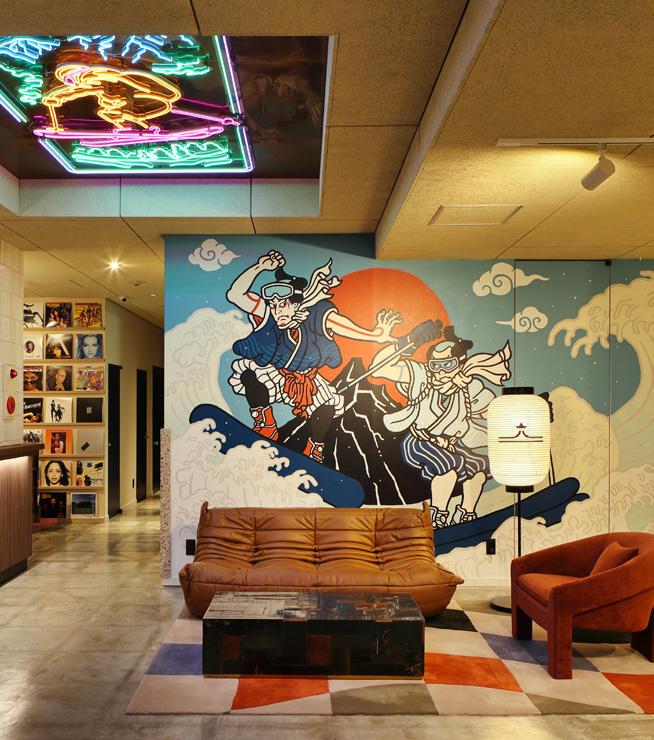
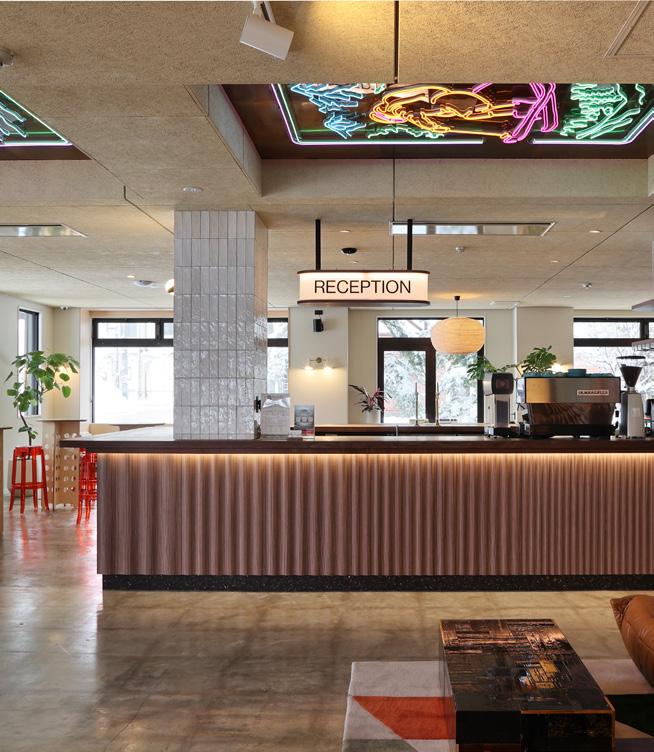
Located in the heart of Happo Village, the evo Hotel Bar is funky, stylish, and sleek, designed with community at its core. Thoughtfully curated spaces ensure guests will create unforgettable memories together over drinks, coffee, music, and art. Open from 7am, the evo crew serves barista-made coffees and tasty bites throughout the day.
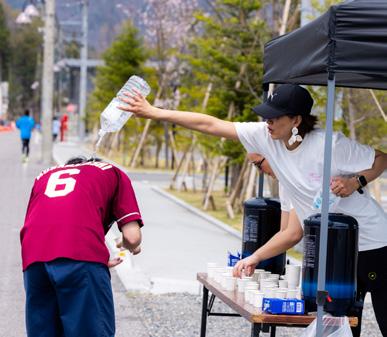
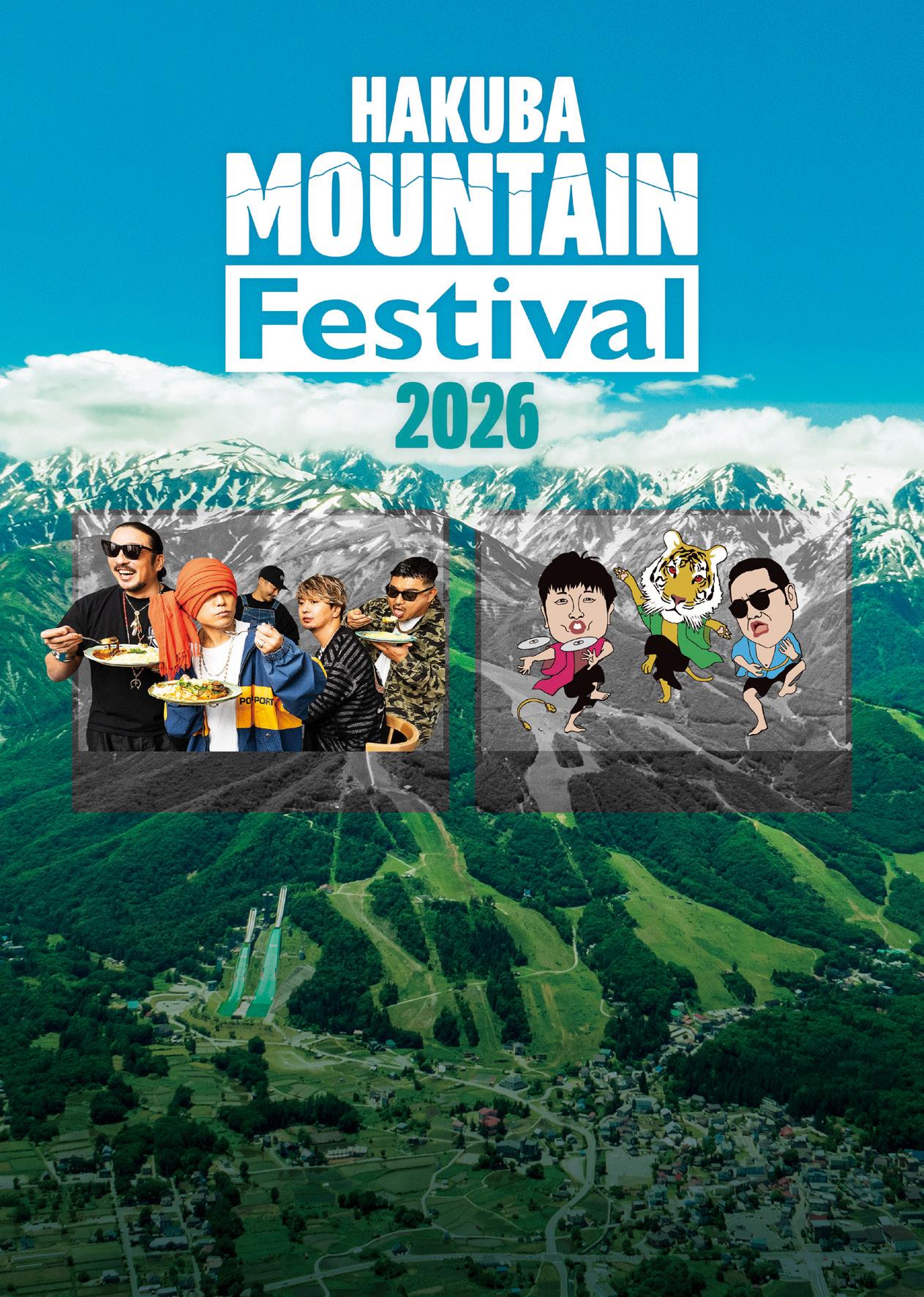
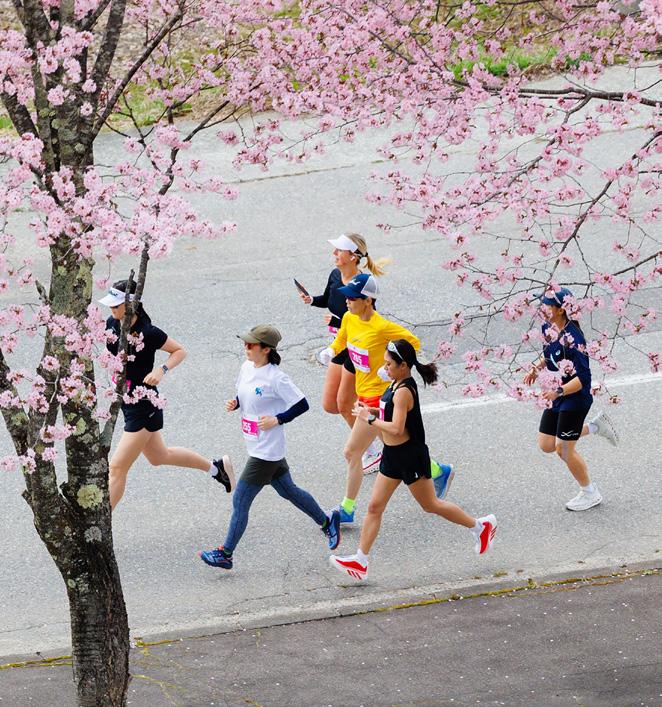
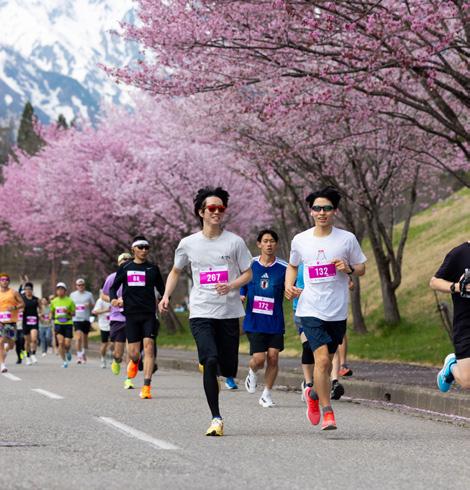
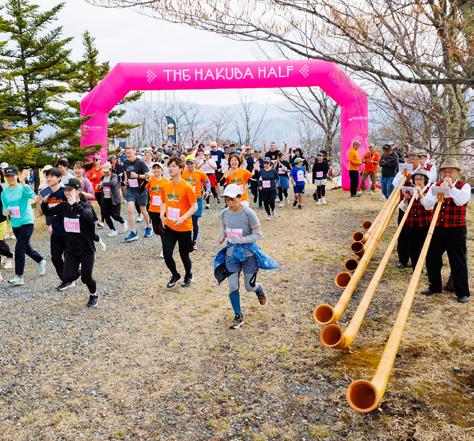
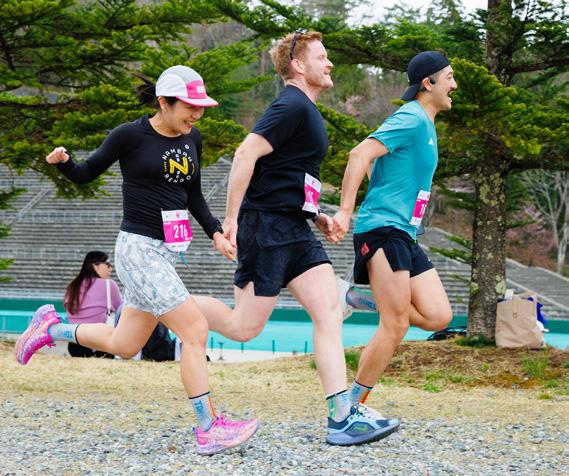
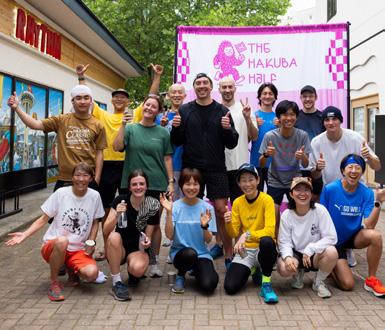
Most race weekends follow the same rhythm. You run, you collect your medal, you go home sore. The finish line is the full stop. The Hakuba Half had other ideas. Held April 17-19 with 500 runners, The Hakuba Half was built around a simple idea: that the best part of a race weekend doesn’t have to just be the race. What unfolded across three days of running, partying, and spring skiing felt less like a sporting event and more like a weekend that could only happen in Hakuba.
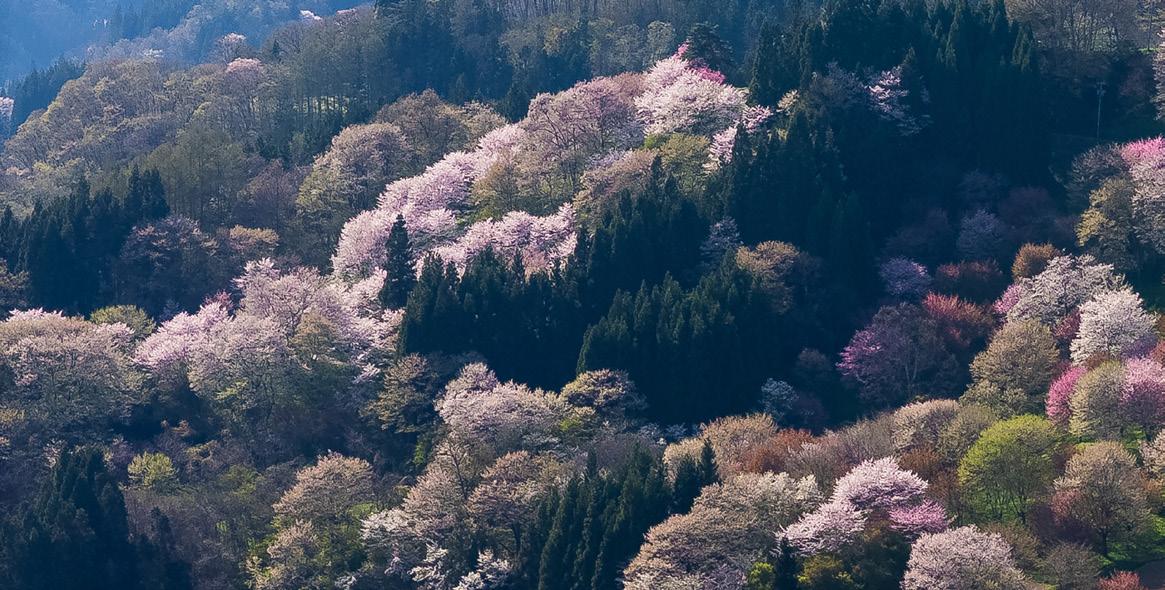
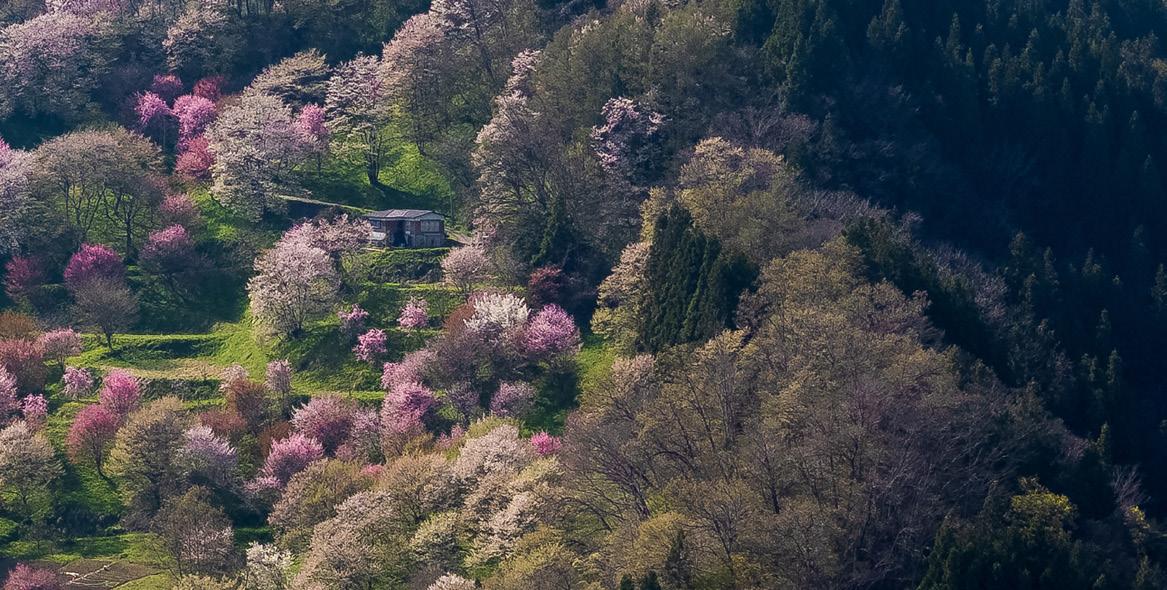
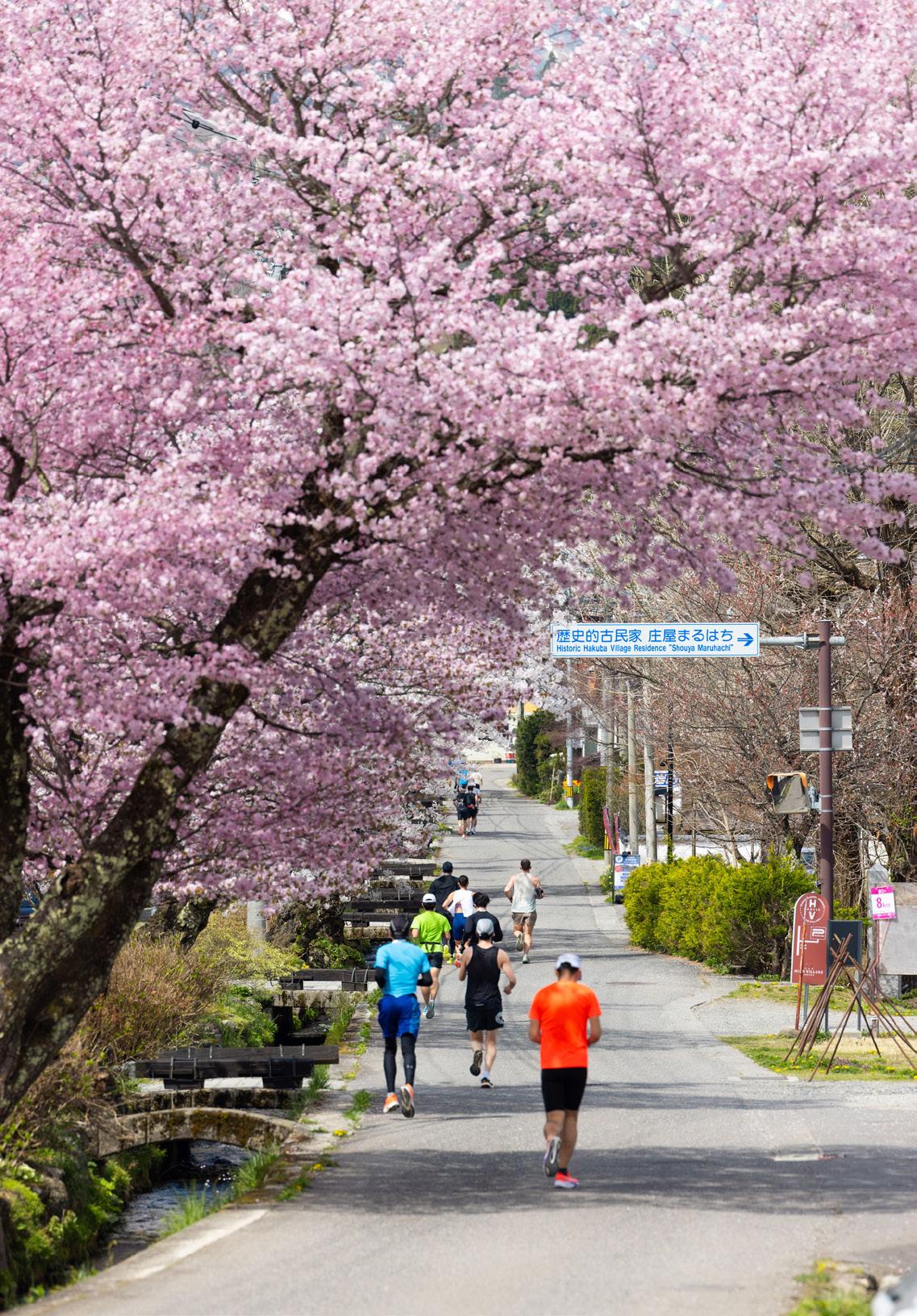
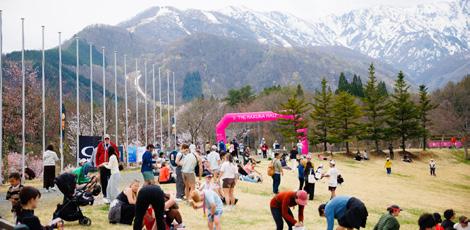
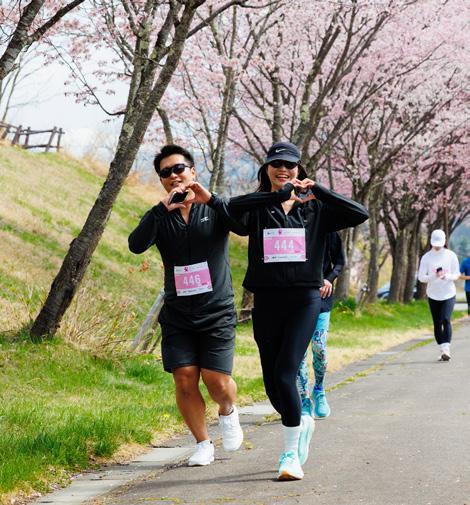
The route was challenging, with long climbs and thin mountain air. It was the kind of course where legs started asking questions well before the final kilometers. But the surroundings kept delivering. Snowcapped peaks. Sakura-lined roads. A small shrine flanked by rice fields, one perfectly blooming cherry blossom standing beside it. The Hakuba Half provided the kind of scenes that make runners forget there’s another 14 kilometers to go. At the finish line, runners were welcomed back with a complimentary Mikkeller beer, food, music, and a space clearly designed for staying. And they stayed.
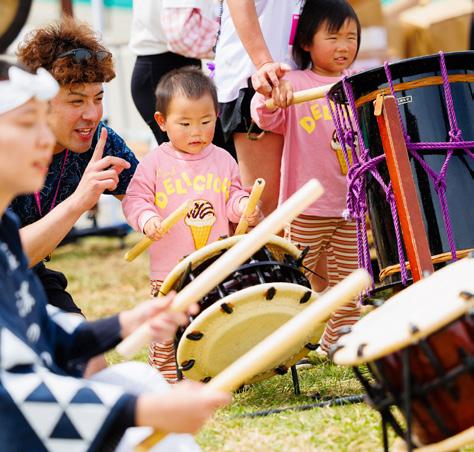
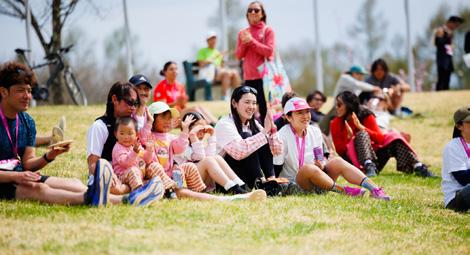
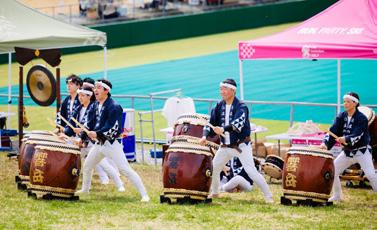
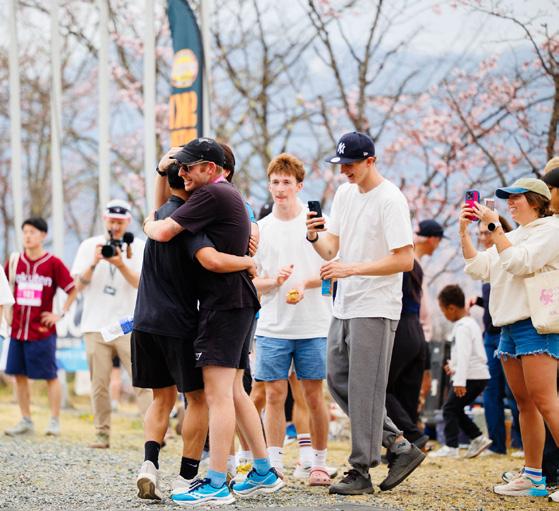
What followed wasn’t a quick cooldown or a quiet exit. Runners hugged, high-fived, and dropped onto the grass, medals still around their necks. The energy built gradually, as music echoed across the field, DJs giving the stage to taiko drummers, and taiko drummers giving the stage to live bands. Some danced. Others sat picnic-style, replaying the race with people they’d only just met.
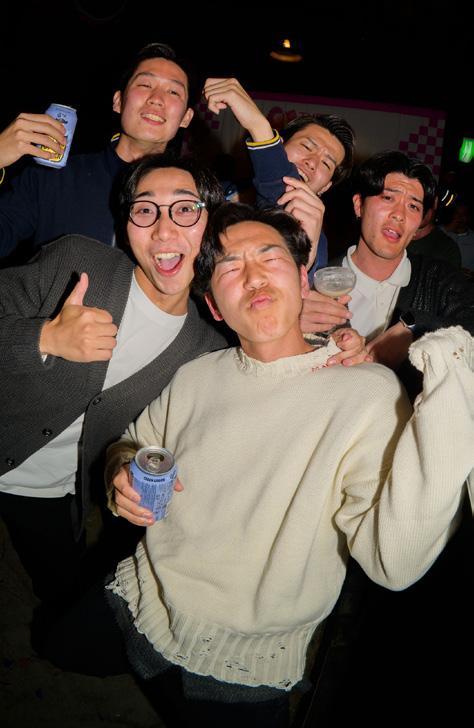
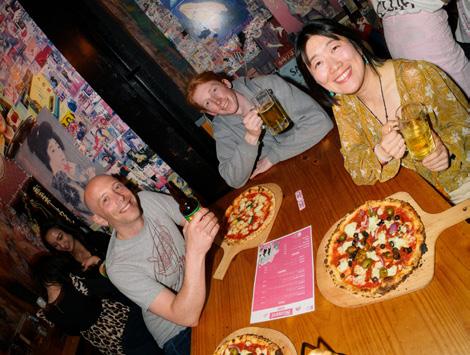
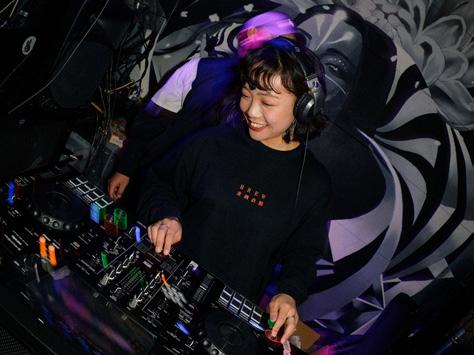
By evening, the energy migrated to Blizzard in Happo Village, where the official Disaronno afterparty kept the party going. Pizza, cocktails, live music, raffles, and DJs—the kind of room where runners and locals and visitors blur into one. It was a collective celebration. A room full of people who had pushed themselves earlier in the day, now unwinding together. Everyone basking in the shared sense of accomplishment, and the kind of atmosphere that forms when people decide to stay a little longer.
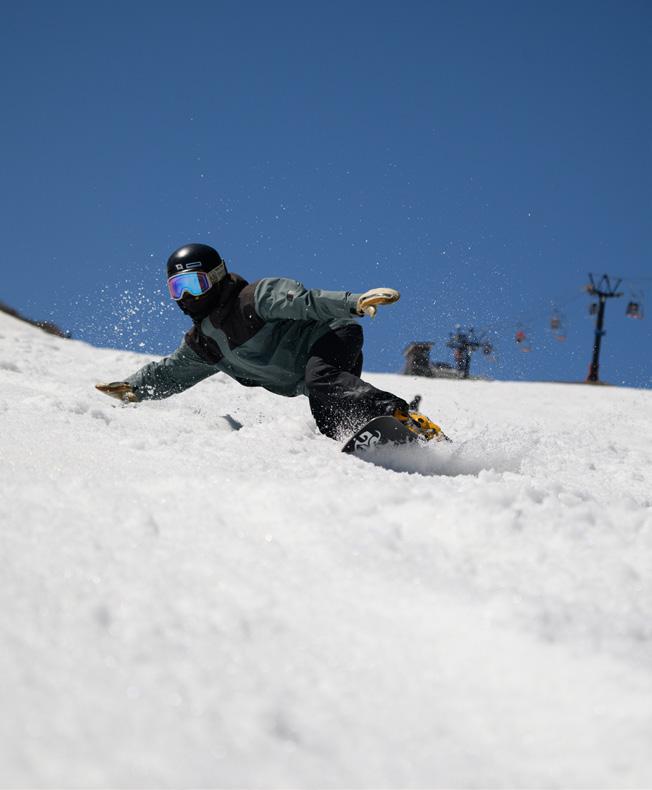
Sunday arrived with blue skies and soft spring snow, and somewhere between the finish line and the afterparty, a portion of the runners had made a quiet decision: one more day. Those who still had legs that could manage took off their running shoes and slipped into ski boots instead. Spring skiing in Hakuba has its own vibe—slushy and unhurried—which felt exactly right.
The Hakuba Half returns next spring, and there may be no better way to kick off green season than with a run with new and old friends.
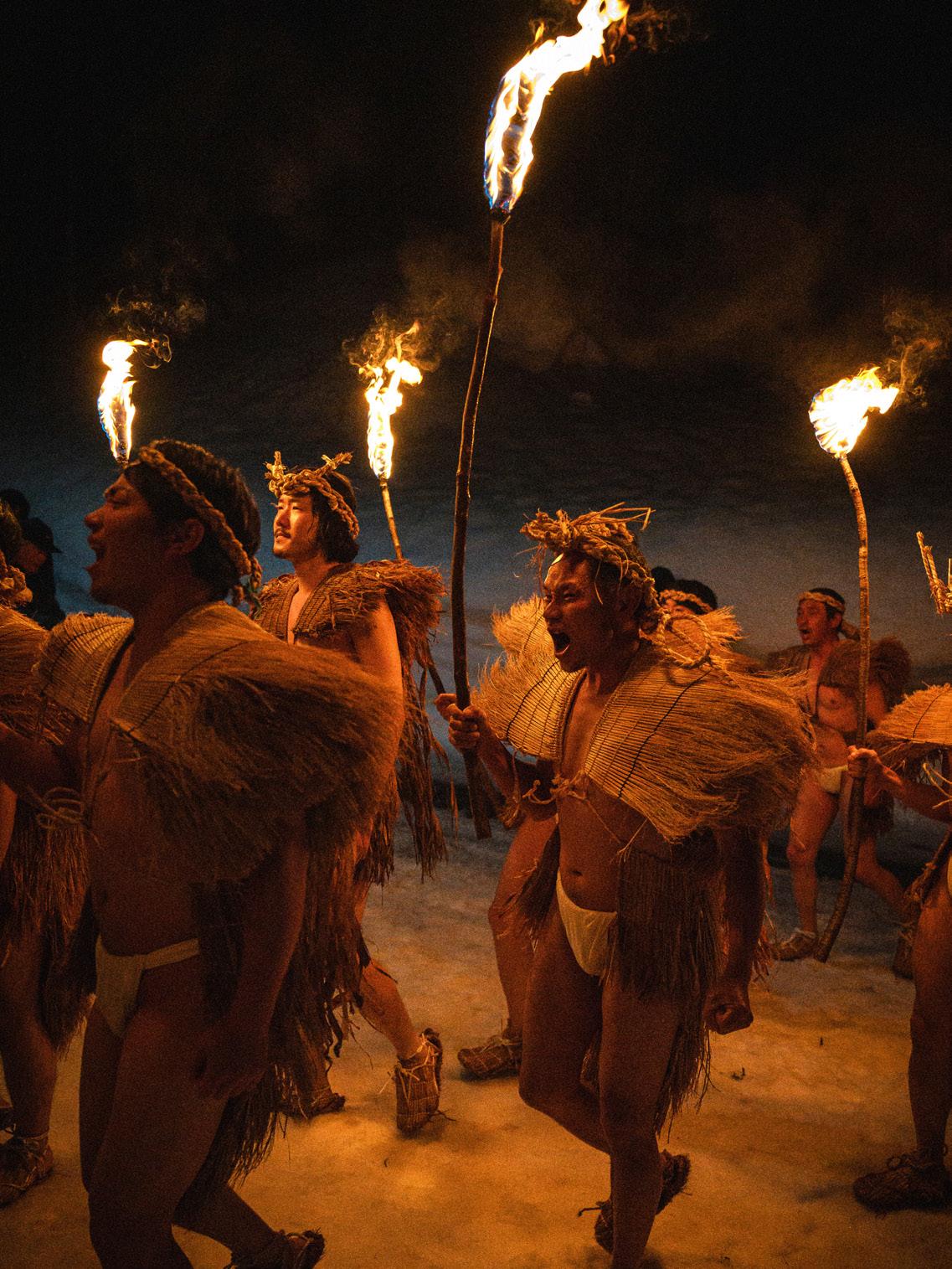
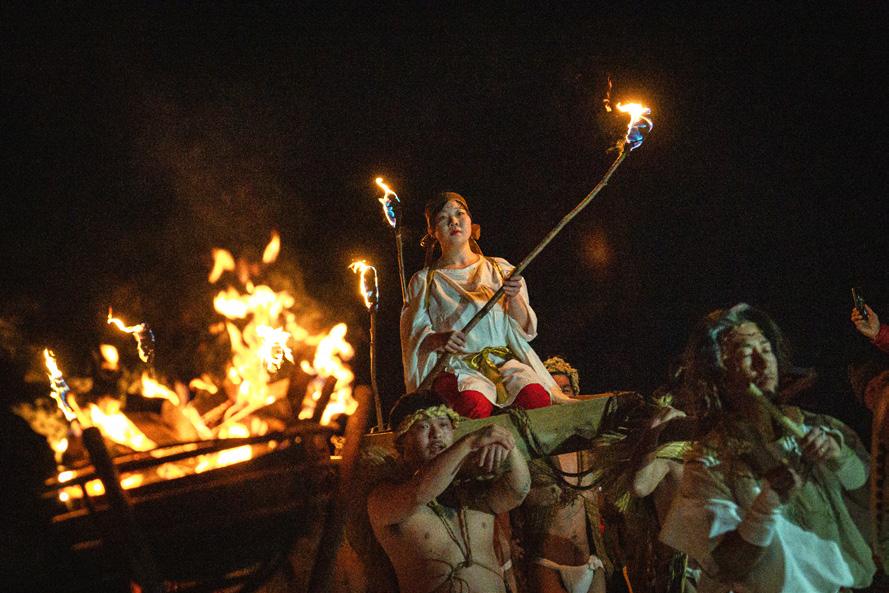
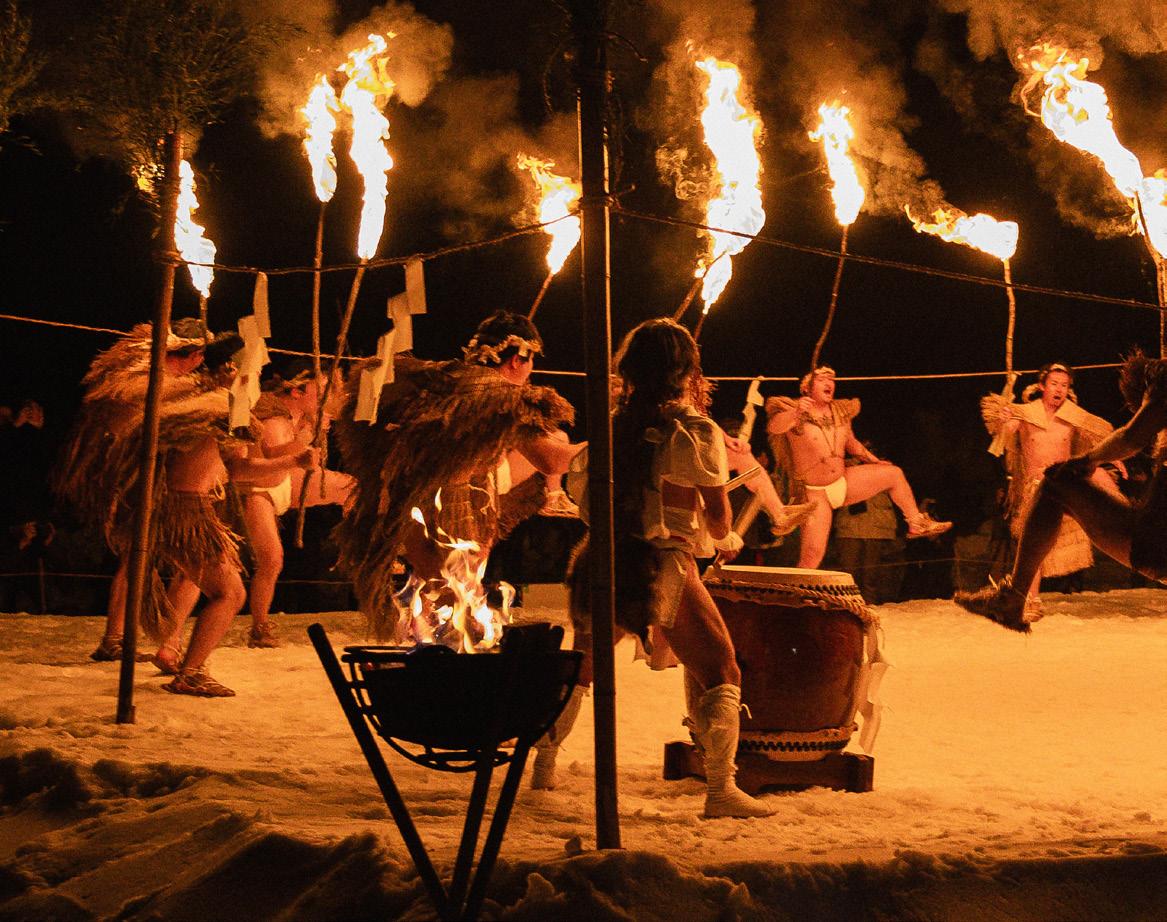
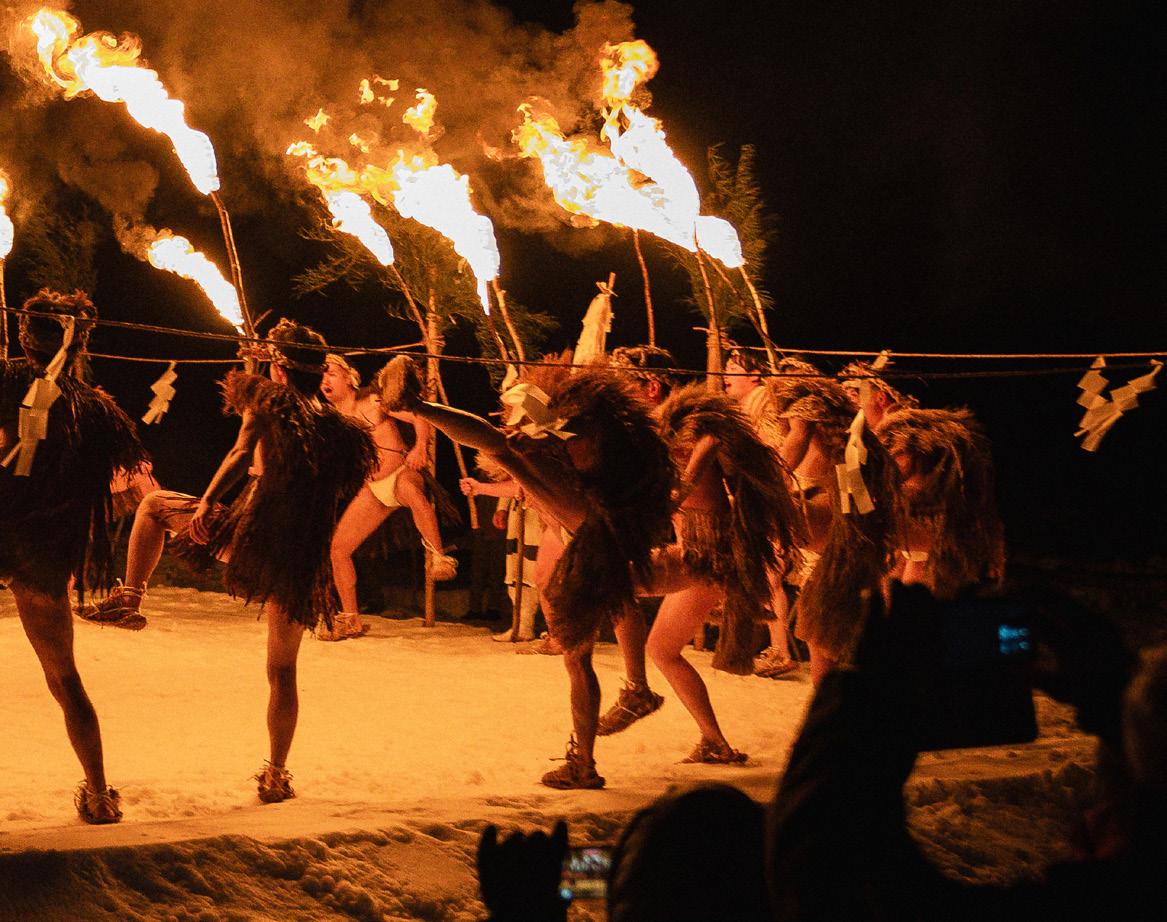
Held in the depths of winter in the outmost corner of the village of Otari at the end of Hakuba Valley, the Oami Fire Festival is a ritual dedicated to the deity of Mt. Amakazari, long worshipped as a source of life and protection in the region.
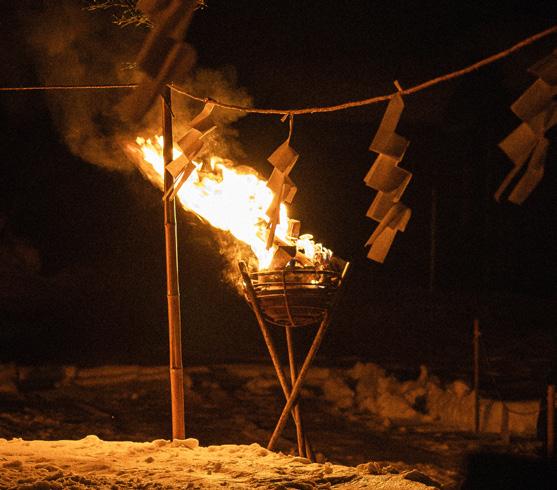
For the past 50 years, the Oami community has gathered to pray for a safe year, a strong harvest, and the return of spring. The festival unfolds through a series of symbolic acts. A shrine maiden opens with a sacred dance, purifying the space and inviting the deity to descend from the mountain. A fire is lit, representing both purification and a connection between the human and divine.
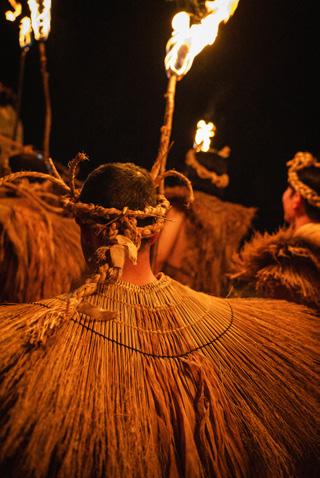
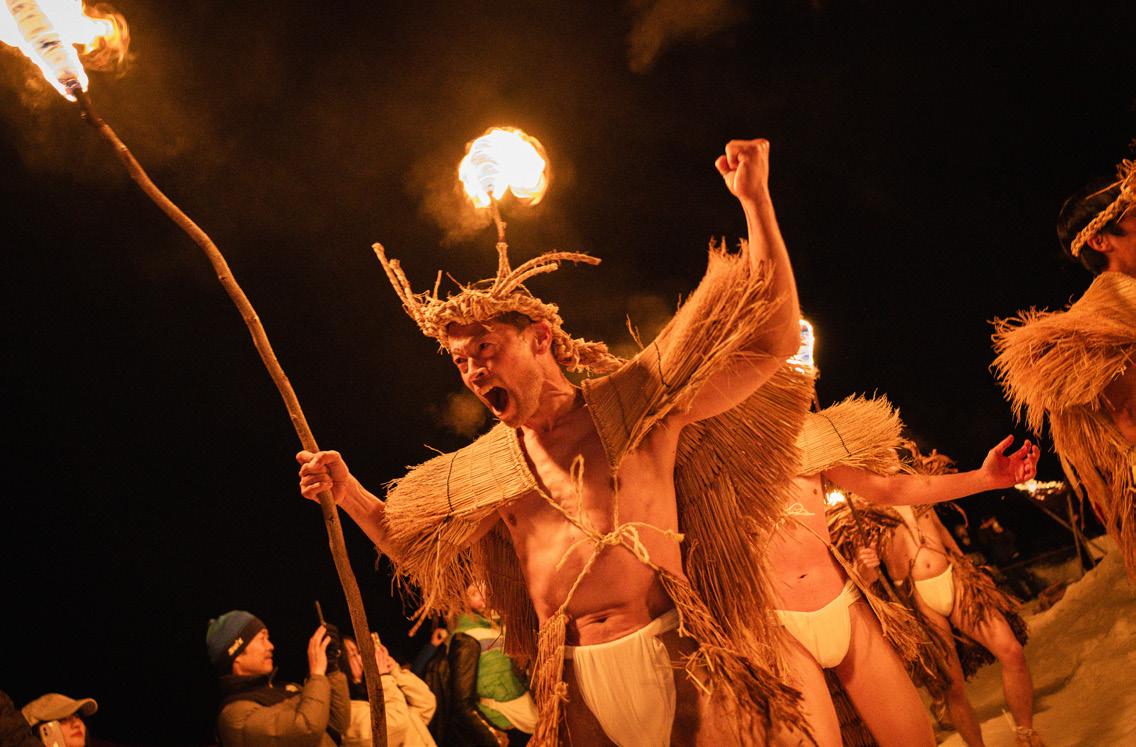
At the heart of the festival are the oni. Typically portrayed as fearsome demons in Japanese folklore, these oni instead serve as messengers of the gods. Carrying torches and moving to the rhythm of drums, they circle the fire cheering the arrival of the gods.
As the flames build, the ritual reaches its peak in the dondoyaki bonfire. The rising fire is believed to carry prayers to the heavens while cleansing the space below. In the final act, the deity is symbolically sent back to the mountain, completing a cycle that mirrors both nature and community life.
For the local community, it is a special moment to come together, strengthen bonds, and carry traditions forward while welcoming outsiders to share in and experience this rare and meaningful event.
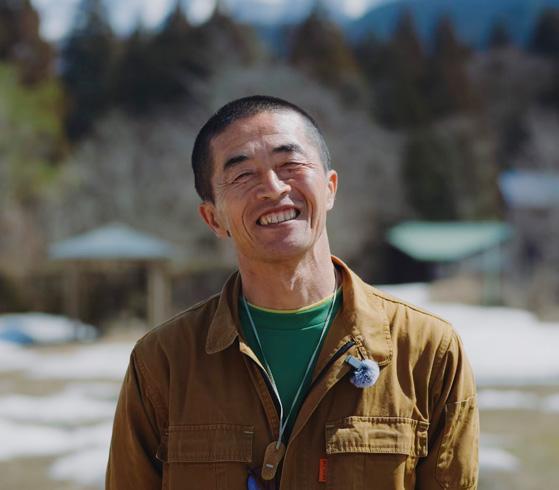
Originally from Tokyo, Ken Horaji moved to Oami around 30 years ago. What started as work became something more as he made the village his home. Today, as one of the festival’s key figures, he speaks candidly about its future. While there is a strong desire to preserve the festival, a shrinking and aging population makes that increasingly difficult. Outside participation is increasingly important, but it comes with one condition: an understanding of the festival’s meaning. We spoke with Ken to better understand what it represents.
WHAT WAS THE MOMENT THAT MADE YOU FEEL RESPONSIBLE FOR PROTECTING THIS FESTIVAL?
27 years ago, I actually held my wedding here on the festival grounds. I had been coming to this village for about five or six years and when we decided to get married, I thought maybe we could borrow a small corner of the festival and make a simple vow in front of the gods. By chance, I mentioned it during a local gathering, and someone said, “Why don’t you do it at the snow festival?” At first, I imagined something very small. But people became excited, and before I knew it, we were placed at the center of the festival. Within the sacred space, we held a full wedding ceremony, including exchanging rings and vows. The community embraced and genuinely enjoyed it. Because I was allowed to do that, I felt a responsibility to protect and carry it on. That was a big moment for me.
SINCE YOU’RE ORIGINALLY FROM TOKYO, WHAT STRUCK YOU MOST ABOUT THE FESTIVAL CULTURE HERE?
What surprised me was that people here create their own festival. When I was a kid in Tokyo, festivals were something organized by someone else. You just joined in. But here, it’s the village’s festival, and everyone plays a role in making it happen. That sense of people’s energy and emotion coming together felt really fresh to me.
DO YOU EVER STRUGGLE WITH BALANCING PRESERVATION AND CHANGE?
It’s very difficult. This festival originally started as an event to attract visitors. Some of the older guys still say, “It’s just an event.” Maybe that’s why we were allowed to have our wedding in it. But over time, I’ve come to understand the intentions of the people who created it, and that makes me want to preserve it. So there’s always a tension—do we grow it as an event, or treat it as a sacred ritual that doesn’t need an audience? Everyone sees it differently, and there’s no clear answer. There’s also a generational gap. We’re constantly thinking about how to bring those different perspectives together.
HAVE YOU SEEN CHANGES IN PARTICIPATION IN RECENT YEARS?
Yes, COVID had a big impact. The festival was suspended for three years. During that time, many of the older residents stopped coming or couldn’t participate anymore. So suddenly, the younger generation had to figure things out on their own. We realized there were a lot of things that had never been passed down. The first year back was honestly pretty worrying. But after a few years, things are finally starting to settle again.
HOW DO YOU VIEW PARTICIPATION FROM OUTSIDE THE COMMUNITY?
Change is inevitable. Even what we’re doing now would probably look different to previous generations. But I hope people understand and respect the spirit that’s been built over the past 50 years. It’s up to our generation to pass that on.
At its core, it’s about fire. We used to call it a “snow festival,” but now people call it a “fire festival.” At first, that felt strange, but over time I realized the key really is the fire. When I first participated as an oni, I was just told to wave a torch and shout. But one day, an older man explained to me:
“You’re not shouting in anger. You’re celebrating. The gods descend into the fire, and we share that fire— it’s a symbol of happiness.”
That changed how I saw it. Now I know the heart of the festival is the fire.
WHAT WOULD YOU LIKE TO SEE 10 YEARS FROM NOW?
Simply put, I hope someone else is running it. If that’s happening, it means we’ve successfully passed it on.
IF THE FESTIVAL DISAPPEARED, WHAT WOULD THE COMMUNITY LOSE?
The population is declining, and we don’t know how long we can keep it going. But even if the festival stopped, I think the relationships we’ve built wouldn’t disappear. The people who come together around it—that connection would remain.
HAS BEING INVOLVED IN THE FESTIVAL CHANGED YOUR OUTLOOK ON LIFE?
Definitely. Thinking of it as our festival taught me about commitment—about making a decision and standing by it. You can’t control everything, but your mindset and your resolve matters. It’s shaped how I think about life, the community, and how we live.
WHAT DO YOU HOPE THIS FESTIVAL CONTINUES TO BE?
For me, it’s very important—but more than that, I want it to be important to everyone involved. Something we all build together. If everyone feels that it’s their festival, and we create it together—that’s what I hope for.
We are grateful to everyone who comes to enjoy the festival. As this is also a residential community, I kindly ask visitors to be mindful of local residents and help preserve the welcoming atmosphere that makes this event special.
The forests, rivers, and alpine slopes around Hakuba provide habitat for a remarkable variety of birdlife. Here we meet five of our favorite birds and discover what makes them such special residents of Japan’s Northern Alps.
The Aogera is a green woodpecker found only in Japan. It lives in forests throughout the country and grows to about 30 cm in length. Its olive-green plumage helps it blend into the trees. Males have a red crown, while females display red only on the back of the head. More often heard than seen, the species is known for its sharp calls and short bursts of drumming on tree trunks. Its diet consists mainly of insects such as ants and beetle larvae, although it will also eat fruit. Breeding typically takes place from May to July. The nesting cavities it excavates are later used by other birds and animals, making the Aogera an important contributor to the forest ecosystem.
白馬ではどのあたりで見られる? The forests of the lower mountain zone
山麓の森林地帯で出会うことができ ます。/山麓帯
BIRDS OF HAKUBA
In the subalpine zone just below the treeline 森林限界のすぐ下に広がる山あいの森/亜高山帯
Mountain Hawk Eagle (Kumataka)
The Kumataka is a large forest raptor with broad wings, a long fanned tail, and a distinctive upright crest. Adults are dark brown with barred underparts and streaked throats, while juveniles are much paler. It hunts small to mediumsized animals like smaller birds (pheasants, pigeons) and mammals (hares, squirrels, raccoon dogs, macaques). Breeding begins in winter, with nests built in large trees and typically one egg laid. Known for its size and striking figure, it also shows strong loyalty to its nesting sites year after year.
The Raicho, which means “thunder bird,” has lived in Japan’s high mountains since the Ice Age. They are part of the pheasant family and are well adapted to the harsh mountain conditions. Their feathers change three times a year, from pure white in winter to brown in summer, with a mixed, patchy phase in spring and autumn. This allows them to match the changing alpine landscape and stay hidden from predators. Although hikers in Hakuba sometimes spot them above the tree line, sightings are special because the species is endangered, with populations declining due to climate change, habitat shifts, and increased predation.
In the alpine zone above the treeline 木々が途切れた山頂近くの岩場など、高い 山のエリア/高山帯
Golden Eagle (Inuwashi)
The Inuwashi is one of the largest birds of prey in Japan. It has a dark brown body and very broad wings that spread like open fingers when it soars. Young birds show noticeable white patches on their wings and tail, which fade as they mature. It nests on rocky ledges along steep cliffs and usually lays two eggs. Its diet is varied, including animals such as hares, snakes, and small mammals. The Inuwashi is a non-migratory resident that lives mainly in mountainous regions, with each pair maintaining a territory of approximately 125 square kilometers throughout the year. In Hakuba, individuals have been seen flying from the ridgelines of Mt. Hakuba down toward the foothills, though sightings are rare.
The Yamasemi is a large kingfisher with a stocky body, ruffled crest, and bold black and white pattern that can look silvery at a distance. Found along fast-flowing rivers in Japan’s forests, it hunts fish by diving from branches. Breeding begins in spring, with nests dug into riverbanks. Known for its loud rattling call and striking appearance, it is often seen gliding along clear mountain streams. It can be seen around Oide Park, Himekawa River, and rice fields in the Hakuba area.
WHERE TO SPOT IN HAKUBA?
白馬ではどのあたりで見られる? Alpine and subalpine mountain zones
Happo-One Hakuba Hokujo, Hakuba Kitaazumi District Nagano 399-9301, Japan
www.happo-one.jp
HAKUBA RESORT DEVELOPMENT CO. LTD.
Hakuba International Students Are Thriving
白馬インターナショナルスクールが選ばれる理由
In a world that is increasingly fast, digital, and pressured, students need real experiences, meaningful challenges, and a sense of belonging. That’s exactly what students find at Hakuba International School (HIS).
“During my first marathon, I was close to giving up, but the encouragement of my classmates helped push me across the line,”
says Yu Yang Lee, a Grade 10 student at Hakuba International School. In that moment, what once seemed impossible became achievable through the support surrounding him. When students are pushed physically, mentally, and emotionally —while being nurtured and empowered—they begin to realize they are capable of more than they initially thought possible.
As Yu Yang explains, “The HIS community has supported my growth both academically and personally, encouraging me to pursue my interests and keep improving.”
In many ways, Hakuba International School stands in contrast to what education can often look like today. Now more than ever, students are living their lives indoors, within the confines of a screen. Learning can be abstract, detached from real experience, with little room for failure, pause, or true selfdiscovery. At HIS, the educational approach challenges this way of learning, placing students in settings where learning is lived, not just taught. That’s where things start to look a bit different.
You notice it in small ways at first. The shift becomes most visible when students are placed in completely unfamiliar settings, where comfort is removed and growth becomes unavoidable. When Illia, a Grade 11 student from Ukraine, arrived in Hakuba, it was an entirely new environment, country, and community for him to navigate.
“When I first arrived at HIS, everything felt new—a new country, new people, and a completely different environment.”
A key tenant at HIS is that discomfort isn’t accidental; it’s designed. Whether it’s learning to cook for themselves, contributing to community clean-up days, or navigating outdoor environments that are unfamiliar and at times physically challenging, students are regularly placed in situations that require them to adapt. When paired with the supportive ecosystem carefully built and nurtured within the school, these moments create opportunities for students to begin defining their sense of self—you can almost see that shift happening in real time.
“Being at HIS has encouraged me to try new things and explore my interests in ways I never expected.”
Growth here goes beyond adapting to new environments and includes discovering who you are within them. For many students, that begins with stepping beyond the fear of getting things wrong.
“I never thought a high school class could change how I see myself. When I first began exploring fashion design, I was unsure, hesitant, and afraid to make mistakes.”
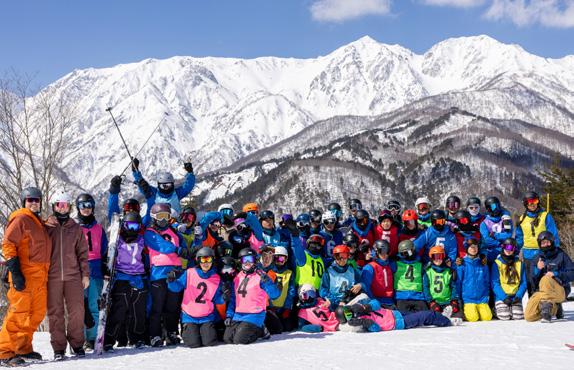
Said Isha, a grade 11 student. But with time, support from her guide, and the freedom to experiment, that uncertainty began to shift. Now Isha’s ideas have turned into sketches, a reflection of her skill and growing confidence to follow her passions. For some students, this environment doesn’t just support growth; it accelerates it. Captain, a Grade 8 student, has already begun turning passion into tangible progress through downhill riding. “HIS gives me the opportunity to follow my dream to become a professional downhill rider,” he explains, describing how consistent time outside the classroom allows him to actively develop his skills. With access to competitions and the support to pursue them, he has already achieved a top 15 finish in his first race. In a place where practice, environment, and encouragement align, ambitions that might otherwise feel distant begin to take shape.
Mike, a Grade 11 student, describes his time in Hakuba as “the biggest factor in my growth as a snowboarder.” Living and learning here has allowed him to ride almost daily, turning progression into part of his routine rather than something occasional.
Surrounded by high-level riders, including former Olympians, he explains that it “raised my standards and changed how I approach riding.” With the support and flexibility of school, he has been able to balance training alongside academics —progressing to a level where he has earned sponsorship in snowboarding. But for Mike, growth doesn’t stop there. “I’ve never really felt satisfied,” he reflects, a mindset that continues to push him to improve and pursue the same level in downhill mountain biking. These aren’t isolated successes. This is what’s possible when environment, community, and opportunity come together.
Hakuba has a way of shaping students that no classroom can replicate. The mountains are on their doorstep, changing with the seasons. Winter brings its own set of challenges, summer its own adventures, and somewhere in between, students stop observing nature and start living in it.
At the same time, Hakuba offers something increasingly rare: a slower pace of life. Removed from the constant noise and distraction of more urban environments, students have the space to pause, reflect, and process their experiences. This balance of challenge and stillness creates the conditions where growth can take place naturally.
Hakuba Goryu: A Living Story of Nature and Renewal
白馬五竜、自然の息吹と巡るいのちの物語
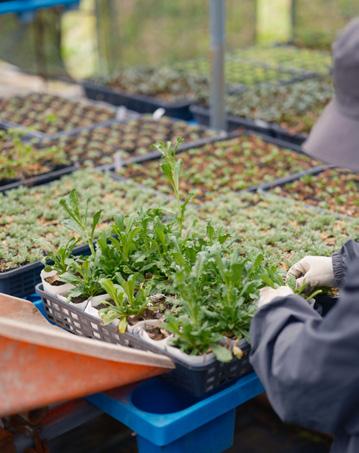
At 1,515 meters above sea level, the mountains of Hakuba Goryu Alpine Botanical Garden awaken each summer in a quiet yet powerful transformation. As the snow recedes, more than 300 species and two million alpine plants begin to bloom, painting the slopes with colors that shift from early summer brightness to the deep hues of autumn.
But this garden is more than a place to admire flowers. It is a living expression of coexistence between people and nature.
A COMMITMENT BEYOND BEAUTY
Rooted in the global vision of “30 by 30”, which aims to protect 30 percent of the Earth’s land and sea by 2030, the garden stands as part of a growing movement toward biodiversity restoration. Its efforts have been officially recognized by Japan’s Ministry of the Environment, earning certification as a Nationally Certified Sustainably Managed Natural Site. It is the first of its kind in Hakuba and one of the first among Japanese ski resorts.
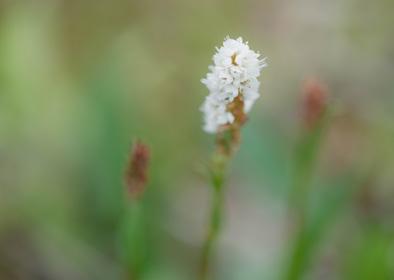
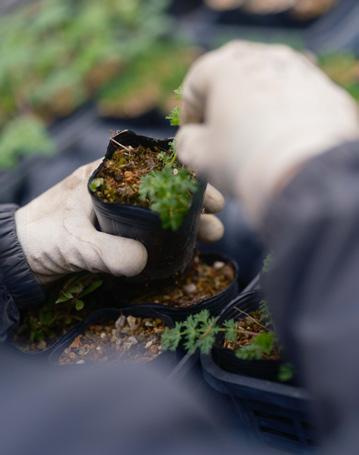
Among the garden’s most meaningful features is its role in supporting the Japanese rock ptarmigan bird, known as Raichō—a symbol of Japan’s alpine wilderness. By cultivating native plants such as Alpine Bistort (Bistorta vivipara), an important food source for Raichō, the garden helps sustain this protected species, and maintain the delicate balance of the mountain ecosystem.
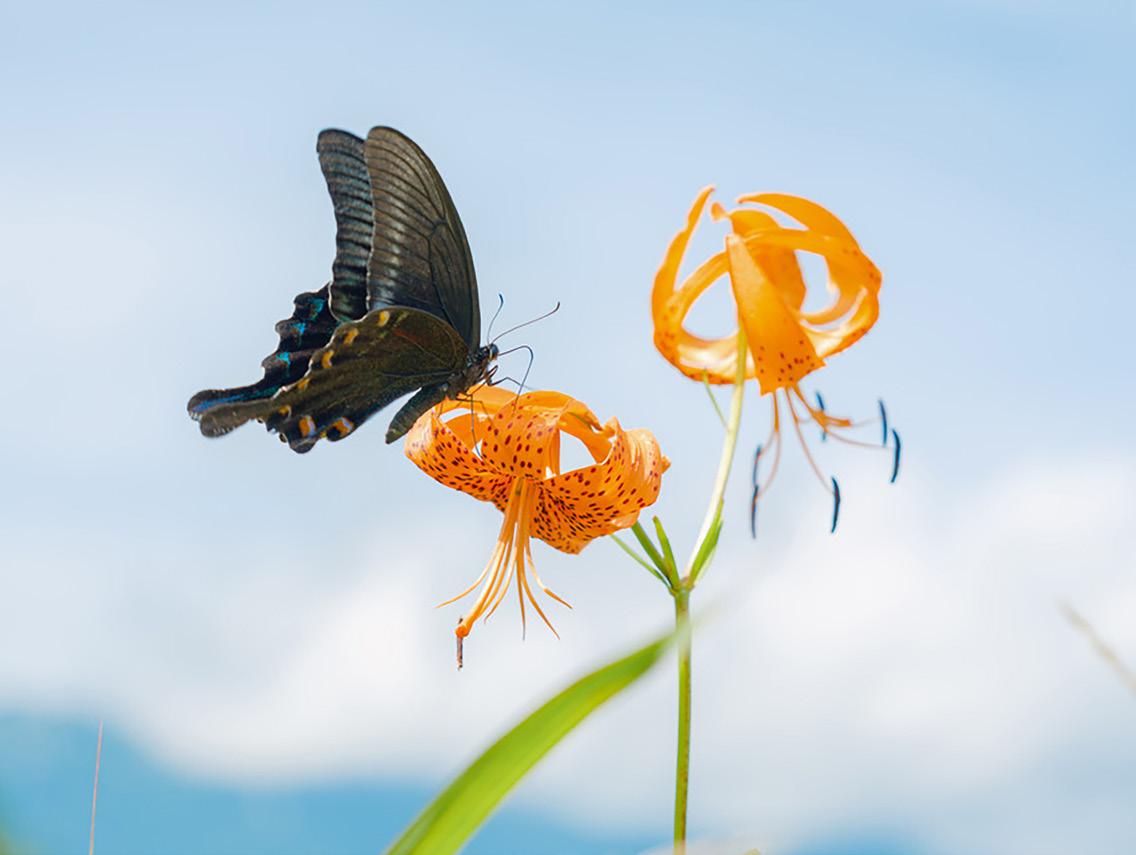
The Norse grayling (Oeneis norna), an alpine butterfly, is equally at home here. It relies entirely on one plant, the Carex oxyandra, a perennial sedge, to survive. In tending to the garden, Goryu has become a refuge for one of the alpine world’s most delicate dependants.
A GARDEN SHAPED BY PEOPLE
Behind the landscape is a team quietly shaping the future of Goryu. A new generation brings fresh perspectives blending science, creativity, and deep respect for the mountains. Through their efforts, the garden continues to evolve as a place of learning, restoration, and connection. Their stories are as much a part of the garden as the flowers themselves.
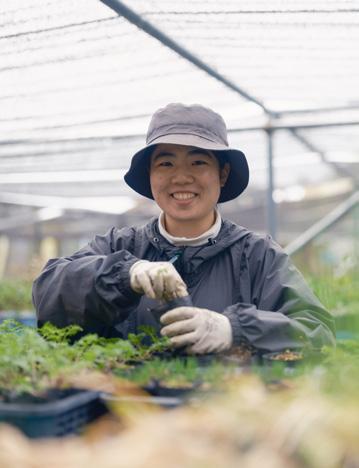
Chihori Ono joined the Hakuba Goryu Alpine Botanical Garden in April 2026. In her 20s and originally from Tokyo, she found her way to Hakuba through a fellow Tokyo University of Agriculture graduate who was already working at Goryu as a botanist.
With a background in forestry focused on tree root systems and their role in disaster prevention, she is now starting a new chapter, learning the delicate world of alpine plants from the ground up.
Drawn to flowers and the rhythm of nature, she brings a gentle curiosity to the mountain. She hasn’t skied yet, but is already looking forward to her first winter here in the mountains.
WHAT IS YOUR FAVORITE FLOWER?
I really like the flowers of the Japanese Snowbell tree (Styrax japonicus) that grows near my home.The small white blossoms hang downward and are very beautiful. Since coming to Hakuba, I’ve also been impressed by the Kikuzakiichige (Anemone pseudoaltaica), a wild mountain flower that I find especially striking.
IF YOU COULD BECOME A FLOWER IN THE ALPINE BOTANICAL GARDEN, WHICH ONE WOULD YOU BE?
I haven’t had the chance to see many of the flowers in the garden yet, but if I had to choose, I’d love to be a Komakusa (Dicentra peregrina). I was really struck by the way they bloom ahead of the others, peeking out from between the rocks. Personally, I’m drawn to flowers that are small yet have a strong presence, so I’d love to be a Komakusa and enjoy Hakuba’s beautiful nature.
A Place to Return
To: In a world that moves quickly, the Hakuba Goryu Alpine Botanical Garden is a haven where time stands still and nature is deeply admired.
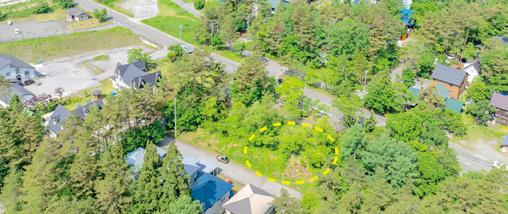
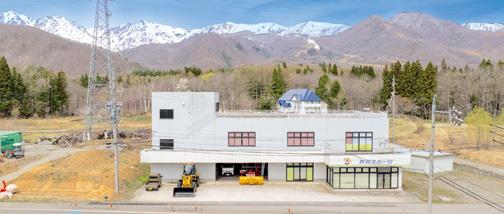
Rare site along Olympic RoadHakuba’s main artery that connects to the valley’s renowned ski resorts. Site is suitable for retail, F&B or accomodation offering.
Completed in 1990, this versatile 3-storey, steel-frame building fronts the main road in Ochikura, and is well positioned between the Tsugaike and Iwatake ski resorts.
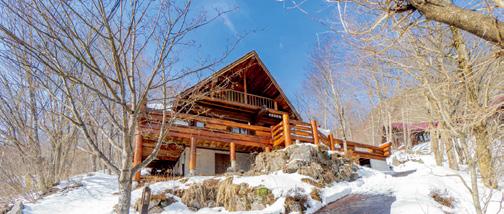
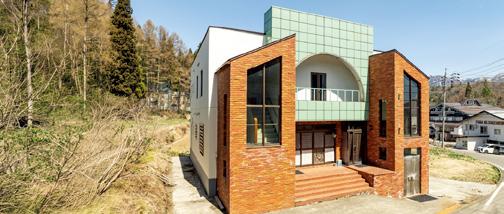
Set on a generous 1,100+ sqm site in the tranquil foothills of Donguri, this impressive 4-bedroom Canadian log home offers a rare blend of privacy, space, and year-round accessibility.
8+ BEDROOMS | 3 BATHROOMS | 3 PARKING COMM BLDG | LIFTS 2 MIN WALK | FLOOR 502M 2 | LAND 259M 2
Ideally positioned near the base of Tsugaike resort, this property is a prime repositioning opportunity. The building comprises two above-ground floors and a large basement level.
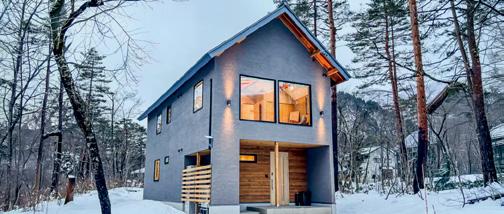
Recently completed, this modern designed two-storey chalet is ideally located just a 5-minute walk from Echoland. The property is fully licensed for rental.
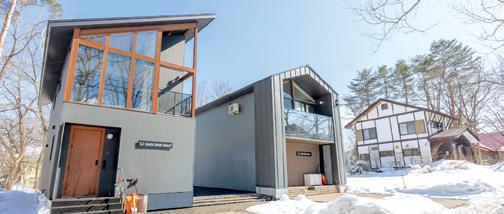
6 BEDROOMS | 5 BATHROOMS | 4+ PARKING TWO CHALETS + LAND | LIFTS 7–8 MIN DRIVE
Two high-performing 3-bedroom rental chalets and an adjacent 273 sqm development plot in the heart of Echoland. Perfect opportunity for a savvy investor.