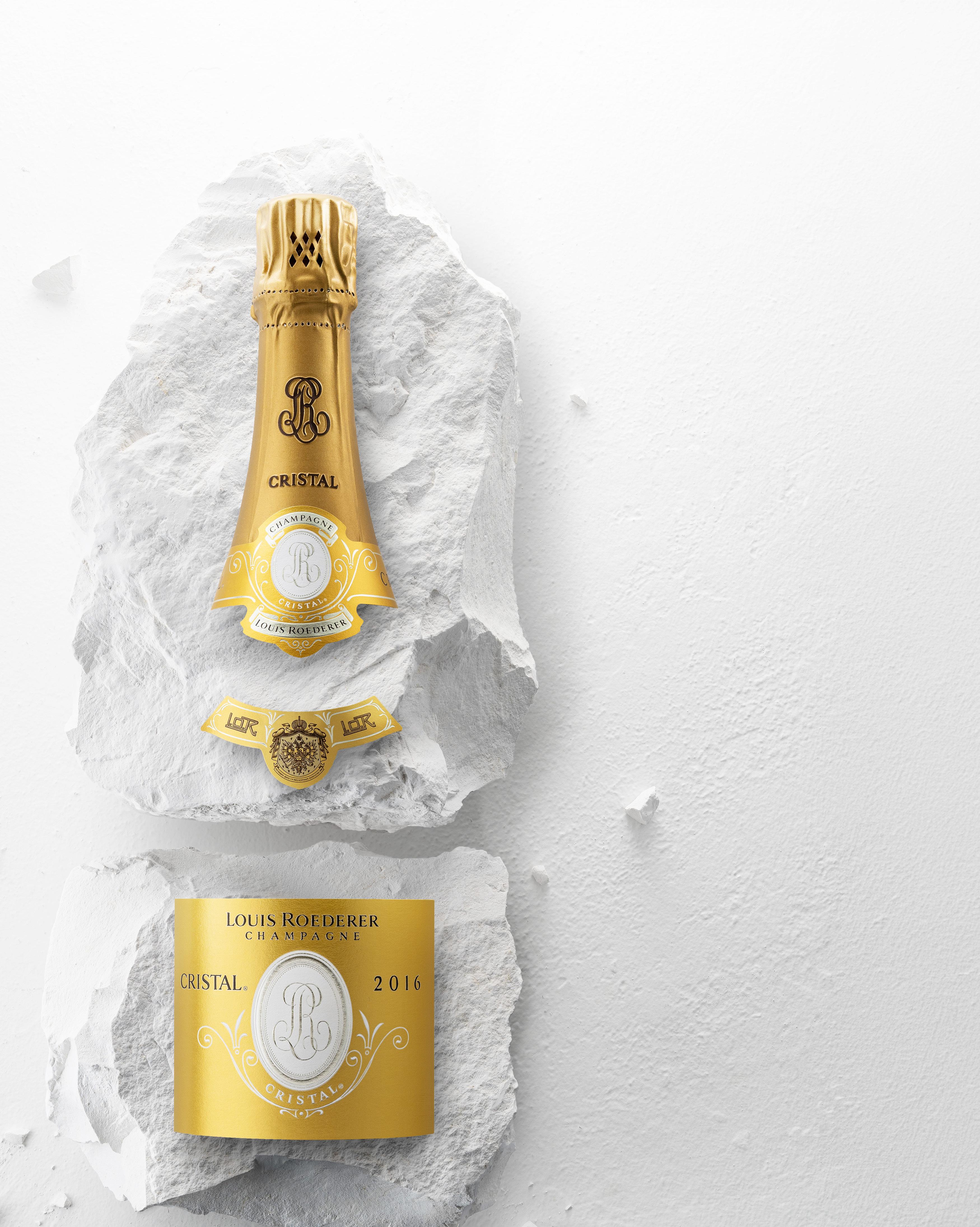
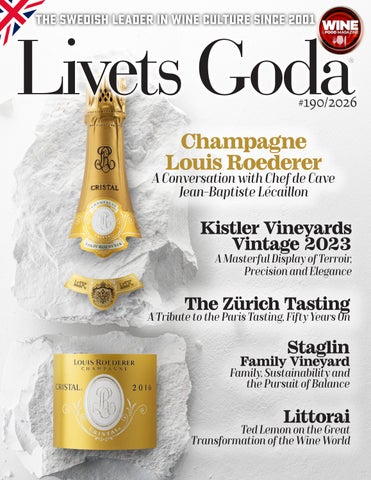
Louis Roederer
A Conversation with Chef de Cave Jean-Baptiste Lécaillon
A Masterful Display of Terroir, Precision and Elegance
A Tribute to the Paris Tasting, Fifty Years On Staglin Family Vineyard Family, Sustainability and the Pursuit of Balance Littorai
Ted Lemon on the Great Transformation of the Wine World
159 K R ONO R n r 5311 6
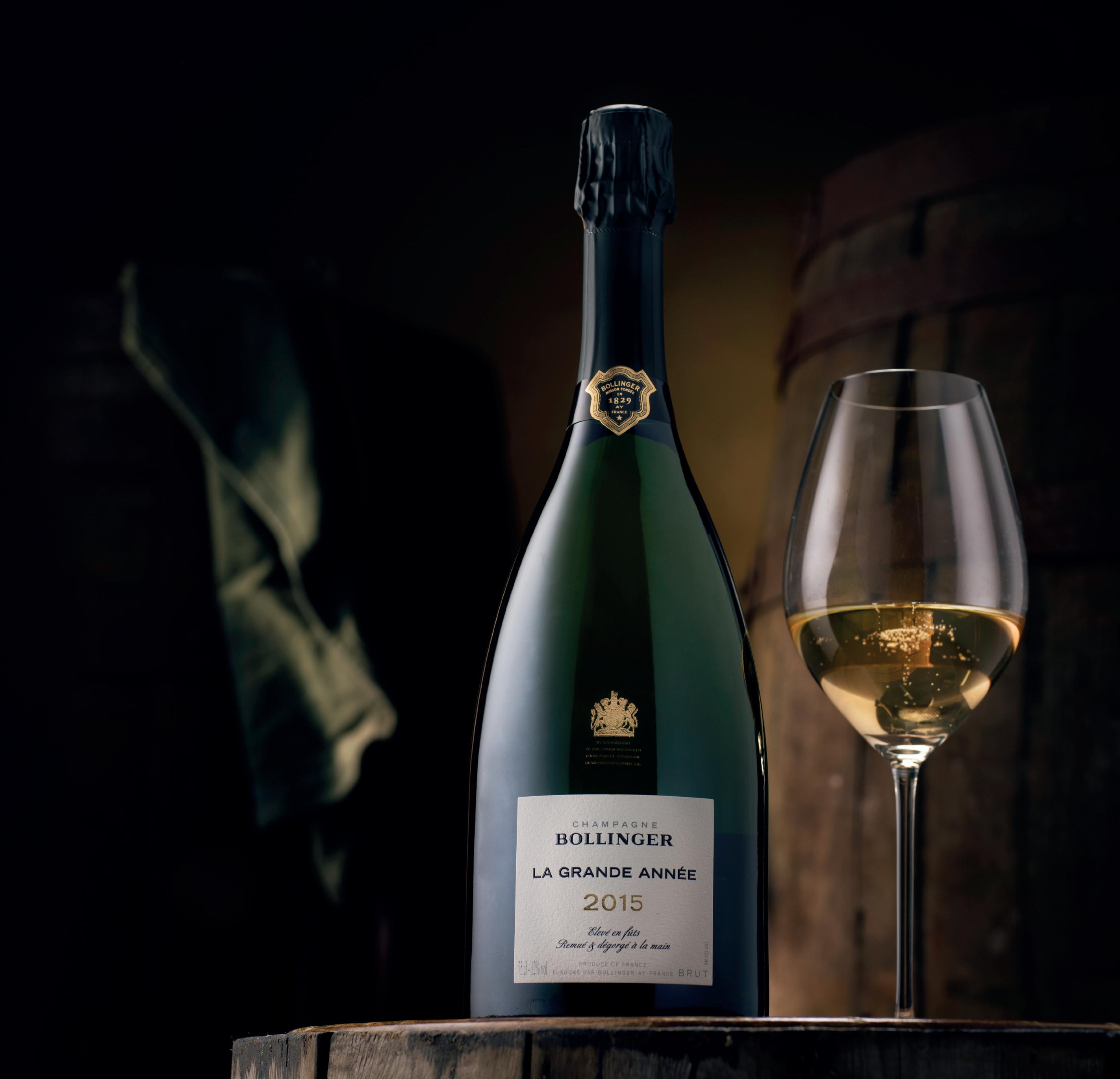
La Grande Année görs de år förutsättningarna är som absolut bäst. Som vanligt är lagringspotentialen för La Grande Année mycket hög och klarar flera år i källaren. Vinifiering sker på små, gamla ekfat. Genom detta utvecklas komplexa aromer i vinet, där mikrosyresättning ger en utomordentlig potential till framtida lagring.
Den ligger över sju år på sin jästfällning med naturkork vilket skapar komplexitet och elegans. Riddling och degorgering görs för hand enligt gamla hantverksmässiga tekniker. Stilen är mogen och kraftfull, doften är stor, stenfrukter blandas med exotiska frukter och honung.
Toner av mandel och röd frukt kompletterar vinets aromer. Paletten fylls av citrus och choklad, årgång 2015 är mycket generös. Moussen är silkeslen med intensiv karaktär som balanseras av en delikat syra. Den lena texturen tillsammans med rik frukt och mineralitet ger vinet en exceptionell längd på paletten.
Bollinger La Grande Année 2015 Art nr 7579 | Alk 12% | pris 2 199 kr

Do you want to take your passion for wine and whisky – and the extraordinary world that surrounds these noble drinks – to the next level?
Subscribe to Premium Plus from Livets Goda!
For just SEK 79 per month... (Corresponds to approximately €7 per month)
... you’ll gain access to more than 18,000 beverage reviews, our top recommendations from Systembolaget launches, and our exclusive special editions and articles.
You’ll also receive full digital subscriptions to both of our flagship magazines, Livets Goda and Whisky & Bourbon.
Everything gathered in one place, right at your fingertips.
Subscribe today!
Dal 1761
EN UPPFÖLJARE VI VÄNTAT PÅ
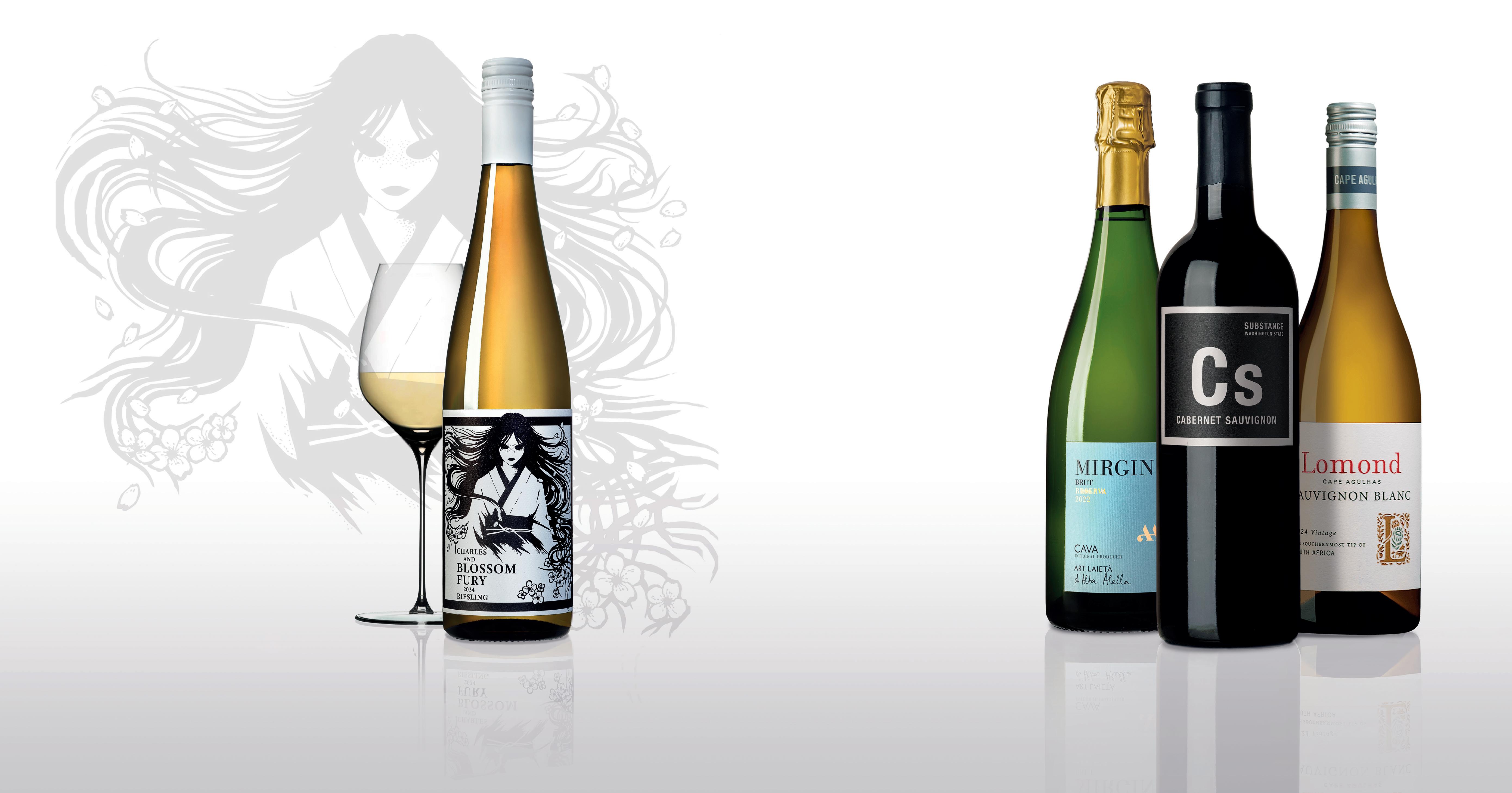
Ni minns väl Charles Smith som skakade om vinvärlden med Kung Fu Girl. Nu är han tillbaka med Blossom Fury. En efterlängtad uppföljare som inte bara lever upp till hypen, utan höjer ribban ytterligare.
Blossom Fury tar plats från första stund. Det är en torr riesling med ryggrad och nerv, kristallklar i sitt uttryck och laddad med energi. Frisk citrus och vit persika möter limezest och en tydlig grusig mineralitet. Syran är knivskarp men perfekt avvägd och driver smaken hela vägen ut i ett långt, vibrerande avslut.
Det här är en riesling med attityd. Vad annars från Charles Smith?
Nyhet!
Charles and BLOSSOM FURY
RIESLING
78606 | 12% | 75 cl | 2024 | 179:-
NYHET! BESTÄLLNINGSSORTIMENTET 20 FEB 2026
Är du intresserad av goda drycker? Använd QR-koden och kom med i FRIENDS OF HANDPICKED Tips, kunskap, provningar och senaste nytt om oss på Handpicked Wines och alla våra produkter. ANVÄND QR-KODEN OCH REGISTRERA DIG FÖR VÅRT NYHETSBREV | handpicked.se
Alta Alella
Mirgin Brut Reserva 20145 | 12% | 75 cl | 2023 | 149:-
Från Katalonien och den ekologiskt certifierade gården Alta Alella kommer denna årgångscava med klassificeringen Cava de Guarda Superior.
Det betyder att lagringen måste vara minst 18 månader, vinet ska vara årgångsmärkt och druvorna ska komma från minst 10 år gamla stockar. Från och med årgång 2025 ska vinet även vara ekologiskt certifierat.
En torr och finstämd cava med friska toner av citrus, vita frukter och medelhavsörter.
Substance
Cabernet Sauvignon
74083 | 14% | 75 cl | 179:-
Smakrikt med komplexitet och karaktär. Stor och mäktig doft av svarta vinbär, mörka plommon, viol, tobak, örter och en touch av... blyerts. Fylligt och med nya dimensioner som träder fram efter varje klunk.
Lomond
Sauvignon Blanc
2645 | 13,5% | 75 cl | 149:-
Ett elegant och uttrycksfullt vin från vackra och vilda Cape Agulhas i Sydafrika. Vinet har en inbjudande doft av mogna krusbär, citrus och subtila inslag av tropisk frukt. Smaken är frisk och elegant, med välbalanserad syra och toner av passionsfrukt, mogen citrus och en lätt rundhet från ekfatslagringen. Ett vin som är lika gott till mat som att njuta av på egen hand.
Amarone
15 % vol.
Art Nr 7918701
219kr
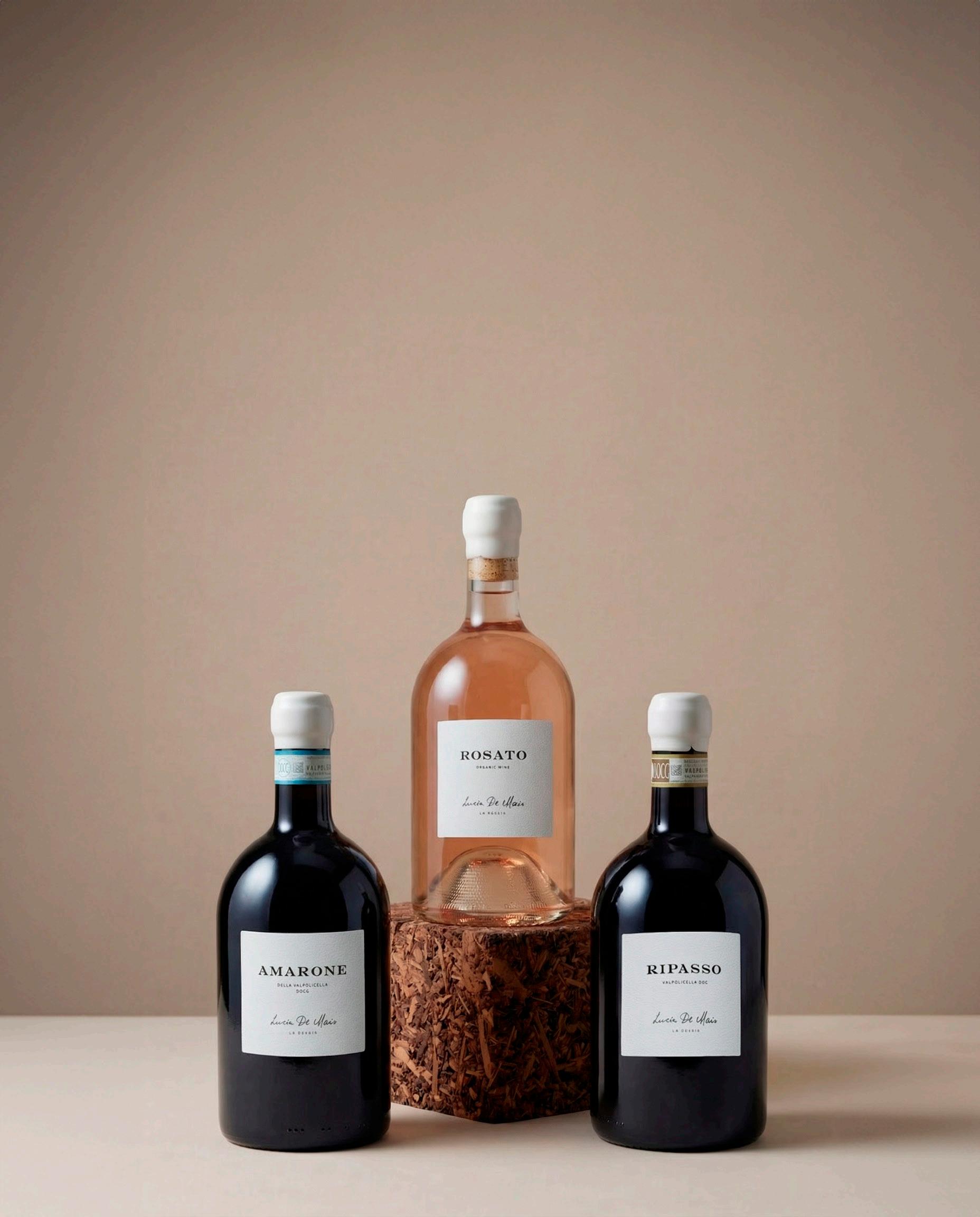
Rosato 12% vol.
Art Nr 7255601
99kr
13,5 % vol.
Art Nr 7206101
129kr
Alkohol kan skada din hälsa. Alkohol kan skada din hälsa.
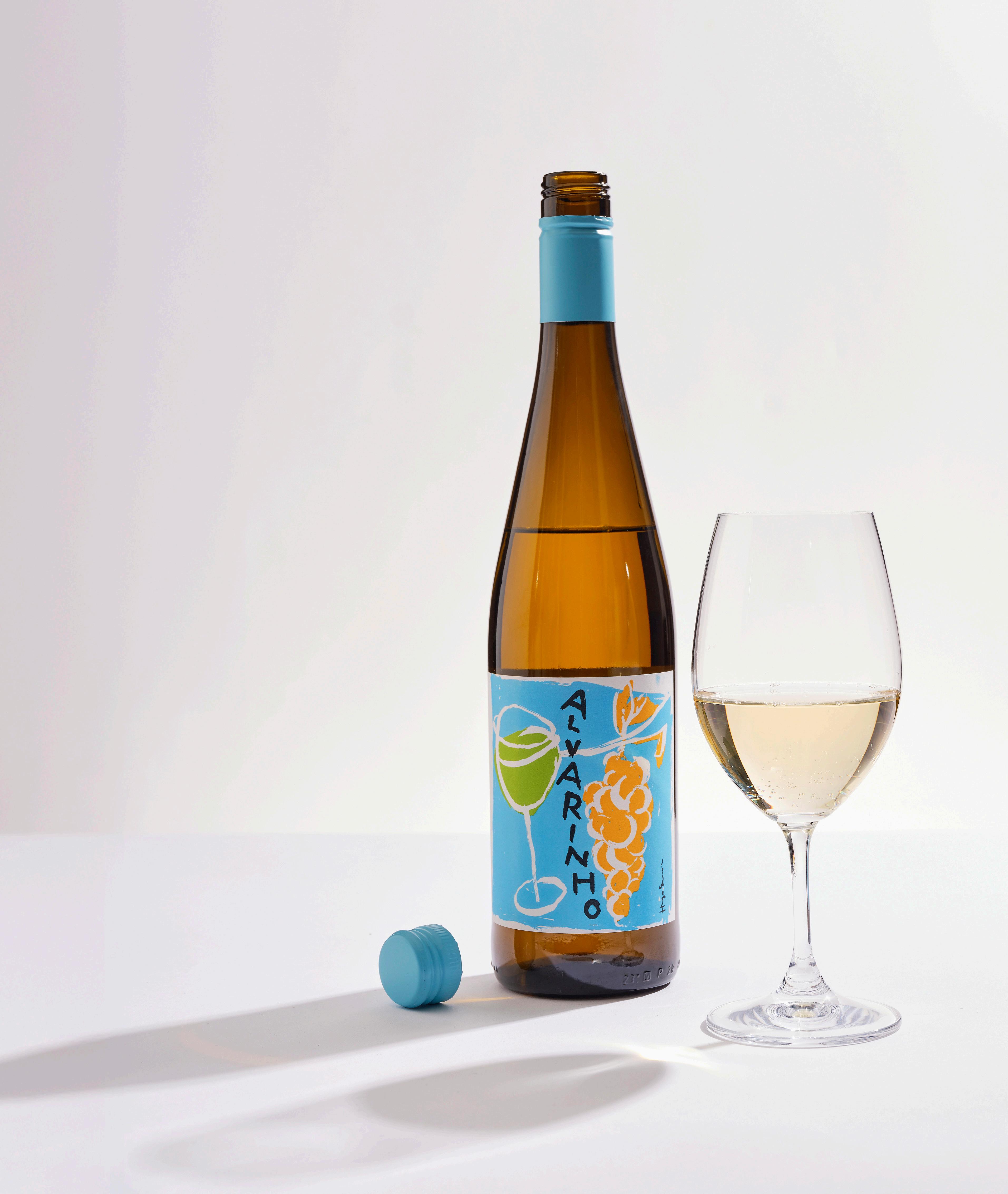
Signerat en av Portugals mest hyllade producenter*
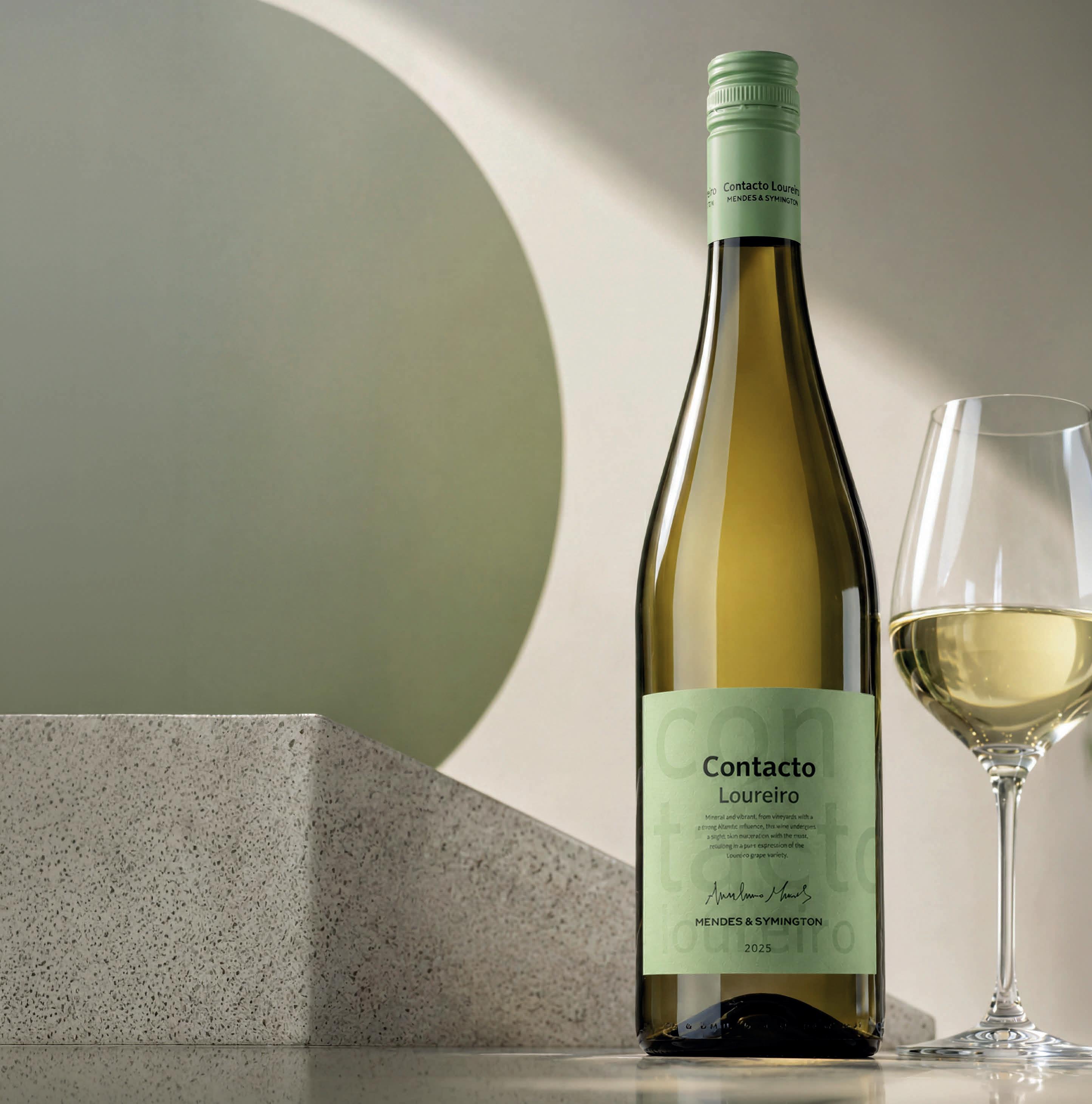

“Perfekt till sommarens sallader & lätta rätter med skaldjur” – Elle Mat & Vin
Betyg 5 av 5 – Dagens Nyheter
“Strålande bra för pengarna” – Vinbanken
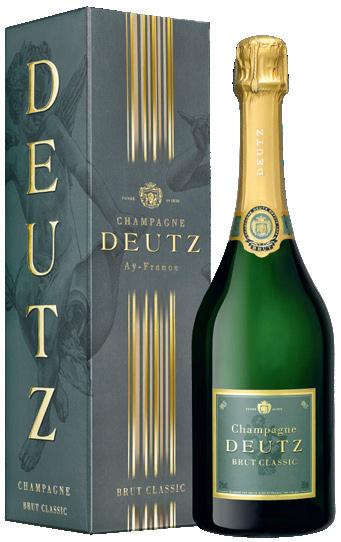
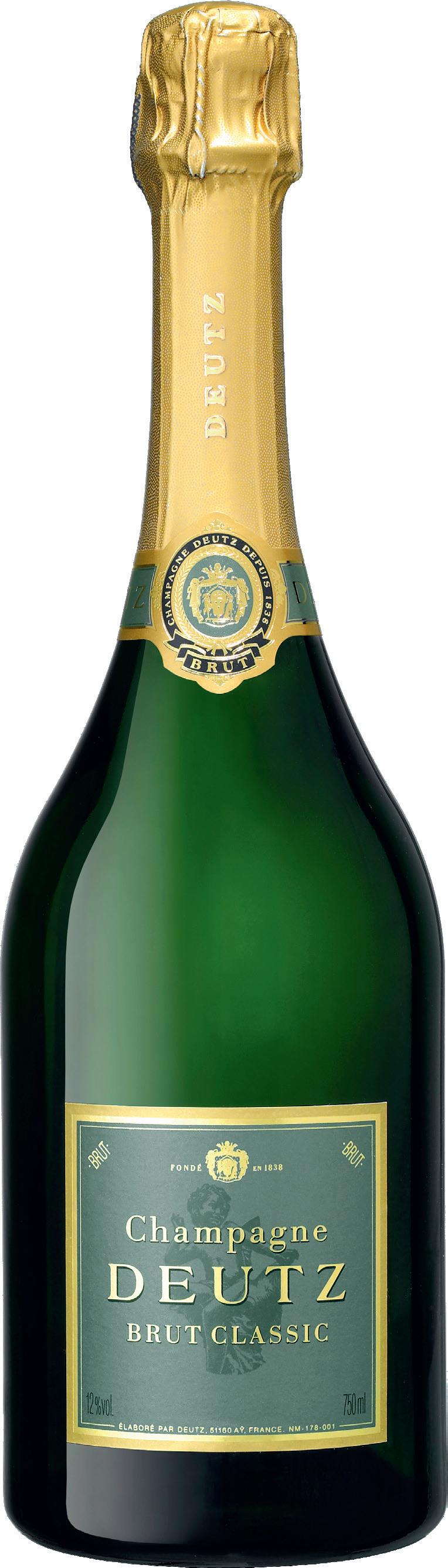
Alla Deutz champagner tappas sedan 2005 på den s.k. William-f askan, som alltsedan 1 961 an vänts till prestigecuvéerna Cuvée William Deutz och Amour de Deutz. Flas kans särprä glade f orm har häm tat i ationspir n frå n 1800-talets champagnefaskor, medm juka kurvor, ge nerö s ooppkr ch s mal, graciös hals. D en sm ala h alsen är inte bar a ögonfägnad utan redu cerar även intageta v syre vid disg orge me nt (processen då man skjuter ut jästfällningen) och förbättrar då vinets lagringspotential.
A Word from the Editor-in-Chief
TV chefs and gastronomic dreams are all well and good – but who really wants to live the reality of restaurant life? A humorous and insightful reflection on passion, working conditions and the true master chefs behind the kitchen doors.
Column by Henrik Scander
Does wine really need air, or are we the ones who need the ritual? Henrik Scander explores the fascinating intersection of decanting, where research, psychology, sommelier craft and pleasure meet.
Column by Björnstierne Antonsson
Why are we drawn to the exclusive, the rare and the precious?
The Champagne Sommelier dissects the allure of luxury with humour, insight and a healthy dose of self-awareness.
Moulin Touchais 2004 vs 1976
Two vintages of one of the wine world’s great eccentrics are set against one another. A journey through time, the magic of ageing, and a wine that continues to defy all expectations.
The Zürich Tasting
Fifty years after the legendary Paris Tasting, sommeliers and wine critics gather in Zurich to once again pit the great wines of the Old World against those of the New.
Anteprime Toscane 2026 From Florence to Valdarno, Livets Goda reports from Tuscany’s most important wine week, bringing you the latest vintages, emerging trends and future ambitions from the region’s leading producers.
Duval-Leroy ‘Femme de Champagne’ 2008 vs 1996
A vertical journey through two vintages of one of Champagne’s most underrated prestige cuvées, where elegance, ageing potential and personality take centre stage.
Top-10 Champagnes 14ème edition
This year’s edition of our prestigious Champagne ranking brings together some of the world’s most impressive sparkling wines in a list designed for connoisseurs and collectors alike.
Julien Henin tar Aÿ med storm In the Grand Cru village of Aÿ, we meet one of Champagne’s most exciting young growers, where family heritage, organic viticulture and craftsmanship converge in the hands of the next generation.
When the Earth Speaks and We Listen to Nature’s Own Rhythm
Jean-Baptiste Lécaillon discusses climate change, biodynamics, terroir and the future of Champagne in a thought-provoking conversation about the role of nature in shaping the soul of wine.
Lismore – The Pioneer of Greyton Samantha O’Keefe’s journey from student to wine icon is a story of courage, determination and the creation of one of South Africa’s most distinctive wine estates.
Anders Enquist
Erik Dahlström
Christoffer Enquist
Contributors – see last page.
Louis Roederer
EDITOR-IN-CHIEF anders.enquist@livetsgoda.se
CREATIVE DIRECTOR & DESIGN
Erik Dahlström erik.dahlstrom@livetsgoda.se
AD SALES christoffer.enquist@livetsgoda.se
Summer’s Wines Come from South Africa
Five selected summer favourites from South Africa.
Kistler Vineyards Vintage 2023
When terroir is allowed to speak without distracting background noise, magic happens. We taste the new vintage together with Jason Kesner.
Staglin – Family, Sustainability and the Pursuit of Balance
In the very top tier of Napa Valley, we find a producer where family, sustainability and long-term thinking are every bit as important as prestige.
“This Is the Greatest Crisis the Wine World Has Experienced in Our Lifetime”
Ted Lemon of Littorai shares his perspective on the sweeping changes currently shaking the wine world.
From Fiji (via Australia), with Love
A tropical paradise island turns out to conceal one of the world’s most impressive wine cellars.
Domaine Grosbois – Chinon’s Soulful Heartbeat
Cabernet franc, biodynamics, animal husbandry and living agriculture form the foundation of one of the Loire Valley’s most fascinating wine projects.
Thierry Germain – Domaine des Roches Neuves
A visit to the master of biodynamics in Saumur, where uncompromising quality and a profound respect for nature shape some of the Loire Valley’s most acclaimed wines.
Michel Gahier: The Master of Montigny-lès-Arsures
One of the Jura’s most respected winemakers continues to craft distinctive, terroir-driven wines far from the spotlight..
A Touch of Brazil Earned the First Michelin Star
Angelica Salvador makes history as the first Brazilian woman with a Michelin star in Portugal – a story of courage, determination and passion.
New Flavours – from Rock to Plate
Along the Atlantic coast, Gil Fernandes explores the ocean’s green larder and shows how the gastronomy of the future may begin among algae and seaweed.
Tesseron Cognac – Cognac’s Answer to Domaine de la Romanée-Conti
A family name that long remained hidden behind the major houses. Today, Tesseron stands as one of the most respected producers in the world of Cognac.
Music: The World’s Greatest Debut Albums
Which are the greatest debut albums of all time? Here are Livets Goda’s picks.
DELIVERY ADDRESS Vikdalsvägen 50, Nacka Strand
MAILING ADDRESS
Box 4152, 131 04 Nacka
SUPPPORT support@livetsgoda.se
Multiply Solutions
SCORING SCALE
97-100
Highest recommendation, monumental. 92-96
Very strong recommendation. A truly excellent beverage. 87-91
Strong recommendation. A good, high-quality beverage.
82-86
Acceptable, but no more.


www.provinum.se
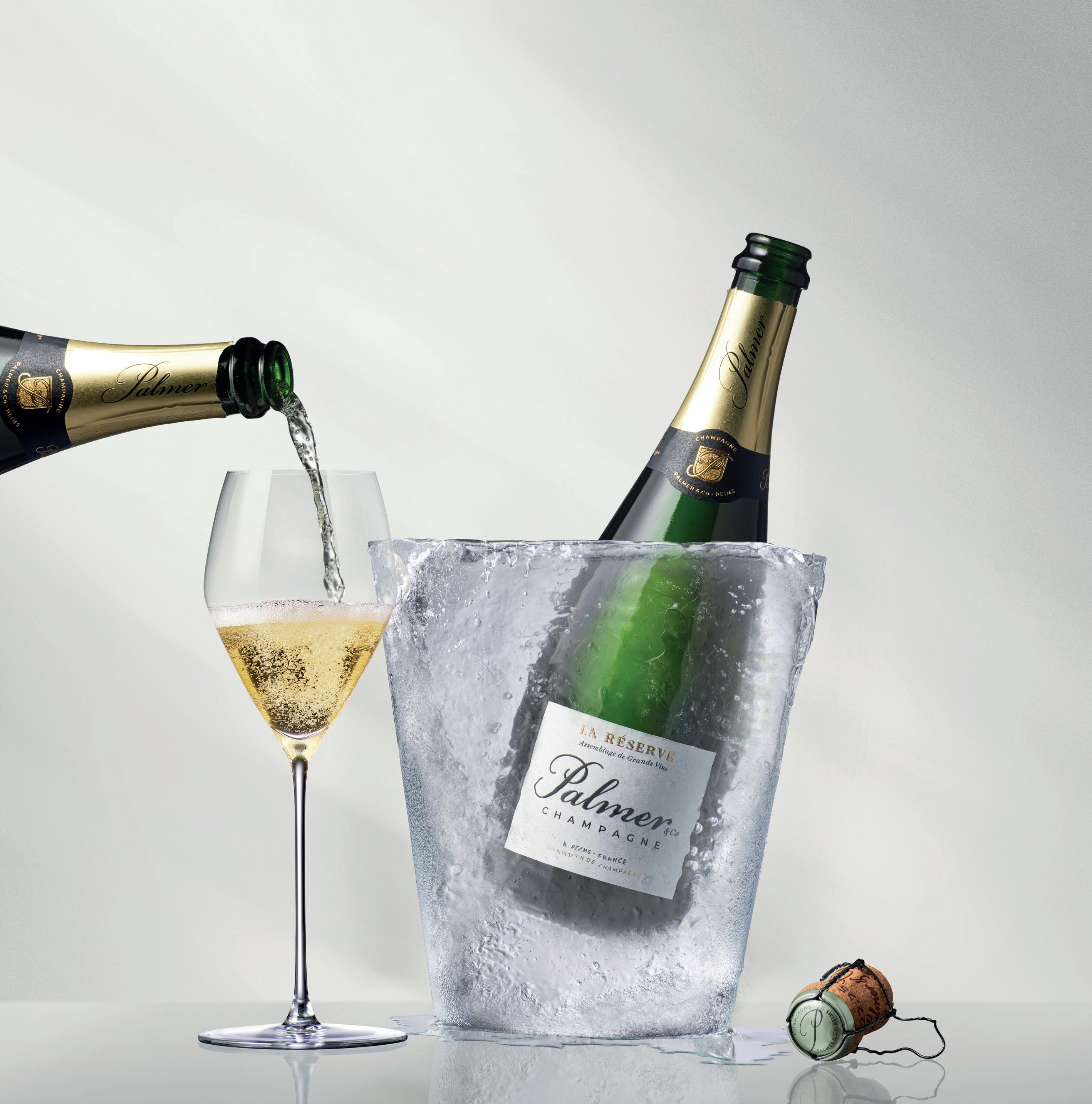
År 1947 gick sju odlare samman för att skapa en fantastisk champagne. Gemensamt för odlarna var deras prisade
Premier Cru- och Grand Cru-vingårdar och en vision att skapa en tidlös, naturlig och elegant champagne känd för sin balans och harmoni.
Med en dominans av Chardonnay, en stor del reservvin och en längre tid på jästfällningen än vad reglerna kräver definierar dessa egenskaper fortfarande Palmers & Co’s stil.
Tidlösa, naturligt eleganta champagner i perfekt balans.*
*Madeleine Stenwreth, Master of Wine
Dina Viner 2024
Palmer gör mig lycklig. En fantastisk bra champagne! Doft och smak av höst, gula äpplen och kärlek med hög syra och vacker mousse. Tack för en kvalitetsprodukt till ett bra pris.
Nordström
TV4’s Sveriges Mästerkock (Sweden’s version of the MasterChef television format) has once again reached its finale, and yet another generation of culinary creatives has been born before our very eyes.
Over the course of a few months, we’ve watched enthusiastic home cooks transform into people who suddenly find themselves saying things like:
“I really wanted to let the ingredients speak for themselves.”
“This is my interpretation of childhood on a plate.”
“I’ve worked extensively with textures in this dish.”
And, to be fair, isn’t that wonderful?
The only problem is that reality has a habit of turning up wearing an apron—and carrying a work schedule that looks as though it was designed by someone with an active dislike of humanity.
Because while the dream is often about creating culinary masterpieces, receiving standing ovations and perhaps publishing a cookbook featuring a thoughtful black-and-white portrait of yourself standing next to a celeriac, the profession of being a chef is often considerably less Instagram-friendly.
Like starting work just as the rest of Sweden, or the world, is uncorking the Friday evening wine. You know—that magical moment when ordinary people shift from the working week into the weekend.
Or, perhaps a little less politically correct, you could put it like this: Starting work just as the rest of Sweden, or the world, uncorks the evening wine. That magical moment when ordinary people swap the working day for an evening off.
Either way, for a chef, that’s simply the starting gun for the week’s toughest endurance event.
It’s also fascinating how many people dream about restaurant life and becoming a master chef, yet remarkably few actually dream of working as a chef in a restaurant.
Cooking a magnificent fillet of cod for four friends on a Saturday evening, after two glasses of wine and a carefully curated playlist, is one thing.
Delivering flawless dishes throughout a packed dinner service where three guests are gluten intolerant, two are vegan, one only eats white meat, two have severe stone-fruit and shellfish allergies, one wants the steak medium rare—but absolutely not red—and someone at table fourteen sends the potatoes back because they feel “emotionally overcooked”… that’s something else entirely.
On television we see creativity, passion and triumph. Four hours to create a single dish while dramatic music builds suspense over whether there might be just a touch too much lemon zest.
In reality, the true masterclass lies in producing around eighty flawless plates over those same four hours—making sure plate number eighty is every bit as good as plate number one.
Meanwhile, the kitchen and front-of-house team must move with Swiss precision, without a single guest suspecting that five minor disasters and one existential crisis have just unfolded behind the kitchen door.
Even so, we should be grateful for programmes like this. They inspire an interest in food, ignite passion and encourage curiosity. They introduce people to new ingredients, new techniques and ever more inventive ways of using browned butter. A great deal of browned butter. And ponzu. And fermentation. Preferably all at once.
Yet every season leaves me with exactly the same thought. We seem remarkably good at nurturing future culinary creatives, wine prophets, fermentation enthusiasts, natural wine philosophers and gastronomic visionaries.
Curiously, though, very few contestants leave the final saying: “You know what? My greatest ambition is actually to work in a professional kitchen six days a week, every other weekend, miss half the family celebrations, eat dinner standing up at 10:45 p.m., and finish the evening with someone asking whether the kitchen could possibly make a crème brûlée—even though service ended forty minutes ago.”
Perhaps that’s precisely why the restaurant industry continues to cry out for chefs while television remains full of people who simply love food.
Everyone wants to become the next great culinary personality. Everyone wants to create the next signature dish. Everyone wants to make the judges weep over a perfectly executed emulsion.
But someone still has to stand there on a rainy Saturday evening in November, cooking countless dishes for guests who each have their own interpretation of what medium rare actually means, while someone else wonders whether the fillet of beef could perhaps be made vegan.
And it is precisely there - far from the cameras and social media - that the real master chefs are still standing.
Have a wonderful rest of the summer!
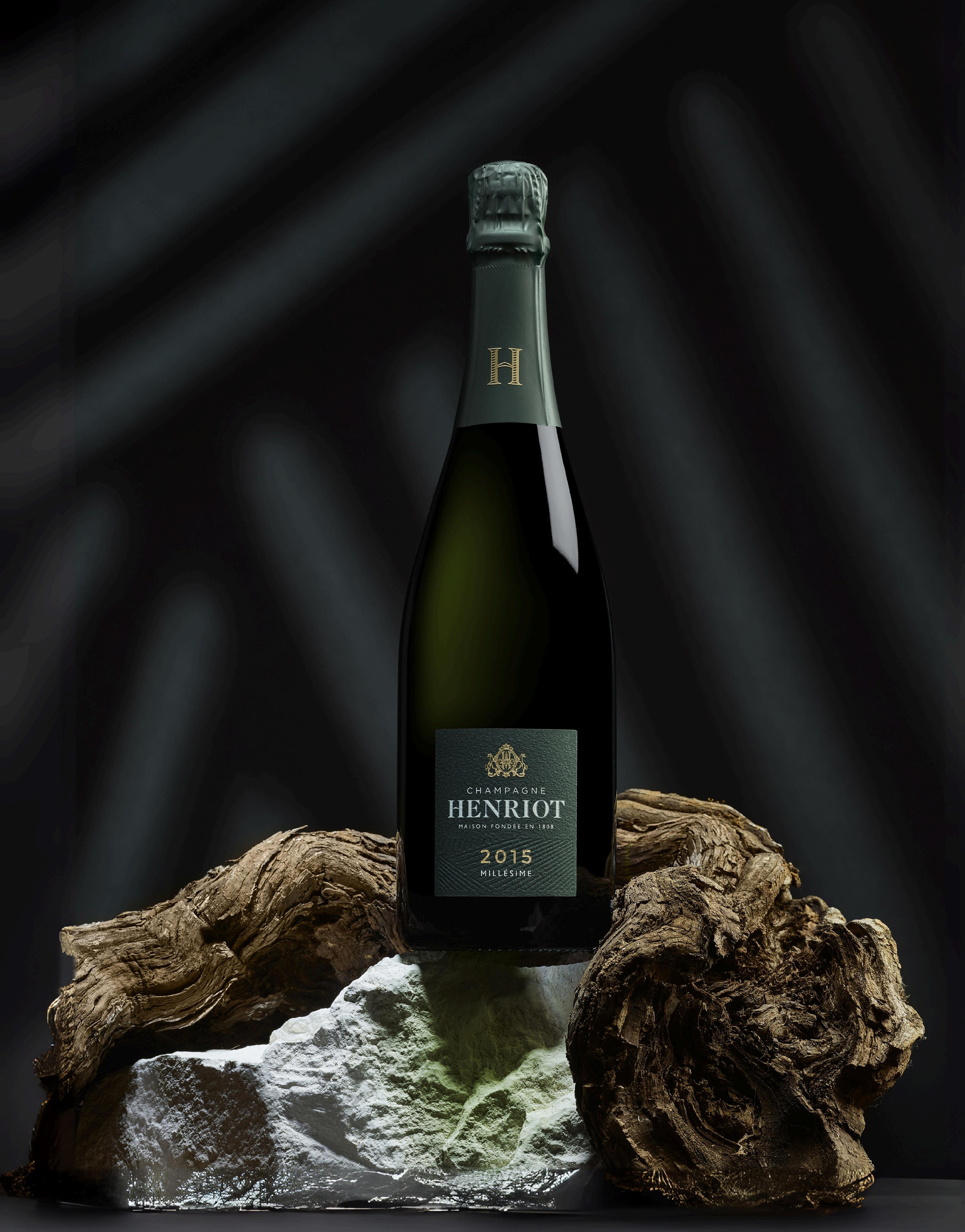
Denna årgång, som är resultatet av en intensiv sommar, konstant ljus och begränsade skördar, har en karismatisk och elegant profil
Den är tillverkad uteslutande av 100 % Premier- och Grand Cru-druvor och uttrycker den rena essensen av 2015 års skörd, med en balans mellan styrka och friskhet, mineralitet och elegans
En champagne som formats av tiden själv och en av Maison Henriots finaste tolkningar av naturen


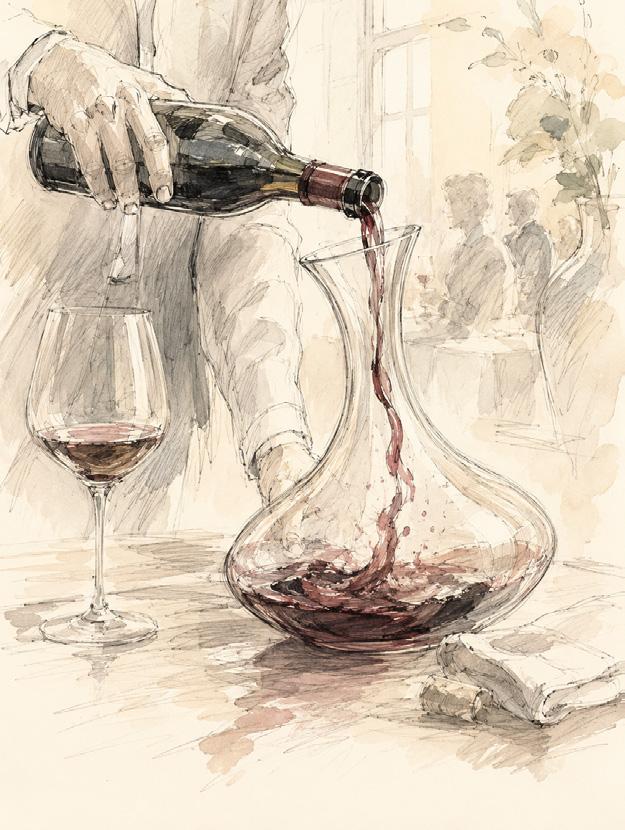
Few practices in the world of wine are surrounded by quite the same sense of certainty as decanting. A wine should “get some air”. It should “open up”. It should become softer, rounder and more expressive. Particularly when it comes to young, tightly structured and tannic red wines, this is almost treated as an article of faith. The decanter becomes more than a vessel; it becomes a promise that the wine is about to become better. But what if the question is rather more complicated than that?
In my own research, together with colleagues, I have examined decanting from several different perspectives: chemically, sensorially and as part of the sommelier’s craft. The more I have worked on the subject, the less interesting it has become simply to ask whether decanting “works” or not. Because what do we actually mean when we say that it works? That the wine changes chemically? That people genuinely perceive a difference in the glass? Or that the overall experience of the wine becomes richer?
These are by no means the same thing. In one study on the aeration of red wine, we were able to demonstrate that the level of dissolved oxygen does indeed increase when a wine is aerated. So, something is undeniably happening at a chemical level. At the same time, we observed only very limited changes in parameters such as pH, alcohol content and volatile aroma compounds. When consumers took part in blind tastings and attempted to distinguish an aerated wine from one that had not been aerated, they were unable to do so reliably.
Another effect did, however, emerge. When participants could see that the wine had been poured through a decanter, they perceived it as being more exclusive and more valuable. The very same wine therefore gained in perceived prestige, despite the fact that people could not confidently identify any distinct sensory difference. There are, of course, sound chemical reasons why decanting has long been considered beneficial. Oxygen
plays a central role in the evolution of wine, not least through oxidation and the polymerisation of phenolic compounds, processes by which tannins may gradually become softer over time. Similar mechanisms are exploited during barrel ageing and through the use of micro-oxygenation in modern winemaking.
The difficulty is that these processes normally unfold over months or even years—not over the course of a few minutes before serving.
In another study, we turned our attention to a wine for which decanting is often regarded as almost obligatory: Barolo. We investigated what happens when the wine is decanted for twenty-four hours. Once again, we were able to monitor how oxygen levels evolved over time following opening and decanting.
However, we observed only marginal changes in phenolic composition, volatile aroma compounds and alcohol content—changes that, although measurable using analytical techniques such as mass spectrometry, did not appear to translate into any clearly perceptible sensory differences.
When both consumers and wine professionals subsequently tasted the wines, the differences proved difficult to identify, and prolonged decanting did not improve overall preference either.
If anything, a slight tendency in the opposite direction began to emerge.
to be just a little provocative. Does wine always need air—or do we sometimes need the ritual itself?
I believe that question is more important than it first appears. Because in the world of restaurants, decanting is never merely a technical procedure. It is also a language. A gesture. A choreography of movement, glances, pauses and precision. The decanter does not simply transform the wine; it transforms the occasion. It directs attention towards the bottle, the moment and what is about to be served. It tells the guest that this wine deserves time, care and presence.
In another research project, conducted together with a colleague, we explored decanting as an aesthetic practice, focusing on the act of service itself rather than solely on the liquid in the glass. It became clear that the sommelier does not merely handle wine, but also rhythm, atmosphere and trust. How the bottle is held, how the pace is controlled, when silence is allowed to speak, how the gaze moves between guest and decanter—all of these form part of the professional performance.
This is not empty theatre. It is expertise in which technical precision and performative sensitivity come together. And this is precisely why I believe the work of the sommelier deserves to be taken more seriously than it sometimes is. Too often, sommellerie is discussed as though the profession were simply about memorising vintages, grape varieties and wine regions.
But the truly skilled sommelier does something far more sophisticated.
The sommelier reads situations, senses the guest’s rhythm, understands when a wine deserves greater ceremony and when a more understated gesture is entirely appropriate. In that sense, the sommelier decants not only the wine, but also the experience. Perhaps even expectation itself.
None of this means that everything is placebo or that chemistry is unimportant. Naturally, certain wines benefit from aeration, and naturally oxygen can influence the evolution of wine. Yet the research suggests that the relationship between what happens within the wine and what we actually experience is far less straightforward than many wine myths would have us believe.
Between the molecule and pleasure stands the human being: our senses, our expectations, our cultural codes. What is measurable is not always perceptible.
And that is precisely why decanting remains so fascinating.
It exists at the intersection of science, ritual and pleasure.It is simultaneously a material intervention and a cultural act. It may be practically justified, yet it is also symbolically charged. It may help the wine—but it may equally help us to slow down, to focus and to take the wine more seriously.
Perhaps that is why the decanter still possesses such enduring power. Not because it always miraculously transforms its contents, but because it opens something far greater than the bottle itself.
It opens our attention. It opens the room. It opens the encounter between wine and human being.
And perhaps that is where the most interesting question ultimately lies: not simply when the wine opens up, but when we do.
Micro-oxygenation
A winemaking technique in which very small amounts of oxygen are introduced to the wine during maturation. It mimics the slow oxygen transfer that occurs through oak barrels and can help the wine develop a softer, more harmonious structure over time.
Phenolic Compounds
Naturally occurring substances in wine, including tannins and colour pigments. They influence the wine’s structure, colour and astringency, and play a central role in how a wine feels on the palate.
Dissolved Oxygen
The amount of oxygen dissolved in the wine. When a wine is aerated or decanted, the concentration of dissolved oxygen increases, potentially initiating chemical reactions that are not always perceptible in the wine’s flavour or aroma.
Polymerisation
A process in which smaller molecules, such as tannins, bond together to form larger molecular structures. As this occurs, the wine may be perceived as softer and less astringent.
Mass Spectrometry
An advanced analytical technique used to identify and quantify chemical compounds in wine, including aroma molecules and phenolic components. It provides highly detailed information about the wine’s composition, even when the observed changes are too subtle to be detected by human sensory perception.
About Henrik Scander
Henrik Scander is Senior Lecturer in Culinary Arts and Meal Science at the School of Hospitality, Culinary Arts and Meal Science, Örebro University, Campus Grythyttan. He is an educator and researcher specialising in sommellerie, sensory science, aesthetic meal experiences, and food and wine pairing.
His research explores how taste is shaped, communicated and understood as both a cultural and an aesthetic practice, with particular emphasis on the sommelier’s role as an interpreter and communicator of flavour.
Henrik has a professional background as a practising sommelier in both Sweden and France. He joined the Swedish Sommelier Association in 2007 and has spent many years teaching wine studies, gastronomy and meal culture. His teaching and research unite theory and practice, with the ambition of highlighting sommellerie as a highly skilled profession in which craftsmanship, embodied knowledge and cultural understanding converge.

Dal 1761
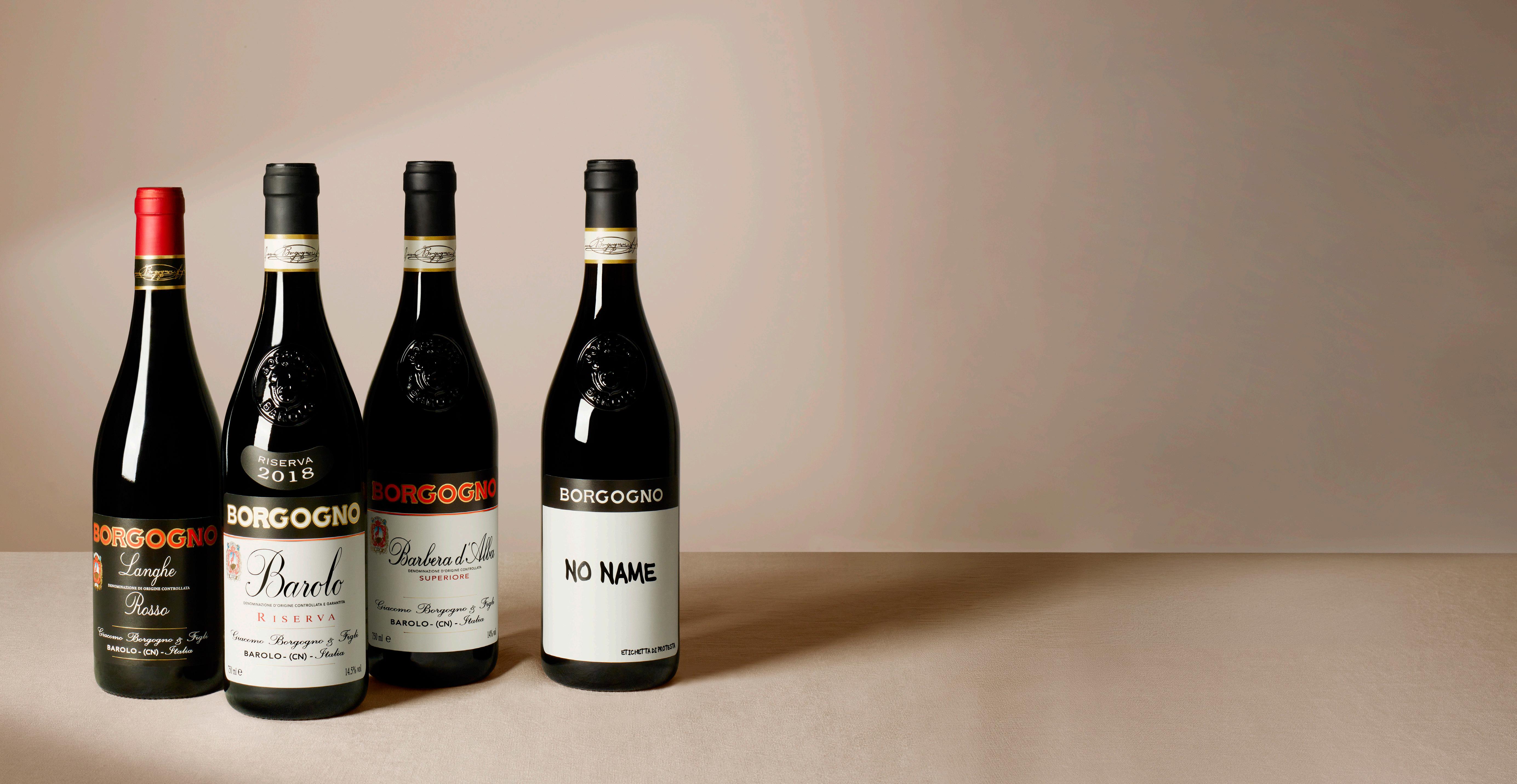
BORGOGNO LANGHE ROSSO 2023 |
BORGOGNO
BORGOGNO
RIGHT THEN, here comes a sociological analysis of the psychology behind luxury consumption, filtered through the slightly sceptical yet hopelessly fascinated gaze of The Champagne Sommelier. It is rather like asking a fox to analyse the security system of a henhouse – there is an inherent conflict of interest, but also the potential for uniquely revealing insights. Let us descend into the shadowy, glittering depths of the human soul and its desire for the unnecessarily expensive.
So, we have dissected the sturgeon, sampled its salt-sprinkled offspring, and washed the whole affair down with sparkling nectar from Champagne’s sacred vineyards. We have spoken of history, geography, biology and even chemistry (that mother-of-pearl spoon, remember?). But we have avoided – or perhaps merely elegantly sidestepped – the real elephant in the room, sitting there in its Hermès scarf, discreetly sipping a glass of Krug Clos du Mesnil: why?
Why this almost manic fixation on the extravagant, the rare, the eye-wateringly expensive? Is it really just about taste?
Let us be honest with ourselves, if only for a fleeting moment, before returning to our comfortable illusions. If caviar were merely about the sensory experience of salt and texture, we could happily settle for a tin of well-made vendace roe or perhaps even, heaven forbid, those seaweed pearls (provided we underwent a frontal
lobotomy at the same time...). If Champagne were simply about alcoholic bubbles, then a decent Prosecco or a cheerful Cava would suffice perfectly well for most occasions. But it does not, does it? There is something more, something deeper and considerably more complex that draws us towards these altars of luxury.
Sociologists and economists with far too much time and rather too little real-life experience have coined elegant terms for this phenomenon. The old NorwegianAmerican Thorstein Veblen, a man who looked as though he himself survived on bark bread and sour water, spoke of “conspicuous consumption”. His argument, in all its bleak simplicity, was that we buy expensive things not despite their price, but precisely because of it. The price itself becomes a signal, a means of demonstrating wealth and status to a world that, whether we care to admit it or not, is constantly judging and ranking us. The caviar on the table, the Champagne in the glass, are not merely food and drink; they are feathers in the social peacock’s tail, spread wide to impress, to inspire envy, to establish our place in the hierarchy.
It is, in a sense, an economic courtship ritual. By displaying our ability to squander resources, we signal strength and success in evolutionary terms. “Look at me,” whispers the expensive watch, the exclusive handbag, the generous spoonful of Beluga. “I can afford to burn money on something entirely unnecessary. Therefore, I matter more than you.” A rather depressing, yet probably accurate, portrait of human nature. And it is not only about impressing others. It is also

about belonging, or at least feeling that we belong, to a select circle. Luxury goods function as membership cards to invisible clubs. When you order a bottle of Selosse Lieux-Dits Les Carelles in a fashionable restaurant, you are not merely buying a drink; you are purchasing a ticket into a particular social sphere, proof that you “understand the code”, that you are one of them. This is aspirational consumption at its purest – we consume what we wish to become, hoping that somehow, almost magically, it will transform us into precisely that. The young, ambitious stockbroker who spends half his bonus on a Patek Philippe does not do so because he requires extraordinary precision in telling the time; he does it because he wants to signal that he has “arrived”, that he now plays in the same league as the older, more established players.
Then there is the psychology of scarcity. Human beings are curious creatures; we tend to desire precisely what we cannot have, or what is difficult to obtain. The rarer something becomes, the more highly we value it, regardless of its actual usefulness or capacity to delight. Wild Caspian caviar, now almost impossible to obtain legally, has acquired an almost mythical status largely because of its scarcity. A limited vintage Champagne from a cult producer, released in only a few hundred bottles, becomes the object of a frenzied pursuit among collectors and enthusiasts. Would we desire it quite so passionately if it sat on every supermarket shelf? Probably not. It is the
chase, the exclusivity, the knowledge that one possesses something few others can, that forms much of the attraction. This is the snob effect – the desire to distinguish oneself from the crowd through unique patterns of consumption.
“But surely,” protests the romantic aesthete, “is it not also about a genuine appreciation of quality, craftsmanship and beauty?” Yes, absolutely. It would be cynical to deny that many luxury goods, particularly in gastronomy, are genuinely superior, more refined and ultimately more pleasurable than their cheaper counterparts. A handcrafted Champagne from a skilled grower, where every grape has been selected with care and the wine has matured for years to develop complexity, is an entirely different experience from an industrially produced, mass-market Cava. A superb fresh Oscietra caviar, with its perfectly balanced flavours and delicate texture, is something altogether different from those tasteless seaweed pearls.
This is where the concept of authenticity enters the picture. In a world becoming increasingly standardised, mass-produced and virtual, there is a longing for the genuine, the original, something that carries history and tradition within it. Buying a bottle from a venerable Champagne house that has existed for centuries,
or enjoying an ingredient treasured by royalty and connoisseurs for generations, becomes a way of connecting with that history, of feeling part of something larger. It is a search for the authentic, for that which is neither imitation nor copy. The problem, of course, is that authenticity itself has become a commodity, a marketing strategy. Many luxury brands are masters at spinning stories, creating an aura of craftsmanship and exclusivity even when the product itself does not entirely live up to the image being projected. Distinguishing the genuine article from the skilfully packaged illusion is an art in itself, requiring both knowledge and a healthy dose of scepticism.
And let us not forget the inner dialogue, the reward system within our own minds. Indulging in luxury can be a way of celebrating success, comforting ourselves in difficult times, or simply giving ourselves a pat on the back for surviving yet another week on life’s relentless hamster wheel. “Because I’m worth it” remains an extraordinarily powerful driving force – an internalised version of L’Oréal’s famous slogan. That small spoonful of caviar, that single glass of Champagne, becomes a symbol of self-care, a moment of personal pleasure that transcends the purely material. It is a pause from everyday life, an escape into a world of beauty and refinement, if only for a brief moment. And who could really blame us for that? In a world that often feels harsh and unforgiving, these small moments of selfchosen luxury may well represent an important survival strategy.
Yet there is, naturally, a darker side to this pursuit of luxury. When the desire for status and material possessions becomes an obsession, when it defines our entire identity and our relationships, then something has gone badly wrong. Luxury ceases to be a source of joy and instead becomes a prison of constant comparison, inadequacy and an endless search for the next fix that never truly satisfies. There is all the difference in the world between enjoying a fine glass of Champagne and feeling compelled to display the most expensive bottle simply to feel worthwhile. Like so much else in life, it is a delicate balancing act. Sociologist Zygmunt Bauman spoke of “liquid modernity”, where identities are fluid and must constantly be recreated through consumption. In such a world, luxury goods can become desperate attempts to establish stability and self-worth – but foundations such as these erode remarkably quickly. It is also worth considering how much of the pleasure
we believe we experience is actually conditioned by price and expectation. Numerous blind tastings have demonstrated that even experts can struggle to distinguish expensive wines from more affordable alternatives, and may even prefer the cheaper ones when they have no idea what is in the glass. The placebo effect is remarkably powerful within luxury consumption. If we expect something to be extraordinary simply because it is expensive and exclusive, there is every chance we will experience it as extraordinary. The human brain is exceptionally talented at rationalising our choices and confirming our own preconceptions.
So, where does this leave us – you and me, dear readers, who have patiently accompanied me on this little excursion? Perhaps with the realisation that our relationship with luxury is an intricate tapestry woven from social codes, psychological impulses, genuine appreciation and no small measure of self-deception. To some extent, we are all prisoners within this glittering prison, although some of us enjoy considerably more spacious cells than others.
Enjoying caviar and Champagne is not, in itself, a sign of shallowness or moral decline. It may instead reflect a passion for quality, a love of craftsmanship, a desire to share something beautiful with people we care about. Yet it never hurts to pause from time to time and reflect on why we make the choices we do, what signals we send to others, and whether the pleasure we seek is genuine or merely an illusion created by clever marketing and our deeply rooted desire both to belong and to stand apart –simultaneously.
Perhaps true luxury is not the ability to afford the most expensive things, but the freedom to choose them –or reject them – entirely on one’s own terms, without being governed by the expectations of others or by a compulsive need to impress. To savour a simple glass of Champagne with the same sincerity as a great vintage of Salon, or to derive just as much pleasure from a perfectly ripe tomato from one’s own garden as from a spoonful of Beluga caviar. Few of us may ever reach that level of enlightened consumption, yet it can still serve as a guiding light in the frequently confusing and irresistibly seductive world of luxury.
And with that said, perhaps it is time to top up our glasses once more. After all, even a self-aware participant in this sociological game is perfectly entitled to appreciate the taste of beautifully crafted Champagne.
It would be a pity otherwise.
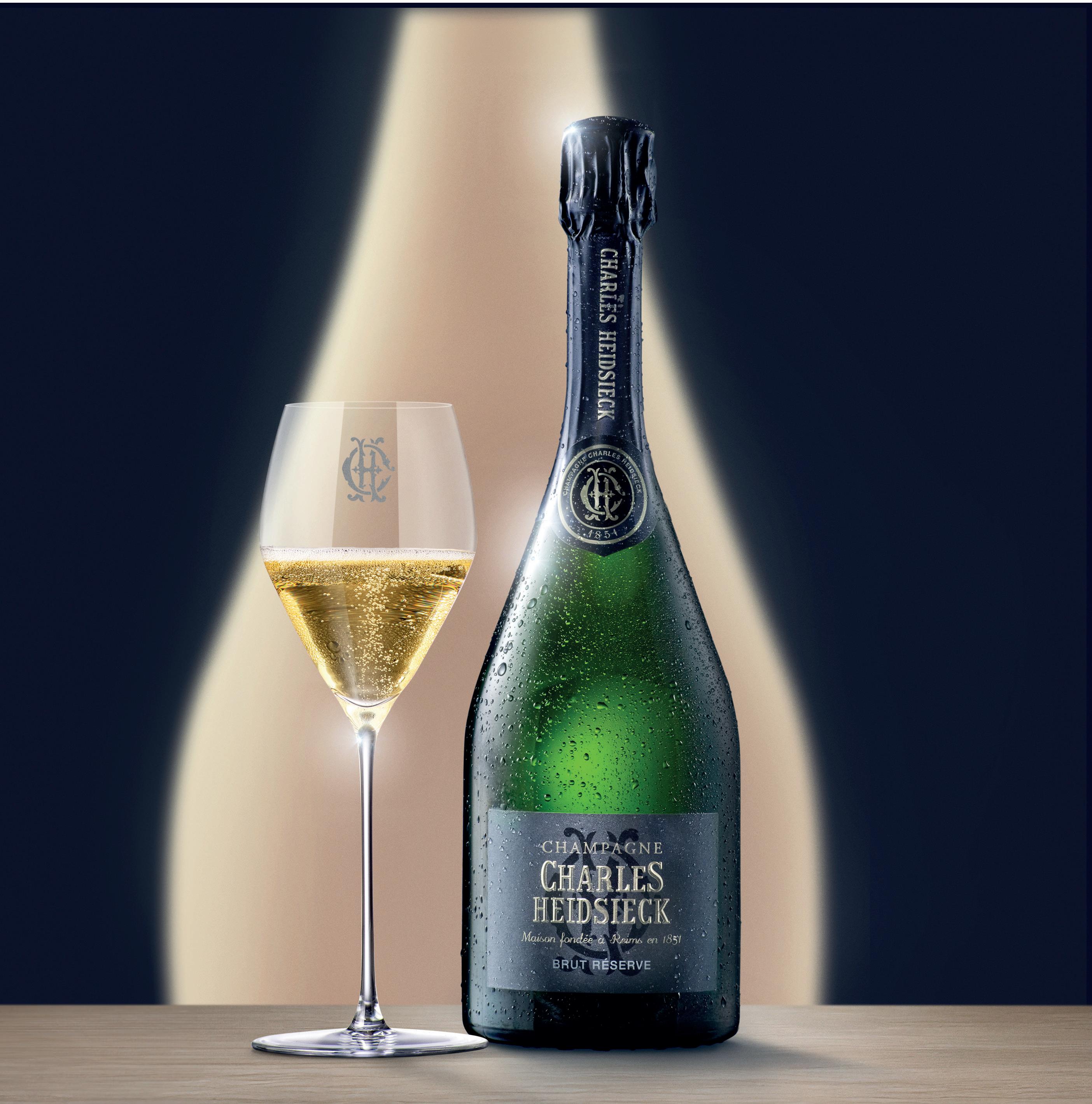
sveriges bästa champagne för femte året i rad!
Upptäck Charles Heidsiecks unika identitet. Genom minutiös vinmakning, 20 år gamla reservviner och lång lagring i Charles historiska kalkkällare är Brut Réserve inte bara en champagne, utan en exceptionell smakupplevelse. Med sin elegans, textur och oemotståndliga krämighet har den en fantastisk gastronomisk bredd.


www.provinum.se
There are wines, and then there are iconic wines. Early in my career, I became fascinated by the sweeter end of the wine spectrum. Partly because these wines possess an extraordinary ability to bring a unique sense of comfort and contentment to my soul, and partly because of their remarkable capacity to age in ways that many other wines simply do not. One of the most renowned wines in this category – and one that somehow seems to exist outside the framework of other wines in a similar style – is Moulin Touchais.
BY MAJA BERTHAS
THIS HISTORIC AND BEAUTIFUL ESTATE was established as early as 1787 in Anjou, at the heart of the Loire Valley. For centuries, wines have been crafted here using traditional methods, and the pursuit of refining the character of sweet wine has always been Moulin Touchais’ greatest driving force. Here, the grapes, the soil and the vintage speak clearly, and these wines possess an almost immortal character.
The magic of Moulin Touchais lies both in its unique terroir and in the estate’s determination to cellar the wines for a minimum of ten years before releasing them to the market. In the heart of Coteaux du Layon, high-quality chenin blanc is grown in vineyards with soils composed of clay and limestone. The area’s distinctive microclimate, characterised by mist-covered mornings and long, warm autumns, encourages the development of Botrytis cinerea, which gives the wines their singular character. During harvest, the work is highly selective, with multiple passes through the vineyards to optimise the different qualities of the grapes – seeking youthful freshness, finely tuned fruit and those golden, fully ripe berries that provide depth and concentration. Balance is everything.
VERY LITTLE HAS ACTUALLY CHANGED at Moulin Touchais over the years. Naturally, some of the winery equipment has been updated. Investments have been made in state-of-the-art presses that perhaps handle the harvested fruit even more gently, but when it comes to ageing, the traditional concrete vats remain in use, entirely untouched by stainless steel tanks or oak barrels. In the vineyards, the grapes are still tended with the same artisanal care as before, though over time various initiatives have been implemented with a greater focus on sustainability and environmentally conscious farming.
Asked whether there has been a noticeable change in the climate over the past fifty years, the answer comes without hesitation.
“It is no longer nearly as common to experience truly cool vintages. On the contrary, sunny and generous years have become increasingly frequent. This also means that harvest now takes place much earlier,” says Frederik Wilbrenninck, Export Director at Moulin Touchais.
It was with great reverence that I sat down to open two magical bottles of this world-famous wine – separated by almost thirty years of age.
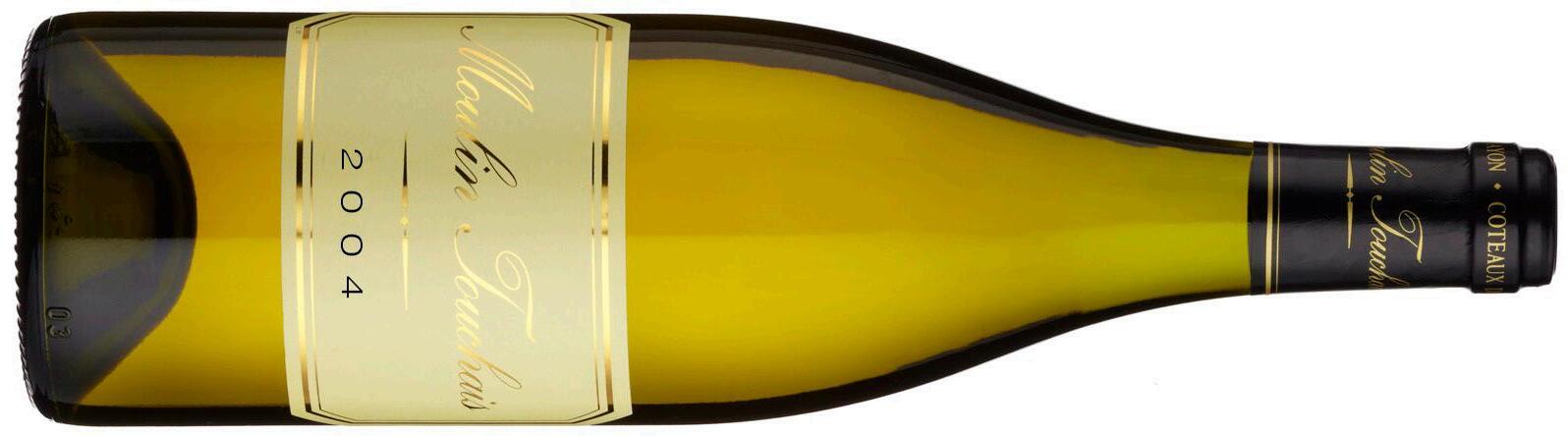
MOULIN TOUCHAIS 2004
FRANCE, NO. 419601, SEK 399
We begin with the youngster. Well, youngster may not be entirely accurate – we are still talking about a wine that is more than twenty years old. The colour is bright and brilliant, a clear green-gold hue that almost sparkles in the glass. The wine is indescribably fresh and vibrant, displaying an almost jovial character of intense yellow fruits. Here, one finds ripe yellow plums, beautiful apricots, citrus, marzipan and an intense touch of saffron, accompanied by freshly spun honey and perfumed white flowers.
The 2004 vintage was a cool one, which resulted in a later harvest than usual and demanded exceptional precision in the vineyards. The grapes were picked on five separate occasions to achieve that perfect balance between freshness and ripeness. This wine is a classic expression of Coteaux du Layon from a cooler vintage, where the perfumed character and saffron notes are woven together with bright acidity that gives the whole a lively and energetic personality.
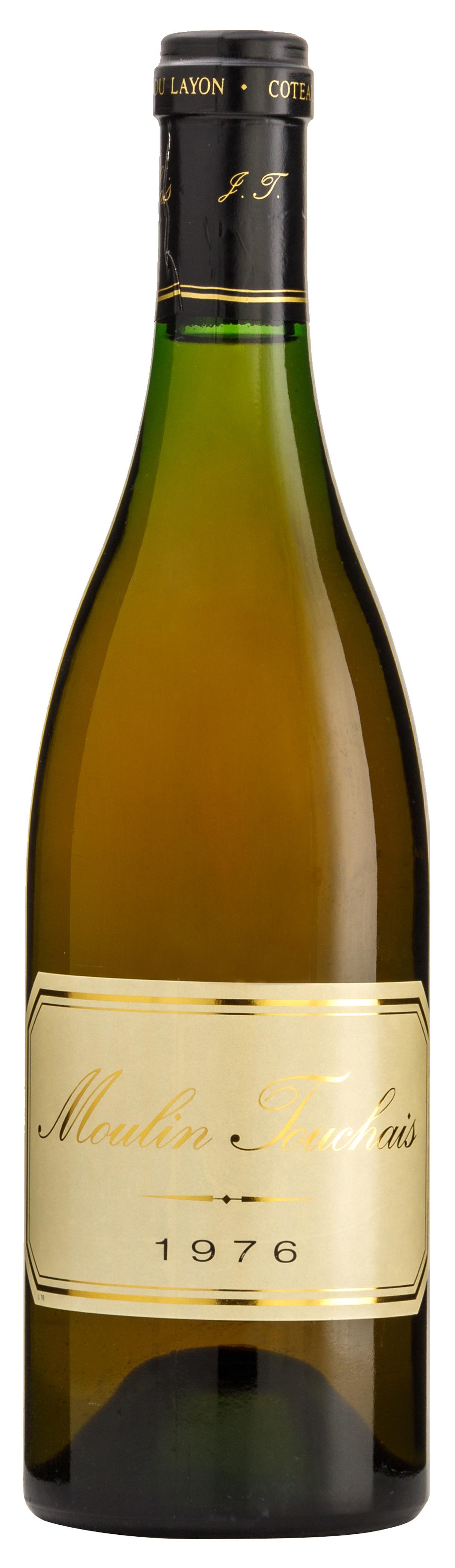
MOULIN TOUCHAIS 1976
FRANCE, NO. 7216501, SEK 1,699
I must admit that my hand trembled slightly as the cork was slowly eased from the neck of the bottle. Here was a wine celebrating half a century since the grapes were harvested from the vine, and expectations were understandably high. 1976 was a magnificent vintage. It was one of the unusual years of that era, marked by a heatwave that saw temperatures rise to nearly 35°C on certain days. The harvest was smaller than usual, but the concentration in the fruit was something truly extraordinary, and the vintage is regarded as one of Moulin Touchais’ finest of the 1970s.
The result is unmistakable. The colour is deep golden yellow, and the bouquet is a sensation of complexity. Nutty, toffee-like aromas evoke melted butter, caramel and butterscotch, mingling with an intense and profound flavour of candied citrus, spicy fir shoots and preserved ginger. Despite this vintage carrying slightly more residual sugar than usual, it never feels sweet. The laser-sharp acidity shines through the palate and makes the wine vibrate with energy.
That a twenty-year-old can display vitality, freshness, joie de vivre and playful curiosity is perhaps not all that surprising. But believe me – when this distinguished fifty-year-old steps onto the stage with a presence and character that almost makes you blush, it leaves all opposition trailing in its wake.
Proof, if any were needed, that Moulin Touchais is very nearly immortal.
On 24 May 1976, the legendary Paris Tasting took place. The rest is history. Over the years, I have had numerous opportunities to take part in variations of that famous event, and it remains a concept I suspect none of us will ever tire of. Now it was time once again. Exactly fifty years later, on the very same date, a small group of sommeliers and wine critics gathered at the wonderful The Napa Grill in Zurich to revisit the idea. This was by no means an attempt to recreate the original tasting with the very same wines. Rather, it was a friendly comparison designed to assess where these wines stand today.
BY ANDREAS LARSSON
1.
3.
4.
12.
13.
20.
THE RED WINES WERE ALL FROM THE 2016 VINTAGE, a year widely regarded as exceptional in both Bordeaux and Napa Valley. The white wines, meanwhile, focused on the classic Sauvignon Blanc–Sémillon blends, although, much to my disappointment, the majority of producers have since moved towards increasingly pure Sauvignon Blanc expressions. The chosen vintage was 2019 and, while I do not rate it quite as highly as the cooler 2017 or 2021 vintages in Bordeaux, most of the wines nevertheless performed at a remarkably high level.
I have tasted countless red wines from Napa’s 2019 vintage but comparatively very few of the whites. It seems the same pattern applies there as elsewhere: the greatest
vintages for red wines are rarely the finest for whites, although I was delighted to make the acquaintance of several new discoveries.
My greatest disappointment throughout the tasting was just how much Brettanomyces is still present in a number of the Bordeaux wines. Several of these I had previously regarded as virtually perfect when tasting them en primeur or shortly after bottling. Sadly, its presence could no longer be ignored. It is beyond my comprehension that, after all these years and with all the technology now available, some estates still have not managed to eradicate the problem from their cellars. My reflections and conclusions can be found in the tasting notes below.
1. CHÂTEAU LAFITE ROTHSCHILD 2016
99 It simply doesn’t get more refined than this. Wonderfully polished and impeccably sculpted, combining immense inner power with astonishing length. There is a subtle hint of toast and oak-derived spice, beautifully integrated into a tapestry of dark fruit. Coffee, mocha, black plums, cassis and macerated cherries lead into an extraordinarily dense and concentrated palate. The tannins are polished to perfection. This is elegance in its purest form—more muscle than fat, yet immediately charming and surprisingly approachable despite its serious structure, phenomenal persistence and almost laughable ageing potential.
My guess: Latour! This is one of those rare occasions when I got it wrong, and I must admit I feel slightly embarrassed. In Lafite’s defence, it has always struck me as more restrained than Latour’s raw power or Mouton’s roasted opulence. This, however, is breathtakingly good and a welcome surprise for yours truly. When I tasted this wine at the château shortly after bottling, it was probably the only time I have ever seen such genuine joy throughout the team— particularly from Eric Kohler, who had only recently succeeded the notoriously grumpy Charles Chevalier as technical director. He clearly knew he had crafted something very close to perfection. Then again, one does tend to be a little meaner when tasting blind.
98
Unmistakably Bordeaux and, thankfully, one of the relatively few wines in the line-up untouched by Brettanomyces. What I mentioned earlier proved to be quite an unpleasant eyeopener during this tasting. Here we are greeted by nuanced oak, elegant toast and classic Pauillac fruit, where cassis, black cherries, dark plums, fine leather, delicate tobacco and a whole host of beautifully integrated aromas coexist in perfect harmony. The palate is powerful yet impeccably balanced, generous in volume without ever sacrificing finesse. Wonderfully polished tannins provide freshness, vitality and remarkable length. Refined, perhaps still a touch reserved at this stage, but unquestionably a world-class wine with magnificent potential.
My guess: Mouton! No, I’m certainly no genius—just read my previous guess and you’ll understand why! But I knew a few of the top wines were in this flight, and this is a wine of enormous personality. That makes it about 2,743 times easier to identify than a stainless steel-fermented Pinot Blanc made with cultured yeast, diluted just enough to be pleasant, reasonably fresh, and capable of coming from virtually anywhere!
3. (JOINT THIRD) CHÂTEAU LATOUR 2016
97
Once again, we are firmly in Bordeaux. One of the great classics, whose silky texture and structural precision impress in an exceptionally
elegant guise. There is the faintest trace of Brett, but it is comfortably outweighed by an abundance of inky dark fruit. The fruit is perfectly ripe without veering towards sweetness or jamminess. Pure cassis, crushed plums, blackberries, graphite, damp tobacco leaf and discreet, beautifully integrated oak with a subtle spicy nuance define both nose and palate. The palate possesses an elegance reminiscent of Lafite, with flawless precision and impeccable tailoring, as though dressed in a perfectly bespoke suit. The finish is immensely long. At present it remains slightly closed and perhaps lacks the flamboyance shown by the wines ranked above it today.
My guess: Lafite! In weaker moments I’ve called myself every insult imaginable—a complete fool, hopelessly confused, utterly clueless, and several expressions that are far less politically correct! But how on earth could I confuse Lafite with Latour? Clearly it’s time to go back to school. I must admit that the slight presence of Brettanomyces threw me completely. It’s not something I’ve associated with Latour since the early 2000s. Most tasters would probably have been more forgiving, but because I regarded this wine as absolutely perfect both en primeur and shortly after bottling, I simply didn’t recognise it in its current form. Hugely embarrassing—but blind tasting is blind tasting.
97
A wine that dazzles through extraordinary purity allied to remarkable intensity. The fruit is undoubtedly very ripe, yet never gives the impression of sweetness. Dark cherries, blackberries and invigorating herbal notes of sage and mint are complemented by fine tobacco, gentle spice and beautifully judged toast from classy French oak. The palate fully delivers on the promise of the nose. There is no pretence here, no manufactured attempt at elegance. Don’t misunderstand me—the wine is genuinely elegant, despite its sheer scale and impressive power. It combines depth, complexity and immense concentration with everything we admire in both Napa and Bordeaux.
My guess: Definitely Napa. I didn’t know the full line-up beforehand and perhaps didn’t make every effort to identify every wine. My thoughts drifted towards something that often borders on perfection—perhaps a touch richer than Dalla Valle, yet as polished as Colgin. In hindsight, I was simply delighted to taste this wine again after such a long time.
4. (JOINT FOURTH) DOMINUS
96 This wine sits beautifully between the two regions. I’ve been misled here before, yet there is a clarity and purity of fruit that ultimately points towards California. The oak is exceptionally refined, offering a lovely butterscotch note that evokes Pomerol. The fruit profile leans towards the red spectrum with moderate ripeness and no hint of sweetness, accompanied by beautifully judged herbal nuances of sage, mint and bay leaf. The palate is textured, finely grained and harmoniously balanced. There is generous volume without excessive extraction. Rather than trying to impress through sheer power, the wine succeeds through elegance, drinkability, impeccable proportions and excellent persistence.
My guess: This one was straightforward— although I’ve been wrong before. Whenever these particular characteristics emerge, my thoughts almost invariably turn to Mondavi Reserve or Dominus, at least during the Mondavi family’s era. That elegant butterscotch character and unmistakable Pomerol feel naturally steer the mind in that direction. Stylistically it’s fascinating, considering this is almost entirely Cabernet Sauvignon with virtually no Merlot, yet somehow it still carries a distinctly Pomerollike DNA.
SAUVIGNON 2016
96
A wine that performs the remarkable feat of combining generous fruit ripeness with a beautifully restrained sense of sweetness. It is generous and full-bodied, yet wonderfully complex and nuanced. Unmistakably Napa, offering an abundance of dark cherries, cassis, refreshing herbal notes and tobacco, while the oak remains almost invisible beneath the fruit. The palate unfolds in layer upon layer of finely spiced dark fruit. Silky yet concentrated, vibrant yet opulent—if you’ll forgive me for borrowing one of those rather overworked English adjectives I usually try to avoid—it is simply full-throttle in the very best sense of the expression.
My guess: Definitely Napa once again. I haven’t tasted a great many wines from this estate over the years, so I couldn’t quite pinpoint its signature style. Looking back, however, this is a thoroughly impressive wine that I would happily cellar by the case.
5.
J.
SAUVIGNON 2016
95 A wine displaying impressive fruit ripeness alongside slightly more advanced bottle development, though entirely to its benefit. Quite the opposite, in fact—it offers tremendous generosity, with sweet yet never jammy fruit. The classic herbal notes of sage, mint and lavender are all present, accompanied by sweeter oak-derived Christmas spices. The palate sits comfortably in the medium-bodied spectrum while delivering remarkable flavour intensity. Once again, I’d describe it as more muscle than fat. A wine of real class, finesse, drinkability and impressive persistence.
My guess: Definitely Napa, though once again this is a producer I haven’t followed closely in recent years. It was nevertheless a genuine pleasure to renew the acquaintance.
5. (JOINT FIFTH) VIEUX
CERTAN 2016
95
Unmistakably Bordeaux. One of the more reserved and tightly wound wines of the tasting, yet beneath that restraint lies a magnificent texture, refinement and quiet richness. Nuanced and understated, with moderate extraction, but dense, beautifully polished and exceptionally persistent. Everything points towards the Right Bank—more Pomerol than Saint-Émilion. The aromas almost flirt with Napa in their generosity, yet the texture leaves no doubt that we are firmly in Bordeaux.
My guess: The soils of Pomerol—without question. As I mentioned above, the wine felt rather closed on this occasion. When I tasted it both en primeur and shortly after bottling, I regarded it as virtually perfect, and the estate
remains one of my absolute favourites for its extraordinary elegance. In this heavyweight line-up, however, its reserved and slightly introverted character perhaps worked against it, despite the wine operating at an undeniably serious level.
6. (JOINT SIXTH) CHÂTEAU
94
A brilliant wine in every respect— sadly, much of its beauty is concealed behind a thin but unmistakable veil of Brettanomyces. Polished and harmonious, with perfectly ripe tannins, impressive length and undeniable class. Wild berries, plums, beautifully judged oak and the first signs of bottle maturity hint at a wine leaning slightly more towards Merlot than the archetypal Cabernet-driven style.
My guess: I found myself circling around Pessac and briefly thought of Haut-Brion—but it simply didn’t possess quite that level of power. As it turned out, Haut-Brion wasn’t in the tasting at all. The answer, of course, was Palmer. I never truly connected with this wine and, on a charitable day, I’ll admit I simply wasn’t fully focused. On a less charitable day, I’ll blame Brett. Looking back, this was yet another wine I considered almost perfect both en primeur and shortly after bottling. I have no previous memory of Palmer showing this degree of Brettanomyces. A real shame, considering the elegance and refinement still visible beneath it.
6. (JOINT SIXTH) CONTINUUM PROPRIETARY RED WINE 2016
94
Definitely Napa. There is plenty of everything here—and I mean that as a compliment—although it is one of the riper and more generous examples in the line-up. I almost picked up a hint of Zinfandel on the nose; perhaps it’s a little provocative to describe it as a superior Zinfandel, but those glorious blackberry and preserved cherry aromas certainly point in that direction. Thankfully they are lifted by distinctive notes of tobacco, sage and bay leaf, together with discreet oak. Despite sounding contradictory, there is still something unmistakably Bordeaux-like about the wine. I even detected the faintest suggestion of Brett. This is unquestionably a heavyweight—powerful, still more monolithic than nuanced, yet entirely honest about its origins, embracing a bold, exuberant and unapologetically Californian style rather than attempting to imitate elegance.
My guess: Looking back, I was genuinely surprised. I’ve always regarded this estate as one of Napa’s more elegant producers and have greatly admired almost everything I’ve tasted from them. This remains an outstanding wine, but within the context of comparing the very best, it didn’t quite reach the top for me—even if the overall panel placed it comfortably among the top three.
7. CHÂTEAU ANGÉLUS 2016
87
A complete disappointment. I’m tired of repeating myself, but Brettanomyces has quite simply devoured this wine. This was the clearest example of the entire tasting. Beneath the surface lies ripe, generous fruit driven by Merlot, beautifully proportioned and polished, with classy oak handling. Unfortunately, beyond robbing the wine of its aromatic purity, it has also left the palate noticeably dried out. My guess: I couldn’t even bring myself to overthink it. I was simply disappointed that my beloved Bordeaux still hasn’t managed to solve these cellar issues. Looking back, I have always associated Angélus with a clean, modern style where purity should be an absolute priority. Quite frankly, it is beyond my comprehension.
1. REALM FIDELIO SAUVIGNON BLANC 2019
98
This was something truly out of the ordinary. I genuinely wasn’t sure whether I was in Bordeaux or Napa. Regardless, this is a magnificent wine that defies categorisation, offering an intensely perfumed bouquet of beeswax, aromatic herbs, mint, marjoram, lemongrass, lime and tropical fruit that somehow remains remarkably fresh. There are echoes of amphora and natural wine here—yet always within the framework of absolute purity. Texturally, it brings to mind the great white Hermitages, Châteauneuf-du-Papes and the great white Bordeauxs of decades past, in the most complimentary sense. Those wines possessed a unique identity, and so does this. Despite its weight and concentration, the wine retains tremendous energy and freshness, culminating in an exceptionally long finish. My guess: Completely at sea. I was overwhelmed by the quality of the wine but simply didn’t recognise it. Looking back, I know both the estate and the winemaker, although I’ve mainly drunk their powerful, concentrated cult reds. This white, however, operates on an entirely different level in terms of personality and expression.
2. (JOINT
97 Wonderful purity and intensity. Beautiful reduction. One senses the warmth of a ripe vintage, yet this remains firmly in what I would describe as a positively restrained style. Fresh tropical fruit—mango, passion fruit and lemongrass—is joined by beautifully judged oak, aromatic herbs including mint and sage, fine olive oil notes and delicate floral nuances, all gently wrapped in a subtle waxy character. The palate is deeply concentrated, supported
by a finely restrained acidity. It remains completely dry despite its generous tropical fruit and broad texture. Exceptionally harmonious, with the kind of length only the very greatest wines possess. My guess: This was one of the wines I knew would be included, and fortunately one I have enjoyed on numerous occasions. White La Mission remains something of a rarity today given its tiny production and lofty price—but what an extraordinary wine it is.
2. (JOINT SECOND) DOMAINE DE CHEVALIER BLANC 2019
97
A magnificent, richly built wine of the very highest class. The oak is still clearly present, though never intrusive, perhaps because the fruit remains somewhat restrained as the wine passes through a reductive phase. Everything is exactly where it should be: waxy yellow fruit, finely judged spice, attractive herbal complexity and a subtle richness, followed by a palate whose vibrant acidity cuts beautifully through its viscous, generous texture. And the finish? It’s unquestionably there, once again reminding me that we are in the company of another truly world-class white wine. My guess: Chevalier? I suspected it would be in the line-up, and the estate’s newer, even more precise style matched what I found in the glass. The oak remains slightly more apparent and the fruit somewhat reserved, but then wine is never static—as experience constantly reminds us.
96
Immensely impressive. Intensely concentrated. Beautiful oak, beeswax, toast and tremendous power define a wine built around herb-infused ripe yellow fruit. Structurally, it possesses the viscosity, volume and balance one instinctively associates with great white Bordeaux. I was fairly certain it wasn’t actually Bordeaux—but that hardly matters. This is an outstanding performance at the very highest level, albeit in a style I didn’t immediately recognise.
My guess: Absolutely no idea! California, indeed—and a wonderful new discovery.
4. BLANC DE LYNCH-BAGES 2019
95 Pure, polished and expertly crafted. The wine leans towards tropical fruit with mango, papaya, honey, herbs and an abundance of ripe citrus, all subtly framed by discreet oak. The acidity is rounded, yet the wine still feels vibrant and completely dry, with excellent extract, plenty of grip and an opulent profile that never sacrifices balance. Beautifully made, with impressive persistence
My guess: Definitely Bordeaux, although not one of the white wines I know particularly well. Not Graves or Pessac... could it be Pavillon Blanc? No, that couldn’t be, because
it wasn’t even part of the tasting! The answer was Blanc de Lynch-Bages—a wine that has consistently delivered quality without ever attracting the level of attention it deserves. A delightful surprise.
5.
94
A beautifully pure and ripe expression, unmistakably Californian. The aromas move effortlessly between youthful citrus, lime, lemongrass, passion fruit and apricot, all supported by elegantly integrated oak. The palate opens with impressive volume and power. There is warmth and ripeness here, but increasing freshness emerges towards the finish, resulting in a long, structured and very well-composed wine.
My guess: Yet another Californian estate whose reds I know well, while its whites have largely escaped my attention.
92 A wine of considerable fruit ripeness and warmth, unquestionably ambitious in style. Rich fruit, driven more by Sauvignon Blanc, combines with herbal nuances and citrus wrapped in finely judged toast and oak. The palate is noticeably warmer. I’m generally not especially sensitive to alcohol, but here it makes itself felt. The acidity is gentler, the texture generous and the overall impression undeniably luxurious. It is long, ambitious and lavishly made, though perhaps lacking the finesse and drinkability of the very best wines in the line-up.
My guess: California! Oops. I really should have recognised this one. Together with Realm Cellars, this became one of only two wines where I either placed the wrong region or was completely thrown off course.
92
A wine that stands apart from the rest of the field. Slightly less complex, more overtly varietal and unmistakably Sauvignon Blanc-driven. At times it even hints at Marlborough—though of course it isn’t. Pure, impeccably made, with lovely tension and freshness. It doesn’t quite seem to belong alongside the other wines in this league, feeling more like a Californian interpretation of Menetou-Salon—which is by no means a criticism if freshness and vibrant fruit are what you’re after. It simply lacks some of the complexity found in the very top wines, although there is absolutely nothing to fault in terms of quality.
My guess: California—beyond my frame of reference. Yet another wine that reminded me just how overwhelmingly focused most of us are on Napa’s reds. Considering production amounts to just a single barrel, I think I can forgive myself for not recognising it.
Anteprime Toscane encompasses a week of tastings and wine events held across Montepulciano, Florence and Valdarno. The programme firmly places Tuscan wine in the international spotlight. Every year, hundreds of wine journalists travel to Tuscany to keep abreast of the latest vintages reaching the market, transforming the region into something of a Mecca for wine enthusiasts for one remarkable week. Most of the preview tastings, organised under the auspices of the Tuscany Region, take place in Florence, including Chianti Classico Collection, Chianti Lovers and L’Altra Toscana, which brings together the smaller wine consortia from the rest of Tuscany. The week itself opens with two days in Montepulciano and concludes with Valdarno di Sopra Day.
This year, Livets Godas Katarina Andersson attended the events in Florence and Valdarno, which rather felt like playing on home turf, having lived in the heart of Florence for many years. So, let us take a closer look at Anteprime Toscane 2026.
BY KATARINA ANDERSSON
PHOTO: ANTEPRIME TOSCANE 2026 CONSORTIUM
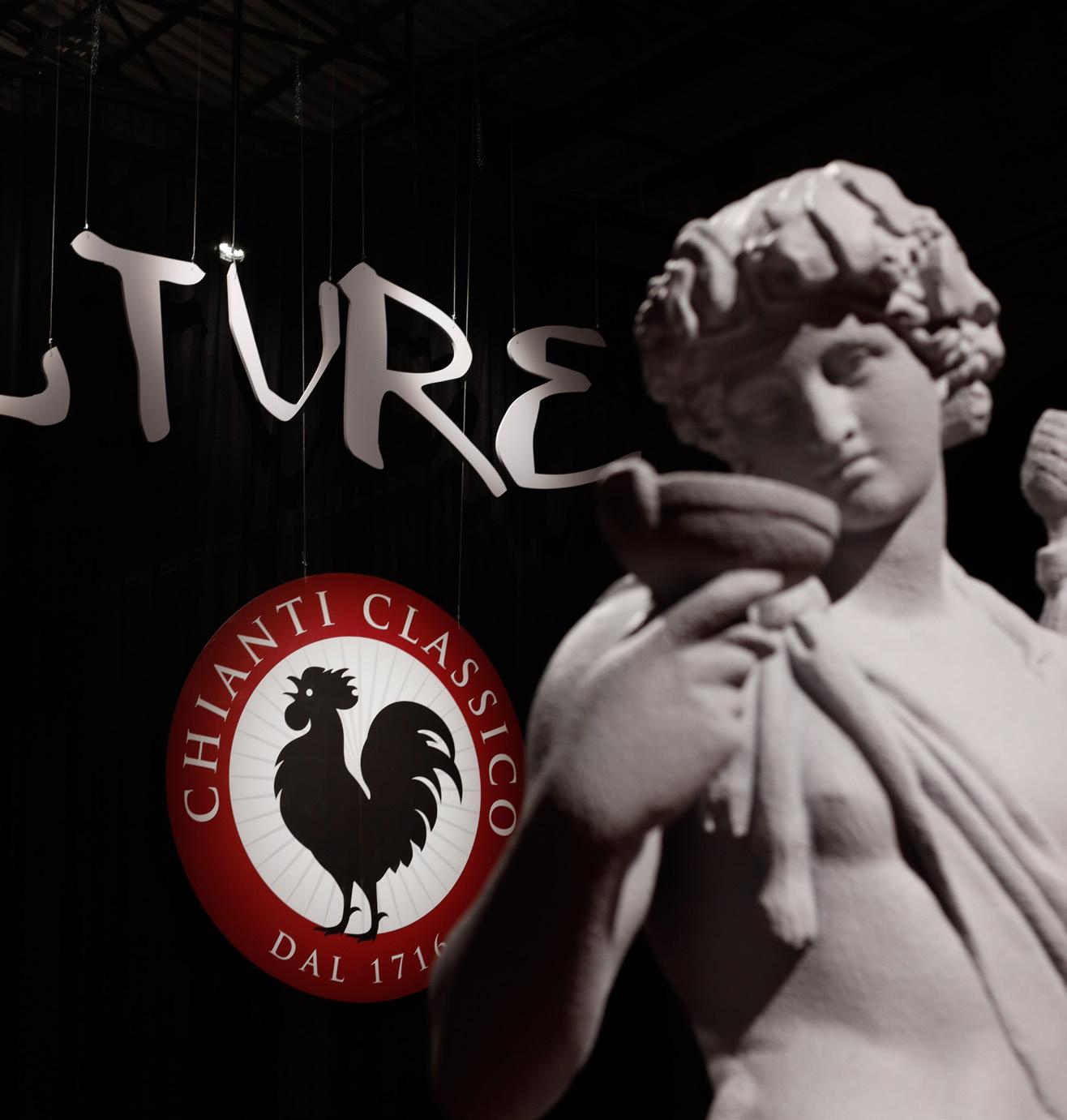
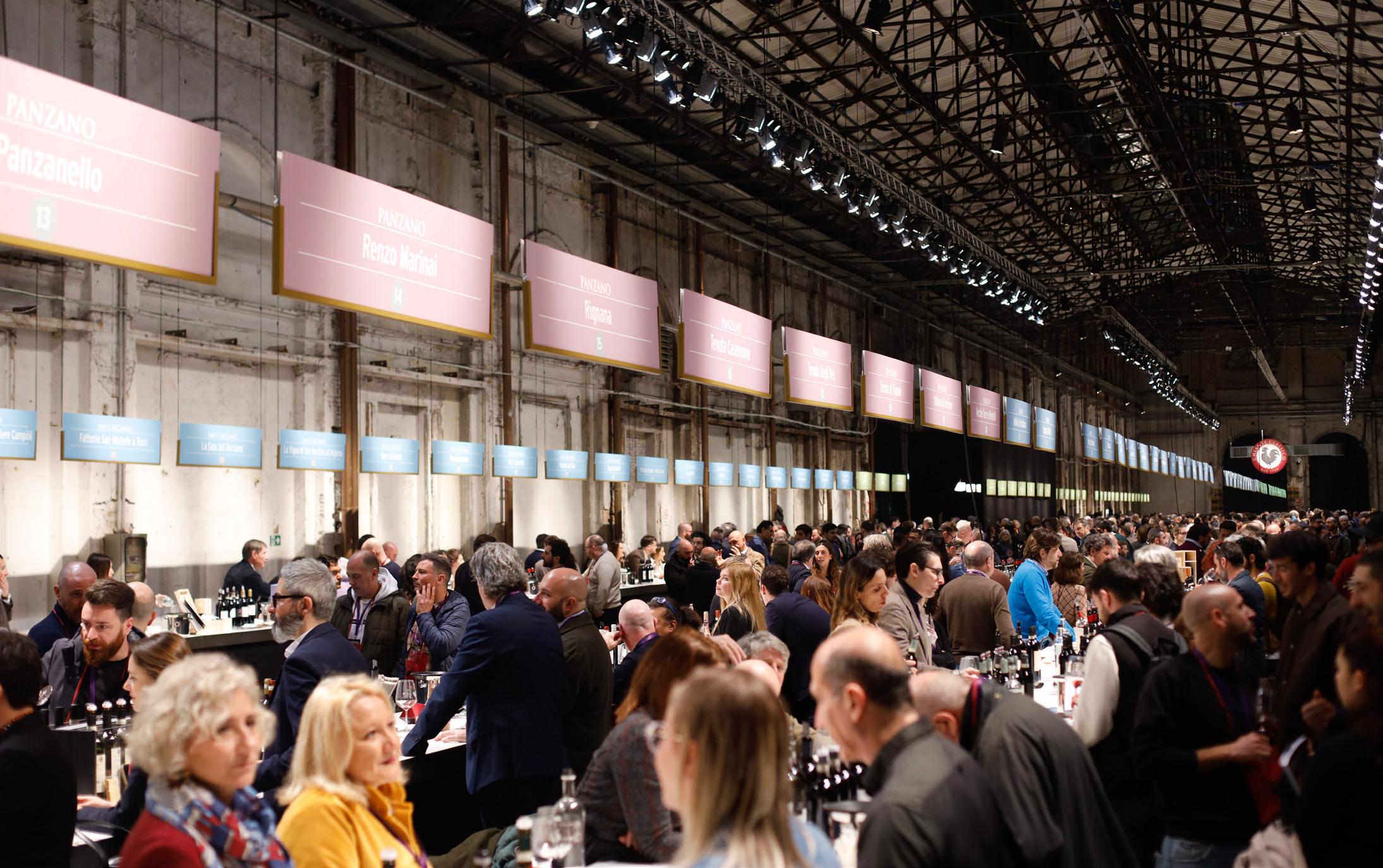
CHIANTI CLASSICO COLLECTION is one of my favourite wine events of the year. Over the course of two days, visitors have the opportunity both to taste the wines with sommelier service in one section of Stazione Leopolda—Florence’s first railway station, now transformed into an exhibition hall—and to wander through the adjoining tasting area, sampling additional wines while speaking directly with the producers.
In the evening, the organisers host a gala dinner for between 400 and 500 guests, usually held at the magnificent Teatro del Maggio Musicale Fiorentino, often accompanied by a short concert or theatrical performance.
One of the pleasures of the evening is discovering which Chianti Classico producers happen to become your dinner companions. This year, I found myself seated beside Giulia Braccagni from Tenute Fusi in Barberino Tavarnelle.
My brother was also visiting during part of Anteprime week and joined me for the dinner. He immediately struck up a friendship with two young men working at a winery in Radda, who took it upon themselves to ensure that his wine glass was never empty. Once the conversation inevitably turned to football, the evening was complete.
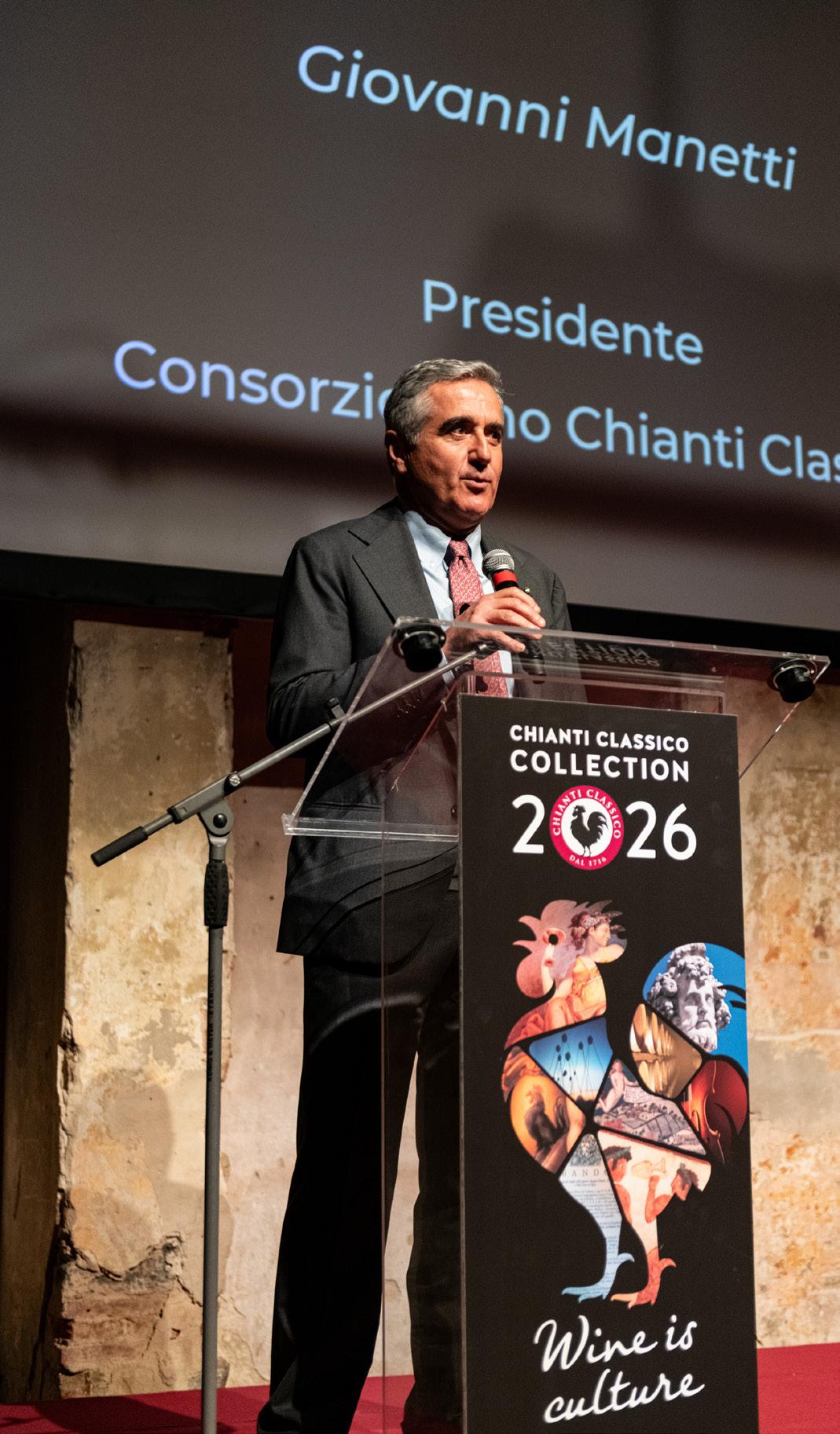
for Chianti Classico Collection, and for the thirty-third edition of the event the central theme was “Wine is Culture”, intended to connect with the broader global discussion surrounding the true value of wine. Is wine simply a beverage, or is it something more?
Living in Italy, one quickly learns that wine belongs within a far wider cultural context. Historically, it has often been regarded as a foodstuff—an integral part of everyday life rather than merely an alcoholic drink.
When viewed as part of a country’s history and cultural heritage, Tuscany provides one of the finest possible examples.
Viticulture in Tuscany dates back to the Etruscans, while the story of Chianti Classico itself is deeply intertwined with the rival medieval city-states of Florence and Siena, the influential Medici family, and towering figures of art and literature such as Giovanni Boccaccio, Dante Alighieri, Torquato Tasso and Leonardo da Vinci.
The region’s architectural heritage—its castles, noble villas, hunting lodges and historical documents spanning the Middle Ages and the Renaissance—forms an equally important part of this cultural landscape.
In 1716, Cosimo III de’ Medici issued what is widely regarded as the world’s first legal decree defining official
wine-growing zones. The territories identified were today’s Chianti Classico, Pomino, Rufina, Carmignano and Valdarno di Sopra.
The Consortium therefore argues that Chianti Classico is not merely an agricultural product, but the living expression of a shared cultural, historical and landscape heritage.
lies not only in this remarkable history and cultural legacy, but naturally also in the consistently high quality of its wines.
Despite continuing geopolitical uncertainty and challenging international markets, sales volumes have continued to increase.
The strongest growth during 2025 came from the premium categories Chianti Classico Riserva and Chianti Classico Gran Selezione, which together accounted for 43% of total sales volume and 55.2% of total sales value.
The principal export markets during 2025 were the United States and Canada, followed by Sweden, Germany and Norway.
CHIANTI RUFINA IS THE SMALLEST and highestaltitude subzone within the Chianti DOCG denomination. It lies just north-east of Florence, stretching across both sides of the River Sieve and encompassing the five municipalities of Dicomano, Rufina, Pelago, Pontassieve and Londa.
The vineyards are planted at elevations ranging from 200 to 700 metres in the Apennine foothills between Tuscany and Romagna. The soils consist primarily of calcareous clay, schist, limestone and sand.
The pronounced temperature variation between day and night provides ideal conditions for viticulture, producing wines that are fresh, elegant and, at times, slightly restrained, with excellent balance between acidity and tannin.
Gerardo Gondi of Tenuta Bossi, the current President of the Chianti Rufina Consortium, explains:
“Rufina has always been regarded as one of Tuscany’s most important wine regions. Indeed, it was one of the territories officially recognised in Cosimo III de’ Medici’s decree of 1716. The defining characteristics of Chianti Rufina are its freshness, elegance and exceptional ageing potential. Our terroir, nestled between the Apennines and the River Arno, is what gives the wines this remarkable elegance.”
Terraelectae is a voluntary collective trademark introduced by the Chianti Rufina Consortium in 2022 with the ambition of creating a kind of super Riserva or cru wine—comparable in concept to Chianti Classico Gran Selezione—that most faithfully expresses the unique terroir of Chianti Rufina.
To qualify, Terraelectae must be produced as a Riserva, using Sangiovese sourced exclusively from a single, individually named vineyard belonging to the estate.
The wine must be matured for a minimum of thirty months, including at least eighteen months in oak and a further minimum of six months in bottle before release.
THE CHIANTI CONSORTIUM’S OFFICIAL PREVIEW
TASTING still takes place during Anteprime Toscane week, although several subzones and local organisations, including Chianti Colli Senesi and Terre di Pisa, have in recent years chosen to step away from the central event. Their view is that the Anteprime format no longer adequately reflects the interests of smaller, independent producers. Instead, they have advocated a stronger focus on the individual subzones and their specific identities—an approach that the Chianti Consortium’s governing board has supported.
The Chianti Lovers Week initiative was launched in 2025, and this year the first week of May featured a wide range of local events and activities throughout the region.
I was invited to take part in a three-day press tour through Chianti Colli Senesi, providing an opportunity to become better acquainted with the territory. We visited the estates Montechiaro, Torre alle Tolfe and San Gregorio.
The programme concluded with a lively evening at San Gregorio in Chiusi, including a workshop led by Master of Wine Cristina Mercuri, food stalls hosted by local Slow Food producers and restaurants, and a local DJ performing from the back of a beautifully restored Fiat 500.
CHIANTI COLLI SENESI
stretching from San Gimignano and Poggibonsi in the north, to Montalcino in the south-west, and Sinalunga, Montepulciano and Chianciano Terme in the south-east. Siena lies almost exactly at its geographical centre.
For smaller regions, standing out—whether within the broader Chianti denomination or on the international wine market—is rarely straightforward.
Taking San Gregorio as an example, the estate’s General Manager, Michele Monica, explains that they have deliberately chosen to emphasise “the estate’s connection with Etruscan civilisation and the territory surrounding Chiusi, in order to distinguish ourselves from the betterknown areas of Chianti.”
They have also diversified the estate by breeding the traditional Cinta Senese pig, while developing holiday apartments, wine tastings and a range of visitor experiences aimed at wine tourists.
The climate, soils and elevations of Chianti Colli Senesi vary considerably due to the region’s extensive geographical spread.
Northern sector
• Drier, better-ventilated climate
• Sandy soils, clay and galestro
• Generally between 200 and 400 metres above sea level, rising to around 700 metres in certain areas
South-western sector
• More Mediterranean climate with excellent natural ventilation
• Clay, marl, galestro and alberese
• Approximately 300 metres above sea level
South-eastern sector
• More continental climate, with warmer conditions and marked day-to-night temperature variation
• Fertile alluvial soils at lower elevations, with sandy and clay-rich soils on the higher slopes
• Between 250 and 600 metres above sea level
VALDARNO DI SOPRA FORMS THE VERY LANDSCAPE immortalised in Leonardo da Vinci’s Mona Lisa. Despite this extraordinary artistic pedigree, the region gradually slipped into relative obscurity during the twentieth century.
How could that happen?
Situated between Florence and Arezzo, nestled between the Chianti Mountains and the Pratomagno range, this is a region with a long and distinguished history of viticulture.
Wine has been cultivated here since the time of both the Etruscans and the Romans. Yet it was Cosimo III de’ Medici’s wine decree of 1716 that first granted official recognition to the quality of the region’s wines.
Viticulture certainly did not disappear during the second half of the twentieth century, but many growers chose instead to sell their grapes to prestigious wineries in Tuscany’s more famous appellations.
THINGS BEGAN TO CHANGE IN 2011 with the establishment of the Valdarno di Sopra DOC, providing the denomination with a far clearer identity and definition of its unique character.
Today it remains one of Tuscany’s smallest DOC appellations, with just under 300 hectares of vineyards and only twenty-three member wineries, although growth has accelerated significantly in recent years.
The Consortium has deliberately centred its identity around sustainability, organic viticulture and biodiversity. Every member is either fully certified organic or currently undergoing conversion to organic farming.
The long-term ambition is an ambitious one: to become Italy’s first entirely organic wine appellation.
The principal challenge now lies in increasing international awareness of the denomination.
Melissa Maggioni, owner of Tenuta Scrafana in Montevarchi, believes that the Consortium’s work over recent years has laid the foundations for “...the sense of unity, the shared commitment to organic viticulture as both a practical choice and a defining identity—not only in terms of production, but culturally as well—which has become the true strength of the Valdarno di Sopra DOC.”
A fairly typical winter was followed by mild temperatures in February and March, encouraging an even budburst. Spring brought abundant rainfall, though fortunately without frost or hail. Careful vineyard management, together with the high elevations and good air circulation found across many districts, helped prevent the spread of fungal diseases. Rain in late August and September extended the harvest until mid-October. The 2024 Chianti Classico wines therefore display vibrant acidity, moderate alcohol levels and an elegant style. Giovanni Manetti, the current President of the Consorzio, has compared them with the outstanding vintages of the 1990s.
This proved to be a difficult year for many wine producers throughout Italy, not only in Tuscany, owing to the outbreak of downy mildew. Throughout spring and early summer, sunny mornings were followed almost every afternoon by heavy rain showers. As a result, the vineyard soils never had the opportunity to dry out and the vines remained constantly damp, creating ideal conditions for mildew to spread. The severity of the damage depended on factors such as vineyard location, altitude, ventilation, canopy management and the timing of vineyard treatments. Marked diurnal temperature variation during August and September ensured complete and even ripening of the grapes. Those estates less affected by mildew nevertheless harvested fruit of excellent quality. It was a vintage of
low yields but high quality, producing wines with fine structure, excellent balance, vibrant acidity and supple tannins.
93
It is always a pleasure to taste Giuliano Coccia’s wines, which consistently offer an authentic expression of the Lamole terroir. Giuliano brought a tank sample of the 2025 vintage and explained that last year’s grapes were of exceptional quality and harvested at precisely the right moment. The immediate impression is one of beautiful fruit together with the floral aromas so typical of Lamole—iris, violet and broom blossom. Juicy, fruitdriven and wonderfully pure, with tremendous promise. It will be fascinating to taste the finished wine next year.
CIGLIANO DI SOPRA, CHIANTI CLASSICO ANNATA DOCG, 2024
95
The wines of Cigliano di Sopra are always among my favourites in Chianti Classico, thanks to their purity, linearity and expressive character. Maddalena Fucile and Matteo Vaccari successfully transfer both their energy and passion into the wines. Their Chianti Classico
2024 is beautifully fresh, revealing aromas of jasmine, broom blossom, violet, sour cherry, red and darker berries, wild herbs and bergamot. Imagine walking through a meadow filled with wild flowers while breathing in their wonderful fragrance. Balanced, medium-bodied, graceful, slender and thoroughly contemporary in style, with a long finish.
FATTORIA SAN GIUSTO A RENTENNANO, CHIANTI CLASSICO ANNATA DOCG, 2024, UGA GAIOLE
95
The historic estate Fattoria San Giusto a Rentennano in Gaiole now requires little introduction. Thanks to its inclusion in Wine Spectator’s Top 100, it has become internationally recognised for its organically produced wines. I reviewed the estate’s Chianti Classico Annata 2022 a few years ago, awarding it 93 points for its “outstanding energy and balance”. Its Chianti Classico Annata 2024 deserves an even higher score. In my view, the 2024 vintage combines both grace and depth, with bright and darker fruit, cherry, blackberry, blackcurrant and a subtle hint of woodland. Fresh, beautifully judged tannins and impressive finesse make it a genuine pleasure to drink already today.
VALLONE DI CECIONE, CHIANTI CLASSICO
ANNATA DOCG, 2024, UGA PANZANO
94
I first became acquainted with the wines of Vallone di Cecione around ten years ago through my friend Costanza, who owned a wine bar in Florence. Since then I have consistently admired Francesco Anichini’s organically farmed wines, produced with as little intervention as possible both in the vineyard and in the cellar. This Chianti Classico 2024 displays a beautiful ruby-red colour with violet highlights. It is a classic blend of 90% Sangiovese and 10% Canaiolo, matured for eight months in large oak casks. Linear and fruit-driven, with notes of cherry, strawberry, violet, walnut, pepper and Mediterranean herbs. Fresh and joyful on the palate, with fine structure and a characteristically Panzano expression. A bottle like this disappears remarkably quickly among friends.
MONTE BERNARDI, RETROMARCIA CHIANTI
CLASSICO ANNATA DOCG, 2024, UGA PANZANO
95
Michael Schmelzer has taken the wines of Monte Bernardi to a new level since arriving at the estate in Panzano in 2003. His philosophy is rooted in living and working in harmony with nature and local traditions. The vineyards have been organically farmed since 2004, and biodynamic principles are now an integral part of the estate’s identity, something that is beautifully reflected in the wines themselves. Linear, expressive and impeccably balanced, the wine reveals aromas of cherry, wild strawberry, pomegranate, delicate floral notes, spice, pepper, ginger and medicinal herbs. Airy and beautifully fruit-driven on the palate, with
saline minerality, mediumbodied elegance, charisma and remarkable persistence. A thoroughly contemporary wine.
TENUTA DI BIBBIANO, CHIANTI CLASSICO
ANNATA DOCG, 2024, UGA CASTELLINA IN CHIANTI
93
Tommaso Marocchesi
Marzi, who runs Tenuta di Bibbiano together with his brother Federico, explains that Castellina in Chianti encapsulates many of the characteristics that define Chianti Classico as a whole, from the sunnier, warmer vineyards at lower elevations to the cooler, fresher sites higher up the slopes. In much the same way, Tenuta di Bibbiano’s Chianti Classico Annata captures many of the appellation’s defining traits, thanks to Sangiovese sourced from vineyards on both sides of the estate. Twelve months’ ageing in concrete preserves the wine’s pure, direct and linear character. Delightful aromas of redcurrant, cherry, raspberry, jasmine, violet, meadow flowers and herbs. Soft tannins, impressive texture and tremendous personality. An elegant yet sunny wine that simply lifts the spirits.
TENUTA DI LILLIANO, CHIANTI CLASSICO
ANNATA DOCG, 2024, UGA CASTELLINA IN CHIANTI
92
The medieval estate Tenuta di Lilliano, in the Castellina area, has belonged to the noble Ruspoli Berlingieri family since the beginning of the twentieth century. The estate produces wines in a classic Castellina style—very much what comes to mind when one thinks of traditional Sangiovese and Chianti Classico. Like Tenuta di Bibbiano’s Annata, this wine possesses a clearly defined personality. A blend of 90% Sangiovese, 5% Colorino and 5% Merlot, it opens with aromas
of sour cherry, lavender and violet, followed by woodland herbs, spices and the slightly sanguine note that is so characteristic of Sangiovese. Bright acidity provides excellent support, while the wine offers fine grip, juicy fruit and lively yet polished tannins. Wonderfully approachable.
MONTESECONDO, CHIANTI CLASSICO ANNATA DOCG, 2024 –UGA SAN CASCIANO
92 From jazz saxophonist in New York to biodynamic winegrower on the family estate in San Casciano Val di Pesa—that, in short, is Silvio Messana’s story. His philosophy is to intervene as little as possible, both in the vineyard and in the cellar, relying on spontaneous fermentation to express the San Casciano terroir in its purest form. The blend for this Chianti Classico 2024 comprises Sangiovese, Canaiolo and Colorino, matured for around one year in medium-sized oak casks and concrete tanks. The genuine character of the fruit is immediately apparent in this fresh and beautifully crafted wine, filled with floral and intensely fruity aromas. Sweet cherry, strawberry, rose petals, violet, the fragrant herbs that flourish throughout the area, and a hint of mint. Soft, slightly powdery tannins and a rounded, thoroughly appealing palate.
ORMANNI, CHIANTI CLASSICO ANNATA DOCG, 2024, UGA SAN DONATO IN POGGIO
92
Like many estates in Chianti Classico and throughout Tuscany, Ormanni boasts a history stretching back at least to the Middle Ages. The noble Ormanni family is even mentioned in Dante Alighieri’s Divine Comedy, much like the Marchesi Gondi family. Since the beginning of the nineteenth century, however,
the estate has belonged to the Brini family. Ormanni’s Chianti Classico Annata 2024 is a pure Sangiovese matured for twelve months in both small and large oak casks. The vineyards lie on sandy soils at elevations of 350–400 metres around Barberino Val d’Elsa. Fresh and beautifully balanced, it displays intense aromas of cherry, violet, a touch of liquorice and aromatic herbs such as mint and rosemary. Soft and fruit-driven, with gently firm tannins. An effortlessly drinkable Sangiovese.
95 Susanna Grassi is the first woman in eleven generations to take over the family estate, Casole in Lamole, following an earlier career in the fashion industry. Her organically produced, lowintervention wines are already well known in Sweden, and she visited Gothenburg last month to present them. As Susanna is also a dear friend, I asked her to comment on her Chianti Classico Annata 2023. “It was a very difficult year because of the downy mildew, which reduced yields considerably, though fortunately not the quality. The wines are beautifully balanced,” she says. This is a traditional Lamole wine, scented with iris and violet, cherries, red berries, meadow flowers and woodland herbs, with just a discreet touch of oak. Fresh and beautifully juicy on the palate, linear in style, with supple tannins, fine balance and excellent structure.
CLASSICO ANNATA DOCG, 2023 – UGA RADDA
94
Angela Fronti has become the public face of Istine in Radda in Chianti and has shaped the estate’s wines for well over fifteen years. The first vintage she produced was 2009, and since then she has also developed an impressive range of cru Sangiovese wines. The grapes for the Chianti Classico 2023 come primarily from the estate’s vineyards in Radda and Gaiole and are matured for one year in large oak casks, partly complemented by ageing in concrete tanks. The bouquet is fresh and inviting, revealing red berries, sour cherry, myrtle, sweet violet, pepper, woodland vegetation and aromatic herbs. Fresh and juicy on the palate, with saline minerality, generous texture that spreads gracefully across the palate, and a delicate fruitdriven finish.
CHIANTI CLASSICO ANNATA DOCG, 2023 –UGA LAMOLE
94
Winemaker Jurij Fiore describes Lamole as his own little Burgundy. Although the family estate is located at Poggio Scalette in Greve, he dreamed of establishing vineyards of his own and found his first parcel in Lamole in 2015. Today he farms almost two hectares there, producing terroir-driven cru wines together with his daughters, Sara and Chiara. Tuttosommato 2023—meaning “all things considered”—is the direct result of the challenges posed by downy mildew that year. More than half the crop was lost, so the family decided to reserve the remaining fruit for their cru wines, such as Puntodivista and Nonloso, while creating a wine that would prove the 2023 vintage was far better than many believed. The result is undoubtedly a success: a fresh, wonderfully perfumed wine in true Lamole style. Captivating
aromas of cherry, plum, wild berries, violet, rose petals, pepper, medicinal herbs and Mediterranean shrubs. Fresh, juicy and fruit-driven on the palate, with a subtle spicy touch. Elegant, refined and impressively persistent.
The organic Montefioralle Winery lies at the foot of the medieval village of Montefioralle. Until the 1960s the vineyards belonged to the local church, when Renato Sieni began leasing the land. The Sieni family eventually purchased the estate in the mid-1990s. Today, siblings Alessia and Lorenzo Sieni manage the estate’s four hectares of vineyards, under the watchful eye of their father Fernando, now in his eighties, together with the rest of the family. Their Chianti Classico 2023 is a classic blend of 90% Sangiovese, 6% Canaiolo and 4% Colorino. Bright acidity introduces refreshing fruit, cherry, redcurrant, wild strawberry, woodland herbs, medicinal herbs, thyme, coffee and pepper. Linear, generous and fruit-driven, with rounded tannins and a fine finish. The wine immediately brought to mind the breathtaking view across the Chianti Classico landscape from the estate’s pergola.
CHIANTI CLASSICO
ANNATA
93
Many of you will already be familiar with the Swedish-owned estate Terreno in Greve in Chianti, where Sofia Ruhne has done a remarkable job of bringing these already terroir-driven wines confidently into the twenty-first century. After taking over around 2010, she also invested in the highaltitude Sillano vineyard in Montefioralle. Le Tre Vigne is produced from fruit grown in the three vineyards of Terreno, Le Bonille and Sillano,
resulting in a Sangiovese that is simultaneously generous, fresh and elegant. An inviting bouquet of red and darker fruit, cherry, redcurrant, violet and local herbs. The palate opens with juicy fruit before vibrant acidity and saline minerality provide structure and lift. This is Terreno’s classic Chianti Classico Annata, defining the estate’s close connection with its local terroir.
PODERE CAMPRIANO, CHIANTI CLASSICO
ANNATA DOCG, 2023 –UGA GREVE
93
Podere Campriano lies on the outskirts of Greve in Chianti. If you are holidaying in Tuscany, you can take a bus from Florence to Greve and reach the estate after a short walk. The property comprises around two hectares of organically farmed vineyards in both Greve and Montefioralle. Their Chianti Classico Annata is produced from Sangiovese grown in the vineyard closest to the estate. The soils here consist predominantly of poor galestro schist. The result is a classic Greve-style Chianti Classico with pronounced fruit aromas and flavours of cherry, blackberry and redcurrant, combined with impressive depth and generosity. Silky, harmonious and thoroughly enjoyable to drink.
91
There is a direct connection between Castello di Verrazzano and New York’s Verrazzano Bridge, in that the explorer Giovanni da Verrazzano, whose family owned the castle and estate, became the first European to sail into New York Bay in 1524. Since the mid-twentieth century, the estate has belonged to the Cappellini family, and today Luigi’s daughters—particularly Mariasole—have helped shape a more holistic vision with an even stronger commitment to sustainability. That philosophy
is clearly reflected in the wines. Their Chianti Classico Annata 2023 is fresh and fruit-driven, displaying red berries and cherries followed by spicy and herbal nuances, leather and a distinct impression of the rich biodiversity and woodland that surrounds the estate. The tannins and oak still require a little more time to integrate fully, but the wine already possesses an attractive texture.
CHIANTI CLASSICO ANNATA DOCG, 2023, UGA GREVE
91
The Querciabella estate, located in the small hamlet of Ruffoli near Greve, was founded in 1974 by Giuseppe Castiglioni. The estate has long been recognised for combining innovative thinking with a deep connection to its local surroundings. Today, his daughter Mita runs the winery together with her children, continuing the estate’s organic and biodynamic philosophy with renewed energy. Their Chianti Classico Annata 2023, made entirely from Sangiovese, is both elegant and vibrant. The fruit comes from vineyards in Greve, Lamole and Radda, creating a complex bouquet of floral notes, fruit, spices and herbs. Violet, rose petals, cherry, plum, raspberry, blood orange, mint, pepper, medicinal herbs and leather all unfold beautifully in the glass. Fresh and juicy on the palate, with pronounced minerality, finely woven tannins, a discreet touch of oak and an attractive texture.
91
Imagine drinking a wine from an estate that once belonged to Monna Lisa’s father, Antonio Maria di Noldo Gherardini, during the fifteenth century. Remarkably, it is true—Fattoria La Ripa formed part of the Gherardini family’s holdings. Today the organic estate belongs to the Caramelli family and extends across 140 hectares, including 16 hectares of vineyards planted on soils composed primarily
of galestro—a poor schist of sand, stone and gravel—and alberese, a calcareous clay. Their Chianti Classico 2023 is still youthful but already offers an appealing bouquet of violet and rose petals, red and darker fruits such as cherry and redcurrant, together with Mediterranean shrubs and medicinal herbs. Fresh and juicy, with fine structure and excellent balance.
LE BONILLE, FERRO
TAGLIENTE CHIANTI
CLASSICO ANNATA
DOCG, 2022, UGA MONTEFIORALLE
90
Le Bonille is a small family estate with vineyards in Montefioralle, Greve and closer to Florence. Its Chianti Classico stands apart by blending 90% Sangiovese with 5% Teroldego and 5% Malvasia Nera. This gives Ferro Tagliente a distinctive personality, with aromas of red and darker fruit, violet, graphite, herbs and the balsamic character so typical of Montefioralle. Fresh and finely textured on the palate, with beautifully integrated tannins and impressive harmony.
COLOMBAIO DI CENCIO, MONTICELLO CHIANTI
CLASSICO ANNATA
DOCG, 2023, UGA GAIOLE
89 Colombaio di Cencio is an organic estate in Gaiole founded during the 1990s by the German entrepreneur Werner Ernest Wilhelm. Since 2018 it has formed part of Fontanafredda, and therefore of the Farinetti family’s Piedmontese wine holdings. The estate’s philosophy is to interpret and highlight the expression of Sangiovese in each individual vineyard and every microclimate. Monticello 2023 is a pure Sangiovese displaying the grape’s hallmark aromas of violet, rose petals, cherry, red berries, spices and wild herbs, together with subtle woodland notes. Bright acidity and beautifully integrated tannins keep the wine perfectly balanced, while the juicy fruit,
persistence and underlying saline note complete a highly attractive expression of Gaiole.
TENUTE SELVOLINI, CHIANTI CLASSICO
ANNATA DOCG, 2022, UGA RADDA
93
Alessandro Anichini studied viticulture and oenology at university and has always helped out on the family estate in Volpaia. In 2020 he decided to stop selling the entire harvest and instead bottle part of it under the Tenute Selvolini label. The winery is located in the heart of Volpaia, in the building that once housed the Knights of Malta’s small hospital. His Chianti Classico Annata 2022 is a classic Sangiovese, opening with beautiful aromas of red and darker fruits, cherry and woodland berries, woodland herbs, spices and aromatic herbs. Balanced, fresh and juicy on the palate, gradually unfolding in the glass to reveal even greater harmony and refinement. It remains a youthful wine and will undoubtedly benefit from a little more bottle age.
The 2022 vintage in Chianti Rufina was characterised by a dry summer followed by welcome rainfall in August and excellent ventilation throughout the Sieve Valley. Harvest began earlier than usual. The grapes arrived at the winery in superb condition, retaining beautifully balanced acidity, resulting in wines with impressive structure and outstanding ageing potential.
LE FRASCOLE, VIGNA ALLE STELE CHIANTI
RUFINA RISERVA DOCG, TERRAELECTAE,
95
Elisa Santoni and Enrico Lippi found their own little paradise in the medieval village of Frascole, in the Rufina district, when they purchased the estate in 1992. Today, their son Cosimo is also actively involved in the
family business. The vineyards lie at an altitude of around 400 metres and have been organically certified since 1999. Their Riserva Terraelectae 2022, made entirely from Sangiovese, is an outstanding example of Rufina’s hallmark freshness, elegance and ageing potential. The bouquet is beautifully expressive, revealing red berries, violet, heather, herbal nuances, tobacco leaf, pepper, clove and Mediterranean vegetation. Elegant and complex on the nose, with fine structure, generous fruit and excellent persistence on the palate.
CHIANTI
95
Towards the end of the 1990s, Fattoria Selvapiana began searching for a new site on which to plant Sangiovese. In 1998 they acquired the Erchi estate, with its fifteen hectares of land just north-west of Pontassieve. The following year six hectares of Sangiovese were planted, producing a wine with a character distinctly different from the vineyards surrounding the original estate
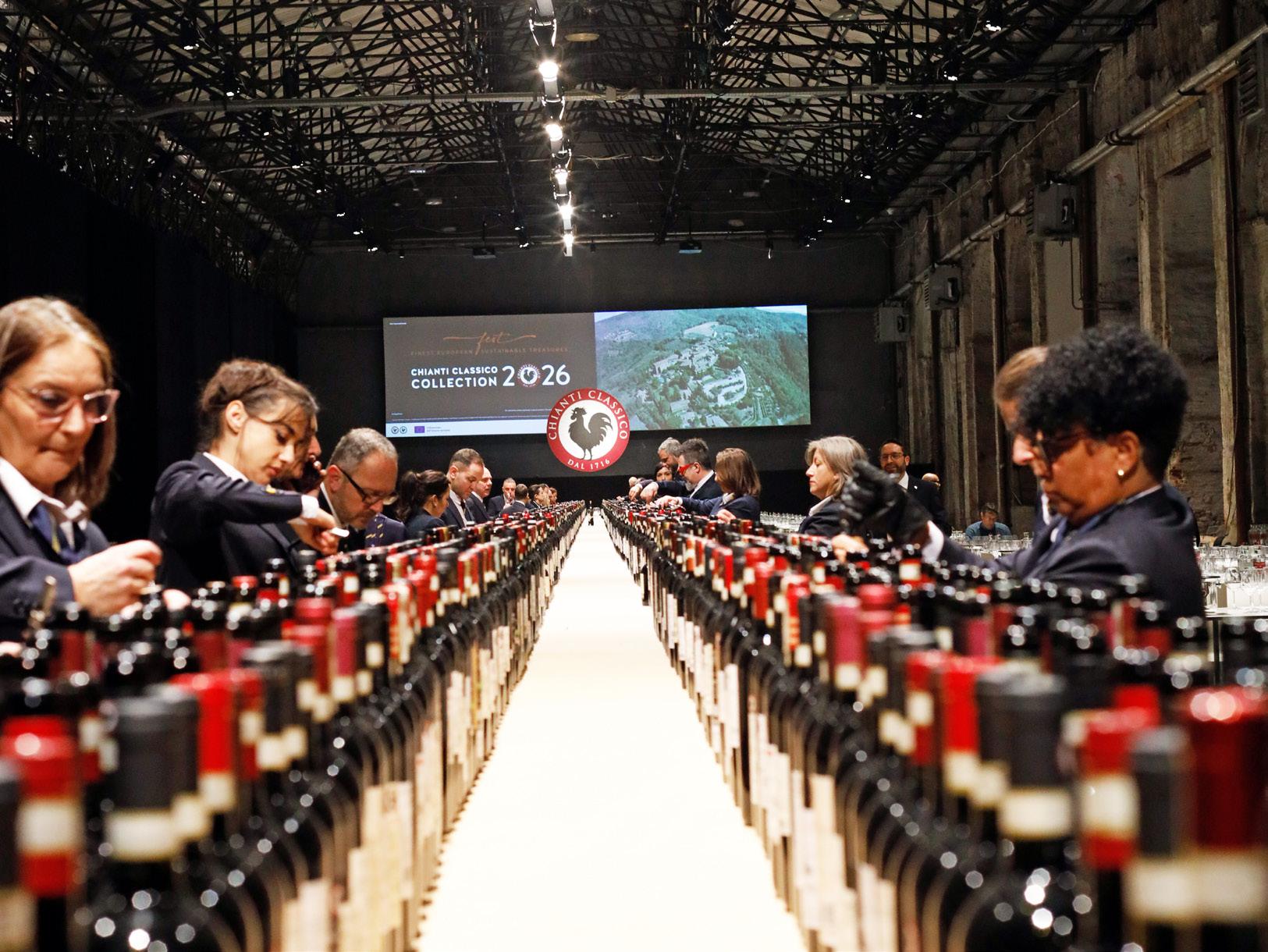
north-east of Pontassieve. The fruit profile of Vigneto Erchi is noticeably darker, with black cherry, mulberry and blackberry, together with Rufina’s characteristic violet notes, followed by pepper, tobacco and woodland herbs. Supple and beautifully balanced, with generous fruit, elegant, finely integrated tannins and a distinct Rufina personality that will only become more impressive with age.
LE COLOGNOLE, VIGNA LE ROGAIE, CHIANTI RUFINA DOCG, TERRAELECTAE, 2022
93
The noble Conti Spalletti Trivelli family, originally from Switzerland before later settling in Emilia-Romagna, acquired 650 hectares overlooking the Val di Sieve towards the end of the nineteenth century. The estate remains in family ownership today, producing not only organic wines and olive oil but also offering accommodation in rooms, apartments and entire villas. Their pure Sangiovese displays attractive aromas of red berries, darker woodland fruit, blood orange, tobacco leaf, pepper, woodland vegetation and herbs. The palate combines generous fruit with excellent grip and structure while remaining graceful and elegant. Beautifully balanced tannins complete a Rufina wine that deserves a place in the cellar for future celebrations.
FATTORIA LAVACCHIO, CASANOVA CHIANTI RUFINA DOCG, TERRAELECTAE, 2022
94
Faye Lottero’s parents, Barbara and Marino, spent years searching for a country estate in Tuscany before falling in love with the somewhat neglected Lavacchio farmhouse on a grey, rainy day
in the late 1970s. Faye originally planned a career as a lawyer but eventually chose instead to become a farmer in Rufina alongside her husband Dimitri. Their vineyards are organically certified and farmed according to biodynamic principles, something clearly reflected in the wines. Casanova Terraelectae 2022 possesses a breezy freshness together with expressive aromas of Amarena cherry, mulberry and plum, followed by pepper, clove, tobacco, herbs and woodland botanicals. Fresh and fruitdriven on the palate, with balanced tannins, elegance and excellent persistence. A wine that truly speaks the language of Rufina.
VIGNETO POGGIO DIAMANTE, CHIANTI RUFINA DOCG, TERRAELECTAE, 2022
94
Visiting Tenuta Bossi in Rufina—or the historic Gondi family palace built in 1489 opposite Palazzo Vecchio in Florence—is like stepping back through the centuries. The Marchesi Gondi family is one of Florence’s oldest noble dynasties, tracing its origins back to the time of Charlemagne, and is even mentioned by Dante in The Divine Comedy. Vigneto Poggio Diamante 2022 offers an elegant blend of floral and fruitdriven aromas, including rose petals, cherry, wild strawberry and redcurrant, together with herbal nuances inspired by the surrounding Mediterranean vegetation. Fresh, fruit-driven and delicately spiced, with excellent grip, silky texture and genuine finesse. After eighteen months in 2,000-litre oak casks, the wine successfully unites remarkable history with thoroughly modern winemaking.
I VERONI, VIGNETI QUONA CHIANTI RUFINA DOCG, TERRAELECTAE,
91
I Veroni is an estate with a long history, dating in part back to the Middle Ages, when a watchtower formed part of the Conti Guidi holdings in Pontassieve, just a stone’s throw from Florence. During the sixteenth century the property evolved into a working farm, and today it is run by Lorenzo Mariani, whose family took ownership at the beginning of the twentieth century. His organically produced Terraelectae is a supple, highly approachable wine with aromas of ripe red and darker fruit, spices and herbs, together with the distinctly balsamic character so often referred to by local producers. A discreet touch of oak, beautifully integrated tannins and a rounded, velvety palate lead into a long finish.
VILLA TRAVIGNOLI, VIGNA COLONNETO, CHIANTI RUFINA DOCG, TERRAELECTAE, 2022
90
Villa Travignoli is another historic estate in the Rufina district, with origins that can be traced back to Etruscan times. Through marriage, the estate passed into the hands of Florence’s noble Busi family during the nineteenth century, and today it is run by Giovanni Busi together with his family. Giovanni Busi also serves as President of the Chianti Consorzio. The Vigna Colonneto vineyard lies at elevations of between 200 and 350 metres on calcareous clay soils east of Pontassieve. The wine is fresh and generously textured, displaying ripe red fruit, cherry and classic Sangiovese character with its subtle sanguine edge, complemented by delicate herbal nuances. Fruit-driven
on the palate, with slightly firm yet well-balanced tannins. An excellent partner for grilled or braised meat dishes.
88
Nicola Foscarini explained that when his family acquired Borgo Macereto, near Dicomano, in 2014, they unexpectedly discovered a parcel planted with Gamay. Rather than removing it, they chose to preserve and replant the vineyard, allowing the variety to lend a distinctive touch to their organically grown Sangiovese wines. Vigneto Macereto di Sotto Terraelectae 2022 is a rather rich and powerful wine with an alcohol level of 15.5%. It gradually opens in the glass to reveal aromas of dried flower petals, ripe red fruit, cherry, spices and Mediterranean herbs. Although matured in neutral barriques, there is still a discreet impression of oak, while the slightly firm tannins suggest that a few more years of bottle age will be beneficial. Nevertheless, it remains an engaging and thoroughly enjoyable Terraelectae.
AZIENDA SAN GREGORIO, CHIANTI COLLI SENESI POGGIO PAGLIAIO RISERVA, 2023
94 Poggio Pagliaio is the name of the vineyard near Lake Chiusi where the Sangiovese grapes for this wine are grown. The area is defined by its pronounced day-to-night temperature variation and clay-rich soils.
This is an engaging Chianti Riserva, displaying aromas of red and darker fruit, raspberry, cherry and blackberry, together with pepper, vanilla, meadow herbs and darker woodland notes. Fresh, fruitdriven and delicately spicy on the palate, with silky tannins, excellent balance and an attractive finish. It is a wine that pairs beautifully with braised Cinta Senese pork cheek—a fitting match, as San Gregorio also raises its own Cinta Senese DOP pigs.
TORRE ALLE TOLFE, CHIANTI COLLI SENESI DOCG, 2022
94 I have chosen Torre alle Tolfe’s Chianti rather than its Riserva because the estate has recently appointed a new winemaker and, with that, embraced an entirely new stylistic direction. For the past few years Teresa Castelli has overseen the winemaking, resulting in wines that are more precise, energetic and contemporary in style. Owner Mania Castelli has also introduced regenerative farming methods aimed at improving soil health, increasing biodiversity and promoting long-term sustainability. All of this is reflected in the wines themselves. Their Chianti
Colli Senesi 2022 is a blend of Sangiovese, Ciliegiolo and Canaiolo, fermented spontaneously before maturing in concrete tanks. Fresh, juicy, linear and vibrant, it displays a deep and complex bouquet of red and darker fruit, cherry, raspberry, blackberry, woodland berries, sweet violet, spices, shrubs and woodland herbs. Bright acidity and supple tannins complete a wine built confidently for the future.
VALDARNO DI SOPRA DOC MERLOT, 2023
95
Petrolo, in Mercatale Valdarno, is internationally renowned for its exceptional cru wines, above all Galatrona and Bòggina (Sangiovese). The estate belongs to the noble Bazzocchi-Sanjust family and is today run by Luca Sanjust di Teulada, who also serves as President of the Valdarno di Sopra Consorzio. Galatrona is a Merlot of outstanding class and unmistakable personality, beautifully expressing the unique terroir of Valdarno di Sopra. Rich and full-bodied, it offers generous aromas of red and dark fruit, blackberry, blueberry, rose petals, herbs, leafy nuances and black pepper. Fresh, fruit-driven and concentrated on the palate, supported by elegant tannins and a wonderfully generous texture. A wine reserved for truly special occasions.
CARNASCIALE BOTTE GRANDE TOSCANA IGT ROSSO, 2022
95
Caberlot is a naturally occurring cross between Cabernet Franc and Merlot. The renowned agronomist Remigio Bordini discovered the variety in the Colli Euganei near Padua during the 1960s, although precisely when the crossing first occurred remains unknown. In the 1980s he introduced the variety to Wolf and Bettina Rogosky at Podere Il Carnasciale, who immediately recognised its remarkable potential. Caberlot combines the structure and complexity of Cabernet Franc with the supple, rounded character of Merlot. Carnasciale Botte Grande is matured for thirty months in large oak casks, allowing the grape’s distinctive personality to shine through. The bouquet is beautifully fresh and generous, revealing sweet cherry, blackcurrant, woodland berries, pepper, floral notes, violet and herbs. The palate combines excellent structure with a remarkably slender, contemporary profile, juicy fruit and beautifully refined tannins. A truly unique and deeply fascinating wine.
FATTORIA BELLOSGUARDO, POSTA REALE VALDARNO DI SOPRA DOC SANGIOVESE, 2023
92
Fattoria Bellosguardo has made tremendous progress since my first visit almost a decade ago, when Riccardo Gagliardi had only recently resumed wine production after his father had abandoned it many years earlier. Today, Riccardo and his son Niccoló not only produce wine but also welcome guests to their agriturismo overlooking a
small lake. Posta Reale 2023 is a pure Sangiovese with a distinctive personality. Bright acidity supports expressive fruit, ripe cherry, wild strawberry, meadow herbs, woodland notes, spices and bergamot. The nearby lake subtly leaves its mark on the wine’s freshness and character. Juicy, persistent and framed by gently firm tannins, it is a Sangiovese that speaks unmistakably with the voice of Valdarno di Sopra.
SCRAFANA, BERULFO TOSCANA IGT ROSSO, 2020
92 Melissa Maggioni and her family acquired Tenuta Scrafana in 2017 and have since worked tirelessly to restore the estate, replanting vineyards and constructing a new winery that successfully combines tradition with modern technology. Their ambition has been to breathe new life into both the property and the historic identity of the Valdarno region. Berulfo Toscana IGT Rosso is a blend of Merlot, Cabernet Sauvignon and Sangiovese, matured for twenty-four months in French oak barrels. The bouquet reveals attractive aromas of red and dark fruit, cherry, plum, blackcurrant, Mediterranean herbs, black pepper and delicate violet. The tannins are supple, the structure beautifully rounded and the finish long and harmonious. I also tasted the 2019 vintage together with Melissa Maggioni over lunch. Across Tuscany, 2019 proved to be an outstanding vintage, and Berulfo 2019 displays vibrant acidity, wonderfully juicy fruit, superb balance and genuine finesse.
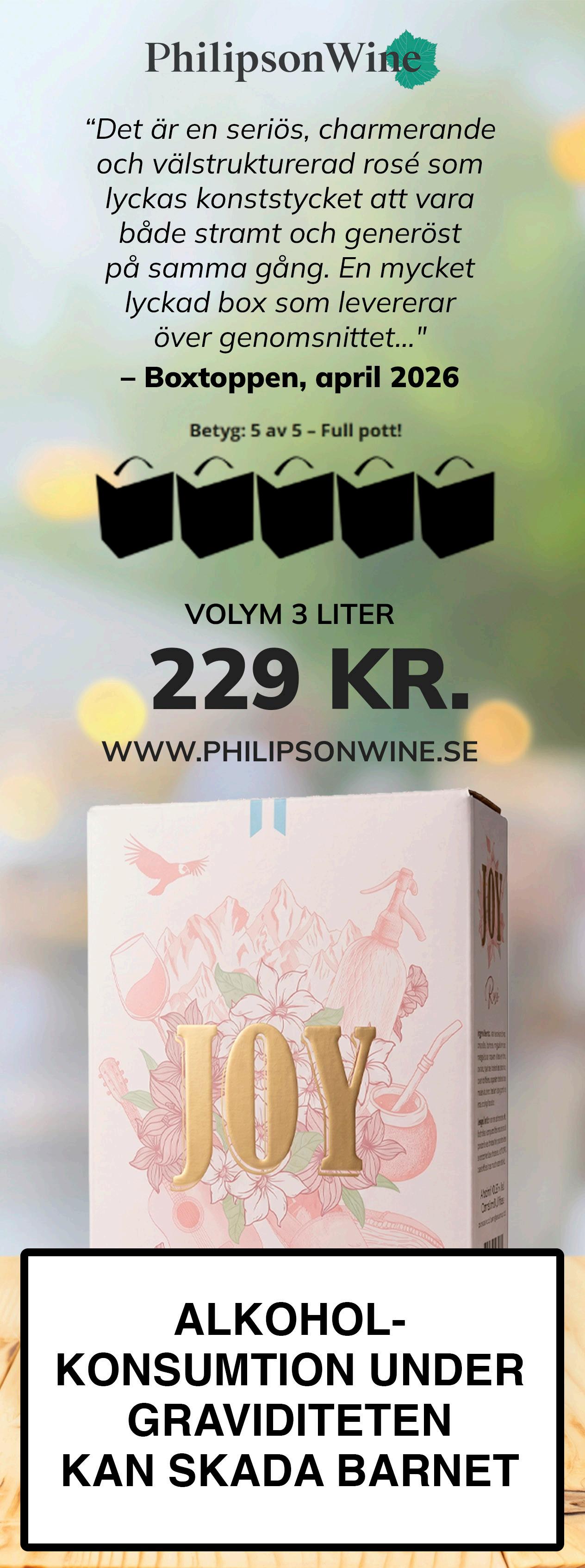
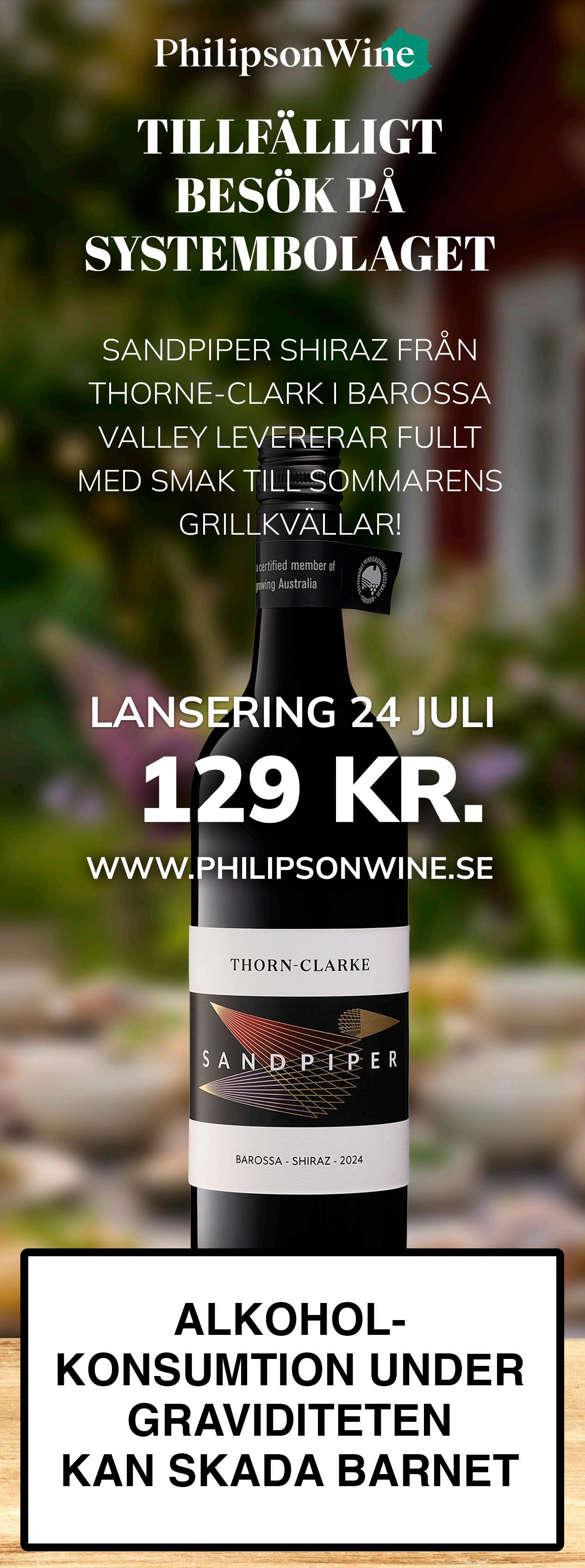
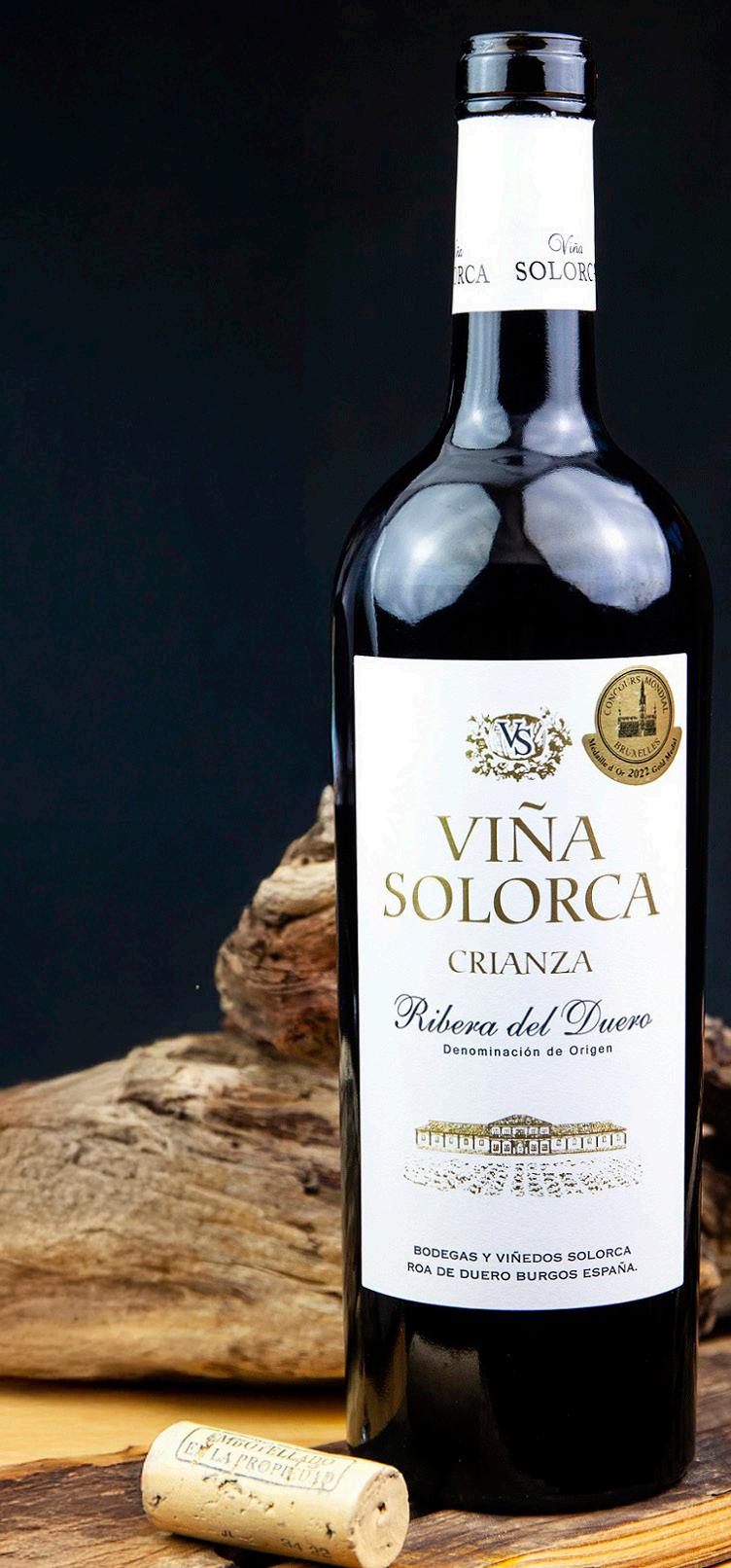
“Viña Solorca Crianza erbjuder en mycket stabil och charmerande leverans, där kvaliteten överträffar”
LIVETSGODA.SE, 8/6-2026
VIÑA SOLORCA CRIANZA 2022 NR 2104 (750 ML, 15%) 139 KR
www.vinia.se
Alkohol kan skada din hälsa
”Värdet av en detalj mäts i stunden den skapar”

GÖTEBORG STOCKHOLM MALMÖ brobergs.se
Prestige Champagnes from lesserknown houses are among the most fascinating wines I know to explore. Cristal, Dom Pérignon and Belle Époque unquestionably deserve their fame, yet when it comes to genuine value for money there is an abundance of remarkable prestige cuvées from gifted but less celebrated producers waiting to be discovered. Billecart-Salmon ‘Cuvée
N.F.’, Ayala ‘Perle’, Alfred Gratien ‘Cuvée Paradis’, Charles Heidsieck ‘Blanc des Millénaires’, Deutz ‘Cuvée William Deutz’, Saint Gall ‘Orpale’, Gosset ‘Célébris’, Henriot ‘Les Enchanteleurs’, Lanson ‘Noble’, Laurent-Perrier ‘Grand Siècle’ and, not least, Duval-Leroy ‘Femme de Champagne’ are all shining examples of such extraordinary – yet somewhat underrated – Champagnes.
BY BJÖRNSTIERNE ANTONSSON AKA THE CHAMPAGNESOMMELIER
THERE IS A TIRESOME AND DEEPLY predictable school of thought within the wine world that insists “feminine” wines must be soft, floral and almost apologetic – the vinous equivalent of a pastel-coloured Parisian macaron. To apply such a lazy description to Duval-Leroy’s ‘Femme de Champagne’ is not merely a mistake; it is an insult to one of the most intellectually rigorous and structurally uncompromising wines in the entire region.
As The Champagne Sommelier, I have spent years listening to men in suits explaining terroir as though they had personally invented soil. At Duval-Leroy, however, the narrative is entirely different. Since 1991, Carol DuvalLeroy has steered this house with a determination that makes most corporate CEOs look as though they are playing with Duplo bricks. ‘Femme de Champagne’ is her manifesto – a wine that does not merely ask for a seat at the table, but owns the table, the chairs and the entire cellar beneath it.
The Architecture: A Blueprint of Grand Cru ‘Femme de Champagne’ is not a wine built on artifice or excess. It is a pure construction of identity and emotional conviction. The blend is a masterclass in geographical excellence, typically leaning heavily towards Chardonnay (around 80%) from the illustrious Grand Cru villages of Avize, Chouilly and Le Mesnil-sur-Oger, complemented by a strategic 20% Pinot Noir from Aÿ to provide the essential backbone. This is not the sunny, generous fluff of an average vintage. This is a wine of structure and energy. Chardonnay contributes crystalline purity and tension, while Pinot Noir unfolds layers of depth and texture that anchor the wine firmly in the earth.


The Cellar: The Work of Human Hands in the Shadows
Like the legendary enchanteleurs – the craftsmen who once watched over wines as they slumbered on their lees – Duval-Leroy understands that time is a non-negotiable ingredient. ‘Femme de Champagne’ spends a decade or more resting in the silent darkness of the cellar. When you finally ease the cork from the bottle, you are not greeted by timid restraint. Instead, you encounter a brilliantly defined aromatic profile of white flowers, honey-ripened citrus and a hint of toasted brioche that speaks of patience and profound respect for the craft. The wine possesses that precise, persistent mineral finish which reminds us exactly why Grand Cru vineyards matter in the first place.
The Setting: Gastronomy as Duty
To drink this wine merely as an aperitif is to squander a great vintage. This is a Champagne of emotion and light, created for long ageing and – above all – for the dining table. Pair it with scallops – proper ones, with the salinity of the Atlantic still clinging to their flesh – or wild-caught turbot served with nothing more than the faintest whisper of beurre blanc. The wine’s freshness and salinity provide the perfect counterpoint to the richness of the fish. It becomes a dialogue between grape and time, where every element finds its rightful place.
For all that is sacred, do not serve this at the temperature of an ice hole. You want it between 9–12°C. Too cold, and you murder the wine’s depth and texture. Use a proper
glass – a generously shaped tulip or a fine white wine glass. The wine needs room to breathe, to stretch itself and reveal its secrets. If you insist on serving it in a narrow flute, you may as well drink it through a straw.
A name that, if we are honest, suggests a rather demanding sort of bottle. One imagines a Grande Dame who, having reached a certain age, has finally decided to emerge from her boudoir, impeccably composed, though ever so slightly impatient with the noise of the outside world.
‘Femme de Champagne’ represents the natural continuity of a house that has dared to evolve without ever losing its soul. It is a wine of structure and energy, shaped by human hands and firmly rooted in uncompromising excellence. This is a deeply satisfying, profoundly complex Champagne. It is an intellectual exercise, an emotional journey and a damned delicious wine all at once. It is the sort of bottle you open when you want your guests to understand that you do not merely drink Champagne; you perform an act of vinous reverence. ‘Femme de Champagne’ is a forgotten masterpiece of the very highest order. Quite simply, it is a brilliant, disciplined and sophisticated argument in favour of the matriarchy. If you fail to understand that, the fault lies with your palate –certainly not with the bottle.

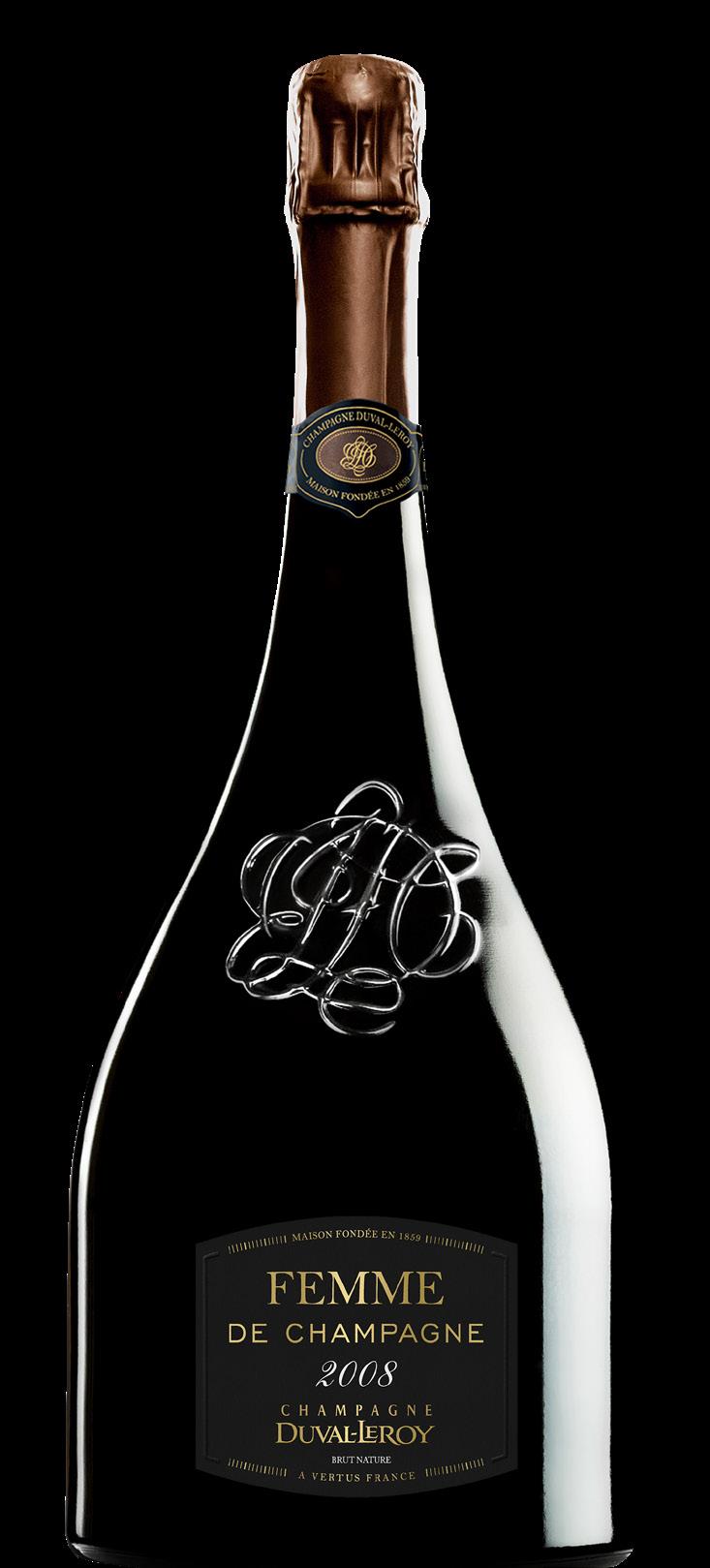
2008 DUVAL-LEROY ‘FEMME DE CHAMPAGNE’
1ER CRU VERTUS (MAGNUM)
24PN 76CH
Estimated market value: approximately €800
95 From the estate’s finest parcels in Avize (Chapelle d’Avize, La Côte, Petit et Grande Roses), Chouilly (Montaigu) and Le Mesnil (Volibarts and Les Carelles) comes the Chardonnay, while the remaining quarter of Pinot Noir is sourced from majestic Grand Cru Ambonnay. Part of the wine is vinified in oak before spending an impressive fourteen years ageing on its lees.
At times, Les Chétillons in Le Mesnil dominates with its signature mandarin-like character. On other occasions, the cuvée becomes creamier, showing greater influence from Cramant and Chouilly. In magnum, the wine develops an additional toasted, flinty charm reminiscent of Henriot’s Les Enchanteleurs, or perhaps a lighter cousin of Dom Pérignon. The purity is, as always, uncompromising, and my thoughts inevitably drift towards mature magnums of Grand Siècle. The wine is, admittedly, still remarkably youthful and has many journeys ahead of it. Yet it is breathtakingly beautiful even today, displaying radiant elegance with notes of acacia blossom, lime blossom and the joyfulness of early summer, intertwined with brioche, vanilla, mandarin and lemon pastries. Long, vibrant and beautifully fresh, with a buttery thread that caresses the palate all the way to the finish.
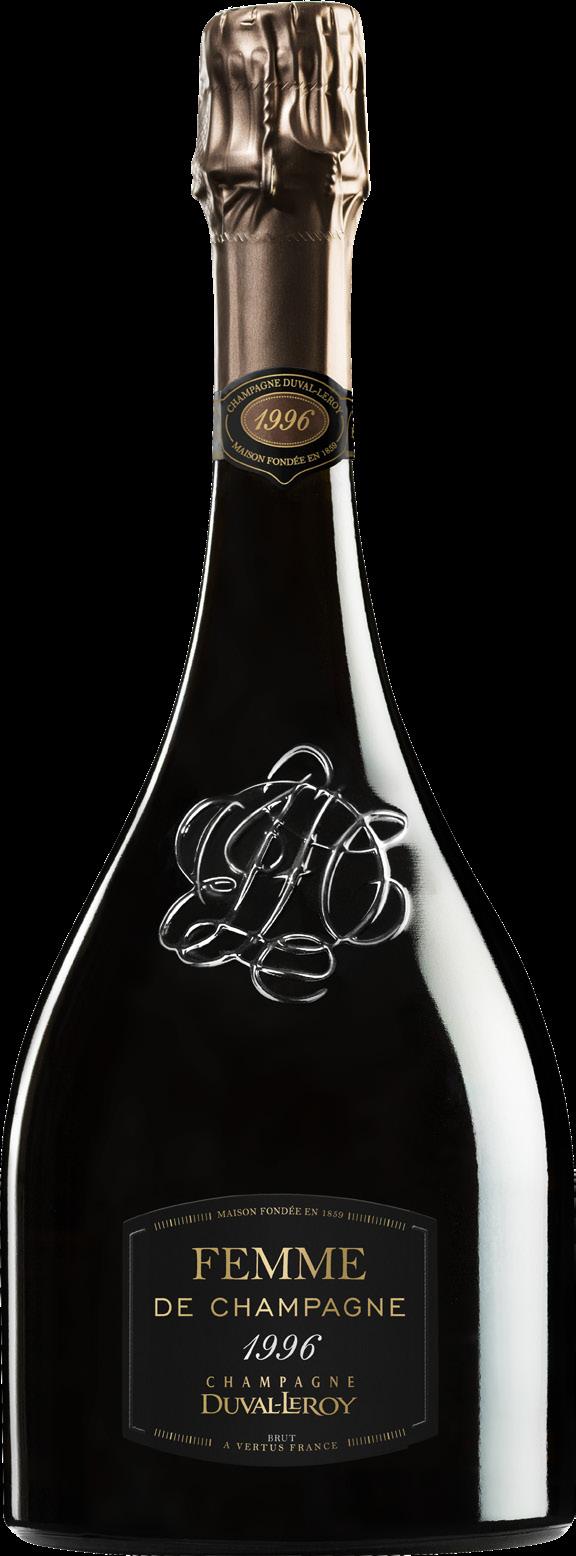
1996 DUVAL-LEROY ‘FEMME DE CHAMPAGNE VINOTHÈQUE’
1ER CRU VERTUS (MAGNUM)
21PN 79CH
Estimated market value: approximately €700
97 A wonderfully late-disgorged magnum opened by winemaker Sandrine Logette. There is certainly a gently reductive, toasted magnum character, yet what impresses most is the breadth, the creaminess and the extraordinarily silky fruit stretching from citrus and peaches all the way to wild strawberries. Rich, concentrated and sensuously crowd-pleasing. It is almost impossible to declare a winner when tasting the newly disgorged magnums of both the 1996 and the 1995. Naturally, the 1996 is tighter, more vibrant in acidity and somewhat deeper, while the 1995 is utterly irresistible in its chocolate-scented, delicately floral style. This 1996, meanwhile, is more distinctly toasted and gently grilled in character.
Quite simply, they deserve to be enjoyed side by side.
Det familjeägda champagnehuset Veuve Fourny & Fils framställer fantastisk champagne av biodynamiskt odlade druvor från de egna gårdarna runt byn Vertus.
Med gamla vinstockar på små och unika odlingsmarker har familjen genom generationer skapat ett mycket respekterat varumärke i den prestigefulla regionen Côte des Blancs.
BY BJÖRNSTIERNE ANTONSSON AKA THE CHAMPAGNESOMMELIER
PM
10 MV SELOSSE ’V.O. VERSION ORIGINALE’ DÉGORGEMENT ‘22 [BASE 2018] GRAND CRU AVIZE
100 CH
Estimated Market Value: approx.
€400
95 Although Selosse is always deeply impressive with bottle age, I confess to being a sucker for youthful vitality. Fresh as an Arctic breeze. Broader and darker in character than the slightly more nervously energetic 2018-based Initial, with greater depth, notes of chanterelles, fresher figs, brioche, pear, oriental spices and Brazil nuts. A high proportion of the base vintage thanks to an abundant harvest. Perfect, unmistakably house-typical and immediately engaging. Around 35,000 bottles are produced from the flatter sections of the vineyards where the soils are richer. Best enjoyed within the next five years.
One of the signature dishes at Restaurant Solen, located in Stockholm’s Slakthusområdet district, is their croquettes. The version filled with artichoke
and lemon crème forms a wonderfully decadent and hedonistic partnership with premium Champagne in general, and Selosse ‘V.O.’ in particular. This is a restaurant that operates with ease, style and genuine hospitality, while never losing sight of its respect for the guest. Modern restaurant culture at its finest. Merci, Team Solen.
100CH
Estimated Market Value: approx.
€400 95
Possibly the finest co-operative in Champagne alongside Mailly Grand Cru. Champagne de Saint-Gall is a brand produced in collaboration with Union Champagne. Founded in 1966 by a group of Grand Cru and Premier Cru growers, the Union now encompasses fifteen different co-operatives and around 2,000 growers across many of Champagne’s finest vineyard sites. The wines are produced at Union
Champagne’s facilities in the Grand Cru village of Avize. Each of the fifteen co-operatives vinifies its own grapes into base wines, preserving a remarkably diverse palette from which the cellar master at de Saint-Gall creates the final blends. In addition, almost three million bottles are sold under other labels belonging to members of the group. The co-operative’s wines also contribute to such prestigious cuvées as Taittinger Comtes de Champagne, Laurent-Perrier Grand Siècle and Dom Pérignon. Their own wines are marketed under several labels, including Saint Gall, Pierre Vaudon and Orpale. This fascinating new release is bottled without dosage and has benefited from later disgorgement. As velvety as ever, yet displaying significantly more toastiness and an almost powdery mineral expression in both the 2002 and 2004 vintages. At the same time, it retains its trademark silky texture and an unmistakably sophisticated prestige aura throughout. A beautiful wine in which the absence of dosage is virtually
imperceptible. The somewhat curious name simply refers to the 2004 vintage presented entirely without dosage.
8
2018 ALFRED GRATIEN ’CLOS LE VILLAGES’ 1ER CRU CUMIÈRES
100 PM
Estimated Market Value: approx. €200
95
Have we found a serious contender for the title of the world’s greatest Pinot Meunier? Who else belongs on that list?
Nicolas Maillart Mont Martin, Chartogne-Taillet Les Barres, Egly-Ouriet Les Vignes de Vrigny and Jérôme Prévost – La Closerie Les Béguines immediately spring to mind. Single-parcel Champagnes represent a fascinating marriage of tradition, innovation and artistic craftsmanship. By focusing entirely on terroir and expressing the unique identity of individual vineyards, these wines offer a profound and authentic experience that extends far beyond the conventional. Their production demands exceptional skill and unwavering dedication, yet the reward is wines that
capture the essence of one single place in every bottle.
As more producers embrace this philosophy, the future for single-parcel Champagne appears exceptionally bright. They herald a new era of authenticity and terroir-driven sparkling wines that celebrate the extraordinary diversity and richness of Champagne.
In 2018, Nicolas Jaeger felt that the combination of barrel vinification, the deliberate avoidance of malolactic fermentation and the extraordinary ripeness of the fruit had reached such intensity that it deserved to stand alone as a solo performance. Harvested on 20 August, the grapes possessed exceptionally high sugar levels and remarkable ripeness, yet retained equally impressive acidity and balance.
The presentation is every bit as beautiful as the wine itself. Each bottle arrives in a wooden case engraved with a map of the vineyard and accompanied by a beautifully produced miniature booklet, offering a glimpse of what awaits before you loosen the wire cage and finally release the cork.
Just 2,135 bottles were produced from this unique south-facing walled vineyard nestled among the picturesque houses of Cumières, planted exclusively to Pinot Meunier in 1961.
Nicolas Jaeger quite rightly
describes this not merely as a great wine, but as an invitation into the delicate, fruit-driven world of Meunier at its absolute finest.
Deep golden in colour with a soft, creamy mousse. Delicate aromas of almond, brioche, peach and caramel introduce the wine. The attack is vibrant, yet the mid-palate and finish are embracingly silky, achieving a flawless balance between freshness and generosity. Vanilla, nougat and exotic fruits swirl together in a beautiful, pleasure-filled symphony, culminating in a lingering finish of mint chocolate and flinty minerality.
7
2014 JACQUESSON ‘DIZY TERRES ROUGES’ 1ER CRU DIZY
DÉGORGEMENT MAR’23
100PN
Estimated Market Value: approx. €500
94
Produced from a single lieu-dit of just 1.7 hectares in Jacquesson’s home village of Dizy. Ever since this wine was transformed from a pure Pinot Noir rosé into its white sibling, it has gone from strength to strength. The vineyard itself was planted with Pinot Noir by the Chiquet brothers as recently as 1993, while 2012 marked the inaugural vintage of the white Terres Rouges (formerly produced as a rosé).
The 2014 vintage yielded exceptionally low production,
resulting in around 2,500 bottles of remarkable quality. Brilliant in colour, with delicate bronze and golden reflections and a slowly rising mousse within its glycerol-rich texture. Is it still winter, or has spring already arrived?
The bouquet shifts effortlessly between the rounded generosity of pastry notes — vanilla custard, fresh almonds and poached pear — and the comforting sweetness of warm chocolate, lifted by citrus nuances of fresh mint, eucalyptus and a subtle floral touch. It is a gloriously expansive nose, packed with Jacquesson’s unmistakable signature aromas of gingerbread dough, silage, woodland mushrooms, cinnamon, liquorice, walnuts, dried papaya and crisp yellow apples.
The palate is monumental from the outset — deep, voluminous, faintly animal and thunderously impressive. That same duality is mirrored in the delicate, restrained mousse before giving way to a powerful yet beautifully controlled finish. Spice, tension and finely judged bitter nuances decorate the finale like precious jewels.
A demanding, profoundly complex and powerful Champagne that will delight lovers of mature vintages. The palate is astonishingly dense and richly layered, echoing the aromatic profile of the bouquet
with a broad, full-bodied structure and an almost oily richness before concluding with a finish that is strikingly pure, saturated with minerality, bone dry and phenomenally persistent. This will evolve magnificently. Yet another immensely powerful Jacquesson, combining exceptional concentration with remarkable depth, thanks in no small part to the estate’s meticulous work with individual vineyard parcels.
‘CUVÉE DOM PÉRIGNON’ GRAND CRU AŸ
46PN 54CH
Estimated Market Value: approx. €180
95
The debut of a new vintage of this timeless classic. This marks Chef de Cave Vincent Chaperon’s first vintage entirely under his own direction. The blend draws fruit from Chouilly, Cramant, Verzenay, Le Mesnil-sur-Oger, Avize, Mareuil-sur-Aÿ, Aÿ, Sillery, Oger, Hautvillers, Verzy and Dizy, finished with a dosage of six grams.
Verzenay and Aÿ dominate the Pinot Noir component, while Chouilly once again plays the leading role for Chardonnay, very much in the classic Dom Pérignon style. If Richard Geoffroy’s final vintage, the 2017, reflects the personality of Richard
Geoffroy himself, then 2018 feels unmistakably like Vincent Chaperon. Less extroverted, more thoughtful and analytical, where greatness lies not in grand gestures but in countless subtle ones.
The bouquet remains youthful, restrained and almost whisperingly quiet, yet beautifully composed in its shy elegance. Cool aromas of spring flowers, steel and white peaches mingle with the earliest hints of the classic toasted character that will undoubtedly blossom fully over the next decade.
It is on the palate that the wine reveals its true greatness. The texture is so seamless it almost borders on the one-dimensional, not through simplicity but through the extraordinary harmony with which every element flows into the next. The caress across the palate is cool yet utterly genuine. The flavours possess the icy beauty of a Snow Queen.
The richness across the midpalate and the saline, citrusdriven persistence of the finish are genuinely remarkable.
Like every Dom Pérignon, this will inevitably become even greater as a future P2. But if you buy bottles at this stage, do not waste them in restaurants or nightclubs. Wait at least another five years, sit down with your favourite music, listen with complete attention, and allow all your senses to enrich one another.
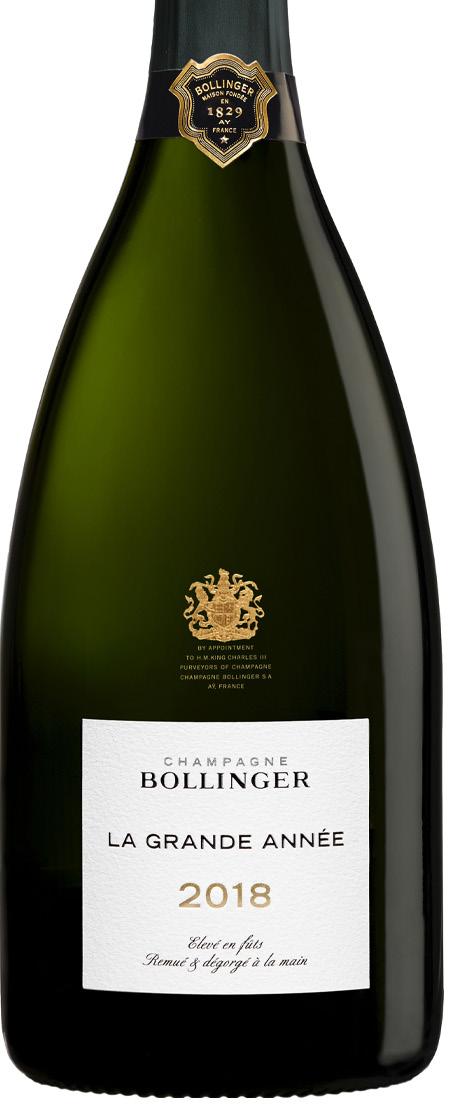
Disgorged: 1987 33PN 33PM 34CH
Estimated Market Value: approx. €200
96
Easter lunch. The season’s first asparagus accompanied by frankly obscene quantities of vendace roe. After lunch, a blind bottle with serious age and remarkable depth arrived at the table. A cuvée crafted by the master Daniel Thibaut.
A precisely dated old standard bottling, preserved in excellent condition and produced without malolactic fermentation, is always a promising proposition.
Throughout the 1970s, 1980s and 1990s, Piper-Heidsieck’s standard non-vintage Champagne was generally considered rather modest compared with its finest competitors. The acidity, however, remained consistently high throughout those three decades, which explains why these wines continue to age so gracefully.
The mousse is naturally subdued, exactly as expected. The colour, however, is beautifully deep. The mature bouquet combines notes of Sherry and Madeira with orange toffee and brittle. Gunpowder smoke and roasted coffee emerge as wonderfully expressive stylistic signatures. The palate remains remarkably fresh and beautifully classical. Isn’t it utterly fascinating just how magnificently these old treasures continue to age?
Disgorged: March 2025 66PN 34CH
Estimated Market Value: approx. €150
96Overall, 2018 was about as close to a perfect Champagne vintage as one could hope for. Yet the growing season itself was anything but straightforward. Winter and spring brought relentless rainfall, followed by an exceptionally hot and remarkably dry summer that perfectly compensated for the earlier moisture, leading to a record-early harvest: 23 August for Pinot Noir and one week later for Chardonnay. Everything was picked under flawless conditions.
The result was wines combining both power and unexpected freshness, despite the average temperatures exceeding even those of 2019 and 2020, vintages that generally produced broader, more bombastic and less vibrant Champagnes.
The 2018 vintage is a knockout punch discreetly disguised inside a silk glove. Cool, vibrant notes of citrus and Granny Smith apples dance effortlessly alongside Bollinger’s unmistakable signatures of brioche and gunflint minerality. At present there are more green apples than red, more raspberries than peaches, more acacia and yellow roses than honeysuckle, more bitter almond than hazelnut, more cinnamon than tar, more shiitake than
porcini, more butterscotch than chocolate, and more pale birchwood than heavy sauna smoke.
What we have here is therefore a classic and immensely complex Bollinger illuminated by an unusually bright energy. It is deceptively easy to mistake the wine for something lighter than it really is, because its freshness masks its considerable power. The oak influence is not overtly aromatic, yet its presence is unmistakable in the creamy, velvety caress across the palate. Even the biscuit-scented complexity owes much of its existence to the gentle micro-oxygenation that occurs through the fibres of the small oak barrels. Many producers crafted magnificent Champagnes in 2018, but most remain rather shy and unresolved, demanding years of further cellaring.
That is not the case with Bollinger La Grande Année.
This is already a profoundly rewarding Champagne to drink today, although I shall personally leave my own bottles untouched for many years until their deeper layers fully emerge.
This year’s composition consists of 19% Aÿ, 19% Verzenay, 10% Mareuil-sur-Aÿ, 7% Avize, 6% Chouilly, 5% Cuis and the remaining 34% from thirteen other Grand Cru and Premier Cru villages. As always, every base wine has been vinified in small oak barrels, while the dosage has been reduced to six grams compared with eight grams in the previous 2015 release.
66PN 34CH
Estimated Market Value: approx. €4,000
98 When Jean-Baptiste Lécaillon and I met once again for a thoroughly Bacchanalian dinner at the beginning of May, he had selected a Jeroboam from the Rouzaud family’s private cellars.
Simply drinking — not merely tasting — Cristal from a Jeroboam is an utterly extraordinary experience. If Avenue de Champagne deserves to be called “the world’s most drinkable address”, then the discreet yet effortlessly luxurious dining room within the magnificent house on Boulevard Lundy must surely be “the world’s most enjoyable address”.
At release, this was one of the driest and least immediately seductive editions of Cristal ever produced. The move towards biodynamics together with the lower dosage in this non-malolactic wine was not exactly embraced with open arms by the nightclub crowd around the world.
Personally, I admire it enormously — not least for the courage required to pursue a less flirtatious direction, aiming instead at serious wine lovers willing to cellar their Cristal for a decade.
In magnum, it is as pure as a mountain stream and an unquestionable triumph. In the standard bottle, it appears creamier and more powerful without quite reaching the same sublime level of elegance. Today, notes of nut toffee and melon-driven fruit, joined by hints of mango and white chocolate, define its personality.
It is less extravagant than Dom Pérignon was at release, yet possesses considerably greater latent power and noticeably higher acidity. The bouquet remains rather restrained, displaying
extraordinary purity. Beneath the surface lies monumental weight.
We are still waiting for the exotic fruit, the lavish generosity and the signature white chocolate character to emerge. At present it remains considerably tighter than both Dom Pérignon and Comtes de Champagne and, for the time being, still trails slightly behind them.
Even so, I would not be remotely surprised if this tightly wound, extract-rich masterpiece ultimately overtakes them all with sufficient bottle age.
Disgorged: May 2025
100CH
Estimated Market Value: approx. €900
98
Sisters Marie and Justine Charlemagne possess an exceptionally clear vision of what they wish to achieve since succeeding their father Philippe.
They cultivate approximately twelve hectares of estate vineyards, primarily located in Le Mesnil-sur-Oger. Seventeen lieux-dits are spread across twenty-nine vineyard parcels on both the slopes and in the heart of Le Mesnil. The old vines — averaging fifty-eight years of age — are propagated through sélection massale within celebrated sites such as Les Chétillons, Les Coullemets, Les Hauts Jardins, Les Mussettes, Mont-Joly and Aillerand du Midi. Their commitment lies in safeguarding the long-term health and longevity of the vineyards. It is an approach defined by sensitivity, patience and profound respect for the resilience of the vine itself. Every decision begins with the vine, allowing it to forge the purest possible connection between the identity of the terroir and its ultimate expression in the wine. This Champagne is
produced exclusively from the Les Chétillons vineyard in extraordinarily limited quantities — between just 100 and 250 magnums — and only in truly exceptional vintages such as 1988, 1993, 1994, 2002, the newly released 2008 and 2012.
For collectors, this is the Holy Grail.
From the family’s private Vinothèque, the 2008 vintage is now being released exclusively in magnum format. The year itself was defined by a cool, dry summer that allowed the grapes to ripen with exceptional slowness. After an astonishing sixteen years on its lees — bottled in January 2009 and disgorged in May 2025 — only 256 magnums have been released.
The expression is extraordinarily subtle and refined, displaying beautifully toasted reductive notes and a finish that seems almost endless across the palate.
As Marie Charlemagne herself so eloquently puts it:
“Les Chétillons represents the perfect harmony between the energy and depth of the vineyard and the finesse of its empyreumatic (toasted) patina. These are complete, vibrant wines.” Smash the flutes and bring out the large Burgundy bowls instead.
Guy Charlemagne once again proves why Le Mesnil-sur-Oger remains one of the greatest Chardonnay terroirs on Earth. Cheers!
1
2002 POL ROGER
‘CUVÉE SIR WINSTON CHURCHILL VINOTHÈQUE’
EPERNAY (MAGNUM)
Pinot Noir-dominant – probably around 80PN 20CH
Estimated Market Value: approx. €1,200
98 Lunch at Aïra together with Bastien Collard from the house.
I have always admired the 2002, yet somehow it had never quite shifted into its highest gear. Then head sommelier Carl Frosterud appeared at the table carrying
a Vinothèque magnum, and when that happens, you listen very carefully to what the Champagne has to say. Suddenly, everything clicked. The wine found its balance on every conceivable level.
At this moment it combines a thrilling, vibrant tension with the first unmistakable signs of the profound Winston depth that only time can reveal. There is an almost Dom Pérignon-like roasted coffee character, accompanied by exotic red fruits and a chocolate-laden, gently grilled finish of the very highest calibre.
Even so, the greatest pleasure lies in witnessing, at close quarters, the emergence of greatness within this architectural masterpiece. For many years it has inspired more structural admiration than outright aromatic pleasure.
In many respects it recalls the heroic 1996, with its soaring acidity combined with remarkable richness and extraordinary depth.
This is Champagne architecture at its most magnificent.
It reminds us that greatness is not always about immediate seduction. Sometimes it is about patience, conviction and the quiet confidence to allow time itself to complete the work.
Some Champagnes impress. A very few transcend. This is one of them.
He is only 34 years old, yet already carries six generations of winegrowing heritage on his shoulders. Join The Champagne Sommelier on a visit to the legendary Grand Cru village of Aÿ, where we meet Julien Henin—a passionate lover of nature and sport who, through the use of his own oak barrels, organic viticulture and remarkable intuition, has begun carving his own name into Champagne’s limestone foundations.BY BJÖRNSTIERNE
ANTONSSON AKA THE CHAMPAGNE SOMMELIER
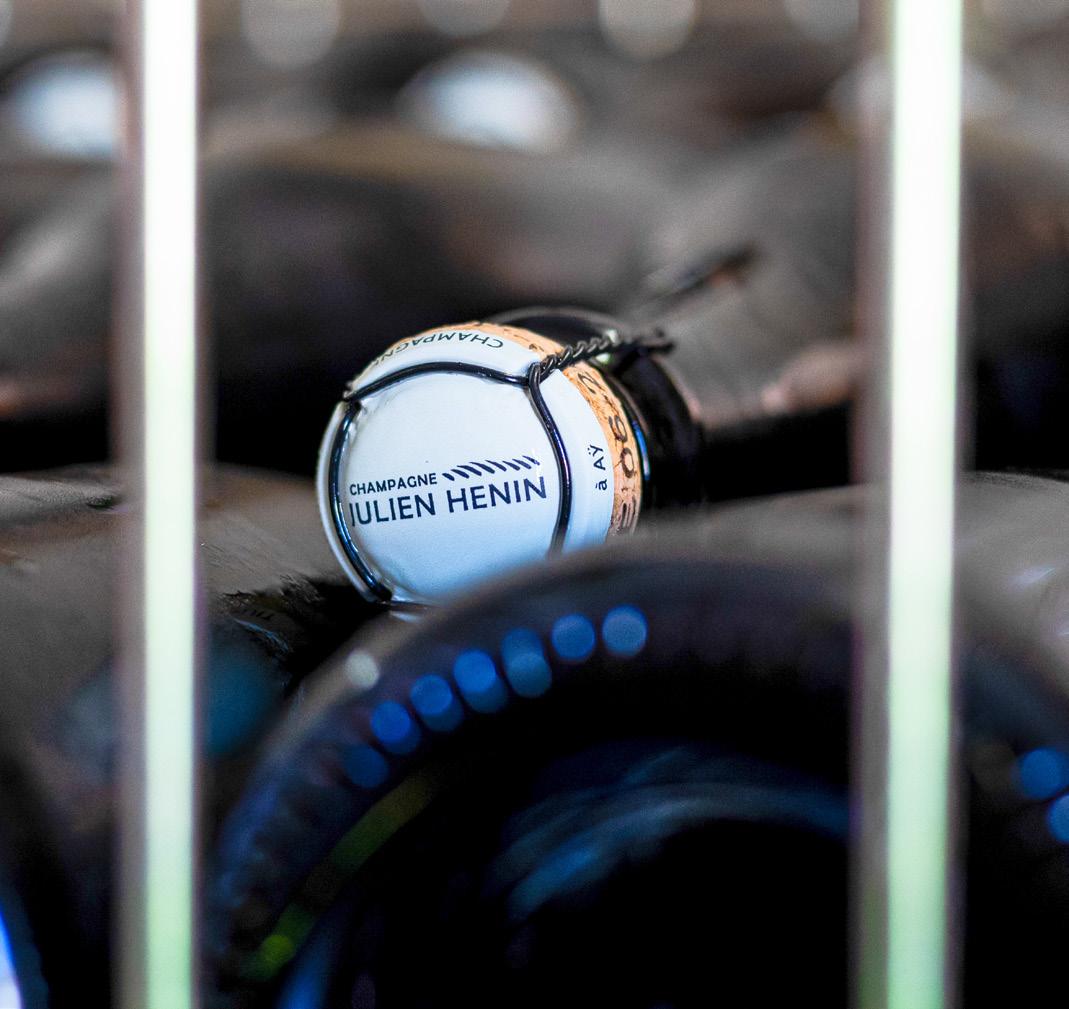
Six Generations of Heritage – From a Five-Year-Old in the Vineyard to a Bac Pro Graduate. Julien, tell us a little about yourself. How did you end up in this distinguished profession?
“I was born on 3 May 1992, so I’m 34 years old. Outside of wine, I love nature, sport, photography and discovering new things, but above all I enjoy sharing a truly great bottle of wine with close friends.
Becoming a winemaker was simply in my blood. On my mother’s side, I represent the sixth generation of winegrowers. My family has been involved in viticulture for as long as I can remember, so I was always following my parents and grandparents into the vineyards, to the presses during harvest and into the winery. I first set foot in the vineyards when I was around five years old—and, in truth, I’ve never really left them. When it came to my studies, I deliberately chose to
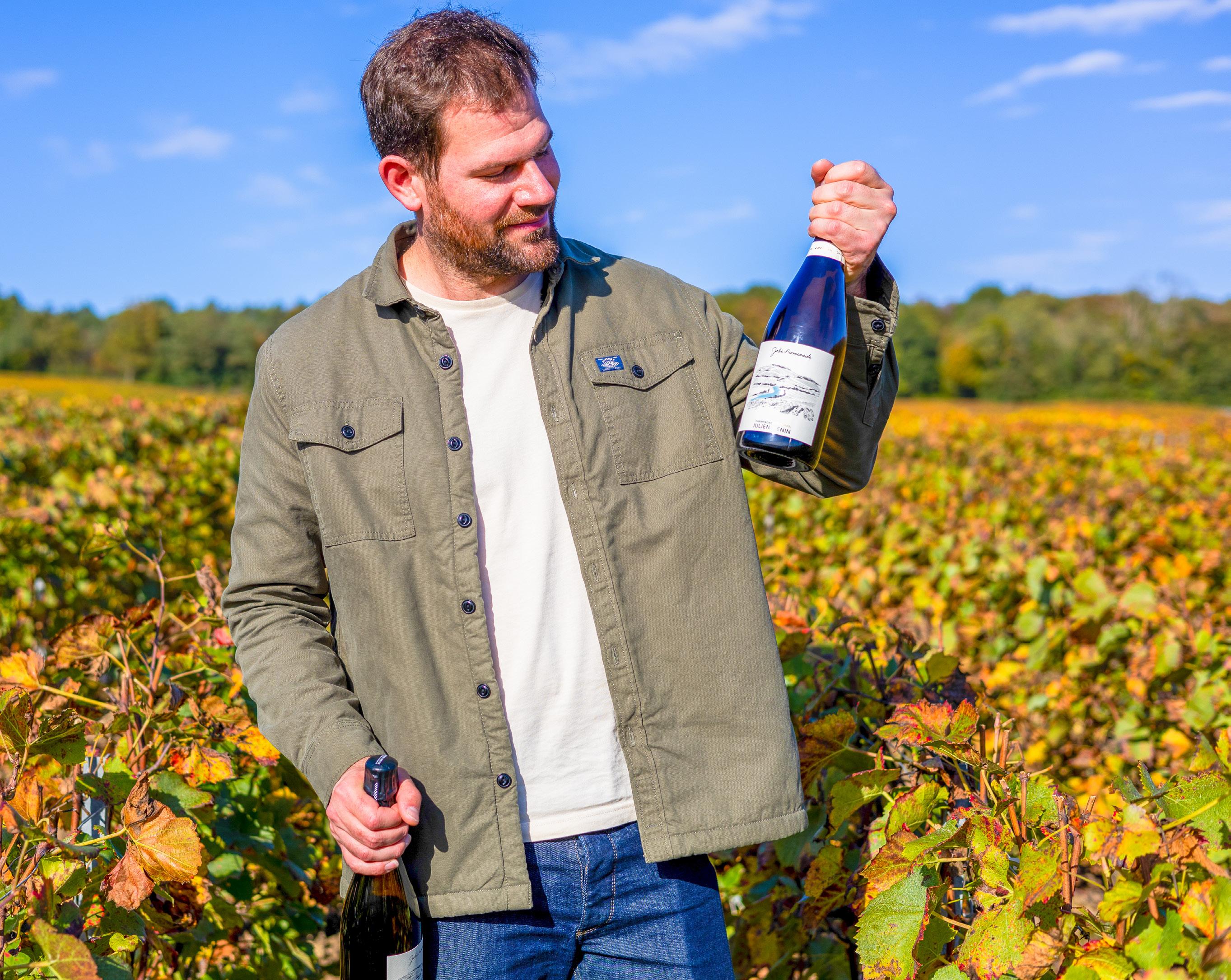
specialise in viticulture from my second year onwards. I completed a Bac Pro CGEA (Agricultural Business Management) at the professional wine school in Avize before continuing with a BTS in Viticulture and Oenology, which I completed in 2013.
What truly motivates me is making the absolute most of the vineyard my family has built over generations. Owning your own vineyard is an extraordinary family treasure. It is incredibly important to me to preserve that heritage while producing wines that consumers can genuinely enjoy.”
How is your business organised today, and how many cellar masters have you worked with?
“At the moment I run my own estate, Julien HENIN, entirely on my own. At the same time, I also work at the family estate, Champagne HENIN DELOUVIN, alongside
my brother and my mother. My father is officially retired, although he still helps us because it’s his greatest passion. So there is no traditional external cellar master—we do absolutely everything ourselves as a family.
Before champagne becomes bubbles, it is first and foremost a wine with its own history and its own terroir. My philosophy is to produce—and drink—Champagne exactly like that: as a great wine.
To achieve this, I apply organic farming methods throughout my vineyards. I allow the soil to rely on its own natural defences against disease, enabling me to harvest perfectly healthy grapes for vinification.”
Tell us about your terroir and the grape varieties you work with.
“Today I mainly grow Chardonnay, together with some Meunier in the Marne Valley. In time, my parents will
gradually pass on additional vineyard parcels to me, including Chardonnay, Meunier and Pinot Noir.
All three varieties have an exciting future because they express terroir so clearly—especially Chardonnay, which is precisely what I’m looking for. With slow, gentle vinification, remarkable things become possible.
The vineyards in the Marne Valley are planted on soils composed of both clay and sand, with superb southfacing exposures. The clay contributes generosity of fruit, roundness and structure, while the sandy soils provide excellent drainage. As a result, the vines frequently experience moderate water stress during the growing season, producing smaller berries with exceptional ripeness and superb structure.
My vintage Champagne, Le Champ Dame Jeanne, comes primarily from this very sandy parcel.”
Why did your family decide to plant Chardonnay in an area otherwise dominated by Meunier?
“It was my grandfather and my mother who wanted to plant Chardonnay there, as the vineyard had previously consisted exclusively of Pinot Meunier.
There were two main reasons behind the decision. Firstly, they wanted to reduce the impact of spring frosts. Chardonnay buds earlier and is therefore affected differently from Pinot Meunier.
Secondly, they wanted another grape variety in order to experiment with different styles of wine, whether blends or even a pure Blanc de Blancs for their customers.
When they made that decision, neither my grandfather nor my mother could ever have imagined that their Chardonnay would one day become so distinctive and full of character.”
Your wines display an almost Selosse-like note of toasted sesame on both the nose and palate. How on earth do you achieve that?
“Haha—that’s my little secret! But if I’m to lift the curtain just a little, it all begins with perfectly ripe grapes. I vinify with only minimal sulphur additions, while my old oak barrels gradually impart a delicate, gently oxidative note reminiscent of toasted sesame.
When I disgorge the wines, I don’t add any sulphur at all—I simply allow the wine to be exactly what it is. I don’t chill it, I don’t filter it and I don’t use any fining agents. Everything is done to preserve the wine’s full potential. That’s the craftsmanship I truly love.”
How do you view organic viticulture versus natural wine?
“Organic farming is incredibly important because we
have a responsibility to produce the healthiest possible product for the consumer. That said, we also need to strike a balance so that production remains consistent—we mustn’t take things to extremes.
My estate is organically certified, but when it comes to vinification I prefer to add a very small amount of sulphur in order to guarantee quality. To be perfectly honest, 100% natural wine isn’t really my thing. Too often it comes with flaws, and every bottle becomes a game of Russian roulette. I follow organic principles throughout the vineyard, but allow myself minimal additions in the cellar to ensure stability.”
Climate change is being felt throughout Champagne. How is it affecting you?
“2020 was a very unusual year, and we’re seeing the climate change virtually everything. The grapes are developing greater structure and concentration, meaning the Champagnes require less dosage and display even greater expression.
The downside, however, is dramatic. We are increasingly affected by severe spring frosts. In 2025, June was exceptionally wet and cold, causing significant damage to the Chardonnay vines, which bud early.
During the summer we also face periods of intense heat and increasingly violent hailstorms. That makes the growing season incredibly stressful, particularly as harvest approaches. It’s also changing the wines themselves. Acidity continues to decline while alcohol levels can become remarkably high—a trend we’ve seen very clearly this year.”
You recently found yourself at the tasting table alongside Richard Juhlin and his legendary tasting panel. What was that experience like?
“It was an incredibly fascinating and enjoyable experience. At first, I didn’t even realise I was sitting at the same table as Richard. We were having dinner together and discussing countless wines with great professionalism.
Blind tasting in that environment—trying to identify winemaking techniques and work out who produced each wine—is an extremely demanding exercise. But the atmosphere was so relaxed and friendly that everything felt wonderfully natural.
I had absolutely no idea what was in the glasses, yet I actually managed to identify one of my own wines during the tasting! My Champagne happened to be served alongside a magnificent bottle from Agrapart.
To taste my own wines side by side with those of such great winemakers—and in front of Richard himself—was an enormous honour.”
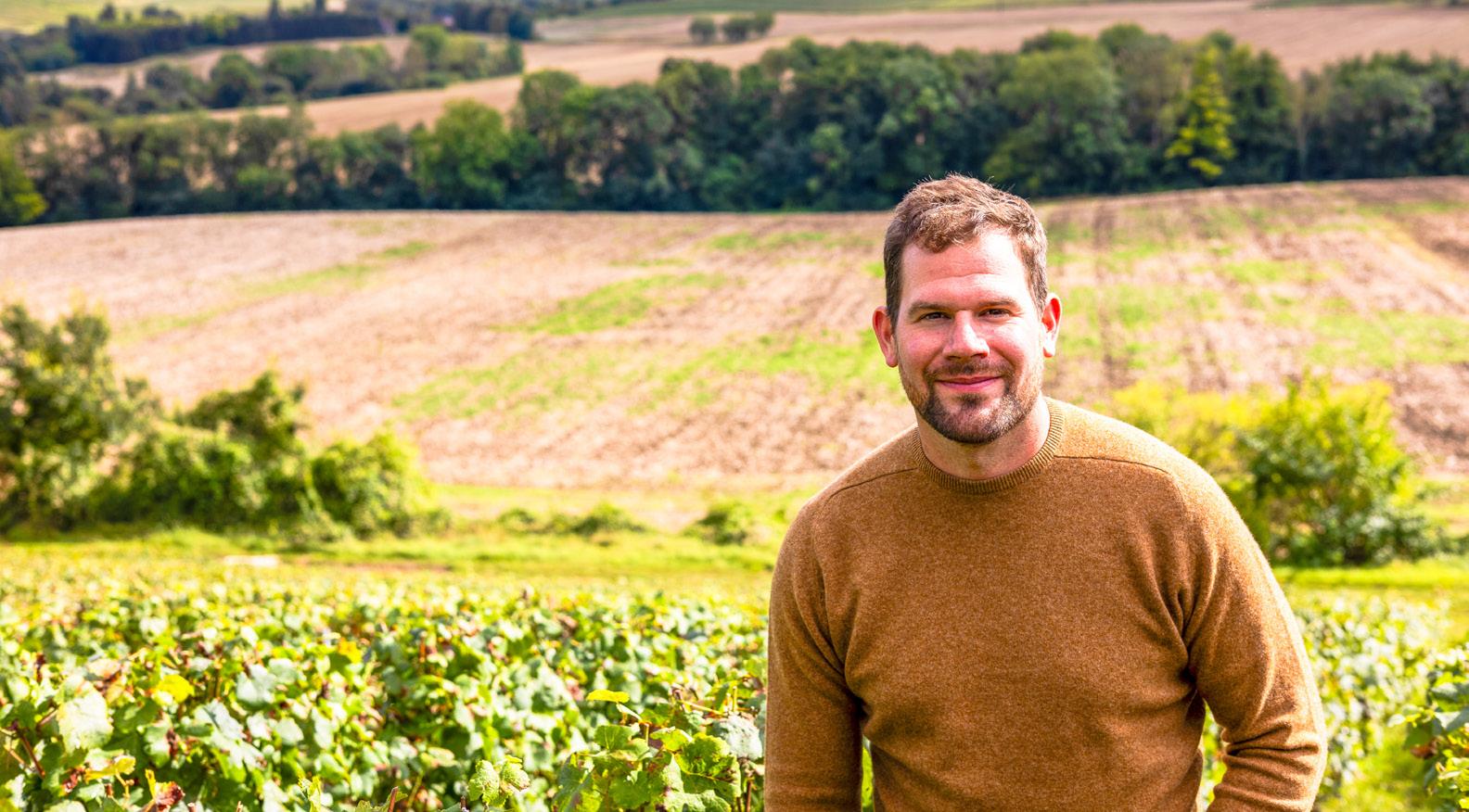
Which part of the job gives you goosebumps?
“The entire process, although I have a particular love for vinification and tasting. Spending an entire season working organically in the vineyard and then seeing the result flow from the press is an incredibly moving experience. It’s always much easier to make a great wine when the grapes are of perfect quality to begin with.”
What has been the greatest challenge of your career so far?
“Creating a completely new range of wines that differs entirely from those of my family’s estate while expressing my own philosophy.
My father is extremely demanding and always pushes me to go beyond my limits whenever I take on something new. It isn’t always easy... but it’s thanks to my family’s support that I’ve reached where I am today.
The family estate never used oak barrels, whereas I chose to invest in them because I absolutely love what wood can bring to wine. My brother was a tremendous help in selecting the barrels, having completed his internship with a highly respected winemaker in Burgundy.”
Your favourite food pairing with your Champagnes?
“I love fish or scallops served with a classic beurre blanc sauce—or perhaps a dish accompanied by lobster bisque.
I drink Champagne with virtually everything and treat it as I would a great white wine, but the vibrant acidity alongside a beurre blanc... that’s pure magic.”
What do you drink when you’re not drinking your own Champagne?
“I’m naturally curious and taste everything in order to keep an open mind. I drink a great deal of white Burgundy, as well as outstanding Chenin Blanc from the Loire Valley. I struggle a little more with the wines of Jura—they’re simply a bit too distinctive for my taste. On the other hand, I adore fruit-driven red wines, and at the moment I’ve become rather obsessed with reds from Corsica. They’re wonderfully delicious and incredibly easy to drink.”
Do you have a favourite Champagne house—apart from your own?
“That’s an incredibly difficult question, but if I have to choose
just one, it would be Champagne Chartogne-Taillet. Their wines always manage to move me on a deeply personal level.”
Which Champagne would you serve to your dream guest—and who would that guest be?
“I would pour the cuvée Mongamin from Champagne Assailly in Avize. The winemaker is a close friend of my father, and it was there that I completed my very first internship. It’s an iconic Chardonnay cuvée, made in a style I absolutely love. As for the guest... that’s a difficult one. I’d simply choose someone who truly loves Champagne and with whom you can laugh until your sides hurt.”
And what would be playing in the background?
“Some smooth, laid-back lounge music mixed by a great DJ. Ideally Zerb’s track ‘SURRENDER (Mwaki)’ featuring Sofiya Nzau. The perfect groove to accompany a glass of terroir-driven Champagne.”
A hugely exciting young talent to keep firmly on your radar, friends. Here’s to craftsmanship—and to Champagne’s new generation. Cheers!
The conversation begins almost casually. A Livets Goda lunch at the everwonderful Ett Hem in Stockholm on a day in May with Jean-Baptiste Lécaillon, Chef de Cave since 1999 and the driving force behind Louis Roederer’s commitment to organic and biodynamic viticulture. Under JeanBaptiste’s leadership, Louis Roederer has become one of Champagne’s leading houses in sustainable, terroir-focused winegrowing. We begin by talking about the weather, the wind, and the dinner at Restaurant SK in Gothenburg the evening before our meeting. Jean-Baptiste speaks warmly of the Michelin-starred restaurant—the seafood, the precision of the cooking, and the young chef, whom he describes simply as “a very great chef.” Yet quite quickly, and almost without noticing it, the conversation drifts towards something far greater: climate, nature, terroir, and the future of Champagne. BY ANDERS ENQUIST
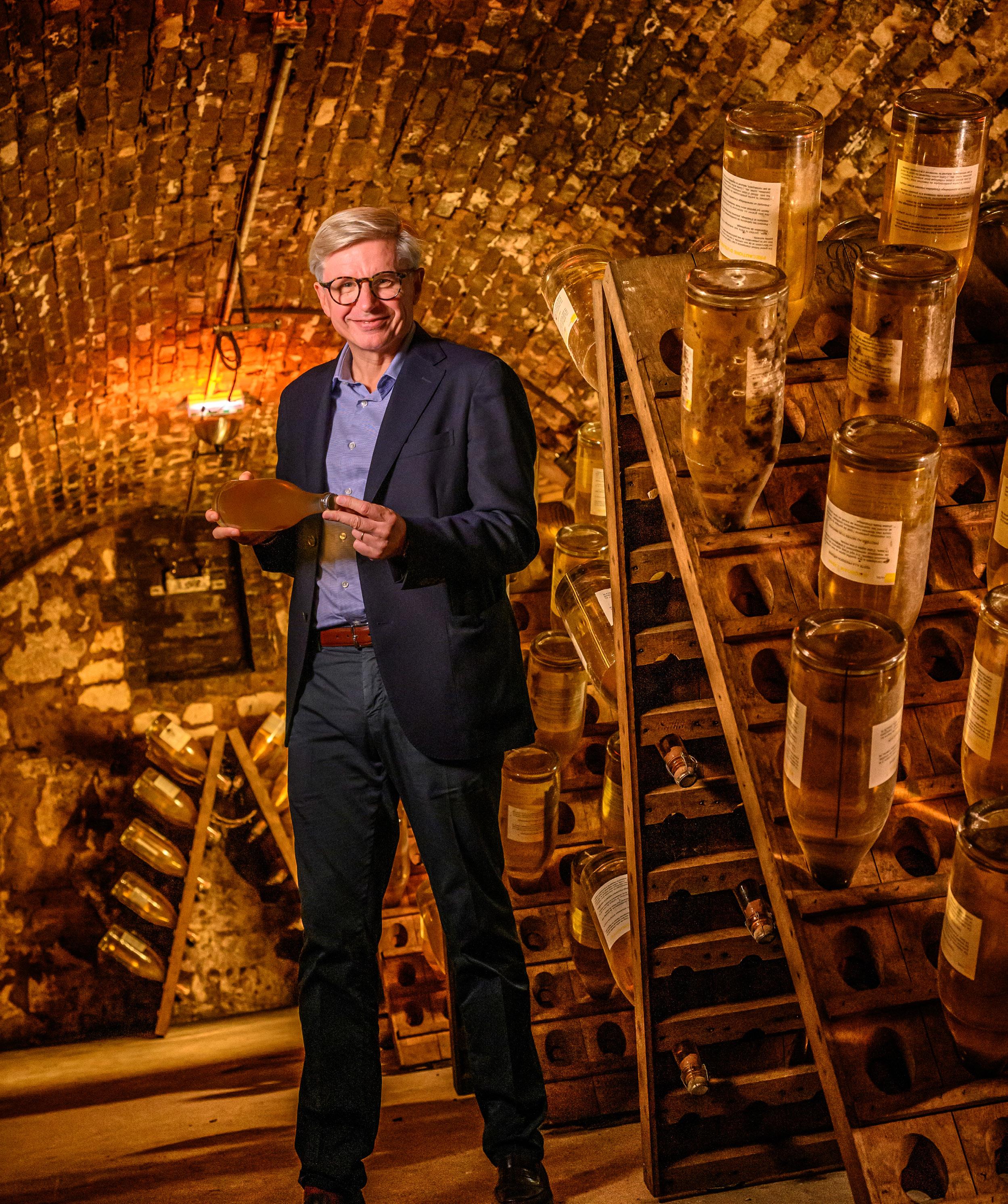

of entry. Gothenburg was warmer than Champagne when Jean-Baptiste arrived, he observes. I remark that we Swedes often describe ourselves as “obsessed with the weather,” a comment that makes him laugh in immediate recognition.
Behind the humour, however, lies something more serious.
Because the weather governs everything—our mood, the way we dress, everyday life, and in Jean-Baptiste’s case, his very existence as a winemaker.
The discussion quickly turns to climate change. Today, Champagne is fully connected to weather stations and radar systems capable of tracking storms with an accuracy of around one hundred metres.
“We’ve become dependent on it,” Jean-Baptiste says. We move on to the COVID pandemic and what it revealed about the environment, eventually recalling a television documentary in which Beijing became a symbol of how quickly nature responds when humanity pauses. During the lockdowns, the mountains surrounding the city suddenly became visible again, wildlife returned to the streets, and the air cleared—only for the familiar smog to return a few years later.
Our discussion naturally broadens to emissions, industry, and the contradictions of modern society when it comes to production and responsibility.
“We’ve simply moved almost all our industry over there to China,” Jean-Baptiste says with a little bit irony.
Several times he returns to how uncertain and everchanging the climate debate has become. Forecasts are revised, models evolve, and sceptics use these uncertainties as arguments to dismiss the issue altogether.
For Jean-Baptiste, however, there is no uncertainty when he looks out across the vineyards of Champagne.
“When I entered this profession 37 years ago, we harvested in October. Last year, in 2025, we began in the middle of August.”
begins to take shape. Climate change ceases to be theory and becomes an everyday reality in the vineyard.
Jean-Baptiste explains how Champagne has always existed on the climatic frontier between oceanic and continental influences, making the region exceptionally sensitive to vintage variation. It is precisely for this reason that Champagne historically developed the concept of multi-vintage blending.
“Back then we weren’t talking about climate change. We were moderating the climate.”
A few days before this lunch, I had hosted a tasting at
the Livets Goda editorial office with Ted Lemon of Littorai. Inevitably, our conversation drifts towards California and Anderson Valley, where Louis Roederer established vineyards in the 1980s.
Jean-Baptiste recalls discussing climate and fog with Ted Lemon.
“Everything there revolves around the Pacific fog, the evening warmth, and the fact that vineyard exposure has to be considered almost the opposite of Europe. In France, we seek morning sunshine to avoid excessive afternoon heat. In California, however, the fog completely alters the temperature curve, shifting the day’s heat peak towards the evening.”
He also describes—echoing what Ted Lemon shared with Livets Goda—how regions such as Napa, Sonoma and Mendocino are already replanting vineyards, changing row orientations and adapting entire viticultural strategies to an entirely new climate.
“Viticulture isn’t practised in just one way. It relies on many different approaches,” Jean-Baptiste says.
FROM THERE, THE CONVERSATION RETURNS to Champagne and to Pinot Meunier, the grape that for so long was regarded as Champagne’s workhorse rather than its aristocrat.
Jean-Baptiste describes Meunier as a “sprinter”, with a remarkably short growing cycle of around 82 days between flowering and harvest, compared with Pinot Noir and Chardonnay, which generally require around 90–95 days.
That is precisely why Meunier has historically been so valuable in cold and wet vintages.
“Meunier was the solution for wet, cold years.”
He compares its former status to that of Merlot in the Médoc—a grape whose role was to soften difficult vintages and provide security rather than occupy centre stage.
Over the past 10–15 years, however, Meunier has enjoyed something of a renaissance thanks to the grower movement and the increasing number of single-variety Meunier bottlings.
At the same time, Jean-Baptiste is far from convinced that Meunier represents Champagne’s future in a warmer climate.
“If we continue to have more and more hot vintages, Meunier may not be the answer.”
Yet he refuses to think dogmatically.
“We need every possible option.”
FROM THERE, THE CONVERSATION NATURALLY turns to Louis Roederer and to the Collection series, which replaced Brut Premier and perhaps represents the
clearest expression of the house’s modern philosophy. Jean-Baptiste explains that Collection was created to make non-vintage Champagne as transparent and open to discussion as vintage wines.
Rather than hiding behind secret blends and an abstract “house style”, he wants consumers and sommeliers to talk about specific editions.
“I love Collection 246 because the combination of its high proportion of Chardonnay and the character of the base vintage gives the wine a truly distinctive personality,” says Jean-Baptiste.
Collection 246—based on the 2021 vintage—serves as a tangible example of allowing nature, rather than predetermined proportions, to dictate the blend.
The 2021 growing season was exceptionally difficult and wet, with severe mildew pressure and extremely small quantities of Pinot Meunier. As a result, the final blend became unusually composed of 54% Chardonnay, 35% Pinot Noir and 11% Pinot Meunier.
Normally, Meunier accounts for around 25–30%.
“Nature didn’t give us any Meunier. So why should we artificially add more Meunier to the blend?”
This lies at the very heart of Jean-Baptiste’s philosophy: to work with nature rather than against it.
“You can either work against nature—or collaborate with nature.”
THE COLLECTION SERIES IS ALSO DESIGNED to stimulate curiosity about Champagne itself.
Much like Krug has done with its edition numbers, Roederer hopes enthusiasts will begin requesting specific Collection releases in restaurants, creating a culture centred on variation, vintage character and evolution.
Our conversation then moves to the house’s perpetual reserve system—a solera initiated in 2012 that today represents approximately 35% of every Collection blend.
Each year, one third of the reserve is drawn off and replaced with wines from the latest harvest.
Jean-Baptiste explains how this gradually builds layers of complexity together with the reductive, oyster-shell nuances that he loves.
“Internally we called the project ‘Eternal Youth’.”
He also reveals that part of the inspiration came from Anselme Selosse and the remarkable energy he experienced in Selosse’s reserve system.
DURING OUR LUNCH we are served white asparagus, Danish hiramasa, tomato consommé, strawberries from Skåne and an elderflower vinaigrette.
Throughout the meal, every dish becomes a mirror for the Champagnes in our glasses: Cristal 2016, Collection
246, Blanc de Blancs 2019, Brut Vintage 2018 and Rosé Vintage 2018.
The discussion of aromatics, salinity, floral nuances and structure develops organically between bites and sips.
Jean-Baptiste suggests that restaurants ought to serve several different Collection releases throughout a dinner to demonstrate just how distinct each edition really is.
The conversation then moves deeper into Blanc de Blancs from Avize.
Jean-Baptiste explains that his ambition is to express the village itself rather than individual vineyard sites.
“I want people to taste the wine and immediately say: this could only be Avize.”
He explains that the house owns more than 25 hectares in the area and reveals that the next step will be the release of a tiny single-vineyard Champagne from Clos d’Avize—just 1.7 hectares, remarkably similar in size to Romanée-Conti.
THE DISCUSSION THEN BECOMES INCREASINGLY TECHNICAL focusing on vinification, oak and yeast.
Jean-Baptiste explains how, already in 1999, he began reintroducing large old oak casks into the élevage of Cristal in order to create greater texture and earlier accessibility without compromising its ageing potential.
Today these casks are 20–25 years old. They no longer contribute vanilla or sweetness, but rather precision and structural tension.
“Old oak acts like a resonance chamber, extending the wine’s energy, texture and length.”
He goes on to explain that he works with the wines on their full lees, without racking and with minimal oxidation.
When our discussion reaches Cristal itself, the atmosphere becomes almost reverential.
Jean-Baptiste describes Cristal as his most terroir-driven project, where everything revolves around minimising the imprint of yeast and allowing the vineyard and the fruit to speak for themselves.
“The true DNA of Champagne lies in the grapes and in their original expression.”
He even uses a smaller dosage of yeast for the secondary fermentation than is customary, simply to reduce yeast influence.
Cristal is compared repeatedly to Burgundy, and JeanBaptiste himself says:
“This is the Champagne that comes closest to Burgundy in its expression.”
For him, Cristal is ultimately about chalk, energy, lightness and transparency rather than autolytic richness or pronounced yeast character.
WE GO ON TO TALK ABOUT VINTAGES. Jean-Baptiste describes 2019 as a potential benchmark vintage, offering an ideal balance between ripeness and energy. By contrast, 2018 is seen as a powerful Pinot Noir vintage that was initially underestimated—much like 2004 before it.
He also reveals that, for the first time, he began using small amounts of tartaric acid in the 2018 wines because the natural acidity was simply too low.
“That was where I drew upon what I had learned during my time in California.”
We spend considerable time discussing Rosé Champagne. Jean-Baptiste explains that Roederer’s rosé is produced by co-fermenting Pinot Noir and Chardonnay together from the moment the grapes are harvested, rather than by blending finished red and white wines.
“Tannins that are not integrated from the very beginning will never truly become part of the wine.”
The result, he says, is a rosé that tastes like “fruity Champagne” rather than a conventional rosé Champagne.
THE FURTHER OUR CONVERSATION PROGRESSES, the less it is about technique and the more it becomes a discussion of philosophy.
Of humility. Of adaptation. Of nature’s own intelligence.
Jean-Baptiste speaks of Nebbiolo as an almost supernaturally adaptable grape, shaped by more than two thousand years of evolution, and believes that we consistently underestimate the vine’s own ability to respond to climate change.
“Nebbiolo is a grape with an extraordinary capacity to adapt.”
He is, however, deeply sceptical of genetic manipulation and laboratory-created grape varieties.
“Who are we to manipulate those genes?”
Instead, he continually returns to the importance of cooperation—between soil, plants, insects, people and entire ecosystems.
“All life is the result of collaboration.”
Towards the end of our lunch, the conversation becomes almost poetic. About the simplicity of great winemaking.
About how truly great terroirs require surprisingly little manipulation. About the importance of experience—but even more importantly, humility.
“The worst thing of all is believing that you know everything.”
Perhaps that is where our entire conversation ultimately arrives: at the understanding that the future of great winemaking will not be defined by control, but by the humility to listen—to the vintage, the climate, the earth, and to nature’s own rhythm.
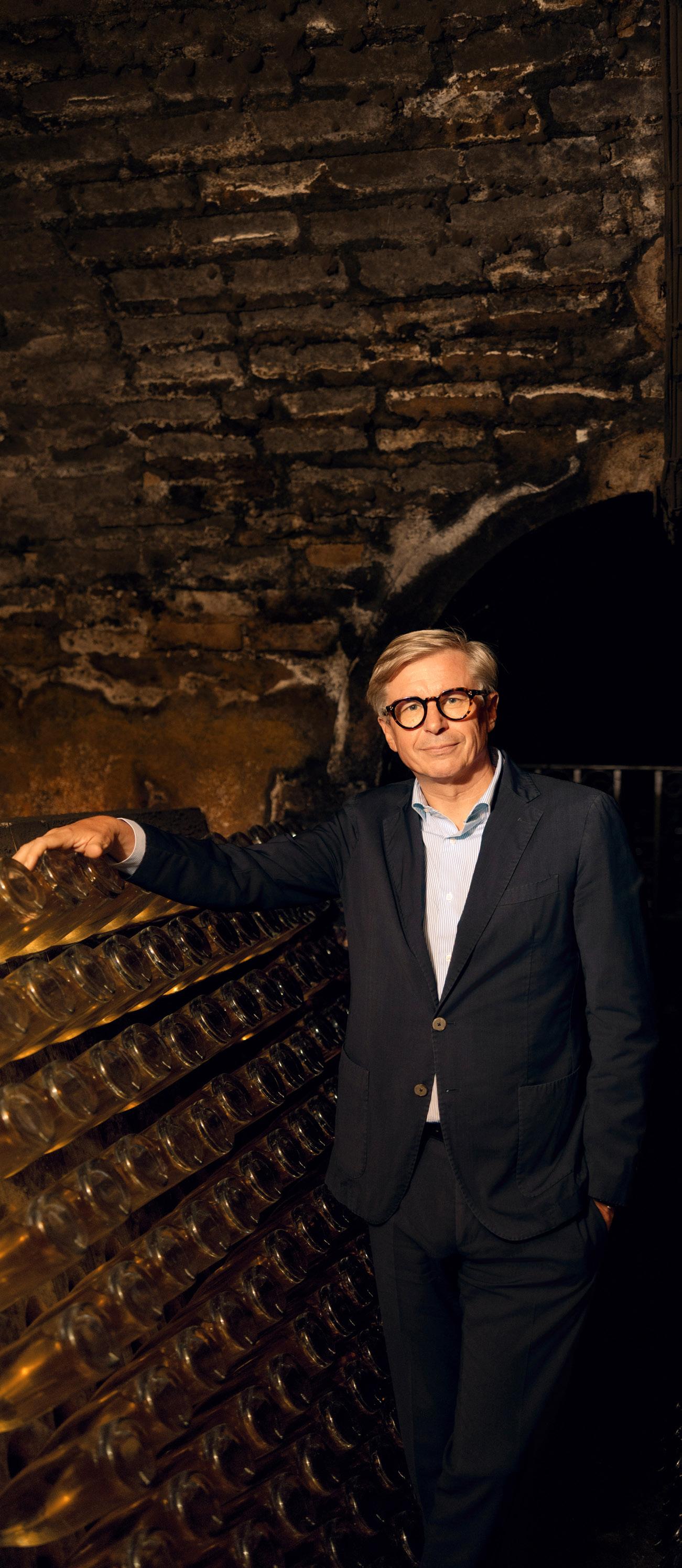
… perhaps this is precisely
where the
entire
interview, and our conversation,
comes
to rest: in the
realisation that the great winemaking of the future is not about control, but about the ability to listen – to the vintage, to the climate, to the soil and to nature’s own rhythm.
LOUIS ROEDERER COLLECTION 246
NO. 7602 / SEK 579
The fruit for Collection 246 is sourced equally from La Rivière, La Montagne and La Côte.
Twenty-four percent of the blend is vinified in oak, 30% undergoes malolactic fermentation, and the dosage is 7 g/l.
93+ The 2021 vintage gave many Champagne producers and growers more than a few grey hairs. Few recent years have delivered so many climatic curveballs, compounded by exceptionally low yields. Spring frosts wiped out as much as 60% of the crop in certain vineyards, with Pinot Noir and Meunier suffering particularly severe losses. This also explains the unusually high proportion of Chardonnay in Collection 246, which is composed of 54% Chardonnay, 35% Pinot Noir and the remainder Pinot Meunier.
Complementing the 55% base vintage from 2021 are 35% from the Perpetual Reserve Solera, spanning the vintages 2012–2020, together with 10% barrel-aged reserve wines from 2012 to 2017. 14% of the base vintage itself has also been matured in oak, and the entire composition comes together with remarkable harmony.
The Collection series is an exceptionally intelligent and forward-thinking initiative from Louis Roederer. Collection 246, the house’s 246th harvest, offers exquisite brioche richness and nutty maturity, while the acidity is seamlessly integrated, bringing a beautifully tangy fruit sweetness carried by a softly controlled intensity.
The Chardonnay shines with honey-kissed apples and citrus in brilliant clarity, while the Pinot Noir broadens the wine’s dimensions with violet, liquorice-laced red berries and a darker, more contemplative register. Meunier, so often overshadowed by its two more celebrated companions, rounds out the blend with its expressive berry fruit.
The tannins are beautifully polished by the chalky limestone minerality, creating a wonderfully saline freshness that lends the structure both coolness and vitality. This is a sensual, luxuriously crafted Champagne offered at a remarkably attractive price, embracing generously already today while leaving many more chapters still to be discovered in the years ahead.
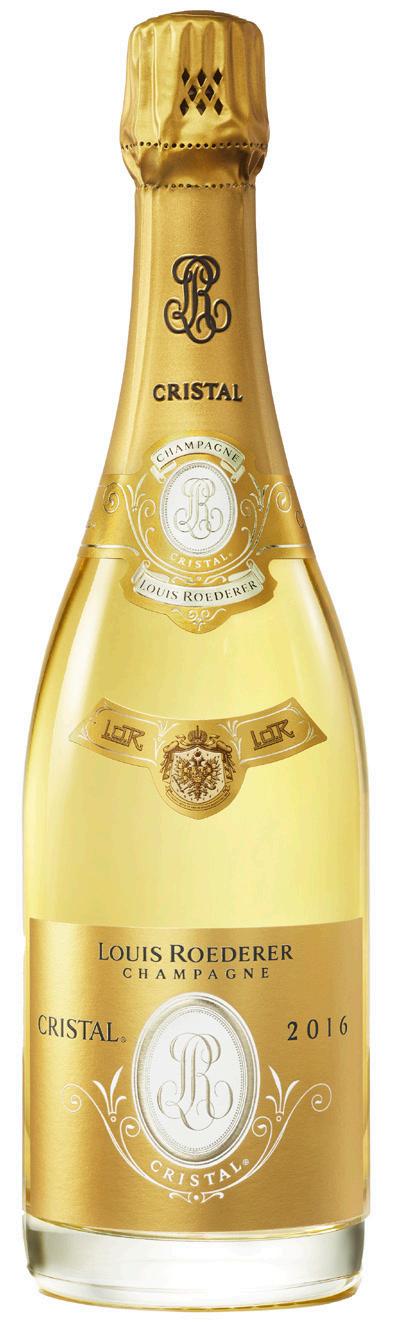
CRISTAL 2016
NO. 92355 / SEK 2 859
98+The 2016 vintage in Champagne proved to be yet another demanding growing season. A damp spring, accompanied by relentless disease and mildew pressure, forced producers to remain constantly vigilant in the vineyards. Those who persevered, however, were richly rewarded.
Cristal is undoubtedly one of the great triumphs of the vintage.
The house reports that only 32 of the 45 vineyard plots that would normally qualify for Cristal ultimately found their way into the final blend. The warm month of August produced Pinot Noir of exceptional ripeness, thick skins and remarkable concentration. To counterbalance this power, the proportion of Chardonnay was increased to 42%, leaving Pinot Noir at 58%. Chardonnay more typically accounts for around 40% of the blend.
The geographical origins remain unmistakably classical Cristal: one third from La Rivière, one third from La Montagne and one third from La Côte. Vinification was also subtly adjusted, with a slightly higher proportion of oak used for the Chardonnay — 31%, compared with somewhat lower levels in previous vintages.
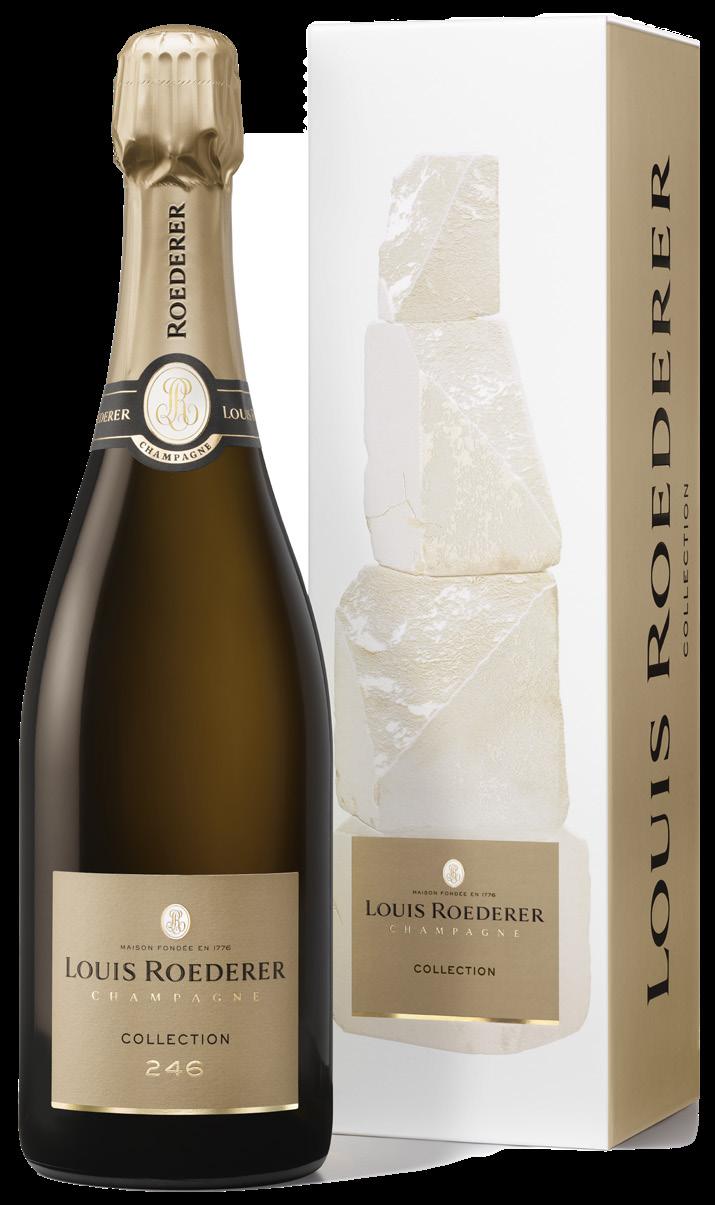
Stricter selection and seemingly marginal adjustments in percentages may appear insignificant, yet in the world of Cristal it is often precisely these fine details that define greatness. The result is another magnificent expression of this aristocratic and timeless Champagne.
The balance between ripeness and precision, between intensity and harmony, is, as ever, almost flawlessly judged. The acidity carries a lime-zest brilliance that nearly erases the boundary between fruit and pure energy. The whiteflowered fruit, already seductively expressive, glistens with notes of honey, citrus, peach, pear, apple and a delicate hint of young cherries. A subtle bitterness runs gracefully through the wine, lending both tension and resonance.
The tannins make their presence felt in an unmistakably vinous manner. Confident, assured and elegantly polished by the chalky minerality, they create immediate appeal while simultaneously signalling that this is merely the beginning of a remarkably long journey.
Cristal 2016 is a magnificent Champagne today. Every indication suggests it will be even greater tomorrow.
på Systembolaget, vinbetyget.se 2026
Vin&Bar #2-2025
Munskänkarna 25/10-2025
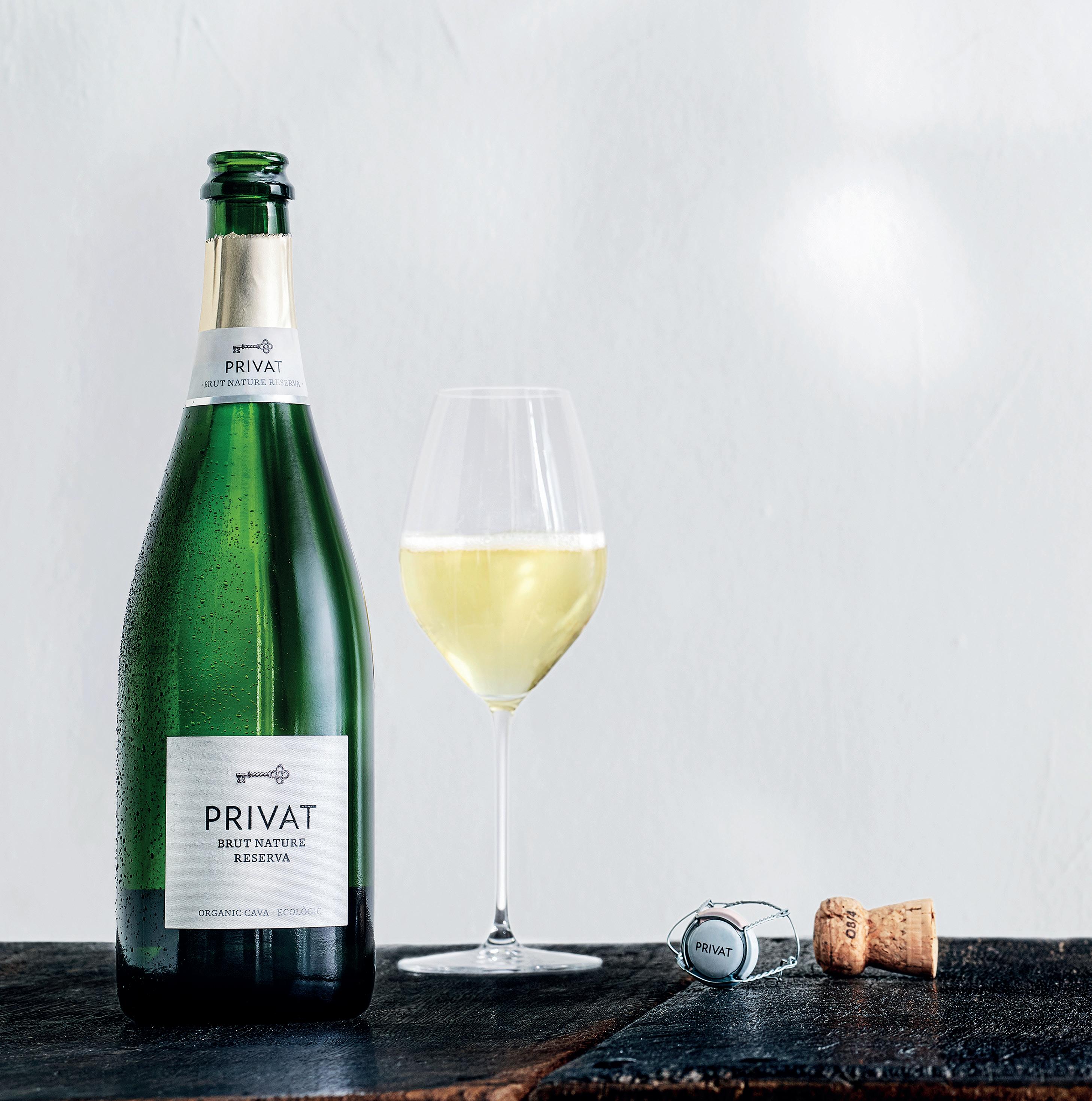
Nr 7904 Privat Brut Nature Reserva 139 kr, 750 ml. Alk. 11.5%.
It begins with a moment. The kind that changes the direction of a life without one quite understanding it at the time. The year is 1992 and Samantha O’Keefe, a young student, finds herself on a boat between Brazil and South Africa. As part of the journey, Samantha has the opportunity to listen to Archbishop Desmond Tutu, who is on board to teach the students. Just weeks before the referendum, she hears him speak about South Africa’s future and the coming election, and Tutu’s words stay with her immediately.
“There is so much love in this country and I am sure our citizens will do the right thing.” After the referendum, the Archbishop’s words were still ringing in Samantha’s ears and, with the future of a new and democratic South Africa ahead, she called her father and said: “I am going to live in this country one day.”
BY MAJA BERTHAS PHOTO ZOA & NEUHOFF
AT THE TIME, SHE HAD NO IDEA THAT, several decades later, she would become one of South Africa’s most respected winemakers and the person who put Greyton on the world wine map.
But before any of those dreams would become reality, she pursued a career in the television industry, based in Los Angeles. Despite a seemingly glamorous existence, Samantha felt that life was not quite right. She was not happy with either her work or her situation and, at just 29 years old, she found the courage to leave her job, her security and her old life behind to move to South Africa — the country she had never been able to let go of.
Once in South Africa, Samantha and the boyfriend who had moved with her began their new life. They married, had children, and the dream of a wine estate grew stronger. But with relatively limited financial means, the couple were unable to buy an already established estate in one of the well-known wine regions. Instead, Samantha found a bankrupt dairy farm far out in the countryside, inland from the coastal town of Hermanus.
AT THIS TIME, THE AREA AROUND OVERBERG and Walker Bay was still in its infancy, but in Hemelen-Aarde, a few small wine estates had slowly begun to change the prevailing wine scene. Hamilton Russell, Newton Johnson, Bouchard Finlayson and Sumaridge were the pioneers who dared to think differently in a South Africa long shaped by old structures.
Samantha was inspired by these new currents, and in Greyton she felt she had found something unique — something raw, cool and undiscovered. So she called Pieter Finlayson and introduced herself.
“You don’t know me. I am a young American woman thinking about making wine in Greyton, and I’m simply wondering why no one has ever tried planting vineyards here?”
Pieter replied that he had always thought it was a good idea and that she should try. “If you succeed, you will be a pioneer. If you fail, no one will probably care.”
With those words ringing in her ears, she made up her mind. She bought the farm and began her journey. A journey that would prove more difficult than she could ever have imagined.
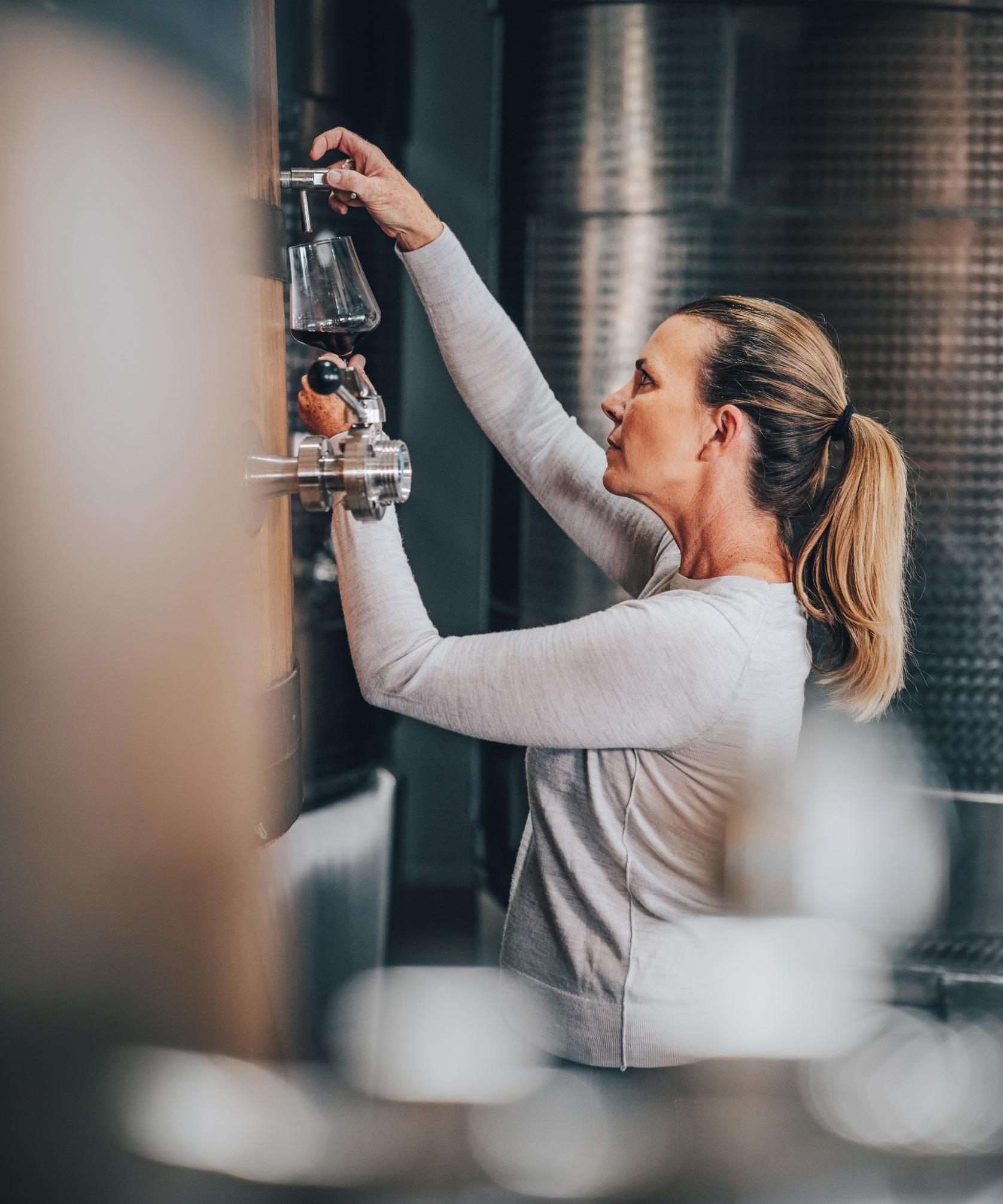
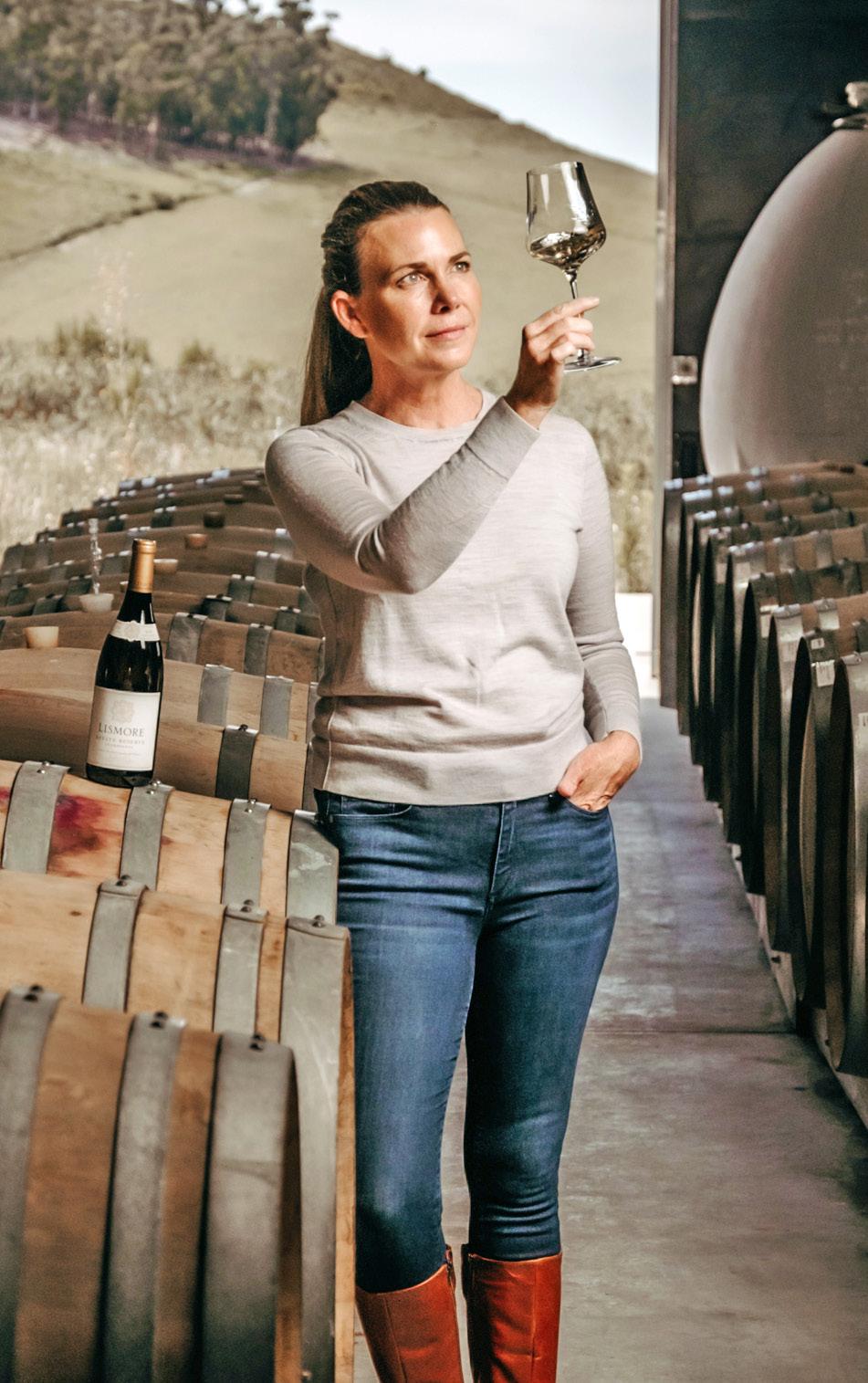
A FEW YEARS LATER, HER HUSBAND LEFT both her, their two young sons and the business behind. Samantha was left alone with the children, the vineyard and a project that many had doubted from the start.
“The work in the vineyard itself has been the greatest challenge for many reasons,” she says. “Firstly, I was a woman alone in a culture that was, at first, rather antagonistic. My wine colleagues love me now, but in the beginning I did not feel particularly welcome.”
Samantha lacked experience, had no mentors nearby and was also working with people who did not speak the same language as she did. Greyton was isolated. There were no neighbours to ask for advice and no generations of winegrowers to lean on.
Yet she continued, and slowly the place began to speak.
“I came in at a time when my newly found friends and colleagues, such as Pieter Finlayson and Kevin Grant, had begun allowing their terroir to speak. I did not feel that I needed to make a Stellenbosch or Napa chardonnay, but rather focus on what I was actually growing and on the grapes that suited the place where I farmed.”
PIETER AND KEVIN HELPED SAMANTHA A GREAT DEAL in the beginning, both with viticulture and winemaking, but also with decisive life decisions.
“Peter Finlayson gave me some really good advice when my husband left the business. He came by for coffee one Saturday, sat down on the other side of the table and basically said, what is your plan? I said I was going to keep moving forward and try to create stability for the children and myself. Pieter could just as easily have told me I should give up and go back to the US, but instead he said: if anyone can do this, it is you.”
That support gave her the confidence to continue, and Samantha’s hard work would eventually bear fruit.
In 2009, the Wine & Spirits Board recognised that the grapes from Greyton were so unique and distinctive that the area became its own appellation. A crucial recognition, both for Samantha and for the place she had believed in from the beginning.
THE TERROIR THAT IS THE SOUL of Lismore. Greyton lies 325 metres above sea level and is considered one of South Africa’s coolest wine regions. Significantly more rain falls here than in the rest of the Western Cape, and the temperature differences between day and night are dramatic. The vineyards lie on steep slopes of shale and clay, and the clouds often roll in during the afternoons, settling like a cooling lid over the valley.
The conditions are extreme. But it is also these very conditions that give Lismore’s wines their unusual nerve and unique energy.
“There is something magical here that cannot be measured,” says Samantha. “The wines I make truly taste of this place. Whether one likes them or not, their origin cannot be denied — and they cannot be copied.”
Before planting her first vineyards, she also carried out extensive terroir studies.
“When we analysed the soil and climate, we saw that the area could almost be compared to the northern Rhône, but these grapes had not yet reached the popularity in South Africa that they have today. I remember thinking it felt unfashionable somehow,” she says.
but with the soil analyses in mind, she also planted some syrah and viognier — grapes that, with time, would prove perfect for the site.
Syrah would become an evolving journey. In the early years, she struggled to understand the grape and the style
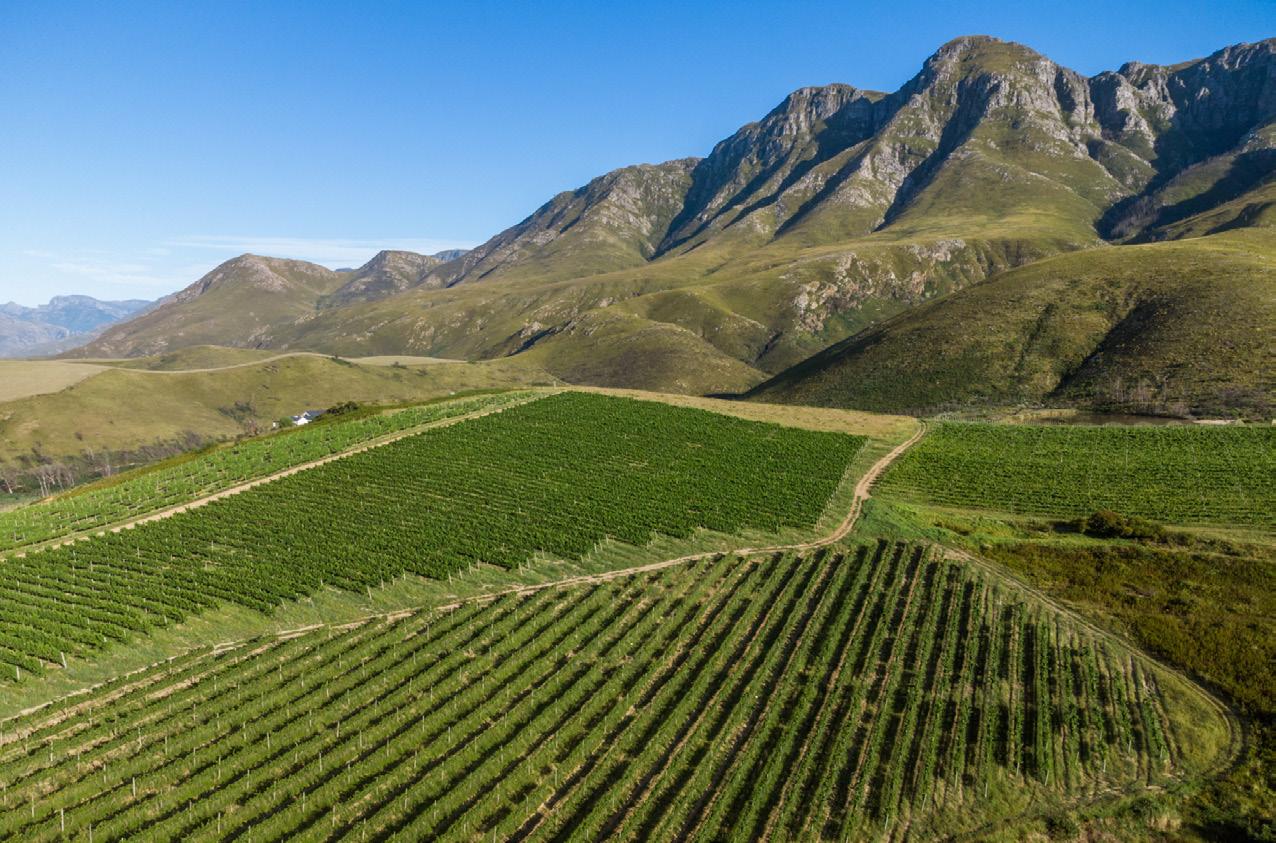
of wine. At that time, powerful shiraz-style wines were the order of the day in South Africa, but however hard Samantha tried, she could not make the wines take on the prevailing character. When the grapes had physically ripened and were essentially ready to harvest, she obtained a must indicating an alcohol level of around 12%, which in no way reflected the wines that were popular on the market.
“Most people in the area said that even if the grapes were ripe, I had to let them hang so that the alcohol could reach 13–14%. So in the first years I did everything I could to make really full-bodied shiraz wines.”
Despite all that effort, Samantha was never entirely satisfied with the result. The white wines had personality and character, but the reds never quite had that true magic and sense of place. Something was missing. So after 10 years of farming, she faced a choice. Either she had to pull up the vineyards and do something else with them, or she had to approach the grapes in a different way.
SHE BEGAN WORKING WITH whole-bunch fermentation, picked the grapes at optimal ripeness without worrying about the alcohol level, and simply stopped trying to shape the wines according to other people’s ideas.
The result was wines with cool spice, energy and precision — and an international breakthrough when Lismore Syrah 2014 earned a place on Robert Parker’s list of the world’s 50 best wines.
“It was only then that I really began to understand how special Greyton actually is,” she says.
Today, Samantha is a member of the prestigious Cape Winemakers Guild and, until recently, was also its chair. She describes how the South African wine industry
has changed rapidly in recent years, not least when it comes to representation and generational shifts.
“During my time in the Guild, major changes have taken place. When some older members stepped aside, opportunities opened up for younger winemakers. So now we have a much broader spread of different generations and are also more demographically diverse than ever before.”
AT THE SAME TIME, Samantha speaks warmly of the fact that more and more women are making their way in the wine industry.
“There are more women than ever on the wine courses in Stellenbosch today. Many assistant winemakers and chief winemakers are women, and several of these young talents will eventually become the future leaders — and the same applies to people from backgrounds other than my own. It is incredibly inspiring to see.”
My final question to Samantha is whether she feels American or South African.
“I am definitely more South African, but I identify as a ‘Californian’,” she says, laughing.
Then she pauses for a moment before concluding: “I’m very proudly South African.”
LISMORE BARREL FERMENTED SAUVIGNON BLANC 2024
199 SEK, No. 9006901
This finely tuned and complex sauvignon blanc is truly something quite special. With barrel fermentation and long lees ageing behind it, it reveals a flavour palette that offers fruit, structure and mouthfeel in equal measure. Notes of waxy yellow apples, warm citrus, a light scent of fynbos, melted butter and a spiciness on the finish that lingers for a long time. A wine best served with slightly more powerful fish dishes, and one capable of converting even the most sceptical sauvignon blanc drinker.
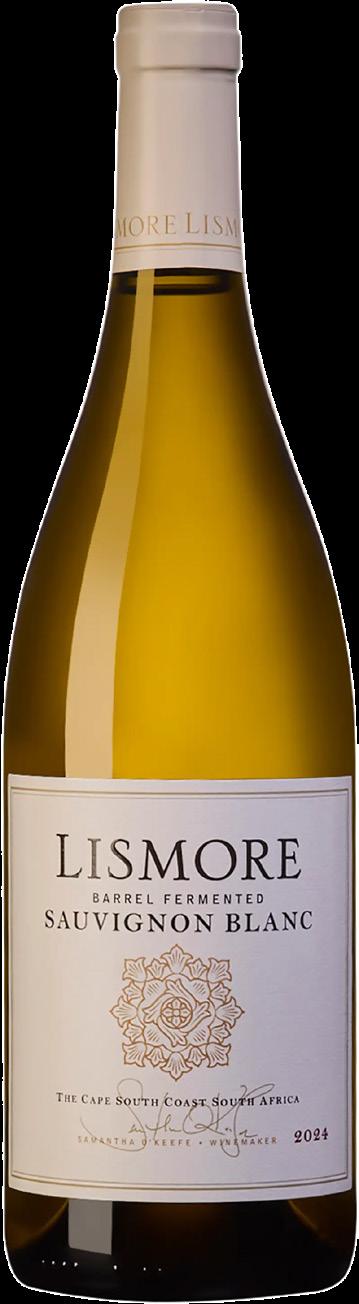
RUST EN VREDE ESTATE CABERNET SAUVIGNON 2024 STELLENBOSCH, SEK 249 No. 903970
Summer is here, and for many it means a period at a slightly slower pace, with evenings and weekends preferably spent outdoors in good company. I will be living at my summer house in the countryside, where work is interspersed with gardening, barbecue evenings, salty swims, boat trips and wine sipping with neighbours, friends and family. Here are my five best tips to brighten up dinners, holidays and balmy evenings.
BY MAJA BERTHAS
Another real gem launched just before summer, and here classic is the guiding word. Fine, concentrated cabernet sauvignon grapes accompanied by French oak give a combination of warm fruit and structure. Think blackcurrants, dark cherries, dark chocolate, roasted coffee, a hint of aromatic herbs and a streak of light vanilla that settles like a velvet cloth over the wine’s fine-grained tannins. A magnificent wine at an astonishingly low price, and one that can easily be cellared by those who prefer a more mature style. Personally, I plan to serve this to my neighbours one evening when the craving for hamburgers makes itself known. Properly juicy chuck beef will be enriched with Västerbotten cheese and a generous amount of slowly fried onions — all wrapped in toasted bread with a dollop of mayo.
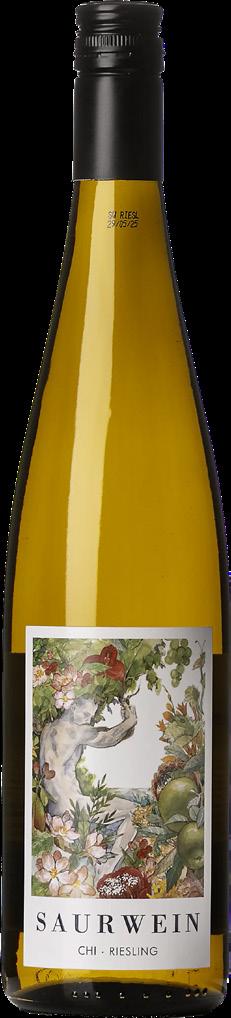
2025
CAPE SOUTH COAST
SEK 229, No. 9360601
An absolutely lovely wine from the equally lovely Jessica Saurwein. Through long-term contracts with selected growers around the Cape South Coast, Jessica gains access to some of the area’s finest grapes. Her focus is on pinot noir and riesling, and she produces only three different wines. Now and then, they are released in Sweden, and Chi has now found its way onto Systembolaget’s shelves — for which we are especially grateful. This is an excellent example of coolclimate riesling, where the grape is truly allowed to shine, and the vintage is described by Jessica herself as a “dream vintage”. The palate is lightly sweet, with razor-sharp acidity that gives the wine an almost electric sensation. From the glass springs a bouquet full of flowers, citrus, white peaches, preserved ginger and a light minerality on the finish. This will be my jetty wine — sitting in the sunset, letting the warmth stroke my cheeks. One really needs nothing else.
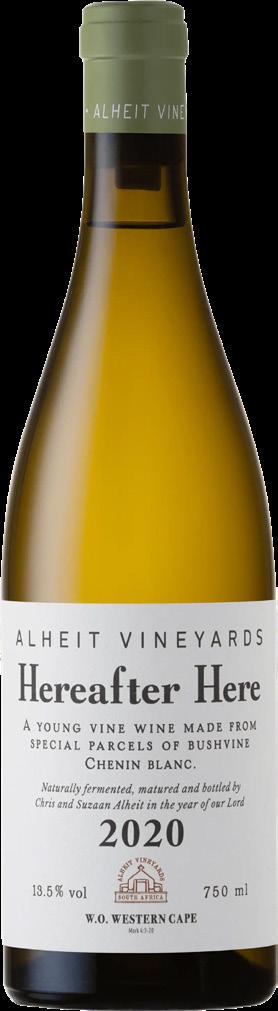
WESTERN CAPE
SEK 279, No. 5365401
This wine is in the order-only range, but I can promise it is worth clicking home a few bottles for the holidays. Hereafter Here is Cartology’s little sister and is made from grapes sourced from several vineyards in the Western Cape. The vines are relatively young bush vines and, after harvest and pressing, the must ferments spontaneously in large, old barrels. The idea here is to let chenin blanc shine at its best and not mask the grape’s qualities through ageing in new oak. The wine has fine energy and shows notes of fresh citrus, sun-warmed grapefruit, yellow apples, sweet pears, a light exotic character and a scent of crushed stone. Serve in large bowls with fillets of seared white fish and a reduced white wine sauce enriched with butter, chives, roe and finely snipped dill. New potatoes? Yes, please.
STELLENBOSCH
SEK 319, No. 9317401
Every time I taste a wine from Duncan Savage, I am struck by the immediate elegance and freshness that have become something of his signature. This syrah comes from a vineyard in Stellenbosch and the winemaking has involved a large proportion of whole bunches to further emphasise that lively purity in the wine. It is incredibly concentrated, with a blue-purple fruitiness that almost shines through the otherwise clearly defined structure. Here we find flavours of blackberry, violet pastilles, crushed white pepper, floral elegance, but also something meaty that brings tobacco and spices to mind. It will be wonderful for a barbecue evening with small, delicate lamb chops flavoured with garlic and thyme. Serve the wine decanted and in large glasses.
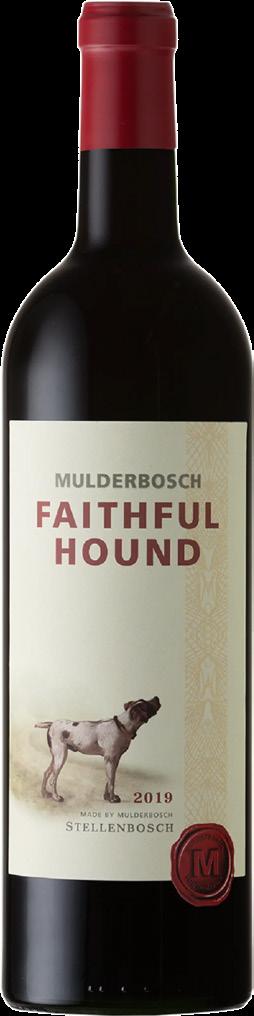
STELLENBOSCH, SEK 149 No. 7303101
The final tip this time is more of a budget wine. When one is hosting large gatherings, has many thirsty neighbours or has simply had a few too many expenses during the holiday period, it can be useful to have a recommendation that does not cost too much. This cabernet-dominated Bordeaux blend from Mulderbosch delivers a great deal for just under SEK 150. It is relatively austere in style and shows fine flavours of blackcurrants, a little dark plum, dried herbs and a touch of oak. Nothing unnecessarily complicated, but absolutely perfect as summer’s all-purpose red for entertaining. It suits most things from the grill, but also works with nibbles such as charcuterie or some aged hard cheeses. A classic wine style that comes with a bargain alert.
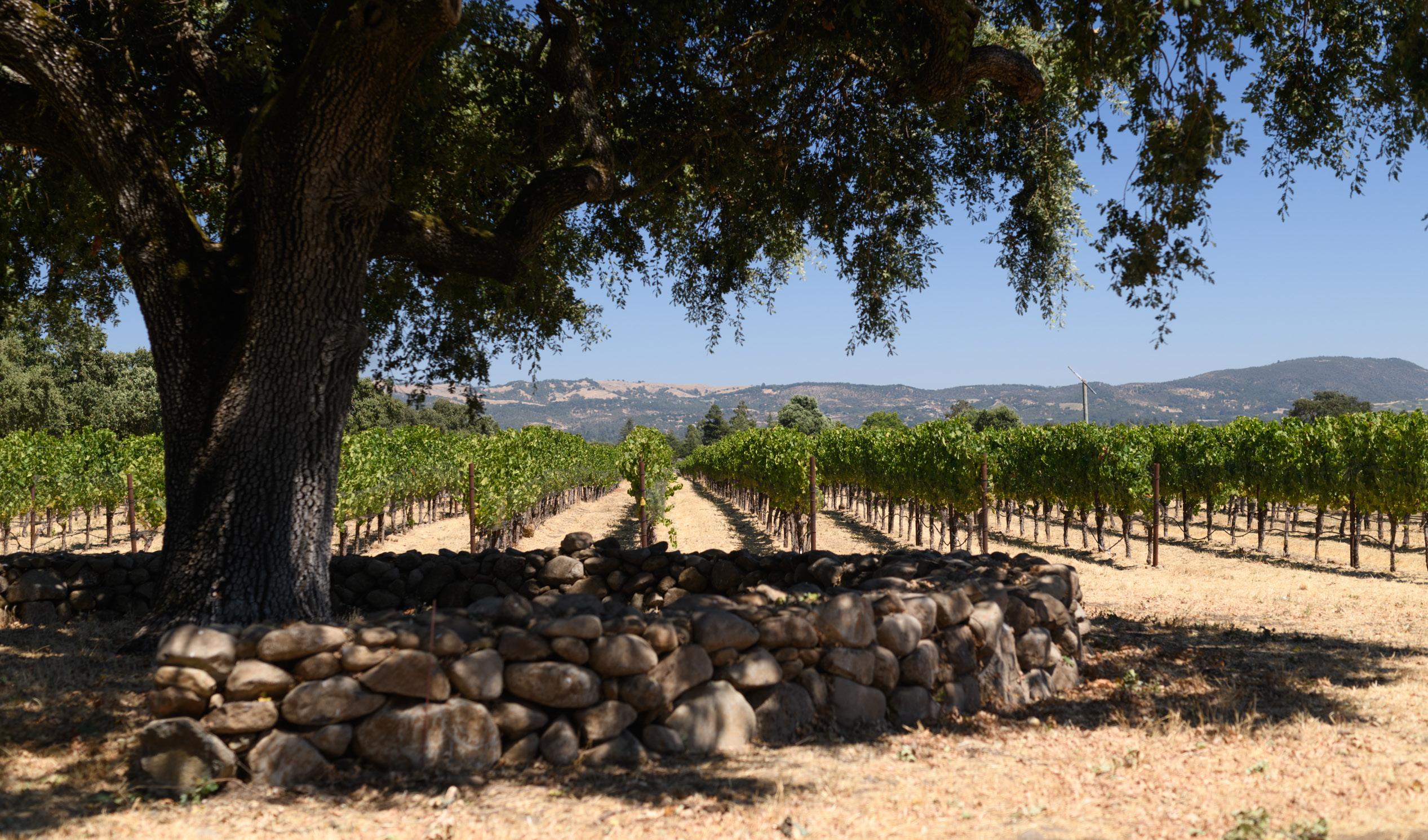
Allowing place to speak is the guiding principle that runs through every aspect of Kistler Vineyards. The focus has always been on expressing the individual identity of each vineyard rather than showcasing the undoubtedly skilled hand of the winemaker. The philosophy is simple in theory, though considerably more difficult in practice: the same clones, the same barrel programme and the same cellar protocols are employed so that the differences found in the glass arise solely from soil, microclimate and viticulture. Yet when Jason Kesner – Winemaker, President and Pig Farmer (more about those titles later in the article…) – visits the Livets Goda editorial office one day in June for a comprehensive tasting of the 2023 vintage, we also agree that sensitive people are needed to steward these wines correctly throughout the vinification process. Winemakers whose guiding principle is simply: less is more. BY ANDERS ENQUIST
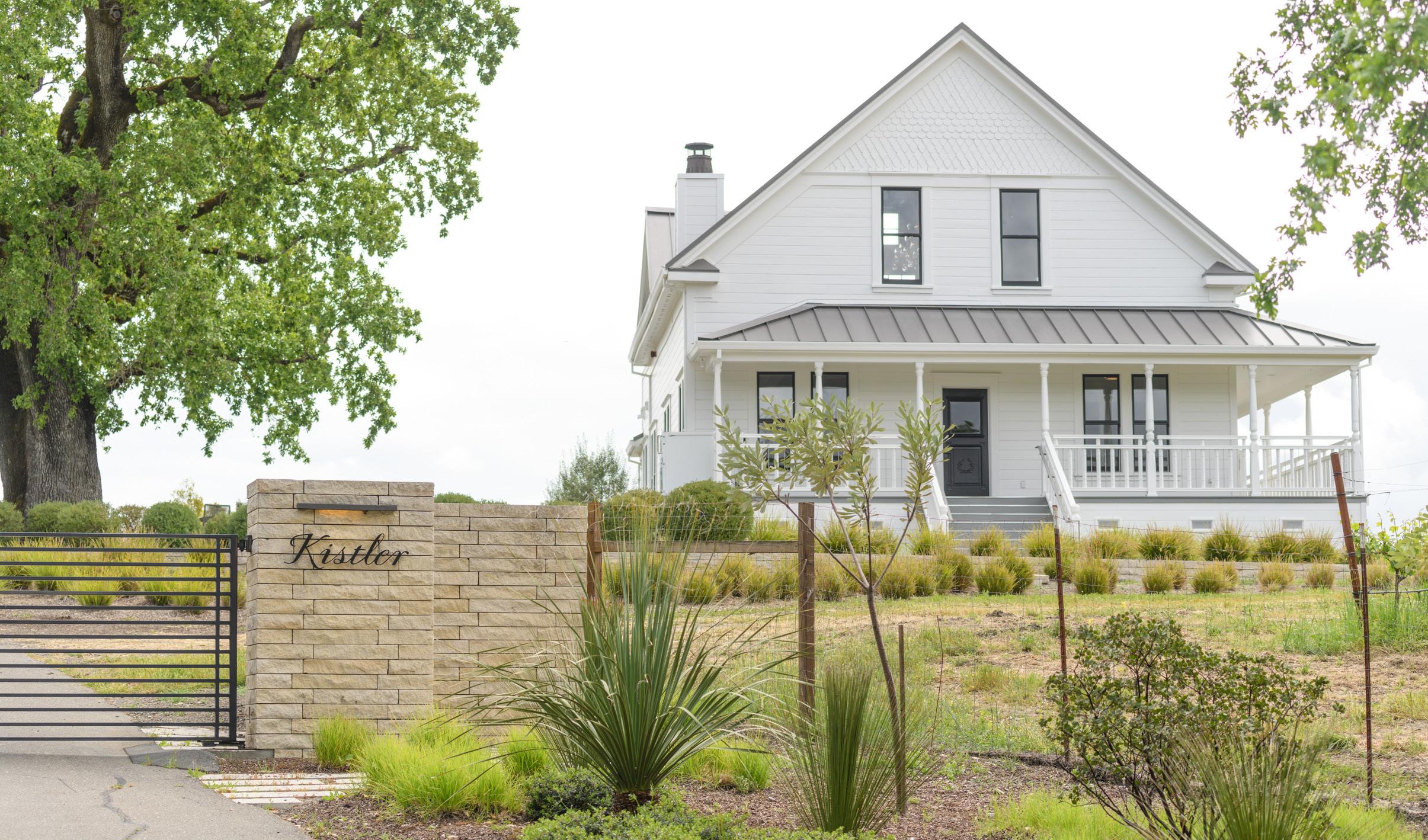
KISTLER VINEYARDS WAS FOUNDED IN 1978 BY STEVE KISTLER and has since grown into one of California’s most iconic producers of Chardonnay and Pinot Noir. Inspired by Burgundy, yet firmly rooted in the unique terroirs of Sonoma, the estate has built its reputation on vineyard-driven wines of remarkable precision, complexity and ageing potential. Today, Kistler works with numerous vineyard sites spread across Sonoma, from Carneros and Sonoma Valley to Russian River Valley and Sonoma Coast.
Above all, Kistler is renowned for its Chardonnays, widely regarded among the finest produced anywhere in the United States.
Jason Kesner became responsible for Kistler Vineyards in 2017, succeeding founder Steve Kistler after almost a decade of working alongside him. Having previously managed Hudson Vineyard, he possesses deep roots in viticulture and a philosophy in which terroir and vineyard expression always take precedence. Under his leadership, Kistler has continued to refine and sharpen its style.
Chardonnay remains the beating heart of Kistler. It is the foundation upon which the estate’s reputation has been built. The Pinot Noir programme is considerably smaller, yet under Jason Kesner’s guidance wines such as Laguna Ridge and Cuvée Natalie have evolved into some of the most respected expressions on the Sonoma Coast. And, as Jason reveals during our conversation, even more Pinot Noir vineyards are already on the horizon.
THE 2023 VINTAGE IS DESCRIBED BY JASON as one of the most fascinating and memorable in many years. An unusually late harvest followed a long, cool transition into autumn, during which the grapes continued to develop both aromatically and phenolically while their analytical parameters remained virtually unchanged.
“Sugar levels, pH values and acidity hardly moved at all, forcing us to monitor the vineyards every single day and triangulate the optimum harvest dates,” he explains.
Patience, however, was richly rewarded.
The result is a collection of wines defined by exceptional precision, naturally low sugar levels, vibrant acidity and an unusually transparent expression of each individual vineyard.
Jason continues:
“After a succession of challenging and highly unusual vintages between 2019 and 2023, 2024 felt like a welcome return to a more classical and predictable growing season. Budbreak, flowering and ripening all followed normal patterns, yields were comfortable, and vineyard development was harmonious throughout. Even now, the fruit for the 2025 vintage already looks extremely promising.”
IN RECENT YEARS KISTLER HAS GRADUALLY SHIFTED ITS FOCUS away from pursuing ever-higher sugar levels and instead prioritises acidity, balance and precision. Harvest decisions are therefore based on
preserving natural acidity while allowing full phenolic ripeness to develop.
“The 2023 vintage became the perfect illustration of this philosophy,” Jason says.
“Daily sampling showed that aromas and flavour complexity continued to evolve while the analytical figures barely changed. The challenge was therefore to identify the precise moment at which aromatic maturity, acidity and structure converged.”
PHILOSOPHY is its work with both established vineyard sites and younger plantings. Younger vineyards are often incorporated into so-called Young Vines cuvées or other multi-vineyard wines, serving as developmental platforms while the vines mature. Only after roughly ten to fifteen years are many sites considered ready to stand alone as individual vineyard bottlings.
The selection of vineyards is based primarily on location, soil composition and microclimate rather than clonal differences or varying barrel treatments. The Chardonnay vineyards, for example, are planted with the same clonal material specifically so that the distinctions between individual vineyard sites become even more apparent.
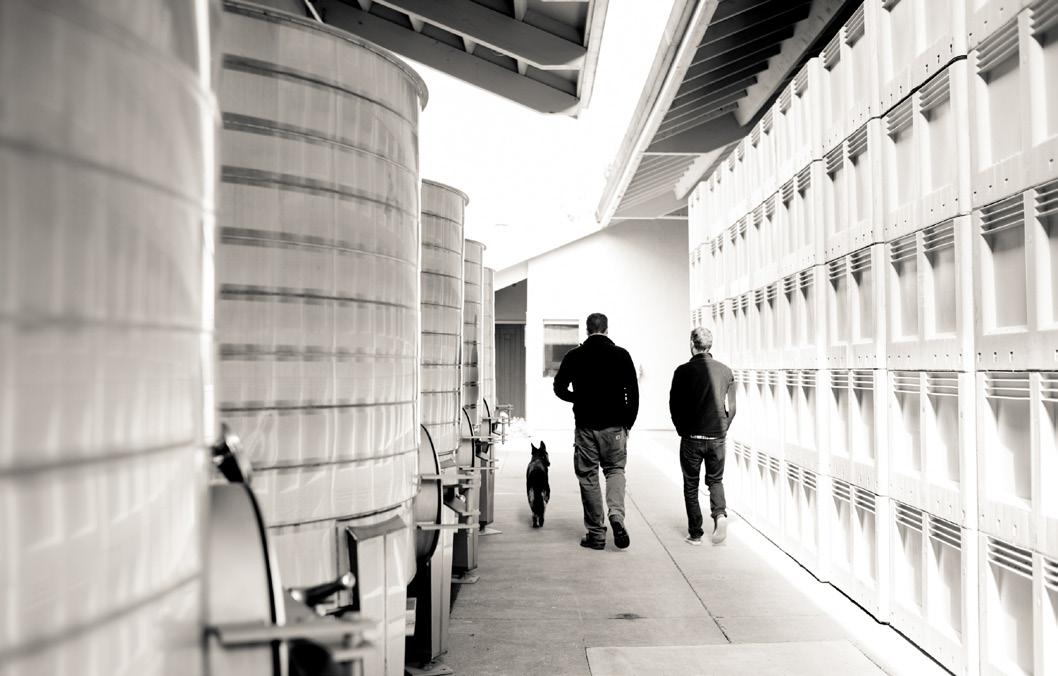
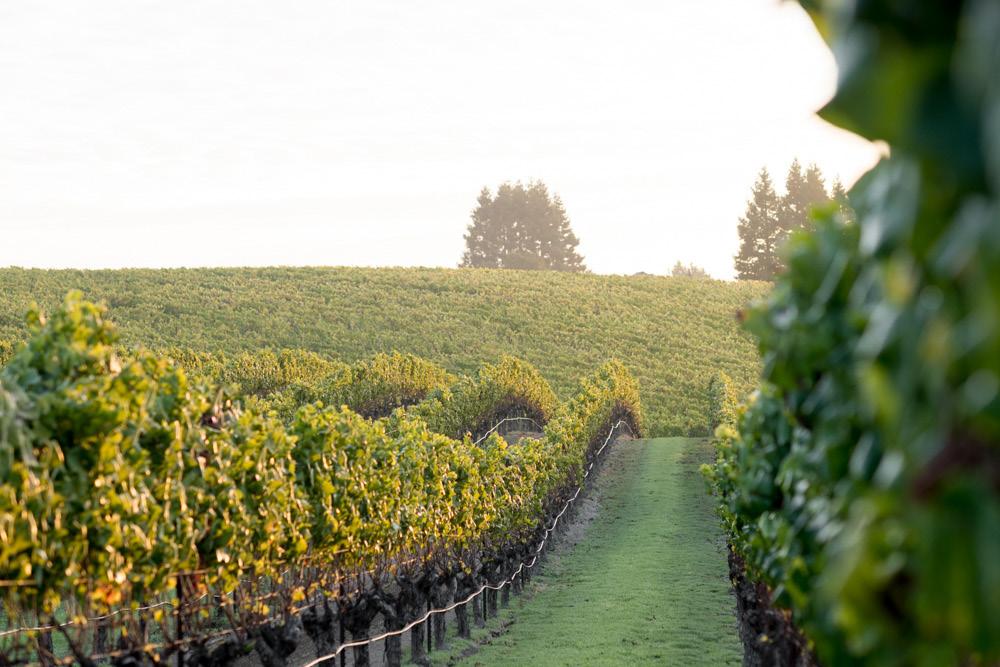
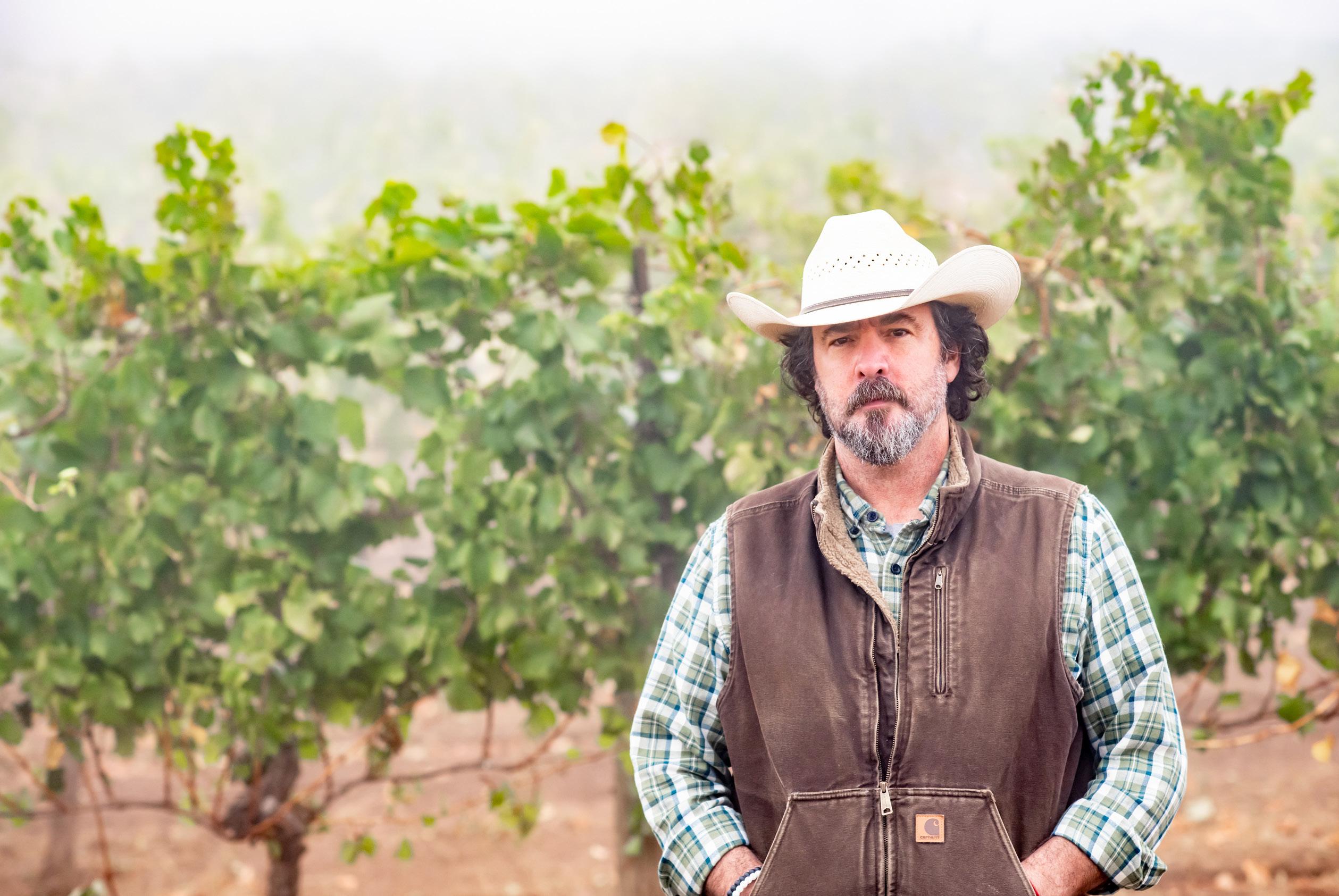
Water availability has also been favourable. The majority of the vineyards are dry-farmed, and three consecutive years of normal rainfall have substantially reduced the drought conditions that previously affected parts of California. Pinot Noir yields average around 2.5 to 2.75 tons per acre, which is considered notably low even by quality-focused Californian standards.
in the winery. Pinot Noir is fully destemmed but fermented as whole berries. Cold soaking is avoided entirely, and there are no scheduled punch-downs or pump-overs. Whenever punch-downs are performed, they are carried out primarily for temperature control rather than extraction.
The winery’s attention to detail is perhaps best illustrated by its approach to monitoring fermentation temperatures. Each fermenter is measured manually at up to ten different points – in the centre, along the sides, near the cap and deep within the fermenting juice – before the readings are compiled to identify both warmer and cooler zones. Only then, if necessary, is gentle mixing carried out.
Since 2008, no cultured yeast has been added. Instead, fermentation relies entirely upon the natural yeast population that has gradually established itself within the winery over time. Historically, a Montrachet yeast strain played an important role, and it is still believed to contribute to the estate’s distinctive reductive and gently sulphide-driven aromatic profile.
TO FURTHER MINIMISE THE INFLUENCE of winemaking itself, Kistler employs exactly the same barrel programme throughout the entire range, for both Chardonnay and Pinot Noir. Every wine in this tasting spent time in precisely 38% new French oak.
The reasoning is almost disarmingly pragmatic. When barrels are stacked three tiers high in the cellar, the natural rotation between new and older barrels consistently results in approximately 38% new oak. Over time, that proportion simply became the house standard.
The multi-vineyard wines are generally matured for around ten months in barrel, while several of the singlevineyard Chardonnays spend a further five months resting in stainless steel before bottling.
Jason also reveals that the estate is reviewing its packaging.
“We are exploring the possibility of replacing traditional capsules with beeswax-like seals and embossing directly onto the bottle, although practical questions concerning machinery, materials and long-term ageing still need to be resolved.”
Behind the operation stands a team of seventy employees, forty-nine of whom work directly in wine production. Every member of staff is employed fulltime throughout the year with comprehensive benefits, something Jason considers a fundamental part of Kistler’s long-term commitment to quality.
is Gravenstein Ridge, a cool, fog-influenced ridgeline that consistently produces Pinot Noir with beautifully defined blue and red berry fruit. Along the geographical progression from Laguna Ridge via Natalie Vineyard to Gravenstein, the wines gradually become darker, deeper and more complex in character.
Laguna Ridge represents the more red-fruited end of the spectrum, whereas Gravenstein Ridge – whose current vineyard bottling (see the tasting notes below) comes from twelve-year-old vines and is produced in approximately 900 cases – displays polished tannins and impressive sophistication.
Durell, by contrast, is profoundly shaped by its marine clay soils and Carneros influence. Here the wines become broader, fuller and more powerful, with pronounced salinity and an unmistakably maritime personality.
Jason is particularly fascinated by the comparison between Stone Flat and Durell.
“Despite identical clonal material and identical vinification, they display remarkable differences. Stone Flat delivers lower pH, higher perceived acidity and a more pronounced saline character, whereas Durell produces darker fruit, greater concentration, a higher skin-to-juice ratio and more tannic structure.”
Hudson and Hyde likewise contribute distinctive Carneros characteristics. Hudson frequently displays an almost iodine-like texture, darker citrus notes and greater aromatic depth.
PINOT NOIRS OF THE 2023 AND 2024 vintages are defined by an unusually transparent expression of vineyard identity. Raspberry, red cherry, pomegranate, violet, orange peel and apricot meet vibrant acidity and finely sculpted tannins. Many of the wines also share a distinctive maritime salinity that carries the finish with remarkable energy and persistence.
Transparency is the recurring hallmark of Kistler’s wines. Acidity serves as the backbone rather than a separate component, while the overriding objective remains to express the vineyard rather than the winemaking.
The Chardonnay range follows the same unmistakable philosophy. Wines such as Les Noisetiers and Sonoma
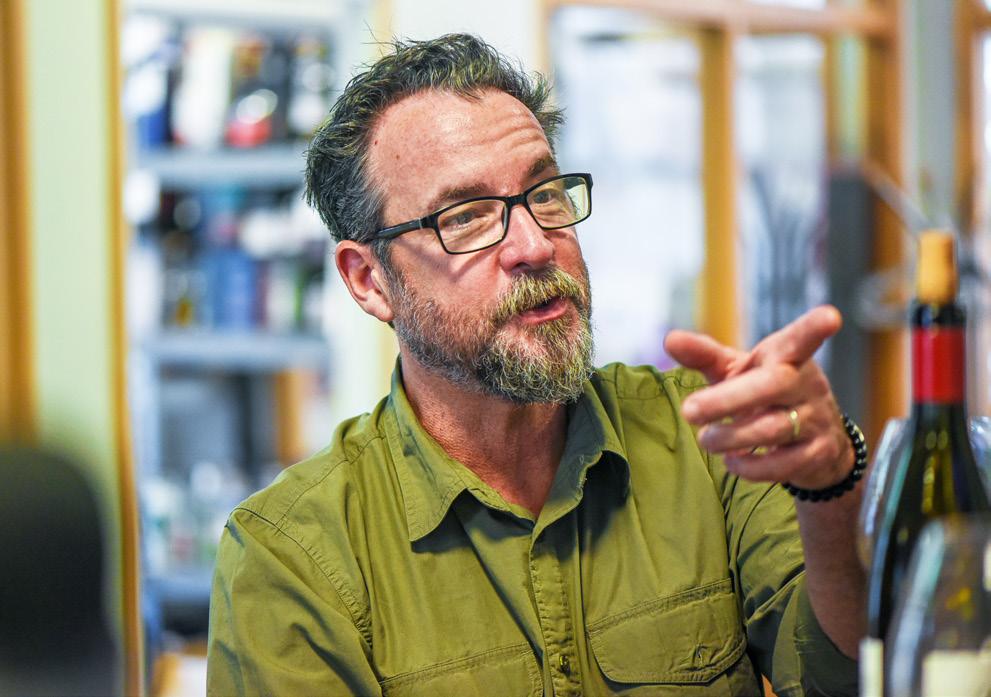
Then there is that somewhat improbable, yet at the same time perfectly logical title: Winemaker-President-Pig Farmer. The fact that Jason chose that title probably tells you everything you need to know about the man behind Kistler. With one foot in the boardroom, the other in the vineyard, and quite likely both hands somewhere in the soil, he wears the designation with a generous measure of self-deprecating humour and perspective.
Valley Chardonnay combine notes of hazelnuts, toasted nuts and grilled citrus with the reductive character that has become something of the estate’s signature.
Depending upon the vintage and vineyard, the expressions vary between more tropical fruit profiles and tighter, citrus-driven styles, yet the emphasis always remains on balance, acidity and medium-bodied concentration rather than sheer power.
Within the 2023 vintage in particular, Hyde Vineyard and Kistler Vineyard stood out as the Livets Goda favourites. Here, layer upon layer of reductive complexity is combined with maritime salinity, remarkable precision and outstanding ageing potential.
Production of Pinot Noir remains relatively limited. Even so, these wines have undergone an almost astonishing evolution over the past ten to fifteen years. The singlevineyard Pinot Noirs from the 2024 vintage are currently being submitted to critics and are expected to be released during the autumn.
exceptional clarity in the 2023 vintage. It is a year in which the estate’s Chardonnays – the very backbone of Kistler’s production – radiate with almost provocative confidence and sophisticated power.
From Les Noisetiers to Laguna Ridge, Kistler presents a collection where terroir, minerality and precision merge with extraordinary energy and remarkable ageing potential.
It is quite simply one of the finest Kistler vintages we have ever tasted. These are wines that offer immense pleasure today while clearly promising many more chapters yet to unfold.
When it comes to cellaring, Jason’s own recommendation is unequivocal:
“The wines are made to be enjoyed in their youth, but most of them also possess the capacity to evolve
gracefully over the next ten to fifteen years.”
For the curious collector, he therefore recommends following the bottles over time—opening one after two to five years to observe their early development, before revisiting them over a much longer period as the full complexity of each vineyard gradually reveals itself.
AT THE SAME TIME, THE PINOT NOIRS IN THIS lineup once again prompted the question that seems to return every time one tastes Kistler:
Why don’t they make more Pinot Noir?
The wines are currently in quite outrageously fine form, combining elegance, energy and depth with remarkable precision.
The good news is that more Pinot Noir is already on its way. Jason tells us that several additional acres are due to be planted. The less encouraging news is that vines pay very little attention to human impatience. A few more vintages will be required before those new plantings begin to show their true potential.
After this tasting, however, the wait already feels entirely worthwhile.
AND THEN THERE IS THAT SLIGHTLY UNLIKELY, yet somehow perfectly logical title: Winemaker – President –Pig Farmer.
The fact that Jason chose precisely that description says almost everything about the man behind Kistler.
With one foot in the boardroom, the other in the vineyard, and probably both hands somewhere deep in the soil, he wears the title with generous self-deprecation and humour.
As winemaker and president he leads Kistler Vineyards. “Pig Farmer” simply serves as a gentle reminder that, at heart, he still considers himself a farmer first—and an executive second.
SWEDEN: Johan Lidby Vinhandel
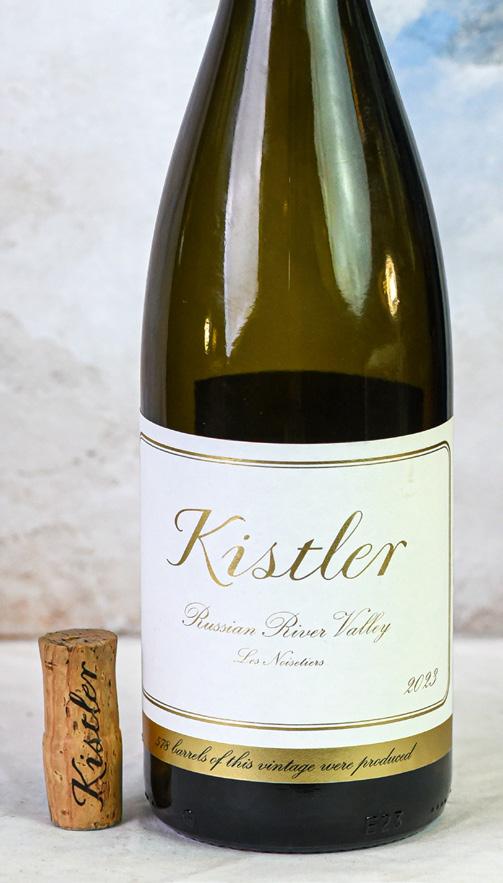
95
Despite serving as the estate’s “entry-level” wine, this is Chardonnay in its purest form, sourced from fruit grown across several of Kistler’s most highly regarded vineyard sites in Sonoma and the Russian River Valley, including Vine Hill, Dutton Ranch, Trenton Roadhouse and Laguna Ridge. At the same time, it remains the estate’s most important wine – the benchmark that defines Kistler’s style and philosophy in a more approachable guise. Today, it appears every inch a modern classic, and perhaps more elegant than ever before. The fruit is generous yet beautifully focused, with honeyed, nut-kissed citrus led by grilled lemon, unfolding into layers of apple, peach, pineapple and sun-ripened stone fruit. The finely sculpted acidity provides both energy and tension, while subtle tannins and a gradually emerging spice contribute precision, structure and depth. Despite its concentration
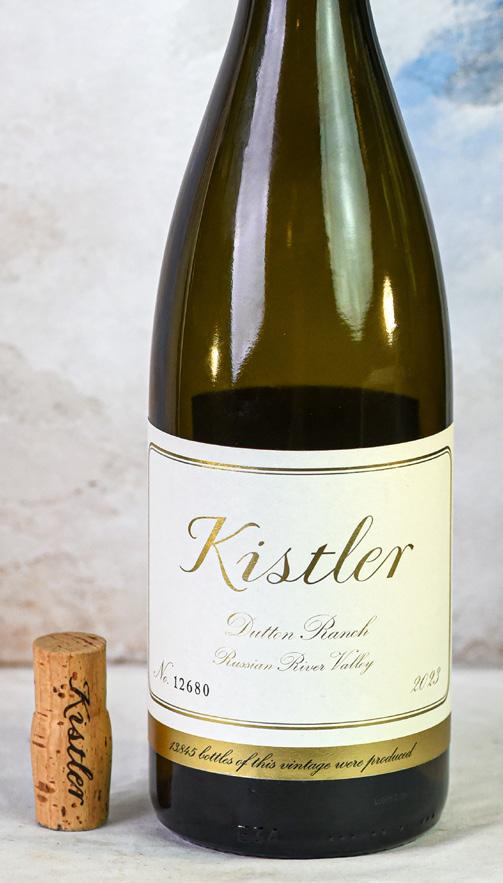
and complexity, the wine retains a polished, seamless flow in which power never overwhelms elegance.
The result is a Chardonnay that encapsulates Kistler’s identity with remarkable clarity—generous, mineraldriven, nuanced and naturally balanced between ripeness and vitality.
(SEK 995)
97
Dutton Ranch made its debut with the 1979 vintage and is sourced from vineyards owned by the Dutton family on the border between Russian River Valley and Sonoma Coast. Kistler has worked alongside the Dutton family since the estate’s earliest years, and the result is one of the house’s most classical and longest-lived expressions.
The aromatic profile is driven by lime zest and grilled lemon, whose energetic citrus core is supported by stone fruits such as apricot, peach and nectarine, together with crisp
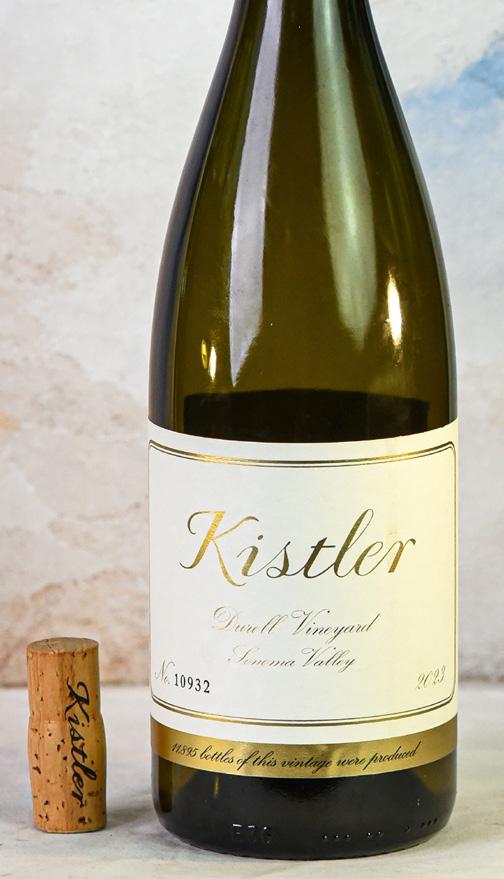
apple notes. Everything rests upon a firm mineral foundation where subtle gunflint nuances provide additional depth and character. The spice is beautifully judged without ever dominating, while the intrinsic acidity lends tension, movement and precision throughout.
Long, proud and finely chiselled tannins provide both structure and direction, contributing a quiet strength that carries the fruit effortlessly through the remarkably persistent finish.
A wine that unites energy with elegance, where origin, minerality and fruit move together in perfect harmony.
(SEK 1,980)
97
A wine bottled since 1986 and sourced from one of Sonoma’s most celebrated vineyard sites, where Sonoma Valley meets Sonoma Coast and Carneros. Kistler’s parcels are planted on marine clay soils threaded with
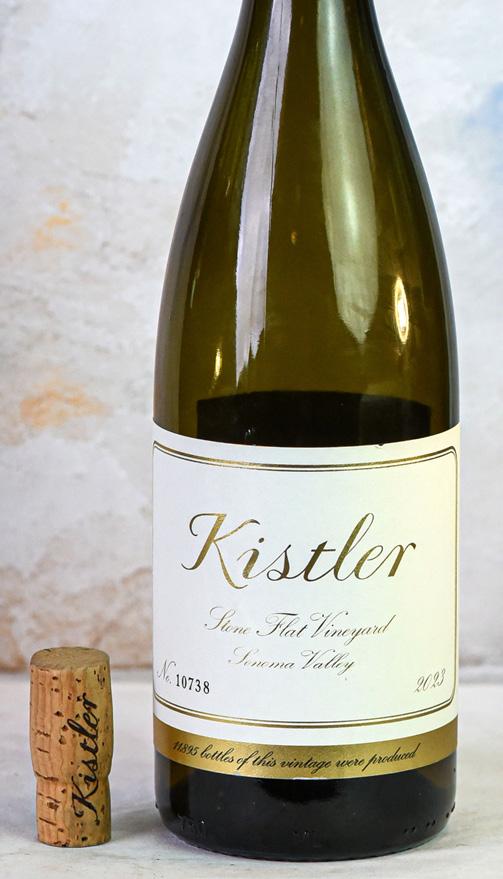
veins of stone, lending the wine its distinctive minerality and structural precision.
Here, exquisite harmony exists between aroma and flavour, acidity and sweetness, generous ripeness and finely chiselled precision. The fruit is carried by ripe citrus and evolved stone fruits, embraced by liquorice-scented herbs, violet and delicate floral nuances. Toasted notes and refined nutty characters are woven seamlessly into the whole, while an elegant bittersweet dimension creates additional tension alongside a darker, gently spiced undertone.
This is a Chardonnay of athletic poise, where coolness and warmth coexist in perfect balance. Minerality provides direction, acidity supplies energy, and the length speaks eloquently of both depth and ageing potential.
A Chardonnay that combines power and elegance with remarkable authority.
(SEK 1,980)
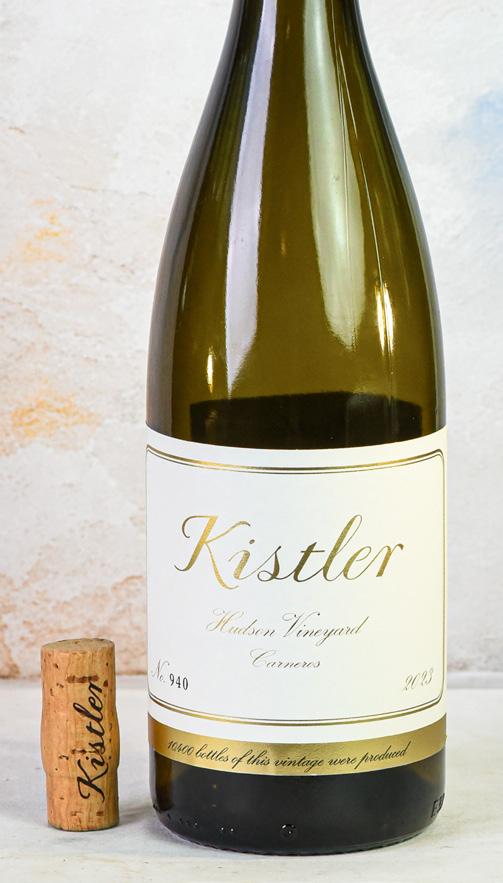
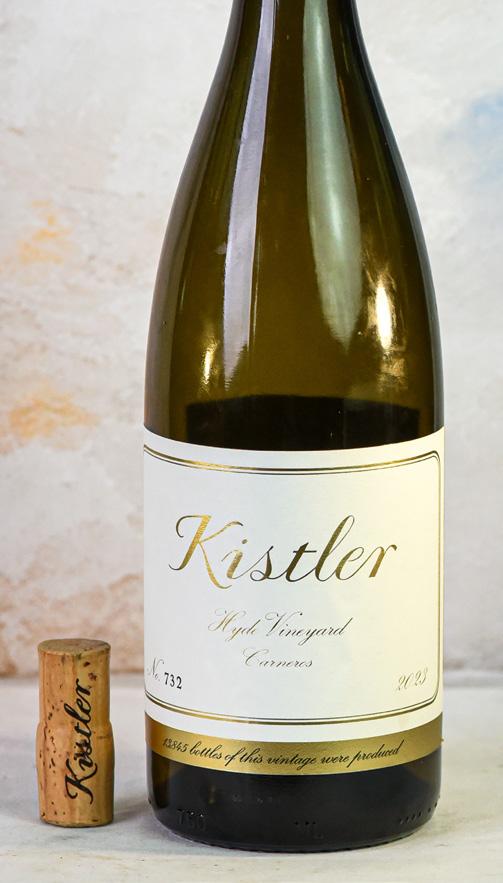
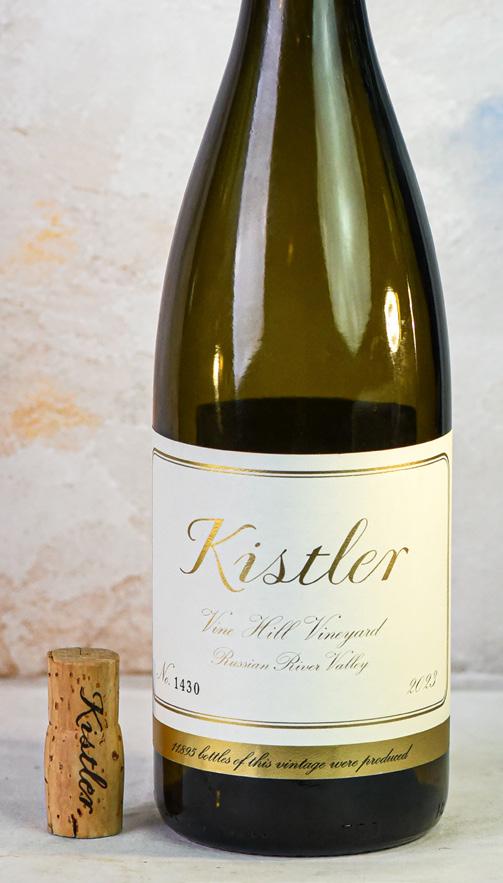
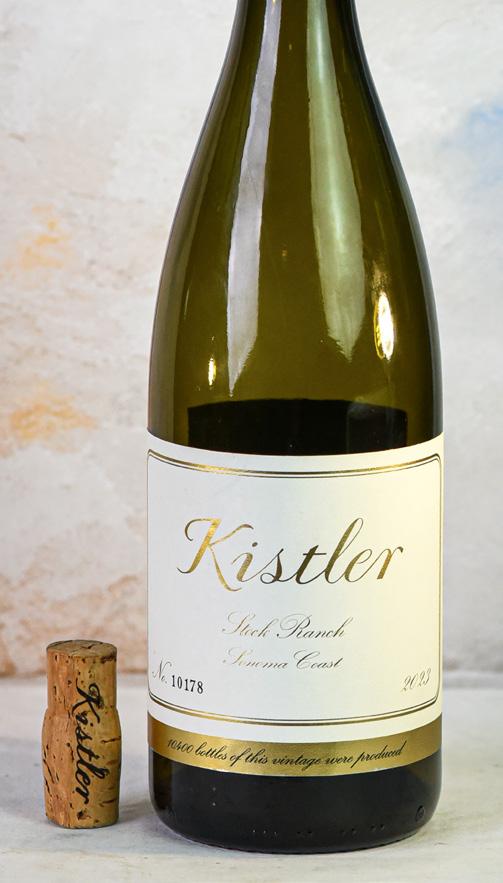
2023 STONE FLAT VINEYARD CHARDONNAY
97+Stone Flat has been bottled as a singlevineyard wine since 2002 and originates from a site directly opposite Durell Vineyard. The soils are dominated by marine clay interwoven with gravel and cobblestone deposits, leaving a distinct imprint upon the wine’s polished tannic structure and mineral character.
The fruit is pure and tightly focused, with citrus at its core, elegantly supported by notes of apple and pear. A powerful mineral backbone and vibrant acidity provide energy and direction, while maritime herbs, saline liquorice notes and subtle sea breezes add further complexity. The oak works discreetly in the background through finely judged toasted nuts and delicate white pepper spice. A gentle sweetness meets zesty freshness in a beautifully balanced whole where precision, elegance and terroir work together with complete confidence.
(SEK 1,980)
2023 HUDSON VINEYARD CARNEROS CHARDONNAY
97 Hudson Vineyard Chardonnay has been bottled since 1994 and draws its fruit from the celebrated Block E of Hudson Vineyard
in Carneros, situated in the south-western corner of Napa County. Here the soils combine volcanic origins with marine sediments.
The aromatics carry Kistler’s unmistakable signature of gently toasted notes and nutty complexity, elegantly intertwined with yellow stone fruits, sun-ripened apples and citrus. The fruit possesses both depth and generosity while remaining firmly held together by the wine’s structure and energy. The spice occupies a slightly darker register, adding further dimensions to the aromatic landscape.
Within its generous ripeness lies a stylistic precision where finely detailed tannins and vibrant acidity create balance, direction and life.
The result is a wine that marries power with finesse, richness with elegance, all underpinned by the mineral salinity that defines its origin.
(SEK 1,980)
2023 HYDE VINEYARD CARNEROS CHARDONNAY
98 Hyde Vineyard Chardonnay has been bottled since 1994 and comes from one of Carneros’ most renowned vineyard sites. Marine clay soils dominate here, becoming progressively leaner higher up the slope.
Its mineral foundation is wonderfully gunflint-like,
immediately establishing the personality of a wine with unmistakable character. The expression is rich and generous, vibrant with energy without ever sacrificing calmness, balance or confidence. The fruit unfolds through layers of citrus, pear, apple, apricot, nectarine and peach, each component finding its natural place within the whole.
The beautifully salivating tannins possess an almost cashmere-like texture that lends both structure and elegance, while a subtle mineral salinity evokes oyster shells and freshly opened oysters. The acidity works precisely through the core of the wine, reinforcing both freshness and extraordinary length.
A great Chardonnay, yet simultaneously streamlined, transparent and perfectly proportioned.
(SEK 1,980)
2023 VINE HILL VINEYARD RUSSIAN RIVER VALLEY CHARDONNAY
96 Kistler Vine Hill Vineyard Chardonnay has been bottled since 1991 and comes from the vineyard surrounding Kistler’s winery just north of the small town of Graton in the Russian River Valley. The vines are planted in the pure sandy profile of the
celebrated Gold Ridge soils. This is a Chardonnay where density and lift coexist with remarkable natural ease. The fruit moves gracefully through peach, nectarine, pear and apple, while the freshness of citrus lends additional sharpness and focus. A penetrating minerality runs like a spine through the entire experience, bringing both direction and vitality.
Subtle notes of butternut, grilled lemon and delicately toasted nuances contribute complexity without obscuring the transparency of the vineyard itself. The structural tannins are nobly saline, holding everything together with precision, while the acidity delivers tension, vitality and persistence.
The result is a wine in which power and elegance meet in an expression that feels both inevitable and magnificent, conveying the unique identity of Vine Hill with complete conviction.
(SEK 1,980)
97 Stock Ranch Vineyard made its second vintage in 2023 and comes from a coastal vineyard site in western Sonoma County, separated from the Pacific Ocean by only a couple of mountain ridges. Here, in
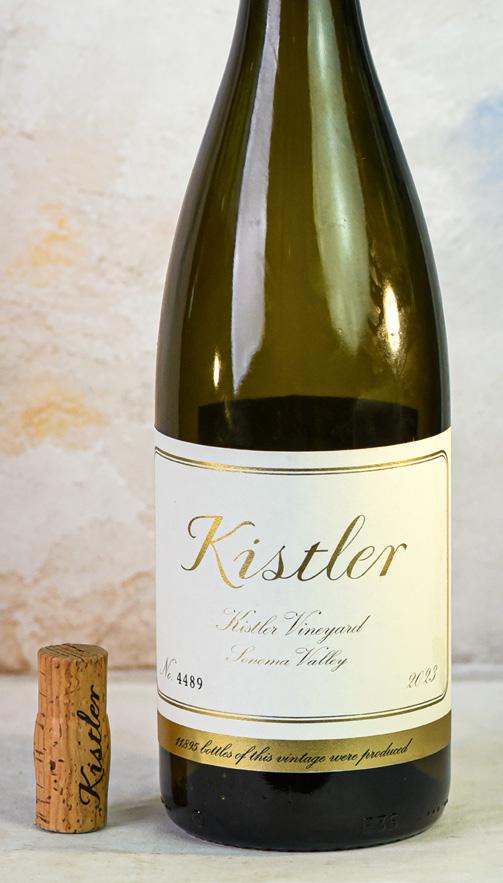
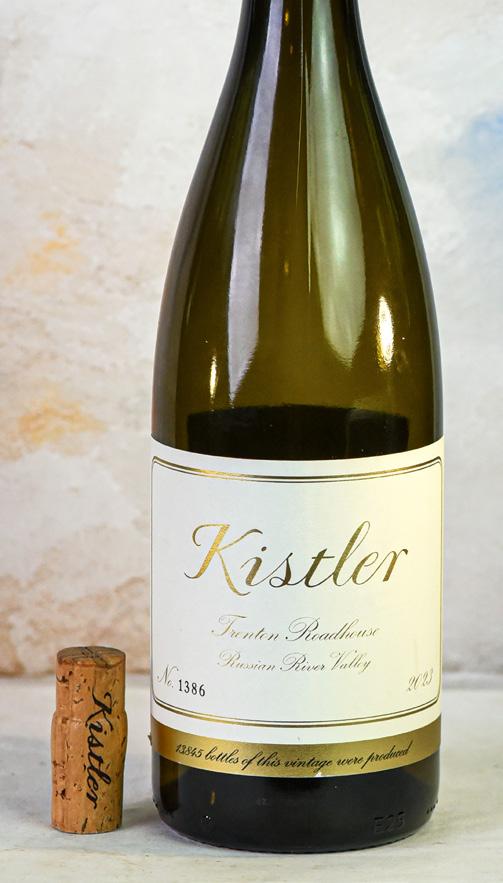
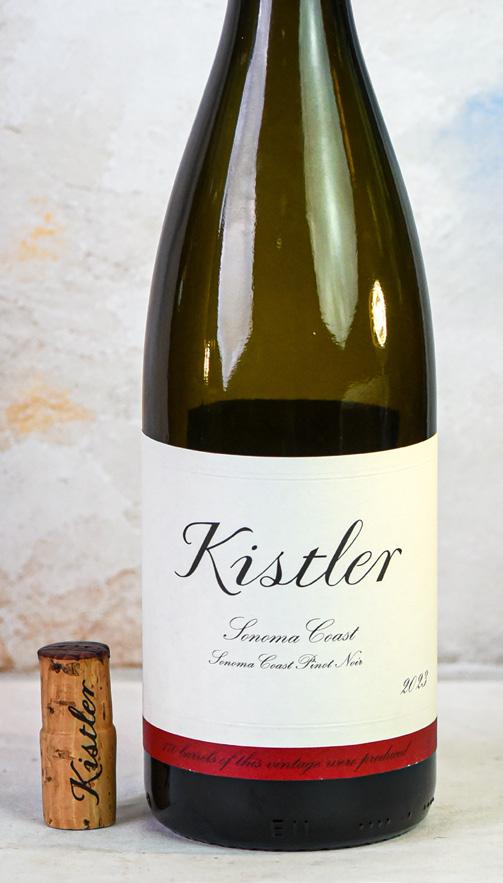
the southern reaches of the coastal range, the warmth of the Santa Rosa Plain meets the cooling influence of ocean breezes and drifting fog, creating one of Kistler’s most distinctly maritime expressions. The result is a Chardonnay of both intensity and restraint. The acidity is highly focused, vibrant and energising, yet carried with an almost effortless calm. The fruit unfolds through honey-kissed citrus, apple, pear, white peach and ripe plums, all coloured by a defining mineral salinity. Structural tannins contribute terroir-driven grip and vitality, while the oak reveals itself only through finely integrated spice. A wine where power and elegance coexist with complete naturalness.
(SEK 1,980)
98+Kistler Vineyard
Chardonnay is the estate’s original single-vineyard wine and has been bottled since 1986. The vineyard lies at almost 550 metres above sea level in a sheltered basin on the western edge of the Mayacamas Mountains, where more than forty-yearold dry-farmed vines draw their strength from deep red volcanic soils. Over the decades, this remarkable site has evolved into one of Kistler’s
most distinctive and longestlived expressions.
Despite its geological origins, this is perhaps the wine within the portfolio that bears the closest resemblance to great Burgundy. Here, focused concentration, mineral precision and an almost heavily pregnant energy are woven into a structure that both impresses and fascinates. Yet there is also an unmistakable sense of harmony and tranquillity, reminiscent of a serene expectant mother.
White flowers, peach, apricot and citrus sweep gracefully across the palate, accompanied by perfectly judged nuances of toasted nuts and delicate oak. The finish is long, powerful and quietly confident, allowing the wine’s inherent nobility and greatness to have the final word.
A Chardonnay that unites strength with grace, lingering in the memory long after the music has faded.
(SEK 2,340)
97 Kistler Trenton
Roadhouse
Chardonnay has been produced since 1994 and bottled as a single-vineyard wine since 2009. The vineyard occupies a south-facing hillside
in the Russian River Valley and is planted on Gold Ridge soils, just like Vine Hill and Dutton Ranch, although here they display the finest and sandiest profile of the three sites.
This is not a wine that needs to raise its voice in order to be heard; it possesses a quiet authority. It is equally a wine that unites powerful fruit with an equally profound sense of terroir. The result is an exceptionally harmonious partnership in which neither element overshadows the other.
Lemon curd, grilled lemon and beautifully ripe stone fruits such as peach, apricot and nectarine glide effortlessly across the palate with almost seamless grace. The fruit is gentle in expression, yet possesses a keen intelligence, while the vibrant acidity constantly maintains direction and focus.
Subtle notes of butternut and discreetly toasted nuances deepen the wine’s complexity, while the structural tannins work with noble, mouth-watering precision, providing both backbone and persistence.
The result is a Chardonnay that has found its natural place, where power resides in restraint and elegance arrives entirely of its own accord.
(SEK 1,980)
95 Sonoma Valley Chardonnay is the estate’s appellation wine from Sonoma Mountain and is based primarily on fruit from vineyards planted in 2019. The vines spread across slopes composed of a mosaic of red volcanic soils and fine-grained limestone-rich layers, a combination that already gives the wine a clearly defined identity.
The ambition is that, in time, the vineyard will stand proudly on its own as a named singlevineyard bottling. For now, however, this wine represents the first expression of what remains an unnamed estate vineyard.
Here, beautifully nuanced, honey-kissed fruit unfolds through yellow peach, orange citrus, apricot and ripe apple, combining energy with precision. A well-grounded acidity lends tension, movement and focus, while gravelly structural tannins provide shape and stability without disturbing the rhythm of the wine. The oak manifests itself through subtle yet highly effective spice, woven naturally into the whole.
The result is a wine of youthful vitality, impressive precision and an origin that already hints at a very exciting future.
(Price not yet available)
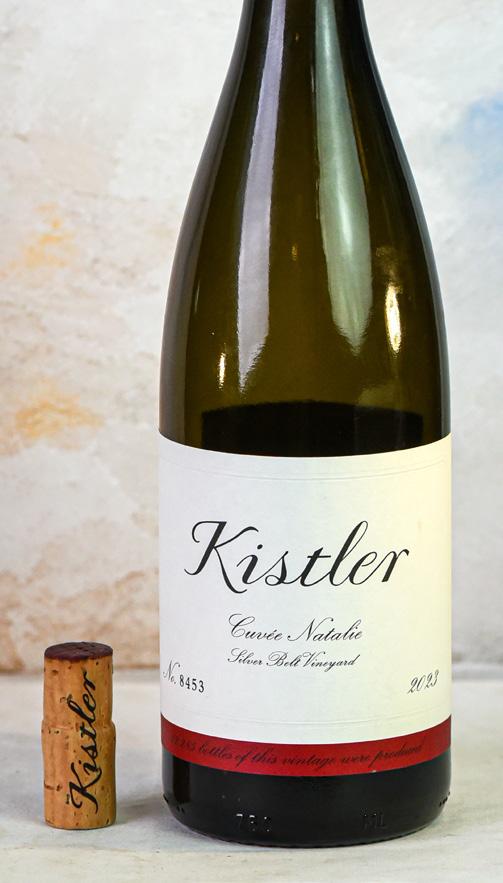
95
Sonoma Coast Pinot Noir draws its fruit from several carefully selected vineyard sites along the Sonoma Coast and is produced from Kistler’s own selected Pinot Noir clones.
Beautifully polished tannins, deeply rooted acidity and a powerful mineral framework give this wine impressive precision, vitality and structure. The fruit possesses tremendous drive and an almost spiritual energy, yet expresses itself with refined maturity through notes of violet, rose-scented cherries, raspberry, wild strawberry and plum, all gently touched by liquorice-infused herbs and finely judged pepper spice. The complexity is elevated by graceful accents of blood orange and apricot. There is an effortless flow here—solid and composed, yet entirely free from any rhythmic interruption.
(SEK 929)
2023
97
Cuvée Natalie Pinot Noir has been sourced from Silver Belt Vineyard since the 2006 vintage, where older iron oxide-rich soils interspersed with gravel create an unusually distinctive terroir that has proved exceptionally well suited to Pinot Noir. The vineyard itself was planted in 1998.
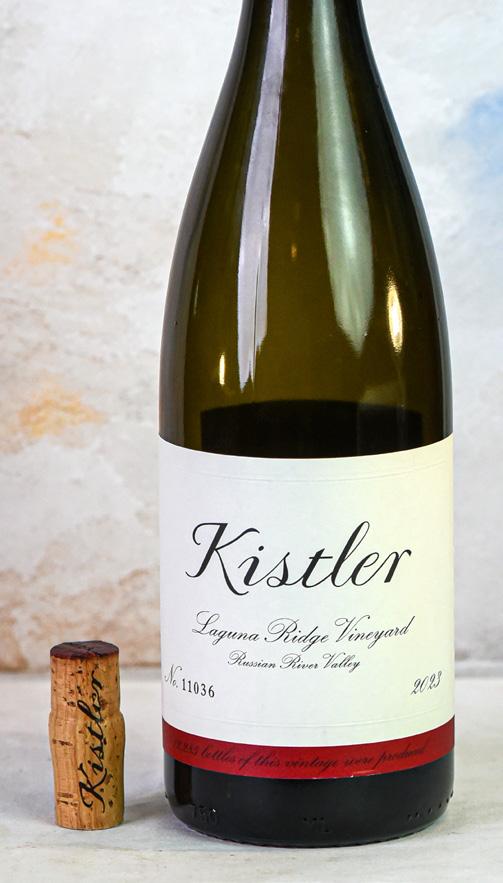
The wine displays a sensual ripeness in which apricot and blood orange intertwine beautifully with floral notes of perfumed strawberries, raspberries, cherries and touches of blackberry. The herbal element is restrained and delicately liquoricescented, while the vibrant acidity performs its work with quiet confidence rather than seeking attention. The spice remains subtle, the tannins guide the palate with an almost cashmere-like texture, and the result is a wine that is simultaneously profound, elegant and immediately seductive.
As much as one appreciates the magnificent development that undoubtedly awaits over the coming years, resisting the temptation to enjoy it in its youthful splendour will prove remarkably difficult.
(SEK 1,990)
98 Kistler Laguna Ridge Vineyard Pinot Noir originates from a high ridge in the Russian River Valley, where the eye is drawn in one direction towards the cool horizon of the Pacific Ocean and in the other across the gently rolling landscape of the valley below. It is a place where nature’s contrasts combine to create truly exceptional conditions.
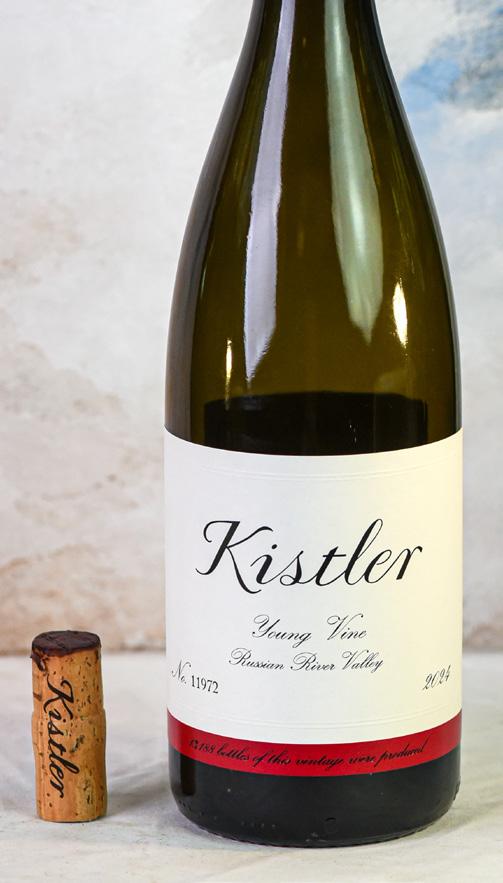
The soils consist of sandstone, granulated marine sediments and ancient fragments of petrified wood. Since 2006, this vineyard has been the source of one of Kistler’s most terroirdriven Pinot Noir expressions. For many years, the wine was bottled under the name Kistler Vineyard Pinot Noir, but today it proudly carries the name of its true origin: Laguna Ridge Vineyard.
There is profound depth here beneath an almost luminous surface. A beautifully constructed mineral foundation and life-giving acidity provide both precision and energy. This is a wine capable of offering immediate charm while simultaneously promising decades of graceful evolution.
The tannins shape and govern the structure with elegantly subtle gravel-like polish, while the transparency of the wine’s intensity allows it to breathe effortlessly.
A gentle suggestion of perfume flows through the fruit, where blood-orange-infused cherries, raspberries, wild strawberries and blackberries mingle with violet, liquoricescented herbs and delicate floral nuances. A beautifully balanced vegetal freshness enriches the wine without ever dominating the fruit.
The finish leaves every promise of an exceptionally bright future. (SEK 2,020)
96
Kistler Young Vine Pinot Noir is produced in a quantity of approximately 900 cases and will occupy a unique place in the estate’s history. This is both the first and the last vintage to carry the name Young Vine Pinot Noir. The fruit is sourced from younger vines within the very same vineyard sites that supply Kistler’s more prestigious Pinot Noir bottlings. Beginning with the 2025 vintage, the wine will instead continue its evolution under the name Gravenstein Ridge Pinot Noir.
In the 2024 vintage, the wine displays a nobly darker fruit profile with beautifully nuanced sweetness, supported by integrated acidity and finely judged aromatic spice. The younger vines already reveal impressive refinement through notes of violet, liquorice-infused herbs and delicate floral nuances layered over plum, dark raspberry, bigarreau cherry and wild strawberry.
Elegant, finely sculpted tannins provide sophisticated structure, reinforcing the wine’s naturally seductive character. This is an immensely attractive Pinot Noir with considerable potential for future development.
(Price not yet available)
Nestled between the continental warmth and cool northern currents, Austrian wines flourish in the heart of Europe. These ideal climatic conditions foster the growth of noble and elegant wines with EU-protected designation of origin. You can always spot them by the red-white-red capsule tops and the official quality wine check number on the label. austrianwine.com
In Napa Valley there are producers who build their reputations on scores, prestige and scarcity. Then there are those who manage to combine iconic status with something far more enduring – family, sustainability and a genuine commitment to the people around them. Staglin Family Vineyard unquestionably belongs to the latter category.
During an extensive presentation of both Staglin and its sister label Salus, a picture emerged of a producer that, despite being surrounded by some of California’s most coveted vineyards, continues to operate on a surprisingly intimate scale. Around 6,500 cases of wine are produced each year from the estate’s 28 hectares on Rutherford Bench, with just eleven people involved in the operation –including members of the family themselves.
BY ANDERS ENQUIST
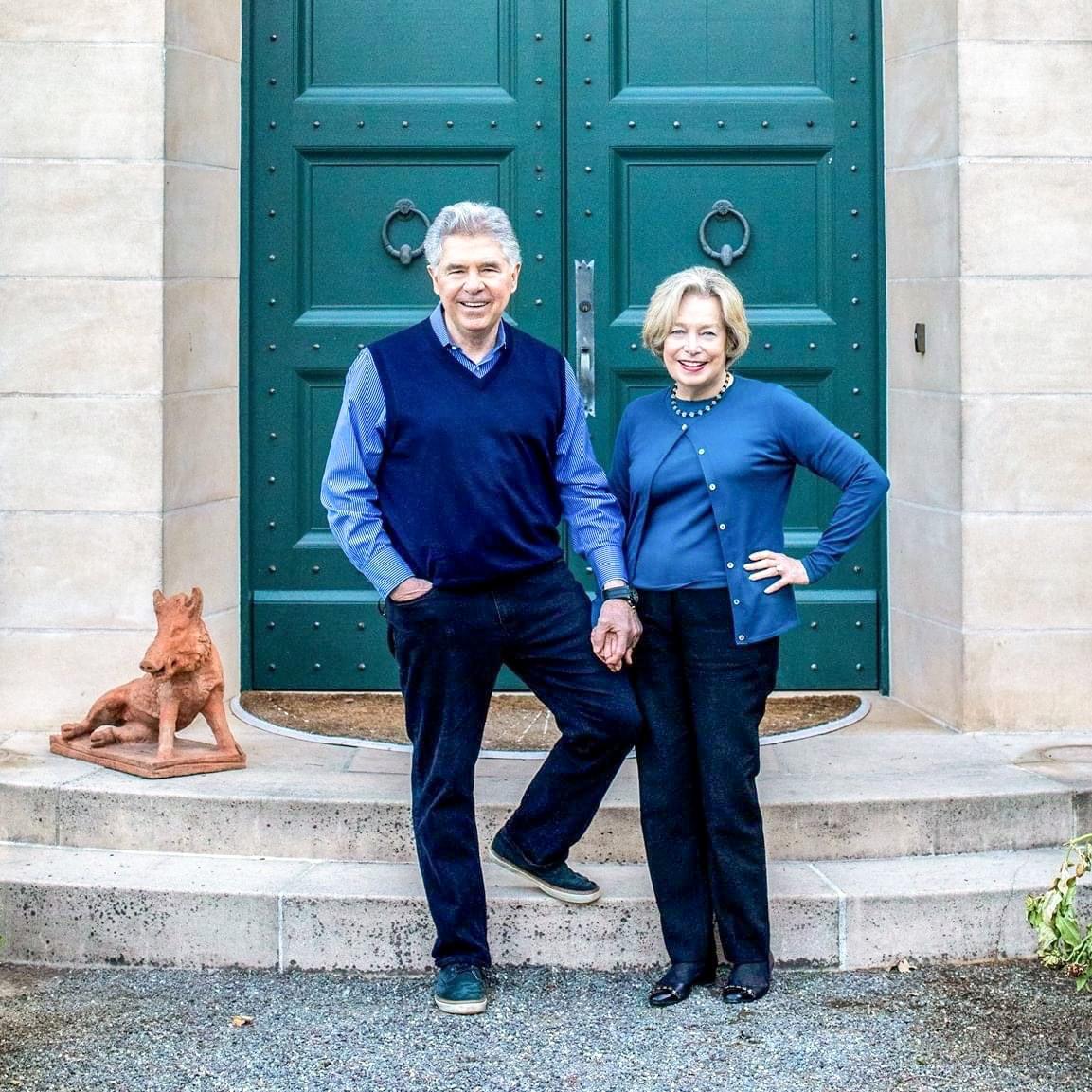
EVERYTHING BEGAN IN 1864, when John Steckter and his wife, Mary E. Harris Steckter, purchased the property from the pioneering financier and statesman Serranus Clinton Hastings. At the time, it represented more a promise than a certainty—148 hectares of untamed land that gradually evolved into a working farm where vines, livestock and grain coexisted within a living agricultural cycle. By 1877, the estate was already described as a place of dignity and beauty, a family home where six children grew up overlooking the surrounding hillsides.
Following John’s death in 1904, Mary was forced to sell the property, which then passed through several owners, each leaving a distinct mark upon its history. In 1922 it was acquired by Frank G. Manley, an enigmatic figure whose fortune had been made through Alaskan gold and oil, and whose past was clouded by mystery. Here he lived with his family among vineyards, walnut groves and plum orchards.
In 1963 the Sullivan family took ownership, bringing with them close ties to Beaulieu Vineyard and its legendary Georges de Latour Private Reserve. Under the guidance of the celebrated winemaker André Tchelistcheff, the estate underwent significant transformation as former orchards gave way to new vineyards.
When the Staglin family finally purchased the property in 1985, it felt as though the circle had been completed. Today the estate is led by Shari Staglin as owner and Chief Executive Officer, while the next generation already plays a central role in the family’s continuing story.
LOCATION
EXTRAORDINARY. The vineyards stretch across Rutherford Bench, surrounded by some of Napa Valley’s most legendary names. Joseph Phelps, Inglenook, Scarecrow, Bella Oaks and To Kalon all lie within the immediate neighbourhood.
Cabernet Sauvignon and Chardonnay naturally dominate the estate, although Pinot Noir and Grenache also play important roles within the wider portfolio. The Chardonnay vineyards comprise ten individual blocks planted to four different clones, where classic Californian selections such as Wente and Mount Eden stand alongside Burgundian Dijon clones. The estate is complemented by several smaller vineyard projects, including a modest Sangiovese planting originally gifted by Italian partners, together with additional holdings in Lake County, where clayrich soils contribute expressions distinctly different from those found on Rutherford Bench.
STAGLIN is simultaneously a remarkably forward-looking producer. The estate has been powered by solar energy since 2002 and functions to a large extent
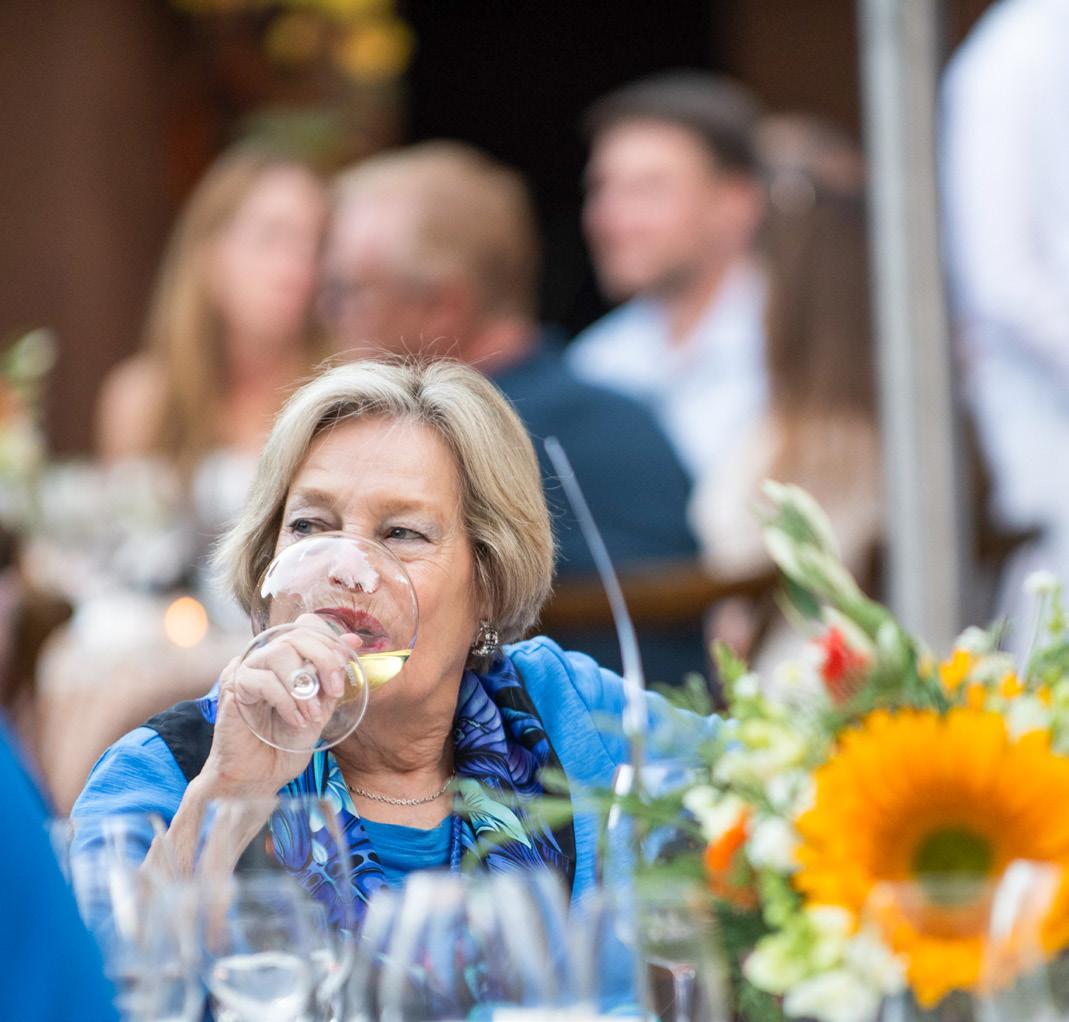
as a self-sustaining ecosystem. Olive oil is produced on the property, bees supply honey, and vegetables are grown to provide food for the estate’s staff.
Sustainability, however, is not presented primarily as a marketing message but rather as a natural extension of the family’s way of life. The philosophy is centred upon creating long-term resilience—both in the vineyards and within the business itself.
The objective in the winery is equally clear: balance before maximum extraction. The white wines are fermented primarily in 600-litre barrels using indigenous yeasts. Malolactic fermentation is halted through temperature control rather than chemical intervention, preserving freshness while allowing the wines to develop texture and depth.
Oak usage is carefully considered throughout the range. The Chardonnays mature in approximately 45% new French oak, while the Cabernet Sauvignons typically spend around twenty-one months in barrel, with new oak accounting for approximately 70–75%.
by the estate. Portions of certain cuvées are matured in eggshaped vessels crafted from sandstone and porcelain. Staglin also experiments with barrels whose oak staves have first been immersed in seawater before the barrels themselves are assembled. The intention is not to impart a salty flavour but rather to contribute a subtle mineral dimension and a gently salivating energy that later becomes one component within the final blends.
Among the red wines, the same emphasis on structure
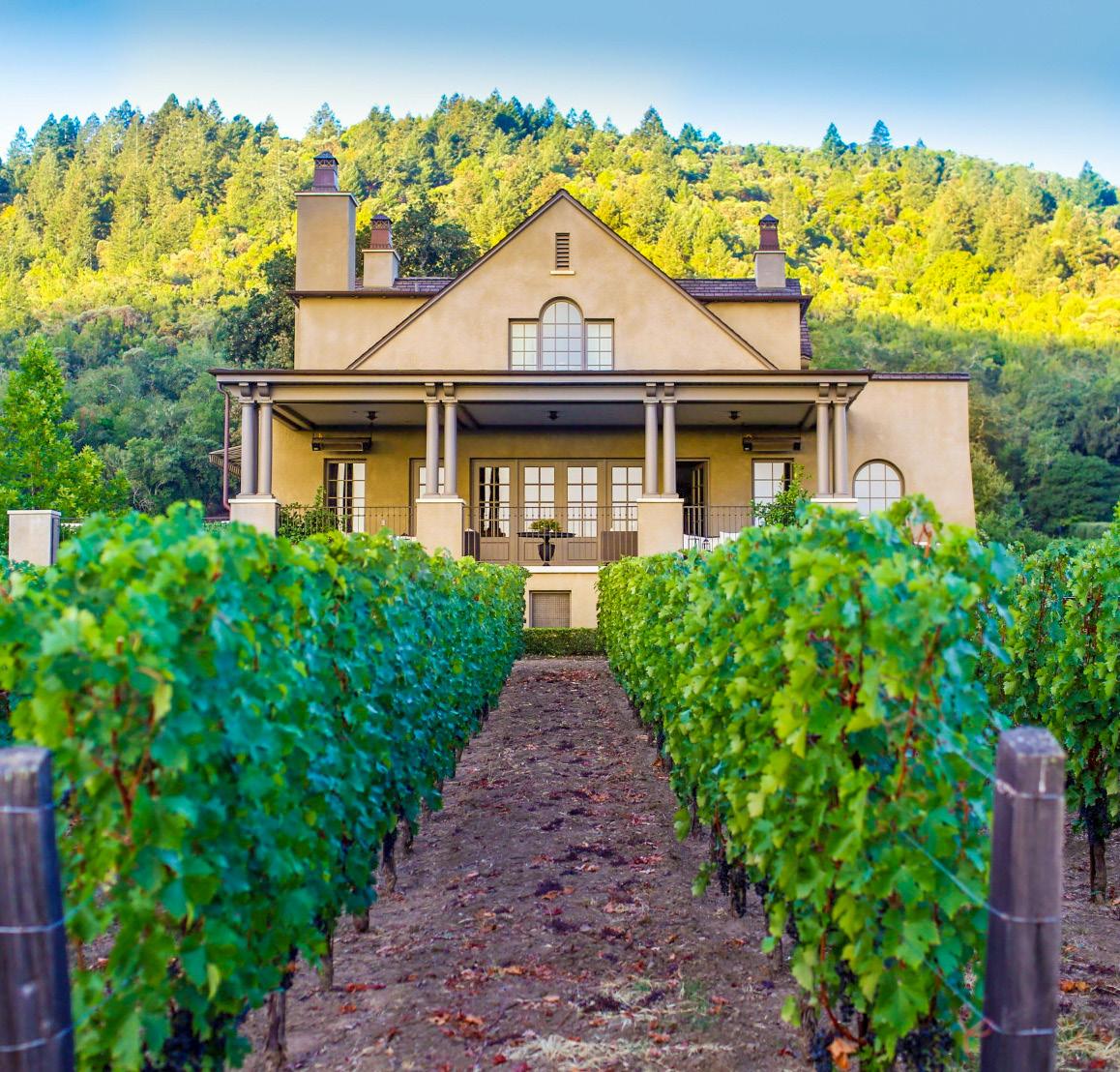
rather than sheer weight is equally evident. Depending upon the vintage, Pinot Noir may include between 30 and 40% whole clusters, while Grenache is handled with exceptional care in order to preserve aromatic purity and elegance.
ONE OF THE MOST INTERESTING COMMERCIAL OBSERVATIONS has nothing to do with vineyards or oak barrels, but rather with bottle formats.
Over the past four years, Staglin has increased production of half bottles by approximately fivefold. At a time when many major producers have abandoned the category altogether, Staglin has instead recognised growing demand.
The reasoning is straightforward. Consumers generally drink smaller quantities than they once did, yet are increasingly willing to spend more on quality. As a result, the half bottle has become an attractive format for individual drinkers, mature wine lovers, restaurants and curious consumers wishing to explore a wine without committing to a full bottle.
At the same time, magnums continue to attract collectors and enthusiasts alike, creating an intriguing balance between the smallest and the largest formats.
STAGLIN from many other producers in Napa Valley is that wine has never been solely about wine.
Ever since the family acquired the estate in 1985, philanthropy has formed an integral part of both the business and the family’s philosophy of life. Over the course of four decades, the Staglin family has donated
and helped raise more than one billion dollars for charitable causes, with research into brain disorders and mental health standing as their most deeply personal commitment.
Through the One Mind Music Festival at Staglin Family Vineyard, some of the world’s leading chefs, wine producers, artists and scientists have come together around a shared conviction—that meaningful progress is achieved when people collaborate across disciplines. Supported by generous benefactors and the National Institute of Mental Health, the initiative has helped mobilise more than 700 million dollars for research and development.
For the Staglin family, however, the story extends well beyond fundraising totals. Their vision is considerably broader. Through the organisation One Mind, they work to accelerate the development of treatments and cures for brain disorders and traumatic brain injuries by supporting and funding pioneering scientific collaborations.
Ultimately, the work rests upon one simple yet profoundly powerful belief: that every individual deserves the opportunity to enjoy a healthy and flourishing mind. Viewed from that perspective, Staglin becomes more than simply another vineyard on Rutherford Bench. It becomes the story of a family that has transformed success in the vineyard into a force dedicated to something far greater than wine itself.
RETURNING TO THE WINES, discussions are currently under way regarding Staglin’s first small-scale introduction to the Swedish market. An initial shipment of two pallets is under consideration—one intended for the restaurant trade and the other for Systembolaget’s ordering assortment together with private import channels.
A decision is expected following the recent tastings held in Sweden and, should logistics fall into place, the first wines could reach the Swedish market as early as this autumn.
It is easy to understand the interest.
The Chardonnays impressed with their precision, texture and freshness, while clearly illustrating the stylistic differences between the Burgundian and Californian clones. The former displayed greater citrus character, salinity and minerality, whereas the latter leaned towards riper, sun-filled fruit.
The Cabernet Sauvignons demonstrated the classical Rutherford balance between fruit, oak and tannin, gradually unfolding in the glass with layers of citrus, dried apricot and spicy nuances woven through darker berries.
Meanwhile, the Pinot Noir from Petaluma Gap delivered everything one hopes for from a cool-climate expression: blood orange, orange zest, minerality and unmistakable salinity.
In summary, Staglin emerges as a producer that succeeds in combining Napa Valley’s classical confidence with something that has become increasingly rare in the modern wine world: patience, family stewardship and a determination to ensure that every decision—from solar panels to oak barrels—forms part of a far greater story.
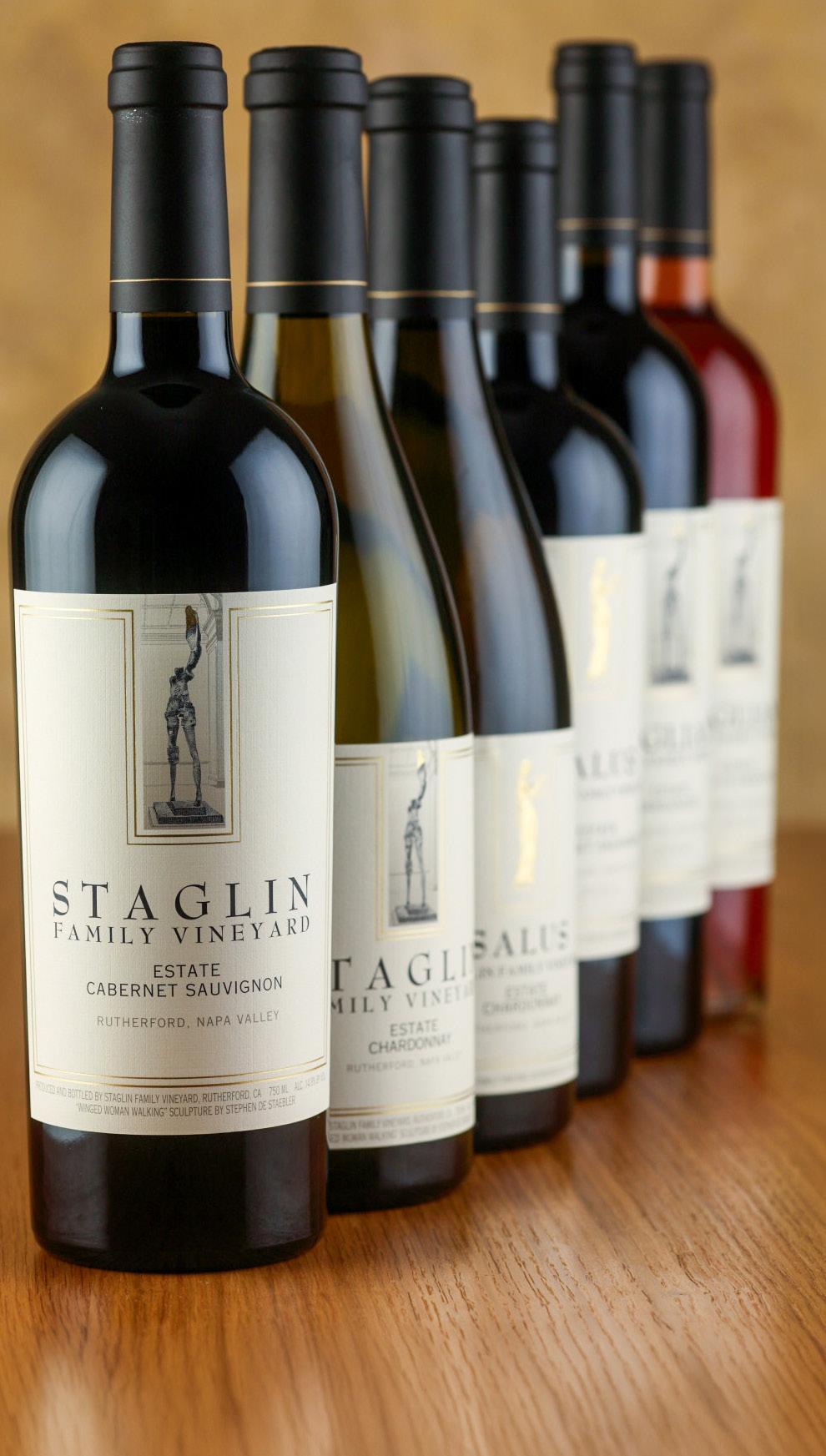
IMPORTER IN SWEDEN: Swedish Brand
2023 STAGLIN FAMILY VINEYARD ESTATE CHARDONNAY
97+Production amounted to a mere 1,800 bottles—but what extraordinary bottles they are. The wine was matured for ten months in 500and 600-litre oak barrels. Fullbodied and densely structured, yet held firmly in check by an intensely focused mid-palate and a long, persistent finish. A maritime mineral salinity intertwines with notes of lime and white stone fruits, gently embraced by delicate floral breezes. The beautifully integrated acidity and finely sculpted tannins give the wine immediate appeal today while simultaneously providing the foundation for graceful development over the next decade. (SEK 1,699)
2022 STAGLIN FAMILY VINEYARDS CABERNET SAUVIGNON RUTHERFORD
97 The 2022 vintage marks the fortieth anniversary of this wine. The blend consists of 89% Cabernet Sauvignon, 7% Cabernet Franc and 4% Petit Verdot. It matured for twenty-one months in French oak barrels, 74% of which were new. Here we encounter a wine of impeccable typicity, where sage-scented nuances frame a beautifully composed fruit profile of plum, blackberry, cassis and cherry, elegantly layered with hints of chocolate and a discreet touch of vanilla. A vibrant acidity brings energy and movement through the wine’s depth, while polished, elegant tannins combine with finely judged minerality to create structure, precision and seamless drive. The result is a subtle yet expressive Cabernet that already offers remarkable
accessibility, while possessing every attribute required to evolve beautifully over the next fifteen years. (SEK 1,985)
97+Six years after harvest, the wine has scarcely changed—and that is intended as the highest compliment imaginable. The fruit profile follows the same broad direction as the younger vintage but has evolved towards a more red-fruited elegance, where the aromatics have gained greater depth and the spice has assumed a more prominent role. It remains a wine of striking youthful vitality, while its first gentle signs of maturity add further complexity and refinement.
Alongside the flagship Staglin label sits its sister wine, Salus, created to make the Staglin philosophy more accessible—both stylistically and in terms of price. The range is also closely connected to the family’s long-standing commitment to research into brain disorders and mental health (see article). The wine is vinified using 30–40% whole clusters and matured exclusively in 500- and 600-litre French oak barrels, 47% of which are new. This is a beautifully crafted Chardonnay with a generous structure that never carries unnecessary weight. The integrated acidity brings energy and vitality to the very heart of the wine, while an elegant, persistent spice weaves together honey-kissed citrus, apricot, apple and white peach. The tannins work
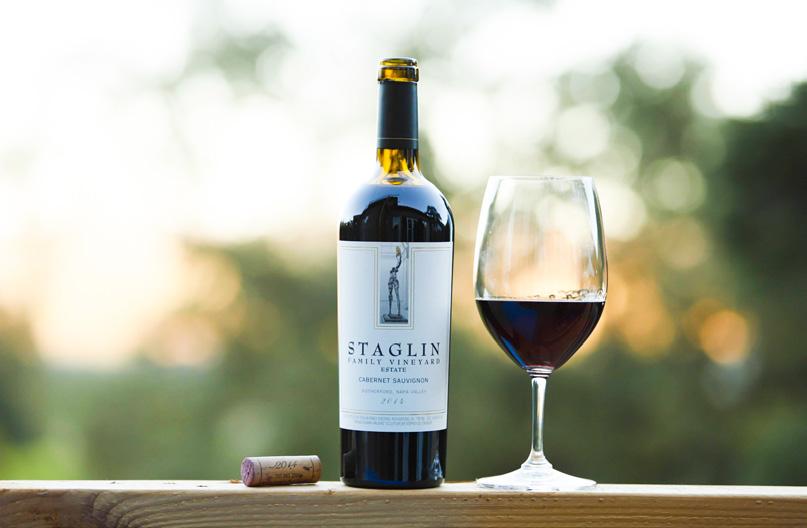
with quiet precision, lending both structure and direction. The depth is impressive, the finish remarkably long, and the overall impression is one of effortless balance between power and finesse. (SEK 649)
2022 SALUS ESTATE CABERNET SAUVIGNON
95+The vineyard was planted in 1995, with the inaugural vintage released in 1999. The blend is composed of 97% Cabernet Sauvignon and 3% Cabernet Franc, followed by twentyone months of maturation in French oak barrels, 88% of which were new. The fruit displays wonderfully subtle sweetness, where orange peel and apricot gently weave themselves through ripe, mineral-driven layers of blackberry, plum, cassis and blueberry, all delicately framed by tobacco, chocolate and freshly roasted coffee beans. A vibrant yet nobly restrained acidity provides freshness and energy, while an elegant tannin structure guides the wine with precision.
This is a remarkably refined Cabernet, offering generous space for both richness and precision. It already delivers considerable pleasure today and will undoubtedly continue to evolve beautifully over the next decade, and very likely well beyond. (SEK 1,195 – TSE release in September)
2019 SALUS ESTATE CABERNET SAUVIGNON
96 A vintage of remarkable integrity and almost monumental elegance. The wine moves across the palate with subtle yet unwavering confidence. The mature fruit has settled into a deeper register, where every nuance interacts
harmoniously with spice, minerality and a life-giving energy that carries the wine effortlessly through its long finish. (SEK 1,195)
95
Resa is not a Staglin Family Vineyard Estate wine but a collaborative side project created by Fredrik Johansson and Shannon Staglin under the label Resa Wines by Staglin. The project was established to explore grape varieties and vineyard origins beyond Rutherford. The fruit for this wine comes from Petaluma Gap in Sonoma County, a region that has become particularly renowned for Pinot Noir and Chardonnay. Production was limited to just 540 bottles, with the inaugural vintage released in 2017. Vinification includes 30–40% whole clusters, followed by maturation in seasoned 600-litre French oak barrels. This is a wine of understated appearance but unmistakable inner confidence. A beautifully aromatic thread runs throughout, where maritime minerality and finely chiselled, cooling tannins create precision, vitality and an earthy sense of depth. Orange citrus leaves its unmistakable imprint upon the red-ripe fruit of cherry, cranberry and redcurrant, while an elegant floral lift brings brightness and finesse.
California is clearly present in the wine’s generosity and warmth, yet somewhere within its family tree there is undoubtedly a very close Burgundian cousin. (SEK 859)
Tidlös, naturligt elegant champagne i perfekt balans. art 7372 alk 12% 399 kr
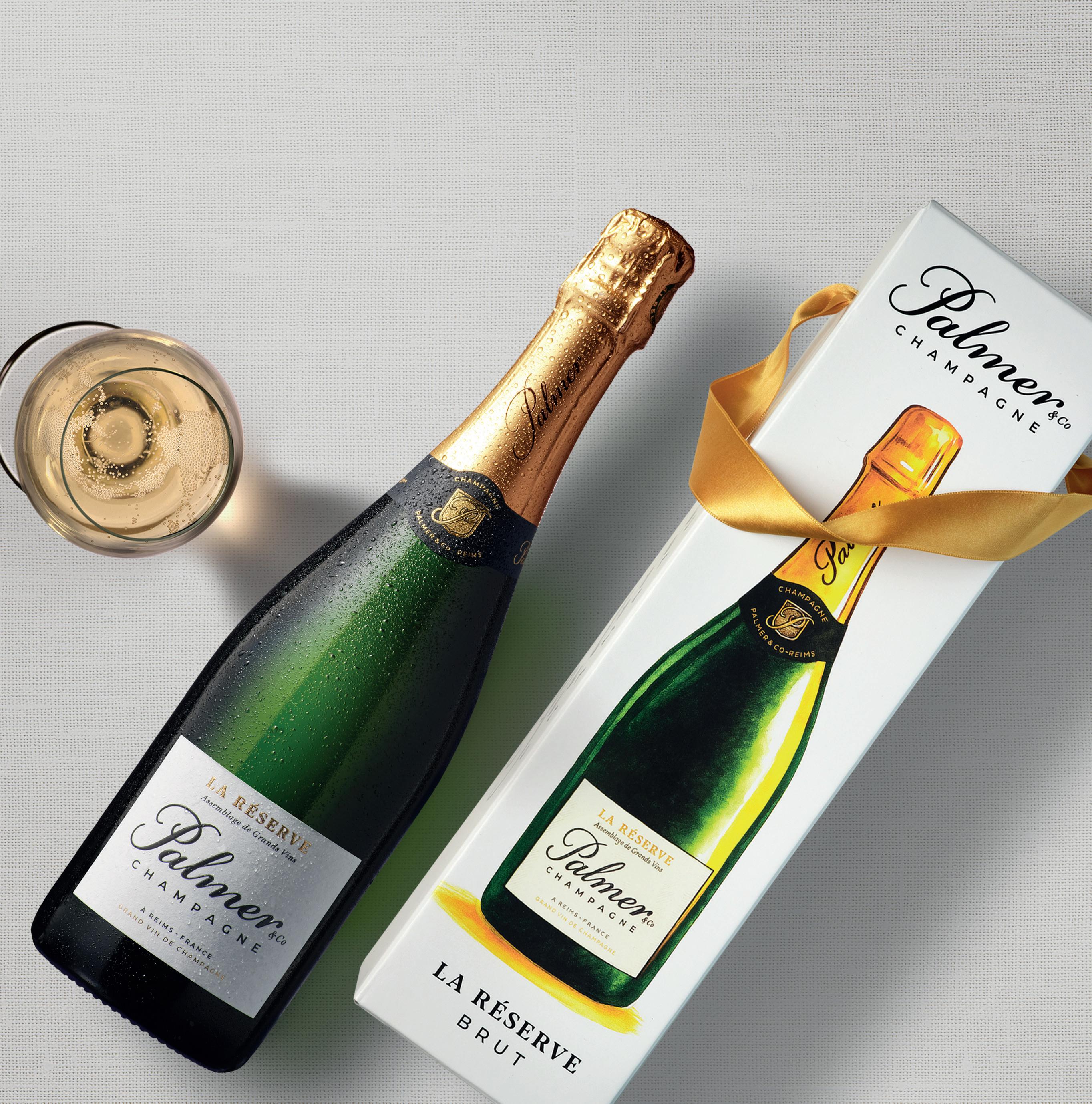



Bästa champagnen under 400 kr. Vinbetyget.se www.provinum.se
Palmer gör mig lycklig.
Tina Nordström
Tips och inspiration hur du kombinerar vin och mat får du som medlem i gastronomiklubben.se
When Ted Lemon of Littorai Wines takes a seat in the Livets Goda editorial office one day in June, it quickly becomes apparent that this meeting is about far more than tasting new vintages, discussing vineyard sites and restaurant allocations or upcoming monopoly releases. Instead, the conversation develops into a profound and, at times, almost existential analysis of the future of the wine world—where the mist-shrouded slopes of Anderson Valley intersect with global economic realities, changing patterns of consumption and an industry undergoing profound structural transformation.
BY ANDERS ENQUIST
Prologue
What makes Littorai so fascinating is not merely the vineyards with which the estate works, but the way Ted and Heidi Lemon have, in practice, helped define the very concept of the true Sonoma Coast. When Ted and Heidi first turned their attention towards the cool coastal sites during the 1990s, many of these locations were regarded as too cold, too exposed or simply too marginal ever to produce wines of genuine quality. Today, those very same vineyards rank among California’s most sought-after terroirs for both Pinot Noir and Chardonnay.
It is difficult to overstate the significance of the work Ted and Heidi Lemon have carried out over the past three decades. Beyond the vineyards that now form the backbone of the portfolio, Littorai has, over the years, worked with many of the most highly regarded sites along the Sonoma Coast and in Anderson Valley. Several have achieved almost cult-like status among American
wine lovers and collectors, not least because Ted Lemon recognised their potential long before the wider market fully appreciated their greatness.
The Chardonnays reflect this philosophy with unusual clarity. They rarely rely upon power or oak-driven richness, but instead on minerality, salinity and an almost oceanic energy. Dense citrus fruit, chalk-like nuances, white stone fruits and a long, vibrant acidity produce wines that stylistically often evoke Meursault, Puligny-Montrachet or Chassagne-Montrachet.
Yet it is Pinot Noir that represents the true soul of the estate. From the blood-orange-tinged minerality of the fog-bound coastal vineyards to the deeper, more woodland-fruited expressions of Anderson Valley, an entire spectrum of Pinot Noir unfolds in which elegance, energy and origin remain at the heart of every bottle. It is here that some of California’s most iconic singlevineyard wines are found.
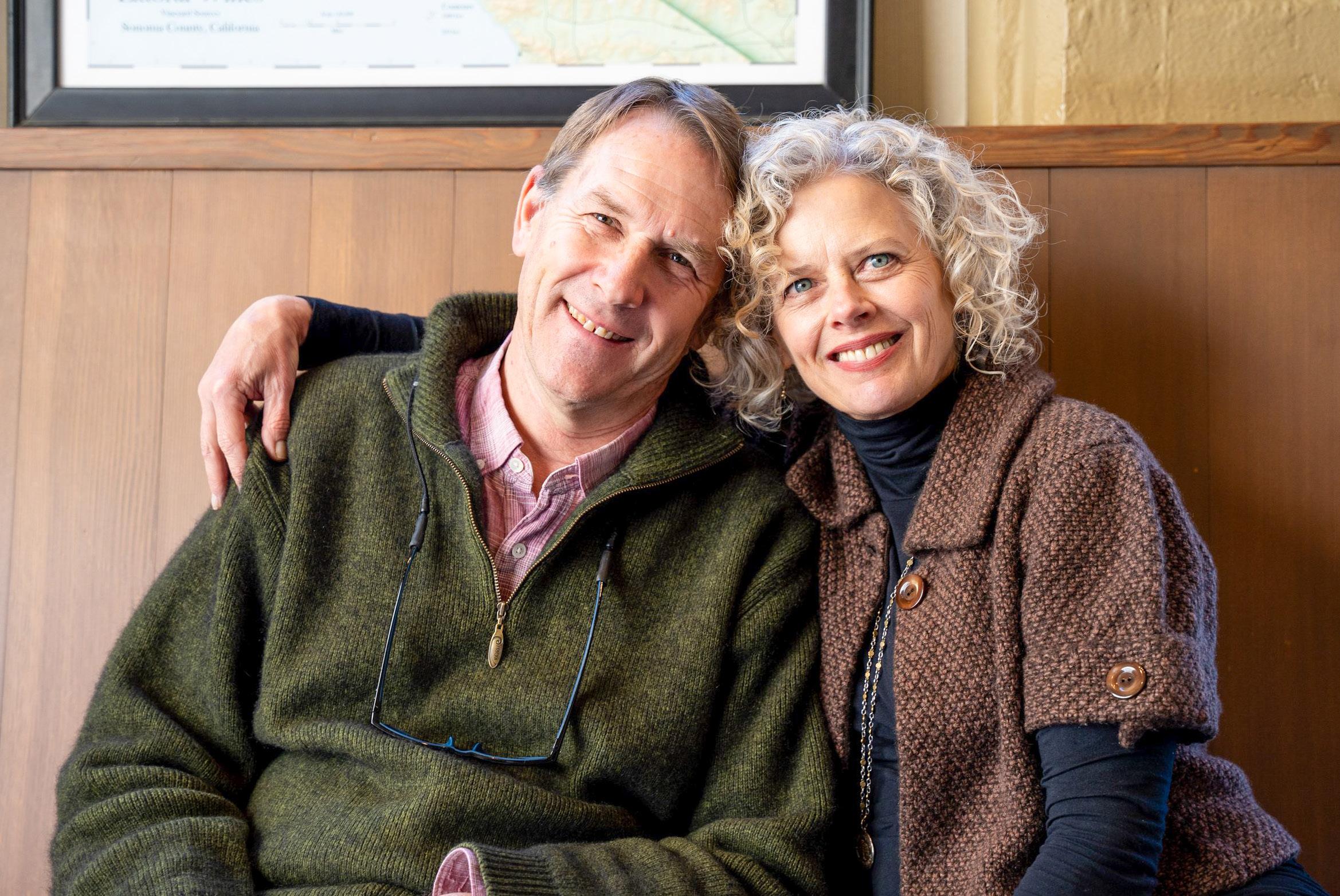
TED LEMON SPEAKS WITH THE SAME COMBINATION of grounded realism and Burgundian precision that characterises his wines. And he sees no reason whatsoever to soften his message.
“This is the greatest crisis in global wine production that any of us have experienced during our lifetime.”
He describes a worldwide shift in which the very foundations of the wine industry are being redrawn—from viticulture and production to distribution, restaurant sales and private consumption.
The figures mentioned during our conversation are nothing short of dramatic. In California alone, approximately 50,000 acres—equivalent to around 20,000 hectares—have been taken out of production over the past year. Entire vineyards have simply been uprooted and will never be replanted.
The reasons are clear: declining demand, weaker sales and a market in which large parts of the entry-level and mid-priced sectors are no longer economically sustainable.
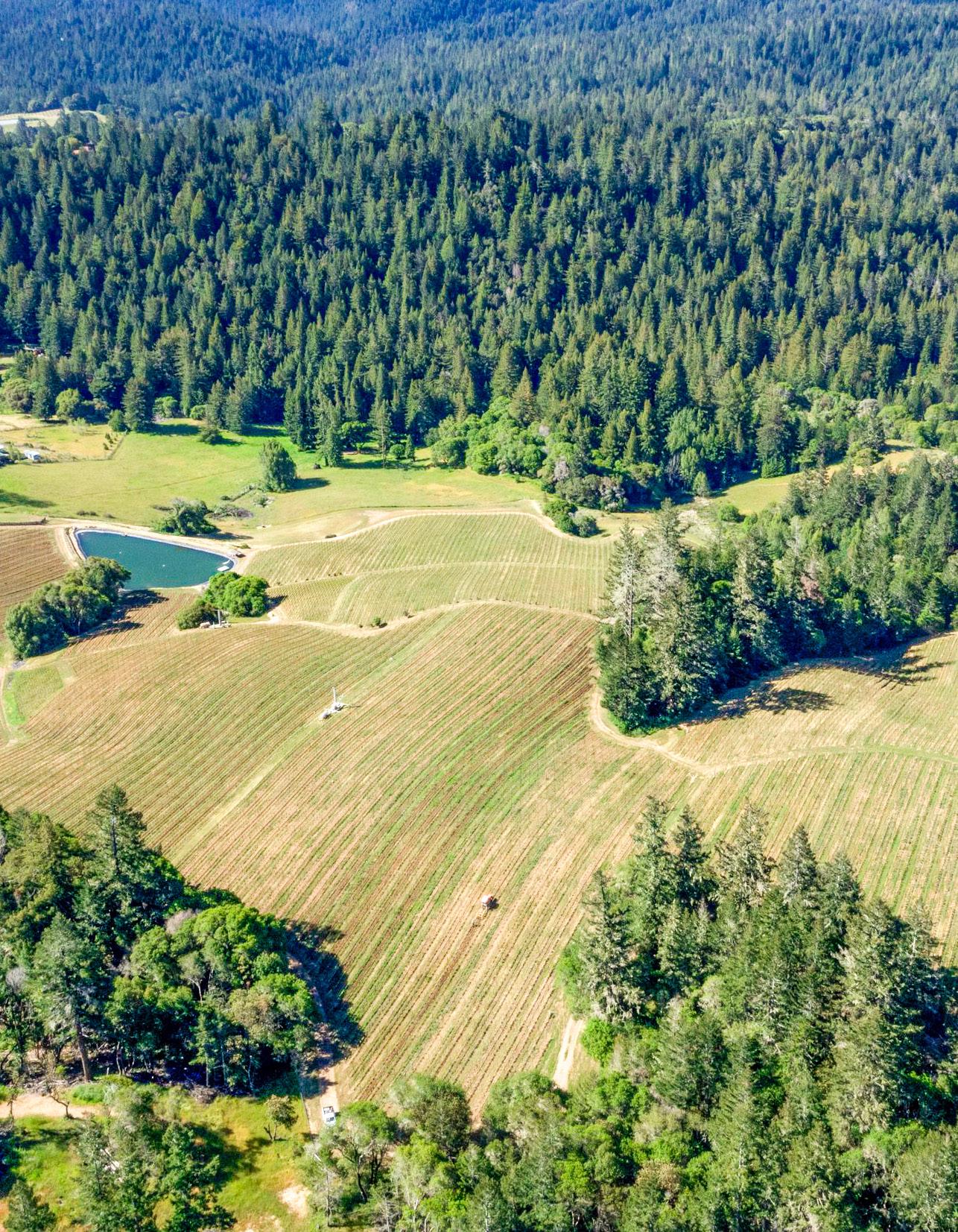
“Overproduction is a consequence of a shrinking market. Central Valley has been hit particularly hard, where bulk wine production and high-volume viticulture have long formed the backbone of California’s wine industry.”
Yet Ted stresses that the problems are no longer confined to inexpensive wines. The entire global wine industry is now feeling the effects.
“Bordeaux thinks it’s the centre of the crisis. Australia thinks it’s the centre of the crisis. The United States thinks it’s the centre of the crisis. But in reality, these are global economic forces.”
are already becoming visible across many wine regions. These are no longer theoretical future scenarios but changes unfolding here and now, often far removed from the headlines.
Vineyards are being abandoned as economic reality makes them unsustainable. Family growers who have tended their land for generations are choosing to close their estates, while smaller properties quietly change hands with little public attention. At the same time, a more discreet yet highly significant restructuring is taking place as financially powerful companies steadily strengthen their positions through acquisitions and increasing market consolidation.
Rarely does this happen through dramatic announcements or front-page headlines. Instead, it is a gradual shift in which the diversity of small-scale wine growing is increasingly challenged by economic reality. For many producers, the question has therefore become far greater than the next vintage or the next release. It concerns what the future landscape of wine will look like—and whose voices will remain to tell its story.
Ted Lemon believes this development has, in many respects, been inevitable.
“We’ve had too many labels, too many vineyards, for a very, very long time.”
of our conversation with Ted has surprisingly little to do with winemaking and everything to do with economics.
Time and again, he returns to the belief that the wine industry’s greatest challenge is not changing tastes or generational shifts, but the failure of Western economies to sustain a prosperous middle class.
“If we want to sell wine successfully, we need a thriving middle class. The wealthiest people will continue buying Grand Cru Burgundy and cult wines without much concern. But the broad group of consumers that once
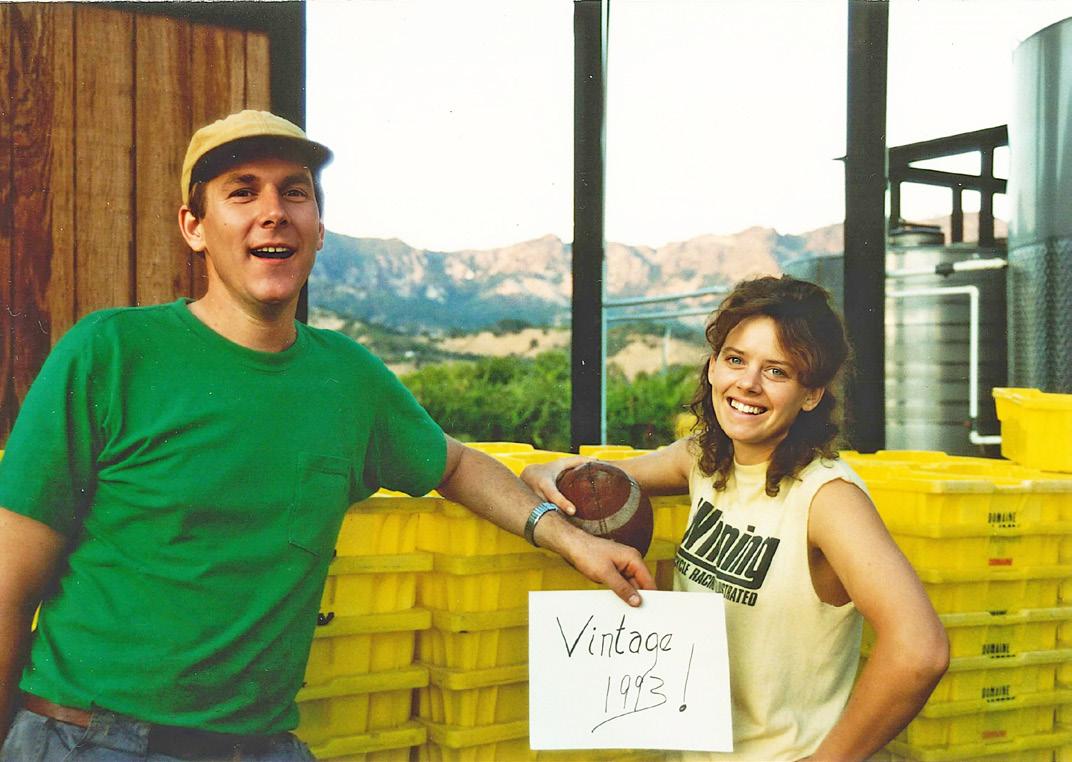
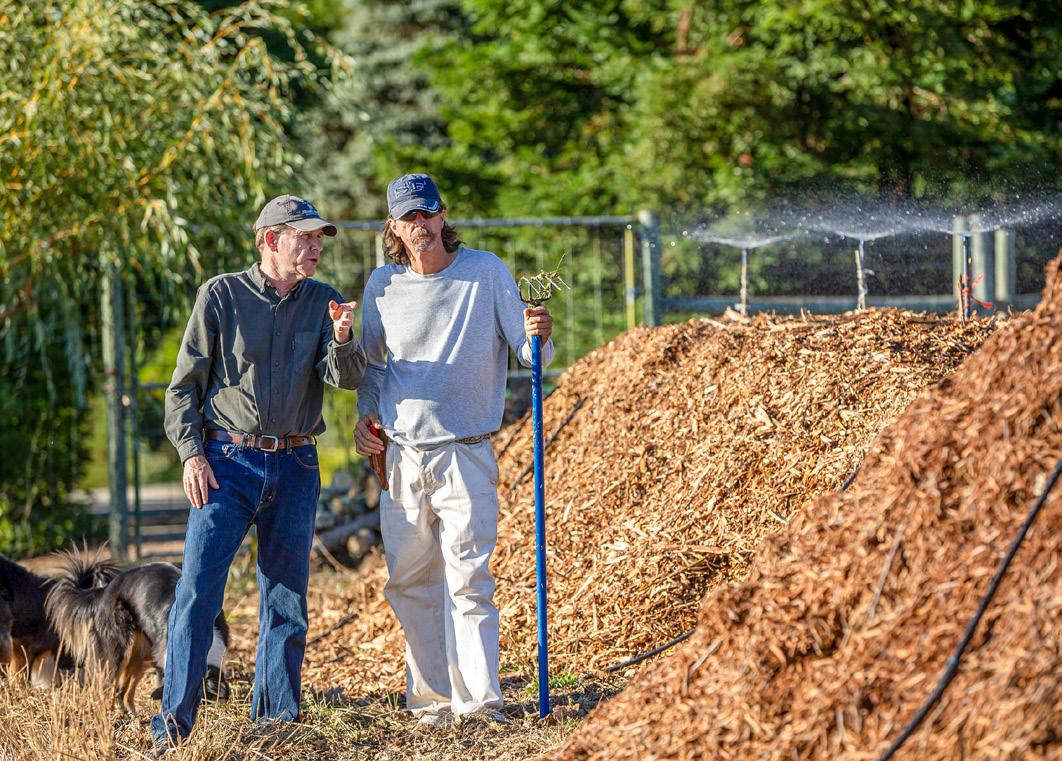
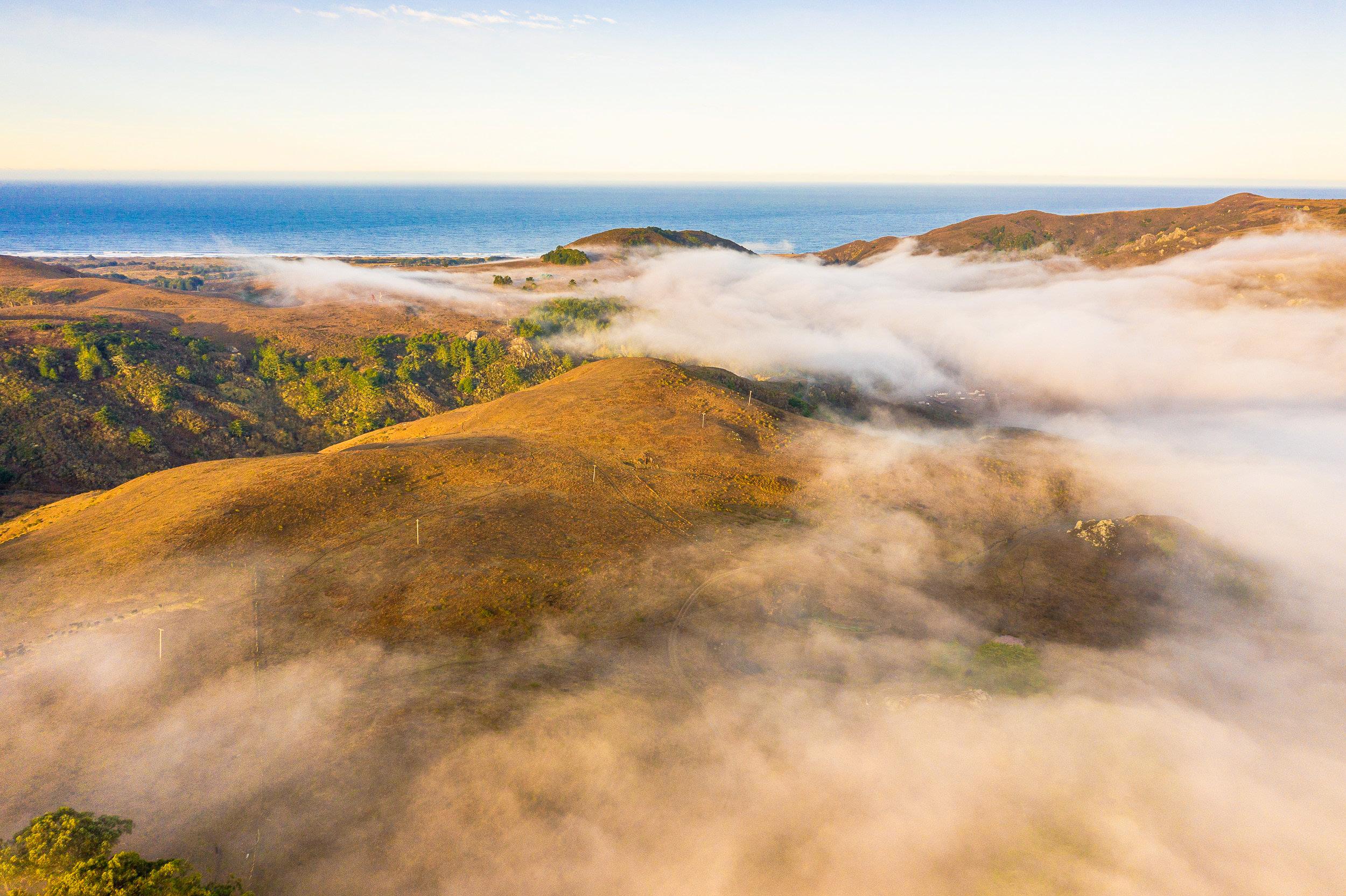
provided the stability of the wine world has far less disposable income today. Many can’t even afford to buy a home. This particularly affects younger generations, who simply don’t consume wine in the same way previous generations did in Europe or the United States.”
At the same time, Ted is keen to emphasise that outstanding wine experiences at reasonable prices have never been more plentiful.
“These days, it’s the best time ever to be buying wine as a private consumer.”
In his view, today’s market offers more high-quality, affordable wines from less traditional regions than ever before.
TED LEMON ALSO DIRECTS CRITICISM at certain aspects of contemporary wine marketing, arguing that many producers and consultants are trying to “invent solutions” instead of speaking honestly about reality.
“There’s a lot of gimmickry going on right now.”
At the same time, he readily defends simple, inexpensive wines when they are made with integrity.
Our discussion of quality and value even leads us to boxed wines as an example of how quality need not always be defined by prestige or price.
“If a bag-in-box wine is an honest wine, with aroma, consistency and completeness... then it’s a quality wine.”
It is an unusually nuanced position from a producer whose own portfolio includes some of the most soughtafter Pinot Noirs and Chardonnays in the United States.
AMID ALL THE
OF MARKET
pricing pressures and changing patterns of consumption, Littorai remains a reminder that wine, at its core, is still about place, people and long-term commitment.
For decades, the estate has deliberately built its identity in the opposite direction to the increasingly industrialised wine world, where volume and efficiency so often dictate development.
Production remains intentionally limited and is based upon a philosophy in which quality and long-term relationships outweigh expansion. The fruit comes from a carefully assembled mosaic of estate-owned vineyards, long-term leased sites and enduring partnerships with growers who share the same philosophy of farming and quality. In addition, Littorai works with so-called buy-theacre agreements, purchasing the production from specific vineyard parcels rather than simply buying grapes by volume.
The model gives the estate an unusually high degree of influence over vineyard management while fostering an intimate understanding of every individual site.
trust and constant presence, yet one that also makes it possible to follow the unique identity of every vineyard all the way from soil to bottle. Perhaps that is precisely why Littorai, despite its international reputation, still feels more like a collection of living vineyards than a wine brand. Here, origin remains the central character, while winemaking assumes the role of an attentive custodian rather than the leading actor.
In total, the estate works with relatively small vineyard holdings scattered across Anderson Valley and the Sonoma Coast.
Ted describes the relationships with his growers as long-term and almost familial.
“We don’t buy on price. We want relationships that last.”
Littorai, for example, has worked with Hirsch Vineyard since 1994 and Savoy Vineyard since the mid-1990s.
Roman Vineyard and B.A. Thieriot Vineyard are farmed under long-term leases of approximately twenty-five years.
through Anderson Valley and the Sonoma Coast.
Ted describes Anderson Valley as a small, cool valley where fog, elevation and the nearby Pacific Ocean shape the character of the wines.
The vineyards stretch from the valley floor to around 500 metres above sea level, reaching Signal Ridge at approximately 975 metres.
The soils are naturally high in acidity, though not calcareous, even if, during our tasting, the wines often convey an almost chalk-like energy.
“There isn’t any limestone here,” Ted points out with a smile.
Wendling Vineyard is described as the westernmost vineyard within Anderson Valley, lying closest to the Pacific Ocean. It was planted only in 2010 on land that had previously never been cultivated. Littorai’s own parcels are farmed biodynamically and occupy the highest and most dramatic section of the slope.
Roman Vineyard sits even higher, above the valley itself, commanding spectacular views across Anderson Valley from its tiny planted area of just over half a hectare.
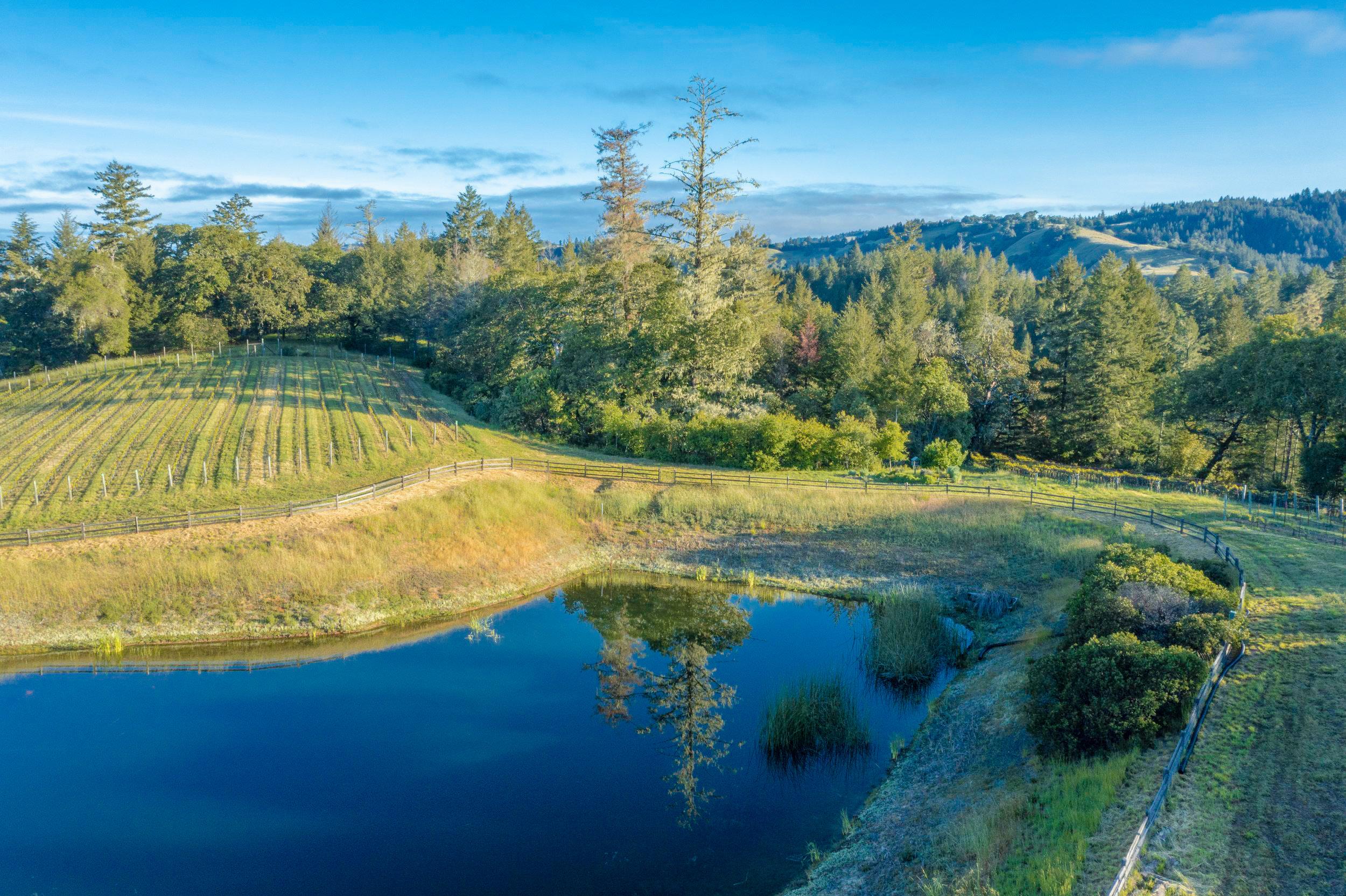
IT ALSO BECOMES CLEAR just how influential Littorai has been in shaping the region’s modern identity.
Ted Lemon, together with a handful of other pioneering producers during the early 1990s, helped shift California away from large, powerful wines towards expressions driven by elegance and terroir.
“We were one of the few producers making wines that were more restrained.”
At a time when many Californian wineries pursued maximum ripeness, heavy extraction and lavish new oak, Littorai consciously followed a style deeply inspired by Burgundy.
At the same time, organisations such as West Sonoma Coast Vintners and the In Pursuit of Balance movement, founded by Rajat Parr and Jasmine Hirsch in 2011, played a key role in guiding the region towards greater elegance, freshness and transparency.Organisations such as West Sonoma Coast Vintners and the In Pursuit of Balance movement also played an important role in steering the region towards greater elegance, freshness and transparency.
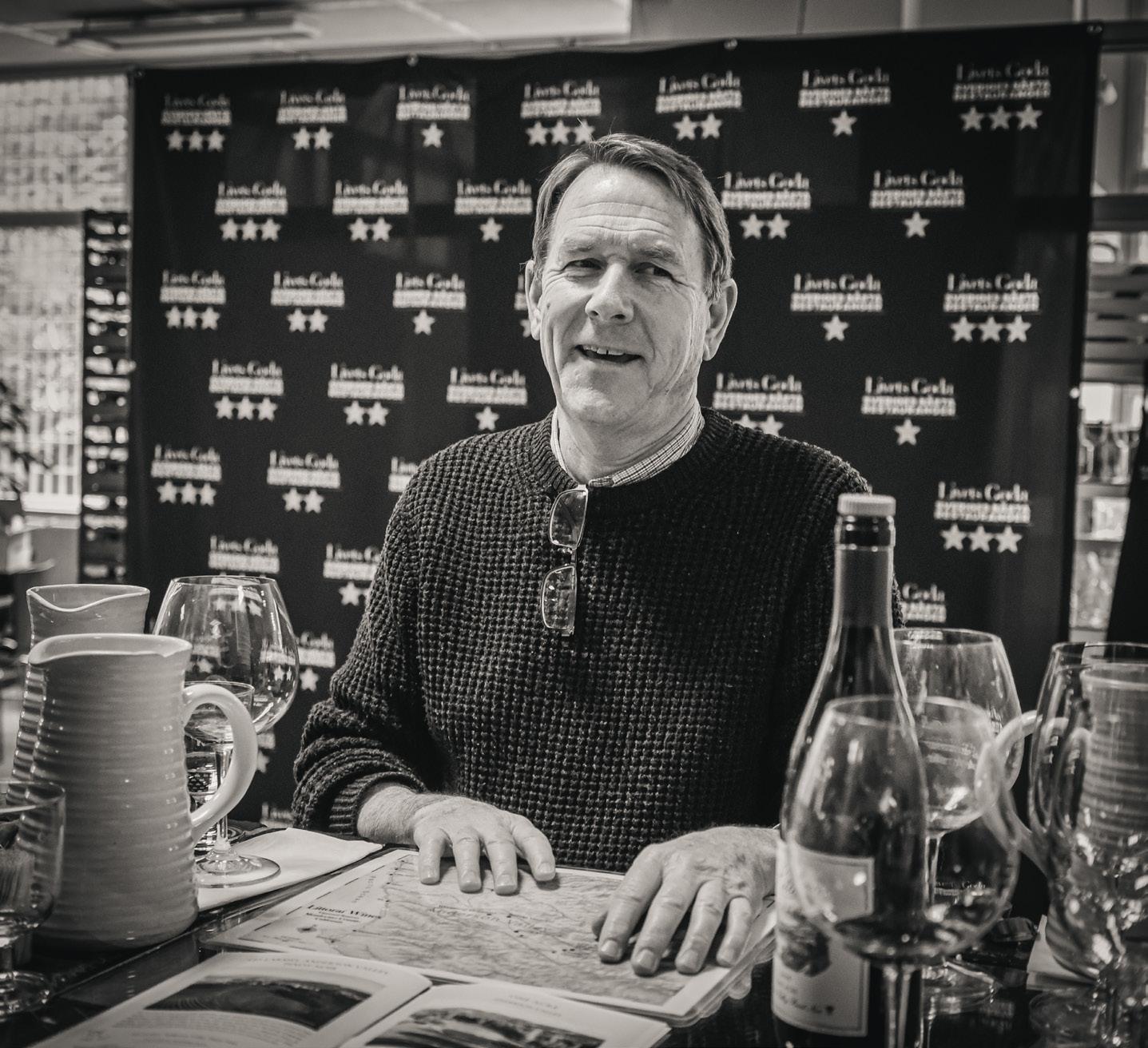
freshness and precision.
Earlier blending together with a slightly shorter ageing period has been consciously chosen in order to retain the wines’ vitality and natural energy. The objective is to capture the intrinsic life of the fruit rather than building weight through prolonged cellar ageing.
THE USE OF WHOLE CLUSTERS ALSO PLAYS an important role in defining the estate’s style.
LITTORAI’S WORK IN THE CELLAR IS FOUNDED UPON a philosophy in which precision and restraint walk hand in hand. The ambition is never to shape the wine in the cellar but rather to preserve and refine the expression that already exists in the vineyard.
The result is a style of winemaking in which every decision is made to highlight origin, energy and transparency rather than imposing a technical signature.
During our tasting at the Livets Goda editorial office, Ted’s wines reveal a methodology built upon remarkable consistency and meticulous balance.
The wines mature in traditional 228-litre Burgundian barrels, where the proportion of new French oak remains deliberately moderate at around 20–30%, providing structure and complexity without overwhelming the fruit. After approximately eleven months of élevage, the wines are assembled through a combination of barrel and stainless-steel tank, a process that helps preserve both
Today, the proportion of whole clusters varies between zero and fifty per cent depending upon the vineyard, the vintage and the individual wine. It is employed with exceptional sensitivity—not as a stylistic signature, but as a means of adding further dimensions of structure, aromatic complexity and nuance to wines whose sense of place is already clearly defined.
Ted explains that between 1999 and 2004 every wine was completely destemmed, inspired by the philosophy of Henri Jayer. Later, however, he gradually returned to greater use of stems in order to build additional complexity and energy.
“I realised those earlier wines simply became fresher the longer they aged.”
THE 2023 VINTAGE EMERGES AS ONE OF THE MOST distinctive in Littorai’s history.
Flowering was exceptionally late.
Harvest stretched further into the autumn than Ted has ever experienced during his entire career. Certain Pinot Noir vineyards were not picked until November.
Despite this unusually extended season, there were no extreme heat spikes. Instead, the wines display crystalline, floral fruit, vibrant acidity, remarkable precision, transparency and beautifully refined concentration.
Roman Vineyard stands out for its remarkable personality and energy, while Wendling possesses an almost woodland-like freshness combined with wonderfully vibrant acidity.
Production nevertheless remains relatively modest, and distribution to Europe has become something of a story in itself.
Small consignments from the United States frequently become trapped in container consolidation, delays at the Panama Canal, congestion at the Port of Rotterdam and customs or documentation issues.
As a result, several planned releases in Sweden have been postponed.
Small allocations for restaurants and Systembolaget
Behind Littorai stand Heidi and Ted Lemon, two individuals whose combined experience has shaped one of California’s most terroir-driven wine estates.
For Ted, the journey began in Burgundy, where he studied oenology at the Université de Dijon before making history as the first American to be appointed both winemaker and vineyard manager at the renowned Domaine Guy Roulot in Meursault. During the same period, he also worked with several of Burgundy’s most respected domaines, including Domaine Georges Roumier, Domaine Dujac and Domaine Bruno Clair.
These formative experiences laid the foundations for a philosophy in which origin, place and the authentic voice of the wine itself always take centre stage.
Following his return to the United States, Ted continued his work as both winemaker and consultant for
launches require meticulous planning.
Even so, Littorai’s wines do eventually find their way here—albeit in very limited quantities that are eagerly sought after by collectors and enthusiasts alike.
THE MOST FASCINATING ASPECT OF OUR conversation with Ted is the striking contrast between the anxiety surrounding today’s wine industry and Littorai’s almost serene long-term perspective.
Ted Lemon does not come across as a nostalgic figure longing for the past.
Rather, he appears to accept that the wine world is undergoing fundamental change.
Yet Littorai continues to work according to exactly the same principles that have always defined the estate: smallscale farming, enduring relationships, patience, respect for place, and balance before power.
And perhaps that is where the true heart of this interview lies.
Not in the crisis.
Not in the market statistics.
But in the conviction that truly great wine personalities are still born from patience, integrity and respect for the rhythm of nature.
leading producers in California, Oregon and New Zealand. At the same time, Heidi developed her own expertise at Domaine Chandon and Stag’s Leap Wine Cellars.
Together, they gradually shaped the vision of an estate where terroir would be allowed to speak with as little human intervention as possible.
The defining moment came in 1992, when Ted and Heidi travelled the entire length of the American West Coast, from Seattle in the north to Santa Barbara in the south, searching for the most promising sites for Pinot Noir and Chardonnay.
Their answer lay in the cool coastal regions of Sonoma and Mendocino.
Littorai was founded in 1993 as a project built upon conviction rather than resources, producing only a few hundred cases from purchased fruit.
The winery then grew slowly and methodically as new vineyard sites of exceptional character and potential were discovered.
Littorai also became one of the first
producers to elevate several vineyards that have since become iconic through vineyard-designated bottlings, including Charles Heintz Chardonnay and the Pinot Noirs from Savoy, Cerise and Wendling.
During the early 2000s, the Lemon family also began purchasing and leasing vineyards of their own along the Sonoma Coast and in Anderson Valley, while the purpose-built Gold Ridge Estate winery was completed in 2008.
Today, Littorai owns approximately 7.2 hectares outright, with the remainder of production relying upon long-standing, trusted partnerships with carefully selected growers.
Production naturally varies from vintage to vintage according to yields and availability, but Littorai generally produces around fifteen to twenty different wines each year.
Approximately half of the 2023 production comes from vineyards that Littorai either owns outright or farms directly.
IMPORTER IN SWEDEN: Johan Lidby Vinhandel
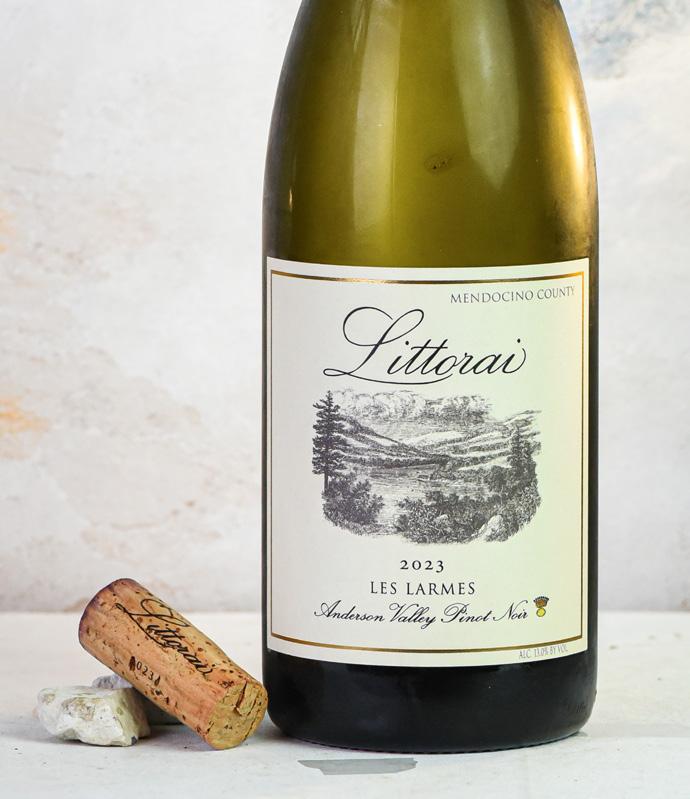
95+“The fruit for Les Larmes Anderson Valley is sourced entirely from vineyards that, in their own right, would be worthy of individual vineyard bottlings,” Ted Lemon explains as we taste the wine.
The backbone comes from several of Littorai’s most celebrated vineyards, with 20–30% of the final blend originating from declassified fruit from Savoy, One Acre, Roman and Wendling Vineyards. A further 20–35% consists of press wine from the same vineyards, while a particular parcel within Wendling contributes an additional 20–30%.
The remainder comes from Deer Meadows, Littorai’s own vineyard high above Boonville, where the One Acre site is also located.
All vineyards are farmed organically according to biodynamic principles, although without formal certification. Following fermentation, the wine matures for twelve months in 228-litre French oak barrels, 20% of which are new.
The result is a Pinot Noir that carries its youth with effortless elegance, something we also observed when first tasting the wine during 2025.
There is a gently youthful sensuality here, expressed through violet and rosescented aromas of cherry, ripe raspberry, rosehip and crushed wild strawberries. Hints of apricot and citrus shimmer in the background, while beautifully integrated acidity lends freshness throughout. Delicate touches of liquorice and sage caress the
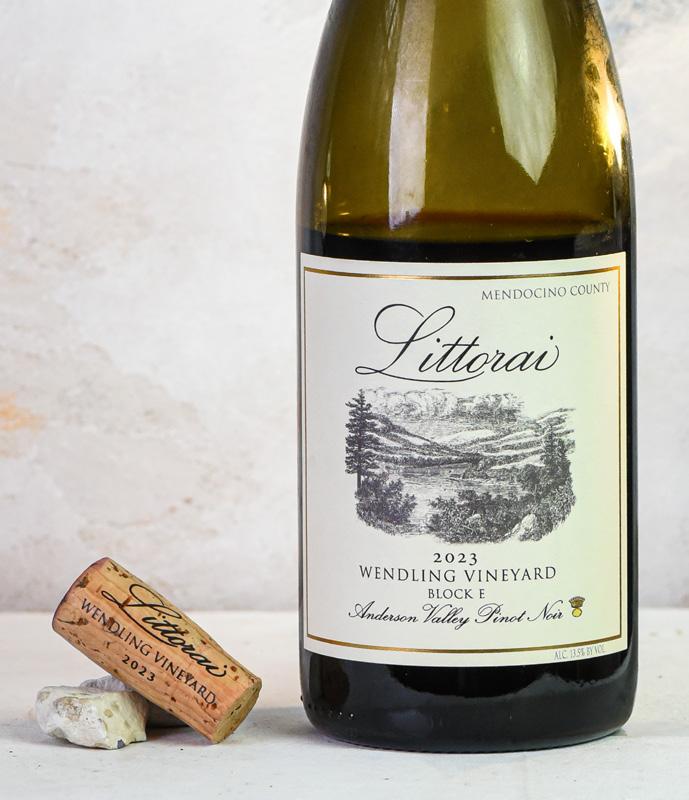
palate, and silky, gently persuasive tannins carry the wine forwards with both charm and an irresistibly instinctive wildness. Already today it opens beautifully, radiating highly appealing energy. A wine that captivates through its immediate charm and reveals its greatest strengths during the vibrant years of its youth.
(Currently available through Systembolaget: 2024 vintage, No. 7898801, SEK 799)
97+Wendling is the north-westernmost vineyard in Anderson Valley and the one lying closest to the cooling influence of the Pacific Ocean.
When the vineyard was originally established, Littorai was offered first choice of parcels, and Ted Lemon selected a steep south-facing block with exceptional potential for Pinot Noir.
Within Littorai’s 2.22-hectare holding of the vineyard’s total 8.9 hectares, more than fourteen different combinations of rootstocks and clones have been planted, the majority propagated from budwood taken from Littorai’s own vineyards.
Block E has been farmed biodynamically from the very beginning and made its debut with the 2015 vintage.
The wine spends sixteen months in French oak barrels, 30% of which are new, and in the 2023 vintage clearly demonstrates just how beautifully this young vineyard has evolved.
The fruit is dark, compelling and elegantly
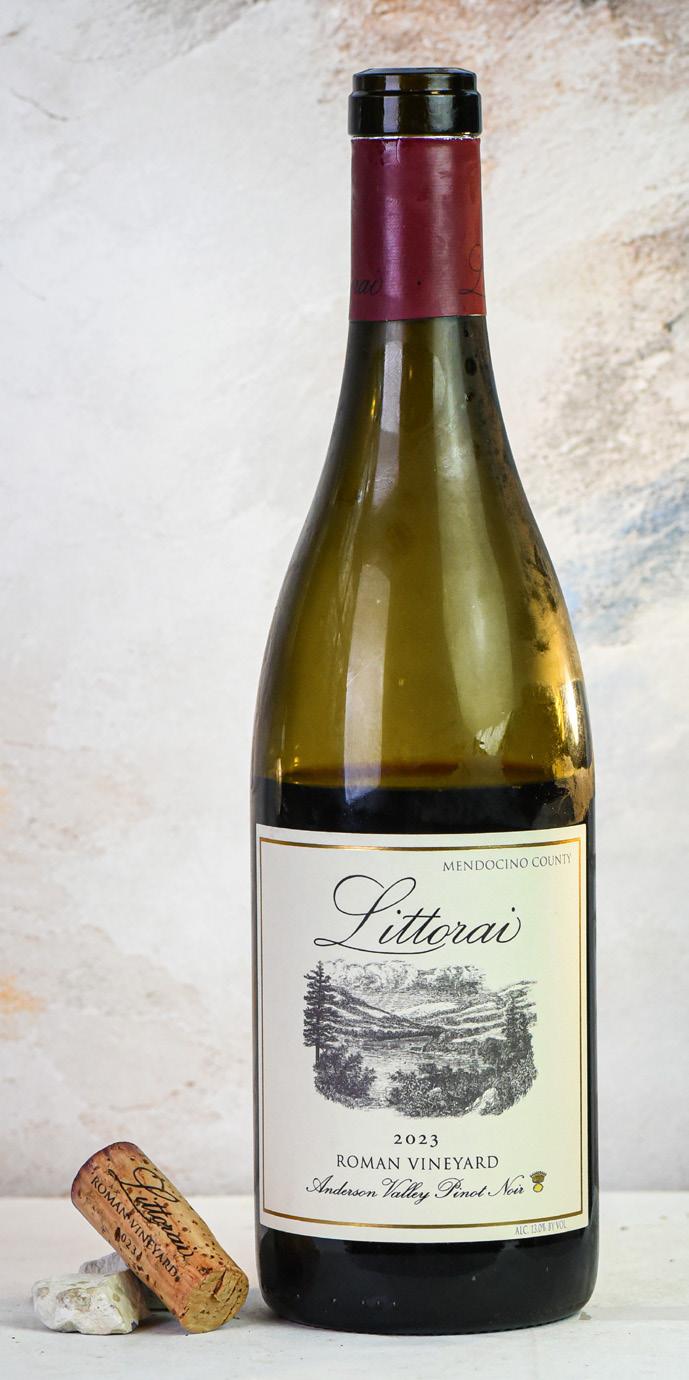
structured, filled with spicy energy. Red cherries, dark raspberries and blackcurrants gather around a natural sweetness that creates depth without heaviness. A fine mineral salinity runs throughout, working alongside exquisitely sculpted tannins to define every contour with remarkable precision.
There is an effortless flow to the wine—a perfect balance between immediate charm and quiet seriousness.
It is already generous today, yet one cannot escape the feeling that many of its most fascinating chapters are still waiting to be written.
(Currently available through Systembolaget: No. 9025501, SEK 1,249)
96
Roman Vineyard is one of the sites where Littorai has helped write an important chapter in the modern history of Anderson Valley.
The vineyard was planted in 1999 at an elevation of 351 metres, less than five kilometres south-east of Navarro, perched just above the fog line while remaining constantly exposed to the cool Pacific breezes. Littorai leases and farms the vineyard itself according to organic and biodynamic principles, albeit without certification.
The wine is matured for fifteen months in French oak barrels, 30% of which are new. This is Pinot Noir with remarkable vitality and impressive precision.
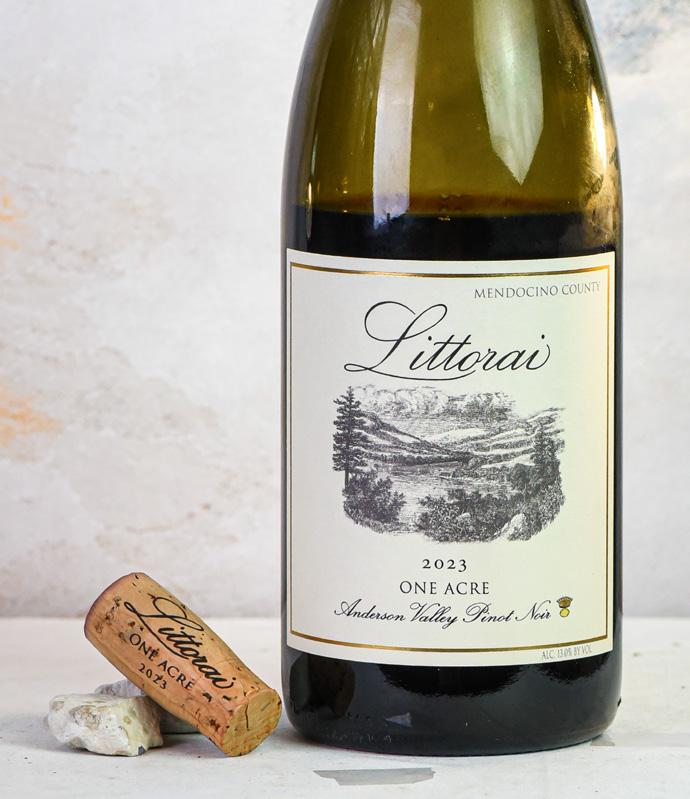
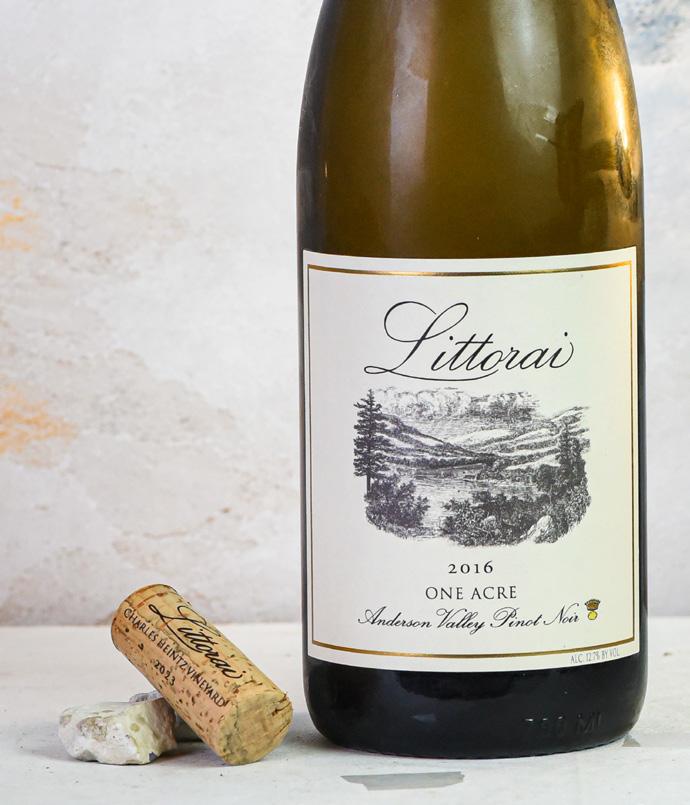
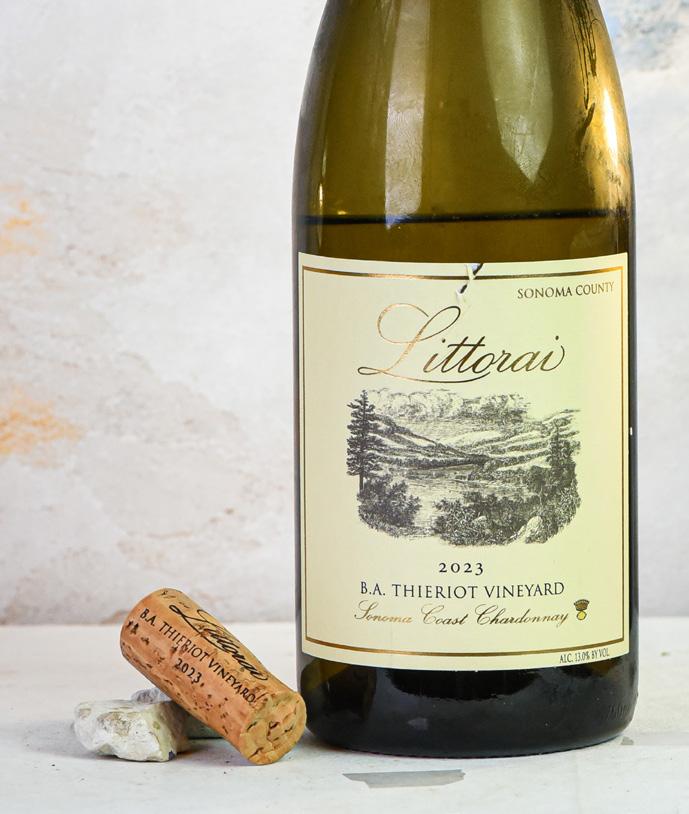
The fruit is generous without ever becoming exuberant, where dark raspberries, currants and wild strawberries meet red cherries, floral nuances and discreet hints of apricot and blood-orange citrus. Sage, liquorice and darker spices weave additional dimensions through both bouquet and palate.
The acidity moves seamlessly through the wine, energising its concentrated fruit core, while the finely detailed tannins provide both structure and beautifully judged texture.
It is a complex and supremely elegant wine in which coolness and precision never lose contact with the warmth and generosity that lie at its heart.
97+One
Acre Vineyard lies at an elevation of 488 metres in the mountains north-east of Boonville, where the cool north-westerly winds create ideal conditions for slow, nuanced ripening.
It was here that Ted and Heidi Lemon produced their very first vineyarddesignated Pinot Noir in 1993. For many years, the fruit was sourced through a unique one-acre contract—the first of its kind in California. When the opportunity arose to purchase this remarkable site from Rich Savoy in 2016, Littorai seized the moment. A year later, the original 0.41-hectare planting was expanded to its present size of 1.42 hectares. The vineyard is farmed organically according to biodynamic principles, although without formal certification.
The wine is matured for fifteen months in French oak barrels, 30% of which are new.
This is often the final vineyard Ted Lemon harvests each vintage, and perhaps one of the most complete and perfectly balanced expressions within the entire portfolio.
The fruit blossoms with rosehip and apricot over a landscape of deep red
and black berries, where ripeness feels as vibrant as it does inevitable. The wine possesses a powerful personality, yet moves with almost fragile elegance and transparent intensity.
The acidity pulses through its core, bringing vitality to the entire composition, while finely sculpted gravelly tannins direct the structure with exquisite sensitivity.
Once again, the wine reflects the seductive complexity that has become Littorai’s hallmark—a balance between power and grace where youthful generosity already hints at the many layers that will gradually unfold over years of bottle age.
Ten years after harvest, the wine shines with a brilliance and vitality that make time appear an asset rather than a burden. The fruit has deepened and broadened without ever sacrificing its energy or original precision. Subtle earthy nuances emerge alongside tobacco, refined aromatic spices and a profound resonance that now runs through the fruit. It is a magnificent illustration of how beautifully Littorai’s Pinot Noirs evolve—from their already irresistible youthful charm into wines of layered complexity, quiet reflection and profound maturity.
98 The Chardonnay is sourced from just 0.6 hectares that Littorai farms within the historic Heintz Ranch on the Sonoma Coast, approximately 800 metres east of Occidental and eleven kilometres from the Pacific Ocean. The vines were planted in 1983 in Gold Ridge clay soils over Franciscan shale, topped by a shallow layer of sandy clay. The vineyard itself covers twenty-two hectares, comprising 10.5 hectares of Pinot Noir, 1.25 hectares of Syrah
and 10.25 hectares of Chardonnay.
Littorai has worked with these very same seven vineyard rows ever since the inaugural 1994 vintage.
The wine spends eleven months in French oak barrels, 30% of which are new, followed by a further five months resting in stainlesssteel tanks.
It is simply a magnificent wine.
Elegant, vibrant and endowed with an almost effortless precision in which every element has fallen perfectly into place. The fruit rests upon a deep mineral foundation of citrus, enriched by apple, white peach and other white stone fruits. The acidity works with almost stoic authority, providing both direction and vitality throughout.
The oak behaves with admirable restraint, contributing only delicate spice, lightly toasted nuances and buttery hints of fine nuts.
There is a beautiful duality to the wine, where developed maturity meets youthful vitality. The tannins act with subtle precision, strengthening the wine’s backbone without ever disturbing its harmonious movement.
The wine is generous and richly textured, yet entirely free from excess. Power is carried with effortless ease, elegance with complete assurance, and the finish resonates with precisely the sort of mineral persistence that lingers long after the bottle has been emptied.
The now almost legendary winemaker Ted Lemon once told Livets Goda about his return to California following his years in Burgundy:
“I didn’t come back to make Burgundian wines.”
Yet the comparison arises time and again—and always in a way that celebrates California rather than imitates Burgundy. (Current Systembolaget release: August, No. 9039301, SEK 1,299)
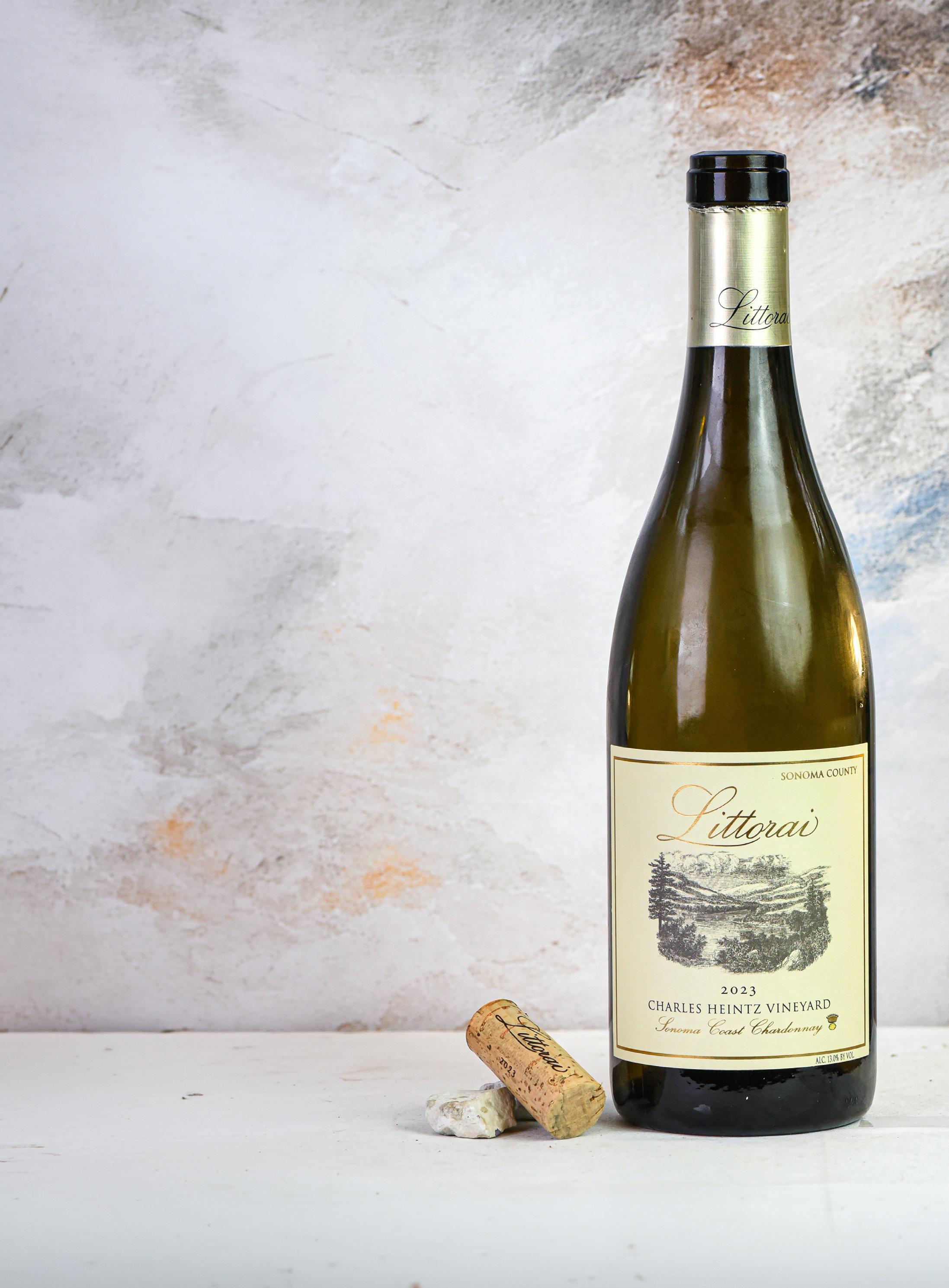
96 Here, Heintz Vineyard represents the ten-year benchmark, and it does so with remarkable distinction. The fruit moves with an almost dreamlike exoticism, where mature citrus, dried stone fruits, honey and delicate spices are woven into a deeply seductive whole.
A gentle oxidative breeze drifts through the wine, adding further complexity without ever disturbing its rhythm or balance—quite the opposite. It contributes depth, personality and an almost Burgundian sense of quiet contemplation.
The energy remains intact, the acidity vibrant and the structure beautifully composed, allowing the wine to charm and fascinate in equal measure.
97 This vineyard was planted in 1996 and lies west of Occidental on the southern side of a ridge rising to 365 metres above sea level.
Here we find ourselves on the cooler side of the hills surrounding Occidental, yet protected from the strongest north-westerly winds and dense coastal fog by the ridge immediately to the north.
The view stretches across mist-filled ravines leading towards Petaluma, landscapes that contribute significantly to the distinctive terroir that has made this one of California’s most compelling sites for Chardonnay.
Littorai leases 0.81 hectares of the vineyard’s total 1.42 hectares under a long-term agreement and farms the site organically according to biodynamic principles.
The wine matures for eleven months in French oak barrels, 30% of which are new, before spending a further five months in stainless-steel tanks.
Here, it is the acidity that sets the tone—not through force or sharpness, but through an almost spiritual nerve that builds energy and direction throughout the wine.
Yellow citrus fruit is enveloped by honeyed nuances together with apricot, green apple, white peach and yellow plum.
The tannins focus the structure with elegant precision, while the wine shines with remarkable clarity, beautifully integrated spice and a finish of exceptional persistence.
We take immense pleasure in drinking it today, yet it is impossible not to be fascinated by everything that still lies ahead over the next ten to twelve years of bottle development.
Smakrikt friskt vitt med smöriga toner
Pigg elegant & välgjord Pinot Noir
Med tradition och kvalitet i varje flaska är Louis Jadot ett säkert val.
91+ ”Louis Jadots vita trotjänare fortsätter att leverera”
Gastronomisk pärla i ny årgång
Nominerat till Årets pinot noir!
Bra köp!
139 kr
Livets Goda
2021 Barolo Piccole Vigne
Nr 5300801, 750 ml, 15% vol
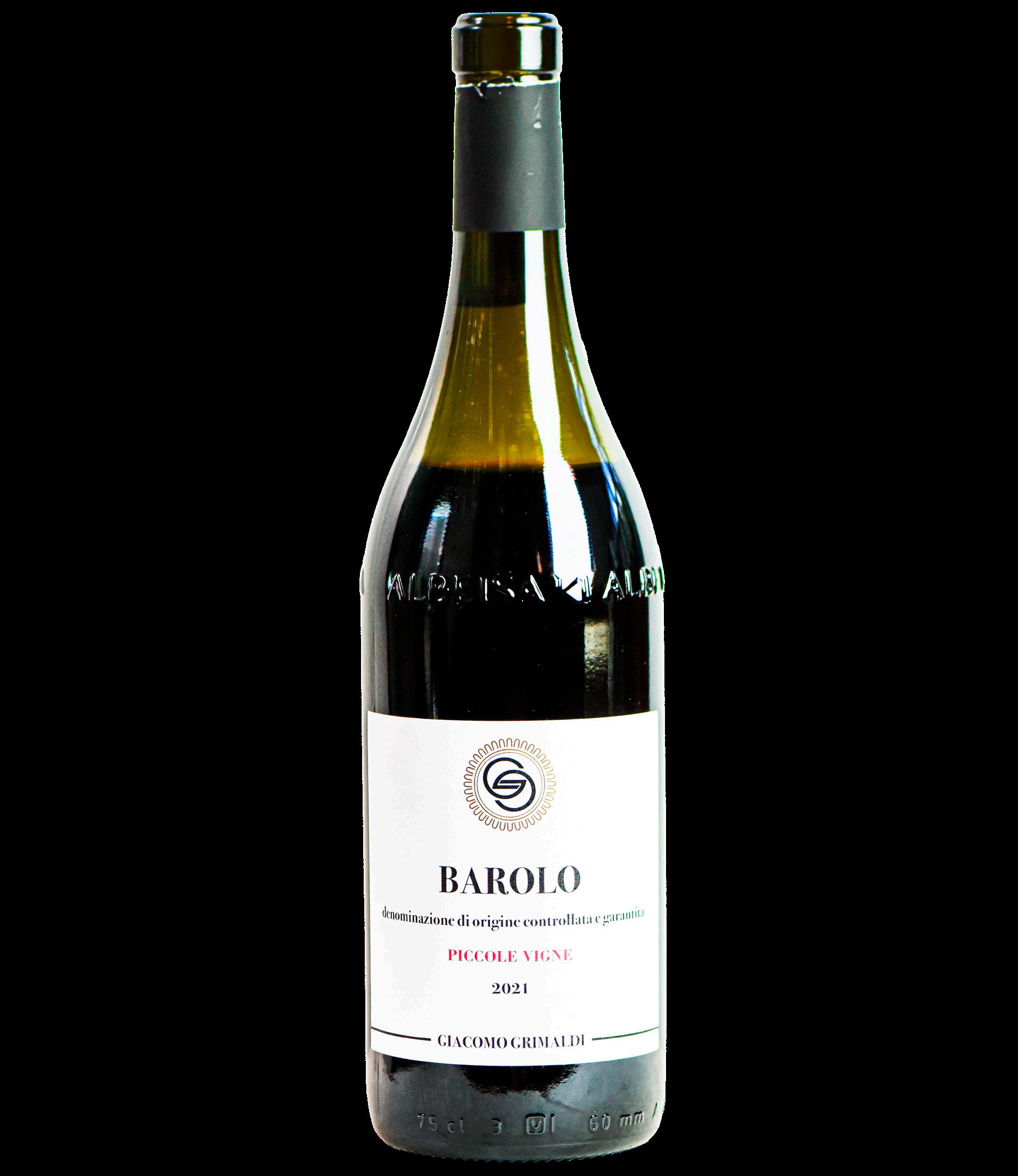
”En
på Systembolaget, vinbetyget.se 2026
Vin&Bar #2-2025 wineaffair.se FYND!
Nr 7904 Privat Brut Nature Reserva 139 kr, 750 ml. Alk. 11.5%.
Munskänkarna 25/10-2025
Panache Sweden
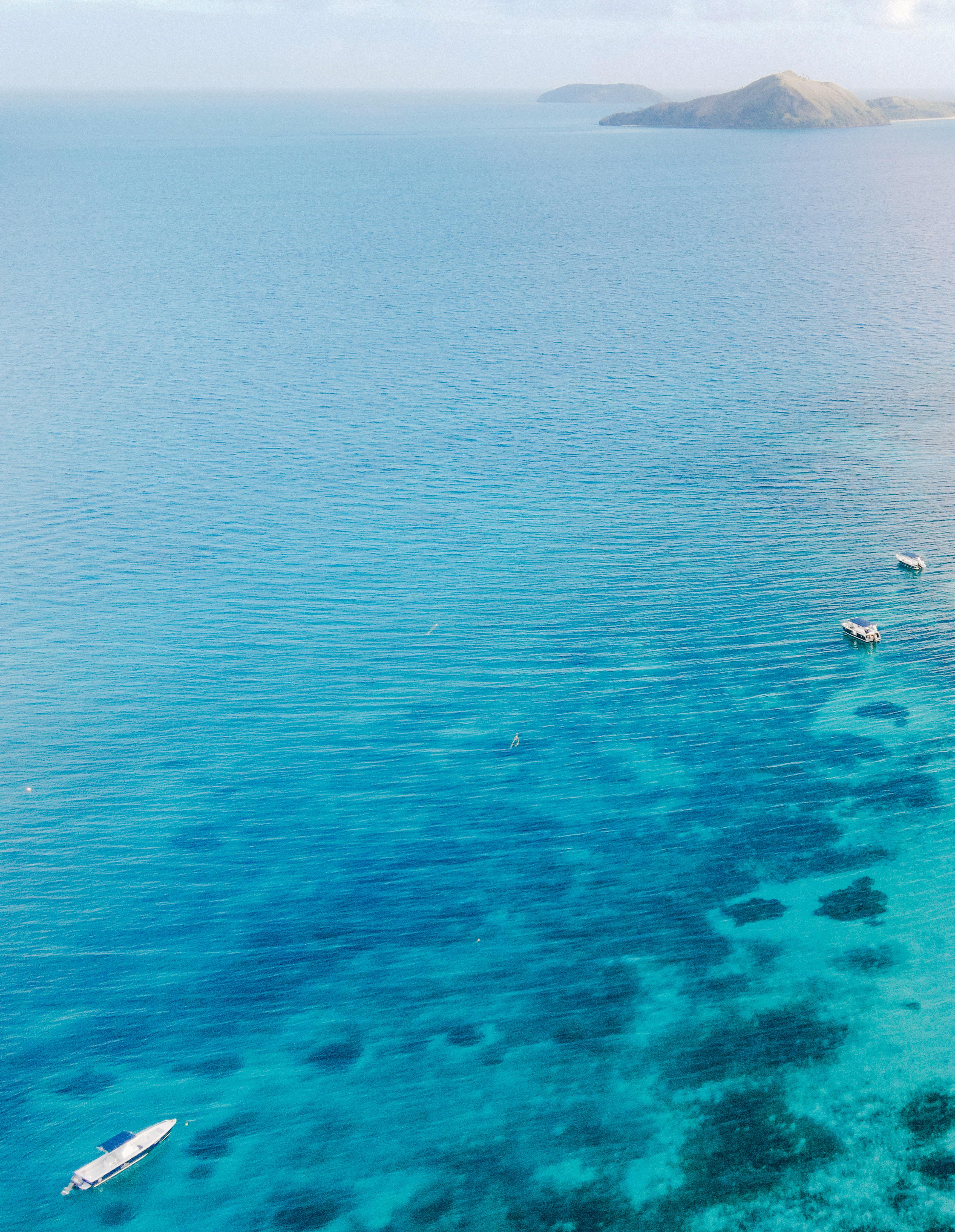
Sometimes the best wine experiences are in the most unlikely of places. A faraway tropical island isn’t the obvious place to encounter one of the world’s most impressive wine lists but that’s exactly what happened on Kokomo. Livets Goda writer Katie Spain unearths a gem of a cellar in faraway Fijian waters.
BY KATIE SPAIN PHOTO ELISE HASSEY
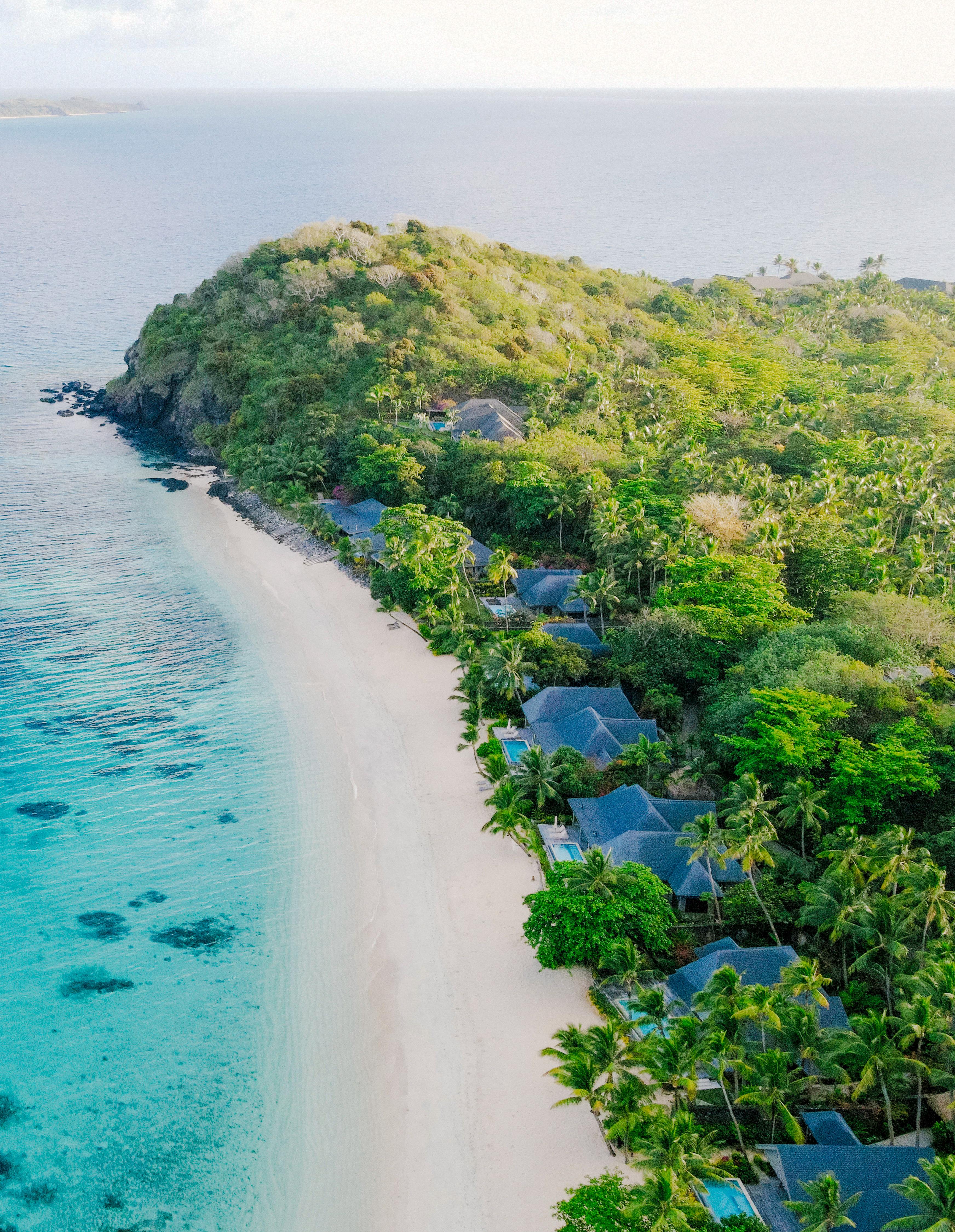
I ONCE THOUGHT THE VIEW OF VINEYARDS from above was as good as it gets. That was until I boarded a sea petite plane and embarked on a 45-minute flight from the Fijian capital of Nadi to Kokomo Island. The sight of azure ocean and the Great Astrolabe Reef, one of the largest and most untouched reefs in the world, is to date, the most magical sight I’ve ever witnessed.
As we touch down on the sea and disembark to a wooden jetty, the short walk to the island’s receptionreveals a kaleidoscope of colourful fish. Occasionally, large sea turtles glide through the water as if in slow motion, oblivious to the beauty they call home. Suddenly, the air fills with music as Fijian staff sing a welcome song that stirs the soul. For a moment, time seems to stop. They greet us with a friendly, “Bula!” (hello). Does life get much better than this?
It turns out it does, especially when you’ve got a glass of rare German Riesling in hand.
THE MAN BEHIND KOKOMO PRIVATE ISLAND and its impressive wine collection was esteemed Australian property developer and philanthropist, the late Lang Walker AO.
When Lang first visited the Pacific Isle on his luxury superyacht (incidentally called Kokomo) long before
his death in 2024, he was mesmerised by its beauty and proclaimed it the most beautiful place on earth. The island is surrounded by the world’s fourth-largest barrier reef and some of the best diving on earth.
The island was abandoned by a previous developer and Lang saw promise in the exotic slice of heaven, turning it into an island resort with five luxury residences, 21 fancy villas, five beaches and its own tropical rainforest.
There, he and his wife Sue created a place to share their commitment to sustainability and their lifelong love for exceptional food and wine.
Lang had a deep vinous love and the kind of cellar that
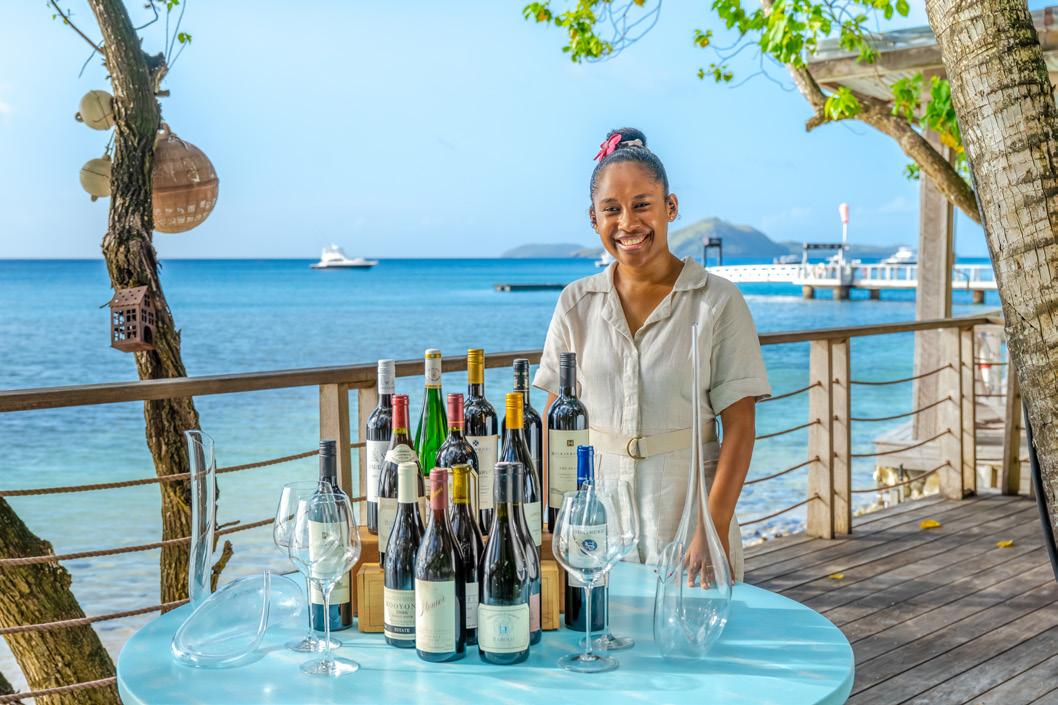
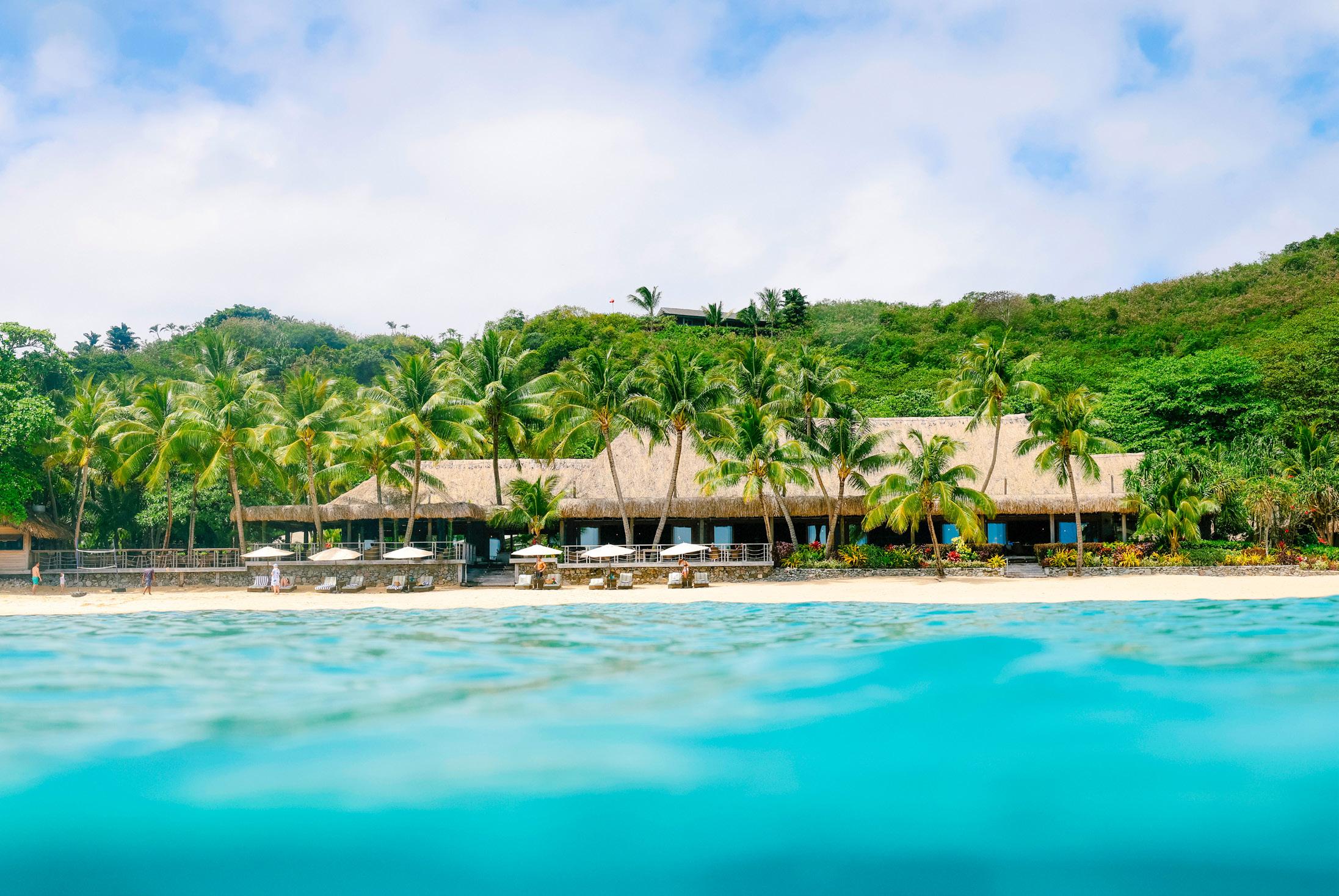
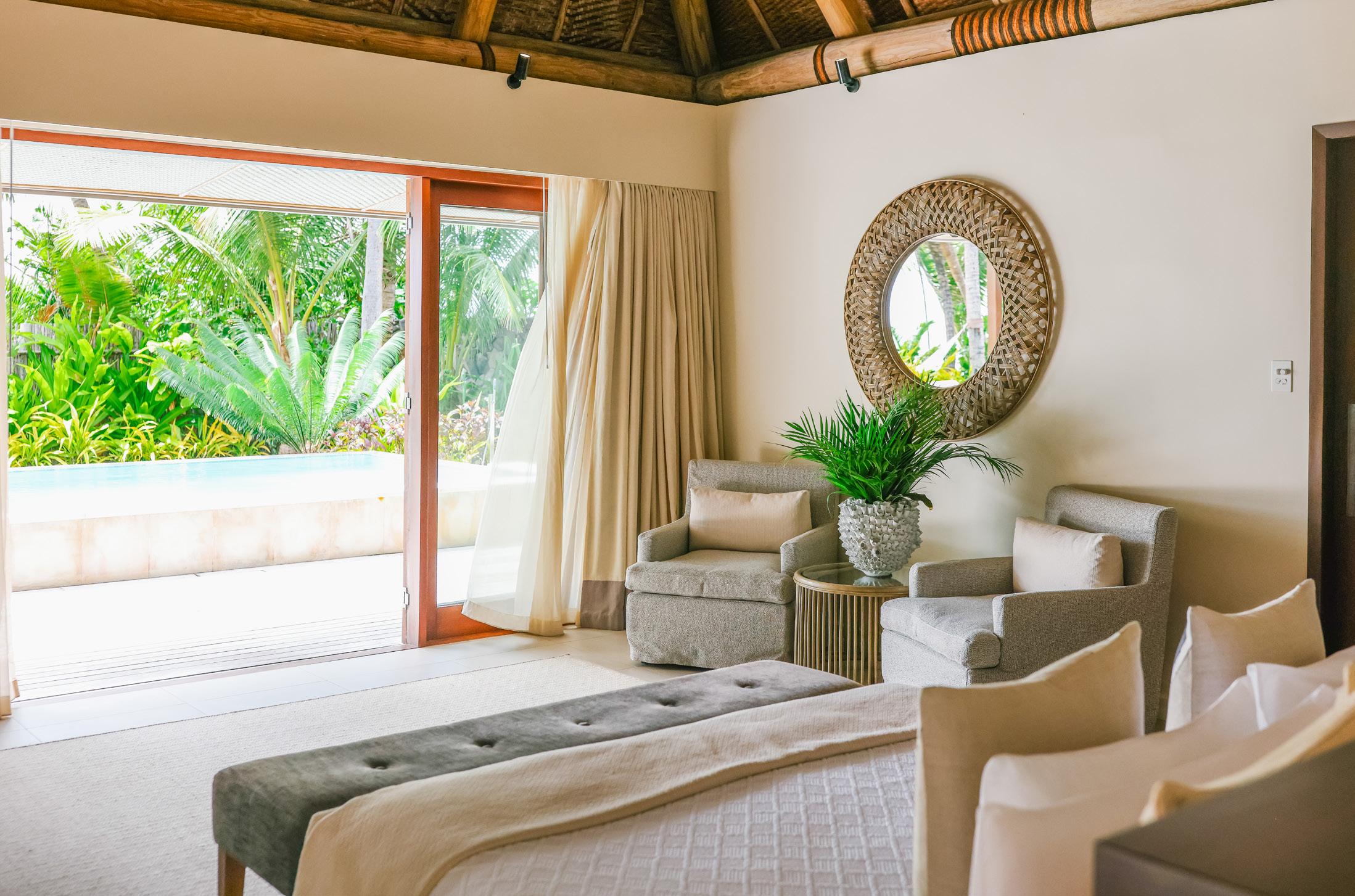
goes with it. When the 78-year-old died peacefully in his home at Woolloomooloo, Sydney (Australia) he left the enviable collection to his family who decided it was too good not to share with the world. They were right.
What eventuated was a legacy in the form of the resort’s new wine program ‘The Lang Walker Collection’, a deeply personal selection of wines that once belonged to Lang.
There’s the 1993 Michele Chiarlo Barolo, the 2013 Joh. Jos Prüm Riesling, the 2014 Chatron et Trebuchet VosneRomanée, a 2020 Chatron et Trebuchet ChassagneMontrachet, 2021 Ansgar Clüsserath Riesling and the 2021 Prager Grüner Veltliner.
A collection like this needs a savvy gatekeeper. The man who oversees the beverage offering is young South African food and beverage manager and sommelier Stephen Swanepoel. Stephen has what can only be described as a dream job. He exudes happiness, not only because he lives and works in a luxury island resort, but he is entrusted with Lang’s precious drops. He has full access to the wine collection, of which there are thousands of bottles.
“Just getting it here is the mission,” he says. “The family brings it when they come on the private jet.”
THIS ISN’T JUST THE STORY of a luxury island for the rich and famous. It’s a story of generosity and a love of wine best shared, no matter the budget.
“Mr Walker had a huge impact on a lot of people’s lives,” Stephen says. “He had a brilliant mind, and was very fair. He absolutely adored his wine. It wasn’t all high-end Bordeaux First Growths and things like that. He had some very random wines too.”
Of course, there’s old vintage Burgundy and First Growth Bordeaux in the mix, but what really impresses is some of the smaller, exquisite Australian drops among them.
Highlights are the 2018 Giaconda ‘Beechworth’ Nebbiolo from Victoria, and the 2006 Kooyong Estate Pinot Noir, also from Victoria. South Australian gems include the 2017 Torbreck ‘The Run Rig’ Shiraz from South Australia’s Barossa Valley, Henschke ‘Hill of Grace’ Shiraz (think 1998 and 1999) from South Australia’s Eden Valley.
“I have so much respect for this producer and the way they produce wine,” Stephen says. “How elegant and how gracefully they age. It’s just a testament to the amazing care happening in Henschke’s vineyard and in their cellar. I cannot believe that this is a 1997 vintage. I think it’s got another 15 years left at least, which is incredible for a New World wine.”
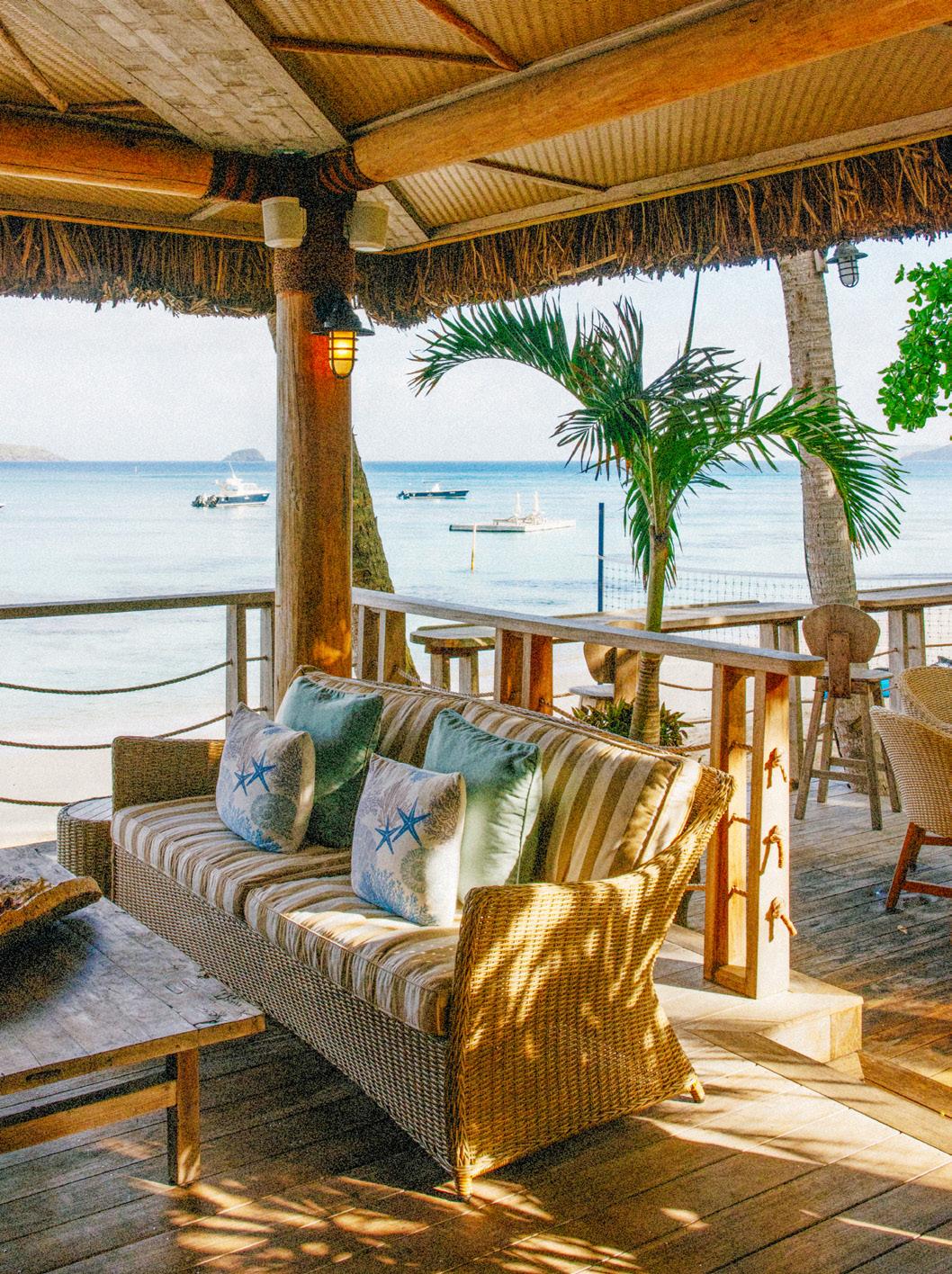
STEPHEN INSISTS IT’S WORTH EVERY CENT. Saying that, I’m surprised by just how reasonably priced the bottles are.
“That’s the beauty of this collection,” he reflects. “It’s not just about the wines themselves, but the stories they tell. Each bottle represents a moment in time, a decision made, a preference discovered. And now, they’re here, on Kokomo, waiting to be uncorked and enjoyed.”
Meanwhile, there’s boutique South African wines from his homeland and special bottles from renowned New Zealand producer Stonyridge with the 2019 ‘Larose’ Bordeaux-style blend.
“It’s serious, structured, and from a small but mighty wine-producing region. It was one of Mr Walker’s favourites, and for good reason.”
Stephen shares the wine against jaw-dropping sunsets. We adore him immediately. There’s no pretence or arrogance here. Maybe it’s because he was once a saltof-the earth farm kid. Stephen was born and raised on a South African farm where his connection with Mother Nature and her rhythms began young.
“I loved nature and got very interested in crop planting with my dad,” he says. “My family really enjoyed wine and dad had a very good palate.”
Initially, Stephen was focused on sport and aspired to be
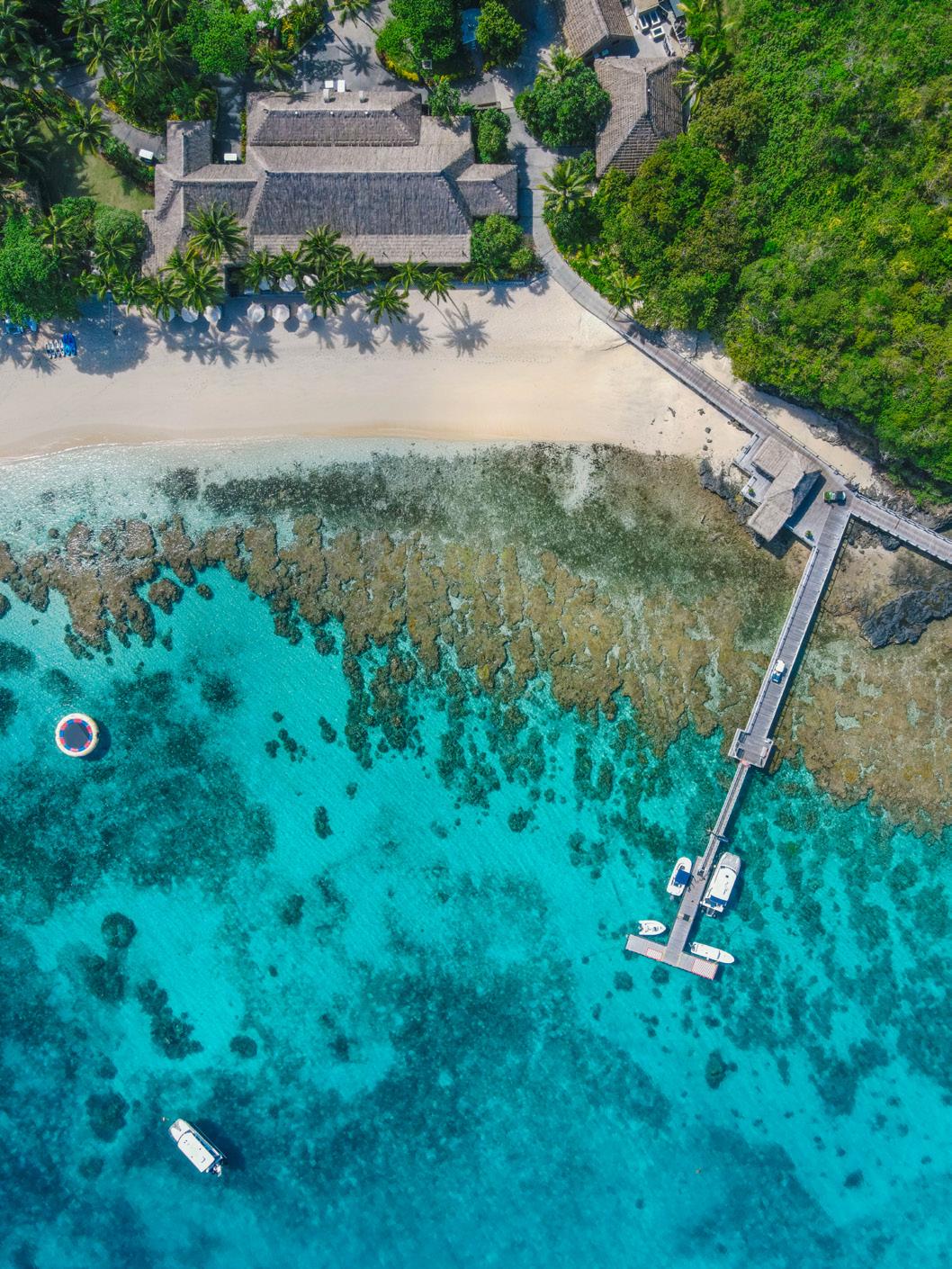
an athlete. He travelled to the US where he was recruited on a golf scholarship.
“I didn’t even think about wine at that stage and turned pro golfer after university,” he says. “That was my career for about five years and during that time I met a few people who were collecting wine.”
At first, Stephen was interested in wine’s potential for investment purposes.
“Some of the guys who were doing very well professionally as golfers were big into their wine, especially the collecting side of things.”
His direction in life changed when a car accident resulted in multiple surgeries on his elbow. Gradually, he shifted from golf greens to vineyards.
“I reached out to a friend in America who basically put me in touch with people for work on a few vineyards,” he says. “I basically started assisting with a few harvests and in that time, I just started sort of picking up as much as I could. Then I had a brilliant sommelier called Neil Grant [now Chairman of the South African Sommeliers Association] who brought me into one of his restaurants. I basically just helped stock his cellar and started learning from him; tasting a lot of different wines.”
A great deal of study and qualifications followed and the rest is history.
Stephen cut his teeth across the United States, working in some of the country’s finest hotels and restaurants, before landing in California wine country, where he honed his craft alongside the industry’s most respected viticulturalists and winemakers.
“I was just fascinated with this plant, when it buds, how you prune, and all these just fascinating things,” he says.
“I fell in love with it and then you’re in tune with the winemaker you’re working with, and you get involved in the cellar as well. It took me around the world, working in beautiful places for amazing people and with amazing mentors.”
and pours the good stuff at the island’s three dining venues; Beach Shack, Walker d’Plank, and Kokocabana. In the kitchens, chefs pluck ingredients from the island’s 5.5-acre organic farm and Stephen has been known to pair wine with seafood caught by the chefs earlier that day during the Dock to Dish experience. Think trevally crudo with Ansgar Clusserath 2021 ‘Trittenheimer Apotheke’ Riesling from Mosel, Germany; pineapple snapper with the Franz Hirtzberger 2021 Honivogl Grüner Veltliner Smaragd; followed by vanilla mascarpone parfait and a glass of Stag’s Leap 2022 ‘Karia’ Chardonnay from Napa Valley. Guests can explore the collection by glass or book a full flight tasting through a Coravin experience, which Stephen hosts in the Wine Cellar. Fortunately, there’s nothing stuff about it. This is a fun tasting. Stephen works the room intimate room like a puppeteer, entrancing us with blind tastings and back stories. His enthusiasm is infectious. Unsurprising, really. It’s all hits.
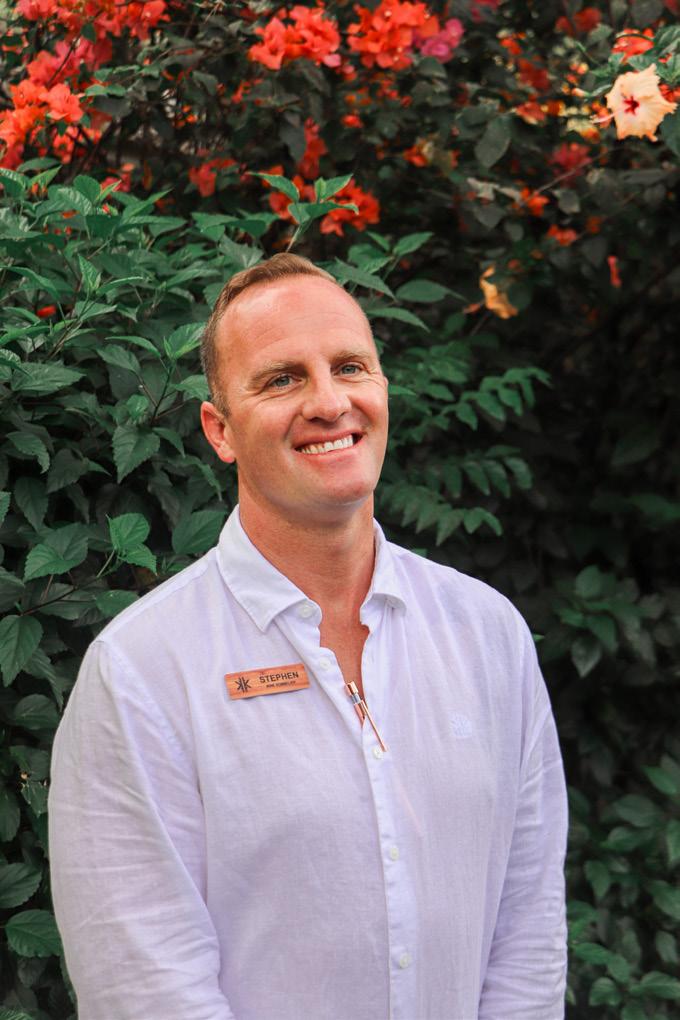
Lang’s palate was refined and adventurous. His tastes spanned boutique Australian vineyards, rare Italian vintages, and legendary Old-World wines. Most importantly, he sought out wines with personality. “Mr. Walker loved his wine,” Stephen says. “But what I find truly special about his collection is that, despite his sophisticated taste, many of his selections are from lesserknown estates. He had a deep appreciation for the hidden gems of the wine world, the ones that aren’t just about price tags or prestige, but about character.”
Stephen gets it. He knows there’s more to wine than an encyclopaedic knowledge of vintages, terroirs, and technical jargon (though he’s got all that covered, too). He knows the real magic is in the experience.
the differences between French and New World wines (noting the subtlety of French wines versus the expressiveness of New World wines) and the next we’re sipping on a 1997 Hill of Grace Shiraz, (impressive elegance and ageing potential) while comparing it with the nuances of Bordeaux and American wines.
Best of all, Stephen has mastered the art of listening. “A great sommelier isn’t just about knowing the perfect pairing,” he says. “It’s about understanding the guest, their preferences, their palate, even the mood they’re in. It’s about finding the wine that will enhance not just the meal, but the moment.”
After many memorable moments (and wines) Kokomo is a difficult place to leave.
One of the biggest surprises about our short stay is the friendships forged over just three days. While staff remain tight-lipped about the celebrities who stayed at the resort
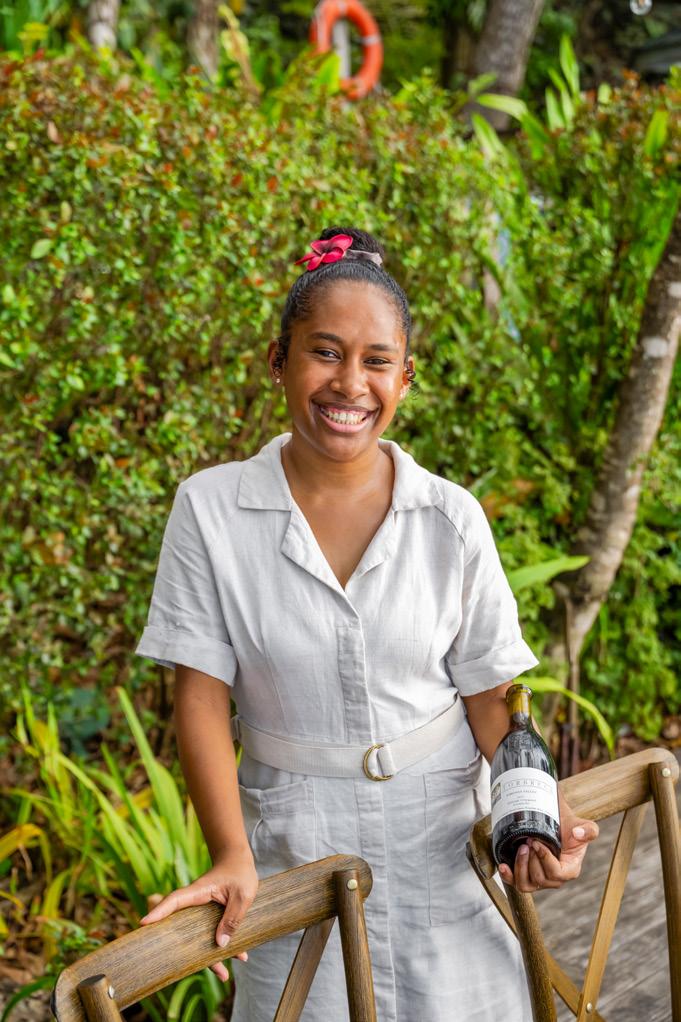
over the years, they are more than happy to divulge local tips. “Where am I from?” says our adorable Fijian waitress. “I am from the village where all the most beautiful women are from!” Her laughter rattles through the tropical foliage.
We also meet Lily, the young mother who started working on the island in housekeeping and developed an interest in wine. When she started working in the hospitality section of the island, she knew there was white wine and red wine but that’s about it.
“In Fiji, we don’t know about wine,” Lily says. “Growing up here we only know kava. When I started working here in 2017, I found wine very interesting because anyone can be a supervisor, anyone can be a restaurant manager, whereas to be a wine sommelier you have to be interested because you need to learn, read and do your research every day.”
Gradually, under the guidance of the island’s former food and beverage director, Lily began to learn the difference between the likes of Chardonnay, Riesling, Merlot and Cabernet Sauvignon.
“I started here with zero experience, nothing,” she says. “I was so eager to learn because every day, there was another great wine to try and I wanted to learn more and more.”
Now, under a mentorship with Stephen, her knowledge has blossomed. She is the first Fijian to pursue the WSET Diploma in Wine and Spirits, and has aspirations to work in Australia.
Lily studied level one and level two in person in Fiji, but because of the remoteness of Kokomo, studied WSET level three online via hybrid learning. Stephen helped her with the tasting and theory, and Jane Skilton MW supported her from New Zealand.
IT’S EXTRAORDINARY REALLY, and testament to her dedication to balancing work, life and education. While Lily’s favourite wine comes from Bordeaux, she admits she has never actually seen a real vineyard in person.
It is testament to the benefits of sharing wine and knowledge through meaningful mentorships.
While Stephen never actually got to meet Lang, he feels an undeniable connection to him via the wine collection.
“The family knows that even though I wasn’t able to meet him, that I’ve heard so many stories, and I’ve had so many conversations with people that have worked with him for so long,” Stephen says. “I’ve absorbed all of that. I can see his passion for wine in terms of his collection, so for me it’s more about the stories that I tell as a human being.”
I’m not going to lie, I cry genuine tears as I pack my bags to depart the little slice of Pacific heaven. “To be in the Pacific, on an island as remote and stunning as this, and
Robotar i en av Comité Champagnes vingårdar.
still have access to some of the world’s most remarkable wines - it’s a privilege,” Stephen says. “I’m just a very fortunate person that gets to share Mr Walker’s amazing collection with other people now. The lovely thing is that when we do these wine experiences, I can rev them up in the most exceptional way.”
As the Fijians sing and wave as we depart via the jetty toward our sea chariot with wings, I can hand on heart say I miss them (and the wines) already.

Getting to Kokomo Private Island Resort
Direct flights to Nadi International Airport operate from Australia, New Zealand, Hong Kong, Singapore, Japan, Vancouver and the USA (San Francisco, Los Angeles, Dallas and Honolulu).
The journey is approximately 45 to 60 minutes from Nadi via Kokomo’s owned and operated Twin Otter dual command Seaplane or AS350 single turbine Helicopter. kokomoislandfiji.com

In Chinon, where the Loire and the Vienne rivers carve their way through a landscape of limestone, gravel and sandy hillsides, Domaine Grosbois pursues an almost rare holistic vision of what wine can truly be. Here, it is not simply about Cabernet Franc and terroir, but about a living ecosystem in which vines, animals, vegetables, bees, truffle trees and people coexist as parts of the same organism. Livets Goda met Sylvain Grosbois.
BY ANDERS ENQUIST
BEHIND THE ESTATE ARE BROTHERS NICOLAS and Sylvain Grosbois, who today jointly continue the family project after gradually taking over from their parents. Nicolas returned as early as 2006, while Sylvain came back to Chinon in 2018 after almost two decades of harvests and experience around the world – from Chile and Australia to Oregon, Italy and New Zealand – to devote himself fully to the family estate. It is precisely at the meeting point between international experience and deep local roots that Domaine Grosbois has found its identity. Today, the estate comprises 25 hectares of vineyards, of which 21 hectares are planted with Cabernet Franc in Chinon and four hectares with Chenin Blanc in the tiny appellation of Azay-le-Rideau – an almost microscopic appellation with fewer than ten producers in total. The slopes above the Vienne create a mosaic of soils and exposures, where the sandier, gravel-rich sites closer to the valley floor produce wines of minerality and lightness, while the higher limestone and clay slopes contribute structure, verticality and depth. Vineyard parcel selection is
central to the philosophy, allowing each individual site to speak with its own voice through different cuvées and selections.
OVER THE PAST TEN YEARS, THE BROTHERS have undertaken extensive work throughout the vineyards to further elevate quality. Older plantings dating from the 1960s and 1990s have gradually been replaced whenever the existing clonal material no longer met the standards they sought to achieve.
At the same time, planting density has increased from approximately 4,600 to around 5,500 vines per hectare, creating greater competition between the vines, reducing yields per plant and producing fruit of greater concentration.
The new vineyards are planted using carefully selected clonal material alongside sélection massale propagated from the estate’s own oldest vines. At the same time, considerable effort has been devoted to preserving healthy mature vineyards, some of which are now around sixty years old. In one instance, a small vineyard parcel has even been taken out of
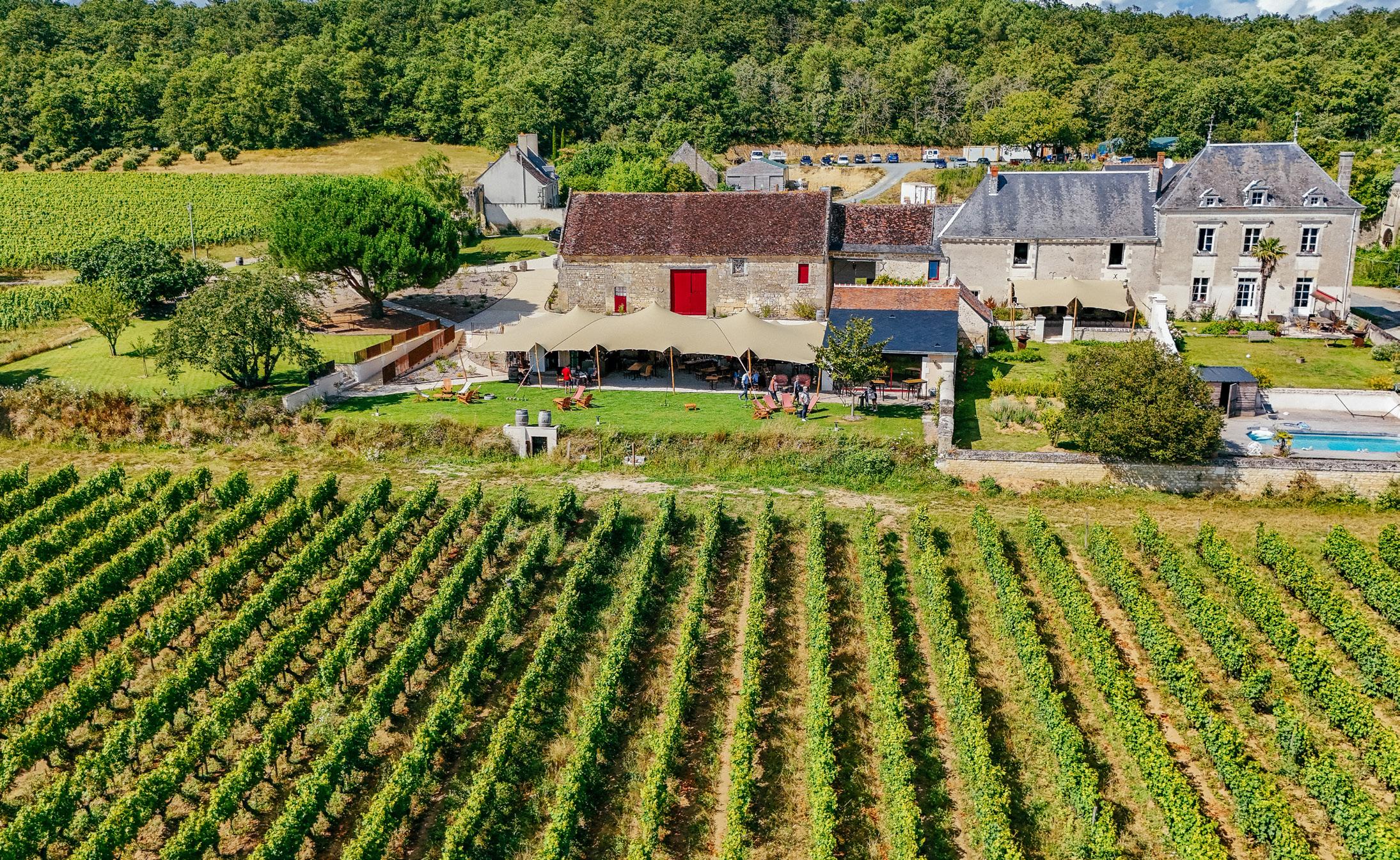
production altogether to make way for grazing pigs, forming part of the estate’s broader commitment to integrated farming and biodiversity.
that elevates Domaine Grosbois beyond being simply another Loire producer. The family embraced organic viticulture at an early stage before progressing towards biodynamics. Yet, for Sylvain Grosbois, who visited the Livets Goda editorial office one day in May, biodynamics only becomes truly meaningful when combined with polyculture – a living cycle in which livestock and biodiversity form essential parts of the vineyard’s soul.
The estate is therefore home to free-ranging pigs raised without hormones or industrial farming methods. Black Angus cattle graze the wetter parts of the property, bees produce honey, and around 450 fruit trees have been planted across the estate, he explains.
They also cultivate their own vegetables and herbs while actively producing truffles, using trained dogs to locate them beneath the soil. Altogether, the result is an estate that functions less like a conventional vineyard and more like a self-sustaining ecosystem.
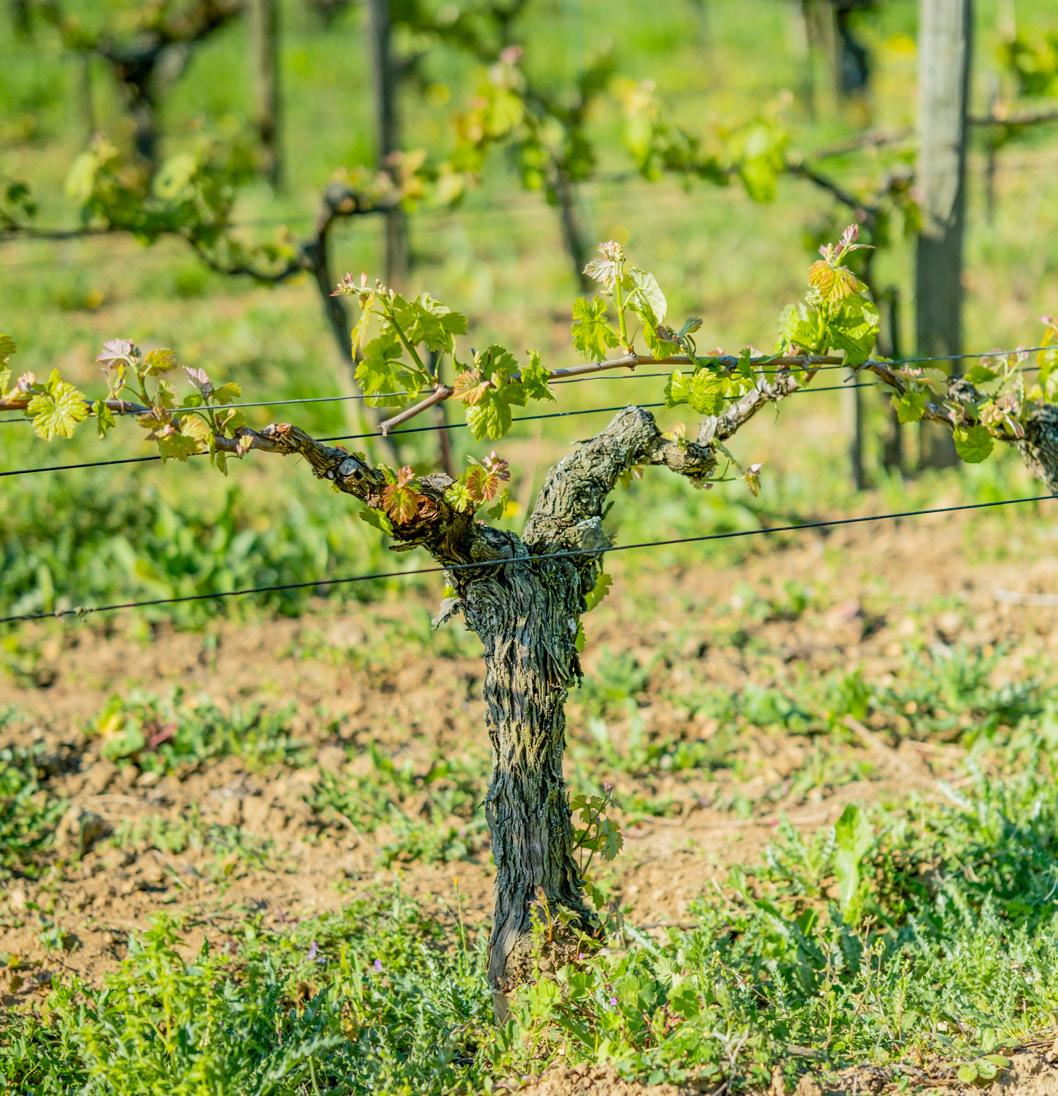
Sylvain explains, the family has also opened a restaurant and cellar door in the heart of the vineyards. Here, the estate’s own produce – meat, vegetables, honey and truffles – is served alongside the wines in a relaxed rural setting, where visitors are invited into the family’s everyday life rather than presented with a polished, choreographed wine experience.
The same philosophy of minimal intervention and precision continues in the cellar. Vinification is carried out by gravity in concrete tanks without the addition of cultured yeasts or nutrients. Gentle handling of whole berries, delicate extraction and minimal intervention
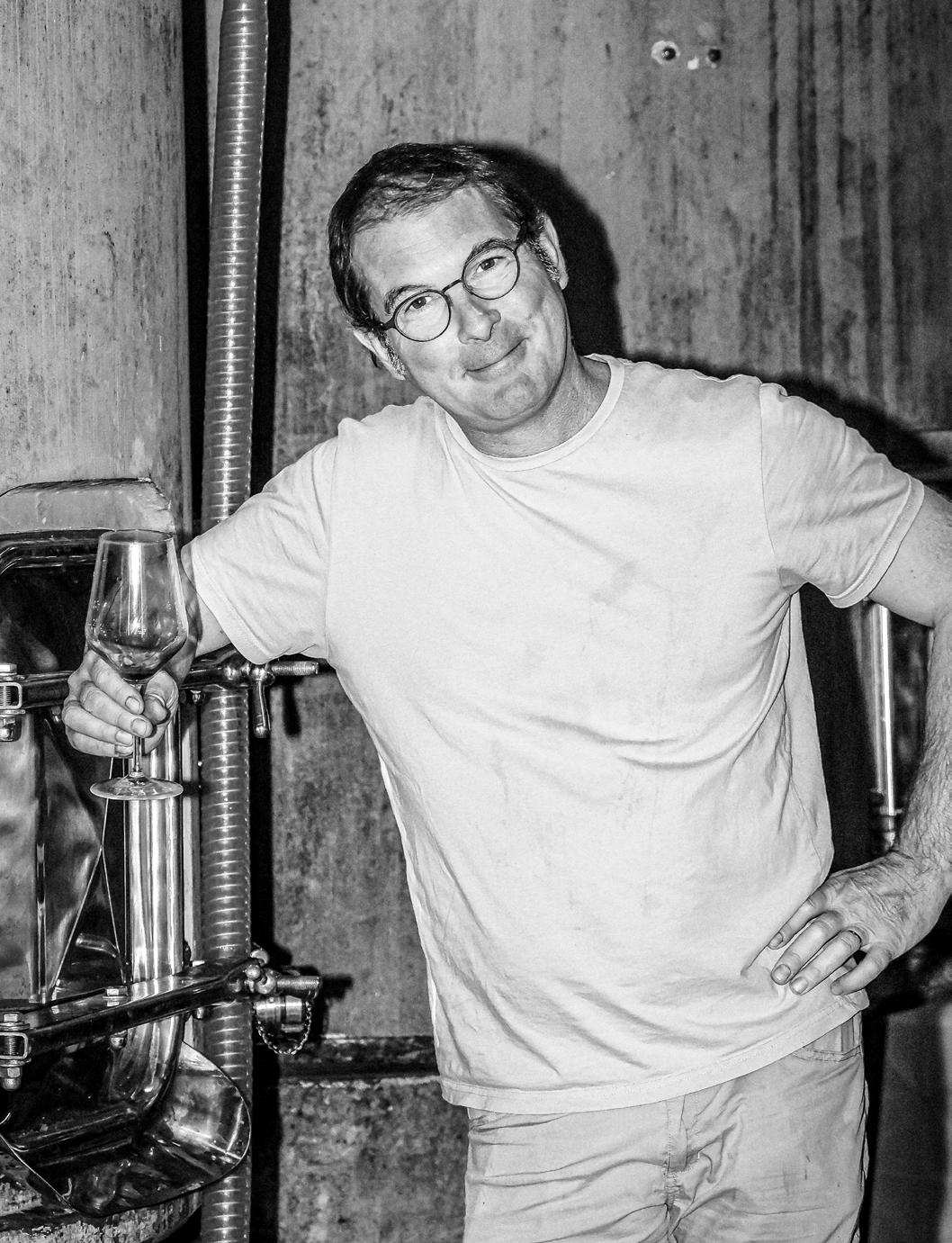
preserve the energy of the fruit and the tension of the terroir rather than creating power through technology or oak.
Over time, the concrete tanks have gradually replaced smaller stainless-steel vessels and have become an important part of the estate’s identity. The objective is clear: elegance before weight, transparency before manipulation.
Vinification naturally varies between the individual cuvées, yet certain wines spend around twenty-five days on their skins in order to build additional structure and depth. Many of the wines mature for approximately one year in tank before bottling, while selected cuvées undergo significantly longer bottle ageing, in some cases up to four years before release.
Stylistically, Domaine Grosbois seeks to produce a Cabernet Franc that combines Chinon’s classic earthy and herbal identity with a more contemporary sense of energy and precision. The wines should remain vibrant, juicy and gastronomic without sacrificing their capacity to age gracefully.
through the 2017, 2018 and 2020 vintages of both Chinon Gabare and Chinon Clos du Noyer. Clear differences emerged between the vintages in terms of extraction,
ripeness and cellar evolution. The 2018 and 2020 wines are already highly approachable today, whereas the 2017 still deserves further bottle ageing in order to develop greater complexity.
Annual production stands at around 80,000 bottles and comprises several different cuvées, some of which are produced only in very small quantities and are occasionally reserved for specific export markets, Sweden among them.
There is also an unmistakable sense of integrity and uncompromising conviction here. Sylvain Grosbois speaks openly about his frustration with neighbouring growers who continue to use glyphosate in their vineyards, as well as the challenges of practising a form of agriculture in which biodiversity is prioritised over industrial efficiency.
Perhaps that is precisely where Domaine Grosbois becomes most compelling. Behind these precise, vibrant wines lies a far broader vision of farming, responsibility and identity, where wine is not simply a product but a reflection of an entire landscape and of the people who have chosen to live in harmony with it.
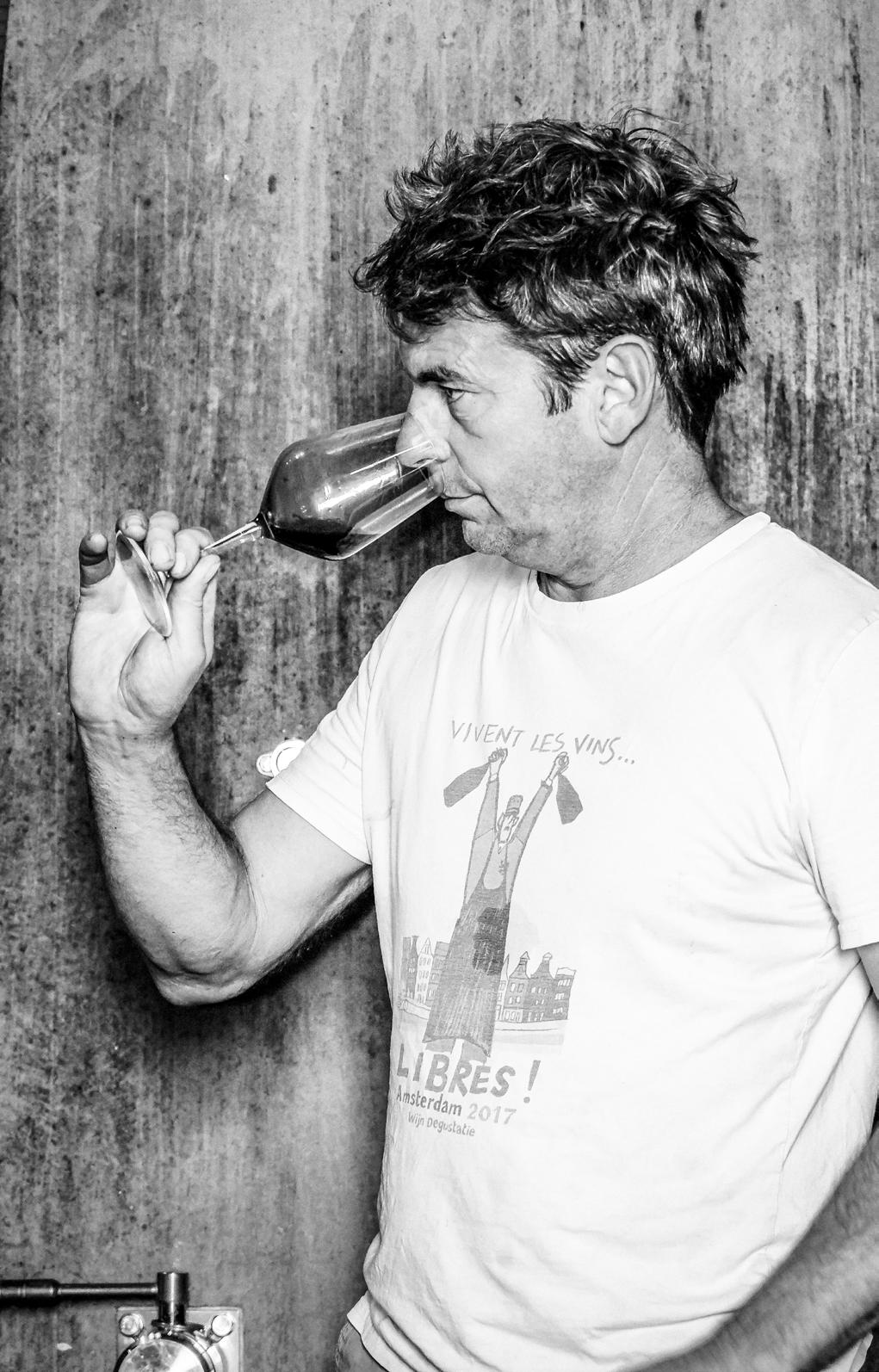
IMPORTER IN SWEDEN: Panache Sweden
CHINON GABARE (APPROX. SEK 219)
& CHINON CLOS DU NOYER
(APPROX. SEK 450)
The 2018 vintage stands out as one of the most approachable and seductive. The wines display ripe fruit, often revealing notes of blackberries, truffle and subtle spice, while the tannins are polished and beautifully harmonious. The combination of elegance, generosity and immediate charm makes this a vintage that is particularly easy to appreciate today. Sylvain himself highlights 2018 as an especially successful year.
The 2017 vintage was cooler and more restrained. In their youth the wines appear tighter, with lower alcohol levels and a fresher overall profile. Certain expressions displayed a gentle green nuance and required longer bottle ageing before fully revealing their balance and complexity.
The 2020 growing season was considerably warmer, producing wines with greater fruit intensity, broader texture and a more generous personality. Several wines displayed pronounced notes of truffle, spice, sweet pepper and chilli. We would particularly highlight Clos du Noyer 2020, which underwent approximately twenty-five days of skin contact, for its concentration, structure and polished power, combined with an already remarkably approachable character.
SCORES – CHINON CLOS DU NOYER
2017 – 92+
2018 – 93+
2020 – 94+
SCORES – CHINON GABARE
2017 – 91
2018 – 92
2020 – 93+
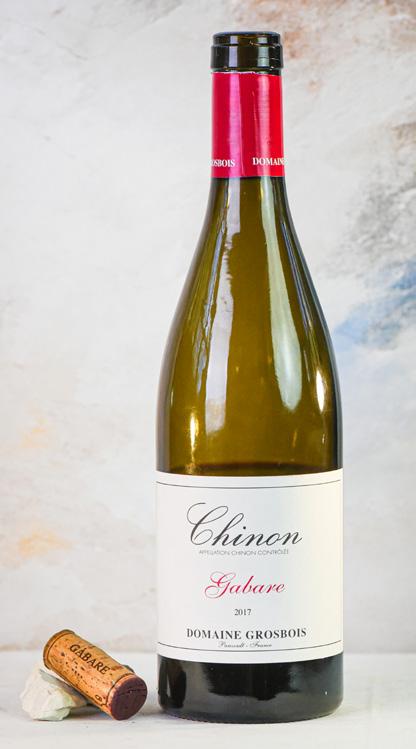
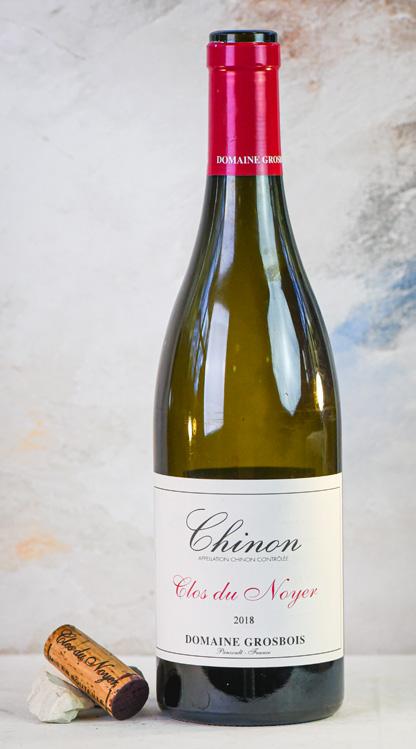
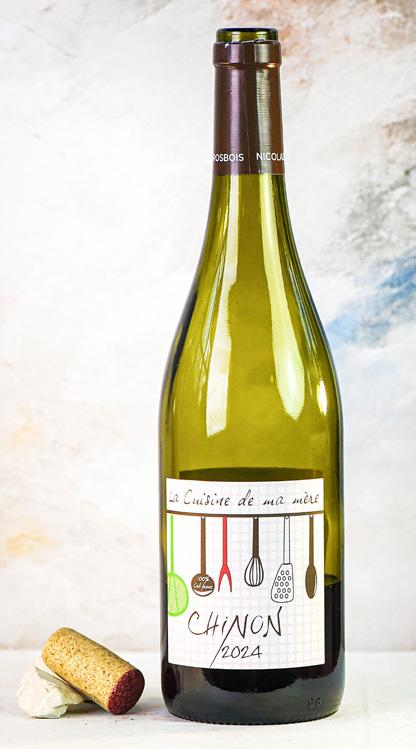
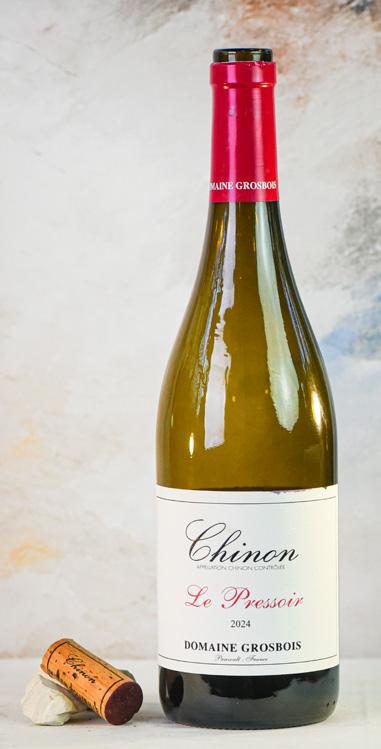
2024 CHINON CUISINE DE MA MÈRE
NO. 7152901 / SEK 149 / 89
89
This could be described as the estate’s entry-level wine, but do not let that designation mislead you. It offers an unusually clear introduction to the producer’s philosophy and uncompromising approach to quality. The fruit possesses youthful vitality, moving effortlessly through notes of cherry, redcurrant, cranberry and raspberry, while a discreet citrus nuance lends additional energy to the overall expression. In the background, there is also the faintest suggestion of blackcurrant, adding a darker layer of depth. The finely sculpted tannins work with quiet precision, while the concrete vinification contributes to a pure, transparent and tightly focused style. There are layers, structure and direction here, but above all an utterly disarming sense of lightness in the way the wine presents itself.
NO. 74154 / SEK 179 / 90+
90+Here, the Cabernet Franc spends approximately one year maturing in concrete tanks, complemented by a subtle five per cent influence of oak, before resting for a further year in bottle.
The result is a wine that brings together structure and energy in a thoroughly compelling manner. Darkly ripe in character, yet animated by a youthful freshness of red fruit that gives the wine both vitality and movement. The acidity is seamlessly integrated and gently pulsating, providing vibrant energy without ever disturbing the wine’s rhythm.
The finely detailed tannins work with a delicate, chalk-driven precision, creating both structure and impressive length, while subtle notes of tobacco, rosemary and sage weave an herbal dimension through the fruit of dark and red currants, raspberries, blueberries and cherries.
A distinctly Chinon expression, combining elegance of personality with an effortless sense of place.
The 2021 vintage is now virtually sold out, while the 2022 vintage is gradually being introduced across additional markets, with broader availability expected during the autumn, subject to allocations. The release schedule for the 2023 and 2024 vintages is still under discussion. Allocations remain consistently small, and several wines sell out rapidly. Domaine Grosbois is represented in a number of international markets, including Sweden, where selected cuvées have been released during 2023 and 2024 depending on the individual wine. A more accessible cuvée is typically priced at around €20.
International releases generally take place one to two years after harvest, although the exact timing varies according to both the wine and the market. Certain cuvées are also reserved for specific export markets, with Sweden mentioned as one of the destinations for several exclusive releases.
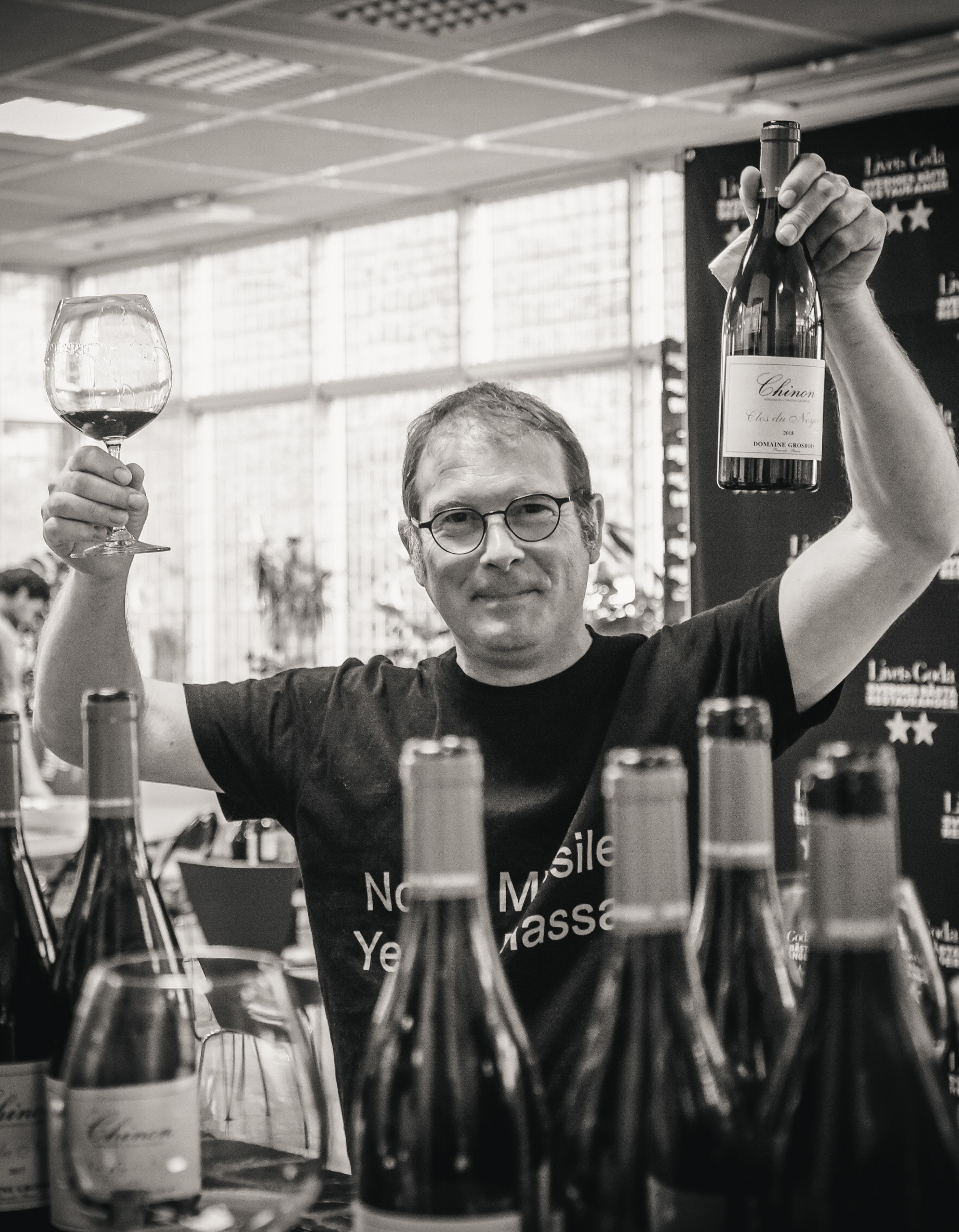
Att dricka ett nyrostat kaffe är omvälvande.
Rostningen får bönan att släppa lös sina tusen aromer och smaker.
Nu är njutningen som allra rikast.
Koppar är ett nytt litet kafferosteri drivet av eldsjälar.
Vi rostar världens bästa bönor idag, så du kan njuta dem imorgon.
Vi undviker fördyrande mellanhänder.
Kaffet skickas direkt till din brevlåda.
Välkommen till vår hemsida och upptäck en ny värld av kaffe.
Beställ innan kl17.00, så postar vi nyrostat kaffe samma arbetsdag.

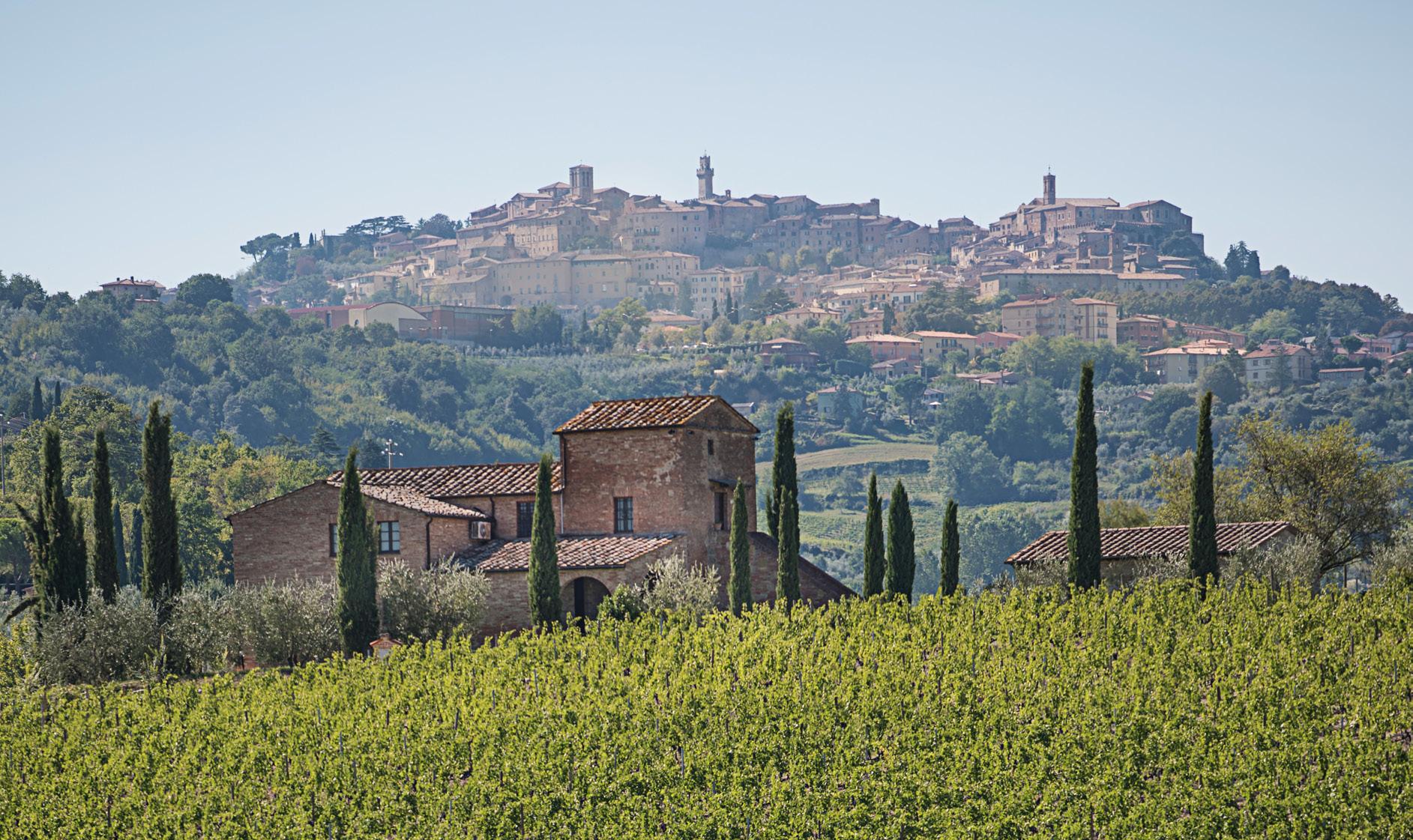
In Varrains, five kilometres from the town of Saumur, one finds one of the Loire Valley’s most respected producers. Domaine des Roches Neuves has, under Thierry Germain’s ownership, become one of France’s finest examples of a high-performing biodynamic estate. In mid-April, Livets Goda spent a most decidedly vinous day in Thierry’s cave system of a wine cellar.
BY TOBIAS TULLBERG
THE HISTORY OF DOMAINE DES ROCHES NEUVES
BEGINS IN 1850, when the Duveau family, deeply rooted in the area around Saumur, began making wine. Twelve hectares under vine were tended by the family for generations, but it was not until the 1980s that the domaine truly began to make a name for itself. Denis Duveau, who had trained as an oenologist in Bordeaux, had a vision of creating a premium version of SaumurChampigny, whose style at the time was more youthful and fruit-driven. He named his élevage-led creation “La Marginale” and suddenly elegant restaurants in Paris began to take an interest in Domaine des Roches Neuves. But just a few years later, a taste for adventure would take Denis Duveau to Chile, where he chose to continue his career as a winemaker. In 1991, he sold the family domaine to l’Union Française de Gestion, a subsidiary of Crédit Mutuel. The insurance company in question subsequently sought a tenant farmer. The choice fell on Marie and Thierry Germain, who signed a 20-year contract. The couple took over the running of the 12 hectares, planted with cabernet franc, the same year that they fell 100% victim to the spring frost. This, however, was not enough to deter them, as Thierry was in no way a stranger to viticulture. Quite the opposite: he represents the sixth generation of winemakers in his family, which comes from Bordeaux, where he also grew up. His father Bernard owned, at the time, close to 150 hectares of vineyards and a number of châteaux in the region, so a
certain inherited confidence was likely in place. It was not his father, however, who led the way to the Loire — quite the contrary, in fact. It was only in 1996, when Thierry already had a few vintages of Saumur-Champigny under his belt, that Bernard Germain bought into the region.
in the Bonnezeaux appellation, is one of the most historic domaines in Anjou. The pastry chef Gaston Lênotre had bought the estate in 1991, enthused by the excellent vintages of 1989 and 1990. The disastrous frost year in question was followed, however, by a mediocre 1992 and an average 1993, which immediately created financial problems. Bonnezeaux is also an appellation for sweet wines, which even then had become increasingly difficult to sell. Despite this background, Bernard Germain acquired in 1996 not only the aforementioned production but also the 18th-century Château de la Roulerie, which came with 40 hectares of cabernet franc and chenin. Here, at the height of his career, Bernard Germain owned a total of around 300 hectares under vine: 200 hectares in Bordeaux and close to 100 hectares in Anjou. In 2001, his second son Philippe Germain joined to take over de la Roulerie and convert the farming to organic. By 2008, the finances no longer held, and Bernard Germain was forced to sell the flagship of his empire, Château de Fesles, to Grands Chais de France.
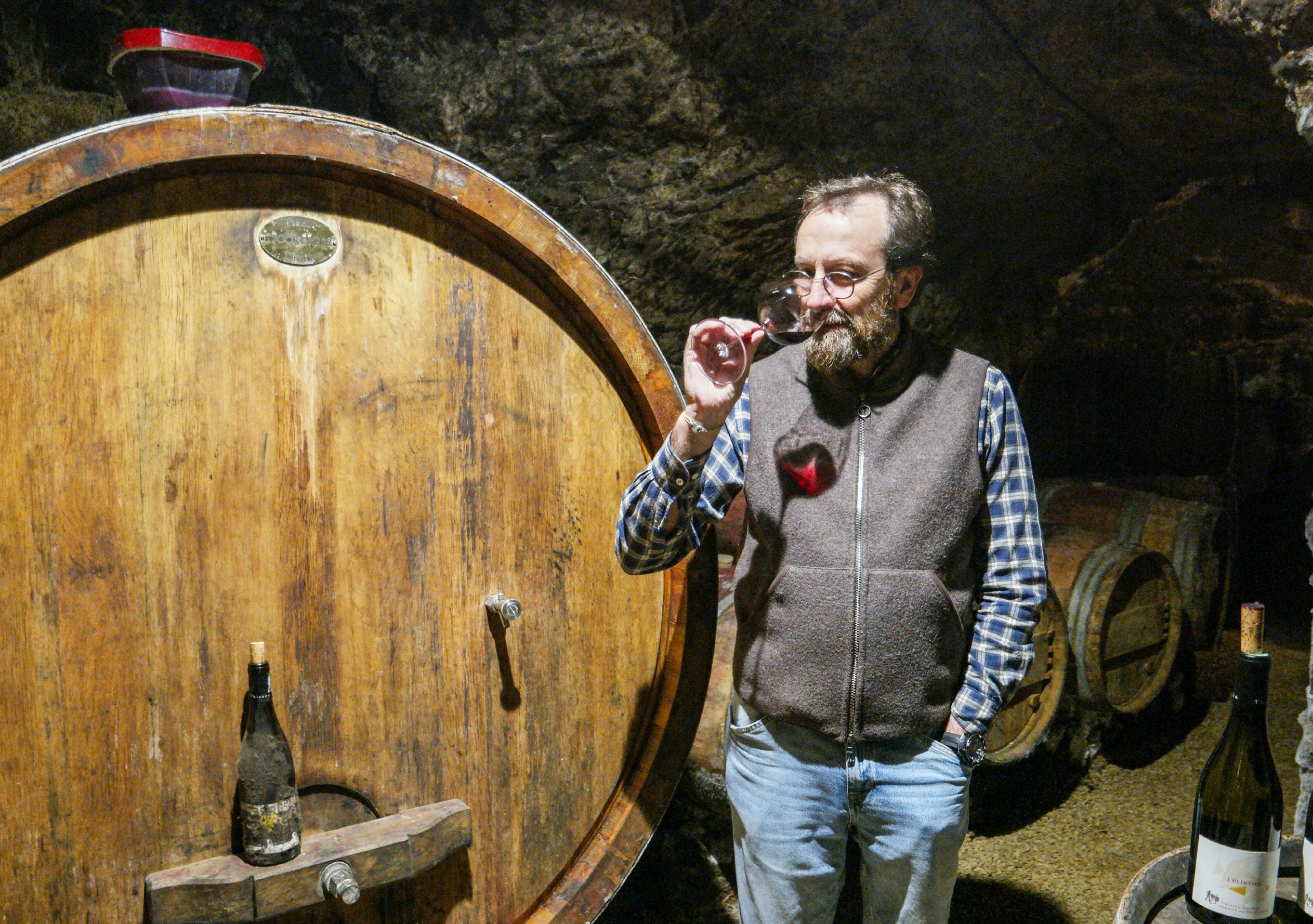
THIERRY GERMAIN HAS CLEARLY chosen to run his affairs in a very different way from his father, but his origins nevertheless seem to have shaped the early period in Varrains. The wines he made during the early years were, to say the least, inspired by what used to be called the modern Bordeaux style. Extracted, tannic and dark, with a focus on new oak, was the tune of the times. Denis Duveau had been a close friend of Charly Foucault — the cabernet franc doyen who, together with his brother, owned the legendary Clos Rougeard. When Thierry took over Roches Neuves, it was therefore natural to turn to him for advice. Over time, Charly would become something of a mentor, an important component in Thierry’s gradually developing understanding of SaumurChampigny’s terroir and potential. In 1996, a further 8 hectares of cabernet franc and 2 hectares planted with chenin were acquired. Around this time, the Germain
couple also developed an interest in organic farming and, by the end of the 1990s, had certified the entire production. This feeling for nature led them further, in the 2000s, towards biodynamics. During this era, Thierry also changed his view on how cabernet franc should be made. Instead of looking to his home region for inspiration, he turned his gaze towards Burgundy. Away from overextracted oak dominance and towards a more elegant, earlier-picked style.
WHEN THE 20-YEAR LEASE CONTRACT was drawing to a close, Thierry and Marie bought out the insurance company and became the full owners of Domaine des Roches Neuves. In 2012, two highly qualitative parcels were also added: Clos de l’Échelier and a very old vineyard, planted in 1904, which would give rise to the cuvée Les Mémoires. Following these acquisitions,
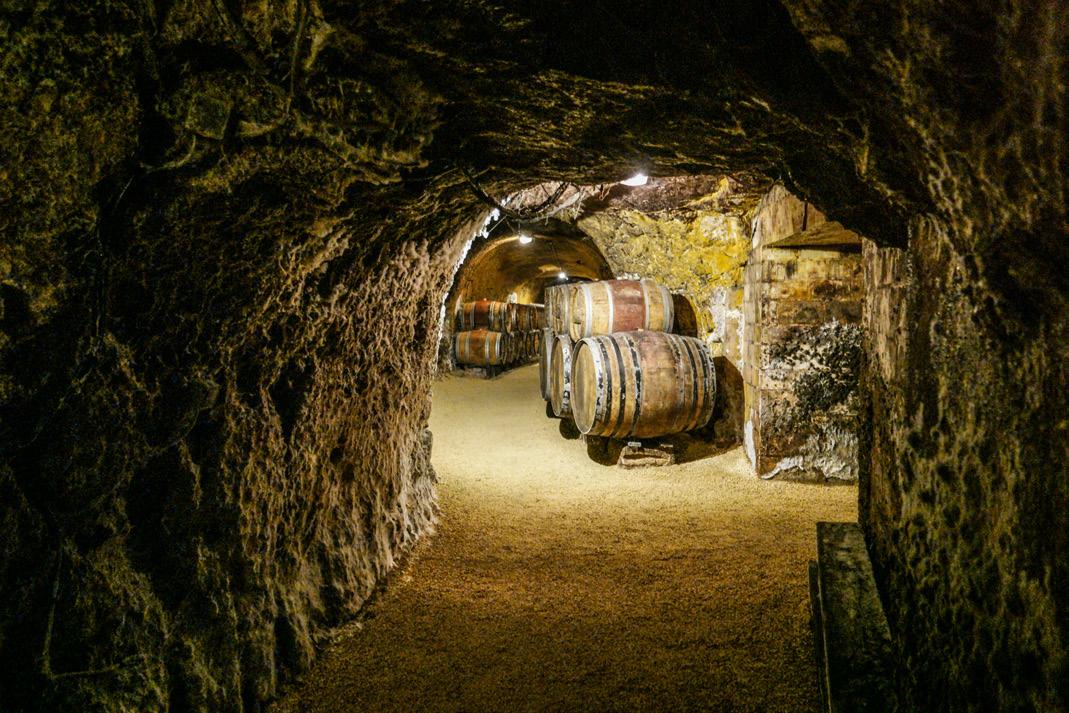
the domaine today consists of 28 hectares of land, a significant size if one is working biodynamically, even if it may sound modest compared with his father’s wine empire. A large proportion of the vineyards are also worked with the help of horses. In 2020, son Louis joined the family business after working for a biodynamic producer in New Zealand. Daughter Jeanne is responsible for the aforementioned horses and has also begun making natural wine under her own name.
OUR DAY AT DOMAINE DES ROCHES NEUVES was, unusually, part of a group visit and not organised by the undersigned, who in truth simply happened to be invited along. Guillaume Beaussier, better known as Guigui Saumur, sometimes takes the Labet patriarch Alain Labet on wine trips so that he does not spend every day working endlessly in the vineyards of Jura’s Sud Revermont. This time he had also invited the star producer François Rousset-Martin, who in turn thought I should come along. As the nickname suggests, Guigui is from Saumur, and he has also worked for Thierry for several years. It is therefore with open arms that we are received one Saturday in April at Roches Neuves’ impressive premises. It is almost always extremely pleasant to visit producers wearing the wine-writer hat, but it will soon become clear that coming together with deeply respected vignerons is something else entirely. The visit begins, as usual, with a quick look at one of the vineyards. One is immediately struck by how well kept everything looks: the pruning, the trellising, the work of the soil — everything breathes perfection. A perfectionism that continues in the purpose-built facilities and in the amount of equipment and tractors standing perfectly lined up, gleaming despite the slightly cloudy weather. The winery is, to say the least, spacious and obviously easy to work in. A significant proportion of the large oak casks comes from Stockinger, the highly prestigious cooperage in Austria. At first glance, everything feels
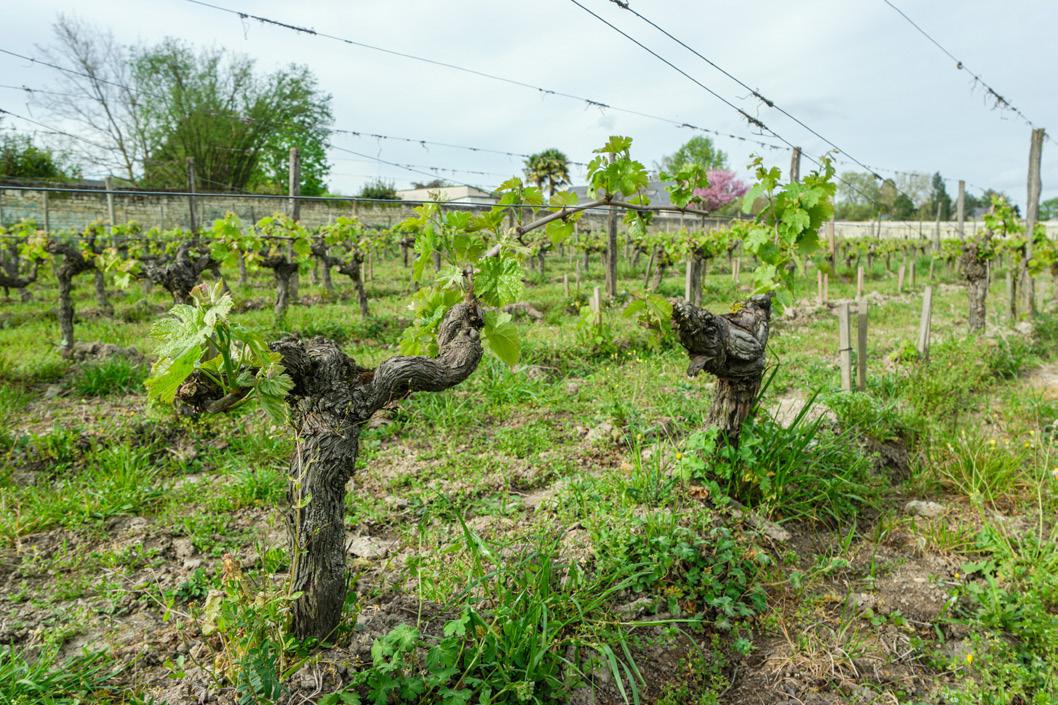
somewhat square-edged and almost too orderly. But that is before one has seen what is hidden underground. A spiral staircase in the tasting room leads us deep down into the bedrock. Down here, over the years, labyrinthine tunnels and rooms have been excavated in an environment ideal for ageing wine. The phenomenon is far from unusual in the region; quite the opposite, there are enormous numbers of cave-like cellars here. That said, I have never visited one as spectacular as Thierry’s. The winding passages break the sound in a strange way, and if one were claustrophobic, one would probably have headed straight back up the spiral staircase. Son Louis stays with us for a while during the barrel tasting, but as he is going to a wedding he soon has to leave. He does so somewhat reluctantly, as he has already understood what kind of tasting this is going to become. When Thierry truly gets going, there are apparently few limits to which bottles he opens. Louis therefore tries to hide rarities and older vintages so that they might remain a little longer. But given the company present, he realises that corks will fly without the slightest reservation.
the latest vintage from cask and the most recent bottlings, it is with age that these wines come into their own. Only then does one truly understand Thierry’s style, and it is the reds he really masters. Even if it is not Clos Rougeard at all — Domaine des Roches Neuves has its own expression — it still feels a little as though Charly Foucault’s spirit rests over the ambition to make transcendental cabernet franc. During the day, Thierry speaks about subjects that could in themselves have filled an article. The seemingly difficult relationship with the family on his father’s side, the serious illness that, in 2013, led to him losing his memory. But in an article about Roches Neuves and Thierry Germain, it is nevertheless most interesting to let the wines speak for themselves. That is Thierry’s great achievement.
SAUMUR CHAMPIGNY 2025
91 The tasting begins upstairs in the tasting room with wines currently on the market. As we are a group from Jura, we begin with the reds. This entry-level wine is a true madeleine cake for me, as I used to drink it when I was a student in Paris in the early 2010s. It remains an almost perfect everyday wine. Simple, direct and fruity in an unmistakably cab franc way. Fermented and aged in tank and swiftly bottled. Sometimes no more is needed than that. Made to be drunk young.
91 Clay- and sand-mixed limestone soils give rise to Thierry’s Terres Chaudes. Cabernet franc from Saumur-Champigny, fermented in a 60 hl cuve tronconique (think truncated cone) for 15–20 days at a temperature of 15–22 degrees. Before fermentation, the must macerates for two to five days — the time it takes for the natural fermentation to begin. After pressing follows one year of ageing in very large oak tanks, which gives a modest yet nevertheless perceptible oak influence. In its absolute youth, the wine delivers good acidity and charming croquant fruit. Compared with the entry-level wine, there is more structure here and more powdery tannins. Preferably wait a couple of years to let it come into its own.
92
La Marginale is made from cabernet franc growing in calcareous clay with a fully southern exposure, which has a warming effect
that leads to good ripeness. There is therefore a little more pressure in the fruit. The wine fermented in large oak tanks followed by a longer maceration. The malolactic fermentation takes place in 25 hl Stoeckinger casks, followed by a year’s ageing in the same. Here we take a step up in potential, but despite the already well-integrated tannins, it is far too young. I would gladly return to this cuvée in five years.
93
In this clos, the calcareous clay soils are very shallow; one only needs to dig between 30 and 50 cm before reaching the bedrock. These cabernet franc grapes are separated from their stems before fermenting in Stoeckinger’s cuve tronconique, where they remain for 10 to 18 days before pressing, depending on the vintage. The result is a more elegant Saumur-Champigny with attractive fruit that is already beginning to fall into place. The acidity is lively and thirst-quenching, and the whole is actually not at all bad to drink young. Three years in the cellar, however, will take it to the next level.
93
This cuvée comes from a 0.8-hectare clos planted with cabernet franc in 1904 on silex and limestone. Fermentation takes place in 45 hl open concrete tanks, before the wine is aged in oak casks in the caves beneath the domaine. In one sense, 2023 has already found good balance and a clear cab franc expression. At the same time, it is very closed and a little too tight to be fully
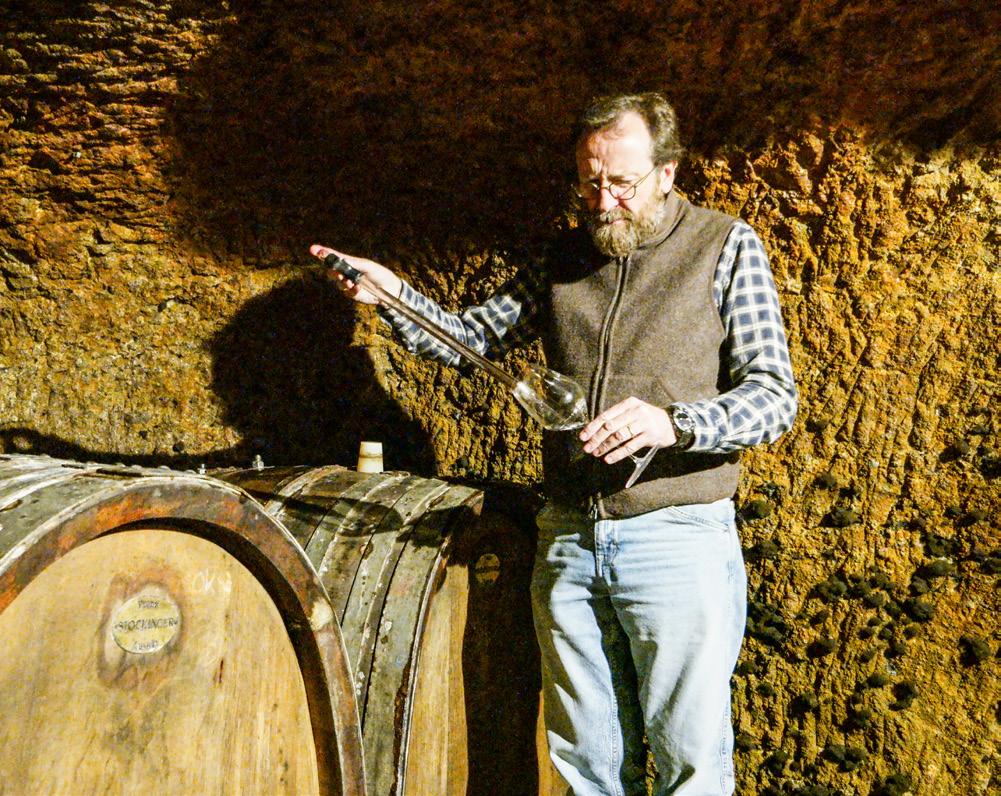
enjoyable at present. What one is really drinking is potential, and there is a great deal of it — far too much to pull the cork too early. Wait five years, ideally, but even better ten.
FRANC DE PIEDS 2024
93
Here, the vines grow in six-metredeep sand, which provides favourable conditions for franc de pieds, meaning ungrafted vitis vinifera. Since phylloxera, of course, all vitis vinifera has been grafted onto American rootstocks, as the vine louse cannot overcome them. The louse in question, however, does not like sand. The vines are not especially old, as the vineyards were planted by Thierry himself at a very high density, 10,000 vines per hectare, pruned in gobelet and trained on échalas stakes. Perhaps it is only psychological, but franc de pieds nevertheless contributes an extra dimension, something more original in a way.
Green pepper, jalapeño, salty liquorice and blackcurrant make the grape easy to identify blind.
95
We have now continued down into the cave passages, and after a barrel tasting a number of bottles appear. Les Mémoires 2020, whose cork is pulled first, is two steps up from what we have tasted so far. It is properly cabby — franc, that is — and really handsome. Concentrated
and well structured without becoming too austere. This is how Thierry Germain’s reds should be drunk. Clear proof of what a few years of ageing do for his wines.
CLOS DE L’ÉCHELIER 2019
94
Échelier 2019 is clearly marked by the limestone, which shines through concentrated and ripe fruit. Even the structure feels as though dusted with chalk. What makes everything fall into place is the sharp acidity, which cuts through the sweet fruit and creates direction. The ageing potential is abundantly clear, as the vintage is still far from its peak.
2016
96
The 2016 comes with a more austere, but also spicy, expression of cab franc. According to Thierry, the vintage has been strict from the start, something that is now beginning to come into its own as the tannins are fully integrated into the tight body. He believes it is the silex that dominates in this version of Mémoires. The depth, together with the well-focused length, simply breathes objective quality.
96
2012 was Thierry’s first vintage from this parcel with its vines from 1904. The scent of roses perfuming the cabernet franc profile is exceptionally beautiful. And perhaps the nose is a notch sharper than the palate, which comes with lighter fruit and a slightly simpler finish. Regardless, it is utterly delicious and a privilege to drink, as it was one of the last eight bottles from 2012.
FRANC DE PIEDS 2016
97 This is the wine Thierry brings to La Paulée to impress the other guests. It is probably one of the most complete wines I have tasted from the grape, with its delightful flavour profile of wild strawberries and undergrowth with subtle notes of menthol. If you are lucky enough to encounter this on a wine list, it will most likely be worth its, probably very high, price.
FRANC DE PIEDS 2013
96
The vintage when he lost his memory; he says he was like a novice in the cellar, but he also does not remember how he did it. Possibly one step down from the magnificent 2016, though by this point the mouth is starting to feel a little red-wine weary.
L’INSOLITE 2015
95 Before it is time for lunch, two magnums of chenin appear as a palate cleanser. Insolite from 2015 is silex-driven and smells of pierre à fusil (flint), with a fruitiness that almost tends towards savagnin without, for that matter, losing its sense of origin. Saumur chenin as it should be drunk — that is, with a little age.
CLOS DE L’ÉCHELIER 2013
95 The next magnum is the final vintage in which there was a white Clos de l’Échelier. After this vintage it is simply called l’Échelier, as grapes from outside the walled vineyard in question were also added. This evolved
chenin has a more oxidative expression with sweeter fruit. It is clearly limestone-driven, with fresh acidity balancing the more bruised sweet-fruited character. Thierry himself likes this wine very much, and I can only agree, but now it really is time for lunch.
92
At lunch, the warmest vintage so far of Les Mémoires is served, namely 2022, which is reflected in the fruit. Thierry says it is also the most difficult vintage he has vinified, though the wine in question shows no sign of it. It is in no way too heavy and there is balancing acidity that creates harmony. It is, however, too young.
L’ÉCHELIER 2024
92 After tasting a few white barrels in Thierry’s cave passages, we move on to the white bottles. The chalky L’Échelier opens extremely tightly in this vintage. What we are drinking is more potential than anything else. With its extremely high acidity, which makes it taste of lemon and lime zest, it is clear that it needs more time under cork. But then the wine is not due to be released until next year.
CLOS ROMANS 2024
93
Clos Romans, by contrast, is more forthcoming in this vintage. Here, lime mingles with bergamot, and although it is far too young, it is already a very pleasing wine. The acidity leads the wine towards a slightly bitter finish, giving it bite. This should become very good in a few years.
L’ÉCHELIER 2023
93
L’Échelier 2023 is the complete opposite of the 2024 version. Much more charming and inviting in its youth. Light and slender, with a thirst-quenching finish. Fully drinkable already, though of course there is more to gain with time.
CLOS ROMANS 2023
93
Clos Romans 2023 comes with an attractive and thirst-quenching citrus cavalcade of orange, lime and lemon zest, subtly perfumed by bergamot. Very good young, but as the bottle costs around SEK 600, one would probably want to wait a couple of years to get real value for money.
CLOS ROMANS 2022
94
If one is to drink younger Clos Romans, one should turn to the 2022 vintage. Here we are talking classic chenin in the absolute top tier of the region. For here, the fruit, acidity and depth are already in place, making the youthfulness only positive and lively..
L’ÉCHELIER 21
95
L’Échelier 2021 comes, quite frankly, with one hell of an acidity. Expressed through limestone and lemon confit, it is exactly the kind of electric chenin I want to drink. As Thierry works with sulphur, the wine is somewhat stricter than, for example, a Richard Leroy would have been in the vintage, but only someone with natural-wine preferences as strong as those of the undersigned would object.
L’ÉCHELIER 2016
95
The 2016 vintage has, by 2026, developed a finesse built on both complexity and depth of fruit. It also succeeds in the feat of being at once austere and rich, with dry fruit that leans towards the sweet. The 2021 vintage may have more to give, but 2016, on the other hand, is more ready to be enjoyed.
L’INSOLITE 1996
95
It is difficult to score a wine as mad as this, which is also mostly a curiosity that cannot be bought. Fruit from 1996, with botrytis, fermented in entirely new oak to a high alcohol level. It is difficult to imagine what it tasted like 30 years ago, but today, when everything is held together and balanced,
it is an incredibly enjoyable wine. Yellow fruit and mighty complexity mean that one glass is enough not to be overwhelmed.
98
This solera was in fact once on the market, but today only 24 bottles remain — or rather 23 after our visit. Thierry tries to open only one bottle a year, on carefully chosen occasions, so all one can do is give thanks and receive. The solera in question consisted of the 1997, 1998 and 1999 vintages and was aged without topping up until 2003. Thereafter, until 2013, it was kept topped up with the 2003 vintage. The result is an incredible wine of endless complexity. It is a real shame that he did not continue with this extreme concept. The oxidative fruit consists of both fresh and dried apricot, made interesting by both smoke and spices. Among the most unique things I have ever encountered in the Loire.
99
We finish with a sweet wine that was never commercialised. There was something about chenin lying on the ground that spent five days on paille… by this point I struggle to take in the story, but it does not matter, because the wine speaks for itself. Strawberries, dried apricot and figs are carried by refreshing acidity into a finish that seems never to fade. An incredible ending to an incredible visit.

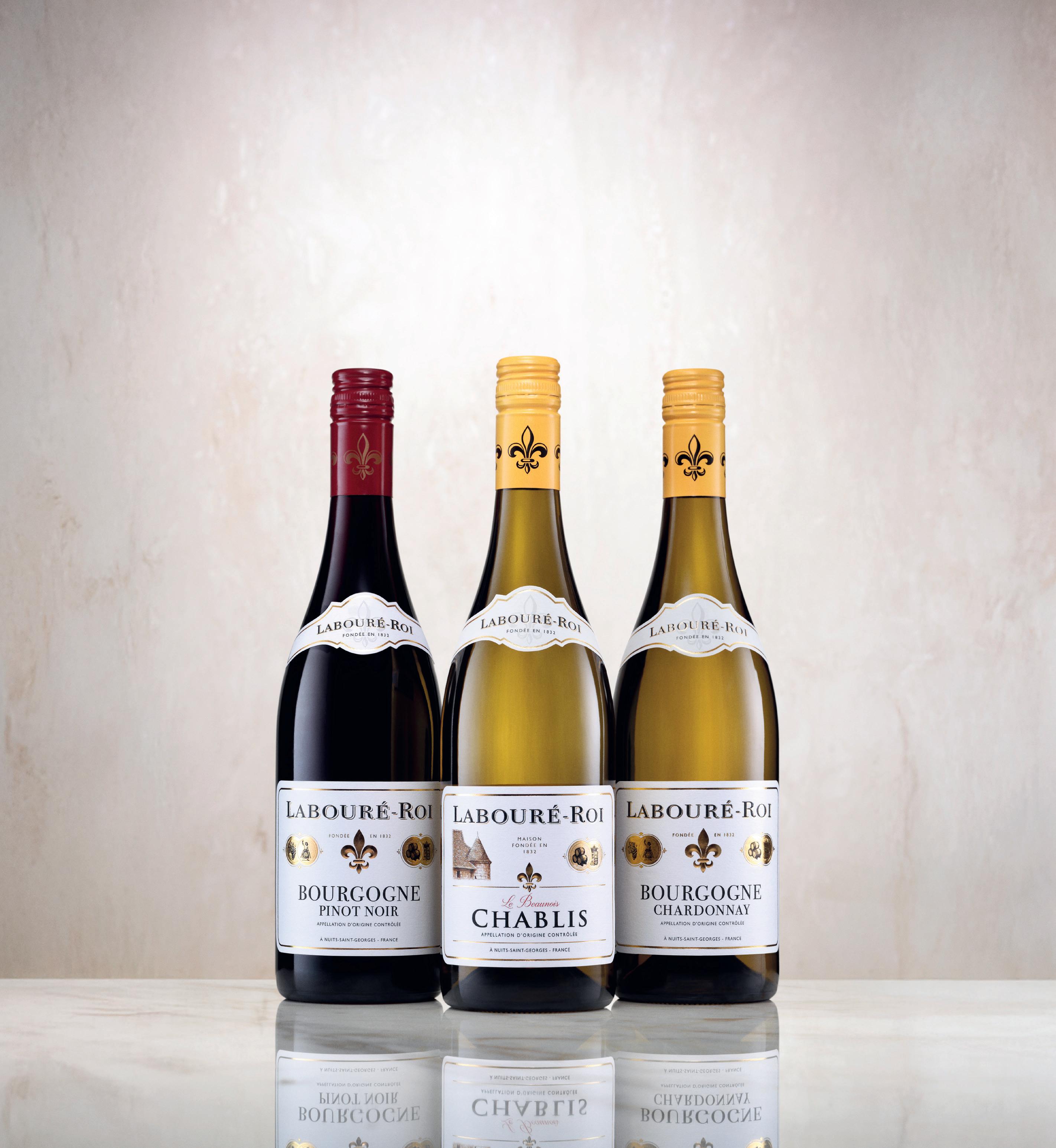

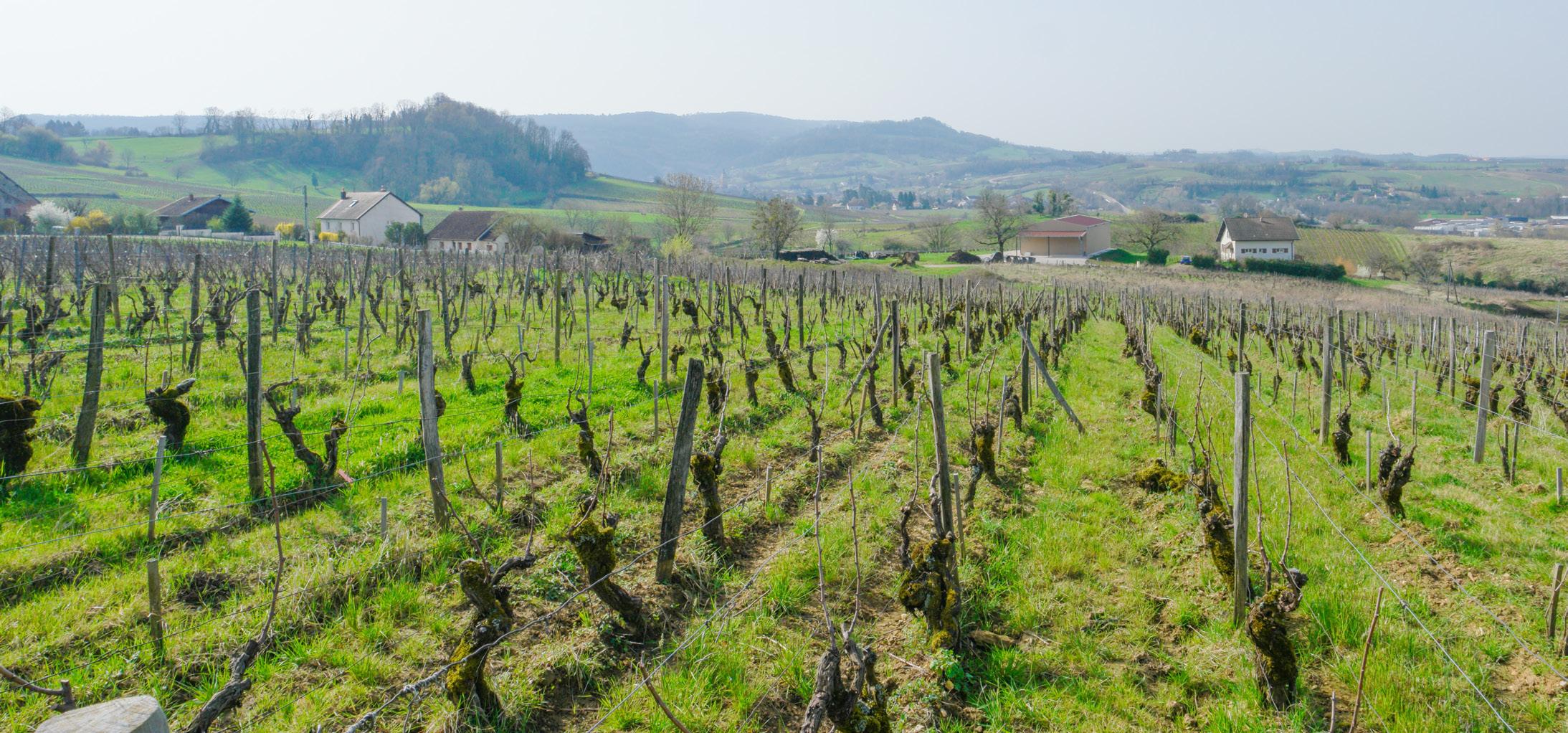
In a small village dense with producers just north of Arbois, known as the capital of the trousseau grape variety, the Gahier family has lived and worked since 1525. But it was not until the 1980s that one of them would decide to bottle wines under his own name. Livets Goda has visited one of Jura’s most respected winemakers, who has nevertheless somehow always flown under the radar: Michel Gahier. BY TOBIAS TULLBERG
IN MONTIGNY-LÈS-ARSURES, Domaine André et Mireille Tissot has been found since 1962, and from the 1990s onwards has been better known under the name of their son, Stéphane. A domaine which, with its almost 50 hectares of organically and biodynamically certified vineyards, could only be described as a Jura giant. In 2012, Guillaume d’Angerville, owner of Domaine Marquis d’Angerville in Volnay, also turned his gaze towards the village and founded Domaine du Pélican together with François Duvivier. Despite his nickname “Le Pape d’Arbois”, it was in Montigny that Jacques Puffeney made his legendary wines until his retirement in 2014 – his fifty-second vintage
– when he sold the majority of his 6 hectares to the aforementioned pelican. But the deepest roots in the village surely belong to the Gahier family, as they have been here since the 16th century. The family domaine was founded in 1874, but the first to produce wines under his own name was Michel Gahier with the 1983 vintage. Before Michel, the grapes were sold to the mega-producer Henri Maire, as most growers in the surrounding area did. It was not until 1987 that the self-labelled production truly got going, using techniques that today fall under the term natural wine, but which in the past were simply the normal way of making wine.
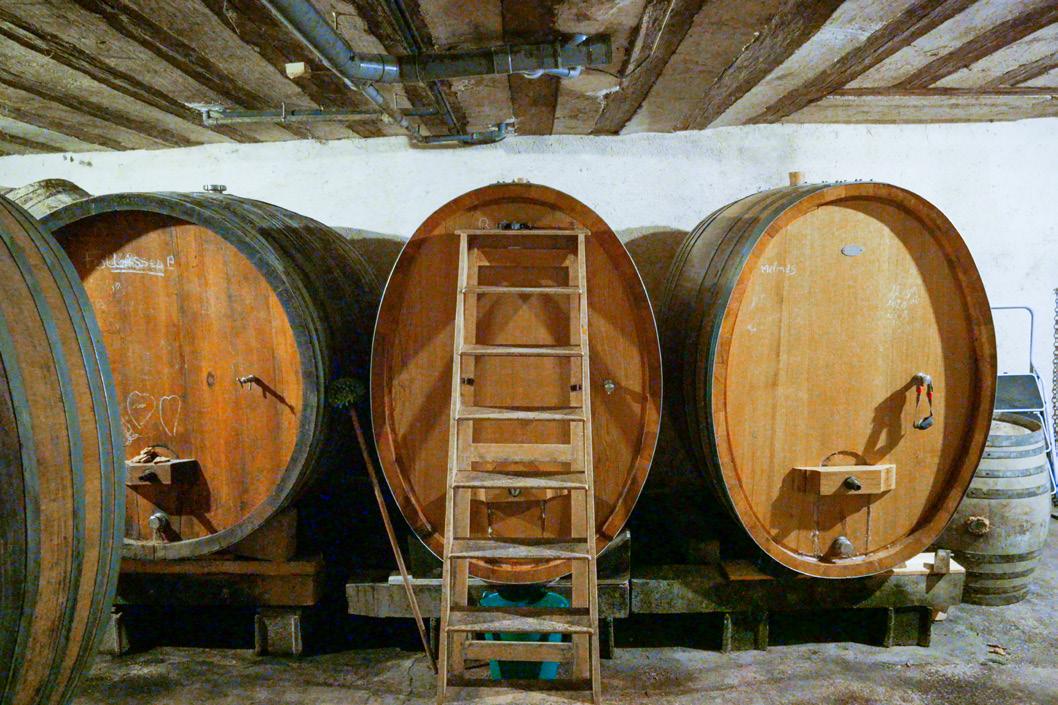
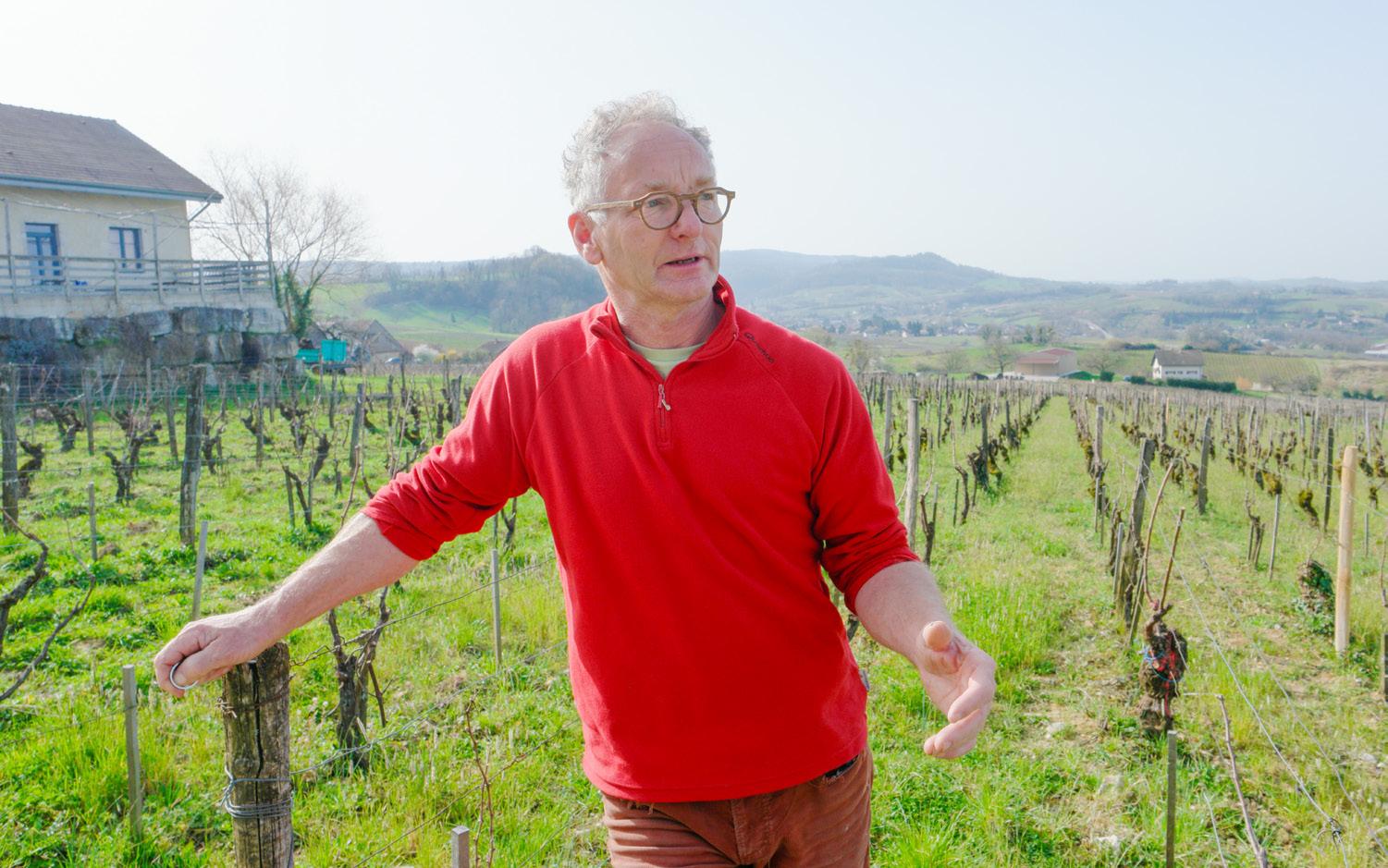
IT WAS ONLY WHEN I MYSELF MOVED TO JURA that I first got wind of Michel Gahier. Now, a few years later, it seems almost unbelievable that I had never heard of him before. Michel, after all, fulfils every requirement – and then some – that one might ask of someone considered a natural wine legend: top terroir, inherited viticultural knowledge and more than 40 years of experience working without sulphur. Yet there is not all that much written about Domaine Michel Gahier. Why that is, I still have no answer to; perhaps it is simply a matter of discretion. One fortunate side effect for the consumer of Michel’s low profile is that the free market has therefore not driven prices into speculative territory. And it is as a safe and good-value choice that the wines are known among those who are in the know. Locally, of course, they become even more humane, and it was at Michel’s regular haunt, Claquets in Arbois, that I first both saw him and tasted one of his wines.
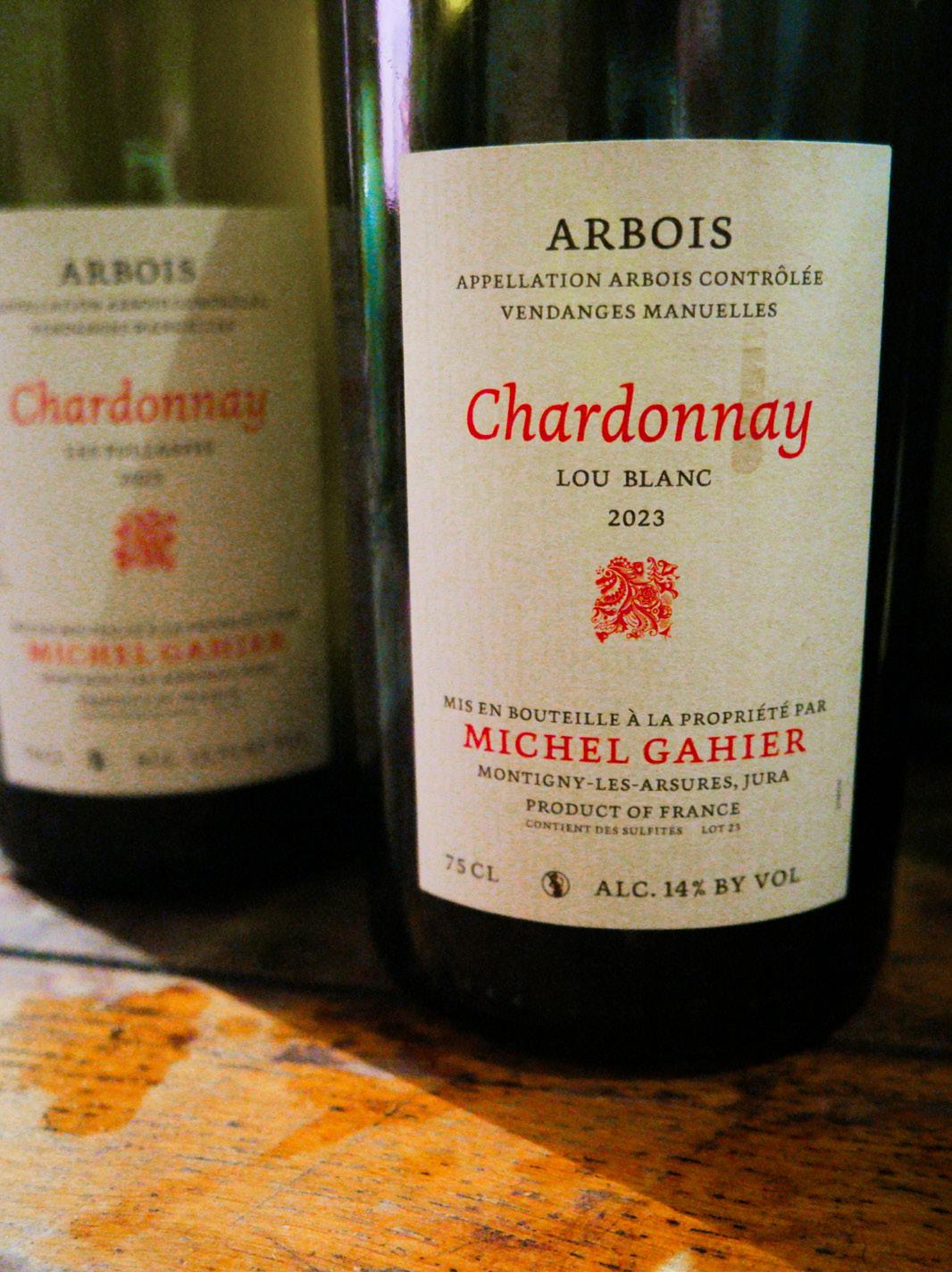
ALMOST THREE YEARS LATER, ON A SUNNY SATURDAY MORNING in early March, we have finally managed to arrange a visit. He has a reputation for sometimes being a little difficult, and things also begin somewhat cautiously, with only short answers to direct questions. But the more genuine interest is shown, the more he warms up. Fortunately, there is plenty to be interested in. We begin by taking a short walk through the exceptionally well-kept vineyards. Here, the soil is worked by horse and the farming methods have been organic for 40 years. We quickly come to the fact that he has no formal education in viticulture or oenology; here, it is methods passed down through generations and le bon sens paysan – in other words, a farmer’s common sense – that apply. The vines stretching across the slope just below his house and winery consist largely of trousseau – the grape whose “capital” we find ourselves in. In total, Michel has eight hectares under vine and, even though we are very close to Arbois,
savagnin is not the main focus. Of course he has a few smaller plantings of the grape, but the focus lies on the aforementioned red variety together with chardonnay, which also thrives very well here in northern Jura.
suited to the surroundings is the autochthonous melon à queue rouge, a very old mutation of chardonnay, which Michel Gahier, in the opinion of the undersigned, is among the very best at handling. The winter pruning, which Michel usually begins in the second week of January, has just been completed at the time of our visit. The frightening frost nights of late April still lie several weeks in the future and the already warm weather indicates an early start to the growing cycle. As it is too early to speculate about the coming growing season, we instead continue into his winery to discuss production methods.
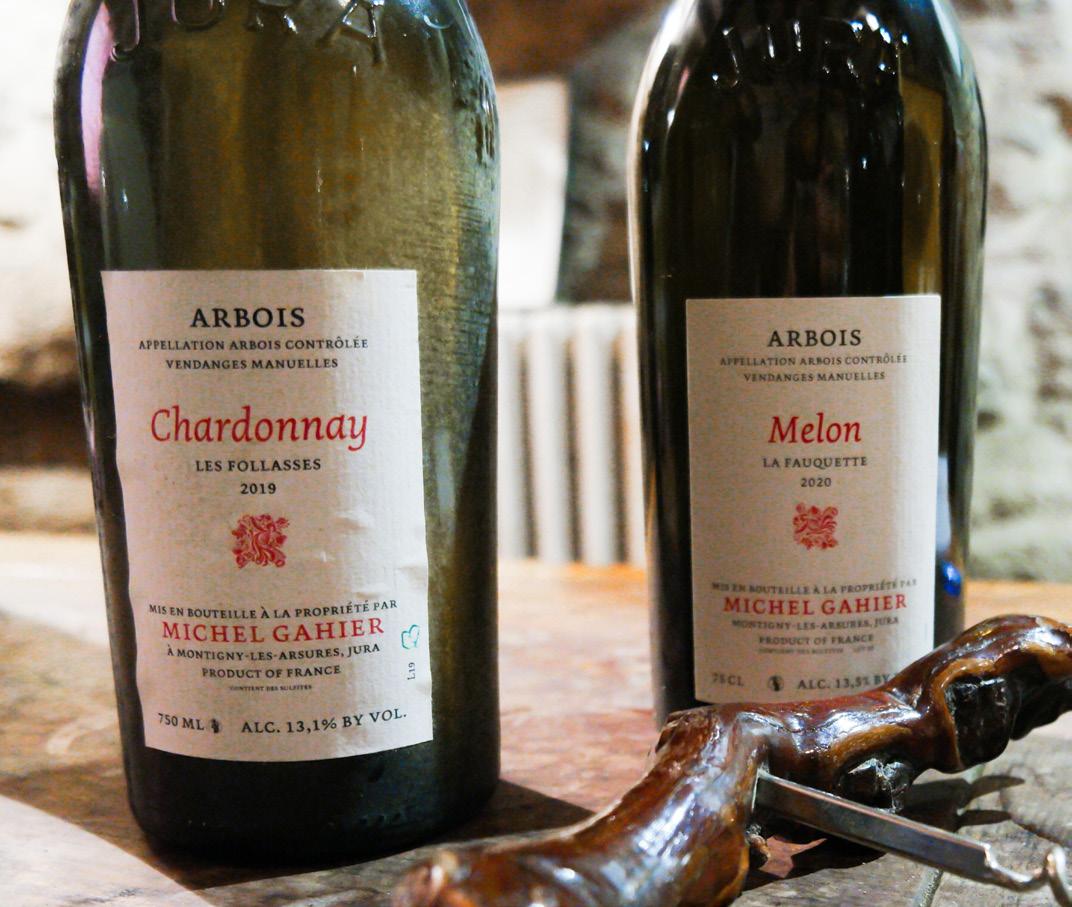
STEP into Michel’s cellar is the size of his oak casks. Over time, he has gravitated from the more commonly used 228-litre barrels from burgundy towards foudres from Alsace. Today, such a cask, in XL format, often represents a specific vineyard site. He explains that he believes you get better results with volume, an insight he has also transferred to his production of red wines. Michel’s trousseau is completely destemmed already out in the vineyards, by hand with the help of a crible, before being fermented in these foudres, whose oval shape has its technical advantages. In Michel’s view, trousseau becomes better the less it is moved, and the oval shape means that 80% of the grape skins are naturally covered by the equally naturally fermenting juice. Extraction is mainly worked before fermentation has begun; once the carbon dioxide starts protecting the top of the cap, the fermentation is largely left in peace until it is finished. Pressing takes place after the wine is dry, often after four weeks but sometimes even longer.
THIS LONG HANDLING LEADS TO more seriously structured wines, but also to a stability that makes it barely noticeable that this is natural wine. Amusingly, this is
something he could be criticised for by distributors a few years ago, who thought funky natural wine was trendier. Working without sulphur does not seem to be particularly ideologically driven for Michel Gahier. In fact, he does use a minimal dose, 2 grams, in his savagnin destined for vin jaune. When I try to get him to explain where the choice to avoid sulphur as far as possible came from, he starts talking about how his wife is allergic and turns completely red from conventional wines. After that, he begins to speak about a time when no one wanted wine without sulphur from Jura – that is, the 1990s. Then he says something interesting. He points out that, because of the current natural wine trend, Jura is often described as a region that has renewed itself. Michel believes this is a fundamental misinterpretation; rather, many in Jura have found their way back to more original methods. He explains that hardly anyone used sulphur in the region before the 1970s. Now that we have discussed wine for so long, he thinks it is time we start tasting, and we move on to his rustic tasting room.
EVERY TIME HE DESCRIBES A SPECIFIC terroir, he points behind him towards the wall, where all the local stone types are represented in the mortar. It is mainly marl that matters – we are, after all, in Jura – but not only grey marl; also white, red and blue. The soil up here can be noticeably stony, not to say gravelly, and it is with its roots in such ground that trousseau truly comes into its own. I already knew that melon à queue rouge also truly comes into its own with Michel Gahier, but I had completely missed how interesting his different chardonnay cuvées are. Les Follasses, Les Crêts and Lou Blanc, with their expressions of white, red and grey marl respectively, are masterful versions of the grape. Michel is now, a few bottles in, in radiant spirits, and corks are pulled without the slightest reservation. Had it not been for our lunch reservation at Claquets, I do not know in what state we would have left Montigny-lès-Arsures.
If the name Michel Gahier means as little to you as it did to me before the autumn of 2023, then you have a great deal to look forward to. This may be the strongest recommendation I will give this year.
CHARDONNAY
93
The first bottled wine we taste is clearly marked by white marl. It opens with a handsome reduction that, with a little air, evolves into an intense, lime-driven citrus fruit profile. Bottling took place in early November 2025 and the wine is already in a very good drinking phase. By way of comparison, Michel also runs off to fetch what he calls lot 23b, which at the time of our visit was still resting in foudre. This is a portion of Follasses planted on red and blue marl and given a slightly longer élevage. As it is somewhat closed at the moment, he instead opens a bottle.
CHARDONNAY
95
Les Follasses consists of 1.5 hectares of chardonnay planted on marl that alternates between white, red and blue. Two foudres are produced annually and bottled separately; lot b comes from the latter terroir and receives a longer élevage. Due to the extended time in cask, the wine often needs more time in bottle before it truly comes into its own. The 2019 vintage arrives with a depth that could only be hinted at in the barrel sample tasted moments earlier. There is a complexity and elegance here that makes one wonder why anyone drinks white burgundy when this is cheaper, better and, moreover, made without sulphur.
93
The red marl of Les Crêts gives, in the 2023 vintage, a rounded, appledriven chardonnay whose generous body is perfectly balanced by fresh acidity. Time in the glass allows the apples to evolve into more baked aromas reminiscent of tarte
tatin. It is already a thoroughly delicious wine, though a few years in the cellar are unlikely to disappoint.
93
The chardonnay from Lou Blanc is strongly marked by grey marl. It was the only wine we tasted at Michel’s that showed the slightest hint of mousiness, but as we suspected it came from the bottling process, we gave it another chance two months later. And we were right to do so. This particular soil type is known for the power it gives to savagnin, but evidently the same applies to chardonnay. Here, lime zest mingles with spices, and what smells like oak is not derived from the barrels but from the grey marl itself. It is extraordinarily good, though one would do best to wait a couple of years for scores likely to rise above 95.
MELON LA FAUQUETTE
2020
95
Michel’s melon à queue rouge from La Fauquette is a wine that absolutely screams Jura. It could never have come from anywhere else. It is the influence of voile that does it – three years of it, to be exact. Behind the elegant veil lies a rich fruit profile that, with a little air, comes to dominate the wine. It is worth decanting an hour before tasting to experience the full complexity of butter toffee, tarte tatin and an intriguing hint of wormwood. A masterful expression of melon. Delicious now, but capable of ageing for a very long time.
MELON LA FAUQETTE
1992
95 As if to prove the ageing potential of La Fauquette, Michel pours us each a glass of the 1992
vintage. Despite the bottle having been open for nearly two weeks, it remains a living wine. A touch of oxidation has appeared, though it works in complete harmony with the veil. Michel believes it was more fruit-driven a few days earlier, which might have resulted in an even higher score, but it remains a great wine in its current state. A textbook example of how wines not mummified by sulphur can age and develop.
96
Michel’s vin jaune combines the elegance of Château-Chalon with the power of Arbois. A spicy veil hovers above yellow raisins, white chocolate and sea salt. As is always the case with newly released vins jaunes, it is far too young. Wait at least five years for the next gear; wait fifty for the highest one.
MADEMOISELLE D 2023
93
Trousseau noir is apparently a laterripening clone that I had never heard of before. Mademoiselle D refers to the woman who leases this parcel, located right beside La Vigne du Louis, to Michel. The wine may be a little too young at present, but it already displays a very attractive fruit profile led by cranberry. It is somehow light and generous at the same time, with a perfect balance between acidity and a sweetfruited character that feels quintessentially 2023. Greater complexity lies two or three years into the future.
TROUSSEAU LA VIGNE DU LOUIS 2022
94
The vines from the 1970s in La Vigne du Louis gave rise, in 2022, to aromas of very ripe cherries, sage, leather and salty liquorice. This trousseau
also manages the feat of being both light and full-bodied at the same time. The wine is structured without being the slightest bit austere. And once again I must resort to the word “masterful” to describe this expression of the grape. Michel describes this terroir, with its deeper clay and iron-rich gravel, as a highly flattering site that produces wines of great charm in their youth. The 2022 vintage is a textbook example.
94
Les Grands Vergers is a parcel planted in 1981 on deeper soils composed of various types of marl. It gives rise to Gahier’s most structured trousseau, one clearly built for ageing. The warm 2022 vintage currently possesses an innate power that recalls a thoroughbred racehorse held back by a starting gate. The starting gun has not yet sounded; everything is still potential. Wait at least three years before experiencing it.
97
As the 2022 was so young, Michel generously uncorked a 1988 from Les Grands Vergers. Had he served it blind, I would almost certainly have guessed a great burgundy, despite it being a long time since I tasted a red from that region as alive as this. The remarkably vital fruit is electrified by energetic acidity. What truly makes the wine, however, is its silky structure, which both keeps everything in check and makes it wonderfully drinkable. A genuine privilege to taste and yet another demonstration of the ageing potential of natural wines.
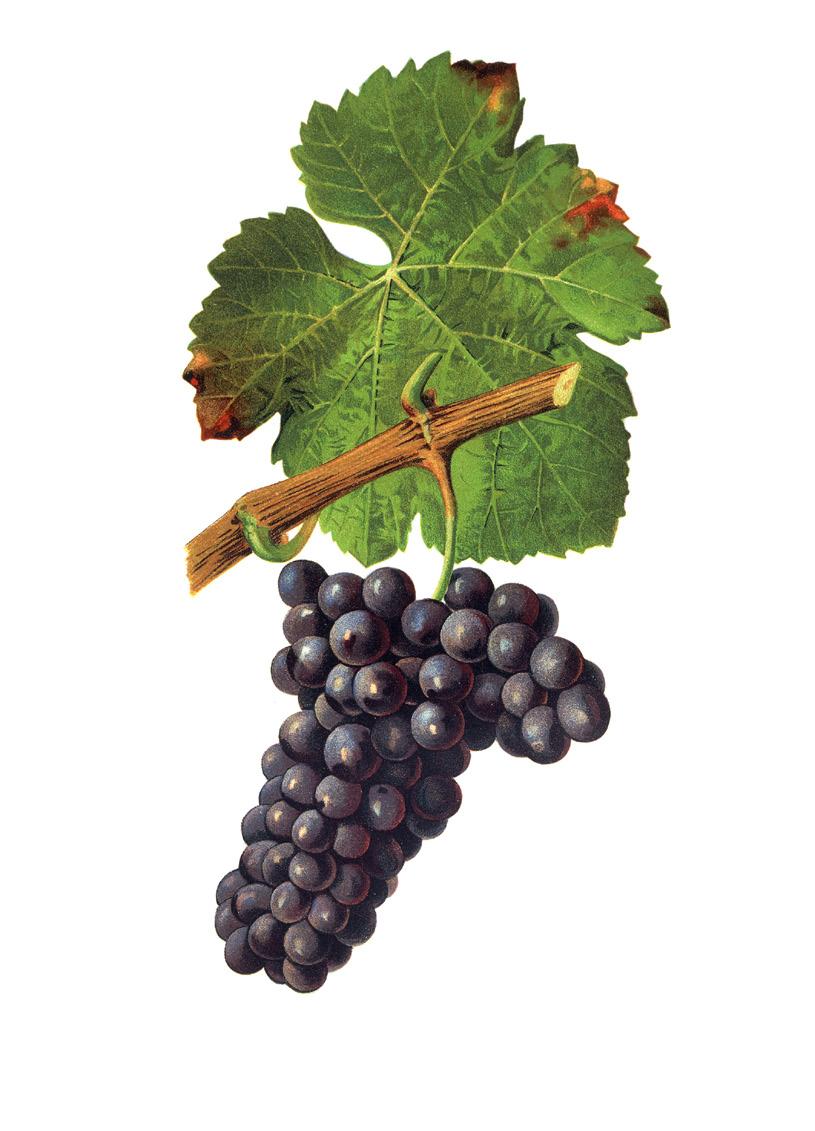
REGION may be best known for savagnin, but Jura’s two truly indigenous grape varieties are poulsard and trousseau. It is not uncommon to find both in the same wine, often alongside pinot noir, but they express themselves best on their own. Where poulsard is often pale and juicy, trousseau can frequently be somewhat more powerful and darker, with a different depth. Trousseau is not only originally from Jura; in France it is found almost exclusively there. The total French vineyard area amounts to just under 200 hectares, which is hardly anything to write home about. Especially when compared to pinot noir, which covers almost 32,000 hectares in France alone.
Trousseau is a relatively early-ripening but also demanding grape variety. It thrives best in warm, gravelly soils or in shallower marl. At the same time as it requires more sunshine than the other Jura grape varieties, it also has the ability to accumulate high sugar levels during ripening. The bunches are small, with slightly below-average-sized elliptical berries. The grape is probably much older, but the first time trousseau appears in official
documents in Franche-Comté (the region in which the Jura département is located) is in 1731. Genetic analysis carried out at the undersigned’s alma mater in Montpellier showed that one of the grape’s parents is most likely savagnin, while the other remains unknown. Both the genetics and the historical documents provide strong evidence for the grape’s origins. And, as mentioned earlier in this article, Montigny-lès-Arsures is known as the grape’s “capital”. Despite this, Jura is not where the largest vineyard area is found.
Another name for trousseau is “bastardo”, which in Portugal today accounts for around 1,200 hectares. Bastardo is primarily found in the Douro, where it is permitted in Port production, although it is not considered one of the five recommended grape varieties (tinta barroca, tinto cão, tinta roriz, touriga francesa and touriga nacional). Bastardo is also grown in Dão and Bairrada, but perhaps its most notable Portuguese home is Madeira, where it has long been regarded as a casta nobre (noble grape variety). Finding a Bastardo Madeira to purchase today is not particularly easy, however, as the grape has been close to extinction on the island ever since phylloxera.
One curious exception is Bastardo Madeira 1927 from both Henriques & Henriques and D’Oliveiras, which can occasionally be found online for just under SEK 20,000 per bottle. Data from the Madeira Wine Institute shows that 99 litres of the grape were produced for commercial purposes in 2011 and 72 litres in 2015. Since 2007, however, Barbeito has been working to revive the variety, a project they began commercialising in 2019 with 1,700 bottles. Volumes remain small, but prices are reasonable.
Trousseau has also historically had a presence in Spain, particularly in Rioja, where under the name maturana tinta it represented a significant proportion of vineyard plantings until phylloxera. After having virtually disappeared for decades, maturana tinta has once again been officially permitted in red DOC Rioja since 2007.
Given how niche the production is, trousseau could be described as something of an indie grape. With that in mind, here are a few true indie recommendations which, together with Michel Gahier’s wines from the previous pages, collectively capture both the breadth and the essence of the grape.
DAMIEN GUADAGNOLO TROUSSEAU 2023
93 Damien Guadagnolo is one of the newest and hippest names in Jura in 2026. His poulsard is appearing more and more frequently in restaurants and wine bars, but the most successful wine of the 2023 vintage is his trousseau. Unlike Michel Gahier, for example, Damien uses whole clusters, resulting in a different kind of structure. The fermenting wine must nevertheless have been pressed relatively early, as it feels neither austere nor over-extracted in any way. This dangerously drinkable trousseau offers flavours of cherry, raspberry and blood orange and is currently in a perfect first drinking window.
ERIC GOYPIERON TROUSSEAU LES CHANTEREZ 2023
92
No one would describe Eric Goypieron of Menetru-leVignoble as a hipster, but his production is certainly indie. His trousseau from Les Chanterez tastes more like an honest country wine than
hipster glou-glou – rustic, yet not over-extracted. The dark but transparent fruit develops with a little time in the glass into cherry liqueur wrapped in dark chocolate à la Anthon Berg. While it bears no resemblance to the trendier interpretations of the grape found elsewhere in the region, it undeniably tastes of Jura. Give it another three years in bottle and the wine is likely to be pushing 94 points.
94
Théa Lambours and Guillaume
Beaussier (better known as Guigui Saumur) are a couple everyone knows in natural wine Jura. Guigui, who works for Stéphane Tissot, always wears a Jurassic Park cap, the logo of which also serves as the label for his Jurassic Poulsard. Théa works for the Labet family, and it is from them that the grapes for this lateharvested trousseau originate. A provenance not to be taken lightly. Two weeks after every
was pressed off. The result is a beautifully crafted wine, juicy yet complex. The wine was served blind in a group that included Richard Leroy, Alain Labet and François Rousset-Martin. This young trousseau was unanimously preferred over a wine that, when revealed, turned out to be a Rayas 2006.
92
La Turlurette was recommended by Sylvain, my wine merchant in Poligny, when I asked for a trousseau I had never tasted before. Without hesitation he pulled out a cherry-driven, juicy red from Arbois, made by Laurent Bert and Robin Saillard, which proved to be a very fine example of the grape. The frost-affected 2024 vintage tends to produce somewhat tighter wines with higher acidity. La Turlurette is currently in a youthful and highly drinkable phase, made more interesting by a certain herbal complexity with hints
information about this wine online. The back label does, however, include an accompagnement sonore — in other words, a recommended soundtrack for the wine: Free Bird by Lynyrd Skynyrd.
96
Alice Bouvot’s production tends to be, as the English would say, hit and miss. But when it hits, it is often a home run. We were practically forced to take this magnum bottling by Stéphane, owner of Les Jardins de SaintVincent, when we asked for an exceptional wine. And in this particular bottle size, the 2018 vintage finds itself in a drinking window not to be missed. Juicy and complex, it contains everything one could wish for, not only from trousseau but from red wine in general. Without question the finest wine I have ever tasted from Domaine de l’Octavin.
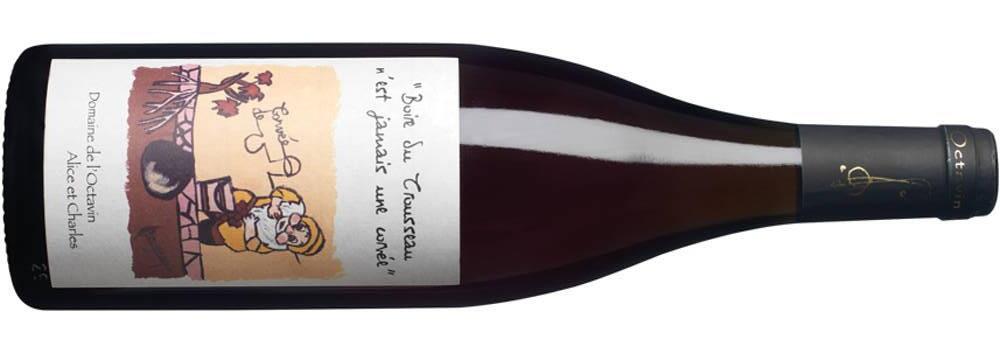
It has been a truly remarkable year. At the beginning of 2026, she became the first woman from Brazil to receive a Michelin star in Portugal. Yet even before that, Angelica Salvador had already become a much-talked-about name among food lovers around the world.
“I don’t think I’ve fully taken in the Michelin star myself yet, but I’m incredibly happy because I know that one of the things that may have led to this is never giving up on your dreams.”
TEXT URBAN NILMANDER PHOTO CARIN TEGNER
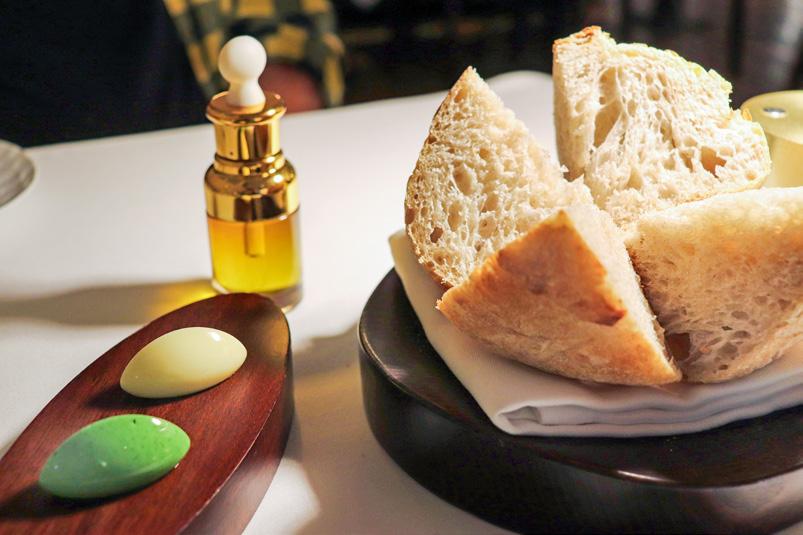
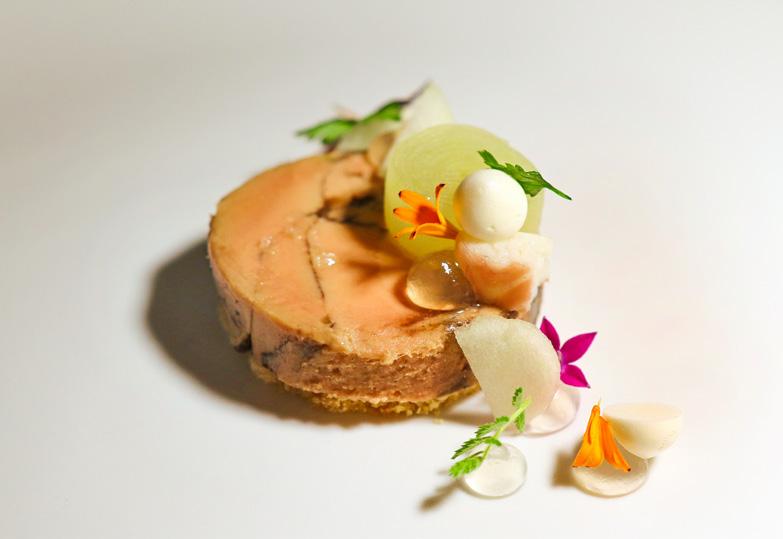

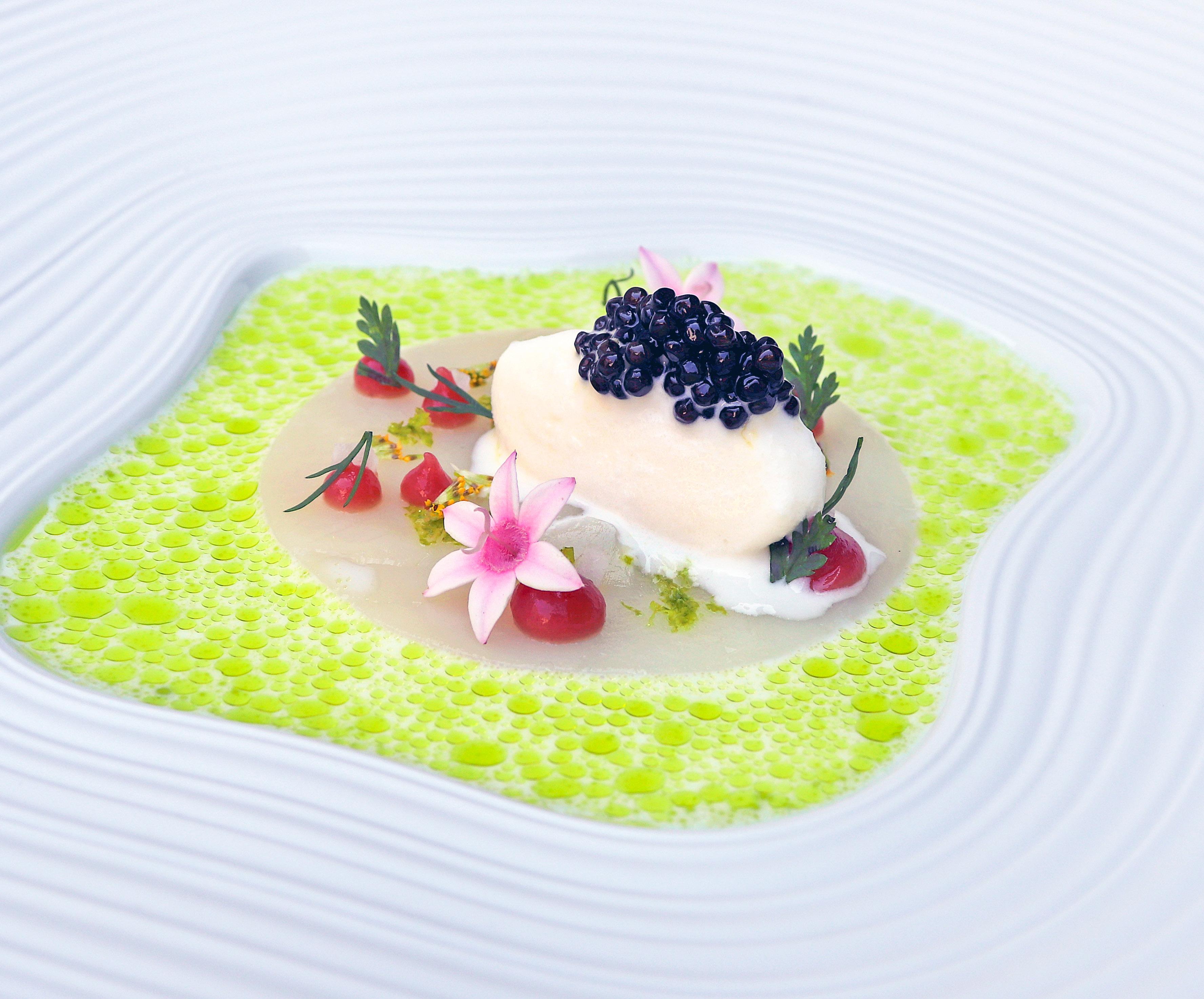
THE RESTAURANT IS, to say the least, tucked away in the sprawling city of Porto in northern Portugal. An unremarkable back street and barely visible lettering: IN Diferente. The only thing that stands out is the red, newly installed Michelin plaque.
“Receiving a Michelin star means an even greater responsibility. More people will come to see what we do, what we present, what we give to our guests. So regardless of what it brings us, it is about maintaining what we do well and improving what we can. That is my goal from today onwards,” she says.
At the Michelin Guide ceremony in Portugal, she was not the only one celebrating on stage. Her husband and life partner, Tiago Bonito, also received his first star for his
restaurant Eón.
Together, they are part of a rare case on the international gastronomic scene, as they are the second couple in the world to have been awarded Michelin stars, each for their own restaurant.
“It was almost a bit too much. We have followed the same path for so many years and helped each other through countless crises. And now we received the finest recognition possible – at the same time!”
ANGELICA SALVADOR WAS BORN IN PARANÁ in southern Brazil but spent most of her life in Rondônia, near the Amazon.
It was from there that she, together with a friend, crossed
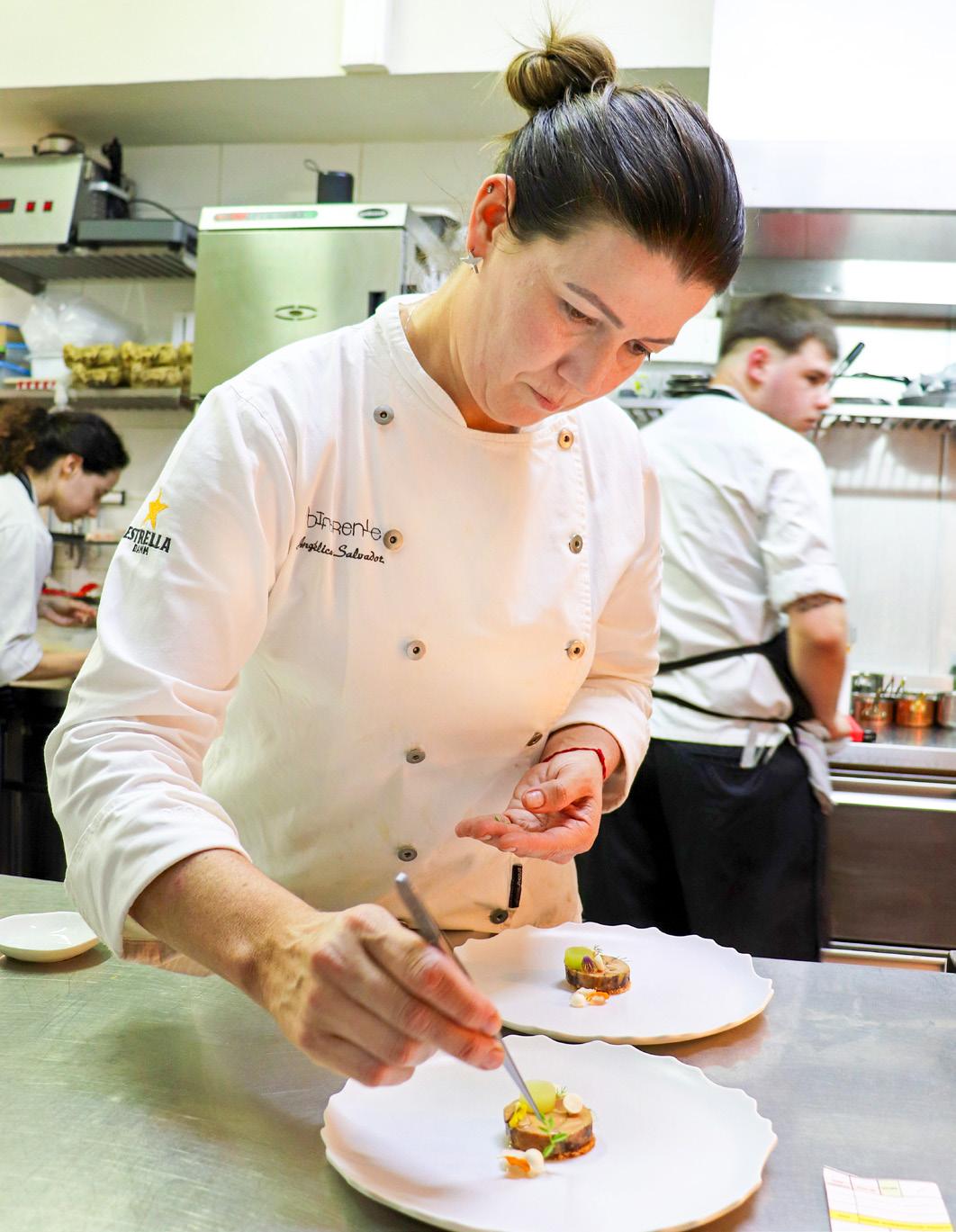
the Atlantic and moved to the Algarve in Portugal.
Like many others, she started at the bottom as a dishwasher and worked her way up, eventually finding herself in fine dining establishments such as Vila Vita Parc in Porches, Algarve, Cafeína in Porto and Tróia Design Hotel in Tróia, south of Lisbon.
“Coming from Brazil to Portugal was difficult and many people looked down on me. It was very hard in the beginning, but never in the kitchens, where everyone was open and friendly. It was more about renting rooms and other practical matters where Portuguese people often preferred not to deal with Brazilians,” she explains.
Yet her love for Portuguese cuisine was immediate.
“I fell in love with Portuguese food almost instantly, especially when it comes to fish and seafood. Even though I come from Brazil, it was the first time I truly encountered all the edible treasures of the sea,” says Angelica Salvador. And early on she also found love in chef Tiago Bonito, and ever since they have shared a journey through various restaurants and culinary adventures.
For a period, they worked together in his hometown of Coimbra, catering weddings and other events.
They later moved to Porto, and in 2018 she was working at the iconic restaurant Cafeína when the idea of creating something of her own began to take shape.
Quietly, she opened IN Diferente, a small restaurant, and
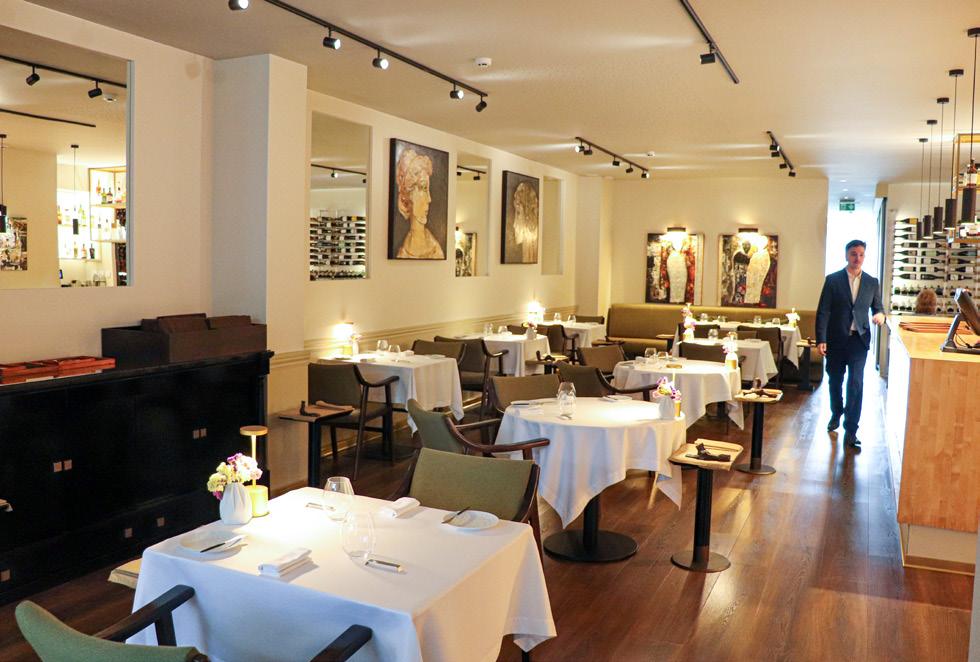
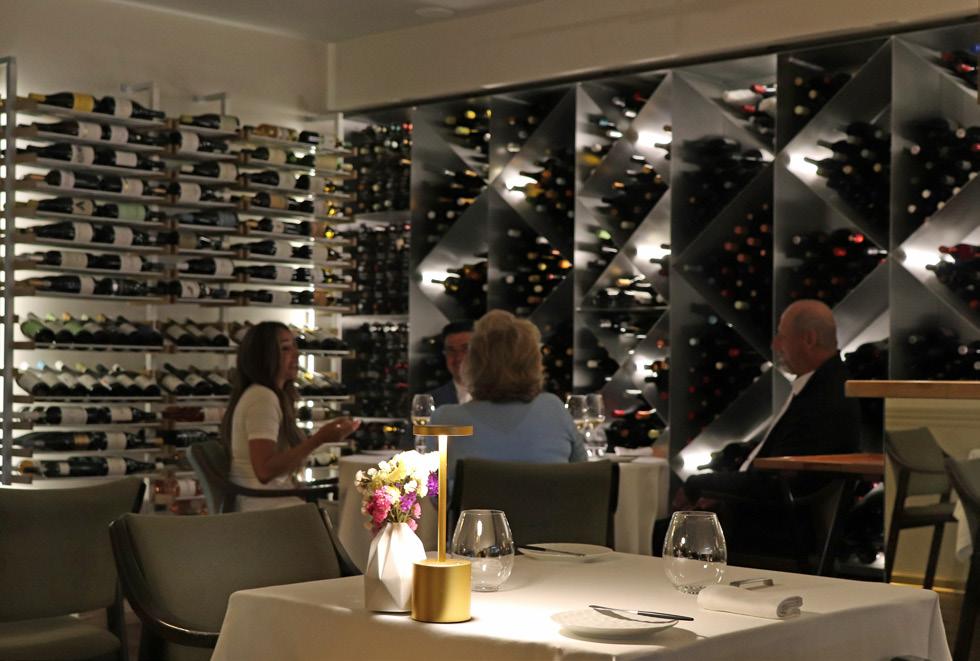
from the very beginning her ambition was clear.
“It was going to be a restaurant built around a modern Portuguese culinary concept, but with a touch of my homeland, Brazil. There is always some Brazilian ingredient or element on the menu.”
AFTER A FEW YEARS, people began talking about that little restaurant outside Porto’s tourist centre.
Already in its second year, IN Diferente received an important recognition from the Michelin Guide: a Bib Gourmand.
“That was when it felt like we were on the right path. It felt like we could take the next step and become even better. And here we are today with our first Michelin star,” she laughs.
She has been praised in Portugal because, rather than creating dishes, she strives to create experiences that tell stories and evoke emotions.
“For me, cooking is about love. It is about creating food that gives guests emotions and powerful experiences,” she says.
The restaurant has become the stage on which she expresses her vision, shaped by a deep appreciation for the origin of ingredients, the evocation of memories and a personal interpretation of tradition.
“I always make sure that friends travelling to Brazil bring
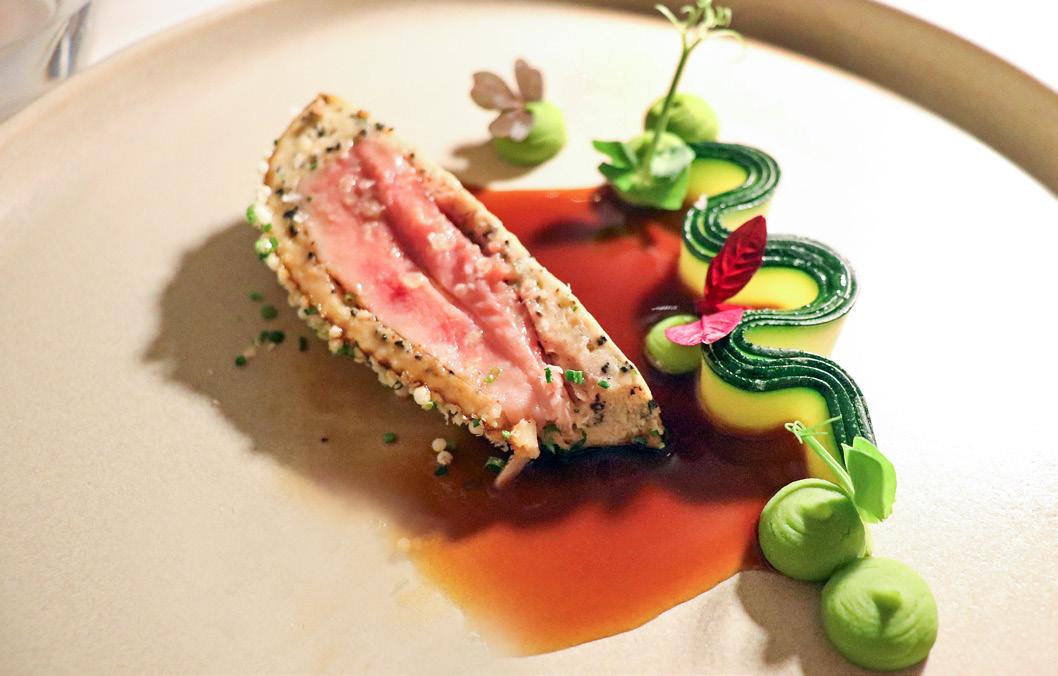
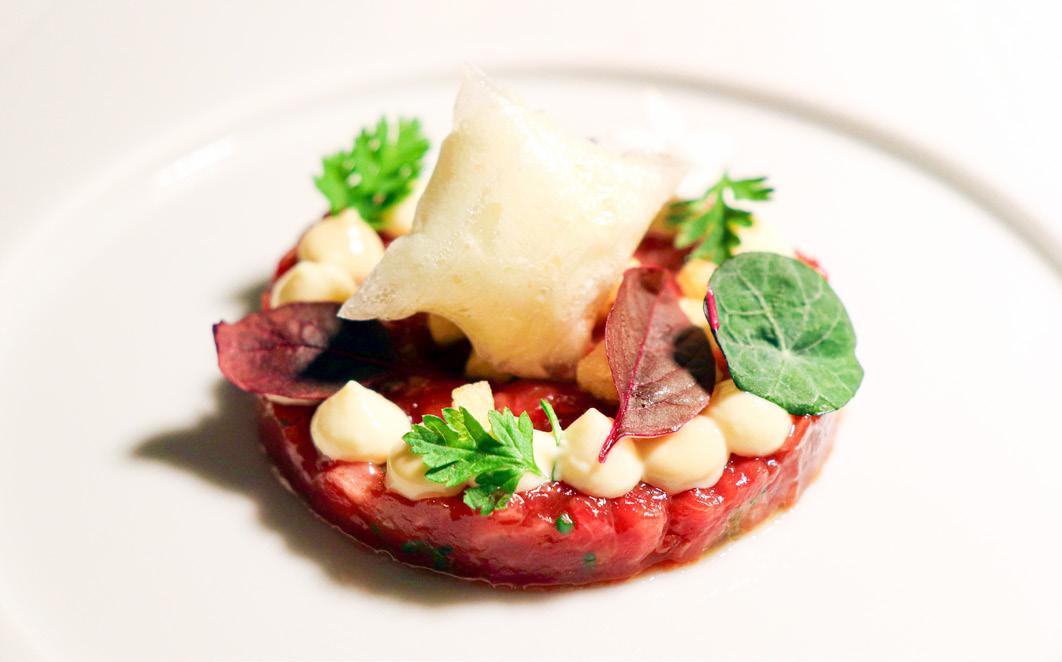
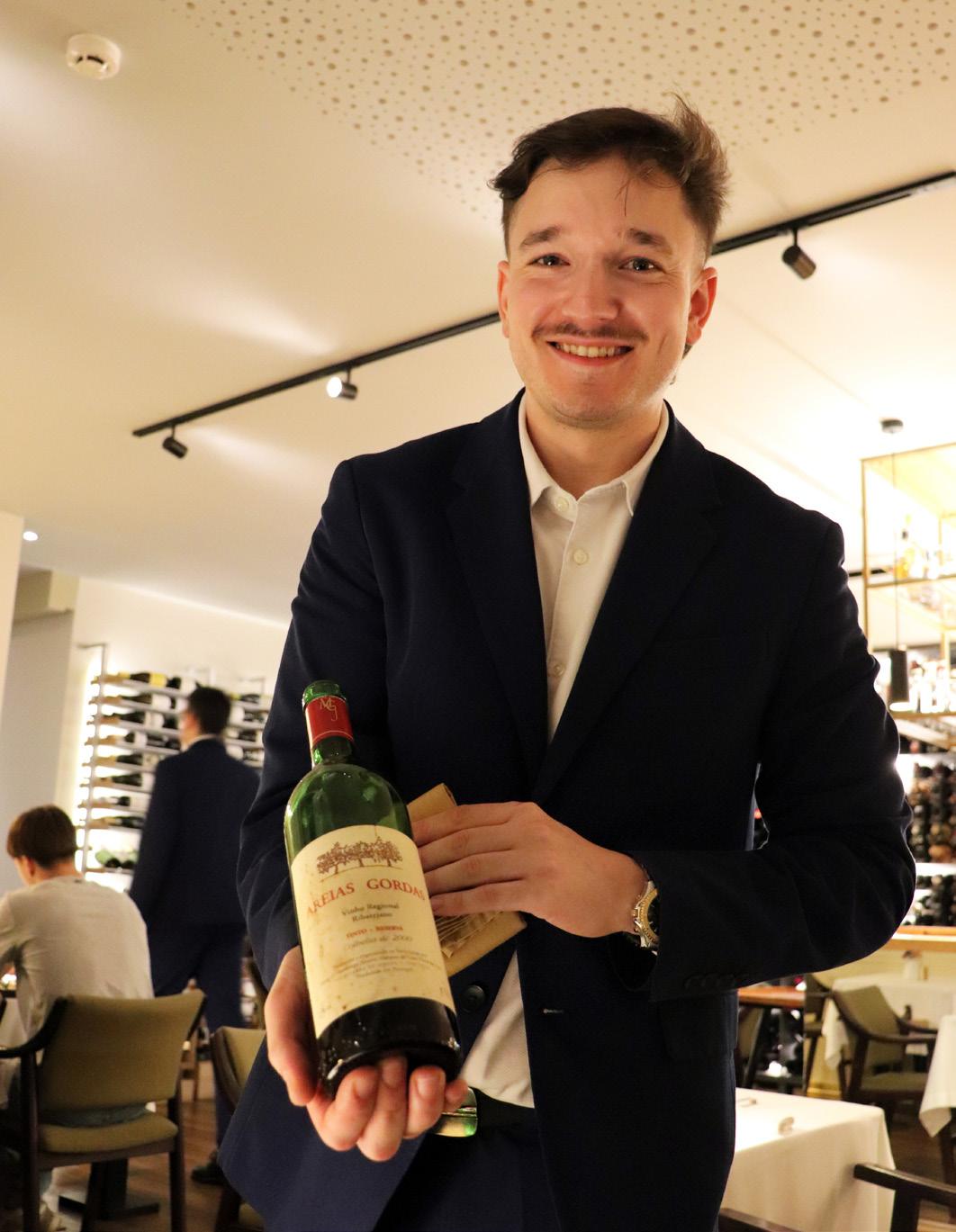
Havskräfta, sjöborre.
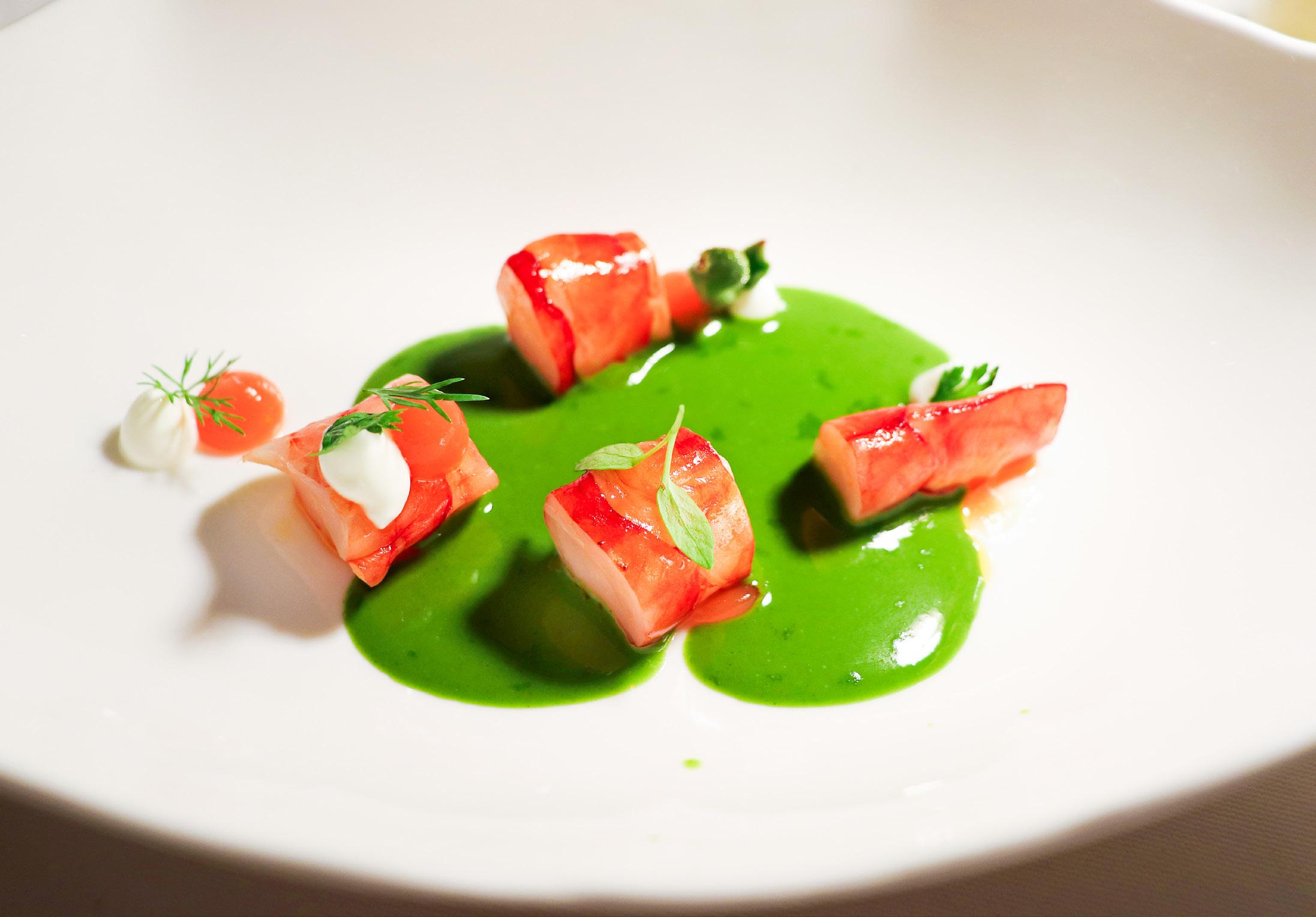
back spices and other things for me that cannot be found here. But of course, the Brazilian dishes are also adapted to the fine dining format,” she says.
The tasting menu includes, among other dishes, a tartare inspired by Galicia in Spain, red prawn with green curry, fermented garlic and Greek yoghurt, and sea bass with the Brazilian broth tucupi.
Tucupi is a broth from the Amazon that can often be spicy, though sometimes it is mild.
“I always keep a bottle in the kitchen that I use as a seasoning blend together with Portuguese ingredients.”
AFTER 20 YEARS IN PORTUGAL, she now considers herself more Portuguese than Brazilian. Yet there are things she misses dearly.
“A Brazilian barbecue! When people gather and grill together. Of course, it exists here as well, but it is not the same thing,” she says.
The newly earned Michelin star is not only the first awarded to a Brazilian chef in Portugal, it is also only the second awarded to a woman.
“To be completely honest, my career path has been about hard work and dedication, regardless of any division between men and women. But I am happy that doors are opening for women, and I am happy that this year it was me,” she says.
And now she is naturally asked the question by journalists and people throughout the food world: will she aim for a second Michelin star?
“At the moment, I have no ambition to earn another star. It is about settling into what I do and making sure I maintain the same culinary level rather than jumping too high, too soon. Things happen when they are meant to happen.”
Caves São João Reserva 2019
Rosé dos Villões tinta negra 2024
Niepoort Dócil 2024
Poças Fora de Série Orange Wine 2022
Oxalá viognier 2024
Quinta dos Carvalhiços touriga nacional 2021 + Areias
Gordas 2000
Blandy’s Bual 10 Year Old Andresen 10 Year Old Tawny
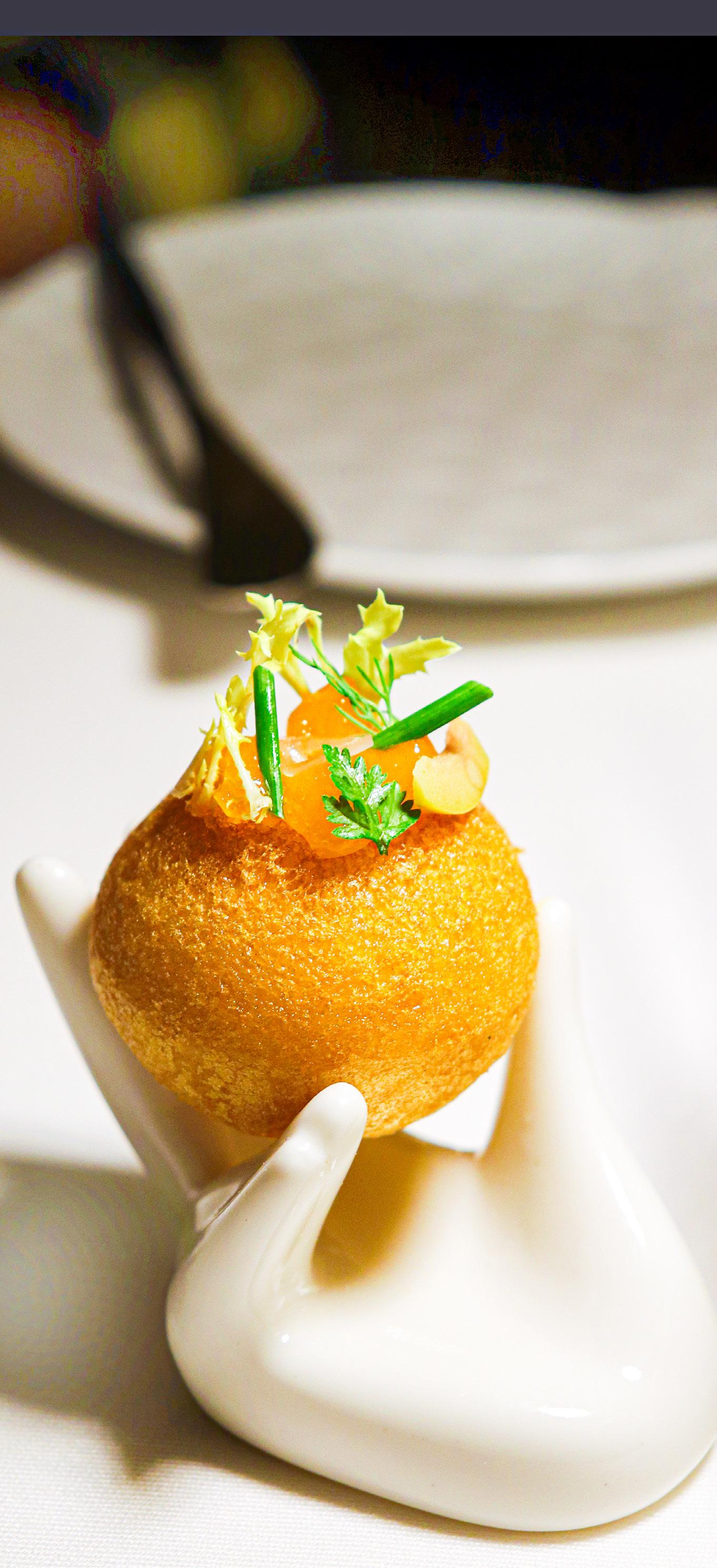
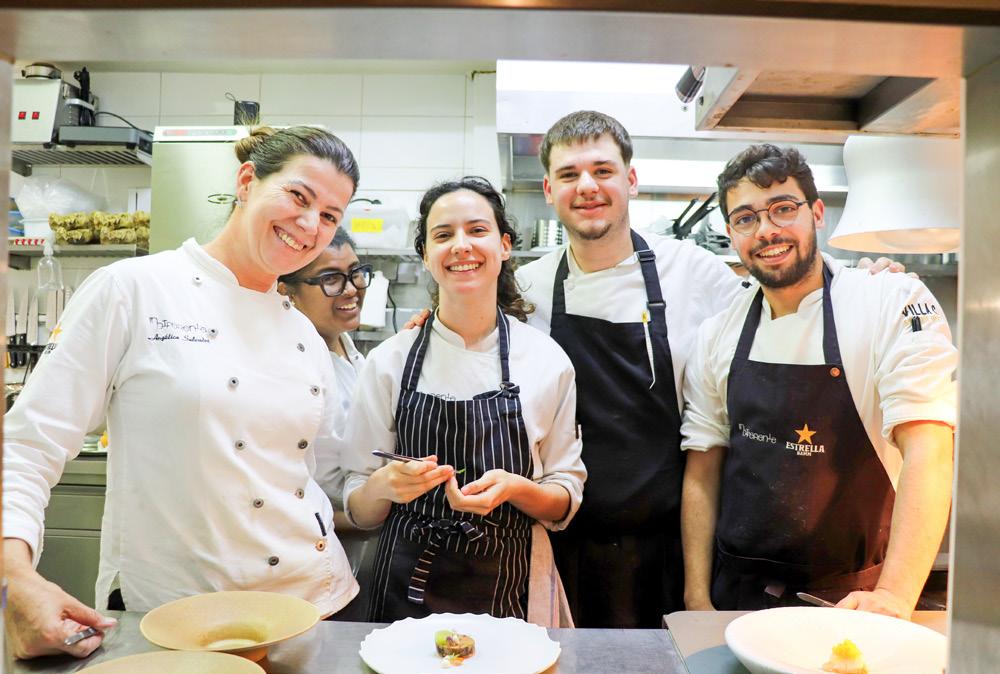
Sangiovese enligt konstens alla regler som levererar både kraft och finess.
Denna Chianti Classico är en ypperlig representant för sitt ursprung och inhyser allt vad den toscanska vin- och matkulturen står för. Ett utmärkt matvin som passar till såväl smakrika kötträtter som pasta, pizza och charkuterier.
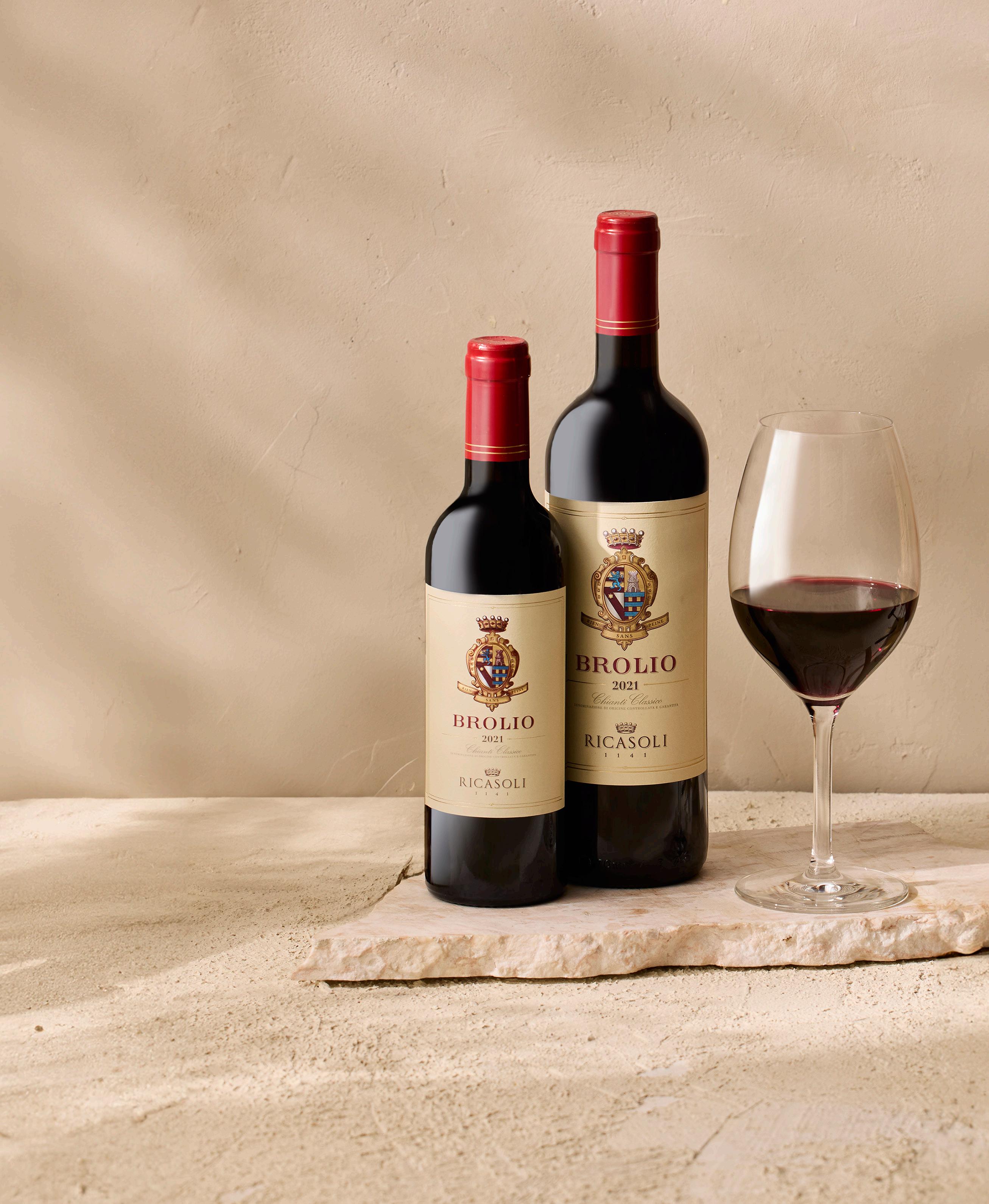
“Här finns både finess och kryddig tyngd i fin harmoni”
–Andreas Grube, januari 2024
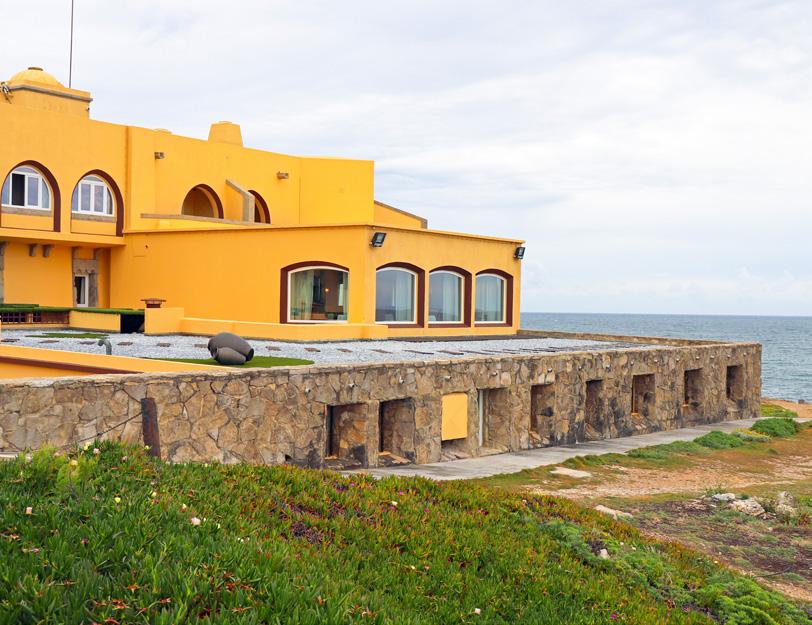
Gil Fernandes moves confidently along the rocks among bladderwrack, sea oak, codium, pepper dulse, sea lettuce, truffle seaweed, Irish moss, nori and sea spaghetti.
“There is a vast world to discover, and it feels as though we have only found a small part of everything that exists here along the Atlantic coast,” he says.
TEXT URBAN NILMANDER PHOTO CARIN TEGNER
AFTER TEN O’CLOCK ON AN UNASSUMING
THURSDAY MORNING, Michelin chef Gil Fernandes sets out to reveal the hidden potential of the rocks at Cascais in Portugal.
At low tide, he is down on his knees, picking and tasting seaweed.
“It is not exactly the hotel garden, but it is close. Everything depends on the tide, the weather and the season. What is coming now is codium, or green sea fingers. Taste!”
For him, this is home ground.
Raised in a small fishing community a few miles to the north, the sea has always been a point of reference. And now it has become an important part of the restaurant at the luxury hotel Fortaleza do Guincho, set at the very edge of the rocks in Cascais.
But the discoveries among the rocks have been a long journey, one in which he has worked with marine biologists to understand what works in the kitchen – and what does not.
Some are perfect for broths, others belong on the plate.
“You have to pick them, cook them and figure out how they work. There is a lot of testing, a lot of trial and error,” says Gil Fernandes.
He rushes down to another part of the rocks as the great waves of the Atlantic draw closer and closer. This time he finds truffle seaweed, which really does taste of truffle.
HE HAS LONG LOOKED BEYOND THE WALLS OF HIS Michelin-starred restaurant, determined to work as locally as possible – and not leave anything to others that he can do himself.
“I have travelled a great deal in Asia, not so much to understand the products, but more to learn the techniques used there. When I work here, the food is Portuguese, even though I am of course inspired by other cuisines, especially Japanese cuisine.”
Once again, he heads down and returns with a mussel, a sea urchin and more seaweed. He throws the sea urchin back.
“It is too small and has to be allowed to grow,” he says.
HIS STORY BEGINS HERE AT THE AGE OF 14, when he took his first tentative steps into the dizzying world of the kitchen.
“I don’t know, for me there was never any doubt. This is my world, I love creating new things in the kitchen,” he says.
Curiously enough, however, it was while working as a chef in Holland and Spain that he understood what a treasure existed here at home.
He worked for a year and a half at MB in Spain (Martin Berasategui – the Spanish chef holds a total of 12 stars across his restaurants).
His journey then took him to the Netherlands, where he
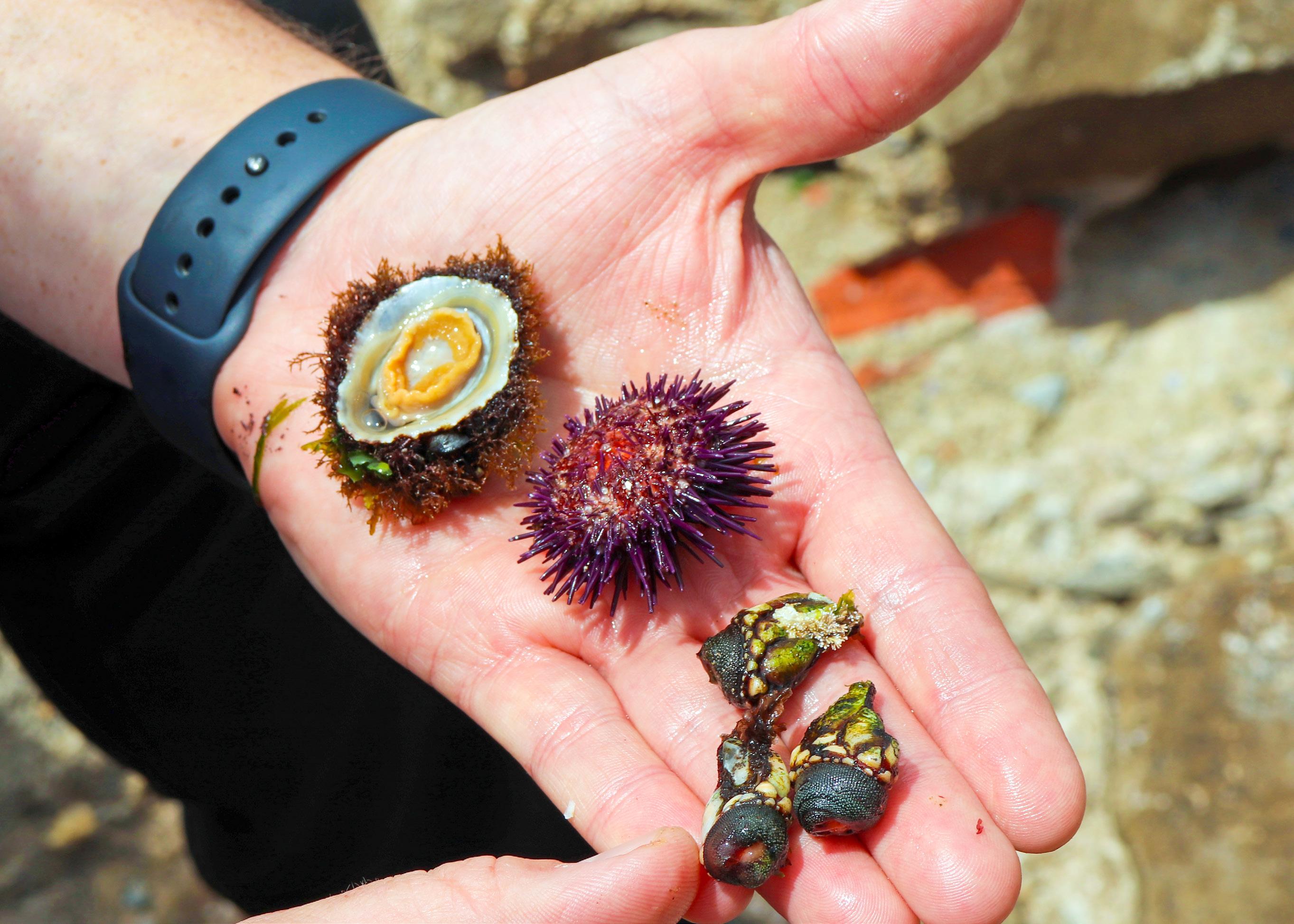
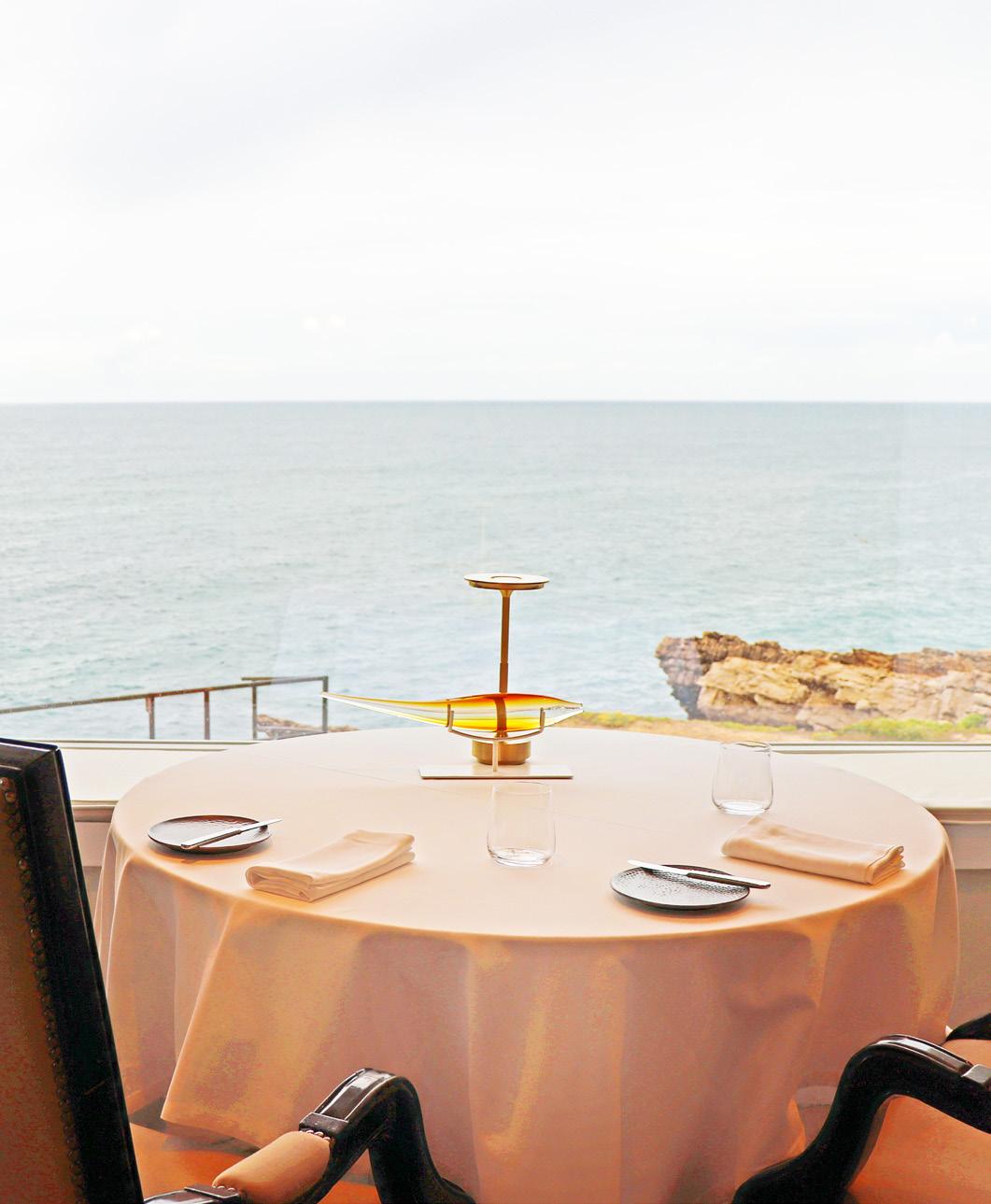
worked for a year with Jonnie Boer at the three-Michelinstarred restaurant De Librije. There he discovered the art of cuisine.
“For me, a new world opened up together with Jonnie Boer. I understood that you could create extraordinary food by exploring new products,” he says.
After three years outside Portugal (he also managed to complete a stage at Geranium in Copenhagen), he returned.
RESTAURANTS in the Algarve before being given the opportunity to start working at the former fort in the resort town of Cascais.
“When I came to Fortaleza do Guincho, this was a French restaurant. From the beginning, I decided that it would become a Portuguese restaurant with as many products from Portugal as possible. But, of course, interpreted in my own way and through what I have learned on the journey I have made and am still making,” he says.
And there, the daily contact with the sea and the rocks is important.
“Getting out of the restaurant is crucial, also for my mind,” he says.
Today he is one of the ambassadors of the new Portuguese cuisine and often travels to gastronomic congresses around the world.
WHICH FOR A LONG TIME LIVED IN the shadow of the gastronomic giant Spain, held its own Michelin ceremony for the first time in 2024. Today the country has 53 Michelin stars, and the great cities of Porto and Lisbon have become new favourites among food lovers.
“Portugal has developed enormously over the past ten years. All the chefs who have been out in the world have brought back techniques and knowledge that they now use through Portuguese eyes. It feels very exciting to be part of this revolution,” says Gil Fernandes.
Traditionally, Portuguese cuisine has of course revolved around the great treasure of fish and seafood found in the sea along the long coastline. And chefs such as Gil Fernandes and others have also added everything that can be found on the rocks.
“When there is a full moon, you can see what is there on that rock. That is rock samphire, which can be used as it is, in sauces and in countless other ways. In Portugal, we have not used all these treasures from the sea, but now things are beginning to happen,” he says.
MENU THERE ARE RAZOR CLAMS, SPIDER CRAB, squid, moray eel, wild mussel, whelk, carabineros (large, red, intensely flavoured prawns) and sea bass. And here and there, everything he finds on the rocks appears in sauces or as salads. He is certain that there is still plenty of potential waiting to be discovered –not only in the sea, but also on land.
That is why, around a year ago, he entered into a partnership with Quinta do Pisão, a community-based organic and regenerative agricultural project located just a few minutes from the hotel, in the Sintra-Cascais Natural Park.
A shared composting process is under way with the farm, through which organic waste from Fortaleza’s kitchen is returned to the soil – closing a virtuous circle between consumption and regeneration.
With constantly new ideas to test and working days that often stretch to 12 hours, one might wonder whether there is room for anything else.
“When you work as a chef, you are obsessed. Obsessed with ingredients, ways of cooking and how they combine. That obsession can make us lose ourselves as people. I am obsessed, but I have my family as a counterweight.”
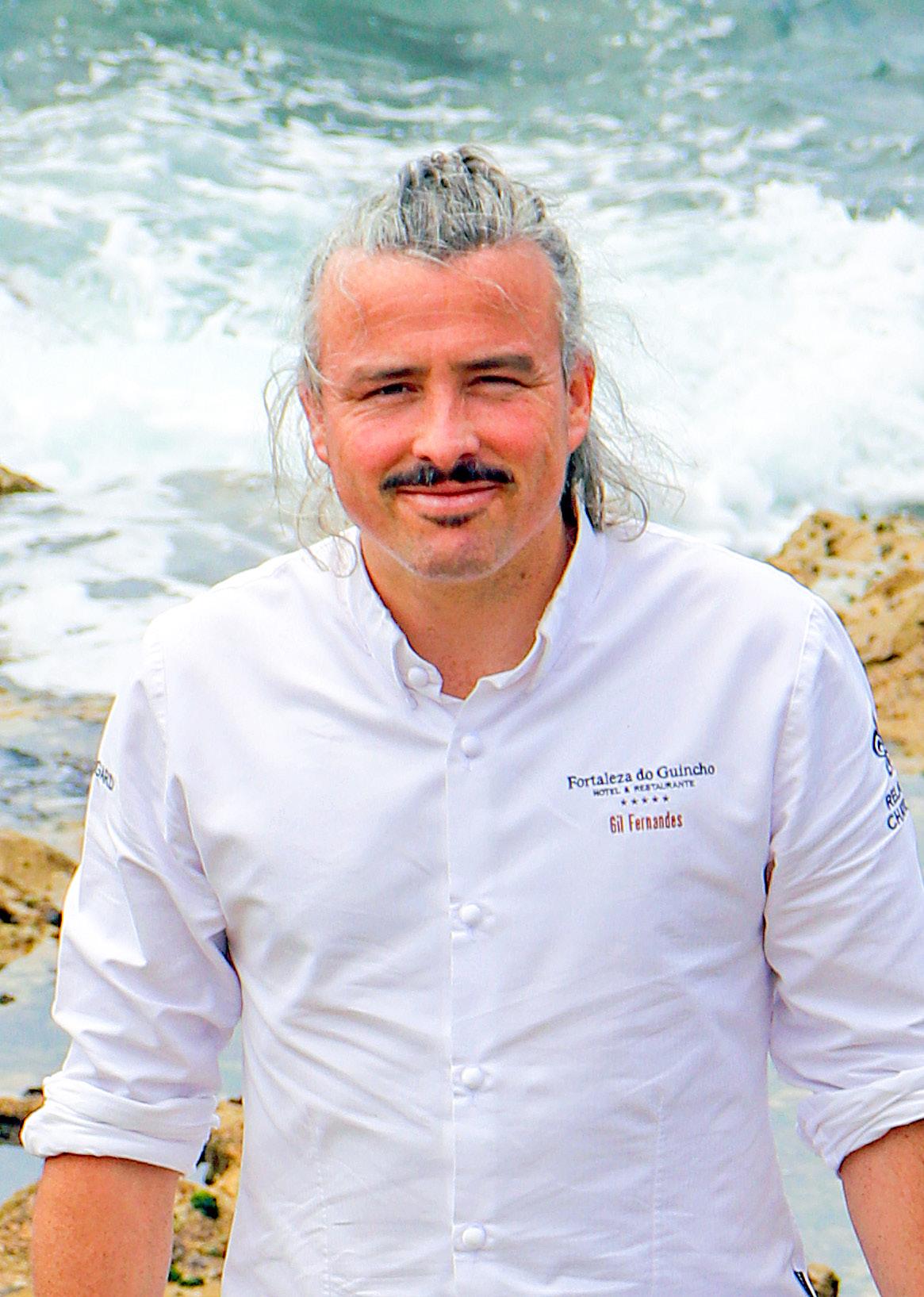
IS
BUT IT IS ALSO RESPONSIBILITY. A restaurant does not merely entertain – it feeds people.
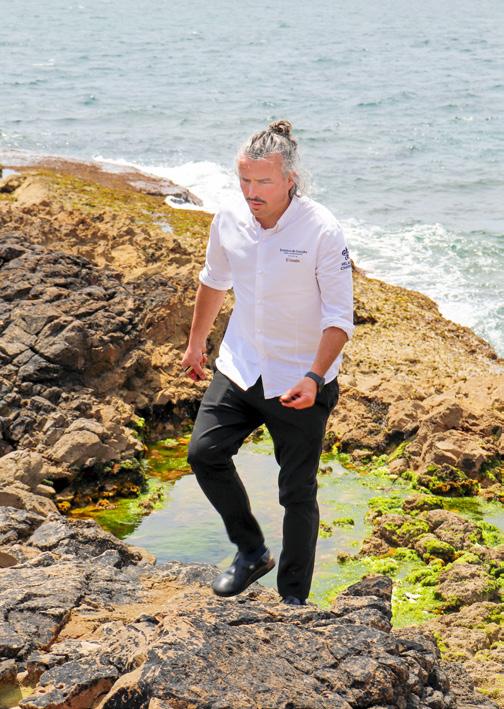
And by doing so, it makes decisions about which species it buys, which producers it supports, which model of consumption it feeds and which message it communicates.
Gil Fernandes expresses this through a simple idea: those who work in kitchens today should also think about the world they will leave to their children.
Taking care of the sea does not begin only in laboratories, authorities or fishing associations. It also begins in kitchens. With our purchases. With our menus. With our choices.
But above all, he speaks about honesty.
Honesty with the product, with the guest, with the fishermen, with the soil and with oneself.
“Running a fine-dining restaurant is of course also about considering costs, but for me it must always be about the choices we make with the products. For example, we have almost stopped using mackerel, and using eel is a crime, as I see it,” he says.
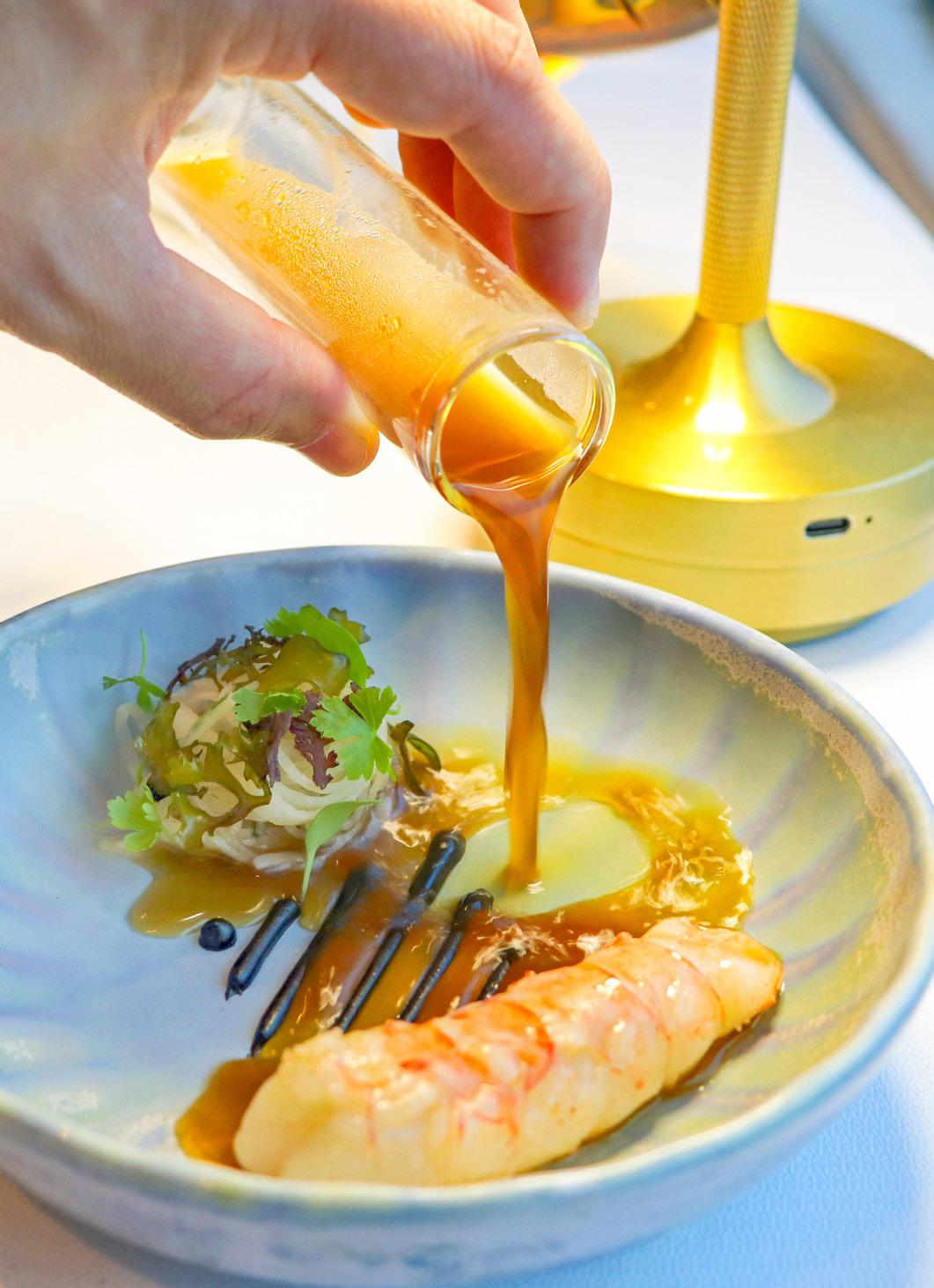
The wines served with the tasting menu at Fortaleza do Guincho
Palácio Brejoeira - Alvarinho
Rupestres Reserva -Douro
Taboadela -Dão
Charme - Douro
Vinho do Porto -Ramos Pinto, 30 anos
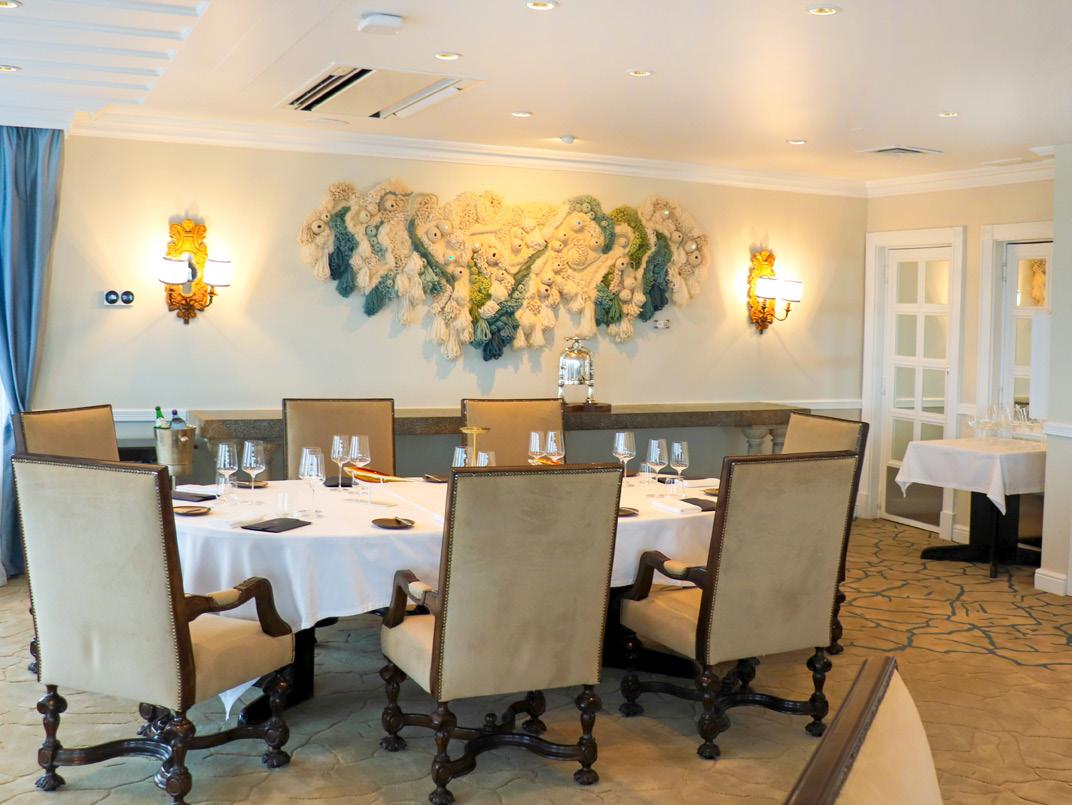
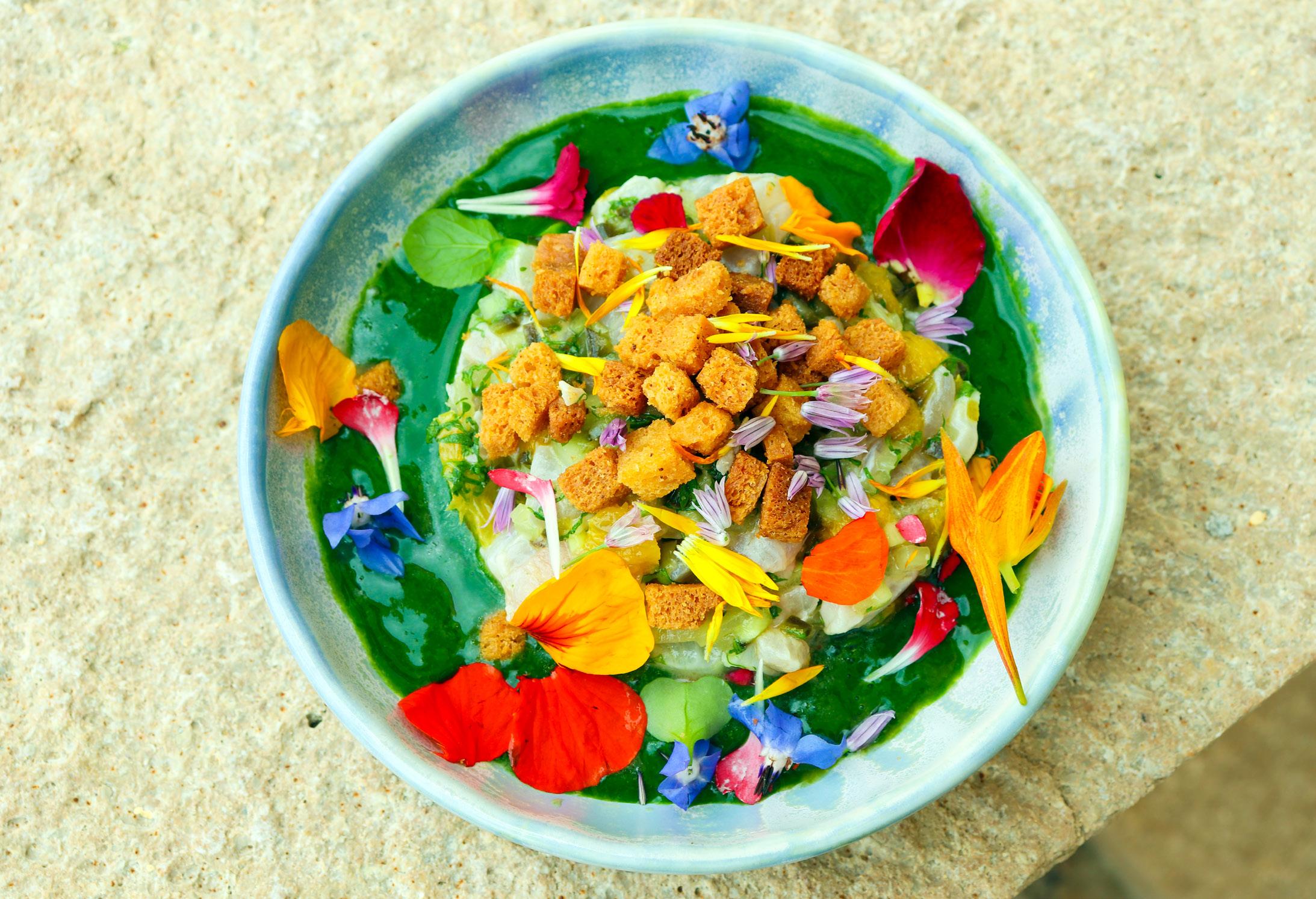
Relax Riesling har funnits i mer än 21 år på den svenska marknaden!
Vinet har en druvig smak med fin sötma, inslag av gråpäron, melon och citrus.
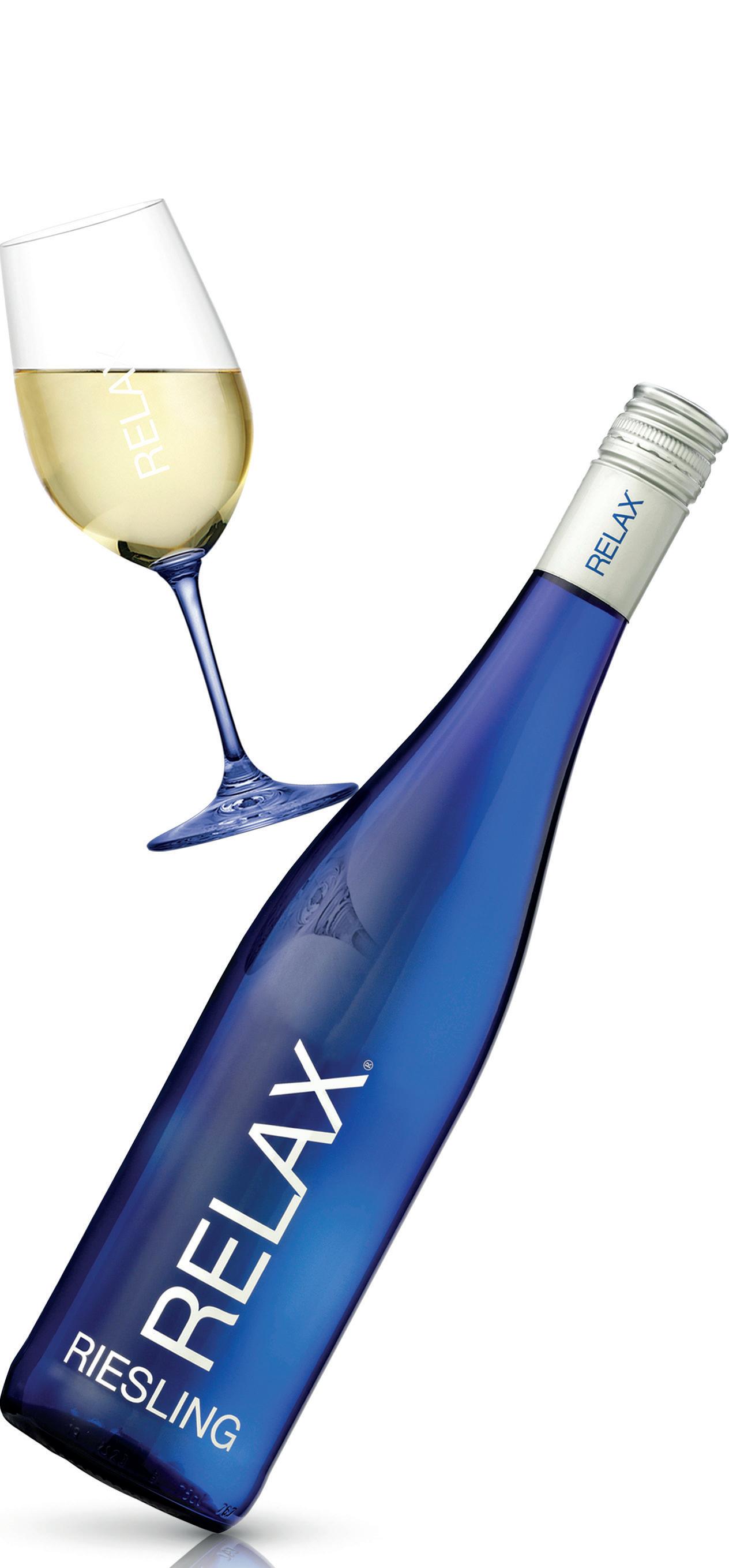
4 / 5
4,7/ 5
Serveras svalt, gärna till fisk och asiatiska rätter.
Art 7230 Alk 8,5 %
"Chardonnayfrukten pardansar med en väl strukturerad, stolt rödbärig pinotfrukt, som dessutom besitter en utsökt kalkifierat mineralisk glans." 93+
livetsgoda.se 2025-01-09

Passar bra som aperitif eller till toast skagen med en skvätt citron, råraka med löjrom, samt skaldjur och fiskrätter.
Artikelnummer 77710, 750 ml, 12% alk, pris 499 kr
Rubic Beverages AB | 750ml | 12,5% | Nr 77366 | 349:-

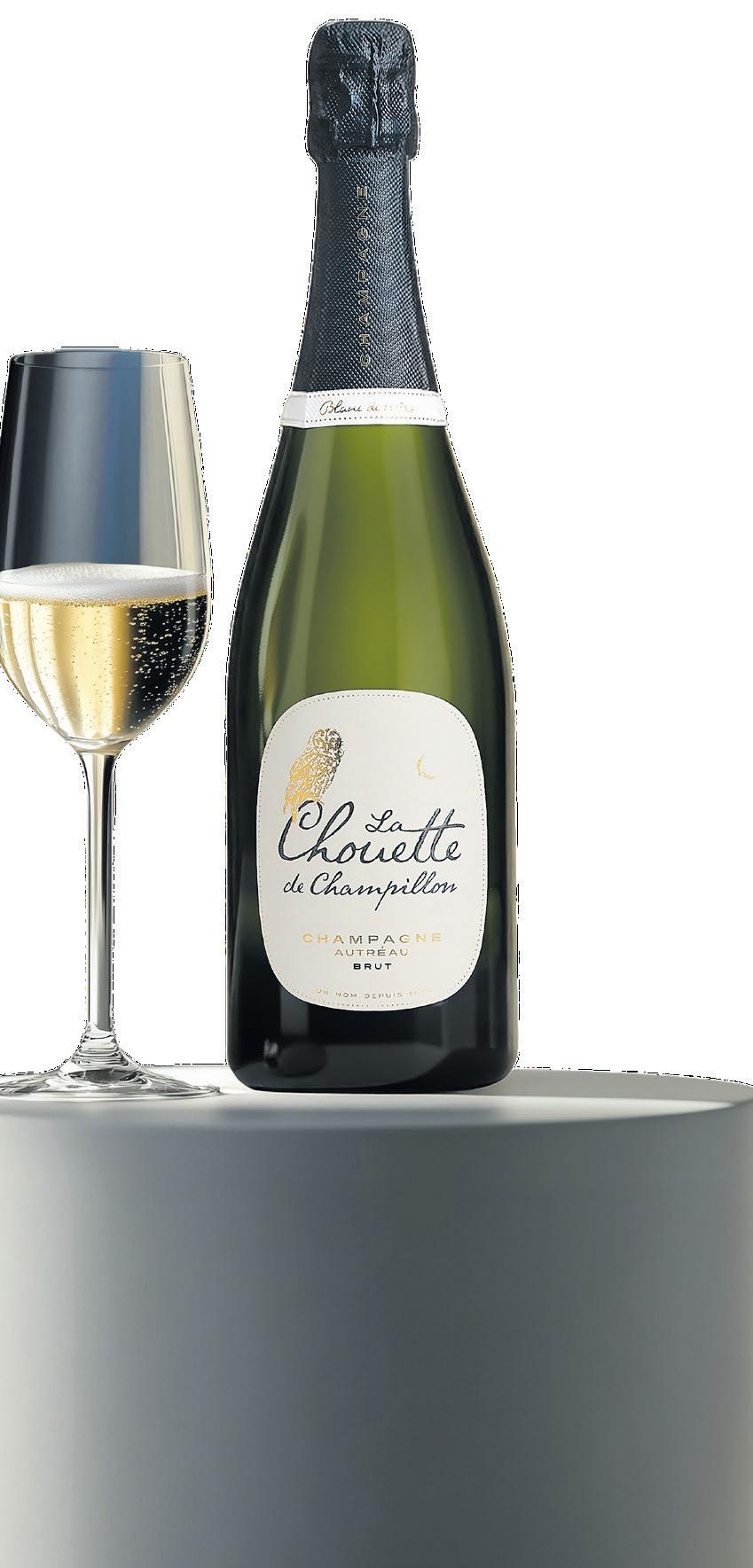

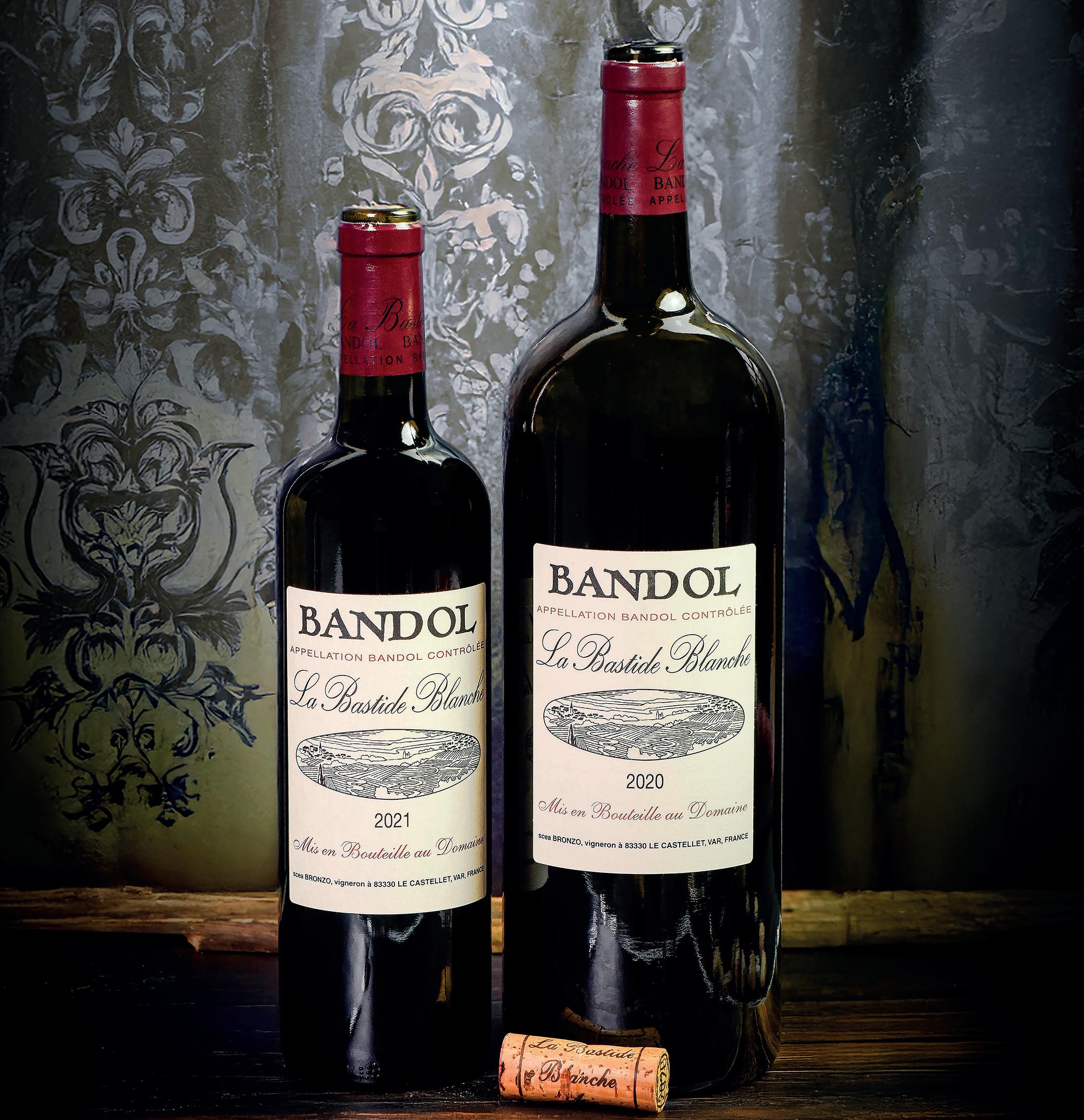
“En given röd Provencefavorit om du gillar druvan mourvèdre. Här är det klassisk naturlig vinmakning som gäller. Vinet har mognadslagrats nästan två år på stora ekfat utan klarning eller filtrering. Det ger en rik kryddarom och choklad- och lakritstoner med elegant eftersmak. Bäst till en sydfransk gryta.”
”Ett av det fasta sortimentets mest lagringdugliga viner”
”Står det La Bastide på flaskan kan man bara förvänta sig sanslös elegans. Bli fullkomligt golvad av sältan, bettet, de järniga mineralerna, örterna och den mörka mullrande frukten. Våga prova rött vin från Provence till smakrika fiskrätter.”
Årgång
e 2021 La Bastid
”Kraftfullt men aldrig över väldigande, strukturerat men samtidigt nyanserat. En elegant årgång för La Bastide. ”
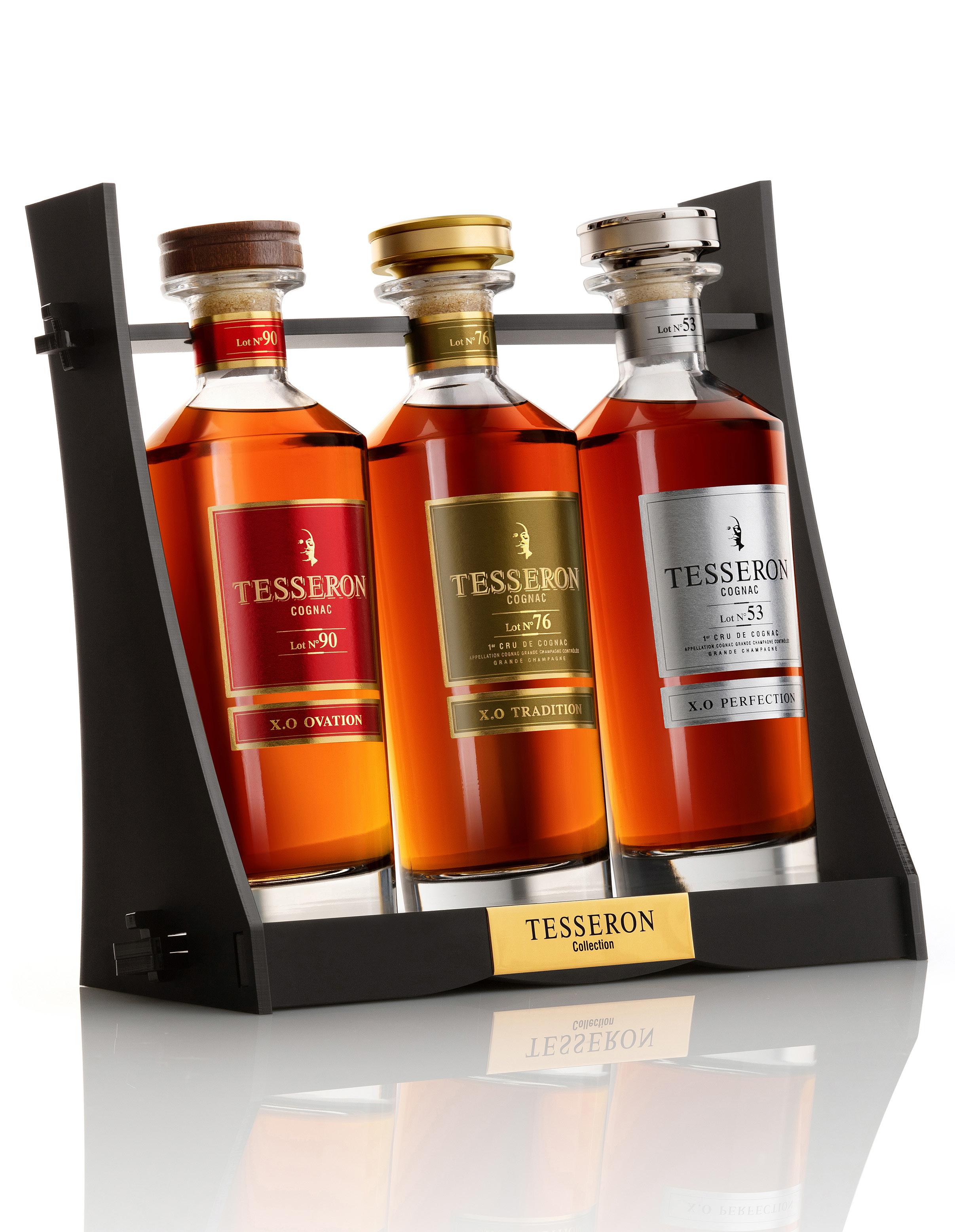
In the autumn of 2002, Alfred Tesseron had had enough. For decades, the family’s cognac had been sold on to the great and established houses, where the distillates played leading roles in exclusive blends without the Tesseron name ever being mentioned. The quality was unquestionable, yet the recognition and true identity were often lost behind the scenes. Eventually, the realization grew that the time had come to create something of their own. Resting in the family’s cellars was already a treasure trove of aged eaux-de-vie, filled with generations of knowledge and patience. Alfred Tesseron therefore decided to break new ground and launch a cognac house under the family name – Tesseron Cognac. It marked the beginning of a journey that would quickly write itself into modern Cognac history. With an uncompromising approach to quality, tradition and ageing, Tesseron created a style where elegance, depth and natural authority walk hand in hand. The rest is history – and a remarkably pleasurable one at that.
BY ANDERS ENQUIST
Tesseron is a small and almost seductively beautiful cognac house, hidden behind a tranquil inner courtyard where the presence of history feels as alive as the scent drifting from the old ageing warehouses. Everything began in 1905, when Abel Tesseron laid the foundations for what would much later evolve into one of Cognac’s most cult-revered names.
From the very beginning, Abel Tesseron had access to significant quantities of old cognac from renowned houses and small distilleries that have long since disappeared from the map. With an almost instinctive sense for quality, he constantly searched for new discoveries while continuing to distil his own cognac and slowly build the family’s reserves of eaux-de-vie. It is a work of patience from which the generations after him are still reaping the rewards today.
Over time, Tesseron established itself as a highly respected supplier of cognac and eau-de-vie to several of the region’s great names, including Delamain. The knowledge and craftsmanship were passed down from generation to generation, and today the house is led by third-generation owner Alfred Tesseron together with his children Mélanie and Noé Tesseron, as well as his nieces Mélanie and Philippine Tesseron. The family spirit still permeates the business and is clearly reflected in the house’s uncompromising commitment to quality and tradition.
Tesseron’s cognacs are primarily built on grapes from Cognac’s two most prestigious areas: Grande Champagne and Petite Champagne. Grande Champagne, with its chalk-rich soils, is considered to produce the region’s most long-lived and noble cognac distillates, while Petite Champagne contributes slightly rounder and more generous structures thanks to its clay- and limestone-dominated soils. Together, they create the classic Fine Champagne character where power, elegance and depth unite in effortless harmony.
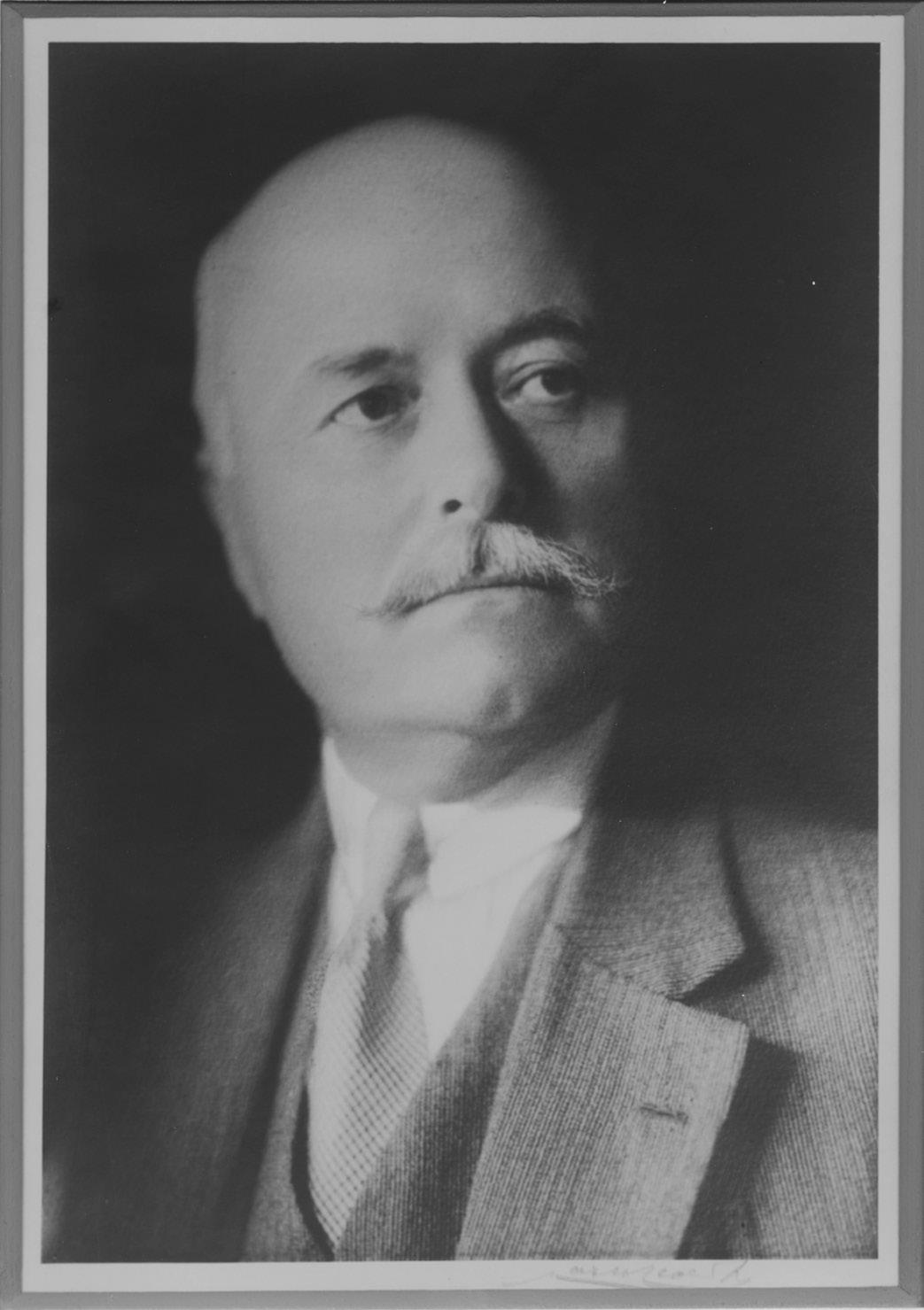
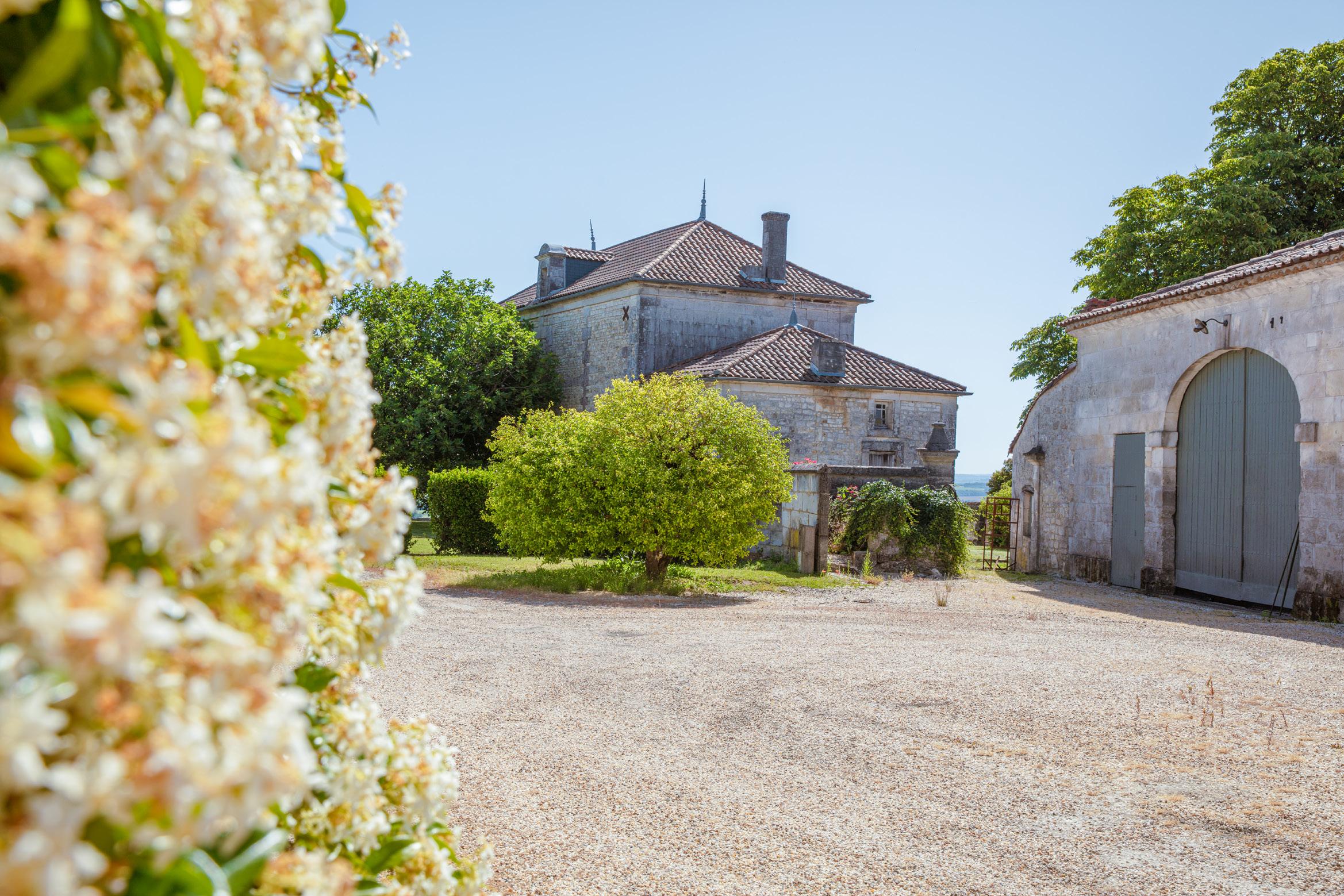
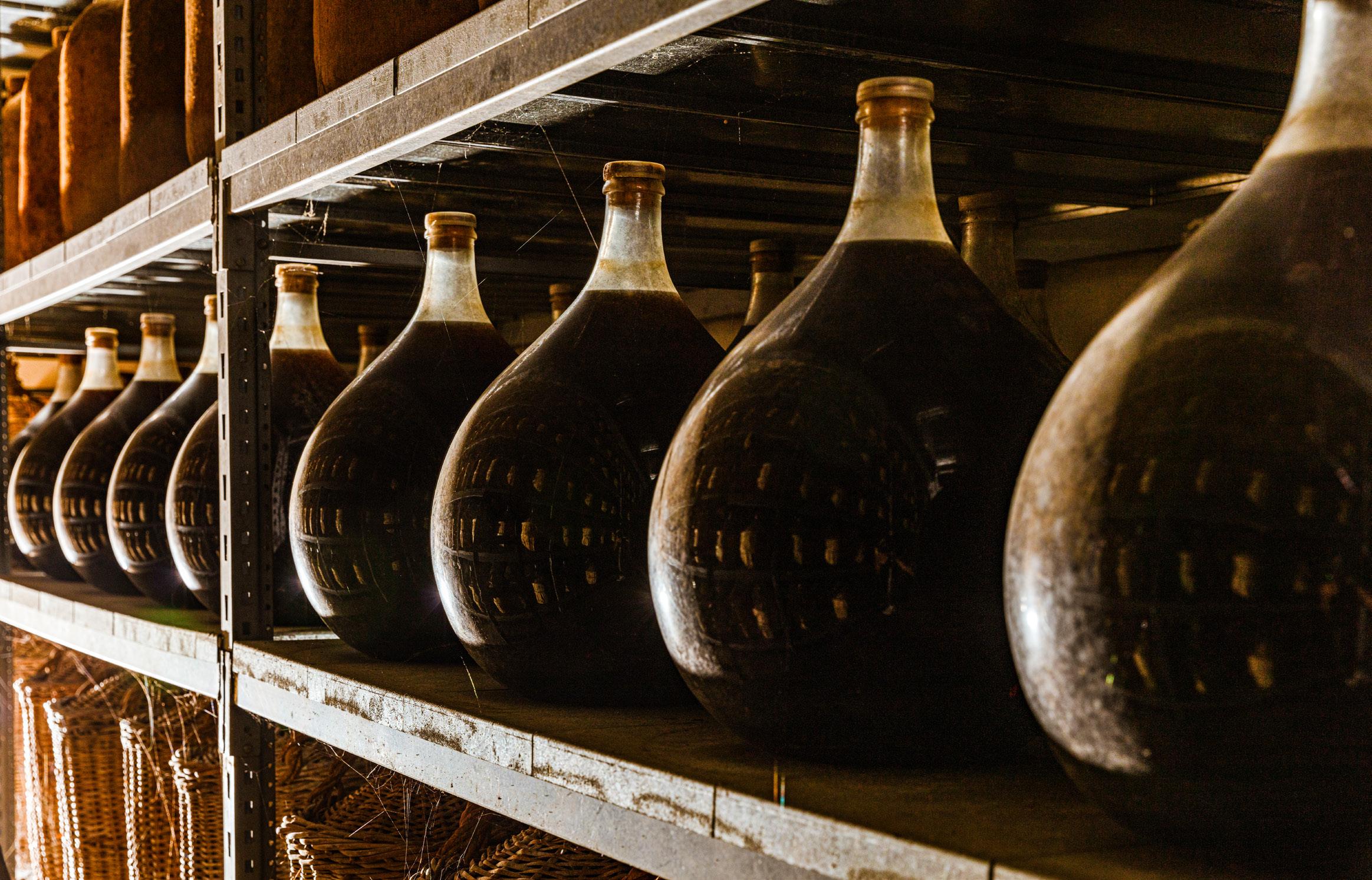
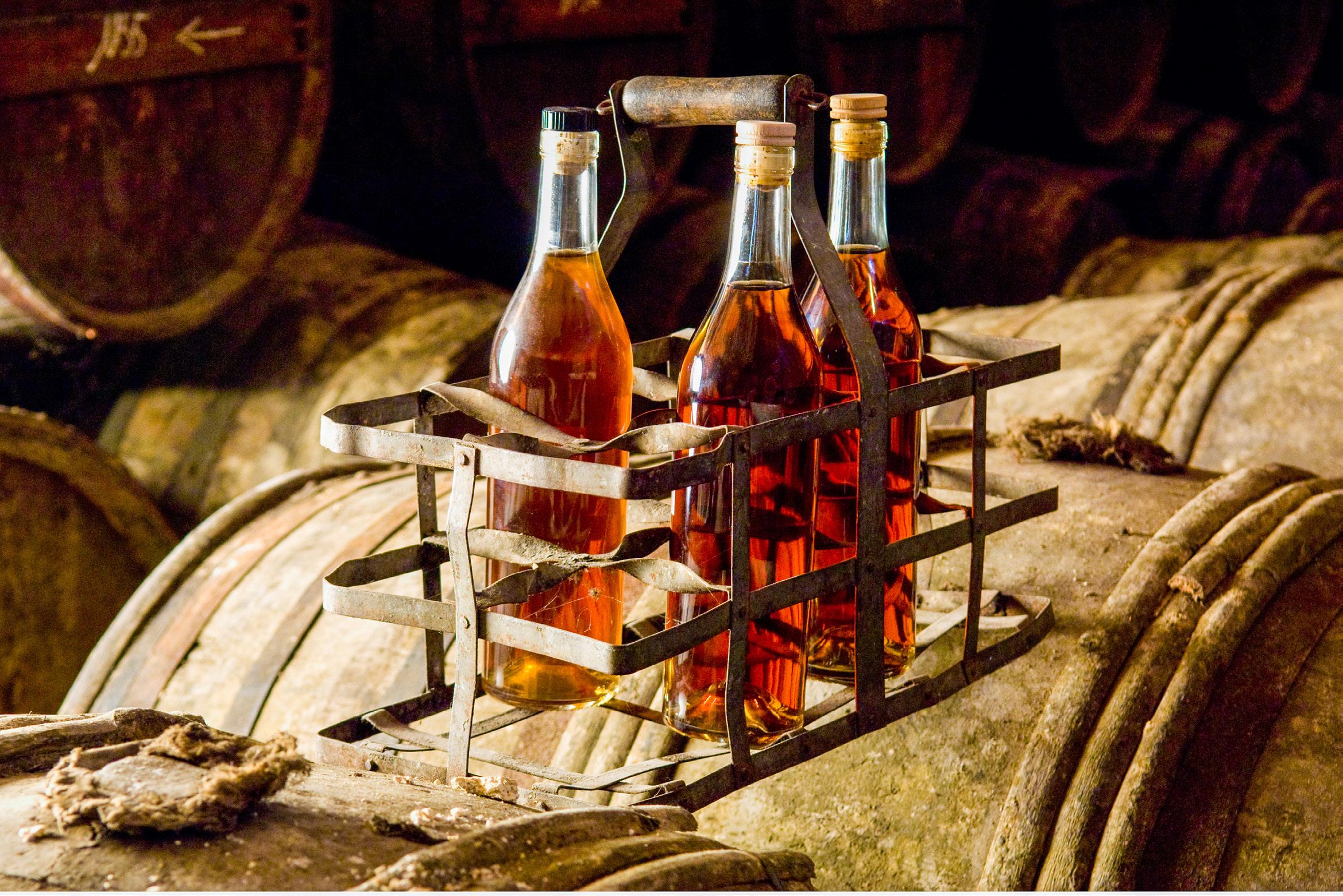
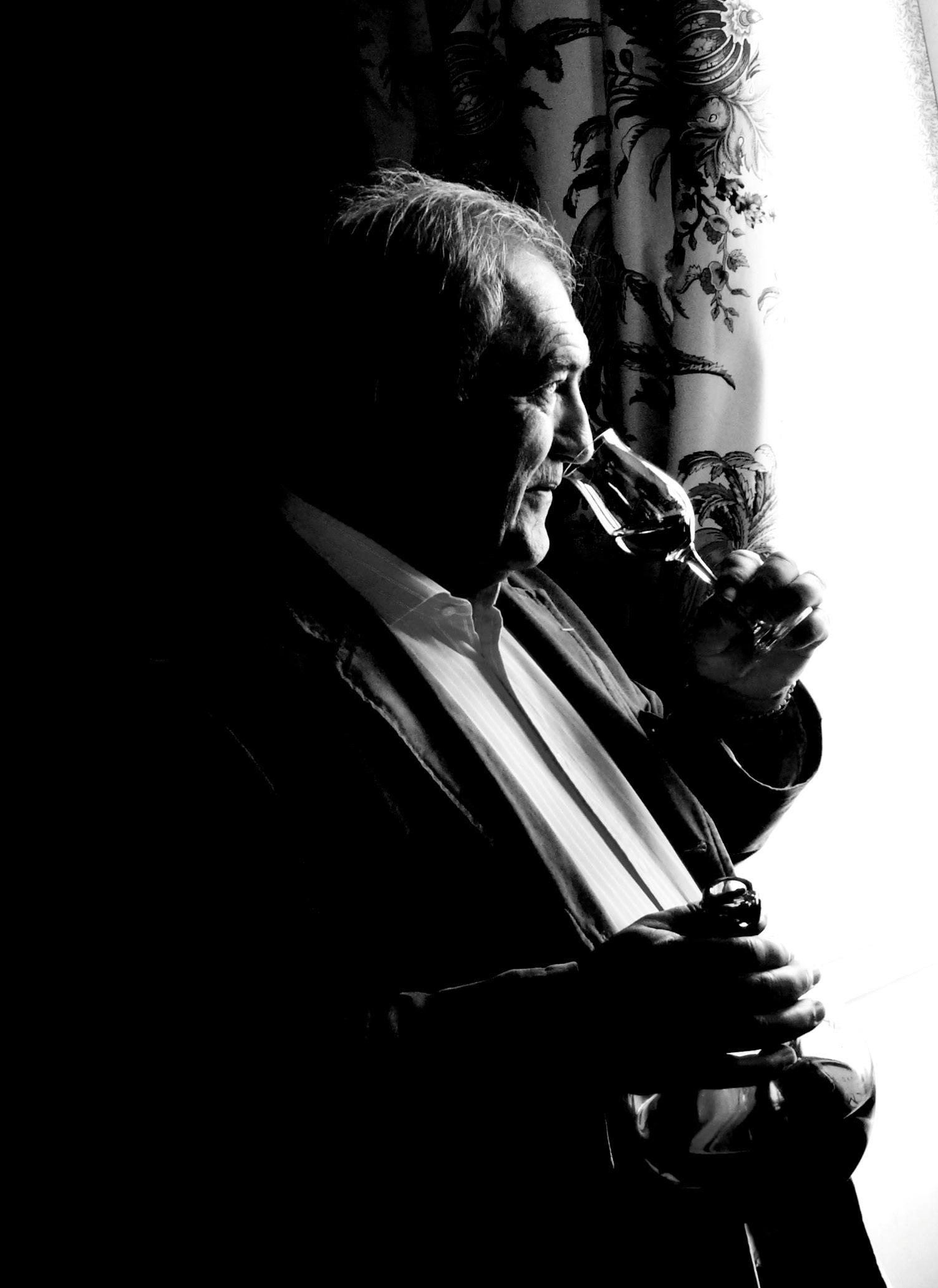
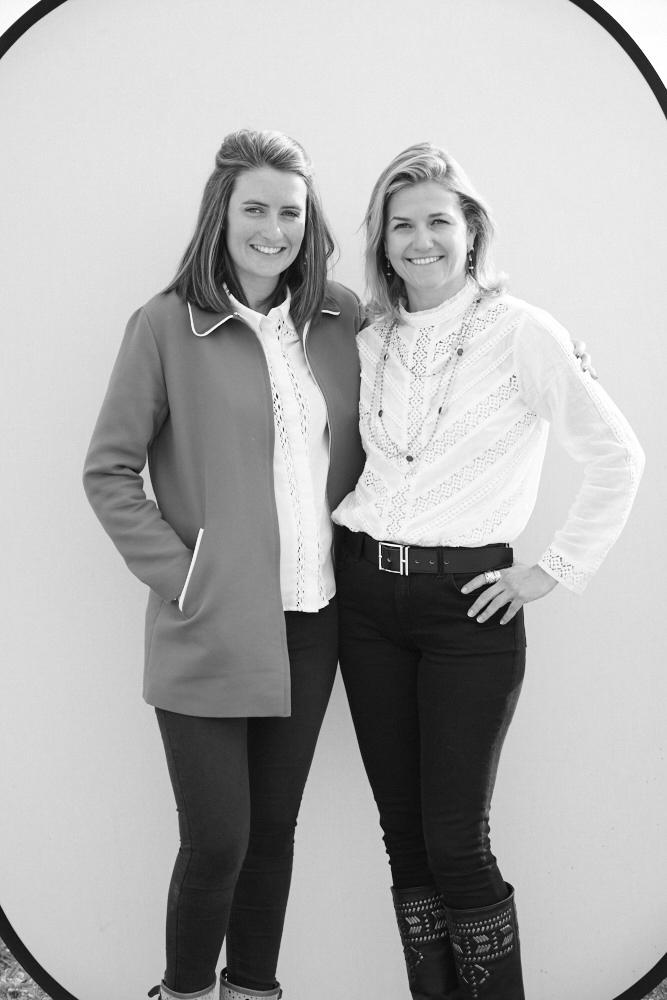
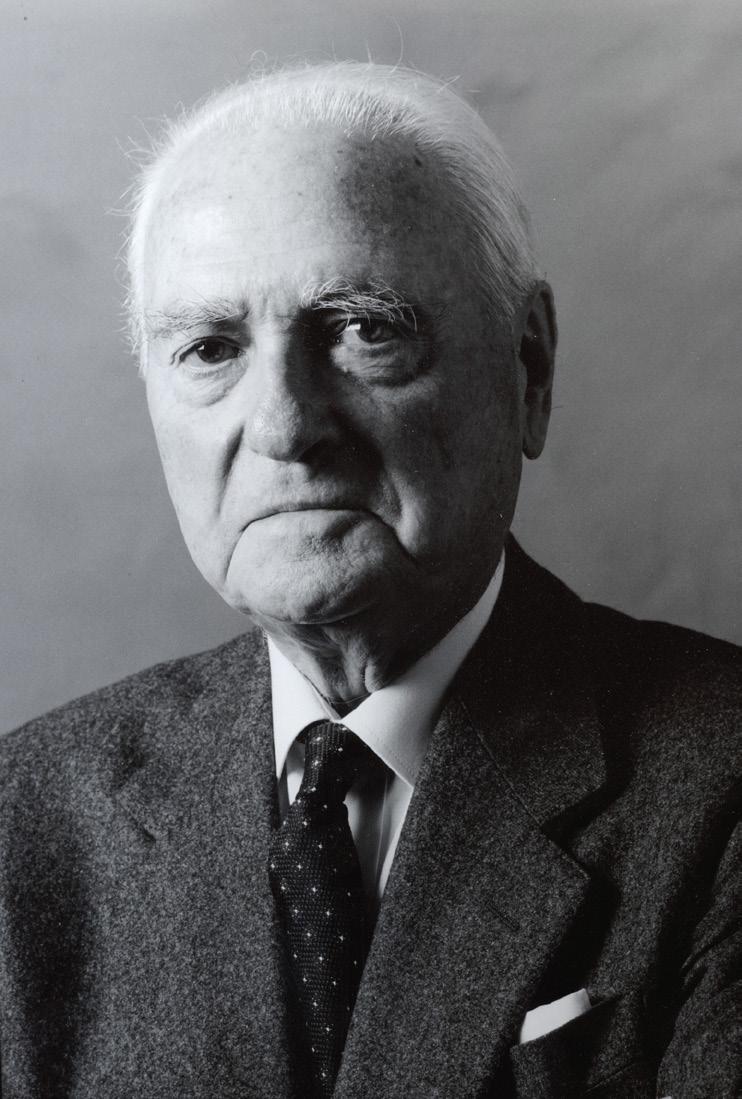
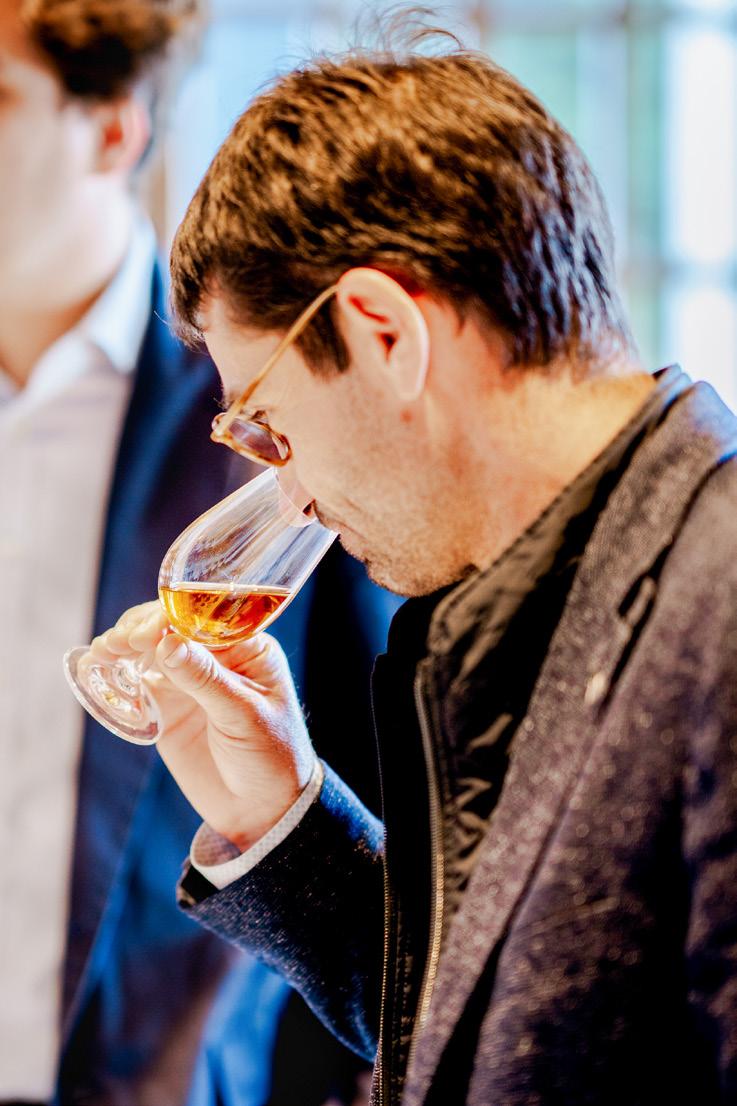
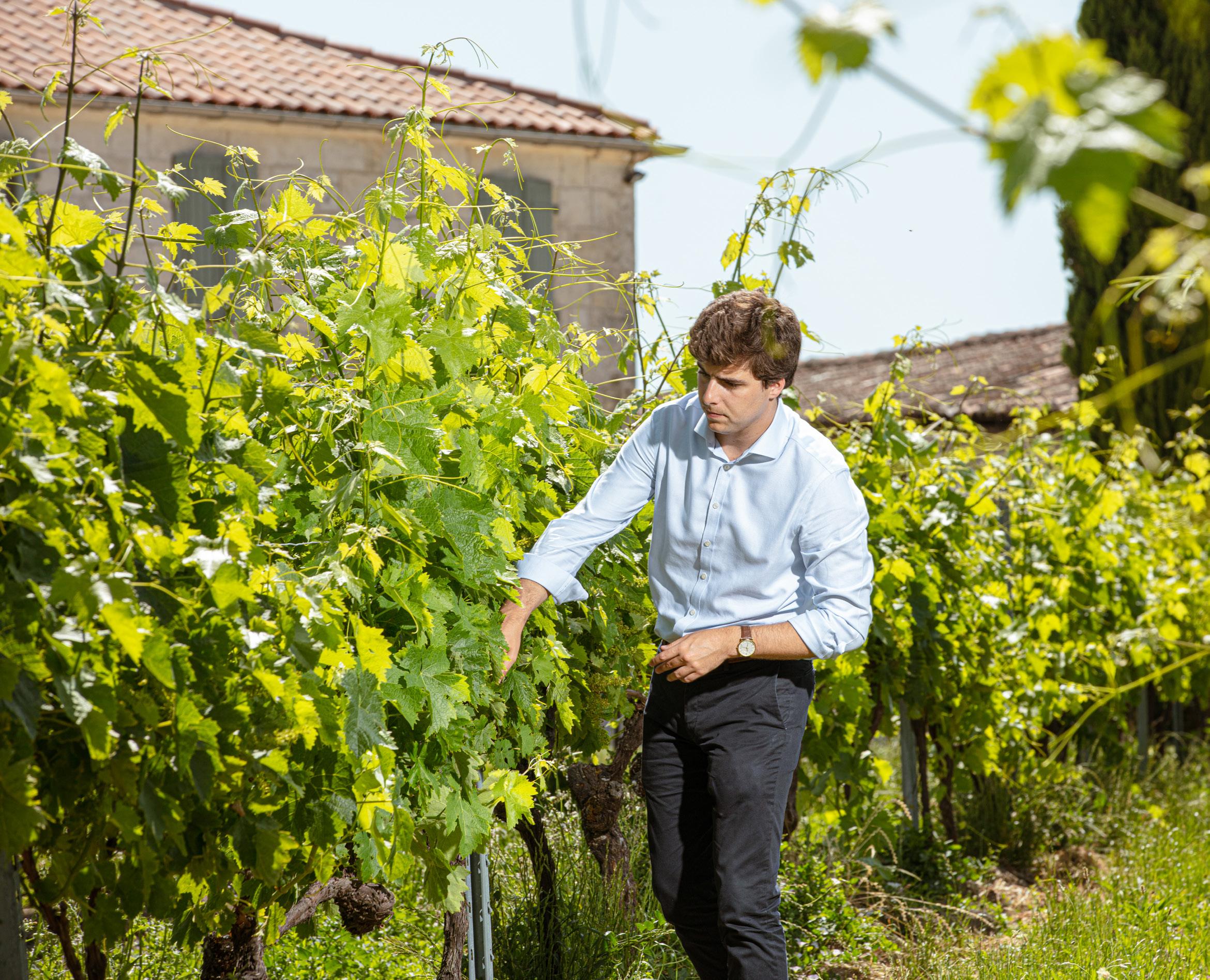
At Tesseron Cognac, a part of Cognac’s original soul still lives on. The house is one of the few that continues to work with the three classic grape varieties: Ugni Blanc, Folle Blanche and Colombard. Ugni Blanc forms the backbone, while the far more difficult-to-cultivate Folle Blanche and Colombard contribute nuances of aromatic finesse, energy and complexity. The latter two produce very small yields and have therefore almost disappeared from the region, yet at Tesseron the tradition is preserved with stubborn precision and profound respect for craftsmanship.
The grapes are harvested early in the autumn and vinified into a light, high-acid base wine of around nine percent alcohol – a crucial foundation for creating elegant and age-worthy eaux-de-vie. Distillation takes place slowly and carefully from the end of harvest until the end of March the following year. The cognac is double-distilled over an open flame in traditional copper stills of the Alambic Charentais type, where only the purest and most expressive heart of the distillate is retained for ageing.
Some of the distillates are also fermented together with their lees, adding further depth, structure and aromatic complexity. The result is cognac with both power and elegance – where texture, spice and silky length interact in a style that has made Tesseron a name highly regarded among cognac connoisseurs around the world.
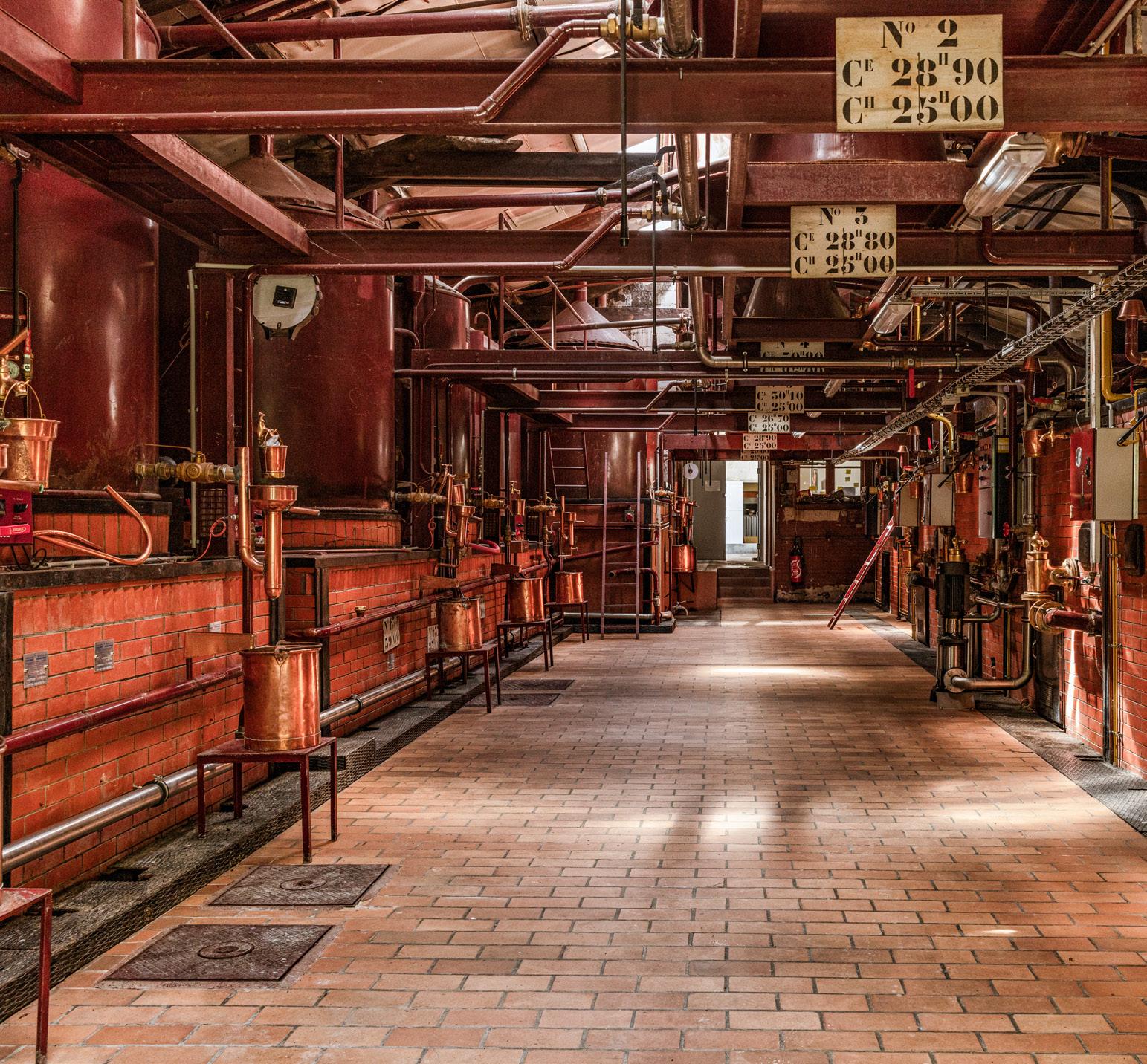
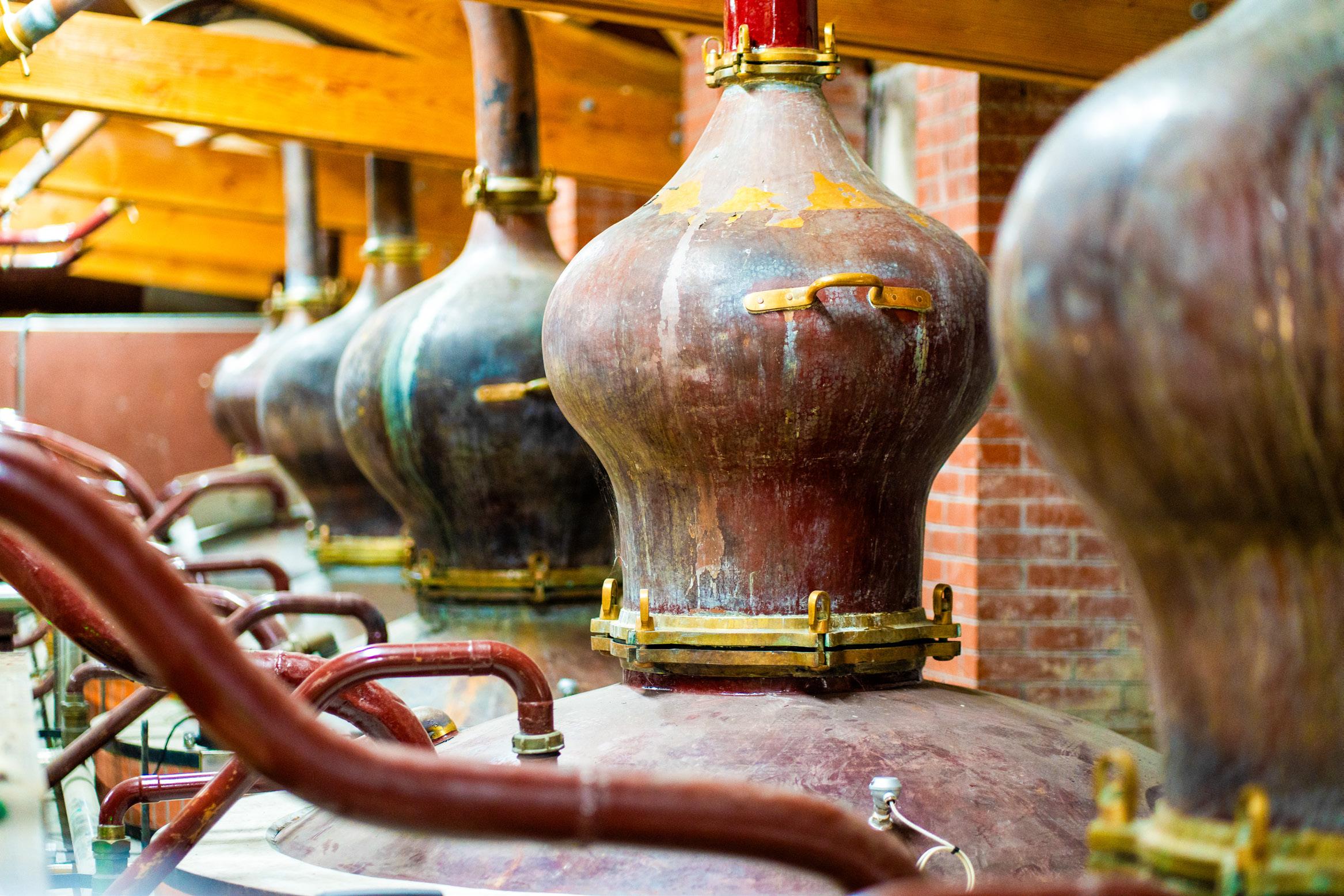
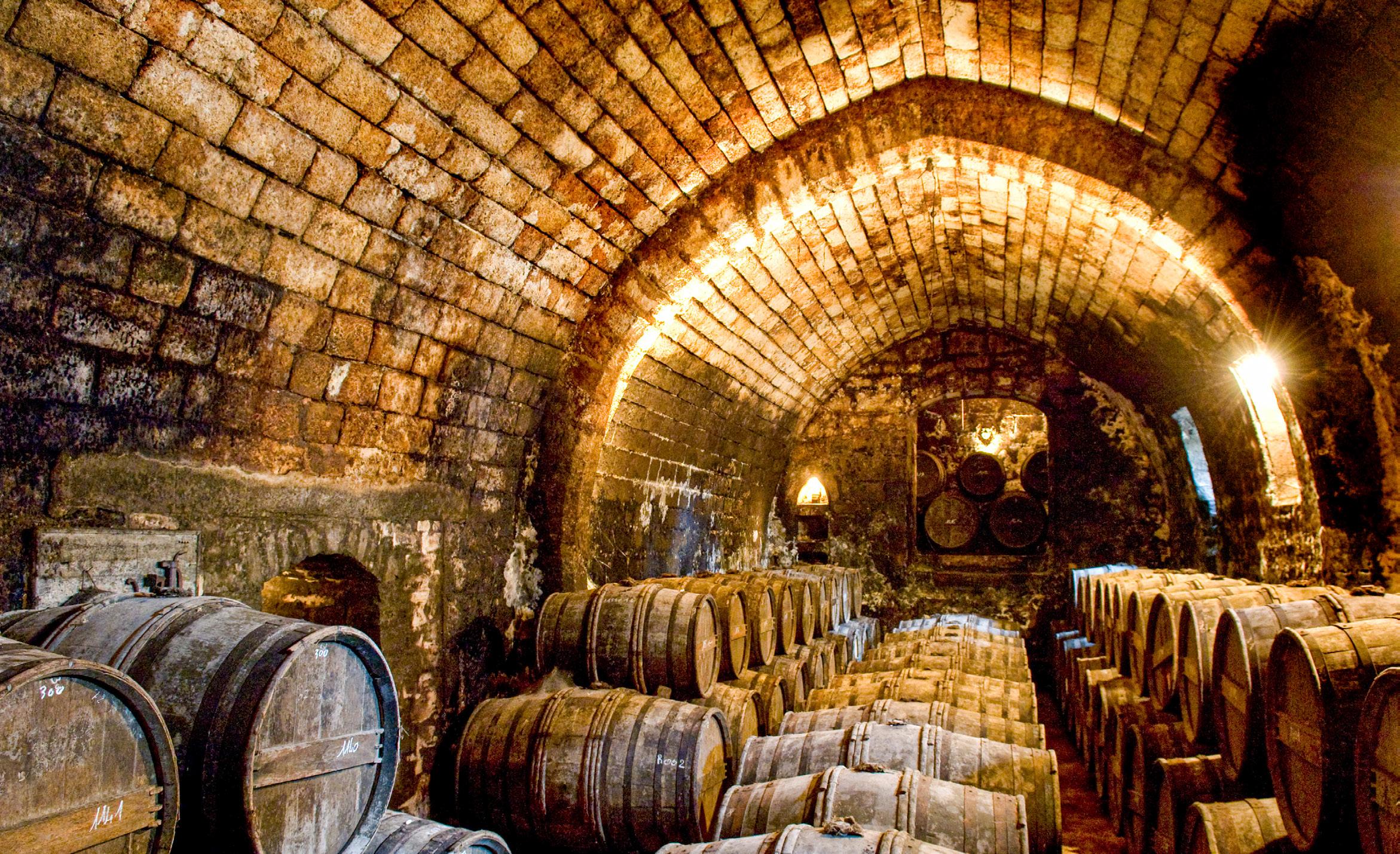
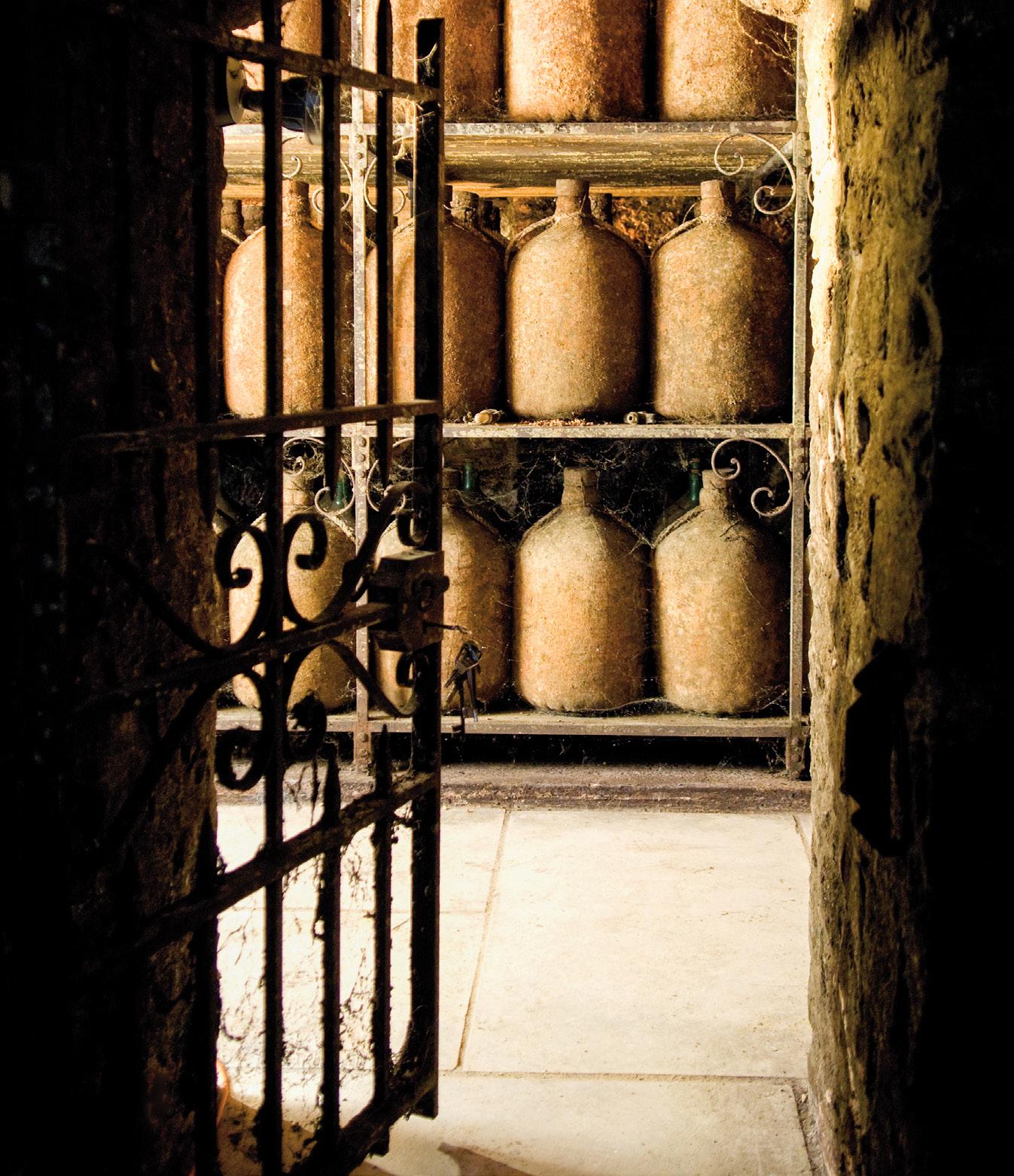
At the heart of Tesseron Cognac’s historic estate rest cellar vaults whose history stretches all the way back to the 12th century. These cool and naturally humid cellars, which once served as the sacred crypt of the local church, still provide an almost ideal environment for the house’s young eaux-de-vie. Here, a quiet darkness and timeless silence prevail, where centuries of craftsmanship seem embedded within the very walls.
It is also here that the distillates slowly evolve in casks of classic Limousin oak, whose porous and characterful wood contributes structure, spice and depth. The barrels are crafted with great care by experienced coopers and become a crucial part of the cognac’s long development. In the meeting between living oak, the cool cellar air and the slow movement of time, Tesseron’s cognacs emerge with an aristocratic balance between power and elegance. When maturity has finally reached its ideal point, the house’s maître-dechai takes over, bringing together the various eaux-de-vie into cognacs of exceptional precision and harmony.
Today, Tesseron Cognac is regarded as one of Cognac’s foremost independent producers and has often been described as “the Cognac equivalent of Domaine de la Romanée-Conti” – a comparison that reflects the house’s uncompromising focus on quality, small-scale production and near-mythical exclusivity.
IMPORTER IN SWEDEN: LIVELY WINES
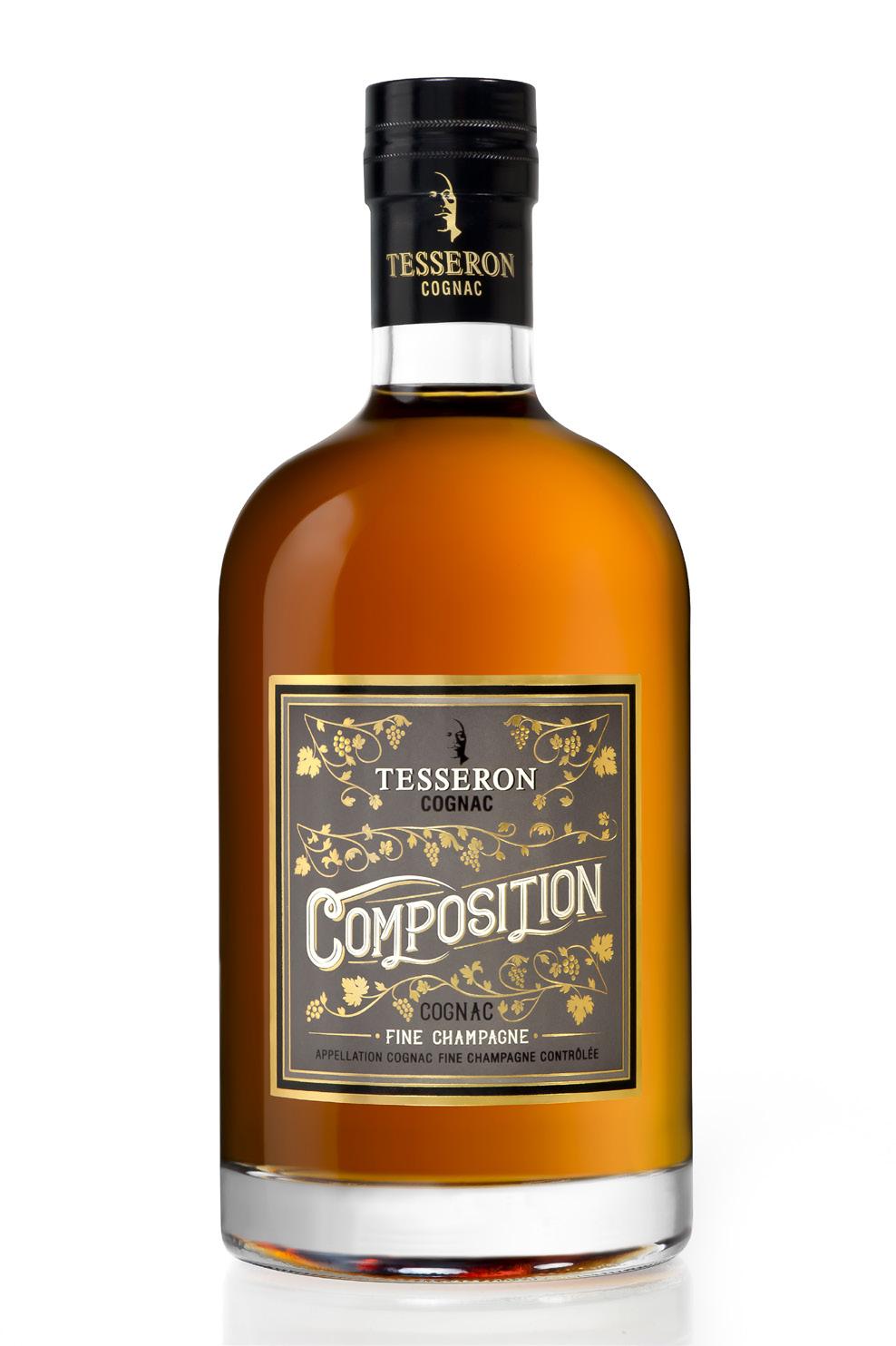
Tesseron Composition VSOP, 40%
700 ML, NOT AVAILABLE, SEK 699
94
Tesseron Cognac Composition is a personal collaboration between Alfred Tesseron and the house’s cellar master Romain Martial, created exclusively from young eaux-de-vie distilled and aged for a minimum of four years in Limousin oak casks. Its origins lie in Grande and Petite Champagne — in other words, Fine Champagne — and it is primarily built on the Ugni Blanc grape. It is also a relatively new addition to the Tesseron portfolio. This is without question a charming and energetically polished gateway into the world of Tesseron, where the oak reveals mature finesse rather than demonstrative power. Composition simultaneously carries the house’s precision and strong sense of origin with effortless elegance. The fruit profile is bright and generously ripe with pleasurable reflections of vanilla-kissed apricot, orange citrus, baked pears and apples. A delicate nuance of nutty chocolate quietly weaves into the whole, while the spice works subtly in the background, creating a pleasing tension and rhythm throughout the experience. Elegant, balanced and irresistibly approachable, this is a cognac of remarkable charm.
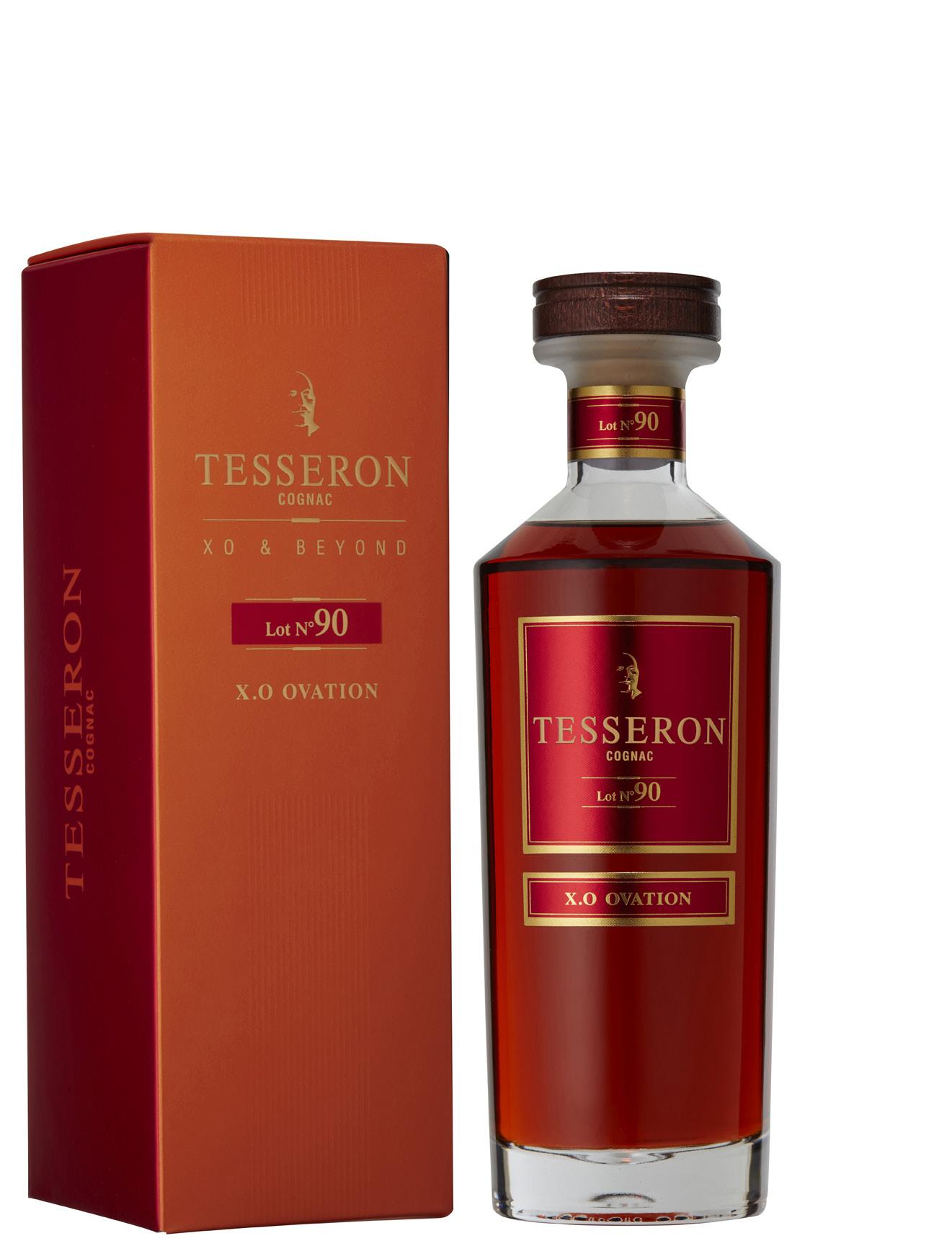
Lot Nº90 XO Ovation, 40%
700 ML, PRIVATE IMPORT, SEK 1 259
95
Tesseron Lot N°90 XO Ovation is built on Ugni Blanc from Grande Champagne, Petite Champagne and Fins Bois, and has rested for more than ten years in Limousin oak casks, where youthful energy has gradually been dressed in ever deeper and more stoic maturity. Here, vitality and complexity meet in an expression that moves through the glass with effortless elegance.
Gentle nuances of vanilla, nuts and dark chocolate envelop the fruit core of baked pears, apples, apricot and ripe stone fruits, while the spice slowly builds structure and resonance. It is balanced, accessible and nobly composed, with silk-polished tannins and a finish that lingers with velvety length and calm, aristocratic depth.
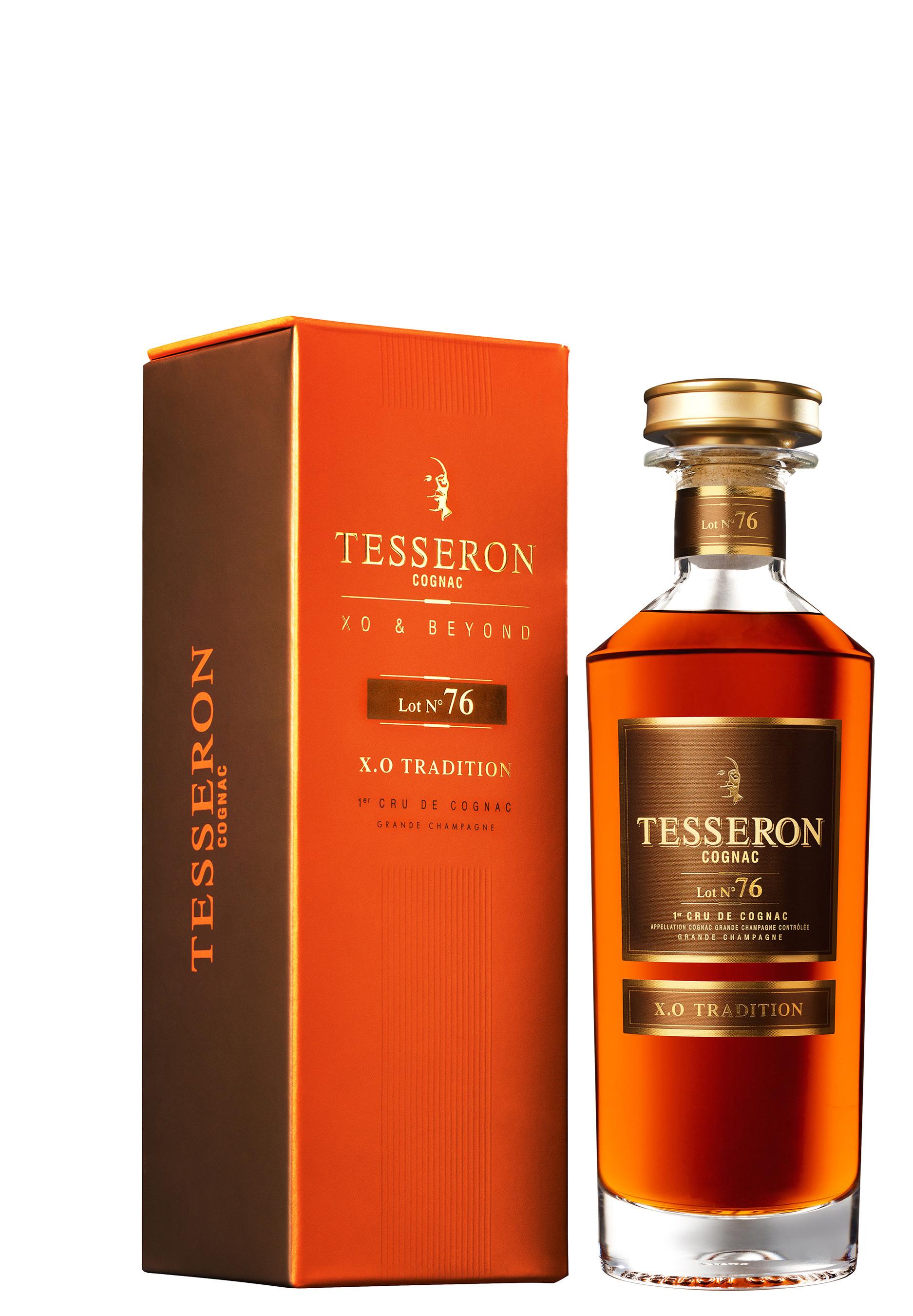
Tesseron Lot Nº76 XO Tradition, 40%
700 ML, PRIVATE IMPORT, SEK 1 998
96+ Lot n°76 XO Tradition is a blend of the house’s reserves from Grande Champagne, where the Ugni Blanc fruit has matured for more than a generation — up to 30 years — in old Limousin oak casks. And as always with Tesseron, everything revolves around aristocratic maturity where elegance consistently takes precedence over weight. The remarkably graceful foundation — at once vinous and viscous — possesses a richness and exclusive oak spice that fills out its supple movements. The caramelisation is handled with exceptional sensitivity, lending refined sweetness to the developed and floral fruit notes of dried fig, cherry, apricot, orange and peach. A beautiful nuttiness emerges, accompanied by a subtle hint of marzipan.
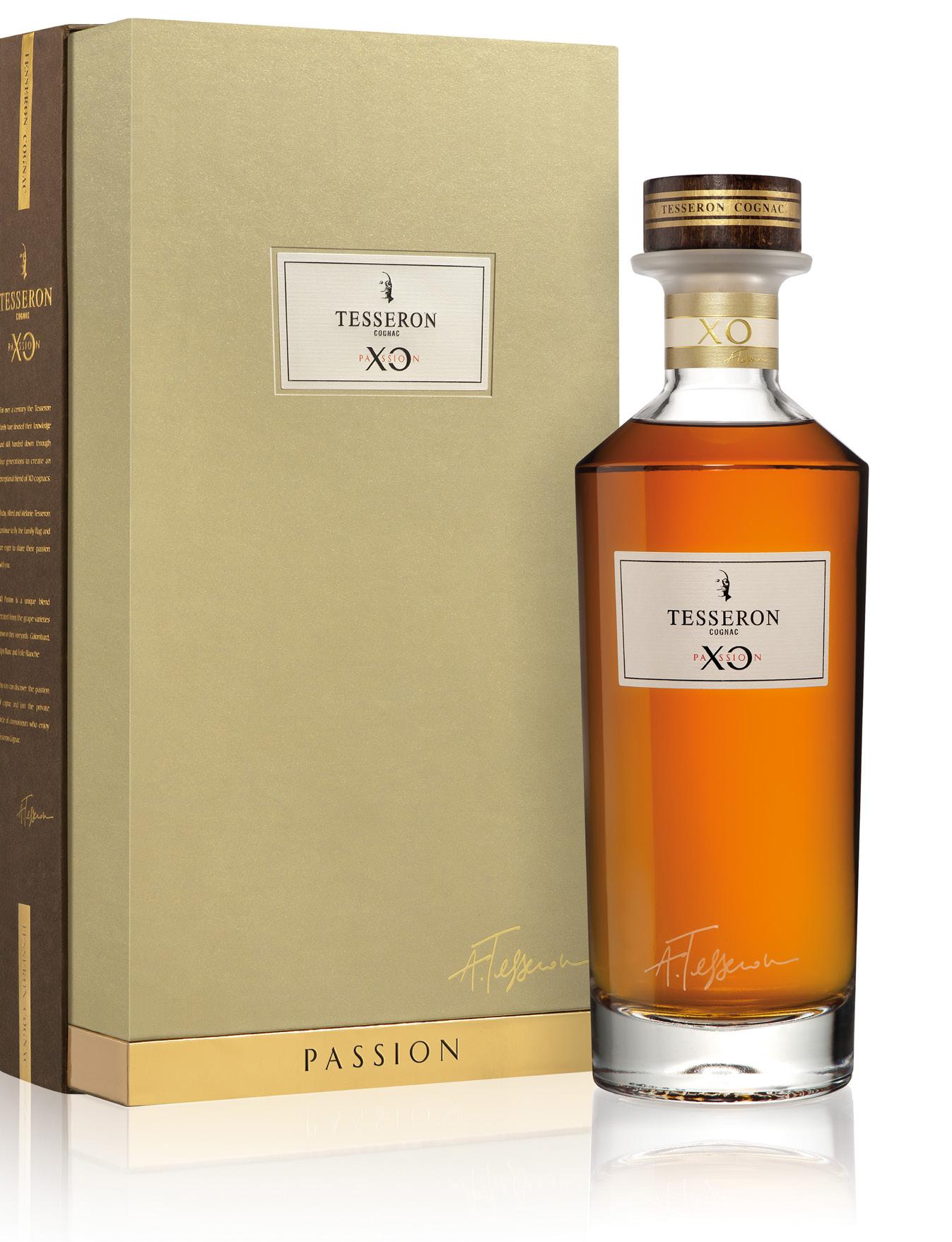
Tesseron Passion XO, 40%
700 ML, PRIVATE IMPORT, SEK 2 239 96
Tesseron Cognac XO Passion is a unique blend created exclusively from Ugni Blanc and built on eaux-de-vie from Grande Champagne, Petite Champagne and Fins Bois. Around thirty different distillates have been selected, and after more than ten years in Limousin oak, the whole has found its aristocratic balance in bottle.
However sophisticated and harmonious the cognac appears, there is simultaneously an almost — we write almost — fiery oak spice that gives the glossy elegance both nerve and subtle friction. Yet the harmony is never disturbed. The floral energy remains untouchable, while the vanilla- and chocolate-caressed fruit unfolds in sensual layers of dried fruit, all held together by a wonderfully provocative precision between power, elegance and mature intensity.
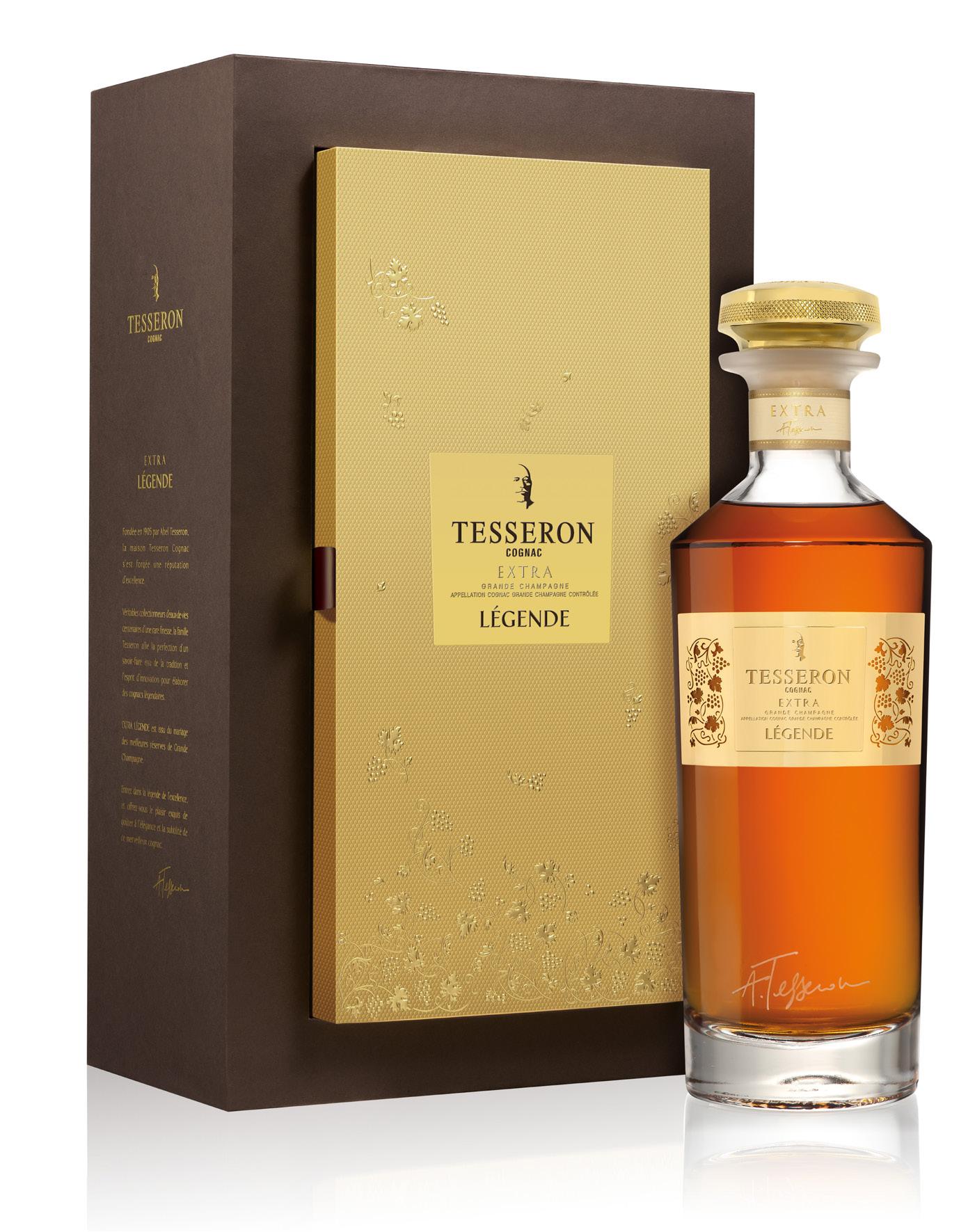
700 ML, PRIVATE IMPORT, SEK 3 779
97
Extra Légende is built from a marriage of the house’s finest reserves from Grande Champagne. Based on Ugni Blanc and composed of around fifty carefully selected eaux-de-vie, the cognac has rested in cask for longer than a generation (30–50 years) in cellars with varying humidity levels. Time allows every nuance to fall into place with sublime precision.
Dried apricot, peach, orange, dark berries and baked apples wrapped in caramelised tones merge with noble spices in a deep and sensual interplay. Roasted nuts and dark chocolate unfold in the background, while a whisper of tobacco lends an aromatic and contemplative dimension. The texture is unmistakably Tesseron: weightless and velvet-draped, yet anchored by a deep, noble warmth and friction that fades into harmonious resonance.
700 ML, PRIVATE IMPORT, SEK 3 999 97+
Lot n°53 XO Perfection is built on a blend of Ugni Blanc and Colombard from some of the house’s most sublime Grande Champagne reserves. After 50–60 years in the cellar, time has shaped a fine-lined acidity that lends the expression a noble nerve. Subtle mineral nuances and peppery spice place everything on the threshold between monumental maturity and aristocratic precision. The fruit carries elegant citrus notes woven together with layers of plum, fig, dark chocolate, precious wood, tobacco and dried fruit. A lightly oxidative nobility and gently caramelised tones bring further depth and dimension to the whole. The texture is viscous and creamy, yet simultaneously defined by subtle sharpness and precision. The finish is long, sophisticated and quietly magnificent. It is a cognac that whispers its greatness with complete natural authority.
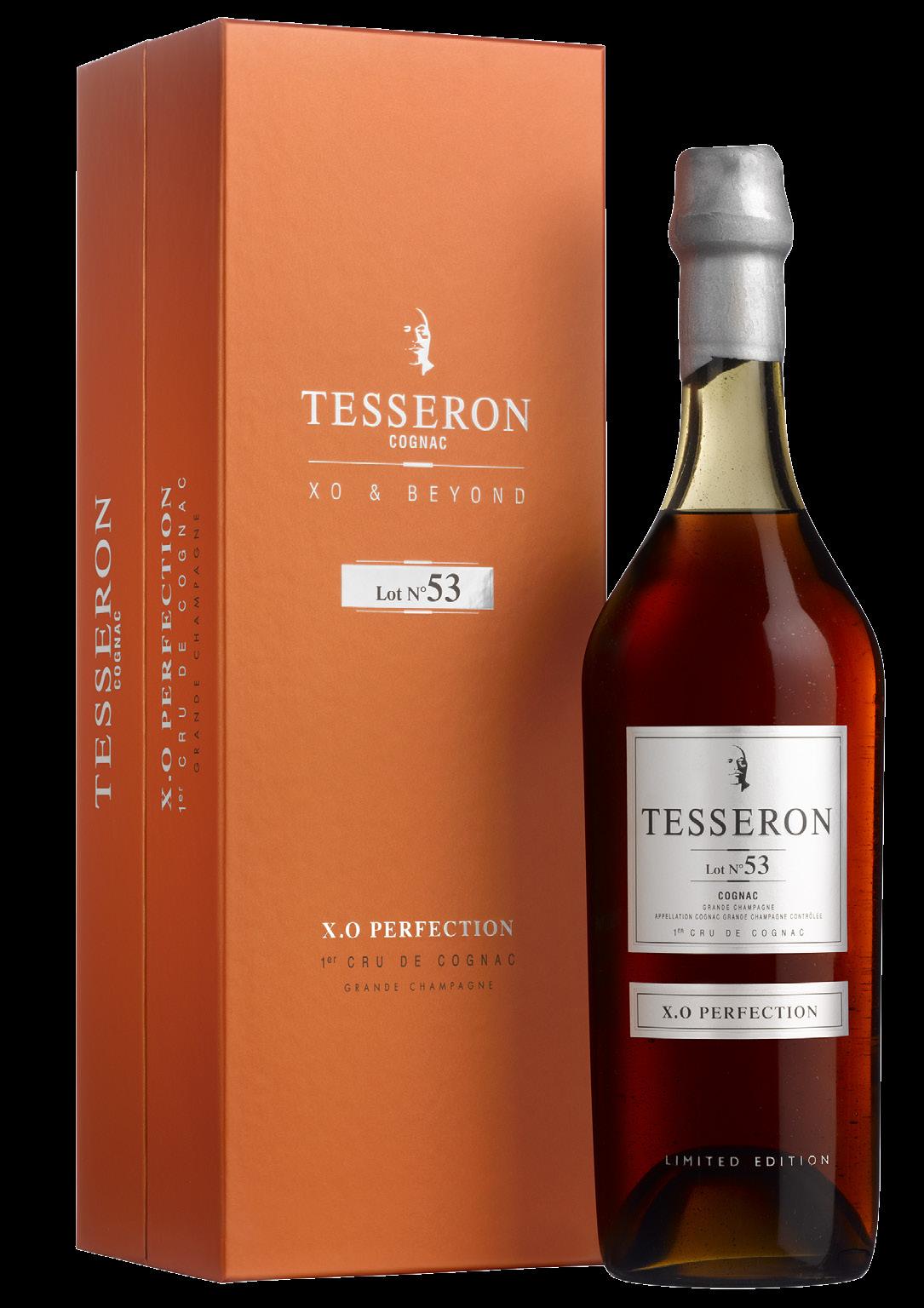
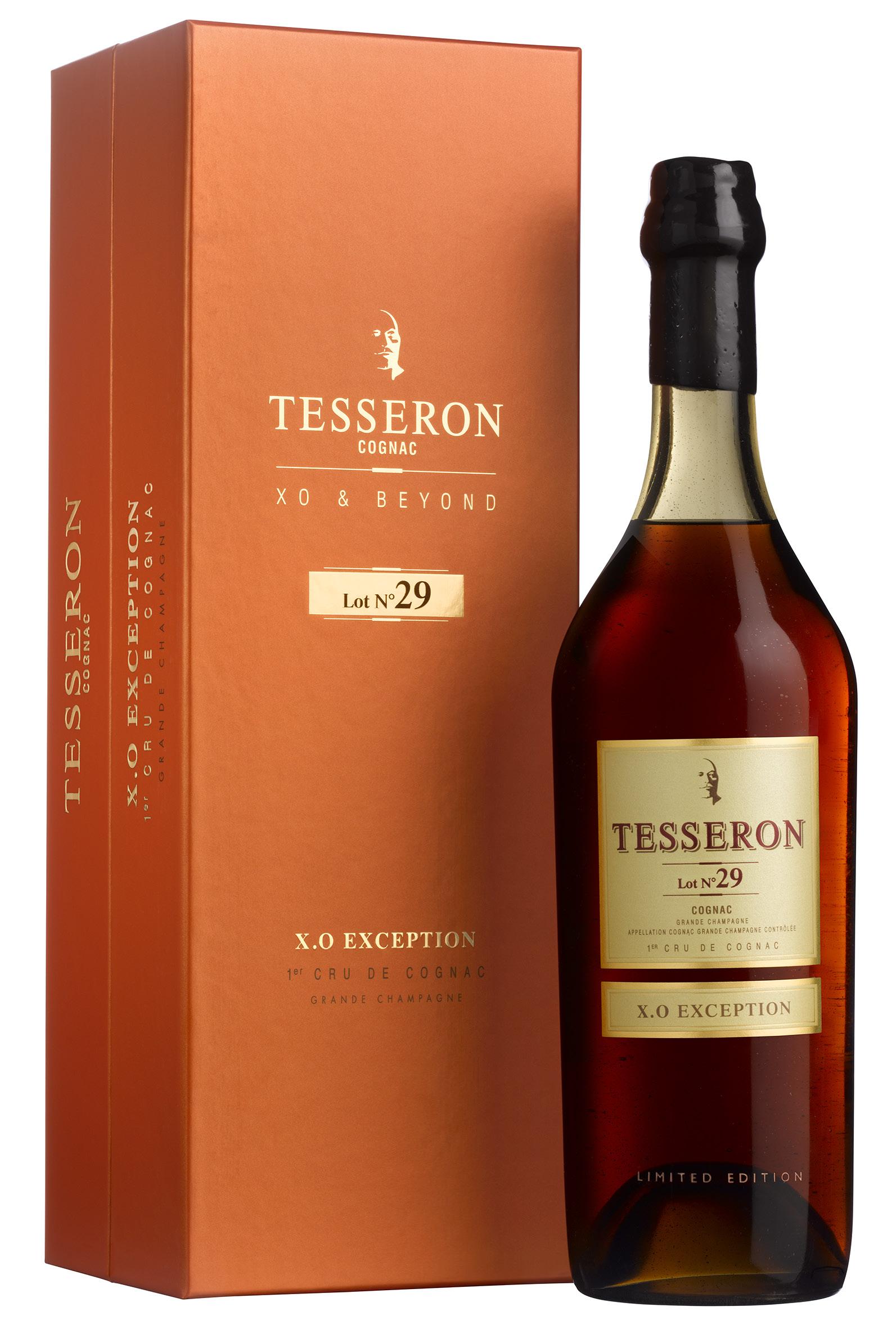
NOT AVAILABLE, ESTIMATED MARKET PRICE SEK 60 000-10 000 EUROS FOR A MAGNUM BOTTLE.
Tesseron Extrême is created from Abel Tesseron’s private collection and represents the house’s oldest and most exclusive reserves, with certain eaux-de-vie dating back to the 1850s. It is a distillate shaped by generations of patience, tradition and almost reverential craftsmanship. It is the family’s history in liquid form.
After around 90 years in Limousin oak, the cognac is transferred into glass demijohns — so-called bonbonnes — where it continues to rest in the house’s mythical “Paradis”, the silent cellar that once formed the crypt of a monastic abbey. Here, time stands still. The cognac is protected from further oak influence and instead allowed to purify itself, deepen and slowly perfect its own essence. Encountering Extrême is naturally a historic experience, yet beyond that vertigo emerges a magnificent cognac with an aristocratic and stoic calm. Despite its age, a strange pulse of life runs through the whole, while the aromas unfold with depth and ethereal precision in layers of dried fruit, walnut, leather, precious wood, tobacco leaf and cocoa. The texture is silky and almost weightless, while the momentum seems to have no endpoint. It is as much an echo from another era as a reminder that certain creations truly defy impermanence.
700 ML, 8676201, SEK 7 299
Lot n°29 Exception is a rare Grande Champagne blend created from some of the family’s oldest and most exclusive reserves. Here, Ugni Blanc, Folle Blanche and Colombard unite in an expression that has rested for 75–90 years in Limousin oak, with a small part of the final blend additionally sourced from the house’s oldest cognac, preserved in glass demijohns.
We find ourselves in Cognac’s highest celestial sphere. The friction is as elegant as it is aristocratically polished, and the expression moves with sublime old-cognac character, where the patina of time has been transformed into pure poetry. The complexity is superb, the balance close to complete — this is Tesseron perfection in its most quietly monumental form.
Dark chocolate with fine nuttiness and vanilla-kissed nuances intertwine with noble tobacco notes of humidor, cigar, mocha and leather. The fruit is honeyed, nutty and candied with dried figs, plums, apples and apricot in the depths. The spice is embracing, the oak provides a silky texture and the tannins are wonderfully noble. The finish is long and sophisticated.
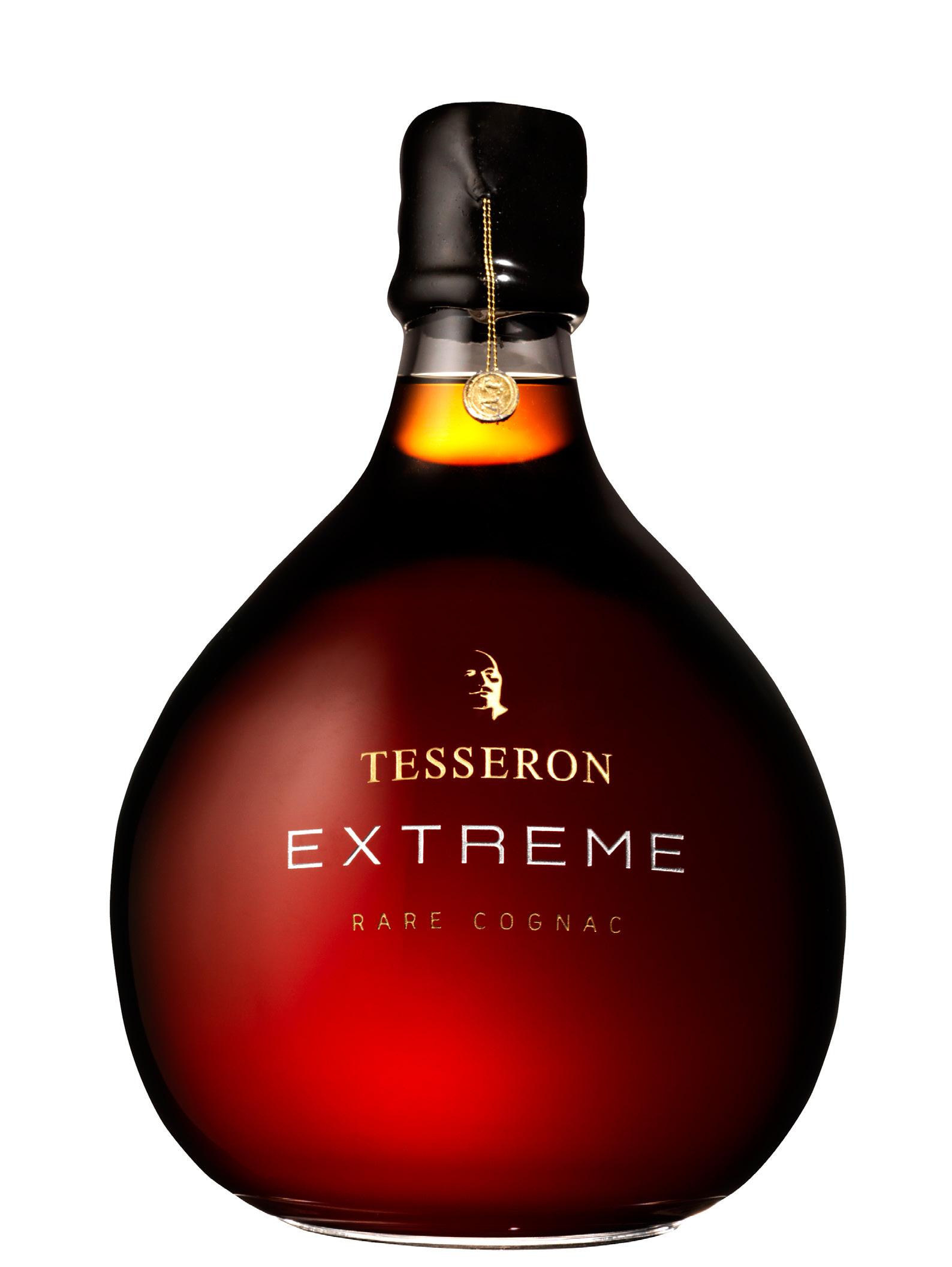
Which are the greatest debut albums ever made? Here are Livets Goda’s Anders Lundquist’s personal picks. Feel free to agree, disagree, or simply take them as the starting point for a good argument.
IT IS OFTEN SAID THAT ARTISTS HAVE an entire lifetime to write their first album, but only a year to write the second. Yet producing a truly great debut is anything but guaranteed. So many factors come into play: vision, songwriting, guidance, musicianship, production and timing. Some debut albums perfectly captured the spirit of their age and sold millions of copies. Others achieved cult status only years later.
Let’s begin with a few failures. Many artists suffer from studio nerves or show too much deference to their producer. Others discover that one member of the band simply isn’t up to the job. A classic example is The Beatles’ drummer Pete Best, who, despite having been with the band for several years, was ruthlessly and unceremoniously replaced by Ringo Starr. There are countless artists and bands whose debut recordings reveal that they were still a long way from finding their true identity. David Bowie is a perfect example. Not because he ever settled on a single style,

but because his Mike Vernon-produced debut album from 1967 was, quite simply, bewildering. It sounded as though he was trying to imitate the lightweight entertainer Anthony Newley, while the mystery, originality and pioneering spirit that would define his finest work were nowhere to be found.
Aretha Franklin signed with Columbia Records as early as 1961, but the label attempted to steer this extraordinary singer—fresh from the church—towards jazz. It wasn’t until five years later, after moving to Atlantic Records, that she was finally allowed to embrace her roots and become the undisputed Queen of Soul.
STEVIE WONDER MADE HIS DEBUT AS A CHILD PRODIGY. He had already recorded eleven (!) albums before even leaving his teens, only releasing what could truly be considered his first “adult” album, Signed, Sealed & Delivered, afterwards. The 1970s then became one long succession of classics.

Considering such an explosive start, he can surely be forgiven for losing momentum during the 1980s and, at the time of writing, for not having released an album of new material for twenty-one years. Eventually the rocket fuel runs out. Besides, it cannot be particularly enjoyable constantly being told that your latest album isn’t quite as good as the previous masterpieces.
Few people paid much attention to Deep Purple, either, during their early years. The band released three albums before recruiting Ian Gillan and Roger Glover.
Rush sounded like little more than Led Zeppelin imitators on their debut and had yet to recruit drummer Neil Peart, whose remarkable lyrics and musicianship would elevate the band to previously unimaginable heights.
Talk Talk began with rather anonymous—and, truth be told, fairly dreadful—synth-pop before Mark Hollis decided to create some of the most adventurous and extraordinary pop music ever recorded.
Today’s uncompromising thrash metal legends Pantera would probably prefer us to forget their hesitant first steps as glossy glam-metal hopefuls.
Even Sweden’s own national heroes, ABBA, needed a couple of albums of dance-band-inspired pop and some painfully awkward reggae experiments before finally finding their true voice with their third album, symbolically titled simply ABBA. Perhaps even the band themselves regarded that record as the real beginning?
DEBUT? Graham Nash’s first solo album, Songs for Beginners, released in 1971, is a magnificent record and remains arguably his finest work under his own name. Yet Nash was already a thoroughly established artist through The Hollies, Crosby, Stills & Nash, and Crosby, Stills, Nash & Young. Calling him a genuine debutant therefore feels rather misleading.
Paul McCartney had already spent years as one of the driving forces behind the biggest band in the world, The Beatles, when he released his self-titled debut— imaginatively called McCartney—on 17 April 1970. That hardly qualifies as taking one’s first tentative steps into the music business.
Nick Lowe may have emerged from the comparatively obscure British pub-rock band Brinsley Schwarz, but he had already established himself as one of its principal songwriters. By the time he released his superb powerpop debut Jesus of Cool, he had also produced what are
widely regarded as both the first punk single and the first punk album for The Damned.
An entertaining footnote is that Per Gessle named his music publishing company after Lowe’s song Music for Money. One hopes he did so with tongue firmly in cheek, although, with hindsight, one cannot help wondering.
Peter Gabriel had already recorded seven albums as the lead singer of Genesis before releasing his self-titled debut in 1977 (his next three solo albums would also remain untitled). The debut single Solsbury Hill remains one of his best-loved live songs, its lyrics appropriately reflecting his decision to leave Genesis—a decision he has repeatedly said he has never regretted.
made an impressive debut in 1989 with a strong, albeit heavily radiofriendly, album. Its members, however, had already built distinguished careers with bands such as The Babys and Journey. They managed one more album, Backlash, before the band imploded.
The term supergroup was commonly used to describe bands made up of musicians who were already famous. Asia provide a perfect example. Their debut album appeared in 1982 and featured former members of Yes (Steve Howe and Geoff Downes), Family, King Crimson, Roxy Music, Uriah Heep and UK (John Wetton), together with Carl Palmer from Emerson, Lake & Palmer.
Many listeners therefore expected something daring and progressive. Instead, the quartet delivered a highly accessible, hook-laden album with more than a passing resemblance to ABBA. Helped by the enormous hit Heat of the Moment, it became the biggest-selling album in the United States that year.
But debutants? Not really.
Ian Hunter released a magnificent solo album in 1975, yet his years fronting Mott the Hoople inevitably disqualify him from consideration as a genuine newcomer.
Instead, this article shines a light on a selection of truly masterful debut albums by genuine newcomers—artists and bands who, in several cases, were barely out of their teens and whom we record buyers could scarcely have imagined would go on to enjoy such long and, in most cases, enormously successful careers.
What follows is my entirely personal selection of debut albums that still stand the test of time. They are presented in chronological order.
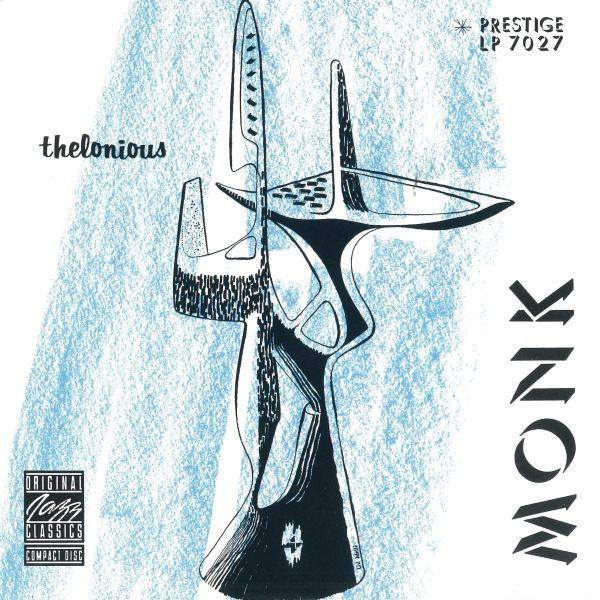
Thelonious Monk
Thelonious Monk Trio (1954)
Although pianist
Thelonious Monk had already worked extensively as a sideman with a number of distinguished musicians, this release on the legendary Prestige label marked his first official album as a bandleader. Many more masterpieces would follow, and Monk’s piano playing is a universe waiting to be explored. If this whets your appetite, continue with Monk’s Music.
Elvis Presley
Elvis Presley (1956)
Having already released a string of legendary singles on the Memphis-based Sun Records, Elvis was signed by the far more established RCA, which issued this landmark debut album. It became the first rock ‘n’ roll album to reach number one in the United States and also topped the charts in the United Kingdom.

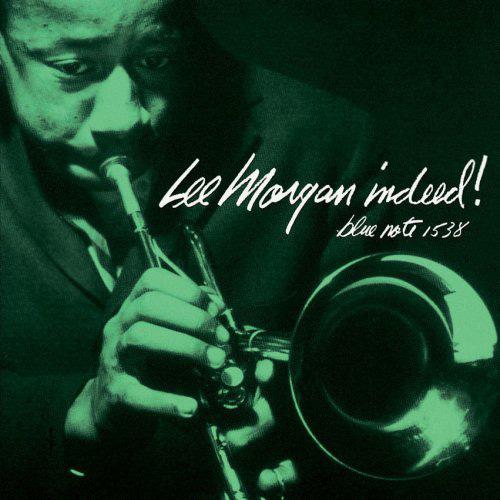
Lee Morgan
Lee Morgan Indeed! (1956)
The astonishingly gifted jazz trumpeter Lee Morgan was only eighteen when he released this debut album, yet he had already established himself as something of a prodigy on the hard bop scene. If you’re looking for the perfect gateway into the genre, this is an outstanding place to begin.
Charles Mingus
Pithecanthropus Erectus (1956)
This was bassist and composer Charles Mingus’ first true solo album and the record that introduced his name to a much wider audience. It also marked his debut for Atlantic Records, a label that always seemed to have an ear for exceptional talent. If you can’t find the album on its own, it is also included in the box set Passions of a Man – The Complete Atlantic Recordings. Mingus may no longer be with us, but his music most

certainly lives on. And if you ever find yourself in New York, don’t miss the chance to experience the Mingus Big Band live.
Little Richard Here’s Little Richard (1957)
The man with arguably the greatest voice in rock ‘n’ roll released his earliest recordings on Specialty Records. Richard Penniman, as he was actually called, was a complete original. His voice possessed extraordinary power, his energy seemed inexhaustible, and his camp sense of glitter and glamour—combined with his openly flirtatious behaviour towards other men—might well have made even Freddie Mercury blush. I was fortunate enough to see him perform live in 1990. Astonishingly, he felt every bit as electrifying then as he does on this remarkable debut album.
Although this was technically Ray Charles’ debut album in the full-length format, it can equally be regarded as a compilation. All fourteen tracks had already been released as singles, and no fewer than eleven had reached the Top Ten of the Billboard R&B Chart between 1953 and 1957, several of them climbing all the way to number one. Whether you regard it as a proper album or a collection hardly matters—it’s magnificent from beginning to end, not least thanks to the closing powerhouse I Got a Woman. Just ask anyone from Van Morrison to Björn Skifs: it simply doesn’t get any better than Ray Charles at the height of his powers. The album was reissued in 1962 under the title Hallelujah I Love Her So.

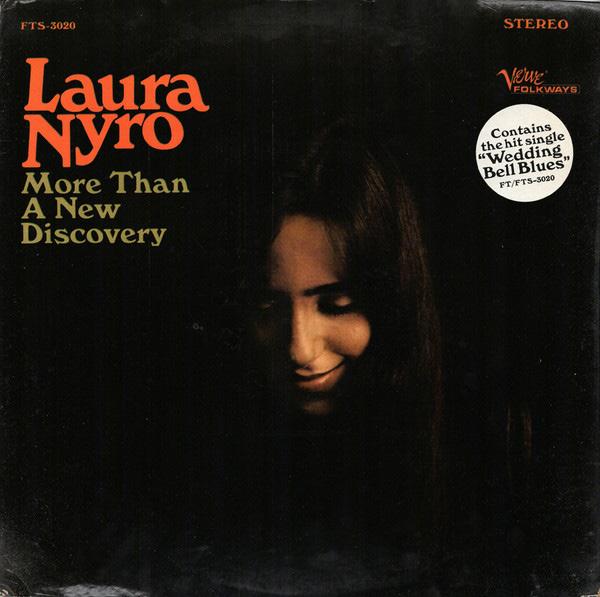
The Beatles Please Please Me (1963)
This little band from Liverpool did rather well in the end. Although it seemed as though The Beatles exploded onto the scene overnight with their debut single Love Me Do, they had already honed both their musicianship and their stagecraft during countless performances on Hamburg’s Reeperbahn. They were ready—and, unlike most of their contemporaries, they wrote their own songs. The title track on their debut album had originally been conceived as a ballad, but producer George Martin—often referred to as “the Fifth Beatle”—suggested increasing the tempo. The result was irresistibly energetic and lifeaffirming. What followed was arguably the most extraordinary career in popular music history. Time after time, The Beatles became the first to do things that today are simply taken for granted.
Floyd The Piper at the Gates of Dawn (1967)
The Pink Floyd of 1967 bore little resemblance to the band that would later record albums such as The Dark Side of the Moon and Wish You Were Here. In the beginning, Syd Barrett was the undisputed leader, and the music was psychedelic, whimsical and endlessly inventive. Sadly, Barrett soon lost himself in a haze of LSD and schizophrenia—almost certainly exacerbated by drug use—but Floyd’s debut remains one of the defining psychedelic masterpieces of its era.
Laura Nyro More Than a New Discovery (1967)
New Yorker Laura Nyro was an exceptionally individual songwriter and singer. For all her originality, she also possessed the rare ability to write songs that became major hits for other artists, including Barbra Streisand, The 5th Dimension and Blood, Sweat & Tears
Yet she was at her most
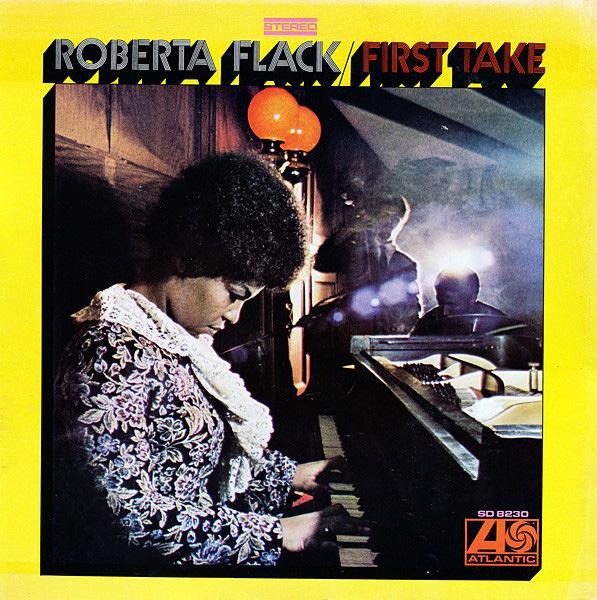
magical when performing her own material, and this debut launched one of popular music’s most fascinating careers. Todd Rundgren was among her earliest and most devoted admirers.
Band
Music from Big Pink (1968)
Whether The Band can truly be regarded as debutants is open to debate. Under the name The Hawks, they had toured extensively as Ronnie Hawkins’ backing group and later became Bob Dylan’s band when he famously shocked the American folk scene by going electric.
The title Music from Big Pink refers to the large pink house in Woodstock where much of the music was created.
It was a magnificent debut and is widely regarded as the album that effectively launched what we now call Americana, thanks to its seamless blend of country, blues, folk rock and beautifully crafted narrative songwriting.

Roberta Flack
First Take (1969)
Soul singer Roberta Flack burst onto the American music scene with extraordinary impact, and both her solo recordings and her collaborations with Donny Hathaway quickly became classics. Her debut introduced an artist who already sounded remarkably complete. The title is no mystery, either. Not only was it her first album, but she often recorded songs in a single take.
Crimson
In the Court of the Crimson King (1969)
This album is widely regarded as the first genuine masterpiece of progressive rock—very different from the Swedish “progg” movement, despite the similar name.
Guitarist Robert Fripp soon established himself as an uncompromising figure with very firm ideas about the band’s musical direction, and the lineup changed almost as frequently as other people changed shirts.
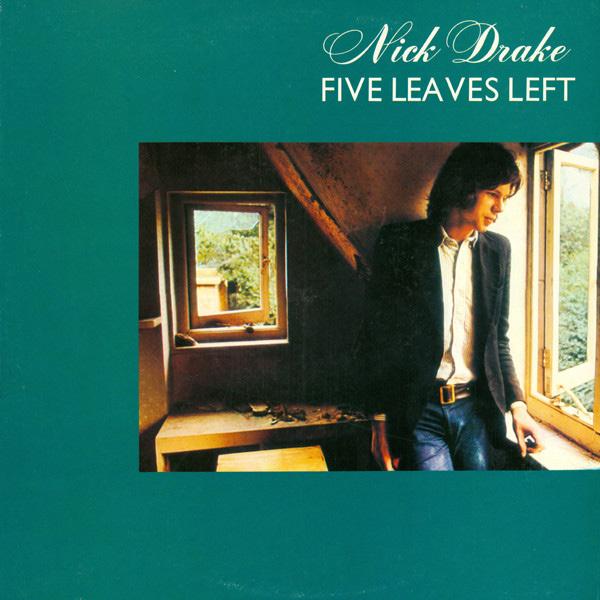
The Mellotron-drenched title track and the crushing 21st Century Schizoid Man remain the benchmarks against which almost every progressive rock band has been judged ever since.
Pugh Rogefeldt Ja, dä ä dä (1969) No discussion of Swedish debut albums would be complete without Pugh Rogefeldt’s wonderfully unconventional first record.
Born in Västerås, Pugh effectively reintroduced the Swedish language into rock music, doing so with a freedom and playfulness further enhanced by fellow musicians Georg “Jojje” Wadenius and Janne Carlsson. Pugh was a true original, and his debut contained enduring classics such as Små lätta moln and Här kommer natten—two utterly different songs that demonstrated he had no formula whatsoever. He simply wrote whatever came naturally.

Nick Drake
Five Leaves Left (1969) Why do some artists continue to cast a spell over generation after generation while others simply fade into comfortable mediocrity? Nick Drake moved within the same circles as British folk-rock pioneers Fairport Convention and was produced by Joe Boyd, who had also discovered John Martyn. Drake possessed a beautifully gentle voice and wrote delicate, melancholic songs accompanied by his nylonstring acoustic guitar, which he played with extraordinary precision and sensitivity. He signed to Island Records at the age of twenty and released this debut album the following year.
Sadly, Drake struggled with severe depression throughout much of his life and was reluctant to perform in public. He died from an overdose of antidepressants in 1974, yet his music continues to fascinate listeners. This debut remains especially
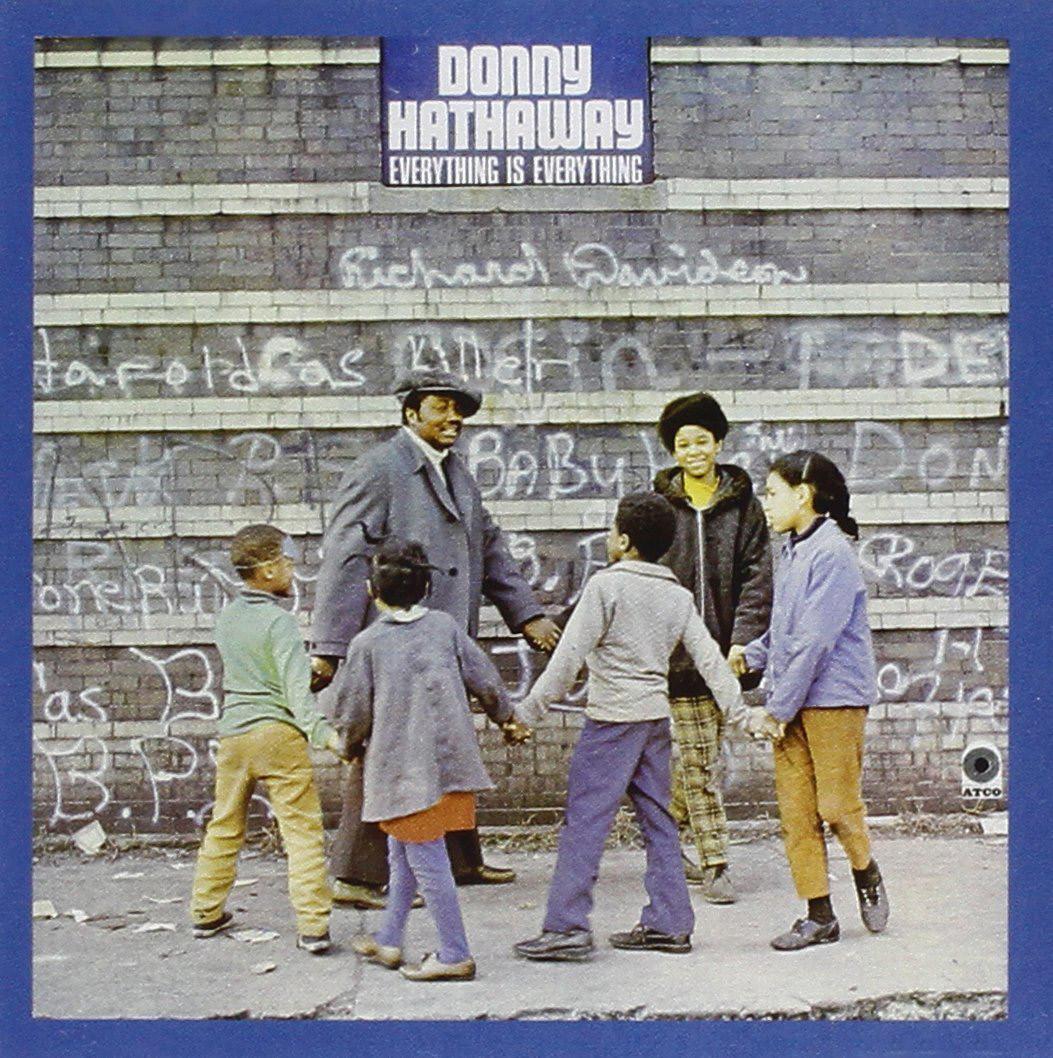
captivating, enriched by magnificent string and brass arrangements by Robert Kirby and the wonderful double bass playing of Danny Thompson.
Led Zeppelin
Led Zeppelin (1969) Like Black Sabbath and Kiss, Led Zeppelin saw their debut album savaged by Rolling Stone magazine. It is a review their writers have had to live down ever since, as it resurfaces with remarkable regularity on social media. The band actually began by touring Scandinavia under the name The New Yardbirds, as Jimmy Page was still tied to commitments under his former band’s name. Page, however, had far grander ambitions for his new group. Following this explosive debut of heavy blues rock, it wasn’t long before Led Zeppelin had become one of the biggest live attractions in the world.
Yes, they borrowed heavily from Black blues musicians, but no one can seriously argue that they
didn’t ultimately transform those influences into something entirely their own.
Donny Hathaway Everything Is Everything (1970)
I must shamefully admit that I had never even heard of Donny Hathaway until the early 1990s, when Anna Nederdal, singer with Zzaj, invited me to her home for an evening of listening to great music. I was instantly captivated by Donny’s extraordinary voice, and it came as no surprise to learn that he had begun his career under the wing of Curtis Mayfield
This superb debut features gems such as his version of Ray Charles’ I Believe to My Soul and the hypnotic The Ghetto.
Tragically, Donny Hathaway took his own life in 1979 at the age of just thirty-three.
Black Sabbath
Black Sabbath (1970) By 1970, the quartet had already spent several years touring under the
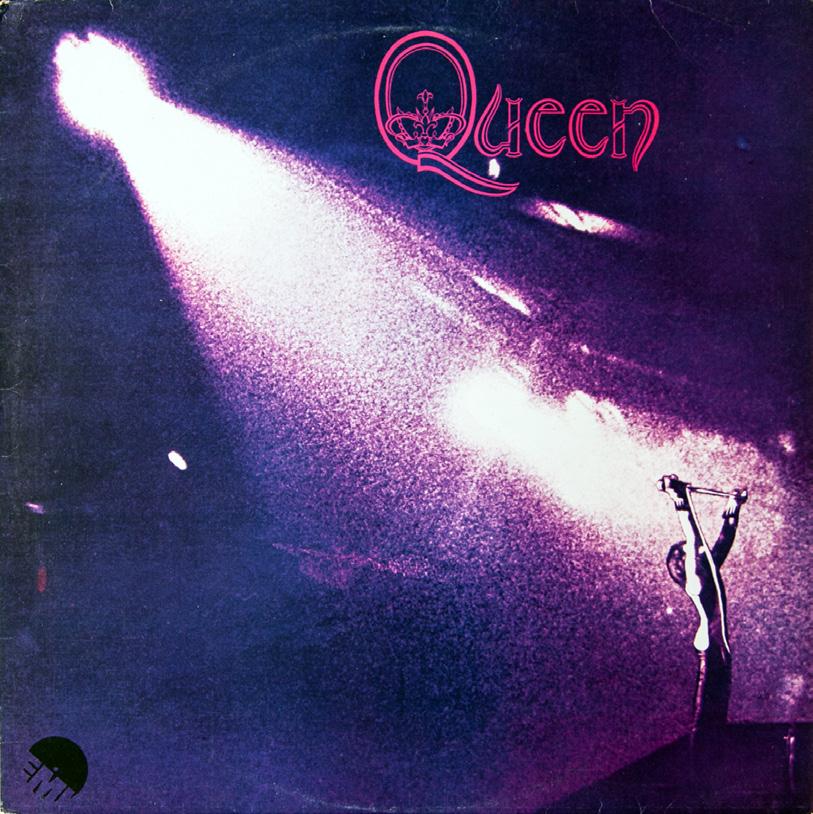

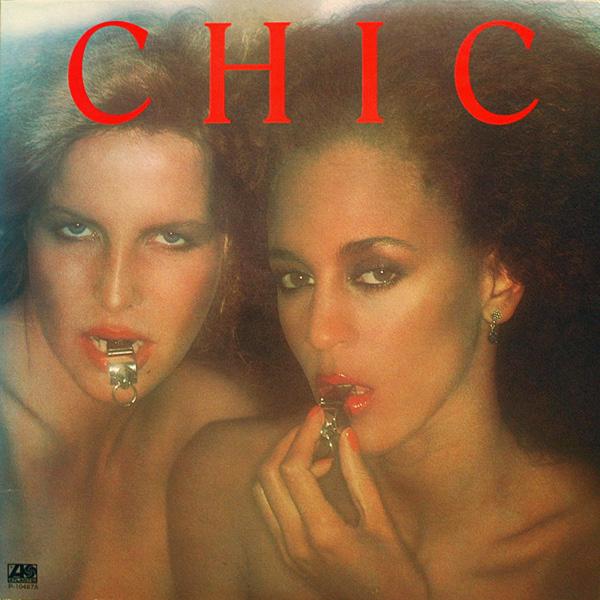
name Earth, although they had yet to release a record. Their blues-based heavy rock drew inspiration from the bleak industrial landscape of Birmingham, where the band members had grown up in modest circumstances. They took their name from a horror film, with the explicit intention of creating its musical equivalent. Through their crushingly heavy, repetitive and ominous riffs, Black Sabbath effectively gave birth to what would later become known as doom metal—a genre that would eventually find worthy custodians in Sweden’s own doom masters, Candlemass
Bonnie Raitt
Bonnie Raitt (1971)
One of the world’s finest singers also happens to be an outstanding slide guitarist.
As early as 1971, Bonnie Raitt had already mastered both.
There are remarkably few weak moments on this
debut, and it was followed by an impressive run of exceptional albums before success and hard partying gradually began to take their toll, both artistically and commercially. By the mid-1980s she had all but disappeared, and many had written her off. Then came the remarkable comeback.
Nick of Time (1989) earned three Grammy Awards in the United States, and Bonnie Raitt has never looked back since.
Queen
Queen (1973)
Few could have imagined that Queen would become one of the greatest bands of all time when this debut album appeared.
The music was closer to hard rock—perhaps even proto-metal—than to the arena anthems that would later define them, and genuine hit singles were nowhere to be found. What they did possess, however, was phenomenal musicianship, a magnetic frontman in Freddie
Mercury, and supreme self-confidence.
The songwriting soon caught up, and the hits began arriving in waves. This debut was recently reissued in a newly remixed edition. Granted, it sounds more modern— but honestly, did anyone really think Auto-Tune on Freddie Mercury’s vocals was a good idea?
Back to the drawing board.
By the time sisters Ann and Nancy Wilson, together with their male bandmates, released their debut album, they were already an exceptionally accomplished live act, with Ann Wilson firmly established as one of rock’s great vocal powerhouses. Their blend of hard rock— exemplified by Magic Man—and acoustic, Joni Mitchell-influenced songwriting prompted many comparisons with Led Zeppelin
That comparison was fully vindicated many years later when Heart
performed Stairway to Heaven before visibly emotional members of Led Zeppelin during the Kennedy Center Honors. You’ve seen the YouTube clip, haven’t you?
High Voltage (1976)
AC/DC’s first album, High Voltage, actually appeared in 1975, although it was released only in Australia. Their trademark sound— basic rock ‘n’ roll, boogie and R&B turned all the way up to eleven—was already fully formed.
The one notable exception was the straightforward ballad Love Song, which was removed from the heavily revised international edition of the album.
Ever since, AC/DC have made something of a point of never recording another ballad.
Admittedly, there have been slower songs, such as The Jack—although that one happens to be about a sexually transmitted disease...
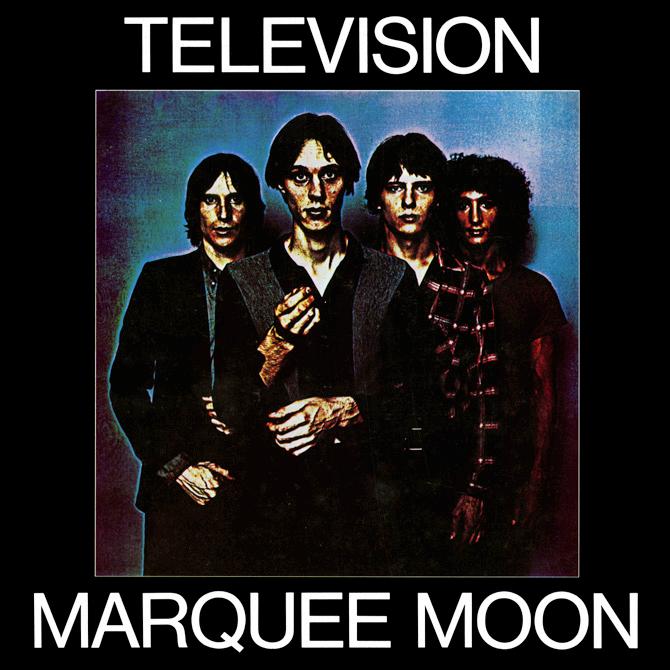
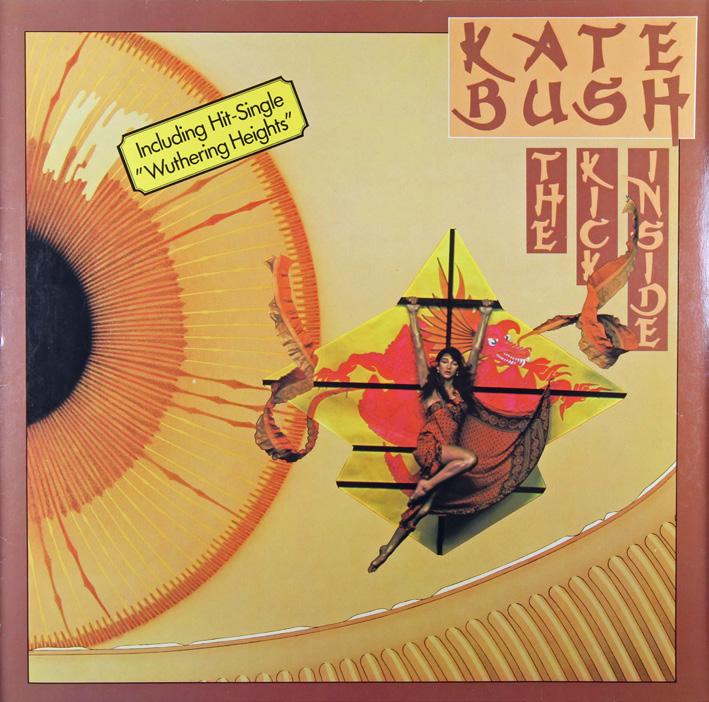
Chic Chic (1977)
We’ve previously written about Chic in these pages. The formidable partnership of Nile Rodgers and Bernard Edwards led the band to enormous success with their funk-infused disco, while both men also became highly soughtafter songwriters and producers for artists such as Sister Sledge, Diana Ross, and—in Rodgers’ case—David Bowie and Madonna. The band’s instantly recognisable sound was already fully established on this debut album, and for many of us their music became one of the defining soundtracks of the entire disco era.
The Damned Damned Damned Damned (1977)
With all due respect to Sex Pistols and The Clash, The Damned got there first—and, in my opinion, did it better. They released Britain’s first punk single, New Rose, and this
became the country’s first punk album. It’s packed with energy, excitement, memorable melodies and glorious chaos.
Producer Nick Lowe once joked that his main task had been to disguise the fact that The Damned couldn’t actually play. Looking back, that sounds more like a memorable quote than the truth. The music hangs together remarkably well, while the punk attitude remains completely uncompromising. Sadly, principal songwriter Brian James left the band at an early stage, but that never prevented The Damned from enjoying a long career—one that even included a number of genuine hit singles.
Television Marquee Moon (1977)
The New York scene centred around the legendary club CBGB wasn’t just home to punk— it also nurtured more adventurous music, with bands such as Talking Heads. Another prime
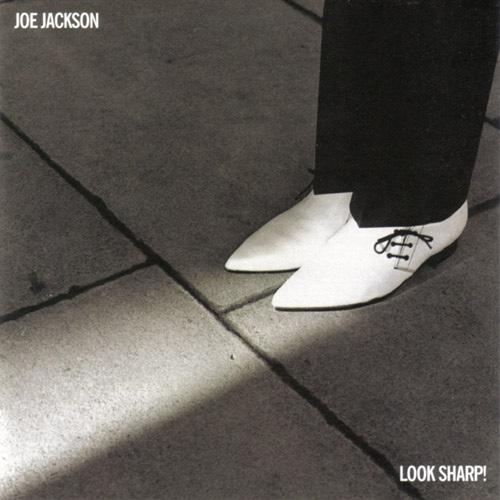
example was Television, whose poetic lyrics, nervous vocal delivery (courtesy of Tom Verlaine) and exploratory twinguitar interplay certainly aren’t for everyone. Those who do fall under the band’s spell, however, tend to become utterly devoted, and their legendary debut remains their defining statement. Just listen to the steadily mounting intensity of the title track.
Van Halen (1978)
Hard rock had begun to feel tired and stagnant when Van Halen arrived to demonstrate that breathtaking virtuosity could happily coexist with fun, swagger and sheer joy in playing.
Fortunately, producer Ted Templeman, having previously worked with Van Morrison, understood the importance of spontaneity in the recording studio. No one questions Eddie Van Halen’s brilliance as a guitarist, but equally vital
to the band’s success was the irreverent frontman David Lee Roth, whose outrageous self-confidence was always balanced by a healthy dose of self-parody. Van Halen would go on to record many outstanding albums, both with Roth and later with his replacement, Sammy Hagar, but their debut possesses a freshness and vitality that has never quite been surpassed.
The Kick Inside (1978)
There is so much that could be said about Kate Bush. She was “discovered” at the age of just fourteen by Pink Floyd guitarist David Gilmour, who financed her first demo recordings and introduced her to EMI. Four years later, at the age of eighteen, she released this magnificent debut. The single Wuthering Heights became the first UK number one written and performed entirely by a female artist. With her soaring voice and wonderfully intricate
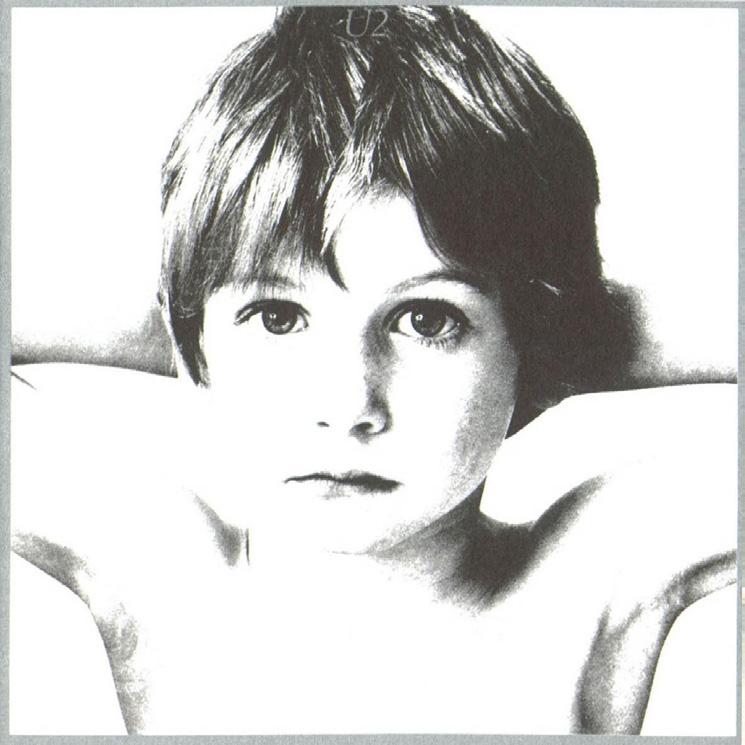

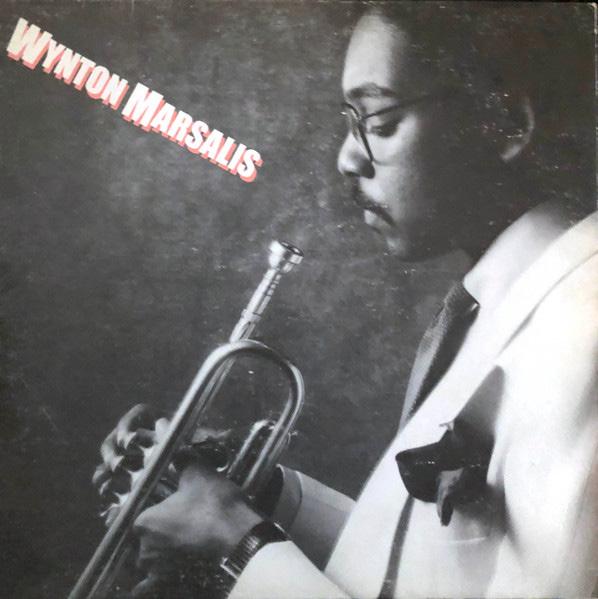

songwriting, Kate Bush became one of popular music’s great dividing lines—people either adored her or simply couldn’t understand the fuss. By 1985 she had released Hounds of Love. Its lead single, Running Up That Hill (A Deal with God), reached the UK Top Three on its original release before finally climbing to number one in 2022 after being prominently featured in the television series Stranger Things.
Joe Jackson
Look Sharp! (1979)
Although he emerged in the wake of Britain’s punk explosion, Joe Jackson, from Portsmouth, was already a classically trained musician, having won a scholarship to London’s Royal Academy of Music. He disguised that background remarkably well while firing off brilliantly crafted, razorsharp power-pop songs such as One More Time, Sunday Papers and Is She Really Going Out with Him?
Jackson remains active
today, both in the studio and on stage, continuing to produce music of exceptional quality regardless of which genre happens to capture his imagination.
Rickie Lee Jones
Rickie Lee Jones (1979) Coming from a deeply dysfunctional family and having previously dated Tom Waits, Rickie Lee Jones was eventually discovered by the production team of Lenny Waronker and Russ Titelman. They surrounded her with the very finest Los Angeles session musicians, providing the perfect backdrop for her jazzinflected singer-songwriter style. The formula worked. Chuck E’s in Love became an instant hit, earning Rickie a Grammy Award. She was only twentyfour, and her troubled upbringing had hardly prepared her for sudden fame. Just two years later she had become addicted to heroin, yet somehow still managed to record the magnificent follow-up
Pirates.
Fortunately, she overcame her addiction and has continued making excellent records ever since.
Even today, songs from this remarkable debut remain at the heart of her live performances.
Boy (1980)
U2 are remarkable in more ways than one. The same four musicians have remained together ever since the band formed in Dublin in 1976. They have also managed their careers—and their fame—with extraordinary intelligence, avoiding almost every scandal along the way. Much of the credit for the debut’s instantly recognisable sound belongs to producer Steve Lillywhite, whose huge, expansive production gave the band an unmistakable identity from the very beginning. Around the same time Lillywhite was also working with artists such as XTC, Peter Gabriel and Simple Minds, the latter
briefly appearing destined to become even bigger than U2.
Anyone who remembers the 1980s will recall the wave of Australian bands that emerged during the decade. The Saints, The Hoodoo Gurus, Midnight Oil, The Triffids and The Go-Betweens were only a few of them. My personal favourites, however, were always The Church, whom many Swedish listeners first encountered when the video for The Unguarded Moment, with its wonderfully chiming guitars, appeared on Swedish television’s Måndagsbörsen. The debut album benefited enormously from being produced by an ambitious young producer named Bob Clearmountain, who only two years later would enjoy spectacular success with artists including Bryan Adams, Tina Turner and David Bowie. Apart from a handful of hits such as Under the Milky Way,
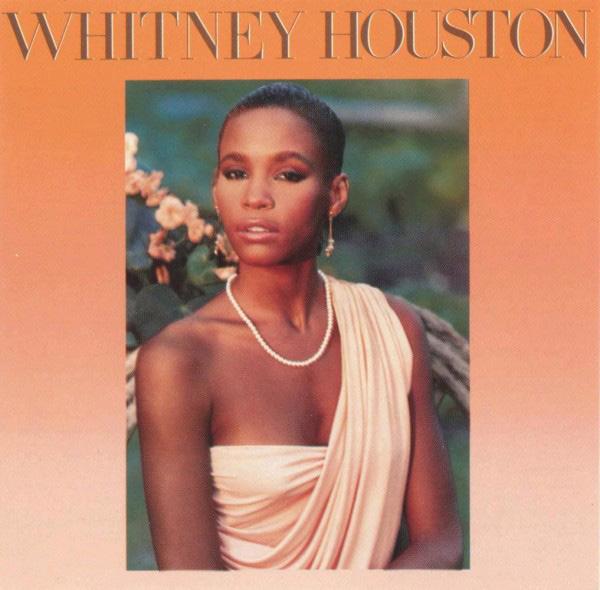

The Church never became quite as famous as they deserved. Thankfully, they’re still going strong.
Wynton Marsalis
Wynton Marsalis (1982)
By the early 1980s jazz had, at least as a mainstream genre, become rather stagnant when Wynton Marsalis arrived. He held uncompromising views on traditional swing and had little time for hybrids such as fusion or jazz-rock. The nineteen-year-old trumpeter was simply a traditionalist—albeit a remarkably gifted one— and was reportedly less than impressed when his brother later began performing with Sting. Rather than trying to reinvent jazz, Wynton became one of the great heirs to its classic swing tradition.
Marillion Script for a Jester’s Tear (1983)
Symphonic rock—as British progressive rock was often called in Sweden to distinguish it from
Sweden’s own left-wing “progg” movement—was deeply unfashionable when bands such as Marillion, Pallas and Twelfth Night helped revive the genre. Marillion were initially criticised for sounding too heavily influenced by Genesis. It hardly helped that frontman Fish, much like Peter Gabriel before him, wore elaborate make-up and brought considerable theatricality to the stage. Yet Marillion possessed a magic entirely their own, and it remains intact to this day—even if another singer now stands behind the microphone.
Suzanne Vega
Suzanne Vega (1985)
Now here was a genuine debutante. Yes, Suzanne Vega had been performing in cafés around Greenwich Village while working nights as a hotel receptionist, but when her Lenny Kayeproduced debut quietly appeared, there was very little fanfare. I, however, fell head over heels for her poetic music. She
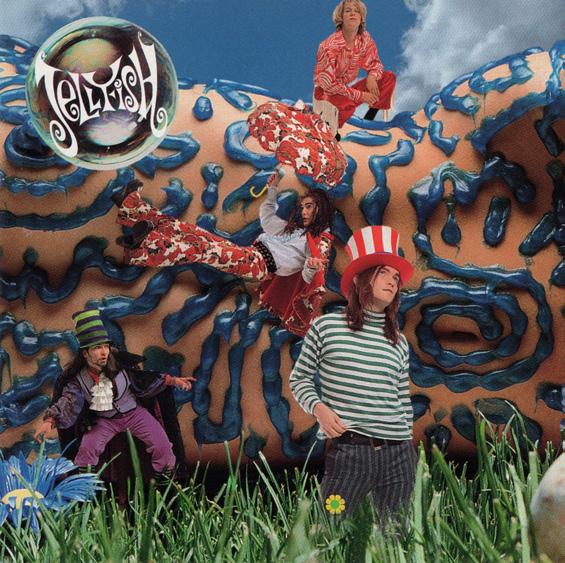
became the very first artist I travelled from Umeå to Stockholm to interview, shortly after the album’s release. To be perfectly honest, I think I was slightly in love with her. She embodied everything I adored: melancholic music with poetic lyrics, a bohemian New York that still felt slightly dangerous and endlessly fascinating. She had also studied modern dance at the celebrated High School of Performing Arts, later immortalised in both the film and television series Fame. When I remarked that many critics compared her to Joni Mitchell, but that I felt she had far more in common with Rickie Lee Jones, Suzanne was delighted. She even laughed at my (attempts at) jokes. By the end of the interview, I was even more hopelessly smitten. A year or so later she achieved international success with Luka, taken from her second album, Solitude Standing. Wonderful though that record is, I still don’t believe she’s
ever surpassed this extraordinary debut.
Whitney Houston
Whitney Houston (1985) When twenty-two-year-old model Whitney Houston— niece of the legendary Dionne Warwick—released her debut album, I heard a singer deeply rooted in genuine soul music, albeit presented in a form carefully tailored for a mainstream pop audience. Rather like The Supremes had once done. The big hit was Saving All My Love for You.
Whitney undoubtedly sang beautifully, but I remained slightly sceptical, particularly as the album was accompanied by a swimsuit calendar featuring the scantily clad young singer.
I’m slightly embarrassed to admit that my original review concluded with the line: “It’s perfectly adequate background music while doing the washing-up.”
I couldn’t have been more wrong. The album grew stronger with every listen, and Whitney quickly
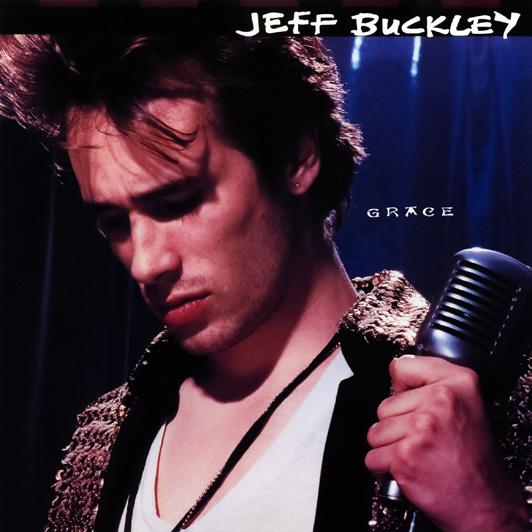
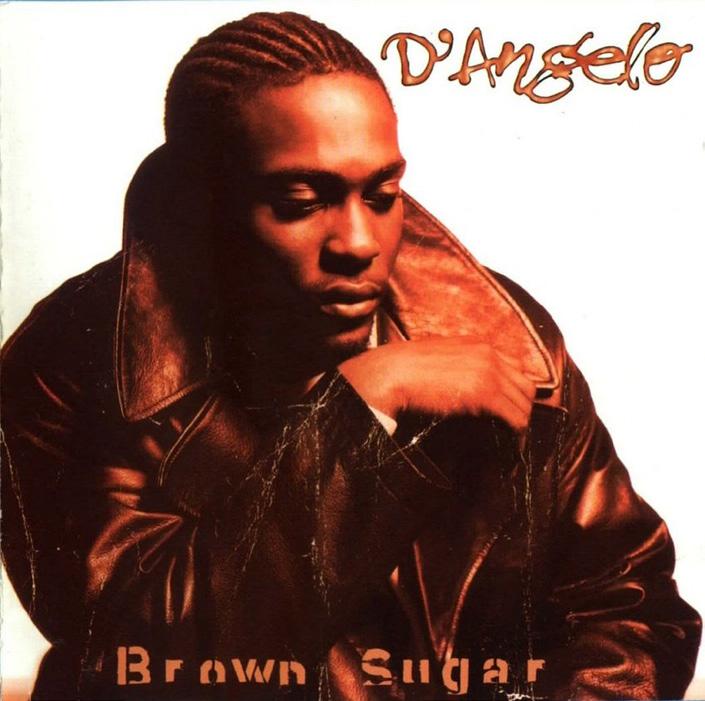
revealed herself to be one of the great vocal powerhouses of her generation.
Today I happily acknowledge how much she did to bridge the worlds of soul, R&B and mainstream pop. It may not be her finest album, but it launched one of the most remarkable careers in popular music—a career that, sadly, would end in tragedy.
By the mid-1980s hard rock had once again lost much of its swagger. Judas Priest were making heavy metal about... heavy metal. Dio was singing about dragons and demons. Aerosmith had yet to become sober enough to stage their great comeback. Then along came these unruly troublemakers from Sunset Strip, dragging hard rock firmly back down to earth. Songs such as Paradise City, Welcome to the Jungle and Sweet Child o’ Mine weren’t really heavy metal at all—they were dirty, dangerous rock ‘n’
roll played with exactly the right amount of attitude and carried by the perfect rasp in Axl Rose’s voice. Legend even has it that this album not only rescued us from fluorescent pink guitars shaped like hockey sticks, but also saved the legendary guitar maker Gibson from financial ruin, because suddenly everyone wanted to sound like Slash. Today the album has sold well over thirty million copies, making it one of the biggest-selling albums of all time—and the best-selling debut album ever released in the United States.
Bellybutton (1990)
Jellyfish adored classic soft rock and immaculate pop— think 10cc, Supertramp, Wings and Fleetwood Mac—and it showed. They were a magnificent live band, boasting glorious four-part harmonies and superb musicianship. Unfortunately, they arrived at exactly the wrong moment.
Just a year after this debut, grunge exploded, and their second album, Spilt Milk, would also prove

to be their last. Even so, people still speak with genuine reverence about Jellyfish’s two concerts in Stockholm—and with very good reason.
Debut (1993)
Iceland’s Björk Guðmundsdóttir had actually released an album entitled Björk as far back as 1977, when she was just twelve years old. However, when she issued her first “adult” solo album in 1993, she deliberately called it Debut to make it clear that she did not regard the pre-pubescent recording as her true debut. Now twenty-eight, Björk had already established herself during the 1980s as one of the two front figures in The Sugarcubes (although the other frontman, Einar Örn, was, if truth be told, mostly just a distraction). With this remarkable solo debut, Björk launched a career that rapidly established her as one of the most original and groundbreaking artists of her generation. Her adventurous art-pop challenged conventions, provoked expectations
and constantly ventured into unexpected territory, while somehow remaining commercially successful. No fewer than five successful singles were released from the album, including Human Behaviour, Venus as a Boy and Play Dead. The fact that Björk’s music was accompanied by visually stunning videos during the golden age of MTV undoubtedly helped as well.
Pride & Glory (1994)
Today we know Zakk Wylde as Ozzy Osbourne’s longest-serving guitarist and the driving force behind the hugely productive Black Label Society. Back in 1994, however, he released this magnificent album, where Southern rock collided head-on with grunge influences. Sadly, the band proved shortlived, but anyone with the right combination of knowledge, luck and timing may have caught them live at Stockholm’s Maritime Museum, where they opened for Aerosmith during the summer of 1994.

Jeff Buckley
Grace (1994)
Many of us still wonder what extraordinary musical achievements Jeff Buckley might have gone on to accomplish had he not drowned at the tragically young age of twenty-nine.
Buckley was the son of singer-songwriter Tim Buckley, who had also died far too young, and possessed one of the most astonishing—almost otherworldly—voices popular music has ever known. Anyone who has heard Jeff Buckley’s interpretation of Bob Dylan´s Just Like a Woman will understand why so many regard it as the definitive version. The album contains countless other treasures, and both Jimmy Page (exLed Zeppelin) and Roger Hodgson (ex-Supertramp) have spoken of it as one of the records they played most frequently during the second half of the 1990s.
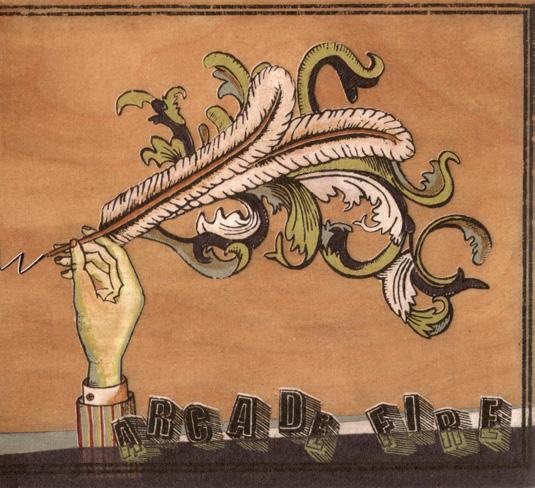
Brown Sugar (1995)
Every so often an artist emerges who reinvents soul music, breathing new life into it while never losing touch with its roots.
In the mid-1990s, D’Angelo became the leading figure of what came to be known as neo soul—a wonderfully imaginative label, don’t you think? This sensational debut produced three major Billboard hits: the title track, Lady and a superb version of Smokey Robinson’s Cruisin’.
D’Angelo also collaborated closely with fellow neo soul pioneers such as Angie Stone and Erykah Badu. He struggled throughout his life with depression, alcoholism and drug addiction. Tragically, it was pancreatic cancer that claimed his life in 2025.
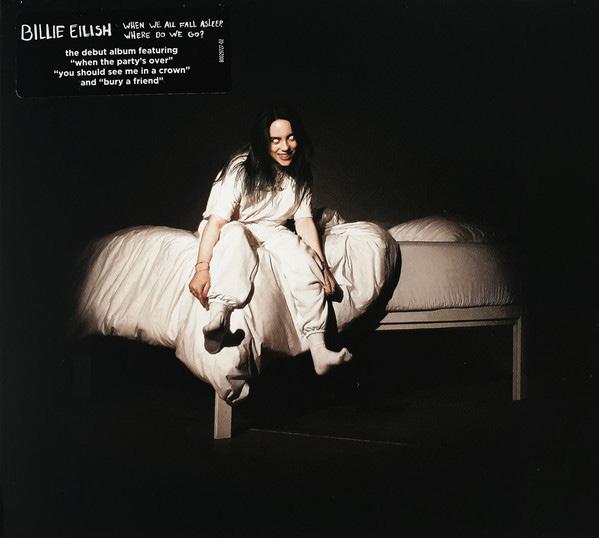
The Miseducation of Lauryn Hill (1998)
Lauryn Hill had already gained recognition both as a teenage actress and as a member of The Fugees, but it was on her first solo album that she truly demonstrated the full extent of her talent.
The record is essentially a concept album about educating oneself and acquiring the wisdom needed to navigate life. Because she excelled equally as both rapper and singer, Hill effortlessly bridged the worlds of hiphop, R&B and classic soul. The album entered the Billboard chart at number one with the highest firstweek sales ever achieved by a female artist at the time. It also became the first album by a female rapper to receive Diamond certification, signifying sales of more than ten million copies.
Funeral (2004)
Canada’s Arcade Fire have always possessed an unmistakably emotional sound, and it was fully formed from the very beginning. Their debut won a Grammy Award for Alternative Music, and according to Metacritic, only one album—Radiohead’s Kid A—appeared on more critics’ “Best Albums of the Decade” lists compiled in 2011. Even David Bowie became an early admirer, attending numerous Arcade Fire concerts and joining them live at Fashion Rocks in 2005, where they performed euphoric versions of Wake Up from this album alongside Bowie’s own classic Five Years.
Ghost
Opus Eponymous (2010)
Few people could have predicted in 2010 that Sweden’s Ghost, led by Tobias Forge from Linköping, would become one of the biggest rock bands in the world. Their debut presented an unusual blend of heavy metal influences combined with surprisingly melodic, almost pop-oriented vocals. What truly set the band apart, however, were the occult lyrics and the carefully cultivated air of mystery. Today everyone knows perfectly well who Tobias Forge is and what he looks like, yet Ghost’s popularity has only continued to grow. Their most recent album reached number one in the United States, and they have sold out iconic venues such as Madison Square Garden. Forge has recently announced that he intends to take a break from Ghost.
Frank Ocean
Channel Orange (2012)
Frank Ocean had already released a mixtape before making his official album debut. Where the mixtape relied heavily on sampling, Channel Orange adopted a far more organic musical approach. An impressive collection of contemporary artists, songwriters,
musicians and producers contributed to the project, including Malay, Pharrell Williams, Tyler, the Creator, André 3000 and blues-rock guitarist John Mayer. The result was a groundbreaking album that blended electronic music, pop, soul and psychedelia with remarkable freedom and originality.
In the modern era it is naturally far more difficult to predict which debut albums will eventually be regarded as classics. There can be little doubt, however, about the importance of Billie Eilish’s debut.
Still only seventeen, she wrote the songs together with her brother, who recorded and produced them in his bedroom, creating an unconventional and strikingly mature first album.
Seven singles were released from the record, which quickly became a global phenomenon. It went on to win seven Grammy Awards—an almost unbelievable achievement for a seventeen-year-old making her debut.
Wayne Shorter: Introducing Wayne Shorter” (1959)
Cream: Fresh Cream (1966)
Leonard Cohen: Songs of Leonard Cohen (1967)
Jimi Hendrix Experience: Are you experienced (1967)
The Stooges: The Stooges (1969)
Judee Sill (1971)
John Prine (1971)
Roxy Music (1972)
Big Star: #1 Record (1972)
Jackson Browne (1972)
Patti Smith: Horses (1975)
Boston (1976)
Cheap Trick (1977)
Toto (1978)
The Cars (1978)
Pretenders (1979)
Iron Maiden (1980)
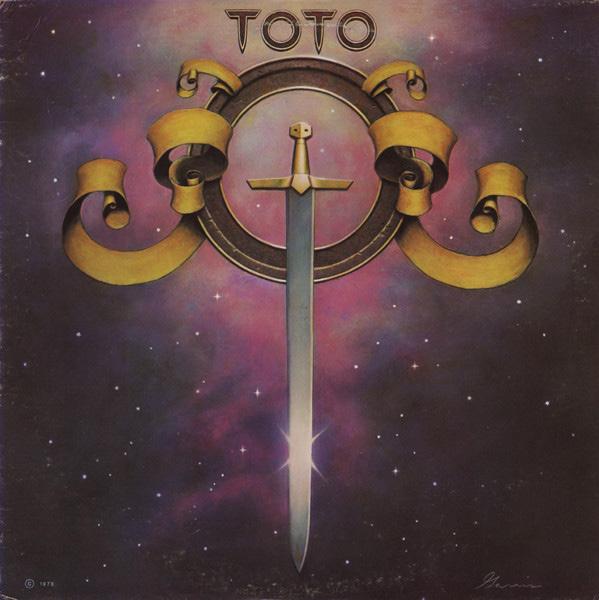
Cyndi Lauper: She’s so unusual (1983)
The Jesus and Mary Chain: Psychocandy (1985)
Alice In Chains: Facelift (1990)
Rage Against the Machine (1992)
Kevin Gilbert: Thud (1995)
LCD Soundsystem (2005)
Arctic Monkeys: Whatever people say I am, that’s what I’m not (2006)
Portishead: Dummy (1994)
Nas: Illmatic (1994)
Ramones (1976)
The Clash (1977)
The Sex Pistols: Never mind the bollocks, here’s the Sex Pistols (1977)
Joy Division: Unknown pleasures (1979)
Steel Pulse: Handsworth revolution (1978)
Wu-Tang Clan: Enter the Wu-Tang (36 chambers) (1993)
The Velvet Underground: The Velvet Underground and Nico’ (1967)
Taylor Swift (2006)
Herbie Hancock: Takin’ Off (1962)


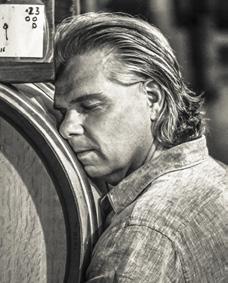
CEO & Editor-in-Chief who has always championed quality over quantity for his readers — whether the subject is wine, beer, whisky, or food. With a solid and extensive background in the magazine industry, he has spent many years traveling the world to cover and document the world of wine. Few people can match the experience this gentleman has acquired.
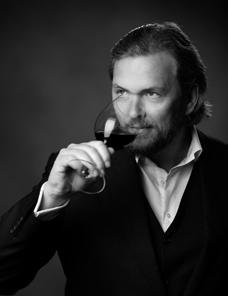
ANDREAS LARSSON
Andreas Larsson won the World Championship in 2007 and is therefore one of only three people in the world who can claim the titles of both World Champion and European Champion. He is a multiple Swedish and Nordic Champion; in 2004 he won the European Championship, and in 2005 he was named Wine International Sommelier of the Year. He was also the first Scandinavian elected as a permanent member of the Grand Jury Européen. When he does not have his nose in the glass, he enjoys Livets Goda, traveling, cooking, playing guitar, Johann Sebastian Bach, and John Coltrane.
Björnstierne Antonson is one of Sweden’s most recognized and decorated sommeliers, with a victory as Swedish Champion in 2003 and 13 silver medals in national and international competitions.
Björnstierne has worked at Grappe wine cellar, Baràvin (Sweden’s first wine bar), Wine Bar at Gondolen, and the eclectic Vassa Eggen. Today, you will find him as Wine Director & Creative Head Sommelier at Champagne Club by Richard Juhlin and with Livets Goda.
ULRIKA ERIKSSON
Ulrika moved to Sydney in 2004 and thrives with life Down Under. She works as a freelance journalist and editor and has a background as a radio host. Over the years, she has interviewed key figures in the restaurant and wine industries across Southeast Asia, Australia, and Europe. Now based in Canberra District, she writes about food and wine while experimenting in the kitchen with the country’s outstanding produce.

KATIE SPAIN
She is the woman from Australia who reports from the wine regions on the other side of the world. Her experience and knowledge are seemingly endless, and in addition to razorsharp features in Livets Goda, she is also a contributor to The Sydney Morning Herald and The Age, restaurant critic for Gourmet Traveller, as well as a writer for Wine Business Magazine.
Tobias holds an MSc in Oenology and Viticulture from Montpellier SupAgro and the University of Lisbon. His studies concluded with an internship at one of the world’s leading wine institutes, ISVV in Bordeaux. His life as a traveling winemaker began in Saint-Émilion and, via destinations including New Zealand and Australia, eventually led him to England. After many years as Associate Winemaker at Hambledon Vineyard in Hampshire, Tobias is now based in Jura.



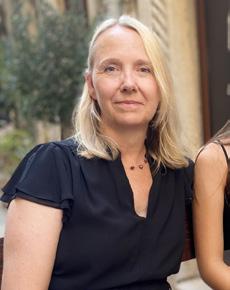
Our shared hero and one of the sons of the Enquist family. A magician both on the phone with the magazine’s network of contacts and at the stove when it is time to cook. He is also the guy you need to bring something especially tricky for if you hope to fool him with a blind bottle of wine.
After studying Romance languages in his hometown of Lund, Daniel’s interest in wine was awakened in a Sicilian wine cellar in 2008. After a stop in Naples, he then headed to Copenhagen, where he took a job at Juuls Vin & Spiritus. Countless glasses of nerello mascalese later, he picked up the pen and began writing about his wine travels. Today, he also writes about whisky and photographs from different corners of the world.
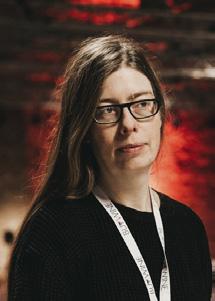
KATARINA ANDERSSON

Katarina holds a PhD in History and works as a wine writer, copywriter for the wine world, translator, and sommelier. Her wine writing focuses primarily on lesser-known wine regions, grape varieties, and small-scale producers.
She set her course from Ystad to Florence in the late 1990s to pursue her doctorate in history at the European University Institute, located between Florence and Fiesole. Florence has been her principal home ever since.
A communicator and political scientist by training, as well as a former beauty editor, she completed WSET Levels 2 and 3 at Restaurangakademien in 2010–11.
She works freelance—writing, hosting beverage tastings at venues including Spritmuseum, and producing the wine podcast Dos Gardenias and the Latino podcast La Once. Constantly in search of the next great beverage experience—so many grapes, so little time!
Designer, photographer, and culinary creative at Livets Goda since the very beginning. With an endless passion for food and drink shaped by hundreds of restaurant visits and wine journeys over the years. Loves honest food on the plate paired with a truly great bottle of wine — and the music...

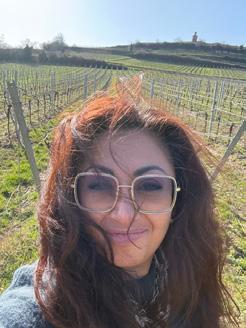

Anders Melldén is a wine writer and the author of several wine books, including Winesplaining – värt att veta om vin and Winesplaining – prova, lagra, njut av vin. He also lectures in sommelier training programs. Sangiovese is one passion; another is luxurious champagne.
Anders is a Stockholm-based writer with music as his primary field of coverage. He has been published since 1980 and has worked full-time as a writer since the mid1980s. Over the years, he has conducted around 3,000 interviews and, through them, met many of his favorite artists, including Peter Gabriel, David Bowie, Neil Young, Rickie Lee Jones, Stevie Wonder, Aerosmith, Joni Mitchell, Jeff Lynne, Deep Purple, Todd Rundgren, Rush, Robert Plant, Supertramp, and 10cc.

He is also active as a songwriter for various artists and is a member of the duo Last Plane Out, who are releasing a new album in spring 2024.

The Livets Goda app is your personal companion in the world of fine drinks. It is free to download and available for both iOS via the App Store and Android via Google Play. Premium users can log in to unlock the app’s full potential, gaining access to the Wine Cellar, Recipe Library, New at Systembolaget, and much more. Have Premium Plus? Then you can also read our regular magazine issues and special editions directly within the app.
Whether you are faced with the challenge of choosing the right wine from Systembolaget’s Temporary Assortment, looking for inspiration for a memorable meal, or simply browsing the latest news and articles, the Livets Goda app is your ultimate guide. It offers the same rich content as our website and even more possibilities – including the Livets Goda Restaurant Guide.
With or without Premium, this is an app that enhances the experience for every food and wine enthusiast. Download it today and discover why Livets Goda is Sweden’s leading source of knowledge and inspiration in wine and gastronomy.
AppStore (iOS): https://lgoda.se/app

Google Play (Android): https://lgoda.se/app-google
Thank you for being part of Livets Goda!
Follow us on Instagram for the latest wine and whisky recommendations, recipes, restaurant visits and a behind-the-scenes look at Sweden’s leading drinks magazine.

HTTPS://WWW.INSTAGRAM.COM/LIVETSGODA_MAGAZINE