Background: A chronic illness presenting in adolescence may lead to emotional and behavioral problems, as well as low school performance. However, there are reports on psychological health and school performance in adolescents suffering from chronic illness since early childhood that do not differentiate between the latter and healthy peers. Aim of the present study was to determine possible differences between healthy and chronically ill adolescents regarding self-perception, emotional and behavioral problems and school performance.
Methods: The study participants were 46 adolescent patients, 23 suffering from hemophilia and 23 from asthma. The control group consisted of 29 healthy adolescents. Study evaluation included information given by adolescents, one of the parents and one school teacher. The study used questionnaires exploring psychological problems, self-perception and self-esteem, as well as school performance.
Results: Deviant hyperactivity ratio was higher in adolescents with chronic illness related to normal hyperactivity ratio. School performance was also lower in the study group compared to controls, without correlating to days of school absence. No statistically significant difference was found between the two groups regarding the rest of psychological problems studied or regarding self-perception.
Ioannidou Maria
Adramerina Alkistis
Teli Aikaterini
Economou Marina
1st Pediatric Department, School of Medicine, Faculty of Health Sciences, Aristotle University of Thessaloniki
Hatziagorou Elpis
3rd Pediatrician Department, School of Medicine, Faculty of Health Sciences, Aristotle University of Thessaloniki
Pergantou Helen
Bleeding Disorders' Unit, "Agia Sophia" Hospital, Athens
Conclusions: The study revealed differences between chronically ill adolescents and healthy peers in terms of manifestation of divergent behaviors connected to school life, but did not confirm the presence of emotional problems. The study findings indicate the presence of adaptive mechanisms in adolescents in managing their chronic illness.
Key words: adolescence, school performance, hyperactivity, chronic illness
1. Blum R. Chronic illness and disability in adolescence. Journal of Adolescent Health 1992; 13: 364–368.
2. Eiser C. Storm and stress: The impact of chronic disease during adolescence. In: Eiser C editor. Growing up with a chronic disease: The impact on children and their families. London: Jessica Kingsley; 1993. p. 70–92.
3. Zashikhina A, Hagglof B. Self-esteem in adolescents with chronic physical illness vs. controls in Northern Russia. International Journal of Adolescent Medicine and Health 2014; 26(2): 275-281
4. Hegeman AK, Van Genderen FR, Meijer S, Van Den Briel MM, Tamminga RYJ, Van Weert
E. Perceived competence in children and adolescents with haemophilia: an explorative study. Haemophilia 2011; 17(1): 81-89
5. Baucom KJ, Queen TL, Wiebe DJ, Turner S L, Wolfe KL, Godbey EI, Fortenberry KT, Mansfield JH, Berg CA. Depressive symptoms, daily stress, and adherence in late adolescents with type 1 diabetes. Health Psychology 2015; 34(5): 522
6. Bernstein CM, Stockwell MS, Gallagher MP, Rosenthal SL, Soren K. Mental health issues in adolescents and young adults with type 1 diabetes: prevalence and impact on glycemic control. Clinical pediatrics 2013; 52(1): 10-15
7. Potì S, Palareti L, Emiliani F, Rodorigo G, Valdrè L. The subjective experience of living with haemophilia in the transition from early adolescence to young adulthood: the effect of age and the therapeutic regimen. International Journal of Adolescence and Youth 2018; 23(2): 133-144
8. Spencer MLS, Wodrich DL, Schultz W, Wagner L, Recht M. Inattention, hyperactivityimpulsivity, academic skills and psychopathology in boys with and without haemophilia. Haemophilia 2009; 15(3): 701-706
9. Verkleij M, van de Griendt EJ, Kaptein AA, van Essen-Zandvliet L, Duiverman E, Geenen R. Behavioral problems in children and adolescents with difficult-to-treat asthma. Journal of Asthma 2011; 48(1): 18-24
10. Sadowski H, Kolvin I, Clemente C, Tsiantis J, Baharaki S, Ba G, Lee C, Taylor B. Psychopathology in children from families with blood disorders: a cross-national study. European Child & Adolescent Psychiatry 2002; 11(4): 151-161
11. Cappelli M, McGrath PJ, Heick CE, Macdonald NE, Feldman W, Rowe P. Chronic disease and its impact: The adolescent's perspective. Journal of Adolescent Health Care 1989; 10(4): 283-288
12. Taras H, Potts-Datema W. Chronic health conditions and student performance at school. Journal of School Health 2005; 75(7): 255-266
13. Shapiro AD, Donfield SM, Lynn HS, Cool VA, Stehbens JA, Hunsberger SL, Tonetta S, Gomperts ED. Defining the impact of hemophilia: the Academic Achievement in Children with Hemophilia Study. Pediatrics 2001; 108(6): e105-e105
14. Basu J, Chowdhury MR, Mitra AK. Cognitive functioning, personality variables and academic achievement of hemophilic and normal children: A comparative study. Psychological Studies 2010; 55(2): 165-171
15. King E. Chronic illness and functionality: how it affects adolescents academically and socially and how they can cope. The BYU Journal of Psychology 2017; 12(2): 95-107
16. Yeo M, Sawyer S. ABC of adolescence: Chronic illness and disability. BMJ: British Medical Journal 2005; 330(7493): 721
17.
18.
19.
20.
21. Pinto PR, Paredes AC, Pedras S, Costa P, Crato M, Fernandes S, Lopes M, Carvalho M, Almeida A. Sociodemographic, Clinical, and Psychosocial Characteristics of People with Hemophilia in Portugal: Findings from the First National Survey. TH Open 2018; 2(01): e54-e67
22. Pinquart, M, Shen Y. Depressive symptoms in children and adolescents with chronic physical illness: an updated meta-analysis. Journal of Pediatric Psychology 2010; 36(4): 375-384
23. Jones LC, Mrug S, Elliott MN, Toomey SL, Tortolero S, Schuster MA. Chronic physical health conditions and emotional problems from early adolescence through midadolescence. Academic Pediatrics 2017; 17(6): 649-655
24. Borschuk AP, Rodweller C, Salorio CF. The influence of comorbid asthma on the severity of symptoms in children with attention-deficit hyperactivity disorder. Journal of Asthma 2018; 55(1): 66-72
25. Surís JC, Parera N, Puig C. Chronic illness and emotional distress in adolescence. Journal of adolescent health 1996; 19(2): 153-156
26. Parkyn H, Coveney J. An exploration of the value of social interaction in a boys' group for adolescents with muscular dystrophy. Child: care, health and development 2013; 39(1): 81-89
27. Valenzuela JM, Vaughn LM, Crosby LE, Strong H, Kissling A, Mitchell MJ. Understanding the experiences of youth living with sickle cell disease: a photovoice pilot. Family & community health 2013; 36(2): 97
28. Moreira JM, Soares CMBM, Teixeira AL, e Silva ACS, Kummer AM. Anxiety, depression, resilience and quality of life in children and adolescents with pre-dialysis chronic kidney disease. Pediatricnephrology 2015; 30(12): 2153-2162
29. Drake JH, Soucie JM, Cutter SC, Forsberg AD, Baker JR, Riske B. High school completion rates among men with hemophilia. American Journal of Preventive Medicine 2010; 38(4): S489-S494
30. Pinquart M, Teubert D. Academic, physical, and social functioning of children and adolescents with chronic physical illness: A meta-analysis. Journal of Pediatric Psychology 2011; 37(4): 376-389
31. Hsu J, Qin X, Beavers SF, Mirabelli MC. Asthma-related school absenteeism, morbidity, and modifiable factors. American Journal of Preventive Medicine 2016; 51(1): 23-32
32. Emerson ND, Distelberg B, Morrell HE, Williams-Reade J, Tapanes D, Montgomery S. Quality of life and school absenteeism in children with chronic illness. The Journal of School Nursing 2016; 32(4): 258-266
33. Logan DE, Gray LS, Iversen CN, Kim S. School Self-Concept in Adolescents With Chronic Pain. Journal of pediatric psychology 2017; 42(8): 892-901
34. Smith ML, Minden D, Netley C, Read SE, King SM, Blanchette V. Longitudinal investigation of neuropsychological functioning in children and adolescents with hemophilia and HIV infection. Developmental Neuropsychology 1997; 13(1): 69-85
35. Suris JC, Michaud PA, Viner R. The adolescent with a chronic condition. Part I: developmental issues. Archives of Disease in Childhood 2004; 89(10): 938-942
36. Srivastava A, Brewer AK, Mauser-Bunschoten EP, Key NS, Kitchen S, Llinas A, Ludlam CA, Mahlangu JN, Mulder K, Poon MC, Street A. Guidelines for the management of hemophilia. Haemophilia 2013; 19(1): e1-e47
37.
Correspondence
Topalidou Aikaterini
Propontidos 14, 66132, Drama T. +302521098979, 6974396678
E. topalidouaik@yahoo.com
Tic Disorder and Comorbidity in Infancy and Early Childhood. An epidemiological study in children aged 4-8 years
Topalidou V. Aikaterini
Ministry of Education and Religious AffairsDepartment of Primary Education of the Prefecture of Kavala, Eastern Macedonia, Greece.
Topalidou V. Aikaterini
Msc Clinical Mental Health, Aristotle University of Thessaloniki, Greece.
Tsapaki Eva-Maria “Agios Charalambos” Mental Health Clinic, Herakleion Crete, Greece.
Tsapaki Eva-Maria
1st Psychiatric Department - School of Medicine –Faculty of Health Sciences , Aristotle University of Thessaloniki, General Hospital “Papageorgiou” Thessaloniki, Greece.
Fountoulakis N. Konstantinos
3rd Psychiatric Department - School of Medicine - Faculty of Health Sciences, University Hospital “AHEPA”, Aristotle University of Thessaloniki, Greece.
Vargiami Efthimia
Zafeiriou I. Dimitrios 1st Pediatric Department, General Hospital “Ippokratio”, School of Medicine - Faculty of Health Sciences, Aristotle University of Thessaloniki, Greece
Topalidou V. Aikaterini, Tsapaki Eva-Maria, Fountoulakis N. Konstantinos, Vargiami Efthimia, Zafeiriou I. Dimitrios
Abstract
Introduction: The purpose of this study was to investigate the occurrence of Tic Disorder in children aged 4-8 years in the general population and the comorbidity with other Neurodevelopmental Disorders. An additional goal was to identify the likelihood of correlating Tic disorder with characteristic intense behaviors of Neurodevelopmental Disorders, as well as the likelihood of associating the Tic occurrence with traumatic events, phobic or stressful situations experienced by the child.
Method-Sample: The data collection, correlations, and analysis related to Tic Disorder, performed for 149 students of Primary Education in the area of Prefecture of Drama at Eastern Macedonia and Thrace, Greece. The data collection carried out with a questionnaire to the parents of the children.
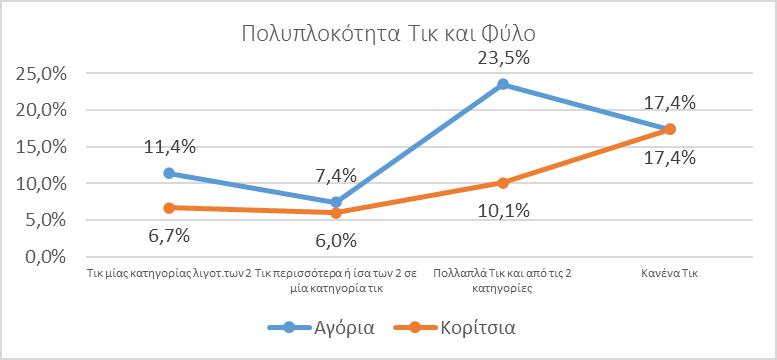
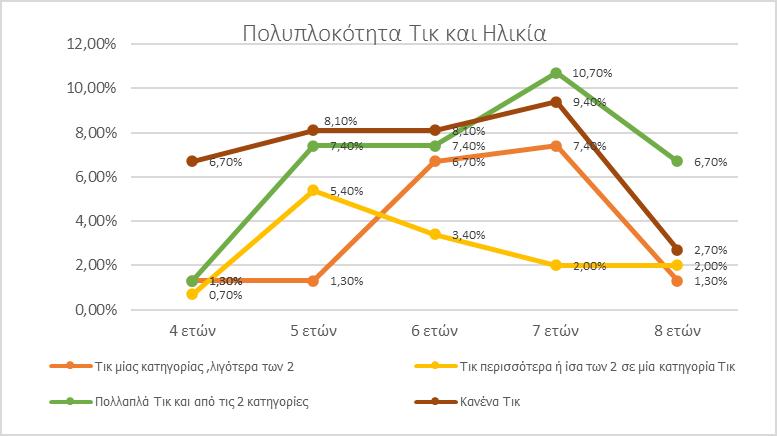
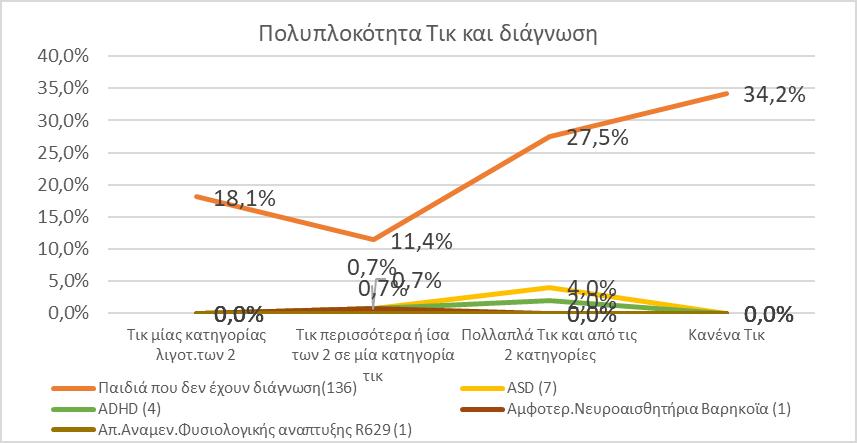
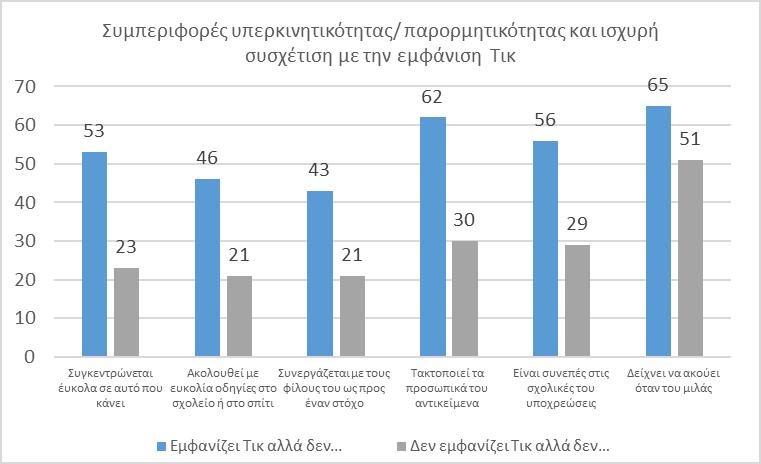
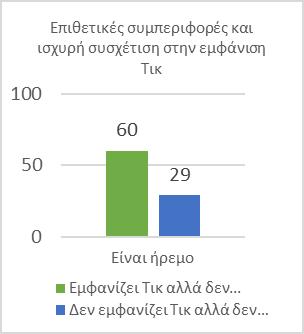
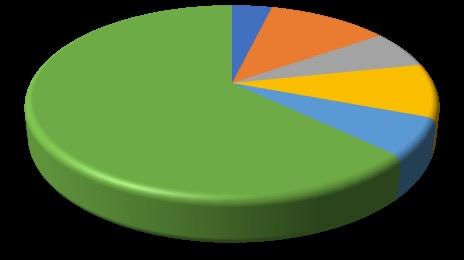
Results: The data collected from parents showed that of the 149 children who participated in 18.8% of boys and 12.7% of girls showed "Simple Tic". Multiple/complex Tics showed 23.5% of boys and 10.1% of girls. Tics are more related to age (p = 0.035), school attendance (p = 0.045) and consequently the difficulty that children face as a whole. It was also noted the predominance of "Multiple Tics in both categories of Tic" (motor and vocal), even in children who do not have a diagnosis ( p= 0.025). The time analysis showed that last year, during the covid-19 pandemic period, 12.8% of children aged 4-8 years had motor tics and 12% had vocal tics (p ≤ 0.01). Statistical analysis showed that some behaviors characterized by impulsivity/ hyperactivity strongly correlated with the existence of Tics (p ≤0.05). The analysis for the traumatic events in the child's life or the situations that cause anxiety or fear in the child showed that there is a strong correlation with the appearance of tic (p ≤ 0.001). In the descending order, the highest percentage observed in the situations related to school 11.5%, followed by situations that cause fear 9%, the peers’ company 6.4%, a combination of factors 6.4%, and traumatic event 3.8%.
Discussion: It is noted that many children experience difficulties associated with Tic Disorder, whether they are diagnosed or not, and yet exhibit behaviors that affect their daily lives, their relationships with significant others, and generally their functionality in the social context and their quality of life.
Keywords: Tic Disorder, GTS, childhood, early life trauma, stress
ASD:
OCD:
ODD:
CD:
DSM: Diagnostic and Statistical Manual of Mental Disorders
ICD: International Classification of Diseases
YGTSS: Yale Global Tic Severity Scale
TD: ΔΤ-Διαταραχή Τικ
CTD: Χρόνια Διαταραχή Τικ
TS ή GTS: Σύνδρομο
Tourette ή Gilles de la Tourette
Kruskal –Wallis Test.
Cronbach’s Alpha, 8200.
Kurlan et al. (2001)
Βιβλιογραφία
1. APA DSM-5. Diagnostic and Statistical Manual of Mental Disorders DSM-5. 5η. s.l. : American Psychiatric Association, 2013.
2. Specht, M.W., Woods, D.W. και Piacentini, J. Clinical Characteristics of Children and Adolescents with a Primary Tic Disorder. Journal of Developmental and Physical Disabilities. 2011, σσ. 15-31.
3. Gadow, K., και συν. Tics and psychiatric comorbidity in children and adolescents. Developmental Medicine & Child Neurology . 2002, σσ. 330-338.
4. Freeman, RD, και συν. An international perspective on Tourette syndrome: selected findings from 3,500 individuals in 22 countries. Dev Med Child Neurology. 2000, σσ. 436447.
5. Martino, Davide και Leckman, James. Tourette Syndrome. New York : Oxford University Press, 2013.
6. Ganos, C., Martino, D. και Pringsheim, T. Tics in the Pediatric Population: Pragmatic Management. Movement Disorders Clinical Practice. 2017, σσ. 160-172.
7. Ganos, Christos, Munchau, Alexander και Kailash, Bhatia. The Semiology of Tics, Tourette's, and Their Associations. Mov Disord Clin Pract. 2014, σσ. 145-153.
8. Martino, Davide, Ganos, Christos και Pringsheim , Tamara. Tourette Syndrome and Chronic Tic Disorders: The Clinical Spectrum Beyond Tics. International Review of Neurobiology Vol 134. 2017, σσ. 1461-1490.
9. Cavanna, Andrea E., και συν. The cognitive neuropsychiatry of Tourette syndrome. Cognitive Neuropsychiatry Vol 25 Issue 4. April 2020, σσ. 254-268.
10. Cavanna, Andrea E. και Rickards, Hugh. The psychopathological spectrum of Gilles de la Tourette syndrome. Neuroscience & Biobehavioral Reviews Vol 37 Issue 6. July 2013, σσ.
1008-1015.
11. Leckman, J.F., και συν. The Yale Global Tic Severity Scale: initial testing of a clinicianrated scale of tic severity. Journal of American Academy of Child and Adolescent Psychiatry Vol 27 Issue 4. 1989, σσ. 566-573.
12. Schahill, Lawrence, Specht, Matthew και Page, Christopher. The prevalence of tic disorders and clinical characteristics in children. Journal of Obsessive-Compulsive and Related Disorders. October 2014, σσ. 394-400.
13. Knight, Tristan, και συν. Prevalence of Tic Disorders: A Systematic Review and MetaAnalysis. Pediatric Neurology Vol 47, Issue 2. August 2012, σσ. 77-90.
14. Robertson, Mary M. The prevalence and epidemiology of Gilles de la Tourette syndrome: Part 1: The epidemiological and prevalence studies. Journal of Psychosomatic Research, Volume 65,Issue 5. November 2008, σσ. 461-472.
15. Murphy, T K, και συν. Practice parameter for the assessment and treatment of children and adolescents with tic disorders. Journal of American Academy of Child and Adolescent Psychiatry Vol 52 Issue 12. 2013, σσ. 1341-1359.
16. Kurlan, R., και συν. Prevalence of tics in schoolchildren and association with placement in special education. Neurology. 23 Oct 2001, σσ. 1383-1388.
E. t.k.adelais@gmail.com
Correspondence
Adelais Tzortzopoulou
T. +306945257431
E. t.k.adelais@gmail.com
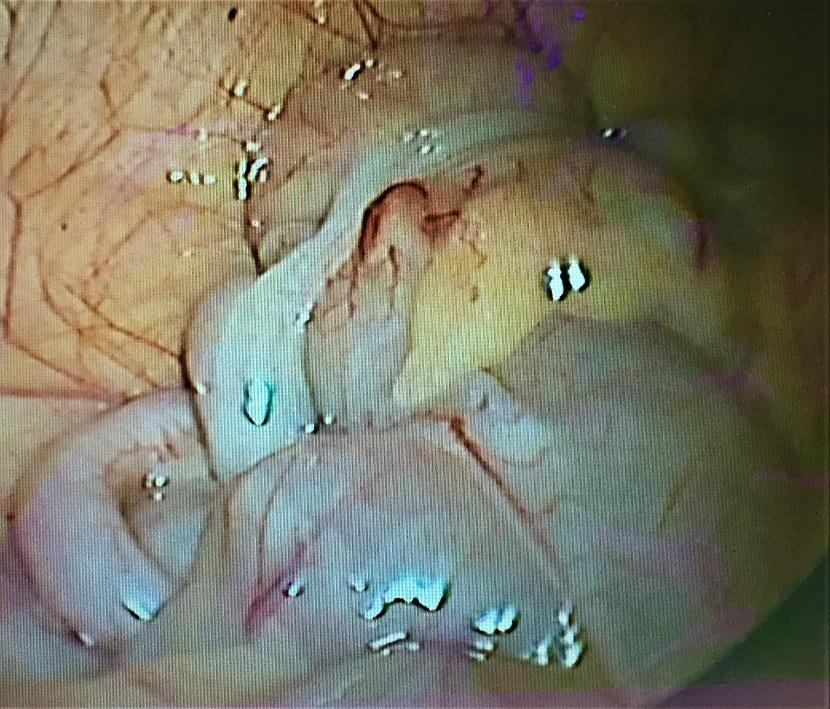
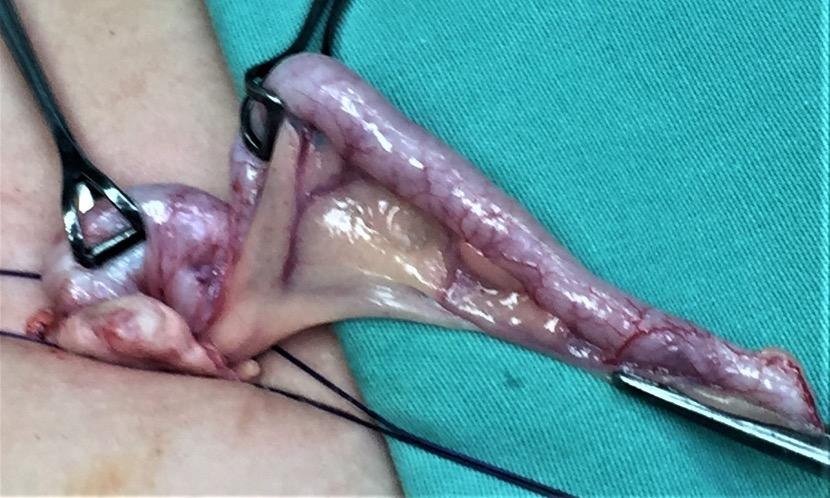
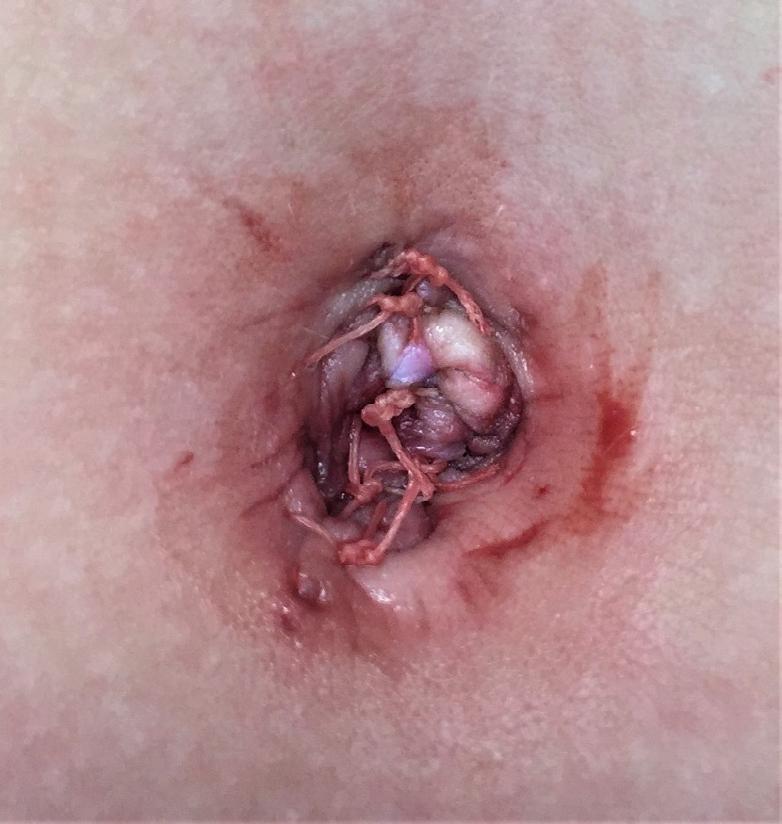
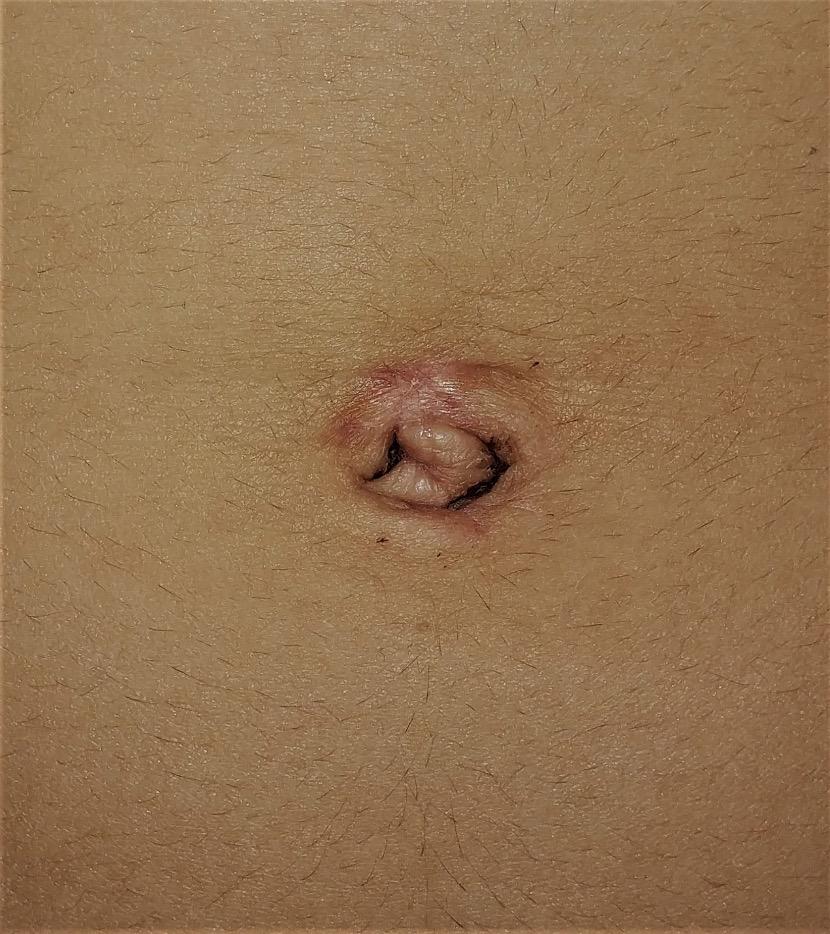
Transumbilical Laparoscopically Assisted Appendicectomy (TULAA) in children: A minimally invasive method of treating acute appendicitis
Ioannis Skondras, Adelais Tzortzopoulou, Georgios Kapouleas, Alexander Passalides.
Abstract
Introduction: Transumbilical Laparoscopically Assisted Appendicectomy (TULAA) is a safe, fast and cost-effective, minimally invasive method of treating acute appendicitis in children.
Material and Method: This is a retrospective study involving 72 children, aged 6 to 16 years with acute appendicitis, who underwent transumbilical laparoscopic assisted appendicectomy (TULAA) during 2018-2021. The time of hospitalization of the patients as well as the postoperative complications were evaluated.
Results: 65/72 patients had simple, non complicated appendicitis and 7/72 gangrenous appendicitis without rupture. In 3 patients the operation was converted to laparoscopic and in one of them to open. The average duration of the operation was 45 minutes. The average of hospitalization time was 52 hours. The cost of the operation was the same as the open procedure, as the use of special laparoscopic equipment is not required. Finally, the postoperative complications were very few: only 4 site surgical infections of the umbilical wound (SSIs) and 1 postoperative abscess were reported.
Conclusion: Transumbilical laparoscopically assisted appendicectomy (TULAA) can be safely used as a primary treatment for children with acute appendicitis, with great benefits.
2nd Pediatric Surgery Department “P. & A. Kyriakou” Children's Hospital, Athens, Greece
1. Noviello C, Romano M, Martino A, Cobellis G, Transumbilical Laparoscopic-Assisted Appendectomy in the Treatment of acute uncomplicated appendicitis in children, Gastroenterology Research and Practice, Vol2015, doi: 10.1155/2015/949162
2. Duebbers M, Nikolaou E, Fuchs H, Fischer J, Alakus H, Leers J, Bruns C, Cernalanu G, Update on Transumbilical Single-Incision Laparoscopic Assisted Appendectomy (TULAA)Which Children benefit and what are the complications?, Klin Pediatr 2018, doi: 10.1055/s0044-101622
3. Hernandez-Martin S, Ayoso L, Molina A.Y, Pison J, Martinez-Bermejo M.A, Perez-Martina A., Transumbilical laparoscopic-assisted appendectomy in children: is it worth it?, Surg Endosc 2017, doi:10.1007/s00464-017-5618-6
4. Semm K (1983) Endoscopic appendectomy. Endoscopy 15:59–64
6 Koizumi N, Kobayashi H, Nakase Y, Takagi T, Fukumoto K, Efficacy of transumbilical laparoscopic-assisted appendectomy for appendicitis: a four-year experience at a single center, Surg Today 2014, doi:10.1007/s00595-014-1034-x
E. vikigetsi@gmail.com
Correspondence
Vasiliki Getsi
Neochoropoulos of Ioannina, 45500
T. +302651080785, 6945398479
E. vikigetsi@gmail.com
Association between IgA vasculitis and COVID-19 disease. A case report in a 9 years old boy
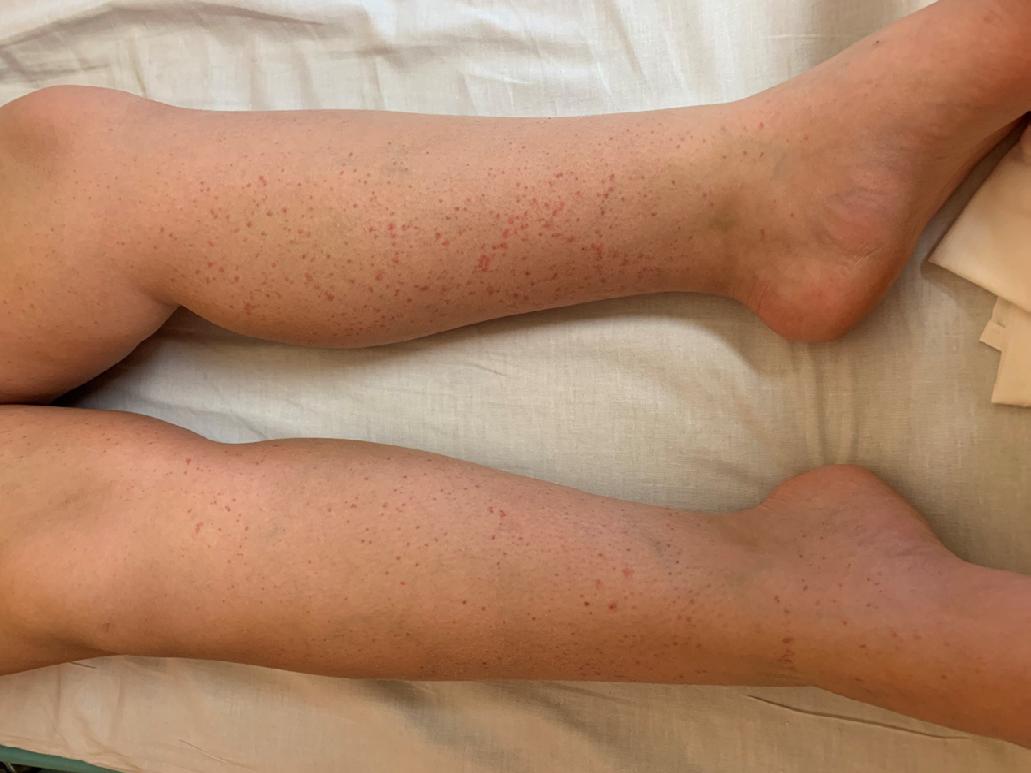
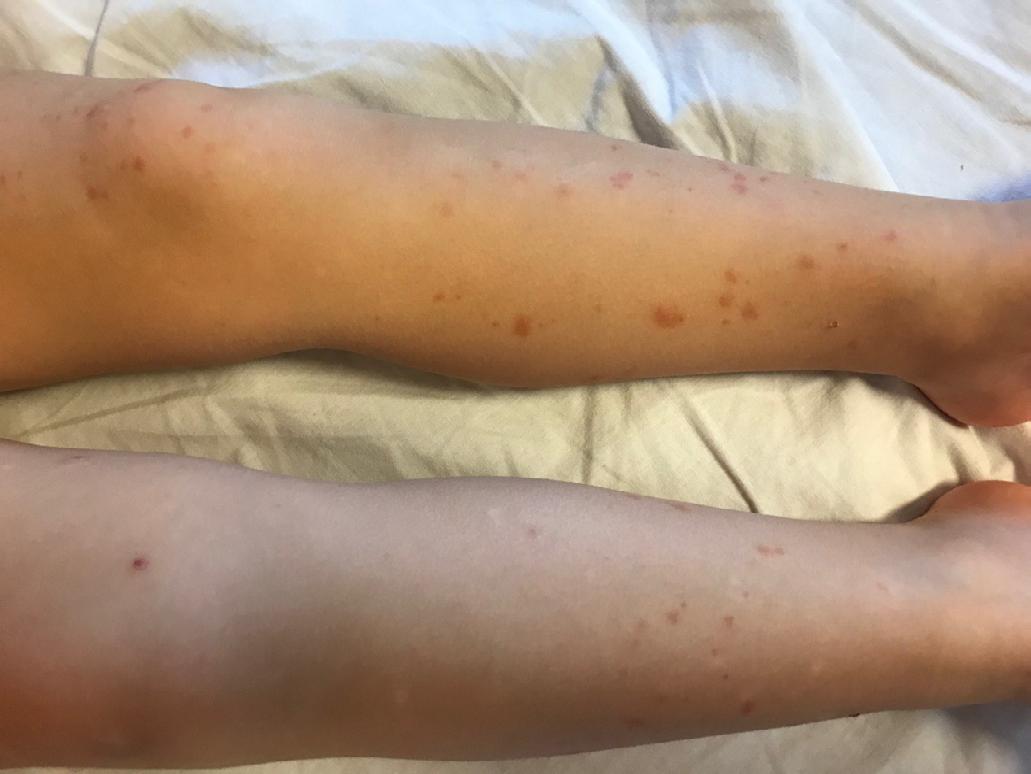
The last two years, with more than 468.6 million cases and 6.09 million deaths worldwide, COVID-19 disease is a daily concern of the international scientific community. Various complications of the disease have been reported and a number of relevant studies have been published. It is now well documented that SARS-CoV-2 (Severe Acute Respiratory Syndrome Coronavirus 2) causes vasculitis of various types. In the present study a case of a 9 years old boy who developed IgA vasculitis after COVID-19 disease is presented, and a review of recent literature on the association of COVID-19 disease with IgA vasculitis is attempted, as well as the role of SARS-CoV-2 virus in the pathogenesis of this disease.
Key words: COVID-19, SARS-CoV-2, IgA vasculitis (purpura Henoch-Schönlein)
Margarita Papasavva
Dimitra Savvidou
Vasilios Grammeniatis
Ilias Lolos
Aggelos Ntritsos
Vasiliki Getsi
Pediatric Derartment of the General Hospital of Ioannina “G. Chatzikosta”
Kawasaki,
(IgA1)
ορούς ασθενών είναι γαλακτοζυλιωμένες
Βιβλιογραφία
1. Sunmeet Sandhu, Satish Chand, Anuj Bhatnagar, Rajeshwari Dabas, Showkat Bhat, Harish Kumar, et al. Possible association between IgA vasculitis and COVID-19. Dermatol Ther. 2021 Jan;34(1):e14551. doi: 10.1111/dth.14551.
2. Jedlowski PM, Jedlowski MF. Coronavirus disease 2019 associated immunoglobulin A vasculitis/Henoch-Schönlein purpura: A case report and review. J Dermatol. 2022 Jan;49(1):190-196. doi: 10.1111/1346-8138.16211.
3. Allez M, Denis B, Bouaziz J-D, et al. COVID-19 related IgA vasculitis. Arthritis Rheumatol (Hoboken, NJ). 2020;72:1952-1953.
4. Suso AS, Mon C, Alonso IO, et al. IgA vasculitis with nephritis (Henoch-Schönlein purpura) in a COVID-19 patient. Kidney Int Rep. 2020;5:2074-2078.
5. Saeed Soleiman-Meigooni, Ramin Yaghmayee, Ramin Hamidi-Farahani, Mousa Ahmadi, Allahyar Taheri, Ali Asgari, et al. Henoch-Schoenlein Purpura Following Severe Acute Respiratory Syndrome Coronavirus-2 Infection: A Case Report, Nephro-Urology Monthly: 13(4); e 116227.
6. Brett Hoskins, Nicholas Keeven, Mary Dang, Emily Keller, Rajeev Nagpal. A Child with COVID-19 and Immunoglobulin A Vasculitis. Pediatr Ann; 50(1): e44-e48. doi: 10.3928/19382359-20201211-01.
7. Ramiz Ziyara , Amanda Thompson , Ben Liu. Henoch-Schönlein Purpura in a COVID-19Positive Child With Abdominal Pain and PIMS-TS. Clin Pediatr (Phila). 2022 Jan;61(1):5-8. doi: 10.1177/00099228211040660.
8. Borocco C, Lafay C, Plantard I, Gottlieb J, Koné-Paut I, Galeotti C. SARS-CoV-2-associated Henoch-Schönlein purpura in a 13-year-old girl. Arch Pediatr. 2021 Oct;28(7):573-575. doi: 10.1016/j.arcped.2021.06.004.
9. Dalal Anwar AlGhoozi, Haya Mohammed AlKhayyat. A child with Henoch-Schonlein purpura secondary to a COVID-19 infection. BMJ case reports v.14 no.1 , 2021, pp.e239910. doi.org/10.1136/bcr-2020-239910.
10. Georges El Hasbani, Ali T Taher, Ali S M Jawad, Imad Uthman. Henoch-Schönlein purpura: Another COVID-19 complication. Pediatr Dermatol. 2021 Sep;38(5):1359-1360. doi: 10.1111/pde.14699.
11. Hareem Farooq, Muhammad Aemaz Ur Rehman, Abyaz Asmar, Salman Asif, Aliza Mushtaq, Muhammad Ahmad Qureshi. The pathogenesis of COVID-19-induced IgA nephropathy and IgA vasculitis: A systematic review. J Taibah Univ Med Sci. 2022 Feb; 17(1): 1–13. doi: 10.1016/j.jtumed.2021.08.012.
12. Maryam Piram, Alfred Mahr. Epidemiology of immunoglobulin A vasculitis (HenochSchönlein): current state of knowledge. Curr Opin Rheumatol. 2013 Mar;25(2):171-8. doi: 10.1097/BOR.0b013e32835d8e2a.
13. Kalai Wong, Mir Umer Farooq Alam Shah, Maman Khurshid, Irfan Ullah, Muhammad Junaid Tahir, Zohaib Yousaf. COVID-19 associated vasculitis: A systematic review of case reports and case series. Ann Med Surg (Lond). 2022 Feb; 74: 103249. doi: 10.1016/j. amsu.2022.103249.
14. Shab E Gul Rahim, Jonathan T Lin, John C Wang. A case of gross hematuria and IgA nephropathy flare-up following SARS-CoV-2 vaccination. Kidney Int. 2021 Jul;100(1):238. doi: 10.1016/j.kint.2021.04.024.
15. Lavinia Negrea, Brad H. Rovin. Gross hematuria following vaccination for severe acute respiratory syndrome coronavirus 2 in 2 patients with IgA nephropathy. Kidney Int. 2021
17. Michel Obeid, Craig Fenwick, Giuseppe Pantaleo. Reactivation of IgA vasculitis after COVID-19 vaccination. Lancet Rheumatol. 2021 Sep;3(9):e617. doi: 10.1016/S26659913(21)00211-3.
18. Oana Nicoara, Katherine Twombley. Immunoglobulin A Nephropathy and Immunoglobulin A Vasculitis. Pediatr Clin North Am. 2019 Feb;66(1):101-110. doi: 10.1016/j.pcl.2018.08.008.
19. M. El Hachem, A. Diociaiuti, C. Concato, R. Carsetti, C. Carnevale, M. Ciofi Degli Atti, et al. A clinical, histopathological and laboratory study of 19 consecutive Italian paediatric patients with chilblain-like lesions: lights and shadows on the relationship with COVID-19 infection. J Eur Acad Dermatol Venereol. 2020 Nov; 34 (11): 2620-2629. doi.org/10.1111/jdv.16682.
20. M Tomana, K Matousovic, B A Julian, J Radl, K Konecny, J Mestecky. Galactose-deficient IgA1 in sera of IgA nephropathy patients is present in complexes with IgG. Kidney Int. 1997 Aug;52(2):509-16. doi: 10.1038/ki.1997.361.
21. Z Moldoveanu, R J Wyatt, J Y Lee, M Tomana, B A Julian, J Mestecky, et al. Patients with IgA nephropathy have increased serum galactose-deficient IgA1 levels. Kidney Int . 2007 Jun;71(11):1148-54. doi: 10.1038/sj.ki.5002185.
22. Keith K Lau, Robert J Wyatt, Zina Moldoveanu, Milan Tomana, Bruce A Julian, Ronald J Hogg, et al. Serum levels of galactose-deficient IgA in children with IgA nephropathy and Henoch-Schönlein purpura. Pediatr Nephrol. 2007 Dec;22(12):2067-72. doi: 10.1007/ s00467-007-0623-y.
Correspondence
Vasileios Giapros
NICU, University Hospital of Ioannina, 45110, Ioannina E. vgiapros@uoi.gr
Congenital Hyperinsulinism: A case study and review of the literature
E. Domouzoglou, D. Rallis, T. Palianopoulos, V. Giapros, F. Balomenou
Abstract
Introduction: Congenital hyperinsulinism (CHI) is a heterogenous group of clinical, genetic, and morphological features that are characterized by a severe derangement in insulin secretion by the pancreatic b-cells, leading to hypoglycemia. CHI is the most common and severe cause of hypoglycemia in neonates and infants, with a varying clinical picture.
Case report: We report the case of a neonate with a persistent hypoglycemia since birth, that was diagnosed based on clinical and laboratory finding with CHI and was successfully treated with diazoxide.
Conclusions: The early diagnosis and treatment of hypoglycemia is crucial for the prevention of the permanent cerebral injury.
4. Bell JJ, August GP, Blethen SL, Baptista J. Neonatal hypoglycemia in a growth hormone registry: Incidence and pathogenesis. J Pediatr Endocrinol Metab. 2004;17(4):629- 35.
5. Brahim El Hasbaoui, Abdelhkim Elyajouri , Rachid Abilkassem , Aomar Agadr Congenital hyperinsulinsim: case report and review of literature Pan Afr Med J. 2020;35:53.
6. Senniappan S, Shanti B, James C, Hussain K. Hyperinsulinaemic hypoglycaemia: genetic mechanisms, diagnosis and management. J Inherit Metab Dis 2012;35:589–601.
7. Yau D, Laver TW, Dastamani A, Senniappan S, Houghton JAL, Shaikh G, et al. Using referral rates for genetic testing to determine the incidence of a rare disease: the minimal incidence of congenital hyperinsulinism in the UK is 1 in 28,389. PLoS One 2020;15:e0228417.
8. Demirbilek H, Hussain K. Congenital hyperinsulinism: diagnosis and treatment update. J Clin Res Pediatr Endocrinol 2017;9: 69–87.
9. Kapoor RR, Flanagan SE, Arya VB, Shield JP, Ellard S, Hussain K. Clinical and molecular characterisation of 300 patients with congenital hyperinsulinism. Eur J Endocrinol 2013;168:557–64.
10. Hussain K, Aynsley-Green A. Management of hyperinsulinism in infancy and childhood. Ann Med 2000;32:544-551
11. James C, Kapoor RR, Ismail D, Hussain K. The genetic basis of congenital hyperinsulinism. J Med Genet 2009;46:289-299.
12. Galcheva S, Demirbilek H, Al-Khawaga S, Hussain K. The genetic and molecular mechanisms of congenital hyperinsulinism. Front Endocrinol 2019;10:111.
13. Giri D, Hawton K, Senniappan S. "Congenital hyperinsulinism: recent updates on molecular mechanisms, diagnosis and management" Journal of Pediatric Endocrinology and Metabolism, 2022;35(3)279-296.
14. Pierro A, Nah SA. Surgical management of congenital hyperinsulinism of infancy. Semin Pediatr Surg 2011;20:50-53.
15. Kapoor RR, Flanagan SE, James C, Shield J, Ellard S, Hussain K. Hyperinsulinaemic hypoglycaemia. Arch Dis Child 2009;94:450-457.
16. Paauw ND, Stegeman R, A. M. J. de Vroede M., U. M. Termote J, Freund MW, M. P. J. Breur L. Neonatal cardiac hypertrophy: the role of hyperinsulinism—a review of literature, European Journal of Pediatrics 2020, 179:39–50.
17. Aynsley-Green A, Hussain K, Hall J, Saudubray JM, NihoulFékété C, De Lonlay-Debeney P, et al. Practical management of hyperinsulinism in infancy. Arch Dis Child Fetal Neonatal Ed. 2000;82(2):98-107.
18. Hussain K. Diagnosis and management of hyperinsulinaemic hypoglycaemia ofinfancy. Horm Res. 2008;69(1):2-13.
19. Palladino AA, Bennett MJ, Stanley CA. Hyperinsulinism in infancy and childhood: when an insulin level is not always enough. Clin Chem. 2008;54(2):256-63.
et moyens d’ y remédier),
των αναπνευστικών οργάνων
παρά τοις παισίν), το 1882, και στην
επιρροή της οδοντοφυΐας στα νοσήματα της
βρεφικής ηλικίας (Du rôle de la dentition dans la pathologie enfantine / Περί της
επιρροής της οδοντοφυΐας επί των νόσων
βρεφικής ηλικίας), το 1883. Πρέπει να
επισημανθεί επίσης ότι ο καθηγητής Ζίννης, ενήμερος
Du traitement de la diarrhée chronique chez les enfants
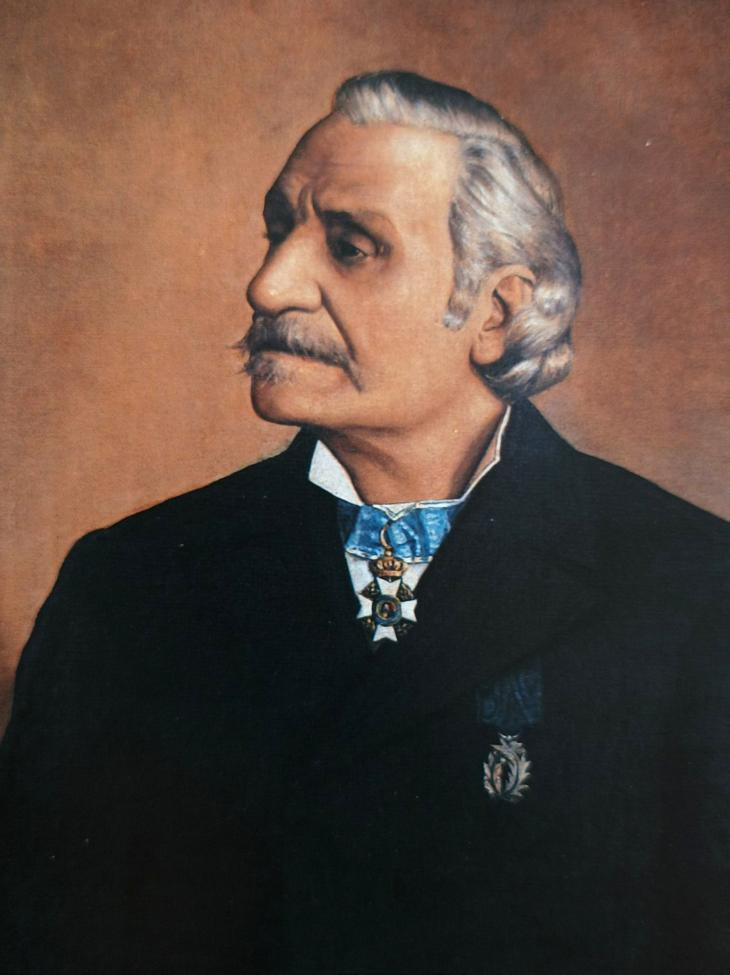
Διαμαντής Α.: “Αναστάσιος Ζίννης (1829-1899). Ο πρωτοπόρος της
Ελλάδα”, Ενδοσκοπήσεις, 2021; 56: 50-56.
Ζίννης Α.: “Έκθεσις των κατά
Αθήνησι 1861.
Α.: “Έκθεσις
Materia Medica Greca, 1989; 14(1): 97-101.
ΣΥΝΑΔΕΛΦΙΚΑ
1.
2.
3. Βραβευμένες
4. Ερευνητικές μελέτες
5.
6.
7. Επίκαιρα θέματα
τραπεζών
8. Θέματα εκπαίδευσης και οργάνωσης υγείας
9. Ενδιαφέρουσες περιπτώσεις
10. Σύντομα νέα
11. Βραχείες δημοσιεύσεις
12. Επιστολές προς τη σύνταξη
13.
14.
•
International Committee of Medical Journal Editors/ Uniform Requirements for Manuscripts Submitted to Biomedical Journals, (www.icmje.org και www.icmje.org/icmje.pdf).
Cumulated Index Medicus [List of Journals Indexed in Index Medicus (www.nlm.nih.goν/bsd/ uniform_requirements.html)].
1999;59:272-279.
Proesmans W. Bartter syndrome and its neonatal νariant. Eur J Pediatr 1997;156:669-679.
Συμπληρωματικό
Flyvbjerg Α. Role of growth hormone, insulin-like growth factors (IGFs) and IGF-binding proteins in the renal complications of diabetes. Kidney Ιnt 1997;52 (60 Suppl):S12-S19.
National Institutes of Health Consensus Deνelopment Conference. Neurofibromatosis conference statement. Arch Neurol1988;45:575-578. Προσδιορισμός
Schreiner GF, Lange L. Ethanol modulation of macrophage influx in glomerulonephritis [Abstract]. J Am Soc Nephrol 1991;2:562.
Should antileukotriene therapies be used instead of inhaled corticosteroids in asthma?
[Editorial]. Am J Respir Crit Care Med 1998;158:1697-1701.
Clark AG, Barratt ΤΜ. Steroid-responsiνe nephrotic syndrome. Ιn: Barratt ΤΜ, Arner ED, Harmon WE, editors. Pediatric Nephrology. 4th ed. Baltimore: Lippincott William Wilkins; 1999. p. 742.
Σύγγραμμα ή μονογραφία:
Gorlin RJ, Cohen ΜΜ, Leνin LS. Syndromes of the head and neck. 3rd ed. New York: Oxford Uniνersity Press; 1990.
Δημοσίευση
Bauer ΑW. The two definitions of bacterial resistance. In: Smith AJ, Rogers CA, eds. Proceedings of the Third International Congress of Chemotherapy; 1962 May 29-31; New York: International Society of Chemotherapy; 1963. p. 484-500.
Διδακτορική
Αθηνών; 1979.
Kaplan SJ. Post hospital home health care: the elderly’s access and utilization [dissertation]. St. Louis (Μο): Washington Univ.;1995.
III. CD-ROM
Andersoη SC, Poulsen ΚΒ. Anderson’s electronic atlas of hematology [CD-ROM]. Philadelphia: Lippincott Williams & Wilkins; 2002.
IV. ΣΤΟ ΔΙΑΔΙΚΤΥΟ
Άρθρο σε περιοδικό:
Abood S. Quality improνement initiatiνe in nursiηg homes: the ΑΝΑ acts in an adνisory role. Am J Nurs [Internet]. 2002 Jun: