Instructions to authors: http://e-child.gr/publications/ instructions-to-authors
Owner Greek Paediatric Society 15, Mpakopoulou st. GR - 15451, Ν. Psychiko Tel.: +302107771140
e-mail: grammateia@e-child.gr
Annual subscription All foreign countries: US$50
056
CASE REPORTS
Case report of a boy with polyuria and polydipsia Elpis–Athina Vlachopapadopoulou, Vasiliki Melikoki, Alexander Konidaris, Eirini Dikaiakou, Spyridoula Parcha, Stefanos Michalacos
064
Case report of a girl treated with inhaled corticosteroids who presented with growth failure
Maria Dikou, Elpis–Athina Vlachopapadopoulou, Sofia Leka–Emiris, Maria Kafetzi, Fani Athanasouli, Stefanos Michalacos
072
BETWEEN COLLEAGUES
Stelios Antoniadis
074
BOOK PRESENTATION
Stelios Antoniadis
076
INSTRUCTIONS TO AUTHORS
ως -1,6, p<0,001),
APC= -1,7 (95%CI: -2,3 ως 1,2, p<0,001).
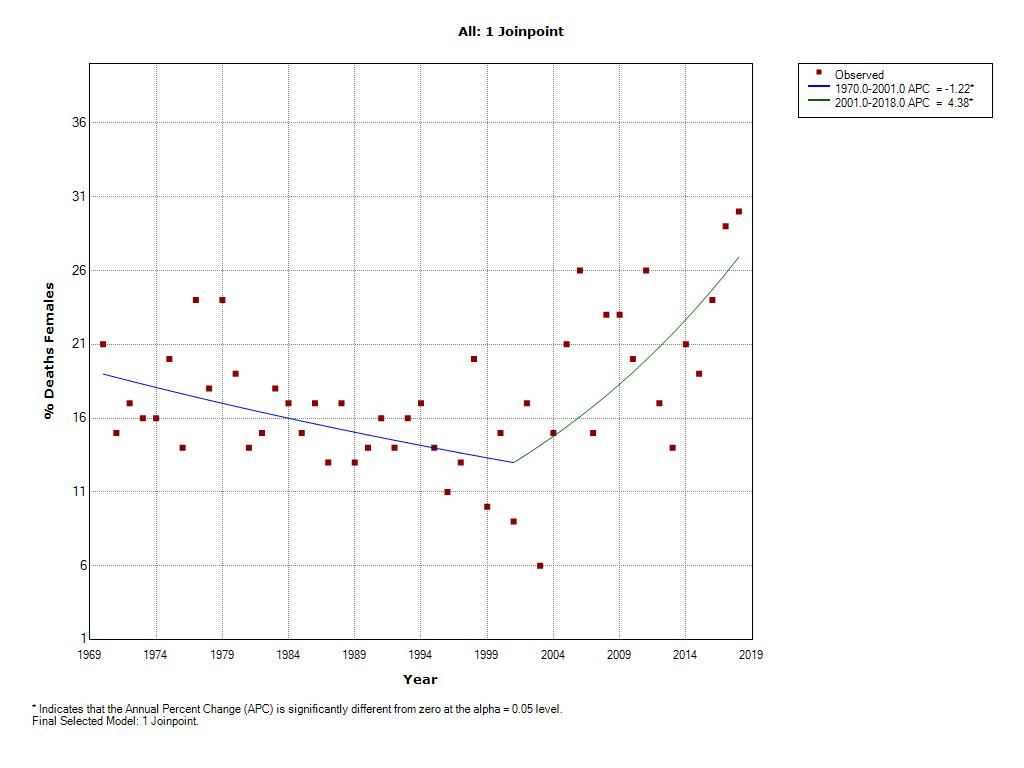
(Άρρενες: 19702003: APC= -1,9, 95%CI: -2,8 ως -0,9, p<0,001, Θήλεις: 1970-2001: APC= -1,2, 95%CI: -2,2 ως -0,3, p=0,014),
(Άρρενες: 2003-2018: APC= 4,1 (95%CI: 0,8 ως 7,5, p=0,016, Θήλεις: 2001-2018: APC= 4,4, 95%CI: 1,9 ως 6,9, p<0,001). Συμπεράσματα:
E. vlaxadis@gmail.com
Correspondence
Nikolaos Vlachadis
Visariou 5, Ilioupolis, 163 45, Athens, Greece
T. +306976658565
E. vlaxadis@gmail.com
Trends in Cancer Mortality Among Adolescents in Greece
Maria Siori, Anastasia Barbouni, Eleni Kornarou, Nikolaos Vlachadis
Abstract
Background: Adolescent cancer mortality has been declining internationally in the recent decades, but remains an important part of overall adolescent mortality. The aim of this study is to present the trend of cancer mortality in adolescents during the last five decades in Greece.
Methods: The official national data of deaths in Greece by sex and cause of death were collected and statistically processed, as well as the population data for the age group 1519 years for the years 1970-2018. For each year, in total and by sex, the cancer mortality rate and the percentage of cancer deaths of the total deaths of the age group 15-19 years were calculated. The analysis of time trends was performed by regression analysis using the Joinpoint Regression Program, Version 4.7.0.0, to calculate the APC (Annual Percent Change).
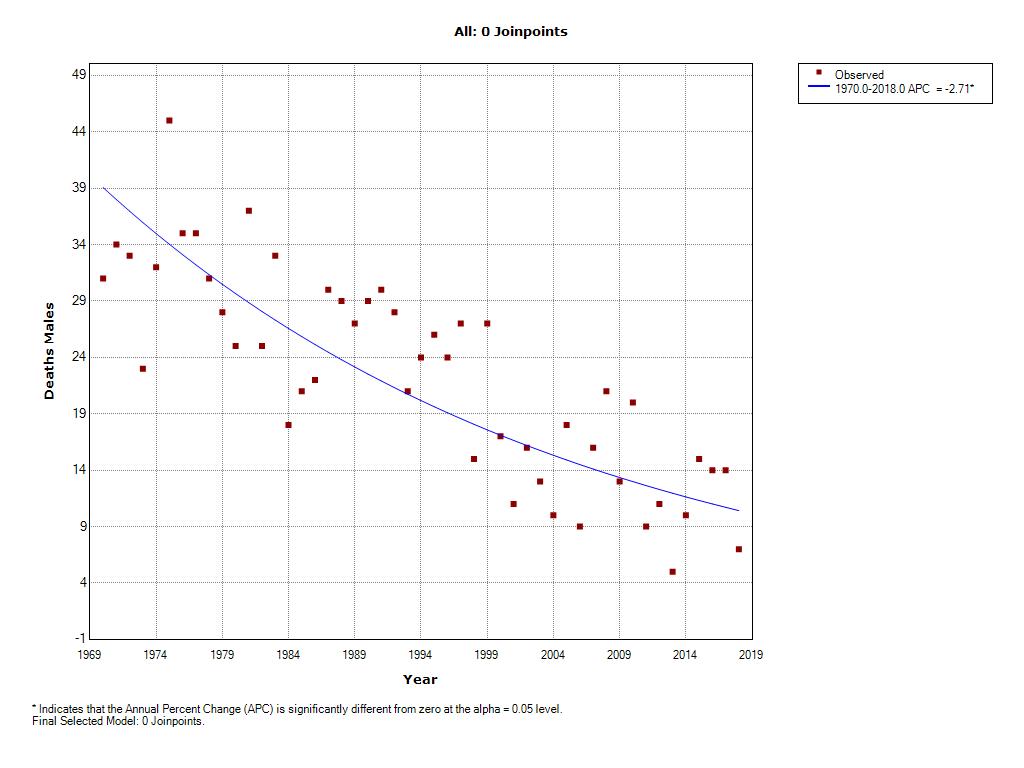
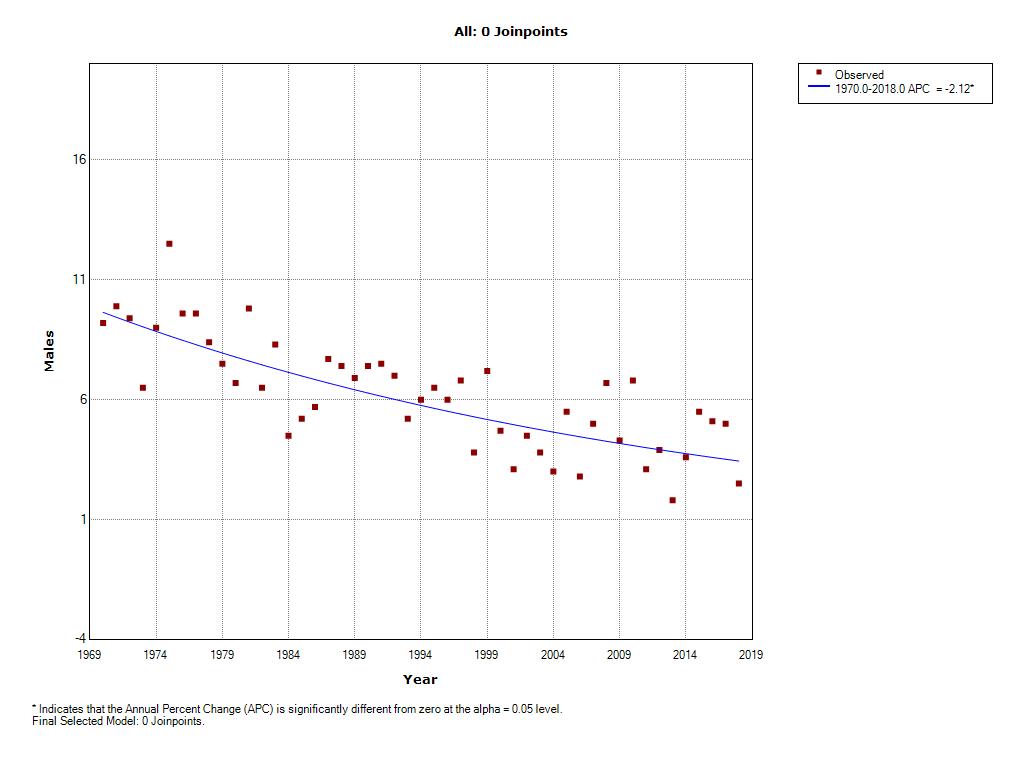
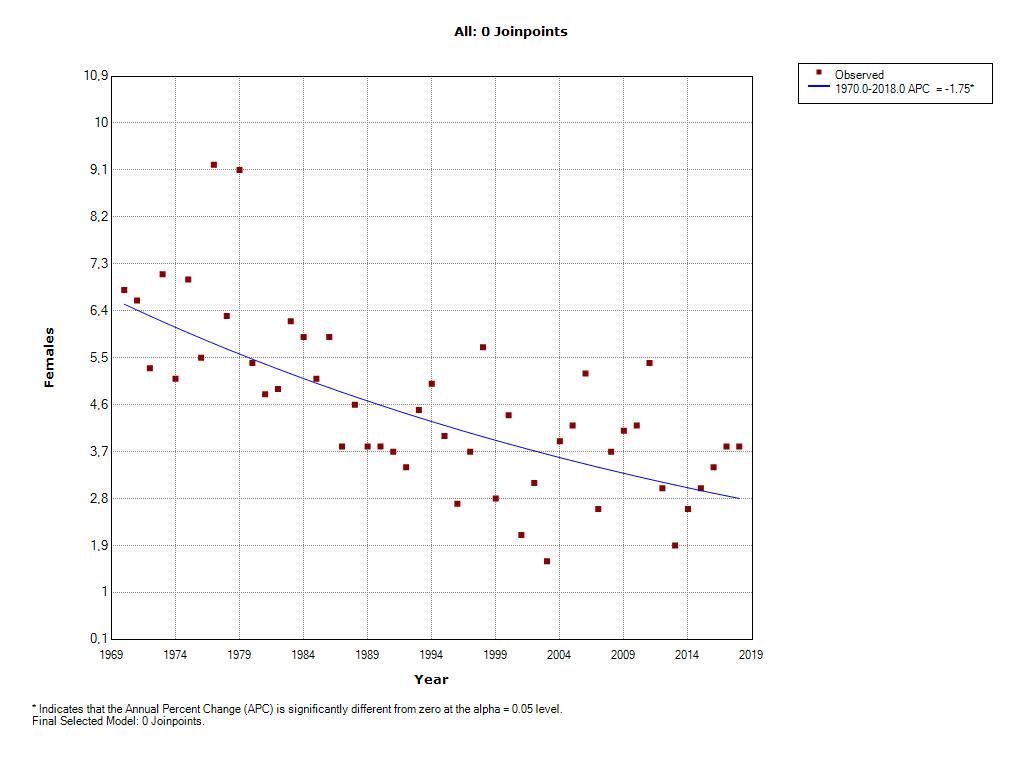
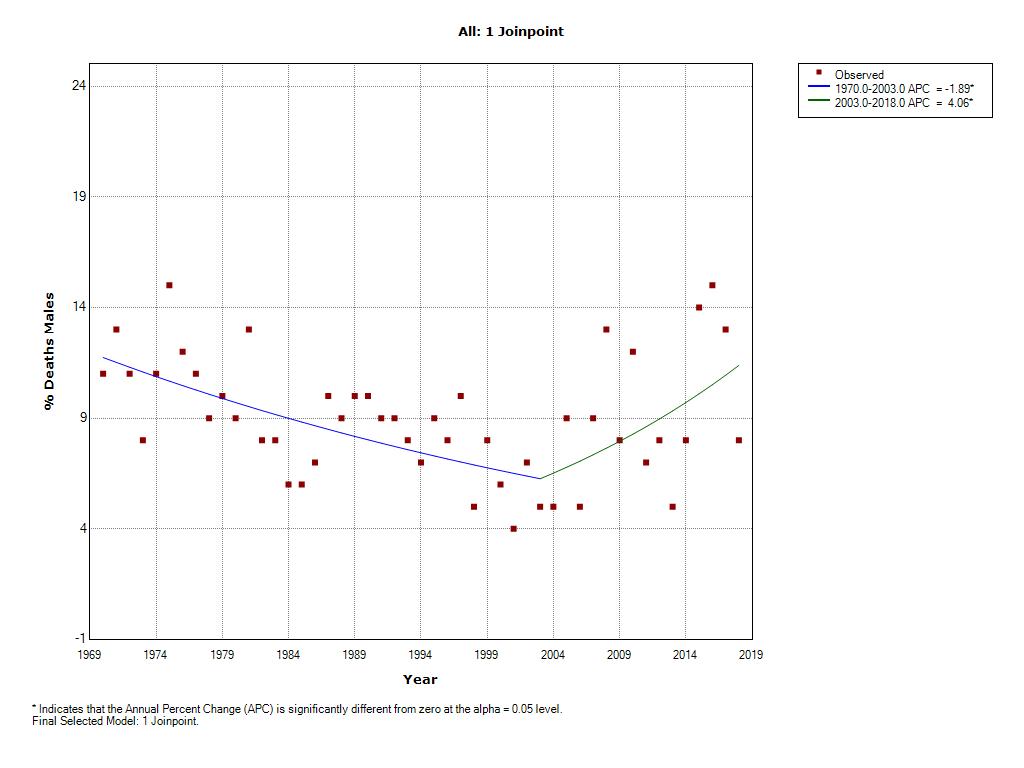
Results: During the period 1970-2018, total adolescent cancer mortality was 6.3 per 100,000 in males and 4.6 per 100,000 in females. Cancer death rate in adolescents showed a steady downward trend in both sexes, which was more pronounced in males: Males: APC = -2.1 (95% CI: -2.7 to -1.6, p <0.001), Females: APC = -1.7 (95% CI: -2.3 to 1.2, p <0.001). The percentage of neoplastic deaths among total deaths recorded a steady downward trend in the first 3 decades in both sexes (Males: 1970-2003: APC = -1.9, 95% CI: -2.8 to -0.9, p <0.001, Females: 1970-2001: APC = -1.2, 95% CI: -2.2 to -0.3, p = 0.014), which was reversed to a significant rising trend in recent years (Males: 2003 -2018: APC = 4.1 (95% CI: 0.8 to 7.5, p = 0.016, Female: 2001-2018: APC = 4.4, 95% CI: 1.9 to 6.9, p <0.001).
Conclusions: The improvement of the treatments has led to a steady reduction of the mortality rates of adolescents in Greece in the last 50 years. However, in the last two decades, cancer has become an increasingly important cause of adolescent mortality, due to the relatively larger decline in other causes of mortality, mainly accidents.
Keywords: Adolescent mortality; cancer; adolescent cancer mortality, time trend analysis
Maria Siori
Eleni Kornarou
Nikolaos Vlachadis
Department of Public Health Policy, School of Public Health, University of West Attica, Athens, Greece
Anastasia Barbouni
Department of Public and Community Health, School of Public Health, University of West Attica, Athens, Greece
Regression Program, Version 4.7.0.0; Statistical Methodology and Applications Branch, Surveillance Research Program, National Cancer Institute, United States of
Ελλάδα. Θήλεις. 1970-2018. APC= -2,3 (95%CI: -2,9 ως -1,8, p<0,001).
(Διάγραμμα 8).
θνησιμότητας (ανά 100.000) (ηλικίας 15-19 ετών) στην Ελλάδα. Θήλεις. 1970-2018. APC= -1,7 (95%CI: -2,3 ως 1,2, p<0,001).
Το Sex Ratio (Πηλίκο
Διάγραμμα 9. Sex Ratio (Άρρενες/Θήλεις) της
(ηλικίας 15-19
1970-2018.
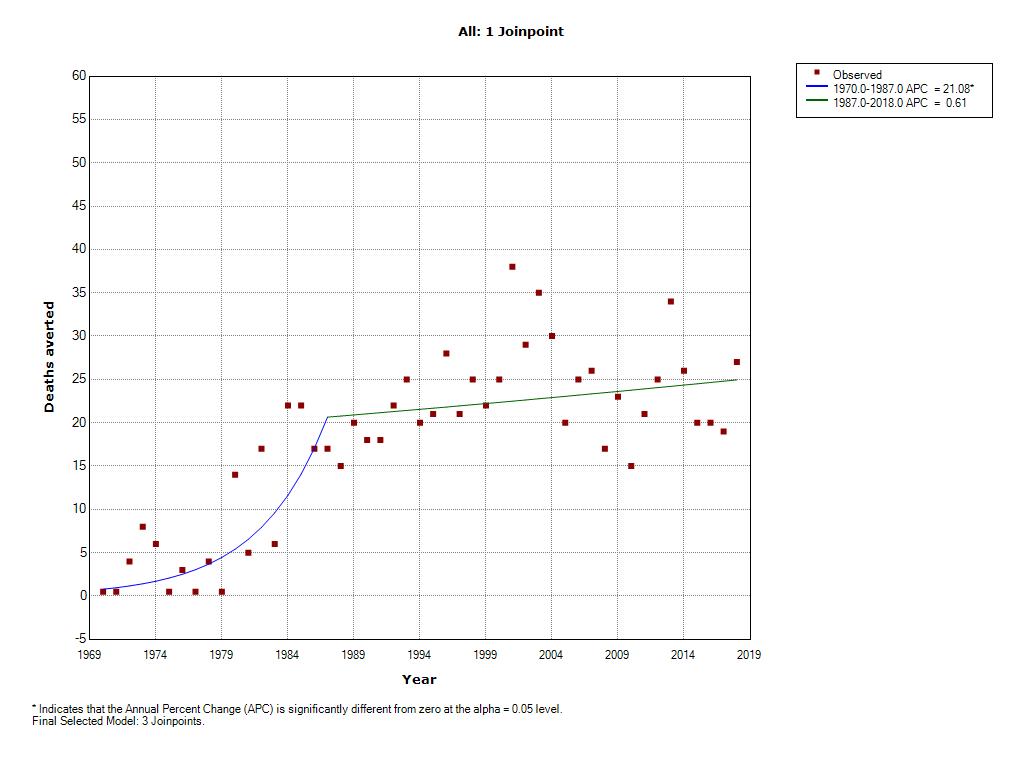
(1987-2018: APC= 0,6, 95%CI: 2,1 ως 3,4, p=0,660).
1970-2018. 1970-2003: APC= -1,9 (95%CI: -2,8 ως -0,9, p<0,001), 2003-2018: APC= 4,1 (95%CI: 0,8 ως 7,5, p=0,016).
p=0,014), 2001-2018: APC= 4,4 (95%CI: 1,9
6,9, p<0,001).
Beckwith-Wiedemann,
Βιβλιογραφία
1. GBD 2017 Childhood Cancer Collaborators. The global burden of childhood and adolescent cancer in 2017: an analysis of the Global Burden of Disease Study 2017. Lancet Oncol 2019;20:1211-1225.
2. Barr RD, Ferrari A, Ries L, Whelan J, Bleyer WA. Cancer in Adolescents and Young Adults: A Narrative Review of the Current Status and a View of the Future. JAMA Pediatr 2016;170:495-501.
3. Bryant H. Screening for cancer in children, adolescents, and young adults: questions-and more questions. Cancer 2011;117:2275-80.
4. Ελληνική Στατιστική Αρχή. www.statistics.gr
5. Strong KL, Pedersen J, White Johansson E, Cao B, Diaz T, Guthold R, et al. Patterns and trends in causes of child and adolescent mortality 2000-2016: setting the scene for child health redesign. BMJ Glob Health 2021;6:e004760.
6. Global Burden of Disease 2019 Adolescent Mortality Collaborators. Global, regional, and national mortality among young people aged 10–24 years, 1950-2019: a systematic analysis for the Global Burden of Disease Study 2019. Lancet 2021;398:1593-618.
7. Siegel RL, Miller KD, Fuchs HE, Jemal A. Cancer Statistics, 2021. CA Cancer J Clin 2021;71:7-33.
8. Miller KD, Fidler-Benaoudia M, Keegan TH, Hipp HS, Jemal A, Siegel RL. Cancer statistics for adolescents and young adults, 2020. CA Cancer J Clin 2020;70:443-59.
9. Bacopoulou F, Petridou E, Korpa TN, Deligeoroglou E, Chrousos GP. External-cause mortality among adolescents and young adults in Greece over the millennium's first decade 2000-09. J Public Health 2015;37:70-7.
10. Filbin M, Monje M. Developmental origins and emerging therapeutic opportunities for childhood cancer. Nat Med 2019;25:367-76.
11. Scott AR, Stoltzfus KC, Tchelebi LT, Trifiletti DM, Lehrer EJ, Rao P, et al. Trends in Cancer Incidence in US Adolescents and Young Adults, 1973-2015. JAMA Netw Open 2020;3:e2027738.
12. Geraci M, Birch JM, Alston RD, Moran A, Eden TO. Cancer mortality in 13 to 29-year-olds in England and Wales, 1981-2005. Br J Cancer 2007;97:1588-94.
13. Levi F, Lucchini F, Negri E, La Vecchia C. Trends in cancer mortality at age 15 to 24 years in Europe. Eur J Cancer 2003;39:2611-21.
14. van der Meer DJ, Karim-Kos HE, van der Mark M, Aben KKH, Bijlsma RM, Rijneveld AW, et al. Incidence, Survival, and Mortality Trends of Cancers Diagnosed in Adolescents and Young Adults (15-39 Years): A Population-Based Study in The Netherlands 1990-2016. Cancers 2020;12:3421.
15. Balmant NV, de Souza Reis R, de Oliveira Santos M, Pinto Oliveira J, de Camargo B. Trends in Cancer Mortality Among Adolescents and Young Adults in Brazil. J Adolesc Young Adult Oncol 2017;6:341-7.
16. Smith MA, Altekruse SF, Adamson PC, Reaman GH, Seibel NL. Declining childhood and adolescent cancer mortality. Cancer 2014;120:2497-506.
17. Zhang J, Walsh MF, Wu G, Edmonson MN, Gruber TA, Easton J, et al. Germline Mutations
in Predisposition Genes in Pediatric Cancer. N Engl J Med 2015;373:2336-46.
18. Chiavarini M, Naldini G, Fabiani R. Maternal Folate Intake and Risk of Childhood Brain and Spinal Cord Tumors: A Systematic Review and Meta-Analysis. Neuroepidemiology 2018;51:82-95.
19. Stiller C. Epidemiology of cancer in adolescents. Med Pediatr Oncol 2002;39:149-55.
20. Vrachnis N, Vlachadis N, Salakos N, Vlachadi M, Iliodromiti Z. Cancer mortality in Greece during the financial crisis. Acta Oncol 2015;54:287-8.
21. Burns KC, Hoefgen H, Strine A, Dasgupta R. Fertility preservation options in pediatric and adolescent patients with cancer. Cancer 2018;124:1867-76.
22. Keegan THM, Parsons HM. Adolescent angst: enrollment on clinical trials. Hematology Am Soc Hematol Educ Program 2018;2018:154-160.
DRESS (Drug Reaction with Eosinophilia and Systemic Symptoms)
Τ. 2651080785, 6945398479 Ε. vikigetsi@gmail.com
Correspondence
Gketsi Vasiliki
Neochoropoulos of Ioannina, PO Box 339, Postal Code 45500
Τ. +306945398479
Ε. vikigetsi@gmail.com
DRESS
Syndrome
(Drug Reaction with Eosinophilia and Systemic Symptoms) in childhood: a clinical entity of the last decade. Review of the literature.
Gketsi Vasiliki
Pediatric Department, General Hospital of Ioannina «G. Hatzikosta»
Iliadis Andreas
Pediatric ICU, University General Hospital of Patras
Gketsi Vasiliki, Iliadis Andreas
Abstract
DRESS syndrome (Drug Reaction with Eosinophilia and Systemic Symptoms) is a severe and potentially fatal hypersensitivity reaction to drugs. Anticonvulsants are the main drugs involved, both in adults and in children, and mostly phenytoin and phenobarbital. The time onset of clinical manifestations ranges from 2 to 8 weeks after the introduction of the triggering drug. Diagnostic criteria have been suggested and used in order to establish the diagnosis. DRESS syndrome is a complex syndrome with a broad spectrum of clinical features, more frequently fever, rash and lymphadenopathy. Furthermore the patients have hematological findings, more frequently eosinophilia and also visceral involvement (liver, kidneys, lungs, heart, gastrointestinal tract and central nervous system). Incidence of DRESS in children is not well known. Initially there was the impression that it concerns only adults, but in the last decade it was also reported in children. Regarding the pediatric cases, there are only rare references in children in the literature and studies with a small number of patients. The treatment includes the prompt withdrawal of the offending drug, corticosteroids, intravenous immunoglobulin (used in synergy with corticosteroids) and in selected cases immunosuppressant medications. Until today, there are no prospective clinical trials regarding DRESS treatment in children.
Keywords: DRESS syndrome (Drug Reaction with Eosinophilia and Systemic Symptoms), children.
(Drug Reaction with Eosinophilia and Systemic Symptoms)
HHV-7, EBV, CMV)7,24.
2) Συσχετισμός του
DRESS
λεμφοκυττάρων (HLA), όπως το HLA-A*31:01 (η παρουσία του σχετίζεται με DRESS που προκαλείται από αντιεπιληπτικά της ομάδας των αρωματικών αμινών), HLA-B*51:01, HLAB*15:13 και CYP2C9*3 (DRESS που προκαλείται από φαινυντοΐνη), HLA-B*57:0, DRB1*01:01 και HLA-B*35:05 (DRESS που προκαλείται από αβακαβίρη), HLA-B*58:01 (DRESS που προκαλείται από αλλοπουρινόλη) και HLA-C*04:01 (DRESS που προκαλείται από νεβιραπίνη)34,35.
3) Ο δείκτης κυτοχρώματος P4502C9 επίσης έχει συσχετιστεί με DRESS που
από φαινυντοΐνη36.
4) Άλλος παράγοντας κινδύνου για
5)
Bocquet2
(The European Registry of Severe Cutaneous Adverse Reactions to Drugs and Collection of Biological Samples criteria)12,24,25
>50% ΕΣ Εξάνθημα υποδηλωτικό DRESS
Ο/Α N
O N
Εξάνθημα υποδηλωτικό DRESS: ≧2 συμπτώματα:
Βαθμολογία 1 για κάθε συμμετοχή ενός οργάνου, μέγιστη βαθμολογία: 2
1. Coope R, Burrows R. Treatment of epilepsy with sodium diphenylhydantoine. Lancet. 1940;1:490-492.
2. Bocqyet H, Bagot M, Roujeau J C. Drug-induced pseudolemphoma and drug hypersensitivity syndrome (Drug Rash with Eosinophilia and Systemic Symptoms: DRESS). Semin Cutan Med Surg 1996; 15(4):250-7.
3. Sonal Choudhary, Michael McLeod, Daniele Torchia, et al. Drug Reaction with Eosinophilia and Systemic Symptoms (DRESS) Syndrome. J Clin Aesthet Dermayol. 2013 Jun; 6(6):31-37.
4. Mockenhaupt M. Epidemiology of cutaneous adverse drug reactions. Allergol Select. 2017;4(1):96-108.
5. Carrol M, Yuehg-Yue K, Esterly N, et al. Drug-Induced hypersensitivity syndrome in pediatric patients. Pediatrics. 2001;108:485-92.
6. Newell B, Moinfar M, Mancini A, Nopper A. Retrospective analysis of 32 pediatric patients with anticonvulsant hypersensitivity syndrome (ACHSS). Pediatr Dermatol. 2009;536-46.
7. Mori Francesca, Caffarelli Carlo, Caimmi Silvia, et al. Drug Reaction with Eosinophilia and Systemic Symptoms (DRESS) in children. Acta Biomed. 2019; 90 (Suppl 3):66-79.
8. Um SJ, Lee SK, Kim YH, et al. Clinical feature of drug-induced hypersensitivity syndrome in 38 patiens. J Investig Allergol Clin Immunol. 2010;20:556-62.
9. M. Silva-Feistner, E. Ortiz, M.J. Rojas-Lechuga, D. Munοz. DRESS syndrome in paediatrics: Clinical case. Rev Chil Pediatr. 2017;88(1):158-163.
10. Grace Y. Kim, Katelin R. Anderson, Dawn M.R. Davis, et al. Drug Reaction with Eosinophilia and Systemic Symptoms (DRESS) in the pediatric population: A systematic review of the literature. J of the American Academy of Dermatology. 2020;83(5):1323-30.
11. Peyriere H, Dereure O, Breton H, et al. Variability in the clinical pattern of cutaneous side-effects of drugs with systemic symptoms: does a DRESS syndrome really exist? Br J Dermatol. 2009;145:67-72.
12. Kardaun SH, Sekula P, Valeyrie-Allanore L, et al. Drug Reaction with Eosinophilia and Systemic Symptoms (DRESS): an original multisystem adverse drug reaction. Results from the prospective RegiSCAR study. Br J Dermatol.2013:169:1071-80.
13. Misirlioglou DE, Guvenir H, Bahceci S. Severe cutaneous adverse drug reactions in pediatric patiens: a multicenter study. J Allergy Clin Immunol Pract. 2017;5:757-63.
14. Fleming P, Marik PE. The DRESS syndrome: the great clinical mimicker. Pharmacotherapy. 2011;31:332.
15. Husain Z, Reddy BY, Schwartz RA. DRESS syndrome: Part II. Management therapeutics. J Am Acad Dermatol. 2013;68:709.e1-9.
16. Natkunarajah J, Goolamali S, Craythorne E, et al. Ten cases of drug reaction with eosinophilia and systemic symptoms (DRESS) treated with pulsed intravenous methylprednisolone. Eur J Dermatol. 2011;21:385-91.
17. Joly P, Janela B, Tetart F, et al. Poor benefit/risk balance of intravenous immunoglobulin in DRESS. Arch Derm. 2012;148:543-4.
18. Marcus N, Smuel K, Almog M, et al. Successful Intravenous Immunoglobulin Treatment in Pediatric Severe DRESS Syndrome. J Allergy Clin Immunol Pract. 2018;6:i238-42.
19. Moling O, Tappeiner L, Piccin A, et al. Treatment of DIHS/DRESS syndrome with combined N-acetylcysteine, prednisone and valganciclovir - a hypothesis. Med Sci Monit.2012;18:CS57-62.
20. Kirchhof MG, Wong A, Dutz JP. Cyclosporine Treatment of Drug-Induced Hypersensitivity Syndrome. JAMA Dermatol. 2016;152:1254-7.
21. Alexanter T, Iglesia E, Park Y, et al. Severe DRESS syndrome managed with therapeutic
plasma exchange. Pediatrics. 2013;131:e945-e949.
22. Santiago F, Goncalo M, Vieira R, et al. Epicutaneous patch testing in drug hypersensitivity syndrome (DRESS). Contact Dermatitis. 2010;62:47-53.
23. Aota N, Shiohara T. Viral connection between drug rashes and autoimmune diseases: how autoimmune responses are generated after resolution of drug rashes. Autoimmun Rev. 2009;8:488-94.
24. Yung-Tsu Cho, Che-Wen Yang, Chia-Yu Chu. Drug Reaction with Eosinophilia and Systemic Symptoms (DRESS): An Internal among Drugs, Viruses and Immune System. Int J Mol Sci. 2017;18(6):1243.
25. Cacoub P, Musette P, Descamps V, et al. The DRESS Syndrome: A Literature Review. The American Journal of Medicine. 2011;124(7):588-97.
26. Su SC, Hung SI, Fan WL, et al. Severe Cutaneous Adverse Reactions to Clinical Implementation. Int J Mol Sci. 2016;17(11):1890
27. Onuma H, Tohyama M, Imagawa A, et al. High frequency of HLA B62 in fulminant type I diabetes with drug-indused hypersensitivity syndrome. J Clin Endocrinol Metab. 2012;97:e2277-e2281.
28. Tetart F, Picard D, Janela B, et al. Prolonged evolution of drug reaction with eosinophilia and systemic symptoms: Clinical, virologic and biological features. JAMA Dermatol. 2014;150:206–207.
29. Kardaun S.H., Sidoroff A., Valeyrie-Allanore L., et al. Variability in the clinical pattern of cutaneous side-effects of drugs with systemic symptoms: Does a DRESS syndrome really exist? Br. J. Dermatol. 2007;156:609–611.
30. Chen YC, Cho YT, Chang CY, et al. Drug reaction with eosinophilia and systemic symptoms: A drug-induced hypersensitivity syndrome with variable clinical features. Dermatol Sin. 2013;31:196–204. doi: 10.1016/j.dsi.2013.09.006.
31. Husain Z, Reddy BY, Schwartz RA. DRESS syndrome part 1. Clinical perspectives. J. Am. Acad. Dermatol. 2013;68:693.e1–639.e14.
32. Ushigome Y, Kano Y, Ishida T, et al. Short- and long-term outcomes of 34 patients with drug-induced hypersensitivity syndrome in a single institution. J. Am. Acad. Dermatol. 2013;68:721–728.
33. Chen YC, Chiu HC, Chu CY. Drug reaction with eosinophilia and systemic symptoms. A retrospective study of 60 cases. Arch. Dermatol. 2010;146:1373–1379.
34. Chen CB, Abe R, Pan RY, et al. An Updated Review of the Molecular Mechanisms in Drug Hypersensitivity. J Immunol Res. 2018;13:6431694.
35. Mallal S, Phillips E, Carosi G, et al. HLA-B*5701 Screening for Hypersensitivity to Abacavir. N Engl J Med 2008; 358:568-579.
36. Tassaneeyakul W, Prabmeechai N, Sukasem C, et al. Associations between HLA class I and cytochrome P450 2C9 genetic polymorphisms and phenytoin-related severe cutaneous adverse reactions in a Thai population. Pharmacogenet Genomics. 2016;26(5):225-34.
37. Rieder MJ, Shear NH, Kanee A, et al. Prominence of slow acetylator phenotype among patients with sulfonamide hypersensitivity reactions. Clin Pharmacol Ther. 1991;49(1):13-7.
38. Shiohara T, Inaoka M, Kano Y. Drug-induced Hypersensitivity Syndrome (DIHS): A Reaction Induced by a Complex Interplay among Herpesviruses and Antiviral and Antidrug Immune Responses. Allergol Int. 2006;55(1):1-8.
39. Picard D, Janela B, Descamps V, et al. Drug reaction with eosinophilia and systemic symptoms (DRESS): a multiorgan antiviral T cell response. Sci Transl Med. 2010;2:46-62.
40. Choudhary S, McLeod M, Torchia D, et al. Drug Reaction with Eosinophilia and Systemic Symptoms (DRESS) Syndrome. J Clin Aesthet Dermatol. 2013;6:31-7.
K.
E. c.triantafyllou@cleoresearch.org
Correspondence
Christos TriantafyllouGrigoriou Xenopoulou 9, Neo Psichiko, Athens, Greece, PC 12243
M. +30 6971842775
E. c.triantafyllou@cleoresearch.org
Measures for the prevention and treatment of pressure ulcers in paediatric patients: A systematic review
Georgia Kourlaba Center for Clinical Epidemiology and Outcomes Research (CLEO), Athens
Dimitrios Filippou
Theoklis Zaoutis
Medical School, National and Kapodistrian University of Athens
Dimitrios Filippou
National Organization for Medicines, Αθήνα
Daphne Kaitelidou
Department of Nursing, National and Kapodistrian University of Athens
Daphne Kaitelidou
Agency for Quality Assurance in Health S.A. (AQAH S.A.)
Theoklis Zaoutis Medical School, University of Pensylvania (UPENN), USA
Georgia Kourlaba ECONCARE LP, Athens
Background: Pressure ulcers are a major problem for national healthcare systems worldwide, since they frequently occur in hospitalized pediatric patients, especially in critically ill patients, increasing the morbidity, mortality, healthcare costs, and the length of hospitalization. The purpose of this systematic review was to investigate the measures for the prevention and treatment of pressure ulcers in pediatric patients.
Methods: A systematic search of the literature was conducted on electronic databases "PubMed" and "Scopus". The inclusion criteria in this systematic review were: 1) study population were children aged between 0 and 18 years old, 2) studies were published in English and Greek language, 3) studies were prospective or retrospective observational, semi-experimental, randomized controlled trials and mixed methodology.
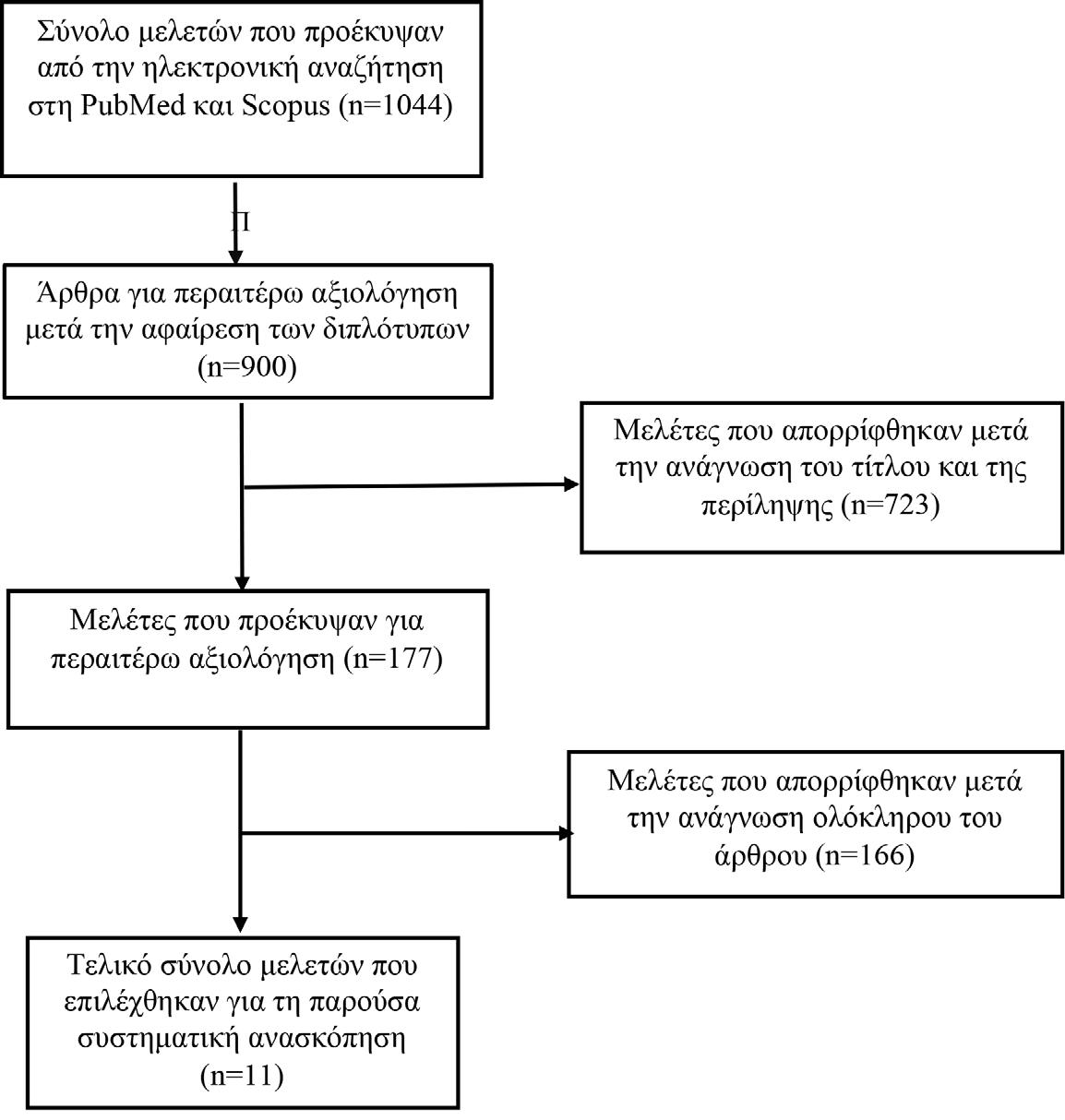
Results: Of the 1044 scientific papers retrieved, 11 were included in the systematic review. Regarding the preventive measures, in the majority of studies, a care bundle was used which was contained the use of various types of patches and change of patient's position at regular intervals. Regarding the treatment measures, these were the use of negative pressure, dietary supplements high in arginine, maltodextrin gel, and silver alginate patches. Conclusions: There are many preventive and treatment measures against pressure ulcers in pediatric patients that healthcare professionals should apply in everyday clinical practice in order to address this important problem.
2. Αξιολόγηση του κινδύνου δημιουργίας έλκους πίεσης κατά την εισαγωγή και
καθημερινά με τη κλίμακα
Braden Q.
3. Αλλαγή της θέσης του
ασθενούς κάθε δύο ώρες.
4. Χρήση προφυλακτικών επιθεμάτων για την προστασία του δέρματος.
5. Διαχείριση της υγρασίας.
6. Βελτιστοποίηση της
ενυδάτωσης και της διατροφής.
7. Μείωση της πίεσης που προκαλείται από ιατρικές συσκευές.
8. Χρήση αεροστρώματος
6.
Schindler,16
3. Διαχείριση της ακράτειας. 4. Βελτιστοποίηση της διατροφής. 5.
1.
2.
3.
Murgai,19 ημι-πειραματική μελέτη,
Hartzell,20 ημι-πειραματική
ΗΠΑ, 2014
Masumoto,21
McCord,
Α)
2.
έλκους πίεσης με τη κλίμακα Braden Q.
Αλλαγή της θέσης
4. Χρήση προφυλακτικών επιθεμάτων για την προστασία του δέρματος.
5. Διαχείριση της υγρασίας.
6. Βελτιστοποίηση της ενυδάτωσης και της διατροφής.
7. Μείωση της πίεσης που προκαλείται από ιατρικές συσκευές.
8.
Μ/Δ
Β) Μ/Δ
Α) Μ/Δ Β)
1. Γέλη μαλτοδεξτρίνης.
2. Επιθέματα
Βιβλιογραφία
1. National Hospital System (NHS). Overview: Pressure ulcers (pressure sores) [Internet]. 2020 [cited 2020 Jul 13]. Available from: https://www.nhs.uk/conditions/pressure-sores/
2. Bhattacharya S, Mishra RK. Pressure ulcers: Current understanding and newer modalities of treatment. Indian J Plast Surg 2015;48:4–16.
3. Reddy M, Gill SS, Rochon PA. Preventing pressure ulcers: a systematic review. JAMA 2006;296:974–984.
4. Freundlich K. Pressure Injuries in Medically Complex Children: A Review. Children (Basel) 2017;4.
5. Kottner J, Wilborn D, Dassen T. Frequency of pressure ulcers in the paediatric population: a literature review and new empirical data. Int J Nurs Stud 2010;47:1330–1340.
6. Bennett G, Dealey C, Posnett J. The cost of pressure ulcers in the UK. Age Ageing 2004;33:230–235.
7. Gaspar S, Peralta M, Marques A, Budri A, Gaspar de Matos M. Effectiveness on hospitalacquired pressure ulcers prevention: a systematic review. Int Wound J 2019;16:1087–1102.
8. Smith MEB, Totten A, Hickam DH, Fu R, Wasson N, Rahman B, et al. Pressure ulcer treatment strategies: a systematic comparative effectiveness review. Ann Intern Med 2013;159:39–50.
10. Courtwright SE, Mastro KA, Preuster C, Dardashti N, McGill S, Madelon M, et al. Reducing hospital-acquired pressure ulcers using bundle methodology in pediatric and neonatal patients receiving extracorporeal membrane oxygenation therapy: An integrative review and call to action. J Spec Pediatr Nurs 2017;22.
11. Soban LM, Hempel S, Munjas BA, Miles J, Rubenstein LV. Preventing pressure ulcers in hospitals: A systematic review of nurse-focused quality improvement interventions. Jt Comm J Qual Patient Saf 2011;37:245–252.
12. Clay P, Cruz C, Ayotte K, Jones J, Fowler SB. Device Related Pressure Ulcers Pre and Post Identification and Intervention. J Pediatr Nurs 2018;41:77–79.
13. Kulik LA, Hasbani NR, Stellar JJ, Quigley SM, Shelley SS, Wypij D, et al. Hospital-Acquired Pressure Injuries in Children With Congenital Heart Disease: Prevalence and Associated Factors. Pediatr Crit Care Med 2019;20:1048–1056.
14. Kuo CY, Wootten CT, Tylor DA, Werkhaven JA, Huffman KF, Goudy SL. Prevention of pressure ulcers after pediatric tracheotomy using a Mepilex Ag dressing. Laryngoscope 2013;123:3201–3205.
15. Rowe AD, McCarty K, Huett A. Implementation of a Nurse Driven Pathway to Reduce Incidence of Hospital Acquired Pressure Injuries in the Pediatric Intensive Care Setting. J Pediatr Nurs 2018;41:104–109.
16. Schindler CA, Mikhailov TA, Cashin SE, Malin S, Christensen M, Winters JM. Under pressure: preventing pressure ulcers in critically ill infants. J Spec Pediatr Nurs 2013;18:329–341.
17. Singh CD, Shoqirat N. Pressure Redistribution Crib Mattress: A Quality Improvement Project. J Wound Ostomy Continence Nurs 2019;46:62–64.
18. Visscher M, King A, Nie AM, Schaffer P, Taylor T, Pruitt D, et al. A quality-improvement collaborative project to reduce pressure ulcers in PICUs. Pediatrics 2013;131:e1950-1960.
19. Murgai RR, Compton E, Patel AR, Ryan D, Kay RM. Foam Padding in Postoperative Lower Extremity Casting: An Inexpensive Way to Protect Patients. J Pediatr Orthop 2018;38:e470–e474.
20. Hartzell LD, Havens TN, Odom BH, Stillman TG, Boswell JL, Bower CM, et al. Enhanced tracheostomy wound healing using maltodextrin and silver alginate compounds in pediatrics: a pilot study. Respir Care 2014;59:1857–1862.
21. Masumoto K, Nagata K, Oka Y, Kai H, Yamaguchi S, Wada M, et al. Successful treatment
of an infected wound in infants by a combination of negative pressure wound therapy and arginine supplementation. Nutrition 2011;27:1141–1145.
22. McCord SS, Naik-Mathuria BJ, Murphy KM, McLane KM, Gay AN, Bob Basu C, et al. Negative pressure therapy is effective to manage a variety of wounds in infants and children. Wound Repair Regen 2007;15:296–301.
23. Courtwright SE, Mastro KA, Preuster C, Dardashti N, McGill S, Madelon M, et al. Reducing hospital-acquired pressure ulcers using bundle methodology in pediatric and neonatal patients receiving extracorporeal membrane oxygenation therapy: An integrative review and call to action. J Spec Pediatr Nurs 2017;22.
24. Triantafyllou C, Chorianopoulou E, Kourkouni E, Zaoutis TE, Kourlaba G. Prevalence, incidence, length of stay and cost of healthcare-acquired pressure ulcers in pediatric populations: A systematic review and meta-analysis. Int J Nurs Stud 2021;115:103843.
25. Peinemann F, Labeit A. Negative pressure wound therapy: A systematic review of randomized controlled trials from 2000 to 2017. J Evid Based Med 2019;12:125–132.
26. Ebi WE, Hirko GF, Mijena DA. Nurses’ knowledge to pressure ulcer prevention in public hospitals in Wollega: a cross-sectional study design. BMC Nurs 2019 20;18:20.
T.
E. kochrysa@yahoo.com
Correspondence
Koutsaftiki Chryssie
Αndrea Papandreou 200, Rafina, P. C. 19009
T. +306970061238
+30 2294320154
E. kochrysa@yahoo.com
Risk factors of childhood and adolescence overweight and obesity in Greece: a brief review.
Obesity and overweight in childhood and adolescence have taken on the character of an epidemic worldwide but is also a major health problem in Greece. The purpose of this review is to capture the factors associated with the occurrence of childhood and adolescent obesity. Greek children have the highest body mass index and that of other indicators such as waist circumference (centripetal obesity) not only among their peers in Europe but also worldwide. Even the children of ethnic minorities living in Greece, show a higher body mass index and overweight/obesity rates compared to national minorities living in other European countries, indicating the action of certain factors that obviously exist in Greece and predispose to the manifestation of this unhealthy condition. The present study examines the intake and omission of breakfast as an environmental factor to prevent or enhance overweight / obesity, but also examines the lifestyle of children and adolescents in general that shapes their habits and therefore the habit of breakfast. This approach is more holistic, as it examines not only eating habits but also the time spent on school and extracurricular activities, the role of parents, the Mediterranean lifestyle, in order to design more effective public health strategies that can be applied to the real everyday conditions experienced by children and adolescents living in Greece, regardless of their place of origin.
MSc Programme “Public Health”, Department of Public Health Policy, University of West Attica
Koutsaftiki Chryssie
Paediatric Department, Health Centre of Rafina
Tambalis et al., (2019),
1. Fernández-Alvira, te Velde, Jiménez-Pavón, et al., 2013. Can Ethnic Background Differences in Children’s Body Composition Be Explained by Differences in Energy Balance-Related Behaviors? A Mediation Analysis within the Energy-Project. PLoS One. 8(8): e71848. Published online 2013 Aug 15. doi: 10.1371/journal.pone.0071848
2. Karatzi K, Moschonis G, Choupi E, Manios Y., 2017. Healthy Growth Study group Latenight overeating is associated with smaller breakfast, breakfast skipping, and obesity in children: The Healthy Growth Study. Nutrition. 33:141-144 doi: 10.1016/j.nut.2016.05.010. Epub 2016 Jun 6.
3. Brug J, van Stralen MM, Chinapaw MJ et al., 2012. Differences in weight status and energy-balance related behaviours according to ethnic background among adolescents in seven countries in Europe: the ENERGY-project. Pediatr Obes. 7(5):399-411. doi: 10.1111/j.20476310.2012.00067.x. Epub 2012 Jun 22.
4. Brug J, van Stralen MM, Te Velde SJ, et al., 2012. Differences in weight status and energy-balance related behaviors among schoolchildren across Europe: the ENERGY-project. PLoS One. 7(4):e34742. doi: 10.1371/journal.pone.0034742. Epub 2012 Apr 25.
5. Rossato V, Edefonti V, Parpinel M, Milani G-P, et al., 2016. Energy contribution and nutrient composition of breakfast and their relations to overweight in free-living individuals: a systematic review. Adv Nutr 7:45565;doi:10.3945/an.115.009548.
6. Mesas A E, Muñoz-Pareja M, López-García E, Rodríguez-Artalejo F., 2012. Selected eating behaviours and excess body weight: a systematic review. Obes Rev. 13(2):106-35. doi: 10.1111/j.1467-789X.2011.00936.x. Epub 2011 Sep 28.
7. De la Hunty A, Gibson S, Ashwell M., 2013. Does regular breakfast cereal consumption help children and adolescents stay slimmer? A systematic review and meta-analysis. Obes Facts 6:70-85. doi: 10.1159/000348878.
8. Kastorini CM, Critselis E, Zota D, et al., 2019. Greek National Dietary Guidelines Scientific Team National Dietary Guidelines of Greece for children and adolescents: a tool for promoting healthy eating habits. Public Health Nutr. 22(14):2688-2699. doi: 10.1017/ S1368980019001034. Epub 2019 May 21.
9. Tambalis KD, Panagiotakos DB, Psarra G, Sidossis LS., 2019. Breakfast skipping in Greek schoolchildren connected to an unhealthy lifestyle profile. Results from the National Action for Children’s Health program Nutr Diet 76:328-335. doi: 10.1111/1747-0080.12522.
10. Benetou V, Kanellopoulou A, Kanavou E, Fotiou A, et al., 2020. Diet-Related Behaviors and Diet Quality among school-aged adolescents living in Greece. Nutrients 12(12):3804. doi: 10.3390/nu12123804.
11.Veltsista A, Laitinen J, Sovio U, Roma E, Järvelin MR, Bakoula C.,2010. Relationship between eating behavior, breakfast consumption, and obesity among Finnish and Greek adolescents. J Nutr Educ Behav. 42(6):417-21. doi: 10.1016/j.jneb.2009.12.004. Epub 2010 Aug 21.
12. Kosti RI, Panagiotakos DB, Zampelas A, Mihas C, et al., 2008. The association between consumption of breakfast cereals and BMI in schoolchildren aged 12-17 years: the VYRONAS study. Public Health Nutr. 11(10):1015-21.
13. Κοκκέβη
2016.
15. Monzani A, Ricotti R, Caputo M et al., 2019. A Systematic Review of the Association of Skipping Breakfast with Weight and Cardiometabolic Risk Factors in Children and Adolescents. What Should We Better Investigate in the Future? Nutrients. 13;11(2):387. doi: 10.3390/nu11020387.
16. Manios Y, Moschonis G, Androutsos O, Filippou C, et al., 2015. Family sociodemographic characteristics as correla tes of children’s breakfast habits and weight status in eight European counties. The ENERGY (EuropeaN Energy balance Research to prevent excessive weight Gain among Youth) project. Public Health Nutr. 18(5):774-83.
17. Champilomati G, Notara V, Prapas C, Konstantinou E, et al., 2020. Breakfast consumption and obesity among preadolescents: an epidemiological study. Pediatr Int 62;81-88
18. Panagiotakos DB, Antonogeorgos G, Papadimitriou A, et al., 2008. Breakfast cereal is associated with a lower prevalence of obesity among 10-12-year-old children: the PANACEA study. Nutr Metab Cardiovasc Dis. 18(9):606-12. doi: 10.1016/j.numecd.2007.05.005. Epub 2008 May 23.
19. Mitsipoulou AV, Magriplis E, Dimakopoulos I, Karageorgou D, et al., 2019. Association of meal and snak patterns with micronutrient intakes among Greek children and adolescents: data from the Hellenic National Nutrition and Health Survey. J Hum Nutr Diet 32(4):455467.
20. Mullan B, Wong C, Kothe E., et al., 2014. An examination of the demographic predictors of adolescent breakfast consumption, content, and context. BMC Public Health. 20;14:264. doi: 10.1186/1471-2458-14-264.
21. Knutson KL, Van Cauter E, Rathouz PJ, DeLeire T, Lauderdale DS., 2010. Trends in
the prevalence of short sleepers in the USA: 1975-2006. Sleep. 33(1):37-45. doi: 10.1093/ sleep/33.1.37.
22. Tambalis KD, Panagiotakos DB, Psarra G, Sidossis LS., 2018. Insufficient sleep duration is associated with dietary habits, screen time, obesity in children. J Clin Sleep Med. PMID: 30353810
23. Κοκκέβη Α, Καναβού Ε, Σταύρου Μ, Φωτίου Α., 2019. Οι έφηβοι στο σχολικό περιβάλλον. Σειρά θεματικών τευχών: Έφηβοι, Συμπεριφορές & Υγεία. Ερευνητικό Πανεπιστημιακό Ινστιτούτο Ψυχικής Υγείας,
των εφήβων. Σειρά θεματικών τευχών: Έφηβοι, Συμπεριφορές
Ψυχικής Υγιεινής, Αθήνα 2011.
25. Hammons Α, Fiese Β. 2011. Is frequency of shared family meals related to the nutritional health of children and adolescents? Pediatrics.127(6):e1565-74. doi: 10.1542/peds.20101440. Epub 2011 May 2.
26. Vik F, Te Velde S, Van Lippevelde W et al., 2016. Regular family breakfast was associated with children's overweight and parental education: Results from the ENERGY crosssectional study. Prev Med. 91:197-203. doi: 10.1016/j.ypmed.2016.08.013. Epub 2016 Aug 8.
27. De la Torre-Moral A, Fàbregues S, Bach-Faig A et al., 2021. Family Meals, Conviviality, and the Mediterranean Diet among Families with Adolescents. Int J Environ Res Public Health 3:18(5):2499. doi: 10.3390/ijerph18052499.
28. Grigorakis DA, Georgoulis M, Psarra G, Tambalis KD, et al., 2016. Prevalence and lifestyle determinants of central obesity in children. Eur J Nutr. 55(5):1923-31. doi: 10.1007/ s00394-015-1008-9. Epub 2015 Aug 2.
29. Notara V, Antonogeorgos G, Prapas C, Velentza A, et al., 2018. Gender impact on children’s knowledge and perceptions regarding cardiovascular disease risk factors: A schoolbased survey in Greece. J Educ Health Promot 7:102, doi: 10.4103/jehp.jehp_28_18
Diabetes insipidus is a rare disease in which large volumes of dilute urine are excreted due to vasopressin deficiency (central diabetes insipidus, CDI), or AVP resistance (nephrogenic diabetes insipidus, NDI). It should be differentiated from excessive water consumption leading to polyuria (primary polydipsia). Diabetes insipidus is a rare disease with a reported prevalence of 1:25,000. The most common acquired causes of central diabetes insipidus in children are germinoma, craniopharyngioma and Langerhans cell histiocytosis. Hereditary diabetes insipidus may present in childhood. The primary symptoms of central and nephrogenic diabetes insipidus are persistent polyuria and polydipsia. Diagnosis of central diabetes insipidus is based on the history, water deprivation test and desmopressin challenge. Once the diagnosis of CDI has been established, brain neuroimaging is mandatory in order to elucidate the etiology.
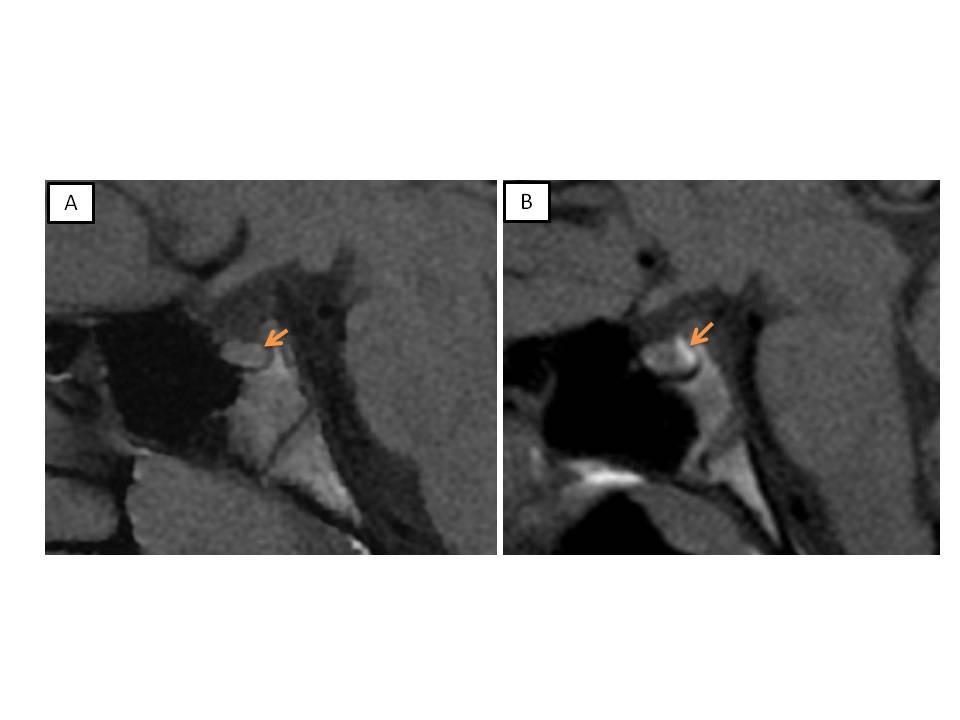
Α boy aged 9.5 years, was referred to the endocrinology department by the pediatrician for investigation of polyuria and polydipsia. The clinical examination and the laboratory findings were normal. With the suspicion of diabetes insipidus, water deprivation test and desmopressin challenge were performed. The diagnosis of central diabetes insipidus was confirmed by the absence of bright signal of the posterior lobe of pituitary gland in the MRI. A synthetic analog of the endogenous hormone arginine AVP was administered orally and the symptoms of the patient resolved completely.
Keywords: polyuria, polydipsia, diabetes insipidus, central diabetes insipidus
Koutsaftiki Chryssie
Kontele Ioanna
Vassilakou Tonia
MSc Programme “Public Health”, Department of Public Health Policy, University of West Attica
2. Maghnie M, Cosi G, Genovese E, Manca-Bitti ML, Cohen A, Zecca S, et al. Central diabetes insipidus in children and young adults. N Engl J Med. 2000;343(14):998-1007.
3. Medic-Stojanoska M, Pekic S, Curic N, Djilas-Ivanovic D, Popovic V. Evolving hypopituitarism as a consequence of traumatic brain injury (TBI) in childhood - call for attention. Endocrine. 2007;31(3):268-71.
4. Neuroimaging of central diabetes insipidus-when, how and findings. Adams NC, Farrell TP, O'Shea A, O'Hare A, Thornton J, Power S, Brennan P, Looby S Neuroradiology. 2018 Oct; 60(10):995-1012.
5. Repaske DR, Medlej R, Gultekin EK, Krishnamani MR, Halaby G, Findling JW, et al. Heterogeneity in clinical manifestation of autosomal dominant neurohypophyseal diabetes insipidus caused by a mutation encoding Ala-1-->Val in the signal peptide of the arginine vasopressin/neurophysin II/copeptin precursor. J Clin Endocrinol Metab. 1997;82(1):51-6.
7. Ghirardello S, Garre ML, Rossi A, Maghnie M. The diagnosis of children with central diabetes insipidus. J Pediatr Endocrinol Metab. 2007;20(3):359-75.
8. Maghnie M, Villa A, Arico M, Larizza D, Pezzotta S, Beluffi G, et al. Correlation between magnetic resonance imaging of posterior pituitary and neurohypophyseal function in children with diabetes insipidus. J Clin Endocrinol Metab. 1992;74(4):795-800.
9. Maghnie M, Genovese E, Bernasconi S, Binda S, Arico M. Persistent high MR signal of the posterior pituitary gland in central diabetes insipidus. AJNR Am J Neuroradiol. 1997;18(9):1749-52.
10. Argyropoulou MI, Kiortsis DN. MRI of the hypothalamic-pituitary axis in children. Pediatr Radiol. 2005;35(11):1045-55.
11. Fujiwara TM, Bichet DG. Molecular biology of hereditary diabetes insipidus. J Am Soc Nephrol. 2005;16(10):2836-46.
12. Kim RJ, Malattia C, Allen M, Moshang T, Jr., Maghnie M. Vasopressin and desmopressin in central diabetes insipidus: adverse effects and clinical considerations. Pediatr Endocrinol Rev. 2004;2 Suppl 1:115-23.
13. Bichet D, Sterns RH, Emmett M, Wolfsdorf JI. Waltham, MA: UpToDate; 2019. Treatment of Central Diabetes Insipidus.
Τ.
Φ.
Κ.
Ε. elpis.vl@gmail.com
Correspondence
Elpis-Athina Vlachopapadopoulou
Thivon and Livadeias, Athens 11527
T. +30 2132999851
Μ. +30 6932247228
E. elpis.vl@gmail.com
Case report of a girl treated with inhaled corticosteroids who presented with growth failure
Maria Dikou, Elpis–Athina Vlachopapadopoulou, Sofia Leka–Emiris, Maria Kafetzi, Fani
Athanasouli, Stefanos Michalacos
Abstract
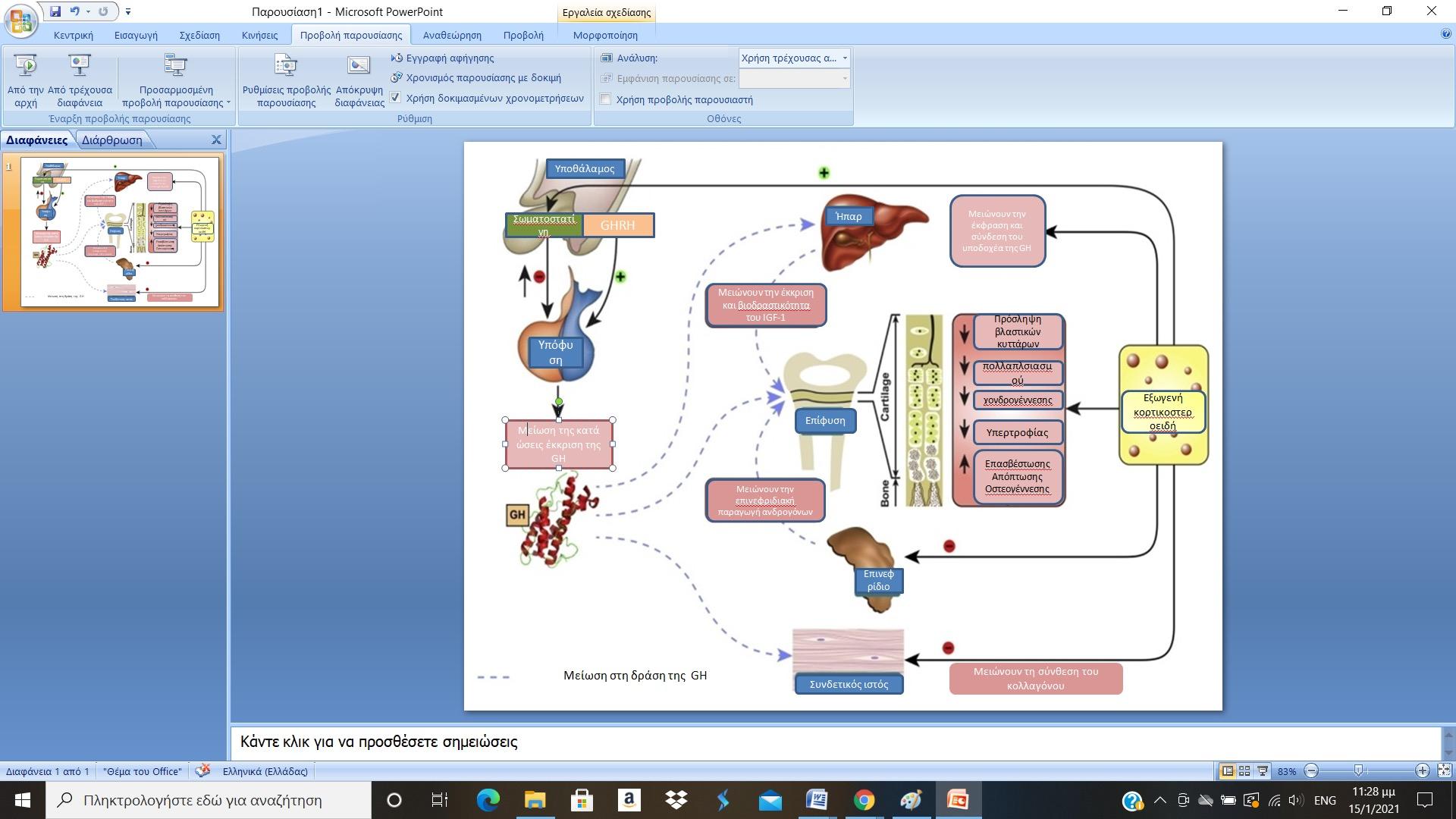
Background: Short stature may be either a variant of normal growth or secondary to chronic disease or endocrine disorder such as hypothyroidism, growth hormone deficiency or Cushing syndrome. More prevalent causes of short stature are familial short stature and delay of growth and puberty due to idiosystasy, which are variants of the normal growth. Almost any serious systemic disease can cause growth failure and/or delayed puberty including chronic corticosteroid therapy. Inhaled corticosteroids are the first line treatment for chronic pediatric diseases such as asthma, allergic rhinitis, cystic fibrosis and in most instances do not interfere with normal growth.
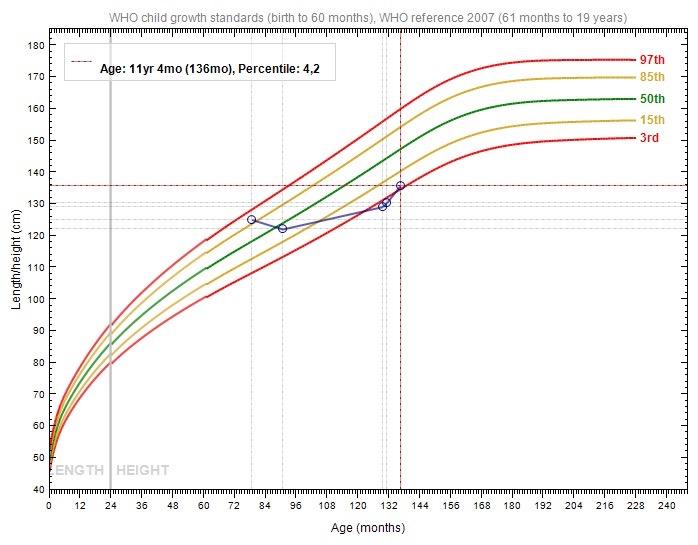
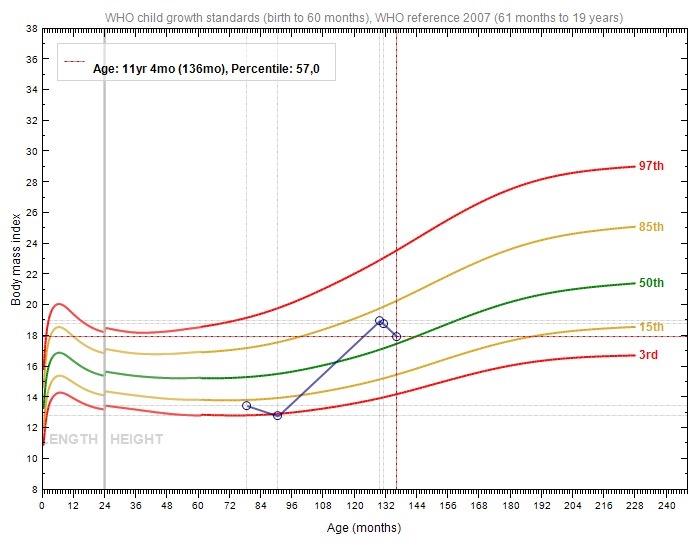
Methods and Results: Α girl aged 10 years and 10 months, presented to the endocrinology department of our hospital for investigation of short stature. Assessment of growth curve revealed a decline of height percentile from 90th to less than the third, while body mass index percentile increased. Her past medical history was significant for severe bronchial asthma from the age of 5 and a half years treated with inhaled corticosteroids. Clinical examination revealed a pre-adolescent girl with no dysmorphic features. Laboratory findings were normal except for low cortisol levels. After detailed history regarding corticosteroid dosing, high doses of corticosteroids were found, specifically inhaled beclomethasone 400μg daily, dexamethasone orally during asthmatic crisis and nasal budesonide 200μg daily, that led to the diagnosis of growth arrest due to glucocorticoid excess. Following treatment modification, growth rate accelerated, and cortisol levels returned to normal.
Maria Dikou
Elpis–Athina Vlachopapadopoulou
Sofia Leka–Emiris
Fani Athanasouli
Stefanos Michalacos
Departure of Endocrinology-Growth and Development P& A Kyriakou Children's Hospital , Athens, Greece
Maria Kafetzi
Departure of BiochemistryHormonology, “P&A Kyriakou” Children’s Hospital, Athens, Greece
Conclusions: For children with persistent asthma, inhaled corticosteroids are extremely effective drugs which when administered according to the guidelines and with regular monitoring have benefits that clearly outweigh the potential risks. However, when longterm high-dose treatment is required, vigilance and periodic evaluation of growth, adrenal function, and bone density are recommended.
Keywords: Inhaled corticosteroids, short stature, growth velocity, adrenal deficiency
ΣΥΝΤΟΜΟΓΡΑΦΙΕΣ ΕΡΑ:
ΕΚ: Εισπνεόμενα Κορτικοστεροειδή
ΟΧΑ:
ΙΚΑΕ:
fT4:
LH:
έτη: 173.44 (5.59) εκ,>5.9 έως < 7.9 έτη168.53 (9.7 ) εκ. > 7.9 έτη 163.53 (9.35)}, όπως
1. Argente J. Challenges in the Management of Short Stature. HormResPaediatr. 2016; 85(1):2 10.
2.
2017; 80(2): 100-112.
3. Kapadia CR, Nebesio TD, Myers SE, Willi S, Miller BS, Allen DB, Jacobson-Dickman E; Drugs and Therapeutics Committee of the Pediatric Endocrine SocietyEndocrine Effects of InhaledCorticosteroids in Children. JAMA Pediatr. 2016; 170(2):163-70.
4. Allen DB. Inhaled corticosteroids and growth: still an issue after all these years J Pediatr 2015; 166(2):463-9.
6. ReddelHK, FitzGeraldJM, Bateman ED, Bacharier LB, Becker A, Brusselle G, et al. European GINA 2019: a fundamental change in asthma management Respiratory Journal 2019 ; 53: 1901046.
7. Axelsson I, Naumburg E, Prietsch SOM, Zhang L. Inhaled corticosteroids in children with persistent asthma: effects of different drugs and delivery devices on growth. Cochrane Database of Systematic Reviews 2019, Issue 6. Art. No.: CD010126.
8. De Leonibus C, Attanasi M,Roze Z, Martin B, Marcovecchio ML, Di Pillo S, et al. Influence of inhaled corticosteroids on pubertal growth and final height in asthmatic children, Chieti, Italy Pediatr Allergy Immunol 2016; 27 (5)499-506.
9. Allen DB, Julius JR, Breen TJ, Attie KM. Treatment of glucocorticoidinduced growth suppression with growth hormone. National Cooperative Growth Study. J Clin Endocrinol Metab 1998; 83:2824-9.
10. Jackson DJ, Bacharier LB, Mauger DT, Boehmer S, Beigelman A, Chmiel JF et al. National Heart, Lung, and Blood Institute Asthma Net. Quintupling Inhaled Glucocorticoids to Prevent Childhood Asthma Exacerbations. N Engl J Med. 2018; 378(10):891-901.
11. Huang J., Pansare M. New Treatments for Asthma. Pediatr Clin N Am 2019; 66: 925-939.
ΣΥΝΑΔΕΛΦΙΚΑ
1.
2.
3. Βραβευμένες
4. Ερευνητικές μελέτες
5.
6.
7. Επίκαιρα θέματα
8. Θέματα εκπαίδευσης και οργάνωσης υγείας
9. Ενδιαφέρουσες περιπτώσεις
10. Σύντομα νέα
11. Βραχείες δημοσιεύσεις
12. Επιστολές προς τη σύνταξη
13.
14.
15.
•
International Committee of Medical Journal Editors/Uniform Requirements for Manuscripts Submitted to Biomedical Journals, (www.icmje.org και www.icmje.org/icmje.pdf).
mulated Index Medicus [List of Journals Indexed in Index Medicus (www.nlm.nih.goν/bsd/ uniform_requirements.html)].
1999;59:272-279.
Proesmans W. Bartter syndrome and its neonatal νariant. Eur J Pediatr 1997;156:669-679.
Συμπληρωματικό
Flyvbjerg Α. Role of growth hormone, insulin-like growth factors (IGFs) and IGF-binding proteins in the renal complications of diabetes. Kidney Ιnt 1997;52 (60 Suppl):S12-S19.
National Institutes of Health Consensus Deνelopment Conference. Neurofibromatosis conference statement. Arch Neurol1988;45:575-578.
Schreiner GF, Lange L. Ethanol modulation of macrophage influx in glomerulonephritis [Abstract]. J Am Soc Nephrol 1991;2:562.
Should antileukotriene therapies be used instead of inhaled corticosteroids in asthma? [Edi-
torial]. Am J Respir Crit Care Med 1998;158:1697-1701.
Clark AG, Barratt ΤΜ. Steroid-responsiνe nephrotic syndrome. Ιn: Barratt ΤΜ, Arner ED, Harmon WE, editors. Pediatric Nephrology. 4th ed. Baltimore: Lippincott William Wilkins; 1999. p. 742.
Σύγγραμμα ή μονογραφία:
Gorlin RJ, Cohen ΜΜ, Leνin LS. Syndromes of the head and neck. 3rd ed. New York: Oxford Uniνersity Press; 1990.
Δημοσίευση
Bauer ΑW. The two definitions of bacterial resistance. In: Smith AJ, Rogers CA, eds. Proceedings of the Third International Congress of Chemotherapy; 1962 May 29-31; New York: International Society of Chemotherapy; 1963. p. 484-500.
Διδακτορική
Αθηνών; 1979.
Kaplan SJ. Post hospital home health care: the elderly’s access and utilization [dissertation]. St. Louis (Μο): Washington Univ.;1995.
III. CD-ROM
Andersoη SC, Poulsen ΚΒ. Anderson’s electronic atlas of hematology [CD-ROM]. Philadelphia: Lippincott Williams & Wilkins; 2002.
IV. ΣΤΟ ΔΙΑΔΙΚΤΥΟ
Άρθρο σε περιοδικό: Abood S. Quality improνement initiatiνe in nursiηg homes: the ΑΝΑ acts in an adνisory role. Am J Nurs [Internet]. 2002 Jun: