
Four monthly scientific journal of the Greek Paediatric Society


208
246
Υποβολή
e-mail: grammateia@e-child.gr
Οδηγίες
http://e-child.gr/publications/ instructions-to-authors
Iδιοκτήτης
Tηλ.:
e-mail: grammateia@e-child.gr Eτήσια
278 IN MEMORIAM

Four monthly scientific journal of the Greek Paediatric Society
208
246
Υποβολή
e-mail: grammateia@e-child.gr
Οδηγίες
http://e-child.gr/publications/ instructions-to-authors
Iδιοκτήτης
Tηλ.:
e-mail: grammateia@e-child.gr Eτήσια
278 IN MEMORIAM
Volume 84 | Number 3 | September - October - November - December 2021
Four monthly publication of the Greek Paediatric Society
194
EDITORIAL
Stelios Antoniadis
196
AWARDED PAPER
Lung function variability in healthy children and adolescents: the effect of age and clinical implications
Eirini Sofia Frima, Dimos Gidaris, Nikolaos Karantaglis, Grigorios Chatziparasidis, Aris Bertzouanis, Ilias Theodorakopoulos, Michael B Anthracopoulos, Sotirios Fouzas
208
RESEARCH STUDY
Respiratory Physiotherapy in premature infants at the Neonatal Intensive Care Unit
Kapali Eleni, Hristara-Papadopoulou Alexandra, Trahana Maria, Ioannis Xinias, Baltatzi Georgia, Poimenidis Onoufrios, Anastasiadou Efrosini
224
REVIEW ARTICLES
Immune thrombocytopenia: Epidemiology, diagnosis and management
Anna Papazoglou, Elpidoforos Mantadakis
238
Nutritional management of nephrotic syndrome in children
Koutsikou Niki
246
Sexuality Matters of Adolescents with Intellectual Disability: a literature review
Vasiliki Dimitrakopoulou, Οurania Tsouridi, Νikolaos Moschos, Kyriakos Platrites
President
A. Constantopoulos
Editorial board
Editor- in- Chief
S. Antoniadis
Members
S. Andronikou
E. Galanakis
A. Evangeliou
L. Thomaidou
M. Kanariou
A. Kapogiannis
S. Kitsiou-Tzeli
E. Mantadakis
P. Panagiotopoulou-Gartagani
A. Papadopoulou
V. Papaevagelou
A. Papathanassiou
A. Siamopoulou-Mavridou
A. Syrigou-Papavasiliou
Manuscript submission
e-mail: grammateia@e-child.gr
Instructions to authors: http://e-child.gr/publications/ instructions-to-authors
Owner Greek Paediatric Society 15, Mpakopoulou st. GR - 15451, Ν. Psychiko Tel.: +302107771140
e-mail: grammateia@e-child.gr
Annual subscription All foreign countries: US$50
Multisystem Inflammatory Syndrome in Children (MIS-C) associated with COVID-19 Infection: A Case Study of Two Cases Lampros Fotis, Maria Papadaki, Vasilios Tsiribis, Maria-Eleni Varanaki, Panagiotis Tzanavaris, Georgios Tsolas
266
VV ECMO support as a late addition for infection-related respiratory failure in a 16month old child
Spiros Loggos, Elias Lazaros, Antonios Samothrakis, Anthi Dimoulitsa, Vana Grigorakou,Katerina babanelou, Kasi Ioannidou, Maria Maurikiou, Loria Pafitou, Fotios Mitropoulos
274
BETWEEN COLLEAGUES
Stelios Antoniadis
276 BOOK PRESENTATION
Stelios Antoniadis
278 IN MEMORIAM
284
INSTRUCTIONS TO AUTHORS
T.
e-mail: sfouzas@upatras.gr
Correspondence
Sotirios Fouzas
Rio, Patra, 26504
T. +302610 999 980, +306944510047
e-mail: sfouzas@upatras.gr
Eirini Sofia Frima, Dimos Gidaris, Nikolaos Karantaglis, Grigorios Chatziparasidis, Aris Bertzouanis, Ilias Theodorakopoulos, Michael B Anthracopoulos, Sotirios Fouzas
Abstract
Introduction: In adults, the long-term variability of the lung function relates to functional disorders of the respiratory system. In childhood, the presence of similar patterns remains unknown. Our aim was to evaluate the lung function variability of in healthy children and adolescents and assess the effect of age and gender.
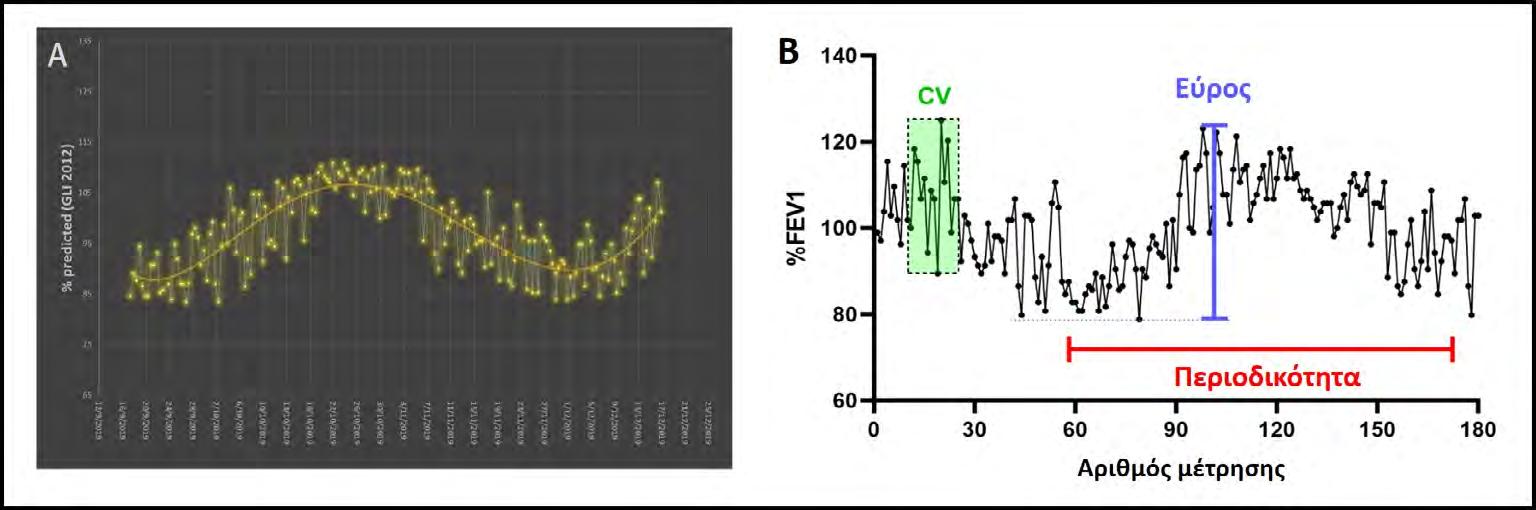
Methods: In this multicenter study (www.luvstudy.gr; NCT04163146) participated 92 healthy non-asthmatic children aged 11.3 ± 3.5 years (range 12-18 years); they performed spirometry twice daily for three months via a portable spirometer. The coefficient of variation, amplitude and periodicity of FEV1 were evaluated. Detrended fluctuation analysis (DFA) and sample entropy analysis (SampEn) were also applied.
Eirini Sofia Frima
Aris Bertzouanis
Michael B Anthracopoulos
Sotirios Fouzas
Pediatric Respiratory Unit, Department of Pediatrics, University of Patras, Greece
Dimos Gidaris
University of Nicosia, Cyprus
Nikolaos Karantaglis
Pediatric Respiratory Unit, 3rd Department of Pediatrics, Aristotle University of Thessaloniki, Greece
Grigorios Chatziparasidis
Primary Ciliary Dyskinesia Unit, School of Medicine, University of Thessaly, Larisa, Greece
Ilias Theodorakopoulos
Department of Physics, University of Patras, Greece
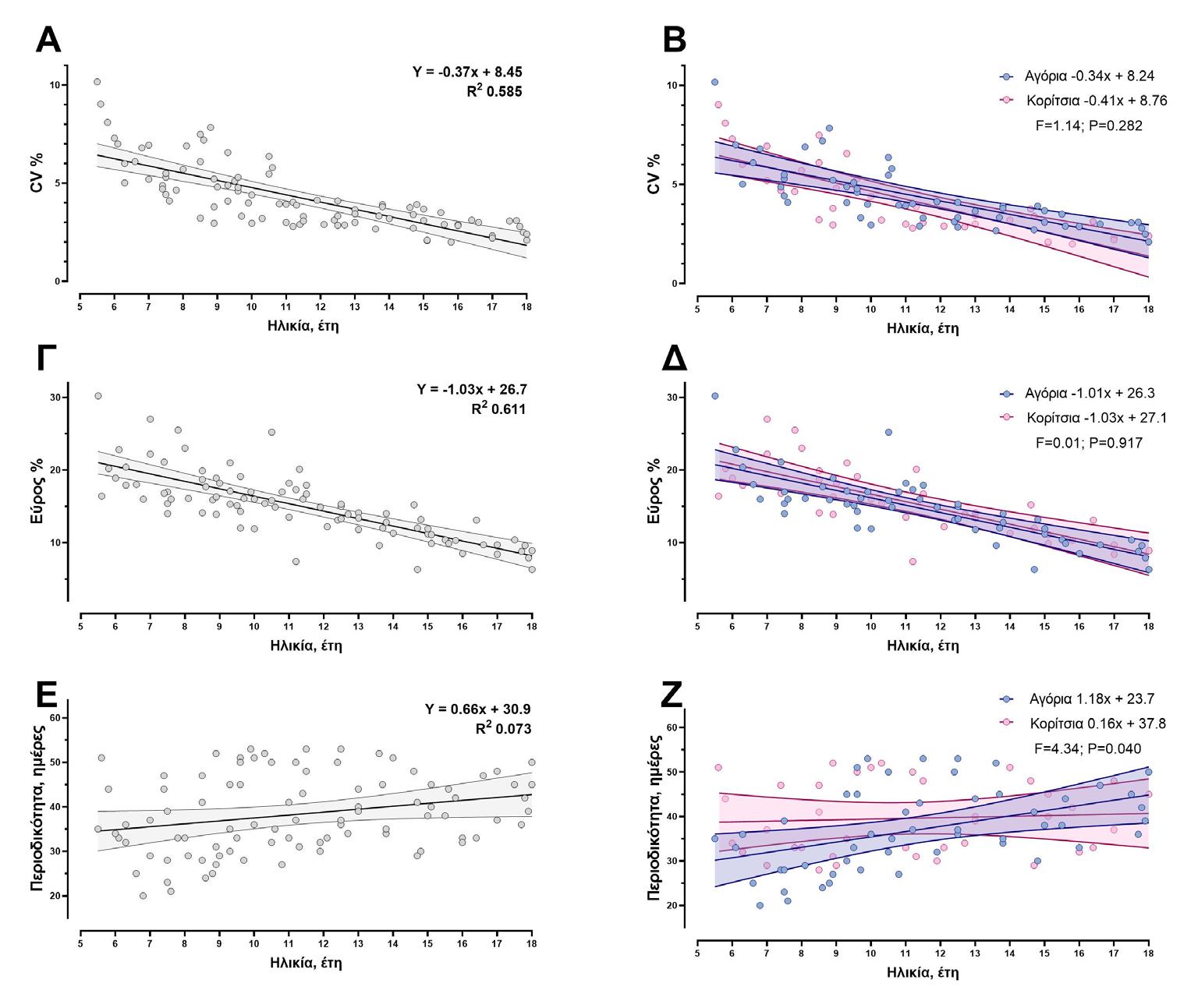
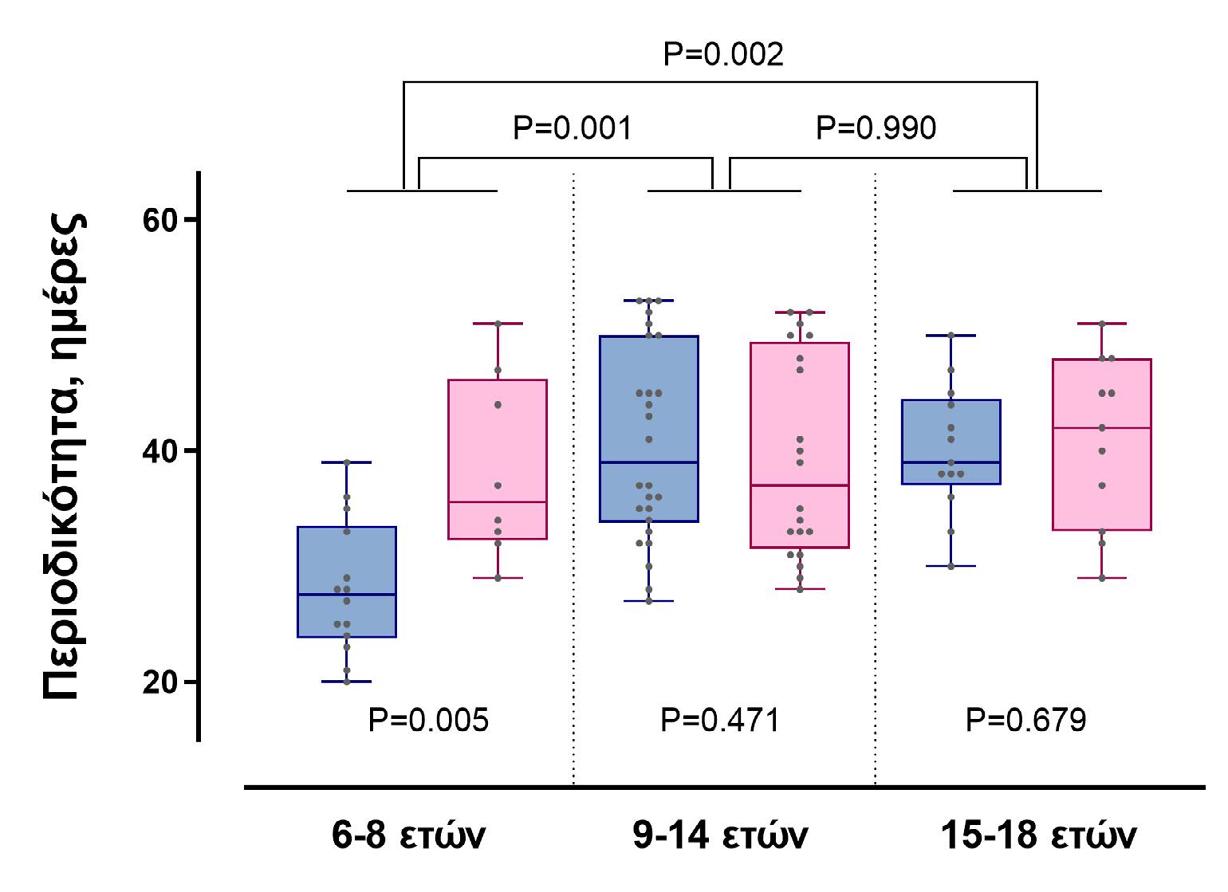
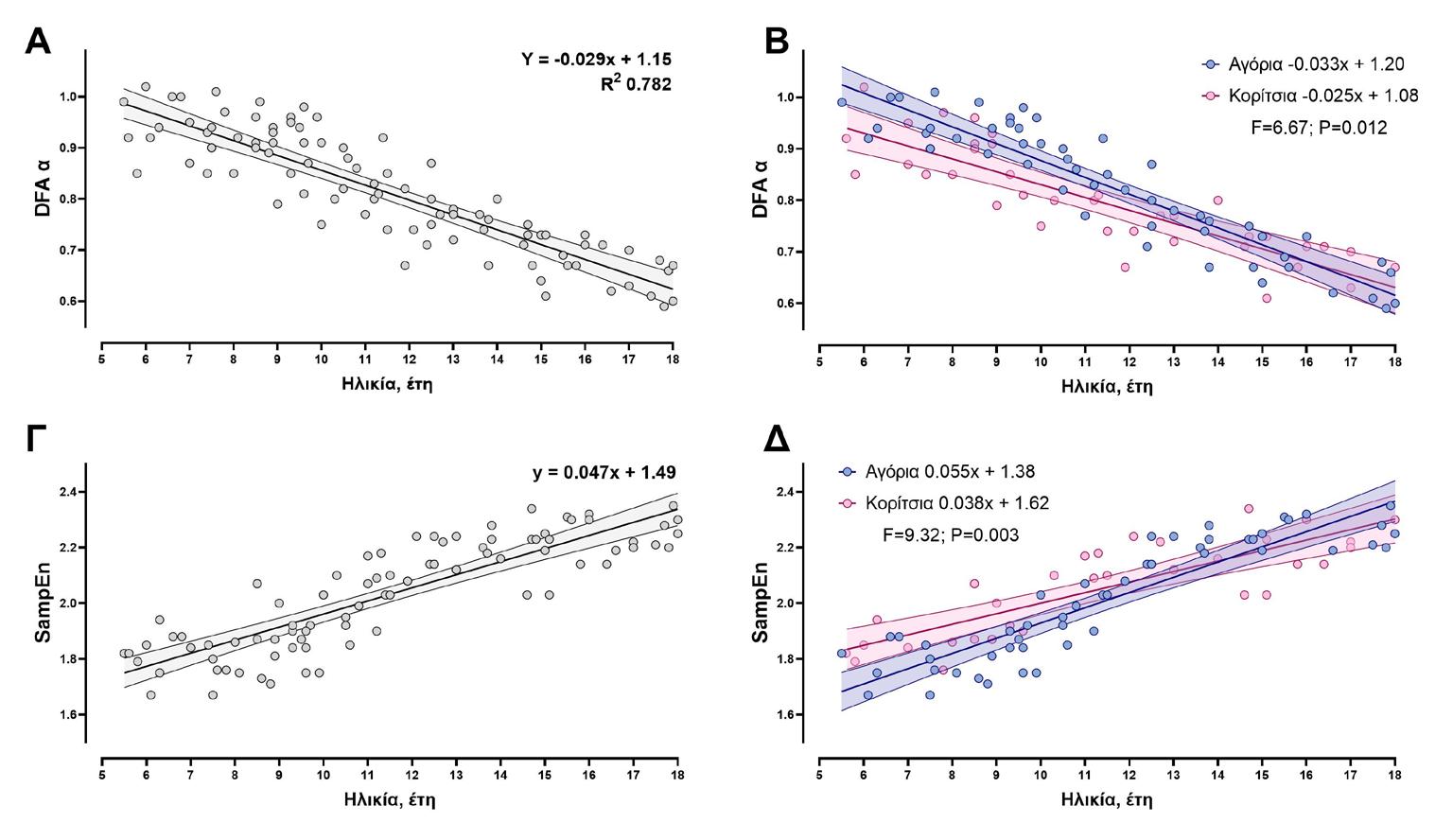
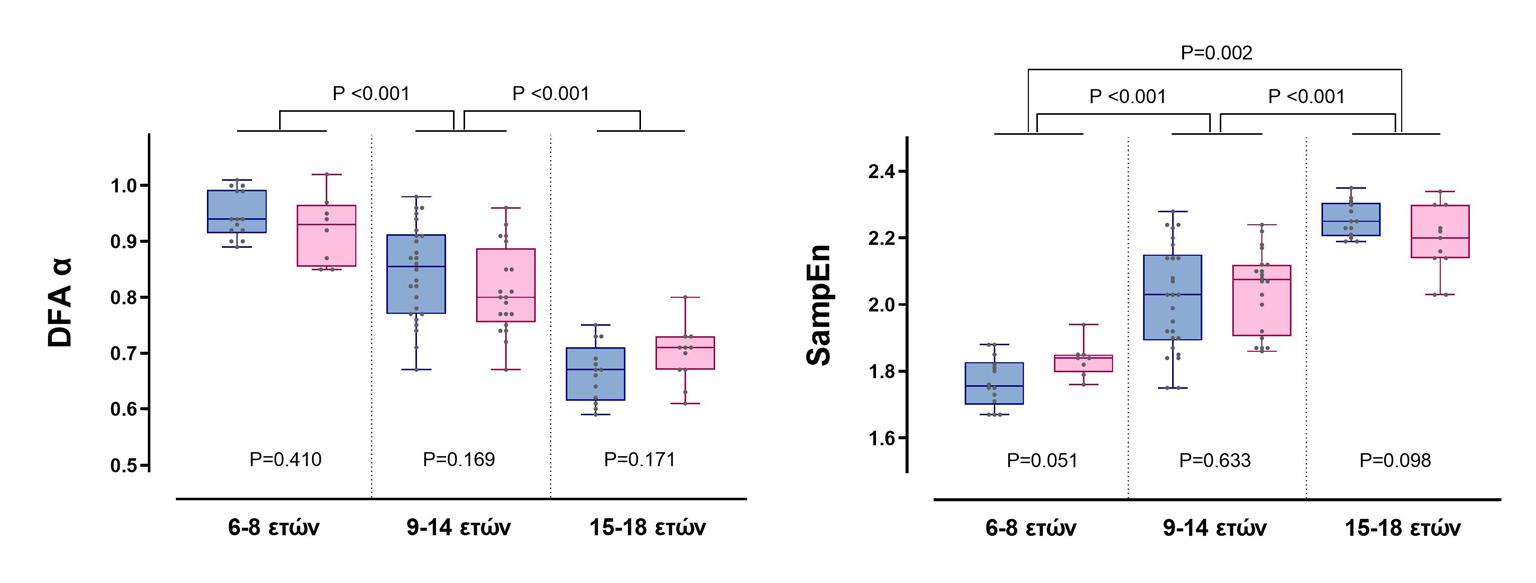
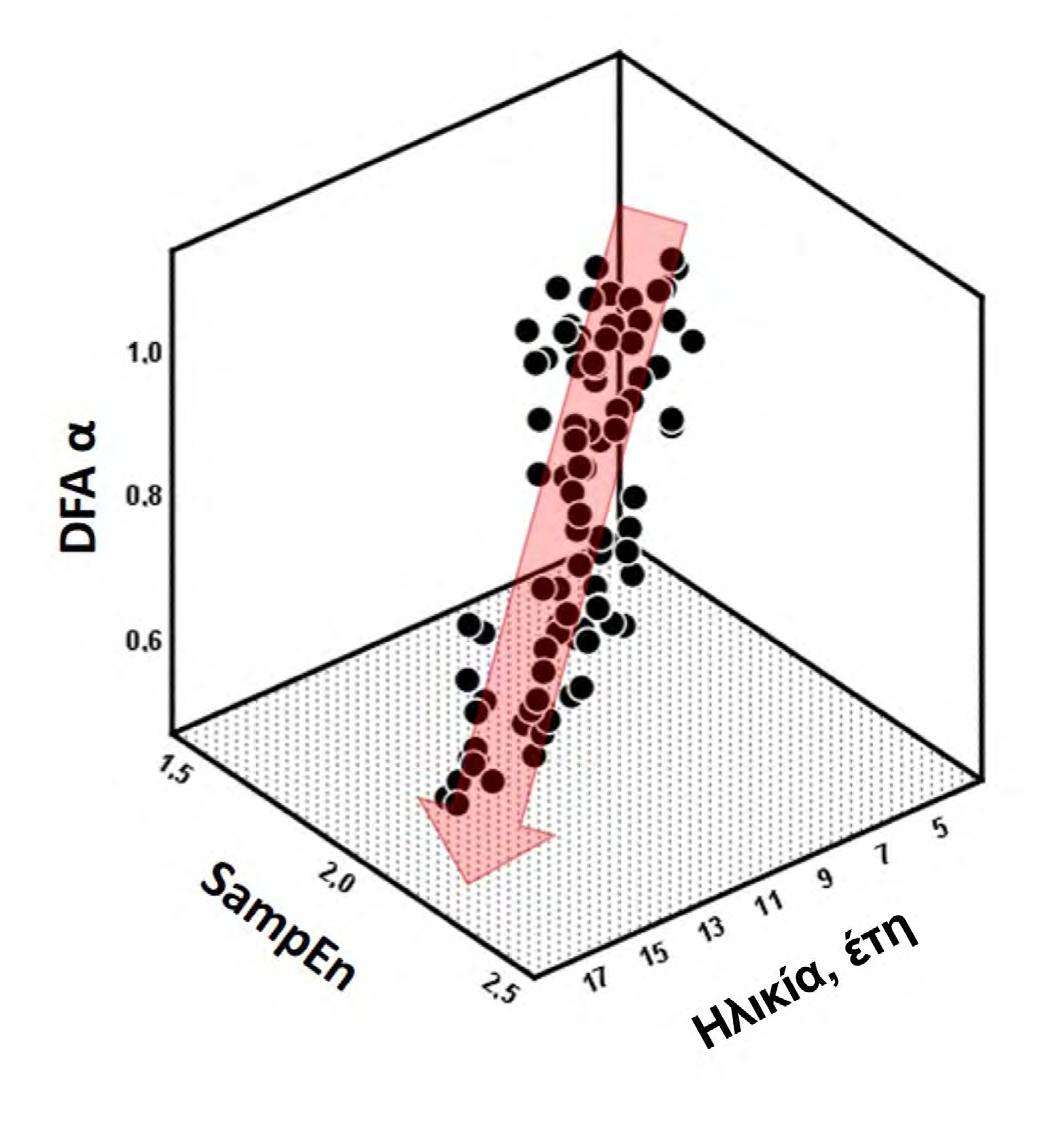
Results: The range of FEV1 values decreased with age, with no differences between boys and girls. During early school age, the periodicity of FEV1 values was lower in boys (28±5.8 days) than in girls (38.4±8 days). A negative relationship was found between DFA and age (regression coefficient –0.884, P<0.001) and a positive relationship between SampEn and age (coefficient 0.860, P<0.001), with significant differences between boys and girls.
Conclusions: Healthy children present structured (i.e., non-random) fluctuations of lung function, the pattern of which depends on age and gender. With increasing age, the self-similarity of the FEV1 timeseries decreases, while their complexity increases, thus indicating an overall increase in the stability and adaptability of the respiratory system. These changes occur earlier in girls compared with boys, and may explain the increased vulnerability of younger children to environmental stimuli that trigger reversible small-airways obstruction.
Keywords: Lung function, variability, timeseries, children
Function Variability in Children (LUV) study,
(Spirobank Smart, MIR, Rome, Italy),
MatLab (MathWorks, Inc., Natick, MA, USA).
(detrended fluctuation analysis, DFA)
(sample entropy, SampEn).13
27.0 (IBM Corp., Armonk, NY,
Αποτελέσματα
± 0,12 (0,82, 0,59 - 1,02)
± 0,19 (2,03, 1,67 – 2,35)
Βιβλιογραφία
1. Spengler CM, Shea SA. Endogenous circadian rhythm of pulmonary function in healthy humans. Am J Respir Crit Care Med 2000;162:1038-1046.
2. Martin RJ, Banks-Schlegel S. Chronobiology of asthma. Am J Respir Crit Care Med 1998;158:1002-1007.
3. Frey U, Brodbeck T, Majumdar A, Taylor DR, Town GI, Silverman M, et al. Risk of severe asthma episodes predicted from fluctuation analysis of airway function. Nature 2005;438:667670.
4. Thamrin C, Stern G, Strippoli MP, Kuehni CE, Suki B, Taylor DR, et al. Fluctuation analysis of lung function as a predictor of long-term response to beta2-agonists. Eur Respir J 2009;33:486-493.
5. Thamrin C, Taylor DR, Jones SL, Suki B, Frey U. Variability of lung function predicts loss of asthma control following withdrawal of inhaled corticosteroid treatment. Thorax 2010;65:403408.
6. Thamrin C, Nydegger R, Stern G, Chanez P, Wenzel SE, Watt RA, et al. Associations between fluctuations in lung function and asthma control in two populations with differing asthma severity. Thorax 2011;66:1036-1042.
7. Kaminsky DA, Wang LL, Bates JH, Thamrin C, Shade DM, Dixon AE, et al. Fluctuation analysis of peak expiratory flow and its association with treatment failure in asthma. Am J Respir Crit Care Med 2017;195:993-999.
8. Global Initiative for Asthma. GINA: Global Strategy for asthma management and prevention, 2021. National Heart, Lung and Blood Institute. http://www.ginasthma.org.
9. Frima ES, Theodorakopoulos I, Gidaris D, Karantaglis N, Chatziparasidis G, Plotas P, et al. Lung function variability in children and adolescents with and without asthma (LUV Study):
Protocol for a prospective, nonrandomized, clinical trial. JMIR Res Protoc 2020;9(8):e20350.
10. Quanjer PH, Stanojevic S, Cole TJ, Baur X, Hall GL, Culver BH, et al. Multi-ethnic reference values for spirometry for the 3-95-yr age range: the global lung function 2012 equations. Eur Respir J. 2012;40:1324-43.
11. Graham BL, Steenbruggen I, Miller MR, Barjaktarevic IZ, Cooper BG, Hall GL, et al. Standardization of spirometry 2019 Update. An Official American Thoracic Society and European Respiratory Society Technical Statement. Am J Respir Crit Care Med 2019;200:e70-e88
12. Huang NE, Shen Z, Long SR, Wu MC, Shih HH, Zheng Q, et al. The empirical mode decomposition and the Hilbert spectrum for nonlinear and non-stationary time series analysis. Proc R Soc Lond 1998;A.454:903-995.
13. Peng C-K, Mietus J, Hausdorff JM, Havlin S, Stanley HE, Goldberger AL. Long-range anticorrelations and non-Gaussian behavior of the heartbeat. Phys Rev Lett 1993;70:1343-1346.
14. Ottino JM, Muzzio FJ, Tjahjadi M, Franjione JG, Jana SC, Kusch HA. Chaos, symmetry, and self-similarity: exploiting order and disorder in mixing processes. Science 1992;257(5071):754760.
15. Sinha A, Lutter R, Xu B, Dekker T, Dierdorp B, Sterk PJ, et al. Loss of adaptive capacity in asthmatic patients revealed by biomarker fluctuation dynamics after rhinovirus challenge. Elife 2019;8:e47969.
16. Delgado-Eckert E, James A, Meier-Girard D, Kupczyk M, Andersson LI, Bossios A, et al. Lung function fluctuation patterns unveil asthma and COPD phenotypes unrelated to type 2 inflammation. J Allergy Clin Immunol 2021;148(2):407-419.
Αναπνευστική
e-mail: hristara2@hotmail. com
Correspondence
Hristara-Papadopoulou
Alexandra
T. +306942222445
e-mail: hristara2@hotmail. com
Kapali Eleni, Hristara-Papadopoulou Alexandra, Trahana Maria, Ioannis Xinias, Baltatzi Georgia, Poimenidis Onoufrios, Anastasiadou Efrosini
Abstract
Introduction: Technological innovations, the treatment of the surfactant factor, the advancement of respiratory support, thermoregulation and nutritional care, have contributed to the improvement of the survival of premature infants in the Intensive Care Unit for Newborns (I.C.U.N). In the modern literature, much has been said about the potentially harmful effects of the I.C.U.N environment on the neurodevelopmental maturation of premature infants, and many studies have studied the improvement of these factors. The goal of intensive care for premature infants is essentially to maintain life by providing appropriate medical support, in an environment that mimics the uterus, trying as much as possible to give experiences that were interrupted due to premature birth.
Kapali Eleni
Hellenic Society for the Protection of Rehabilitation of Persons, (ELEPAP) Thessaloniki
Hristara-Papadopoulou
Alexandra
Baltatzi Georgia
Poimenidis Onoufrios
Department of Physiotherapy, International Hellenic University
Trahana Maria
Ioannis Xinias
3rd Pediatric Clinic G.H., Hippocratic Hospital of Thessaloniki,
Anastasiadou Efrosini
Neonatal Intensive Care Unit, G.H., Hippocratic of Thessaloniki
Aim: The aim of this study is to evaluate the effectiveness of the Respiratory Physiotherapy (R.P) in stabilized preterm infants of low birth weight and short duration of gestation in I.C.U.N, supporting both the improvement and maintenance of their self-regulation and the prevention of complications. To demonstrate the effectiveness of our protocol, we collected data on vital heart rate (B.P..M) and oxygen saturation (SpO2) using a pulse oxymeter.
Methods: We took into account the history of our newborns in terms of the type of respiratory support, until their stabilization. That is, if they entered supportive mechanical ventilation (M.V), or non-invasive ventilation (N.I.V), until they stabilized and did not need any respiratory support. Fifty two (52) stabilized premature infants met the research selection criteria. Manipulations such as supine, left-to-left and prone positions, placement in fetal posture and support using a nest, deep steady tactile pressure, non-nutritional sucking with finger-feeding, created a self-regulating environment and artificially resembling supportive effect system of stabilized premature infants, directly improving and stabilizing SpO2 and B.P.M.
Results: From the results of our research we conclude that RP has a positive effect both on the improvement and maintenance of self-regulation, stabilized premature infants in I.C.U.N in SpO2 and B.P.M., and in the prevention of complications, due to their history. Also, the differences between the groups are not affected by mechanical ventilation, or non-invasive ventilation which supportive premature infants needed in the early stages of their lives in I.C.U.N, till to be characterized as stabilized premature infants.
Keywords: Stabilized premature infants, Respiratory Physiotherapy, Neonatal Intensive Care Unit, nest, deep steady tactile pressure, non-nutritional sucking
Α.Φ:
B.P.M: Beat Pulse
Measurement:
H.R: Heard Rate:
I.C.U.N: Intensive Care Unit for Newborns:
M.V: Mechanical
Ventilation: Μηχανικός
N.I.V: Non-Invasive Ventilation: Μη
R.P: Respiratory Physiotherapy: Αναπνευστική
SpO2: Saturation of Arterial Oxygen: Κορεσμός
W.O..B: Work of Breath:
WH.O: World Health Organization:
B.P.M.
Κορεσμός
* Statistically different between groups (*** p≤0.001,
Baseline
End
* Statistically different between groups (*** p≤0.001, ** p≤0.01, *p≤0.05)
* Statistically different between 2 other groups.
Ο Pessima [15]
Balaguer et al.,
Οι Lieb [44], Field,
Βιβλιογραφία
1. Field DJ, Dorling JS, Manktelow BN, Draper ES. Survival of extremely premature babies in a geographically defined population: prospective cohort study of 1994-9 compared with 2000-5. BMJ. 2008;336(7655):1221–3.
2. Brown G. NICU noise and the preterm infant. Neonatal Netw. 2009;28(165–73):165.
3. Salavitabar A, Haidet KK, Adkins CS. Preterm infants’ sympathetic arousal and associated behavioral responses to sound stimuli in the neonatal intensive care unit. Adv Neonatal Care. 2010;10:158–66.
4. Sweeney JK, Blackburn S. Neonatal physiological and behavioral stress during neurological assessment. J Perinat Neonatal Nurs. 2013;27(3):242–52; quiz 253–4.
5. Graziela FB, Cidia CK. Clinical profile of newborns undergoing physical therapy in a neonatal care unit. Vol. 29, n. 3. 2016. p. 553–560.
6. Wyckoff MH, Aziz K, Escobedo MB, Kapadia VS, Kattwinkel J, Perlman JM, et al. Part 13: Neonatal resuscitation: 2015 American heart association guidelines update for cardiopulmonary resuscitation and emergency cardiovascular care (reprint). Pediatrics. 2015;136 Suppl 2(Supplement):S196-218.
7. Sola A, Saldeño YP, Favareto V. Clinical practices in neonatal oxygenation: where have we failed? What can we do? J Perinatol. 2008;28 Suppl 1(S1):S28-34.
8. Maltepe E, Saugstad OD. Oxygen in health and disease: regulation of oxygen homeostasisclinical implications. Pediatr Res. 2009;65-261-268
9. Pandya YS, Shetye J, Nanavati R, Mehta A. Resolution of lung collapse in a preterm neonate following chest physiotherapy. Indian J Pediatr. 2011;78(9):1148–50.
10. Mehta Y, Shetye J, Nanavati R, Mehta A. Physiological effects of a single chest physiotherapy session in mechanically ventilated and extubated preterm neonates. J Neonatal Perinatal Med. 2016;9(4):371–6.
11. Vasconcelos GAR, Almeida RCA, Bezerra AL. Repercussions of physiotherapy in the Neonatal Intensive Care Unit. Fisio e Movimento. 2011;24(1).
12. Giannantonio C, Papacci P, Ciarniello R, Tesfagabir MG, Purcaro V, Cota F, et al. Chest physiotherapy in preterm infants with lung diseases. Ital J Pediatr. 2010;36(1):65.
13. Johnston C, Zanetti NM, Comaru T, Ribeiro SNS, Andrade LB, Santos SLL. Recomendacao brasileira de fisioterpia respiratoria em Unidade de Terapia Intensiva Pediatrica e Neonatal. Rev Bras Ter Intensiva. 2012;24(2):119–29.
14. Nicolau CM, Pigo JDC, Bueno M, Falcao MC. Pain assessment in premature infants during respiratory physiotherapy. Rev Bras Saude Mater Infant. 2008;8(3).
15. Pessima DC, Costa TCM, Cavenaghi OM, Goraieb L, Correa PR, Croti UA. Plicatura diafragmatica apos lesao do nervo frenico em operacao de Glenn: relato de caso. Vol. 21. 2008.
16. Hough JL, Flenady V, Johnston L, Woodgate PG. Cochrane review: Chest physiotherapy for reducing respiratory morbidity in infants requiring ventilatory support. Evid Based Child Health. 2010;5(1):54–79.
17. Allinson LG, Denehy L, Doyle LW, Eeles AL, Dawson JA, Lee KJ, et al. Physiological stress responses in infants at 29–32 weeks’ postmenstrual age during clustered nursing cares and standardised neurobehavioural assessments. BMJ Paediatr Open. 2017;1(1):e000025.
18. Haba J. Appriach to pediatric tachycardia. Columbia: Department of Pediatrics, University of British Columbia;
19. Allison LG, Denehy L, Doyle LW, Eeles AL, Dawson JA, Lee KJ, et al. Physiological stress responses in infants at 29-32 weeks’ postmenstrual age during clustered nursing cares and standardized neurobehavioral assessments. BMJ Paediatrics Open. 2017;1(1):1136 –2017–000025.
20. Kattwinkel J, Perlman JM, Aziz K, Colby C, Fairchild K, Gallagher J, et al. Neonatal resuscitation: 2010 American heart association guidelines for cardiopulmonary resuscitation and emergency cardiovascular care. Pediatrics. 2010;126(5):e1400-13.
21. Clucas L, Doyle LW, Dawson J, Donath S, Davis PG. Compliance with alarm limits for pulse oximetry in very preterm infants. Pediatrics. 2007;119(6):1056–60.
22. Saugstad OD. Oxygenation of the immature infant: A commentary and recommendations for oxygen saturation targets and alarm limits. Neonatology. 2018;114(1):69–75.
23. American Heart Association Children, Heart Disease. Pulse ox screens catching many newborns with heart disease, but the’ s room to improvement, 2018.
24. Baby Oxygen Saturation Study (boss) Clinical Trials, gov U.S. National Library of Medicine First Posted, 2017.
25. Stoddart S., Summers L., Platt MW: Pulse Oximetry, JnN., 1997, 3:10-14.
26.
2:55-62 1997
27. Morgan MC, Maina B, Waiyego M, Mutinda C, Aluvaala J, Maina M, et al. Oxygen saturation ranges for healthy newborns within 24 hours at 1800 m. Arch Dis Child Fetal Neonatal Ed. 2017;102(3):F266–8.
28. Richard D, Poets CF, Neale S, Stebbens VA, Alexander JR, Southall DP. Arterial oxygen saturation in preterm neonates without respiratory failure. J Pediatr. 1993;123(6):963–8.
29. Kamlin CO, Donnell O’., Cp D, Pg M, C J. Oxygen saturation in healthy infants immediately after bitth. J Pediatr. 2006;148(5).
30. Mariani G, Dik PB, Ezquer A, Aguirre A, Esteban ML, Perez C, et al. Pre-ductal and postductal O2 saturation in healthy term neonates after birth. J Pediatr. 2007;150(4):418–21.
31. Tecklin JS. A brief history of the section on pediatrics of the American physical therapy association. Pediatr Phys Ther. 1994;6(3):109-112
32. Byrne E, Garber J. Physical therapy intervention in the neonatal intensive care unit. Phys Occup Ther Pediatr. 2013;33(1):75–110.
33. Holsti L, Grunau RE, Oberlander TF, Whitfield MF. Prior pain induces heightened motor responses during clustered care in preterm infants in the NICU. Early Hum Dev. 2005;81(3):293–302.
34. Sweeney JK, Blackburn S. Neonatal physiological and behavioral stress during neurological assessment. J Perinat Neonatal Nurs. 2013;27(3):242–52; quiz 253–4.
35. Wadhwa PD, Culhane JF, Rauh V, Barve SS, Hogan V, Sandman CA, et al. Stress, infection and preterm birth: a biobehavioural perspective. Paediatr Perinat Epidemiol. 2001;15 Suppl 2:17–29.
36. Salavitabar A, Haidet KK, Adkins CS. Preterm infants’ sympathetic arousal and associated behavioral responses to sound stimuli in the neonatal intensive care unit. Adv Neonatal Care. 2010;10:158–66.
37. Peng N-H, Chen C-H, Bachman J, Lin H-C, Wang T-M, Chang Y-C, et al. To explore relationships between physiological stress signals and stress behaviors in preterm infants during periods of exposure to environmental stress in the hospital. Biol Res Nurs. 2011;13(4):357–63.
38. Chokshi T, Alaparthi GK, Krishnan S, Vaishali K, Zulfeequer CP. Practice patterns of physiotherapists in neonatal intensive care units: A national survey. Indian J Crit Care Med. 2013;17(6):359–66.
39. Luiz Carlos de Abreu, Vitor E Valenti, Adriana G de Oliveira, Claudio Leone, Arnaldo AF Siquira, Dafne Herreiro, Rubens Wajnstztjn, Katia V Manhabnsque, Hugo Macedo Junior, Carlos B de Mello Monteiro, Lais L Fernandes, Paulo HN Saldina. Chest associated to motor physiotherapy improves cardiovascular variables in newborns with respiratory distress syndrome. International Archives of Medicine, 2011(4):37
40. Balaguer A, Escribano J, Roque I, Figuls M, Rivas-Fernandez M. Infant position in neonates receiving mechanical ventilation. Cochrane Database of Systematic Reviews. 2013;(:CD003668):003668.
41. Eghbalian F., Moeinipour A. Effect of neonatal position on oxygen saturation in Hospitalized premature infants with respiratory distress syndrome. Annadi Military Health Sci Res 2008;6(1):9-13
42. Rezaeian M, Sheikh Fathollahi F, Abdolkarimi M, et al. Comparison of Supine and Prone Positions on oxygen Saturation Preterm Neonates after Weaning from Mechanical Ventilation in NICU of Afzalipour Hospital of Kerman in 2014. J Rafsanjan Uni Med Sci 2015; 13(9):88596
43. Dimitriou G. Greenough A, Pink L, et al. Effect of posture on oxygenation and respiratory muscle strength in convalescent infants. Arch Dis Childhood-Fetal Neonatal Edition 2002;86(30):147-50
44. Lieb SA, Benefield G, Guidubakdi J. Effects of early intervention and stimulation on the preterm infant. Pediatrics. 1980;66:83–89.
45. Field TM, Schanberg SM, Scafidi F, Bauer C, Vesa-Lahr N, Garcia R, Nystrom J, Kuhn CM, Tactile-Kinematic stimulation effects on preterm neonates, Pediatrics 1986(77):654-658
46. Anderson J, Sensory intervention with the preterm in the neonatal intensive care unit, Am J Occupational Therapy 1986(40):19-26
47. Als H, Lawhon G, Brown E, Gibes R, Duffy FH, McAnulty G. Individualized behavioral and environmental care for the very low birth weight preterm infant at high risk for Cho pulmonary dysplasia: neonatal intensive care unit and developmental outcome: Pediatrics. 1986(78):112332
48. Kobayasi TK. Skin pressure vegetative reflex. Acta Medical et Biologica. 1955;4:31–57
F.
e-mail: emantada@med. duth.gr
Correspondence
Elpidoforos Mantadakis
6th Kilometer Alexandroupolis-Makris, 68100 Alexandroupolis
T. +3025513-51411
F. +3025510-30340
e-mail: emantada@med. duth.gr
Anna Papazoglou, Elpidoforos Mantadakis
Summary
Immune thrombocytopenia (ITP), formerly known as idiopathic and immune thrombocytopenic purpura is an autoimmune disease characterized by isolated thrombocytopenia due to destruction of platelets covered by autoantibodies. Antibodies are directed against glycoproteins of the platelet cell membrane. The disease can be classified as newly diagnosed (<3 months), persistent (lasting 3-12 months), or chronic (lasting> 12 months). The incidence of acute ITP in children is about 4.8 cases, while that of chronic disease 0.5 cases per 100,000 children per year. Primary ITP is a diagnosis of exclusion. The clinical examination is normal except for the hemorrhagic manifestations, while the complete blood count is typically normal except for the isolated thrombocytopenia. Systemic manifestations such as fever or weight loss, as well as the detection of hepatomegaly, splenomegaly, or lymphadenopathy, indicate another underlying disease as the cause of thrombocytopenia, such as a lymphoproliferative disease, acquired immune deficiency syndrome, chronic hepatis, systemic lupus erythematosus or a lysosomal storage disease. ITP is a benign disease of childhood and only 0-4% of children experience severe bleeding that requires immediate intervention at diagnosis. In deciding whether a child with ITP should be treated with corticosteroids or intravenous γ-globin, the bleeding symptoms, platelet count, history of recent injuries, presence of headache, use of medications, and patient's lifestyle and medical insurance should be considered. Thrombopoietin receptor agonists, rituximab, and splenectomy play an important role in the treatment of patients with chronic disease.
Keywords: Immune thrombocytopenia, hemorrhage, corticosteroids, intravenous g globulin, thrombopoietin receptor agonists, splenectomy
Anna Papazoglou
Elpidoforos Mantadakis
Department of Pediatrics, Hematology-Oncology Unit, University General Hospital of Alexandroupolis
Wiskott-Aldrich, σ. Bernard Soulier,
von Willebrand
Κίρρωση ήπατος, πυλαία υπέρταση
Σπληνομεγαλία
Φάρμακα (συνταγογραφούμενα και
Μυελοίνωση
Απλαστική αναιμία
Μεγαλοβλαστική αναιμία
Νόσος Gaucher
Πρόσφατος εμβολιασμός με εμβόλιο ιλαράς-ερυθράς-παρωτίτιδας, εμβόλιο ηπατίτιδας
ITP (23).
η CVID (19).
Βαθμός IV. Σοβαρή αιμορραγική
διάθεση (πτώση Hb≥2g/dl), με έντονη
αιμορραγία βλεννογόνων (σοβαρή ρινορραγία, ουλορραγία, μηνορραγία,
μέλαινα, αιματέμεση) ή πιθανή εσωτερική
αιμορραγία, όπως πνευμονική αιμορραγία (αιμόπτυση), αίμαρθρο, μυϊκό αιμάτωμα, εγκεφαλική
1. Cines DB, Blanchette VS. Immune Thrombocytopenic Purpura. N Engl J Med. 2002;346(13):995–1008.
2. Cines DB, Bussel JB, Liebman HA, Luning Prak ET. The ITP syndrome: pathogenic and clinical diversity. Blood. 2009;113(26):6511–6521.
3. Kiefel V, Freitag E, Kroll H, Santoso S, Mueller-Eckhardt C. Platelet autoantibodies (IgG, IgM, IgA) against glycoproteins IIb/IIIa and Ib/IX in patients with thrombocytopenia. Ann Hematol. 1996;72(4):280–285.
4. Rodeghiero F, Stasi R, Gernsheimer T, Michel M, Provan D, Arnold DM, et al. Standardization of terminology, definitions and outcome criteria in immune thrombocytopenic purpura of adults and children: report from an international working group. Blood. 2009;113(11):2386–2393.
5. Kühne T, Buchanan GR, Zimmerman S, Michaels LA, Kohan R, Berchhtold, et al. A prospective comparative study of 2540 infants and children with newly diagnosed idiopathic thrombocytopenic purpura (ITP) from the intercontinental childhood ITP study group. J Pediatr. 2003;143(5):605–608.
6. Terrell DR, Beebe LA, Vesely SK, Neas BR, Segal JB, George JN. The incidence of immune thrombocytopenic purpura in children and adults: A critical review of published reports. Am J Hematol. 2010:85(3):174-180.
7. Zeller B, Rajantie J, Hedlund-Treutiger I, Tedgård U, Wesenberg F, Jonsson OG, et al. Childhood idiopathic thrombocytopenic purpura in the Nordic countries: Epidemiology and predictors of chronic disease: Childhood ITP in the Nordic countries. Acta Paediatr. 2007;94(2):178–184.
8. Zeller B, Helgestad J, Hellebostad M, Kolmannskog S, Nystad T, Stensvold K, et al. Immune thrombocytopenic purpura in Norway: a prospective, population-based registration. Pediatric Hematol Oncol. 2000;17(7):551–558.
9. Yong M, Schoonen WM, Li L, Kanas G, Coalson J, Mowat F, et al. Epidemiology of paediatric immune thrombocytopenia in the General Practice Research Database: Paediatric ITP in the GPRD. Br J Haematol. 2010;149(6):855–864.
10. Watts RG. Idiopathic Thrombocytopenic Purpura: A 10-Year Natural History Study at the Childrens Hospital of Alabama. Clin Pediatr (Phila). 2004;43(8):691–702.
11. Higashigawa M, Maeyama T, Yoshino A, Matsuda K, Ito M, Maji T, et al. Incidence of childhood primary immune thrombocytopenic purpura: Incidence of childhood ITP. Pediatr Int. 2015;57(5):1041–1043.
12. Sutor AH, Harms A, Kaufmehl K. Acute Immune Thrombocytopenia (ITP) in Childhood: Retrospective and Prospective Survey in Germany. Semin Thromb Hemost. 2001;27(03):253–268.
13. Reid MM. Chronic idiopathic thrombocytopenic purpura: incidence, treatment, and outcome. Arch Dis Child. 1995;72(2):125–128.
14. Semple JW, Freedman J. Increased antiplatelet T helper lymphocyte reactivity in patients
with autoimmune thrombocytopenia. Blood. 1991;78(10):2619–2625.
15. Olsson B, Andersson P-O, Jernås M, Jacobsson S, Carlsson B, Carlsson LM, et al. T-cellmediated cytotoxicity toward platelets in chronic idiopathic thrombocytopenic purpura. Nat Med. 2003;9(9):1123–1124.
16. Provan D, Arnold DM, Bussel JB, Chong BH, Cooper N, Gernsheimer T, et al. Updated international consensus report on the investigation and management of primary immune thrombocytopenia. Blood Adv. 2019;3(22):3780–3817.
17. Drachman JG. Inherited thrombocytopenia: when a low platelet count does not mean ITP. Blood. 2004;103(2):390–398.
18. Grimaldi-Bensouda L, Nordon C, Michel M, Viallard JF, Adoue D, Magy-Bertrand N, et al. Immune thrombocytopenia in adults: a prospective cohort study of clinical features and predictors of outcome. Haematologica. 2016;101(9):1039–1045.
19. Cunningham-Rundles C. Hematologic complications of primary immune deficiencies. Blood Rev. 2002;16(1):61–64.
20. Castaman G, Ruggeri M, Rodeghiero F. EDTA-dependent pseudothrombocytopenia. Am J Hematol. 1992;41(3):226–226.
21. Jubelirer SJ, Harpold R. The Role of the Bone Marrow Examination in the Diagnosis of Immune Thrombocytopenic Purpura: Case Series and Literature Review. Clin Appl Thromb Hemost. 2002;8(1):73–76.
22. Provan D, Stasi R, Newland AC, Blanchette VS, Bolton-Maggs P, Bussel JB, et al. International consensus report on the investigation and management of primary immune thrombocytopenia. Blood. 2010;115(2):168–186.
23. Dahal S, Upadhyay S, Banjade R, Dhakal P, Khanal N, Bhatt VR. Thrombocytopenia in patients with chronic hepatitis C virus infection. Mediterr J Hematol Infect Dis. 2017;9(1):e2017019.
24. Scaradavou A, Woo B, Woloski BM, Cunningham-Rundles S, Ettinger JL, Aledort LM, et al. Intravenous anti-D treatment of immune thrombocytopenic purpura: experience in 272 patients. Blood. 1997;89(8):2689–2700.
25. Vrbensky JR, Moore JE, Arnold DM, Smith JW, Kelton JG, Nazy I. The sensitivity and specificity of platelet autoantibody testing in immune thrombocytopenia: a systematic review and meta-analysis of a diagnostic test. J Thromb Haemost. 2019;17(5):787–794.
26. Arnold DM, Nazy I, Clare R, Jaffer MA, Aubie B, Li N, et al. Misdiagnosis of primary immune thrombocytopenia and frequency of bleeding: lessons from the McMaster ITP Registry. Blood Adv. 2017;1(25):2414–2420.
27. Mantadakis E, Farmaki E, Buchanan GR. Thrombocytopenic purpura after measlesmumps-rubella vaccination: a systematic review of the literature and guidance for management. J Pediatr. 2010;156(4):623–628.
28. Cecinati V, Principi N, Brescia L, Giordano P, Esposito S. Vaccine administration and the development of immune thrombocytopenic purpura in children. Hum Vaccin Immunother. 2013;9(5):1158–1162.
29. Neunert CE, Buchanan GR, Imbach P, Bolton-Maggs PH, Bennett CM, Neufeld E, et al. Bleeding manifestations and management of children with persistent and chronic immune thrombocytopenia: data from the Intercontinental Cooperative ITP Study Group (ICIS). Blood. 2013;121(22):4457–4462.
30. Grainger JD, Rees JL, Reeves M, Bolton-Maggs PH. Changing trends in the UK management of childhood ITP. Arch Dis Child. 2012;97(1):8–11.
31. Neunert CE, Buchanan GR, Imbach P, Bolton-Maggs PH, Bennett CM, Neufeld E, et al. Severe hemorrhage in children with newly diagnosed immune thrombocytopenic purpura. Blood. 2008;112(10):4003–4008.
32. Donato H, Picón A, Martinez M, Rapetti MC, Rosso A, Gomez S, et al. Demographic data, natural history, and prognostic factors of idiopathic thrombocytopenic purpura in children: A multicentered study from Argentina. Pediatr Blood Cancer. 2009;52(4):491–496.
33. Neunert C, Noroozi N, Norman G, Buchanan GR, Goy J, Nazi I, et al. Severe bleeding events in adults and children with primary immune thrombocytopenia: a systematic review. J Thromb Haemost. 2015;13(3):457–464.
34. Kuhne T, Berchtold W, Michaels LA, Wu R, Donato H, Espina R, et al. Newly diagnosed immune thrombocytopenia in children and adults: a comparative prospective observational registry of the Intercontinental Cooperative Immune Thrombocytopenia Study Group. Haematologica. 2011;96(12):1831–1837.
35. Lilleyman JS. Intracranial haemorrhage in idiopathic thrombocytopenic purpura. Paediatric Haematology Forum of the British Society for Haematology. Arch Dis Child. 1994;71(3):251–253.
36. Choudhary DR, Naithani R, Mahapatra M, Kumar R, Mishra P, Saxena R. Intracranial hemorrhage in childhood immune thrombocytopenic purpura. Pediatr Blood Cancer. 2009;52(4):529–531.
37. Elalfy M, Elbarbary N, Khaddah N, Abdelwahab M, El Rashidy F, Hassab H, et al. Intracranial Hemorrhage in Acute and Chronic Childhood Immune Thrombocytopenic Purpura over a Ten-Year Period: An Egyptian Multicenter Study. Acta Haematol. 2010;123(1):59–63.
38. Zhou F, Xu Y, Zhang Z, Wu X, Jin R. Severe Hemorrhage in Chinese Children With Immune Thrombocytopenia. J Pediatr Hematol Oncol. 2015;37(3):e158–e161.
39. Sutor A. Acute Immune Thrombocytopenia in Childhood. Are We Treating the Platelet Count? Semin Thromb Hemost. 1998;24(06):545–548.
40. Buchanan GR, Adix L. Grading of hemorrhage in children with idiopathic thrombocytopenic purpura. J Pediatr. 2002;141(5):683–688.
41. Imbach P, Kühne T, Müller D, Berchtold W, Zimmerman S, Elalfy M, et al. Childhood ITP: 12 months follow-up data from the prospective registry I of the Intercontinental Childhood ITP Study Group (ICIS). Pediatr Blood Cancer. 2006;46(3):351–356.
42. Bennett CM, Neunert C, Grace RF, Buchanan GR, Imbach P, Vesely S, et al. Predictors of remission in children with newly diagnosed immune thrombocytopenia: Data from the Intercontinental Cooperative ITP Study Group Registry II participants. Pediatr Blood Cancer. 2018;65(1):e26736.
43. Schultz CL, Mitra N, Schapira MM, et al. Influence of the American Society of Hematology Guidelines on the Management of Newly Diagnosed Childhood Immune Thrombocytopenia. JAMA Pediatr. 2014;168(10):e142214.
44. Blanchette V, Imbach P, Andrew M, Adams M, McMillan J, Wang E, et al. Randomised trial of intravenous immunoglobulin G, intravenous anti-D, and oral prednisone in childhood acute immune thrombocytopenic purpura. Lancet. 1994;344(8924):703–707.
45. Imbach P, Barandun S, d'Apuzzo V, Baumgartner C, Hirt A, Morell A, et al. High-dose intravenous gammaglobulin for idiopathic thrombocytopenic purpura in childhood. Lancet. 1981;1(8232):1228–1231.
46. Kattamis AC, Shankar S, Cohen AR. Neurologic complications of treatment of childhood acute immune thrombocytopenic purpura with intravenously administered immunoglobulin G. J Pediatr. 1997;130(2):281–283.
47. Heitink-Pollé KMJ, Uiterwaal CSPM, Porcelijn L, Tamminga RYJ, Smiers FJ, van Woerden NL, et al; TIKI Investigators. Intravenous immunoglobulin vs observation in childhood immune thrombocytopenia: a randomized controlled trial. Blood. 2018;132(9):883–891.
48. George JN, Woolf SH, Raskob GE, Wasser JS, Aledort LM, Ballem PJ, et al. Idiopathic thrombocytopenic purpura: a practice guideline developed by explicit methods for the American Society of Hematology. Blood. 1996;88(1):3–40.
49. Neunert C, Lim W, Crowther M, Cohen A, Solberg L Jr, Crowther MA; American Society of Hematology. The American Society of Hematology 2011 evidence-based practice guideline for immune thrombocytopenia. Blood. 2011;117(16):4190–4207.
50. Neunert C, Terrell DR, Arnold DM, Buchanan G, Cines DB, Cooper N, et al. American Society of Hematology 2019 guidelines for immune thrombocytopenia. Blood Adv. 2019;3(23):3829–3866.
51. Wardrop D, Estcourt LJ, Brunskill SJ, Doree C, Trivella M, Stanworth S, et al Antifibrinolytics (lysine analogues) for the prevention of bleeding in patients with haematological disorders. Cochrane Database Syst Rev. 2013;(7):CD009733.
52. Ghanima W, Cooper N, Rodeghiero F, Godeau B, Bussel JB. Thrombopoietin receptor agonists: ten years later. Haematologica. 2019;104(6):1112–1123.
53. Zilber R, Bortz AP, Yacobovich J, Yaniv I, Tamary H. Analysis of Health-related Quality of Life in Children with Immune Thrombocytopenia and Their Parents Using the Kids’ ITP Tools. J Pediatr Hematol Oncol. 2012;34(1):2–5.
54. Bussel JB, de Miguel PG, Despotovic JM, Grainger JD, Sevilla J, Blanchette VS, et al. Eltrombopag for the treatment of children with persistent and chronic immune thrombocytopenia (PETIT): a randomised, multicentre, placebo-controlled study. Lancet Haematol. 2015;2(8):e315–e325.
55. Grainger JD, Locatelli F, Chotsampancharoen T, Donyush E, Pongtanakul B, Komvilaisak P, et al. Eltrombopag for children with chronic immune thrombocytopenia (PETIT2): a randomised, multicentre, placebo-controlled trial. Lancet. 2015;386(10004):1649–1658.
56. Tarantino MD, Bussel JB, Blanchette VS, Despotovic J, Bennett C, Raj A, et al. Romiplostim in children with immune thrombocytopenia: a phase 3, randomised, double-blind, placebo-controlled study. Lancet. 2016;388(10039):45–54.
57. Bussel JB, Hsieh L, Buchanan GR, Stine K, Kalpatthi R, Gnarra DJ, et al. Long-term use of the thrombopoietin-mimetic romiplostim in children with severe chronic immune thrombocytopenia (ITP). Pediatr Blood Cancer. 2015;62(2):208–213.
58. Liang Y, Zhang L, Gao J, Hu D, Ai Y. Rituximab for children with immune thrombocytopenia: a systematic review. PLoS One. 2012;7(5):e36698.
59. Patel VL, Mahévas M, Lee SY, Stasi R, Cunningham-Rundles S, Godeau B, et al. Outcomes 5 years after response to rituximab therapy in children and adults with immune thrombocytopenia. Blood. 2012;119(25):5989–5995.
60. Oved JH, Lee CSY, Bussel JB. Treatment of Children with Persistent and Chronic Idiopathic Thrombocytopenic Purpura: 4 Infusions of Rituximab and Three 4-Day Cycles of Dexamethasone. J Pediatr. 2017;191:225–231.
61. Grace RF, Bennett CM, Ritchey AK, Jeng M, Thornburg CD, Lambert MP, et al. Response to steroids predicts response to rituximab in pediatric chronic immune thrombocytopenia. Pediatr Blood Cancer. 2012;58(2):221–225.
62. Miano M, Ramenghi U, Russo G, Rubert L, Barone A, Tucci F, et al. Mycophenolate mofetil for the treatment of children with immune thrombocytopenia and Evans syndrome. A retrospective data review from the Italian association of paediatric haematology/oncology. Br J Haematol. 2016;175(3):490–495.
63. Newland A, Lee E-J, McDonald V, Zhang Y, Li L. Fostamatinib for persistent/chronic adult immune thrombocytopenia. Immunotherapy. 2018;10(1):9–25.
64. Connell NT, Berliner N. Fostamatinib for the treatment of chronic immune thrombocytopenia. Blood. 2019;133(19):2027–2030.
65. Breakey V, Blanchette V. Childhood Immune Thrombocytopenia: A Changing Therapeutic Landscape. Semin Thromb Hemost. 2011;37(07):745–755.
66. Rodeghiero F. A critical appraisal of the evidence for the role of splenectomy in adults and children with ITP. Br J Haematol. 2018;181(2):183–195.
67. Kühne T, Blanchette V, Buchanan GR, Ramenghi U, Donato H, Tamminga RY, et al. Splenectomy in children with idiopathic thrombocytopenic purpura: A prospective study of 134 children from the Intercontinental Childhood ITP Study Group. Pediatr Blood Cancer. 2007;49(6):829–834.
68. Park AE, Birgisson G, Mastrangelo MJ, et al. Laparoscopic splenectomy: Outcomes and lessons learned from over 200 cases. Surgery. 2000;128(4):660–667.
69. Davies JM, Lewis MPN, Wimperis J, et al. Review of guidelines for the prevention and treatment of infection in patients with an absent or dysfunctional spleen: Prepared on behalf of the British Committee for Standards in Haematology by a Working Party of the HaematoOncology Task Force. Br J Haematol. 2011;155(3):308–317.
70. Krauth M-T, Lechner K, Neugebauer EAM, et al. The postoperative splenic/portal vein thrombosis after splenectomy and its prevention - an unresolved issue. Haematologica. 2008;93(8):1227–1232.
K.
e-mail:
Correspondence
Koutsikou Niki
8 Ippokratous str., Penteli, 152 36
T. +30 213 2052 527
M. +30 697 008 67 53
e-mail: niki.koutsikou.diet@ gmail.com
Koutsikou Niki
Abstract
Nephrotic syndrome is a relatively common glomerular disease during childhood, characterized by the clinical triad of proteinuria, hypoalbuminaemia and oedema. The incidence of childhood nephrotic syndrome is reported as 4.7 cases per 100,000 children worldwide. Nutritional management is an important part of nephrotic syndrome’s overall management and its aims are managing signs and symptoms, as well as its complications, replacing the nutrients’ losses through the urine, improving nutritional status and reducing the risk of greater renal damage. Adequate dietary energy and protein intake is of great importance, in order to reduce the risk of proteinenergy malnutrition. Dietary fat quantity and quality, vitamins’ and minerals’ supplemental intake, dietary sodium intake and fluid consumption are also dietary management’s part. Dietary management of the nephrotic syndrome should be individualized, due to the great heterogeneity of nephrotic syndrome’s clinical manifestations in children. Over the last years, many clinical trials have been looking for a relationship between food hypersensitivity and nephrotic syndrome’s clinical manifestations’ severity, and various mechanisms explaining this relationship have been proposed. However, more clinical trials are required in order to come to a safest conclusion as far as the usefulness and the safety of an exclusive diet in children with nephrotic syndrome.
Keywords: nephrotic syndrome, children, nutritional management, energy requirements, proteins
Koutsikou Niki
Department of Nutrition, Penteli’s General Childrens’ Hospital
1. International Society of Nephrology. KDIGO Clinical Practice Guidelines for Glomerulonephritis. Kidney Int Suppl 2012;2(2):163-176.
2. Lennon R, Watson L, Webb NJA. Nephrotic syndrome in children. Paediatrics and Child Health. 2010;20(1):36-42.
3. Downie ML, Gallibois C, Parekh RS, Noone DG. Nephrotic syndrome in infants and children: pathophysiology and management. Paediatr Int Child Health. 2017 Nov;37(4):248-258.
4. Banh TH et al. Ethnic Differences in Incidence and Outcomes of Childhood Nephrotic Syndrome. Clin J Am Soc Nephrol 2016;11(10):1760-1768.
5. Eskandarifar A, Fotoohi A, Mojtahedi SY. Nutrition in Pediatric Nephrotic Syndrome. J Ped Nephrol [Internet] 2018;5(3):1.
6. Kaysen AG. Nutritional Management of Nephrotic Syndrome. Nephrology 1992;2(2):50-58.
7. Solarin AU et al. Nutritional Assessment of Children with Nephrotic Syndrome Attending a Tertiary Health Facility: A Case Control Study. Tropical Journal of Nephrology 2018;13(2):97103.
8. Boyer O et al. Management of congenital nephrotic syndrome: consensus recommendations of the ERKNet-ESPN Working Group. Nat Rev Nephrol 2021;17(4):277-289.
9. Donatti TL, Koch VH, Fujimura MD, Okay Y. Growth in steroid-responsive nephrotic syndrome: a study of 85 pediatric patients. Pediatr Nephrol 2003;18(8):789-95.
10. Emma F, Sesto A, Rizzoni G. Long-term linear growth of children with severe steroid-responsive nephrotic syndrome. Pediatr Nephrol 2003;18(8):783-8.
11. Ekim M, Tümer N, Ocal G, Yalçinkaya F, Ensari C, Cakar N. Effect of corticosteroids on growth in children with steroid-sensitive nephrotic syndrome. Child Nephrol Urol 1992;12(1):10-4.
12. Saha MT, Laippala P, Lenko HL. Normal growth of prepubertal nephrotic children during long-term treatment with repeated courses of prednisone. Acta Paediatr 1998;87(5):545-8.
13. Jalanko H. Congenital nephrotic syndrome. Pediatr Nephrol 2009;24(11):2121-8.
14. Rodrigo R, Bravo I, Pino M. Proteinuria and Albumin Homeostasis in the Nephrotic Syndrome: Effect of Dietary Protein Intake. Nutrition Reviews 1996;54(11):337-347.
15. Royle J, Postlethwaite RJ. What protein intake is recommended for nephrotic children? Pediatr Nephrol 1991 Sep;5(5):581.
16. Pasini A et al. The Italian Society for Pediatric Nephrology (SINePe) consensus document on the management of nephrotic syndrome in children: Part I - Diagnosis and treatment of the first episode and the first relapse. Ital J Pediatr 2017;43(1):41.
17. Samuels R, Mani UV, Iyer UM, Nayak US. Hypocholesterolemic effect of spirulina in patients with hyperlipidemic nephrotic syndrome. J Med Food 2002;5(2):91-6.
18. Bockenhauer D. Over- or underfill: not all nephrotic states are created equal. Pediatr Nephrol 2013;28(8):1153-6.
19. Sandberg DH et al. Severe steroid-responsive nephrosis associated with hypersensitivity. Lancet 1977;1:388-391.
20. Laurent J, Lagrue G. Dietary manipulation for idiopathic nephrotic syndrome. Anew ap-
proach to therapy. Allergy 1989;44:599-603.
21. Lemley KV et al. The effect of a gluten-free diet in children with difficult-to-manage nephrotic syndrome. Pediatrics 2016;138(1).
22. Pérez Sáez MJ et al. Immunological Impact of a Gluten-Free Dairy-Free Diet in Children With Kidney Disease: A Feasibility Study. Front. Immunol 2021;12.
23. Leon J et al. Effect of Combined Gluten-Free, Dairy-Free Diet in Children With SteroisResistant Nephrotic Syndrome: An Open Pilot Trial. Kidney Int Rep 2018;3:851-860.
e-mail:
Correspondence
Vasiliki Dimitrakopoulou
Aiolou 107, 13451
Kamatero
T.+306974257906
e-mail: dimivicky@yahoo.gr
Vasiliki Dimitrakopoulou, Οurania Tsouridi,Νikolaos Moschos, Kyriakos Platrites
Summary
According to the World Health Organization (WHO), sexuality constitutes indefeasible part of human’s personality, it is a basic need and part of human nature. Adolescents with Intellectual Disability are capable to develop sexual behavior according to society’s rules. In 2013 the old term «Mental Retardation» was displaced by the new one «Intellectual Disability». Worries and needs of adolescents with Intellectual Disability referring to sexuality matters are so common to these of adolescents from general population. Disuse, distortion, and tolerance have characterized the efforts of sexual education for disabled people worldwide during the past years. According to bibliography, the analysis of data concerning sexuality matters of adolescents with Intellectual Disability, shows that arranged programs of sexual education should be implemented, with parallel information and counselling of their families. This review aspires to lead to a scientific and social recognition to the sexual wake-up call of adolescents with Intellectual Disability, as well as to the phenomenon of discrimination and exclusion. People with Intellectual Disability should be considered from all as gender existences with sexuality, acceptable from the society.
Keywords: Intellectual Disability, Adolescent, Sexuality
Vasiliki Dimitrakopoulou
Οurania Tsouridi
Νikolaos Moschos
Department of Psychiatry, General Hospital of Nikaia
«Agios Pantelehmon» - General Hospital of West Attica
«Agia Barbara»
Kyriakos Platrites
Cyprus Institute for Psychotherapy
(14).
7.
Duh
8.
1. American Psychiatric Association. DSM-5: Diagnostic and statistical manual (5th Ed.) (2013), Washington, DC, American Psychiatric Association.
2. Tobin, M.R., & House, A.E. DSM-5: Diagnosis in the Schools (2016). New York: The Guilford Press.
3. Brue, W.A., & Wilmshurst, L. Essentials of Intellectual Disability Assessment and Identification (Essentials of Psychological Assessment-1st Ed.) (2016). USA: John Wiley & Sons.
4. World Health Organization. Better health, better lives: Children and young people with intellectual disabilities and their families (2010).
Health Organization Regional Office for Europe, Bucharest, Romania.
5.
6.
(1997).
7. Booth, T., &Ainscow, M. Index for inclusion: developing learning and participation in schools (2000).
8. Πανάικας, Π.,& Κυριάκη,
(2003). Αθήνα.
9. Craft, A. Mental Handicap and Sexuality, Issues and Perspectives (1987). Kent: Costello.
10. Brown, R.T. Σωματική,
Hall, C. &Brown, R.T. Secrets Εφηβικής
(2005). Αθήνα:
11. Greydanus, D.,& Tsitsika, A. Childhood and Adolescent Sexuality (2009). In Greydanus, D., Pratt, D., Patel, H., Calles, I. (Eds). Behavioral Pediatrics, 3rdEdition.Nova Publishers.
12. Thomas, D. &Woods, H. Νοητική Καθυστέρηση: θεωρία και
(2008). Σιδέρη,Α. & Ντεροπούλου, Ε. (Επιμ.). Τόπος: Αθήνα.
13. Βιδαλάκη, Μ., Λάγιου, Α., Σουρτζή, Μ. & Φρισήρας, Σ.
(1992). Αθήνα: Εταιρεία Οικογενειακού Προγραμματισμού.
14.
15. Duh, J. Sexual Knowledge, Attitudes and Experiences of High School Students with and without Disabilities in Taiwan. Education and Training in Mental Retardation and Developmental Disabilities, 1999;34(3), 302-311.
16.
2004;67, 105-114.
17. Cheng, M. & Udry, R. Sexual Experiences of Adolescents with Low Cognitive Abilities in the U.S. Journal of Developmental and Physical Disabilities, 2005;17(2), 155-172.
18.
(2010).
19. Dewinter, J., Vermeiren, R., Vanwesenbeeck, I. & Van Nieuwenhuizen, Ch. Parental Awareness of Sexual Experience in Adolescent Boys with Autism Spectrum Disorder. Journal of Autism and Developmental Disorders, 2016;46, 713-719.
20. Holmes, L. G., & Himle, M. B. Brief report: Parent-child sexuality communication and autism spectrum disorders. Journal of Autism and Developmental Disorders,2014;44(11), 2964–2970.
21. Παυλίδου, Σ. Απόψεις
(2019).
22. Newton,G.https://www.autism.com/understanding_social_sexuality (2017).
23. Καρέλλου, Ι. Laypeople’s attitudes towards the sexuality of people with learning disabilities in Greece. Sexuality and Disability, 2003;21(1), 65-83.
24. Walter, J. From taboo to self-actualization-acceptance problems and learning processes in working with mentally handicapped patients. Praxis der kinder psychologie und kinder psychiatrie, 2002;51(8), 587-597.
25. Lunsky, Y., & Konstantareas. The attitudes of individuals with autism and mental retardation towards Sexuality. Education and Training in Mental Retardation, 1998;33(1), 24-33.
26. Edmonson, S., McCmbs, K. F., Wish, J. What retarded adults believe about sex. American Journal of Mental Deficiency, 1979;84, 11-18.
27. Timmers, R., DuCharme, P., Jacob, G. Sexual knowledge, attitudes and behaviors of devel-
opmentally adults living in a normalized apartment setting. Sexuality and Disability, 1981;4(1), 27-39.
28. McCabe, M. Sexual Knowledge, experience and needs scale for people with intellectual disability (SexKen-ID) (3rd Ed.) (1993). Melbourne: Psychological Research Centre, Deakin University.
29. Τσίτσικα, Α., Κωνσταντουλάκη Ε., Μπουτζιούκα, Β., Δεληγιάννης,
30. Carr, L.T. Sexuality and people with learning disabilities. British journal of nursing, 1995;4(19), 1135-1141.
31. Νιτσόπουλος, Μ.
(1992). σελ. 44-45, 73-77
32. Abramson, P.R., Parker, T., Weisberg, S.R. Sexual Expression of Mentally Retarded People. Education and Legal Implications. American Journal on MentalRetardation, 1988;93(3), 328334.
33. Ioannidi–Kapolou, E. Use of contraception and abortion in Greece: a review. Reproductive health matters, 2004;12(24), 174-183.
34. Cambridge, P.,& Mellan, B. Reconstructing the Sexuality of Men with Learning Disabilities: empirical evidence and theoretical interpretations of need. Disability & Society, 2000;15(2), 293-311.
35. Πάσχου,
36. Γιωτάκος, Ο., &Πρεκατέ, Β.
Κακοποίηση. Μυστικό; Όχι πια! (2006). Αθήνα: Ελληνικά
37. European Intellectual Disability Research Network. Intellectual disability in Europe: Working papers (2003). Canterbury, Kent, England: Tizard Centre, University of Kent at Canterbury.
38. Thompson, J. R., Hughes, C., Schalock, R. L., Silvermann, W., Tasse, M. J., Bryant, B., Craig, E. M., & Campbell, E. M. Integrating supports in assessment and planning. Mental Retardation, 2002;40(5), 390–405.
39. Bablekou, Z.,& Kazi, S. Intellectual assessment of children and adolescents: The case of Greece, International Journal of School & Educational Psychology, 2016;4(4), 225-230, DOI: 10.1080/21683603.2016.1163655.
40. Κιντής, Γ. Σεξουαλική αγωγή
Τόμος Β’. Αθήνα: Ελληνικά Γράμματα.
41. McCabe, M.P., & Cummins, R.A. Sexuality and Quality of life among Young People. Adolescence, 1998;33(132), 761-773.
42. Σιαπέρας, Π, & Σούλης, Σ.Γ. Η σεξουαλική εκπαίδευση και τα ψυχοσεξουαλικά προβλήματα ατόμων με νοητική υστέρηση. Ψυχολογία, 2011;18(1), 73-84.
e-mail: geotsolas@gmail.com
Correspondence
Vasiliki Dimitrakopoulou
Aiolou 107, 13451
Kamatero T.+306974257906
e-mail: dimivicky@yahoo.gr
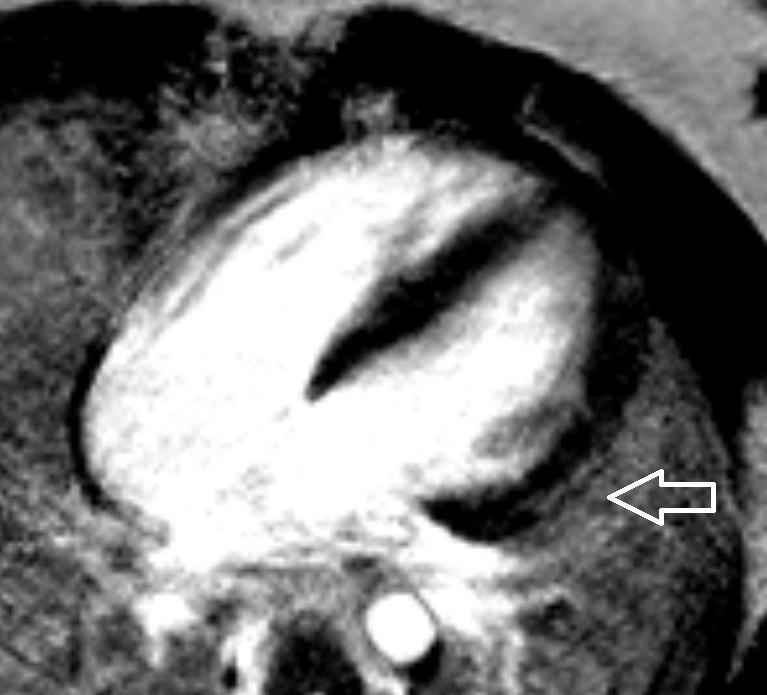
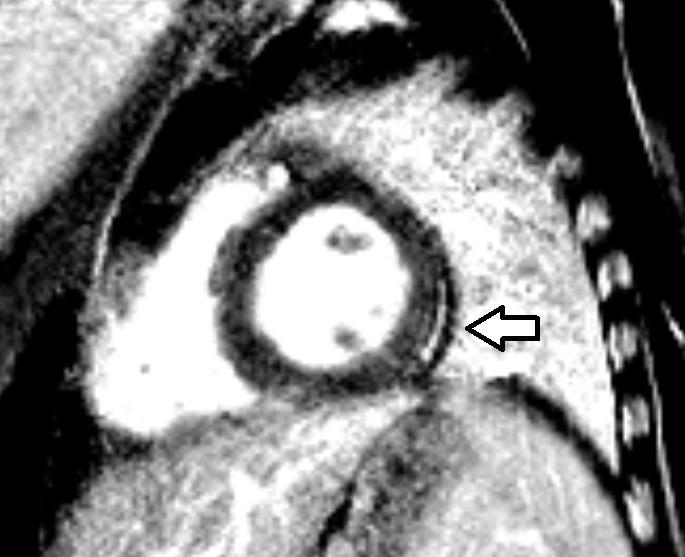
Lampros Fotis, Maria Papadaki, Vasilios Tsiribis, Maria-Eleni Varanaki, Panagiotis Tzanavaris, Georgios Tsolas
Abstract
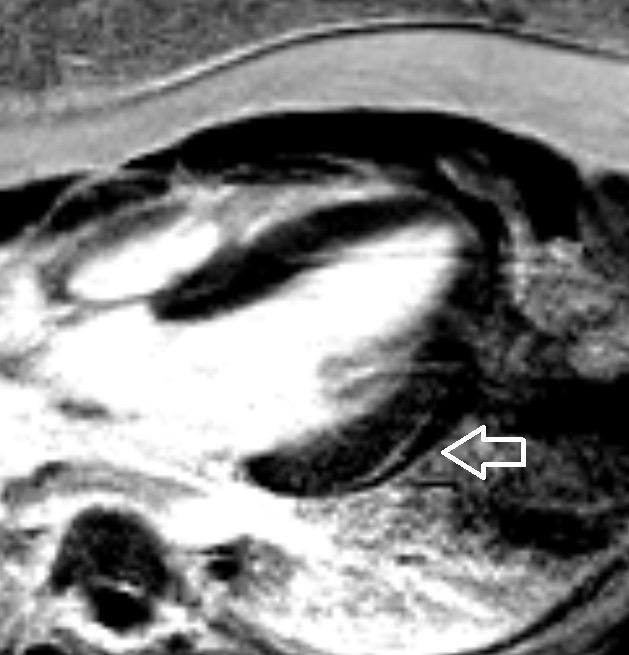
Introduction: Multisystem inflammatory syndrome in children (MIS-C), is a novel syndrome associated with Covid-19 disease, which was first described in April 2020 in the United Kingdom. Since then, the number of patients meeting the case definitions for MIS-C has rapidly increased all over the world, with more than 2.500 cases and more than 300 deaths recorded in USA until March 2021.This new syndrome is temporally associated with COVID-19, with the development of symptoms typically about 2-6 weeks after escalation of geographically local COVID-19 incidence. Although MIS-C and Kawasaki disease present with some phenotypic similarities, there are several features distinguishing the two diseases. In patients with MIS-C, the disease course can be more severe, with many children requiring intensive care interventions. The prognosis of MIS-C is uncertain, given that it is a relatively new clinical entity and longterm follow-up studies are lacking.
Case presentation: We present two cases of pediatric patients diagnosed with MIS-C in a private hospital in Attica, which were presented with different clinical features and were both successfully treated.
Conclusion: MIS-C is a novel syndrome with multisystem involvement, presented with a variety of clinical features, for which no confirmatory diagnostic test exists. Early diagnosis and treatment of MIS-C is of great importance for patients’ best outcomes.
Keywords: Multisystem Inflammatory Syndrome, Children, COVID-19, SARS-CoV-2
Lampros Fotis
Maria Papadaki
Vasilios Tsiribis
Maria-Eleni Varanaki
Panagiotis Tzanavaris
Georgios Tsolas
Pediatric Clinic of Metropolitan Hospital
MIS-C: Multisystem inflammatory syndrome in children
CDC: Centers for Disease Control and Prevention
WHO: World Health Organization
ΤΕΠ:
BMI: Body Mass Index
PCR:
CT:
(Na, K, Cl,
AST, ALT, ALP, χολερυθρίνη) Έλεγχος με PCR
για SARS – CoV-2.
+ λευκοκυττάρωση, λεμφοπενία (<1000), θρομβοπενία (<150000), υπονατριαιμία (<135 mmol/L) ή υποαλβουμιναιμία Προχωρήστε στο Βήμα 2
2 BNP, τροπονίνη, προκαλσιτονίνη, φερριτίνη, D-dimers, PT, PTT, LDH, ινωδογόνο,
1. Parri N, Lenge M, Buonsenso D. Children with Covid-19 in Pediatric Emergency Departments in Italy. N Engl J Med. 2020 Jul 9;383(2):187–90.
2. Riphagen S, Gomez X, Gonzalez-Martinez C, Wilkinson N, Theocharis P. Hyperinflammatory shock in children during COVID-19 pandemic. Vol. 395, The Lancet. Lancet; 2020. p. 1607–8.
3. Whittaker E, Bamford A, Kenny J, Kaforou M, Jones CE, Shah P, et al. Clinical Characteristics of 58 Children with a Pediatric Inflammatory Multisystem Syndrome Temporally Associated with SARS-CoV-2. JAMA - J Am Med Assoc. 2020 Jul;324(3):259–69.
4. Belot A, Antona D, Renolleau S, Javouhey E, Hentgen V, Angoulvant F, et al. SARS-CoV2-related paediatric inflammatory multisystem syndrome, an epidemiological study, France, 1 March to 17 May 2020. Eurosurveillance. 2020;25(22).
5. Feldstein LR, Rose EB, Horwitz SM, Collins JP, Newhams MM, Son MBF, et al. Multisystem Inflammatory Syndrome in U.S. Children and Adolescents. N Engl J Med. 2020;383(4):334–46.
6. National Center for Immunization and Respiratory Diseases. Health Department-Reported Cases of Multisystem Inflammatory Syndrome in Children (MIS-C) in the United States [Internet]. CDC. 2020 [cited 2021 Feb 27]. Available from: https://www.cdc.gov/mis-c/cases/index. html
7. Hékimian G, Kerneis M, Zeitouni M, Cohen-Aubart F, Chommeloux J, Bréchot N, et al. Coronavirus Disease 2019 Acute Myocarditis and Multisystem Inflammatory Syndrome in Adult Intensive and Cardiac Care Units. Chest. 2021 Feb 1;159(2):657–62.
8. Coronavirus disease 2019 (COVID-19): Multisystem inflammatory syndrome in children (MIS-C) clinical features, evaluation, and diagnosis - UpToDate [Internet]. [cited 2021 Feb 27]. Available from: https://www.uptodate.com/contents/coronavirus-disease-2019-covid-19-multisystem-inflammatory-syndrome-in-children-mis-c-clinical-features-evaluation-and-diagnosis?search=mis-c&source=search_result&selectedTitle=2~79&usage_type=default&display_ rank=2#H2726712857
9. Kaushik A, Gupta S, Sood M, Sharma S, Verma S. A systematic review of multisystem inflammatory syndrome in children associated with SARS-CoV-2 infection. Vol. 39, Pediatric Infectious Disease Journal. Lippincott Williams and Wilkins; 2020. p. E340–6.
10. Belhadjer Z, Méot M, Bajolle F, Khraiche D, Legendre A, Abakka S, et al. Acute Heart Failure in Multisystem Inflammatory Syndrome in Children in the Context of Global SARS-CoV-2 Pandemic. Circulation. 2020 Aug 4;142(5):429–36.
11. Alsaied T, Tremoulet AH, Burns JC, Saidi A, Dionne A, Lang SM, et al. Review of Cardiac Involvement in Multisystem Inflammatory Syndrome in Children. Vol. 143, Circulation. NLM (Medline); 2021. p. 78–88.
12. Chen T-H, Kao W-T, Tseng Y-H. Gastrointestinal involvements in children with COVIDrelated multisystem inflammatory syndrome. Gastroenterology. 2020 Jul;
13. Miller J, Cantor A, Zachariah P, Ahn D, Martinez M, Margolis KG. Gastrointestinal Symptoms as a Major Presentation Component of a Novel Multisystem Inflammatory Syndrome in Children That Is Related to Coronavirus Disease 2019: A Single Center Experience of 44 Cases. Gastroenterology. 2020 Oct 1;159(4):1571-1574.e2.
14. Bektaş G, Akçay N, Boydağ K, Şevketoğlu E. Reversible splenial lesion syndrome associated with SARS-CoV-2 infection in two children. Brain Dev. 2021 Feb 1;43(2):230–3
15. Fenlon III EP, Chen S, Ruzal-Shapiro CB, Jaramillo D, Maddocks ABR. Extracardiac imaging findings in COVID-19-associated multisystem inflammatory syndrome in children. Pediatr Radiol. 2021 Jan 12;
16. Rostad BS, Shah JH, Rostad CA, Jaggi P, Richer EJ, Linam LE, et al. Chest radiograph features of multisystem inflammatory syndrome in children (MIS-C) compared to pediatric COVID-19. Pediatr Radiol. 2021 Feb 1;51(2):231–8.
17. Aronoff SC, Hall A, Del Vecchio MT. The Natural History of Severe Acute Respiratory Syndrome Coronavirus 2–Related Multisystem Inflammatory Syndrome in Children: A Systematic Review. J Pediatric Infect Dis Soc. 2020 Dec 31;9(6):746–51.
18. Henderson LA, Canna SW, Friedman KG, Gorelik M, Lapidus SK, Bassiri H, et al. American College of Rheumatology Clinical Guidance for Pediatric Patients with Multisystem Inflammatory Syndrome in Children (MIS-C) Associated with SARS-CoV-2 and Hyperinflammation in COVID-19. Version 2. Arthritis Rheumatol. 2020 Dec 5;
e-mail: dr_spylog@yahoo. co.uk.
Correspondence
Spiros Loggos, 6 Erythroy Staurou St, Marousi, 15123, Athens, Greece
Τ. +306945720693
e-mail: dr_spylog@yahoo. co.uk.
Spiros Loggos, Elias Lazaros, Antonios Samothrakis, Anthi Dimoulitsa, Vana Grigorakou, Katerina babanelou, Kasi Ioannidou, Maria Maurikiou, Loria Pafitou, Fotios Mitropoulos
Abstract
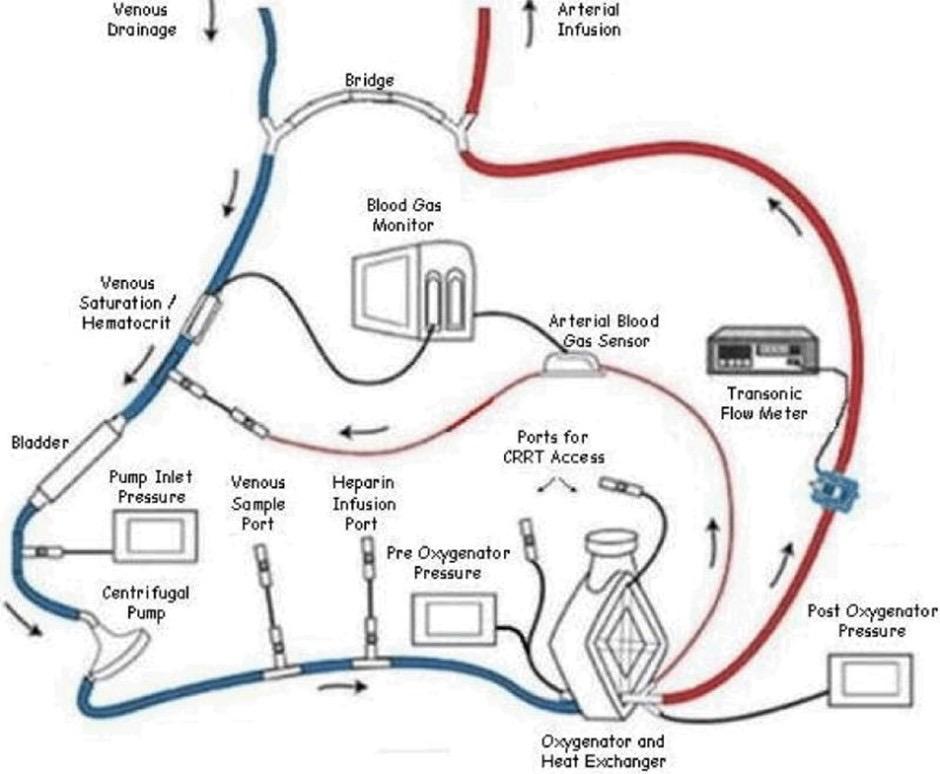
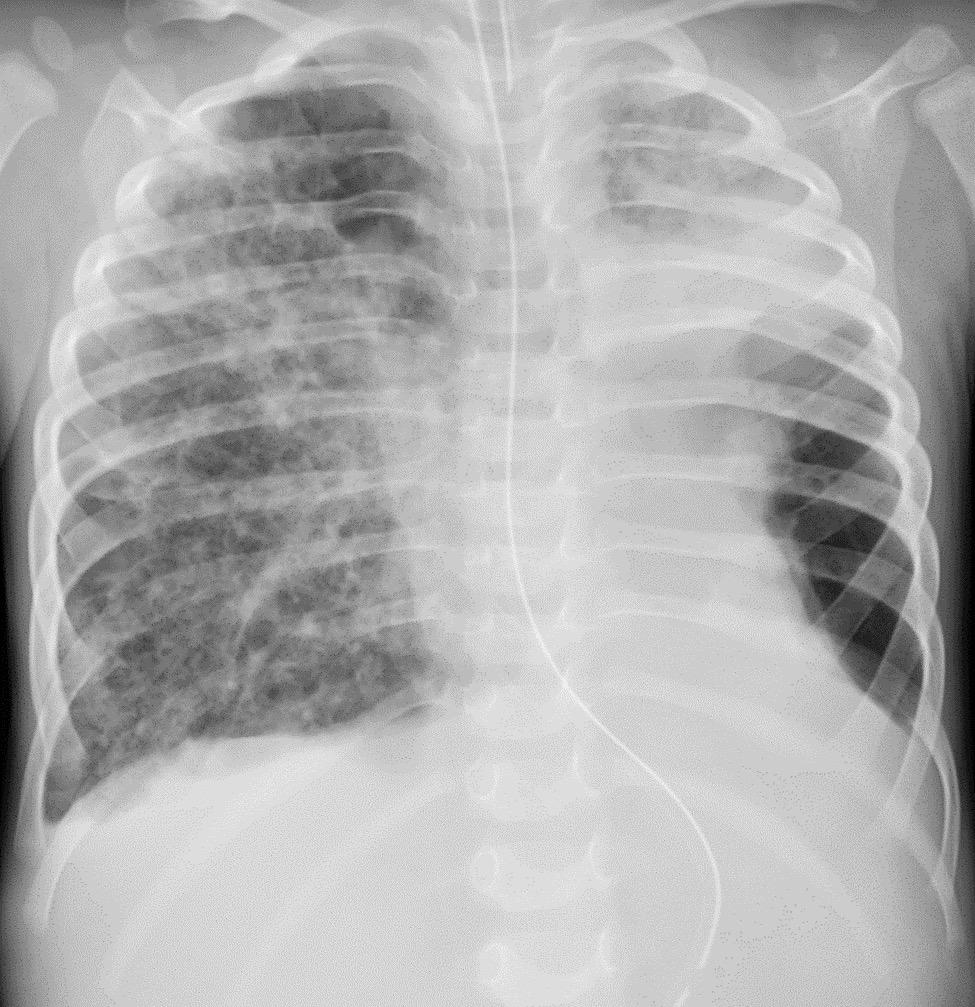
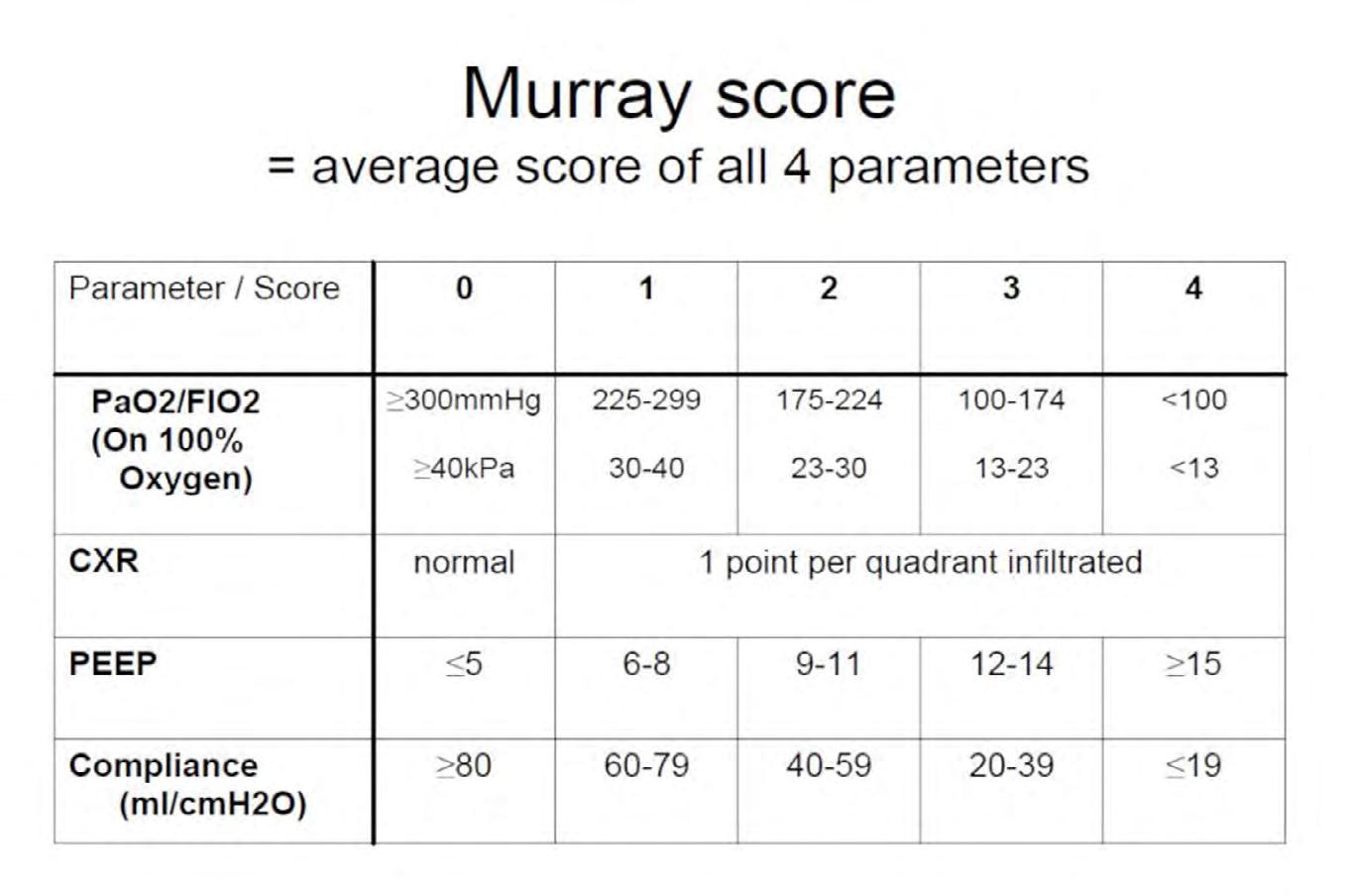
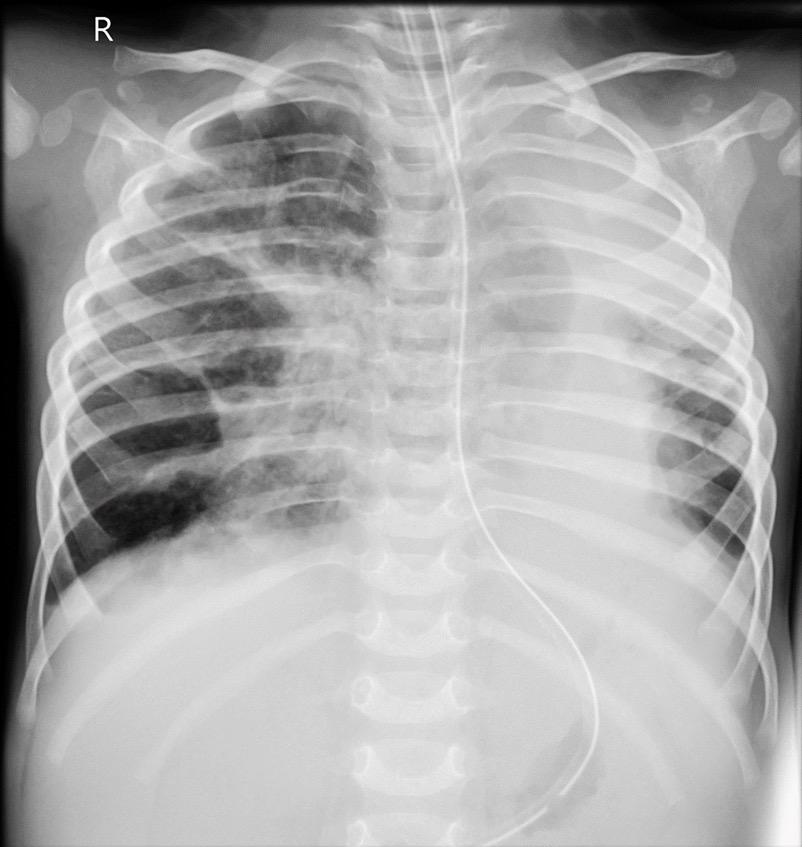
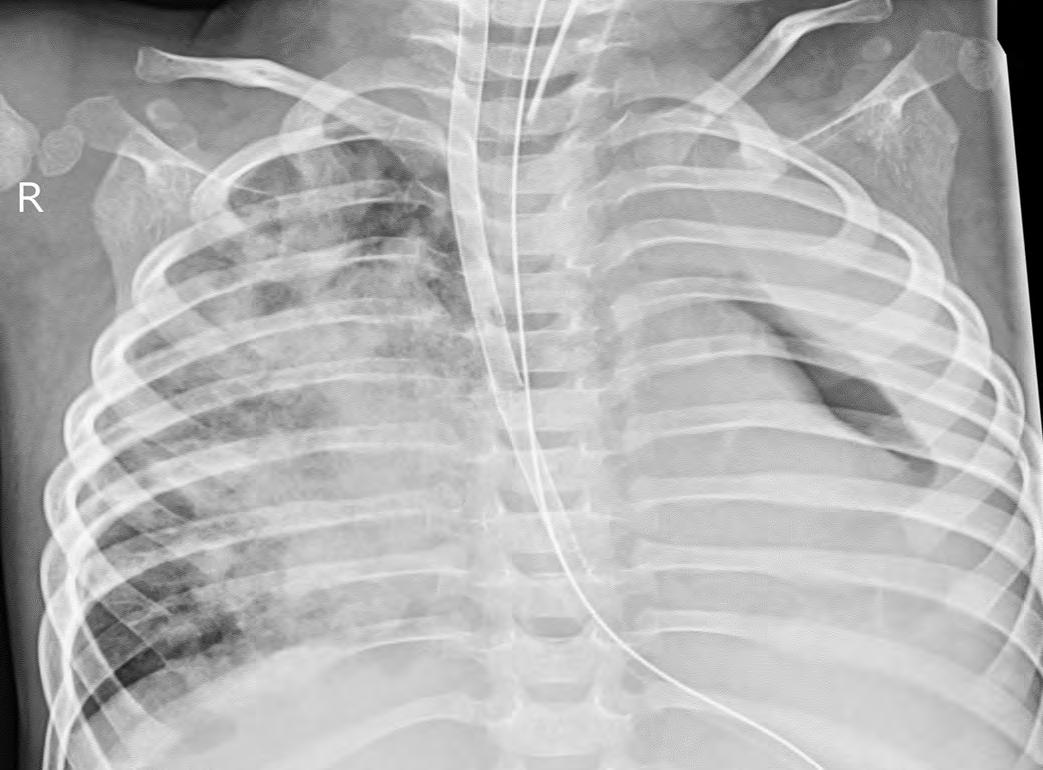
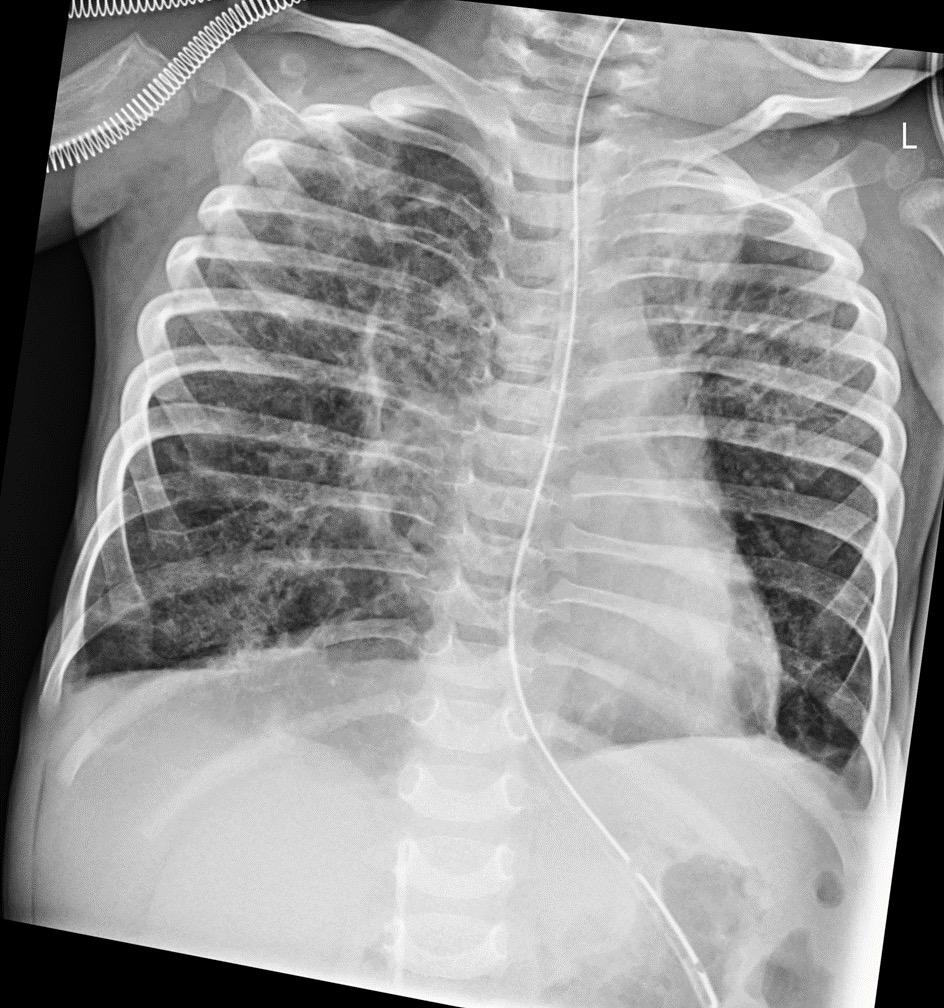
Late initiation of VV ECMO support, in a patient who has been supported with mechanical ventilation more than 7 days, for respiratory failure, has been shown to have poor results. Several papers have highlighted the unfavorable outcomes of previously ventilated patients, prior to initiating ECMO support, and the relative contraindication as shown in the latest ELSO guidelines, make such a decision difficult. Herein, we present our successful effort, of supporting a 16month old child, with Human metapneumovirus (HMPV) infection. Our patient had been intubated and ventilated, with inotropic support for 10 days and a Murray score of 5, before commencing VV ECMO, with a 16F Avalon cannula, through the right jugular vein. He was supported for 7 days, before emergency decannulation was performed, due to the presence of clots in the circuit. He was discharged home 10 days following decannulation. It was one more successful result, of our department in managing pediatric patients , with both respiratory and cardiovascular conditions requiring ECMO support.
Spiros Loggos
Fotios Mitropoulos
1st Dep of Congenital cardiac surgery Mitera hospital
Elias Lazaros
Antonios Samothrakis
Perfusion department Mitera Hospital
Anthi Dimoulitsa
Vana Grigorakou
Katerina babanelou
Kasi Ioannidou
Maria Maurikiou
Loria Pafitou
Cardiothoracic PICU, Mitera Hospital
VV ECMO: Late initiation, Respiratory failure
ECMO: extracorporeal membrane oxygenator
VV ECMO: venovenous
VA ECMO: veno arterial
ECHO: echocardiography
ARDS: Acute respiratory distress syndrome
ELSO: Extracorporeal Life Support Organization
ECPR: Extra-corporeal cardiopulmonary resuscitation
PEEP: positive end-expiratory pressure

Βιβλιογραφία
1) Thibaud Soumagne, MD, PhD, Franck Grillet, MD, Gaël Piton, MD, PhD, Hadrien Winiszewski, MD, MSc, and Gilles Capellier, MD. Timing of VV-ECMO therapy implementation influences prognosis of COVID-19 patients Crit Care Explor. 2020 Oct; 2(10): e0240.
2) Christoph Fisser, Felix Gerhardinger, Thomas Müller, Maximilian Malfertheiner, Alois Philipp, Maik Foltan, Dirk Lunz, Matthias Lubnow. Predictors for successful weaning from V-V ECMO. European Respiratory Journal 2020 56: 3432; DOI: 10.1183/13993003.congress-2020.3432.
3) Soumagne, Thibaud; Grillet, Franck; Piton, Gaël; Winiszewski, Hadrien; Capellier, Gilles Extracorporeal Membrane Oxygenation in Severe Acute Respiratory Distress Syndrome: Possible Late Indication for Coronavirus Disease. Crit Care Explor ; 2(10): e0240, 2020 Oct.
3)!Federico Pappalardo and Martina Crivellari Predicting outcome of venovenous ECMO: look outside the lung J Thorac Dis. 2018 Mar; 10(3): 1356–1360.
4)Farid Azizov, Julia Merkle, Javid Fatullayev, Kaveh Eghbalzadeh, Ilija Djordjevic, Carolyn Weber, Sergey Saenko, Axel Kroener, Mohamed Zeriouh, Anton Sabashnikov, Gerardus Bennink, Thorsten Wahlers. Outcomes and factors associated with early mortality in pediatric and neonatal patients requiring extracorporeal membrane oxygenation for heart and lung failure. Vol 11, Supplement 6 (April 2019): Journal of Thoracic Disease (Mechanical Circulatory Support for Heart and Lung Failure)
5).Matthew L Friedman, Ryan P Barbaro, Melania M Bembea, Brian C Bridges, Ranjit S Chima, Todd J Kilbaugh, Poornima Pandiyan, Renee M Potera, Elizabeth A Rosner, Hitesh S Sandhu, James E Slaven, Keiko M Tarquinio and Ira M Cheifetz. Mechanical Ventilation in Children on Venovenous ECMO. Respiratory Care March 2020, 65 (3) 271-280; 6) Loggos S, A.Lotto. Pediatric ECMO, Chapter 11, Key Questions in Congenital Cardiac Surgery, Narain Moorjani, Nicola Viola, Sunil K Ohri : 9781903378946.TFM Publishing Ltd 7) John C Lin. Extracorporeal Membrane Oxygenation for Severe Pediatric Respiratory Failure. Respiratory Care June 2017, 62 (6) 732-750; DOI: https://doi.org/10.4187/respcare.05338
ΧΡΟΝΟΓΡΑΦΗΜΑΤΑ
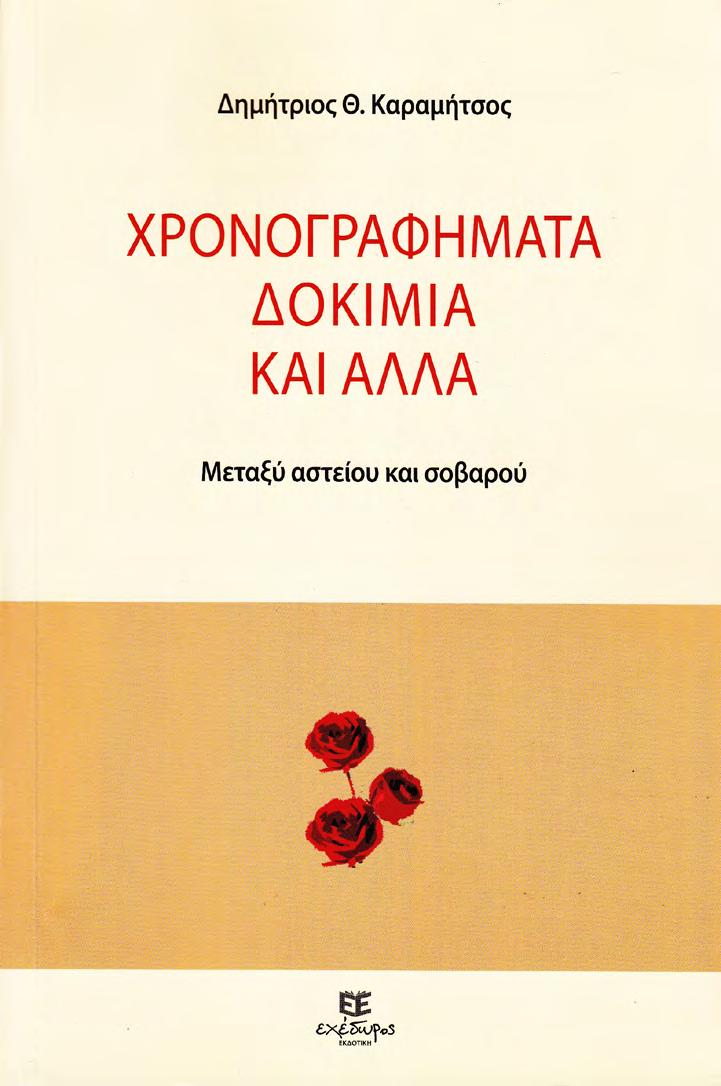
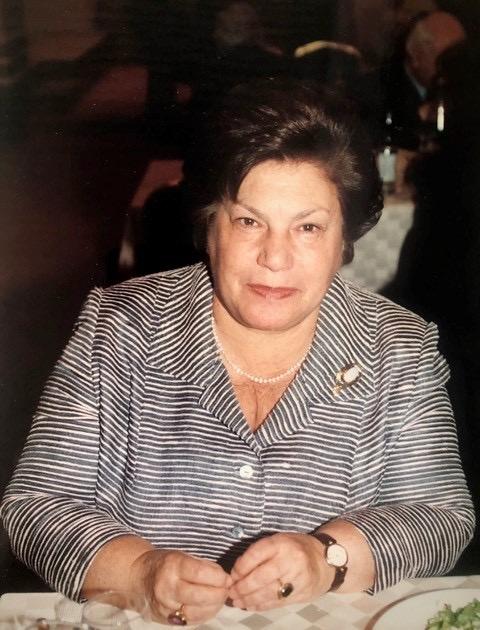

Senior Resident in Pediatrics and Postdoctoral fellow in Neonatology, Dept. of Pediatrics, Loyola University Medical Center, Chicago, III.
Postdoctoral fellow in Human Genetics and Pediatrics,
Yale University School of Medicine, New Haven, Con.
Professor of Pediatrics
State University of New York, Stony Brook, N.Y.
(James Hudson Brown Memorial Award).
(Individual National Research Service Award, National Institute of Arthritis, Metabolism and Digestive Diseases).
ECFMG (Educational Counsil for Foreign Medical Graduates). Το 1975 FLEX (άδεια
Αmerican Board of Pediatrics.
2.
3.
4.
5.
6.
7.
8.
9. Ενδιαφέρουσες
10. Σύντομα
11. Βραχείες
12.
13.
14.
(Uniform Requirements for Manuscripts Submitted to Biomedical Journals),
International Committee of Medical Journal Editors/Uniform Requirements for Manuscripts Submitted to Biomedical Journals, (www.icmje.org και www.icmje.org/icmje. pdf).
Cumulated Index Medicus [List of Journals Indexed in Index Medicus (www.nlm.nih.goν/bsd/uniform_requirements. html)].
Proesmans W. Bartter syndrome and its neonatal νariant. Eur J Pediatr 1997;156:669-679.
Flyvbjerg
Role of growth hormone, insulin-like growth factors (IGFs) and IGF-binding pro-
teins in the renal complications of diabetes. Kidney Ιnt 1997;52 (60 Suppl):S12-S19.
Χωρίς συγγραφέα:
National Institutes of Health Consensus Deνelopment Conference. Neurofibromatosis conference statement. Arch Neurol1988;45:575-578.
Προσδιορισμός τύπου άρθρου: Schreiner GF, Lange L. Ethanol modulation of macrophage influx in glomerulonephritis [Abstract]. J Am Soc Nephrol 1991;2:562.
Should antileukotriene therapies be used instead of inhaled corticosteroids in asthma? [Editorial]. Am J Respir Crit Care Med 1998;158:1697-1701.
Laux-End R, Inaebnit D, Gerber ΗΑ, Bianchetti MG. Vasculitis associated with leνamisole and circulating autoantibodies [Let ter]. Arch Dis Child 1996;75:355-356.
II. ΒΙΒΛΙΑ Κεφάλαιο σε βιβλίο: Clark AG, Barratt ΤΜ. Steroid-responsiνe nephrotic syndrome. Ιn: Barratt ΤΜ, Arner ED, Harmon WE, editors. Pediatric Nephrology. 4th ed. Baltimore: Lippincott William Wilkins; 1999. p. 742.
Σύγγραμμα
Gorlin RJ, Cohen ΜΜ, Leνin LS. Syndromes of the head and neck. 3rd ed. New York: Oxford Uniνersity Press; 1990.
Δημοσίευση
Bauer ΑW. The two definitions of bacterial resistance. In: Smith AJ, Rogers CA, eds. Proceedings of the Third International Congress of Chemotherapy; 1962 May 29-31; New York: International Society of Chemotherapy; 1963. p. 484-500.
Διδακτορική διατριβή:
Αθηνών; 1979.
Kaplan SJ. Post hospital home health care: the elderly’s access and utilization [dissertation]. St. Louis (Μο): Washington Univ.;1995.
III. CD-ROM
Andersoη SC, Poulsen ΚΒ. Anderson’s electronic atlas of hematology [CD-ROM]. Philadelphia: Lippincott Williams & Wilkins; 2002.
IV. ΣΤΟ ΔΙΑΔΙΚΤΥΟ Άρθρο σε περιοδικό:
Abood S. Quality improνement initiatiνe in nursiηg homes: the ΑΝΑ acts in an adνisory role. Am J Nurs [Internet]. 2002 Jun:
Webpage: http://www.nursingworld.org/AJN/2002/june/Wawatch.htm
Μονογραφία: Foley ΚΜ, Gelbaηd Η, editors. Improving palliative care for cancer [Monograph, Internet]. Washington: National Academy Press; 2001.
Webpage: http://www.nap.edu/books/0309074029/html
Ιστοσελίδες: Cancer-Pain.org [Webpage, Internet]. New York: Association of Cancer Online Resources, Ιnc.; 2002: http://www.cancer-pain.org/
2.
3.
4.
5.
9.