Four monthly scientific journal of the Greek Paediatric Society





120
130
144
Υποβολή
e-mail: grammateia@e-child.gr
Οδηγίες
http://e-child.gr/publications/ instructions-to-authors
Iδιοκτήτης
e-mail: grammateia@e-child.gr Eτήσια
174
176
180

Four monthly scientific journal of the Greek Paediatric Society
120
130
144
Υποβολή
e-mail: grammateia@e-child.gr
Οδηγίες
http://e-child.gr/publications/ instructions-to-authors
Iδιοκτήτης
e-mail: grammateia@e-child.gr Eτήσια
174
176
180
Volume 84 | Number 2 | May - June - July - August 2021
Four monthly publication of the Greek Paediatric Society
108
EDITORIAL
Stelios Antoniadis
110 AWARDED PAPER
Exploration of individuation process related factors in adolescents with chronic illness
Ioannidou Maria, Hatziagorou Elpis, Adramerina Alkistis, Teli Aikaterini, Pergantou Helen, Zilikis
Nikolaos, Vorria Panagiota, Economou Marina
120
REVIEW ARTICLES
Childhood venous thromboembolism
Marina Economou, Panagiotis Zymaris
130
Chronic Pain in Children. An Interdisciplinary Approach
Filomeni Armakola, Potamiti Eleni
144
Monitoring pediatric advanced life support “m–PALS”
Antonopoulos Stavros, Grivas Grigorios, Kalaras Georgios, Tsakiri Dimitra, Papadima Christina
152 CASE REPORTS
Venous Thoracic Outlet Syndrome in Three Greek Children: a Single-Centre Experience
Athina Dettoraki, Aikaterini Michalopoulou, Georgios Charalampopoulos, Loukia Ioannidou, Nikolaos Liassis, Dimitrios Maras, Helen Pergantou
President
A. Constantopoulos
Editorial board
Editor- in- Chief
S. Antoniadis
Members
S. Andronikou
E. Galanakis
A. Evangeliou
L. Thomaidou
M. Kanariou
A. Kapogiannis
S. Kitsiou-Tzeli
E. Mantadakis
P. Panagiotopoulou-Gartagani
A. Papadopoulou
V. Papaevagelou
A. Papathanassiou
A. Siamopoulou-Mavridou
A. Syrigou-Papavasiliou
Manuscript submission
e-mail: grammateia@e-child.gr
Instructions to authors: http://e-child.gr/publications/ instructions-to-authors
Owner Greek Paediatric Society 15, Mpakopoulou st. GR - 15451, Ν. Psychiko Tel.: +302107771140
e-mail: grammateia@e-child.gr
Annual subscription All foreign countries: US$50
160
Α case of seronegative autoimmune encephalitis associated with Human Herpesvirus-7 (HHV-7) Evangelos Christou, Sotiria Mastrogianni, Theodora Bachou, Theodoros Tsikrikas, Stella Mouskou, Konstantinos Voudris, Dimitrios Delis
168 FROM THE HISTORY OF MEDICINE
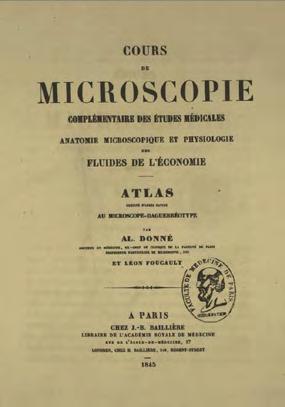
Alfred François Donné (1801-1878) and his pioneering studies on infant nutrition and health
Aristidis G. Diamantis
174 BETWEEN COLLEAGUES
Stelios Antoniadis
176 BOOK PRESENTATION
Stelios Antoniadis
180
INSTRUCTIONS TO AUTHORS
ΕΠΙΣΤΟΛΗ
e-mail: mar_ioan@yahoo. com Τ.
Correspondence
Ioannidou Maria
Gripari, 57010 Pefka, Thessaloniki
e-mail: mar_ioan@yahoo. com Τ. +306945995950
Ioannidou Maria, Hatziagorou Elpis, Adramerina Alkistis, Teli Aikaterini, Pergantou Helen, Zilikis Nikolaos, Vorria Panagiota, Economou Marina
Abstract
Background: Modern research has so far highlighted 4 main individuation profiles during adolescence. However, profiles of chronically ill adolescents haven’t been sufficiently studied to date, nor how these profiles may be connected to their functionality or to parental upbringing practices. The present study attempts to fill this gap.
Ioannidou Maria
Adramerina Alkistis
Teli Aikaterini
Economou Marina
1st Pediatric Department, School of Medicine, Faculty of Health Sciences, Aristotle University of Thessaloniki
Hatziagorou Elpis
3rd Pediatrician Department, School of Medicine, Faculty of Health Sciences, Aristotle University of Thessaloniki
Pergantou Helen Bleeding Disorders' Unit, "Agia Sophia" Hospital, Athens
Zilikis Nikolaos
3rd Psychiatric Department, School of Medicine, Faculty of Health
Sciences, Aristotle University of Thessaloniki
Vorria Panagiota
School of Psychology, Faculty of Philosophy, Aristotle University of Thessaloniki
Methods: The study participants were 46 adolescent patients, 23 suffering with hemophilia and 23 with asthma. The control group consisted of 29 adolescents without chronic illness. Study evaluation included information given by a parent as well as one school teacher. The study used a questionnaire exploring individuation profiles, internalizing and externalizing ability questionnaires, self-perception and self-esteem questionnaires, and questionnaires regarding parental upbringing practices. Data concerning academic performance were evaluated.
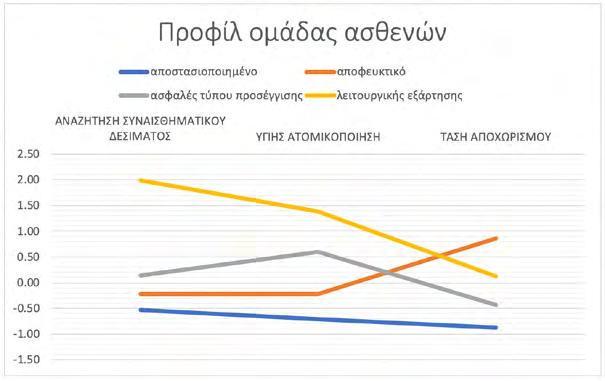
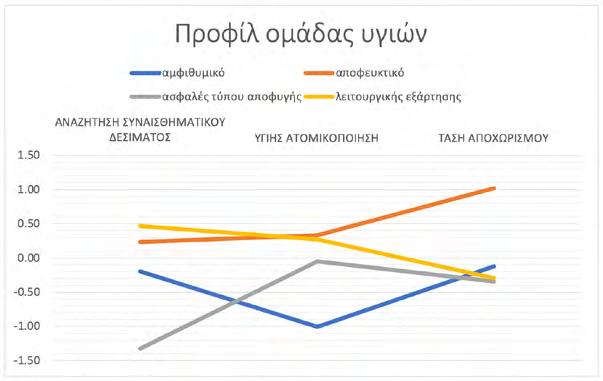
Results: Patients manifested 3 individuation profiles which shared common patterns with control group (avoidance, functional dependence, secure) and a unique profile (detached). In chronic illness group profiles that reflect a healthy individuation, correlated to absence of parental rejection and maternal overprotection, and had a lower frequency as compared to controls. On the contrary, avoidant profile was present in a higher percentage, correlated to the above mentioned parameters and was also connected to low conduct self-perception. In patient group ambivalent profile was missing whereas detached profile was present.
Conclusions: The study reveals that chronically ill adolescents manifest a more intense need of maintaining emotional bonding with their parents, while a healthy process of individualization either appears in lower rates or is delayed in this group.
Keywords: adolescence, individuation profile, chronic illness, upbringing practices
Βιβλιογραφία
1. Hoffman, J. A. Psychological separation of late adolescents from their parents. Journal of counseling psychology 1984; 31(2): 170-178.
2. Levine, J. B., Green, C., Million, T. Separation Individuation Test of Adolescence (SITA). Princeton, NJ: Educational Testing Service, TC019234, Set W; 1986
3. McClanahan, G., & Holmbeck, G. N. Separation-individuation, family functioning, and psychological adjustment in college students: A construct validity study of the Separation-Individuation Test of Adolescence. Journal of personality assessment 1992; 59(3): 468-485.
4. Delaney, M. E. Across the transition to adolescence: Qualities of parent/adolescent relationships and adjustment. The Journal of Early Adolescence 1996; 16(3): 274-300.
5. Kruse, J.Walper, S. Types of individuation in relation to parents: Predictors and outcomes. International Journal of Behavioral Development 2008; 32(5): 390-400.
6. Kins, E., Beyers, W., Soenens, B. When the separation-individuation process goes awry: Distinguishing between dysfunctional dependence and dysfunctional independence. International Journal of Behavioral Development 2013; 37(1): 1-12.
7. Rhodes, B., Kroger, J. Parental bonding and separation-individuation difficulties among late adolescent eating disordered women. Child Psychiatry and Human Development 1992; 22(4): 249-263.
8. Schulman, S.,Rubinroit, C. I. The second individuation process in handicapped adolescents. Journal of adolescence 1987; 10(4): 373-384.
9. Markova, I., Macdonald, K.,Forbes, C. Impact of haemophilia on child-rearing practices and parental co-operation. Journal of Child Psychology and Psychiatry 1980; 21(2): 153-162.
10. Becker, M., Axelrod, D. J., Oyesanmi, O., Markov, D. D., Kunkel, E. J. S. Hematologic problems in psychosomatic medicine. Psychiatric Clinics of North America 2007; 30(4): 739759.
11. Barber, B. K. Parental psychological control: Revisiting a neglected construct. Child development 1996; 67(6): 3296-3319.
12. Mayseless, O., Scharf, M. Too close for comfort: Inadequate boundaries with parents and individuation in late adolescent girls. American Journal of Orthopsychiatry 2009; 79(2): 191202.
13. Wood, J. J. Parental intrusiveness and children’s separation anxiety in a clinical sample. Child psychiatry and human development 2006; 37(1): 73-87.
14. Kins, E., Soenens, B., Beyers, W. “Why do they have to grow up so fast?” Parental separation anxiety and emerging adults' pathology of separation-individuation. Journal of Clinical Psychology 2011; 67(7): 647-664.
15. Spencer, M. L. S., Wodrich, D. L., Schultz, W., Wagner, L., Recht, M. Inattention, hyperactivity-impulsivity, academic skills and psychopathology in boys with and without haemophilia. Haemophilia 2009; 15(3): 701-706.
16. Crump, C., Rivera, D., London, R., Landau, M., Erlendson, B., Rodriguez, E. Chronic health conditions and school performance among children and youth. Annals of epidemiology 2013; 23(4): 179-184.
17. Ferro, M. A., Boyle, M. H. Self-concept among youth with a chronic illness: A meta-analytic review. Health psychology 2013; 32(8): 839.
18. Loveland, K. A., Stehbens, J. A., Mahoney, E. M., Sirois, P. A., Nichols, S., Bordeaux, J. D., et al. Declining immune function in children and adolescents with hemophilia and HIV infection: Effects on neuropsychological performance. Journal of Pediatric Psychology 2000; 25(5): 309-322.
19. Pinquart, M. Do the parent–child relationship and parenting behaviors differ between families with a child with and without chronic illness? A meta-analysis. Journal of Pediatric Psychology 2013; 38(7): 708-721.
20. Levine, J. B.,Saintonge, S. Psychometric properties of the separation-individuation test of adolescence within a clinical population. Journal of Clinical Psychology 1993; 49(4): 492-507.
21. Mahler, M. S., Pine, F., Bergman, A. The Psychological Birth of the Human Infant: Symbiosis and Individualism. New York: Basic Books; 1975
22. Gerlsma, C., Arrindell, W. A., Van der Veen, N., Emmelkamp, P. M. A parental rearing style questionnaire for use with adolescents: Psychometric evaluation of the EMBU-A. Personality and Individual differences 1991; 12(12): 1245-1253.
23.
Γράμματα; 2001.
24.
Γράμματα; 2001.
25. Μακρή – Μπότσαρη, Ε.
Γράμματα; 2001.
26. Μπίμπου
27. DiNapoli, P. P., Murphy, D. The marginalization of chronically ill adolescents. The Nursing Clinics of North America 2002; 37(3): 565-572.
28. Kaushansky, D., Cox, J., Dodson, C., McNeeley, M., Kumar, S., Iverson, E. Living a secret: Disclosure among adolescents and young adults with chronic illnesses. Chronic Illness 2017; 13(1): 49-61.
29. Potì, S., Palareti, L., Emiliani, F., Rodorigo, G., Valdrè, L. The subjective experience of living with haemophilia in the transition from early adolescence to young adulthood: the effect of age and the therapeutic regimen. International Journal of Adolescence and Youth 2018; 23(2): 133-144.
30. Grotevant, H. D., Cooper, C. R. Individuality and connectedness in adolescent development: Review and prospects for research on identity, relationships, and context. In Elisabeth E, Skoe AE, editors. Personality Development in Adolescence: A cross national and life span perspective. London, New York: Routledge; 1998. p. 3-37.
31. Josselson, R.L. Ego development in adolescence. In J. Adelson,editor. Handbook of Adolescent Psychology. New York: Wiley; 1980.
32. Breinholst, S., Esbjørn, B. H., Reinholdt-Dunne, M. L. (2015). Effects of attachment and rearing behavior on anxiety in normal developing youth: A mediational study. Personality and Individual Differences 2015; 81: 155-161.
33. Buschgens, C. J., Van Aken, M. A., Swinkels, S. H., Ormel, J., Verhulst, F. C., Buitelaar, J. K. Externalizing behaviors in preadolescents: familial risk to externalizing behaviors and perceived parenting styles. European Child & Adolescent Psychiatry 2010; 19(7): 567-575.
34. Koepke, S.,Denissen, J. J.Dynamics of identity development and separation–individuation in parent–child relationships during adolescence and emerging adulthood–A conceptual integration. Developmental Review 2012; 32(1): 67-88.
35. Ponappa, S., Bartle-Haring, S., & Day, R. Connection to parents and healthy separation during adolescence: A longitudinal perspective. Journal of adolescence 2014; 37(5): 555-566.
36. Beyers, W., Goossens, L., Vansant, I., Moors, E. A structural model of autonomy in middle and late adolescence: Connectedness, separation, detachment, and agency. Journal of Youth and Adolescence 2003; 32(5): 351-365.
Correspondence
Panagiotis Zymaris
Mitropolitou Aimilianou 8, Ampelokipoi-menemeni, Thessaloniki
e-mail: zymarisp@gmail.com Τ. +306984248265
Marina Economou, Panagiotis Zymaris
Abstract
Venous thromboembolism (VTE) in children is an increasing problem, the incidence of which is calculated at approximately 30-60 cases every 10,000 hospital admissions, compared to 5 cases reported in the ‘90s. This dramatic increase seems to be multifactorial, correlated to increased survival of children with prothrombotic conditions (cancer, congenital heart disease), increased use of invasive techniques, increased presence of acquired thrombophilic factors (obesity, smoking, contraceptives) and, also, better recognition due to availability of newer diagnostic means. In the vast majority of cases, pediatric VTE concerns hospitalized patients with underlying conditions that require aggressive treatment and prolonged hospitalization and is associated with increased morbidity and mortality. Identification of related risk factors and selection of appropriate treatment is of great importance. Treatment options, essentially, derive from adjustment of clinical data obtained from adults, due to lack of clinical studies in the pediatric population. Aim of the present review is to highlight the risk factors for VTE occurrence in childhood in order to raise awareness to clinicians and promote early diagnosis and appropriate treatment.
Keywords: venous thromboembolism, central venous catheter, anticoagulation therapy, thrombophilia
Marina Economou
1st Department of Pediatrics, School of Medicine, Faculty of Health Sciences, Aristotle University of Thessaloniki, Thessaloniki, Greece
Panagiotis Zymaris
School of Medicine, Faculty of Health Sciences, Aristotle University of Thessaloniki, Thessaloniki, Greece
ΦΘΕ:
PICCs: peripherally inserted central catheters ΗΧΜΒ:
ASH: American Society of Hematology
CHEST: American College of Chest Physicians
(25).
Νοσηλεία ≥7 ημερών (2 βαθμοί)
Αντισυλληπτικά p.o (2 βαθμοί)
Βιβλιογραφία
1. Spentzouris G, Scriven RJ, Lee TK, Labropoulos N. Pediatric venous thromboembolism in relation to adults. J Vasc Surg. 2012;55(6):1785-1793.
2. Raffini L, Huang Y-S, Witmer C, Feudtner C. Dramatic Increase in Venous Thromboembolism in Children’s Hospitals in the United States From 2001 to 2007. Pediatrics. 2009;124(4):1001 LP - 1008.
3. Witmer CM, Takemoto CM. Pediatric hospital acquired venous thromboembolism. Front Pediatr. 2017;5(September):1-7.
4. Kerlin BA. Current and future management of pediatric venous thromboembolism. Am J Hematol. 2012;87 Suppl 1(0 1):S68-S74.
5. Moureau N, Poole S, Murdock MA, Gray SM, Semba CP. Central Venous Catheters in Home Infusion Care: Outcomes Analysis in 50,470 Patients. J Vasc Interv Radiol. 2002;13(10):10091016.
6. Brito CS de, Brito DVD de, Abdallah VOS, Gontijo Filho PP. Occurrence of bloodstream infection with different types of central vascular catheter in critically neonates. J Infect. 2010;60(2):128-132.
7. Lamperti M, Bodenham AR, Pittiruti M, Blaivas M, Augoustides JG, Elbarbary M et al. International evidence-based recommendations on ultrasound-guided vascular access. Intensive Care Med. 2012;38(7):1105-1117. doi:10.1007/s00134-012-2597-x
8. van Ommen CH, Nowak-Göttl U. Inherited Thrombophilia in Pediatric Venous Thromboembolic Disease: Why and Who to Test. Front Pediatr. 2017;5:50.
9. van Ommen CH, Heijboer H, Büller HR, Hirasing RA, Heijmans HSA, Peters M. Venous thromboembolism in childhood: A prospective two-year registry in The Netherlands. J Pediatr. 2001;139(5):676-681.
10. Jaffray J, Witmer C, O’Brien SH, Diaz R, Ji L, Krava E et al. Peripherally inserted central catheters lead to a high risk of venous thromboembolism in children. Blood. 2020;135(3):220226.
11. Revel-Vilk S, Yacobovich J, Tamary H, Goldstein G, Nemet S, Weintraub M et al. Risk factors for central venous catheter thrombotic complications in children and adolescents with cancer. Cancer. 2010;116(17):4197-4205.
12. Kenet G, Nowak-Göttl U. Venous thromboembolism in neonates and children. Best Pract Res Clin Haematol. 2012;25(3):333-344.
13. Lijfering WM, Middeldorp S, Veeger NJGM, Hamulyák K, Prins MH, Büller HR et al. Risk of Recurrent Venous Thrombosis in Homozygous Carriers and Double Heterozygous Carriers of Factor V Leiden and Prothrombin G20210A. Circulation. 2010;121(15):1706-1712.
14. Raffini L and Thornburg C. Testing children for inherited thrombophilia: more questions than answers. British Journal of Haematology. 2009;147: 277-288
15. Kroiss S, Albisetti M. Use of human protein C concentrates in the treatment of patients with severe congenital protein C deficiency. Biologics. 2010;4:51-60.
16. Koster T, Vandenbroucke JP, Rosendaal FR, de Ronde H, Briët E, Bertina RM. Venous thrombosis due to poor anticoagulant response to activated protein C: Leiden Thrombophilia Study. Lancet. 1993;342(8886):1503-1506.
17. Young G, Manco-Johnson M, Gill JC, Dimichele DM, Tarantino MD, Abshire T et al. Clinical manifestations of the prothrombin G20210A mutation in children: a pediatric coagula-
tion consortium study. J Thromb Haemost. 2003;1(5):958-962.
18. Limperger V, Klostermeier UC, Kenet G, Holzhauer S, Gelas MA, Finckh U et al. Clinical and laboratory characteristics of children with venous thromboembolism and protein Cdeficiency: an observational Israeli-German cohort study. Br J Haematol. 2014;167(3):385-393.
19. Klostermeier UC, Limperger V, Kenet G, Kurnik K, Gelas MA, Finckh U et al. Role of protein S deficiency in children with venous thromboembolism. An observational international cohort study. Thromb Haemost. 2015 Feb;113(2):426-33.
20. Limperger V, Franke A, Kenet G, Holzhauer S, Picard V, Junker R et al. Clinical and laboratory characteristics of paediatric and adolescent index cases with venous thromboembolism and antithrombin deficiency. An observational multicentre cohort study. Thromb Haemost. 2014; 112(03): 478-485
21. Ko RH, Thornburg CD. Venous thromboembolism in children with cancer and blood disorders. Front Pediatr. 2017;5(February):1-7.
22. Choi HS, Kim HJ, Kang HJ, Lee JW, Shin HY, Park Hj et al. Thromboembolism in children with cancer: a retrospective multicenter study in Korea. J Thromb Thrombolysis. 2019;47(4):558-565.
23. Walker AJ, Grainge MJ, Card TR, West J, Ranta S, Ludvigsson JF. Venous thromboembolism in children with cancer – A population-based cohort study. Thromb Res. 2014;133(3):340344.
24. Woods GM, Boulet SL, Texter K, Yates AR, Kerlin BA. Venous thromboembolism in chronic pediatric heart disease is associated with substantial health care burden and expenditures. Res Pract Thromb Haemost. 2019;3(3):372-382.
25. Hanson SJ, Punzalan RC, Christensen MA, Ghanayem NS, Kuhn EM, Havens PL. Incidence and Risk Factors for Venous Thromboembolism in Critically Ill Children With Cardiac Disease. Pediatr Cardiol. 2012;33(1):103-108.
26. Levi M. Disseminated intravascular coagulation. Crit Care Med. 2007;35(9).
27. van der Poll T, Boer JD de, Levi M. The effect of inflammation on coagulation and vice versa. Curr Opin Infect Dis. 2011;24(3).
28. Keller TT, Mairuhu ATA, de Kruif MD, Klein SK, Gerdes VEA, ten Cate H et al. Infections and endothelial cells. Cardiovasc Res. 2003;60(1):40-48.
29. Levi M, van der Poll T, Schultz M. New insights into pathways that determine the link between infection and thrombosis. Neth J Med. 2012;70(3):114-120.
30. Bernardo A, Ball C, Nolasco L, Moake JF, Dong J. Effects of inflammatory cytokines on the release and cleavage of the endothelial cell–derived ultralarge von Willebrand factor multimers under flow. Blood. 2004;104(1):100-106.
31. Barnes C, Newall F, Furmedge J, Mackay M, Monagle P. Cerebral sinus venous thrombosis in children. J Paediatr Child Health. 2004;40(1-2):53-55.
32. Crary SE, Buchanan GR, Drake CE, Journeycake JM. Venous thrombosis and thromboembolism in children with osteomyelitis. J Pediatr. 2006;149(4):537-541.
33. SHARATHKUMAR AA, MAHAJERIN A, HEIDT L, DOERFER K, HEINY M, VIK T et al. Risk-prediction tool for identifying hospitalized children with a predisposition for development of venous thromboembolism: Peds-Clot clinical Decision Rule. J Thromb Haemost. 2012;10(7):1326-1334.
34. Branchford BR, Mourani P, Bajaj L, Manco-Johnson M, WangM , Goldenberg NA. Risk factors for in-hospital venous thromboembolism in children: a case-control study employing diagnostic validation. Haematologica. 2012;97(4 SE-Articles):509-515.
35. Atchison CM, Arlikar S, Amankwah E, Ayala I, Barrett L, Branchford BR et al. Development of a new risk score for hospital-associated venous thromboembolism in noncritically ill children: findings from a large single-institutional case-control study. J Pediatr. 2014;165(4):793-798.
36. Molinari AC, Saracco P, Cecinati V, Mauruzio M, Emilia P, Massimo G et al. Venous thrombosis in children: an emerging issue. Blood Coagul Fibrinolysis. 2011;22(5).
37. Kearon C. Diagnosis of suspected venous thromboembolism. Hematol Am Soc Hematol Educ Progr. 2016;2016(1):397-403.
38. Lassandro G, Palmieri VV, Palladino V, Amoruso A, Faienza MF, Giordano P. Venous Thromboembolism in Children: From Diagnosis to Management. Int J Environ Res Public
Health. 2020 Jul 11;17(14):4993.
39. Kearon C, Akl EA, Comerota AJ, Prandoni P, Bounameaux H, Goldhaber SZ et al. Antithrombotic therapy for VTE disease: Antithrombotic Therapy and Prevention of Thrombosis, 9th ed: American College of Chest Physicians Evidence-Based Clinical Practice Guidelines. Chest. 2012;141(2 Suppl):e419S-e496S.
40. Monagle P, Cuello CA, Augustine C, Bonduel M, Brandão LR, Capman T et al. American Society of Hematology 2018 Guidelines for management of venous thromboembolism: treatment of pediatric venous thromboembolism. Blood Adv. 2018;2(22):3292-3316.
41. Newall F, Johnston L, Ignjatovic V, Monagle P. Unfractionated Heparin Therapy in Infants and Children. Pediatrics. 2009;123(3):e510 LP-e518.
42. Avila ML, Shah V, Brandão LR. Systematic review on heparin-induced thrombocytopenia in children: a call to action. J Thromb Haemost. 2013;11(4):660-669.
43. Monagle P, Chalmers E, Chan A, deVeber G, Kirkham F, Massicotte P et al. Antithrombotic Therapy in Neonates and Children: American College of Chest Physicians Evidence-Based Clinical Practice Guidelines (8th Edition). Chest. 2008;133(6, Supplement):887S-968S.
44. Nowak-Göttl U, Bidlingmaier C, Krümpel A, Göttl L, Kenet G. Pharmacokinetics, efficacy, and safety of LMWHs in venous thrombosis and stroke in neonates, infants and children. Br J Pharmacol. 2008;153(6):1120-1127.
45. Lane MA, Zeringue A, McDonald JR. Serious bleeding events due to warfarin and antibiotic co-prescription in a cohort of veterans. Am J Med. 2014;127(7):657-663.e2.
46. Streif W, Mitchell LG, Andrew M. Antithrombotic therapy in children. Curr Opin Pediatr. 1999;11(1).
47. European Medicines Agency [Webpage, Internet]. Xarelto; 2020: ema.europa.eu/medicines/ human/EPAR/xarelto.
48. Male C, Lensing AWA, Palumbo JS, Kumar R, Nurmeev I, Hege K et al. Rivaroxaban compared with standard anticoagulants for the treatment of acute venous thromboembolism in children: a randomised, controlled, phase 3 trial. Lancet Haematol. 2020;7(1):e18-e27.
e-mail: armakolaf@yahoo.gr Τ.
Correspondence
Filomeni Armakola
e-mail: armakolaf@yahoo.gr
Τ. +306945159595
Filomeni Armakola, Potamiti Eleni
Abstract
Chronic musculoskeletal pain in children is a difficult-to-manage clinical entity that can result from a variety of factors, the pathophysiological basis of which varies. Chronic pain can lead to inability impairment and eventually disability, limiting activity and complicating the activity of daily living of children who experiencing pain. Proper and timely diagnosis is crucial and quite often it is set by exclusion when it comes to chronic pain syndromes in children. Rehabilitation starts during hospital stay and continues with the referral to a specialized rehabilitation center by therehabilitation team, led by the treating physician, which aims for optimal results. The supervision of a physician and the specialized physiotherapist, hydrotherapist, occupational therapist and psychologist in synergy with the parents - caregivers of the child in pain has been proven to offer the best results so far. Alternative or complementary therapies can be used to relieve pain not covered by conventional medicine or to achieve gradual discontinuation of the medication.
Keywords: chronic musculoskeletal pain, interdisciplinary team, rehabilitation, complementary therapies
Filomeni Armakola
Potamiti Eleni
Centre of Early Intervention and Rehabilitation, Children’s General Hospital
“P & A Kyriakou”
1–3
13–18
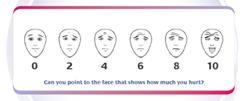
https://www.starship.org.nz/guidelines/paediatricpain-assessment/
[1]. Steeds CE. The anatomy and physiology of pain. Surgery (Oxford). 2016; 34(2):55-59
[2]. King S, Chambers CT, Huguet A et al. The epidemiology of chronic pain in children and adolescents revisited: A systematic review. Pain. 2011;152:2729-2738
[3]. Nelson S, Simons LE, & Logan D. The Incidence of Adverse Childhood Experiences (ACEs) and Their Association With Pain-related and Psychosocial Impairment in Youth with Chronic Pain ClinJ Pain. 2018; 34(5): 402-408
[4]. Harrison LE, Pate JW, Richardson PA, Ickmans K, Wicksell RK, & Simons LE. Best- evidence for the rehabilitation of chronic. Part I: Pediatric pain. J Clin Med 2019;8:1267
[5]. Odell S & Logan DE. Pediatric pain management: The multidisciplinary approach. J Pain Res 2013; 6:785-790
[6]. Eccleston Z & Eccleston C. Interdisciplinary management of adolescent chronic pain: Developing the role of physiotherapy. Physiotherapy. 2004;90:77-81
[7]. Kichline T & Cushing CC. A systematic review and quantitative analysis on the impact of aerobic exercise on pain intensity in children with chronic pain. Children's Health Care, 2019; 48:2, 244-261, DOI: 10.1080/02739615.2018.1531756
[8]. Clinch J & Eccleston C. Chronic musculoskeletal pain in children: Assessment and management. Rheumatology (Oxford) 2009;48:466-474
[9]. Friedrichsdorf SJ, Giordano J, Dakoji KD, et al. Chronic pain in children and adolescents: Diagnosis and treatment of primary pain disorders in head, abdomen, muscles and joints. Children. 2016;3:42doi: 10.3390/children3040042
[10]. Stanford EA, Chambers CT, Biesanz JC et al. The frequency, trajectories and predictors of adolescent recurrent pain: A population- based approach. Pain. 2008;138:11-21
[11]. Hechler T, Blankerburg M, Dobe M et al. Effectiveness of a multimodal inpatient treatment for pediatric chronic pain: A comparison between children and adolescents. Eur J Pain 2010; 14:91-97
[12]. Zapata AL, Moraes AJ, Leone C et al. Pain and musculoskeletal pain syndromes in adolescents. J Adolesc Health. 2006;38:769-771
[13]. Becker AJ, Heathcote LC, Timmers I & Simons LE. Precipitating events in child and adolescent chronic musculoskeletal pain. Pain: Reports. 2018;3 (Suppl 1): e665. doi: 10.1097/ PR9.0000000000000665; [online]
[14]. McKillop HN, &Banez GA. A broad consideration of risk factors in pediatric pain: Where to go from here? Children (Basel). 2016; 3(4):38 doi: 10.3390/children3040038.
[15]. American Pain Society (APS). Assessment and management of children with chronic pain. A Position Statement from the American Pain Society. 2012 [online] διαθέσιμοστο:http://americanpainsociety.org/uploads/get-involved/pediatric-chronic-pain-statement.pdf προσπέλασητην 3η/9/2020
[16]. Vachon- Presseau E, Centeno MV, Ren W, Berger SE, Tetreault P, Ghantous M, Baria A, Farmer M, Baliki MN, Schnitzer TJ, &Apkarian AV. The Emotional Brain as a Predictor and Amplifier of Chronic Pain.J Dent Res. 2016;95(6):605-12. DOI: 10.1177/0022034516638027
[17]. Ambrose KR, Golightly YM. Physical exercise as non – pharmacological treatment of chronic pain: Why and When. Best Pract Res ClinRheumatol 2015;29(1):120–130
[18]. von Baeyer CL & Champion GD. Commentary: multiple pains as functional pain syndromes. J Pediatr Psychol. 2011;36:433-437 [19]. Fillingim RB. Individual differences in pain: understanding the mosaic that makes pain personal. Pain. 2017 158;(Suppl 1):S11-S18. doi: 10.1097/j.pain.0000000000000775.
[20]. Purves D, Augustine GJ, Fitzpatrick D et al [eds] (2018). Neuroscience- 6th edition. New York: Oxford University Press
[21]. McMahon S, Koltzenburg M, Tracey I, & Turk D. Wall &Melzack’s Textbook of Pain6th edition. Philadelphia: Saunders 2013
[22]. Taves S, Berta T, Chen G & Ji RR. Microglia and spinal cord synaptic plasticity in persistent pain. Neural Plast 2013; 2013:753656 [online]
[23]. Meier ML, Stampfli P, Vrana A, et al. Fear avoidance beliefs in back pain – free subjects are reflected by amygdala – cingulate responses. Hum Neurosci 2016; 24:9:424.
[24]. Fisher E & Palermo TM. Goal pursuit in youth with chronic pain. Children. 2016;3:36 [25]. Simons LE, Kaczynski KJ, Conroy C & Logan DE. Fear of pain in the context of intensive pain rehabilitation among children and adolescents with neuropathic pain: Associations with treatment response. J Pain. 2012; 13:1151-1161
[26]. Neugebauer V, Galhardo V, Maione S & Mackey SC. Forebrain pain mechanisms. Brain Res Rev 2009;60:226-242
[27]. Woolf CJ. Central Sensitization: Implications for the diagnosis and treatment of pain. Pain 2011; 152(suppl 3):S2-S15 doi: 10.1015/j.pain.2010.09.030.
[28]. Anthony KK, &Schanberg LE. Assessment and management of pain syndromes and arthritis pain in children and adolescents. Rheum Dis Clin North Am 2007;33(3):625-60. doi: 10.1016/j.rdc.2007.07.010.
[29]. McGrath P. Pain in the Pediatric Patient: Practical Aspects of Assessment. Pediatric Annals. 1995; 24:126-138 doi:10.3928/0090-4481-19950301-06
[30]. Reese N & Bandy W (2010). Joint Range of Motion and Muscle Length Testing. Saunders- Elsevier: St. Louis [31]. Howard RF, Liossi C. Pain assessment in children. Arch Dis Child 2014; 99: 1123-1124 [32]. Christakou A, Andriopoulou M &Asimakopoulos P. Validity and reliability of the greek version of the Quebec Back Pain Disability Scale. J Back Musk Rehab 2011;24(3):145-154
[33]. Revivo G, Amstutz DK, Gagnon CM, & McCormick ZL. Interdisciplinary pain management improves pain and function in pediatric patients with chronic pain associated with joint hypermobility syndrome. PM R. 2019; 11:150-157
[34]. Simons LE, Sieberg CB, Conroy C et al. Children with chronic pain: response trajectories after intensive pain rehabilitation treatment. J Pain 2018; 19:207-218 [35]. Landry BW, Fischer PR, Driscoll SW et al. Managing chronic pain in children and adolescents: A Clinical Review. PM R 2015; 7:S295-S315 [36]. Kohut SA & Stinson J. Psychological therapies for the management of chronic and recurrent pain in children and adolescents. Paediatr Child Health. 2016; 2(5):258-259 [37]. Fisher E, Heathcote LC, Palermo TM et al. Systematic review and meta- analysis of psychological therapies for children with chronic pain. J Pediatr Psych. 2014;39:763-782 [38]. Palermo TM, Eccleston C, Lewandowski AS et al. Randomized controlled trials of psychological therapies for management of chronic pain in children and adolescents: an updated meta- analytic review. Pain 2010; 148:387-397 [39]. Dekker C,Goosens ME, BastiaenenCh, &Verbunt JM. Study protocol for a multicenter randomized controlled trial on effectiveness of an outpatient multimodal rehabilitation program for adolescents with chronic musculoskeletal pain (2B Active). BMC MuskuloskeletDisord. 2016;17:317doi:10.1186/s12891-016-1178-5
[40]. Ling YC, Perez S, & Tung C. Acupuncture for pediatric pain: The trend of evidence-based research.Journal of Traditional and Complementary Medicine.2020; 10:4: 315-319
[41]. Hechler T, Kanstrup M, Holley AL, Simons LE, Wicksell R, Hirschfeld G, &Zernikow B.. Systematic review on intensive interdisciplinary pain treatment of children with chronic pain. Pediatrics. 2015;136:115-127doi: 10.1542/peds.2014-3319
[42]. Matamala- Gomez M, Diaz Gonzalez AM, Slater M et al. Decreasing pain ratings in chronic arm pain through changing a virtual body: different strategies for different pain types. J Pain 2019; 20(6):685-697.doi: 10.1016/j.jpain.2018.12.001
European Pediatric Advanced Life Support (EPALS)
European Resuscitation Council (ERC)
Correspondence
Antonopoulos Stavros Korinthou St. 191, P.O. 21200
e-mail: paidiatros.antonopoulos@gmail.com
T. +306932291092
Antonopoulos Stavros; Grivas Grigorios; Kalaras Georgios; Tsakiri Dimitra; Papadima Christina;
Abstract
A review of the Greek and international literature reveals the lack of existing monitoring flowcharts and at the same time the need to create a system for monitoring advanced life support for children. There are various treatment algorithms for managing and dealing with emergencies in both adults and children. In children, Advanced Pediatric Life Support (APLS), European Pediatric Advanced Life Support (EPALS) of the European Resuscitation Council (ERC), and a subcategory of Advanced Trauma Life Support (ATLS) are related to pediatric trauma. The explicit instruction of these algorithms is to assess and evaluate vital functions and therapeutic interventions. However, no patient assessment chart is provided in any of the manuals of these algorithms. Various attempts have been made to create algorithms for an emergency situation such as APLS, Triage system without however having a standardized system for monitoring specific parameters and interventions. In cases where the algorithm-monitoring process has been applied in clinical practice such as diabetic ketoacidosis or dehydration, it has been an invaluable and much needed tool for the clinician. Taking into account the above and evaluating the necessity for such a monitoring tool, we propose the "m-PALS" as an invaluable asset for the health care worker who deals with pediatric emergency patients in his daily practice.
Keywords: "m-PALS", APLS, EPALS, algorithm, monitoring
Antonopoulos Stavros
Grivas Grigorios
Kalaras Georgios
Tsakiri Dimitra
Papadima Christina Department of Pediatrics
General Hospital Argolidas, Argos
-Behavior
(hypoxia, hypokalaemia/hyperkalaemia, hypothermia/hyperthermia, hypovolaemia, tension pneumothorax, tamponade, thrombosis, toxins)
-Body Color
(Work of breathing)
(Tidal volume)
(Oxygenation)
o
o
o
(Pulse) – Καρδιακή Συχνότητα
(Peripheral Perfusion)
(Pulses Volume)
o Αρτηριακή Πίεση (Blood Pressure)
o Προφόρτιο (Preload)
επισημαίνεται στο
D. ΝΕΥΡΟΛΟΓΙΚΟ (D):
o Allergy (Αλλεργίες)
o Medication (Φαρμακευτική
o Past History (Ατομικό
o Last Meal (Τελευταίο
o Environment/
Hypoxia (Υποξία)
Hypokaleaemia/Hyperkalaemia (Υπο-Υπερκαλιαιμία,
Hypothermia/Hyperthrmia (Υπο-Υπερθερμία)
Hypovolaemia (Υπογκαιμία)
Tension Pneumothorax (υπό
Tamponade (Καρδιακός
Thrombosis (Θρόμβωση)
Toxins (Τοξίνες
1. Stephen SS TEO Arjun RAO and Jason ACWORTH. Paediatric acute care: Highlights from the Paediatric Acute Care–Advanced Paediatric Life Support Conference, Gold Coast, 2017 Emergency Medicine Australasia, 2018. DOI: 10.1111/1742-6723.12983
2. Mirjam van Veen and Henriette A Moll. Reliability and validity of triage systems in paediatric emergency care
Scandinavian Journal of Trauma, Resuscitation and Emergency Medicine, 2009. DOI: 10.1186/1757-7241-17-38
3. Charles J. Coté, Stephen Wilson. Guidelines for Monitoring and Management of Pediatric Patients Before, During, and After Sedation for Diagnostic and Therapeutic Procedures
AMERICAN ACADEMY OF PEDIATRICS and AMERICAN ACADEMY OF PEDIATRIC DENTISTRY Pediatrics June 2019, 143 (6) e20191000. https://doi.org/10.1542/peds.20191000
4. John Vinen. Incident monitoring in emergency departments : An Australian model Academic Emergency Medicine, Nov 2000, Vol 7, Number 11. DOI: 10.1111/j.15532712.2000.tb00478.x
5. Andrews, F. J. Critical care in the emergency department: monitoring the critically ill patient. (2006).
Emergency Medicine Journal, 23(7), 561–564. DOI: 10.1136/emj.2005.029926
6. Bernhard Frey and David Schwappach. Critical incident monitoring in paediatric and adult critical care: from reporting to improved patient outcomes? Curr Opin Crit Care 16:649–653, 2010. DOI: 10.1097/MCC.0b013e32834044d8
7. World Health Organization 2016, UPDATED GUIDELINE
Paediatric emergency triage, assessment and treatment
Care of critically ill children
8. ERC GUIDELINES. European Paediatric Advanced Life Support
2015 EDITION
9. Ian K. Maconochie, Robert Bingham, Christoph Eich, Jesús López-Herce, Antonio Rodríguez-Núnez, Thomas Rajka, Patrick Van de Voorde, David A. Zideman, Dominique Biarent. European Resuscitation Council Guidelines for Resuscitation 2015
Section 6. Paediatric life support on behalf of the Paediatric life support section Collaborators
Resuscitation 2015 Oct;95:223-48.
10. Karl Disque. Pediatric Advanced Life Support: Provider Handbook
Satori Continuum Publishing; 2020
11. Allan R. de Caen, Chair; Marc D. Berg; Leon Chameides; Cheryl K. Gooden; Robert W. Hickey; Halden F. Scott; Robert M. Sutton; Janice A. Tijssen; Alexis Topjian; Élise W. van der Jagt; Stephen M. Schexnayder; Ricardo A. Samson. Part 12: Pediatric Advanced Life Support 2015
American Heart Association Guidelines Update for Cardiopulmonary Resuscitation and Emergency Cardiovascular Care
Circulation 2015 Nov 3;132(18 Suppl 2):S526-42
12. Ian K. Maconochie, Richard Aickin, Mary Fran Hazinski, Dianne L. Atkins, Robert Bingham, Thomaz Bittencourt Couto, Anne-Marie Guerguerian, Vinay M. Nadkarni, Kee-Chong Ng, Gabrielle A. Nuthall, Gene Y.K. Ong, Amelia G. Reis, Stephen M. Schexnayder, Barnaby R. Scholefield, Janice A. Tijssen, Jerry P. Nolan, Peter T. Morley, Patrick Van de Voorde, Arno L. Zaritsky, Allan R. de Caen. Pediatric Life Support
2020 International Consensus on Cardiopulmonary Resuscitation and Emergency Cardiovascular Care Science With Treatment Recommendations On behalf of the Pediatric Life Support Collaborators
Circulation. 2020 Oct 20;142(16_suppl_1):S140-S184.
13. John B. McCabe. Quality Pediatric Emergency Care: Everywhere, All the Time, The Journal of Pediatrics, 2008, Vol 153, Issue 6, p738-740, Dec 01. 10.1016/j.jpeds.2008.07.001
14. Ayobami T Akenroye, Anne M Stack. The development and evaluation of an evidence based guideline programme to improve care in a paediatric emergency department
Emergency Medicine Journal (EMJ), 2015;0:1–9. DOI: 10.1136/emermed-2014-204363
Correspondence
Helen Pergantou
Thivon & Papadiamantopoulou 1, 11527
e-mail: hpergantou@gmail. com Τ. +302132013756
Athina Dettoraki, Aikaterini Michalopoulou, Georgios Charalampopoulos, Loukia Ioannidou, Nikolaos Liassis, Dimitrios Maras, Helen Pergantou
Athina Dettoraki
Aikaterini Michalopoulou
Loukia Ioannidou
Helen Pergantou
Haemophilia Centre/ Haemostasis and Thrombosis Unit, “Aghia Sophia” Children’s Hospital, Athens, Greece
Georgios Charalampopoulos
Nikolaos Liassis
Affidea-Evroiatriki Psychikou”, Imaging Centre, Athens, Greece
Dimitrios Maras
Department of Vascular Surgery, Red Cross Hospital of Athens, Greece
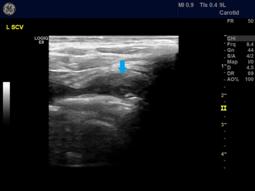
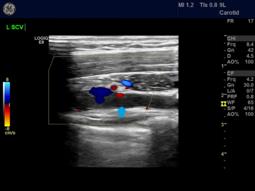
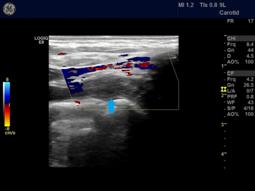
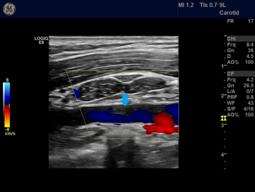
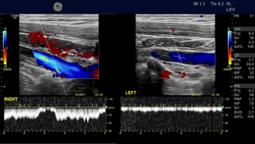
Thoracic outlet syndrome (TOS) has not yet been thoroughly studied in children and adolescents and remains a controversial issue in the field of surgery. It constitutes a syndrome of entrapment of neurovascular structures as they pass through the anatomical space of the thoracic outlet. We describe three cases of children and adolescents diagnosed with TOS within a year’s time in our Unit: 1) a 14-year-old girl with sudden onset of pain and oedema of left upper arm (thrombosis of left axillo-subclavian vein and filling defect in both subclavian veins due to an elongated transverse process of the seventh cervical vertebra), 2) a 13-year-old swimming champion girl with sudden onset of right arm oedema and 3) an eight-year-old girl with left arm discomfort (already on anticoagulation treatment due to cerebral sinovenous thrombosis) and complete outflow interruption of the left subclavian vein. All three patients have been on anticoagulation for 18, 6 and 4 months respectively, with no further symptoms. Conclusion: These three cases underline the necessity for physicians’ awareness concerning TOS diagnosis in children and adolescents with a high clinical suspicion and highlights the possibility of a satisfactory clinical outcome of pediatric TOS under conservative treatment initially with regular follow-ups and surgery planning in the best timing and on an age-appropriate occasion for the affected children.
Keywords: Thoracic Outlet Syndrome, thrombosis, adolescents, thrombophilia, Doppler scanning.
1. Jones MR, Prabhakar A, Viswanath O, et al. Thoracic Outlet Syndrome: A Comprehensive Review of Pathophysiology, Diagnosis, and Treatment. Pain Ther. 2019 Jun; 8(1): 5-18.
2. Meena Archie, David Rigberg. Review Diagnostics (Basel) 2017 Jun 10;7(2):34. Vascular TOS-Creating a Protocol and Sticking to It.
3. Mustafa J, Asher I, Sthoeger Z, et al. Upper Extremity Deep Vein Thrombosis: Symptoms, Diagnosis, and Treatment. Isr Med Assoc J. 2018 Jan; 20 (1):53-57.
4. Menon D, Onida S and ADavies AH. Overview of venous pathology related to repetitive vascular trauma in athletes, J Vasc Surg Venous Lymphat Disord 2019 Sep;7(5):756-762 doi: 10.1016/j.jvsv.2019.03.012. Epub 2019 Jun 21.
5. Chang K, Graf E, Davis K, et al. Spectrum of Thoracic Outlet Syndrome Presentation in Adolescents. Arch Surg. 2011;146 (12):1383-1387.
6. Heil J. Miesbach W. Vogl T. Bechstein WO, et al. Deep vein thrombosis of the upper extremity. Dtsch Arztebl Int 2017;114 :244-9.
7. Hussain MA, Al—Omran M. Vascular Thoracic Outlet Syndrome. Semin. Thorac Cardiovasc Surg Spring 2016, 28 (1): 151-157doi: 10.1053/j.semtcvs.2015.10.008. Epub 2015 Oct 28.
8. Rehemutula A, Zhang , Chen L, et al. Managing pediatric thoracic outlet syndrome. Italian Journal of Paediatrics.2015; 41 :22
9. Zucker E, Ganguli S, Ghoshhajra B, et al. Imaging of venous compression syndromes. Cardiovasc Diagn Ther 2016 ; 6 (6): 519-532.
10. Chavhan G, Batmanabane V, Muthusami P, et al. MRI of thoracic outlet syndrome in children. Pediatr Radiol (2017) 47: 1222-1234,
11. Spivack A, Troutman D, Dougherty M, et al. Changing Strategies to Treat Venous Thrombotic Occlusions of the Upper and Lower Extremities Secondary to Compressive Phenomena Vasc and Endovascular Surg. 2013 ;47(4): 274-277.
12. Matos JM, Gonzalez L, Kfoury E, et al Outcomes following operative management of thoracic outlet syndrome in the paediatric patients. Vascular 2018; 0 (0): 1-8.
13. Rochlin D, Orlando M, Likes K, et al. Bilateral first rib resection and scalenectomy is effective for treatment of thoracic outlet syndrome J. Vasc Surg 2014;60:185-90.
14. O'Brien PJ, Ramasunder S and Cox MW. Venous thoracic outlet syndrome secondary to first rib osteochondroma in a pediatric patient. J Vasc Surg. 2011 Mar ; 53(3) :811-3.
Correspondence
Evangelos Christou
e-mail: va.xristou@gmail.com
Τ. +306982889279
Evangelos Christou, Sotiria Mastrogianni, Theodora Bachou, Theodoros Tsikrikas, Stella Mouskou, Konstantinos Voudris, Dimitrios Delis
Abstract
Background: During the last ten years, an increased number of patients presenting with acute encephalitis is being observed, a finding that attributes to autoimmune mechanisms. Despite the fact that autoantibodies usually target neuronal cell surface or synaptic proteins in central nervous system, in many cases they remain undetectable, constituting a future diagnostic and therapeutic challenge. HHV-7 is proven to be a neurotropic virus, causing various neurological complications mostly in adult population.
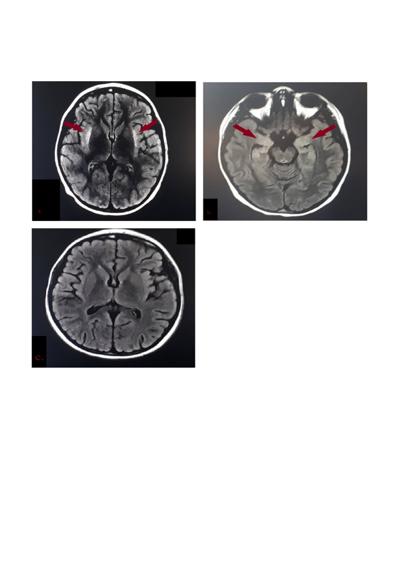
Methods: We present the case of a 10- year-old girl, with confirmed active HHV-7 infection of central nervous system, who developed acute seronegative autoimmune encephalitis.
Conclusion: To our best knowledge, there is no literature concerning pediatric cases of autoimmune encephalitis following HHV-7 infection.
Keywords: HHV-7 infection, acute encephalitis, seronegative autoimmune encephalitis
Evangelos Christou
Theodora Bachou
Dimitrios Delis
First Pediatric Department, General Children’s Hospital
“Panagiotis and Aglaia Kyriakou, Athens, Greece
Sotiria Mastrogianni
Stella Mouskou
Konstantinos Voudris
Neurology Department, General Children’s Hospital
“Panagiotis and Aglaia Kyriakou, Athens, Greece and
Theodoros Tsikrikas
Intensive Care Unit, General Children’s Hospital “Panagiotis and Aglaia Kyriakou, Athens, Greece
Bickerstaff
1. Granerod J. AmbProtection Agency (HPA) Aetiology of Encephalitis Study Group. Lancet Infect Dis 2010, Dec; 10(12):835-44.
2. Noseworthy JH, Lucchinetti C, Rodriguez M, Weinshenker BG. N Engl J Med. Multiple sclerosis 2000, Sep 28; 343(13):938-52.
3. Schimmel M, Frühwald MC, Bien CG. Limbic encephalitis with LGI1 antibodies in a 14-year-old boy. Eur J Paediatr Neurol 2018, 22:190–3.
4. Graus F, Titulaer MJ, Balu R, Benseler S, Bien CG, Cellucci T, et al. A clinical approach to diagnosis of autoimmune encephalitis. Lancet Neurol 2016, Apr;15(4):391-404.
5. Armangue T, Petit-Pedrol M, Dalmau J. Autoimmune encephalitis in children. J Child Neurol 2012, 27(11):1460-1469
6. Nosadini M, Mohammad SS, Ramanathan S, Brilot F, Dale RC. Immune therapy in autoimmune encephalitis: a systematic review. Expert Rev Neurother 2015, 15(12):1391-419.
7. Caserta MT, Hall CB, Schnabel K, Long CE, D'Heron N. Primary human herpesvirus 7 infection: a comparison of human herpesvirus 7 and human herpesvirus 6 infections in children. J Pediatr 1998, Sep;133(3):386-9.
8. Suga S, Yoshikawa T, Nagai T, Asano Y. Clinical features and virological findings in children with primary human herpesvirus 7 infection. Pediatrics 1997, 99:E4.
9. Schwartz KL, Richardson SE, Ward KN, Donaldson C, MacGregor D, Banwell B, et al. Delayed primary HHV-7 infection and neurologic disease. Pediatrics 2014, 133:e1541.
10. Chan PKS, Ng H-K, Cheung JLK, Ng K-C, Cheng AF. Prevalence and distribution of human herpesvirus 7 in normal brain. J Med Virol 2000, Nov;62(3):345-8.
11. Sang Kun Lee, Soon-Tae Lee. The Laboratory Diagnosis of Autoimmune Encephalitis. J Epilepsy Res 2016, Dec; 6(2): 45–52.
12. Lee WJ, Lee ST, Byun JI, Sunwoo JS, Kim TJ, Lim JA, et al. Rituximab treatment for autoimmune limbic encephalitis in an institutional cohort. Neurology. 2016;86:1683–91.
13.Broccolo F, Iuliano R, Careddu AM, Trovato R, Lico S, Blanc PL,et al. Detection of lymphotropic herpesvirus DNA by polymerase chain reaction in cerebrospinal fluid of AIDS patients with neurological disease. Acta Virol 2000, 44: 137-143.
14. Clark DA, Emery VC, Griffiths PD. Cytomegalovirus, human herpesvirus-6, and human herpesvirus-7 in hematological patients. Semin Hematol 2003, 40:154- 162.
15. Dalmau J, Lancaster E, Martinez-Hernandez E, Rosenfeld MR, Balice-Gordon R. Clinical experience and laboratory investigations in patients with anti- NMDAR encephalitis. Lancet Neurol 2011, Jan;10(1):63-74.
16. Titulaer MJ, McCracken L, Gabilondo I, Armangué T, Glaser C, Iizuka T, et al. Treatment and prognostic factors for long-term outcome in patients with anti-NMDA receptor encephalitis: an observational cohort study. Lancet Neurol 2013, Feb;12(2):157-65.
17. Bien CG, Holtkamp M. “Autoimmune epilepsy”: encephalitis with autoantibodies for epileptologists. Epilepsy Curr 2017, 17(3):134–141.
18. Dubey D, Samudra N, Gupta P, Agostini M, Ding K, Van Ness P, et al. Retrospective case series of the clinical features, management and outcomes of patients with autoimmune epilepsy. Seizure 2015, 29:143-147.
19. Dubey D, Singh J, Britton JW, Pittock SJ, Flanagan EP, Lennon VA, et al. Predictive models in the diagnosis and treatment of autoimmune epilepsy. Epilepsia 2017, Jul;58(7):1181-1189.
20. Geis C, Planagumà J, Carreño M, Graus F, Dalmau J. Autoimmune seizures and epilepsy. J Clin Invest 2019, Mar 129(3):926-940.

du
du pus, du mucus, et sur ceux des humeurs de
et chimico-microscopiques
Bouillaud (1796-1881)
Pierre-Charles-Alexandre Louis (1787-1872),
1. Thorburn A.L.: “Alfred Francois Donné, 1801-1878, discoverer of Trichomonas vaginalis and of leukaemia”, Br J Vener Dis, 1974; 50(5): 377-380.
2. Dupont M.: “Alfred Francois Donné” In: Larousse/Bordas eds, “Dictionnaire historique des méde-cins dans et hors de la médecine”, Larousse/Bordas eds, pp. 198-199, Paris 1999.
3. Donné A.F.: “Recherches physiologiques et chimico-microscopiques sur les globules du sang, du pus, du mucus, et sur ceux des humeurs de l’œil”, Doctoral Thesis presented in the Faculty of Medi-cine of Paris in 17 January 1831. De L’imprimerie de Didot le jeune, Paris 1831.
4. Diamantis A., Magiorkinis E., Androutsos G.: “Alfred François Donné (1801-78): a pioneer of mi-croscopy, microbiology and haematology”, J Med Biogr, 2009; 17: 81-87.
Arago (1786-1853),
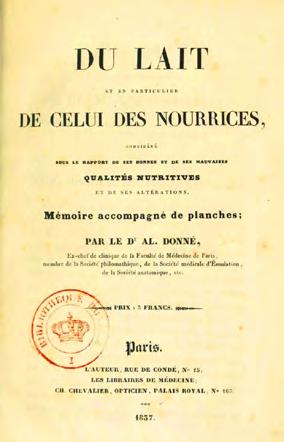
(Du lait, et en parti-culier de celui des nourrices, considéré sous le rapport de ses bonnes, et de ses mau-vaises qualités nutritives et de ses altérations),
1837,
5. Diamantis A., et al.: ό.π.
6. Donné A.F., Foucault L.: “Cours de Microscopie. Complémentaire des études médicales. Anatomie microscopique et physiologie des fluides de l’économie. Atlas exécuté d’ après nature au microscope-daguerréotype”, Editions J.-B Baillière, Paris 1845.
7.Thorburn A.L.: “Alfred Francois Donné, 1801-1878, discoverer of Trichomonas vaginalis and of leukaemia”, Br J Vener Dis, 1974; 50(5): 377-380.
8. Donné A.F.: “De l’origine des globules du sang, de leur mode de formation et de leur fin”, Compt Rend Acad Sci (Paris), 1842;14: 366-368.
9. Diamantis A., Magiorkinis E., Androutsos G.: “Alfred François Donné (1801-78): a pioneer of mi-croscopy, microbiology and haematology”, J Med Biogr, 2009; 17: 81-87.
10. Degos L.: “Un pionnier de la médecine scientifique, Alfred Donné”, Med Sci (Paris), 1995; 11(10): 14781481.
11. Diamantis A., et al.: ό.π.
12. Donné A.F.: “Du lait, et en particulier de celui des nourrices, considéré sous le rapport de ses bonnes, et de ses mauvaises qualités nutritives et de ses altérations. Mémoire accompagné de planches”, Les libraires de Médecine; Ch. Chevalier, Opticien, Palais Royal, Paris 1837.
(Conseils aux mères sur la manière d’élever les enfans nouveau-nés, ou de l’éducation physique des enfans du premier âge).
13. Diamantis A., et al.: ό.π.
14. La Berge A.F.: “Mothers and infants, nurses and nursing: Alfred Donné and the medicalization of child care in Nineteenth Century France”, J Hist Med Allied Sci, 1991; 46(1): 20-43.
15. Donné A.F.: “Conseils aux mères sur la manière d’élever les enfans nouveau-nés, ou de l’éducation physique des enfans du premier âge”, Editions J.-B Baillière, Paris 1842.
16. La Berge A.F.: ό.π.
17. La Berge A.F.: ό.π.
18. Donné A.F.:“Conseils sur l’allaitement et sur la manière d’élever les enfants nouveau-nés”, Editions J.-B Baillière, Paris 1846.
19. Donné A.F.: “Conseils aux families et sur la manière d’élever les enfants”, Editions J.-B Baillière, Paris 1864. 20. Diamantis A., et al.: ό.π.
21. Donné A.F.: “Infants, nurses and nursing”, translation from the French of “A treatise on nursing, weaning, and the general treatment of young children”, p.p. 3-5, Phillips, Sampson and Co., Boston 1859.
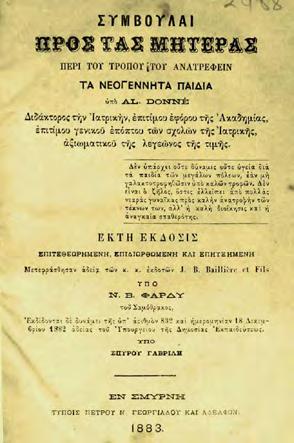
22. “Συμβουλαί
23. Diamantis A., et al.:
(Recteur de l'Université de Strasbourg)
(Recteur de l'Université de Montpellier)
Pouchet (1800-1872),
(1822-1895),
24. “Συμβουλαί
25.
Al. Donné”: ό.π.
(1853-1901).
2019; 169: 122-131.
26. Diamantis A., et al.: ό.π.
Pasteur
Roll-Hansen Ν.: “Experimental method and spontaneous generation: The contro-versy between Pasteur and Pouchet, 1859-64”, J Hist Med Allied Sci, 1979; 34(3): 273-292.

27. Diamantis A., Androutsos G.: “Highlights from the history of Hormonal Cytology”, Hormones, 2008; 7(2): 184-186.
28. Thorburn A.L.: ό.π.

2.
3.
4.
5.
6.
7.
8.
9. Ενδιαφέρουσες
10. Σύντομα
11. Βραχείες
12.
13.
14.
(Uniform Requirements for Manuscripts Submitted to Biomedical Journals),
International Committee of Medical Journal Editors/Uniform Requirements for Manuscripts Submitted to Biomedical Journals, (www.icmje.org και www.icmje.org/icmje. pdf).
Cumulated Index Medicus [List of Journals Indexed in Index Medicus (www.nlm.nih.goν/bsd/uniform_requirements. html)].
Proesmans W. Bartter syndrome and its neonatal νariant. Eur J Pediatr 1997;156:669-679.
Flyvbjerg
Role of growth hormone, insulin-like growth factors (IGFs) and IGF-binding pro-
teins in the renal complications of diabetes. Kidney Ιnt 1997;52 (60 Suppl):S12-S19.
Χωρίς συγγραφέα:
National Institutes of Health Consensus Deνelopment Conference. Neurofibromatosis conference statement. Arch Neurol1988;45:575-578.
Προσδιορισμός τύπου άρθρου: Schreiner GF, Lange L. Ethanol modulation of macrophage influx in glomerulonephritis [Abstract]. J Am Soc Nephrol 1991;2:562.
Should antileukotriene therapies be used instead of inhaled corticosteroids in asthma? [Editorial]. Am J Respir Crit Care Med 1998;158:1697-1701.
Laux-End R, Inaebnit D, Gerber ΗΑ, Bianchetti MG. Vasculitis associated with leνamisole and circulating autoantibodies [Let ter]. Arch Dis Child 1996;75:355-356.
II. ΒΙΒΛΙΑ Κεφάλαιο σε βιβλίο: Clark AG, Barratt ΤΜ. Steroid-responsiνe nephrotic syndrome. Ιn: Barratt ΤΜ, Arner ED, Harmon WE, editors. Pediatric Nephrology. 4th ed. Baltimore: Lippincott William Wilkins; 1999. p. 742.
Σύγγραμμα
Gorlin RJ, Cohen ΜΜ, Leνin LS. Syndromes of the head and neck. 3rd ed. New York: Oxford Uniνersity Press; 1990.
Δημοσίευση
Bauer ΑW. The two definitions of bacterial resistance. In: Smith AJ, Rogers CA, eds. Proceedings of the Third International Congress of Chemotherapy; 1962 May 29-31; New York: International Society of Chemotherapy; 1963. p. 484-500.
Διδακτορική διατριβή:
Αθηνών; 1979.
Kaplan SJ. Post hospital home health care: the elderly’s access and utilization [dissertation]. St. Louis (Μο): Washington Univ.;1995.
III. CD-ROM
Andersoη SC, Poulsen ΚΒ. Anderson’s electronic atlas of hematology [CD-ROM]. Philadelphia: Lippincott Williams & Wilkins; 2002.
IV. ΣΤΟ ΔΙΑΔΙΚΤΥΟ Άρθρο σε περιοδικό:
Abood S. Quality improνement initiatiνe in nursiηg homes: the ΑΝΑ acts in an adνisory role. Am J Nurs [Internet]. 2002 Jun:
Webpage: http://www.nursingworld.org/AJN/2002/june/Wawatch.htm
Μονογραφία: Foley ΚΜ, Gelbaηd Η, editors. Improving palliative care for cancer [Monograph, Internet]. Washington: National Academy Press; 2001.
Webpage: http://www.nap.edu/books/0309074029/html
Ιστοσελίδες: Cancer-Pain.org [Webpage, Internet]. New York: Association of Cancer Online Resources, Ιnc.; 2002: http://www.cancer-pain.org/ Πίνακες
2.
3.
4.
5.
9.