
Four monthly scientific journal of the Greek Paediatric Society

080
2
Υποβολή
e-mail: grammateia@e-child.gr
Οδηγίες
http://e-child.gr/publications/ instructions-to-authors
Iδιοκτήτης
e-mail: grammateia@e-child.gr
130
132
134

Four monthly scientific journal of the Greek Paediatric Society
080
2
Υποβολή
e-mail: grammateia@e-child.gr
Οδηγίες
http://e-child.gr/publications/ instructions-to-authors
Iδιοκτήτης
e-mail: grammateia@e-child.gr
130
132
134
Volume 83 | Number 2 | May - June - July - August 2020
Four monthly publication of the Greek Paediatric Society
072
EDITORIAL
Stelios Antoniadis
074
RECENT DECLARATION
From the flu of 1918 to the conovirus disease (COVID-19) of 2020: parallel lives
George Papadakis, Christos Kattamis
080
REVIEW ARTICLES
Completed suicide in prepubertal children (12 years old)
Antonios Paraschakis
090
Neuropsychiatric Disorders Associated with Tuberous sclerosis complex-TAND (TSC-AssociatedNeuropsychiatric-Disorders) and the TAND Checklist
Christina Sidira, Efthymia Vargiami, Ioanna Laina, Maria Kyriazi, Pinelopi Dragoumi, Maria Milioudi, Dimitrios Zafeiriou
106
CASE REPORTS
Cardiac Tamponade: a rare complication of viral pericarditis. A case report
Iliadis Andreas, Vlachou Georgia, Kyrochristou Gerasimia, Xatzigiannis Nikitas, Gketsi Vasiliki
112
Persistent cervical lymphadenopathy as the first manifestation of Systemic Lupus Erythematosus in a teenage boy
Ioanna Kalaitzidou, Emmanouil Athanasopoulos, Asimenia Athousaki, Sofia Stefanaki,Ioanna Tritou, Fani Ladomenou
President
A. Constantopoulos
Editorial board
Editor- in- Chief
S. Antoniadis
Members
S. Andronikou
E. Galanakis
A. Evangeliou
L. Thomaidou
M. Kanariou
A. Kapogiannis
S. Kitsiou-Tzeli
E. Mantadakis
P. Panagiotopoulou-Gartagani
A. Papadopoulou
V. Papaevagelou
A. Papathanassiou
A. Siamopoulou-Mavridou
A. Syrigou-Papavasiliou
Manuscript submission
e-mail: grammateia@e-child.gr
Instructions to authors: http://e-child.gr/publications/ instructions-to-authors
Owner Greek Paediatric Society 15, Mpakopoulou st. GR - 15451, Ν. Psychiko Tel.: +302107771140
e-mail: grammateia@e-child.gr
Annual subscription All foreign countries: US$50
118
Transient hypoparathyroidism of late infancy as the first manifestation of undiagnosed maternal hyperparathyroidism
Sofia Voidila, Ioannis Pagonis, Evanthia A. Makrygianni, Christina Kanaka-Gantenbein
128
BETWEEN COLLEAGUES
Stelios Antoniadis
130
BOOK PRESENTATION
Stelios Antoniadis
132 NEW PUBLICATIONS
134 INSTRUCTIONS TO AUTHORS
Γ. Παπαδάκης, Χ. Καττάμης
Smith, Andrews
Laidlaw
τον Αμερικανό Taubenger, τo1997,
"Flu, A social History of Influenza", o Tom Quinn, αναφερόμενος
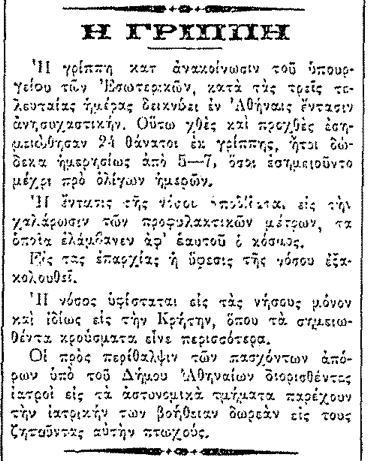
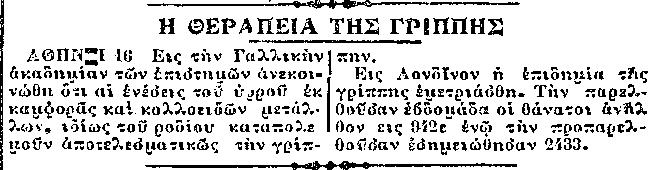
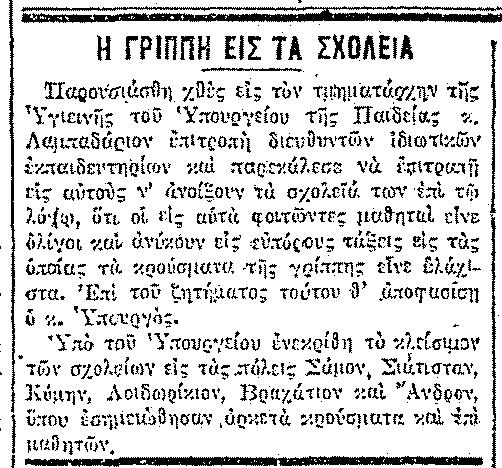
Εμπρός 2-11-1918
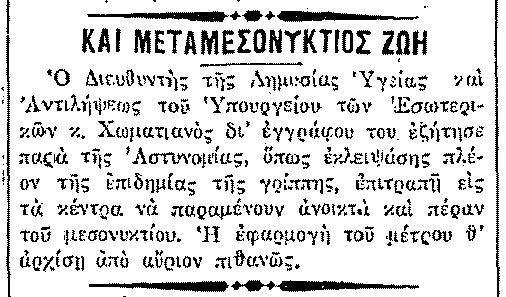
Εμπρός 1-2-1919
Αντώνης
6977706892
e-mail: antparaschakis@ yahoo.gr
Correspondence
Antonios Paraschakis MD PhD
95, Ioanninon Str 16674, Glyfada, Attica, Greece
T. +30210 9636097
+306877706892
e-mail: antparaschakis@ yahoo.gr
Antonios Paraschakis MD PhD
Abstract
It is widely acknowledged that suicides in prepubertal children (≤12 years old) are underreported for various reasons (stigma and misattribution to accidental causes being among the most significant). Risk factors for prepubertal suicide are the personal and/or family history of depression, bipolar disorder, schizophrenia, attention-deficit hyperactivity disorder and conduct disorder as well as the history of prior attempts. Symptoms such as commanding auditory hallucinations, delusional ideas, anhedonia, hopelessness and persistent preoccupation about death appear to be selectively related to completed suicide. Additionally, family discord, divorce, family grief, physical and/or sexual abuse, bulling, school failure, poverty, all seem to increase the risk in children of such an age. In comparison to teenage suicide victims, the prepubertal ones appear to suffer less from drug or alcohol problems. Romantic relationships seem to be also less of a problem for younger children. Prepubertal children very rarely express their suicidal ideation or intentions, regardless how intensely they are preoccupied with death. Pediatricians often are at the front line for pinpointing such vulnerable children, given that a child-and-adolescent psychiatrist might be unavailable in many hospital settings both in urban and rural areas. Therefore, all cases of “suspect” or “dubious” accidents (e.g. cutting by sharp objects, falling from heights, poisoning etc.), should be thoroughly investigated. Particular care is required for identifying whether any, or some, of the aforementioned risk factors are present. Asking the appropriate questions during the interview with the child (preferably alone) is of utmost importance.
Key words: suicide, children, childhood, preadolescent, prepubertal
Antonios Paraschakis MD PhD
Consultant Psychiatrist in General Adult Psychiatry
Psychiatric Hospital of Attica “Dafni”, Athens, Greece
Ευχαριστίες
Ευχαριστώ
Βιβλιογραφία
1. Tishler CL, Reiss NS. Suicidal behavior in children younger than twelve: A diagnostic challenge for emergency department personnel. Acad Emerg Med 2007;14:810-8.
2. Mishara BL. Conceptions of death and suicide in children ages 6-12 and their implications for suicide prevention. Suicide Life Threat Behav 1999;2:341-50.
3. McClanaghan KK, Omar H. Suicide in prepubertal childen. In: Shrivastava Α, Kimbrell Μ, Lester D, editors. Suicide from a Global Perspective. Nova Science Publishers 2012, pp. 1-12.
4. Sousa GS, Santos MSP, Silva ATP, Perrelli JGA, Sougey EB. Suicide in children: a literature review. Cienc Saude Coletiva 2017;22:3099-3110.
5. Freuchen A, Kjelsberg E, Lundervold AJ, GrØholt B. Differences between children and adolescents who commit suicide and their peers: a psychological autopsy of suicide victims compared to accident victims and a community sample. Child Adolesc Psychiatry Ment Health 2012;6:1-12.
6. Horowitz LM, Ballard ED, Pao M. Suicide screening in schools, primary care and emergency departments. Curr Opin Pediatr 2009;21:620-7.
7. Sheftall AH, Asti L, Horowitz LM, Felts A, Fontanella CA, Campo JV, Bridge JA. Pediatrics 2016;138:piie20160436.
8. Miller M, Azrael D, Hemenway D. Firearm availability and unintentional firearm deaths, suicide and homicide among 5-14 year olds. J Trauma 2002;52:267-75.
9. WHO Greece. www.who.int/mental_health/suicide.../GRC.pdf?ua=1 Ανακτήθηκε 8 Ιουνίου 2020.
10. Kolves K, De Leo D. Suicide rates in children aged 10-14 years worldwide: changes in the past two decades B J Psych 2014;205:283-5.
11. Gould MS, Greenberg T, Velting DM, Shaffer D. Youth suicide risk and preventive interventions: a review of the past 10 years. J Am Acad Child Adolesc Psychiatry 2003;42:386405.
12. GrØholt B, Ekeberg Ø. Suicide in young people under 15 years: Problems of classification. Nord J Psychiatry 2003;57:411-17.
13. GrØholt B, Ekeberg Ø, Wichstrom L, Haldorsen T. Suicide among children and younger and older adolescents in Norway: a comparative study. J Am Acad Child Adolesc Psychiatry 1998;37:473-81.
14. Soole R, Kolves K, De Leo D. Factors related to childhood suicides: analysis of the Queensland child death register. Crisis 2014;35:292-300.
15. Soole R, Kolves K, De Leo D. Suicide in children: A systematic review. Arch Suicide Res 2015;19:285-304.
16. Citrome L, Goldberg JF. Bipolar disorder is a potentially fatal disease. Postgrad Med 2005;17:9-11.
17. Papolos DF, Hennen J, Cockerham MS. Factors associated with parent-reported suicide threats by children and adolescents with community-diagnosed bipolar disorder. J Affect Disord 2005;86:267-75.
18. Pfeffer CR. Childhood suicidal behavior: a developmental perspective. Psychiatr Clin North Am 2008;31:271-91.
19. Brent DA, Oquendo M, Birmaher B, Greenhill L, Kolko D, Stanley B et al. Familial transmission of mood disorders: convergence and divergence with transmission of suicidal behavior. J Am Acad Child Adolesc Psychiatry 2004;43:1259-66.
20. O’Leary CC, Frank DA, Grant-Knight W, Beeghly M, Augustyn M, Rose-Jacobs R et al. Suicidal behavior among urban nine and ten year olds. J Dev Behav Pediatr 2006;27:33-39.
21. Dervic K, Brent DA, Oquendo MA. Completed suicide in childhood. Psychiatr Clin North Am 2008;31:271-91.
22. Agerbo E, Nordentoft M, Mortensen PB. Familial, psychiatric and socioeconomic risk factors for suicide in young people: nested case control study. BΜ J 2002;325:74-78.
23. Pompili M, Mancinelli I, Girardi P, Ruberto A, Tatarelli R. Childhood suicide: a major issue in pediatric health care. Issues Compr Pediatr Nurs 2005;28:63-8.
24. Thompson R, Briggs E, English DJ, Dubowitz H, Lee LC, Brody K et al. Suicidal ideation among 8-year-olds who are maltreated and at risk: findings from the LONGSCAN studies. Child Maltreat 2005;10:26-36.
25. Seguin M, Renaud J, Lessage A, Robert M , Turecki G. Youth and young adult suicide: a study of life trajectory. J Psychiatry 2011;45:863-70.
26. Agritmis H, Yayci N, Colak B, Aksoy E. Suicidal deaths in childhood and adolescence. Forensic Sci Int 2004;142:25-31.
27. Bruffaerts R, Demyttenaere K, Borges G, Haro JM, Chiu WT, Hwang I et al. Childhood adversities as risk factors for onset and persistence of suicidal behavior. Br J Psychiatry 2010;197:20-27.
28. Hong M, Cho HN, Kim AR, Hong HJ, Kweon YS. Suicidal deaths in elementary school students in Korea. Clin Adolesc Psychiatry Ment Health 2017;11:53.
29. Klomek AB, Sourander A, Niemela S, Kumpulainen K, Piha J, Tamminen T. Childhood bulling behaviors as a risk for suicide attempts and completed suicides: A population-based birth cohort study. J Am Acad Child Adolesc Psychiatry 2009;48:254-61.
30. Bauman AS, Toomey RB, Walker JL. Associations among bulling, Cyberbulling, and suicide in high school students. J Adolesc 2013;36:341-50.
31. Schmidt P, Muller R, Dettmeyer R, Madea B. Suicide in children, adolescents and young adults. Forensic Sci Int 2002;127:161-7.
32. Shaffer D, Pfeffer CR, Bernet W, . Practice parameter for the assessment and treatment of children and adolescents with suicidal behavior. J Am Acad Child Adolesc Psychiatry 2001;(Suppl 7):24S-51S.
33. Shaw D, Fernandez JR, Rao C. Suicide in children and adolescents: a 10-year retrospective review. Am J Forensic Med Pathol 2005;26:309-15.
34. Orbach I, Feshbach S, Carlson G, Glaubman H, Gross Y. Attraction and repulsion by life and death in suicidal and in normal children.J Consult Clin Psychol 1983;51:661-70.
35. Freuchen A, Grovolt B. Characteristics of suicide notes of children and young adolescents: an examination of the notes from suicide victims 15 years and younger.Clin Child Psychol Psychiatry 2015;20:194-206.
36. Gardner W, Klima J, Chisolm D, Feehan H, Bridge J, Campo J et al. Screening, triage, and referral of patients who report suicidal thought during a primary care visit. Pediatrics 2010;125:945-52.
37. Klimes-Dougan B. Screening for suicidal ideation in children and adolescents: methodological considerations. J Adolesc 1998;21:435-44.
38. Kennedy SP, Baraff LJ, Suddath RL, Asarnow JR. Emergency department management of suicidal adolescents. Ann Emerg Med 2004;42:452-60.
39. Ινστιτούτο
Ανακτήθηκε 9 Ιουνίου 2020. 40. www.klimaka.org.gr
www.ygeiapaidiou-ich.gr.
Κ.
e-mail: c.sidira@outlook.com
Correspondence
Christina Sidira
49 Konstantinoupoleos Str. 54642, Thessaloniki
Τ. +302313312439
+306978579591
e-mail: c.sidira@outlook.com
Neuropsychiatric
Associated with Tuberous sclerosis complexTAND (TSC-Associated Neuropsychiatric-Disorders) and the TAND
Christina Sidira, Efthymia Vargiami, Ioanna Laina, Maria Kyriazi, Pinelopi Dragoumi, Maria Milioudi, Dimitrios Zafeiriou
Abstract
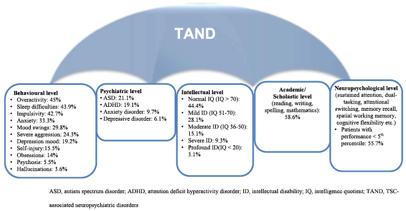
Tuberous sclerosis complex (TSC) is a multisystemic genetic disorder with a range of physical manifestations which is inherited in an autosomal dominant manner. Organs that are most commonly affected are the central nervous system, skin, kidneys, heart, lungs and eyes. Around 90% of individuals with TSC have a range of behavioral, psychiatric, intellectual, academic, neuropsychologic and psychosocial difficulties. In spite of the high rates of neuropsychiatric disorders and their impact on patients’ and family’s life, they remain highly underdiagnosed and undertreated. The Neuropsychiatric Panel at the 2012 Tuberous Sclerosis Complex International Consensus Conference coined the term TAND – tuberous sclerosis complexassociated neuropsychiatric disorders – to describe all these difficulties. In addition, the Panel developed the TAND Checklist as a guide for screening. Each patient with TSC has its own TAND profile (unique TAND “signature”) requiring an individualized treatment plan. This profile may change over time rendering regular evaluation essential. We present a clinical update on TSC-associated neuropsychiatric disorders (TAND). The review is aimed at clinical geneticists, pediatric neurologists and general pediatricians involved in the assessment and treatment of children, adolescents and adults with TSC. We also present the authorized Greek version of the TAND Checklist which is currently available to all clinicians.
Christina Sidira
Efthymia Vargiami
Maria Kyriazi
Pinelopi Dragoumi
Maria Milioudi
Dimitrios Zafeiriou
1st Paediatric Department, Aristotle University of Thessaloniki, Hippokration General Hospital, Thessaloniki, Greece
Ioanna Laina PaediatricianPhD, National and Kapodistrian University of Athens,Scientific AssociateofTuberous Sclerosis Association of Greece
Key words: Tuberous sclerosis complex (TSC), TSC-neuropsychiatric disorders associated (TAND), the TAND Checklist
(TSC –associated neuropsychiatric disorders, ΤAND) (14).
TAND (TAND Checklist) (8).
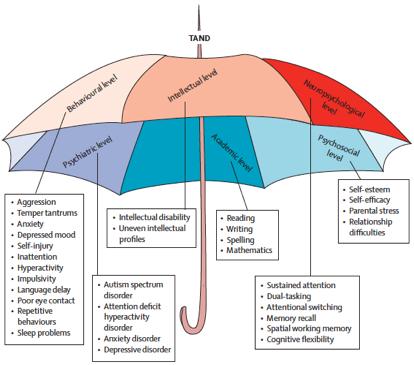
DeVriesetal, 2018)
Tuberous Sclerosis Complex (TSC) is associated with a range of neuropsychiatric disorders which we refer to as TAND ( TSC–Associated–Neuropsychiatric–Disorders). All people with TSC are at risk of having some of these difficulties. Some people with TSC have very few, while others will have many of them. Each person with TSC will therefore have their own TAND profile, and this profile may change over time. This checklist was developed to help clinical teams, individuals with TSC and their families a) screen for TAND at every clinic visit and b) prioritize what to do next
The TAND Checklist was designed to be completed by a clinician with relevant knowledge and experience in TSC, in partnership with individuals with TSC or their parents/carers. The Checklist should take about 10 minutes to complete. Where individuals answer YES to an item, the clinician should explore the difficulty in sufficient detail to help guide decisions about further evaluation or treatment. All items should be completed.
Name of TSC Subject:
Name of Interviewer:
DOB: d d / m m / y y Age:
Date of interview: d d / m m / y y
Name of interviewee: Self / Parent / Carer / Other (circle)
As you will know, the majority of people with TSC have some difficulty in learning, behaviour, mental health, specific aspects of their development and so on. We are going to use this checklist to help us check for these kinds of difficulties. I am going to ask you a number of questions. Some may be directly relevant; some might not be relevant at all. Just answer as best as you can. At the end I will check to see if there are any additional difficulties we didn’t talk about.
For parents/carers of individuals with TSC, please start with question 1 For individuals with TSC who complete this about themselves, please start with question 3
Let’s begin by talking about [subject]’s development to get a sense of where they are at. How old was [subject] when he/she:
a. First smiled?
b. Sat without support?
c. Walked without holding on?
d. Used single words other than “mama” or “dada”?
e. Used two words/short phrases?
f. Was toilet trained during the day?
g. Was toilet trained at night?
Age: Not yet:
Age: Not yet:
Age: Not yet:
Age: Not yet:
Age: Not yet:
Age: Not yet:
Age: Not yet:
JASPER Early Intervention for Tuberous Sclerosis (JETS) (NCT03422367)Ενεργής
/ JASPER:
JASPER
Trial of RAD001 and Neurocognition in Tuberous Sclerosis Complex (TSC) (ΝCT01289912)
A Study of Everolimus in the Treatment of Neurocognitive Problems in Tuberous Sclerosis (TRON) (NCT01954693)Ενεργής
Efficacy of RAD001/ Everolimus in Autism and Neuropsychological Deficits in Children with Tuberous Sclerosis Complex (RAPIT) (NCT01730209)
Παρεμβατική
Everolimus vs placebo
Everolimus vs placebo
Παρεμβατική Everolimus vs placebo
αποτελεσματικότητας everolimus στη
θεραπεία ειδικών εγκεφαλικών δεξιοτήτων (μνήμη, σχεδιασμός, οπτικοχωρικές
δεξιότητες, πολλαπλή εργασία)
Εκτίμηση
αποτελεσματικότητας everolimus στη θεραπεία του αυτισμού και ειδικών
JASPER: Joint, Attention, Symbolic Play, Engagement, Regulation, N/A: not applicable
συμπεριφοράς
Αναζήτηση επιπλέον νευροψυχιατρικών δεικτών βελτίωσης 48
Petrus J deVries,
1. O’CallaghanFJK, ShiellAW, OsborneJP, MartynCN. Prevalence of tuberous sclerosis estimated by capture-recapture analysis. Lancet. 1998;
2. Kandt RS, Haines JL, Smith M, Northrup H, Gardner RJM, Short MP, et al. Linkage of an important gene locus for tuberous sclerosis to a chromosome 16 marker for polycystic kidney disease. Nat Genet. 1992;2(1):37–41.
3. Fryer AE, Connor JM, Povey S, Yates JRW, Chalmers A, Fraser I, et al. Evidence That the Gene for Tuberous Sclerosis Is on Chromosome 9. Lancet. 1987;329(8534):659–61.
4. Tyburczy ME, Dies KA, Glass J, Camposano S, Chekaluk Y, Thorner AR, et al. Mosaic and Intronic Mutations in TSC1/TSC2 Explain the Majority of TSC Patients with No Mutation Identified by Conventional Testing. PLoS Genet. 2015;11(11):1–17.
5. Jülich K, Sahin M. Mechanism-based treatment in tuberous sclerosis complex. Pediatr Neurol [Internet]. 2014;50(4):290–6. Available from: http://dx.doi.org/10.1016/j. pediatrneurol.2013.12.002
6. Northrup H, Krueger DA, Roberds S, Smith K, Sampson J, Korf B, et al. Tuberous sclerosis complex diagnostic criteria update: Recommendations of the 2012 international tuberous sclerosis complex consensus conference. Pediatr Neurol. 2013;49(4):243–54.
7. Curatolo P, Moavero R, Vries PJ De. Neurological and neuropsychiatric aspects of tuberous. Lancet Neurol [Internet]. 2015;14(7):733–45. Available from: http://dx.doi.org/10.1016/ S1474-4422(15)00069-1
8. De Vries PJ, Whittemore VH, Leclezio L, Byars AW, Dunn D, Ess KC, et al. Tuberous Sclerosis Associated Neuropsychiatric Disorders (TAND) and the TAND checklist. Pediatr Neurol [Internet]. 2015;52(1):25–35. Available from: http://dx.doi.org/10.1016/j. pediatrneurol.2014.10.004
9. de Vries P, Humphrey A, McCartney D, Prather P, Bolton P, Hunt A. Consensus clinical guidelines for the assessment of cognitive and behavioural problems in Tuberous Sclerosis. Eur Child Adolesc Psychiatry. 2005 Jul;14(4):183–90.
10. Vries PJ De, Belousova E, Benedik MP, Carter T, Cottin V, Curatolo P, et al. TSC-associated neuropsychiatric disorders ( TAND ): findings from the TOSCA natural history study. 2018;1–13.
11. Franz DN, Belousova E, Sparagana S, Bebin EM, Frost MD, Kuperman R, et al. Long-term use of everolimus in patients with tuberous sclerosis complex: Final results from the EXIST-1 study. PLoS One. 2016;11(6):1–13.
12. French JA, Lawson JA, Yapici Z, Ikeda H, Polster T, Nabbout R, et al. Adjunctive everolimus therapy for treatment-resistant focal-onset seizures associated with tuberous sclerosis (EXIST-3): a phase 3, randomised, double-blind, placebo-controlled study. Lancet [Internet]. 2016;388(10056):2153–63. Available from: http://dx.doi.org/10.1016/S0140-6736(16)31419-
2
13. John J Bissler, J Christopher Kingswood, Elżbieta Radzikowska, Bernard A Zonnenberg, Michael Frost, Elena Belousova MS, Norio Nonomura, Susanne Brakemeier, Petrus J de Vries, Vicky H Whittemore, David Chen, Tarek Sahmoud, Gaurav Shah JL, David Lebwohl KB. Everolimus for angiomyolipoma associated with tuberous sclerosis complex or sporadic lymphangioleiomyomatosis (EXIST-2): a multicentre, randomised, double-blind, placebocontrolled trial. Lancet. 2013;381(9869):817–24.
14. Krueger DA, Northrup H, Krueger DA, Roberds S, Smith K, Sampson J, et al. Tuberous sclerosis complex surveillance and management: Recommendations of the 2012 international tuberous sclerosis complex consensus conference. Pediatr Neurol. 2013;49(4):255–65.
15. Prather P, de Vries PJ. Behavioral and cognitive aspects of tuberous sclerosis complex. J Child Neurol. 2004;19(9):666–74.
16. De Vries PJ, Hunt A, Bolton PF. The psychopathologies of children and adolescents with tuberous sclerosis complex (TSC): A postal survey of UK families. Eur Child Adolesc Psychiatry. 2007;16(1):16–24.
17. Eden KE, De Vries PJ, Moss J, Richards C, Oliver C. Self-injury and aggression in tuberous sclerosis complex: Cross syndrome comparison and associated risk markers. J Neurodev Disord. 2014;6(1):1–11.
18. de Vries PJ. Neurodevelopmental, Psychiatric and Cognitive Aspects of Tuberous Sclerosis Complex. Kwiatkowski DJ, Whittemore VH, Thiele EA, editors. Tuberous Sclerosis Complex: Genes, Clinical Features and Therapeutics. Weinheim, Germany:Wiley-Blackwell; 2010. 229–267 p.
19. Leclezio L, Jansen A, Whittemore VH, De Vries PJ. Pilot validation of the tuberous sclerosis-associated neuropsychiatric disorders (TAND) checklist. Pediatr Neurol [Internet]. 2015;52(1):16–24. Available from: http://dx.doi.org/10.1016/j.pediatrneurol.2014.10.006
20. Wilde L, Eden K, de Vries P, Moss J, Welham A, Oliver C. Self-injury and aggression in adults with tuberous sclerosis complex: Frequency, associated person characteristics, and implications for assessment. Res Dev Disabil [Internet]. 2017;64:119–30. Available from: http://dx.doi.org/10.1016/j.ridd.2017.03.007
21. de Vries PJ, Wilde L, de Vries MC, Moavero R, Pearson DA, Curatolo P. A clinical update on tuberous sclerosis complex-associated neuropsychiatric disorders (TAND). Vol. 178, American Journal of Medical Genetics, Part C: Seminars in Medical Genetics. 2018. p. 309–20.
22. Gillberg JC, Gillberg C, Ahlsén G. Autistic Behaviour and Attention Deficits in Tuberous Sclerosis: a Population-Based Study. Dev Med Child Neurol. 1994;36(1):50–6.
23. Hunt A. Development, behaviour and seizures in 300 cases of tuberous sclerosis. J Intellect Disabil Res. 1993;37(1):41–51.
24. Muzykewicz DA, Newberry P, Danforth N, Halpern EF, Thiele EA. Psychiatric comorbid conditions in a clinic population of 241 patients with tuberous sclerosis complex. Epilepsy Behav. 2007;11(4):506–13.
25. Leclezio L, De Vries PJ. Advances in the treatment of tuberous sclerosis complex. Curr Opin Psychiatry. 2015;28(2):113–20.
26. Cass H, Sekaran D, Baird G. Medical investigation of children with autistic spectrum disorders. Child Care Health Dev. 2006;32(5):521–33.
27. Bolton PF, Park RJ, Higgins JNP, Griffiths PD, Pickles A. Neuro-epileptic determinants of autism spectrum disorders in tuberous sclerosis complex. Brain. 2002;125(6):1247–55.
28. Numis AL, Major P, Montenegro MA, Muzykewicz DA, Pulsifer MB, Thiele EA. Identification of risk factors for autism spectrum disorders in tuberous sclerosis complex. Neurology. 2011;76(11):981–7.
29. Moavero R, Napolitano A, Cusmai R, Vigevano F, Figà-Talamanca L, Calbi G, et al. White matter disruption is associated with persistent seizures in tuberous sclerosis complex. Epilepsy Behav [Internet]. 2016;60:63–7. Available from: http://dx.doi.org/10.1016/j.yebeh.2016.04.026
30. D’Agati E, Moavero R, Cerminara C, Curatolo P. Attention-deficit hyperactivity disorder (ADHD) and tuberous sclerosis complex. J Child Neurol. 2009;24(10):1282–7.
31. Pliszka S& AWG of QI. Practice parameter for the assessment and treatment of children and adolescents with attention-deficit/hyperactivity disorder. J Am Acad Child Adolesc Psychiatry. 2007;46(7):894–921.
32. Joinson C, O’Callaghan FJ, Osborne JP, Martyn C, Harris T, Bolton PF. Learning disability and epilepsy in an epidemiological sample of individuals with tuberous sclerosis complex. Psychol Med. 2003;33(2):335–44.
33. Kingswood JC, D’Augères GB, Belousova E, Ferreira JC, Carter T, Castellana R, et al. TuberOus SClerosis registry to increase disease Awareness (TOSCA) - Baseline data on 2093 patients. Orphanet J Rare Dis [Internet]. 2017;12(1):1–13. Available from: http://dx.doi. org/10.1186/s13023-016-0553-5
34. de Vries P.J., Prather P.A. The tuberous sclerosis complex. N Engl J Med. 2007;356(1):93–4.
35. Jansen FE, Vincken KL, Algra A, Anbeek P, Braams O, Nellist M, et al. Cognitive impairment in tuberous sclerosis complex is a multifactorial condition. Neurology. 2008;70(12):916–23.
36. van Eeghen AM, Chu-Shore CJ, Pulsifer MB, Camposano SE, Thiele EA. Cognitive and adaptive development of patients with tuberous sclerosis complex: A retrospective, longitudinal investigation. Epilepsy Behav. 2012;23(1):10–5.
37. Wong HT, McCartney DL, Lewis JC, Sampson JR, Howe CJ, de Vries PJ. Intellectual ability in tuberous sclerosis complex correlates with predicted effects of mutations on TSC1 and TSC2 proteins. J Med Genet. 2015;52(12):815–22.
38. Capal JK, Bernardino-Cuesta B, Horn PS, Murray D, Byars AW, Bing NM, et al. Influence of seizures on early development in tuberous sclerosis complex. Epilepsy Behav [Internet]. 2017;70:245–52. Available from: http://dx.doi.org/10.1016/j.yebeh.2017.02.007
39. Humphrey A, MacLean C, Ploubidis GB, Granader Y, Clifford M, Haslop M, et al. Intellectual development before and after the onset of infantile spasms: A controlled prospective longitudinal study in tuberous sclerosis. Epilepsia. 2014;55(1):108–16.
40. Goh S, Kwiatkowski DJ, Dorer DJ, Thiele EA. Infantile spasms and intellectual outcomes in children with tuberous sclerosis complex. Neurology. 2005;65(2):235–8.
41. de Vries P.J. The psychopathologies of attention in tuberous sclerosis (PhD dissertation). University of Cambridge; 2002.
42. De Vries PJ, Gardiner J, Bolton PF. Neuropsychological attention deficits in tuberous sclerosis complex (TSC). Am J Med Genet Part A. 2009;149(3):387–95.
43. Tierney KM, McCartney DL, Serfontein JR, De Vries PJ. Neuropsychological attention skills and related behaviours in adults with tuberous sclerosis complex. Behav Genet. 2011;41(3):437–44.
44. de Vries PJ, Howe CJ. The tuberous sclerosis complex proteins - a GRIPP on cognition and neurodevelopment. Trends Mol Med. 2007;13(8):319–26.
45. Ridler K, Suckling J, Higgins NJ, De Vries PJ, Stephenson CME, Bolton PF, et al. Neuroanatomical correlates of memory deficits in tuberous sclerosis complex. Cereb Cortex. 2007;17(2):261–71.
46. Jambaqué I, Cusmai R, Curatolo P, Cortesi F, Perrot C, Dulac O. Neuropsychological Aspects of Tuberous Sclerosis in Relation To Epilepsy and Mri Findings. Dev Med Child Neurol. 1991;33(8):698–705.
47. Graffigna G, Bosio C, Cecchini I. Assisting a child with tuberous sclerosis complex (TSC): A qualitative deep analysis of parents’ experience and caring needs. BMJ Open. 2013;3(12).
48. Rentz AM, Skalicky AM, Pashos CL, Liu Z, Magestro M, Pelletier CL, et al. Caring for children with tuberous sclerosis complex: What is the physical and mental health impact on caregivers? J Child Neurol. 2015;30(12):1574–81.
49. Leclezio L, Gardner-lubbe S, Vries PJ De. Pediatric Neurology Is It Feasible to Identify Natural Clusters of TSC-Associated Neuropsychiatric Disorders ( TAND )? Pediatr Neurol [Internet]. 2018;81:38–44. Available from: https://doi.org/10.1016/j.pediatrneurol.2017.12.006
50. Bissler JJ, Kingswood JC, Radzikowska E, Zonnenberg BA, Belousova E, Frost MD, et al. Everolimus long-term use in patients with tuberous sclerosis complex: Four-year update of the EXIST-2 study. PLoS One. 2017;12(8):e0180939.
51. O’Callaghan FJK, Harris T, Joinson C, Bolton P, Noakes M, Presdee D, et al. The relation of infantile spasms, tubers, and intelligence in tuberous sclerosis complex. Arch Dis Child. 2004;89(6):530–3.
52. Goodman M, Lamm SH, Engel A, Shepherd CW, Houser OW, Gomez MR. Cortical tuber count: A biomarker indicating neurologic severity of tuberous sclerosis complex. J Child Neurol. 1997;12(2):85–90.
53. Raznahan A, Higgins NP, Griffiths PD, Humphrey A, Yates JRW, Bolton PF. Biological markers of intellectual disability in tuberous sclerosis. Psychol Med. 2007;37(9):1293–304.
54. de Vries P, Humphrey A, McCartney D, Prather P, Bolton P, Hunt A. Consensus clinical guidelines for the assessment of cognitive and behavioural problems in Tuberous Sclerosis. Eur Child Adolesc Psychiatry [Internet]. 2005 Jul;14(4):183–90. Available from: https://doi. org/10.1007/s00787-005-0443-1
55. Krueger DA. Management of CNS-related disease manifestations in patients with tuberous sclerosis complex. Curr Treat Options Neurol. 2013;15(5):618–33.
56. Ehninger D, Han S, Shilyansky C, Zhou Y, Li W, Kwiatkowski DJ, et al. Reversal of learning deficits in a Tsc2+/− mouse model of tuberous sclerosis. Nat Genet. 2008;14(8):843–8.
57. Goorden SMI, Van Woerden GM, Van Der Weerd L, Cheadle JP, Elgersma Y. Cognitive deficits in Tsc1+/- mice in the absence of cerebral lesions and seizures. Ann Neurol. 2007;62(6):648–55.
58. Tsai PT, Hull C, Chu Y, Greene-colozzi E, Sadowski AR, Leech JM, et al. Autisticlike behaviour and cerebellar dysfunction in Purkinje cell Tsc1 mutant mice. Nature. 2012;488(7413):647–51.
59. Waltereit R, Japs B, Schneider M, De Vries PJ, Bartsch D. Epilepsy and Tsc2 haploinsufficiency lead to autistic-like social deficit behaviors in rats. Behav Genet. 2011;41(3):364–72.
60. Sato A, Kasai S, Kobayashi T, Takamatsu Y, Hino O, Ikeda K, et al. Rapamycin reverses impaired social interaction in mouse models of tuberous sclerosis complex. Nat Commun [Internet]. 2012;3:1292–9. Available from: http://dx.doi.org/10.1038/ncomms2295
61. Davies DM, De Vries PJ, Johnson SR, McCartney DL, Cox JA, Serra AL, et al. Sirolimus therapy for angiomyolipoma in tuberous sclerosis and sporadic lymphangioleiomyomatosis: A phase 2 trial. Clin Cancer Res. 2011;17(12):4071–81.
62. Krueger DA, Sadhwani A, Byars AW, de Vries PJ, Franz DN, Whittemore VH, et al. Everolimus for treatment of tuberous sclerosis complex-associated neuropsychiatric disorders. Ann Clin Transl Neurol. 2017;4(12):877–87.
63. Toldo I, Brasson V, Miscioscia M, Pelizza MF, Manara R, Sartori S, et al. Tuberous sclerosisassociated neuropsychiatric disorders: a paediatric cohort study. Dev Med Child Neurol. 2019;61(2):168–73.
Correspondence
Gketsi Vasiliki
Neochoropoulos of Ioannina, PO Box 339, Postal Code 45500
Τ. +306945398479
e-mail: vikigetsi@gmail.com
Iliadis Andreas, Vlachou Georgia, Kyrochristou Gerasimia, Xatzigiannis Nikitas, Gketsi Vasiliki
Abstract
Acute pericarditis in children has a variety of causes with idiopathic and viral pericarditis accounting for 37-68% of cases. Teenage boys are most often affected. In the normal child, there is an amount of 10-25ml of fluid in the pericardial space. Cardiac tamponade occurs when the amount of fluid reaches a level that affects cardiac function and is a rare complication of viral pericarditis (approximately 2%).
We report the case of a 13-month-old boy with acute aseptic pericarditis and cardiac tamponade. The child was presented with high fever from hours and grunting from days that worsened the last 24 hours. On clinical examination, he had nose flaring, retractions, soft heart sounds of poor quality, and hepatomegaly(3.5 cm below the lateral arch). Laboratory testing revealed transaminasemia (AST=145 U/L, ALT= 223 U/L). Chest radiography showed an enlarging cardiac silhouette, a sign of floating ice on the electrocardiogram, and a pericardial effusion producing cardiac tamponade in the echocardiographic study. He was admitted to Pediatric ICU where pericardiocentesis performed using Seldinger technique and a catheter placed in the pericardial cavity and remained for four days.
Cardiac tamponade is a life-threatening condition. In the early stages, the symptoms can be non specific as the cardiac output is maintained by contraction mechanisms. This requires awareness of the diagnosis in order to effectively deal with and avoid complications, immediate or distant.
Key words: pericarditis, cardiac tamponade, pericardiocentesis
Iliadis Andreas
Xatzigiannis Nikitas
Pediatric ICU of the University General Hospital of Patras
Vlachou Georgia
Gketsi Vasiliki
Pediatric Clinic of the General Hospital of Ioannina “G. Hatzikosta”
Kyrochristou Gerasimia
Medical School of the University of Ioannina
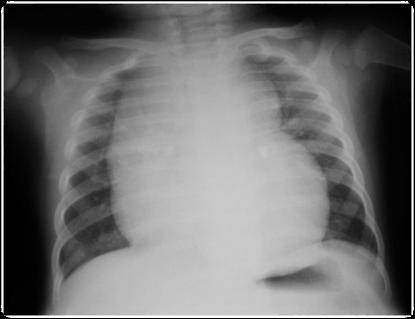
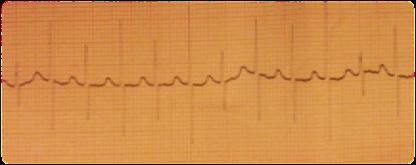
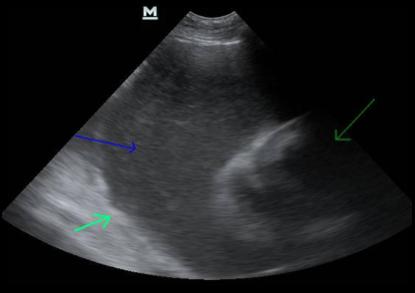
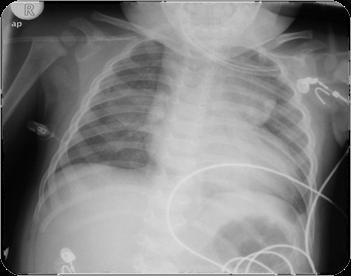
Haemophilus influenzae),
1. Gura G. Pediatric Pericarditis Case Report. Journal of Pediatric Health Care. (2020)34,6770
2. Spangler S, Gentlesk P. Acute Pericarditis. The Heart.org Medscape. Apr 2019
3. Kloos J. Characteristics, Complications, and Treatment of Acute Pericarditis.Critical Care Nursing Clinicsof North America. 2015;27:483-497
4. Shakti D, Hehn R, Gauvreau K, Sundel P.R, Newburger W.J. Idiopathic Pericarditis and Pericardial Effusion in Children: Contemporary Epidemiology and Management. Journal of the American Heart Association. Nov 2014
5. Baskar S. Pediatric Pericarditis. American College of Cardiology. Jun 2016
6. Cartaya-Blanco C, Bandler-Parekh J, Adam H. Pericarditis. Pediatrics in Review, February 2010, 31 (2) 83-84
7. Ratnapalan S, Brown K, Benson L. Children presenting with acute pericarditis to the emergency department. Pediatr Emerg Care. 2011;27:581–585
8. Thompson J, Burkhart H, Dearani J, Cetta F, Oh J, Schaff H. Pericardiectomy for Pericarditis in the Pediatric Population.Annals Thoracic Surgery. 2009;88:1546-50
e-mail: fladomenou@gmail. com
Correspondence
Fani Ladomenou
Knossos Avenue, Gr 71409, Heraklion, Crete, Greece
T. +302813408338, 6976311544
e-mail: fladomenou@gmail. com
Ioanna Kalaitzidou, Emmanouil Athanasopoulos, Asimenia Athousaki, Sofia Stefanaki,Ioanna Tritou, Fani Ladomenou
Abstract
Lymphadenopathy in childhood is a manifestation of many diseases; both infectious and noninfectious. We describe here the case of a 13-year-old boy who initially appeared with cervical lymphadenopathy without any systemic symptoms. During his follow-up, he developed generalized lymphadenopathy, and after an extensive work up, the patient was diagnosed with Systemic Lupus Erythematosus (SLE). Since lymphadenopathy is a very common finding in childhood, its presence may delay the diagnosis of SLE. In addition to a good history, a detailed clinical examination and the appropriate laboratory tests, the histological examination of the lymph node should also be considered for the differential diagnosis of SLE lymphadenopathy in all children with persistent lymphadenopathy.
Key words: SLE, lymphadenopathy, children
Ioanna Kalaitzidou
Emmanouil Athanasopoulos
Sofia Stefanaki
Fani Ladomenou Department of Pediatrics, Venizeleion General Hospital of Heraklion
Asimenia Athousaki School of Medicine, University of Crete
Ioanna Tritou
Department of Radiology,Venizeleion General Hospital of Heraklion
(AST
ALT 80 και 70 αντίστοιχα, φυσιολογικά AST<40, ALT<35), C-αντιδρώσα πρωτεΐνη (CRP) και ταχύτητα καθίζησης των ερυθροκυττάρων (ΤΚΕ) αμφότερες αυξημένες (CRP 7,5 mg / dl, φυσιολογικό εύρος <0,5 mg /dl, ΤΚΕ 59 mm /1η ώρα, φυσιολογικό
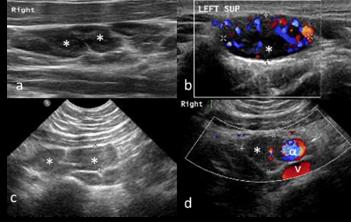
Συντομογραφίες:
ΑΝΑ
ΣΕΛ
AST:
CRP: C-ReactiveProtein
SLE: Systematic Lupus Erythematosus
SLICC: Systemic
Lupus International Collaborating Clinics
κάτω του φυσιολογικού, με C3 69mg/dl (φυσιολογικές τιμές 90-180) και
Lupus International Collaborating Clinics (SLICC 2012)
Βιβλιογραφία
1. Weinstock MS, Patel NA, Smith LP. Pediatric Cervical Lymphadenopathy. Pediatr Rev2018;39(9):433-443.
2. Oguz A, Karadeniz C, Temel EA, et al. Evaluation of peripheral lymphadenopathy in children. PediatrHematolOncol 2006;23(7):549-61.
3. Petri M, Orbai AM, Alarcon GS et al. Derivation and validation of the Systemic Lupus International Collaborating Clinics classification criteria for systemic lupus erythematosus. Arthritis Rheum 2012;64(8):2677-86.
4. Shapira Y, Weinberger A, Wysenbeek AJ. Lymphadenopathy in systemic lupus erythematosus. Prevalence and relation to disease manifestations. ClinRheumatol 1996;15(4):335-8.
5. Eisner MD, Amory J, Mullaney B, et al. Necrotizing lymphadenitis associated with systemic lupus erythematosus. Semin Arthritis Rheum 1996;26(1):477-82.
e-mail:
Correspondence
Sofia Voidila
Stratigon 11, Poullitsa Korinthias P. C.: 20006, T. 6971532528 e-mail: sofiavoidila5@gmail. com
Sofia Voidila, Ioannis Pagonis, Evanthia A. Makrygianni, Christina Kanaka-Gantenbein
Summary
Introduction: The most common cause of afebrile seizures in late infancy is metabolic, most frequently hypocalcemia [1,2]. Hypocalcemia in newborns results mainly either from the consumption of infant formula milk, rich in phosphorus or from congenital hypoparathyroidism or maternal hyperparathyroidism [5,6]. We describe the case of a female infant aged 30 days, admitted to the First Department of Pediatrics of Athens University in “Agia Sophia” Children's Hospital because of afebrile seizures.
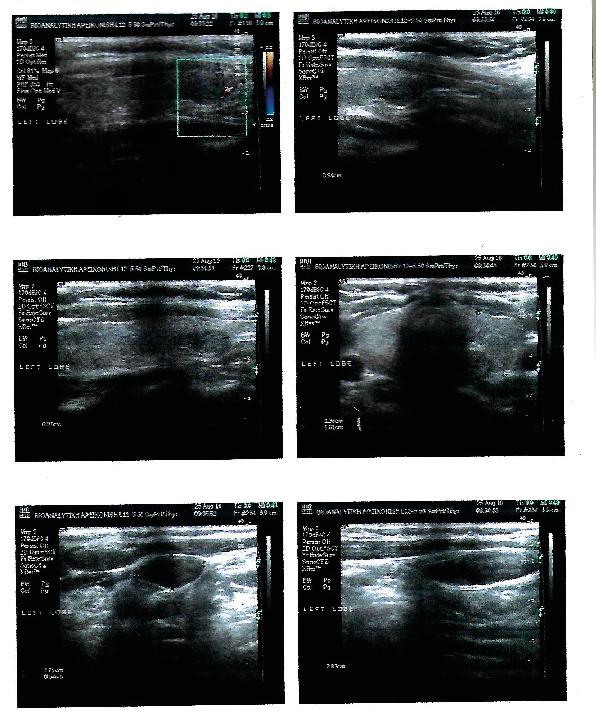
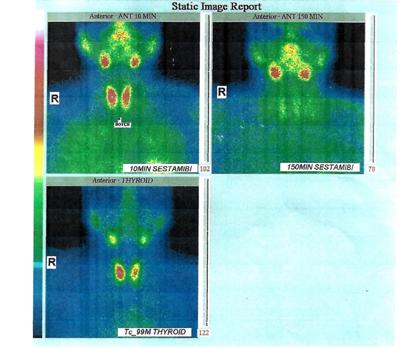
Method / Results: Laboratory testing revealed hypocalcemia with hyperphosphatemia and low levels of intact-PTH and vitamin D. Since laboratory testing of maternal blood depicted elevated parathyroid hormone levels, with high serum calcium concentrations in combination with low phosphorous levels, the diagnosis of secondary neonatal hypoparathyroidism of late-onset due to maternal hyperparathyroidism was established. The baby received substitutive treatment with oral calcium, alfacalcidol drops and subsequent intravenous administration of calcium gluconate. Four days later, the infant was asymptomatic, with complete remission of seizure episodes. The maternal neck ultrasound revealed adenoma of the right lower parathyroid. The echo as well as the laboratory results where enough for the diagnosis of maternal primary hyperparathyroidism. The surgical treatment (minimally invasive parathyroidectomy) was successful. Two years later mother and child remain normocalcemic with normal parathyroid hormone levels.
Conclusions: Secondary neonatal hypoparathyroidism should be included in the differential diagnosis of afebrile seizures in late neonatal age, often becoming the first manifestation of a maternal undiagnosed/ asymptomatic primary hyperparathyroidism.
Key words: afebrile seizures in late infancy, transient secondary hypoparathyroidism, maternal undiagnosed / asymptomatic primary hyperparathyroidism.
Sofia Voidila Radiologist, “IoniaEuromedika Korinthou”
Ioannis Pagonis Paediatrician, Tinos
Evanthia A. Makrygianni Christina KanakaGantenbein
First Department of Pediatrics of Athens University, “Agia Sophia” Children's Hospital, Greece
cm (50η
mg/dl (Φ.Τ. 8,5-10,5mg/dl)]) και υπερφωσφαταιμία [P=9,7 mg/dl(Φ.Τ.(2,5-6,0 mg/dl)].
[PTH=26,39pg/ml(Φ.Τ.12-95 pg/ml)]
ng/ml)].Τα
iv:
PTH (pg/ml)
Βιτ. D (ng/ml)
(i)
(ii) Ενδομήτριος
(iii) Προεκλαμψία
(iv) Ασφυξία
(v) Σήψη
(vi) Διαβήτης της μητέρας.
(vii) Σοβαρή
D.
(viii)
(ii)Υπομαγνησιαιμία
(iii) Ανεπάρκεια βιταμίνης D
(iv) Αντίσταση στην PTH (ψευδοϋποπαραθυρεοειδισμός)
(v) Υποπαραθυρεοειδισμός (a) Πρωτοπαθής υποπαραθυρεοειδισμός (1) Παραμελημένος υποπαραθυρεοειδισμός
(2) Μεταλλάξεις των υποδοχέων ασβεστίου των παραθυρεοειδών αδένων, CaSR (υπερασβεστιουρική υπασβεστιαιμία) (3) Στα πλαίσια Συνδρόμων (DiGeorge, CATCH-22, Kenny-Caffey, Barakat, KearnsSayre, Pearson).
(b) Δευτεροπαθής υποπαραθυρεοειδισμός (Μητρικός υπερπαραθυρεοειδισμός)
(vi) Ιατρογενή αίτια Χρήση παραγώγων αίματος πλούσιων σε κιτρικά
*Τροποποιημένος
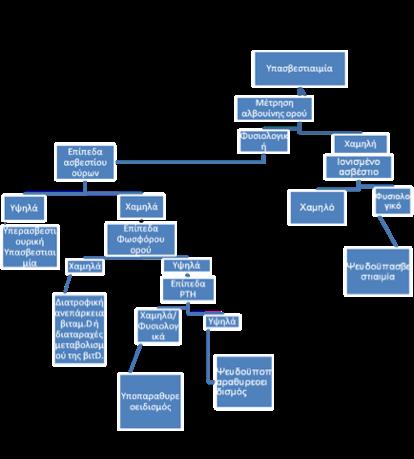
Root AW, Diamond FB. (2008) Disorders of Mineral Homeostasis in the Newborn, Infant, Child, and Adolescent. In: Sperling MA, editor. Pediatric Endocrinology, 3rd ed. Philadelphia: Saunders/Elsevier. p. 686-769; from Carpenter TO. (2006) Neonatal hypocalcemia. In: Favus MJ, editor. Primer on the Metabolic Disease and Disorders of Mineral Metabolism, 6th ed. Washington, D.C. American Society for Bone and Mineral Research. p. 224-227.
Root AW, Diamond FB. (2008) Disorders of Mineral Homeostasis in the Newborn, Infant, Child, and Adolescent. In: Sperling MA, editor. Pediatric Endocrinology, 3rd ed. Philadelphia: Saunders/Elsevier. p. 686-769
Βιβλιογραφία
1. U F Tseng, S G Shu,C H Chen,C S Chi.Transient neonatal hypoparathyroidism: Report of four cases Acta paediatrica Taiwanica 2001 Nov-Dec;42(6):359-62.42(6):359-62 PubMed
2.Dogus Vuralli. Clinical Approach to Hypocalcemia in Newborn Period and Infancy: Who Should Be Treated? International Journal of Pediatrics 2019 |ArticleID 4318075 | 7 pages | https://doi.org/10.1155/2019/4318075
3.Kollars J, Zarroug AE, van Heerden J, Lteif A, Stavlo P, Suarez L, Moir C, et al. Primary hyperparathyroidism in pediatric patients. Pediatrics. 2005;115(4):974-980. doi pubmed
4.Won Im Cho, Hyeoh Won Yu, Hye Rim Chung, Choong Ho Shin et al. Clinical and laboratory characteristics of neonatal hypocalcemia. Annals of Pediatric Endocrinology & Metabolism 2015;20(2):86-91. DOI: https://doi.org/10.6065/apem.2015.20.2.86
5. Poomthavorn P, Ongphiphadhanakul B, Mahachoklertwattana P. Transient neonatal hypoparathyroidism in two siblings unmasking maternal normocalcemic hyperparathyroidism. Eur J Pediatr. 2008 Apr;167(4):431-4. Epub 2007 Jun 15.
6. Korkmaz HA, Ozkan B, Terek D, Dizdarer C, Arslanoğlu S Neonatal seizure as a manifestation of unrecognized maternal hyperparathyroidism. J Clin Res Pediatr Endocrinol. 2013 Sep 10;5(3):206-8. doi: 10.4274/Jcrpe.1037.
7.Jaafar R, Yun Boo N, Rasat R, LatiffHA. Neonatal seizures due to maternal primary hyperparathyroidism. J Paediatr Child Health. 2004 May-Jun;40(5-6):329.
8.Thomas TC, Smith JM, White PC, Adhikari S. Transient neonatal hypocalcemia: presentation and outcomes. Pediatrics 2012;129:e1461–e1467. PMID: 22614771.
9.Perez Maria Teresa, Labra Regina &Llorente Ana. Transient Neonatal Hypoparathyroidism Secondary to an Unknown Maternal Parathyroid Adenoma. European Society for Paediatric Endocrinology Abstracts (2015)84P-3-1091.
10.Pragathi LK,Raja Kannan P,ManasShanbhag An unusual case of neonatal seizures as manifestation of asymptomatic maternal hyperparathyroidism. BMJ Case Reports. 2019 August; 12(8):e229160.DOI:10.1136/bcr-2018-229160.
11.E. Fischer. Neonatal hypoparathyroidism due to maternal hyperparathyroidism. 2007 March. Padiatrische Praxis 69(4):589-593.
12. Shulman R, O'Gorman CS, Sochett EB. Case 1: Neonate with seizures and hypocalcemia. Paediatr Child Health. 2008 Mar;13(3):197-200.
13. Levy-Shraga Y, Dallalzadeh K, Stern K, Paret G, Pinhas-Hamiel O. The many etiologies of neonatal hypocalcemic seizures.Pediatr Emerg Care. 2015 Mar;31(3):197-201. doi: 10.1097/ PEC.0000000000000380.
14.Kossoff EH, Silvia MT, Maret A, Carakushansky M, Vining EP. Neonatal hypocalcemic seizures: case report and literature review .J Child Neurol. 2002 Mar;17(3):236-9.
15.Jain, A., Agarwal, R., Sankar, M.J. et al. Hypocalcemia in the Newborn. Indian J Pediatr 77, 1123–1128 (2010). https://doi.org/10.1007/s12098-010-0176-0.
16.Bart L.Clarke. Epidemiology of Primary Hyperparathyroidism. Journal of Clinical Densitometry. 2013 Jan. Vol. 16. Issue 1, 8-13.




2.
3.
4.
5.
6.
7.
8.
9. Ενδιαφέρουσες
10. Σύντομα
11. Βραχείες
12.
13.
14.
(Uniform Requirements for Manuscripts Submitted to Biomedical Journals),
International Committee of Medical Journal Editors/Uniform Requirements for Manuscripts Submitted to Biomedical Journals, (www.icmje.org και www.icmje.org/icmje.
Cumulated Index Medicus [List of Journals Indexed in Index Medicus (www.nlm.nih.goν/bsd/uniform_requirements.html)].
1999;59:272-279.
Proesmans W. Bartter syndrome and its neonatal νariant. Eur J Pediatr 1997;156:669-679.
Flyvbjerg Α. Role of growth hormone, insulin-like growth factors (IGFs) and IGF-binding proteins in the renal complications of diabetes. Kidney Ιnt 1997;52 (60 Suppl):S12-S19.
Χωρίς συγγραφέα:
National Institutes of Health Consensus Deνelopment Conference. Neurofibromatosis conference statement. Arch Neurol1988;45:575-578.
Προσδιορισμός τύπου άρθρου: Schreiner GF, Lange L. Ethanol modulation of macrophage influx in glomerulonephritis [Abstract]. J Am Soc Nephrol 1991;2:562.
Should antileukotriene therapies be used instead of inhaled corticosteroids in asthma? [Editorial]. Am J Respir Crit Care Med 1998;158:1697-1701.
Laux-End R, Inaebnit D, Gerber ΗΑ, Bianchetti MG. Vasculitis associated with leνamisole and circulating autoantibodies [Let ter]. Arch Dis Child 1996;75:355-356.
II. ΒΙΒΛΙΑ
Clark AG, Barratt ΤΜ. Steroid-responsiνe nephrotic syndrome. Ιn: Barratt ΤΜ, Arner ED, Harmon WE, editors. Pediatric Nephrology. 4th ed. Baltimore: Lippincott William Wilkins; 1999. p. 742.
Σύγγραμμα
Gorlin RJ, Cohen ΜΜ, Leνin LS. Syndromes of the head and neck. 3rd ed. New York: Oxford Uniνersity Press; 1990.
Δημοσίευση
Bauer ΑW. The two definitions of bacterial resistance. In: Smith AJ, Rogers CA, eds. Proceedings of the Third International Congress of Chemotherapy; 1962 May 29-31; New York: International Society of Chemotherapy; 1963. p. 484-500.
Διδακτορική
Αθηνών; 1979.
Kaplan SJ. Post hospital home health care: the elderly’s access and utilization [dissertation]. St. Louis (Μο): Washington Univ.;1995.
III. CD-ROM
Andersoη SC, Poulsen ΚΒ. Anderson’s electronic atlas of hematology [CD-ROM]. Philadelphia: Lippincott Williams & Wilkins; 2002.
IV. ΣΤΟ ΔΙΑΔΙΚΤΥΟ
Abood S. Quality improνement initiatiνe in nursiηg homes: the ΑΝΑ acts in an adνisory role. Am J Nurs [Internet]. 2002 Jun:
Webpage: http://www.nursingworld.org/AJN/2002/june/Wawatch.htm
Μονογραφία: Foley ΚΜ, Gelbaηd Η, editors. Improving palliative care for cancer [Monograph, Internet]. Washington: National Academy Press; 2001.
Webpage: http://www.nap.edu/books/0309074029/html
Ιστοσελίδες: Cancer-Pain.org [Webpage, Internet]. New York: Association of Cancer Online Resources, Ιnc.; 2002: http://www.cancer-pain.org/
Πίνακες
•
•
• επιστημονικό/ά κέντρο/α
•
2.
3.
4.
5.
7.