
Four monthly scientific journal of the Greek Paediatric Society




008
024
034
Υποβολή εργασιών e-mail: grammateia@e-child.gr
Οδηγίες
http://e-child.gr/publications/ instructions-to-authors
Iδιοκτήτης
e-mail: grammateia@e-child.gr Eτήσια
098

Four monthly scientific journal of the Greek Paediatric Society
008
024
034
Υποβολή εργασιών e-mail: grammateia@e-child.gr
Οδηγίες
http://e-child.gr/publications/ instructions-to-authors
Iδιοκτήτης
e-mail: grammateia@e-child.gr Eτήσια
098
Volume 82 | Number 1 | January - February - March - April 2019
Four monthly publication of the Greek Paediatric Society
008
EDITORIAL
Stelios Antoniadis
010
AWARDED ARTICLE
Endothelial dysfunction and cardiovascular risk in prepubertal children born prematurely. The role of endothelial microparticles and endothelial progenitor cells
Panagiota Markopoulou, Paraskevi Galina, Sofia Loukopoulou, Eleni Papanikolaou, Tania Siahanidou
024
RESEARCH STUDIES
Designing a health promotion program to educate parents and teachers on early diagnosis and treatment of bullying
Athina Tasiona, Giagkos Lavranos
034
Quality of life and compliance with physiotherapy in children with Cystic Fibrosis
Athina Seitaridi, Ioannis Tsanakas, Alexandra Hristara-Papadopoulou, Chalkia Anna, Elpis Hatziagorou
046
REVIEW ARTICLES
Attention Deficit / Hyperkinetic Disorderat the Paediatrician’ s glance! SECOND PART
Sophie Aronis-Vournas
068
Clinical and laboratory investigation of Williams-Beuren syndrome
Vasileios Marias, Styliani Amenta, Aggeliki Kolialexi, Nikoletta Selenti, Helen Fryssira
President
A. Constantopoulos
Editorial board
Editor- in- Chief
S. Antoniadis
Members
S. Andronikou
E. Galanakis
A. Evangeliou
L. Thomaidou
M. Kanariou
A. Kapogiannis
S. Kitsiou-Tzeli
E. Mantadakis
P. Panagiotopoulou-Gartagani
A. Papadopoulou
V. Papaevagelou
A. Papathanassiou
A. Siamopoulou-Mavridou
A. Syrigou-Papavasiliou
Manuscript submission
e-mail: grammateia@e-child.gr
Instructions to authors: http://e-child.gr/publications/ instructions-to-authors
Owner Greek Paediatric Society 15, Mpakopoulou st. GR - 15451, Ν. Psychiko Tel.: +302107771140 e-mail: grammateia@e-child.gr
Annual subscription All foreign countries: US$50
086
Respiratory physiotherapy in stabilized premature neonates in the neonatal intensive care unit
Eleni Kapali, Alexandra Hristara-Papadopoulou, Paris Iakovidiς, Stavros Kottaras, Onoufrios Poimenidis, Efrosini Anastasiadou
098
CASE REPORT
Epidermolytic ichthyosis: a case report and review of the literature F. Balomenou, T. Palianopoulos, I. Basoukas, M. Fintzou, V. Giapros
104 BETWEEN COLLEAGUES
Stelios Antoniadis
106 NEW PUBLICATIONS
Stelios Antoniadis
108 BOOK PRESENTATION
Stelios Antoniadis
110
INSTRUCTIONS TO AUTHORS
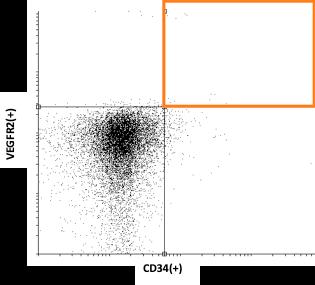
EPCs [CD34(+)/ VEGFR2(+) και CD34(+)/VEGFR2(+)/CD45(-)]
οι δοκιμασίες Student’s t-test, Mann-Whitney U-test και correlation/multiple regression ανάλυση.
Αποτελέσματα:
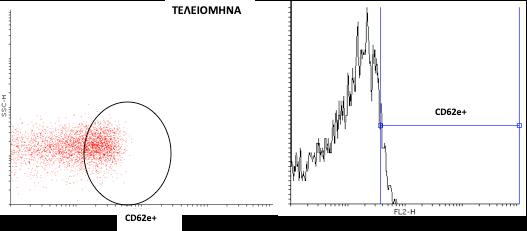
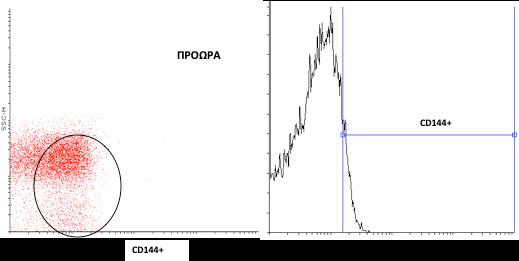
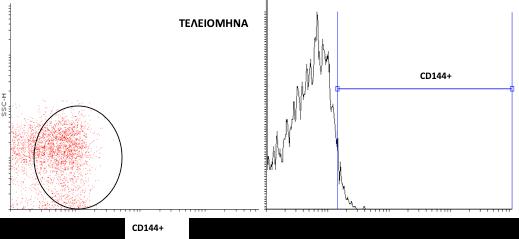
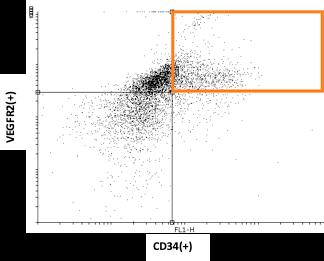
κυκλοφορούντα CD62e(+) (16.29±6.76% vs. 13.1±4.08%, p=0.01) και CD144(+) (5.94±3.02% vs. 4.28±1.63%, p=0.005), καθώς και τα CD34(+)/VEGFR2(+) [0.53(0.27-2.11)% vs. 0.31(0.22-0.71)%, p=0.02] και CD34(+)/VEGFR2(+)/CD45(-) κύτταρα [0.6(0.23-2.56)% vs. 0.37(0.07-0.8)%, p=0.05]. Παρατηρήθηκε
CD62e(+) EMPs και των CD34(+)/VEGFR2(+) EPCs με
e-mail:
Correspondence
Panagiota Markopoulou
Efkalipton 17, Marousi 15126, Athens-Greece
Τ. +306970984583
e-mail: panmarkopoulou@ hotmail.com
Endothelial dysfunction and cardiovascular risk in prepubertal children born prematurely. The role of endothelial microparticles and endothelial progenitor cells
Panagiota Markopoulou, Paraskevi Galina, Sofia Loukopoulou, Eleni Papanikolaou, Tania Siahanidou
Summary
Background: Endothelial microparticles (EMPs) and endothelial progenitor cells (EPCs) are reliable, early markers of endothelial damage, they have not been studied, so far, in prepubertal children born prematurely. The aim of our study was the measurement of EMPs and EPCs in prepubertal children born prematurely and the assessment of their correlation with cardiovascular risk factors.
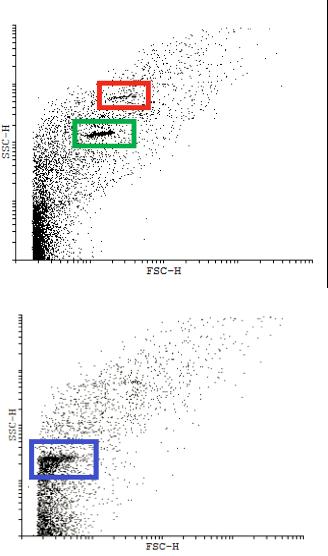
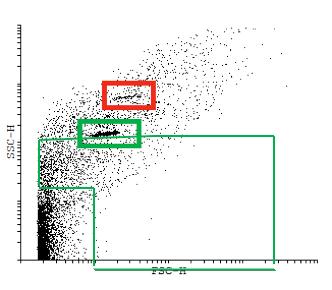
Methods: The study population consisted of 106 children, 8-13 years old (52 preterm and 54 full term, as controls). Anthropometric measurements (body mass index-BMI, waist/hip circumference-WHR), arterial blood pressure and biochemical markers (glucose, insulin, serum lipids) were assessed. In addition, echocardiogram and ultrasonographic measurements of common carotid (cIMT) and abdominal aorta (aIMT) intima-media thickness were performed. Circulating EMPs [CD62e(+) and CD144(+)] and EPCs [CD34(+)/VEGFR2(+) and CD34(+)/ VEGFR2(+)/CD45(-)] were quantified by flow cytometry. For statistical analysis, Student’s ttest, Mann-Whitney U-test, and correlation/multiple regression analysis were performed.
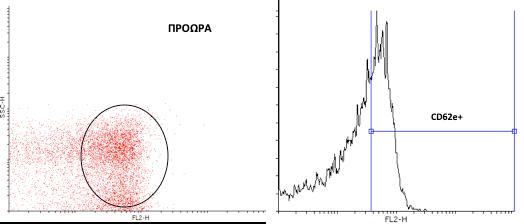
Results: Children born prematurely presented with higher BMI, WHR, systolic and diastolic arterial blood pressure, cIMT and aIMT, compared with controls. Circulating CD62e(+) (16.29±6.76% vs. 13.1±4.08%, p=0.01) and CD144(+) (5.94±3.02% vs. 4.28±1.63%, p=0.005), as well as CD34(+)/VEGFR2(+) [0.53(0.27-2.11)% vs. 0.31(0.22-0.71)%, p=0.02] and CD34(+)/VEGFR2(+)/CD45(-) cells [0.6(0.23-2.56)% vs. 0.37(0.07-0.8)%, p=0.05] were significantly higher in children born prematurely compared to children born full-term. Significant correlations of circulating CD62e(+) EMPs and CD34(+)/VEGFR2(+) EPCs with cIMT, aIMT, the left ventricular dimensions were also observed.
Conclusions: Prepubertal children born prematurely demonstrate increased expression of endothelial microparticles (EMPs) and endothelial progenitor cells (EPCs) compared to full term born children, which is indicative of impaired endothelial dysfunction/vascular damage.
Panagiota Markopoulou
Paraskevi Galina
Sofia Loukopoulou
Eleni Papanikolaou
Tania Siahanidou
Key words: prematurity, cardiovascular risk, endothelial microparticles, endothelial progenitor cells, endothelial dysfunction
Συντομογραφίες:
aIMT: Πάχος έσω-μέσου
αορτής (Abdominal aorta intimamedia thickness)
BMI:
(Body mass index)
cIMT:
(Common carotid intimamedia thickness)
EF
(Ejection Fraction)
EMPs:
(Endothelial microparticles)
EPCs:
(Endothelial progenitor cells)
FMD:
(Flow-media ted dilation) HDL:
(High density lipoprotein)
IVSd: Τελοδιαστολικό
(26).
(Low density lipoprotein)
LVIDd:
Kolmogorov-Smirnovtest.
rpm:
(rounds per minute)
TGL:
(Waist-to-hip-ratio)


(rs=0.24, p=0.03), το cIMT (rs=-0.32, p=0.02),
LVMI (rs=-0.25, p=0.02).
4).
aIMT (rs=-0.22, p=0.03),
CD62e(+) EMPs
(r=0.31, p=0.02) και LDL ορού (r=0.3, p=0.02), με τον LVMI (r=-0.31, p=0.03), και το aIMT (rs=-0.3, p=0.03), ενώ
(rs=0.36, p=0.003),
(rs=0.28, p=0.01), το IVSd (rs=0.29, p=0.01), το LVIDd (rs=0.25, p=0.03), την LVM (rs=0.34, p=0.004), το cIMT (rs=0.33, p=0.005), και το aIMT (rs=0.31, p=0.01). Στην ομάδα των προώρων, διαπιστώθηκε θετική
των κυκλοφορούντων CD34(+)/VEGFR2(+) κυττάρων
συστολική (rs=0.36, p=0.01) και διαστολική (rs=0.36, p=0.01) αρτηριακή πίεση, το IVSd (rs=0.34, p=0.02), το LVIDd (rs=0.34, p=0.02), την LVM (rs=0.41, p=0.005), και το cIMT (rs=0.29, p=0.04), ενώ
CD34(+)/ VEGFR2(+)/CD45(-) κυττάρων
η LVM (β=0.51, p<0.001),
(β=-0.29, p=0.04).
LVIDd (rs=0.31, p=0.03).
(β=-0.34, p=0.01)
EPCs (CD34, CD133, CD45, VEGFR2,
Βιβλιογραφία
1. Blencowe H, Cousens S, Oestergaard MZ, Chou D, Moller AB, Narwal R, et al. National, regional, and worldwide estimates of preterm birth rates in the year 2010 with time trends since 1990 for selected countries: a systematic analysis and implications. Lancet 2012;379:2162-2172.
2. de Boo HA, Harding JE. The developmental origins of adult disease (Barker) hypothesis. Aust N Z J Obstet Gynaecol 2006;46:4-14.
3. Lewandowski AJ, Davis EF, Yu G, Digby JE, Boardman H, Whitworth P, et al. Elevated blood pressure in preterm-born offspring associates with a distinct antiangiogenic state and microvascular abnormalities in adult life. Hypertension 2015;65:607-614.
4. Parkinson JR, Hyde MJ, Gale C, Santhakumaran S, Modi N. Preterm birth and the metabolic syndrome in adult life: a systematic review and meta-analysis. Pediatrics 2013;131:12401263.
5. Sipola-Leppänen M, Karvonen R, Tikanmäki M, Matinolli HM, Martikainen S, Pesonen AK, et al. Ambulatory blood pressure and its variability in adults born preterm. Hypertension 2015;65:615-621.
6. Hofman PL, Regan F, Jackson WE, Jefferies C, Knight DB, Robinson EM, et al. Premature birth and later insulin resistance. N Engl J Med 2004;351:2179-2186.
7. Kajantie E, Strang-Karlsson S, Hovi P, Wehkalampi K, Lahti J, Kaseva N, et al. Insulin sensitivity and secretory response in adults born preterm: the Helsinki Study of Very Low Birth Weight Adults. J Clin Endocrinol Metab 2015;100:244-250.
8. Siahanidou T, Mandyla H, Papassotiriou GP, Papassotiriou I, Chrousos G. Circulating levels of adiponectin in preterm infants. Arch Dis Child Fetal Neonatal Ed 2007;92:286-290.
9. Lewandowski AJ, Augustine D, Lamata P, Davis EF, Lazdam M, Francis J, et al. Preterm heart in adult life: cardiovascular magnetic resonance reveals distinct differences in left ventricular mass, geometry, and function. Circulation 2013;127:197-206.
10. Bassareo PP, Fanos V, Puddu M, Demuru P, Cadeddu F, Balzarini M, et al. Reduced brachial flow-mediated vasodilation in young adult ex extremely low birth weight preterm: a condition predictive of increased cardiovascular risk? J Matern Fetal Neonatal Med 2010;23:121-124.
11. Shimizu T, Fujii T, Iwasaki J, Nakano Y, Sakurai M, Miura F, et al. Abdominal aortic intima-media thickness in preschool children born preterm. Pediatr Cardiol 2014;35:121-125.
12. Visentin S, Grumolato F, Nardelli GB, Di Camillo B, Grisan E, Cosmi E. Early origins of adult disease: low birth weight and vascular remodeling. Atherosclerosis 2014;237:391-399.
13. Dignat-George F, Boulanger CM. The many faces of endothelial microparticles. Arterioscler Thromb Vasc Biol 2011;31:27-33.
14. Mahmoud AM, Wilkinson FL, McCarthy EM, Moreno-Martinez D, Langford-Smith A, Romero M, et al. Endothelial microparticles prevent lipid-induced endothelial damage viaAkt/ eNOS signaling and reduced oxidative stress. FASEB J2017;31:4636–4648.
15. Bruyndonckx L, Hoymans VY, Frederix G, De Guchtenaere A, Franckx H, Vissers DK, et al. Endothelial progenitor cells and endothelial microparticles are independent predictors of endothelial function. J Pediatr 2014;165:300-305.
16. Bruyndonckx L, Hoymans VY, Van Craenenbroeck AH, Vissers DK, Vrints CJ, Ramet J, et al. Assessment of endothelial dysfunction in childhood obesity and clinical use. Oxidative Medicine and Cellular Longevity 2013; 2013:174782
17. Ding YY, Ren Y, Feng X, Xu QQ, Sun L, Zhang JM, et al. Correlation between brachial artery flow-mediated dilation and endothelial microparticle levels for identifying endothelial dysfunction in children with Kawasaki disease. Pediatric Research 2014;75:453-458.
18. Gündüz Z, Dursun İ, Tülpar S, Baştuğ F, Baykan A, Yıkılmaz A, et al. Increased endothelial microparticles in obese and overweight children.J Pediatr Endocrinol Metab 2012;25:11111117.
19. Amabile N, Rautou PE, Tedgui A, Boulanger CM. Microparticles: key protagonists in cardiovascular disorders. Semin Thromb Hemost 2010;36:907–916.
20. Ferreira AC, Peter AA, Mendez AJ, Jimenez JJ, Mauro LM, Chirinos JA, et al. Postprandial hypertriglyceridemia increases circulating levels of endothelial cell microparticles. Circulation 2004;110:3599–3603.
21. Preston RA, Jy W, Jimenez JJ, Mauro LM, Horstman LL, Valle M, et al. Effects of severe hypertension on endothelial and platelet microparticles. Hypertension 2003;41:211–217.
22. Lekakis J, Abraham P, Balbarini A, Blann A, Boulanger CM, Cockcroft J, et al. Methods for evaluating endothelial function: a position statement from the European Society of Cardiology Working Group on Peripheral Circulation. Eur J Cardiovasc Prev Rehabil 2011;18:775-789.
23. Asahara T, Masuda H, Takahashi T, Kalka C, Pastore C, Silver M, et al. Bone marrow origin of endothelial progenitor cells responsible for postnatal vasculogenesis in physiological and pathological neovascularization. Circulation Research 1999;85:221-228.
24. Lopez L, Colan SD, Frommelt PC, Ensing GJ, Kendall K, Younoszai AK, et al. Recommendations for quantification methods during the performance of a pediatric echocardiogram: A report from the Pediatric Measurements Writing Group of the American Society of Echocardiography Pediatric and Congenital Heart Disease Council. J Am Soc Echocardiogr2010;23:465–495.
25. Pignoli P, Tremoli E, Poli A, Oreste P, Paoletti R. Intimal plus medial thickness of the arterial wall: A direct measurement with ultrasound imaging. Circulation 1986;74:1399 – 1406.
26. Amabile N, Guerin AP, Leroyer A, Mallat Z, Nguyen C, Boddaert J, et al. Circulating endothelial microparticles are associated with vascular dysfunction in patients with end-stage renal failure. J Am Soc Nephrol 2005;16:3381–3388.
27. Amabile N, Cheng S, Renard JM, Larson MG, Ghorbani A, McCabe E, et al. Association of circulating endothelial microparticles with cardiometabolic risk factors in the Framingham Heart Study.Eur Heart J 2014;35:2972-9.
28. van Ierssel SH, Van Craenenbroeck EM, Conraads VM, Van Tendeloo VF, Vrints CJ, Jorens PG, et al.Flow cytometric detection of endothelial microparticles (EMP): effects of centrifugation and storage alter with the phenotype studied. Thromb Res 2010;125:332-9.
29. Skrzypkowska M, Myśliwska J, Słomiński B, Siebert J, Gutknecht P, Ryba-Stanisławowska M. Quantitative and functional characteristics of endothelial progenitor cells in newly diagnosed hypertensive patients. J Hum Hypertens2015;29:324-30.
30. Adly AA, El-Sherif NH, Ismail EA, El-Zaher YA, Farouk A, El-Refaey AM, et al. Vascular Dysfunction in Patients With Young b-Thalassemia: Relation to Cardiovascular Complications and Subclinical Atherosclerosis. Clin Appl Thromb Hemost 2015;21:733-44.
31. Fadini GP, Miorin M, Facco M, Bonamico S, Baesso I, Grego F, et al. Circulating endothelial progenitor cells are reduced in peripheral vascular complications of type 2 diabetes mellitus. J Am Coll Cardiol 2005;45:1449-57.
32. Yuan ZP, Yang M, Liang L, Fu JF, Xiong F, Liu GL, et al. Possible role of birth weight on general and central obesity in Chinese children and adolescents: a cross-sectional study. Annals of epidemiology 2015;25:748-52.
33. Hovi P, Andersson S, Eriksson JG, Järvenpää A-L, Strang-Karlsson S, Mäkitie O, et al. Glucose Regulation in Young Adults with Very Low Birth Weight. N Engl J Med 2007;356:205363.
34. Benjamin EJ, Blaha MJ, Chiuve SE, Cushman M, Das SR, Deo R, et al. Heart Disease and Stroke Statistics-2017 Update: A Report From the American Heart Association. Circulation 2017;135:146-603.
35. Finken MJ, Inderson A, Van Montfoort N, Keijzer-Veen MG, van Weert AW, Carfil N, et al. Lipid profile and carotid intima-media thickness in a prospective cohort of very preterm subjects at age 19 years: effects of early growth and current body composition. Pediatric research 2006;59:604-9.
36. Cheung YF, Wong KY, Lam BC, Tsoi NS. Relation of arterial stiffness with gestational age and birth weight. Arch Dis Child 2004;89:217-21.
e-mail:
Correspondence
Athina Tasiona
Τ. +306981648436
e-mail: athinatas@yahoo.gr
Athina Tasiona, Giagkos Lavranos
Abstract
Background: The type of bullying that occurs within the school context is called bullying. The purpose of this study is to investigate the knowledge and attitudes of parents and teachers about intimidation as well as the intervention for early diagnosis / tackling the phenomenon in the school environment. Methods: A quantitative survey was carried out on 139 parents and 36 teachers of two Gymnasiums in Naoussa by simple random sampling with questionnaires distributed in paper form at school from September to November of the school year 2018-2019 and a training seminar on bullying was arranged, after the entrance to the school was approved by the ΙΕΠ/ ΥΠ.Π.Ε.Θ Results: There were statistically significant differences in the averages of the teachers’ sample responses before and after the seminar regarding the extent to which their late attendance at school and the factors they consider important for improving the functioning of their school are problematic. There was also a statistically significant difference in the responses to parent / teacher responses, to the extent of inadequate interruptions, verbal abuse by students to teachers, theft, vandalism etc., are a problem. Rates were mainly related to years of service of teachers, gender and educational level of parents. Conclusions: Significant differences in parent / teacher attitudes have been identified before and after the seminar; therefore, it is important to implement actions to educate them and aiming at preventing and tackling the phenomenon of school bullying.
Key words: School bullying, bully, victim, parent/teacher training, health promotion
Athina Tasiona
Msc Health Visitor, Health Center of Naoussa
Dr Giagkos M. Lavranos, MD, MA, PhD
Assistant Professor of Public Health
Vice Chairperson, Dpt of Health Sciences, European University of Cyprus
1. Smith, P.K. (2012). Εκφοβισμός στο σχολείο: Το
(σελ. 17– 44). Αθήνα: Gutenberg.
2. Olweus, D. (1991). Bully/victim problems among schoolchildren: Basic facts and effects of a school based intervention programme. In D. Pepler & K. Rubin (Eds.), The development and treatment of childhood aggression (pp. 411- -448). Hillsdale, NJ: Erlbaum.
3. Olweus, D. (1993). Bullying at school-What we Know & What we Can Do. Madlen, MA: Blackwell Press.
4. Smith, P., Cowie, H., Olafsson, R. and Liefooghe, A. (2002). Definitions of bullying: a comparison of terms used, and Age and Gender Differences in a fourteen- country International Comparison. Child Development, 73, 1119–1133.
5. Olweus, D. (1997). Bully/victim problems in school: knowledge base and an effective intervention program. The Irish Journal of Psychology, 18(2), 170-190. doi: 10.1080/03033910.1997.10558138.
6. Ames, N. (1996). Creating Secure School environments through school reform: the harshman story. Middle School Journal, January, 4-13.
7. Clarke, E.A., & Kiselica, M.S. (1997). A systemic counseling approach to the problem of bullying. Elementary School Guidance and Counseling, 31, 310-15.
8. Πετρόπουλος, Ν. & Παπαστυλιανού, Α.(2001).
9. Τσιάντης, Ι. (2008). Ενδοσχολική
Αθήνα.
10. Pateraki, L., Houndoumadi A. (2001). Bullying among primary schoolteachers in Athens, Greece. Educational Psychology 21 (2), 167– 175.
11. Αρτινοπούλου, Β. (2001).Βία
12. Boulton, M.J. (1997). ‘Teacher’s’ views on bullying: Definitions, attitudes and ability to cope. British Journal of Educational Psychology, Vol. 67, pp. 223-234.
13. Asher, S.R.& Coie, J.D. (Eds.) (1990), Peer rejection in childhood. Cambridge: CambBaldwin, S. (2012). Exploring the professional identity of health visitors. Nursing Times, 108(25), pp. 12-15.
14. Power, M.-Elliott, Harris,E.G.(2012). Guidance counselor strategies for handling bullying. British Journal of Guidance & Canselling, Vol.40. (4) 83-98.
15. Wilson, N. & McLean, S. (1994). Questionnaire design: a practical introduction. University of Ulster Press: Newtown Abbery.
16.
17.
18. Παραδεισιώτη, Α.,
p=0.008). Συμπέρασμα:
e-mail:
Correspondence
Alexandra Hristara-Papadopoulou
Τ. +306942222445
e-mail: alekpap@phys.teithe. gr
Athina Seitaridi, Ioannis Tsanakas, Alexandra Hristara-Papadopoulou, Anna Chalkia, Elpis Hatziagorou
Abstract
Introduction: Cystic Fibrosis is the most common inherited lethal disease which affects populations of white Caucasian origin. The early diagnosis of the disease, the improvement of patient care by the collaboration of the scientific team and the most effective therapeutic prospects have contributed to increase life expectancy. For the normal function of the respiratory system, which is expected to be affected by all cystic fibrosis patients, the systematic application of respiratory physiotherapy is important.
Purpose: To find out whether cystic fibrosis patients comply with respiratory physiotherapy and the relation between these two parameters with their quality of life and psychology.
Methods: The research involved 60 infants - adolescents (30 boys - 30 girls) patients with cystic fibrosis, with mean age the 14.8 years. The data were collected from the personal interviews of the pediatric patients and their parents by using questionnaires about quality of life, respiratory physiotherapy, their compliance with therapy and psychology.
Athina Seitaridi
MSc Pediatric Physiotherapist, Postgraduate Program, Pediatric Physiotherapy
Ioannis Tsanakas
Ph.D Professor of Pediatrics - Pulmonology A.U.TH
Alexandra Hristara-Papadopoulou
Ph.D Professorof Physiotherapy Α.Τ.Ε.Ι.TH
Anna Chalkia
Ph. D Scientific associate of physiotherapy department. at Α.Τ.Ε.Ι.TH
Elpis Hatziagorou
Ph. D Assistant Professor of Pediatric Pulmonology
Α.U.TH
Results: There was found that the majority of patients (98.31%) carry out respiratory physiotherapy program, which is confirmed by the high percentage (72.88%) resulting from the physiotherapy compliance questionnaire. The frequency is daily (61.82%), but when they lose their physiotherapy is because they feel good (25%) or they just forget it (23.08%). There was found a statistically significant correlation between quality of life and depression (r=-0.393, p=0.02), respiratory physiotherapy and the factor “respiratory” of the quality of life (r=0.298, p=0.082), respiratory physiotherapy and depression (r=-0.256, p=0.048) and respiratory physiotherapy and compliance (r=0.340, p=0.008).
Conclusion: Pediatric patients with cystic fibrosis were found to respond significantly to respiratory physiotherapy. Although there was a linear correlation between the variables "quality of life", "respiratory physiotherapy", “compliance” and "depression", further investigation is needed.
Key words: cystic fibrosis, quality of life, respiratory physiotherapy, compliance, depression
(4).
Συντομογραφίες:
F.E.V1.: Forced Expiratory Volume
Κ.Ι.: Cystic fibrosis
Κυστική
Δ.Μ.Σ.: Body mass index
C.F.T.R.: Cystic fibrosis transmembrane
11.54% εφαρμόζουν αναπνευστικές
Βιβλιογραφία
1. BourkeJ. S., Brewis R.A.L., 2002. Νόσοι
2. Crofton J., Douglas A., Seaton A., 2004. Νοσήματα αναπνευστικού. Εκδόσεις Παρισιάνου Α.Ε.
3. Hristara-Papadopoulou Alexandra, Papadopoulou Ourania, 2014. Respiratory Physiotherapy - Cardiopulmonary Function Publishing of Hristara-Papadopoulou Alexandra, Papadopoulou Ourania, Thessaloniki P. 171-17.3
4. Μαλλιώρη Σ., 2014. Κυστική ίνωση: παθοφυσιολογία
ΑΧΑΪΚΗ ΙΑΤΡΙΚΗ Τόμος 33ος, Τεύχος 1, σελ. 59-63
5. Sichletidis Th. L., 2009. Pneumonology, Uiversity studio press - Publishing of Scientific Books and Magazines. P. 195-200
6. Cunningham C. J., Taussig M. L., 2013. An Introduction to Cystic Fibrosis, for Patients and Their Families. 6th edition cystic fibrosis foundation adding tomorrows
7. Hristara-Papadopoulou Alexandra, Georgiadou Athina, Papadopoulou Ourania, 2014. Physiotherapy in Pediatrics, Publishing of Hristara-Papadopoulou Alexandra, Georgiadou Athina,Papadopoulou, Thessaloniki P. 81-127
8. Arias-Llrente R.P., Bousono C., Diaz J.J., 2008. Treatment compliance in children and adults
of cystic fibrosis, Journal of Cystic Fibrosis Vol. 7:359-367
9. Hristara - Papadopoulou A., Tsanakas I., 2006. Comparative study of the efficacy of three methods of physiotherapy in the treatment of cystic fibrosis. Journal of Panhellenic Association of Physiotherapists, volume 9, issue 3, pp. 11-17
10. Nomikou E., Tsekoura M., Kastrin A., 2013. Cystic fibrosis and physiotherapeutic intervention. Journal of Physiotherapy, published by the Panhellenic Association of Physiotherapists, 16: 4: 21-30.
11. Miller S., Hall D.O., Clayton C.B., Nelson R., (1995) Chest physiotherapy in cystic fibrosis: a comparative study of autogenic drainage and the active cycle of breathing techniques with postural drainage. Thorax. 50(2):165-9
12. J.A. Pryor, E. Tannenbaum, S.F. Scott, J. Burgess, D. Cramer, K. Gyi, M.E. Hodson. Beyond postural drainage and percussion: Airway clearance in people with cystic fibrosis. Journal of Cystic Fibrosis 9 (2010) 187–192.
13. Hristara-Papadopoulou A., Tsanakas I., 2006. Comparative study of the efficacy of three methods of physiotherapy in the treatment of cystic fibrosis. Journal of Panhellenic Association of Physiotherapists, volume 9, issue 3, pp. 11-17
14. McIlwaine M., Wong L.T., Chilvers M., Davidson G.F., (2010). Long-term comparative trial of two different physiotherapy techniques; postural drainage with percussion and autogenic drainage, in the treatment of cystic fibrosis. Pediatr Pulmonol. 10. [Epub ahead of print]
15. Rand S., Hill L., Prasad S.A, 2013. Physiotherapy in cystic fibrosis: optimizing techniques to improve outcomes. Pediatric Respiratory Reviews 14: 263 - 269
16. Elbasan B., Tunali N., Duzgun I., Ozcelik U., 2012. Effects of chest physiotherapy and aerobic exercise training on physical fitness in young children with cystic fibrosis. Italian Journal of Pediatrics, 38:2:11-15
17. Hristara-Papadopoulou A., Tsanakas J., (2007). Results of active cycle of breathing techniques and conventional physiotherapy in mucociliary clearance in children with cystic fibrosis. Hippokratia. 11(4):202-4
18. Quittner A.L, Barker D.H., Geller D., Butt S., Gordor M., 2007. Effects of matemal depression on electronically monitored enzyme adherence and changes in weight for children with CF. Journal of Cystic Fibrosis.P.20-40
19. Smith B.A, Modi A.C., Quittner A.L., Wood B.L., 2010. Depressive Symptoms in Children with Cystic Fibrosis and Parents and its Effects on Adherence to Airway Clearance. Pediatric Pulmonology 45:756-763
20. Cowlard J., 2010. What do professionals think about adherence in CF?, Journal of Cystic Fibrosis. Vol 6, S 78
21. Arrigton-Sanders R., Yi M.S., Tsevat J., Wilmott R. W., Mrus J.M., Britto M. T., 2006. Gender differences in health - related quality of life of adolescents with cystic fibrosis. Health and Quality of Life Outcomes. Health and Quality of Life Outcomes, 4:5. BioMed Central 2006
22. Lannefors L., 2012. Physical training: vital for survival and quality of life in cystic fibrosis. Breath, 8:4: 309 - 313
23. Goldbeck L, Besier T, Hinz A., Singer S., Quittner A.L., 2010. Prelence of Symptoms od Anxiety and Depression in German Patients with Cystic Fibrosis. CHEST, 138:4:929 - 936
(Thinking), εκμάθηση (Learning),
ing)],
χρόνου κλπ.), Συμπεριφορά (διασπαστικότητα, παρορμητικότητα, βία, κλπ.), Διαταραχές συναισθημάτων (ιδιαίτερη ευαισθησία, θυμός/ επιθετικότητα, κλπ.), Συναισθηματική
Κ.
email: aronisofia@gmail.com
Correspondence
Sophie Aronis-Vournas
Ifigenias / Thetidos, N. Voutzas, 19005, Marathon
T. +3022920 78397
M. +306945388677
email: aronisofia@gmail.com
Sophie Aronis-Vournas
Associate Professor in Paediatrics, x-Director of Haemophilia-Haemostasis Center, Aghia Sophia Children' s Hospital
Honorary President of "ADHD HELLAS"


https://en.wikipedia.org/wiki/Diet_and_attention_deficit_hyperactivity_disorder - cite_note-FDAdyecomm-1(65).
Asperger/ΔΕΠΥ
https://en.wikipedia.org/wiki/Diet_and_attention_deficit_ hyperactivity_disorder - cite_note-FDAdyecomm-1(69): 1.
η Ritalin (μεθυλφαινιδάτη), η Ritalin SR (μεθυλφαινιδάτη παρατεταμένης αποδέσμευσης), η Ritalin LA (μεθυλφαινιδάτη μακράς δράσης), το Concerta (μεθυλφαινιδάτη μακράς δράσης), η δεξτροαμφεταμίνη (Dextroamphetamine - Dexedrine), τα μικτά άλατα αμφεταμίνης [Adderall: αμφεταμίνη, Adderall XL: αμφεταμίνη παρατεταμένης αποδέσμευσης - δεν κυκλοφορούν στην Ελλάδα-], το Vivance (Lisdexamphetamine dimesylate) κ.α. Οι νευροδιεγέρτες διαφέρουν
ήτοι: “βραχείας δράσης” (βραχυπρόθεσμη), “μακράς δράσης” (ενδιάμεση)
http://www.fda.gov/cder/ drug/infopage. adhd/ default,htm.
CAPPA survey (Theweb-based cross-sectional Caregiver Perspective on Paediatric
MAOI (106).
Βιβλιογραφία
1. Sharma A, Couture J.A review of the pathophysiology, etiology, and treatment of attentiondeficit hyperactivity disorder (ADHD). Ann Pharmacother. 2014, 48(2):209-225.
2. Maniadaki K, and Kakouros E. The Complete Guide to ADHD Nature, Diagnosis, and Treatment. Routledzg, Taylor and Fransis Group, London, 2018.
3. Μανιαδάκη Κ., & Κάκουρος, Ε. H διαχείριση της
Gutenberg, 2016.
4. DSM 5th edition, American Psychiatric Association. Diagnostic and statistical manual of mental disorders, 5th ed. Arlington, VA: Author, 2013.
5. DCD Attension-Deficit / Hyperactivity Disorder (ADHD), Centers for Disease Control and Prevention, retrieved 17April 2016.
6. Barkley R. A. (Ed.). Attention-deficit hyperactivity disorder: A handbook for diagnosis and treatment. Guilford Publications, 2014.
7. Willcutt EG. “The prevalence of DSM-IV attention-deficit / hyperactivity disorder: Ametaanalytic review”. Neurotherapeutics. 2012, 9 (3): 490-499.
8. Clark S. Diagnosis and treatment of ADHD in Europe: Differences, Problems and Progress, 2009.
9. Clark S, & Carr-Fanning K. Diagnosis and Treatment of ADHD in Europe; ADHD - Europe Survey, 2nd Edition. ADHD-Europe. Brussels: ADHD-Europe, 2011.
10. Kooij SJJ, Bejerot S, Blackwell A ,et al. European consensus statement on diagnosis and treatment of adult ADHD: The European Network Adult ADHD BMC Psychiatry 2010, 10:67 DOI: 10.1186/1471-244X-10-67.
11. WHO. Global Burden of Disease Study 2013, Collaborators. "Global, regional, and national incidence, prevalence, and years lived with disability for 301 acute and chronic diseases and injuries in 188 countries, 1990–2013: a systematic analysis for the Global Burden of Disease Study 2013. Lancet (London, England). 2015, 386: 743–800.
12. Thapar A, Cooper M, Eyre O, Langley K. "What have we learnt about the causes of ADHD?". J Child Psychol Psychiatry. 2013, 54 (1): 3–16.
13. Faraone SV, Asherson P, Banaschewski T. Attention-deficit/hyperactivity disorder. Nature Reviews 2015 doi:10.1038/nrdp.2015.20
14. Burt SA. "Rethinking environmental contributions to child and adolescent psychopathology: a meta-analysis of shared environmental influences". Psychol Bull. 2009, 135 (4): 608–637.
15. Neale BM, Medland SE, Ripke S, et al. "Meta-analysis of genome-wide association studies of attention-deficit/hyperactivity disorder". J Am Acad Child Adolesc Psychiatry. 2010, 49 (9): 884–897.
16. Kebir O, Tabbane K, Sengupta S, Joober R. "Candidate genes and neuropsychological phenotypes in children with ADHD: review of association studies". J Psychiatry Neurosci. 2009, 34 (2): 88–101.
17. Franke B, Faraone SV, Asherson P, et al. "The genetics of attention deficit/hyperactivity disorder in adults, a review". Mol. Psychiatry. 2012, 17 (10): 960–987.
18. Millichap JG, Yee MM. "The diet factor in attention-deficit/hyperactivity disorder”. Pediatrics2012, 129 (2): 330–337.
19. Lange KW, Reichl S, Lange KM, et al. "The history of attention deficit hyperactivity disorder". Attention Deficit and Hyperactivity Disorders. 2010, 2 (4): 241–255.
20. Chandler DJ, Waterhouse BD, Gao WJ. "New perspectives on catecholaminergic regulation
of executive circuits: evidence for independent modulation of prefrontal functions by midbrain dopaminergic and noradrenergic neurons". Front. Neural Circuits. 2014, 8: 53doi: 10.3389/ fncir.2014.00053.
21. Cortese S, Kelly C, Chabernaud C, et al."Toward systems neuroscience of ADHD: a metaanalysis of 55 fMRI studies". Am J Psychiatry. 2012, 169 (10): 1038–1055.
22. Qiu A, Crocetti D, Adler M, et al. Basal ganglia volume and shape in children with attention deficit hyperactivity disorder. American Journal of Psychiatry, 2009, 166(1), 74-82.
23. Goldstein S, Naglieri, J (eds). “Ηandbook of Executive Functioning”. Weyandt, LL., et al.“A Review of the Use of Executive Function Tasks in Externalizing and Internalizing Disorders” 2014, p. 69
24. Hoogman M, Bralten J, Hibar DP, et al. Subcortical brain volume differences of participants with ADHD across the lifespan: an ENIGMA collaboration. The Lancet Psychiatry. http:// www.thelancet.com/ journals/lanpsy/article/ PIIS2215-0366(17)30049-4/fulltext, 2017.
25. Gurevitz M, Geva R, Varon M, Leitner Y. Early markers in infants and toddlers for development of ADHD.J Atten Disord. 2014, 18(1):14-22.
26. Σκαλούμπακας
1-75
27. Mackenzie GB, Wonders E. "Rethinking Intelligence Quotient Exclusion Criteria Practices in the Study of Attention Deficit Hyperactivity Disorder.". Frontiers in psychology. 2016, 7: 794.https://doi.org/10.3389/fpsyg.2016.00794
28. Ornoy A, Uriel L, & Tennenbaum A. Inattention, hyperactivity and speech delay at 2–4 years of age as a predictor for ADD-ADHD syndrome. Israel Journal of Psychiatry and Related Sciences.1993, 30(3), 155-163.
29. Bailey E. "ADHD and Learning Disabilities: How can you help your child cope with ADHD and subsequent Learning Difficulties? There is a way". Remedy Health Media, LLC. Archived from the original on 3 December 2013, Retrieved 15 November 2013.
30. Merrill RM, Lyon JL, Baker RK, Gren LH. Attention deficit hyperactivity disorder and increased risk of injury. Adv Med Sci 2009, 54: 20–26.
31. Redelmeier DA, Chan WK, Lu H. Road Trauma in Teenage Male Youth with Childhood Disruptive Behavior Disorders: A Population Based Analysis PLoS Medicine 2010, 7 (11)http:// dx.doi.org/10.1371/journal.pmed.1000369 doi.org/10.1371/journal.pmed.1000369.
32. Modesto - Lowe V, Chaplin M, Godsay V, Soovajian V.Parenting Teens With AttentionDeficit/Hyperactivity Disorder. Challenges and Opportunities. Clinical Paediatrics2014, 53, 10, http://journals.sagepub.com/ doi/abs/10.1177/ 00099228 14 540984c
33. Kim JW, Kim B-N, Kim JI, et al. Social Network Analysis Reveals the Negative Effects of Attention-Deficit/Hyperactivity Disorder (ADHD) Symptoms on Friend-Based Student Networks. PLOS 2015, https://doi.org/10.1371/ journal.pone. 0142782.
34. Wiener J, Biondic D, Grimbos T, Herbert M. Parenting Stress of Parents of Adolescents with Attention-Deficit Hyperactivity Disorder.J Abnorm Child Psychol. 2016, 44(3):561-574.
35. Shur-Fen GauPS, Pei-Chen Chang J.e Maternal parenting styles and mother–child relationship among adolescents with and without persistent attention-deficit/hyperactivity disorder Research in Developmental Disabilities 2013, 34 1581–1594.i
36. Sarver D,McCart MR, Sheidow AJ, Letourneau EJ. ADHD and risky sexual behavior in adolescents: Conduct problems and substance use as mediators of risk . The Journal of Child Psychology Psychiatry 2014, 55(12):1345–1353.
37. Galéra C, Melchior M, ChastangJF, et al. Childhood and adolescent hyperactivity-inattention symptoms and academic achievement 8 years later: the GAZEL Youth study. Psychol Med 2009, 39: 1895-1906.
38. ADHD EUROPE. Help, my ADHD Teenager is becoming an ADHD Adult! Recent Research studies find a shortage of Transitional Services for Young Adults (18+) who have ADHD. Written Declaration on behalf of ADHD Europe, 2016.
39. LiebrenzM, Gamma A, Ivanov I, et al. Adult attention-deficit/hyperactivity disorder: Associations between subtype and lifetime substance use – a clinical study. F1000Research. 2015, 4:407. doi: 10.12688/ f1000 research.6780.2.Version 2.
40. Brahmbhatt K, Hilty D M, Hah M, et al. Diagnosis and treatment of ADHD during adolescence in the primary setting: Review and future directions. J Adolesc Health. 2016, 59(2): 135–143.
41. Schaefer MR., Rawlinson AR., Wagoner ST, Shapiro SK., et al. Adherence to Attention Deficit/Hyperactivity Disorder Medication During the Transition to College.J Adolesc Health.2017, 60(6):706-713.
42. Newman MG, Szkodny LE, Llera SJ, Przeworski A. A review of technology-assisted self-help and minimal contact therapies for drug and alcohol abuse and smoking addiction: is human contact necessary for therapeutic efficacy? Clin Psychol Rev. 2011, 31(1):178-186.
43. Froehlich TE. ADHD Medication Adherence in College Students- A Call to Action for Clinicians and Researchers: Commentary on “Transition to College and Adherence to Prescribed Attention Deficit Hyperactivity Disorder Medication”. J Dev BehavPediatr. 2018, 39(1):77-78.
44. Gray WN, Kavookjian J, Shapiro SK, Wagoner ST, Schaefer MR, Rawlinson RA, Hinnant JB. Transition to College and Adherence to Prescribed Attention Deficit Hyperactivity Disorder Medication. J Dev Behav Pediatr. 2018, 39(1):1-9.
45. Nussbaum NL. ADHD and female specific concerns: A review of the literature and clinical implications. Journal of Attention Disorders, 2012, 16, 87-100.
46. ADHD EUROPE. Declaration about ADHD in Girls and Women. 2017.
47. Haimov-Kochman R, and BergerI . Cognitive functions of regularly cycling women may differ throughout the month, depending on sex hormone status; a possible explanation to conflicting results of studies of ADHD in females. Front Hum Neurosci. 2014, 8: 191, doi: 10.3389/ fnhum.2014.00191
48. Biggs WS, Demuth RH. "Premenstrual syndrome and premenstrual dysphoric disorder". American Family Physician. 2011, 84 (8): 918–924.
49. Roberts B, Eisenlohr-Moul T, Martel MM. Reproductive steroids and ADHD symptoms across the menstrual cycle. Psychoneuroendocrinology. 2018 88:105-114.
50. Semeijn EJ, Comijs HC, de Vet HC, Kooij JJ, et al. Lifetime stability of ADHD symptoms in older adults.Atten DeficHyperactDisord. 2016, 8(1):13-20.
51. Guldberg-Kjär T, Johansson B. ADHD symptoms across the lifespan: a comparison of symptoms captured by the Wender and Barkley Scales and DSM-IV criteria in a population-based Swedish sample aged 65 to 80. J Atten Disord. 2015 19(5):390-404.
52. Michielsen M, Comijs HC, Aartsen MJ, et al. The relationships between ADHD and social functioning and participation in older adults in a population-based study. J Atten Disord, 2015, 19(5), 368-379.
53. Lensing MB, Zeiner P, Sandvik L, Opjordsmoen S. Quality of life in adults aged 50+ with ADHD. J Atten Disord. 2015, 19(5), 405-413.
54. Michielsen M, Comijs HC, Semeijn EJ, Beekman AT, Deeg DJ, Kooij JJ. Attention deficit hyperactivity disorder and personality characteristics in older adults in the general Dutch population. The American journal of geriatric psychiatry: Οfficial journal of the American Association for Geriatric Psychiatry. 2014, 22(12), 1623-1632.
55. Semeijn EJ, Korten NC, Comijs HC et al. No lower cognitive functioning in older adults with attention-deficit/hyperactivity disorder. International Psychogeriatrics / IPA. 2015, 27(9), 1467-1476.
56. Fischer BL, Gunter-Hunt G, Steinhafel CH, Howell T. The identification and assessment of late-life ADHD in memory clinics. J Atten Disord. 2012, 16(4), 333-338.
57. Ivanchak N, Fletcher K, Jicha GA. Attention-deficit/hyperactivity disorder in older adults: prevalence and possible connections to mild cognitive impairment. Curr Psychiatry Rep. 2012, 14(5), 552-560.
58. Ivanchak N, Abner EL, Carr SA et al. “Attention-deficit/hyperactivity disorder in childhood is associated with cognitive test profiles in the geriatric population but not with mild cognitive impairment or Alzheimer's disease”. J Aging Res. 2011, doi: 10.4061/2011/729801.
59. Kooij JJS, Michielsen M, Kruithof H, & Bijlenga D. “ADHD in old age: a review of the literature and proposal for assessment and treatment”. Expert Review of Neurotherapeutics 2016. doi: 10.1080 / 14737175.2016.120491.
Τ.
e-mail: basmar1a@otenet.gr
Correspondence
Vasileios Marias
51 Artemidos street, Glyfada 16674
T. +306945901994
e-mail: basmar1a@otenet.gr
Vasileios Marias, Styliani Amenta, Aggeliki Kolialexi, Nikoletta Selenti, Helen Fryssira
Abstract
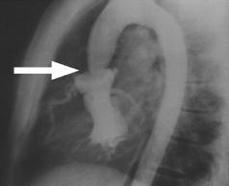
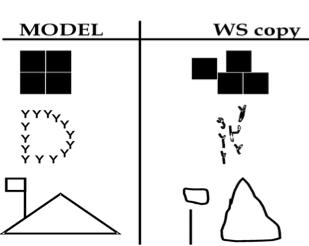
Williams syndrome also known as Williams - Beuren syndrome is a multisystem disorder caused by a deletion on chromosome 7q11.23, which includes 26-28 contiguous genes. The WS phenotype is characterized mainly by dysmorphic facial features, elastin arteriopathy, mental retardation, a unique personality and cognitive profile, short stature, connective tissue abnormalities, idiopathic hypercalcemia and other endocrine abnormalities. The diagnosis is based on clinical criteria and confirmed with the localization of a hemizygous submicroscopic deletion of 7q11.23, detectable by targeted deletion analysis by fluorescence in situ hybridization or chromosomal microarray analysis. WS is a genomic disorder that occurs due to nonallelic homologous recombination in a region of chromosome 7 containing blocks of low copy repeats with high sequence homology that predispose to rearrangements during meiosis and thus can lead to deletion of the WS region. For few of the deleted genes a correlation between genotype and phenotype has been established. The best studied gene of the deleted region is the elastin gene; its haploinsufficiency causes arterial stenosis. Treatment and follow up for people with WS requires a multidisciplinary professional team and may be individualized depending on the symptoms and severity in each person.
Key words: Williams - Beuren syndrome, chromosome 7, microdeletion, elastin Εισαγωγή: (1)
Vasileios Marias
Styliani Amenta
Aggeliki Kolialexi
Nikoletta Selenti
Helen Fryssira
Department of Medical Genetics, Medical School, National and Kapodistrian University of Athens, “Agia
Sophia” Children’s Hospital, Athens
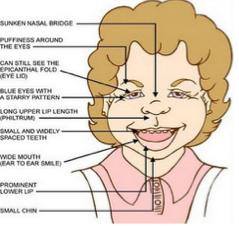
Εικόνα 1: Sunken nasal bridge: καθίζηση
Puffiness around the eyes:
Epicanthal folds: επίκανθος, Blue eyes with a starry pattern:
Long philtrum:
φίλτρο, Small and widely spaced teeth:
Wide mouth (ear to ear smile): πλατύ στόμα (χαμόγελο
Prominent lower lip: προέχων κάτω χείλος, Small chin: μικρό πηγούνι (9).
(targeted deletion analysis by fluorescence in situ hybridization-FISH)
hybridization-aCGH)
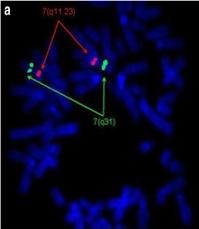
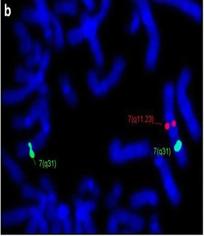
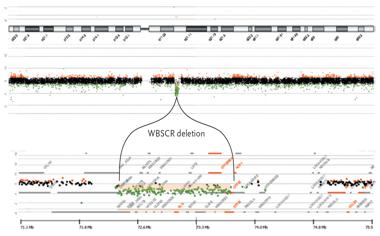
Phelan-Mc Dermid,
Γενετική
Costello.
(Non Allelic Homologous Recombination:
Williams - Beuren (WBSCR=Williams - Beuren syndrome critical region)
LCRs (μπλοκ
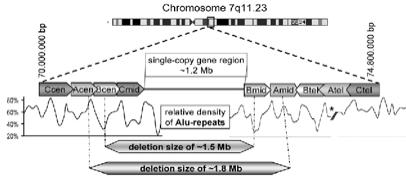
C
WBSCR19
4: POM121, NSUN5, TRIM50 και FKBP6.
STAG3, PMS2, GATS,
GTF2I, GTF2IRD2
William - Beuren (the single copy gene part of the WBS region) (εικόνα
ABHD11, WBSCR23, TBL2, MLXIPL, VSP37D, DNAJC30, WBSCR22, BCL7B, CLDN3, CLDN4, WBSCR27, WBSCR28, EIF4H, LAT2, RFC2, ELN, FZD9, BAZ1B, STX1A, LIMK1, CLIP2, GTF21RD1.
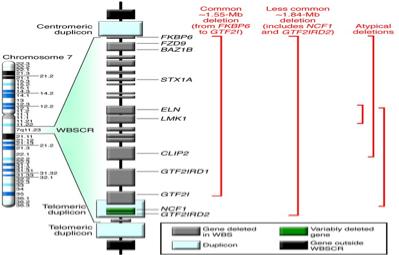
D7S489B, D7S2476, D7S613, D7S2472, D7S1870, και D7S489A.
(50%/50%)
(21%)
SFGA/IUGR 20/80 (25%)-8/80 (10%) Άλλα
Νευρολογικά
Μικροκεφαλία
Επιληψία Αυξημένη CPK
Καρδιοαγγειακές
(50%)
24/80 (24%) 29/80 (36%) 8/80 (10%) 12/80 (15%)
(76%)
(23%) Οφθαλμολογικά
(30%) Ενδοκρινολογικές
(21%)
(39%)
(5%)
Βιβλιογραφία:
1. Williams Syndrome - GeneReviews® - NCBI Bookshelf Webpage: https://www.ncbi.nlm.nih.gov/books/NBK1249/
2. Susanne B. Cassidy and Judith E. Allanson. WILLIAMS SYNDROME. Management of Genetics Syndrome. 2nd edition.
3. Review article: Williams-Beuren Syndrome, Barbara R. Pober. The New England Journal of Medicine 2010; 362:239-52.
4. Wessel A, Gravenhorst V, Buchhorn R, Gosh A, Partsch CJ, Pankau R. Risk of sudden death in the Williams-Beuren Syndrome. Am J Med Genet A 2004; 127A:234-7.
5. Morris CA, Dilts C, Dempsey SA, Leonard CO, Blackburn B (1988). The natural history of Williams syndrome: Physical characteristics. Journal Pediatr. 1988 Aug; 113(2):318-26.
6. Aldo Giannotti, Giovanni Tiberio, Massimo Castro, Fabio Virgilii, Franco Colistro, Francesca Ferretti, Maria Cristina Digilio, Manuela Gambarara, Bruno Dallapiccola. Coeliac disease in Williams syndrome. J Med Genet 2001; 38:767–768.
7. C. Schubert. The genomic basis of the Williams-Beuren syndrome. Cellular and Molecular Sciences 66 (2009) 1178-1197.
8. M. Tassabehji. Williams–Beuren syndrome: a challenge for genotype–phenotype correlations. Human Molecular Genetics, 2003, Vol. 12, Review Issue 2.
9. Colleen A Morris. Introduction: Williams Syndrome. Am J Med Genet C Semin Med Genetics. 2010, May 15; 154C(2): 203-208.
10. I. R. Hussein1, A. Magbooli, E. Huwait, A. Chaudhary, R. Bader, M. Gari, F. Ashgan, M. Alquaiti, A. Abuzenadah and M. Al Qahtani. Genome wide array-CGH and qPCR analysis for the identification of genome defects in Williams syndrome patients in Saudi Arabia. Molecular Cytogenetics (2016) 9:65.
11. Barbara R. Pober, Mark Johnson, Zsolt Urban. Mechanisms and treatment of cardiovascular disease in Williams-Beuren syndrome. J Clin Invest. 2008; 118(5).
12. Del Campo M, Antonell A, Magano LF, Muñoz FJ, Flores R, Bayés M, Perez Jurado LA. Hemizygosity at the NCF1 gene in patients with Williams-Beuren syndrome decreases their risk of hypertension. Am J Hum Genet. 2006;78:533–42.
13. Nelli Vanhapiha et al. Burkitt Lymphoma and Ewing Sarcoma in a child with Williams Syndrome. Pediatric Blood and Cancer 2014; 61: 1877-1879.
14. Ryo Kimura, Yuko Ishii, Kiyotaka Tomiwa, Tomonari Awaya, Masatoshi Nakata, Takeo Kato, Shin Okazaki, Toshio Heike and Masatoshi Hagiwara. Williams-Beuren Syndrome as a Potential Risk Factor for Burkitt Lymphoma. Frontiers in Genetics, September 2018 | Volume 9 | Article 368.
Pubmed, The Cochrane Library
Embase,
“Chest Physiotherapy”, “Neonatal”, “Preterm Infants”, “Respiratory Distress” και “Physiotherapy in NICU (Neonatal Intensive Care Unit)”.
e-mail:
gr
Correspondence
Hristara-Papadopoulou
Alexandra Τ. +306942222445
e-mail: alekpap@phys.teithe.
gr
Eleni Kapali
Alexandra Hristara-Papadopoulou
Paris Iakovidiς
Stavros Kottaras
Onoufrios Poimenidis
Efrosini Anastasiadou
Eleni Kapali, Alexandra Hristara-Papadopoulou, Paris Iakovidiς, Stavros Kottaras, Onoufrios Poimenidis, Efrosini Anastasiadou
Abstract
Introduction: Technological innovations, the treatment of surfactant agent, the thermoregulation of humane organism, nutritional care and the modern techniques of respiratory physiotherapy have been contributed on the improvement of preterm infants in Neotal intensive care units.
Purpose: The aim of the hereunto research was to investigate the effectiveness of techniques of respiratory physiotherapy where are applicable in preterm infants introduced in Nursing Neonatal Intensive Care Unit due to respiratory problems.
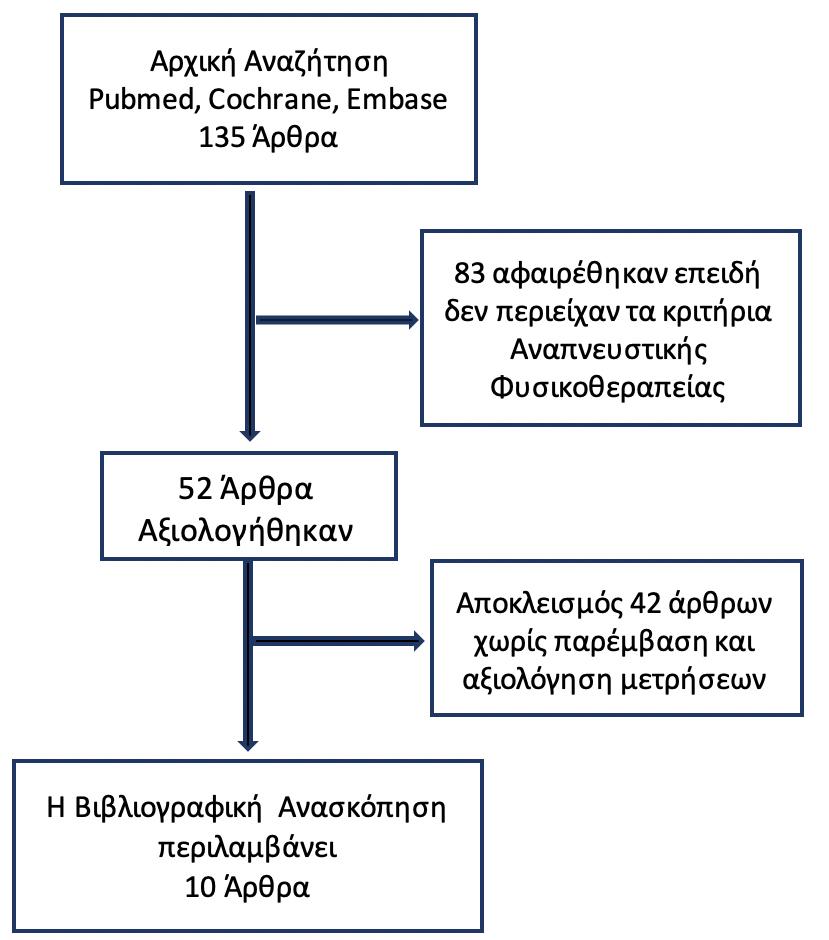
Methodology: Was searched medical databases Pubmed, The Cochrane library and Embase, with keywords “Chest Physiotherapy”, “Preterm Neonatal Infants”, “Respiratory Distress” and “Physiotherapy in NICU (Neonatal Intensive Care Unit). The search was limited to surveys that were published from 2010 onwards. Of the 135 articles found initially selected for literature review 10 studies met the criteria for intervention by methods of respiratory physical therapy in preterm neonates with respiratory problems.
Conclusion: Respiratory physiotherapy methods are quite widespread for several years and are applied in addition to the mechanical and non-invasive ventilation, improving notably oxygen saturation, heart rate and reducing the time spent in the NICU.
Key words: Respiratory physiotherapy, Premature neonates, respiratory problems
Respiratory Distress Syndrome I.R.D.S) (1),
Aspiration
M.A.S),
(Pneumonia)
(Bronchopulmonary Dysplasia) (23).
otherapy”, “Neonatal”, “Preterm Infants”, “Respiratory Distress”
“Physiotherapy in NICU (Neonatal Intensive Care Unit)”.
de Abreu et al, (2011)23
Gouna et al, (2013)24
44 πρόωρα νεογέννητα με αναπνευστικά προβλήματα (1.000 - 2.750g)
19 πρόωρα
(950±150g) (27±2 weeks)
HR, RR, SpO2%, SAP, DAP, MAP, Temperature
Goncalves et al. (2014)25
30 νεογνά με αναπνευστικά προβλήματα
SpO2%, RR, TcPCO2, Επεισόδια άπνοιας
• Μείωση σε HR, SpO2%, SAP, MAP. • Όχι σημαντικές μεταβολές σε RR, DAP και Temperature.
• Οι τιμές των SpO2%, TcPCO2, είναι υψηλότερες σε
πλάγια και πρηνή θέση.
• Οι τιμές των HR και RR παραμένει αμετάβλητος σε όλες τις θέσεις.
• Τα επεισόδια άπνοιας είναι λιγότερα σε πλάγια και πρηνή θέση.
HR, RR, SpO2%
Mehta et al (2015)26
60 πρόωρα νεογνά 1550±511.5g
El-Tohamy et al (2015)27
HR, RR, SA, SpO2%, AaDO2, PaO2/FiO2
• Βελτίωση σε RR και SpO2%.
• Όχι σημαντική μεταβολή σε HR.
• Στατιστικά
σημαντική μείωση
HR, RR, SA και
αύξηση του SpO2%.
• Χωρίς διαφορές
μεταξύ των ομάδων (μηχανικού αερισμού και χωρίς
υποβοηθούμενο αερισμό).
ABG, RDS, SpO2%, Διάρκεια
Kole J. and Metgud D. (2014)28
Giannantonio et al (2010)29
60 πρόωρα νεογνά με αναπνευστικά προβλήματα (30 - 37 weeks)
34 πρόωρα νεογνά με αναπνευστικά προβλήματα (1.430±423 g) (30,5±1,6 weeks)
de Cassia
Malagoli et al (2011)30
• Στατιστικά
SpO2%, PaO2
RR, SpO2%, PtcO2, PtcCO2,
• Βελτίωση σε PtcO2 και SpO2%.
45 πρόωρα νεογνά (700 - 2590g) (2634 weeks) RR, MIP, SpO2% • Στατιστικά
MadlingerLewis et al (2014)31
100 πρόωρα νεογνά ≤32 weeks
Mohamed R. (2015)32
60 πρόωρα νεογνά (26 - 28 weeks)
NNNS (Neurobehavioral Scale) και
HR, RR, SAP, DAP, pH, PaO2, PaCO2
HR: Heart Rate, RR: Respiratory Rate, SpO2%: Oxygen Saturation, SAP: Systolic Arterial Pressure, DAP: Diastolic Arterial Pressure, MAP: Mean Arterial Pressure, RDS: Respiratory Distress Syndrome, ABG: Arterial Blood Gases, PaO2: Pressure of Oxygen, PaCO2: Pressure of Carbon dioxide, SA: Silverman Anderson Score
Οι Abreu et al (2011) (23)
Goncalves et al. (2014) (25)
Οι Mehta et al (2015) (26),
χωρίστηκαν σε 2 ομάδες, 30 με μηχανικό αερισμό και 30 χωρίς
Οι Kole J.
Metgud D. (2018) (28),
(Lung Squeeze)
Οι Giannatonio et al (2010) (29),
de Cassia Malagoli et al (2011) (30)
Οι Madlinger-Lewis et al (2014) (31)
Saint Louis (USA),
Kole J. and Metgud D. (2014)28
de Abreu et al, (2011)23
Goncalves et al. (2014)25
Giannantonio et al (2010)29
Gouna et al, (2013)24
de Cassia
Malagoli et al (2011)30
Βιβλιογραφία
1. Reuter S, Moser C, Baack M. Respiratory Distress in the Newborn. Pediatr Rev. 2014;35(10):417-429.
2. Χριστάρα-Παπαδοπούλου Α, Παπαδοπούλου
Λειτουργία, εκδόσεις Χριστάρα -Παπαδοπούλου Αλεξάνδρα, Παπαδοπούλου Ουρανία, Θεσσαλονίκη 2014.
3. Nicolau CM. Pain assessment in premature infants during respiratory physiotherapy. Rev Bras Saúde Matern Infant. 2008;8(3):285-290.
4. Soll R, Özek E. Prophylactic animal derived surfactant extract for preventing morbidity and mortality in preterm infants (Review). Cochrane Database Syst Rev. 2010;(4).
5. Davis PG, Henderson-Smart DJ. Nasal continuous positive airway pressure immediately after extubation for preventing morbidity in preterm infants (Review). Cochrane Database Syst Rev. 2009;(2). doi:10.1002/14651858.CD000143.www. cochranelibrary.com
6. Holloway R, Adams EB, Desai SD, Thambiran AK. Effect of chest physiotherapy on blood gases of neonates treated by intermittent positive pressure respiration. Thorax. 1969.
7. Krause MF, Hoehn T. Effizienz und Risiken der Atemphysiotherapie beim NeugeborenenUbersicht über die Literatur. Klin Pädiatrie. 1999;211:11-17.
8. de Vasconcelos G, Almeida R, Bezerra A. Repercussions of physiotherapy in the Neonatal
Intensive Care Unit. Fisioter Mov, Curitiba. 2011;24(1):65-73.
9. Abreu LC De, Mendes J, Angheben M, et al. Effect of the neonatal physiotherapy in the heart rate in preterm infant with respiratory distress syndrome after replacement of exogenous surfactant. Arq Med ABC. 2006;31(1):5-11.
10. Bertone N. The Role of Physiotherapy in a Neonatal Intensive Care Unit. Aust J Physiother. 1988;34(1):27-34. doi:10.1016/S0004-9514(14)60599-7
11. Hough J, Flenady V, Johnston L, Woodgate P. Chest physiotherapy for reducing respiratory morbidity in infants requiring ventilatory support (Review). Cochrane Database Syst Rev. 2008;(3).
12. Hawkes N. Chest Physiotherapy in the Neonatal Unit: Individual Unit Suction, Surfactant Guidelines, Ventilation Support Guidelines.; 2015.
13. Oberwaldner B. Physiotherapy for airway clearance in paediatrics. Eur Respir J. 2000;(1):196204.
14. Bagley CE, Gray PH, Tudehope DI, Flenady V, Shearman AD, Lamont A. Routine neonatal postextubation chest physiotherapy : A randomized controlled trial. J Paediatr Child Heal. 2005;(May):592-597.
15. Perrotta C, Ortiz Z, M RF. Chest physiotherapy for acute bronchiolitis in paediatric patients between 0 and 24 months old (Review). Cochrane Database of Systematic Rev. 2008;(4).
16. Finer NN, Moriartey RR, Boyd J, Phillips HJ, Stewart AR, Ulan O. Postextubation atelectasis : A retrospective review and a prospective controlled study. 1979;94(8):110-113.
17. Flenady V, Ph G. Chest physiotherapy for preventing morbidity in babies being extubated from mechanical ventilation (Review). Cochrane Database of Systematic Rev. 2002;(2).
18. Alba PTD, Burns YR. The relationship between arterial blood gases and removal of airway secretions in neonates. Physiother Pract. 1990;(February):107-116.
19. Beeby P, Henderson-Smart D, Lacey J, Rieger I. Short- and long-term neurological outcomes following neonatal chest physiotherapy. J Paediatr Child Heal. 1998;34(1):1998.
20. Chest Physiotherapy, Newborn Care Guidelines. Royal Prince Alfred Hospital. https:// www.slhd.nsw.gov.au/rpa/neonatal/html/docs/physio.pdf. Published 2000.
21. Hough JL. The effect of chest physiotherapy on lung function in preterm infants. 2014;(June 2009).
22. Ferguson KN, Roberts CT, Manley BJ, Davis PG. Interventions to Improve Rates of Successful Extubation in Preterm Infants A Systematic Review and Meta-analysis. JAMA Pediatr. 2016. doi:10.1001/jamapediatrics.2016.3015
23. Abreu LC, Valenti VE, Oliveira AG De, et al. Chest associated to motor physiotherapy improves cardiovascular variables in newborns with respiratory distress syndrome. Int Arch Med. 2011:2-7.
24. Gouna G, Rakza T, Kuissi E, Pennaforte T, Mur S, Storme L. Positioning Effects on Lung Function and Breathing Pattern in Premature Newborns. J Pediatr. 2013;162(6):1133-1137.e1. doi:10.1016/j.jpeds.2012.11.036
25. Gonçalves RAS, Feitosa S, Selestrin CDC, et al. Evaluation of physiological parameters before and after respiratory physiotherapy in newborns with acute viral bronchiolitis. Int Arch Med. 2014:3-7.
26. Mehta Y, Shetye J, Nanavati R, A. M. Physiological effects of a single chestphysiotherapy session in mechanically ventilated and extubated preterm neonates. J Neonatal Perinatal Med. 2016:1-6. doi:10.3233/NPM-16915140.
27. El-Tohamy AM, Darwish OS, Salem E-SS. Efficacy of Selected Chest Physical Therapy on Neonates with Respiratory Distress Syndrome. Life Sci J. 2015;12(4):133-138.
28. Kole J, Metgud D. Effect of lung squeeze technique and reflex rolling on oxygenation in preterm neonates with respiratory problems: A randomized controlled trial. Indian J Heal Sci. 2014:15-21. doi:10.4103/2349-5006.135028
29. Giannantonio C, Papacci P, Ciarniello R, et al. Chest physiotherapy in preterm infants with lung diseases. Ital J Pediatr. 2010:1-5.
30. de Cássia Malagoli R, Fagundes A. Santos F, Oliveira EA, Bouzada MCF. Influence of prone position on oxigenation, respiratory rate and muscle strength in preterm infants being weaned from mechanical ventilation. Rev Paul Pediatr. 2012;30(2):251-256.
31. Madlinger-Lewis L, Reynolds L, Zarem C, Crapnell T, Inder T, Pineda R. The Effects of Alternative Positioning on Preterm Infants in the Neonatal Intensive Care Unit: A Randomized Clinical Trial. Res Dev Disabil. 2015;35(2):490-497. doi:10.1016/j.ridd.2013.11.019.The
32. Mohamed RA. Comparative Study of Two Different Approaches for Managing of Mechanically Ventilated Extremely Preterm Newborns. Br J Med Med Res. 2015;7(7):585-597. doi:10.9734/BJMMR/2015/16151
33. Biazus GF, Kupke CC. Clinical profile of newborns undergoing physical therapy in a neonatal intensive care unit. Fisioter Mov, Curitiba. 2016;29(3):553-560.
Correspondence
Vasileios Giapros
45110, Ioannina, Greece
e-mail: vgiapros@cc.oi.gr
F. Balomenou, T. Palianopoulos, I. Basoukas, M.Fintzou, V. Giapros
Abstract
Epidermolytic ichthyosis is a rare form of ichthyosis, also known as epidermolytic hyperkeratosis, characterized by reddening, scaling and blistering of the skin at birth, which progressively development of hyperkeratosis. It was first described by Brocq in 1902. Its incidence is about 1 / 100,000-300,000 cases, but the actual incidence of the disease is unknown, as the mild forms remain undiagnosed.
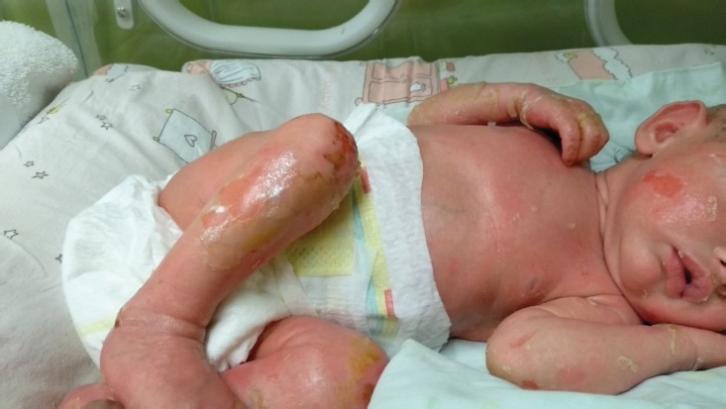
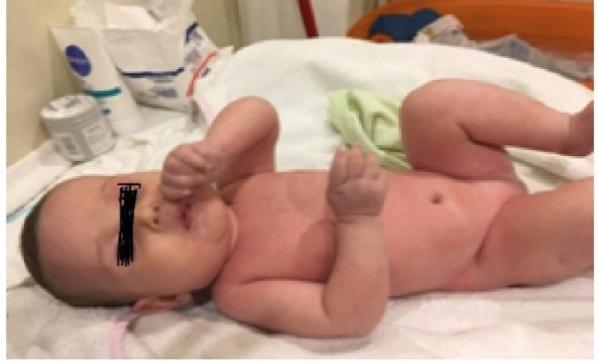
The case of a full-term neonate is described, with extensive dermal lesions of epidermolysis, accompanied by erythroderma without blistering of the skin, which was transferred into NICU and was treated supportively. The dermatological diagnosis of epidermolytic ichthyosis was confirmed both histologically and by genetic testing.
On the occasion of this rare case, the literature is reviewed and the importance of supportive and symptomatic treatment of infants with the disease is highlighted, as well as the need for parental genetic testing, given that 50% of cases are inherited, whereas mild forms of the disease escape diagnosis, resulting in an underestimation of the total incidence.
Key words: Neonate, epidermolytic ichthyosis
F. Balomenou
T. Palianopoulos
M.Fintzou
V. Giapros
NICU, University Hospital of Ioannina, Ioannina
I. Basoukas
Dermatology Department, University Hospital of Ioannina, Ioannina
Βιβλιογραφία
1. Kucharekova M, Mosterd K, Winnepenninckx V, vGeel M, Sommer A, vSteensel M.A.M. Bullous congenital ichthyosiform erythroderma of Brocq. International Journal of Dermatology 2007; 46 (suppl. 3) :36-38
2. Cheng S, Moss C, Uptont C.J, Levell N.J. Bullous congenital ichthyosiform erythroderma clinically resembling neonatal staphylococcal scalded skin syndrome. Clinical and Experimental Dermatology 2009;34:747-750
3. Mondal A.K, Kumar P, Mondal A. Bullous Congenital Ichthyosiform Erythroderma. Indian Pediatrics 2011 Dec;48 :968
4. Kurosawa M, Takagi A, Tamakoshi A, Kawamura T, Inaba Y, Yokoyama K, Kitajima Y, Aoyama Y, Iwatsuki K, Ikeda S. Epidemiology and clinical characteristics of bullous congenital ichthyosiform erythroderma ( keratinolytic ichthyosis ) in Japan: Results from a nationwide survey. J Am Acad Dermatol 2013 Feb;68(2): 278-283
5. Betlloch I, Costa AL, Mataix J, P`erez-Crespo M, Ballester I. Bullous Congenital Ichthyosiform Erythroderma: A sporadic Case Produced By A New KRT10 Gene Mutation. Pediatric Dermatology 2009 July/ August;26(4): 489-491
6. Galler B, Bowen C, Arnold J, Kobayashi T, Dalton SR. Use of the frozen section ‘jelly – roll’ technique to aid in the diagnosis of bullous congenital ichthyosiform erythroderma (epidermolytic hyperkeratosis). J Cutan Pathol 2016; 43: 434-437
7. Venugopal V, Rahul S, Gnanaraj P, Narasimhan M, Karthikeyan S. Bullous congenital ichthyosiform erythroderma with rickets: a rare association. International Journal of Dermatology 2014;46: 349-351
8. El-Khateeb EA. Bullous congenital Ichthyosiform erythroderma associated with hypocalcemic vitamin D-resistant rickets. Pediatric Dermatology 2008 March /April; 25(2): 279-282
9. Jha A, Taneja J, Ramesh V, Singh A. Annular epidermolytic ichthyosis: A rare phenotypic variant of bullous congenital ichthyosiform erythroderma. Indian J Dermatol VenereolLeprol 2015;81(2): 194-197
10. Srivastava P, Srivastava A, srivastava P, Betigeri AVK, Verma M. Congenital Ichthyosis- Collodion Baby Case Report. Journal of Clinical and Diagnostic Recearch 2016 Jun ;10(6):SJ01SJ02
11. https://rarediseases.info.nih.gov/diseases/1039/epidermolytic-ichthyosis
12. https://www.orpha.net/consor/cgi-bin/OC_Exp.php?lng=EN&Expert=312
13. Παπανικολόπουλος

2.
3.
4.
5.
6.
7.
8.
9. Ενδιαφέρουσες
10. Σύντομα
11. Βραχείες
12.
13.
14.
(Uniform Requirements for Manuscripts Submitted to Biomedical Journals),
International Committee of Medical Journal Editors/Uniform Requirements for Manuscripts Submitted to Biomedical Journals, (www.icmje.org και www.icmje.org/icmje. pdf).
Cumulated Index Medicus [List of Journals Indexed in Index Medicus (www.nlm.nih.goν/bsd/uniform_requirements. html)].
Proesmans W. Bartter syndrome and its neonatal νariant. Eur J Pediatr 1997;156:669-679.
Flyvbjerg Α. Role of growth hormone, insulin-like growth factors (IGFs) and IGF-binding proteins in the renal complications of diabetes. Kidney Ιnt 1997;52 (60 Suppl):S12-S19.
Χωρίς συγγραφέα:
National Institutes of Health Consensus Deνelopment Conference. Neurofibromatosis conference statement. Arch Neurol1988;45:575-578.
Προσδιορισμός
Schreiner GF, Lange L. Ethanol modulation of macrophage influx in glomerulonephritis [Abstract]. J Am Soc Nephrol 1991;2:562.
Should antileukotriene therapies be used instead of inhaled corticosteroids in asthma? [Editorial]. Am J Respir Crit Care Med 1998;158:1697-1701.
Laux-End R, Inaebnit D, Gerber ΗΑ, Bianchetti MG. Vasculitis associated with leνamisole and circulating autoantibodies [Let ter]. Arch Dis Child 1996;75:355-356.
II. ΒΙΒΛΙΑ
Clark AG, Barratt ΤΜ. Steroid-responsiνe nephrotic syndrome. Ιn: Barratt ΤΜ, Arner ED, Harmon WE, editors. Pediatric Nephrology. 4th ed. Baltimore: Lippincott William Wilkins; 1999. p. 742.
Σύγγραμμα
Gorlin RJ, Cohen ΜΜ, Leνin LS. Syndromes of the head and neck. 3rd ed. New York: Oxford Uniνersity Press; 1990.
Δημοσίευση
Bauer ΑW. The two definitions of bacterial resistance. In: Smith AJ, Rogers CA, eds. Proceedings of the Third International Congress of Chemotherapy; 1962 May 29-31; New York: International Society of Chemotherapy; 1963. p. 484-500.
Διδακτορική
Πανεπιστήμιο Αθηνών; 1979.
Kaplan SJ. Post hospital home health care: the elderly’s access and utilization [dissertation]. St. Louis (Μο): Washington Univ.;1995.
III. CD-ROM
Andersoη SC, Poulsen ΚΒ. Anderson’s electronic atlas of hematology [CD-ROM]. Philadelphia: Lippincott Williams & Wilkins; 2002.
IV. ΣΤΟ ΔΙΑΔΙΚΤΥΟ
Abood S. Quality improνement initiatiνe in nursiηg homes: the ΑΝΑ acts in an adνisory role. Am J Nurs [Internet]. 2002 Jun:
Webpage: http://www.nursingworld.org/AJN/2002/june/Wawatch.htm
Μονογραφία: Foley ΚΜ, Gelbaηd Η, editors. Improving palliative care for cancer [Monograph, Internet]. Washington: National Academy Press; 2001.
Webpage: http://www.nap.edu/books/0309074029/html
Ιστοσελίδες: Cancer-Pain.org [Webpage, Internet]. New York: Association of Cancer Online Resources, Ιnc.; 2002: http://www.cancer-pain.org/
Πίνακες
•
•
• επιστημονικό/ά κέντρο/α
•
2.
3.
4.
5.
7.