
Four monthly scientific journal of the Greek Paediatric Society


222
232
Υποβολή εργασιών e-mail: grammateia@e-child.gr
Οδηγίες
http://e-child.gr/publications/ instructions-to-authors
Iδιοκτήτης
e-mail: grammateia@e-child.gr Eτήσια
260
266
274

Four monthly scientific journal of the Greek Paediatric Society
222
232
Υποβολή εργασιών e-mail: grammateia@e-child.gr
Οδηγίες
http://e-child.gr/publications/ instructions-to-authors
Iδιοκτήτης
e-mail: grammateia@e-child.gr Eτήσια
260
266
274
Volume 81 | Number 3 | September - October - November - December 2018
Four monthly publication of the Greek Paediatric Society
196
EDITORIAL
Stelios Antoniadis
198
REVIEW ARTICLES
Attention Deficit / Hyperkinetic Disorder at the Paediatrician’ s glance!
Sophie Aronis-Vournas
222
Stress Management among families of children and adolescents with type 1 diabetes mellitus. Review of literature
Pelagia Tsakona, Alexandra Papadopoulou-Xristara, Kiriaki Tsiroukidou, Anastasios Vamvakis, Maria Papagianni
232
Rare neurologic complications of thyroidopathy in children; Hashimoto encephalopathy
Evangelia Blana, Pinelopi Dragoumi, Dimitrios I. Zafeiriou
240
Galactosemia: an inborn error of metabolism of Neonatal Screening
Triantafyllia Sdogou, Evridiki Drogari, Kleopatra Schulpi
246
CASE REPORT
Congenital chylothorax as cause of hydrops fetalis in premature neonate: case report and short literature review
Maria Papadopoulou, Paraskevi Karagianni, Christos Tsakalidis, Maria Lithoxopoulou, Georgios Mitsiakos, Vasiliki Soubasi-Griva
President
A. Constantopoulos
Editorial board
Editor- in- Chief
S. Antoniadis
Members
S. Andronikou
E. Galanakis
A. Evangeliou
L. Thomaidou
M. Kanariou
A. Kapogiannis
S. Kitsiou-Tzeli
E. Mantadakis
P. Panagiotopoulou-Gartagani
A. Papadopoulou
V. Papaevagelou
A. Papathanassiou
A. Siamopoulou-Mavridou
A. Syrigou-Papavasiliou
Manuscript submission
e-mail: grammateia@e-child.gr
Instructions to authors: http://e-child.gr/publications/ instructions-to-authors
Owner Greek Paediatric Society 15, Mpakopoulou st. GR - 15451, Ν. Psychiko Tel.: +302107771140
e-mail: grammateia@e-child.gr
Annual subscription All foreign countries: US$50
254
Convulsion with mild gastroenteritis: a case report of a benign clinical entity Georgia Dimitriou, Alexia-Eleutheria Palioura, Vaios Katsaros, Stavros Antonopoulos
260 RECENT DECLARATION
A brief review of the low fertility rates phenomenon in Greece Panagiota Panagiotou, Theodoros N. Sergentanis, Artemis Tsitsika
266
BETWEEN COLLEAGUES
Stelios Antoniadis
254 BOOK PRESENTATION
Stelios Antoniadis
274
INSTRUCTIONS TO AUTHORS



Κ.
email:
Correspondence
Sophie Aronis-Vournas
Ifigenias / Thetidos, N. Voutzas, 19005, Marathon T. 22920 78397
M. 6945388677
email: aronisofia@gmail.com
Attention Deficit / Hyperkinetic Disorder at the Paediatrician’s glance!
Sophie Aronis-Vournas
Summary
Attention Deficit / Hyperkinetic Disorder (ADHD) is a chronic neurobiological defect that affects 5-7% of children and 3-5% of adults. Genetic factors are implicated in the pathogenesis of the disease, whereas environmental factors are considered to exaggerate the symptoms. Many scientists or family members focus on the learning disability, however attention deficit with or without kinetic disorder is much more than of the learning problems. The lack of concentration has a negative impact on every aspect of life of the child, adolescent, adult or elderly, makes his / her life difficult at school or social events, affects the quality of life of the whole family, and increases the social cost, if not diagnosed early in life of the child and it is not managed properly by parents, teachers or friends. ADHD is complicated by one or more comorbids (Depression, Oppositional Defiant Disorder, Conduct Disorder, Bipolar disorder, Learning disability, Sleeping disorders, Alcool / Substances addiction, etc.) that affect the patient’s life and increases enormously the family and social cost. There is no permanent cure of ADHD, however it may be improved by early diagnosis and proper management by a team of specialists (holistic therapy) that educate the patient, the family members and the teachers in how to manage the defect and help the child/adolescent/adult overcome his/her difficulties and improve his quality of life and achievements.
Key words: ADHD, Attention Deficit, Hyperkinetic disorder
Sophie Aronis-Vournas
Associate Professor in Paediatrics, x-Director of Haemophilia-Haemostasis Center, Aghia Sophia Children' s Hospital
Honorary President of "ADHD HELLAS"

electroencephalography)]




δυσκολίες στο συλλαβισμό, στην ανάγνωση (δυσανάγνωση), στο γράψιμο (δυσγραφία) ή
μαθηματικά (δυσαριθμησία). Πιο συγκεκριμένα, 8-39% έχουν δυσλεξία, 12-26%







http://www.chadd. org/Understanding-ADHD/For-Adults/Living-with-ADHD-A-LifespanDi sorder/Womenand-Girls.aspx#nthash. 284ahUjC.dpuf).

References
1. Sharma A, Couture J.A review of the pathophysiology, etiology, and treatment of attentiondeficit hyperactivity disorder (ADHD).Ann Pharmacother. 2014, 48(2):209-225.
2. Maniadaki K, and Kakouros E. The Complete Guide to ADHD Nature, Diagnosis, and Treatment. Routledzg, Taylor and Fransis Group, London, 2018.
3. Μανιαδάκη
Gutenberg, 2016.
4. DSM 5th edition, American Psychiatric Association. Diagnostic and statistical manual of mental disorders, 5th ed. Arlington, VA: Author, 2013.
5. DCD Attension-Deficit / Hyperactivity Disorder (ADHD), Centers for Disease Control and Prevention, retrieved 17April 2016.
6. Barkley R. A. (Ed.). Attention-deficit hyperactivity disorder: A handbook for diagnosis and treatment. Guilford Publications, 2014.
7. Willcutt EG. “The prevalence of DSM-IV attention-deficit / hyperactivity disorder: Ametaanalytic review”. Neurotherapeutics. 2012, 9 (3): 490-499.
8. Clark S. Diagnosis and treatment of ADHD in Europe: Differences, Problems and Progress, 2009.
9. Clark S, & Carr-Fanning K. Diagnosis and Treatment of ADHD in Europe; ADHD - Europe Survey, 2nd Edition. ADHD-Europe. Brussels: ADHD-Europe, 2011.
10. Kooij SJJ, Bejerot S, Blackwell A ,et al. European consensus statement on diagnosis and treatment of adult ADHD: The European Network Adult ADHD BMC Psychiatry 2010, 10:67 DOI: 10.1186/1471-244X-10-67.
11. WHO.Global Burden of Disease Study 2013, Collaborators. "Global, regional, and national incidence, prevalence, and years lived with disability for 301 acute and chronic diseases and injuries in 188 countries, 1990-2013: a systematic analysis for the Global Burden of Disease Study 2013. Lancet (London, England). 2015, 386: 743–800.
12. Thapar A, Cooper M, Eyre O, Langley K. "What have we learnt about the causes of ADHD?". J Child Psychol Psychiatry. 2013, 54 (1): 3–16.
13. FaraoneSV, AshersonP, BanaschewskiT. Attention-deficit/hyperactivity disorder. Nature Reviews 2015 doi:10.1038/nrdp.2015.20
14. Burt SA. "Rethinking environmental contributions to child and adolescent psychopathology: a meta-analysis of shared environmental influences". Psychol Bull. 2009, 135 (4): 608–637.
15. Neale BM, Medland SE, Ripke S, et al. "Meta-analysis of genome-wide association studies of attention-deficit/hyperactivity disorder". J Am Acad Child Adolesc Psychiatry. 2010, 49 (9): 884–897.
16. Kebir O, Tabbane K, Sengupta S, Joober R. "Candidate genes and neuropsychological phenotypes in children with ADHD: review of association studies". J Psychiatry Neurosci. 2009, 34 (2): 88–101.
17. Franke B, Faraone SV, Asherson P, et al. "The genetics of attention deficit/hyperactivity disorder in adults, a review". Mol. Psychiatry. 2012, 17 (10): 960–987.
18. Millichap JG, Yee MM. "The diet factor in attention-deficit/hyperactivity disorder”. Pediatrics2012, 129 (2) : 330–337.
19. Lange KW, Reichl S, Lange KM, et al. "The history of attention deficit hyperactivity disorder". Attention Deficit and Hyperactivity Disorders. 2010, 2 (4): 241–255.
20. Chandler DJ, Waterhouse BD, Gao WJ. "New perspectives on catecholaminergic regulation of executive circuits: evidence for independent modulation of prefrontal functions by midbrain dopaminergic and noradrenergic neurons". Front. Neural Circuits. 2014, 8: 53doi: 10.3389/ fncir.2014.00053.
21. Cortese S, Kelly C, Chabernaud C, et al."Toward systems neuroscience of ADHD: a metaanalysis of 55 fMRI studies". Am J Psychiatry. 2012, 169 (10): 1038–1055.
22. Qiu A, Crocetti D, Adler M, et al. Basal ganglia volume and shape in children with attention deficit hyperactivity disorder. American Journal of Psychiatry, 2009, 166(1), 74-82.
23. Goldstein S, Naglieri, J (eds). “Ηandbook of Executive Functioning”. Weyandt, LL., et al.“A Review of the Use of Executive Function Tasks in Externalizing and Internalizing Disorders” 2014, p. 69
24. Hoogman M, Bralten J, Hibar DP, et al. Subcortical brain volume differences of participants with ADHD across the lifespan: an ENIGMA collaboration. The Lancet Psychiatry. http:// www.thelancet.com/ journals/lanpsy/article/ PIIS2215-0366(17)30049-4/fulltext, 2017.
25. Gurevitz M, Geva R, Varon M, Leitner Y. Early markers in infants and toddlers for development of ADHD.J Atten Disord. 2014, 18(1):14-22.
26. Σκαλούμπακας
2013, 1-75
27. Mackenzie GB, Wonders E. "Rethinking Intelligence Quotient Exclusion Criteria Practices in the Study of Attention Deficit Hyperactivity Disorder." Frontiers in psychology. 2016, 7: 794.https://doi.org/10.3389/fpsyg.2016.00794
28. Ornoy A, Uriel L, & Tennenbaum A. Inattention, hyperactivity and speech delay at 2-4 years of age as a predictor for ADD-ADHD syndrome. Israel Journal of Psychiatry and Related Sciences.1993, 30(3), 155-163.
29. Bailey E. "ADHD and Learning Disabilities: How can you help your child cope with ADHD and subsequent Learning Difficulties? There is a way". Remedy Health Media, LLC. Archived from the original on 3 December 2013, Retrieved 15 November 2013.
30. Merrill RM, Lyon JL, Baker RK, Gren LH. Attention deficit hyperactivity disorder and increased risk of injury. Adv Med Sci 2009, 54: 20–26.
31. Redelmeier DA, Chan WK, Lu H. Road Trauma in Teenage Male Youth with Childhood Disruptive Behavior Disorders: A Population Based Analysis PLoS Medicine 2010, 7 (11)http:// dx.doi.org/10.1371/journal.pmed.1000369 doi.org/10.1371/journal.pmed.1000369.
32. Modesto - Lowe V, Chaplin M, Godsay V, Soovajian V.Parenting Teens With AttentionDeficit/Hyperactivity Disorder. Challenges and Opportunities. Clinical Paediatrics2014, 53, 10, http://journals.sagepub.com/ doi/abs/10.1177/ 00099228 14 540984c
33. Kim JW, Kim B-N, Kim JI, et al. Social Network Analysis Reveals the Negative Effects of Attention-Deficit/Hyperactivity Disorder (ADHD) Symptoms on Friend-Based Student Networks. PLOS 2015, https://doi.org/10.1371/ journal.pone. 0142782.
34. Wiener J, Biondic D, Grimbos T, Herbert M. Parenting Stress of Parents of Adolescents with Attention-Deficit Hyperactivity Disorder.J Abnorm Child Psychol. 2016, 44(3):561-574.
35. Shur-Fen GauPS, Pei-Chen Chang J.e Maternal parenting styles and mother–child relationship among adolescents with and without persistent attention-deficit/hyperactivity disorder d Research in Developmental Disabilities 2013, 34 1581–1594.i
36. Sarver D, McCart MR, Sheidow AJ, Letourneau EJ. ADHD and risky sexual behavior in adolescents: Conduct problems and substance use as mediators of risk . The Journal of Child Psychology Psychiatry 2014, 55(12):1345–1353.
37. Galéra C, Melchior M, ChastangJF, et al. Childhood and adolescent hyperactivity-inattention symptoms and academic achievement 8 years later: the GAZEL Youth study. Psychol Med 2009, 39: 1895-1906.
38. ADHD EUROPE. Help, my ADHD Teenager is becoming an ADHD Adult! Recent Re-
search studies find a shortage of Transitional Services for Young Adults (18+) who have ADHD. Written Declaration on behalf of ADHD Europe, 2016.
39. LiebrenzM, GammaA, IvanovI, et al. Adult attention-deficit/hyperactivity disorder: Associations between subtype and lifetime substance use – a clinical study. F1000Research. 2015, 4:407. doi: 10.12688/ f1000 research.6780.2.Version 2.
40. Brahmbhatt K, Hilty D M, Hah M, et al. Diagnosis and treatment of ADHD during adolescence in the primary setting: Review and future directions.
J Adolesc Health. 2016, 59(2): 135–143.
41. Schaefer MR., Rawlinson AR., Wagoner ST, Shapiro SK., et al. Adherence to Attention Deficit/Hyperactivity Disorder Medication During the Transition to College.J Adolesc Health.2017, 60(6):706-713.
42. Newman MG, Szkodny LE, Llera SJ, Przeworski A. A review of technology-assisted self-help and minimal contact therapies for drug and alcohol abuse and smoking addiction: is human contact necessary for therapeutic efficacy?Clin Psychol Rev. 2011, 31(1):178-186.
43. Froehlich TE. ADHD Medication Adherence in College Students—A Call to Action for Clinicians and Researchers: Commentary on “Transition to College and Adherence to Prescribed Attention Deficit Hyperactivity Disorder Medication”. J Dev BehavPediatr. 2018, 39(1):7778.
44. Gray WN, Kavookjian J, Shapiro SK, Wagoner ST, Schaefer MR, Rawlinson RA, Hinnant JB. Transition to College and Adherence to Prescribed Attention Deficit Hyperactivity Disorder Medication. J Dev BehavPediatr. 2018, 39(1):1-9.
45. Nussbaum NL. ADHD and female specific concerns: A review of the literature and clinical implications. Journal of Attention Disorders, 2012, 16, 87-100.
46. ADHD EUROPE. Declaration about ADHD in Girls and Women. 2017.
47. Haimov-Kochman R, and BergerI. Cognitive functions of regularly cycling women may differ throughout the month, depending on sex hormone status; a possible explanation to conflicting results of studies of ADHD in females. Front Hum Neurosci. 2014, 8: 191, doi: 10.3389/ fnhum.2014.00191
48. Biggs WS, Demuth RH. "Premenstrual syndrome and premenstrual dysphoric disorder". American Family Physician. 2011, 84 (8): 918–924.
49. Roberts B, Eisenlohr-Moul T, Martel MM. Reproductive steroids and ADHD symptoms across the menstrual cycle.Psychoneuroendocrinology. 2018 88:105-114.
50. Semeijn EJ, Comijs HC, de Vet HC, Kooij JJ, et al. Lifetime stability of ADHD symptoms in older adults.Atten DeficHyperactDisord. 2016, 8(1):13-20.
51. Guldberg-Kjär T, Johansson B. ADHD symptoms across the lifespan: a comparison of symptoms captured by the Wender and Barkley Scales and DSM-IV criteria in a population-based Swedish sample aged 65 to 80. J Atten Disord. 2015 19(5):390-404.
52. Michielsen M, Comijs HC, Aartsen MJ, et al. The relationships between ADHD and social functioning and participation in older adults in a population-based study. J Atten Disord, 2015, 19(5), 368-379.
53. Lensing MB, Zeiner P, Sandvik L, Opjordsmoen S. Quality of life in adults aged 50+ with ADHD. J Atten Disord. 2015, 19(5), 405-413.
54. Michielsen M, Comijs HC, Semeijn EJ, Beekman AT, Deeg DJ, Kooij JJ. Attention deficit hyperactivity disorder and personality characteristics in older adults in the general Dutch population. The American journal of geriatric psychiatry: Οfficial journal of the American Association for Geriatric Psychiatry. 2014, 22(12), 1623-1632.
55. Semeijn EJ, Korten NC, Comijs HC et al. No lower cognitive functioning in older adults with attention-deficit/hyperactivity disorder. International Psychogeriatrics / IPA. 2015, 27(9), 1467-1476.
56. Fischer BL, Gunter-Hunt G, Steinhafel CH, Howell T. The identification and assessment of late-life ADHD in memory clinics. J Atten Disord. 2012, 16(4), 333-338.
57. Ivanchak N, Fletcher K, Jicha GA. Attention-deficit/hyperactivity disorder in older adults: prevalence and possible connections to mild cognitive impairment. Curr Psychiatry Rep. 2012, 14(5), 552-560.
58. Ivanchak N, Abner EL, Carr SA et al. «Attention-deficit/hyperactivity disorder in childhood is associated with cognitive test profiles in the geriatric population but not with mild cognitive impairment or Alzheimer's disease». J Aging Res. 2011, doi: 10.4061/2011/729801.
59. Kooij JJS, Michielsen M, Kruithof H, & Bijlenga D. «ADHD in old age: a review of the literature and proposal for assessment and treatment». Expert Review of Neurotherapeutics 2016. doi: 10.1080 / 14737175.2016.120491.
Pubmed, The Cochrane
e-mail:
Correspondence
Tsakona Pelagia
Orfanidou 20 N. Moudania
Chalkidiki 63200, Mailbox 121
M. 6977634831
e-mail: ptsakona@yahoo.gr
Pelagia
Tsakona, Alexandra Papadopoulou-Xristara, Kiriaki Tsiroukidou, Anastasios Vamvakis, Maria Papagianni
Abstract
Objective: Search for methods used to manage anxiety among families of children and adolescents with type 1 diabetes mellitus.
Data sources: Search for relevant studies published since 2011 in Pubmed, Cochrane Library and Scopus using key words: type 1 diabetes mellitus, treatment, family stress management and glycemic control.
Study Selection: In total, 247 papers were identified in the initial search. Finally, 8 studies that used methods which met the criteria of intervention in stress management in parents and children were selected for bibliographic review.
Conclusions: The methods used for stress management were mainly designed by psychologists and aimed to reduce the psychological impact of the disease as well as to manage unpleasant feelings such as fear, confusion, anxiety or depression. Most studies include parental behavioral education for stress reduction or control, which is associated to metabolic control and glucose levels of children and adolescents.
Key words: type 1 diabetes mellitus, treatment, family stress management, glycemic control.
Pelagia Tsakona
Alexandra PapadopoulouXristara
Post-graduated studies in pediatrics physiotherapy, Department of physiotherapy, Alexander Technological Educational Institute of Thessaloniki, Thessaloniki
Kiriaki Tsiroukidou
Anastasios Vamvakis
Maria Papagianni
Endocrine unit, 3rd Department of Pediatrics, Aristotle University of Thessaloniki, Hippokrateion General Hospital of Thessaloniki
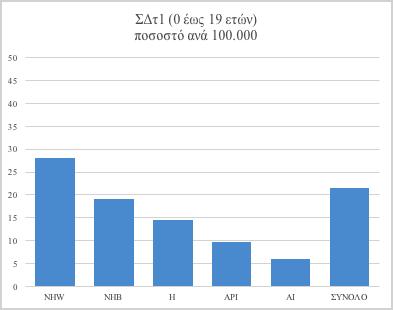
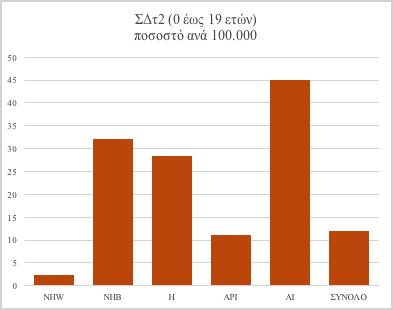
NHW = non-Hispanic whites, NHB = non-Hispanic blacks, H = Hispanics, API = Asians/ Pacific Islands, AI = American Indians.
Πηγή: SEARCH for Diabetes in Youth Study.

































































Greyetal (17), (2011)
Sassmann et al (18), (2012)
DASS, PS, SDQ, HbA1c
Monaghan et al (19) (2011)
Pateraki et al (20) (2015)
HbA1c,
Tsiouli et al (21) (2014)
Robinson et al (22) (2016)
44 Γονείς Cortisol, PSS, PSI-SF, HbA1c, Lifestyle
Gupta et al (23) (2017)
36 παιδιά (3-5 ετών)
BDI-II, SEDSM-P, PSI, DBRS, DI, PMDC, HbA1c
QOL, PIP, HbA1c
Christie et al (24) (2014)
362 Παιδιά (10-16 ετών)
QOL, HbA1c
τους 12 μήνες.
• Οιγονείςκαιοινέοιπουπαρακολούθη σαντοπρόγραμμαπεριγράφουνβελτιωμ ένεςοικογενειακέςσχέσεις, γνώση και κατανόηση, μεγαλύτερη εμπιστοσύνη
και αυξημένη αυτοπεποίθηση για τη
διαχείριση του διαβήτη.
• 24 μήνες μετά την παρέμβαση, σχεδόν οι μισοί από τους νέους συμμετέχοντες ανέφεραν ότι οι εκπαιδευτές, τουςενέπνευσαννασυνεχί σουντηνπροσπάθειάτουςμεπερισσότερ
CES-D: Center for Epidemiologic Studies Depression Scale, DASS: Depression, Anxiety and Stress Scale, DBRS: Diabetes Behavior Rating Scale, DQoL: Diabetes Quality of Life scale, DI: Diabetes Interview, BDI-II: The Beck Depression Inventory, Second Edition, IDDM: Insulin-Dependent Diabetes Mellitus, PIP: The Pediatric Inventory for Parents, PMDC: The Parental Monitoring of Diabetes Care scale, PS: Parent Stress, PSI: The Parenting Style Index, PSI-SF: Parenting Stress Index-Short Form, PSS: Perceived Stress Scale, QOL: Quality of Life, SDQ: Strengths and Difficulties Questionnaire, SEDSM-P: The Self-Efficacy for Diabetes Self-Management Scale-Parent
1. Craig Prof. ME, Jefferies C, Dabelea D, Balde N, Seth A, Donaghue KC. Definition, epidemiology, and classification of diabetes in children and adolescents. Pediatr Diabetes. 2014;15(SUPPL.20):4-17. doi:10.1111/pedi.12186
2. da Rocha Fernandes J, Ogurtsova K, Linnenkamp U, et al. IDF Diabetes Atlas estimates of 2014 global health expenditures on diabetes. Diabetes Res Clin Pract. 2016;117:48-54. doi:10.1016/j.diabres.2016.04.016
3. Centers for Disease Control and Prevention. National Diabetes Statistics Report , 2014 Estimates of Diabetes and Its Burden in the Epidemiologic estimation methods. US Dep Heal Hum Serv. 2014;(Cdc):2009-2012. doi:10.1177/1527154408322560
4. Hessler D, Fisher L, Polonsky W, Johnson N. Understanding the areas and correlates of diabetes-related distress in parents of teens with type 1 diabetes. J Pediatr Psychol. 2016;41(7):750-758. doi:10.1093/jpepsy/jsw002
5. Sikteoeboen S. Children with type 1 diabetes mellitus : Clinical data of the child as a predictor of disease-related parenting stress . 2017;(June):1-29.
6. Delamater AM, de Wit M, Mcdarby V, Malik J, Acerini CL. Psychological care of children and adolescents with type 1 diabetes. Pediatr Diabetes. 2014;15(SUPPL.20):232-244. doi:10.1111/pedi.12191
7. Hilliard ME, Monaghan M, Cogen FR, Streisand R. Parent stress and child behaviour among young children with type 1 diabetes. Child Care Health Dev. 2011;37(2):224-232. doi:10.1111/j.1365-2214.2010.01162.x
8. Whittemore R, Jaser S, Chao A, Jang M, Grey M. Psychological Experience of Parents of Children With Type 1 Diabetes. Diabetes Educ. 2012;38(4):562-579. doi:10.1177/0145721712445216.Psychological
9. Mitchell SJ, Hilliard ME, Mednick L, Henderson C, Cogen FR, Streisand R. Stress
among fathers of young children with type 1 diabetes. Fam Syst Health. 2009;27(4):314-324. doi:10.1037/a0018191
10. Moghaddam MN, Teimouri A, Noori NM. Evaluation of stress, anxiety and depression in parents with a child newly diagnosed with diabetes type I. Int J Pediatr. 2016;4(11):3741-3749. doi:10.22038/ijp.2016.7634
11. Iughetti L, Gavioli S, Bonetti A, Predieri B. Effects of Exercise in Children and Adolescent with Type 1 Diabetes Mellitus. Health (Irvine Calif). 2015;7(October):1357-1365. doi:10.4236/ health.2015.710150
12. Λιακοπούλου Μ,
2010;57(4):424-429.
13. Association AD. Standards of medical care in diabetes - 2012. Diabetes Care. 2012;35:1163. doi:10.2337/dc12-s011
14. Schwartz DD, Wasserman R, Powell PW, Axelrad MEA. Neurocognitive Outcomes in Pediatric Diabetes: a Developmental Perspective. Curr Diab Rep. 2015;18(3):386-392. doi:10.1007/ s11892-014-0533-x
15. Helgeson VS, Becker D, Mbbc H, Escobar O, Siminerio L. Families With Children With Diabetes : Implications of Parent Stress for Parent and Child Health. J Pediatr Psychol. 2012;37(4):467-478. doi:10.1093/jpepsy/jsr110
16. Nieuwesteeg A, Hartman E, Emons W, et al. Paediatric parenting stress in fathers and mothers of young children with Type 1 diabetes: a longitudinal study. Diabet Med. 2017;34(6):821827. doi:10.1111/dme.13300
17. Grey M, Jaser SS, Whittemore R, Jeon S, Lindemann E. Coping Skills Training for Parents of Children with Type 1 Diabetes: 12-Month Outcomes. Nurs Res. 2011;60(3):173-181. doi:10.1097/NNR.0b013e3182159c8f.Coping
18. Sassmann H, Hair M, Danne T, Lange K. Reducing stress and supporting positive relations in families of young children with type 1 diabetes: a randomized controlled study for evaluating the effects of the DELFIN parenting program. BMC Pediatr. 2012;12:152. doi:10.1186/14712431-12-152
19. Monaghan M, Hilliard ME, Cogen FR, Streisand R. Supporting parents of very young children with type 1 diabetes: results from a pilot study. Patient Educ Couns. 2011;82(2):271-274. doi:10.1016/j.pec.2010.04.007.Supporting
20. Pateraki NS, Mantzourani E, Darvyri PP, et al. Stress Management in Parents of Children with Diabetes Type 1: A Randomized Controlled Trial. Psychology. 2015;06(08):1040-1050. doi:10.4236/psych.2015.68101
21. Tsiouli E, Pavlopoulos V, Alexopoulos EC, Chrousos G, Darviri C. Short-term impact of a stress management and health promotion program on perceived stress, parental stress, health locus of control, and cortisol levels in parents of children and adolescents with diabetes type 1: A pilot randomized controlled trial. Explor J Sci Heal. 2014;10(2):88-98. doi:10.1016/j. explore.2013.12.004
22. Robinson EM, Weaver P, Chen R, Streisand R, Holmes CS. A Model of Parental Distress and Factors that Mediate its Link with Parental Monotoring of Youth Diabetes Carw, Adherence, and Glycemic Control. Heal Psychol. 2017;35(12):1373-1382. doi:10.1037/hea0000406.A
23. Gupta OT, MacKenzie M, Burris A, et al. Camp-based multi-component intervention for families of young children with type 1 diabetes: A pilot and feasibility study. Pediatr Diabetes. 2017. doi:10.1111/pedi.12624
24. Christie D, Thompson R, Sawtell M, et al. Structured, intensive education maximising engagement, motivation and long-term change for children and young people with diabetes: A cluster randomised controlled trial with integral process and economic evaluation - The CASCADE study. Health Technol Assess (Rockv). 2014;18(20):1-202. doi:10.3310/hta18200
25. Arias AJ, Steinberg K, Banga A, Trestman RL. Systematic Review of the Efficacy of Meditation Techniques as Treatments for Medical Illness. J Altern Complement Med. 2006. doi:10.1089/acm.2006.12.817
Correspondence
Dragoumi Pinelopi
49 Konstantinoupoleos St.
PO Box 54642, Thessaloniki
T. +302313312501
Κ. +306944913556
e-mail: ezlouis@gmail.com
Evangelia Blana, Pinelopi Dragoumi, Dimitrios I. Zafeiriou
Abstract
Hashimoto's encephalopathy is a rare complication of autoimmune thyroiditis characterized by a variety of symptoms of encephalopathy, increased antibody titers against thyroid peroxidase (anti-TPO) and thyroglobulin (anti-Tg) and a positive response to corticosteroid therapy. The purpose of this review is to present the pathogenesis, the clinical presentation, the diagnostic approach as well as the treatment opportunities of the disease in childhood. The exact cause of the disease has not yet been elucidated, but an autoimmune or inflammatory pathogenic background is suspected. The clinical picture of the Hashimoto encephalopathy is nonspecific and may include mental disorder, seizures, psychiatric manifestations, moving disorders and coma. The major neuropsychiatric manifestations include confusion, visual and auditory hallucinations, amnesia, rapidly progressive dementia, behavioral disorders, disorders of consciousness, headache and poor school performance. The most common immunological finding is the presence of anti-thyroid antibodies in combination with normal thyroid gland function. Diagnosis requires exclusion of other causes of encephalopathy and is based on laboratory, neuroimaging and neurophysiological results. Most patients respond to high dose corticosteroid therapy and therefore corticosteroids are the first-line treatment. In the case of non-response to corticosteroids, immunosuppressive agents as well as plasmapheresis may be used. As the disease is often underdiagnosed, a high rate of suspicion is required to avoid long-term complications that are more common in the pediatric population and include mental disorders, drug-resistant epileptic seizures and low school performance.
Key words: encephalopathy, antithyroid antibodies, corticosteroid-responsive encephalopathy
Evangelia Blana
Pinelopi Dragoumi
Dimitrios I. Zafeiriou
1st Department of Paediatrics, Aristotle University of Thessaloniki, Hippokration Hospital of Thessaloniki, Greece
tal Intermittent Rhythmic Delta Activity,
Schäuble
1. Brain L. Jellinek EH, Ball K. Hashimoto's Disease and Encephalopathy. Lancet 1966;2(7462):512-4.
2. Graham BR, Schiff N, Nour M, Hasal S, Handsman R, Almubarak S. Hashimoto Encephalopathy presenting with stroke like episodes in an adolescent female: A case report and literature review. Pediatric Neurology 2016;59:62-70.
3. Ferracci F, Bertiatio G, Moreto G. Hashimoto's Encephalopathy: epidemiologic data and pathogenetic considerations. J NeurolSci 2004;217:165-168.
4. Ferracci F, Carnevale A. The neurological disorder associated with thyroid autoimmunity. J Neurol 2006;253:975-984.
5. Mamoudjy N, Korff C, Maurey H, Blanchard G, Steshenko D, Loiseau-Corvez M, et al. Hashimoto's encephalopathy: identification and long-term outcome in children. Eur J PediatrNeurol 2013; 17(3):280-287.
6. Hilberath JM, Schmidt H, Wolf GK, Steroid-responsive encephalopathy associated with autoimmune thyroiditis (SREAT): case report of reversible coma and status epilepticus in an adolescent patient and review of the literature. Eur J Pediatr 2014;173(10):1263-73.
7. Lee J, Yu HJ, Lee J. Hashimoto encephalopathy in pediatric patients: Homogeneity in clinical presentation and heterogeneity in antibody titers. Brain Dev 2018;40(1):42-48.
8. Montagna G, Imperiali M, Agazzi P, D'Aurizio F, Tozzoli R, Feldt-Rasmussen U, et al. Hashimoto's encephalopathy: A rare proteiform disorder. Autoimmunity Reviews 2016; 466–476.
9. Kirshner HS. Hashimoto’s Encephalopathy: A Brief Review. CurrNeurolNeurosci Rep 2014; 14:476.
10. Deutsch M, Koskinas J, Tzannos K, Vassilopoulos D, Mailis A, Tolis G. Hashimoto encephalopathy with pegylated interferon alfa-2b and ribavirin. Ann Pharmacother 2005;39:17451748.
11. Nagamine M, Yoshino A, Ishii M, Ogawa T, Kurauchi S, Yoshida T. Lithium-induced Hashimoto's Encephalopathy: a case report. Bipolar Disord 2008;10:846-848.
12. Hori T, Oike F, Hata K, Nishikiori M, Ogura Y, Ogawa K. Hashimoto's Encephalopathy after interferon therapy for Hepatitis C virus in adult liver transplant recipient accompanied by post-transplant lymphoproliferative disorder related to Epstein-Barr virus infection. Transpl
Infect Dis 2010;12:347-352.
13. Castillo P, Woodruff B, Caselli R, Vernino S, Luccinetti C, Swanson J. Steroid-responsive encephalopathy associated with autoimmune thyroiditis. Arch Neurol 2006;63:197-202.
14. Nolte KW, Unbehaun A, Sieker H, Kloss TM, Paulus W. Hashimoto Encephalopathy: a brainstem vasculitis?. Neurology 2000;54:769-770.
15. Shibata N, Yamamoto ,Sunami N, Suga M, Yamashita Y. Isolated angiitis of the CNS associated with Hashimoto's disease. RinshoShinkeigaku 1992;32:191-198.
16. Yoneda M. Hashimoto's encephalopathy and autoantibodies. Brain and Nerve=ShinkeiKenkyu no Shinpo 2013;65:365-376.
17. Mahad DJ, Staugatis S, Ruggieri P, Parisi J, Kleinschmidt- Demasters BK, Lassmann H, et al. Steroid-responsive encephalopathy associated with autoimmune thyroidits and primary CNS demyelination. J NeurolSci 2005;228(1):3-5.
18. Lee JH, Cho SB, Bang D. Human anti-alpha-enolase antibody in sera from patients with Behcet´s disease and rheumatologic disorders. ClinExpRheumatol 2009;27(2 Suppl 53):S63S66.
19. Díaz-Ramos A, Roig-Borrellas A, García-Melero A, and López-Alemany R. α-Enolase, a Multifunctional Protein: Its Role on Pathophysiological Situations. Journal of Biomedicine and Biotechnology [Internet]. 2012:Webpage: https://www.hindawi.com/journals/bmri/2012/156795/ 20. Hong Ji, Jianfa Wang, JingruGuo, Yue Li, ShuaiLian, WenjinGuo. Progress in the biological function of alpha-enolase. Sciencedirect [Internet]. 2016:Webpage: https://www.sciencedirect. com/science/article/pii/S2405654515300755
21. Kothbauer- Margreiter I, Sturzenegger M, Komor J, Baumgartner R, Hess CW. Encephalopathy associated with Hashimoto thyroiditis: diagnosis and treatment. J Neurol 1966;243:585593.
22. Ghika-Schmidt F, Ghika J, Regli F, Dworak N, Bogousslavsky J, Stadler C. Hashimoto´ s myoclonic encephalopathy: an underdiagnosed treatable condition?.MovDisord 1966;11:555562.
23. Ferracci F, Moretto G, Candeago RM, Cimini N, Conte F, Gentile M. Antithyroid antibodies in the CSF: their role in the pathogenesis of Hashimoto's encephalopathy. Neurology 2003;25;60(4):712-4.
24. Goh KK, Chiu YH, Shen WW. Hashimoto's encephalopathy mimicking presenile dementia. Gen Hosp Psychiatry 2014;36:e9–11.
25. Afshari M, Afshari ZS, Schuele SH. Pearls and oysters: Hashimoto encephalopathy. Neurology. 2012;78:e134–7.
26. Gulen Gul Mert, OzdenOzgurHoroz, M. OzlemHerguner, FarukIncecik, R. DincerYildizdas, NeslihanOnenliMungan. Hashimoto’s encephalopathy: four cases and review of literature. International Journal of Neuroscience 2013.
27. Kothbauer- Margreiter I, Sturzenegger M, Komor J, Baumgartner R, Hess CW. Encephalopathy associated with Hashimoto thyroiditis: diagnosis and treatment. J Neurol 1966;243:585593.
28. McCabe DJ, Burke T, Connolly S, Hutchinson M. Amnestic syndrome with bilateral mesial temporal lobe involvement in Hashimoto's encephalopathy. Neurology 2000;54:737–9.
29. Koros C, Economou A, Mastorakos G, A Bonakis, N Kalfakis, SG Papageorgiou. A selective memory deficit caused by autoimmune encephalopathy associated with Hashimoto thyroiditis. CognBehavNeurol 2012;25:144–8.
30. Lin ST, Chen CS, Yang P, Chen CC. Manic symptoms associated with Hashimoto's encephalopathy: response to corticosteroid treatment. J Neuropsychiatry ClinNeurosci 2011;23:C20–1.
31. Salpietro V, Mankad K, Polizzi A, Sugawara Y, Granata F, David E. Pediatric Hashimoto's encephalopathy with peripheral nervous system involvement. PediatrInt 2014 Jun;56(3):413-6.
32. Cao NJ, Tselis AC, Li J, Gorman M. A case of Hashimoto's encephalopathy: association with sensory ganglionopathy. J NeurolSci 2005;238(1-2):105-7.
33. Bairactaris C, Stouraitis G, Papalias E, Fakas N, Papatheodorou G, Gourtzelidis P. Early neurophysiological evolution of chronic inflammatory demyelinating polyneuropathy in a patient with Hashimoto's thyroiditis. Muscle Nerve 2008;38(5):1518-1522.
34. Azuma T, Uemichi T, Funauchi M, Doi S, Matsubara T. Myelopathy associated with Hashimoto's disease. J NeurolNeurosurg Psychiatry 2000;68(5):681-2.
35. Arduc A, Isik S, Allusoglu S, Iriz A, Dogan BE, Gocer C, et.al. Evalution of hearing functions in patients with euthyroid Hashimoto's thyroiditis. Endocrine 2015.
36. Berker D, Karabulut H, Isik S, Tutuncu Y, Ozuguz U, Erden G, et al. Evaluation of hearing loss in patients with Graves' disease. Endocrine 2012;41(1):116-21.
37. Gawron W, Pośpiech L, NoczyńskaA, Orendorz-Fraczkowska K. Electrophysiological tests of the hearing organ in Hashimoto's disease. Journal of Pediatric Endocrinology and Metabolism 2004;17( 1): 27-32
38. RendaL ,Parlak M, Selçuk ÖT, Renda R, Eyigör H, Yılmaz MD, et al. Do antithyroid antibodies affect hearing outcomes in patients with pediatric euthyroid Hashimoto's thyroiditis?. International Journal of Pediatric Otorhinolaryngology 2015;79(12):2043-2049.
39. Pedroso JL, Knobel M, Barsottini OG, Caboclo LO, Knobel E. The relevance of electroencephalogram as a follow-up test in Hashimoto encephalopathy course after corticosteroids therapy. ActaNeurolBelg 2012;112(4):409-411.
40. Schäuble B, Castillo PR, Boeve BF, Westmoreland BF. EEG findings in steroid-responsive encephalopathy associated with autoimmune thyroiditis. ClinNeurophysiol 2003;114(1);32–37.
41. Vasconcellos E, Piña-Garza JE, Fakhoury T, Fenichel GM, Pediatric Manifestations of Hashimoto’s Encephalopathy. PEDIATRIC NEUROLOGY 1999;20(5).
42. Alink J, de Vries TW. Unexplained seizures, confusion or hallucinations: think Hashimoto encephalopathy. ActaPaediatr 2008;97(4):451-3.
43. Bektas O, Yılmaz A, Kendirli T, Sıklar Z, Deda G. Hashimoto Encephalopathy Causing Drug-Resistant Status Epilepticus Treated With Plasmapheresis. Pediatric Neurology 2012;46 (2):132–135.
44. Gad A. Marshall, John J. Doyle. Long-Term Treatment of Hashimoto’s Encephalopathy. J Neuropsychiatry ClinNeurosci 2006;18:1.
45. Olmez I, Moses H, Sriram S, Kirshner H, Lagrange AH, PawateS,et al. Diagnostic and therapeutic aspects of Hashimoto's encephalopathy. J NeurolSci 2013;331:L67–71.
46. Hernández Echebarría LE, Saiz A, Graus F, Tejada J, García JM, Clavera B, Fernández F. Detection of 14-3-3 protein in the CSF of a patient with Hashimoto's encephalopathy. Neurology 2000;54(7):1539–1540.
47. Berger I, Castiel Y, Dor T. Paediatric Hashimoto encephalopathy, refractory epilepsy and immunoglobulin treatment – unusual case report and review of the literature. ActaPaediatrica 2010;99(12):1903-5.
48. Arya R, Anand V, Chansoria M. Hashimoto encephalopathy presenting as progressive myoclonus epilepsy syndrome. European Journal of Paediatric Neurology 2013;17(1);102-104.
Τ:
Κ:
e-mail: lsdogou@writeme.com
Correspondence
Triantafyllia Sdogou
Thivon & Papadiamantopoulou, 11527, Goudi, Greece
Τ: +302107467476
Κ: +306934135413
e-mail: lsdogou@writeme.com
Triantafyllia Sdogou, Evridiki Drogari, Kleopatra Schulpi
Summary
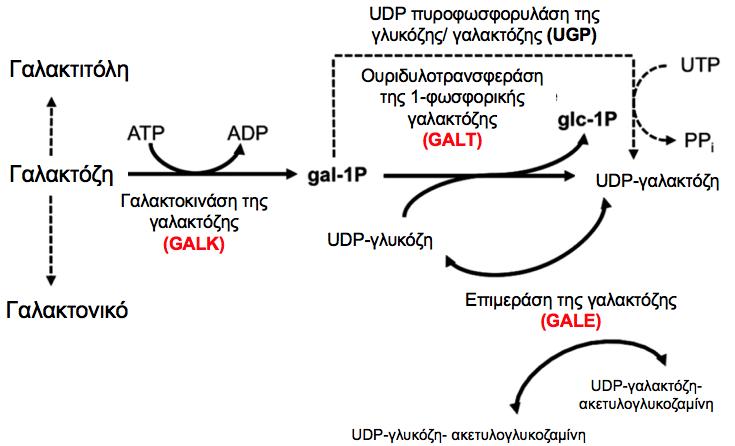
Galactosemia is an inborn error of the carbohydrate of galactose metabolism. Three enzymes are necessary for this function, galactose – 1- phosphate uridyl transferase (GALT), galactokinase (GALK), uridine diphosphate UDP galactose 4 epimerase (GALE). The most severe enzyme deficiency is the deficiency of GALT (classical galactosemia). The symptoms of these disorder include liver dysfunction, hypoglycaemia, eye cataract, seizures, sepsis (E.coli), mental retardation. The other enzyme deficiencies GALK and GALE present mild to moderate symptoms such as eye cataract. The only treatment of all enzyme types of galactosemia is galactose free diet.
Key words: galactosemia, galactose, classical galactosemia, galactokinase, epimerase
Triantafyllia Sdogou
Evridiki Drogari
Unit for Metabolic Disorders, Choremio Research Institute, First Department of Pediatrics School of Medicine, National and Kapodistrian University of Athens, “Agia Sofia” Children’s Hospital, Greece
Kleopatra Schulpi
Inborn Errors of Metabolism Department, Institute of Child Health, “Agia Sofia” Children’s Hospital, Athens, Greece
1. Demirbas D, Coelho AI, Rubio-Gozalbo ME, Berry GT. Hereditary galactosemia. Metabolism. 2018 Jun;83:188-196.
2. Berry GT. Classic Galactosemia and Clinical Variant Galactosemia. 2000 Feb 4[updated 2017 Mar 9]. In: Adam MP, Ardinger HH, Pagon RA, Wallace SE, Bean LJH, Stephens K, Amemiya A, editors. Gene Reviews® [Internet]. Seattle (WA): University of Washington, Seattle; 1993-2018. Available from http://www.ncbi.nlm.nih.gov/books/NBK1518.
3. Coelho AI, Berry GT, Rubio-Gozalbo ME. Galactose metabolism and health. Curr Opin Clin Nutr Metab Care. 2015 Jul;18(4):422-7.
4. Anderson S. GALT Deficiency Galactosemia. MCN Am J Matern Child Nurs. 2018
5. Schulpis K, Kalogerakou M, Monopolis I. Incidence of galactose metabolic disorders in Greece. Minerva Pediatr. 2016 Dec;68(6):505-507.
6. Berry GT, Nissim I, Lin Z, Mazur AT, Gibson JB, Segal S. Endogenous synthesis of galactose in normal men and patients with hereditary galactosaemia. Lancet.1995 Oct21;346(8982):1073-
4.
7. Spencer JB, Badik JR, Ryan EL, Gleason TJ, Broadaway KA, Epstein MP, Fridovich-Keil JL. Modifiers of ovarian function in girls and women with classic galactosemia. J ClinEndocrinolMetab. 2013 Jul;98(7):E1257-65.
8. Badik JR, Castañeda U, Gleason TJ, Spencer JB, Epstein MP, Ficicioglu C, Fitzgerald K, Fridovich-Keil JL. Ovarian function in Duarte galactosemia. Fertil Steril. 2011 Aug;96(2):469473.
9. Bosch AM, Bakker HD, van Gennip AH, van Kempen JV, Wanders RJ, Wijburg FA. Clinical features of galactokinase deficiency: a review of the literature. J Inherit Metab Dis. 2002 Dec;25(8):629-34.
10. Hennermann JB, Schadewaldt P, Vetter B, Shin YS, Mönch E, Klein J. Featuresand outcome of galactokinase deficiency in children diagnosed by new born screening. J Inherit Metab Dis. 2011 Apr;34(2):399-407.
11. Walter JH, Roberts RE, Besley GT, Wraith JE, Cleary MA, Holton JB, MacFaul R. Generalised uridine diphosphate galactose-4-epimerase deficiency. ArchDisChild.1999 Apr;80(4):374-
6.
12. Sarkar M, Bose SS, Mondal G, Chatterjee S. Generalized epimerase deficiency galactosemia. Indian J Pediatr. 2010 Aug;77(8):909-10.
13. Openo KK, Schulz JM, Vargas CA, Orton CS, Epstein MP, Schnur RE, Scaglia F, Berry GT, Gottesman GS, Ficicioglu C, Slonim AE, Schroer RJ, Yu C, Rangel VE, Keenan J, Lamance K, Fridovich-Keil JL. Epimerase-deficiency galactosemia is not a binary condition. Am J Hum Genet. 2006 Jan;78(1):89-102.
14. Pyhtila BM, Shaw KA, Neumann SE, Fridovich-Keil JL. Newborn screening forgalactosemia
in the United States: looking back, looking around, and looking ahead. JIMD Rep. 2015;15:7993.
15. Crushell E, Chukwu J, Mayne P, Blatny J, Treacy EP. Negative screening tests in classical galactosaemia caused by S135L homozygosity. J Inherit Metab Dis. 2009 Jun;32(3):412-5.
16. Fridovich-Keil JL, Gambello MJ, Singh RH, Sharer JD. Duarte Variant Galactosemia. 2014 Dec 4. In: Adam MP, Ardinger HH, Pagon RA, Wallace SE, Bean LJH, Stephens K, Amemiya A, editors. Gene Reviews® [Internet]. Seattle (WA):University of Washington, Seattle; 19932018. Available from http://www.ncbi.nlm.nih.gov/books/NBK258640/ PubMed PMID: 25473725.
17. Hunter M, Heyer E, Austerlitz F, Angelicheva D, Nedkova V, Briones P, Gata A, de Pablo R, László A, Bosshard N, Gitzelmann R, Tordai A, Kalmar L, Szalai C,Balogh I, Lupu C, Corches A, Popa G, Perez-Lezaun A, Kalaydjieva LV. The P28Tmutation in the GALK1 gene accounts for galactokinase deficiency in Roma (Gypsy)patients across Europe. PediatrRes. 2002 May;51(5):602-6.
18. Berry GT. Galactosemia: when is it a newborn screening emergency? Mol Genet Metab. 2012 May;106(1):7-11.
19. Doulgeraki A, Monopolis I, Deligianni D, Kalogerakou M, Schulpis KH. Bodycomposition in young patients with galactose metabolic disorders: a preliminaryreport. J PediatrEndocrinolMetab. 2014 Jan;27(1-2):81-6.
20. Maraini G, Leardi E, Nuzzi G. Galactosemic enzyme levels in presenile cataracts. Graefes Arch Clin Exp Ophthalmol. 1982;219(2):100-1.
e-mail:
Correspondence
Paraskevi Karagianni
Ring Road, Municipality of Pavlos Melas, N. Efkarpia, 56403, Thessaloniki
T. 302313323360
e-mail: karagpar@gmail.com
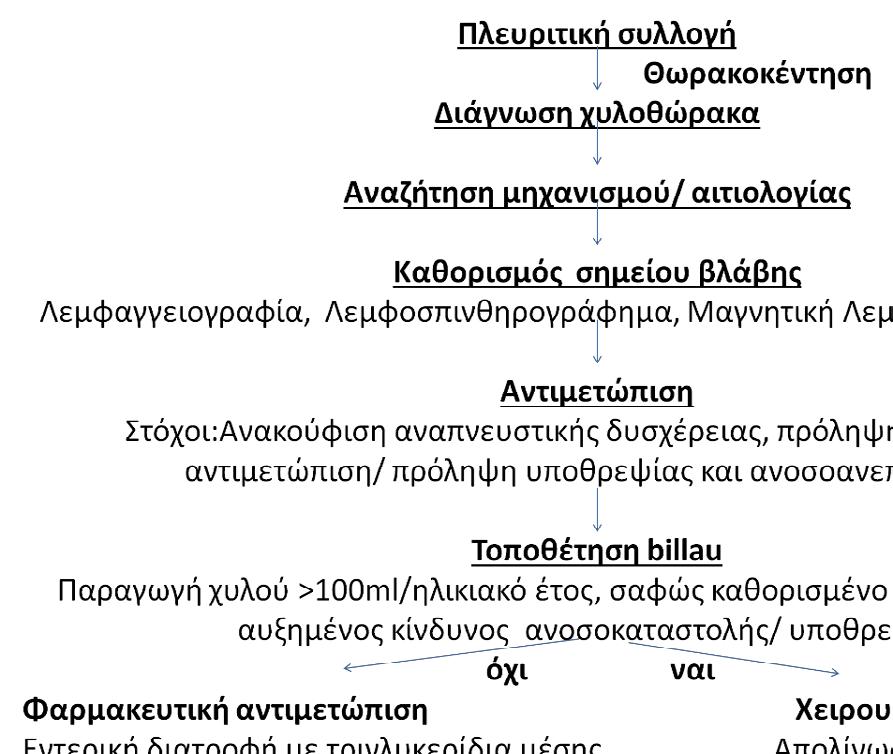
Congenital chylothorax as a cause of hydrops fetalis in a premature neonate: case report and short literature review
Maria Papadopoulou, Paraskevi Karagianni, Christos Tsakalidis, Maria Lithoxopoulou, Georgios Mitsiakos, Vasiliki Soubasi-Griva
Abstract
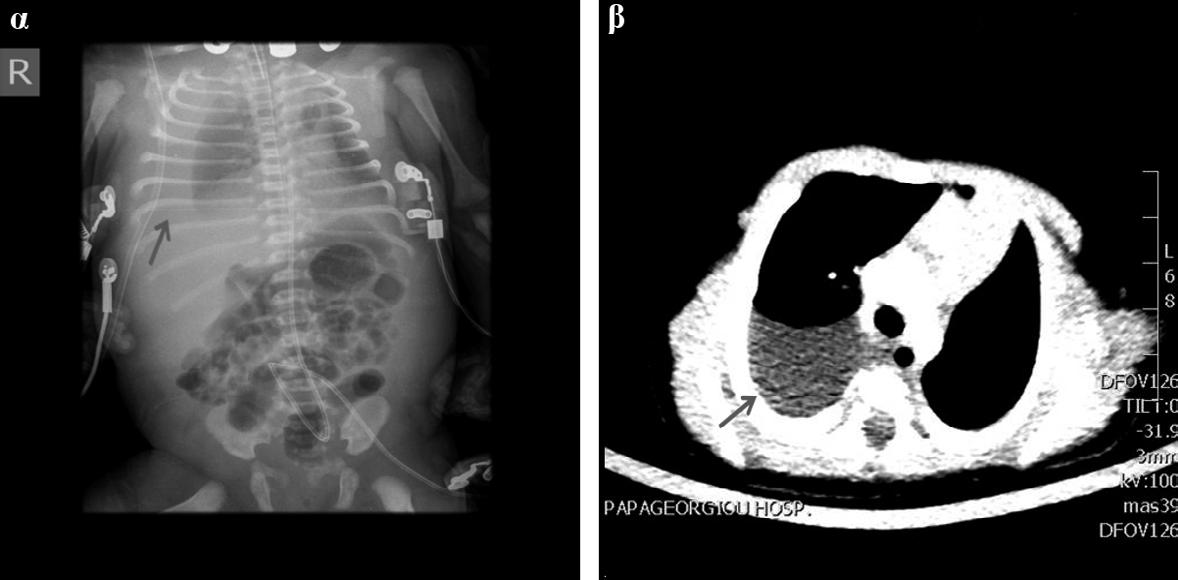
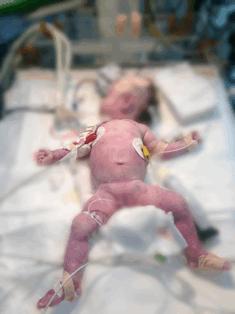
Chylothorax is characterized by pathological lymph (chyle) accumulation in pleural space. It is extremely rare among children, but is the most common cause of pleural effusion among neonates. We present a case of a female late premature neonate that was born with generalized subcutaneous edema and prenatal diagnosis of right pleural effusion (hydrops fetalis). The analysis of the pleural fluid along with the essential laboratory and imaging investigation to establish the diagnosis of congenital chylothorax are outlined. Congenital chylothorax may have as a result congenital anomalies of the lymphatic system (lymphangiectasia, lymphangioma, atresia of thoracic duct), may accompany genetic syndromes (Down, Turner, Noonan etc) or may be idiopathic. It presents with severe respiratory distress and mortality during the first postnatal hours, dullness in the thoracic percussion and diminished unilateral/ bilateral breath sounds. Prognosis depends on prompt diagnosis and treatment, on the possible underlying cause and on the potential complications (malnutrition, secondary immunosuppresion). Initial management includes enteric medium chain triglycerides formula feeding or modified breast milk. Resistant cases seem to have a good response to octreotide administration, but further data are needed. Surgical management is necessary in case of non response to conservatory treatment options.
Key words: hydrops fetalis, congenital chylothorax, pleural effusion, medium chain triglycerides formula, octreotide
Maria Papadopoulou
Paraskevi Karagianni
Christos Tsakalidis
Maria Lithoxopoulou
Georgios Mitsiakos
Vasiliki Soubasi-Griva
2nd Neonatal Intensive Care Unit, Aristotle University of Thessaloniki, General Hospital of Thessaloniki “Papageorgiou”
(Turner, Noonan, Down, Ehlers-Danlos, X-linkedmuotubularmyopathy) (1,4).
(TutorJD,


Βιβλιογραφία
1. Attar MA, Donn SM. Congenital chylothorax. Semin Fetal Neonatal Med [Internet]. 2017;22(4):234–9.
Webpage: http://www.sciencedirect.com/science/article/pii/S1744165X17300409
2. Bialkowski A, Poets CF, Franz AR. Congenital chylothorax: a prospective nationwide epidemiological study in Germany. Arch Dis Child - Fetal Neonatal Ed [Internet]. 2015 Feb 18;100(2):F169 LP-F172.
Webpage: http://fn.bmj.com/content/100/2/F169.abstract
3. Brock, Whitney; Bradshaw W. Congenital Chylothorax: A Unique Presentation of Nonimmune Hydrops Fetalis in a Preterm Infant. Adv Neonatal Care. 2016;16(2):114–23.
4. Tutor JD. Chylothorax in Infants and Children. Pediatrics [Internet]. 2014 Apr 1;133(4):722 LP-733.
Webpage:http://pediatrics.aappublications.org/content/133/4/722.abstract
5. Dubin, Patricia; King, Isabelle; Gallagher P. Congenital Chylothorax. Curr Opin Paediatr. 2000;12(5):505–9.
6. Perisson C, Nathan N, Larroquet M, Corvol H. An idiopathic congenital chylothorax: surgery or conservative management? BMJ Case Rep [Internet]. 2014;2014. Webpage: http://europepmc.org/articles/PMC4009891
7. Chemaou A, Ayachi M, Ailal F, Najib J. Chylothorax idiopathique chez un nourrisson. Prise en charge et évolution. Arch Pédiatrie [Internet]. 2012;19(7):711–3.
Webpage: http://www.sciencedirect.com/science/article/pii/S0929693X12002163
8. Foo N-H, Hwang Y-S, Lin C-C, Tsai W-H. Congenital Chylothorax in a Late Preterm Infant and Successful Treatment With Octreotide. Pediatr Neonatol [Internet]. 2017 Sep
24;52(5):297–301.
Webpage: http://dx.doi.org/10.1016/j.pedneo.2011.06.011
9. Das A, Shah PS. Octreotide for the treatment of chylothorax in neonates. Cochrane Database Syst Rev [Internet]. 2010;(9).
Webpage: http://dx.doi.org/10.1002/14651858.CD006388.pub2
10. Yin R, Zhang R, Wang J, Yuan L, Hu L, Jiang S, et al. Effects of somatostatin/octreotide treatment in neonates with congenital chylothorax. Medicine (Baltimore) [Internet]. 2017 Jul 21;96(29):e7594.
Webpage: http://www.ncbi.nlm.nih.gov/pmc/articles/PMC5521940/
e-mail: gi.dimitriou23@ gmail.com
Correspondence
Georgia Dimitriou
Amaliados 8, Ampelokipoi
Athens 11523
T. +306976703413
e-mail: gi.dimitriou23@ gmail.com
Georgia Dimitriou, Alexia-Eleutheria Palioura, Vaios Katsaros, Stavros Antonopoulos
Abstract
Background: A remarkable clinical entity, convulsions with mild gastroenteritis without electrolyte imbalance or known meningoencephalitis occurs in children with normal psychomotor development.
Case Report: A 3-year-old boy with free medical history and a 2-day history of gastroenteritis presented with a 2-minute episode of afebrile generalized tonic seizures. On physical examination, he had a positive Brudzinski sign, GCS 15/15 and the initial laboratory tests, including cerebrospinal fluid, were normal. The child, even though treated with ceftriaxone, experienced a second episode of afebrile generalized tonic-clonic seizures lasting a few minutes. Acyclovir was added and the child was transferred to a tertiary hospital center, where further laboratory investigation, brain CT and EEG were performed without revealing positive findings. On arrival to the tertiary hospital the child presented a third episode of afebrile generalized tonic-clonic convulsions and got treated with phenytoin. During his 6-day hospitalization he remained asymptomatic and despite stopping the antiepileptic treatment within four days the child did not repeat seizures. His psychomotor development also remained normal.
Conclusion: Convulsions with acute gastroenteritis constitutes an entity with excellent prognosis and therefore could be considered as benign. Early recognition leads to avoidance of unnecessary examinations and chronic anti-epileptic treatment.
Key words: convulsions, gastroenteritis, benign, rotavirus
Georgia Dimitriou
Alexia-Eleutheria Palioura Pediatrics Residents
Vaios Katsaros
Pediatric Department of General Hospital of Messinia, Kalamata Greece
Stavros Antonopoulos
Pediatric Department of General Hospital of Argolida, Argos Greece
Βιβλιογραφία
1. Kang B, Kwon YS. Benign convulsion with mild gastroenteritis. Korean J Pediatr 2014;57(7):304-309
2. Verrotti A, Tocco AM, Coppola GG, Altobelli E, Chiarelli F. Afebrile benign convulsions with mild gastroenteritis: a new entity? Acta Neurol Scand. 2009;120:73–79. [PubMed]
3. Hung JJ, Wen HY, Yen MH, Chen HW, Yan DC, Lin KL, et al. Rotavirus gastroenteritis associated with afebrile convulsion in children: clinical analysis of 40 cases. Chang Gung Med J. 2003;26:654–659.[PubMed]
4. Morooka K. Convulsions and mild diarrhea. Shonika (Tokyo) 1982;23:131–137.
5. Narchi H. Benign afebrile cluster convulsions with gastroenteritis: an observational study. BMC Pediatr. 2004;4:2. [PMC free article] [PubMed]
6. Caraballo RH, Ganez L, Santos Cde L, Espeche A, Cersosimo R, Fejerman N. Benign infantile seizures with mild gastroenteritis: study of 22 patients. Seizure. 2009;18:686–689. [PubMed]
7. Ramig RF. Pathogenesis of Intestinal and Systemic Rotavirus Infection. J. Virol 2004;78(19):10213-10220
8. Nishimura S, Ushijima H, Nishimura S, Shiraishi H, Kanazawa C, Abe T,et al. Detection of rotavirus in cerebrospinal fluid and blood of patients with convulsions and gastroenteritis by means of the reverse transcription polymerase chain reaction. Brain and Development 1993;15(6):457-459
9. Díaz Y, Chemello ME, Pena F, Aristimuno OC, Zambrano JL, Rojas H, et al. Expression of nonstructural rotavirus protein NSP4 mimics Ca2+ homeostasis changes induced by rotavirus infection in cultured cells. J Virol. 2008;82:11331–11343. [PMC free article] [PubMed]
10. Dong Y, Zeng C Q.-Y., Ball JM, Estes MK, Morris AP. The rotavirus enterotoxin NSP4 mobilizes intracellular calcium inhuman intestinal cells by stimulating phospholipase C-mediatedinositol 1,4,5-trisphosphate production. Proc. Natl. Acad. Sci. USA 1997;94:3960-3965
11. Ruiz MC, Cohen J, Michelangeli F. Role of Ca2+in the replication and pathogenesis of rotavirus and other viral infections. Cell Calcium. 2000;28:137–149. [PubMed]
12. Kawashima H, Inage Y, Ogihara M, Kashiwagi Y, Takekuma K, Hoshika A, et al. Serum and cerebrospinal fluid nitrite/nitrate levels in patients with rotavirus gastroenteritis induced convulsion. Life Sci. 2004;74:1397–1405. [PubMed]
13. Diaz JR, Banasaz M, Istrate C, Buesa J, Lundgren O, Espinoza F, et al. Role of Nitric Oxide During Rotavirus Infection. JournalofMedicalVirology78:979–985(2006)
14. Kim G, Byeon JH, Lee D, Jeong HJ, Eun B. Norovirus in benign convulsions with mild gastroenteritis. Ital J Pediatr 2016; 42: 94
15. Cusmai R, Jocic-Jakubi B, Cantonetti L, Japaridze N, Vigevano F. Convulsions associated with gastroenteritis in the spectrum of benign focal epilepsies in infancy: 30 cases including four cases with ictal EEG recording. Epileptic Disord. 2010;12:255–261. [PubMed]
16. Park SH, Kim YO, Kim HK, Kim HS, Kim BY, Cheon KR, et al. Incidence of benign convulsions with mild gastroenteritis after introduction of rotavirus vaccine. BrainDev. 2015 Jun;37(6):625-30 [PubMed]
e-mail: tsergent@med.uoa.gr
Correspondence
Theodoros N. Sergentanis
Mesogeion 24, 11527, Athens
Τ. +302107710824
e-mail: tsergent@med.uoa.gr
Panagiota Panagiotou, Theodoros N. Sergentanis, Artemis Tsitsika
Abstract
Background: The low fertility rates phenomenon in Greece seems to be continuously growing during the last thirty five years. This brief narrative review aims to present the current situation in our country, to compare roughly the facts with other European countries, to exam the causes of the phenomenon and describe its consequences, as well as to propose some remedial strategies. Methods: A comprehensive review of the literature has been implemented; We searched on European and Greek statistics databases, on the publications of the Laboratory of Social and Demographic Analysis of the University of Thessaly, in conferences΄ proceedings. The “snowball procedure” was followed.
Results: We found out that the fertility rate in Greece is decreasing since the 80s. A possible but reversible cause of low fertility rates is the delayed mean age of women at birth of first child, as well as the childbirth almost exclusively within marriage in Greece. The high number of abortions as well as the current unfavourable socioeconomic conditions intensified the phenomenon. All the above resulted in the appearance of a new phenomenon in the Greek society, this of “childlessness”.
Conclusions: In order to cope with the phenomenon, strategies for the socioeconomic reinforcement of Greek women are needed, mainly during sensitive periods of their life such as motherhood. Greek women have to be reinforced in taking care of the dependent members of the family too. Secondly Greek citizens need to be informed and educated, as far as values and conditions that support childbirth are concerned. Last but not least, the phenomenon must be studied in depth through the conduction of regular and evidence based demographic and social studies.
Key words: Lowfertilityrate, Greece, childlessness
Panagiota Panagiotou
Theodoros N. Sergentanis
Artemis Tsitsika
Adolescent Health Unit, Second Department of Pediatrics, "P. & A. Kyriakou" Children's Hospital
1.
Βόλος, Τεύχος 27, 2016
2. Κοτζαμάνης Βύρων, [ιστοσελίδα στο διαδίκτυο]. Γεννητικότητα- Γονιμότητα. Άσκηση, Εργαστήριο
http://www.demography-lab.prd.uth. gr/DDAoG/edu/lessons/6.htm (τελευταία προβολή 9.10.2018)
3. Σβώλου Α. Η ιστορική
4. Κοτζαμάνης Βύρων.
2017
5. Eurostat, [webpage internet]. Fertilityrates, 2017, http://ec.europa.eu/eurostat/statistics-explained/index.php/Fertility_statistics (τελευταίαπροβολή 15.06.2018)
6.
(ΕΛΣΤΑΤ),
2014, http://www.statistics.gr/el/statistics/-/publication/DKT75/-
17.06.2018)
7.
το 2001
(ΕΚΚΕ), 2001,
8. Eurostat, [webpage internet]. Marriage and birth statistics - new ways of living together in the EU, 2013, http://ec.europa.eu/eurostat/statistics-explained/index.php/Marriage_and_birth_statistics_-_new_ways_of_living_together_in_the_EU (τελευταία
16.06.2018)
9.
10.
2014 http://www.statistics.gr/ el/statistics/-/publication/SAM03/-(τελευταία
11. Billari, F. C., Kohler H.-P. “Patterns of low and very low fertility in Europe”. Population Studies 2004; 58 (2): 161-176 12. Μαυραντζά Σ. [ιστοσελίδα
Ελλάδα. CNN Greece, 2016 https://www.cnn.gr/news/ellada/story/45194/provlimatizei-oarithmos-ton-ektroseon-stin-ellada (τελευταία
17.06.2018)
13. Eurostat. [webpage internet]. Fertility statistics in relation to economy, parity, education and migration. Jump to: navigation, search ,Towards a “baby recession” in Europe?, 2013 http:// ec.europa.eu/eurostat/statistics-explained/index.php?title=Fertility_statistics_in_relation_to_ economy,_parity,_education_and_migration#By_country (τελευταία προβολή 16.06.2018)
14. Sobotka, T. “Pathways to low fertility: European Experience”. UN Expert Group Meeting. United Nations Department of Economic and Social Affairs, Population Division; 2013. http:// www.un.org/en/development/desa/population/events/pdf/expert/21/2013-EGM_Tomas%20 Sobotka.pdf (τελευταία προβολή 17.06.2018)

διαφθορά/ απληστία, εκμετάλλευση/ βία, τρομοκρατία/ πολέμους/ εγκλήματα κατά της ανθρωπότητας/ εκτοπισμούς, γενοκτονίες/ ναυάγια, προσφυγιά”. Παρακαλάει τον Θεό να γίνει το θέλημα του, αναγνωρίζοντας την αδυναμία των ανθρώπων. Σιγά-σιγά
Ιατρολογοτεχνικό
"ΚΑΣΤΑΛΙΑ"

2.
3.
4.
5.
6.
7.
8.
9. Ενδιαφέρουσες
10. Σύντομα
11. Βραχείες
12.
13.
14.
(Uniform Requirements for Manuscripts Submitted to Biomedical Journals),
International Committee of Medical Journal Editors/Uniform Requirements for Manuscripts Submitted to Biomedical Journals, (www.icmje.org και www.icmje.org/icmje. pdf).
Cumulated Index Medicus [List of Journals Indexed in Index Medicus (www.nlm.nih.goν/bsd/uniform_requirements. html)].
Proesmans W. Bartter syndrome and its neonatal νariant. Eur J Pediatr 1997;156:669-679.
Flyvbjerg Α. Role of growth hormone, insulin-like growth factors (IGFs) and IGF-binding proteins in the renal complications of diabetes. Kidney Ιnt 1997;52 (60 Suppl):S12-S19.
Χωρίς συγγραφέα:
National Institutes of Health Consensus Deνelopment Conference. Neurofibromatosis conference statement. Arch Neurol1988;45:575-578.
Προσδιορισμός τύπου άρθρου:
Schreiner GF, Lange L. Ethanol modulation of macrophage influx in glomerulonephritis [Abstract]. J Am Soc Nephrol 1991;2:562.
Should antileukotriene therapies be used instead of inhaled corticosteroids in asthma? [Editorial]. Am J Respir Crit Care Med 1998;158:1697-1701.
Laux-End R, Inaebnit D, Gerber ΗΑ, Bianchetti MG. Vasculitis associated with leνamisole and circulating autoantibodies [Let ter]. Arch Dis Child 1996;75:355-356.
II. ΒΙΒΛΙΑ
Clark AG, Barratt ΤΜ. Steroid-responsiνe nephrotic syndrome. Ιn: Barratt ΤΜ, Arner ED, Harmon WE, editors. Pediatric Nephrology. 4th ed. Baltimore: Lippincott William Wilkins; 1999. p. 742.
Σύγγραμμα
Gorlin RJ, Cohen ΜΜ, Leνin LS. Syndromes of the head and neck. 3rd ed. New York: Oxford Uniνersity Press; 1990.
Δημοσίευση
Bauer ΑW. The two definitions of bacterial resistance. In: Smith AJ, Rogers CA, eds. Proceedings of the Third International Congress of Chemotherapy; 1962 May 29-31; New York: International Society of Chemotherapy; 1963. p. 484-500.
Διδακτορική
Πανεπιστήμιο Αθηνών; 1979.
Kaplan SJ. Post hospital home health care: the elderly’s access and utilization [dissertation]. St. Louis (Μο): Washington Univ.;1995.
III. CD-ROM
Andersoη SC, Poulsen ΚΒ. Anderson’s electronic atlas of hematology [CD-ROM]. Philadelphia: Lippincott Williams & Wilkins; 2002.
IV. ΣΤΟ ΔΙΑΔΙΚΤΥΟ
Abood S. Quality improνement initiatiνe in nursiηg homes: the ΑΝΑ acts in an adνisory role. Am J Nurs [Internet]. 2002 Jun:
Webpage: http://www.nursingworld.org/AJN/2002/june/Wawatch.htm
Μονογραφία: Foley ΚΜ, Gelbaηd Η, editors. Improving palliative care for cancer [Monograph, Internet]. Washington: National Academy Press; 2001.
Webpage: http://www.nap.edu/books/0309074029/html
Ιστοσελίδες: Cancer-Pain.org [Webpage, Internet]. New York: Association of Cancer Online Resources, Ιnc.; 2002: http://www.cancer-pain.org/
Πίνακες
•
•
• επιστημονικό/ά κέντρο/α
•
2.
3.
4.
5.
7.