The child with short stature Sofia Leka-Emiris, Elpis-Athina Vlachopapadopoulou, Stefanos Michalacos
040
Cardiovascular manifestations in children with neurocutaneous syndromes Maria Gogou, Andreas Giannopoulos
120
EPIDEMIOLOGICAL STUDY
(Pro) action plan for HPV vaccination How the Theory of Planned Behavior contributes as a method of planning health interventions Christodoulou Panayiotis
President
A. Constantopoulos
Editorial board
Director
S. Antoniadis
Members
S. Andronikou
E. Galanakis
A. Evangeliou
L. Thomaidou
M. Kanariou
A. Kapogiannis
S. Kitsiou-Tzeli
E. Mantadakis
P. Panagiotopoulou-Gartagani
A. Papadopoulou
V. Papaevagelou
A. Papathanassiou
A. Siamopoulou-Mavridou
A. Syrigou-Papavasiliou
Manuscript submission
e-mail: grammateia@e-child.gr
Instructions to authors: http://e-child.gr/publications/ instructions-to-authors
Owner Greek Paediatric Society 15, Mpakopoulou st. GR - 15451, Ν. Psychiko Tel.: +302107771140 e-mail: grammateia@e-child.gr
Annual subscription All foreign countries: US$50
130
CASE REPORTS
Congenital polycythemia with elevated erythropoietin levels
Vassiliki-Sotiria Tzotzola, Ioannis Panagiotou, Maria Ambatzidou, Sofia Polichronopoulou
140
Gianotti-Crosti syndrome associated with streptococcal infection Klimi Eleni
144
CASE REPORT IN PICTURES
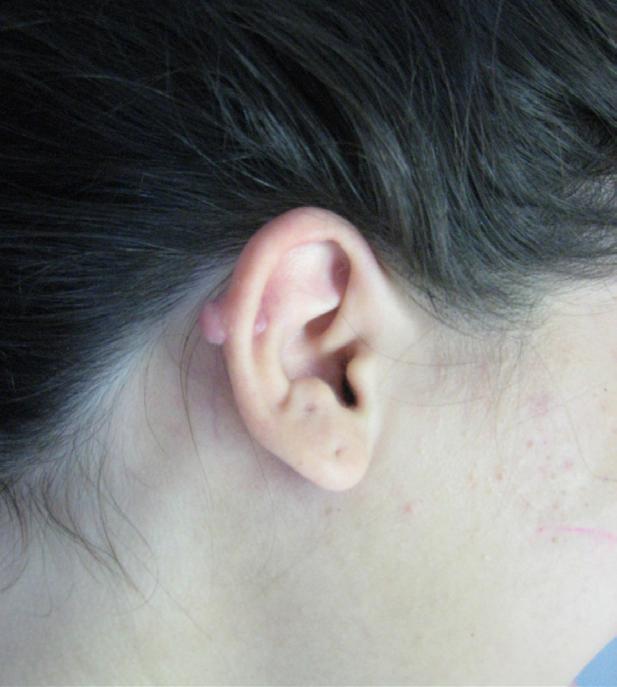
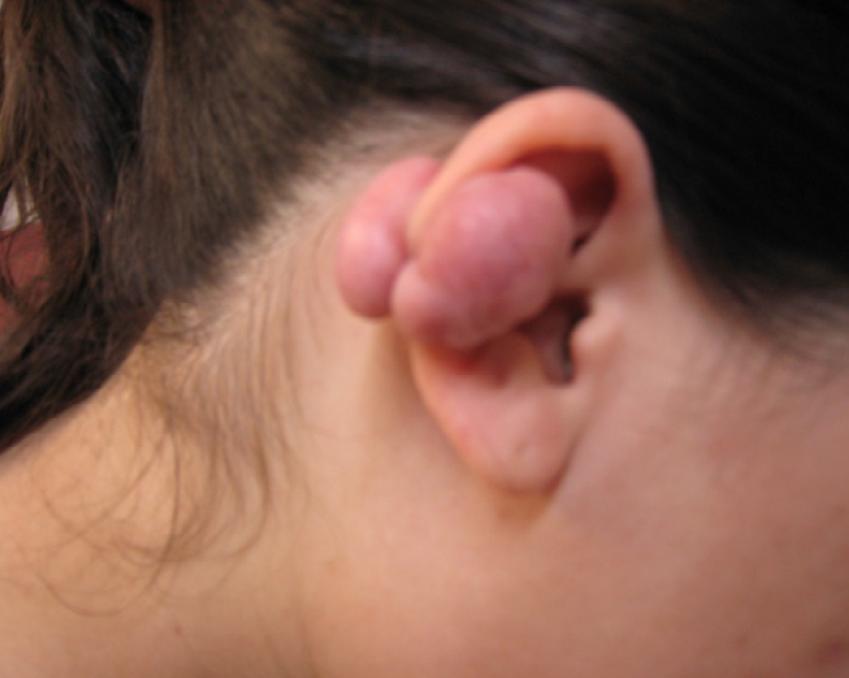
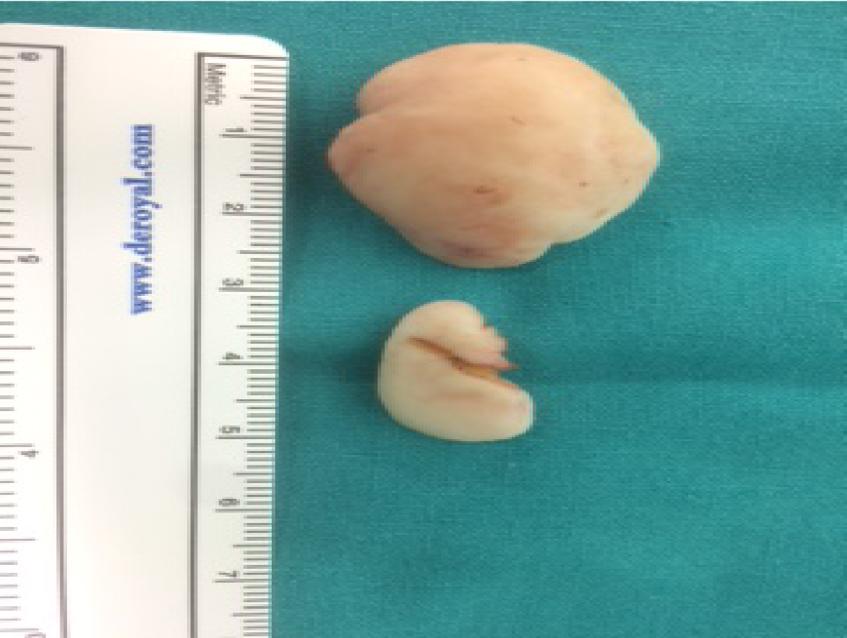
Cheloids of considerable size in the ear lobe of an adolescent, after ear piercing
Matheos Angelakis
146 BETWEEN COLLEAGUES
148 BOOK PRESENTATION
Otorhinolaringology for children By Michalis Choulakis
150
INSTRUCTIONS TO AUTHORS
Τ.
e-mail:
Kozlov, J.C. Duvigneau, S. Dumitrescu, A. Weidinger,
(Systemic inflammatory response syndrome, SIRS)
με SIRS καθώς και υγιή παιδιά-controls (H). Υλικά/Μέθοδοι: Μελετήθηκαν 62 παιδιά (SS/15, SIRS/20, H/27) στην 1, 3 και 5 ημέρα της νοσηλείας τους. Υπολογίστηκαν τα scores δείκτη
(Body mass index (BMI) z-scores) και βαρύτητας νόσου (PeLOD, APACHE, SOFA). Μετρήθηκαν: καρδιακή συσταλτικότητα (EF, SF), τροπονίνη (Tn), γαλακτικό
κατανάλωση ενέργειας (Energy expenditure, EE) με Gas Module E-COVX, ATP στα λευκά αιμοσφαίρια με τη δοκιμασία λουσιφεράσης (luciferase luminescent assay). Επίσης μετρήθηκαν τα επίπεδα γλουταμίνης και NO2/NO3 με υγρή χρωματογραφία υψηλής
λιπιδίων (TBARS) με
(HPLC),
resistin, Antiponectin
Heat Shock Proteins (HSP) με την ποσοτική ανοσοενζυμική μέθοδο sandwich enzyme-linked immunosorbent assay (ELISA), καθώς και οι ενδοκυττάριες HSP72, HSP90α με κυτταρομετρία ροής (flow cytometry).
Αποτελέσματα:
(p<0.05).
Συμπέρασμα:
A.V. Kozlov
S. Dumitrescu
A. Weidinger
Ludwig Boltzmann Institute for Experimental and Clinical Traumatology in the AUVA, Vienna, Austria
J.C. Duvigneau
University of Veterinary Medicine, Vienna, Austria
Correspondence
Άnna-Maria Spanaki
Κyra tis Ro 10, 71307
Κipoupoli, Ηraklio Crete
Τ. +306944962133
e-mail: spanakam@yahoo. gr
Longitudinal changes of inflammatory-hormonal response innate-immunity bioenergetics and metabolism in critically ill children with severe sepsis
A.M. Spanaki, T. Tavladaki, H. Dimitriou, E. Blevrakis, A.V. Kozlov, J.C. Duvigneau, S. Dumitrescu, A. Weidinger, G. Briassoulis
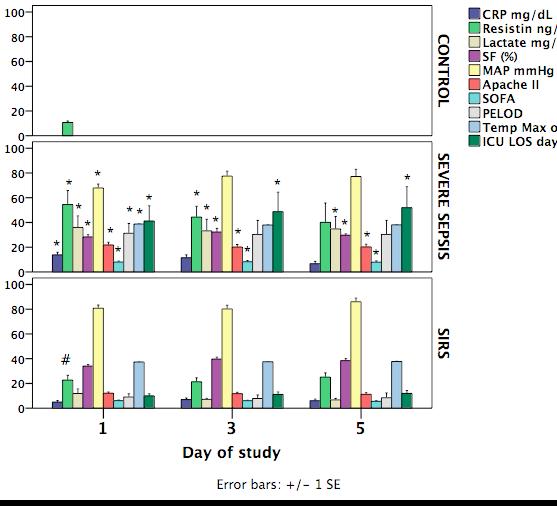
Introduction: Cell stress induced by severe sepsis (SS) or systemic inflammatory response syndrome (SIRS) presents with acute inflammatory, hormonal, immune and metabolic derangements. Their relation with mitochondrial dysfunction has not been adequately studied.
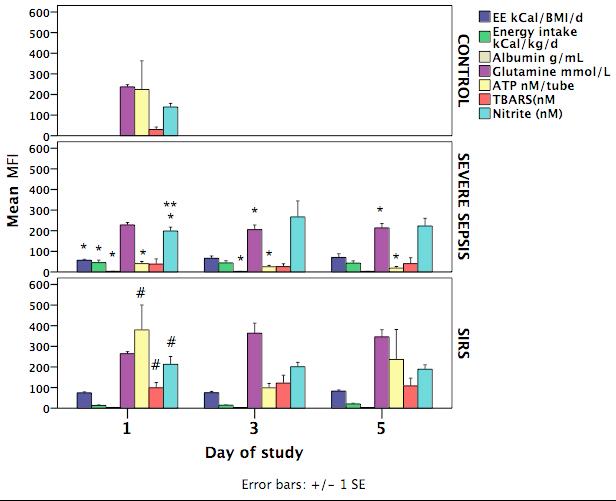
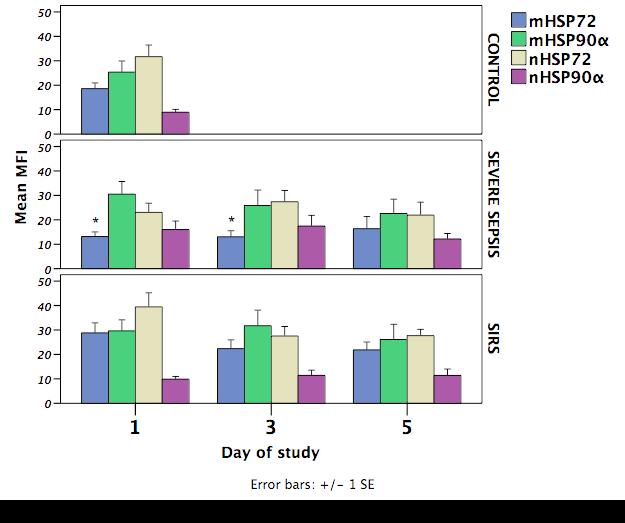
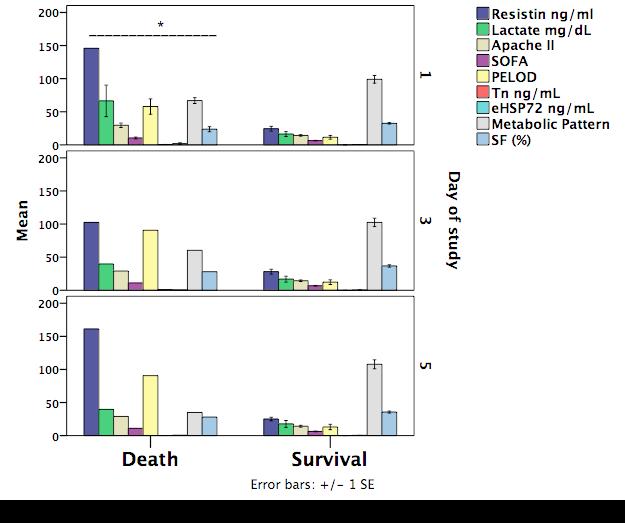
Objectives: To examine the longitudinal inflammatory, hormonal, immune, bioenergy and metabolic changes in children with SS; to compare with those of children with SIRS or healthy controls (H). Methods: Blood samples obtained from 62 children (SS/15; SIRS/20; H/27) on days 1, 3 and 5. Body mass index (BMI) z-scores, PeLOD, APACHE, SOFA scores were calculated. Lactate, Tn, EF and SF were measured. Energy expenditure (EE) was determined by the Gas Module E-COVX, ATP-levels in white blood cells by luciferase luminescent assay, plasma glutamine and NO2/NO3 by HPLC; lipid peroxidation products (TBARS) by a colorimetric test. Intracellular Heat Shock Proteins (HSP72, HSP90α) expressions by flow cytometry; serum HSP72, adiponectin and resistin by ELISA.
A. M. Spanaki
T. Tavladaki
E. Blevrakis
G. Briassoulis
PICU, University of Crete/University Hospital, Heraklion, Greece
H. Dimitriou
Paediatric Haematology
Oncology, University of Crete, Medical School, Heraklion, Greece
A.V. Kozlov
S. Dumitrescu
A. Weidinger
Ludwig Boltzmann
Institute for Experimental and Clinical Traumatology in the AUVA, Vienna, Austria
J.C. Duvigneau
University of Veterinary Medicine, Vienna, Austria
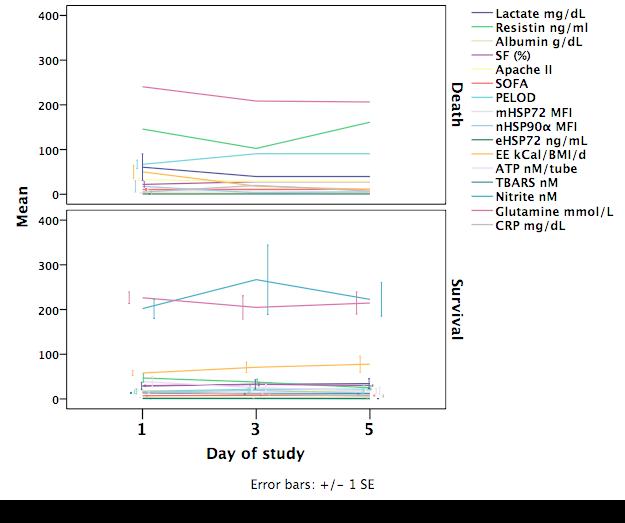
Results: SS patients with increased severity of illness had lower SF, EF, EE, albumin, glutamine, ATP, TBARS and higher levels of lactate, resistin, ΝΟ2 compared to patients with SIRS, SIRS and H (p<0.05). Changes were persisted through day 3 and were ameliorated by day 5. Longitudinal changes were associated with intracellular repression of HSP72, HSP90α and increased levels of extracellular HSP72 (p<0.05) and were related to mortality (p<0.05). Non-survivors were hypometabolic, with lower EF, SF and higher PRISM, PeLOD, resistin, Tn (p<0.05). Plasma glutamine increased after trauma (p<0.04).
Conclusion: SS is characterized from longitudinally stronger intracellular repression of ATP, HPS72, HSP90α, metabolism (EE, albumin, glutamine) and extracellular induction of inflammatory hormones (resistin) and innate immunity proteins signaling acute stress danger (HSP72) compared to SIRS.
adiponectin (Invitrogen, Carlsbad, CA, USA) και resistin (R&D Systems, Abingdon UK)
resistin.
CD33-PeCy5 (phycoerythrin-Cy5) και CD45-PeCy7 (phycoerythrin-Cy7).
(Fixation Buffer, Biolegend)
Hsp70/Hsp72-FITC (Fluorescein Isothiocyanate, Enzo), and Hsp90a-PE phycoerythrin (Enzo Life Sciences, NY, USA). IgG isotype controls
EPICS Coulter (CYTOMICS FC500)
σύμφωνα με την έκφραση CD45. Η MFI
(m)
(Hitachi AminoacidanalyzerL 8900)
Μέτρηση
(Energy Expenditure, EE)
E-COVX (GE Healthcare/Datex-Ohmeda 2000) (5).
Age, years, median (IQR)
Males/Females, n (%)
APACHE II, median (IQR)
APACHE II, probability of death, (%), median (IQR)
PELOD, median (IQR)
SOFA, median (IQR)
Mortality, n (%)
LOS, days, median (IQR)
Temp. Maximum, oC, mean±SE
MAP, mmHg, mean±SE
SF, %, mean±SE
ng/mL, median (IQR)
LDH, U/L, median (IQR)
CRP, mg/dL, mean±SE
ng/mL, mean±SE
adiponectin, ng/mL, mean±SE
Spearman rank correlation.
Lactate, mg/dL mean±SE
SID, mean±SE
Anion Gap, mean±SE
Glucose, mg/dL, mean±SE
Albumin, g/dL, mean±SE
EE, kCal/BMI/d, mean±SE
mHSP72, MFI, mean±SE
nHSP72, MFI, mean±SE
mHSP90α, MFI, mean±SE
nHSP90α, MFI, mean±SE
eHSP90α, ng/mL, mean±SE
Data are expressed as mean±SE (standard error of mean) or median (IQR, interquartile range) for normally distributed values and non-gaussian values, respectively and as n (%) of patients for categorical parameters. ANOVA wit h Welch correction, Games-Howell post hoc tests, p<0.05: * SIRS vs. H, ** SS vs. H, # SS vs. SIRS
PICU, Pediatric Intensive Care Unit; SIRS, systemic inflammatory response syndrome; APACHE 11, Acute Physiologic Assessment and Chronic Health Evaluation II; SOFA, Sequential Organ Failure Assessment; PELOD, Pediatric Logistic Organ Dysfunction; LOS, Length Of Stay; MAP, Mean Arterial Pressure; SF, Shortening Fraction; EE, energy expenditure; ATP, adenosine triphosphate; TBARS, thiobarbituric acid reactive substances; NOx, Total NO Nitrite; n, neutrophil; HSP, Heat-Shock Proteins; MFI, Mean Fluorescence Intensity; SID, Strong Anion Difference; LDH, Lactate Dehydrogenase; CRP, C-Reacting Protein;
θερμοκρασία σώματος (p<0.001) και διάρκεια νοσηλείας (p<0.02).
Αυξημένα επίπεδα γαλακτικού (p<0.001), resistin (p<0.05), SOFA (p<0.02), APACHEII (p<0.002) και μειωμένα SF (p<0.01) καταγράφηκαν και την 3η ημέρα
(p<0.001) και
SOFA (p<0.001), APACHE II (p<0.001) και μειωμένη
Βιβλιογραφία
1. Angus DC, Linde-Zwirble WT, Lidicker J, Clermont G, Carcillo J, Pinsky MR. Epidemiology of severe sepsis in the United States: analysis of incidence, outcome, and associated costs of care. Crit Care Med. 2001 Jul;29(7):1303–10.
3. Proulx F, Joyal JS, Mariscalco MM, Leteurtre S, Leclerc F, Lacroix J. The pediatric multiple organ dysfunction syndrome. Pediatr Crit Care Med J Soc Crit Care Med World Fed Pediatr Intensive Crit Care Soc. 2009 Jan;10(1):12–22.
4. Sena LA, Chandel NS. Physiological roles of mitochondrial reactive oxygen species. Mol Cell. 2012 Oct 26;48(2):158–67.
5. Framson CMH, LeLeiko NS, Dallal GE, Roubenoff R, Snelling LK, Dwyer JT. Energy expenditure in critically ill children. Pediatr Crit Care Med J Soc Crit Care Med World Fed Pediatr Intensive Crit Care Soc. 2007 May;8(3):264–7.
6. Briassoulis G, Venkataraman S, Thompson AE. Energy expenditure in critically ill children. Crit Care Med. 2000 Apr;28(4):1166–72.
7. Briassoulis G, Briassouli E, Fitrolaki D-M, Plati I, Apostolou K, Tavladaki T, et al. Heat shock protein 72 expressing stress in sepsis: unbridgeable gap between animal and human studies--a hypothetical “comparative” study. BioMed Res Int. 2014;2014:101023.
8. Pratt WB, Morishima Y, Gestwicki JE, Lieberman AP, Osawa Y. A model in which heat shock protein 90 targets protein-folding clefts: rationale for a new approach to neuroprotective treatment of protein folding diseases. Exp Biol Med Maywood NJ. 2014 Nov;239(11):1405–13.
9. Vardas K, Apostolou K, Briassouli E, Goukos D, Psarra K, Botoula E, et al. Early response roles for prolactin cortisol and circulating and cellular levels of heat shock proteins 72 and 90α in severe sepsis and SIRS. BioMed Res Int. 2014;2014:803561.
10. Flom G, Weekes J, Johnson JL. Novel interaction of the Hsp90 chaperone machine with Ssl2, an essential DNA helicase in Saccharomyces cerevisiae. Curr Genet. 2005 Jun;47(6):368–80.
11. Langouche L, Vander Perre S, Frystyk J, Flyvbjerg A, Hansen TK, Van den Berghe G. Adiponectin, retinol-binding protein 4, and leptin in protracted critical illness of pulmonary origin. Crit Care Lond Engl. 2009;13(4):R112.
12. Robinson K, Prins J, Venkatesh B. Clinical review: adiponectin biology and its role in inflammation and critical illness. Crit Care Lond Engl. 2011;15(2):221.
13. Anderson PD, Mehta NN, Wolfe ML, Hinkle CC, Pruscino L, Comiskey LL, et al. Innate immunity modulates adipokines in humans. J Clin Endocrinol Metab. 2007 Jun;92(6):2272–9.
14. Vassiliadi DA, Tzanela M, Kotanidou A, Orfanos SE, Nikitas N, Armaganidis A, et al. Serial changes in adiponectin and resistin in critically ill patients with sepsis: associations with sepsis phase, severity, and circulating cytokine levels. J Crit Care. 2012 Aug;27(4):400–9.
15. Hirose T, Shimizu K, Ogura H, Tasaki O, Hamasaki T, Yamano S, et al. Altered balance of the aminogram in patients with sepsis - the relation to mortality. Clin Nutr Edinb Scotl. 2014 Feb;33(1):179–82.
16. Druml W, Heinzel G, Kleinberger G. Amino acid kinetics in patients with sepsis. Am J Clin Nutr. 2001 May;73(5):908–13.
17. Fitrolaki D-M, Dimitriou H, Kalmanti M, Briassoulis G. CD64-Neutrophil expression and
stress metabolic patterns in early sepsis and severe traumatic brain injury in children. BMC Pediatr. 2013;13:31.
18. Briassoulis G, Briassouli E, Tavladaki T, Ilia S, Fitrolaki DM, Spanaki AM. Unpredictable combination of metabolic and feeding patterns in malnourished critically ill children: the malnutrition-energy assessment question. Intensive Care Med. 2014 Jan;40(1):120–2.
19. Chiarla C, Giovannini I, Siegel JH, Boldrini G, Castagneto M. The relationship between plasma taurine and other amino acid levels in human sepsis. J Nutr. 2000 Sep;130(9):2222–7.
20. Heidegger CP, Berger MM, Graf S, Zingg W, Darmon P, Costanza MC, et al. Optimisation of energy provision with supplemental parenteral nutrition in critically ill patients: a randomised controlled clinical trial. Lancet Lond Engl. 2013 Feb 2;381(9864):385–93.
21. Neu J. Glutamine in the fetus and critically ill low birth weight neonate: metabolism and mechanism of action. J Nutr. 2001 Sep;131(9 Suppl):2585S – 9S; discussion 2590S.
22. Briassouli E, Goukos D, Daikos G, Apostolou K, Routsi C, Nanas S, et al. Glutamine suppresses Hsp72 not Hsp90α and is not inducing Th1, Th2, or Th17 cytokine responses in human septic PBMCs. Nutr Burbank Los Angel Cty Calif. 2014 Oct;30(10):1185–94.
23. Briassouli E, Briassoulis G. Glutamine randomized studies in early life: the unsolved riddle of experimental and clinical studies. Clin Dev Immunol. 2012;2012:749189.
24. Jordan I, Balaguer M, Esteban ME, Cambra FJ, Felipe A, Hern ández L, et al. Glutamine effects on heat shock protein 70 and interleukines 6 and 10: Randomized trial of glutamine supplementation versus standard parenteral nutrition in critically ill children. Clin Nutr Edinb Scotl. 2016 Feb;35(1):34–40.
25. Kozlov AV, Panasenko OM, Yegorov DYu null, Vol’nova TV, Vladimirov YuA null, Azizova OA. Antioxidant properties of albumin during the oxidation of linolenic acid and low density lipoproteins in the presence of ferrous ions. Biomed Sci. 1991;2(5):530–5.
26. Sion-Sarid R, Cohen J, Houri Z, Singer P. Indirect calorimetry: a guide for optimizing nutritional support in the critically ill child. Nutr Burbank Los Angel Cty Calif. 2013 Sep;29(9):1094–9.
27. Kozlov AV, Bahrami S, Calzia E, Dungel P, Gille L, Kuznetsov AV, et al. Mitochondrial dysfunction and biogenesis: do ICU patients die from mitochondrial failure? Ann Intensive Care. 2011;1(1):41.
28. Carré JE, Orban J-C, Re L, Felsmann K, Iffert W, Bauer M, et al. Survival in critical illness is associated with early activation of mitochondrial biogenesis. Am J Respir Crit Care Med. 2010 Sep 15;182(6):745–51.
29. Vincent JL, Zhang H, Szabo C, Preiser JC. Effects of nitric oxide in septic shock. Am J Respir Crit Care Med. 2000 Jun;161(6):1781–5.
30. Galkin A, Higgs A, Moncada S. Nitric oxide and hypoxia. Essays Biochem. 2007;43:29–42.
31. Moncada S, Erusalimsky JD. Does nitric oxide modulate mitochondrial energy generation and apoptosis? Nat Rev Mol Cell Biol. 2002 Mar;3(3):214–20.
32. Alves-Filho JC, de Freitas A, Spiller F, Souto FO, Cunha FQ. The role of neutrophils in severe sepsis. Shock Augusta Ga. 2008 Oct;30 Suppl 1:3–9.
33. Chandra A, Enkhbaatar P, Nakano Y, Traber LD, Traber DL. Sepsis: emerging role of nitric oxide and selectins. Clin São Paulo Braz. 2006 Feb;61(1):71–6.
34. Ribeiro Nogueira C, Ramalho A, Lameu E, Da Silva Franca CA, David C, Accioly E. Serum concentrations of vitamin A and oxidative stress in critically ill patients with sepsis. Nutr Hosp. 2009 Jun;24(3):312–7.
35. Biesalski HK, McGregor GP. Antioxidant therapy in critical care--is the microcirculation the primary target? Crit Care Med. 2007 Sep;35(9 Suppl):S577–83.
36. Andrades M, Ritter C, de Oliveira MR, Streck EL, Fonseca Moreira JC, Dal-Pizzol F. Antioxidant treatment reverses organ failure in rat model of sepsis: role of antioxidant enzymes imbalance, neutrophil infiltration, and oxidative stress. J Surg Res. 2011 May 15;167(2):e307–13.
37. Andresen M, Regueira T, Bruhn A, Perez D, Strobel P, Dougnac A, et al. Lipoperoxidation and protein oxidative damage exhibit different kinetics during septic shock. Mediators Inflamm. 2008;2008:168652.
e-mail: paidpent@yahoo.gr
Correspondence
Soultana Georga
Dodekanisou 1 Agia Varvara, 12351
Greece
Τ. +302132073070+306944623737
e-mail: paidpent@yahoo.gr
Oral hygiene habits among 12 years old (grade 6th) school children in elementary schools of Western Attica
Introduction: Good oral-health is a pillar of prevention of many diseases oral and non oral, and its preservation is a responsibility of the paediatrician as well.
Aim: To record the oral-hygiene habits of grade 6th school children (12 years old) in Western Athens.
Materials - Methods: In cooperation with the Municipality of St. Barbara and following parental permission, a preventive dental check-up was performed in our Hospital for 145 students (out of 274, participation of 53%, where boys=50.3%, Greek children=74.5%, immigrants=6.2%, Roma=19.3%). Students answered an anonymous questionnaire regarding their oral-hygiene habits.
Results: In our results 35.8% of students had at least one decayed tooth, 3 in 10 had fillings and 9 in 10 microbial-dental plaque. The 53.8% of participants brushes their teeth daily (half of them twice/day, mostly girls) while 35.8% whenever they remember, or at the urging of their parents. All use fluoride toothpaste while the use of fluorinated solutions was mentioned in 23.4% of children and dental-flossing in 2.7%. Girls have better oral-hygiene level and habits than boys {DI-s(Μ)=0,98 vs DI-s(F)=0,9). The 55% visit the dentist on the occasion of a problem, 13.1% for preventive reasons yearly, while for 7% was their first visit. Almost all children were aware that sugar cause tooth decay. Frequent consumption of sweets and processed carbohydrates (≥3 times/week)was reported by 72.4% (22% daily), while soft drinks/packaged juices consumption (≥3times/week) was reported by 53.7% (15% daily).
Conclusions: The oral-hygiene habits and dental monitoring of students is inadequate, while a high percentage has adopted poor nutritional standards which exacerbate oral-health. Paediatricians should be able to properly inform students and their parents regarding the necessity of preventative dental check-ups and proper oral hygiene.
Soultana Georga
Dionysis Karakaidos
Chrisavgi Liouli
Eleni Kanavoura
Lykourgos Kanaris
Department of Pediatrics, General Hospital of Nikaia-Piraeus “Agios
Panteleimon” - General Hospital of Western Attica “Agia Varvara”, Athens, Greece
Venetia Sotiri
Petros Almagout
Depatment of Dentistry, General Hospital of Western Attica “Agia Varvara”, Athens, Greece
κατά το βούρτσισμα των δοντιών (Αγόρια=13 vs Kορίτσια=3, p=0,008) καθώς
p=0,027). Οι διαπιστώσεις αυτές
Βιβλιογραφία
1. Planning and implementation of community oral health programs for caries management in children. Chu CH, Chau AM, Lo EC, Lam A: Gen Dent 2012, 60:210–215.
2. Dental caries and erosion status of 12-year-old Hong Kong children, Zhang S, Chau AM, Lo EC, Chu CH1, BMC Public Health. 2014 Jan 8;14:7. doi: 10.1186/1471-2458-14-7
3. An Assessment of Oral Hygiene in 7-14-Year-Old Children undergoing Orthodontic Treatment., Krupińska-Nanys M1, Zarzecka J2. Int Oral Health. 2015 Jan ;7(1):6-11.
4. Oral self-care practices among university students in Port Harcourt, Rivers State. Bashiru BO1, Anthony IN1.,Niger Med J. 2014 Nov;55(6):486-9. doi: 10.4103/03001652.144703.
5. Reliability of self-reported toothbrushing frequency as an indicator for the assessment of oral hygiene in epidemiological research on caries in adolescents: a cross-sectional study. Gil GS1, Morikava FS2, Santin GC3, Pintarelli TP4, Fraiz FC5, Ferreira FM6. BMC Med Res Methodol. 2015 Mar 8;15:14. doi: 10.1186/s12874-015-0002-5.
6. Oral hygiene habits and use of dental services among teenage students in a city in southern Brazil (in Portuguese), Freddo SL, Aerts DRGC, Abegg C, Davoglio R, Vieira RC, Monteiro L., Cad Saude Publica.2008;24:1991–2000. doi: 10.1590/S0102-311X2008000900005. [PubMed] [Cross Ref]
7. Associations between dietary intake, dental caries experience and salivary bacterial levels in 12-year-old English schoolchildren. Beighton D, Adamson A, Rugg-Gunn A ,Arch Oral Biol. 1996;41:271–80. doi: 10.1016/0003-9969(96)84555 [PubMed] [Cross Ref]
8. Caries prevalence of 5, 12 and 15-year-old Greek children: a national pathfinder survey.Oulis CJ1, Tsinidou K, Vadiakas G, Mamai-Homata E, Polychronopoulou A, Athanasouli T., Community Dent Health. 2012Mar;29(1):29-32.
9. Oral hygiene and periodontal status of 12 and 15-year-old Greek adolescents. A national pathfinder survey. Vadiakas G, Oulis CJ, Tsinidou K, Mamai-Homata E, Polychronopoulou A Eur Arch Paediatr Dent. 2012 Feb;13(1):11-20. PubMed ,PMID: 22293100.
10. Sugar consumption and dental health: is there a correlation? Pereira SM, Tagliaferro EP, Pardi V, Cenci MS, Cortelazzi KL, Ambrosano GM, et al. Gen Dent. 2010;58:6–12. [PubMed]
11. Prevalence of dental caries, periodontitis, and oral hygiene status among 12-year-old schoolchildren having normal occlusion and malocclusion in Mathura city: a comparative epidemiological study. Arora G1, Bhateja S. Indian J Dent Res. 2015 Jan-Feb;26(1):48-52. doi: 10.4103/0970-9290.156801.
12. Preventive oral health practices of school pupils in Southern Nigeria., Folayan MO1, Khami MR, Onyejaka N, Popoola BO, Adeyemo YI., BMC Oral Health. 2014 Jul 7;14:83. doi: 10.1186/1472-6831-14-83.
13. Fluoride toothpastes for preventing dental caries in children and adolescents. . Marinho VC, Higgins JP, Sheiham A, Logan S., Cochrane Database Syst Rev. 2003;1:CD002278. [PubMed]
14. Caries-preventive effect of fluoride toothpaste: a systematic review.Twetman S, Axelsson S, Dahlgren H, Holm AK, Källestål C, Lagerlöf F, Lingström P, Mejàre I, Nordenram G, Norlund A, Petersson LG, Söder B., Acta Odontol Scand. 2003;61:347–355. [PubMed]
15. The prevention of dental caries and periodontal disease from the cradle to the grave: what is the best available evidence? Davies RM. Dent Update. 2003;30:170–176. [PubMed]
16. Sugar consumption and caries risk: a systematic review. Burt BA, Pai S. J Dent Educ. 2001;65:1017–1023. [PubMed]
17. Changing concepts in cariology: forty years on. Kidd E, Fejerskov O. Dent Update. 2013;40:277–278.280–82, 285–286. [PubMed]
18. Prevalence and correlates of self-reported state of teeth among schoolchildren in Kerala. India .. David J, Astrom AN, Wang NJ BMC Oral Health. 2006;6:10. doi: 10.1186/1472-6831-610.[PMC free article] [PubMed] [Cross Ref]
19. World Health Organization. Oral Health Survey: Basic method. 3rd ed. Geneva: Oral Health Unit; 1997
53: 97-120 ,2009.
21. World Health Organization. Global action plan for the prevention and control of noncommunicable diseases 2013–2020. 2013. Available at:http://www.who.int/nmh/events/2013/ revised_draft_ncd_action_plan.pdf. Accessed 6th March, 2014.
22. Oral health information for Appalachia-West Virginia children: a cross-sectional analysis. R Constance Wiener,1 Alcinda Trickett Shockey,2 and Regina Wiener-Pla3, Research (Lambertville). 2014;1. pii: 993.
23. Associations between socio-economic circumstances at two stages of life and adolescents’ oral health status.
Nicolau B1, Marcenes W, Bartley M, Sheiham A.,. J Public Health Dent. 2005 Winter;65(1):14-20.
24. A systematic review of the impact of parental socio-economic status and home environment characteristics on children’s oral health related quality of life. Kumar S, Kroon J, Lalloo R., Health Qual Life Outcomes. 2014 Mar 21;12:41
25. Assessment of food habits in children aged 6–12 years and the risk of caries. Liliya Doichinova*a, Peter Bakardjieva and Milena Peneva a , Βiotechnol Biotechnol Equip. 2015 Jan 2; 29(1): 200–204.
26. Self-reported oral health behavior and attitudes of dental and technology students in Lithuania., Pacauskiene IM1, Smailiene D, Siudikienė J, Savanevskyte J, Nedzelskiene I., Stomatologija. 2014;16(2):65-71.
27. Effects of a short behavioural intervention for dental flossing: randomized-controlled trial on planning when, where and how. Schüz B, Wiedemann AU, Mallach N, Scholz U. J Clin Periodontol 2009;36:498-505
28.
2007, 64
29. Epidemiology Programme Survey of 12-year-old children, 2008/09. NHS Dental ,Reporting measures of plaque, self-perception of enamel opacities, self-reporting of symptoms and impact on quality of life. Supplementary Report September 2011
30. Dental care considerations for young children., Edelstein BL1, Spec Care Dentist. 2002;22 (3 Suppl):11S-25S.
31. Socioeconomic inequalities in the non-use of dental care in Europe. Tchicaya A, Lorentz N. Int J Equity Health. 2014 Jan 29;13:7.
32. Εθνικό Σχέδιο Δράσης
Αλληλεγγύης.
2008-2012.
33 Impact of individual health-oriented parent education on eating and hygienic habits, oral hygiene level, and dentition condition in children with high risk of caries. Turska-Szybka A, Gozdowski D, Olczak-Kowalczyk D. Dev Period Med. 2014;18(2):233-40.
34. Moderate evidence support a relationship between sugar intake and dental caries. Freeman R1. Evid Based Dent. 2014 Dec;15(4):98-9.
35. Determinants of preventive oral health behaviour among senior dental students in Nigeria. . Folayan MO, Khami MR, Folaranmi N, Popoola BO, Sofola OO, Ligali TO, Esan AO, Orenuga OO, BMC Oral Health. 2013;13:28.
36. Canadian Task Force on the Periodic Health Examination. Canadian Guide to Clinical Preventive Health Care. .Ismail AI, Lewis DW, Dingle JL Ottawa: Health Canada; 1994. Prevention of periodontal disease; pp. 420–431.
37. Teenagers’ oral health attitudes and behavior in Japan: comparison by sex and age group .Kawamura M1, Takase N, Sasahara H, Okada M.. J Oral Sci. Jun 2008 ;50(2):167-74.
38. Oral hygiene habits of 11-year-old schoolchildren in 22 European countries and Canada in 1993/1994., Kuusela S, Honkala E, Kannas L, Tynjälä J, Wold B (1997) J Dent Res 76, 16021609
39. Gender differences in child-related and parent-related determinants of oral health-related
lifestyle among 11- to 12-year-old Finnish schoolchildren. Poutanen R, Lahti S, Tolvanen M, Hausen H (2007)Acta Odontol Scand 65, 194-200
40. Children’s oral health and the role of the pediatrician. Krol DM1. Curr Opin Pediatr. 2010 Dec;22(6):804-8.
41. Pediatrician’s role in children’s oral health: an Indiana survey. Ditto MR1, Jones JE, Sanders B, Weddell JA, Jackson R, Tomlin A. Clin Pediatr (Phila). 2010 Jan;49(1):12-9.
Κ.
e-mail: elpis.vl@gmail.com
Correspondence
Elpis-Athina Vlachopapadopoulou
Thivon & Livadias, 11527
Athens, Greece
Τ. +302132009851
F. +302132009531
Κ. +306932247228
e-mail: elpis.vl@gmail.com
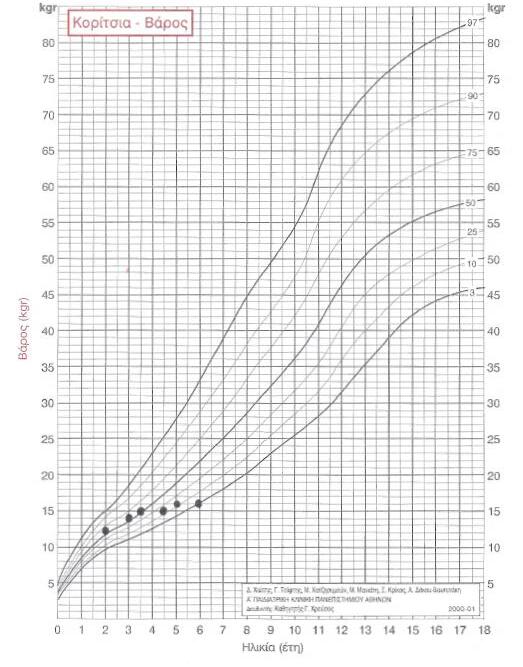
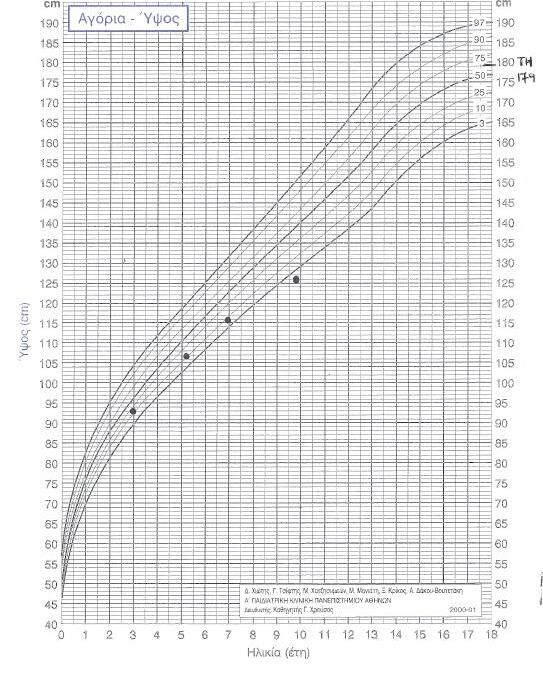
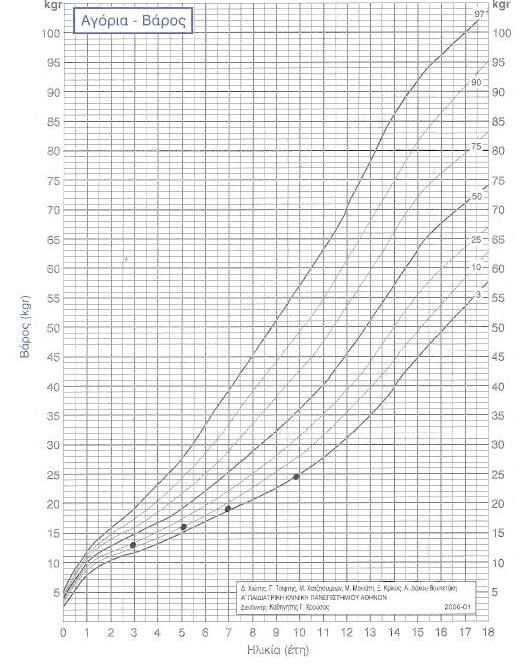
The child with short stature
Sofia Leka-Emiris, Elpis-Athina Vlachopapadopoulou, Stefanos Michalacos
Abstract
Background: Short stature is a term applied to a child whose height is 2 standard deviations (SD) or more below the mean for children of the same sex and chronologic age (and ideally of the same racial-ethnic group). Short stature may be either a variant of normal growth or caused by a disease process.
Methods: Review of the literature during the recent years, focusing on clinical, laboratory and imaging data that aid in distinguishing normal from pathological short stature.
Results - Conclusions: The two most common causes of short stature are familial (genetic) short stature and delay of growth and puberty (CDGP) because of the idiosystasy, which are normal variants of growth. These growth patterns can often be distinguished from one another, but some children have features of both. Almost any serious systemic disease can cause growth failure. Systemic disorders or processes that may present with growth failure and/or delayed puberty include undernutrition, glucocorticoid therapy, gastrointestinal disease (especially Crohn disease and celiac disease), and renal disease. A variety of genetic syndromes and congenital malformations are associated with short stature. Turner syndrome is particularly important, as shortness and/or absence of pubertal development may be the presenting feature, with or without other characteristic clinical features. Most of these syndromes can be recognized by characteristic clinical features. These include Noonan, Russell-Silver, and Down syndromes. Endocrine diseases represent 1-5% of known etiologies of short stature. The detailed and targeted clinical and laboratory approach will lead to the correct diagnosis and the proper management.
Key words: short stature, target height, growth velocity, bone age, skeletal dysplasias, chronic disease, genetic syndromes
Sofia Leka-Emiris
Elpis-Athina Vlachopapadopoulou
Stefanos Michalacos
Dept. of Endocrinology
- Growth and Development, The Hospital for sick Children (P&A. Kyriakou) Athens-Greece
•
•
•
Συντομογραφίες:
χαμηλό
SD:
ΟΗ:
GH:
IGF:
SHOX: Short
HOmeoboX gene
Whitehouse (TW2) (16).
μετάλλαξη του SHOX γονιδίου (Short stature HOmeoboX gene).
o H
Madelung (Madelung deformity) παρατηρείται
o
1. Grimberg A, Kutikov JK, Cucchiara AJ. Sex differences in patients referred for evaluation of poor growth. J Pediatr 2005; 146:212-6.
2. August GP, Lippe BM, Blethen SL, Rosenfeld RG, Seelig SA, Johanson AJ, et al. Growth hormone treatment in the United States: demographic and diagnostic features of 2331 children. J Pediatr. 1990; 116(6):899-903.
3. Chatelain P. Trends in the diagnosis and treatment of short stature as revealed by KIGS. In: Growth Hormone Therapy in KIGS: 10 Years’ Experience, Ranke, MB, Wilton, P (Eds), Johann Ambrosius Barth Verlag, Heidelberg, 1999. p. 11.
4. Grimberg A, Feemster KA, Pati S, Ramos M, Grundmeier R, Cucchiara AJ, et al. Medically underserved girls receive less evaluation for short stature. Pediatrics 2011; 127:696-702.
5. Nilsson O, Weise M, Landman EB, Meyers JL, Barnes KM, Baron J. Evidence that estrogen hastens epiphyseal fusion and cessation of longitudinal bone growth by irreversibly depleting the number of resting zone progenitor cells in female rabbits. Endocrinology 2014; 155:2892-9.
6. Emons JA, Boersma B, Baron J, Wit JM. Catch-up growth: testing the hypothesis of delayed growth plate senescence in humans. J Pediatr 2005; 147:843-6.
7. Sederquist B, Fernandez-Vojvodich P, Zaman F, Sävendahl L. Recent research on the growth plate: Impact of inflammatory cytokines on longitudinal bone growth. J Mol Endocrinol 2014; 53:T35-44.
8. Olney RC, Bükülmez H, Bartels CF, Prickett TC, Espiner EA, Potter LR, et al. Heterozygous mutations in natriuretic peptide receptor-B (NPR2) are associated with short stature. J Clin Endocrinol Metab 2006; 91:1229-32.
9. Bartels CF, Bükülmez H, Padayatti P, Rhee DK, van Ravenswaaij-Arts C, Pauli RM, et al. Mutations in the transmembrane natriuretic peptide receptor NPR-B impair skeletal growth and cause acromesomelic dysplasia, type Maroteaux. Am J Hum Genet 2004; 75:27-34.
10. Hannema SE, van Duyvenvoorde HA, Premsler T, Yang RB, Mueller TD, Gassner B, et al. An activating mutation in the kinase homology domain of the natriuretic peptide receptor-2 causes extremely tall stature without skeletal deformities. J Clin Endocrinol Metab 2013; 98:E1988-98.
11. Karlberg J. A biologically-oriented mathematical model (ICP) for human growth. Acta Pae-
diatr Scand Suppl 1989; 350:70-94.
12. Healy MJ, Lockhart RD, Mackenzie JD, Tanner JM, Whitehouse RH. Aberdeen growth study. The prediction of adult body measurements from measurements taken each year from birth to 5 years. Arch Dis Child 1956; 31:372-78.
13. Kerrigan JR, Rogol AD. The impact of gonadal steroid hormone action on growth hormone secretion during childhood and adolescence. Endocr Rev 1992; 13:281-98.
14. Argente J. Challenges in the Management of Short Stature. Horm Res Paediatr. 2016;85(1):210
15. Greulich WW, Pyle SI. Radiographic atlas of skeletal development of the hand and wrist, Stanford University Press, Stanford 1976.
16. Tanner JM, Healy MJR, Goldstein H, Cameron N. Assessment of skeletal maturity and prediction of adult height (TW2 Method). 3rd edition. Saunders, London; 2001.
17. Bayley N, Pinneau SR. Tables for predicting adult height from skeletal age: revised for use with the Greulich-Pyle hand standards. J Pediatr 1952; 40:423-41.
18. Topor LS, Feldman HA, Bauchner H, Cohen LE. Variation in methods of predicting adult height for children with idiopathic short stature. Pediatrics 2010; 126:938-44.
19. Tanner JM, Goldstein H, Whitehouse RH. Standards for children’s height at ages 2-9 years allowing for heights of parents. Arch Dis Child 1970; 45:755-62.
20. Tanner JM, Davies PS. Clinical longitudinal standards for height and height velocity for North American children. J Pediatr 1985; 107:317-29.
21. Sisley S, Trujillo MV, Khoury J, Backeljauw P. Low incidence of pathology detection and high cost of screening in the evaluation of asymptomatic short children. J Pediatr 2013; 163:1045-51.
22. Cohen P, Rogol AD, Deal CL, Saenger P, Reiter EO, Ross JL et al. Consensus statement on the diagnosis and treatment of children with idiopathic short stature: a summary of the Growth Hormone Research Society, the Lawson Wilkins Pediatric Endocrine Society, and the European Society for Paediatric Endocrinology Workshop. J Clin Endocrinol Metab 2008; 93:4210-7.
23. Wit JM, Clayton PE, Rogol AD, Savage MO, Saenger PH, Cohen P. Idiopathic short stature: definition, epidemiology, and diagnostic evaluation. Growth Horm IGF Res 2008; 18:89110.
24. Wood AR, Esko T, Yang J, Vedantam S, Pers TH, Gustafsson S. Defining the role of common variation in the genomic and biological architecture of adult human height. Nat Genet 2014; 46:1173-86.
25. Ouni M, Castell AL, Rothenbuhler A, Linglart A, Bougnères P. Higher methylation of the IGF1 P2 promoter is associated with idiopathic short stature. Clin Endocrinol (Oxf) 2015 Jul 28. doi: 10.1111/cen.12867. [Epub ahead of print].
Cardiovascular manifestations in children with neurocutaneous syndromes
Maria Gogou, Andreas Giannopoulos
Abstract
Cardiovascular manifestations are encountered in a variety of neurocutaneous syndromes, even from childhood and their appearance depends on the underlying pathophysiological mechanism. A significant proportion of children with tuberous sclerosis present cardiac rhabdomyomas, which are associated with hemodynamic complications, arrhythmias and valvular dysfunction. Besides, frequent heart complications in children with neurofibromatosis type 1 are left ventricle hypertrophy, arterial hypertension, diastolic dysfunction, as well as regurgitation or stenosis of valves and complications from peripheral vessels. On the contrary, the cardiovascular involvement in other neurocutaneous syndromes (ataxia-telangiectasia, Sturge-Weber syndrome, incontinentia pigmenti, von Hippel-Lindau disease) has not been systematically studied, but according to the literature data, heart problems in these cases usually affect isolated patients.
3. Klar N, Cohen B, Lin DD. Neurocutaneous syndromes. Handb Clin Neurol. 2016;135:565-89
4. Crino PB, Nathanson KL, Henske EP. The tuberous sclerosis complex. N Engl J Med. 2006;355:1345-56
5. Jóźwiak S, Kotulska K, Kasprzyk-Obara J, Domań ska-Pakieła D, Tomyn-Drabik M, Roberts P, et al. Clinical and genotype studies of cardiac tumors in 154 patients with tuberous sclerosis complex. Pediatrics. 2006;118:e1146-51
6. Benyounes N, Fohlen M, Devys JM, Delalande O, Moures JM, Cohen A. Cardiac rhabdomyo-
mas in tuberous sclerosis patients: a case report and review of the literature. Arch Cardiovasc Dis 2012; 105:442-5
7. Thatte NM, Guleserian KJ, Veeram Reddy SR. New-onset cardiac rhabdomyoma beyond infancy in a patient with tuberous sclerosis complex. Cardiol Young 2016;26:396-9
8. Jiang ZY, Pircova A, Sekarski N, Hack I, Laurini R, Janzer R, Payot M. Transposition of the great arteries, pulmonary atresia, and multiple ventricular septal defects associated with multiple cardiac rhabdomyomas in a case of tuberous sclerosis. Pediatr Cardiol 2000; 21:165-9
9. Hinton RB, Prakash A, Romp RL, Krueger DA, Knilans TK. Cardiovascular manifestations of tuberous sclerosis complex and summary of the revised diagnostic criteria and surveillance and management recommendations from the international tuberous sclerosis consensus group. J Am Heart Assoc 2014; 3:e001493
10. Dereddy NR, Sett SS, Krishnan U. Resection of ventricular rhabdomyomas in infants presenting with cardiac failure. Cardiol Young 2008;18:635-7
11. Shen Q, Shen J, Qiao Z, Yao Q, Huang G, Hu X. Cardiac rhabdomyomas associated with tuberous sclerosis complex in children. From presentation to outcome. Herz 2015;40:675-8
12. Mas C, Penny DJ, Menahem S. Pre-excitation syndrome secondary to cardiac rhabdomyomas in tuberous sclerosis. J Paediatr Child Health. 2000;36:84-6
13. O’Callaghan FJ, Clarke AC, Joffe H, Keeton B, Martin R, Salmon A, et al. Tuberous sclerosis complex and Wolff-Parkinson-White syndrome. Arch Dis Child 1998;78:159-62
14. Sandoval-Tress C, Martí nez-Baumbach EB, Rodrí guez-Mora EA, Ló pez-Terrazas JH. Valvular and subvalvular aortic stenosis. Unusual expression of tuberous sclerosis. An Pediatr (Barc) 2009 ;71:467-8
15. Singla S, Bansal M, Agarwal A. Mitral stenosis in tuberous sclerosis: a case of dystrophic calcification. J Postgrad Med 2012; 58:167
16. Ono M, Boethig D, Akin E, Goerler H, Breymann T. Coexistent cardiac rhabdomyoma with mitral valve anomaly in patients with tuberous sclerosis: a case report. Thorac Cardiovasc Surg 2007; 55:120-1
17. Moavero R, Coniglio A, Garaci F, Curatolo P. Is mTOR inhibition a systemic treatment for tuberous sclerosis? Ital J Pediatr 2013; 39:57
18. Hoshal SG, Samuel BP, Schneider JR, Mammen L, Vettukattil JJ. Regression of massive cardiac rhabdomyoma on everolimus therapy. Pediatr Int 2016; 58:397-9
19. Williams VC, Lucas J, Babcock MA, Gutmann DH, Korf B, Maria BL. Neurofibromatosis type 1 revisited. Pediatrics 2009;123:124-33
20. Asthagiri AR, Parry DM, Butman JA, Kim HJ, Tsilou ET, Zhuang Z, et al. Neurofibromatosis type 2. Lancet 2009; 373:1974-86
21. İncecik F, Hergüner ÖM, Alınç Erdem S, Altunbaşak Ş. Neurofibromatosis type 1 and cardiac manifestations. Turk Kardiyol Dern Ars 2015;43:714-6
22. Tedesco MA, Di Salvo G, Natale F, Pergola V, Calabrese E, Grassia C, et al. The heart in neurofibromatosis type 1: an echocardiographic study. Am Heart J 2002; 143:883-8
23. Lin AE, Birch PH, Korf BR, Tenconi R, Niimura M, Poyhonen M, et al. Cardiovascular malformations and other cardiovascular abnormalities in neurofibromatosis 1. Am J Med Genet 2000; 95:108-17
24. Nguyen R, Mir TS, Kluwe L, Jett K, Kentsch M, Mueller G, et al. Cardiac characterization of 16 patients with large NF1 gene deletions. Clin Genet 2013; 84:344-9
25. Tedesco MA, Di Salvo G, Natale F, Graziano L, Grassia C, Calabrò R, et al. Early cardiac morphologic and functional changes in neurofibromatosis type 1 hypertensives: an echocardiographic and tissue Doppler study. Int J Cardiol 2005; 101:243-7
26. Lama G, Graziano L, Calabrese E, Grassia C, Rambaldi PF, Cioce F, et al. Blood pressure and cardiovascular involvement in children with neurofibromatosis type1. Pediatr Nephrol 2004;19:413-8
27. Tedesco MA, Di Salvo G, Natale F, Caputo S, Calabrese E, Grassia C, et al. Cardiac abnormalities detected by Doppler imaging in patients with neurofibromatosis type 1. Am J Cardiol 2001; 88:1198-200
28. Noubani H, Poon E, Cooper RS, Kahn E, Kazadevich M, Parnell VA. Neurofibromatosis with cardiac involvement. Pediatr Cardiol 1997;18:156-8
29. Oderich GS, Sullivan TM, Bower TC, Gloviczki P, Miller DV, Babovic-Vuksanovic D, et al. Vascular abnormalities in patients with neurofibromatosis syndrome type I: clinical spectrum, management, and results. J Vasc Surg 2007; 46:475-484
30. Kanter RJ, Graham M, Fairbrother D, Smith SV. Sudden cardiac death in young children with neurofibromatosis type 1. J Pediatr 2006; 149:718-20
31. Estepa R, Gallego N, Orte L, Puras E, Aracil E, Ortuño J. Renovascular hypertension in children. Scand J Urol Nephrol 2001; 35:388-92
32. Tedesco MA, Di Salvo G, Ratti G, Natale F, Calabrese E, Grassia C, et al. Arterial distensibility and ambulatory blood pressure monitoring in young patients with neurofibromatosis type 1. Am J Hypertens 2001;14:559-66
34. Yasuda K, Minami N, Yoshikawa Y, Taketani T, Fukuda S, Yamaguchi S. Fatal pulmonary arterial hypertension in an infant girl with incontinentia pigmenti. Pediatr Int 2016; 58:394-396
35. Beccastrini E, Baldereschi G, D’Elios MM, Emmi L. Arterial occlusion mimicking vasculitis in a patient with incontinentia pigmenti. Auto Immun Highlights 2013; 4:63-5
36. Chung WK, Lee DW, Chang SE, Lee MW, Choi JH, Moon KC. A case of incontinentia pigmenti associated with multiorgan abnormalities. Ann Dermatol 2009; 21:56-9
37. Buinauskiene J, Buinauskaite E, Valiukeviciene S. Incontinentia pigmenti (Bloch-Sulzberger syndrome) in neonates. Medicina (Kaunas) 2005; 41:496-9
38. Rothblum-Oviatt C, Wright J, Lefton-Greif MA, McGrath-Morrow SA, Crawford TO, Lederman HM. Ataxia telangiectasia: a review. Orphanet J Rare Dis 2016; 11:159
39. Bastianon V, Giglioni E, Businco L, Fiorilli M, Chessa L. Cardiac anomalies in ataxia-telangiectasia. Am J Dis Child 1993; 147:20-1
40. Kim JJ, Rini BI, Hansel DE. Von Hippel Lindau syndrome. Adv Exp Med Biol 2010; 685:228-49
41. Caravita S, Deboeck G, Vachiery JL, Naeije R. Pulmonary arterial hypertension associated with a von Hippel-Lindau gene mutation. J Heart Lung Transplant 2016; 35:1138-9
42. Comi A. Current Therapeutic Options in Sturge-Weber Syndrome. Semin Pediatr Neurol 2015; 22:295-301
43. Cheema ZF, Lumsden AB. Museum of TMH Multimodality Imaging Center. Congenital aplasia of the left iliac vein in a patient with concomittant Sturge-Weber syndrome and MayThurner syndrome with congenital aberrant left femoral to right greater saphenous vein bypass. Methodist Debakey Cardiovasc J 2012; 8:49
44. Kaur T, Sharma N, Sethi A, Kooner S, Banger H. Phacomatosis cesiomarmorata with hypospadias and phacomatosis cesioflammea with Sturge-Weber syndrome, Klippel-Trenaunay syndrome and aplasia of veins -- case reports with rare associations. Dermatol Online J 2015; 21, pii: 13030/qt0r26h8pm
e-mail: Christodp17@ gmail.com
Correspondence
Christodoulou Panayiotis
(Pro) action plan for HPV vaccination
How the Theory of Planned Behavior contributes as a method of planning health interventions
Christodoulou Panayiotis
Summary
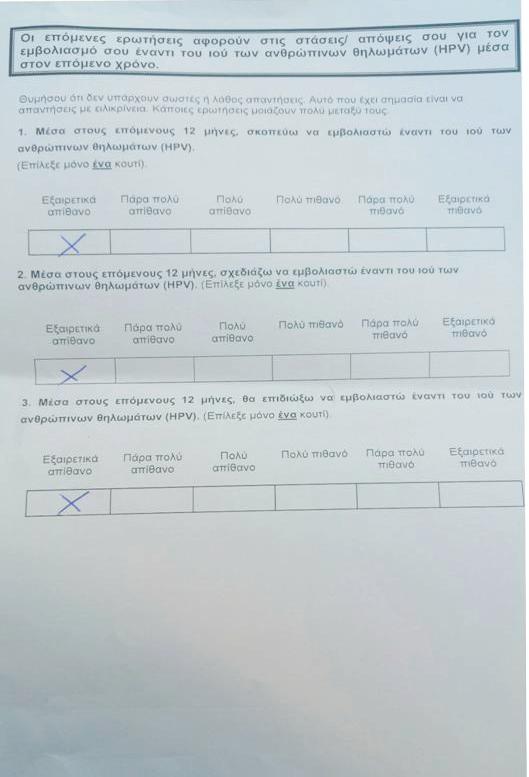
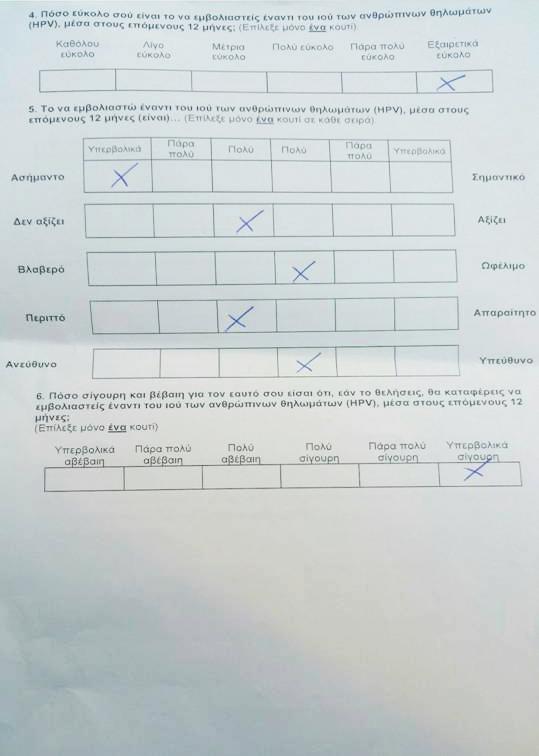
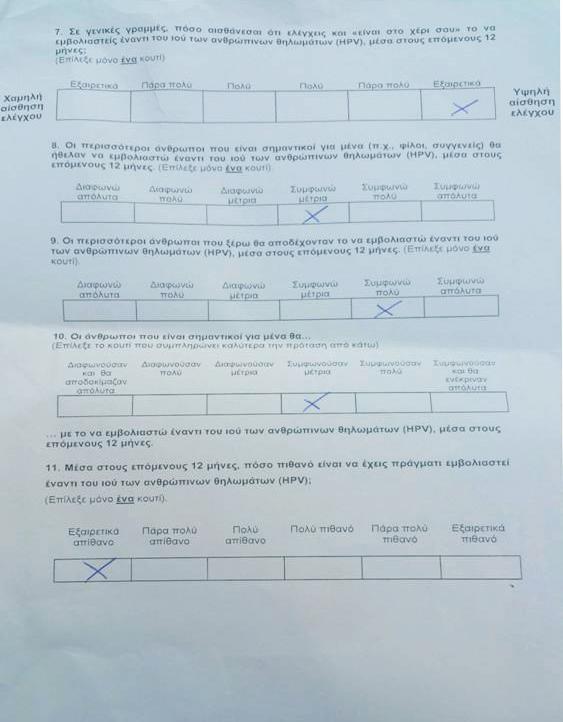
The knowledge of the studies of human behavior in the field of psychology are now being used in the study of human behavior towards health and disease. The Theory of predesigned conduct is a cognitive theory which determines the reaction of the patient based on his convictions, influence of important people of his entourage and his reactions against it. Especially the properties of the latter to make an innovative theory to examine the response of patients to diseases need to be designed as a prevention model. In this context, the THPS is useful to investigate the attitudes of young women towards vaccination for the human papilloma virus (HPV), which is one of the most important carcinogens (cancer of the cervix of the uterus). To this end, the usefulness of a questionnaire is examined and then used for interviewing a young girl. The results of the interviews show that the most important factor that complicates the disease is the lack of knowledge on how HIV transmits. So the goal is to expand prevention for greater use of the vaccine.
Key words: HPV, THPS, cervix cancer, vaccination
(Curson and Butcher, 1992).
(DiMatteo, 2011).
(Koop, 1983).
(Conner and Sparks,
(Fern
ndez-Esquer,
(Norman and Conner, 1996).
(Armitage and Conner, 2001).
and Kenny, 1986, Terry & O’Leary, 1995).
(Langer, 1975, Lerner, 1977).
(Manstead,
(Kashima, Gallois and McCamish, 1993)
(Bentler and Speckart, 1979, Ouellette and Wood,1998, Triandis, 1977, Verplanken, 2006),
(Terry and O’Leary, 1995)
(Terry, Hogg and White, 1999).
(Armitage and Conner,
(Vaidakis,
(Tota, 2011).
(Kahn, 2009).
(70%
(Mammas et al.,
(Gerend and Shepherd, 2012), (Bennett et al., 2012).
Ερωτηματολόγιο σελίδα 3 (ΕΑΠ, 2017)
Βιβλιογραφία
1. Ajzen I., From intentions to action: a theory of planned behaviour, Εκδ. Springer, New York, 1985
2. Ajzen I., Fisbein M., Attitude behaviour relations: a theoretical analysis and review of empirical research, Psychological Bulletin, 1977
3. Ajzen I., the theory of planned behaviour, Organizational Behaviour and Human Decision Processes, 1991
5. Armitage C., Conner K., Efficacy of the Theory of Planned Behaviour: A meta-analytic review, BJCS 2001
6. Baron, R. M. & Kenny, D. A. (1986). The moderator–mediator variable distinction in socialpsychological research: Conceptual, strategic, and statistical considerations. Journal of Personality and Social Psychology, 51, 1173–1182, 1986
7. Bennett K., Buchannan J., Adams A., Social-Cognitive Predictors of Intention toVaccinate Against the Human Papillomavirus inCollege-Age Women, JSP 2012
8. Bentler, P. M., & Speckart G., Models of attitude-behavior relations. Psychological Review,86, 452–464.1979
9. Conner M., Sparks P, The theory of planned behaviour and health Behaviour, εκδ Open University Press, Buckingham 1996
10. DiMatteo M., Martin R., Εισαγωγή
11. Δημητρακόπουλος
2011
1996
12. Donadiki E., Jiménez-García R., Hernández-Barrera V., Carrasco-Garrido P., López de Andrés A., Velonakis E., Human papillomavirus vaccination coverage among Greek higher educationfemale students and predictors of vaccine uptake, Elsevier 2012
13. Einstein MH, Schiller JT, Viscidi R, Clinician’s guide to humanpapillomavirus immunology: knowns and unknowns. Lancet Infect Dis 2009
14. Fernández-Esquer ME, Ross MW, Torres I., The importance ofpsychosocial factors in the prevention of HPV infection and cervicalcancer. Int J STD AIDS 2000;11:701–13
15. Fisher W., Taylor Kohut, Claire M., Salisbury A., Salvadori, M., Understanding Human Papillomavirus Vaccination Intentions: Comparative Utility of the Theory of Reasoned Action and theTheory of Planned Behavior in Vaccine Target Age Womenand Men, ISXM 2013
16. Gerend M., Shepherd J., Predicting Human Papillomavirus Vaccine Uptakein Young Adult Women: Comparing the HealthBelief Model and Theory of Planned Behavior, SBM 2012
17. Kahn JA, HPV vaccination for the prevention of cervical intraepithelial neoplasia, N Engl J Med 2009
18. Kashima, Y., Gallois, C., & McCamish, M. (1993). The theory of reasoned action and cooperativebehaviour: It takes two to use a condom. British Journal of Social Psychology, 32, 227–239 1993
19. Koop C., Perspectives on future health care, Health Psychology,1983
20.
21.
1999
1999
22. Krowczyk A., Perez S., Lau E., Holcraft E., Amsel R., Knauper B., Rasberger Z., Human Papillomavirus Vaccination Intentions and Uptakein College Women, APA 2012
23. Langer, E. J., The illusion of control. Journal of Personality and Social Psychology, 32, 311–328., 1975
24. Lerner, M. J., The justice motive: Some hypotheses as to its origins and forms. Journal ofPersonality, 45, 1–52., 1977
25. Mammas N, Theodoridou M, Koutsaftiki C., Bertsias G, Sourvinos G., Demetrios A., Spandidos A., Vaccination against Human Papillomavirus in relation to FinancialCrisis: The “Evaluation and Education of Greek Female Adolescentson Human Papillomaviruses’ Prevention Strategies” ELEFTHERIA study, NASPAG, Elsevier 2016
26. Manstead A., The benefits of a critical stance: A reflection onpast papers on the theories of reasoned actionand planned behaviour, BJSP 2011
27. Νασιάκου Μ., Η
1988
28. Norman P., Conner M., The role of social recognition models in predicting health behaviours, εκδ. Open University press, Buckingham 1996
29. Olivier G., Smith L., Niekerk D., Khurshed F, Pedersen H., Taylor D., Thomson K., Greene S., Babich S., Franco E., Coldman A., Correlates of women’s intentions to bescreened for human papillomavirus forcervical cancer screening with an extendedinterval, BMC 2016
30. Ouellette, J. A., & Wood, W, Habit and intention in everyday life: The multiple processesby which past behavior predicts future behavior. Psychological Bulletin, 124, 54–74. doi:101037/0033-2909.124.1.54, 1998
31. Sweeney J., McAnulty R., Reeve C., Cann A., An Intervention for HPV Risk Reduction Basedon the Theory of Planned Behavior: AnExploratory Study with College-Aged Women, AJSE 2015
32. Terry, D. J., Hogg, M. A., White, K. M., The theory of planned behaviour: Self-identity,social identity, and group norms. British Journal of Social Psychology, 38, 225–244. 1999
33. Terry, D. J., O’Leary, J. E., The theory of planned behavior: The effects of perceivedbehavioural control and self-efficacy. British Journal of Social Psychology, 34, 199–220. 1995
34. Triandis, H. C., Interpersonal Behavior. Monterey, CA: Brooks/Cole., 1977
35. Tota JE, Chevarie-Davis M, Richardson LA, Epidemiology and burden ofHPV infection and related diseases: implications for prevention strategies, Prev Med 2011
36. Vaidakis D., Moustaki I., Zervas I, Barbouni A., Merakou K., Chrysi M., Creatsa G., Panoskaltsis T., Knowledge of Greek adolescents on humanpapilloma virus (HPV) and vaccination, Medicine 2017
37. Verplanken, B., Beyond frequency: Habit as mental construct. British Journal of SocialPsychology, 45, 639–656. doi:10.1348/014466605X49122, 2006
38. Weinstein N.D., Testing four competing theories of health protective behaviour, Health Psychology 1993
39.
e-mail: vtzotzola@gmail.com
Correspondence
Vassiliki-Sotiria Tzotzola
Τ. +306947070973
e-mail: vtzotzola@gmail. com
Congenital polycythemia with elevated erythropoietin levels
Vassiliki-Sotiria Tzotzola, Ioannis Panagiotou, Maria Ambatzidou, Sofia Polichronopoulou
Abstract
Introduction: Polycythemia is a rare disease in childhood. Relative polycythemia should firstly be excluded (i.e. dehydration). In case of absolute polycythemia, normal or low levels of erythropoietin are found in primary polycythemia, while elevated levels in the secondary one. The cornerstone of therapy is phlebotomy, though there are additional therapeutic approaches that can be applied in certain cases.
Method/Results: A 4 year old girl was diagnosed with polycythemia (red blood cells 9.530.000/ μl, Hg 17.7 gr/L, Ht 60.8%), while she was tested for a febrile infection. The elevated erythropoietin levels ruled out the primary polycythemia’s causes (i.e. polycythemia vera). Moreover, the normal value of the partial pressure of Ο2 when the Hb saturation is 50% (P50), as well as further investigation ruled out secondary polycythemia’s causes due to hypoxia (i.e. pneumonopathy, hemoglobinopathy, methylhemoglobulinemia, etc.). To conclude, a disorder of hypoxia sensing pathway was suspected as the underlying cause of this polycythemia.
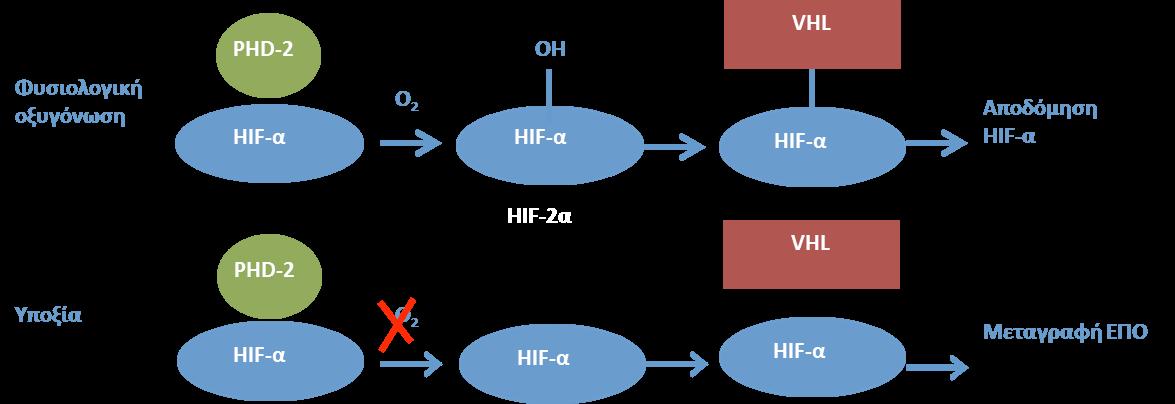
Protein von Hippel-Lindau (VHL) plays a central role in this pathway, as mutations of the tumor suppressor VHL promote the overexpression of the erythropoietin’s gene (EPO). In our patient, molecular test for VHL gene mutations was performed, but it proved to be negative. The patient is satisfactorily treated with phlebotomies.
Conclusion: A detailed investigation for the causes of polycythemia is mandatory. By this approach, a more detailed therapeutic management, follow up and prognosis of the patient could be determined while it is important to note that elevated serum erythropoietin levels do not exclude congenital erythrocytosis. The latter treatment goal is to avoid thromboembolic or hemorrhagic events, maintaining a satisfactory quality of life for the patient.
1. Cario, H., et al., Erythrocytosis in children and adolescents-classification, characterization, and consensus recommendations for the diagnostic approach. Pediatr Blood Cancer, 2013. 60 (11): p. 1734-8.
2. Lee, F.S. and M.J. Percy, The HIF pathway and erythrocytosis. Annu Rev Pathol, 2011. 6: p. 165-92.
3. Hofmann, I., Myeloproliferative Neoplasms in Children. J Hematop, 2015. 8 (3): p. 143-157.
4. Lanzkowsky, P., Manual of Pediatric Hematology and Oncology. 5th ed. 2011: Elsevier.
5. Semenza, G.L., Involvement of oxygen-sensing pathways in physiologic and pathologic erythropoiesis. Blood, 2009. 114 (10): p. 2015-2019.
6. Sarangi, S., et al., The homozygous VHL(D126N) missense mutation is associated with dramatically elevated erythropoietin levels, consequent polycythemia, and early onset severe pulmonary hypertension. Pediatr Blood Cancer, 2014. 61(11): p. 2104-6.
7. Gordeuk, V.R., D.W. Stockton, and J.T. Prchal, Congenital polycythemias/erythrocytoses. Haematologica, 2005. 90 (1): p. 109-16.
8. Percy, M.J., Familial erythrocytosis arising from a gain-of-function mutation in the HIF2A gene of the oxygen sensing pathway. Ulster Med J, 2008. 77(2): p. 86-8.
9. Sidhu, A., K. Bhambhani, and M.U. Callaghan, Novel mutations in the von Hippel-Lindau gene associated with congenital polycythemia. Pediatr Blood Cancer, 2015. 62(6): p. 1113-4.
10. Barbui, T., M.C. Finazzi, and G. Finazzi, Front-line therapy in polycythemia vera and essential thrombocythemia. Blood Rev, 2012. 26 (5): p. 205-11.
11. Verstovsek, S. and R.S. Komrokji, Novel and emerging therapies for the treatment of polycythemia vera. Expert review of hematology, 2015. 8 (1): p. 101-113.
e-mail:
Correspondence
Klimi Eleni
Τ. +302107010529
e-mail: klimel2015@in.gr
Gianotti-Crosti syndrome associated with streptococcal infection
Klimi Eleni
Abstract
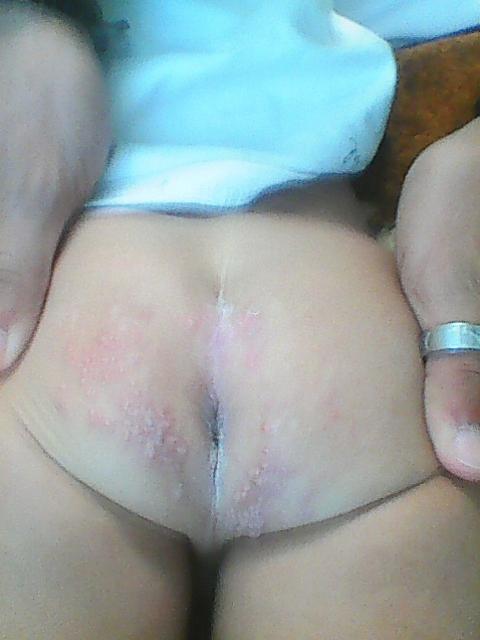
Summary: We present a case of a two year old girl with clinical symptoms typical of GianottiCrosti syndrome associated with a proven streptococcal infection, a rather rare cause of this syndrome.
1. Daniel P. Knowchok. Anthony J. Mancini Pediatric Dermatology Textbook 2007 page 91-93
2. Gumus P., Teksam O., Akinci H., Boztepe G., Kara A., Gianotti - Crosti syndrome as the only manifestation of primary Ebstein Barr infection a case report Turk J P ediatr 2008 May Jun 50 (3)302-304
3. Babu TA, Arivazhahan A. Gianotti- Crosti syndrome following immunization in an 18 months old child Indian Dermatol online J 2015Nov- Dec (6)413-5
4. Retrouvey M., Koch LH, Williams JV Gianotti-Crosti syndrome following childhood vaccinations Pediatr Dermatol 2013 Jan –Feb30(1)137-8
5. Malvi MA., Sharma YK., Dash K., Patwekar M., Kohli S., Panicker NK. Pediatric idiopathic hypereosinophilic Syndrome associated with Gianotti - Crosti syndrome: a novel presentation Int J Dermatol2015 Dec;54(12):1416-9
Correspondence
Matheos Angelakis
Dipla
Great Ormond Street
J.C.C (Joint Cardiac Con-
2.
3.
4.
5.
6.
7.
8.
9. Ενδιαφέρουσες
10. Σύντομα
11.
12.
13.
14.
(Uniform Requirements for Manuscripts Submitted to Biomedical Journals),
International Committee of Medical Journal Editors/Uniform Requirements for Manuscripts Submitted to Biomedical Journals, (www.icmje.org και www.icmje.org/icmje. pdf).
Cumulated Index Medicus [List of Journals Indexed in Index Medicus (www.nlm.nih.goν/bsd/uniform_requirements. html)].
Proesmans W. Bartter syndrome and its neonatal νariant. Eur J Pediatr 1997;156:669-679.
Flyvbjerg Α. Role of growth hormone, insulin-like growth factors (IGFs) and IGF-binding proteins in the renal complications of diabetes. Kidney Ιnt 1997;52 (60 Suppl):S12-S19.
Χωρίς συγγραφέα:
National Institutes of Health Consensus Deνelopment Conference. Neurofibromatosis conference statement. Arch Neurol1988;45:575-578.
Προσδιορισμός
Schreiner GF, Lange L. Ethanol modulation of macrophage influx in glomerulonephritis [Abstract]. J Am Soc Nephrol 1991;2:562.
Should antileukotriene therapies be used instead of inhaled corticosteroids in asthma? [Editorial]. Am J Respir Crit Care Med 1998;158:1697-1701.
Clark AG, Barratt ΤΜ. Steroid-responsiνe nephrotic syndrome. Ιn: Barratt ΤΜ, Arner ED, Harmon WE, editors. Pediatric Nephrology. 4th ed. Baltimore: Lippincott William Wilkins; 1999. p. 742.
Σύγγραμμα
Gorlin RJ, Cohen ΜΜ, Leνin LS. Syndromes of the head and neck. 3rd ed. New York: Oxford Uniνersity Press; 1990.
Δημοσίευση
Bauer ΑW. The two definitions of bacterial resistance. In: Smith AJ, Rogers CA, eds. Proceedings of the Third International Congress of Chemotherapy; 1962 May 29-31; New York: International Society of Chemotherapy; 1963. p. 484-500.
Διδακτορική
Πανεπιστήμιο Αθηνών; 1979.
Kaplan SJ. Post hospital home health care: the elderly’s access and utilization [dissertation]. St. Louis (Μο): Washington Univ.;1995.
III. CD-ROM
Andersoη SC, Poulsen ΚΒ. Anderson’s electronic atlas of hematology [CD-ROM]. Philadelphia: Lippincott Williams & Wilkins; 2002.
IV. ΣΤΟ ΔΙΑΔΙΚΤΥΟ
Abood S. Quality improνement initiatiνe in nursiηg homes: the ΑΝΑ acts in an adνisory role. Am J Nurs [Internet]. 2002 Jun: