Probiotics and Prebiotics in children: what current literature states about their effect on respiratory diseases
Maria Gogou, Katerina Haidopoulou
President
A. Constantopoulos
Editorial board
Director
S. Antoniadis
Members
S. Andronikou
E. Galanakis
A. Evangeliou
L. Thomaidou
M. Kanariou
A. Kapogiannis
S. Kitsiou-Tzeli
E. Mantadakis
P. Panagiotopoulou-Gartagani
A. Papadopoulou
V. Papaevagelou
A. Papathanassiou
A. Siamopoulou-Mavridou
A. Syrigou-Papavasiliou
Manuscript submission
e-mail: grammateia@e-child.gr
Instructions to authors: http://e-child.gr/publications/ instructions-to-authors
Owner Greek Paediatric Society 15, Mpakopoulou st. GR - 15451, Ν. Psychiko Tel.: +302107771140
e-mail: grammateia@e-child.gr
Annual subscription All foreign countries: US$50
053
CASE REPORTS
Juvenile hemochromatosis type 2A: a case report Niki Paraskevopoulou,Vassilios Papadakis, Nina Manolaki
059
Walker-Warburg syndrome: a case report Georgia Zisimopoulou, Roser Pons, Niki Paraskeuopoulou, Panagiota Drossatou, Anna Messaritaki, Nina Manolaki
064 BETWEEN COLLEAGUES
066
BOOK PRESENTATION
“A music from the past” by Afrodite Koidou
Kawasaki
Correspondence
Maria Gogou
Dimitriou Nika 44, 60100, Katerini
e-mail: mariaangogou@ gmail.com
Neurologic manifestations in Kawasaki disease
Maria Gogou, Andreas Giannopoulos
Abstract
Kawasaki disease is a frequent vasculitis in childhood associated with cardiovascular complications. However, its clinical phenotype can also include strokes, inflammation of Central Nervous System, dysfunction of cranial nerves, as well as behavioral disorders. According to the literature, early diagnosis of the disease and the proper treatment prevents the appearance of neurologic complications. Our article focuses on the neurologic manifestations of Kawasaki disease and the underlying mechanisms.
2nd Department of Pediatrics, University General Hospital AHEPA, Thessaloniki, Greece
Βιβλιογραφία
1. Dimitriades VR, Brown AG, Gedalia A. Kawasaki disease: pathophysiology, clinical manifestations, and management. Curr Rheumatol Rep 2014, 16:423
2. Jun HO, Yu JJ, Kang SY, Seo CD, Baek JS, Kim YH, et al. Diagnostic characteristics of supplemental laboratory criteria for incomplete Kawasaki disease in children with complete Kawasaki disease. Korean J Pediatr 2015, 58:369-73
3. Alves NR, Magalhães CM, Almeida Rde F, Santos RC, Gandolfi L, Pratesi R. Prospective study of Kawasaki disease complications: review of 115 cases. Rev Assoc Med Bras 2011, 57:295-300
4. Gitiaux C, Kossorotoff M, Bergounioux J, Adjadj E, Lesage F, Boddaert N, et al. Cerebral vasculitis in severe Kawasaki disease: early detection by magnetic resonance imaging and good outcome after intensive treatment. Dev Med Child Neurol 2012, 54:1160-3
6. Chen JL, Wang XM, Li Y, Shi K. Kawasaki disease complicated by ischemic cerebral stroke: a case report. Zhongguo Dang Dai Er Ke Za Zhi 2015, 17:642-3
7. Sabatier I, Chabrier S, Brun A, Hees L, Cheylus A, Gollub R, et al. Stroke by carotid artery complete occlusion in Kawasaki disease: case report and review of literature. Pediatr Neurol 2013, 49:469-73
8. Wang YM, Cao YC, Xu ZJ. Kawasaki disease complicated with cerebral infarction: a case report. Zhonghua Er Ke Za Zhi 2012, 50:628-9
9. Suda K, Matsumura M, Ohta S. Kawasaki disease complicated by cerebral infarction. Cardiol Young 2003, 13:103-5
10. Fujiwara S, Yamano T, Hattori M, Fujiseki Y, Shimada M. Asymptomatic cerebral infarction in Kawasaki disease. Pediatr Neurol 1992, 8:235-6
11. Laxer RM, Dunn HG, Flodmark O. Acute hemiplegia in Kawasaki disease and infantile polyarteritis nodosa. Dev Med Child Neurol 1984, 26:814-8
12. Boespflug O, Tardieu M, Losay J, Leroy D. Acute hemiplegia complicating Kawasaki disease. Rev Neurol (Paris) 1984, 140:507-9
13. Wada Y, Kamei A, Fujii Y, Ishikawa K, Chida S. Cerebral infarction after high-dose intravenous immunoglobulin therapy for Kawasaki disease. J Pediatr 2006, 148:399-400
14. Ahn JH, Phi JH, Kang HS, Wang KC, Cho BK, Lee JY, et al. A ruptured middle cerebral artery aneurysm in a 13-month-old boy with Kawasaki disease. J Neurosurg Pediatr 2010, 6:150-3
15. Yamazaki-Nakashimada MA, Rivas-Larrauri F, Alcántara-Salinas A, Hernández-Bautista V, Rodríguez-Lozano AL. Brain hemorrhage in a patient with Kawasaki disease. Rev Alerg Mex 2013, 60:38-40
16. Ishida A, Matsuo S, Kawamura S, Nishikawa T. Subarachnoid hemorrhage due to nonbranching aneurysm of the middle cerebral artery in a young adult with a history of Kawasaki disease. Surg Neurol Int 2014, 5:5
17. Du ZD, Wang Q, Liu XY. Intracranial hemorrhage in children in the acute stage of Kawasaki disease. Zhonghua Er Ke Za Zhi 2005, 43:542-3
18. Tanaka S, Sagiuchi T, Kobayashi I. Ruptured pediatric posterior cerebral artery aneurysm 9 years after the onset of Kawasaki disease: a case report. Childs Nerv Syst 2007, 23:701-6
19. Hoshino K, Morooka K, Imai H, Takagi K, Arimoto K, Saji T. Neurological involvements with transient gait disturbance in subacute phase of Kawasaki disease; a case report. No To Hattatsu 1995, 27:315-9
20. Kawasaki T, Arakawa Y, Sugino T, Mitsuhara T, Funaki T, Kikuchi T, et al. Three Cases of Moyamoya Disease with a History of Kawasaki Disease. No Shinkei Geka 2015, 43:1005-10
21. Du Z. A case of neonatal incomplete Kawasaki disease complicated with aseptic meningitis. Zhonghua Er Ke Za Zhi 2014, 52:63-4
22. Türel O, Güzeltaş A, Aydoğmuş C, Hatipoğlu N, Hatipoğlu H, Siraneci R. Kawasaki disease presenting as meningitis in a two months old infant. Anadolu Kardiyol Derg 2011, 11:369-70
23. Saint-Faust M, Benoit P, Bourlon F, Bloch C, De Ricaud D. Kawasaki disease in a young infant: difficulties for diagnosis and early complications. Arch Pediatr 2007, 14:1427-30
24. Husain E, Hoque E. Meningoencephalitis as a presentation of Kawasaki disease. J Child Neurol 2006, 21:1080-1
25. Takagi K, Umezawa T, Saji T, Morooka K, Matsuo N. Meningoencephalitis in Kawasaki disease. No To Hattatsu 1990, 22:429-35
26. Burgner D, Curtis N. Kawasaki disease as a cause of encephalitis. Arch Dis Child. 2011, 96:988-9
27. Dengler LD, Capparelli EV, Bastian JF, Bradley DJ, Glode MP, Santa S, et al. Cerebrospinal fluid profile in patients with acute Kawasaki disease. Pediatr Infect Dis J 1998, 7:478-81
28. Yeom JS, Park JS, Seo JH, Park ES, Lim JY, Park CH, et al. Initial characteristics of Kawasaki disease with cerebrospinal fluid pleocytosis in febrile infants. Pediatr Neurol 2012, 47:259-62
29. Kemmotsu Y, Nakayama T, Matsuura H, Saji T. Clinical characteristics of aseptic meningitis induced by intravenous immunoglobulin in patients with Kawasaki disease. Pediatr Rheumatol Online J 2011, 9:28
30. García Norniella B, Morán Poladura M, Fernández Díaz M, Fernández Fernández E, Suárez Castañón C. Aseptic meningitis secondary to intravenous immunoglobulin treatment in Kawasaki disease. An Pediatr (Barc) 2011, 75:79-80
31. Boyce TG, Spearman P. Acute aseptic meningitis secondary to intravenous immunoglobulin in a patient with Kawasaki syndrome. Pediatr Infect Dis J 1998, 17:1054-6
32. Nooraine J, Iyer RB, Raghavendra S. Intravenous immunoglobulin induced meningoencephalitis. Neurol India 2014, 62:98-9
33. Larralde M, Santos-Muñoz A, Rutiman R. Kawasaki disease with facial nerve paralysis. Pediatr Dermatol 2003, 20:511-3
34. Li ST, Chiu NC, Ho CS, Chen MR. Facial palsy in Kawasaki disease: report of two cases. Acta Paediatr Taiwan 2008, 49:24-7
42.Delafay MC, Matoussi Z, Remy-Piccolo V, Gay C, Veyrier M, Stéphan JL. Kawasaki disease and cranial nerve involvement: two cases. Arch Pediatr 2015, 22:853-6
43. Poon LK, Lun KS, Ng YM. Facial nerve palsy and Kawasaki disease. Hong Kong Med J 2000, 6:224-6
44. Thapa R, Mallick D, Biswas B, Chakrabartty S. Transient unilateral oculomotor palsy and severe headache in childhood Kawasaki disease. Rheumatol Int 2011, 31:97-9
45.Smith KA, Yunker WK. Kawasaki disease is associated with sensorineural hearing loss: a systematic review. Int J Pediatr Otorhinolaryngol 2014, 78:1216-20
46. Novo A, Pinto S, Prior AC, Alvares S, Soares T, Guedes M. Kawasaki disease and sensorineural hearing loss: an (un)expected complication. Eur J Pediatr 2012, 171:851-4
47. Knott PD, Orloff LA, Harris JP, Novak RE, Burns JC. Sensorineural hearing loss and Kawasaki disease: a prospective study. Am J Otolaryngol 2001, 22:343-8
48. Sundel RP, Cleveland SS, Beiser AS, Newburger JW, McGill T, Baker AL, et al. Audiologic profiles of children with Kawasaki disease. Am J Otol 1992, 13:512-5
49. Magalhães CM, Magalhães Alves NR, Oliveira KM, Silva IM, Gandolfi L, Pratesi R. Sensorineural hearing loss: an underdiagnosed complication of Kawasaki disease. J Clin Rheumatol 2010, 16:322-5
50. Kara A, Beşbaş N, Tezer H, Karagöz T, Devrim I, Unal OF. Reversible sensorineural hearing loss in a girl with Kawasaki disease. Turk J Pediatr 2007, 49:431-3
51. Yoshikawa H, Abe T. Febrile convulsion during the acute phase of Kawasaki disease. Pediatr Int 2004, 46:31-2
52. Okanishi T, Enoki H. Transient subcortical high-signal lesions in Kawasaki syndrome. Pediatr Neurol 2012, 47:295-8
53. Hikita T, Kaminaga T, Wakita S, Ogita K, Ikemoto H, Fujii Y. Regional cerebral blood flow abnormalities in patients with kawasaki disease. Clin Nucl Med 2011, 36:643-9
54. Terasawa K, Ichinose E, Matsuishi T, Kato H. Neurological complications in Kawasaki disease. Brain Dev 1983, 5:371-4
55. Takanashi J, Shirai K, Sugawara Y, Okamoto Y, Obonai T, Terada H. Kawasaki disease complicated by mild encephalopathy with a reversible splenial lesion (MERS).
56. King WJ, Schlieper A, Bindi N, Cappelli M, Korneluk Y, Rowe PC. The effect of Kawasaki Disease on cognition and behaviour. Arch Pediatr Adolesc Med 2000, 154:463–468
57. Carlton-Conway D, Ahluwalia R, Henry L, Michie C, Wood L, Tulloh R. Behaviour sequelae following acute Kawasaki Disease. BMC Pediatrics 2005, 5:14
58. Dhillon R, Newton L, Rudd PT, Hall SM. Management of Kawasaki disease in the British Isles. Arch Dis Child 1993, 69:631–8
59. Nishad P, Singh S, Sidhu M, Malhi P. Cognitive and behaviour assessment following Kawasaki disease--a study from North India. Rheumatol Int 2010, 30:851-4
e-mail: kaloumenou@ gmail.com
Correspondence
Irene Kaloumenou
Τ +306979671174
e-mail:kaloumenou@gmail. com
Premature adrenarche: pathophysiology, clinical implications and treatment
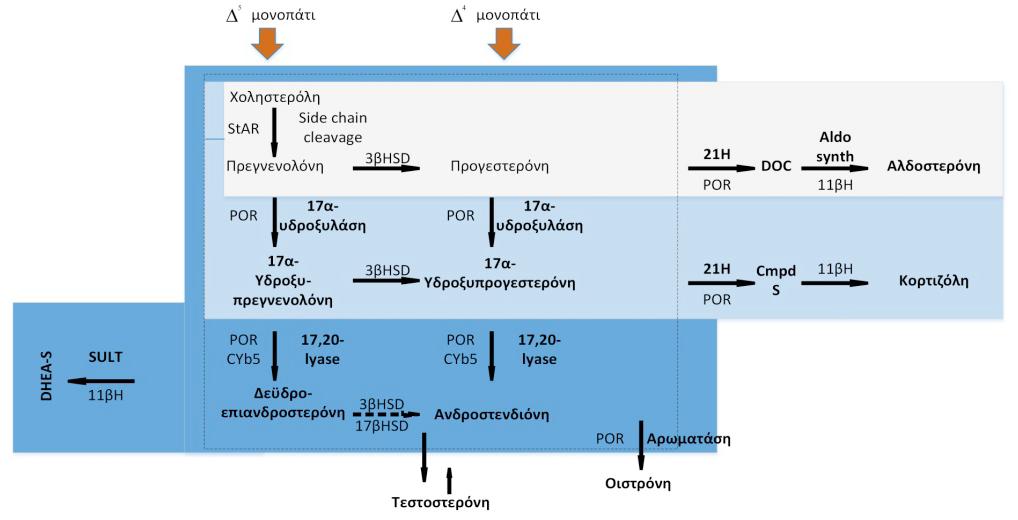
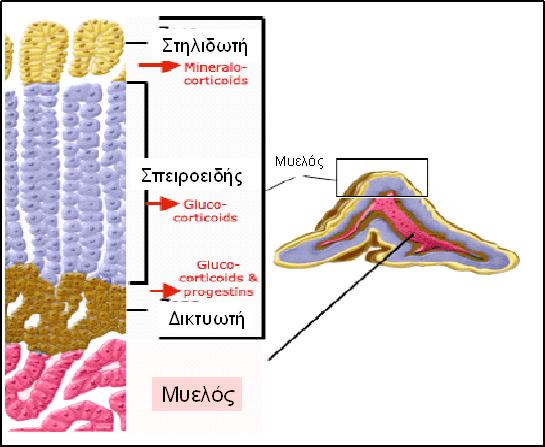
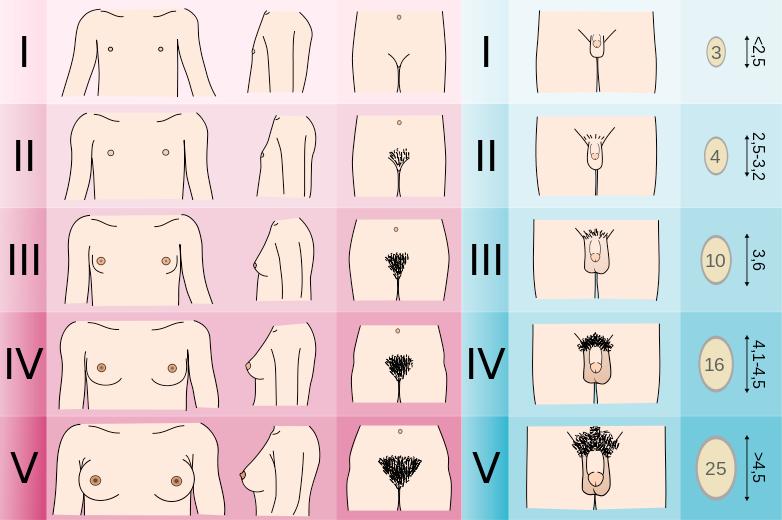
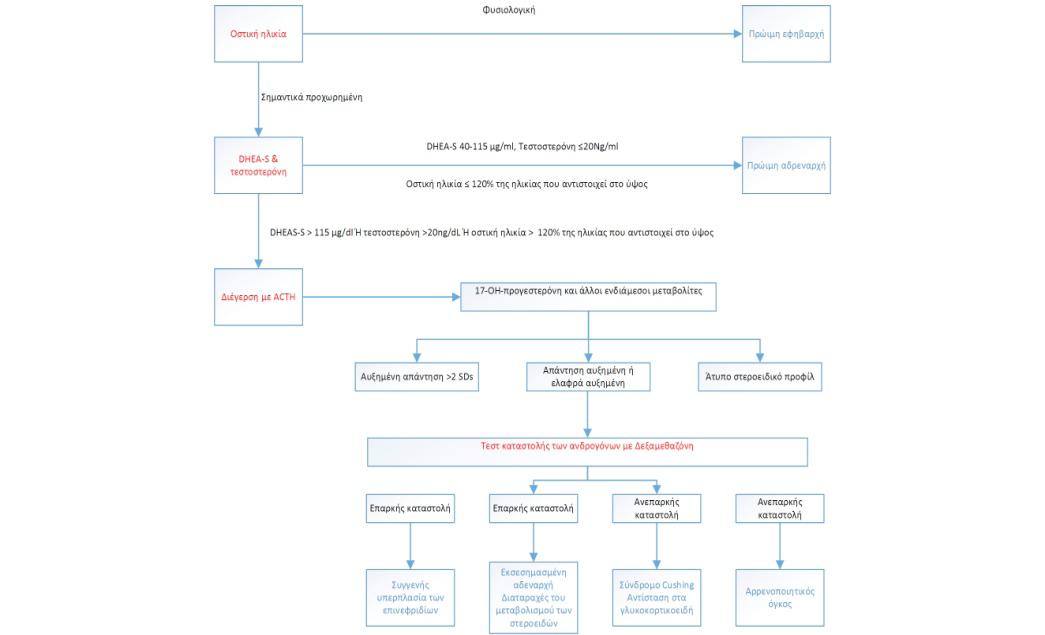
Adrenarche is the term for the maturational increase of the zona reticularis of the adrenal cortex. It is called: the puberty of the adrenal. The zona reticularis begins to form in the central adrenal cortex at the third year of age and mostly secrets cortisol. At about the fifth to sixth year of age, in both boys and girls, it begins to develop into a continuous zone. Within about a year, the adrenarchal increase in the adrenal androgen production becomes perceptible. Clinically adrenarche is the term applied to the appearance of axillary and pubic hair (pubarche), sebaceous gland and apocrine gland development as well as an increase in adult-type body odor. Premature adrenarche refers to the early maturational increase of the zona reticularis in girls younger than 8 years old and boys younger than 9 years old.
Depatment of Εndocrinology - Growth and Development, Children’s Hospital P. & A. Kyriakou, Athens, Greece
Συντομογραφίες:
DHEA:
DHEA-S:
SGA: Small for gestational
SGA / LBW
(PCOS).
1. Mesiano S, Jaffe RB. Developmental and functional biology of the primate fetal adrenal cortex. Endocr Rev 1997;18(3 Suppl):378-403.
2. Korth-Schutz S, Levine LS, New MI. Dehydroepiandrosterone sulfate (DS) levels, a rapid test for abnormal adrenal androgen secretion. J Clin Endocrinol Metab 1976;42:1005.
3. De Peretti E, Forest MG. Pattern of plasma dehydroepiandrosterone sulfate levels in humans from birth to adulthood: evidence for testicular production. J Clin Endocrinol Metab 1978;47:572.
6. Mouritsen A, Aksglaede L, Soerensen K, Hagen CP, Petersen JH, Main KM, et al. The pubertal transition in 179 healthy Danish children: associations between pubarche, adrenarche, gonadarche, and body composition. Eur J Endocrinol 2012; 168(2 Suppl):129-136.
7. Parker LN Adrenarche. Endocrinol Metab Clin North Am 1991;20: 71-83.
8. Dhom G. The prepuberal and puberal growth of the adrenal (adrenarche). Beitr Pathol 1973;150(4 Suppl):357-377.
9. Parker LN. Control of Adrenal androgen secretion. Endocrinol Metab Clin North Am 1991;20:(2 Suppl) 401-421.
10. Brunelli VL, Chiumello G, David M, Forest MG. Adrenarche does not occur in treated patients with congenital adrenal hyperplasia resulting from 21-hydroxylase deficiency. Clin Endocrinol (Oxf) 1995;42(5 Suppl):461-466.
11. Weber A, Clark AJ, Perry LA, Honour JW, Savage MO. Diminished adrenal androgen secretion in familial glucocorticoid deficiency implicates a significant role for ACTH in the induction of adrenarche. Clin Endocrinol (Oxf) 1997;46(4 Suppl):431-437.
12. Ibanez L, Potau N, Marcos MV, de Zegher F. Corticotropin-releasing hormone: a potent androgen secretagogue in girls with hyperandrogenism after precocious pubarche. J C Endocrinol Metab 1999;84(12 Suppl):4602-4606
13 Parker LN, Lifrak ET, Odell WD. A 60,000 molecular weight human pituitary glycopeptide stimulates adrenal androgen secretion. Endocrinology 1983; 113(6 Suppl):2092-2096.
14 . Anderson DC. The adrenal androgen-stimulating hormone does not exist. Lancet 1980 30;2(8192):454-456.
15 Biason-Lauber A, Zachmann M, Schoenle EJ. Effect of leptin on CYP17 enzymatic activities in human adrenal cells: new insight in the onset of adrenarche. Endocrinology 2000; 141(4 Suppl):1446-1454.
16 Clarke D, Fearon U, Cunningham SK, Mc Kenna TJ. The steroidogenic effects of beta-endorphin and joining peptide: a potential role in the modulation of adrenal androgen production. J Endocrinol 1996;151(2 Suppl):301-307.
17. Parker LN, Sack J, Fisher DA, Odell WD. The adrenarche: prolactin, gonadotropins, adrenal androgens, and cortisol. J Clin Endocrinol Metab 1978;46(3 Suppl):396-401.
18 Remer T, Manz F. Role of nutritional status in the regulation of adrenarche. J Clin Endocrinol Metab 1999;84(11 Suppl):3936-3944.
19. Whitworth EJ, Kosti O, Renshaw D, Hinson JP. Adrenal neuropeptides: regulation and interaction with ACTH and other adrenal regulators. Microsc Res Tech 2003;61(3 Suppl):259-267.
20 Lebrethon MC, Jaillard C, Naville D, Begeot M, Saez JM. Effects of transforming growth factor-beta 1 on human adrenocortical fasciculata-reticularis cell differentiated functions. J Clin Endocrinol Metab 1994;79(4 Suppl):1033-1039.
21 Voutetakis A, Livadas S, Sertedaki A, Maniati-Christidi M, Dacou-Voutetakis C. Insufficient adrenarche in patients with combined pituitary hormone deficiency caused by a PROP-1 gene defect. J Pediatr Endocrinol Metab 2001;14(8 Suppl):1107-1111.
22. Taha D, Mullis PE, Ibanez L, de Zegher F. Absent or delayed adrenarche in Pit-1/POU1F1 deficiency. Horm Res 2005;64(4 Suppl):175-179.
23 Agarwal G, Bhatia V, Cook S, Thomas PQ. Adrenocorticotropin deficiency in combined pituitary hormone deficiency patients homozygous for a novel PROP1 deletion. J Clin Endocrinol
Metab 2000;85(12 Suppl):4556-4561
24. Ong KK, Potau N, Petry CJ et al. Opposing influences of prenatal and postnatal weight gain on adrenarche in normal boys and girls. J Clin Endocrinol Metab 2004;89(6 Suppl):2647-2651.
25 Neville KA, Walker JL. Precocious pubarche is associated with SGA, prematurity, weight gain, and obesity. Arch Dis Child. 2005;90(3 Suppl):258-261.
26. Verkauskiene R, Petraitiene I, Albertsson Wikland K. Puberty in children born small for gestational age. Horm Res Paediatr. 2013;80(2 Suppl):69-77.
27 Nimkarn, S., Gangishetti PK, Yau M,, and New MI 21-Hydroxylase deficient Congenital Adrenal Hyperplasia In: Pagon RA, Adam MP, Ardinger HH, Wallace SE, Amemiya A, Bean LJH, Bird TD, Fong CT, Mefford HC, Smith RJH, Stephens K, editors. GeneReviews® [Internet]. Seattle (WA): University of Washington, Seattle; 1993-2016.
2002 Feb 26 [updated 2016 Feb 4]
28. Ibáñez L, Dimartino-Nardi J, Potau N, Saenger P. Premature adrenarche--normal variant or forerunner of adult disease? Endocr Rev 2000; 21:671.
29. Ibáñez L, Potau N, Zampolli M, Riqué S, Saenger P, Carrascosa A. Hyperinsulinemia and decreased insulin-like growth factor-binding protein-1 are common features in prepubertal and pubertal girls with a history of premature pubarche. J Clin Endocrinol Metab. 1997;82(7 Suppl):2283-2288.
30. Ibáñez L, Ong K, Valls C, Marcos MV, Dunger DB, de Zegher F. Metformin treatment to prevent early puberty in girls with precocious pubarche. J Clin Endocrinol Metab. 2006;91(8 Suppl):2888-2891.
31. Coviello AD, Legro RS, Dunaif A. Adolescent girls with polycystic ovary syndrome have an increased risk of the metabolic syndrome associated with increasing androgen levels independent of obesity and insulin resistance. J Clin Endocrinol Metab 2006;91(2 Suppl):492-497.
32. Saenger P, Reiter EO. Premature adrenarche: a normal variant of puberty? J Clin Endocrinol Metab 1992;74(2 Suppl):236-238.
33. Rosenfield RL, Lipton RB, Drum ML. Thelarche, pubarche and menarche attainment in children with normal and elevated body mass index. Pediatrics 2009;123-184
34. Herman-Giddens ME, Slora EJ, Wasserman RC, Bourdony CJ, Bhapkar MV, et al. Secondary sexual characteristics and menses in young girls seen in office practice: a study from the Pediatric Research in Office Settings network. Pediatrics 1997;99:505-512.
35. Zukauskaite S, Lasiene D, Lasas L, Urbonaite B, Hindmarsh P. Onset of breast and pubic hair development in 1231 preadolescent Lithuanian school-girls. Arch Dis Child 2005;90: 932-936.
36. Atay Z, Turan S, Guran T, Furman A, Bereket A. The prevalence and risk factors of premature thelarche and pubarche in 4- to 8-year-old girls. Acta Paediatr 2012;101: e71-75.
37. Kang MJ, Lee JS, Kim HY, Jung HW, Lee YA, Lee SH, Seo JY, Kim JH, Chung HR, Kim SY, Shin CH, Yang SW. Contributions of CAG repeat length in the androgen receptor gene and androgen profiles to premature pubarche in Korean girls. Endocr J. 2016 Oct 6. [Epub ahead of print].
e-mail:
Correspondence
Elpis-Athina Vlachopapadopoulou
T. 213 2009851
F.213 200953
M. 6932247228
e-mail: elpis.vl@gmail.com
Epidemiology, diagnosis and management of type 2 diabetes mellitus in children and adolescents
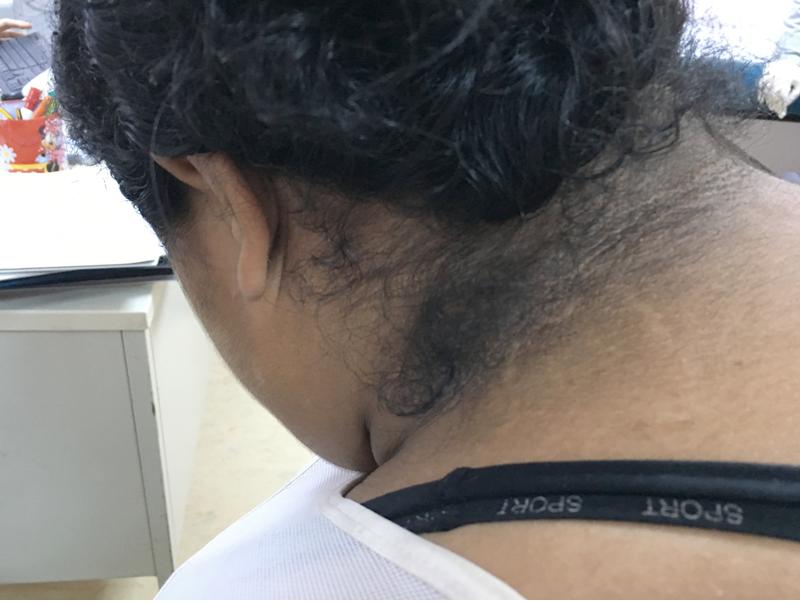
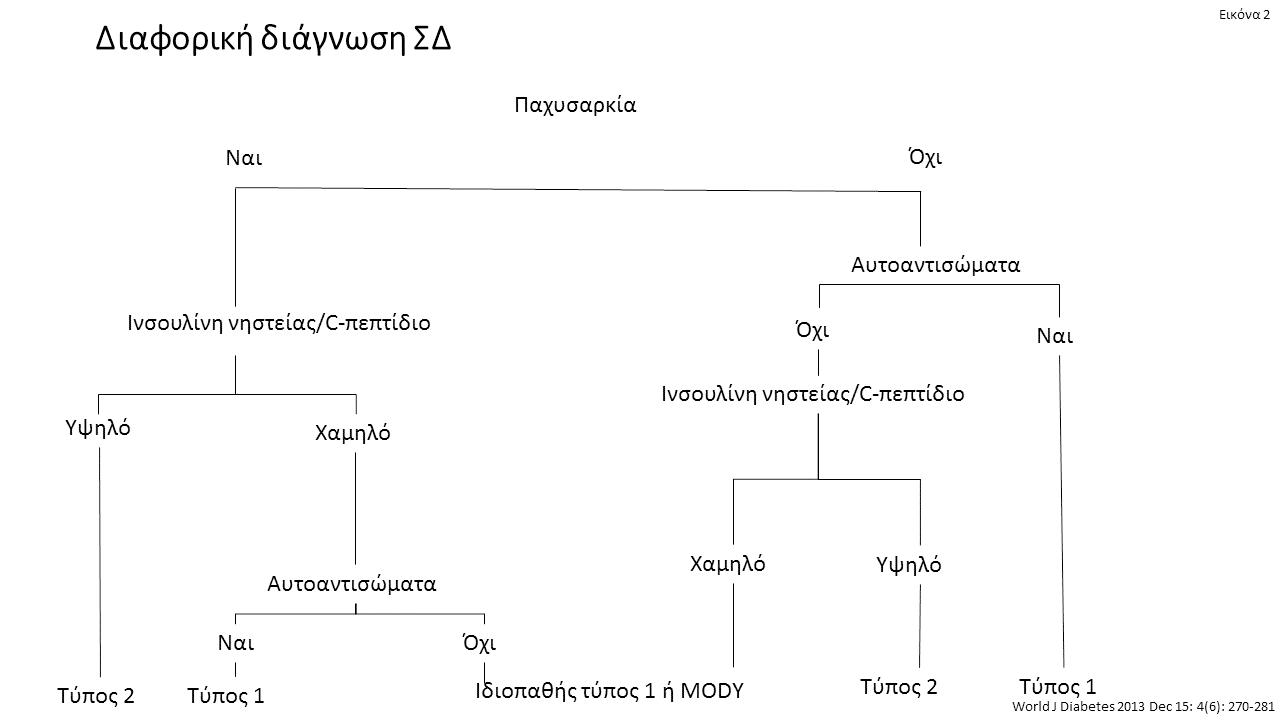
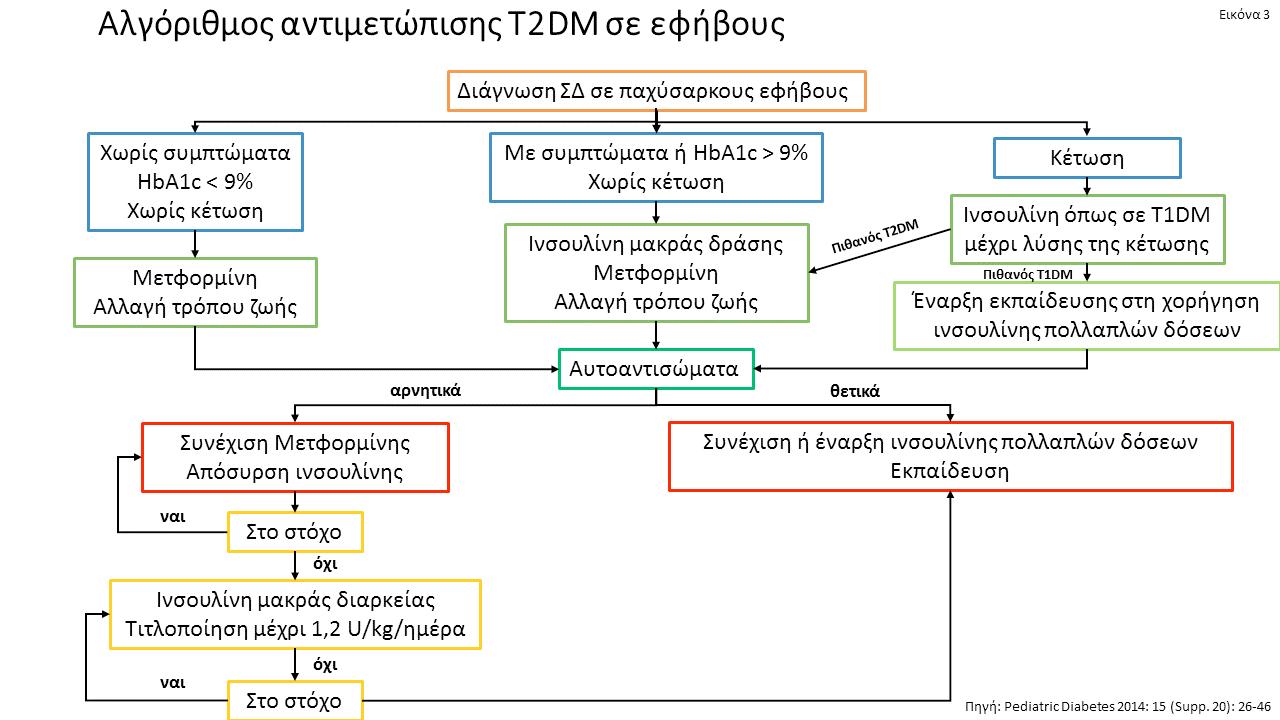
Since the early 1990s, the prevalence of type 2 diabetes mellitus (T2DM) has increased in children and adolescents worldwide and is linked to the rise in the prevalence of childhood obesity. Therefore, it is essential for health care providers to identify and treat these children, given that T2DM and its comorbidities are risk factors for vascular disease, fatty liver and renal insufficiency, later in life. Given that approximately 40 percent of patients are asymptomatic, the American Diabetes Association (ADA) recommends screening criteria for T2DM among asymptomatic children. Screening tests include fasting plasma glucose (FPG), hemoglobin A1c (HbA1c). Oral glucose tolerance test (OGTT) is recommended as further investigation, especially when clinical suspicion for diabetes remains high, despite a FPG or A1c that is non-diagnostic. Diabetes mellitus is diagnosed based on the ADA criteria: HbA1c ≥6.5 percent (47 mmol/mol) or fasting plasma glucose (FPG) ≥126 mg/dL (7 mmol/L) or two-hour plasma glucose ≥200 mg/dL (11.1 mmol/L) during an OGTT or in a patient with classic symptoms of hyperglycemia or hyperglycemic crisis, a random plasma glucose ≥200 mg/dL (11.1 mmol/L). Οptimal treatment should use a combination of diet, exercise and pharmacologic interventions. Individualized nutrition therapy in addition with increased physical exercise are crucial component of the successful management of T2DM in order to achieve glycemic control. Metformin, is recommended as initial treatment while insulin therapy is recommended for selected patients.
Eirini Dikaiakou
Elpis-Athina Vlachopapadopoulou
Stefanos Michalacos Department of Endocrinology-Growth and Development, Children’s Hospital P.A. Kyriakou, Athens, Greece
2.
Συντομογραφίες:
T2DM: Τype 2 Diabetes Mellitus
T1DM: Τype 1 Diabetes Mellitus
ADA: American Diabetes Association
FPG: Fasting Plasma
Glucose
HbA1c: Hemoglobin
A1c
TNF-a: Tumor Necrosis
Factor-a ΔΜΣ:
OGTΤ: Oral Glucose Tolerance Test
MODY: Maturity-onset diabetes of the young
GAD: Anti-glutamic Acid Decarboxylase
IA2: Anti-tyrosine Phosphatase
IAA: Anti-insulin antibodies
ZnT8: Beta cell-specific autoantibody to Zinc Transporter 8
FDA: Food and Drug Administration
DPP-IV: Dipeptidyl peptidase 4 (DPP-4)
SGLT2: Sodium-glucose co-transporter 2
AHA: American Heart Association
LDL-C: Low-density lipoprotein cholesterol
HDL-C: High-density lipoprotein cholesterol
125 mg/dL (≥5,6 mmol/L to 6,9 mmol/L). •
(≥7., mmol/L to 11,0 mmol/L)
1,75 g/kg (μέγιστη
OGTT. • Τιμές HbA1C μεταξύ 5,7% and 6,4% (39 to 46 mmol/mol) έχουν
1. Dietz WH, Robinson TN. Clinical practice. Overweight children and adolescents. N Engl J Med. 2005; 352(20):2100.
2. Awa WL, Fach E, Krakow D, et al. Type 2 diabetes from pediatric to geriatric age: analysis of gender and obesity among 120,183 patients from the German/Austrian DPV database. Eur J Endocrinol. 2012 Aug; 167(2):245-54. Epub 2012 May 29.
3. Liu LL, Lawrence JM, Davis C, Liese AD, Pettitt DJ, Pihoker C, et al. SEARCH for Diabetes in Youth Study Group. Prevalence of overweight and obesity in youth with diabetes in USA: the SEARCH for Diabetes in Youth study. Pediatr Diabetes. 2010; 11(1):4.
4. Freedman DS, Srinivasan SR, Burke GL, Shear CL, Smoak CG, Harsha DW, et al. Relation of body fat distribution to hyperinsulinemia in children and adolescents: the Bogalusa Heart Study. Am J Clin Nutr. 1987; 46(3):403.
5. Copeland KC, Zeitler P, Geffner M, Guandalini C, Higgins J, Hirst K, et al. TODAY Study Group. Characteristics of adolescents and youth with recent-onset type 2 diabetes: the TODAY cohort at baseline. J Clin Endocrinol Metab. 2011; 96(1):159.
6. Pinhas-Hamiel O, Zeitler P. The global spread of type 2 diabetes mellitus in children and adolescents. J Pediatr. 2005; 146(5):693.
7. Bell RA, Mayer-Davis EJ, Beyer JW, D’Agostino RB Jr, Lawrence JM, Linder B, et al. Diabetes in non-Hispanic white youth: prevalence, incidence, and clinical characteristics: the SEARCH for Diabetes in Youth Study. Diabetes Care. 2009; 32 Suppl 2:S102.
8. Dabelea D, Mayer-Davis EJ, Saydah S, Imperatore G, Linder B, Divers J, et al. Prevalence of type 1 and type 2 diabetes among children and adolescents from 2001 to 2009, JAMA. 2014 May; 311(17):1778-86.
9. Grant SF, Thorleifsson G, Reynisdottir I, Benediktsson R, Manolescu A, Sainz J, et al. Variant of transcription factor 7-like 2 (TCF7L2) gene confers risk of type 2 diabetes. Nat Genet. 2006; 38(3):320.
10. Lyssenko V, Lupi R, Marchetti P, Del Guerra S, Orho-Melander M, Almgren P, et al. Mechanisms by which common variants in the TCF7L2 gene increase risk of type 2 diabetes. J Clin Invest. 2007; 117(8):2155.
11. Forsén T, Eriksson J, Tuomilehto J, Reunanen A, Osmond C, Barker D. The fetal and childhood growth of persons who develop type 2 diabetes. Ann Intern Med. 2000; 33(3):176.
12. Weiss R, Caprio S, Trombetta M, Taksali SE, Tamborlane WV, Bonadonna R. Beta-cell function across the spectrum of glucose tolerance in obese youth. Diabetes. 2005 Jun; 54(6):1735-43.
13. Elder DA, Hornung LN, Herbers PM, Prigeon R, Woo JG, D’Alessio DA. Rapid deterioration of insulin secretion in obese adolescents preceding the onset of type 2 diabetes. J Pediatr. 2015 Mar; 166(3):672-8. Epub 2014 Dec 31.
14. Thorens B. A toggle for type 2 diabetes? N Engl J Med. 2006;354(15):1636.
15. Kahn CR. Banting Lecture. Insulin action, diabetogenes, and the cause of type II diabetes. Diabetes. 1994; 43(8):1066.
16. Duncan BB, Schmidt MI, Pankow JS, Ballantyne CM, Couper D, Vigo A, et al. Low-grade systemic inflammation and the development of type 2 diabetes: the atherosclerosis risk in communities study. Diabetes. 2003; 52 (7):1799.
17. Vozarova B, Weyer C, Lindsay RS, Pratley RE, Bogardus C, Tataranni PA. High white blood cell count is associated with a worsening of insulin sensitivity and predicts the development of type 2 diabetes. Diabetes. 2002; 51(2):455.
18. de Rekeneire N, Peila R, Ding J, Colbert LH, Visser M, Shorr RI et al. Diabetes, hyperglycemia, and inflammation in older individuals: the health, aging and body composition study.
Diabetes Care. 2006; 29(8):1902.
19. Dyck RF, Klomp H, Tan L. From “thrifty genotype” to “hefty fetal phenotype”: the relationship between high birthweight and diabetes in Saskatchewan Registered Indians. Can J Public Health. 2001; 92(5):340.
20. Hofman PL, Regan F, Jackson WE, Jefferies C, Knight DB, Robinson EM et al. Premature birth and later insulin resistance. N Engl J Med. 2004; 351(21):2179.
21. Guran T1, Turan S, Akcay T, Bereket A. Significance of acanthosis nigricans in childhood obesity. J Paediatr Child Health. 2008 Jun; 44(6):338-41. doi: 10.1111/j.1440-1754.2007.01272.x.
22. Curran J, Hayward J, Sellers E, Dean H. Severe vulvovaginitis as a presenting problem of type 2 diabetes in adolescent girls: a case series. Pediatrics. 2011; 127(4):e1081.
23. Jefferies C, Carter P, Reed PW, Cutfield W, Mouat F, Hofman PL, Gunn AJ. The incidence, clinical features, and treatment of type 2 diabetes in children<15 yr in a population-based cohort from Auckland, New Zealand, 1995–2007. Pediatr Diabetes. 2012; 13(4):294.
24. Pinhas-Hamiel O, Dolan LM, Daniels SR, Standiford D, Khoury PR, Zeitler P. Increased incidence of non-insulin-dependent diabetes mellitus among adolescents. J Pediatr. 1996; 128(5 Pt 1):608.
25. Pinhas-Hamiel O, Dolan LM, Zeitler PS. Diabetic ketoacidosis among obese African-American adolescents with NIDDM. Diabetes Care. 1997; 20(4):484.
26. Sapru A, Gitelman SE, Bhatia S, Dubin RF, Newman TB, Flori H. Prevalence and characteristics of type 2 diabetes mellitus in 9-18 year-old children with diabetic ketoacidosis. J Pediatr Endocrinol Metab. 2005; 18(9):865.
28. Standards of medical care in diabetes--2014.American Diabetes Association. Diabetes Care. 2014; 37 Suppl 1: S14.
29. Zeitler P, Fu J, Tandon N, Nadeau K, Urakami T, Bartlett T, Maahs D. Type 2 diabetes in the child and adolescent. ISPAD Clinical Practice Consensus Guidelines 2014 Compendium. Pediatric Diabetes 2014: 15 (Suppl. 20): 26-46
30. Baranowski T, Cooper DM, Harrell J, Hirst K, Kaufman FR, Goran M, Resnicow K, STOPPT2D Prevention Study Group. Presence of diabetes risk factors in a large U.S. eighth-grade cohort. Diabetes Care. 2006; 29(2):212.
31. Nguyen QM, Srinivasan SR, Xu JH, Chen W, Berenson GS. Fasting plasma glucose levels within the normoglycemic range in childhood as a predictor of prediabetes and type 2 diabetes in adulthood: the Bogalusa Heart Study. Arch Pediatr Adolesc Med. 2010; 164(2):124.
32. Shaw JE, Zimmet PZ, McCarty D, de Courten M. Type 2 diabetes worldwide according to the new classification and criteria. Diabetes Care. 2000; 23 Suppl 2: B5.
33. Basevi V, Di Mario S, Morciano C, Nonino F, Magrini N. Comment on: American Diabetes Association. Standards of medical care in diabetes--2011. Diabetes Care 2011;34(Suppl. 1):S11S61. Diabetes Care. 2011 May; 34(5): e53; author reply e54. doi: 10.2337/dc11-0174.
34. Alberti G, Zimmet P, Shaw J, Bloomgarden Z, Kaufman F, Silink M, Consensus Workshop Group Type 2 diabetes in the young: the evolving epidemic: the international diabetes federation consensus workshop. Diabetes Care. 2004;27(7):1798.
35. Liu LL, Lawrence JM, Davis C, Liese AD, Pettitt DJ, Pihoker C, Dabelea D, Hamman R, Waitzfelder B, Kahn HS, SEARCH for Diabetes in Youth Study Group. Prevalence of overweight and obesity in youth with diabetes in USA: the SEARCH for Diabetes in Youth study. Pediatr Diabetes. 2010;11(1):4
36. Dabelea D, Pihoker C, Talton JW, D’Agostino RB Jr, Fujimoto W, Klingensmith GJ et al. SEARCH for Diabetes in Youth Study. Etiological approach to characterization of diabetes type: the SEARCH for Diabetes in Youth Study. Diabetes Care. 2011; 34(7):1628.
37. Klingensmith GJ, Pyle L, Arslanian S, Copeland KC, Cuttler L, Kaufman F, Laffel L, Marcovina S, Tollefsen SE, Weinstock RS, Linder B, TODAY Study Group.The presence of GAD and IA-2 antibodies in youth with a type 2 diabetes phenotype: results from the TODAY study. Diabetes Care. 2010; 33(9):1970.
38. Pihoker C, Gilliam LK, Ellard S, Dabelea D, Davis C, Dolan LM, Greenbaum CJ, Imperatore
G, Lawrence JM, Marcovina SM, Mayer-Davis E, Rodriguez BL, Steck AK, Williams DE, Hattersley AT, SEARCH for Diabetes in Youth Study Group. Prevalence, characteristics and clinical diagnosis of maturity onset diabetes of the young due to mutations in HNF1A, HNF4A, and glucokinase: results from the SEARCH for Diabetes in Youth. J Clin Endocrinol Metab. 2013; 98(10):4055.
39. American Diabetes Association, American Psychiatric Association, American Association of Clinical Endocrinologists, North American Association for the Study of Obesity. Consensus development conference on antipsychotic drugs and obesity and diabetes. Diabetes Care. 2004; 27(2):596.
40. Amed S, Dean H, Sellers EA, Panagiotopoulos C, Shah BR, Booth GL, Laubscher TA, Dannenbaum D, Hadjiyannakis S, Hamilton JK. Risk factors for medication-induced diabetes and type 2 diabetes. J Pediatr. 2011 Aug; 159(2):291-6. Epub 2011 Feb 24.
41. Copeland KC, Silverstein J, Moore KR, et al. Management of newly diagnosed type 2 Diabetes Mellitus (T2DM) in children and adolescents. Pediatrics 2013; 131:364
42. Academy of Nutrition and Dietetics, Pediatric weight management evidence-based nutrition practice guideline. Available at: http://andevidencelibrary.com/topic.cfm?cat=2721 (Accessed on February 25, 2013).
43. Reinehr T, Kiess W, Kapellen T, Andler W. Insulin sensitivity among obese children and adolescents, according to degree of weight loss. Pediatrics. 2004; 114(6):1569.
44. Willi SM, Martin K, Datko FM, Brant BP. Treatment of type 2 diabetes in childhood using a very-low-calorie diet. Diabetes Care 2004; 27:348.
45. Fedewa MV, Gist NH, Evans EM, Dishman RK. Exercise and insulin resistance in youth: a meta-analysis. Pediatrics. 2014 Jan; 133(1): e163-74. Epub 2013 Dec 2.
46. Springer SC, Silverstein J, Copeland K, Moore KR, Prazar GE, Raymer T, Shiffman RN, Thaker VV, Anderson M, Spann SJ, Flinn SK. Management of type 2 diabetes mellitus in children and adolescents. Pediatrics. 2013 Feb; 131(2):e648-64. Epub 2013 Jan 28.
47. TODAY Study Group, Zeitler P, Epstein L, Grey M, Hirst K, Kaufman F, Tamborlane W, Wilfley D. Treatment options for type 2 diabetes in adolescents and youth: a study of the comparative efficacy of metformin alone or in combination with rosiglitazone or lifestyle intervention in adolescents with type 2 diabetes. Pediatr Diabetes 2007; 8:74.
48. Pories WJ, MacDonald KG Jr, Morgan EJ, et al. Surgical treatment of obesity and its effect on diabetes: 10-y follow-up. Am J Clin Nutr 1992; 55:582S.
49. Inge TH, Miyano G, Bean J, et al. Reversal of type 2 diabetes mellitus and improvements in cardiovascular risk factors after surgical weight loss in adolescents. Pediatrics 2009; 123:214.
50. Dixon JB, Dixon AF, O’Brien PE. Improvements in insulin sensitivity and beta-cell function (HOMA) with weight loss in the severely obese. Homeostatic model assessment. Diabet Med 2003; 20:127.
Probiotics and Prebiotics in children: what current literature states about their effect on respiratory diseases
Maria Gogou, Katerina Haidopoulou
Abstract
Gut microbiota is known to play a significant role in the normal function of all systems. At the same time the use of probiotics and prebiotics has been found to improve the clinical parameters in a variety of disorders. The aim of this review is to investigate the effect of probiotics and prebiotics use on airways disorders in childhood. According to the literature, the administration of probiotics and prebiotics contributes to a reduction in frequency and severity of respiratory infections among children, as well as to the improvement of symptoms in allergic rhinitis. On the contrary, a clear effect on asthma prevention has not been proven, yet.
1. Costello EK, Lauber CL, Hamady M, Fierer N, Gordon JI, Knight R. Bacterial community variation in human body habitats across space and time. Science. 2009; 326:1694-7
2. Sommer F, Bäckhed F. The gut microbiota--masters of host development and physiology. Nat Rev Microbiol. 2013; 11:227-38
3. Yatsunenko T, Rey FE, Manary MJ, Trehan I, Dominguez-Bello MG, Contreras M, et al. Human gut microbiome viewed across age and geography. Nature. 2012; 486:222-7
5. Quigley EM. Gut bacteria in health and disease. Gastroenterol Hepatol (N Y). 2013;9:560-9
6. Diaz Heijtz R. Fetal, neonatal, and infant microbiome: Perturbations and subsequent effects on brain development and behavior. Semin Fetal Neonatal Med 2016; doi: 10.1016/j. siny.2016.04.012
7. Grönlund MM, Arvilommi H, Kero P, Lehtonen OP, Isolauri E. Importance of intestinal colonisation in the maturation of humoral immunity in early infancy: a prospective follow up study of healthy infants aged 0-6 months. Arch Dis Child Fetal Neonatal Ed. 2000; 83:186-92
8. Atarashi K, Tanoue T, Oshima K, Suda W, Nagano Y, Nishikawa H, et al. Treg induction by a rationally selected mixture of Clostridia strains from the human microbiota. Nature. 2013; 500:232-6
9. Faith JJ, Ahern PP, Ridaura VK, Cheng J, Gordon JI. Identifying gut microbe-host phenotype relationships using combinatorial communities in gnotobiotic mice. Sci Transl Med. 2014; 6:22044
10. Rook GA, Brunet LR. Microbes, immunoregulation, and the gut. Gut. 2005; 54:317-20
11. Björkstén B. Allergy prevention. Interventions during pregnancy and early infancy. Clin Rev Allergy Immunol. 2004; 26:129-38
12. Cahenzli J, Köller Y, Wyss M, Geuking MB, McCoy KD. Intestinal microbial diversity during early-life colonization shapes long-term IgE levels. Cell Host Microbe. 2013; 14:559-70
13. Wu P, Feldman AS, Rosas-Salazar C, James K, Escobar G, Gebretsadik T, et al. Relative Importance and Additive Effects of Maternal and Infant Risk Factors on Childhood Asthma. PLoS One. 2016; 11:e0151705, doi: 10.1371/journal.pone.0151705
14. Reid G. Probiotics: definition, scope and mechanisms of action. Best Pract Res Clin Gastroenterol. 2016; 30:17-25
15. Vandenplas Y. Probiotics and prebiotics in infectious gastroenteritis. Best Pract Res Clin Gastroenterol. 2016; 30:49-53
16. Rather IA, Bajpai VK, Kumar S, Lim J, Paek WK, Park YH. Probiotics and Atopic Dermatitis: An Overview. Front Microbiol. 2016; 7:507
17. Ganguli K, Walker WA. Probiotics in the prevention of necrotizing enterocolitis. J Clin Gastroenterol. 2011; 45:133-8
18. Durchschein F, Petritsch W, Hammer HF. Diet therapy for inflammatory bowel diseases: The established and the new. World J Gastroenterol. 2016; 22:2179-94
19. Chatchatee P, Lee WS, Carrilho E, Kosuwon P, Simakachorn N, Yavuz Y, et al. Effects of growing-up milk supplemented with prebiotics and LCPUFAs on infections in young children. J Pediatr Gastroenterol Nutr. 2014; 58:428-37
20. Cohen R, Martin E, de La Rocque F, Thollot F, Pecquet S, Werner A, et al. Probiotics and prebiotics in preventing episodes of acute otitis media in high-risk children: a randomized, doubleblind, placebo-controlled study. Pediatr Infect Dis J. 2013; 32:810-4
21. Ribeiro TC, Costa-Ribeiro H Jr, Almeida PS, Pontes MV, Leite ME, Filadelfo LR, et al. Stool pattern changes in toddlers consuming a follow-on formula supplemented with polydextrose and galactooligosaccharides. J Pediatr Gastroenterol Nutr. 2012; 54:288-90
22. Sazawal S, Dhingra U, Hiremath G, Sarkar A, Dhingra P, Dutta A, et al. Prebiotic and probiotic fortified milk in prevention of morbidities among children: community-based, randomized, double-blind, controlled trial. PLoS One. 2010; 5:e12164, doi: 10.1371/journal.pone.0012164
23. Bruzzese E, Volpicelli M, Squeglia V, Bruzzese D, Salvini F, Bisceglia M, et al. A formula containing galacto- and fructo-oligosaccharides prevents intestinal and extra-intestinal infections: an observational study. Clin Nutr. 2009; 28:156-61
24. Li F, Jin X, Liu B, Zhuang W, Scalabrin D, et al. Follow-up formula consumption in 3- to 4-year-olds and respiratory infections: an RCT. Pediatrics. 2014; 133:1533-40
25. Gonchar NV, Suvorov AN, Maryshev VP, Sorokina TM, Churkova TV, Kharit SM. Probiotics, Nutritional status and resistance to respiratoryinfections in infants. Eksp Klin Gastroenterol. 2015; 1:48-54
26. Waki N, Matsumoto M, Fukui Y, Suganuma H. Effects of probio tic Lactobacillus brevis KB290 on incidence of influenza infection among schoolchildren: an open-label pilot study. Lett Appl Microbiol. 2014; 59:565-71
27. Kumpu M, Kekkonen RA, Kautiainen H, Järvenpää S, Kristo A, Huovinen P, et al. Milk containing probiotic Lactobacillus rhamnosus GG and respiratory illness in children: a randomized, double-blind, placebo-controlled trial. Eur J Clin Nutr. 2012; 66:1020-3
28. Rerksuppaphol S, Rerksuppaphol L. Randomized controlled trial of probiotics to reduce common cold in schoolchildren. Pediatr Int. 2012; 54:682-7
29. Merenstein D, Murphy M, Fokar A, Hernandez RK, Park H, Nsouli H, et al. Use of a fermented dairy probiotic drink containing Lactobacillus casei (DN-114 001) to decrease the rate of illness in kids: the DRINK study. A patient-oriented, double-blind, cluster-randomized, placebocontrolled, clinical trial. Eur J Clin Nutr. 2010; 64:669-77
30. Hojsak I, Snovak N, Abdović S, Szajewska H, Misak Z, Kolacek S. Lactobacillus GG in the prevention of gastrointestinal and respiratory tract infections in children who attend day care centers: a randomized, double-blind, placebo-controlled trial. Clin Nutr. 2010; 29:312-6
31. Leyer GJ, Li S, Mubasher ME, Reifer C, Ouwehand AC. Probiotic effects on cold and influenza-like symptom incidence and duration in children. Pediatrics. 2009; 124:172-9
32. Lin JS, Chiu YH, Lin NT, Chu CH, Huang KC, Liao KW, Peng KC. Different effects of probiotic species/strains on infections in preschool children: A double-blind, randomized, controlled study.
33. Hatakka K, Blomgren K, Pohjavuori S, Kaijalainen T, Poussa T, Leinonen M, et al. Treatment of acute otitis media with probiotics in otitis-prone children-a double-blind, placebo-controlled randomised study. Clin Nutr. 2007; 26:314-21
34. Cobo Sanz JM, Mateos JA, Muñoz Conejo A. Effect of Lactobacillus casei on the incidence of infectious conditions in children. Nutr Hosp. 2006; 21:547-51
35. Weizman Z, Asli G, Alsheikh A. Effect of a probiotic infant formula on infections in child care centers: comparison of two probiotic agents. Pediatrics. 2005; 115:5-9
36. Loo EX, Llanora GV, Lu Q, Aw MM, Lee BW, Shek LP. Supplementation with probiotics in the first 6 months of life did not protect against eczema and allergy in at-risk Asian infants: a 5-year follow-up. Int Arch Allergy Immunol. 2014; 163:25-8
37. West CE, Hammarström ML, Hernell O. Probiotics in primary prevention of allergic disease-follow-up at 8-9 years of age. Allergy. 2013; 68:1015-20
38. Miraglia Del Giudice M, Maiello N, Decimo F, Fusco N, D’ Agostino B, Sullo N, et al. Airways allergic inflammation and L. reuterii treatment in asthmatic children. J Biol Regul Homeost Agents. 2012; 26:35-40
39. Giovannini M, Agostoni C, Riva E, Salvini F, Ruscitto A, Zuccotti GV, et al. A randomized prospective double blind controlled trial on effects of long-term consumption of fermented milk containing Lactobacillus casei in pre-school children with allergic asthma and/or rhinitis. Pediatr Res. 2007; 62:215-20
40. Jensen MP, Meldrum S, Taylor AL, Dunstan JA, Prescott SL. Early probiotic supplementation for allergy prevention: long-term outcomes. J Allergy Clin Immunol. 2012; 130:1209-1211
41. Lin WY, Fu LS, Lin HK, Shen CY, Chen YJ. Evaluation of the effect of Lactobacillus paracasei (HF.A00232) in children (6-13 years old) with perennial allergic rhinitis: a 12-week, doubleblind, randomized, placebo-controlled study. Pediatr Neonatol. 2014;5:181-8
42. Lin TY, Chen CJ, Chen LK, Wen SH, Jan RH. Effect of probiotics on allergic rhinitis in Df, Dp or dust-sensitive children: a randomized double blind controlled trial. Indian Pediatr. 2013; 50:209-13
43. Chen YS, Jan RL, Lin YL, Chen HH, Wang JY. Randomized placebo-controlled trial of lactobacillus on asthmatic children with allergic rhinitis. Pediatr Pulmonol. 2010; 45:1111-20
44. Ouwehand AC, Nermes M, Collado MC, Rautonen N, Salminen S, Isolauri E. Specific pro-
biotics alleviate allergic rhinitis during the birch pollen season. World J Gastroenterol. 2009; 15:3261-8
45. Zuccotti G, Meneghin F, Aceti A, Barone G, Callegari ML, Di Mauro A, et al. Probiotics for prevention of atopic diseases in infants: systematic review and meta-analysis. Allergy. 2015; 70:1356-71
e-mail: nikiparask@gmail. com
Correspondence
Niki Paraskevopoulou
Thivon and Papadiamantopoulou Str., 11527 Athens T. +302132013417
Hereditary hemochromatosis is one of the most frequent genetic disorders in Caucasians, characterized by excessive accumulation of iron in the liver, heart and endocrine glands resulting in irreversible organ damage. It is associated with mutation of proteins involved in iron metabolism. There are 4 types of hemochromatosis depending on the mutation and the clinical presentation. Type 2 or juvenile hemochromatosis is associated with mutations of hemojuvelin (HJV) (type 2A) or rarely of hepcidin (HAMP) (type 2B) and is more severe than the other types. Clinical manifestations are evident during the 2nd decade of life or earlier.
We describe the case of a 5-year old boy with juvenile hemochromatosis type 2A who presented with slightly increased transaminases levels and an abnormal profile of iron metabolism (high Fe and ferritin levels and transferrin saturation). Molecular analysis confirmed the diagnosis. The patient has been started on a frequent therapeutic phlebotomy program with satisfactory response after 12 months of treatment.
2nd Department of Pediatrics, Aghia Sophia Children’s Hospital, Athens
Vassilios Papadakis
Department of Pediatric Hematology - Oncology, Aghia Sophia Children’s Hospital, Athens
Συντομογραφίες:
TS: (transferrin
saturation): κορεσμός
τρανσφερρίνης
HFE: (high Fe):
πρωτεΐνη HFE
HJV: (hemojuvelin):
αιμοτζουβελίνη
HAMP: (hepcidin):
εψιδίνη
TfR2:(transferrin
receptor 2):
2
FPN:(ferroportin):
1. Franchini M. Hereditary iron overload: Update on pathophysiology, diagnosis, and treatment. Amer J HematoI 2006; 81 (3): 202-209.
2. Papanikolaou G, Politou M, Roetto A, Bosio S, Sakelaropoulos N, Camaschella C, et al. Linkage to chromosome 1q in Greek families with juvenile hemochromatosis. Blood Cells Mol Dis 2001; 27:744-749.
3. Lanzara C, Roetto A, Daraio F, Rivard S, Ficarella R, Simard H, et al. The spectrum of hemojuvelin gene mutations in 1q-linked juvenile hemochromatosis. Blood 2004; 103: 4317-4321.
4. Papanikolaou G, Samuels ME, Ludwig EH, et al. Mutations in HFE2 cause iron overload in chromosome 1q-linked juvenile hemochromatosis. Nat Genet 2004; 36:77–82.
5. Pagon RA, Adam MP, Ardinger HH, et al. Juvenile Hereditary Hemochromatosis. Gene Reviews
6. Lanktree MB, Sadikovic B, Waye JS, Levstik A, Lanktree BB, Yudin J, Crowther MA, Pare G, Adams PC. Clinical evaluation of a hemochromatosis next-generation sequencing gene panel. Eur J Haematol. 2016 Oct 18. doi: 10.1111/ejh.12820. [Epub ahead of print]
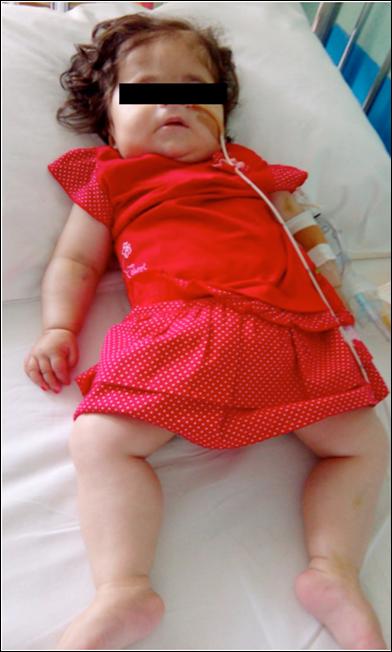
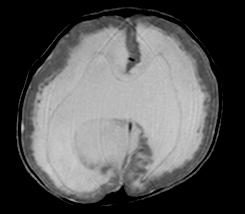
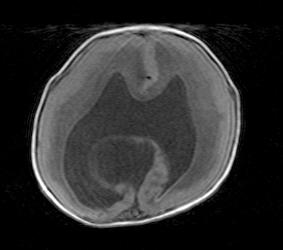
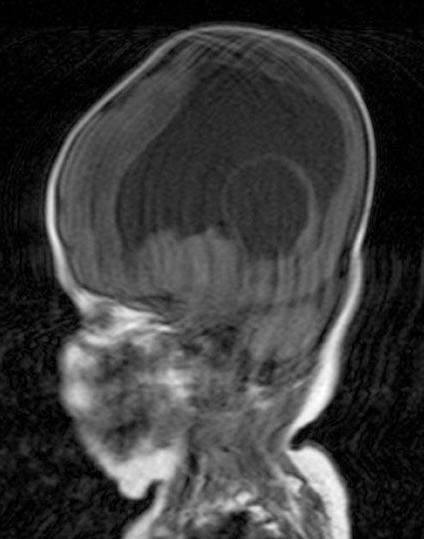
Abstract: Walker-Warburg syndrome is a rare autosomal disorder, caused by defective glycosylation of α-dystroglycan, which results in congenital muscular dystrophy and abnormal neuronal migration. We report the case of a 9-month old girl with muscular hypotonia, lissencephaly type II, ocular abnormalities in addition to other features including hydrocephalus and agenesis of the corpus callosum. Molecular analysis identified novel mutation in the FKRP gene.
2.Warburg M. The heterogeneity of microphthalmia in the mentally retarded. Birth Defects Orig Art Ser1971; 7: 136-154.
3.Warburg M. Heterogeneity of congenital retinal non-attachment, falciform folds and retinal dysplasia. A guide to genetic counseling. Hum Herd 1976; 26: 137-148.
4.Warburg M. Hydrocephaly, congenital retinal nonattachment and congenital falciform fold. Am J Ophthalmol 1978; 85: 88-94.
5.Mostacciuolo ML, Miorin M, Martinello F, Angelini C, Perini P, Trevisan CP. Genetic epidemiology of congenital muscular dystrophy in a sample from the north-east Italy. Hum Genet 1996; 97: 277-279.
6.Barresi R, Campbell KP. Dystroglycan: from biosynthesis to pathogenesis of human disease. J Cell Sci 2006; 119: 199-207.
8.Van Reeuwijk J, Brunner HG, Van Bokhoven H. Glyc-O-genetics of Walker-Warburg syndrome. Clin Genet 2004; 67: 281-289.
9.Devisme L, Bouchet C, Gonzales M, Alanio E, Bazin A, Bessieres B, et al. Cobblestone lissencephaly: neuropathological subtypes and correlations with genes of dystroglycanopathies. Brain 2012; 135: 469-482.
10.Bouchet-Seraphin C, Vuillaumier-Barrot S, Seta N. Dystroglycanopathies: About numerous genes involved in glycosylation of one single glycoprotein. J Neuromuscul Dis 2015; 2: 27-38.
11.Myshrall TD, Moore S, Ostendorf AP, Satz JS, Kowalczyk T, Nguyen H, et al. Dystroglycan on radial glia endfeet is required for pial basement membrane integrity and columnar organization of the developing cerebral cortex. J Neuropathol Exp Neurol 2012; 71(12): 1047-1063.
12.Falsaperla R, Pratico AD, Ruggieri M, Parano E, Rizzo R, Corsello G et al. Congenital muscular dystrophy: from muscle to brain. Ital J Pediatr 2016; 42:78.
13. Low AS, Lee SL, Tan AS, Chan DK, Chan LL. Difficulties with prenatal diagnosis of the Walker-Warburg syndrome. Acta Radiol 2005; 46(6): 645-651.