

Paediatriki




008
010
ΕΠΙΣΤΟΛΗ
012
ΓΡΑΜΜΑ
014
ΑΝΑΣΚΟΠΗΣΕΙΣ
022 Σύνδρομο
032
Υποβολή εργασιών e-mail: grammateia@e-child.gr
Οδηγίες
http://e-child.gr/publications/ instructions-to-authors
Iδιοκτήτης
Tηλ.:
e-mail: grammateia@e-child.gr Eτήσια
054
060
064
070
072
Paediatriki
Volume 79 | Number 1 | January - February - March - April 2016
Contents Quarterly publication of the Greek Paediatric Society
008
PRESIDENT’S LETTER
010
EDITORIAL
S. Αntoniadis
012
LETTER TO THE EDITOR
014
REVIEW ARTICLES
Interpretation of procalcitonin’s serum levels in children
Svirkos Menelaos, Sdouga Maria
022
West Syndrome in Children With Inborn Errors of Metabolism: A Review of the Literature
Anastasia Gkampeta, Evangelos Pavlou
032
Sleep during adolescence-special issues and impact on quality of life
Gogou Maria, Haidopoulou Katerina
042
Early Childhood Caries. A Multi-Factorial Disease
Achtari D. Marina
President
A. Constantopoulos
Editorial board
Director
S. Antoniadis
Members
S. Andronikou
E. Galanakis
A. Evangeliou
L. Thomaidou
M. Kanariou
A. Kapogiannis
S. Kitsiou-Tzeli
E. Mantadakis
P. Panagiotopoulou-Gartagani
A. Papadopoulou
V. Papaevagelou
A. Papathanassiou
A. Siamopoulou-Mavridou
A. Syrigou-Papavasiliou
Manuscript submission
e-mail: grammateia@e-child.gr
Instructions to authors: http://e-child.gr/publications/ instructions-to-authors
Owner Greek Paediatric Society 15, Mpakopoulou st. GR - 15451, Ν. Psychiko Tel.: +302107771140 e-mail: grammateia@e-child.gr
Annual subscription All foreign countries: US$50
054
CASE REPORTS
Prepubertal breast fibroadenoma: two cases report Adelais K. Tzortzopoulou, Nectarios Ι. Koufopoulos, Ioannis L. Misitzis
060
Iron deficiency anemia and eosinophilia due to extend pediculosis capitis
Stivanaki Chrisoula, Patavoukas Georgios, Tachliampouris Nikitas
064
Intermittent pain in the left upper limb in a 10-year-old girl: an unexpected cause Maria Gogou, Martha Spilioti, Despoina Tramma, Efimia Papadopoulou-Alataki, Athanasios Evangeliou
070
BETWEEN COLLEAGUES
072
BOOK PRESENTATION
“The journey of a pediatrician”
By Dimitris Zoumboulakis
e-mail: svirkos@hol.gr
Correspondence
Svirkos Menelaos
G. Daligary 9, 57300
Halastra Thessaloniki
T. +306974827523
e-mail: svirkos@hol.gr
Interpretation of procalcitonin serum levels in children
Svirkos Menelaos, Sdouga Maria
Abstract
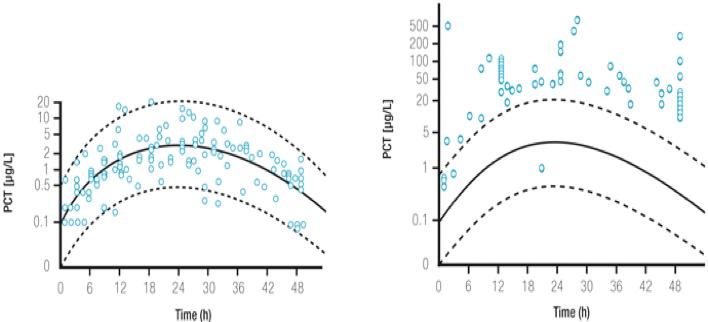
Monitoring of procalcitonin’s (PCT) serum levels contributes to the better treatment and outcome of children hospitalized in P.I.C.U. The early recognition of neonatal infection is possible by repeated measurements of its levels in umbilical blood sample and could be considered as a reliable marker of early neonatal sepsis even during the first hours after birth. Values of PCT over 10ng/ml are almost exclusively due to severe bacterial sepsis or septic shock and advocate a bad prognosis. Monitoring of PCT’s serum levels by repeated measurements provides important information about the effectiveness of the applied antibacterial medication and the need of extension, adjustment or even interruption of the treatment. It also contributes to the diagnostic identification of both early (<72h) and late (>72h) post-operative infection in children undergoing cardiac surgery using extracorporeal circulation. If the increase of PCT is due to non-infectious causes then the normalization of its levels is expected within the next 24-48 hours. Because the increase of PCT`s serum levels depends also on the patients clinical condition, the possible co-morbidity, the immune system state, the preceded medical treatment etc. its interpretation should be related to all of them.
Key words: procalcitonin, infection, sepsis, children, cardiac surgery
Svirkos Menelaos
Sdouga Maria
P.I.C.U. “Ippokrateio” General Hospital of Thessaloniki
1)
2)
3)
4)
5)
6)
7)
9)
Βιβλιογραφία
1. Becker KL, Nylen ES, White JC, Muller B, Snider RH. Procalcitonin and the calcitonin gene family of peptides in inflammation, infection and sepsis: a journey from calcitonin back to its precursors. J Clin Endocrinol Metab 2004;89:1512-25
2. Watson RS1, Carcillo JA, Linde-Zwirble WT, Clermont G, Lidicker J, Angus DC. The epidemiology of severe sepsis in children in the United States. Am J Respir Crit Care Med. 2003 Mar 1;167(5):695-701. Epub 2002 Nov 14
3. Joram N1, Muller JB, Denizot S, Orsonneau JL, Caillon J, Rozé JC et al. Umbilical cord blood procalcitonin level in early neonatal infections: a 4-year university hospital cohort study. Eur J Clin Microbiol Infect Dis. 2011 Aug;30(8):1005-13. doi: 10.1007/s10096-011-1187-0. Epub 2011 Feb 12
4. Chiesa C, Natale F, Pascone R, Osborn JF, Pacifico L, Bonci E et al. C reactive protein and procalcitonin: reference intervals for preterm and term newborns during the early neonatal period. Clin Chim Acta 2011;412(11-12):1053-59 doi: 10.1016/j.cca.2011.02.020. Epub 2011 Feb19
5. Altunhan H, Annagür A, Örs R, Mehmetoğlu I. Procalcitonin measurement at 24 hours of age may be helpful in the prompt diagnosis of early-onset neonatal sepsis. Int J Infect Dis. 2011 Dec;15(12):e854-8. doi: 10.1016/j.ijid.2011.09.007. Epub 2011 Oct 22
6. Stocker M, W Hop, A van Rossum. Neonatal Procalcitonin Intervention Study (NeoPInS): Effect of procalcitonin-guided decision making on duration of antibiotic therapy in suspected neonatal early-onset sepsis: A multi-center randomized superiority and non-inferiority intervention study. BMC Pediatrics 2010 10:89 doi:10.1186/1471-2431-10-89
7. Becker KL, Snider R, Nylen ES. Procalcitonin assay in systemic inflammation, infection, and sepsis: clinical utility and limitations. Crit Care Med. 2008 Mar;36(3):941-52. doi: 10.1097/ CCM.0B013E318165BABB
8. Maniaci V, Dauber A, Weiss S, Nylen E, Becker KL, Bachur R. Procalcitonin in young febrile infants for the detection of serious bacterial infections. Pediatrics 2008;122;701-710 doi:10.1542/ peds.2007-3503
9. Sitter T, Schmidt M, Schneider S, Schiffle H. Differential diagnosis of bacterial infection and inflammatory response in kidney disease using procalcitonin. J Nephrol. 2002 MayJun;15(3):297-301
10. O’Grady NP, Barie PS, Bartlett JG, Bleck T, Carroll K, Kalil AC et al. Guidelines for evaluation of new fever in critically ill adult patients: 2008 update from the American College of Critical Care Medicine and the Infectious Diseases Society of America. Crit Care Med. 2008 Apr;36(4):1330-49. doi: 10.1097/CCM.0b013e318169eda9.
11. Harbarth S, Holeckova K, Froidevaux C, Pittet D, Ricou B, Grau GE et al. Diagnostic value of procalcitonin, interleukin-6, and interleukin-8 in critically ill patients admitted with suspected sepsis. Am J Respir Crit Care Med 2001;164:396-402
12. Müller F1, Christ-Crain M, Bregenzer T, Krause M, Zimmerli W, Mueller B et al. Procalcitonin levels predict bacteremia in patients with community-acquired pneumonia: a prospective cohort trial. Chest. 2010 Jul;138(1):121-9. doi: 10.1378/chest.09-2920. Epub 2010 Mar 18
13. Beat Müller, Kenneth L. Becker. Procalcitonin: How a hormone became a marker and mediator of sepsis. SWISS MED WKLY 2 0 0 1 ; 1 3 1 : 5 9 5 – 6 0 2
14. Ming Jin, Adil I. Khan. Procalcitonin: Uses in the Clinical Laboratory for the Diagnosis of Sepsis. LabMedicine 2010;41(3): 173-177. doi: 10.1309/LMQ2GRR4QLFKHCH9
15. Hans Jürgen Dornbusch, Volker Strenger,Petra Sovinz,Herwig Lackner, Wolfgang Schwinger, Reinhold Kerbl et al. Non-infectious causes of elevated procalcitonin and C-reactive protein serum levels in pediatric patients with hematologic and oncologic disorders. Support Care Cancer 2008 Sep 15;16(9):1035-40. Epub 2008 Jan 15
16. Séguéla PE, Joram N, Romefort B, Manteau C, Orsonneau JL, Branger B et al. Procalcitonin
as a marker of bacterial infection in children undergoing cardiac surgery with cardiopulmonary bypass. Cardiol Young 2011;21(4):392-9. doi: 10.1017/S104795111100014X. Epub 2011 Mar 9.
Correspondence
Gkampeta Anastasia
St. Kiriakidi 1, 54636 Thessaloniki e-mail: anastagab@yahoo. gr
West Syndrome in Children With Inborn Errors of Metabolism: A Review of the Literature
Anastasia Gkampeta, Evangelos Pavlou
Abstract
West syndrome is an epileptic encephalopathy which in rare cases is due to an inherited metabolic disease. This is a review of the literature on reported cases of children diagnosed with a metabolic disease who developed West syndrome. This article briefly presents the most frequent inborn errors of metabolism that have been associated with West syndrome. Although it has been underestimated, West syndrome may be caused or predisposed by an underlying inborn error of metabolism. The present review illustrates the importance of the early diagnosis and consequently the initiation of the proper treatment, which are important for a favorable prognosis.
Key words: West syndrome, metabolic disorders
Anastasia Gkampeta Evangelos Pavlou
2nd Department of Pediatrics, Aristotle University of Thessaloniki, AHEPA General Hospital
(ε)
Βιβλιογραφία
1. Zhongshu Z, Weiming Y, Yukio F, Cheng-LNing Z, Zhixing W. Clinical analysis of West syndrome associated with phenylketonuria. Brain Dev. 2001;23:552-557.
2. Naito E, Ito M, Yokota I, Saijo T, Ogawa Y, Shinahara K, et al. Gender-specific occurrence of West syndrome in patients with pyruvate dehydrogenase complex deficiency. Neuropediatrics. 2001;32:295–298.
3. Shah NS, MitchellWG,Boles RG. Mitochondrial disorders: a potentially under-recognized etiology of infantile spasms. J Child Neurol. 2002;17:369–372.
4. Desguerre I, Pinton F, Nabbout R, Moutard ML, N’Guyen S, Marsac C, et al. Infantile spasms with basal ganglia MRI hypersignal may reveal mitochondrial disorder due to T8993G MT DNA mutation. Neuropediatrics. 2003;34:265–269.
5. Wu XR, Ling Q. (in Chinese). Pediatric nervous system diseases: basics and clinical aspects. Beijing: People’s Health Co, 2000 (p. 412).
6. Trevathan E, Murphy CC, Yeargin-Allsopp M. The descriptive epidemiology of infantile spasms among Atlanta children. Epilepsia. 1999;40:748–751.
7. Luthvigsson P, Olafsson E, Sigurthardottir S, Hauser WA. Epidemiologic features of infantile spasms in Iceland. Epilepsia. 1994;35:802– 805.
8. Bednarek N, Motte J, Soufflet C, Plouin P, Dulac O. Evidence of late onset infantile spasms. Epilepsia. 1998;39:32–39.
9. Dulac O, Chugani H, Dalla Bernardina B. Infantile spasms and West syndrome. London:
Saunders, 1994.
10. Granstrom ML, Gaily E, Luikkonen E. Treatment of infantile spasms: results of a populationbased study with vigabatrin as the first drug for spasms. Epilepsia. 1999;40:950–957.
11. Dulac O, Soufflet C, Chiron C, Kaminska A. What is West syndrome? Int Rev Neurobiol. 2002;49:1-22.
12. Sfaello, Castelnau P, Blanc N, Ogier H, Evrard P, Arzimanoglou A. Infantile spasms and Menkes disease. Epil Disord. 2000;2:227–230.
13. Barkovich AJ. An approach to MRI of metabolic disorders in children. J Neuroradiol. 2007;34:75-88.
14. Low NL, Bosma JF, Armstrong MD. Studies on phenylketonuria. Arch Neurol Psychiatry. 1957;77:359.
15. Fukuyama Y. Studies on the etiology and the pathogenesis of flexor spasms in infancy. Shinkei Kenkyu No Shimpo (Tokyo) 1960;4:861–8 91 (in Japanese).
16. Fukuyama Y. Clinical features of West syndrome. Shonika Shinryo (Tokyo) 1965;28:1128–1139 (in Japanese).
17. Watson CW, Nigam MP, Paine RS. Electroencephalographic abnormalities in phenylketonuric oligophrenia. Neurology. 1968;18:203–207.
18. Watanabe K. West syndrome: etiological and prognostic aspects. Brain Dev. 1998;20:1–8.
19. Mikaeloff Y, Plouin P, Dhondt J-L, Ponsot G, Dulac O. Clinical and EEG video-polygraphic features of epileptic spasms in a child with dihydropteridine reductase deficiency. Efficiency of hydrocortisone. Epileptic Disord. 2000;2:213–217.
20. Smith J, Brenton DP. Hyperphenylalaninemias. In: Hernandes J, Saudubray JM, Van Den Berghe G, editors. Inborn metabolic diseases, Berlin: Springer, 1995. pp. 147–160.
21. Baram TZ, Mitchell WG, Hanson RA, Snead OC, Horton EJ. Cerebrospinal fluid corticotropin and cortisol are reduced in infantile spasms. Pediatr Neurol. 1995;13:108–110.
22. Blau N, Barnes I, Dhondt JL. International database of tetrahydrobiopterin deficiencies. J Inherit Metab Dis. 1996;19:8-14.
23. Dhondt JL. Register of tetrahydrobiopterin deficiencies. Lille: Milupa, 1991: 54-61.
24. Van Schaftingen E. D-glycerate kinase deficiency as a cause of D-glyceric aciduria. FEBS Lett. 1989;243:127-131.
25. Wadman SK, Duran M, Ketting D, Bruinvis L, De Bree PK, Kamerling JP, et al. D-Glyceric acidemia in a patient with chronic metabolic acidosis. Clin Chim Acta. 1976;71:477-484.
26. Bonham JR, Stephenson TJ, Carpenter KH, Rattenbury JM, Cromby CH, Pollitt RJ, et al. D(+)-Glyceric aıduria: etiology and clinical consequences. Pediatr Res. 1990;28:38-41.
27. Fontaine M, Porchet N, Largilliere C, Marrakchi S, Lhermitte M, Aubert JP, et al. Biochemical contribution to diagnosis and study of a new case of D-glyceric acidemia/aciduria. Clin Chem. 1989:35:2148-2151.
28. Topcu M, Saatci I, Haliloglu G, Kesimer M, Coskun T. D-glyceric aciduria in a six-monthold boy presenting with West syndrome and autistic behaviour. Neuropediatrics. 2002;33:47-50.
29. Dionisi-Vici C, Rizzo C, Burlina AB, Caruso U, Sabetta G, Uziel G, et al. Inborn errors of metabolism in the Italian pediatric population: a national retrospective survey. J Pediatr. 2002;140:321-327.
30. Klose DA, Kölker S, Heinrich B, Prietsch V, Mayatepek E, von Kries R, et al. Incidence and short-term outcome of children with symptomatic presentation of organic acid and fatty acid oxidation disorders in Germany. Pediatrics. 2002;110:1204-1211.
31. Fenton WA, Gravel RA, Rosenblatt DS. Chapter 94: disorders of propionate and methylmalonate metabolism. In: Scriver CR, ed. The Online Metabolic and Molecular Bases of Inherited Disease. New York, NY: McGraw-Hill; 2001-2009.
32. Nicolaides P, Leonard J, Surtees R. Neurological outcome of methylmalonic acidaemia. Arch Dis Child. 1998;78:508-512.
33. Guevara-Campos J, Gonzalez-de-Guevara L, Medina-Atopo M. Methylmalonic aciduria associated with myoclonic convulsions, psychomotor retardation and hypsarrhythmia. Rev Neurol. 2003;36:735-737.
34. Aikoh H, Sasaki M, Sugai K, Yoshida H, Sakuragawa N. Effective immunoglobulin therapy for brief tonic seizures in methylmalonic acidemia. Brain Dev. 1997;19:502-505.
35. Erol I, Alehan F, Gumus A. West syndrome in an infant with vitamin B12 deficiency in the absence of macrocytic anaemia. Dev Med Child Neurol. 2007;49:774-776.
36. Campeau PM, Valayannopoulos V, Touati G, Bahi-Buisson N, Boddaert N, Plouin P, et al. Management of West syndrome in a patient with methylmalonic aciduria. J Child Neurol. 2010;25:94-97.
37. Aldamiz-Echevarria Azuar L, Prats Vinas JM, Sanjurjo Crespo P, Prieto Perera JA, Labayru Echeverrı´a MT. Infantile spasms as the first manifestation of propionic acidemia. An Pediatr (Barc). 2005;63:548-550.
38. Harris DJ, Thompson RM, Wolf B, Yang BI. Propionyl coenzyme A carboxylase deficiency presenting as non-ketotic hyperglycinaemia. J Med Genet. 1981;18:156-157.
39. Mikati MA, Chaaban HR, Karam PE, Krishnamoorthy KS. Brain malformation and infantile spasms in a SCAD deficiency patient. Pediatr Neurol. 2007;36:48-50.
40. Dahl HM. Pyruvate dehydrogenase E1a deficiency: males and females differ yet again. Am J Hum Genet. 1995;56:553–557.
41. Robinson BH, MacMillan H, Petrova-Benedict R, Sherwood WG. Variable clinical presentation in patients with defective E1 component of pyruvate dehydrogenase complex. J Pediatr. 1987;111:525–533.
42. Wada N, Matsuishi T, Nonaka M, Naito E, Yoshino M. Pyruvate dehydrogenase E1alpha subunit deficiency in a female patient: evidence of antenatal origin of brain damage and possible etiology of infantile spasms. Brain Dev. 2004;26:57-60.
43. Naito E, Ito M, Yokota I, Saijo T, Chen S, Maehara M, et al. Concomitant administration of sodium dichloroacetate and thiamine in west syndrome caused by thiamine-responsive pyruvate dehydrogenase complex deficiency. J Neurol Sci. 1999;171:56-59.
44. Brown RM, Dahl HM, Brown GK. X-chromosome localization of the functional gene for the E1 alpha subunit of the human pyruvate dehydrogenase complex. Genomics. 1989;4:174–181.
45. Jellinger K. Neuropathological aspects of infantile spasms. Brain Dev. 1987;9:349–357.
46. Meencke HJ, Gerhard C. Morphological aspects of aetiology and the course of infantile spasms (West syndrome). Neuropediatrics. 1985; 16:59–66.
47. Chugani HT, Shields WD, Shewmon DA, Olson DM, Phelps ME, Peacock WJ. Infantile spasms: I. PET identifies focal cortical dysgenesis in cryptogenic cases for surgical treatment. Ann Neurol. 1990;27:406–413.
48. Takakubo F, Dahl HM. Analysis of pyruvate dehydrogenase expression in embryonic mouse brain: localization and developmental regulation. Dev Brain Res. 1994;77:63–76.
49. Gudiño MA, Campistol J, Chavez B, Conill J, Hernández S, Vilaseca MA. Hurler’s syndrome, West’s syndrome, and vitamin D-dependent rickets. J Child Neurol. 2002;17:149-151.
50. Uno H, Arya S. Neuronal and vascular disorders of the brain and spinal cord in Menkes kinky hair disease. Am J Med Genet Suppl 1987;3:367–377.
51. Tumer Z, Moller LB, Horn N. Mutation spectrum of ATP7A, the gene defective in Menkes disease. Adv Exp Med Biol. 1999;448:83– 95.
52. Harrison MD, Dameron CT. Molecular mechanisms of copper metabolism and the role of the Menkes disease protein. J Biochem Mol Toxicol. 1999;13:93 -106.
53. Kreuder J, Otten A, Fuder H, Tümer Z, Tønnesen T, Horn N, et al. Clinical and biochemical consequences of copper-histidine therapy in Menkes disease. Eur J Pediatr. 1993; 152: 828-832.
54. Bahi-Buisson N, Kaminska A, Nabbout R, Barnerias C, Desguerre I, De Lonlay P, et al. Epilepsy in Menkes disease: analysis of clinical stages. Epilepsia. 2006;47:380-386.
55. Dhamija R, Mack KJ. A 2-day-old baby girl with encephalopathy and burst suppression on EEG. Nonketotic hyperglycinemia. Neurology. 2011;77:16-19.
56. Koul R. Pyridoxine-dependent seizures: 10-year follow-up of eight cases. Neurol India 2009;57:460-463.
57. Rajesh R., Girija A.S. Pyridoxine-dependent Seizures: A Review. Indian Pediatrics 2003; 40:633-638.
Correspondence
Maria Gogou
Dimitriou Nika 44, 60100, Katerini, Greece e-mail: mariaangogou@ gmail.com
Sleep during adolescence-special issues and impact on quality of life
Gogou Maria, Haidopoulou Katerina
Abstract
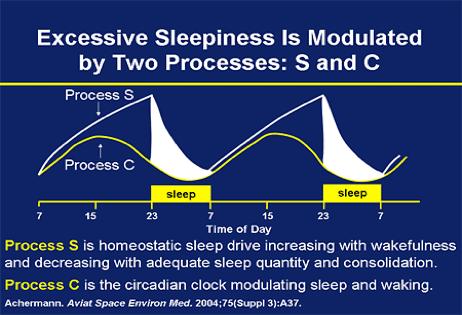
A series of changes in circadian clock and brain function take place during adolescence and modify sleep. At the same time multiple environmental factors act synergistically having as a result the reduction of total sleep time, as well as in increasingly later bedtimes, without any reduction in sleep needs. Besides, patterns of sleep disorders in this age change as a result of maturation and secondary gender traits development. On the other hand, it has been found that early-starting high schools have a negative impact on sleep quality and on daily functioning of adolescents. For all these reasons sleep hygiene promotion during adolescence is essential.
Key words: sleep, adolescence, sleep disorders, circadian system, school programs
Gogou Maria Haidopoulou Katerina 2nd Department of Pediatrics, Aristotle University of Thessaloniki, University General Hospital Papageorgiou

time of the day in hours
1. Allison T, Cicchetti DV. Sleep in mammals: ecological and constitutional correlates. Science. 1976; 194:732-4
2. Parisi P, Bruni O, Pia Villa M, Verrotti A, Miano S, Luchetti A, et al. The relationship between sleep and epilepsy: the effect on cognitive functioning in children. Dev Med Child Neurol. 2010; 52:805-10
3. Zee PC, Manthena P. The brain’s master circadian clock: implications and opportunities for therapy of sleep disorders. Sleep Med Rev. 2007; 11:59-70
4. Dijk DJ, Brunner DP, Beersma DG, Borbély AA. Electroencephalogram power density and slow wave sleep as a function of prior waking and circadian phase. Sleep. 1990; 13:430-40
5. Dijk DJ, Czeisler CA. Contribution of the circadian pacemaker and the sleep homeostat to sleep propensity, sleep structure, electroencephalographic slow waves, and sleep spindle activity in humans. J Neurosci. 1995; 15:3526-38
6.Crowley SJ, Tarokh L, Carskadon MA. Sleep during adolescence. In: Sheldon, Ferber, Kryger, Gozal, editors: Principles and practice of pediatric sleep medicine. 2nd edition, Elsevier Saunders, Philadelphia, 2014, pp. 45-51
7. Tarokh L, Carskadon MA, Achermann P. Dissipation of sleep pressure is stable across adolescence. Neuroscience. 2012;216:167-77
8. Taylor DJ, Jenni OG, Acebo C, Carskadon MA. Sleep tendency during extended wakefulness: insights into adolescent sleep regulation and behavior. J Sleep Res. 2005; 14:239-44
9. Czeisler CA, Duffy JF, Shanahan TL, Brown EN, Mitchell JF, Rimmer DW, et al. Stability, precision, and near-24-hour period of the human circadian pacemaker. Science. 1999;284:217781
10. Hagenauer MH, Lee TM. The neuroendocrine control of the circadian system: adolescent chronotype. Front Neuroendocrinol. 2012;33:211-29
11. Carskadon MA, Acebo C, Arnedt JT. Failure to identify pubertally-mediated melatonin sensitivity to light in adolescents. Sleep. 2002;25 (Suppl):A191
12. Feinberg I, Thode HC Jr, Chugani HT, March JD. Gamma distribution model describes maturational curves for delta wave amplitude, cortical metabolic rate and synaptic density. J Theor Biol. 1990; 142:149-61
13. Karacan I, Anch M, Thornby JI, Okawa M, Williams RL. Longitudinal sleep patterns during pubertal growth: four-year follow up. Pediatr Res. 1975; 9:842-6
14. Roffwarg HP, Dement WC, Fischer C. Preliminary observations of the sleep-dream pattern in neonates, infants, children and adults. In: Harms E, editor. Problems of sleep and dreams in children. New York: Macmillian, 1964
15. Calamaro CJ, Mason TB, Ratcliffe SJ. Adolescents living the 24/7 lifestyle: effects of caffeine and technology on sleep duration and daytime functioning. Pediatrics. 2009; 123:1005-10
16. Marco CA, Wolfson AR, Sparling M, Azuaje A. Family socioeconomic status and sleep patterns of young adolescents. Behav Sleep Med. 2011;10:70-80
17. Wolfson AR, Carskadon MA. Sleep schedules and daytime functioning in adolescents. Child Dev. 1998;69:875-87
18. Fredriksen K, Rhodes J, Reddy R, Way N. Sleepless in Chicago: tracking the effects of adolescent sleep loss during the middle school years. Child Dev. 2004;75:84-95
19. Carskadon MA, Wolfson AR, Acebo C, Tzischinsky O, Seifer R. Adolescent sleep patterns, circadian timing, and sleepiness at a transition to early school days. Sleep. 1998;21:871-81
20. National Sleep Foundation. Sleep in America Poll. Teens and Sleep. National Sleep Foundation website;2006. Available at http://www.sleepfoundation.org/article/sleep-america-polls/2006teens-and-sleep/html
21. Arrona-Palacios A, García A, Valdez P. Sleep-wake habits and circadian preference in Mexican secondary school. Sleep Med. 2015;16:1259-64
22. Carskadon MA, Harvey K, Duke P, Anders TF, Litt IF, Dement WC. Pubertal changes in daytime sleepiness. Sleep. 1980;2:453-60
23. Sheldon SH. History of Pediatric Sleep Medicine. In: Sheldon, Ferber, Kryger, Gozal, editors: Principles and practice of pediatric sleep medicine. 2nd edition, Elsevier Saunders, Philadelphia, 2014, pp. 13-23
24. Szymczak JT, Jasińska M, Pawlak E, Zwierzykowska M. Annual and weekly changes in the sleep-wake rhythm of school children. Sleep. 1993;16:433-5
25. Carskadon MA, Dement WC. Multiple sleep latency tests during the constant routine. Sleep. 1992;15:396-9
26. Dauvilliers Y, Gosselin A, Paquet J, Touchon J, Billiard M, Montplaisir J. Effect of age on MSLT results in patients with narcolepsy-cataplexy. Neurology. 2004; 62:46-50
27. Carskadon MA, Dement WC. Cumulative effects of sleep restriction on daytime sleepiness. Psychophysiology. 1981;18:107-13
28. Sadeh A, Dahl RE, Shahar G, Rosenblat-Stein S. Sleep and the transition to adolescence: a longitudinal study. Sleep. 2009;32:1602-9
29. Surani S, Hesselbacher S, Surani S, Sadasiva S, Surani Z, Surani SS, et al. Sleep Habits of Elementary and Middle School Children in South Texas. Sleep Disord. 2015;2015:179103. doi: 10.1155/2015/179103
30. Lehmkuhl G, Fricke-Oerkermann L, Wiater A, Mitschke A. Sleep disorders in children beginning school: their causes and effects. Dtsch Arztebl Int. 2008;105:809-14
31. Laberge L, Petit D, Simard C, Vitaro F, Tremblay RE, Montplaisir J. Development of sleep patterns in early adolescence. J Sleep Res. 2001;10:59-67
32. Gregory AM, O’Connor TG. Sleep problems in childhood: a longitudinal study of developmental change and association with behavioral problems. J Am Acad Child Adolesc Psychiatry. 2002;41:964-71
33. Fricke-Oerkermann L, Plück J, Schredl M, Heinz K, Mitschke A, Wiater A, et al. Prevalence and course of sleep problems in childhood. Sleep. 2007;30:1371-7
34. Picchietti DL, Rajendran RR, Wilson MP, Picchietti MA. Pediatric restless legs syndrome and periodic limb movement disorder: parent-child pairs. Sleep Med. 2009;10:925-31
35. Aran A, Einen M, Lin L, Plazzi G, Nishino S, Mignot E. Clinical and therapeutic aspects of childhood narcolepsy-cataplexy: a retrospective study of 51 children. Sleep. 2010;33:1457-64
36. SJ Chang, KY Chae. Obstructive sleep apnea syndrome in children: Epidemiology, pathophysiology, diagnosis and sequelae. Korean J Pediatr. 2010;53:863-71
37. Ivanenko A, Kushnir J, Alfano CA. Sleep in psychiatric disorders. In: Sheldon, Ferber, Kryger, Gozal, editors: Principles and practice of pediatric sleep medicine. 2nd edition, Elsevier Saunders, Philadelphia, 2014, pp. 369-77
38. Valrie CR, Bromberg MH, Palermo T, Schanberg LE. A systematic review of sleep in pediatric pain populations. J Dev Behav Pediatr. 2013;34:120-8
39. Wolfson AR, Johnson M. Sleep and school start times. In: Sheldon, Ferber, Kryger, Gozal, editors: Principles and practice of pediatric sleep medicine. 2nd edition, Elsevier Saunders, Philadelphia, 2014, pp. 389-95
40. Carskadon MA, Acebo C. Historical view of high school start time: preliminary results. Sleep. 1997;26:184
41. Adolescent Sleep Working Group; Committee on Adolescence; Council on School Health. School start times for adolescents. Pediatrics. 2014;134:642-9
42. Wolfson AR, Carskadon MA. A survey of factors influencing high school start times. NASSP Bulletin. 2005;89:47-66
43. Carskadon MA, Harvey K, Dement WC. Sleep loss in young adolescents. Sleep. 1981;4:299312
44. Paksarian D, Rudolph KE, He JP, Merikangas KR. School Start Time and Adolescent Sleep Patterns: Results From the U.S. National Comorbidity Survey--Adolescent Supplement. Am J Public Health. 2015;105:1351-7
45. Carrell SE, Maghakian T, West JE. A’s from ZZZZ’s ? The causal effect of school start time on
the academic achievement of adolescents. Am Econ J. 2011;3:62-71
46. Moore M, Kirchner HL, Drotar D, Johnson N, Rosen C, Ancoli-Israel S, et al. Relationships among sleepiness, sleep time, and psychological functioning in adolescents. J Pediatr Psychol. 2009; 34:1175-83
47. Owens J; Adolescent Sleep Working Group; Committee on Adolescence. Insufficient sleep in adolescents and young adults: an update on causes and consequences. Pediatrics. 2014;134:921-32
48. Taylor DJ, Bramoweth AD. Patterns and consequences of inadequate sleep in college students: substance use and motor vehicle accidents. J Adolesc Health. 2010; 46:610–2
49. Beebe DW. Cognitive, behavioral, and functional consequences of inadequate sleep in children and adolescents. Pediatr Clin North Am. 2011;58:649–65
50. Chen MC, Burley HW, Gotlib IH. Reduced sleep quality in healthy girls at risk for depression. J Sleep Res. 2012;21:68–72
51. Leproult R, Van Cauter E. Role of sleep and sleep loss in hormonal release and metabolism. Endocr Dev. 2010; 17:11–21
52. Snell EK, Adam EK, Duncan GJ. Sleep and the body mass index and overweight status of children and adolescents. Child Dev. 2007; 78:309–323
53. Muluk NB, Bulbul SF, Turğut M, Ağirtaş G. Sleep problems of adolescents: A detailed survey. Ear Nose Throat J. 2015; 94:4-11
54. Dimitriou D, Le Cornu Knight F, Milton P. The Role of Environmental Factors on Sleep Patterns and School Performance in Adolescents. Front Psychol. 2015;6:1717
55. Buxton OM, Chang AM, Spilsbury JC, Bos T, Emsellem H, Knutson KL. Sleep in the modern family: protective family routines for child and adolescent sleep. Sleep Health. 2015; 1:15-27
e-mail:
Correspondence
Achtari Marina
Ipokratous 8, 15236
Penteli Τ. +306972158412
e-mail: dshmarina@gmail. com
Early Childhood Caries. A Multi-Factorial Disease
Achtari D. Marina
Abstract
Early childhood caries (ECC) is globally considered as the most common disease in children. The most important risk factors are the frequent consumption of sugar and other fermentable carbohydrates together with the presence of dental plaque.
ECC is an aggressive form of dental caries resulting in functional, esthetic and psychological disturbances in children and great concern to the parents.
The paper reviews the literature to determine the aetiology, the clinical considerations, the consequences of ECC, assess the prevention strategies and apply that information to enhance dental practice.
Methods: Articles were identified by electronic searching from PubMed as well as other scientific resources like documents of the American Academy of Paediatric Dentistry and the World Health Organization. They were reviewed on the basis of key words, title, abstract, time of publication, by the reviewer to assess whether inclusion criteria were met.
Results: 283 papers were identified from the electronic search, 65 met the prima facie inclusion criteria.
Conclusion: ECC is preventable and requires intervention but preventive measures cannot work unless parents and caregivers adhere to the preventive methods being prescribed. It takes a collaborative effort to make the necessary improvements for young children’s oral health.
Key words: Early childhood caries; etiology; risk factors; consequences; Management;
Achtari D. Marina
Paidon Pentelis Childrens Hospital
caries, rampant caries, comforter caries, maxillary anterior caries, early childhood tooth decay, early childhood dental decay, early childhood caries, baby bottle tooth decay κ.α.(2,3).
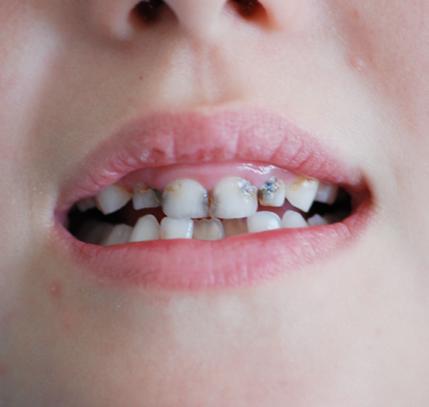
ECC:Early Chlidhood Caries
Πίνακας
Βιβλιογραφία
1. Ismail AI, Tanzer JM, Dingle JL: Current trends of sugar consumption in developing societies. Community Dent Oral Epidemiol 1997; 25(6):438-443.
2. Zafar S, Harnekar S, Siddiqi A: Early childhood caries: etiology, clinical considerations, consequences and management. Int Dent SA 2009; 11(4):1-8.
3.
2005.1-339.
4. Lacroix I, Buithieu H, Kandelman D: La carie du biberon. JODQ, 1997; 34 : 360-374.
5. Brodeur JM, Galarneau C. The high incidence of early childhood caries in kindergarten-age children. JODQ-Suplemen 2006: 3-5.
6. American Academy of Pediatric Dentistry (AAPD): Policy on Early Childhood Caries (ECC): Classifications, Consequences, and Preventive Strategies. Pediatr Dent. 2008-2009; 30(7):40-43 http://www.aapd.org/media/policies_guidelines/p_eccclassifications.pdf.
7. Edelstein BL Chinn CH, Laughlin RJ: Early childhood caries: definition and epidemiology. In: Berg JH, Slayton RL, eds. Early childhood oral health. 1.ed. Iowa: Wiley-Blackwell, 2009; 18-49.
8. Almeida AG, Roseman MM, Sheff M, Huntington N, Hughes CV: Future caries susceptibility in children with early childhood caries following treatment under general anesthesia. Pediatr Dent 200 ; 22(4) : 302-306.
9. Borutta A, Wagner M, Kneist S: Early Childhood Caries: A Multi-Factorial Disease. OHDMBSC, 2010;9(1) :32-38.
10. King N.M.,Wong H.M.: More milk, stronger teeth? (Part I). Dental Asia, 2006, July/August: 17-21.
11. Chan KM, King NM, Kilpatri NM: Can infants catch caries? A review of the current evidence on the infectious nature of dental caries in infants.NZ Dent J. 2005;101(1):4-11.
12. Caufield PW, Griffen AL: Dental Caries. An infectious and transmissible disease. Pediatr Clin North Am. 2000;47:1001-19.
13. Seow KW: Biological mechanisms of early childhood caries.Community Dent Oral Epidemiol. 1998; 26(1):8-27.
14. Sonesson Μ: On minor salivary gland secretion in children, adolescents and adults. Swedish Dental Journal 2011; 215 : 1-116 www.mah.se/muep
15. Gomez S, Weber A: Effectiveness of a caries preventive program in pregnant women and new mothers on their offspring. Int J Paediatr Dent 2001; 11: 117-122.
16. Twetman, S, Garcia-Godoy F, Goepferd SJ: Infant oral health. Dent Clin North Am 2000; 44(3): 487-505.
17. Harris R, Nicoll AD, Adair PM, Pine CM: Risk factors for dental caries in young children: a systematic review of the literature. Community Dent Health. 2004; 21:71-85.
18. Santos APP, Soviero VM: Caries prevalence and risk factors among children aged 0 to 36 months. Pesqui Odontol Bras. 2002;16:203-8.
19. Rosemblatt A, Zarzar P : The prevalence of early childhood caries in 12- to 36-month-old children in Recife, Brazil. ASDC J Dent Child. 2002;69:319-324.
20. Galarneau C.: Habitudes d’apaisement cariogènes utilisées par les mères au moment de coucher leur enfant pour la nuit. Thèse de doctorat. Université de Montréal. Montréal, 2005.
21. Du M, Bian Z, Guo L, Holt R, Champion J, Bedi R.: Caries patterns and their relationship to infant feeding and socio-economic status in 2-4-year-old Chinese children. Int Dent J 2000; 50(6): 385-389.
22. Kawashita Y, Kitamura M, Saito T: Early childhood caries. Int J Dent. 2011; 2011:1-7.
23. American Academy of Pediatric Dentistry (AAPD): Clinical guidelines on infant oral health care. http://www.aapd.org/media/Policies_Guidelines/G_Infant Oral Health Care.pdf.
24. European food information council (eufic): Βασικές Πληροφορίες-Υδατάνθρακες.2016:http:// www.eufic.org/article/el/nutrition/carbohydrates/expid/basics-carbohydrates_greek/
25. European food information council (eufic): Τα σάκχαρα στη διατροφή μας. http://www.eufic. org/article/el/nutrition/carbohydrates/artid/sugars-diet/.
26. Lingström P, van Houte J, Kashket S.: Food starches and dental caries. Crit Rev Oral Biol Med. 2000;11(3):366-80.
27. Μπόσκος Δ: Αμυλάση. Χημεία Τροφίμων. Εκδ. Γαρταγάνης. Θεσσαλονίκη 2004
28. Δημόπουλος Κ.Α. : Παραδόσεις Διατροφής. Πέψη.2016: http://www.chem.uoa.gr/courses/Undergraduate/Diatrofi_demopoulos/10a.pdf.
29. Julien M.: Dietary Recommendations for Healthy Teeth in Children. JODQ-Suplemen 2006:20-24.
30. Bigeard L: The role of medication and sugars in pediatric dental patients.Dent Clin North Am 2000 ; 44(3):443-456.
31. Perlman L: Ask the dentist: Sugar in medication cause of tooth decay? Exceptional Parent 2005;35(5): 64.
32. Sahgal J, Sood PBb, Raju OS: A Comparison of oral hygiene status and Dental Caries in chil-
dren on Long term liquid oral medications to those not administered with such Medications. J Indian Soc Pedo Prev Dent December 2002; 20 (4): 144-151.
33. Sharma A, Deshpande S: Effect of sucrose in different commonly used pediatric medicines upon plaque pH in human subjects. J Indian Soc Pedod Prev Dent 2011; 29(2):144-148.
34. Kiwanuka L, Astrom A, Trovik T: Dental caries experience and its relationship to social and behavioral factors among 3-5 year old children in Uganda. Int J Paediatr Dent 2004; 14(5):336346.
35. Jose B, King N M: Early childhood caries lesions in preschool children in Kerala, India. Pediatr Dent 2003;25:594-600.
36. Hallett KB, O’Rourke PK: Social and behavioural determinants of early childhood caries. Aust Dent J 2003; 48:27-33.
37. Chen M: Oral health of disadvantaged populations. In: Cohen L, Gift H, eds. Disease Prevention and Oral Health Promotion. Copenhagen: Munksgaard, 1995.
38. Eckersley AJ, Blinkhorn FA: Dental attendance and dental health behaviour in children from deprived and non-deprived areas of Salford, Northwest England. Int J Paediatr Dent 2001;11: 103-109.
39. Folliguet M: Prévention de la carie dentaire chez les enfants avant 3 ans. Rapport à la Direction Générale de la Santé. France, 2006:1-41.
40. Association of State & Territorial Dental Directors: Best Practice Approach: Prevention and Control of Early Childhood Tooth Decay: http://www.astdd.org/best-practices
41. Παρρήση
http://www.merckmanuals. com/professional/dental-disorders/common-dental-disorders/caries#v950021
42. Low W, Tan S, Schwartz S: The effect of severe caries on the quality of life in young children. Am Acad Ped Dent 1999; 21(6):325-326.
43. Holt K, Barzel R: A health professional’s guide to pediatric oral health management– Module 6, Oral Injury. Washington DC: National Maternal and Child Oral Health Resource Center, 2003: http://www.mchoralhealth.org/pediatricOH/mod6.htm.
44. Kowash MB, Pinfield A, Smith J, Curzon ME: Effectiveness on oral health of a long-term health education programme for mothers with young children. Br Dent J 2000;188:201-205.
45. Harrison R, Benton T, Everson-Stewart S, Weinstein P: Effect of Motivational Interviewing on Rates of Early Childhood Caries: A Randomized Trial. Pediatr Dent 2007;29:16-22.
46. Feldens CA, Vitolo MR, Drachler Mde L: A randomized trial of the effectiveness of home visits in preventing early childhood caries. Community Dent Oral Epidemiol 2007;35(3):215-23.
47. Ammari AB, Bloch-Zupan A, Ashley PF: Systematic review of studies comparing the anticaries efficacy of children’s toothpaste containing 600 ppm of fluoride or less with high fluoride toothpastes of 1,000 ppm or above. Caries Res. 2003; 37(2):85-92.
48. Steiner M, Helfenstein U, Menghini G: Effect of 1000 ppm relative to 250 ppm fluoride toothpaste. A metaanalysis. Am J Dent 2004;17(2):85-8.
49. Davies GM, Worthington HV, Ellwood RP, Bentley EM, Blinkhorn AS, Taylor GO et al.: A randomised controlled trial of the effectiveness of providing free fluoride toothpaste from the age of 12 months on reducing caries in 5-6 year old children. Community Dent Health 2002;19:13136.
50. Lima TJ, Ribeiro CC, Tenuta LM, Cury JA: Low-fluoride dentifrice and caries lesion control in children with different caries experience: a randomized clinical trial. Caries Res 2008;42(1):4650.
51. Irish Oral Health Services: Guideline Initiative. Strategies to prevent dental caries in children and adolescents: Evidence-based guidance on identifying high caries risk children and developing preventive strategies for high caries risk children in Ireland (Full guideline). Ireland,2009:1-91.
52. Burt BA, Pai S: Sugar consumption and caries risk: a systematic review. J Dent Educ. 2001 Oct ; 65(10) : 1017-23.
53. Berkowitz RJ: Causes, treatment and prevention of early childhood caries: a microbiologic
perspective.J Can Dent Assoc. 2003 ;69(5):304-7.
54. Lynch H, Milgrom P: Xylitol and dental caries: an overview for clinicians. J Calif Dent Assoc. 2003;31(3):205-209.
55. Silk H, Douglass A, Douglass J, Silk L: Oral health during pregnancy. American Family Physician 2008; 77(8):1139-1144.
56. Soderling E, Isokangas P: Influence of maternal Xylitol consumptionon acquisition of mutans streptococci by infants. J Dent Res 2000; 79(3): 882-887
57. Gunay H, Dmoch-Bockhorn K, Günay Y, Geurtsen W: Effect on caries experience of a longterm preventive program for mothers and children starting during pregnancy. Clin Oral Investig 1998; 2(3):137-142.
58. Marrs JA, Trumbley S, Malik G: Early Childhood Caries: Determining the Risk Factors And Assessing the Prevention Strategies For Nursing Intervention Pediatr Nurs 2011;37(1):9-15;
59. American Academy of Pediatric Dentistry (AAPD): Guideline on Caries-risk Assessment and Management for Infants, Children, and Adolescents. Clinical Guidelines. Reference Manual 2011-2012; 33 (6):110117.
60. American Academy of Pediatric Dentistry:Clinical Guideline on Fluoride Therapy Clinical Guidelines.Reference Manual 2011-2012;33 (6):153-156.
61. Donly KJ. :Fluoride varnishes. J Calif Dent Assoc 2003; 31(3) : 217-219.
62. Alaki SM, Loesche WJ, da Fonesca MA, Feigal RJ, Welch K.: Preventing the transfer of Streptococcus mutans from primary molars to permanent first molars using chlorhexidine. Pediatr Dent 2002 ; 24(2) : 103-108.
63. American Academy of Pediatric Dentistry: Clinical Guideline on Pediatric Restorative Dentistry. Clinical Guidelines.Reference Manual 2011-2012;33 (6):205-211.
64. Tinanoff N, Douglass JM: Clinical decision-making for caries management in primary teeth. J Dent Educ 2001; 65(10) : 1133-42
65. Kandelman D: Prevention of Early Childhood Caries (ECC). JODQ-Suplemen 2006:9-13.
e-mail: imissitzis@gmail.
t.adelais@gmail.com
Correspondence
Ioannis L. Misitzis
Τ. +302106479312
e-mail: imissitzis@gmail. com
t.adelais@gmail.com
Prepubertal breast fibroadenoma: two case reports
Adelais K. Tzortzopoulou, Nectarios Ι. Koufopoulos, Ioannis L. Misitzis
Summary
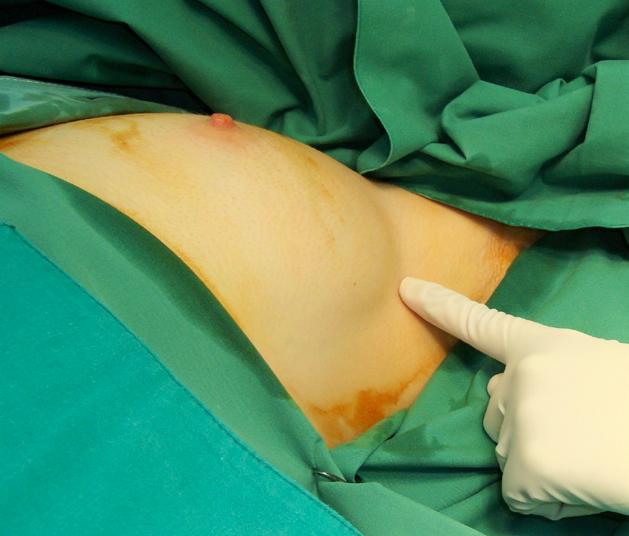
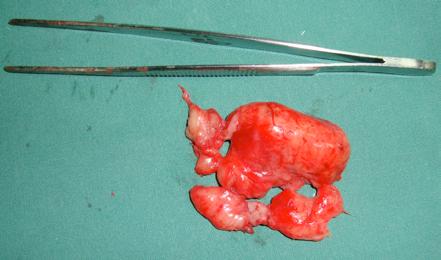
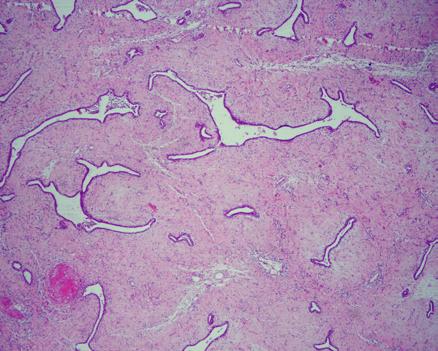
Introduction: Fibroadenoma is the most common breast mass in pediatric age groups. It is a benign tumor and the gold standard for the diagnosis is the ultrasound. Despite the high diagnostic value of this test, surgical excision and histological study of the tumor are always essential. Macroscopic and microscopic examination of a breast mass by a pathologist is very useful in distinguishing fibroadenomas from carcinomas and phyllodes tumors, although breast malignancy in this age is extremely rare.
Case Report: This article presents two cases of two girls with two different types of fibroadenoma: the first one is a 12 year old girl with a simple fibroadenoma and the second one is a 16 year old girl with a giant (juvenile) fibroadenoma, who had already an operation at the age of 12.
Discussion - Conclusion: The clinical presentation and management of these two patients are discussed in association with a literature review about fibroadenoma in pediatric age groups, in which it seems to be increased.
Key words: Fibroadenoma, breast masses in childhood, prepubertal and pubertal breast masses
Adelais K. Tzortzopoulou
Ioannis L. Misitzis
Surgical Breast Department, Oncologic and Anticancer General Hospital “Agios Savvas”
Nectarios Ι. Koufopoulos
Department of Pathology, Oncologic and Anticancer General Hospital “Agios Savvas”
Βιβλιογραφία
1.Kennedy R, Boughey J, Management of pediatric and adolescent breast masses, Semin Plast Surg 2013;27:19-22
2.Arnold G. Coran, N. Scott Adzick, Thomas M. Krummel, Jean-Martin Laderge, Robert C. Shamberger, Anthony A. Caldamone editors, Pediatric Surgery, 7th Edition, Elsevier, Vol 2, 2012, p774-775
3.Ashcraft KW, Holcomb GW, Murphy PJ editors, Pediatric Surgery, 4th Edition, Elsevier, 2005, p1080-87
4.Santen RJ, Benign Breast Disease in Women, In: De Groot LJ, Beck-Peccoz P, Chrousos G, Dungan K, Grossman A, Hershman JM, Koch C, McLachlan R, New M, Rebar R, Singer F, Vinik A, Weickert MO, editors. Endotext [Internert]. South Dartmouth (MA): mD Text com, Inc; 2000-2014 Feb 22.
5.Bock K, Duda VF, Hadji P, Ramaswamy A, Schulz- Wendtland R, Klose KJ, Wagner U, Pathologic breast conditions in childhood and adolescence: evaluation by sonographic diagnosis. J Ultrasound Med 2005;24:1347-1354
6.Chung EM, Cube R, Hall GJ, Gonzalez C, Stocker JT, Glassman LM, From the archives of the AFIP: breast masses in children and adolescents: radiologic- pathologic correlation, Radiographics, 2009 May-Jun;29(3):907-31
7. Garcia CJ, Espinoza A, Dinamarca V, Navarro O, Daneman A, Garcia H, Cattani A, Breast US in children and adolescents, Radiographics. 2000 Nov-Dec;20(6):1605-12
8.Stehr KG, Lebeau A, Stehr M, Grantzow R, Fibroadenoma of the breast in an 11-year-old girl, Eur J Pediatr Surg, 2004 Feb;14(1):56-9
9. Sosin M, Pulcrano M, Feldman ED, Patel KM, Nahabedian MY, Weissler JM, Rodriguez ED, Giant juvenile fibroadenoa: a systematic review with diagnostic and treatment recommendations, Gland Surg. 2015 Aug;4(4):312-21
10.Kaneda HK, Mack J,Kasales CJ, Schetter S, Pediatric and adolescent breast masses: a review of pathophysiology, imaging, diagnosis and treatment. Am J Roentgenol 2013;200:W204-W212
11.Knell J, Koning J, Grabowski J, Analysis of surgically excised breast masses in 119 pediatric patients, Pediatr Surg Int 2015, DOI 10.1007/s00383-015-3818-5
12.McGrath MH. Benign tumors of the teenage breast, Plast Reconstr Surg 2000;105: 218-222
e-mail: s.chrissa@hotmail. com,
Correspondence
Ioannis L. Misitzis
Τ. +302106479312
e-mail: imissitzis@gmail. com
t.adelais@gmail.com
Iron deficiency anemia and eosinophilia due to extend pediculosis capitis
Stivanaki Chrisoula, Patavoukas Georgios, Tachliampouris Nikitas
Abstract
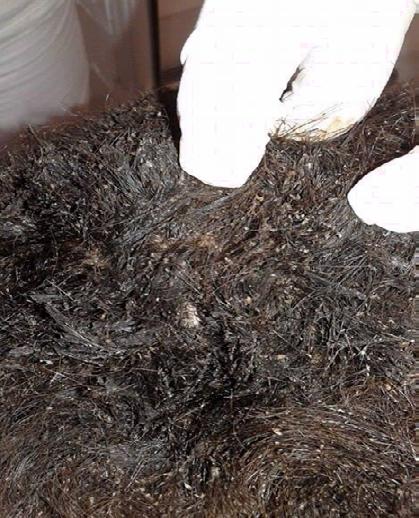
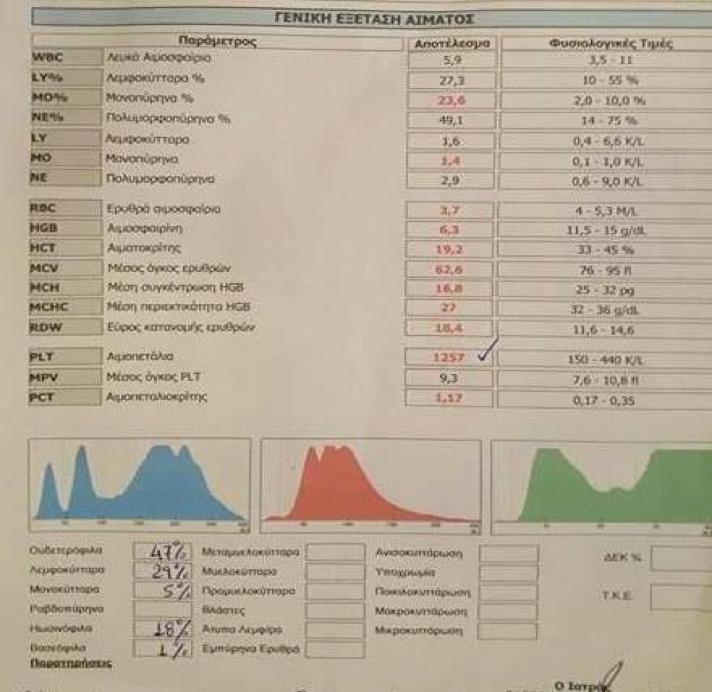
Backround: Pediculosis is one of the most common parasitoses in children. A limited number of reports of severe iron deficiency anemia have appeared in the veterinary literature but the reports of humans with severe anemia due to lice infection are very rare in the medical literature. Methods - conclusion: We report an 11 years old girl diagnosed with pediculosis whose clinical presentation and laboratory tests revealed severe iron deficiency anemia and eosinophilia. Her symptoms and her laboratory tests were improved after removing the lice from her scalp and providing an oral substance of iron.
Conclusion: The louse (Pediculus humanus capitis) survives from a blood meal from its host so iron deficiency anemia is a possibility.
Κey words: pediculosis, iron deficiency anemia, eosinophilia
Stivanaki Chrisoula
General NHS Hospital of Leros
Patavoukas Georgios
General NHS Hospital of Leros
Tachliampouris Nikitas
General NHS Hospital of Leros
Pediculus humanus corporis
1. David A. Guss,Mark Koenig, Edward M. Castillo, Severe Iron Deficiency Anemia and Lice Infestation, J Emerg Med. 2011;41(4):362-365
2.Jennifer Janus, Sarah K. Moerschel, Evaluation of Anemia in Children, Am Fam Physician. 2010 Jun 15;81(12):1462-1471
3.Kyung- Chul Yoon, Man- Seong Seo, Mechanical treatment of Phthiriasis Palpebrarum, Korean J Opthalmol Vol 17:71-73,2003
4. Rothenberg ME. Eosinophilia.N Engl J Med. 1998 May 28;338(22):1592-600
5. Wagelie-Steffen A, Aceves SS. Eosinophilic disorders in children. Curr Allergy Asthma Rep. 2006 Nov;6(6):475-82.
6. Guidelines for the diagonosis and treatment of pediculosis capitis (head lice) in children and adults 2013, University of Texas at Austin School of Nursing, Family Nurse Practitioner Program
7. Matthew W. Short, Jason E. Domagalski, Iron Deficiency Anemia: Evaluation and Management, Am Fam Physician. 2013 Jan 15;87(2):98-104.
Correspondence
Maria Gogou
Dimitriou Nika 44, 60100, Katerini, Greece e-mail: mariaangogou@ gmail.com
Intermittent left upper limb pain in a 10-year-old girl: an unexpected cause
Maria Gogou, Martha Spilioti, Despoina Tramma, Efimia Papadopoulou-Alataki, Athanasios Evangeliou
Abstract
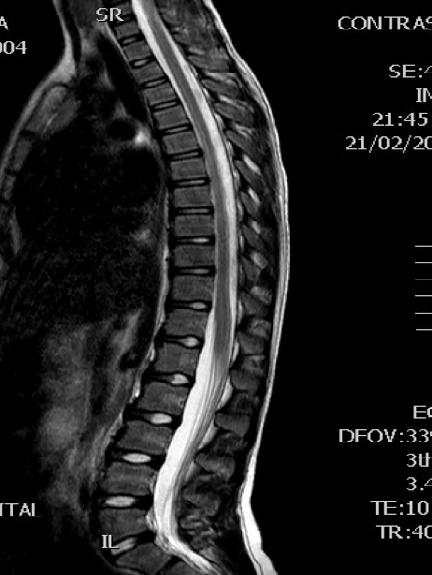
A 10-year-old girl was admitted to the Emergency Department due to an 1-month history of intermittent pain located in the left radiocarpal joint, as well as in the interphalangeal joints of the left hand without any additional symptoms. Clinical examination revealed mild sensory deficits and diminished muscle strength of the left upper limb without any other pathologic findings. An MRI scan of the brain and spinal cord was performed, which confirmed a diagnosis of thoracic syringomyelia. We briefly discuss specific traits of this disorder in childhood.
Key words: syringomyelia, children, intermittent pain, neurologic examination
Maria Gogou
Despoina Tramma
Efimia PapadopoulouAlataki
Athanasios Evangeliou
4th Department of Pediatrics, School of Medicine, Aristotle University of Thessaloniki, General Hospital Papageorgiou
Martha Spilioti
1st Department of Neurology, Aristotle University of Thessaloniki, University General Hospital AHEPA
1. Palasis S, Hayes LL. Acquired pathology of the pediatric spine and spinal cord. Pediatr Radiol 2015;45:420-32
2. Vandertop WP. Syringomyelia. Neuropediatrics 2014;45:3-9
3. Bixenmann BJ, Kline-Fath BM, Bierbrauer KS, Bansal D. Prenatal and postnatal evaluation for syringomyelia in patients with spinal dysraphism. J Neurosurg Pediatr 2014;14:316-21
4. Abulgatina AS, Khusainova RI, Khidiiatova IM, et al. The analysis of the SpI (1546G>T) polymorphism of the Col1A1 gene and the FokI (3663T>C) polymorphism of the vitamin D receptor gene in patients with syringomyelia. Zh Nevrol Psikhiatr Im S S Korsakova 2007;107:60-6
5. Schaaf CP, Goin-Kochel RP, Nowell KP, et al. Expanding the clinical spectrum of the 16p11.2 chromosomal rearrangements: three patients with syringomyelia. Eur J Hum Genet 2011;19:1526
6. Singhal A, Bowen-Roberts T, Steinbok P, Cochrane D, Byrne AT, Kerr JM. Natural history of untreated syringomyelia in pediatric patients. Neurosurg Focus 2011; 31, doi: 10.3171/2011.9.FOCUS11208
7. Waseem M, Raja A, Jeun E, Prokhorov S, Dobrenkov K. Paroxysmal neuropathic pain in an adolescent female with syringomyelia: a review of literature. Pediatr Emerg Care 2012; 28:472-4
8. Moreno TA, El-Dairi MA, Cabrera MT. Isolated Horner syndrome and syringomyelia in a child. J AAPOS 2012;16:569-70
9. Kothari MJ1, Kelly M, Darbey M, Bauer S, Scott RM. Neurophysiologic assessment of urinary dysfunction in children with thoracic syringomyelia. J Child Neurol 1995;10:451-4
10. Inoue M, Minami S, Nakata Y, et al. Preoperative MRI analysis of patients with idiopathic scoliosis: a prospective study. Spine 2005;30:108-14
11. Hanieh A, Sutherland A, Foster B, Cundy P. Syringomyelia in children with primary scoliosis. Childs Nerv Syst 2000;16:200-2
12. Kyoshima K, Bogdanov EI. Spontaneous resolution of syringomyelia: report of two cases and review of the literature. Neurosurgery 2003;53:762-8
13. Magge SN, Smyth MD, Governale LS, et al. Idiopathic syrinx in the pediatric population: a combined center experience. J Neurosurg Pediatr 2011;7:30-6
The Hospital for Sick Children Great Ormond Street.



w w w.e-child .gr