

Paediatriki
402
Consolaro Alessandro, Bovis Francesca, Ruperto Nicolino,
Paediatric Rheumatology International Trials Organisation (PRINTO) 448
462
Υποβολή εργασιών e-mail: grammateia@e-child.gr
Οδηγίες
http://e-child.gr/publications/ instructions-to-authors
Iδιοκτήτης
e-mail: grammateia@e-child.gr Eτήσια
472
482
49
50
Paediatriki
Volume 78 | Number 4 | October - November - December 2015
Trimonthly publication of the Greek Paediatric Society
400 PRESIDENT’S LETTER
402 EDITORIAL
G.S. Varlamis
404
SHORT ABSTRACTS
408
REVIEW ARTICLES
Indications for polysomnography in childhood - Beyond apnea… Maria Gogou, Katerina Haidopoulou
422
EPIDEMIOLOGICAL STUDY
Significance and challenges in child vaccinatiom. Presentation of a pilot project for public universal coverage of the population Christodoulou Panayiotis
434
ORIGINAL ARTICLES
Τhe impact of the juvenile idiopathic arthritis on the physical and psychosocial function as captured by the patients
Polyxeni Pratsidou-Gertsi, Maria Trachana, Florence Kanakoudi-Tsakalidou, Elena Tsitsami, Maria Tsinti, Olga Vougiouka, Antigoni Siamopoulou, Sapfo Alfantaki, Maria Stavrakidou, Alessandro Consolaro, Francesca Bovis, Nicolino Ruperto
448
Maternal morbidity and mortality among refugees arriving at Greek shores. Cross-sectional study of the causes of neonatal and under five infant morbidity and mortality
Georgia Poulaki, Aimilia Eirini Papathanasiou, Agis Terzidis, Theofilos Rosenberg
President A. Constantopoulos
Editorial board
Director
G. S. Varlamis
Members
S. Andronikou
E. Galanakis
A. Evangeliou
L. Thomaidou
M. Kanariou
A. Kapogiannis
S. Kitsiou-Tzeli
E. Mantadakis
P. Panagiotopoulou-Gartagani
A. Papadopoulou
V. Papaevagelou
A. Papathanassiou
A. Siamopoulou-Mavridou
A. Syrigou-Papavasiliou
Manuscript submission
e-mail: grammateia@e-child.gr
Instructions to authors: http://e-child.gr/publications/ instructions-to-authors
Owner Greek Paediatric Society 15, Mpakopoulou st. GR - 15451, Ν. Psychiko Tel.: +302107771140
e-mail: grammateia@e-child.gr
Annual subscription All foreign countries: US$50
462
Liver tumors in children-treatment and outcome: Low birth weight is a predisposing factor for the liver tumors?
Michaela Nikolaou, Archontis Zampogiannis, Maria Chasiotou, Kalliopi Stefanaki, Efstathios Antoniou, Maria Moschovi
472
Use of internet and digital media in students from two greek islands
Nikolitsa Koutroumani, Maria Dalla, Evangelos Evangelatos, Kalypso Danelatou, Vasiliki Georgopoulou, Alexia Winter, Konstantinos Bogiatzis, Dionysios Georgatos
482
Physical activity and body mass index in pupils with congenital heart disease
Dimitra Moschovi, Evangelia Mavrikaki, Spyridon Rammos, Panagiotis Sfyridis
496
Screening for communication disorders in young children
Developmental Screening Test “παĩς”
Loretta Thomaidis, Antigoni Choleva, Miltiades Kyprianou, Elpida Kardara, Mariza Tsolia
508
CASE REPORT
Afebrile seizures as initial symptom of hypocalcemia secondary to hypoparathyroidism
Anastasia Gkampeta, Maria Klitsioti, Stauroula Oikonomou, Elpiniki Xatzopoulou, Eftyxia Kouma, Anastasia Touliopoulou, Eleni Vourti
ΕΠΙΣΤΟΛΗ
ΒΡΑΧΕΙΕΣ
ΠΕΡΙΛΗΨΕΙΣ
Consolaro Alessandro, Bovis Francesca, Ruperto Nicolino,
Paediatric Rheumatology International Trials Organisation (PRINTO).
SHORT ABSTRACTS
Correspondence
Maria Gogou
Dimitriou Nika 44, 60100, Katerini
e-mail: mariaangogou@ gmail.com
Indications for polysomnography in childhood - Beyond apnea…
Maria Gogou, Katerina Haidopoulou
Abstract
Sleep disorders consist a frequent problem in pediatric population. Although most sleep disorders tend to resolve spontaneously with age, in many cases they can have negative consequences on quality of life and neurodevelopment of children. Polysomnographic study is an internationally established tool for sleep investigation, although its use is mainly restricted to investigation of sleep breathing disorders. Our article analyzes the clinical utility of polysomnography in diagnostic approach of a variety of sleep disorders (apart from sleep apneas), as well as in investigation of chronic disorders of childhood.
Keywords: sleep, polysomnography, child, parasomnias, sleep disorders
Maria Gogou
Katerina Haidopoulou
2nd Department of Pediatrics, School of Medicine, Aristotle
University of Thessaloniki, University General Hospital AHEPA, Thessaloniki, Greece
tern generators) (13).
1. Owens JA. Update in pediatric sleep medicine. Curr Opin Pulm Med 2011; 17: 425-30
2. Deak MC, Epstein LJ. The history of polysomnography. Sleep Med Clin 2009; 4:313-21
3. Aurora RN, Zak RS, Karippot A, Lamm CI, Morgenthaler TI, Auerbach SH, et al. American Academy of Sleep Medicine. Practice parameters for the respiratory indications for polysomnography in children. Sleep 2011; 34:379-88
4. Iber C, Ancoli-Israel S, Chesson AL Jr, Quan SF. The AASM Manual for the Scoring of Sleep and Associated Events: Rules, Terminology and Technical Specifications. American Academy of Sleep Medicine, 2007, p. 47-8
5. SJ Chang, KY Chae. Obstructive sleep apnea syndrome in children: Epidemiology, pathophysiology, diagnosis and sequelae. Korean J Pediatr 2010; 53:863-71
6.Wise MS, Nichols CD, Grigg-Damberger MM, Marcus CL, Witmans MB, Kirk VG, et al. Executive summary of respiratory indications for polysomnography in children: an evidencebased review. Sleep 2011; 34:389-98
7. Gozal D, Wang M, Pope DW Jr. Objective sleepiness measures in pediatric obstructive sleep apnea. Pediatrics 2001; 108:693-7
8. Spruyt K, Gozal D. Pediatric sleep questionnaires as diagnostic or epidemiological tools: a review of currently available instruments. Sleep Med Rev 2011; 15:19-32
9. Kaditis A, Kheirandish-Gozal L, Gozal D. Pediatric OSAS: Oximetry can provide answers when polysomnography is not available. Sleep Med Rev 2015; 27:96-105
10. Villa MP, Pietropaoli N, Supino MC, Vitelli O, Rabasco J, Evangelisti M, et al. Diagnosis of Pediatric Obstructive Sleep Apnea Syndrome in Settings With Limited Resources. JAMA
Otolaryngol Head Neck Surg 2015; 5:990-6
11. Kushida CA, Littner MR, Morgenthaler T, Alessi CA, Bailey D, Coleman J Jr, et al. Practice parameters for the indications for polysomnography and related procedures: an update for 2005. Sleep 2005; 28:499-521
12. Bisulli F, Vignatelli L, Naldi I, Licchetta L, Provini F, Plazzi G, et al. Increased frequency of arousal parasomnias in families with nocturnal frontal lobe epilepsy: a common mechanism? Epilepsia 2010; 51:1852-60
13. Tassinari CA, Rubboli G, Gardella E, Cantalupo G, Calandra-Buonaura G, Vedovello M, et al. Central pattern generators for a common semiology in fronto-limbic seizures and in parasomnias. A neuroethologic approach. Neurol Sci 2005; 26:225-32
14. Derry C. Nocturnal Frontal Lobe Epilepsy vs Parasomnias. Curr Treat Options Neurol 2012; 14:451-63
15. Manni R, Terzaghi M, Repetto A. The FLEP scale in diagnosing nocturnal frontal lobe epilepsy, NREM and REM parasomnias: data from a tertiary sleep and epilepsy unit. Epilepsia 2008; 49:1581-5
16. Kotagal S, Nichols CD, Grigg-Damberger MM, Marcus CL, Witmans MB, Kirk VG, et al. Non-respiratory indications for polysomnography and related procedures in children: an evidence-based review. Sleep 2012; 35:1451-66
17. Guilleminault C, Palombini L, Pelayo R, Chervin RD. Sleepwalking and sleep terrors in prepubertal children: what triggers them? Pediatrics 2003; 111:17-25
18. Cao M, Guilleminault C. Families with sleepwalking. Sleep Med 2010; 11:726-34
19. Neveus T, von Gontard A, Hoebeke P, Hjälmås K, Bauer S, Bower W, et al. The standardization of terminology of lower urinary tract function in children and adolescents: report from the Standardisation Committee of the International Children’s Continence Society. The Journal of urology 2006; 176:314-24
20. Wolfish N. Sleep arousal function in enuretic males. Scand J Urol Nephrol Suppl 1999; 202:24-6
21. Neveus T, Stenberg A, Lackgren G, Tuvemo T, Hetta J. Sleep of children with enuresis: a polysomnographic study. Pediatrics 1999; 103:1193-7
22. Sans Capdevila O, Crabtree VM, Kheirandish-Gozal L, Gozal D. Increased morning brain natriuretic peptide levels in children with nocturnal enuresis and sleep- disordered breathing: a community-based study. Pediatrics 2008; 121:1208-14
23. Barone JG, Hanson C, DaJusta DG, Gioia K, England SJ, Schneider D. Nocturnal enuresis and overweight are associated with obstructive sleep apnea. Pediatrics 2009; 124:53-9
24. Brooks LJ, Topol HI. Enuresis in children with sleep apnea. J Pediatr 2003; 142:515-8
25. Weissbach A, Leiberman A, Tarasiuk A, Goldbart A, Tal A. Adenotonsilectomy improves enuresis in children with obstructive sleep apnea syndrome. Int J Pediatr Otorhinolaryngol 2006; 70:1351-6
26. Picchietti DL, Rajendran RR, Wilson MP, Picchietti MA. Pediatric restless legs syndrome and periodic limb movement disorder: parent-child pairs. Sleep Med 2009; 10:925-31
27. Picchietti DL, England SJ, Walters AS, Willis K, Verrico T. Periodic limb movement disorder and restless legs syndrome in children with attention deficit hyperactivity disorder. J Child Neurol 1998; 13:588-94
28. Picchietti DL, Underwood DJ, Farris WA, et al. Further studies on periodic limb movement disorder and restless legs syndrome in children with attention-deficit hyperactivity disorder. Movement disorders : official journal of the Movement Disorder Society 1999; 14:1000-7
29. Picchietti DL, Walters AS. Moderate to severe periodic limb movement disorder in childhood and adolescence. Sleep 1999; 22:297-300
30. Chan B, Cheong EY, Grace Ng SF, Chan YC, Lee QU, Chan KY. Evaluation of sleep disturbances in children with epilepsy: A questionnaire-based case-control study. Epilepsy and Behavior 2011; 21: 437-40
31. Maganti R, Hausman N, Koehn M, Sandok E, Glurich I, Mukesh BN. Excessive daytime sleepiness and sleep complaints among children with epilepsy. Epilepsy & Behavior 2006; 8:272-7
32. Eriksson SH. Epilepsy and sleep. Curr Opin Neurol 2011; 24: 171-6
33. Aneja S, Gupta M. Sleep and Childhood epilepsy. Ind J Ped 2005; 72: 687-90
34. Bazil CW, Walczak TS. Effects of sleep and sleep stage on epileptic and nonepileptic seizures. Epilepsia 1997; 38:56-62
35. Nunes ML, Ferri R, Arzimanoglou A, Curzi L, Appel CC, Costa da Costa J. Sleep organization in children with partial refractory epilepsy. Sleep organization in children with partial refractory epilepsy. J Child Neurol 2003; 18:763-6
36. Baxter P. Epilepsy and sleep. Dev Med Child Neurol 2005; 47:723
37. Pereira AM, Bruni O, Ferri R, Palmini A, Nunes ML. The impact of epilepsy on sleep architecture during childhood. Epilepsia 2012; 53: 1519-25
38. Bruni O, Novelli L, Luchetti A, Zarowski M, Meloni M, Cecili M, et al. Reduced NREM sleep instability in benign childhood epilepsy with centro-temporal spikes. Clin Neurophysiol 2010; 121:665-71
39. Kaleyias J, Cruz M, Goraya JS, Valencia I, Khurana DS, Legido A, et al. Spectrum of polysomnographic abnormalities in children with epilepsy. Pediatr Neurol 2008; 39: 170-6
40. Becker DA, Fennell EB, Carney PR. Daytime behavior and sleep disturbance in childhood epilepsy. Epilepsy & Behavior 2004; 5:708-15
41. Jain SV, Horn PS, Simakajornboon N, Glauser TA. Obstructive sleep apnea and primary snoring in children with epilepsy. J Child Neurol 2013; 28:77-82
42. Segal E, Vendrame M, Gregas M, Loddenkemper T, Kothare SV. Effect of treatment of obstructive sleep apnea on seizure outcomes in children with epilepsy. Pediatr Neurol 2012; 46:359-62
43. Malow BA, Weatherwax KJ, Chervin RD, Hoban TF, Marzec ML, Martin C, et al. Identification and treatment of obstructive sleep apnea in adults and children with epilepsy: a prospective pilot study. Sleep Med 2003; 4:509-15
44. Vendrame M, Havaligi N, Matadeen-Ali C, Adams R, Kothare SV. Narcolepsy in children: a single-center clinical experience. Pediatr Neurol 2008; 38:314-20
45. Aran A, Einen M, Lin L, Plazzi G, Nishino S, Mignot E. Clinical and therapeutic aspects of childhood narcolepsy-cataplexy: a retrospective study of 51 children. Sleep 2010; 33:1457-64
46. Carskadon MA, Dement WC. Multiple sleep latency tests during the constant routine. Sleep 1992; 15:396-9
47. Dauvilliers Y, Gosselin A, Paquet J, Touchon J, Billiard M, Montplaisir J. Effect of age on MSLT results in patients with narcolepsy-cataplexy. Neurology 2004; 62:46-50
48. Huang YS, Lin YH, Guilleminault C. Polysomnography in Kleine-Levin syndrome. Neurology 2008; 70:795-801
49. Billiard M, Rondouin G, Espa F, Dauvilliers Y, Besset A. Physiopathology of idiopathic hypersomnia. Current studies and new orientations. Rev Neurol (Paris) 2001; 157:101-6
50. Vendrame M, Kaleyias J, Valencia I, Legido A, Kothare SV. Polysomnographic findings in children with headaches. Pediatr Neurol 2008; 39:6-11
51. Masuko AH, Villa TR, Pradella-Hallinan M, Moszczynski AJ, Carvalho Dde S, Tufik S, et al. Prevalence of bruxism in children with episodic migraine--a case-control study with polysomnography. BMC Res Notes 2014 ; 7:298
52. Carra MC, Huynh NT, El-Khatib H, Remise C, Lavigne GJ. Sleep bruxism, snoring, and headaches in adolescents: short-term effects of a mandibular advancement appliance. Sleep Med 2013; 14:656-61
53. Esposito M, Parisi P, Miano S, Carotenuto M. Migraine and periodic limb movement disorders in sleep in children: a preliminary case-control study. J Headache Pain 2013; 14:57
54. Wiebe S, Carrier J, Frenette S, Gruber R. Sleep and sleepiness in children with attention deficit / hyperactivity disorder and controls. J Sleep Res 2013; 22:41-9
55. Akinci G, Oztura I, Hiz S, Akdogan O, Karaarslan D, Ozek H, et al. Sleep Structure in Children With Attention-Deficit/Hyperactivity Disorder. J Child Neurol 2015; 30:1520-5
56. Příhodová I, Paclt I, Kemlink D, Nevšímalová S. Sleep microstructure is not altered in children with attention-deficit/hyperactivity disorder (ADHD). Physiol Res 2012; 61:125-33
57. Cortese S, Faraone SV, Konofal E, Lecendreux M. Sleep in children with attention-deficit/ hyperactivity disorder: meta-analysis of subjective and objective studies. J Am Acad Child Adolesc Psychiatry 2009; 48:894-908
58. Galland BC, Tripp EG, Gray A, Taylor BJ. Apnea-hypopnea indices and snoring in children diagnosed with ADHD: a matched case-control study. Sleep Breath 2011; 15:455-62
59. Silvestri R, Gagliano A, Aricò I, Calarese T, Cedro C, Bruni O, et al. Sleep disorders in children with Attention-Deficit/Hyperactivity Disorder (ADHD) recorded overnight by videopolysomnography. Sleep Med 2009; 10:1132-8
60. Sadeh A, Pergamin L, Bar-Haim Y. Sleep in children with attention-deficit hyperactivity disorder: a meta-analysis of polysomnographic studies. Sleep Med Rev 2006; 10:381-98
61. England SJ, Picchietti DL, Couvadelli BV, Fisher BC, Siddiqui F, Wagner ML, et al. L-Dopa improves Restless Legs Syndrome and periodic limb movements in sleep but not AttentionDeficit-Hyperactivity Disorder in a double-blind trial in children. Sleep Med 2011; 12:471-7
62. Choi J, Yoon IY, Kim HW, Chung S, Yoo HJ. Differences between objective and subjective sleep measures in children with attention deficit hyperactivity disorder. J Clin Sleep Med 2010; 6:589-95
63. Liu X, Buysse DJ, Gentzler AL, Kiss E, Mayer L, Kapornai K, et al. Insomnia and hypersomnia associated with depressive phenomenology and comorbidity in childhood depression. Sleep 2007; 30:83-90
64. Dahl RE, Ryan ND, Birmaher B, al-Shabbout M, Williamson DE, Neidig M, et al. Electroencephalographic sleep measures in prepubertal depression. Psychiatry Res 1991; 38:201-14
65. Goldstein TR, Bridge JA, Brent DA. Sleep disturbance preceding completed suicide in adolescents. J Consult Clin Psychol 2008; 76:84-91
66. Fitzgerald CT, Messias E, Buysse DJ. Teen sleep and suicidality: results from the youth risk behavior surveys of 2007 and 2009. J Clin Sleep Med 2011; 7:351-6
67. Harvey AG, Schmidt DA, Scarnà A, Semler CN, Goodwin GM. Sleep-related functioning in euthymic patients with bipolar disorder, patients with insomnia, and subjects without sleep problems. Am J Psychiatry 2005; 162:50-7
68. Hudson JL, Gradisar M, Gamble A, Schniering CA, Rebelo I. The sleep patterns and problems of clinically anxious children. Behav Res Ther 2009; 47:339-44
69. Forbes EE, Bertocci MA, Gregory AM, Ryan ND, Axelson DA, Birmaher B, et al. Objective sleep in pediatric anxiety disorders and major depressive disorder. J Am Acad Child Adolesc Psychiatry 2008; 47:148-55
e-mail: Christodp17@ gmail.com
Correspondence
Christodoulou Panayiotis
Dionisiou Solomou 12, Ioannina
e-mail: Christodp17@ gmail.com
Significance and challenges in child vaccinatiom
Presentation of a pilot project for public universal coverage of the population
Christodoulou Panayiotis
Abstract
The conditions of economic crisis create a different context in relation to childhood vaccination. This change leads to Greece by a sufficient level of coverage up to date but without counting a large segment of the population without access to the necessary vaccination. This change may result in a reduction in the standards of living and health stability. Vaccination contributes to key health indicators, to prevent transmission of diseases in the population and to reduce the cost of hospitalization and treatment. The paper will focus on two types of vaccines: a multiple (for diphtheria, tetanus, pertussis. Polio, Haemophilus b and hepatitis b) and the one for meningitis (type C) as cover for a wide range of diseases that may affect the population, but are simultaneously and variable sizes in this era. The application of vaccination model will be implemented utilizing existing health system structures (Hospitals, primary health centers, PIKPA) in collaboration with respective services and structures (Region, Municipality, NGOS). The model will be proposed for implementation in the Health Region 6 of Greece, for it is a region that combines the results of the economic crisis and the existence of different types of target groups (unsecured, Roma, immigrants and refugees).
Key words: childhood vaccination, vaccine coverage, immunization program, decision-making, 6th health region, Roma, refugees
Christodoulou Panayiotis Medicine Biopathology trainee GH Hatzikosta Ioannina, graduate student Administration Department of Health Structures HOU
Γράφημα
Πίνακας 1:
Πίνακας 2:
(Pervanidou et al ,
Neumeister et al,
(Behrman et al ,
(Barnard,1938).
(Maslow,1954).
(Kelman, 1961).
(Russo J.E., Shoemaker P.J.H.,
5. Συμπεράσματα
(House, 1971).
Βιβλιογραφία
1. European Health Report 2015 Highlights: http://www.euro.who.int/__data/assets/pdf_ file/0008/284750/EHR_High_EN_WEB.pdf?ua=1
2. European Vaccine Action Plan 2015–2020. Copenhagen: WHO Regional Office for Europe; 2014(h?p://www.euro.who.int/en/health-topics/disease-prevention /vaccines-and-immunization/publications/2014/european-vaccine-action-plan-20152020, accessed 10 April 2015).
3. http://mdmgreece.gr/missions/stin-ellada/programmata/pedikos-emvoliasmos/
4. http://m.tvxs.gr/mo/i/184530/f/news/ygeia/giatroi-toy-kosmoy-xoris-embolia-pano-apo250000-paidia-stin-ellada.html
5. http://www.avgi.gr/article/5835144/pano-apo-250-000-paidia-xoris-embolia
6. http://www.coe.int/en/web/portal/roma/
7. http://www.kathimerini.gr/826535/article/epikairothta/ellada/ari8mos-rekor-stis-afi3eismetanastwn
8. http://www.naftemporiki.gr/mobile/story/943878
9.
10.
11.
12.
2004
13. European Center for Disease Prevention and Control: Health inequalities, the financial crisis, and infectious diseases in Europe. Stockholm: ECDC 2013
14. http://hprolipsis.gr/
15. Roussos A, Goritsas C, Pappas T, Spanaki M, Papadaki P, Ferti A. Prevalence of hepatitis B and C markers among refugees in Athens. World J Gastroenterol 2003
16. Michos A, Terzidis A, Kalampoki V, et al. Seroprevalence and risk factors for hepatitis A, B, and C among Roma and non-Roma children in a deprived area of Athens, Greece. J Med Virol. 2008 May
17.
18.
1999
19. Pavlopoulou ID, Michail KA, Samoli E., Tsiftis G, Tsoumakas K, Immunization coverage and predictive factors for complete and age-appropriate vaccination among preschoolers in Athens, Greece: a cross--sectional study, BMC Public Health, 2013
20. Georgakopoulou T, GrylliC, KalamaraE, KaterelosP, SpalaG, PanagiotopoulosT. CurrentmeaslesoutbreakinGreece. EuroSurveill. 2006
21. Pervanidou D, Horefti E, Patrinos S, Lytras T, Triantafillou E, Mentis A, Bonovas S. Spotlight on measles 2010: Ongoing measles outbreak in Greece, January-July 2010. Euro Surveill. 2010
22. Δημητρακόπουλος
23. Pachter L. Nelson Textbook of Pediatrics Saunder Company USA 1996
24. Neumeister B., Besenthal I., Liebich H.,
Αθήνα 2005
25. Εθνική μελέτη
Υγείας, Αθήνα 2013
26. Ball R., Quantitative approach to Management, B.H., Contemporary Business Series, Oxford 1991
27. Κουτουζής Μ., Οργάνωση, εκδ. ΕΑΠ, Πάτρα 1999
28. Barnard C, The functions of the executive, Harvard University Press, Boston 1938
29. Maslow A.H., Motivation and personality, Harper and Row, New York, 1975
30. McClelland D.C., The Achievement Motive, εκδ. Appleton Century Crofts, New York 1953
31. Herzberg F., Work and the nature of Man, World Publishing Company, Cleveland 1960
32. Gray E.R., Smelzer L.R. Management, The competitve edge, Macmillan Publishing Company, New York 1989
33. Γεωργάς Δ., Κοινωνική
1,
34. Behrman R. , Kliegman R., Arvin A. Παιδιατρική
1996
35. Shein E.H., Organizational Psychology, εκδ. Prentice Hall, 1980
36. Kelman H.C., Process of Opinion Change, Public opinion Quarterly, 1961
37. Russo J.E., Shoemaker P.J.H., Decision Traps, Simon and Schuster Trade, 1990
38. Simon H., Administrative Behavior, MacMillan, NewYork, 1961
39.
1999
40. House R.J., A path goal theory of leader effectiveness, ASQ, September 1971
1999
Alessandro Consolaro, Francesca Bovis, Nicolino Ruperto
επηρέαζε το ΨΥΧΚ (p=0.19). Όλα τα παιδιά φοιτούσαν κανονικά στο σχολείο και 18/150 (12%) ανέφεραν κάποιο πρόβλημα: πολλές απουσίες 8/18, 5.33% (44.4% των προβλημάτων), δυσκολία για παρατεταμένο κάθισμα 4/18, 2.66% (22.2% των προβλημάτων), σχέσεις με δασκάλους 2/18, 1.33% (11.1% των προβλημάτων) και μειωμένη απόδοση 2/18, 1.33% του συνόλου (11.1% των προβλημάτων). Τα προβλήματα
e-mail: jennypratsidou. gertsi@gmail.com
Correspondence
Polyxeni Pratsidou-Gertsi
Vassilikou 13, 54636 Thessaloniki
T. +306944598159
e-mail: jennypratsidou. gertsi@gmail.com
Τhe impact of the juvenile idiopathic arthritis on the physical and psychosocial function as captured by the patients
Polyxeni Pratsidou-Gertsi, Maria Trachana, Florence Kanakoudi-Tsakalidou, Elena Tsitsami, Maria Tsinti, Olga Vougiouka, Antigoni Siamopoulou, Sapfo Alfantaki, Maria Stavrakidou, Alessandro Consolaro, Francesca Bovis, Nicolino Ruperto
Abstract
Introduction: The self-assessment of the disease state by the patient with Juvenile Idiopathic Arthritis (JIA) provides valuable information on his/her rating regarding the Health Related Quality of Life (HRQoL) and influences the decision making for the future management and disease outcome.
Materials: 150 consecutive JIA patients (F:M117:33, aged >6years) who had been assessed during 2/2012 to 4/2014 in four Greek Pediatric Rheumatology Outpatients Clinics were enrolled in the study.
Alessandro Consolaro
Francesca Bovis
Nicolino Ruperto
Istituto Giannina
Gaslini, Pediatria II - Reumatologia, PRINTO, Genoa, Italy
για την Paediatric
Rheumatology International Trials Organisation (PRINTO)
Alessandro Consolaro
Universitàdi Genova, Dipartimento di Pediatria, Genoa, Italy
Methods: All patients completed a pre-formatted questionnaire that quantitatively assesses the physical and psychosocial function of the disease state. The following determinants were rated at that time: pain intensity, duration of morning stiffness, disease activity and state, adverse events (AE) attributed to medication, compliance to treatment, school problems, global HRQoL according to the Physical Health (PhH) and Psychosocial Health (PsH) scores, overall well-being and satisfaction with the current disease outcome.
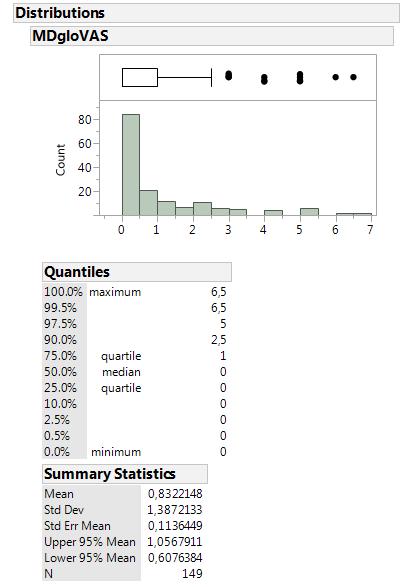
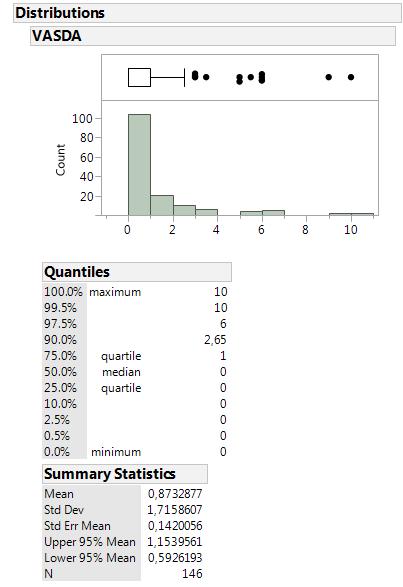
Results: The patient’s and physician’s disease activity assessments did not significantly differ (median 0). The PhH was 3.19 ± 8.3 (median 0) and the PsH 5.33 ± 11.42, (median 0, range 0-15 for each score), respectively. The overall well-being assessment was 1.01 ± 1.6 (median 0, range 0-10) and 106/150 patients were satisfied with the current disease status. Pain was present in 61 pts (40.67%), was significantly associated with the disease activity and course, and was an inacceptable condition (all p<0.001).
Morning stiffness was reported by 31 patients (20.67%) and in 23/31 lasted<30min. The stiffness was associated with the disease activity, a deteriorating disease course of the disease (p<0.001). The PhH neither conferred any school problems (p=0.21) or correlates with the PsH score (p=0.19).
All children reported a regular school attendance, while 18/150 (12%) a related problem: numerous absences by 8/18, 5.33% (44.4% of overall problems), difficulty in remaining sitting by 4/18, 2.66% (22.2% respectively), difficulty in the relationships with the teachers 2/18 by 1.33% (11.1% respectively) and a decreased performance by 2/18, 1.33% (11.1% respectively). These problems were neither associated with a morning stiffness, or school absenteeism, or prolonged sitting, or academic achievement or relationships with the teachers (p>0.05). However, they affected the PsH score (p=0.0002). On treatment were children 124/150 (82.66%) and 123/124 had a complete compliance. The presence of potentially drug-related 40 AE was notified by 27/124 (21.77%) patients; however these AE were not associated with the PhH and PsH scores (p=0.27 and p=0.92, respectively).
Conclusions: The self-disease activity assessment of JIA patients did not diverge from the physician’s one. The contemporary applied regimens are acceptable (99.19%) and tolerable (82%). JIA patients have a satisfactory school life and live with their disease without any significant physical and psychosocial impact.
Keywords: Juvenile Idiopathic Arthritis, health related quality of life, questionnaire, multidimensional assessment, disease outcome
Polyxeni Pratsidou-Gertsi
Maria Trachana
Florence KanakoudiTsakalidou
Maria Stavrakidou
Pediatric Immunology and Rheumatology
Referral Center, First Department of Pediatrics, Aristotle University, Hippokration General Hospital, Thessaloniki
Elena Tsitsami
Maria Tsinti
Agia Sofia Children’s Hospital, First Department of Pediatrics, National and Kapodistrian University of Athens, Athens
Olga Vougiouka
PA Kyriakou Children’s Hospital, Second Department of Pediatrics, National and Kapodistrian University of Athens, Athens
Antigoni Siamopoulou Sapfo Alfantaki Department of Pediatrics, University of Ioannina, Ioannina
Alessandro Consolaro Francesca Bovis Nicolino Ruperto Istituto Giannina Gaslini, Pediatria II - Reumatologia, PRINTO, Genoa, Italy for Paediatric Rheumatology International Trials Organisation (PRINTO)
Alessandro Consolaro Universitàdi Genova, Dipartimento di Pediatria, Genoa, Italy
άριστο). Το score πόνου ήταν επίσης πολύ χαμηλό, μόλις 1.01±1.78, με διάμεση τιμή το 0.
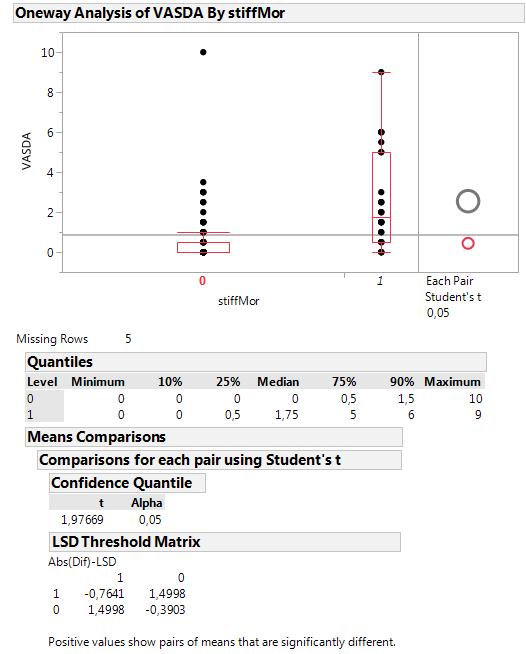
Β3. Πρωινή δυσκαμψία είχαν 31/150 ασθενείς (20.67%), ενώ 3 (2%) δεν απάντησαν. Διάρκεια κλινικά σημαντικής δυσκαμψίας(>15min)
150 (33:117) 6-14.87
5.92± 3.74, 6 0.1-17.68
6.35±3.87, 6.31 6-19.64
12.14
(μέση±SD,
(μέση±SD,
(μέση±SD,
Κατάλογος
VASDA:
MDVAS:
1. Espinosa M, Gottlieb BS. Juvenile Idiopathic Arthritis. Pediatr Rev 2012; 33;303-313.
2. Sacks JJ, Helmick CG, Luo YH, Ilowite NT, Bowyer S.Prevalence of and annual ambulatory healthcare visits for pediatric arthritis and other rheumatologic conditions in the United States in 2001-2004. Arthritis Rheum 2007;57:1439-1445.
3. Moorthy LN, Peterson MG, Hassett AL, Lehman TJ. Burden of childhood-onset arthritis. PediatrRheumatol Online J 2010 Jul 8;8:20. doi: 10.1186/1546-0096-8-20.
4. Seid M, Huang B, Niehaus S, Brunner HI, Lovell DJ. Determinants of health-related quality of life in children newly diagnosed with Juvenile Idiopathic Arthritis. Arthritis Care &Research
2014; 66, 263–269.
5. Van Mater HA, Williams JR JW, Coeytaux RR, Sanders GD, Kemper AR.Psychometric Characteristics of Outcome Measures in Juvenile Idiopathic Arthritis: A Systematic Review. Arthritis Care Res (Hoboken) 2012; 64, 554–562.
6. Bomba M, Meini A, Molinaro A, Cattalini M, Oggiano S, Fazzi E et al.Body experiences, emotional competence, and psychosocial functioning in juvenile idiopathic arthritis. RheumatolInt 2013; 33: 2045–2052.
7. Ungerer JA, Horgan B, Chaitow J Champion GD.Psychosocial Functioning in Children and Young Adults With Juvenile Arthritis. Pediatrics 1988;81;195-202.
8. Kuhlmann A, Schmidt T, Treskova M, López-Bastida J, Linertová R, Oliva-Moreno J, et al. Social/economic costs and health-related quality of life in patients with juvenile idiopathic arthritis in Europe.Eur J Health Econ 2016;17 (Suppl 1):79-87.
9. Luca NJC, Feldman M. Health outcomes of pediatric rheumatic diseases. Best Practice & Research Clinical Rheumatology 28 (2014) 331–350.
10. Hersh AO, Salimian PK, Weitzman ER. Using Patient Reported Outcome measures to capture the patient’s voice in Research and care of Juvenile Idiopathic Arthritis. Rheum Dis Clin North Am. 2016;42:333-346.
11. Consolaro A, Giancane G, Schiappapietra B, Davì S, Calandra S, Lanni S, et al. Clinical outcome measures in juvenile idiopathic arthritis.PediatrRheumatol Online J. 2016 Apr 18;14:23. doi: 10.1186/s12969-016-0085-5.
12. Filocamo G, Schiappapietra B, Bertamino M, Pistorio A, Ruperto N, Magni-Manzoni S, et al. A new short and simple health related quality of life measurement for paediatric rheumatic diseases: initialvalidation in juvenile idiopathic arthritis. Rheumatology (Oxford) 2010;49:12721280.
13. Filocamo G, Consolaro A, Schiappapietra B, Dalprà S, Lattanzi B, Magni-Manzoni S et al. A new approach to clinical care of juvenile idiopathic arthritis: the Juvenile Arthritis Multidimensional Assessment Report. J Rheumatol 2011; 38: 938-953.
14. Gutierrez-Suarez R, Pistorio A, Cespedes Cruz A, Norambuena X, Flato B, Rumba I, et al. Health-related quality of life of patients with juvenile idiopathic arthritis coming from 3 different geographic areas. The PRINTO multinational quality of life cohort study.Rheumatology (Oxford) 2007; 46:314–320.
15. Östlie IL, Johansson I, Aasland A, Flatö B, Möller A. Self-rated physical and psychosocial health in a cohort of young adultswith juvenile idiopathic arthritis.Scand J Rheumatol 2010;39:318–325.
16. Harris JG, Bingham CA, Morgan EM. Improving care delivery and outcomes in pediatric rheumatic diseases.CurrOpinRheumatol. 2016 Mar;28:110-116.
17. Halbig M, Horneff G. Improvement of functional ability in children with juvenile idiopathic arthritis by treatment with etanercept. RheumatolInt 2009; 30:229–238.
18. Thastum M, Herlin T, Zachariae R. Relationship of pain-coping strategies and pain-specific beliefs to pain experience in children with juvenile idiopathic arthritis. Arthritis Rheum 2005;53:178–184.
19. Selby JV. The patient-centered outcomes research institute: a 2013 agenda for“research done differently”. Popul Health Manag 2013;16:69–70.
20. Bevans KB, Riley AW, Moon J, Forrest CB. Conceptual and methodological advances in child-reported outcomes measurement. Expert Rev Pharmacoecon Outcomes Res. 2010 ;10:385-396.
21. Abdul-Sattar A, Magd SA, Negm MG. Associates of school impairment in Egyptian patients with juvenile idiopathic arthritis: Sharkia Governorate.RheumatolInt 2014;34:35-42.
22. Len CA, Miotto e Silva VB, Terreri MT. Importance of adherence in the outcome of juvenile idiopathic arthritis. CurrRheumatol Rep. 2014;16:410. doi: 10.1007/s11926-014-0410-2.
23. Bugni VM, Ozaki LS, Okamoto KY, Barbosa CM, Hilário MO, Len CA, et al. Factors associated with adherence to treatment in children and adolescents with chronic rheumatic diseases. J Pediatr (Rio J) 2012;88(6):483–488.
24. Mulligan K, Lucy R Wedderburn LR, Stanton Newman S. The experience of taking methotrexate for juvenile idiopathic arthritis: results of a cross-sectional survey with children and young
people.PediatrRheumatol Online J 2015 Dec 12;13:58. doi: 10.1186/s12969-015-0052-6.
25. Brunner HI, Johnson AL, Barron AC, Passo MH, Griffin TA, Graham TB, et al. Gastrointestinal symptoms and theirassociation with health-related quality of life of children with juvenile rheumatoid arthritis: validation of a gastrointestinal symptom questionnaire. J ClinRheumatol 2005;11:194–204.
26. vanDijkhuizen EHP, Pouw JN, Scheuern A, Hügle B, Hardt S, Ganser G, et al. Methotrexate intolerance in oral and subcutaneous administration in patients with juvenile idiopathic arthritis: a cross-sectional, observational study. ClinExpRheumatol 2016; 34: 148-154.
27. Fuchs CE, Van Geelen SM, Hermans HJM, Van De Putte EM, Van Geel R, Sinnema G, et al. Psychological Intervention for Adolescents with Juvenile Idiopathic Arthritis: For Whom and When?J Rheumatol 2013;40:528–34.
28. Vanoni F, SurisJC , von Scheven-Gête A , Fonjallaz B, Hofer M. The difference of disease perception by juvenile idiopathic arthritis patients and their parents: analysis of the JAMAR questionnaire.PediatrRheumatol Online J 2016; 14:2 DOI 10.1186/s12969-015-0063-3.
e-mail: gina.poulaki@ savethechildren.org
Correspondence
Poulaki Georgia
Τ. +306948865372
e-mail: gina.poulaki@ savethechildren.org
Maternal morbidity and mortality among refugees arriving at Greek shores. Cross-sectional study of the causes of neonatal and under five infant morbidity and mortality
Georgia Poulaki, Aimilia Eirini Papathanasiou, Agis Terzidis, Theofilos Rosenberg
Introduction: Migration influxes from southeastern Asia to Europe reached to a new all times high level for Mediterranean countries in 2015 especially for Greece, peaked in October of 2015. While population mobility thickens, different shapes of migration are constantly forming. Despite women and children are the first to be affected as more vulnerable population groups, their health needs during migration present sub-documented and considerably under-explored. The particularity of their needs stems among others from the combination of several mobility influential factors.
Goal: The study aims to detect and present the most popular causes of morbidity and mortality among women, infants and under-five years old children arrived at the shores of these islands and during all possible phases of migration.
Method: A cross-sectional study committed in two islands for two months. Lesvos and Chios during October and November of 2015. The material is based on population examined by MdM during that period of time in both islands.
Results: 534 children under 5 years old and 70 pregnant women were examined in total, originating mostly from Syria or Afghanistan. The majority of women and children were potentially healthy and were visiting the doctors for precautionary reasons. While the most popular causes of morbidity were: upper respiratory tract infection, gastrointestinal infection, musculoskeletal problems, dental ache and rashes. While the single cause of death was drowning.
Conclusions: The vast majority of women and children were potentially healthy, while any source of morbidity was induced during and because of the journey. The need to develop better and more effective registration and monitoring tools is imperative.
Keywords: Syria, Greece, migration mobility, under-five morbidity, under-five mortality, maternal morbidity
Ανασκόπηση
Georgia Poulaki
Midwife - Nutrition Officer, Save The Children International - Lesvos Responce, MSc International Medicine-Health Crisis Management
Aimilia Eirini Papathanasiou
Second Lieutenant Doctor, 251 Hellenic Air Force General Hospital. MSc International Medicine-Health Crisis Management
Agis Terzidis Pediatrician, Scientific Committee of MSc International Medicine-Health Crisis Management
Theofilos Rosenberg, Associate Professor of Surgery, Faculty of Medicine, National and Kapodistrian University of Athens, Scientific Director of MSc International Medicine-Health Crisis Management
- ΕΚΖΕΜΑ
ΟΔΟΝΤΑΛΓΙΑ - ΜΟΝΙΛΙΑΣΗ
ΠΥΡΕΤΟΣ
ΜΥΟΣΚΕΛΕΤΙΚΟ ΑΛΓΟΣ - ΑΔΥΝΑΜΙΑ- ΚΟΠΩΣΗ
ΞΗΡΟΦΘΑΛΜΙΑ - ΕΠΙΠΕΦΥΚΙΤΙΔΑ
ΜΙΚΡΟΤΡΑΥΜΑΤΙΣΜΟΙ - ΕΓΚΑΥΜΑΤΑ
ΕΞΩΤΕΡΙΚΗ
ΑΝΑΠΝΕΥΣΤΙΚΟΥ
ΓΑΣΤΡΕΝΤΕΡΙΚΕΣ ΔΙΑΤΑΡΑΧΕΣ
ΔΕΡΜΑΤΙΤΙΔΑ - ΕΚΖΕΜΑ
ΟΔΟΝΤΑΛΓΙΑ - ΜΟΝΙΛΙΑΣΗ
ΠΥΡΕΤΟΣ
ΜΥΟΣΚΕΛΕΤΙΚΟ ΑΛΓΟΣ - ΑΔΥΝΑΜΙΑ- ΚΟΠΩΣΗ
ΞΗΡΟΦΘΑΛΜΙΑ
Βιβλιογραφία
1. Global Health Watch 4 [Internet]. [cited 2016 Jan 8]. Available from: http://www.press. uchicago.edu/ucp/books/book/distributed/G/bo20842523.html
2. Story Map Series [Internet]. [cited 2016 Jan 4]. Available from: http://migration.iom.int/ europe/
3. Merry L, Gagnon AJ, Hemlin I, Clarke H, Hickey J. Cross-border movement and women’s health: how to capture the data. Int J Equity Health. 2011;10:56.
4. Markel H, Stern AM. The Foreignness of Germs: The Persistent Association of Immigrants and Disease in American Society. Milbank Q. 2002 Dec;80(4):757–88.
5. Gushulak BD, MacPherson DW. The basic principles of migration health: population mobility and gaps in disease prevalence. Emerg Themes Epidemiol. 2006;3:3.
6. Inter-agency regional response for Syrian refugees health and nutrition bulletin: Iraq, Jordan and Lebanon, January - March 2013 [Internet]. ReliefWeb. 2013 [cited 2015 Nov 6]. Available from: http://reliefweb.int/report/jordan/inter-agency-regional-response-syrian-refugees-healthand-nutrition-bulletin-iraq
7. Devakumar D, Birch M, Rubenstein LS, Osrin D, Sondorp E, Wells JCK. Child health in Syria: recognising the lasting effects of warfare on health. Confl Health [Internet]. 2015 Nov 3 [cited 2015 Dec 16];9. Available from: http://www.ncbi.nlm.nih.gov/pmc/articles/PMC4630938/
8. A Devastating Toll: the Impact of Three Years of War on the Health of Syria’s Children [Internet]. ReliefWeb. 2014 [cited 2015 Dec 31]. Available from: http://reliefweb.int/report/ syrian-arab-republic/devastating-toll-impact-three-years-war-health-syria-s-children
9. Aleppo Assessment Report | [Internet]. [cited 2015 Nov 18]. Available from: http://www. acu-sy.org/en/aleppo-assessment-report/
10. Sharara SL, Kanj SS. War and Infectious Diseases: Challenges of the Syrian Civil War. PLoSPathog [Internet]. 2014 Nov 13 [cited 2015 Dec 16];10(11). Available from: http://www.ncbi. nlm.nih.gov/pmc/articles/PMC4231133/
11. Sen K, Al-Faisal W, AlSaleh Y. Syria: effects of conflict and sanctions on public health. J Public Health. 2013 Jun 1;35(2):195–9.
12. Quosh C, Eloul L, Ajlani R. Mental health of refugees and displaced persons in Syria and surrounding countries: a systematic review [Internet]. [cited 2016 Mar 1]. Available from: http://www.interventionjournal.com/sites/default/files/Mental_health_of_refugees_and_displaced_persons_in.5.pdf
13. Sen K. Starvation of children in Syria--sanctions and the politics of revenge. Indian J Med Ethics. 2014 Mar;11(1):63.
14. Bashour H, Abdulsalam A, Jabr A, Cheikha S, Tabbaa M, Lahham M, et al. Maternal mortality in Syria: causes, contributing factors and preventability. Trop Med Int Health TM IH. 2009 Sep;14(9):1122–7.
15. Gushulak BD, MacPherson DW. Population mobility and health: an overview of the relationships between movement and population health. J Travel Med. 2004 Jun;11(3):171–4.
e-mail: mmoschov@med. uoa.gr
Correspondence
Moshovi Maria
Τ. +302107452132
e-mail: mmoschov@med. uoa.gr
Liver tumors in children-treatment and
outcome: Low birth weight is a predisposing factor for the liver tumors?
Michaela Nikolaou, Archontis Zampogiannis, Maria Chasiotou, Kalliopi Stefanaki, Efstathios Antoniou, Maria Moschovi
Abstract: Purpose: Liver tumors in children are rare. Ηepatoblastoma (HBL) is the most common type and usually occurs in children younger than 5 years old whereas hepatocellular carcinoma (HCC) is found in children older than 10 years of age. Aim of our study is the relationship between perinatal characteristics and liver tumors and the outcome.
Methods: We have studied the gestational age and the birth weight of patients, the histological features of tumors and the outcome. Predisposing factors such as hepatitis B, C, CMV, or metabolic disorders were tested. All patients remain in follow-up.
Results: Twelve children with liver tumors were diagnosed. Nine cases had HB, 2 HCC and 1 rhabdomyosarcoma. The age at diagnosis ranged from 2 months to 8 years (med: 2 years). The gestational age in 7/12 (58%) cases was up to 38 weeks, two were preterm and five early full term. The patients’ birth weight ranged from 1770gr-4000gr while 7 out of twelve children (58%) had birth weight lower than 2900gr. AFP levels range from 714,1ng/ml to 418.000ng/ ml. Three patients presented with Stage IV. Predisposing factors were not observed in any of our cases. All patients received preoperative chemotherapy except two who had radically resectable tumor at initial diagnosis and remain in complete first remission. Conclusion: There is an increased risk for hepatoblastoma among children with low birth weight. The new protocols give an excellent outcome even in patients with Stage IV. No predisposing factors were found in children with HCC. Although the HCC is usually diagnosed at the age of 10-14 years old, our cases were diagnosed in the earlier childhood.
Key words: Liver tumors; Hepatoblastoma; Hepatocellular carcinoma; low birth weight; preterm-term babies;
Michaela Nikolaou Archontis Zampogiannis Maria Moschovi Hematology-Oncology Unit, First Dept of Pediatrics, University of Athens, “Marianna V Vardinoyannis-Elpida” Pediatric Oncology Unit, “Agia Sofia” Children’s Hospital, Athens
Maria Chasiotou
Department of Imaging, Aghia Sofia Children’s Hospital, Athens, Greece
Kalliopi Stefanaki Department of Pathology, Aghia Sophia Children’s Hospital, Athens, Greece
Efstathios Antoniou 2nd Propedeutic Surgical Department, University of Athens, “Laiko” Athens Hospital, Greece
38w/3450gr
37w/2900gr
40w/4000gr
32w/1770gr
39w/2800gr
38w/3250gr
40w/3850gr
40w/2650gr
38w/2550gr
36w/2450gr
39w/3680gr
37w/2676gr
5,5x4x3cm
15x21cm
ΗΒ μικτού τύπου με
χαρακτήρες 13x12x8,8cm
ΗΒ επιθηλιακού τύπου (εμβρυικός) 10x9x7cm
Ραβδομυοσάρκωμα 10,2x9x9,5cm
ΗB επιθηλιακού τύπου (εμβρυικός) 7x5x3cm
ΗΒ επιθηλιακού τύπου (εμβρυονικός και μακροδοκιδώδης) 6x5cm
ΗΚΚ 12x13x17cm
ΗΚΚ μεταβατικού τύπου 14x7x9cm
Προεγχειρητική
Συντομογραφίες
ΗΒ:
ΗΚΚ:
AFP: Alpha-Fetal
Protein
SEER: National Cancer Institute’s Surveillance, Epidemiology, and End Results
VLBW: Very low birth weight
LBW: Low birth weight
ΕΘ: Εκατοστιαία Θέση
IUGR: intrauterine growth restriction
COG: Children’s Oncology Group
SIOPEL: International Society of Pediatric Oncology on Childhood Liver Tumors
EFS: Event Free Survival
OS: Overal Survival
ΧΜΘ:
(intrauterine growth restriction, IUGR).
Το Children’s Oncology Group (COG)
(AEP104C1)
(2000-2005)
1. Darbari A, Sabin KM, Shapiro CN, Schwarz KB. 2003. Epidemiology of primary hepatic malignancies in U.S. children. Hepatology (Baltimore, Md.) 38:560-6
2. Feusner J, Plaschkes J. 2002. Hepatoblastoma and low birth weight: A trend or chance observation? Medical and Pediatric Oncology 39:508-9
3. Turcotte LM, Georgieff MK, Ross JA, Feusner JH, Tomlinson GE, et al. 2014. Neonatal medical exposures and characteristics of low birth weight hepatoblastoma cases: a report from the Children’s Oncology Group. Pediatric blood & cancer 61:2018-23
4. Ikeda H, Hachitanda Y, Tanimura M, Maruyama K, Koizumi T, Tsuchida Y. 1998. Development of unfavorable hepatoblastoma in children of very low birth weight: results of a surgical and pathologic review. Cancer 82:1789-96
5. Meyers RL. 2007. Tumors of the liver in children. Surgical oncology 16:195-203
6. Meyers RL, Tiao GM, Dunn SP, Langham MR, Jr. 2012. Liver transplantation in the management of unresectable hepatoblastoma in children. Frontiers in bioscience (Elite edition) 4:1293-302
7. Ross JA, Gurney JG. 1998. Hepatoblastoma incidence in the United States from 1973 to 1992. Medical and Pediatric Oncology 30:141-2
8. McLaughlin CC, Baptiste MS, Schymura MJ, Nasca PC, Zdeb MS. 2006. Maternal and infant birth characteristics and hepatoblastoma. American journal of epidemiology 163:818-28
9. Reynolds P, Urayama KY, Von Behren J, Feusner J. 2004. Birth characteristics and hepatoblastoma risk in young children. Cancer 100:1070-6
10. Tanimura M, Matsui I, Abe J, Ikeda H, Kobayashi N, et al. 1998. Increased risk of hepatoblastoma among immature children with a lower birth weight. Cancer research 58:3032-5
11. Oue T, Kubota A, Okuyama H, Kawahara H, Nara K, et al. 2003. Hepatoblastoma in children of extremely low birth weight: A report from a single perinatal center. Journal of Pediatric Surgery 38:134-7
12. Chang MH. 2003. Decreasing incidence of hepatocellular carcinoma among children following universal hepatitis B immunization. Liver international : official journal of the International Association for the Study of the Liver 23:309-14
13. Montesano R. 2002. Hepatitis B immunization and hepatocellular carcinoma: The Gambia Hepatitis Intervention Study. Journal of medical virology 67:444-6
14. von Schweinitz D, Hecker H, Harms D, Bode U, Weinel P, et al. 1995. Complete resection before development of drug resistance is essential for survival from advanced hepatoblastoma—A report from the German Cooperative Pediatric Liver Tumor Study HB-89. Journal of Pediatric Surgery 30:845-52
15. D’Antiga L, Vallortigara F, Cillo U, Talenti E, Rugge M, et al. 2007. Features predicting unresectability in hepatoblastoma. Cancer 110:1050-8
16. De Ioris M, Brugieres L, Zimmermann A, Keeling J, Brock P, et al. 2008. Hepatoblastoma with a low serum alpha-fetoprotein level at diagnosis: the SIOPEL group experience. European journal of cancer (Oxford, England : 1990) 44:545-50
17. Pediatric liver tumors. New York :: Springer 2011.
18. Isaacs H, Jr. 2007. Fetal and neonatal hepatic tumors. J Pediatr Surg 42:1797-803
19. Haas JE, Muczynski KA, Krailo M, Ablin A, Land V, et al. 1989. Histopathology and prognosis in childhood hepatoblastoma and hepatocarcinoma. Cancer 64:1082-95
20. McAteer JP, Goldin AB, Healey PJ, Gow KW. 2013. Surgical treatment of primary liver tumors in children: outcomes analysis of resection and transplantation in the SEER database. Pediatric transplantation 17:744-50
21. Roebuck DJ, Aronson D, Clapuyt P, Czauderna P, de Ville de Goyet J, et al. 2007. 2005
PRETEXT: a revised staging system for primary malignant liver tumours of childhood developed by the SIOPEL group. Pediatric Radiology 37:123-32
22. Aronson DC, Schnater JM, Staalman CR, Weverling GJ, Plaschkes J, et al. 2005. Predictive value of the pretreatment extent of disease system in hepatoblastoma: results from the International Society of Pediatric Oncology Liver Tumor Study Group SIOPEL-1 study. Journal of clinical oncology : official journal of the American Society of Clinical Oncology 23:1245-52
hotmail.com
Correspondence
Nikolitsa Koutroumani
Athinas 16, Kato Achaia, Patra, 25200
T. +306976389777
e-mail: nkoutroumani@ hotmail.com
Use of internet and digital media in students from two greek islands
Nikolitsa Koutroumani, Maria Dalla, Evangelos Evangelatos, Kalypso Danelatou, Vasiliki Georgopoulou, Alexia Winter, Konstantinos Bogiatzis, Dionysios Georgatos
Abstract
Background: The use of personal computer (PC) and internet is a prevalent activity of our times, but excessive use can lead to addiction and a variety of negative psycho-physical consequences. Methods: We studied the use of electronic media and the internet addiction to 3.100 students from the 5th & 6th grades of the Elementary School, the General and the Technical High School of the islands of Kefalonia and Ithaca (age range: 10-19 years). The study involved the distribution and completion of a questionnaire based on the K.Young 8-item diagnostic tool for internet addiction. The statistical analysis was performed with SPSS and STATA programs.
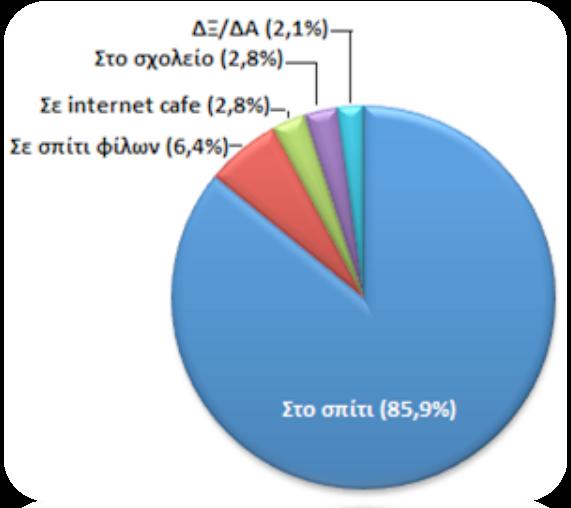
Results: From the total of 2.220 valid replies it was found that: a) the internet addiction of students in Kefalonia/Ithaca amounts to 2.5%, it mainly affects urban areas and mostly adolescents (average: 14.87 years) and slightly more girls than boys (52.7%) b) 80.4% have internet access at home, which is the most common location for internet use (85.9%), c) 64.8% have their own PC, d) the beginning of the PC use is observed in ages ≤8 years in 33.9% and 8-10 years in 32.4%, e) 80.3% had some extracurricular activity [sports (69.2%), dancing, music, etc.].
Conclusions: The internet addiction of young people is a recognized issue in the area of Kefalonia/Ithaca but, compared with other domestic and international studies, its spread is at low levels. This may be attributed to the high involvement of these students in extracurricular activities and sports, as well as the good quality of life in this region.
Key words: Internet, personal computer, students, addiction
Nikolitsa Koutroumani
Evangelos Evangelatos
Kalypso Danelatou
Vasiliki Georgopoulou
Alexia Winter
Konstantinos Bogiatzis
Dionysios Georgatos
Pediatric Clinic, General Hospital of Kefalonia, Argostoli, Greece
Maria Dalla
T.E.I. of Ionian Islands - Public Relations and Communication Department, Argostoli, Kefalonia
1.
2.
5.
6.
7.
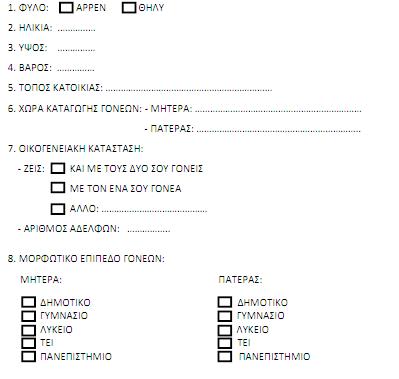

(ΔΞ/ΔΑ).
Φύλο (Α/Θ)
(έτη) Ύψος (m)
(kg) ΒΜΙ (kg/m2)
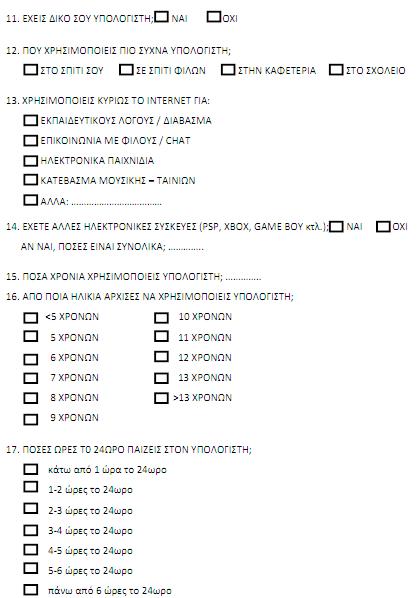
1 - 2 ώρες/24ωρο 2 - 3 ώρες/24ωρο 3 - 4 ώρες/24ωρο 4 - 5 ώρες/24ωρο 5 - 6 ώρες/24ωρο >6 ώρες/24ωρο
1. ICT Data and Statistics Division, ITU Telecommunication Development Bureau. UN Millennium Development Goals (MDGs): 2000-2015. Geneva, May 2015.
2.
2012.
3. Young KS. Internet Addiction: The Emergence of a New Clinical Disorder. Cyberpsychology, Behavior, and Social Networking 1996;1(3):237-244.
4. Mitchell P. Internet addiction: genuine diagnosis or not. Lancet, 2000 Feb 19;355(9204):632.
5. Cash H, Rae CD, Steel ΑH, Winkler A. Internet Addiction: A Brief Summary of Research and Practice. Curr Psychiatry Rev.2012 Nov;8(4):292–298.
6. Σιώμος
2009, 20:222–232.
7. Tsitsika A, Critselis E, Kormas G, Filippopoulou A, Tounissidou D, Freskou A, et al. Internet use and misuse: a multivariate regression analysis of the predictive factors of internet use among Greek adolescents. Eur J Pediatr. 2009 Jun;168(6):655-65.
8. Κυπαρίσση
gress2009.hasiad.gr/InternetSafety2009.pdf)
9. Cheng C, Yee-lam LA. Internet Addiction Prevalence and Quality of (Real) Life: A MetaAnalysis of 31 Nations Across Seven World Regions”. Cyberpsychology, Behavior and Social Networking 2014;17(12): 755–760.
10. Livingstone S, Haddon L, Görzig A, Όlafsson K, EU Kids Online Network. EU Kids Online Survey 2009-2011.
11.
12.
2012.
2008;19:5258.
13. Σφακιανάκης Ε, Σιώμος Κ,
Εκδ. Λιβάνης, 2012. ISBN: 978-960-14-2501-6.
14. Fisoun V, Floros G, Siomos K, Geroukalis D, Navridis K. Internet addiction as an important predictor in early detection of adolescent drug use experience- implications for research and practice. J Addict Med. 2012 Mar;6(1):77-84.
15. Siomos K, Floros G, Fisoun V, Evaggelia D, Farkonas N, Sergentani E, et al. Evolution of Internet addiction in Greek adolescent students over a two-year period: the impact of parental bonding. Eur Child Adolesc Psychiatry. 2012 Apr;21(4):211-9.
16. Pallanti S, Bernardi S, Quercioli L. The Shorter PROMIS Questionnaire and the Internet Addiction Scale in the assessment of multiple addictions in a high-school population: prevalence and related disability. CNS Spectr. 2006 Dec;11(12):966-74.
17. Bayraktar F, Gün Z. Incidence and correlates of Internet usage among adolescents in North Cyprus. Cyberpsychol Behav. 2007 Apr;10(2):191-7.
18. Siomos K, Paradeisioti A, Hadjimarcou M, Mappouras DG, Kalakouta O, Avagianou P, Floros G. The impact of Internet and PC addiction in school performance of Cypriot adolescents. Stud Health Technol Inform. 2013;191:90-4.
19. Ko CH, Yen JY, Yen CF, Lin HC, Yang MJ. Factors predictive for incidence and remission of internet addiction in young adolescents: a prospective study. Cyberpsychol Behav. 2007 Aug;10(4):545-51.
20. FORBES. Europe’s most idyllic places to live. 2008. Available from: http://www.forbes. com/2008/11/18/europe-homes-dollar-forbeslife-cx_po_1118realestate.html
Κ.
e-mail: pgsfyridis@yahoo. gr
Correspondence
Panayiotis G. Sfiridis
Erithrou Stavrou 6, Marousi, Athens, 15123
T. +302106869348
Κ. +306973028122
e-mail: pgsfyridis@yahoo. gr
Physical activity and body mass index in pupils with congenital heart disease
Dimitra Moschovi, Evangelia Mavrikaki, Spyridon Rammos, Panagiotis Sfyridis
Abstract
Background: The aim of our study is to investigate the level of physical activity and body mass index (BMI) in Greek pupils with congenital heart disease (CHD). Furthermore, we will investigate possible correlations between physical activity and BMI in these children.
Methods: A total of 154 pupils (mean age 12.5±0.95 years) were examined. 76 were pupils with CHD (mean age 12.6±1.6), 46 boys (60.5%) and 30 girls (39.5%). 78 pupils were healthy individuals (mean age 12.5±0.9), 40 boys (51.3%) and 38 girls (48.7%), represented the control group. Two self-reported questionnaires were used as research tools: a) the Previous Day Physical Activity Recall (PDPAR) and b) the Youth Risk Behavior Survey (YRBS), recording the physical activity. A medical form recording height, weight and BMI was also filled.
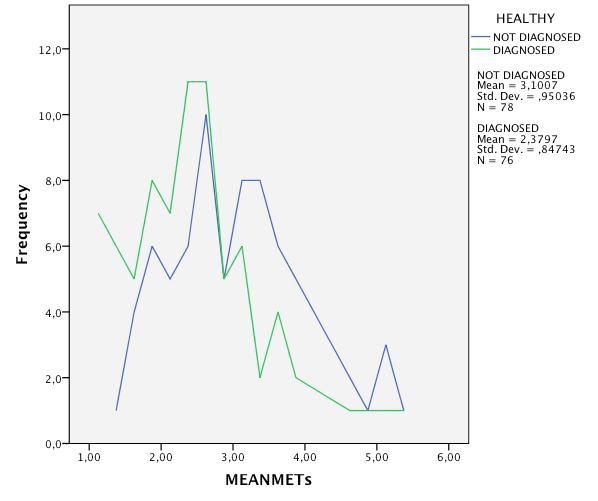
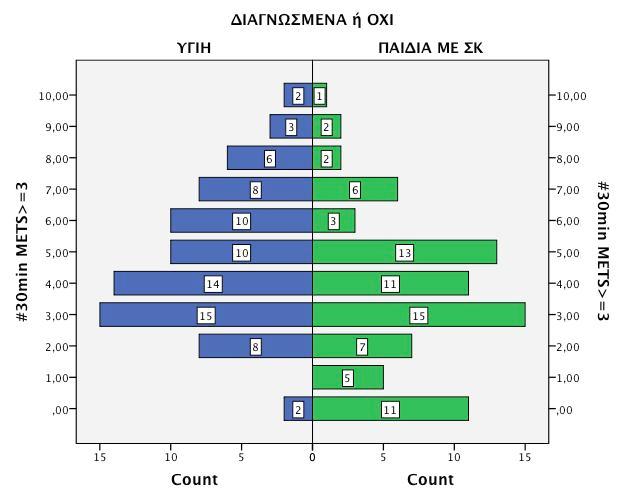
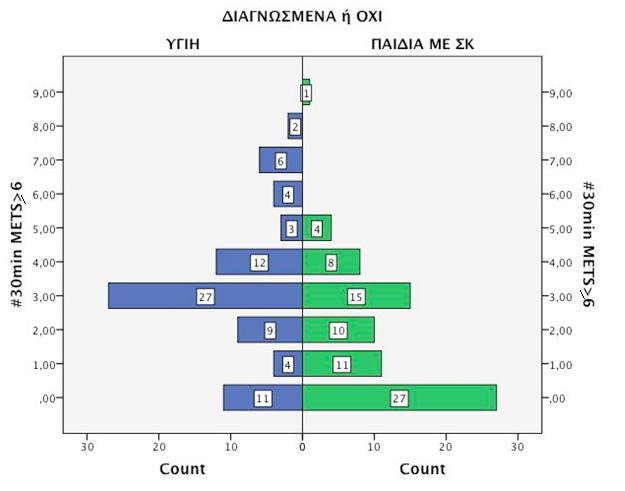
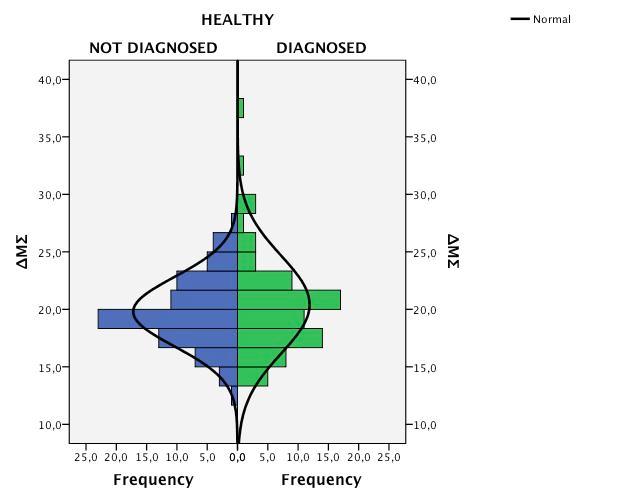
Results: Meanphysical activity was 3.1±0.95 METs (Metabolic Equivalent of Tasks) for healthy children and 2.38±0.85 METs for children with CHD daily. The group of healthy pupils reported significantly greater physical activity 30-minute ≥3METs daily, compared with CHD children (p=0.002). BMI was measured 20.4±4.2 for CHD children and 19.8±3.0 for healthy ones. Daily physical activity and BMI were not significantly correlated between the two groups (p>0.05).
Conclusions: Children with CHD reported significantly reduced levels of physical activity compared to their healthy peers. Despite the reduced physical activity in children with CHD, BMI was not significantly different between CHD children and healthy ones.
Dimitra Moschovi
PhD Student, Department of Primary Education, School of Education, National &Kapodistrian University of Athens, Greece
Evangelia Mavrikaki
Assistant Professor, Department of Primary Education, School of Education, National & Kapodistrian University of Athens, Greece
Spyridon Rammos
Consultant, Department of Pediatric and Congenital Heart Surgery, Mitera Children’s and Hygeia Hospital, Athens, Greece
Panagiotis Sfyridis
Director, department of Pediatric and Congenital Cardiology, Onassis Cardiac Surgery Centre, Athens, Greece
Keywords: Physical activity, Obesity, Heart disease
(Previous Day Physical Activity Recall - PDPAR) (20).
2.
(Youth Risk Behavior Survey - YRBS) (21).
(Previous Day Physical Activity Recall)
(Youth Risk Behavior Survey)
Βιβλιογραφία
1. Hagger M,Chatzisarantis N,Biddle S. The influence of self-efficacy and past behavior on the physical activity intentions of young people. Journal of Sport Sciences2001;19,711-725.
2. Pate RR, Davis GM, Robinson, NT, Stone JE, McKenzie LT, Young CJ. Promoting Physical Activity in Children and Youth: A Leadership Role for Schools: A Scientific Statement From the American Heart Association Council on Nutrition, Physical Activity and Metabolism (Physical Activity Committee) in Collaboration With the Councils on Cardiovascular Disease in the Young and Cardiovascular Nursing. Circulation 2006;114,1214-1224.
3.
hdl.handle.net/10442/hedi/17130 (20- 9-2014).
4. Martin J,Kulinna P. Self-efficacy theory and the theory of planned behavior: Teaching physically active physical education classes. Research Quarterly for Exercise and Sport 2004;75(3),288297.
5. Janssen I,LeBlanc G A. Systematic review of the health benefits of physical activity and fitness in school-aged children and youth. International Journal of Behavioral Nutrition and Physical Activity 2010;7,40-56.
6. Takken T, Giardini A, Reybrouck T, Gewillig M, Hovels-Gurich HH, LongmuirPE, et al. Recommendations for physical activity, recreation sport, and exercise training in paediatric patients with congenital heart disease: a report from the Exercise, Basic &Translational Research
Section of the European Association of Cardiovascular Prevention and Rehabilitation, the European Congenital Heart and Lung Exercise Group and the Association for European Paediatric Cardiology. European Journal of Preventive Cardiology2012;19(5)1034-1065.
7. Min-hau C, Allen P. The relationship between attitude toward physical education and leisure time exercise in high school students. Physical Educator2002;59(3), 126-139.
8. Falk B, Bar-Mor G, Zigel, L, Yaaron M, BeniaminiY, Zeevi B. Daily physical activity and perception of condition severity among male and female adolescents with congenital heart malformation. Journal of Pediatric Nursing 2006;21(3), 244-249.
9. Longmuir PE, Brothers J, de Ferranti S, Hayman L, Van Hare G, Matherne P, et al. Promotion of Physical Activity for Children and Adults with Congenital Heart Disease: A Scientific Statement from the American Heart Association, Circulation2013;127, 2147-2159.
10. WHO Child Growth Standards. 2007; Διαθέσιμο από: http://www.who.int/childgrowth/ standards/bmi_for_age/en/ (πρόσβαση, 32-10 2014).
11. Cohen MS. The effect of obesity in children with congenital heart disease, European Journal of Pediatrics 2012;171,1145-1150.
12. Karayannis D., Yannakoulia M., Terzidou M., Sidossis IS., Kokkoni A. Prevalence of overweight and obesityin Greek school-aged children and adolescents. European Journal of Clinical Nutrition 2003;57, 1189-1192.
13. Flegal K., Tabak C., Ogden C. Overweight in children: Definitions and interpretations. Health Education Research 2006;27,755-760.
14. Παπαδόπουλος
2015;78:110-121.
15. Pinto N., Marino B., Wernovsky G., de Ferranti S., Walsh Z. Obesity is a common comorbidity in children with congenital and acquired heart disease. Pediatrics2007;120(5),1157-1164.
16. Ray DT, Green A, Henry K. Physical activity and obesity in children with congenital cardiac disease. Cardiology in the Young2011; 21(6),603-607.
17. Γραμματικοπούλου
Εργασίας ADONUT. Παιδιατρική 2015;78:220-233.
&
18. Martin R P. Child temperament effects on special education: process and outcomes. Exceptionality1992;3,99-115.
19. Riley A. Evidence that school age children can self-report on their health. Ambulatory Pediatrics 2004;4(4),371-376.
20. Trost S, Ward D, McGraw B, Pate R. Validity of the previous day physical activity recall (PDPAR) in fifth-grade children. Pediatric Exercise Science 1999;11,41-348.
21. Zullig K, Pun S, Patton J,Ubbes V. Reliability of the 2005 Middle School Youth Risk Behavior Survey. JournalofAdolescentHealth2006; 39(6),856-860.
22. Ainsworth B, Haskell W, Leon A, Jacobs D, Montoye H, Sallis J,Paffenbarger R. Compendium of physical activities: Classification of energy costs of human physical activities. Medicine and Science in Sports and Exercise 1993;25(1),71-80.
23. Ray D T, Henry K. Self-efficacy and physical activity in children with congenital heart disease: Is there a relationship? Journal for Specialists in Pediatric Nursing2011;16,105-112.
24. Lunt D, Briffa T, Briffa NK, Ramsey J. Physical activity levels of adolescents with congenital heart disease. Australian Journal of Physiotherapy2003; 49, 43-50.
25. Birks Y, Sloper P, Lewin R, Parsons J. Exploring health-related experiences of children and young people with congenital heart disease. Health Expectations2007;10(1), 16-29.
26. Boyle L, Kelly MM, Reynolds K, Conlon M, Taylor F. The School Age Child with Congenital Heart Disease. MCN, The American Journal of Maternal/Child Nursing 2015;40(1),16-23.
27. Moons P, Barrea C, De Wolf D, Gewillig M, Massin M, Mertens l, et al. Changes in perceived health of children with congenital heart disease after attending a special sports camp. Pediatric Cardiology 2006;27(1),67-72.
28. Pinquart M. Self-esteem of children and adolescents with chronic illness: a meta- analysis. Blackwell Publishing Ltd, Child: care, health and development2012;39(2),153-161.
29. Drakouli M, Petsios K, Giannakopoulou M, Patiraki E, Voutoufianaki I, Matziou V. Determinants of quality of life in children and adolescents with CHD: a systematic review. Cardiol
Young2015;16,1-10.
30. Bar-Mor G, Bar-Tal Y, Ζeevi B. Self-efficacy and physical activity in adolescents with trivial, mild or moderate congenital malformations. Cardiology of the Young2000;10(6), 561-566.
31. Pelliccia A, Fagard R, Bjοrnstad HH, Anastassakis A, Arbustini E, Assanelli D, et al. Recommendations for competitive sports participation in athletes with cardiovascular disease. European Health Journal2005;26, 1422-1445.
32. Stefan M, Hopman W, Smythe J. Effect of activity restriction owing to heart disease on obesity. Archives of Pediatric & Adolescent Medicine 2005; 159, 477-48
1. Bayley Scales of Infant Development, Second Edition (Bayley, 1993), 2. Childhood Autism Rating Scale (CARS; Schopler et al., 1980) 3.
Diagnostic and Statistical Manual of Mental Disorders - 4th Edition (DSM IVTR)
Autism Diagnostic Observation Schedule-Generic (ADOS - G, Lord, 1997).
e-mail: dr_thomaidis@ yahoo.gr
Correspondence
Loretta Thomaidis
Thivon & Levadias Str., Goudi, Athens 11527
T. +302132009198
e-mail: dr_thomaidis@ yahoo.gr
Screening for communication disorders in young children
Developmental Screening Test “παĩς”
Loretta Thomaidis, Antigoni Choleva, Miltiades Kyprianou, Elpida Kardara, Mariza Tsolia
Abstract
Backround
The aim of the present study was to develop a simple screening instrument for autism spectrum disorder in toddlers.
Methods
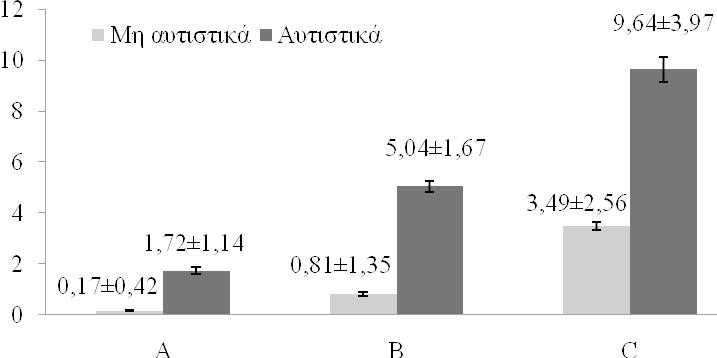
During the period 2008-2014, in Greece, 357 children, aged 16-53 months, were referred for developmental evaluation, which categorized them into children with and without communication disorder, and also underwent a screening process consisting of three parts. Part A consisted of three questions the pediatrician addressed to the parents, part B was a simple drill of six questions-exercises performed by the pediatrician and part C was a questionnaire for the parents consisting of 20 questions.
Results
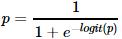
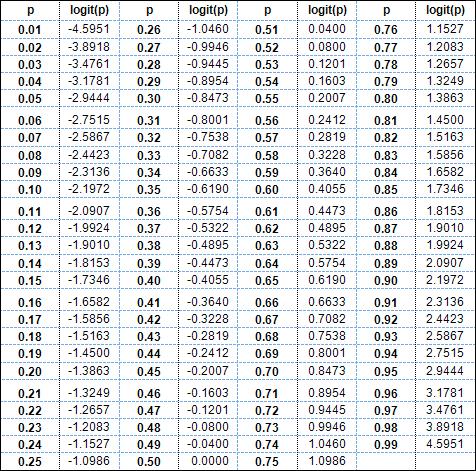
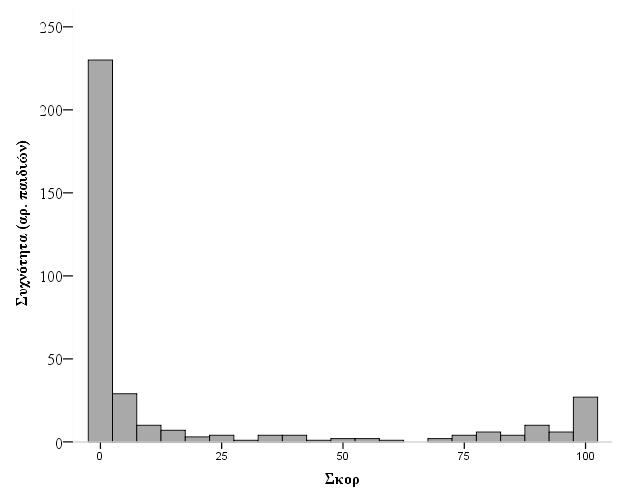
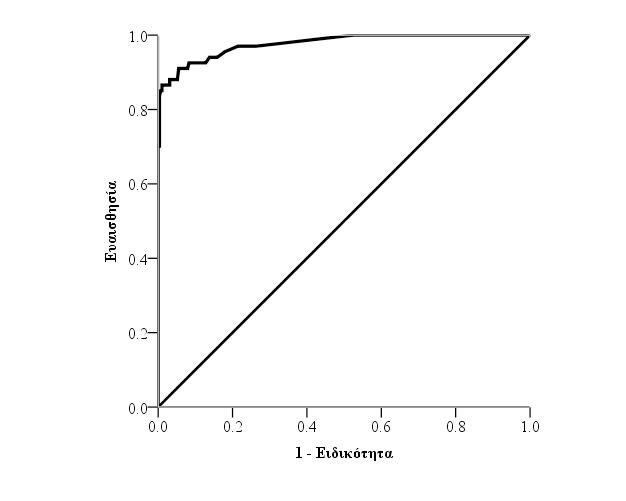
Stepwise logistic regression analysis showed that the scores of all three components of the screening instrument proved to be independent and additive predictors for autism spectrum disorder. Subsequent analysis showed that age was also an independent factor that forced itself into the regression equation, improving the model’s goodness-of-fit. The final regression equation was transformed to yield a score for the screening instrument ranging from 0 to 100 with the score of 50 serving as the cutoff point with positive and negative predictive values of 93.5% and 96.9% respectively and sensitivity and specificity of 86.6% and 98.6% respectively.
Conclusions
A three-part screening instrument including targeted questions at the parents, simple drills for the child and a comprehensive questionnaire for the parents encompasses different aspects toward adequate prediction of communication disorders in toddlers. Moreover the prediction model was improved when it was adjusted for age mainly by reducing the number of false negative identifications.
Key words: screening, communication disorder, autism spectrum disorder, age.
Loretta Thomaidis
Antigoni Choleva
Miltiades Kyprianou
Elpida Kardara
Mariza Tsolia
Developmental Assessment Unit, Second Department of Pediatrics, National and Kapodistrian University of Athens, School of Medicine, P. & A. Kyriakou Children’s Hospital, Athens, Greece
δοκιμασίες:
1. Bayley Scales of Infant Development, Second Edition (20)
2. Childhood Autism Rating Scale (21)
3.
(22).
Οι
Diagnostic and Statistical Manual of Mental Disorders - 4th Edition (DSM IVTR) (22)
Autism Diagnostic Observation Schedule-Generic (23).

Βιβλιογραφία
1. Council on Children With Disabilities. Identification and evaluation of children with autism spectrum disorders Johnson CP, Myers SM; American Academy of Pediatrics,. Pediatrics.2007;120 :1183– 1215; Reaffirmed 2010;2015
2. American Psychiatric Association (n.d.). Autism spectrum disorder. In DSM-5 Development. Retrieved October 30, 2015 from http://www.dsm5.org/Documents/Autism%20Spectrum%20 Disorder%20Fact%20Sheet.pdf
3. Castelli F., Frith X., Happé F., Frith U. Autism, Asperger syndrome and brain mechanisms for the attribution of mental states to animated shapes Brain. 2002 Aug;125(Pt 8):1839-49.
4. Baron-Cohen, S., Scott, F. J., Allison, C., Williams, J., Bolton, P., Matthews, F. E., &Brayne, C. (2009). Prevalence of autism-spectrum conditions: UK school-based population study. The British Journal of Psychiatry, 194(6), 500-509.
5. Catarino A., Andrade A., Churches O., Wagner A. P., Baron-Cohen S., Ring H. (2013). Task-related functional connectivity in autism spectrum conditions: an EEG study using wavelet transform coherence. Molecular Autism 4:1.
6. Anderson JS, Druzgal TJ, Froehlich A, DuBray MB, Lange N, Alexander AL, Abildskov T, Nielsen JA, Cariello AN, Cooperrider JR, Bigler ED, Lainhart JE. Cereb Cortex. 2011 May;21(5):1134-46. doi: 10.1093/cercor/bhq190. Epub 2010 Oct 12.
7. Waterhouse, L. (2008). Autism overflows: increasing prevalence and proliferating theories. Neuropsychology review, 18(4), 273-286.
8. Chakrabarti S., Fombonne E. (2005). Pervasive developmental disorders in preschool children: confirmation of high prevalence. Am.JPsychiatry. 162(6):1133-41.
9. Nicholas JS, Charles JM, Carpenter LA, King LB, Jenner W, Spratt EG. Prevalence and characteristics of children with autism-spectrum disorders. Ann Epidemiol. 2008 Feb;18(2):130-6.
10. Tidmarsh L., Volkmar F. Diagnosis and epidemiology of autism spectrum disorders.Can J Psychiatry. 2003 September; 48(8): 517–525.
11. Elsabbagh M, Divan G, Koh Y-J, et al. Global Prevalence of Autism and Other Pervasive
Developmental Disorders. Autism Research. 2012;5(3):160-179. doi:10.1002/aur.239.
12. Matson JL, Kozlowski AM, Hattier MA, Hotovitz M, Sipes M. DSM-IV vs DSM-5 diagnostic criteria for toddlers with autism. Developmental Neurorehabilitation. 2012;15:185–190.
13. Chakrabarti S, Fombonne E. Pervasive Developmental Disorders in Preschool Children. JAMA. 2001;285(24):3093-3099. doi:10.1001/jama.285.24.3093.
14. Kogan MD, Blumberg SJ, Schieve LA, Boyle CA, Perrin JM, Ghandour RM, Singh GK, Strickland BB, Trevathan E, van Dyck PC. Prevalence of parent-reported diagnosis of autism spectrum disorder among children in the US, 2007. Pediatrics. 2009 Nov;124(5):1395-403. doi: 10.1542/peds.2009-1522. Epub 2009 Oct 5.
15. Matson, J. L., Hattier, M. A., & Williams, L. W. (2012). How does relaxing the algorithm for autism affect DSM-V prevalence rates?. Journal of Autism and Developmental Disorders, 42(8), 1549-1556.
16. Paris, J. (2013). The intelligent clinician’s guide to the DSM-5. New York, NY: Oxford University Press.
17. Frazier T, Youngstrom E, Speer L, Embacher R, Law P, Constantino J, et al. Validation of proposed DSM-5 criteria for autism spectrum disorder. Journal of the American Academy of Child and Adolescent Psychiatry. 2012;51:28–40.
18. Huerta M, Bishop S, Duncan A, Hus V, Lord C. Application of DSM-5 criteria for autism spectrum disorder to three samples of children with DSM-IV diagnoses of Pervasive Developmental Disorder.American Journal of Psychiatry. 2012;169:1056–1064.
19. Dawson G, Rogers S, Munson J, Smith M, Winter J, Greenson J, Donaldson A, Varley J. Randomized, controlled trial of an intervention for toddlers with autism: the Early Start Denver Model. Pediatrics. 2010 Jan;125(1):e17-23. doi: 10.1542/peds.2009-0958. Epub 2009 Nov 30.
20. Bayley, N. (1993). Bayley scales of infant and development-second edition. San Antonio, TX: The Psychological Corporation.
21. Chlebowski C, Green JA, Barton ML, Fein D. Using the Childhood Autism Rating Scale to Diagnose Autism Spectrum Disorders. Journal of autism and developmental disorders. 2010;40(7):787-799. doi:10.1007/s10803-009-0926-x.
22. American Psychiatric Association. Diagnostic and Statistical Manual of Mental Disorders. 4th ed. Text Revision. Washington, DC: American Psychiatric Press. 2003
23. Lord C, Risi S, Lambrecht L, et al. The ADOS-G (Autism Diagnostic Observation ScheduleGeneric): a standard measure of social-communication deficits associated with autism spectrum disorders. J Autism Dev Disord 2000;30:205–223. [PubMed: 11055457]
24. Cronbach, LJ (1951). Coefficient alpha and the internal structure of tests. Psychometrika 16 (3): 297–334
25. Nunnally JC (1978). PsychometricTheory, 2nd ed., NewYork, McGraw-HillBookCompany.
26. Hosmer D (2013). Applied logistic regression. Hoboken, New Jersey: Wiley. ISBN 9780470582473.
27. Thomaidis L., Kyprianou M., Choleva A. Early screening of autism: Is age a confounding factor when screening for autism? J.Paediatric.Child Health. 2015 Oct;51(10):1046.
28. Siu AL; US Preventive Services Task Force (USPSTF), Bibbins-Domingo K, Grossman DC, Baumann LC, Davidson KW, Ebell M, García FA, Gillman M,Herzstein J, Kemper AR, Krist AH, Kurth AE, Owens DK, Phillips WR, Phipps MG, Pignone MP. Screening for Autism Spectrum Disorder in Young Children: US Preventive Services Task Force Recommendation Statement. JAMA. 2016 Feb 16;315(7):691-6. doi: 10.1001/jama.2016.0018.
Correspondence
Anastasia Gkampeta
St. Kiriakidi 1, Thessaloniki 54636
e-mail: anastagab@yahoo.
gr
Anastasia Gkampeta
Maria Klitsioti
Stauroula Oikonomou
Elpiniki Xatzopoulou
Eftyxia Kouma
Anastasia Touliopoulou
Eleni Vourti
General Hospital of Veroia, Pediatric Clinic, Veroia
Afebrile seizures as initial symptom of hypocalcemia secondary to hypoparathyroidism
Anastasia Gkampeta, Maria Klitsioti, Stauroula Oikonomou, Elpiniki Xatzopoulou, Eftyxia Kouma, Anastasia Touliopoulou, Eleni Vourti
Abstract
Introduction: hypocalcemia is rare in childhood and caused, among other conditions, by hypoparathyroidism. DiGeorge syndrome is the most common cause of hypoparathyroidism in childhood. Objective: presentation of a rare cause of hypocalcemia in childhood and the necessity of measuring serum electrolyte levels in patients presenting with afebrile seizures. Method: a 7.5 years old female child presented with afebrile seizures lasting 5 minutes with postictal drowsiness. A similar episode one month ago is described. On admission, a positive Chvostek sign, papilledema and long QTc on electrocardiography were detected. Laboratory testing revealed hypocalcemia, increased CPK and phosphorus levels, decreased levels of parathormone, with normal thyroid function and normal levels of blood gases. Results: considering the diagnosis of hypoparathyroidism possible, we started on calcium gluconate solution 5% intravenously and calcium carbonate per os. 48 hours later the child transferred to tertiary hospital for further evaluation. The laboratory findings revealed 25-OH Vitamin D deficiency with normal cortizol levels and absence of autoantibodies. Kidney and brain imaging and also the electroencephalogram were normal. Calcium carbonate, magnesium and vitamin D were administered per os. The child discharged from hospital with complete resolution of symptoms. Since then she is in treatment with calcium carbonate and vitamin D per os. Conclusion: hypoparathyroidism is rare in childhood. We underline the necessity of measuring serum electrolyte levels in patients presenting with afebrile seizures.
Key words: afebrile seizures, hypocalcemia, hypoparathyroidism, children.
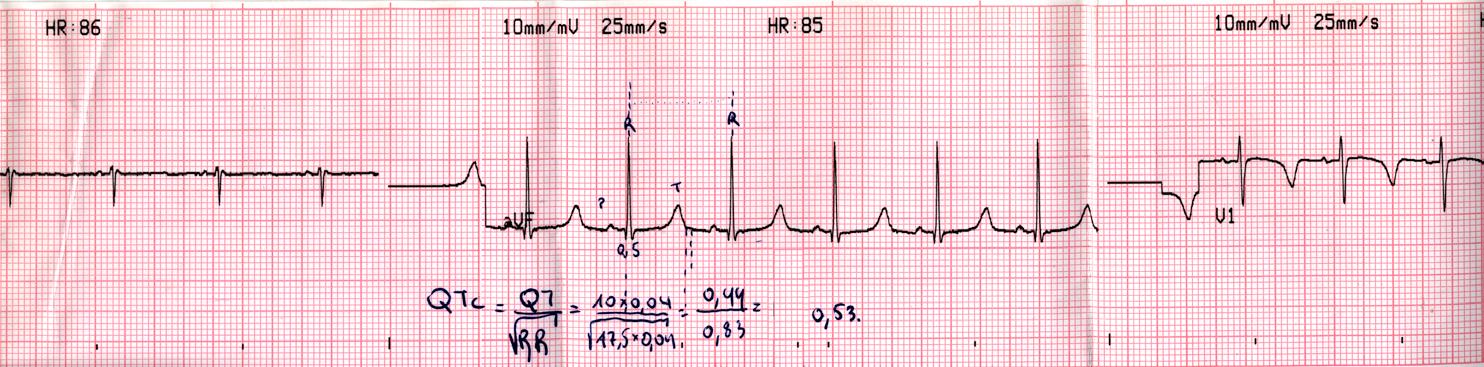
υποασβεστιαιμία (Ca 4,.mg/dl, ΦΤ: 8.4-10.2), υπομαγνησιαιμία (1.6mg/dl, ΦΤ: 1.7-2.6), αυξημένά επίπεδα CPK (1790 IU/l, ΦΤ: 20-180) και φωσφόρου (8mg/dl, ΦΤ: 3.4-6.2). Λαμβάνοντας υπόψη τα ανωτέρω τέθηκε η υποψία για υποπαραθυρεοειδισμό, η οποία επιβεβαιώθηκε με την ανεύρεση
Chvostek,
Βιβλιογραφία
1. Monis, E. L., & Mannstadt, M. (2015). Hypoparathyroidism–disease update and emerging treatments. Annales d’Endocrinologie 2015; 76: 84–88
2. Shoback D. Clinical practice. Hypoparathyroidism. N Engl J Med. 2008; 359:391–403.
3. Cusano, N. E., Rubin,M. R., Bilezikian, J. P., Silberberg, D. L., & Silberberg, D. H. Parathyroid hormone herapy for hypoparathyroidism. Best Practice & Research: Clinical Endocrinology & Metabolism 2015; 29: 47–55.
4. Matarazzo, P., Tulli,G., Fiore, L.,Mussa,A., Feyles, F., Peiretti, V.,&Lala, R. Teriparatide (rhPTH) treatment in children with syndromic hypoparathyroidism. Journal of ediatric Endocrinology and Metabolism 2014; 27: 53–59.
5. Snyder CK. Hypoparathyroidism in Children. J Pediatr Nurs. 2015;30:939-41.
6. Eom TH, Kim YH, Kim JM. Recurrent seizures, mental retardation and extensive brain calcinosis related to delayed diagnosis ofhypoparathyroidism in an adolescent boy. J Clin Neurosci. 2015;22:894-896.
7. Goswami R, Sharma R, Sreenivas V, Gupta N, Ganapathy A, Das S. Prevalence and progression of basal ganglia calcification and its pathogenic mechanism in patients with idiopathic hypoparathyroidism. Clin Endocrinol (Oxf). 2012;77:200-206.
8. Manzoor Ahmad Bhat, Bashir Ahmad Laway, and Farhat Mustafa. Bilateral basal ganglia calcification and recurrent generalized seizures as initial presentation of idiopathic hypoparathyroidism in an infant. J Pediatr Neurosci. 2015; 10: 178–180.
9. Mithal A, Menon PS, Ammini AC, Karmarkar MG, Ahuja MM. Spontaneous hypoparathyroidism: clinical, biochemical and radiological features. Indian J Pediatr. 1989;56:267-272.
w w w.e-child .gr