

Paediatriki
006
008
ΒΡΑΧΕΙΕΣ
012 ΑΝΑΣΚΟΠΗΣΕΙΣ
028
038
048
Υποβολή εργασιών e-mail: grammateia@e-child.gr
Οδηγίες
http://e-child.gr/publications/ instructions-to-authors
Iδιοκτήτης
e-mail: grammateia@e-child.gr
136
Ευρωπαϊκή Μελέτη EU.NET.ADB Α. Τσίτσικα, Ε. Ανδρή, Θ. Ψαλτοπούλου, Χ. Τζαβάρα, Θ. Σεργεντάνης, Φ. Μπακοπούλου, Μ. Πατσεάδου, C. Richardson, Γ. Χρούσος, Μ. Τσολιά
Paediatriki
Volume 78 • Number 1 • January - February - March 2015
Trimonthly publication of the Greek Paediatric Society
Contents
006
EDITORIAL
G.S. Varlamis
008
SHORT ABSTRACTS
012
REVIEW ARTICLES
Urolithiasis in childhood. Symptom or disease? Review of the literature
Maria Pavlou, Ekaterini Siomou, Nikolaos Chaliasos
028
The Safety of using melatonin in children: A review of current, international literature. Eugenia F. Laspa, Anna V. Papakonstantinou, Evangelos C. Kalogiannis, Maria Mironidou-Tzouveleki
038
Guidelines for evaluation and management of cryptorchidism
Eirini Dikaiakou, Elpis-Athina Vlachopapadopoulou, Alexandros Passalidis
048
ORIGINAL ARTICLES
Exercise Testing in monitoring lung disease among patients with cystic fibrosis Kampouras Asterios, Hatziagorou Elpis, Avramidou Vasiliki, Kontouli Kalliopi, Georgopoulou Vasiliki, Kirvassilis Fotios, Tsanakas Ioannis
058
Differential expression of extracellular matrix molecules in patients with neurofibromatosis type 1
Spyros P. Batzios, Eleni Papakonstantinou, Eleftherios Kontopoulos, Euthymia Vargiami, George Karakiulakis, Dimitrios I. Zafeiriou
President
A. Constantopoulos
Editorial board
Director
G. S. Varlamis
Members
S. Andronikou
E. Galanakis
A. Evangeliou
L. Thomaidou
M. Kanariou
A. Kapogiannis
S. Kitsiou-Tzeli
E. Mantadakis
P. Panagiotopoulou-Gartagani
A. Papadopoulou
V. Papaevagelou
A. Papathanassiou
A. Siamopoulou-Mavridou
A. Syrigou-Papavasiliou
Manuscript submission
e-mail: grammateia@e-child.gr
Instructions to authors: http://e-child.gr/publications/ instructions-to-authors
Owner Greek Paediatric Society 15, Mpakopoulou st. GR - 15451, Ν. Psychiko Tel.: +302107771140
e-mail: grammateia@e-child.gr
Annual subscription All foreign countries: US$50
070
How do children play today: Α timeless research
Dr. Panagiotis Kardaras, Niki Dedousi, Tatiana Vrettakou, Paraskevas Kilintzis, Evaggelia Farini, Maria-Eirini Vrettakou
100
Screening tests and record of metabolic syndrome in adolescents school population of western thessaloniki
Eleni P. Kotanidou, Aggeliki Kleisarchaki, Konstantina Mouzaki, Paraskevi Kokka, Ioannis Kyrgios, Iro Tsara, Efthimia Eustratiou, Anna-Bettina Haiditc, Vagia Papageorgiou, Maria Eboriadou-Petikopoulou, Assimina Galli-Tsinopoulou
110
Correlation of blood pressure and Body Mass Index (BMI) in Senior High School students
Papadopoulos Giorgos Ph.D., Tamattiri Kyriaki, Economou Alexandra, Akrita Christina, Engomiti Evdokia, Makri Antrea, Theophanous Zoe, Xatziantona Nicol, Charalambous Giorgos
122
Lung function in children with neuromuscular disorders. Experience from Thessaloniki Neuromuscular Disorders Unit
Maria Gogou, Maria Hatzistylianou, Maria Eboriadou, Evangelos Pavlou, Andreas Giannopoulos, Efterpi Pavlidou, Katerina Haidopoulou
136
Association between problematic internet use, socio-demographic variables and overweight/ obesity among European adolescents. Results from the EU NET ADB study
Artemis Tsitsika, Elisavet Andrie, Theodora Psaltopoulou, Chara Tzavara, Theodoros Sergentanis, Flora Bacopoulou, Magda Patseadou, Clive Richardson, George Chroussos, Marisa Tsolia

Παραπομπές:
1. Eliot L. What’s Going On in There? How the Brain and Mind Develop in the First Five Years of Life. New York, NY: Bantam Books; 1999. 2. UNICEF/World Health Organization. Integrating Early Childhood Development (ECD) Activities Into Nutrition Programmes in Emergencies. Why, What and How [guidance note]. 2014:1-16. 3. Hernandez-Reif M, Diego M, Field T. Preterm infants show reduced stress behaviors and activity after 5 days of massage therapy. Infant Behav Dev. 2007;30(4):557-561. 4. White-Traut RC, Schwertz D, McFarlin B, Kogan J. Salivary cortisol and behavioral state responses of healthy newborn infants to tactile-only and multisensory interventions. J Obstet Gynecol Neonatal Nurs. 2009;38:22-34. 5. Mindell JA, Telofski LS, Wiegand B, Kurtz ES. A nightly bedtime routine: impact on sleep in young children and maternal mood. Sleep. 2009;32(5):599-606. 6. White-Traut RC, Nelson MN, Silvestri JM, et al. Effect of auditory, tactile, visual, and vestibular intervention on length of stay, alertness, and feeding progression in preterm infants. Dev Med Child Neurol. 2002;44:91-97. 7. Field T, Cullen C, Largie S, Diego M, Schanberg S, Kuhn C. Lavender bath oil reduces stress and crying and enhances sleep in very young infants. Early Hum Dev. 2008;84(6):399-401. 8. Farroni T, Csibra G, Simion F, Johnson MH. Eye contact detection in humans from birth. Proc Natl Acad Sci U S A. 2002;99(14):9602-9605. 9. Herz RS. A naturalistic analysis of autobiographical memories triggered by olfactory visual and auditory stimuli. Chem Senses. 2004;29(3):217-224. 10. Sullivan RM, Toubas P. Clinical usefulness of maternal odor in newborns: soothing and feeding preparatory responses. Biol Neonate. 1998;74(6):402-408.
SHORT ABSTRACTS
Οι Τσίτσικα Α και συν. (ΚΠΑ) δημοσιεύουν
Correspondence
Maria Pavlou
Stavrou Niarhou Av. 45500, Ioannina, Greece e-mail: marpavlou@gmail.
com
Τ.
+302651099793
+302651099775
+306974075908
Urolithiasis in childhood. Symptom or disease? Review of the literature
Maria Pavlou, Ekaterini Siomou, Nikolaos Chaliasos
Abstract
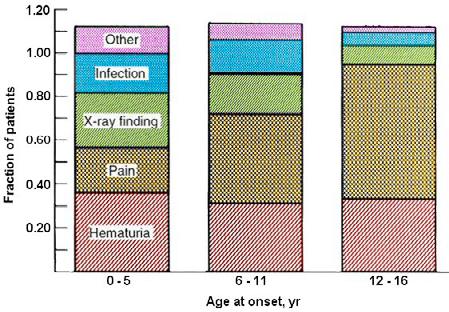
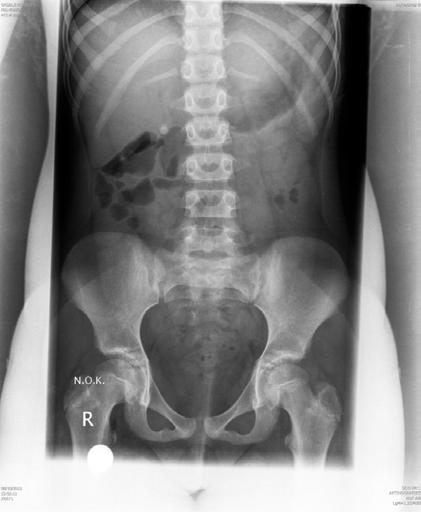
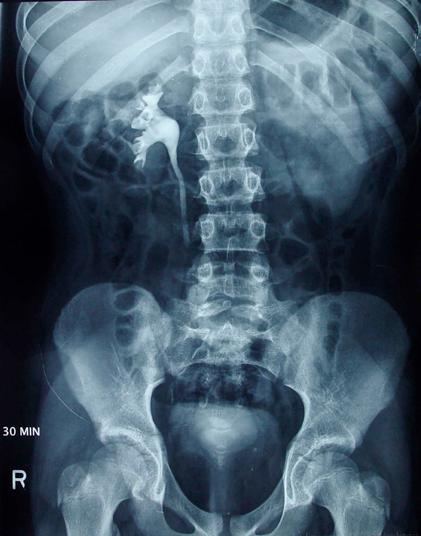
Paediatric urolithiasis is rare but recently appears with increasing rates. Genetic predisposition, environmental and socioeconomic conditions influence the incidence, composition and location of the stone forming in the urinary tract. The causes are mainly metabolic about 40-50%, urinary tract infection 20-25% and anatomical abnormalities 10-25%. Hypercalciuria, hyperoxaluria, hypocitraturia, cystinuria, hyperuricosuria are the main metabolic disorders. The clinical presentation includes abdominal pain either as a typical renal colic or atypical, haematuria, nausea or vomiting, dysuria or urgency to urinate, urinary tract infection and occasionally irritability, bedwetting, penile edema and anorexia. Ultrasound of kidney-ureter-bladder is proposed as the initial imaging examination, showing every stone of any composition, structural abnormalities and grade of possible induced obstruction of the urinary system. The plain abdominal radiograph is widely used in clinical practice, showing only radiopaque stones and does not estimate obstruction. Investigation method of choice is computed tomography with high sensitivity and specificity, but is not recommended as a routine examination because of radiation. For every child with urolithiasis, metabolic investigation for lithogenic urine factors is required such as: measuring excretion of calcium, oxalate, cystine, uric acid or crystallization inhibitors (citrate, magnesium). Analysis of the passed stone is significant. Relapses are common in children, especially in the primary forms, with serious consequences for renal function. Therapeutic intervention of the acute episode but also longtime causative treatment is necessary. Conclusively, urolithiasis in children is the symptom rather than the disease, requires thorough metabolic examination, further causative treatment and follow up to prevent new stones formation.
Keywords: urolithiasis, nephrolithiasis, hypercalciuria, hyperoxaluria, hypocitraturia, cystinuria, hyperuricosuria
Maria Pavlou
Ekaterini Siomou
Nikolaos Chaliasos
Pediatric Department, University Hospital of Ioannina
Παθοφυσιολογία
Zn και καισίου, γλυκοζαμινογλυκάνες (ηπαρίνη, υαλουρονικό
(24).
(Proteus, Klebsiella, Pseudomonas, Enterobacter, Providencia, Staphylococcus, Ureaplasma urealyticum, Enterococci, Corynebacterium urealyticum)
phosphate-apatite-carbonate).
Phenytoin, triamterene, sulfonamides, felbamate, ceftriaxone, indinavir, ciprofloxacin, guaifenesin/ ephedrine 1.
Topiramate, zonisamide, acetazolamide
2.
Uric acid
CaOx 45-65 %, (Ca2)3(PO4)2 14-30 %,
4% (15,16,40).
Μεταβολικά
Calcium. (Avner ED, Harmon WE, Niaudet P, Yoshikawa N. Textbook of Pediatric Nephrology. 6th Edition. SpringerVerlag. Berlin Heidelberg. 2009;(58).1409.)
<75mg/g cr
>0.18-0.40 mg/mg cr <0.53 mg uric acid/ dL
[=Urine uric acid (mg/ dL)x Plasma cr(mg/ dL)/Urine cr (mg/dL)]
<4mg/Kg/24h >2
<45 mg/1.73m2/24h
<0.5mmol/1.73m2/24h <60 mg/1.73m2/24h
<0.12mg/mg >1
<815mg/1.73m2/24h <88 mg/1.73m2/24h
Dent’s disease (CLCN5 mutations)
Lowe syndrome (OCRL1 mutations)
Glycogen storage disease type 1a (G6PC/glucose-6-Phosphatase)
Wilson’s disease (ATP7B)
Renal Tubular Axidosis Type I (ATP6B1, AE1 mutations, carbonic anhydrase deficiency)
Tyrosinemia type 1 (FAH/fumarylacetoacetase)
Familial hypomagnesemia-hypercalciuria ( PCLN-1/paracellin-1 or Claudin 16 mutations)
Bartter syndrome Type I →V (SLC12A1/NKCC2, KCNJ1/ROMK , CLCNKB, BSND , CaSR)
Gordon’s syndrome (WNK1, WNK4 )
Liddle’s syndrome (SCNN1B and SCNN1G )
Autosomal dominant hypocalcemia (CaSR/calcium-sensing receptor)
Familial isolated hypoparathyroidism (CaSR/calcium-sensing receptor)
MEN1 with hyperparathyroidism (Menin)
Parathyroid tumors with ossifying fibromas of the jaw (HPT-JT) (Parafibromin)
Infantile hypophosphatasia (ALPL/alkaline Phosphatase)
Metaphyseal chondrodysplasia Jansen type (PTHR)
Πολυγονιδιακές
(sAC, CaSR, VDR)
Osteogenesis imperfecta type 1 (COL1A1 και COL1A2)
McCune-Albright syndrome (GNAS1)
Hereditary hypophosphatemia with rickets and hypercalciuria (PHEX mutations/NPT2a)
Hereditary hypophosphatemia with rickets and hypercalciuria (no NPT2a mutation)
Congenital lactase deficiency (locus linked to 2q21), sucrose-isomaltase (SI)
Glucose/galactose malabsorption ( SLC5A1)
Blue diaper syndrome (possibly SLC16A10/T-)
Williams–Beuren syndrome (ELN, LIMK1, RFC2)
Cystic fibrosis ( CFTR)
β-Thalassemia ( HBB/-globin)
Beckwith-Wiedemann syndrome (p57(KIP2)- NSD1- H19 gene
Phenylketonuria (PKU1/phenylalanine hydroxylase)
Orlistat, ↑ VitC
Ethylene glycol
Πρωτοπαθής υπεροξαλουρία I AGXT alanine-glyoxylate-aminotransferase Πρωτοπαθής
II GRHPR glyoxylate-reductase/hydroxypyruvatereductase
Πρωτοπαθής
III HOGA1
DHDPSL 4-hydroxy-2-oxoglutarate-aldolase
Cre, Ca, Na, P, Ox,
Oxalobacter
Βιβλιογραφία
1. Habbig S, Beck BB and Hoppe B. Nephrocalcinosis and urolithiasis in children Kidney International. 2011;80:1278–1291.
2. Novak TE, Lakshmanan Y, Trock BJ, Gearhart JP, and Matlaga BR. Sex Prevalence of Pediatric Kidney Stone Disease in the United States: An Epidemiologic Investigation. Pediatric Urology. 2009;74:104–108.
3. Sas DJ, Hulsey TC, Shatat IF, Orak JK. Increasing incidence of kidney stones in children evaluated in the emergency department. J Pediatr. 2010 Jul;157(1):132-137.
4. Palmer JS, Donaher ER, O’riordan MA, et al. Diagnosis of pediatric urolithiasis: role of ultrasound and computerized tomography. J Urol. 2005;174:1413–1416.
5. Rizvi SA, Naqvi SA, Hussain Z, Hashmi A, Hussain M, Zafar MN, et al. Pediatric urolithiasis: developing nation perspectives. J Urol. 2002 Oct;168(4):1522-1525.
6. Asper R. Epidemiology and socioeconomic aspects of urolithiasis. Urol Res. 1984;12:1-5.
7. Coe FL, Evan A, Worcester E. Kidney stone disease. J Clin Invest. 2005;115: 2598–2608.
8. Edvardsson V, Elidottir H, Indridason OS, Palsson R. High incidence of kidney stones in Icelandic children. Pediatr Nephrol. 2005 Jul;20(7):940-944.
9. Routh JC, Graham DA and Nelson CP: Epidemiological Trends in Pediatric Urolithiasis at United States Freestanding Pediatric Hospitals. J of Urology. 2010;184:1100-1104.
10. Hesse A. Reliable data from diverse regions of the world exist to show that there has been a steady increase in the prevalence of urolithiasis. World J Urol. 2005 Nov;23(5):302-303.
11. Sas DJ. An update on the changing epidemiology and metabolic risk factors in pediatric kidney stone disease. Clin J Am Soc Nephrol. 2011 Aug; 6(8):2062-2068. Eisner B.H., Eisenberg, M.L. and Stoller, M.L. Influence of body mass index onquantitative 24-hour urine chemistry studies in children with nephrolithiasis. J Urol. 2009;182:1142-1145.
12. Shi L., Berkemeyer S., Buyken, A.E., Maser-Gluth, C. and Remer, T. Glucocorticoids and body fat associated with renal uric acid and oxalate, but not calcium excretion, in healthy children. Metabolism. 2010;59:134-139.
13. Kieran K, Giel DW, Morris BJ, Wan JY, Tidwell CD, Giem A, et al. Pediatric urolithiasis-does body mass index influence stone presentation and treatment? J Urol. 2010 Oct;184(4 Suppl):1810-1815.
14. Douglass B. Clayton and John C. Pope IV. The increasing pediatric stone disease problem. Ther Adv Urol. 2011;3(1):3-12.
15. Milliner DS, Murphy ME. Urolithiasis in pediatric patients. Mayo Clin Proc. 1993;68:241–
248.
16. Coward RJM, Peters CJ, Duffy PG, Corry D, Kellett MJ, Choong S, et al. Epidemiology of paediatric renal stone disease in the UK. Arch Dis Child. 2003;88:962–965.
17. Pietrow PK, Pope JC 4th, Adams MC, Shyr Y, Brock JW 3rd. Clinical outcome of pediatric stone disease. J Urol. 2002 Feb;167(2):670-673.
18. Randall R. Papillary pathology as precursor of primary renal calculus. Journal of Urology. 1940;44:580–589.
19. Coe FL, Evan AP, Worcester EM, and Lingeman JE. Three pathways for human kidney stone formation. Urol Res. 2010 June;38(3):147–160.
20. Marangella M., Bagnis C., Bruno M., Vitale C., Petrarulo M., Ramello A. Crystallization Inhibitors in the Pathophysiology and Treatment of Nephrolithiasis. Urol Int. 2004;72(suppl1):6–10.
21. Khan SR, Glenton PA, Backov R, Talham DR. Presence of lipids in urine, crystals and stones: implications for the formation of kidney stones. Kidney Int. 2002 Dec;62(6):2062-2072.
22. Geider S, Dussol B, Nitsche S, Veesler S, Berthézène P, Dupuy P, et al. Calcium carbonate crystals promote calcium oxalate crystallization by heterogeneous or epitaxial nucleation: possible involvement in the control of urinary lithogenesis. Calcif Tissue Int. 1996 Jul;59(1):33-37.
23. Copelovitch L. Urolithiasis in children: medical approach. Pediatr Clin North Am. 2012 Aug;59(4):881-896.
24. Du Toit PJ, van Aswegen CH, Nel JA, Steyn PL, Ligthelm AJ, du Plessis DJ. In vivo effects of urease-producing bacteria involved with the pathogenesis of infection-induced urolithiasis on renal urokinase and sialidase activity. Urol Res. 1995;23(5):335-338.
25. Jong Kil Nam, Sung Woo Park, Sang Don Lee, and Moon Kee Chung. Xanthogranulomatous Pyelonephritis in Korean Children. Yonsei Med J. 2012;53(6):1159-1164.
26. Zugor V, Schott GE and Labanaris AP. Xanthogranulomatous Pyelonephritis in Childhood: A Critical Analysis of 10 Cases and of the Literature. Urol. 2007;70:157–160.
27. Husmann DA, Milliner DS, Segura JW. Ureteropelvic Junction Obstruction with a Simultaneous Renal Calculus: Long-Term Followup. The Journal of Urology. 1995 May; 153(5):1399–1402.
28. Osther PJ, Mathiasen H, Hansen AB, Nissen HM. Urinary acidification and urinary excretion of calcium and citrate in women with bilateral medullary sponge kidney. Urol Int. 1994;52(3):126-130.
29. Fontaine E, Gagnadoux MF, Niaudet P, Broyer M, Beurton D. Renal transplantation in children with augmentation cystoplasty: long-term results. J Urol. 1998 Jun;159(6):2110-2113.
30. Daudon M, Jungers P. Drug-induced renal calculi: epidemiology, prevention and management. Drugs 2004;64(3):245-275.
31. Mohkam M, Karimi A, Gharib A, Daneshmand H, Khatami A, Ghojevand N, et al. Ceftriaxone associated nephrolithiasis: a prospective study in 284 children. Pediatr Nephrol. 2007;22:690–694.
32. Matlaga BR, Shah OD, Assimos DG. Drug-Induced Urinary Calculi. Rev Urol. 2003;5(4):227-231.
33. Trinchieri A. Epidemiology of urolithiasis: an update. Clinical Cases in Mineral and Bone Metabolism. 2008;5(2):101-106.
34. Sampath A, Kossoff EH, Furth SL, Pyzik PL, Vining EP. Kidney stones and the ketogenic diet: risk factors and prevention. J Child Neurol. 2007 Apr;22(4):375-378.
35. Report on the treatment of children suffering from melamine-tainted milk formula, the Ministry of Health of the People’s Republic of China. 2008 21 September. Available at: http://www. moh.gov.cn/publicfiles/business/htmlfiles/mohbgt/s3582/200809/37957.htm
36. Preliminary fact sheet concerning Urinary stone relating to Melamine-tainted milk formula in children, the Ministry of Health of the People’s Republic of China. 2008 12 September. Available at: http://www.moh.gov.cn/publicfiles/business/htmlfiles/mohbgt/s3582/200809/37783. htm
37. Siener R, Petzold J, Bitterlich N, Alteheld B, Metzner C. Determinants of urolithiasis in patients with intestinal fat malabsorption. Urology. 2013 Jan;81(1):17-24.
38. Hoppe B, Hesse A, Brömme S, Rietschel E, Michalk D. Urinary excretion substances in
patients with cystic fibrosis: risk of urolithiasis? Pediatr Nephrol. 1998 May;12(4):275-279.
39. Milliner DS. Calculi. In: Kaplan BS, Meyers KEC (eds). Pediatric nephrology and urology. Elsevier. Mosby. 2004. p 361–373.
40. Stapleton FB, McKay CP, Noe HN. Urolithiasis in children: the role of hypercalciuria. Pediatr Ann 1987;16:980-981,984-992.
41. Gürgöze MK & Sarı MY. Results of medical treatment and metabolic risk factors in children with urolithiasis. Pediatr. Nephrol. 2011;26:933–937.
42. Avner ED, Harmon WE, Niaudet P, Yoshikawa N. Textbook of Pediatric Nephrology. 6th Edition. Springer Verlag. Berlin Heidelberg. 2009;(58).1409.
43. Srivastava T & Alon US. Pathophysiology of hypercalciuria in children. Pediatr Nephrol (2007) 22:1659–1673.
44. Pak CY, Kaplan R, Bone H, Townsend J, Waters O. A simple test for the diagnosis of absorptive, resorptive and renal hypercalciurias. N Engl J Med. 1975 Mar 6;292(10):497-500.
45. Aladjem M, Barr J, Lahat E, Bistritzer T. Renal and absorptive hypercalciuria: a metabolic disturbance with varying and interchanging modes of expression. Pediatrics 1996 Feb;97(2):216219.
46. Albright F, Henneman PH, Benedict PH, Forbes AP. Idiopathic hypercalciuria. A preliminary report. Proc Roy Soc Med. 1953;46:1077–1081.
47. Vezzoli G, Soldati L and Gambaro G. Update on Primary Hypercalciuria From a Genetic Perspective. The J of Urol. May 2008;179:1676-1682.
48. Moe OW, Bonny O. Genetic hypercalciuria. J Am Soc Nephrol. 2005 Mar;16(3):729-745.
49. Holmes R, Goodman H and Assimos D. Contribution of dietary oxalate to urinary oxalate excretion. Kidney International, 2001;59:270–276.
50. Siva S, Barrack ER, Reddy GP, Thamilselvan V, Thamilselvan S, Menon M, et al. A critical analysis of the role of gut Oxalobacter formigenes in oxalate stone disease. BJU Int. 2009 Jan;103(1):18-21.
51. Hoppe B, von Unruh G, Laube N, Hesse A, Sidhu H. Oxalate degrading bacteria: new treatment option for patients with primary and secondary hyperoxaluria? Urol Res. 2005 Nov;33(5):372-375.
52. Monico C, Rossetti S, Belostotsky R, Cogal A, Herges R, Seide B,et al. Primary Hyperoxaluria Type III Gene HOGA1 (Formerly DHDPSL) as a Possible Risk Factor for Idiopathic Calcium Oxalate Urolithiasis. Clin J Am Soc Nephrol. 2011 September;6(9):2289-2295.
53. Salido Ε, Pey Α, Rodriguez R, Lorenzo V. Primary hyperoxalurias: Disorders of glyoxylate detoxification. Biochimica et Biophysica Acta. 2012 Sept;1822(9):1453–1464.
54. Eggermann T, Venghaus A, Zerres K. Cystinuria: an inborn cause of urolithiasis. Orphanet J Rare Dis. 2012 Apr;7:19-30.
55. Tekin A, Tekgul S, Atsu N, Sahin A, Ozen H, Bakkaloglu M. A study of the etiology of idiopathic calcium urolithiasis in children: hypocitruria is the most important risk factor. J Urol. 2000 Jul;164(1):162-165.
56. Polito C, La Manna A, Signoriello G, Marte A. Recurrent abdominal pain in childhood urolithiasis. Pediatrics. 2009;124(6):1088-1094.
57. Alpay H, Ozen A, Gokce I & Biyikli N. Clinical and metabolic features of urolithiasis and microlithiasis in children. Pediatr Nephrol. 2009;24:2203–2209.
58. Hoppe Β & Kemper MJ. Diagnostic examination of the child with urolithiasis or nephrocalcinosis. Pediatr Nephrol. 2010;25:403-413.
59. Türk C. (chairman), Knoll T. (vice-chairman), Petrik A., Sarica K., Straub M., Seitz C. Guidelines on Urolithiasis. European Association of Urology. 2012;5:21-22.
60. Moş C, Holt G, Iuhasz S, Moş D, Teodor I, Hălbac M. The sensitivity of transabdominal ultrasound in the diagnosis of ureterolithiasis. Med Ultrason. 2010 Sep;12(3):188-197.
61. Borghi L, Meschi T, Amato F, et al. Urinary volume, water and recurrences in idiopathic calcium nephrolithiasis: a 5-year randomized prospective study. J Urol. 1996;155(3):839-843.
62. Mokhless I, Zahran AR, Youssif M, et al. Tamsulosin for the management of distal ureteral stones in children: a prospective randomized study. J Pediatr Urol. 2012 Oct;8(5):544-548.
63. Miller OF, Kane CJ. Time to stone passage for observed ureteral calculi: a guide for patient education. J Urol 1999 Sep;162(3):688-691.
64. Caione P, Matarazzo E, Battaglia S. Stone treatment in children: where we are today? Arch Ital Urol Androl. 2010 Mar;82(1):45-48.
65. Srivastava T and Schwaderer A. Diagnosis and management of hypercalciuria in children. Current Opinion in Pediatrics 2009;21:214–219.
66. Bobrowski AE, Langman CB. The primary hyperoxalurias. Semin Nephrol. 2008 Mar;28(2):152-162.
67. Alon US. Medical treatment of pediatric urolithiasis. Pediatr Nephrol. 2009;24:2129-2135.
68. Siener R, Hesse A. Fluid intake and epidemiology of urolithiasis. Eur J Clin Nutr. 2003 Dec;57 (Suppl 2):47-51.
Correspondence
Eugenia Laspa
37, Konstantinou Karpou str, 50500, Servia, Kozani, Greece
e-mail: eugenialaspa@ gmail.com
T. +306978307900
The Safety of using melatonin in children: A review of current, international literature
Eugenia F. Laspa, Anna V. Papakonstantinou, Evangelos C. Kalogiannis, Maria Mironidou-Tzouveleki
Abstract
With the present review we seek to clarify the use of melatonin during childhood and the risks associated with its administration. Melatonin is a hormone secreted by the pineal gland. It is a primary circadian pacemaker, and it may induce sleep during the day. Its secretion is suppressed by light. It is currently used for the treatment of sleep disorders in both healthy children and in those with neurodevelopmental disorders as well. Its administration is quite frequent among the pediatric population as it seems to have a low toxicity index and a large therapeutic “window”. However, there are no clear clinical guidelines on its safety and in particular on its long-term effects. Throughout a search in medical databases, it was found that melatonin can cause morning drowsiness, dizziness, diarrhea, tachycardia, hypothermia, headache and increased enuresis. Its effect on the reproductive system is still under investigation. Nonetheless, according to studies in laboratory animals, it is shown to induce changes in pubertal development and seasonal reproduction. In addition, taking into account the anti-inflammatory, antioxidant and neuroprotective effects, the need to investigate its impact on every system of the human body is immediate. In conclusion, the existing data are still inadequate concerning the indications of administration of melatonin in children, the dose and the duration of treatment, the age of administration and the long-term side effects. Future studies should focus on the optimal regimen and the possible side effects due to long-term use.
Keywords: melatonin, children, safety issues, DLMO
Eugenia F. Laspa
Evangelos C. Kalogiannis Medical Doctor, Aristotle University of Thessaloniki
Anna V. Papakonstantinou Medical Doctor, Postgraduate Student, Aristotle University of Thessaloniki
Maria Mironidou-Tzouveleki
Anesthesiologist, Professor of Pharmacology, A’ Laboratory of Pharmacology, Medical School, Aristotle University of Thessaloniki, Greece
DLMO:
Oliviero Bruni, Daniel Alonso-Alconada, Frank Besag, Valerie Biran, Wiebe Braam, Samuele Cortese et al. Current role of melatonin in pediatric neurology: Clinical recommendations. Eur J Paediatr Neurol. 2015 Mar;19(2):122-133
Βιβλιογραφία
1. Melatonin for medical treatment of childhood insomnias. In: SorientoYE editor. Melatonin, sleep and insomnia, endocrinology research and clinical developments series. New York: Nova Science Publishers, Inc; 2010. p. 291-302.
2. Lerner AB, Case JD, Takshashi Y. Isolation of melatonin, the pineal gland factor that lightens melanocytes. J Am Chem Soc 1958;80:2587.
3. Cornal S, Ochoa-Sanchez R, Gobbi G. Sleep-wake characterization of double MT1/MT2 receptor knockout mice and comparison with MT1 and MT2 receptor knockout mice. Behav Brain Res 2013;243:231-8.
4. Wehr TA. The durations of human melatonin secretion and sleep respond to changes in daylength (photoperiod). J. Clin. Endocrinol. Metab. 1991; 73: 1276–80.
5. Rang HP, Dale MM, Ritter JM, Moore PK. Φαρμακολογία. 5η έκδοση. Αθήνα: Επιστημονικές
Παρισιάνου ΑΕ; 2007. σελ 591.
6. Tauman R, Zisapel N, Laudon M, Nehama H, Sivan Y. Melatonin production in infants. Pediatr Neurol 2002;26:379-82.
7. Merchant NM, Azzopardi DV, Hawwa AF et al. Pharmacokinetics of melatonin in preterm infants. Br. J. Clin. Pharmacol. 2013;76:725–33.
8. Hartmann L, Roger M, Lemaitre BJ, Massias JF, Chaussain JL. Plasma and urinary melatonin in male infants during the first 12 months of life. Clin Chimica Acta Int J Clin Chem 1982;121:37-42.
9. Waldhauser F, Weiszenbacher G, Frisch H, et al. Fall in nocturnal serum melatonin during prepuberty and pubescence. Lancet 1984;1:362-5.
10. Isic B, Baygin O, Bodur H. Premedication with melatonin vs. midazolam in anxious children. Paediatr. Anaesth. 2008;18:635-641.
11. David J Kennaway. Potential safety issues in the use of the hormone melatonin in paediatrics. J Paediatr Child Health. 2015 Feb;51(2):1-6.
12. Lucia Marseglia, Gabriella D’Angelo, Sara Manti, Salvatore Aversa, Teresa Arrigo , Russel J. Reiter et al. Analgesic, Anxiolytic and Anaesthetic Effects of Melatonin: New Potential Uses in Pediatrics. Int J Mol Sci. 2015 Jan;16(1):1209-20.
13. Jan JE, O’Donnell ME: Use of melatonin in the treatment of paediatric sleep disorders. J Pineal Res 1996;21:193-199
14.
2010;28:39-50.
15. Shinohara H, Kodama H. Relationship between circadian salivary melatonin levels and sleep-wake behavior in infants. Pediatr Int off J Jpn Pediatr Soc 2011;53:29-35.
16. Keijzer H, Smits MG, Duffy JF, Curfs LMG. Why the dim light melatonin onset (DLMO) should be measured before treatment of patients with circadian rhythm sleep disorders. Sleep Med. Rev. 2014; 18:333–9.
17. Simpkin CT, Jenni OG, Carskadon MA et al. Chronotype is associated with the timing of the circadian clock and sleep in toddlers. J. Sleep Res. 2014;23: 397–405.
18. Burgess HJ, Revell VL, Molina TA, Eastman CI. Human phase response curves to three days of daily melatonin: 0.5 mg versus 3.0 mg. J Clin Endocrinol Metab 2010;95:3325-31.
19. Waldhauser F, Weiszenbacher G, Frisch H, et al. Fall in nocturnal serum melatonin during prepuberty and pubescence. Lancet 1984;1:362-5.
20. Heussler H, Chan P, Price AM, et al. Pharmacological and non-pharmacological management of sleep disturbance inchildren: an Australian paediatric research network survey. Sleep Med 2013;14:189-94.
21. Oliviero Bruni, Daniel Alonso-Alconada, Frank Besag, Valerie Biran, Wiebe Braam, Samuele Cortese et al. Current role of melatonin in pediatric neurology: Clinical recommendations. Eur J Paediatr Neurol. 2015 Mar;19(2):122-133
22. Milstein V, Small JG, Spenser DW. Melatoning for sleep EEG. Clin Electroenceph 1998;29:49-53.
23. Sander J, Shamdeen MG, Gottschling S, et al. Melatonin does not influence sleep deprivation electroencephalogram recordings in children. Eur J Pediatr 2012;171:675-9.
24. Ashrafi MR, Mohammadi M, Tafarroji J, et al. Melatonin versus chloral hydrate for recording sleep EEG. Eur J Paediatr Neurol EJPN Off J Eur Paediatr Neurol Soc 2010;14:235-8.
25. Wassmer E, Carter PF, Quinn E, et al. Melatonin is useful for recording sleep EEGs: a prospective audit of outcome. Dev Med Child Neurol 2001;43:735-8.
26. Johnson K, Page A, Williams H, Wassere E, Whitehouse W. The use of melatonin as an alternative to sedation in uncooperative children undergoing an MRI examination. Clin Radiol 2002;57:502-506.
27. Wassmer E, Quinn E, Whitehouse W, Johnson K, Seri S. Melatonin as a sleep inductor for electroencephalogram recording in children. Clin Neurophysiol 2001;112:683-685.
28. Yu-Chieh Chen, You-Lin Tain, Jiunn-Ming Sheen, Li-Tung Huang. Melatonin utility in neonates and children. J Formos Med Assoc. 2012 Feb; 111(2):57-66.
29. Gringras P, Gamble C, Jones AP, et al. Melatonin for sleep problems in children with neurodevelopmental disorders: randomised double masked placebo controlled trial. BMJ 2012;345:6664.
30. Wasdell MB, Jan JE, Bomben MM, et al. A randomized, placebo-controlled trial of controlled release melatonin treatment of delayed sleep phase syndrome and impaired sleep maintenance in children with neurodevelopmental disabilities. J Pineal Res 2008;44:57-64.
31. Carrillo-Vico A, Reiter RJ, Lardone PJ, et al. The modulatory role of melatonin on immune responsiveness. Curr Opin Investig Drugs 2006;7:423-31.
32. Ray CA. Melatonin attenuates the sympathetic nerve responses to orthostatic stress in humans. J Physiol 2003;551:1043-8.
33. Wurtman RJ, Axelrod J, Chu EW. Melatonin, a pineal substance: effect on the rat ovary.
Science 1963;141:277–8.
34. Voordouw BC, Euser R, Verdonk RE et al. Melatonin and melatonin-progestin combinations alter pituitary-ovarian function in women and can inhibit ovulation. J Clin Endocrinol Metab 1992; 74:108–17.
35. Tamura H, Takasaki A, Taketani T et al. Melatonin and female reproduction. J Obstet Gynaecol Res 2014; 40:1–11.
36. Damiani JM, Sweet BV, Sohoni P. Melatonin: an option for managing sleep disorders in children with autism spectrum disorder. Am J Health-Syst Pharm AJHP Off J Am Soc HealthSys Pharm 2014;71:95-101.
37. Skene DJ, Bojkowski CJ, Arendt J. Comparison of the effects of acute fluvoxamine and desipramine administration on melatonin and cortisol production in humans. Br. J. Clin. Pharmacol. 1994;37:181–6.
38. Huuhka K, Riutta A, Haataja R, Ylitalo P, Leinonen E. The effect of CYP2C19 substrate on the metabolism of melatonin in the elderly: a randomized, double-blind, placebo controlled study. Methods Find. Exp. Clin. Pharmacol. 2006;28:447–50.
39. Hartter S, Nordmark A, Rose D-M, Bertilsson L, Tybring G, Laine K. Effects of caffeine intake on the pharmacokinetics of melatonin, a probe drug for CYP1A2 activity. Br. J. Clin. Pharmacol. 2003;56:679–82.
40. European Medicines Agency [Internet]. London, United Kingdom: European Medicines Agency; 2015 [cited June 8th, 2015]; available from: http://www.ema.europa.eu/ ema/index.jsp?curl=pages/medicines/human/medicines/000695/human _med_000701. jsp&mid=WC0b01ac058001d124
41. Hoebert M, van der Heijden KB, van Geijlswijk IM, Smits MG. Long-term follow-up of melatonin treatment in children with ADHD and chronic sleep onset insomnia. J Pineal Res. 2009;47:1–7.
42. Carr R, Wasdell MB, Hamilton D et al. Long-term effectiveness outcome of melatonin therapy in children with treatment-resistant circadian rhythm sleep disorders. J. Pineal Res. 2007;43:351–9.
43. Jan JE, Freeman RD. Melatonin therapy for circadian rhythm sleep disorders in children with multiple disabilities: what have we learned in the last decade? Dev. Med. Child Neurol. 2004;46:776–82.
44. European Medicines Agency [Internet]. London, United Kingdom: European Medicines Agency; 2015 [cited June 8th, 2015]; available from: http://www.ema.europa.eu/ema/index.jsp?curl=pages/medicines/hum an/medicines/000915/ human_med_001123.jsp&mid=WC0b01ac058001d124


Correspondence
Elpis-Athina Vlachopapadopoulou
e-mail: elpis.vl@gmail. com
Τ.: +302132009851
Κ.: +306932247228
Guidelines for evaluation and management of cryptorchidism
Eirini Dikaiakou, Elpis-Athina Vlachopapadopoulou, Alexandros Passalidis
Summary
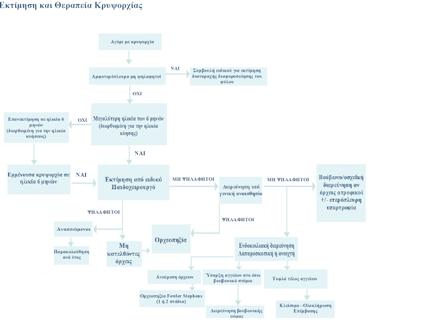
Cryptorchidism or undescended testis is the most common congenital abnormality of the genitourinary tract in newborn boys. Recent studies describe rates up to 3% approximately among full term boys. Men with a history of undescended testis have an increased risk of developing testicular cancer and subfertility compared with men in the general population. This article presents an overview of recent published literature, in order to inform physicians who treat these children about physical exam and evaluation of the boy with cryptorchidism as well as the treatment options. According to the American Urological Association (ΑUA) recent guidelines, providers should not perform ultrasound in the evaluation of boys with cryptorchidism prior to referral. Boys who do not have spontaneous testicular descent by six month should be referred to a surgical specialist for evaluation, while all phenotypic male newborns with bilateral, nonpalpable testes should immediately consult an appropriate specialist. Surgical treatment (orchiopexy) for undescended testes is recommended as the gold standard therapy to place undescended testes in a normal scrotal position or to remove nonviable testicular remnants. Hormonal therapy has been tried before surgery, but has not proven to be efficacious in inducing testicular descent and is no longer recommended. If performed sufficiently early, surgical correction appears to reduce the risk of subfertility and testicular cancer but does not completely eliminate it. Therefore, appropriate follow up for the patient is very significant. In addition, boys who have undergone treatment for undescended testes should be taught how to perform monthly testicular self-examination during adolescence.
Keywords: Cryptorchidism; orchiopexy; hormones; subfertility; malignancy; testis
Eirini Dikaiakou
Elpis-Athina Vlachopapadopoulou
Endocrinology - Growth and Development, Aglaia Kyriakou Children’s Hospital
Alexandros Passalidis 2nd Pediatric Surgery Clinic, Aglaia Kyriakou Children’s Hospital
Testicular Determining Factor (TDF)
Sex Determining Region of the Y chromosome (SRY)
Prader-Willi,
Laurence-Moon, 6)
Beckwith-Wiedemann, Smith-Lemli-Opitz, Cornelia de Lange syndrome,
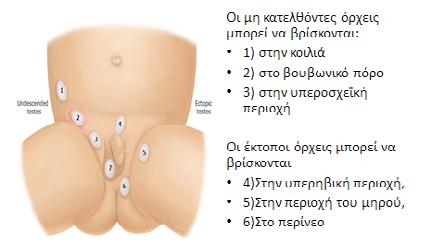
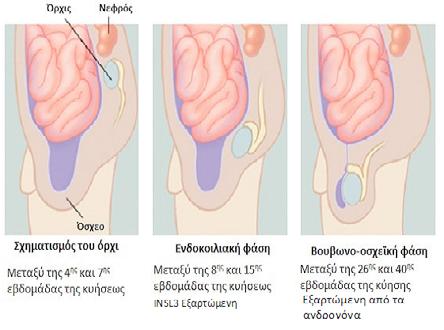
Συντομογραφίες:
AUA: American Urological Association
MIF: Mullerian inhibiting factor
TDF: Testicular Determinind Factor
SRY : Sex Determininig Region of the Y chromosome
INSL-3 : Insulin like 3
AMH: AntimullerianHormone
SGA : Small for Gestational Age
hCG: Human horionic gonadotropin
LH : Luteinizing hormone
FSH: Follicle stimulating hormone
ACTH: Adrenocorticotropic hormone
LHRH : Luteinizing hormone-releasing hormone
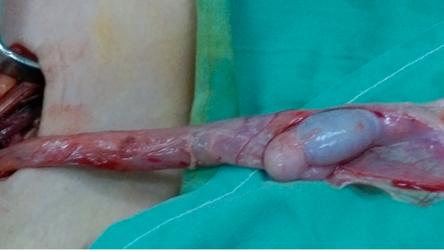
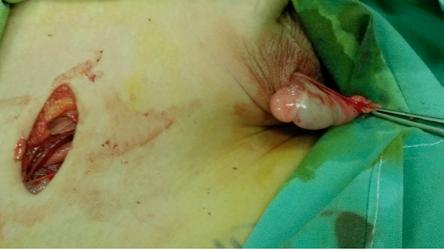
Βιβλιογραφία
1. Wood HM, Elder JS. Cryptorchidism and testicular cancer: separating fact from fiction. J Urol. 2009 Feb; 181(2):452-61. Epub 2008 Dec 13.
2. Pillai SB, Besner GE. Pediatric testicular problems. Pediatr Clin North Am. 1998; 45(4):813.
3. Wenzler DL, Bloom DA, Park JM. What is the rate of spontaneous testicular descent in infants with cryptorchidism? J Urol. 2004; 171(2 Pt 1):849.
4. Docimo SG. Testicular descent and ascent in the first year of life. Urology. 1996; 48(3):458.
5. Schiffer KA, Kogan SJ, Reda EF, Levitt SB. Acquired undescended testes. J Dis Child. 1987; 141(1):106.
6. Gracia J, Navarro E, Guirado F, Pueyo C, Ferrández A. Spontaneous ascent of the testis. Br J Urol. 1997; 79(1):113.
7. Hack WW, Meijer RW, Van Der Voort-Doedens LM, Bos SD, De Kok ME. Previous testicular position in boys referred for an undescended testis: further explanation of the late orchidopexy enigma? BJU Int. 2003; 92(3):293.
8. Keys C, Heloury Y. Retractile testes: a review of the current literature. Pediatr Urol. 2012 Feb; 8(1):2-6. Epub 2011 Apr 16.
9. Larsen WJ. Human embryology. 3rd ed. Philadelphia: Churchill Livingstone, 2001.
10. Quigley CA. Genetic basis of gonadal and genital development. In: DeGroot L. J., Jameson J. L. Endocrinology. 5th ed. Philadelphia: Elsevier Saunders, 2006.
11. Cortes D. Cryptorchidism–aspects of pathogenesis, histology and treatment. Scand J Urol Nephrol Suppl 1998; 196: 1–54.
12. Hutson JM, Hasthorpe S. Abnormalities of testicular descent. Cell Tissue Res 2005; 322: 155–8.
13. Adham IM, Agoulnik AI. Insulin-like 3 signalling in testicular descent. Int J Androl 2004; 27: 257–65.
14. Klonisch T, Fowler PA, Hombach-Klonisch S. Molecular and genetic regulation of testis
descent and external genitalia development. Dev Biol 2004; 270: 1–18.
15. Barthold JS, González R. The epidemiology of congenital cryptorchidism, testicular ascent and orchiopexy. J Urol. 2003; 170(6 Pt 1):2396.
16. Virtanen HE, Bjerknes R, Cortes D, Jørgensen N, Rajpert-De Meyts E, et al. Cryptorchidism: classification, prevalence and long-term consequences. Acta Paediatr. 2007 May;96(5):6116
17. Berkowitz GS, Lapinski RH, Dolgin SE, Gazella JG, Bodian CA, Holzman IR. Prevalence and natural history of cryptorchidism. Pediatrics. 1993; 92(1):44.
18. Ritzén EM, Kollin C. Management of undescended testes: how and when? Pediatr Endocrinol Rev. 2009 Sep; 7(1):32-7.
19. Boyd HA, Myrup C, Wohlfahrt J, Westergaard T, Nørgaard-Pedersen B, Melbye M. Maternal serum alpha-fetoprotein level during pregnancy and isolated cryptorchidism in male offspring. Am J Epidemiol. 2006 Sep; 164(5):478-86. Epub 2006 Jun 21.
20. Nah SA, Yeo CS, How GY, Allen JC Jr, Lakshmi NK, Yap TL et al. Undescended testis: 513 patients’ characteristics, age at orchidopexy and patterns of referral. Arch Dis Child. 2014 May; 99(5):401-6. Epub 2013 Nov 13.
21. Kolon TF, Herndon CD, Baker LA, Baskin LS, Baxter CG, Cheng EY, et al. Evaluation and treatment of cryptorchidism: AUA guideline. J Urol. 2014; 192(2):337.
22. Cortes D, Thorup J, Petersen BL. Testicular histology in cryptorchid boys - aspects of fertility. J Ped Surg Special 2006; 1: 34–7.
23. Martínez-Frías ML, Bermejo E, Rodríguez-Pinilla E. Anal atresia, vertebral, genital, and urinary tract anomalies: a primary polytopic developmental field defect identified through an epidemiological analysis of associations. Am J Med Genet. 2000 Nov; 95(2):169-73.
24. Kaefer M, Diamond D, Hendren WH, Vemulapalli S, Bauer SB, Peters CA et al. The incidence of intersexuality in children with cryptorchidism and hypospadias: stratification based on gonadal palpability and meatal position. J Urol. 1999;162(3 Pt 2):1003
25. Tasian GE, Zaid H, Cabana MD, Baskin LS. Proximal hypospadias and risk of acquired cryptorchidism. J Urol. 2010; 184(2):715.
26. Ferlin A, Zuccarello D, Zuccarello B, Chirico MR, Zanon GF, Foresta C. Genetic alterations associated with cryptorchidism. JAMA. 2008; 300(19):2271.
27. Foresta C, Zuccarello D, Garolla A, Ferlin A. Role of hormones, genes, and environment in human cryptorchidism. Endocr Rev. 2008 Aug; 29(5):560-80. Epub 2008 Aug 4.
28. Smolko MJ, Kaplan GW and Brock WA: Locationand fate of the nonpalpable testis in children. J Urol 1983; 129: 1204.
29. Denes FT, Saito FJ, Silva FA et al: Laparoscopic diagnosis and treatment of nonpalpable testis. Int Braz J Urol 2008; 34: 329.
30. Bright Futures/American Academy of Pediatrics: Recommendations for preventative pediatric health care. 2014.
31. Surgical Advisory Panel: Referral to pediatric surgical specialists. Pediatrics 2014; 133: 350.
32. Barthold JS and Gonzalez R: The epidemiology of congenital cryptorchidism, testicular ascent and orchiopexy. J Urol 2003; 170: 2396.
33. White PC: Neonatal screening for congenital adrenal hyperplasia. Nat Rev Endocrinol 2009; 5: 490.
34. Tasian GE and Copp HL: Diagnostic performanceμof ultrasound in nonpalpable cryptorchidism: a systematic review and meta-analysis. Pediatrics 2011; 127: 119.
35. Kanemoto K, Hayashi Y, Kojima Y et al: Accuracy of ultrasonography and magnetic resonance imaging in the diagnosis of non-palpable testis. Int J Urol 2005; 12: 668.
36. Boisen KA, Kaleva M, Main KM et al: Difference in prevalence of congenital cryptorchidism in infants between two Nordic countries. Lancet 2004; 363: 1264.
37. Brauner R, Neve M, Allali S et al: Clinical, biological and genetic analysis of anorchia in 26 boys. PloS one 2011; 6: e23292.
38. Miller KD, Coughlin MT and Lee PA: Fertility after unilateral cryptorchidism. Paternity, time to conception, pretreatment testicular location and size, hormone and sperm parameters. Horm Res 2001; 55: 249.
39. McAleer IM, Packer MG, Kaplan GW et al: Fertility index analysis in cryptorchidism. J
Urol 1995; 153: 1255.
40. Chandrasekharam VV: Laparoscopy vs inguinal exploration for nonpalpable undescended testis. Indian J Pediatr 2005; 72: 1021.
41. Escarcega-Fujigaki P, Rezk GHP, Huerta-Murrieta E et al: Orchiopexy-laparoscopy or traditional surgical technique in patients with an undescended palpable testicle. J Laparoendosc AdvSurg Tech 2011; 21: 185.
42. Steinhardt GF, Kroovand RL and Perlmutter AD: Orchiopexy: planned 2-stage technique. J Urol 1985; 133: 434.
43. Fowler R and Stephens FD (1959) The role of testicular vascular anatomy in the salvage of the high undescended testis. Aust N Z J Surg 29: 92-96
44. Hocht B: LH-RH treatment for cryptorchidism: randomized study and 10-year follow-up results. Eur J Pediatr 1987; 146: S44.
45. Waldschmidt J, el-Dessouky M and Priefer A: Therapeutic results in cryptorchidism after combination therapy with LH-RH nasal spray and hCG. Eur J Pediatr 1987; 146: S3.
46. Hjertkvist M, Leackgren G, Pleoen L et al: Does hCG treatment induce inflammation-like changes in undescended testes in boys. J Pediatr Surg 1993; 28: 254
47. Waldschmidt J, Doede T and Vygen I: The results of 9 years of experience with a combined treatment with LH-RH and HCG for cryptorchidism. Eur J Pediatr 1993; 152 (suppl 2): S34.
48. Lala R, Matarazzo P, Chiabotto P et al: Combined therapy with LHRH and HCG in cryptorchid infants. Eur J Pediatr 1993; 152 (suppl 2): S31.
49. Cortes D, Thorup J and Visfeldt J: Hormonal treatment may harm the germ cells in 1 to 3-year old cryptorchid boys. J Urol 2000; 163: 1290.
50. Moore CP, Marr JK, Huang CJ. Cryptorchid testicular torsion. Pediatr Emerg Care. 2011 Feb; 27(2):121-3.
51. Pillai SB, Besner GE. Pediatric testicular problems. Pediatr Clin North Am. 1998; 45(4):813.
52. Johnson D, Woodhead D, Pohl D et al: Cryptorchidism and tumorigenesis. Surgery 1968; 63: 919.
53. Gracia J, Sanchez Zalabardo J, Sanchez Garcıa J et al: Clinical, physical, sperm and hormonal data in 251 adults operated on for cryptorchidism in childhood. BJU Int 2000; 85: 1100.
54. Lee PA, O’Leary LA, Songer NJ et al: Paternity after unilateral cryptorchidism: a controlled study. Pediatrics 1996; 98: 676.
55. Janne S. Suominen, Wajid B. Jawaid, Paul D. Losty: Testicular Microlithiasis and Associated Testicular Malignancies in Childhood: A Systematic Review. Pediatr Blood Cancer 2015;62:385–388
Resolution Chest Tomography, HRCT)
Correspondence
Elpida Hatziagorou
6 Ploutarchou str, 55236 e-mail: elpcon@otenet.gr T. +306972851721
Exercise testing in monitoring lung disease among patients with cystic fibrosis
Kampouras Asterios, Hatziagorou Elpis, Avramidou Vasiliki, Kontouli Kalliopi, Georgopoulou Vasiliki, Kirvassilis Fotios, Tsanakas Ioannis
Abstract
Introduction: Early detection of structural abnormalities of the lungs is a primary objective in monitoring and treating patients with Cystic Fibrosis (CF); High-Resolution-Computed-Tomography (HRCT) is the reference method. Spirometry and cardiopulmonary exercise testing are also used for monitoring CF patients.
Aim: To evaluate the deterioration of exercise testing parameters over a two-year period compared to the change of spirometry and HRCT parameters.
Methods: Seventeen CF patients were evaluated with HRCT, spirometry and exercise testing twice, over a two-year period. The change of each parameter and their correlation, over the twoyear period was evaluated.
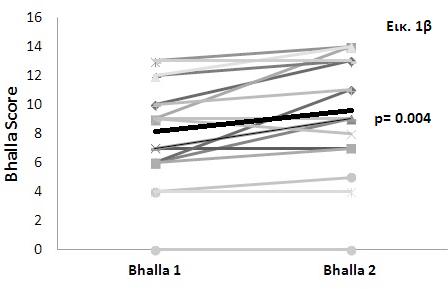
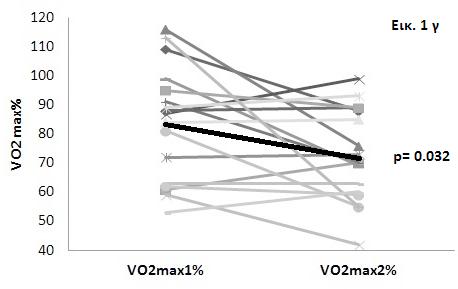
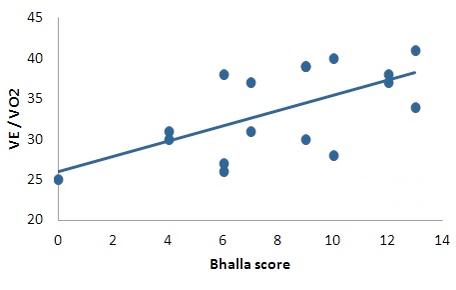
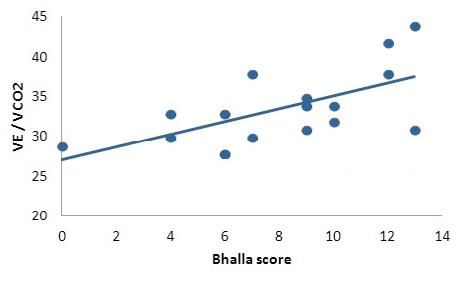
Results: 17 CF patients (mean age 16.7 years, mean FEV1 78.9%) were evaluated. FEV1 was not found to change significantly in the two-year period (p=0.723). Mean Bhalla score was increased significantly (p=0.004), while mean VO2max% deteriorated significantly, as well (p=0.032). VE / VO2 during maximal exercise could predict the extent of bronchiectasis, mucus plugging and the total Bhalla score (p<0.05). VE/VCO2 at peak exercise could predict the severity of bronchiectasis and airway wall thickening (p<0.05).
Conclusions: Exercise testing is more sensitive than spirometry in monitoring patients with mild and moderated CF; exercise testing may predict early structural abnormalities in patients with CF.
Keywords: cardiopulmonary exercise testing, cystic fibrosis, HRCT, exercise intolerance, spirometry, children
Kampouras Asterios
Hatziagorou Elpis
Avramidou Vasiliki
Kontouli Kalliopi
Kirvassilis Fotios
Tsanakas Ioannis
Paediatric Pulmonology Unit, 3rd Paediatric Dept, Aristotle University of Thessaloniki, Hippokration Hospital of Thessaloniki
Georgopoulou Vasiliki
Radiology Dept, Hippokration Hospital of Thessaloniki
(13-14).
(Ergoline, Vmax Series V.20-1, Sensor medics)
(cardiograph model Corina, S.N. 101164361, Cardiosoft software V5.15)
Bhalla
Bhalla
Ύψος (cm)
Βάρος (kg)
BMI (kg/m2)
ΔF508 homozygous
ΔF508 heterozygous
Pseudomonas aeruginosa
Bhalla score 17 (5
(52.9%)
(53%)
(0;13)
(R2=0,55, p=0,002),
(R2=0,80, p<0,05)
=0,67, p=0,001),
p=0,003).
=0,46, p=0,005),
Bhalla score
Δοκιμασία
VOpeak(L/min)
VOpeak%
VO2max(mL/kg/min)
VO2max%
AT%
VE (L/min)
BR%
VD/VT (maximum exercise)
VE/VO2 (Peak Ex)
VE/VCO2 (Peak Ex)
Σπιρομέτρηση
FEV1(L)
% predicted
FVC(L)
% predicted
1.41 (0; 3) 0.65 (0; 2) 2.35 (0; 3)
(0; 2)
(0; 1) 1.71 (0; 2)
(0; 0) 0.71 (0;2) 0.53 (0;1)
8.06 (0; 13)
1.76 (0.93; 2.61) 71.06 (38; 101)
38.44 (21.50; 59.90)
83.65 (53; 116)
47.35 (21; 74)
62.18 (44.70; 81.00) 38.19 (11; 100)
0.13 (0.07; 0.19) 32.87 (25; 41) 33.53 (28; 44)
2.43 (1.36; 3.31) 78.88 (42; 94)
2.97 (1.63; 3.96) 87.35 (58; 106)
0.06 (0.24) 0.41(0.71)
0.00 (0.50)
0.06 (0.56) 0.24 (0.44)
0.24 (0.56) 0.12 (0.33)
0.24 (0.66) 0.06 (0.56) 1.41 (1.73)
-0.10 (0.37) -4.53 (14.29) -5.66 (8.93) -11.0 (19.35) -5.81 (14.70) -4.97 (15.47) -5.375 (33.80)
0.00 (0.04 0.60 (3.23) 0.59 (2.74)
0.17 (0.48) 1.06 (12.12) 0.19 (0.54) 0.35 (12.53)
1. Gibson RL BJ, Ramsey BW. Pathophysiology and management of pulmonary infections in cystic fibrosis. Am J Respir Crit Care Med. 2003;168:918-51.
2. Courtney JM, Bradley J, McCaughan J, O’Connor TM, Shortt C, Bredin CP, et al. Predictors of mortality in adults with cystic fibrosis. Pediatric Pulmonology. 2007;42(6):525-32.
3. Dodge JA LP, Stanton M, Wilsher J. Cystic fibrosis mortality and survival in the United Kingdom, 1947-2003. . Eur Respir J. 2007;29:522-6.
4. Tiddens H. Detecting early structural lung damage in cystic fibrosis. Pediatr Pulmonol. 2002;34:228-31.
5. American Thoracic Society. Standardization of spirometry, 1994 update. Am J Respir Crit Care Med 1995. 1994;152:1107-36.
6. Aurora P, Wade A, Whitmore P, Whitehead B. A model for predicting life expectancy of children with cystic fibrosis. European Respiratory Journal. 2000;16(6):1056-60.
7. Brody AS, Klein JS, Molina PL, Quan J, Bean JA, Wilmott RW. High-resolution computed tomography in young patients with cystic fibrosis: Distribution of abnormalities and correlation with pulmonary function tests. The Journal of Pediatrics. 2004 ;145(1):32-8.
8. de Jong PA, Lindblad A, Rubin L, Hop WCJ, de Jongste JC, Brink M, et al. Progression of lung disease on computed tomography and pulmonary function tests in children and adults with cystic fibrosis. Thorax. 2006;61(1):80-5.
9. Jonathan D. Dodd SCB, Rupert B. M. Barry, Charles G. Gallagher, Stephen J. Skehan, and James B. Masterson. Thin-Section CT in Patients with Cystic Fibrosis: Correlation with Peak Exercise Capacity and Body Mass Index. Radiology. 2006;240(1):236-45.
10. Long FR, Castile RG, Brody AS, Hogan MJ, Flucke RL, Filbrun DA, et al. Lungs in Infants and Young Children: Improved Thin-Section CT with a Noninvasive Controlled-Ventilation Technique—Initial Experience1. Radiology. 1999 August 1, 1999;212(2):588-93.
11. Brody AS, Sucharew H, Campbell JD, Millard SP, Molina PL, Klein JS, et al. Computed Tomography Correlates with Pulmonary Exacerbations in Children with Cystic Fibrosis. American Journal of Respiratory and Critical Care Medicine. 2005;172(9):1128-32.
12. de Jong PA, Nakano Y, Lequin MH, Mayo JR, Woods R, Paré PD, et al. Progressive damage
on high resolution computed tomography despite stable lung function in cystic fibrosis. European Respiratory Journal. 2004;23(1):93-7.
13. de Jong P, Nakano Y, Lequin M, Tiddens H. Dose reduction for CT in children with cystic fibrosis: is it feasible to reduce the number of images per scan? Pediatric Radiology. 2006;36(1):50-3.
14. Jong P, Long F, Nakano Y. Computed tomography dose and variability of airway dimension measurements: how low can we go? Pediatric Radiology. 2006;36(10):1043-7.
15. Orenstein DM. Exercise testing in cystic fibrosis. Pediatric Pulmonology. 1998;25(4):223-5.
16. Shah AR, Gozal D, Keens TG. Determinants of Aerobic and Anaerobic Exercise Performance in Cystic Fibrosis. American Journal of Respiratory and Critical Care Medicine. 1998;157(4):1145-50.
17. Nixon PA, Orenstein DM, Kelsey SF, Doershuk CF. The Prognostic Value of Exercise Testing in Patients with Cystic Fibrosis. New England Journal of Medicine. 1992;327(25):1785-8.
18. de Jong W, Kaptein AA, van der Schans CP, Mannes GPM, van Aalderen WMC, Grevink RG, et al. Quality of life in patients with cystic fibrosis. Pediatric Pulmonology. 1997;23(2):95100.
19. Robinson PD, Cooper P, Van Asperen P, Fitzgerald D, Selvadurai H. Using index of ventilation to assess response to treatment for acute pulmonary exacerbation in children with cystic fibrosis. Pediatric Pulmonology. 2009;44(8):733-42.
20. Prasad SA, Cerny FJ. Factors that influence adherence to exercise and their effectiveness: Application to cystic fibrosis. Pediatric Pulmonology. 2002;34(1):66-72.
21. Sharma R, Florea VG, Bolger AP, Doehner W, Florea ND, Coats AJS, et al. Wasting as an independent predictor of mortality in patients with cystic fibrosis. Thorax. 2001;56(10):746-50.
22. Long FR WR, Castile RG. Structural airway abnormalities in infants and young children with cystic fibrosiss. J Pediatr 2004;144:154-61.
23. Aurora P, Bush A, Gustafsson P, Oliver C, Wallis C, Price J, et al. Multiple-Breath Washout as a Marker of Lung Disease in Preschool Children with Cystic Fibrosis. American Journal of Respiratory and Critical Care Medicine. 2005;171(3):249-56.
24. Kozlowska WJ BA, Wade A, et al. Lung function from infancy to the preschool years after clinical diagnosis of cystic fibrosis. Am J Respir Crit Care Med. 2008;178:42-9.
25. Gustafsson PM, De Jong PA, Tiddens HAWM, Lindblad A. Multiple-breath inert gas washout and spirometry versus structural lung disease in cystic fibrosis. Thorax. 2008;63(2):129-34.
26. Demirkazık FB, Arıyürek OM, Özçelik U, Göçmen A, Hassanabad HK, Kiper N. High resolution CT in children with cystic fibrosis: correlation with pulmonary functions and radiographic scores. European journal of radiology. 2001;37(1):54-9.
27. Loeve M, Krestin GP, Rosenfeld M, de Bruijne M, Stick SM, Tiddens HA. Chest computed tomography; a validated surrogate endpoint of cystic fibrosis lung disease? European Respiratory Journal. 2012; 42(3):844-857. Martínez TM, Llapur CJ, Williams TH, Coates C, Gunderman R, Cohen MD, et al. High-Resolution Computed Tomography Imaging of Airway Disease in Infants with Cystic Fibrosis. American Journal of Respiratory and Critical Care Medicine. 2005;172(9):1133-8.
29. Sanders DB, Li Z, Brody AS, Farrell PM. Chest Computed Tomography Scores of Severity Are Associated with Future Lung Disease Progression in Children with Cystic Fibrosis. American Journal of Respiratory and Critical Care Medicine. 2011;184(7):816-21.
30. Rogers D PS, Doull I. Exercise testing in children with cystic fibrosis. J R Soc Med. 2003;96(43):23-9.
31. Pike SE, Prasad SA, Balfour-Lynn IM. Effect of intravenous antibiotics on exercise tolerance (3-min step test)) in cystic fibrosis*. Pediatric Pulmonology. 2001;32(1):38-43.
32. Moorcroft AJ DM, Webb AK. Exercise testing and prognosis in adult cystic fibrosis. Thorax. 1997;52(3):291-3.
33. Nguyen S LS, Cracowski C, Perez T, Valette M, Neviere R, Aguilaniu B, Wallaert B. Prognostic value of clinical exercise testing in adult patients with cystic fibrosis Rev Mal Respir. 2010;27(3):219-25.
34. Pianosi P, LeBlanc J, Almudevar A. Peak oxygen uptake and mortality in children with cystic fibrosis. Thorax. 2005;60(1):50-4.
35. Barker M, Franke E, Böhle M, Pfannenstiel C, Heimann G. Effect of DNase on exercise capacity in cystic fibrosis. Pediatric Pulmonology. 2004;38(1):70-4.
36. Werkman MS, Hulzebos EHJ, Helders PJM, Arets BGM, Takken T. Estimating peak oxygen uptake in adolescents with cystic fibrosis. Archives of Disease in Childhood. 2014;99(1):215.
37. Edwards EA, Narang I, Li A, Hansell DM, Rosenthal M, Bush A. HRCT lung abnormalities are not a surrogate for exercise limitation in bronchiectasis. European Respiratory Journal. 2004;24(4):538-44.
38. Mezzani A, Agostoni P, Cohen-Solal A, Corra U, Jegier A, Kouidi E, et al. Standards for the use of cardiopulmonary exercise testing for the functional evaluation of cardiac patients: a report from the Exercise Physiology Section of the European Association for Cardiovascular Prevention and Rehabilitation. Eur J Cardiovasc Prev Rehabil. 2009 Jun;16(3):249-67.
Correspondence
Spyros P. Batzios
93 Konstantinoupoleos str, 54642, Thessaloniki e-mail: spyros.batzios@ gmail.com T. +302311251088
Differential expression of extracellular matrix molecules in patients with neurofibromatosis type 1
Spyros P. Batzios, Eleni Papakonstantinou, Eleftherios Kontopoulos, Euthymia Vargiami, George Karakiulakis, Dimitrios I. Zafeiriou
Abstract
The aim of the present study was the assessment of the expression of various molecules of the Extracellular Matrix, in patients with Neurofibromatosis type I (NF1), with the goal to use those molecules as potential biomarkers for patients’ diagnosis and disease follow-up.
Patients & Methods: The sample included 45 patients with NF1, as well as an equal number of healthy subjects. Gelatinase activity (MMP-2 and MMP-9) was measured with the use of gelatin zymography. The concentration of circulating ECM molecules was measured by ELISA, while their expression at the genetic level was assessed with the use of Real-Time RT-PCR. The enzyme activity of hyaluronidases was measured with the use of hyaluronidase zymography.
Results: NF1 patients had a statistically significant increase in the circulating levels of MMP-2, TIMP-1, TIMP-2 and MMP-9/TIMP-1. MMP-2 levels correlated with the age only in the patient group. No significant differences were found concerning the expression of hyaluronic acid (HA) and the enzymes/receptors which are involved in its metabolism. Syndecan-2, decorin and versican were increased in the serum of NF1 patients as well. Logistic regression analysis was performed to estimate the odds ratios of variables in the prediction of the presence of clinical/ laboratory features of the disease. The increase of HA in the serum of patients increased significantly the risk of having UBOs in brain MRI.
Conclusions: The index study revealed the potential use of ECM molecules as biomarkers for NF1. According to our results many of the studied molecules can be potentially used for the diagnosis and follow-up of patients suffering from the above mentioned disorder.
Keywords: neurofibromatosis type 1, extracellular matrix, matrix metalloproteinases, hyaluronic acid, proteoglycans
Spyros P. Batzios
Eleftherios Kontopoulos
Euthymia Vargiami
Dimitrios I. Zafeiriou
1st Paediatric Department, Aristotle University of Thessaloniki, Hippokration General Hospital, Thessaloniki, Greece
Eleni Papakonstantinou
George Karakiulakis
Department of Pharmacology, Medical School, Aristotle University of Thessaloniki, Thessaloniki, Greece
ιστικοί
(Hyaluronic acid, HA)
(Tissue inhibitors of Metalloproteinases, TIMPs),
(Hyaluronan Synthases, HASs; Hyaluronidases, HYALs; CD44; RHAMM)
(Neurofibromatosis
Η
MMPs, TIMPs, HA, HASs, HYALs,
Συντομογραφίες:
NF1: νευροϊνωμάτωση
1 (Neurofibromatosis type 1)
MMPs:
μεταλλοπρωτεάσες
συνδετικού
(Matrix metalloproteinases)
TIMPs:
(Tissue inhibitors of matrix metalloproteinases)
HA:
(Hyaluronic acid)
HAS:
HA (Hyaluronic acid synthases)
HYAL:
(Hyaluronidases)
PG:
(Proteoglycan)
MMP-9/TIMP-1
MMP-2/TIMP-2
MMP-1
MMP-2
MMP-3
MMP-9
TIMP-1
TIMP-2
r=-0.055, p=0.737
r=0.301, p=0.043
r=-0.388, p=0.023
r=-0.225, p=0.201
r=-0.163, p=0.356
r=-0.143, p=0.419
r=-0.103, p=0.723
r=0.245, p=0.639
r=-0.809, p=0.040
r=-0.086, p=0.871
r=0.088, p=0.889
r=-0.150, p=0.809
1. Boyd KP, Korf BR, Theos A. Neurofibromatosis type 1. J Am Acad Dermatol. 2009;61(1):114.
2. Korf BR. Clinical Features and Pathobiology of Neurofibromatosis 1. J Child Neurol 2002;17:573-577.
3. Hynes RO, Naba A. Overview of the matrisome--an inventory of extracellular matrix constituents and functions. Cold Spring Harb Perspect Biol. 2012;4(1):a004903.
4. Gutmann D, Aylsworth A, Carey JC, Korf B, Marks J, Pyeritz RE, et al. The diagnostic evaluation and multidisciplinary management of neurofibromatosis 1 and neurofibromatosis 2. JAMA 1997;278:51-57.
5. Munchhof AM, Li F, White HA, Mead LE, Krier TR, Fenoglio A, et al. Neurofibroma-associated growth factors activate a distinct signaling network to alter the function of neurofibromindeficient endothelial cells. Hum Mol Genet. 2006;15(11):1858-69.
6. Holtkamp N, Atallah I, Okuducu AF, Mucha J, Hartmann C, Mautner VF, et al. MMP13 and p53 in the progression of malignant peripheral nerve sheath tumors. Neoplasia. 2007;9(8):671-7.
7. Holtkamp N, Mautner VF, Friedrich RE, Harder A, Hartmann C, Theallier-Janko A, et al. Differentially expressed genes in neurofibromatosis 1-associated neurofibromas and malignant peripheral nerve sheath tumors. Acta Neuropathol. 2004;107(2):159-68.
8. Hummel TR, Jessen WJ, Miller SJ, Kluwe L, Mautner VF, Wallace MR, et al. Gene expression analysis identifies potential biomarkers of neurofibromatosis type 1 including adrenomedullin. Clin Cancer Res 2010;16(20):5048-5057.
9. Lévy P, Bièche I, Leroy K, Parfait B, Wechsler J, Laurendeau I, et al. Molecular profiles of neurofibromatosis type 1-associated plexiform neurofibromas: identification of a gene expression signature of poor prognosis. Clin Cancer Res 2004;10(11):3763-3771.
10. Lévy P, Vidaud D, Leroy K, Laurendeau I, Wechsler J, Bolasco G, et al. Molecular profiling of malignant peripheral nerve sheath tumors associated with neurofibromatosis type 1, based on large-scale real-time RT-PCR. Mol Cancer 2004;3:20.
11. Park SJ, Sawitzki B, Kluwe L, Mautner VF, Holtkamp N, Kurtz A. Serum biomarkers for neurofibromatosis type 1 and early detection of malignant peripheral nerve-sheath tumors. BMC Med 2013;11:109.
12. Sasaki T, Onodera S. Glycosaminoglycans in neurofibromas. J Dermatol. 1990;17(11):65360.
13. Bartolazzi A, Peach R, Aruffo A, Stamenkovic I. Interaction between CD44 and hyaluronate is directly implicated in the regulation of tumor development. J Exp Med 1994;180:53–66.
14. Hall CL, Lange LA, Prober DA, Zhang S, Turley EA. pp60(c-src) is required for cell locomotion regulated by the hyaluronanreceptor RHAMM. Oncogene. 1996;13(10):2213-24.
15. Ikuta K, Urakawa H, Kozawa E, Arai E, Zhuo L, Futamura N. et al. Hyaluronan expression as a significant prognostic factor in patients with malignant peripheral nerve sheath tumors. Clin Exp Metastasis. 2014;31(6):715-25.
16. Hsueh YP, Roberts AM, Volta M, Sheng M, Roberts RG. Bipartite interaction between neurofibromatosis type I protein (neurofibromin) and syndecan transmembrane heparan sulfate proteoglycans. J Neurosci. 2001;21(11):3764-70.
17. Daston MM, Scrable H, Nordlund M, Sturbaum AK, Nissen LM, Ratner N. The protein product of the neurofibromatosis type 1 gene is expressed at highest abundance in neurons, Schwann cells, and oligodendrocytes. Neuron. 1992;8(3):415-28.
18. Hsueh YP, Sheng M. Regulated expression and subcellular localization of syndecan heparan sulfate proteoglycans and the syndecan-binding protein CASK/LIN-2 during rat brain development. J Neurosci. 1999;19(17):7415 25.
19. Neill T, Schaefer L, Iozzo RV. Decorin: a guardian from the matrix. Am J Pathol. 2012 Aug;181(2):380-7.
20. Wight TN, Kinsella MG, Evanko SP, Potter-Perigo S, Merrilees MJ. Versican and the regu-
lation of cell phenotype in disease. Biochim Biophys Acta. 2014;1840(8):2441-51.
21. Sotoodehnejadnematalahi F, Burke B. Structure. Function and regulation of versican: the most abundant type of proteoglycan in the extracellular matrix. Acta Med Iran. 2013;51(11):74050.
22. Merle B, Malaval L, Lawler J, Delmas P, Clezardin P. Decorin inhibits cell attachment to thrombospondin-1 by binding to a KKTR-dependent cell adhesive site present within the Nterminal domain of thrombospondin-1. J Cell Biochem. 1997;67(1):75-83.
23. Merle B, Durussel L, Delmas PD, Clézardin P. Decorin inhibits cell migration through a process requiring its glycosaminoglycan side chain. J Cell Biochem. 1999;75(3):538-46.
24. Yamaguchi Y, Ruoslahti E. Expression of human proteoglycan in Chinese hamster ovary cells inhibits cell proliferation. Nature. 1988 Nov 17;336(6196):244-6.
25. Ballester R, Marchuk D, Boguski M, Saulino A, Letcher R, Wigler M, et al. The NF1 locus encodes a protein functionally related to mammalian GAP and yeast IRA proteins. Cell 1990;63:851– 859.
26. Martin G, Viskochil D, Bollag G, McCabe P, Crosier W, Haubruck H, et al. The GAPrelated domain of the neurofibromatosis type 1 gene product interacts with Ras p21. Cell 1990;63:843–849.
27. Decean H, Perde-Schrepler M, Tatomir C, Fischer-Fodor E, Brie I, Virag P. Modulation of the pro-inflammatory cytokines and matrix metalloproteinases production in co-cultivated human keratinocytes and melanocytes. Arch Dermatol Res. 2013;305(8):705-14.
28. Kumar R, Parsad D, Kanwar AJ, Kaul D. Altered levels of Ets-1 transcription factor and matrix metalloproteinases in melanocytes from patients with vitiligo. Br J Dermatol. 2011;165(2):28591.
29. Liu F, Gomez Garcia AM, Meyskens FL Jr. NADPH oxidase 1 overexpression enhances invasion via matrix metalloproteinase-2 and epithelial mesenchymal transition in melanoma cells. J Invest Dermatol. 2012;132(8):2033-41.
30. Amer M, Mostafa MM, Nasr AN. Lentiginous macules and patches of neurofibromatosis (an approach to better terminology). JEADV 2001;15:39-42
31. Nägga K, Hansson O, van Westen D, Minthon L, Wennström M. Increased levels of hyaluronic acid in cerebrospinal fluid in patients with vascular dementia. J Alzheimers Dis. 2014;42(4):1435-41.
32. Kotter MR, Stadelmann C, Hartung HP. Enhancing remyelination in disease-can we wrap it up? Brain. 2011;134(Pt 7):1882-900.
33. Hyman SL, Gill DS, Shores EA, Steinberg A, North KN. T2 hyperintensities in children with neurofibromatosis type 1 and their relationship to cognitive functioning. J Neurol Neurosurg Psychiatry. 2007 Oct;78(10):1088-91.
34. Feldmann R, Schuierer G, Wessel A, Neveling N, Weglage J. Development of MRI T2 hyperintensities and cognitive functioning in patients with neurofibromatosis type 1. Acta Paediatr. 2010;99(11):1657-60.
35. Billiet T, Mädler B, D’Arco F, Peeters R, Deprez S, Plasschaert E et al. Characterizing the microstructural basis of “unidentified bright objects” in neurofibromatosis type 1: A combined in vivo multicomponent T2 relaxation and multi-shell diffusion MRI analysis. Neuroimage Clin. 2014;4:649-58.
36. Luckman SP, Gilhus NE, Romi F. Matrix metalloproteinase-3 in myasthenia gravis compared to other neurological disorders and healthy controls. Autoimmune Dis 2011;2011:151258.
Correspondence
Panagiotis Kardaras
Konstantinoupoleos 49, 54642, Thessaloniki e-mail.: pk@med.auth.gr Τ. +302310892483
How do children play today: Α timeless research
Dr. Panagiotis Kardaras, Niki Dedousi, Tatiana Vrettakou, Paraskevas Kilintzis, Evaggelia Farini, Maria-Eirini Vrettakou
Background: Playing is connected to the cognitive, social and emotional development of children, which is commonly accepted in numerous scientific fields. The current study builds on a two decade long research regarding the changes that have occurred to playing habits, the effect of consumerism and introduction of new technologies. The sport of preference and amount of free time were also investigated.
Methods: The survey was conducted using a random sample of schools, in children between 1015 years old in the Thessaloniki area using a specially adapted questionnaire. Out of 1958 valid answered questionnaires, 1058 were conducted in semi-urban areas and the other 899 in central areas of Thessaloniki. Statistical analysis of the data was performed.
Results: Electronic games played at home, through the Internet and mobile phone are particularly popular, with children choosing them between a few times a week to every day. Most popular team sport is football (20,9%, p<0,05). Traditional games are not the most popular in the everyday life of children, whereas games with advertised heroes reach 65,1%. Even though the majority of children prefer cooperative playing, 12,7% of boys and 9,1% of girls prefer individual playing. Also, free time has been limited from 2-3 hours a day to 1-2 hours a day.
In conclusion, growth of new technologies has significantly affected the way children play, the influence of consumerism has been increased and free time of children has been reduced.
Keywords: playing, electronic games, sports, internet, free time
Dr. Panagiotis Kardaras
Niki Dedousi
Tatiana Vrettakou
Paraskevas Kilintzis
Evaggelia Farini
Maria-Eirini Vrettakou
στη έρευνα ήταν: 19ο, 26ο, 30ο, 72ο, 80ο, 92ο Δημοτικό
Πυλαίας, 5ο Γυμνάσιο Σταυρούπολης, 4ο, 7ο Γυμνάσιο Καλαμαριάς, 1ο, 2ο, 3ο Δημοτικό
1ο
1ο Γυμνάσιο
4η
Συντομογραφίες:
NF1: νευροϊνωμάτωση τύπου 1 (Neurofibromatosis type 1)
MMPs:
μεταλλοπρωτεάσες του συνδετικού ιστού (Matrix metalloproteinases)
TIMPs: ιστικοί
(Tissue inhibitors of matrix metalloproteinases)
HA:
οξύ (Hyaluronic acid)
HAS: συνθετάσες του HA (Hyaluronic acid synthases)
HYAL:
(Hyaluronidases)
PG: πρωτεογλυκάνη (Proteoglycan)
5.
4.1.
4.1.1
4.1.2.
4.1.3
4.2.
4.2.1.
4.2.2.
4.2.3
4.3
4.3.1.
4.3.2.
4.3.3.
4.4.1.
Bayblade, Ben Ten, Barbie, Winx, Monster High, Pokemon, Spiderman, κ.α.
4.5.1. Έρευνα 1994
13%
4.5.2. Έρευνα 2003
27,8%
4.5.3. Έρευνα 2014
65,1%
4.6. Προτιμάς να
4.6.1. Έρευνα 1994
4,4%
4.6.2. Έρευνα 2003
4.6.3. Έρευνα 2014
10,9%
4.7.1. Έρευνα
87%
,2%
95,4%
89,0%
4.7.3.
Bayblade, Ben ten, Barbie, Winx, Monster High,
Bayblade, Ben Ten, Barbie, Winx, Monster High, Pokemon
0,038 0,204 0,116 0,000 0,000 0,000 0,000
1ου, 2ου, 3ου Δημοτικού Σχολείου Περαίας, 1ου Γυμνασίου Περαίας, 1ου Γυμνασίου Νέων Επιβατών, 1ου
1. Wood E. Play, Learning and the early childhood curriculum. UK: Sage; 2013. p.6-10
2.
2001
4. Fromme J. Computer games as a part of children’s cultures. Game Studies 2003; 3(1)
6.
7. Cole M, Cole S.
2003: 52
11. Berger A, Video games: a popular cultural phenomenon. New Jersey: Transaction Publishers; 2002. P. 108-109
12. Τάσση Μ.
2008 από http://www.newinka.gr/ (2006),
13. Kasteleijn-Nolst DG, Martins da Silva A, Ricci S, et al. Video games are exciting: a European study of vídeo game- induced seizures and epilepsy. Epileptic Disord 2002; 4: 121-128
14. Prensky, M. Digital game-based learning. New York: McGraw-Hill; 2001
15. Squillaci T. Η
2006
16. Mizen P, Hutchby I, Pole CJ, Moran-Ellis J, Bolton A. Children, Technology and Culture: The Impacts of Technologies in Children’s, 1st ed. London: Ian Hutchby & Jo Moran-Ellis; 2001
17. Nelson M D., Gordon- Larsen P. Physical activity and sedentary behavior patterns are associated with selected adolescent health risk behavior. Pediatrics, 117: 1281-1290; 2006
(≥200mg/dl)
(≥130mmHg)
Correspondence
Assimina Galli-Tsinopoulou
Ring Road Nea Efkarpia, 56403, Thessaloniki, Greece
e-mail: gallitsin@gmail. com
agalli@auth.gr
T.-F.: +302310991537
Eleni P. Kotanidou
Aggeliki Kleisarchaki
Konstantina Mouzaki
Paraskevi Kokka
Ioannis Kyrgios
Iro Tsara¹
Efthimia Eustratiou
Maria Eboriadou-Petikopoulou
Assimina Galli-Tsinopoulou
4th Department of Pediatrics, Faculty of Medicine, Aristotle University of Thessaloniki, Papageorgiou General Hospital, Thessaloniki
Anna-Bettina Haiditc
Department of Hygiene, Faculty of Medicine, Aristotle University of Thessaloniki, Thessaloniki
Vagia Papageorgiou
Former Assistant Professor of Child Psychiatry
Screening tests and record of metabolic syndrome in adolescents school population of Western Thessaloniki
Eleni
P. Kotanidou, Aggeliki Kleisarchaki, Konstantina Mouzaki, Paraskevi Kokka, Ioannis Kyrgios, Iro Tsara, Efthimia Eustratiou, Anna-Bettina Haiditc, Vagia Papageorgiou, Maria Eboriadou-Petikopoulou, Assimina Galli-Tsinopoulou
Abstract
Background: Adolescent obesity constitutes a phenomenon with epidemic characteristics. Increased rates of metabolic syndrome represent a consequence of this epidemic, leading to high risk for chronic diseases in adolescence. The study herein, presents the primary outcomes of a school-based intervention trial regarding the control of the metabolic syndrome among adolescents of Western Thessaloniki.
Methods: The aim of the study was to identify the metabolic syndrome in the school adolescent population and to record it according to the current established criteria of the International Diabetes Federation (IDF). A total of 424 adolescents, aged 14.10 ± 1.78 years were recruited. Anthropometric values were recorded. All participants underwent a school-based laboratory investigation including glucose cholesterol and triglyceride levels and body composition determination, via telematics health care devices.
Results: In the total sample (59% girls), body mass index was 21.82±3.25kg/m2 while waist circumference was 78.78±9.29 cm. Systolic (SBP) and diastolic (DBP) blood pressure were 121.21±11.89mmHg and 73.88±10.54mmHg, respectively. Mean cholesterol levels were 172.42±27.48mg/dl, triglycerides levels 88.07±40.15mg/dl and glucose levels 100.89±15.11mg/ dl. After examining the components of the metabolic syndrome in adolescents, 24.4% of the sample presented abdominal obesity (waist circumference: girls>80cm, boys>94cm). Hyperglycemia (≥100mg/dl) was found in 52.2% of the sample, hypercholesterolemia (≥200mg/dl) in 15% and elevated triglycerides (≥150mg/dl) in 6.3% of adolescents. Increased SBP (≥130mmHg) presented the 22% of participants, while increased DBP (≥85mmHg) was apparent in 11.7% of them. Finally, almost one out of six adolescents (15.9%) presented metabolic syndrome. Conclusions: A significant percentage of the adolescent school population of Western Thessaloniki fulfills the criteria of the metabolic syndrome. In order to avoid the development of chronic diseases, implementation of prevention and intervention strategies are considered in adolescence as priority actions.
Keywords: metabolic syndrome, adolescents, obesity
Suisse)
W100b (Foracare Suisse).
FORA d40b (Foracare Suisse).
Med-Care (Biochemical Systems International Srl).
p-value
(15.9%)
14.61±1.91
14.00±1.76
(mmΗg) ΧΟΛΗΣΤΕΡΟΛΗ (mg/dl)
(mg/dl)
ΓΛΥΚΟΖΗ (mg/dl)
(20),
“Muscatine”
1. Cole TJ, Bellizi MC, Flegal KM, Dietz WH. Establishing a standard definition for child
overweight and obesity worldwide: international survey. BMJ 2000;320:1240-1243.
2. World Health Organization. Report: World Health Statistics 2014. Geneva, Switzerland, 2014.
3. Ng M, Fleming T, Robinson M, Thomson B, Graetz N, Margono C, et al. Global, regional, and national prevalence of overweight and obesity in children and adults during 1980-2013: a systematic analysis for the Global Burden of Disease Study 2013. Lancet 2014;384:766-781.
4. Kotanidou EP, Grammatikopoulou MG, Spiliotis BE, Kanaka-Gantenbein C, Tsigga M, Galli-Tsinopoulou A. Ten-year obesity and overweight prevalence in Greek children: a systematic review and meta-analysis of 2001-2010 data. Hormones (Athens) 2013;12:537-549.
5. Park MH, Falconer C, Viner RM, Kinra S: The impact of childhood obesity on morbidity and mortality in adulthood: a systematic review. Obes Rev 2012;13:985–1000.
6. Girvalaki C, Vardavas C, Papandreou C, Christaki G, Vergetaki A, Tsiligianni IG et al. Trends in metabolic syndrome risk factors among adolescents in rural Crete between 1989 and 2011. Hormones (Athens) 2014;13(2):259-267.
7. Raven GM: Banting Lecture 1988: role of insulin resistance in human diseases. Diabetes 1988;37(12):1595-1607.
8. Third Report of the National Cholesterol Education Program (NCEP) Expert Panel on Detection, Evaluation and Treatment of High Blood Cholesterol in Adults (Adult Treatment Panel III) Final Report: National Cholesterol Education Program. 2002, National Heart, Lung and Blood Institute, National Institute of Health, NIH Publication No. 02-5215.
9. Einhorn D, Reaven GM, Cobin RH, Ford E, Ganda OP, Handelsman Y, et al. American College of Endocrinology position statement on the insulin resistance syndrome. Endocrinol Pract 2003;9:237-252.
10. World Health Organization: Definition, diagnosis and classification of diabetes mellitus and its complications. Geneva, Switzerland; 1999.
11. Alberti KG, Zimmet PZ: Definition, diagnosis and classification of diabetes mellitus and its complications. Part 1: diagnosis and classification of diabetes mellitus provisional report of a WHO consultation. Diabetes Med 1998;15:539-553.
12. Balkau B, Charles MA: Comment on the provisional report from the WHO consultation. European Group for the Study of Insulin Resistance (EGIR). Diabetes Med 1999;16:442-443.
13. The IDF Consensus Definition of the Metabolic Syndrome In Children and Adolescents. International Diabetes Federation 2007.
14. Magnussen CG, Koskinen J, Juonala M, Chen W, Srinivasan SR, Sabin MA, et al. A diagnosis of the metabolic syndrome in youth that resolves by adult life is associated with a normalization of high carotid intima-media thickness and type 2 diabetes mellitus risk: the Bogalusa heart and cardiovascular risk in young Finns studies. J Am Coll Cardiol 2012;60:1631–1639.
15. Morrison JA, Glueck CJ, Woo JG, Wang P. Risk factors for cardiovascular disease and type 2 diabetes retained from childhood to adulthood predict adult outcomes: the Princeton LRC Follow-up Study. Int J Pediatr Endocrinol 2012;2012:6.
16. Alberga AS, Sigal RJ, Goldfield G, Prud’homme D, Kenny GP, 2012 Overweight and obese teenagers: why is adolescence a critical period? Pediatr Obes 7:261-273.
17. Hochberg Z. Evolutionary perspective in child growth. Rambam Maimonides Med J 2011;2:e0057.
18. Cohen Kadosh K, Linden DE, Lau JY. Plasticity during childhood and adolescence: innovative approaches to investigating neurocognitive development. Dev Sci 2013;16:574-583.
19. Juonala M, Magnussen CG, Berenson GS, Venn A, Burns TL, Sabin MA, et al. Childhood adiposity, adult adiposity, and cardiovascular risk factors. N Engl J Med 2011;365:1876–1885.
20. Berenson GS, Srinivasan SR, Bao W, Newman WP 3rd, Tracy RE, Wattigney WA. Association between multiple cardiovascular risk factors and atherosclerosis in children and young adults: the Bogalusa Heart Study. N Engl J Med 1998;338:1650-1656.
21. Davis PH, Dawson JD, Riley WA, Lauer RM. Carotid intimal-medial thickness is related to cardiovascular risk factors measured from childhood through middle age: the Muscatine Study. Circulation 2001;104:2815-2819.
22. Raitakari OT, Juonala M, Kahonen M, Taittonen L, Laitinen T, Mäki-Torkko N et al. Cardiovascular risk factors in childhood and carotid artery intima-media thickness in adulthood: the
Cardiovascular Risk in Young Finns Study. JAMA 2003;290:2277-2283.
23. Magnussen CG, Raitakari OT, Thomson R, Juonala M, Patel DA, Viikari JS et al. Utility of currently recommended pediatric dyslipidemia classifications in predicting dyslipidemia in adulthood: evidence from the Childhood Determinants of Adult Health (CDAH) study, Cardiovascular Risk in Young Finns Study, and Bogalusa Heart Study. Circulation 2008;117:32-42.
24. Katzmarzyk PT, Pérusse L, Malina RM, Bergeron J, Després JP, Bouchard C. Stability of indicators of the metabolic syndrome from childhood and adolescence to young adulthood: the Québec Family Study. J Clin Epidemiol 2001;54:190-195.
25. De Ferranti SD, Gauvreau K, Ludwig DS, Neufeld EJ, Newburger JW, Rifai N. Prevalence of the metabolic syndrome in American adolescents: findings from the Third National Health and Nutrition Examination Survey. Circulation 2004;110: 2494-2497.
26. Setayeshgar S, Whiting SJ, Vatanparast H. Metabolic syndrome in canadian adults and adolescents: prevalence and associated dietary intake. ISRN Obes 2012;2012:816846.
27. Fadzlina AA, Harun F, Nurul Haniza MY, Al Sadat N, Murray L, Cantwell MM et al. Metabolic syndrome among 13 year old adolescents: prevalence and risk factors. BMC Public Health 2014;14:S7.
28. Li P, Jiang R, Li L, Liu C, Yang F, Qiu Y. Prevalence and risk factors of metabolic syndrome in school adolescents of northeast China. J Pediatr Endocrinol Metab 2014;27:525-532.
29. Kim HM, Park J, Kim HS, Kim DH. Prevalence of the metabolic syndrome in Korean adolescents aged 12-19 years from the Korean National Health and Nutrition Examination Survey 1998 and 2001. Diabetes Res Clin Pract 2007;75:111-114.
30. Mehairi AE, Khouri AA, Naqbi MM, Muhairi SJ, Maskari FA, Nagelkerke N et al. Metabolic syndrome among Emirati adolescents: a school-based study. PLoS One. 2013;8:e56159.
31. Reihner T, de Sousa G, Toschke AM, Andler W. Comparison of metabolic syndrome prevalence using eight different definitions: A critical approach. Arch Dis Child 2007;92:1067–1072.
32. Pirkola J, Tammelin T, Bloigu A, Pouta A, Laitinen J, Ruokonen A et al. Prevalence of metabolic syndrome at age 16 using the International Diabetes Federation paediatric definition. Arch Dis Child. 2008;93:945-951.
33. Agirbasli M, Cakir S, Ozme S, Ciliv G. Metabolic syndrome in Turkish children and adolescents. Metab Clin Exp 2006;55:1002–1006.
34. Athyros VG, Bouloukos VI, Pehlivanidis AN, Papageorgiou AA, Dionysopoulou SG, Symeonidis AN, et al. The prevalence of the metabolic syndrome in Greece: the MetS-Greece Multicentre Study. Diabetes Obes Metab 2005;7:397–405.
35. Papoutsakis C, Yannakoulia M, Ntalla I, Dedoussis GV. Metabolic syndrome in a Mediterranean pediatric cohort: prevalence using International Diabetes Federation-derived criteria and associations with adiponectin and leptin. Metabolism 2012;61:140-145.
36. Hatzis CM, Papandreou C, Sifaki-Pistolla D, Jildeh C, Kafatos AG. The metabolic syndrome among preschool and school age children and adolescents in Crete in the first decade of the 21st century. Hormones (Athens). 2014;13:588-590.
37. Christodoulos AD, Douda HT, Tokmakidis SP. Cardiorespiratory fitness, metabolic risk, and inflammation in children. Int J Pediatr 2012;2012:270515.
38. Flouris AD, Bouziotas C, Christodoulos AD, Koutedakis Y. Longitudinal preventive-screening cutoffs for metabolic syndrome in adolescents. Int J Obes (Lond) 2008;32(10):1506-1512.
39. Chapman MJ, Ginsberg HN, Amarenco P, Andreotti F, Borén J, Catapano AL, et al. Triglyceride-rich lipoproteins and high-density lipoprotein cholesterol in patients at high risk of cardiovascular disease: evidence and guidance for management. Eur Heart J 2011;32:1345-1361.
40. Emerging Risk Factors Collaboration, Di Angelantonio E, Sarwar N, Perry P, Kaptoge S, Ray KK, et al. Major lipids, apolipoproteins, and risk of vascular disease. JAMA 2009;302:19932000.
41. Zaki ME, El-Bassyouni HT, El-Gammal M, Kamal S. Indicators of the metabolic syndrome in obese adolescents. Arch Med Sci 2015;11:92-98.
42. Özer S, Yılmaz R, Özlem Kazancı N, Sönmezgöz E, Karaaslan E, Altuntaş B et al. Higher HDL levels are a preventive factor for metabolic syndrome in obese Turkish children. Nutr Hosp 2014;31:307-312.
43. Expert Panel on Integrated Guidelines for Cardiovascular Health and Risk Reduction in
Children and Adolescents; National Heart, Lung, and Blood Institute. Expert panel on integrated guidelines for cardiovascular health and risk reduction in children and adolescents: summary report. Pediatrics 2011;128:S213-256.
44. Ford ES. Trends in mortality from all causes and cardiovascular disease among hypertensive and nonhypertensive adults in the United States. Circulation 2011;123:1737-1744.
45. de Moraes AC, Lacerda MB, Moreno LA, Horta BL, Carvalho HB. Prevalence of high blood pressure in 122,053 adolescents: a systematic review and meta-regression. Medicine (Baltimore) 2014;93:e232.
46. Girvalaki C, Vardavas C, Papandreou C, Christaki G, Vergetaki A, Tsiligianni IG, et al. Trends in metabolic syndrome risk factors among adolescents in rural Crete between 1989 and 2011. Hormones (Athens) 2014;13:259-267.
47. Riley M, Bluhm B. High blood pressure in children and adolescents. Am Fam Physician 2012;85:693-700.
Correspondence
Papadopoulos Giorgos
St. Catherine, 3100, Limassol, Cyprus
e-mail: cytogenivf@ yahoo.co.uk
Τ.: +35799619890
Correlation of blood pressure and Body Mass Index (BMI) in Senior High School students
Papadopoulos Giorgos Ph.D., Tamattiri Kyriaki, Economou Alexandra, Akrita Christina, Engomiti Evdokia, Makri Antrea, Theophanous Zoe, Xatziantona Nicol, Charalambous Giorgos
Introduction: Several studies in adolescents have shown association of body mass index (BMI) with blood pressure, where individuals with a BMI >= 25, and classified as overweight or obese, have comparatively higher blood pressure than people with normal BMI levels (BMI < 25). We did not find in the literature any such study on Cyprus concerning adolescents of the upper secondary cycle (15-18 years), so we decided to research this in our school.
Methods: We studied boys and girls of all ages and measured BMI and blood pressure. Statistical analysis was performed for correlation of blood pressure with BMI, age, smoking and sex.
Results: We found direct correlation between the overall BMI and the systolic and diastolic pressure. The correlation was more significant with systolic pressure. When we compared separately normal weight, overweight and obese individuals, we found a positive correlation in the first case, very slightly negative correlation in the second and slightly negative correlation in the third case. There was no statistical difference in systolic and diastolic pressure levels related to smoking or age. There was a significant difference in the systolic pressure between boys and girls, but not in the diastolic pressure.
Conclusions: For the first time, data is presented for adolescents of ages 15 to 18 years in Cyprus that shows a direct correlation of increasing BMI with increasing systolic and diastolic pressure, findings that are consistent with those of other international studies.
Papadopoulos Giorgos
Ph.D.
Tamattiri Kyriaki
Economou Alexandra
Akrita Christina
Engomiti Evdokia
Makri Antrea
Theophanous Zoe
Xatziantona Nicol
Charalambous Giorgos
Lyceum of St. Nicholas, St. Catherine, Limassol, Cyprus
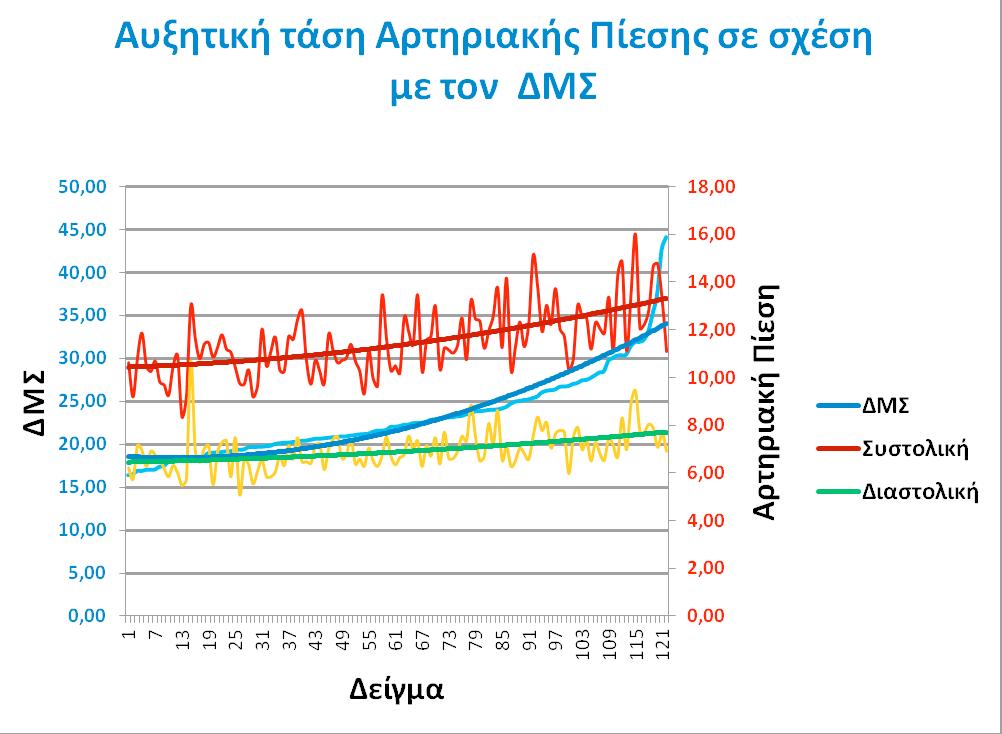
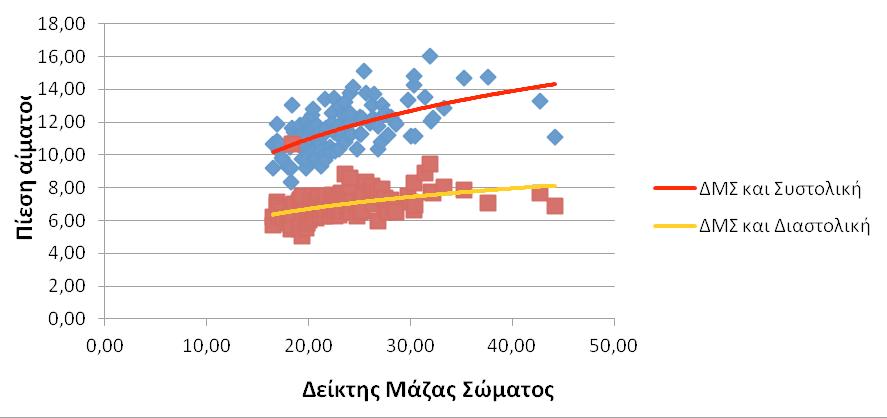
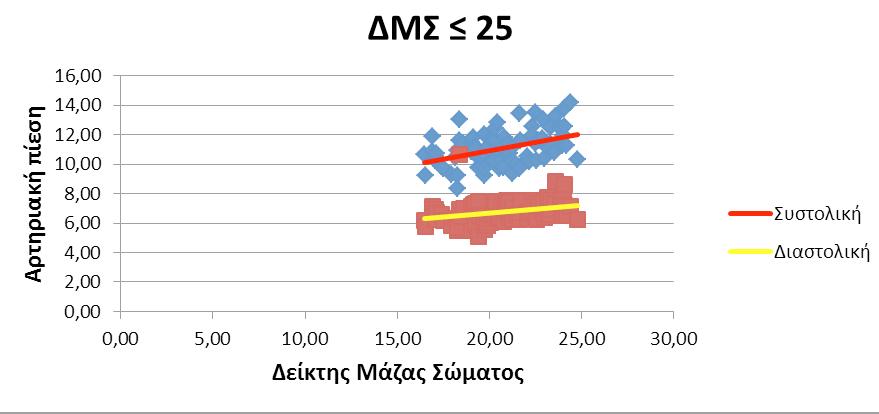
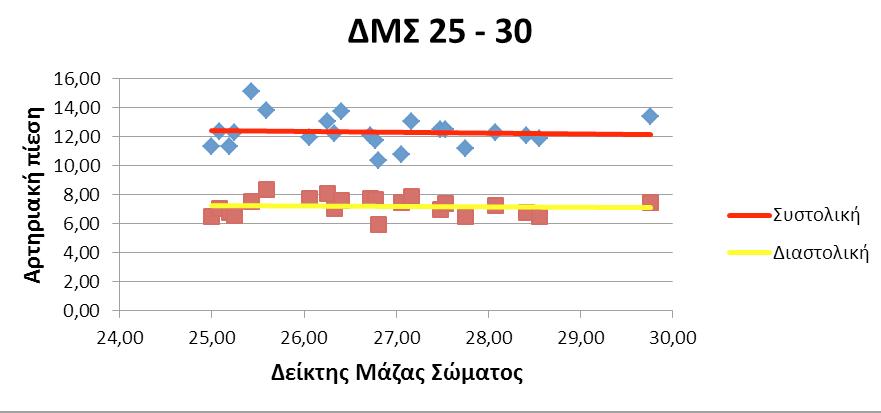
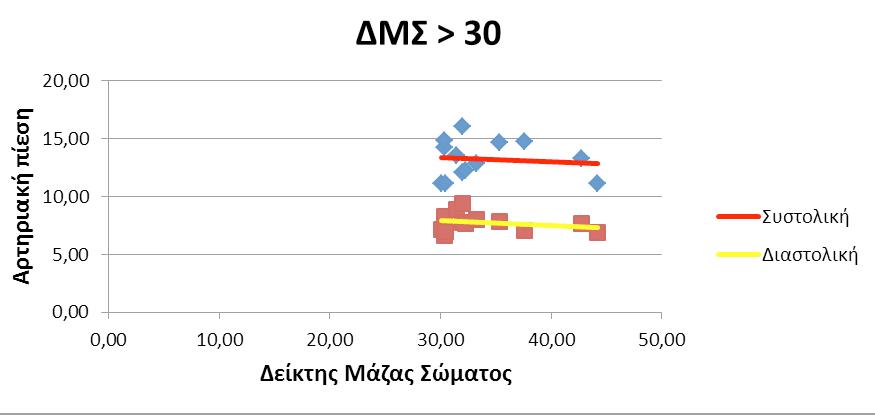
Βιβλιογραφία
1. WHO. The World Health Report 2002. Reducing the risk, promoting healthy life. World Health Organization, Geneva 2002
2. Leal J., Luengo-Fernαndez R., Gray A., Petersen S., Rayner M. Economic burden of cardiovascular diseases in the enlarged European Union. European Heart Journal 2006; 27:1610–1619
3. Poirier P. and Eckel R. H. Obesity and cardiovascular disease. Current Atherosclerosis Reports 2002; 4:448-453
4. Cook, S., Weitzman, M., Auinger, M.S., Nguyen, M., Dietz, W.H. Prevalence of a metabolic syndrome phenotype in adolescents: findings from the Third National Health and Nutrition Examination Survey, 1988–1994. Archives of Pediatrics and Adolescent Medicine 2003; 157:821–827.
5. Levin, S., Lowry, R., Brown, D.R., Dietz, W.H. Physical activity and body mass index among US adolescents: Youth Risk Behavior Survey, 1999. Archives of Pediatrics and Adolescent Medicine 2003; 157:816–820.
6. McGill, Η.,McMahan, Α., Zieske, Α., Malcom, G., Tracy, R., Strong, J. Effects of no lipid risk factors on atherosclerosis in youth with a favorable lipoprotein profile.Circulation 2001;103:1546–1550.
7. Σάββα
2000; 17: 20-26.
8. Tzotzas T., Krassas G.E. Prevalence and trends of obesity in children and adults of South Europe. Pediatr Endocrinol Rev. 2004; 1(Suppl 3):448−454
9. Lazarou C., Panagiotakos D.B. and Matalas A-L. Lifestyle factors are determinants of children’s blood pressure levels: the CYKIDS study. Journal of Human Hypertension 2009; 23:456–463
10 Eckel, R.H., Krauss, R.M. American Heart Association call to action: obesity as a major risk factor for coronary heart disease. AHA Nutrition Committee. Circulation 1998; 97:2099–2100.
11. Lauer R.M., Clarke W.R., Mahoney L.T., Witt J. Childhood predictors for high adult blood pressure. The Muscatine Study. PediatrClin North Am. 1993; 40: 23–40.
12. National high blood pressure education program working group on high blood pressure in children and adolescents. The fourth report on the diagnosis, evaluation, and treatment of high blood pressure in children and adolescents. Pediatrics 2004; 114(Suppl 2):555−576
13. Wijnhoven T. M.A., van Raaij J. M.A., Sjöberg A., Eldin N., Yngve A., Kunešová M., et al. WHO European Childhood Obesity Surveillance Initiative: School Nutrition Environment and Body Mass Index in Primary Schools. Int. J. Environ. Res. Public Health 2014; 11:1126111285
14. Coffman T.M. and Crowley S.D. Kidney in Hypertension - Guyton Redux. Hypertension. 2008;51:811-816.
15. Re R.N. Obesity-Related Hypertension. The Ochsner Journal 2009; 9:133–136.
16. Daniels S.R., Kimball T.R., Morrison J.A., Khoury P., Witt S., Meyer R.A. Effect of lean body mass,fat mass, blood pressure, and sexual maturation on left ventricular mass in children and adolescents. Statistical, biological, and clinical significance. Circulation. 1995; 92:3249–3254.
17. Hanevold C., Waller J., Daniels S., Portman R., Sorof J. The effects of obesity, gender and ethnic group on left ventricular hypertrophy and geometry in hypertensive children: a collaborative study of the International Pediatric Hypertension Association. Pediatrics. 2004;113:328–333.
18. Sorof J.M., Cardwell G., Franco K., Portman R.J. Ambulatory blood pressure and left ventricular mass index in hypertensive children.Hypertension. 2002;39:903–908.
19. Urbina E.M., Kimball T.R., Khoury P.R., Daniels S.R., Dolan L.M. Increased arterial stiff-
nessis found in adolescents with obesity or obesity-related type 2 diabetes mellitus. J Hypertens. 2010;28:1692–1698.
20. Urbina E.M., Khoury P.R., McCoy C., Daniels S.R., Kimball T.R., Dolan L.M. Cardiac and vascular consequences of pre-hypertension in youth. J ClinHypertens(Greenwi ch).2011;13:332–342.
21. Sorof J., Daniels S. Obesity hypertension in children: a problem of epidemic proportions. Hypertension 2002; 40:441–447.
22. Chiolero A., Bovet P., Paradis G., Paccaud F. Has blood pressure increased in children in response to the obesity epidemic? Pediatrics 2007; 119:544–553.
23. Pileggi C., Carbone V., Nobille C.G.A., Pavia M. Blood pressure and related cardiovascular disease risk factors in 6-18-year old students in Italy. J Paediatr Child Health 2005;41:347-52.
24. Nielsen GA, Andersen LB. The association between high blood pressure, physical fitness and body mass index in adolescents. Prev Med. 2003;36:229-34.
25. Samara da Silva K. and Cazuza de Farias Jϊnior J. Risk factors associated with high blood pressure in adolescents. Rev Bras Med Esporte2007; 13:213-216
26. Omvik P.How smoking affects blood pressure. Blood Press. 1996; 5(2):71-7.
27. Primatesta P., Falaschetti E., Gupta S., Marmot M. G. , Poulter N. R. Association Between Smoking and Blood Pressure. Evidence From the Health Survey for England. Hypertension. 2001; 37:187-193.
28. Williams L. C.; Hayman L. L.; Daniels S.R.; Robinson T.N.; Steinberger J.; Paridon S.; et al. Cardiovascular Health in Childhood. Circulation 2002; 106:143-160
29. Rosner B., Prineas R.J. ,Loggie J.M.H. , Daniels S.R. Blood pressure nomograms for children and adolescents, by height, sex, and age, in the United States. The Journal of Pediatrics Volume 1993; 123(6):871–886
30. Chi Le-Ha, Beilin L. J., Burrows S., Huang Rae-Chi, Oddy W. H., Hands B. et al. Oral contraceptive use in girls and alcohol consumption in boys are associated with increased blood pressure in late adolescence. European Journal of Preventive Cardiology December 2013; 20:947955
31. Rabbia F., Veglio F., Pinna G., Oliva S., Surgo V., Rolando B., et al. Cardiovascular risk factors in adolescents: prevalence and familial aggregation. Prev Med. 1994; 23(6):809-15.
Correspondence
Gogou Maria
Dimitriou Nika 44, 60100, Katerini, Greece e-mail: mariaangogou@ gmail.com T.: +302351036093
Lung function in children with neuromuscular disorders. Experience from Thessaloniki Neuromuscular Disorders Unit
Maria Gogou, Maria Hatzistylianou, Maria Eboriadou, Evangelos Pavlou, Andreas Giannopoulos, Efterpi Pavlidou, Katerina Haidopoulou
Abstract
Objectives: The aim of this study is to evaluate lung function in children and adolescents with neuromuscular disorders.
Methods: The population of the study included children and adolescents attending the Respiratory Department of Neuromuscular Disorders Unit of Thessaloniki during the years 2011-2014. Epidemiologic data were collected, as well as data about their respiratory status, such as subcutaneous hemoglobin saturation with oxygen, end-tidal CO2, spirometric parameters and peak cough flow. All results were statistically analyzed.
Maria Gogou
Maria Hatzistylianou
Evangelos Pavlou
Andreas Giannopoulos
Efterpi Pavlidou
2nd Pediatric Department, Aristotelian
University of Thessaloniki, University General Hospital AHEPA, Thessaloniki, Greece
Maria Gogou
Maria Hatzistylianou
Maria Eboriadou
Evangelos Pavlou
Andreas Giannopoulos
Efterpi Pavlidou
Katerina Haidopoulou
Neuromuscular Disorders Unit, University General Hospital AHEPA, Thessaloniki, Greece
Results: Data from 67 patients were collected. The most frequent diagnosis was muscular dystrophy Duchenne (33%). Totally 44 of 67 patients performed spirometry and 26 of them were proved to have reduced lung function (mainly of restrictive type). Peak cough flow was significantly lower in children with abnormal spirometry. Subcutaneous hemoglobin saturation with oxygen remained normal, even in patients with abnormal spirometry, but CO2 seemed to be earlier affected. Moreover, peak cough flow was found to be positively associated with values of spirometry and this correlation was stronger for forced vital capacity and weaker for peak expiratory flow. Besides, loss of free-walking ability was proved to be a significant risk factor for disturbed respiratory function. As regards compliance with medical instructions, 70% of patients attended systematically a respiratory physiotherapy program, whereas ~2/3 of children were not vaccinated against influenza virus.
Conclusions: Respiratory problems have a high prevalence among children with neuromuscular disorders. Peak cough flow seems to be an earlier indicator of reduced pulmonary function and its values are closely correlated with values of forced vital capacity. The long-term follow-up of these children should include frequent evaluation of their respiratory function, especially after loss of their free-walking ability.
Keywords: children, neuromuscular disorders, lung function, spirometry, peak cough flow
(Forced Vital Capacity-FVC),
(Forced Expiratory Volume 1-FEV1)
(Peak Cough Flow-PCF).
(Peak Expiratory Flow-PEF).
Αντίθετα, όταν το z-score της FEV1<-1,96 με φυσιολογικό z-score για την FVCκαι
(3).
Συντομογραφίες:
FVC: forced vital capacity,
FEV1: forced expiratory volume in the 1st second,
PEF: peak expiratory flow,
PCF:
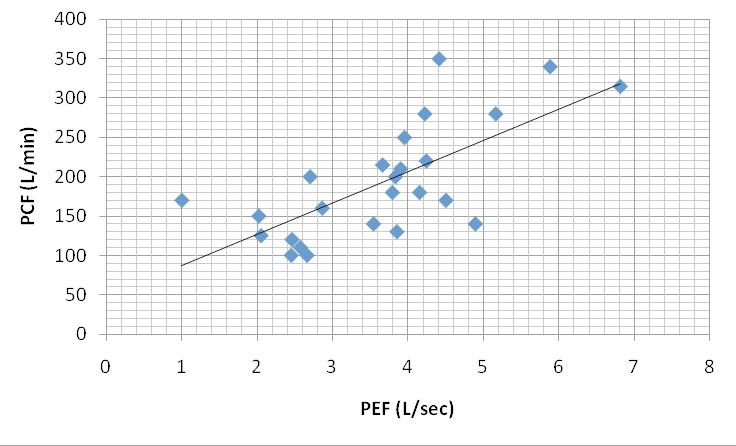
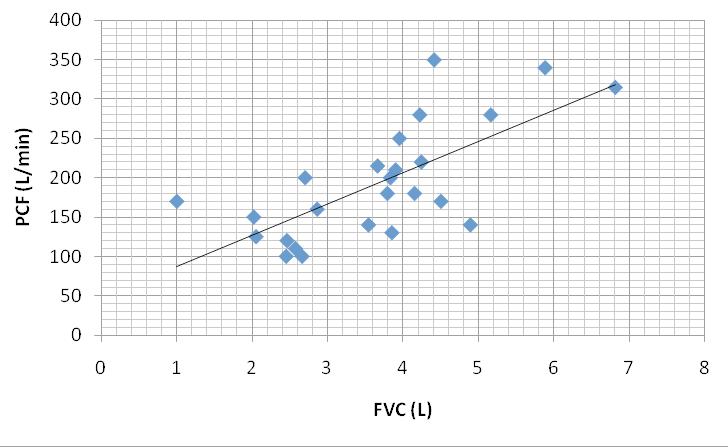
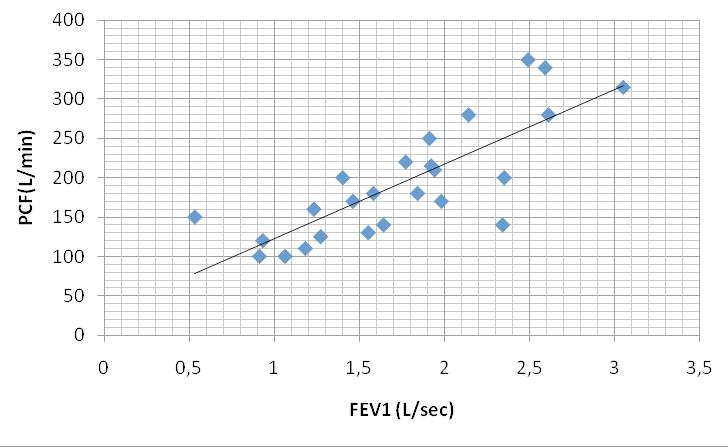
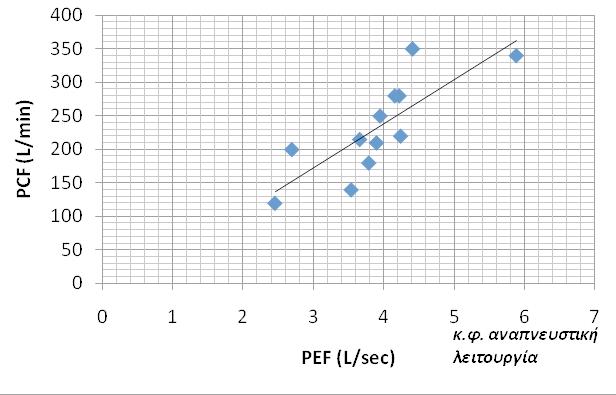
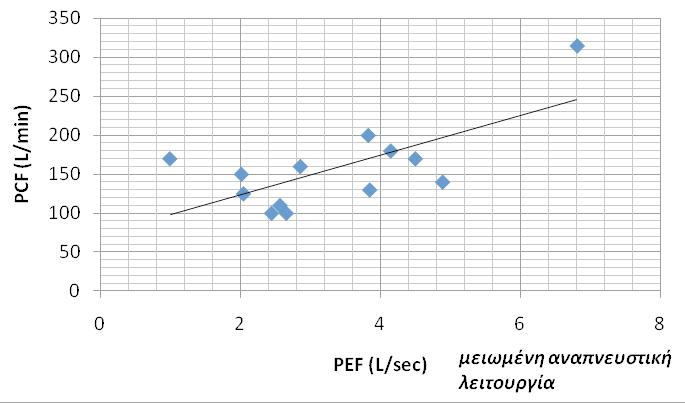
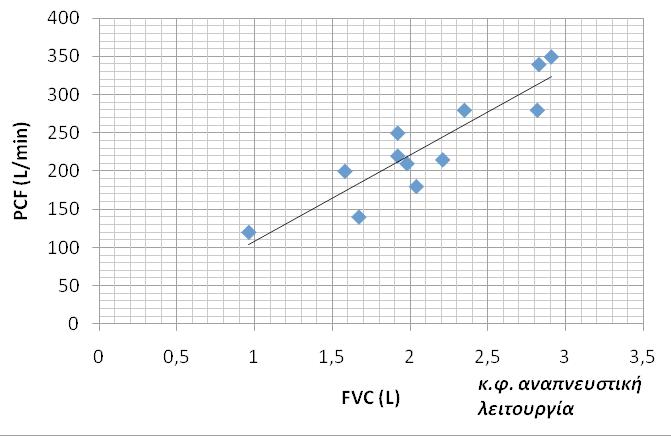
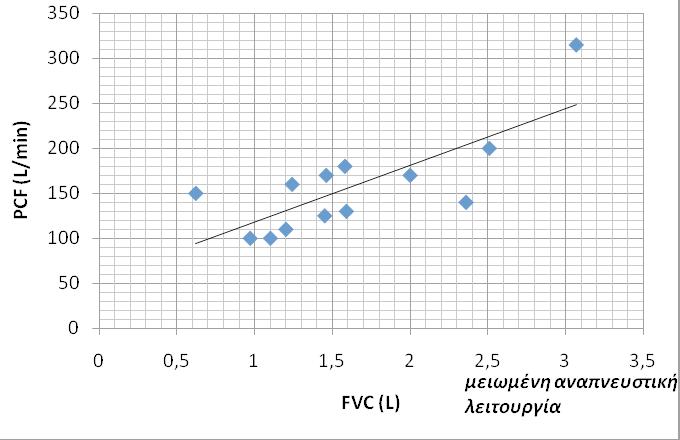
SpO2 (97,77±0,61% VS 97,7±0,82%, p>0,05).
(34,04±1,56mm Hg VS 32,8±2,56mm Hg, p=0,058). (Πίνακας 1)
1. Allen J. Pulmonary complications of neuromuscular disease: A Respiratory mechanics perspective. Pediatr Res Rev 2010; 11: 18-23
2. Roberto R, Fritz A, Hagar Y, Boice B, Skalsky A, Hwang H, et al. The natural history of cardiac and pulmonary function decline in patients with duchenne muscular dystrophy. Spine 2011; 36:1009-17
3.
Θεσσαλονίκη: University Studio Press 2006: 35-44
4. Backman H, Lindberg A, Sovijärvi A, Larsson K, Lundbäck B, Rönmark E. Evaluation of the global lung function initiative 2012 reference values for spirometry in a Swedish population sample. BMC Pulm Med 2015; 25, 15:26
5. Sharma GD. Pulmonary function testing in neuromuscular disorders. Pediatrics 2009; 123: 219-21
6. Panitch HB. The pathophysiology of respiratory impairment in pediatric neuromuscular diseases. Pediatrics 2009; 123: 215-8
7. Suárez AA, Pessolano FA, Monteiro SG, Ferreyra G, Capria ME, Mesa L, et al. Peak flow and peak cough flow in the evaluation of expiratory muscle weakness and bulbar impairment in patients with neuromuscular disease. Am J Phys Med Rehabil 2002; 81: 506-11
8. Gauld LM, Boynton A. Relationship between peak cough flow and spirometry in Duchenne Muscular Dystrophy. Pediatr Pulmonol 2005; 39:457-60
9. Bersanini C, Khirani S, Ramirez A, Lofaso F, Aubertin G, Beydon N, et al. Nocturnal hypoxemia and hypercapnia in children with neuromuscular disorders. Eur Respir J 2012; 39: 1206-1212
10. Toussaint M, Steens M, Soudon P. Lung function accurately predicts hypercapnia in patients with Duchenne muscular dystrophy. Chest 2007; 13: 368-75
11. Bothwell JE, Gordon KE, Dooley JM, Mac Sween J, Cummings EA, Salisbury S. Vertebral fractures in boys with Duchenne muscular dystrophy. Clin Pediatr 2003; 42: 353–6
12. Smith AD, Koreska J, Moseley CF. Progression of scoliosis in Duchenne muscular dystrophy. J Bone Joint Surg Am 1989; 71: 1066–7
13. Arens R, Muzumdar H. Sleep, sleep disordered breathing, and nocturnal hypoventilation in children with neuromuscular diseases. Pediatr Respir Rev 2010; 11: 24-30
14. Danov Z, Schroth MK. Respiratory Management of Pediatric Patients with Neuromuscular Disease. Pediatric Annals 2010; 39: 769-75
15. Finder JD, Birnkrant D, Carl J, Farber HJ, Gozal D, Iannaccone ST, et al. Respiratory care of the patient with Duchenne muscular dystrophy: ATS consensus statement. Am J Respir Crit
Care Med. 2004; 170: 456-65
16. Parkeri ΑΕ, Robb SA, Chambers J, Davidson AC, Evans K, Dowd JO, et al. Analysis of an adult Duchenne muscular dystrophy population. Q J Med 2005; 98:729–736
17. Bushby K, Finkel R, Birnkrant DJ, Case LE, Clemens PR, Cripe L, et al. Diagnosis and management of Duchenne muscular dystrophy, part 2: implementation of multidisciplinary care. Lancet Neurol 2010; 9:77-93
18. Simonds AK. Recent advances in respiratory care for neuromuscular disease. Chest 2006; 130: 1879-86
19. Fauroux B, Quijano-Roy S, Desguerre I, Khirani S. The value of respiratory muscle testing in children with neuromuscular disease. Chest 2015; 147:552-9
20. 46. Wang CH, Finkel RS, Bertini ES, Schroth M, Simonds A, Wong B, et al. Consensus statement for standard of care in spinal muscular atrophy. J Child Neurol 2007; 22:1027-49
21. Warren R, Stefans V, Horan S. Breathe easy: Respiratory care in neuromuscular diseases, 2nd ed. Tucson: MDA Publications Department, 2009:17-22
22. Strehle EM. Long-term management of children with neuromuscular disorders. J Pediatr (Rio J) 2009; 85: 379-84


NET.ADB
EU.NET.ADB (www.eunetadb.eu). Μέθοδοι:
ποσοστό παχύσαρκων/υπέρβαρων εφήβων (19.8%), ενώ
(6.8%).
αγόρια (ΣΚ=2.89, 95%ΟΑ: 2.46-3.38), η υπερβολική χρήση κοινωνικών δικτύων (ΣΚ=1.26, 95%ΟΑ: 1.01-1.31), η διαμονή στην Ελλάδα (ΣΚ=2.32,,95%ΟΑ: 1.79-2.99) σχετίστηκαν θετικά με παχυσαρκία. Ο αριθμός των αδελφών (ΣΚ=0.79, 95%ΟΑ: 0.64-0.97), οι καλές
σχολικές επιδόσεις (ΣΚ=0.74, 95%ΟΑ: 0.63-0.88), το εκπαιδευτικό επίπεδο των γονέων (ΣΚ=0.89, 95%ΟΑ: 0.82-0.97) και η διαμονή στην Ολλανδία (ΣΚ=0.49, 95%ΟΑ: 0.31-0.77)
σχετίστηκαν
Correspondence
Artemis Tsitsika
24 Mesogeion Av, 11527, Athens, Greece
e-mail: info@youthhealth.gr
T./F.: +302107710824
Association between problematic internet use, socio-demographic variables and overweight/obesity among European adolescents. Results from the
EU.NET.ADB study
Artemis Tsitsika, Elisavet Andrie, Theodora Psaltopoulou, Chara Tzavara, Theodoros Sergentanis, Flora Bacopoulou, Magda Patseadou, Clive Richardson, George Chroussos, Marisa Tsolia
Abstract
Artemis Tsitsika
Elisavet Andrie
Chara Tzavara
Magda Patseadou
Marisa Tsolia
Adolescent Health Unit, 2nd Department of Paediatrics, University of Athens, “P.&A. Kyriakou” Children’s Hospital, Athens
Theodora Psaltopoulou
Theodoros Sergentanis
Department of Hygiene and Epidemiology, Medical School, University of Athens
Flora Bacopoulou
George Chroussos
1st Department of Paediatrics, University of Athens, “Aghia Sophia” Children’s Hospital, Athens
Clive Richardson
Panteion University of Social and Political Sciences
Background: Obesity in childhood and adolescence remains a global public health issue. Loss of control of daily internet use can lead adolescents to neglect their health care and can increase their body weight. This study aims to examine the relationship between problematic internet use and overweight/obesity among adolescents from seven European countries (Iceland, The Netherlands, Germany, Poland, Romania, Spain and Greece) participating in the EU.NET. ADB survey (www.eunetadb.eu).
Methods: A sample of 11.298 adolescents aged 14-17 years (representative samples from each country) took part in the study. Collection of data was performed from October 2011 until May 2012. The questionnaire included socio-demographic data, information about internet use, family, school achievement and parental control. Body weight and height were self-reported. Internet addiction tool (IAT) (Young 1998) was used for assessing excessive internet use. Logistic regression analysis was used for data processing.
Results: A percentage of 12.4% of the whole sample were overweight/obese and 14.1% were detected with problematic internet use. Greece had the highest adolescent overweight/obesity prevalence (19.8%), while the Netherlands the lowest one (6.8%). Males (OR=2.89, 95% CI: 2.46-3.38), excessive use of social networking (OR=1.26, 95% CI: 1.01-1.31) and Greek ethnicity (OR=2.32, 95% CI: 1.79-2.99) were significantly associated with overweight/obesity. Having a sibling (OR=0.79, 95% CI: 0.64-0.97), high school performance (OR=0.74, 95% CI: 0.63-0.88), high parental educational level (OR=0.89, 95% CI: 0.82-0.97) and Dutch ethnicity (OR=0.49, 95% CI: 0.31-0.77) were inversely related to obesity.
Conclusions: The association between overweight/obesity and problematic internet use, as well as specific socio-demographic variables, can set the basis for the development of public health policies.
Keywords: adolescents, overweight, demographic, socioeconomic factors, problematic internet use
22.0 (IBM Corp., Armonk, NY, USA).
ήταν άρρενες (n=5.140) και οι 8.972 (87,8%) είχαν
αδερφιών=1,9,
9.012 (87,6%) είχαν
απόκλιση (Standard Deviation, SD=1.3, διάμεσος τιμή, Median=1). Οι 1.275 συμμετέχοντες (12,4%) ήταν υπέρβαροι/παχύσαρκοι, ενώ
(SD=3.1).
(p<0.001, Pearson chi-square test).
(OR=3.20, 95% CI: 2.79-3.67),
ΚΔ (OR=1.15, 95% CI: 1.01-1.31), την ΕΔΒ χρήση
διαδικτύου (OR=1.14, 95% CI: 1.01-1.29) και τη ΣΕΔ (OR=1.70, 95% CI: 1.08-2.67). Αντιθέτως, το υπέρβαρο/παχύσαρκο σχετίστηκε
ηλικία (OR=0.84, 95% CI: 0.73-0.95), την ύπαρξη αδερφών στην οικογένεια (OR=0.80, 95% CI: 0.67-0.95), την καλή σχολική επίδοση (OR=0.79, 95% CI: 0.69-0.90), και το υψηλό μορφωτικό επίπεδο των γονέων (OR=0.87, 95% CI: 0.82-0.93). Σχετικά με τη διαφορά που
καταγράφηκε μεταξύ των επτά ευρωπαϊκών χωρών, η Ελλάδα (OR=2.08, 95% CI: 1.64-2.64)
(OR=1.44, 95% CI: 1.11-1.85)
(OR=0.61, 95% CI: 0.41-0.91).
Ο πίνακας 4 δείχνει τα αποτελέσματα της
φύλο (OR=2.89, 95% CI: 2.46-3.38), η ΕΔΒ χρήση ΚΔ (OR=1.26, 95% CI: 1.091.46) και η ελληνική (OR=2.32, 95% CI: 1.79-2.99) ή
(OR=1.48, 95% CI: 1.121.96)
(OR=0.74, 95% CI: 0.63-0.88),
(OR=0.79, 95% CI: 0.64-0.97),
(OR=0.89, 95%CI: 0.820.97)
95%CI: 0.31-0.77)
1629 (15.8)
1492 (14.5) 1646 (16.0) 1437 (14.0)
1845 (17.9) 844 (8.2) 1394 (13.6) 5147 (50.0) 5140 (50.0) 5544 (53.9) 4743 (46.1) 9012 (87.6) 1092 (10.6) 183 (1.8) 1576 (16.4) 3525 (36.7)
3041 (31.7) 1261 (13.1) 192 (2.0) 1245 (12.2) 8972 (87.8)
65 (0.7) 622 (7.0)
2609 (29.4) 2276 (25.6)
3303 (37.2)
Ελλάδα
Φυσιολογικό
Υπέρβαρο/Παχύσαρκο
Γερμανία
Φυσιολογικό
Υπέρβαρο/Παχύσαρκο
Ισλανδία
Φυσιολογικό
(2.79-3.67)
(0.73-0.95)
(0.67-0.95)
(2.46-3.38)
(0.64-0.97)
(0.82-0.97)
(0.63-0.88) 1.26 (1.09-1.46) 2.32 (1.79-2.99) 1.48 (1.12-1.96) 1.16 (0.85-1.60) 0.96 (0.72-1.29)
(0.59-1.09)
(0.31-0.77)
Βιβλιογραφία
1. Moreno MA, Jelenchick L, Cox E, Young H, Christakis DA. Problematic internet use among US youth: a systematic review. Arch Pediatr Adolesc Med 2011;165:797-805.
2. Christakis DA, Moreno MA. Trapped in the net: will internet addiction become a 21stcentury epidemic? Arch Pediatr Adolesc Med 2009;163:959–960.
3. Dell’Osso B, Altamura AC, Allen A, Marazziti D, Hollander E. Epidemiologic and clinical updates on impulse control disorders-A critical review. Eur Arch Psychiatry and Clin Neurosci 2006;256:464–475.
4. Pallanti S, Bernardi S, Quercioli L. The Shorter PROMIS Questionnaire and the Internet Addiction Scale in the assessment of multiple addictions in a high-school population: prevalence and related disability. CNS Spectr 2006 11:966–974.
5. Siomos KE, Dafouli ED, Braimiotis DA, Mouzas OD, Angelopoulos NV. Internet addiction among Greek adolescent students. Cyberpsychol Behav 2008;11:653–657.
6. Villella C, Martinotti G, Di Nicola M, Cassano M, La Torre G, Gliubizzi MD, et al. Behavioural Addictions in Adolescents and Young Adults: Results from a Prevalence Study. J Gambl Stud 2011;27:203-14.
7. Zboralski K, Orzechowska A, Talarowska M, Darmosz A, Janiak A, Janiak M, et al. The prevalence of computer and Internet addiction among pupils. Postepy Hig Med Dosw (Online) 2009; 63:8–12.
8. Choi K, Son H, Park M, Han J, Kim K, Lee B, et al. Internet overuse and excessive daytime sleepiness in adolescents. Psychiatry Clin Neurosci 2009;63:455-62
9. Lam LT, Peng Z, Mai J, Jing J. The association between internet addiction and self-injurious behaviour among adolescents. Inj Prev 2009;15:403-8.
10. Ko CH, Yen JY, Yen CF, Chen CS, Weng CC, Chen CC. The association between Internet addiction and problematic alcohol use in adolescents: the problem behavior model. Cyberpsy-
chol Behav 2008;11:571-6.
11. Yoo HJ, Cho SC, Ha J, Yune SK, Kim SJ, Hwang, et al. Attention deficit hyperactivity symptoms and Internet addiction. Psychiatry Clin Neurosci 2004;58:487-94.
12. Haug E, Rasmussen M, Samdal O, Iannotti R, Kelly C, Borraccino A, et al. Overweight in school-aged children and its relationship with demographic and lifestyle factors: results from the WHO-Collaborative Health Behaviour in School-aged Children (HBSC) study. Int J Public Health 2009;54 (Suppl 2):167-79.
13. Noh JW, Kim YE, Oh IH, Kwon YD. Influences of socioeconomic factors on childhood and adolescent overweight by gender in Korea: cross-sectional analysis of nationally representative sample. BMC Public Health 2014 7;14:324.
14. National Center for Health Statistics (US). Health, United States, 2011: With Special Features on Socioeconomic Status and Health. Hyattsville (MD): National Center for Health Statistics (US); 2012. Report No.: 2012-1232. Health, United States.
15. Ogden CL, Carroll MD, Kit BK, Flegal KM. Prevalence of obesity and trends in body mass index among US children and adolescents, 1999–2010. http://www.ncbi.nlm.nih.gov/pubmed/ ?term=15.%09Ogden+CL%2C+Carroll+MD%2C+Kit+BK%2C+%3A+Prevalence+of+obesity +and+trends+in+body+mass+index+among+US+children+and+adolescents 2012;307:483-90.
16. Sato AF, Jelalian E, Hart CN, Lloyd-Richardson EE, Mehlenbeck RS, Neill M, et al. Associations between parent behavior and adolescent weight control. J Pediatr Psychol 2011;36:45160.
17. McLaren L. Socioeconomic status and obesity. Epidemiol Rev 2007;29:29–48.
18. Bibiloni Mdel M, Pons A, Tur JA. Prevalence of overweight and obesity in adolescents: a systematic review. ISRN Obes 2013;2013:392747.
19. Fulton JE, Wang X, Yore MM, Carlson SA, Galuska DA, Caspersen CJ. Television viewing, computer use, and BMI among U.S. children and adolescents J Phys Act Health 2009; 6 (Suppl 1):S28-35.
20. Janssen I, Katzmarzyk PT, Boyce WF, Vereecken C, Mulvihill C, Roberts C, et al. Comparison of overweight and obesity prevalence in school-aged youth from 34 countries and their relationships with physical activity and dietary patterns. Obes Rev 2005; 6:123-132.
21. Patrick K, Norman GJ, Calfas KJ, Sallis JF, Zabinski MF, Rupp J, et al. Diet, physical activity, and sedentary behaviors as risk factors for overweight in adolescence. Arch Pediatr Adolesc Med 2004 ;158:385-90.
22. Burke V, Beilin LJ, Durkin K, Stritzke WG, Houghton S, Cameron CA. Television, computer use, physical activity, diet and fatness in Australian adolescents. Int J Pediatr Obes 2006; 1:248-255.
23. Serra-Majem L, Aranceta Bartrina J, Pérez-Rodrigo C, Ribas-Barba L, Delgado-Rubio A. Prevalence and deteminants of obesity in Spanish children and young people. Br J Nutr 2006; 96 (Suppl 1):S67-72.
24. Li M, Deng Y, Ren Y, Guo S, He X. Obesity status of middle school students in Xiangtan and its relationship with Internet addiction. Obesity 2014;22:482-7.
25. Tsitsika A, Janikian M, Schoenmakers TM, Tzavela EC, Olafsson K, Wójcik S, et al. Internet addictive behavior in adolescence: a cross-sectional study in seven European countries. Cyberpsychol Behav Soc Netw 2014;17:528-35.
26. Young K. Internet addiction: The emergence of a new clinical disorder. Cyberpsychol Behav 1998; 1:237–44.
27. Cole TJ, Bellizzi MC, Flegal KM, Dietz WH. Establishing a standard definition for child overweight and obesity worldwide: international survey. BMJ 2000; 320: 1240-1243.
28. Cole TJ, Flegal KM, Nicholls D, Jackson AA. Body mass index cut offs to define thinness in children and adolescents: international survey. BMJ 2007; 335: 194.
29. O’Dea JA, Wilson R. Socio-cognitive and nutritional factors associated with body mass index in children and adolescents: possibilities for childhood obesity prevention. Health Educ Res 2006; 21:796–805.
30. Sweeting H. Gendered dimensions of obesity in childhood and adolescence. Nutr J 2008;14;7:1.
31. de Moraes AC, Fadoni RP, Ricardi LM, Souza TC, Rosaneli CF, Nakashima AT, et al.
Prevalence of abdominal obesity in adolescents: a systematic review, Obes Rev 2001;12:69–77.
32. Livingstone B. Epidemiology of childhood obesity in Europe. European Journal of Pediatrics Eur J Pediatr. 2000;159 (Suppl 1):S14-34.
33. Hanson MD, Chen E. Socioeconomic status and health behaviors in adolescence: a review of the literature. J Behav Med 2007; 30:263–285.
34. Richmond TK, Subramanian SV. School level contextual factors are associated with the weight status of adolescent males and females. Obesity 2008;16:1324-30.
35. Stavropoulos V, Alexandraki K, Motti-Stefanidi F. Recognizing internet addiction: prevalence and relationship to academic achievement in adolescents enrolled in urban and rural Greek high schools. J Adolesc 2013;36:565-76.
36. Kautiainen S, Koivusilta L, Lintonen T, Virtanen SM, Rimpelä A. Use of information and communication technology and prevalence of overweight and obesity among adolescents. Int J Obes 2005;29:925-933.
37. Himes JH, Hannan P, Wall M, Neumark-Sztainer D. Factors Associated with Errors in Selfreports of Stature, Weight, and Body Mass Index in Minnesota Adolescents. Ann Epidemiol 2005;15:272-8 .
38. Strauss RS. Comparison of measured and self-reported weight and height in a cross-sectional sample of young adolescents. Int J Obes Relat Metab Disord 1999;23:904–8.
39. Goodman E, Hinden BR, Khandelwal S. Accuracy of Teen and Parental Reports of Obesity and Body Mass Index. Pediatrics 2000;106:52–8.
w w w.e-child .gr