Introduction: The WHO defines oral health as one of the important elements that determine the general health and quality of life (WHO 2007).
Aim: To evaluate the results of a preventive dental program, in the heterogeneous student population of 6th elementary class (WHO oral health index 12yrs).
Materials and Methods: In cooperation with the Municipality and following parental permission, participation of 145 students (out of 274 of the 6thgrade, school year2013-14) in a preventative dental check up was performed at our Hospital. Participants accounted for 53% of students, where boys=50.3%, Greek children=74.5%, immigrants=6.2%, Roma=19.3%).
Results: Caries was found in 35.8% of students, with an average of decayed teeth/person=1.8 and a ratio of girls/boys=1.16/1. Filled teeth were encountered in 31.7% of children (~50% with ≥2 fillings, mostly girls) with an average of filled tooth/person=1.5. The mean DMFT index=1.13. Gingivitis occurred in 6.3% (boys/girls=8/1) and dental plaque in 94.5%. The mean index DI-s=0,94. Total untreated caries needs were UTN=57,3% (greek-children=48.3%, roma=75%, immigrants=81%) while 4 out of 10 adolescents were free of caries. Orthodontic problems were identified in 74% of students (boys/girls=1.3/1). Nearly 38% of students have preventive dental check ups (13.1% yearly), with inequalities due to ethnicity and for 7% was their first dental visit.
Conclusions: Caries prevalence is high among our students, their oral-health status was moderate, their dental monitoring incomplete and there are important inequalities due to ethnicity. It is important to inform both students and their parents about good oral-health and hygiene, to establish improved dental care especially for sensitive populations and to implement customized programs for the promotion of oral-health.
Department of Pediatrics, General Hospital of NikaiaPiraeus “Agios Panteleimon”- General Hospital of Western Attica”Agia Varvara”, Athens, Greece
Venetia Sotiri
Petros Almagout
Department of Dentistry, General Hospital of Western Attica ”Agia Varvara”, Athens, Greece
Gluck,1972)
z test calculator for 2 population proportions and two tailed hypothesis και β) Chi-square calculator for 5*5 (or less) table. To
στο 6,3% (95%CL=2,4%-10,2%),
(αγόρια/κορίτσια=8/1), (Πίνακας 3).
(Greene,1967),
The chi-square statistic is 7.9347. The P-Value is 0.018924. The result is significant at p <0.05
The chi-square statistic is 8.4648. The P-Value is 0.014518. The result is significant at p <0.05
Bolin (1996)
DMFT=2,35 (31),
Demertzi
DMFT=4,5 το 1989 που μειώθηκε σε 1,81 το 2001 (32), των Ουλής Κ κ συν.(2005), πανελλαδικά,
(2008)
DMFT=2,05 (15),
DMFT=0,79 (20),
(40).
(GOOGH 2009).
Βιβλιογραφία
1. World Health Organization global policy for improvement of oral health - World Health Assembly 2007. Dr. Poul Erik Petersen* International Dental Journal Volume 58, Issue 3, pages 115–121, June 2008
2. Oral health status and treatment needs among primary school going children in Nagrota Bagwan block of Kangra ,Himachal Pradesh. Anupriya Sharma, Pradeep Bansal,1 Ashoo Grover,2 Suresh Sharma, and Ashish Sharma3 J Indian Soc Periodontol. 2014 Nov-Dec; 18(6): 762–766.
3. A global view of oral diseases: Today and tomorrow. Barmes DE. Community Dent Oral Epidemiol.1999;27:2–7. [PubMed]
4. Prevalence of dental caries among 12–14 year old children in Qatar Mohammed Al-Darwish, Walid El Ansari, Abdulbari Bener Saudi Dent J. 2014 July; 26(3): 115–125. Published online 2014 May 5. doi: 10.1016/j.sdentj.2014.03.006
5. Prevalence of Dental Caries in relation to Body Mass Index, Daily Sugar Intake, and Oral Hygiene Status in 12-Year-Old School Children in Mathura City: A Pilot Study Prahlad Gupta, Nidhi Gupta, Harkanwal Preet Singh, Int J Pediatr. 2014; 2014: 921823.
6. Caries-risk assessment. Reich E, Lussi A, Newbrun E International Dental Journal. 1999;49(1):15–26.[PubMed]
7. Caries prevention. A continued need worldwide. Blinkhorn AS1, Davies RM. Int Dent J. 1996 Jun;46(3):119-25.
8) Forty years of national surveys: An overview of children's dental health from 1973-2013. Murray JJ1, Vernazza CR, Holmes RD. Br Dent J. 2015 Sep 25;219(6):281-5. doi: 10.1038/ sj.bdj.2015.723.
9.Changes in dental caries 1953-2003. Marthaler TM1. Caries Res. 2004 May-Jun;38(3):173-81. 10. World Health Organization. Oral health country/area profile programe. Geneva (CH): WHO; 2015. Available from: www.collab.od.mah.se.
11. Oral and Dental Health. Prevention of Dental Caries, Erosion, Gingivitis and Periodontitis. Loveren CV [Updated: 2009; Accessed 2015 Feb 21]. Available from: http://www.ilsi.org/Europe/Publications/C2009Oral_Den.pdf .ed 2015 Feb 21].
12. Effective use of fluorides for the prevention of dental caries in the 21st century: the WHO approach. Petersen PE, Lennon MA, Community Dent Oral Epidemiol. 2004;32(5):319–321. [PubMed]
13. Dental caries and oral health practice among 12 year old school children from low socioeconomic status background in Zimbabwe.Mafuvadze BT1, Mahachi L, Mafuvadze B. Pan Afr Med J. 2013 Apr 29;14:164. doi: 10.11604/pamj.2013.14.164.2399. Print 2013. 14.
97-120 ,2009.
15. Caries prevalence of 5, 12 and 15-year-old Greek children: a national pathfinder survey. Oulis CJ1, Tsinidou K, Vadiakas G, Mamai-Homata E, Polychronopoulou A, Athanasouli T. Community Dent Health. 2012 Mar;29(1):29-32.
16. Epidemiology and risk factors of periodontal diseases. Albandar JM.Dent Clin North Am. 2005 Jul; 49(3):517-32, v-vi.
17. Oral health related quality of life of Greek adolescents: a cross-sectional study. Papaioannou W1, Oulis CJ, Latsou D, Yfantopoulos J. Eur Arch Paediatr Dent. 2011 Jun;12(3):146-50.
18. Epidemiology of dental pain and dental caries among children and adolescents. Slade GD . Community Dent Health. 2001;18(4):219–227. [PubMed]
19. Dental caries and oral health practices among 12 year old children in Nairobi West and Mathira West Districts, Kenya. Gathecha G, Makokha A, Wanzala P, Omolo J, Smith P. Pan
Afr Med J. 2012;12:42–49.
20.
2008,65(1):32-38.
21. Influence of sociodemographic variables on use of dental services, oral health and oral hygiene among Spanish children. Jimenez R, Tapias-Ledesma MA, Gallard-Pino C, Carracoso P, De Miguel AG. Int Dent J 2004,54: 187-192
22. Dental care considerations for young children. Edelstein BL.Spec Care Dentist. 2002;22(3 Suppl):11S-25S. R
23. Oral hygiene and periodontal status of 12 and 15-year-old Greek adolescents. A national pathfinder survey. Vadiakas G1, Oulis CJ, Tsinidou K, Mamai-Homata E, Polychronopoulou A. Eur Arch Paediatr Dent. 2012 Feb;13(1):11-20.
24. World Health Organization. Oral Health Survey: Basic method. 3 rd ed. Geneva: Oral Health Unit; 1997
25. Εθνικό
2008-2012.
26. Oral health information for Appalachia-West Virginia children: a cross-sectional analysis. R Constance Wiener,1 Alcinda Trickett Shockey,2 and Regina Wiener-Pla3, Research (Lambertville). 2014;1. pii: 993.
27. Parental knowledge of pre-school child oral health. Prabhu A, Rao A, Reddy V, Ahamed S, Muhammad S, Thayumanavan S J Community Health. 2013;38:880–4. [PubMed]
28.Socioeconomic inequalities in the non-use of dental care in Europe. Tchicaya A, Lorentz N.Int J Equity Health. 2014 Jan 29;13:7.
29. Oral health in children and adolescents with different socio-cultural and socio-economic backgrounds. Lisa Bøge Christensen*a, Svante Twetmanb & Annette Sundbyc Acta Odontologica ScandinavicaVolume 68, Issue 1, 2010
30. The decline in dental caries among 12-year-old children in Germany between 1994 and 2000. Pieper K, Schulte AG. Community Dent Health. 2004 Sep;21(3):199-206.
31. Children's dental health in Europe. Caries treatment need in 5- and 12-year-old children from eight EU countries.Bolin AK1, Bolin A, Alfredsson L. Acta Odontol Scand. 1996 Dec;54(6):355-61.
32. Caries prevalence of 11.5 year-olds between 1989 and 2001 in a province of NorthEastern Greece. Demertzi A, Topitsoglou V, Muronidis S.Community Dent Health. 2006 Sep;23(3):140-6.
33) Dental caries prevalence and treatment needs of 5- to 12-year-old children in relation to area-based income and immigrant background in Greece.Gatou T, Koletsi Kounari H, MamaiHomata E. Int Dent J. 2011 Jun;61(3):144-51. doi: 10.1111/j.1875-595X.2011.00031.x.
34. Oral hygiene habits of 11-year-old schoolchildren in 22 European countries and Canada in 1993/1994., Kuusela S, Honkala E, Kannas L, Tynjälä J, Wold B (1997) J Dent Res 76, 16021609
35. Gender differences in child-related and parent-related determinants of oral health-related lifestyle among 11- to 12-year-old Finnish schoolchildren. Poutanen R, Lahti S, Tolvanen M, Hausen H (2007)Acta Odontol Scand 65, 194-200
36. Surveillance for Dental Caries, Dental Sealants, Tooth Retention, Edentulism, and Enamel Fluorosis --- United States, 1988--1994 and 1999--2002Eugenio D. Beltrán-Aguilar, DMD,1 Laurie K. Barker, MSPH,1 María Teresa Canto, DDS,2 Bruce A. Dye, DDS,3 Barbara F. Gooch, DMD,1 Susan O. Griffin, PhD,1 Jeffrey Hyman, DDS,2 Freder Jaramillo, DDS,1 Albert Kingman, PhD,2 Ruth Nowjack-Raymer, PhD,2 Robert H. Selwitz, DDS,2 Tianxia Wu, PhD2 MMWR August 26,2005/54(03): 1-44.
37. Explaining sex differences in dental caries prevalence: saliva, hormones, and "life-history" etiologies. Lukacs JR1, Largaespada LL. Am J Hum Biol. 2006 Jul-Aug;18(4):540-55
38. The effect of socio-economic status and ethnicity on the comparative oral health of Asian and White Caucasian 12-year-old children. Dugmore CR, Rock WP. Community Dent Health. 2005 Sep;22(3):162-9.
39. Socio-economic effect on caries. Incidence data among Swedish 12-14-year-olds. Källestål C, Wall S.Community Dent Oral Epidemiol. 2002 Apr;30(2):108-14. 40.
Korydallos news .gr
41. Prevalence of sealants in relation to dental caries on the permanent molars of 12 and 15-yearold Greek adolescents. A national pathfinder survey Constantine J Oulis1*, Elias D Berdouses2, Eleni Mamai-Homata3 and Argyro Polychronopoulou3 BMC Public Health 2011, 11:100 doi:10.1186/1471-2458-11-100
Correspondence
Stavroula Papadakou
“Spyros Doxiadis” Diagnostic and Therapeutic Unit for the Child, Athens Greece
Comparative study of use of corporal punishment to children in Greece preceding and followingits criminalization
Stavroula Papadakou, Constantina Katopi, Alexandra Palili, Stavroula Gini, Ioanna Sgouromalli
Abstract
Background: Physical punishment of children is used by parents as a means of behavioral correction. In Greece, this practice was penalized by law in 2006.
Methods: The research, that took place in 2014, aims at the comparative study (with our research in 2001) and the investigation of the change of attitude and perceptions about the use of corporal punishment in children after its legal abolition in our country in 2006. The additional objective is the detection of any need for information about the subject. We addressed to 350 parents who brought their children to our pediatric department with questionnaires to answer optionally and anonymously.
Stavroula Papadakou
“Spyros Doxiadis” Diagnostic and Therapeutic Unit for the Child, Athens Greece
Pediatric Department of “Asklipiion Voulas” General Hospital, Athens Greece
Constantina Katopi
Alexandra Palili
Pediatric Department of “Asklipiion Voulas” General Hospital, Athens Greece
Stavroula Gini
Pediatric Department of “Asklipiion Voulas” General Hospital, Athens Greece
Ioanna Sgouromalli
“Spyros Doxiadis” Diagnostic and Therapeutic Unit for the Child, Athens Greece
Results: A 27.36% (compared with 83% in 2001) of the respondents said they physically punished their children and 88.46% of them accepted the loss of their temper. The existence of a supportive person at home is combined with a reduction in the use of physical punishment, in the same proportion. The majority of parents agree with the criminalization of this practice, with a 52.63% of them looking for special parenting education, 55.78% from the pediatrician. Conclusions: Nowadays, the need for increased protection of childhood is as urgent as ever. The ban on corporal punishment as a method of educating children in Greece in 2006 led to a significant change in public opinion, since its use was significantly reduced compared to 2001. This decline can be attributed to both criminalization as such and public debate which began on the occasion of the law.
Λετονία (1998), την Κροατία (1998), το Ισραήλ (2000), τη
(1994), τη
(1997),
(2000), Ισλανδία (2003) και
Βιβλιογραφία
1. Gil,David G. Violence Against Children - Physical Child Abuse in the United States. Harvard University Press, 1st ed. 1970; revised ed., 1970.
2. Wiehe, V. R. 1970, Religious Influence on Parental Attitudes toward the Use of Corporal Punishment. Journal of Family Violence 5:173-86.
3. Sears R., Maccoby E., Levin H., Patterns of Child Rearing, Stanford University Press, California, 1957.
4. Tracie O. Afifi, Natalie Mota, Harriet L. MacMillan, Jitender Sareen. Harsh Physical Punishment in Childhood and Adult Physical Health. Pediatrics, August 2013:132:2
5. Παπαδάκου
6. www.unicef.org/crc/
7. Durrant J. Evaluating the success of Sweden’s corporal punishment ban. Child Abuse & Neglect, May 1999, 23: 435–4
8. Durrant J, Staffan J. Law Reform, Corporal Punishment and Child Abuse: The Case of Sweden. International Review of Victimology May 2005, 12:2:139-158.
9. Durrant, J. E. (2003). Legal reform and attitudes toward physical punishment in Sweden. The International Journal of Children’s Rights, 11, 147–173.
10. Statistics Sweden. (1996).Spanking and other forms of physical punishment. Stockholm:Statistics Sweden.
11. Joan E. Durrant. Evaluating the success of Sweden’s corporal punishment ban. Child Abuse & Neglect, Volume 23, Issue 5, May 1999, Pages 435–448
12. Joan E. Durrant, Staffan Janson.Law Reform, Corporal Punishment and Child Abuse: The Case of Sweden. International Review of Victimology May 2005 vol. 12 no. 2 139-158.
13. http://www.childrenareunbeatable.org.uk
14. Committee on the Rights of the Child, 19 September 2014, CRC/C/HUN/CO/3-5. Ad-
vance Unedited Version, Concluding observations on third-fifth report, paras. 33 and 34
15. www.cheo.on.ca/en/physicalpunishment
16. Elliman D, Margaret A. L. The physical punishment of children, Archives of Diseases in Childhood, 2000, 83:196-198.
17. Save the Children, UNICEF, CEAPA, CONCAPA. Educate, don’t punish, awareness campaign against corporal punishment in children, http://www.unicef.org/lac/spbarbados/Implementation/CP/Global/Educate_donthit
18. Royal College of Paediatrics and Child Health, Position Statement on corporal punishment,2009.
19. Gilbert et al Child maltreatment: Burden and consequences in high income countries. The Lancet 2009 Jan 3;373(9657):68-881.[*]
20. Gilbert et al. Child maltreatment: variations and trends in six developed countries. The Lancet 2012;Feb 25; 379:758-772.
21. Freitag R, Lazoritz S, Kini N. Psychosocial aspects of child abuse for primary care pediatricians, Pediatric Clinics of North America, April 1988: 45:2
22.
24. Tsakiridi. P., Beri D., Tsounakis S., Papazoglou T., Zigoyianni K., Ziva–Petropoulou M., Papadakou, Corporal punishment of children as a practice of behaviour modification. Lagoyianni St. Paediatric Department of “Asclepeio” Voulas Hospital, Athens, Greece. September 2002, Hydra island Greece Essop, Annual Meeting. 25-28.
e-mail:
Correspondence
Michael Chourdakis
Aristotle University, Thessaloniki - Greece
Τ. +302310013584
e-mail: mhourd@auth.gr
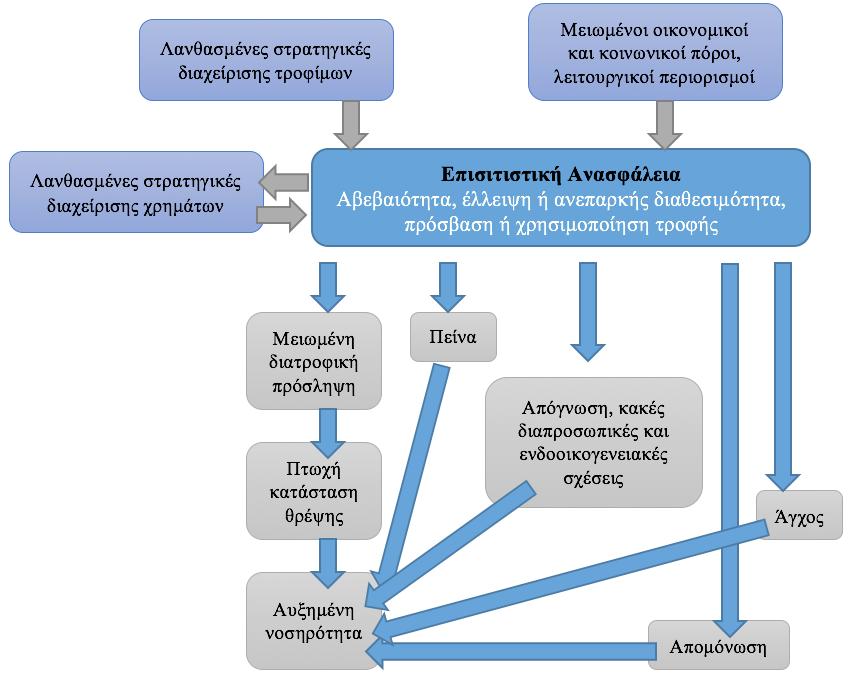
Food Insecurity during Childhood: causes, prevalence, results and recommendations
Maria G. Grammatikopoulou, Xenophon Theodoridis, Michael Chourdakis, Andreas Oikonomou, Ilias Tirodimos, Theodore Dardavessis
Abstract
Food insecurity is defined as the limited and/or precarious access to nutritionally adequate and secure food, as well as the limited/uncertain ability to obtain sufficient food in socially accepted ways. In childhood, it is associated with a number of negative developmental changes, including behavioral problems, poor health in general, but also disrupted social relationships, delayed speech development, shame, poor school performance and abstinence from school, impaired lifestyle, low levels of physical activity, increased energy intake, adopting an unhealthy diet and inadequate intake of micronutrients such as calcium, iron and zinc. It is a precursor condition leading to changes in child's physiology, such as low stature.
1. Food and Agriculture Organization of the United Nations, International Fund for Agricultural Development, and World Food Programme. The State of Food Insecurity in the World 2014. Strengthening the enabling environment for food security and nutrition. Rome: FAO: Rome; 2014.
3. Fram MS, Bernal J, Frongillo EA. The Measurement of Food Insecurity among Children: Review of literature and concept note, Innocenti Working Paper No.2015-08. Florence: UNICEF Office of Research; 2015.
4. Pinstrup-Andersen P. Food security: definition and measurement. Food Sec 2009; 1:5–7.
5. Coleman-Jensen A, Nord M, Singh A. Household food security in the United States in 2012. Washington, DC: US Department of Agriculture, Economic Research Service; 2013.
6. American Academy of Pediatrics, Council on Community Pediatrics, Committee on Nutrition. Promoting Food Security for All Children. Pediatrics 2015;136:e1431-e1438.
7. US Food Security. Before and After the Great Recession. Washington, DC: US Department of Agriculture, Economic Research Service; 2015. Webpage: www.ers.usda.gov/data-products/ food-security-in-the-united-states/interactive-chart-food-security-trends.aspx
8. Habicht J-P, Pelto G, Frongillo E, Rose D. Conceptualization and instrumentation of food insecurity. Workshop on the Measurement of Food Insecurity and Hunger.National Academy of Sciences; 2004.
9.Ke J, Ford-Jones EL. Food insecurity and hunger: A review on children’s health and behavior. Paediatr Child Health 2015;20:89-91.
10. Melchior M, Chastang JF, Falissard B, Galéra C, Tremblay RE, Côté SM et al. Food insecurity and children’s mental health: A prospective birth cohort study. PLoS One 2012;7:e52615.
11. Zaslow M, Bronte-Tinkew J, Capps R, Horowitz A, Moore KA, Weinstein D. Food security during infancy: implications for attachment and mental proficiency in toddlerhood. Maternal Child Health J 2009;13:66-80.
12. Black M. Integrated strategies needed to prevent iron deficiency to promote early childhood development. J Trace Elem Med Biol 2012;26:120-123.
13. Saha KK, Tofail F, Frongillo EA, Rasmussen KM, Arifeen SE, Persson LA, et al. Household food security is associated with early childhood language development: results from a longitudinal study in rural Bangladesh. Child: Care, Health Develop 2010;36:309-316.
14. Jaffe K, Bernal J, Herrera H. Relation between shame, nutrition and happiness in children. Acta Cientifica Venezolana 2014;65:29-39.
15. Belsky DW, Moffitt TE, Arseneault L, Melchior M, Caspi A. Context and sequelae of food insecurity in children’s development Am J Epidemiology. 2010;172:809-818.
16. Kirkpatrick SI, McIntyre L, Potestio ML. Child hunger and long-term adverse consequences for health. Arch Pediatr Adolesc Med 2010;164:754-762.
17. Casey PH, Szeto KL, Robbins JM, Stuff JE, Connell C, Gossett JM, et al. Child health-related quality of life and household food insecurity. Arch Pediatr Adolescent Med 2005;159:51-56.
18. Cook JT, Frank DA, Levenson SM, Neault NB, Heeren TC, Black MM, et al. Child food insecurity increases risks posed by household food insecurity to young children’s health. J Nutr 2006;136:1073-1076.
19. Dubois L, Francis D, Burnier D, Tatone-Tokuda F, Girard M, Gordon-Strachan G, et al. Household food insecurity and childhood overweight in Jamaica and Québec: A gender-based analysis. BMC Public Health 2011;11:199.
20. Gundersen C, Lohman BJ, Eisenmann JC, Garasky S, Stewart SD. Child-specific food insecurity and overweight are not associated in a sample of 10- to 15-year-old low-income youth. J Nutr 2008;138:371-378.
21. Sharkey JR, Nalty C, Johnson CM, Dean WR. Children’s very low food security is associated with increased dietary intakes in energy, fat, and added sugar among Mexican-origin children (6-11 y) in Texas border Colonias. BMC Pediatr 2012;20:12-16.
22. Bernal J, Frongillo EA, Herrera HA, Rivera JA. Food insecurity in children but not in their mothers is associated with altered activities school absenteeism, and stunting. J Nutr
2014;144:1619-1626.
23. Eicher-Miller HA, Mason AC, Weaver CM, McCabe GP, Boushey CJ. Food insecurity is associated with iron deficiency anemia in US adolescents. Am J Clin Nutr 2009;90:1358–1371.
24. Skalicky A, Meyers AF, Adams WG, Yang Z, Cook JT, Frank DA. Child food insecurity and iron deficiency anemia in low- income infants and toddlers in the United States. Matern Child Health J 2006;10:177–185.
25. Eicher-Miller HA, Mason AC, Weaver CM, McCabe GP, Boushey CJ. Food insecurity is associated with diet and bone mass disparities in early adolescent males but not females in the United States. J Nutr 2011;141:1738–1745.
26. McIntyre L, Williams JVA, Lavorato DH, Patten S. Depression and suicide ideation in late adolescence and early adulthood are an outcome of child hunger. J Affect Disord 2013;150:123129.
27. Whitaker RC, Phillips SM, Orzol SM. Food insecurity and the risks of depression and anxiety in mothers and behavior problems in their preschool-aged children. Pediatrics 2006;118:3.
28. Miko R, Thompson S. Pay the rent or feed the kids? Tough choices. Women Environ Int J 2004;62/63:8-9.
29. Weinreb L, Wehler C, Perloff J, Scott R, Hosmer D, Sagor L, et al. Hunger: Its impact on children’s health and mental health. Pediatrics 2002;110:e41.
30. Hanson KL, Connor LM. Food insecurity and dietary quality in US adults and children: a systematic review. Am J Clin Nutr 2014;100:684–692.
31. Bronte-Tinkew J, Zaslow M, Capps R, Horowitz A, McNamara M. Food insecurity works through depression, parenting, and infant feeding to influence overweight and health in toddlers. J Nutr 2007;137:2160-2165.
32. Portrait F, Teeuwiszen E, Deeg D. Early life undernutrition and chronic diseases at older ages: the effects of the Dutch famine on cardiovascular diseases and diabetes. Soc Sci Med 2011;73:711–718.
33. Drewnowski A. Obesity, diets, and social inequalities. Nutr Rev 2009;67:s36-s39.
34. Kirkpatrick SI, Tarasuk V. Food insecurity is associated with nutrient inadequacies among Canadian adults and adolescents. J Nutr 2008;138:604-612.
35. Frongillo E, Bernal J. Understanding the coexistence of food insecurity and obesity. Curr Pediatric Rep 2014;2:284-290.
36. Powell L, Chaloupka F. Food prices and obesity: evidence and policy implications for taxes and subsidies. The Milbank Quarterly 2009;87:229-259.
37. Stern D, Piernas C, Barquera S, Rivera JA, Popkin BM. Caloric beverages were major sources of energy among children and adults in Mexico, 1999-2012. J Nutr 2014;144:949-956.
38. Frongillo E, Rauschenbach BS, Olson CM, Kendall A, Colmenares AG. Questionnairebased measures are valid for the identification of rural households with hunger and food insecurity. J Nutr 1997;127:699-705.
39. Gulliford M, Mahabir D, Rocke B. Food insecurity, food choices, and body mass index in adults: nutrition transition in Trinidad and Tobago. Int J Epidemiol 2003;32:508-516.
40. Leyna G, Mmbaga EJ, Mnyika KS, Hussain A, Klepp KI. Food insecurity is associated with food consumption patterns and anthropometric measures but not serum micronutrient levels in adults in rural Tanzania. Public Health Nutr 2010;13:1438-1444.
41. Olson C. Nutrition and health outcomes associated with food insecurity and hunger. J Nutr 1999;129:521S-524S.
42. Larson NI, Story MT, Nelson MC. Neighborhood environments: disparities in access to healthy foods in the US. Am J Prev Med 2009;36:74–81.
43. Cristofar SP, Basiotis PP. Dietary intakes and selected characteristics of women ages 19–50 years and their children ages 1–5 years by reported perception of food sufficiency. J Nutr Educ 1992;24:53–58.
44. Cunningham TJ, Barradas D, Rosenberg K, May A, Kroelinger C, Ahluwalia I. Is maternal food security a predictor of food and drink intake among toddlers in Oregon? Matern Child Health J 2012;16:339–346.
45. Widome R, Neumark-Sztainer D, Hannan PJ, Haines J, Story M. Eating when there is not enough to eat: eating behaviors and perceptions of food among food-insecure youths. Am J Pub-
lic Health 2009;99:822–828.
46. Kaiser LL, Melgar-Quinonez HR, Lamp CL, John MC, Sutherlin JM, Harwood JO. Food security and nutritional outcomes of preschool-age Mexican-American children. J Am Diet Assoc 2002;102:924–929.
47. Rosas LG, Harley K, Fernald LCH, Guendelman S, Mejia F, Neufeld LM, et al. Dietary associations of household food insecurity among children of Mexican descent: results of a binational study. J Am Diet Assoc 2009;109:2001–2009.
48. Cunningham TJ, Barradas D, Rosenberg K, May A, Kroelinger C, Ahluwalia I. Is maternal food security a predictor of food and drink intake among toddlers in Oregon? Matern Child Health J 2012;16:339–346.
49. Rose D, Oliveira V. Nutrient intakes of individuals from food-insufficient households in the United States. Am J Public Health 1997;87:1956–1961.
50. Hernandez DC, Jacknowitz A. Transient, but Not Persistent, Adult Food Insecurity Influences Toddler Development. J Nutr 2009;139:1517-1524.
51. Winicki J, Jemison K. Food Security and Hunger in the Kindergarten Classroom: Its Effect on Learning and Growth. Contemp Economic Policy 2003;21:145-157.
52. Murphy C, Ettinger de Cuba SJC, Cook J. Reading, Writing and Hungry. The consequences of food insecurity on children, and on our nation’s economic success. Issue Paper #6. Washington, DC: The Partnership for America‘s Economic Success; 2008. Webpage: http://frac.org/ newsite/wp‐ content/uploads/2010/03/reading_writing_hungry_report.pdf
53. Jyoti DF, Frongillo EA, Jones SJ. Food insecurity affects school children's academic performance, weight gain, and social skills. J Nutr 2005;135:2831-2839.
54. Fanjiang G, Kleinman RE. Nutrition and performance in children. Curr Opin Clin Nutr Metab Care 2007;10:342–347.
55. Kapil U, Bhavna A. Adverse Effects of Poor Micronutrient Status During Childhood and Adolescence. Nutr Rev 2002;60:S84-S90.
56. Pollitt E, Golub M, Gorman K, Grantham-Mc-Gregor S, Levitsky D, Schurch B, et al. A Reconceptualization of the Effects of Undernutrition on Children’s Biological, Psychosocial, and Behavioral Development. Society for Research in Child Development 1996;X(5):1-22.
57. Currie J, Stabile M. Socioeconomic Status and Child Health: Why Is the Relationship Stronger for Older Children? Am Economic Rev 2003;93:1813-1823.
58. Ashiabi GS. Household Food Insecurity and Children’s School Engagement. J Children Poverty 2005;11:3-17.
59. Humphries DL, Dearden KA, Crookston BT, Fernald LC, Stein AD, Woldehanna T, et al. Cross-sectional and longitudinal associations between household food security and child anthropometry at ages 5 and 8 years in Ethiopia, India, Peru, and Vietnam. J Nutr 2015;145:19241933.
60. To QG, Frongillo EA, Gallegos D, Moore JB. Household food insecurity is associated with less physical activity among children and adults in the U.S. population. J Nutr 2014;144:17971802.
61. Chi DL, Masterson EE, Carle AC, Mancl LA, Coldwell SE. Socioeconomic status, food security, and dental caries in US children: mediation analyses of date from the national health and nutrition examination survey, 2007-2008. Am J Public Health 2014;104:860-864.
62. Fram MS, Frongillo EA, Jones SJ, Williams RC, Burke MP, DeLoach KP, et al. Children are aware of food insecurity and take responsibility for managing food resources. J Nutr 2011;141:1114-1119.
63. Connell CL, Nord M, Lofton KL, Yadrick K. Food security of older children can be assessed using a standardized survey instrument. J Nutr 2004;134:2566-2572.
64. Shinsugi C, Matsumura M, Karama M, Tanaka J, Changoma M, Kaneko S. Factors associated with stunting among children according to the level of food insecurity in the household: a cross-sectional study in a rural community of southeastern Kenya. BMC Public Health 2015;15:441.
65. Bauer KW, Widome R, Himes JH, Smyth M, Rock BH, Hannan PJ, et al. High food insecurity and its correlates among families living on a rural American Indian reservation. Am J Public
Health 2012;102:1346-1352.
66. Ashton, JR, Middleton J, Lang, T. Open letter to Prime Minister David Cameron on food poverty in the UK. Lancet 2014;383:1631.
67. Taylor-Robinson D, Rougeaux E, Harrison D, Whitehead M, Barr B, Pearce A. The rise of food poverty in the UK. BMJ 2013;347:f7157.
68. Loopstra R, Reeves A, Stuckler D. Rising food insecurity in Europe. Lancet 2015;385:2041.
69. Nord M, Hanson K. Adult caregiver reports of adolescents’ food security do not agree well with adolescents’ own reports. J Hunger Environ Nutr 2012;7:363–380.
70. Kuku O, Gundersen C, Garaksy S. Differences in food insecurity between adults and children in Zimbabwe. Food Policy 2011;36:311-317.
71. Chilton M, Black MM, Berkowitz C, Casey PH, Cook J, Cutts D, et al. Food insecurity and risk of poor health among US-born children of immigrants. Am J Public Health 2009;99:556–562.
72. Coleman-Jensen A, Rabbitt M, Gregory C, Singh A. Statistical Supplement to Household food security in the United States in 2015. Washington, DC: US Department of Agriculture, Economic Research Service; 2016.
73. Wight VR, Thampi K, Briggs J. Who Are America’s Poor Children? Examining Food Insecurity Among Children in the United States. New York, NY: National Center for Children in Poverty, Columbia University; 2010. Webpage: https://www.nokidhungry.org/sites/default/ files/text_958.pdf
74. Hofferth SL. Persistence and Change in the Food Security of Families with Children, 1997–99. Washington, DC: University of Maryland under a cooperative research contract with USDA’s Economic Research Service (ERS) Food Assis- tance and Nutrition Research Program (FANRP); 2004. Website: https://naldc.nal.usda.gov/download/45674/PDF
75. Kabbani NS, Kmeid MY. The role of food assistance in helping food insecure households escape hunger. Rev Agricultural Econom 2005;27:439-445.
76. Van Hook J, Balistreri K. Ineligible Parents, Eligible Children: Food stamps receipt, allotments and food insecurity among children of immigrants. Social Sci Res 2006;35:228-251.
77. Edwards M, Weber B, Bernell S. Identifying Factors that Influence State-specific Hunger Rates in the U.S.: A Simple Analytic Method for Understanding a Persistent Problem. Social Indicators Res 2007;81:579-595.
78. Cutler-Triggs C, Fryer GE, Miyoshi TJ, Weitzman M. Increased rates and severity of child and adult food insecurity in households with adult smokers. Pediatrics 2008;162:1056-1062.
79. Perez-Escamilla R, Pinheiro de Toledo Vianna R. Food Insecurity and the Behavioral and Intellectual Development of Children: A Review of the Evidence. J Appl Res Children 2012;3:9.
80. Bartfelt JS, Ahn HM. The school breakfast program strengthens household food security among low-income households with elementary school children. J Nutr 2011;141:470-475.
81. Roustit C, Hamelin AM, Grillo F, Martin J, Chauvin P. Food insecurity: Could school food supplementation help break cycles of intergenerational transmission of social inequalities? Pediatrics 2010;126:1174-1181.
82. Halton Regional Health Department. The price of eating well in Halton. Halton: Halton Regional Health Department; 2010.
83. Hager ER, Quigg AM, Black MM, Coleman SM, Heeren T, Rose-Jacobs R, et al. Development and validity of a 2-item screen to identify families at risk for food insecurity. Pediatrics 2010;126:e26-32.
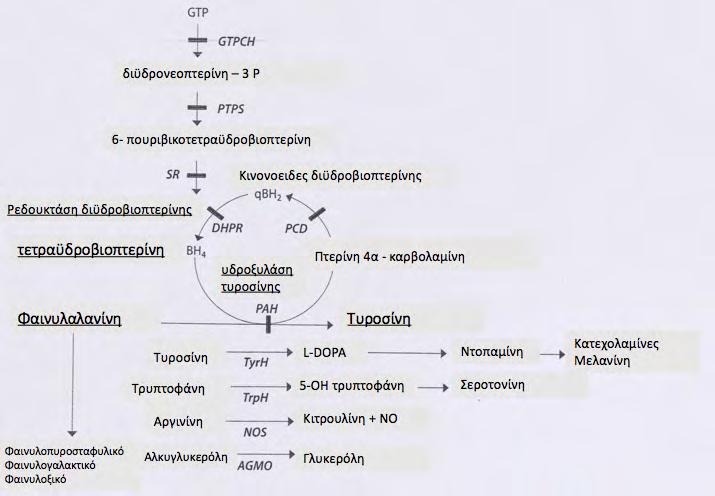
Phenylketonuria is the most well - known inborn error of amino acid metabolism (phenylalanine into tyrosine). PKU is caused by the deficiency of the liver enzyme phenylalanine hydroxylase (PAH) which is responsible for the metabolism of phenylalanine to tyrosine. It is inherited with a recessive autosomal trait. The clinical picture of untreated PKU is mental retardation, behavioural disorders, seizures, eczema, aggression, hyperactivity, psychosis and autism, due to toxicity of the Phe and it’s metabolites. The main treatment of this disorder is low Phe diet and rich Phe free medical foods in cases of BH4 deficiency. It is important to restore this disorder with the additional precautions or and neurotransmitters in case of BH4 deficiency. The disease is diagnosed early during the first days of life by measuring the levels of amino acid Phe into dry blood spots on Guthrie cards (neonatal screening, NBS). Regular laboratory and psychometric tests are very important for the best outcome of the patient with this metabolic disorder. Quality of life of children and their parents is also improved by close follow up and psychological support. In the future, gene therapy could be the best treatment for this metabolic disorder.
• Μη PKU-ΗΡΑ ή ήπια Υπερφαινυλαλανιναιμία ΜΗΡ (Ρhe<600 μmol/l) ή <10mg/dl • ΒΗ4 εξαρτώμενη PKU/ΗΡΑ (τα
Stanford- Binet (S-B) IQ, peabody test, ErtL
WISC-R IQ
Βιβλιογραφία
1. De Groot MJ, Hoeksma M, Blau N, Reijngoud DJ, van Spronsen FJ. Pathogenesis of cognitive dysfunction in phenylketonuria: review of hypotheses. Mol Genet Metab 2010; 99 (suppl 1): S86–89.
2. Blau N, Shen N, Carducci C. Molecular genetics and diagnosis of phenylketonuria: state of the art. Expert Rev Mol Diagn. 2014 Jul;14(6):655-71.
3. Loeber JG. Neonatal screening in Europe; the situation in 2004. J Inherit Metab Dis 2007; 30: 430–38.
4. Blau N, van Spronsen FJ, Levy HL. Phenylketonuria. Lancet 2010;376: 1417–27.
5. Vockley J, Andersson HC, Antshel KM, Braverman NE, Burton BK, Frazier DM,Mitchell J, Smith WE, Thompson BH, Berry SA; American College of Medical Genetics and Genomics Therapeutics Committee. Phenylalanine hydroxylase deficiency: diagnosis and management guideline. Genet Med. 2014 Feb;16(2):188-200.
6. Bickel H, Gerrard AJ, Hickman EM. Influence of phenylalanine intake on phenylketonuria. Lancet. 1953;2:812-819.
7. Guthrie R, Susi A. A simple phenylalanine method for detecting phenylketonuria in large populations of newborn infants. Pediatrics. 1963;32:338-343.
8. Scriver C, Beaudet A, Sly W, Valle D, eds. Metabolic and Molecular Basis of Inherited Disease. New York, NY: McGraw-Hill; 2007.
9. Blau N, van Sprosen FJ (2014) Disorders of phenylalanine and tetraydrobiopterin metabolism. In Blau N, Gibson KM, Dionisi-Vici C (eds.) Physician’s Guide to the Diagnosis, Treatment, and follow up of Inherited Metabolic Diseases. New York: Springer pp3-21
10. Blau N. Genetics of Phenylketonuria: Then and Now. Hum Mutat. 2016 Jun;37(6):508-15. doi: 10.1002/humu.22980. Epub 2016 Mar 18. Review.
11. Feillet F, van Spronsen FJ, MacDonald A, et al. Challenges and pitfalls in the management of phenylketonuria. Pediatrics 2010;126: 333–41.
12. van Spronsen FJ, van Wegberg AM, Ahring K, Bélanger-Quintana A, Blau N, Bosch AM, Burlina A, Campistol J, Feillet F, Giżewska M, Huijbregts SC, Kearney S,Leuzzi V, Maillot F, Muntau AC, Trefz FK, van Rijn M, Walter JH, MacDonald A. Key European guidelines for the diagnosis and management of patients with phenylketonuria. Lancet Diabetes Endocrinol. 2017 Jan 9. pii: S2213-8587(16)30320-5. doi: 10.1016/S2213-8587(16)30320-5.
13. Pιrez-Dueρas B, Valls-Solι J, Fernαndez-Alvarez E, Conill J, Vilaseca MA,Artuch R, Campistol J. Characterization of tremor in phenylketonuric patients. J Neurol. 2005 Nov;252(11):1328-
34. Epub 2005 Jul 5.
14. Anwar MS, Waddell B, O'Riordan J. Neurological improvement following reinstitution of a low phenylalanine diet after 20 years in established phenylketonuria. BMJ Case Rep. 2013 Jul 12;2013.
15. Rubin S, Piffer AL, Rougier MB, Delyfer MN, Korobelnik JF, Redonnet-Vernhet I, Marchal C, Goizet C, Mesli S, Gonzalez C, Gin H, Rigalleau V. Sight-threatening phenylketonuric encephalopathy in a young adult, reversed by diet. JIMD Rep.2013;10:83-5.
16. van Spronsen FJ, Huijbregts SC, Bosch AM, Leuzzi V. Cognitive, neurophysiological, neurological and psychosocial outcomes in early-treated PKU-patients: a start toward standardized outcome measurement across development. Mol Genet Metab 2011; 104 (suppl): S45–51.
17. Lindner M, Gramer G, Garbade SF, Burgard P. Blood phenylalanine concentrations in patients with PAH-deficient hyperphenylalaninaemia off diet without and with three different single oral doses of tetrahydrobiopterin: assessing responsiveness in a model of statistical process control. J Inherit Metab Dis. 2009 Aug;32(4):514-22.
18. Enns GM, Koch R, Brumm V, Blakely E, Suter R, Jurecki E. Suboptimal outcomes in patients with PKU treated early with diet alone: revisiting the evidence. Mol Genet Metab 2010; 101: 99–109.
19. Drogari E1, Smith I, Beasley M, Lloyd JK. Timing of strict diet in relation to fetal damage in maternal phenylketonuria. An international collaborative study by the MRC/DHSS Phenylketonuria Register. Lancet. 1987 Oct 24;2(8565):927-30.
20. Platt LD, Koch R, Hanley WB, et al. The international study of pregnancy outcome in women with maternal phenylketonuria: report of a 12-year study.
21. Koch R, Trefz F, Waisbren S. Psychosocial issues and outcomes in maternal PKU. Mol Genet Metab 2010; 99 (suppl 1): S68–74. Am J Obstet Gynecol 2000; 182: 326–33.
22. Haberle J, Boddaert N, Burlina A, et al. Suggested guidelines for the diagnosis and management of urea cycle disorders. Orphanet J Rare Dis 2012; 7: 32.
23. van Spronsen FJ, Burgard P. The truth of treating patients with phenylketonuria after childhood: the need for a new guideline. J Inherit Metab Dis 2008; 31: 673–79.
24. MacDonald A, Rylance G, Hall SK, Asplin D, Booth IW.Factors affecting the variation in plasma phenylalanine in patients with phenylketonuria on diet. Arch Dis Child 1996; 74: 412–17.
25. Ahring K, Belanger-Quintana A, Dokoupil K, et al. Dietary management practices in phenylketonuria across European centres. Clin Nutr 2009; 28: 231–36.
26. Acosta PB, Matalon KM. Nutrition management of patients with inherited disorders of aromatic amino acid metabolism. In: Acosta PB, ed. Nutrition Management of Patients with Inherited Metabolic Disorders. Boston, MA: Jones and Bartlett Publishers; 2010:119-174.
27. MacDonald A, Rocha JC, van Rijn M, Feillet F. Nutrition in phenylketonuria.Mol Genet Metab. 2011;104 Suppl:S10-8. doi: 10.1016/j.ymgme.2011.08.023.
28. Sharman R, Sullivan K, Young R, McGill J. A preliminary investigation of the role of the phenylalanine: tyrosine ratio in children with early and continuously treated phenylketonuria: toward identification of “safe” levels. Dev Neuropsychol 2010; 35: 57–65.
29. Manz F, Schmidt H, Scharer K, Bickel H. Acid-base status in dietary treatment of phenylketonuria. Pediatr Res. 1977;11(10 Pt 2):1084-1087.
30. Schulpis KH, Papakonstantinou ED, Vlachos GD, et al. The effect of the mode of delivery on the maternal-neonatal carnitine blood levels and antioxidant status. Clin Chem Lab Med. 2008;46(5): 680-686.
31. van Spronsen FJ, van Dijk T, Smit GP, et al. Large daily fluctuations in plasma tyrosine in treated patients with phenylketonuria.Am J Clin Nutr 1996; 64: 916–21.
32. Smith I, Beasley MG, Ades AE. Intelligence and quality of dietary treatment in phenylketonuria. Arch Dis Child 1990; 65: 472–78.
33. Hanley WB, Feigenbaum A, Clarke JTR, Schoonheyt W, Austin V. Vitamin B12 deficiency in adolescents and young adults with phenylketonuria. Lancet 1993; 342: 997.
34. Gassio R, Campistol J, Vilaseca MA, Lambruschini N, Cambra FJ, Fuste E. Do adult patients with phenylketonuria improve their quality of life after introduction/resumption of a phenylalanine-restricted diet? Acta Paediatr 2003; 92: 1474–78.
35. Bosch AM, Burlina A, Cunningham A, et al. Assessment of the impact of phenylketonuria and its treatment on quality of life of patients and parents from seven European countries. Orphanet J Rare Dis 2015; 10: 80.
36. Doulgeraki A, Skarpalezou A, Theodosiadou A, Monopolis I, Schulpis K. Body composition profile of young patients with phenylketonuria and mild hyperphenylalaninemia. Int J Endocrinol Metab. 2014 Jul 1;12(3):e16061.
41. Lim K, van Calcar SC, Nelson KL, Gleason ST, Ney DM. Acceptable low-phenylalanine foods and beverages can be made with glyco- macropeptide from cheese whey for individuals with PKU. Mol Genet Metab 2007;92:176–8.
42. Ney DM, Gleason ST, van Calcar SC, et al. Nutritional management of PKU with glycomacropeptide from cheese whey. J Inherit Metab Dis 2009; 32: 32–39.
43. Ney DM, Stroup BM, Clayton MK, et al. Glycomacropeptide for nutritional management of phenylketonuria: A randomised, controlled, crossover trial. Am J Clin Nutr. 2016;104:334345.
44. Demirdas S, Coakley KE, Bisschop PH, Hollak CE, Bosch AM, Singh RH. Bone health in phenylketonuria: a systematic review and meta-analysis. Orphanet J Rare Dis 2015; 10: 17.
45. Hansen KE, Ney D. A systematic review of bone mineral density and fractures in phenylketonuria. J Inherit Metab Dis 2014; 37: 875–80.
46. Campistol J, Gassio R, Artuch R, Vilaseca MA, Unit PKUF-u. Neurocognitive function in mild hyperphenylalaninemia. Dev Med Child Neurol 2011; 53: 405–08.
47. Bilginsoy C, Waitzman N, Leonard CO, Ernst SL. Living with phenylketonuria: perspectives of patients and their families. J Inherit Metab Dis 2005; 28: 639–49.
48. Feldmann R, Denecke J, Pietsch M, Grenzebach M, Weglage J. Phenylketonuria: no specific frontal lobe-dependent neuropsychological deficits of early-treated patients in comparison with diabetics. Pediatr Res. 2002 Jun;51(6):761-5.
49. Cottrell D. Prevention and treatment of psychiatric disorders in children with chronic physical illness. Arch Dis Child. 2015 Apr;100(4):303-4.
50. Blau N, Longo N. Alternative therapies to address the unmet medical needs of patients with phenylketonuria. Expert Opin Pharmacother. 2015 Apr;16(6):791-800.
51. Longo N, Harding CO, Burton BK, et al. Single-dose, subcutaneous recombinant phenylalanine ammonia lyase conjugated with polyethylene glycol in adult patients with phenylketonuria: an open- label, multicentre, phase 1 dose-escalation trial. Lancet 2014; 384: 37–44.
52. Van Calcar SC, Ney DM. Food products made with glycomacropeptide, a low phenylalanine whey protein, provide a new alternative to amino acid-based medical foods for nutrition management of phenylketonuria. J Acad Nutr Diet. 2012;112(8):1201-1210.
54. Azen CG, Koch R, Friedman EG, et al. Intellectual development in 12-year-old children
treated for phenylketonuria. Am J Dis Child 1991; 145:
55. Cabalska B, Duczynska N, Borzymowska J, Zorska K, Koslacz-Folga A, Bozkowa K. Termination of dietary treatment in phenylketonuria. Eur J Pediatr 1977; 126: 253–62.
56. Scriver CR, Kaufman. Hyperphenylalaninemia. In: Scriver C, Beaudet AL, Sly WS, eds. The Metabolic and Molecular Bases of Inherited Disease. 8th ed. New York, NY: 2001;1667-1724.
57. Thöny B. Long-term correction of murine phenylketonuria by viral gene transfer: liver versus muscle. J Inherit Metab Dis. 2010 Dec;33(6):677-80.
58. Burgard P, Robin H.L. Walters J. Hyperphenylalaninaemia. In: Saudubray JM, Baumgartner MR, Walters J, editors. Inborn Metabolic Diseases. Diagnosis and Treatment. 6th edition Springer;2017 p.251
59. Pietz J, Kreis R, Rupp A, Mayatepek E, Rating D, Boesch C, Bremer HJ. Large neutral amino acids block phenylalanine transport into brain tissue in patients with phenylketonuria. J Clin Invest. 1999 Apr;103(8):1169-78.
Κ.
e-mail: elpis.vl@gmail.com
Correspondence
Elpis-Athina Vlachopapadopoulou
Thivon & Livadias 11527
Athens-Greece
Τ. +302132009851
F. +302132009531
Κ. +306932247228
e-mail: elpis.vl@gmail.com
Autoimmune polyendocrinopathies in children: Diagnosis and management
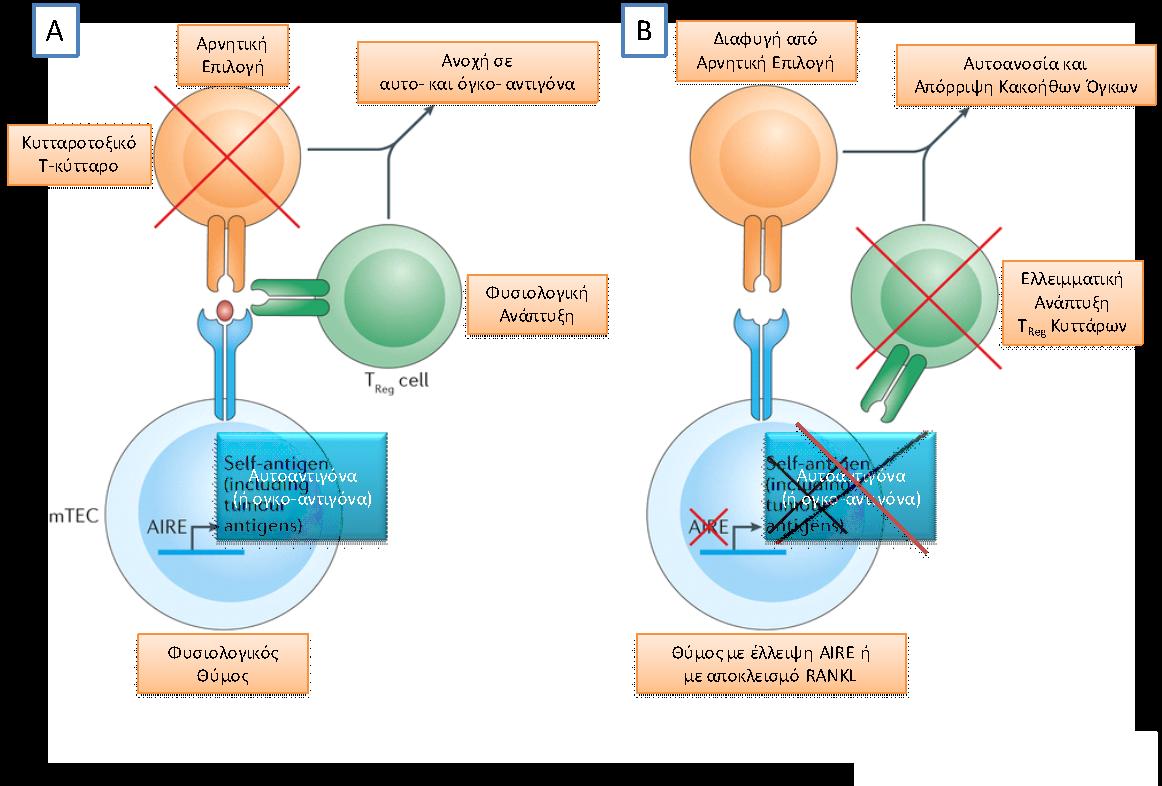
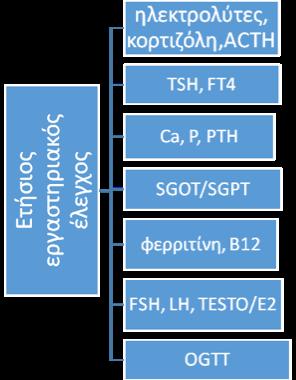
Background: The Autoimmune Polyglandular Syndromes are uncommon constellations of organ-specific autoimmune diseases, characterized by the occurrence of more than one autoimmune disease in an affected individual. Involvement of both endocrine and non-endocrine organs and tissues may be present.
Methods: Review of the recent literature, focusing on clinical and laboratory data that aid in establishing the diagnosis of Polyglandular Autoimmune Diseases.
Results - Conclusions: Two major subtypes of polyglandular syndromes exist (APS-1 and APS2), that are distinguished according to the age of presentation, characteristic patterns of disease combinations, and different modes of inheritance. A third subtype has been described in adults that, contrary to types I and II, does not involve the adrenal cortex.
1. Dittmar M, KahalyGJ Polyglandular Autoimmune Syndromes: Immunogenetics and LongTerm Follow-Up. J Clin Endocrinol Metab 2003; 88:2983-92
2. Marson A, Housley WJ, Hafler DA Genetic basis of autoimmunity. J Clin Invest 2015;125:2234–41
3. Heino M, Peterson P, Kudoh J, Nagamine K, Lagerstedt A, Ovod V et al Autoimmune regulator is expressed in the cells regulating immune tolerance in thymus medulla. Biochem Biophys Res Commun 1999: 257:821-25
4. Halonen M, Pelto-Huikko M, Eskelin P, Peltonen L, Ulmanen I, Kolmer M Subcellular location and expression pattern of autoimmune regulator (Aire), the mouse orthologue for human gene defective in autoimmune polyendocrinopathy candidiasis ectodermal dystrophy (APECED). J Histochem Cytochem 2001; 49:197–208.
5. Schaller CE, Wang CL, Beck-Engeser G, Goss L, Scott HS, Anderson MS,et al. Expression of Aire and the early wave of apoptosis in spermatogenesis. J Immunol 2008; 180:1338–43.
6. Heino M, Peterson P, Sillanpδδ N, Guιrin S, Wu L, Anderson G, Scott HS,et al. RNA and protein expression of the murine autoimmune regulator gene (Aire) in normal, RelB-deficient and in NOD mouse. Eur J Immunol 2000;30:1884–93.
7. Husebye ES, Perheentupa J, Rautemaa R, Kample O Clinical manifestations and management of patients with autoimmune polyendocrine syndrome type I. Intern Med 2009; 265: 514-529
9. Peterson P, Peltonen L. Autoimmune polyendocrinopathy syndrome type 1 (APS1) and AIRE gene: New views on molecular basis of autoimmunity. J Autoimmun 2005; 25: 49-55
10. Kumar PG, Laloraya M, Wang CY, Ruan QG, Davoodi-Semiromi A, Kao KJet al The autoimmune regulator (AIRE) is a DNA-binding protein. J Biol Chem 2001; 276: 41357-64
11. Wolff AS, Erichsen MM, Meager A, Magitta NF, Myhre AG, Bollerslev Jet al Autoimmune polyendocrine syndrome type 1 in Norway: phenotypic variation, autoantibodies, and novel mutations in the autoimmune regulator gene.J Clin Endocrinol Metab 2007; 92: 593-603
12. Rizzi M, Ferrera F, Filaci G, Indiveri F.Disruption of immunological tolerance: role of AIRE gene in autoimmunity. Autoimmun Rev. 2006; 5:145-7.
13. Mazza C, Buzi F, Ortolani F, Vitali A, Notarangelo LD, Weber G et al Clinical heterogeneity and diagnostic delay of autoimmune- polyendocrinopathy-candidiasis ectodermal dystrophy syndrome Clin Immunol 2011;139:6-11
14. AndersonMS, SuMAAire expands: New roles in immune tolerance and beyond Nat Rev Immunol 2016; 16: 247-58
21. Maclaren N, Chen QY, Kukreja A, Marker J, Zhang CH, Sun ZS Autoimmune hypogonadism as part of an autoimmune polyglandular syndrome. J Soc Gynecol Investig 2001; 8: S52-4
22. Ahonen P, Myllarniemi S, Sipila I, Perheentupa J. Clinical variation of autoimmune Polyendocrinopathy-candidiasis-ectodermal dystrophy (APECED) in a series of 68 patients. N Engl Med 1990; 322: 1829-36
23. De Luca F, Valenzise M, Alaggio R, Arrigo T, Crisafulli G, Salzano Get al Sicilian family with autoimmune polyendocrinopathy-candidiasis-ectodermal dystrophy (APECED) and lethal lung disease in one of the affected brothers. Eur J Pediatr 2008; 167: 1283-88
24. Weinstock C, Matheis N, Barkia S, Haager MC, Janson A, Marković A et al Autoimmune polyglandular syndrome type 2 shows the same HLA class II pattern as type I diabetes. Tissue Antigens 2001; 77: 317-24
25. Karvonen M, Viik-Kajander M, Moltchanova E, Libman I, LaPorte R, Tuomilehto JIncidence of childhood type I diabetes worldwide. Diabetes Mondiale (DiaMond) Project Group. Diabetes Care 2000; 23:1516-26
26. Zung A, Andrews-Murray G, Winqvist O, Chalew S. Growth hormone deficiency in autoimmune polyglandular syndrome. J Pediatr Endocrinol Metab 1997; 10: 69-72
27. Bennett CL, Christie J, Ramsdell F, Brunkow ME, Ferguson PJ, Whitesell Let al The immune dysregulation, polyendocrinopathy, enteropathy, X-linked syndrome (IPEX) is caused by mutations of FOXP3. Nat Genet 2001; 27: 20-1
28. Meloni A, Furcas M, Cetani F, Marcocci C, Falorni A, Perniola R et al Autoantibodies against type I interferons as an additional diagnostic criterion for autoimmune polyendocrine syndrome type I. J Clin Endocrinol Metab 2008; 93: 4389-97
29. Oftedal BE, Wolff AS, Bratland E, Kämpe O, Perheentupa J, Myhre AG et al Radioimmuno assay for autoantibodies against interferon omega. Its use in the diagnosis of autoimmune polyendocrine syndrome type I. Clin Immunol 2008; 129: 163-9
30. Zhang L, Barker JM, Babu S, Su M, Stenerson M, Cheng M et al A robust immunoassay for anti-interferon autoantibodies that is highly specific for patients with autoimmune polyglandular syndrome type I. Clin Immunol 2007; 125:131-7
31. Meager A, Visvalingam K, Peterson P, Mφll K, Murumδgi A, Krohn Ket al Anti-interferon autoantibodies in autoimmune polyendocrinopathy syndrome type I. PLoS Med 2006; 3: e289
32. Coco G, Dal Pra C, Presotto F, Albergoni MP, Canova C, Pedini Bet al Estimated risk for developing autoimmune Addison’s disease in patients with adrenal cortex autoantibodies. J Clin Endocrinol Metab 2006; 91: 1637-45
Desmoplastic small round cell tumor: clinical - Pathological Characteristics and Outcome
Kondilia Antoniadi, Ioannis P. Panagiotou, LoizosPetrikkos, Amalia Patereli, Kalliopi Stefanaki, Sophia Polychronopoulou
Abstract
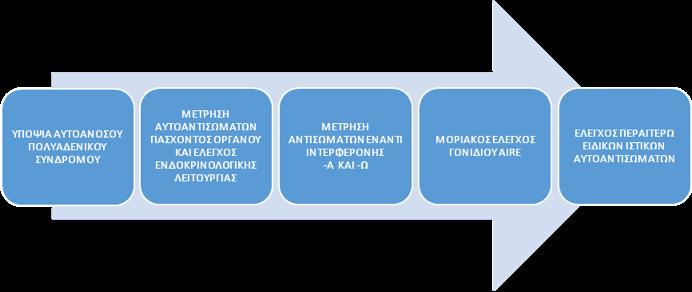
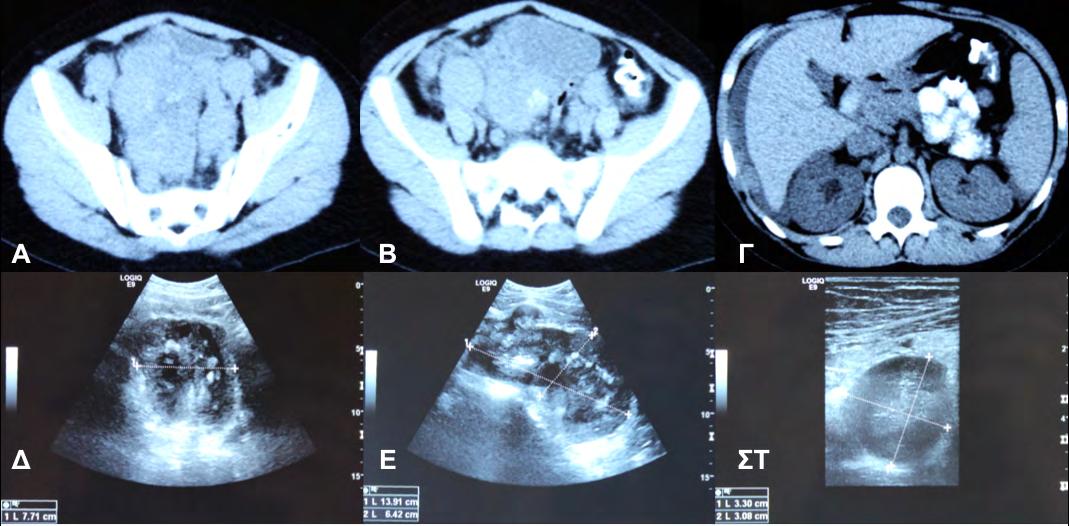
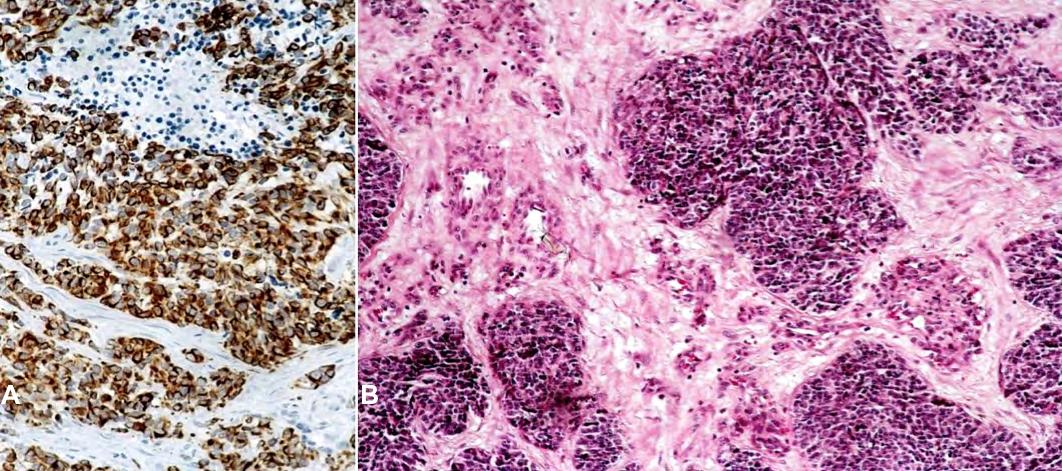
We present a case of a 12-year old boy who was admitted due to worsening abdominal pain of 2 weeks duration, with concomitant lower back pain, as well as, night sweats. The imaging revealed the presence of a mass in the lower pelvis with peritoneal carcinomatosis. The mass biopsy confirmed the diagnosis of desmoplastic small round cell tumor. Followed by chemotherapeutic treatment and an effort of surgical exception with positive results. The patient relapsed 14 months after diagnosis and finally died. Desmoplastic small round cell tumor is a rare malignant tumor with poor prognosis. It affects young adolescents, preferably males in the second decade of the life, and is manifested mainly as sizable abdominal mass with broad expansion usually already at diagnosis.
Key words: desmoplastic small round cell tumor
Kondilia Antoniadi
Ioannis P. Panagiotou, LoizosPetrikkos
Amalia Patereli
Kalliopi Stefanaki
Sophia Polychronopoulou
Συντομογραφίες:
ASD: Autism Spectrum Disorders
DSM: Diagnostic and Statistical Manual of Mental Disorders
XYY: Σύνδρομο 47,XYY
aCGH: Array Comparative Genomic Hybridization
NLGN:
CWS–guidance 2009 - High Risk Group Non-RMS-like tumor,
Ifosfamide (3000mg/m2), Vincristine (1,5 mg/m2) και Adriamycin (40mg/m2) και 5
Ifosfamide, Vincristine και Actinomycin D (1,5 mg/m2).
Mitomimycin-C
Cisplatin στους 41-42 OC (HIPEC). Ακολούθως
Ifosfamide (3000mg/ m2), Vincristine (1,5 mg/m2) και Adriamycin (40mg/m2) και 4 κύκλους με Ifosfamide, Vincristine και Actinomycin D (1,5mg/m2),
18% [12-13].
Βιβλιογραφία
1. Gerald WL, Rosai J. Case 2: Desmoplastic small cell tumor with divergent differentiation. Pediatr Pathol 1989;9:177-83.PMID:2473463
2. Gerald WL, Miller HK, Battiflora H, et al. Intraabdominal desmoplastic small round-cell tumor: Report of 19 cases of a distinctive tyre of high-grade polyphenotypic malignacy affecting young individuals. Am J Surg Pathol 1991;15:499-513.PMID1709557
3. Zhu ZX,Wang J:Soft tissue tumor pathology. Beijing: people's Medical Publishing House 2008
4. Gerald WL, Ladanyi M, Paull G, et al. Clinical, pathologic, and molecular spectrum of tumors associated with t(11;22)(p13;q12): Desmoplastic small round-cell tumor and its variants. J Clin Oncol 1998;16(9):3028-36.PMID:9738572
5. Parkash V, Gerald WL, Parma A, et al. Desmoplastic small round cell tumor of the pleura . Am J Surg Pathol 1995;19(6):659-65.PMID:7755152
6. Layfield LJ, Lenarsky C. Desmoplastic small round cell tumors of the peritoneum coexpressing mesenchymal and epithelial markers. Am J Clin Pathol 1991;96:536-543.PMID:1716417
7. Cummings OW, Ulbright Tm, Young RH, et al. Desmoplastic small round cell tumors of the paratesticular region: a report of 4 cases. Am J Surg Pathol 1997;21:219-25.PMID:9042290
8. Furman J, Murphy WM, Wajsman Z, et al. Urogenital involvement by desmoplastic small round-cell tumor. J Urol 1997;158:1506-9.PMID:9302152
9. Bismar TA,Basturk O,Gerald WL,Schwarz K,Adsay NV: Desmoplastic small cell tumor in the pancreas. Am J Surg Pathol 1997,21:219-225.PMID:15166674
10. Tison V, Cerasoli S, Morigi F, et al. Intracranial desmoplastic small-cell tumor: a report of a case. Am J Surg Pathol 1996;20:112-7.PMID: 8540602
11. Adsay V, Cheng J, Athanasian E, et al. Primary desmoplastic small round cell tumor of soft tissues of the hand. Am J Surg Pathol 1999;23:1408-13.PMID:10555010
12. Melissa A. Bent,Benjamin E Clinical characteristics and outcomes of pediatric patients with desmoplastic small round cell tumor
Rare Tumors 2016; 8:6145
13. Kushner BH, La Quaglia MP, Wallner N, et al. Desmoplastic small round cell tumors: Prolonged progression-free survival with aggresive multimodality therapy.
J Clin Oncol 1996;14;1526-1531.PMID:8622067
14. Felgenhauer J, Miser J, Hawkins D, et al. Treatment of metastasting sarcomas in children using a dose intensive chemotherapy regimen of vincristine, adriamycin, cyclophosphamide, ifosfamide, mesna, etoposide (VACIME). Proc Am Soc Oncol 1997;16:521a.PMID:10611582
15. Hawkins D, Felgenhauer J, Park J, et al. Peripheral blood progenitor supported dose-intensive chemotherapy for metastatic sarcomas in children and young adults. Proc Am Soc Oncol 1998;17:537a.
16. Xiang Li,Jing Yu Desmoplastic small round cell tumor: a casereport and review of the literature World Journal of Surgical Oncology 2014,12:9, PMID: 24410799
17. Gerald WL, Rosai J, .Ladayni M. Characterization of the genomic breakpoint and chimeric transcripts in the EWS-WT1 gene fusion of desmoplastic small round cell tumor. Proc Natl Acad Sci USA 1995;92:1028-32.
18. Ladayni M, Gerald W. Fusion of the EWS and WT1 genes in the desmoplastic small round cell tumor.Cancer Res 1994:54:2837-40.
19. Barr FG, Chatten J, D'Cruz CM, et al: Molecular assays for chromosomal translocations in the diagnosis of pediatric soft tissue sarcomas. JAMA 1995; 273:553-557.
20. Argatoff LH, O'Conell JX, Mathers Ja, et al. Detection of the EWS/WT1 gene fusion by reverse transcriptase-polymerase chain reaction in the diagnosis of intraabdominal desmoplastic round cell tumor. Am J Surg Pathol 1996;20:406-12.
21. Brodie SG, Stocker SJ, Wardlaw JC, et al. EWS and WT1 fusion in desmoplastic small round cell tumor of the abdomen. Hum Pathol 1995;26:1370-4.
22. Schmidt D, Koster E, Harms D. Intraabdominal desmoplastic small round cell tumor with divergent differentation: clinicopathologic findings and DNA ploidy. Med Pediatr Oncol 1994;22:97-102.
23. Variend S, Gerrad M, Norris PD, et al. Intraabdominal neuroectodermal tumor of childhood with divergent differentation. Histopathology 1991;18:45-51.
F.
e-mail: ekouvidi@hotmail. com
Correspondence
Elisavet Kouvidi
T. +302106803130
F. +302106894778
e-mail: ekouvidi@hotmail. com
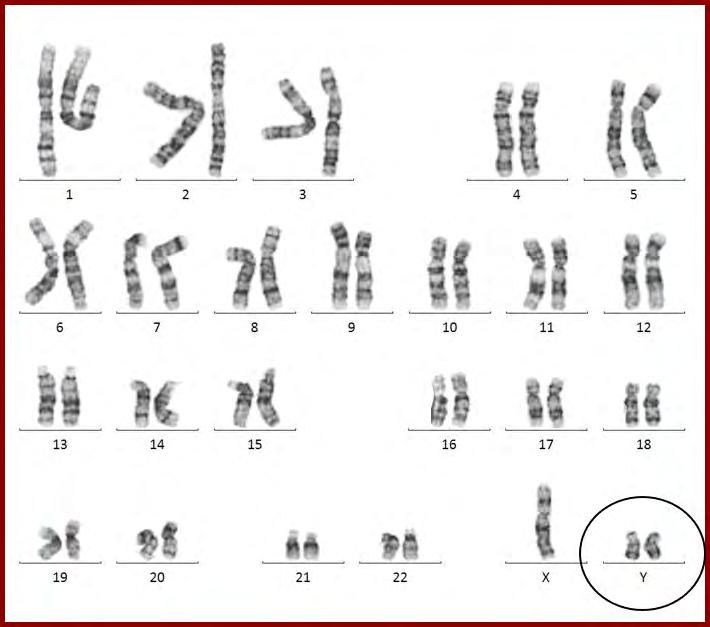
A 47, XXY karyotype in a patient with autism spectrum disorder
Βackground: Autism Spectrum Disorders (ASD) are serious multifactorial developmental disorders with great clinical heterogeneity. Biological factors play a major role in ADS development. Various genetic syndromes are associated with ASD. In this report, we describe an interesting case of a child with ASD and Jacobs syndrome (47,XYY).
Case report: A 3-year-old boy with ASD was referred to our Department for molecular karyotype in order to investigate possible genetic causes. There was no consanguinity between the parents and the family history was free of autism. In the perinatal history, a full-term pregnancy and vaginal delivery were reported.
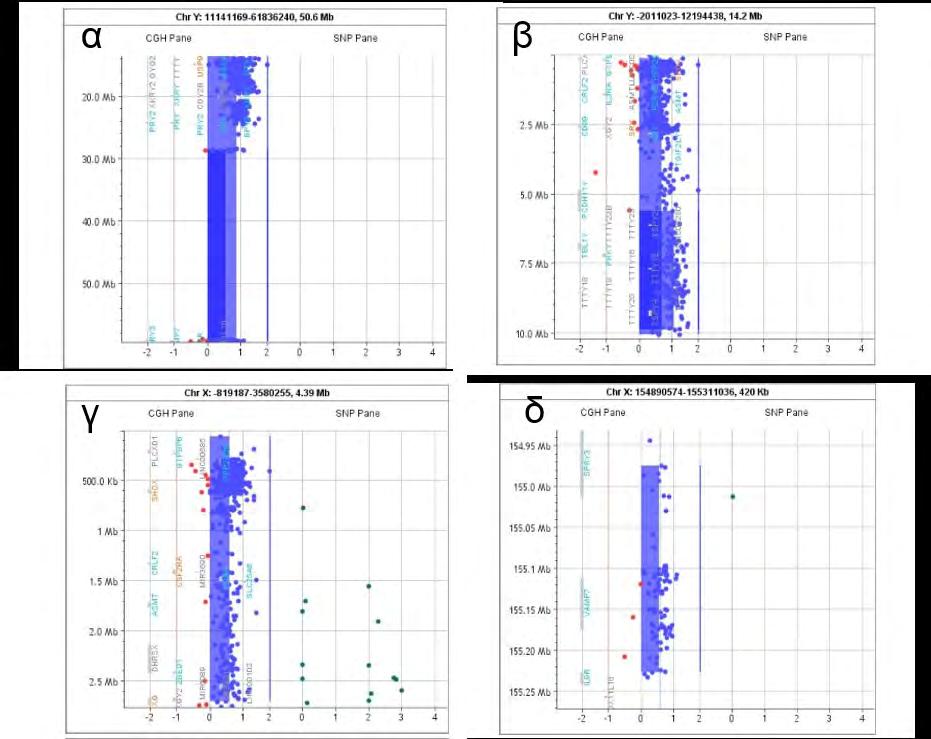
Results: Molecular karyotype (Array Comparative Genomic Hybridization - aCGH) indicated duplication of Y chromosome regions Yp11.32-p11.2, Yq11.21-q12 and Yq11.23-q12, as well as duplication of pseudo-autosomal regions of X chromosome Xp22.33, Xp28. These findings are consistent with a 47,XYY karyotype. Conventional cytogenetic analysis confirmed the 47,XYY karyotype.
Conclusions: The presence of an additional Y chromosome is probably associated with ASD. Further studies are required to investigate the role of the extra Y chromosome and the genes located on it in ASD manifestation. Investigating the genetic basis of ASD and identifying reliable biomarkers will contribute to early postnatal and prenatal ASD diagnosis.
Elisavet Kouvidi
Sophia Zachaki
Anastasios Mitrakos
Haralampia Tsarouha
Amelia Pantou
Emmanouil Kanavakis
Ariadni Mavrou
Genesis Genoma Lab
ASD: Autism Spectrum Disorders
DSM: Diagnostic and Statistical Manual of Mental Disorders
2. Schuch J, Mariath L, Roman T, Schuler-Faccini L. The Genetic Basis of Autism Spectrum Disorder. In: Robinson-Agramonte M, editors. Translational Approaches to Autism Spectrum Disorder. Springer, Cham, 2015. p. 39-63.
3. Margari L, Lamanna AL, Craig F, Simone M, Gentile M. Autism spectrum disorders in XYY syndrome: two new cases and systematic review of the literature. Eur J Pediatr 2014;173:277283.
4. RobinsonDO and Jacobs PA.The Origin of the Extra Y Chromosome in Males with a 47,XYY Karyotype. Human Molecular Genetics 1999;8:2205–2209.
6. Jibson MD and Seyfried LS, editors. Diagnostic and Statistical Manual of Mental Disorders (DSM-5®), Fifth Edition, American Psychiatric Association, University of Michigan, Ann Arbor, MI, USA, 2015.
7. Bishop DV, Jacobs PA, Lachlan K, Wellesley D, Barnicoat A, Boyd PA, https://www. ncbi.nlm.nih.gov/pubmed/?term=Fryer%20A%5BAuthor%5D&cauthor=tru e&cauthor_ uid=20656736et al. Autism, language and communication in children with sex chromosome trisomies. Arch Dis Child 2011;96:954-959.
8. RossJL, Roeltgen DP, Kushner H, Zinn AR, Reiss A, Bardsley MZ, et al. Behavioral and Social Phenotypes in Boys With 47,XYY Syndrome or 47,XXY Klinefelter Syndrome Pediatrics 2012;129:769–778.
9. Bryant DM, Hoeft F, Lai S, Lackey J, Roeltgen D, Ross J, et al. Sex chromosomes and the brain: a study of neuroanatomy in XYY syndrome. Dev Med Child Neurol 2012;54:1149-1156.
10. Jamain S, Quach H, Betancur C, Rastam M, Colineaux C, Gillberg IC, et al. Mutations of the X-linked genes encoding neuroligins NLGN3 and NLGN4 are associated with autism. Nat Genet 2003;34:27–29.
11. Ross JL, Tartaglia N, Merry DE, Dalva M, Zinn AR. Behavioral phenotypes in males with XYY and possible role of increased NLGN4Y expression in autism features. Genes Brain Behav 2015;14:137-144.
e-mail: prapamarilena@ hotmail.gr
Correspondence
Elisavet Kouvidi
T. +302106803130
F. +302106894778
e-mail: ekouvidi@hotmail. com
Interesting cases of Echinococcosis or Hydatid disease
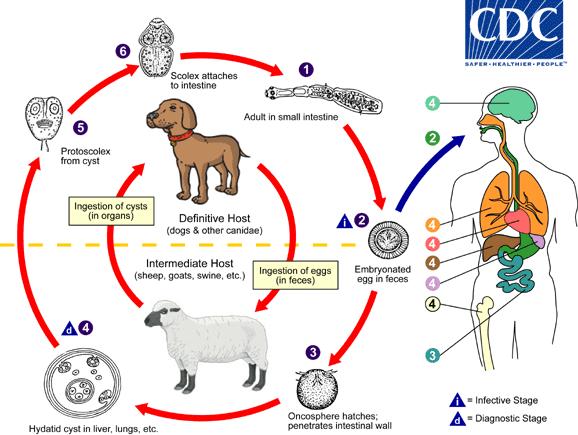
Introduction: Echinococcosis or Hydatid disease is caused by the larvae of tapeworms Echinococcus. Humans are intermediate host in the life cycle of the parasite. The incidence of the disease is relatively low in our country, mostly presented in rural populations. The disease has different clinical characteristics between adults and pediatric patients.
Methods: In this retrospective study we analyzed cases of pulmonary disease hospitalized for postoperative care in Cardiothoracic Surgery Intensive Care Unit of the Children's Hospital Agia Sophia, during 2016.
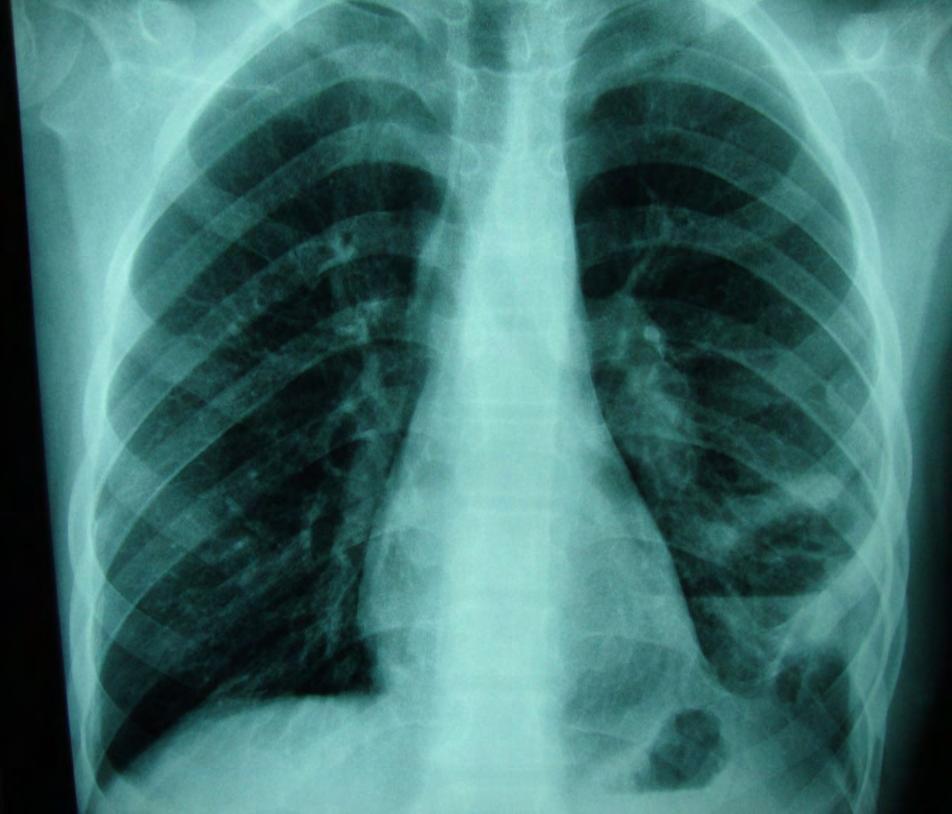
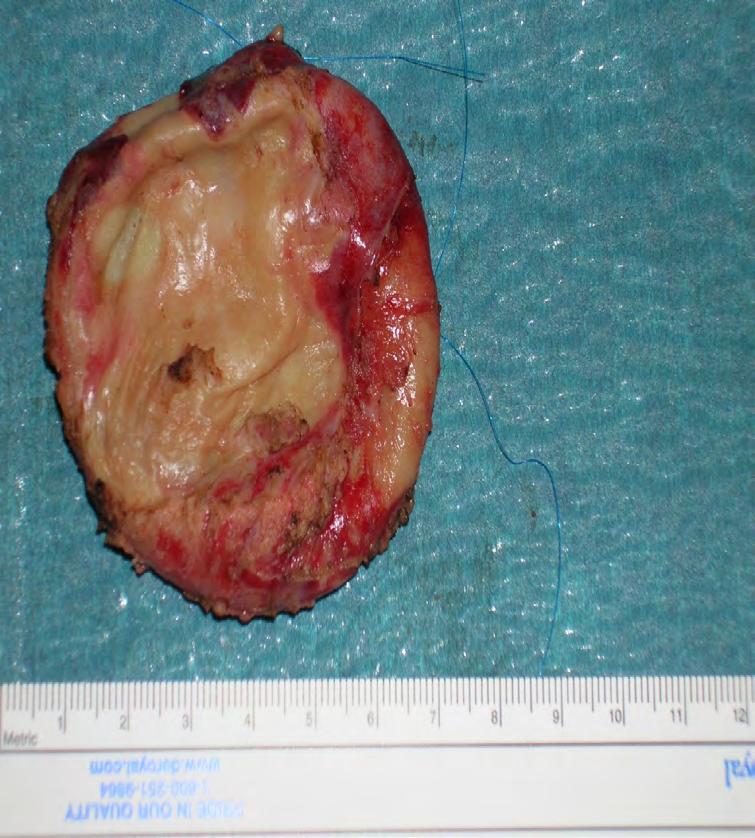
Results: The study includes three male school age patients (MO 10.6 years), with multiple sites disease. All 3 patients had pulmonary involvement, two of them exhibit a solitary lung cyst (66.7%) and 1 (33.3%) bilateral cysts. The most common localization was lower lobe of the right lung (2 patients, 66.7%). Cough was the main symptom, and the chest x-ray was diagnostic in all patients. Two patients presented with complicated lung cyst. Surgical treatment was carried out in all 3 patients, with no mortality or recurrence.
Conclusions: Echinococcosis, although with low incidence, is endemic in our country, with a different clinical picture in children compared with adults. The disease exhibits long subclinical period, and the clinical manifestation are nonspecific. Diagnosis is made with radiological methods. Surgery is the treatment of choice for patients with pulmonary disease, with reliable results in children. Pulmonary Hydatid disease should be included in the differential diagnosis of pediatric patients with fever and cough, particularly if they come from a rural area.
2. EUROPEAN CENTRE FOR DISEASE PREVENTION AND CONTROL, EU summary report on zoonoses, zoonotic agents and food-borne outbreaks 2014, EFSA journal, 2015; 13(12):4329
3. HELLENIC CENTRE FOR DISEASE CONTROL AND PREVENTION, Epidemiological data on echinococcosis in Greece, 2005-2009, KEELPNO, Athens, 2011
4. Montazeri et al, Comparison of Pulmonary Hydatid Disease between Children and Adults, Tanaffos 2007;6(1):13-18
5. Moro et al, Echinococcosis: a review, International Journal of Infectious Diseases (2009), 13,125-133
6. Πεχλιβανίδου
7. Gupta et al, Hydatid disease in children: Our experience, Formosan Journal of surgery (2014)47,211-220
8. Gottstein et al, Hydatic lung disease (echinococcosis/hydatidosis), Clin Chest Med 2002;23:39
9-. Kuzuku et al, Complicated Hydatid Cysts of the Lung: Clinical and Therapeutic Issues, Ann Thorac Surg 2004;77:1200-4
10. Mirshemirani et al, Surgical Treatment of Pulmonary Hydatid Cyst in 72 Children, Tanaffos 2009 8(1),56-61
11. Topcu et al, Surgical Treatment of Pulmonary Hydatid Cysts in children, J Thorac Cardiovasc Surg 2000; 120: 1097-101
12. Pejhan et al, Surgical Treatment of Complicated Pulmonary Hydatid Cyst, Tanaffos (2007) 6 (1),19-22
13. Morar et al, Pulmonary echinococcosis, Eur Respir J 2003;21:1069-1077
2.
3.
4.
5.
6.
7.
8.
9. Ενδιαφέρουσες
10. Σύντομα
11. Βραχείες
12.
13.
14.
(Uniform Requirements for Manuscripts Submitted to Biomedical Journals),
International Committee of Medical Journal Editors/Uniform Requirements for Manuscripts Submitted to Biomedical Journals, (www.icmje.org και www.icmje.org/icmje. pdf).
Cumulated Index Medicus [List of Journals Indexed in Index Medicus (www.nlm.nih.goν/bsd/uniform_requirements. html)].
Proesmans W. Bartter syndrome and its neonatal νariant. Eur J Pediatr 1997;156:669-679.
Flyvbjerg Α. Role of growth hormone, insulin-like growth factors (IGFs) and IGF-binding proteins in the renal complications of diabetes. Kidney Ιnt 1997;52 (60 Suppl):S12-S19.
Χωρίς συγγραφέα:
National Institutes of Health Consensus Deνelopment Conference. Neurofibromatosis conference statement. Arch Neurol1988;45:575-578.
Προσδιορισμός
Schreiner GF, Lange L. Ethanol modulation of macrophage influx in glomerulonephritis [Abstract]. J Am Soc Nephrol 1991;2:562.
Should antileukotriene therapies be used instead of inhaled corticosteroids in asthma? [Editorial]. Am J Respir Crit Care Med 1998;158:1697-1701.
Clark AG, Barratt ΤΜ. Steroid-responsiνe nephrotic syndrome. Ιn: Barratt ΤΜ, Arner ED, Harmon WE, editors. Pediatric Nephrology. 4th ed. Baltimore: Lippincott William Wilkins; 1999. p. 742.
Σύγγραμμα
Gorlin RJ, Cohen ΜΜ, Leνin LS. Syndromes of the head and neck. 3rd ed. New York: Oxford Uniνersity Press; 1990.
Δημοσίευση
Bauer ΑW. The two definitions of bacterial resistance. In: Smith AJ, Rogers CA, eds. Proceedings of the Third International Congress of Chemotherapy; 1962 May 29-31; New York: International Society of Chemotherapy; 1963. p. 484-500.
Διδακτορική
Πανεπιστήμιο Αθηνών; 1979.
Kaplan SJ. Post hospital home health care: the elderly’s access and utilization [dissertation]. St. Louis (Μο): Washington Univ.;1995.
III. CD-ROM
Andersoη SC, Poulsen ΚΒ. Anderson’s electronic atlas of hematology [CD-ROM]. Philadelphia: Lippincott Williams & Wilkins; 2002.
IV. ΣΤΟ ΔΙΑΔΙΚΤΥΟ
Abood S. Quality improνement initiatiνe in nursiηg homes: the ΑΝΑ acts in an adνisory role. Am J Nurs [Internet]. 2002 Jun: