


Τριμηνιαία
Α.
Υποβολή εργασιών e-mail: grammateia@e-child.gr
Οδηγίες προς τους συγγραφείς: http://e-child.gr/publications/ instructions-to-authors
Iδιοκτήτης
Eλληνική
Eταιρεία
15,15451, Ν. Ψυχικό Tηλ.: 2107771140 e-mail: grammateia@e-child.gr
Eτήσια συνδρομή: €40 Eιδικευόμενοι, φοιτητές: €20
President
A. Constantopoulos
Editorial board
Director
G. S. Varlamis
Members
S. Andronikou
E. Galanakis
A. Evangeliou
L. Thomaidou
M. Kanariou
A. Kapogiannis
S. Kitsiou-Tzeli
E. Mantadakis
P. Panagiotopoulou-Gartagani
A. Papadopoulou
V. Papaevagelou
A. Papathanassiou
A. Siamopoulou-Mavridou
A. Syrigou-Papavasiliou
Manuscript submission
e-mail: grammateia@e-child.gr
Instructions to authors:
http://e-child.gr/publications/ instructions-to-authors
Owner
Greek Paediatric Society
15, Mpakopoulou st. GR - 15451, Ν. Psychiko
Tel.: +302107771140
e-mail: grammateia@e-child.gr
Annual subscription
All foreign countries: US$50
EDITORIAL
G.S. Varlamis
SHORT ABSTRACTS
REVIEW ARTICLES
Bullying behaviors in children and adolescents: “an ongoing story” Artemis Tsitsika, Efi Barlou, Elisabeth Andrie, Christine Dimitropoulou, Eleni C. Tzavela, Mari Janikian, Marisa Tsolia
The impact of family factors on juvenile delinquency Panagiotis N. Papanikolopoulos, Panagiotis Ν. Kardaras
Congenital heart disease: transition from pediatric to adult care of the adolescent - young adult
Maria Th. Papaphylactou, Spyridon Rammos, Dimitrios Cassimos, Mihalis A. Gatzoulis
The phenomenon of optimal outcome in autism spectrum disorders Athanassios Koutsoklenis, Zoi Theothoridou, Athanassios Evangeliou
Sudden infant death syndrome (SIDS): a review of the literature Pavlos Troizos-Papavasileiou, Stella Mouskou, Nicoletta Iacovidou
Narcolepsy and other hypersomnia in children
Soultana Kolyva, Tsintoni Asimina, Kalegias Iossif
ORIGINAL ARTICLES
Prediabetes prediction in obese children and adolescents: the value of 1-hour glucose levels during the oral glucose tolerance test Eleni P. Kotanidou, Ioannis Kyrgios, Assimina Galli-Tsinopoulou
Skin and soft tissue infections in children
Elisabeth Michailidou, Antigoni Pavlaki, Constantina Nalbanti, Ioannis Kavaliotis
Τριμηνιαία
Α.
Α. Σιαμοπούλου-Μαυρίδου
Α.
Υποβολή εργασιών e-mail: grammateia@e-child.gr
Οδηγίες προς τους συγγραφείς: http://e-child.gr/publications/ instructions-to-authors
Iδιοκτήτης
Eλληνική Παιδιατρική Eταιρεία Μπακοπούλου 15,15451, Ν. Ψυχικό
Tηλ.: 2107771140 e-mail: grammateia@e-child.gr
Eτήσια συνδρομή: €40
Eιδικευόμενοι, φοιτητές: €20
Volume 77 • Number 4 • October-November-December 2014
President A. Constantopoulos
Editorial board
Director G. S. Varlamis
Members
S. Andronikou
E. Galanakis
A. Evangeliou
L. Thomaidou
M. Kanariou
A. Kapogiannis
S. Kitsiou-Tzeli
E. Mantadakis
P. Panagiotopoulou-Gartagani
A. Papadopoulou
V. Papaevagelou
A. Papathanassiou
A. Siamopoulou-Mavridou
A. Syrigou-Papavasiliou
Manuscript submission
e-mail: grammateia@e-child.gr
Instructions to authors: http://e-child.gr/publications/ instructions-to-authors
Owner
Greek Paediatric Society 15, Mpakopoulou st. GR - 15451, Ν. Psychiko
Tel.: +302107771140
e-mail: grammateia@e-child.gr
Annual subscription
All foreign countries: US$50
Status epilepticus management algorithm for children
Foteini Zafeiropoulou, Iordanis Papadopoulos, Argirios Dinopoulos
Management of urinary tract infection - vesicoureteral reflux
Ioannis Th. Kavaliotis
ACKNOWLEDGEMENT
Artemis Tsitsika, Efi Barlou, Elisabeth Andrie, Christine Dimitropoulou, Eleni C. Tzavela, Mari Janikian, Marisa Tsolia. Bullying behaviors in children and adolescents: “an ongoing story” O
Panagiotis N. Papanikolopoulos, Panagiotis Ν. Kardaras. The impact of family factors on juvenile delinquency
Maria Th. Papaphylactou, Spyridon Rammos, Dimitrios Cassimos, Mihalis A. Gatzoulis. Congenital heart disease: transition from pediatric to adult care of the adolescentyoung adult
Athanassios Koutsoklenis, Zoi Theothoridou, Athanassios Evangeliou. The phenomenon of optimal outcome in autism spectrum disorders
Pavlos Troizos-Papavasileiou, Stella Mouskou, Nicoletta Iacovidou. Sudden infant death syndrome (SIDS): a review of the literature
Soultana Kolyva, Tsintoni Asimina, Kalegias Iossif. Narcolepsy and other hypersomnia in children
Eleni P. Kotanidou, Ioannis Kyrgios, Assimina Galli-Tsinopoulou. Prediabetes prediction in obese children and adolescents: the value of 1-hour glucose levels during the oral glucose tolerance test
Elisabeth Michailidou, Antigoni Pavlaki, Constantina Nalbanti, Ioannis Kavaliotis. Skin and soft tissue infections in children
Foteini Zafeiropoulou, Iordanis Papadopoulos, Argirios Dinopoulos. Status epilepticus management algorithm for children
Ioannis Th. Kavaliotis. Management of urinary tract infection - vesicoureteral reflux
Artemis Tsitsika*
Efi Barlou
Elisabeth Andrie
Christine Dimitropoulou
Eleni C. Tzavela
Mari Janikian
Adolescent Health Unit, “P & A Kyriakou” Children’s Hospital, National and Kapodistrian University of Athens School of Medicine, Athens, Greece
Marisa Tsolia
Second Department of Pediatrics, “P & A Kyriakou” Children’s Hospital, National and Kapodistrian University of Athens School of Medicine, Athens, Greece
Bullying behaviors in children and adolescents: “an ongoing story”
Artemis Tsitsika*, Efi Barlou, Elisabeth Andrie, Christine Dimitropoulou, Eleni C. Tzavela, Mari Janikian and Marisa Tsolia
Bullying in school-aged children is a universal problem, which continues to be a serious threat to physical and emotional health of children and adolescents. This article highlights the prevalence, the common characteristics of bullies and victims, as well as the short -and long- term impact of bullying involvement. Key areas highlighted include the efficacy of bullying prevention programs, which can help health care providers to assess and provide interventions to children and adolescents affected by bullying.
Key words: bullying, bully, victim, school, emotional health
1. Ttofi MM, Farrington DP. Effectiveness of school-based programs to reduce bullying: a systematic and meta-analytic review. J Exp Criminol (2011) 7:27–5610.1007/ s11292-010-9109-1 [Cross Ref]
2. Olweus D. Bullying at School: What We Know and What We Can Do. Malden, MA: Wiley-Blackwell; (1993).
3. Arseneault L, Bowes L, Shakoor S. Bullying victimization in youths and mental health problems: ‘much ado about nothing’. Psychol Med (2010) 40:717–2910.1017/ S0033291709991383 [PubMed] [Cross Ref]
4. Nansel TR, Overpeck M, Pilla RS, Ruan WJ, Simons-Morton B, Scheidt P. Bullying behaviors among US youth. JAMA (2001) 285:2094–10010.1001/jama.285.16.2094 [PMC free article] [PubMed] [Cross Ref]
5. Wolke D, Woods S, Bloomfield L, Karstadt L. Bullying involvement in primary school and common health problems. Arch Dis Child (2001) 85:197–20110.1136/ adc.85.3.197 [PMC free article] [PubMed][Cross Ref]
6. Reulbach U, Ladewig EL, Nixon E, O’Moore M, Williams J, O’Dowd T. Weight, body image and bullying in 9-year-old children. J Paediatr Child Health (2013) 49:288–9310.1111/jpc.12159 [PubMed][Cross Ref]
7. Lind J, Maxwell G. Children’s Experience of Violence at School. Wellington: Office of the Commissioner for Children; (1996).
8. Ttofi MM, Farrington DP, Lösel F, Loeber R. The predictive efficiency of school bullying versus later offending: a systematic/meta-analytic review of longitudinal studies. Crim Behav Ment Health (2011) 21:80–910.1002/cbm.808 [PubMed] [Cross Ref]
9. Schiltz L, Houbre B. Multidimensional homogeneity analysis with small samples: comparison of different subgroups of people suffering from exclusion. Bull Soc Sci Med Grand Duche Luxemb (2006) 311–25[PubMed]
10. Nansel TR, Craig W, Overpeck MD, Saluja G, Ruan W. Cross-national consistency in the relationship between bullying behaviors and psychosocial adjustment. Arch Pediatr Adolesc Med (2004)158:730.10.1001/archpedi.158.8.730 [PMC free article] [PubMed] [Cross Ref]
11. Wolke D, Copeland WE, Angold A, Costello EJ. Impact of bullying in childhood on adult health, wealth, crime, and social outcomes. Psychol Sci (2013) 24:1958–7010.1177/0956797613481608[PMC free article] [PubMed] [Cross Ref]
12. Roberts SJ, Glod CA, Kim R, Hounchell J. Relationships between aggression, depression, and alcohol, tobacco: implications for healthcare providers in student health. J Am Acad Nurse Pract (2010) 22:369–7510.1111/j.1745-7599.2010.00521.x [PubMed] [Cross Ref]
13. Natvig GK, Albrektsen G, Qvarnstrøm U. Psychosomatic symptoms among victims of school bullying. J Health Psychol (2001) 6:365–7710.1177/135910530100600401 [PubMed] [Cross Ref]
14. Gasteiger-Klicpera B, Klicpera C. Aggressiveness and social status in the class social structure. Z Kinder Jugendpsychiatr Psychother (1997) 25:139. [PubMed]
15. Sutton J, Smith PK, Swettenham J. Social cognition and bullying: social inadequacy or skilled manipulation? Br J Dev Psychol (1999) 17:435–5010.1348/026151099165384 [Cross Ref]
16. Olweus D. Bullying at school: basic facts and effects of a school based inter-
vention program. J Child Psychol Psychiatry (1994) 35:1171–9010.1111/j.14697610.1994.tb01229.x [PubMed] [Cross Ref]
17. Houbre B, Tarquinio C, Thuillier I, Hergott E. Bullying among students and its consequences on health.Eur J Psychol Educ (2006) 21:183–20810.1007/BF03173576 [Cross Ref]
18. Brendgen M, Boivin M, Vitaro F, Girard A, Dionne G, Pérusse D. Gene-environment interaction between peer victimization and child aggression. Dev Psychopathol (2008) 20:455–7110.1017/S0954579408000229 [PubMed] [Cross Ref]
19. Bowes L, Arseneault L, Maughan B, Taylor A, Caspi A, Moffitt TE. School, neighborhood, and family factors are associated with children’s bullying involvement: a nationally representative longitudinal study. J Am Acad Child Adolesc Psychiatry (2009) 48(5):545–5310.1097/CHI.0b013e31819cb017[PMC free article] [PubMed] [Cross Ref]
20. Loeber R, Hay D. Key issues in the development of aggression and violence from childhood to early adulthood. Annu Rev Psychol (1997) 48(1):371–41010.1146/annurev.psych.48.1.371 [PubMed] [Cross Ref]
21. Salmivalli C. Bullying and the peer group: a review. Aggress Violent Behav (2010) 15:112–2010.1016/j.avb.2009.08.007 [Cross Ref]
22. Espelage DL, Swearer SM, editors. , editors. Bullying in American Schools: A Social-Ecological Perspective on Prevention and Intervention. Mahwah: Lawrence Erlbaum Associates Publishers; (2004).
23. Pepler DJ, Craig WM, Connolly JA, Yuile A, McMaster L, Jiang D. A developmental perspective on bullying. Aggress Behav (2006) 32:376–8410.1002/ab.20136 [Cross Ref]
24. Salmivalli C, Poskiparta E. Making bullying prevention a priority in Finnish schools: the KiVa antibullying program. New Dir Youth Dev (2012) 2012:41–5310.1002/ yd.20006 [PubMed] [Cross Ref]
25. Vreeman RC, Carroll AE. A systematic review of school-based interventions to prevent bullying. Arch Pediatr Adolesc Med (2007) 161:78–8810.1001/archpedi.161.1.78 [PubMed] [Cross Ref]
26. Gini G, Pozzoli T. Association between bullying and psychosomatic problems: a meta-analysis.Pediatrics (2009) 123:1059–6510.1542/peds.2008-1215 [PubMed] [Cross Ref]
27. Espelage DL, Bosworth K, Simon TR. Examining the social context of bullying behaviors in early adolescence. J Couns Dev (2000) 78:326–3310.1016/j.chiabu.2012.12.004 [Cross Ref]
Panagiotis N. Papanikolopoulos
Child and adolescent psychiatry resident
Panagiotis Ν. Kardaras
Associate Professor of Development and Social Pediatrics
3rd Pediatric Department, Hippokration General Hospital, Thessaloniki, Greece
Panagiotis N. Papanikolopoulos, Panagiotis Ν. Kardaras
The juvenile delinquency is a phenomenon which relates to the most vulnerable part of the population, children and adolescents. The juvenile delinquency has serious and often life-long negative impact on the mental health and the social functioning of the child. Although some idiosyncratic personality traits and specific developmental disorders contribute to the emergence of delinquent behavior of the minors, the family plays a vital role. The classic image of the juvenile offender from disturbed family still dominates today. The main risk factors related to the dynamics and family functioning are the ineffective parental behavior/practices, the parental or sibling delinquency, the family conflicts and the mistreatment during childhood. The corresponding protective factors are the close bonds with parents and the adequate parental behavior/practices. The main risk factors related to the characteristics of the family are the single parenthood, the mental health of parents, the number of children, the family income and the lack of family stability. The corresponding protective factors are the family and financial stability and the religiosity of family.
Key words: Juvenile delinquency, Family factors
Correspondence
Panagiotis N. Papanikolopoulos
Konstantinoupoleos 49, 546 42
Tel.: +30 2310992988
ΕΙΣΑΓΩΓH
ΑΠΟΔΙΟΡΓΑΝΩΜΕΝΕΣ
ΚΑΚΟΠΟΙΗΣΗ
ΠΑΙΔΙΩΝ
The art of crime.(25):2013(Νοεμ) http://www. theartofcrime.gr/index.php?pgtp=1&aid=1385912820
2. World Health Organization (WHO), Youth violence, August 2011, http://www. who.int/mediacentre/factsheets/fs356/en/
3. Γιαννοπούλου Ι, Δουζένης Α, Λύκουρας
Π.Χ. Πασχαλίδης, Αθήνα 2010
4. Κουράκης Ν. Συνέντευξη. The art of the crime (20)2011. http://www.theartofcrime.gr/index.php?pgtp=1&aid=1322849910
5. Erdelja S, Vokal P, Bolfan M, Erdelja SA, Begovac B, Begovac I. Delinquency in incarcerated male adolescents is associated with single parenthood, exposure to more violence at home and in the community, and poorer self-image. Croat Med J. 2013 October; 54(5): 460–468
6. Dierkhising CB, Ko SJ, Woods-Jaeger B, Briggs EC, Lee R, Pynoos RS. Trauma histories among justice-involved youth: findings from the National Child Traumatic Stress Network. Eur J Psychotraumatol. 2013 Jul 16;4
7. Savignac J. Families, youth and delinquency: The state of knowledge, and family based juvenile delinquency programs (Research Report 2009‐1). Ottawa: National Crime Prevention Centre, Public Safety Canada 2009
8. Xατζητσιράκογλου
9. Eurostat, http://epp.eurostat.ec.europa.eu/tgm/table.do?tab=table&init=1&plu gin=1&language=en&pcode=tps00018
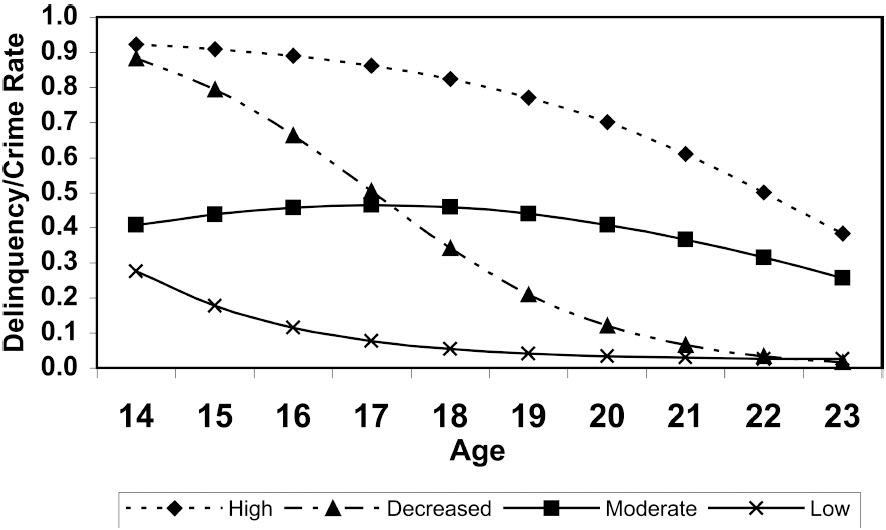
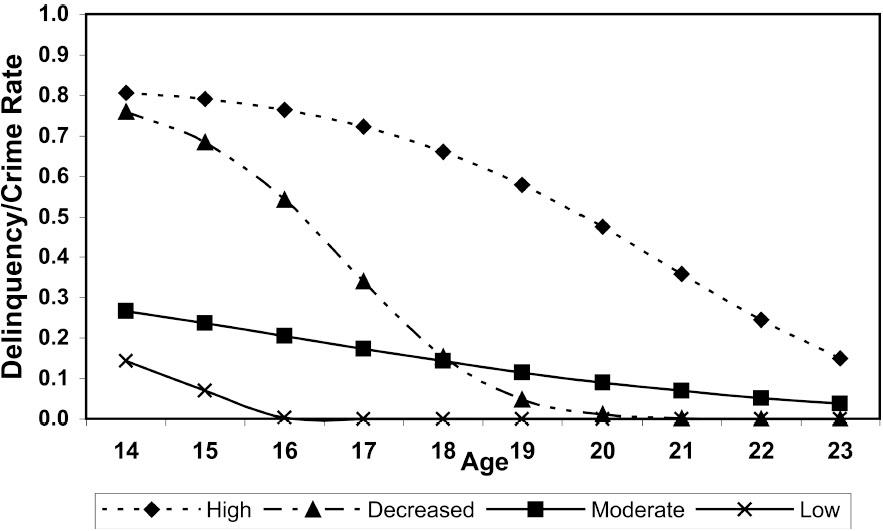
10. Murphy DA, Brecht ML, Huang D, Herbeck DM. Trajectories of Delinquency from Age 14 to 23 in the National Longitudinal Survey of Youth Sample. Int J Adolesc Youth. 2012 Mar 1;17(1):47-62
11. Kask K, Markina A, Podana Z. The Effect of Family Factors on Intense Alcohol Use among European Adolescents: A Multilevel Analysis. Psychiatry J. 2013;2013:250215
12. Carney T, Myers BJ, Louw J, Lombard C, Flisher AJ. The relationship between substance use and delinquency among high-school students in Cape Town, South Africa. J Adolesc. 2013 Jun;36(3):447-55
13. Aalsma MC, Tong Y, Wiehe SE, Tu W. The impact of delinquency on young adult sexual risk behaviors and sexually transmitted infections. J Adolesc Health. 2010 Jan;46(1):17-24
14.
15. Hoeve M, Stams GJ, van der Put CE, Dubas JS, van der Laan PH, Gerris JR. A meta-
analysis of attachment to parents and delinquency. J Abnorm Child Psychol. 2012 Jul;40(5):771-85
16. Keijsers L, Loeber R, Branje S, Meeus W. Bidirectional links and concurrent development of Gault-Sherman M. It’s a two-way street: the bidirectional relationship between parenting and delinquency. J Youth Adolesc. 2012 Feb;41(2):121-45
17. Keijsers L, Loeber R, Branje S, Meeus W. Bidirectional links and concurrent development of parent-child relationships and boys’ offending behavior. J Abnorm Psychol. 2011 Nov;120(4):878-8
18. Hoeve M, Semon Dubas J, Eichelsheim VI, van der Laan PH, Smeenk W, Gerris JRM. The Relationship Between Parenting and Delinquency: A Meta-analysis. J Abnorm Child Psychol. Aug 2009; 37(6): 749–775
19. Springer DW, Roberts AR. Juvenile Justice and Delinquency. Jones and Bartlett Publishers, LLC, 2011
20. Walters GD. Delinquency, parental involvement, early adult criminality, and sex: Evidence of moderated mediation. J Adolesc. 2013 Aug;36(4):777-85
21. Hoeve M, Dubas JS, Gerris JR, van der Laan PH, Smeenk W. Maternal and paternal parenting styles: unique and combined links to adolescent and early adult delinquency. J Adolesc. 2011 Oct;34(5):813-27
22. Murray J, Farrington DP, Sekol I. Children’s antisocial behavior, mental health, drug use, and educational performance after parental incarceration: a systematic review and meta-analysis. Psychol Bull. 2012 Mar;138(2):175-210
23. Colley RL, Carrano J, Lewin-Bizan S. Unpacking links between fathers’ antisocial behaviors and children’s behavior problems: direct, indirect, and interactive effects. J Abnorm Child Psychol. 2011 Aug;39(6):791-804
24. Tzoumakis S, Lussier P, Corrado R. Female juvenile delinquency, motherhood, and the intergenerational transmission of aggression and antisocial behavior. Behav Sci Law. 2012 Mar-Apr;30(2):211-37
25. Douglas-Siegel JA, Ryan JP. The effect of recovery coaches for substanceinvolved mothers in child welfare: impact on juvenile delinquency. J Subst Abuse Treat. 2013 Oct;45(4):381-7
26. Kuja-Halkola R, Pawitan Y, D’Onofrio BM, Långström N, Lichtenstein P. Advancing paternal age and offspring violent offending: a sibling-comparison study. Dev Psychopathol. 2012 Aug;24(3):739-53
27. Caicedo B, Gonçalves H, González DA, Victora CG. Violent delinquency in a Brazilian birth cohort: the roles of breast feeding, early poverty and demographic factors. Paediatr Perinat Epidemiol. 2010 Jan;24(1):12-23
28. Goodnight JA, D’Onofrio BM, Cherlin AJ, Emery RE, Van Hulle CA, Lahey BB. Effects of multiple maternal relationship transitions on offspring antisocial behavior in childhood and adolescence: a cousin-comparison analysis. J Abnorm Child Psychol. 2013 Feb;41(2):185-98
29. Hayatbakhsh MR, Najman JM, Khatun M, Al Mamun A, Bor W, Clavarino A. A longitudinal study of child mental health and problem behaviours at 14 years of age following unplanned pregnancy. Psychiatry Res. 2011 Jan 30;185(1-2):200-4
30. D’Onofrio BM1, Van Hulle CA, Goodnight JA, Rathouz PJ, Lahey BB. Is maternal smoking during pregnancy a causal environmental risk factor for adolescent antisocial behavior? Testing etiological theories and assumptions. Psychol Med. 2012 Jul;42(7):1535-45
31. Ellis L, Widmayer A, Das S. Maternal smoking during pregnancy and self-reported delinquency by offspring. Crim Behav Ment Health. 2012 Dec;22(5):325-35
32. Wilson S, Durbin CE. Effects of paternal depression on fathers’ parenting behaviors: a meta-analytic review. Clin Psychol Rev. 2010 Mar;30(2):167-80
33. Jennings WG, Maldonado-Molina MM, Piquero AR, Canino G. Parental suicidality as a risk factor for delinquency among Hispanic youth. J Youth Adolesc. 2010 Mar;39(3):315-25
34. El-Sheikh M, Hinnant JB, Erath S. Developmental trajectories of delinquency symptoms in childhood: the role of marital conflict and autonomic nervous system activity. J Abnorm Psychol. 2011 Feb;120(1):16-32
35. Burt SA, Barnes AR, McGue M, Iacono WG. Parental divorce and adolescent delinquency: ruling out the impact of common genes. Dev Psychol. 2008 Nov;44(6):166877
36. Flouri E. Fathers’ behaviors and children’s psychopathology. Clin Psychol Rev. 2010 Apr;30(3):363-9
37. Eitle D. Parental gender, single-parent families, and delinquency: Exploring the moderating influence of race/ethnicity. Social Science Research. 2006 Sep;35(3):727748
38. Justicia Galiano MJ, Cantón Duarte J. [Conflicts between parents and aggressive and delinquent behavior in children]. [Article in Spanish]. Psicothema. 2011 Feb;23(1):20-5
39. Ryan JP, Williams AB, Courtney ME. Adolescent neglect, juvenile delinquency and the risk of recidivism. J Youth Adolesc. 2013 Mar;42(3):454-65
40. Thornberry TP, Henry KL, Ireland TO, Smith CA. The causal impact of childhoodlimited maltreatment and adolescent maltreatment on early adult adjustment. J Adolesc Health. 2010 Apr;46(4):359-65
41. Maas C, Herrenkohl TI, Sousa C. Review of research on child maltreatment and violence in youth. Trauma Violence Abuse. 2008 Jan;9(1):56-67
42. Salzinger S, Rosario M, Feldman RS. Physical child abuse and adolescent violent delinquency: the mediating and moderating roles of personal relationships. Child Maltreat. 2007 Aug;12(3):208-19.
43. Krischer MK, Sevecke K. Early traumatization and psychopathy in female and male juvenile offenders. Int J Law Psychiatry. 2008 Jun-Jul;31(3):253-62
44. Logan JE, Leeb RT, Barker LE. Gender-specific mental and behavioral outcomes among physically abused high-risk seventh-grade youths. Public Health Rep. 2009 Mar-Apr;124(2):234-45
45. Smith DK, Saldana L. Trauma, Delinquency, and Substance Use: Co-occurring Problems for Adolescent Girls in the Juvenile Justice System. J Child Adolesc Subst Abuse. 2013 Jul 2;22(5):450-465
46. Mallett CA, Stoddard Dare P, Seck MM. Predicting juvenile delinquency: the nexus of childhood maltreatment, depression and bipolar disorder. Crim Behav Ment Health. 2009;19(4):235-46
47. Evans SZ, Simons LG, Simons RL. The effect of corporal punishment and verbal abuse on delinquency: mediating mechanisms. J Youth Adolesc. 2012 Aug;41(8):1095-110
48. Low S, Sinclair R, Shortt JW. The role of economic strain on adolescent delin-
quency: a microsocial process model. J Fam Psychol. 2012 Aug;26(4):576-84
49. Kwon JA, Wickrama KA. Linking Family Economic Pressure and Supportive Parenting to Adolescent Health Behaviors: Two Developmental Pathways Leading to Health Promoting and Health Risk Behaviors. J Youth Adolesc. 2013 Nov 20. DOI 10.1007/s10964-013-0060-0
50. Chamratrithirong A, Miller BA, Byrnes HF, Rhucharoenpornpanich O, Cupp PK, Rosati MJ, et al. Intergenerational transmission of religious beliefs and practices and the reduction of adolescent delinquency in urban Thailand. J Adolesc. 2013 Feb;36(1):79-89
51.
52. Dew RE, Daniel SS, Armstrong TD, Goldston DB, Triplett MF, Koenig HG. Religion/ Spirituality and adolescent psychiatric symptoms: a review. Child Psychiatry Hum Dev. 2008 Dec;39(4):381-98
53. Yonker JE, Schnabelrauch CA, Dehaan LG. The relationship between spirituality and religiosity on psychological outcomes in adolescents and emerging adults: a meta-analytic review. J Adolesc. 2012 Apr;35(2):299-314
54. Kim-Spoon J, Longo GS, McCullough ME. Parent-Adolescent Relationship Quality as a Moderator for the Influences of Parents’ Religiousness on Adolescents’ Religiousness and Adjustment. J Youth Adolesc. 2012 December ; 41(12): 1576–1587
55. Lairda RD, Marks LD, Marrero MD. Religiosity, self-control, and antisocial behavior: Religiosity as a promotive and protective factor. Journal of Applied Developmental Psychology Volume 32, Issue 2, March–April 2011, Pages 78–85
56. Salas-Wright CP, Vaughn MG, Hodge DR, Perron BE. Religiosity profiles of American youth in relation to substance use, violence, and delinquency. J Youth Adolesc. 2012 Dec;41(12):1560-75
57. Klanjšek R, Vazsonyi AT, Trejos-Castillo E. Religious orientation, low self-control, and deviance: Muslims, Catholics, Eastern Orthodox-, and “Bible Belt” Christians. Adolesc. 2012 Jun;35(3):671-82
58. Biddle J. Re-assessing the relation between religion and juvenile delinquency [dissertation]. Newark, New Jersey: Rutgers University; 2013
Μιχάλης
Adult Congenital Heart Centre and Centre for Pulmonary Hypertension, Royal Brompton
M.Th. Papaphylactou
S. Rammos
Department of Pediatric Cardiology, Pediatric and Adult Congenital Heart Disease Intensive Care Unit, Onassis Cardiac Surgery Center, Athens, Greece
D. Cassimos
University Pediatric Clinic, Democritus University of Thrace, Greece
M.A. Gatzoulis
Adult Congenital Heart Centre and Centre for Pulmonary Hypertension, Royal Brompton Hospital, London, United Kingdom
Congenital heart disease: transition from pediatric to adult care of the adolescent - young adult
M. Th. Papaphylactou, S. Rammos, D. Cassimos, M. A. Gatzoulis
Congenital heart disease (CHD) is anatomically defined disease entities – cardiovascular abnormalities – caused by abnormal morphogenesis or abnormality of the normal sequence of the cardiovascular system of the fetus and newborn. CHD is one of the most common inborn defects, occurring in approximately 0,8% of newborn infants and comprise a wide spectrum from simple to complex lesions. Advances in the diagnosis and management of patients with CHD have contributed a large number of these patients surviving to adulthood. To meet the specific needs of this patient population appropriate and experienced lifetime care for adults with CHD is needed. Effective transition of care from adolescence to adulthood is taking on increasing importance. The present article summarizes key clinical information on adolescents and adults with CHD for the benefit of physicians who are not specialized in this field in order to optimize the care of these patients.
Key words: Congenital heart diseases, adolescents, adults
356, 17674
+302109493201
e-mail: mpapaphylactou@gmail. com
Correspondence
Maria Th. Papaphylactou
356, Sygrou Avenue, 17674
Athens-Greece Tel: +302109493201
e-mail: mpapaphylactou@gmail. com
Criss-cross
Συντομογραφίες ΑΠ:
ΣΚ:
ASD (Atrial Septal Defect):
AVSD (Atrioventricular Septal Defect):
ccTGA (Congenitally Corrected Transposition of the Great Arteries):
CoA (Coarctation of the Aorta):
Hb (Hemoglobin):
PLT (Platelets):
re-CoA (Re-Coarctation of the Aorta):
TOF (Tetralogy of Fallot):
Fallot
VSD (Ventricular Septal Defect):
WPW:
Wolff-Parkinson-White
Heart Association,
(European Society of Cardiology,
Association/American College of Cardiology, ή ACC/AHA) (23)
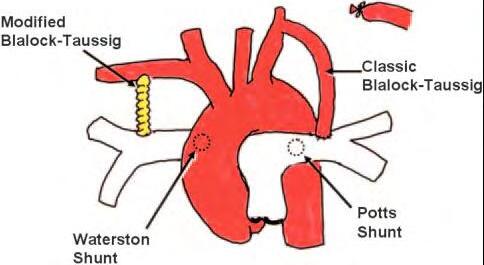
αναστόμωση Blalock-Taussig: αναστόμωση υποκλειδίου αρτηρίας
Waterstone:
Potts:
Blalock-Taussig:
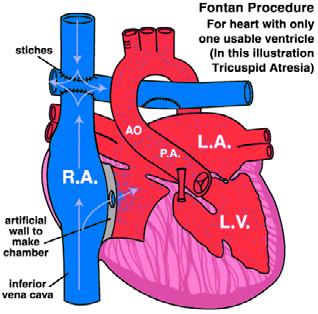
4.
5.
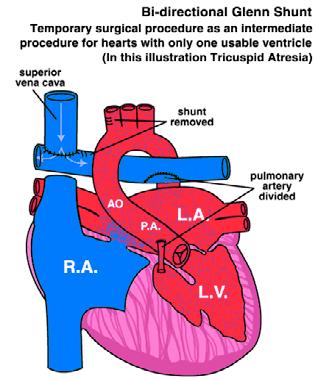
Mustard, Senning, Glenn
(38).
(58).
1. Hoffman JI, Kaplan S. The incidence of congenital heart disease. J Am Coll Cardiol 2002;39:1890-1900.
2. Nieminen HP, Lokinen EV, Sairanen HI. Late results of pediatric cardiac surgery in Finland: a population-based study with 96% follow-up. Circulation 2001;104:570575.
3. Marelli AJ, Mackie AS, Ionescu-Ittu R, Rohme E, Pilote L. Congenital heart disease in the general population: changing prevalence and age distribution. Circulation 2007;115:163-172.
4. Brickner ME, Hillis LD, Lange RA. Congenital heart disease in adults: first of two parts. N Engl J Med. 2000;342:256 –263.
5. Perloff JK, Warnes C. Congenital heart diseases in adults: a new cardiovascular specialty. Circulation 2001;84:1881-1890.
6. Moons P, Hilderson D, Van Deyk K. Implementation of transition programs can prevent another lost generation of patients with congenital heart disease. Eur J Cardiovasc Nurs 2008;7:259-263.
7. Yeung E, Kay J, Roosevelt GE, Brandon M, Yetman AT. Lapse of care as a predictor for morbidity in adults with congenital heart disease. Int J Cardiol 2008;125:62-65.
8. Iversen K, Vejlstrup NG, Sondergaard L, Nielsen OW. Screening of adults with congenital cardiac disease lost for follow-up. Cardiol Young 2007;17: 601-608.
9. Knauth A, Verstappen A, Reiss J, Webb GD. Transition and transfer from pediatric to adult care of the young adult with complex congenital heart disease. Cardiol Clin 2006;24:619-629.
10. Warnes CA, Liberthson R, Danielson GK, Dore A, Harris L, Hoffman JI, et al. Task force1: The changing profile of congenital heart disease in adult life. J Am Coll Cardiol 2001;37:1170-1175.
11. Landzberg MJ, Murphy DJ Jr, Davidson WR Jr, Jarcho JA, Krumholz HM, Mayer JE, et al. Task force 4: Organization of delivery systems for adults with congenital heart disease. J Am Coll Cardiol 2001;37:1187-1193.
12. Connolly HM, Warnes CA. Pregnancy and contraception. In: Gatzoulis MA, Webb GD, Daubeney PEF, Eds, Diagnosis and management of adult congenital heart disease. Churchill Livingstone, Elsevier, 2003, pp 135-144.
13. Uebing A, Steer PJ, Yentis SM, Gatzoulis MA. Pregnancy and congenital heart disease. Br Med J 2006;332:401-406.
14. Broberg CS, Ujita M, Prasad S, Li W, Rubens M, Bax BE, et al. Pulmonary arterial thrombosis in Eisenmenger syndrome is associated with biventricular dysfunction and decreased pulmonary flow velocity. J Am Coll Cardiol 2007;50:634-642.
15. Silversides CK, Granton JT, Konen E, Hart MA, Webb GD, Therrien J. Pulmonary thrombosis in adults with Eisenmenger syndrome. J Am Coll Cardiol 2003;42:19821987.
16. Fisher WA, Black A. Contraception in Canada: a review of method choices, characteristics, adherence and approaches to counselling. CMAJ 2007;176: 953-961.
17. Dhanjal MK. Contraception in women with heart disease. In: Steer PJ, Gatzoulis MA, Baker P, Eds, Heart Disease and pregnancy. London: RCOG Press, 2006, pp 9-26.
18. Drenthen W, Pieper PG, Ross-Hesselink JW, van Lottum WA, Voors AA, Mulder BJ, et al. Outcome of pregnancy in women with congenital heart disease: a literature review. J Am Coll Cardiol 2007;49:2303-2311.
19. Bédard E, Dimopoulos K, Gatzoulis MA. Has there been any progress made on pregnancy outcomes among women with pulmonary arterial hypertension? Eur Heart J 2009;30(3):256-265.
20. Curry RA, Fletcher C, Gelson E, Gatzoulis MA, Woolnough M, Richards N, et al. Pulmonary hypertension and pregnancy: a review of 12 pregnancies in nine women. BJOG 2012;119:752-761.
21. Weiss BM, Zemp L, Seifert B, Hess OM. Outcome of pulmonary vascular disease in pregnancy: a systemic overview from 1978 through 1996. J Am Coll Cardiol 1998;31:1650-1657.
22. Oakley C, Child A, Jung B, Presbitero P, Tornos P, Klein W, et al. Expert consensus document on management of cardiovascular diseases during pregnancy. Eur Heart J 2003;24:761-781.
23. Warnes CA, Williams RG, Bashore TM, Child JS, Connolly HM, Dearani JA, et al. ACC/AHA 2008 Guidelines for the management of adults with congenital heart disease. J Am Coll Cardiol 2008;52:143-263.
24. Siu SC, Colman JM, Sorensen S, Smallhom JF, Farine D, Amankwah KS, et al. Adverse neonatal and cardiac outcomes are more common in pregnant women with cardiac disease. Circulation 2002;105:2179-2184.
25. Gelson E, Curry R, Gatzoulis MA, Swan L, Lupton M, Steer P, et al. Effect of maternal heart disease on fetal growth. Obstet Gynecol 2011;117:886-891.
26. Nora JJ. From generational studies to a multilevel genetic-environmental interaction. J Am Coll Cardiol 1994;23:1468-1471.
27. Steer PJ. Pregnancy and contraception. In: Gatzoulis MA, Swan L, Therrien J, Pantley G, Eds, Adult congenital heart disease. London: Blackwell, 2005, pp 16-36.
28. Kovalchin JP, Silverman NH. The impact of fetal echocardiography. Pediatr Cardiol 2004;25:299-306.
29. Small M, Copel JA. Indications for fetal echocardiography. Pediatr Cardiol 2004;25:210-222.
30. Fleisher LA, Beckman JA, Brown KA, Calkins H, Chaikof EL, Fleischmann KE, et al. ACC/AHA 2007 guidelines on perioperative cardiovascular evaluation and care for noncardiac surgery: executive summary: a report of the American College of Cardi-
ology/American Heart Association Task Force on practice guidelines (writing Committee to revise the 2002 guidelines on perioperative cardiovascular evaluation for noncardiac surgery). J Am Coll Cardiol 2007;50:159-242.
31. Colman JM. Noncardiac surgery in adult congenital heart disease. In: Gatzoulis MA, Webb GD, Daubeney PEF, Eds, Diagnosis and management of adult congenital heart disease. Churchill Livingstone, Elsevier, 2003, pp 99-104.
32. Τσαούση
2007;70:470-476.
33. Bonow RO, Carabello BA, Chatterjee K, de Leon AC Jr, Faxon DP, Freed MD, et al. 2008 focused update incorporated into the ACC/AHA 2006 guidelines for the management of patients with valvular heart disease: a report of the American College Cardiology/American Heart Association Task Force on practice guidelines (writing Committee to revise the 1998 guidelines for the management of patients with valvular disease). Endorsed by the Society of Cardiovascular Anesthesiologists, Society For Cardiovascular Angiography and Interventions, and Society of Thoracic Surgeons. J Am Coll Cardiol 2008; 52:1-142.
34. Lovell AT. Anaesthetic implications of grown-up congenital heart disease. Br J Anaesth 2004;93:129-339.
35. Harris L, Balaji S. Arrhythmias in the adult with congenital heart disease. In: Gatzoulis MA, Webb GD, Daubeney PEF, Eds, Diagnosis and management of adult congenital heart disease. Churchill Livingstone, Elsevier, 2003, pp 105-114.
36. Walsh EP, Cecchin F. Arrhythmias in adult patients with congenital heart disease. Circulation 2007;115:534-545.
37. Sherwin ED, Triedman JK, Walsh EP. Update on interventional electrophysiology in congenital heart disease: evolving solutions for complex hearts. Circ Arrhythm Electrophysiol 2013;6:1032-1040.
38. Walsh EP. Interventional electrophysiology in patients with congenital heart disease. Circulation 2007;115:3224-3234.
39. Sherwin ED, Walsh EP, Abrams DJ. Variable QRS morphologies in Ebstein’s anomaly: what is the mechanism? Heart Rhythm 2013;10:933-937.
40. Kirsh JA, Walsh EP, Triedman JK. Prevalence of and risk factors for atrial fibrillation and intraatrial reentrant tachycardia among patients with congenital heart disease. Am J Cardiol 2002;90:338-340.
41. Silka MJ, Hardy BG, Menashe VD, Morris CD. A population-based prospective evaluation of risk of sudden cardiac death after operation for common congenital heart defects. J Am Coll Cardiol 1998;32:245-251.
42. Daebritz SH. Update in adult congenital cardiac surgery. Pediatr Cardiol 2007;28:96-104.
43. Shore DF. Late repair and reoperations in adults with congenital heart disease. In: Gatzoulis MA, Webb GD, Daubeney PEF, Eds, Diagnosis and management of adult congenital heart disease. Churchill Livingstone, Elsevier, 2003, pp 73-78.
44. Baumquartner H, Bonhoeffer P, De Groot NM, de Haan F, Deanfield JE, Galie N, et al. ESC Guidelines for the management of grown-up congenital heart disease (new version 2010). Eur Heart J 2010;31:2915-2957.
45. Perloff JK. Systemic complications of cyanosis in adults with congenital heart
disease. Hematologic derangements, renal function, and urate metabolism. Cardiol Clin 1993;11:689-699.
46. Tyndall MR, Teitel DF, Lutin WA, Clemons GK, Dallman PR. Serum erythropoietin levels in patients with congenital heart disease. J Pediatr 1987;110:538-544.
47. Berman W JR, Wood SC, Yabek SM, Dillon T, Fripp RR, Burstein R. Systemic oxygen transport in patients with congenital heart disease. Circulation 1987;5:360-368.
48. Παπαφυλακτού Μ. Αιματολογικές διαταραχές
καρδιοπάθειες. Καρδιολογική Γνώμη 2009;4:1-7.
49. Fischer G, Stieh J, Uebing A, Hoffmann U, Morf G, Kramer HH. Experience with transcatheter closure of secundum atrial septal defects using the Amplatzer septal occluder: a single centre study in 236 consecutive patients. Heart 2003;89:199-204.
50. Mylotte D, Quenneville Sp, Kotowycz MA, Xie X, Brophy JM, Ionescu- Ittu R, et al. Long-term cost effectiveness of transcatheter versus surgical closure of secundum atrial septal defect in adults. Int J Cardiol 2014;172:109-114.
51. Fawzy ME, Awad M, Hassan W, Al Kadhi Y, Shoukri M, Fadley F. Long-term outcome (up to 15 years) of balloon angioplasty of discrete native coarctation of the aorta in adolescents and adults. J Am Coll Cardiol 2004;43:1062-1067.
52. Cowley CG, Orsmond GS, Feola P, McQuillan L, Shaddy RE. Long-term, randomized comparison of balloon angioplasty and surgery for native coarctation of the aorta in childhood. Circulation 2005;111:3453-3456.
53. Chakrabarti S, Kenny D, Morgan G, Curtis SL, Hamilton MC, Wilde P, et al. Balloon expandable stent implantation for native and recurrent coarctation of the aorta –prospective computerised tomography assessment of stent integrity, aneurysm formation and stenosis relief. Heart 2010;96:1212-1216.
54. Chessa M, Carrozza M, Butera G, Piazza L, Nequra DG, Bussadori C, et al. Results and mid-long-term follow-up of stent implantation for native and recurrent coarctation of the aorta. Eur Heart J 2005;26:2728-2732.
55. Bonhoeffer P, Boudjemline Y, Saliba Z, Merckx J, Aqqoun Y, Bonnet D, et al. Percutaneous replacement of pulmonary valve in a right-ventricle to pulmonary-artery prosthetic conduit with valve dysfunction. Lancet 2000;356:1403-1405.
56. Lurz P, Bonhoeffer P, Taylor AM. Percutaneous pulmonary valve implantation: an update. Expert Rev Cardiovascular Ther 2009;7:823-833.
57. Ringewald JM, Such EJ. Transcatheter pulmonary valve insertion, expanded use and future directions. Cardiol Young 2013;23:910-914.
58. Davies RR, Russo MJ, Yang J, Quaeqebeur JM, Mosca RS, Chen JM. Listing and transplanting adults with congenital heart disease. Circulation 2011;123:759-767.
Athanasios Koutsoklenis
Zoe Theodoridou
Department of Special Educational Needs, St. Luke’s Hospital
Athanasios Evangeliou 4th Paediatric Clinic of Aristotle University of Thessaloniki
The phenomenon of optimal outcome in autism spectrum disorders
Athanasios Koutsoklenis, Zoe Theodoridou, Athanasios Evangeliou
Autism Spectrum Disorders are characterized by deficits in social communication and interaction and by the presence of stereotyped, restricted and repeated behaviors. ASD are associated with various cognitive and behavioral disorders, and medical conditions. They are generally considered as lifelong, irreversible disorders. However, recent evidence shows that a small proportion of children with a history of ASD achieves the optimal outcome and loses the diagnosis. This article presents the key points of the scientific debate regarding the optimal outcome phenomenon in ASD. It reviews recent evidence that documents the possibility of optimal outcome for some children with ASD and places the emphasis on the unique characteristics of those who achieved the optimal outcome and on the possible positive predictors. Within this scope, the critical role of those involved in ASD diagnosis and treatment becomes prominent.
Key words: autism spectrum disorder, outcome, optimal
2310390746 Κιν.: 6978708753
e-mail: a.koutsoklenis@gmail.com
Correspondence
Athanasios Koutsoklenis
Panorama, Thessaloniki, Greece.
Tel.: +302310390746
Mob.: +306978708753
e-mail: a.koutsoklenis@gmail.com
1. American Psychiatric Association. Diagnostic and statistical manual of mental disorders (5th ed.) – DSM-5. Washington, DC: American Psychiatric Association; 2013 May: 991p.
2. Carlsson LH, Norrelgen F, Kjellmer L, Westerlund J, Gillberg C, Fernell E. Coexisting disorders and problems in preschool children with autism spectrum disorders. ScientificWorldJournal. 2013 Apr;23:213979.
3. Treating Autism & Autism Treatment Trust (2013). Medical comorbidities in autism spectrum disorders: A primer for health care professionals and policy makers. Webpage: www.treatingautism.co.uk.
4. Bauminger N, Kasari C. Loneliness and friendship in high-functioning children with autism. Child Dev. 2000 Mar-Apr;71(2):447-56.
5. Shumway S, Wetherby AM. Communicative acts of children with autism spectrum disorders in the second year of life. J Speech Lang Hear Res. 2009 Oct;52(5):1139-56.
6. Maskey M, Warnell F, Parr JR, Le Couteur A, McConachie H. Emotional and behavioural problems in children with autism spectrum disorder. J Autism Dev Disord. 2013 Apr;43(4):851-9.
7. Kanne SM, Gerber AJ, Quirmbach, LM, Sparrow SS, Cicchetti DV, Saulnier CA. The role of adaptive behavior in autism spectrum disorders: Implications for functional outcome. J Autism Dev Disord. 2011 Aug;41(8):1007-18.
8. Nation K, Clarke P, Wright B, Williams C. Patterns of reading ability in children with autism spectrum disorder. J Autism Dev Disord. 2006 Oct;36(7):911-9.
9. Taylor JL, Seltzer MM. Employment and post-secondary educational activities for young adults with autism spectrum disorders during the transition to adulthood. J Autism Dev Disord. 2011 May;41(5):566-74.
10. Baxter A.J., Brugha TS, Erskine HE, Scheurer RW, Vos T, Scott JG. The epidemiology and global burden of autism spectrum disorders, Psychol Med. 2014 Aug 11:113 (doi:10.1017/S003329171400172X).
11. Fountain C, Winter AS, Bearman PS. Six developmental trajectories characterize children with autism. Pediatrics. 2012 May; 129(5):1112-20.
12. Seltzer MM, Shattuck P, Abbeduto L, Greenberg JS. Trajectory of development in adolescents and adults with autism. Ment Retard Dev Disabil Res Rev. 2004;10(4):234-47.
13. Magiati I, Tay XW, Howlin P. Cognitive, language, social and behavioural outcomes in adults with autism spectrum disorders: A systematic review of longitudinal followup studies in adulthood. Clin Psychol Rev. 2014 Feb;34(1):73-86.
14. Charman T, Howlin P. Research into early intervention for children with autism and related disorders: Methodological and design issues. Autism. 2003 Jun; 7(2):21725.
14. Helt M, Kelley E, Kinsbourne M, Pandey J, Boorstein H, Herbert M, et al. Can ΒΙΒΛΙΟΓΡΑΦIΑ
children with autism recover? If so, how? Neuropsychol Rev. 2008 Dec; 18(4):339-66.
15. Zappella M. Early-onset Tourette syndrome with reversible autistic behaviour: a dysmaturational disorder. Eur Child Adolesc Psychiatry. 2002 Feb;11(1):18-23.
16. Fein D, Dixon P, Paul J, Levin H. Brief report: Pervasive developmental disorder can evolve into ADHD: Case illustrations. J Autism Dev Disord. 2005 Aug;35(4):52534.
17. Towle PO, Vacanti-Shova K, Shah S, Higgins-D’alessandro A. School-aged functioning of children diagnosed with autism spectrum disorder before age three: Parent-reported diagnostic, adaptive, medication, and school placement outcomes. J Autism Dev Disord. 2014 Jun;44(6):1357-72.
18. Turner LM, Stone WL.Variability in outcome for children with an ASD diagnosis at age 2. J Child Psychol Psychiatry. 2007 Aug;48(8):793-802.
19. Fein D, Barton M, Eigsti I-M, Kelley E, Naigles L, Schultz RT et al. Optimal outcome in individuals with a history of autism. J Child Psychol Psychiatry. 2013 Feb;54(2):195205.
20. Kelley, E., Naigles, L., & Fein, D. (2010). An in-depth examination of optimal outcome children with a history of autism spectrum disorders. Research in Autism Spectrum Disorders. 2006 Aug;4(3):526-38.
21. Eigsti IM., Fein DA. More is less: pitch discrimination and language delays in children with optimal outcomes from autism. Autism Res. 2013 Dec;6(6):605-13.
22. Naigles LR, Kelley E, Troyb E, Fein D. Residual difficulties with categorical induction in children with a history of autism. J Autism Dev Disord. 2013 Sep;43(9):204861.
23. Suh J, Eigsti IM, Naigles L, Barton M, Kelley E, Fein D. Narrative performance of optimal outcome children and adolescents with a history of an Autism Spectrum Disorder (ASD). J Autism Dev Disord. 2014 Jul;44(7):1681-94.
24. Troyb E, Orinstein A, Tyson K, Helt M, Eigsti IM, Stevens M, et al. Academic abilities in children and adolescents with a history of autism spectrum disorders who have achieved optimal outcomes. Autism. 2014 Apr;18(3):233-43.
25. Troyb E, Orinstein A, Tyson K, Eigsti IM, Naigles L, Fein D. Restricted and repetitive behaviors in individuals with a history of ASDs who have achieved optimal outcomes. J Autism Dev Disord. 2014 Jul 17. [Epub ahead of print].
26. Troyb E, Rosenthal M, Eigsti IM, Kelley E, Tyson K, Orinstein A, et al. Executive functioning in individuals with a history of ASDs who have achieved optimal outcomes. Child Neuropsychol. 2014;20(4):378-97.
27. Tyson K, Kelley E, Fein D, Orinstein A, Troyb E, Barton M, et al. Language and verbal memory in individuals with a history of autism spectrum disorders who have achieved optimal outcomes. J Autism Dev Disord. 2014 Mar;44(3):648-63.
28. Orinstein AJ, Helt M, Troyb E, Tyson KE, Barton ML, Eigsti IM, et al. Intervention for optimal outcome in children and adolescents with a history of Autism. J Dev Behav Pediatr. 2014 May;35(4):247-56.
29. Mraz KD, Dixon J, Dumont-Mathieu T, Fein D. Accelerated head and body growth in infants later diagnosed with autism spectrum disorders: A comparative study of optimal outcome children. 2009 Jul;24(7):833-45.
30. Levy A, Perry A. Outcomes in adolescents and adults with autism: A review of the literature. Res Autism Spect Dis. 2011 Mar;5(4):1271-82.
31. Sutera S, Pandey J, Esser EL, Rosenthal MA, Wilson LB, Barton M, et al. Predictors of optimal outcome in toddlers diagnosed with autism spectrum disorders. J Autism Dev Disord. 2007 Jan;37(1):98-107 .
32. Mukaddes NM, Tutkunkardas MD, Sari O, Aydin A, Kozanoglu P. Characteristics of children who lost the diagnosis of autism: A sample from Istanbul, Turkey. Autism Res Treat. 2014;2014:472120.
33. Anderson DK, Liang JW, Lord C. Predicting young adult outcome among more and less cognitively able individuals with autism spectrum disorders. J Child Psychol Psychiatry. 2014 May;55(5):485-94.
34. Ozonoff S. Editorial: Recovery from autism spectrum disorder (ASD) and the science of hope. J Child Psychol Psychiatry. 2013 Feb;54(2):113-4.
35. Rhoades RA, Scarpa A, Salley B. The importance of physician knowledge of autism spectrum disorder: results of a parent survey. BMC Pediatr. 2007 Nov 20;7:37.
36. Herbert MR. A whole body systems approach to autism. In: Fein D, editor. The Neuropsychology of Autism. Oxford: Oxford University Press; p. 499.
37. Weitlauf AS, McPheeters ML, Peters B, Sathe N, Travis R, Aiello R, et al. Therapies for children with autism spectrum disorder: behavioral interventions update. Comparative Effectiveness Review No. 137. (Prepared by the Vanderbilt Evidencebased Practice Center under Contract No. 290-2012-00009-I.) AHRQ Publication No. 14-EHC036-EF. Rockville, MD: Agency for Healthcare Research and Quality; August 2014. Webpage: www.effectivehealthcare.ahrq.gov/reports/final.cfm.
38. Wong C, Odom SL, Hume K, Cox AW, Fettig A, Kucharczyk S, et al. (2014). Evidence-based practices for children, youth, and young adults with autism spectrum disorder. Chapel Hill: The University of North Carolina, Frank Porter Graham Child Development Institute, Autism Evidence-Based Practice Review Group. Webpage: http://autismpdc.fpg.unc.edu/sites/autismpdc.fpg.unc.edu/files/2014-EBP-Report. pdf
39. Hendren, R. L. (2013). Autism: biomedical complementary treatment approaches. Child Adolesc Psychiatr Clin N Am. 2013 Jul;22(3):443-56.
40. Whiteley P, Shattock P, Knivsberg AM, Seim A, Reichelt KL, Todd L, et al. Gluten- and casein-free dietary intervention for autism spectrum conditions. Front Hum Neurosci. 2013 Jan 4;6:344.
41. Anagnostou E, Hansen R. Medical treatment overview: traditional and novel psycho-pharmacological and complementary and alternative medications. Curr Opin Pediatr., 2011 Jul;23(6):621-7.
42. Barger BD, Campbell JM, McDonough, JD. Prevalence and onset of regression within autism spectrum disorders: a meta-analytic review. J Autism Dev Disord. 2013 Apr;43(4):817-28.
43. Hedvall A, Fernell E, Gillberg C, Billstedt E, Holm A, Westerlund J. Autism and developmental profiles in preschoolers: Stability and change over time. Acta Paediatr. 2014 Feb;103(2):174-81.
44. Siller, M, Sigman, M. The behaviors of parents of children with autism predict the subsequent development of their children’s communication. J Autism Dev Disord. 2002 Apr;32(2):77-89.
45. Broderick AA. Autism, “recovery (to normalcy)”, and the politics of hope. Intellect Dev Disabil. 2009 Aug;47(4):263-81.
Pavlos Troizos-Papavasileiou
National and Kapodistrian University of Athens, Medical School, Athens, Greece
Stella Mouskou “P& A Kyriakou” Childrens hospital, Athens, Greece
Nicoletta Iacovidou
Neonatal Department, Aretaieio Hospital, National and Kapodistrian University of Athens, Μedical School, Athens, Greece
Pavlos Troizos-Papavasileiou, Stella Mouskou, Nicoletta Iacovidou
Sudden infant death syndrome (SIDS) is still a frequent cause of infant mortality even in developed countries. It refers to the sudden death of a healthy infant, the cause of which remains unclear despite the detailed postmortem investigation (necropsy/autopsy, examination of the death scene) and the reviewing of the victim’s medical history. Recognizing the importance of the syndrome, mainly across the English speaking countries, 15th of October is declared as a day of remembrance and October as month of awareness and information on perinatal mortality causes including SIDS. On these grounds, the present review attempts to analyze the most important epidemiological data and tοidentifythe syndrome’ sknown risk factors. Existing data of the underlying pathogenesis and current prevention guidelines and possible future research and other targets are being presented.
e-mail: stelli_m@yahoo.com
Correspondence
Stella Mouskou
Thivon & Levadias, Goudi, 11527
e-mail:s telli_m@yahoo.com
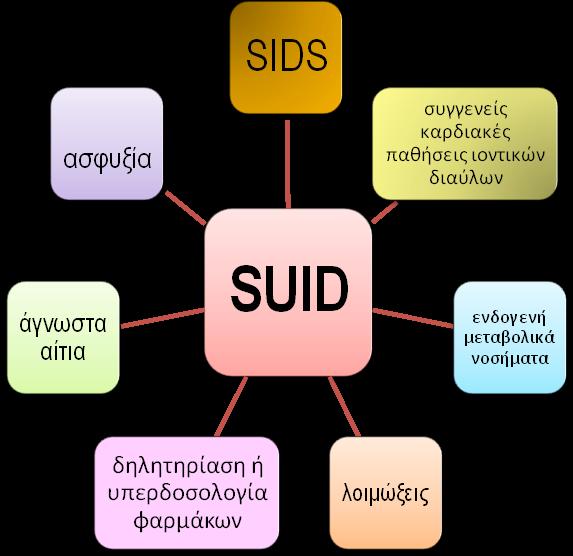
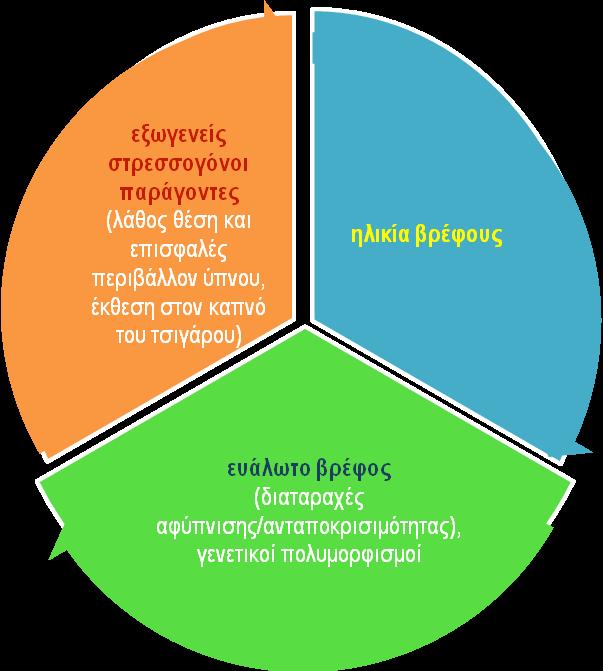
(Munchausen by proxy) (60).
(22).
ΒΙΒΛΙΟΓΡΑΦΙΑ
1. Willinger M., James LS, Catz C. Defining the sudden infant death syndrome (SIDS): deliberations of an expert panel convened by the National Institute of Child Health and Human Development. PediatrPathol1991; 11:677–84.
2. Centers for Disease Control and Prevention, Sudden Unexpected Infant Death and Sudden Infant Death Syndrome(Webpage, Internet), 9/8/2013: www.cdc.gov/ sids
3. Kinney H.C., Thach B.T. The Sudden Infant Death Syndrome. N Engl J Med. 2009; 361(8): 795–805.
4. Goutas N., Konstantinidou M.K., Vlachodimitropoulos D., Konstantinidou A., Kontogiannis T., Papadodima S., et al. Trends in Infant and Child Mortality. The Open Forensic Science Journal2011;4:1-11
5. Mathews T.J., MacDorman M.F. Infant Mortality Statistics From the 2009 Period Linked Birth/Infant Death Data Set. National Vital Statistics Reports; 2013 January 24; 61(8)
6. Hackett M., Simons H. Parental Adherence to Infant Sleep Safety Recommendations. J Community Med Health Educ2013;3: 219
7. Lancet 8/11/1834, Vol.23 Issue 584 as quoted in: Siren P. M. A., Siren Μ. J., Critical diaphragm failure in sudden infant death syndrome. Upsala Journal of Medical
Sciences. 2011;116:115–123
8. Inbar Z. “Back to sleep”: parents compliance with the recommendation on the most appropriate sleeping position of infants, Haifa District, Israel, 2001, Prev Med. 2005;40(6):765-8.
9. Bredemeyer S.L. Implementation of the SIDS Guidelines in midwifery practice. Aust. Mid.J.ACM 2004;17(4):17-21
10. Dwyer T., Ponsonby A.L. Sudden Infant Death Syndrome and Prone Sleeping Position. Ann Epidemiol 2009;19:245–249
11. Gilbert R., Salanti G., Harden M., See S. Infant sleeping position and the sudden infant death syndrome: systematic review of observational studies and historical review of recommendations from 1940 to 2002. Int J Epidemiol. 2005;34(4):874–887
12. Alm B., Mollborg P., Erdes L., Pettersson R., Aberg N., Norvenius G. et al. SIDS risk factors and factors associated with prone sleeping in Sweden. ArchDisChild 2006;91(11):915–919
13. Malloy M. H., MacDorman M. Changes in the Classification of Sudden Unexpected Infant Deaths: United States, 1992 -2001. Pediatrics 2005;115;1247
14. Krous H.F. Sudden Unexpected Death in Infancy and the Dilemma of Defining the Sudden Infant Death Syndrome. Current Pediatric Reviews 2010;6:5-12
15. Hunt C.E., Hauck F.R. Sudden infant death syndrome. CMAJ 2006;174(13):18619
16. Kiechl-Kohlendorfer U.,Hof D., PuppPeglow U., Traweger–Ravanelli B., Kiechl S. Epidemiology of apparent life threatening events. Arch Dis Child. 2005;90(3):297–300.
17. Silvestri J.M. Apparent Life-Threatening Events in the Young Infant and Neonate. ClinPedEmerg Med 2008(9):184-190
18. International Statistical Classification of Diseases and Related Health Problems 10th Revision Version for 2010 (Webpage, Internet): http://apps.who.int/classifications/icd10/browse/2010/en
19. Mage D.T., Donner E.M. The universal age distribution of the Sudden Infant Death Syndrome. Scandinavian Journal of Forensic Science 2011;17(1):4–8.
20. Der ploetzlicheKindstod (SIDS). In: Gortner L., Meyer S., Sitzmann F.C. Paediatrie. 4.Auflage. Stuttgart: DualeReihe. Thieme; 2012. p. 144-7
21. Moon R.Y., Horne R.S.C., Hauck F.R., Sudden infant death syndrome. Lancet 2007;370:1578–87
22. Goldwater P.N. A perspective on SIDS pathogenesis. The hypotheses: plausibility and evidence. BMC Medicine 2011;9:64
23. Hauck F.R., O. Tanabe K. International Trends in Sudden Infant Death Syndrome: Stabilization of Rates Requires Further Action. Pediatrics 2008;122:660–6
24. Arnestad M., Andersen M., Vege A., Rognum T.O. Changes in the epidemiological pattern of sudden infant death syndrome in southeast Norway, 1984–1998: implications for future prevention and research. Arch Dis Child 2001;85:108–115
25. Alm B.,Norvenius S.G., Wennergren G., Skjaerven R., Oyen N., Milerad J. et al. Changes in the epidemiology of sudden infant death syndrome in Sweden1973–1996. Arch Dis Child 2001;84:24-30.
26. Trachtenberg F.L., Haas E.A., Kinney H.C., Stanley C., KrousH.F.. Risk Factor
Changes for Sudden Infant Death Syndrome After Initiation of Back-to-Sleep Campaign.Pediatrics 2012;129(4):630–638
27. Kinney H.C., Thach B.T. The Sudden Infant Death Syndrome. N Engl J Med. 2009; 361(8): 795–805
28. Overpeck M.D., Cruz T.H., McKenzie L.B., Advancing safe sleep for infants through translational research. InjPrev 2013;19:442
29. Mathews T.J., Menacker F., MacDorman M.F. Infant mortality statistics from the 2002 period: linked birth/infant death data set. Natl Vital Stat Rep 2004;53:1–29.
30. Colson E.R., Rybin D., Smith L.A., Colton T., Lister G., Corwin M.J.. Trends and factors associated with infant sleeping position: the National Infant Sleep Position Study 1993–2007. Arch PediatrAdolesc Med 2009;163:1122–1128
31. Robson M.G. Global Health Matters. Public Health Reports 2010;125:478-487
32. Johnson P.J., Oakes J.M., Anderton D.L. Neighborhood poverty and American Indian infant death: are the effects identifiable? Ann Epidemiol. 2008;18(7):552–559.
33. Sullivan F.M., Barlow S.M. Review of risk factors for Sudden Infant Death Syndrome. Paediatric Perinatal Epidemiology 2001;15(2):144–200.
34. Hauck F.R.,Moore C.M., Herman S.M., Donovan M., Kalelkar M., Christoffel K.K., et al. The contribution of prone sleeping position to the racial disparity in sudden infant death syndrome: the Chicago Infant Mortality Study. Pediatrics 2002;110:77280.
35. Hunt C.E. Small for gestational age infants and sudden infant death syndrome: a confluence of complex conditions. Arch. Dis. Child. FetalNeonatalEd. 2007;92(6): F428–9.
36. McKenna J.J., McDade T. Why babies should never sleep alone: a review of the co-sleeping controversy in relation to SIDS, bedsharing and breast feeding. PaediatrRespir Rev 2005;6(2):134–52
37. Carpenter R.G., Irgens L.M., Blair P.S., England P.D., Fleming P., Huber J., et al. Sudden unexplained infant death in 20 regions in Europe: case control study. Lancet 2004;363(9404):185–91
38. Carpenter R.G., Walte A., Coombs R.C., Daman–Willems C., McKenzie A., Huber J. et al. Repeat sudden unexpected and unexplained infant deaths: Natural or unnatural? Lancet 2005;365(9453):29-35.
39. Morenoff JD. Neighborhood mechanisms and the spatial dynamics of birth weight. Am J Sociol 2003;108:976–1017.
40. Chung E.K., McCollum K.F., Elo I.T., Lee H.J., Culhane J.F. Maternal depressive symptoms and infant health practices among low-income women. Pediatrics 2004; 113(6): e523–9.
41. Donovan E.F., Ammerman R.T., Besl J., Atherton H., Khoury J.C., Altaye M., et al. Intensive Home Visiting Is Associated With Decreased Risk of Infant Death. Pediatrics 2007;119(6):1145–51
42. Moon R.Y., Sprague B.M., Patel K.M. Stable prevalence but changing risk factors for sudden infant death syndrome in child care settings in 2001. Pediatrics 2005;116:972–77.
43. Yoo S.H., Kim A.J., Kang S.M., Lee H.Y., Seo J.S., Kwon T.J., et al. Sudden Infant Death Syndrome in Korea: A Retrospective Analysis of Autopsy-Diagnosed Cases. JKoreanMedSci 2013;28:438-442
44. Blackwell C., Moscovis S.M., Gordon A.E., Al Madani O.M., Hall S.T., Gleeson M., et al. Infection, ethnic groups and sudden infant death syndrome. FEMS Immunol Med Microbiol. 2004;42(1):53–65
45. Kahn A., Sawaguchi T., Sawaguchi A., Groswasser J., Franco P., Scaillet S. et al. Sudden infant deaths: from epidemiology to physiology. Forensic Sci Int. 2002(130); (Suppl):8-20.
46. Blakely T., Ajwani S., Robson B., Tobias M., Bonne M. Decades of disparity: widening ethnic mortality gaps from 1980 to 1999. N Z Med J 2004;117(1199):U995.
47. Rasinski K.A., Kuby A., Bzdusek S.A., Silvestri J.M., Weese–Mayer D.E. Effect of a Sudden Infant Death Syndrome Risk Reduction Education Program on Risk Factor Compliance and Information Sources in Primarily Black Urban Communities. Pediatrics 2003;111 (4 Pt 1):e347–354.
48. Moscovis S.M., Gordon A.E., Al Madani O.M., Gleeson M., Scott R.J., Roberts–Thomson J., et al. IL6 G-174C associated with sudden infant death syndrome in a Caucasian Australian cohort. Hum Immunol 2006;67(10):819–25.
49. Guntheroth W.G., Spiers P.S. The Triple Risk Hypotheses in Sudden Infant Death Syndrome. Pediatrics 2002;110(5):e64
50. Russell T. A., Radisch D. Sudden Infant Death Syndrome Risk Factors with Regards to Sleep Position, Sleep Surface, and Co-Sleeping. J Forensic Sci. 2005;50(1):147–151
51. Adams S.M., Good M.W., Defranco G.M. Sudden Infant Death Syndrome. Am Fam Physician. 2009;79(10):870-874.
52. Jones K.L., Krous H.F., Nadeau J., Blackbourne B.H. ,Zielke R., Gozal D. Vascular endothelial growth factor in the cerebrospinal fluid of infants who died of sudden infant death syndrome: evidence for antecedent hypoxia. Pediatrics 2003;111(2):35863.
53. Krous H.F. Haas E., Hampton C.F., Chadwick A.E., Stanley C., Langston C. Pulmonary arterial medial smooth muscle thickness in sudden infant death syndrome: an analysis of subsets of 73 cases. Forensic Sci Med Pathol 2009;5(4):261–268
54. Byard R.W., Marshall D. An audit of the use of definitions of sudden infant death syndrome (SIDS). J Forensic Leg Med 2007;14:453-55
55. Shapiro-Mendoza C.K., Tomashek K.M., Anderson R.N., Wingo J. Recent national trends in sudden, unexpected infant deaths: more evidence supporting a change in classification or reporting. Epidemiol. 2006;163(8):762–76
56. Corbin T. Investigation into sudden infant deaths and unascertained infant deaths in England and Wales, 1995-2003. Health Stat Q. 2005;27:17-23.
57. Rognum T.O., Arnestad M., Bajanowski T., Banner J., Blair P.S.P., Barthne A. Consensus on diagnostic criteria for the exclusion of SIDS. Scand J Forens Sci.2003;3 (4):62–73
58. Warland J., O’Leary J., McCutcheon H., Williamson V. Parenting paradox: Parenting after infant loss. Midwifery 2011;27(5):e163–9
59. Levene S., Bacon C. Sudden unexpected death and covert homicide in infancy. Arch Dis Child 2004;89:443-7
60. Craft A.W., Hall D.M.B. Munchausen syndrome by proxy and sudden infant death. BMJ 2004;328:1309–12
61. Rubens D.D., Vohr B.R., Tucker R., O’Neil C., Chung W. Newborn oto-acoustic emission hearing screening tests: preliminary evidence for a marker of susceptibility to SIDS. Early Hum Dev 2008;84(4):225–9
62. SwanepoelDeWet, Newborn hearing screening may predict sudden infant death syndrome. SA FamPract 2008;50(1):61
63. Quaglini S., Rognoni C., Spazzolini C., Priori S.G., Mannarino S., Schwartz P.J. Costeffectiveness of neonatal ECG screening for long QT syndrome. Eur Heart J. 2006; 27(15):1824–1832.
64. Pubmedsearch: 13/12/2013
65. Mouskou S., Varakis E., Ioannidou E., Troizos-Papavasileiou P., Varakis N., Iacovidou N. Sudden Infant Death Syndrome and the right sleep position: an irrational information strategy on a very serious issue. Abstract in Journal of Pediatric and Neonatal Individualized Medicine 2013;2(2):e020220
66. Task Force on Sudden Infant Death Syndrome. SIDS and Other Sleep-Related Infant Deaths: Expansion of Recommendations for a Safe Infant Sleeping Environment. Pediatrics 2011;128;e1341–47
67. Moon R.Y., Weese-Mayer D.E., Silvestri J.M. Nighttime Child Care: Inadequate Sudden Infant Death Syndrome Risk Factor Knowledge, Practice, and Policies. Pediatrics2003;111(4):795-799
68. Chung M., Oden R.P., Joyner B.L., Sims A., Moon R.Y.. Safe Infant Sleep Recommendations on the Internet: Let’s Google It. J Pediatr 2012;161:1080-4
69. Von KohornΙ., Corwin M.J., Rybin D.V., Heeren T.C., Lister G., Colson E.R. Influence of Prior Advice and Beliefs of Mothers on Infant Sleep Position. Arch PediatrAdolesc Med. 2010;164(4):363–369.
70. Moon R.Y., Kington M., Oden R., Iglesias J., Hauck F. Physician recommendations regarding SIDS risk reduction: a national survey of pediatricians and family physicians. ClinPediatr (Phila) 2007;46(9):791–800.
71. Moon R.Y., Gingras J.L., Erwin R. Physician Beliefs and Practices Regarding SIDS and SIDS Risk Reduction. CLINPEDIATR2002;41:391-5
72. CAPTMin S. Chung-Park. Knowledge, Opinions, and Practices of Infant Sleep Position Among Parents, MILITARY MEDICINE 2012;177(2):235-9
Soultana Kolyva
Asimina Tsintoni
Joseph Kaleyias
Division of Pediatric Neurology, Department of Pediatrics, University General Hospital of Patra
Soultana Kolyva, Asimina Tsintoni, Joseph Kaleyias
We present the new data on symptoms, diagnosis, pathophysiology and treatment of childhood hypersomnias of central origin with emphasis on narcolepsy. Excessive daytime sleepiness is the main manifestation of all hypersomnias of central origin. The diagnosis of hypersomnias may be difficult and is based on sleep history, exclusion of other causes of hypersomnolence and appropriate sleep diagnostic tests. In clinical practice, narcolepsy is the most common hypersomnia of central origin. The revised International Classification of Sleep Disorders (ICSD-3) includes changes regarding narcolepsy; terms narcolepsy with cataplexy and narcolepsy without cataplexy have been replaced by narcolepsy type 1 and narcolepsy type 2, respectively. A deficiency in the hypothalamic hypocretin system underlies the pathophysiology of narcolepsy type 1 and low CFS hypocretin-1 levels in patients with excessive daytime sleepiness are diagnostic for narcolepsy type 1. Stimulants medications, modafinil and sodium oxybate are the pharmacological options used in combination with lifestyle changes for the symptomatic treatment of narcolepsy. Pediatricians should be aware of hypersomnias in order to suspect the diagnosis and refer the child to a sleep disorder center. Notwithstanding the progress in understanding the pathophysiology of narcolepsy, further research is necessary so that curative treatments will be found; this prospect would ameliorate the quality of life of these patients.
e-mail: taniakolyva@yahoo.com
Key words: sleep disorders, narcolepsy, hypersomnia, sleepiness, children
Correspondence
Soultana Kolyva
Department of Pediatrics, University General Hospital of Patra, Rio 26504
Tel: +30 2610429878
e-mail: taniakolyva@yahoo.com
1.
2.
3. Δευτεροπαθής
PraderWilli
Nieman Pick
2.
3.
6.
1)
2)
3)
Ιστορικό ύπνου Καθημερινό
(sleepparalysis)
(hypnogogic/hypnopompichallucinations)
(REMsleepbehaviordisorder)(46).
Μεθυλφενιδάτη: 5-20mg/ day Αμφεταμίνη 10-30mg/day
Δεν συνιστάται σε ασθενείς <3 ετών
3mg/kg/day (10-200mg)
1. International classification of sleep disorders.3rd ed, American Academy of Sleep Medicine, Darien, IL 2014
2. Kotagal S, Pianosi P. Sleep disorders in children and adolescents. BMJ 2006; 332:828-832
3. Leger D, Poursain B, Neubauer D, Uchiyama M. An international survey of sleeping problems in the general population. Curr Med Res Opin 2008;24:307-317
4. Billiard M, Alperovitch A, Perot C, Jammes A. Excessive daytime somnolence in young men: prevalence and contributing factors. Sleep 1987; 10:297-305
5. Givan DC. The sleepy child. Pediatr Clin North Am 2004; 51:15-31
6. Saarenpaa-Heikkila O, Laippala P, koiviko M. Subjective sleepiness in children. Fam Pract 2000; 17:129-133
7. Drake C, Nickel C, Burduvali E, Roth T, Jefferson C, Pietro B. The pediatric daytime sleepiness scale (PDSS): sleep habits and school outcomes in middle-school children. Sleep 2003; 26:455-458
8. Hansen M, Janssen I, Schiff A, Zee PC, Dubocovich ML. The impact of school daily schedule on adolescent sleep. Pediatrics 2005; 115:1555-1561
9. Kothare SV, Kaleyias J. The clinical and laboratory assessment of the sleepy child. Semin Pediatr Neurol 2008; 15:61-69
10. Blunden S, Hoban TF, Chervin RD. Sleepiness in children. Sleep Med Clin 2006;1:105-118
11. Maltzer LJ, Mindell JA. Sleep and sleep disorders in children and adolescents. Psychiatr Clin North Am 2006; 29:1059-1076
12. Kotagal S. Sleep disorders in childhood. Neurol Clin 2003; 21:961-981
13. Ivanenko A, Crabtree VM, Gozal D. Sleep in children with psychiatric disorders. Pediatr Clin North Am 2004; 51:51-68
14. Liu X, Buysse DJ, Gentzler AL,Kiss E, Mayer L, Kapornai K, et al. Insomnia and hypersomnia associated with depressive phenomenology and comorbidity in childhood depression. Sleep 2007; 30:83-90
15. Cortese S, Konofal E, Yateman N, Mouren MC, Lecendreux M. Sleep and alertness in children with attention-deficit hyperactivity disorder: a systematic review of the literature. Sleep 2006; 29:504-511
16. Wise MS, Lynch J. Narcolepsy in children. Semin Pediatr Neurol 2001; 8:198-206
17. Shur-Fen Gau S. Prevalence of sleep problems and their association with inattention/hyperactivity among children aged 6-15 in Taiwan. J Sleep Res 2006;15:403-414
18. Martin SK, Eastman CI. Sleep logs of young adults with self-selected sleep times predict the dim light melatonin onset. Chronobiol Int 2002;19:695-707
19. Hoddes E, zarcone V, Smythe H, Phillips R, Dement WC. Quantification of sleepiness: a new approach. Psychophysiology 1973; 10:431-436
20. Johns MW. A mew method for measuring daytime sleepiness: the Epworth Sleepiness Scale. Sleep 1991; 14:540-545
21. Perez-Chada D, Perez-Lloret S, Videla AJ Cardinali D, Bergna MA, FernándezAcquier M, et al. Sleep disordered breathing and daytime sleepiness are associated
with poor academic performance in teenagers. A study using the pediatric daytime sleepiness scale (PDSS). Sleep 2007; 30:1698-1703
22. Ivanenko A, Crabtree VM, Obrien LM, Gozal D. Sleep complaints and psychiatric symptoms in children evaluated at a pediatric mental health clinic. J Clin Sleep Med 2006; 2:42-48
23. Chervin RD, Hedger K, Dillon JE, Pituch KJ. Pediatric sleep questionnaire (PSQ): validity and reability of scales for sleep-disordered breathing, snoring, sleepiness, and behavioral problems. Sleep Med 2000; 1:21-32
24. Morgenthaler T, Alessi C, Friedman L, Owens J, Kapur V, Boehlecke B, et al. Standards of Practice Committee; American Academy of Sleep Medicine. Practice Parameters for the use of actigraphy in the assessment of sleep and sleep disorders: An update for 2007. Sleep 2007; 30:519-529
25. Kushida CA, Littner MR, Morgenthaler T Alessi CA, Bailey D, Coleman J Jr, et al. Practice parameters for the indications for polysomnography and related procedures: an update for 2005. Sleep 2005; 28:499-521
26. Littner MR, Kushida C, Wise M, Davila DG, Morgenthaler T, Lee-Chiong T, et al. Standards of Practice Committee of the American Academy of Sleep Medicine. Practice parameters for clinical use of the multiple sleep latency test and the maintenance of wakefulness test. Sleep 2005; 28:113-121
27. Mitler MM, Doghramji K, Shapiro C. The maintenance of wakefulness test. Normative data by age. J Psychosom Res 2000; 49:363-365
28. Mignot E, Young T, Lin L, Finn L. Nocturnal sleep and daytime sleepiness in normal subjects with HLA-DQB1*0602. Sleep 1999;22:347-352
29. Kanbayashi T, Inoue Y, Chiba S, Aizawa R, Saito Y, Tsukamoto H, et al. CFS hypocretin-1 (orexin-A) concentrations in narcolepsy with and without cataplexy and idiopathic hypersomnia. J Sleep Res 2002; 11:91-93
30. Nishino S. Clinical and neurobiological aspects of narcolepsy. Sleep Med 2007;8:373-399
31. Guilleminault C, Zvoniska V, Tantrakul V, kim JH. Advances in narcolepsy syndrome and challenges in the pediatric population. Sleep Med Clin 2007; 2:397-404
32. Vankova J, Stepanova I, Jech R, Elleder M, Ling L, Mignot E, et al. Sleep disturbances and hypocretin deficiency in Niemann-Pick disease type C. Sleep 2003;26:427-430
33. Marcus CL, Trescher WH, Halbower AC, Lutz J. Secondary narcolepsy in children with brain tumors. Sleep 2002;25:435-439
34. Watson NF, Doherty MJ, Zunt JR. Secondary narcolepsy following neuro-cysticercosis infection. J Clin Sleep Med 2005;1:41-42
35. Tobias ES, Tolmie JS, Stephenson JB. Cataplexy in the Prader-Willi syndrome. Arch Dis Child 2002;87:170
36. Ohayon MM, Ferini-Strambi L, Plazzi G Smirne S, Castronovo V. How age influences the expression of narcolepsy. J Psychosom Res 2005;59:399-405
37. Vendrame M, Havaligi N, Matadeen-Ali C, Adams R, Kothare SV. Narcolepsy in children: a single-center clinical experience. Pediatr Neurol 2008;38:314-320
38. Hayes D JR. Narcolepsy with cataplexy in early childhood. Clin Pediatr (Phila) 2006;45:361-363
39. Peterson PC, Husain AM. Pediatr narcolepsy. Brain Dev 2008;30:609-623
40. Benca RM. Narcolepsy and excessive daytime sleepiness: diagnostic considerations, epidemiology and comorbidities. Clin psychiatry 2007;68:S5-S8
41. Serra L, Montagna P, Mignot E, Lugaresi E, Plazzi G. Cataplexy features in childhood narcolepsy. Mov Disord 2008;23:858-865
42. Guilleminault C, Pelayo R. Narcolepsy in children: a practical guide to its diagnosis, treatment and follow-up. Paediatr Drugs 2000;2:1-9
43. Dahl RE, Holttum J, Trubnick L. A clinical picture of child and adolescent narcolepsy. J Am Acad Child Adolesc Psychiatry 1994;33:834-841
44. Diagnostic ans Statistical Manual of Mental Disorders. 5th ed. Arlington, VA American Psychiatric Publishing 2013;372-373
45. Dauvilliers Y, Rompre S, Gagnon JF Vendette M, Petit D, Montplaisir J. REM sleep characteristics in narcolepsy and REM sleep behavior disorder. Sleep 2007;30:844849
46. Lloyd R, Tippmann-Peikert M, Slocumb N, Kotagal S. Characteristics of REM sleep behavior disorder in childhood. J Clin Sleep Med. 2012 Apr 15;8:127-31
47. Nevsimalova S, Prihodova I, Kemlink D, Lin L, Mignot E. REM behavior disorder (RBD) can be one of the first symptoms of childhood narcolepsy. Sleep Med 2007;8:784-786
48. Fortuyn HA, Swinkels S, Buitelaar J, Renier WO, Furer JW, Rijnders CA, et al. High prevalence of eating disorders in narcolepsy with cataplexy: a case-control study. Sleep 2008;31:335-341
49. Dahmen N, kasten M, Wieczorek S,Gencik M, Epplen JT, Ullrich B. Increased frequency of migraine in narcoleptic patients: a confirmatory study. Cephalalgia 2003;23:14-19
50. Aldrich MS. Narcolepsy. Neurology 1992;42:34-43
51. Chemelli RM, Willie JT, Sinton CM, Elmquist JK, Scammell T, Lee C, et al.Narcolepsy in orexin knockout mice: molecular genetics of sleep regulation. Cell 1999;98:437451
52. Kumar S, Sagili H.Etiopathogenesis and Neurobiology of Narcolepsy: A Review. J Clin Diagn Res 2014;8:190-195
53. Silber MH, Rye DB. Solving the mysteries of narcolepsy: the hypocretin story. Neurology 2001;56:1616-1618
54. Heier MS, Skinningsrud A, Paus E, Gautvik KM.Increased cerebrospinal fluid levels of nerve cell biomarkers in narcolepsy with cataplexy Sleep med 2014 Jun;15:614618
55. Partinen M, Kornum BR, Plazzi G, Jennum P, Julkunen I, Vaarala O.Narcolepsy as an autoimmune disease: the role of H1N1 infection and vaccination. Lancet Neurol 2014;13:600-613
56. Arand D, Bonnet M, Hurwitz T,Mitler M, Rosa R, Sangal RB. The clinical use of the MSLT and MWT. Sleep 2005;28:123-144
57. Nishino S, Ripley B, Overeem S, Nevsimalova S, Lammers GJ, Vankova J, et al. Low cerebrospinal fluid hypocretin (orexin) and altered energy homeostasis in human narcolepsy. Ann Neurol 2001;50:381-388
58. Anderson KN, Pilsworth S, Sharples LD,Smith IE, Shneerson JM. Idiopathic hypersomnia: a study of 77 cases. Sleep 2007;30:1274-1281
59. Billiard M, Dauvilliers Y. Idiopathic hypersomnia. Sleep Med Rev 2001;5:349-358
60. Bruck D, Parkers JD. A comparison of idiopathic hypersomnia and narcolepsycataplexy using self report measures and sleep diary data. J Neurol Neurosurg Psychiatry 1996;60:576-578
61. Black JE, Brooks SN, Nishino S. Narcolepsy and syndromes of primary excessive daytime somnolence. Semin Neurol 2004;24:271-282
62. Arnulf I, Lin L, Gadoth N,File J, Lecendreux M, Franco P, et al. Kleine-Levin syndrome: a systematic study of 108 patients. Ann Neurol 2008;63:482-493
63. Arnulf I, Zeitzer JM, File J,Farber N, Mignot E. Kleine-Levin syndrome: a systematic review of 186 cases in the literature. Brain 2005;128;2763-2776
64. Lamarche LJ, Driver HS, Wiebe S, Crawford L, DE Koninck JM.. Nocturnal sleep, daytime sleepiness, and napping among women with significant emotional/behavioral premenstrual symptoms. J Sleep Res 2007;16:262-268
65. Kothare SV, Kaleyias J. The adverse effects of antiepileptic drugs in children. Expert Opin Drug saf 2007;6:251-265
66. Morgenthaler TI, Kapur VK, Brown T, Swick TJ, Alessi C, Aurora RN, et al. Standards of practice Committee of the American Academy of Sleep Medicine. Practice parameters for the treatment of narcolepsy and other hypersomnias of central origin. Sleep 2007;30:1705-1711
67. Rogers AE, Aldrich MS, Lin X. A comparison of three different sleep scedules for reducing daytime sleepiness in narcolepsy. Sleep 2001;24:385-391
68. Wise MS, Arand DL, Auger R American academy of Sleep Medicine. Treatment of narcolepsy and other hypersomnias of central origin. Sleep 2007; 30:1712-172768)
69. Thorpy M. Therapeutic advances in narcolepsy. Sleep Med 2007;8:427-440
70. Robinson DM, Keating GM. Sodium oxybate: a review of its use in the management of narcolepsy. CNS Drugs 2007;21:337-354
71. Kothare SV, Kaleyias J. Pharmacotherapy of narcolepsy: Focus on sodium oxybate. Therapeutics 2010;2:37-52
72. De la Herrán-Arita AK, García-García F.Current and emerging options for the drug treatment of narcolepsy.Drugs 2013;73:1771-81.
Eleni P Kotanidou
Ioannis Kyrgios
Assimina Galli-Tsinopoulou
4th Department of Pediatrics, Aristotle University of Thessaloniki, Papageorgiou General Hospital, Thessaloniki
Prediabetes prediction in obese children and adolescents: the value of 1-hour glucose levels during the
Eleni P Kotanidou, Ioannis Kyrgios, Assimina Galli-Tsinopoulou
Background: It has been proposed that 1-hour glucose levels ≥155mg/dL during the oral glucose tolerance test (OGTT) represents an independent predictor of betacell failure, in obese adults.
Methods: The aim of the study was to investigate whether 1-hour glucose levels during the OGTT enhances the ability to predict pre-diabetes, in obese children. Ninety-eifht overweight /obese participants aged 2.6-16.5 years were enrolled. After a thorough clinical examination OGTT test was performed. In order to predict pre-
Τηλ-Fax: 2310991537
e-mail: gallitsin@gmail.com agalli@auth.gr Correspondence
Assimina Galli-Tsinopoulou Road Nea Efkarpia, 56403 Thessaloniki, Greece
Tel-Fax: +302310991537
e-mail: gallitsin@gmail.com agalli@auth.gr
diabetes (fasting hyperglycemia and/or impaired glucose tolerance) the following four models were evaluated: (I) Basic: demographic characteristics [gender, pubertal stage, body mass index, ethnicity, hypertension, hypercholesterolemia, acanthosis nigricans, history of gestational diabetes, family history of type 2 diabetes or obesity or diabetes, low birth weight ] (II) Second: combination of the basic model and fasting glucose levels (III) Third: combination of the basic model plus 1-hour glucose levels during the OGTT (IV) Fourth: combination of the basic model plus fasting glucose levels and 1-hour glucose levels.
Results: Prediabetes was diagnosed in 67/98 participants (69.4 %). The basic model presented a significant predictive ability of prediabetes [AUC:0.74, 95%CI: 0.6360.851]. The additional evaluation of glucose levels in either fasting state or 1-hour timepoint during OGTT, significantly increased the predictive ability [AUC: 0.84, 95% CI: 0.75-0.92, AUC: 0.80, 95% CI: 0.70-0.89, respectively] while, the fourth model predicted prediabetes with the most potent ability [AUC: 0.87, 95% CI: 0.8-0.94].
Conclusions: One-hour glucose levels can be proposed as a reliable parameter for the detection of pre-diabetes in obese children and adolescents.
Key words: prediabetes, glucose, 1-hour glucose levels, children, adolescents, obesity
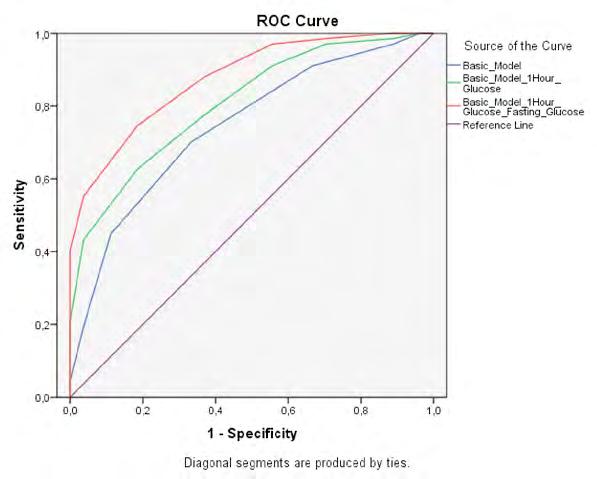
0.92, St. Error:0.044).
(AUC: 0.8, p<0.001, 95%CI : 0.7-0.89, St. Error:0.047).
p<0.001, 95%CI:0.8-0.94, St. Error:0.036).
1. American Diabetes Association. Diagnosis and classification of diabetes mellitus. Diabetes Care 2014;37:81-90.
2. May AL, Kuklina EV, Yoon PW. Prevalence of cardiovascular disease risk factors among US adolescents, 1999-2008. Pediatrics 2012;129:1035-1041.
3. Rasmussen SS, Glümer C, Sandbaek A, Lauritzen T, Borch-Johnsen K. Determinants of progression from impaired fasting glucose and impaired glucose tolerance to diabetes in a high-risk screened population: 3 year follow-up in the ADDITION study, Denmark. Diabetologia 2008;51:249–257.
4. Galli-Tsinopoulou A, Grammatikopoulou MG, Stylianou C, Emmanouilidou E, Kok-
ka P. Diabese youngsters have 3.7 more chances in developing metabolic syndrome compared with the obese. J Endocrinol Invest 2010;33:549-553.
5. Li HY, Wei JN, Ma WY, Sung FC, Lin MS, Lin CH et al. Hypertension and hypercholesterolemia aggregate in nondiabetic children and adolescents with higher fasting plasma glucose levels. Pediatr Diabetes 2011;12:41-49.
6. Barr EL, Zimmet PZ, Welborn TA, Jolley D, Magliano DJ, Dunstan DW et al. Risk of cardiovascular and all-cause mortality in individuals with diabetes mellitus, impaired fasting glucose, and impaired glucose tolerance: the Australian Diabetes, Obesity, and Lifestyle Study (AusDiab). Circulation 2007;116:151–157.
7. Shah S, Kublaoui BM, Oden JD, White PC. Screening for type 2 diabetes in obese youth. Pediatrics 2009;124:573-579.
8. American Diabetes Association, Type 2 diabetes in children and adolescents. Pediatrics, 2000;105:671–680.
9. Marshall WA, Tanner JM. Variations in the pattern of pubertal changes in boys. Arch Dis Child 1970;45:13-23.
10. Marshall WA, Tanner JM. Variations in pattern of pubertal changes in girls. Arch Dis Child 1969;44:291-303.
11. Pinhas-Hamiel O, Zeitler P. Prediabetes in Children and Adolescents: What Does It Mean? Medscape Public Health-Hot Topics in Public Health, January 02, 2013 (http://www.medscape.com/viewarticle/776457, accessed on 17 May 2014).
12. Linardakis E, Vardavas K, Kafatos A. Waist circumference percentiles of children of Crete aged 3 to 16 years. Paediatriki 2007;70:300-307.
13. Stergiou GS, Vazeou A, Stefanidis C, Kapogiannis A, Georgakopoulos D, Stabouli S et al. Hypertension in children and adolescents: Diagnosis, investigation and management: Hellenic Society of Hypertension consensus document. Arterial Hypertension 2011;20:13-25.
14. Schulpis K, Karikas GA. Serum cholesterol and triglyceride distribution in 7767 school-aged Greek children. Pediatrics 1998;101:861-864.
15. Rosenbloom AL, Silverstein JH, Amemiya S, Zeitler P, Klingensmith GJ. Type 2 diabetes in the child and adolescent. Pediatr Diabetes 2009;10:17–32.
16. Kim JY, Goran MI, Toledo-Corral CM, Weigensberg MJ, Choi M, Shaibi GQ. Onehour glucose during an oral glucose challenge prospectively predicts β-cell deterioration and prediabetes in obese Hispanic youth. Diabetes Care 2013; 36:1681-1686.
17. Li C, Ford ES, Zhao G, Mokdad AH. Prevalence of pre-diabetes and its association with clustering of cardiometabolic risk factors and hyperinsulinemia among U.S. adolescents: National Health and Nutrition Examination Survey 2005-2006. Diabetes Care 2009; 32:342-347.
18. Van Vliet M, Gazendam RP, von Rosenstiel IA, van Zanten AP, Brandjes DP, Beijnen JH, et al. Differential impact of impaired fasting glucose versus impaired glucose tolerance on cardiometabolic risk factors in multi-ethnic overweight/obese children. Eur J Pediatr 2011;170:589-597.
19. Daniels SR, Greer FR, Committee on Nutrition. Lipid screening and cardiovascular health in childhood. Pediatrics 2008; 122:198-208.
20. O’Reilly JR, Reynolds RM. The risk of maternal obesity to the long-term health of the offspring. Clin Endocrinol (Oxf) 2013; 78:9-16.
21. Boney CM, Verma A, Tucker R, Vohr BR. Metabolic syndrome in childhood: asso-
ciation with birth weight, maternal obesity, and gestational diabetes mellitus. Pediatrics 2005;115:290-296.
22. Abdul-Ghani MA, Williams K, DeFronzo RA, Stern M. What is the best predictor of future type 2 diabetes? Diabetes Care 2007;30:1544–1548.
23. Abdul-Ghani MA, Abdul-Ghani T, Ali N, Defronzo RA. One-hour plasma glucose concentration and the metabolic syndrome identify subjects at high risk for future type 2 diabetes. Diabetes Care 2008;31:1650–1655.
24. Abdul-Ghani MA, Lyssenko V, Tuomi T, DeFronzo RA, Groop L. Fasting versus postload plasma glucose concentration and the risk for future type 2 diabetes: results from the Botnia Study. Diabetes Care 2009;32:281–286.
25. Bianchi C, Miccoli R, Trombetta M, Giorgino F, Frontoni S, Faloia E et al. Elevated 1-hour postload plasma glucose levels identify subjects with normal glucose tolerance but impaired β-cell function, insulin resistance, and worse cardiovascular risk profile: the GENFIEV study. J Clin Endocrinol Metab 2013;98:2100-2105.
26. Tfayli H, Lee SJ, Bacha F, Arslanian S. One-hour plasma glucose concentration during the OGTT: what does it tell about β-cell function relative to insulin sensitivity in overweight/obese children? Pediatr Diabetes 2011;12:572–579.
27. Kim JY, Goran MI, Toledo-Corral CM, Weigensberg MJ, Choi M, Shaibi GQ. Onehour glucose during an oral glucose challenge prospectively predicts β-cell deterioration and prediabetes in obese Hispanic youth. Diabetes Care 2013;36:1681-1686.
28. Tanaka K, Kanazawa I, Yamaguchi T, Sugimoto T. One-hour post-load hyperglycemia by 75g oral glucose tolerance test as a novel risk factor of atherosclerosis. Endocr J 2014;61:329-334.
29. Shimodaira M, Niwa T, Nakajima K, Kobayashi M, Hanyu N, Nakayama T. Correlation between serum lipids and 1-hour postload plasma glucose levels in normoglycemic individuals. J Clin Lipidol 2014 8:217-222.
30. Kotanidou EP, Grammatikopoulou MG, Spiliotis BE, Kanaka-Gantenbein C, Tsigga M, Galli-Tsinopoulou A. Ten-year obesity and overweight prevalence in Greek children: a systematic review and meta-analysis of 2001-2010 data. Hormones (Athens) 2013;12:537-549.
31. Wang G, Arguelles L, Liu R, Zhang S, Brickman WJ, Hong X et al. Tracking blood glucose and predicting prediabetes in Chinese children and adolescents: a prospective twin study. PLoS One 2011; 6:28573.
32. Reinehr T, Wabitsch M, Kleber M, de Sousa G, Denzer C, Toschke AM. Parental diabetes, pubertal stage, and extreme obesity are the main risk factors for prediabetes in children and adolescents: a simple risk score to identify children at risk for prediabetes. Pediatr Diabetes 2009;10:395-400
33. Lee JM, Gebremariam A, Woolford SJ, Tarini BA, Valerio MA, Bashir S et al. A risk score for identifying overweight adolescents with dysglycemia in primary care settings. J Pediatr Endocrinol Metab 2013;26:477-488.
Michailidou E
Pavlaki A
Nalbanti K
Kavaliotis J
Pediatric Department, Hospital of Infectious Diseases, Thessaloniki
Michailidou E, Pavlaki A, Nalbanti K, Kavaliotis J
Aim of the present study was to evaluate epidemiological, clinical and laboratory data of skin and soft tissue infections (STIs) in children hospitalized in our department during the period 1980-2010. We conducted a retrospective analysis of 170 patients. The ages of patients ranged from one to 166 months (mean ± sd: 52.3 ± 44.3 months). 24% of cases occurred in autumn, 15.7% in winter, 16.9% in spring and 43.4% in summer. Impetigo was diagnosed in 34 children (20% of the cases), cellulitis in 65 (38.23%), ecthyma in 29 (17.05%), erysipelas in 3 (1.76%), Staphylococcal Scaled Skin Syndrome in 10 (5.88%), pyoderma in 14 (8.23%), abscess in 5 (2.94%), furunculosis in 9 (5.29%) and anthrax in 1 (0,58%). The responsible microorganisms were identified in 74 (43.3%) patients. The most frequent were Staphylococcus (50%), followed by streptococcus in 43% of the cases and Pseudomonas (7%). The 35.1% of strains were resistant to some antimicrobials and 16.2% showed resistance
4, 54655
Tηλ.: 2310422295
Κιν.: 6972302205
e-mail: kavagrc@gmail.com
Correspondence
Kavaliotis Ioannis
Kimis 4, 54655 Thessaloniki
Greece
Tel.: +302310422295
Mob.: +306972302205
to oxacillin or methicillin. A predisposing factor was identified in 65 (38.23%) children. 75 patients were initially treated with amoxicillin/clavulanic, 32 fucidic acid, 7 received clindamycin, 40 cloxacillin, one vancomycin, 15 penicillin V, 13 cephalosporins, 6 macrolides and 9 aminoglycosides. The mean duration of antibiotic therapy was 8.7 ± 3 days. Surgical drainage was necessary in 17 (10%) patients. The average time of hospitalization was 5.5 ± 3.7 days.
Key words: skin infections, soft tissue infections, children, staphylococcus aureus. Pseudomonas aeruginosa
e-mail: kavagrc@gmail.com ΕΙΣΑΓΩΓH
Penicillin V
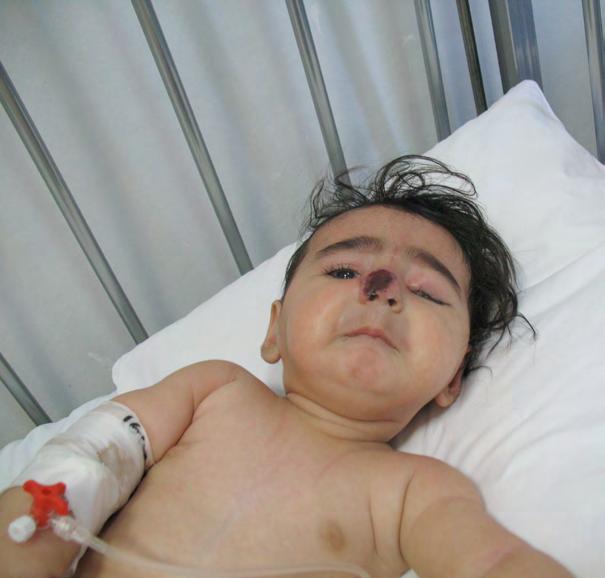
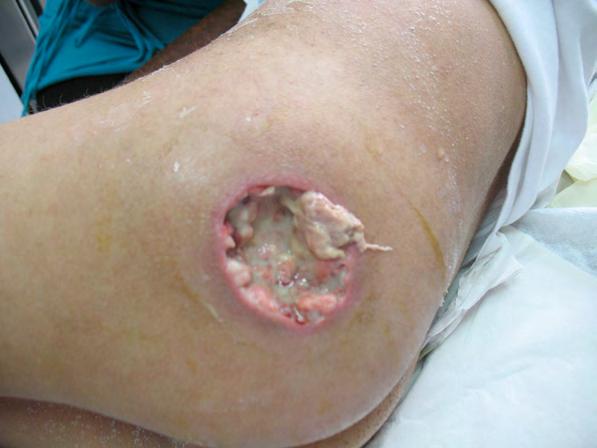
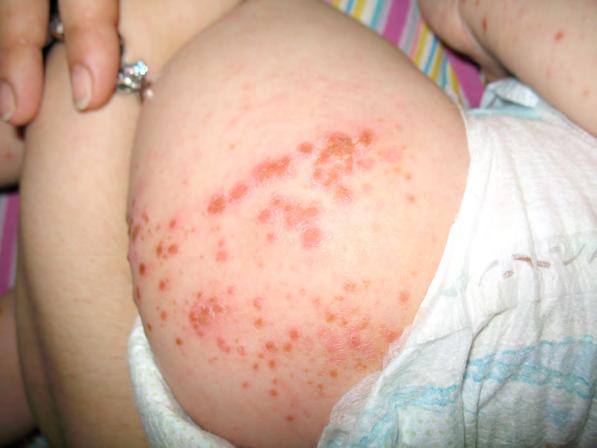
3
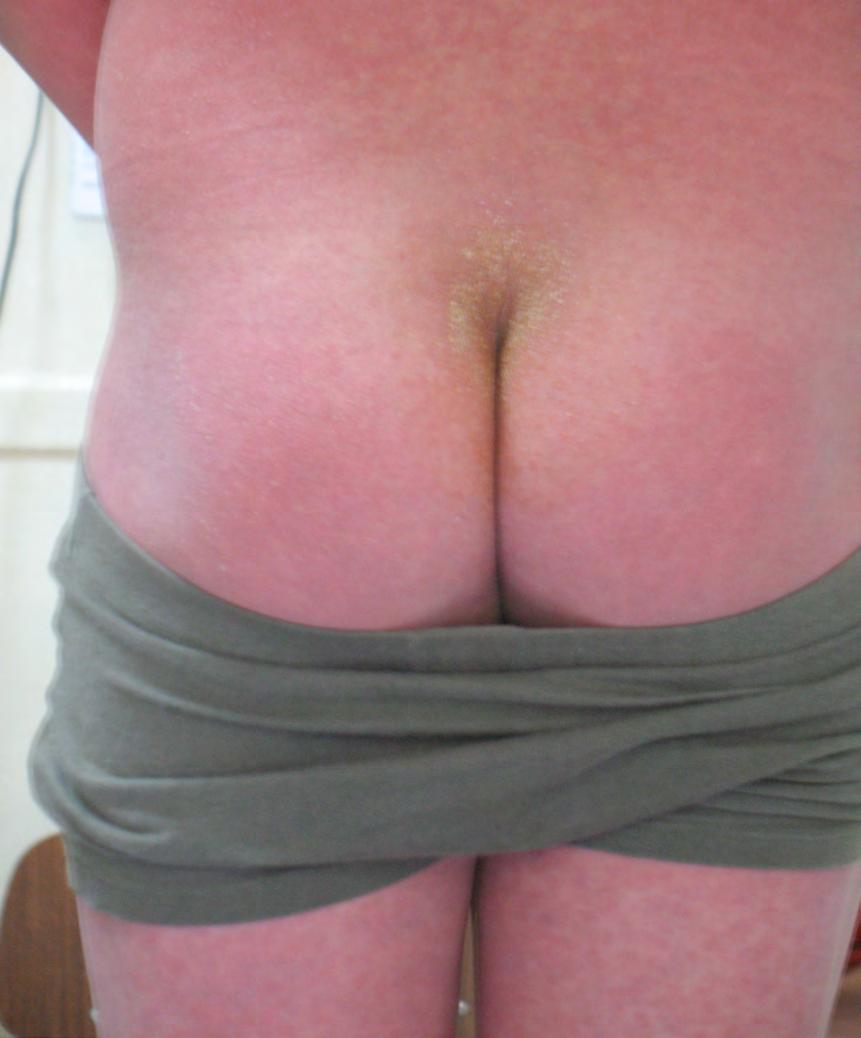
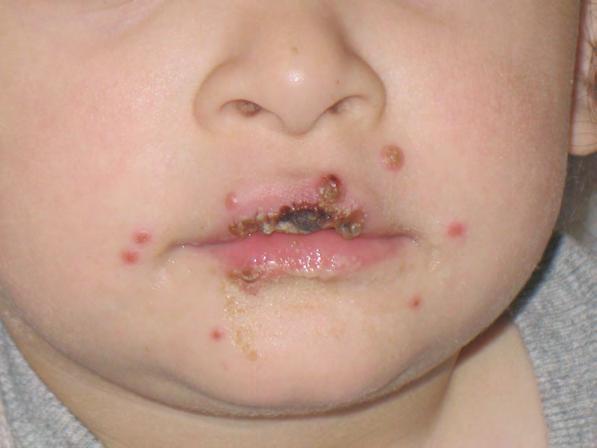
1. Hersh AL, Chambers HF, Maselli JH, Gonzales R. National trends in ambulatory visits and antibiotic prescribing for skin and soft-tissue infections. Arch Intern Med. 2008, 168:1585-1591.
2. Jackson MA. Skin Infections. In Feigin R.D, Cherry J.D, Demmler GJ, Kaplan SL editors. Textbook of Pediatrics -Infectious Diseases. 5th ed. Pensylvania: W.B.Saunders 2004.p.776.
3. Frei CR, Makos BR, Daniels KR, Oramasionwu CU. Emergence of community-acquired methicillin-resistant Staphylococcus aureus skin and soft tissue infections as a common cause of hospitalization in United States children. J Pediatr Surg. 2010;45:1967-1974.
4. Saxena S, Thompson P, Birger R, Bottle A, Spyridis N, Wong I, et al; Improving Children’s Antibiotic Prescribing Group. Increasing skin infections and Staphylococcus aureus complications in children, England, 1997-2006. Emerg Infect Dis. 2010;16:530-533.
5. Dalager-Pedersen M, Søgaard M, Schønheyder HC. Staphylococcus aureus skin and soft tissue infections in primary healthcare in Denmark: a 12-year populationbased study. Eur J Clin Microbiol Infect Dis. 2011;30:951-956.
6. Sdougkos G, Chini V, Papanastasiou DA, Christodoulou G, Stamatakis E, Vris A, et al. Community-associated Staphylococcus aureus infections and nasal carriage among children: molecular microbial data and clinical characteristics. Clin Microbiol Infect. 2008;14:995-1001.
7. Katopodis GD, Grivea IN, Tsantsaridou AJ, Pournaras S, Petinaki E, Syrogiannopoulos GA. Fusidic acid and clindamycin resistance in community-associated, methicillinresistant Staphylococcus aureus infections in children of Central Greece. BMC Infect Dis. 2010;10:351.
8. Elliott DJ, Zaoutis TE, Troxel AB, Loh A, Keren R. Empiric antimicrobial therapy for pediatric skin and soft-tissue infections in the era of methicillin-resistant Staphylococcus aureus. Pediatrics. 2009;123:e959-966.
9. Kisich KO, Carspecken CW, Fiéve S, Boguniewicz M, Leung DY. Defective killing of Staphylococcus aureus in atopic dermatitis is associated with reduced mobilization of human beta-defensin-3. J Allergy Clin Immunol. 2008;122:62-68.
10. Gong JQ, Lin L, Lin T, Hao F, Zeng FQ, Bi ZG, et al. Skin colonization by Staphylococcus aureus in patients with eczema and atopic dermatitis and relevant combined topical therapy: a double-blind multicentre randomized controlled trial. Br J Dermatol. 2006;155:680-687.
11. Mongkolrattanothai K, Aldag JC, Mankin P, Gray BM. Epidemiology of community-onset Staphylococcus aureus infections in pediatric patients: an experience at a Children’s Hospital in central Illinois. BMC Infect Dis. 2009;9:112.
12. Nathwani D, Morgan M, Masterton RG, Dryden M, Cookson BD, French G, et al; British Society for Antimicrobial Chemotherapy Working Party on Community-onset MRSA Infections. Guidelines for UK practice for the diagnosis and management of methicillin-resistant Staphylococcus aureus (MRSA) infections presenting in the community. J Antimicrob Chemother. 2008;61:976-994.
13. Livermore D, James D, Duckworth G, Stephens P. Fusidic-acid use and resistance. Lancet. 20027;360(9335):806.
14. Howden BP, Grayson ML. Dumb and dumber--the potential waste of a useful antistaphylococcal agent: emerging fusidic acid resistance in Staphylococcus aureus. Clin Infect Dis. 2006;42:394-400.
15. Kaplan SL. Community-acquired methicillin-resistant Staphylococcus aureus infections in children. Semin Pediatr Infect Dis. 2006;17:113-119.
16. Stevens D, Bisno A, Chambers H, Dellinger E, Goldstein E, Gorbach S, et al. Practice Guidelines for the Diagnosis and Management of Skin and Soft Tissue Infections: 2014 Update by the Infectious Diseases Society of America. CID 2014, 59: 147-159.
Foteini Zafeiropoulou
Iordanis Papadopoulos
Argirios Dinopoulos
Third Department of Pediatrics, University of Athens, “ATTIKON” Hospital
Foteini Zafeiropoulou, Iordanis Papadopoulos,
Argirios Dinopoulos
Status epilepticus is an urgent situation that warrants timely and effective treatment and is followed by significant morbidity and mortality if not appropriately treated. Due to lack of evidence to support a uniform approach, treatment protocols vary among institutions and are based primarily on experts’ opinions. However, a clear and comprehensive algorithm is necessary for a quick and efficient approach that will ensure good prognosis. This protocol is based on international literature as well as our center’s experience and it is applicable in children beyond the neonatal period with generalized convulsive status epilepticus.
Key words: status epilepticus, seizures, children
1,
12462
2105831283, 2130263933
Fax: 2105832229
e-mail: fotinizaf@hotmail.com
Correspondence
Foteini Zafeiropoulou
Rimini 1, Haidari, 12462
Tel.: +302105831283, +302130263933
Fax: +302105832229
e-mail: fotinizaf@hotmail.com
1.
2.
3. Τραύμα:
4.
5. Όγκοι
6. Χρωμοσωμικά νοσήματα Δακτυλιοειδές
7.
8. Μεταβολικές διαταραχές:
Συντομογραφίες
GCSE: Generalized Convulsive Status Epilepticus - γενικευμένο status epilepticus με κινητικές εκδηλώσεις
NCSE: Non Convulsive Status epilepticus - status epilepticus
χωρίς κινητικές εκδηλώσεις
GCS: Glasgow Coma scaleΚλίμακα Κώματος Γλασκώβης
ΜΕΘ: Μονάδα Εντατικής Θεραπείας
ΟΝΠ: Οσφυονωτιαία παρακέντηση ΗΕΓ: Ηλεκτροεγκεφαλογράφημα
D: Εκτίμηση της νευρολογικής κατάστασης (D: Disability)
• Κλίμακα κώματος Γλασκώβης (GCS) (Πίνακας 3)
• Κλίμακα ΑVPU: Αlert, Voice, Pain, Unresponsive (ΕΛΠΑ: Εγρήγορση, αντίδραση
Λεκτικά ερεθίσματα, αντίδραση στον Πόνο, Απουσία αντίδρασης)
• Κόρες (αντίδραση στο φως, ανισοκορία)
• Θέση σώματος (θέσεις απεγκεφαλισμού ή αποφλοίωσης)
• Σημεία μηνιγγικού ερεθισμού
Epistatus sol 10mg/ml
Buccolam sol προγεμισμένες
2,5 &5 & 7,5mg
Dormicum amp 5mg/ml
Stesolid 5 & 10mg
Diazepam Desitin 5mg
Stedon amp 10mg/2ml
Tavor amp 4mg/ml
Epanutin amp 250mg/5ml
Barbitan amp 200mg/2ml
1. Guidelines for treating convulsive status epilepticus in children (published in 2011). NICE Clinical Guidelines 2012;99-101
2. GM Brophy, R Bell, J Claasen et al. Guidelines for the evaluation and management of status epilepticus. Neurocrit Care.2012;DOI 10.1007/s12028-012-9695-z
3. J Lee, L Huh, P Korn et al. Guidelines for the management of convulsive status epilepticus in infants and children. BCMJ.2011;53(6):279-285
4. NJ Friedman. Emergency management of the paediatric patient with generalized convulsive status epilepticus. Paediatr Child Health 2011;16(2):91-7
5. P Shearer, J Riviello. Generalized convulsive status epilepticus in adults and children: treatment guidelines and protocols. Emerg Med Clin N Am 29(2011):51-64
6. RC Scott, RH Surtees, BGR Neville. Status epilepticus: pathophysiology, epidiomiology and outcomes. Arch Dis Child 1998;79:73-77
7. T Martland, C Ηarris. Management of status epilepticus. Pediatr Child Health 2009;19(5):225-231
8. J Goldstein. Status Epilepticus in the Pediatric Emergency Department. Clin Ped Emerg Med 2008;9:96-100
9. Convulsive status epilepticus guideline. Paediatric intensive care unit policy. Great Ormond Street Hospital for Children. 2011
10. North west & north Wales paediatric critical care network. Guidelines for the management of generalized convulsive status epilepticus in children. 2012
11. Chapter 12. The convulsing child. In: M Samuels, S Wieteska editors. APLS manual. 5th edition. Wiley-Blackwell. BMJ books. 2012. p 128-135
12. Hypoglycemia. In: J Zschocke, G Hoffmann editors. Vademecum Metabolicum. Milupa Metabolics. 3rd edition 2011. p 5-6
13. British National formulary for children 2013-2014
14. KO Nakken, MI Lossius. Buccal midazolam or rectal diazepam for treatment of residential adult patients with serial seizures or status epilepticus. Acta neurol Scand 2011 Aug;124(2):99-103
15. JM Chamberlain, P Okada, M Holsti et al. Lorazepam vs diazepam for pediatric status epilepticus: a randomized controlled clinical trial. JAMA 2014 Apr 2330;311(16)1652-60
16. Chapter 5. Trauma. Head injury. In: S Crisp, J Rainbow editors. Emergencies in Paediatrics and Neonatology. 2nd ed. Oxford. Oxford University Press. 2013. p105
Kavaliotis J.
4 , 54655
6972302205
e-mail: avagrc@gmail.com
Correspondence
Kavaliotis J.
Kimis 4, 54655 Thessaloniki
Τel.: +306972302205
e-mail: avagrc@gmail.com
(Escherichia coli, Enterococcus, Proteus, Klebsiella).
1. Cochrane Database Syst Rev 2011, CD001534
2. Downs S. UTI and Watchful Waiting: The Courage to Do Nothing Pediatrics 2014; 133:3 535-536
3. Feigin /Cherry’s Textbook of Pediatric Infectious Diseases, 2014
4. Finnell S, Carroll A, Downs S, and the Subcommittee on Urinary Tract Infection Technical Report: Diagnosis and Management of an Initial UTI in Febrile Infants and Young Children Pediatrics 2011; 128:3 e749-e770
5. Fisher D. Pediatric Urinary Tract Infection Medication. e-medicine, August 2014
6. Kenneth R. Revised AAP Guideline on UTI in Febrile Infants and Young Children
7. Am Fam Physician. 2012 Nov 15;86(10):940-946.
8. Nelson C, Johnson E, Logvinenko T, Chow J. Ultrasound as a Screening Test for Genitourinary Anomalies in Children With UTI. Pediatrics 2014; 133:3 e394-e403
9. NICE 2007 / 2013
10. Oh M, Kim J, Park M, etal. The impact of therapeutic delay time on acute scintigraphic lesion and ultimate scar formation in children with first febrile UTI. Eur J Pediatr 2012, 171:565-570.
11. Peters C, Skoog S, Arant B, etal. Summary of the AUA Guideline on Management of Primary Vesicoureteral Reflux in Children. J Urol 2010, 184:1134-1144
12. Red Book 2012
13. Scola C, De Mutiis, Hewitt I, et al. Different Guidelines for Imaging After First UTI in Febrile Infants: Yield, Cost, and Radiation. Pediatrics 2014; 133:3 e665-e671
14. Tekgu S, Riedmiller H, Hoebeke P, etal. EAU Guidelines on Vesicoureteral Reflux in Children. Eur Urol 2012, 62: 534-542
15. UpToDate 2014
16. Zhang X, Xu X, Zhou L, Accuracy of Early DMSA Scan for VUR in Young Children With Febrile UTI Pediatrics 2014; 133:1 e30-e38
Παναγιωτοπούλου-Γαρταγάνη
Παπαβασιλείου-Συρίγου