

Journal of the Greek Paediatric Society April-May-June 2014 April-May-June 2014
Υποβολή εργασιών e-mail: grammateia@e-child.gr
Οδηγίες προς τους συγγραφείς: http://e-child.gr/publications/ instructions-to-authors
Iδιοκτήτης
Eλληνική Παιδιατρική Eταιρεία Μπακοπούλου 15,15451, Ν. Ψυχικό
Tηλ.: 2107771140 e-mail: grammateia@e-child.gr
Eτήσια συνδρομή: €40
Eιδικευόμενοι, φοιτητές: €20
Volume 77 • Number 2 • April-May-June 2014
President
A. Constantopoulos
Editorial board
Director
G. S. Varlamis
Members
S. Andronikou
E. Galanakis
A. Evangeliou
L. Thomaidou
M. Kanariou
A. Kapogiannis
S. Kitsiou-Tzeli
E. Mantadakis
P. Panagiotopoulou-Gartagani
A. Papadopoulou
V. Papaevagelou
A. Papathanassiou
A. Siamopoulou-Mavridou
A. Syrigou-Papavasiliou
Manuscript submission
e-mail: grammateia@e-child.gr
Instructions to authors:
http://e-child.gr/publications/ instructions-to-authors
Owner
Greek Paediatric Society
15, Mpakopoulou st.
GR - 15451, Ν. Psychiko
Tel.: +302107771140
e-mail: grammateia@e-child.gr
Annual subscription
All foreign countries: US$50
EDITORIAL
G.S. Varlamis
SHORT ABSTRACT
REVIEW ARTICLES
Antibiotic allergy in children
Antigoni Mavroudi, Katerina Daiou, Armela Karoli
Congenital heart diseases as a cause of strokes in childhood. A review of literature
Maria Gogou, Andreas Giannopoulos
Incontinentia Pigmenti is a, no so rare syndrome
Panagiotis Papanikolopoulos, Panagiotis Kardaras
Νon-nutritive suckinghabits. Consequenceson the development of occlusal abnormalities: prevention and management
Katsantonis Α, Andrikoula T., Alexandropoulos A, Oulis C.J.
Parental substance abuse - The effects on children’s mental health
Alexandra Kerasioti, Danai Papadatou
ORIGINAL ARTICLES
Detection of submicroscopic genomic rearrangements (CNVs), with molecular karyotype in patients with autism or autistic spectrum disorders (ASD)
Kosma Konstantina, Tzeti Maria, Oikonomakis Vasilios, Syrmou Areti Pervanidou Neni, Fryssira Eleni, Kitsiou-Tzeli Sofia, Kanavakis Emmanuel.
Invasive Candidiasis in Pediatric Intensive Care Unit
Vogiatzi L, Ilia S, Sideri G, Vagelakoudi E, Vasilopoulou M, Sdouga M, Briasoulis G, Papadatos I, Kalabalikis P, Sianidou L, Roilidis E.
Neonatal transports in Attica: a comparative study of two time periods
Stella Mouskou, Christos Varakis, Dimitris Pyrros, Nicoletta Iacovidou
Τριμηνιαία
Α. Παπαθανασίου
Α. Σιαμοπούλου-Μαυρίδου
Α.
Υποβολή εργασιών e-mail: grammateia@e-child.gr
Οδηγίες προς τους συγγραφείς: http://e-child.gr/publications/ instructions-to-authors
Iδιοκτήτης
Eλληνική Παιδιατρική Eταιρεία Μπακοπούλου 15,15451, Ν. Ψυχικό
Tηλ.: 2107771140 e-mail: grammateia@e-child.gr
Eτήσια συνδρομή: €40
Eιδικευόμενοι, φοιτητές: €20
Volume 77 • Number 2 • April-May-June 2014
Trimonthly publication of the Greek Paediatric Society
President
A. Constantopoulos
Editorial board
Director G. S. Varlamis
Members
S. Andronikou
E. Galanakis
A. Evangeliou
L. Thomaidou
M. Kanariou
A. Kapogiannis
S. Kitsiou-Tzeli
E. Mantadakis
P. Panagiotopoulou-Gartagani
A. Papadopoulou
V. Papaevagelou
A. Papathanassiou
A. Siamopoulou-Mavridou
A. Syrigou-Papavasiliou
Manuscript submission
e-mail: grammateia@e-child.gr
Instructions to authors: http://e-child.gr/publications/ instructions-to-authors
Owner
Greek Paediatric Society 15, Mpakopoulou st. GR - 15451, Ν. Psychiko Tel.: +302107771140
e-mail: grammateia@e-child.gr
Annual subscription
All foreign countries: US$50
236
Idiopathic calcinosis universalis. Case report and review of the literature
Nikolaos Lantzounis, Georgios Krokidas, Nikolaos Diamantopoulos
A case of systemic form of pseudohypoaldosteronism
Salavoura Katerina, Kanaka Christina, Zennaro Maria-Christina, Lycopoulou Evaggelia, Lazopoulou Despoina
Antigoni Mavroudi, Katerina Daiou, Armela Karoli. Antibiotic allergy in children
Maria Gogou, Andreas Giannopoulos. Congenital heart diseases as a cause of strokes in childhood. A review of literature
Panagiotis Papanikolopoulos, Panagiotis Kardaras. Incontinentia Pigmenti is a, no
Katsantonis Α, Andrikoula T., Alexandropoulos A, Oulis C.J. Νon-nutritive suckinghabits. Consequenceson the development of occlusal abnormalities: prevention and management
Alexandra Kerasioti, Danai Papadatou. Parental substance abuse - The effects on children’s mental health
Kosma Konstantina, Tzeti Maria, Oikonomakis Vasilios, Syrmou Areti Pervanidou Neni, Fryssira Eleni, Kitsiou-Tzeli Sofia, Kanavakis Emmanuel. Detection of submicroscopic genomic rearrangements (CNVs), with molecular karyotype in patients with autism or autistic spectrum disorders (ASD)
Vogiatzi L, Ilia S, Sideri G, Vagelakoudi E, Vasilopoulou M, Sdouga M, Briasoulis G, Papadatos I, Kalabalikis P, Sianidou L, Roilidis E. Invasive Candidiasis in Pediatric Intensive Care Unit
Stella Mouskou, Christos Varakis, Dimitris Pyrros, Nicoletta Iacovidou. Neonatal transports in Attica: a comparative study of two time periods
Nikolaos Lantzounis, Georgios Krokidas, Nikolaos Diamantopoulos. Idiopathic calcinosis universalis. Case report and review of the literature
Salavoura Katerina, Kanaka Christina, Zennaro Maria-Christina, Lycopoulou Evaggelia, Lazopoulou Despoina. A case of systemic form of pseudohypoaldosteronism
ΠΕΡΙΛΗΨΗ
Antigoni Mavroudi Pediatrician
Lecturer of Pediatrics - Pediatric Allergy
Katerina Daiou
MD, Research Associate of the 3rd Pediatric Clinic at the Aristotle University of Thessaloniki
Armela Karoli
MD, Research Associate of the 3rd Pediatric Clinic at the Aristotle University of Thessaloniki
3rd Pediatric Clinic of the Aristotle University of Thessaloniki
Antigoni Mavroudi, Katerina Daiou, Armela Karoli
In the pediatric population, antibiotics are the most commonly implicated medications in allergic reactions. About 7% of children are labeled as being allergic to antibiotics. The vast majority of children with the label of penicillin allergy can safely take all β-lactam antibiotics without fear of an allergic reaction. The only accurate way to determine whether a child has an IgE-mediated allergy to penicillin is by skin testing with the appropriate penicillin reagents. To unequivocally prove the safety of penicillin to the patient, parents and the referring physician, an oral challenge should be undertaken. The ideal time to evaluate penicillin allergy in children is when they are well and not in immediate need of antibiotic treatment. Regarding
66 , ΤΚ: 54352,
2310909632
Fax 2310992981
Κιν.: 6976718209
e-mail: antigonemavrudi@gmail. com
Correspondence
Antigoni Mavroudi
Spirou Loui 66 St., PC: 54352 , Pilea, Thessaloniki
Tel.: +302310909632
Fax: +302310992981
Mob.: +306976718209
e-mail: antigonemavrudi@gmail. com
allergy to non-penicillin antibiotics there are no validated skin-testing reagents to accurately rule out an IgE-mediated allergy. Skin testing with nonirritating concentrations of antibiotics can assist the clinician in evaluating a possible allergy. Graded challenge or desensitization can be used in situations where need for an antibiotic arises. Children labeled as being “allergic” to various antibiotics end up carrying the label into adulthood. These patients are frequently treated with alternate medications that may be more toxic, less effective or more expensive. Hence, an important aspect of antibiotic allergy is morbidity, mortality and economic cost associated with unnecessary withholding of indicated therapy.
Key words: drug allergy, penicillin allergy, adverse drug reactions, oral drug challenge, drug desensitization.
1. Cernadas JR. Desensitization to antibiotics in children. Pediatr Allergy Immunol. 2013 Feb; 24(1):3-9.
2. Blanca M, Thong B. Progress in understanding hypersensitivity drug reactions: an overview. Curr Opin Allergy Clin Immunol. 2012 Aug;12(4):337-40.
3. Caubet JC, Eigenmann PA. Diagnostic issues in pediatric drug allergy. Curr Opin Allergy Clin Immunol. 2012 Aug;12(4):341-7.
4. Gomes E, Cardoso MF, Praca F, Gomes L, Marino E, Demoly P. Self-reported drug allergy in a general adult Portuguese population. Clin Exp Allegy 2004; 34: 1597-1601.
5. International Rheumatic Fever Study Group: Allergic reactions to long-term benzathine penicillin prophylaxis for rheumatic fever, Lancet 1991; 337: 1308-1310.
6. Napoli DC, Neeno TA. Anaphylaxis to benzathine penicillin G. Pediatr Allergy Immunol 2000; 14: 329-332.
7. Ibia EO, Schwartz RH, Wiederman BL: Antibiotic rashes in children: a survey in a private practice setting, Arch Dermatol 2000; 136: 849-854.
8. Solensky R. Allergy to β-lactam antibiotics. J Allergy Clin Immunol. 2012; 130:14422.e5.
9. Gadde I, Spence M, Wheeler B, et al: Clinical experience with penicillin skin testing in a large inner-city STD Clinic, JAMA 1993; 270: 2456-2463.
10. Bock SA, Munoz-Furlong A, Sampson HA, et al: Fatalities due to anaphylactic reactions to foods. J Allergy Clin Immunol 2001; 107: 191-193.
11. Adkinson NF: Risk factors for drug allergy, J Allergy Clin Immunol 1984; 74: 567572.
12. Roujeau 1C, Huynh TN, Bracq C, et al: Genetic susceptibility to toxic epidermal necrolysis. Arch Dermatol 1987; 123: 1171-1173.
13. Wooley PH, Griffin I, Panayi GS, et al: HLA-DR antigens and toxic reactions to sodium aurothiomalate and D-penicillamine in patients with rheumatoid arthritis, N Engl J Med 1980; 303:300-302.
14. Chang C, Mahmood MM, Teuber SS, Gershwin ME. Overview of penicillin allergy. Clin Rev Allergy Immunol. 2012 Aug; 43(1-2):84-97.
15. Park BK, Naisbitt DJ, Demoly P. Drug hypersensitivity. In: Holgate S, Church M, Broide D, Martinez F, editors. Allergy. New York: Elsevier Ltd, 2012: 321-330.
16. Wickern GM, Nish WA, Bitner AS, et al: Allergy to beta-lactams: a survey of current practices, J Allergy Clin Immunol 1994; 94: 725-731.
17. Macy E, Ngor EW. Safely diagnosing clinically significant penicillin allergy using only penicilloyl-poly-lysine, penicillin, and oral amoxicillin. J Allergy Clin Immunol: In Practice 2013;1:258-63.
18. Sogn DD, Evans R, Shepherd GM, et al: Results of the National Institute of Allergy and Infectious Diseases collaborative clinical trial to test the predictive value of skin testing with major and minor penicillin derivatives in hospitalized adults, Arch Intern Med 1992; 152: 1025-1032.
19. Sullivan TJ, Wedner HJ, Shatz GS, et al: Skin testing to detect penicillin allergy. J Allergy Clin Immunol 1981; 68: 171-180.
20. Ponvert C, Perrin Y, Bados-Albiero A, et al. Allergy to betalactam antibiotics in children: results of a 20-year study based on clinical history, skin and challenge tests. Pediatr Allergy Immunol 2011; 22:411–418.
21. DeSwarte RD, Patterson R: Drug allergy in Patterson R, Grammer LC, Greenberger PA, eds: Allergic diseases: diagnosis and management, ed 5, Philadelphia, Lippincott-Raven 1997; p: 317-412.
22. Blanca M, Vega JM, Garcia J, et al: Allergy to penicillin with good tolerance to other penicillins: study of the incidence in subjects allergic to betalactams, Clin Exp Allergy 1990; 20: 475-481.
23. Sastre J, Quijano LD, Novalbos A, et al: Clinical cross-reactivity between amoxicillin and cephadroxil in patients allergic to amoxicillin and with good tolerance of penicillin, Allergy 1996; 51: 383-386.
24. Bernstein IL, Gruchalla RS, Lee RE, et al: Disease management of drug hypersensitivity: a practice parameter, Ann Allergy Asthma Immunol 1999; 83: 665-700.
25. Tilles SA, Slatore CG. Hypersensitivity reactions to non-beta-lactam antibiotics. Clin Rev Allergy Immunol. 2003;24:221-8.
26. Empedrad RB, Earl HS, Gruchalla RS: Determination of nonirritating concentrations of commonly used antimicrobial drugs (abstract), J Allergy Clin Immunol 2000; 105: 5272.
27. Solensky R, Earl HS, Gruchalla RS: Penicillin allergy: prevalence of vague history in skin test-positive patients, Ann Allergy Asthma Immunol 2000; 85: 195-199.
28. Mendelson LM, Ressler C, Rosen JP, et al: Routine elective penicillin allergy skin testing in children and adolescents: study of sensitization, J Allergy Clin Immunol 1984; 73: 76-81.
29. Solensky R, Earl HS, Gruchalla RS: Clinical approach to penicillin allergic patients: a survey, Ann Allergy Asthma Immunol 2000; 84: 329-333.
30. Lee CE, Zembower TR, Fotis MA, et al: The incidence of antimicrobial allergies in hospitalized patients: implications regarding prescribing patterns and emerging bacterial resistance, Arch Intern Med 2000; 160: 2819-2822.
31. Murray BE: Vancomycin- resistant enterococcal infections, N Engl J Med 2000; 342: 710-721.
32. Rao GG: Risk factors for the spread of antibiotic-resistant bacteria, Drugs 1998; 55: 323-330.
33. Hospital Infection Control Practices Advisory Committee (HICPAQ-Recommendations for preventing the spread of vancomycin resistance MMWR 1995; 44: 1-13.
34. Warrington RJ, Tsai EL: The value of routine penicillin skin testing in an outpatient population, J Allergy Clin Immunol 2002; 109:5268.
35. Lacuesta GA, Moote DW, Payton K, et al: Follow-up of patients with negative skin tests to penicillin (abstract), J Allergy Clin Immunol 2002; 109: S143.
36. Picard M, Paradis L, Nguyen M, Bégin P, Paradis J, Des Roches A. Outpatient penicillin use after negative skin testing and drug challenge in a pediatric population. Allergy Asthma Proc. 2012; 33:160-4.
37. Caubet JC, Eigenmann PA. Managing possible antibiotic allergy in children. Curr Opin Infect Dis. 2012; 25:279-85.
38. Kavadas FD, Kasprzak A, Atkinson AR. Antibiotic skin testing accompanied by provocative challenges in children is a useful clinical tool. Allergy Asthma Clin Immunol. 2013;9:22.
39. Javadi M. Gholami K. Torkamandi H. Hayatshahi A. Penicillin Allergy and Crossreactivity with other Beta-lactams Journal of Pharmaceutical Care 2013; 1:29-32.
40. Yoon SY, Park SY, Kim S, Lee T, Lee YS, Kwon HS, Cho YS, Moon HB, Kim TB. Validation of the cephalosporin intradermal skin test for predicting immediate hypersensitivity: a prospective study with drug challenge. Allergy. 2013; 68: 938-44.
41. Romano A, Mayorga C, Torres MJ, et al: Immediate allergic reactions to cephalosporins: cross reactivity and selective responses, J Allergy Clin Immunol 2000; 106: 1177-1183.
42. Adkinson NF, Swabb EA, Sugerman AA: Immunology of the monobactam aztreonam, Antimicrob Agents Chemother 1984; 25: 93-97.
43. Saxon A, Swabb EA, Adkinson NF: Investigation into the immunologic cross-reactivity of aztreonam with other beta-lactam antibiotics, Am J Med 1985; 78: 19-26.
44. Adkinson NF: Immunogenicity and cross-allergenicity of aztreonam, Am J Med 1990; 88: S3-S14.
45. Vega JM, Blanca M, Garcia JJ, et al: Tolerance to aztreonam in patients allergic to betalactam antibiotics, Allergy 1991; 46: 196-202.
46. Saxon A, Adelman DC, Patel A, et al: Imipenern cross-reactivity with penicillin in humans, J Allergy Clin Immunol 1988; 82: 213-217.
47. Girard JP: Common antigenic determinants of penicillin G ampicillin and the cephlosporins demonstrated in men, Int Arch Allergy 1968; 33: 428-438.
48. Assem ESK, Vickers MR: Tests for penicilin allergy in man II. The immunological cross- reaction between penicillins and cephalosporins, Immunology 1974; 27: 255269.
49. McConnell SA, Penzak SR, Warmack TS, et al: Incidence of imipenem hypersensitivity reactions in febrile neutropenic marrow transplant pa¬tients with a history of penicillin allergy, Clin Infect Dis 2000; 31:1512-1514.
50. McConnell SA, Penzak SR, Warmack TS, et al: Incidence of imipenem hypersensitivity reactions in febrile neutropenic marrow transplant pa¬tients with a history of penicillin allergy, Clin Infect Dis 2000; 31:1512-1514.
51. Ghimire S, Kyung E, Lee JH, Kim JW, Kang W, Kim E. An evidence-based approach for providing cautionary recommendations to sulfonamide-allergic patients and determining cross-reactivity among sulfonamide-containing medications. J Clin Pharm Ther. 2013; 38:196-202.
52. Araújo L, Demoly P. Macrolides allergy. Curr Pharm Des. 2008;14:2840-62.
Maria Gogou
Andreas Giannopoulos
Unit of Pediatric Cardiology, 2nd Pediatric Clinic, Aristotelian University of Thessaloniki, University General Hospital AHEPA, Thessaloniki, Greece
Congenital heart diseases as a cause of strokes in childhood. A review of literature
Maria Gogou, Andreas Giannopoulos
Cardiac disorders account for a great proportion of strokes in childhood. Congenital heart diseases consist a significant risk factor for stroke of cardiac origin in this age group. This is due to either pathophysiology of congenital heart diseases or repair of these defects (surgical or non-surgical) and the proposed mechanisms include embolism, ischemia and hemorrhage. It is worth-mentioning that severity of a congenital heart disorder does not always lead to increased risk for stroke. In this way, congenital heart diseases without loud symptoms or significant hemodynamic complications (eg patent foramen ovale, small atrial septal defect), which are often left undiagnosed, can lead to strokes in childhood. At the same time, repair of certain congenital heart defects can predispose to strokes, not only directly, but also on a long-term basis. In general, children with strokes due to congenital heart diseases share some common clinical traits, such as an increased recurrence rate, and this fact should be taken into account during their long-term follow-up. Besides, more research is required for prevention of neurological complications, which result from repair of congenital heart diseases.
44, 60100,
2351036093
e-mail: mariaangogou@gmail. com
Correspondence
Maria Gogou
Dimitriou Nika 44, 60100, Katerini, Greece
Tel.: +30 2351036093
e-mail: mariaangogou@gmail. com
Key words: stroke, congenital heart disease, children, patent foramen ovale
ΕΙΣΑΓΩΓΗ
Meissner et al (2006)
MR Di Tullio et al (2007)
Jackson AC et al (1984)
Hoffmann et al (2010)
Benyounes N. et al (2011)
A. et
ΒΙΒΛΙΟΓΡΑΦΙΑ
1. Amelie-Lefond C, Sebire G, Fullerton H. Recent developments in childhood arterial ischaemic stroke. Lancet Neurol 2008, 7:425-35.
2. Mallick AA, Callaghan FJK. The epidemiology of childhood stroke. Eur J Pediatr Neurol 2009.
3. Jordan LC. Stroke in childhood. The Neurologist 2006, 12:94-102.
4. Freundlich CL, Cervantes-Arslanian AM, Dorfman DH. Pediatric stroke. Emerg Clin Med North Am 2012, 30: 805-28.
5. Dowling MM, Hynan LS, Lo W, Licht DJ, McClure C, Yager JY, et al. International Paediatric Stroke Study: stroke associated with cardiac disorders. Int J Stroke 2012.
6. Hoffmann A, Chockalingam P, Balint OH, Dadashev A, Dimopoulos K, Engel R, et al. Cerebrovascular accidents in adult patients with congenital heart disease. Heart 2010, 96:1223-6.
7. Dowling MM, Ikemba CM. Intracardiac Shunting and Stroke in Children: A System-
atic Review. J Child Neurol 2011, 26: 72-82.
8.
2012.
9. Bartz PJ, Cetta F, Cabalka Al, Reeder GS, Squarcia U, Agnetti A, et al. Paradoxical emboli in children and young adults: role of atrial septal defect and patent foramen ovale device closure. Mayo Clin Proc 2006, 81:615-8.
10. Perkovic-Benedik M, Zaletel M, Meglic NP, Podnar T. Patent Foramen Ovale and Unexplained Ischemic Cerebrovascular Events in Children. Cathet Cardiovasc Interven 2007, 90:999-1007.
11. Menon SC, Grove A, McFadden M, Korgenski KE, Cowley CG. Clinical Practice, Resource Utilization, and Outcomes of Device Closure of Patent Foramen Ovale in Pediatrics. Ped Neurol 2014, 50:213-7.
12. Di Tullio MR, Sacco RL, Sciacca RR, Jin Z, Homma S. Patent Foramen Ovale and the Risk of Ischemic Stroke in a Multiethnic Population. J Am Coll Cardiol 2007, 49:797–802.
13. Meissner I, Khandheria BK, Heit JA, Petty GW, Sheps SG, Schwartz , et al. Patent Foramen Ovale: Innocent or Guilty?Evidence From a Prospective Population-Based Study. J Am Coll Cardiol 2006, 47:440–5.
14. Vale TA, Newton JD, Orchard E, Bhindi R, Wilson N, Ormerod OJ, et al. Prominence of the Eustachian valve in paradoxical embolism. Eur J Echocardiogr 2011, 12: 33-6.
15. Razaq M, Parihar RK, Saini G. Atrial septal aneurysm and stroke. Ann Pediatr Cardiol 2012, 5:98-9.
16. Massin MM, Dessy H, Malekzadeh-Milani SG, Van Aerschot I, Verbeet T, et al. Prevalence of preoperative arrhythmias in children with delayed treatment of severe congenital heart disease. Acta Cardiol 2010, 65: 37-42.
17. Fortun J, Centella T, Martin-Davila P, Lamas MJ, Pérez-Caballero C, FernándezPineda L, et al. Infective endocarditis in congenital heart disease: a frequent community-acquired complication. Infection 2013, 41: 167-74.
18. Niwa K, Nakazawa M, Tateno S, Yoshinaga M, Terai M. Infective endocarditis in congenital heart disease: Japanese national collaboration study. Heart 2005, 91: 795-800.
19. Venkatesan C, Wainwright MS. Pediatric endocarditis and stroke: a single-center retrospective review of seven cases. Pediatr Neurol 2008, 38: 243-7.
20. Rice GP, Ebers GC, Bondar RL, Boughner DR. Mitral valve prolapse: a cause of stroke in children? Dev Med Child Neurol 1981, 23:352-6.
21. Jackson AC, Boughner DR, Barnett HJ. Mitral valve prolapse and cerebral ischemic events in young patients. Neurology 1984, 34: 784-7.
22. Carvalho AC, Lima JF, Soares AC, Lopes SL, Silva CM, Bocanegra J. A cerebrovascular stroke in a child with an anomalous origin of the left coronary artery. Arq Bras Cardiol 1994, 63:117-9.
23. Benyounes N, Obadia M, Gout O. Non compaction cardiomyopathy: a rare cause of cerebral infarction in a young adult. Rev Neurol 2011, 167: 356-7.
24. Vijayvergiya R, Jha A, Panda SN, Grover A. Biventricular non-compaction-The rare cause of stroke in a young boy. Int J Cardiol 2008, 129:84-5.
25. Sabaté Rotés A, Huertas-Quiñones VM, Betrián P, Carretero J, Jiménez L, Girona J. Non-compacted cardiomyopathy: clinical characteristics, evolution and prognostic data in childhood. Results of a multicentre study. An Pediatr 2012, 37:360-5.
26. Weisz SH, Limongelli G, Pacileo G. Left ventricular non compaction in children. Congenit Heart Dis 2010, 5: 384-97.
27. Young RS, Liberthson RR, Zalneraitis EL. Cerebral hemorrhage in neonates with coarctation of the aorta. Stroke 1982, 13: 491-4.
28. Opio J, Kiguli-Malwadde E, Byanyima RK. Coarctation of aorta presenting as acute haemorrhagic stroke in a 14-year old. A case report. Afr Health Sci 2008, 8: 256-8.
29. Solinas M, Mengozzi G, De Luca L, Rossi AM, Masullo M, Giustarini C. Aortic coarctation is correlated with bicuspid aortic valve and intracranial aneurysm: a case report and review of the literature. G Ital Cardiol 2006, 7: 151-4.
30. Herman MI, Alpert B. Coarctation of the aorta and cerebellar infarction. A case report. Ped Emerg Care 2004, 20: 121-5.
31. Glass HC, Bowman C, Chau V, Moosa A, Hersh AL, Campbell A, et al. Infection and White Matter Injury in Infants with Congenital Heart Disease Cardiol Young 2011, 21: 562-71.
32. Miller G, Tesman JR, Ramer JC, Baylen BG, Myers JL. Outcome after open-heart surgery in infants and children. J. Child Neurol. 1996, 11: 49–53.
33. Hovels-Gurich HH, Seghaye MC, Schnitker R, Wiesner M, Huber W, Minkenberg R, et al. Long-term neurodevelopmental outcomes in school-aged children after neonatal arterial switch operation. J. Thorac. Cardiovasc. Surg. 2002, 124: 448–458.
34. McQuillen PS, Miller SP. Congenital heart disease and brain development. Ann. N.Y. Acad Sci 2010, 68-86.
35. Shillingford AJ, Ittenbach RF, Marino BS, Rychik J, Clancy RR, Spray TL, et al. Aortic morphometry and microcephaly in hypoplastic left heart syndrome. Cardiol. Young 2007, 17: 189–195.
36. Krumsdorf U, Ostermayer S, Billinger K, Trepels T, Zadan E, Horvath K, et al. Incidence and clinical course of thrombus formation on atrial septal defect and patient foramen ovale closure devices in 1.000 consecutive patients. J Am Coll 2004, 43: 302-9.
37. Anzai H, Child J, Natterson B, Krivokapich J, Fishbein MC, Chan VK, et al. Incidence of thrombus formation on the CardioSEAL and the Amplatzer interatrial closure devices. Am J Cardiol 2004, 93:426-31.
38. Woehrle J, Bertrand B, Sondergaard L, Turner M, Scholtz W, Ibrahim R, et al. PFO closuRE and CryptogenIc StrokE (PRECISE) registry: a multi-center, international registry. Clin Res Cardiol 2012, 101: 787-93.
39. Brawn WJ, Menahem S, Mee RB. Cerebellar infarction secondary to subclavian aortoplasty repair for coarctation of the aorta. Int J Cardiol 1987, 17: 336-8.
40. Kumar K. Neurological complications of congenital heart disease. Indian J Pediatr 2000, 67:287-91.
Panagiotis Papanikolopoulos
Doctor Panagiotis Kardaras
Associate Professor of Development and Social Pediatrics
3rd Pediatric Department, Hippokration General Hospital, Thessaloniki
Panagiotis Papanikolopoulos, Panagiotis Kardaras
Incontinentia Pigmenti is a, no so rare, X-link dominant disorder, and is associated with mutation in IKBKG/NEMO gene, in Xq28. It is usually lethal in males, but have reported about 120 live until now. Presented almost always with characteristic skin lesions that follow the lines of Blaschko, evolved in four stages. From non-skin lesions, more frequent, are dental anomalies in about 80% of patients and most serious, ocular and CNS abnormalities in about 30%. Moreover, presented oral and other abnormalities from hair, nails and nipples. Diagnosis is mainly clinical and based on skin lesions. Management usually includes follow up from dentist, developmental/ neurologist and ophthalmologist pediatrician.
Key words: Incontinentia pigmenti, neonate
2310992988
Correspondence
Panagiotis Kardaras
49, 546 42
Konstantinoupoleos 49, 546 42
Tel.: +30 2310992988
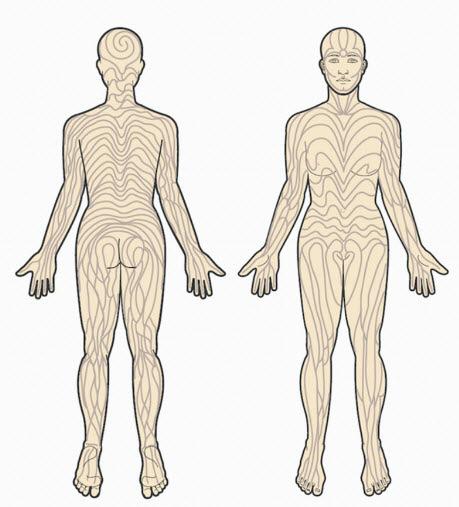
Γραμμές του Blaschko
Klinifelter(19).
1. Landy SJ, Donnai D. Incontinentia pigmenti (Bloch–Sulzberger syndrome). J Med Genet 1993;30:53–59.
2. Meuwissen M, Mancini G. Neurological findings in incontinentia pigmenti: a review. Eur J Med Genet. 2012 May;55(5):323-31.
3. Karatza Ε, Kantziou Α, Giomisi Α, Kardaras P, Hytiroglou P, Flaris N, et al. Incontinentia pigmenti. Difficulties in the early diagnosis. Paediatr N Gr 2006;18:281-287.
4. Minic S, Trpinac D, Obradovic M. Incontinentia pigmenti diagnostic criteria update. Clin Genet. 2013 Jun 26. doi: 10.1111/cge.12223.
5. Conte MI, Pescatore A, Paciolla M, Esposito E, Miano MG, Lioi MB et al. Insight into IKBKG/NEMO Locus: Report of New Mutations and Complex Genomic Rearrangements Leading to Incontinentia Pigmenti Disease. Hum Mutat. 2014 Feb;35(2):16577.
6. Fusco F, Paciolla M, Napolitano F, Pescatore A, D’Addario I, Bal E, et al. Genomic architecture at the Incontinentia Pigmenti locus favours de novo pathological alleles through different mechanisms. Hum Mol Genet. 2012 Mar 15;21(6):1260-71.
7. Buinauskaite E, Buinauskiene J, Kucinskiene V, Strazdiene D, Valiukeviciene S. Incontinentia pigmenti in a male infant with Klinefelter syndrome: a case report and review of the literature. Buinauskaite E, Buinauskiene J, Kucinskiene V, Strazdiene D, Valiukeviciene S. Pediatr Dermatol. 2010 Sep-Oct;27(5):492-5.
8. Gupta KD, Padhiar BB, Karia UK, Shah BJ. Case reports of incontinentia pigmenti in males. Indian J Dermatol. 2013 Jul;58(4):328.
9. Behrman K, Stanton J. Nelson Textbook Of Pediatrics, 18 ed. SAUNDERS ELSEVIER; 2007. p. 2681-2682.
10. Welch JL, Jimenez HL, Allen SE. Pediatric rash: Dermatologic manifestations of incontinentia pigmenti. J Emerg Med. 2013 Aug;45(2):e41-3.
11. Minić S, Trpinac D, Obradović M. Systematic review of central nervous system anomalies in incontinentia pigmenti. Orphanet J Rare Dis. 2013 Feb 13;8:25.
12. Geis T, Schilling S, Hehr U. Perinatal cerebral infarction due to incontinentia pigmenti. Neuropediatrics 2012; 43 - PS16_06.
13. Baklanov AN, Kolesov SV, Shavyrin IA. [Staged correction of spinal deformity in a patient with incontinentia pigmenti syndrome]. Vestn Ross Akad Med Nauk. 2013;(3):45-50.
14. Wang1 Y, Chen Y, Wang Q, Wang G, Guo C, Wang F, et al. Case Report: A 14-yearold girl with an unusual combination of incontinentia pigmenti and conversion disorder. Int J Clin Exp Med. 2013 Oct 25;6(10):1006-9.
15. Pizzamiglio MR, Piccardi L, Bianchini F, Canzano L, Palermo L, Fusco F, et al. Incontinentia Pigmenti: Learning Disabilities Are a Fundamental Hallmark of the Disease. PLoS One. 2014 Jan 29;9(1):e87771.
16. Minić S, Trpinac D, Gabriel H, Gencik M, Obradović M. Dental and oral anomalies in incontinentia pigmenti: a systematic review. Clin Oral Investig. 2013 Jan;17(1):1-8.
17. Emre S, Fırat Υ, Güngör S, Fırat AΚ, Karıncaoğlu Υ. Case Report Incontinentia pigmenti: a case report and literature review. Turk J Pediatr. 2009 Mar-Apr;51(2):190-4.
18. Chun SR, Rashid RM. Delayed onychodystrophy of incontinentia pigmenti: an evidence-based review of epidemiology, diagnosis and management. J Drugs Dermatol. 2010 Apr;9(4):350-4.
19. Venugopalana P, Pangb K. Incontinentia pigmenti: presenting with neonatal seizures and diffuse MRI brain changes. Clin Dysmorphol. 2012 Oct;21(4):231-3.
20. Pereira MA, Mesquita LA, Budel AR, Cabral CS, Feltrim AS. X-linked incontinentia pigmenti or Bloch-Sulzberger syndrome: a case report. An Bras Dermatol. 2010 MayJun;85(3):372-5.
21. Scheuerle A, Ursini MV. Incontinentia Pigmenti. 1999 Jun 8 [Updated 2010 Oct 28]. In: Pagon RA, Adam MP, Bird TD, et al., editors. GeneReviews™ [Internet]. Seattle (WA): University of Washington, Seattle; 1993-2014. Available from: http://www. ncbi.nlm.nih.gov/books/NBK1472/.
22. Holmström G, Thorén K. Ocular manifestations of incontinentia pigmenti. Acta Ophthalmol Scand. 2000 Jun;78(3):348-53.
23. Hadj-Rabia S1, Froidevaux D, Bodak N, Hamel-Teillac D, Smahi A, Touil Y, et al. Clinical study of 40 cases of incontinentia pigmenti. Arch Dermatol. 2003 Sep;139(9):1163-70.
24. Litvinov IV, Jafarian F. Lichen Striatus and Lines of Blaschko. N Engl J Med 2012; 367:2427.
A. Dentist
Andrikoula T. Dentist
Alexandropoulos A. Dentist
Oulis C.J.
Professor of Paediatric Dentistry
National and Kopodistrian University of Athens, School of Dentistry, Department of Paediatric Dentistry
Νon-nutritive
Katsantonis A., Andrikoula T., Alexandropoulos A., Oulis C.J.
Background: Although non-nutritive sucking habits have been the subject of extensive study of the literature, there is still no consensus in respect to the contributing factors, the preventing behaviours and the management of prolonged non-nutritive sucking habits.
Methods: Literature review
Results and conclusions: Prevalence estimates of finger and pacifier sucking in preschool children (3 to 5 years old) ranged from 6 to 23% and 0 to 70% respectively
2,
11527
2106756420, 6932210370
e-mail: cjoulis@dent.uoa.gr
Correspondence
Oulis C.J. Thivon2, Goudi, 11527
Τel.: +30 2106756420, +30 6932210370
e-mail: cjoulis@dent.uoa.gr
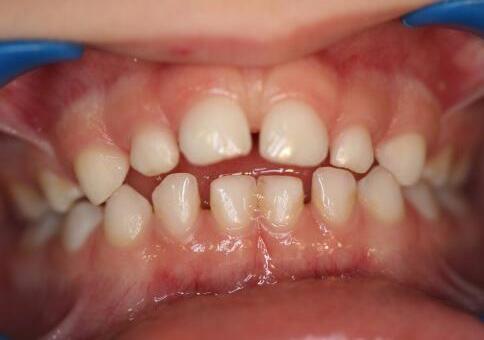
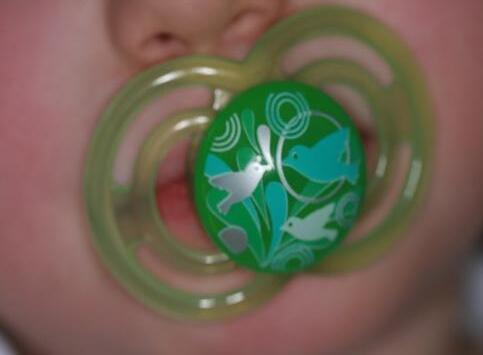
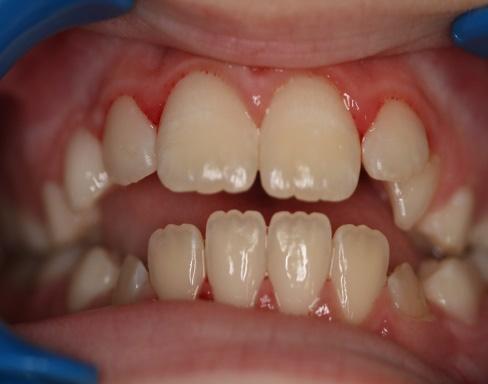
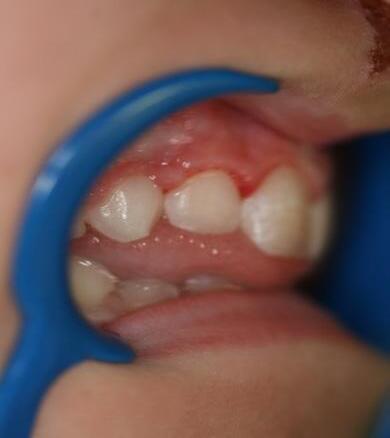
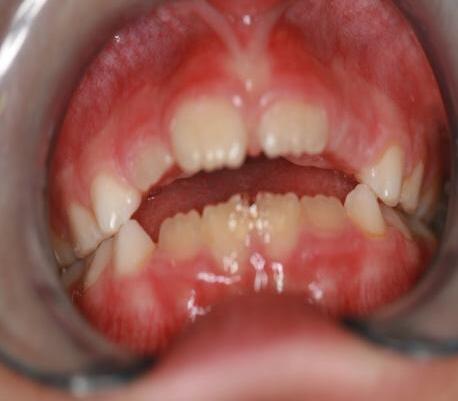
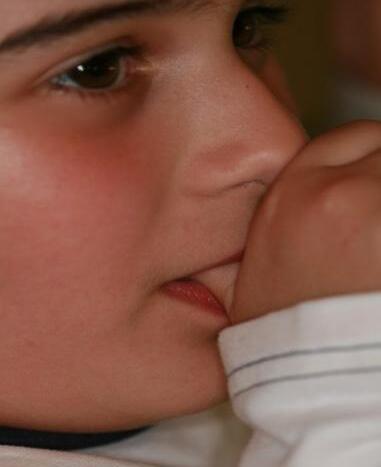
and they don’t create any problem to the occlusion if they are ceased before the age of 3 years old. The effects of prolonged pacifier sucking are mostly associated with buccal inclination of the maxillary teeth and posterior cross-bites and that of the finger sucking with lengthening of the maxillary dental arch, anterior displacement of the upper front teeth and anterior open bite. The corresponding prevalence of prolonged finger sucking habits are 11-30 % in preschool children and of pacifier sucking habits are 11-55 %, while in school children are 0-13 % and 0 %. The treatment should be individualized and depending on the age, the subject of sucking (finger, pacifier), the psychological status of the child and whether the habit of sucking causes occlusal abnormalities or not.
The purpose of this literature review is based on the existing research data to clarify: a) The causes, risk factors and prevalence of non- nutritive sucking habits, b) The impact on the development of permanent and deciduous dentition caused by prolonged non- nutritive sucking habits, c) Whether and when we should intervene preventatively in order to cease the habits and d) To give the steps of recommended treatment interventions.
Key words: Non- nutritive sucking habits, finger sucking, pacifier sucking, occlusal abnormalities, habit discontinuation.
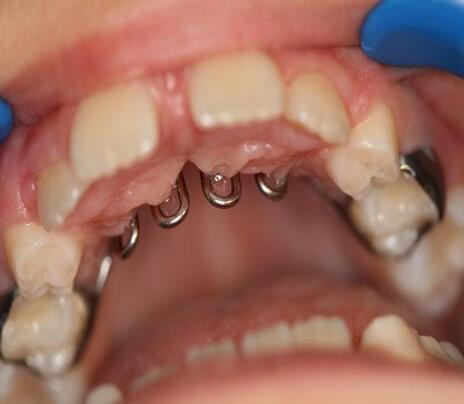
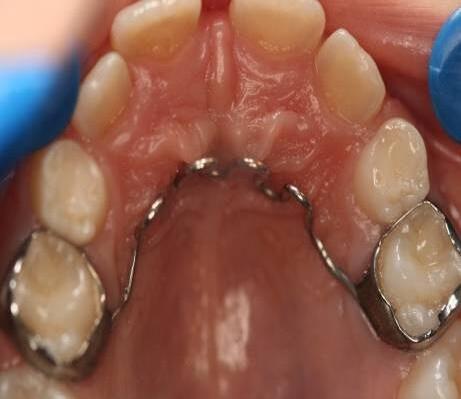
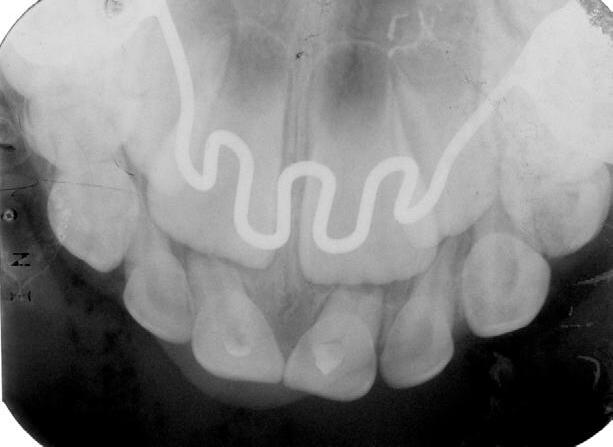
1. Adair SM. Pacifier Use in Children: A Review of Recent Literature. Pediatr Dent 2003; 25(5): 449-458. Available online at: http://www.aapd.org/upload/articles/ adair-25-05.pdf. January 15, 2007.
2. American Academy of Pediatric Dentistry, Council on Clinical Affairs. Policy on oral habits. Reference Manual 2006-2007: 51-52. Available online at: http://www.aapd. org/media/ Policies_Guidelines/P_OralHabits.pdf. Accessed July 25, 2012. American Academy of Pediatrics.
3. The Changing Concept of Sudden Infant Death Syndrome: Diagnostic Coding Shifts, Controversies Regarding the Sleeping Environment, and New Variables to Consider in Reducing Risk. Policy Statement: Task Force on Sudden Infant Death Syndrome. Pediatrics. 2005; 116(5): 1245-1255. Available online at: http://aappolicy. aappublications.org/cgi/content/full/pediatrics;116/5/1245. Accessed January 15, 2007.
4. Klackenberg G.A. Prospective longitudinal study of children. Acta Paed Scand 1971; Supplement 224: 1-239.
5. Βenjamin L.S The beginning of thumbsucking. Child Dev 1967Dec;38(4):1065-78.
6. Vadiakas G, Oulis C, Berdouses E. Profile of non-nutritive sucking habits in relation to nursing behavior in pre-school children. J Clin Pediatr Dent 1998 Winter;22(2):133-6.
7. Warren JJ1, Levy SM, Nowak AJ, Tang S. Non-nutritive sucking behaviors in preschool children: a longitudinal study. Pediatr Dent 2000 May-Jun;22(3):187-91.
8. Silva FOG da, Gomes RMG, Maia FA. Sucking habits: Clinical management in dentistry. J Clin Ped Dent 15(3): 137-156, 1991.
9. Turgeon-O’Brien H, Lachapelle D, Gagnon PF, Larocque I, Maheu-Robert LF. Nutritive and nonnutritive sucking habits: a review. ASDC J Dent Child 1996 SepOct;63(5):321-7.
10. Simpson, W.J. and Cheung, D.K.: Developing infant occlusion, related feeding methods and oral habits (part1). Methodology and results at 4 and 8 months. J Can Dent Assoc 1976 Mar;3:124-132.
11. Herrman, H.J., Roberts, M.W. Preventative Dental Care. The role of the paediatrician. Pediatrics 1987 Jul;80:107-110.
12. Lindner A, Modéer T. Relation between sucking habits and dental characteristics in preschoolchildren with unilateral cross-bite. Scand J Dent Res 1989 Jun;97(3):27883.
13. Larsson E. Dummy- and finger-sucking habits with special attention to their significance for facial growth and occlusion. Sven Tandlak Tidskr 1972;65:605-34.
14. Köhler L, Holst K. Malocclusion and sucking habits of four-year-old children. Acta Paediatr Scand 1973 Jul;62(4):373-9.
15. Helle A, Haavikko K. Prevalence of earlier sucking habits revealed by anamnestic data and their consequences for occlusion at the age of eleven. Proc Finn Dent Soc 1974 Oct;70(5):191 6.
16. Ogaard B, Larsson E, Lindsten R. The effect of sucking habits, cohort, sex, intercanine arch widths, and breast or bottle feeding on posterior crossbite in Norwegian and Swedish 3-year-old children. Am J Orthod Dentofacial Orthop 1994 Aug;106(2):161-6.
17. Ravn JJ. Sucking habits and occlusion in 3-year-old children. Scand J Dent Res 1976 Jul;84(4):204-9.
18. Bishara SE, Warren JJ, Broffitt B, Levy SM. Changes in the prevalence of nonnutritive sucking patterns in the first 8 years of life. Am J Orthod Dentofacial Orthop 2006 Jul;130(1):31-6.
19. Infante PF. An epidemiologic study of finger habits in preschool children, as related to malocclusion, socioeconomic status, race, sex, and size of community. ASDC J Dent Child 1976 Jan-Feb;43(1):33-8.
20. Farsi NM, Salama FS. Sucking habits in Saudi children: prevalence, contributing factors and effects on the primary dentition. Pediatr Dent 1997 Jan-Feb;19(1):28-33.
21. Nanda RS, Khan I, Anand R. Effect of oral habits on the occlusion in preschool children. ASDC J Dent Child 1972 Nov-Dec;39(6):449-52.
22. Jabbar NS1, Bueno AB, Silva PE, Scavone-Junior H, Inês Ferreira R. Bottle feeding, increased overjet and Class 2 primary canine relationship: is there any association? Braz Oral Res 2011 Jul-Aug;25(4):331-7.
23. Katz CR, Rosenblatt A, Gondim PP. Nonnutritive sucking habits in Brazilian children: effects on deciduous dentition and relationship with facial morphology. Am J Orthod Dentofacial Orthop 2004 Jul;126(1):53-7.
24. Zardetto CG, Rodrigues CR, Stefani FM. Effects of different pacifiers on the primary dentition and oral myofunctionalstrutures of preschool children. Pediatr Dent 2002 Nov-Dec;24(6):552-60.
25. Adair SM, Milano M, Lorenzo I, Russell C. Effects of current and former pacifier use on the dentition of 24- to 59-month-old children. Pediatr Dent 1995 NovDec;17(7):437-44.
26. Larsson E, The effect of finger- sucking on the occlusion: a review. Eur J Orthod 1987 Nov;9(4):279-82.
27. Luz CL, Garib DG, Arouca R. Association between breastfeeding duration and mandibular retrusion: a cross-sectional study of children in the mixed dentition. Am JOrthod Dentofacial Orthop 2006 Oct;130(4):531-4.
28. Melsen B, Stensgaard K, Pedersen J. Sucking habits and their influence on swallowing pattern and prevalence of malocclusion. Eur J Orthod 1979;1:271-280.
29. Bowden BD. A longitudinal study of the effects of digit- and dummy-sucking. Am J Orthod 1966 Dec;52(12):887-901.
30. Bowden BD. The effects of digital and dummy sucking on arch widths, overbite, and overjet: a longitudinal study. Aust Dent J 1966 Dec;11(6):396-404.
31. Larsson E, The effect of dummy- sucking on the prevalence of posterior crossbite in the permanent dentition. Swed Dent J 1986;10: 97-101.
32. Warren JJ, Slayton RL, Yonezu T, Bishara SE, Levy SM, Kanellis MJ. Effects of Nonnutrive Sucking Habits on Occlusal Characteristics in the Mixed Dentition. Pediatr Dent. 2005;27:445-450.
33. Warren JJ, Bishara SE, Steinbock KL, Yonezu T, Nowak AJ. Effects of oral habits duration on dental characteristics in the primary dentition. J Am Dent Assoc 2001 Dec;132(12):1685-93;quiz 1726.
34. American Academy of Pediatrics. The Changing Concept of Sudden Infant Death Syndrome: Diagnostic Coding Shifts, Controversies Regarding the Sleeping Environment, and New Variables to Consider in Reducing Risk. Policy Statement: Task
Force on Sudden Infant Death Syndrome. Pediatrics. 2005; 116(5): 1245-1255. Available online at: http://aappolicy. aappublications.org/cgi/content/ full/pediatrics;116/5/1245. Accessed January 15, 2007.
35. Massler M. Oral habits: development and management. J Pedod 1983 Winter;7(2):109-19.
36. American Academy of Pediatric Dentistry, Council on Clinical Affairs. Policy on oral habits. Reference Manual 2006-2007: 51-52. Available online at: http://www. aapd.org/media/ Policies_Guidelines/P_OralHabits.pdf. Accessed July 25, 2012.
Alexandra Kerasioti
Danai Papadatou
Faculty of Nursing, University of Athens
Alexandra Kerasioti & Danai Papadatou
The effects of parental substance abuse have been on the focus of scientific interest in recent years due to the rapid spreading of addiction and the psychosocial problems it entails. The aim of the present study is the review of studies relevant to the effects of parental addiction on children’s mental health and to the factors which contribute to their occurrence. Concerning the methodology a review of bibliography was carried out as well as of articles relevant to the topic through bibliographical databases. Most studies focus on the investigation of the parents’ experiences with substance abuse and with the fetus’ exposure to drugs in utero during the pregnancy period. The social and mental functionality of children of substance abusing parents have been investigated to a lesser extend. The occurrence of internalized and externalized disorders as well as the transgenerational transmission of addiction appear as the commonest effects of parental substance abuse on children’s
e-mail: alkerasioti@yahoo.gr
Correspondence
Alexandra Kerasioti
Agias Triados 30, 13231 Petroupoli, Athens
Tel.: +30 6973803247
e-mail: alkerasioti@yahoo.gr
mental health. The accumulation and interplay of multiple risk factors increase the likelihood of occurrence of mental disorders. The role of the pediatrician is extremely important because he can contribute to the early identification and dealing with the early symptoms of psychopathology on children of substance abusing parents by referring them to mental health services. The early diagnosis as well as the existence of suitable therapeutic interventions can improve the functionality of these children.
Key words: Children’s mental health, substance-abusing parents, parental substance abuse, addiction, psychopathology
ΜΕΘΟΔΟΙ
1. VanDeMark, NR, Russell, LA, O’ Keefe, M, Finkelstein, N, Noether, CD, Gampel, J. Children of mothers with histories of substance abuse, mental illness, and trauma. Journal of Community Psychology 2005; 33: 445-459.
2. Manning, V, Best, DW, Faulkner, N, Titherington, E. New estimates of the number of children living with substance misusing parents: Results from UK national household surveys. BMC Public Health 2009; 9: 377.
3. Fals-Stewart, W, Kelley, ML, Cooke, CG, Golden, JC. Predictors of the psychosocial adjustment of children living in households of parents in which fathers abuse drugs - The effects of postnatal parental exposure. Addict Behav 2003; 28: 1013-1031.
4. Hogan, DM. Annotation: The psychological development and welfare of children of opiate and cocaine users: review and research needs. J Child Psychol Psychiatry 1998; 39: 609-620.
5. Barnard, M, McKeganey, N. The impact of parental problem drug use on children: what is the problem and what can be done to help? Addiction 2004; 99: 552-559.
6. Kettinger, LA, Nair, P, Schuler, ME. Exposure to environmental risk factors and parenting attitudes among substance-abusing women. Am J Drug Alcohol Abuse 2000; 26: 1-11. ΣΥΜΠΕΡΑΣΜΑΤΑ
7. Suchman, NE, Luthar, SS. Maternal addiction, child maladjustment and socio-demographic risks: Implications for parenting behaviours. Addiction 2000; 95: 14171428.
8. McKeganey, N, Barnard, M, McIntosh, J. Paying the price for their parents’ addiction: meeting the needs of the children of drug-using parents. Drugs: education, prevention and policy 2002; 9: 233-246.
9. Barnard, M. Forbidden questions: drug-dependent parents and the welfare of their children. Journal of Addiction 1999; 94: 1109-1111.
10. Fals-Stewart, W, Kelley, ML, Fincham, FD, Golden, J, Logsdon, T. Emotional and behavioral problems of children living with drug-abusing fathers: Comparisons with children living with alcohol-abusing and non-substance-abusing fathers. Journal of Family Psychology 2004; 18: 319-330.
11. Cooke, CG, Kelley, ML, Fals-Stewart, W, Golden, J. A comparison of the psychosocial functioning of children with drug- versus alcohol-dependent fathers. Am J Drug Alcohol Abuse 2004; 30: 695-710.
12. Phillips, SD, Gleeson, JP, Waites-Garett, M. Substance-abusing parents in the criminal justice system: Does substance abuse treatment improve their children’s outcomes? Journal of Offender Rehabilitation 2009; 48: 120-138.
13. Johnson, JL, Leff, M. Children of substance abusers: Overview of research findings. Pediatrics 1999; 103: 1085-1099.
14. Γεωργάκας Π. Εξαρτημένοι
2003; 82: 18-24.
15. Collins, CC, Grella, CE, Hser, YI. Effects of gender and level of parental involvement among parents in drug treatment. Am J Drug Alcohol Abuse 2003; 29: 237261.
16. Stewart, D, Gossop, M, Trakada, K. Drug dependent parents: Childcare responsibilities, involvement with treatment services, and treatment outcomes. Addict Behav 2007; 32: 1657-1668.
17. Kroll, B. Living with an elephant: Growing up with parental substance misuse. Child and Family Social Work 2004; 9: 129-140.
18. Greenberg, MT. Attachment and psychopathology in childhood. In: Cassidy J, Shaver PR, editors. Handbook of attachment: Theory, research, and clinical applications. 1st ed. New York: Guilford Press; 1999.p. 469.
19. Wilens, TE, Biederman, J, Bredin, E, Hahesy, AL, Abrantes, A, Neft, D et al. A family study of the high-risk children of opioid- and alcohol-dependent parents. Am J Addict 2002; 11: 41-51.
20. Hanson, RF, Self-Brown, S, Fricker-Elhai, A, Kilpatrick, DG, Saunders, BE, Resnick, H. Relations among parental substance use, violence exposure and mental health: The national survey of adolescents. Addict Behav 2006; 31: 1988-2001.
21. Gance-Cleveland, B, Mays, MZ, Steffen, A. Association of adolescent physical and emotional health with perceived severity of parental substance abuse. JSPN 2008; 13: 15-25.
22. Cuijpers, P, Steunenberg, B, van Straten, A. When children of problem drinkers grow old: Does the increased risk of mental disorders persist? Addict Behav 2006; 31: 2284-2291.
23. Gabel, S, Shindledecker, R. Parental substance abuse and suspected child abuse/
maltreatment predict outcome in children’s inpatient treatment. J Am Acad Child Adolesc Psychiatry 1990; 29: 919-924.
24. Moss, HB, Vanyukov, M, Majumder, PP, Kirisci, L, Tarter, RE. Prepubertal sons of substance abusers: influences of parental and familial substance abuse on behavioral disposition, IQ, and school achievement, Addict Behav 1995: 20; 345-358.
25. Chassin, L, Curran, PJ, Hussong, AM, Colder, CR. The relation of parent alcoholism to adolescent substance use: A longitudinal follow-up study. J Abnorm Psychol 1996; 105: 70-80.
26. Hoffmann, JP, Su, SS. Parent substance use disorder, mediating variables and adolescent drug use: a non-recursive model. Addiction 1998; 93: 1351-1364.
27. Hopfer, CJ, Stallings, MC, Hewitt, JK, Crowley, TJ. Family transmission of marijuana use, abuse, and dependence. J Am Acad Child Adolesc Psychiatry 2003; 42: 834-841.
28. Riggs, NR, Chou, CP, Pentz, MA. Protecting against intergenerational problem behavior: Mediational effects of prevented marijuana use on second-generation parent-child relationships and child impulsivity. Drug Alcohol Depend 2009; 100: 153-160.
29. Gabel, S, Shindledecker, R. Behavior problems in sons and daughters of substance abusing parents. Child Psychiatry Hum Dev 1992; 23: 99-115.
30. Fals-Stewart, W, Fincham, FD, Kelley, ML. Substance-abusing parents’ attitudes toward allowing their custodial children to participate in treatment: A comparison of mothers versus fathers. Journal of Family Psychology 2004; 18: 666-671.
31. Marmorstein, NR, Iacono, WG, McGue, M. Alcohol and illicit drug dependence among parents: Associations with offspring externalizing disorders. Psychol Med 2009; 39: 149-155.
32. Howell, KH. Resilience and psychopathology in children exposed to family violence. Aggression and Violent Behavior 2011; 16: 562-569.
33. Rivinus, TM, Levoy, D, Matzko, M, Seifer, R. Hospitalized children of substanceabusing parents and physically and sexually abused children: A comparison. J Am Acad Child Adolesc Psychiatry 1992; 31: 1019-1023.
34. Douglas, KR, Chan, G, Gelernter, J, Arias, AJ, Anton, RF, Weiss, RD et al. Adverse childhood events as risk factors for substance dependence: Partial mediation by mood and anxiety disorders. Addict Behav 2010; 35: 7-13.
35. Austin, MJ, Osterling, LK. Substance abuse interventions for parents involved in the child welfare system: evidence and implications. Journal of Evidence-Based Social Work 2008; 5: 157-189.
36. Dunn, MG, Tarter, RE, Mezzich, AC, Vanyukov, M, Kirisci, L, Kirillova, G. Origins and consequences of child neglect in substance abuse families. Clin Psychol Rev 2002; 22: 1063-1090.
37. Aldridge, T. Family values: Rethinking children’s needs living with drug-using parents. Druglink 1999; March/ April: 8-11.
38. Kelley, ML, Fals-Stewart, W. Psychiatric disorders of children living with drugabusing, alcohol-abusing, and non-substance-abusing fathers. J Am Acad Child Adolesc Psychiatry 2004; 43: 621-628.
39. Newcomb, MD, Rickards, S. Parent drug-use problems and adult intimate relations: Associations among community samples of young adult women and men.
Journal of Counseling Psychology 1995; 42:141-154.
40. Howland Thompson, S. Working with children of substance-abusing parents. Young Children 1998; 53: 34-37.
41. Roberts, CA. Drug use among inner-city African American women: The process of managing loss. Qualitative Health Research 1999; 9: 620-638.
42. Hardesty, M, Black, T. Mothering through addiction: A survival strategy among Puerto Rican adults. Qualitative Health Research 1999; 9: 602-619.
43. Schindler, A, Thomasius, R, Sack, PM, Gemeinhardt, B, Küstner, U, Eckert, J. Attachment and substance use disorders: A review of the literature and a study in drug dependent adolescents. Attachment & Human Development 2005; 7: 207-228.
44. Schindler, A, Thomasius, R, Sack, PM, Gemeinhardt, B, Küstner, U. Insecure family bases and adolescent drug abuse: A new approach to family patterns of attachment. Attachment & Human Development 2007; 9: 111-126.
45. Schindler, A, Thomasius, R, Petersen, K, Sack, PM. Heroin as an attachment substitute? Differences in attachment representations between opioid, ecstasy and cannabis abusers. Attachment & Human Development 2009; 11: 307-330.
46. Wilens, TE, Biederman, J, Kiely, K, Bredin, E, Spencer, TJ. Pilot Study of Behavioral and Emotional Disturbances in the High-risk children of parents with opioid dependence. J Am Acad Child Adolesc Psychiatry 1995; 34: 779-785.
47. Hahesy, AL, Wilens, TE, Biederman, J, Van Patten, SL, Spencer, T. Temporal association between childhood psychopathology and substance use disorders: Findings from a sample of adults with opioid or alcohol dependency. Psychiatry Res 2002; 109: 245-253.
48. Clark, DB, Kirisci, L, Moss, HB. Early adolescent gateway drug use in sons of fathers with substance use disorders. Addict Behav 1998; 23: 561-566.
49. Grella, CE, Stein, JA, Greenwell, L. Associations among childhood trauma, adolescent problem behaviors, and adverse adult outcomes in substance-abusing women offenders. Psychology of Addictive Behaviors 2005; 19: 43-53.
50. Wilson, JJ, Nunes, EV, Greenwald, S, Weissman, M. Verbal deficits and disruptive behavior disorders among children of opiate-dependent parents. Am J Addict 2004; 13: 202-212.
51. Moss, HB, Lynch, KG, Hardie, TL. Affiliation with deviant peers among children of substance dependent fathers from pre-adolescence into adolescence: associations with problem behaviours. Drug Alcohol Depend 2003; 71: 117-125.
52. Bancroft, A, Wilson, S, Cunningham-Burley, S, Backett-Milburn, K, Masters, H. Parental drug and alcohol misuse: Resilience and transition among young people. Edinburgh: Joseph Rowntree Foundation; 2004.
53. Murphy, AP, Ponterotto, JG, Cancelli, AA, Chinitz, SP. Daughter’s perspectives on maternal substance abuse: Pledge to be a different kind of mother. The Qualitative Report 2010; 15: 1328-1364.
54. Brown, EM. My Parent’s Keeper. Canada: Raincoast Books; 1989.
55. Cooklin, A. Children as carers of parents with mental illness. Psychiatry 2008; 8: 17-20.
56. Moore, T, McArthur, M, Noble-Carr, D. Different but the same? Exploring the experiences of young people caring for a parent with an alcohol or other drug issue. Journal of Youth Studies 2011; 14: 161-177.
57. Kelley, ML, French, A, Bountress, K, Keefe, HA, Schroeder, V, Steer, K et al. Parentification and family responsibility in the family of origin of adult children of alcoholics. Addict Behav 2007; 32: 675-685.
58. Moe, J, Johnson, JL, Wade, W. Resilience in children of substance users: In their own words. Subst Use Misuse 2007; 42: 381-398.
59. Pilowsky, DJ, Zybert, PA, Vlahov, D. Resilient children of injection drug users. J Am Acad Child Adolesc Psychiatry 2004; 43: 1372-1379.
60. Moe, J, Johnson, JL, Wade, W. Resilience in children of substance users: In their own words. Substance Use & Misuse 2007; 42: 381-398.
61. Howell, KH. Resilience and psychopathology in children exposed to family violence. Aggression and Violent Behavior 2011; 16: 562-569.
62. Ostler, T, Bahar, SO, Jessee, A. Mentalization in children exposed to parental methamphetamine abuse: relations to children’s mental health and behavioral outcomes. Attachment & Human Development 2010; 12: 193-207.
63. Ronel, N, Haimoff-Ayali, R. Risk and Resilience: The family experience of adolescents with an addicted parent. International Journal of Offender Therapy and Comparative Criminology 2010; 54: 448-472.
64. Jacobvitz, D, Leon, K, Hazen, N. Does expectant mothers’ unresolved trauma predict frightened/ frightening maternal behaviour? Risk and protective factors. Dev Psychopathol 2006; 18: 363-379.
65. Espinosa, M, Beckwith, L, Howard, J, Tyler, R, Swanson, K. Maternal psychopathology and attachment in toddlers of heavy cocaine-using mothers. Infant Mental Health Journal 2001; 22: 316-333.
66. Motz, M, Leslie, M, DeMarchi, G. Breaking the cycle: Using a relational approach to address the impact of maternal substance use on regulation and attachment in children, zero to three. Toronto, Ontario, Canada: Health Canada; 2007.
67. Suchman, N, McMahon, TJ, Slade, A, Luthar, SS. How early bonding, depression, illicit drug use, and perceived support work together to influence drug-dependent mother’s caregiving. Am J Orthopsychiatry 2005; 75: 431-445.
68. Stanger, C, Dumenci, L, Kamon, J, Burstein, M. Parenting and children’s externalizing problems in substance-abusing families. Journal of Clinical Child and Adolescent Psychology 2004; 33, 590-600.
69. Castro, FG, Brook, JS, Brook, DW, Rubenstone, E. Paternal, perceived maternal, and youth risk factors as predictors of youth stage of substance use: A longitudinal study. J Addict Dis 2006; 25: 65-75.
70. Kelley, ML, Klostermann, K, Doane, AN, Mignone, T, Lam, WKK, Fals-Stewart, W et al. The case for examining and treating the combined effects of parental drug use and interparental violence on children in their homes. Aggress Violent Behav 2010; 15: 76-82.
71. Fawzy, FI, Coombs, RH, Gerber, B. Generational continuity in the use of substances: the impact of parental substance use on adolescent substance use. Addict Behav 1983; 8: 109-114.
72. Bailey, JA, Hill, KG, Oesterle, S, Hawkins, JD. Parenting practices and problem behavior across three generations: Monitoring, harsh discipline, and drug use in the intergenerational transmission of externalizing behavior. Dev Psychol 2009; 45: 1214-1226.
73. Chapman, K, Tarter, RE, Kirisci, L, Cornelius, MD. Childhood neurobehavior disinhibition amplifies the risk of substance use disorder: Interaction of parental history and prenatal alcohol exposure. J Dev Behav Pediatr 2007; 28; 219-224.
74. Wilson, JJ, Pine, DS, Cargan, A, Goldstein, RB, Nunes, EV, Weissman, MM. Neurological soft signs and disruptive behavior among children of opiate dependent parents. Child Psychiatry Hum Dev 2003; 34: 19-34.
75. Tarter, RE, Vanyukov, M, Giancola, P, Dawes, M, Blackson, T, Mezzich, A et al. Etiology of early age onset substance use dirorder: A maturational perspective. Development and Psychopathology 1999; 11: 657-683.
76. Stanger, C, Kamon, J, Dumenci, L, Higgins, ST, Bickel, WK, Grabowski, J et al. Predictors of internalizing and externalizing problems among children of cocaine and opiate dependent parents. Drug Alcohol Depend 2002; 66: 199-212.
77. Gerra, G, Leonardi, C, Cortese, E, Zaimovic, A, Dell’ Agnello, G, Manfredini, M et al. Childhood neglect and parental care perception in cocaine addicts: Relation with psychiatric symptoms and biological correlates. Neurosci Biobehav Rev 2009; 33: 601-610.
78. Lukasiewicz, M, Neveu, X, Blecha, L, Falissard, B, Reynaud, M, Gasquet, I. Cognitive and behavioural effects: Pathways to substance-related disorder: A structural model approach exploring the influence of temperament, character, and childhood adversity in a national cohort of prisoners. Alcohol Alcohol 2008; 43: 287-295.
79. Douglas, KR, Chan, G, Gelernter, J, Arias, AJ, Anton, RF, Weiss, RD et al. Adverse childhood events as risk factors for substance dependence: Partial mediation by mood and anxiety disorders. Addict Behav 2010; 35: 7-13.
80. Hogan, DM. The impact of opiate dependence on parenting processes: Contextual, physiological and psychological factors. Addiction Research & Theory 2007; 15: 617-635.
81. Keller, TE, Catalano, RF, Haggerty, KP, Fleming, CB. Parent figure transitions and delinquency and drug use among early adolescent children of substance abusers. Am J Drug Alcohol Abuse 2002; 28: 399-427.
82. Bowlby, J. Attachment and Loss, Vol I: Attachment. New York: Basic Books; 1969.
83. Rutter, M. Psychosocial resilience and protective mechanisms. Am J Orthopsychiatry 1987; 57: 316-331.
84. Lu, W, Mueser, KT, Rosenberg, SD, Jankowski, MK. Correlates of adverse childhood experiences among adults with severe mood disorders. Psychiatr Serv 2008; 59: 1018-1026.
(8/51),
(9/51), βαρηκοία (1/51)
(1/51), παχυσαρκία (2/51), νοητική
(2 / 51).
(NRXN1, SHANK3, DOCK8, ZNF92, ASMT, HSFX1, KCNH7, CHRFAM7A, CHRNA7, KCND2, CNTNAP3, ΜΑΟΑ, MAOB, STS, VCX)
ΔΑΦ (1q21.1, 2q37.2, 2p16.3, 5p15.32p14.3, 7p22.3, 10q26.3, 12q24.22q24.3, 15q11.2q11.3, 18q22.3q23, 21q22.3).
Περβανίδου
Kosma Konstantina
Tzeti Maria
Oikonomakis Vasilios
Syrmou Areti
Fryssira Eleni
Kitsiou-Tzeli Sofia
Kanavakis Emmanuel
Department of Medical Genetics, Medical School, University of Athens, Choremeio Research
Laboratory, Agia Sophia Childrens Hospital
Pervanidou Neni
1st Department of Pediatricς, Medical School, University of Athens, Agia Sophia Childrens Hospital
Detection of submicroscopic genomic rearrangements (CNVs), with molecular karyotype in patients with autism or autistic spectrum disorders (ASD)
Kosma Konstantina, Tzeti Maria, Oikonomakis Vasilios, Syrmou Areti, Pervanidou Neni, Fryssira Eleni, Kitsiou-Tzeli Sofia, Kanavakis Emmanuel
Aim: Autism or autistic spectrum disorders (ASD) is a lifelong neurodevelopmental disorder and α few cases of chromosomal abnormalities are found by conventional cytogenetic techniques, while the microarray Comparative Genomic Hybridization analysis (array-CGH) allows the identification of submicroscopic genomic rearrange-
email: skitsiou@med.uoa.gr
ments. This study describes the application of array-CGH, as a diagnostic tool for the investigation of patients with autism or ASD.
Materials-Methods: From 2008-20012, 88patients with autism or ASD of unknown aetiology but with normal previous conventional karyotype and other genetic tests were studied with molecular karyotype. High resolution 4x180K and 1x244K Agilent arrays were used in the study (>170.000 and >236.000 probes respectively, average resolution of 8.9 Kb).
Results: Submicroscopic genomic rearrangements (CNVs), ranging in size from 0.08 to19.01 Mb were detected in 51/88 (58%) patients, some of which also presented seizures (8/51), hypotonia (1/51), obesity (2/51), mental retardation (9/51), hearing loss (1/51) and dysmorphic features (2/51). Detected CNVs contain genes associated with autism or ASD (NRXN1, SHANK3, DOCK8, ZNF92, ASMT, HSFX1, KCNH7, CHRFAM7A, CHRNA7, KCND2, CNTNAP3, ΜΑΟΑ, MAOB, STS, VCX) as well as loci deleted or duplicated considered as high risk for autism or ASD: (1q21.1, 2q37.2, 2p16.3, 5p15.32p14.3, 7p22.3, 10q26.3, 12q24.22q24.3, 15q11.2q11.3, 18q22.3q23, 21q22.3).
Conclusions: In patients with autism or ASD and non-syndromic phenotype, array CGH analysis is mandatory to detect possible submicroscopic chromosomal abnormalities. For the family, positive results of array-CGH, provides comprehensive genetic counseling, which includes determining the patient’s prognosis and planning antenatal diagnosis in subsequent pregnancies.
Correspondence
Kitsiou-Tzeli Sofia
Thivon & Livadias, 11527
Tel.: +30 2107477464
email: skitsiou@med.uoa.gr
Sotos/ Moebius/ Prader-Willi/ Angelman/ Rett )(17,18).
(genome wide association studies, GWAS)
6q, 7q, 9q, 15q, 16p, 17q, 19p, 19q, Xp
(Copy Number Polymorphisms/ CNPs).
(13/88),
(2/88), μικροκεφαλία (1/88),
Corporation, Madison,
ture Extraction 9.1 Agilent Technologies)
Decipher (http://www.sanger.ac.uk/ PostGenomics/decipher/), Ecaruca (http://www.ECARUCA.net), UCSC (http://genome.ucsc.edu/), Ensembl (http://www.ensembl.org), Database of Genomic Variants (http://projects.tcag.ca/variation/), OMIM (Οnline Mendelian Inheritance in Man/ www.ncbi.nlm.nih.gov/OMIM)
(SFARI: https://gene.sfari.org/autdb, AUTDB: http://autism.mindspec.org/autdb).
1. Asperger H. [Autism in childhood]. Folia clinica internacional. 1969;19(2):76-92. Autismo en la edad infantil.
2. Kanner L, Eisenberg L. Child psychiatry, mental deficiency. The American Journal of Psych. 1958;114(7):609-15.
3. Volkmar FR, Lord C, Bailey A, Schultz RT, Klin A. Autism and pervasive developmental disorders. J Child Psychol Psych. 2004;45(1):135-70.
4. Goldson E. Autism: an update. Advances in pediatrics. 2009;56:187-201.
5. Miles JH. Autism spectrum disorders--a genetics review. Genetics in medicine Journal of the American College of Medical Genetics. 2011;13(4):278-94.
6. Valicenti-McDermott M, Hottinger K, Seijo R, Shulman L. Age at diagnosis of autism spectrum disorders. The Journal of pediatrics. 2012;161(3):554-6.
7. Muhle R, Trentacoste SV, Rapin I. The genetics of autism. Pediatrics. 2004;113(5):e472-86. Epub 2004/05/04.
8. Volkmar FR, Szatmari P, Sparrow SS. Sex differences in pervasive developmental disorders. J Autism Dev Disord. 1993;23(4):579-91.
9. Chakrabarti S, Fombonne E. Pervasive developmental disorders in preschool children: confirmation of high prevalence. The American journal of psychiatry. 2005;162(6):1133-41.
10. Fombonne E. Epidemiology of autistic disorder and other pervasive developmental disorders. J Clin Psychiatry. 2005;66 Suppl 10:3-8.
11. Zhao X, Leotta A, Kustanovich V, Lajonchere C, Geschwind DH, Law K, et al. A unified genetic theory for sporadic and inherited autism. Proceedings of the National Academy of Sciences of the United States of America. 2007;104(31):12831-6.
12. Bremer A, Giacobini M, Eriksson M, Gustavsson P, Nordin V, Fernell E, et al. Copy number variation characteristics in subpopulations of patients with autism spectrum disorders. American Journal of Medical Genetics Part B, Neuropsychiatric ge-
netics : the official publication of the International Society of Psychiatric Genetics. 2011;156(2):115-24.
13. Giannikou K, Fryssira H, Oikonomakis V, Syrmou A, Kosma K, Tzetis M, et al. Further delineation of novel 1p36 rearrangements by array-CGH analysis: narrowing the breakpoints and clarifying the “extended” phenotype. Gene. 2012;506(2):360-8.
14. Keller F, Persico AM. The neurobiological context of autism. Mol Neurobiol. 2003;28(1):1-22
15. Chudley AE, Gutierrez E, Jocelyn LJ, Chodirker BN. Outcomes of genetic evaluation in children with pervasive developmental disorder. J Dev Behav Pediatr. 1998;19(5):321-5.
16. Folstein SE, Rosen-Sheidley B. Genetics of autism: complex aetiology for a heterogeneous disorder. Nat Rev Genet. 2001;2(12):943-55. Epub 2001/12/06.
17. Akefeldt A, Gillberg C, Larsson C. Prader-Willi syndrome in a Swedish rural county: epidemiological aspects. Dev Med Child Neurol. 1991;33(8):715-21.
18. Steffenburg S, Gillberg CL, Steffenburg U, Kyllerman M. Autism in Angelman syndrome: a population-based study. Pediatr Neurol. 1996;14(2):131-6.
19. Vorstman JA, Staal WG, van Daalen E, van Engeland H, Hochstenbach PF, Franke L. Identification of novel autism candidate regions through analysis of reported cytogenetic abnormalities associated with autism. Mol Psychiatry. 2006;11(1):1, 18-28.
20. Feero WG, Guttmacher AE, Collins FS. Genomic medicine--an updated primer. The New England journal of medicine. 2010;362(21):2001-11. Epub 2010/05/28.
21. Xu J, Zwaigenbaum L, Szatmari P, Scherer SW. Molecular cytogenetics of autism. Curr Genomics. 2004;5:347-64.
22. Wassink TH, Brzustowicz LM, Bartlett CW, Szatmari P. The search for autism disease genes. Ment Retard Dev Disabil Res Rev. 2004;10(4):272-83.
23. Miller DT. Genetic testing for autism: recent advances and clinical implications. Expert review of molecular diagnostics. 2010;10(7):837-40.
24. Redon R, Ishikawa S, Fitch KR, Feuk L, Perry GH, Andrews TD, et al. Global variation in copy number in the human genome. Nature. 2006;444(7118):444-54.
25. Iafrate AJ, Feuk L, Rivera MN, Listewnik ML, Donahoe PK, Qi Y, et al. Detection of large-scale variation in the human genome. Nature genetics. 2004;36(9):949-51.
26 Sebat J, Lakshmi B, Troge J, Alexander J, Young J, Lundin P, et al. Large-scale copy number polymorphism in the human genome. Science. 2004;305(5683):525-8.
27. Kitsiou-Tzeli S, Frysira H, Giannikou K, Syrmou A, Kosma K, Kakourou G, et al. Microdeletion and microduplication 17q21.31 plus an additional CNV, in patients with intellectual disability, identified by array-CGH. Gene. 2012;492(1):319-24.
28. Kitsiou-Tzeli S, Tzetis M, Sofocleous C, Vrettou C, Xaidara A, Giannikou K, et al. De novo interstitial duplication of the 15q11.2-q14 PWS/AS region of maternal origin: Clinical description, array CGH analysis, and review of the literature. American Journal of Medical Genetics Part A. 2010;152A(8):1925-32.
29. Kitsiou-Tzeli S, Konstantinidou A, Sofocleous C, Kosma K, Syrmou A, Giannikou K, et al. Familial Pelizaeus-Merzbacher disease caused by a 320.6-kb Xq22.2 duplication and the pathological findings of a male fetus. Birth defects research Part A, Clinical
and molecular teratology. 2012;94(6):494-8.
30. Tzetis M, Kitsiou-Tzeli S, Frysira H, Xaidara A, Kanavakis E. The clinical utility of molecular karyotyping using high-resolution array-comparative genomic hybridization. Expert review of molecular diagnostics. 2012;12(5):449-57.
31. Tzetis M, Stefanaki K, Syrmou A, Kosma K, Leze E, Giannikou K, et al. An unusual case of Cat-Eye syndrome phenotype and extragonadal mature teratoma: review of the literature. Birth defects research Part A, Clinical and molecular teratology. 2012;94(7):561-6.
32. Mefford HC, Sharp AJ, Baker C, Itsara A, Jiang Z, Buysse K, et al. Recurrent rearrangements of chromosome 1q21.1 and variable pediatric phenotypes. The New England journal of medicine. 2008;359(16):1685-99.
33. Kumar RA, KaraMohamed S, Sudi J, Conrad DF, Brune C, Badner JA, et al. Recurrent 16p11.2 microdeletions in autism. Human molecular genetics. 2008;17(4):62838.
34. Kirov G, Rujescu D, Ingason A, Collier DA, O’Donovan MC, Owen MJ. Neurexin 1 (NRXN1) deletions in schizophrenia. Schizophrenia bulletin. 2009;35(5):851-4.
35. Rujescu D, Ingason A, Cichon S, Pietilainen OP, Barnes MR, Toulopoulou T, et al. Disruption of the neurexin 1 gene is associated with schizophrenia. Human molecular genetics. 2009;18(5):988-96.
36. Ching MS, Shen Y, Tan WH, Jeste SS, Morrow EM, Chen X, et al. Deletions of NRXN1 (neurexin-1) predispose to a wide spectrum of developmental disorders. American journal of medical genetics Part B, Neuropsychiatric genetics : the official publication of the International Society of Psychiatric Genetics. 2010;153B(4):93747.
37. Bayou N, Belhadj A, Daoud H, Briault S, Helayem MB, Chaabouni H, et al. Exploring the 7p22.1 chromosome as a candidate region for autism. Journal of biomedicine & biotechnology. 2010;2010:423894.
38. Kim SJ, Brune CW, Kistner EO, Christian SL, Courchesne EH, Cox NJ, et al. Transmission disequilibrium testing of the chromosome 15q11-q13 region in autism. American journal of medical genetics Part B, Neuropsychiatric genetics : the official publication of the International Society of Psychiatric Genetics. 2008;147B(7):111625.
39. Li F, Shen Y, Kohler U, Sharkey FH, Menon D, Coulleaux L, et al. Interstitial microduplication of Xp22.31: Causative of intellectual disability or benign copy number variant? European journal of medical genetics. 2010;53(2):93-9.
40. Carrascosa-Romero MC, Suela J, Alfaro-Ponce B, Cepillo-Boluda AJ. [X-chromosome-linked ichthyosis associated to epilepsy, hyperactivity, autism and mental retardation, due to the Xp22.31 microdeletion]. Revista de neurologia. 2012;54(4):241-8. Epub 2012/02/09. Ictiosis ligada al cromosoma X asociada a epilepsia, hiperactividad, autismo y retraso mental, por microdelecion Xp22.31.
41. Koolen DA, Sharp AJ, Hurst JA, Firth HV, Knight SJ, Goldenberg A, et al. Clinical and molecular delineation of the 17q21.31 microdeletion syndrome. Journal of medical genetics. 2008;45(11):710-20.
42. Kirchhoff M, Bisgaard AM, Duno M, Hansen FJ, Schwartz M. A 17q21.31 microduplication, reciprocal to the newly described 17q21.31 microdeletion, in a girl with severe psychomotor developmental delay and dysmorphic craniofacial features. European journal of medical genetics. 2007;50(4):256-63.
43. Buiting K, Nazlican H, Galetzka D, Wawrzik M, Gross S, Horsthemke B. C15orf2 and a novel noncoding transcript from the Prader-Willi/Angelman syndrome region show monoallelic expression in fetal brain. Genomics. 2007;89(5):588-95.
44. Duker AL, Ballif BC, Bawle EV, Person RE, Mahadevan S, Alliman S, et al. Paternally inherited microdeletion at 15q11.2 confirms a significant role for the SNORD116 C/D box snoRNA cluster in Prader-Willi syndrome. European journal of human genetics : EJHG. 2010;18(11):1196-201.
45. Chen Y, Liu YJ, Pei YF, Yang TL, Deng FY, Liu XG, et al. Copy number variations at the Prader-Willi syndrome region on chromosome 15 and associations with obesity in whites. Obesity (Silver Spring). 2011;19(6):1229-34.
46. Speevak MD, Farrell SA. Non-syndromic language delay in a child with disruption in the Protocadherin11X/Y gene pair. American journal of medical genetics Part B, Neuropsychiatric genetics : the official publication of the International Society of Psychiatric Genetics. 2011;156B(4):484-9.
47. Girirajan S, Rosenfeld JA, Coe BP, Parikh S, Friedman N, Goldstein A, et al. Phenotypic heterogeneity of genomic disorders and rare copy-number variants. The New England journal of medicine. 2012;367(14):1321-31
48. Sallows GO, Graupner TD. Intensive behavioral treatment for children with autism: four-year outcome and predictors. American journal of mental retardation : AJMR. 2005;110(6):417-38.
49. Howlin P, Magiati I, Charman T. Systematic review of early intensive behavioral interventions for children with autism. American journal on intellectual and developmental disabilities. 2009;114(1):23-41.
50. Magiati I, Charman T, Howlin P. A two-year prospective follow-up study of community-based early intensive behavioural intervention and specialist nursery provision for children with autism spectrum disorders. Journal of child psychology and psychiatry, and allied disciplines. 2007;48(8):803-12.
51. Altemeier WA, Altemeier LE. How can early, intensive training help a genetic disorder? Pediatric annals. 2009;38(3):167-70, 72.
Ροηλίδης
Vogiatzi L
Sdouga M
PICU, Hippokration Hospital of Thessaloniki
Ilia S
Briasoulis G
PICU, University Hospital of Heraklion
Sideri G
Papadatos I
PICU, Children’s Hospital Aglaia Kyriakou
Vagelakoudi E
Kalabalikis P
PICU, Children’s Hospital Agia Sophia
Vasilopoulou M
Sianidou L
PICU, Pentelis General Children’s Hospital
Roilidis E
3rd Paediatric Department, Aristotle University of Thessaloniki
Vogiatzi L, Ilia S, Sideri G, Vagelakoudi E, Vasilopoulou M, Sdouga M, Briasoulis G, Papadatos I, Kalabalikis P, Sianidou L, Roilidis E
Purpose: To record the practices for prevention and management of invasive candidiasis in PICU, and investigate the epidemiology of candidiasis and its outcome nationwide.
Methods: Multicenter national study among PICUs throughout Greece. A questionΒογιατζή
49,
54642,
2310892444
Fax: 2310992981
e-mail: roilides@med.auth.gr
Correspondence
Roilidis Emanouil
Konstantinoupoleos 49, 54642, Thessaloniki
Τel.: +30 2310892444
Fax: +30 2310992981
e-mail: roilides@med.auth.gr
naire referring to local practices of prevention and management of candidemia was filled in and a retrospective study of episodes that occurred during 5yrs was conducted in all 7 Greek PICUs.
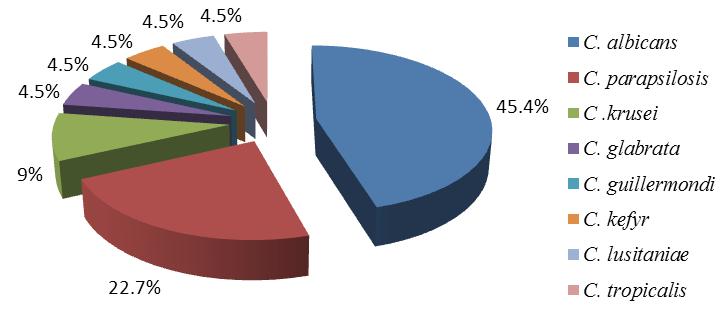
Results: Clinical practices regarding surveillance cultures, catheter replacement protocols and antibiotic use were similar although case-mix differed. In all PICUs prophylactic antifungal treatment was administered in transplant and neutropenic oncology patients. Discrepancy existed between PICUs concerning first-line antifungal agents and treatment duration of candidemia. Twenty-two candidemias were nationally recorded between 2005-2009 with a median incidence of 6.4 cases/1000 admissions. Median age was 8.2 (0.3-16.6) years. Candida albicans was isolated in 45.4% of episodes followed by Candida parapsilosis (22.7%). Common findings were presence of central venous and urinary catheters as well as mechanical ventilation and administration of antibiotics with anti-anaerobic activity in almost all patients with candidemia. Total parenteral nutrition was administered to 5 (22.7%) patients. Most of the patients had a chronic underlying disease, 5 were oncology patients and two thirds of those with candidemia were colonized with Candida spp. Lipid amphotericin B formulations were the predominant therapeutic choice (54.5%). Thirty-day mortality was 18.2%.
Conclusion: This first national study adds information to the epidemiology of candidemia in critically ill children. In these special patients, candidemia has relatively low incidence and tends towards non-albicans Candida preponderance.
Key words: candidemia, PICU, children, Candida, epidemiology
ΑΣΘΕΝΕΙΣ
ESPID, Thessaloniki Greece 2012, abstractno. 1174).
1. Brissaud O, Guichoux J, HarambatJ,Tandonnet O, Zaoutis T. Invasive fungal disease in PICU: epidemiology and risk factors. Ann Intensive Care 2012; 2:6.
2. Abelson JA, Moore T, Bruckner D, Deville J, Nielsen K. Frequency of fungemia in hospitalized pediatricin patients over 11 years at a tertiarycare institution. Pediatrics 2005;116:61–67.
3. Martin GS, Mannino DM, Eaton S, Moss M. The epidemiology ofsepsis in the United States from 1979 through 2000. N Engl J Med 2003;348:1546–1554.
4. Bouza E, Munoz P. Epidemiology of candidemia inintensive care units. Int J AntimicrobAgents 2008; 32(Suppl 2):S87–S91.
5. Leroy O, Gangneux JP, Montravers P, Mira JP, Gouin F, Sollet JP et al Epidemiology, 2012;management, and risk factors for deathof invasive Candida infections incritical care: a multicenter, prospective, observational study in France (2005–2006). Crit Care Med 2009;37:1612–1618.
6. Tortorano AM, Dho G, Prigitano A, Breda G, Grancini A, Emmi V et al. Invasivefungal infections in the intensive careunit: a multicentre, prospective, observational study in Italy (2006–2008). Mycoses 2012; 55:73–79.
7. Guo F, Yang Y, Kang Y, Zang B, CuiW, Qin B, Qin Y et al. Invasive candidiasis in intensive care units in China: a multicentre prospective observational study. J AntimicrobChemother 2013; 68:1660–1668.
8. Blyth CC, Chen SC, Slavin MA, Serena C, Nguyen Q, Marriott D et al. Not justlittle adults: candidemia epidemiology, molecular characterization, and antifungal susceptibility in neonatal andpediatric patients. Pediatrics 2009;123:1360–1368.
9. Zaoutis TE, Prasad PA, Localio AR, Coffin SE, Bell LM, Walsh TJ et al. Risk factors and predictors for candidemia in pediatric intensive careunit patients: implications for prevention. Clin Infect Dis 2010; 51:e38–e45.
10. Singhi SC, Reddy TC, Chakrabarti A. Candidemia in a pediatric intensive care unit. Pediatr Crit Care Med 2004; 5:369–374.
11. Celebi S, Hacimustafaoglu M, Ozdemir O, Ozkaya G. Nosocomial candidaemia in children: results of a 9-year study. Mycoses 2008; 51:248–257.
12. Dotis J, Prasad PA, Zaoutis T, Roilides E. Epidemiology, risk factors andoutcome of Candida parapsilosis bloodstream infection in children. Pediatr Infect Dis J 2012;31:557–560.
13. Brady AR, Harrison D, Black S, Jones S, Rowan K, Pearson G et al. Assessment andoptimization of mortality predictiontools for admissions to pediatric intensive care in the United kingdom. Pediatrics 2006;117:e733–e742.
14. Epstein D, Wong CF, Khemani RG, Moromisato DY, Waters K, Kipke MD et al. Race/ ethnicity isnot associated with mortality in the PICU. Pediatrics 2011; 127:e588–e597.
15. Gullberg N, Kalzen H, Luhr O, Gothberg S, Winso O, Markstrom A et al. Immediate and 5-year cumulative outcome after paediatric intensive care in Sweden. Acta Anaesthesiol Scand 2008; 52:1086–1095.
16. Volakli EA, Sdougka M, Drossou-Agakidou V, Emporiadou M, Reizoglou M, Giala M. Short-term andlong-term mortality following pediatric intensive care. PediatrInt2012;54:248–255.
17. O’Grady NP, Alexander M, Burns LA, Dellinger EP, Garland J, Heard SO et al. Guidelines for the prevention of intravascular catheterrelated infections. Clin Infect Dis 2011;52:e162–e193
18. Joram N, de Saint Blanquat L, Stamm D, Launay E, Gras-Le Guen C. Healthcareassociated infection prevention in pediatric intensive care units: a review. Eur J Clin Microbiol Infect Dis 2012; 31:2481–2490
19. Hope WW, Castagnola E, Groll AH, Roilides E, Akova M, Arendrup MC et al. ESCMID* guideline for the diagnosis and management of Candida diseases 2012: prevention and management of invasive infections in neonates and children caused by Candida spp. Clin Microbiol Infect 2012;18 (Suppl 7):38–52
20. Pappas PG, Kauffman CA, Andes D, Benjamin DK Jr, Calandra TF, Edwards JE Jr et al. Clinical practice guidelines for the management of candidiasis: 2009 update by the Infectious Diseases Society of America. Clin Infect Dis 2009; 48:503–535
21. Cisterna R, Ezpeleta G, Telleria O. Nationwide sentinel surveillance of bloodstream Candida infections in 40tertiary care hospitals in Spain. J Clin Microbiol 2010; 48:4200–4206
22. Filioti J, Spiroglou K, Panteliadis CP, Roilides E. Invasive candidiasis in pediatric intensive care patients: epidemiology, risk factors, management, and outcome. Intensive Care Med 2007;33:1272–1283
23. Peman J, Canton E, Linares-Sicilia MJ, Rosello EM, Borrell N, Ruiz-Perez-de-Pipaon MT et al. Epidemiology and antifungal susceptibility of bloodstream fungalisolates in pediatric patients: a Spanish multicenter prospective survey. J Clin Microbiol 2011;49:4158–4163
24. Tragiannidis A, Fegeler W, Rellensmann G, Debus V, Muller V, Hoernig-Franz I et al. Candidaemia in a European Paediatric University Hospital: a 10-year observational study. Clin Microbiol Infect 2012; 18:E27–E30
25. Dutta A, Palazzi DL. Candida non-albicans versus Candida albicans fungemia in the non-neonatal pediatric population. Pediatr Infect Dis J 2011;30:664–668
26. Steinbach WJ, Roilides E, Berman D, Hoffman JA, Groll AH, Bin-Hussain I et al. Results from a prospective, international, epidemiologic study of invasive candidiasis in children and neonates. Pediatr Infect Dis J 2012;31:1252–1257
27. Leon C, Alvarez-Lerma F, Ruiz-Santana S, Leon MA, Nolla J, Jorda R et al. Fungal colonization and/or infection in non neutropenic critically ill patients: results of the EPCAN observational study. Eur J Clin Microbiol Infect Dis 2009;28:233–242
28. Eggimann P, Bille J, Marchetti O. Diagnosis of invasive candidiasis in the ICU. Ann Intensive Care 2011; 1:37
29. Leroy G, Lambiotte F, Thevenin D, Lemaire C, Parmentier E, Devos P et al Evaluation of ‘‘Candidascore’’ in critically ill patients: a prospective, multicenter, observational, cohort study. Ann Intensive Care 2011; 1:50
30. Singhi S, Rao DS, Chakrabarti A. Candida colonization and candidemia in a pediatric intensive care unit. Pediatr Crit Care Med 2008; 9:91–95
31. Almirante B, Rodriguez D, Park BJ, Cuenca-Estrella M, Planes AM, Almela M et al. Epidemiology and predictors of mortality in cases of Candida bloodstream infection: results from population-based surveillance, Barcelona, Spain, from 2002 to 2003.J Clin Microbiol 2005; 43:1829–1835
32. Diekema DJ, Messer SA, Brueggemann AB, Coffman SL, Doern GV, Herwaldt LA et al. Epidemiology of candidemia: 3-year results from the emerging infections and the epidemiology of Iowa organisms study. J Clin Microbiol 2002; 40:1298–1302
33. Pappas PG, Rex JH, Lee J, Hamill RJ, Larsen RA, Powderly W et al. A prospective observational study of candidemia: epidemiology, therapy, and influences on mortality in hospitalized adult and pediatric patients. Clin Infect Dis 2003;37:634–643
Dimitris Pyrros
National Centre of Εmergency Care (EKAB) Headquarters
Christos Varakis
Economologist, Dr. Univ. Athens
Nicoletta Iacovidou
Neonatal Department, Medical School, National and Kapodistrian University of Athens
Stella
Mouskou, Christos Varakis, Dimitris Pyrros , Nicoletta Iacovidou
Introduction: Neonatal Transport (NS) in Greece constitutes a necessity due to geographical characteristics of the country and the distribution of tertiary Neonatal Units.
Aim: The comparative study of the main causes of neonatal transport in Attica as well as the referral and admission hospitals in two different time periods. Materials and Methods: All neonates which were transferred in Attica during 2009 and 2012, according to the Hellenic National Centre of Emergency Care (HNCEC). Analysis was performed using SPSS 18.
e-mail: stelli_m@yahoo.com
Results: In 2009, 1152 neonates were transported in Attica while 845 during 2012. Of the total number of neonatal transports, 62,6% in 2009 and 63,9% in 2012 was transported by the flying squad of the HNCEC from maternity hospitals of the public sector in the region of Attica with and without NICU (25,4% in 2009 and 32,1% in 2012 and 19,8% in 2009 and 17,8% in 2012), respectively. 20,2% was transported from regional hospitals without neonatal transport unit while 17,2% during 2009 and 15,8% in 2012 neonates were picked-up from the air transport unit. Concerning the aetiology for emergency transport, prematurity, respiratory distress, congenital heart disease and no availability of cot in the NICU are the main reasons, while scheduled transports for a consultation were performed in a percentage of 15,3% and 12,8% during 2009 and 2012 respectively.
Conclusions: NS is performed frequently in Greece. As the majority of NS comes from maternity hospitals of the public sector with or without NICU, staffing with specialized personnel and increase in beds would lead to NS reduction.
Key words: transport, air transport, neonate, NICU
Correspondence
Stella Mouskou
Efessou 15, Papagou 15669, Athens
e-mail: stelli_m@yahoo.com
3)
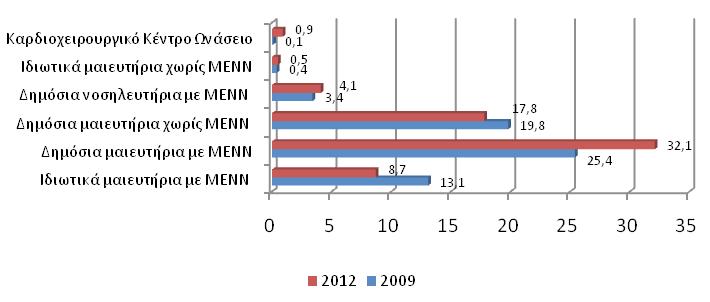
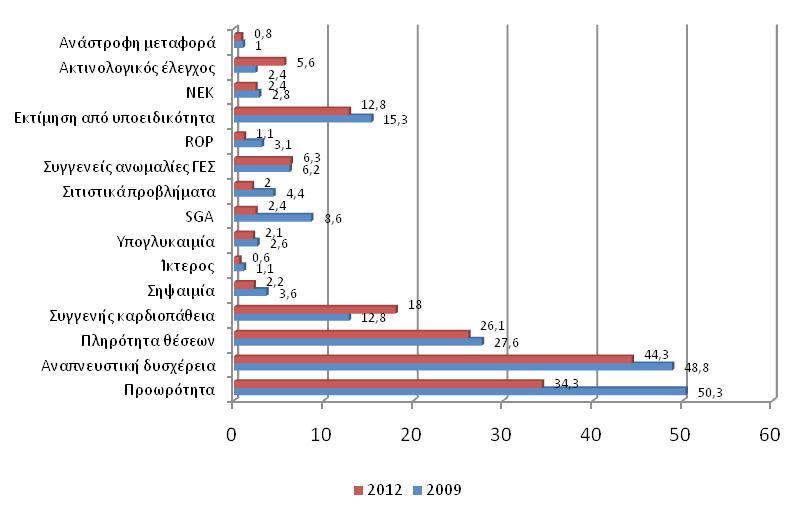
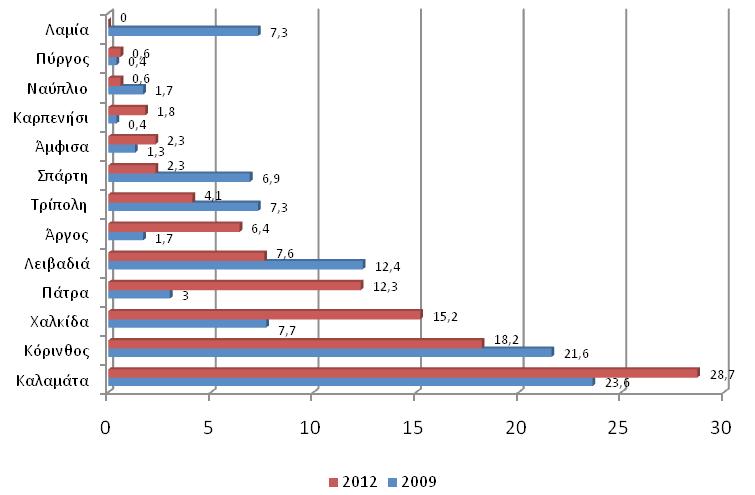
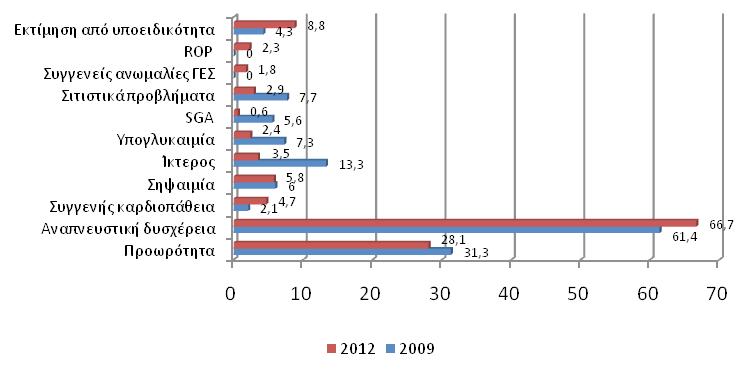
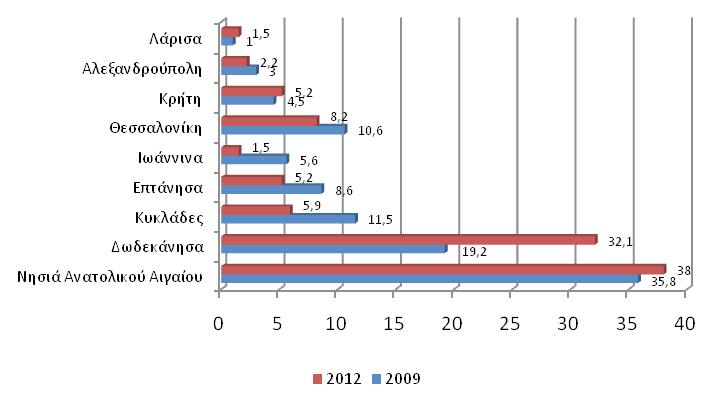
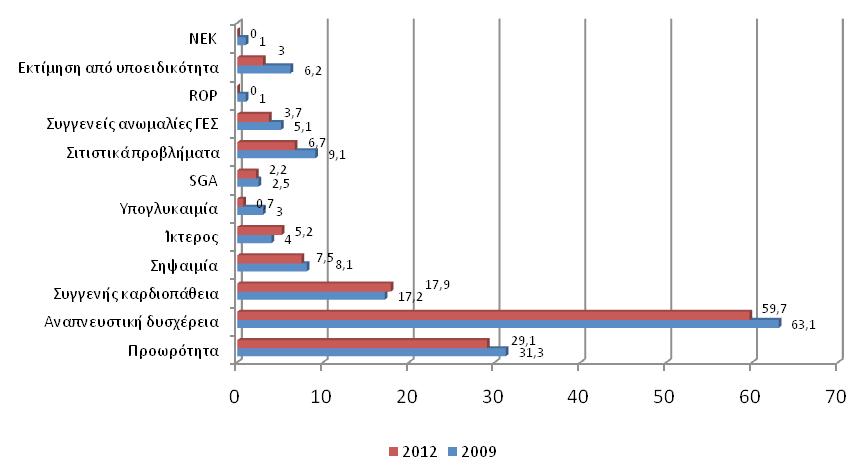
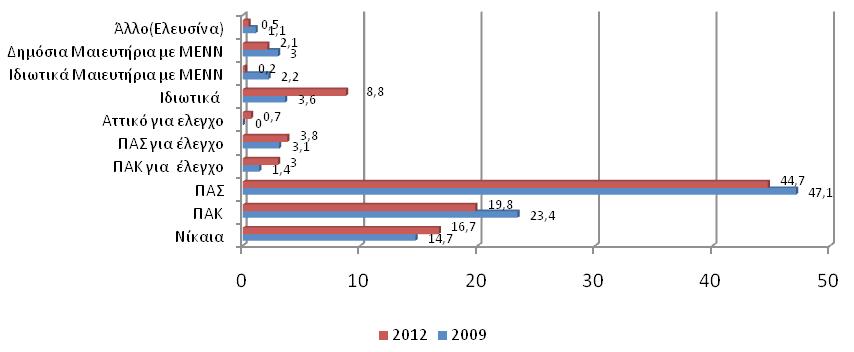
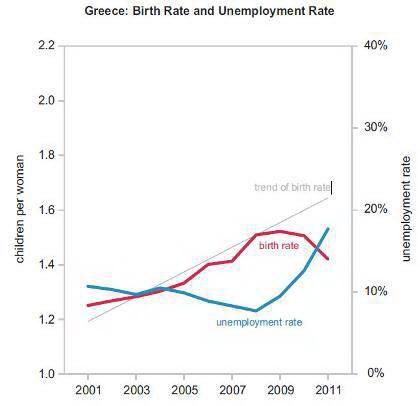
1. Kempley ST, Sinha AK. On behalf of theThames Regional Perinatal Group.Census of neonatal transfers in London and the South East of England. Arch Dis Child Fetal Neonatal Ed 2004;89:F521–F6.
2. NNF Teaching Aids: Newborn Care. Hypothermia in newborn. Available at www. newbornwhocc.org
3. Norway NCi. Helsedirektoratets utredningsserie nr. 2/1990. The Norwegian Health Di-rectorate, Oslo. 1990.
4. Fenton AC, Leslie A, Skeoch CH. Optimising neonatal transfer. Arch Dis Child Fetal Neonatal 2004;89:F215–F9.
5. Grosek S. Air and Ground Transport of Critically Ill Neonates and Infants in Slovenia- 30 Years of Experience. Department for Pediatric Surgery and Intensive Care, University Medical Center Ljubljana.88-91.
6. http://www.statistics.gr
7. Goldstein J, Kreyenfeld M, Jasilioniene A, Orsal K. Fertility reactions to the ‘Great Recession’ in Europe: Recent evidence from order-specific data. Demographic Research 2013;29(art 4):85-104.
8. Gill AB, Bottomley L, Chatfield S, Wood C. Perinatal transport: problems in neonatal intensive care capacity. Arch Dis Child Fetal Neonatal. 2004;89:220-3.
9. Killion C, Stein HM. The Impact of Air Ambulance Transport on Neonatal Outcomes. Newborn and Infant Nursing Reviews. 2009;9:207-11.
10. Kazemian M FS, Zozouni F. Neonatal transport in Tehran: A cause for much concern. Arch Iranian Med. 2004;7(4):256-9.
11. Strand T, Juvkam PC, Sandberg M, Strandekleiv W, Strand H. Neonatal transports-can these patients safely be handed over to another transport team at the airport? Air Medical Journal.19:150-1.
12. Yeager SB HJ, Greco KM, Duff J, Ravi RT and Laussen PC. Pretransport and Posttransport Characteristics and Outcomes of Neonates Who Were Admitted to a Cardiac Intensive Care Unit. Pediatrics. 2006;118:1069-77.
Georgios Krokidas
Diamantopoulos
Idiopathic calcinosis universalis. Case report and review of
Nikolaos Lantzounis, Georgios Krokidas, Nikolaos Diamantopoulos
ABSTRACT
The case of a 10 year old boy with significant mobility limitation of the large joints secondary to periauricular soft tissue calcification and multiple calcified subcutaneous nodules is presented. The diagnosis of idiopathic generalized calcinosis was established after exclusion of a number of other primary disorders that can cause ectopic calcification.
Ectopic calcification may be secondary to tissue alteration / damage as a result of various pathologies or deregulation of calcium and phosphorous metabolism. The idiopathic type of ectopic calcification is very rare, especially among children, and is characterized by deposition of calcium salts in the skin, the subcutaneous tissue, the tendons and muscles. Limitation of joint movement and calcified subcutaneous lesions are the typical manifestations. An effective treatment of this disorder is not available although limited evidence supports the use of biphosphonates in halting its progression.
The various causes of ectopic calcification are reviewed in this article with an emphasis on the idiopathic variety of this disorder.
Key words: ectopic calcification, ossification, calcium, biphosphonates
21, Αγρίνιο, ΤΚ: 30100 Τηλ.: 6974313267
e-mail: lannik@yahoo.com
Correspondence
Nikolaos Lantzounis
Delfon 21, Agrinio, 30100
Τel.: +30 6974313267
e-mail: lannik@yahoo.com
dl, HDL: 30mg/dl, LDL: 137,4mg/dl, TG: 283 mg/dl).
9,68 mg/dl (ΦΤ 8,4-10,8 mg/dl),
4,9 mg/dl (ΦΤ: 2,95,5 mg/dl), 25-ΟΗ
D: 8,3ng/ml (ΦΤ: 10-60ng/ml),
20,1 pg/ml (ΦΤ: 4,6-33,8 pg/ml).
(890mg
Συντομογραφίες
FOP: Fibrodysplasia ossificans progressiva -
POH: Progressive osseous heteroplasia -
AHO: Αlbright hereditary osteodystrophy - Κληρονομική οστεοδυστροφία Albright
ΙΓΑ: Ιδιοπαθής
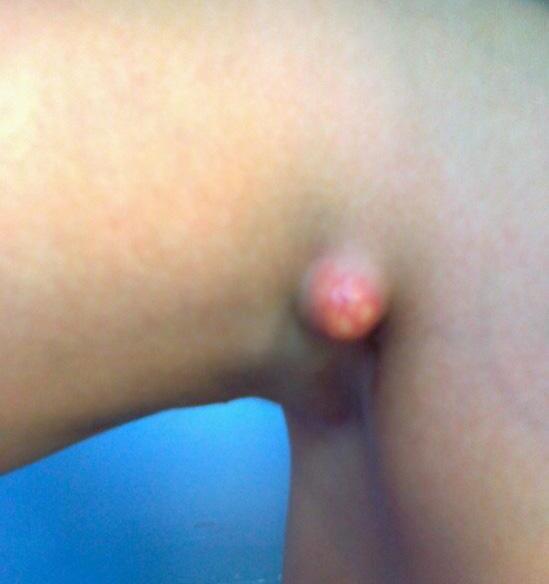
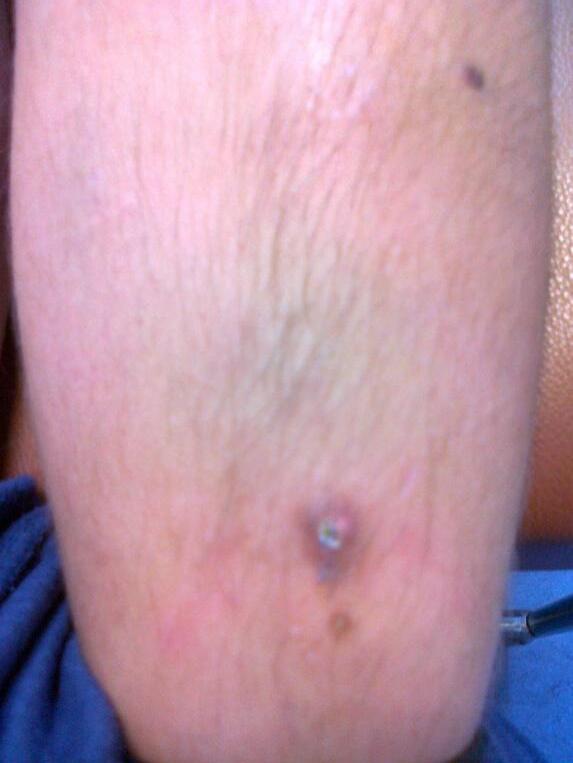
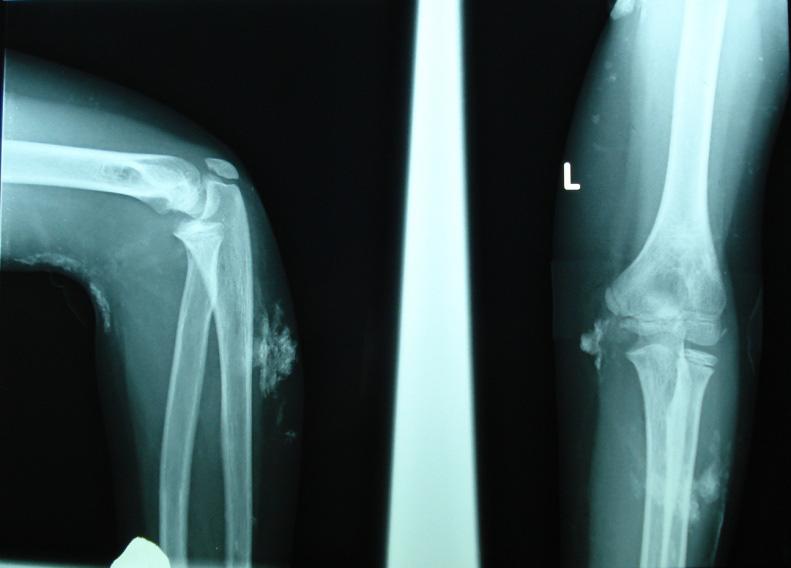
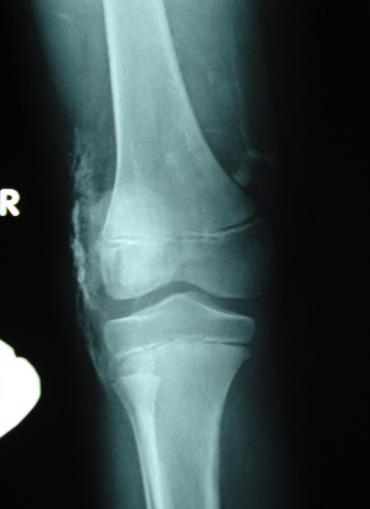
Santili et
1. Walsh, J. S., & Fairley, J. A. (1995). Calcifying disorders of the skin. Journal of the American Academy of Dermatology, 33(5), 693-706.
2. Afsarmanesh, N., & Gorn, A. (2009). Calcinosis universalis. Journal of Hospital Medicine, 4(1), 71-72.
3. Black, A. S., & Kanat, I. O. (1985). A review of soft tissue calcifications. The Journal of foot surgery, 24(4), 243.
4. Rodríguez Cano, L., García Patos, V., Creus, M., Bastida, P., Ortega, J. J., & Castells, A. (2010). Childhood calcinosis cutis. Pediatric dermatology, 13(2), 114-117.
5. Terranova, M., Amato, L., Palleschi, G., Massi, D., & Fabbri, P. (2005). A case of idiopathic calcinosis universalis. Acta dermato-venereologica, 1(1), 1-1.
6. Shore, E. M., & Kaplan, F. S. (2010). Inherited human diseases of heterotopic bone formation. Nature Reviews Rheumatology, 6(9), 518-527.
7. Kaplan, F. S., Le Merrer, M., Glaser, D. L., Pignolo, R. J., Goldsby, R. E., Kitterman, J. A., ... & Shore, E. M. (2008). Fibrodysplasia ossificans progressiva. Best Practice & Research Clinical Rheumatology, 22(1), 191-205.
8. Shore EM, Xu M, Feldman GJ, et al. A reccurent mutation in the BPM type I receptor ACVR1 causes inherited and sporadic fibrodysplasia οssificans progressiva. Nature Genet 2006; 38:525-527
9. Dinther, M. V., Visser, N., de Gorter, D. J., Doorn, J., Goumans, M. J., de Boer, J., & ten Dijke, P. (2010). ALK2 R206H mutation linked to fibrodysplasia ossificans progressiva confers constitutive activity to the BMP type I receptor and sensitizes mesenchymal cells to BMP-induced osteoblast differentiation and bone formation. Journal of Bone and Mineral Research, 25(6), 1208-1215.
10. Ronchetti, I., Boraldi, F., Annovi, G., Cianciulli, P., & Quaglino, D. (2013). Fibroblast involvement in soft connective tissue calcification. Frontiers in Genetics, 4.
11. Connor, J. M., & Evans, D. A. (1982). Fibrodysplasia ossificans progressiva. The clinical features and natural history of 34 patients. Journal of Bone & Joint Surgery, British Volume, 64(1), 76-83.
12. Rogers, J. G., & Geho, W. B. (1979). Fibrodysplasia ossificans progressiva. J Bone Joint Surg (Am), 61(3), 909-914
13. Kaplan FS, Graver r, MacEwen GD, Gannon FH, Finkel G, Hahn G, Tabas J, Gardner RG, Zasloff MA. (1994) Progressive osseous heteroplasia: A distinct developmental disorder of heterotopic ossification. Two new case reports and follow up of three previously reported cases. J Bone Joint Surg Am 76: 425-436.
14. Urtizberea, J. A., Testart, H., Cartault, F., Boccon-Gibod, L., Le Merrer, M., & Kaplan, F. S. (1998). Progressive osseous heteroplasia REPORT OF A FAMILY. Journal of Bone & Joint Surgery, British Volume, 80(5), 768-771.
15. Shore, E. M., Ahn, J., de Beur, S. J., Li, M., Xu, M., Gardner, R. M., ... & Kaplan, F. S. (2002). Paternally inherited inactivating mutations of the GNAS1 gene in progressive osseous heteroplasia. New England Journal of Medicine, 346(2), 99-106.
16. Kaplan, F. S., & Shore, E. M. (2000). Progressive osseous heteroplasia. Journal of Bone and Mineral Research, 15(11), 2084-2094.
17. Mantovani, G. (2011). Pseudohypoparathyroidism: diagnosis and treatment. Journal of Clinical Endocrinology & Metabolism, 96(10), 3020-3030.
18. Wilson, L. C., & Trembath, R. C. (1994). Albright’s hereditary osteodystrophy. Journal of medical genetics, 31(10), 779-784.
19. Souto RS, Miranda CVR, Bressan AL, Fontenelle E, Scotelaro MFG. Caso para diagnostico. Idiopathic calcinosis. An Bras Dermatol. 2010;85(3):393-5.
20. Mehta, J. N., Berk, D. R., Hanson, S. G., Lind, A. C., & Mallory, S. B. (2006). Generalized milialike idiopathic calcinosis cutis. Archives of dermatology, 142(9), 1238.
21. Lim, P. P., Kossard, S., & Stapleton, K. (2012). Calcinosis cutis following contact with calcium chloride solution. Australasian Journal of Dermatology, 53(4), e66-e68.
22. Rodriguez-Cano L, Garcia-Patos V. Childhood calcinosis cutis.Pediatr Dermatol1996;13(2): 114–117.
23. Zvaigzne, C. G., Patton, D. J., Kaur, H., Trevenen, C. L., & Kaura, D. (2012). Subscapular tumoral calcinosis in a toddler: case report. Journal of Radiology Case Reports, 6(6), 10-17.
24. Leung, Y. Y., & Lai, R. (2011). Tumoral calcinosis: a case report. Journal of Orthopaedic Surgery, 19(1), 108-12.
25. Chaabane, S., Chelli-Bouaziz, M., Jelassi, H., Mrad, K., Smida, M., & Ladeb, M. F. (2008). Idiopathic tumoral calcinosis. Acta orthopaedica belgica, 74(6), 837-845.
26. Şenol, U., Karaali, K., Çevikol, C., & Dinçer, A. (2000). MR imaging findings of recurrent tumoral calcinosis. Clinical imaging, 24(3), 154-156.
27. Tharini, G. K., Prabhavathy, D., Hema, N., & Jayakumar, S. (2011). Idiopathic sporadic tumoral calcinosis in an Indian girl. Indian Journal of Dermatology, Venereology, and Leprology, 77(4), 536.
28. Alkhooly, A. Z. (2009). Medical treatment for tumoral calcinosis with eight years of follow-up: a report of four cases. J Orthop Surg (Hong Kong), 17(3), 379-382.
29. Olsen, K. M., & Chew, F. S. (2006). Tumoral Calcinosis: Pearls, Polemics, and Alternative Possibilities1. Radiographics, 26(3), 871-885.
30. Castelein, S., Docquier, P. L., Dubuc, J. E., & Galant, C. (2009). Tumoral calcinosis in children, a challenging and possibly underdiagnosed condition. Acta Orthopædica Belgica, 75(5), 690.
31. Santili, C., Akkari, M., Waisberg, G., Kessler, C., de Alcantara, T., & Delai, P. L. (2005). Calcinosis universalis: a rare diagnosis. Journal of Pediatric Orthopaedics B, 14(4), 294-298.
32. Ianello S, Camuto M, Cavaleri A, Spina S, Belfiore F. A case of idiopathic multiple calcinosis cutis. Minerva Med 1998;89(10):379–384.
33. Cao LB et al : Idiopathic universal calcinosis Chin Med J, 1983.
34. Qader, M. A., & Almalmi, M. (2010). Diffuse cutaneous calculi (subepidermal calcified nodules): Case study. Dermatologic therapy, 23(3), 312-315.
35. Niu, D. M., Lin, S. Y., Li, M. J., Cheng, W. T., Pan, C. C., & Lin, C. C. (2011). Idiopathic calcinosis cutis in a child: chemical composition of the calcified deposits. Dermatology, 222(3), 201-205.
36. Vasili, E., Doci, X., & Hysi, K. (2013). A rare case of disseminated idiopathic calcinosis cutis. Cutis; cutaneous medicine for the practitioner, 91(6), 291-294.
37. Dawn, G., Handa, S., & Kaur, I. (1996). Calcinosis universalis in childhood. Indian Journal of Dermatology, Venereology, and Leprology, 62(2), 125.
38. Lanka, P., Lanka, L. R., Ethirajan, N., Krishnaswamy, B., & Manohar, U. (2009). Idiopathic calcinosis cutis. Indian Journal of Dermatology, 54(4), 388.
39. Wananukul, S., Pongprasit, P., & Wattanakrai, P. (1997). Calcinosis cutis presenting years before other clinical manifestations of juvenile dermatomyositis: report of two cases. Australasian journal of dermatology, 38(4), 202-205.
40. Cukierman, T., Elinav, E., Korem, M., & Chajek-Shaul, T. (2004). Low dose warfarin treatment for calcinosis in patients with systemic sclerosis. Annals of the rheumatic diseases, 63(10), 1341-1343.
41. Gonzalez DC, Cros LA, Simon A, Cabre J. Universal calcinosis [in Spanish]. Actas Dermosifiliogr 1980; 71:41–50.
42. Russell, R. G. G. (2007). Bisphosphonates: mode of action and pharmacology. Pediatrics, 119(Supplement 2), S150-S162.
43. J Roelofs, A., Thompson, K., H Ebetino, F., J Rogers, M., & P Coxon, F. (2010). Bisphosphonates: molecular mechanisms of action and effects on bone cells, monocytes and macrophages. Current pharmaceutical design, 16(27), 2950-2960.
44. Alabaz, D., Mungan, N., Turgut, M., & Dalay, C. (2009). Unusual idiopathic calcinosis cutis universalis in a child. Case reports in dermatology, 1(1), 16-22.
Zennaro Maria-Christina
Salavoura Katerina, Kanaka Christina, Zennaro Maria-Christina, Lycopoulou Evaggelia, Lazopoulou Despoina
Salavoura Katerina
Kanaka Christina,
Zennaro Maria-Christina
Lycopoulou Evaggelia
Lazopoulou Despoina
1st Paediatric Department, University of Athens
We report the case of a 5-month old boy with the systemic form of pseudohypoaldosteronism. On admission the baby was severely dehydrated, presented electrolyte abnormalities (hyponatriemia, hyperkaliaimia) and had a severe pulmonary involvement due to extensive pneumonia. The child entered in ICU, where treatment with antibiotics, mechanical ventilation and long-term therapy with dexamethazone was undertaken. Because of the deterioration of his clinical presentation, he moved to a central hospital with sepsis and secondary adrenal insufficiency. Extended investigation for a bacteriae or viral infection and immunological dysfunction was negative. However, the laboratory investigation confirmed the secondary adrenal insufficiency and the primary hormone dysfunction consisting of significantly increased rennin and aldosterone levels. During hospitalization the baby presented with recurrent episodes of wheezing non-responding to b-blockers and corticosteroids and could not be without oxygen ventilation. Systematic form of pseudohypoaldosteronism was diagnosed which is due to an epithelial sodium channel insufficiency in multiple organs, including the kidney and associated with prominent lung symptoms, mimick-
e-mail: Salavoura_Katerina@ hotmail.com
ing asthma and cystic fibrosis. Treatment includes administration of large amounts of salt per so during infancy and early childhood and ibuprofen and oxygen for the respiratory problems. Prognosis is excellent without permanent problems.
Salavoura Katerina
Τel.: +30 2107777027
e-mail: Salavoura_Katerina@ hotmail.com
η=7%), CRP=1mg/L, ΤΚΕ=59mm την
(Na=132iu/ml, K=3.5iu/ml, Cl=106iu/ml). Στη
Na=111iu/ml, K=7.5iu/ ml, pΗ=7.22, -HCO3=18.7mM. Ακολούθησε εκτεταμένος έλεγχος
περιλάμβανε το μηνιγγιτιδόκοκκο,
Hb=9.8gr/dl, Ht=30.5%, λευκά=33.750/mm3 (p=85%, l=5%, rabdo=5%) αιμ=670.000/ mm3, CRP=51.5mg/L, PCT=57.13ng/ml
Κ=7.1 mg/dl, Na=132 mg/dl, Cl= 96mg/dl, Ca=10.5 mg/dl, P=6.7 mg/dl., Mg=2.3 mg/ dl,
pH=7.5, pO2=87.6mmHg, pCO2=87.6mmHg, EB=0.5mM/L, -HCO3=23.6mM/L
Έλεγχος λοιμώξεων: RSV=(+), adenovirus =(-), Toxo Gondii (IgM-IgG-), Mυκόπλασμα (IgM-IgG-) Αnti-HIV=(-), anti-HCV=(-), HBsAg=(+), anti-c=(+), HbeAG=(+), anti-HBs=(-)
Ανοσολογικός έλεγχος: IgG=394 mg/dl, IgA=38 mg/dl, IgM=112 mg/dl Λεμφοκυτταρικοί
Ορμονολογικός έλεγχος: TSH=1.02IU/ml (0.5-5), fT3=3,52pg/ml (1.8-5.2), fT4=0,884ng/dl (0.8-1.8)
ACTH=10.43pg/ml, DHEA-S<15ug/dl, Δ4-ανδροστενδιόνη<0.30ng/ml, 17OH προγεστερόνη=1.37ng/ml (0.15-1.35), τεστοστερόνη=62.0ng/dl, κορτιζόλη=9.62μg/ dl
FSH=1.08miu/ml, LH=3.10=miu/ml, PRL=24.82ng/ml, Ρενίνη>310pg/ml (3.6-20.1), αλδοστερόνη>5547pmolL (55.5-3051.4)
Synachten test: φυσιολογικό
Έλεγχος ΚΝΣ:
1. Espinasse-Holder M, Vanderbecken S, Cartigny M, Stuckens C, Weil J. Pseudo-hypoaldosteronisme de type Ib: particularites cliniques et problemes nosologiques. A propos de trios cas. Arch Pediatr 1999; 6: 1077-80.
2. Malign-Rogers M. A patient with pseudohypoaldosteronim type 1 and respiratory distress syndrome. Pediatr Nephrol 1999;13:484-486.
3. Kerem E, Bistritzer T, Hanukoglu A, Hofmann T, Zhou Z, Bennett W et al. Pulmonary epithelial sodium-channel dysfunction and excess airway liquid in pseudohypoaldosteronism. N Engl J Med 1999; 341:156-62.
4. Adachi M, Tachibana K, Asakure Y, Abe S, Nakae J, Tajima T et al. Clinical case seminar compound heterozygous mutations in the γ subunit gene of ENaC (1627delG and 1570GàA) in one sporadic Japanese Patient with a systemic form of pseudohypoaldosteronism type1. J Clin Endocrinol Metabol 2001; 86: 9-12.
5. Schaedel C, Marthinsen L, Kristoffersson A, Kornfalt R, Nilsson K, Orlenius B et al. Lung symptoms in pseudoaldosteronism type 1 are associated with deficiency of the alpha-subunit of the epithelial sodium channel.J Pediatr 1999;135: 739-45.
6. Hanukoglu A, Bistritzer T, Rakover Y and Mandelberg A. Pseudohypoaldosteronism with increased sweat and salive electrolyte values and frequent lower respiratory tract infections mimicking cystic fibrosis. J Pediatr 1994;125: 752-5.
7. Marthinsen L, Kornfalt R, Andersson D, Westgren U, Schaedel C. Recurrent Pseudomonas bronchopneumonia and other symptoms as in cystic fibrosis in a child with type I pseudohypoaldosteronism. Acta Paediatr 1998; 86: 472-4.