


Journal of the Greek Paediatric Society
Τριμηνιαία
Β.
Υποβολή εργασιών e-mail: grammateia@e-child.gr
Οδηγίες προς τους συγγραφείς: http://e-child.gr/publications/ instructions-to-authors
Iδιοκτήτης
Eλληνική Παιδιατρική Eταιρεία Μπακοπούλου 15,15451, Ν. Ψυχικό
Tηλ.: 2107771140 e-mail: grammateia@e-child.gr
Eτήσια συνδρομή: €40
Eιδικευόμενοι, φοιτητές: €20
Volume 76 • Number 1 • January-February-March 2014
Trimonthly publication of the Greek Paediatric Society
President
A. Constantopoulos
Editorial board
Director
G. S. Varlamis
Members
S. Andronikou
E. Galanakis
A. Evangeliou
L. Thomaidou
M. Kanariou
A. Kapogiannis
S. Kitsiou-Tzeli
E. Mantadakis
P. Panagiotopoulou-Gartagani
A. Papadopoulou
V. Papaevagelou
A. Papathanassiou
A. Siamopoulou-Mavridou
A. Syrigou-Papavasiliou
Manuscript submission
e-mail: grammateia@e-child.gr
Instructions to authors: http://e-child.gr/publications/ instructions-to-authors
Owner
Greek Paediatric Society
15, Mpakopoulou st. GR - 15451, Ν. Psychiko
Tel.: +302107771140
e-mail: grammateia@e-child.gr
Annual subscription
All foreign countries: US$50
SHORT ABSTRACT
REVIEW ARTICLES
Immunoparalysis – a serious entity in critically ill in PICU
A. Tsialla, E. Nikaina, M. Charisi, L. Sianidou
Children of assisted reproduction: from the side of the child psychiatrist Lazaratou Helen, Rapti Konstantina.
Attention Deficit-Hyperactivity disorder: characteristics, causes, diagnosis and treatment. A bibliographical review Tsakoumis Georgios
EPIDEMIOLOGICAL STUDIES
Childhood obesity investigation with geographical mapping information systems (GIS) in Lamia area
Barbouni Anastasia, Apostolara Paraskevi, Kalogirou Sofia, Barbouni Dimitra, Panagiotopoulou Amalia, Merakou Kyriakoula
Non-Invasive Mechanical Ventilation in severe bronchiolitis
Anargyroula Prezerakou, Κleoniki Papazoglou, Αristea Patsoura, Fotini Zafeiropoulou, Filippia Nikolaou, Patritcia Bonos, John Papadatos
ORIGINAL ARTICLES
Serum apelin levels in obese children and adolescents and their association to the G212A polymorphism of the apelin receptor gene
Eleni Kotanidou, Kalirhoe Kalinderi, Smaragda Efraimidou, Eufimia Papadopoulou-Alataki, Liana Fidani, Maria Eboriadou-Petikopoulou, Assimina Galli-Tsinopoulou
Expression of IRF4 gene in healthy children and in children with leukemia
Maria Adamaki, Archontis Zampogiannis, Anastasia Athanasiadou, Marianna Tzanoudaki, Spyros vlachopoulos, Maria Moschovi
Quality of life in children and adolescents with different stages of chronic kidney disease
John Dotis, Nikoleta Printza, Chrysa Gkogka, Stella Stabouli, Stamatia Antoniou, Antigoni Pavlaki, Nick Kontodimopoulos, Fotios Papachristou
Skeletal status and bone metabolism of disabled adolescents with Duchenne’s muscular dystrophy
Artemis Doulgeraki, Helen Athanasopoulou, Marina Katsalouli, Konstantinos Skiadas, Domna Deligianni, Ioannis Monopolis
Α.
Α. Παπαθανασίου
Α. Σιαμοπούλου-Μαυρίδου
Α. Συρίγου-Παπαβασιλείου
Υποβολή εργασιών e-mail: grammateia@e-child.gr
Οδηγίες προς τους συγγραφείς: http://e-child.gr/publications/ instructions-to-authors
Iδιοκτήτης Eλληνική
Eταιρεία
15,15451, Ν. Ψυχικό Tηλ.: 2107771140 e-mail: grammateia@e-child.gr Eτήσια
Eιδικευόμενοι,
€20 Τριμηνιαία
ΠΕΡΙΕΧΟΜΕΝΑ
Volume 76 • Number 1 • January-February-March 2014
Trimonthly publication of the Greek Paediatric Society
President A. Constantopoulos
Editorial board
Director G. S. Varlamis
Members
S. Andronikou
E. Galanakis
A. Evangeliou
L. Thomaidou
M. Kanariou
A. Kapogiannis
S. Kitsiou-Tzeli
E. Mantadakis
P. Panagiotopoulou-Gartagani
A. Papadopoulou
V. Papaevagelou
A. Papathanassiou
A. Siamopoulou-Mavridou
A. Syrigou-Papavasiliou
Manuscript submission
e-mail: grammateia@e-child.gr
Instructions to authors: http://e-child.gr/publications/ instructions-to-authors
Owner
Greek Paediatric Society 15, Mpakopoulou st. GR - 15451, Ν. Psychiko
Tel.: +302107771140
e-mail: grammateia@e-child.gr
Annual subscription
All foreign countries: US$50
Acute Necrotizing Encephalopathy of childhood. Two case reports and review of the literature
Prezerakou Anargyroula, Grigorakou Maria Αnastasia, Kyriakoulis Costas, Babanelou Aikaterini, Matrogianni Sotiria, Vasilopoulos Athanasios
122
A. Tsialla, E. Nikaina, M. Charisi, L. Sianidou. Immunoparalysis – a serious entity in critically ill in PICU
Lazaratou Helen, Rapti Konstantina. Children of assisted reproduction: from the side of the child psychiatrist.
Tsakoumis Georgios. Attention Deficit-Hyperactivity disorder: characteristics, causes, diagnosis and treatment. A bibliographical review.
Barbouni Anastasia, Apostolara Paraskevi, Kalogirou Sofia, Barbouni Dimitra, Panagiotopoulou Amalia, Merakou Kyriakoula. Childhood obesity investigation with geographical mapping information systems (GIS) in Lamia area.
Anargyroula Prezerakou, Κleoniki Papazoglou, Αristea Patsoura, Fotini Zafeiropoulou, Filippia Nikolaou, Patritcia Bonos, John Papadatos. Non-Invasive Mechanical Ventilation in severe bronchiolitis.
Eleni Kotanidou, Kalirhoe Kalinderi, Smaragda Efraimidou, Eufimia Papadopoulou-Alataki, Liana Fidani, Maria Eboriadou-Petikopoulou, Assimina Galli-Tsinopoulou. Serum apelin levels in obese children and adolescents and their association to the G212A polymorphism of the apelin receptor gene.
Maria Adamaki, Archontis Zampogiannis, Anastasia Athanasiadou, Marianna Tzanoudaki, Spyros vlachopoulos, Maria Moschovi. Expression of IRF4 gene in healthy children and in children with leukemia.
John Dotis, Nikoleta Printza, Chrysa Gkogka, Stella Stabouli, Stamatia Antoniou, Antigoni Pavlaki, Nick Kontodimopoulos, Fotios Papachristou. Quality of life in children and adolescents with different stages of chronic kidney disease.
Duchenne.
Artemis Doulgeraki, Helen Athanasopoulou, Marina Katsalouli, Konstantinos Skiadas, Domna Deligianni, Ioannis Monopolis. Skeletal status and bone metabolism of disabled adolescents with Duchenne’s muscular dystrophy.
Prezerakou Anargyroula, Grigorakou Maria Αnastasia, Kyriakoulis Costas, Babanelou Aikaterini, Matrogianni Sotiria, Vasilopoulos Athanasios. Acute Necrotizing Encephalopathy of childhood. Two case reports and review of the literature.
Α. Τσιάλλα
Ε.
A. Tsialla
E. Nikaina
L. Sianidou
PICU Penteli’s Children Hospital, Athens
M. Charisi
First Paediatric Department
Penteli’s Children Hospital, Athens
Immunoparalysis – a serious entity in critically ill in PICU
A. Tsialla, E. Nikaina, M. Charisi, L. Sianidou
ABSTRACT
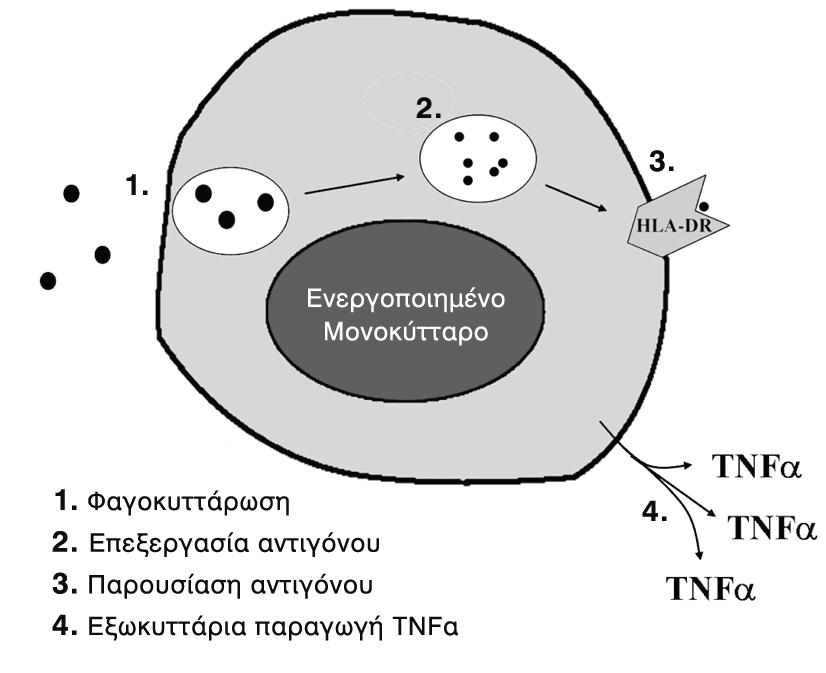
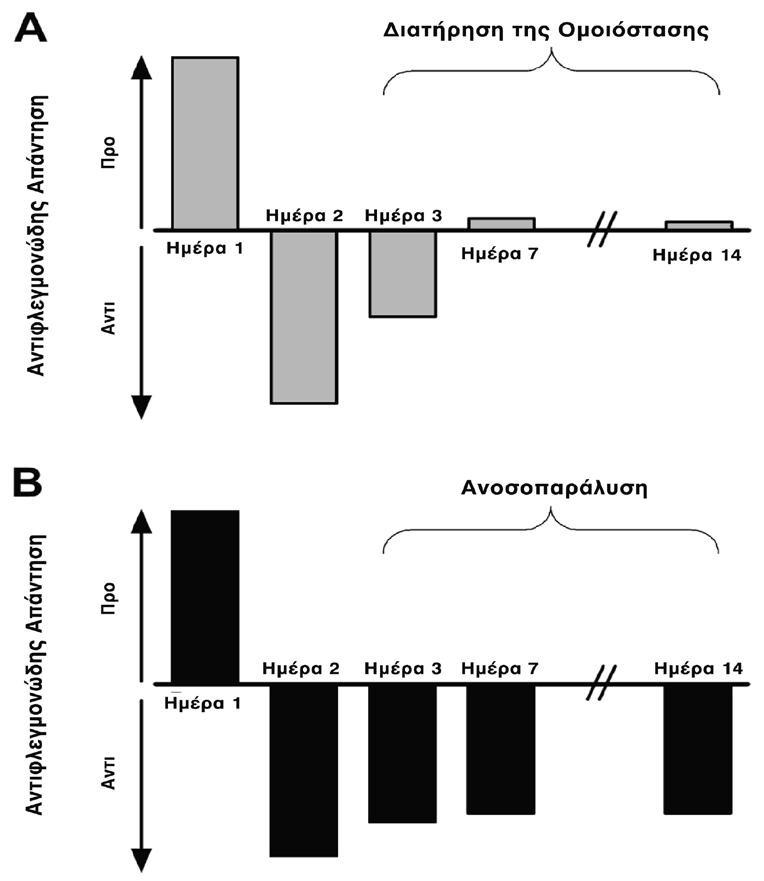
Proper immunologic balance between pro- and anti-inflammatory forces is necessary for recovery from critical illness. Persistence of a marked compensatory anti-inflammatory innate immune response following an insult such as sepsis or trauma is termed immunoparalysis. This state of acquired immunodeficiency can be quantified through the measurement of monocyte cell-surface HLA-DR expression or through analysis of the capacity of whole blood to produce TNF-α upon ex vivo stimulation with endotoxin. Critically ill patients demonstrating prolonged, severe reductions in monocyte HLA-DR expression or ex vivo TNF-α production are at high risk for the development of nosocomial infection and death. Reversal of immunoparalysis can be accomplished through the administration of immunostimulatory agents or tapering of exogenous immunosuppression. Intriguing evidence suggests that this may be associated with improved clinical outcomes. Immune monitoring protocols are needed to identify patients who may benefit from immunomodulatory trials in the pediatric intensive care unit.
Key words: Immunoparalysis; monocyte; HLA-DR; TNF-α; mortality; nosocomial infection
Alexandra Tsialla
Palaia Penteli, 15236
e-mail: alexandra_tsialla@ yahoo.gr
TNF-α:
SIRS:
LPS:
CARS: Compensatory Anti-inflammatory Response Syndrome
MODS: Multiple organ dysfunc-
GM-CSF: Granulocyte- macrophage colony – stimulating factor rhGM-CSF: Recombinant Human
G-CSF: Granulocyte colonystimulating factor
VAP: Ventilator associated pneumonia
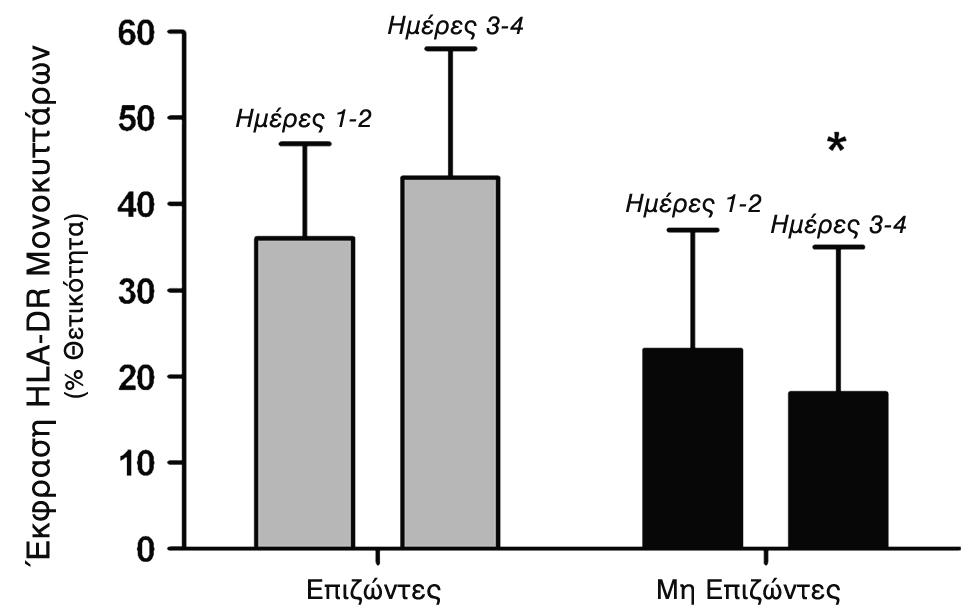
(Mann – Whitney test). Data represent median (25th – 75th %). Data from Monneret G, Lepape A, Voirin N, et al. Persisting low monocyte human leukocyte antigen-DR expression predicts mortality in septic shock. Intensive Care Med. Aug 2006;32(8):1175–1183
Lukaszewicz
1. Docke, WSU.; Meinicke, A., et al. Improvement in monocyte function: a new therapeutic approachin sepsis?. In: Reinhart, editor. Update in intensive care and emergency medicine. Berlin: Springer-Verlag; 1994. p. 473-488.
2. Livingston DH, Appel SH, Wellhausen SR, Sonnenfeld G, Polk HC Jr. Depressed interferon gammaproduction and monocyte HLA-DR expression after severe injury. Arch Surg 1988;123(11):1309–1312.
3. Golub ES. Immunity, infections and tumors. In: Golub ES, editor. Immunology: A Synthesis. Sunderland, Massachussets: Sinauer Associates, Inc., 1987. p.439-460.
4. Wood RA, Sampson HA. The child with frequent infections. Curr Probl Pediatr 1989;229-284.
5. Chatila TA. Role of regulatory T cells in human diseases. J Allergy Clin Immunol 2005;116(5):949–959.
6. Pittet D, Rangel-Frausto S,Li N,et al.Systemic inflammatory response syndrome, sepsis, severe sepsis and septic shock: incidence, morbidities and outcomes in surgical ICU patients. Intensive Care Med 1995;21:302-309.
7. Majetschak M, Flach R, Kreuzfelder E, et al. The extent of traumatic damage determines a graded depression of the endotoxin responsiveness of peripheral blood mononuclear cells from patients with blunt injuries. Crit Care Med 1999;27(2):313–318.
8. Heagy W, Nieman K, Hansen C, Cohen M, Danielson D, West MA. Lower levels of whole blood LPS-stimulated cytokine release are associated with poorer clinical outcomes in surgical ICU patients. Surg Infect (Larchmt) Summer 2003;4(2):171–180.
9. Hall MW, Carcillo JA. Immune paralysis and the state of immunologic dissonance in pediatric multiple organ dysfunction syndrome. Crit Care Med 2001;29(12):A20.
10. Polk HC Jr, Wellhausen SR, Regan M. A systematic study of host defense processes in badly injured patients. Ann Surg 1986;204(3):282–297.
11. Calandra T, Gerain J, Heumann D, Baumgartner JD, Glauser MP. High circulating levels of interleukin-6 in patients with septic shock: evolution during sepsis, prognostic value, and interplay with other cytokines. The Swiss-Dutch J5 Immunoglobulin Study Group. Am J Med 1991;91(1):23–29.
12. Pinsky MR, Vincent JL, Deviere J, Alegre M, Kahn RJ, Dupont E. Serum cytokine levels in human septic shock. Relation to multiple-system organ failure and mortality. Chest 1993;103(2):565–575.
13. Steensberg A, Fischer CP, Keller C, Moller K, Pedersen BK. IL- 6 enhances plasma IL1ra, IL-10,and cortisol in humans. Am J Physiol Endocrinol Metab 2003;285(2):E433–437.
14. Diehl S, Rincon M. The two faces of IL-6 on Th1/Th2 differentiation. Mol Immunol 2002;39(9):531–536.
15. Wolk K, Docke W, von Baehr V, Volk H, Sabat R. Comparison of monocyte functions after LPS- or IL-10-induced reorientation: importance in clinical immunoparalysis. Pathobiology 1999;67(5–6):253–256.
16. Randow F, Syrbe U, Meisel C, et al. Mechanism of endotoxin desensitization: involvement of interleukin 10 and transforming growth factor beta. J Exp Med 1995;181(5):1887–1892.
17. LLe Tulzo Y, Pangault C, Amiot L, et al. Monocyte human leukocyte antigen-DR transcriptional downregulation by cortisol during septic shock. Am J Respir Crit Care Med 2004;169(10):1144–1151.
18. Volk T, Schmutzler M, Engelhardt L, et al. Influence of aminosteroid and glucocorticoid treatment on inflammation and immune function during cardiopulmonary bypass. Crit Care Med 2001;29(11):2137–2142.
19. Hotchkiss RS, Tinsley KW, Swanson PE, et al. Sepsis-induced apoptosis causes progressive profound depletion of B and CD4+ T lymphocytes in humans. J Immunol Jun 2001;166(11):6952–6963.
20. Felmet KA, Hall MW, Clark RS, Jaffe R, Carcillo JA. Prolonged lymphopenia, lymphoid depletion, and hypoprolactinemia in children with nosocomial sepsis and multiple organ failure. J Immuno 2005;174(6):3765–3772.
21. Westendorp RG, Langermans JA, Huizinga TW, et al. Genetic influence on cytokine production and fatal meningococcal disease. Lancet 1997;349(9046):170–173.
22. Majetschak M, Flach R, Kreuzfelder E, et al. The extent of traumatic damage determines a graded depression of the endotoxin responsiveness of peripheral blood mononuclear cells from patients with blunt injuries. Crit Care 1999;27(2):313–318.
23. Borgermann J, Friedrich I, Scheubel R, et al. Granulocyte- macrophage colonystimulating factor (GM-CSF) restores decreased monocyte HLA-DR expression after cardiopulmonary bypass. Thorac Cardiovasc Surg 2007;55(1):24–31.
24. Hall MW, Volk HD, Carcillo JA. Immune paralysis in pediatric multiple organ dysfunction syndrome. Pediatric Research 2000; 47(4):57A.
25. Monneret G, Lepape A, Voirin N, et al. Persisting low monocyte human leukocyte antigen-DR expression predicts mortality in septic shock. Intensive Care Med 2006;32(8):1175–1183.
26. Ho YP, Sheen IS, Chiu CT, Wu CS, Lin CY. A strong association between downregulation of HLADR expression and the late mortality in patients with severe acute pancreatitis. Am J Gastroenterol 2006;101(5):1117–1124.
27. Allen ML, Peters MJ, Goldman A, et al. Early postoperative monocyte deactivation predicts systemic inflammation and prolonged stay in pediatric cardiac intensive care. Crit Care Med 2002;30(5):1140–1145.
28. Fumeaux T, Pugin J. Role of interleukin-10 in the intracellular sequestration of human leukocyte antigen-DR in monocytes during septic shock. Am J Respir Crit Care Med 2002;166(11):1475–1482.
29. Guidelines for preventing opportunistic infections among hematopoietic stem cell transplant recipients. MMWR Recomm Rep 2000;49(RR10):1– 125. CE121–127.
30. Gras J, Wieers G, Vaerman JL, et al. Early immunological monitoring after pediatric liver transplantation: cytokine immune deviation and graft acceptance in 40 recipients. Liver Transpl 2007;13(3):426–433.
31. Settmacher U, Docke WD, Manger T, et al. Management of induction phase of immunosuppression in liver graft recipients: prevention of oversuppression by immune monitoring. Transplant Proc 1993;25(4):2703–2704.
32. Reinke P, Volk HD. Diagnostic and predictive value of an immune monitoring program for complications after kidney transplantation. Urol Int 1992;49(2):69–75.
33. Hoffman JA, Weinberg KI, Azen CG, et al. Human leukocyte antigen-DR expression on peripheral blood monocytes and the risk of pneumonia in pediatric lung transplant recipients. Transpl Infect Dis 2004;6(4):147–155.
34. Randow F, Docke WD, Bundschuh DS, Hartung T, Wendel A, Volk HD. In vitro prevention and reversal of lipopolysaccharide desensitization by IFN-gamma, IL-12, and granulocyte-macrophage colony-stimulating factor. J Immunol 1997;158(6):2911–2918.
35. Bundschuh DS, Barsig J, Hartung T, et al. Granulocyte-macrophage colony-stimulating factor and IFN-gamma restore the systemic TNF-alpha response to endotoxin in lipopolysaccharide desensitized mice. J Immunol 1997;158(6):2862–2871.
36. Wysocka M, Montaner LJ, Karp CL. Flt3 ligand treatment reverses endotoxin tolerance-related immunoparalysis. J Immunol 2005;174(11):7398–7402.
37. Hershman MJ, Appel SH, Wellhausen SR, Sonnenfeld G, Polk HC Jr. Interferongamma treatment increases HLA-DR expression on monocytes in severely injured patients. Clin Exp Immunol 1989;77(1):67–70.
38. Flohe S, Borgermann J, Dominguez FE, et al. Influence of granulocyte-macrophage colonystimulating factor (GM-CSF) on whole blood endotoxin responsiveness following trauma, cardiopulmonary bypass, and severe sepsis. Shock 1999;12(1):17–24.
39. Lendemans S, Kreuzfelder E, Waydhas C, Schade FU, Flohe S. Differential immunostimulating effect of granulocyte-macrophage colony-stimulating factor (GMCSF), granulocyte colony-stimulating factor (G-CSF) and interferon gamma (IFNgamma) after severe trauma. Inflamm Res 2007;56(1):38–44.
40. Kox WJ, Bone RC, Krausch D, et al. Interferon gamma-1b in the treatment of compensatory antiinflammatory response syndrome. A new approach: proof of principle. Arch Intern Med 1997;157(4):389–393.
41. Docke, W.; Syrbe, U.; Meinecke, A., et al. Improvement in monocyte function: A new therapeutic approach?. In: Reinhart, K.; Eyrich, K.; Sprung, C., editors. Sepsis: Current perspectives in pathophysiology and therapy. New York, NY: Springer-Verlag; 1994. p. 473-500.
42. Nakos G, Malamou-Mitsi VD, Lachana A, et al. Immunoparalysis in patients with severe trauma and the effect of inhaled interferon-gamma. Crit Care Med 2002;30(7):1488–1494.
43. Nierhaus A, Montag B, Timmler N, et al. Reversal of immunoparalysis by recombinant human granulocyte-macrophage colony-stimulating factor in patients with severe sepsis. Intensive Care Med 2003;29(4):646–651.
44. Bilgin K, Yaramis A, Haspolat K, Tas MA, Gunbey Derman O. A randomized trial of granulocytemacrophage colony-stimulating factor in neonates with sepsis and neutropenia. Pediatrics 2001;107(1):36–41.
45. Rosenbloom AJ, Linden PK, Dorrance A, Penkosky N, Cohen-Melamed MH, Pinsky MR. Effect of granulocyte-monocyte colony-stimulating factor therapy on leukocyte function and clearance of serious infection in nonneutropenic patients. Chest 2005;127(6):2139–2150.
46. Carr R, Modi N, Dore C. G-CSF and GM-CSF for treating or preventing neonatal infections. Cochrane Database Syst Rev 2003; (3):CD003066.
47. Denzel C, Riese J, Hohenberger W, et al. Monitoring of immunotherapy by measuring monocyte HLA-DR expression and stimulated TNFalpha production during sepsis after liver transplantation. Intensive Care Med 1998;24(12):1343–1344.
48. Trindade E, Maton P, Reding R, et al. Use of granulocyte macrophage colony stimulating factor in children after orthotopic liver transplantation. J Hepatol 1998;28(6):1054–1057.
49. Kanakoudi-Tsakalidou F, Debonera F, Drossou-Agakidou V, et al. Flow cytometric measurement of HLA-DR expression on circulating monocytes in healthy and sick neonates using monocyte negative selection. Clin Exp Immunol 2001;123(3):402–407.
50. El-Mohandes AA, Rivas RA, Kiang E, Wahl LM, Katona IM. Membrane antigen and ligand receptor expression on neonatal monocytes. Biol Neonate 1995; 68(5):308–317.
Ville Evrard, Service La Nacelle,
Lazaratou Helen, Rapti Konstantina
Lazaratou Helen
First Psychiatric Department, Faculty of Medicine, National and Kapodistrian University of Athens
Rapti Konstantina
Ville Evrard Hospital, Service La Nacelle, Paris
The development of techniques of assisted reproduction has resulted mostly in the birth of physically healthy children. However many questions have been raised about the possible negative effects that these methods could have on the psychoemotional development of the child and the quality of the parental relationship. A review of the relevant literature shows that these children have a normal cognitive and emotional development. Some studies have also shown that they experience a qualitative good and emotionally rich relationship with their parents. Of particular interest are families which conceive their children using donor sperm or donor eggs. These families face a dilemma concerning whether to keep secret, or to disclose the biological diversity of the child. Social values, beliefs and concerns about the child’s possible consequent trauma influence the decision of parents to disclose the secret or not.
The multiple techniques of assisted reproduction lead to the creation of families
e-mail: elazar@med.uoa.gr
Correspondence
Helen Lazaratou
Sofias 74, Athens
Tel: +6972032960
e-mail: elazar@med.uoa.gr
where there is a clear differentiation of the children’s biological parents to the parents who raise the children. During the last years the changes in family structure are dramatic. There is an increasing number of gay parents and families coming with the help of surrogate motherhood. The new family forms raise multiple issues regarding the healthy psycho-emotional development of the child and tend to radically change our perceptions of parenting.
Key words: assisted reproduction, children, psycho-emotional development
ΕΙΣΑΓΩΓΗ
Hammarberg K et al (17),
1. Almeida A., Muller – Nix, C., Germond, M., Anserment F. Investissesment parental précoce de l’ enfant conçu par procréation médicalement assistée autologue, Psychiatrie de l’ enfant, 2002,XLV, I :45-75.
2. J-L Goeb Vécus psychologiques des démarches d’assistance médicale a la procréation.Annales Medico- psychologiques 2006,Vol 164,Num 9:781-8.
3. Golombok S; MacCallum F:Practitioner review: outcomes for parents and children following non- traditional conception: Why do clinicians need to know?, J-Child-Psychol-Psychiatry. 2003; 44(3): 303-15.
4. Colpin H: Parenting and Psychosocial development of IVF children; Review of the research literature. Developmental Review; 2002,22 (4) :644-673.
5. Sutcliffe AG, Derom C: Follow-up of twins: health, behavior, speech, language outcome and implication for parents. Early Hum Dev. 2006, 82 (6):379-86.
6. Olivennes F, Golombok S; Ramogida C; Rust J; Follow-up team: Behavioral and cognitive development as well as family functioning of twins conceived by assisted reproduction: findings from a large population study Fertil Steril , 2005, 84(3):72533.
7. Golombok S; Olivennes F Ramogida C Rust J; The Follow-up team,: Parenting and the psychological development of a representative sample of triplets conceived by assisted reproduction Hum Reprod.,2007,Nov;22(11):2896-902.
8. Gibson FL; Ungerer JA; Leslie GI; Saunders DM; Tennant CC: Development, behavior and temperament: a prospective study of infants conceived through in-vitro fertilization, Hum-Reprod. 1998; 13 (6): 1727-32.
9. Cederblad M; Friberg B; Ploman F; Sjoberg NO; Stjernqvist K: Intelligence and behavior in children born after in vitro fertilization treatment, Hum-Reprod. 1996; 11(9): 2052-7.
10. Kelly-Vance L, Anthis KS, Needelman H. Assisted reproduction versus spontaneous conception: A comparison of the developmental outcome in twins. Journal of Genetic Psychology, 2004, 165 (2) : 157-167.
11. Raoul- Duval,A., Bertrand-Servais, M., Letur-konirsch, H., & Freedman, R. Psychological follow-up of children born after in vitro fertilization. Human Reproduction, 1994, 9(6) :1097-1101.
12. Bowen JR; Gibson FL; Leslie GI; Saunders DM: Medical and developmental outcome at 1 year for children conceived by intracytoplasmic sperm injection, Lancet, 1998, 23; 351(9115): 1529-34.
13. Papaligoura Z, Panopoulou-Maratou O, Solman M, Arvaniti K, Sarafidou J: Cognitive development of 12 month old Greek infants conceived after ICSI and the effects of the method on their parents, Human Reproduction 2004;19,(6) :1488-1493.
14. Gibson FL; Ungerer JA; McMahon CA; Leslie GI; Saunders DM: The mother-child relationship following in vitro fertilization (IVF):infant attachment, responsivity, and maternal sensitivity, J-Child-Psychol-Psychiatry. 2000; 41 (8): 1015-23.
15. Golombok S; MacCallum F; Goodman E:The “test-tube” generation: parent-child relationships and the psychological well-being of in vitro fertilization children at adolescence, Child-Dev.2001; 72 (2): 599-608.
16. Golombok S; Murray C; Brinsden P; Abdalla H: Social versus biological parenting: family functioning and the socioemotional development of children conceived by egg or sperm donation, J-Child-Psychol-Psychiatry. 1999; 40 (4): 519-27.
17. Hammarberg K,Fischer JR,Wynter Kh, Psychological and social aspects of pregnancy, childbirth and early parenting after assisted conception_a systematic review, Hum. Reproduction Update 2008, Sept-Oct;14(5):395-414.
18. Mac Mahon CA; Tennant C; Ungerer J; Saunders D: ‘Dont’t count your chickens’: A comparative study of the experience of pregnancy after IVF conception. Journal of Reproductive & Infant Psychologie;1999, 17 (4) : 345-356.
19. Sydsjö G, Wadsby M, Kjellberg S, Sydsjö A. Relationships and parenthood in couples after assisted reproduction and in spontaneous primiparous couples: a prospective long-term follow-up study. Hum Reprod 2002;17(12):3242-3250.
20. Repokari L, Punamaki R-L, Poikkeus P, Tiitinen A, Vilska S, Unkila-Kallio L, Sinkkonen J, Almqvist F, Tulppala M Ante- and perinatal factors and child characteristics predicting parenting experience among formerly infertile couples during the child’s first year: a controlled study. J Fam Psychol 2006;20(4):670-679.
21. McMahon C; Gibson F: A special path to parenthood: parent-child relationships in families giving birth to singleton infants through IVF,Reprod-Biomed-Online, 2002; 5 (2): 179-86.
22. Gibson, F.L., Ungerer, J.A., Tennant, C.C.,& Saunders,D.M. Parental adjustment and attitudes to parenting after in vitro fertilization. Fertility and Sterility, 2000, 73(3) :565-574.
23. Golombok, S., Brewaeys, A., Giavazzi, M.T., Guerra, D., MacCallum, F., & Rust, J. The European Study of Assisted Reproduction Families: The transition to adolescence. Human Reproduction, 2002 17(3), 830-840.
24. Hahn CS; Di Pietro JA: In vitro fertilization and the family: quality of parenting, family functioning, and child psychosocial adjustement, Dev-Psychol. 2001; 37(1):3748.
25. Colpin H; Soenen S: Parenting and psychosocial development of IVF children: a follow-up study. Hum-Reprod. 2002; 17(4): 1116-23.
26. Brewaeys A: Review: parent-child relationships and child development in donor insemination families. Hum-Reprod-Update, 2001; 7(1): 38-46.
27. J.C Mazzone Le deuil de la fertilité dans l’ insémination avec sperme de donneur (IAD). Andrologie Vol 20, March 2010,Vol 20,Issue 1:76-82.
28. Brewarys A et al. Αnonymous or identity registered sperm donors? A study of Dutch recipients choises. Humain Reproduction 2005 Mar;20(3):820-4.
29. Weissenberg R, Landau R,Medgar Older single mothers assisted by sperm donation and their children Humain Reproduction 2007 ,Oct;22(10):2784-91.
30.Raoul- Duval, A., Berstrand – Servais, M., Letur- Konirsch, H., & Frydman, R. Psychological follow- up of children born after in vitro fertilization. Human Reproduction, 1994, 9(6) :1097-1101.
31. Lindblad F; Gottlieb C; Lalos O: To tell or not to tell-what parents think about telling their children that they were born following donor insemination, J-PsychosomObstet-Gynaecol. 2000; 21 (4): 193-203.
32.Ηαhn SJ;Craft-Rosenberg M:The disclosure decisions of parents who conceive children using donor eggs.J-Obstet-Gynecol-Neonatal-Nurs.2002,31(3):283-93.
33. MacCallum F, Golombok S Brinsden P; Parenting and child development in families with a child conceived through embryo donation J Fam Psychol, 2007, 21(2): 278-87.
34.Golombok S; Lycett E; MacCallum F; Jadva V; Murray C; Rust J; Abdalla H; Jenkins J; Margara R: Parenting Infants Conceived by Gamete Donation. Journal of Family Psychologie, 2004, 18 (3) : 443-452.
35. Landau R, Weissenberg R Disclosure of donor conception in single mothers families, view and concerns,Humain Reproduction 2010 Apr;25(4):942-8.
36. Guelle N: L’entretien psychologique lors du recours a l’ insémination artificielle avec donneur (IAD), Spirale 2004/4;no 32:141-46.
37. Mac Callum F, Εmbryo donation parents attitudeς towards donors comparison with adoption Humain Reproduction 2009 Mar;24(3):517-23.
38. Mac Callum F, Golombok S Εmbryo donation families mothers decisions regarding disclosure of donor conception, Humain Reproduction 2007 Nov;22(11):28889537.
39. Iodva V, Freeman T, Kramer W, Golombok S The experiences of adolescentς and adults conceived by sperm donation comparisons by age of disclure and family type. Humain Reproduction 2009 Aug;24(8):1909-19.
40. Dr Boeson, Pk Jonnings Οffspring searching for their sperm donors- how family type shapeς the process Humain Reproduction 2011 Sept;26(9):2415-24.
41. Cohen J Infertile couples, assisted reproduction and increased risks to the children Reprod Biomed Online, 2007, 15(2):245-46.
42. Soulé M., Levy-Soussan A. Les fonctions parentales et leurs problèmes actuels dans les différentes filiations Psychiatrie de l’enfant, XIV, 1, 2002: 72-102.
43. U.S. Census Bureau Same-sex couple households. American community survey briefs. U.S. Department of Commerce 2011.
44. A.Orgibet et al. Psychopathologie des enfants élevés en milieu parental lesbien: revue de la littérature., Archives de pédiatrie 15,2008:202-10.
45. Bos HM, Van Baler F. Εxperience of parenthood,couple relationship,social support and child rearing goals in planned lesbien mother families. J. Child Psychol. Psychiatry 2004 May;45(4):755-64.
46. Pennings G., Heidi Mertes G. Ethical issues in infertility treatment. Best Practice and Research Clinical Obstetrics and Gynaecology 2012 Dec;26(6): 853-863.
47. Greenfeld DA. Gay male couples and assisted reproduction: should we assist? Fertil steril 2007 Jul;88(1) :18-20.
48. Hanafin H Surrogacy and gestational carrier participants. In: Convington SN., Burns LH.eds. Infertility counseling: a comprehensive handbook for clinicians. 2nd ed. New York: Cambridge University Press, 2006: 370-386.
49. Greenfeld DA., Seli E Gay men choosing parenthood through assisted reproduction: medical and psychosocial considerations. Fertility and Sterility 2011 Jan;95(1):225-9.
50. Lamb ME. Mothers, Fathers, Families, and Circumstances: Factors Affecting Children’s Adjustment, Applied Developmental Science, 2012, 16:2,98–111.
51. Van den Akker O. Psychological trait and state characteristics, social support and attitudes to the surrogate pregnancy and baby. Human Reproduction 2007, 22:2287–2295.
52. Redshaw M, Hockley C, Davidson L: A qualitative study of the experience of treatment for infertility among women who successfully became pregnant. Hum Reprod., 2007, 22(1):295-304.
Tsakoumis Georgios
Democritus University of Thrace, Department of Physical Education & Sport Sciences
Attention deficit - Ηyperactivity disorder: characteristics,
Tsakoumis Georgios
ABSTRACT
The Attention Deficit Hyperactivity Disorder is a neurobiological condition which emerges mainly to children at the age of Primary School, influencing their ability to concentrate. The disorder influences 3-5% of the children, with the boys to be 2-3 times more prone to it than the girls. The aim of the present study is the review of studies relevant to the emergence of the deficit and more specifically to the causes, the symptoms and the characteristics that the people suffering from this neurobiological disorder have, as well as to the ways of treatment. Concerning the methodology, a review of the bibliography was carried out, as well as of articles relevant to the topic through the Internet. According to the results, the treatment of the Attention Deficit and Hyperactivity Disorder demands a co-ordinated intervention in all the sectors. This concerns the personalized intervention, that at home, at school and at the child’s social activities. It is often necessary to provide medecines. These
e-mail: georgetsak@windowslive.com
Correspondence
Tsakoumis Georgios
Τηλ.: 6975694112
e-mail: georgetsak@windowslive.com
medicines are usually stimulant for the Central Nervous System and they help the children suffering from the disorder. All these along with the early intervention, may help at best. In conclusion, the diagnosis of the Attention Deficit and Hyperactivity Disorder, given at any age and followed by an appropriate supportive-treatment framework has a positive predictive value and may change the hyperactivity horizons of the people, making them less disruptive and more optimistic.
Key words: Attention Deficit, Hyperactivity Disorder, neurobiological disorder
(Attention Deficit Hyperactiv-
Disorder)
Tannock (1998),
(Hinshaw, 1994• Kewley, 1998). (http://www.24grammata.com/?p=2028)
ΔΕΠΥ (AttentionDeficitHyperactivityDisorder-ADHD)
id=470454).
liam James (Holowenko 1999)
Holowenko, 1999: 13).
(Holowenko, 1999)
Waller 1994, Holowenko,
Dowdney,
(Holowenko,
(Mostofsky, Newscaffer, Denckla 2003)
Achenbach:
(3)
(Achenbach 1991)
2. η κλίμακα του Conners (Conners, 1997)
3. η κλίμακα του ACTeRS (Uuman, Sleator και Sprague, 1991)
4. το ερωτηματολόγιο
5. η κλίμακα του Brown ADD (Brown, 1997) (http://www.24grammata.com/?p=2028)
(Barkley, 1991)
(Holowenko, 1999: 22). (http://10dimperte-lina.blogspot.gr/2010/04/blog-post_4365. html)
1.
2.
3. Ενοχλούν τους συμμαθητές τους.
4. Οι εργασίες που παρουσιάζουν είναι απρόσεκτες και ημιτελείς.
5. Είναι ανοργάνωτοι.
6. Διακινδυνεύουν δίχως να υπολογίζουν τις συνέπειες.
7. Φλυαρούν ακατάπαυστα.
8. Δεν
9.
(T) Talking
(O) Out of his seat
(A) Attention-seeking
(D) Disruptive
(http://www.24grammata.com/?p=2028)
(Holowenko, 1999: 33).
Yperkinitiko-paidi-sxolio-spiti/)
nagiotisgalanis.blogspot.gr/2012/07/blog-post.html)
ΒΙΒΛΙΟΓΡΑΦΙΑ
1. Holowenko, H. (1999). Attention Deficit/Hyperactivity Disorder. London and Philadelphia: Jessica Kingsley Publishers.
2. Kewley, G. (1998). “Personal paper: attention deficit hyperactivity disorder is underdiagnosed and undertreated in Britain” British Medical Journal 316, 1594-6.
3. Ullman, R.K., Sleator, E.K. and Sprague, R.L. (1991) Attention Comprehensive Teachers’ Rating Scale: ACTeRS, Illinois: MetriTech, Inc.
4. http://www.logotherapeiacorfu.gr/index.asp?PageId=3&ArticleID=8
5. http://www.imlarisis.gr/index.php?dispatch=categories.view&category_id=25
6. (Karatekin,Markiewicz,Siegel)2003
7. (Mostofsky,Newscaffer,Denckla 2003) μετατοπίσεις
ADHD
8. http://www.dyslexia-goneis.gr/view_site.asp?mcid=22&cid=50&ns=1
9. http://www.24grammata.com/?p=2028
10. http://www.ethnos.gr/article.asp?catid=22733&subid=2&pubid=470454
11. http://www.paidiatros.com/children/Yperkinitiko-paidi-sxolio-spiti/
12. http://10dimperte-lina.blogspot.gr/2010/04/blog-post_4365.html
13. http://panagiotisgalanis.blogspot.gr/2012/07/blog-post.html
14.http://www.dyslexiacenters.gr/%CE%94%CE%B9%CE%AC%CF%83%CF%8 0%CE%B1%CF%83%CE%B7-%CE%A0%CF%81%CE%BF%CF%83%CE%BF%C F%87%CE%AE%CF%82-%CE%A0%CE%B1%CF%81%CE%BF%CF%81%CE%B C%CE%B7%CF%84%CE%B9%CE%BA%CF%8C%CF%84%CE%B7%CF%84%CE %B1-%CE%A5%CF%80%CE%B5%CF%81%CE%BA%CE%B9%CE%BD%CE%B7% CF%84%CE%B9%CE%BA%CF%8C%CF%84%CE%B7%CF%84%CE%B1-ADHD-%CE%94%CE%95%CE%A0%CE%A5.aspx
Barbouni Anastasia
Pediatrician, Teaching and Research Associate, National School of Public Health
Apostolara Paraskevi Νurse, University of Athens
Kalogirou Sofia Post graduated student, National School of Public Health
Barbouni Dimitra PHD of Philosophy, University of Athens
Panagiotopoulou Amalia Statistician, GIS-Marathon Data company
Merakou Kyriakoula Teaching and Research Associate, National School of Public Health
Childhood obesity investigation with geographical mapping information systems (gis) in Lamia area
Barbouni Anastasia, Apostolara Paraskevi, Kalogirou Sofia, Barbouni Dimitra, Panagiotopoulou Amalia, Merakou Kyriakoula
ABSTRACT
Background: Aim of research is to use spatial cluster analysis to determine whether food outlets and the spaces of bodily activity of adolescents are clustered around schools and evaluated the extent of food outlet clustering by school and school neighborhood sociodemographic characteristics.
Tηλ: 2132010255
e-mail: abarbouni@esdy.edu.gr
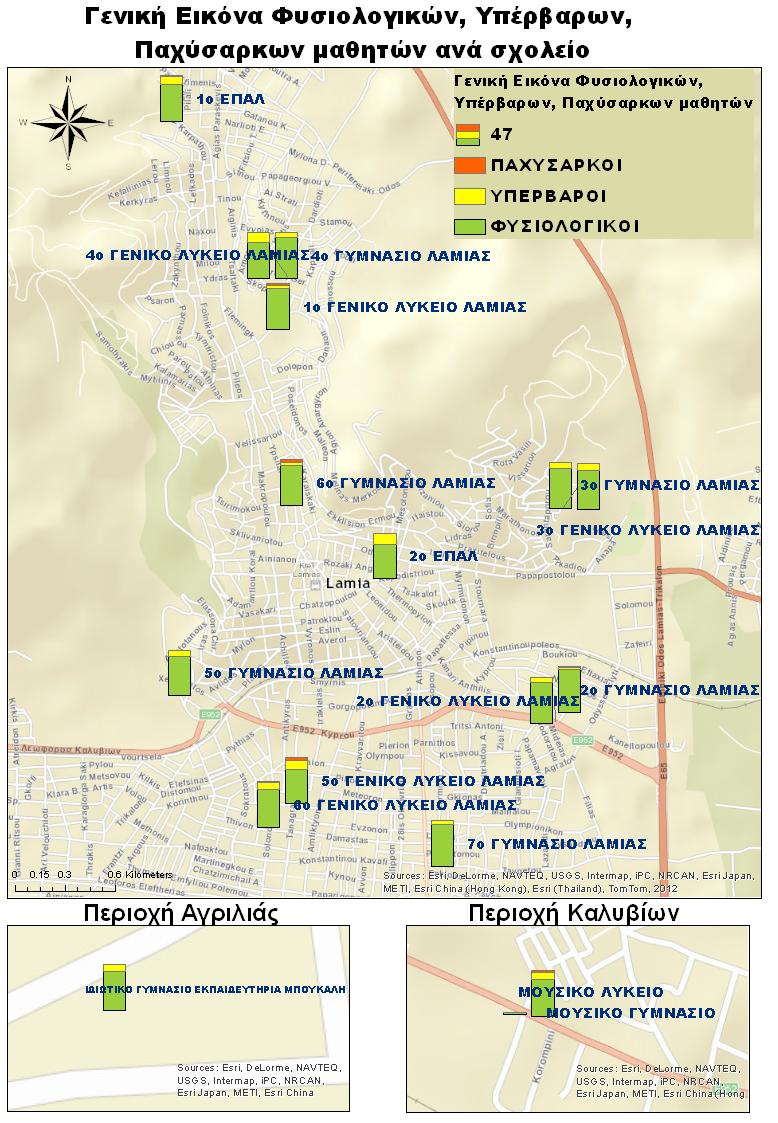
Material-method: This study was conducted during the school year from 2012 to 2013. The study group consisted of 940 students (out of the total 1120 students, response rate 83.9%) enrolled in classes A and A High School in 17 schools in Lamia. Simultaneously conducted spot checks within 500m. from each school to collect data concerning food stores and physical activity of children, following school routes. The selection was based on the school routes suggested by the mapping system GIS Results: The higher values of BMI were in the 1st and 2nd EPAL and the 4th and 5th GEL, with prices to be 22,2 (±3.2), 23.1 (±4.4), 22.5 (±3.4) and 22.5 (±4.0) respectively. Boys had significantly higher BMI compared with girls. The students of schools that had in near distance mini market had considerably higher BMI compared to the students of schools that they did not have in near distance mini market. As long as bigger in size it was the school yard so much smaller are the prices of BMI of the students.
Conclusions: The geographical mapping information systems (GIS) can help communities visualize the health of neighborhoods, to identify opportunities for improvement and to propose interventions
Key words: children’s obesity, bodily activity, GIS, Public Health
Correspondence
Barbouni Anastasia
Alexandras Av 196 A, 11521
Tel: +30 2132010255
e-mail: abarbouni@esdy.edu.gr
<0,001 0,013 0,418 0,684 0,026 0,070 0,169 0,065 0,745 0,165
ΒΙΒΛΙΟΓΡΑΦΙΑ
2.
2004;27- 36
3. Ebbeling CB, Pawlak DB, Ludwig DS. Childhood obesity: public health crisis, common sense cure. Lancet 2001; 360:473-482.
4. Ogden CL, Kuczmarski RJ, Flegal KM, Mei Z, Guo S, Wei R, Grummer-Strawn LM, Curtin LR, Roche AF, Johnson CL. Centers for Disease Control and Prevention 2000 growth charts for the United States: improvements to the 1977 National Center for Health Statistics version. Pediatrics 2002 ; 109(1):45-60.
5. Livingstone Β. Epidemiology of childhood obesity in Europe. Eur 3 Pediatr 2000;159 [Suppl 1]: 514-534.
6. Wabitsch Martin, Zwiauer Karl, Hebebrand Johannes, Wieland Kiess. Adipositas bei Kinden und Jugendlichen. Springer 2005; 27- 61.
7. Mamalakis G, Kafatos Α., Manios Υ et al. Obesity indices in a cohort of primary school children in Crete: a six year prospective study. International Journal of Obesity 2000; 24:765-761.
8.
2003; 68: 97- 112.
9. Moschandreas J. Re-analysis of data reported in Manios Y, Moschandreas J. Hatzis C. Kafatos A. Health and nutrition education in primary schools of Crete: changes in chronic disease risk factors following a 6-year intervention programme. Br J Nutr 2002; 88:315-24.
10. Krassas GE, Tzotzas T, Tsametis C, Konstantinidis T. Prevalence and trends in overweight and obesity among children and adolescents in Thessaloniki, Greece. J Pediatr Endocrinol Metab 2001; 5:1319-26.
11. Gayle PA.Σώστε
2003; 30- 70.
12. Ζαραμπούκα
14. Gray A, Smith C. Fitness, dietary intake, and body mass index in urban Native American youth. J Am Diet Assoc 2003; 103:1187-91.
15. Dare A, O’ Donovan M.
2000;10- 107.
17.
18.
19. Μανιάτης
20. Ζήσου Α. Εισαγωγή
2007;22- 24.
1992; 56-69.
21. Cromlex EK , McLafferty SL. Gis and Public Health. The Guilford Press 2002;1- 37.
22. Brugman E, Meulmeester JF, Spee-van der Wekke A, Beuker RJ, Zaadstra BM, Radder, JJ, et al. Dieting, weight and health in adolescents in The Netherlands. International Journal of Obesity 1997; 21:54 – 60.
23. Middleman AB, Vazquez MS, Durant RH. Eating patterns, physical activity and attempts to change weight among adolescents. Journal of Adolescent Health 1998; 22: 37–42.
24. Edmunds M, Hough M, Turnbull PJ, May T. Doing Justice to Treatment: referring offenders to drug services. DPAS Paper 2. London: Home Office; 1999.
25. Summers JB, Kaminski JM.Nutrition, physical activity and obesity. Lancet 2002; 360:1249-50.
26. Ludwig DS, Peterson KE, Gortmaker SL. Relation between consumption of sugarsweetened drinks and childhood obesity: a prospective, observational analysis. Lancet 2001; 357: 505-08.
27. Day PL, Pearce J. Obesity-promoting food environments and the spatial clustering of food outlets around schools. Am J Prev Med.2011 ;40(2):113-21.
28. Kestens Y, Daniel M. Social inequalities in food exposure around schools in an urban area Am J Prev Med. 2010 ; 39(1):33-40.
29. Currie C et al. eds. (2012) Social determinants of health and well-being among young people. Health Behaviour in School-aged Children (HBSC) study: international report from the 2009/2010 survey. (Health Policy for Children and Adolescents, No. 6). Copenhagen, WHO Regional Office for Europe; 2012.
30. Maddison R, Jiang Y, Vander Hoorn S, Exeter D, Mhurchu CN, Dorey E.Describing patterns of physical activity in adolescents using global positioning systems and accelerometry. Pediatr Exerc Sci 2010; 22(3):392-407.
31. Zhang X, Christoffel KK, Mason M, Liu L.Identification of contrastive and comparable school neighborhoods for childhood obesity and physical activity research. Int J Health Geogr 2006; 30(5):14.
32. Gordon-Larsen P, Griffiths P, Bentley ME, Ward DS, Kelsey K, Shields K, Ammerman A.Barriers to physical activity: qualitative data on caregiver-daughter perceptions and practices. Am J Prev Med 2004; 27:218-23.
33. Washington RL, Bernhardt DT, Gomez J, Johnson MD, Martin TJ, Rowland TW, et al. Organized sports for children and preadolescents.Committee on Sports Medicine and Fitness and Committee on School Health. Pediatrics 2001 ; 107(6):1459-62.
34. Manios Y, Kafatos A. Health and nutrition education in elementary schools:
changes in health knowledge, nutrient intakes and physical activity over a six year period. Public Health Nutr 1999; 2(3A): 445-8.
35. Moody JS, Prochaska JJ, Sallis JF, McKenzie TL, Brown M, Conway TL. Viability of parks and recreation centers as sites for youth physical activity promotion. Health Promot Pract 2004;5: 438-43.
36. Moore LL, Gao D, Bradlee ML, Cupples LA, Sundarajan-Ramamurti A, Proctor MH, Hood MY, Singer MR, Ellison RC.Does early physical activity predict body fat change throughout childhood? Prev Med 2003; 37:10-7.
37 Ekelund U, Aman J, Yngve A, Renman C, Westerterp K, Sjostrom M. Physical activity but not energy expenditure is reduced in obese adolescents: a case-control study. Am J Clin Nutr 2002;76: 935-41.
38. Graham DJ, Schneider M, Dickerson SS. Environmental resources moderate the relationship between social support and school sports participation among adolescents: a cross-sectional analysis. Int J Behav Nutr Phys Act 2011; 8: 34.
39. Sage WM, Balthazar M, Kelder S, Millea S, Pont S, Rao M. Mapping data shape community responses to childhood obesity. Health Aff (Millwood) 2010; 29(3):498502.
40. Panter JR, Jones AP, Van Sluijs EM, Griffin SJ. Neighborhood, route, and school environments and children’s active commuting. Am J Prev Med 2010; 38(3):268-78.
Anargyroula Prezerakou
Κleoniki Papazoglou
Αristea Patsoura
Filippia Nikolaou
Patritcia Bonos
John Papadatos
“Pediatric Intensive Care Unit”
“P & A Kyriakou” Children’s Hospital, Athens
Fotini Zafeiropoulou
“Third University Pediatric Clinic” of the Genaral Hospital
“Attikon”, Athens
Anargyroula Prezerakou, Κleoniki Papazoglou, Αristea Patsoura, Fotini Zafeiropoulou, Filippia Nikolaou, Patritcia Bonos, John Papadatos
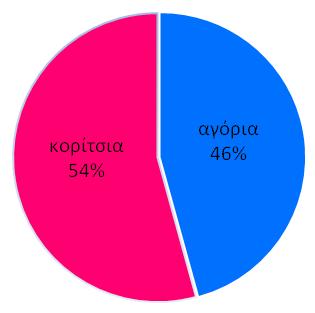
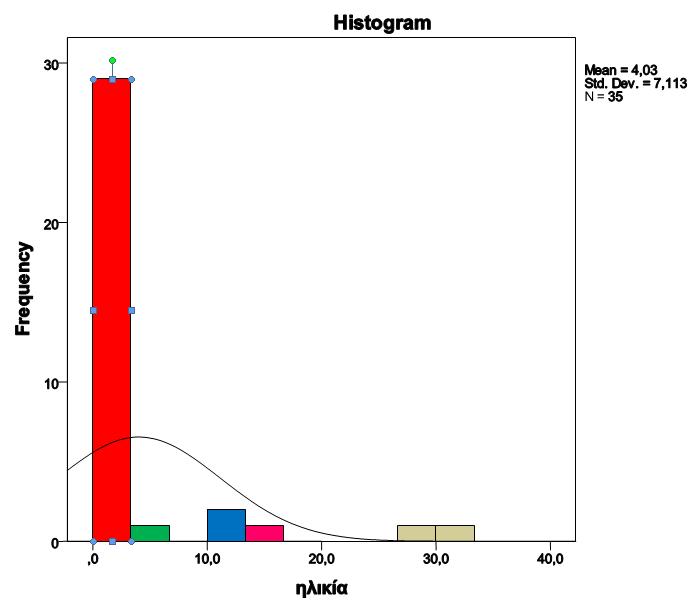
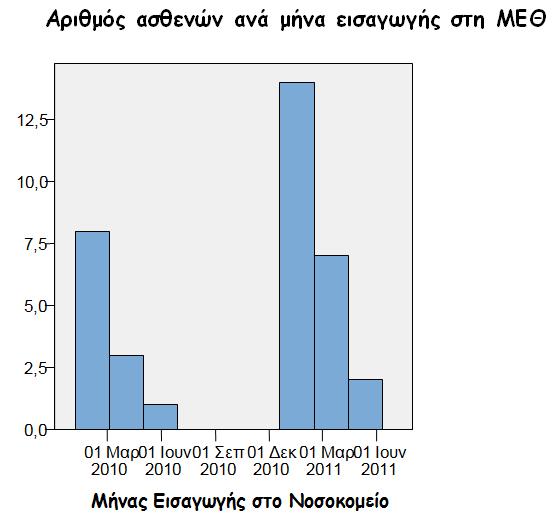
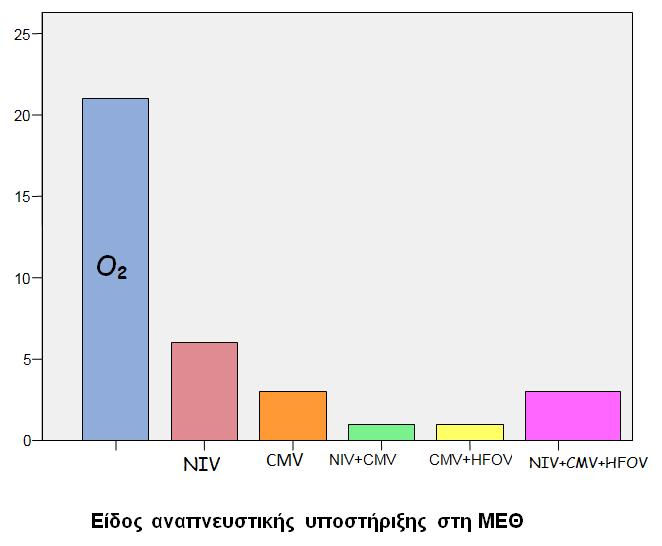
Acute bronchiolitis is a common disease of infancy. It is mainly caused by Respiratory Syncytial Virus. It usually affects infants and young toddlers. In younger infants and those with serious underlying respiratory or cardiac disease, acute bronchiolitis usually manifests as progressively worsening respiratory distress and hospitalization is often required. In more severe cases, acute respiratory failure may occur and require controlled mechanical ventilatory support. This retrospective study prove that the use of non-invasive mechanical ventilation in infants suffered from acute respiratory failure due to bronchiolitis, may critically reduce the intubation rate and its consequent complication, improving the quality and duration of hospitalization in Pediatric Intensive Care Units.
Key words: acute bronchiolitis, intubation, conventional mechanical ventilation, non-invasive mechanical ventilation
Τηλ: 2132009600
e-mail: ahprezerakou@yahoo.gr
(HFOV- High Frequency Oscillatory Ventilation)
Non Invasive mechanical Ventilation),
Correspondence
Anargyroula Prezerakou
“Pediatric Intensive Care Unit”
“P & A Kyriakou” Children’s Hospital, Athens
Τel: +30 2132009600
e-mail: ahprezerakou@yahoo.gr
HFOV: High
CPAP:
ARDS: Acute Respiratory Distress Syndrome
1) Smyth RL, Openshaw PJ,. Bronchiolitis. Lancet 2006; 368: 312, 322.
2) Everard ML, Respiratory synchytial virus-associated lower respiratory tract disease. In: Taussig LM, Ladau LI, LeSouef PN, Martines FD, Morgan WJ, Sly PD eds. Pediatric Respiratory Medicine. Philadelphia: Mosby-Elsevier; 2008: 491-499.
3) Zorc JJ, Hall CB. Bronchiolitis: Recent evidence on diagnosis and management Pediatrics 2010; 125: 342-349.
4) Hall CB. Respiratory syncytial virus and parainfluenza virus. N Engl J Med 2001; 344: 1917-1928.
5) Miron D, Srugo I, Kra-Oz Z, Keness Y, Wolf D, Amirav I, et al. Sole pathogen in acute bronchiolitis: Is there a role for other organisms apart from respiratory syncytial virus? Pediatr Infect Dis J 2010; 29:e7-e10.
6) Richard N, Komurian-Pradel F, Javouhey E, Perret M, Rajoharison A, et al. The impact of dual viral infection admitted to a pediatric intensive care unit associated with severe bronchiolitis. Pediatr Infect Dis J 2008; 27: 213-217.
7) Aherne W, Bird T, Court SD, Gardner PS, McQuillin J. Pathological changes in virus infections of the lower respiratory tract in children. J Clin Pathol 1970; 23: 7-18.
8) Johnson JE, Gonzales RA, Olson SJ, Wright PG, Graham BS. The histopathology of fatal untreated respiratory syncytial virus infection. Mod Pathol 2007; 20: 108825.
9) Colby TV. Bronchiolitis. Pathologic considerations. Am J Clin Pathol 1998;09:101.
10) Wang EE, Law BJ, Stephens D. Pediatric Investigators Collaborative Network on Infections in Canada (PICNIC) prospective study of risk factors and outcomes in patients hospitalized with respiratory syncytial viral lower respiratory tract infection. J Pediatr 1995; 126:212.
11) MacDonald NE, Hall CB, Suffin SC, Alexson C, Harris PJ, Manning JA. Respiratory syncytial viral infection in infants with congenital heart disease. N Engl J Med 1982; 307:397.
12) Hall CB, Powell KR, MacDonald NE, Gala CL, Menegus ME, Suffin SC, et al. Respiratory syncytial viral infection in children with compromised imnune function. N
Engl J Med 1986; 315:77.
13) Meissner HC. Selected populations at increased risk from respiratory syncytial virus infection. Pediatr Infect Dis J 2003; 22;S40.
14) Turcios NL. Cauging the severity of bronchiolitis. J Respir Dis 1994; 15: 875.
15) Corrard F, de La Rocque F, Martin E, Wollner C, Elbez A, Koskas M, et al. Food intake during the previous 24 h as a percentage of usual intake: a marker of hypoxia in infants with bronchiolitis:an observational prospective multicenter study. BMC Pediatr 2013; 13:6.
16) Shazberg G, Revel –Vilk S, Shoseyov D, Ben-Ami A, Klar A, Hurvitz H. The clinical course of bronchiolitis associated with acute otitis media. Arch Dis Child 2000; 83:317.
17) Wohl MEB. Bronchiolitis In: Chernick V, Boat TF, Wilmott RW, Bush A, eds. Kendig’s Disorders of the Respiratory Tract in Children. Philadelphia: WB Sauders – Elsevier; 2006: 423-432.
18) Green RJ, Zar HJ, Jeena PM, Madhi SA, Lewis H. South African guideline for the diagnosis, management and prevention of acute viral bronchiolitis in children. S Afr Med J 2010; 100: 320, 322-325.
19) American Academy of Pediatrics. Subcomitee on Diagnosis and Management of Bronchiolitis. Pediatrics 2006; 118:1774-1793.
20) BourkeT, Shields M. Bronchiolitis. Clin Evid (Online) 2011;11:308.
21) Javouhey E, Barats A, Richard N, Stamm D, Floret D. Non-invasive ventilation as a primary ventilator support for infants with severe bronchiolitis. Intensive Care Med 2008; 34: 1608-1614.
22) Prado F, Godoy MA, Godoy M, Boza ML. Pediatric non-invasive ventilation for acute respiratory failure in an Intermediate Care Unit. Rev Med Chil 2005; 133: 525533.
23) Rondriguez Nunez A, Martinon Torres F, Martinon Sanchez JM. Ventilation in special situations. Mechanical ventilation in bronchiolitis. An Pediatr (Barc) 2003; 59:363-366.
24) Chevret L, Mbieleu B, Essouri S, Durand P, Chevret S, Devictor D. Ventilation in special situations. Mechanical ventilation in bronchiolitis. Arch Pediatr 2005; 12: 385390.
25) Oňoro G, Pérez Suárez E, Iglesias Bouzas MI, Serrano A. Severe bronchiolitis. Changes in epidemiology and respiratory support. An Pediatr (Barc) 2011; 74:371376.
26) Mayordomo-Colunga J, Medina A, Rey C, Los Arcos M. Concha A, Menendez S. Success and failure predictors of non-invasive ventilation in acute bronchiolitis An Pediatr (Barc) 2009; 70: 34-39.
27) Essouri, Sandrime, Chevret, Laurent MD, Durand, Phillippe MD, et al. Noninvasive positive pressure ventilation: Five years of experience in a pediatric intensive care unit. Pediatric Critical Care Medecine 2006; 7: 329-334.
28) Leclerc F, Scalfaro P, Noizet O, Thumerelle C, Dorkenoo A, Fourier C. Mechanical ventilator support in infants with respiratory syncytial virus infection. Pediatric Critical Care Medicine 2001; 2: 197-204.
29) Berner ME, Hanquinet S, Rimensberger PC. High frequency oscillatory ventilation for respiratory failure due to RSV bronchiolitis. Intensivve Care Med 2008;34: 1698-1702.
30) Tasker RC. CPAP and HFOV: different guises of the same underlying intensive care strategy for supporting RSV bronchiolitis. Intensive Care Med. 2008; 34: 15601561.
31) Seferian EG, Henry NK, William ME. High-frequency oscillatory ventilation in an infant with cystic fibrosis and bronchiolitis. Respir Med 2006; 100: 1466-1469.
32) Langley JM, Smith MB, LeBlanc JC, Joudrey H, Ojah CR, Pianosi P. Racemic epinephrine compared to salbutamol in hospitalized young children with bronchiolitis: a randomized controlled clinical trial. BMC Pediatr 2005; 5:7.
33) Hammer J, Numa A. Newth CJ. Alvuterol responsiveness in infants with respiratory failure caused by respiratory syncytial virus infection J Pediatr1995; 127: 485.
34) Wainwright C, Altamirano L, Cheney M, Barber S, Price D, Moloney S. A multicenter randomized double-blind controlled trial of nebulized epinefhrine in infants with acute bronchiolitis. N Engl J Med 2003; 349:27-35
35) Gadomski AM, Bhasale AL. Bronchodilators for bronchiolitis Cohrane Database Syst Rev 2006: CDOO1266.
36) Flores G, Horwitz RI. Efficacy of beta2-agonists in bronchiolitis: a reappraisal and meta-analysis Pediatrics 1997;100: 233.
37) Van Woensel JB, Vyas H, STAR Trial Group. Dexamethasone in children mechanically ventilated for lower respiratory tract infection caused by respiratory syncytial virus: a randomized controlled trial Crit Care Med 2011; 39:1779.
38) Patel H, Platt R, Lozano JM, Wang EE. Glucocorticoids for acute viral bronchiolitis in infants and young children. Cohrane Database Syst Rev 2004: CD004878.
Eleni P. Kotanidou
Eufimia PapadopoulouAlataki
Maria Eboriadou-Petikopoulou
Assimina Galli-Tsinopoulou 4th Department of Pediatrics, Faculty of Medicine, Aristotle University of Thessaloniki, Papageorgiou General Hospital
Kalirhoe Kalinderi
Liana Fidani2 Department of Biology and Medical Genetics, Faculty of Medicine, Aristotle University of Thessaloniki, Greece
Smaragda Efraimidou Haematology Laboratory, Papageorgiou General Hospital, Thessaloniki, Greece
apelin levels in obese children and adolescents and their association to the G212A polymorphism of the apelin receptor gene
Eleni P. Kotanidou, Kalirhoe Kalinderi, Smaragda Efraimidou, Eufimia Papadopoulou-Alataki, Liana Fidani, Maria Eboriadou-Petikopoulou, Assimina Galli-Tsinopoulou
ABSTRACT
Background Apelin levels are reported to be associated to obesity in adults. In obese children and adolescents data is scarce and controversial. The aim of the study was
2310991537
e-mail: gallitsin@gmail.com
Correspondence
Assimina Galli-Tsinopoulou Ring Road Nea Efkarpia, GR56403 Thessaloniki, Greece
Tel/Fax: +302310991537
e-mail: gallitsin@gmail.com
to investigate serum apelin levels in obese youngsters and their correlation to the G212A apelin receptor gene (APLNR) single nucleotide polymorphism.
Methods Ninety obese individuals (45 prepubertal/45 pubertal) and 90 leans matched for age and gender were enrolled. In the obese group, glucose metabolism was assessed via an oral glucose tolerance test (OGTT). Serum apelin levels were determined by enzyme immunoassay. In the obese group, DNA was extracted from peripheral blood, amplified by PCR and studied for the G212A polymorphism.
Results Obese had lower serum apelin levels compared to controls. The statistical difference was retained only on the prepubertal group. After grouping the participants according to the OGTT, only obese with impaired glucose metabolism had lower apelin levels compared to controls. G212A frequency did not differ between the obese group (GG=53.3%/GA=38.9%/ΑΑ=7.8%) and the HapMap reported frequency for the Caucasians (GG=46.9%/GA=39.8%/ΑΑ=13.3%, p=0.232). G212A polymorphism was correlated to different serum apelin levels in the obese group (OneWay ANOVA: p=0.044). The GG and GA obese groups had significantly lower apelin levels compared to the AA group (p=0.013/p=0.016).
Conclusions Obese youngsters have lower apelin levels in comparison to lean individuals. In obesity, genotype AA for the G212A polymorphism act as a beneficial factor for maintaining higher serum apelin levels compared to the GA/GG genotypes.
Key words: apelin, children, childhood obesity, G212A
ΕΙΣΑΓΩΓΗ
ΜΕΘΟΔΟΙ
(SECA 711, Hamburg Germany)
(Harpenden stadiometer, Veeder-Root, Elizabethtown, NC)
(24).
(Impaired Fasting Glucose-IFG).
(Impaired Glocose Tolerance-IGT)
120’.
2000, DPC,USA).
dl)/22.5.Tιμές HOMA-IR <2.5
(Human Apelin-12 EIA kit, Phoenix Pharmaceuticals, Belmont, CA, USA) σύμφωνα
(intra-assay coefficients of variance (CVs) 5%, inter-assay CVs 14%, sensitivity 0.07ng/ml, range 0-100ng/ml).
1. Deng Y, Scherer PE. Adipokines as novel biomarkers and regulators of the metabolic syndrome. Ann N Y Acad Sci 2010;1212: E1–E19.
2. Tatemoto K, Takayama K, Zou MX, Kumaki I, Zhang W, Kumano K et al. The novel peptide apelin lowers blood pressure via a nitric oxide-dependent mechanism. Regul Pept 2001;99:87–92.
3. Lee DK, Cheng R, Nguyen T, Fan T, Kariyawasam AP, Liu Y et al. Characterization of apelin, the ligand for the APJ receptor. J Neurochem 2000;74:34-41.
4. Boucher J, Masri B, Daviaud D, Gesta S, Guigné C, Mazzucotelli A et al. Apelin, a newly identified adipokine up-regulated by insulin and obesity. Endocrinology 2005;146:1764-1771.
5. Dray C, Knauf C, Daviaud D, Waget A, Boucher J, Buléon M et al. Apelin stimulates glucose utilization in normal and obese insulin-resistant mice. Cell Metab 2008;8:437-445.
6. O’Dowd BF, Heiber M, Chan A, Heng HH, Tsui LC, Kennedy JL et al. A human gene that shows identity with the gene encoding the angiotensin receptor is located on chromosome 11. Gene 1993;136:355-360.
7. Tatemoto K, Hosoya M, Habata Y, Fujii R, Kakegawa T, Zou MX et al. Isolation and characterization of a novel endogenous peptide ligand for the human APJ receptor. Biochem Biophys Res Commun 1998 ;251: 471-476.
8. Devic E, Rizzoti K, Bodin S, Knibiehler B, Audigier Y. Amino acid sequence and embryonic expression of msr/apj, the mouse homolog of xenopus X-msr and human APJ. Mech Dev 1999;84:199-203.
9. Castan-Laurell I, Boucher J, Dray C, Daviaud D, Guigne C, Valet P. Apelin, a novel adipokine over-produced in obesity: friend or foe? Mol Cell Endocrinol 2005;245:7-9.
10. Wei L, Hou X, Tatemoto K. Regulation of apelin mRNA expression by insulin and glucocorticoids in mouse 3T3-L1 adipocytes. Regul Pept 2005;132:27-32.
11. Karmazyn M, Purdham DM, Rajapurohitam V, Zeidan A. Signalling mechanisms underlying the metabolic and other effects of adipokines on the heart. Cardiovasc Res 2008;79: 279-286.
12. Yue P, Jin H, Aillaud M, Deng AC, Azuma J, Asagami T et al. Apelin is necessary for the maintenance of insulin sensitivity. Am J Physiol Endocrinol Metab 2010;298:5967.
13. Castan-Laurell I, Dray C, Knauf C, Kunduzova O, Valet P. Apelin, a promising target for type 2 diabetes treatment? Trends Endocrinol Metab 2012;23:234–241.
14. Heinonen MV, Purhonen AK, Miettinen P, Pääkkönen M, Pirinen E, Alhava E et al. Apelin, orexin- A and leptin plasma levels in morbid obesity and effect of gastric banding. Regul Pept 2005;130:7–13.
15. Castan-Laurell I, Vitkova M, Daviaud D, Dray C, Kováciková M, Kovacova Z et al. Effect of hypocaloric diet-induced weight loss in obese women on plasma apelin and adipose tissue expression of apelin and APJ. Eur J Endocrinol 2008;158:905-910.
16. Ziora K, Oswiecimska J, Swietochowska E, Ziora D, Ostrowska Z, Stojewska M et al. Assessment of serum apelin levels in girls with anorexia nervosa. J Clin Endocrinol Metab 2010;95:2935-2941.
17. Tapan S, Tascilar E, Abaci A, Sonmez A, Kilic S, Erbil MK et al. Decreased plasma apelin levels in pubertal obese children. J Pediatr Endocrinol Metab. 2010;23:10391046.
18. Reinehr T, Woelfle J, Roth CL. Lack of association between apelin, insulin resistance, cardiovascular risk factors, and obesity in children: a longitudinal analysis. Metabolism. 2011;60:1349-1354.
19. Soriguer F, Garrido-Sanchez L, Garcia-Serrano S, Garcia-Almeida JM, Garcia- Arnes J, Tinahones FJ et al. Apelin levels are increased in morbidly obese subjects with type 2 diabetes mellitus. Obes Surg 2009;19:1574–1580.
20. Dray C, Debard C, Jager J, Disse E, Daviaud D, Martin P et al. Apelin and APJ regulation in adipose tissue and skeletal muscle of type 2 diabetic mice and humans. Am J Physiol Endocrinol Metab 2010;298:1161–1169.
21. Erdem G, Dogru T, Tasci I, Sonmez A, Tapan S Low plasma apelin levels in newly diagnosed type 2 diabetes mellitus. Exp Clin Endocrinol Diabetes 2008;116: 289–292.
22. Zhang Y, Shen C, Li X, Ren G, Fan X, Ren F et al. Low plasma apelin in newly diagnosed type 2 diabetes in Chinese people. Diabetes Care 2009;32: 150.
23. Cole TJ, Bellizzi MC, Flegal KM, Dietz WH. Establishing a standard definition for child overweight and obesity worldwide: international survey.BMJ. 2000;320:12401243.
24. American Diabetes Association. Diagnosis and classification of diabetes mellitus. Diabetes Care. 2010;33:62-69.
25. Matthews DR, Hosker JP,Rudenski AS. Homeostasis model assessment: Insulin resistance and β-cell function from fasting plasma glucose and insulin concentrations in man. Diabetologia 1985;28:412-419.
26. Dell RB, Holleran S, Ramakrishnan R. Sample Size Determination. ILAR J 2002;43:207–213.
27. Cavallo MG, Sentinelli F, Barchetta I, Costantino C, Incani M, Perra L et al. Altered glucose homeostasis is associated with increased serum apelin levels in type 2 diabetes mellitus. PLoS One 2012;7:e51236.
28. Li L, Yang G, Li Q, Tang Y, Yang M, Yang H et al. Changes and relations of circulating visfatin, apelin, and resistin levels in normal, impaired glucose tolerance, and type 2 diabetic subjects.Exp Clin Endocrinol Diabetes 2006;114:544-548.
29. Alexiadou K, Kokkinos A, Liatis S, Perrea D, Katsilambros N, Tentolouris N. Differences in plasma apelin and visfatin levels between patients with type 1 diabetes mellitus and healthy subjects and response after acute hyperglycemia and insulin administration. Hormones (Athens) 2012;11:444-450.
30. Sarzani R, Forleo C, Pietrucci F, Capestro A, Soura E, Guida P et al. The 212A variant of the APJ receptor gene for the endogenous inotrope apelin is associated with slower heart failure progression in idiopathic dilated cardiomyopathy. J Card Fail 2007;13:521-529.
31. Falcone C, Bozzini S, Schirinzi S, Buzzi MP, Boiocchi C, Totaro Ret al. APJ polymorphisms in coronary artery disease patients with and without hypertension. Mol Med Rep 2012;5:321-325.
Maria Adamaki
Archontis Zampogiannis
Anastasia Athanasiadou
Spyros vlachopoulos
Maria Moschovi Hematology/Oncology Unit, First Department of Pediatrics, University of Athens, Children’s Oncology Unit «MARIANNA V VARDINOYANNIS-ELPIDA», “AGIA SOFIA” Children’s Hospital, Athens, Greece
Marianna Tzanoudaki Immunology Department, “AGIA SOFIA” Children’s Hospital, Athens, Greece
Maria Adamaki, Archontis Zampogiannis, Anastasia Athanasiadou, Marianna Tzanoudaki, Spyros vlachopoulos, Maria Moschovi
Introduction: The Interferon Regulatory Factor 4 (IRF4) gene is important for key developmental stages of hematopoiesis, but with oncogenic effects in multiple myeloma, adult leukemias and lymphomas. The purpose of this study was to investigate IRF4 gene expression in healthy children and children with leukemia and to determine if it differs between the two groups.
Method: Bone marrow samples from 20 healthy children, 58 children with acute leukemia and four leukemic cell lines were used to measure IRF4 gene expression. RNA was extracted with the TRizol method and gene expression was measured with
6932684622
e-mail: mmoschov@med.uoa.gr
Correspondence
Maria Moschovi
Oncology Unit «MARIANNA V VARDINOYANNIS-ELPIDA», “AGIA SOFIA” Children’s Hospital, Athens, Greece
Τel: +30 6932684622
e-mail: mmoschov@med.uoa.gr
Real-Time PCR using the Plexor™ One-Step qRT-PCR kit and the LightCycler2 reactor.
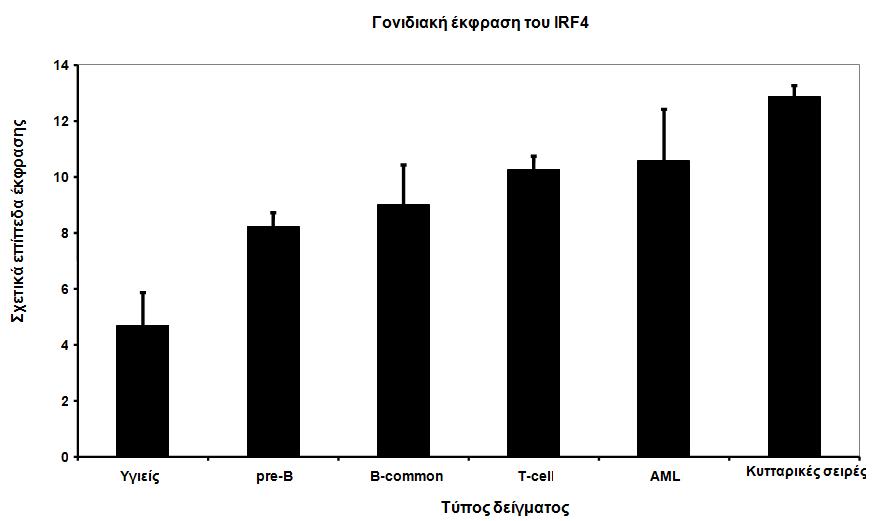
Results: 51.7% of the children with leukemia showed an abnormal expression of the IRF4 gene, which was significantly higher than that of healthy children (p = 0.003). IRF4 gene expression in children with leukemia appears to be at least twice as high as in healthy children. The more immature the leukemic cells, the higher the gene expression of IRF4, with the highest expression levels found in children with more aggressive forms of leukemia, such as AML.
Conclusions: Our results show that healthy children have a low IRF4 gene expression, while children with leukemia show an increase. The amount of gene expression seems directly proportional to the immaturity of the blast. Abnormal gene expression appears to disturb the regulatory mechanisms of normal hematopoiesis. The finding that in children with leukemia expression is twice as high as in healthy children could be a therapeutic target for leukemia.
Key words: gene expression profile, IRF4, healthy children, childhood leukemia
(Invitrogen, Inc.).
(Real
to κιτ Plexor™ One-Step qRT-PCR (Promega Inc.)
LightCycler 2 Instrument (Roche Diagnostics GmbH).
LightCycler Software Version 3.5 (Roche Diagnostics GmbH).
Plexor™ Analysis Software (www.promega.com/plexorresources/) (Promega, Inc.).
1. Busslinger, M., Transcriptional control of early B cell development. Annu Rev Immunol, 2004. 22: p. 55-79.
2. Acquaviva, J., X. Chen, and R. Ren, IRF-4 functions as a tumor suppressor in early B-cell development. Blood, 2008. 112(9): p. 3798-806.
3. De Silva, N.S., et al., The diverse roles of IRF4 in late germinal center B-cell differentiation. Immunol Rev, 2012. 247(1): p. 73-92.
4. Yoshida, S., et al., Detection of MUM1/IRF4-IgH fusion in multiple myeloma. Leukemia, 1999. 13(11): p. 1812-6.
5. Yamagata, T., et al., A novel interferon regulatory factor family transcription factor, ICSAT/Pip/LSIRF, that negatively regulates the activity of interferon-regulated genes. Mol Cell Biol, 1996. 16(4): p. 1283-94.
6. Pham-Ledard, A., et al., IRF4 gene rearrangements define a subgroup of CD30positive cutaneous T-cell lymphoma: a study of 54 cases. J Invest Dermatol, 2009. 130(3): p. 816-25.
7. Bisig, B., P. Gaulard, and L. de Leval, New biomarkers in T-cell lymphomas. Best Pract Res Clin Haematol, 2012. 25(1): p. 13-28.
8. le Viseur, C., et al., In childhood acute lymphoblastic leukemia, blasts at different stages of immunophenotypic maturation have stem cell properties. Cancer Cell, 2008. 14(1): p. 47-58.
9. Do, T.N., et al., An intronic polymorphism of IRF4 gene influences gene transcription in vitro and shows a risk association with childhood acute lymphoblastic leukemia in males. Biochim Biophys Acta, 2010. 1802(2): p. 292-300.
10. http://www.ncbi.nlm.nih.gov/geo/tools/profileGraph.cgi?ID=GDS1095:37625_ at.
11. Schmidt, M., et al., Expression of interferon regulatory factor 4 in chronic myeloid leukemia: correlation with response to interferon alfa therapy. J Clin Oncol, 2000. 18(19): p. 3331-8.
12. Schmidt, M., et al., Lack of interferon consensus sequence binding protein (ICSBP) transcripts in human myeloid leukemias. Blood, 1998. 91(1): p. 22-9.
13. Schmidt, M., et al., Expression of nuclear transcription factor interferon consensus sequence binding protein in chronic myeloid leukemia correlates with pretreatment risk features and cytogenetic response to interferon-alpha. Blood, 2001. 97(11): p. 3648-50.
14. Mittrucker, H.W., et al., Requirement for the transcription factor LSIRF/IRF4 for mature B and T lymphocyte function. Science, 1997. 275(5299): p. 540-3.
15. Shaffer, A.L., et al., IRF4: Immunity. Malignancy! Therapy? Clin Cancer Res, 2009. 15(9): p. 2954-61.
John Dotis
Nikoleta Printza
Chrysa Gkogka
Stella Stabouli
Antigoni Pavlaki
Fotios Papachristou
First Department of Pediatrics, Aristotle University of Thessaloniki, Hippokration Hospital
Stamatia Antoniou
Department of Pediatrics, General Hospital of Xanthi
John Dotis
Nick Kontodimopoulos
Open University of Cyprus
John Dotis, Nikoleta Printza, Chrysa Gkogka, Stella Stabouli, Stamatia Antoniou, Antigoni Pavlaki, Nick Kontodimopoulos, Fotios Papachristou
ABSTRACT
Introduction: Progressive chronic kidney disease, irrespective of the underlying etiology impact the quality of life (QoL) of children due to often regular follow-up visits, strict medication program and diet intake.
Aim: To compare the QoL of children with chronic kidney disease (CKD) and renal transplantation (RT), between them and in the same time between the control group (CG) of healthy children, the validate sample (VS) of Greek pediatric origin and the parent proxy QoL.
2310892466
e-mail: yandot@med.auth.gr
Methods: Greek version of the KIDSCREEN-52 multidimensional questionnaire was used. The questionnaire investigates 10 dimensions and has 5 scales.
Results: The study included 55 patients between 8-18 years, with CKD (n=25), RT (n=16) and with end stage renal disease on peritoneal dialysis (n=14). Each group of studied children was compared with the CG (n=55), the VS (n=1200) and the parent proxy. Physical well-being of all studied children was significantly lower compared to CG (p=0.004). On the opposite, all studied children between 8-11 years shown better social acceptance compared to VS (p=0.0001). When QoL of children with CKD compared with parent proxy QoL, conflicting opinions were observed in several dimensions, such as self-perception (p=0.023), autonomy (p=0.012), school environment (p=0.012) and financial resources (p=0.03).
Conclusions: Different stages of renal disease impact QoL of children with CKD. Thus, optimal care requires attention not only to medical management, but also to an assessment of QoL factors, that may help promote pediatric patient’s health.
Key words: Quality of Life, questionnaire, Chronic Kidney Disease, renal transplantation
Correspondence
John Dotis
Konstantinoupoleos 49
54642 Thessaloniki
Tel: +30 2310892466
e-mail: yandot@med.auth.gr
8-18
(10,14)
(10,16)
46,81 (10,35)
48,22 (10,33)
48,42 (11,36)
49,85 (10,04)
52,02 (9,24)
50,29 (9,83)
48,35 (10,33) 51,56 (9,23)
47,41 (10,25)
51,56 (6,78)
p=0,339
p=0,810
p=0,692
p=0,387
p=0,165
p=0,485
p=0,454
p=0,057
p=0,054
p=0,534 48,55 (9,66) 48,67 (9,93) 49,16 (9,9) 48,29 (9,57) 49,40 (10,06)
46,81 (10,35)
48,22 (10,33)
48,42 (11,36)
49,85 (10,04)
52,02 (9,24)
50,29 (9,83)
48,35 (10,33)
51,56 (9,23)
47,41 (10,25)
51,56 (6,78)
p=0,076
p=0,478
p=0,488
p=0,86
p=0,321
p=0,948
p=0,99
p=0,799
p=0,527
p=0,177
(10,63)
Κλίμακα KIDSCRENN 52 Σωματική
(9,82)
(11,08)
(9,5) 52,08 (8,48) 46,9 (10,98)
(9,7)
(8,93)
(10,79)
(12,59)
(8,26)
(8,44)
(8,22)
(9,8)
(10,21)
(10,92)
(8,61)
(10,61)
(7,89)
(13,2)
1. Harambat J, Van Stralen K, Kim, Tizard J. Epidemiology of chronic kidney disease in children. Pediatr Nephrol 2012;27:363-373.
2. Wesseling-Perry K, Salusky IB. Chronic kidney disease: mineral and bone disorder in children. Semin Nephrol 2013;33:169-179.
3. WHOQOL Group. The World Health Organisation Quality of Life Assessment (WHOQOL): position paper from the World Health Organisation. Soc Sci Med 1995;41:1403-1409.
4. Taylor RM, Wray J, Gibson F. Measuring quality of life in children and young people after transplantation: methodological considerations. Pediatr Transplant 2010;14:445-458.
5. Cho MH. Clinical approach to quality of life in children with end-stage renal disease. Korean J Pediatr 2013;56:323-326.
6. Harshman LA, Neuberger ML, Brophy PD. Chronic hemodialysis in pediatric patients: technical and practical aspects of use. Minerva Pediatr 2012;64:159-169.
7. Levey AS, Coresh J, Balk E, Kausz AT, Levin A, Steffes MW, et al. National Kidney Foundation practice guidelines for chronic kidney disease: evaluation, classification, and stratification. Ann Intern Med 2003;139(2):137-147.
8. Ravens-Sieberer U, Gosch A, Rajmil L, Erhart M, Bruil J, Duer W, et al. KIDSCREEN-52 quality-of-life measure for children and adolescents. Expert Rev Pharmacoecon Outcomes Res 2005;5:353-364.
9. Tzavara C, Tzonou A, Zervas I, Ravens-Sieberer U, Dimitrakaki C, Tountas Y. Reliability and validity of the KIDSCREEN-52 health-related quality of life questionnaire in a Greek adolescent population. Ann Gen Psychiatry 2012;11:3.
10. Dobbels F, Decorte A, Roskams A, Van Damme-Lombaerts R. Health-related quality of life, treatment adherence, symptom experience and depression in adolescent renal transplant patients. Pediatr Transplant 2010;14:216-223.
11. Eijsermans RM, Creemers DG, Helders PJ, Schroder CH. Motor Performance, exercise tolerance, and health-related quality of life in children on dialysis. Pediatr Nephrol 2004; 19:1262-1266.
12. Chiu MC, Ng CF, Lee LP, Lai WM, Lau SC. Automated peritoneal dialysis in children and adolescents--benefits: a survey of patients and parents on health-related quality of life. Perit Dial Int 2007;27:S138-142.
13. Goldstein SL, Graham N, Burwinkle T, Warady B, Farrah R, Varni JW. Health-related quality of life in pediatric patients with ESRD. Pediatr Nephrol 2006; 21:846–50.
14. López CA, Fernández Escribano A, Cantanero GG, Luque A, Izquierdo García E. Quality of life perceived by children with chronic kidney disease and by their parents. Nefrologia 2010;30:103-109.
15. Park KS, Hwang YJ, Cho MH, Ko CW, Ha IS, Kang HG, et al. Quality of life in children with end-stage renal disease based on a PedsQL ESRD module. Pediatr Nephrol 2012;27:2293-2300.
16. Buyan N, Türkmen MA, Bilge I, Baskin E, Haberal M, Bilginer Y, et al. Quality of life in children with chronic kidney disease (with child and parent assessments). Pediatr Nephrol 2010; 25:1487-1496.
17. Gerson A, Hwang W, Fiorenza J, Barth K, Kaskel F, Weiss L, et al. Anemia and health- related quality of life in adolescents with chronic kidney disease. Am J Kidney Dis 2004; 44:1017-1023.
18. Gerson AC, Riley A, Fivush BA, Pham N, Fiorenza J, Robertson J, et al. Assessing health status and health care utilization in adolescents with chronic kidney disease. J Am Soc Nephrol 2005; 16:1427-1432.
Artemis Doulgeraki, Paediatrician
Helen Athanasopoulou, Biochemist
Department of bone and mineral metabolism, Institute of Child Health, “Agia Sophia” Children’s Hospital, Athens, Greece
Marina Katsalouli, Paediatric Neurologist
Konstantinos Skiadas, Paediatric Neurologist Neuromuscular Unit, “Agia Sophia” Children’s Hospital, Athens, Greece
Domna Deligianni, Radiology Technician
Department of Paediatric Radiology, “Agia Sophia” Children’s Hospital, Athens, Greece
Ioannis Monopolis, Biostatistician
Department of Biostatistics, Institute of Child Heath, “Agia Sophia” Children’s Hospital, Athens, Greece
Skeletal status and bone metabolism of disabled adolescents with Duchenne’s muscular dystrophy
Artemis Doulgeraki, Helen Athanasopoulou, Marina Katsalouli, Konstantinos Skiadas, Domna Deligianni, Ioannis Monopolis
ABSTRACT
Background: Duchenne’s Muscular Dystrophy is the most common neuromuscular disorder of childhood. It is progressive; all patients with the disease are eventually using a wheelchair when they reach adolescence. The aim of the study was to evaluate skeletal status in non-ambulatory teenagers with Duchenne Muscular Dystrophy. Methods: The study was conducted at the Institute of Child Health (Athens, Greece). Eleven male adolescents, aged 13-17.5 years, using a mobility chair for 1-5.4 years, under chronic steroid treatment and vitamin D supplements were studied. They un-
MD, PhD, MRCPCH
και Λεβαδείας, ΤΚ 115
Αθήνα
213 2037 360 (1), φαξ: 210 7700111
e-mail: doulgeraki@yahoo.com
Correspondence
Dr Artemis Doulgeraki Thivon and Leivadias, 115 27, Goudi, Athens, Greece
Tel: 213 2037360-1, fax: 210 7700111
e-mail: doulgeraki@yahoo.com
derwent dual-energy X-ray absorptiometry (DXA) and laboratory tests for markers of bone formation and resorption. Control values were provided by DXA software. History of fractures was also recorded.
Results: DMD patients were shorter than controls (mean height Z-score= -1.41, p=0.02) and had lower bone mineral density (mean lumbar spine z-score= -1.27, p=0.001, mean whole body z-score=-1.16, p=0.01). They suffered eight fractures in total and were vitamin D deficient, despite supplementation. Bone resorption markers were increased. 6/11 subjects had short and narrow bones; 4/11 had light bones and decreased bone strength. A positive correlation was found between bone mineral density and weight (r= 0.694, p= 0.01).
Conclusions: Bone properties and metabolism are negatively influenced in non-ambulatory teenagers with Duchenne’s muscular dystrophy. Patients with physical disability should be targeted towards more regular bone health surveillance and generous vitamin D administration, to avoid skeletal pain and fractures.
Key words: Myopathy, immobilization, bone density, metabolism
BMD.
Συντομογραφίες
ΒΜD: bone mineral density (οστική πυκνότητα)
ΒΜΙ: body mass index (δείκτης μάζας σώματος)
DMD: Duchenne’s muscular dystrophy (μυική δυστροφία Duchenne)
DXA: dual energy X-ray asborptiometry (απορροφησιομετρία με διπλοενεργειακή δέσμη φωτονίων)
ΕLISA: enzyme-linked immunoassay (ανοσοενζυμική μέθοδος)
ΟC: osteocalcin (οστεοκαλσίνη)
PICP: procollagen I carboxyterminal propeptide (καρβοξυτελικό
1)
ΤΒ: total body (ολόσωμη λήψη)
uCa: urine calcium (ασβέστιο ούρων)
uCreat: urine creatinine (κρεατινίνη ούρων)
uDPyr: urine deoxypyridinoline (δεοξυπυριδινολίνη ούρων)
Wt: weight (βάρος)
Z-score
Z-score
Z-score
1. Loud KJ, Gordon CM. Adolescent bone health. Arch Pediatr Adolesc Med 2006, 160: 1026-32.
2. Bailey DA, Martin AD, McKay HA, Whiting S, Mirwald R. Calcium accretion in girls and boys during puberty: a longitudinal analysis. J Bone Miner Res 2000, 15: 224550.
3. Apkon S, Coll J.Use of weekly alendronate to treat osteoporosis in boys with muscular dystrophy. Am J Phys Med Rehabil 2008, 87(2): 139-43.
4. Quinlivan R, Shaw NJ, Bushby K .170th ENMC international workshop: bone protection for corticosteroid treated with Duchenne muscular dystrophy. 27-29th November 2009, Naardem, the Netherlands. Neuromusc Dis 2009, 20:761-9.
5. Baim S, Leonard MB, Bianchi ML, Hans DB, Kalkwarf HJ, Langman CB et al.Official positions of the International Society of Clinical Densitometry and executive summary of the 2007 ISCD pediatric position development conference. J Clin Densitom 2008, 11: 6-21.
6. Quinlivan R, Roper H, Davie M, Shaw NJ, McDonagh J, Bushby K. Report of a Muscular Dystrophy Campaign funded workshop, Birmingham, UK, January 16th, 2004. Osteoporosis in Duchenne muscular dystrophy; its prevalence, treatment and prevention. Neuromusc Dis 2005, 15: 72-9.
7. Bianchi ML, Biggar D, Bushby K, Rogol AD, Rutter MM, Tseng B. Endocrine aspects of Duchenne Muscular Dystrophy. Neuromuscular Dis 2011, 21(4): 298-303.
8. Molgaard C, Thomsen BL, Prentice A, Cole TJ, Michaelsen KF. Whole body bone mineral content in healthy children and adolescents. Arch Dis Child 1997, 76: 9-15.
9. Larson CM, Henderson RC. Bone mineral density and fractures in boys with Duchenne Muscular Dystrophy. J Pediatr Orthop 2000, 20: 71-4.
10. Gordon KE, Dooley JM, Sheppard KM, MacSween J, Esser MJ. Impact of biphosphonates on survival for patients with Duchenne muscular dystrophy. Pediatrics 2011,127(2):e353-358.
Prezerakou Anargyroula
Grigorakou Maria Αnastasia
Kyriakoulis Costas1
Babanelou Aikaterini
Matrogianni Sotiria
Vasilopoulos Athanasios
“Pediatric Intensive Care Unit”
“P. & A. Kyriakou” Children’s Hospital, Athens
Prezerakou Anargyroula, Grigorakou Maria Αnastasia, Kyriakoulis Costas, Babanelou Aikaterini Matrogianni Sotiria, Vasilopoulos Athanasios
ABSTRACT
Acute necrotizing encephalopathy is an uncommon disease of childhood. It is mostly presented during a viral disease, with abrupt alternation of consciousness level and seizures. It is considered to be provoked by a massive release of cytokines in brain tissue, resulting to disturbances of microcirculation and brain swelling. Two cases reports of children with acute necrotizing encephalopathy are presented. Presentation, diagnosis, laboratory findings and therapy are discussed with literature review.
Key words: acute necrotizing encephalopathy, multi organ failure, disseminated intravascular coagulation, pathognomonic findings in brain MRI
2132009600
e-mail: ahprezerakou@yahoo.gr
Correspondence
Anargyroula Prezerakou
“Pediatric Intensive Care Unit”
“P & A Kyriakou” Children’s Hospital, Athens
Τel: +30 2132009600
e-mail: ahprezerakou@yahoo.gr
CRP: 6 mg/lt
PT:25, INR:2,2, PTTK:65, FDP>34
SGOT:547, SGPT:335, LDH:1403
Glu: 119, NH3: 39
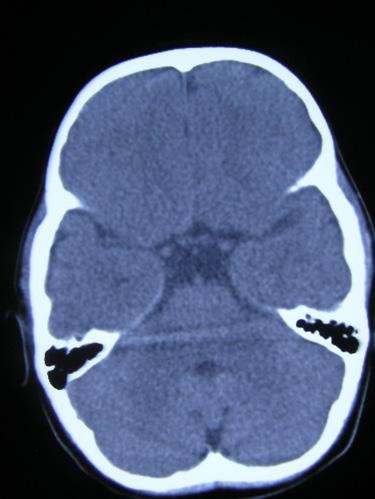
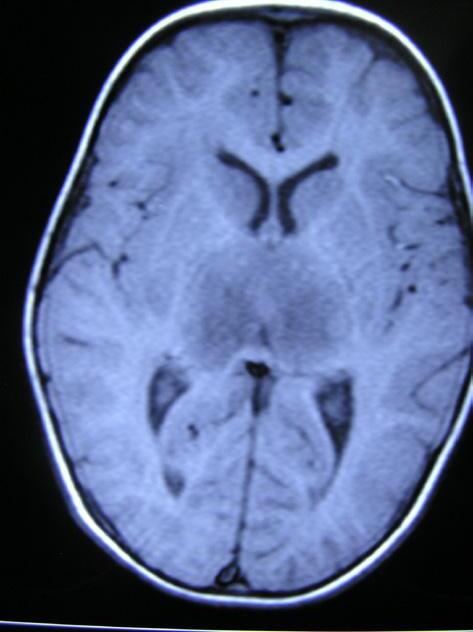
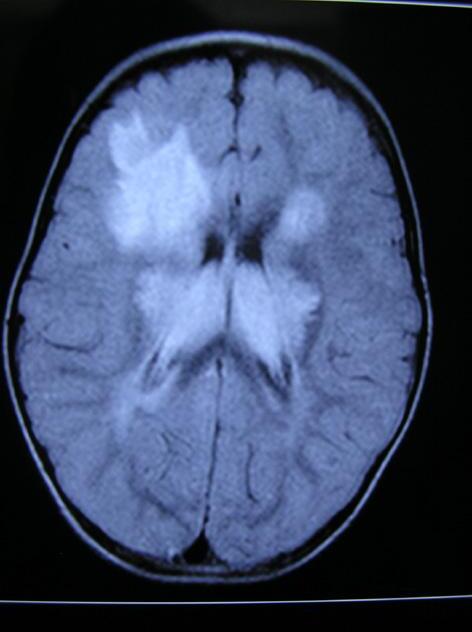
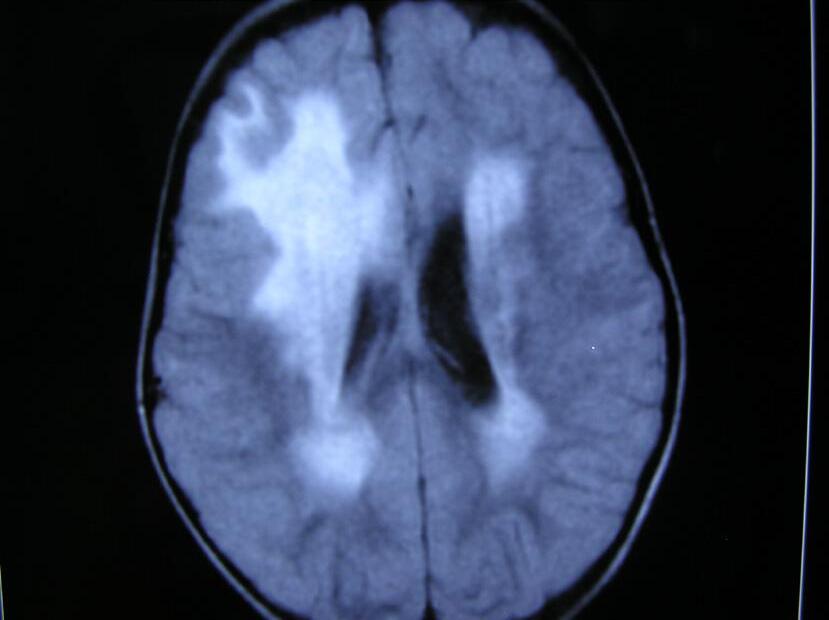
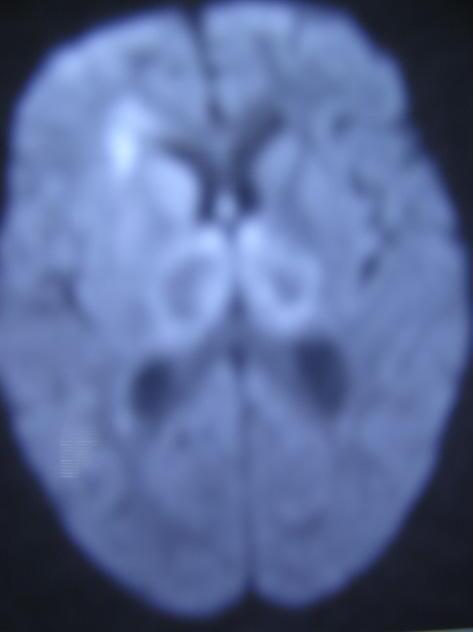
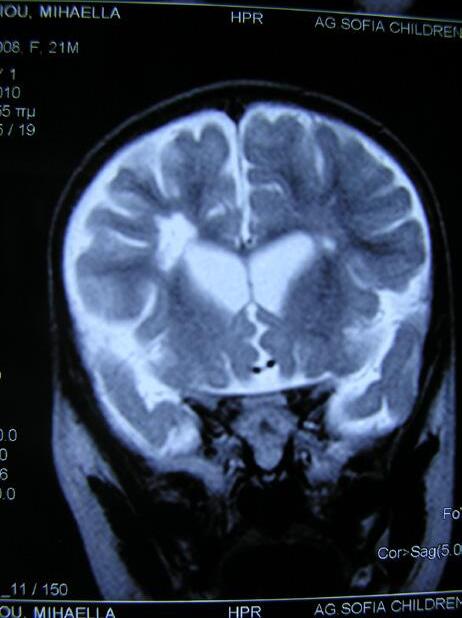
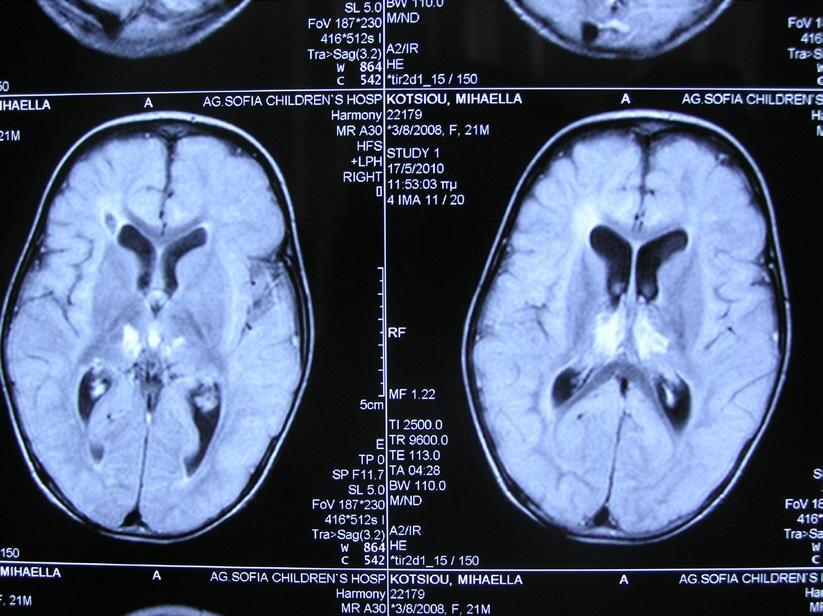
Λ: 7200, Π / 40, Λ / 57, Αιμ. 118000
CRP: 1mg/lt
PT:18,69 INR:1,65, PTTK:65, FDP:34,27
SGOT:149, SGPT:49, LDH:1403
Glu: 99, pH: 7,13, HCO3: 13,5
Oυρία: 23mg/dl, Cr:1,0mg/dl
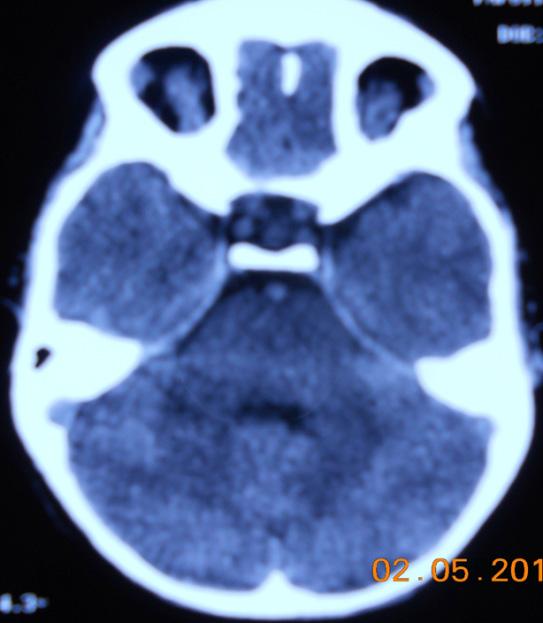
Εικόνα V
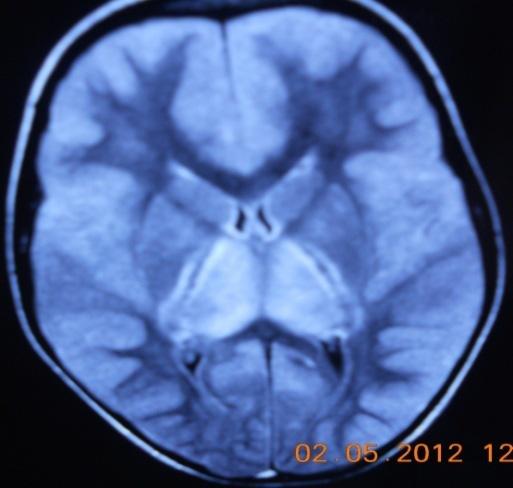
Εικόνα VI Μαγνητική
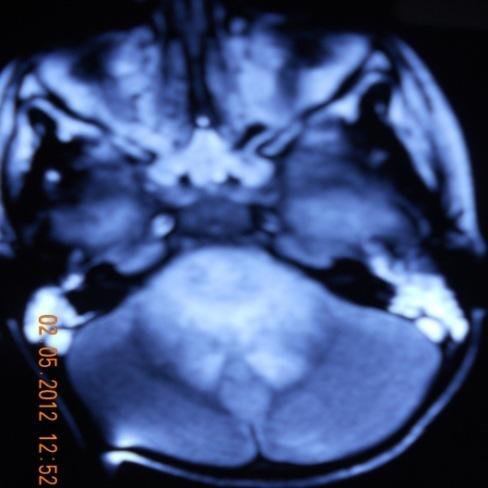
1. Μ. Mizuguchi: Acute necrotizing encephalopathy of childhood: a novel form of acute encephalopathy prevalent in Japan and Taivan. Brain and Development 1997; 19:81-92.
2. Rodney E. Willoughby Jr: Long: Principles of Pediattic Infectious Diseases, 3rd Edition: Chapter 46- Encephalitis, Meningoencephalitis, Acute Disseminated Encephalomyelitis, and Acute Necrotizing Encephalopathy.
3. H.Seo, S. Hwang, C.Byung, M.Cho, S.Park, S. Kwon: Clinical Spectrum and Prognostic Factors of Acute Necrotizing Encephalopathy in Children. J Koran Med Sci 2010; 25: 449-53.
4. J.Kim, I.Kim, M.Lim, M.Park, C.Choi et al. Acute Necrotizing Encephalopathy in Korean Infants and Children: Imaging Findings and Diverse Clinical Outcome. Korean J Radiol 2004; 5: 171-177.
5. H. Goo, C.Choi, C.Yoon, T.Ko: Acute Necrotizing Encephalopathy: Diffusion MR Imaging and Localized Proton MR Spectroscopic Findings in two infants. Korean J Radiol 2003; 4: 61-65.
6. D. Neilson, H. Feiler, K.Wilhelmsen, A.Lynn, R. Eiben , D. Kerr et al: Autosomal Dominant Acute Necrotizing Encephalopathy Maps to 2q12.1-2q13. Ann Neurol 2004; 55: 291-294.
7. E.Marco, J. Anderson, D. Neilson, J.Strober: Acute Necrotizing Encephalopathy in 3 brothers, Pediatrics 2010; 125;e693-e698.
8. T. Ichiyama, S. Endo, M. Kaneko, H. Isumi, T. Matsubara, S. Furukawa: Serum cytokine concentrations of influenza-associated acute necrotizing encephalopathy. Pediatrics International 2003; 45: 734-736.
9. B. Millan, S. Teijeira, C. Penin, J. Garcia, C. Navarro: Acute Necrotizing Encephalopathy of Childhood: Report of a Spanish Case. Pediatr Neurol 2007; 37: 438-441.
10. A. Wong, E. Simon, R. Zimmerman, H. Wang, C. Toh, S. Ng: Acute Necrotizing Encephalopathy of Childhood: Correlation of MR Findings and Clinical Outcome. Am J Neuroradiol 2006; 27: 1919-23.
11. M. Sazgar, J. Robinson, A. Chan, D. Sinclair: Influenza B Acute Necrotizing Encephalopathy: A Case Report and Literature Review. Pediatr Neurol 2003; 28: 396399.
12. S. Mastroyianni, D. Gionnis, K.Voudris, A. Skardoutsou, M. Mizuguchi: Acute Necrotizing Encephalopathy of Childhood in Non – Asian Patients: Report of Three Cases and Literature Review. J Child Neurol 2006; 21: 872-879.
13. K. Akiyoshi, Y. Hamada, H. Yamada, M. Kojo, T. Izumi: Acute Necrotizing Encephalopathy Associated with Hemophgocytic Syndrome. Pediatric Neurology 2006; 34: Issue 4.
14. B. Skelton, M. Hollinshead, A. Sledd, C. Phillips, M. Castillo: Acute necrotizing encephalopathy of childhood: typical findings in an atypical disease. Pediatric Radiol 2008; 38: 810-813.