Paediatriki
Volume 76 • Number 3 • July-August-September 2013
Trimonthly publication of the Greek Paediatric Society
President
A. Constantopoulos
Editorial board
Director
G. S. Varlamis
Members
S. Andronikou
E. Galanakis
A. Evangeliou
L. Thomaidou
M. Kanariou
A. Kapogiannis
S. Kitsiou-Tzeli
E. Mantadakis
P. Panagiotopoulou-Gartagani
A. Papadopoulou
V. Papaevagelou
A. Papathanassiou
A. Siamopoulou-Mavridou
A. Syrigou-Papavasiliou
Manuscript submission
e-mail: grammateia@e-child.gr
Instructions to authors: http://e-child.gr/publications/ instructions-to-authors
Owner
Greek Paediatric Society 15, Mpakopoulou st.
GR - 15451, Ν. Psychiko
Tel.: +302107771140
e-mail: grammateia@e-child.gr
Annual subscription
All foreign countries: US$50
350 358 374
CONTENTS
Measles - mumps - rubella vaccination of children with egg allergy
Maria Kavga, Konstantina Tsoni, Stauroula Karipidou, Ioannis Kavaliotis
Health-related quality of life of children with epilepsy and their families: risk factors and comparison with healthy controls
Eleni Bompori, Dimitrios Niakas, Iliada Nakou, Antigoni Siamopoulou-Mavridou, Meropi Tzoufi
CASE REPORTS
2q31.1 chromosomal deletion: A case report and literature review
Kaloumenou Irene, Karachaliou Fotini, Vlachopapadopoulou Elpis, Voudris Kon/ nos, Fotinou Aspasia, Michalacos Stefanos
www.ped-congress.gr
Dimitrios Rallis
First Department of Pediatrics of University of Athens, Children’s Hospital “Agia Sophia”, Athens
Eleni Mylona
Paraskevi Karagianni
Christos Tsakalidis
Second Neonatal Intensive Care Unit, Aristotle University of Thessaloniki, Hospital “Papageorgiou”, Thessaloniki Δημήτριος
Recommended standards for spatial and functional organization of the Neonatal Intensive Care Units
Dimitrios Rallis1, Eleni Mylona2, Paraskevi Karagianni2, Christos Tsakalidis2
Background: Neonatal intensive care units (NICU) represent hospital departments with special standards. In order to maximize the healthcare provision of NICU’s, specific recommendations have been proposed and should be fulfilled, regarding the minimum area of the unit, the construction materials, the lighting, acoustic environment, temperature and humidity.
Methods and Results: The Report of the Eighth Consensus Conference on Newborn intensive care unit Design was recently published, where it is determined the minimum space that is required for the proper operation of the Unit. Moreover, it is determined the need of isolation around each incubator, as well as the requirements that must be met for single rooms in order to provide the optimal support of the family of the newborn.
11527,
6945898078
e-mail: dimitrisrallis@hotmail. com
Correspondence
Dimitrios Rallis
Thivon and Papadiamantopoulou, 11527, Athens
Tel: +30 6945898078
e-mail: dimitrisrallis@hotmail. com
AAP = AmericanAcademyofPeadiatrics
ACOG = AmericanCollegeofObstetriciansandGynecologists
CRI = ColorRenderingIndex
FSCI10 = FullSpectrumColorIndex
GAI = GamutAreaIndex
nCPAP = nasal continuous positive airway pressure
Particular attention is given to the operating conditions of the neonatal intensive care unit, in terms of temperature and humidity, which must be within specified values, as well as the noise and lighting, which should not exceed certain limits. Finally, the specifications of hand washing stations, construction materials and the storage facility that must be provided to the unit are thoroughly recorded.
The functional standards that are minimum required are also recorded, such as the proper ratio of nursing staff-neonates, the type of care for each neonate, and finally the minimum equipment requiredfor each NICU.
Conclusion:The purpose of this study is to capture the recommended instructions for neonatal intensive care units adapted by the needs of the Greek healthcare system.
Keywords: Neonatal Intensive Care Unit, spatial organization, guidelines
(American Academy of Peadiatrics-AAP),
(American College of Obstetricians and Gynecologists-ACOG)
(CRI-Color Rendering Index)
(FSCI10-Full Spectrum Color Index)
Gamut Area Index)
≤ 80(10-15).
1. Ryan GM, Jr. Toward improving the outcome of pregnancy Recommendations for the regional development of perinatal health services. Obstet Gynecol. 1975;46:375384.
2. Oh W, Merenstein G. Fourth edition of the Guidelines for Perinatal Care: summary of changes. Pediatrics. 1997;100:1021-1022.
3. Guidelines for health care professionals supporting families experiencing a perinatal loss. Paediatr Child Health. 2001;6:469-490.
4. White RD. Recommended standards for the newborn ICU. J Perinatol. 2007;27 Suppl 2:S4-S19.
5. White RD, Smith JA, Shepley MM. Recommended standards for newborn ICU design, eighth edition. J Perinatol. 2013;33 Suppl 1:S2-16.
6. Ulrich RS. Effects of interior design on wellness: theory and recent scientific research. J Health Care Inter Des. 1991;3:97-109.
7. Gray L, Philbin MK. Effects of the neonatal intensive care unit on auditory attention and distraction. Clin Perinatol. 2004;31:243-260.
8. Philbin MK, Robertson A, Hall JW, 3rd. Recommended permissible noise criteria for occupied, newly constructed or renovated hospital nurseries. The Sound Study Group of the National Resource Center. J Perinatol. 1999;19:559-563.
9. Evans JB, Philbin MK. Facility and operations planning for quiet hospital nurseries. J Perinatol. 2000;20:S105-112.
10. Recommended Practice for Lighting for Hospitals and Health Care Facilities. New York2006. 29-06.
11. Freyssinier JP, Rea MS, Bullough JD. Brightness contrast perception in the mesopic region. Ophthalmic Physiol Opt. 2006;26:300-312.
12 Glickman G, Byrne B, Pineda C, Hauck WW, Brainard GC. Light therapy for seasonal affective disorder with blue narrow-band light-emitting diodes (LEDs). Biol Psychiatry. 2006;59:502-507.
13. Council UGB. LEED 2009 for Healthcare, New Construction and major Renovations. Washington DC2011.
14. DiLaura DL, Houser KW, Mistrick RG, Steffy GR. The Lighting Handbook, 10th Edition. New York2011.
15. Weiss M. Evidence-based practice, LEAN, LEED, and various accreditation processes all require the effective use of metrics to drive assessment, analysis, planning, implementation, and outcomes in healthcare organizations. HERD. 2011;4:142-143.
16. Rivkees SA. Emergence and influences of circadian rhythmicity in infants. Clin Perinatol. 2004;31:217-228.
17. Bullough JD, Sweater Hickcox K, T.R. K, N. N. Effects of flicker characteristics from solid-state lighting on detection, acceptability and comfort. Lighting Research technology 2011;43:337-348.
18. Anderson RL, Mackel DC, Stoler BS, Mallison GF. Carpeting in hospitals: an epidemiological evaluation. J Clin Microbiol. 1982;15:408-415.
19. NFPA 99: Health Care Facilities Code, 2012 Edition. Quincy, MA2012.
20. Parmanum J, Field D, Rennie J, Steer P. National census of availability of neonatal intensive care. British Association for Perinatal Medicine. BMJ. 2000;321:727-729.
21. Tucker J. Patient volume, staffing, and workload in relation to risk-adjusted outcomes in a random stratified sample of UK neonatal intensive care units: a prospective evaluation. Lancet. 2002;359:99-107.
22. Williams S, Whelan A, Weindling AM, Cooke RW. Nursing staff requirements for neonatal intensive care. Arch Dis Child. 1993;68:534-538.
Abstract
Alexandros Makis
Assistant Professor of Pediatrics/Pediatric Hematology
Nikolaos Chaliasos
Associate Professor of Pediatrics
Antigone Siamopoulou
Professor of Pediatrics
Child Health Department, University of Ioannina Medical School Αλέξανδρος
Practical approach of marked and persistent eosinophil-
ia in children
Alexandros Makis, Nikolaos Chaliasos, Antigone Siamopoulou
The increased of the number of eosinophils in the peripheral blood is a finding in numerous disease processes due to the involvement of eosinophils in many biological mechanisms such as tissue homeostasis, defense against microorganisms, regulation of immune reaction and activation of mastocytes. In every-day clinical practice we mostly concern about marked and persistent hypereosinophilia(>1.500/ mm3)because of the potential risk of tissue damage caused by the eosinophil-derived substances. Furthermore, hypereosinophilia can be the manifestation of a severe disease that needs prompt treatment. Depending on the involved pathophysiologic pathway eosinophilia is classified in two categories: (a) reactive (non-clonal)eosinophilia, which is caused by cytokine-mediated (mostly interleukin-5) increased differentiation and survival of eosinophilsand (b) clonal eosinophilia, where mutation-mediated clonal expansion of eosinophils exists. Thehypereosinophilicsyndromeis the situation defined as persistent eosinophilia (>1.500/mm3) for which no underlying cause can befound, for more than 6 months, associated with signs of organ involvementanddysfunction.
The present review will focus on the approach of hypereosinophilia in children with emphasis on the recent knowledge about the pathogenesis, classification and treatment of hypereosinophilic syndrome.
Keywords: hypereosinophilia, hypereosinophilicsyndrome
Αλληλογραφία Αλέξανδρος Μάκης
Ιωαννίνων ΤΘ 1187, 45110, Ιωάννινα
Τηλ: 2651007529
Fax: 2651007032
e-mail: amakis@cc.uoi.gr
Correspondence
Alexandros Makis
University of Ioannina Medical School
P.O. Box 1187, GR-45110 Ioannina, Greece
Tel: +30 2651007529
Fax: +30 2651007032
e-mail: amakis@cc.uoi.gr
CD- = cluster of differentiation-
DRESS = drug reactions with eosinophilia and systemic symptoms
ECP = ηωσινοφιλική
EDN = ηωσινοφιλική
EPO = ηωσινοφιλική υπεροξειδάση
FGFR1 = fibroblast growth factor receptor 1
FIP1L1 = Fip1-like-1
FISH = fluorescent in situ hybridization
GM-CSF = αυξητικός παράγοντας των κοκκιοκυττάρωνμακροφάγων
IL- = Interleukin-, ιντερλευκίνηIFN-γ = ιντερφερόνη-γ
MBP = μείζων βασική πρωτεΐνη
PCR = polymerase chain reaction
PDGFRA = platelet derived growth factor alpha
PDGFRB = platelet-derived growth factor receptor-beta
TNF-a = tumor necrosis factor-α,
ECP, EPO, EDN,
Dientamoebafragilis
Ascarislubricoides
Ancylostomaduodenale
Enterobiusvermicularis (οξυουρίαση)
Trichinellaspiralis
Echinococcusgranulosus (ρήξη κύστης)
Toxocaracanis
Μυκητιασικές λοιμώξεις
κοκκιδιομύκωση
Αλλεργικά ή ατοπικά νοσήματα αντίδραση υπερευαισθησίας σε φάρμακα
Wiskott-Aldrich)
νόσος
Churg-Strauss
ν. Wegener
σαρκοείδωση
Dientamoeba fragilis, Ascaris lubricoides, Ancylostoma duodenale, Enterobius vermicularis (οξυουρίαση)
lamblia, Entamoeba histolyti-
6.
ή μυελοδυσπλασίας, παρουσία άωρων μορφών ή βλαστών Ηπατοσπληνομεγαλία
Μυελόγραμμα, ΟΜΒ Κυτταρομετρία ροής Καρυοτυπικός έλεγχος Κυτταρογενετική ανάλυση Μοριακός έλεγχος BCR/ABL, JAK, c-kit
Ειδική θεραπεία
Φάρμακα – Διακοπή; Ταξίδια, συνήθειες Παράγοντες κινδύνου για κακοήθεια Έλεγχος για παράσιτα Ορολογικός, παρασιτολογικές κοπράνων IgE, ανοσολογικός Τροπονίνη ΗΚΓ, ECHO-MRI καρδιάς C/T θώρακος/κοιλίας Βιοψία οργάνων
1. Rothenberg ME, Hogan SP. The eosinophil. Annu Rev Immunol. 2006;24:147-74
2. Kita H. Eosinophils: multifaceted biological properties and roles in health and disease. Immunol Rev. 2011;242:161-77
3. Blanchard C, Rothenberg ME. Biology of the eosinophil. Adv Immunol. 2009;101:81121
4. Sennels HP, Jørgensen HL, Hansen AL, Goetze JP, Fahrenkrug J. Diurnal variation of hematology parameters in healthy young males: the Bispebjerg study of diurnal variations. Scand J Clin Lab Invest. 2011;71:532-41
5. Freeman GL. Syndromes associated with eosinopenia. Allergy. 1998;53:331-3
6. Tefferi A. Blood eosinophilia: a new paradigm in disease classification, diagnosis, and treatment. Mayo Clin Proc. 2005;80:75-83
7. Tefferi A, Patnaik MM, Pardanani A. Eosinophilia: secondary, clonal and idiopathic. Br J Haematol. 2006;133:468-92
8. Valent P. Pathogenesis, classification, and therapy of eosinophilia and eosinophil disorders. Blood Rev. 2009;23:157-65
9. Wagelie-Steffen A, Aceves SS. Eosinophilic disorders in children. Curr Allergy Asthma Rep. 2006;6:475-82
10. Simon D, Simon HU. Eosinophilic disorders. J Allergy ClinImmunol. 2007;119:1291300; quiz 1301-2
11. Wilson, ME. A World Guide to Infections: Diseases, Distributions, Diagnosis. Oxford University Press; New York: 1991. Eosinophilia; p. 164
12. Roujeau JC. Clinical heterogeneity of drug hypersensitivity. Toxicology. 2005;209:123-9
13. Makis AC, Tzoufi M, Kateri MD, Bourantas KL, Papadopoulou ZL. Valproate-induced eosinophilia in children with epilepsy: role of interleukin-5. J Child Neurol. 2005;20:150-2
14. Akuthota P, Weller PF. Eosinophils and disease pathogenesis. SeminHematol. 2012;49:113-9.
15. Heimall J, Freeman A, Holland SM. Pathogenesis of hyper IgE syndrome. Clin Rev Allergy Immunol. 2010;38:32-8
16. Mejia R, Nutman TB. Evaluation and differential diagnosis of marked, persistent eosinophilia. SeminHematol. 2012;49:149-59
17. Gotlib J. World Health Organization-defined eosinophilic disorders: 2011 update on diagnosis, risk stratification, and management. Am J Hematol. 2011;86:677-88
18. Klion AD, Bochner BS, Gleich GJet al. The Hypereosinophilic Syndromes Working Group. Approaches to the treatment of hypereosinophilic syndromes: a workshop summary report. J Allergy ClinImmunol. 2006;117:1292-302.
19. vanGrotel M, de Hoog M, de Krijger RR, Beverloo HB, van den Heuvel-EibrinkMM. Hypereosinophilic syndrome in children. Leuk Res. 2012;36:1249-54
20. Nutman TB. Evaluation and differential diagnosis of marked, persistent eosinophilia. Immunol Allergy Clin North Am. 2007;27:529-49
21. Katz HT, Haque SJ, Hsieh FH. Pediatric hypereosinophilic syndrome (HES) differs from adult HES. J Pediatr. 2005;14:134-6
22. Rothschild BM. Pediatric Hypereosinophilic Syndrome. Medscape, http://emedicine.medscape.com/article/886861-overview
23. Montano-Almendras CP, Essaghir A, Schoemans H et al. ETV6-PDGFRB and FIP1L1-PDGFRA stimulate human hematopoietic progenitor cell proliferation and differentiation into eosinophils: the role of nuclear factor-κB. Haematologica. 2012;97:1064-72.
24. Simon HU, Rothenberg ME, Bochner BS et al. Refining the definition of hypereosinophilic syndrome. J Allergy ClinImmunol. 2010;126:45-9.
Abstract
Alexandros Makis
Assistant Professor of Pediatrics/Pediatric Hematology
Antigone Siamopoulou Professor of Pediatrics Child Health Department, University of Ioannina Medical School
Hematological manifestations in systemic autoimmune diseases of childhood
Alexandros Makis, Antigone Siamopoulou
In systemic autoimmune disorders the chronic inflammatory process and the action of autoantibodies cause damage in many organs, including the hemopoietic system. The homeostasis of hemopoietic system is controlled by a complex network of cellular and humoral factors, which is deregulated in systemic autoimmune diseases. The hematological manifestations are frequent at diagnosis as well as during the course of these diseases and have a significant impact on quality on life, morbidity, complications and prognosis. All the hemopoietic lines are affected as well as blood clotting and iron bioavailability. Moreover, an increased frequency of hematologic malignancies, mainly lymphoproliferative disorders, has been observed in these disorders, mainly in juvenile sysytemic arthritis and systemic lupus erythematosus. Although the reasons remain uncertain, it is believed that both chronic immunologic activation and treatment with disease-modifying antirheumatic drugs play a role in the malignant transformation. In this paper, the main hematologic manifestations of the most frequent childhood systemic autoimmune diseases are reviewed and discussed.
Key words: Systemic autoimmune diseases, hematological manifestations, hematological malignancies
Αλληλογραφία
Ιωαννίνων ΤΘ 1187, 45110, Ιωάννινα
Τηλ: 2651007529
Fax: 2651007032
e-mail: amakis@cc.uoi.gr
Correspondence
Alexandros Makis
University of Ioannina Medical School
P.O. Box 1187, GR-45110 Ioannina, Greece
Tel: +30 2651007529
Fax: +30 2651007032
e-mail: amakis@cc.uoi.gr
Συντομογραφίες
anti-U1-RNP = anti -U1 ribonucleoprotein
CD- = cluster of differentiation-
HLA-DR4 = human leukocyte antigen-DR4
IFN-γ = interferon-gamma,
IL- = nterleukin-,
MCV = mean corpuscular vol-
MCH = mean corpuscular hemoglobin,
TNF-α = tumor necrosis factoralpha
Sjögren (98).
(99, 100).
1. Bowman SJ. Hematological manifestations of rheumatoid arthritis. Scand J Rheumatol. 2002;31(5):251-9
2. Bashal F. Hematological disorders in patients with systemic lupus erythematosus. Open Rheumatol J. 2013 18;7:87-95
3. Mannion ML, Beukelman T. What is the background incidence of malignancy in children with rheumatic disease? Curr Rheumatol Rep. 2013;15(3):310
4. Cabral DA, Tucker LB. Malignancies in children who initially present with rheumatic complaints. J Pediatr. 1999;11:53–57
5. Zombori L, Kovacs G, Csoka M, Derfalvi B. Rheumatic symptoms in childhood leukaemia and lymphoma-a ten-year retrospective study. Pediatr Rheumatol Online J. 2013 4;11(1):20
6. Martini A. JIA in 2011: New takes on categorization and treatment. Nat Rev Rheumatol. 2012 Jan 10;8(2):67-8
7. Sikora KA, Grom AA. Update on the pathogenesis and treatment of systemic idiopathic arthritis. Curr Opin Pediatr. 2011 Dec;23(6):640-6
8. Simard JF, Neovius M, Hagelberg S, Askling J. Juvenile idiopathic arthritis and risk of cancer: a nationwide cohort study. Arthritis Rheum. 2010 Dec;62(12):3776-82
9. Nordstrom BL, Mines D, Gu Y, Mercaldi C, Aquino P, Harrison MJ. Risk of malignancy in children with juvenile idiopathic arthritis not treated with biologics. Arthritis Care Res (Hoboken). 2012 Apr 17. doi: 10.1002/acr.21709. [Epub ahead of print]
10. Beukelman T, Haynes K, Curtis JR, Xie F, Chen L, Bemrich-Stolz CJ, Delzell E, Saag KG, Solomon DH, Lewis JD; Safety Assessment of Biological Therapeutics Collaboration. Rates of malignancy associated with juvenile idiopathic arthritis and its treatment. Arthritis Rheum. 2012 Apr;64(4):1263-71
11. Harvey AR, Pippard MJ, Ansell BM. Microcytic anaemia in juvenile chronic arthritis. Scand J Rheumatol. 1987;16(1):53-9
12. Minaur NJ, Jacoby RK, Cosh JA, Taylor G, Rasker JJ. Outcome after 40 years with rheumatoid arthritis: a prospective study of function, disease activity, and mortality. J Rheumatol Suppl. 2004 Mar;69:3-8
13. Kirel B, Yetgin S, Saatci U, Ozen S, Bakkaloglu A, Besbas N. Anaemia in juvenile chronic arthritis. Clin Rheumatol. 1996 May;15(3):236-41
14. Kivivuori SM, Pelkonen P, Ylijoki H, Verronen P, Siimes MA. Elevated serum transferrin receptor concentration in children with juvenile chronic arthritis as evidence of iron deficiency. Rheumatology (Oxford). 2000 Feb;39(2):193-7
15. Aalto K, Honkanen V, Lahdenne P. Iron status during anti-TNF therapy in children with juvenile idiopathic arthritis. Clin Rheumatol. 2011 Jan;30(1):115-9
16. Yetgin S, Ozen S, Saatci U, Bakkaloglu A, Besbas N, Kirel B. Myelodysplastic features in juvenile rheumatoid arthritis. Am J Hematol. 1997 Feb;54(2):166-9
17. Janic D, Loncarevic S, Krstovski N, Dokmanovic L, Lazic J, Rodic P. Bone marrow findings in juvenile idiopathic arthritis. Pediatr Hematol Oncol. 2008 Sep;25(6):57581
18. Tanturri de Horatio L, Damasio MB, Barbuti D, Bracaglia C, Lambot-Juhan K, Boavida P, Ording Müller LS, Malattia C, Ravà L, Rosendahl K, Tomà P. MRI assessment of bone marrow in children with juvenile idiopathic arthritis: intra- and interobserver variability. Pediatr Radiol. 2012 Jun;42(6):714-20
19. Graham LD, Myones BL, Rivas-Chacon RF, Pachman LM. Morbidity associated with long-term methotrexate therapy in juvenile rheumatoid arthritis. J Pediatr. 1992 Mar;120(3):468-73
20. Desai SB, Furst DE. Problems encountered during anti-tumour necrosis factor therapy. Best Pract Res Clin Rheumatol. 2006 Aug;20(4):757-90
21. Stalder MP, Rovó A, Halter J, Heim D, Silzle T, Passweg J, Rischewski J, Stern M, Arber C, Buser A, Meyer-Monard S, Tichelli A, Gratwohl A. Aplastic anemia and concomitant autoimmune diseases. Ann Hematol. 2009 Jul;88(7):659-65
22. Kimura N, Yamasaki K, Niho Y, Kisu T, Oka Y, Otuka T. Pure red cell aplasia associated with juvenile rheumatoid arthritis: effects of T-lymphocytes on hemopoietic progenitor cells. Nihon Ketsueki Gakkai Zasshi. 1982 Feb;45(1):129-32
23. Sinha AK, Agarwal A, Lakhey M, Ansari J, Rani S. Pure red cell aplasia-report of 11 cases from eastern Nepal. Indian J Pathol Microbiol. 2003 Jul;46(3):405-8
24. Voulgari PV, Kolios G, Papadopoulos GK, et al. Role of cytokines in the pathogenesis of anemia of chronic disease in rheumatoid arthritis. Clin Immunol 1999; 92:153
25. Masson C. Rheumatoid anemia. Joint Bone Spine. 2011 Mar;78(2):131-7
26. Roy CN, Andrews NC. Anemia of inflammation: the hepcidin link. Curr Opin Hematol. 2005 Mar;12(2):107-11
27. Ravelli A, Martini A. Juvenile idiopathic arthritis. Lancet. 2007 Mar 3;369(9563):767-78
28. Evstatiev R, Gasche C. Iron sensing and signalling. Gut. 2012 Jun;61(6):933-52
29. Martini A, Ravelli A, Di Fuccia G, Rosti V, Cazzola M, Barosi G. Intravenous iron therapy for severe anaemia in systemic-onset juvenile chronic arthritis. Lancet. 1994 Oct 15;344(8929):1052-4
30. Gowdie PJ, Tse SM. Juvenile idiopathic arthritis. Pediatr Clin North Am. 2012 Apr;59(2):301-27)
31. Endresen GK, Høyeraal HM, Kåss. Platelet count and disease activity in juvenile rheumatoid arthritis. Scand J Rheumatol. 1977;6(4):237-40
32. Spiegel LR, Schneider R, Lang BA, Birdi N, Silverman ED, Laxer RM, Stephens D, Feldman BM. Early predictors of poor functional outcome in systemic-onset juvenile rheumatoid arthritis: a multicenter cohort study. Arthritis Rheum. 2000 Nov;43(11):2402-9
33. Ravelli A, Martini A. Early predictors of outcome in juvenile idiopathic arthritis. Clin Exp Rheumatol. 2003 Sep-Oct;21(5 Suppl 31):S89-93
34. Hsu CT, Lin YT, Yang YH, Chiang BL. Factors affecting clinical and therapeutic outcomes of patients with juvenile rheumatoid arthritis. Scand J Rheumatol. 2004;33(5):312-7)
35. Piñana E, Lei SH, Merino R, Melgosa M, De La Vega R, Gonzales-Obeso E, Ramírez E, Borobia A, Carcas A. DRESS-syndrome on sulfasalazine and naproxen treatment for juvenile idiopathic arthritis and reactivation of human herpevirus 6 in an 11-yearold Caucasian boy. J Clin Pharm Ther. 2010 Jun;35(3):365-70
36. Savolainen HA, Leirisalo-Repo M. Eosinophilia as a side-effect of methotrexate in patients with chronic arthritis. Clin Rheumatol. 2001;20(6):432-4
37. Bloom BJ, Smith P, Alario AJ. Felty syndrome complicating juvenile rheumatoid arthritis. J Pediatr Hematol Oncol. 1998 Sep-Oct;20(5):511-3
38. Sherry DD, Kredich DW. Transient thrombocytopenia in systemic onset juvenile rheumatoid arthritis. Pediatrics. 1985 Oct;76(4):600-3
39. Lin SJ, Jaing TH. Thrombocytopenia in systemic-onset juvenile chronic arthritis: report of two cases with unusual bone marrow features. Clin Rheumatol. 1999;18(3):241-3
40. Koç A, Kösecik M, Tatli MM, Ataş A, Emiroğlu HH. Juvenile rheumatoid arthritis presented with thrombocytopenia. Turk J Pediatr. 2000 Apr-Jun;42(2):162-4)
41. Ewer AK, Darbyshire PJ, Southwood TR. Systemic-onset juvenile chronic arthritis and bone marrow hypoplasia. Br J Rheumatol. 1993 Jan;32(1):78-80
42. Lin CI, Yu HH, Lee JH, Wang LC, Lin YT, Yang YH, Chiang BL. Clinical analysis of macrophage activation syndrome in pediatric patients with autoimmune diseases. Clin Rheumatol. 2012 Aug;31(8):1223-30
43. Simard JF, Neovius M, Hagelberg S, Askling J. Juvenile idiopathic arthritis and risk of cancer: a nationwide cohort study. Arthritis Rheum. 2010 Dec;62(12):3776-82
44. Nordstrom BL, Mines D, Gu Y, Mercaldi C, Aquino P, Harrison MJ. Risk of malignancy in children with juvenile idiopathic arthritis not treated with biologics. Arthritis Care Res (Hoboken). 2012 Apr 17. doi: 10.1002/acr.21709. [Epub ahead of print]
45. Diak P, Siegel J, La Grenade L, Choi L, Lemery S, McMahon A. Tumor necrosis factor alpha blockers and malignancy in children: forty-eight cases reported to the Food and Drug Administration. Arthritis Rheum. 2010 Aug;62(8):2517-24
46. Horneff G, Foeldvari I, Minden K, Moebius D, Hospach T. Report on malignancies in the German juvenile idiopathic arthritis registry. Rheumatology (Oxford). 2011 Jan;50(1):230-6
47. Beukelman T, Haynes K, Curtis JR, Xie F, Chen L, Bemrich-Stolz CJ, Delzell E, Saag KG, Solomon DH, Lewis JD; Safety Assessment of Biological Therapeutics Collaboration. Rates of malignancy associated with juvenile idiopathic arthritis and its treatment. Arthritis Rheum. 2012 Apr;64(4):1263-71. doi: 10.1002/art.34348. Epub 2012 Feb 10
48. Lehman TJ. Systemic lupus erythematosus in children and adolescents. In: Dubois’ Systemic Lupus Erythematosus, 5th ed, Wallace DA, Hahn B (Eds), WB Saunders, Philadelphia 1996
49. Malleson PN, Fung MY, Rosenberg AM. The incidence of pediatric rheumatic diseases: results from the Canadian Pediatric Rheumatology Association Disease Registry. J Rheumatol. 1996 Nov;23(11):1981-7
50. Kaipiainen-Seppänen O, Savolainen A. Incidence of chronic juvenile rheumatic diseases in Finland during 1980-1990. Clin Exp Rheumatol. 1996 Jul-Aug;14(4):441-4
51. Hochberg MC. Updating the American College of Rheumatology revised criteria for the classification of systemic lupus erythematosus. Arthritis Rheum. 1997 Sep;40(9):1725)
52. Seaman DE, Londino AV Jr, Kwoh CK, et al. Antiphospholipid antibodies in pediatric systemic lupus erythematosus. Pediatrics 1995; 96:1040
53. Iqbal S, Sher MR, Good RA, Cawkwell GD. Diversity in presenting manifestations
of systemic lupus erythematosus in children. J Pediatr 1999; 135:500
54. Schmugge M, Revel-Vilk S, Hiraki L, et al. Thrombocytopenia and thromboembolism in pediatric systemic lupus erythematosus. J Pediatr 2003; 143:666
55. Bader-Meunier B, Armengaud JB, Haddad E, Salomon R, Deschênes G, Koné-Paut I, Leblanc T, Loirat C, Niaudet P, Piette JC, Prieur AM, Quartier P, Bouissou F,Foulard M, Leverger G, Lemelle I, Pilet P, Rodière M, Sirvent N, Cochat P.Initial presentation of childhood-onset systemic lupus erythematosus: a Frenchmulticenter study. J Pediatr. 2005 May;146(5):648-53
56. Hiraki LT, Benseler SM, Tyrrell PN, Hebert D, Harvey E, Silverman ED. Clinical and laboratory characteristics and long-term outcome of pediatric systemic lupus erythematosus: a longitudinal study. J Pediatr. 2008 Apr;152(4):550-6
57. Huang JL, Yeh KW, Yao TC, Huang YL, Chung HT, Ou LS, Lee WI, Chen LC. Pediatric lupus in Asia. Lupus. 2010 Oct;19(12):1414-8
58. Gokce M, Bilginer Y, Besbas N, Ozaltin F, Cetin M, Gumruk F, Ozen S. Hematological features of pediatric systemic lupus erythematosus: suggesting management strategies in children. Lupus. 2012 Jul;21(8):878-84
59. Levy DM, Kamphuis S. Systemic lupus erythematosus in children and adolescents. Pediatr Clin North Am. 2012 Apr;59(2):345-64
60. Lam SK, Quah TC. Anemia in systemic lupus erythematosus. J Singapore Paediatr Soc. 1990;32(3-4):132-6
61. Oka Y, Kameoka J, Hirabayashi Y, Takahashi R, Ishii T, Sasaki T, Harigae H.Reversible bone marrow dysplasia in patients with systemic lupus erythematosus. Intern Med. 2008;47(8):737-42
62. Wolach B, Choc L, Pomeranz A, et al. Aplastic anemia in neonatal lupus erythematosus. Am J Dis Child 1993; 147:941
63. Hara A, Wada T, Kitajima S, Toyama T, Okumura T, Kitagawa K, Iwata Y, Sakai N, Furuichi K, Higuchi M, Kaneko S. Combined pure red cell aplasia and autoimmune hemolytic anemia in systemic lupus erythematosus with anti-erythropoietin autoantibodies. Am J Hematol. 2008 Sep;83(9):750-2
64. Miescher PA, Tucci A, Beris P, Favre H. Autoimmune hemolytic anemia and/or thrombocytopenia associated with lupus parameters. Semin Hematol 1992; 29:13
65. Ward MM et al. Mortality risks associated with specific clinical manifestations of systemic lupus erythematosus. Arch Intern Med. 1996 24;156:1337-44)
66. Rivero SJ, Díaz-Jouanen E, Alarcón-Segovia D. Lymphopenia in systemic lupus erythematosus. Clinical, diagnostic, and prognostic significance. Arthritis Rheum 1978; 21:295
67. Levine AB, Erkan D. Clinical assessment and management of cytopenias in lupus patients. Curr Rheumatol Rep. 2011 Aug;13(4):291-9
68. Hazzan R, Mukamel M, Yacobovich J, Yaniv I, Tamary H. Risk factors for future development of systemic lupus erythematosus in children with idiopathic thrombocytopenic purpura. Pediatr Blood Cancer. 2006 Oct 15;47(5 Suppl):657-9
69. Ziakas PD, Giannouli S, Zintzaras E, Tzioufas AG, Voulgarelis M. Lupus thrombocytopenia: clinical implications and prognostic significance. Ann Rheum Dis. 2005;6:1366-9
70. Brunner HI, Freedman M, Silverman ED. Close relationship between systemic lupus erythematosus and thrombotic thrombocytopenic purpura in childhood. Arthritis Rheum 1999; 42:2346
71. De Mattia D, Del Vecchio GC, Russo G, De Santis A, Ramenghi U, Notarangelo L, Jankovic M, Molinari AC, Zecca M, Nobili B, Giordano P; AIEOP-ITP Study Group. Management of chronic childhood immune thrombocytopenic purpura: AIEOP consensus guidelines. Acta Haematol. 2010;123(2):96-109
72. Avcin T, Silverman ED. Antiphospholipid antibodies in pediatric systemic lupus erythematosus and the antiphospholipid syndrome. Lupus. 2007;16(8):627-33
73. Avcin T, Cimaz R, Silverman ED, Cervera R, Gattorno M, Garay S, Berkun Y, Sztajnbok FR, Silva CA, Campos LM, Saad-Magalhaes C, Rigante D, Ravelli A, Martini A, Rozman B, Meroni PL. Pediatric antiphospholipid syndrome: clinical and immunologic features of 121 patients in an international registry. Pediatrics. 2008;122(5):e1100-7
74. Avcin T, Benseler SM, Tyrrell PN, Cucnik S, Silverman ED. A followup study of antiphospholipid antibodies and associated neuropsychiatric manifestations in 137 children with systemic lupus erythematosus. Arthritis Rheum. 2008 15;59(2):206-13
75. Gokce M, Bilginer Y, Besbas N, Ozaltin F, Cetin M, Gumruk F, Ozen S. Hematological features of pediatric systemic lupus erythematosus: suggesting management strategies in children. Lupus. 2012;21(8):878-84
76. Ornstein BW, Atkinson JP, Densen P. The complement system in pediatric systemic lupus erythematosus, atypical hemolytic uremic syndrome, and complocentric membranoglomerulopathies. Curr Opin Rheumatol. 2012 Sep;24(5):522-9
77. Pasangna J, Lim CB, Duraisamy G, Lajin I. Significance of autoimmune haemolytic anaemia and immune thrombocytopenia (Evans’ syndrome) in systemiclupus erythematosus. Malays J Pathol. 1994 Jun;16(1):79-82
78. Bennett TD, Fluchel M, Hersh AO, Hayward KN, Hersh AL, Brogan TV, Srivastava R, Stone BL, Korgenski EK, Mundorff MB, Casper TC, Bratton SL. Macrophage activation syndrome in children with systemic lupus erythematosus and juvenile idiopathic arthritis. Arthritis Rheum. 2012 Aug 8. doi: 10.1002/art.34661. [Epub ahead of print]
79. Saulsbury FT, Sabio H, Conrad D, Kesler RW, Levien MG. Acute leukemia with features of systemic lupus erythematosus. J Pediatr 1984;105:57-59
80. Kletzel M, Melloni L, Terrez A, Rosenthal J. Systemic lupus erythematosus preceding acute lymphoblastic leukemia. J Ark Med Soc 1986;82:563-565
81. Steinbach WJ, Sandborg CI. Development of systemic lupus erythematosus following autologous bone marrow transplant for acute lymphocytic leukemia. J Rheumatol 2001;28:1467-1468
82. Sheehan NJ. Systemic lupus erythematosus after acute lymphoblastic leukaemia. Rheumatology (Oxford) 2002;41:113-114
83. Al Mayouf SM, Seraihy A. Systemic lupus erythematosus following acute lymphocytic leukemia. Ann Saudi Med. 2006 Jan-Feb;26(1):59-61
84. Gokce M, Bulus D, Bilginer Y, Gumruk F, Besbas N, Cetin M. Acute lymphoblastic leukaemia in a child with systemic lupus erythematosus. Lupus. 2012 Jul;21(8):910-3
85. Bernatsky S, Clarke AE, Labrecque J, von Scheven E, Schanberg LE, Silverman ED, Brunner HI, Haines KA, Cron RQ, O’Neil KM, Oen K, Rosenberg AM, Duffy CM, Joseph L, Lee JL, Kale M, Turnbull EM, Ramsey-Goldman R. Cancer risk in childhoodonset systemic lupus. Arthritis Res Ther. 2013 22;15(6):R198
86. Tsai YY, Yang YH, Yu HH, Wang LC, Lee JH, Chiang BL. Fifteen-year experience of pediatric-onset mixed connective tissue disease. Clin Rheumatol. 2010 Jan;29(1):538
87. Pope JE. Other manifestations of mixed connective tissue disease. Rheum Dis Clin North Am 2005; 31:519
88. Doria A, Ruffatti A, Calligaro A, et al. Antiphospholipid antibodies in mixed connective tissue disease. Clin Rheumatol 1992; 11:48
89. Jayabose S, Levendoglu-Tugal O, Ozkayanak MF, Chao CP, Cuccovia B, Sandoval C.Use of vincristine and cyclosporine in childhood thrombotic thrombocytopenic purpura. J Pediatr Hematol Oncol. 2003 May;25(5):421-5)
90. Feldman BM, Rider LG, Reed AM, Pachman LM. Juvenile dermatomyositis and other idiopathic inflammatory myopathies of childhood. Lancet. 2008 Jun 28;371(9631):2201-12
91. Kishi T, Miyamae T, Hara R, Nakajima S, Imagawa T, Mori M, Yokota S. Clinical analysis of 50 children with juvenile dermatomyositis. Mod Rheumatol. 2012 Apr 22. [Epub ahead of print]
92. Stockton D, Doherty VR, Brewster DH. Risk of cancer in patients with dermatomyositis or polymyositis, and follow-up implications: a Scottish population-based cohort study. Br J Cancer 2001; 85:41
93. Millot F, Mechinaud F, Harousseau JL, Mussini JM, Stalder JF. Acute lymphoblastic leukemia associated with dermatomyositis in a child. Pediatr Dermatol. 1993 Jun;10(2):199-200
94. Akiyama M, Yanagisawa T, Yuza Y, et al.: Severe aplastic anaemia complicating Sjogren syndrome in a 2-year-old girl. Eur J Pediatr 2005, 164:700–702
95. Okada J. Autoimmune hemolytic anemia in primary Sjögrens syndrome. Intern Med. 2006;45(10):669-70
96. Singer NG, Tomanova-Soltys I, Lowe R. Sjögren’s syndrome in childhood. Curr Rheumatol Rep. 2008 Apr;10(2):147-55
97. Voulgarelis M, Ziakas PD, Papageorgiou A, Baimpa E, Tzioufas AG, Moutsopoulos HM. Prognosis and outcome of non-Hodgkin lymphoma in primary Sjögren syndrome. Medicine (Baltimore). 2012 Jan;91(1):1-9
98. Fukumoto Y, Hosoi H, Kawakita A, Yamamoto S, Akioka S, Hibi S, Matsumura T, Tokiwa K, Sawada T. [Sjögren’s syndrome with MALT (mucosa-associated lymphoid tissue) lymphoma in a 13-year-old girl: a case report]. Nihon Rinsho Meneki Gakkai Kaishi. 2000 Feb;23(1):49-56
99. Inaba H, Kawasaki H, Nakamura S, Yamamoto H, Kaneko Y, Satake N, Komada Y, Ito M, Sakurai M. Anaplastic large cell lymphoma associated with Sjögren’s syndrome. Leuk Lymphoma. 1998 Dec;32(1-2):183-8
Ζωή Δωροθέα Πανά MD, MSc, PhD
Αθανάσιος Τραγιαννίδης MD, PhD
Θεοδότης Παπαγεωργίου MD, PhD
Εμμανουήλ Χατζηπαντελής MD, PhD
Φανή Αθανασιάδου MD, PhD
Ρηγίνη
MSc, PhD
Θεσσαλονίκης (ΑΠΘ)
Ζωή Δωροθέα Πανά MD, MSc, PhD
Χαράλαμπος Ανταχόπουλος MD, PhD
Εμμανουήλ Ροηλίδης MD, PhD
Γ’ Πανεπιστημιακή Παιδιατρική
Κλινική, Γενικό Νοσοκομείο Ιπποκράτειο, Θεσσαλονίκη
Fekri Samarah PhD
Νόρμα Βαβάτση Χριστάκη MD, PhD
Εργαστήριο Βιολογικής Χημείας, Τμήμα Ιατρικής, Αριστοτέλειο
Ευαγγελία Φαρμάκη MD,
Ζωή Δωροθέα Πανά1,3 MD, MSc, PhD, Ρηγίνη Πάπη2 MSc, PhD, Αθανάσιος Τραγιαννίδης1 MD, PhD, Χαράλαμπος Ανταχόπουλος3 MD, PhD, Θεοδότης Παπαγεωργίου1 MD, PhD, Fekri Samarah4 PhD, Νόρμα Βαβάτση Χριστάκη4 MD, PhD, Ευαγγελία Φαρμάκη5 MD, PhD, Δημήτριος Κυριακίδης2 PhD, Εμμανουήλ Χατζηπαντελής1 MD, PhD, Εμμανουήλ
MD, PhD,
1 MD, PhD
Abstract
Zoe Dorothea Pana MD, MSc, PhD
Theodotis Papageorgiou MD, PhD
Emmanouil Hatzipantelis MD, PhD
Fani Athanassiadou MD, PhD 2nd Pediatric Department, AHEPA General Hospital, Thessaloniki
Rigini Papi MSc, PhD
Dimitrios Kiriakidis PhD Laboratory of Biochemistry, Chemistry Department, Aristotle University of Thessaloniki
Zoe Dorothea Pana MD, MSc, PhD
Charalampos Antachopoulos MD, PhD
Emmanuel Roilides MD, PhD 3rd Pediatric Department, Hippokration General Hospital, Thessaloniki
Fekri Samarah PhD
Norma Vavatsi Christaki MD, PhD Department of Biochemistry, School of Medicine, Aristotle University of Thessaloniki
Evagelia Farmaki MD, PhD 1st Pediatric Department, Hippokration General Hospital, Thessaloniki
Association between ficolin 2 polymorphisms and bacterial infections in children with acute lymphoblastic
leukemia
Zoe Dorothea Pana1,3 MD, MSc, PhD, Rigini Papi2 MSc, PhD, Athanasios Tragiannidis1 MD, PhD, Charalampos Antachopoulos3 MD, PhD, Theodotis Papageorgiou1 MD, PhD, Fekri Samarah4 PhD, Norma Vavatsi Christaki4 MD, PhD, Evagelia Farmaki5 MD, PhD, Dimitrios Kiriakidis2 PhD, Emmanouil Hatzipantelis1 MD, PhD, Emmanuel Roilides3 MD, PhD, Fani Athanassiadou1 MD, PhD
Objectives: Ficolin 2 (FCN2) gene polymorphisms have been proposed as genetic variants that could impact the infection’s risk in leukemia patients. We identified FCN2 polymorphisms and FCN2 haplotypes in a homogeneous cohort of children with newly diagnosed B acute lymphoblastic leukemia (B-ALL) and correlated them with the frequency and duration of febrile neutropenic (FN) episodes as well as with the frequency of bacterial infections during induction chemotherapy.
Material & Methods: FCN2 polymorphisms for the promoter regions -986, -602, -557, -64, -4 and exon 8 regions +6359, +6424 were determined with polymerase chain reaction in children with Β-ALL. FCN2 haplotypes were determined by genesequencing and the results were aligned with “BLAST”/“Multialigh” software.
Results: Forty-four children with B-ALL (median age 4.3y, 65.9% males) suffered from 142 FN episodes and 92 bacterial infections (40.2% Gram positive and 59.8% Gram negative). FCN2 low-risk haplotypes were detected in 38.2%, medium-risk in 44.1% and high-risk in 17.6%. FCN2 haplotype was not associated with the frequency of FN episodes. FCN2 medium/high-risk haplotype was associated with prolonged duration of FN and increased frequency of bacterial infections.
Conclusions: FCN2 haplotype is associated with the duration of FN, but not with the frequency of FN episodes. In conclusion, FCN2 gene polymorphisms are genetic risk factors for infections in children with ALL. Further analysis in a larger population could confirm their prognostic role in determining the individualized risk for infections.
Keywords: FCN2 polymorphisms, haplotype, prognostic markers, leukemia
31, 55133,
2310433106
e-mail: panazoi@gmail.com
Correspondence
Zoe Dorothea Pana
Aristidou 31, 55133, Thessaloniki
τηλ.: +30 2310 433 106
e-mail: panazoi@gmail.com
Receptors, PRRs) [1].
Gly117Ser, Thr137Met, Arg147Gln, Arg157Gln, Ala185Thr, Thr236Met, Ala258Ser και Ala264fs) [12].
F
R
0.2
F
R
+6359 F
+6359 R
+6224 F
+6224 R
F
R
(-557), (-602)
(+6359), (+6424).
rs3124952
rs3124952
rs31224953/ rs3811140
rs31224953/ rs3811140
rs17514136/ rs28969369
rs17514136 /rs28969369
rs17549193
rs17549193
rs7851696
rs7851696
5’TCATAGTCTCAGGACCACA3’
5’AGCCAGGTTAGAGACAGA3’
5’CTCTCATCCTCCCTACAGG3’
5’GTTTGCTAAAGATGTTCTGCTTC3’
5’GCAAGTCAGCCTGTTCCCT3’
5’AAGCCACCAATCACGAAG3’
5’GCACTTCTTGGATTGTGCAGT3’
5’CTGTCTGTAATGATGTTACTGC3’
5’GCACTTCTTGGATTGTGCAGT3’
5’CCTTCATCTCTTGACACCTTTGT3’
(QIAGEN).
Staphylococcus epidermidis (18/37), ο Staphylococcus aureus (7/37) και
Enterococcus faecium (4/37) (Πίνακας 02).
Escherichia coli (19/55), η Klebsiella pneumoniae (13/55) και η Pseudomonas aeruginosa (12/55) (Πίνακας 02).
Staphylococcus epidermidis
Staphylococcus hominis
Staphylococcus aureus
Staphylococcus hemolyticus
Enterococcus faecium
Streptococcus viridans
(3.2%)
(4.3%) 2/92 (2.2%)
Escherichia coli
Pseudomonas aeruginosa
Pseudomonas fluroscens
Klebsiella pneumoniae
Akinetobacter baumanii
Enterobacter cloacae
Corynobacterium
Proteas mirabilis
Providencia rustiganii 19/92 (20.6%)
(13%)
(14%)
(1.%)
(2.2%)
(1.1%)
(5.5%)
(1.1%)
3.5 (±1.6) 3.48 (±1.8) 3.2 (±1.4) 3.5 (±1.8) 2.8 (±1.9) 2.95 (±1.4) 4.2
1. Beutler B. Innate immunity: an overview. Mol Immunol 2004; 40: 845-859.
2. Holmskov U, Thiel S, Jensenius J. Collectins and ficollins: humoral lectins of the innate immune defense. Annu Rev Immunol 2003; 21 40: 547-578.
3. Janeway, et a. Immunology. Garland science: New York, NY 2005; 40: 50-61.
4. Yongqing T, Drentin N, Duncan RC, Wijeyewickrema LC, Pike RN. Mannosebinding lectin serine proteases and associated proteins of the lectin pathway of complement: two genes, five proteins and many functions? Biochim Biophys Acta 2012; 1824: 253-262.
5. Degn SE, Jensenius JC, Thiel S. Disease-causing mutations in genes of the complement system. Am J Hum Genet 2011; 88: 689-705.
6. Matsushita M, Endo Y, Taira S, et al. A novel human serum lectin with col-
lagen- and fibrinogen-like domains that functions as an opsonin. J Biol Chem 1996; 271: 2448-2454.
7. Samiya M, Super M, Tabona P, et al. Molecular basis of opsonic defect in immunodeficient children. Lancet 1991; 337: 1569-1570.
8. Garlatti V, Belloy N, Martin L, et al. Structural insights into the innate immune recognition specificities of L- and H-ficolins. Embo J 2007; 26: 623-633.
9. Garred P, Honore C, Ma YJ, Munthe-Fog L, Hummelshoj T. MBL2, FCN1, FCN2 and FCN3-The genes behind the initiation of the lectin pathway of complement. Mol Immunol 2009; 46: 2737-2744.
10. Hummelshoj T, Munthe-Fog L, Madsen HO, Garred P. Functional SNPs in the human ficolin (FCN) genes reveal distinct geographical patterns. Mol Immunol 2008; 45: 2508-2520.
11. Hummelshoj T, Munthe-Fog L, Madsen HO, et al. Polymorphisms in the FCN2 gene determine serum variation and function of Ficolin-2. Hum Mol Genet 2005; 14: 1651-1658.
12. Munthe-Fog L, Hummelshoj T, Hansen BE, et al. The impact of FCN2 polymorphisms and haplotypes on the Ficolin-2 serum levels. Scand J Immunol 2007; 65: 383-392.
13. Cedzynski M, Nuytinck L, Atkinson AP, et al. Extremes of L-ficolin concentration in children with recurrent infections are associated with single nucleotide polymorphisms in the FCN2 gene. Clin Exp Immunol 2007; 150: 99-104.
14. Herpers BL, Immink MM, de Jong BA, et al. Coding and non-coding polymorphisms in the lectin pathway activator L-ficolin gene in 188 Dutch blood bank donors. Mol Immunol 2006 ; 43: 851-855.
15. Chen X, Katoh Y, Nakamura K, et al. Single nucleotide polymorphisms of Ficolin 2 gene in Behcet’s disease. J Dermatol Sci 2006; 43: 201-205.
16. Messias-Reason IJ, Schafranski MD, Kremsner PG, Kun JF. Ficolin 2 (FCN2) functional polymorphisms and the risk of rheumatic fever and rheumatic heart disease. Clin Exp Immunol 2009; 157: 395-399.
17. Chapman SJ, Vannberg FO, Khor CC, et al. Functional polymorphisms in the FCN2 gene are not associated with invasive pneumococcal disease. Mol Immunol 2007; 44: 3267-3270.
18. Ma YG, Cho MY, Zhao M, et al. Human mannose-binding lectin and L-ficolin function as specific pattern recognition proteins in the lectin activation pathway of complement. The Journal of biological chemistry 2004; 279 40:25307-25312.
19. Basu SK, Fernandez ID, Fisher SG, et al. Length of stay and mortality associated with febrile neutropenia among children with cancer. J Clin Oncol 2005; 23:79587966.
20. Orudjev E, Lange BJ. Evolving concepts of management of febrile neutropenia in children with cancer. Medical and pediatric oncology 2002; 39:77-85.
21. Brack E, Bodmer N, Simon A, et al. First-day step-down to oral outpatient treatment versus continued standard treatment in children with cancer and low-risk fever in neutropenia. A randomized controlled trial within the multicenter SPOG 2003 FN study. Pediatric blood & cancer 2012; 59:423-430.
22. Quezada G, Sunderland T, Chan KW, et al. Medical and non-medical barriers to outpatient treatment of fever and neutropenia in children with cancer. Pediatric
blood & cancer 2007; 48:273-277.
23. Hartel C, Deuster M, Lehrnbecher T, et al. Current approaches for risk stratification of infectious complications in pediatric oncology. Pediatric blood & cancer 2007; 49:767-773.
24. Gupta G, Surolia A. Collectins: sentinels of innate immunity. Bioessays 2007; 29:452-464.
25. Endo Y, Matsushita M, Fujita T. The role of ficolins in the lectin pathway of innate immunity. The international journal of biochemistry & cell biology 2011; 43:705-712.
26. Degn SE, Jensenius JC, Thiel S. Disease-causing mutations in genes of the complement system. American journal of human genetics 2011; 88:689-705.
27. Neth O, Jack DL, Dodds AW, et al. Mannose-binding lectin binds to a range of clinically relevant microorganisms and promotes complement deposition. Infection and immunity 2000; 68 40:688-693.
28. Hummelshoj T, Munthe-Fog L, Madsen HO, et al. Polymorphisms in the FCN2 gene determine serum variation and function of Ficolin-2. Human molecular genetics 2005; 14:1651-1658.
29. Garlatti V, Belloy N, Martin L, et al. Structural insights into the innate immune recognition specificities of L- and H-ficolins. The EMBO journal 2007; 26:623-633.
30. Schlapbach LJ, Kjaer TR, Thiel S, et al. M-ficolin concentrations in cord blood are related to circulating phagocytes and to early-onset sepsis. Pediatric research 2012; 71 :368-374.
31. Ameye L, Paesmans M, Thiel S, et al. M-ficolin levels are associated with the occurrence of severe infections in patients with haematological cancer undergoing chemotherapy. Clinical and experimental immunology 2012; 167:303-308.
32. Ruskamp JM, Hoekstra MO, Postma DS, et al. Exploring the role of polymorphisms in ficolin genes in respiratory tract infections in children. Clinical and experimental immunology 2009; 155:433-440.
33. Munthe-Fog L, Hummelshoj T, Hansen BE, et al. The impact of FCN2 polymorphisms and haplotypes on the Ficolin-2 serum levels. Scandinavian journal of immunology 2007; 65:383-392.
34. Garred P, Honore C, Ma YJ, et al. MBL2, FCN1, FCN2 and FCN3-The genes behind the initiation of the lectin pathway of complement. Molecular immunology 2009; 46:2737-2744.
35. Garred P, Borregaard N. The ficolins. Journal of innate immunity 2010; 2:1-2.
36. Messias-Reason IJ, Schafranski MD, Kremsner PG, et al. Ficolin 2 (FCN2) functional polymorphisms and the risk of rheumatic fever and rheumatic heart disease. Clinical and experimental immunology 2009; 157:395-399.
37. de Rooij BJ, van der Beek MT, van Hoek B, et al. Mannose-binding lectin and ficolin-2 gene polymorphisms predispose to cytomegalovirus (re)infection after orthotopic liver transplantation. Journal of hepatology 2011; 55:800-807.
38. El-Mahallawy HA, El-Wakil M, Moneer MM, et al. Antibiotic resistance is associated with longer bacteremic episodes and worse outcome in febrile neutropenic children with cancer. Pediatric blood & cancer 2011; 57:283-288.
39.Schlapbach LJ, Aebi C, Hansen AG, et al. H-ficolin serum concentration and susceptibility to fever and neutropenia in paediatric cancer patients. Clinical and experimental immunology 2009; 157:83-89.
40. Schlapbach LJ, Thiel S, Aebi C, et al. M-ficolin in children with cancer. Immunobiology 2010; 216:633-638.
Ανοσολογικό και
Κέντρο Αναφοράς, “Iπποκράτειο” ΓΝ Θεσσαλονίκης
Γεώργιος
Increased levels of hmgb1 protein and low expression of immune-inhibitory receptor lair-1 on ths plasmatoid dendritic cells in patients with juvenile systemic lupus erythematus. Νew therapeutic targets?
Florence Kanakoudi-Tsakalidou, Evaggelia Farmaki, Vasiliki Tzimouli, Anna Taparkou, George Paterakis, Maria Trachana, Polyxeni Pratsidou-Gertsi, Panagiota Nalbanti, Fotis Papachristou
Objective: HMGB1 is a nuclear protein, that can also be released in the extracel-
Παναγιώτα
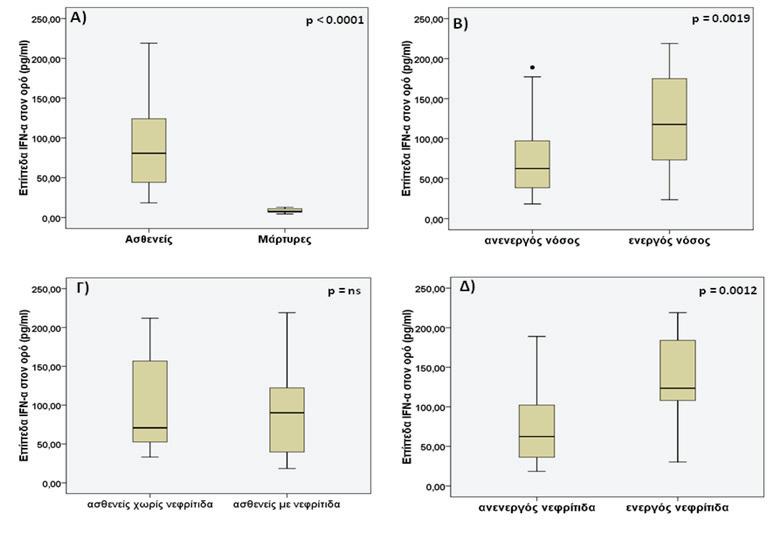
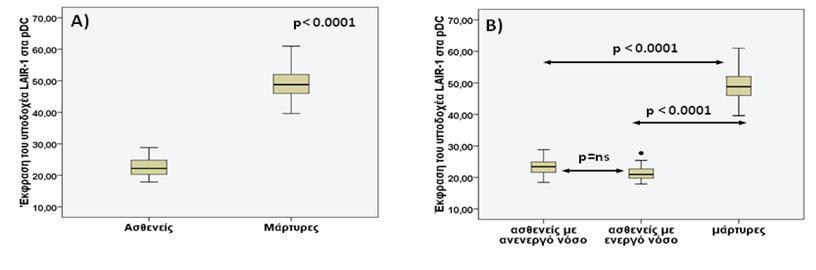
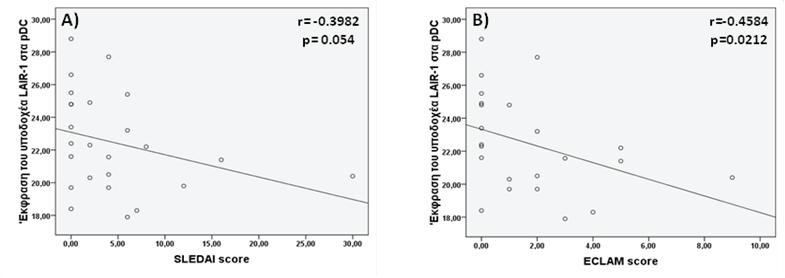
lular space and can activate plasmatoid dendritic cells (pDCs), resulting in the massive production of IFN-α, an important player in the pathogenesis of SLE. Normally, the immune-inhibitory receptor LAIR-1 is highly expressed by pDCs and its crosslinking inhibits IFN-α production by activated pDCs. We investigated the simultaneous changes of HMGB 1 and IFN-αlevels in serum and the expression of LAIR-1 on pDCs of jSLE patients in order toexplore their involvement in the disease pathogenesis as well as their correlation with the disease activity and other characteristics. Material - Methods: Totally, 62 blood samples were studied from 26 jSLE patients, aged 8-16 years. 20 healthy subjects of comparable age were included as healthy controls (HC). Serum concentrations of HMGB 1 and IFN-α were assessed ELISA and expression of LAIR-1 on pDCs by five-colour flow cytometry. The disease activity index was assessed by SLEDAI and ECLAM scores.
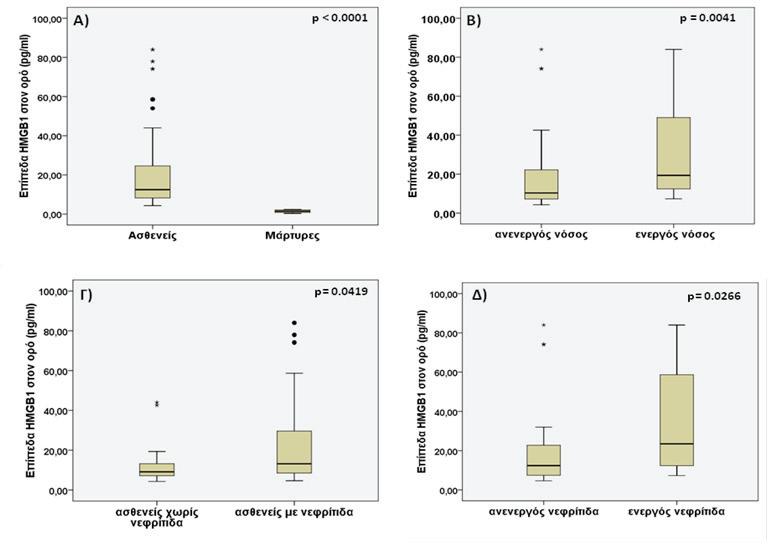
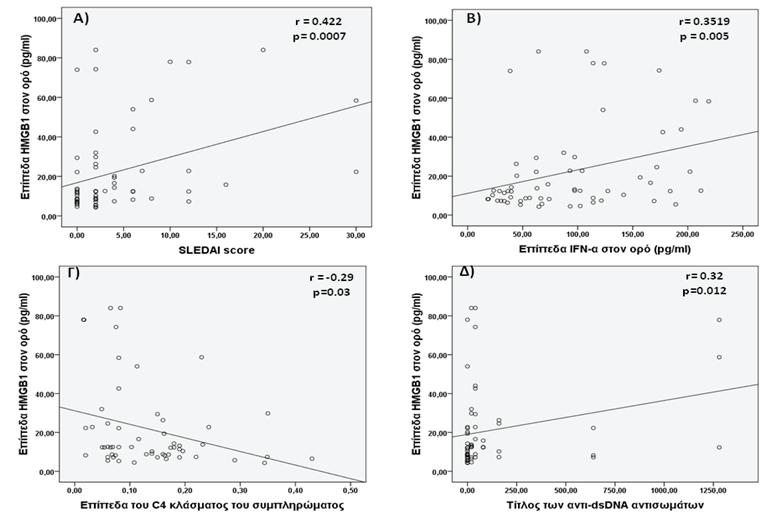
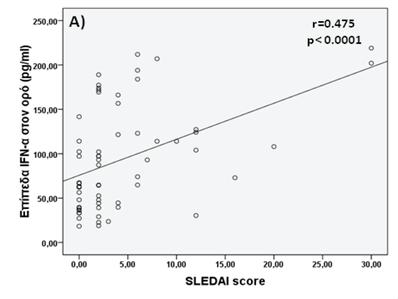
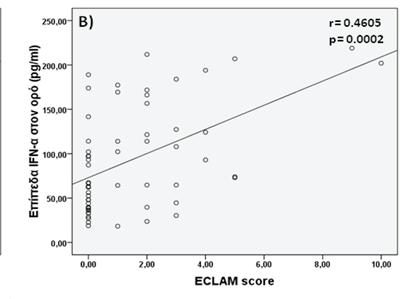
Results: Mean serum levels of both HMGB 1 and IFN-α were significantly increased in jSLE patients, compared to those of HC, in jSLE patients with active disease (SLEDAI>2, ECLAM>0), with or without nephritis compared to those with inactive disease (SLEDAI≤2, ECLAM=0). Mean serum levels of HMGB 1 were positively correlated with levels of IFN-α and both were positively correlated with the SLEDAI and ECLAM scores. The amount of LAIR -1 expression on pDCs of jSLE patients was significantly lower than that of HC in both active and inactive disease. There was a negative correlation between LAIR-1 expression and ECLAM score.
Conclusions: Our findings indicate that serum HMGB 1 not only represents a potential marker of disease activity but together with the lack of LAIR-1 inhibitory function, may contribute to the sustained inflammatory action of IFN-α in jSLE. Thus, blocking the action of HMGB 1 and its receptorsor enhancing the inhibitory function of LAIR-1 on pDCs should be included in the future immune interventions for controlling this devastating disease.
Florence Kanakoudi-Tsakalidou
MD, PhD, Professor Emeritus in Pediatrics/Immunology, Aristotle University of Thessaloniki, 1st Department of Pediatrics, Pediatric Immunology and Rheumatology Referral Center, “Hippokration” General Hospital Thessaloniki, Greece
Evaggelia Farmaki
MD, PhD, Lecturer in Pediatrics/ Immunology, 1st Department of Pediatrics, Aristotle University of Thessaloniki, Pediatric Immunology and Rheumatology Referral Center, “Hippokration” General Hospital Thessaloniki, Greece
Vasiliki Tzimouli
PhD, Biologist, 1st Department of Pediatrics, Aristotle University of Thessaloniki, Pediatric Immunology and Rheumatology Referral Center, “Hippokration” General Hospital Thessaloniki, Greece
Anna Taparkou, PhD
Biologist, Scientific Collaborator, 1st Department of Pediatrics, Aristotle University of Thessaloniki, Pediatric Immunology and Rheumatology Referral Center, “Hippokration” General Hospital Thessaloniki, Greece
George Paterakis
MD, PhD, Haematologist, Head of the Immunology Laboratory, “G. Gennimatas” General Hospital of Athens, Greece
Maria Trachana
MD, PhD, Assistant Professor in Pediatrics/Pediatric Rheumatology, 1st Department of Pediatrics, Aristotle University of Thessaloniki, Pediatric Immunology and Rheumatology Referral Center, “Hippokration” General Hospital Thessaloniki, Greece
Polyxeni Pratsidou-Gertsi
PhD, Pediatrician, Scientific Collaborator, st Department of Pediatrics, Aristotle University of Thessaloniki, Pediatric Immunology and Rheumatology Referral Center, “Hippokration” General Hospital Thessaloniki, Greece
Panagiota Nalbanti
Pediatrician, Scientific Collaborator, 1st Department of Pediatrics, Aristotle University of Thessaloniki, Pediatric Immunology and Rheumatology Referral Center, “Hippokration” General Hospital Thessaloniki, Greece
Fotis Papachristou
MD, PhD, Professor in Pediatrics/ Pediatric Nephrology, Head of 1st Department of Pediatrics, Aristotle University of Thessaloniki, “Hippokration” General Hospital Thessaloniki, Greece
C4, ANA, dsDNA, αnti-Sm, anti-Rο,anti-La, anti-φωσφολιπιδικά και
2, 546 43
Τηλ.: 2310 839291
e-mail: flkan@auth.gr
Correspondence
Florence Kanakoudi-Tsakalidou
Μ. Mpotsari 2, 546 43 Thessaloniki
Τel.: +30 2310 839291
e-mail: flkan@auth.gr
(Beckman Coulter).
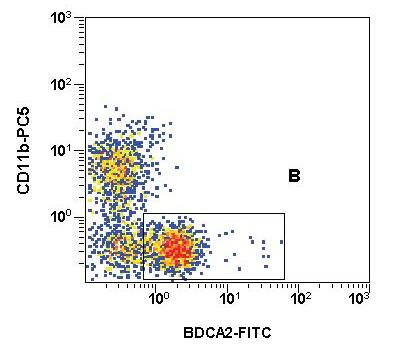
BDCA2-FITC (κλώνος AC144, Milteny iBiotec, Bergish Gladbach, Germany),
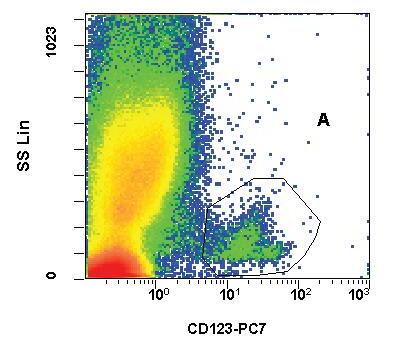
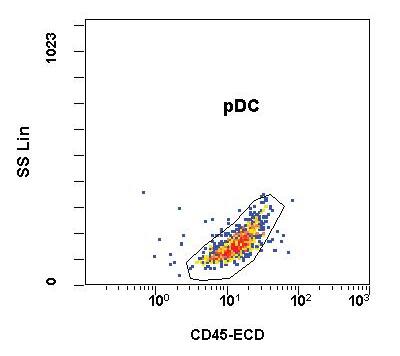
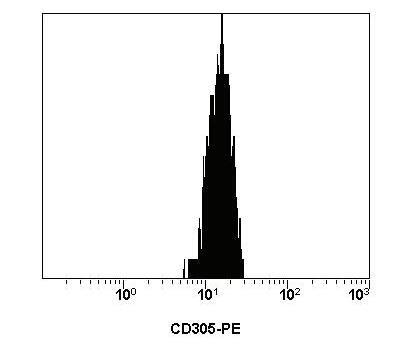
LAIR-1 (CD305)-ΡΕ (κλώνος 342219, R&Dsystems, Mineapolis, MN), CD45-ECD (κλώνος J33 BeckmanCoulter, Immunotech, Marseille, France), CD11b-PC5 (κλώνος Bear1, BeckmanCoulter, Immunotech, Marseille, France), CD123- PC7 (κλώνος 6H6, BioLegend, London, Unitedkingdom).
2.5. Μέτρηση
(BNProSpec, Dade:Behring-Siemens, Marburg, Germany).
2.6.
son (Pearson correlation coefficient,
Spearman (Spearman’s r-test).
p<0,05.
Ηλικία [έτη, διάμεση, (εύρος)] Φύλο (αγόρια/κορίτσια)
Διάρκεια νόσου [μήνες, διάμεση, (εύρος)]
Κύριες κλινικές εκδηλώσεις (n)
νεφρική
εκδηλώσεις
C3(g/l), διάμεση (εύρος)
C4(g/l), διάμεση (εύρος)
IgG(g/l), διάμεση (εύρος)
IgM(g/l), διάμεση (εύρος)
IgA(g/l), διάμεση (εύρος)
anti-ANA αντισώματα (τίτλος) median (range)
anti-dsDNA
(0.2-1.21) 0. 07 (0.016-0.34) 14.3 (5.9-28) 0.8 (0.21-2.06) 1.3 (0.87-3.48) 1/360 (1/40-1/1280) 1/80 (1/40 -1/1280) 1.09 (0.46-1.83) 0.15 (0.05-0.43) 13 (4.3-25.4) 0.97 (0.09-3.67) 2.1 (0.06-4.73 1/160 (1/40-1/1280) 1/40 (1/40 -1/1280)
3.74 ng/mlvs 13.63 ±2.88 ng/ml, p= 0.0419),
7.68 ng/mlvs 20.2
(131.60 ± 15.70 ng/mlvs 72.6 ± 8.63 ng/ml, p= 0.0012).
1. Crispin JC, Liossis S-NC, Kis-Toth K, et al. Pathogenesis of human systemic lupus
erythematosus: recent advances. Trends in Molecular Medicine, 2010; 16: 47-57.
2. Courtney PA, Crockard AD, Williamson K, Irvine AE, Kennedy RJ, Bell AL. Increased apoptotic peripheral blood neutrophils in systemic lupus erythematosus: relations with disease activity, antibodies to double stranded DNA, and neutropenia. Ann Rheum Dis 1999; 58: 309–14.
3. Bengtsson AA, Sturfelt G, Gullstrand B, Truedsson L. Induction of apoptosis in monocytes and lymphocytes by serum from patients with systemic lupus erythematosus—an additional mechanism to increased autoantigen load? Clin Exp Immunol 2004; 135: 535–43.
4. Midgley A, McLaren Z, Moots RJ, Edwards SW, Beresford MW. The role of neutrophil apoptosis in Juvenile-onset Systemic Lupus Erythematosus. Arthritis and Rheumatism 2009; 60: 2390-2401.
5. Herrmann, M et al. Impaired phagocytosis of apoptotic cell material by monocytederived macrophages from patients with systemic lupus erythematosus. Arthritis Rheum, 1998; 41: 1241-1250.
6. Bianchi ME. HMGB1 loves company. Journal of Leukocyte Biology 2009; 86:573576.
7. Urbonaviciute V, Voll RE. High-mobility group box 1 represents a potencial marker of disease activity and novel therapeutic target in systemic lupus erythematosus. J Intern Med 2011; 270: 309-318.
8. Bianchi ME, Agresti A. HMG proteins: dynamic players in gene regulation and differentiation. Curr Opin Genet Dev. 2005; 15 : 496 - 506.
9. Urbonaviciute V, Furnrohr BG, Meister S, Munoz L, Heyder P, De Marchis F, et al. Induction of inflammatory and immune responses by HMGB1 – nucleosome complexes: implications for the pathogenesis of SLE.J Exp Med 2008; 205: 3007-3018.
10. Andersson U, Wang H, Palmblad K, et al. High mobility group 1 protein (HMG-1) stimulates pro-inflammatory cytokine synthesis in human monocytes. J Exp Med. 2000; 192: 565-570.
11. Theophilopoulos AN, Gonzalez-Quintial R, Lawson BR, Koh YT, Stern ME, Kono DH, et al. Sensors of the innate immune system: their link to rheumatic diseases. Nat Rev Rheumatol 2010; 6: 146-156.
12. Li J, Xie H, Wen T, Liu H, Zhu W, Chen X: Expression of high mobility group box chromosomal protein 1 and its modulating effects on downstream cytokines in systemic lupus erythematosus. J Rheumatol 2010; 37: 766-775.
13. Dumitriu IE, Baruah P, Bianchi ME, Manfredi AA, Rovere-Querini P. Requirement of HMGB1 and RAGE for the maturation of human plasmacytoid dendritic cells. Eur J Immunol. 2005; 35: 2184-2190.
14. Liu QY, Yao YM, Yan YH, Dong N, Sheng ZY. High mobility group box 1 protein suppresses T cell-mediated immunity via CD11c(low)CD45RB(high) dendritic cell differentiation. Cytokine. 2011; 54: 205-211.
15. Huang LF, Yao YM, Zhang LT, Dong N, Yu Y, Sheng ZY. The effect of high-mobility group box 1 protein on activity of regulatory T cells after thermal injury in rats. Shock. 2009; 31: 322-329.
16. Voll RE, Urbonaviciute V, Furnrohr B, Herrmann M, Kalden JR. The role of highmobility group box 1 protein in the pathogenesis of autoimmune diseases. Curr Rheumatol Rep 2008; 10: 341-342.
17. Pisetsky DS, Erlandsson-Harris H, Andersson U. High-mobility group box protein 1 (HMGB1): An alarmin mediating the pathogenesis of rheumatic disease. Arthritis Res Ther. 2008; 10: 209.
18. Taniguchi N, Kawahara K, Yone K, Hashiguchi T, Yamakuchi M, Goto M, Inoue K, Yamada S, Ijiri K, Matsunaga S, Nakajima T, Komiya S, Maruyama I: High mobility group box chromosomal protein 1 plays a role in the pathogenesis of rheumatoid arthritis as a novel cytokine. Arthritis Rheum 2003; 48: 971-981.
19. Ek M, Popovic K, Harris HE, Naucler CS, Wahren-Herlenius M: Increased extracellular levels of the novel pro-inflammatory cytokine high mobility group box chromosomal protein 1 in minor salivary glands of patients with Sjogren’s syndrome. Arthritis Rheum 2006; 54: 2289-2294.
20. Taira T, Matsuyama W, Mitsuyama H, Kawahara KI, Higashimoto I,Maruyama I, Osame M, Arimura K: Increased serum high mobility group box-1 level in Churg-Strauss syndrome. Clin Exp Immunol 2007; 148: 241-247.
21. Sato F, Maruyama S, Hayashi H, et al. High mobility group box chromosomal protein 1 in patients with renal diseases. Nephron Clin Pract. 2008;108: c194-c201.
22. Wibisono D, Csernok E, Lamprecht P, Holle JU, Gross WL, Moosig F. Serum HMGB1 levels are increased in active Wegener’s granulomatosis and differentiate between active forms of ANCA-associated vasculitis. Ann Rheum Dis. 2010; 69: 1888-1889.
23. Abdulahad DA, Westra J, Bijzet J, Limburg PC, Kallenberg CGM, Bijl M. High mobility group box 1 (HMGB1) and anti-HMGB1 antibodies and their relation to disease characteristics in systemic lupus erythematosus. Arthritis Res Ther, 2011; 13: R71.
24. Bruchfeld A, Wendt M, Bratt J, et al. High-mobility group box-1 protein (HMGB1) is increased in antineutrophilic cytoplasmatic antibody (ANCA)-associated vasculitis with renal manifestations. Mol Med. 2011; 17:29-35.
25. Zickert A, Palmblad K, Sundelin B, Chavan S, Tracey KJ, Bruchfeld A, Gunnarsson I. Renal expression and serum levels of high mobility group box 1 protein in lupus nephritis. Arthritis Res Ther, 2012; 14(1): R36.
26. Kadowaki N, Antonenko S, Liu YJ. Distinct CpG DNA and polyinosinicpolycytidylic acid double-stranded RNA, respectively, stimulate CD11c2 type 2 dendritic cell precursors and CD11c+ dendritic cells to produce type I IFN. J Immunol 2001; 166: 2291–2295.
27. Theophilopoulos AN, Baccala R, Beutler B, Kono DH. Type 1 interferons (alpha/ beta) in immunity and autoimmunity. Annual Rev Immunol 2005; 23: 307-335.
28. Banchereau J, Pascual V. Type I interferon in systemic lupus erythematosus and other autoimmune diseases. Immunity 2006; 25: 383–392.
29. Obermoser G and Pascual V. The interferon-α signature of systemic lupus erythematosus. Lupus, 2010; 19: 1012-1019.
30. Clark DN and Poole BD. Interferon and Apoptosis in Systemic Lupus Erythematosus. Systemic Lupus Erythematosus, Almoallim H (Ed.), 2012; ISBN: 978-953-510266-3, InTech,Availablefrom:http://www.intechopen.com/books/systemic-lupuserythematosus/interferon-in-systemic-lupus-erythematosus.
31. Bonaccorsi I, Cantoni C, Carrega P, Oliveri D, Lui G, Conte R, et al. The Immune Inhibitory Receptor LAIR-1 is highly expressed by plasmatocytoid dendritic cells and acts complementary with NKp44 to control IFNa production. PLoS One, 2010; 5(11): e15080.
32. Hochberg MC. Updating the American College of rheumatology revised criteria
for the classification of systemic lupus erythematosus. Arthritis Rheum, 1997; 40: 1725.
33. Griffiths B. Assessment of patients with systemic lupus erythematosus and the use of lupus disease activity indices. Best Pract Res Clin Rheumatol, 2005;19 : 685708.
34. Ma C-y, Jiao Y-l, Zhang J, Yang Qr, Zhang Z-f, Shen Y-j, Chen Z-j, Zhao Y-r. Elevated plasma level of HMGB1 is associated with disease activity and combined alterations with IFN-alpha and TNF-alpha in systemic lupus erythematosus. Rheumatol Int 2012; 32: 395-402
35. Urbonaviciute V, Furnrohr BG, Weber c, Haslbeck M, Wilhelm S, Herrmann M, Voll RE. Factors masking HMGB1 in human serum and plasma. J Leukoc Biol, 2007; 81: 67-74.
36. Abdulahad DA, Westra J, Bijzet J, Dolff S, van Dijk MC, Limbug PC,Kallenberg CG, Bijl M. Urine levels of HMGB 1 in systemic lupus erythematosus patients with and without renal manifestations. Arthritis Res Ther 2012; 14 : R184.
37. Liu G, Wang J, Park YJ et al. High mobility group protein-inhibits phagocytosis of apoptotic neutrophils through binding to phosphatidylserine. J Immunol 2008; 181: 4240-4246.
38. Newold TB, Hua J, LehmanTJ, et al. High serum IFN-alpha activity is a heritable risk factor for systemic lupus erythematosus. Genes Immun, 2007; 8: 492-502.
39. Gota C,Calabrese L. Inductionof clinicalautoimmune disease by therapeutic interferon-alpha. Autoimmunity, 2003; 36: 511-518.
40. Fanning SL, George TC, Feng D, Feldman SB, Megjugorac NJ, et al. Receptor cross-linking on human plasmacytoid dendritic cells leads to the regulation of IFNalpha production. J Immunol, 2006; 177: 5829-5839.
41. Meyaard L, Adema GJ, Chang C, Woollatt E, Sutherland GR, et al. LAIR-1, a novel inhibitory receptor expressed on human mononuclear leukocytes. Immunity, 1997; 7: 283-290.
42. Meyaard L. The inhibitory collagen receptor LAIR1 (CD305). J Leukoc Biol 2008; 83:799-803.
43. Lebbink RJ, de Ruiter T, Adelmeijer J, Brenkman AB, van Helvoort JM, et al. Collagens are functional, high affinity ligands for the inhibitory immune receptor LAIR1. J Exp Med 2006; 203: 1419-1425.
44. Colombo B, Canevali P, Magnani O, et al. Defective Expression and Function of the Leukocyte Associated Ig-like Receptor 1 in B Lymphocytes from Systemic Lupus Erythematosus Patients. Plos One, 2012; 7(2):e31903.
45. Pisetsky DS. HMGB 1: a smoking gun in lupus nephritis? Arthrtis Res Ther 2012; 14: 112-113.
Εvaluation of therapeutic treatment depending on the severity of bronchiolitis
Panagiota Zikidou, Athanasia Chainoglou, Kyriaki Karafyllidou, Banou Karachousein Chasan, Lampros Simoglou, Aise Chatzi Serif Amet, Maria Valkanou, Maria Topalidou, Eleni Kifnidou, Anna Pantazi
Background: Bronchiolitis is a common disease of infancy, which often requires hospitalization.
Objective: The aim of the retrospective study was to evaluate the therapeutic treatment depending on the severity of the disease.
Material: 377 patients under the age of 2 years who were hospitalized during the last five years.
Methods: In addition to demographic data, the clinical features, the treatment and the duration of hospitalization were recorded for each patient. We divided the pa-
Panagiota Zikidou
Athanasia Chainoglou
Kyriaki Karafyllidou
Banou Karachousein Chasan, Lampros Simoglou
Aise Chatzi Serif Amet
Maria Valkanou
Maria Topalidou
Eleni Kifnidou
Anna Pantazi
General Hospital of Komotini, Komotini
tients into 3 groups according to the severity and we studied the treatment and the outcome.
Results: In all groups the boys were more. Of the patients with severe bronchiolitis, infants <6 months were more (42%). Of the hospitalized, 30% of them had severe clinical features. The gypsies were 55%. Continuous supply of oxygen was applied to 80% of patients with severe bronchiolitis. In severe disease, inhaled β2bronchodilators (93%) were mainly used. Nebulized adrenaline was used in patients under the age of 6 months (60%). Inhaled corticosteroids (20%) were used in mild bronchiolitis. In severe cases, intravenous corticosteroids were administered to 81%. In severe bronchiolitis, 90% of patients received antibiotic treatment. 40% of patients with mild bronchiolitis and in 20% of patients with moderate bronchiolitis became worse. Among patients with severe bronchiolitis, 45% of them were improved within 48 hours. 44% of patients required hospitalization longer than 5 days.
Conclusions: The treatment of bronchiolitis depends on age and severity. In severe bronchiolitis, immediate and systematic treatment ensures rapid improvement
Keywords: bronchiolitis, severity, treatment
69100,
6932643555
e-mail: apanta1500@gmail.com
Correspondence
Anna Pantazi-Chatzikonstantinou
Pediatric Clinic, General Hospital of Komotini
P.C.: 69100, Komotini
Τel: 6+30 932643555
e-mail: apanta1500@gmail.com
RSV = Respiratory Syncytial
SPO2 = Oxygen Saturation
CRP = C-reactive Protein
HR = Hazard Ratio
CI = Confidence Interval
1. Wright M, Mullett CJ, Piedimonte G. Pharmacological management of acute bronchiolitis. Therapeutics and Clinical Risk Management 2008;4(5): 895–903.
2. Zorc JJ, Hall CB. Bronchiolitis: Recent Evidence on Diagnosis and Management. Pediatrics 2010;125:342-350.
3. Schuh S. Update on management of bronchiolitis. Current Opinion in Pediatrics 2011;23:110–114.
4. García CG, Bhore R, Soriano-Fallas A, Trost M, Chason R, Ramilo O et al. Risk Factors in Children Hospitalized With RSV Bronchiolitis Versus Non–RSV Bronchiolitis. Pediatrics 2010;126:e1453.
5. Panitch HB. Respiratory syncytial virus bronchiolitis: supportive care and therapies designed to overcome airway obstruction. Pediatr Infect Dis J 2003;22(2):S83–S88.
6. Da Dalt L, Bressan S, Martinolli F, Perilongo G, Baraldi E. Treatment of bronchiolitis: state of the art. Early Human Development 89S1 (2013) S31–S36.
7.
8. AAP Subcommittee on the Diagnosis and Management of Bronchiolitis. Diagnosis and management of bronchiolitis. Pediatrics 2006;118:1774–1793.
9. Carroll ΚΝ, Gebretsadik T, Griffin MR, Dupont WD, Mitchel EF, Wu P et al. Maternal Asthma and Maternal Smoking Are Associated With Increased Risk of Bronchiolitis During Infancy. Pediatrics 2007;119:1104-1112.
10. Bradley JP, Bacharier LB, Bonfiglio J, Schechtman KB, Strunk R, Storch G et al. Severity of Respiratory Syncytial Virus Bronchiolitis Is Affected by Cigarette Smoke Exposure and Atopy. Pediatrics 2005;115:e7.
11. Eber Ε. Treatment of Acute Viral Bronchiolitis. The Open Microbiology Journal 2011;5(Suppl 2-M6):159-164.
12. 12.de Benedictis FM, Bush A. Corticosteroids in Respiratory Diseases in Children. Am J Respir Crit Care Med 2012;185(1);12–23.
13. Garrison MM, Christakis DA, Harvey E, Cummings P, Davis RL. Systemic Corticosteroids in Infant Bronchiolitis: A Meta-analysis. Pediatrics 2000;105:e44.
14. Mitchell Ι. Treatment of RSV bronchiolitis: drugs, antibiotics. Paediatric Respiratory Reviews 2009;10 (Suppl 1):14-15.
15. Kabir ML, Haq N, Hoque M, Ahmed F, Amin R, Hossain A et al. Evaluation of hospitalized infants and young children with bronchiolitis – a multi centre study. Mymensingh Med J 2003;12:128–133.
16 Vogel AM, Lennon DR, Harding JE, Pinnock RE, Graham DA, Grimwood K et al. Variations in bronchiolitis management between five New Zealand hospitals: can we do better?. J Paediatr Child Health 2003;39:40–45.
CharaTzavara
, S. Wójcik2, K. Makaruk2, CharaTzavara1, the EU NET ADB Consortium, D. Greydanus3, C. Richardson4
S. Wójcik
K. Makaruk
Nobody’s Children Foundation (NCF), Poland,
D. Greydanus
Department of Pediatrics, Western Michigan University School of Medicine, USA
C. Richardson Πάντειο
Abstract
Cyberbullying among adolescents in seven european countries: a cross-sectional study
Artemis Tsitsika1*, Mari Janikian1, Eleni Tzavela1, Vasiliki Dimitrakopoulou1, Ourania Tsouridi1, S. Wójcik2, K. Makaruk2, Chara Tzavara1, the EU NET ADB Consortium, D. Greydanus3, C. Richardson4
Background: Cyberbullying and victimization are important adolescent health issues. The study aimed to investigate the prevalence of cyberbullying and associated emotional and behavioral problems among adolescents in seven European countries.
Methods: A cross-sectional school-based study (N=13,284; F/M: 7000/6284; mean
Artemis Tsitsika1*
Mari Janikian1
Eleni Tzavela1
Vasiliki Dimitrakopoulou1
Ourania Tsouridi1
Chara Tzavara1
Adolescent Health Unit (A.H.U.), Second University Department of Pediatrics, “P. & A. Kyriakou”
Children’s Hospital, National and Kapodistrian University of Athens School of Medicine, Athens, Greece
S. Wójcik2
K. Makaruk2
Nobody’s Children Foundation (NCF), Poland
D. Greydanus3
Department of Pediatrics, Western Michigan University School of Medicine, USA
C. Richardson4
Panteion University of Social and Political Sciences, Greece
the EU NET ADB Consortium
age 15.8±0.7) of 14-17 year-old adolescents was conducted in the representative sample of the participating countries (Spain, Poland, Germany, the Netherlands, Romania, Iceland and Greece). The self-completed anonymous questionnaire included questions on cyberbullying and the Youth Self Report.
Results: In total,21.9% of adolescents reported cyberbullying in the past 12 months. Cyberbullying reports were higher among girls than boys (24.1% vs. 21.9%), and among the older adolescents compared to the younger ones (24.2% vs. 20.5%). The prevalence rate of the adolescents that had been bullied online was higher in Romania and Greece (37.3% and 26.8%) and lower in Spain and Iceland (13.3% and 13.5%).
The proportion of the adolescents who had been fairly or very upset by cyberbullying was 53.5% among adolescents who were victims. Cyberbullying was strongly associated with concurrent emotional and behavioral problems.
Conclusions: Overall,cyberbullying was found to be a problem of substantial extent, concerning more than one in five of the studied European adolescents. Action against cyberbullying is crucial while policy planning should be aimed at the prevention of the phenomenon.
Keywords: cyberbullying, adolescence, emotional/ behavioral problems
24,
11527, Γουδί Τηλ. : 2107710824, 213-2009806, 6944-763177
Fax: 210 7774383
e-mail: info@youth-health.gr
Correspondence
Artemis Tsitsika MD PhD 24 Mesogeion Avenue, Goudi 11527, Athens, Greece
Tel: + 30 210 7710824, 213 009806, 6944 763177
Fax: + 30 210 7774383
e-mail: info@youth-health.gr
YSR = YouthSelfReport,Κλίμακα
1. Jones LM, Mitchell KJ, Finkelhor D. Trends in youth internet victimization: findings from three youth internet safety surveys 2000-2010. J Adolesc Health. 2012;50(2):179–86.
2. Livingstone S, Haddon L, Görzig A, Ólafsson K. 2011. Risks and safety on the internet. The perspective of European children. London: LSE.
3. David-Ferdon C, Hertz MF. Electronic media, violence, and adolescents: an emerging public health problem. J Adolesc Health. 2007;41(6,Suppl):S1–S5.
4. Kowalski RM, Limber SP. Electronic bullying among middle school students. J Adolesc Health. 2007;41(6 Suppl 1):S22–30.
5. Ybarra ML, Diener-West M, Leaf PJ. Examining the overlap in internet harassment and school bullying: implications for school intervention. J Adolesc Health. 2007;41(6,Suppl):S42–S50.
6. Kiriakidis SP, Kavoura A. Cyberbullying: A review of the literature on harassment through the internet and other electronic means. Fam Community Health. 2010;33(2):82–93.
7. Williams KR, Guerra NG. Prevalence and predictors of internet bullying. J Adolesc Health. 2007;41(6,Suppl):S14–S21.
8. Tokunaga RS. Following you home from school: A critical review and synthesis of research on cyberbullying victimization. Comput Human Behav. 2010;26(3):277–287.
9. Ybarra ML, Boyd D, Korchmaros JD, Oppenheim JK. Defining and measuring cyberbullying within the larger context of bullying victimization. J Adolesc Health. 2012;51(1):53–8.
10. Gradinger P, Strohmeier D, Spiel C. Definition and measurement of cyberbullying. Cyberpsychology. 2010;4:1–14.
11. Grigg DW. Cyber-aggression: definition and concept of cyberbullying. Australian J of Guid Couns. 2010;20(2):143–156.
12. Dooley JJ, Pyżalski J, Cross D. Cyberbullying versus face-to-face bullying. Z Psychol. 2009;217(4):182–188.
13. Nocentini A, Calmaestra J, Schultze-Krumbholz A, Scheithauer H. Cyberbullying: labels, behaviours and definition in three European countries. Australian J of Guid Couns. 2010;20(2):129–142.
14. Sourander A, Klomek AB, Ikonen M, et al. Psychosocial risk factors associated with cyberbullying among adolescents: a population-based study. Arch Gen Psychiatry. 2010;67(7):720–728.
15. Mishna F, Cook C, Gadalla T, Daciuk J, Solomon S. Cyber bullying behaviors among middle and high school students. Am J Orthopsychiatry. 2010;80(3):362–374.
16. Juvonen J, Gross EF. Extending the school grounds? Bullying experiences in cyberspace. J Sch Health. 2008;78(9):496–505.
17. Raskauskas J, Stoltz AD. Involvement in traditional and electronic bullying among adolescents. Dev Psychol. 2007;43(3):564–75.
18. Smith PK, Mahdavi J, Carvalho M, Fisher S, Russell S, Tippett N. Cyberbullying: its nature and impact in secondary school pupils. J Child Psychol Psychiatry. 2008;49(4):376–85.
19. Ybarra ML, Mitchell KJ, Wolak J, Finkelhor D. Examining characteristics and associated distress related to internet harassment: findings from the Second Youth Internet Safety Survey. Pediatrics. 2006;118(4):e1169–77.
20. Hinduja S, Patchin JW. Cyberbullying: An exploratory analysis of factors related to offending and victimization. Deviant Behav. 2008;29(2):129–156.
21. Kaltiala-Heino R, Rimpelä M, Rantanen P, Rimpelä A. Bullying at school: an indicator of adolescents at risk for mental disorders. J Adolesc. 2000;23(6):661–74.
22. Tsitsika A, Janikian M, Tzavela E, et al. 2012. Internet use and internet addictive behaviour among European adolescents : a cross-sectional study. National and Kapodistrian University of Athens (N.K.U.A.). Athens: EU NET ADB.
23. Achenbach TM, Rescorla LA. 2001. Manual for the ASEBA school-age forms & profiles. Burlington, VT: University of Vermont, Research Center for Children, Youth, and Families.
24. Abad J, Forns M, Gómez J. Emotional and behavioral problems as measured by the YSR. Eur J Psychol Assess. 2002;18(2):149–157.
25. Muris P, Meesters C, Van den Berg S. Internalizing and externalizing problems as correlates of self-reported attachment style and perceived parental rearing in normal adolescents. J Child Fam Stud. 2003;12(2):171–183.
26. Rönnlund M, Karlsson E. The relation between dimensions of attachment and internalizing or externalizing problems during adolescence. J Genet Psychol. 2006;167(1):47–63.
27. Vierhaus M, Lohaus A. Children and parents as informants of emotional and behavioural problems predicting female and male adolescent risk behaviour: a longitudinal cross-informant study. J Youth and Adolesc. 2007;37(2):211–224.
28. Tsitsika A, Critselis E, Kormas G, et al. Internet use and misuse: a multivariate regression analysis of the predictive factors of internet use among Greek adolescents. Eur J Pediatr. 2009;168(6):655–665.
29. Lindfors PL, Kaltiala-Heino R, Rimpelä AH. Cyberbullying among Finnish adolescents: a population-based study. BMC Public Health. 2012;12(1):1027.
30. Didden R, Scholte RHJ, Korzilius H, et al. Cyberbullying among students with intellectual and developmental disability in special education settings. Dev Neurorehabil. 2009;12(3):146–51.
31. Ybarra ML. Linkages between depressive symptomatology and internet harassment among young regular internet users. Cyberpsychol Behav. 2004;7(2):247–258.
32. Patchin JW, Hinduja S. Bullies move beyond the schoolyard: a preliminary look at cyberbullying. Youth Violence Juv Justice. 2006;4(2):148–169.
33. Topçu C, Erdur-Baker O, Capa-Aydin Y. Examination of cyberbullying experiences among Turkish students from different school types. Cyberpsychol Behav. 2008;11(6):643–8.
34. Beran T, Li Q. The relationship between cyberbullying and school bullying. JStudentWellbeing. 2007;1(2):16–33.
Smoking and alcohol use in adolescence: inevitable coexistence?
Magdalini Patseadou1, Assimina Galli-Tsinopoulou1, Malamatenia ArvanitidouVayona2, Georgios Varlamis1, Maria Emporiadou1
Aim: The aim of this study was to register the prevalence of smoking- and alcoholrelated behaviour among students attending high-schools as well as to investigate whether there is an association between the occurrences of this behaviour Material - Methods: An anonymous questionnaire, developed by the Centers of Disease Control and Prevention, USA and adapted to national priorities and characteristics, was administered to 1014 students from a representative sample of 20 high-schools in the prefecture of Thessaloniki (13 public, 3 private and 4 vocational schools). Frequencies of certain smoking- and alcohol-related behaviour were estimated and the logistic regression analysis was used in order to evaluate the prob-
Magdalini Patseadou
Assimina Galli-Tsinopoulou
Georgios Varlamis
Maria Emporiadou
4th Department of Paediatrics, Aristotle University of Thessaloniki
Malamatenia ArvanitidouVayona
Department of Hygiene, Medical School, Aristotle University of Thessaloniki Αλληλογραφία
564 03
2310 991537
e-mail: gallitsin@gmail.com
Correspondence
Assimina Galli-Tsinopoulou
564 03, Thessaloniki
Tel / fax: +30 2310-991537
e-mail: gallitsin@gmail.com
able association of the two behaviours.
Results: The 96.2% of the adolescents answered that they had consumed alcoholic drinks and the 64% had tried cigarette smoking. Alcohol consumption was initiated before the use of cigarettes. In particular, the mean age of alcohol drinking initiation was 13.5 years and of smoking initiation was 15.5 years. The adolescents who had started using alcoholic drinks had greater probability of starting smoking as well (OR=3.6). School was the most frequent place where the two high-risk behaviour were occurring simultaneously (OR=3.7). Excessive use of smoke (>10 cigarettes per day) was significantly associated with excessive alcohol consumption (>5 drinks per day) (OR=5.6). The students who reported drunkenness had lower probability of trying to stop smoking in relation to the students who didn’t drink excessively (OR=0.9).
Conclusions: Both cigarette smoking and alcohol drinking are habits that are adopted in adolescence and may co-exist in the same adolescent.
Keywords: smoking, alcohol consumption, high-risk behaviour, adolescents, highschool
1
2
3-5
1. WHO report on the global tobacco epidemic. Geneva: World Health Organization;2008.
2. Hibell B, Guttormsson U, Ahlström S, Balakireva O, Bjarnason T, Kokkevi A et al. The 2007 ESPAD report – Substance use among students in 35 European countries. Stockholm: The Swedish Council for Information on Alcohol and Other Drugs;2009.
3. Toriola AT, Kurl S, Laukkanen JA, Kauhanen J. Does binge drinking increase the risk of lung cancer: results from the Findrink study. Eur J of Public Health 2009;19:38993.
4. De Leon J, Rendon DM, Baca-Garcia E, Aizpuru F, Gonzalez-Pinto A, Anitua C et al. Association between smoking and alcohol use in the general population: stable and unstable odds ratios across two years in two different countries. Alcohol Alcohol 2007;42:226-33.
5. Burton SM, Tiffany ST. The effect of alcohol consumption on craving to smoke. Addiction 1997;92:15–26.
6. Rose JE, Brauer LH, Behm FM, Cramblett M, Calkins K, Lawhon D. Psychopharmacological interactions between nicotine and ethanol. Nicotine Tob Res 2004;6:133–44.
7. Romberger DJ, Grant K. Alcohol consumption and smoking status: the role of smoking cessation. Biomed Pharmacother 2004;58:77-83.
8. Bien TH, Burge R. Smoking and drinking: a review of the literature. Int J Addict 1990;25:1429-54.
9. Best D, Manning V, Gossop M, Gross S, Strang J. Excessive drinking and other problem behaviours among 14-16 year old schoolchildren. Addict Behav 2006;31:1424–35.
10. Isohanni M, Oja H, Moilanen I, Rantakallio P, Koiranen M. The relation between teenage smoking and drinking, with special reference to non-standard family background. Scand J Soc Med 1993;21:24–30.
11. Vollrath ME, Torgersen S. Personality types and risky health behaviors in Norwegian students. Scand J Psychol 2008;49:287–92.
12. Grant BF. Age at smoking onset and its association with alcohol consumption and DSM-IV alcohol abuse and dependence: Results from the National Longitudinal Alcohol Epidemiologic Survey. J Subst Abuse 1998;10:59–73.
13. Arria AM, Dohey MA, Mezzich AC, Bukstein OG, Van Thiel DH. Selfreported health problems and physical symptomatology in adolescent alcohol abusers. J Adolesc Health 1995;16:226–31.
14. McDonald CA, Roberts S, Descheemaeker N. Intentions to quit smoking in substance-abusing teens exposed to a tobacco program. J Subst Abuse Treat 2000;18:291–308.
15. Myers MG, Macpherson L. Smoking cessation efforts among substance abusing adolescents. Drug Alcohol Depend 2004;73:209–13.
16. Currie C, Gabhainn SN, Godeau E, Roberts C, Smith R, Currie D et al (eds). Inequalities in young people’s health. Health behaviour in school-aged children (HBSC) study: International report from the HBSC 2005/06 survey. WHO Policy Series: Health policy for children and adolescents. Issue 5. Copenhagen: WHO Regional Office for Europe;2008.
17. Grunbaum JA, Kann L, Kinchen S, Ross J, Hawkins J, Lowry R et al. Youth Risk Behavior Surveillance-United States, 2003. MMWR Surveill Summ 2004;53:1-96.
18. Brener ND, Kann L, Kinchen SA, Grunbaum JA, Whalen L, Eaton D et al. Methodology of the Youth Risk Behavior Surveillance System. MMWR Recomm Rep 2004;53(RR-12):1-13.
19. Γεννηματά
20. SPSS 16.0, SPSS Inc., Chicago, IL, USA.
2007,24:270-90.
21. Chung IJ, Chun J. Co-occurring patterns of smoking and alcohol consumption among Korean adolescents. Am J Addict 2010;19:252-6.
22. Reed MB, McCabe C, Lange JE, Clapp JD, Shillington AM. The relationship between alcohol consumption and past-year smoking initiation in a sample of undergraduates. Am J Drug Alcohol Abuse 2010;36:202-7.
23. Saules KK, Pomerleau CS, Snedecor SM, Mehringer AM, Shadle MB, Kurth C et al. Relationship of onset of cigarette smoking during college to alcohol use, dieting concerns, and depressed mood: results from the Young Women’s Health Survey. Addict Behav 2004;29:893-9.
24. Jackson KM, Colby SM, Sher KJ. Daily patterns of conjoint smoking and drinking in college student smokers. Psychol Addict Behav 2010;24:424-35.
25. Harrison EL, McKee SA. Non-daily smoking predicts hazardous drinking and alcohol use disorders in young adults in a longitudinal U.S. sample. Drug Alcohol Depend 2011;118:78-82.
26. Myers MG, Kelly JF. Cigarette smoking among adolescents with alcohol and other drug use problems. Alcohol Res Health 2006;29:221-7.
27. Riala K, Hakko H, Isohanni M, Järvelin MR, Räsänen P.J Teenage smoking and substance use as predictors of severe alcohol problems in late adolescence and in young adulthood. J Adolesc Health 2004;35:245-54.
28. Kleinjan M, Poelen EA, Engels RC, Verhagen M. Dual growth of adolescent smoking and drinking: evidence for an interaction between the mu-opioid receptor (OPRM1) A118G polymorphism and sex. Addict Biol 2012 Jan 19.
29. Polina ER, Contini V, Hutz MH, Bau CH.Drug. The serotonin 2A receptor gene in alcohol dependence and tobacco smoking. Alcohol Depend 2009;101:128-31.
30. Kahler CW, Borland R, Hyland A, McKee SA, Thompson ME, Cummings KM. Alcohol consumption and quitting smoking in the International Tobacco Control (ITC) Four Country Survey. Drug Alcohol Depend 2009;100:214-20.
31. Rose E, Diclemente RJ, Wingood GM, Sales JM, Latham TP, Crosby RA et al. The Validity of Teens’ and Young Adults’ Self-reported Condom Use. Arch Pediatr Adolesc Med 2009;163:61-4.
32. Centers for Disease Control and Prevention. Health risk behaviors among adolescents who do and do not attend school-United States, 1992. MMWR Morb Mortal Wkly Rep 1994;43:129-32.
Abstract
Maria Kavga
Konstantina Tsoni
Stauroula Karipidou
Ioannis Kavaliotis
Pediatric Department, Hospital
Measles - mumps - rubella vaccination of children with egg allergy
Maria Kavga,
Konstantina Tsoni, Stauroula Karipidou, Ioannis Kavaliotis
Background: Although, several studies have shown that children with egg allergy can receive the measles-mumps-rubella vaccine safely, this condition still fears parents and doctors who refer them to hospital for vaccination.
Aim: The aim of this study is to review our experience in vaccinating such children in our hospital.
Materials and Method: We studied children who were referred to our department during 19/10/2010-31/3/2013 (29 months) with a known history of egg allergy. Egg allergy was based in clinical features (rushes or previous allergic reaction after egg consumption) or in positive RAST tests, or in elevated IgE. A total of 160 children aged from 2 months to 12 years old were reviewed. Of these children, only 43 had egg allergy history.
Αλληλογραφία Κωνσταντίνα Τσώνη Λαμπράκη 13, 54638,
Τηλ.: 2313308746
e-mail: konstantinatsoni@ hotmail.gr
Correspondence
Konstantina Tsoni 13, G. Lampraki str., 54638 Thessaloniki Tel: +2310437216
e-mail: konstantinatsoni@ hotmail.gr
Results: Out of 160 children, 43 (29 males/14 females), aged from 15 months – 9 years old, were referred to our department from pediatricians for vaccination because of a known history of egg allergy. In 25 from 43 children, the diagnosis of allergy was clinical, 14 children had a positive Rast test and in 4 children diagnosis was based in elevated serum IgE 15/43 (34,88%) were aged from 15 to 18 months –appropriate age for the first dose- 11/43 (25,58%) aged from 19 to 24 months and 17/43 children (39,54%) were 2-9 years old. After the vaccination, no child had an allergic reaction. Only a 16,5 month boy had anxiety and was observed for several hours.
Conclusions: There is no evidence that egg allergy is a contraindication for MMR vaccination. Despite this, a great number of children (65,12%) delays the vaccination because of family’s fear and unawareness. In many cases even the attending pediatrician chooses to delay the vaccination to protect his patient. It is recommended that all children must be vaccinated in the appropriate age in order to obtain better antibodies in their serum.
Keywords: MMR, allergy, egg, vaccine, vaccine
1. Lack G. Clinical practice. Food allergy. N Engl J Med 2008, 18;359:1252-60.
2. Allen CW, Campbell DE, Kemp AS. Egg allergy: are all childhood food allergies the same? J Paediatr Child Health 2007, 43:214-8.
3. Benhamou AH, Caubet J-C, Eigenmann PA, Nowak A, Marcos CP, Reche M et al. State of the art and new horizons in the diagnosis and management of egg allergy. Allergy 2010, 65:283–289.
4. Piquer-Gibert M,Plaza-Martín A, Martorell-Aragonés A, Ferré-Ybarz L, EcheverríaZudaire L, Boné-Calvo J et al. Recommendations for administering the triple viral vaccine and antiinfluenza vaccine in patients with egg allergy. Allergol et Immunopathol 2007, 35:209-12.
5. Ainsworth E, Debenham P, Carrol ED, Riordan FA. Referrals for MMR immunisation in hospital. Arch Dis Child 2010, 95:639– 641.
6. James JM, Burks AW, Roberson PK, Sampson HA. Safe administration of the measles vaccine to children allergic to eggs. N Engl J Med 1995, 332:1262-6.
7. Fasano MB, Wood RA, Cooke SK, Sampson HA. Egg hypersensitivity and adverse reactions to measles, mumps, and rubella vaccine. J Pediatr 1992, 120:878-81.
8. Herman JJ, Radin R, Schneiderman R. Allergic reactions to measles (rubeola) vaccine given in patients hypersensitive to egg protein. J Pediatr 1983, 102:196-9.
9. Cerecedo-Carballo I, Dieguez-Pastor MC, Bartolomé-Zavala B,Sánchez-Cano M, de la Hoz-Caballer B. Safety of measlesmumps-rubella vaccine (MMR) in patients allergic to eggs. Allergol et Immunopathol. 2007, 35:105-9.
10. Hourihane JOâ€.B, Kilburn SA, Nordlee JA, Hefle SL, Taylor SL, Warner JO. An evaluation of the sensitivity of subjects with peanut allergy to very low doses of peanut protein: a randomized, double-blind, placebo-controlled food challenge study. J Allergy Clin Immunol 1997, 100:596-600.
11. Hawkes CP, Mulcair S, Hourihane J. Is Hospital Based MMR Vaccination for Children with Egg Allergy Here to Stay? Ir Med J 2010, 103:17-9.0
12. Pasteur Merieux MSD. Summary of Product Characteristics, MMR II. Maidenhead: Pasteur Merieux MSD (UK); 1989.
13. Pool V, Braun MM, Kelso JM, Mootrey G, Chen RT, Yunginger JW, et al. Prevalence of anti-gelatin IgE antibodies in people with anaphylaxis after measles-mumps rubella vaccine in the United States. Pediatrics. 2002, 110:e71.
14. Patja A, Mäkinen-Kiljunen S, Davidkin I, Paunio M, Peltola H.Allergic Reactions to Measles-Mumps-Rubella Vaccination. Pediatrics 2001, 107;e27
15. Sakaguchi M, Yoshida T, Asahi T, Aoki T, Miyatani Y, Inouye S. Development of IgE antibody to gelatin in children with systemic immediate-type reactions to vaccines. J Allergy Clin Immunol 1997, 99: 720–721.
16. Kamin PB, Fein BT, Britton HA. Live, attenuated measles vaccine: its administration to children allergic to egg protein. JAMA 1963, 185:647-50.
17. Goodyear-Smith F, Wong F, Petousis- Haris H, Wilson E, Turner N. Follow up of MMR vaccination status in children referred to a pediatric immunization clinic on account of egg allergy. Human Vaccines 2005, 1:3:118-122.
18.Kharkoo GA, Lack G. Guidelines for measles vaccination in egg-allergic children. Clin Exp Allergy. 2000, 30:288-93.
19. Kharkoo GA, Lack G. Recommendations for using MMR vaccine in children allergic to eggs. BMJ 2000, 320:929-32.
20. Yavuz ST, Sahiner UM, Sekerel BE, Tuncer A, Kalayci O, Sackesen C. Anaphylactic reactions to measles-mumps-rubella vaccine in three children with allergies to hen’s egg and cow’s milk. Acta Paediatrica 2011, 100:94-6
21. Kemp SF. Current Concepts in pathophysiology, diagnosis and management of anaphylaxis. Immunol Allergy Clin North Am 2001, 21:611-34.
22. Chow WC, Kwan E, Lau YL. Measles-mumps-rubella Vaccination and Egg Allergy. HK J Paediatr (new series) 2003, 8:35-39.
KIDSCREEN-27, SF-12.
Health-related quality of life of children with epilepsy and their families: risk factors and comparison with healthy controls
Eleni Bompori1, Dimitrios Niakas2, Iliada Nakou1, Antigoni Siamopoulou-Mavridou3, Meropi Tzoufi3
Aims: The evaluation of the health-related quality of life (HRQoL) of children with epilepsy, the disclosure of its determining factors and the comparison with healthy population. Also the evaluation of the HRQoL of the parents of children with epilepsy and the comparison with that of the parents of healthy children.
Materials-Methods: It was investigated 100 children with diagnosed epilepsy, aged
Eleni Bompori
Iliada Nakou
Department of Pediatrics, University Hospital of Ioannina, Ioannina, Greece
Dimitrios Niakas
Faculty of Social Sciences, Hellenic Open University, Patras, Greece
Antigoni Siamopoulou-Mavridou
Meropi Tzoufi
Department of Child Health, Ioannina University School of Medicine, Ioannina, Greece
8-16 years, which were examined in the Child Neurology Department of University Hospital of Ioannina the first trimester of 2012. The control group consisted of 100 healthy age-matched and gender-matched children. Parents of both groups evaluated the HRQoL of their children through the KIDSCREEN-27 questionnaire as well as their own HRQoL through the SF-12 tool.
Results: The HRQoL of children with epilepsy was overall worse than that of healthy children but statistically significant only in the fields of physical well-being (p=0.001) and school environment (p<0.001). Specifically, children with severe epilepsy were the most affected with a statistically significant difference of HRQoL both in the fields “Physical Well-being” (p<0.001) and “School Environment (p<0.0001) as well as in the field “Peers and Social Support” (p=0.044). Further statistical analysis revealed as main risk factors older age, failing to control the seizures, large number of drugs, prolonged treatment duration and comorbid neurological problems. Additionally, parents of children with severe epilepsy and comorbid neurological problems showed statistically significantly worse mental health compared with parents of healthy children (p<0.001).
Conclusions: Epilepsy and particularly severe epilepsy with concomitant neurological problems adversely affect the quality of life of both children and their families.
Keywords: Quality of life, Health-Related Quality of Life, Epilepsy, KIDSCREEN-27, SF-12.
Αλληλογραφία
Δεξαμενής 35-Ανατολή, 45500, Ιωάννινα
Τηλ: 6974565798
e-mail: elenibobori@yahoo.gr
Correspondence
Eleni Bompori
Dexamenis 35 - Anatoli, 45 500, Ioannina
Tel.: +30 6974565798
e-mail: elenibobori@yahoo.gr
(7.87)
(7.57)
(7.75)
-0.14 (-0.61, 0.33)
(8.74)
(8.10)
(10.08)
(7.57)
(7.75)
(-0.22, 0.72) 0.25 (-0.22, 0.72) 0.59 (0.12, 1.07) -0.01 (-0.48, 0.46) -0.56 (-0.86, -0.26)
(-0.55, 0.04)
(-0.55, 0.04)
(-0.60, -0.01)
(-1.15, -0.54)
50.04 (8.38)
50.98 (6.82)
55.79 (8.51)
(9.12)
(-0.08, 0.89)
(-0.03, 0.95)
(-0.03, 0.95)
(0.36, 1.35)
(0.31, 1.29)
2.
3. Raat H, Bonsel GJ, Essink-Bot ML, Landgraf JM, Gemke RJ. Reliability and validity of comprehensive health status measures in children: The Child Health Question-
naire in relation to the Health Utilities Index. J Clin Epidemiol 2002; 55:67-76.
4. Riley AW. Evidence that school-age children can self-report on their health. Ambulatory Pediatrics 2004; 4 (4 Suppl):371-376.
5. Ravens-Sieberer U, Gosch A, Abel T, Auquier P, Bellach BA, Bruil J, Dur W, Power M, Rajmil L, European KIDSCREEN Group. Quality of life in children and adolescents: a European public health perspective. Qual Life Res 2001;294-301.
6. Farwell JR, Dodrill CB, Batzel LW. Neuropsychological abilities of children with epilepsy. Epilepsia 1985; 26:395-400.
7. Seidenberg M, Beck N, Geisser M, Giordani B, Sackellares JC, Berent S, Dreifuss FE, Boll TJ. Academic achievement of children with epilepsy. Epilepsia 1986; 27(6):753759.
8. Hoare P, Kerley S. Psychosocial adjustment of children with chronic epilepsy and their families. Dev Med Child Neurol 1991; 33:201-215.
9. Sabaz M, Cairns D, Lawson J, Bleasel A, Bye A. The health-related quality of life of children with refractory epilepsy: a comparison of those with and without intellectual disability. Epilepsia 2001; 42:621-628.
10. Williams J, Sharp G. Epilepsy. In: Yeates KO, Ris MD, Taylor HG (eds). Pediatric neuropsychology: research, theory and practice. New York: Guilford Press; 2000. p 47-73.
11. Ellis N, Upton D, Thompson P. Epilepsy and the family: a review of current literature. Seizure 2000; 99:22-30.
12. Tzoufi M, Mantas Ch, Pappa S, Kateri M, Hyphantis T, Pavlou M, Mavreas V, Siamopoulou-Mavridou A. The impact of childhood chronic neurological diseases on Greek families. Child: Care, Health & Development 2005;31 (1):109-115.
13. The KIDSCREEN Group Europe. The KIDSCREEN Questionnaires – Quality of Life questionnaires for children and adolescents, Handbook incl. CD-Rom, Pabst Publishers, Lengerich, Germany; 2006.
14. Kontodimopoulos N, Pappa E, Niakas D. Validity of SF-12 scores in a Greek general population. Health and Quality of Life Outcomes 2007; 5:55.
15. Ware JE, Kosinski M, Keller SD. How to score SF-12 physical and mental health summary scales. 2nd edition, Boston, MA: the Health Institute, 1995.
16. Johnson J, Pickard A. Alberta-based SF-12 summary scores. Archives of Hellenic Medicine 2001; 18(2):137-146.
17. Haywood KL, Garratt AM, Dziedzic K, Dawes PT. Generic measures of health-related quality of life in ankylosing spondylitis: reliability, validity and responsiveness. Reumatology 2002; 41:1380-1387.
18. Stephens MA. EDF Statistics for Goodness of Fit and Some Comparisons. Journal of the American Statistical Association 1974; 69 (347):730–737.
19. Miller V, Pallermo TM, Grewe SD. Quality of life in pediatric epilepsy: demographic and disease-related predictors and comparison with healthy controls. Epilepsy & Behavior 2003; 4:36-42.
20. Speechley KN, Ferro MA, Camfield CS, Huang W, Levin SD, Smith ML, Wiebe S, Zou G. Quality of life in children with new-onset epilepsy: a 2-year prospective cohort study. Neurology 2012; 79(15):1548-1555.
21. Devinsky O, Westbrook L, Cramer J, Glassman M, Perrine K, Camfield C. Risk fac-
tors for poor health-related quality of life in adolescents with epilepsy. Epilepsia 1999; 40:1715-1720.
22. Goldbeck L, Schmitz T, Besier T, Herschbach P, Henrich G. Life satisfaction reduces during adolescence. Qual Life Res, 2007, 16:969-979.
23. Τούντας
24. Berra S, Tebé C, Erhart M, Ravens-Sieberer U, Auquier P, Detmar S, Herdman M, Alonso J, Rajmil L, European KIDSCREEN Group. Correlates of use of health care services by children and adolescents from 11 European countries. Med Care, 2009, 47(2):161-167.
25. Michel G, Bisegger C, Fuhr DC, Abel T, The KIDSCREEN Group Europe. Age and gender differences in health-related quality of life of children and adolescents in Europe: a multilevel analysis. Qual Life Res, 2009, 18:1147-1157.
26. Camfield C, Camfield P, Gordon K, Dooley J. Does the number of seizures before treatment influence ease of control or remission of childhood epilepsy? Not if the number is 10 or less. Neurology 1996; 46: 41-44.
27. Wakamoto Η, Nagao H, Hayashi M, Morimoto T. Long term medical, educational and social prognoses of childhood-onset epilepsy: a population-based study in a rural district of Japan. Brain Dev 2000; 22: 246-255.
28. Hoare P, Mann H, Dunn S. Parental perception of the quality of life among children with epilepsy or diabetes with a new assessment questionnaire. Qual Life Res 2001; 9:637-644.
29. Sabaz M, Cairns D, Lawson J, Nheu N, Bleasel A, Bye A. Validation of a new quality of life measure for children with epilepsy. Epilepsia 2000; 41:765-774.
30. Hoare P. The quality of life of children with chronic epilepsy and their families. Seizure 1993; 2:269-275.
31. Camfield C, Breau L, Camfield P. Impact of pediatric epilepsy on the family: a new scale for clinical and research use. Epilepsia 2001; 42:104-112.
32. Ferro MA, Landgraf JM, Speechley KN. Factor structure of the Child Health Questionnaire Parent Form-50 and predictors of health-related quality of life in children with epilepsy. Qual Life Res 2013 [Epub ahead of print].
33. Thomas SV, Bindu VB. Pshychosocial and economic problems of parents of children with epilepsy. Seizure 1999; 8:66-69.
34. Austin JK. Childhood epilepsy: Child adaptation and family resources. J Child Adolesc Psychiatric Mental Health Nursing 1998; 1:18-24.
35. Gordon KE, Dooley JM, Camfield PR, Camfield CS, MacSween J. Parents of children with epilepsy are optimistic for their children’s health, but relatively pessimistic when compared with other parents. Epilepsy Behav 2002; 3:262-265.
36 Gallop K, Wild D, Nixon A, Verdian L, Cramer JA. Impact of Lennox-Gastaut Syndrome (LGS) on health-related quality of life (HRQL) of patients and caregivers: Literature review. Seizure 2009; 18:554-558.
37. Gallop K, Wild D, Verdian L, Kerr M, Jacoby A, Baker G, Nixon A, Cramer JA. Lennox-Gastaut Syndrome (LGS): Development of conceptual models of health-related quality of life (HRQL) for caregivers and children. Seizure 2010; 19:23-30.
38 Diamantopoulos N, Kaleyias J, Tzoufi M, Kotsalis C. A Survey of Public Aware-
ness, Understanding, and Attitudes toward Epilepsy in Greece. Epilepsia 2006; 47(12):2154-2164.
39. Kaleyias J, Tzoufi M, Kotsalis C, Papavasiliou A, Diamantopoulos N. Knowledge and attitude of the Greek educational community toward epilepsy and the epileptic student. Epilepsy & Behavior 2005; 6:179-186.
40. Theunissen N, Vogels T, Koopman H, Verrips G, Zwindeman K, Verloove-Vanhorick S, Wit J. The proxy problem: child report versus parent report in health-related quality of life research. Qual Life Res 1998; 7:387-397.
Abstract
Kaloumenou Irene
Karachaliou Fotini
Vlachopapadopoulou Elpis
Michalacos Stefanos
Department of Growth and Development, Children’s Hospital P. & A. Kyriakou, Athens, Greece
Voudris Kon/nos
Department of Neurology, Children’s Hospital P. & A. Kyriakou, Athens, Greece
Fotinou Aspasia
Department of Neurology, Biochemical-Hormone Laboratory, Children’s Hospital P. & A. Kyriakou, Athens, Greece
2q31.1 chromosomal deletion: A case report and literature review
Kaloumenou Irene¹, Karachaliou Fotini¹, Vlachopapadopoulou Elpis¹, Voudris Kon/ nos², Fotinou Aspasia³, Michalacos Stefanos¹
The clinical phenotype of the chromosome 2q31 deletion syndrome consists of a variety of limb anomalies and other skeletal defects. Additionally developmental delay and a variety of internal organ anomalies may be present. We describe a patient with developmental delay, growth retardation, motility disorders, mild tremor upper limb, microcephaly, high arched palate, downslanting palpebral fissures, micrognathia, camptodactyly, clinodactyly, bilateral hypoplastic middle phalanges particularly of the fifth finders to the upper and lower extremities and low degree of syndactyly. During the endocrinological evaluation of our patient we found Growth Hormone Deficiency. We describe this case because this syndrome is rare and it combines short stature and severe developmental delay.
Keywords: 2q31.1 microdeletion, short stature, limp anomalies, HOXD cluster
Αλληλογραφία
Καλουμένου Ειρήνη
Tηλ.: 6979671174
e-mail: kaloumenou@gmail. com
Correspondence
Irene Kaloumenou
Tel: +30 6979671174
e-mail: kaloumenou@gmail. com
έλεγχος TSH: 2.33 μIU/ml, Τ4: 7.61 μg/dl, Anti-TPO: 2.7 IU/ml, AntiTG: <5 IU/ml (<100), Κορτιζόλη (πρωί): 8.61 μg/dl, FSH: 5.15 mIU/ml, LH: <0.1 mIU/ ml, PRL: 390 μIU/ml, 17α-ΟΗ Προγεστερόνη: 0.270 ng/ml, DHEA-S: 0.06 μg/ml, ΙGF-1: 78.6 ng/ml, PTH: 68.7 pg/ml, 25OH Vit D: 17 ng/ml (11-43), αντιγλοιανδινικά αντισώματα:
1. Boles RG, Pober BR, Gibson LH, Willis CR, McGrath J, Roberts DJ, Yang-Feng TL. Deletion of chromosome 2q24-q31 causes characteristic digital anomalies: case report and review. Am J Med Genet 1995;55:155-160.
2. Nixon J, Oldridge M, Wilkie AO, Smith K. Interstitial deletion of 2q associated with craniosynostosis, ocular coloboma, and limb abnormalities: cytogenetic and molecular investigation. Am J Med Genet 1997;70:324-327.
3. Goodman FR, Majewski F, Collins AL, Scambler PJ. A 117-kb microdeletion removing HOXD9-HOXD13 and EVX2 causes synpolydactyly. Am J Hum Genet 2002;70:547555.
4. Svensson AM, Curry CJ, South ST, Whitby H, Maxwell TM, Aston E, Fisher J, Carmack CE, Scheffer A, Abu-Shamsieh A, Brothman AR. Detection of a de novo interstitial 2q microdeletion by CGH microarray analysis in a patient with limb malformations, microcephaly and mental retardation. Am J Med Genet A 2007;143:1348-1353.
5. Dimitrov B, Balikova I, de Ravel T, Van Esch H, De Smedt M, Baten E, Vermeesch JR, Bradinova I, Simeonov E, Devriendt K, Fryns JP, Debeer P. 2q31.1 microdeletion syndrome: redefining the associated clinical phenotype. J Med Genet 2011;48:98-104.
6. Slavotinek A, Schwarz C, Getty JF, Stecko O, Goodman F, Kingston H. Two cases with interstitial deletions of chromosome 2 and sex reversal in one. Am J Med Genet 1999;86:75-81.
7. Bijlsma EK, Knegt AC, Bilardo CM, Goodman FR. Increased nuchal translucency and split-hand/foot malformation in a fetus with an interstitial deletion of chromosome 2q that removes the SHFM5 locus. Prenat Diagn 2005;25:39-44.
8. Pescucci C, Caselli R, Grosso S, Mencarelli MA, Mari F, Farnetani MA, Piccini B, Artuso R, Bruttini M, Priolo M, Zuffardi O, Gimelli S, Balestri P, Renieri A. 2q24-q31 de-
letion: report of a case and review of the literature. Eur J Med Genet 2007;50:21-32.
9. Mencarelli MA, Caselli R, Pescucci C, Hayek G, Zappella M, Renieri A, Mari F. Clinical and molecular characterization of a patient with a 2q31.2-32.3 deletion identified by array-CGH. Am J Med Genet A 2007;15:858-865.
10. Za´ka´ny J, Duboule D. Synpolydactyly in mice with a targeted deficiency in the HoxD complex. Nature 1996;384:69-71.
11. Goodman FR. Limb malformations and the human HOX genes. Am J Med Genet 2002;112:256-265.
12. Maas SM, Hoovers JM, van Seggelen ME, Menzel DM, Hennekam RC. Interstitial deletion of the long arm of chromosome 2: a clinically recognizable microdeletion syndrome? Clin Dysmorphol 2000;9:47-53.
13. Del Campo M, Jones MC, Veraksa AN, Curry CJ, Jones KL, Mascarello JT, Ali-KahnCatts Z, Drumheller T, McGinnis W. Monodactylous limbs and abnormal genitalia are associated with hemizygosity for the human 2q31 region that includes the HOXD cluster. Am J Hum Genet 1999;65:104-110.
14. Za´ka´ny J, Kmita M, Duboule D. A dual role for Hox genes in limb anterior-posterior asymmetry. Science 2004;304:16691672.
15. Bruneau S, Johnson KR, Yamamoto M, Kuroiwa A, Duboule D. The mouse Hoxd13 (spdh) mutation, a polyalanine expansion similar to human type II synpolydactyly (SPD), disrupts the function but not the expression of other Hoxd genes. Dev Biol 2001;237:345-353.
16. Zhao X, Sun M, Zhao J, Leyva JA, Zhu H, Yang W, Zeng X, Ao Y, Liu Q, Liu G,Lo WH, Jabs EW, Amzel LM, Shan X, Zhang X. Mutations in HOXD13 underlie syndactyly type V and a novel brachydactyly-syndactyly syndrome. Am J Hum Genet 2007;80:361371.
17. Johnson D, Kan SH, Oldridge M, Trembath RC, Roche P, Esnouf RM, Giele H, Wilkie AO. Missense mutations in the homeodomain of HOXD13 are associated with brachydactyly types D and E. Am J Hum Genet 2003;72:984-997.
18. Kuss P, Villavicencio-Lorini P, Witte F, Klose J, Albrecht AN, Seemann P, Hecht J, Mundlos S. Mutant Hoxd13 induces extra digits in a mouse model of synpolydactyly directly and by decreasing retinoic acid synthesis. J Clin Invest 2009;119:146-156.
19. Za´ka´ny J, Duboule D. Synpolydactyly in mice with a targeted deficiency in the HoxD complex. Nature 1996;384:69-71.
20. Ferreira SI, Matoso E, Venâncio M, Saraiva J, Melo JB, Carreira IM. Critical region in 2q31.2q32.3 deletion syndrome: Report of two phenotypically distinct patients, one with an additional deletion in alagille syndrome region. Molecular Cytogenetics 2012, 5:25.
21. Mitter D, Chiaie BD, Lüdecke HJ, Gillessen-Kaesbach G, Bohring A, Kohlhase J, Caliebe A, Siebert R, Roepke A, Ramos-Arroyo MA, Nieva B, Menten B, Loeys B, Mortier G, Wieczorek D. Genotype-phenotype correlation in eight new patients with a deletion encompassing 2q31.1. Am J Med Genet A. 2010 152:1213-1224.