Paediatriki
Volume 76 • Number 2 • April-May-June 2013
Trimonthly publication of the Greek Paediatric Society
President
A. Constantopoulos
Editorial board
Director
G. S. Varlamis
Members
S. Andronikou
E. Galanakis
A. Evangeliou
L. Thomaidou
M. Kanariou
A. Kapogiannis
S. Kitsiou-Tzeli
E. Mantadakis
P. Panagiotopoulou-Gartagani
A. Papadopoulou
V. Papaevagelou
A. Papathanassiou
A. Siamopoulou-Mavridou
A. Syrigou-Papavasiliou
Manuscript submission e-mail: grammateia@e-child.gr
Instructions to authors: http://e-child.gr/publications/ instructions-to-authors
Owner
Greek Paediatric Society 15, Mpakopoulou st. GR - 15451, Ν. Psychiko Tel.: +302107771140, e-mail: grammateia@e-child.gr
Annual subscription
All foreign countries: US$50
220 228 234
CONTENTS
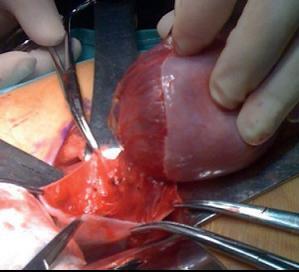
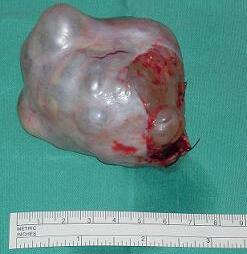
Conservative surgical management with tumorectomy for ovarian tumor: 5 case reports
Poupalou Anna, Spyridis G, Petousis G, Sklavos M, Nikolaidis P
CASE REPORTS
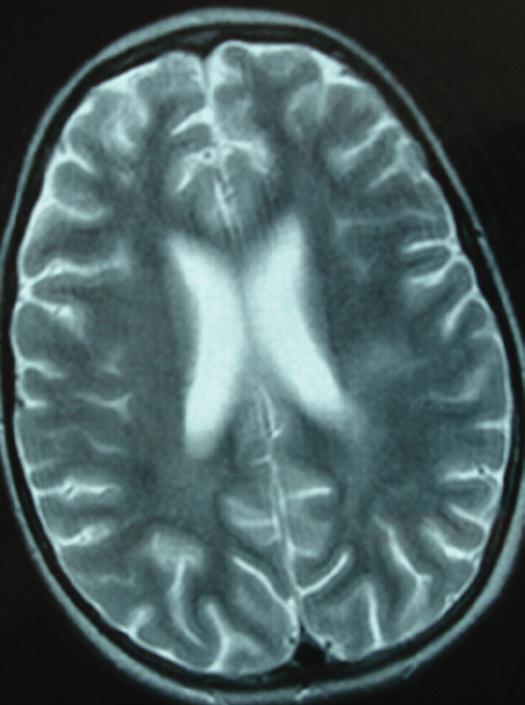
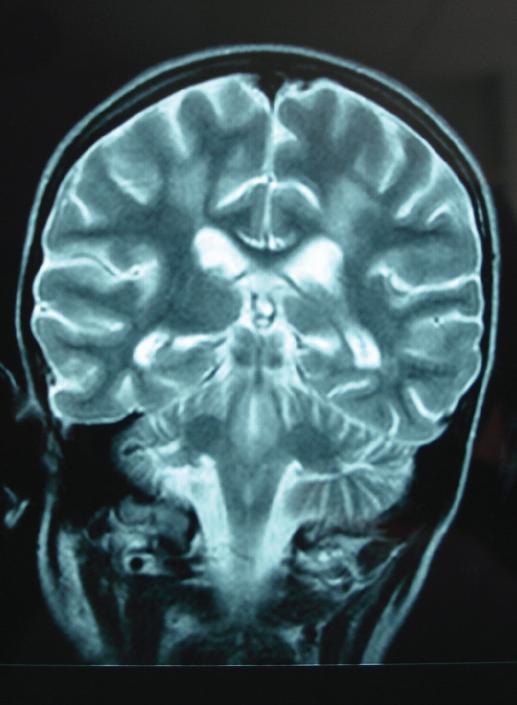
Acute disseminated encephalomyelitis combined with peripheral neuropathy Athanasios Pappas, Vana Spoulou, Glyceria Mostrou, Maria Theodoridou, Sotiris Youroukos
BOOK REVIEW
Christos P. Panteliades. Therapeutic vademecum for cildhood and adolescence, 6th edition, Giahoudis Publications, Thessaloniki, 2013 Athina Balaska
(WHO),
UNICEF, της American Academy of Pediatrics,
International Network of Paediatric
(WHO, Unicef, GAVI, WorldBank, PMNCH, Path).
Review of the special features, the risk factors and the outcome of acute stroke in children and adolescents compared to adults
Stefania E. Makariou, Charalampos I. Milionis, Moses Elisaf, Antigoni Siamopoulou-Mauridou, Meropi S. Tzoufi
Stroke represents a cause for significant childhood disability and lifelong morbidity, while it is amongst the top 10 causes of death in this age group. There is a
Stefania E. Makariou1
Charalampos I. Milionis1
Moses Elisaf1
Department of Internal Medicine, Medical School, University of Ioannina
Stefania E. Makariou2
Antigoni Siamopoulou-Mauridou2
Meropi S. Tzoufi2
Child Health Department, Medical School, University of Ioannina
growing body of evidence with regard to the risk factors and underlying pathogenetic mechanisms of pediatric stroke. The vascular, coagulation and nervous system of children differ substantially from that of adults and account for the diverse etiologies, clinical and radiological presentations and outcome of the pediatric stroke. The major differences between childhood and adulthood stroke regard the predisposing risk factors, the anatomic positions of stroke and the clinical outcome. Pediatric stroke is a heterogeneous disorder with multiple risk factors and inciting events often involved. Whereas adult risk factors are primarily related to arrhythmias and obstructive atherosclerotic arteriopathies, these are uncommon in children. Arterial ischemic stroke is caused mainly by vasculopathies, cardiac thromboembolism, infections and hematologic/ coagulation abnormalities. Cerebral sinus venous thrombosis is related to risk factors such as head and neck infections, sepsis, dehydration, iron deficiency anemia, hemoglobinopathies and prothrombotic disorders. Hemorrhagic stroke is most often caused by arteriovenous malformations, hematologic abnormalities or brain tumors. Moreover, pediatric stroke is rarely associated with several inherited metabolic disorders. Nevertheless, pediatric stroke risk factors remain under-recognized, the diagnosis is often delayed and the resulting socioeconomic burden is substantial. This review was undertaken to highlight current available data on the special characteristics and to summarize the risk factors and the prognosis of stroke in childhood.
Keywords: acute stroke, children, risk factors, prognosis
Αλληλογραφία
Μερόπη Τζούφη
Iωάννινα 45 110, Ελλάδα
Tηλ: +302651007302, +302651007546
Fax: +302651007038
e-mail: mtzoufi@cc.uoi.gr makarioustefania@yahoo.com
Correspondence
Meropi Tzoufi
Ioannina 45110, Greece
Tel: +302651007302, +302651007546
Fax: +302651007038
e-mail: mtzoufi@cc.uoi.gr, makarioustefania@yahoo.com
Alagille, Williams,
PHACES,
1 [22],
Allagile [23],
Williams [24],
PHACES (Posterior fossa abnormalities, Hemangioma, Arterial lesions, Cardiac abnormalities/aortic coarctation and abnormalities of the Eye) [25], και η
21 [26].
MoyaMoya [120, 130].
MELAS
Συμπεράσματα
1. National Center for Health Statistics. Deaths potd, and death rates for the 10 leading causes of death in selected age groops, by race and sex: United States. 2002 [Accessed 16 June 2006]. Updated 2005. www.cdc.gov/nchs/data/nvsr/nvsr53/ nvsr53_17.pdf.
2. Heideman RL, Packer RJ, Albright LA, Freeman CR, Rorke LB. Tumors of the central nervous system. In: Pizzo, P.A., editor. Principles and Practice of Pediatric Oncology. 3rd edn. Philadelphia, PA: Lippencott; 1997. p.633-697.
3. Lee J, Croen LA, Backstrand KH et al. Maternal and infant characteristics associated with perinatal arterial stroke in the infant. Jama 2005; 293: 723-9.
4. Giroud M, Lemesle M, Madinier G et al. Stroke in children under 16 years of age. Clinical and etiological difference with adults. Acta Neurol Scand 1997; 96: 401-6.
5. Lynch JK, Hirtz DG, DeVeber G, Nelson KB. Report of the National Institute of Neurological Disorders and Stroke workshop on perinatal and childhood stroke. Pediatrics 2002; 109: 116-23.
6. Chung B and Wong V. Pediatric stroke among Hong Kong Chinese subjects. Pediatrics 2004; 114: e206-12.
7. Fullerton HJ, Wu YW, Zhao S, Johnston SC. Risk of stroke in children: ethnic and gender disparities. Neurology 2003; 61: 189-94.
8. Laugesaar R, Kolk A, Tomberg T et al. Acutely and retrospectively diagnosed peri-
natal stroke: a population-based study. Stroke 2007; 38: 2234-40.
9. Lanthier S, Carmant L, David M, Larbrisseau A, de Veber G. Stroke in children: the coexistence of multiple risk factors predicts poor outcome. Neurology 2000; 54: 371-8.
10. deVeber G, Andrew M, Adams C et al. Cerebral sinovenous thrombosis in children. N Engl J Med 2001; 345: 417-23.
11. Pavlovic J, Kaufmann F, Boltshauser E et al. Neuropsychological problems after paediatric stroke: two year follow-up of Swiss children. Neuropediatrics 2006; 37: 13-9.
12. Keidan I, Shahar E, Barzilay Z, Passwell J, Brand N. Predictors of outcome of stroke in infants and children based on clinical data and radiologic correlates. Acta Paediatr 1994; 83: 762-5.
13. Lo W, Stephens J, Fernandez S. Pediatric stroke in the United States and the impact of risk factors. J Child Neurol 2009; 24: 194-203.
14. Golomb MR, Fullerton HJ, Nowak-Gottl U, Deveber G. Male predominance in childhood ischemic stroke: findings from the international pediatric stroke study. Stroke 2009; 40: 52-7.
15. Ricci D, Mercuri E, Barnett A et al. Cognitive outcome at early school age in termborn children with perinatally acquired middle cerebral artery territory infarction. Stroke 2008; 39: 403-10.
16. Ballantyne AO, Spilkin AM, Hesselink J, Trauner DA. Plasticity in the developing brain: intellectual, language and academic functions in children with ischaemic perinatal stroke. Brain 2008; 131: 2975-85.
17. Broderick J, Talbot GT, Prenger E, Leach A, Brott T. Stroke in children within a major metropolitan area: the surprising importance of intracerebral hemorrhage. J Child Neurol 1993; 8: 250-5.
18. deVeber G. Stroke and the child’s brain: an overview of epidemiology, syndromes and risk factors. Curr Opin Neurol 2002; 15: 133-8.
19. Fullerton HJ, Wu YW, Sidney S, Johnston SC. Risk of recurrent childhood arterial ischemic stroke in a population-based cohort: the importance of cerebrovascular imaging. Pediatrics 2007; 119: 495-501.
20. Riou EM, Amlie-Lefond C, Echenne B, Farmer M, Sebire G. Cerebrospinal fluid analysis in the diagnosis and treatment of arterial ischemic stroke. Pediatr Neurol 2008; 38: 1-9.
21. Amlie-Lefond C, Bernard TJ, Sebire G et al. Predictors of cerebral arteriopathy in children with arterial ischemic stroke: results of the International Pediatric Stroke Study. Circulation 2009; 119: 1417-23.
22. Rea D, Brandsema JF, Armstrong D et al. Cerebral arteriopathy in children with neurofibromatosis type 1. Pediatrics 2009; 124: e476-83.
23. Kamath BM, Spinner NB, Emerick KM et al. Vascular anomalies in Alagille syndrome: a significant cause of morbidity and mortality. Circulation 2004; 109: 1354-8.
24. Wollack JB, Kaifer M, LaMonte MP,Rothman M. Stroke in Williams syndrome. Stroke 1996; 27: 143-6.
25. Heyer GL, Dowling MM, Licht DJ et al. The cerebral vasculopathy of PHACES syndrome. Stroke 2008; 39: 308-16.
26. Jea A, Smith ER, Robertson R,Scott RM. Moyamoya syndrome associated with Down syndrome: outcome after surgical revascularization. Pediatrics 2005; 116: e694-701.
27. Benseler SM, Silverman E, Aviv RI et al. Primary central nervous system vasculitis in children. Arthritis Rheum 2006; 54: 1291-7.
28. Ganesan V, Prengler M, McShane MA, Wade AM,Kirkham FJ. Investigation of risk factors in children with arterial ischemic stroke. Ann Neurol 2003; 53: 167-73.
29. Fox CK and Fullerton HJ. Recent advances in childhood arterial ischemic stroke. Curr Atheroscler Rep 2010; 12: 217-24.
30. Miravet E, Danchaivijitr N, Basu H, Saunders DE, Ganesan V. Clinical and radiological features of childhood cerebral infarction following varicella zoster virus infection. Dev Med Child Neurol 2007; 49: 417-22.
31. Nagel MA, Cohrs RJ, Mahalingam R et al. The varicella zoster virus vasculopathies: clinical, CSF, imaging, and virologic features. Neurology 2008; 70: 853-60.
32. Gilden D, Cohrs RJ, Mahalingam R, Nagel MA. Varicella zoster virus vasculopathies: diverse clinical manifestations, laboratory features, pathogenesis, and treatment. Lancet Neurol 2009; 8: 731-40.
33. Nagel MA, Mahalingam R, Cohrs RJ, Gilden D. Virus vasculopathy and stroke: an under-recognized cause and treatment target. Infect Disord Drug Targets 2010; 10: 105-11.
34. Askalan R, Laughlin S, Mayank S et al. Chickenpox and stroke in childhood: a study of frequency and causation. Stroke 2001; 32: 1257-62.
35. Berger TM, Caduff JH, Gebbers JO. Fatal varicella-zoster virus antigen-positive giant cell arteritis of the central nervous system. Pediatr Infect Dis J 2000; 19: 653-6.
36. Wirrell E, Hill MD, Jadavji T, Kirton A, Barlow K. Stroke after varicella vaccination. J Pediatr 2004; 145: 845-7.
37. Barnes C, Newall F, Furmedge J, Mackay M, Monagle P. Arterial ischaemic stroke in children. J Paediatr Child Health 2004; 40: 384-7.
38. Fischer D, Haentjes J, Klein G et al. Transcatheter closure of patent foramen ovale (PFO) in patients with paradoxical embolism: procedural and follow-up results after implantation of the Amplatzer(R)-occluder device. J Interv Cardiol 2011; 24: 85-91.
39. Gaio G, Santoro G, Palladino MT et al. Cardioembolic stroke: who is the guilty? J Cardiovasc Med (Hagerstown) 2011; 12: 370-2.
40. Mattle HP, Meier B, Nedeltchev K. Prevention of stroke in patients with patent foramen ovale. Int J Stroke 2011; 5: 92-102.
41. Meseguer E, Labreuche J, Durdilly C et al. Prevalence of embolic signals in acute coronary syndromes. Stroke 2010; 41: 261-6.
42. Bogousslavsky J, Cachin C, Regli F et al. Cardiac sources of embolism and cerebral infarction--clinical consequences and vascular concomitants: the Lausanne Stroke Registry. Neurology 1991; 41: 855-9.
43. Hsia TY, Kirkham F, Waldman A, Tsang V. The implications of extensive cerebral vascular dysplasia in surgical repair of coarctation of the aorta and ventricular septal defect. J Thorac Cardiovasc Surg 2001; 121: 998-1001.
44. Barnes C and Deveber G. Prothrombotic abnormalities in childhood ischaemic stroke. Thromb Res 2006; 118: 67-74.
45. Lynch JK, Han CJ, Nee LE, Nelson KB. Prothrombotic factors in children with stroke or porencephaly. Pediatrics 2005; 116: 447-53.
46. Roach ES, Golomb MR, Adams R et al. Management of stroke in infants and children: a scientific statement from a Special Writing Group of the American Heart Association Stroke Council and the Council on Cardiovascular Disease in the Young. Stroke 2008; 39: 2644-91.
47. Monagle P, Chalmers E, Chan A et al. Antithrombotic therapy in neonates and children: American College of Chest Physicians Evidence-Based Clinical Practice Guidelines (8th Edition). Chest 2008; 133: 887S-968S.
48. Mackay MT, Wiznitzer M, Benedict SL et al. Arterial ischemic stroke risk factors: the International Pediatric Stroke Study. Ann Neurol 2011; 69: 130-40.
49. Kirkham FJ, Prengler M, Hewes DK,Ganesan V. Risk factors for arterial ischemic stroke in children. J Child Neurol 2000; 15: 299-307.
50. Goldenberg NA, Bernard TJ, Fullerton HJ, Gordon A, deVeber G. Antithrombotic treatments, outcomes, and prognostic factors in acute childhood-onset arterial ischaemic stroke: a multicentre, observational, cohort study. Lancet Neurol 2009; 8: 1120-7.
51. Lee YY, Lin KL, Wang HS et al. Risk factors and outcomes of childhood ischemic stroke in Taiwan. Brain Dev 2008; 30: 14-9.
52. Lee EH, Yum MS, Ko TS. Risk Factors and Clinical Outcomes of Childhood Ischemic Stroke in a Single Korean Tertiary Care Center. J Child Neurol 2011;
53. Wanifuchi H, Kagawa M, Takeshita M, Izawa M, Kitamura K. Ischemic stroke in infancy, childhood, and adolescence. Childs Nerv Syst 1988; 4: 361-4.
54. Fullerton HJ, Chetkovich DM, Wu YW, Smith WS, Johnston SC. Deaths from stroke in US children, 1979 to 1998. Neurology 2002; 59: 34-9.
55. Nelson KB and Lynch JK. Stroke in newborn infants. Lancet Neurol 2004; 3: 150-8.
56. Ganesan V, Hogan A, Shack N et al. Outcome after ischaemic stroke in childhood. Dev Med Child Neurol 2000; 42: 455-61.
57. deVeber GA, MacGregor D, Curtis R, Mayank S. Neurologic outcome in survivors of childhood arterial ischemic stroke and sinovenous thrombosis. J Child Neurol 2000; 15: 316-24.
58. Lynch JK and Han CJ. Pediatric stroke: what do we know and what do we need to know? Semin Neurol 2005; 25: 410-23.
59. Lee JC, Lin KL, Wang HS et al. Seizures in childhood ischemic stroke in Taiwan. Brain Dev 2009; 31: 294-9.
60. Camilo O and Goldstein LB. Seizures and epilepsy after ischemic stroke. Stroke 2004; 35: 1769-75.
61. Beslow LA, Licht DJ, Smith SE et al. Predictors of outcome in childhood intracerebral hemorrhage: a prospective consecutive cohort study. Stroke 2010; 41: 313-8.
62. Jordan LC, Kleinman JT, Hillis AE. Intracerebral hemorrhage volume predicts poor neurologic outcome in children. Stroke 2009; 40: 1666-71.
63. Ganesan V, Prengler M, Wade A, Kirkham FJ. Clinical and radiological recurrence after childhood arterial ischemic stroke. Circulation 2006; 114: 2170-7.
64. Bernard TJ, Goldenberg NA, Tripputi M et al. Anticoagulation in childhood-onset arterial ischemic stroke with non-moyamoya arteriopathy: findings from the Colo-
rado and German (COAG) collaboration. Stroke 2009; 40: 2869-71.
65. Haywood S, Liesner R, Pindora S, Ganesan V. Thrombophilia and first arterial ischaemic stroke: a systematic review. Arch Dis Child 2005; 90: 402-5.
66. Strater R, Becker S, von Eckardstein A et al. Prospective assessment of risk factors for recurrent stroke during childhood--a 5-year follow-up study. Lancet 2002; 360: 1540-5.
67. Sofronas M, Ichord RN, Fullerton HJ et al. Pediatric stroke initiatives and preliminary studies: What is known and what is needed? Pediatr Neurol 2006; 34: 439-45.
68. Barron TF, Gusnard DA, Zimmerman RA, Clancy RR. Cerebral venous thrombosis in neonates and children. Pediatr Neurol 1992; 8: 112-6.
69. Chan AK, Deveber G, Monagle P, Brooker LA, Massicotte PM. Venous thrombosis in children. J Thromb Haemost 2003; 1: 1443-55.
70. Sebire G, Tabarki B, Saunders DE et al. Cerebral venous sinus thrombosis in children: risk factors, presentation, diagnosis and outcome. Brain 2005; 128: 477-89.
71. Witmer C and Ichord R. Crossing the blood-brain barrier: clinical interactions between neurologists and hematologists in pediatrics - advances in childhood arterial ischemic stroke and cerebral venous thrombosis. Curr Opin Pediatr 2010; 22: 20-7.
72. Fan HC, Hu CF, Juan CJ, Chen SJ. Current proceedings of childhood stroke. Stroke Res Treat 2011: 432839.
73. Milhaud D, Heroum C, Charif M et al. Dural puncture and corticotherapy as risks factors for cerebral venous sinus thrombosis. Eur J Neurol 2000; 7: 123-4.
74. Muthukumar N. Uncommon cause of sinus thrombosis following closed mild head injury in a child. Childs Nerv Syst 2005; 21: 86-8.
75. Hartfield DS, Lowry NJ, Keene DL,Yager JY. Iron deficiency: a cause of stroke in infants and children. Pediatr Neurol 1997; 16: 50-3.
76. Carvalho KS, Bodensteiner JB, Connolly PJ,Garg BP. Cerebral venous thrombosis in children. J Child Neurol 2001; 16: 574-80.
77. Heller C, Heinecke A, Junker R et al. Cerebral venous thrombosis in children: a multifactorial origin. Circulation 2003; 108: 1362-7.
78. Wasay M, Dai AI, Ansari M, Shaikh Z, Roach ES. Cerebral venous sinus thrombosis in children: a multicenter cohort from the United States. J Child Neurol 2008; 23: 2631.
79. Kenet G, Waldman D, Lubetsky A et al. Paediatric cerebral sinus vein thrombosis. A multi-center, case-controlled study. Thromb Haemost 2004; 92: 713-8.
80. Menascu S, Lotan A, Ben Zeev B, Nowak-Gottl U, Kenet G. Cerebral venous thrombosis in the mediterranean area in children. Mediterr J Hematol Infect Dis 2011; 3: e2011029.
81. Deschiens MA, Conard J, Horellou MH et al. Coagulation studies, factor V Leiden, and anticardiolipin antibodies in 40 cases of cerebral venous thrombosis. Stroke 1996; 27: 1724-30.
82. Wysokinska EM, Wysokinski WE, Brown RD et al. Thrombophilia differences in cerebral venous sinus and lower extremity deep venous thrombosis. Neurology 2008; 70: 627-33.
83. Kenet G, Lutkhoff LK, Albisetti M et al. Impact of thrombophilia on risk of arterial ischemic stroke or cerebral sinovenous thrombosis in neonates and children: a
systematic review and meta-analysis of observational studies. Circulation 2010; 121: 1838-47.
84. Kenet G, Kirkham F, Niederstadt T et al. Risk factors for recurrent venous thromboembolism in the European collaborative paediatric database on cerebral venous thrombosis: a multicentre cohort study. Lancet Neurol 2007; 6: 595-603.
85. De Schryver EL, Blom I, Braun KP et al. Long-term prognosis of cerebral venous sinus thrombosis in childhood. Dev Med Child Neurol 2004; 46: 514-9.
86. Al-Jarallah A, Al-Rifai MT, Riela AR, Roach ES. Nontraumatic brain hemorrhage in children: etiology and presentation. J Child Neurol 2000; 15: 284-9.
87. Meyer-Heim AD and Boltshauser E. Spontaneous intracranial haemorrhage in children: aetiology, presentation and outcome. Brain Dev 2003; 25: 416-21.
88. Sandberg DI, Lamberti-Pasculli M, Drake JM, Humphreys RP, Rutka JT. Spontaneous intraparenchymal hemorrhage in full-term neonates. Neurosurgery 2001; 48: 1042-8; discussion 48-9.
89. Dorsch NW. Haemorrhagic stroke. Intracerebral and subarachnoid haemorrhage. Aust Fam Physician 1997; 26: 1145-50.
90. Jordan LC, Johnston SC, Wu YW, Sidney S,Fullerton HJ. The importance of cerebral aneurysms in childhood hemorrhagic stroke: a population-based study. Stroke 2009; 40: 400-5.
91. Menovsky T and Van Overbeek J. Cerebral atreriovenous malformations in childhood: state of art with special reference to treatment. Eur J Pediatr 1997; 156: 74146.
92. Leblanc GG, Golanov E, Awad IA, Young WL. Biology of vascular malformations of the brain. Stroke 2009; 40: e694-702.
93. Berman MF, Sciacca RR, Pile-Spellman J et al. The epidemiology of brain arteriovenous malformations. Neurosurgery 2000; 47: 389-96; discussion 97.
94. Jomin M, Lesoin F, Lozes G. Prognosis for arteriovenous malformations of the brain in adults based on 150 cases. Surg Neurol 1985; 23: 362-6.
95. Millar C, Bissonnette B, Humphreys RP. Cerebral arteriovenous malformations in children. Can J Anaesth 1994; 41: 321-31.
96. Garza-Mercado R, Cavazos E, Tamez-Montes D. Cerebral arteriovenous malformations in children and adolescents. Surg Neurol 1987; 27: 131-40.
97. Humphreys RP, Hendrick BE, Hoffman HJ. Arteriovenous malformations of the brain. Concepts Pediatr Neurosurg 1988; 8: 146-64.
98. Celli P, Ferrante L, Palma L, Cavedon G. Cerebral arteriovenous malformations in children. Clinical features and outcome of treatment in children and in adults. Surg Neurol 1984; 22: 43-9.
99. Di Rocco C, Tamburrini G, Rollo M. Cerebral arteriovenous malformations in children. Acta Neurochir (Wien) 2000; 142: 145-56; discussion 56-8.
100. Kondziolka D, Humphreys RP, Hoffman HJ, Hendrick EB, Drake JM. Arteriovenous malformations of the brain in children: a forty year experience. Can J Neurol Sci 1992; 19: 40-5.
101. Humphreys RP, Hoffman HJ, Drake JM, Rutka JT. Choices in the 1990s for the management of pediatric cerebral arteriovenous malformations. Pediatr Neurosurg 1996; 25: 277-85.
102. Waltimo O. The relationship of size, density and localization of intracranial arteriovenous malformations to the type of initial symptom. J Neurol Sci 1973; 19: 13-9.
103. Brown RD, Jr., Wiebers DO, Forbes G et al. The natural history of unruptured intracranial arteriovenous malformations. J Neurosurg 1988; 68: 352-7.
104. Simard JM, Garcia-Bengochea F, Ballinger WE, Jr., Mickle JP, Quisling RG. Cavernous angioma: a review of 126 collected and 12 new clinical cases. Neurosurgery 1986; 18: 162-72.
105. Washington CW, McCoy KE, Zipfel GJ. Update on the natural history of cavernous malformations and factors predicting aggressive clinical presentation. Neurosurg Focus 2010; 29: E7.
106. Trakotai W. Biological activity of pediatric cerebral cavernomas: an immunohistochemical study of 28 patients Child Nerv Syst 2006; 22: 685-91.
107. Bigi S, Capone Mori A, Steinlin M et al. Cavernous malformations of the central nervous system in children: presentation, treatment and outcome of 20 cases. Eur J Paediatr Neurol 2011; 15: 109-16.
108. Dziedzic T, Kunert P, Matyja E et al. Familial cerebral cavernous malformation. Folia Neuropathol 2012; 50: 152-8.
109. Revencu N and Vikkula M. Cerebral cavernous malformation: new molecular and clinical insights. J Med Genet 2006; 43: 716-21.
110. Rigamonti D, Hadley MN, Drayer BP et al. Cerebral cavernous malformations. Incidence and familial occurrence. N Engl J Med 1988; 319: 343-7.
111. Zabramski JM, Wascher TM, Spetzler RF et al. The natural history of familial cavernous malformations: results of an ongoing study. J Neurosurg 1994; 80: 422-32.
112. Gross B, Lin N, Du R, Day A. The natural history of intracranial cavernous malformations. Neurosurg Focus 2010; E144:
113. Batra S, Rigamonti K, Rigamonti D. Management of hemorrhage from cavernous malformations. Curr Atheroscler Rep 2012; 14: 360-5.
114. Truwit CL. Venous angioma of the brain: history, significance, and imaging findings. AJR Am J Roentgenol 1992; 159: 1299-307.
115. Sarwar M and McCormick WF. Intracerebral venous angioma. Case report and review. Arch Neurol 1978; 35: 323-5.
116. Hacker DA, Latchaw RE, Chou SN, Gold LH. Case report. Bilateral cerebellar venous angioma. J Comput Assist Tomogr 1981; 5: 424-6.
117. Sasaki O, Tanaka R, Koike T et al. Excision of cavernous angioma with preservation of coexisting venous angioma. Case report. J Neurosurg 1991; 75: 461-4.
118. Buis DR, van Ouwerkerk WJ, Takahata H, Vandertop WP. Intracranial aneurysms in children under 1 year of age: a systematic review of the literature. Childs Nerv Syst 2006; 22: 1395-409.
119. Hetts SW, Narvid J, Sanai N et al. Intracranial aneurysms in childhood: 27-year single-institution experience. AJNR Am J Neuroradiol 2009; 30: 1315-24.
120. Lasjaunias P, Wuppalapati S, Alvarez H, Rodesch G, Ozanne A. Intracranial aneurysms in children aged under 15 years: review of 59 consecutive children with 75 aneurysms. Childs Nerv Syst 2005; 21: 437-50.
121. Mehrotra A, Nair AP, Das KK et al. Clinical and radiological profiles and outcomes in pediatric patients with intracranial aneurysms. J Neurosurg Pediatr 2012; 10: 340-6.
122. Huang J, McGirt MJ, Gailloud P, Tamargo RJ. Intracranial aneurysms in the pediatric population: case series and literature review. Surg Neurol 2005; 63: 424-32; discussion 32-3.
123. Lasjaunias P and Der Brugge KG, Intracranial aneurysms in children., ed. P. Lasjaunias and K.G. Der Brugge. 1997 Berlin Heidelberf New York: Springer; 373-392.
124. Herman JM, Rekate HL, Spetzler RF. Pediatric intracranial aneurysms: simple and complex cases. Pediatr Neurosurg 1991; 17: 66-72; discussion 73.
125. Pasqualin A, Mazza C, Cavazzani P, Scienza R, DaPian R. Intracranial aneurysms and subarachnoid hemorrhage in children and adolescents. Childs Nerv Syst 1986; 2: 185-90.
126. Batnitzky S and Muller J. Infantile and juvenile cerebral aneurysms. Neuroradiology 1978; 16: 61-4.
127. Sharma BS, Sinha S, Mehta VS et al. Pediatric intracranial aneurysms-clinical characteristics and outcome of surgical treatment. Childs Nerv Syst 2007; 23: 32733.
128. Patel AN and Richardson AE. Ruptured intracranial aneurysms in the first two decades of life. A study of 58 patients. J Neurosurg 1971; 35: 571-6.
129. Baysal T, Kutlu R, Sarac K, Karaman I. Ruptured intracranial aneurysm associated with isolated aortic arch interruption. Neuroradiology 2000; 42: 842-4.
130. Norris JS and Wallace MC. Pediatric intracranial aneurysms. Neurosurg Clin N Am 1998; 9: 557-63.
131. Locksley HB. Natural history of subarachnoid hemorrhage, intracranial aneurysms and arteriovenous malformations. Based on 6368 cases in the cooperative study. J Neurosurg 1966; 25: 219-39.
132. Blom I, De Schryver EL, Kappelle LJ et al. Prognosis of haemorrhagic stroke in childhood: a long-term follow-up study. Dev Med Child Neurol 2003; 45: 233-9.
133. Livingston JH and Brown JK. Intracerebral haemorrhage after the neonatal period. Arch Dis Child 1986; 61: 538-44.
134. Lilleyman JS. Intracranial haemorrhage in idiopathic thrombocytopenic purpura. Paediatric Haematology Forum of the British Society for Haematology. Arch Dis Child 1994; 71: 251-3.
135. Revel-Vilk S, Golomb MR, Achonu C et al. Effect of intracranial bleeds on the health and quality of life of boys with hemophilia. J Pediatr 2004; 144: 490-5.
136. Jordan LC and Hillis AE. Hemorrhagic stroke in children. Pediatr Neurol 2007; 36: 73-80.
137. Jarjour IT and Ahdab-Barmada M. Cerebrovascular lesions in infants and children dying after extracorporeal membrane oxygenation. Pediatr Neurol 1994; 10: 13-9.
138. Ohene-Frempong K, Weiner SJ, Sleeper LA et al. Cerebrovascular accidents in sickle cell disease: rates and risk factors. Blood 1998; 91: 288-94.
139. Pappachan J and Kirkham FJ. Cerebrovascular disease and stroke. Arch Dis Child 2008; 93: 890-8.
140. Visudhiphan P, Chiemchanya S,Wattanasirichaigoon D. Strokes in Thai children: etiology and outcome. Southeast Asian J Trop Med Public Health 1996; 27: 801-5.
141. Meyer PG, Orliaguet GA, Zerah M et al. Emergency management of deeply co-
matose children with acute rupture of cerebral arteriovenous malformations. Can J Anaesth 2000; 47: 758-66.
142. Puzzilli F, Salvati M, Bristot R et al. Spontaneous cerebellar haemorrhages in childhood. Childs Nerv Syst 1997; 13: 601-3; discussion 04.
143. de Ribaupierre S, Rilliet B, Cotting J, Regli L. A 10-year experience in paediatric spontaneous cerebral hemorrhage: which children with headache need more than a clinical examination? Swiss Med Wkly 2008; 138: 59-69.
144. Haacke C, Althaus A, Spottke A et al. Long-term outcome after stroke: evaluating health-related quality of life using utility measurements. Stroke 2006; 37: 193-8.
145. Sturm JW, Donnan GA, Dewey HM et al. Quality of life after stroke: the North East Melbourne Stroke Incidence Study (NEMESIS). Stroke 2004; 35: 2340-5.
146. Nelson MD, Jr., Maeder MA, Usner D et al. Prevalence and incidence of intracranial haemorrhage in a population of children with haemophilia. The Hemophilia Growth and Development Study. Haemophilia 1999; 5: 306-12.
147. Fellgiebel A, Keller I, Marin D et al. Diagnostic utility of different MRI and MR angiography measures in Fabry disease. Neurology 2009; 72: 63-8.
148. Rolfs A, Bottcher T, Zschiesche M et al. Prevalence of Fabry disease in patients with cryptogenic stroke: a prospective study. Lancet 2005; 366: 1794-6.
149. Sims K, Politei J, Banikazemi M,Lee P. Stroke in Fabry disease frequently occurs before diagnosis and in the absence of other clinical events: natural history data from the Fabry Registry. Stroke 2009; 40: 788-94.
150. Farrar MA, Lin CS, Krishnan AV et al. Acute, reversible axonal energy failure during stroke-like episodes in MELAS. Pediatrics 2010; 126: e734-9.
151. Ito H, Mori K, Harada M et al. Serial brain imaging analysis of stroke-like episodes in MELAS. Brain Dev 2008; 30: 483-8.
152. Testai FD and Gorelick PB. Inherited metabolic disorders and stroke part 1: Fabry disease and mitochondrial myopathy, encephalopathy, lactic acidosis, and strokelike episodes. Arch Neurol 2010; 67: 19-24.
153. Mudd SH, Skovby F, Levy HL et al. The natural history of homocystinuria due to cystathionine beta-synthase deficiency. Am J Hum Genet 1985; 37: 1-31.
154. Lentz SR. Mechanisms of homocysteine-induced atherothrombosis. J Thromb Haemost 2005; 3: 1646-54.
155. Abahji TN, Nill L, Ide N et al. Acute hyperhomocysteinemia induces microvascular and macrovascular endothelial dysfunction. Arch Med Res 2007; 38: 411-6.
156. Haas RH, Marsden DL, Capistrano-Estrada S et al. Acute basal ganglia infarction in propionic acidemia. J Child Neurol 1995; 10: 18-22.
157. Trinh BC, Melhem ER, Barker PB. Multi-slice proton MR spectroscopy and diffusion-weighted imaging in methylmalonic acidemia: report of two cases and review of the literature. AJNR Am J Neuroradiol 2001; 22: 831-3.
158. Bergman AJ, Van der Knaap MS, Smeitink JA et al. Magnetic resonance imaging and spectroscopy of the brain in propionic acidemia: clinical and biochemical considerations. Pediatr Res 1996; 40: 404-9.
159. Strauss KA, Puffenberger EG, Robinson DL,Morton DH. Type I glutaric aciduria, part 1: natural history of 77 patients. Am J Med Genet C Semin Med Genet 2003; 121C: 38-52.
160. Elster AW. Glutaric aciduria type I: value of diffusion-weighted magnetic resonance imaging for diagnosing acute striatal necrosis. J Comput Assist Tomogr 2004; 28: 98-100.
161. Keegan CE, Martin DM, Quint DJ, Gorski JL. Acute extrapyramidal syndrome in mild ornithine transcarbamylase deficiency: metabolic stroke involving the caudate and putamen without metabolic decompensation. Eur J Pediatr 2003; 162: 259-63.
162. Sperl W, Felber S, Skladal D, Wermuth B. Metabolic stroke in carbamyl phosphate synthetase deficiency. Neuropediatrics 1997; 28: 229-34.
163. Choi JH, Kim H, Yoo HW. Two cases of citrullinaemia presenting with stroke. J Inherit Metab Dis 2006; 29: 182-3.
164. Camacho JA, Obie C, Biery B et al. Hyperornithinaemia-hyperammonaemia-homocitrullinuria syndrome is caused by mutations in a gene encoding a mitochondrial ornithine transporter. Nat Genet 1999; 22: 151-8.
165. Al-Hassnan ZN, Rashed MS, Al-Dirbashi OY et al. Hyperornithinemia-hyperammonemia-homocitrullinuria syndrome with stroke-like imaging presentation: clinical, biochemical and molecular analysis. J Neurol Sci 2008; 264: 187-94.
166. Lipton SA and Rosenberg PA. Excitatory amino acids as a final common pathway for neurologic disorders. N Engl J Med 1994; 330: 613-22.
167. Hsich GE, Robertson RL, Irons M, Soul JS, du Plessis AJ. Cerebral infarction in Menkes’ disease. Pediatr Neurol 2000; 23: 425-8.
168. Tam DA, Jr. and Leshner RT. Stroke in purine nucleoside phosphorylase deficiency. Pediatr Neurol 1995; 12: 146-8.
169. Hickey WF and Kimura H. Perivascular microglial cells of the CNS are bone marrow-derived and present antigen in vivo. Science 1988; 239: 290-2.
170. Siqueira LF. Cerebrovascular complications of diabetic ketoacidosis in children. Arq Bras Endocrinol Metabol 2011; 55: 288-90.
171. Ganesan V, Chong WK, Cox TC et al. Posterior circulation stroke in childhood: risk factors and recurrence. Neurology 2002; 59: 1552-6.
Clinical course and seizure outcome of idiopathic epileptic syndromes in childhood
Pinelopi Dragoumi1, Olga Tzetzi1, Efthimia Vargiami1, Evangelos Pavlou2, Konstantinos Krikonis3, Eleftherios Kontopoulos1, Dimitrios I. Zafeiriou1
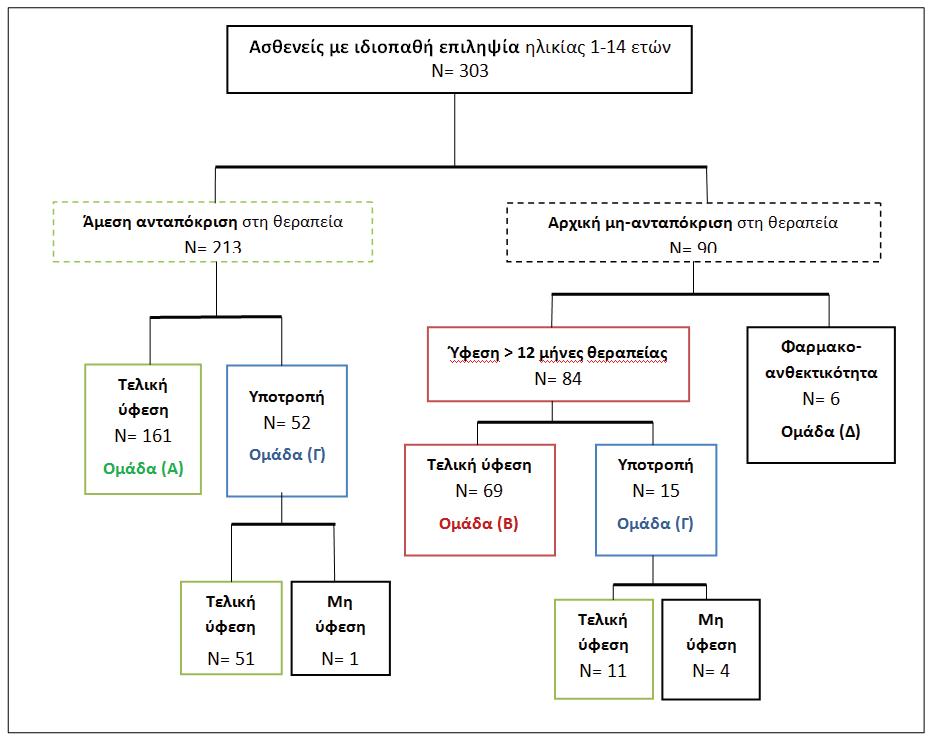
Background: To study the clinical course and outcome of idiopathic childhood epilepsy and identify variables determining both the early and long-term prognosis. Methods: We followed 303 children with newly diagnosed idiopathic epilepsy aged 1-14 years old, both prospectively and retrospectively. Outcome was defined at one, 2 and 4 years of follow-up, as well as at the end of the study period for all patients. Based on the data collected, patients were classified in four patterns of clinical
Pinelopi Dragoumi1
Olga Tzetzi1
Efthimia Vargiami1
Eleftherios Kontopoulos1
Dimitrios I. Zafeiriou1
1st Department of Pediatrics, Aristotle University of Thessaloniki, Greece
Evangelos Pavlou2
2nd Department of Pediatrics, Aristotle University of Thessaloniki, Greece
Konstantinos Krikonis3
Statistical Data Analysis, DatAnalysis, Thessaloniki, Greece
course: “excellent”, “improving”, “relapsing” and “poor”. Variables defined at intake and after the initial year of treatment were analyzed for their prognostic relevance towards the clinical course and outcome of the patients.
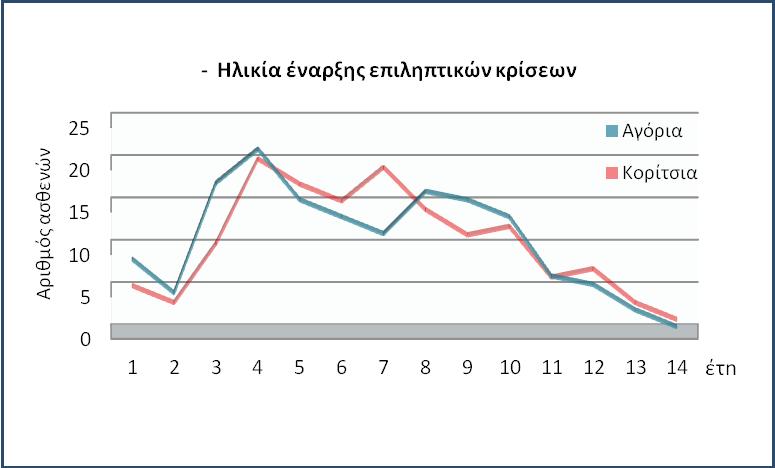
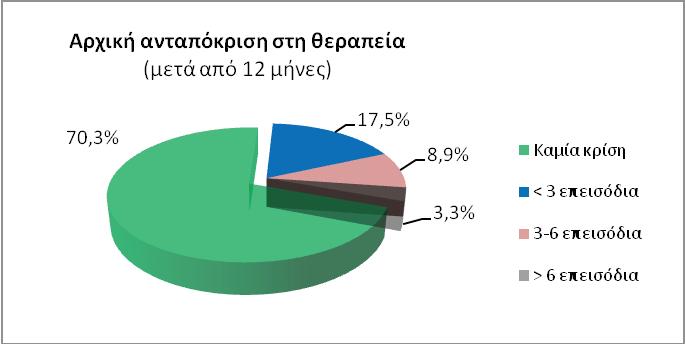
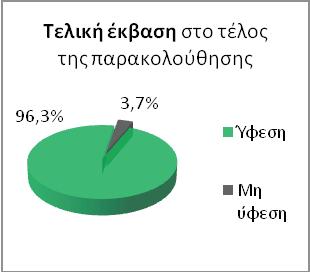
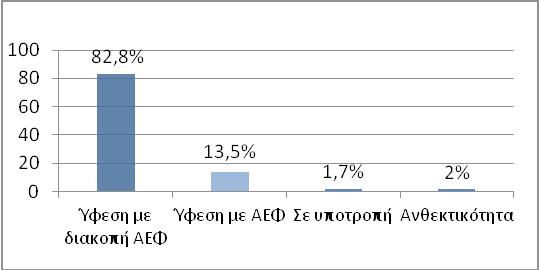
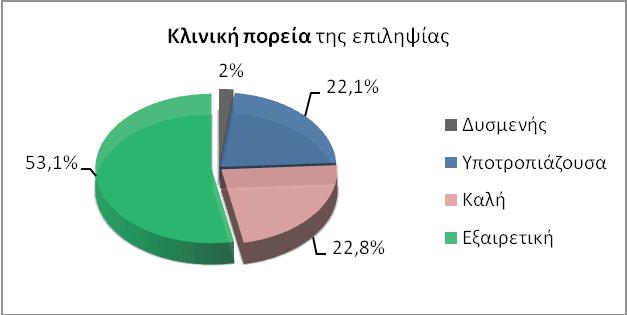
Results: The mean age at seizure onset was 6,7 years and the mean duration of follow-up was 8,3 years (range 2,0-22,0,SD 4,24). During the initial year of treatment, 70,3% of patients were seizure-free. The course of epilepsy was “excellent” in 53,1% of the subjects, “improving” in 22,8%, “relapsing” in 22,1% whereas only 6 children with idiopathic epilepsy (2%) had a “poor” clinical course exhibiting drug-resistance. Variables predictive of a poor initial response to therapy (p<0,05) were early seizure onset, multiple seizure types, history of febrile seizures and status epilepticus. At the end of follow-up, immediate response to treatment was of significant positive predictive value, while the presence of multiple seizure types and the history of migraine had an adverse impact on prognosis.
Conclusions: In the vast majority of children, the long-term prognosis of idiopathic epilepsy is favorable. More than half of the patients follow an excellent clinical course, while one fifth show good or relapsing course. Early seizure onset, multiple seizure types, history of migraineand particularly the initial treatment response are independent determinants of prognosis.
Keywords: epilepsy, idiopathic, prognosis, children
Αλληλογραφία
Δραγούμη
Ι. Μιχαήλ 1, ΤΚ. 54622,
Θεσσαλονίκη
Τηλ.: 6944913556, 2310223150
e-mail: ezlouis@gmail.com
Correspondence
Dragoumi Pinelopi
I. Michail 1, PO Box 54622, Thessaloniki, Greece
Tel.: +302310223150
Mobile: +306944913556
e-mail: ezlouis@gmail.com
Annegers, Hauser και Elveback από
Columbia Univer-
Status epilepticus
86 (28)
65 (22) 89 (29) 55 (18) 8 (3) 247 (82) 56 (18) 265 (88) 38 (12) 293 (97) 10 (3)
278 (92) 25 (8) 254 (84)
(16)
(11)
(21)
(62)
(6)
(55)
(66)
(70)
(85)
(85)
(80) 6 (75)
63 (77)
(92)
(92)
(83) 8 (100)
(80) 41 (73)
(90)
(75)
(70)
(83) 21 (55)
233 (80) 8 (80) 223 (80) 18 (81) 201 (79) 40 (87) 25 (78) 50 (77) 151 (80) 15 (79) 6 (50) 185 (87) 56 (62)
(30)
(97)
(95)
(97)
(94)
(88) 238 (96)
(96)
(89) 27 (73)
(86) 9 (90)
(88) 16 (72)
(90) 34 (70) 23 (74) 51 (82)
(90)
(90)
(92)
(83)
(98) 33 (87) 282 (96)
3,905 3,769 0,707 3,174 3,291 2,788 3,446 0,651 5,305 3,413 10,95 0,671 3,308 2,309 0,395 1,897-8,035 0,997-14,249 0,561-0,889 1,329-7,579 1,795-6,034 1,271-6,116 1,571-7,559 0,419-1,010 1,393-20,193 0,911-12,789 2,18-54,99 0,511-0,879 1,449-7,547 1,083-4,922 0,191-0,820 OR (odds ratio)
1. Forsgren L, Beghi E, Õun A and Sillanpää M. The epidemiology of epilepsy in Europe – a systematic review. European Journal of Neurology 2005,12: 245–253.
2. Annegers JF, Hauser WA, Elveback LR. Remission of seizures and relapse in patients with epilepsy. Epilepsia 1979,20: 729-37.
3. Brorson LO, Wranne L. Long-term prognosis in childhood epilepsy: survival and seizure prognosis. Epilepsia 1987,28: 324-330.
4. Camfield C, Camfield P, Gordon K et al. Outcome of childhood epilepsy: A population-based study with a simple predictive scoring system for those treated with medication. J Pediatr 1993, 122:861-8.
5. Matti Sillanpaa. Remission of seizures and predictors of intractability in long-term follow-up. Epilepsia 1993, 34(5):930-936.
6. Sillanpaa M, Jalava M, ShlomoShinnar et al. Long-term prognosis of seizures with onset in childhood. N Engl J Med 1998,338:1715-22.
7. Arts WFM, Geerts AT, Brouwer OF, et al. The early prognosis of epilepsy in childhood: the prediction of a poor Outcome. The Dutch Study of Epilepsy in Childhood. Epilepsia 1999,40(6): 726-734.
8. Arts WFM, Brouwer OF, Peters ACB. Course and prognosis of childhood: 5-year follow-up of the Dutch study of epilepsy in childhood. Brain 2004,127: 1774-1784.
9. Geerts A, Arts WF, Stroink H, et al. Course and prognosis of childhood epilepsy: a 15-year follow-up of the Dutch study of epilepsy in childhood.Epilepsia 2010,51(7): 1189–119.
10. Berg AT, Levy SR, Novotny EJ, Shinnar S. Predictors of intractable epilepsy in childhood: a case-control study. Epilepsia 1996, 37:24-30.
11. Berg A, Shinnar S, Levy SR, et al. Two-year remission and subsequent relapse in children with newly diagnosed epilepsy. Epilepsia 2001,42(12): 1553-1562.
12. Hauser E, Freilinger M, Seidl R, Groh C. Prognosis of childhood epilepsy in newly referred patients. J Child Neurol 1996, 1:201-4.
13. Engel J. ILAE classification of epilepsy syndromes. Epilepsy Research 2006,70S: S5-S10.
14. Brodie MJ, Barry SJE, Bamagous GA, et al. Patterns of treatment response in newly diagnosed epilepsy. Neurology 2012,78: 1548–1554.
15. Shinnar S, O’Dell C, Berg AT. Distribution of epilepsy syndromes in a cohort of children prospectively monitored from the time of their first unprovoked seizure. Epilepsia 1999,40(10): 1378-83.
16. Callenbach PMC, Geerts AT, Arts WFM, et al. Familial occurrence of epilepsy in children with newly diagnosed multiple seizures: Dutch study of epilepsy in childhood. Epilepsia 1998,39:331–6.
17. Braathen G, Theorell K. A general hospital population of childhood epilepsy. ActaPaediatr 1995,84:1143–6.
18. Berg AT, Shinnar S, Levy SR, et al. Newly diagnosed epilepsy in children: presentation at diagnosis. Epilepsia 1992,40:445–52.
19. Zarrelli MM, Beghi E, Rocca WA, et al. Incidence of epilepticsyndromes in Rochester, Minnesota: 1980-1984. Epilepsia 1999,40:1708–14.
20. Bouma PAD, Bovenkerk AC, Westendrop RGJ, et al. The course of benign partial epilepsy of childhood with centrotemporal spikes: a meta-analysis. Neurology 1997,48: 430-7.
21. You SJ, Kim D, Ko T. Benign childhood epilepsy with centro-temporal spikes (BCECTS): early onset of seizures is associated with poorer response to initial treatment. Epileptic Disord 2006, 8 (4): 285-8
22. Kwong KL, Sung WY, Wong SN et al. Early predictors of medical intractability in childhood epilepsy.PediatrNeurol 2003,29: 46-52.
23. Seneviratne U, Cook, D’Souza W. The prognosis of idiopathic generalized epilepsy.Epilepsia 2012,53(12): 2079–2090.
24. Velioğlu SK, Ozmenoğlu M. Migraine-related seizures in an epileptic population. Cephalalgia 1999,Nov 19(9):797-80.
25. Rogawski MA. Common pathophysiologic mechanisms in migraine and epilepsy. Arch Neurol. 2008,Jun 65(6):709-14.
26. Bianchin MM, Londero RG, Lima JE, Bigal ME. Migraine and epilepsy: a focus on overlapping clinical, pathophysiological, molecular, and therapeutic aspects.Curr Pain Headache Rep. 2010, Aug 14(4):276-83.
27. Velioğlu SK, Boz C, Ozmenoğlu M. The impact of migraine on epilepsy: a prospective prognosis study. Cephalalgia 2005, Jul25(7):528-35.
“High-risk behaviour syndrome” in adolescence: which adolescents are more vulnerable?
Magdalini Patseadou1, Assimina Galli-Tsinopoulou1, Malamatenia ArvanitidouVayona2, Georgios Varlamis1, Maria Eboriadou-Petikopoulou1
Background: High-risk behaviours constitute a decisive factor of morbidity and mortality among teenagers. The aim of this study was to investigate the correlation among multiple high-risk behaviours in adolescence, as well as, the creation of an adolescent model under high risk to adopt the “syndrome of high-risk behaviours”. Methods: A representative sample of 1014 studentsfrom 20 senior high-schools in the prefecture of Thessaloniki (13 public, 3 private and 4 vocational schools) com-
Magdalini Patseadou1
Assimina Galli-Tsinopoulou1
Georgios Varlamis1
Maria Eboriadou-Petikopoulou1
4th Department of Pediatrics, Faculty of Medicine, Aristotle University of Thessaloniki
Malamatenia ArvanitidouVayona2
Department of Hygiene, Faculty of Medicine, Aristotle University of Thessaloniki
pleted an anonymous questionnaire, developed by the Centers of Disease Control and Prevention, USA. Frequencies of certain adolescents’ high-risk behaviours were estimated (smoking, alcohol consumption, aggressive behaviour, reduced road safety and high-risk sexual behaviour). Multiple logistic regression analysis was used in order to evaluate the co-occurrence of different risky behaviours.
Results: The 21.3% of adolescents stated that they have experienced smoking, drinking alcohol, having sexual intercourse and being involved in a physical fight. The percentage of adolescents that set out, at least three kinds of behaviour was high, approximately 50%.The smoking habit and the consumption of alcohol had their outset at the early adolescence and their appearance preceded the beginning of the sexual activity, concerning girls in particular. About 25% of the sample answered that they engaged systematically in high-risk behaviours. The age, the sex, the type of high school of attendance and the parents’ educational level were factors affecting significantly the involvement of an adolescent in multiple high-risk behaviours.
Conclusions: Major high risk behaviours have the tendency to interrelate.The observation of the existence of a behaviour in an adolescent should be a “red flag” for the simultaneous or forthcoming existence of multiple behaviours in that particular adolescent.
Keywords: high-risk behaviour, adolescents, senior high-schools, prefecture of Thessaloniki
Αλληλογραφία
Ευκαρπία
564 03 Θεσσαλονίκη
Τηλ/Φαξ: 2310991537 e-mail: mpats82@gmail.com
Correspondence
Magdalini Patseadou
Ring Road Nea Efkarpia
564 03 Thessaloniki, Greece
Τel/Fax: +30 2310991537 e-mail: mpats82@gmail.com
for Disease Control and Prevention,
Χαρακτηριστικά
Φύλο (Ν=1012)
κορίτσια
Ηλικία (Ν=1007)
15
16
17
18
19
20
21
Τάξη
(Ν=1013) Α’
Γενικό
Άλλη
Μόρφωση πατέρα (Ν=978)
Δημοτικό
Γυμνάσιο-Λύκειο-Τεχνική σχολή ΤΕΙ ΑΕΙ
Μόρφωση μητέρας (Ν=985) Δημοτικό
Γυμνάσιο-Λύκειο-Τεχνική σχολή
ΤΕΙ
ΑΕΙ
Επάγγελμα πατέρα (Ν=976)
Επιστήμονας-Διευθυντής-Επαγγελματίας Υπάλληλος, μη χειρώνακτας
Χειρώνακτας (αγρότης, εργάτης)
1.
1.
4.
5.
Χώρα γέννησης μαθητή (Εξωτερικό/Ελλάδα)
Μόρφωση
1.25-1.67 2.04-3.76 0.32-0.98 1.75-3.42 1.34-2.76
0.44-1.32 0.53-1.75 0.42-1.36 1.04-4.54 0.96-4.62 0.75-3.45
0.49-1.00 0.60-1.66 0.66-2.04
0.67-1.27 0.31-2.57 0.61-1.37
1.16-1.63 2.35-4.71
0.32-1.05 1.36-3.00 1.08-2.56
1.27-6.65 0.99-5.84 0.91-5.18
0.48-1.02 0.44-1.41 0.59-2.06 <0.001 <0.001 0.043 <0.001 <0.001 0.333 0.896 0.357 0.038 0.064 0.220 0.041 0.994 0.595 0.422 0.833 0.664
1. Feldman S, Elliott G, editors. At the threshold: The developing adolescent. Cambridge: Harvard University Press; 1990.
2. Donovan JE, Jessor R. Structure of problem behavior in adolescence and young adulthood. J Consult Clin Psychol. 1985; 53: 890–904.
3. Dryfoos JG. Adolescents at risk. London: Oxford University Press; 1990.
4. Segen JC. Concise Dictionary of Modern Medicine. New York: The McGraw-Hill Companies, Inc; 2002.
5. Jessor R. Risk behavior in adolescence: A psychosocial framework for understanding and action. J Adolesc Health. 1991; 12: 597–605.
6. Ellickson PL, Tucker JS, Klein DJ. Ten-year prospective study of public health problems associated with early drinking. Pediatrics. 2003; 111: 949–55.
7. Stueve A, O’Donnell LN. Early alcohol initiation and subsequent sexual and alcohol risk behaviors among urban youths. Am J Public Health. 2005; 95: 887–93.
8. Charlton BG, White M. Living on the margin: a salutogenic model for socio-economic differentials in health. Public Health.1995; 109:235–43.
9. Nelson DE, Higginso GK, Grant-Worley JA. Physical abuse among high school students. Prevalence and correlation with other health behaviours. Arch Pediatr Adolesc Med. 1995; 149: 1254–8.
10. Faelker T, Pickett W, Brison RJ. Socio-economic differences in childhood injury: A population-based epidemiologic study in Ontario, Canada. Inj Prev. 2000; 6: 203–8.
11. Galambos NL, Tilton-Weaver LC. Multiple-risk behaviour in adolescents and young adults. Health Rep. 1998; 10: 9–20.
12. Pickett W, Garner MJ, Boyce WF, King MA. Gradients in risk for youth injury associated with multiple-risk behaviours: a study of 11,329 Canadian adolescents. Soc Sci Med. 2002; 55: 1055-68.
13.
14. Brener ND, Kann L, Kinchen SA, Grunbaum JA, Whalen L, Eaton D et al. Methodology of the Youth Risk Behavior Surveillance System. MMWR Recomm Rep. 2004; 53(RR-12):1-13.
15. Durkham CP, Byrd RS, Auinger P, Weitzman M. Illicit substance use, gender, and the risk of violent behavior among adolescents. Arch Pediatr Adolesc Med. 1996; 150: 797–801.
16. Weitzman ER, Chen YY. The co-occurrence of smoking and drinking among young adults in college: National survey results from the United States. Drug Alcohol Depend 2005;80:377–86.
17. Palen LA, Smith EA, Flisher AJ, Caldwell LL, Mpofu E. Substance use and sexual risk behavior among South African eighth grade students. J Adolesc Health 2006; 39: 761–3.
18. Senf JH, Price CQ. Young adults, alcohol and condom use: what is the connection? J Adolesc Health. 1994; 15: 238–44.
19. West P. Health inequalities in the early years: Is there equalisation in youth? Soc Sci Med. 1997; 44: 833–58.
20. Agius PA, Dip G, Dyson S, Pitts MK, Mitchell A, Smith A. Two steps forward and one step back? Australian secondary students’ sexual health knowledge and behaviours 1992-2002. J Adolesc Health. 2006; 38: 247-52.
21. Centers for Disease Control and Prevention. Health risk behaviors among adolescents who do and do not attend school-United States, 1992. MMWR Morb Mortal Wkly Rep. 1994; 43: 129-32.
22. Kearney CA. School absenteeism and school refusal behavior in youth: a contemporary review. ClinPsycholRev. 2008; 28:451-71.
23. SPSS version 20.0, SPSS Inc, Chicago, IL, USA.
Pornographic internet use among adolescence
Α. Τsitsika1, Ε. Critselis2, G. Κormas1, Ο. Giotakos1, V. Dimitrakopoulou1, Μ. Janikian1, Α. Κonstadopoulos1, D. Kafetzis2
Background: The study objectives were to evaluate the prevalence, predictors, and implications of Pornographic Internet Site (PIS) use among Greek adolescents. Methods: A cross-sectional study design was applied among 529 randomly selected Greek secondary and high school students in Attica. Anonymous self-completed questionnaires, consisting of internet access characteristics, Young Internet Addiction Scale (YIAS) and the Strengths & Difficulties Questionnaire (SDQ), were used.
Α. Τsitsika1
G. Κormas1
Ο. Giotakos1
V. Dimitrakopoulou1
Μ. Janikian1
Α. Κonstadopoulos1
Adolescent Health Unit
(A.H.U.), Second University Department of Pediatrics, “P. & A. Kyriakou” Children’s Hospital, Greece
Ε. Critselis2
D. Kafetzis2
Second University Department of Pediatrics, “P. & A. Kyriakou” Children’s Hospital, Greece
Αλληλογραφία
Τσίτσικα Άρτεμις
Μεσογείων 24, ΤΚ. 11527, Γουδί
Τηλ: 2107710824, 2132009806, 6944763177
e-mail: info@youth-health.gr, artspy@otenet.gr
Correspondence
Artemis Tsitsika Mesogeion 24, Goudi, Athens 11527, Greece
Tel: (0030)2107710824, 2132009806, 6944763177
e-mail: info@youth-health.gr artspy@otenet.gr
YIAS = Young Internet Addiction Scale
Strengths and Difficulties
Questionnaire (SDQ)
= Body Mass Index
Results: Τhe prevalence of overall PIS use was 24.1% (n=83). Among PIS users, 49 (59.0%) reported infrequent (IPIS) and 34 (41.0%) frequent (FPIS) PIS use. The predictors of IPIS use were male gender and access to the internet for sexual education purposes. The predictors of FPIS use were male gender, utilizing the internet for the sexual education purposes, and the average weekly frequency of internet use. The prevalence of Addictive Internet Use among IPIS and FPIS users was 4.1% and 8.8%, respectively. IPIS users were not observed to have significantly different emotional and psychosocial scores as compared to non-PIS users. FPIS users were significantly more likely to have Abnormal Conduct Problems and Borderline Prosocial Score. Conclusions: Infrequent and frequent PIS use are both prevalent among Greek adolescents, although, only frequent PIS use was associated with adolescent psychosocial maladjustment.
Keywords: Adolescence; internet; pornography; internet addiction; sexual behavior.
(46.9)
(16.3)
(65.3) 16 (32.7) 0 (0.0) 31 (91.2) 3 (8.8)
CI: 1.87-17.06),
(Adj. OR: 2.74; 95% CI: 1.04-7.22)
(Adj. OR: 2.54; 95% CI: 1.00-7.22).
OR: Odds Ratio
0 (0.0) 14 (16.9) 8 (9.6) 61 (73.5) 16 (19.3) 32 (38.6) 9 (10.8) 11 (13.2) 15 (18.1) 51 (61.4) 26 (31.3) 5 (6.0) 8 (16.3) 4 (24.5) 37 (75.5) 12 (24.5) 20 (40.8) 7 (14.3) 4 (8.2) 6 (12.2) 33 (67.3) 13 (26.5) 2 (4.1) 6 (17.6) 4 (11.8) 24 (70.6) 4 (11.8) 12 (35.3) 2 (5.9) 7 (20.6) 9 (26.5) 18 (52.9) 13 (38.2) 3 (8.8)
0.95-3.61 0.63-3.88 1.14-6.95 1.71-9.49
(34.5) 9 (3.4)
(11.1)
OR: Odds Ratio
(78.3) 21 (25.3) 9 (10.8)
(61.4) 42 (50.6) 11 (13.2) 48 (57.8) 70 (84.3) 14 (16.9) 17 (20.5) 17 (20.5)
0.56-1.85 0.65-2.04 0.26-1.22 1.23-3.38
0.47-1.27 0.38-1.58 1.20-3.27 2.00-7.21 0.20-0.69 3.13-17.44 1.03-3.86
(79.6) 13 (26.5) 3 (6.1) 31 (63.3)
0.52-2.34 0.61-2.47 0.09-1.02 1.17-4.14
(53.1) 5 (10.2) 31 (63.3) 39 (79.6) 9 (18.4) 9 (18.4) 9 (18.4) 26 (76.5) 8 (23.5) 6 (17.6) 20 (58.8) 16 (47.0) 6 (17.6) 17 (50.0) 31 (91.2) 5 (14.7) 8 (23.5) 8 (23.5)
0.46-1.57 0.21-1.53 1.32-4.68 1.31-5.75 0.19-0.88 2.43-17.68 0.77-3.96
0.39-2.13 0.45-2.43 0.39-2.56 0.88-3.77
0.33-1.37 0.42-2.77 0.70-2.96 2.17-24.45 0.12-0.84 3.03-24.50 0.99-5.76
15 (5.7)
(18.0) 2 (0.8)
(5.7) 15 (5.7) 3 (3.6) 3 (3.6) 11 (13.2) 13 (15.7) 8 (9.6) 3 (3.6)
0.12-1.50 0.10-1.18
0.59-2.62 1.37-6.67
0.50-2.76 0.17-2.18
0.26-1.20 0.40-40.71
0.87-4.96 0.64-4.12
0.11-2.20 0.03-1.50
0.16-3.26 0.45-4.55
1. Bullough VL. Children and adolescents as sexual beings: a historical overview. Child and Adolescent Psychiatric Clinics of North America 2004;13(3):447-59.
2. Mitchell KJ, Wolak J, Finkelhor D. Trends in youth reports of sexual solicitations, harassment and unwanted exposure to pornography on the Internet. The Journal of Adolescent Health 2007; 40(2):116-26.
3. Palesh O, Saltzman K, Koopman C. Internet use and attitudes towards illicit Internet use behavior in a sample of Russian college students. Cyberpsychology & Behavior 2004;7(5):553-8.
4. Ballester Arnal R, Gil L. Sexuality in children 9-14 years old. Psicothema 2006;18(1): 25-30.
5. O-Prasertsawat P, Petchum S. Sexual behavior of secondary school students in Bangkok metropolis. Journal of the Medical Association of Thailand 2004;87(7):7559.
6. Ybarra ML, Mitchell KJ. Exposure to Internet pornography among children and adolescents: a national survey. Cyberpsychology & Behavior 2005;8(5):473-86.
7. Häggström-Nordin E, Hanson U, Tydén T. Associations between pornography consumption and sexual practices among adolescents in Sweden. International Journal of STD & AIDS 2005; 16(2):102-7.
8. Hong Y, Li X, Mao R, Stanton B. Internet use among Chinese college students: implications for sex education and HIV prevention. Cyberpsychology & Behavior 2007;10(2):161-9.
9. Cameron KA, Salazar LF, Bernhardt JM, Burgess-Whitman N, Wingood GM, DiClemente RJ. Adolescents’ experience with sex on the web: results from online focus groups. The Journal of Adolescence 2005;28(4):535-40.
10. Wallmyr G, Welin C. Young people, pornography, and sexuality: sources and attitudes. The Journal of School Nursing 2006;22(5):290-5.
11. Zillmann D. Influence of unrestrained access to erotica on adolescents’ and young adults’ dispositions toward sexuality. The Journal of Adolescent Health 2000;27(2):41-4.
12. Brown JD, Keller SN. Can the mass media be healthy sex educators? Family Planning Perspectives 2000;32(5):255-6.
13. Malamuth N, Huppin M. Pornography and teenagers: the importance of individual differences. Adolescent Medicine Clinics 2005;16(2):315-26.
14. Hayez JY. Confrontation of children and adolescents with pornography. Archives of Pediatrics 2002;9(11):1183-8.
15. Luria Z. Sexual fantasy and pornography: two cases of girls brought up with pornography. Archives of Sexual Behavior 1982;11(5):395-404.
16. Yates A. Biologic perspective on early erotic development. Child and Adolescent Psychiatric Clinics of North America 2004;13(3):479-96.
17. Liu H, Xie J, Yu W, Song W, Gao Z, Ma Z, et al. A study of sexual behavior among rural residents of China. Journal of Acquired Immune Deficiency Syndromes and Human Retrovirology 1998;19(1):80-8.
18. Roynet D. Adolescent’s sexuality. Revue Médicale de Bruxelles 2007;28(4):353-5.
19. Goodman R. The extended version of the Strengths and Difficulties Questionnaire as a guide to child psychiatric caseness and consequent burden. Journal of Child Psychology and Psychiatry 1999;40(5):791-9.
20. Young, KS. Internet addiction: the emergence of a new clinical disorder. Cyberpsychology & Behavior 1998;1:237-44.
21 Wolak J, Mitchell K, Finkelhor D. Unwanted and wanted exposure to online pornography in a national sample of youth Internet users. Pediatrics 2007;119(2):24757.
22. Halkias D, Harkiolakis N, Thurman P, Caracatsanis S. Internet use for healthrelated purposes among Greek consumers. Telemedicine Journal and e-health 2008;14(3):255-60.
23. Alexander MG, Fisher TD. Truth and consequences: using the bogus pipeline to examine sex differences in self-reported sexuality. Journal of Sex Research 2003;40(1):27-35.
24. Senn CY, Radtke HL. Women’s evaluations of and affective reactions to mainstream violent pornography, nonviolent pornography, and erotica. Violence and Victims 1990;5(3):143-55.
25. Giotakos O. Gender differences in the perceptions for the ideal sex partner. Sexual and Relationship Therapy 2004;19(4):373-378.
26. Tsitsika A, Critselis E, Kormas G, Filippopoulou A, Tounissidou D, Freskou A, et al. Internet use and misuse: a multivariate regression analysis of the predictive factors of internet use among Greek adolescents. European Journal of Pediatrics 2009;168(6):655-65.
27. Rees H, Noyes JM. Mobile telephones, computers, and the Internet: sex differences in adolescents’ use and attitudes. Cyberpsychology & Behavior 2007;10(3):482-4.
28. Jackson LA, Samona R, Moomaw J, Ramsay L, Murray C, Smith A, Murray L. What children do on the Internet: domains visited and their relationship to socio-demographic characteristics and academic performance. Cyberpsychology & Behavior 2007;10(2):182-90.
29. Meerkerk GJ, Van Den Eijnden RJ, Garretsen HF. Predicting compulsive Internet use: it’s all about sex! Cyberpsychology & Behavior 2006;9(1):95-103.
30. Skinner H, Biscope S, Poland B, Goldberg E. How adolescents use technology for health information: implications for health professionals from focus group studies. Journal of Medical Internet Research 2003;5(4):e32.
31. Smith M, Gertz E, ALvarex S, Lurie P. The content and accessibility of sex education information on the Internet. Health Education & Behavior 2000;27(6):695-7.
32. Benedeck EP, Brown CF. No excuses: televised pornography harms children. Harvard Review of Psychiatry 1999;7(4):236-40.
33. Ma CM, Shek DT. Consumption of pornographic materials in early adolescents in Hong Kong. J Pediatr Adolesc Gynecol. 2013 Jun;26(3 Suppl):S18-25.
34. Tyden T, Rogala C. Sexual behavior among young men in Sweden and the impact of pornography. International journal of STD & AIDS 2004;15(9):590-3.
35. Guy RJ, Patton GC, Kaldor JM. Internet pornography and adolescent health. Med J Aust. 2012 May 21;196(9):546-7.
Α. Τσίτσικα1
Μ. Τζανικιάν1
Γ. Κορμάς1
1
Ο.
B.
Κ.
1 Η.
1
1
1
(Strengths and Difficulties Questionnaire-SDQ).
Association between internet gambling and problematic internet use among greek adolescents
Α. Τsitsika1, Ε. Critselis2, Μ. Janikian1, G. Κormas1, Ο. Giotakos1, V. Dimitrakopoulou1, Κ. Αthanasiou1, I. Νakos1, Α. Κonstadopoulos1, D. Kafetzis2
Background: The study objectives were to evaluate the correlates and psychosocial implications of internet gambling among adolescents, as well as the association between internet gambling and problematic internet use.
Α. Τsitsika1
Μ. Janikian1
G. Κormas1
Ο. Giotakos1
V. Dimitrakopoulou1
Κ. Αthanasiou1
I. Νakos1
Α. Κonstadopoulos1
Adolescent Health Unit (A.H.U.), Second University Department of Pediatrics, “P. & A. Kyriakou” Children’s Hospital, University of Athens School of Medicine, Greece
Ε. Critselis2
D. Kafetzis2
Second University Department of Pediatrics, “P. & A. Kyriakou” Children’s Hospital, University of Athens School of Medicine, Greece
Αλληλογραφία
Τσίτσικα Άρτεμις
Μεσογείων 24, ΤΚ. 11527, Γουδί
Τηλ: 2107710824, 2132009806, 6944763177
e-mail: info@youth-health.gr, artspy@otenet.gr
Correspondence
Artemis Tsitsika Mesogeion 24, Goudi, Athens 11527, Greece Tel: +2107710824, 2132009806, 6944763177
e-mail: info@youth-health.gr artspy@otenet.gr
Material-Method: A cross-sectional study design was applied among a random sample (N = 484) of adolescents (71.2% boys; mean age ± standard deviation, SD = 14.88 ± 0.55 years). Self-completed questionnaires, including internet gambling practices, internet use characteristics, Young Internet Addiction Test (ΙΑΤ), and Strengths and Difficulties Questionnaire (SDQ) were utilized.
Results: The prevalence of internet gambling was 15.1%. Internet gambling was associated with psychosocial maladjustment, including Abnormal Conduct Problems (gender adjusted odds ratio, AOR = 3.83; 95% confidence interval, 95% CI: 1.867.92) and Borderline Peer Problems (AOR = 2.04; 95% CI: 1.09-3.85). The likelihood of concomitant problematic internet use was significantly higher among internet gamblers (AOR = 1.81; 95% CI: 1.03-3.19). Multivariate regression analyses indicated that among all characteristics of internet use assessed, utilizing the internet for the purposes of gambling practices was independently associated with problematic internet use among adolescents (AOR = 3.43; 95% CI: 1.40-8.39).
Conclusion: Thus, the study findings suggest that adolescents who participate in internet gambling practices are more likely to concomitantly present with problematic internet use.
Keywords: adolescence; internet gambling; addictive behavior; psychosocial aspects; Psychological adjustment
(Strengths and Difficulties Questionnaire-SDQ)
IAT = Internet Addiction Test,
48 (65.8%)
(41.1%)
(46.6%)
(32.9%)
(13.7%)
(46.6%)
(75.3%)
(27.4%)
(21.9%)
(8.2%)
(9.6%)
(20.7%)
(42.6%) 189 (46.0%)
(15.8%)
(37.0%)
(56.2%)
(26.3%)
(24.6%) 278 (67.6%)
(0.77-2.52)
(0.45-1.32)
(0.29-0.87)*
(0.47-2.03) 1.53 (0.91-2.58) 1.81 (0.96-3.40) 0.81 (0.43-1.50) 0.95 (0.53-1.70) 1.26 (0.48-3.32) 0.77 (0.33-1.80) 1.81 (1.03-3.19)*
(31.6%) 24 (5.8%) 45 (10.9%) 58 (14.1%) 0.88 (0.51-1.46)
(5.1%)
(1.09-3.85)
(0.35-8.76)
(0.73-4.26) 1.80 (0.79-4.10) 0.160§
1. Messerlian C, Byrne A, Derevensky J. Gambling, Youth and the Internet: Should We Be Concerned? Canadian Child and Adolescent Psychiatry Review 2004;13(1):36.
2. Griffiths M, Parke A, Wood R, Parke J. Internet Gambling: An Overview of Psychosocial Impacts. UNLV Gaming Research & Review Journal 2006;10(1):27-39.
3. Griffiths M. Internet gambling: Issues, concerns, and recommendations. CyberPsychology & Behavior 2003;6(6):557-568.
4. Griffiths M, Wardle H, Orford J, Sproston K, Erens B. Socio-demographic correlates of internet gambling: findings from the 2007 british gambling prevalence survey. Cyberpsychology and Behavior 2009;12(2):199-202.
5. Molde H, Pallesen S, Bartone P, Hystad S, Johnsen B. Prevalence and correlates of gambling among 16 to 19-year-old adolescents in Norway. Scandinavian Journal of Psychology 2009;50(1):55-64.
6. Moodie C, Finnigan F. Prevalence and correlates of youth gambling in Scotland. Addiction Research & Theory 2006;14(4):365-385.
7. Dickson L, Derevensky J, Gupta R. Youth gambling problems: Examining risk and protective factors. International Gambling Studies 2008;8(1):25-47.
8. Griffiths M, Wood R. Risk factors in adolescence: The case of gambling, videogame playing, and the Internet. Journal of Gambling Studies 2000;16(2-3):199-225.
9. Pallanti S, Bernardi S, Quercioli L. The shorter PROMIS questionnaire and the Internet Addiction Scale in the assessment of multiple addictions in a high-school population: prevalence and related disability. CNS Spectrums 2006;11(12):966-974.
10. Derevensky JL, Gupta R, Winters K. Prevalence rates of youth gambling problems: Are the current rates inflated? Journal of Gambling Studies 2003;19:405–425.
11 Labrie RA, Kaplan SA, LaPlante DA, Nelson SE, Shaffer HJ. Inside the virtual casino: a prospective longitudinal study of actual internet casino gambling. European Journal of Public Health 2008;18(4):410-416.
12. Griffiths M. Gambling technologies: Prospects for problem gambling. Journal of Gambling Studies 1999;15:265-283.
13. Johansson A, Götestam K. Gambling and problematic gambling with money among Norwegian youth (12-18 years). Nordic Journal of Psychiatry 2003;57(4):317321.
14. Wickwire E, Whelan J, Meyers A, Murray D. Environmental correlates of gambling behavior in urban adolescents. Journal of Abnormal Child Psychology 2007;35(2):179-190.
15. Gerdner A, Svensson K. Predictors of gambling problems among male adolescents. International Journal of Social Welfare 2003;12(3):182-192.
16. Delfabbro P, Lahn J, Grabosky P. Psychosocial correlates of problem gambling in Australian students. Australian and New Zealand Journal of Psychiatry 2006;40(6):587-595.
17. Barnes G, Welte J, Hoffman J, Dintcheff B. Shared predictors of youthful gambling, substance use, and delinquency. Psychology of Addictive Behaviors 2005;19(2):165-174.
18. Martins S, Storr C, Ialongo N, Chilcoat H. Gender differences in mental health characteristics and gambling among African-American adolescent gamblers. The American Journal on Addictions 2008;17(2):126-134.
19. Shapira NA, Goldsmith TD, Keck PE Jr, Khosla UM, McElroy SL. Psychiatric features of individuals with problematic internet use. J Affect Disord. 2000;57(1-3):267-72.
20. Mitchell KJ, Wells M. Problematic internet experiences: primary and secondary presenting problems in persons seeking mental health care? Social Science & Medicine 2007;65(6):1136-1141.
21. Recupero PR. Forensic evaluation of problematic internet use. Journal of the American Academy of Psychiatry & Law 2008.
22. Sun DL, Chen ZJ, Ma N, Zhang XC, Fu XM, Zhang, DR. Decision-making and prepotent response inhibition functions in excessive internet users. CNS Spectrus 2009;14(2):75-81.
23. Wölfling K, Bühler M, Lemenager T, Mörsen C, Mann K. Gambling and internet addiction: review and research agenda. Nervenarzt 2009;80(9):1030-1039.
24. Young KS. Internet addiction: the emergence of a new clinical disorder. Cyberpsychology & Behavior 1998;1:237-44.
25. Goodman R. The extended version of the Strengths and Difficulties Questionnaire as a guide to child psychiatric caseness and consequent burden. Journal of Child Psychology and Psychiatry 1999;40(5):791-799.
26. Hardoon K, Gupta R, Derevensky J. Psychosocial Variables Associated With Adolescent Gambling. Psychology of Addictive Behaviors 2004;18(2):170-179.
27. Petry NM, Weinstock J. Internet gambling is common in college students and associated with poor mental health. American Journal of Addiction 2007;16(5):325330.
28. Tsitsika A, Critselis E, Kormas G, Filippopoulou A, Tounissidou D, Freskou A, et al. Internet use and misuse: a multivariate regression analysis of the predictive factors of internet use among Greek adolescents. European Journal of Pediatrics 2009a;168(6):655-665.
29. Tsitsika A, Critselis E, Kormas G, Konstantoulaki E, Constantopoulos A, Kafetzis D. Adolescent pornographic internet site use: a multivariate regression analysis of the predictive factors of use and psychosocial implications. Cyberpsychology and Behavior 2009b;12(5):545-550.
30. Ko CH, Yen JY, Liu SC, Huang CF, Yen CF. The associations between aggressive behaviors and internet addiction and online activities in adolescents. Journal of Adolescent Health 2009;44(6):598-605.
31. Stitt BG, Giacopassi D, Vandiver M. A minor concern? Underage casino gambling and the law. Social Science Journal 2000;37:361–373.
32. Messerlian C, Derevensky J, Gupta R. Youth gambling problems: A public health perspective. Health Promotion International 2005;20:69-79.
Serum concentrations of vitamin D in exclusively breastfed infants aged 1-6 months that did not receive supplements of vitamin D during the winter in Northern Greece
Elpidoforos Mantadakis1, Anna Patsourou2, Helen Chatziioannidou3, Aristeidis Potonos3, Theodora Gioka3, Athanassios Chatzimichael1
Introduction: Vitamin D plays a major role in maintaining the skeletal health, although human milk contains inadequate amounts of this vitamin. Despite the recommendations for prophylactic administration of oral vitamin D supplements in breastfeeding infants, still many of them do not receive oral supplements of vitamin D.
Patients-Methods: Between October 20, 2012 and January 15, 2013 and after we
Elpidoforos Mantadakis1
Athanassios Chatzimichael1
Department of Pediatrics, University General Hospital of Alexandroupolis and Democritus University of Thrace Faculty of Medicine
Anna Patsourou2
Lactation Consultant, Private Breastfeeding Clinic, Thessaloniki
Helen Chatziioannidou3
Aristeidis Potonos3
Theodora Gioka3
Department of Biopathology, University General Hospital of Alexandroupolis
Αλληλογραφία Ελπιδοφόρος Μανταδάκης
68 100 Αλεξανδρούπολη Τηλ.: 2551074411
Fax: 2551030340
e-mail: emantada@med.duth.gr
Correspondence
Elpidoforos Mantadakis
6th Kilometer AlexandroupolisMakris
68 100 Alexandroupolis
Tel: 2551074411
Fax: 2551030340
e-mail: emantada@med.duth.gr
obtained written informed consent we measured by chemiluminescence the serum concentrations of 25-hydroxyvitamin D (25-OH-D), the main circulating form of vitamin D in the blood, in 25 healthy and exclusively breastfed infants aged 1 to 6 months (median age 2.5 months), who resided in Northern Greece. None of them was receiving any oral supplements of vitamin D.
Results: The serum concentrations of 25-OH-D ranged between 20-146nmol/L (median 71.5nmol/L) in the 13 female infants of the study, while the 12 male infants had concentrations between 9 and 92.25nmol/L (median 54.5nmol/L). No significant difference in the concentrations of 25-OH-D by sex was noted (p=0.19). Overall, 5 of 13 girls and 5 of 12 boys had deficiencyof 25-OH-D defined as serum concentrations <50nmol/L. Additionally, 2 girls and 4 boys had 25-OH-D insufficiency, i.e., concentrations of 25-OH-D between 51-74nmol/L. Deficiency and insufficiency of 25-OH-D was significantly more common in the 16 infants aged 1 to 3 months compared to the 9 older infants aged >3 and up to 6 months of age (p=0.0008).
Conclusion: Deficiency and insufficiency of vitamin D was extremely common in breastfeeding infants of Northern Greece during the winter. All breastfeeding infants should receive oral vitamin D supplementation.
Keywords: Vitamin D, breastfeeding, infants, deficiency, insufficiency
(chemiluminescence) [Vitamin D total, Cobas®, Roche Diagnostics GmbH, Mannheim, Germany],
, Roche Diagnostics GmbH, Mannheim, Germany].
1. Christakos S, Ajibade DV, Dhawan P, Fechner AJ, Mady LJ. Vitamin D: metabolism. Endocrinol Metab Clin North Am 2010;39:243e53.
2. Prietl B, Treiber G, Pieber TR, Amrein K. Vitamin d and immune function. Nutrients 2013;5:2502-21.
3. Shaw NJ, Mughal MZ. Vitamin D and child health: part 2 (extraskeletal and other aspects). Arch Dis Child 2013;98:368-72.
4. Mantadakis E, Deftereos S, Tsouvala E, Thomaidis S, Chatzimichael A. Seizures as initial manifestation of vitamin D-deficiency rickets in a 5-month-old exclusively breastfed infant. Pediatr Neonatol 2012;53:384-6.
5. Robinson PD, Högler W, Craig ME, Verge CF, Walker JL, Piper AC, et al. The reemerging burden of rickets: a decade of experience from Sydney. Arch Dis Child. 2006;91:564-8.
6. Ward LM, Gaboury I, Ladhani M, Zlotkin S. Vitamin D-deficiency rickets among children in Canada. CMAJ 2007;177:161e6.
7. Hatun S, Ozkan B, Orbak Z, Doneray H, Cizmecioglu F, Toprak D, et al. Vitamin D deficiency in early infancy. J Nutr 2005;135:279-82.
8. Wagner CL, Greer FR. American Academy of Pediatrics Section on Breastfeeding; American Academy of Pediatrics Committee on Nutrition. Prevention of rickets and vitamin D deficiency in infants, children, and adolescents. Pediatrics 2008;122:1142e52.
9. Chen T. Photobiology of vitamin D. In: Holick MF, ed. Vitamin D: Physiology, Molecular Biology, and Clinical Applications. Totowa, NJ: Humana Press; 1999:17-38.
10. Cluse ZN, Fudge AN, Whiting MJ, McWhinney B, Parkinson I, O’ Loughlin PD. Evaluation of 25-hydroxy vitamin D assay on the immunodiagnostic systems iSYS analyser. Ann Clin Biochem 2012 Mar;49(Pt 2):159-65.
11. Holick MF, Binkley NC, Bischoff-Ferrari HA, Gordon CM, Hanley DA, Heaney RP, et al; Endocrine Society. Evaluation, treatment, and prevention of vitamin D deficiency: an Endocrine Society clinical practice guideline. J Clin Endocrinol Metab 2011;96:1911-30.
12. Clemens TL, Adams JS, Henderson SL, Holick MF. Increased skin pigmentation reduces the capacity of skin to synthesize vitamin D3. Lancet 1982; 1:74-6.
13. Mithal A, Wahl DA, Bonjour JP, Burckhardt P, Dawson-Hughes B, Eisman JA, et al; IOF Committee of Scientific Advisors (CSA) Nutrition Working Group. Global vitamin D status and determinants of hypovitaminosis D. Osteoporos Int 2009;20:1807-20.
14. Misra M, Pacaud D, Petryk A, Collett-Solberg PF, Kappy M; Drug and Therapeutics Committee of the Lawson Wilkins Pediatric Endocrine Society. Vitamin D deficiency in children and its management: review of current knowledge and recommendations.Pediatrics 2008;122:398e417.
15. Halicioglu O, Sutcuoglu S, Koc F, Yildiz O, Akman SA, Aksit S. Vitamin d status of exclusively breastfed 4-month-old infants supplemented during different seasons. Pediatrics 2012;130:e921-7.
16. Choi YJ, Kim MK, Jeong SJ. Vitamin D deficiency in infants aged 1 to 6 months. Korean J Pediatr 2013;56:205-10.
17. Lawson M, Thomas M. Vitamin D concentrations in Asian children aged 2 years living in England: population survey. BMJ 1999;318:28.
18. Jain V, Gupta N, Kalaivani M, Jain A, Sinha A, Agarwal R. Vitamin D deficiency in healthy breastfed term infants at 3 months & their mothers in India: seasonal variation & determinants. Indian J Med Res 2011;133:267-73.
19. Oren Y, Shapira Y, Agmon-Levin N, Kivity S, Zafrir Y, Altman A, et al. Vitamin D insufficiency in a sunny environment: a demographic and seasonal analysis. Isr Med Assoc J 2010;12:751-6.
20. Dawodu A, Agarwal M, Sankarankutty M, Hardy D, Kochiyil J, Badrinath P. Higher prevalence of vitamin D deficiency in mothers of rachitic than nonrachitic children. J Pediatr 2005; 147:109-11.
21. Lee JM, Smith JR, Philipp BL, Chen TC, Mathieu J, Holick MF. Vitamin D deficiency in a healthy group of mothers and newborn infants. Clin Pediatr (Phila) 2007;46:424.
Role of breastfeeding in the development of food allergy
Konstantina Vasilaki, Eleanna Stasinou, Kiriaki Tentzidou, Styliani Stefanou, Fotini Sotiriadou, Paraskevi Karanika, Maria Fotoulaki
Background: The prevalence of allergic diseases has increased in recent decades with prominent item of food allergy and especially cow’s milk allergy. The prevention of food allergy is an important challenge for public health and the medical community and the role of breastfeeding has been the subject of extensive research. The purpose of this study is to investigate the role of breastfeeding and its duration in the development of food allergy in relation to sex and other risk factors such as positive family history of allergy and type of delivery.
Konstantina Vasilaki
Eleanna Stasinou
Kiriaki Tentzidou
Styliani Stefanou
Fotini Sotiriadou
Paraskevi Karanika
Maria Fotoulaki
4TH Department of Pediatrics, Aristotle University of Thessaloniki
Αλληλογραφία Μαρία
Τηλ: 6944-949964
Fax: 2310-991538
e-mail: mfotoul@otenet.gr
Correspondence
Maria Fotoulaki
4TH Department of Pediatrics, Aristotle University of Thessaloniki
Τel. 6944-949964
Fax 2310-991538
e-mail: mfotoul@otenet.gr
Methods: In this retrospective study were included 215 children with cow’s milk allergy (CMA) who are followed up in the Paediatric Gastroenterology and Nutrition Clinic and 102 children without any manifestation of allergy. Results: 69% (147) of children with CMA were breastfed while the rate of normal children was 92,2% (94) p = 0,005. The percentage of children with CMA who were exclusively breastfed for 3 months, 3 to 6 months and over 6 months was 17%, 13.6% and 6.1% respectively. The percentage of normal children was 42,6%, 21,3% and 24,5% respectively. Children who were not breastfed were five times more likely to develop CMA compared with those who were breastfed OR 5,47 95% CI:2,114,2 p=0,005. The risk of CMA in children who were not breastfed increased much more, compared to children who were breastfed longer than 6 months OR 13 95% CI:4,8-35 p=0,005. Children with positive family history of allergy had a threefold risk of developing CMA compared with those who hadn’t OR 2,95 95% CI 1,7-5 p =0.005. Conclusions: Breastfeeding particularly if it is extended beyond the sixth month of life seems to protect against the onset of CMA. A positive family history of allergy is an independent factor associated with the onset of allergy.
Keywords: breastfeeding, food allergy, cow’s milk allergy (CMA)
(7,8)
1. ESPGHAN Committee on Nutrition, Agostoni C, Braegger C, Decsi T et al Breastfeeding: A commentary by the ESPGHAN Committee on Nutrition. J Pediatr Gastroenterol Nutr 2009; 49:112-125.
2. Wright Al, Sherrill D, Holberg CJ, Halonen M,Martinez FD. Breast-feeding, maternal IgE, and total serum IgE in childhood. J Allergy Clin Immunol 1999;104: 589-94.
3. Saarinen KM, Juntunen-Backman K, Jarvenpaa AL, Klemetti P, Kuitunen P, Lope L et al. Supplementary feeding in maternity hospitals and the risk of cow’s milk allergy: A prospective study of 6209 infants. J Allergy Clin Immunol 1999: 104: 457-61.
4. Saarinen UM, Kajosaari M. Breastfeeding as prophylaxis against atopic disease: Prospective follow-up study until 17 years old. Lancet 1995: 346: 1065-1069.
5. Kramer MS, Kakuma R. Maternal dietary antigen avoidance during pregnancy and/ or lactation for preventing or treating atopic disease in the child. Cochrane Database Syst Rev. 2006;(3):CD000133.
6. Falth-Magnusson K, Kjellman NI. Development of atopic disease in babies whose mothers were receiving exclusion diet during pregnancy: a randomized study. J Allergy Clin Immunol. 1987;80:868-875.
7. Falth-Magnusson K, Kjellman NI. Allergy prevention by maternal elimination diet during late pregnancy: a 5-year follow-up of a randomized study. J Allergy Clin Immunol. 1992;89:709-713.
8. Prescott SL, Smith P, Tang M, Palmer DJ, Sinn J, Huntley SJ et al. The importance of early complementary feeding in the development of oral tolerance: concerns and controversies. Pediatr Allergy Immunol 2008; 19:375-380.
9. Pistiner M, Gold DR, Abdulkerim H, Hoffman E, Celedon JC. Birth by cesarean section, allergic rhinitis, and allergic sensitisation among children with a parental history of atopy. J Allergy Clin Immunol. 2008;122:274-279.
10. Muraro A, Dreborg S, Halken S, Host A, Niggemann B, Aalberse R et al. Dietary prevention of allergic diseases in infants and small children. Part III: critical review of published peer-reviewed observational and interventional studies and final recommendations. Pediatr Allergy Immunol.2004;15:291-307.
11. Host A, Husby S, Osterballe O. A prospective study of cow’s milk allergy in exclusively breast-fed infants. Incidence, pathogenic role of early inadvertent exposure to cow’s milk formula, and characterization of bovine milk protein in human milk. Acta Paediatr Scand. 1988;77:663-670.
12. Gdalevich M, Mimouoni D, David M, Mimouni M. breastfeeding and the onset of atopic dermatitis in childhood: a systematic review and meta-analysis of prospective studies. J Am Acad Dermatol. 2001;45:520-527.
13. Mossialos E, Allin S, Karras K, Davaki K.An investigation of Caesarean sections in three Greek hospitals: the impact of financial incentives and convenience. Eur J Public Health. 2005 Jun; 15(3):288-295. Epub 2005 May 2.
14. Maitra A, Sherriff A, Strachan D, Henderson J. Mode of delivery is not associated with asthma or atopy in childhood. Clin Exp Allergy. 2004;34:1349-1355.
15. McKeever TM, Lewis SA, Smith C, Hubbard R. Mode of delivery and risk of developing allergic disease. J Allergy Clin Immunol. 2002;109:800-802.
16. Koplin J, Allen K, Gurrin L, Osborne N, Tang ML, Dharmage S. Is caesarean delivery associated with sensitisation to food allergens and IgE-mediated food allergy: a systematic review. Pediatr Allergy Immunol. 2008; 19:682-687.
17. Gronlund MM, Lehtonen OP, Eerola E, Kero P. Fecal micro flora in healthy infants born by different methods of delivery: permanent changes in intestinal flora after cesarean delivery. J Pediatr Gastroenterol Nutr. 1999; 28:19-25.
18. Grönlund MM, Arvilommi H, Kero P, Lehtonen OP, and Isolauri E. Importance of intestinal colonisation in the maturation of humoral immunity in early infancy: a prospective follow up study of healthy infants aged 0-6 months. Arch Dis Child Fetal Neonatal Ed. 2000;83:F186-F192
19. Ferreira CT, Seidman E. Food allergy: a practical update from the gastroenterological viewpoint. J Pediatr (Rio J).2007; 83(1):7-20.
Kidney involvement in diagnosis of children with acute lymphoblastic leukemia. Cases report and review of literature
Baka Margarita, Doganis Dimitrios, Pourtsidis Apostolos, Bouhoutsou Despina, Varvoutsi Maria, Katsikari Maria*, Stefanidis Constantinos**, Kosmidis Helen
We reviewed the charts of 253 children with ALL diagnosed from 11/92 to 12/05. Among them, in 5, infiltration of the kidneys was documented in 3 boys and 2 girls with median age 2 6/12 years. Duration of symptoms prior to diagnosis ranged from 2 to 56 days (median 8) and in all there was initial liver, spleen or lymph node enlargement whereas one had testicular involvement on diagnosis. Initial WBC ranged
Baka Margarita
Doganis Dimitrios
Pourtsidis Apostolos
Bouhoutsou Despina
Varvoutsi Maria
Katsikari Maria*
Stefanidis Constantinos**
Kosmidis Helen
Oncology Department, Radiology Laboratory*, Nephrology Department**
Children’s Hospital “P & A Kyriakou”
12, 115 23
Τηλ. 6972427616
e-mail: doganisd@gmail.com
Correspondence
Doganis Dimitrios
12 St Kapetan Petroutsou, PC 115 23
Tel: 6972427616
e-mail: doganisd@gmail.com
from 4.9-130x103/mm3 (median 15x103/mm3) and initial platelet count ranged from 15-359x103/mm3 (median 75x103/mm3). Impaired renal function was documented in 3 children with serum creatinine increased by 30-50% the normal for age value which was returned to normal within 2 to 3 days. ALL was of B cell origin in 4 and T ALL in one. Also ALL was intermediate risk in 4 and standard risk in the remaining one child. Children were treated as per the BFM protocols and all tolerated induction therapy well without serious tumor lysis syndrome. All were good steroid responders with absolute blast cell count <100/mm3 on day 7 and bone marrow in M1 status on day 15. One child relapsed in the bone marrow 5 months after diagnosis and succumbed of the disease 2 months later whereas the remaining 4 live in CR1 101-122 months (median 115) from diagnosis. Conclusions: 1) Initial kidney involvement in children with ALL is a rare event and is seen in younger children 2) Despite kidney involvement children tolerate chemotherapy well without serious renal compromise 3) Children respond to therapy well 4) Despite increased leukemic burden, children with kidney involvement on diagnosis of ALL have very good prognosis.
Keywords: Αcute Lymphoblastic Leukemia, Kidneys, Children
1. Siegel MJ. Pediatric body CT. 1st ed. Philadelphia: Lippincott Williams & Wilkins;1999. p 226.
2. Bickers GH, Siebert JJ, Anderson JC, Golladay S, Berry DL. Sonography of ovarian involvement in childhood acute lymphocytic leukemia. Am J Roentgenol 1981;137:399-401.
3. Mantan M, Singhal KK, Sethi GR. Acute Lymphoblastic Leukemia. An Unusual Cause of Nephromegaly in Infancy. Indian J Pediatr 2010;77:583.
4. Hann IM, Lees PD, Palmer MK, Gupta S, Morris-Jones PH. Renal size as a prognostic factor in childhood acute lymphoblastic leukemia. Cancer 1981;48:207–209.
5. Zuelzer WW, Flatz G. Acute childhood leukemia a ten-year study. Am J Dis Child 1960;100:886–907.
6. Gupta A, Malhotra HS, Kumar L, Sirwal IA, Sakhuja V, Chugh KS. Acute renal failure due to leukemic infiltration of kidneys. J Assoc Physicians India 1990;38:284-286.
7. Olgar S, Yetgin S, Cetin M, Aras T, Akhan O. Electrolyte Abnormalities at Diagnosis of Acute Lymphocytic Leukemia May Be a Clue For Renal Damage in Long-Term Period. Pediatr Hematol Oncol 2005;27:202–206.
8. Sato A, Imaizumi M, Chikaoka S, Niizuma H, Hoshi Y, Takeyama J, Fujii K, Nishio T, Watanabe M, Maesawa C, Hayashi Y, Iinuma K. Acute renal failure due to leukemic cell infiltration followed by relapse at multiple extramedullary sites in a child with acute lymphoblastic leukemia. Leuk Lymphoma 2004;45:825-828.
9. Hilmes MA, Dillman JR, Mody RJ, Strouse PJ. Pediatric renal leukemia: spectrum of CT imaging findings. Pediatr Radiol 2008;38:424-430.
10. Kirshbaum JD, Preuss FS. Clinical and pathological study of 123 fatal cases in a series of 14,000 necropsies. Arch Intern Med. 1943;71: 777-792.
11. Frei E 3rd, Fritz RD, Price E, Moore EW, Thomas LB. Renal and hepatic enlargement in acute leukemia. Cancer 1983;16:1089-1092.
12. Basker M, Scott JX, Ross B, Kirubakaran C. Renal enlargement as primary presen-
tation of acute lymphoblastic leukaemia. Indian J Cancer 2002;39:154-156.
13. Butani L, Paulson TE. Congenital acute myelogenous leukemia presenting as palpable renal masses in a neonate. J Pediatr Hematol Oncol 2003;25:240-242.
14. Martins A, Cairoli H, Domínguez P, Martin S, Ortiz C, Potasznik J, Schenone N. Nephromegaly: as unusual presentation of acute lymphoblastic leukemia in an infant. Arch Argent Pediatr 2008;106:263-265.
15. Aguayo P, Fraser JD, St Peter SD, Spilde T, Gatti JM, Snyder CL, Ostlie DJ. Massive bilateral nephromegaly in acute lymphoblastic leukemia: a case report. Eur J Pediatr Surg. 2009;19:332-334.
16. Kissane JM, Dehner LP. Renal tumors and tumor like lesions in pediatric patients. Pediatr Nephrol 1992;6:365-382.
17. Bathla G, Khandelwal G, Singh S, Chowdhury V, Maller V. Renal Involvement In Leukemia: A Report Of Two Cases. The Internet Journal of Hematology 2009;5(2).
18. Kumari-Subaiya S, Lee WJ, Festa R, Phillips G, Pochaczevsky R. Sonographic findings in leukemic renal disease. J Clin Ultrasound 1984;12:465-472.
19. Malena S, Gianviti A, Orazi C, Fariello G. Renal echography in the early diagnosis of malignant hemolymphopathy in children. Apropos of 4 cases. Radiol Med (Torino) 1990;80:564–567.
20. Obrador GT, Price B, O’Meara Y, Salant DJ. Acute renal failure due to lymphomatous infiltration of the kidneys. J Am Soc Nephrol 1997;8:1348–1354.
21. Escobar H, Häffner K, Pohl M,Hopfer H, Determann O, Lauten M, Kontny U Acute Renal Failure Associated with Bilateral Enlargement of the Kidneys: A Rare Manifestation of Acute Lymphoblastic Leukemia (ALL). Klin Padiatr 2009;221:176-178.
22. De A, Menell JS. Isolated renal relapse in acute lymphoblastic leukemia. J Pediatr Hematol Oncol. 2010;32:150-151.
23. Rohatiner A, Davies A. The general management of the patient with leukemia; in Henderson ES, Lister TA, Greaves MF (eds): Leukemia, ed 7. Philadelphia, Saunders, 2002, pp 285–296.
24. Suh WM, Wainberg ZA, de Vos S, Cohen AH, Kurtz I, Nguyen MK. Acute lymphoblastic leukemia presenting as acute renal failure. Nat Clin Pract Nephrol 2007;3:106110.
25. Gilboa N, Lum GM, Urizar RE. Early renal involvement in acute lymphoblastic leukemia and non-Hodgkin’s lymphoma in children. J Urol 1983;129:364–367.
26. Banday KA, Sirwal IA, Reshi AR, Najar MS, Bhat MA, Wani MM: Renal involvement in hematologic neoplasia. Indian J Nephrol 2004;14:50–52.
27. Olgar S, Yetgin S, Cetin M, Aras T. Can renal leukemic infiltration cause hypertension in children? J Pediatr Hematol Oncol 2006;28:579-584.
28. Attard-Montalto SP, Saha V, Ng YY, Kingston JE, Eden OB. High incidence of hypertension in children presenting with acute lymphoblastic leukemia. Pediatr Hematol Oncol 1994;11:519–525.
29. Boueva A, Bouvier R. Precursor B-cell lymphoblastic leukemia as a cause of a bilateral nephromegaly. Pediatr Nephrol 2005;20:679–682.
30. Pradeep R, Madhumathi DS, Lakshmidevi V, Premalata CS, Appaji L, Patil SA, Swapnil B. Bilateral nephromegaly simulating Wilms tumor: a rare initial manifestation of lymphoblastic leukemia. J Pedaitr Hematol Oncol 2008;30:471-473.
31. Neglia JP, Day DL, Swanson TV, Ramsay NK, Robinson LL, Nesbit ME. Kidney size at diagnosis of childhood acute lymphoblastic leukemia: lack of prognostic significance for outcome. Am J Pediatr Hematol Oncol 1988;10:296–300.
32. Stoffel TJ, Nesbit ME, Levitt SH. The role of radiotherapy in renal involvement in acute childhood leukemia. Radiology 1975;117:687-694.
Enfants Malades, Paris,
Abstract
Conservative surgical management with tumorectomy for ovarian tumor: 5 case reports
Poupalou Anna¹, Spyridis G², Petousis G², Sklavos M², Nikolaidis P²
Introduction: Ovarian tumors are uncommon in the pediatric age group, and in most cases they are benign. Nevertheless, they are often treated with oophorectomy. Τumorectomy with preservation of ovarian parenchyma has been shown to be safe and effective, in selected patients.
Material and methods: Records of girls diagnosed with ovarian mass that underwent tumorectomy from Νovember 2008 to January 2010 were reviewed. Clinical records, radiology workup, laboratory results, operative notes, pathology, and follow-up notes were reviewed and are reported. Five patients were included in the study. Patients’ mean age was 13 years (11 το 14 years). Three patients were admit-
Poupalou Anna¹
Department of Pediatric Surgery, Νecker Enfants Malades, Paris, France
Spyridis G²
Petousis G²
Sklavos M²
Nikolaidis P²
1st Department of Pediatric Surgery, “P & A Kyriakou” Children’s Hospital, Athens
ted for severe abdominal pain (due to ovarian torsion in two cases). One patient underwent surgical resection of an ovarian mass found during the investigation for menorrhagia. One patient had previous history of right oophorectomy due to malignant teratoma and on follow up was found with controlateral ovarian mass. In all 5 cases, tumor markers (a-FP, β-HCG) were within normal range (including cases taken to the operating room urgently). Tumorectomy was performed, with attempt to preserve as much ovarian tissue as possible.
Results: Pathology returned as follows: benign teratoma in 2 cases, hemorrhagic luteal cyst in 2 cases, and follicular cyst in one case. On post-operative follow-up with ultrasound, normal ovarian tissue was reported on the operated side in all 5 cases. Conclusions: Conservative surgery should always be considered in children with ovarian masses and negative tumor markers, to optimize chances for normal puberty and future fertility. This is obviously crucial in patients with single ovary.
Keywords: Ovarian mass; Ovary sparing, conservative surgery; tumorectomy;
Αλληλογραφία
Άννα Πουπάλου
Chez Jerome Lefrancois, 16 RueduColisse’, 75008, Paris
(Μυκόνου 3-5, 157 72, Ζωγράφου, Αθήνα)
Τηλ: 210 8275411, 6944500865 e-mail: apoupalou@gmail.com
Correspondence
Anna Poupalou
Chez Jerome Lefrancois, 16 RueduColisse’, 75008, Paris (Mykonou 3-5, 157 72, Zografou, Athens, Greece)
Τel: 0033688275411, +30 6944500865 e-mail: apoupalou@gmail.com Εισαγωγή
1. Einarsson JI, Edwards CL, Zurawin RK Immature Ovarian Teratoma in an Adolescent: A Case Report and Review of the Literature J Pediatr Adolesc Gynecol (2004) 17:187–189.
2. Brookfield K, Cheung M, Koniaris L, Sola J, Fischer A. A Population-Based Analysis of 1037 Malignant Ovarian Tumors in the Pediatric Population J Surg Res. 2009;156(1):45-49.
3. Brandt ML, Helmrath MA Ovarian cysts in infants and children Semin Pediatr Surg (2005) 14(2).78-85.
4. Hernon M, McKenna J, Busby G, Sanders C, Garden A. The histology and management of ovarian cysts found in children and adolescents presenting to a children’s hospital from 1991 to 2007: a call for more paediatric gynaecologists BJOG 2010;117:181–184.
5. Ateş O, Karakaya E, Hakgüder G, et al. Laparoscopic excision of a giant ovarian cyst after ultrasound-guided drainage. J Pediatr Surg 2006;41(10):E9-E11.
6. Arena F, Romeo C, Castagnetti M. Is the stripping technique a tissue-sparing procedure in large simple ovarian cysts in children? J Pediatr Surg (2008) 43, 1353–1357.
7. Templeman CL, Fallat ME Benign ovarian masses 2005 Semin Pediatr Surg 14(2). 93-99.
8. Ehrlich P, Teitelbaum D, Hirschl R, Rescorla F Excision of large cystic ovarian tumors: combining minimal invasive surgery techniques and cancer surgery— the best of both worlds. J pediatr surg (2007) 42, 890–893.
9. Vaysse C, Delsol M, Carfagna L. Ovarian germ cell tumors in children. Management, survival and ovarian prognosis. A report of 75 cases J Pediatr Surg (2010) 45, 1484–1490.
10. Cass D. Ovarian torsion Seminars in Pediatric Surgery (2005) 14, 86-92.
11. Poonai N, Poonai C, Lim R, Lynch T. Pediatric ovarian torsion: case series and review of the literature. Can J Surg. 2013 Apr;56(2):103-8.
12. Beaunoyer M, Chapdelaine J, Bouchard S, et al. Asynchronous bilateral ovarian torsion. J Pediatr Surg 2004;39:746-9.
13. Aziz D, Davis V, Allen L, et al. Ovarian torsion in children: is oophorectomy necessary? J Pediatr Surg 2004;39:750-3.
14. Coccia ME, Rizzello F, Bracco GL, Scarselli G Seven-liter ovarian cyst in an adolescent treated by minimal access surgery: laparoscopy and open cystectomy J Pediatr Surg. (2009) 44(6), E5–E8.
15. Cimador M, Sireci F, Di Pace MR, De Grazia E. One-Trocar, Video-Assisted Stripping Technique for Use in the Treatment of Large Ovarian Cysts in Infants J Pediatr Adolesc Gynecol (2010)23:168e171.
16. Oltmann SC, Garcia N, Barber R, Huang R, Hicks B, Fischer A. Can we preoperatively risk stratify ovarian masses for malignancy? J Pediatr Surg. 2010 Jan;45(1):1304.
17. Corbett HJ, Lamont GA. Bilateral ovarian autoamputation in an infant. J Pediatr Surg 2002;37:1359-60.
18. Dolgin SE. Ovarian masses in the newborn. Semin Pediatr Surg 2000;9:121-7.
19. Tessiatore P, Guanà R, Mussa A, Lonati L, Sberveglieri M, Ferrero L, Canavese F. When to operate on ovarian cysts in children? J Pediatr Endocrinol Metab. 2012;25(56):427-33.
20. Kirkham YA, Kives S. Ovarian cysts in adolescents: medical and surgical management. Adolesc Med State Art Rev. 2012 Apr;23(1):178-91.
21. Pansky M, Abargil A, Dreazen E, et al. Conservative management of adnexal torsion in premenarchal girls. J Assoc Gynecol Laparosc 2000;7:121–4.
22. Schultz KAP, Ness KK, Nagarajan R, Steiner ME. Adnexal masses in infancy and childhood. ClinObstetGynecol 2006;49:464–47.
23. Michelotti B, Segura BJ, Sau I, Perez-Bertolez S, Prince JM, Kane TD. Surgical management of ovarian disease in infants, children, and adolescents: a 15-year review. J Laparoendosc Adv Surg Tech A. 2010 Apr;20(3):261-4.
Abstract
Athanasios Pappas
Vana Spoulou
Glyceria Mostrou
Maria Theodoridou
Sotiris Youroukos
1st Pediatric Department, University of Athens, Children’s Hospital “Agia Sophia”
Acute disseminated encephalomyelitis combined with peripheral neuropathy
Athanasios Pappas, Vana Spoulou, Glyceria Mostrou, Maria Theodoridou, Sotiris Youroukos
Acute disseminated encephalomyelitis (ADEM) is an acute inflammatory demyelinating disease of the central nervous system characterized by multifocal white matter lesions best seen on magnetic resonance imaging (MRI). Clinicallly ADEM is characterized by the acute onset of multifocal neurologic symptoms and affects predominantly children and young adults. The lesions can be localised throughout the central nervous system.
A case of acute disseminated encephalomyelitis combined with peripheral neuropathy in 7 year old girl is described. Diagnosis was confirmed on the basis of diffuse high intensity lesions in brain imaging with MRI. Transverse myelitis was diagnosed on clinical basis because of a sensory deficit below the T5-T6 level, as well as bowel and bladder incontinence. Peripheral neuropathy was confirmed by electroneurography study. The patient had a slow recovery and lasted many months.
Keywords: acute disseminated encephalomyelitis, transverse myelitis, demyelination, peripheral neuropathy.
Αλληλογραφία Αθανάσιος
Σοφία” 115
Τηλ: 6976436489
e-mail: thanospapp@gmail.com
Correspondence
Athanasios Pappas
1st Pediatric Department, University of Athens, Children’s Hospital “Agia Sophia”
Τηλ: +30 6976436489
e-mail: thanospapp@gmail.com
1. Blennow G, Gamstorp I, Rosenberg R (1968) Encephalomyeloradiculoneuropathy. Dev Med Chilld Neurol 10: 485-490.
2. Kinoshita A, Kaseda S, Yagi K, Oda M, Tanabe H. A case of acute disseminated encephalomyelitis with pathologically proven acute demyelinating lesion in the peripheral nervous system [inJapanese]. Rinsho Shinkeigaku. 1994;34(9):892-897.
3. Katchanov J, Lünemann JD, Masuhr F, et al. Acute combined central and peripheral inflammatory demyelination. J Neurol Neurosurg Psychiatry. 2004;75(12):17841786.
4. Aimoto Y, Moriwaka F, Matsumoto A, et al. A case of acute disseminated encephalomyelitis (ADEM) associated with demyelinating peripheral neuropathy [in Japanese]. No To Shinkei.1996;48(9):857-860.
5. Toshniwal P. Demyelinating optic neuropathy with Miller- Fischer syndrome: the case for overlap syndromes with central and peripheral demyelination. J Neurol. 1987;234(5):353-358.
6. Capello E, Roccatagliata L, Schenone A, et al. Acute axonal form of Guillain-Barré syndrome in a multiple sclerosis patient: chance association or linked disorders? Eur J Neurol. 2000;7(2):223-225.
7. Sekiguchi K, Susuki K, Funakawa I, Jinnai K, Yuki N. Cerebral white matter lesions in acute motor axonal neuropathy. Neurology.2003;61(2):272-273.
8. Aimoto Y, Ito K, Moriwaka F, Tashiro K, Abe K. Demyelinating peripheral neuropathy in Devic disease. Jpn J Psychiatry Neurol.1991;45(4):861-864.
9. Stojkovic T, de Seze J, Hurtevent JF, et al. Visual evoked potentials study in chronic idiopathic inflammatory demyelinating polyneuropathy. Clin Neurophysiol. 2000;111(12):2285-2291.
10. Ormerod IE, Waddy HM, Kermode AG, Murray NM, ThomasPK. Involvement of the central nervous system in chronic inflammatory demyelinating polyneuropathy: a clinical, electrophysiological and magnetic resonance imaging study. J Neurol Neurosurg Psychiatry. 1990;53(9):789-793.
11. Mendell JR, Kolkin S, Kissel JT, Weiss KL, Chakeres DW, Rammohan KW. Evidence for central nervous system demyelination in chronic inflammatory demyelinating polyradiculoneuropathy. Neurology. 1987;37(8):1291-1294.
12. Uncini A, Gallucci M, Lugaresi A, Porrini AM, Onofrj M,Gambi D. CNS involvement in chronic inflammatory demyelinating polyneuropathy: an electrophysiological and MRI study. Electromyogr Clin Neurophysiol. 1991;31(6):365-371.
13. Feasby TE, Hahn AF, Koopman WJ, Lee DH. Central lesions in chronic inflammatory demyelinating polyneuropathy. Neurology.1990;40(3, pt 1):476-478.
14. Matsuse D, Ochi H, Tahisro K, et al. Exacerbation of chronic inflammatory demyelinating polyradiculoneuropathy during interferonβ-1b therapy in a patient with childhood-onset multiplesclerosis. Intern Med. 2005;44(1):68-72.
15. Watanabe Y, Ishikawa Y, Wakai S, et al. A case of multiple sclerosis associated with chronic inflammatory demyelinating polyradiculoneuropathy[in Japanese]. No To Hattatsu. 1993;25(1):70-75.
16. Thomas PK, Walker RW, Rudge P, et al. Chronic demyelinating peripheral neuropathy associated with multifocal central nervous system demyelination. Brain. 1987;110(pt 1):53-76.