Greek
Neonatal Society: Guidelines for management of hyperbilirubinemia in infant’s gestational age 35 weeks or more
D.
Konstantinou 1, A.
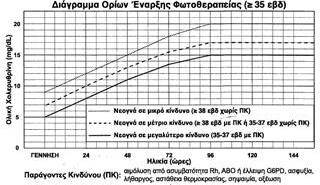
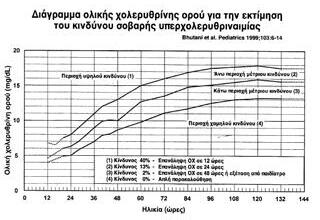
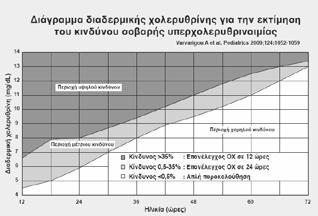
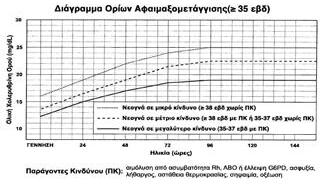
Hyperbilirubinemia is the most common neonatal problem which requires medical intervention in order to avoid neonatal encephalopathy and/or kernicterus, both rarely seen. Since the management of hyperbilirubinemia is not evidence based, guidelines for its management differ between countries. A lack of guidelines in Greece resulted in unnecessary treatment of jaundiced babies without justification, fearing bilirubin increase and the wrong aspect that prophylactic phototherapy can improve the final outcome. In order to establish a common and logical management program for neonatal jaundice in our country, a working team of neonatologists appointed by the Greek Neonatal Society established these guidelines, based on management protocols from other countries. Thus, we expect the same management of neonatal jaundice from all pediatricians, using common guidelines and minimizing or eliminating unnecessary medical interventions. In addition we will strive to avoid the unnecessary interruption of breast feeding of jaundiced infants.
Key words: Neonatal Jaundice, Hyperbilirubinemia, Guidelines
Varvarigou 2, A. Daskalaki 3, E. Diamanti 4
Αλληλογραφία
37-39, 15123 Μαρούσι,
e-mail: dikoxr@otenet.gr
Correspodence
Dimitris Konstantinou
NICU IASO Maternity Hospital, Kifissias Av 37-39, 15123 Maroussi, Athens, Greece
e-mail: dikoxr@otenet.gr
(USA: AAP 2004 (1), CANADA 2007 (2), ISRAEL 2008 (3), UK: NICE 2010(4), ΝΟRWAY 2011(5),
Κατάλογος Συντομογραφιών
BΓ
ΗΚ
Φ/Θ
Hb
νόσος (πχ, ανεπάρκεια G6PD)
• Αποκλειστικός ΜΘ με απώλεια >10% του βάρους γέννησης (ΒΓ)
• Πολυερυθραιμία, κεφαλαιμάτωμα,
• Κλινική εικόνα
λήθαργος, αστάθεια θερμοκρασίας
• Υποξία, οξέωση, αφυδάτωση, υπολευκωματιναιμία
(16).
1. Management of Hyperbilirubinemia in the Newborn Infant 35 or More Weeks of Gestation, Subcommitee on Hyperbilirubinemia, Pediatrics 2004;114:297-316.
2. Barrington KJ, Sankaran K. Canadian pediatric society. Guidelines for detection, management and prevention of hyperbilirubinemia in term and late preterm newborn infants, Paediatr Child Health 2007;12(Supl B): 1B-12B.
3. Kaplan M, Merlob P and Regev R. Israel guidelines for the management of neonatal hyperbilirubinemia and prevention of kernicterus. J Perinatol 2008;28:389-387.
4. National Collaborating Centre for Women΄s and Children΄s Health, Neonatal Jaundice, National Institute for Health and Clinical Excellence, Clinical Guidelines for the NHS by NICE, May 2010.
5. Bratlid D, Nakstad B, Hansen TW. National guidelines for treatment of jaundice in the newborn. Acta Paediatr. 2011;100(4):499-505.
6. Μaisels MJ, Kring E. Transcutaneous bilirubinometry decreases the need for serum bilirubin measurements and saves money. Pediatrics 1997 Apr;99(4):599-601.
7. Roubatelli FF, Gourley GR LoskampN et al, Transcutaneous bilirubin measurement: a multicenter evaluation of a new device. Pediatrics 2001 Jun;107(6):1264-71.
8.
9. Maisels J and McDonagh AF, Phototherapy fon Neonatal Jaundice, N Engl J Med 2008;358:920-8.
10. Maisels MJ, Bhutani VK, Bogen D, Newman TB, Stark A, Watchko JF. Hyperbilirubinemia in the Newborn Infant ≥ 35 Weeks Gestation: An Update with Clarifications. Pediatrics 2009;124:1193-1198.
11. Newman TB, Liljestrand P, Jeremy RJ, Ferriero D, Wu Y, Hudes E et al, Outcomes among Newborns with Total Serum Bilirubin Levels of 25 mg per Deciliter or More, N Engl J Med 2006;354:1889-1949.
12. Bhutani VK, Johnson L, Sivieri EM. Predictive ability of a predischarge hour-specific serum bilirubin for Subsequent significant hyperbilirubinemia in healthy term and nearterm newborns, Pediatrics 1999 ;103 : 6-14.
13. Varvarigou A, Fouzas S, Skylogianni E, Mantagou L, Bougioukou D, Mantagos S. Transcutaneous bilirubin nomogram for prediction of significant neonatal hyperbilirubinemia. Pediatrics 2009; 124: 1052-59.
14. Maisels J, Ostrea E, Touch S, Clune S, Cepeda E, Kring E et al, Evaluation of a new Transcutaneous Bilirubinometer. Pediatrics 2004; 113; 1628.
15. Μaisels M J. Screening and early postnatal management strategies to prevent hazardous hyperbilirubinemia in newborns of 35 or more weeks of gestation. Seminars in fetal & neonatal medicine 2010;15:129-135.
16. ABM Clinical protocol 22: Guidelines for management of jaundice in the breastfeding infant equal to or greater than 35 weeks gestation. The Academy of breastfeeding medicine protocol committee. Breastfeeding medicine 2010;5(2):87-93.
17. Ostrow JD, Pascolo L, Shapiro SM, Tiribelli C. New concepts in bilirubin encephalopathy. Eur J Clin Invest Review 2003 Nov;33(11):988-97.
18. Shapiro SM. Definition of the clinical spectrum of kernicterus and bilirubin induced neurologic dysfunction (BIND). J Perinatol 2005 Jan;25(1):54-59.
19. Gourley GR, Kreamer B, Cohnen M, Kosorok MR. Neonatal jauntice and diet. Arch Pediatr Adolesc Med. 1999 Feb;153(2):184-8.
20. Hulzebos CV, van Imhoff DE, Bos AF, Ahlfors CE, Verkade HJ, Dijk PH. Usefulness of the bilirubin/albumin ratio for predicting bilirubin-induced neurotoxicity in premature infants. Arch Dis Child Fetal Neonatal Ed. 2008 Sep;93(5):F384-F388.
21. Ahlfors CE, Amin SB, Parker AE. Unbound bilirubin predicts abnormal automated auditory brainstem response in a diverse newborn population. J Perinatol 2009 Apr;29(4):305309. Epub 2009 Feb 26.
22. Gottstein R and Cooke RWI. Systematic review of iv immunoglobulin in haemolytic disease of the newborn. Arch Dis Child Fetal Neonatal Ed 2003;88:F6-F10.
A. Mavroudi
I. Xinias
3rd Pediatric Department, Aristotle University of Thessaloniki, Ippokratio-General Hospital of Thessaloniki
Food allergy in infancy and childhood: diagnosis, management and future approaches
A. Mavroudi, I. Xinias
Food allergy is common in childhood affecting up to 8% of children less than 3 years of age. Food induced allergic reactions are responsible for a variety of symptoms involving the skin, the gastrointestinal and the respiratory tract, caused by IgE-mediated or/ and non-IgE-mediated mechanisms. Allergic eosinophilic gastroenteritis is characterized by eosinophilic infiltration of the gastrointestinal tract, and most patients have multiple food allergies.In case of multiple sensitivities a period of strict elimination followed by careful reintroduction of foods, one after the other can help to establish foods that are to be avoided.Oral food challenges are invaluable in the appropriate diagnosis and management of patients with food allergy. Once the diagnosis of food hypersensitivity is established, the only proven therapy is strict elimination of the offending allergen. Injectable epinephrine and oral antihistamines should be readily availible at all times to treat patients, who are at risk of acute severe food induced anaphylaxis. Several novel immunoterapeutic strategies are being examined as treatment modalities for IgE-mediated food allergy, such as humanized anti-IgE monoclonal antibody therapy, engineered allergen protein immunotherapy, peptide immunotherapy. Currently, the treatment of
Αλληλογραφία
Αντιγόνη Μαυρουδή
Σπύρου Λούη 66, 543 52, Πυλαία, Θεσσαλονίκη
Τηλ: 2310909632
Fax: 2310992981
Κιν: 6976718209
e-mail: antigonemavrudi@gmail.com
Correspodence
Antigoni Mavroudi
Spirou Loui 66 St., 543 52, Pilea, Thessaloniki
Tel: +302310909632
Fax: +302310992981
Mob: +30 6976718209
e-mail: antigonemavrudi@gmail.com
food allergy is directed to the complete avoidance of the offending food allergens and it’s success is depended on the correct identification of the allergens and their complete exclusion from the diet.
Key words: Food allergy, eosinophilic gastroenteritis, food challenges, anaphylaxis, children.
- Γαλακτοζαιμία
- Φαινυλοκετονουρία
- Λοίμωξη
- Δυσκοιλιότητα
- Νόσος του Hirschprung
Νήπια
- Λοίμωξη
- Γαστροοισοφαγική παλινδρόμηση
- Δυσκοιλιότητα
- Δυσανοχή στη λακτόζη
- Δυσαπορρόφηση (κοιλιοκάκη, κυστική ίνωση)
Παιδιά σχολικής ηλικίας
- Λοίμωξη
- Υποτροπιάζων κοιλιακό άλγος
- Δυσανοχή στη λακτόζη
- Δυσαπορρόφηση (κοιλιοκάκη, κυστική ίνωση, σύνδρομο Schwachman)
- Φλεγμονώδης νόσος του εντέρου
- Άλλα αίτια (ανοσοανεπάρκεια, πορφύρα Henoch-Schönlein)
1. Mary V. Lasley. Adverse reactions to foods. Nelson Essentials of Pediatrics, 5th ed. Philadelphia. Elsevier Saunders Co; 2006. p 419-421.
2. M. Thirumala Krishna, George Mavroleon, Stephen Tholgate. Food Allergy. Essentials of Allergy, United Kingdom: Martin Dunitz Ltd ;2001 p107-127.
3. S. Allan Bock, Hugh A. Sampson. Evaluation of Food Allergy. Pediatric Allergy: Principles and Practice. USA: Elsevier’s Health Sciences ;2003 p 478-487.
4. Ronina A. Covar, Joseph D. Spahn, Stanley J. Szefler. Special Considerations for Infants and Young Children. Pediatric Allergy: Principles and Practice. USA Elseviers Health Sciences; 2003 p 379-391.
5. Sampson HA, Anderson JA: Summary and recommendations: classification of gastrointestinal manifestations due to immunologic reactions to foods in infants and young children.J Pediatr Gastroenterol Nutr 2000 ;30(Suppl): S87-S94.
6. Kelly KJ: Eosinophilic gastroenteritis. J Pediatr Gastroenterol Nutr 2000;30 (Suppl): S28-S35.
7. Takafuji S, Bischoff SC, De Weck AL, Dahinden CA. IL-3 and IL-5 prime normal human eosinophils to produce leukotriene C4 in response to soluble agonists. J Immunol 1991;147: 3855-3861.
8. Burks AW, James JM, Hiegel A, Wilson G, Wheeler JG Jones SM, et al. Atopic dermatitis and food hypersensitivity. J Pediatr 1998;132: 132-136.
9. Sporik R, Hill DJ, Hosking CS: Specificity of allergen skin testing in predicting prositive open food challenges to milk egg and peanut in children. Clin Exp Allergy 2000;30: 15401546.
10. Hill DJ, Hosking CS, Reyes-Benito MLV: Reducing the need for food allergen challenges in young children: comparison of in vitro with in vivo tests. Clin Exp Allergy 2001;31: 1031-1035.
11. Rance F, Juchet A, Bremont F, et al. Correlations between skin prick tests using commercial extracts and fresh foods, specific IgE and food challenges. Allergy 1997;52: 10311035.
12. Lockey RF: Adverse reactions associated with skin testing and immunotherapy. Allergy Proc 1995; 16:293-296.
13. Sampson HA: Utility of food-specific IgE concentrations in predicting symptomatic food allergy. J Allergy Clin Immunol 2001;107: 891-896.
14. Arvola T, Holmberg-Marttila D: Benefits and risks of elimination diets. Ann Med 1999; 31: 293-298.
15. Liu T, Howard RM, Mancini AJ, Weston WL, Paller AS, Drolet BA,et al. Kwashiorkor in the United States: fad diets, perceived and true milk allergy, and nutritional ignorance. Arch Dermatol .2001;137: 630-636.
16. Liacouras CA, Markowitz JE: Eosinophilic esophagitis: A subset of eosinophilic gastroenteritis. Curr Gastroenterol Rep . 1991;1: 253-258.
17. Bock SA, Munoz-Furlogn A, Sampson HA: Fatalities caused by anaphylactic reactions to foods. J Allergy Clin Immunol 2001;107: 191-192.
18. AAAAI Board of Directors. Anaphylaxis in schools and other child-care settings. J Allergy Clin Immunol.1998;102: 173-176.
19. Beyer K, Eckermann O, Hompes S, Grabenhenrich L& Worm M. Anaphylaxis in an emergency setting-elicitors, therapy and incidence of severe allergic reactions. Allergy 2012; 67: 1451-1456.
20. Sampson HA: Immunological approaches to the treatment of food allergy, Pediatr Allergy Immunol.2001;12: 91-96.
21. Nowak-Wegrzyn A, Sampson H. Future Therapies for food Allergies. J Allergy Clin Immunol 2011; 127: 558-573.
Evangelia Stefanaki1
2nd Pediatric Department, Venizelion General Hospital, Heraklion
Stavroula Giavi2
Savvas Savvatianos2
Nikolaos Douladiris2
Emmanouel Manousakis2
Nicolaos Papadopoulos2
Allergy Department, 2nd Pediatric Clinic, University of Athens, Children’s Hospital “P & A Kyriakou”
Food protein induced enterocolitis syndrome: an unusual type of food allergy
Evangelia Stefanaki1, Stavroula Giavi2, Savvas Savvatianos2, Nikolaos Douladiris2, Emmanouel Manousakis2, Nicolaos Papadopoulos2
Food protein induced enterocolitis syndrome-FPIES-is an unusual T-cell mediated gastrointestinal food hypersensitivity reaction. It begins in the first months of life either progressively with emesis, diarrhea and failure to thrive or with acute emesis with or without diarrhea after first ingestion of food. Symptoms resolve after the causal protein is removed from the diet but recur with a characteristic way on re-exposure. Milk, soya and rice are the most common causes of FPIES. Imbalance in expression TNF-α και TGF-β may be important in the pathophysiology of FPIES. Natural history of FPIES differs according to the population. Increased index of suspicion will lead to early diagnosis and treatment. Key-words: Food allergy, enterocolitis, milk, soya, rice
Αλληλογραφία Στεφανάκη Ευαγγελία Καρυωτάκη 22,71409 Ηράκλειο, Κρήτη
Τηλ: 2810210140
e-mail: evangeliastefanaki@yahoo.gr
Correspodence
Stefanaki Evangelia
22, Kariotaki St.,71409 Heraklion, Crete Tel: +302810210140
e-mail: evangeliastefanaki@yahoo.gr
Κατάλογος Συντομογραφιών
FPIES = Food protein induced enterocolitis syndrome-Εντεροκολίτιδα από πρωτεΐνη
SPT = Skin Prick Test-Δερματική
APT = Atopy Patch Test-Επιδερμιδική
TNF-α = Tumor Necrosis Factor-α
TGF-β = Transforming Growth Factor -β
IgE,IgA, IgG = Ανοσοσφαιρίνες Ε, Α,G
(Salmonella, Shigella,
Campylobacter, Yersinia sp, parasites)
N. Hirschsprung
1. Sampson HA. Epidemiology of food allergy. Pediatr Allergy Immunol 1996;7:42–50.
2. Sampson H.A.: Food allergy. J Allergy Clin Immun 2003; 111(2):S540-S547.
3. Gryboski J. Gastrointestinal milk allergy in infancy. Pediatrics1967;40:354–62.
4. Powell GK. Enterocolitis in low-birth-weight infants associated with milk and soy protein intolerance. J Pediatr 1976;88:840-4.
5. Powell GK. Milk- and soy-induced enterocolitis of infancy. J Pediatr 1978;93: 553–60.
6. Sicherer SH, Eigenmann PA, Sampson HA. Clinical features of food protein-induced entercolitis syndrome. J Pediatr1998;133:214–19.
7. Burks AW, Casteel HB, Fiedorek SC,Williams LW, Pumphrey CL. Prospective oral food challenge study of two soybean protein isolates in patients with possible milk or soy protein enterocolitis. Pediatr Allergy Immunol 1994;5:40–5.
8. Cavataio F, Carroccio A, Montalto G, Iacono G. Isolated rice intolerance: clinical and immunologic characteristics in four infants. J Pediatr 1996;128:558–60.
9. Vitoria JC, Camarero C, Sojo A, Ruiz A, Rodriguez-Soriano J. Enteropathy related to fish, rice, and chicken. Arch Dis Child 1982;57:44–8.
10. Nowak-Wegrzyn A, Sampson HA, Wood RA, Sicherer SH. Food protein-induced enterocolitis syndrome caused by solid food proteins. Pediatrics 2003;111: 829–35.
11. Levy Y, Danon YL. Food protein-induced enterocolitis syndrome – not only due to cow’s milk and soy. Pediatr Allergy Immunol 2003;14:325–9.
12. Monti G, Castagno E, Liguori SA, Lupica MM, Tarasco V, Viola S, et al. Food protein–induced enterocolitis syndrome by cow’s milk proteins passed through breast milk. J Allergy Clin Immun 2011 Article in press.
13. Lake AM. Food-induced eosinophilic proctocolitis. J Pediatr Gastroenterol Nutr 2000;30: 58–60.
14. Mehr S, Kakakios A, Frith K, Kemp AS. Food protein-induced enterocolitis syndrome: 16-year experience. Pediatrics 2009; 123:459–464.
15. Faber MR, Rieu P, Semmekrot BA, Van Krieken JH, Tolboom JJ, Draaisma JM. Allergic colitis presenting within the first hours of premature life. Acta Paediatr 2005; 94:1514–1515.
16. Eggertsen SC, Pereira PK. Necrotizing enterocolitis and milk protein intolerance:causes of rectal bleeding in a term infant. J Fam Pract 1989; 28:219–223.
17. Masumoto K, Takahashi Y, Nakatsuji T, Arima T, Kukita J. Radiological findings in two patients with cow’s milk allergic enterocolitis. Asian J Surg 2004; 27:238–240.
18. Jayasooriya S, Fox AT, Murch SH. Do not laparotomize food-protein-induced enterocolitis syndrome. Pediatr Emerg Care 2007; 23:173–175.
19. Murray K, Christie D. Dietary protein intolerance in infants with transient methemoglobinemia and diarrhea. J Pediatr;122:90–2.
20. Anand RK, Appachi E. Case report of methemoglobinemia in two patients with food protein-induced enterocolitis. Clin Pediatr (Phila) 2006; 45:679–682.
21. Zapatero RL, Alonso LE, Martin FE, Martinez Molero MI. Food-protein-inducedenterocolitis syndrome caused by fish. Allergol Immunopathol (Madr) 2005;33:312–316.
22. Hojsak I, Kljaic-Turkalj M, Misak Z, Kolacek S. Rice protein-induced enterocolitis syndrome. Clin Nutr 2006; 25:533–536.
23. Gray HC, Foy TM, Becker BA, Knutsen AP. Rice-induced enterocolitis in an infant. TH1/ TH2 cellular hypersensitivity and absent IgE reactivity. Ann Allergy Asthma Immunol 2004; 93:601–605.
24. F. Bruni, D. G. Peroni, G. L. Piacentini, G. De Luca,A. L. Boner. Fruit proteins: another cause of food protein-induced enterocolitis syndrome Allergy 2008: 63: 1640–1646.
25. Sampson HA, Anderson JA. Summary and recommendations: classification of gastrointestinal manifestations due to immunologic reactions to foods in infants and young children. J Pediatr Gastroenterol Nutr 2000; 30:S87–S94.
26. Hwang JB, Lee SH, Kang YN, Kim SP, Suh SI, Kam S. Indexes of suspicion of typical cow’s milk protein-induced enterocolitis. J Korean Med Sci 2007; 22:993–997.
27. Fogg MI, Brown-Whitehorn TA, Pawlowski NA, Spergel JM. Atopy patch test for the diagnosis of food protein-induced enterocolitis syndrome. Pediatr Allergy Immunol 2006; 17:351–355.
28. Richards DG, Somers S, Issenman RM, Stevenson GW. Cow’s milk protein/soy protein allergy: gastrointestinal imaging. Radiology 1988; 167:721–723.
29. McIlhenny J, Sutphen JL, Block CA. Food allergy presenting as obstruction in an infant. AJR Am J Roentgenol 1988; 150:373–375.
30. Sicherer SH. Food protein-induced enterοcolitis syndrome: case presentations and management lessons. J Allergy Clin Immunol 2005; 115:149–156.
31. Hwang JB, Sohn SM, Kim AS. Prospective follow up-oral food challenge in food protein-induced enterocolitis syndrome. Arch Dis Child 2009; 94:425–428.
32. Powell GK. Food protein-induced enterocolitis of infancy: differential diagnosis and management. Comp Ther 1986; 12:28–37.
33. A health professional’s guide to food challenges. Mofidi S, Bock SA, editors. Fairfax, Virginia, USA: The Food Allergy and Anaphylaxis Network; 2004.
34. Hwang JB, Song JY, Kang YN, Kim SP, Suh SI, Kam S, et al. The significance of gastric juice analysis for a positive challenge by a standard oral challenge test in typical cow’s milk protein-induced enterocolitis. J Korean Med Sci 2008; 23:251–255.
35. Vanderhoof JA, Murray ND, Kaufman SS, Mack DR, Antonson DL, Corkins MR et al. Intolerance to protein hydrolysate infant formulas: an underrecognized cause of gastrointestinal symptoms in infants. J Pediatr 1997; 131:741–744.
36. Kelso JM, Sampson HA. Food protein-induced enterocolitis to casein hydrolysate formulas. J Allergy Clin Immunol 1993; 92:909–910.
37. Powell GK, McDonald PJ, VanSickle GJ, Goldblum RM. Absorption of food protein antigen in infants with food protein-induced enterocolitis. Dig Dis Sci 1989; 34:781–788.
38. VanSickle GJ, Powell GK, McDonald PJ, Goldblum RM. Milk and soy protein induced entercolitis: evidence for lymphocyte sensitization to specific food proteins. Gastroenterology 1985; 88:1915–1921.
39. Rodriguez P, Heyman M, Candalh C, Blaton MA, Bouchaud C. Tumour necrosis factor-alpha induces morphological and functional alterations of intestinal HT29 cl.19A cell monolayers. Cytokine 1995; 7:441–448.
40. Benlounes N, Candalh C, Matarazzo P,Dupont C, Heyman M. The time-course of milk antigen induced TNF-alpha secretion differs according to the clinical symptoms in children with cow’s milk allergy. J Allergy Clin Immunol 1999; 104:863–869.
41. Chung HL, Hwang JB, Park JJ, Kim SG. Expression of transforming growth factor beta1, transforming growth factor type I and II receptors, and TNF-alpha in the mucosa of the small intestine in infants with food protein-induced enterocolitis syndrome. J Allergy Clin Immunol 2002; 109:150–154.
42. McDonald PJ, Goldblum RM, VanSickle GJ, Powell GK. Food protein-induced enterocolitis: altered antibody response to ingested antigen. Pediatr Res 1984;18:751–755.
43. Shek LP, Soderstrom L, Ahlstedt S, Beyer K, Sampson HA. Determination of food specific IgE levels over time can predict the development of tolerance in cow’s milk and hen’s egg allergy. J Allergy Clin Immunol 2004; 114:387–391.
Abstract
Aggeliki Skardoutsou
2nd Department of Pediatrics, University of Athens, Aglaia Kyriakou Children’s Hospital, Athens, Greece
Attention
deficit
hyperactivity
disorder: a review of the essential facts
Aggeliki Skardoutsou
Attention deficit hyperactivity disorder (ADHD) is a complex disability: both genetic and environmental influences make a substantial contribution to the risk for the disorder. Comorbidity with learning disabilities, oppositional defiant and conduct disorders and mood and anxiety disorders is common in children and adults with this disorder and are associated with adversive academic and vocational outcomes and tremendous stress to families. Medication with dopaminergic and noradrenergic activity seems to reduce ADHD symptoms by blocking dopamine and norepinephrine reuptake.
The aim of this review is to provide clinicians with a brief synopsis of the current understanding about the etiology of ADHD, co-morbidity and associated problems, developmental course and intervention options. Parents’ understanding about the current data increases their consent to intervention, and the adherence to psychosocial and pharmacological treatment.
Key words: Attention deficit - hyperactivity disorder, co-existing problems methylphenidate, atomoxetine, children.
e-mail: aggskard@uoa.gr
Correspodence
Aggeliki Skardoutsou
2nd Department of Pediatrics, University of Athens, “P& A Kyriakou” Children’s Hospital, Goudi, 115 27, Athens, Greece
e-mail: aggskard@uoa.gr
(Strattera)
(Catapres)
1. ADORE Study group Preus Ul, Ralston S, Baldursson G. et al. Study design, baseline patient characteristics and intervention in a cross-cultural framework; results from the ADORE study. Eur Child Adolesc Psychiatry (Suppl 1) 2006;15 :1/4 -1/13.
2. American Psychiatric Association: Diagnostic and Statistical Manual of Mental Disorders, 4th ed.Washington, DC, American Psychiatric Association.1994.
3. World Health Organisation. International Classification of Diseases, ed. Geneva WHO, 1978.
4. Taylor E. European clinical guidelines for hyperkinetic disorder-first upgrade. Eur Child Adoles. Psychiatry 2004; (Suppl 1) Vol 13:1/7 -1/30.
5. Taylor E, Similarities and Differences In DSM -1V and ICD -10 Diagnostic Criteria. Child and Adolescent Psychiatric Clinics of North America.1994;V3:2, 209-225.
6. A.
2005.
7. Biederman J, Faraone S. Attention-deficit-hyperactivity disorder. The Lancet 2005; 16:238-247.
8. Kytja K.S. Voeller, MD; Attention-Deficit Hyperactivity Disorder (ADHD) J Child Neurol 2004;19:798-814.
9. Sonuga -Barker EJ, Dalen E Daley D, Reminghton B. Are planning, working memory, and inhibition associated with individual differences in preschool ADHD symptoms? Dev Neuropsychol 2002;21:255-72.
10. Dreyer B. The diagnosis and Management of Attention -Deficit /Hyperactivity Disorders in Preschool Children: The state of Our Knowledge and Practice. Curr Prob Pediatr Adolesc Health Care. 2006;36: 6-30.
11. Vies JS, Feron FG, Hendriksen J, Van Kroonenburgh MJ,Weber W. Methylphenidate down regulates the dopamine receptor and transporter system in children with attention defitit hyperactivity disorder. Neuropediatrics 2003;34:77-80.
12. Powell K, Voeller K, J Prefrontal Executive Function Syndromes in children. J Child Neurol 2004;19:785-797.
13. Johansen E, Aase H, Meyer A. Attention deficit/Hyperactivity disorder (ADHD) behavior explained by dysfunction reinforcement and extinction processes. Behav Brain. Res 2002;130:37-45.
14. Sonuga-Barke E.J. The dual pathway model of AD/HD; an elaboration of neurodevelopmental characteristics. Neurosci Biobehav Rev. 2003;27:593-604.
15. Seargent J. The cognitive -energetic model; an empirical approach to attention -deficit hyperactivity disorder. Neurosci Biobehav Rev. 2000;24:7-12.
16. Sonuga- Barke EJ; Casual models of Attention -deficit/hyperactivity disorder: from common simple deficits to multiple developmental pathways. Biol Psychiatry 2005;57:1231-38.
17. Castellanos FX, Lee PP, Sharp W et al. Developmental trajectories of brain volume abnormalities in children and adolescents with attention deficit /hyperactivity disorder. JAMA 2002;288:1740-48.
18. Showell ER, Thompson PM, Welcome SE, Henkenius AL, Toga AW, Peterson BS. Cortical abnormalities in children and adolescents with attention deficit/hyperactivity disorder. Lancet 2003;362:1699-707.
19. Seidman LJ,Valera E, Bush G, Brain function and structure in adults with attention deficit /hyperactivity disorders. In Spencer T et al. Psychiatric Clinics of North America. Philadelphia PA Saunders Press, 2004;323-47.
20. Durston S, Tottenham NT, Thomas KM, Differential patterns of striatal activation in young children with and without ADHD, Biol Psychiaty, 2003;53:871-7.
21. Faraone SV, Doyle AE. The nature and heredability of attention deficit/hyperactivity disorder. Child Adolesc Psychiatr Clin.North Am.2001;10:299-316.
22. Faraone SV, Perlis RH, Doyle AE et al, Molecular genetics of attention deficit hyperactivity disorder. Biol Psychiatry 2005;57:1313-23.
23. Lowe N, Kirley A, Hawi Z et al. Joint analysis of DRD 5 marker concludes association with ADHD confirmed to the predominantly inattentive and combined types. Am J Hum Genet. 2004;74:348-56.
24. Dougherty DD, Bonab AA, Spencer T, Rauch SL, Madras BK, Fishman AJ. Dopamine transporter density in patients with attention deficit hyperactivity disorder. Lancet 1999;354:2132-33.
25. Smalley SL, Kustanivich V, Genetic linkage of attention deficit hyperactivity disorder on chromosome 16p 13, in a region implicated in autism. Am J Hum Gen.2002;71:59963.
26. Mick E, Biederman J, Prince J, Fisher MJ, Faraone SV. Impact of low birth weight on attention deficit hyperactivity disorder. J Dev Behav Pediatrics. 2002;23:16-22.
27. Autti -Ramo I.Twelve-year follow up of children exposed to alcohol in utero. Dev Med Child Neurology. 2000;42: 406-11.
28. Bastra L, Hadders -Algra M, Neelman J. Effect of antenatal exposure to maternal smoking on behavioral problems and academic achievement in childhood ; prospective evidence from a Dutch birth cohort. Early Hum Dev.2003;75:21 -33.
29. He Y. Yang X. Xu F. Application of Conners Rating Scales in the study of lead exposure and behavioral effects in children. Zhonghua Yu Fang Yi Xue Za Zhi 2000;34:290-93.
30. Eigenmann P, Haenggeli C. Food colourings and preservatives-allergy and hyperactivity. The Lancet 2004;364:823-824.
31. Biederman J, Newcorn J, Spritch S. Commorbidity of attention deficit hyperactivity disorder with conduct, depressive anxiety and other disorders. Am J Psychiatry 1999;148 :564-577.
32. Biederman J, Mick E, Faraone S. Age dependent decline of symptoms of attention deficit hyperactivity disorder; impact of remission definition and symptom type. Am J Psychiatry 2000;157:816-8.
33. Wasserstein J. Diagnostic issues for adolescents and adults with ADHD. J Clin Psychiatry 2005;61:535-47.
34. Goodman D. The consequences of Attention Deficit Hyperactivity disorder in adults. Jour Practical Psychiatry and Behavior 2007;13:318-327.
35. Barbaresi W, Katusic S, Coligan R, Weaver A, Jacobsen S. Long term school outcome for children with attention deficit hyperactivity disorder; a population based perspectives. J Dev Behav Pediatr 2007;28:265-73.
36. Biederman J, Faraone S. The effect of attention-deficit /hyperactivity disorder on employment and household income. Med Gen 2006;8-12.
37. Babinski L, Hartsough C, Lambert N. Childhood conduct problems, hyperactivity impulsivity and inattention as predictors of adult criminal activity. J Child Psychol Psyciatry 1999;40:347-55.
38. Barkley R. Driving impairments in teens and adults with attention deficit/hyperactivity disorder. Psychiatr Clin North Am 2004;27:233-60.
39. Wilens T. Attention deficit hyperactivity disorder and the substance use disorders. The nature of the relationship, subtypes at risk and treatment issues. Psychiatr Clin North Amer; 2004;27:283-301.
40. Biederman J, Montreau MC, Mick E, et al Is cigarette smoking a getaway to alcohol and illicit drug use disorder. A study of youths with and without attention deficit hyperactivity disorder. Biol Psychiatry 2006;59:258-264.
41. Wilens T, Faraone S, Biederman J, et al. Does stimulation therapy of attention deficit hyperactivity disorder beget later substance abuse? A meta-analytic review of the literature. Pediatrics 2003;111:179-85.
42. Elia J. Ambrosius M, Rapaport J. Treatment of attention deficit hyperactivity disorder. New Engl Jour Med 1999;340:10:780-788.
43. Lopez J.ADHD. New pharmacological Treatments on the horizon. Jour of Develop and Behav Pediatr. 2006;27 (5) 410-416.
44. Newcorn, MD. Ivanov LL, Psychopharmacologic Treatment of attention-Deficit/hyperactivity Disorder and disruptive Behavior Disorders. Pediatric Annals 2007;36-9.
45. Spencer T, Biederman J, Coffey B et al: The 4-year course of tick disorders in boys with attention deficit /hyperactivity disorder. Arch Gen Psychiatry 1999;56:842-47.
46. Wilens T, Faraone SV, Biederman J, Gunawardens S, Does stimulant therapy of attention deficit hyperactivity disorder beget later substance abuse? Pediatrics 2003;1111:17985.
47. MTA Cooperative Group. National Institute of Mental Health. Multimodal Treatment Study of ADHD follow-up changes in effectiveness and growth after the end of treatment. Pediatrics 2004;113(4)762-9.
48. Jensen PS, Arnold LE, Swanson JM et al, 3year follow-up of the NIMH MTA study. J Am Acad Child Adolesc Psychiatry 2007 Aug ;46(8)989-1002.
49. Κelsey DK, Summer CR, Casat CD et al. Once daily atomoxetine treatment for children with attention deficit hyperactivity disorder, including an assessment of evening and morning behavior; a double blind, placebo-controlled trial. Pediatrics 2004;114:(1)1-8.
50. Newcorn JH, Kratochvil CJ, Allen AJ, Casat CD,Ruff DD,et al. Atomoxetine and osmotically released methylphenidate for the treatment of attention deficit hyperactivity disorder: acute comparison and differential response. Am J Psychiatry. 2008;165:(6)721-30.
51. Van der Oord S, Prins PG, Oosterlaan J, Emmelkamp PM. Efficacy of methylphenidate, psychosocial treatments and their combination in school-aged children with ADHD: a meta-analysis. Clin Psychol Rev 2008,28(5)783-800.
52. Advokat C. What are the cognitive effects of stimulant medications? Emphasis on adults with attention -deficit / hyperactivity disorder (ADHD). Neurosci Biobehav Rev.2010 Jul;34(8) 1256 -66.
53. Klein R, Abikoff H, Hechtman L, et all. Design and rationale of controlled study of long- term methylphenidate and multimodal psychosocial treatment in children with ADHD. J Am Acad Child Adolesc Psychiatry 2004;43,792-801.
Panagiota Triantafyllou
Charikleia Chatzisevastou
1st Department of Pediatrics, Aristotle University of Thessaloniki, Hippokratio Hospital, Thessaloniki
Genetics in Diabetes Mellitus type 1
Panagiota Triantafyllou, Charikleia Chatzisevastou
During the last years there has been dramatic progress in understanding the genetics, the autoimmune mechanisms and natural history of diabetes mellitus type 1. Genomewide association studies have shown that there are at least four major and few minor genetic loci associated with the risk of diabetes type 1. Genes within HLA region seems to play the most important role, whereas, genes outside the HLA region may also contribute to the risk but their role is much less important. The majority of these loci appear to affect the immune system and the activation of T-cells, in particular. Elucidating the actual way that the products of these loci function could contribute in the understanding of how they affect the risk of diabetes type 1. Furthermore, these findings may improve our ability to predict and prevent diabetes type 1 through clinical applications.
Key-words: diabetes mellitus type 1, autoantibodies, genetic analysis
Αλληλογραφία
Παναγιώτα Τριανταφύλλου
Αντιστάσεως 16, Τ.Κ. 53351,
Θεσσαλονίκη
Τηλ: 2310440100
e-mail: ptriantafyllou@yahoo.com
Correspodence
Panagiota Triantafyllou 16 Ethn. Antistaseos str, GR 53351, Thessaloniki, Greece
Tel: +302310440100
e-mail: ptriantafyllou@yahoo.com
1. Baker PR 2nd, Steck AK. The past, present, and future of genetic associations in type 1 diabetes. Curr Diab Rep 2011; 11(5):445-53.
2. Steck AK, Rewers MJ. Genetics of type 1 diabetes. Clin Chem 2011; 57(2):176-85.
3. Concannon P, Rich SS, Nepom GT. Genetics of type 1A diabetes. The New England journal of medicine 2009; 360: 1646-1654.
4. Eisenbarth GS, Jeffrey J. The natural history of type 1A diabetes. Arquivos brasileiros de endocrinologia e metabologia 2008; 52: 146-155.
5. Nagamine K, Peterson P, Scott HS et al. Positional cloning of the APECED gene. Nature genetics 1997; 17: 393-398.
6. Bennett CL, Ochs HD. IPEX is a unique X-linked syndrome characterized by immune dysfunction, polyendocrinopathy, enteropathy, and a variety of autoimmune phenomena. Current opinion in pediatrics 2001; 13: 533-538.
7. Stadinski B, Kappler J, Eisenbarth GS. Molecular targeting of islet autoantigens. Immunity 2010; 32: 446-456.
8. Bluestone JA, Herold K, Eisenbarth G. Genetics, pathogenesis and clinical interventions in type 1 diabetes. Nature 2010; 464: 1293-1300.
9. Bonifacio E, Ziegler AG. Advances in the prediction and natural history of type 1 diabetes. Endocrinology and metabolism clinics of North America 2010; 39: 513-525.
10. Mehers KL, Gillespie KM. The genetic basis for type 1 diabetes. British medical bulletin 2008; 88: 115-129.
11. Wenzlau JM, Juhl K, Yu L et al. The cation efflux transporter ZnT8 (Slc30A8) is a major autoantigen in human type 1 diabetes. Proceedings of the National Academy of Sciences of the United States of America 2007; 104: 17040-17045.
12. Zhang Y, Bandala-Sanchez E, Harrison LC. Revisiting regulatory T cells in type 1 diabetes. Curr Opin Endocrinol Diabetes Obes 2012; 19(4):271-8.
13. Ounissi-Benkalha H, Polychronakos C. The molecular genetics of type 1 diabetes: new genes and emerging mechanisms. Trends in molecular medicine 2008; 14: 268-275.
14. Santamaria P. The long and winding road to understanding and conquering type 1 diabetes. Immunity 2010; 32: 437-445.
15. Ziegler AG, Nepom GT. Prediction and pathogenesis in type 1 diabetes. Immunity 2010; 32: 468-478.
16. Polychronakos C, Li Quan. Understanding type 1 diabetes through genetics: advances and prospects. Nat Rev Gen 2011;12: 781-792.
17. Hyttinen V, Kaprio J, Kinnunen L et al. Genetic liability of type 1 diabetes and the onset age among 22,650 young Finnish twin pairs: a nationwide follow-up study. Diabetes 2003; 52: 1052-1055.
18. Redondo MJ, Fain PR, Eisenbarth GS. Genetics of type 1A diabetes. Recent progress in hormone research 2001; 56: 69-89.
19. Gale EA. The rise of childhood type 1 diabetes in the 20th century. Diabetes 2002; 51: 3353-3361.
20. Onkamo P, Vaananen S, Karvonen M, Tuomilehto J. Worldwide increase in incidence of Type I diabetes--the analysis of the data on published incidence trends. Diabetologia 1999; 42: 1395-1403.
21. Todd JA. Etiology of type 1 diabetes. Immunity 2010; 32: 457-467.
22. Noble JA, Valdes AM. Genetics of the HLA Region in the Prediction of Type 1 Diabetes. Curr Diab Rep 2011;11:533-542.
23. Noble JA, Erlich HA Genetics of type 1 diabetes. Cold Spring Harb Perspect Med 2012;2:a007732.
24. Morahan G. Insights into type 1 diabetes provided by genetic analyses. Curr Opin Endocrinol Diabetes Obes 2012;19: 263-270.
25. Bartsocas CS, Gerasimidi-Vazeou A. Genetics of type 1 diabetes mellitus. Pediatric endocrinology reviews : PER 2006; 3 Suppl 3: 508-513.
26. Kim MS, Polychronakos C. Immunogenetics of type 1 diabetes. Hormone research 2005; 64: 180-188.
27. Polychronakos C. Animal models of spontaneous autoimmune diabetes: notes on their relevance to the human disease. Current diabetes reports 2004; 4: 151-154.
28. Grant SF, Hakonarson H. Genome-wide association studies in type 1 diabetes. Current diabetes reports 2009; 9: 157-163.
29. Bergholdt R. Understanding type 1 diabetes genetics - approaches for identification of susceptibility genes in multi-factorial diseases. Danish medical bulletin 2009; 56: 1-39.
30. Rubio-Cabezas O, Argente J. Current insights into the genetic basis of diabetes mellitus in children and adolescents. Journal of pediatric endocrinology & metabolism : JPEM 2008; 21: 917-940.
31. Aribi M. Candidate genes implicated in type 1 diabetes susceptibility. Current diabetes reviews 2008; 4: 110-121.
32. Pugliese A, Zeller M, Fernandez A, Jr. et al. The insulin gene is transcribed in the human thymus and transcription levels correlated with allelic variation at the INS VNTR-IDDM2 susceptibility locus for type 1 diabetes. Nature genetics 1997; 15: 293-297.
33. Anderson MS, Bluestone JA. The NOD mouse: a model of immune dysregulation. Annual review of immunology 2005; 23: 447-485.
34. Nishimoto H, Kikutani H, Yamamura K, Kishimoto T. Prevention of autoimmune insulitis by expression of I-E molecules in NOD mice. Nature 1987; 328: 432-434.
35. Lund T, O’Reilly L, Hutchings P et al. Prevention of insulin-dependent diabetes mellitus in non-obese diabetic mice by transgenes encoding modified I-A beta-chain or normal I-E alpha-chain. Nature 1990; 345: 727-729.
36. Wherrett DK, Singer SM, McDevitt HO. Reduction in diabetes incidence in an I-Ag7 transgenic nonobese diabetic mouse line. Diabetes 1997; 46: 1970-1974.
37. Uehira M, Uno M, Kurner T et al. Development of autoimmune insulitis is prevented in E alpha d but not in A beta k NOD transgenic mice. International immunology 1989; 1: 209-213.
38. Bell GI, Horita S, Karam JH. A polymorphic locus near the human insulin gene is associated with insulin-dependent diabetes mellitus. Diabetes 1984; 33: 176-183.
39. Bennett ST, Lucassen AM, Gough SC et al. Susceptibility to human type 1 diabetes at IDDM2 is determined by tandem repeat variation at the insulin gene minisatellite locus. Nature genetics 1995; 9: 284-292.
40. Chung HR, Yang SW, Shin SH, Park KS, Lee YA, Kim JH et al. The association of variable number of tandem repeats of the insulin gene with susceptibility to type 1 diabetes among Korean subjects. Diab Metab Res Rev 2010;26:474-480.
41. Vafiadis P, Bennett ST, Todd JA et al. Insulin expression in human thymus is modulated by INS VNTR alleles at the IDDM2 locus. Nature genetics 1997; 15: 289-292.
42. Polychronakos C. Zeroing in on the target. Pediatric diabetes 2010; 11: 2-3.
43. Bottini N, Musumeci L, Alonso A et al. A functional variant of lymphoid tyrosine phosphatase is associated with type I diabetes. Nature genetics 2004; 36: 337-338.
44. Qu H, Tessier MC, Hudson TJ, Polychronakos C. Confirmation of the association of the R620W polymorphism in the protein tyrosine phosphatase PTPN22 with type 1 diabetes in a family based study. Journal of medical genetics 2005; 42: 266-270.
45. Smyth D, Cooper JD, Collins JE et al. Replication of an association between the lymphoid tyrosine phosphatase locus (LYP/PTPN22) with type 1 diabetes, and evidence for its role as a general autoimmunity locus. Diabetes 2004; 53: 3020-3023.
46. Onengut-Gumuscu S, Ewens KG, Spielman RS, Concannon P. A functional polymorphism (1858C/T) in the PTPN22 gene is linked and associated with type I diabetes in multiplex families. Genes and immunity 2004; 5: 678-680.
47. Ladner MB, Bottini N, Valdes AM, Noble JA. Association of the single nucleotide polymorphism C1858T of the PTPN22 gene with type 1 diabetes. Human immunology 2005; 66: 60-64.
48. Hill RJ, Zozulya S, Lu YL et al. The lymphoid protein tyrosine phosphatase Lyp interacts with the adaptor molecule Grb2 and functions as a negative regulator of T-cell activation. Experimental hematology 2002; 30: 237-244.
49. Bottini N, Vang T, Cucca F, Mustelin T. Role of PTPN22 in type 1 diabetes and other autoimmune diseases. Seminars in immunology 2006; 18: 207-213.
50. Nistico L, Buzzetti R, Pritchard LE et al. The CTLA-4 gene region of chromosome 2q33 is linked to, and associated with, type 1 diabetes. Belgian Diabetes Registry. Human molecular genetics 1996; 5: 1075-1080.
51. Barker JM, Barriga KJ, Yu L et al. Prediction of autoantibody positivity and progression to type 1 diabetes: Diabetes Autoimmunity Study in the Young (DAISY). The Journal of clinical endocrinology and metabolism 2004; 89: 3896-3902.
52. Eisenbarth GS. Prediction of type 1 diabetes: the natural history of the prediabetic period. Advances in experimental medicine and biology 2004; 552: 268-290.
53. Bagley J, Paez-Cortez J, Tian C, Iacomini J. Gene therapy in type 1 diabetes. Critical reviews in immunology 2008; 28: 301-324.
54. Baschal EE, Eisenbarth GS. Extreme genetic risk for type 1A diabetes in the post-genome era. Journal of autoimmunity 2008; 31: 1-6.
55. McDevitt HO, Unanue ER. Autoimmune diabetes mellitus--much progress, but many challenges. Advances in immunology 2008; 100: 1-12.
56. Sherr J, Sosenko J, Skyler JS, Herold KC. Prevention of type 1 diabetes: the time has come. Nature clinical practice. Endocrinology & metabolism 2008; 4: 334-343.
57. Pugliese A, Gianani R, Moromisato R et al. HLA-DQB1*0602 is associated with dominant protection from diabetes even among islet cell antibody-positive first-degree relatives of patients with IDDM. Diabetes 1995; 44: 608-613.
58. Luo X, Herold KC, Miller SD. Immunotherapy of type 1 diabetes: where are we and where should we be going? Immunity 2010; 32: 488-499.
59. Aly TA, Ide A, Humphrey K et al. Genetic prediction of autoimmunity: initial oligogenic prediction of anti-islet autoimmunity amongst DR3/DR4-DQ8 relatives of patients with type 1A diabetes. Journal of autoimmunity 2005; 25 Suppl: 40-45.
60. Aly TA, Ide A, Jahromi MM et al. Extreme genetic risk for type 1A diabetes. Proceedings of the National Academy of Sciences of the United States of America 2006; 103: 14074-14079.
rs2269241
rs2476601
rs2816316
rs3024505
rs1534422
rs2165738
rs3747517
rs231727
rs10517086
rs10509540
rs689
rs4763879
rs2292239; rs1701704
rs17696736
rs1465788
rs4900384
rs3825932
rs12708716
rs416603
rs12444268
rs4788084
rs7202877
rs16956936
rs2290400
rs7221109
rs2542151
rs425105
rs2281808
rs876498
rs5753037
rs229541
rs2664170
rs478222
rs9653442
rs3731865
rs11711054
rs2069763
rs6897932
rs1592410
rs3094663
rs9469089
rs10499194
rs1738074
rs924043
rs10272724
rs1265564
rs539514
rs941576
rs17574546
rs7221109 n/a
rs2644261
rs763361
rs425105
rs601338
Γ.
Abstract
Dysmetabolic syndrome manifestation is not related with therapy stages in acute lymphoblastic leukemia of childhood
E. Koultouki1, G. Trimis1, G. Lambrou1, M. Tsotra1, N. Tourkantoni1, K. Karamolegou1, M. Adamaki1, J. Papassotiriou2, G. Chrousos3, F. Tzortzatou-Stathopoulou1, M. Moschovi1
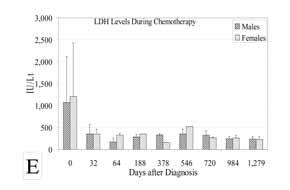
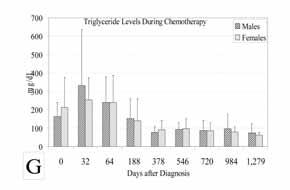
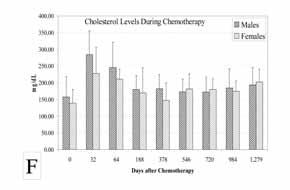
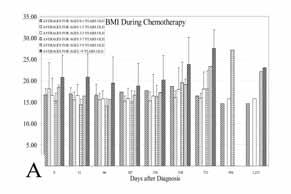
Background: Survivors of childhood cancer have an increased probability to present dysmetabolic syndrome (DS). Purpose of this study was to investigate the presence of DS in patients who undergo treatment for acute lymphoblastic leukemia (ALL) of childhood.
E. Koultouki1
G. Trimis1
G. Lambrou1
M. Tsotra1
N. Tourkantoni1
K. Karamolegou1
M. Adamaki1
F. Tzortzatou-Stathopoulou1
M. Moschovi1
Haematology-Oncology Unit, 1st Department of Pediatrics, University of Athens, “Aghia Sophia” Children’s Hospital
J. Papassotiriou2
Department of Biochemistry, “Aghia Sophia” Children’s Hospital
G. Chrousos3
Endocrinology, Metabolism and Diabetes Units, First Department of Pediatrics, University of Athens, “Aghia Sophia” Children’s Hospital
Εισαγωγή
Αλληλογραφία
Ελευθερία Κουλτούκη
Θηβών & Λειβαδίας, 115 27, Αθήνα.
Τηλ. 2107467604, 6947193193 Fax: 2107759167
e-mail: lorikoultouki@hotmail.com
Correspondence
E. Koultouki MD PhD
Thivon & Livadias, 115 27, Athens Tel. 2107467604, 6947193193 Fax: 2107759167
e-mail: lorikoultouki@hotmail.com
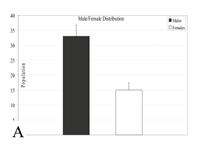
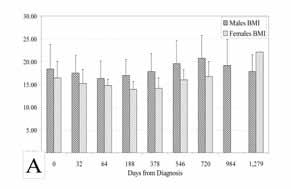
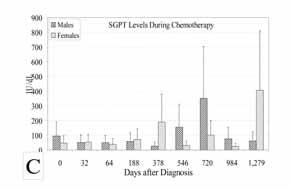
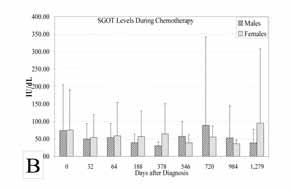
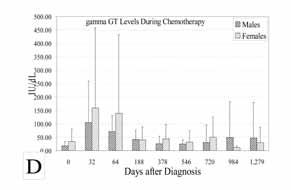
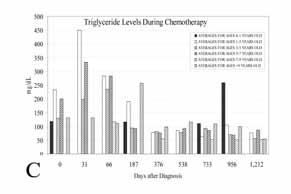
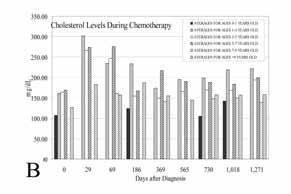
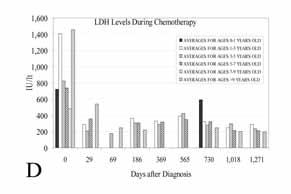
Patients and Methods: The study included 48 patients with ALL (33 males, 68.7%) with a median age of 3.88 years (range 0.37-13.97). Measurements were done at diagnosis and in time intervals up to the end of therapy (9 measurements in 3 years).
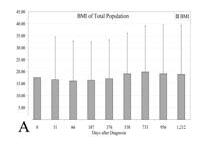
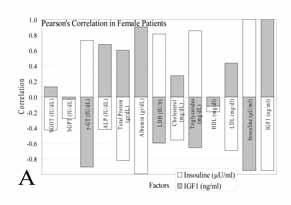
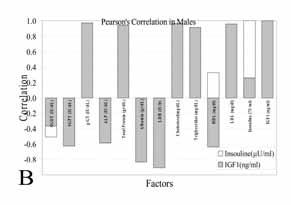
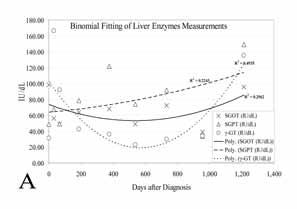
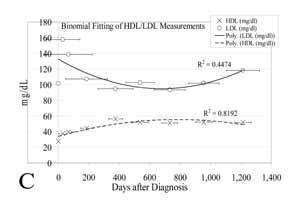
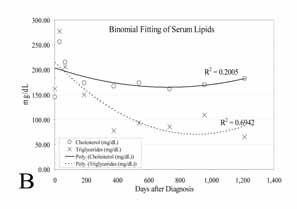
Results: During chemotherapy, no DS criteria (obesity, hypertriglyceridemia, hyperinsulinemia, reduced HDL-cholesterol and hypertension) were detected in any patient. Values of these parameters were not correlated with treatment stages; however there was an increasing trend of body mass index (BMI) during therapy (till the end of follow-up) and a temporal increase of triglycerides together with a temporal decrease of HDL-cholesterol after the first cycle of therapy (up to 6 months), without overcoming the statistical significance.
Conclusions: Young survivors of childhood ALL are at risk for obesity, insulin resistance, dyslipidemia, hypertension and, finally, full DS installation, several years after the completion of therapy, without being evident during therapy, up to its completion (3 years). DS development soon after the end of chemotherapy and trends of increase or decrease of these markers during therapy indicate the need of individual approach and treatment of children with ALL, in order to prevent DS development.
Key words: children, leukemia treatment, dysmetabolic syndrome.
CI 95%, 0±0.13),
(CI 95%, 28±1.79), ~60 ημέρες μετά τη διάγνωση (CI 95%, 60±3.94), ~6 μήνες μετά τη διάγνωση (180 ημέρες, CI 95%, 180±6.77), ~1 έτος μετά τη διάγνωση (365 ημέρες, CI 95%, 365±6.45), 1,5 έτος μετά τη διάγνωση (547 ημέρες, CI 95%, 547±10.52), ~2 έτη μετά τη διάγνωση (730 ημέρες, CI 95%, 730±34.95), 2,5 έτη μετά τη διάγνωση (912 ημέρες, CI 95%, 912±72) και ~3 έτη μετά τη διάγνωση (1095 ημέρες, CI 95%, 1095±107.6). Οι ασθενείς είχαν λάβει
HOPDA (Haematology/Oncology Paediatric Department of Athens University) (HOPDA97) (2,12). Υπήρξε
Behring, Liederbach,
town, NY, USA).
luminescence’s
(Bayer Corporation, Tarry
(Nichols Institute Diagnostics, CA, USA).
HPLC (HA8121 HPLC system, Arkray Inc, Kyoto, Japan).
(homeostasis model assessment, HOMA),
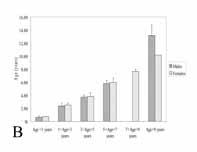
Age at Diagnosis
Totals
Age <1 years
1<Age<3 years
3<Age<5 years
5<Age<7 years
7<Age<9 years
Age>9 years
Age at Diagnosis
Totals
Age <1 years
1<Age<3 years
3<Age<5 years
5<Age<7 years
7<Age<9 years
1. Pui CH, Evans WE. Treatment of acute lymphoblastic leukemia. N Engl J Med. 2006;354:166-178.
2. Tzortzatou-Stathopoulou F, Moschovi MA, Papadopoulou AL, Barbounaki IG, Lambrou GI, Balafouta M, et al. Could intensified treatment in childhood acute lymphoblastic leukemia improve outcome independently of risk factors? Eur J Haematol 2005;75:361-369.
3. Ness KK, Oakes JM, Punyko JA, Baker KS, Gurney JG. Prevalence of the metabolic syndrome in relation to self-reported cancer history. Ann Epidemiol 2005;15:202-206.
4. Davies H. Late problems faced by childhood cancer survivors. Br J Hospital Medicine 1993;50:137-140.
5. Hawkins MM, Kingston JE, Kinnier Wilson LM. Late deaths after treatment for childhood cancer. Arch Dis Child 1990;65:1356-1363.
6. Gleeson H, Shalet S. Endocrine complications of neoplastic diseases in children and adolescents. Curr Opin Pediatr 2001;13:346-351.
7. Oeffinger KC, Mertens AC, Sklar CA, Yasui Y, Fears T, Stovall M, et al. Childhood Cancer Survivor Study. Obesity in adult survivors of childhood acute lymphoblastic leukemia: a report from the Childhood Cancer Survivor Study. J Clin Oncol. 2003;21:1359-1365.
8. Green DM, Hyland A, Chung CS, Zevon MA, Hall BC. Cancer and cardiac mortality among 15-year survivors of cancer diagnosed during childhood or adolescence. J Clin Oncol 1999;17:3207-3215.
9. Talvensaari K, Lanning M, Tapanainen P, Knip M. Long-term survivors of childhood cancer have an increased risk of manifesting the metabolic syndrome. J Clin Endocrinol Metab 1996;81:3051-3055.
10. Oeffinger K, Buchanan R, Eshelman D, Denke M, Andrews T, Germak J, et al. Cardiovascular risk factors in young adult survivors of childhood acute lymphoblastic leukemia. J Pediatr Hematol/Oncol 2001;23:424-430.
11. Trimis G, Moschovi M, Papassotiriou I, Chrousos G, Tzortzatou-Stathopoulou F. Early indicators of dysmetabolic syndrome in young survivors of acute lymphoblastic leukemia in childhood as a target for preventing disease. J Pediatr Hematol Oncol 2007;29:309314.
12. Tzortzatou-Stathopoulou F, Papadopoulou AL, Moschovi M, Botsonis A, Tsangaris GT. Low relapse rate in children with acute lymphoblastic leukemia after risk-directed therapy. J Pediatr Hematol Oncol 2001;23:591-597.
13.
1991,38:91-98.
15. Shulpis K, Karikas GA. Serum cholesterol and triglyceride distribution in 7767 schoolaged Greek children. Pediatrics 1998;101:861-864.
16. Αδαμόπουλος
1986,49:413-418.
17. Mattews DR, Rudenski AS, Naylor BA, Treacher DF, Turner RC. Homeostasis model assessment: insulin resistance and beta-cell function from fasting plasma glucose and insulin concentrations in man. Diabetologia 1985;28:412-419.
18. Weiss R, Dziura J, Burgert T, Tamborlane W, Taksali S, Yeckel C. Obesity and the metabolic syndrome in children and adolescents. N Engl J Med 2004;350:2362-2374.
19. Falkner B, Hassink S, Ross J, Gidding S. Dysmetabolic syndrome: multiple risk factors for premature adult disease in an adolescent girl. Pediatrics 2002;110:e1-5.
20. Bitsori M, Kafatos A. Dysmetabolic syndrome in childhood and adolescence. Acta Paediatrica 2005;94:995-1005.
21. Cruz ML, Goran MI. The metabolic syndrome in children and adolescents. Curr Diab Rep 2004;4:53-62.
22. Eckel RH, Grundy SM, Zimmet PZ. The metabolic syndrome. Lancet 2005;365:14151428.
23. Cook S, Weitzman M, Auinger P, Nguyen M, Dietz WH. Prevalence of a metabolic syndrome phenotype in adolescents: findings from the third National Health and Nutrition Examination Survey, 1988-1994. Arch Pediatr Adolesc Med 2003;157:821-827.
24. Athyros VG, Bouloukos VI, Pehlivanidis AN, Papageorgiou AA, Dionysopoulou SG,
Symeonidis AN, et al. The prevalence of the metabolic syndrome in Greece: the MetSGreece Multicentre Study. Diabetes Obes Metab 2005;7:397-405.
25. Brennan B, Rahim A, Adams JA, Eden OB, Shalet SM. Reduced bone mineral density in young adults following cure of acute lymphoblastic leukemia in childhood. Br J Cancer 1999;79:1859-1863.
26. Gurney JG, Ness KK, Sibley SD, O’Leary M, Dengel DR, Lee JM et al. Metabolic syndrome and growth hormone deficiency in adult survivors of childhood acute lymphoblastic leukemia. Cancer 2006;107:1303-12.
27. Nuver J, Smit A, Wolffenbuttel B, Sluiter W, Hoekstra H, Sleijfer D, et al. The metabolic syndrome and disturbances in hormone levels in long-term survivors of disseminated testicular cancer. J Clin Oncol 2005;23:3718-3725.
28. Kourti M, Tragiannidis A, Makedou A,Papageorgiou T, Rousso I, Athanassiadou F. Metabolic syndrome in children and adolescents with acute lymphoblastic leukemia after the completion of chemotherapy. J Pediatr Hematol Oncol 2005;27:499-501.
29. Ahima RS, Jeffery SF. Adipose tissue as an endocrine organ. Trends Endocrinol Metab 2000;11:327-332.
30. Chrousos GP. The role of stress and the hypothalamic-pituitary-adrenal axis in the pathogenesis of the metabolic syndrome: neuro-endocrine and target tissue-related causes. Int J Obes Relat Metab Disord 2000;24(Suppl.2):S50-S55.
31. Alford FP, Hew FL, Christofer MC, Rantzau C. Insulin sensitivity in growth hormone (GH)-deficient adults and effect of GH replacement therapy. J Endocrinol Invest 1999;22:28-32.
32. Sinaiko AR, Steinberger J, Moran A. Relation of insulin resistance to blood pressure in childhood. J Hypertens 2002;20:509-517.
33. Moschovi M, Trimis G, Apostolakou F, Papassotiriou I, F Tzortzatou-Stathopoulou. Serum lipid alterations in acute lymphoblastic leukemia in childhood. J Pediatr Hematol Oncol 2004;26:289-93.
34. Moschovi M, Trimis G, Vounatsou M, Katsibardi K, Margeli A, Damianos A, et al. Serial plasma concentrations of adiponectin, leptin, and resistin during therapy in children with acute lymphoblastic leukemia. J Pediatr Hematol Oncol 2010;32:e8-13.
35. Moschovi M, Trimis G, Vounatsou M, Katsibardi K, Margeli A, Dimitriadi F, et al. Serial plasma concentrations of PYY and ghrelin during chemotherapy in children with acute lymphoblastic leukemia. J Pediatr Hematol Oncol 2008;30:733-7.35.
36. Nuver J, Smit A, Postma A, Sleijfer D, Gietema A. The metabolic syndrome in longterm cancer survivors, an important target for secondary preventive measures. Cancer Treat Rev 2002;28:195-214.
37. Laaksonen DE, Lakka HM, Salonen JT, Niskanen LK, Rauramaa R, Lakka TA. Low levels of leisure-time physical activity and cardiorespiratory fitness predict development of the metabolic syndrome. Diabetes Care 2002;25:1612-1618.
Β.
Μ.
2
Δ.
Μ. Μαυρίκου5
Γ. Τρίμης5
Τμήμα Εμβολίων ΒΙΑΝΕΞ/Sa
Abstract
Evaluation of potential benefit of universal rotavirus vaccination program in Greece
V. Syriopoulou1, D. Kafetzis2, M. Theodoridou1, G. Syrogiannopoulos3, St. Mantagos4, M. Mavrikou5, G. Trimis5, A. Konstantopoulos6
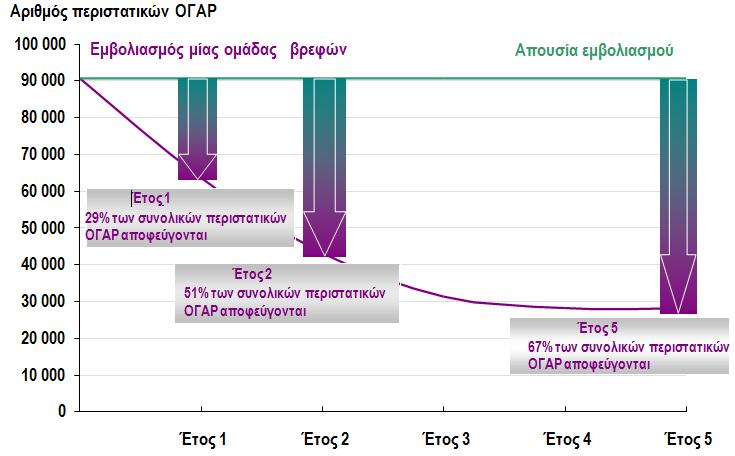
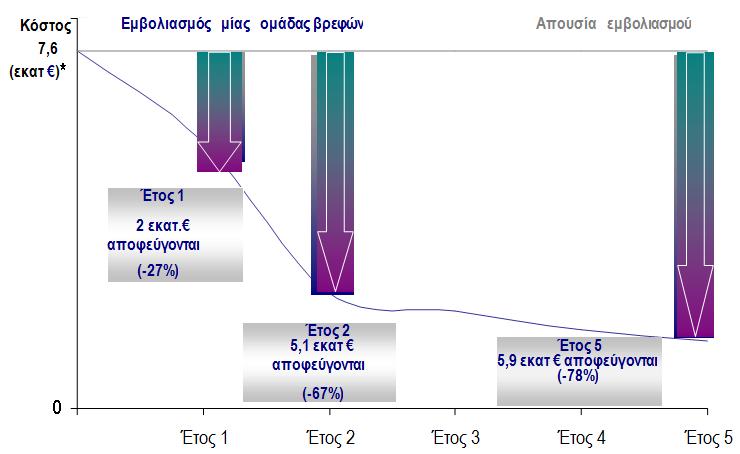
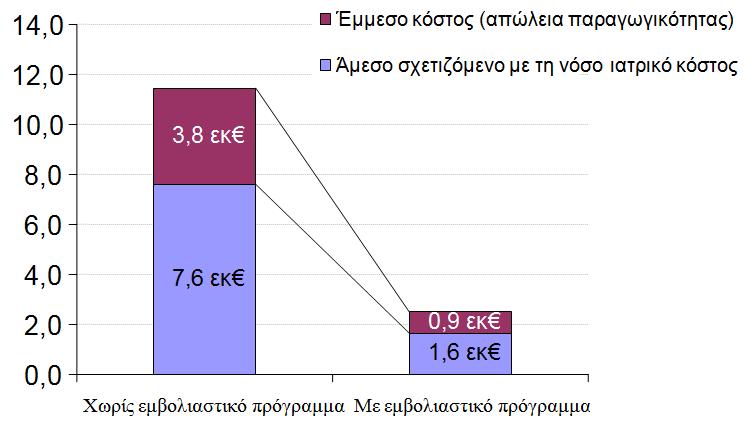
Introduction: In Greece, acute rotavirus gastroenteritis (RVGE) is responsible for 16000 medical consultations, 10000 emergency department visits, 2000 hospitalisations and 1200 nosocomial infections on average in children under 5 years of age, with a cost of 7.6 million € (discount rate 3%) for National Health System (NHS). In present study, the potential benefit of introducing a vaccination programme against rotavirus in Greece is evaluated.
Methods: An analytic model, where clinical burden of RVGE before and after introduction of a vaccination program with RotaTeq® is compared (vaccination coverage 88%) in a birth cohort which is followed up from birth to the age of 5 years.
14610 e-mail: gtrim@otenet.gr
Correspondence
Trimis George Tatoiou St., 18th km Athinon-Lamias Rd.
N. Erythraia Postal Code 14610 e-mail: gtrim@otenet.gr
V. Syriopoulou1
M. Theodoridou1
First Department of Pediatrics, Athens University, Aghia Sophia Children’s Hospital, Athens, Greece
D. Kafetzis2
Second Department of Pediatrics, Athens University, Aglaia Kyriakou Children’s Hospital, Athens, Greece
G. Syrogiannopoulos3
Department of Pediatrics, University Hospital of Larissa, Larissa, Greece
St. Mantagos4
Department of Pediatrics, University Hospital of Rio, Patras, Greece
M. Mavrikou5
G. Trimis5
Vaccine Unit, VIANEX/Sanofi Pasteur MSD, Greece
A. Konstantopoulos6
Hellenic Paediatric Society, Athens, Greece
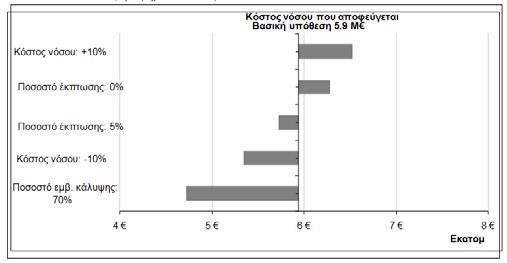
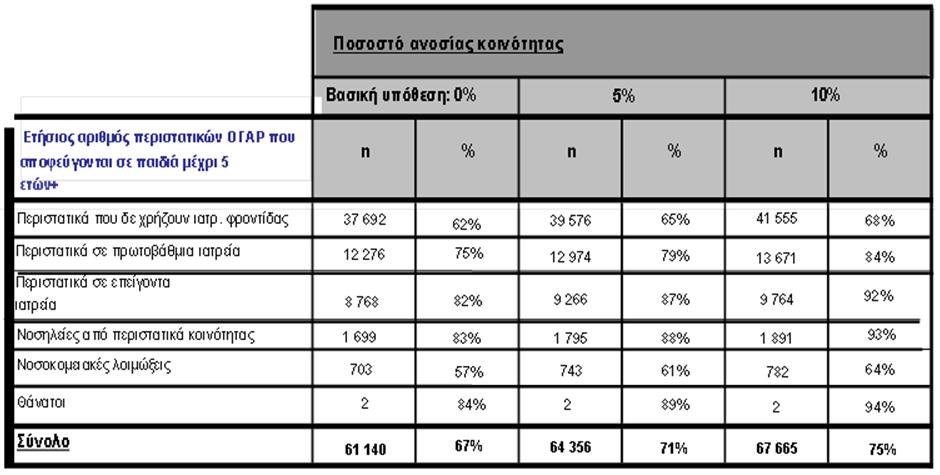
Results: Vaccine use could result in 67% reduction of the total annual number of RVGE cases. More than 80% of hospitalizations and emergency department visits related to RVGE could be avoided. Cost would be reduced by 78%, saving 5.9 million € (discount rate 3%), while 76% of cases avoided and 86% of costs avoided would be averted in two years. Considering the indirect cost (parents´ lost working days), cost reduction is increased (10 million € saving-offset of vaccination program cost). Vaccination of 7 children avoids one case seeking medical care related to RVGE.
Conclusions: Clinical and economic burden of RVGE in Greece is important. The introduction of routine rotavirus vaccination program could result in significant and rapid reduction of this burden, especially for NHS. Adding herd immunity to the model has a positive impact on results in favour of the vaccination.
Key words: benefits, vaccination, rotavirus
(40) (41)
Soriano-Gabarro Μ, et al. (8)
(9).
Maltezou HC, et al. (42)
Soriano-Gabarro Μ, et al. (8)
Soriano-Gabarro Μ, et al. (8)
Soriano-Gabarro Μ, et al. (8)
(20)
Vesikari T, et al (43).
(22,23)
= 2,05 ημέρες Χ
= + 1,7 ημέρες (44) Ισπανία = +2,4 ημέρες (45)
Υπολογισμός = (1,7
1. Parashar UD, Gibson CJ, Bresee JS, Glass RI. Rotavirus and severe childhood diarrhoea. Emerg Infect Dis 2006;12:304–306.
2. Kirkwood CD, Buttery J. Rotavirus vaccines--an update. Expert Opin Biol Ther 2003;3(1):97-105.
3. Giaquinto C, Van Damme P, for the REVEAL Study Group. Age distribution of paediatric rotavirus gastroenteritis in Europe: The REVEAL study. Scand J Infect Dis 2010;42:142147.
4. Bresee JS, Grass RI, Ivanoff B, Gentsch JR. Current status and future priorities for rotavirus vaccine development, evaluation and implementation in developing countries. Vaccine 1999; 17:2207-2222.
5. Van Damme P, Giaquinto C, Huet F, Gothefors L, Maxwell M and Van der Wielen M. Multicenter Prospective Study of the Burden of Rotavirus Acute Gastroenteritis in Europe, 2004-2005: The REVEAL Study. Journal of Infectious Diseases 2007, 195(Suppl 1): S4-S16.
6. Van Damme P, Giaquinto C, Maxwell M, Todd P, Van der Wielen M, on behalf of the REVEAL Study Group. Distribution of rotavirus genotypes in Europe, 2004-2005: the REVEAL Study. J Infect Dis 2007; 195 (Suppl 1):S17-25.
7. World Health Organization. Estimated rotavirus deaths for children under 5 years of age: 2004. Geneva, Switzerland, World Health Organization; June 2006. Available at http://www.who.int/immunization_monitoring/burden/rotavirus_estimates/en/index. html.
8. Soriano-Gabarro M, Mrukowicz J, Vesikari T, Verstraeten T. Burden of rotavirus disease in European Union countries. Pediatr Infect Dis J 2006;25(1 Suppl):S7-S11.
9. Gleizes O, Desselberger U, Tatochenko V, Rodrigo C, Salman N, Mezner Z, et al. Nosocomial rotavirus infection in European countries: a review of the epidemiology, severity and economic burden of hospital-acquired rotavirus disease. Pediatr Infect Dis J. 2006 Jan;25(1 Suppl):S12-21.
10. Kavaliotis I, Papaevangelou V, Aggelakou V, Mantagou L, Trimis G, Papadopoulou V, et al. (The Greek Rotascore Study group). Rotascore Study: Epidemiological observational study of acute gastroenteritis with or without rotavirus in Greek children younger than 5 years old. Eur J Pediatr 2008;167:707-708.
11. Koukou D, Grivea I, Roma E, Tsioni H, Trimis G, Galanakis E, et al. Frequency Clinical Characteristics and Genotypes Distribution of Rotavirus Gastroenteritis in Greece (20072008). J Med Virol 2011;83:165-169.
12. Kattamis C, Syrogiannopoulos G, Papadopoulou V, Deli M, Pavlou M, Papadopoulou A, et al. Rotavirus gastroenteritis in Greece. 17th Annual Meeting of the European Society for Paediatric Infectious Diseases. Paris, France, 1997, Abstract.
13. Vesikari T, Matson DO, Dennehy P, Van Damme P, Santosham M, Rodriguez Z et al. Rotavirus Efficacy and Safety Trial (REST) Study Team. Safety and efficacy of a pentavalent human-bovine (WC3) reassortant rotavirus vaccine. N Engl J Med 2006;5;354:23-33.
14. Ruiz-Palacios GM, Pérez-Schael I, Velázquez FR, Abate H, Breuer T, Clemens SC, et al. Human Rotavirus Vaccine Study Group. Safety and efficacy of an attenuated vaccine against severe rotavirus gastroenteritis. N Engl J Med 2006;354:11-22.
15. CDC. Delayed Onset and Diminished Magnitude of Rotavirus Activity, United States, November 2007-May 2008. MMWR, June 27 2008; 57:697-700.
16. CDC. Reduction in Rotavirus After Vaccine Introduction-United States, 2000-2009. MMWR, October 23, 2009;58:1146-1149.
17. Tate JE, Mutuc JD, Panozzo CA, Payne DC, Cortese MM, Cortes JE, et al. Sustained decline in rotavirus detections in the United States following the introduction of rotavirus vaccine in 2006. Pediatr Infect Dis J. 2011;30(1 Suppl):S30-4.
18. Haber P, Patel M, Izurieta HS, Baggs J, Gargiullo P, Weintraub E, et al. Postlicensure monitoring of intussusception after RotaTeq vaccination in the United States, February 1, 2006, to September 25, 2007. Pediatrics. 2008 Jun;121(6):1206-1212.
19. Huet F, Largeron N, Trichard M, Miadi-Fargier H, Jasso-Mosqueda G. Burden of paediatric rotavirus gastroenteritis and potential benefits of a universal rotavirus vaccination programme with Rotateq® in France. Vaccine 2007;25:6348-6358.
20. http://www.who.int/vaccines/globalsummary/immunization/timeseries/tswucoveragebycountry.cfm?country=GRC, accessed in April 2009.
21.
Rotascore).
ROTASCORE.
23.
24.
25.
26.
27.
28. Υπουργείο Υγείας και Κοινωνικής
14540, Αθήνα, 28/3/2012.
Γ.Υ. 101949 , Αθήνα, 2/11/2012.
29. Bonneux L, Birnie E. The discount rate in the economic evaluation of prevention: a thought experiment. J Epidemiol Community Health 2001;55:123-125
30. Briggs A, Sculpher M. Sensitivity analysis in economic evaluation: a review of published studies. Health Economics 2012;4:355-371.
31. Advisory Committee on Immunization Practices (ACIP) Meeting Minutes October 2223, 2008 available on: http://www.cdc.gov/vaccines/recs/acip/downloads/min-oct08.pdf
32. AAP. Prevention of rotavirus disease: guidelines for use of rotavirus vaccine. Pediatrics 2007;119:171-182.
33. Patel MM, Janssen AP, Tardif RR, Herring M, Parashar UD. A qualitative assessment of factors influencing acceptance of a new rotavirus vaccine among health care providers and consumers. BMC Pediatrics 2007;7:32.
34. Syriopoulou V, Kafetzis D, Theodoridou M, Syrogiannopoulos GA, Mantagos S, Trimis G, et al. Evaluation of the potential medical and economic benefits of universal rotavirus vaccination in Greece. Acta Paediatrica 2011;100:732-739.
35. WHO. Rotavirus vaccines - Vaccines antirotavirus. Wkly Epidemiol Rec 2007; 82:285295.
36. Plosker GL. Pentavalent Rotavirus Vaccine (Rotateq®). A Review of its Use in the Prevention of Rotavirus Gastroenteritis in Europe. Drugs 2010;70:1165-1188.
37. Trimis G, Koutsoumbari I, Kottaridi C, Palaiologou N, Assimakopoulou E, Spathis A, et al. Hospital-based surveillance of rotavirus gastroenteritis in the era of limited vaccine uptake through the private sector. Vaccine. 2011;29:7292-7295.
38.
20447, Αθήνα, 26-4-2012.
40. Γενική Γραμματεία
2009.
41. UNICEF statistics for Greece. http://www.unicef.org/infobycountry/greece.html [cit
ed in April 2009].
42. Maltezou HC, Zafiropoulou A, Mavrikou M, Bozavoutoglou E, Liapi G, Foustoukou M, et al. Acute diarrhoea in children treated in outpatient setting in Athens, Greece. J Infect 2001;43:122-127.
43. Vesikari T, Karvonen A, Ferrante SA, Kuter BJ, Ciarlet M. Sustained Efficacy of the Pentavalent Rotavirus Vaccine, RV5, up to 3.1 Years Following the Last Dose of Vaccine. Pediatr Infect Dis J. 2010;29:957-63.
44. Gianino P, Mastretta E, Longo P, Laccisaglia A, Sartore M, Russo R, et al. Incidence of nosocomial rotavirus infections, symptomatic and asymptomatic, in breast-fed and nonbreast-fed infants. J Hosp Infect 2002;50:13-17.
45. Román Riechmann E, Wilhelmi de Cal I, Cilleruelo Pascual ML, Calvo Rey C, García García ML, Sánchez-Fauquier A. Nosocomial gastroenteritis and asymptomatic rotavirus and astrovirus infection in hospitalized children. An Pediatr (Barc)2004;60:337-343.
Abstract
CGH)
Jacobsen, array-CGH
Molecular study in jacobsen syndrome with array cgh
Ηelen Leze1, Maria Tzetis1, Konstantina Kosma1, Areti Syrmou1, Krinio Giannikou1, Vasilis Oikonomakis1, Elisabeth Kouvidis1, Aggeliki Nika2, Ioannis Kapetanakis2, Emmanuel Kanavakis1, Sofia Kitsiou-Tzeli1
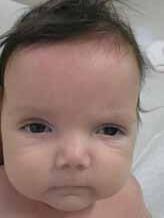
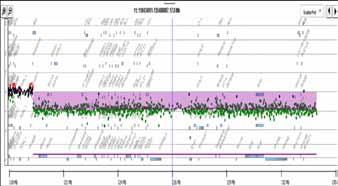
Jacobsen syndrome (OMIM 147791) is a rare but well characterized syndrome, as the result of variable size deletion at the terminal region of chromosome 11q. It is characterized by craniofacial and congenital heart defects, psychomotor delay, growth retardation while in the majority of the cases, is accompanied by thrombocytopenia/ bleeding tendency. Herein we report the case of a female neonate with thrombocytopenia, peculiar faces, congenital heart defects and limb anomalies that led to the clinical diagnosis of Jacobsen syndrome. Karyotype analysis showed a terminal deletion at the long arm of chromosome 11 [46,ΧΧdel(11) (q23.3―›qter)]. Array-CGH analyses confirmed the above finding and furthermore identified the length of the deleted segment (14.7Mb) as well as the gene content.
Key words: Jacobsen syndrome, array-CGH
Αλληλογραφία
Τηλ.:2107795553
e-mail: skitsiou@med.uoa.gr
Correspondence
Sofia Kitsiou-Tzeli
Address: Thivon & Levadias, Athens, 11527
Tel: 2107795553
e-mail: skitsiou@med.uoa.gr
Ηelen Leze1
Maria Tzetis1
Konstantina Kosma1
Areti Syrmou1
Krinio Giannikou1
Vasilis Oikonomakis1
Elisabeth Kouvidis1
Emmanuel Kanavakis1
Sofia Kitsiou-Tzeli1
Department of Medical Genetics, Medical School, University of Athens, «Agia Sofia» Children’s Hospital
Aggeliki Nika2
Ioannis Kapetanakis2
Neonatal Intensive Care Unit, 2nd Department of Pediatrics, Medical School, University of Athens, «P& A Kyriakou» Children’s Hospital
MRI = Magnetic Resonance Imaging
PTS = Paris-Trousseau syndrome
GH = Growth hormone
TSH = Thyroxine Stimulating Hormone
arrayCGH = array Comparative
Genomic Hybridization
CGH
v.3.4 (Agilent Technologies).
UCSC (http://genome.ucsc.edu/) και Database of Genomic Variants (http://projects.tcag.ca/variation/) (human genome build 18). Από
FLI1, ETS1, CHEK1, BARX2, JAM3, ADAMTS8, ADAMTS15, PANX3, FOXRED1, KCNJ1, B3GAT1, BSX, NRGN, FEZ1, RICS, (Εικόνα 2)
[UCSC database (http://genome.ucsc.edu/).
ations, CNV).
1. Grossfeld PD, Mattina T, Lai Z, Favier R, Jones KL, Cotter F, et al. The 11q terminal deletion disorder: a prospective study of 110 cases. Am J Hum Genet 2004;129:51-61.
2. Mattina T, Perotta CS, Grossfeld P. Jacobsen syndrome. Orphanet J Rare Dis 2009;4 :9.
3. Courtens W, Wauters J, Wojciechowski M, Reyniers E, Scheers S, Van Luijk R, et al. A de novo subtelomeric monosomy 11q (11q24.2-qter) and trisomy 20q (20q13.3-qter) in a girl with findings compatible with Jacobsen syndrome: case report and review. Clin Dysmorphol 2007;16(4):231-239.
4. Van Zutven L, Van Bever Y, Van Nieuwland C, Huijbregts G, Van Opstal D, Von Bergh A, et al. Interstitial 11q deletion from a maternal ins[1;11][p14;q24.2q25]: a patient report and review. Am J Med Genet 2008;149:1468-1475.
5. Chen CP, Chern SR, Chang TY, Tzen CY, Lee CC, Chen WL, et al. Prenatal diagnosis of the distal 11q deletion and review of the literature. Prenat Diagn 2004;24:130-136.
6. Wegner SL, Grossfeld PD, Siu BL, Coad JE, Keller FG, Hummel M. Molecular characterization of an 11q interstitial deletion in a patient with the clinical features of Jacobsen syndrome. Am J Med Genet 2006;140:704-708.
7. Favier R, Jondeau K, Boutard P, Grossfeld P, Reinert P, Jones C, et al. Paris-Trousseau syndrome: clinical, haematological, molecular data of ten new cases. Thromb Haemost 2003;90:893-897.
8. Raslova H, Komura E, Couédic JP, Larbret L, Debili N, Feunteun J, et al. FLI1 monoallelic expression combined with its hemizygous loss underlies Paris-Trousseau/Jacobsen thrombopenia. J Clin Invest 2004;114(1):77-84.
9. Ye M, Coldren C, Liang X, Mattina T, Goldmuntz E, Benson DW, et al. Deletion of ETS-1, a gene in the Jacobsen syndrome critical region, causes ventricular septal defects and abnormal ventricular morphology in mice. Hum Mol Genet 2010;19(4):648-656.
10. Coldren CD, Lai Z, Shragg P, Rossi E, Glidewell SC, Zuffardi O, et al. Chromosomal microarray mapping suggests a role for BSX and neurogranin in neurocognitive and behavioural defects in the 11q terminal deletion disorder (Jacobsen syndrome). Neurogenetics 2009;10(2):89-95.
Abstract
Ι. Polymerou
P. Korovessi
G. Amountza
G. Kampouropoulou
E. Antonopoulou
A. Pegkou
I. Papadea
Pediatric Department, “Thriasio” General Hospital, Athens
Plasmodium vivax,
Autochthonous malaria by Plasmodium vivax in two children from Thiva:
First reported paediatric cases 20 years after the eradication of the disease in Greece
Ι. Polymerou, P. Korovessi, G. Amountza, G. Kampouropoulou, E. Antonopoulou, A. Pegkou, I. Papadea
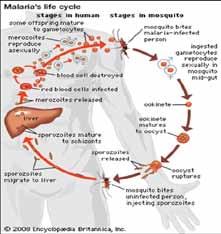
Summary: Malaria is an infectious disease caused by intraerythrocytic parasites of the genus Plasmodium transmitted by the bite of a female mosquito of the Anopheles genus. It is endemic throughout the tropical regions of the world. In Greece, over the past 20 years malaria has been very rare and cases reported, almost exclusively, concern patients with recent travel history (imported malaria). We present two children with malaria caused by Plasmodium vivax and no travel history (indigenous malaria), who were admitted in our hospital on September 2010.
Key words: Malaria, autochthonous, Plasmodium vivax, children
Τ.Κ.: 15125, Αθήνα
Τηλ. 6973555808
e-mail: g_polymerou@yahoo.com
Correspondence
Ι. Polymerou
Daidalou st., Marousi P.C. 15125, Athens Tel: 6973555808
e-mail: g_polymerou@yahoo.com
τα παρακάτω αποτελέσματα: WBC:7000/μL, Π:61%, Λ:28,6%, Μ:9,3%, Hgb:9,1gr/dl, Hct:26,9%, PLT:92.000/μL, RDW:16,3, ΔΕΚ:1,18%, ΤΚΕ:60mm (1η ώρα), CRP:61,4mg/L, SGOT:24 IU/L, SGPT:12 IU/L, γ-GT:16 IU/l, LDH:511 IU/l, άμεση χολερυθρίνη:0,2mg/dl, έμμεση χολερυθρίνη:0,25 mg/ dl, Fe:13 μg/dl, Φερριτίνη:325,5 ng/mL.
WBC:8200/μL, Π:82%, Λ:14,7%, Μ:3,1%, Hgb:9,9gr/dl, Hct:31%, PLT:85.000/μL, RDW:13,8, ΔΕΚ:1,76%, ΤΚΕ:40mm (1η ώρα), CRP:51mg/L, SGOT:38 IU/L, SGPT:31 IU/L, γ-GT:23 IU/l, LDH:468 IU/l, ALP:132 IU/l, άμεση
έμμεση χολερυθρίνη:0,4mg/dl, Φερριτίνη:219,7ng/mL.
1. Webpage: http://www.who.int/malaria/world_malaria_report_2010/en/index.html WHO Report
2. Snow RW, Guerra CA, Noor AM, Myint HY, Hay SI (2005). The global distribution of clinical episodes of Plasmodium falciparum malaria. Nature 434 (7030): 214-7. doi:10.1038/ nature03342. PMID 15759000.
3. Webpage: http://www.keelpno.gr. Ε. Βασσάλου. Εκπαιδευτικά
4. The malERA Consultative Group on Diagnoses and Diagnostics. A Research Agenda for Malaria Eradication: Diagnoses and Diagnostics.
5. WHO guidelines for the treatment of malaria - 2nd edition. WHO Press. p. 47-53.
6. Red Book; 2009: p. 438-444.
7. Mendis K, Sina B, Marchesini P,Carter R. The neglected burden of Plasmodium vivax malaria. Am. J. Trop. Med. Hyg., 64(1, 2)S, 2001, pp. 97-106.
8. Trampuz A, Jereb M, Muzlovic I, Prabhu R. Clinical review: Severe malaria. Critical Care 2003, 7:315-323.
9. Ozsoy MF, Oncul O, Pekkafali Z, Pahsa A, Yenen OS. Splenic complications in malaria: report of two cases from Turkey. J Med Microbiol. 2004 Dec;53(Pt 12):1255-8.
10. Wiselogle FY (1943). J.W. Edwards(ed.). ed. A survey of antimalarial drugs, 1941–1945 (2 vols.). Ann Arbor, Michigan.
11. Alving AS, Hankey DD, Coatney GR, et al. (1953). Korean vivax malaria. II. Curative treatment with pamaquine and primaquine. Am J Trop Med Hyg 6: 9706.
12. Adak T, Sharma VP, Orlov VS (1998). Studies on the Plasmodium vivax relapse pattern in Delhi, India. Am J Trop Med Hyg 59: 1759.
13. Taylor S, Molyneux M, Simel D, Meshnick S, Juliano J. Does This Patient Have Malaria? JAMA. 2010;304(18):2048-2056
14. Gutman J, Guarner J. Pediatric Malaria: 8-Year Case Series in Atlanta, Georgia, and Review of the Literature. Journal of Travel Medicine 2010; Volume 17 (Issue 5): 334-338.
15. Andriopoulos P, Oikonomopoulou A, Rigaki K, Kaplanis N, Rebelou D, Assimakopoulos G. An outbreak of Plasmodium vivax malaria in Lakonia, southern Greece, AugustOctober 2009. 20th European Congress of Clinical Microbiology and Infectious Diseases, Vienna, Austria, 10-13 April 2010, Abstract #1391.
16. Danis K et al. Autochthonous Plasmodium vivax malaria in Greece, 2011. Euro Surveill. 2011 Oct 20;16(42). pii: 19993.
17. Doudier Β, Bogreau Η, DeVries Α, Ponçon Ν, Stauffer WM, Fontenille D, Rogier C, Parola P. Possible Autochthonous Malaria from Marseille to Minneapolis. Emerging Infectious Diseases • www.cdc.gov/eid • Vol. 13, No. 8, August 2007.
18. Odolini S, Gautret P, Parola P. Epidemiology of imported malaria in the mediterranean region. Mediterr J Hematol Infect Dis. 2012;4(1):e2012031.
Abstract
Candida parapsilosis endocarditis in a premature neonate. Successful outcome with combined antifungal and surgical treatment
K. Papadopoulou-Legbelou1, G. Kalavrouziotis2, C. Reveliotis2, K. Karachristou3, M. Lithoxopoulou4, G. Varlamis1, N. Nikolaidis4
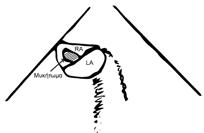
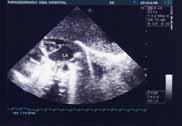
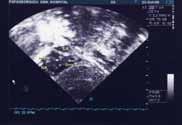
Candida endocarditis is an uncommon and serious complication of invasive Candida infection in neonates. Although older children and adults usually receive both medical and surgical treatment, for preterm and especially critically ill neonates cardiac surgery is not always possible. We report a case of a large C. parapsilosis mycetoma, which was successfully treated with antifungal agents and surgical removal of vegetation.
Key words: Fungal endocarditis, candida, mycetoma, vegetation, neonates.
K. Papadopoulou-Legbelou1
G. Varlamis1
4th Department of Pediatrics, Aristotle University of Thessaloniki, Thessaloniki
G. Kalavrouziotis2
C. Reveliotis2
1st Department of CardioThoracic Surgery, “Aghia Sophia” Children’s Hospital, Athens.
K. Karachristou3
1st Department of Neonatal Intensive Care Unit, “Aghia Sophia” Children’s Hospital, Athens
M. Lithoxopoulou4
N. Nikolaidis4
2nd Department of Neonatal Intensive Care Unit, Aristotle University of Thessaloniki, Thessaloniki
Αλληλογραφία
Κ. Παπαδοπούλου-Λεγμπέλου
Ν. Ευκαρπία, 56403
Θεσσαλονίκη
Τηλ: 6944421060
e-mail: kelipap@gmail.com, kpapadopoulou@auth.gr
Correspondence
K. Papadopoulou-Legbelou
N. Efkarpia 56403 Thessaloniki, Greece
Tel: +0306944421060
e-mail: kelipap@gmail.com, kpapadopoulou@auth.gr
Candida.
Sutton 1983
Johnson 1984
Johnson 1984
Foker 1984
Foker 1984
Foker 1984
Ho 1984
Heydarian 1987
O’Callaghan 1988
Faix 1990
Sanchez 1991
Sanchez 1991
Zenker 1991
Zenker 1991
Citak 1992
Mayayo 1996
Farah 1997
Daftary 1999
Daftary 1999
Daftary 1999
Daftary 1999
Mogyorosy 2000
Levy 2006
Levy 2006
Levy 2006
Levy 2006
Levy 2006
Correale 2006
Karatza 2008
Karatza 2008
Συντηρητική θεραπεία
C. Albicans
C. Albicans
C. Albicans
C. Albicans
C. Albicans
C. Albicans
C. spp
C. Albicans
C. spp
C. parapsilosis
C. Albicans
C. Albicans
C. Albicans
C. parapsilosis
C. Albicans
C. Albicans
C. spp
C. Albicans
C. Albicans
C. Albicans
C. Albicans
C. Albicans
C. Albicans
C. Albicans
C. parapsilosis
C. parapsilosis
C. parapsilosis
C. Albicans
C. Albicans
C. Albicans
ΑμφΒ+Φθορ
ΑμφΒ+Φθορ
ΑμφΒ+Φθορ
ΑμφΒ+Φθορ
ΑμφΒ+Φθορ
ΑμφΒ+Φθορ
ΑμφΒ+Φθορ
ΑμφΒ+Φθορ
ΑμφΒ+Φθορ
ΑμφΒ+Φθορ
ΑμφΒ+Φθορ
ΑμφΒ+Φθορ
ναι
ΑμφΒ
ΑμφΒ
Λιπ.Αμφ+Φλουκ.
Λιπ.Αμφ+Φλουκ.
Λιπ.Αμφ
Λιπ.Αμφ+Φθορ Φλουκ
1. Levy I, Shalit I, Birk E, Sirota L, Ashkenazi S, German B et al. Candida endocarditis in neonates: report of five cases and review of the literature. Mycoses 2006; 49: 43-48.
2. Mayayo E, Moralejo J, Camps J, Guarro J. Fungal endocarditis in premature infants: case report and review. Clin Infect Dis 1996; 22: 366-368.
3. Leibovitz E. Neonatal candidosis: clinical picture, management controversies and consensus and new therapeutic options. J Antimicrob Chemother 2002; 49 (1 Suppl): S69S73.
4. Kossoff EH, Buescher ES, Karlowicz MG. Candidemia in a neonatal intensive care unit: trends during fifteen years and clinical features of 111 cases. Pediatr Infect Dis J 1998; 17: 504-508.
5. Sutton A. Myconazole in systemic candidiasis. Arch Dis Child 1983; 58: 319.
6. Johnson DE, Thompson TR, Green TP, Ferrieri P. Systemic candidiasis in very low-birthweight infants (less than 1.500 grams). Pediatrics 1984; 73: 138-143.
7. Foker JE, Bass JL, Thompson T, Tilleli JA, Johnson DE. Management of intracardiac fungal masses in premature infants. J Thorac Cardiovasc Surg 1984; 87: 244-250.
8. Ho NK. Systemic candidiasis in premature infants. Aust Paediatr J 1984; 20: 127-130.
9. Heydarian M, Werthammer JW, Kelly PJ. Echocardiographic diagnosis of Candida mass of the right atrium in a premature infant. Am Heart J 1987; 113: 402-404.
10. O’Callaghan C, McDougall P. Infective endocarditis in neonates. Arch Dis Child 1988; 63: 53-57.
11. Faix RG, Feick HJ, Frommelt P, Snider AR. Successful medical treatment of candida parapsilosis endocarditis in a premature infant. Am J Perinatol 1990; 7: 272-275.
12. Sanchez PJ, Siegel JD, Fishbein J. Candida endocarditis: successful management in three preterm infants and review of the literature. Pediatr Infect Dis J 1991; 10: 239-243.
13. Zenker PN, Rosenberg EM, Van Dyke RB, Rabalais GP, Daum RS. Successful medical treatment of presumed Candida endocarditis in critically ill infants. J Pediatr 1991; 119: 472-477.
14. Citak M, Rees A, Mavroudis C. Surgical management of infective endocarditis in children. Ann Thorac Surg 1992; 54: 755-760.
15. Farah MC, Fontes RD. Fungal endocarditis in the neonatal period. Report of a case with large right atrial mass. J Pediatr (Rio J) 1997; 73: 273-276.
16. Daftary AS, Patole SK, Whitehall JS. Intracardiac fungal masses in high-risk neonates: clinical observations. Acta Paediatr 1999; 88: 1009-1013.
17. Mogyorosy G, Soόs G, Nagy A. Candida endocarditis in a premature infant. J Perinat Med 2000; 28: 407-411.
18. Correale M, Ieva R, Rinaldi M, Rinaldi G, Di Biase M. Voluminous mycetoma in a newborn with Down syndrome: role of echocardiography. Eur J Echocardiography 2006; 7: 398-400.
19. Karatza AA, Dimitriou G, Marangos M, Christofidou M, Pavlou V, Giannakopoulos I et al. Successful resolution of cardiac mycetomas by combined liposomal Amphotericin B with Fluconazole treatment in premature neonates. Eur J Pediatr 2008; 167: 1021-1023.
20. Makhoul IR, Kassis I, Smolkin T, Tamir A, Sujov P. Review of 49 neonates with acqired fungal sepsis: further characterization. Pediatr 2001; 107: 61-66.
21. Ellis ME, Al-Abdely H, Sandrige A, Greer W, Ventura W. Fungal endocarditis: evidence in the word literature, 1965-1995. Clin Infect Dis 2001; 32: 50-62.
22. Li JS, Sexton DJ, Mick N, Nettles R, Fowler VG, Ryan T et al. Proposed modifications to the Duke criteria for the diagnosis of infective endocarditis. Clin Infect Dis 2000; 30: 633-638.
23. Rowen JL, Tate JM. Management of neonatal candidiasis. Neonatal Candidiasis Study Group. Pediatr Infect Dis J 1998; 17: 1007-1011.
24. Lackner H, Schwinger W, Urban C, Muller W, Riyschl E, Reiterer F et al. Liposomal amphotericin B (AmBisome) for treatment of disseminated fungal infections of very low birth weight. Pediatrics 1992; 89: 1259-1261.
25. Roilides E, Farmaki E, Evdoridou J, Dotis J, Hatziioannidis E, Tsivitanidou M et al. Neonatal candidiasis: analysis of epidemiology, drug susceptibility, and molecular typing of causative isolates. Eur J Clin Microbiol Infect Dis. 2004; 23:745-750.
26. Edwars MC. Fungal and Protozoal Infections. In Fanaroff AA, Martin RJ, editors. Neonatal- Perinatal Medicine. 9th ed. United States: Elsevier, Mosby Inc; 2011. p. 830.
27. Luciani GB, Casali G, Viscardi F, Marcora S, Prioli MA, Mazzouko A. Tricuspid valve repair in an infant with multiple obstructive Candida mycetomas. Ann Thorac Surg 2005; 80: 2378-2381.
28. Pappas PG, Rex HJ, Sobel JD, Filler SG, Dismukes WE, Walsh TJ et al. Guidelines for treatment of candidiasis. Clin Infect Dis 2004; 38: 161-189.
Abstract
Keywords: Cystic nephroma, Child, Kidney mass, Nephrectomy. Περίληψη
Childhood Cystic Nephroma: diagnosis and treatment (Case Presentation)
V. Papadakis1, A. Papanikolaou2, K. Stefanaki3, J. Alexandrou4, M. Zeis4, Sp. Antypas4
Cystic nephroma (CN) is α rare, benign renal tumour that can also occur in children. A 9 month old female, with a palpable abdominal mass, without any family history for renal pathology, is presented. Abdominal ultrasonography and MRI were used for the initial evaluation of the lesion. With the presumptive diagnosis of CN, the patient underwent total nephrectomy. Histpathologic examination showed a solitary, multilocular cystic tumor without any solid components or any communication of the cysts with each other and the renal pelvis, which was compatible with a cystic nephroma. As CN can rarely be associated with pleuropneumonary blastoma, postoperative CT of the head and chest were performed revealing no abnormal findings. Pediatricians and pediatric surgeons should be familiar with the clinical, radiologic, surgical, and histopathologic characteristics of CN. The presumptive diagnosis of CN prompts surgical intervention. Total mass excision with partial nephrectomy is the treatment of choice for suitable cases. Nephrectomy should be reserved for CN which totally replaces the renal parenchyma. The rare association with pleuropneumonary blastoma should also be investigated.
Αλληλογραφία
Αθήνα 115 27
Tηλ: 2107452020
Τηλεομοιοτυπία: 2106800125
e-mail: vpapadak@otenet.gr
Correspondence
Vassilios Papadakis
Athens 115 27, Greece
Tel: +30 210 7452020
Fax: +30 210 6800125
e-mail: vpapadak@otenet.gr
V. Papadakis1
Department of Pediatric Hematology-Oncology, “Aghia Sofia” Children’s Hospital, Athens
Greece
A. Papanikolaou2
Private Radiologist, Radiology Center T. Papanikolaou, Athens
Greece
K. Stefanaki3
Department of Pathology, “Aghia Sofia” Children’s Hospital, Athens Greece
J. Alexandrou4
M. Zeis4
Sp. Antypas4
First Surgical Clinic, “Aghia Sofia” Children’s Hospital, Athens
Greece
1. Glassberg KI. Renal dysplasia and cystic disease of the kidney. In: Walsh PC, Retik AB, Vaughan Jr ED, Wein AJ, editors. Campbell’s urology, 7th ed, Vol. 2, Ch 59. Philadelphia: W.B. Saunders Company; 1998. p. 1757-813.
2. Glassberg KI, Filmer RB. Renal dysplasia, renal hypoplasia and cystic disease of the kidney. In: Kelalis PP, King LR, Belman AB, editors. Clinical Pediatric Urology, 3rd ed, Volume 2, Ch 26. Philadelphia: W.B. Saunders Company; 1992. p. 1121-84.
3. Bisceglia M, Galliani CA, Senger C, Stallone C; Sessa A. Renal cystic diseases. A review. Adv Anat Pathol 2006;13:26-56.
4. Sebire ΝJ and Vujanic GM, Paediatric renal tumours: recent developments, new entities and pathological features. Histopathology 2009;54:516-528.
5. Truong LD, Choi YJ, Shen SS, Ayala G, Amato R, Krishnan B. Renal cystic neoplasms and renal neoplasms associated with cystic renal diseases: pathogenetic and molecular links. Adv Anat Pathol 2003;10:135-159.
6. Slywotzky CM, Bosniak MA. Localized cystic disease of the kidney. AJR 2001;176:843849.
7. Lowe LH, Isuan ΒΗ, Heller RM, Stein SM, Johnson JE, Navarro OM et al. Pediatric Renal Masses: Wilms Tumor and Beyond. RadioGraphics 2000;20:1585–1603.
8. Kondis-Pafitis A, Kontogianni K, Smyrniotis V, Psychoyios J: Cystic nephroma (multilocular cyst) of kidney: a rare entity. Hellenic Urology 2003;15:91-94
9. Stamatiou K, Sofras F: Multilocular cystic nephroma and multicystic clear cell carcinoma: two faces of the Roman god Janus? Int J Surg Pathol 2008 doi: 10.1177/1066896908316786.
10. Stamatiou K, Polizois K, Kollaitis G, Dahanis S, Zafeiropoulos G, Leventis C, Lambou T. Cystic nephroma: a case report and review of the literature. Cases J. 2008;1:267.
11. Castillo OA, Boyle ET, Kramer SA. Multilocular cyst of the kidney: A study of 29 patients & review of literature. Urology 1991;37:156-162.
12. Eble JN. Cystic nephroma and cystic partially differentiated nephroblastoma: Two entities or one? Adv Anat Pathol 1994;1:99-102.
13. Boulanger SC, Brisseau GF. Cystic nephroma: A benign renal tumor of children and adults. Surgery 2003;133:596-597.
14. Mukhopadhyay S, Valente AL, Luis A, de la Roza G: Cystic Nephroma: A histologic and immunohistochemical study of 10 cases. Arch Path Lab Med 2004;128:1404-1411.
15. Ashley RA, Reinberg YE. Familial multilocular cystic nephroma: a variant of a unique renal neoplasm. Urology 2007;70:179.e9-179.e10.
16. Kural AR, Obek C, Ozbay G, Onder AU. Multilocular cystic nephroma: an unusual localization. Urology 1998;52:897-899.
17. Okada T, Yoshida H, Matsunaga T, Kouchi K, Ohtsuka Y, Saitou T et al. Nephron-sparing surgery for multilocular cyst of the kidney in a child. J Pediatr Surg 2003;38:1689-1692.
18. Riccabona M. Imaging of renal tumors in infancy and childhood. Eur Radiol 2003;13:L116-L129.
19. Turbiner J, Amin MB, Humphrey PA, Srigley JR, De Leval L, Radhakrishnan A et al. Cystic nephroma and mixed epithelial and stromal tumor of kidney: a detailed clinicopathologic analysis of 34 cases and proposal for renal epithelial and stromal tumor (REST) as a unifying term. Am J Surg Pathol 2007;31:489-500.
20. Casas JD, Mariscal A, Perez-Andres R. Localized renal cystic disease: imaging findings, pathologic correlation, and management approach. Comput Med Imaging Graph 2002;26:247-249.
21. Cho KJ, Thornbury JR, Bernstein J, Heidelberger KP, Walter JF. Localized cystic disease of the kidney: angiographic-pathologic correlation. AJR 1979;132:891-895.
22. Kim DJ, Kim MJ. Localized cystic disease of the kidney: CT findings. Abdom Imaging 2003;28:588-592.
23. Vujanic GM, Sandstedt B, Harms D, Kelsey A, Leuschner, de Kraker J. Revised International Society of Paediatric Oncology (SIOP) working classification of renal tumors of childhood. Med Pediatr. Oncol 2002; 38:79-82.
24. van den Hoek J, de Krijger R, van de V, Lequin M, van den Heuvel-Eibrink MM. Cystic nephroma, cystic partially differentiated nephroblastoma and cystic Wilm’s tumor in children: a spectrum with therapeutic dilemmas Urol Int 2009;82:65-70.
25. Hsiao HL, Wu WJ, Chang MY, Ke HL, Huang CH. Unusual case of multilocular cystic nephroma treated with nephron sparing technique: a case report. Kaohsiung J Med Sci 2006;22:515-518.
26. Boman F, Hill DA, Williams GM, Chauvenet A, Fournet JC, Soglio DB, et al. Familial association of pleuropulmonary blastoma with cystic nephroma and other renal tumors: a report from the International Pleuropulmonary Blastoma Registry. Pediatr 2006;149:850854.
27. Boybeyia Ö, Karnaka İ, Orhanb D, Ciftci AO, Tanyel FC, Kale G et al. Cystic nephroma and localized renal cystic disease in children: diagnostic clues and management. J Pediatr Surg 2008;43:1985-1989.
Μανταδάκης Ελπιδοφόρος
Μαύρου Αριάδνη
Παναγιωτοπούλου - Γαρταγάνη Πολυτίμη
Παντελιάδης Χρήστος
Παπαβασιλείου - Συρίγου Αντιγόνη
Παπαδάκης Βασίλειος
Παπαδοπούλου - Αλατάκη Ευφημία
Παπαδοπούλου Αλεξάνδρα
Παπαδοπούλου - Λεγμπέλου Κυριακή Παπαευαγγέλου Βασιλική
Παπαθανασίου - Καϊμαρά Αστερούλα
Παυλοπούλου Ιωάννα
Παύλου Ευάγγελος
Περβανίδου Παναγιώτα
Πλατοκούκη Ελένη
Ροηλίδης Εμμανουήλ Ρώμα - Γιαννίκου Ελευθερία