Paediatriki
Volume 75 • Number 2 • April-May-June 2012
Trimonthly publication of the Greek Paediatric Society
President
A. Constantopoulos
Editorial board
Director
G. S. Varlamis
Members
S. Andronikou
E. Galanakis
A. Evangeliou
L. Thomaidou
M. Kanariou
A. Kapogiannis
S. Kitsiou-Tzeli
E. Mantadakis
P. Panagiotopoulou-Gartagani
A. Papadopoulou
V. Papaevagelou
A. Papathanassiou
A. Siamopoulou-Mavridou
A. Syrigou-Papavasiliou
Manuscript submission
e-mail: grammateia@e-child.gr
Instructions to authors: http://e-child.gr/publications/ instructions-to-authors
Owner
Greek Paediatric Society 15, Mpakopoulou st. GR - 15451, Ν. Psychiko
Tηλ.: +302107771140, e-mail: grammateia@e-child.gr
Annual subscription
CONTENTS
98
All foreign countries: US$50 122
CASE REPORTS
Meningitis due to Haemophilus Influenzae type e in a 7 month-old infant
Michailidou E., Karampatakis N., Kavaliotis J.
Median cleft and holoprosencephaly in a 2 month old infant. Case report and review of the literature.Holoprosencephaly
Ifigeneia Mpenou, Iliada Nakou, Eleni Loutsi, Maria Argyropoulou, Agathocles Tsatsoulis, Marika Syrrou, Antigoni Siamopoulou-Mavridou, Meropi Tzoufi
Successful bone marrow transplantation in a child with severe aplastic anemia
F. Tzifi, V. Kitra, I. Peristeri, M. Moschovi, MA Malliarou
Pulmonary valve endocarditis in an infant with no predisposing factors
K. Papadopoulou-Legbelou, A. Klisarhaki, P. Chouchou, S. Varlamis, Z. Halemis, G. Varlamis
Abstract
G.S. Varlamis
Emeritus Professor of Pediatric Cardiology, AUTh
Preventive Cardiology in Childhood?
G.S. Varlamis
Programs for the prevention of atherosclerosis in adults and its adverse effects are being implemented globally on a large scale, during the last 3 or 4 decades; meanwhile, we witness a significant international effort for their implementation in children. During these decades, however, we also witnessed a spectacular progress in Pediatric Cardiology, not only regarding diagnosis, but also regarding the treatment of cardiac diseases in children, as well as in their etiology. Besides, the latter constitutes one of the major prerequisites for the implementation of the preventive programs.
The present paper presents the current data and describes the possibilities for the implementation of preventive programs, also specifying which ones, regarding congenital heart diseases and their complications, as well as preparticipation athletic evaluation, arterial hypertension, atherosclerosis and cardiovascular diseases.
Keywords: Prevention, cardiology, children
Τηλ: 6972863351
e-mail: varlamisgeorge@yahoo.gr
Correspodence
G.S. Varlamis
26 Lefkossias Street, Kalamaria
GR-55133 Thessaloniki
Tel: +306972863351
e-mail: varlamisgeorge@yahoo.gr
1.Saukko PM, Farrimond H, Evans PH, Qureshi N. Beyond beliefs: risk assessment technologies shaping patients’ experiences of heart disease prevention. Sociol Health Illn. 2011 Oct 21. doi: 10.1111/j.1467-9566.2011.01406.x.
2.Nora JJ. From generational studies to a multilevel genetic - environ-mental interaction. J Am Coll Cardiol 1994; 23: 1468-71
3.Hartman RJ, Rasmussen SA, Botto LD, Riehle-Colarusso T, Martin CL, Cragan JD, Shin M, Correa A. The contribution of chromosomal abnormalities to congenital heart defects: a population-based study. Pediatr Cardiol. 2011 ; 32:1147-57.
4.Zierler S, Theodore M, Cohen A, Rothman KJ. Chemical quality of maternal water and congenital heart disease. Int J Epidemiol 1988; 17: 589-94.
5.Ronan O’ Rahilly, F Muller. Human Embryology and Teratology , 3rd edition, Wiley - Liss, May 2001.
6.Gilboa SM, Mendola P, Olshan AF, Langlois PH, Savitz DA, Loomis D, et al. Relation between Ambient Air Quality and Selected Birth Defects, Seven County Study, Texas, 1997–2000. Am J Epidemiol 2005;162:238–25.
7.Rychik J, Ayres N, Cuneo B, Gotteiner N, Hornberger L, Spevak PJ, and Van Der Veld M. American Society of Echocardiography Guidelines and Standards for Performance of the Fetal Echocardiogram. Am Soc Echocardiogr 2004;17:803-10.
8.Fasnacht MS, Jaeggi ET. Fetal and genetic aspects of congenital heart disease. Ther Umsch. 2001 ; 58:70-5.
9.Harris SE, Cronk C, Cassidy LD, Simpson P, Tomita-Mitchell A, Pelech AN. Exploring the environmental and genetic etiologies of congenital heart defects: the Wisconsin Pediatric Cardiac Registry. J Registry Manag. 2011 Spring; 38:24-9.
10. Haag F, Casonato S, Varela F, Firpo C. Parents’ knowledge of infective endocarditis in children with congenital heart disease. Rev Bras Cir Cardiovasc. 2011;26:413-418.
11. Knirsch W, Nadal D. Infective endocarditis in congenital heart disease. Eur J Pediatr. 2011 ;170:1111-27.
12.Weiss A, Dym H. Review of antibiotics and indications for prophylaxis. Dent Clin North Am. 2012 ;56 :235-44.
13. Medrano López C, García-Guereta L; CIVIC Study Group. Community-acquired respiratory infections in young children with congenital heart diseases in the palivizumab era: the Spanish 4-season civic epidemiologic study. Pediatr Infect Dis J. 2010;29:1077-82.
14. Lackland DT, Elkind MS, D’Agostino R Sr, Dhamoon MS, Goff DC Jr, Higashida RT et al [on behalf of the American Heart Association Stroke Council, Council on Epidemiology and Prevention, Council on Cardiovascular Radiology and Intervention, Council on Cardiovascular Nursing, Council on Peripheral Vascular Disease, and Council on Quality of]. Inclusion of Stroke in Cardiovascular Risk Prediction Instruments: A Statement for Healthcare Professionals From the American Heart Association/American Stroke Association. Stroke. 2012 May 24. [Epub ahead of print].
15. Fujita H, Matsuoka S, Awazu M. Ambulatory blood pressure in prehypertensive children and adolescents. Pediatr Nephrol. 2012 Apr 5. [Epub ahead of print].
16. Chaves ES, de Araujo TL, Cavalcante TF, Guedes NG, Moreira RP. Blood pressure tracking: study with children and adolescents with familial history of hypertension. Rev Gaucha Enferm. 2010 ; 31: 11-7.
17. Pasquali SK, Li JS. Prevention of future cardiovascular disease in high-risk pediatric patients: a role for lipid lowering therapy? Circ Cardiovasc Qual Outcomes. 2008 ;1: 1313.
18. Do TH, Chen Y, Nguyen VT, Phisitkul S.Vaccines in the management of hypertension. Expert Opin Biol Ther. 2010 ; 10: 1077-87.
19. Centers for Disease Control and Prevention (CDC). Prevalence of coronary heart disease--United States, 2006-2010, MMWR Morb Mortal Wkly Rep. 2011 Oct 14;60(40):137781.
20. Amsterdam EA. Primary prevention of coronary heart disease in men and women: does 1 size fit all? Yes! Clin Cardiol. 2011; 34: 658-62. doi: 10.1002/clc.20993.
«Π. & Α.
Hypertension in Children and Adolescents: Diagnosis, Investigation and Management: Hellenic Society of Hypertension Consensus Document
Stergiou GS1, Vazeou A2, Stefanidis C3, Kapogiannis A4, Georgakopolos D5, Doma S6, Doumas M6, Zebekakis P7, Makris Th8, Tsioufis C9, Manolis A10
Stergiou GS1
Hypertension Center, 3rd University Department of Medicine, Sotiria Hospital, Athens
Vazeou A2
1st Department of Pediatrics, P. & A. Kyriakou Children’s Hospital, Athens
Stefanidis C3
Department of Nephrology, “P. & A. Kyriakou Children’s Hospital, Athens
Kapogiannis A4
Key words: hypertension, children, adolescents, diagnosis, management Abstract
Department of Nephrology, Agia Sofia Children’s Hospital, Athens
Georgakopolos D5
Department of Cardiology, P. & A. Kyriakou Children’s Hospital, Athens
Douma S6
Doumas M6
2nd University Department of Medicine, Hippokration Hospital, Thessaloniki
Hypertension in children and adolescents is more common than previously believed and its prevalence tends to increase. Τhe management of hypertension in children and adolescents differs from that in adults and in the last two decades has been considerably changed. In 2009 the European Society of Hypertension published detailed guidelines for the management of pediatric hypertension, and recommended the measurement of blood pressure in all children older than 3 years during every health care episode. This consensus document by hypertension experts provides essential and practical knowledge regarding the confirmation of diagnosis, the initial evaluation and the management of hypertension, with focus on essential hypertension, which is the most common cause, particularly in the adolescents.
Δούμα Σ6
Δούμας Μ6
Β’ Παθολογική Κλινική
Πανεπιστημίου Θεσσαλονίκης, Νοσοκομείο «Ιπποκράτειο», Θεσσαλονίκη
Ζεμπεκάκης Π7
Α’ Παθολογική Κλινική
Πανεπιστημίου Θεσσαλονίκης,
Μακρής Θ8
Καρδιολογικό Τμήμα, Νοσοκομείο Γ.Ν.Μ. «Έλενα Βενιζέλου»,
Α10
Zebekakis P7
1st University Department of Medicine, AXEPA Hospital, Thessaloniki
Makris Th8
Department of Cardiology, G.Ν.Μ. Helena Venizelou Hospital, Athens
Tsioufis C9
1st University Department of Cardiology, Hippokration Hospital, Athens Manolis A10
Department of Cardiology, Asklipiion Hospital, Athens
Αλληλογραφία
ΓΣ Στεργίου
Μεσογείων 152, Αθήνα 11527. e-mail: gstergi@med.uoa.gr
Correspodence
Stergiou GS
152, Mesogion Av., Athens-Greece e-mail: gstergi@med.uoa.gr
1.Lurbe E, Cifkova R, Cruickshank JK, Dillon MJ, Ferreira I, Invitti C, Kuznetsova T, Laurent S, Mancia G, Morales-Olivas F, Rascher W, Redon J, Schaefer F, Seeman T, Stergiou G, Wühl E, Zanchetti A; European Society of Hypertension. Management of high blood pressure in children and adolescents: recommendations of the European Society of Hypertension. J Hypertens 2009; 27: 1719-1742.
2.National High Blood Pressure Education Program Working Group on High Blood Pres-
sure in Children and Adolescents. The fourth report on the diagnosis, evaluation, and treatment of high blood pressure in children and adolescents. Pediatrics 2004; 114: 555576.
3.Muntner P, He J, Cutler JA, Wildman RP, Whelton PK. Trends in blood pressure among children and adolescents. JAMA 2004; 291: 2107-2113.
4.Torrance B, McGuire KA, Lewanczuk R, McGavock J. Overweight, physical activity and high blood pressure in children: a review of the literature. Vasc Health Risk Manag 2007; 3: 139-149.
5.Kosti RI, Panagiotakos DB. The epidemic of obesity in children and adolescents in the world. Cent Eur J Public Health 2006; 14: 151-159.
6.Tzotzas T, Krassas GE. Prevalence and trends of obesity in children and adults of South Europe. Pediatr Endocrinol Rev 2004; 1(Suppl 3): 448-454.
7.Bao W, Threefoot SA, Srinivasan SR, Berenson GS. Essential hypertension predicted by tracking of elevated blood pressure from childhood to adulthood: the Bogalusa Heart Study. Am J Hypertens 1995; 8: 657-665.
8.Vos LE, Oren A, Bots ML, Gorissen WH, Grobbee DE, Uiterwaal CS. Does a routinely measured blood pressure in young adolescence accurately predict hypertension and total cardiovascular risk in young adulthood? J Hypertens 2003; 21: 2027-2034.
9.Kollias A, Pantsiotou K, Karpettas N, Roussias L, Stergiou GS. Tracking of blood pressure from childhood to adolescence in a Greek cohort. Eur J Public Healths 2011, Epub, ahead of print.
10.Lurbe E. Childhood blood pressure: a window to adult hypertension. J Hypertens 2003; 21: 2001-2003.
11. Lurbe E, Redon J. Secondary hypertension in children and adolescents. In: Mansoor GA, editor. Secondary hypertension. Totowa: Humana Press; 2004. pp. 279-306.
12. Ng DK, Chan C, Chow AS, Chow P, Kwok K. Childhood sleep-disordered breathing and its implications for cardiac and vascular diseases. J Paediatr Child Health 2005; 41: 640646.
13. Karpettas N, Kollias A, Vazeou A, Stergiou GS. Office, ambulatory and home blood pressure measurement in children and adolescents. Expert Rev Cardiovasc Ther 2010; 8: 1567-1578.
14. Soergel M, Kirschstein M, Busch C, Danne T, Gellermann J, Holl R et al. Oscillometric twenty-four-hour ambulatory blood pressure values in healthy children and adolescents: a multicenter trial including 1141 subjects. J Pediatr 1997; 130: 178-184.
15. Urbina E, Alpert B, Flynn J, Hayman L, Harshfield GA, Jacobson M et al. Ambulatory blood pressure monitoring in children and adolescents: recommendations for standard assessment: a scientific statement from the American Heart Association Atherosclerosis, Hypertension, and Obesity in Youth Committee of the council on cardiovascular disease in the young and the council for high blood pressure research. Hypertension 2008; 52: 433-451.
16. Stergiou GS, Yiannes NG, Rarra VC, Panagiotakos DB. Home blood normalcy in children and adolescents: the Arsakeion School study. J Hypertens 2007; 25: 1375-1379.
17. O’Brien E, Asmar R, Beilin L, Imai Y, Mallion JM, Mancia G et al. European Society of Hypertension Working Group on Blood Pressure Monitoring. European Society of Hypertension recommendations for conventional, ambulatory and home blood pressure measurement. J Hypertens 2003; 21: 821-848.
18. Iyriboz Y, Hearon CM, Edwards K. Agreement between large and small cuffs in sphyg-
momanometry: a quantitative assessment. J Clin Monit 1994; 10: 127-133.
19. Sorof JM, Portman RJ. White coat hypertension in children with elevated casual blood pressure. J Pediatr 2000; 137: 493-497.
20. Sorof JM, Poffenbarger T, Franco K, Portman R. Evaluation of white coat hypertension in children: importance of the definitions of normal ambulatory blood pressure and the severity of casual hypertension. Am J Hypertens 2001; 14: 855-860.
21. Stabouli S, Kotsis V, Toumanidis S, Papamichael C, Constantopoulos A, Zakopoulos N. White-coat and masked hypertension in children: association with target-organ damage. Pediatr Nephrol 2005; 20: 1151-1155.
22. Lurbe E, Torro I, Alvarez V, Nawrot T, Paya R, Redon J et al. Prevalence, persistence, and clinical significance of masked hypertension in youth. Hypertension 2005; 45: 493498.
23. Stergiou GS, Karpettas N, Kapoyiannis A, Stefanidis CJ, Vazeou A. Home blood pressure monitoring in children and adolescents: a systematic review. J Hypertens 2009; 27: 1941-1947.
24. Woroniecki RP, Flynn JT. How are hypertensive children evaluated and managed? A survey of North American pediatric nephrologists. Pediatr Nephrol 2005; 20: 791-797.
25. Stergiou GS, Nasothimiou E, Giovas P, Kapoyiannis A, Vazeou A. Diagnosis of hypertension in children and adolescents based on home versus ambulatory blood pressure monitoring. J Hypertens 2008; 26: 1556-1562.
26. Stergiou GS, Rarra VC, Yiannes NG. Prevalence and predictors of masked hypertension detected by home blood pressure monitoring in children and adolescents: the Arsakeion School study. Am J Hypertens 2009; 22: 520-524.
27. Stabouli S, Kotsis V, Zakopoulos N. Ambulatory blood pressure monitoring and target organ damage in pediatrics. J Hypertens 2007; 25: 1979-1986.
28. Wühl E, Trivelli A, Picca S, Litwin M, Peco-Antic A, Zurowska A et al. Strict blood-pressure control and progression of renal failure in children. N Engl J Med 2009; 361: 16391950.
Abstract
Ιfigeneia Mpenou1
Maria Pavlou1
Eirini Sionti1
Antigoni SiamopoulouΜavridou1
Department of Pediatrics, Medical School, University of Ioannina, Greece
Maria Argyropoulou2
Freideriki Papadopoulou2
Department of Clinical Radiology, Medical School, University of Ioannina, Greece
Κonstantinos Nikas3
1st Department of Pediatric Surgery, Aghia Sophia Children’s Hospital, Athens, Greece
Lymphangiomas in childhood. Two case reports and review of the literature
Ιfigeneia Mpenou1, Maria Pavlou1, Eirini Sionti1, Maria Argyropoulou2 , Freideriki Papadopoulou2, Κonstantinos Nikas3, Antigoni Siamopoulou-Μavridou1
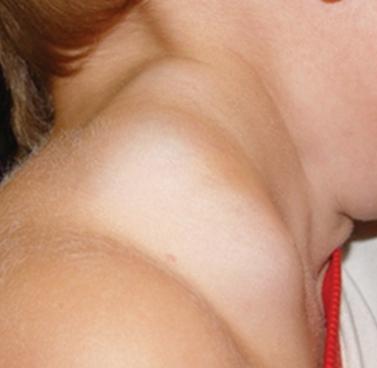
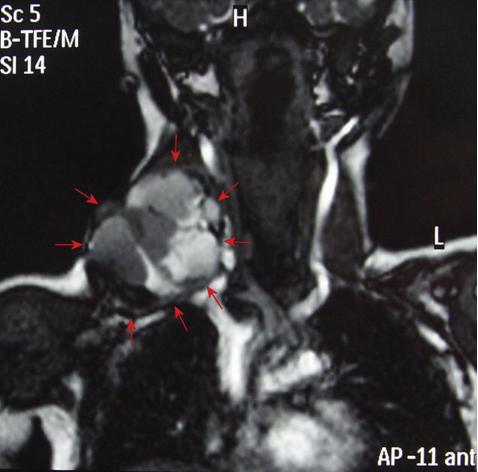
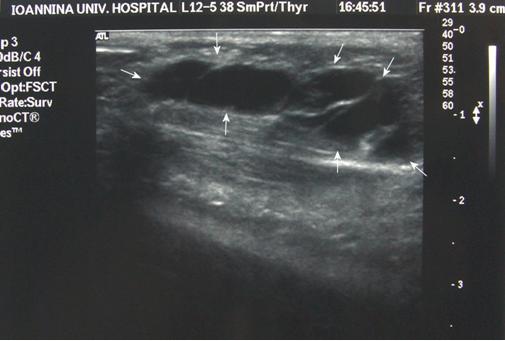
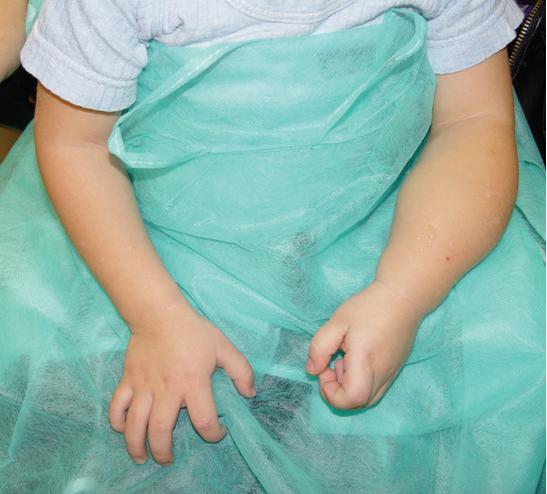
Lymphangiomas (LMFs) are rare benign neoplasms of lymphatic system with variable size and location, which derive from underlying malformation of lymphatic vessels. We report two cases of children with neck and upper extremity LMF respectively. The first refers to a 23-month- male who was admitted due to the sudden development of a neck mass in the right cervical area following injury. The Ultrasound (U/S) and the magnetic resonance imaging (MRI) set the diagnosis of the LMF and the child was treated with antibiotics due to possible co-existing infection with mild size reduction. After 8 months, the repeat MRI revealed partial recession of the mass, which was not clinically evident 2 years later. The second case is a 4-day male with sudden enlargement of the left antebrachium with no history of perinatal or recent injury. U/S revealed a cavernous LMF. At the age of 21 months the child presented with infection of the LMF. The LMF was remaining unchanged at the age of 33 months with both forearms equal in length. Pediatric surgeons recommended observation in both cases. LMFs vary in symptoms, location and outcome. Surgical and sclerotherapy are the main treatments. Systematic observation and co-operation among pediatricians and surgeons is necessary for decision management.
Κey words: Lymphangioma, lymphatic malformation, cystic hygroma, sclerotherapy, children.
Αλληλογραφία
TK
Τηλ.: 2651099793, 2651099775, 6974075908
e-mail: marpavlou@gmail.com
Correspodence
Maria Pavlou
Stavros Niarchou Av., PC 45500, Dourouti, Ioannina
Τel.2651099793, 2651099775, 6974075908
e-mail: marpavlou@gmail.com
Επιπλοκές Λεμφαγγειωμάτων.
1.
2. Λοίμωξη
3. Πιεστικά
4. Χυλοθώρακας
5. Γαστρεντερικό (δυσκαταποσία, δυσφαγία, οξεία κοιλία, υποτροπιάζοντα
υποαλβουμιναιμία από εντεροπάθεια)
6.Ουροποιογεννητικό (απόφραξη ουροποιητικού, υποτροπιάζουσες
7.Οστεόλυση (Gorham-Stout), σκελετική υπερτροφία
8.Πρόπτωση οφθαλμού, διπλωπία
1. Sannoh S, Quezada E, Merer DM, Moscatello A, Golombek SG. Cystic hygroma and potential airway obstruction in a newborn: a case report and review of the literature. Cases J 2009;2:48.
Webpage : http://www.casesjournal.com/content/pdf/1757-1626-2-48.pdf
2. Schwartz RA, Fernandez G. Lymphangioma. eMedicine [Internet], updated 2010 Jun: Webpage: http://emedicine.medscape.com/article/1086806-overview.
3. Grasso DL, Pelizzo G, Zocconi E, Schleef J. Lymphangiomas of the head and neck in children. Acta Otorhinolaryngol Ital 2008;28:17-20.
4. McGill TJ, Mulliken JB. Vascular anomalies of the head and neck. In: Cummings CW, Fredrickson JM, Harker LA, Krause CJ, Schuller DE, editors. Οtolaryngology - head and neck surgery. Vol 1. 2nd ed.; St. Louis: Mosby; 1993. p. 333–346.
5. Giguère CM, Bauman NM, Smith RJ. New treatment options for lymphangioma in infants and children. Ann Otol Rhinol Laryngol 2002;111:1066–1075.
6. Whimster IW. The pathology of lymphangioma circumscriptum. Br J Dermatol 1976;94:473-486.
7. Alpman A, Cogulu O, Akgul M, Arikan EA, Durmaz B, Karaca E, et al. Prenatally diagnosed Turner syndrome and cystic hygroma: incidence and reasons for referrals. [Journal Article]Fetal Diagn Ther 2009; 25(1):58-61.
8. Graesslin O, Derniaux E, Alanio E, Gaillard D, Vitry F, Quéreux C, et al. Characteristics and outcome of fetal cystic hygroma diagnosed in the first trimester. Acta Obstet Gynecol Scand 2007;86:1442-1446.
9. Alpman A, Cogulu O, Akgul M, Arikan EA, Durmaz B, Karaca E, Sağol S, Ozkinay C, Ozkinay F. Prenatally diagnosed Turner syndrome and cystic hygroma: incidence and reasons for referrals. [Journal Article]. Fetal Diagn Ther 2009; 25(1):58-61.
10. Gedikbasi A, Gul A, Sargin A, Ceylan Y. Cystic hygroma and lymphangioma: associated findings, perinatal outcome and prognostic factors in live-born infants. Arch Gynecol Obstet 2007;276:491–498.
11. Pons J C, Diallo AA, Eydoux P, Rais S, Doumerc S, Frydman R. Chorionic villus sampling after first trimester diagnosis of fetal cystic hygroma colli. European Journal of Obstetrics, Gynecology, and Reproductive Biology Vol. 33; Issue 2; Nov1989.
12. Shulman LP, Emerson DS, Felker RE, Phillips OP, Simpson JL, Elias S. High frequency of cytogenetic abnormalities in fetuses with cystic hygroma diagnosed in the first trimester.
Obstet Gynecol 1992;80:80–82.
13. Naidu SI, McCalla MR. Lymphatic malformations of the head and neck in adults: a case report and review of the literature. Ann Otol Rhinol Laryngol 2004;113:218-222.
14. Alqahtani A, Nguyen LT, Flageole H, Shaw K, Laberge JM. 25 Years’ experience with lymphangiomas in children. J Pediatr Surg 1999; 34:1164-1168.
15. Kosmidis I, Vlachou M, Koutroufinis A, Filiopoulos K. Hemolymphangioma of the lower extremities in children: two case reports. J Orthop Surg Res 2010;5:56.
16. Dhrif AS, El Euch D, Daghfous M, Cherif F, Mokni M, Dhahri AB. Macrocystic lymphatic lymphangioma (cystic lymphangioma) of the upper extremity: A case report. Arch Pediatr 2008;15:1416-1419.
17. Méndez-Gallart R, Solar-Boga A, Gómez-Tellado M, Somoza-Argibay I. Giant mesenteric cystic lymphangioma in an infant presenting with acute bowel obstruction. Can J Surg 2009;52:E42-43.
18. Fung K, Poenaru D, Soboleski DA, Kamal IM. Impact of magnetic resonance imaging on the surgical management of cystic hygromas. J Pediatr Surg 1998;33:839-841.
19. Hancock BJ, St-Vil D, Luks FI, Di Lorenzo M, Blanchard H. Complications of lymphangiomas in children. J Pediatr Surg 1992;27:220-224; discussion 224-226.
20. Haas AF, Narurkar VA. Recalcitrant breast lymphangioma circumscriptum treated by UltraPulse carbon dioxide laser. Dermatol Surg 1998;24:893-895.
21. Angiero F, Benedicenti S, Benedicenti A, Arcieri K, Bernè E. Head and neck hemangiomas in pediatric patients treated with endolesional 980-nm diode laser. Photomed Laser Surg 2009;27:553-559.
22. Subotic U, Hosie S, Waag KL, Reinshagen K. Treatment of lymphangiomas with picibanil in the first year of life. Klin Padiatr 2008;220:248-252.
23. Perkins JA, Manning SC, Tempero RM, Cunningham MJ, Edmonds Jr. JL, Hoffer FA, Egbert MA. Lymphatic malformations: review of current treatment. Otolaryngol Head Neck Surg 2010;142:795-803.
24. Acevedo JL, Shah RK, Brietzke SE. Nonsurgical therapies for lymphangiomas: A systematic review. Otolaryngol Head Neck Surg 2008;138:418-424.
25. Okazaki T, Iwatani S, Yanai T, Kobayashi H, Kato Y, Marusasa T, et al. Treatment of lymphangioma in children: our experience of 128 cases. J Pediatr Surg. 2007;42:386-389.
26. Augustín-Morales MC, Molina-Carballo A, Uberos J, Contreras-Chova F, Muñoz-Hoyos A. Sclerotherapy for Cavernous lymphangioma: Convenience of Early treatment. Bol SPAO 2008;2:176-184.
27. Oosthuizen JC, Burns P, Russell JD. Lymphatic malformations: a proposed management algorithm. Int J Pediatr Otorhinolaryngol 2010;74:398-403.
Measurement of serum S-100β levels and its role as a marker of severity and prognosis of Traumatic Brain Injuries (T.B.Is) in children
Svirkos Menelaos1, Feidantsis Thomas2, Zavitsanakis Athanasios3
S-100β is a protein specific to C.N.S. cells, particularly in the astrocytes. Cell damage and disturbance of the blood-brain barrier result in releasing of S-100β in serum. Several studies were conducted to validate S-100β serum levels as a screening test for brain damage in children with minor head trauma and also to elucidate the correlation between the S-100β serum concentrations and the necessity of a CT scan. A number of studies were also conducted to determine whether S-100β can be used as a reliable marker for severity and prognosis of traumatic brain injury (T.B.I.) with and without multiple traumas. These studies conclude that rapid assessment of serum S-100β concentration may reduce the use of brain CTs in children with minor head trauma. Furthermore, the S-100β increase
Svirkos Menelaos1
Pediatric Surgeon – PhD. 1st Pediatric Surgery Department of Aristotle University of Thessaloniki in General Hospital “G. Gennimatas”
Feidantsis Thomas2
Pediatric Surgery Trainee. 1st Pediatric Surgery Department of Aristotle University of Thessaloniki in General Hospital “G. Gennimatas”
Zavitsanakis Athanasios3
Professor of Pediatric Surgery. 1st Pediatric Surgery Department of Aristotle University of Thessaloniki in General Hospital “G. Gennimatas”
in the majority of children suffered mild, moderate and severe inflicted and non-inflicted head injuries. The increase is transient, lasting less than 12 hours after injury except in these cases with severe damage. All non-survivors of isolated traumatic brain injury had S-100β values that either increased consistently or dropped and then increased again 2448 hours later. Sensitivity for mortality prediction is more accurate in T.B.Is without multiple traumas than in T.B.Is with multiple traumas. Thus, S-100β may be a reliable marker of brain damage in T.B.Is without multiple trauma 24 hours after the incident and it appears to be less reliable in T.B.Is with multiple trauma. The increase would simply signal the possible need for further evaluation including CT or even M.R.I. scanning. Further studies are needed to better understand the role of serum S-100β levels as a marker of severity and prognosis of T.B.Is in children and its potential clinical use.
Key words: S-100β, traumatic brain injury, prognostic marker, severity marker, children.
Αλληλογραφία
Αλεξάνδρου 69/Α 15124 Μαρούσι , Αθήνα
Τηλ.: 2130145438, κιν.: 6974827523
e-mail: svirkos@hol.gr
Correspodence
Svirkos Menelaos
M. Alexandrou 69/A 15124 Maroussi, Athens
Tel.: +302130145438, mob.: 6974827523
e-mail: svirkos@hol.gr
5-HT1A = 5 Hydroxytryptamine receptor 1A
C.N.S. = Central Nervous System
C.T. = Computer Tomography
M.B.P. = Myelin Basic Protein
mGlu3 = metabotropic glutamate receptor 3
M.R.I. = Magnetic Resonance
Imaging
N.S.E. = Neuron Specific Enolase
T.B.I. =Traumatic Brain Injury
1.Leviton A, Dammann O. Brain damage markers in children. Neurobiological and clinical aspects. Acta Paediatr 2002;91:9-13
2.Anderson RE, Hansson LO, Nilsson O. High serum S100B levels for trauma patients without head injuries. Neurosurgery 2001;48:1255-1258
3.Elting J, Jager de A, Teelken A, Schaaf M, Maurits N, Joukje van der Naalt et al. Comparison of serum S-100β levels following stroke and head injury. Journal of the Neurological Sciences 2000;181:104-110
4.Castellani C, Stojakovic T, Cichoki M, Scharnagl H, Erwa W, Gutmann A et al. Reference ranges for neuroprotein S-100B: from infants to adolescents. Clin Chem Lab Med 2008;46:1296-9
5.Astrand R, Romner B, Lanke J, Unden J. Reference value for venous and capillary S100B in children. Clinica Chimica Acta 2001;412:2190-2193
6.Piazza O, Storti MP, Cotena S, Stoppa F, Perrotta D, Esposito G et al. S-100β is not a reliable prognostic index in pediatric TBI. Pediatr Neurosurg 2007;43:258-264. (PubMed:17627141)
7.Berger RP, Pierce MC, Wisniewski RC, Adelson PD, Clark R, Ruppel AR et al. Neuronspecific enolase and S-100β in cerebrospinal fluid after severe traumatic brain injury in infants and children. Pediatrics 2002;109;e31
8.Berger RP, Adelson PD, Pierce MC, Dulani T, Cassidy LD, Kochanek PM. Serum neuronspecific enolase, S-100β and myelin basic protein concentrations after inflicted and noninflicted traumatic brain injury in children. J Neurosurg 2005;103:61-68
9.Raabe A, Grolms C, Keller M, Donhert J, Sorge O, Seifert V. Correlation of computed tomography findings and blood brain damage markers following severe head injury. Acta Neurochir 1998;140:787-792
10. Spinella PC, Dominguez T, Drott HR, Huh J, McCormick L, Rajendra A et al. S-100(beta) serum levels in healthy children and its association with outcome in paediatric traumatic brain injury. Crit Care med 2005;31:939-945
11. Peggy Peck. S-100 Measurement in patients with minor head injury can reduce CT use. SCCM 34th Critical Care Congress: Abstract 3. Jan 16, 2005
12. Bechtel K, Frasure S, Marshall C, Dziura J, Simpson C. Relationship of serum S100β levels and intracranial injury in children with closed head trauma. Pediatrics 2009;124:697704
13. Brenner DJ, Hall EJ. Computed tomography – an increasing source of radiation exposure. N Engl J Med 2007;357:2277-84
14. Bak HU, Sung WY, Lee JY, Kim JM, Hong SY, Yang YM et al. The usefulness of serum S-100 beta levels as a screening test for pediatric minor head trauma. J Korean Soc Emerg Med 2008;19:185-191
15. Egea-Guerrero JJ, Revuelto-Rev J, Murillo-Cabezas F, Munoz-Sanchez MA, VilchesArenas A, Sanches-Linares P et al. Accuracy of the S100β protein as a marker of brain damage in traumatic brain injury. Informa Health Care 2012;26:76-82 (doi:10.3109/0269 9052.2011.635360)
16. Zongo D, Ribereau-Ganyon R, Masson F, Laborey M, Contrand B, Salmi L et al. S-100β protein as a screening tool for the early assessment of minor head injury. Annals of Emergency Medicine;59:209-218
17. Cervellin G, Bennati M, Carbucicchio A, Mattei L, Cerasti D, Aloe R et al. Serum levels of protein S-100β predict intracranial lesions in mild head injury. Clinical Biochemistry 2012;45:408-411
18. Kennedy C, Moffatt M. Acute traumatic brain injury in children: Exploring the cutting edge in understanding therapy and research. Clin Ped Emerg Med 2004;5:224-238
19. Berger RP, Pierce MC, Wisniewski SR, Adelson PD, Kochanek PM. Serum S100B concentrations are increased after closed head injury in children: A preliminary study. Journal of Neurotrauma 2002;19:1405-1409
20. Pelinka L, Toegel E, Mauritz W, Redl H. Serum S 100B: A marker of brain damage in traumatic brain injury with and without multiple trauma. SHOCK 2003;19:195-200
21. Routsi C, Stamataki E, Nanas S, Psachoulia C, Stathopoulos A, Koroneos A et al. Increased levels of serum S-100β protein in critically ill patients without brain injury. Shock 2006;26:20-24. (PubMed:16783193)
22. Babcock L, Byczkowski T, Mookerjee S, Bazarian J. Ability of S-100β to predict severity and cranial C/T results in children with TBI. Informa Health Care 2012 (doi:10.3109/0269 9052.2012.694565)
2.
1.Heinen F, Desloovere K, Schroeder AS, Berweck S, Borggraefe I, van Campenhout A, et al. The updated European Consensus 2009 on the use of Botulinum toxin for children with cerebral palsy.Eur J Paediatr Neurol. 2010;14(1):45-66
2. Papavasiliou AS, Rapidi CA, Rizou C, Petropoulou K, Tzavara Ch. Reliability of Greek version Gross Motor Function Classification System. Brain and Development 2007; 29:7982
Μαρία
Paediatric Gastroenterology, Hepatology and
(Volume 50, Number 1).
Abstract
Maria Baltogianni
Styliani Andronikou
Neonatal Intensive Care Unit, University General Hospital of Ioannina
Composition of Premature and Post-discharge formula milk
Maria Baltogianni, Styliani Andronikou
Preterm and post-discharge formulae milk are considered necessary for the enteral feeding of the preterm and/or low birth weight infants in order to achieve adequate somatic growth and proper neurodevelopment. The ideal composition of these formulas is of great importance. The purpose of this study is to compare the composition of preterm and post-discharge formulas with the recommendations of the Committee of experts of the European Society of Paediatric Gastroenterology, Hepatology and Nutrition (ESPGHAN) that were published in the Journal of Paediatric Gastroenterology and Nutrition in January 2010 (Volume 50, Number 1). We recorded the composition of eight formulas that are available in the Greek market (four preterm and four post-discharge formulas) and we compared them with the recommendations of the above Committee. Lower content of nutrients and ratios that do not favor the maximum absorption of specific nutrients from the bowel are inadequate to meet the nutritional needs of the preterm and/or low birth weight infants. On the other hand, excessive administration of calories and other nutrients can be detrimental as it may lead long-term to obesity, diabetes mellitus and cardiovascular disease.
Key words: preterm infants, enteral feeding, nutritional requirements, preterm formula, post-discharge formula.
Αλληλογραφία
Μαρία Μπαλτογιάννη Χρήστου Πάτση 1, 45332,
Τηλ.: 6938334488
e-mail: mbalt@doctors.org.uk
Correspodence
Maria Baltogianni
Christou Patsi 1, 45332 Tel.: +306938334488 e-mail: mbalt@doctors.org.uk
Mέθοδοι
ESPGHAN = European Society of Paediatric Gastroenterology, Hepatology and Nutrition
JPGN = Journal of Paediatric Gastroenterology and Nutrition
(ESPGHAN) (13).
«Life Science Research Office (LSRO) of the American Society for Nutritional Sciences» (14), ούτε
tion of the preterm Infant. Scientific Basis and Practical Guidelines, 2nd ed» (15).
AMP= 0.56
mg (L-tryptophan)
mg (L-arginine)
mg
mg (L-carnitine) 13 mg
AMP= 0.47 mg CMP= 1.7 mg
GMP= 0.33 mg
IMP= 0.20 mg
UMP= 0.64 mg
Λακτόζη
Λίπος
D Βιταμίνη E†††††
Βιταμίνη K1 (φυλλοκινόνη)
Βιταμίνη C (L-ασκορβικό οξύ)
B6 (Πυριδοξίνη)
B3 (νιασίνη) Βιταμίνη B12(κοβολαμίνη)
Βιταμίνη A Βιταμίνη D Βιταμίνη E†††††
Βιταμίνη K1 (φυλλοκινόνη)
Βιταμίνη C (L-ασκορβικό οξύ) Φυλλικό
Βιταμίνη B6(Πυριδοξίνη)
B1 (θιαμίνη)
Βιταμίνη B3 (νιασίνη)
Βιταμίνη
Λινολεϊκό
γ-Λινολενικό
Αραχιδονικό
A Βιταμίνη D
Βιταμίνη E†††††
Βιταμίνη K1 (φυλλοκινόνη)
Βιταμίνη C (L-ασκορβικό οξύ)
Βιταμίνη B6(Πυριδοξίνη)
Βιταμίνη B1 (θιαμίνη)
Βιταμίνη B3 (νιασίνη) Βιταμίνη
B12 (κοβολαμίνη)
Παντοθενικό οξύ
Βιταμίνη A Βιταμίνη D Βιταμίνη E†††††
Βιταμίνη K1 (φυλλοκινόνη)
Βιταμίνη C (L-ασκορβικό οξύ)
Φυλλικό
Βιταμίνη B6(Πυριδοξίνη)
Βιταμίνη B1 (θιαμίνη)
Βιταμίνη B3 (νιασίνη)
Βιταμίνη
DHA (13).
1. ESPGΗAN Committee on Nutrition. Feeding Preterm Infants After Hospital Discharge. JPGN 2006;42:596-603.
2. Marini Α, Vegni C, Gangi S, Benedetti V, Agosti M. Influence of different types of postdischarge feeding on somatic growth, cognitive development and their correlation in very low birthweight preterm infants. Acta Paediatric Suppl 2003;441:18-33.
3. Food and Nutrition Board, Institute of Medicine 2002 Dietary Reference Intakes for Energy, Carbohydrate, Fiber, Fat, Fatty Acids, Cholesterol, Protein and Amino Acids, Na-
tional Academy Press, Washington, DC.
4. Committee on Nutrition, American Academy of Pediatrics 1985 Nutritional needs of LBW infants, Pediatrics 75:976-86.
5. Thureen P, Heird WC. Protein and Energy Requirements of Preterm/Low Birthweight (LBW) Infant. Pediatric Research 2005, Vol. 57, No 5, Pt 2.
6. Kashyap S, Schulze KF, Forsyth M, Dell RB, Ramakrishnan R, Heird WC. Growth, nutrient retention, and metabolic response of low-birth weight infants fed supplemented and unsupplemented preterm human milk. Am J Clin Nutr 1990; 52:254-62.
7. Lucas A, Morley R, Cole TJ. Randomised trial of early diet in preterm and later intelligence quotient. BMJ 1998;317:1481-7.
8. Lucas A, Morley R, Cole TJ, Gore SM, Lucas PJ, Crowle P, et al. Early diet in preterm babies and development status at 18 months. Lancet 1990;335:1477-81.
9. Lucas A, Morley R, Cole TJ, Gore SM. A randomised multicentre study of human milk versus formula and later development in preterm infants. Arch Dis Child Fetal Neonatal Ed 1994 Mar;70(2):F141-6.
10. Singhal A, Lucas A. Early origins of cardiovascular disease: is there a unifying hypothesis? Lancet 2004;363:1642-5.
11. Stettler N, Zemel BS, Kumanyika S, Stallings VA. Infant weight gain and childhood overweight status in a multicenter, cohort study. Pediatrics 2002 Feb;109(2):194-9.
12. von Kries R, Koletzko B, Sauerwald T, von Mutius E, Barnert D, Grunert V et al. Breastfeeding and obesity: cross sectional study. BMJ 1999;319:147-50.
13. ESPGHAN Committee on Nutrition. Enteral Nutrient Supply for Preterm Infants: Commentary From the European Society for Paediatric Gastroenterology, Hepatology, and Nutrition, Committee on Nutrition. JPGN 2010;50:85-91.
14. Klein CJ. Nutrient Requirements for preterm infant formulas. J Nutr 2002;132:1395S577S.
15. Tsang R, Uauy R, Koletzko B, Zlotkin S eds. Nutrition of the Preterm Infant. Scientific Basis and Practical Guidelines. Cincinnati, OH:Digital Educational Publishing; 2005.
16. Kashyap S, Schulze KF. Energy requirements and protein-energy metabolism and balance in preterm and term infants. In: Thureen PJ, Hay WW, Jr., eds., Neonatal Nutrition, Metabolism. New York: Cambridge University Press, 2006.
17. Zello GA, Menendez CE, Rafii M, Clarke R, Wykes LJ, Ball RO, et al. Minimum protein intake for the preterm neonate determined by protein and amino acid kinetics. Pediatr Res 2003 Feb;53(2):338-44.
18. Kashyap S, Towers HM, Sahni R, Ohira-Kist K, Ablidskov K, Schulze KF. Effect of quality of energy on substrate oxidation in enterally fed low-birth-weight infants. Am J Clin Nutr 2001 Sept;74(3):374-80.
19. Zeigler EE. Nutrient requirements of premature infants. Nestle Nutr Workshop Ser Pediatr Program 2007;161-76.
20. Embleton NE, Pang N, Cooke RJ. Postnatal malnutrition and growth retardation: an inevitable consequence of current recommendations in preterm infants? Pediatrics 2001;107:270-273.
21. Kashyap S, Schulze KF, Forsyth M, Zucker C, Dell RB, Ramakrishnan R, et al. Growth, nutrient retention, and metabolic response in low birth weight infants fed varying intakes of protein and energy. J Pediatr 1988 Oct;113(4):713-21.
22. Aggett PJ, Haschke F, Heine W, Hernell O, Koletzko B, Launiala K, et al. Comment on
the content and composition of lipids in infant formulas. ESPGAN Committee on Nutrition. Acta Paediatr Scand 1991 Aug-Sep;80(8-9):887-96.
23. Heird WC, Lapillonne A. The role of essential fatty acids in development. Annu Rev Nutr 2005;25:549-71.
24. Simmer K, Patole S. Long chain polyunsaturated fatty acid supplementation in preterm infants. Cochrane Database Syst Rev 2004;CD000375.
25. Field CJ, Clandinin MT, Van Aerde JE. Polyunsaturated fatty acids and T-cell function: implications for the neonate. Lipids 2001;36:1025-32.
26. Rigo J, Senterre J. Nutritional needs of premature infants: current issues. J Pediatr 2006;149:s80-8.
27. Rigo J, De Curtis M, Pieltain C, Picaud JC, Salle BL, Senterre J. Bone mineral metabolism in micropemie. Clin Perinatol 2000 Mar;27(1):147-70.
28. Rigo J, Pieltain C, Salle B, Salle B, Senterre J. Enteral calcium, phosphate and vitamin D requirements and bone mineralisation in preterm infants. Acta Paediatr 2007;96:96974.
29. Salle BL, David L, Glorieux FH, Delvin E, Senterre J, Renaud H. Early oral administration of vitamin D and its metabolites in premature neonates. Effect on mineral homeostasis. Pediatr Res 1982 Jan;16(1):75-8.
30. Delvin EE, Salle BL, Glorieux FH, David LS. Vitamin D metabolism in preterm infants: effect of a calcium load. Biol Neonate 1988;53(6):321-6.
31. Vieth R, Bischoff-Ferrari H, Boucher BJ, Dawson-Hughes B, Garland CF, Heaney RP, et al. The urgent need to recommend an intake of vitamin D that is effective. Am J Clin Nutr 2007 Sep;85(3):649-50.
32. Lozoff B, Beard J, Connor J, Barbara F, Georgieff M, Schallert T. Long-lasting neural and behavioral effects of iron deficiency in infancy. Nutr Rev 2006 May;64(5 Pt 2):S34-43; discussion S72-91.
33. Domellof M. Iron requirements, absorption and metabolism in infancy and childhood. Curr Opin Clin Nutr Metab Care 2007;10:329-35.
34. Pollak A, Hayde M, Hayn M, Herkner K, Lombard KA, Lubec G, et al. Effect of intravenous iron supplementation on erythropoiesis in erythropoietin-treated premature infants. Pediatrics 2001 Jan;107(1):78-85.
35. Hirano K, Morinobu T, Kim H, Hiroi M, Ban R, Ogawa S et al. Blood transfusion increases radical promoting non-transferrin bound iron in preterm infants. Arch Dis Child Fetal Neonatal Ed 2001 May;84(3):F188-93.
36. Ohlsson A, Aher SM. Early erythropoietin for preventing red blood cell transfusion in preterm and /or low birth weight infants. Cochrane Syst Rev 2006;3:CD004863.
37. Inder TE, Clemett RS, Austin NC, Graham P, Darlow BA. High iron status in very low birth weight infants is associated with an increased risk of retinopathy of prematurity. J Pediatr 1997 Oct;131(4):541-4.
38. Rao R, Georgieff MK. Iron therapy for preterm infants. Clin Perinatol 2009 Mar;36(1):2742.
39. Friel JK, Andrews WL, Aziz K, Kwa PG, Lepage G, L’Abbe MR. A randomised trial of two levels of iron supplementation and developmental outcome in low birth weight infants. J Pediatr 2001 Aug;139(2):254-60.
40. Coppa GV, Gabrielli O, Pierani P, Catassi C, Carlucci A, Giorgi PL. Changes in carbohydrate composition in human milk over 4 months of lactation. Pediatrics 1993 Mar;91(3):637-
41. Brand-Miller JC, McVeagh P, McNeil Y, Messer M. Digestion of human milk oligosaccharides by healthy infants evaluated by the lactulose hydrogen breath test. J Pediatr 1998 Jul;133(1):95-8.
42. Erney RM, Malone WT, Skelding MB, Marcon AA, Kleman-Leyer KM, O’Ryan ML, et al. Variability of human milk oligosacchirides in a diverse population. J Pediatr Gastroenterol Nutr 2000 Feb;30(2):181-92.
43. Moro G, Minoli I, Mosca M, Fanaro S, Jelinek J, Stahl B, et al. Dosage-related bifidogenic effects of galacto- and fructooligosaccharides in formula fed term infants. J Pediatr Gastroenterol Nutr 2002;34:291-5.
44. Boehm G, Lidestri M, Casetta P, Jelinek J, Negretti F, Stahl B, et al. Supplementation of a bovine milk formula with an oligosaccharide mixture increases counts of faecal bifidobacteria in preterm infants. Arch Dis Child Fetal Neonatal Ed 2002 May;86(3):F178-81.
45. Knol J, Scholtens P, Kafka C, Steenbakkers J, Gro S, Helm K, et al. Colon microflora in infants fed formula with galacto- and fructo-oligosaccharides: more like breast-fed infants. J Pediatr Gastroenterol Nutr 2005 Jan;40(1):36-42.
46. Knol J, Boehm G, Lidestri M, Negretti F, Jelinek J, Agosti M, et al. Increase of faecal bifidobacteria due to dietary oligosaccharides induces a reduction of clinically relevant pathogen germs in the faeces of formula-fed preterm infants. Acta Paediatr Suppl 2005 Oct;94(449):31-3.
47. Mihatsch WA, Hoegel J, Pohlandt F. Prebiotic oligosaccharides reduce stool viscosity and accelerate gastrointestinal transport in preterm infants. Acta Paediatr 2006 Jul;95(7):843-8.
48. Moro G, Arslanoglu S, Stahl B, Jelinek J, Wahn U, Boehm G. A mixture of prebiotic oligosaccharides reduces the incidence of atopic dermatitis during the first six months of age. Arch Dis Child 2006 Oct;91(10):814-9.
49. Kapiki A, Costalos C, Oikonomidou C, Triantafyllidou A, Loukatou E, Petrohilou V. The effect of a fructo-oligosaccharide supplemented formula on the gut flora of preterm infants. Early Hum Dev 2007 May;83(5):335-9.
50. Deshpande G, Rao S, Patole S. Probiotics for prevention of necrotising enterocolitis in preterm neonates with very low birthweight: a systematic review of randomised controlled trials. Lancet 2007;369:1614-20.
51. Hammerman C, Bin-Nun A, Kaplan M. Safety of probiotics: comparison of two popular strains. BMJ 2006;333:1006-8.
52. Braegger C, Chmielewska A, Desci T, Kolacek S, Mihatsch W, Moreno L, et al; ESPGHAN Committee on Nutrition. Supplementation of Infant Formula With Probiotics and/or Prebiotics: A Systematic Review and Comment by the ESPGHAN Committee on Nutrition. J Pediatr Gastroenterol Nutr Feb 2011;52:238-50.
53.
2005;68:1-6.
54. Lucas A, Fewtrell MS, Morley R, Singhal A, Abbott RA, Isaacs E et al; Randomized trial of nutrient-enriched formula versus standard formula for postdischarge preterm infants. Pediatrics 2001 Sep;108(3):703-711.
Abstract
Careers and employment in children with congenital heart disease
S.Antoniadis1, M. Zerva1, A. Antoniadou2, Ch. Koutis1, G.Baroutis2, E. Makrogika2, E. Dionyssopoulou2
Introduction: Advances in diagnosis and interventional/surgical management of the congenital heart malformations had as a result a considerable number of patients reaching the adult life. The aim was to investigate the careers and employment rate of children with heart problems.
S.Antoniadis1
M. Zerva1
Ch. Koutis1
Highest Technological Educational Institution of Athens
A. Antoniadou2
G.Baroutis2
E. Makrogika2
E. Dionyssopoulou2
Diagnostic Center for Pediatric Cardiology
Methods: We studied according to a protocol with a closed questionnaire as well as the medical files, the careers and employment of 114 patients with congenital heart disease who were followed up for the last 28 years.
Results: 72/114 (63,2%) patients were males of 20-37 years of age, mean 28,5 years and 42/114 (36,8%) were females of 20-33 years, mean 26,5 years. 74/114 (64,9%) were living in Athens. Socioeconomic level of parents was low for 14 (12,2%), medium for 82 (72%) and high for 18 (15,8%).
The 78/114 (68,4%) had simple malformations, 36/114 (31,6%) had complex, 52/114 (45,6%) were operated on, 5/114 (4,4%) had an interventional management, 1/114 (0,9%) had both interventional and surgical management and 56/114 (41,1%) had been followed up. Ten of the 114 (19,2%) had more than one operations. Three (2,6%) were primary school graduates, 59(51,8%) high school graduates, 43(37,7%) university graduates and 9(7,9%) had technical education. The choice for studies was personal for 96/114 (84,2), for 8/114 (7%) due to introductory exams, for 10/114 (8,8%) at random. Forty nine (43%) were working as clerks in private sector, 19(16,7%) had their own family business, 9(7,9%) school teachers, 9(7,9%) civil servants, 2(1,75%) sailors, 15(13,2) in other professions. The choice in profession was personal for 16,7%, for 19,3% was related to their studies, for 33,3% was chosen at random, for 19,3% there was already a family business and for 0,9% there was talent. Between those 11(9,6%) had no profession, 3(2,6%) believed that they could not work because of their cardiac problem and 1(0,9%) didn’t want to.
Conclusions: Heart malformations don’t cause any obstacles in studies or in employment and careers.
Key Words: Congenital heart disease, employment, careers.
Αλληλογραφία
Αντωνιάδης Στυλιανός
Ηρακλείτου 4, Κολωνάκι, 106 73
Τηλ: 2103602745, 6932414943
e-mail: prdrsant@otenet.gr
Correspondence
Antoniadis Stylianos
St. 4 Irakleitou, Kolonaki, 106 73
Τel: +302103602745 +306932414943
e-mail: prdrsant@otenet.gr Εισαγωγή
1.Wren C, O’Sullivan JJ. Survival with congenital heart disease and need for follow up in adult life. Heart 2001; 85: 438-443.
2.Management of grown up congenital heart disease. Deanfield J, Thaulow E, WarnesC, Webb G, Kolbel F, Hoffman A, et all Task force on the management of grown up congenital heart disease, European Society of Cardiology, ESC Committee for Practice Guidelines. Eur Heart J 2003; 24: 1035-1084.
3.Stout K. Pregnancy in women with congenital heart disease the importance of evaluation and counseling. Heart 2005; 91: 713-714.
4.
2005-2006.
5.Crossland DS, Jackson SP, Lyall R, Burn J, O’Sullivan JJ. Employment and advice regarding careers for adults with congenital heart disease. Cardiol Young 2005; 15: 391-395.
6.Celermajer DS, Deanfield JE. Employment and insurance for young adults with congenital heart disease. Br Heart J, 1993; 69: 539-543.
7.Kamphuis M, Vogels T, Ottenkamp J, Van der Wall EE, Verloove-Vanhorick SP, Vliegen HW. Employment in adults with congenital heart disease. Arch Pediatr Adolesc Med 2002: 156: 1143-1148.
8.Celermajer DS, Greaves K. Survivors of coarctation repair: fixed but not cured. Heart 2002; 88: 113-114.
9.Van Doorn C. The unnatural history of tetralogy of Fallot: surgical repair is not as definitive as previously thought. Heart 2002; 88:447-448.
10.Αντωνιάδης Σ.
2004; 67: 384-390.
11.Bridging the Gaps: Health Care for Adolescents. The intercollegiate working party on adolescent health. Royal College of Pediatrics and Child Health June 2003.
12. Kantoch MJ, Collins-Nakai RL, Medwid S, Ungstad E, Taylor DA. Adult patient’s knowledge about their congenital heart disease. Can J. Cardiol. 1997; 13 641-645.
13. Van Doorn C, Yates R, Tunstill A, Elliott M. Quality of life in children following mitral valve replacement. Heart 2000; 84:643-647.
14. Ternestedt BM, Wall K, Oddsson H, Riesenfeld T, Groth I, Schollin J. Quality of life 2030 years after surgery in patients operated on for tetralogy of Fallot and for atrial septal defect. Pediatr Cardiol 2001; 22:128-132.
15. Αντωνιάδης Σ.
16.
2006; 69: 110-117.
2007; 70: 467-469.
17. Van Rijen EH, Utens EM, Roos-Hesselink JW, Meigboom FJ, Van Domburg RT, Roeland JR et al. Psychosocial functioning of the adult with congenital heart disease: a 20-33 years follow-up. Eur Heart J 2003; 24: 673-683.
18. Lane DA, Lip GY, Millane TA. Quality of life in adults with congenital heart disease. Heart 2002; 88: 71-75.
19. Popelova J, Slavic Z, Skovranek J. Are cyanosed adults with congenital cardiac malformations depressed? Cardiol Young 2001; 11:379-384.
20. Wolfson W. When blue babies grow up. Lancet 2004; 364: 571-572.
21. Antoniadis S, Dionyssopoulou E. Sexual life of both sex adolescents and young adults with congenital heart disease. 25th International Congress of Pediatrics, Athens 2007, (Abstr.91).
22. Antoniadis S, Dionyssopoulou E. Sexual life in young adult males with congenital heart disease. Cardiology in the young. [Abstract]. Cardiology in the young 2007; 17 (Suppl): S59-S60.
Abstract
Role of Fcγ receptors IIa and IIIa in childhood primary Immune Thrombocytopenia
Αndromachi Papagianni1, Nikolaos Gombakis1, Marina Economou1 , Elisa Karatza2, Aikaterini Teli1, Athanasios Tragiannidis3, Zoi-Dorothea Pana3, Fani Athanassiadou-Piperopoulou3, Norma Vavatsi-Christaki4, Miranda AthanasiouMetaxa1
Background: Primary immune thrombocytopenia (ITP) is the commonest acquired cause of bleeding in childhood. The aim of the present study was to evaluate the role of FcγRIIa and FcγRIIIa polymorphisms in the pathogenesis and therapeutic result of childhood primary immune thrombocytopenia (ITP).
Methods: The genotypic frequencies for two Fcγ receptor single nucleotide polymorphisms, FcγRIIa - 131 arginine (R) versus histidine (H) and FcγRIIIa - 158 valine (V) versus phenylalanine (F) were examined in 53 children diagnosed with ITP. The genotype frequencies were compared with those of 45 healthy control subjects. The association be-
Αndromachi Papagianni1
Nikolaos Gombakis1
Marina Economou1
Aikaterini Teli1
Miranda Athanasiou- Metaxa1
1rst Pediatric Department of Aristotle University of Thessaloniki, Ippokration General Hospital, Thessaloniki
Elisa Karatza2
3rd Pediatric Department of Aristotle University of Thessaloniki, Ippokration General Hospital, Thessaloniki
Athanasios Tragiannidis3
Zoi-Dorothea Pana3
Fani Athanassiadou-Piperopoulou3
2nd Pediatric Department of Aristotle University of Thessaloniki, University General Hospital AXEPA, Thessaloniki
Norma Vavatsi-Christaki4
Biochemistry Department, Medical School, Aristotle University of Thessaloniki
tween the above frequencies and disease natural course as well as therapeutic result following intravenous immunoglobulin (IVIG) administration was investigated.
Results: FcγRIIIa - 158V was significantly over-represented in children with ITP versus the control subjects (p = 0.029), while no statistically significant difference was noted in the FcγRIIa polymorphism distribution. No statistically significant differences were noted in the above genotypic frequencies between the newly - diagnosed and chronic form of the disease, as well as with regards to the therapeutic result following IVIG administration. Conclusions: High affinity FcγRIIIa variant (-158V) is possibly implicated in disease susceptibility, but neither of the two Fcγ receptor single nucleotide polymorphisms seem to have any impact on chronicity or therapeutic effect of IVIG.
Key words: Fcγ receptors, immune thrombocytopenia, childhood
129, 54643,
2310859137, 6949190537
e-mail: andromachipap@hotmail.com
Correspondence
Andromachi Papagianni
Vas. Olgas 129, 54643, Thessaloniki
Tel: 2310859137, 6949190537
e-mail: andromachipap@hotmail.com
FcγRIA, IB, IC; FcγRIIA, IIB, IIC; και FcγRIIIA, IIIB.
1q23-24(FcγRIIIII)(14,15). Τρεις από τις παραπάνω υποτάξεις των Fcγ
Νεοδιαγνωσθείσα
Κατάλογος Συντομογραφιών
ASRED
digestion)
(Complete response)
R =
(Partial response)
NR =
(No response)
Μέση ηλικία: 5.9 ± 3.9, Διάμεση ηλικία: 4.7,
0.5 - 14.83 έτη 26 άρρενα, 27 θήλεα, Α: Θ = 1 : 1.03 N = 30 (56.6%) Ν = 2 (3.8%) Ν = 21 (39.6%)
1.Rodeghiero F, Stasi R, Gernsheimer T, Michel M, Provan D, Arnold DM, Bussel JB, Cines DB, Chong BH, Cooper N, Godeau B, Lechner K, Mazzucconi MG, McMillan R, Sanz MA, Imbach P, Blanchette V, Kühne T, Ruggeri M, George JN. Standardization of terminology, definitions and outcome criteria in immune thrombocytopenic purpura of adults and children: report from an international working group. Blood 2009; 113: 2386 - 2393.
2.
Haema 2010; 1(2): 163 - 171.
3.Cines DB, Blanchette VS. Immune thrombocytopenic purpura. N Engl J Med 2002; 346: 995 - 1008.
4.Zeller B, Rajantie J, Hedlund-Treutiger I, Tedgard U, Wesenberg F, Jonsson OG, Henter JI. Childhood idiopathic thrombocytopenic purpura in the Nordic countries: epidemiology and predictors of chronic disease. Acta Paediatr 2005; 94: 178-84.
5.Kühne T, Imbach P, Bolton-Maggs PH, Berchtold W, Blanchette V, Buchanan GR; Intercontinental Childhood ITP Study Group. Newly diagnosed idiopathic thrombocytopenic purpura in childhood: an observational study. Lancet 2001; 358: 2122 - 2125.
6.Blanchette VS, Luke B, Andrew M, Sommerville-Nielsen S, Barnard D, de Veber B, Gent M. A prospective, randomized trial of high-dose intravenous immune globulin G therapy, oral prednisone therapy, and no therapy in childhood acute immune thrombocytopenic purpura. J Pediatr 1993; 123: 989-995.
7.George JN, Woolf SH, Raskob GE, Wasser JS, Aledort LM, Ballem PJ, Blanchette VS, Bussel JB, Cines DB, Kelton JG, Lichtin AE, McMillan R, Okerbloom JA, Regan DH, Warrier I. Idiopathic thrombocytopenic purpura: a practice guideline developed by explicit methods for the American Society of Hematology. Blood 1996; 88: 3-40.
8.van Leeuwen EF, van der Ven JTM, Engelfriet CP, von dem Borne AEGK. Specificity of autoantibodies in autoimmune thrombocytopenia. Blood 1982; 59: 23 - 26.
9.Kunicki TJ, Newman PJ. The molecular immunology of human platelet proteins. Blood 1992; 80: 1386 - 1404.
10. He R, Reid DM, Jones CE, Shulman NR. Spectrum of Ig classes, specificities, and titers of serum antiglycoproteins in chronic idiopathic thrombocytopenic purpura. Blood 1994; 83: 1024 - 1032.
11. Crow AR, Lazarus AH. Role of Fcgamma receptors in the pathogenesis and treatment of idiopathic thrombocytopenic purpura. J Pediatr Hematol Oncol 2003; Suppl 1: S14 - 18.
12. van der Pol W, van de Winkel JG. IgG receptor polymorphisms: risk factors for disease. Immunogenetics 1998; 48: 222 - 232.
13. Ravetch JV, Bolland S. IgG Fc receptors. Annu Rev Immunol. 2001;19:275-90.
14. de Wit TP, Suijkerbuijk RF, Capel PJ, van Kessel AG, van de Winkel JG. Assignment of three human high-affinity Fc gamma receptor I genes to chromosome 1, band q21.1. Immunogenetics 1993; 38: 57-59.
15. Peltz GA, Grundy HO, Lebo RV, Yssel H, Barsh GS, Moore KW. Human Fc gamma RIII: cloning, expression, and identification of the chromosomal locus of two Fc receptors for IgG. Proc Natl Acad Sci U S A 1989; 86: 1013-1017.
16. Warmerdam PA, van de Winkel JG, Gosselin EJ, Capel PJ. Molecular basis for a polymorphism of human Fc gamma receptor II (CD32). J Exp Med 1990; 172:19-25.
17. Warmerdam PA, van de Winkel JG, Vlug A, Westerdaal NA, Capel PJ. A single amino acid in the second Ig-like domain of the human Fc gamma receptor II is critical for human IgG2 binding. J Immunol 1991; 147: 1338-1343.
18. Parren PW, Warmerdam PA, Boeije LC, Arts J, Westerdaal NA, Vlug A, Capel PJ, Aarden LA, van de Winkel JG. On the interaction of IgG subclasses with the low affinity Fc gamma RIIa (CD32) on human monocytes, neutrophils, and platelets. Analysis of a functional polymorphism to human IgG2. J Clin Invest 1992; 90: 1537-1546.
19. Koene HR, Kleijer M, Algra J, Roos D, von dem Borne AE, de Haas M. FcgammaRIIIa158V/F polymorphism influences the binding of IgG by natural killer cell Fc gammaRIIIa, independently of the Fc gammaRIIIa-48L/R/H phenotype. Blood 1997; 90: 1109-1114.
20. Wu J, Edberg JC, Redecha PB, Bansal V, Guyre PM, Coleman K, Salmon JE, Kimberly RP. A novel polymorphism of FcgammaRIIIa (CD16) alters receptor function and predisposes to autoimmune disease. J Clin Invest 1997; 100: 1059-1070.
21. Jungi TW, Brcic M, Kuhnert P, Spycher MO, Li F, Nydegger UE. Effect of IgG for intravenous use on Fc receptor-mediated phagocytosis by human monocytes. Clin Exp Immunol 1990; 82: 163-169.
22. Ericson SG, Coleman KD, Wardwell K, Baker S, Fanger MW, Guyre PM, Ely P. Monoclonal antibody 197 (anti-Fc gamma RI) infusion in a patient with immune thrombocytopenia purpura (ITP) results in down-modulation of Fc gamma RI on circulating monocytes. Br J Haematol 1996; 92: 718-724.
23. McKenzie SE, Taylor SM, Malladi P, Yuhan H, Cassel DL, Chien P, Schwartz E, Schreiber AD, Surrey S, Reilly MP. The role of the human Fc receptor Fc gamma RIIA in the immune clearance of platelets: a transgenic mouse model. J Immunol 1999; 162: 4311-4318.
24. Teeling JL, Jansen-Hendriks T, Kuijpers TW, de Haas M, van de Winkel JG, Hack CE, Bleeker WK. Therapeutic efficacy of intravenous immunoglobulin preparations depends on the immunoglobulin G dimers: studies in experimental immune thrombocytopenia. Blood 2001; 98: 1095-1099.
25. Williams Y, Lynch S, McCann S, Smith O, Feighery C, Whelan A. Correlation οf platelet Fc gammaRIIA polymorphism in refractory idiopathic (immune) thrombocytopenic purpura. Br J Haematol 1998; 101: 779-782.
26. Foster CB, Zhu S, Erichsen HC, Lehrnbecher T, Hart ES, Choi E, Stein S, Smith MW, Steinberg SM, Imbach P, Kühne T, Chanock SJ; Early Chronic ITP Study Group. Polymor-
phisms in inflammatory cytokines and Fcgamma receptors in childhood chronic immune thrombocytopenic purpura: a pilot study. Br J Haematol 2001; 113: 596-599.
27. Carcao MD, Blanchette VS, Wakefield CD, Stephens D, Ellis J, Matheson K, Denomme GA. Fcgamma receptor IIa and IIIa polymorphisms in childhood immune thrombocytopenic purpura. Br J Haematol 2003; 120: 135-141.
28. Fujimoto TT, Inoue M, Shimomura T, Fujimura K. Involvement of Fc gamma receptor polymorphism in the therapeutic response of idiopathic thrombocytopenic purpura. Br J Haematol 2001; 115: 125-130.
29. Jiang XM, Arepally G, Poncz M, McKenzie SE. Rapid detection of the Fc gamma RIIA-H/ R 131 ligand-binding polymorphism using an allele-specific restriction enzyme digestion (ASRED). J Immunol Methods 1996; 199: 55-59.
30. Koene HR, Kleijer M, Algra J, Roos D, von dem Borne AE, de Haas M. Fc gammaRIIIa158V/F polymorphism influences the binding of IgG by natural killer cell Fc gammaRIIIa, independently of the Fc gammaRIIIa-48L/R/H phenotype. Blood 1997; 90: 1109-1114.
31. Provan D, Stasi R, Newland AC, Blanchette VS, Bolton-Maggs P, Bussel JB, Chong BH, Cines DB, Gernsheimer TB, Godeau B, Grainger J, Greer I, Hunt BJ, Imbach PA, Lyons G, McMillan R, Rodeghiero F, Sanz MA, Tarantino M, Watson S, Young J, Kuter DJ. International consensus report on the investigation and management of primary immune thrombocytopenia. Blood 2010; 115: 168-186.
32. van der Pol WL, Jansen MD, Sluiter WJ, van de Sluis B, Leppers-van de Straat FG, Kobayashi T, Westendorp RG, Huizinga TW, van de Winkel JG. Evidence for non-random distribution of Fcgamma receptor genotype combinations. Immunogenetics 2003; 55: 240246.
33. Takai T. Roles of Fc receptors in autoimmunity. Nat Rev Immunol 2002; 2: 580-592.
34. Binstadt BA, Geha RS, Bonilla FA. IgG Fc receptor polymorphisms in human disease: implications for intravenous immunoglobulin therapy. J Allergy Clin Immunol 2003; 111: 697-703.
35. Karassa FB, Trikalinos TA, Ioannidis JP; FcgammaRIIa-SLE Meta-Analysis Investigators. Role of the Fcgamma receptor IIa polymorphism in susceptibility to systemic lupus erythematosus and lupus nephritis: a meta-analysis. Arthritis Rheum 2002; 46: 1563-1571.
36. Dijstelbloem HM, Scheepers RH, Oost WW, Stegeman CA, van der Pol WL, Sluiter WJ, Kallenberg CG, van de Winkel JG, Tervaert JW. Fcgamma receptor polymorphisms in Wegener’s granulomatosis: risk factors for disease relapse. Arthritis Rheum 1999; 42: 18231827.
37. Edberg JC, Wainstein E, Wu J, Csernok E, Sneller MC, Hoffman GS, Keystone EC, Gross WL, Kimberly RP. Analysis of FcgammaRII gene polymorphisms in Wegener’s granulomatosis. Exp Clin Immunogenet 1997; 14: 183-195.
38. Vedeler CA, Raknes G, Myhr KM, Nyland H. IgG Fc-receptor polymorphisms in GuillainBarré syndrome. Neurology 2000; 55: 705-707.
39. Myhr KM, Raknes G, Nyland H, Vedeler C. Immunoglobulin G Fc-receptor (FcgammaR) IIA and IIIB polymorphisms related to disability in MS. Neurology 1999; 52: 1771-1776.
40. Lehrnbecher T, Foster CB, Zhu S, Leitman SF, Goldin LR, Huppi K, Chanock SJ. Variant genotypes of the low-affinity Fcgamma receptors in two control populations and a review of low-affinity Fcgamma receptor polymorphisms in control and disease populations. Blood 1999; 94: 4220-4232.
41. Smyth LJ, Snowden N, Carthy D, Papasteriades C, Hajeer A, Ollier WE. Fc gamma RIIa
polymorphism in systemic lupus erythematosus. Ann Rheum Dis 1997; 56: 744-746.
42. Amorim DM, Silveira Vda S, Scrideli CA, Queiroz RG, Tone LG. Fcγ receptor gene polymorphisms in childhood immune thrombocytopenic purpura. J Pediatr Hematol Oncol 2012; 34: 349-352.
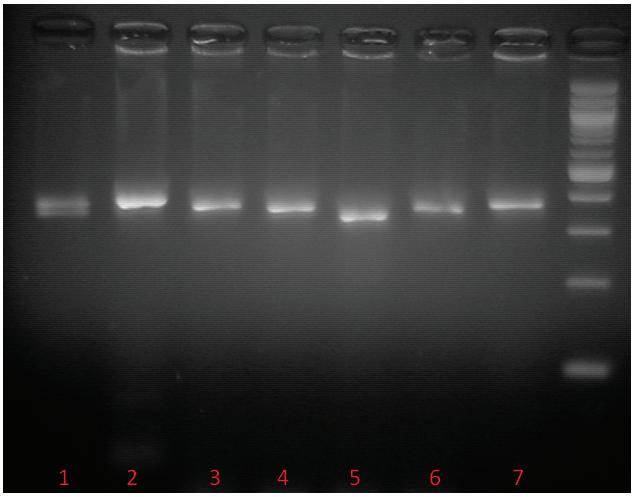
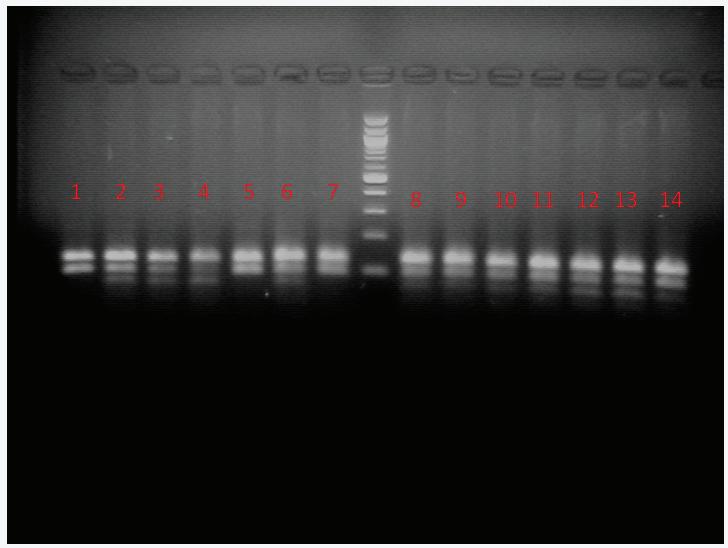
43. Bryce A. IgG Fc receptor polymorphisms in human disease: implications for intravenous immunoglobulin therapy. J Allergy Clin Immunol. 2003; 111: 697-703. Εικόνα 2.
-
3, 4, 6, 7: 131 - H/H
Σειρά 5: 131 - R/R.
Εικόνα 3.
FcγRIIIA σε γέλη
ένζυμο NlaIII.
Σειρές 1, 5, 7: 158 - F/F (μέγεθος θραυσμάτων 123bp και 84bp)
Σειρές 2, 3, 6, 8 - 14: 158 - V/F (μέγεθος θραυσμάτων 123bp, 84 bp και 61bp). Σειρά 4: 158 - V/V (μέγεθος θραυσμάτων 123bp και 61bp).
Abstract
Michailidou E. Karampatakis N. Kavaliotis J. Paediatric Department
Infectious Diseases Hospital, Thessaloniki
Meningitis due to Haemophilus Influenzae type e in a 7 month-old infant
Michailidou E., Karampatakis N., Kavaliotis J.
Following the introduction of an effective conjugated vaccine in 1988, the incidence of Haemophilus Influenzae type b infections, was significantly reduced by 99%. Ηowever, recently an increase of infections caused by other serotypes of Haemophilus has been reported. We describe a case of a fully vaccinated 7-month-old infant with meningitis, where Haemophilus Influenzae type e was isolated as the causing factor. The infant was admitted in our department within 24 hours of the onset of symptoms and received immediately antibiotic therapy. Nevertheless, during hospitalization, the patient presented complications and appearance of subdural empyemas, which made a surgical intervention necessary.
Keywords: meningitis, Haemophilus influenzae type e, infection
Haemophilus Influenzae type
Αλληλογραφία
Ε. Μιχαηλίδου
Γρ. Λαμπράκη 13, 546 38 Θεσσαλονίκη Τηλ: 2313308745
e-mail: elisam@otenet.gr
Correspondence
Michailidou E.
13, Gr. Lampraki str, 54638, Thessaloniki
Tel: +302313308745
e-mail: elisam@otenet.gr
τύπο 80,4%, Hb 9,4 g/dl, PLT 403.000, CRP 14,9 mg/dl (ΦΤ<0,70mg/dl), ΤΚΕ 24mm 1η ώρα, σάκχαρο 95 mg/dl, Κ 4,1 mEq/l, Na 138 mEq/l, SGPT 13 IU. Πραγματοποιήθηκε, επίσης, Ο.Ν.Π
άχρωμο, κύτταρα 3.300/μΙ, 80% πολυμορφοπύρηνα, γλυκόζη< 20 mg/dl, λεύκωμα 122 mg/dl, slidex (-), CRP (-).
(100mg/kg/24h)
non-typable,
1.Devarajan V. Haemophilus Influenzae Infections. e-Medicine Jan,2012
2.Rathore M, Mirza A. Haemophilus Influenzae Infection. e-Medicine July, 2010.
3.Kliegman, Behrman, Jenson and Stanton, Nelson Textbook of Pediatrics, Saunders, 18th Edition August 2007.
4.Buck L, Douglas L. Meningitis due to Haemophilus influenzae type e. J Clin Microbiol 1976, 4:381.
5.http://www.textbook of bacteriology.net/haemophilus_4.html
6.Marshall G.S, ΜcGowan K . Haemophilus influenzae Type e (Biotype IV) Meningitis. Am J Dis Child 1989, 143:9-10.
7.Burns IT, Zimmerman RK. Haemophilus influenzae type B disease, vaccines, and care of exposed individuals. J Fam Pract 2000, 49(9 Suppl):S7-13.
8.Dajani AS, Asmar BI, Thirumoorthi MC. Systemic Haemophilus influenzae disease: an overview. J Pediatr 1979, 94:355-64.
9.http://www.drugs.com/enc/meningitis-h-influenzae.html
10. H.B.Jenson and R.S. Baltimore, Pediatric Infectious Diseases, Principles and Practice , Saunders, Second Edition, 2002.
11. Murphy TF. Haemophilus influenza. Principles and Practice of Infectious Diseases, 6th ed. Mandell et al, 2005, Vol. Chapter 222.
12. Lin T.Y.,Nelson J.D., Maccracken, Jr G.H., Fever during treatment for Bacterial Meningitis, Pediatr Infect Dis J 1984; Vol 3, No4:319-322.
13. Heath PT, Booy R, Azzopardi HJ, et al. Non-type b Haemophilus influenzae disease: clinical and epidemiologic characteristics in the Haemophilus influenzae type b vaccine era. Pediatr Infect Dis J 2001;20:300-305.
14. Resman F, Ristovski M, Ahl J, Forsgren A, Gilsdorf JR, Jasir A, etal. Invasive disease by Haemophilus influenzae in Sweden 1997-2009; evidence of increasing incidence and clinical burden of non-type b strains. Clin Microbiol Infect. 2010 Nov 4. doi: 10.1111/j.14690691.2010.03417.
15. Tsang RS, Sill ML, Skinner SJ, et al. Characterization of invasive ΜΝ Haemophilus influenzae disease in Manitoba, Canada, 2000-2006: invasive disease due to non-type b strains. Clin Infect Dis 2007, 44:1611-1614.
16. Shishido and K Matsumoto. Meningitis due to Haemophilus influenzae type e biotype 4. J Clin Microbiol 1979, 10: 926-927.
17. Cawthern TH, Marraro RV, McCleskey FK. Bacteremia associated with Haemophilus influenzae type e biotype 4. J Clin Microbiol 1978, 7:1-2.
18. Varman M. Invasive Disease Due to Type e Haemophilus influenzae. Infect Dis Clin Pract 2008, 16:405-407.
19. Campos J, Roman F, Perez-Vazquez M, et al. Spanish Study Group for Haemophilus influenzae type E. Infections due to Haemophilus influenzae serotype E: microbiological, clinical, and epidemiological features. Clin Infect Dis 2003;15:841-845. [E-pub].
20. Kilic A, Altay F, Gurbuz Y, Otgun S, Sencan I. Haemophilus influenza serotype e meningitis in an adult. J Infect Dev Ctries 2010, 4:253-5.
Τηλ: 6972828703
e-mail: iphigeniabenou@yahoo.gr
Correspondence
Ifigeneia Mpenou
Pavlou Mela kai Tsimiski Eleousa, GR 45500, Ioannina
Τηλ: +306972828703
e-mail: iphigeniabenou@yahoo.gr
Abstract
Ifigeneia Mpenou1
Iliada Nakou1
Eleni Loutsi1
Antigoni Siamopoulou-Mavridou1
Meropi Tzoufi1
Department of Pediatrics, University Hospital of Ioannina, Ioannina
Maria Argyropoulou2
Department of Clinical Radiology, Medical School, University of Ioannina, Ioannina
Agathocles Tsatsoulis3
Department of Endocrinology, University Hospital of Ioannina, Ioannina
Marika Syrrou4
Cytogenetics Unit, Laboratory of General Biology, Medical School, University of Ioannina, Ioannina
Median cleft and holoprosencephaly in a 2 month old infant. Case report and review of the literature.
Ifigeneia Mpenou1, Iliada Nakou1, Eleni Loutsi1, Maria Argyropoulou2 , Agathocles Tsatsoulis3, Marika Syrrou4 , Antigoni Siamopoulou-Mavridou1 , Meropi Tzoufi1
Cleft lip and palate is the most common craniofacial malformation seen in children after birth. Median clefts are relatively rare and when accompanied with hypotelorism they indicate holoprosecephaly which presents with severe neurological manifestations, developmental dysfunction and endocrinopathies. We describe a case of a 2 month old boy with median cleft lip-palate, hypotelorism, microcephaly, generalized hypotonia and developmental delay. Magnetic resonance imaging revealed semilobar holoprosencephaly. Karyotype and specific genetic tests towards holoprosencephaly were conducted with negative results. Laboratory investigations revealed central diabetes insipidus and desmopressin therapy was initiated. At the age of 12 months due to a respiratory infection he developed dehydration and hypernatriemia followed by generalized tonic clonic seizures during intensive rehydration therapy. Antiepileptic therapy was initiated and the patient had no further seizure attacks. At the age of 2 years old his clinical picture consists of mixed type cerebral palsy along with severe mental retardation. The family was informed about the complex problem of the infant, the cautious prognosis, the necessity for systematic support services as well as for close follow up and genetic counseling during next pregnancy. This case of holoprosencephaly is the third in greek literature which indicates that infants with median clefts, accompanied by abnormal face and skull morphological characteristics, must be checked for underlying holoprosencephaly and extensive collaboration of doctors of various subspecialties is necessary for managing the complex outcomes of such a rare clinical entity. However, this is the first case accompanied with specific genetic testing which was conducted in terms of aetiological investigation.
Κeywords: holoprosencephaly, cleft lip-palate, central diabetes insipidus
Εικόνα
Συζήτηση
1.Eppley BL, van Aalst JA, Robey A, Havlik, RJ and Sadove AM. The Spectrum of Orofacial Clefting. Plast. Reconstr. Surg 2005; 115: 101e-114e.
2.Canfield MA, Honein MA, Yuskiv N, et al. National estimates and race/ethnic-specific variation of selected birth defects in the United States, 1999-2001. Birth Defects Res A Clin Mol Teratol 2006; 76:747-756.
3.Shi M, Wehby GL, Murray JC. Review on genetic variants and maternal smoking in the etiology of oral clefts and other birth defects. Birth Defects Res C: Embryo Today: 2008; 84:16-29.
4.Croen LA, Shaw GM, Lammer EJ. Risk factors for cytogenetically normal holoprosencephaly in California: a population-based case-control study. Am J Med Genet 2000; 90: 320-325.
5.Rasmussen SA, Moore CA, Khoury MJ, Cordero JF. Descriptive epidemiology of holoprosencephaly and arhinencephaly in metropolitan Atlanta, 1968-1992. Am J Med Genet 1996; 66:320-33.
6.Haas D and Muenke M. Abnormal Sterol Metabolism in Holoprosencephaly. Am J Med Genet 2010; 154C:102-108.
7.Levey EB, Stashinko E, Clegg NJ and Delgado MR. Management of Children With Holoprosencephaly. Am J Med Genet 2010; 154C:183-190.
8.Miller E, Rasmussen SA, Siega-Riz AM, Frías JL, Honein MA and the National Birth Defects Prevention Study. Risk Factors for Non-Syndromic Holoprosencephaly in the National Birth Defects Prevention Study. Am J Med Genet 2010; 154C:62-72.
9.Dubourg C, Bendavid C, Pasquier L, Henry C, Odent S and David V. Holoprosencephaly. Orphanet Journal of Rare Diseases, 2007, 2:8.
10.Hahn JS, Plawner LL. Evaluation and management of children with holoprosencephaly. Pediatr Neurol 2004; 31: 79-88.
11.Roessler E. and Muenke M. The Molecular Genetics of Holoprosencephaly. Am J Med Genet 2010; 154C:52-61.
12.
2009;72: 216-220.
13.Overhauser J, Mitchell HF, Zackai EH, Rojas K, Muenke M. Physical mapping of the holoprosencephaly critical region in 18p11.3. Am J Hum Genet 1995 ;57:1080-1085.
14.Bendavid C, Dupe V, Rochard L, Gicquel I, Dubourg C, and David V. Holoprosencephaly: An Update on Cytogenetic Abnormalities. Am J Med Genet 2010; 154C:86-92.
15.Solomon BD, Rosenbaum KN, Meck JM, Muenke M. Holoprosencephaly due to numeric chromosome abnormalities. Am J Med Genet C 2010; 154C(1):146-8.
16.Dubourg C, Lazaro L, Pasquier L, Bendavid C, Blayau M, Le Duff F, et al. Molecular Screening of SHH, ZIC2, SIX3, and TGIF Genes in Patients With Features of Holoprosencephaly Spectrum: Mutation Review and Genotype-Phenotype Correlations. Human Mutation 2004; 24 (1): 43-51.
17.Cohen MM Jr. Holoprosencephaly: Clinical, Anatomic and Molecular Dimensions. Birth Defects Research (Part A) 2006;76:658-673.
18.Pineda-Alvarez DE, Dubourg C, David V, Roessler E, Muenke M. Current recommendations for the molecular evaluation of newly diagnosed holoprosencephaly patients. Am J Med Genet 2010; 154C; 93-101.
19.Savasta S, Chiapedi S, Borali E, Perrini S, Sepe V, Caimmi S, et al. Holoprosencephaly with neurogenic hypernatremia: a new case. Childs Nerv Syst 2008; 24:139-142.
20.Cuisset JM, Cuvellier JC, Vallée L, Ryckewäert P, Soto-Ares G, Nuyts JP. Holoprosencephaly with neurogenic hypernatremia. Arch Pediatr. 1999 ;6(1):43-5.
21.Wang SM, Chen YJ. Holoprosencephaly: a case presenting with adipsic hypernatremia. Zhonghua Min Guo Xiao Er Ke Yi Xue Hui Za Zhi. 1996 Μay-Jun; 37(3):215-7.
22.Karabay-Bayazit A, Hergüner O, Altunbaşak S, Noyan A, Yükel B, Anarat A. Hypodipsia-hypernatremia syndrome associated with holoprosencephaly in a child: a case report. Turk J Pediatr. 2002 ;44(3):263-6.
23.König R, Beeg T, Tariverdian G, Scheffer H, Bitter K. Holoprosencephaly, bilateral cleft lip and palate and ectrodactyly: another case and follow up. Clin Dysmorphol 2003; 12:221-225.
24.Schaff-Blass E, Robertson GL, Rosenfield RL. Chronic hypernatremia from a congenital defect in osmoregulation of thirst and vasopressin. J Pediatr 1983; 102:703-708.
25.Stashinko EE, Clegg NJ, Kammann HA, et al. A retrospective survey of perinatal risk factors of 104 living children with holoprosencephaly. Am J Med Genet 2004;128A:114119.
26.Mercier S, Dubourg C, Belleguic M, Pasquier L, Loget P, Lucas J, et al. Genetic Counseling and ‘‘Molecular’’ Prenatal Diagnosis of Holoprosencephaly (HPE). Am J Med Genet Part C Semin Med Genet 2010; 154C:191-196.
27.Roach E, Demyer W, Conneally PM, Palmer C, Merritt AD. Holoprosencephaly: Birth data, genetic and demographic analyses of 30 families. Birth Defects Orig Artic Ser 1975;11:294-313.
28.Kourti M, Pavlou E, Rousso I, Economou I, Athanassiadou F. Holoprosencephaly and diabetes insipidus in a 3-month-old infant. J Child Neurol. 2008 ; 23(1):118-20.
Φ.
Abstract
F. Tzifi1, M. Moschovi1
MA Malliarou1
1st Department of Pediatrics, University of Athens, Children’s Hospital “Aghia Sophia”
V. Kitra2
I. Peristeri2
Bone Marrow transplantation Unit, Children’s Hospital “Aghia Sophia”
Successful bone marrow transplantation in a child with severe aplastic anemia
F. Tzifi1, V. Kitra2, I. Peristeri2, M. Moschovi1, MA Malliarou
1
Aplastic anemia (AA) is a hematological disorder characterized by a decrease in the cellular elements of the peripheral blood, which is due to bone stem cell marrow failure. It is a very rare disease during childhood and adolescence. AA is due to genetic or acquired causes, and its pathophysiology includes damage to the stem cell or the marrow microenvironment. An extensive laboratory investigation is required for the differential diagnosis and the establishment of the possible cause of the disease. Bone marrow aspiration and trephine biopsy is performed in order to assess cellularity and to exclude leukemia and myelodysplastic syndromes. Staging of AA is based on the findings of the peripheral blood and bone marrow, and the disease is defined as mild, severe or very severe. Treatment depends on AA classification, as patients with mild phenotype are monitored carefully, whereas treatment choice for severe and very severe AA is bone marrow transplantation. We present the case of a 13-year-old boy with severe idiopathic AA, which was treated successfully with bone marrow transplantation. The main purpose
Αλληλογραφία
Παπαδιαμαντοπούλου
Τ.Κ. 11527, Αθήνα
Τηλ: 6944536237
e-mail: fltzifi@med.uoa.gr
Correspondence
Flora Tzifi MD, MSc
Thivon & Papadiamantopoulou
Str. 11527, Athens
Tel: +306944536237
e-mail: fltzifi@med.uoa.gr
for the description of this case is not only the rarity of AA in childhood, but also the importance of early treatment with bone marrow transplantation with histocompatible sibling donor, which consists of the treatment of choice.
Key words: aplastic anemia, children, bone marrow transplantation
Χωρίς
χρωμόσωμα 5, στο 7, στο 8: (-)
Χωρίς μεταθέσεις t(9;22)(q34;q11.2), t(12;21)(p13;q22), t(8;14)(q24;q22): (-)
Αποκλεισμός μυελοδυσπλαστικών συνδρόμων
Σε δείγμα ούρων: αρνητική
Δείκτες ηπατίτιδας και HIV (-)
Αντισώματα για:EBV, CMV, ParvoB19,Coxsackie αρνητικά
PCR μυελού οστών για EBV, CMV, ParvoB19,Coxsackie αρνητική
Ανοσοσφαιρίνες κφ
Αυτοαντισώματα αρνητικά Ανοσοφαινότυπος περιφερικού αίματος →
αναστροφή της σχέσης CD4+/CD8+ , ποσοστό διεγερμένων Τ λεμφοκυττάρων
Ham test:
(Graft Versus Host Disease, GVHD),
Versus Graft, HVG).
1.Davies JK, Guinan EC. An update on the management of severe idiopathic aplastic anaemia in children. Br J Haematol. 2007; 136(4):549-64.
2.Montané E, Ibáñez L, Vidal X, Ballarín E, Puig R, García N, et al. Epidemiology of aplastic anemia: a prospective multicenter study. Haematologica. 2008 ;93(4):518-23.
3.Young NS, Calado RT, Scheinberg P. Current concepts in the pathophysiology and treatment of aplastic anemia. Blood. 2006; 15;108(8):2509-19.
4.Geissler K. Pathophysiology and treatment of aplastic anemia. Wien Klin Wochenschr. 2003; 14;115(13-14):444-50.
5.Bagby GC, Lipton JM, Sloand EM, Schiffer CA. Marrow failure. Hematology Am Soc Hematol Educ Program. 2004:318-36.
6.International Agranulocytosis and Aplastic Anemia Study Group (1987) Incidence of Aplastic Anemia: the relevance of diagnostic criteria. Blood. 1987; 70:1718-21.
7.Marsh JC, Ball SE, Cavenagh J, Darbyshire P, Dokal I, Gordon-Smith EC, et al. British Committee for Standards in Haematology. Guidelines for the diagnosis and management of aplastic anaemia. Br J Haematol. 2009;147(1):43-70.
8.Bacigalupo A. Treatment strategies for patients with severe aplastic anemia. Bone Marrow Transplant. 2008;42 Suppl 1:S42-S44.
9.Kahl C, Leisenring W, Deeg HJ, Chauncey TR, Flowers ME, Martin PJ, et al. Cyclophosphamide and antithymocyte globulin as a conditioning regimen for allogeneic marrow transplantation in patients with aplastic anaemia: a long-term follow-up. Br J Haematol. 2005;130(5):747-51.
10. Hsieh MY, Chiou TJ, Hung GY, Yen HJ. Outcomes of matched sibling and alternative donor stem cell transplantation for 26 children with severe aplastic anemia. Int J Hematol. 2010; 91(1): 54-60.
11. Perez-Albuerne ED, Eapen M, Klein J, Gross TJ, Lipton JM, Baker KS, et al. Outcome of unrelated donor stem cell transplantation for children with severe aplastic anemia. Br J Haematol. 2008;141(2):216-23.
12. Scheinberg P, Wu CO, Nunez O, Young NS. Long-term outcome of pediatric patients with severe aplastic anemia treated with antithymocyte globulin and cyclosporine. J Pediatr. 2008;153(6):814-9.
13. Pongtanakul B, Das PK, Charpentier K, Dror Y. Outcome of children with aplastic anemia treated with immunosuppressive therapy. Pediatr Blood Cancer. 2008;50(1):52-7.
Abstract
K. Papadopoulou-Legbelou
A. Klisarhaki
P. Chouchou
S. Varlamis
Z. Halemis
G. Varlamis
4th Department of Pediatrics, “Papageοrgiou” Hospital, Thessaloniki
Pulmonary valve endocarditis in an infant with no predisposing factors
K. Papadopoulou-Legbelou, A. Klisarhaki, P. Chouchou, S. Varlamis, Z. Halemis, G. Varlamis
Right sided endocarditis is rare (only 5-15% of cases) and usually involves the tricuspid valve, predominantly in intravenous drug users, or in patients having central venous catheters. We report a case of enterococcus faecium pulmonary valve endocarditis due to a nosocomial infection of a previously healthy infant, without structural heart disease, or other predisposing factors.
Key words: Endocarditis, pulmonary valve, children
Αλληλογραφία
Κ. Παπαδοπούλου-Λεγμπέλου
Ν. Ευκαρπία 56403, Θεσσαλονίκη
Τηλ: 6944421060
e-mail: kelipap@gmail.com, kpapadopoulou@auth.gr Correspondence
K. Papadopoulou-Legbelou
N. Efkarpia 56403 Thessaloniki, Greece
Tel: +0306944 421060
e-mail: kelipap@gmail.com, kpapadopoulou@auth.gr
X103/μL, CRP:1,74 mg/dL (ΦΤ<0,80), ΤΚΕ:37mm/h, Mantoux
EBV, Parvo,
29,21 X10³/μL (Π: 56,5%, Λ:25,8% Μ:6%,) Αιμοσφαιρίνη 8,6 g/dL,
26,8%, Αιμοπετάλια: 453 X103/μL, CRP: 4mg/dL με άνοδο σε 12mg/dL και προκαλσιτονίνη 5,66ng/ L (ΦΤ<0,09ng/L), αντισώματα για coxsackie, echo, bartonella,
σύφιλη,
Widal, και anti-HIV αρνητικά. Η
Εικόνα 1.
(ΦΤ=79-152), C4=2,84
cus faecium.
(ΦΤ=16-38).
1. Ferrieri P, Gewitz MH, Gerber MA, Newburger JW, Dajani AS, Shulman ST, et al. Committee on Rheumatic Fever, Endocarditis, and Kawasaki Disease of the American Heart Association Council on Cardiovascular Disease in the Young, Unique Features of Infective Endocarditis in Childhood. Circulation 2002;105:2115-2126.
2. Cardiovascular infections. In: Park MK, editor. Pediatric Cardiology for Practitioners, 5th ed. Philadelphia: Mosby, Elsevier, 2008. p:351-380.
3. Day MD, Gauvreau K, Shulman S Newburger JW. Characteristics of children hospitalized with infective endocarditis. Circulation 2009;119: 865-870.
4. Varman M. Pediatric Enterococcal Infection. Web page: http://emedicine.medscape. com/article/971259.
5. Haslam DB. Enterococcus. In: Kliegman RM, Stanton BF, St Geme JW, Schor NF, Berman RE, editors. Nelson Textbook of Pediatrics, 19th ed. Philadelphia: WB Saunders Company; 2011. p. 89.
6. Ndiaye MB, Diao M, Pessinaba S, Bodian M, Kane AD, Mbaye A, et al. Epidemiological, clinical and ultrasonographic aspects of right-sided infective endocarditis in Senegal: 6 cases. Med Trop (Mars) 2011; 71: 484-486.
7. Cremieux AC, Witchitz S, Malergue MC, Wolff M, Vittecocq D, Vilde JL et al. Clinical and echocardiographic observations in pulmonary valve endocarditis. Am J Cardiol 1985; 56: 610-613.
8. Edmond JJ, Eykyn SJ, Smith LD. Community acquired staphylococcal pulmonary valve endocarditis in non-drug users: case report and review of the literature. Heart 2001; 86: e17.
9. Saphiro SM, Young E, Ginzton LE, Bayer AS. Pulmonic valve endocarditis as an underdiagnosed disease: role of transesophageal echocardiography. J Am Soc Echocardiogr 1992; 5: 48-51.
10. Winslow T, Foster E, Adams JR, Schiller NB. Pulmonic valve endocarditis: improved diagnosis with biplane transesophageal echocardiography. J Am Soc Echocardiogr 1992; 5: 201-210.
11. Ramadan FB, Beanlands DS, Burwash IG. Isolated pulmonic valve endocarditis in healthy hearts: a case report and review of the literature. Can J Cardiol 2000; 16: 12821288.
12. Tariq M, Smego RA Jr, Soofi A, Islam N. Pulmonic valve endocarditis. South Med J 2003; 96: 621-623.
13. Hamza N, Ortiz J, Bonormo RA. Isolated pulmonic valve infective endocarditis: a persistent challenge. Infection 2004; 32: 170-175.
14. Willems RJ, van Schaik W. Transition to Enterococcus faecium from commensal organism to nosocomial pathogen. Future Microbiol 2009; 4: 1125-35.
15. Férnandez Guerrero ML, Goyenechea A, Verdejo C, Roblas RF, de Górdolas M. Enterococcal endocarditis on native and prosthetic valves: a review of clinical and prognostic factos with emphasis on hospital-aquired infections as a major determinant of outcome. Medicine (Baltimore) 2007; 86: 363-377.
16. Ang JY, Lua JL, Turner DR, Asmar BI. Vancomycin-resistant Enterococcus faecium endocarditis in a premature infant successfully treated with linezolid. Pediatr Infect Dis J 2003; 22: 1101-1103.
17. Li JS, Sexton DJ, Mick N, Nettles R, Fowler VG, Ryan T et al. Proposed modifications to the Duke criteria for the diagnosis of infective endocarditis. Clin Infect Dis 2000; 30: 633-638.
18. Valente AM, Jain R, Scheurer M, Fowler VG, Jr, Corey GR, Bengur AR et al. Frequency of infective endocarditis among infants and children with Staphylococcus aureus bacteremia. Pediatrics 2005; 115:e15-19.
19. Durack DT, Lukes AS, Bright DK. New criteria for diagnosis of infective endocarditis: utilization of specific echocardiographic findings. Duke Endocarditis Service. Am J Med 1994; 96: 200-209.
20. Murdoch DR, Corey GR, Hoen B, Miró JM, Fowler VG, Bayer AS et al. Clinical presentation, etiology and outcome of infective endocarditis in the 21th century: the International Collaboration on Endocarditis-Prospective Cohort Study. Arch Intern Med 2009; 169: 463-473.
21. Fayad G, Leroy G, Devos P, Hervieux E, Senneville E, Koussa M, et al. J Heart Valve Dis 2011; 20: 223-228.
22. Karchmer AW. Infective Endocarditis. In: Bonow RΟ, Mann DL, Zipes DP, Libby P editors. Braunwald’s Heart Disease: A Textbook of Cardiovascular medicine, 9th ed. International edition: Elsevier Saunders; 2012. p. 1540.
23.
2000; 12:349-355.
24. Center for Disease Control and Prevention: Recommendations for preventing the spread of vancomycin resistance Hospital Infection Control Practices Advisory Committee (HICPAC). Infection Control Hosp Epidemiol 1995; 16: 105-113.